Home Blog Page 36

Barndominium kits: Upfront Costs Lead to Long Term Savings

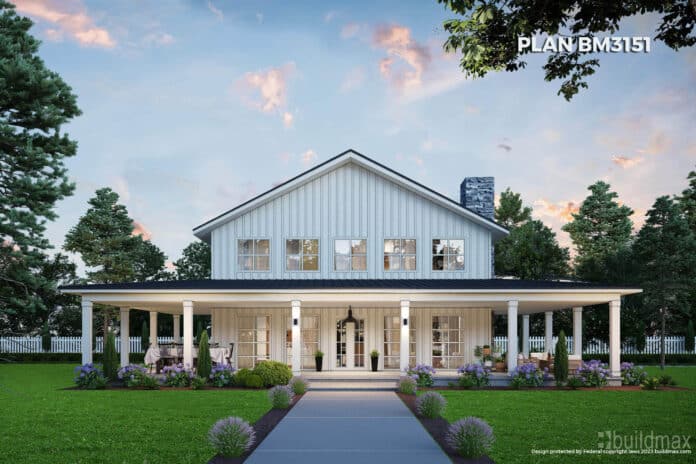
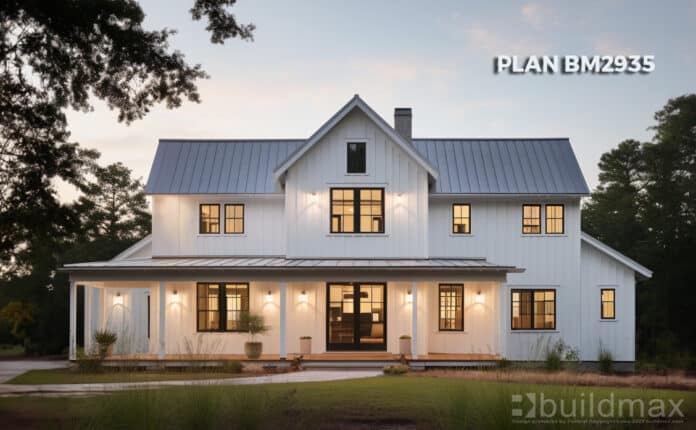
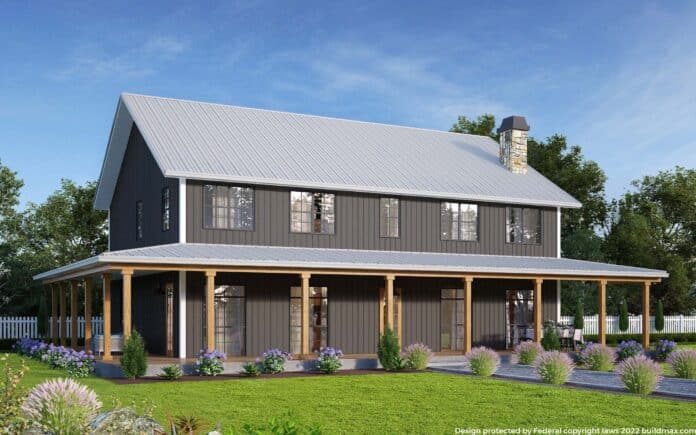
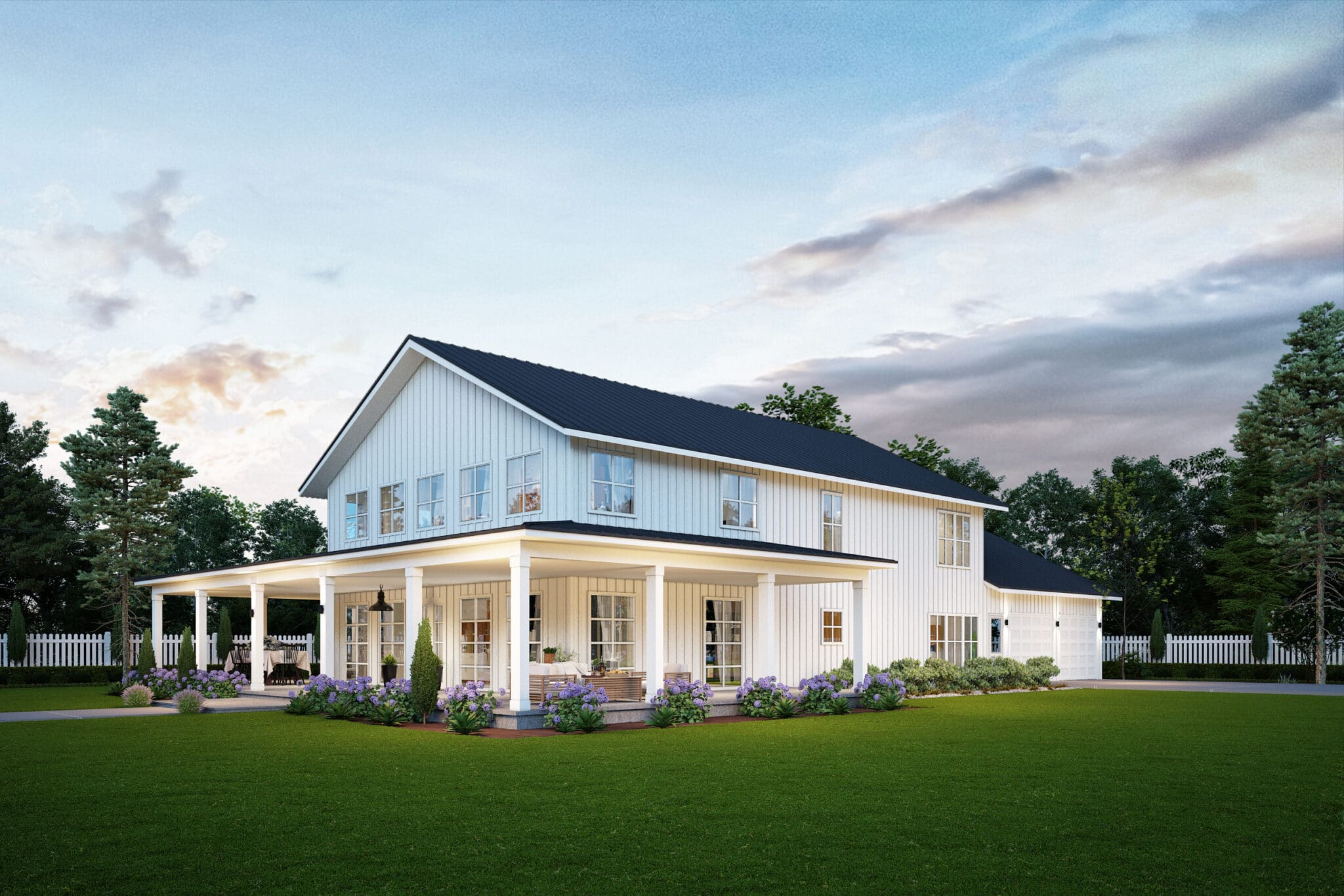
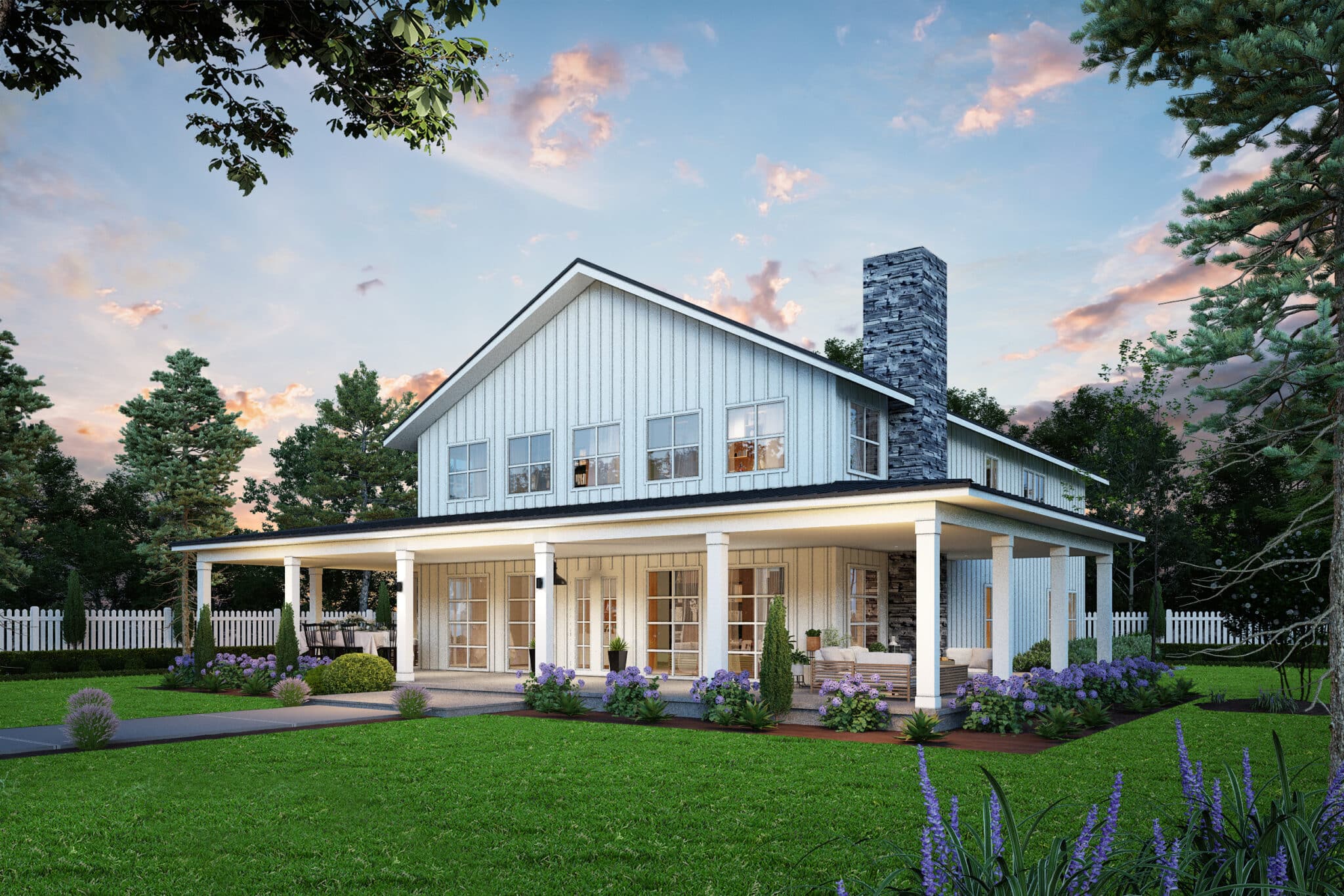
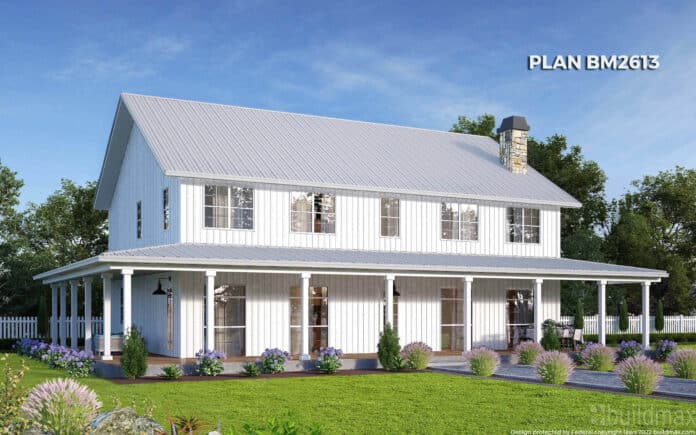
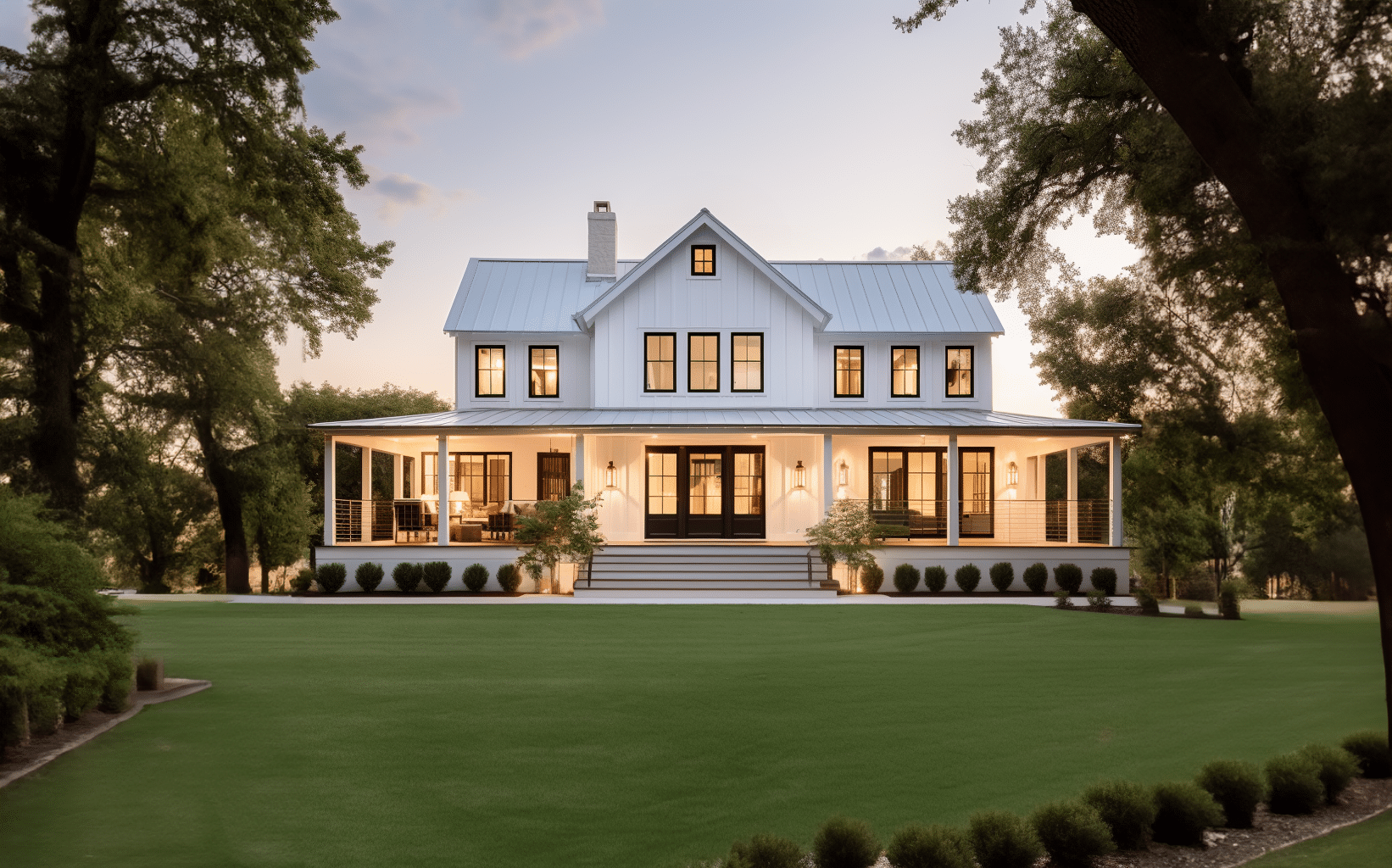
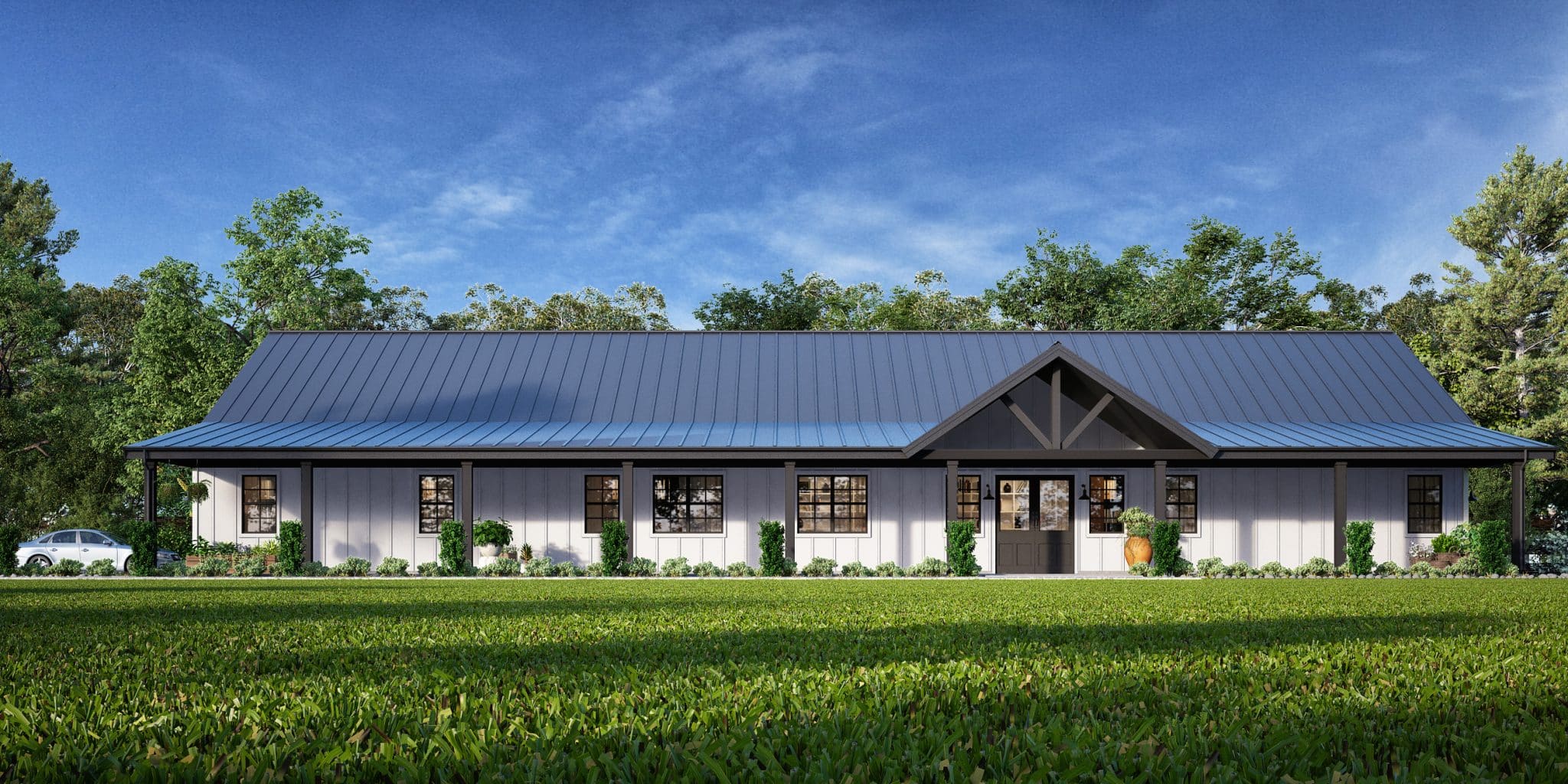
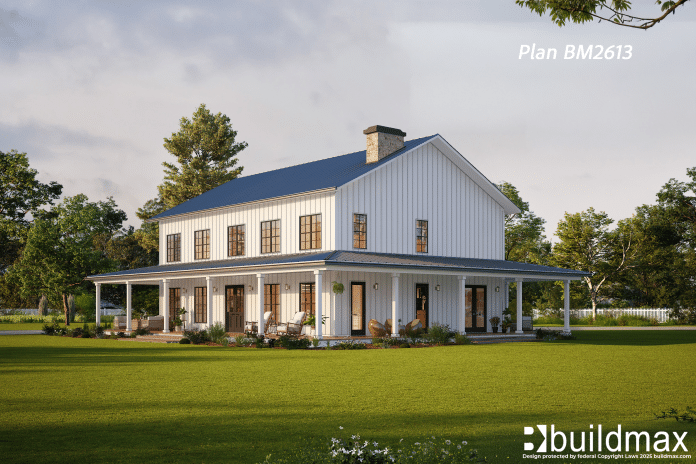
white barndominium with wraparound porch

Why Barndominiums Are Still a Smart Choice Build

At first glance, barndominiums promise budget-friendly home construction thanks to their metal prefab kits and remote rural sites. However, all-in costs for a high-quality barndo with nice finishes often end up comparable to a traditional built house. Does this mean you should abandon barndo dreams? Not necessarily – their other benefits beyond bottom line savings still make steel homes a wise investment when planned properly.

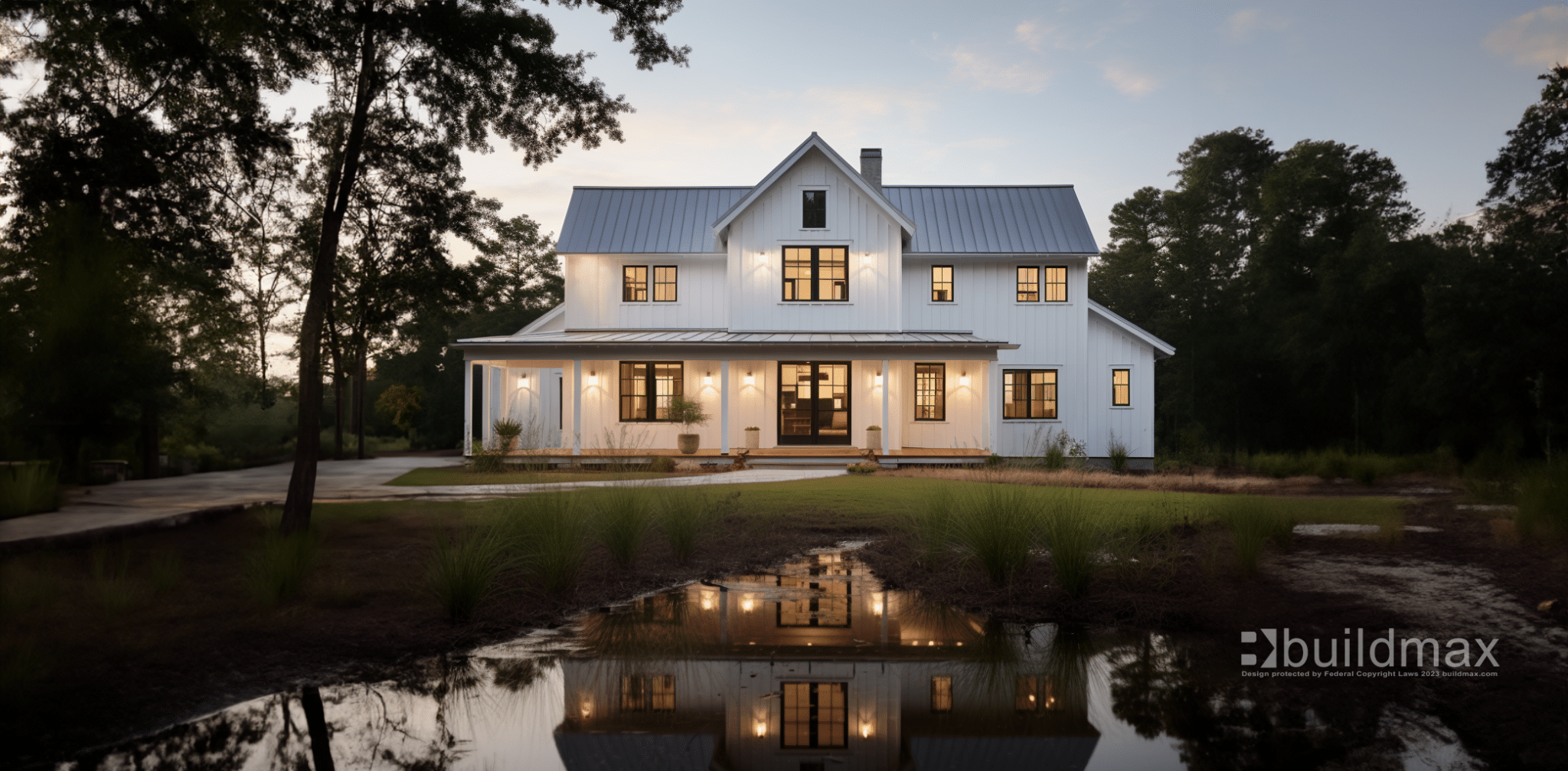
DREAM BARNDO BM2852

Where Costs Add Up

Several factors can lead to barndominiums reaching pricing parity with traditional homes:

– Luxury finishings like stonework, high-end appliances
– Technical requirements like heavy insulation, moisture barriers
– Long utility runs, site development on rural land
– HVAC systems sized for large open spaces
– General contractor oversight of specialized trades

Where Barndos Provide Added Value

While the overall price tag may be similar once nicely equipped, barndominiums return more value in areas that matter:

– Customization flexibility perfects the layout for your family
– Ability to size for spacious open concepts not easily achievable on spec homes
– Energy efficiency from steel envelope and modern HVAC
– Disaster and pest resilience from sturdy materials
– Enjoyment of peaceful rural sites and proximity to land
– Potential for accessory dwellings like workshops not permitted in suburbs
– Significantly lower long-term maintenance than traditional builds

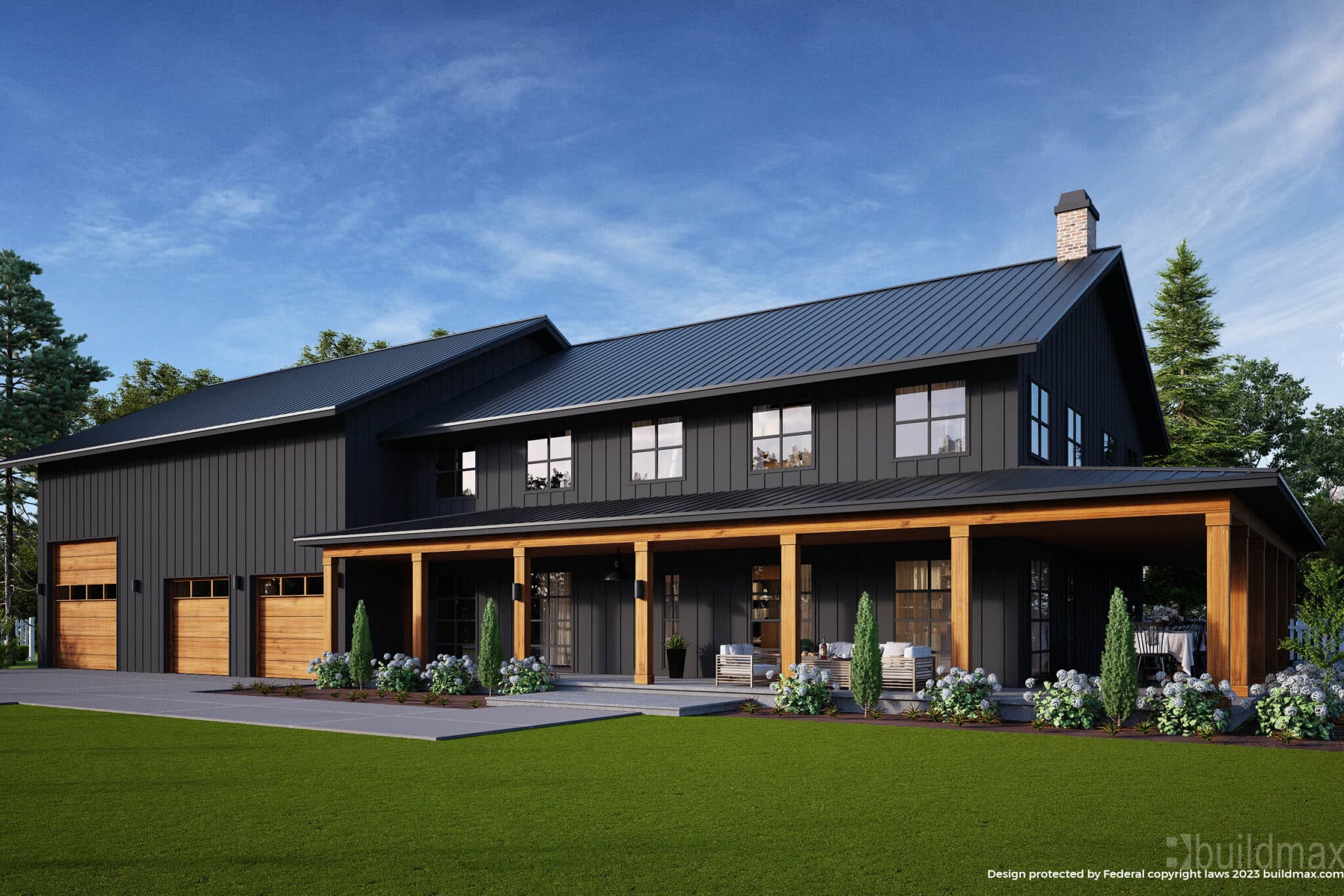
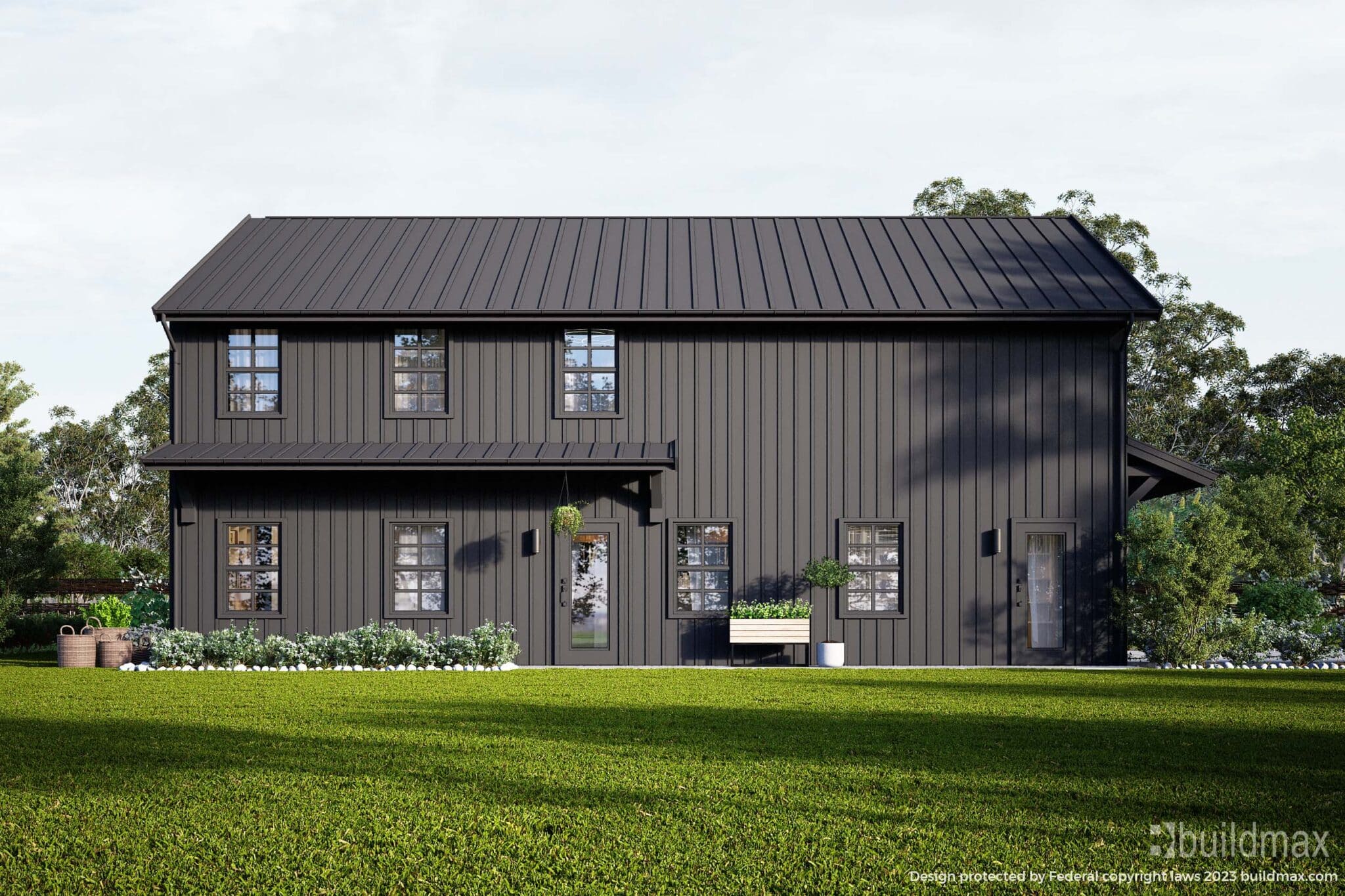
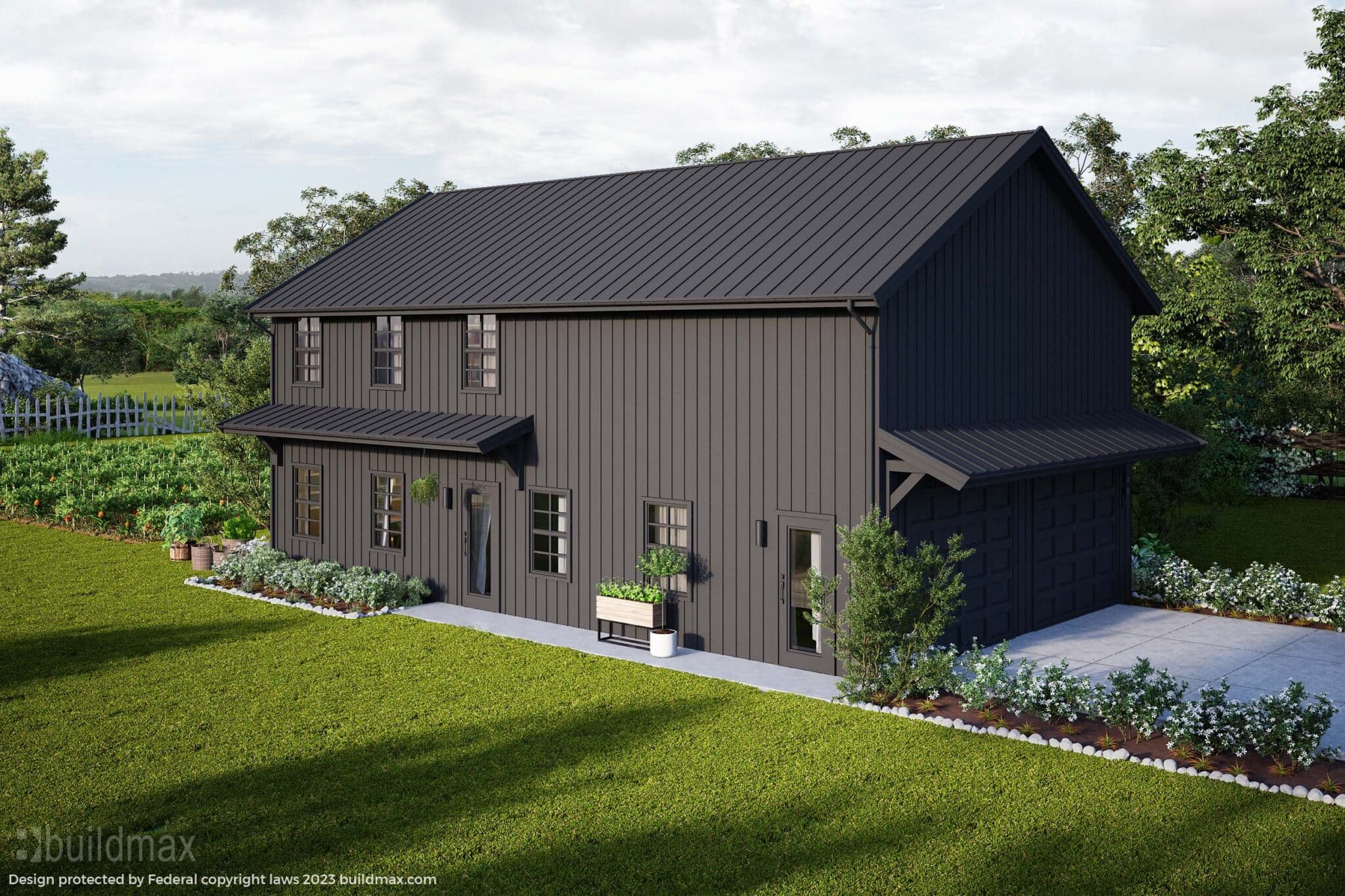
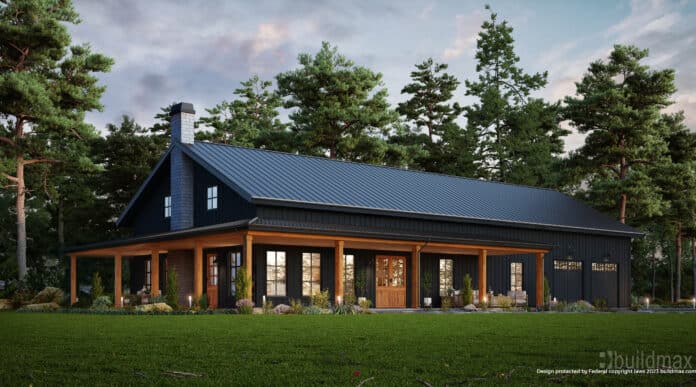
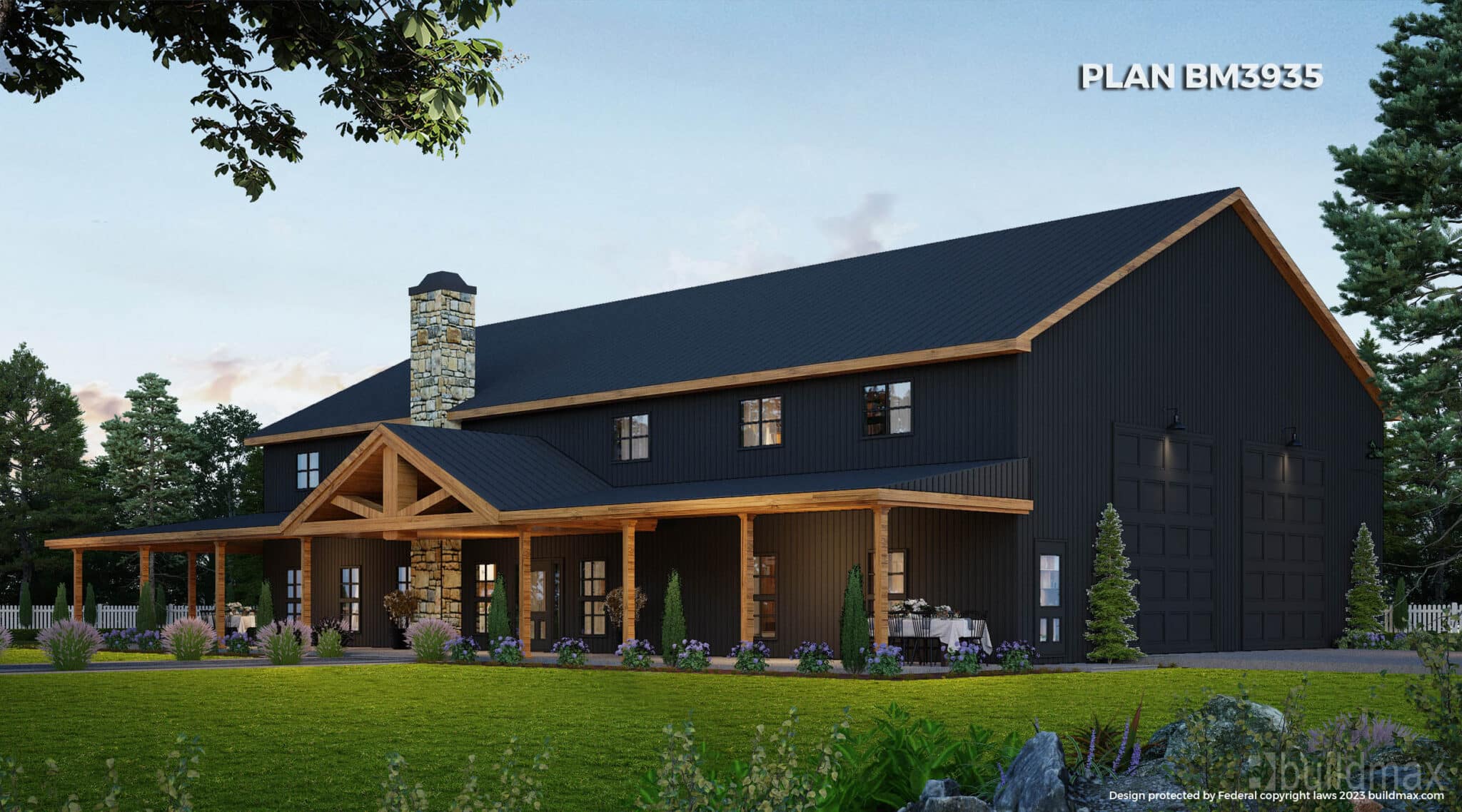
black barndominium shophouse with wraparound porch

The Takeaway

If you want a true bare bones shelter, basic pole barns are the most budget build. But for fully livable custom dwellings, barndominium pricing landing similarly to conventional homes is not unreasonable. The heightened return on personalization, efficiency, resilience, and functionality merits the investment – delivering lifestyle benefits that make barndos worth every penny.

Metal Barndominium Kits: Floor Plans and Custom Designs

Everything To Know About Metal Barndominium Kits

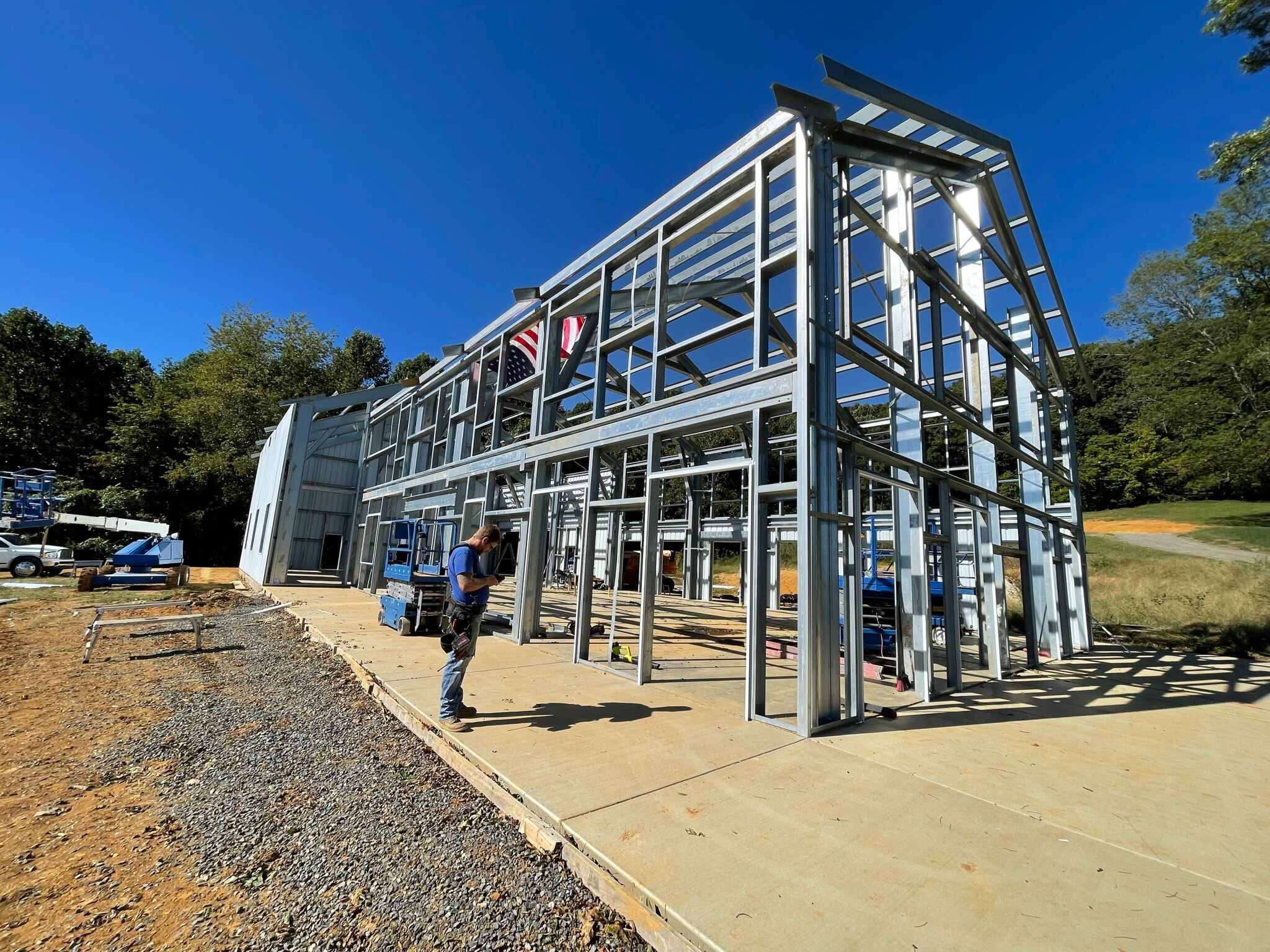
Barndominiums utilize pre-engineered metal buildings traditionally used for agricultural purposes as the structural foundation of unique residential dwellings. Purchasing a prefabricated steel barndominium kit provides cost savings on the core shell. But finishing the interior into a high-end living space still requires planning, materials and labor. Let’s look in-depth at what metal building kits include and what to expect for complete build out.

What Comes in the Steel Shell Kit

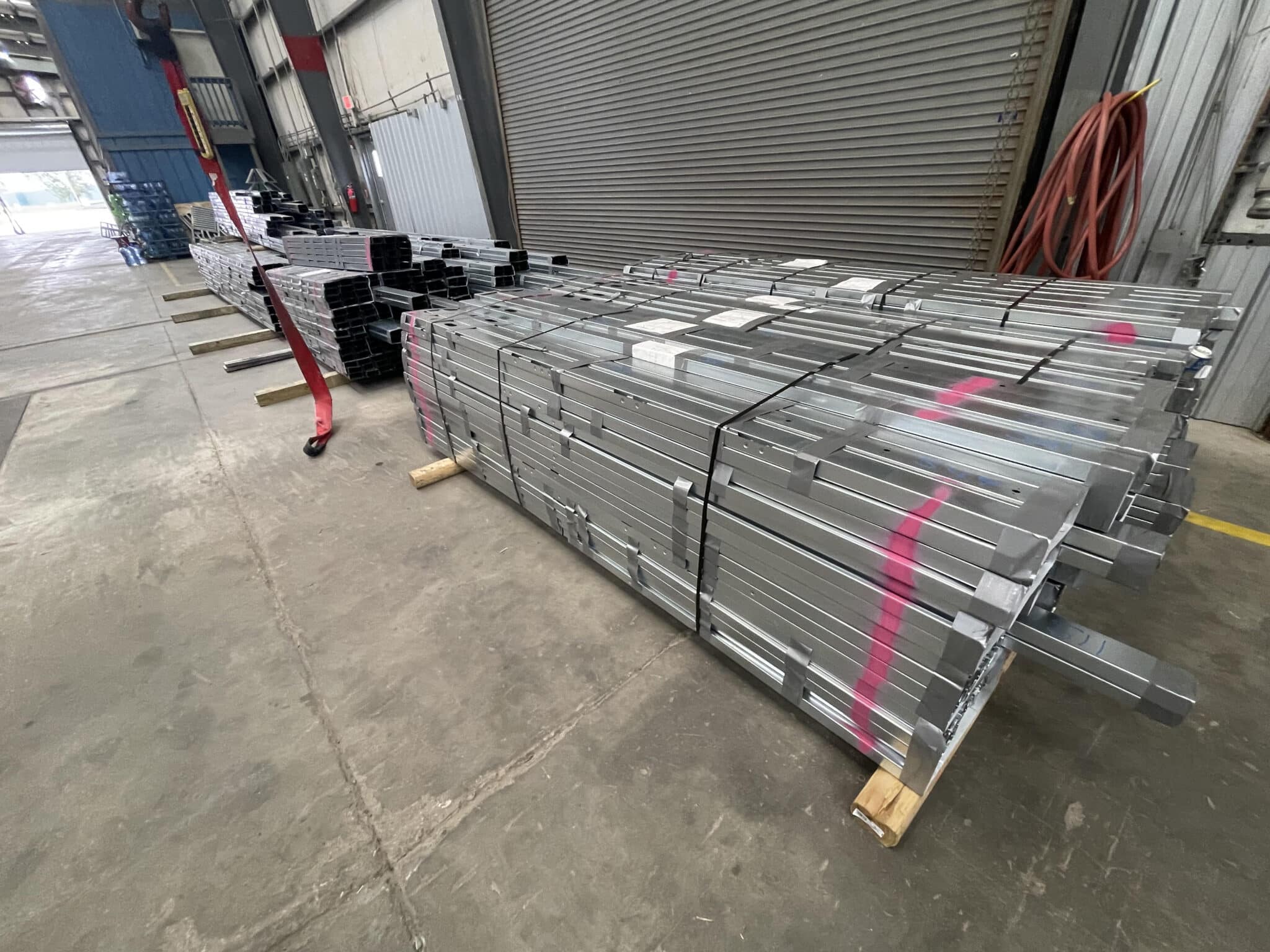
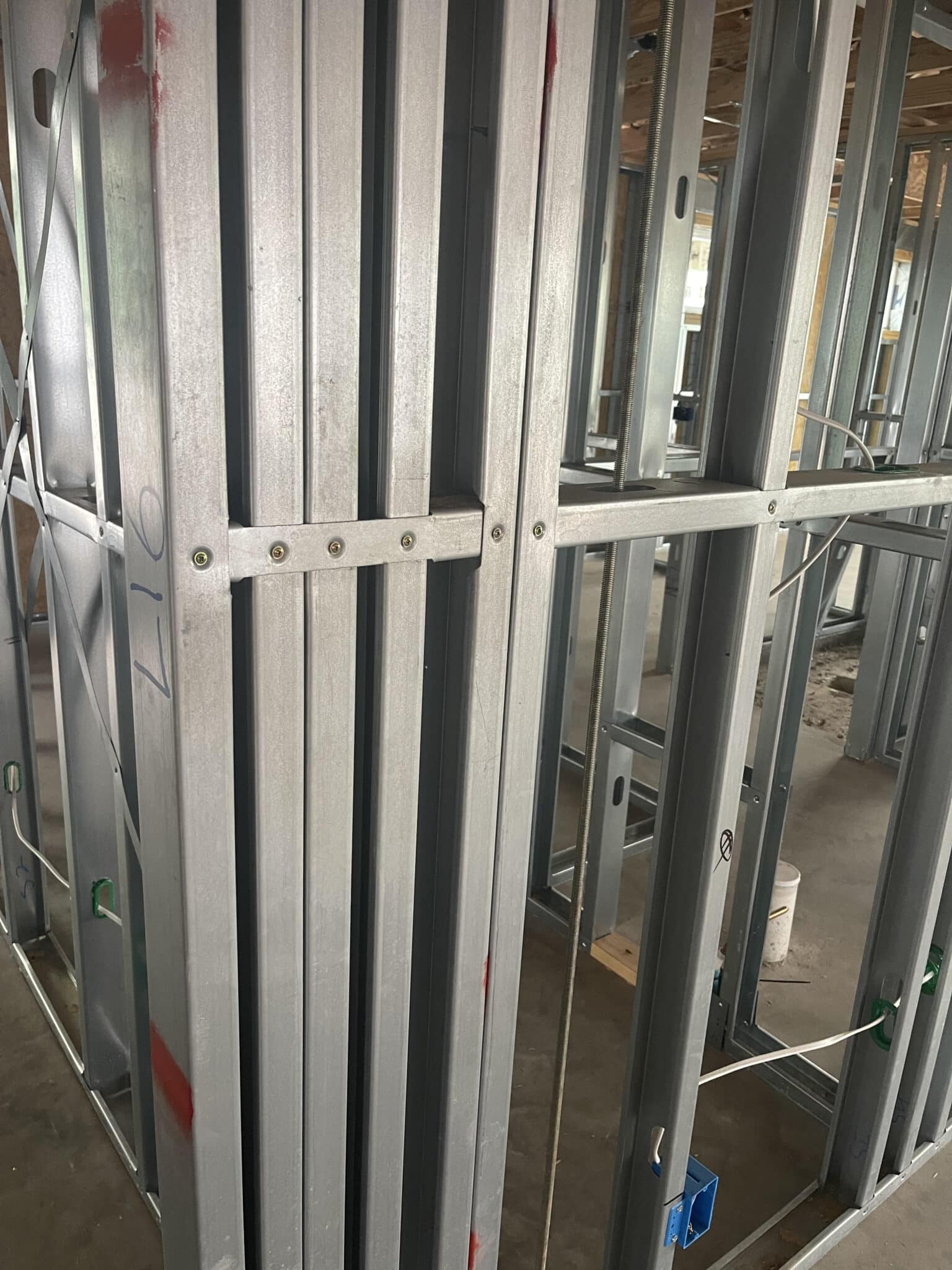
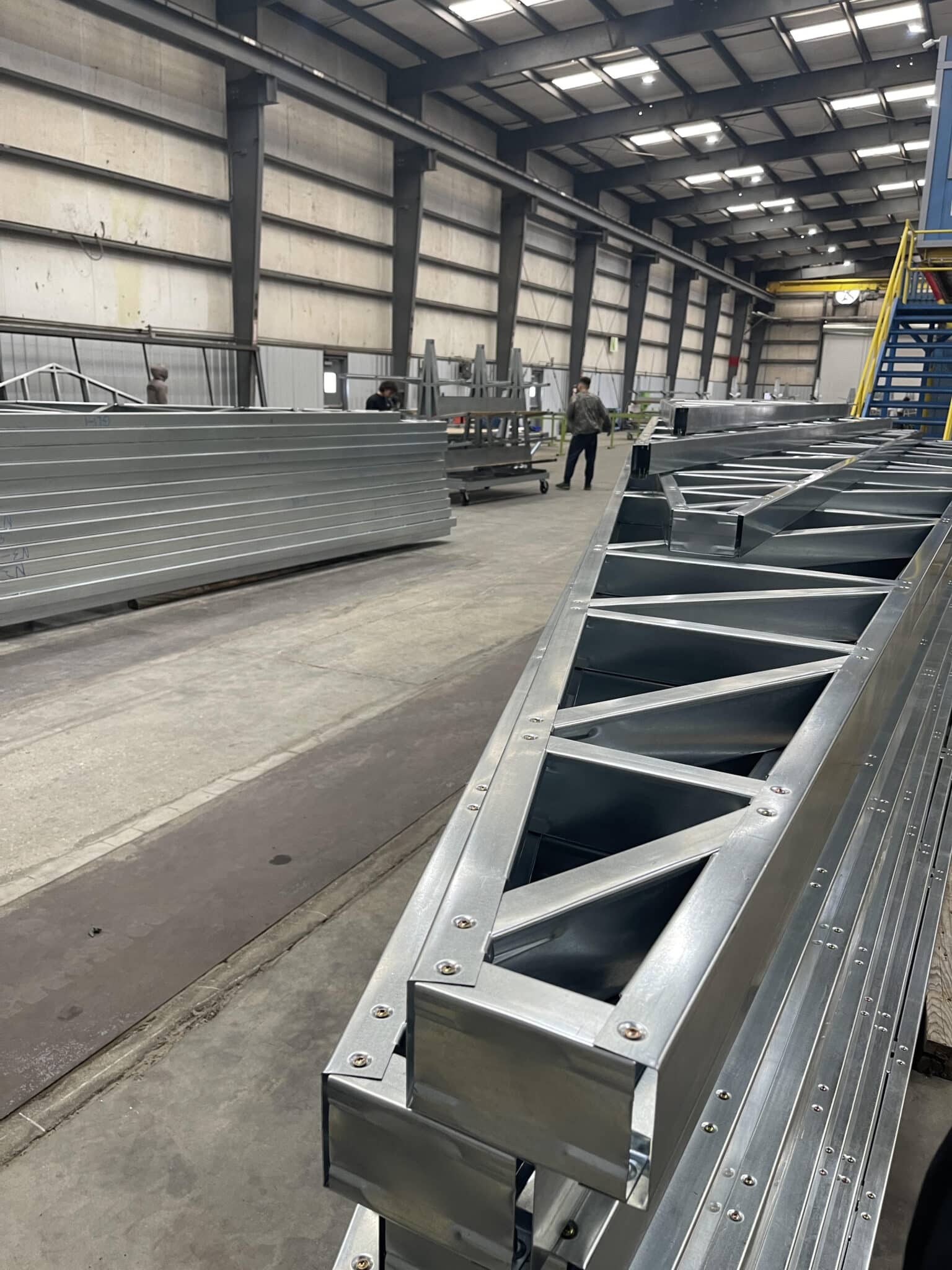
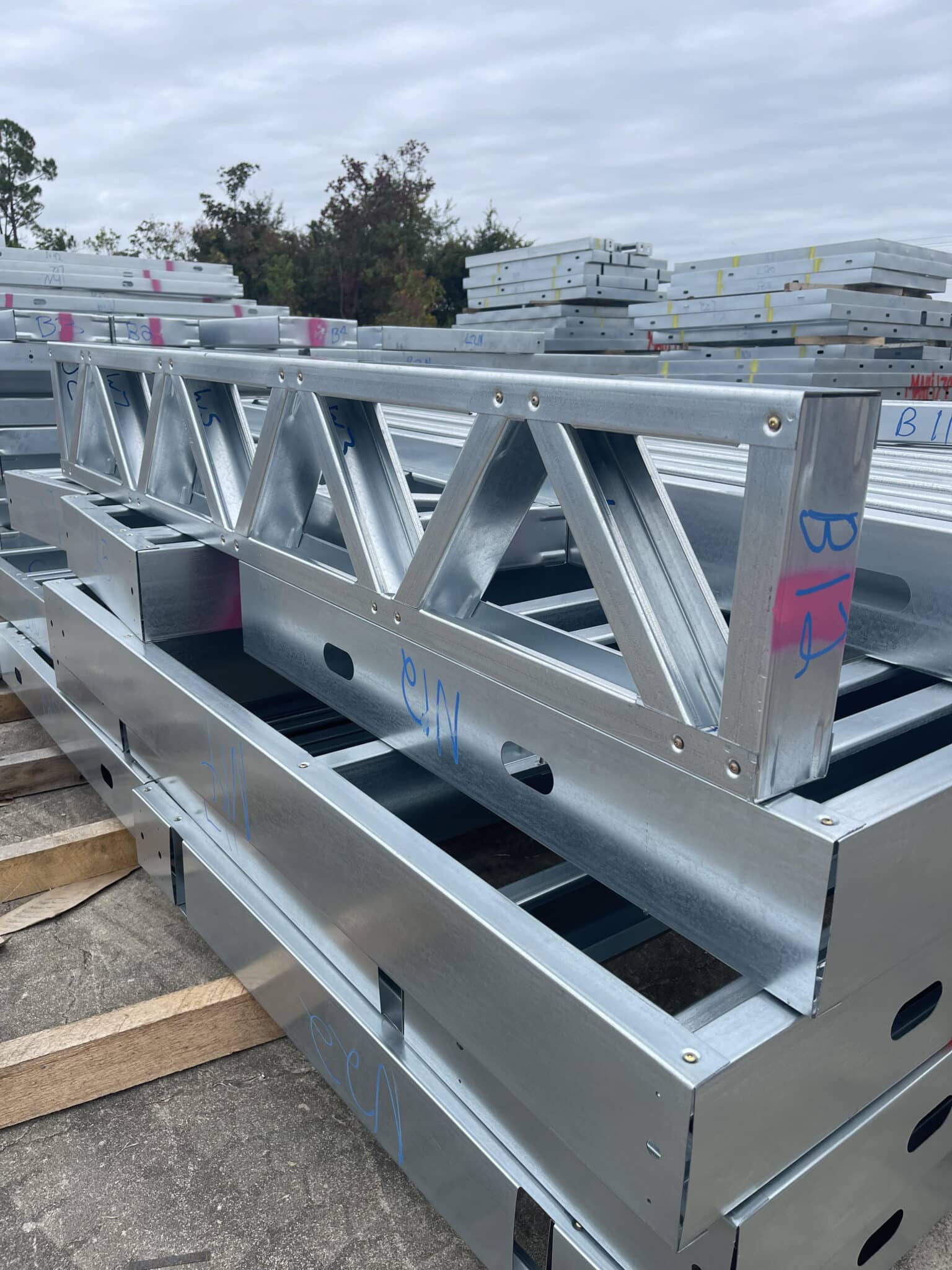
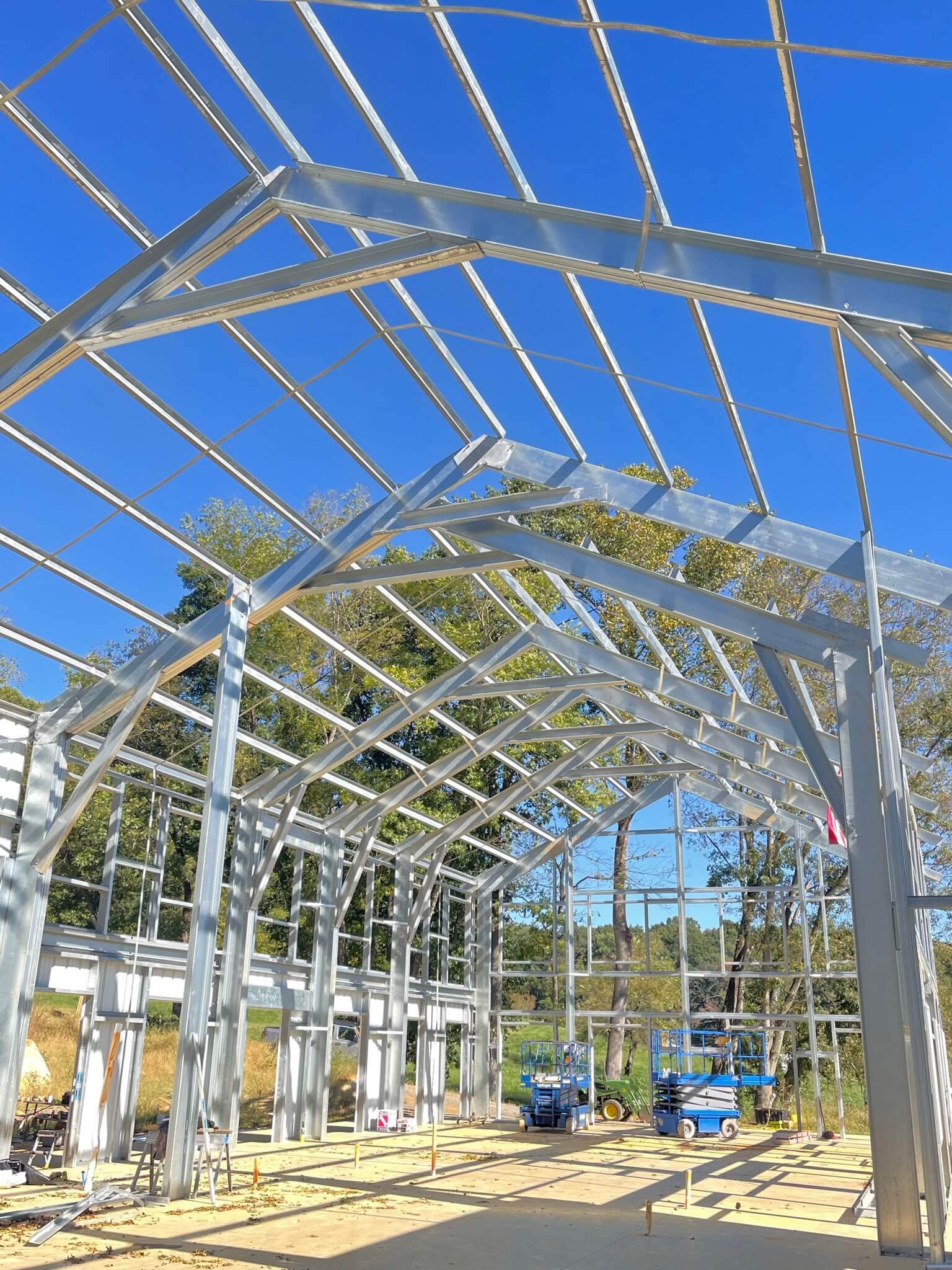
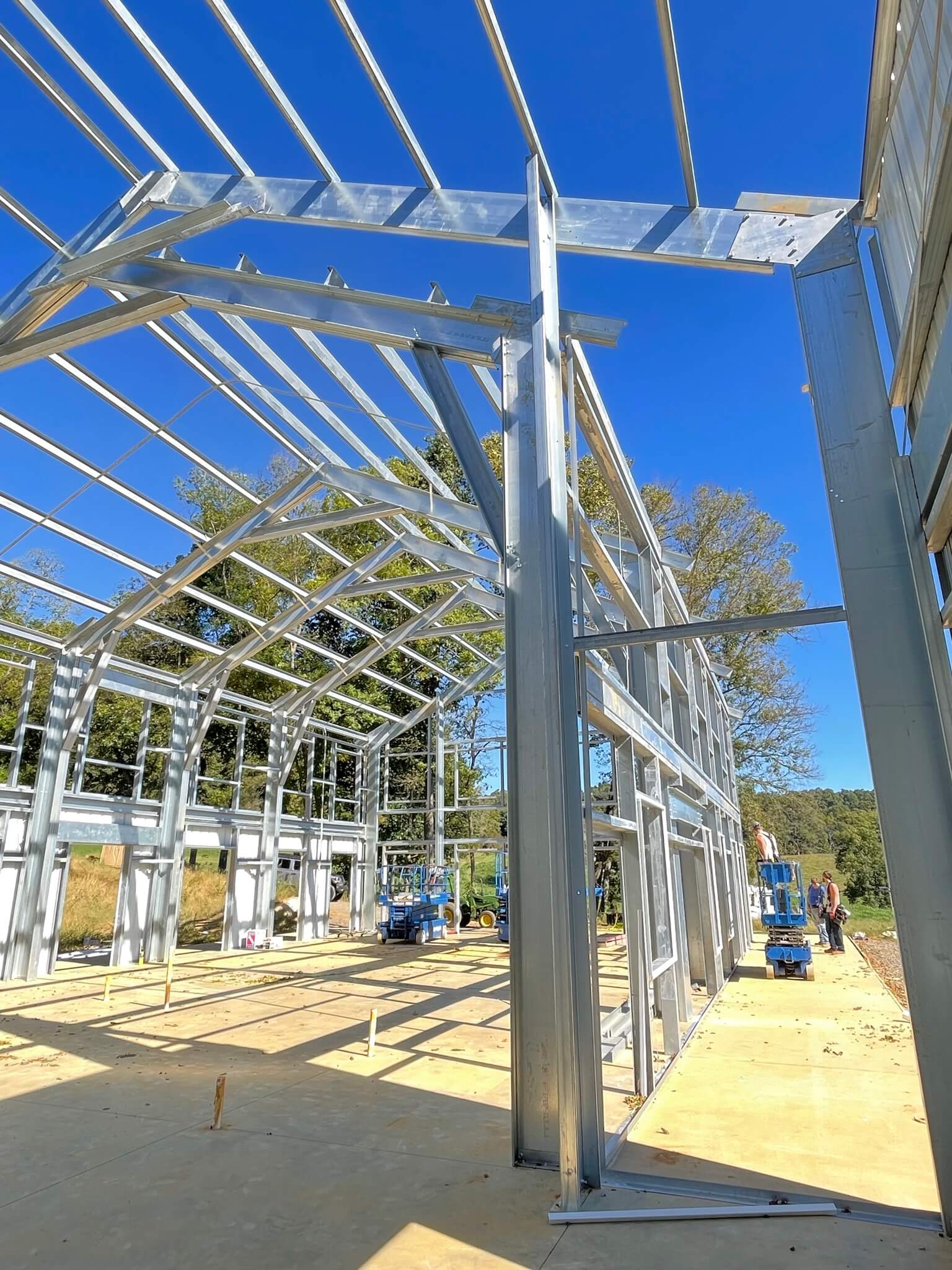
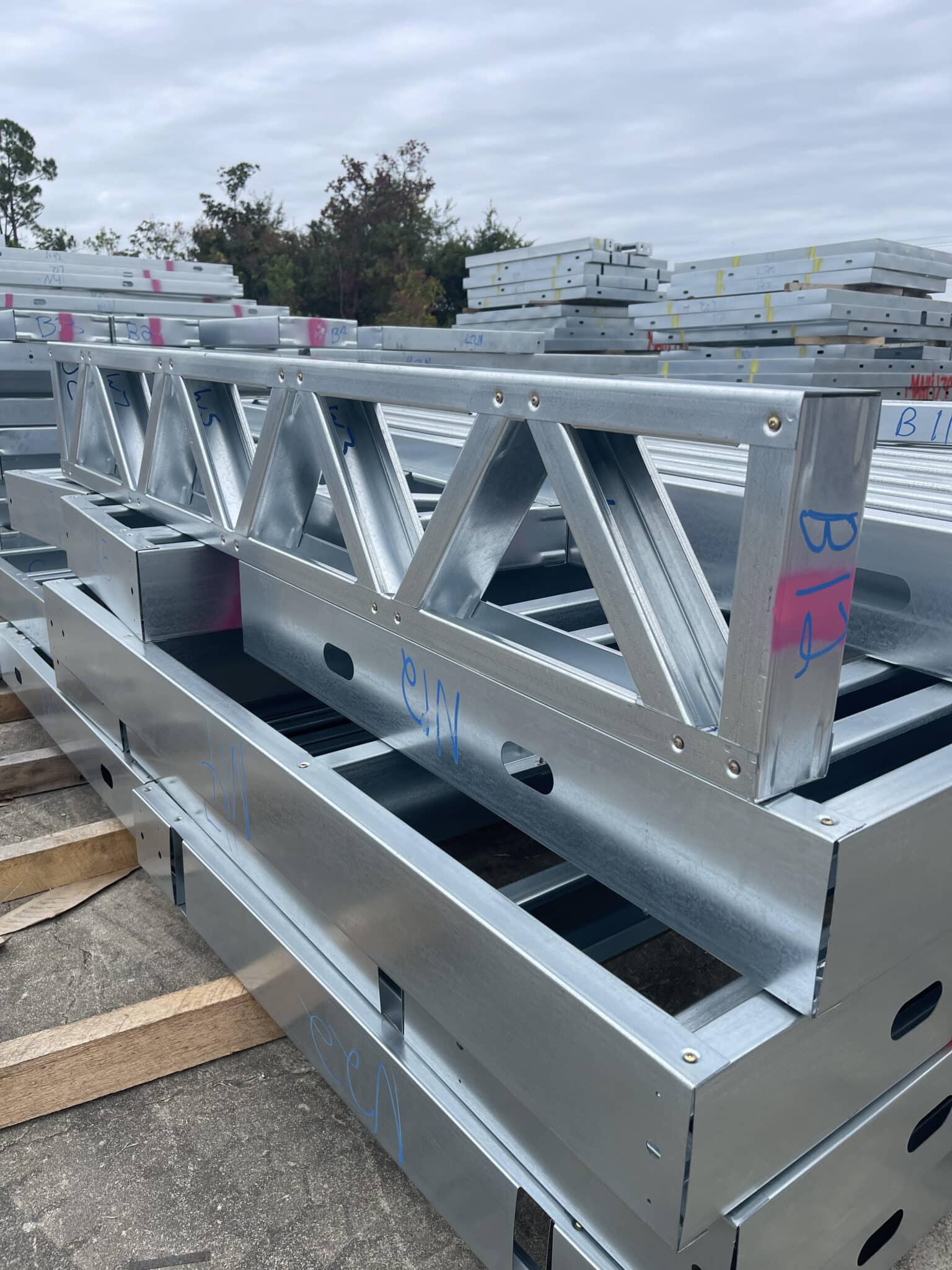
– Steel posts, beams, and rafters with interior partition wall framing – The primary structural skeleton.

– Insulated steel roof and wall sheathing Enclosed metal envelope protects against elements.

– Engineering approvals – Vital for securing permit approval in your jurisdiction.

– Window and door headers – Openings framed out ready for finishes.

– Rollup and standard doors – Access points outlined in shell.

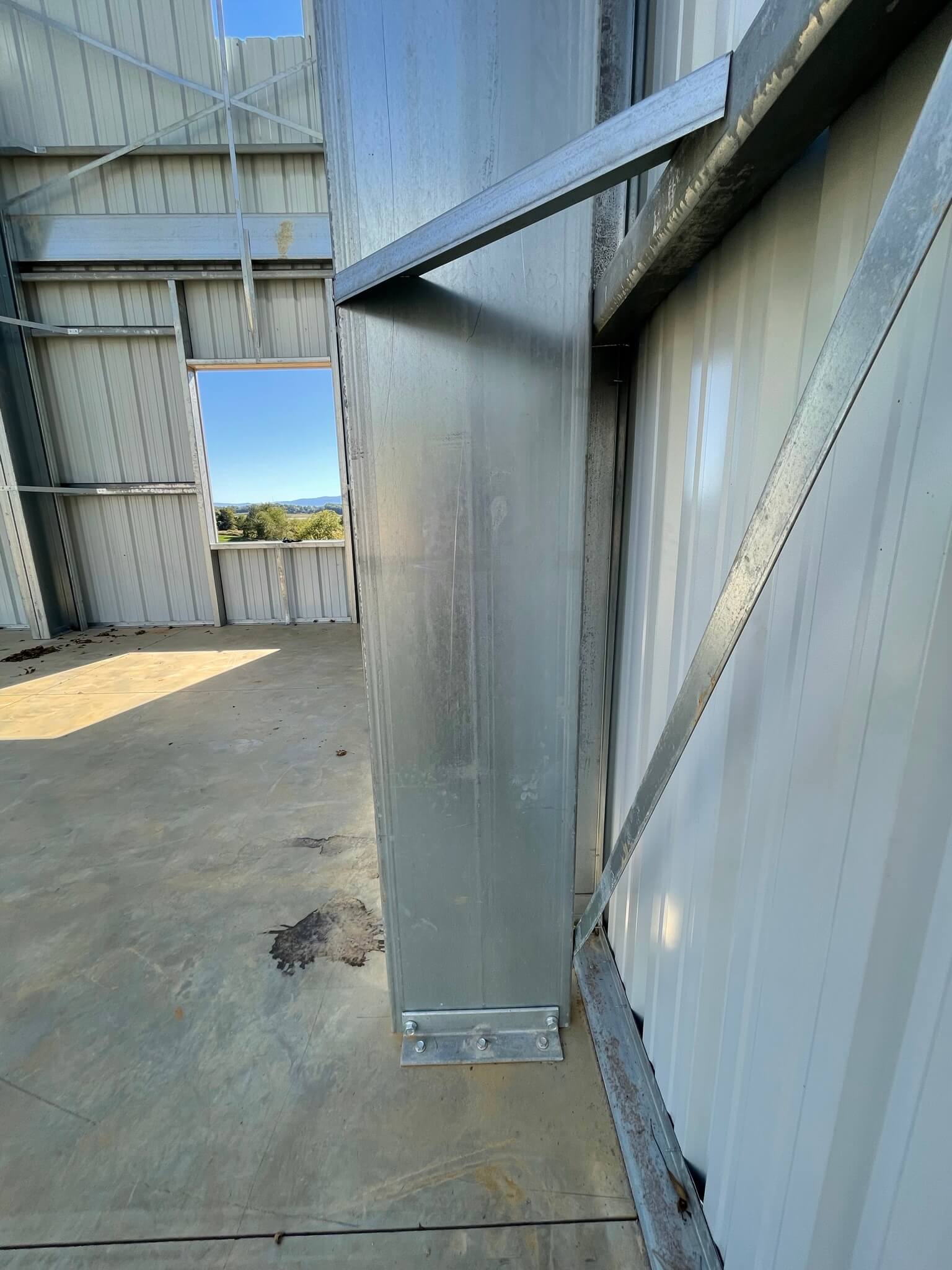
– Hardware, anchors, fasteners – Components and tools for professional assembly.

Interior Framing and Finishing Your Kit

– Wood wall framing and ceiling joists – Light framing to supplement interior layout.

– Insulation – Vapor barrier and spray foam or batts to insulate envelope.

– Electrical – Full wiring, fixtures, lighting planned for finished spaces.

– Plumbing – Water supply, sewer/septic, sinks, showers, toilets.

– HVAC – Heating, cooling, ventilation for controlled comfort.

– Drywall and trim – Finish enclosure for aesthetics.

– Flooring – Tile, hardwood, carpet, or other polished surfaces.

– Cabinets and fixtures – Kitchens, bathrooms, and storage built out.

– Finishing touches – Paint, trim, and personalized décor details.

The prefabricated structure from quality suppliers like Buildmax.com provides the robust shell. But extensive interior planning and professional contracting help fully transform the steel enclosure into a high-end living space matching your dreams. With diligence tackling both framing and finishing, a magnificent barndominium awaits!

How Much Should You Pay For a Standard 40×60 Shophouse?

How Much Should You Pay for a Standard 40×60 Shophouse?

If you are asking how much you should pay for a standard 40×60 shophouse, the honest answer is this: it depends on what you mean by standard.

That is where most articles on this topic immediately go off the rails.

Some people mean a shell only. Others mean a finished shophouse with living space, a slab foundation, garage or shop area, utilities, and basic interior finishes. Those are not the same project, so they should never be priced like they are.

A 40×60 shophouse gives you 2,400 square feet under roof, which is why it remains one of the most popular sizes for buyers who want the right mix of living space and functional shop or garage utility. It is big enough to work as a full-time home, a serious hobby property, a workshop house, or a barndominium-style build with room to breathe.

The problem is that too many pricing articles throw out one number and act like they answered the question. They did not. They skipped what actually matters: what is included, what is missing, and what can push the final cost up hard.

In this guide, we will break down what a standard 40×60 shophouse typically costs, what that price should include, what usually drives the number higher, and how to tell whether a quote is realistic or nonsense.

The Short Answer: What Should You Pay for a Standard 40×60 Shophouse?

If you are talking about a basic but reasonably finished 40×60 shophouse with a slab foundation, shell, standard shop area, and roughly 1,200 square feet of finished living space, a realistic target usually lands somewhere in the mid-$100,000 range.

That is why about $155,000 works as a useful benchmark for a standard 40×60 shophouse. It is not a magic number, and it is not a universal quote. It is a realistic planning number for a fairly straightforward build.

That also means this: if someone is promising you a truly finished 40×60 shophouse for dramatically less, you should immediately ask what has been left out.

What Is a 40×60 Shophouse, Exactly?

A 40×60 shophouse is a building with a 2,400-square-foot footprint that combines residential living space with garage, workshop, storage, or utility space. Some are shop-first layouts with a smaller residential core. Others are more home-first, with the shop acting like an oversized attached garage.

This size stays popular because it gives buyers a strong middle ground:

  • enough room for a practical full-time residence
  • enough space for a real shop or garage area
  • a footprint that works well on rural or semi-rural land
  • a better balance between livability and utility than many smaller builds

If you want to compare real examples before pricing anything, start with the BuildMax shophouse floor plans page and the broader barndominium house plans collection.

What Should Be Included in the Price of a Standard 40×60 Shophouse?

This is where buyers need to slow down.

When someone quotes the cost of a 40×60 shophouse, the number may or may not include:

  • slab or foundation
  • shell kit or framing package
  • roof and siding
  • windows and exterior doors
  • interior framing for the living area
  • insulation
  • electrical and plumbing
  • HVAC
  • drywall and paint
  • cabinetry and flooring
  • bathroom and kitchen finishes
  • garage or shop buildout
  • permits, utilities, and site work

A shell-only quote is not the same thing as a move-in-ready project budget.

If the number sounds low, your first question should not be, “Can I get that deal?” It should be, “What is not included?”

How the Cost of a 40×60 Shophouse Usually Breaks Down

If you want to know whether a quote is reasonable, break the project into the major cost buckets instead of staring at one big total.

1. Slab or foundation

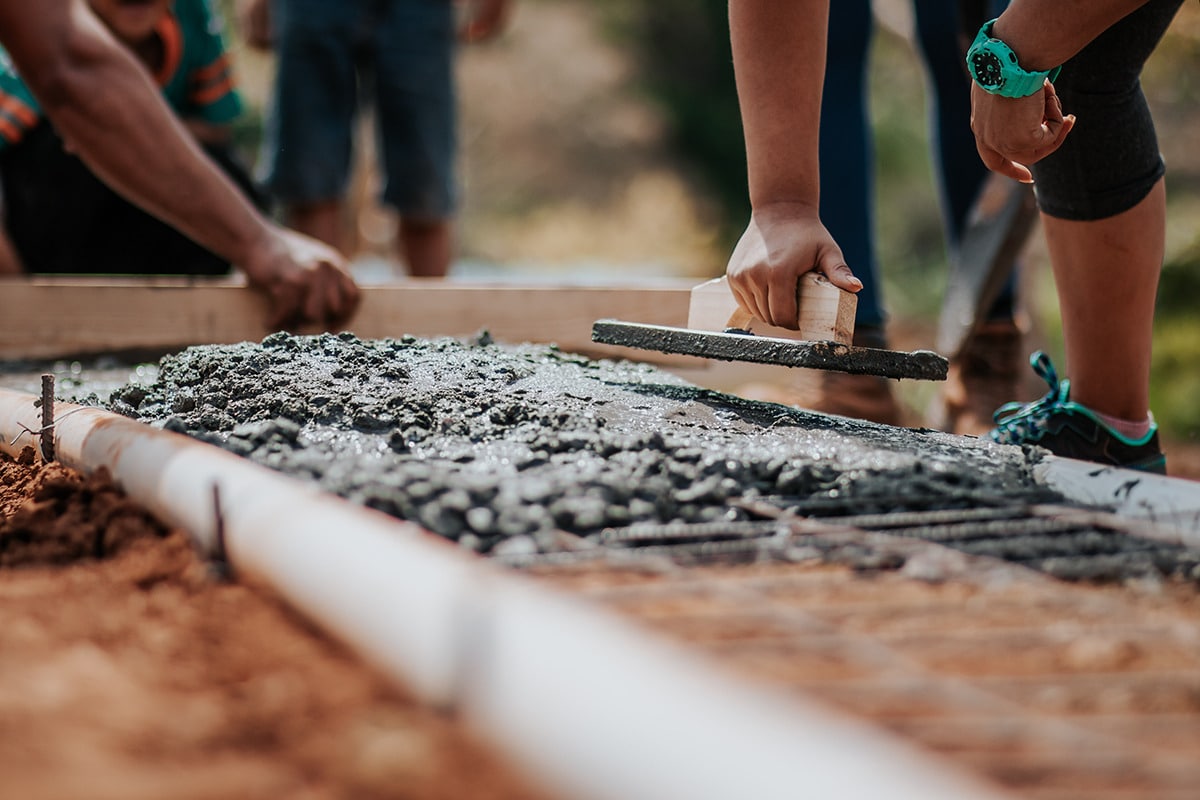
The slab is one of the first major costs and one of the easiest to underestimate. A 40×60 slab can cost real money before the structure even starts going up, especially if the site needs prep, grading, or drainage work.

BuildMax already has related resources on 40×60 slab foundation cost and 40×60 concrete slab cost, and those should be part of the reader journey here.

2. Shell or kit

The shell package is another major chunk of the budget. If you are building from a kit path, this usually includes the core structural package and exterior system components, but not the full finished home.

If you want readers to keep digging, link them into what a 40×60 kit includes.

3. Interior buildout

This is where “standard” starts to separate from “custom.” Interior buildout includes framing, insulation, mechanicals, drywall, flooring, cabinets, baths, lighting, and kitchen finishes.

This is also where people quietly turn a budget-friendly project into a much more expensive one.

4. Site work and utilities

Clearing, grading, drainage, driveway access, septic, water, and power connections can move the budget fast. A simple build on an easy site is one thing. A “simple” build on a difficult site is not simple anymore.

5. Contingency and local cost swings

Material pricing, labor availability, regional building norms, and code requirements all move the number. No article can erase that. What it can do is help readers price more honestly.

Why Some 40×60 Shophouses Cost Way More Than Others

Two 40×60 shophouses can have the same footprint and completely different budgets.

That usually comes down to five things:

Living space vs shop space

A plan with 1,200 square feet of finished residential living area and 1,200 square feet of simpler shop or garage area is very different from a plan trying to finish nearly the entire structure like a traditional custom home.

Finish level

Budget cabinets, standard flooring, and practical fixtures cost far less than premium kitchens, custom tile, upgraded glass, and luxury baths.

Structural complexity

Simple layouts are cheaper to build than designs with complicated rooflines, oversized porches, breezeways, or decorative structural transitions.

Site conditions

Flat, accessible land is cheaper to build on than land with drainage issues, difficult access, utility complications, or major prep needs.

Shop functionality

A basic garage/workshop is one thing. A high-clearance shop with bigger doors, deeper bays, heavier slab needs, or RV/equipment storage is another.

What Makes a 40×60 Shophouse “Standard” Instead of Custom?

This matters because people throw around the word standard way too loosely.

A standard 40×60 shophouse usually means:

  • a simple rectangular footprint
  • a practical slab foundation
  • a modest finish package
  • a clear split between living space and shop space
  • no major luxury upgrades
  • no unusually difficult site conditions

A custom 40×60 shophouse often means:

  • more elaborate exterior design
  • larger porches or breezeways
  • upgraded kitchens and baths
  • specialty garage or shop requirements
  • heavier structural demands
  • modified or fully custom plans

If the buyer is somewhere in the middle, that is usually where a stock plan plus targeted modification makes more sense than starting from scratch.

How Much Living Space Can a 40×60 Shophouse Really Give You?

A 40×60 footprint gives you 2,400 square feet under roof, but that does not mean all 2,400 square feet should become finished living space.

For many buyers, the smarter move is to keep the living side more disciplined. A split like roughly 1,200 square feet of finished residential space and 1,200 square feet of shop or garage utility is often much more believable and much more useful than trying to force the whole footprint into a traditional house layout.

If readers want to understand that size better, send them to How Big Is a 40×60 Barndominium? and Understanding the Size of a 40×60 Barndominium.

What Usually Blows the Budget on a 40×60 Shophouse?

If the goal is cost control, this section matters more than all the feel-good stuff.

1. Oversized residential buildout

The more of the 2,400 square feet you finish as living space, the faster the price climbs.

2. Luxury finishes

Upgrades in kitchens, baths, flooring, lighting, windows, and appliances add up hard and fast.

3. Site development

Land work is where many good budgets go to die.

4. Shop overbuild

Bigger doors, deeper bays, higher wall heights, heavier-use slab needs, and special utility requirements all push the budget upward.

5. Pretending the shell is the total cost

This is still one of the biggest mistakes in the category. The shell is only one phase of the project, not the whole project.

Is a 40×60 Shophouse a Good Value?

For a lot of buyers, yes.

A standard 40×60 shophouse can be a very strong value because it gives you:

  • enough living space to be practical
  • enough shop space to be useful
  • enough footprint to flex around your lifestyle
  • not so much square footage that the budget gets stupid immediately

This is why this size keeps showing up in both shophouse and barndominium planning.

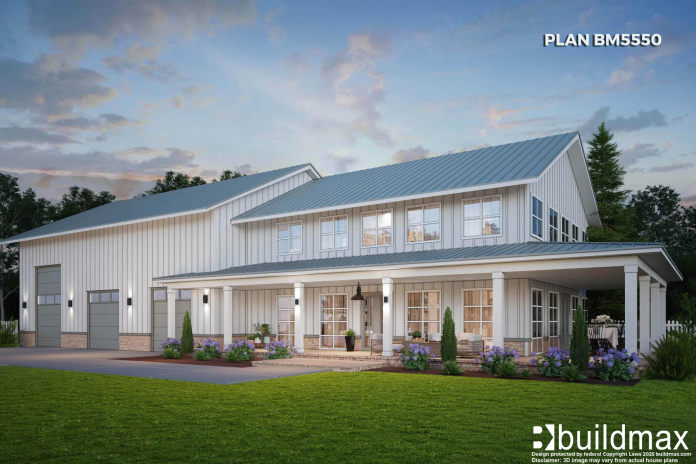
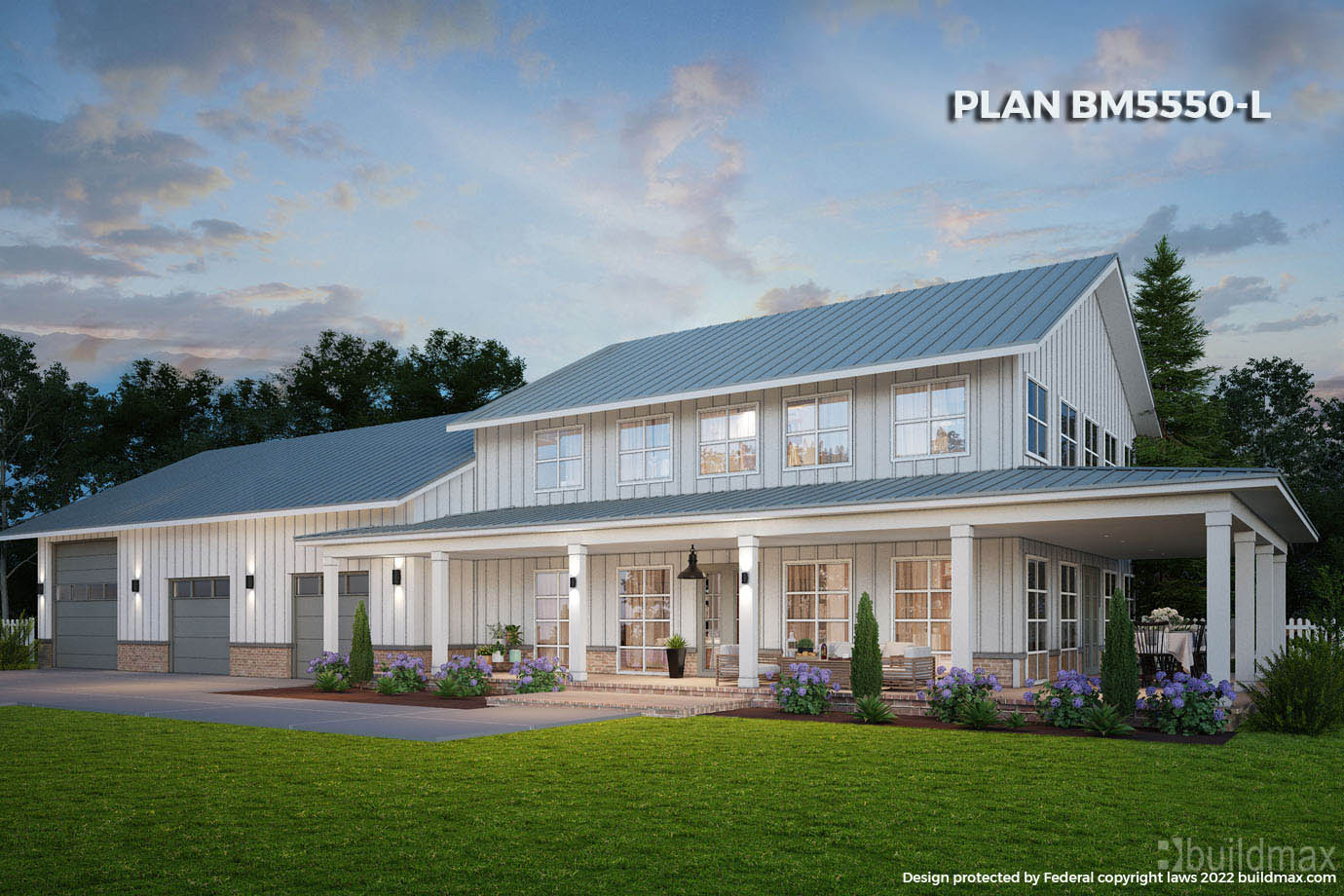
If readers want real examples, point them toward the BuildMax shophouse floor plans, including live plan pages like BM2610 and BM5550.

So, How Much Should You Pay for a Standard 40×60 Shophouse?

Here is the cleanest answer:

If you are pricing a basic standard 40×60 shophouse with a slab foundation, shell, standard shop area, and a reasonably finished living section, you should expect the total price to land somewhere around the mid-$100,000 range, with about $155,000 serving as a strong BuildMax benchmark for a simple reference build.

That number can move lower or higher depending on:

  • how much of the structure becomes finished living space
  • how elaborate the shop needs to be
  • how difficult the site is
  • how aggressive the finish package becomes
  • how complete the quoted scope really is

The wrong way to price a shophouse is to chase the cheapest shell number and call it the project cost.

The right way is to ask:

  • What is included?
  • How much living space am I actually finishing?
  • What does the slab need to support?
  • How hard is the site?
  • What finish level am I really expecting?

Final Thoughts

A standard 40×60 shophouse can be one of the smartest mixed-use building sizes for buyers who want real living space and real utility under one roof. But the page should not pretend the answer is one magic number. The answer is understanding what that number actually buys.

If you define the scope clearly, this topic gets easier. If you keep pretending shell cost, finished-home cost, and custom-home cost are the same thing, the math will stay confusing.


Related BuildMax Resources

Can a Barndominium Qualify as an ADU (Accessory Dwelling Unit)?

white barndominium floor plan with wraparound porch

Can a Barndominium Be an ADU?

ADUs (accessory dwelling units) have grown in popularity as self-contained small homes built on the same property as a larger primary residence. Given their customizable and budget-friendly nature, barndominiums make an ideal ADU solution. Let’s explore how steel barndos can transform into the perfect ADUs.


white barndominium on pond

What is an ADU?

ADUs are secondary dwellings built in addition to a main home on the same lot. They contain living essentials like a kitchen, bathroom, bedroom, and living space. ADUs share utility connections and the address of the existing home, functioning as independent units. Common ADU types include converted garages, tiny backyard cottages, and additions.

ADU Benefits

ADUs appeal to homeowners for several reasons:

– Provide rental income from unused space
– Accommodate relatives affordably
– Create home offices without sacrificing main home space
– Add accessible housing for those with limited mobility
– Increase property values by better utilizing land

white barndominium shophouse

Constructing a Barndominium ADU

Thanks to their blank-canvas customizability, barndominiums are ideal ADU structures. Barndo ADUs can be designed as:

– Backyard cottages outfitted as mini homes
– Converted pole barns blending into farmland
– Garage spaces transformed into pastoral retreats

Prefabricated barndominium ADU kits deliver shell construction optimized for rapid on-site assembly and interior finishing. This makes adding a highly customizable ADU simple and budget-friendly.

Buildmax.com provides these types of steel kits in a number of floorplan options as well as the ability to adapt your own custom designs into the prefabricated barndominium kit of your dreams.

By embracing their adaptable and economical nature, barndominiums can readily transform into the perfect ADUs – opening possibilities for income generation or multigenerational living on any property.

Get Your Dream Shop House Faster with Steel Prefab Kits

famrhouse style barndominium with wraparound porch

Achieving Your Dream ShopHouse for Less with Prefab Kits

For hobbyists and gearheads, the dream is often consolidating workspace and living space seamlessly into one highly-customized shop house sanctuary. But tragically, many find pricetags out of reach building custom from scratch. Thankfully, prefabricated shop house kits deliver finished work areas merged with open-concept residential spaces through budget-friendly steel construction.

Defining the Shop House Concept

Shop houses blend commercial-grade workspace like garages or workshops together with fully equipped living quarters resembling typical homes. The workspace side may include vehicle bays, enclosed shop zones for hobbies like wood or metal working, inventory storage for businesses, retail space and more – customized to your needs.

The residential portion contains bedrooms, kitchen, bathrooms, living areas decorated and finished just like a conventional house. Structurally separating the two areas reduces noise transmission between work and living spaces.

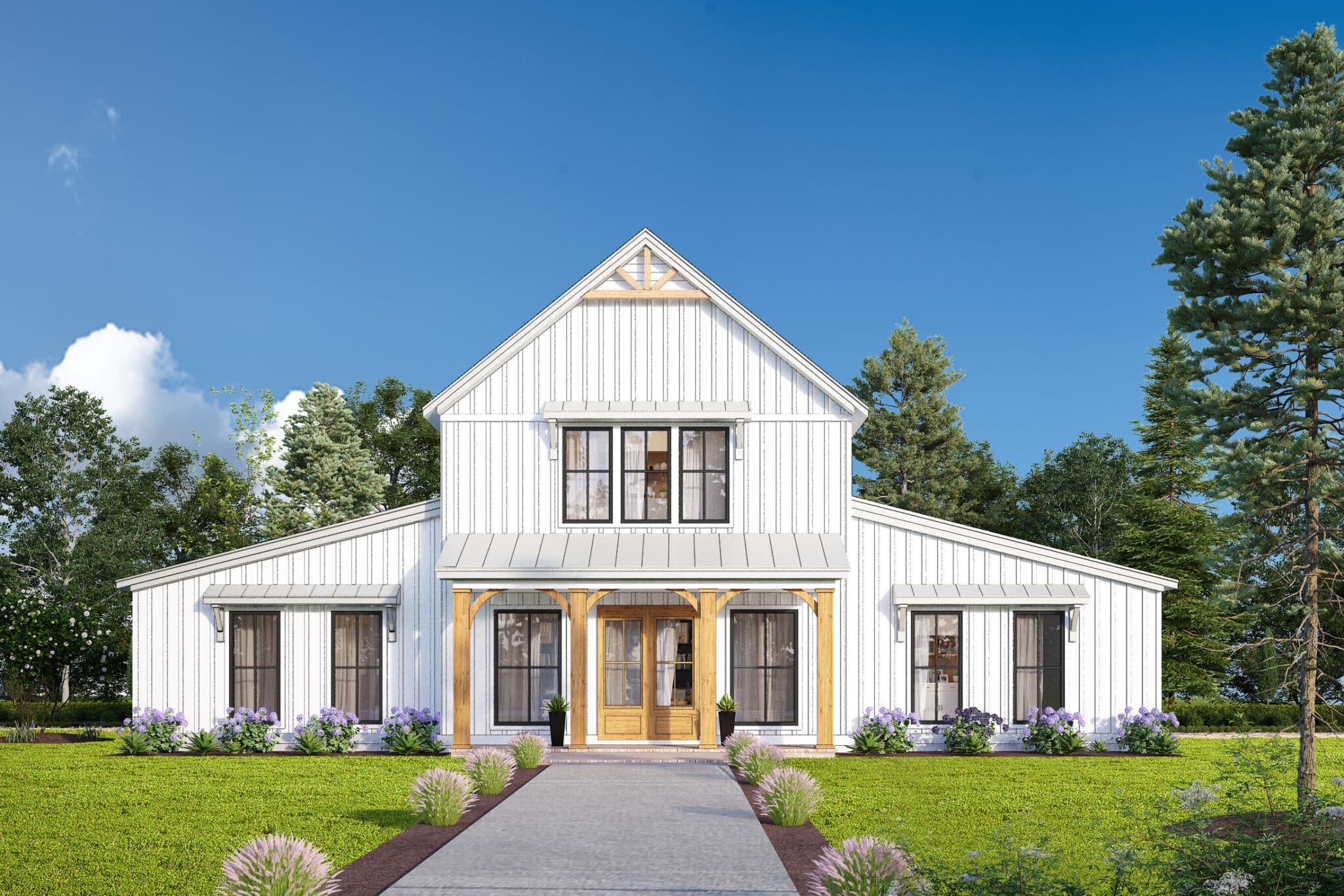
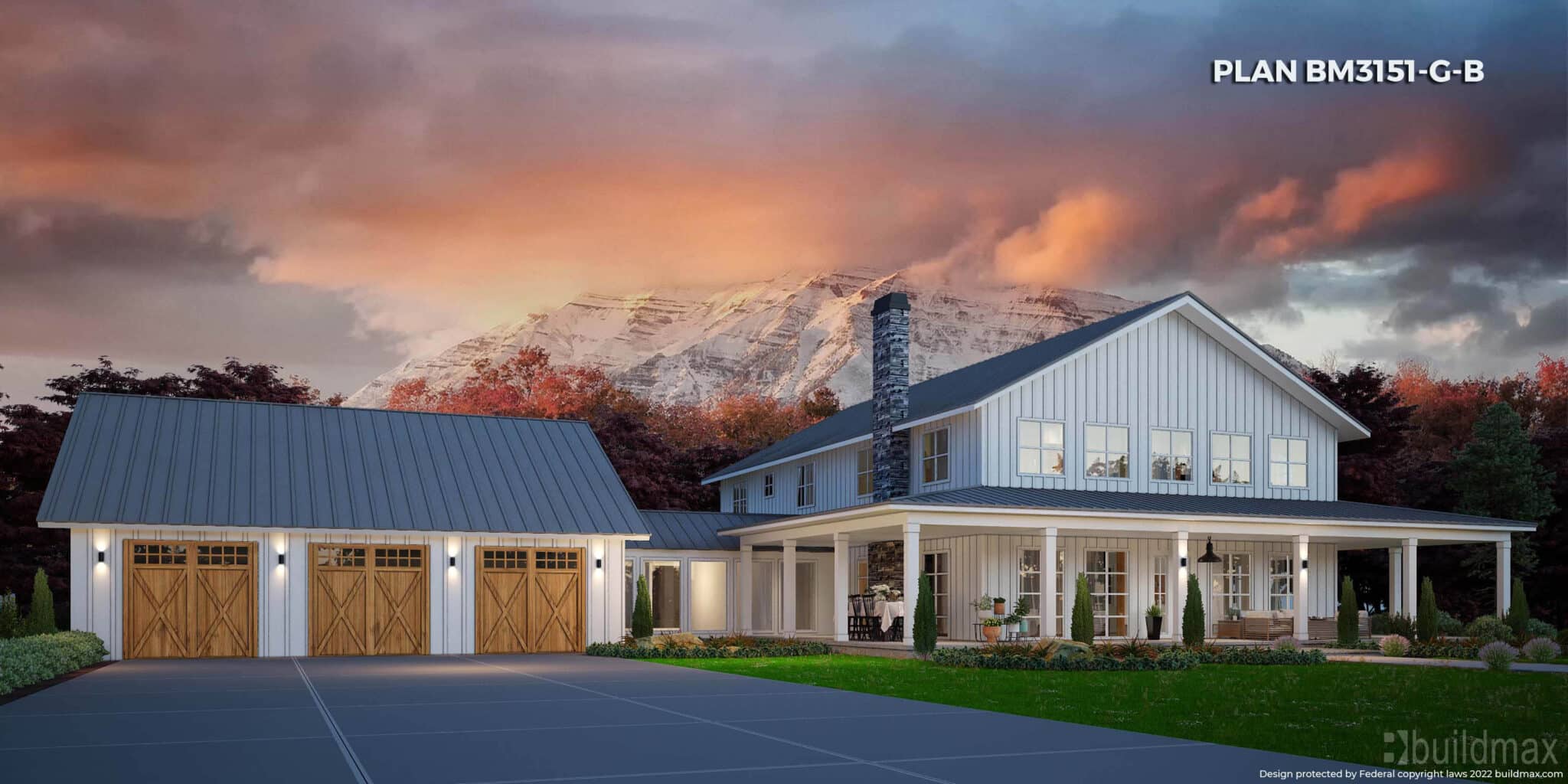
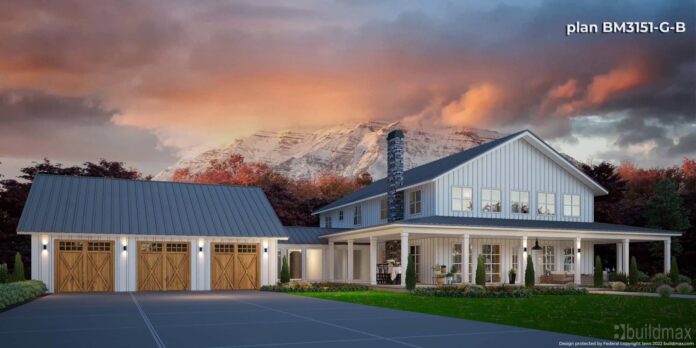
FARMHOUSE BARNDOMINIUM BM3151

Pricing for Custom Built Shop Houses

On average, custom constructed shop houses run:

– 800 sq ft workshop + 400 sq ft apartment – $150,000
– 1200 sq ft workshop + 800 sq ft 1-bedroom home – $200,000
– 2000 sq ft workshop + 1200 sq ft 2-bedroom home – $300,000

Factors Raising Custom Costs

black barndominium shophouse with wraparound porch

Numerous aspects of customization add expenses:

– Luxury finishes like stonework, tile, or hardwood flooring for both workspace and living areas

– Extensive plumbing, electrical, and HVAC systems sized for specialized shop equipment loads

– Long utility runs and permitting complexity on larger rural land parcels

– Architectural design fees and labor for fully custom plans

white barndominium shophouse

Prefabricated Shop House Kits

Services like Buildmax.com offer prefabricated shop house kits utilizing structural steel for maximum strength, accelerated assembly, and lifetime durability. The exterior shell and interior partitions arrive on-site ready for rapid finishing. This saves greatly on custom stick-built costs and lengthy construction timelines.

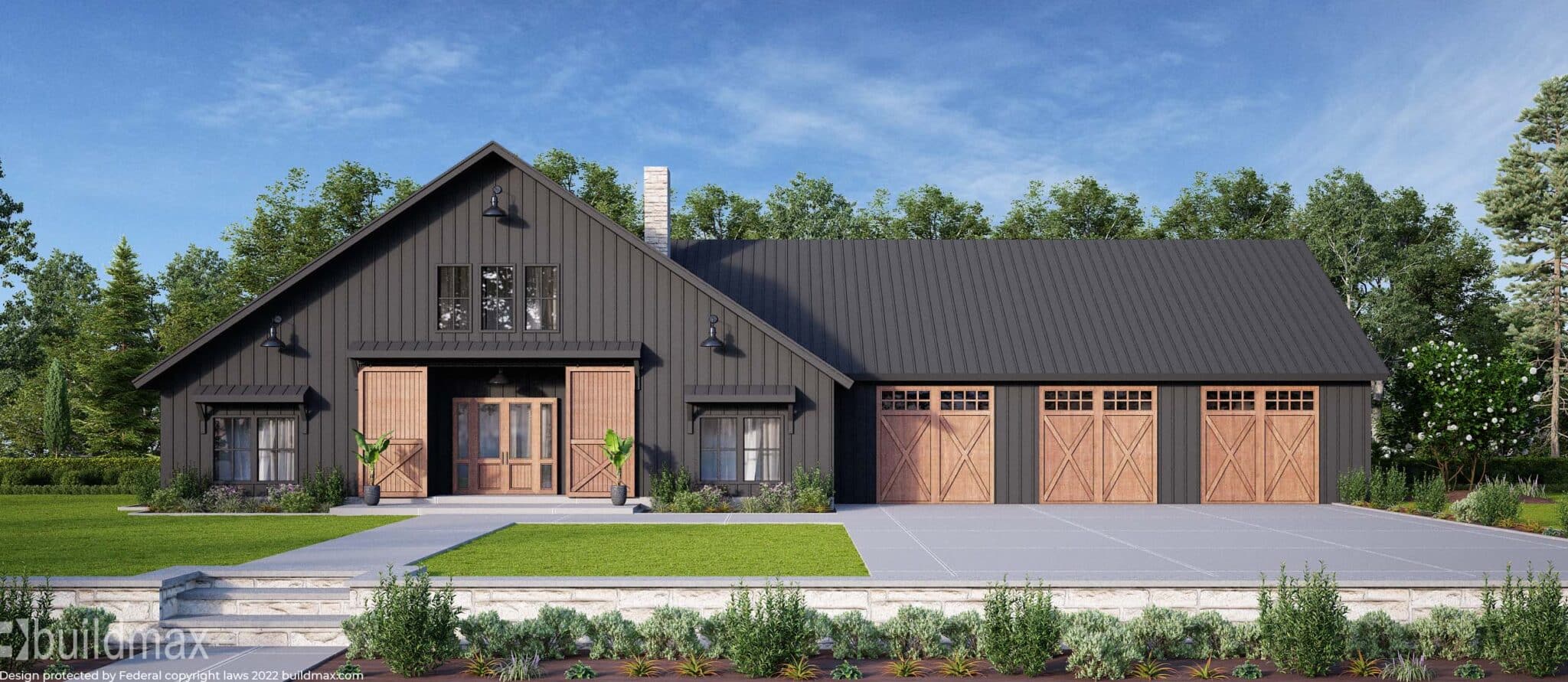
white barndominium with wraparound porch and 3 car garage

Highly customizable interior layouts mean you don’t sacrifice on design dreams. Yet the engineered framework optimizes budgets resulting in prefab kit pricing averaging 40% less than custom builds. For the shop house of your dreams made affordable, prefabricated kits are an optimal choice over conventional construction. Why wait on a crew of framers when you can order your kit and have it erected in 4-6 days instead of waiting 4-6 weeks, visit buildmax.com for a full catalog of stock floor plans to choose from and order yours today!

How Safe is a Barndominium through a Tornado?

white barndominium farmhouse

Assessing Steel Barndominium Safety in Tornadoes and Severe Weather

Steel barndominiums have gained popularity for their wide-open custom spaces and budget-friendly pricing. But for homeowners in storm-prone regions, a key question remains – how safely will these metal pole barns actually withstand destructive forces like tornadoes, hurricanes, and hailstorms compared to traditional housing?
Tornado Resistance Capabilities

When engineered properly, steel barndominiums can utilize their inherent structural advantages to resist tornado damage:

Steel framing is resilient against the immense pressures and tensile stresses generated by extreme winds.

– Deeply anchored foundation tie-downs prevent entire building uplift better than platform framed houses.

– Steel roof and siding panels outperform traditional shingles, shutters and siding thanks to tighter fastening systems.

Post/beam designs evenly distribute wind loads across multiple connection points, limiting risk of structural collapse.

– Fewer exterior penetrations like windows lessen opportunities for wind ingress and internal pressurization.

Open floorplans help minimize load concentrations on interior walls that could domino into collapse.

To maximize tornado protection, install rated wind-resistant exterior doors/windows, pursue advanced roof-to-wall windlocking connections, and consider steel storm shutters for openings. Leaving a building’s interior unfinished until after storm season passes also reduces potential deadly debris.
Performance in Hurricanes and Hail
Focused engineering for high wind load resistance makes steel barndos extremely resilient against hurricane-force winds and driving rain as well. Their heavy non-combustible construction also protects against wildfires often sparked by storms.
With limited exterior glass exposure, thick metal roofing and siding materials, barndominiums also withstand heavy hail storms better than houses susceptible to exterior sheathing perforations, leaks and glass breakage.

While no structure can be guaranteed fully tornado or hurricane proof, steel barndominiums reinforced properly against wind, debris impact, and uplift offer structural advantages over contemporary housing in severe weather. Their durable exteriors engineered for extreme load resistance provide reassuring protection families can rely on.

Are Barndominium kits worth the Asking price?

Are Barndominiums Worth the Money?

Barndominiums have surged in popularity for their spacious, customizable homes at budget-friendly price points. But are these barn-inspired dwellings truly worth the investment compared to traditional homes? Let’s weigh the pros and cons.

Benefits that Support Barndominium Value

Cost Savings – Barndos can be $100+ per square foot cheaper than conventional construction, with savvy DIY builds even more affordable. You get more space for the money.

Customization – Unlike production homes, you control the floorplan and finishes. Design your ideal living space.

Energy Efficiency – Metal envelopes and modern HVAC systems make barndos incredibly energy efficient.

Durability – Steel structures withstand weather, pests, mold and fire far better than stick builds.

Appreciation Potential – Barndos have passionate followings. As demand rises further, so may resale values.

modern farmhouse barndominium

Drawbacks to Consider

Rural Locations – Ideal barndo lots aren’t always close to conveniences which can deter some buyers.

Financing Limitations – Mortgages are improving but still lag traditional home loans. Significant cash investments may be required.

Codes & Permits – Outdated regulations in some areas complicate barndo approval. Patience is key.

DIY Expertise – Maximize cost savings by building yourself, but this requires skills and time. Hiring contractors offsets some savings.

Resale Uncertainty – Non-typical homes like barndos carry more risk of resale gaps than conventional houses.

The Takeaway

Barndominiums make sense for those valuing rustic customization and budget-conscious space over neighborhoods and turnkey convenience. Go in eyes wide open to financing and construction realities. But for many, the reward of a completely personalized home is well worth the tradeoffs.


The bottom line – when planned properly and built with realistic expectations, barndominiums can deliver excellent value, especially for hands-on owner-builders willing to take on a non-traditional project.

Save Big $ on Framing with a Barndominium Kit

Save on Framing with a Barndominium Kit

Constructing your own barndominium from scratch provides ultimate customization flexibility. However, the framing costs alone could make you rethink embracing your inner builder. Prefabricated barndo kits offer an affordable solution to make building dreams reality without breaking budgets on structural materials and labor.

Why Framing Gets So Expensive


For traditional construction, builders source lumber locally before painstakingly assembling each structural member onsite. The work is labor intensive and requires specialized equipment for tasks like installing tall columns or lifting heavy trusses aloft. Material expenses also stack up quickly purchasing quality wood at retail pricing.

With barndominiums, the expansive open spaces demand substantial structural supports like wide flange steel columns and heavy duty roof trusses. These industrial components are pricey even before specialized equipment rental and site construction labor is factored in. It’s no wonder framing alone often accounts for 25-30% of total custom build costs.

The Barndominium Kit Solution


Prefabricated barndo kits offer an ingenious solution to ballooning framing costs. Rather than piecing structural components together onsite, the entire steel frame is pre-assembled at the factory complete with sheet metal roofing and siding.

The prefab shell ships directly to your property

ready for straightforward bolt-together assembly. With framing costs minimized upfront, you can devote more of your total budget to customizing finishes like kitchens, floorings and bathrooms.

Partner with the Right Kit Supplier


Realize framing cost savings without sacrificing quality by selecting reputable barndo kit manufacturers like Buildmax Structures. Their all-steel ClearSpan frames integrate weather-tight roofs and durable finishes ready to house your floorplan visions. With engineering approved across all regions, their kits provide affordable foundations for custom barn home dreams.

DREAM BARNDO BM2852

Don’t let expensive framing labor and materials make you forfeit your barndominium aspirations, Buildmax provides a crew that will travel to your build site to setup your barndominium shell if that’s a service you could benefit from. Prefabricated structural building kits go up fast and doesn’t require a huge crew of men, a small crew of 4-5 men will do. putting you on track to a budget-friendly steel-constructed Barndominium that will truly last a lifetime.

Designing Custom Barndominium Floor Plans with Buildmax.com

black barndominium with wraparound porch that has wooden posts

Bringing Your Dream Barndo to Life with Custom Floor Plans

You’re ready to build the barndominium of your dreams. But most prefab kits only offer set layouts. How can you realize a completely customized floorplan tailored to your family’s wish list? By partnering with Buildmax.com’s expert design consultants to create one-of-a-kind barndo plans from the ground up.

Why Custom Floor Plans?
Standard barndominium kits provide cost savings with optimized manufacturing. But achieving your perfect home likely requires tweaks or complete customization. Buildmax.com delivers the best of both worlds: expert guidance maximizing budget while bringing imaginative layouts to life.

Getting Started with an Initial Consultation

Your journey starts by describing your vision in an introductory call. Share home features on your wish list, budget factors, and specific spaces your household needs. The team assesses initial viability and provides recommendations to make your goals a reality.

Nailing Down the Floorplan Details

Next, you collaborate with a dedicated floor plan designer during an in-depth design session. Discuss must-haves like bedroom count, favorite kitchen layouts, indoor/outdoor flow priorities. Explore your style: open concept great rooms? Master suites with luxury baths? Hobby workshops? The team translates needs into a tailored sketch.

Refining the Perfect Layout

Your designer fine-tunes the floorplan digitally, allowing you to request modifications until the layout embodies your vision. Video conferences and email exchanges facilitate quick adjustments like relocated walls or resized spaces. The iterative process lets you refine the blueprint until the floorplan feels just right.

Delivering Complete Construction Drawings

Finally, the Buildmax.com team compiles your approved layout into official permit-ready construction drawings. You receive a pack of detailed architectural plans, elevations, sections, and material callouts containing everything builders require to bring the design to life.

black barndominium lodge style

Partnering With Buildmax.com
Don’t settle for a barndo layout that simply works. Get the home you’ve always envisioned through Buildmax.com’s custom floor plan services. Their expert guidance maximizes budget, while crafting spaces perfect for your family’s lifestyle. Bring your unique barndominium dreams to life!

Add Your Heading Text Here

Crafting a checklist for your Barndominium build:

Crafting a Checklist for Your Barndominium Build

If you are planning a barndominium, one of the smartest things you can do before spending serious money is build a real checklist.

Not a vague dream-home wish list. A real barndominium build checklist that helps you move from idea to finished home without forgetting the steps that usually cause delays, budget overruns, and expensive change orders.

That is where many projects go sideways.

People get excited about floor plans, finishes, and exterior style, but they skip the sequence that makes the project work: choosing the right plan, understanding site conditions, setting a realistic budget, locking in financing, planning the slab and foundation correctly, and coordinating contractors in the right order.

In this article, we will walk through the essential checklist for a barndominium build, explain why each phase matters, and show you how to avoid the mistakes that can throw the whole project off schedule.

Why You Need a Real Barndominium Build Checklist

A barndominium build has a lot of moving parts. Even a relatively simple project can involve:

  • land evaluation
  • floor plans
  • engineering and permits
  • budgeting
  • financing
  • site prep
  • foundation work
  • shell delivery or framing
  • mechanical rough-ins
  • interior finishes
  • inspections and final punch list

That is too much to manage casually.

A real checklist helps you:

  • stay organized
  • spot missing decisions early
  • reduce last-minute changes
  • sequence work more efficiently
  • protect your budget
  • avoid preventable delays

If you are still at the beginning of the process, the best first stop is usually the BuildMax barndominium house plans page so your checklist starts with a real design target instead of a loose idea.

Step 1: Define Your Build Goals Before You Choose a Plan

Before you start pricing materials or calling builders, get clear on what you are actually trying to build.

Ask yourself:

  • How many bedrooms and bathrooms do you need?
  • Do you want one story or two?
  • Do you need a garage, shop, or both?
  • Will this be a family home, retirement home, vacation home, or mixed-use property?
  • Do you want a stock plan or a custom design?

Your build checklist should start with:

  • finalizing the overall size of the home
  • deciding on major layout priorities
  • choosing whether you are starting with a stock or custom plan
  • matching the design to your long-term lifestyle, not just today’s needs

Step 2: Choose the Right Floor Plan Early

This is one of the biggest decision points in the whole build.

If the floor plan is not right, everything downstream gets harder. Budgeting becomes less accurate. Slab planning becomes less specific. Material takeoffs become less reliable. Contractor bids become fuzzier. Finish selections become harder to coordinate.

That is why the floor plan should be locked down early in the process.

At this stage, your checklist should include:

  • selecting a floor plan
  • reviewing room sizes and layout flow
  • confirming garage, porch, or shop dimensions
  • making any needed modifications
  • verifying that the plan fits your land and your intended use

If you are still comparing styles and sizes, use the BuildMax house plans page as your base reference. :contentReference[oaicite:5]{index=5}

Step 3: Build the Budget Before You Build the House

Most barndominium budget problems do not happen because people forgot concrete exists. They happen because the budget was never built thoroughly in the first place.

Your checklist should include line items for:

  • plans and engineering
  • site clearing and grading
  • driveway and access
  • slab or foundation
  • shell package or framing
  • windows and exterior doors
  • roofing and siding
  • electrical, plumbing, and HVAC
  • insulation and drywall
  • cabinets, flooring, trim, and lighting
  • appliances and fixtures
  • permits and inspections
  • landscaping and final cleanup
  • contingency buffer

The build does not care what your “rough estimate” was. The project only works when the real numbers are on paper.

Step 4: Secure Financing Before Construction Starts

Once the plans and budget are reasonably clear, financing should come next.

Your financing checklist should include:

  • deciding whether the project is cash-funded or financed
  • Understanding lender requirements
  • making sure the plan, scope, and budget are lender-ready
  • preparing for construction draw schedules if needed
  • leaving room for overruns and delays

This is not a step you want to “figure out later.”

Step 5: Understand the Site Before You Schedule the Build

A beautiful floor plan can still be the wrong plan if the land is difficult, restricted, or expensive to develop.

Your checklist should include a serious review of the building site:

  • access to the property
  • clearing needs
  • grading and drainage
  • soil conditions
  • utility availability
  • septic or sewer requirements
  • water source planning
  • setbacks and zoning limitations

This is one of the least glamorous parts of the process, but it is also one of the most important. A lot of budgets get wrecked before framing even begins because the site was never evaluated honestly.

Step 6: Plan the Foundation and Slab Correctly

Once the land and floor plan are known, foundation planning becomes much more specific.

BuildMax has dedicated pages on what type of foundation you build a barndominium on and how thick your barndominium slab should be.

Your checklist here should include:

  • confirming the foundation type
  • planning rough-in needs before the pour
  • making sure the slab matches the intended use of the building
  • coordinating plumbing and electrical underground where needed
  • preparing access for concrete and site equipment

If your barndominium includes garage or shop space, this step matters even more because the slab design may need to reflect heavier use than a pure living area would.

Step 7: Order the Kit or Building Materials at the Right Time

If you are building with a kit-based approach, your checklist should include:

  • finalizing the plan first
  • confirming delivery expectations
  • making sure the site is accessible for delivery
  • planning for staging and storage
  • coordinating delivery with the contractor schedule

If that is your route, the BuildMax kits page is the natural internal reference point. :contentReference[oaicite:9]{index=9}

Step 8: Vet Contractors Before You Need Them

Your contractor checklist should include:

  • verifying licenses and insurance
  • checking references
  • asking whether they have barndominium experience
  • confirming schedule expectations
  • reviewing payment terms clearly
  • making sure everyone understands the scope before work begins

Do this before the project becomes urgent. Good contractors are easier to evaluate when you are not already behind schedule.

Step 9: Build a Real Construction Timeline

Your checklist should break the project into major phases:

  • planning and approvals
  • site prep
  • foundation or slab
  • shell assembly or framing
  • rough mechanicals
  • insulation and drywall
  • interior finishes
  • inspections and final punch list

Leave room for:

  • weather delays
  • material lead times
  • inspection timing
  • subcontractor availability
  • finish items that require longer ordering windows

The schedule should be realistic, not optimistic.

Step 10: Use a Build Checklist That Follows the Real Sequence


Barndominium Build Checklist

Planning Phase

  • Research zoning, code, and permit requirements
  • Define your size, layout, and design priorities
  • Choose a stock or custom floor plan
  • Finalize plan revisions and build specs
  • Create a detailed budget with contingency
  • Secure financing if needed

Site and Foundation Phase

  • Clear the land if needed
  • Verify grading, drainage, and access
  • Plan utilities, septic, and water access
  • Excavate and prepare for foundation work
  • Complete underground rough-ins
  • Pour slab or complete foundation

Structure Phase

  • Coordinate shell or material delivery
  • Erect the frame or structure
  • Install roof and exterior envelope
  • Set windows and doors

Interior Build-Out Phase

  • Run electrical, plumbing, and HVAC
  • Insulate walls and roof
  • Hang drywall and complete interior paint
  • Install cabinets, flooring, trim, and fixtures
  • Complete kitchen and bath finishes

Final Completion Phase

  • Schedule inspections
  • Complete punch-list items
  • Finish final grading and cleanup
  • Complete landscaping if planned
  • Do the final walkthrough
  • Move in

Common Checklist Mistakes That Hurt Barndominium Builds

Even a good checklist can fail if it leaves out the things people forget most often.

Watch for these mistakes:

  • choosing a plan before understanding the land
  • budgeting without a contingency buffer
  • ordering materials too early or too late
  • assuming contractors will coordinate everything automatically
  • underestimating permitting and inspection time
  • making finish decisions too late in the process
  • treating the slab as a simple afterthought

The checklist is supposed to prevent these problems, not just look organized on paper.

Final Thoughts

The best barndominium builds do not happen because the owners got lucky. They happen because the project was planned in the right order.

If you finalize the plan early, build the budget honestly, secure financing, understand the site, coordinate the slab correctly, and map the build sequence step by step, you put yourself in a much stronger position from the start.

A good checklist will not remove every surprise from a custom build. But it will eliminate many of the avoidable ones — and that alone can save you time, money, and a lot of stress.


Related BuildMax Resources