



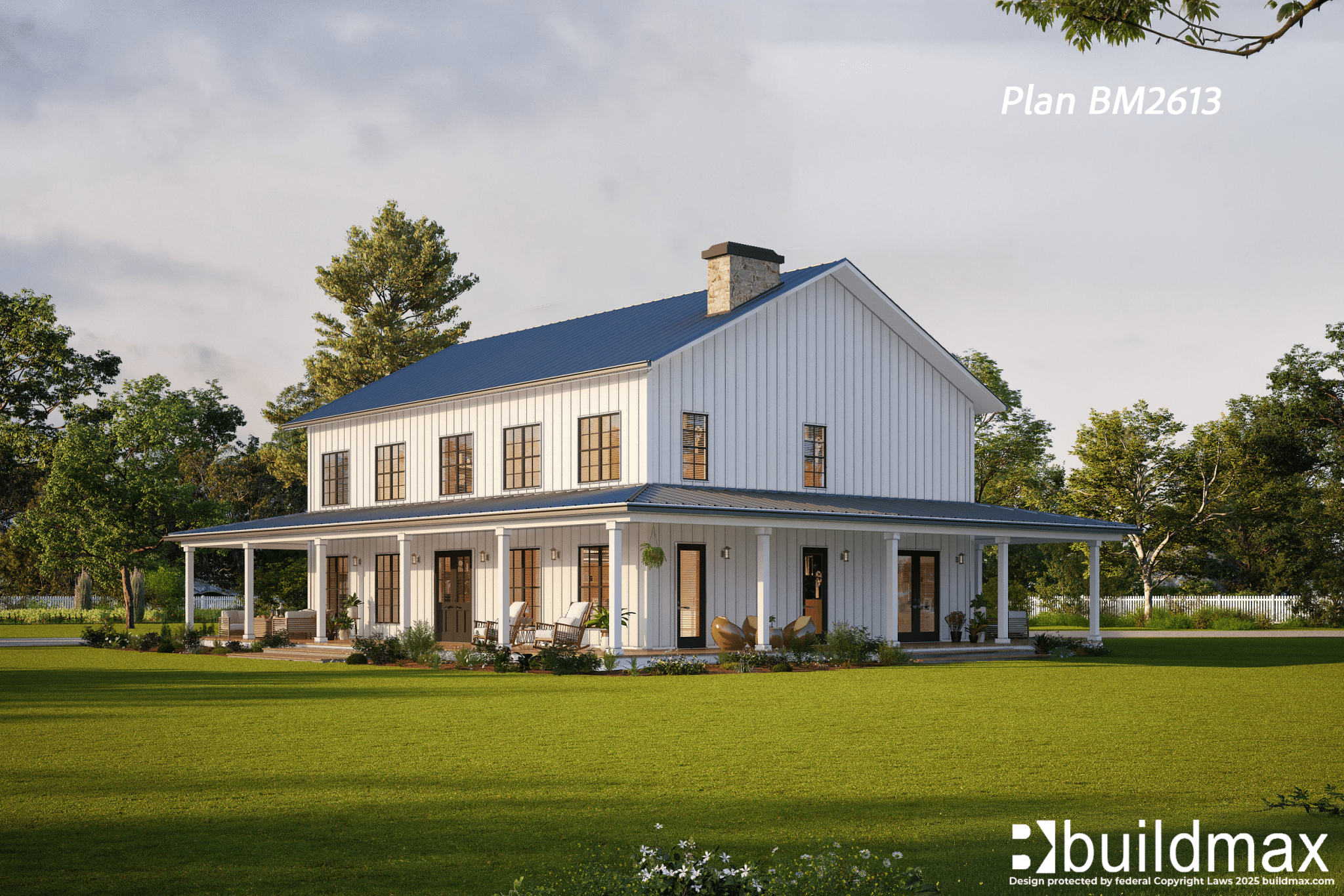
Crafting a Checklist for Your Barndominium Build
If you are planning a barndominium, one of the smartest things you can do before spending serious money is build a real checklist.
Not a vague dream-home wish list. A real barndominium build checklist that helps you move from idea to finished home without forgetting the steps that usually cause delays, budget overruns, and expensive change orders.
That is where many projects go sideways.
People get excited about floor plans, finishes, and exterior style, but they skip the sequence that makes the project work: choosing the right plan, understanding site conditions, setting a realistic budget, locking in financing, planning the slab and foundation correctly, and coordinating contractors in the right order.
In this article, we will walk through the essential checklist for a barndominium build, explain why each phase matters, and show you how to avoid the mistakes that can throw the whole project off schedule.
Why You Need a Real Barndominium Build Checklist
A barndominium build has a lot of moving parts. Even a relatively simple project can involve:
- land evaluation
- floor plans
- engineering and permits
- budgeting
- financing
- site prep
- foundation work
- shell delivery or framing
- mechanical rough-ins
- interior finishes
- inspections and final punch list
That is too much to manage casually.
A real checklist helps you:
- stay organized
- spot missing decisions early
- reduce last-minute changes
- sequence work more efficiently
- protect your budget
- avoid preventable delays
If you are still at the beginning of the process, the best first stop is usually the BuildMax barndominium house plans page so your checklist starts with a real design target instead of a loose idea.
Step 1: Define Your Build Goals Before You Choose a Plan
Before you start pricing materials or calling builders, get clear on what you are actually trying to build.
Ask yourself:
- How many bedrooms and bathrooms do you need?
- Do you want one story or two?
- Do you need a garage, shop, or both?
- Will this be a family home, retirement home, vacation home, or mixed-use property?
- Do you want a stock plan or a custom design?
Your build checklist should start with:
- finalizing the overall size of the home
- deciding on major layout priorities
- choosing whether you are starting with a stock or custom plan
- matching the design to your long-term lifestyle, not just today’s needs
Step 2: Choose the Right Floor Plan Early
This is one of the biggest decision points in the whole build.
If the floor plan is not right, everything downstream gets harder. Budgeting becomes less accurate. Slab planning becomes less specific. Material takeoffs become less reliable. Contractor bids become fuzzier. Finish selections become harder to coordinate.
That is why the floor plan should be locked down early in the process.
At this stage, your checklist should include:
- selecting a floor plan
- reviewing room sizes and layout flow
- confirming garage, porch, or shop dimensions
- making any needed modifications
- verifying that the plan fits your land and your intended use
If you are still comparing styles and sizes, use the BuildMax house plans page as your base reference. :contentReference[oaicite:5]{index=5}
Step 3: Build the Budget Before You Build the House
Most barndominium budget problems do not happen because people forgot concrete exists. They happen because the budget was never built thoroughly in the first place.
Your checklist should include line items for:
- plans and engineering
- site clearing and grading
- driveway and access
- slab or foundation
- shell package or framing
- windows and exterior doors
- roofing and siding
- electrical, plumbing, and HVAC
- insulation and drywall
- cabinets, flooring, trim, and lighting
- appliances and fixtures
- permits and inspections
- landscaping and final cleanup
- contingency buffer
The build does not care what your “rough estimate” was. The project only works when the real numbers are on paper.
Step 4: Secure Financing Before Construction Starts
Once the plans and budget are reasonably clear, financing should come next.
Your financing checklist should include:
- deciding whether the project is cash-funded or financed
- Understanding lender requirements
- making sure the plan, scope, and budget are lender-ready
- preparing for construction draw schedules if needed
- leaving room for overruns and delays
This is not a step you want to “figure out later.”
Step 5: Understand the Site Before You Schedule the Build
A beautiful floor plan can still be the wrong plan if the land is difficult, restricted, or expensive to develop.
Your checklist should include a serious review of the building site:
- access to the property
- clearing needs
- grading and drainage
- soil conditions
- utility availability
- septic or sewer requirements
- water source planning
- setbacks and zoning limitations
This is one of the least glamorous parts of the process, but it is also one of the most important. A lot of budgets get wrecked before framing even begins because the site was never evaluated honestly.
Step 6: Plan the Foundation and Slab Correctly
Once the land and floor plan are known, foundation planning becomes much more specific.
BuildMax has dedicated pages on what type of foundation you build a barndominium on and how thick your barndominium slab should be.
Your checklist here should include:
- confirming the foundation type
- planning rough-in needs before the pour
- making sure the slab matches the intended use of the building
- coordinating plumbing and electrical underground where needed
- preparing access for concrete and site equipment
If your barndominium includes garage or shop space, this step matters even more because the slab design may need to reflect heavier use than a pure living area would.
Step 7: Order the Kit or Building Materials at the Right Time
If you are building with a kit-based approach, your checklist should include:
- finalizing the plan first
- confirming delivery expectations
- making sure the site is accessible for delivery
- planning for staging and storage
- coordinating delivery with the contractor schedule
If that is your route, the BuildMax kits page is the natural internal reference point. :contentReference[oaicite:9]{index=9}
Step 8: Vet Contractors Before You Need Them
Your contractor checklist should include:
- verifying licenses and insurance
- checking references
- asking whether they have barndominium experience
- confirming schedule expectations
- reviewing payment terms clearly
- making sure everyone understands the scope before work begins
Do this before the project becomes urgent. Good contractors are easier to evaluate when you are not already behind schedule.
Step 9: Build a Real Construction Timeline
Your checklist should break the project into major phases:
- planning and approvals
- site prep
- foundation or slab
- shell assembly or framing
- rough mechanicals
- insulation and drywall
- interior finishes
- inspections and final punch list
Leave room for:
- weather delays
- material lead times
- inspection timing
- subcontractor availability
- finish items that require longer ordering windows
The schedule should be realistic, not optimistic.
Step 10: Use a Build Checklist That Follows the Real Sequence
Barndominium Build Checklist
Planning Phase
- Research zoning, code, and permit requirements
- Define your size, layout, and design priorities
- Choose a stock or custom floor plan
- Finalize plan revisions and build specs
- Create a detailed budget with contingency
- Secure financing if needed
Site and Foundation Phase
- Clear the land if needed
- Verify grading, drainage, and access
- Plan utilities, septic, and water access
- Excavate and prepare for foundation work
- Complete underground rough-ins
- Pour slab or complete foundation
Structure Phase
- Coordinate shell or material delivery
- Erect the frame or structure
- Install roof and exterior envelope
- Set windows and doors
Interior Build-Out Phase
- Run electrical, plumbing, and HVAC
- Insulate walls and roof
- Hang drywall and complete interior paint
- Install cabinets, flooring, trim, and fixtures
- Complete kitchen and bath finishes
Final Completion Phase
- Schedule inspections
- Complete punch-list items
- Finish final grading and cleanup
- Complete landscaping if planned
- Do the final walkthrough
- Move in
Common Checklist Mistakes That Hurt Barndominium Builds
Even a good checklist can fail if it leaves out the things people forget most often.
Watch for these mistakes:
- choosing a plan before understanding the land
- budgeting without a contingency buffer
- ordering materials too early or too late
- assuming contractors will coordinate everything automatically
- underestimating permitting and inspection time
- making finish decisions too late in the process
- treating the slab as a simple afterthought
The checklist is supposed to prevent these problems, not just look organized on paper.
Final Thoughts
The best barndominium builds do not happen because the owners got lucky. They happen because the project was planned in the right order.
If you finalize the plan early, build the budget honestly, secure financing, understand the site, coordinate the slab correctly, and map the build sequence step by step, you put yourself in a much stronger position from the start.
A good checklist will not remove every surprise from a custom build. But it will eliminate many of the avoidable ones — and that alone can save you time, money, and a lot of stress.