


Barndominium Pros and Cons: Are They Really Worth It?
If you are trying to decide whether a barndominium is the right move, here is the honest answer: barndominiums have real advantages, but they are not a cheat code.
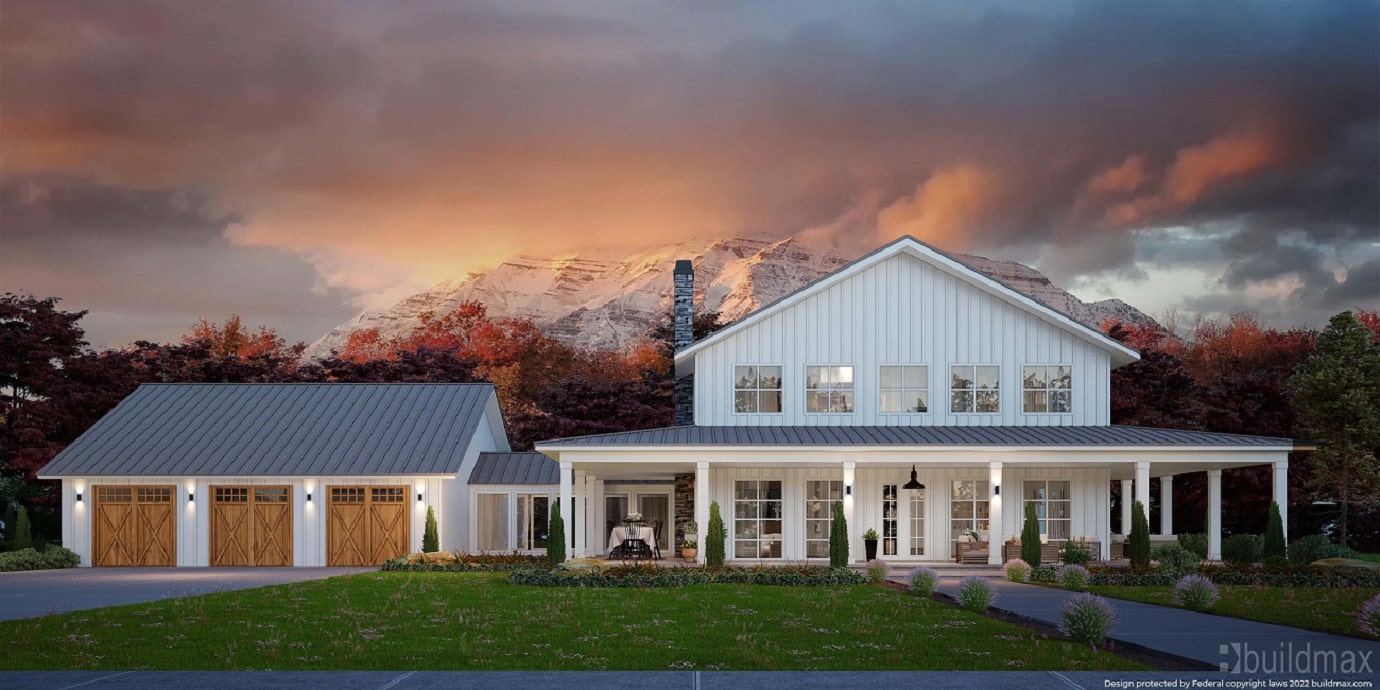
They can be more flexible, more spacious, easier to customize, and in many cases more practical than a traditional home. But they can also come with real drawbacks like financing friction, zoning issues, resale questions, storage challenges, and design choices that do not work for every family or every property.
That is where most articles on this topic fall apart. They either act like barndominiums are perfect, or they try to scare people off with exaggerated negatives.
The truth is simpler: a barndominium can be a smart decision if it fits your land, your lifestyle, your budget, and your local build conditions. If it does not, it can become an expensive way to force the wrong house onto the wrong situation.
In this guide, we will break down the real barndominium pros and cons, who barndominiums are best for, who should probably build something more conventional, and how to decide whether this style of home actually makes sense for you.
Quick Summary: Barndominium Pros and Cons
Pros
- flexible open floor plans
- easy garage and shop integration
- strong customization potential
- lower maintenance potential in the right build path
- durable, practical design for rural and semi-rural living
- great use of space for families, hobbies, and mixed-use lifestyles
Cons
- financing can be more difficult in some markets
- zoning, HOA, and local restrictions can create problems
- resale can be more niche depending on location
- open layouts can create storage and noise issues
- not every builder or lender understands barndominium projects well
- “cheaper” is not automatic if the site, finishes, or scope get out of control
What Is the Biggest Advantage of a Barndominium?
The biggest advantage of a barndominium is usually flexibility.
A well-designed barndo can combine:
- open-concept living
- garage or shop space
- large porches
- high ceilings
- family-friendly layouts
- custom room planning
That is a huge reason so many buyers are drawn to them. A barndominium often works well for people who want a home that feels less boxed-in than a traditional subdivision house and more aligned with the way they actually live.
If that sounds like what you want, start with the BuildMax barndominium house plans page and compare what layout types actually fit your goals.
Pro: Flexible Floor Plans
One of the strongest barndominium pros is the way these homes can be designed around real-life priorities instead of rigid traditional room arrangements.
That flexibility works especially well for:
- open kitchen and living layouts
- split-bedroom designs
- multi-generational living
- attached garages and shops
- large mudrooms and utility spaces
- bonus rooms and lofts
This is where barndominiums can outperform more conventional house layouts. You are not just building a house. You are building a structure that can be shaped more directly around your lifestyle.
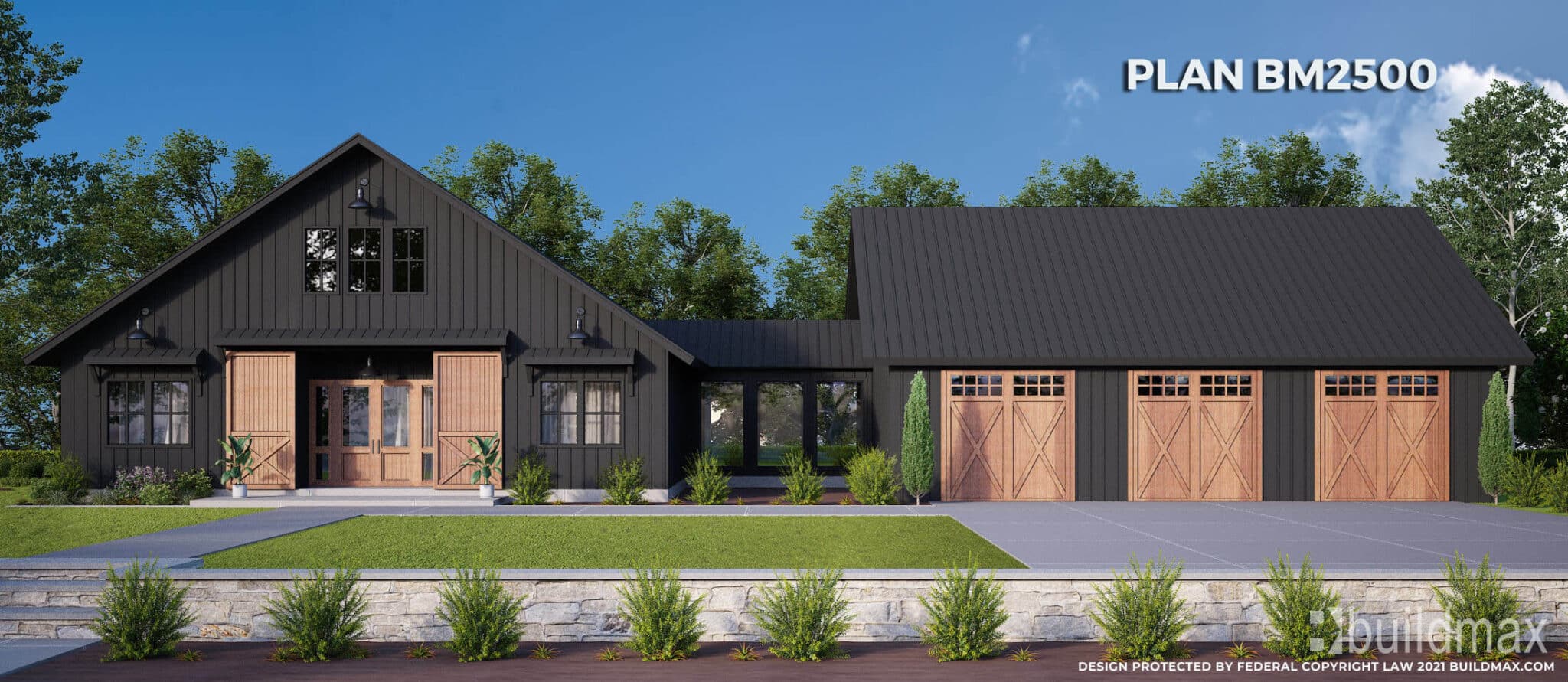
Pro: Garage and Shop Integration
This is one of the clearest reasons buyers choose a barndominium over a traditional home.
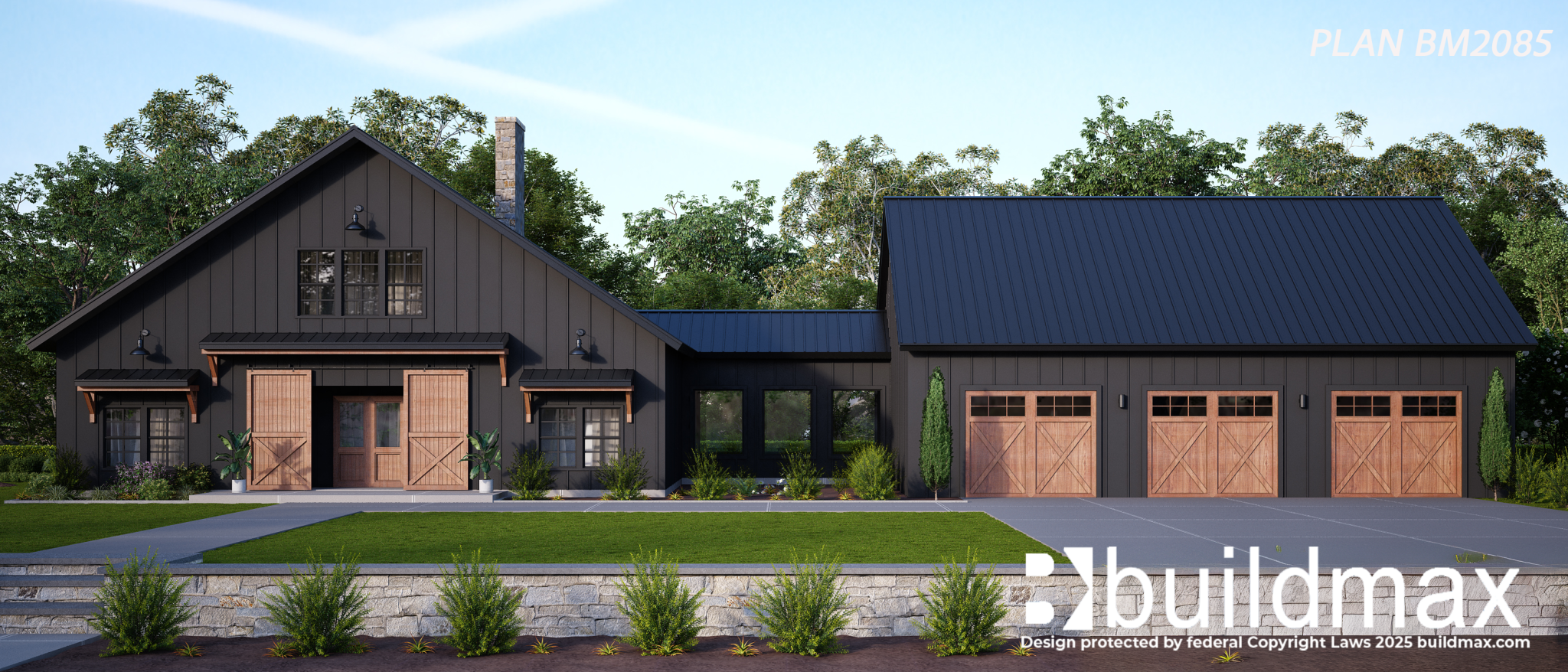
If you need:
- an oversized garage
- a workshop
- equipment storage
- RV or trailer space
- a mixed-use hobby area
a barndominium often makes much more sense than trying to tack those needs onto a standard suburban-style floor plan.
That is also why BuildMax’s plan inventory and related content lean heavily into garage, shop, and shophouse-style layouts. If that feature matters to you, compare the broader barndominium floor plans and any garage-focused plan categories that fit your needs.
Pro: Strong Customization Potential
A barndominium can be highly customizable. That is a big reason buyers like them.
You can often shape the design around:
- family size
- work-from-home needs
- shop space
- porch priorities
- storage needs
- future expansion or flexibility
This does not mean customization is always cheap. It does mean the format gives you more freedom than many buyers expect.
Pro: Practical Durability and Lower Maintenance Potential
Depending on the build path and materials you choose, a barndominium can offer strong durability and lower maintenance potential over time.
This is especially appealing to buyers who want a practical, long-term structure rather than a heavily decorative house that requires more upkeep.
That said, this advantage depends on how the building is actually designed and built. A poorly planned barndominium is not magically low-maintenance just because someone calls it a barndo.
Pro: Good Fit for Rural and Semi-Rural Living
Barndominiums often work best on rural or semi-rural land where:
- larger footprints make sense
- garage and shop use is normal
- porches and outdoor living add real value
- buyers want more house flexibility than a typical subdivision home allows
That setting is where many of the benefits become most obvious.
What Is the Biggest Downside to a Barndominium?
The biggest downside is that a barndominium can be a bad fit in the wrong situation.
That usually shows up in one of four ways:
- financing is harder than expected
- zoning or HOA rules create friction
- the resale pool is more niche
- the layout looks exciting on paper but does not actually fit daily life
This is what buyers need to hear clearly. Barndominiums can be great. But they are not automatically the right answer just because they are popular.
Con: Financing Can Be Harder
This is one of the most important barndominium drawbacks, and one of the most commonly glossed over.
Some lenders are still less comfortable with barndominium projects than with conventional single-family homes. That can show up in:
- higher down payment expectations
- more documentation requirements
- more conservative underwriting
- extra friction during the appraisal or approval process
If financing is part of your build path, do not ignore this issue. Go straight to the BuildMax barndominium loans page and start there instead of pretending it will sort itself out later.
Con: Zoning, HOA, and Local Restrictions
Another real downside is that not every area is equally welcoming to barndominiums.
Problems can come from:
- zoning restrictions
- building code interpretation
- design review requirements
- subdivision rules
- HOA or deed restrictions
This is especially important if you are building in a more urban, suburban, or heavily regulated area. A barndominium may work beautifully in one county and be a headache in another.
Con: Resale Can Be More Niche
This is another downside buyers should take seriously.
Barndominiums can absolutely sell well in the right market, but they may still appeal to a narrower pool of buyers than a more conventional house in the same area. That matters if resale flexibility is a top priority for you.
If you are building in a rural market where shops, acreage, and utility space are prized, this may be less of an issue. If you are building in a more conventional neighborhood or tighter suburban market, it may matter more.
Con: Open Layouts Can Create Storage and Noise Problems
Open-concept living looks great in photos. In real life, it can create tradeoffs.
If the plan is not designed carefully, you may end up with:
- too little closed storage
- more sound travel
- less privacy between spaces
- a home that feels big but functions awkwardly
This is not a reason to avoid barndominiums. It is a reason to choose the right plan instead of getting seduced by dramatic great-room photos.
Con: Not Every Builder Understands Barndominiums Well
This is an underrated problem.
Some contractors say they can build anything, but barndominiums still require an understanding of the structure, sequencing, and layout priorities that make them work well.
If your builder treats the project like a standard house one minute and a utility building the next, the process can get messy fast. This is one reason starting with a strong plan and a clear build path matters so much.
Con: “Cheaper” Is Not Automatic
A barndominium can be cost-effective. It is not automatically cheaper.
The build can still get expensive if:
- the site is difficult
- the footprint gets too large
- the finishes become high-end
- the porch and garage scope balloons
- the buyer confuses shell pricing with move-in-ready pricing
If cost is a major concern, keep this page focused on decision-making and then send readers to the deeper budget pages like:
- What Size Barndominium Can You Build with a $100K Budget?
- How Big of a Barndominium Can I Build for $200K?
Who Should Build a Barndominium?
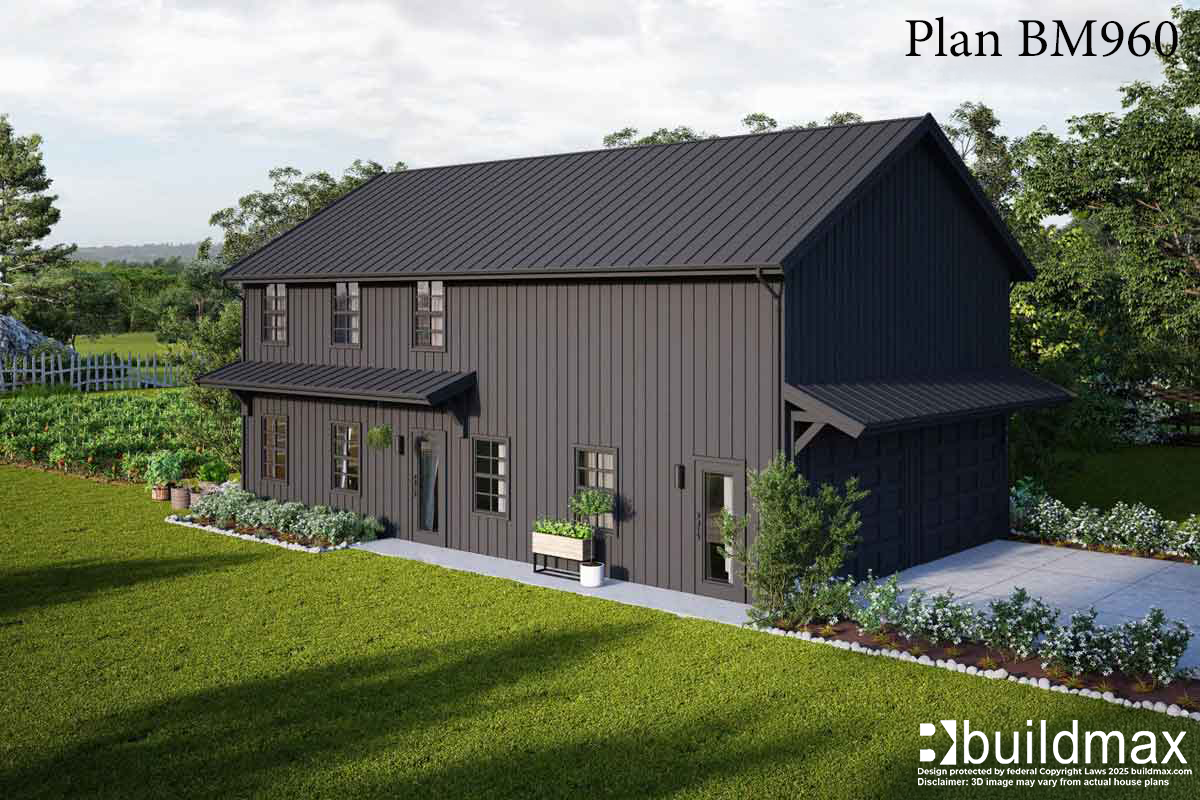
A barndominium is often a smart fit if:
- you want open-concept living
- you need shop or garage space
- you are building on rural or semi-rural land
- you want more plan flexibility
- you like the style and utility of barndo living
- you are willing to plan carefully around financing and local restrictions
If that sounds like you, this is where the page should start converting people toward the next step instead of just talking in circles. Send them into:
Who Should Probably Build a Traditional House Instead?
This is the section your old page needed and never really delivered.
A barndominium may not be right for you if:
- you need the easiest possible conventional financing path
- you are building in a highly restrictive neighborhood
- you want maximum resale familiarity
- you dislike open layouts and want more traditional room separation
- you do not need garage/shop utility and mainly want a standard suburban home feel
That is not anti-barndo. That is just honest.
Are Barndominiums Worth It?
For the right buyer, yes.
A barndominium can be absolutely worth it if you value flexible space, garage or shop integration, open-concept living, practical durability, and a design that fits rural or semi-rural life well.
But if the project creates financing headaches, zoning friction, or a layout that does not fit how you actually live, then the cons start eating the pros quickly.
That is why this should be treated as a decision page, not a hype page.
So, What Is the Downside to a Barndominium?
Here is the cleanest answer:
The downside to a barndominium is not one single flaw. It is that barndominiums require a better fit between your land, your budget, your local rules, and your lifestyle than many buyers first realize.
The advantages are real. The drawbacks are real too.
If you handle financing early, choose the right plan, verify local restrictions, and build for the way you actually live, a barndominium can be one of the smartest housing choices you make.
If you ignore those things, the same project can become a very expensive mismatch.
Final Thoughts
Barndominiums are not perfect, and pretending they are is exactly why weak content on this topic underperforms.
The best decision is not the trendiest one. It is the one that fits your property, your financing, your layout needs, and your long-term goals.
If you are still exploring whether a barndo is right for you, compare real plans, understand the financing path, and be honest about how you want the home to function every day.