


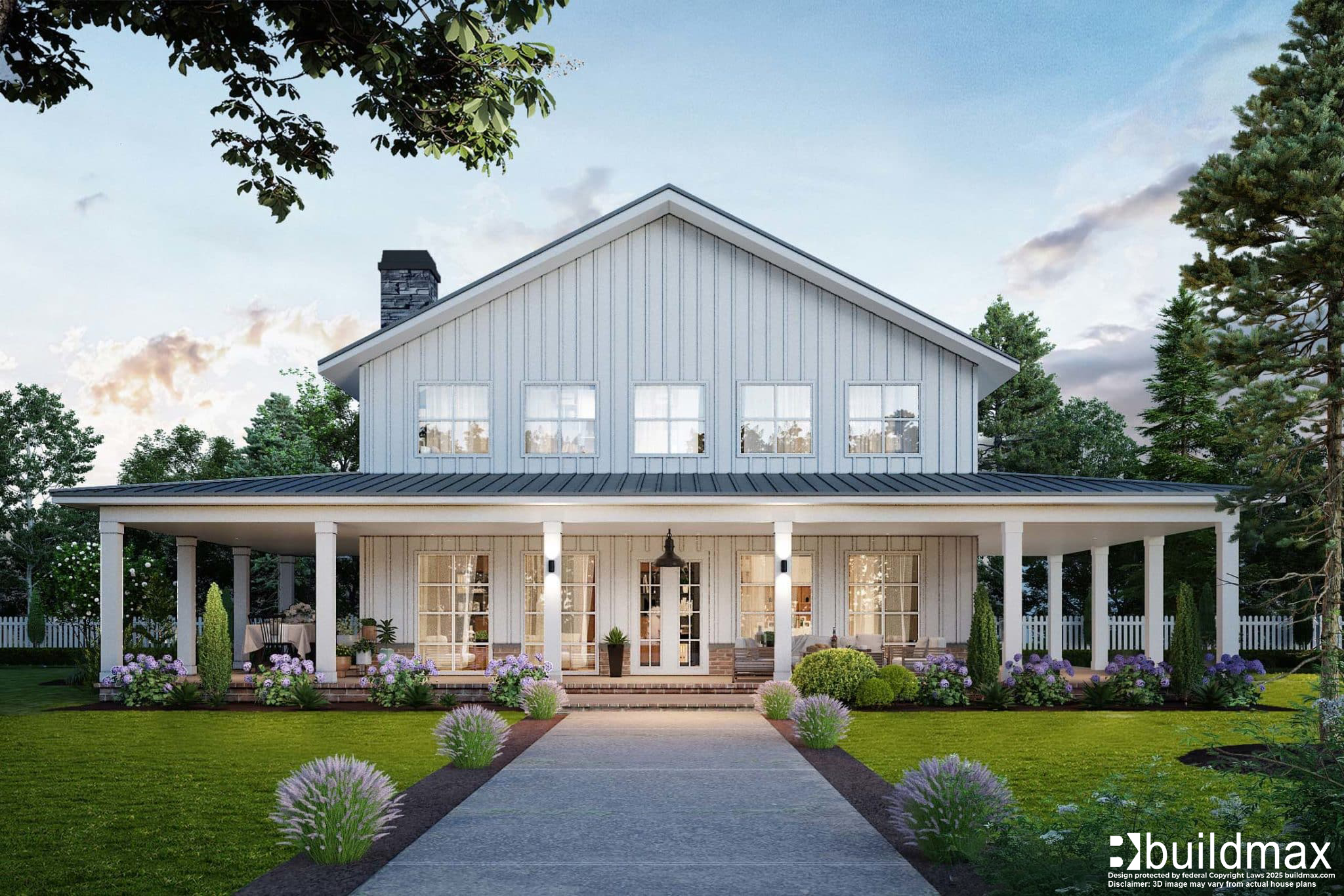
Why More DIY Homesteaders Are Choosing Barndominiums
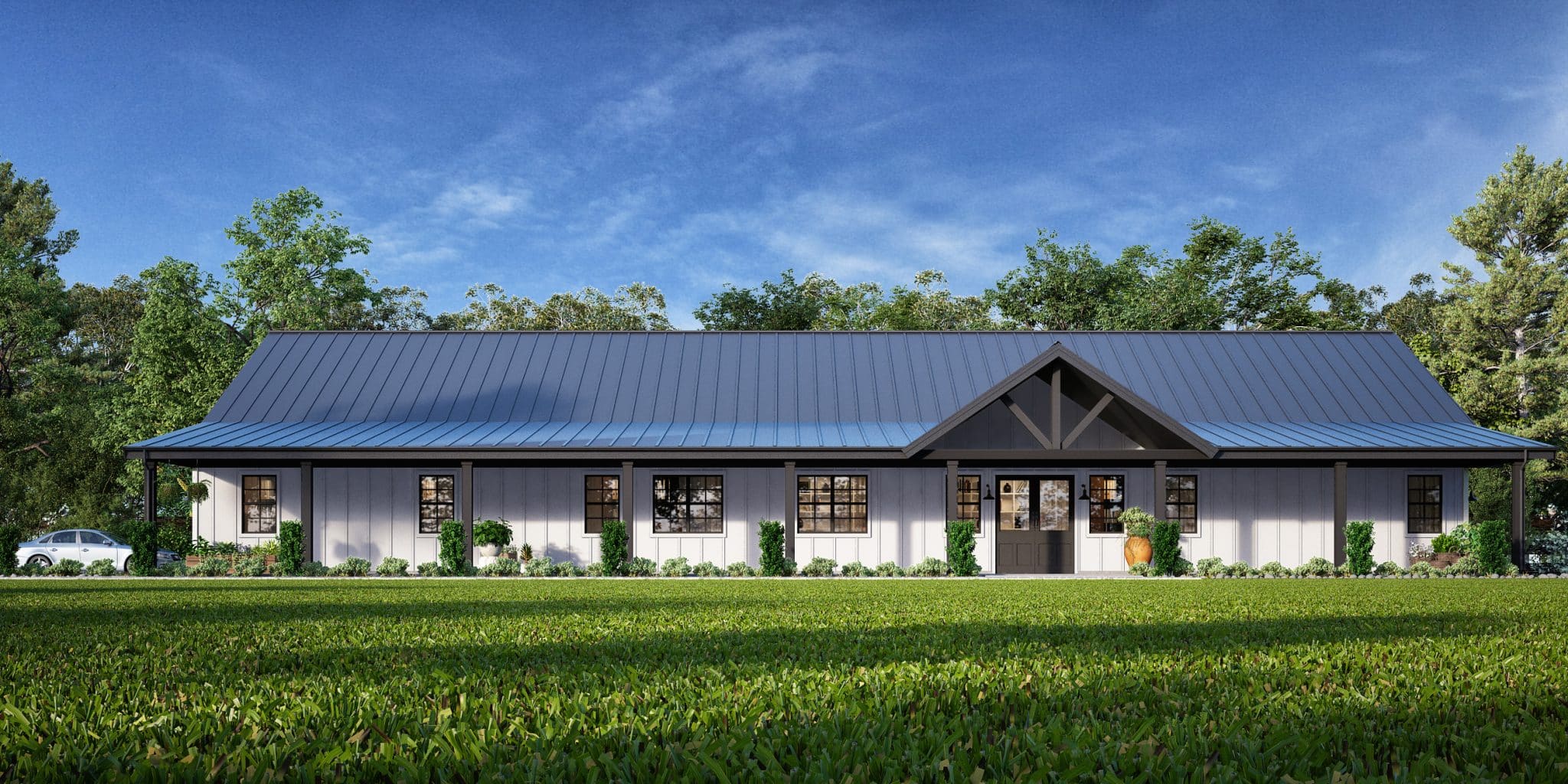
As interest in self-sufficient living continues to grow, more homeowners are exploring barndominiums as part of a DIY homesteading lifestyle. From rural properties to multi-use family land, barndominiums are increasingly being chosen for their flexibility, functional layouts, and ability to support a wide variety of day-to-day needs.
But what exactly makes them appealing to DIY-minded homeowners?
For many people, it comes down to practicality, customization, and the ability to create a space that supports both living and working on the same property.
The Rise of Modern Homesteading
Today’s homesteading movement often focuses on:
-
self-sufficiency
-
rural living
-
gardening and food production
-
workshops and hands-on projects
-
reduced dependence on outside services
Many homeowners want properties that can support:
-
equipment storage
-
hobby farming
-
home businesses
-
livestock areas
-
or large outdoor workspaces.
Traditional suburban-style homes may not always fit those goals, which is one reason barndominiums have gained attention.
Flexible Space Is a Major Advantage
One of the biggest reasons DIY homesteaders choose barndominiums is flexibility.
Many layouts can include:
-
workshops
-
oversized garages
-
storage areas
-
equipment bays
-
hobby or craft spaces
-
home offices
This allows homeowners to combine:
-
residential living
-
workspace
-
and storage
under one roof.
Open Floor Plans Support Customization
Barndominiums are often designed with:
-
open-concept living areas
-
fewer interior load-bearing walls
-
large multi-purpose spaces
This flexibility can make it easier for homeowners to customize layouts around their specific needs.
For example, some DIY homesteaders prioritize:
-
mudrooms and utility areas
-
canning or food prep kitchens
-
workshop access from the home
-
laundry and storage efficiency
-
future expansion potential.
Rural Properties Often Pair Well With Barndominiums
Many homesteading projects are located on:
-
acreage properties
-
farms
-
rural land
-
or semi-rural areas
Barndominiums are often well-suited for these environments because they can integrate:
-
garages and shops
-
covered equipment storage
-
animal shelters or adjacent structures
-
outdoor living space
This type of setup can improve convenience for property owners managing larger pieces of land.
Simpler Designs Can Improve Efficiency
Many DIY-focused homeowners prefer:
-
straightforward layouts
-
practical square footage
-
efficient use of space
-
and manageable maintenance requirements
Simple rectangular floor plans and efficient rooflines may help:
-
simplify portions of construction
-
reduce wasted space
-
and support easier long-term upkeep.
Energy Efficiency Is Becoming More Important
Many homesteaders are also prioritizing:
-
lower utility costs
-
backup power systems
-
sustainable design features
-
and long-term energy efficiency
Depending on the project, homeowners may explore:
-
spray foam insulation
-
solar integration
-
geothermal systems
-
rainwater collection systems
-
energy-efficient HVAC systems
However, system performance depends heavily on:
-
proper design
-
installation quality
-
insulation
-
and climate conditions.
DIY Projects Still Require Professional Planning
Although many homesteaders enjoy hands-on involvement, building a barndominium still requires professional coordination.
Important aspects of the project may involve:
-
engineering
-
permitting
-
foundation work
-
electrical and plumbing systems
-
HVAC installation
-
code compliance
Even for experienced DIY homeowners, certain portions of construction often require licensed professionals depending on local regulations.
Budgeting and Realistic Expectations Matter
One common misconception is that barndominiums are automatically inexpensive or easy to build.
Actual costs depend on:
-
land development
-
utilities and infrastructure
-
labor availability
-
material pricing
-
interior finishes
-
and overall project complexity
DIY involvement may help with certain phases of the project, but homeowners should still plan realistically for:
-
timelines
-
inspections
-
permitting
-
and unexpected costs.
Important: Builder and Construction Responsibility
It’s important to understand that BuildMax is not a builder or general contractor.
BuildMax provides:
-
floor plans
-
design services
-
and material packages
BuildMax does not:
-
supervise construction
-
manage contractors
-
guarantee project pricing or timelines
-
or oversee code compliance or installation quality
For best results, homeowners should:
-
hire a vetted general contractor where appropriate
-
work with licensed professionals for required systems
-
and carefully evaluate all subcontractors involved in the project
For steel-framed projects, homeowners may also consider requesting a quote from a third-party manufacturer’s steel installation crew, if available.
All contractors and installers are independent third parties, and homeowners are responsible for selecting and managing the construction process.
Final Thoughts
More DIY homesteaders are choosing barndominiums because they offer:
-
flexible layouts
-
integrated workspace
-
rural functionality
-
and customizable living environments
For many homeowners, the appeal is not just the structure itself—it’s the ability to create a property that supports a more hands-on, self-sufficient lifestyle.
The most successful projects are typically the ones that combine:
-
realistic planning
-
functional design
-
experienced professionals
-
and a layout built around how the property will actually be used every day.