


The Future Is Metal? A Realistic Look at the Advantages of Metal Building Homes
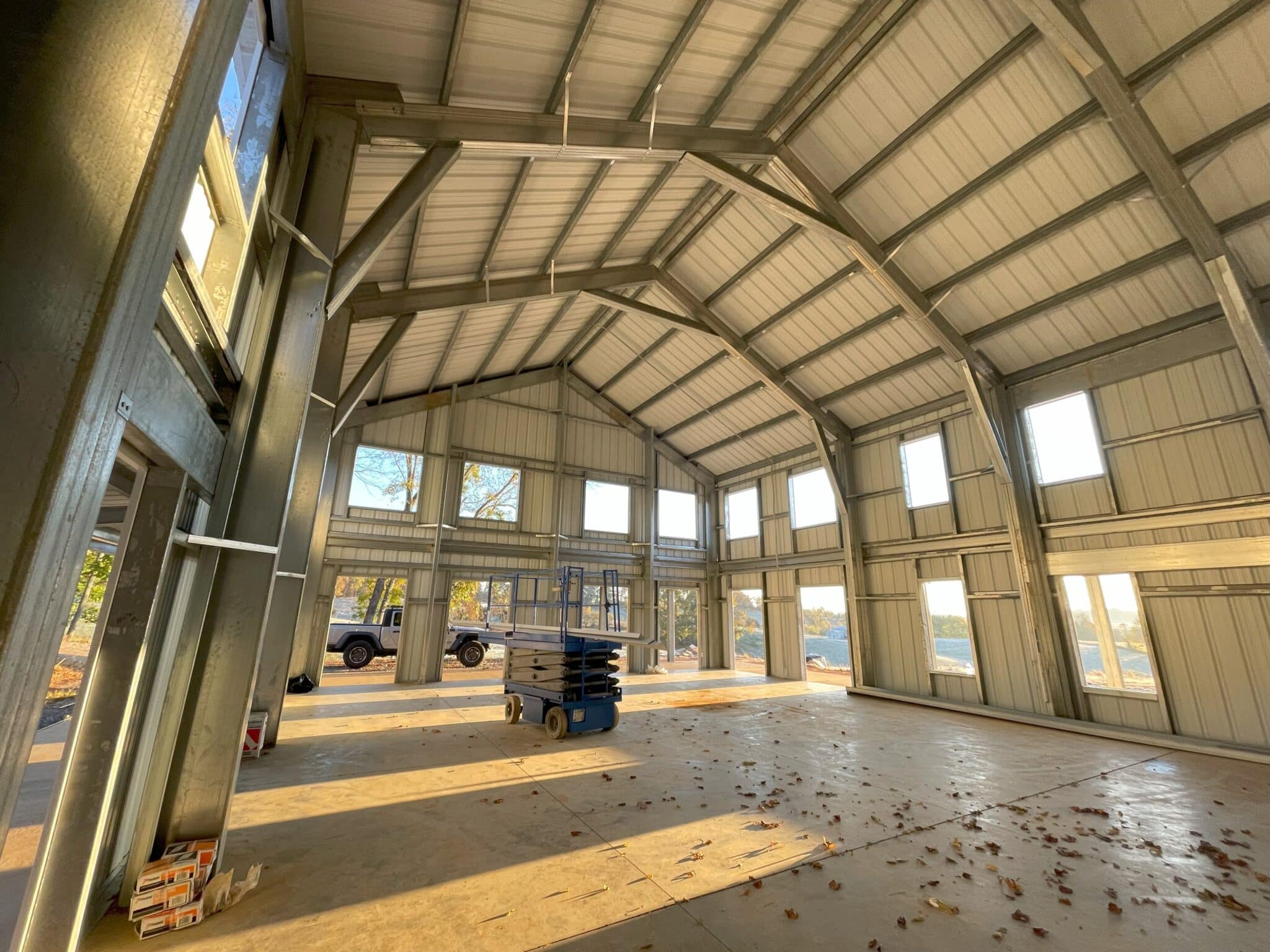
Metal building homes—including steel-framed barndominiums—have grown rapidly in popularity over the past decade. As more homeowners look for flexible, modern living spaces, steel construction is becoming a common option in both rural and suburban settings.
But is metal really “the future” of residential construction?
The reality is more balanced: metal homes offer several advantages when properly designed and built, but their performance depends on the full construction process—not just the material.
What Is a Metal Building Home?
A metal building home typically uses:
-
cold-formed steel framing or structural steel
-
metal roofing systems
-
engineered components designed for residential use
Many designs combine steel with traditional materials like:
-
wood accents
-
drywall interiors
-
stone or siding finishes
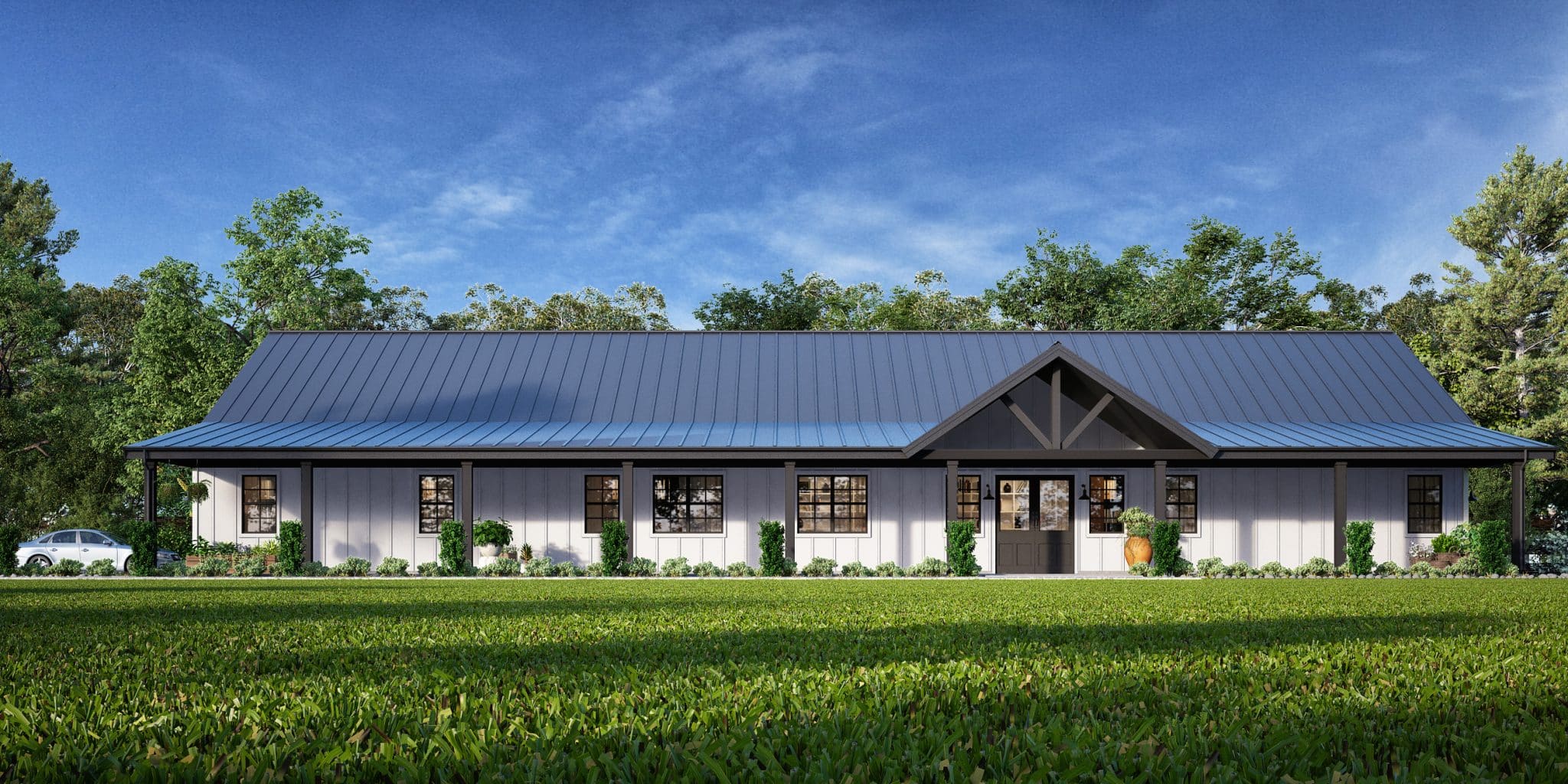
Modern metal homes are no longer industrial-looking structures—they can be designed to match:
-
modern farmhouse styles
-
contemporary homes
-
or fully custom residential designs
Why Metal Homes Are Gaining Attention
The growth in metal homes is driven by changing homeowner preferences.
Buyers are increasingly looking for:
-
open-concept layouts
-
flexible living space
-
integrated garages or workshops
-
and homes designed around real-world functionality
Steel framing can support these design goals when properly engineered.
Key Advantages of Metal Building Homes
1. Design Flexibility
Steel framing allows for:
-
wide spans
-
open floor plans
-
fewer interior load-bearing walls
This gives homeowners more freedom to design layouts that fit their lifestyle.
2. Dimensional Consistency
Steel components are manufactured to precise specifications, which can help reduce:
-
warping
-
shrinking
-
material variability
This can improve framing alignment when installed correctly, although field conditions still matter.
3. Resistance to Common Material Issues
Steel does not:
-
shrink like some wood materials
-
serve as a food source for termites
However, overall performance still depends on the full building system, including insulation, ventilation, and exterior protection.
4. Compatibility With Modern Designs
Metal homes are often used for:
-
modern farmhouse styles
-
barndominiums
-
custom hybrid homes
They can include:
-
large windows
-
vaulted ceilings
-
covered porches
-
and mixed-material exteriors
5. Potential for Efficient Planning
Pre-engineered steel systems can help:
-
align materials with plans
-
improve coordination
-
reduce some jobsite waste
That said, efficiency depends on:
-
contractor experience
-
project planning
-
and installation quality
Important Considerations
While metal homes offer advantages, they also require proper planning and execution.
Moisture and Construction Practices
Steel must be protected during construction.
Exposure to:
-
rain
-
humidity
-
standing water
can lead to temporary surface oxidation if materials are not properly handled or dried-in quickly.
Insulation and Thermal Design
Steel conducts temperature more readily than wood, so proper insulation is critical to manage:
-
heat transfer
-
condensation
-
energy efficiency
Well-designed wall systems and ventilation are essential.
Labor and Installation
Not all contractors are experienced with steel framing systems.
An experienced crew is important for:
-
proper installation
-
sequencing
-
coordination with other trades
Important: Builder Responsibility
It’s important to understand that BuildMax is not a builder or general contractor.
BuildMax provides:
-
floor plans
-
design services
-
and material packages
BuildMax does not:
-
supervise construction
-
manage job sites
-
or control contractor performance
For best results, homeowners should:
-
hire a vetted general contractor
-
choose professionals experienced with steel framing
-
and carefully evaluate all subcontractors
In some cases, you may also consider requesting a quote from a third-party manufacturer’s steel installation crew, if available in your area.
All contractors are independent third parties, and homeowners are responsible for managing their project.
Are Metal Homes the Future?
Metal homes are becoming more common, but they are not a one-size-fits-all solution.
They can be a strong option when:
-
properly engineered
-
installed by experienced professionals
-
designed with appropriate insulation and moisture control
-
and maintained over time
At the same time, traditional construction methods remain widely used and effective.
Final Thoughts
Metal building homes offer a combination of:
-
modern design flexibility
-
structural consistency
-
and functional living space
However, their success depends on the same fundamentals as any home:
-
planning
-
engineering
-
construction quality
-
and maintenance
Rather than focusing on whether metal is “the future,” the better question is:
Does this system fit your project, your location, and your construction team?
When the answer is yes, a metal building home can be a practical and long-lasting choice for modern living.