


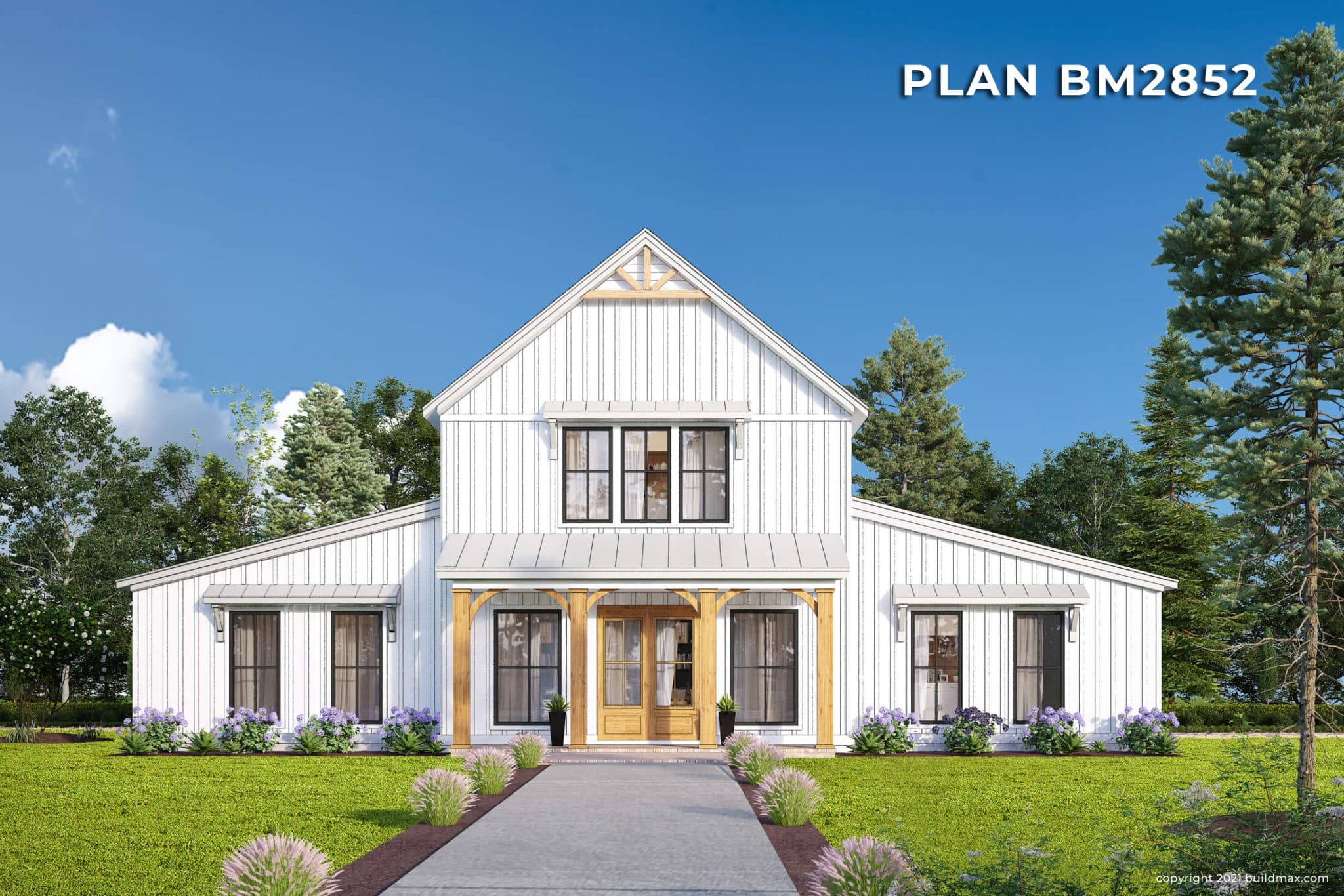
Living in a Barndominium: What It’s Really Like Day to Day
Barndominiums have gained a lot of attention online—but what’s it actually like to live in one?
The reality is: living in a barndominium can feel very similar to a traditional home—if it’s properly designed and built. The difference comes down to layout, functionality, and how the space is used.
Open Space and Flexible Living
One of the biggest differences you’ll notice is the layout.
Many barndominiums are designed with:
-
open-concept living areas
-
higher ceilings
-
fewer interior load-bearing walls
This creates a more open, connected feel compared to traditional homes with segmented rooms.
For some homeowners, that means:
-
easier entertaining
-
more natural light
-
flexible furniture layouts
For others, it may require more planning for privacy and noise control.
Functional Space Is a Big Advantage
A major reason people choose barndominiums is the ability to combine living space with function.
Depending on the design, you may have:
-
attached garages
-
workshops
-
storage for equipment or hobbies
-
home-based business space
This setup is especially useful for:
-
rural or acreage living
-
trades or small business owners
-
anyone needing extra storage or workspace at home
Comfort Depends on Design Choices
From a comfort standpoint, barndominiums can feel just like any modern home—but that depends on how they’re built.
Key factors include:
-
insulation quality
-
HVAC system design
-
ventilation
-
window placement
Open layouts and high ceilings can affect heating and cooling, so proper system sizing and insulation are important for consistent indoor temperatures.
Noise and Acoustics
Open spaces can also change how sound travels.
Without proper planning, you may notice:
-
more echo in large rooms
-
sound carrying between spaces
This can often be managed with:
-
insulation choices
-
interior finishes
-
layout decisions (like separating bedrooms from main living areas)
Maintenance and Upkeep
Barndominiums are sometimes described as “low maintenance,” but no home is maintenance-free.
Ongoing upkeep may include:
-
roof and exterior inspections
-
drainage and gutter maintenance
-
HVAC servicing
-
general wear and tear repairs
Maintenance needs will vary based on:
-
materials used
-
climate
-
and how the home is built
Rural vs. Suburban Living Experience
Many barndominiums are built in:
-
rural areas
-
semi-rural properties
-
larger lots
This often means:
-
more space and privacy
-
fewer nearby neighbors
-
different utility setups (like septic systems or wells)
However, barndominiums are also becoming more common in suburban areas, depending on zoning and local regulations.
Planning Makes the Biggest Difference
Day-to-day living experience is shaped more by design and construction quality than the “barndominium” label itself.
Homes that are:
-
well-planned
-
properly insulated
-
thoughtfully laid out
-
and built by experienced professionals
tend to feel just as comfortable and functional as traditional homes.
Important: Builder Responsibility
It’s important to understand that BuildMax is not a builder or general contractor.
BuildMax provides:
-
floor plans
-
design services
-
and material packages
BuildMax does not:
-
supervise construction
-
manage job sites
-
or control contractor performance
For the best living experience, homeowners should:
-
hire a vetted general contractor
-
choose crews experienced with barndominiums or steel framing
-
and carefully plan the layout and systems
You may also consider requesting a quote from a third-party manufacturer’s steel installation crew, if available.
Final Thoughts
So, what’s it really like to live in a barndominium?
👉 It can feel just like a traditional home—with more flexibility and functional space—when it’s designed and built correctly.
The biggest differences come down to:
-
open layouts
-
integrated work or storage areas
-
and how the space is customized to your lifestyle
At the end of the day, the experience isn’t defined by the structure type—it’s defined by how well the home fits the way you live.