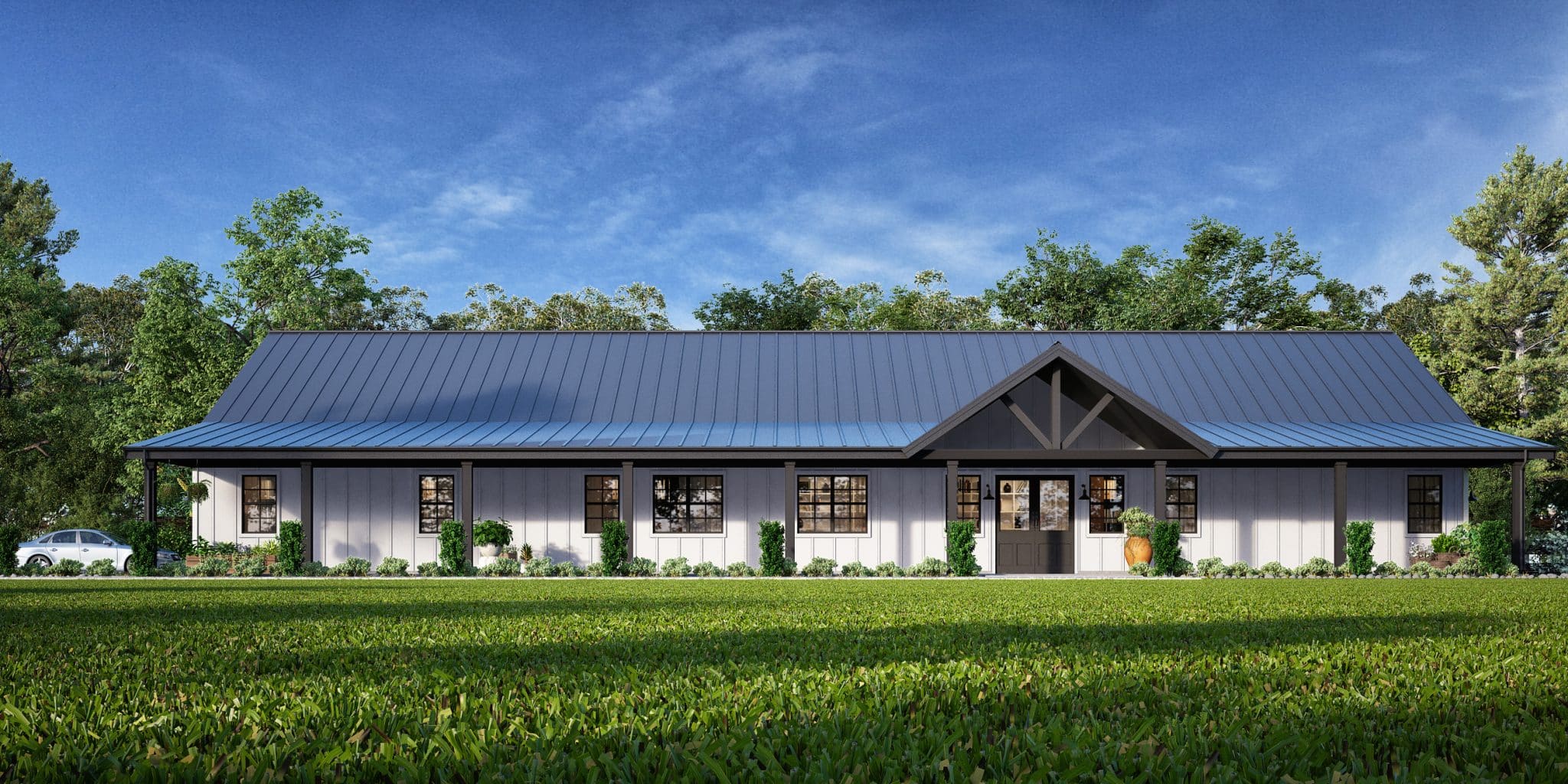




What Are the Disadvantages of Steel Framing Houses?
Steel framing has become increasingly popular in residential construction, especially with barndominiums and modern farmhouse designs. It offers consistency, strength, and design flexibility—but like any building system, it also comes with considerations homeowners should understand before building.
The key is not whether steel framing is “good” or “bad,” but whether it’s properly designed, installed, and maintained for your specific project.
1. Thermal Conductivity (Heat Transfer)
Steel conducts heat more readily than wood, which means it can transfer temperature from outside to inside if not properly addressed.
Without proper design, this can contribute to:
-
heat gain in hot climates
-
heat loss in cold climates
-
reduced energy efficiency
How this is managed:
-
spray foam insulation
-
insulated wall assemblies
-
thermal breaks
-
proper HVAC design
Energy performance depends on the full wall system—not just the framing material.
2. Moisture and Condensation Management
Steel itself does not absorb moisture, but condensation can form when warm, humid air meets cooler surfaces.
If not properly managed, this can lead to:
-
moisture buildup
-
interior condensation
-
potential long-term issues with finishes or insulation
Important factors:
-
proper ventilation
-
correct insulation design
-
air sealing
-
humidity control
During construction, exposure to rain or humidity may also cause temporary surface oxidation if materials are not protected or dried-in efficiently.
3. Requires Experienced Installers
Steel framing systems are different from traditional wood framing and require familiarity with:
-
fastening systems
-
framing layout
-
sequencing
-
engineering plans
An inexperienced contractor may struggle with:
-
alignment
-
coordination with other trades
-
or installation details
Important:
BuildMax is not a builder or general contractor. BuildMax provides plans and material packages but does not supervise construction or control installer performance.
Homeowners should:
-
hire a vetted general contractor
-
choose crews with steel framing experience
-
or consider a quote from a third-party manufacturer’s steel installation crew
All contractors are independent, and the homeowner is responsible for selecting and managing the build team.
4. Upfront Planning Is Critical
Steel-framed homes rely heavily on engineered designs and pre-planning.
Changes during construction can be more difficult compared to wood framing, especially if they affect:
-
structural layout
-
load paths
-
or engineered components
Best approach:
-
finalize plans early
-
minimize mid-project changes
-
coordinate closely with contractors and engineers
5. Potential for Higher Labor Costs (In Some Areas)
Labor costs for steel framing can vary depending on your location.
In areas where steel framing is less common:
-
fewer experienced crews may be available
-
installation costs may be higher
In regions where steel construction is more established, this difference may be minimal.
6. Fastener and Attachment Considerations
Attaching cabinets, fixtures, or finishes can require different methods compared to wood framing.
This may involve:
-
specialized fasteners
-
backing plates
-
or planning for load-bearing attachments
These are standard considerations in steel construction but should be accounted for during design and installation.
7. Not Completely Maintenance-Free
Steel framing is often described as low-maintenance, but no home is maintenance-free.
Long-term performance still depends on:
-
proper installation
-
moisture management
-
routine inspections
-
and general upkeep
Environmental factors like:
-
humidity
-
coastal exposure
-
and weather conditions
can also influence maintenance needs over time.
8. Misconceptions About Performance
One of the biggest “disadvantages” isn’t the material itself—it’s misunderstanding what steel framing does and doesn’t do.
Steel framing does not:
-
eliminate the need for insulation
-
prevent all moisture issues
-
guarantee faster build times
-
or remove the need for experienced contractors
Like any system, performance depends on how the entire structure is built.
Final Thoughts
Steel framing offers many advantages, but it also requires:
-
proper engineering
-
experienced installation
-
thoughtful insulation design
-
and realistic expectations
The disadvantages are not deal-breakers—they are considerations that need to be managed correctly.
When planned and executed properly, steel-framed homes can provide:
-
consistent structural performance
-
flexible design options
-
and long-term durability
The key is working with the right team and understanding that the success of the project depends on the entire building system—not just the framing material.