


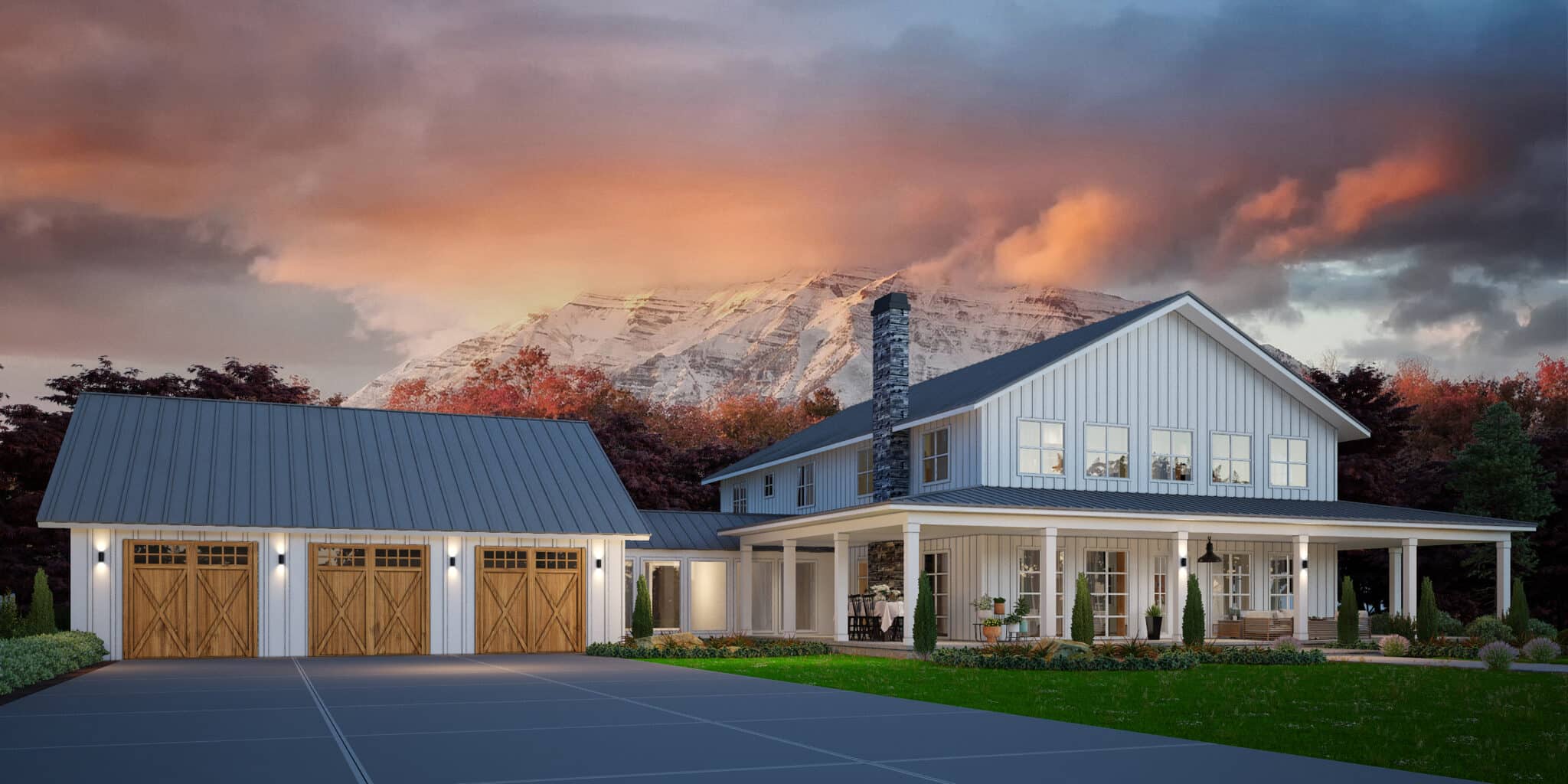
Why Barndominiums Can Be Challenging to Build in California
Barndominiums have gained popularity across many parts of the U.S., but California presents a unique set of challenges that can make these projects more complex.
So why do barndominiums sometimes struggle in California?
The answer comes down to regulations, costs, local requirements, and project coordination—not the concept itself.
1. Strict Building Codes and Regulations
California has some of the most detailed building codes in the country, especially when it comes to:
-
seismic (earthquake) requirements
-
energy efficiency standards (Title 24)
-
fire safety regulations
-
structural engineering requirements
Barndominiums—particularly steel-framed or hybrid designs—must be engineered to meet these standards, which can add:
-
design complexity
-
additional approvals
-
higher upfront costs
2. Zoning and Land Use Restrictions
Zoning laws in California can vary significantly by county and city.
In some areas, restrictions may impact:
-
mixed-use structures (living + shop/garage)
-
agricultural-style buildings used as residences
-
minimum square footage or design requirements
-
HOA or community guidelines
This can limit where barndominiums are allowed or require design adjustments to meet local rules.
3. Higher Construction Costs
California is known for higher construction costs compared to many other states.
Factors include:
-
labor costs
-
permitting fees
-
inspection requirements
-
material pricing
-
environmental compliance
Even if a barndominium is designed efficiently, the overall project cost may still be higher due to these external factors.
4. Permitting and Approval Timelines
Permitting in California can take longer than in many other regions.
Projects may require:
-
multiple plan reviews
-
environmental assessments
-
engineering verification
-
inspections at various stages
Delays in approvals can extend timelines and impact scheduling.
5. Energy Efficiency Requirements
California’s energy standards (Title 24) are among the strictest in the U.S.
Barndominiums must meet requirements related to:
-
insulation performance
-
HVAC efficiency
-
window and door specifications
-
overall energy usage
This can require:
-
upgraded materials
-
specialized system design
-
additional documentation
6. Wildfire and Environmental Considerations
In many parts of California, especially rural or semi-rural areas, wildfire risk is a major factor.
Requirements may include:
-
fire-resistant materials
-
defensible space around the structure
-
specific roofing and siding standards
Environmental considerations can also affect:
-
site development
-
grading and drainage
-
protected land or species
7. Contractor Availability and Experience
While barndominiums are growing in popularity, not all contractors in California specialize in:
-
steel framing systems
-
barndominium-style builds
-
large open-span designs
Finding experienced professionals can be more challenging in certain areas, which may affect:
-
pricing
-
timelines
-
overall project coordination
8. Misalignment With Local Housing Trends
In some California markets—especially urban and suburban areas—traditional home styles dominate.
Barndominiums may face challenges with:
-
neighborhood compatibility
-
appraisal comparisons
-
resale expectations
This doesn’t mean they can’t be built—but it can influence planning decisions.
Important: Builder and Project Responsibility
It’s important to understand that BuildMax is not a builder or general contractor.
BuildMax provides:
-
floor plans
-
design services
-
material packages
BuildMax does not:
-
manage permitting
-
supervise construction
-
control contractor performance
For projects in California, it’s especially important to:
-
work with a vetted general contractor familiar with local codes
-
consult with engineers and designers early
-
and ensure compliance with all state and local requirements
You may also consider requesting a quote from a third-party manufacturer’s steel installation crew, if available.
All contractors are independent third parties, and the homeowner is responsible for managing the project.
Final Thoughts
Barndominiums don’t “fail” in California—they just require more planning and coordination than in many other states.
The main challenges come from:
-
strict regulations
-
higher costs
-
zoning limitations
-
and permitting complexity
With the right approach, experienced professionals, and realistic expectations, barndominiums can still be successfully built in California.
The key is understanding that:
the location—not the home style—is what drives the difficulty.