


Why I Chose a Stock Floor Plan for My Forever Home
When people begin planning a custom home or barndominium, many assume they need a completely custom-designed floor plan from the ground up. But for a growing number of homeowners, stock floor plans are becoming an increasingly practical and appealing option.
For many families, the decision comes down to:
-
efficiency
-
simplicity
-
budget management
-
and finding a layout that already fits their lifestyle.
A stock floor plan doesn’t mean settling for less—it often means starting with a proven design that can still be personalized to meet your needs.
Here’s why many homeowners are choosing stock floor plans for their forever homes.
What Is a Stock Floor Plan?
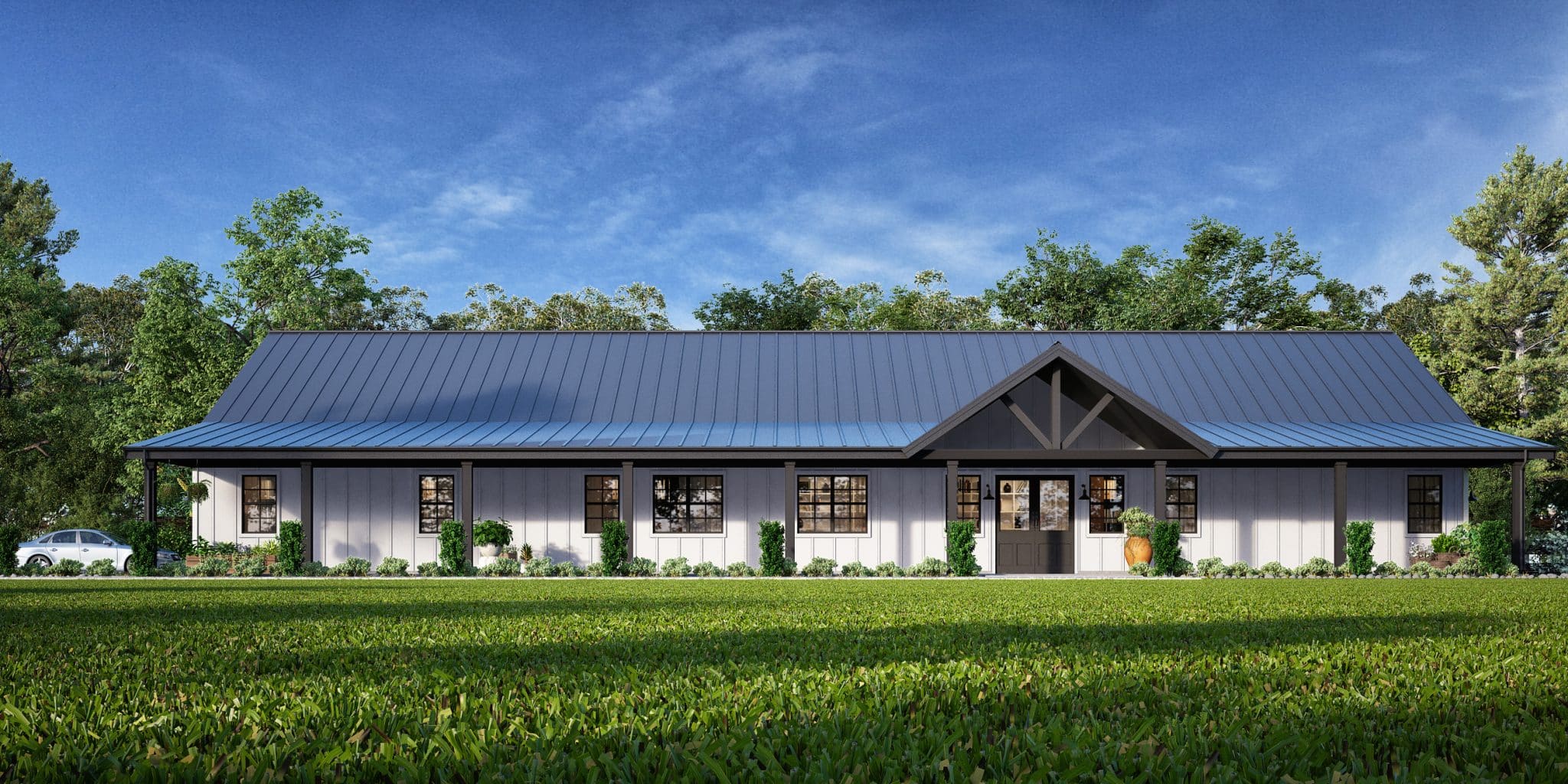
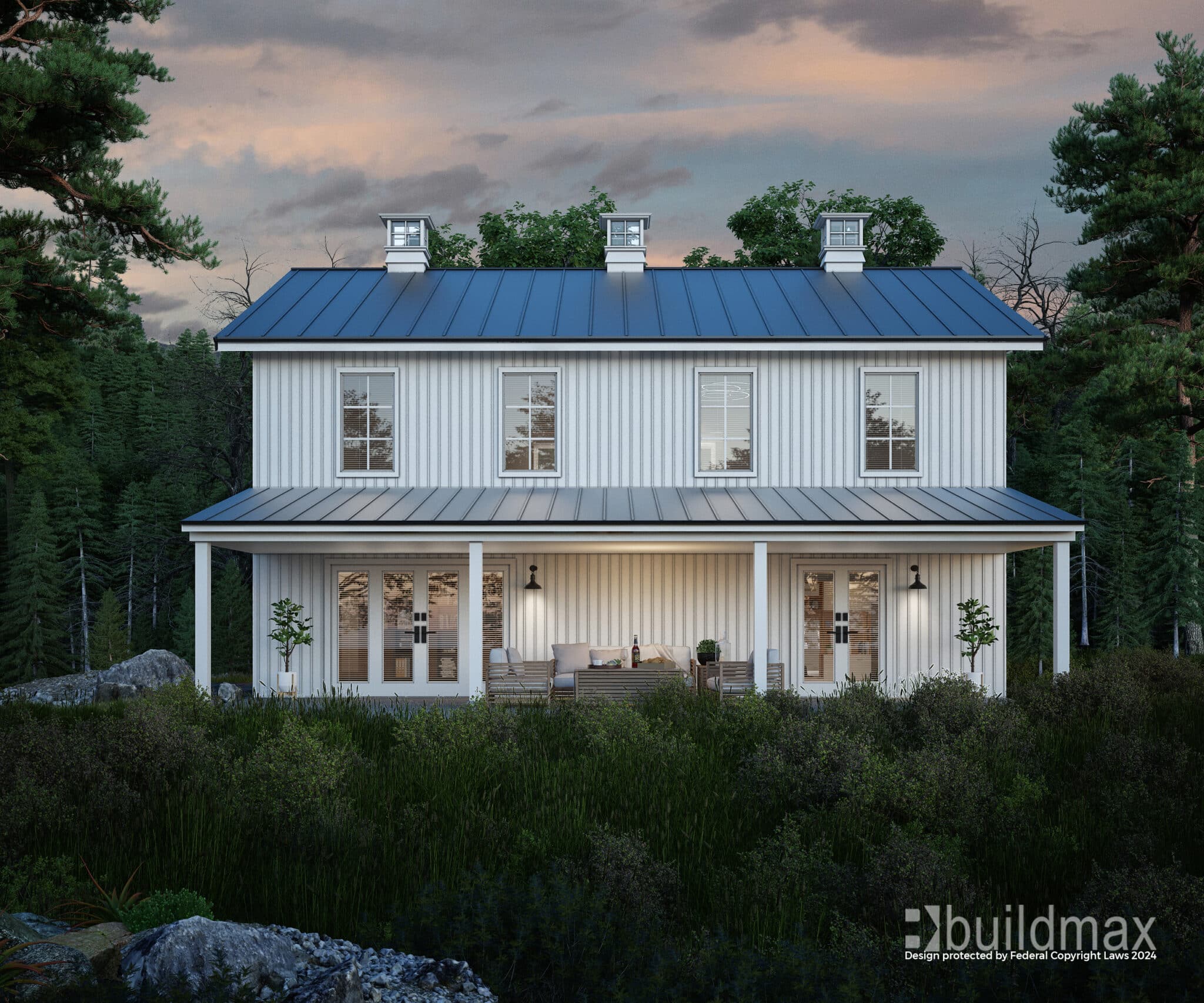
A stock floor plan is a pre-designed home layout that has already been developed and, in many cases, refined over time based on homeowner feedback and construction practicality.
These plans often include:
-
complete room layouts
-
exterior elevations
-
structural concepts
-
and general design flow.
Unlike fully custom homes, stock plans provide a ready-made starting point that can sometimes reduce portions of the design process.
Why Many Homeowners Prefer Stock Plans
One of the biggest reasons people choose stock floor plans is convenience.
Instead of starting from scratch, homeowners can:
-
review existing layouts
-
compare features
-
evaluate square footage
-
and select a design that already aligns with their goals.
This can simplify early decision-making and help homeowners better visualize the finished home.
Proven Layouts Often Work Better
Stock floor plans are often based on layouts that have already proven functional for many homeowners.
Popular features commonly included are:
-
open-concept living spaces
-
efficient kitchen layouts
-
practical bedroom placement
-
integrated storage areas
-
and functional traffic flow.
Rather than experimenting with entirely new concepts, homeowners may benefit from designs that already emphasize everyday usability.
Stock Plans Can Still Be Customized
A common misconception is that choosing a stock plan means giving up personalization.
In reality, many homeowners still customize features such as:
-
garage size
-
outdoor living areas
-
office or flex spaces
-
kitchen layouts
-
storage solutions
-
and interior finishes.
Starting with a stock plan can provide a strong foundation while still allowing adjustments for personal preferences.
Simpler Planning Can Reduce Stress
Designing a fully custom home can become overwhelming for some homeowners.
Stock plans may help simplify:
-
layout decisions
-
structural planning
-
and overall project direction.
Having an established starting point can reduce:
-
design fatigue
-
excessive revisions
-
and uncertainty during the early planning phase.
For many homeowners, this creates a smoother experience overall.
Budget Awareness Becomes Easier
While every project is different, stock plans can sometimes make budgeting more manageable because:
-
the layout already exists
-
structural concepts are generally established
-
and material planning may be easier to estimate.
However, overall cost still depends on:
-
location
-
labor availability
-
site conditions
-
engineering requirements
-
and finish selections.
Even stock plans can become expensive if heavily modified or upgraded.
Forever Homes Should Prioritize Functionality
Many homeowners choosing a “forever home” are focused less on trends and more on long-term livability.
Important priorities often include:
-
efficient layouts
-
manageable maintenance
-
future accessibility
-
storage and organization
-
energy efficiency
-
and flexible living spaces.
A practical floor plan that works well every day is often more valuable than an overly complex custom design.
Open Layouts and Flexible Space Remain Popular
Many stock floor plans already include features modern homeowners want, such as:
-
open-concept kitchens and living areas
-
home office space
-
mudrooms and utility rooms
-
large garages or workshops
-
outdoor living areas.
These designs are often created around the way families currently live and use their homes.
Construction Efficiency Can Be an Advantage
Because stock plans are pre-developed, they may help improve portions of the planning and construction process.
Builders and contractors may find:
-
layouts easier to interpret
-
structural systems more straightforward
-
and project coordination more predictable.
However, construction quality still depends heavily on:
-
contractor experience
-
engineering
-
permitting
-
and proper installation practices.
Choosing the Right Plan Matters More Than Choosing the Biggest Plan
The best forever homes are not always the largest or most elaborate.
Many homeowners today are intentionally prioritizing:
-
comfort
-
functionality
-
energy efficiency
-
and realistic maintenance demands.
A well-designed stock floor plan can often provide all of those benefits without unnecessary complexity.
Important: Builder and Construction Responsibility
It’s important to understand that BuildMax is not a builder or general contractor.
BuildMax provides:
-
stock floor plans
-
design services
-
and material packages.
BuildMax does not:
-
supervise construction
-
manage contractors
-
guarantee project pricing or timelines
-
or control workmanship or installation quality.
For best results, homeowners should:
-
hire a vetted general contractor
-
work with professionals experienced in barndominium or steel-frame construction
-
and carefully review all bids and subcontractors involved in the project.
For steel-framed projects, homeowners may also consider requesting a quote from a third-party manufacturer’s steel installation crew, if available.
All contractors and installers are independent third parties, and homeowners are responsible for selecting and managing the construction process.
Final Thoughts
Choosing a stock floor plan for a forever home is not about taking shortcuts—it’s about finding a design that already works well and adapting it to fit your lifestyle.
For many homeowners, stock plans offer:
-
practical layouts
-
reduced planning stress
-
flexible customization opportunities
-
and efficient use of space.
The most successful forever homes are the ones that balance:
-
functionality
-
comfort
-
realistic budgeting
-
and long-term livability.
Sometimes, the best floor plan isn’t the most complicated one—it’s the one that simply fits the way you want to live every day.