



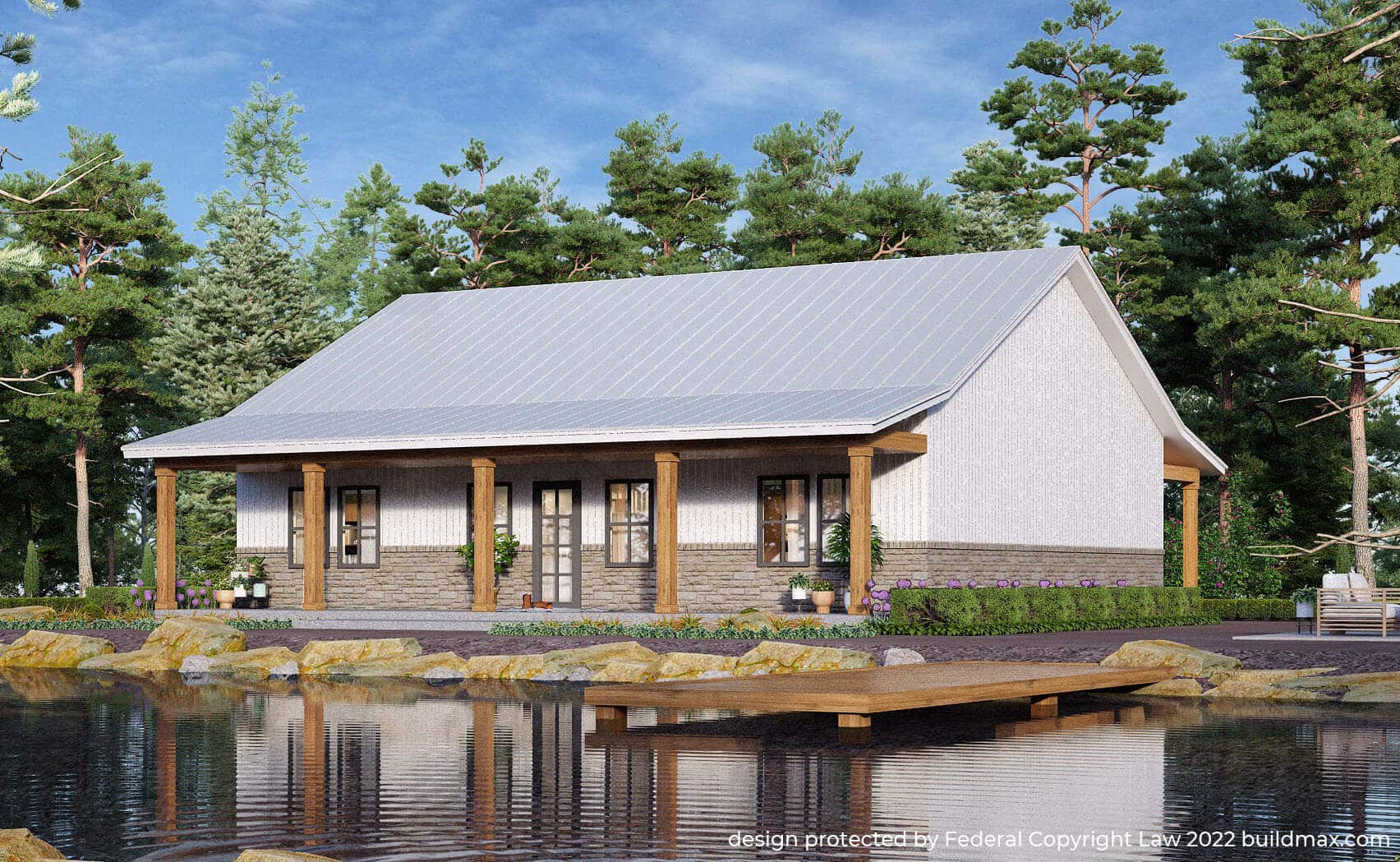
Preparing Your Barndominium for Severe Flooding Risks
Flooding is one of the most destructive natural events a homeowner can face, and it’s becoming a growing concern in many parts of the country due to changing weather patterns, heavy rainfall events, and regional drainage issues.
For barndominium owners and future builders, one important question is:
“How can you prepare a barndominium for intense flooding?”
The answer starts long before construction begins. Proper site selection, engineering, drainage planning, and long-term maintenance all play a major role in how a structure performs during severe weather events.
Start With the Property Itself
The most important flood-related decision often has nothing to do with the structure—it’s the land.
Before building, homeowners should evaluate:
-
FEMA flood zone maps
-
drainage patterns
-
nearby creeks, rivers, or retention areas
-
soil conditions
-
property elevation
Building in a flood-prone area may require:
-
elevated foundations
-
additional engineering
-
specialized insurance
-
and stricter permitting requirements.
Choosing the right site can significantly reduce long-term risk.
Foundation Design Matters
A properly designed foundation is one of the most important flood-prevention strategies.
Depending on the property and local code requirements, homeowners may consider:
-
elevated slab foundations
-
pier-and-beam systems
-
raised finished floor elevations
-
reinforced drainage grading
Foundation recommendations should always be determined by:
-
licensed engineers
-
local code officials
-
soil reports
-
and floodplain requirements.
Drainage Planning Is Critical
Many flooding problems are caused not only by rising water—but by poor drainage around the structure.
Effective site drainage may include:
-
proper grading away from the home
-
swales and drainage channels
-
culverts and retention areas
-
gutters and downspout extensions
-
erosion control systems
Without proper water management, even homes outside official flood zones can experience water intrusion.
Protecting the Building Envelope
The exterior systems of the home play a major role in flood resilience.
Important considerations include:
-
properly installed roofing systems
-
sealed exterior penetrations
-
weather-resistant siding materials
-
flashing around doors and windows
Water intrusion often begins at weak points in the building envelope, making quality installation extremely important.
Elevating Critical Systems
In flood-prone areas, homeowners may consider elevating or protecting important systems such as:
-
HVAC equipment
-
electrical panels
-
water heaters
-
backup power systems
Placing critical systems above expected flood levels may help reduce damage during severe events.
Steel vs. Wood Considerations in Flood Conditions
Both steel-framed and wood-framed structures can be affected by flooding.
Steel Systems
Steel framing may offer:
-
dimensional consistency
-
resistance to termites
-
reduced risk of rot compared to untreated wood
However:
-
prolonged moisture exposure can still lead to corrosion concerns if systems are not properly protected or maintained
-
insulation and interior materials may still sustain water damage
Wood Systems
Wood-framed structures can also perform well when:
-
properly treated
-
protected from moisture intrusion
-
and dried quickly after water exposure
The key issue is not simply the framing material—it’s the overall flood-preparedness strategy and construction quality.
Insurance and Flood Zone Awareness
Standard homeowner insurance policies often do not automatically include flood coverage.
Homeowners in higher-risk areas may need:
-
separate flood insurance policies
-
elevation certificates
-
additional inspections or documentation
Flood insurance requirements vary based on:
-
location
-
lender requirements
-
and FEMA flood zone classifications.
Emergency Planning for Homeowners
Flood preparedness should also include a homeowner emergency plan.
Important steps may include:
-
monitoring severe weather alerts
-
maintaining emergency supplies
-
planning evacuation routes
-
protecting important documents
Preparation can help reduce stress and improve response time during emergencies.
Important: Builder and Construction Responsibility
It’s important to understand that BuildMax is not a builder, engineer, flood consultant, or general contractor.
BuildMax provides:
-
floor plans
-
design services
-
and material packages
BuildMax does not:
-
supervise construction
-
guarantee flood resistance
-
manage permitting
-
or control contractor workmanship
For best results, homeowners should:
-
work with licensed engineers and local officials
-
hire a vetted general contractor experienced with local floodplain requirements
-
and ensure all construction complies with applicable codes and site-specific regulations
For steel-framed projects, homeowners may also consider requesting a quote from a third-party manufacturer’s steel installation crew, if available.
All contractors and installers are independent third parties, and homeowners are responsible for selecting and managing the project team.
Final Thoughts
Preparing a barndominium for intense flooding involves much more than choosing building materials.
The most important factors include:
-
smart site selection
-
proper elevation and drainage planning
-
quality engineering
-
experienced contractors
-
and long-term maintenance
No structure can be guaranteed “flood-proof,” but thoughtful planning and proper construction methods can help improve resilience and reduce potential damage during severe weather events.
The earlier flood planning begins in the process, the better prepared the project will be for long-term performance.