



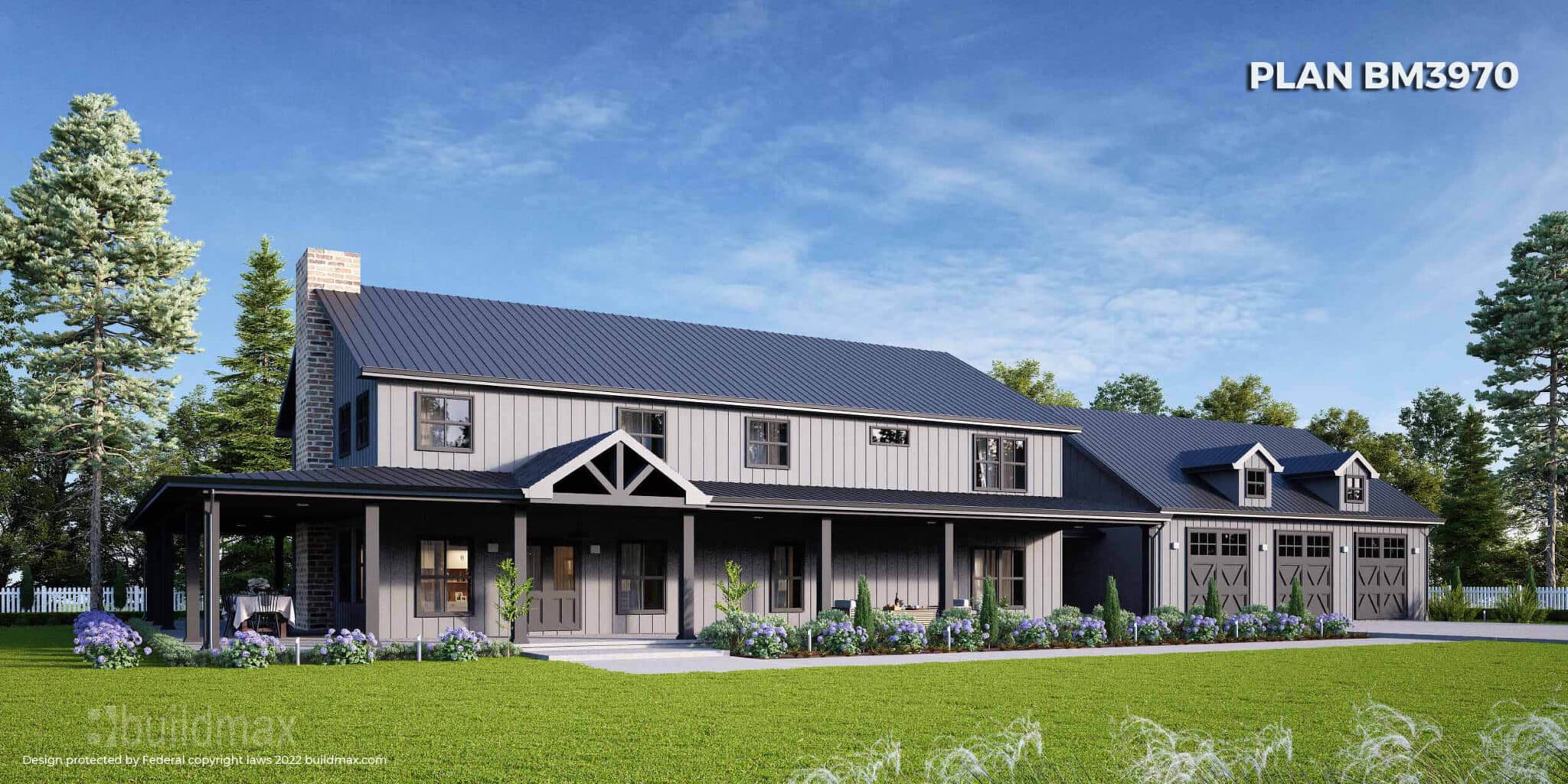
Are Barndominiums Reliable in Extreme Weather Conditions?
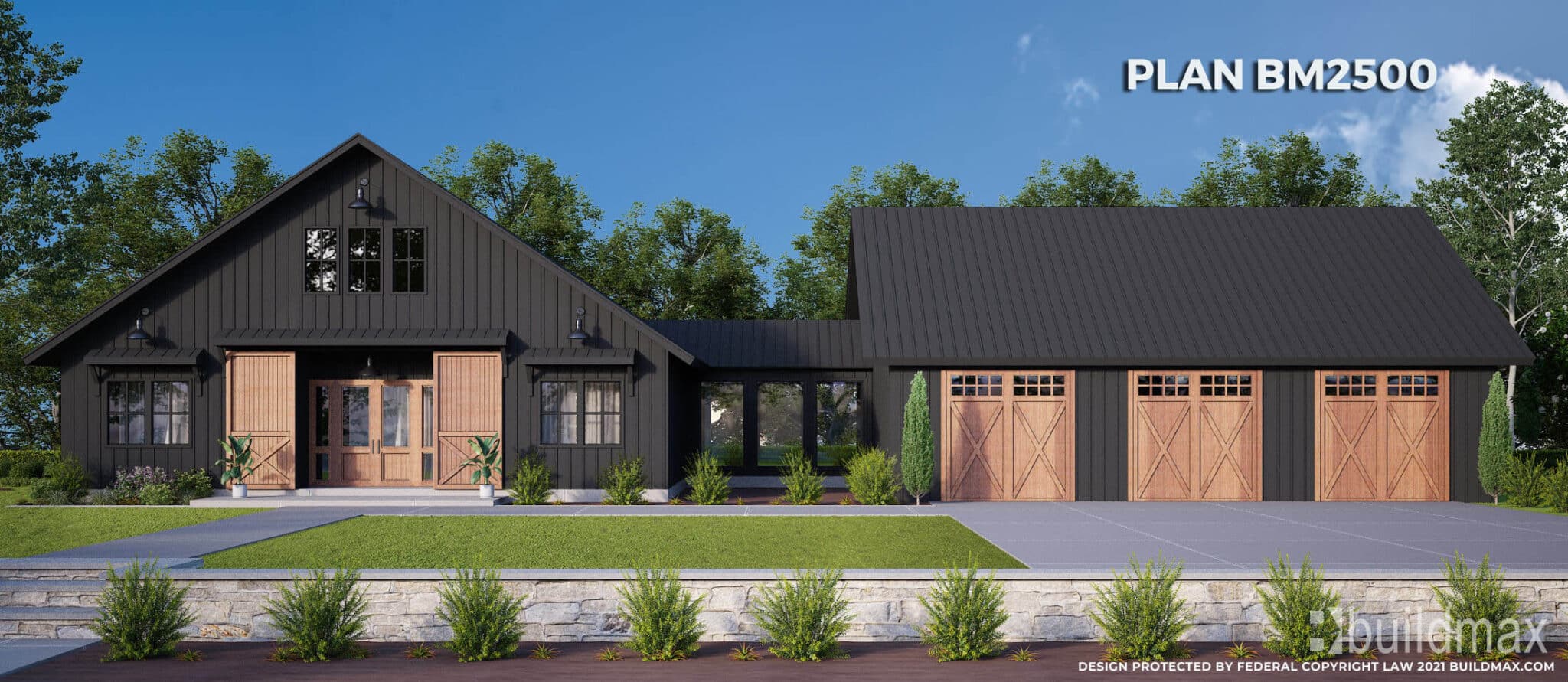
If you are asking whether barndominiums are reliable in extreme weather conditions, the honest answer is this: they can be extremely reliable — but only when they are designed, engineered, and built for the weather they are actually going to face.
That is the part weak articles skip.
A barndominium is not automatically storm-proof just because it looks strong or uses steel. A well-engineered barndominium can perform very well in high winds, heavy snow, and other tough conditions. A poorly planned one can fail in the same ways any poorly planned structure can fail.
This is especially important for buyers building in hurricane zones, tornado-prone regions, heavy-snow areas, wildfire zones, or wet climates where drainage and moisture control matter as much as the frame itself.
BuildMax’s current article on this topic is directionally right: steel frame barndominiums are often a stronger choice in harsh weather because they are designed for specific regional loads and can offer excellent wind and snow performance. But the better answer is broader than that. The frame matters, but so do the roof, the slab, the openings, the site, and the engineering. ([buildmax.com](https://buildmax.com/are-barndominiums-reliable-in-extreme-weather-conditions/))
In this guide, we will break down how barndominiums perform in extreme weather, what makes them reliable, where they are most vulnerable, and how to build one that is actually ready for the climate you live in.
The Short Answer: Are Barndominiums Good in Extreme Weather?
Yes — barndominiums can be very reliable in extreme weather when they are designed for the correct wind loads, snow loads, and site conditions.
That does not mean every barndominium is equally resilient.
The reliability of a barndominium depends on:
- the framing system
- regional engineering requirements
- anchoring and foundation design
- roof shape and load planning
- window and door performance
- moisture management and drainage
- whether the build actually follows local code and weather demands
BuildMax’s current article says properly designed steel frame barndominiums can handle wind speeds exceeding 150 mph and can be engineered for substantial snow loads. That is a strong starting point, but the key phrase there is properly designed. ([buildmax.com](https://buildmax.com/are-barndominiums-reliable-in-extreme-weather-conditions/))
What Makes a Barndominium Reliable in Extreme Weather?
The biggest mistake people make is treating weather durability like it comes from one magic feature. It does not.
A weather-resilient barndominium usually depends on several things working together:
1. The structural frame
The frame matters because it carries wind loads, roof loads, and overall structural stress. BuildMax’s steel kit page emphasizes that steel offers high strength-to-weight performance, stable engineered properties, and strong disaster resistance. ([buildmax.com](https://buildmax.com/barndominium-kits/))
2. Correct engineering for the location
A barndominium in a mild climate is not designed the same way as one in a hurricane zone, a snow-heavy region, or a tornado-prone area.
3. Roof design
The roof is one of the most important weather components in the whole building. Wind uplift, snow shedding, and water management all depend on it.
4. Foundation and anchoring
A strong frame does not help much if the connection to the slab or foundation is weak.
5. Weather-resistant openings
Windows, exterior doors, garage doors, and shop doors are common weak points if they are not chosen correctly.
6. Site drainage and moisture control
Flooding, standing water, erosion, and poor runoff planning can damage the best-designed building if the site work is bad.
Why Steel Frame Barndominiums Often Perform Better in Harsh Weather
This is where BuildMax’s current page has the right instinct.
Steel frame barndominiums are often strong in extreme-weather conversations because steel is:
- high-strength
- dimensionally stable
- resistant to rot and termites
- less vulnerable to warping, splitting, and cracking than wood
- often easier to engineer precisely for regional loads
BuildMax’s kits page also argues that steel kits can offer better structural integrity and stronger resistance to natural disasters like hurricanes, flooding, and fire, while reducing risks tied to moisture, mold, and decay. ([buildmax.com](https://buildmax.com/barndominium-kits/))
That said, steel is not a permission slip to stop thinking. A steel frame still needs the right connections, the right roof, the right slab, and the right weather-specific details.
How Barndominiums Perform in High Winds and Tornado Conditions
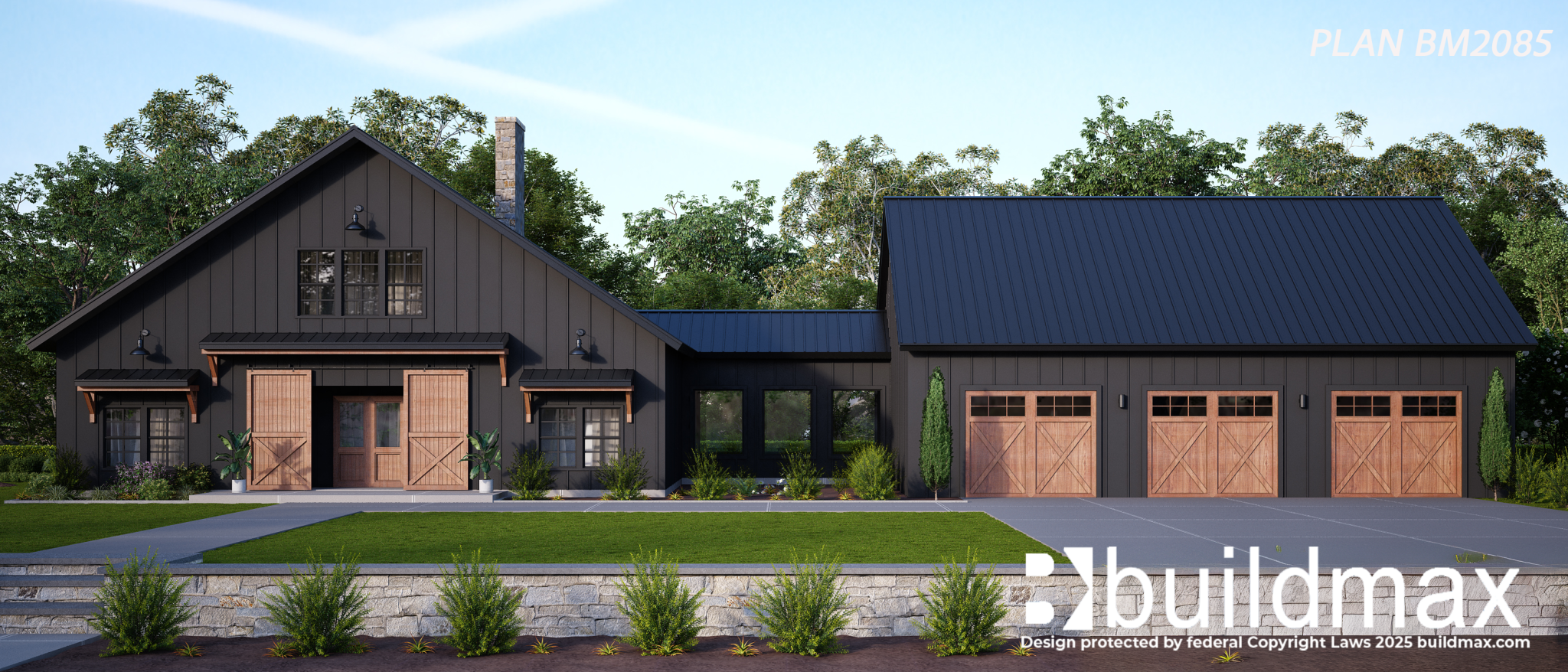
High winds are one of the biggest reasons buyers ask this question in the first place.
A well-engineered barndominium can perform well in high-wind environments because the structural system can be designed for specific wind loads. BuildMax’s current article specifically says that steel frame barndominiums can be designed to endure wind speeds exceeding 150 mph, which puts them into serious-storm territory. ([buildmax.com](https://buildmax.com/are-barndominiums-reliable-in-extreme-weather-conditions/))
What matters most in wind conditions:
- engineered wind-load design
- roof uplift resistance
- strong connections and bracing
- anchoring to the slab or foundation
- garage door and opening strength
A lot of structures do not fail because the frame was weak. They fail because the openings, roof system, or connections gave way first.
So if you are building in a tornado-prone or hurricane-prone area, you should not just ask “is steel strong?” You should ask whether the entire building system is engineered for your wind conditions.
How Barndominiums Handle Heavy Snow Loads
Snow is another area where barndominiums can perform very well if they are designed correctly.
BuildMax’s current page makes the right point that steel frame barndominiums are particularly well suited to heavy snow because steel has strong load-bearing capacity and does not sag or absorb moisture the way wood can over time. The article also points out that steep roof designs can help shed snow more effectively. ([buildmax.com](https://buildmax.com/are-barndominiums-reliable-in-extreme-weather-conditions/))
What matters most in snow country:
- roof pitch
- engineered snow-load capacity
- snow-shedding design
- ice dam prevention
- moisture control around melt and refreeze cycles
A barndominium in a heavy-snow region should not use a generic design assumption. The roof system has to be built for the actual climate.
Are Barndominiums Good in Rain, Flooding, and Wet Conditions?
This is where the conversation needs more honesty.
A barndominium can do well in wet climates, but water is ruthless. It will expose bad grading, weak flashing, poor drainage, bad site prep, and weak detailing faster than almost anything else.
The frame alone does not solve that.
What matters in wet conditions:
- elevation and site grading
- drainage away from the slab
- roof drainage strategy
- moisture-resistant materials
- good flashing and weather sealing
- flood-risk awareness before building
Steel does offer some clear advantages here because it does not rot, mold, or become termite food the way wood can if moisture problems go unchecked. BuildMax’s kits page and current weather article both lean into that durability argument, and that part is fair. ([buildmax.com](https://buildmax.com/barndominium-kits/)) ([buildmax.com](https://buildmax.com/are-barndominiums-reliable-in-extreme-weather-conditions/))
But if the site work is bad, the weather-resistance story falls apart fast.
Are Barndominiums Safer in Wildfire-Prone Areas?
They can be, depending on materials and design choices.
BuildMax’s current article points out that steel does not burn, which gives steel-frame barndominiums a real advantage over wood when wildfire exposure is part of the risk picture. ([buildmax.com](https://buildmax.com/are-barndominiums-reliable-in-extreme-weather-conditions/))
That said, wildfire safety is still about more than the frame:
- roofing choice matters
- vent detailing matters
- window performance matters
- defensible space around the house matters
- landscaping decisions matter
Steel helps. It does not replace smart wildfire design.
What Are the Weak Points of a Barndominium in Extreme Weather?
This is the section weak articles avoid, and it is exactly why they stay weak.
The most common weather weak points are:
- garage doors
- large shop openings
- roof uplift areas
- poorly flashed windows and doors
- weak slab anchoring
- bad grading and water runoff
- generic designs used in the wrong climate
A barndominium is not unreliable because it is a barndominium. It becomes unreliable when the design ignores the real weather threats of the region.
When a Barndominium Is a Bad Fit for Extreme Weather
Yes, there are situations where a barndominium can be the wrong move — or at least the wrong build path.
That usually happens when:
- the site is flood-prone and poorly planned
- the design is generic and not region-specific
- the buyer prioritizes looks over structural details
- garage/shop openings are oversized without proper engineering
- the builder treats the project like a simple metal shed instead of a serious home
This is where people get hurt by hype. “Steel is strong” is not enough. If the weather risk is serious, the design needs to be serious too.
What to Look for in a Weather-Ready Barndominium Plan

If you want a barndominium that is more reliable in extreme conditions, look for a plan and build path that account for:
- engineered regional wind and snow loads
- a practical roofline
- the right slab/foundation design
- garage and opening sizes that make structural sense
- weather-resistant materials
- good site drainage and elevation planning
If you are still comparing designs, start with the main BuildMax barndominium house plans page, then compare whether your layout needs garage or shop space through garage-friendly plan options.
What BuildMax Says About Kits and Weather Performance
BuildMax’s kits page makes a strong case that steel kits are one of the quickest and most durable build methods, and it specifically lists disaster resistance, moisture resistance, pest resistance, and improved structural integrity among the reasons buyers choose steel. The page also says steel kits can be priced partly based on wind and snow load requirements, which is exactly how this conversation should be handled: regional load design should be built into the package, not treated like an afterthought. ([buildmax.com](https://buildmax.com/barndominium-kits/))
That is a much stronger claim than simply saying “barndominiums are reliable.” It ties reliability back to engineering and climate-specific build design.
So, Are Barndominiums Reliable in Extreme Weather Conditions?
Here is the cleanest answer:
Yes — barndominiums can be very reliable in extreme weather conditions, especially when they are engineered for local wind and snow loads, built with strong materials like steel, and supported by the right roof, slab, openings, and site drainage.
But they are not automatically weather-proof just because they are barndominiums.
The real reliability comes from:
- the engineering
- the connections
- the site work
- the material choices
- and whether the whole system is designed for the actual climate
That is the difference between a weather-ready home and a nice-looking idea.
Final Thoughts
The old version of this topic was too soft. It pushed the strength angle without being direct enough about what actually makes a barndominium survive harsh weather.
The smarter answer is more useful and more honest: a barndominium can be an excellent choice for extreme weather, but only if it is engineered and built like the weather matters.
If you are building in a high-wind, heavy-snow, wet, or fire-prone area, start with a serious plan, a serious kit path, and a serious understanding of what your climate demands.