


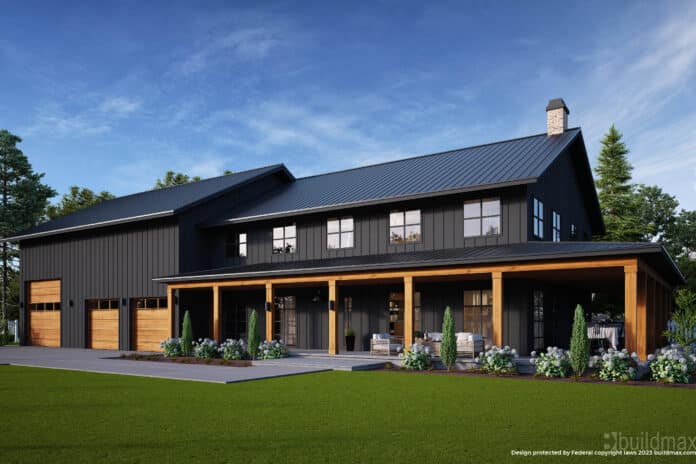
Does Fannie Mae Lend on Barndominiums?
If you are asking does Fannie Mae lend on barndominiums, the short answer is: potentially yes, but only if the property meets standard residential mortgage requirements and the lender is comfortable with the appraisal, the construction, and the way the home is being used.
That is where most articles on this topic get weak.
They either act like Fannie Mae flat-out refuses barndominiums, or they make it sound like financing one is exactly the same as financing any other house. Neither is true. The real issue is that barndominiums can be harder to finance through conventional channels because lenders and appraisers sometimes view them as less standard, less predictable, and more difficult to compare with traditional homes.
That does not mean the door is closed.
It means the project has to be presented the right way. If the barndominium clearly functions as a primary residence, has the typical features of a home, meets local code, and appraises well enough, a lender selling loans to Fannie Mae may be willing to work with it.
In this guide, we will break down whether Fannie Mae lends on barndominiums, what makes a barndominium eligible or harder to approve, and how to improve your chances of getting financed.
The Short Answer: Does Fannie Mae Lend on Barndominiums?
Fannie Mae does not directly lend money to homebuyers. Instead, it buys eligible mortgages from lenders.
That means the better question is really:
Will a lender originate a mortgage on a barndominium that could meet Fannie Mae guidelines?
In some cases, yes.
But the approval usually depends on whether the property looks, functions, and appraises like a true residential home rather than a mixed-use building, workshop with living quarters, or highly unusual structure.
Why Financing a Barndominium Through Conventional Lending Can Be Harder
1. Barndominiums Are Still Less Standard
Traditional mortgage lending is built around conventional residential homes. Lenders like homes that are easy to classify, easy to compare, and easy to resell if necessary.
Barndominiums can disrupt that comfort because they may use steel framing, sit on agricultural land, include large shops or garages, or simply look different from the homes around them.
That makes some lenders cautious from the start.
2. Appraisals Can Be More Difficult
This is one of the biggest real-world issues in barndominium financing.
If the appraiser cannot find good comparable sales, the value can come in lower than expected. That can create trouble for any mortgage, especially one tied to a less common property type.
The more unusual the home looks or functions, the harder the appraisal conversation can become.
3. Mixed-Use Space Can Complicate Eligibility
A barndominium often combines living space with shop, garage, or utility-oriented areas. That flexibility is one of the reasons buyers like them.
It is also one of the reasons some lenders hesitate.
If too much of the property reads as commercial, agricultural, or mixed-use instead of clearly residential, financing can get harder.
What a Fannie-Friendly Barndominium Usually Needs
If you want a better shot at conventional financing, the barndominium usually needs to check the same kinds of boxes that matter in standard home lending.
Primary residential use
The home should clearly function as a residence first. That means real living areas, a kitchen, bathrooms, and year-round habitability.
Residential features
The more the property looks and functions like a normal full-time home, the easier the financing conversation usually becomes.
Code-compliant construction
The home needs to meet local building codes and be structurally sound.
Appraisal support
The lender needs an appraisal that supports the value well enough to make the loan work.
Can You Use a Conventional Loan on a Barndominium?
Sometimes, yes.
If the property is clearly residential, the build quality is solid, and the appraisal works, a conventional loan may be possible through a lender whose mortgages can ultimately fit Fannie Mae standards.
But this is not the kind of property where you want to assume every lender will respond the same way. Some lenders will be open to it. Others will be hesitant before the conversation really starts.
That is why it helps to start with lenders who already understand barndominiums or construction-based rural builds.
Does Fannie Mae Finance a New Barndominium Build?
For a new build, the financing path is usually different at first.
Many new barndominium builds start with a construction loan or a construction-to-permanent loan, then transition into a more traditional mortgage once the house is complete.
This is often the cleaner route because it lets the project be financed during construction and then treated more like a completed residence afterward.
If you are building from the ground up, the best next internal step is BuildMax Barndominium Loans.
What Makes a Barndominium Easier to Finance?
A barndominium usually becomes easier to finance when the project is clearly defined and clearly residential.
That means it helps to have:
- a real floor plan
- detailed plans and specifications
- a clear builder-ready scope
- solid cost documentation
- a lender who understands what you are building
This is one reason buyers should not go into financing conversations with a vague idea and a sketchy budget. The clearer the project is, the easier it becomes for the lender to understand and evaluate it.
If you are still at the design stage, start with BuildMax Barndominium House Plans so the financing conversation begins with a real project instead of a loose concept.
What Can Hurt Your Chances of Approval?
There are a few things that usually make financing harder.
- too much shop or non-residential space
- lack of appraisal comps in the area
- unclear or incomplete plans
- unusual land use or agricultural classification issues
- lenders who have never worked with this kind of structure before
In other words, the farther the property drifts from a clearly livable residential home, the more likely financing gets complicated.
Should You Start With Fannie Mae or With the Right Lender?
For most buyers, the better question is not “Does Fannie Mae lend?”
The better question is:
Which lender is most likely to understand and approve this barndominium project?
That is why this article should move readers into the right next-step pages instead of leaving them with a vague yes-or-no answer.
The strongest next internal links are:
- Barndominium Loans
- Barndominium House Plans
- Barndominium Kits
- Why Can’t You Finance a Barndominium? And How You Actually Can
What Should You Bring to the Lender?
If you want to improve your chances of financing approval, show up prepared.
You should be ready with:
- detailed plans and specifications
- proof the home is intended as a primary residence
- builder information if it is a new construction project
- clear cost estimates
- standard financial documentation like income, debt, and credit details
The more complete the project looks, the less speculative it feels to the lender.
Can a Barndominium Still Be Denied Even if It Is a Nice Home?
Yes.
This is another reason buyers get frustrated. A barndominium can be beautiful, durable, and highly livable, but financing is not only about whether the home looks good. It is also about whether the lender can classify it, appraise it, and fit it into the guidelines of the loan they are writing.
That is why some excellent barndominiums still run into financing friction. The issue is often not the quality of the home. It is the lender’s comfort with the collateral.
So, Does Fannie Mae Lend on Barndominiums?
Here is the cleanest answer:
Potentially yes, but only when the barndominium meets the standards a lender needs for a conventional residential mortgage and the property can be supported by a strong appraisal, clear residential use, and standard underwriting expectations.
That means a barndominium is not automatically disqualified.
But it also means financing is not automatic just because the home is beautiful or well built.
Final Thoughts
Fannie Mae is not really the problem. The real issue is whether your barndominium looks, functions, and appraises like a true residential property that a lender can confidently finance.
If you want the best chance of success, start with a real plan, treat the project like a real home build, and talk to lenders who already understand barndominiums and construction-based financing. That is the difference between a frustrating financing conversation and a workable path forward.