


Home Blog Page 13

Are Barndominiums Allowed in Ohio?

Are Barndominiums Allowed in Ohio? Popular Locations and Growing Trends

Barndominiums are becoming an increasingly popular housing option across the United States, and Ohio is no exception. Known for their versatility, affordability, and quick build times, barndominiums offer a unique blend of rustic charm and modern living. But are barndominiums allowed in Ohio? The answer is **yes**, barndominiums are allowed in Ohio, provided they meet local building codes and zoning regulations. In fact, Ohio has become a hotspot for these steel-framed homes, particularly in rural areas and around Amish country, where the simplicity and functionality of a barndominium align well with local values.
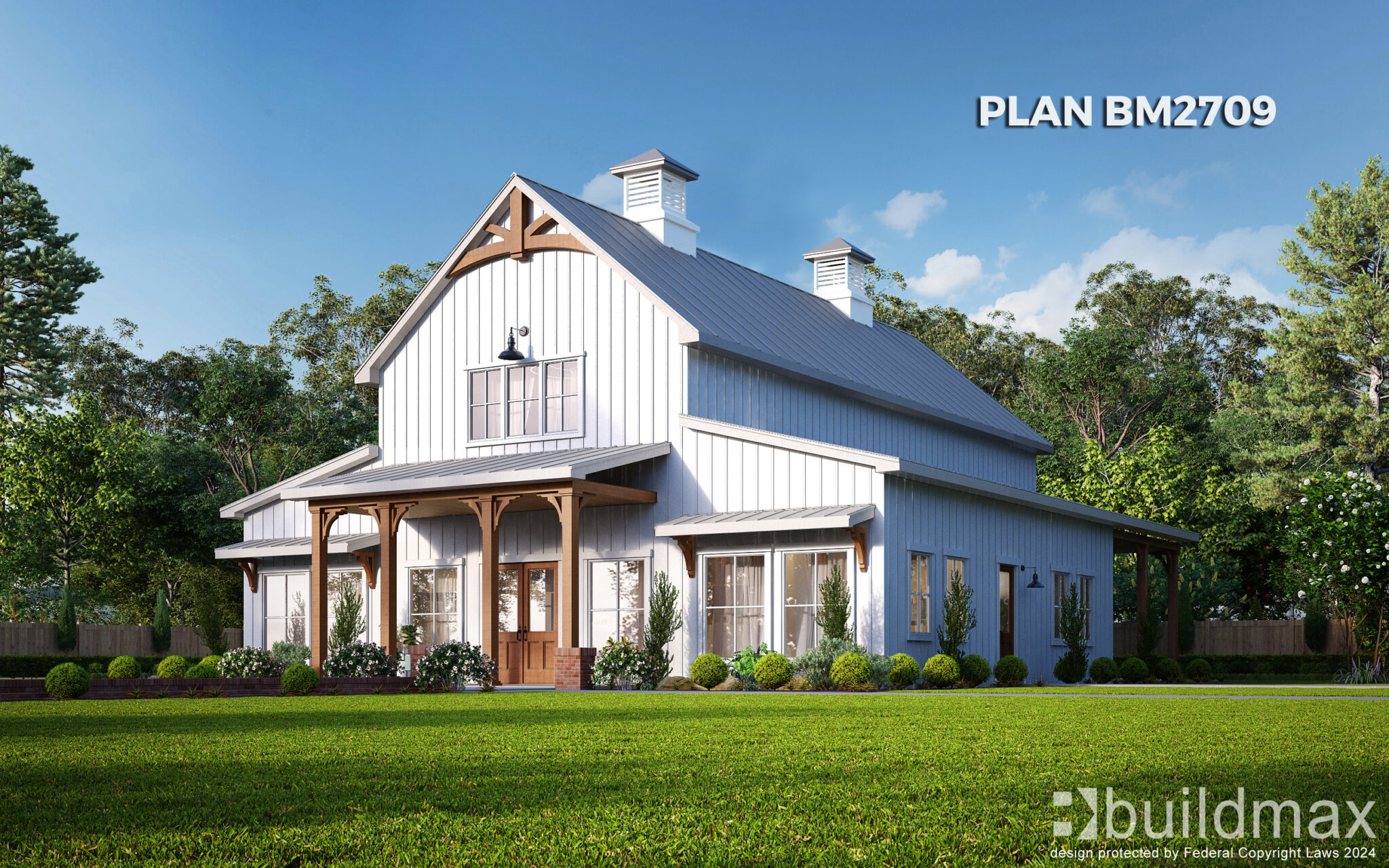
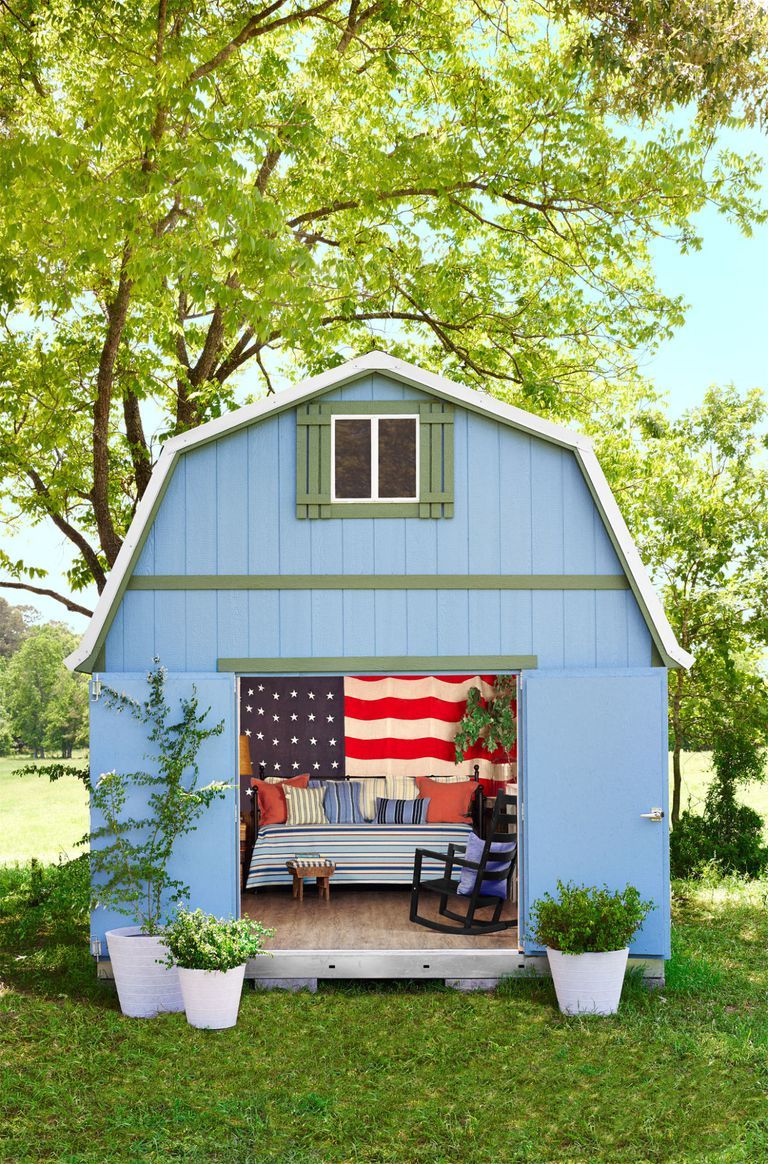
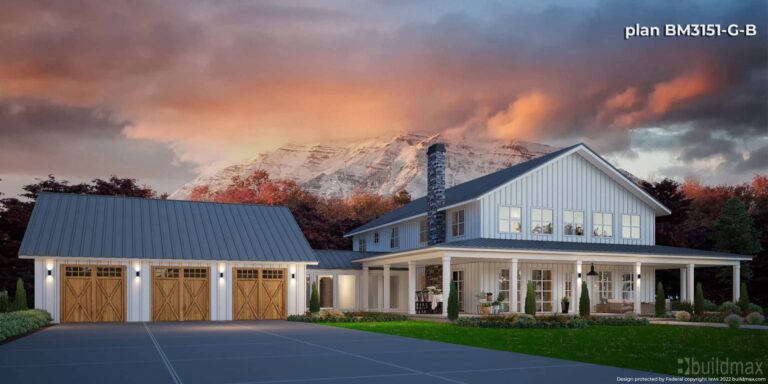
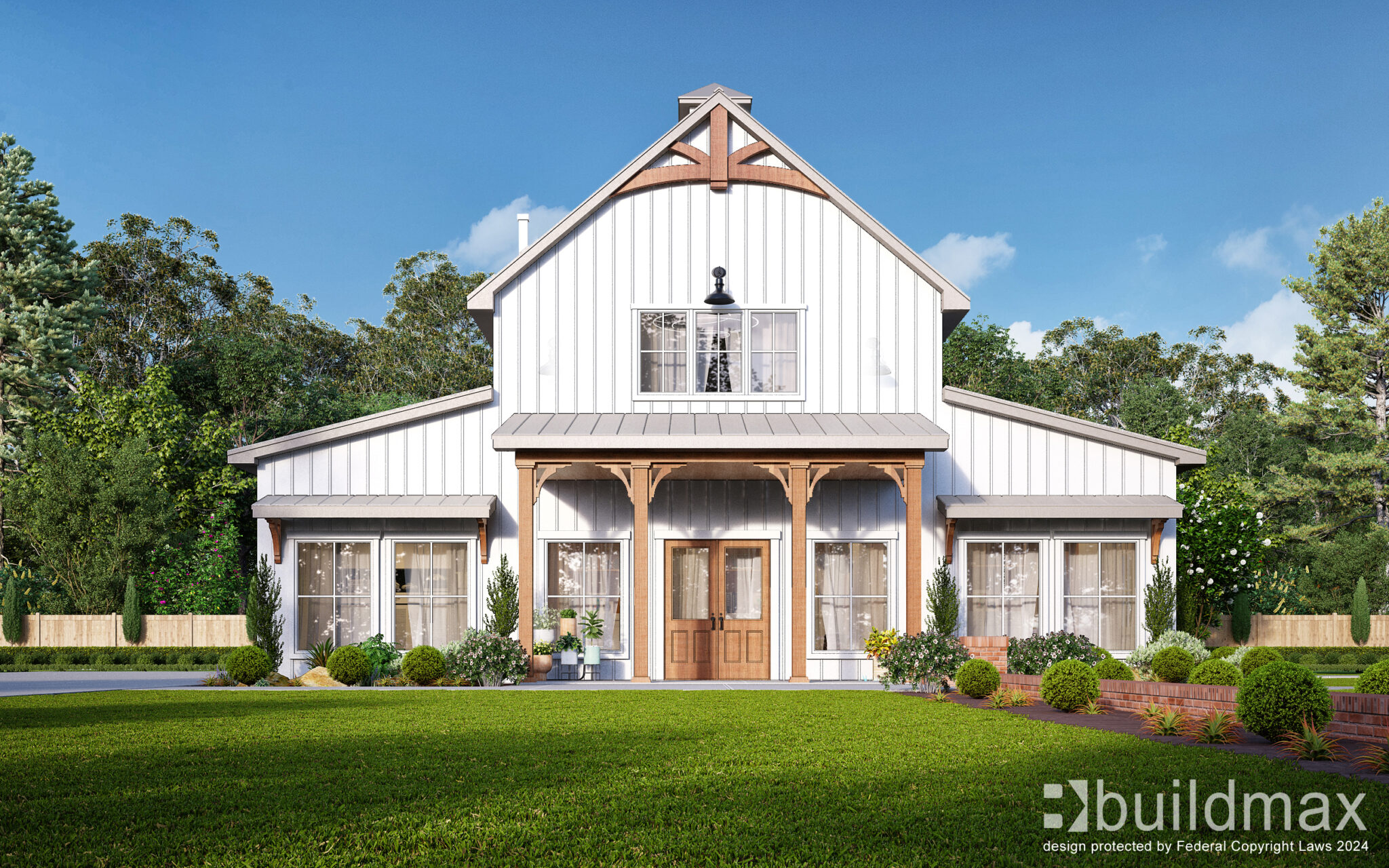
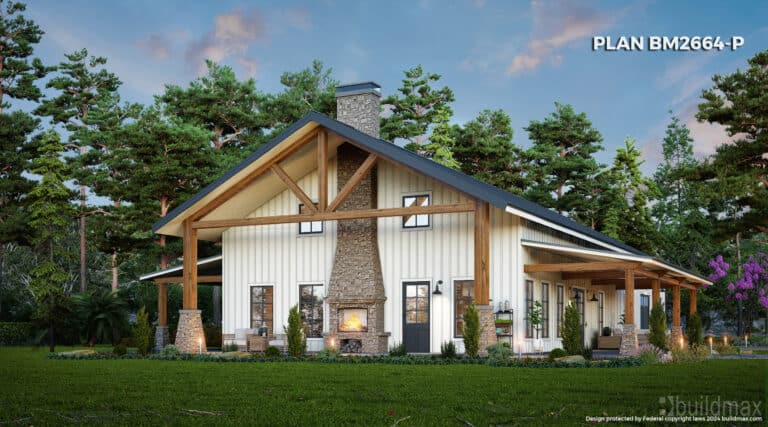
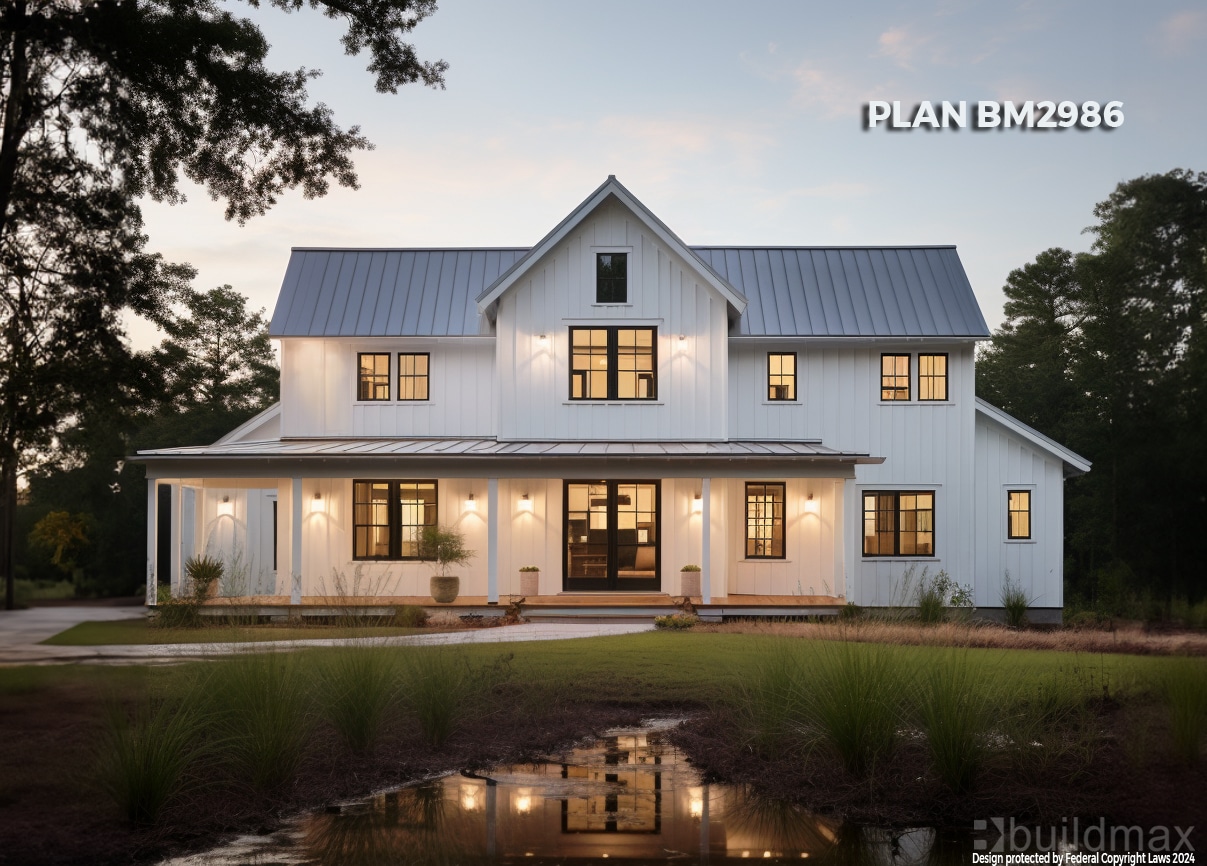
white barndominium with cupolas

Popular Locations to Build a Barndominium in Ohio

Ohio offers a variety of locations that are ideal for building a barndominium, especially in rural areas where land is more abundant and building restrictions are less stringent. Some of the most popular regions to build barndominiums in Ohio include:
1. **Ohio’s Amish Country**

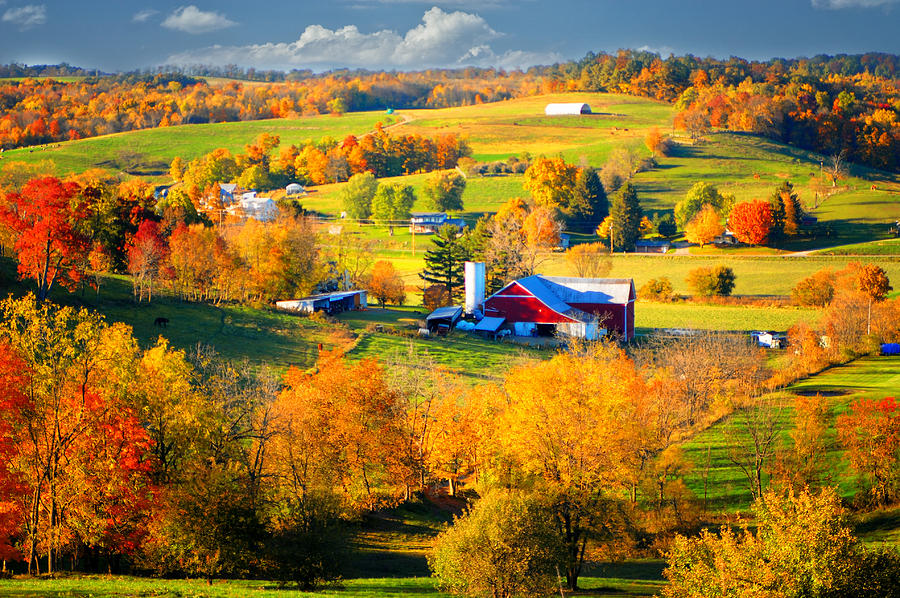
Amish country, particularly around Holmes, Wayne, and Tuscarawas counties, is a prime location for barndominiums. These areas are known for their peaceful, rural setting, making them perfect for barndominium living. The Amish are renowned for their craftsmanship, and many companies in the area offer high-quality, customizable kits that appeal to both locals and those moving into the area for a quieter lifestyle.

Columbus, Ohio, USA skyline on the Scioto River on the afternoon.

2. **Central Ohio**

The areas surrounding **Columbus**, **Delaware**, and **Granville** have seen a rise in barndominium popularity due to their proximity to the city while offering a more rural, spacious living environment. These locations are ideal for those who want to enjoy the benefits of rural living while still being close to urban amenities.
3. **Southern Ohio**

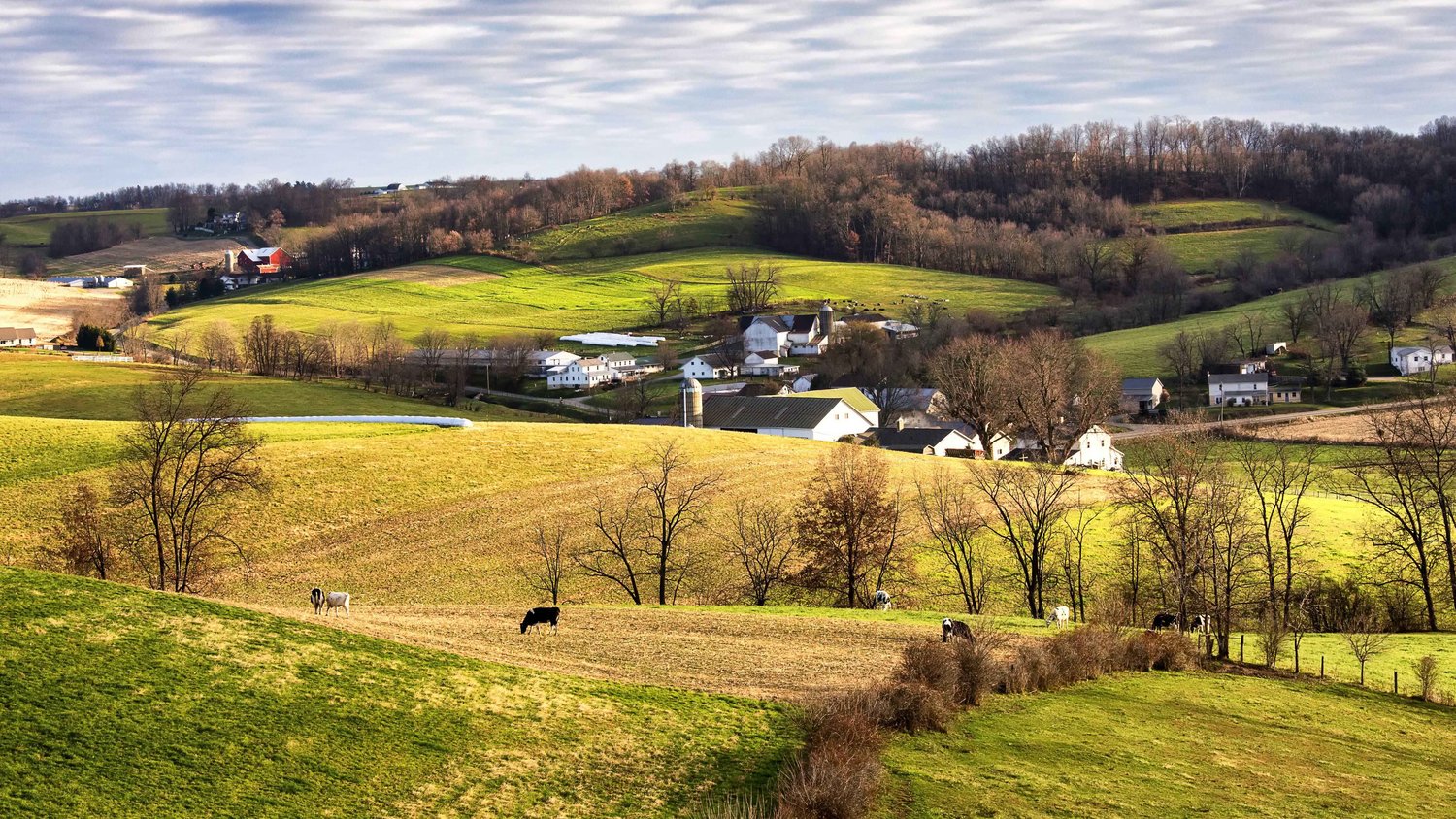
The rolling hills and scenic landscapes of southern Ohio, particularly in counties like Adams, Brown, and Highland, provide the perfect backdrop for a barndominium. With ample land and fewer zoning restrictions, southern Ohio is a haven for those looking to build a custom barndominium and enjoy a country lifestyle.
4. **Western Ohio**

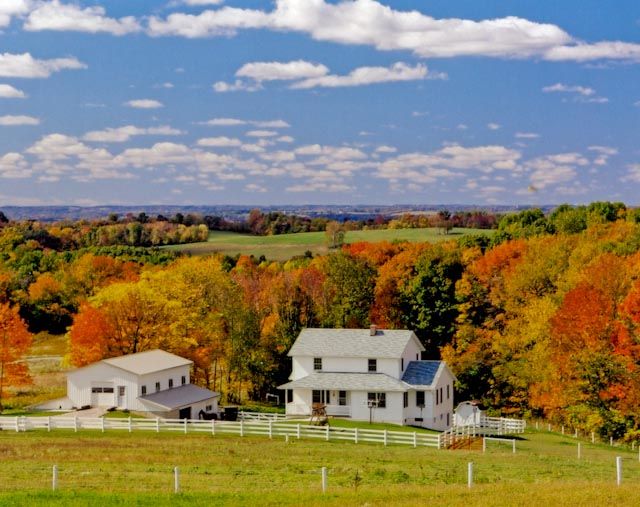
In areas like **Dayton** and **Springfield**, the popularity of barndominiums is rising as homeowners seek affordable, customizable housing solutions. Western Ohio offers the balance of suburban amenities and rural landscapes, making it an attractive location for new builds.

The Growing Popularity of Barndominiums in and Outside Amish Country

In recent years, barndominiums have gained popularity both in and around Ohio’s Amish country, as well as in more urbanized regions. The appeal of barndominiums lies in their flexibility, durability, and quick construction times, which make them an ideal housing solution for a wide range of buyers.
1. **Efficient Construction**

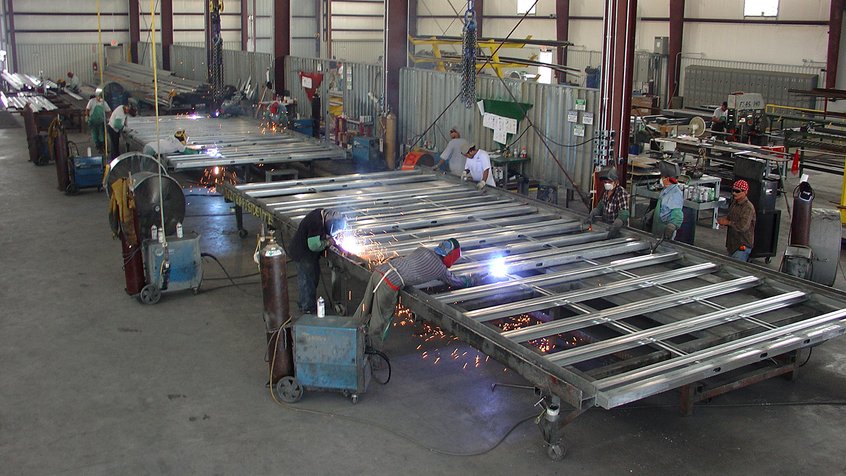
One of the major reasons for the rise of barndominiums is their **quick build times**. Unlike traditional homes, which can take months or even years to complete, a barndominium kit can often be assembled in a matter of weeks. The steel frame structure allows for faster assembly, while pre-fabricated elements simplify the building process.

In Amish country, where efficiency and craftsmanship are highly valued, barndominiums align well with local traditions of simple, functional living. Many Amish builders have embraced the concept, contributing to the high-quality construction of these homes, which further fuels their popularity in the region.
2. **Customizable Steel Frame Kits**

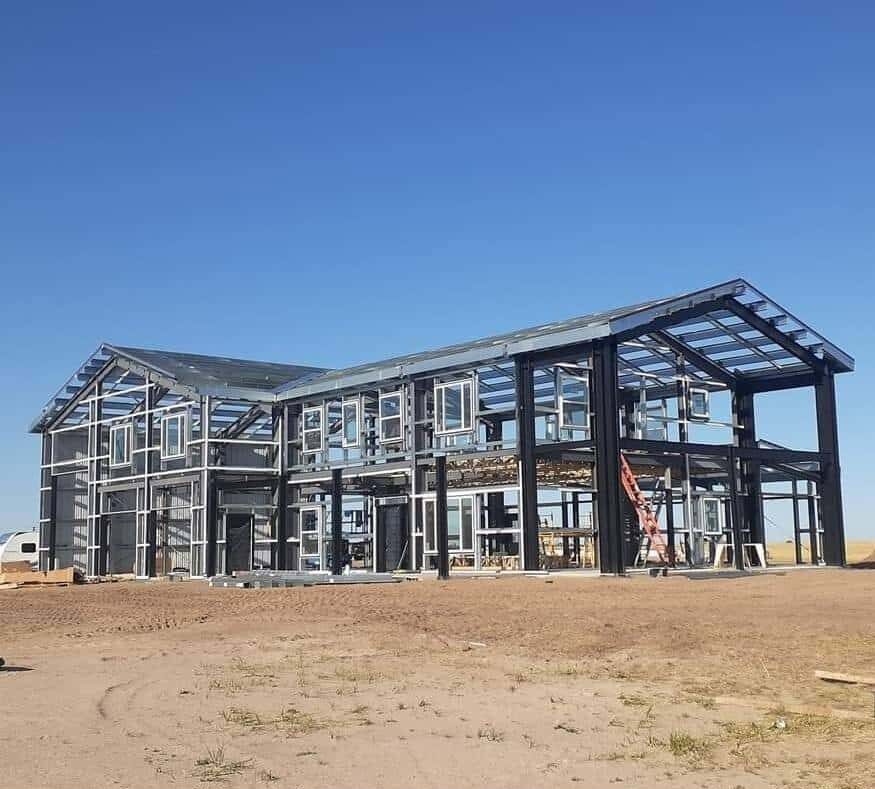
Another key advantage of barndominiums is the ability to **customize the design** according to individual preferences. Whether you want a modern, minimalist interior or a rustic farmhouse aesthetic, barndominiums offer flexibility in both layout and finishes. Steel frame kits are particularly popular because they allow for large open spaces, high ceilings, and creative floor plans that might be difficult to achieve with traditional wood framing.

Homeowners in Ohio can easily source **steel barndominium kits** that can be customized to their specific needs, from the number of bedrooms to unique features like large windows, loft spaces, and even attached garages or workshops. This flexibility makes them an attractive option for everyone from young families to retirees looking for a low-maintenance, durable home.

Why Barndominiums Are So Popular in Ohio

Barndominiums have exploded in popularity across Ohio for several reasons, including their affordability, durability, and design versatility. Many Ohioans are drawn to the low-maintenance nature of these steel-framed homes, which are pest-resistant, fire-resistant, and not prone to rot like traditional wood structures. Additionally, the simplicity of steel frame construction aligns with the Amish tradition of durable and efficient building practices, further boosting their popularity in rural areas.

Beyond Amish country, the barndominium trend is catching on across the state as people seek out more affordable alternatives to traditional homes, especially in a real estate market where prices continue to rise. Barndominiums allow homeowners to create unique, personalized living spaces without the high costs associated with custom-built homes.
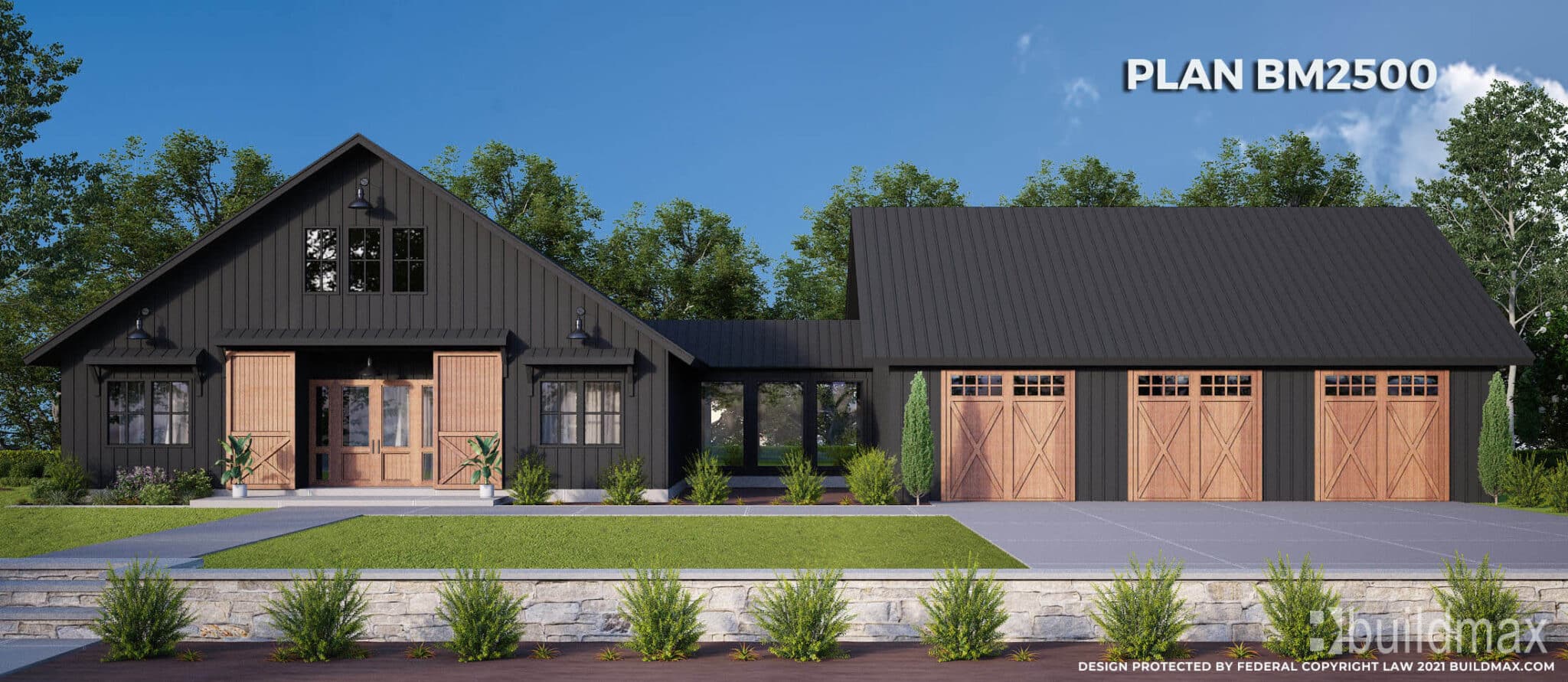
How to Start the Process of Building a Barndominium in Ohio

If you’re interested in building a barndominium in Ohio, the process is easier than you might think. Here’s how to get started:

1. **Check Local Zoning and Building Codes**: Before you begin, it’s important to check your local zoning regulations to ensure that a barndominium is allowed on your property. Most rural areas in Ohio are more flexible when it comes to zoning, but it’s always good to double-check with your local building authority.
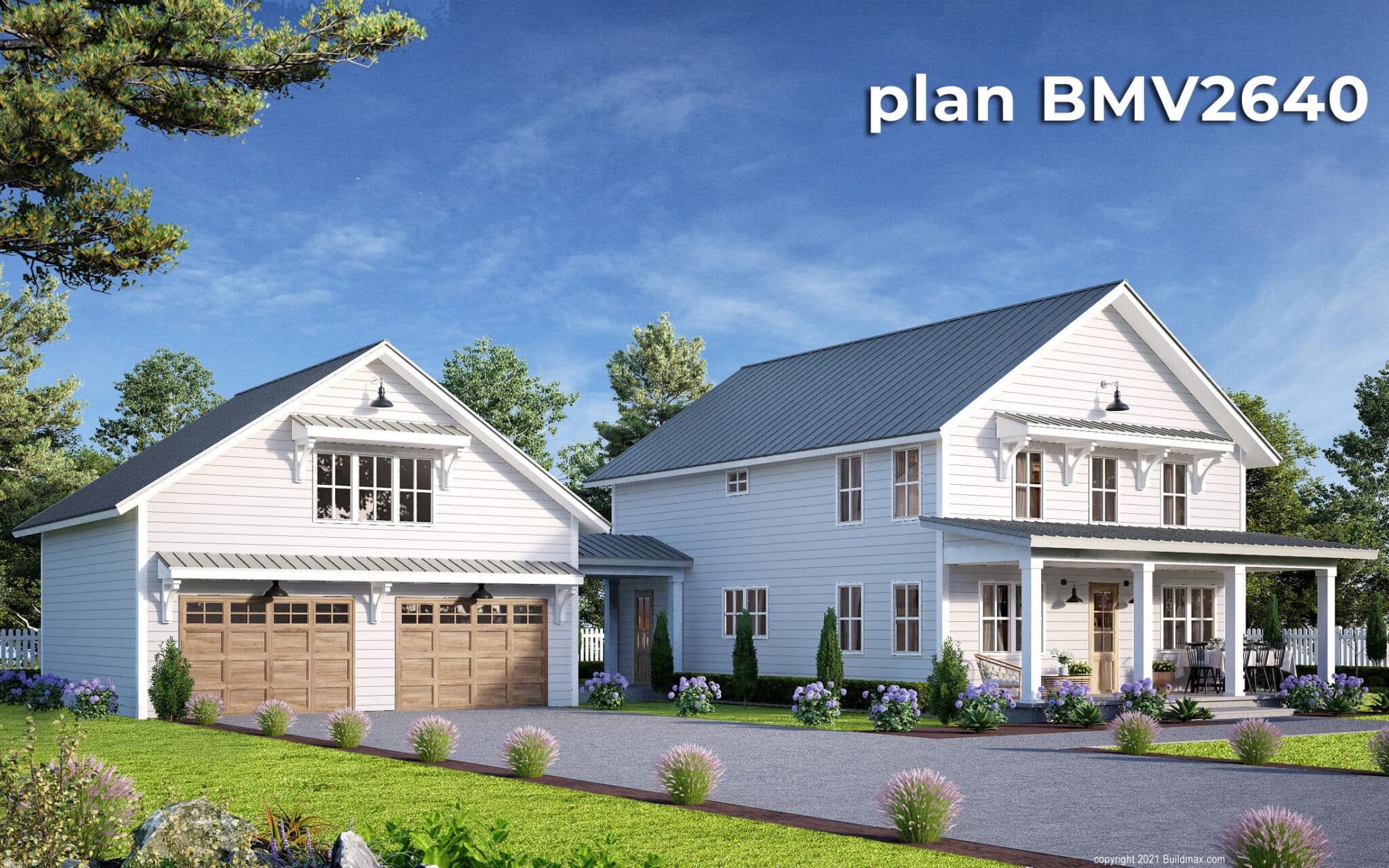
2. **Select a Barndominium Kit**: There are many companies that offer customizable barndominium kits, including options that come with pre-fabricated steel frames, walls, and roofs. **Buildmax**, for example, is a popular option that provides a wide range of customizable barndominium designs. You can select a kit that fits your needs, whether you’re building a small guest house or a large family home.

3. **Work with a Builder**: If you’re not planning on a DIY project, work with a local contractor who has experience building barndominiums. In Amish country, many builders specialize in barndominium construction and can help you bring your design to life with high-quality craftsmanship.
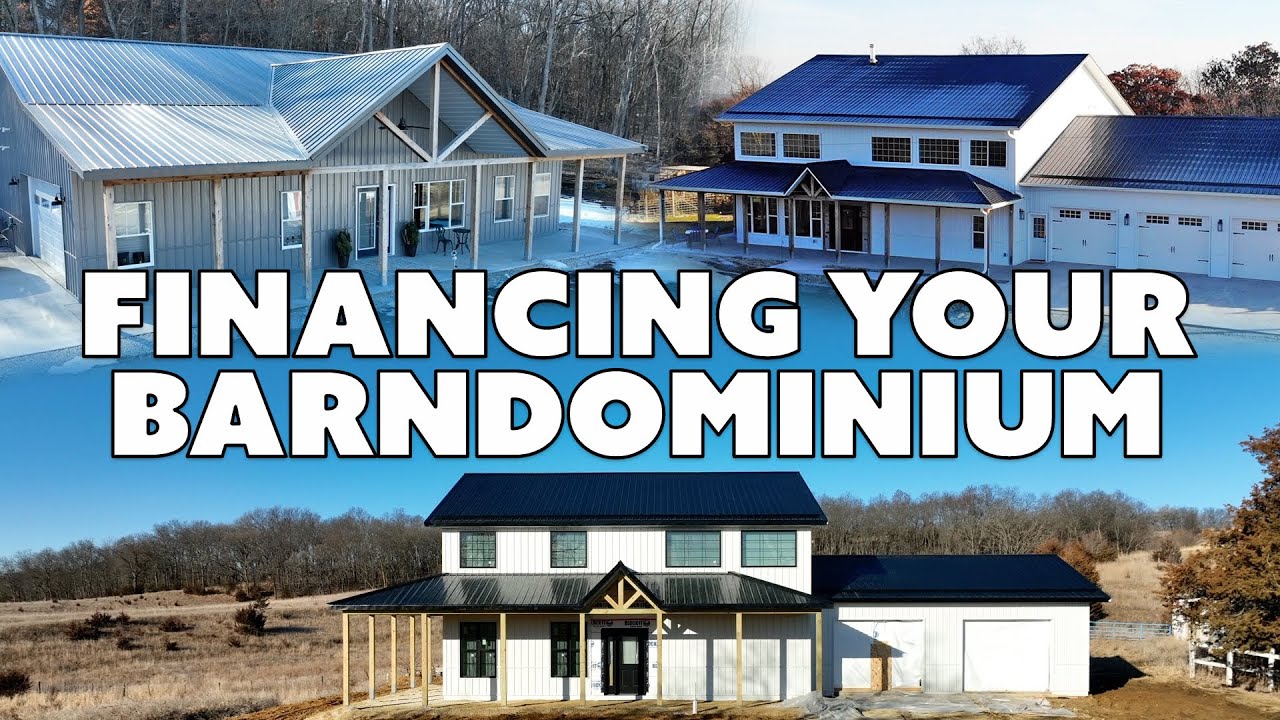
4. **Secure Financing**: Financing options for barndominiums are widely available. Many banks and lenders are now familiar with barndominiums and offer competitive loan packages that can make building your dream home a reality.


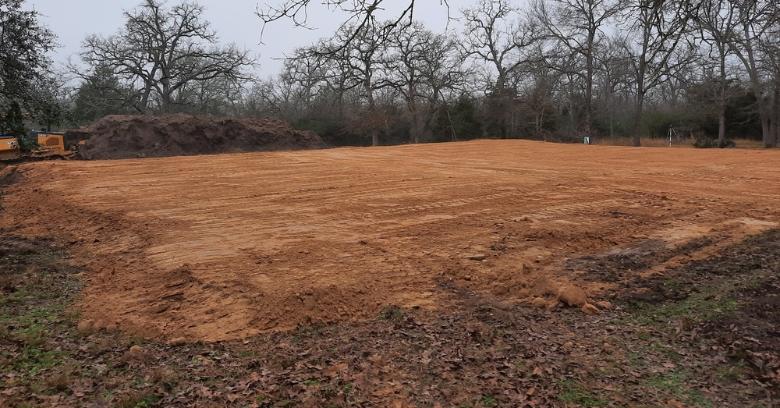
5. Buying the right Land**: Finding the right piece of property to build on is the first thing you should focus on as you need somewhere to build and you will need to prep the site for building, clearing any trees brush or debris so you have a nice flat pad for the foundation some places to look for land in ohio
Conclusion

Barndominiums are not only allowed in Ohio, but they are rapidly becoming one of the most popular housing trends in both rural and suburban areas. With the flexibility to customize, the durability of steel frames, and quick construction times, it’s no wonder that barndominiums have become a sought-after option for homeowners. Whether you’re looking to build in the peaceful setting of Amish country or somewhere else in the state, a barndominium offers a unique and modern way to create a home that reflects your lifestyle.
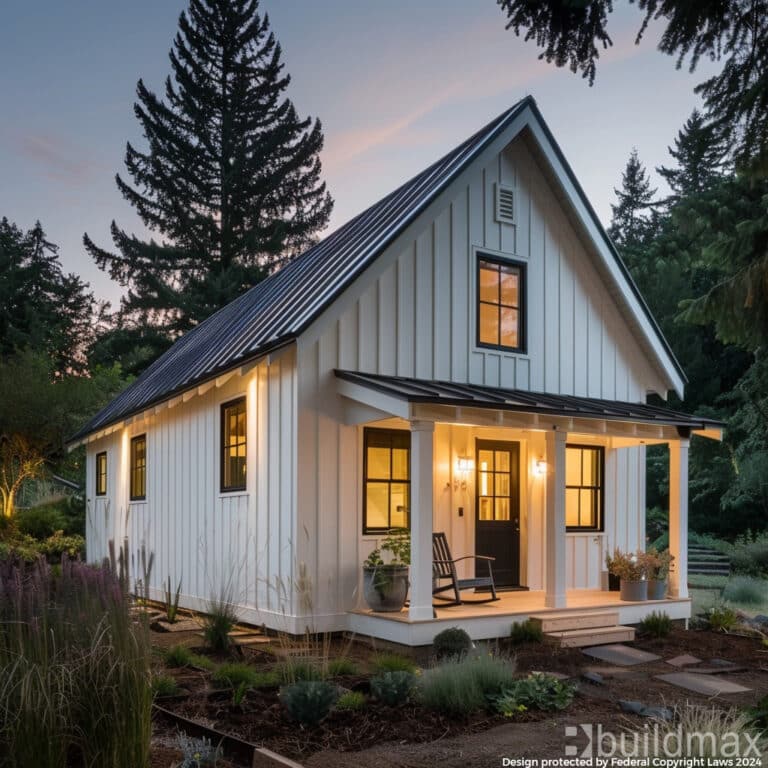
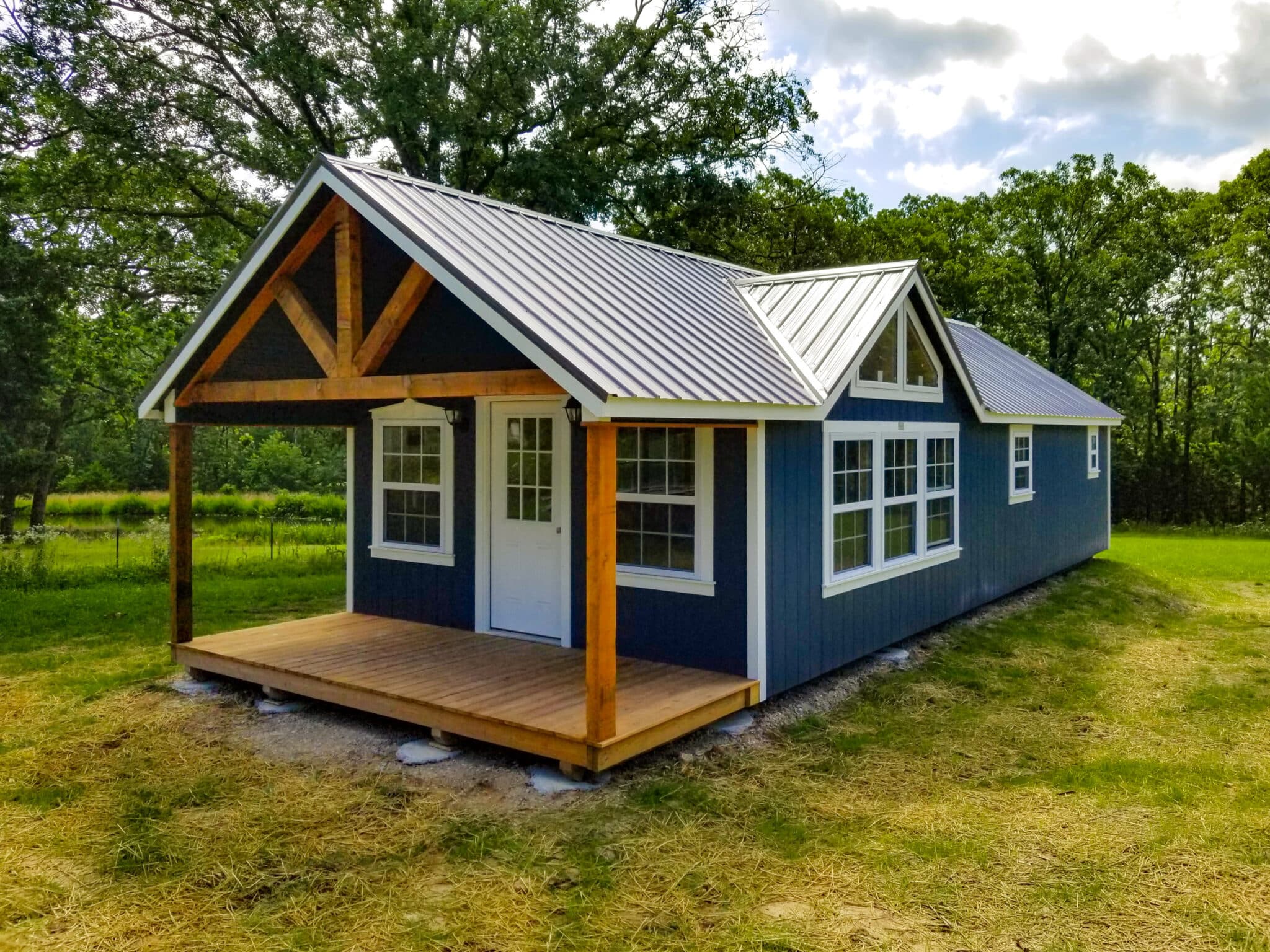
What Size Shed Can I Build Without a Permit in Kentucky?

What Size Shed Can I Build Without a Permit in Kentucky?

If you’re planning to build a shed in Kentucky, one of the first questions you might have is whether you need a building permit. The size of the shed and its intended use play a key role in determining whether a permit is required. In this article, we’ll explore the general rules for shed size limits in Kentucky, the shed permit process, and how easy it is to navigate the system.

Shed Size Limits Without a Permit

In Kentucky, building codes and zoning regulations vary by county or municipality, but there are some general guidelines regarding the construction of sheds and other accessory structures. The most common rule followed in many areas is that **sheds under 120 square feet** typically do not require a building permit. However, there are some additional factors to keep in mind:

1. **Height Restrictions**: Even if your shed is under 120 square feet, it must comply with local height restrictions. In some areas, a shed that is too tall may still require a permit, regardless of its footprint.

2. **Usage**: If the shed is intended for basic storage and will not have plumbing, electricity, or be used for living space, it is more likely to be exempt from permit requirements. If you plan to run utilities to the shed, a permit may be necessary.

3. **Setback Requirements**: Some jurisdictions in Kentucky have setback requirements that dictate how close to property lines you can build your shed. If the shed is too close to a neighbor’s property, a road, or a public area, you may need a permit, even if the structure is under 120 square feet.

4. **HOA and Local Ordinances**: If you live in a neighborhood governed by a Homeowners Association (HOA) or a municipality with strict ordinances, you may still need approval even for smaller sheds. Always check local rules before starting construction.

The Permit Process for Building a Shed in Kentucky

If your shed exceeds the size limits or falls into a category that requires a permit, the process of obtaining one is generally straightforward. Here’s an outline of the typical steps involved:

1. **Check Local Building Codes**

The first step is to contact your local building department to determine if you need a permit for your shed. You can usually find this information on your county or city’s website or by calling the local planning and zoning office. Be prepared to provide details about the shed’s dimensions, location, and intended use.

2. **Submit a Permit Application**

If a permit is required, you’ll need to fill out a building permit application. The application may ask for the following information:

– The size and height of the shed
– Its distance from property lines, other structures, and public areas
– Intended use (storage, workshop, etc.)
– Structural details (foundation, materials, etc.)

Many Kentucky jurisdictions allow you to submit permit applications online, making the process convenient. You may also need to provide a **site plan** showing the shed’s location on your property.

3. **Pay the Permit Fee**

There is usually a small fee associated with obtaining a building permit. The cost can vary depending on the size of the shed and the complexity of the project. For a basic shed, the permit fees are typically modest, ranging from $50 to $150 in most areas.

4. **Inspections**

Once you have your permit and begin construction, the local building department may require inspections at various stages of the project. For example, if you’re running electrical wiring or installing plumbing in the shed, an inspector will need to verify that the work is done to code. For simple storage sheds, however, this step may not be necessary.

How Easy Is the Permit Process?

The permit process for sheds in Kentucky is generally considered straightforward, especially for basic structures. Most local building departments are familiar with accessory structures like sheds and can provide clear guidance on what’s required. For a standard shed without utilities, you can usually expect the permit process to be quick and hassle-free.

– **Timelines**: In most cases, a permit can be approved within a few days to a couple of weeks, depending on the complexity of the project and the workload of the building department.
– **Support**: Many counties and cities provide online resources, including permit forms and building code information, to make the process more accessible. Some areas even offer checklists specifically for sheds, detailing what is needed for approval.

Something Bigger than a Shed…A Barndo maybe

For individuals looking to build something larger than a shed—perhaps a structure like a barndominium—the process is more involved, but the possibilities are vast. Barndominiums combine the rustic appeal of a barn with the comfort and convenience of a modern home, offering flexible floor plans and wide-open spaces. Building one requires thoughtful planning, the right materials, and expert guidance, which is why partnering with a company like **Buildmax** can be a great starting point.

Buildmax specializes in **barndominium kits** and construction plans, offering everything from customizable designs to assistance with finding contractors. Their pre-designed kits make the process more manageable by providing homeowners with the framework to build a strong, steel-framed barndominium. These kits can significantly simplify the process, reducing time spent on sourcing materials and navigating design challenges. Additionally, Buildmax offers financing options, ensuring that building your dream barndominium is not only feasible but also cost-effective.

By partnering with a company like Buildmax, you’ll have access to expert advice and support, whether you’re managing the construction yourself or hiring professionals. From energy-efficient layouts to stylish finishes, Buildmax ensures that your barndominium meets both functional needs and aesthetic preferences, making them an excellent resource for first-time builders or those expanding their living space with a larger project.

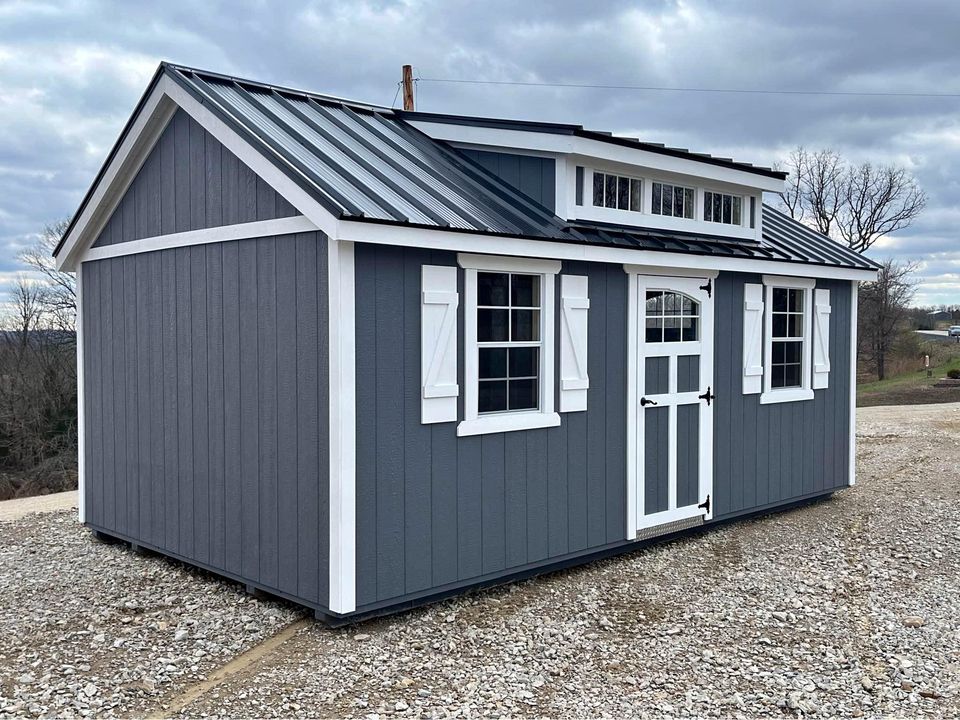
white barndominium ADU

Conclusion: Understanding Shed Permit Requirements in Kentucky

In Kentucky, you can typically build a shed up to 120 square feet without needing a permit, as long as it meets local zoning rules and is intended for basic storage. However, for larger sheds, or those with utilities like electricity or plumbing, a building permit is likely required. The permit process itself is generally straightforward and can often be completed online with minimal fees. Checking local regulations before starting construction ensures you’re in compliance and can avoid potential issues later.

What Kind of Ceilings are in a Barndominium?

What Kind of Ceilings are in a Barndominium? Exploring Different Ceiling Styles

Barndominiums, known for their spacious interiors and unique blend of rustic and modern design elements, offer a wide range of options when it comes to ceiling styles. The versatility of a barndominium’s construction allows homeowners to customize the ceilings to match their desired aesthetic, whether it’s a cozy farmhouse vibe, a sleek contemporary look, or something in between.

This article will explore the different types of ceilings commonly found in barndominiums and how they can be used to enhance the interior design of these structures.

1. **Vaulted or Cathedral Ceilings**


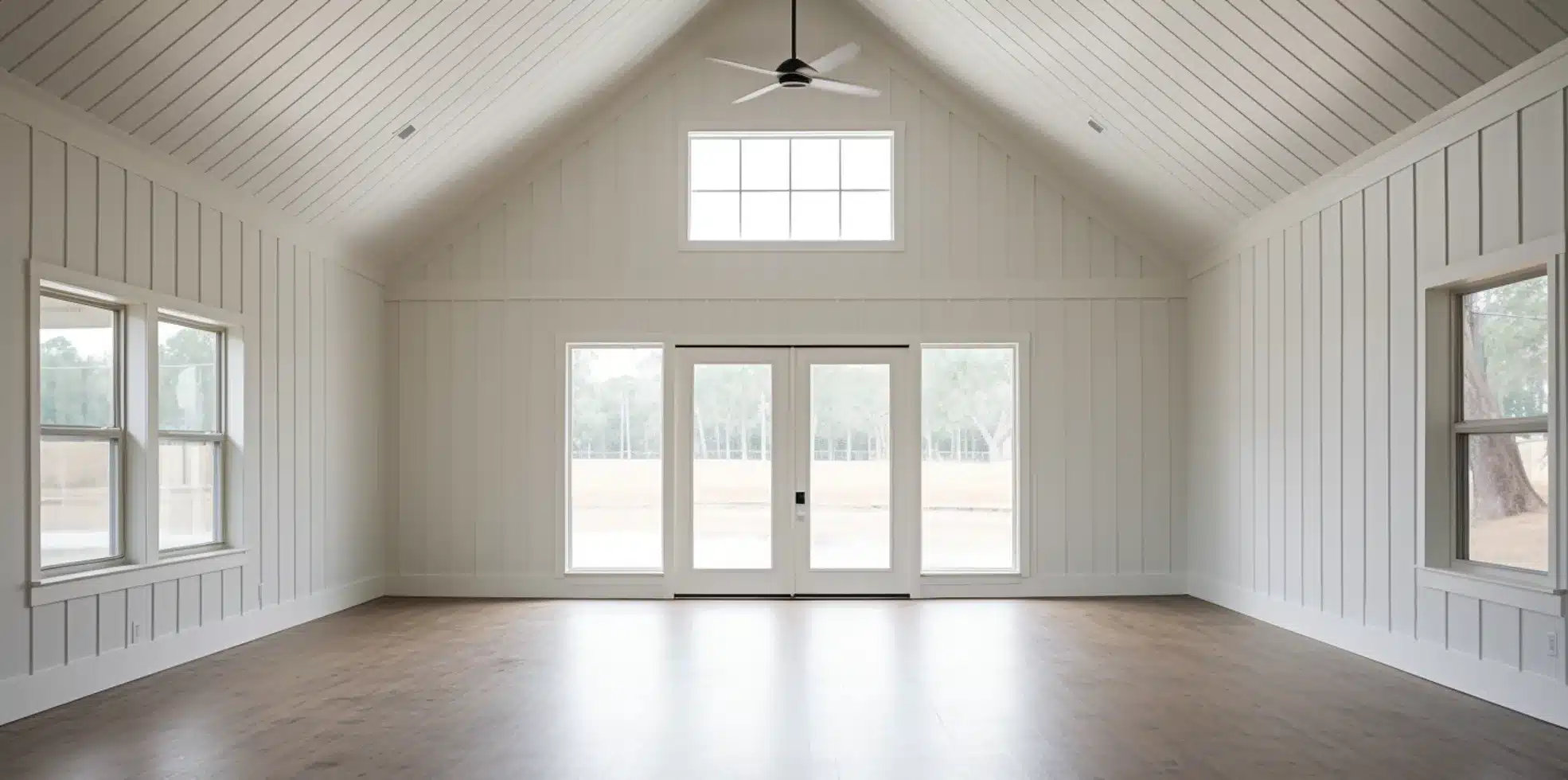
One of the most popular ceiling styles in barndominiums is the **vaulted ceiling**. Known for their grandeur and openness, vaulted ceilings are characterized by their upward slope, which follows the roof’s pitch. This type of ceiling creates a spacious, airy atmosphere and allows for larger windows that bring in more natural light.

– **Cathedral Ceilings:** These are a subset of vaulted ceilings, with two sloping sides that meet in the center at a ridge. Cathedral ceilings create a dramatic effect, making the interior feel more expansive, which is ideal for barndominiums with large, open floor plans.
– **Benefits:** The added vertical space can make rooms feel larger and more luxurious. It also offers flexibility for incorporating beams or exposed trusses as design elements.

2. **Exposed Beam Ceilings**

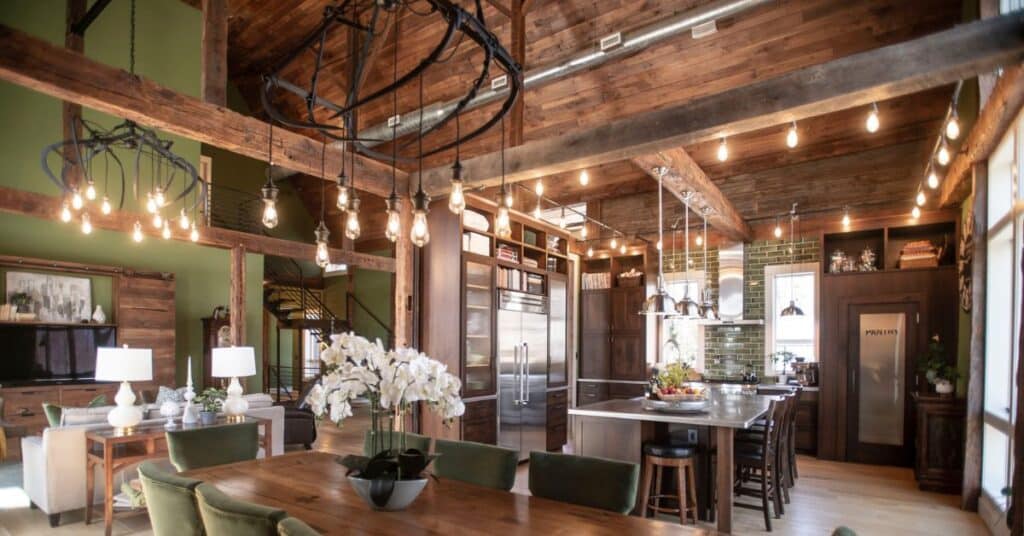
Exposed beam ceilings are another signature look in barndominiums, particularly in homes that embrace a rustic or industrial aesthetic. In this style, the structural beams of the building are left visible, often made from wood or steel, and they add character and texture to the ceiling design.

– **Wooden Beams:** Wooden beams bring warmth and a traditional, farmhouse feel to the space. They can be left unfinished for a rustic look or stained/painted for a more polished appearance.
– **Steel Beams:** Steel beams are perfect for a more industrial or modern look, offering a sleek, strong visual contrast against more natural materials.
– **Benefits:** Exposed beams add a sense of architectural interest and can serve as a focal point in large, open rooms. They also blend seamlessly with the barndominium’s barn-like aesthetic.

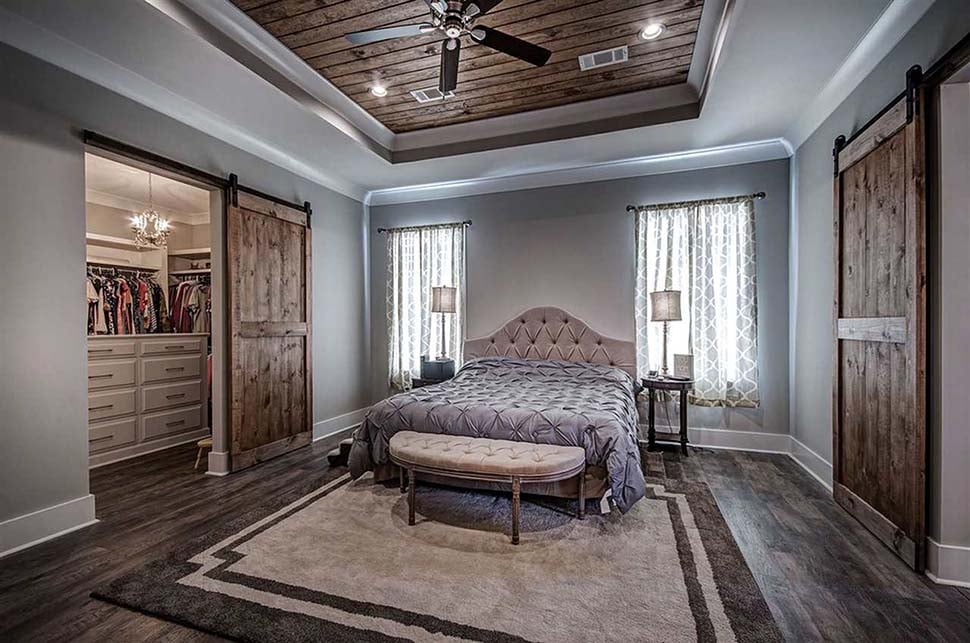
3. **Tray Ceilings**


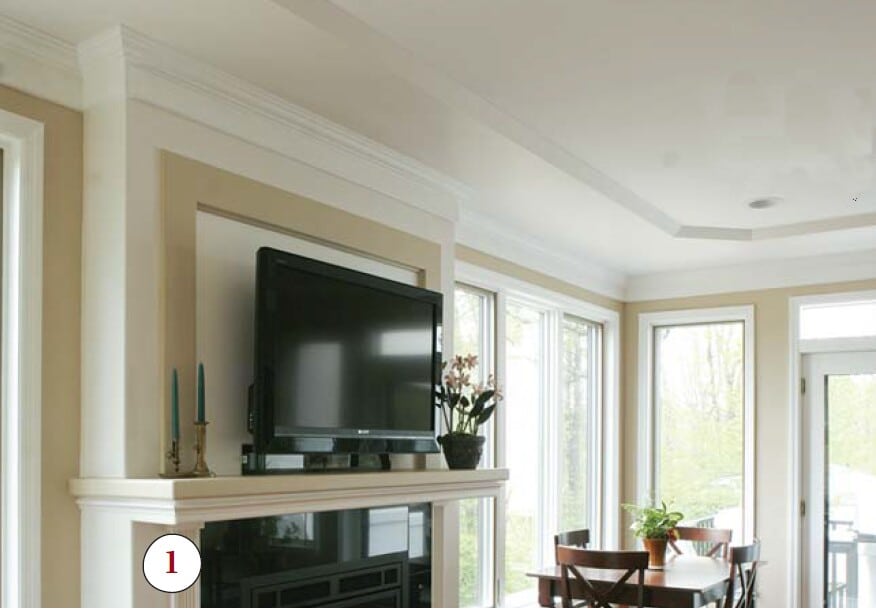
A **tray ceiling**, sometimes called a recessed ceiling, is a feature that adds depth and dimension to a room. It is characterized by a central section of the ceiling that is higher than the surrounding perimeter, creating a “tray” effect.

– **Design Variations:** Tray ceilings can be simple or elaborate, depending on the desired look. For instance, some homeowners opt for crown molding around the edges of the tray or even add accent lighting for a more dramatic effect.
– **Benefits:** This style works well in smaller rooms or spaces where you want to add a touch of elegance without the expansiveness of a vaulted ceiling. It also creates a cozy, yet luxurious atmosphere.

4. **Coffered Ceilings**

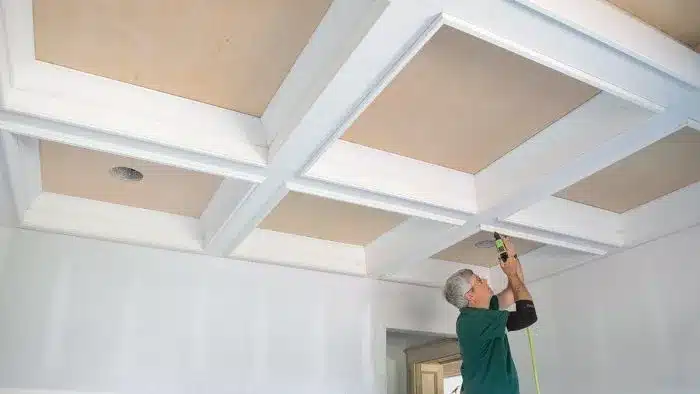
A **coffered ceiling** is a highly decorative option that features a grid of recessed panels, often with molding or trim to highlight the design. Coffered ceilings add architectural sophistication and depth to a room and are commonly found in high-end homes.

– **Traditional Look:** This style is often associated with classical or traditional interiors, but it can also be adapted for modern barndominiums by using sleek lines and minimalistic materials.
– **Materials:** Coffered ceilings can be constructed from wood, drywall, or even metal, depending on the overall design theme.
– **Benefits:** The intricacy of coffered ceilings makes them a statement piece, adding texture and visual interest to otherwise plain ceilings.

Countertop Installers including Granite, Quartz, and Marble – for residential & commercial projects. Let’s Remodel your Kitchen, Bathroom, and More. Free Consultation!

5. **Flat Ceilings**

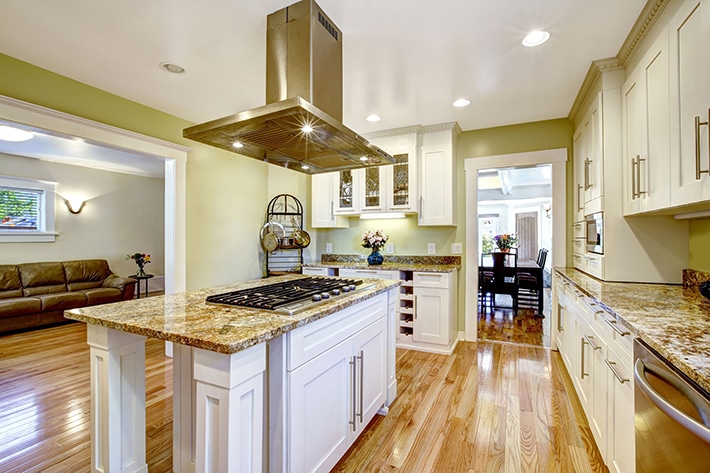
While flat ceilings are more straightforward and less dramatic than vaulted or coffered ceilings, they remain a popular choice for barndominiums, particularly in areas like bedrooms, bathrooms, or utility spaces.

– **Clean and Simple Design:** Flat ceilings provide a clean, simple look that works well in modern or minimalist interiors. They also offer flexibility for design choices like ceiling fans, light fixtures, or recessed lighting.
– **Practicality:** This style is often more practical and cost-effective, especially for rooms that don’t require the height or visual impact of a vaulted ceiling.

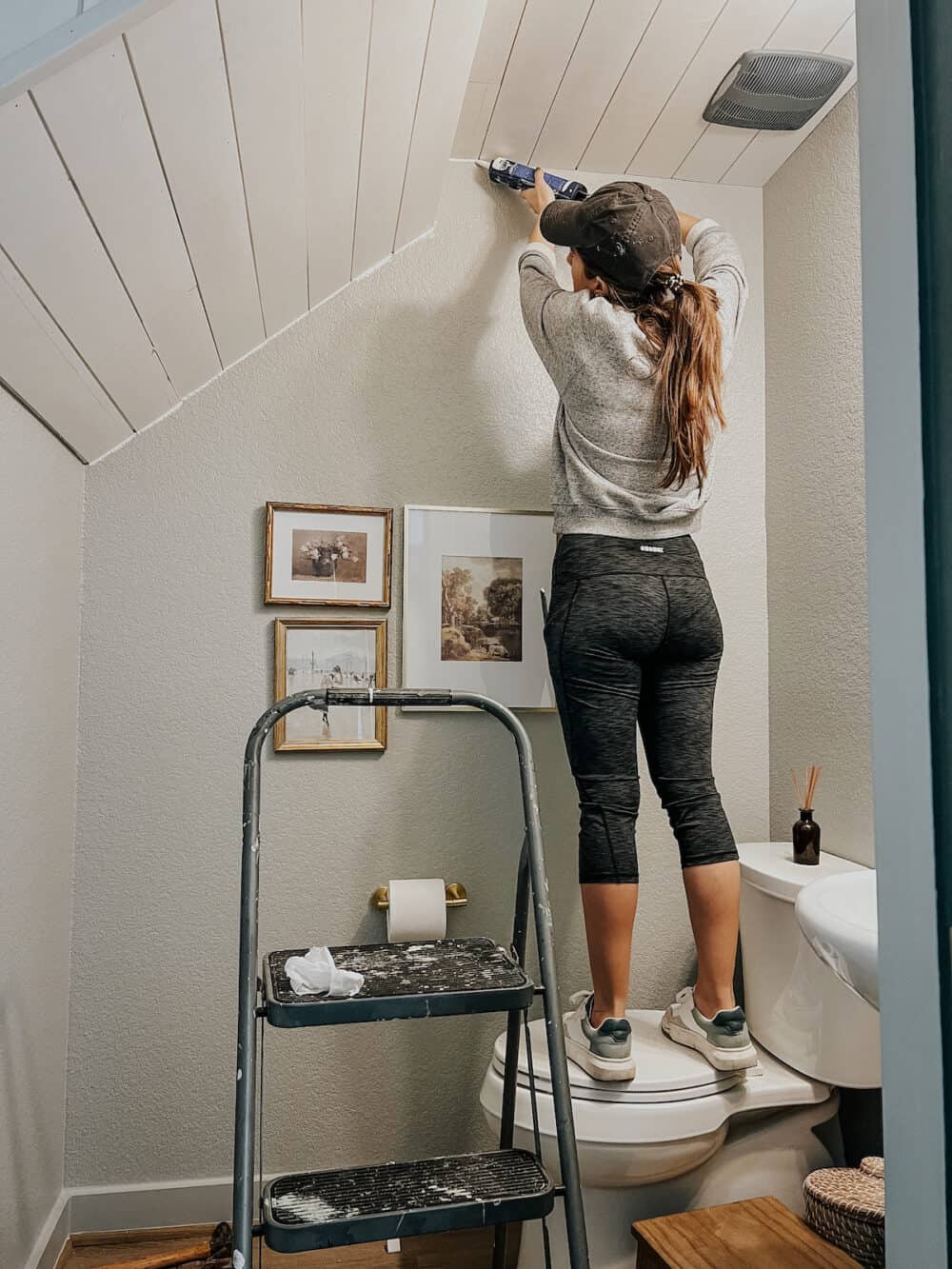
6. **Wood Panel or Shiplap Ceilings**

Wood panel or **shiplap ceilings** are a natural fit for barndominiums, especially if you’re aiming for a rustic or farmhouse aesthetic. Shiplap consists of horizontal wooden planks that overlap slightly, creating a distinctive, layered effect.

– **Natural Materials:** Wood ceilings bring warmth and texture to the interior, and they can be finished in a variety of ways — from whitewashed for a coastal feel to dark-stained for a more dramatic, cabin-like look.
– **Benefits:** Wood ceilings offer a cozy, natural ambiance and pair well with other rustic elements like stone fireplaces or exposed beams.

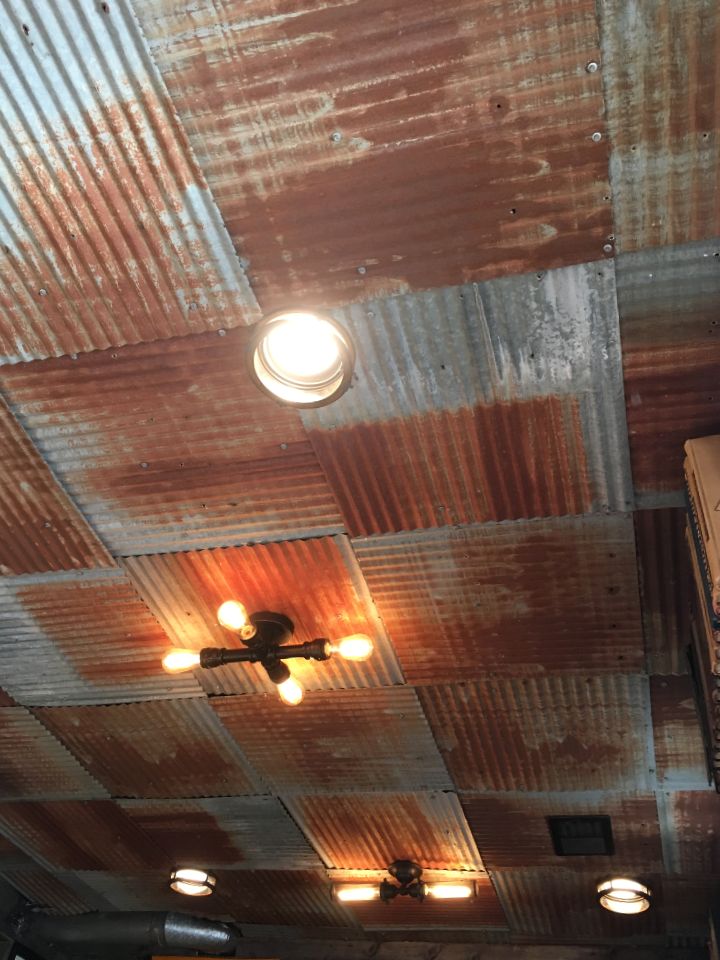
7. **Tin or Metal Ceilings**

For a more industrial or vintage look, **tin ceilings** can add a touch of old-world charm. Originally used in the late 19th and early 20th centuries, tin or metal ceilings are making a comeback in modern barndominium design.

– **Stamped Metal Tiles:** These ceilings are often made from stamped metal tiles that feature intricate patterns, offering a unique, decorative element.
– **Durability:** Metal ceilings are durable and fire-resistant, making them both practical and aesthetically pleasing.
– **Benefits:** Tin ceilings are a bold design choice that can complement an industrial-style barndominium or add a vintage touch to a more traditional space.

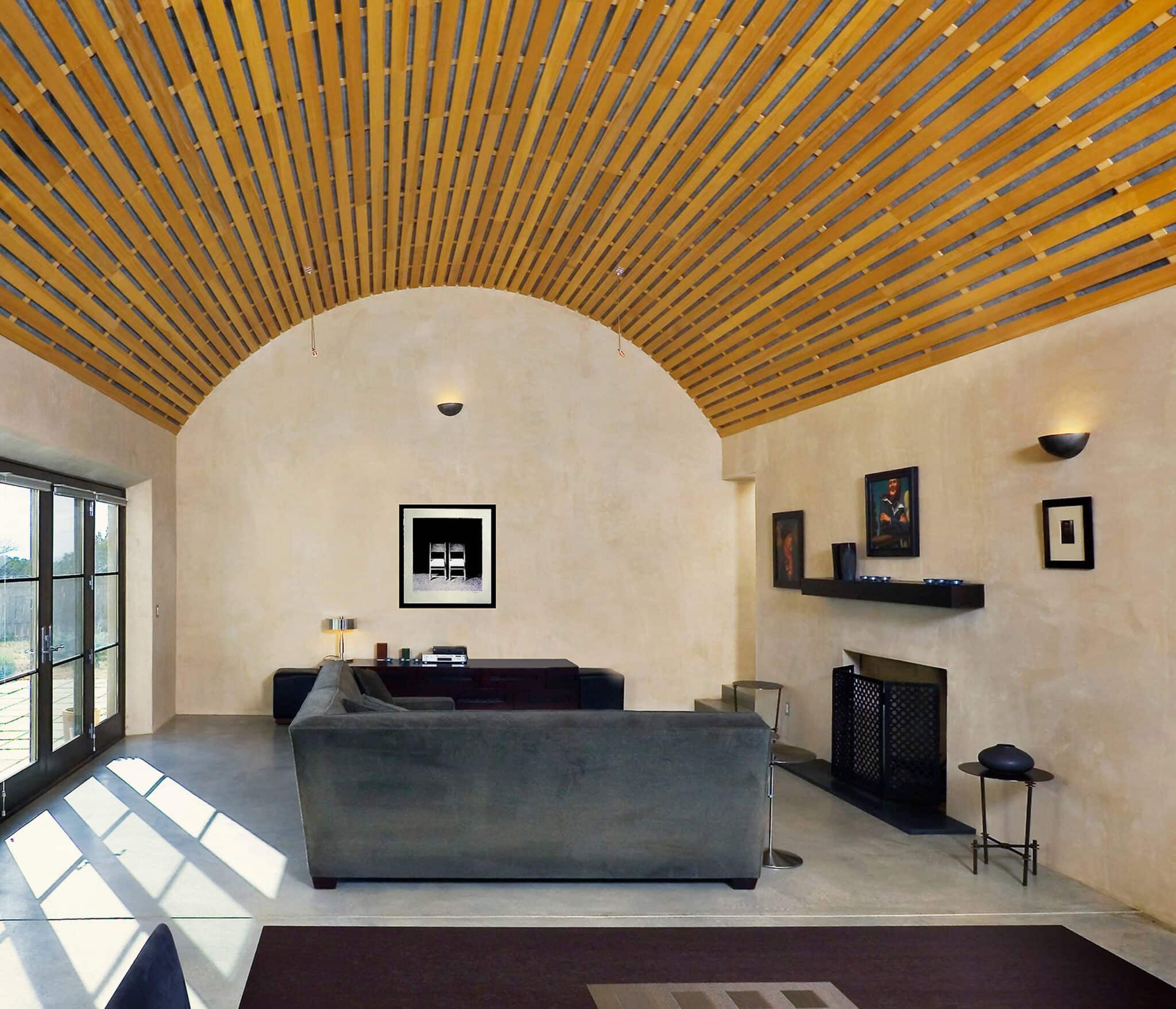
8. **Barrel Vaulted Ceilings**

A **barrel vaulted ceiling** is an elegant, curved ceiling that creates the appearance of a half-cylinder, resembling the interior of a barrel. This ceiling style can be a showstopper in larger barndominiums with expansive living spaces.

– **Dramatic Curve:** The continuous curve of the barrel vault creates a soft, flowing effect that adds grandeur and volume to the room.
– **Benefits:** Barrel vaulted ceilings are ideal for creating a sense of height and spaciousness, while also serving as a striking architectural feature.

Conclusion: Tailoring Your Ceiling Style to Your Barndominium

The ceiling style you choose for your barndominium plays a crucial role in defining the overall aesthetic and ambiance of your home. Whether you’re looking to create a grand, open space with a vaulted ceiling or prefer the cozy charm of wood-paneled ceilings, there are numerous options to suit every style preference.

With the flexibility of barndominium construction, homeowners can explore a wide range of ceiling styles, from rustic exposed beams to elegant coffered designs, ensuring their space reflects their unique vision while maximizing the structural benefits of the building.

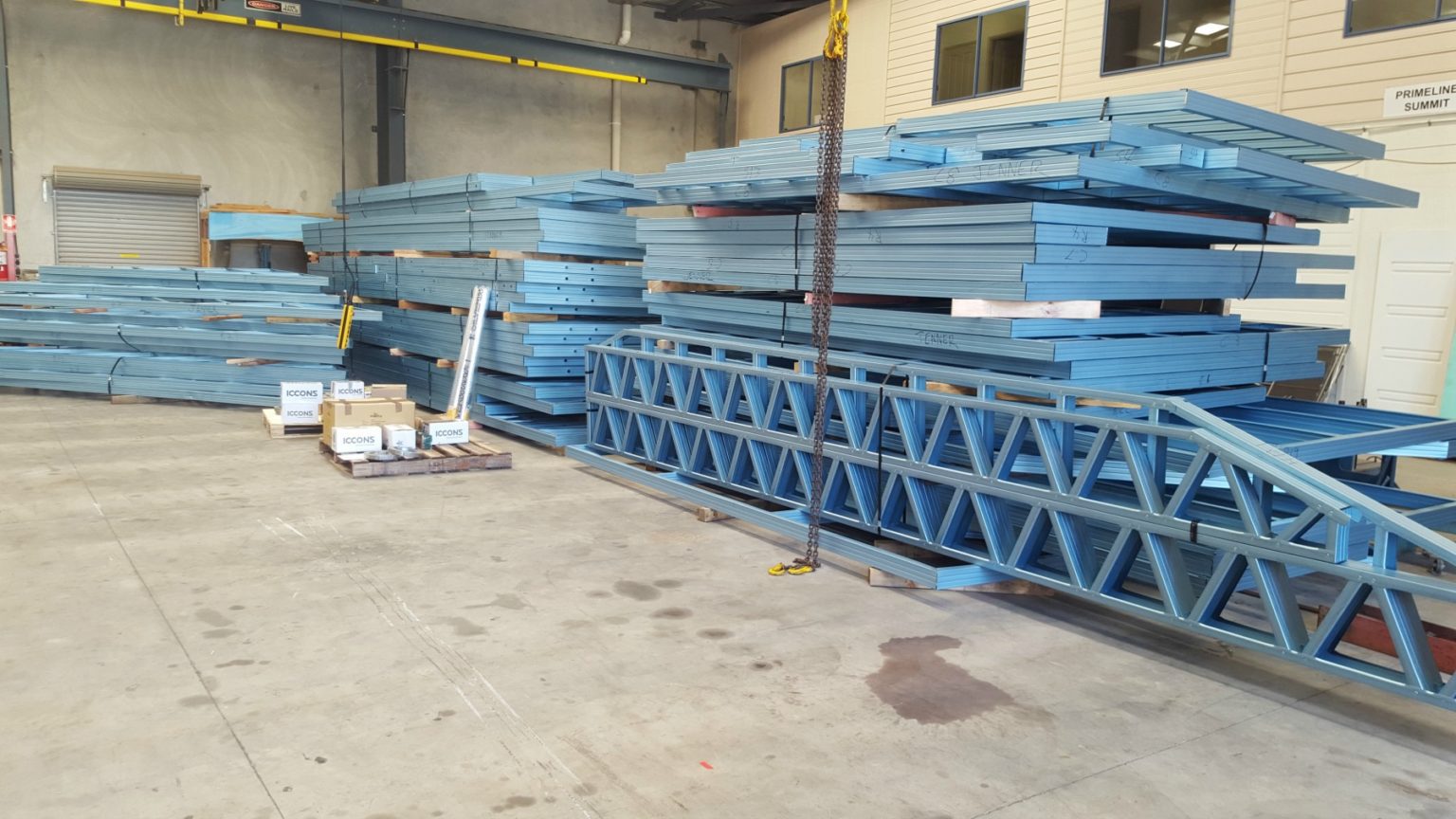
The Unmatched Properties of Steel Frame Barndominiums

The Future of Barndominiums: The Rise of Steel Frame Structures Over Traditional Wood Framing

Barndominiums, a hybrid of a barn and a condominium, have gained immense popularity in recent years due to their unique aesthetics, cost-effectiveness, and versatility. Traditionally, barndominiums were built using wood framing, a method that has been in place for decades. However, there has been a significant shift in the construction industry towards steel frame barndominiums, driven by the numerous advantages that steel offers over wood. As the demand for more robust, fire-resistant, and sustainable housing solutions grows, steel frame barndominiums represent the future of this innovative housing style.
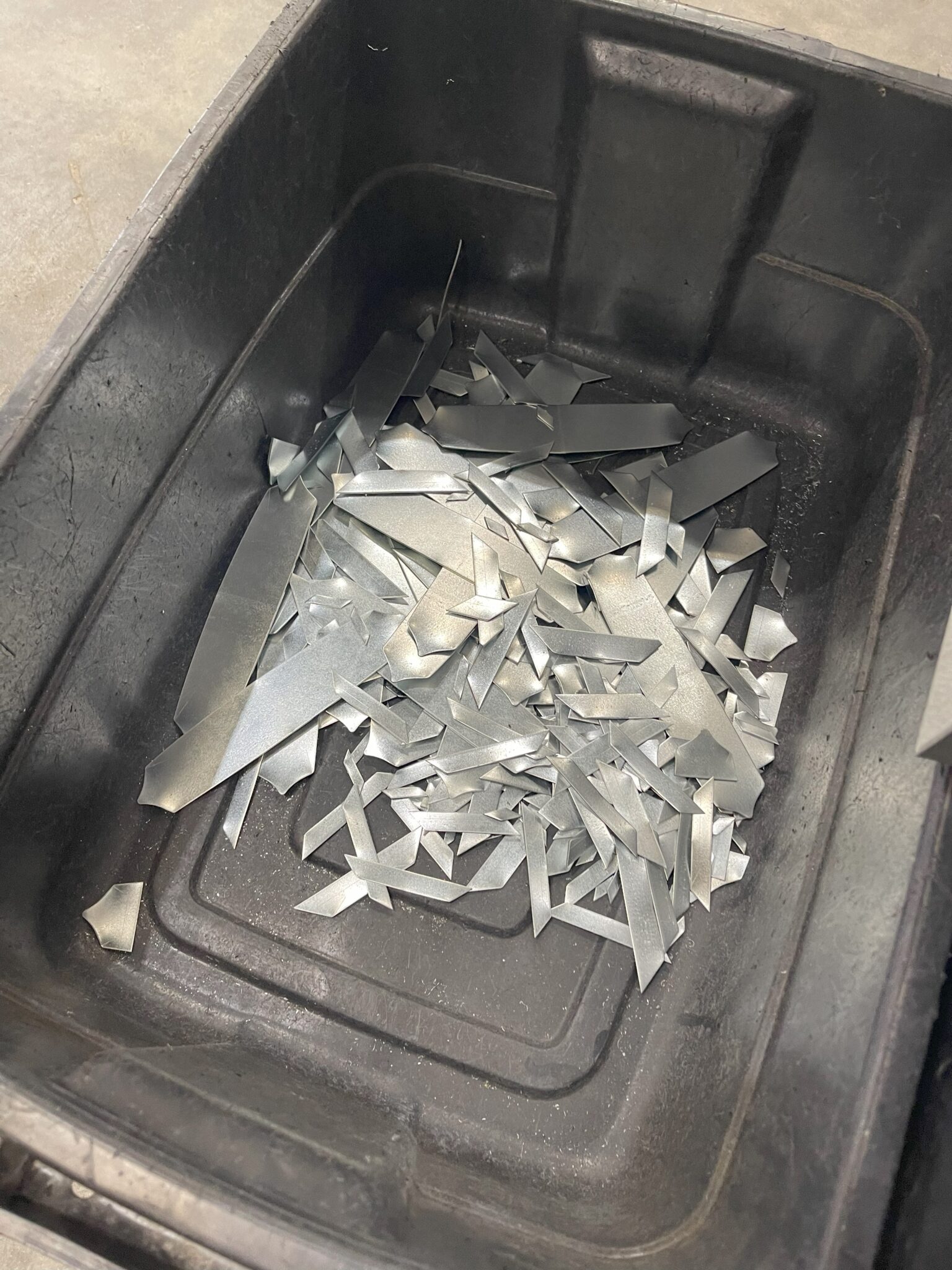
The Unique Properties of Steel Frame Barndominiums

Steel frame barndominiums stand out due to several unique properties that provide significant advantages over traditional wood-framed structures. Below, we explore these properties in detail:

1. **Unmatched Strength and Durability**

Steel is renowned for its exceptional strength and durability. Unlike wood, which can warp, crack, or break under stress, steel maintains its integrity under various conditions. This makes steel frame barndominiums particularly suitable for regions prone to extreme weather conditions such as high winds, heavy snow, or seismic activity. Steel’s high tensile strength allows it to withstand these forces without compromising the structural integrity of the building.

– **Longevity:** Steel does not rot, split, or crack over time, unlike wood. This longevity means less maintenance is required, resulting in lower long-term costs for homeowners.
– **Resistance to Pests:** Steel is impervious to termites and other pests that can cause significant damage to wooden structures. This eliminates the need for regular pest control treatments and associated expenses.

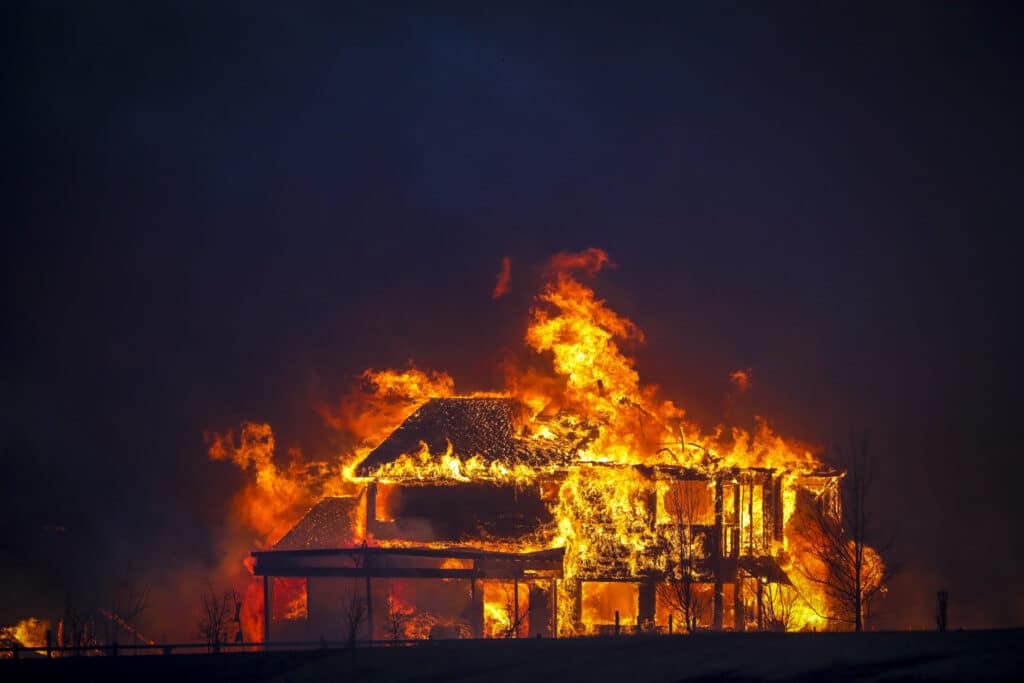
LOUISVILLE, CO – DECEMBER 30: A home burns after a fast moving wildfire swept through the area in the Centennial Heights neighborhood of Louisville, Colorado on December 30, 2021. State officials estimated some 600 homes had already been lost in multiple areas around Boulder County and were fueled by winds that gusted upwards of 100 miles per hour at times during the day. (Photo by Marc Piscotty/Getty Images)

2. **Fire Resistance**

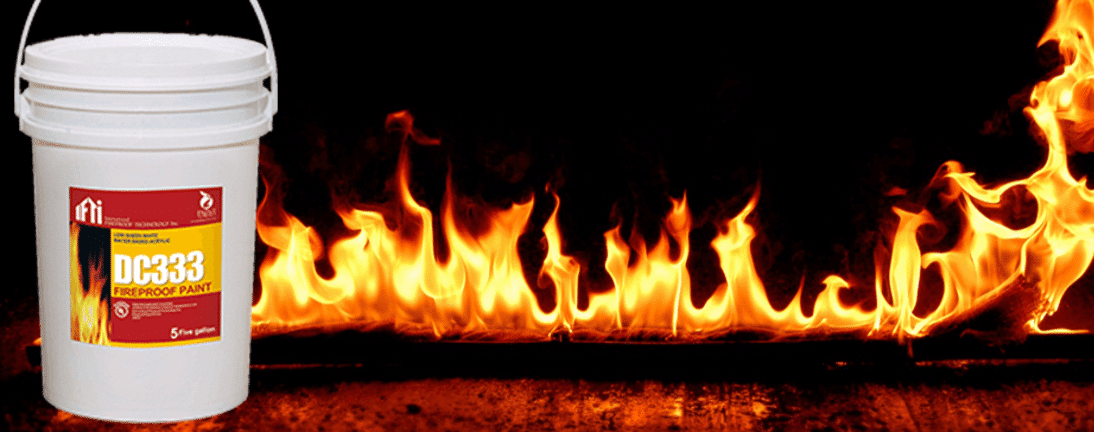
One of the most compelling advantages of steel frame barndominiums is their superior fire resistance. Steel is non-combustible, meaning it does not catch fire or contribute to the spread of flames. This is a crucial advantage in areas susceptible to wildfires or accidental fires.

– **Enhanced Safety:** Steel framing does not ignite, burn, or release toxic fumes when exposed to fire, providing a safer environment for residents.
– **Reduced Insurance Costs:** Due to their fire-resistant nature, steel frame barndominiums often qualify for reduced insurance premiums, leading to significant cost savings over time.

3. **Performance in Extreme Conditions**

Steel frame barndominiums outperform wood-framed structures in extreme conditions, whether it’s intense heat, cold, or moisture.

– **Temperature Stability:** Steel does not expand or contract with temperature changes as much as wood, reducing the risk of warping or cracking.
– **Moisture and Humidity Resistance:** Unlike wood, steel does not absorb moisture, preventing issues like mold, mildew, and rot. This is especially beneficial in humid or coastal areas where wooden structures are prone to moisture damage.
– **Wind and Snow Load Handling:** Steel structures can be designed to withstand higher wind loads and snow loads, which is particularly beneficial in regions with severe weather patterns.

4. **Sustainability and Eco-Friendliness**

In the context of sustainability, steel is an excellent choice for eco-conscious homeowners. Steel is 100% recyclable, and the steel industry has made significant strides in reducing its carbon footprint.

– **Recycled Content:** A significant portion of new steel comes from recycled materials, reducing the demand for raw resources and minimizing waste.
– **Much Longer Lifespan:** The longevity of steel structures reduces the need for rebuilding or extensive repairs, conserving materials and resources over time. it’s not unheard of to see steel frame structures last 50+ years with standard minimal maintenance.

5. **Ease of Construction and Flexibility in Design**

Steel frame barndominiums are known for their ease of construction, which can lead to faster build times and reduced labor costs.

– **Prefabrication Options:** Steel frames can be prefabricated off-site, ensuring precision in design and reducing construction time. This method also minimizes on-site waste and construction delays due to weather.
– **Design Flexibility:** Steel allows for more expansive open spaces and higher ceilings without the need for load-bearing walls, providing more flexibility in interior design. This is particularly appealing for homeowners looking to customize their living space with open floor plans or unique architectural elements.

The Future of Barndominiums: Strong Steel Alloys

The future of barndominiums is poised to be dominated by strong steel alloys that push the boundaries of strength, resilience, and performance. The continued development and use of advanced steel alloys will likely introduce further benefits:

1. **High-Strength Low-Alloy (HSLA) Steel**

HSLA steel is engineered to provide greater resistance to environmental stressors without the need for additional weight. This type of steel is particularly well-suited for regions prone to seismic activity or heavy snow loads.

– **Superior Structural Integrity:** HSLA steel offers higher strength per unit of weight compared to traditional steel, allowing for lighter yet stronger structures.
– **Corrosion Resistance:** These alloys are often treated to resist corrosion, extending the lifespan of the building in various climates.

2. **Improved Fire and Thermal Resistance**

Future innovations in steel alloys could lead to even greater fire resistance and thermal performance.

– **Enhanced Coatings and Treatments:** Future steel frames might be treated with advanced coatings that provide even greater resistance to fire and heat transfer, further improving the safety and energy efficiency of barndominiums.

3. **Integration with Smart Building Technologies**

As technology continues to evolve, steel frame barndominiums will likely be integrated with smart building technologies, enhancing their functionality and efficiency.

– **Energy Efficiency:** Steel structures are easier to insulate effectively, reducing energy consumption. Advanced alloys could be combined with smart materials that adapt to environmental conditions to optimize thermal performance.
– **Sustainable Construction Practices:** Future barndominiums will likely focus on sustainable construction practices, incorporating renewable energy systems like solar panels, which can be easily mounted on steel frames.

The Steel Frame Revolution

The unique properties of steel frame barndominiums — unmatched strength, fire resistance, superior performance in extreme conditions, sustainability, and design flexibility — position them as the future of modern housing. As more people seek durable, safe, and customizable homes that can withstand the changing environment, steel frame barndominiums are becoming the preferred choice.

With advancements in strong steel alloys and construction technologies, the potential for steel frame barndominiums is limitless. They are not just homes; they are future-proof investments that offer peace of mind and sustainable living for generations to come. The steel frame revolution is here, and it is reshaping the landscape of residential construction, one barndominium at a time.

Safety First When Building a Steel Frame Barndominium

**Build Site Safety Measures When Building a Steel Frame Barndominium: Essential Guidelines and Precautions**

Building a steel frame barndominium involves various construction processes, heavy materials, and specialized tools, all of which come with potential risks. Ensuring the safety of everyone on the build site is crucial to prevent accidents, injuries, and delays. While steel frame construction offers several advantages, such as strength, durability, and speed, it also presents unique safety challenges that must be carefully managed. This extensive article will explore the safety measures to take when building a steel frame barndominium, things to be aware of, potential dangers, lesser-known hazards, and essential safety gear requirements.

Key Safety Measures for Steel Frame Barndominium Construction

Safety on a construction site should always be the top priority. Below are some key safety measures to consider when building a steel frame barndominium:

1. **Site Preparation and Planning**

Before any construction begins, thorough planning and preparation of the site are critical for ensuring safety:

– **Conduct a Risk Assessment**: Perform a detailed risk assessment to identify potential hazards on the site. This includes assessing the terrain, checking for underground utilities, and identifying any environmental risks, such as nearby water bodies or unstable soil conditions.
– **Clear the Site Properly**: Ensure the construction area is clear of debris, unnecessary materials, and obstructions that could cause tripping or other accidents. Make sure there is ample space for storing steel frames, tools, and other materials in an organized manner.
– **Set Up Safety Zones**: Designate specific areas for material storage, machinery operation, and worker movement. Clearly mark zones that are restricted or require special protective equipment, like welding areas.

2. **Personal Protective Equipment (PPE)**

Wearing appropriate personal protective equipment (PPE) is a fundamental safety requirement on any construction site:

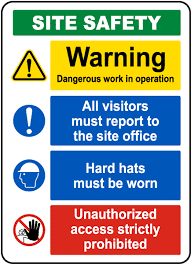
– **Hard Hats**: Hard hats are mandatory on all construction sites, especially where heavy materials like steel are being handled. They protect against falling objects, head injuries, and other potential impacts.
– **Steel-Toed Boots**: Construction workers should wear steel-toed boots to protect their feet from falling objects, sharp debris, and heavy equipment. These boots should also provide good grip to prevent slips and falls.
– **Safety Glasses and Face Shields**: When cutting, welding, or grinding steel, workers must wear safety glasses or face shields to protect their eyes from sparks, flying debris, and harmful UV radiation.
– **Gloves**: Sturdy work gloves are essential to protect hands from sharp edges, hot materials, and potential burns. Specific gloves may be required for welding or handling heavy steel components.
– **High-Visibility Clothing**: Wearing high-visibility vests or clothing helps ensure that workers are easily seen by equipment operators, especially in busy or low-light conditions.
– **Hearing Protection**: When operating or working near noisy equipment like steel cutters, grinders, or cranes, workers should wear earplugs or earmuffs to protect their hearing.

3. **Handling and Erecting Steel Frames**

Working with steel frames presents specific risks due to the size, weight, and sharp edges of the materials. Proper handling and installation practices are crucial:

– **Use of Cranes and Hoists**: Steel frames are heavy and often require the use of cranes or hoists to lift and position them. Ensure that all equipment operators are certified and trained to handle heavy machinery safely. Establish clear communication protocols, such as hand signals or two-way radios, to prevent miscommunication during lifting operations.
– **Proper Rigging Techniques**: Rigging equipment, such as chains, slings, and hooks, should be inspected regularly for wear and tear. Use the correct rigging techniques to securely lift and move steel components, ensuring that they are balanced and stable during the lift.
– **Beware of Falling Objects**: When Lifting steel frames into place, there is a risk of falling objects or tools. Ensure all workers below are aware of overhead work and wear hard hats. Install safety nets or barriers where feasible to catch any falling items.

4. **Welding and Cutting Safety**

Welding and cutting steel components are standard processes in steel frame construction. These activities present specific hazards, including fire risks, eye injuries, and inhalation of fumes:

– **Fire Prevention Measures**: Welding and cutting create sparks that can ignite nearby flammable materials. Ensure a fire extinguisher and fire blankets are readily accessible on-site. Keep flammable materials away from welding areas and consider using fireproof welding curtains to contain sparks.
– **Proper Ventilation**: Welding and cutting can produce harmful fumes and gases. Ensure proper ventilation in enclosed or semi-enclosed areas to prevent workers from inhaling toxic fumes. Consider using portable fume extractors or respirators for additional protection.
– **Welding Shields and Auto-Darkening Helmets**: Welders must wear appropriate welding shields or auto-darkening helmets to protect their eyes and face from intense UV radiation and hot sparks. Regularly check equipment for any damage or wear and replace as needed.

5. **Preventing Falls and Working at Heights**

Working at heights is common when lifting steel frames, installing roofing, or handling elevated steel beams. Falls are one of the leading causes of construction site injuries, making fall prevention a top priority:

– **Use of Fall Protection Systems**: Workers at heights should always use fall protection systems, such as safety harnesses, lanyards, and anchor points. Ensure all fall protection equipment is regularly inspected and maintained.
– **Guardrails and Safety Nets**: Install guardrails or safety nets around elevated work areas, especially near open edges where falls could occur. This not only protects workers but also prevents tools and materials from falling.
– **Secure Ladders and Scaffolding**: Ensure ladders are secure and extend at least three feet above the landing area. Scaffolding should be properly erected and anchored according to safety regulations, with guardrails and toe boards in place.

6. **Electrical Safety**

Steel frame construction often involves electrical work for welding, lighting, and other power tools. Electrical hazards can lead to shocks, burns, or even fatalities if not properly managed:

– **Regular Inspection of Electrical Equipment**: b All electrical tools, cords, and equipment should be regularly inspected for frayed wires, exposed conductors, or other defects. Damaged equipment should be repaired or replaced immediately.
– **Ground Fault Circuit Interrupters (GFCIs)**: Use GFCIs on all temporary wiring setups and electrical tools to prevent electric shocks. Ensure all workers are trained in the proper use of electrical equipment and aware of the dangers of working around electricity.
– **Lockout/Tagout Procedures**: When performing maintenance or repairs on electrical systems, use lockout/tagout procedures to ensure power is completely shut off and cannot be accidentally re-energized.

7. **Material Handling and Storage**

Proper storage and handling of materials on the construction site are essential to prevent accidents and maintain an organized work environment:

– **Organize Materials**: Store steel beams, frames, and other materials in an organized manner to prevent tripping hazards and ensure easy access. Use racks or supports to keep materials off the ground and prevent rusting or warping.
– **Avoid Overloading**: Avoid overloading storage racks, shelves, or scaffolding with steel components or tools. Follow load limits to prevent collapses or spills.
– **Clear Access Paths**: Ensure that access paths and walkways are always clear of obstructions to allow safe movement of workers and equipment. Keep emergency exits and access to first aid kits unobstructed.

8. **Emergency Preparedness and First Aid**

Being prepared for emergencies can significantly reduce the impact of accidents on a construction site:

– **First Aid Kits and Training**: Ensure that well-stocked first aid kits are available on-site and that several workers are trained in basic first aid and CPR. Quick response to injuries can prevent them from becoming more severe.
– **Emergency Plans and Drills**: Develop and communicate an emergency action plan to all workers. Conduct regular drills for different emergency scenarios, such as fires, falls, or severe weather, to ensure everyone knows how to respond.
– **Communication Systems**: Maintain reliable communication systems, such as two-way radios, to quickly coordinate emergency responses and ensure that all workers can call for help if needed.

Lesser-Known Hazards to Consider

While many common hazards are well-known, there are some lesser-known dangers associated with steel frame construction:

– **Sharp Edges and Burrs**: Steel components often have sharp edges or burrs that can cause cuts or puncture wounds. Workers should always wear gloves and handle steel carefully to prevent injuries.
– **Heavy Lifting Injuries**: Handling heavy steel beams or components can lead to back injuries or muscle strains if not done correctly. Use mechanical aids, such as forklifts or cranes, and ensure workers are trained in proper lifting techniques.
– **Static Electricity**: Steel can generate static electricity, which can ignite flammable gases or vapors if not properly grounded. Ensure that all steel components and equipment are properly grounded to prevent static buildup.

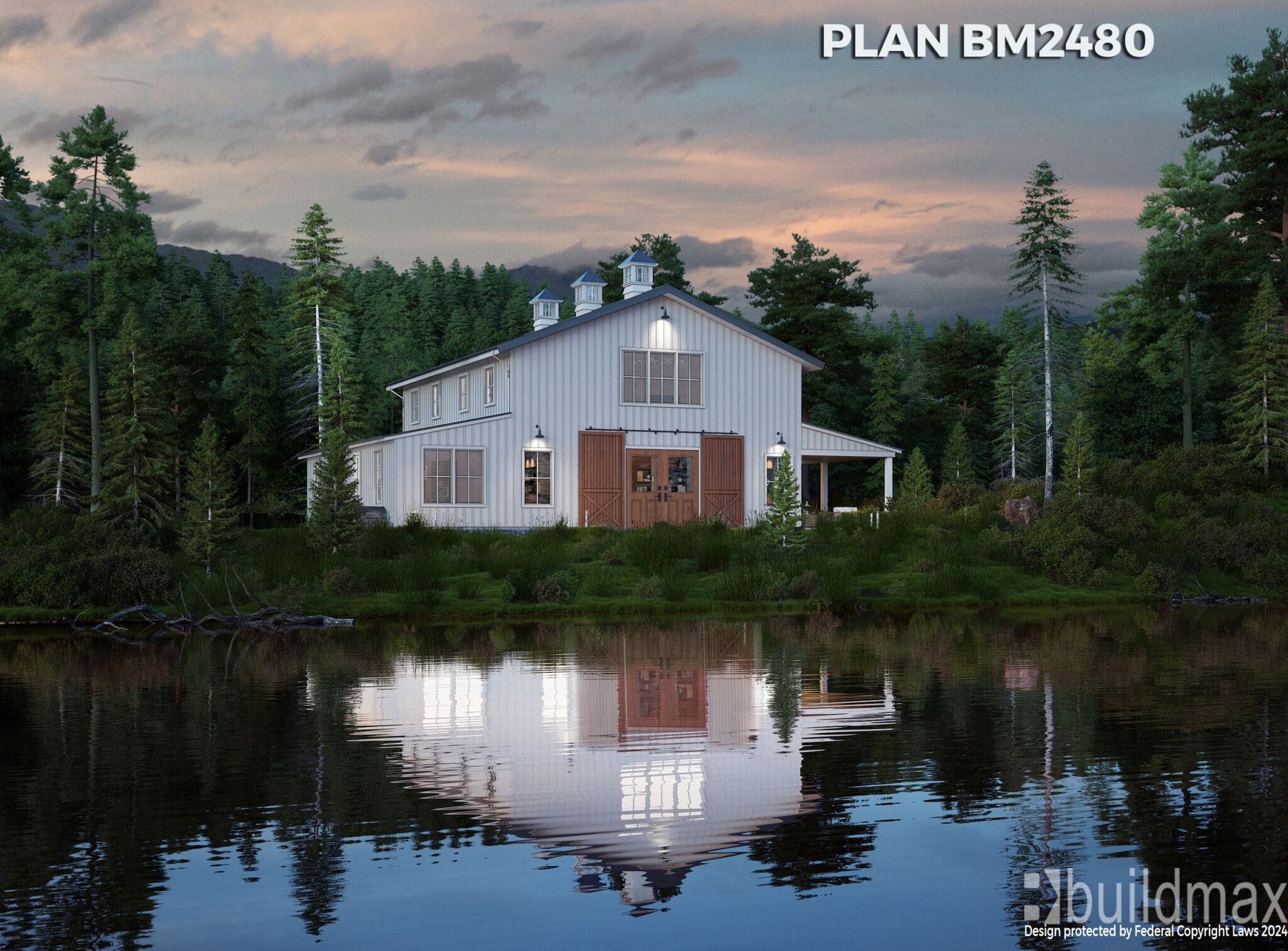
white barndominium with cupolas

Conclusion: Prioritizing Safety for a Successful Build

Building a Barndominium requires careful attention to safety at every stage of the construction process. From initial site preparation and PPE requirements to welding safety and fall prevention, understanding and mitigating the unique hazards associated with steel frame construction is essential for protecting workers and ensuring a successful build.

By implementing comprehensive safety measures, training workers, and maintaining a culture of safety awareness, you can minimize risks and create a safer, more efficient construction site. With the right precautions in place, the benefits of steel frame construction—durability, speed, and strength—can be fully realized while safeguarding everyone involved in the project.

How Advancements in Material Science are Thrusting Steel Frame Barndominiums Into the Future

**How Recent Advancements in Material Science are Transforming the Steel Frame Construction Industry and Propelling Steel Frame Barndominiums into the Mainstream & Beyond**

The construction industry has long relied on steel for its superior strength, durability, and versatility. However, recent advancements in material science, particularly in the development of new alloys and unique steel properties, are revolutionizing how we approach steel frame construction. These breakthroughs have the potential to propel steel frame barndominiums and other steel structures into the mainstream like never before. With new alloys offering enhanced strength, flexibility, and resistance to environmental factors, the future of steel frame construction looks more promising and sustainable.
In this extensive article, we’ll explore the latest advancements in material science and their impact on the steel frame construction industry. We’ll also delve into how these innovations can elevate the popularity of steel frame barndominiums, making them a go-to choice for modern home builders.

Recent Advancements in Material Science and Steel Alloys

Material science has seen significant advancements in recent years, particularly in the development of new steel alloys with superior properties. These advancements have created opportunities for the construction industry to leverage stronger, lighter, and more durable materials that are better suited to modern demands.

1. **Development of High-Strength, Low-Alloy (HSLA) Steel**

– **What is HSLA Steel?** High-Strength, Low-Alloy (HSLA) steel is a type of alloy steel that provides better mechanical properties than traditional carbon steel. It is specifically designed to be stronger, lighter, and more resistant to corrosion and environmental degradation.

– **Benefits for Construction**: HSLA steel is increasingly being used in steel frame construction due to its higher yield strength, which allows for thinner and lighter structural elements without sacrificing strength. This results in reduced material costs and easier handling on construction sites. The reduced weight also decreases transportation costs and the overall environmental impact of construction projects.

– **Improved Durability and Resistance**: HSLA steel is highly resistant to corrosion and wear, which makes it ideal for building in harsh environments or areas exposed to saltwater, high humidity, or extreme temperatures. This increased durability translates into lower maintenance costs and a longer lifespan for buildings, providing significant long-term savings.

2. **Advanced Alloy Steels with Unique Properties**

– **Dual-Phase (DP) and Transformation-Induced Plasticity (TRIP) Steels**: These advanced steels combine strength and ductility, making them highly resistant to deformation under stress. DP steels have a high tensile strength, while TRIP steels offer exceptional toughness and formability. These properties make them particularly valuable in earthquake-prone regions or areas requiring high impact resistance.
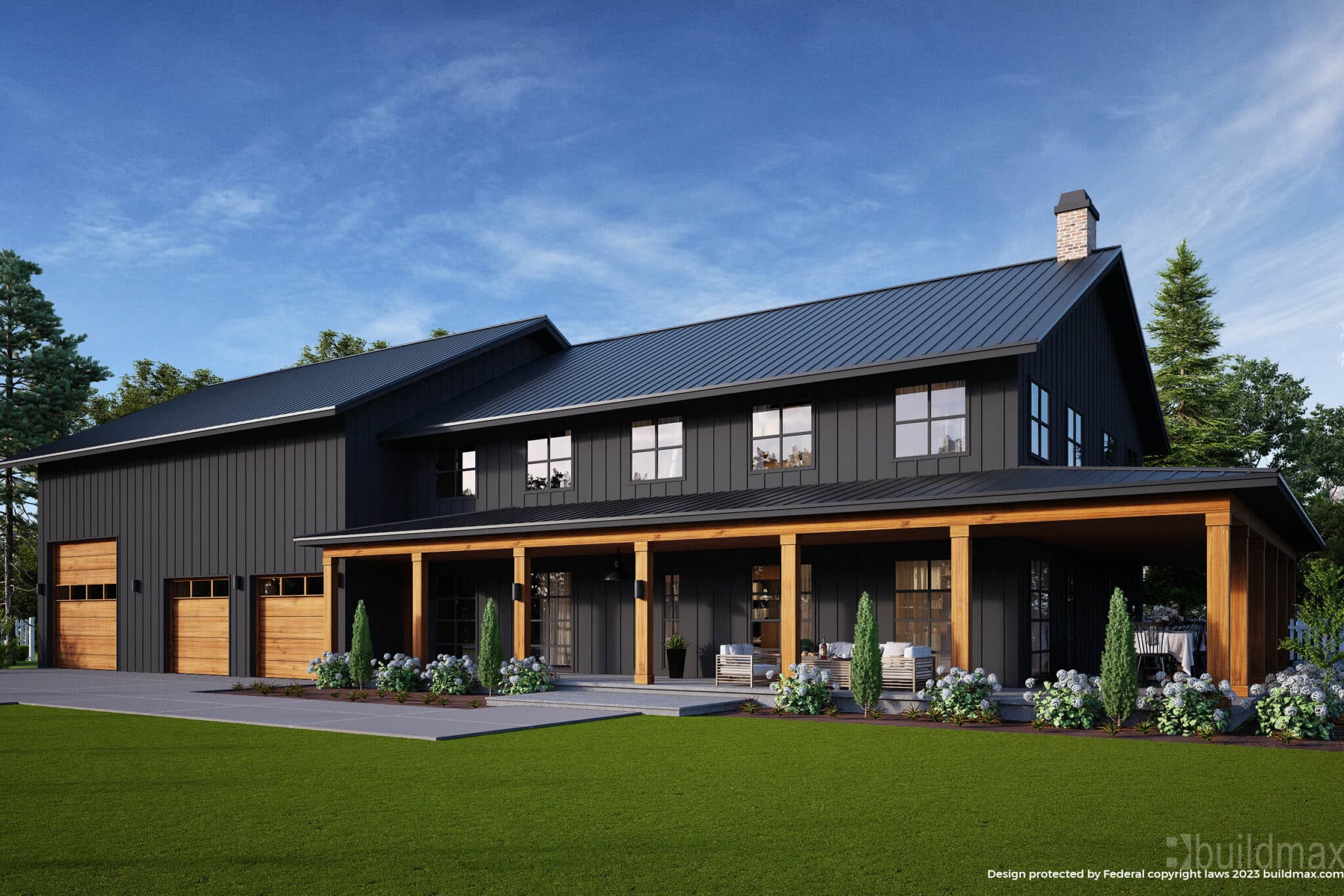
– **Nano-Structured Steel Alloys**: Recent advancements have led to the creation of nano-structured steel alloys, where grain sizes are refined down to the nanometer scale. This results in materials with ultra-high strength and enhanced toughness, ideal for construction in challenging conditions or where additional load-bearing capacity is needed.
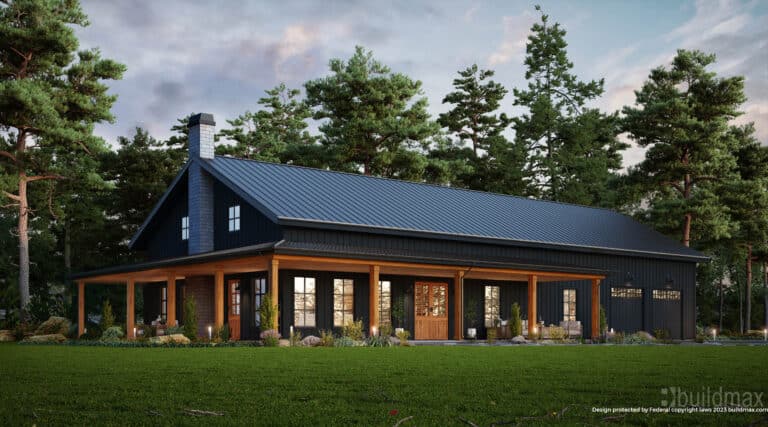
– **Corrosion-Resistant Steel Alloys**: Advances in alloying techniques have produced steel that is not only strong but also highly resistant to corrosion. Stainless steel alloys, such as duplex stainless steel, offer superior resistance to chloride-induced corrosion, making them ideal for coastal or industrial environments where standard steel might fail.

3. **Self-Healing and Smart Steels**

– **Self-Healing Steels**: Research is underway to develop self-healing steels that can automatically repair minor cracks and damage over time. This technology involves embedding microcapsules containing healing agents within the steel. When cracks occur, these capsules rupture and release the agents, filling the cracks and restoring the integrity of the steel.

– **Smart Steels with Embedded Sensors**: The integration of sensors and smart technology within steel can provide real-time monitoring of a structure’s health. This technology can detect stress points, corrosion, or other potential issues before they become critical, allowing for proactive maintenance and increased safety.

Impact on the Steel Frame Construction Industry

The advancements in material science and the development of superior steel alloys have transformative implications for the steel frame construction industry. Here’s how these innovations are reshaping the landscape:

1. **Enhanced Structural Performance and Safety**

New steel alloys with superior strength and flexibility are setting new benchmarks for structural performance. Buildings constructed with advanced steel can better withstand natural disasters, such as earthquakes, hurricanes, and heavy snow loads, without suffering damage. This increased safety is particularly crucial for multi-story buildings and residential homes in regions prone to extreme weather.

– **Reduced Structural Failures**: The enhanced properties of advanced steels mean that structures are less likely to fail under stress, reducing the risk of catastrophic collapse and enhancing occupant safety.
– **Extended Lifespan of Buildings**: The superior durability of new steel alloys means that buildings will have a longer useful life, reducing the need for frequent repairs or replacements and thereby offering better return on investment.

2. **Cost Efficiency and Reduced Material Usage**

The development of stronger, lighter alloys like HSLA steel has significant economic benefits for construction projects. Reduced material weight and increased strength allow for less steel to be used in framing while maintaining or even enhancing structural integrity.

– **Lower Construction Costs**: Using less steel reduces material costs, transportation expenses, and labor costs, making projects more affordable.
– **Reduced Environmental Impact**: Less material usage means fewer resources are consumed, and lower transportation costs result in reduced carbon emissions. This aligns with the growing trend towards sustainability in construction.

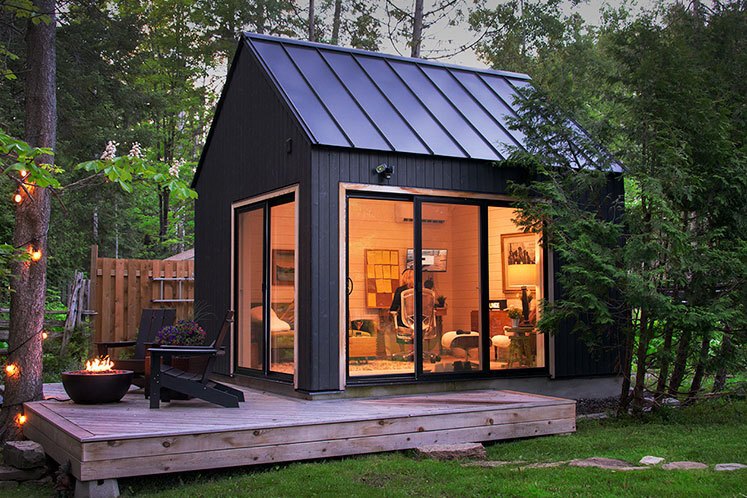
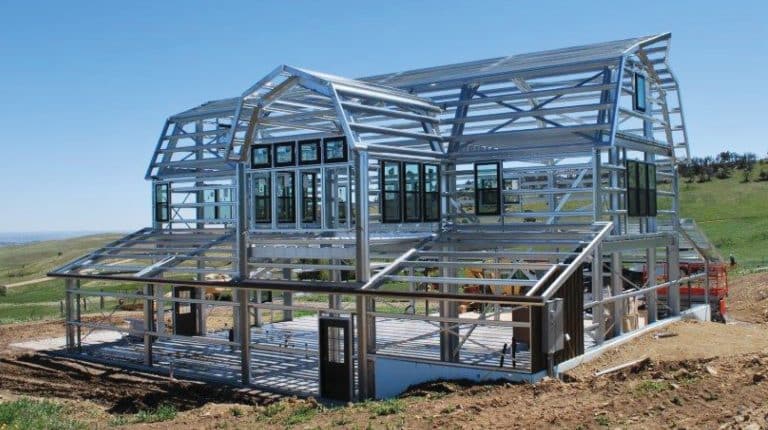
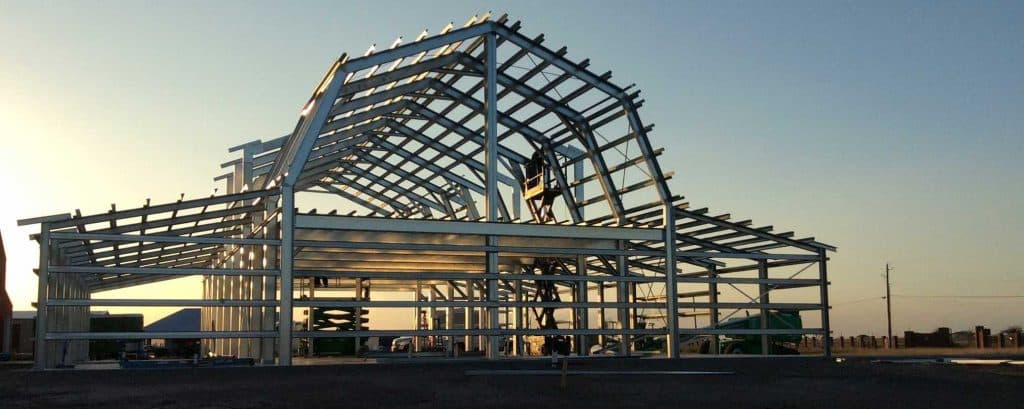
steel building

3. **Faster and More Efficient Construction**

Steel frame kits made from advanced alloys are easier to handle, transport, and assemble. This results in shorter construction timelines and reduced labor costs.

– **Pre-Engineered and Modular Kits**: The popularity of pre-engineered steel frame kits, such as those offered by companies like Buildmax, is booming. These kits are designed to fit together seamlessly, reducing the need for on-site adjustments and accelerating the build process.
– **Flexibility in Design**: Advanced steels allow for more flexibility in design, including open-concept floor plans and innovative architectural features, without compromising structural integrity.

4. **Improved Sustainability and Environmental Impact**

New steel alloys and innovations in material science are also contributing to a more sustainable construction industry. Steel is highly recyclable, and the development of new alloys that use less material and produce less waste further enhances its environmental benefits.

– **Recyclability and Reusability**: Steel is 100% recyclable, and using it reduces the need for virgin materials, cutting down on energy consumption and greenhouse gas emissions.
– **Reduced Waste**: The precision of pre-engineered steel frame kits and the efficient use of advanced alloys minimize waste, leading to cleaner construction sites and less material ending up in landfills.

Propelling Steel Frame Barndominiums into the Mainstream

As the benefits of advanced steel become more evident, steel frame barndominiums are gaining traction as a mainstream housing option. Here’s how these advancements are driving their popularity:

1. **Unmatched Durability and Longevity**

With new, high-strength alloys, steel frame barndominiums are becoming even more durable and resilient. They can withstand natural disasters, require minimal maintenance, and provide a sense of security that is unmatched by traditional wood-framed homes.

– **Appealing to Modern Homeowners**: The desire for homes that can stand the test of time and resist environmental challenges is a driving factor behind the growing interest in steel frame barndominiums. Homeowners are increasingly looking for long-lasting solutions that offer safety, durability, and low maintenance.

2. **Customization and Flexibility in Design**

Advances in material science allow for more creative and flexible designs, which are highly sought after in the barndominium market. Steel framing makes it possible to achieve expansive open spaces, high ceilings, and large windows that flood interiors with natural light.

– **Tailored to Lifestyle Needs**: Modern homeowners want homes that reflect their lifestyle and can adapt to future changes. The flexibility of steel frame construction allows for easy modifications, making steel frame barndominiums a practical and stylish choice.

3. **Faster, Cost-Effective Construction with Minimal Waste**

As material science improves the quality and performance of steel, the construction of steel frame barndominiums becomes faster and more cost-effective. Pre-engineered kits allow for streamlined construction processes, less material waste, and predictable project timelines.

– **Speed and Efficiency**: Steel frame kits are quicker to assemble, which means faster project completion and cost savings on labor. This efficiency is especially important in a competitive housing market where speed to market can provide a significant advantage.

4. **Sustainability and Eco-Friendly Living**

Sustainability is becoming a key consideration for modern homebuyers. Steel frame barndominiums, built using advanced alloys that reduce waste and require less maintenance, are increasingly viewed as an eco-friendly choice.

– **Aligning with Green Building Standards**: As green building practices become more prevalent, steel frame barndominiums are poised to meet these standards, making them attractive to environmentally conscious buyers.

Conclusion: A Future Shaped by Material Science

Recent advancements in material science, particularly in the development of new steel alloys with superior strength and unique properties, are revolutionizing the steel frame construction industry. These innovations are not only enhancing the performance, safety, and sustainability of steel structures but are also propelling steel frame barndominiums into the mainstream as a viable and attractive housing option.

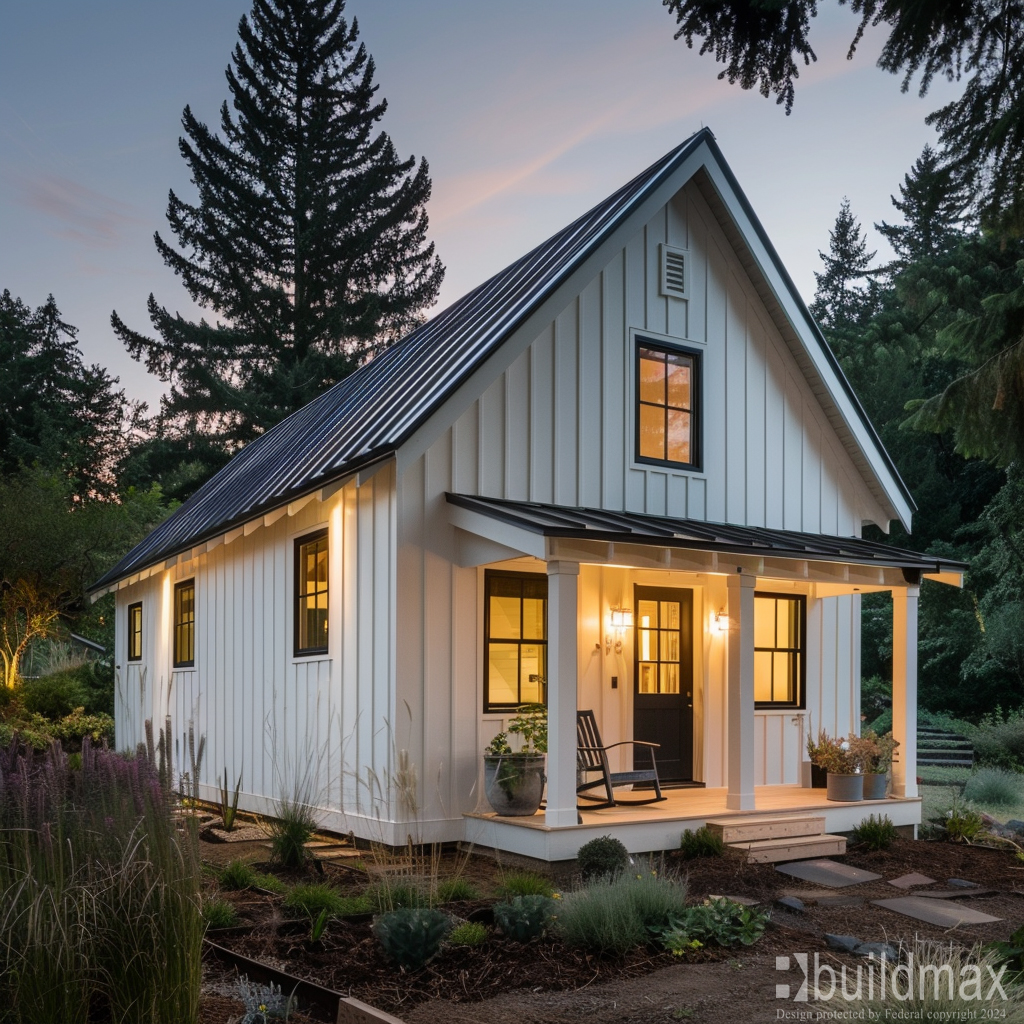
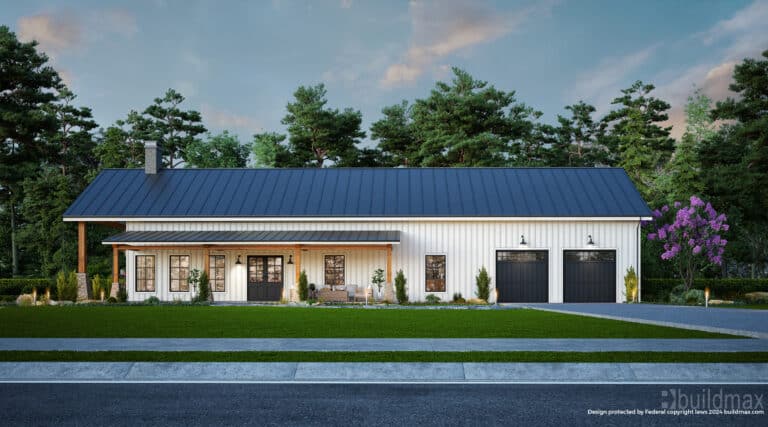
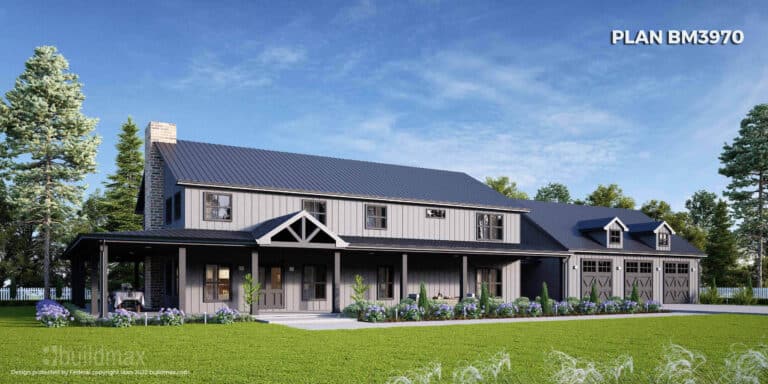
black barndominium shophouse with wraparound porch

With unmatched durability, flexibility in design, faster construction times, and significant cost savings over the long term, steel frame barndominiums are becoming the home of choice for those looking to combine modern living with practical, eco-friendly solutions. As material science continues to evolve, we can expect even more innovations that will solidify steel’s position as a leading material in the construction industry for years to come.

How Big of a Barndominium Can I Build for $300,000?

How Big of a Barndominium Can I Build for $300,000?

If you are asking how big of a barndominium you can build for $300,000, the short answer is: usually somewhere around 2,000 to 3,000 square feet, depending on how simple the design is, how upgraded the finishes are, and how much of your budget gets eaten by site work, utilities, and labor.

That is the real answer.

And it is a much better answer than the vague version most articles give.

A $300,000 budget is enough to build a serious barndominium in many markets. It is not unlimited money, but it is strong enough to move beyond the tiny-budget conversation and into the range where a barndominium can feel spacious, comfortable, and fully livable without turning into an oversized custom project.

The key is understanding what that $300K is actually paying for. Some buyers are thinking in shell-only numbers. Others mean a fully finished move-in-ready home. Those are not the same budget conversation, and they should never be treated like they are.

In this guide, we will break down how much square footage $300K can realistically buy, what affects the number the most, what kind of design choices keep you near the upper end of the range, and which BuildMax resources can help you plan the project more accurately.

The Short Answer: How Big of a Barndominium Can You Build for $300K?

A realistic target for a $300,000 barndominium budget is often around 2,000 to 3,000 square feet. That is the same core range already used on the current BuildMax page, and it lines up with BuildMax’s broader cost guidance of roughly $100 to $150 per square foot for many barndominium builds. At that price range, $300K naturally lands in the 2,000-to-3,000-square-foot zone. :contentReference[oaicite:1]{index=1}

That does not mean every buyer gets 3,000 square feet. It means that 2,000 to 3,000 square feet is the right planning range when the design, finish level, and site conditions are kept realistic.

Why $300K Is a Strong Barndominium Budget

$300K is strong enough to give buyers real flexibility.

At this budget level, many people can move beyond the “how small do I have to go?” question and start thinking about a barndominium that feels like a full-time home instead of a stripped-down compromise build.

This budget can often support:

  • more living space than a lower-budget build
  • 3 or 4 bedrooms in many plan types
  • larger open-concept living areas
  • more comfortable kitchen and primary suite design
  • better finish flexibility
  • a cleaner path toward a fully finished move-in-ready home

That is why this price point matters. It is often where the conversation shifts from “Can I build anything?” to “What kind of barndominium makes the most sense for this budget?”

What Has to Be True for $300K to Work Well?

A $300K budget goes much farther when the project is well managed and the design stays disciplined.

It works best when:

  • the footprint is simple
  • the plan uses space efficiently
  • the site is reasonably buildable
  • the finish package is balanced instead of luxury-heavy
  • you start with a strong stock plan instead of inventing everything from scratch
  • you understand the difference between shell cost and finished-home cost

This is exactly why BuildMax’s broader content cluster matters. The main barndominium cost page helps anchor the cost per square foot discussion, while the house plans page helps buyers compare actual plan types before they start forcing dream-home expectations into the wrong budget. :contentReference[oaicite:2]{index=2}

What Kind of Barndominium Can $300K Actually Buy?

At this budget, the strongest fit is usually a mid-size to larger practical barndominium, not a giant fully customized showpiece loaded with expensive extras.

That usually means:

  • a clean rectangular or otherwise efficient footprint
  • 2,000 to 3,000 square feet of living space
  • an open-concept layout
  • a practical kitchen and bath package
  • controlled porch and exterior complexity
  • a design that stays focused on livability instead of decorative excess

That is where buyers make the biggest mistake. They hear $300K and start designing like they are shopping in an unlimited custom-home category. They are not.

$300K is enough to build well. It is not enough to ignore tradeoffs.

What Pushes the Size Toward 3,000 Square Feet?

If you want to land near the upper end of the 2,000-to-3,000-square-foot range, a few things need to go your way.

Simple design

Rectangular and efficient footprints are easier and cheaper to build than homes with multiple bump-outs, complicated rooflines, breezeways, or heavily customized forms.

Practical finishes

Builder-grade to mid-range finishes make the math work much better than premium kitchens, luxury baths, designer windows, and expensive specialty materials.

Manageable site conditions

If the land is straightforward, utility access is easy, and grading is not a nightmare, more of the budget stays in the house itself.

Strong stock-plan starting point

A stock plan that already fits the budget logic is usually a better move than trying to force a custom dream design into a fixed price ceiling.

What Pulls the Size Back Toward 2,000 Square Feet?

On the other hand, a lot of perfectly normal decisions can shrink the barndominium you can afford.

Higher-end finishes

Upgraded cabinetry, flooring, tile, glass, lighting, and fixtures can burn through square footage quickly.

More complex exterior design

Extra rooflines, larger porches, decorative transitions, and oversized windows all raise the cost.

Site work and utilities

Drainage, grading, septic, driveway work, and utility runs are where budget dreams get dragged back to earth fast.

Oversized shop or garage space

Garage and shop space can be valuable, but it changes how much money is going into finished living area.

Shell Cost vs Finished Cost: Stop Mixing Them Together

This is one of the most important distinctions on the page.

Shell cost

A shell budget usually covers the structural package and some portion of the exterior envelope. It gets you the building shell, not a move-in-ready home.

Finished cost

A finished-home budget includes the slab, insulation, electrical, plumbing, HVAC, drywall, cabinets, flooring, fixtures, labor, site prep, and all the rest of the work required to actually live in the house.

Too many buyers hear a shell number and think they just priced the barndominium. They did not.

If you want to compare the shell side of the equation, go to BuildMax Barndominium Kits. If you want the broader finished-home context, go to How Much Does a Barndominium Cost to Build?. :contentReference[oaicite:3]{index=3}

How Does $300K Compare to a $200K or $100K Build?

This is where the page becomes much more useful than a generic blog post.

A $100K budget usually pushes buyers toward something much smaller and more aggressively efficient, often around the 800 to 1,000 square foot range under the right conditions. A $200K budget often supports something in the 1,500 to 2,000 square foot zone. A $300K budget moves the conversation into the 2,000 to 3,000 square foot range, which is where more spacious family-friendly layouts become realistic. :contentReference[oaicite:4]{index=4}

If you want those comparisons directly, also read:

What Kind of Buyer Is a $300K Budget Best For?

A $300K barndominium budget is often a strong fit for:

  • families who want more room without moving into oversized custom-home territory
  • buyers who want 3 or 4 bedrooms and a generous main living area
  • retirees who want a comfortable long-term home with better space planning
  • buyers who want a more substantial finished home, not just a shell project
  • people who want a better balance between style, size, and practicality

It is a very workable budget. It just works best when it is treated like a real plan instead of an emotional number.

What Kind of Plan Should You Start With?

practical barndominium floor plan example for a 300000 build budget

If your budget is around $300K, the smartest move is usually to start with a proven stock plan and then modify it only if you actually need to.

You want a plan that is:

  • efficient
  • clear to price
  • clean in its footprint
  • strong on daily function
  • not overloaded with unnecessary complexity

That is why the best next step for most readers is BuildMax Barndominium House Plans. The right plan will do more for your budget than almost any other single decision. :contentReference[oaicite:5]{index=5}

How to Get the Most Out of a $300K Budget

If you want the biggest and best barndominium possible at this budget, focus on these decisions:

Keep the design simple

Every roof change, bump-out, oversized porch, and custom detail pushes the square footage you can afford downward.

Choose upgrades carefully

Upgrade the things that improve daily life. Do not upgrade everything just because the budget feels bigger than $200K.

Understand your site early

Land conditions can quietly destroy a good budget if you do not evaluate them honestly.

Use stock plans strategically

Plans that already fit the budget logic will almost always outperform a custom layout that starts bloated.

So, How Big of a Barndominium Can You Build for $300K?

Here is the cleanest answer:

For a $300,000 budget, a realistic barndominium size is usually around 2,000 to 3,000 square feet, especially if the design is straightforward, the finishes are practical, and the site does not create major extra costs. At the lower end of the finish-cost range, you may push toward 3,000 square feet. At the higher end, or with more customization, you may land closer to 2,000 square feet. :contentReference[oaicite:6]{index=6}

The wrong way to use this budget is to assume it buys unlimited customization.

The right way is to treat it like a serious, workable amount of money that can produce a spacious, well-designed barndominium if the project is planned honestly.

Final Thoughts

The old version of this topic was not useless. It just was not sharp enough. It gave the main square-foot answer and then disappeared into generic steel-kit praise.

The better answer is more practical: $300K is enough to build a strong, spacious barndominium, but only if you understand what the money is actually paying for. If you keep the design efficient, the finishes balanced, and the project clearly scoped, this budget can put you in one of the strongest size-and-value ranges in the barndominium market.


Related BuildMax Resources

What Are the Disadvantages of Steel Framing Houses?

**What Are the Disadvantages of Steel Framing Houses? Understanding the Challenges of Steel Frame Barndominiums**

Steel frame barndominiums have become a popular choice for many looking to build a home that combines strength, durability, and modern design. The trend of using steel frame barndominium kits has gained momentum, thanks to their resilience against extreme weather, low maintenance requirements, and flexibility in design. Companies like Buildmax have been at the forefront of this movement, offering an ever-expanding selection of barndominium floor plans and kits to cater to various needs and preferences. However, like any building method, steel framing has its disadvantages. Understanding these challenges is crucial for making an informed decision about whether a steel frame house is right for you.

Disadvantages of Steel Framing Houses

While steel framing offers many benefits, there are certain drawbacks to consider. Here are some of the most notable disadvantages:

1. **Higher Initial Costs**

– **Material Costs**: Steel is generally more expensive than wood, which can lead to higher initial construction costs. The price of steel fluctuates based on market demand, which can sometimes result in significant cost increases. For homeowners looking for the most budget-friendly option, this can be a drawback.

– **Specialized Labor**: Building with steel requires skilled labor familiar with metalworking and steel construction techniques. The need for specialized labor can drive up construction costs compared to traditional wood framing, which is more commonly understood by general contractors.

2. **Thermal Conductivity Issues**

– **Poor Insulation**: Steel is a good conductor of heat, which can pose a problem in maintaining energy efficiency. Unlike wood, which provides some level of natural insulation, steel allows heat to pass through more easily. In colder climates, this can lead to heat loss, resulting in higher heating costs. Conversely, in hot climates, steel-framed homes may require more cooling to keep indoor temperatures comfortable.

– **Thermal Bridging**: The phenomenon known as thermal bridging occurs when heat is conducted through the steel frame from the exterior to the interior of the house. This can create cold spots or lead to condensation issues, potentially causing discomfort or even mold growth if not properly managed. Insulation techniques, such as thermal breaks, can help mitigate this problem but may add to the overall cost of the build.

3. **Potential for Corrosion**

– **Vulnerability to Rust**: While steel itself is a durable material, it is not impervious to rust and corrosion, especially in areas with high humidity or exposure to salty air, such as coastal regions. If not properly treated and maintained, steel framing can corrode over time. To prevent this, additional coatings or galvanization processes are necessary, which can add to the cost and maintenance requirements.

– **Regular Maintenance Needs**: Unlike wood, which does not rust, steel frames need to be regularly checked and maintained to ensure that rust or corrosion does not develop. This adds a layer of ongoing responsibility for homeowners that may not be present with other building materials.

4. **Acoustic Challenges**

– **Sound Transmission**: Steel framing can transmit sound more effectively than wood, which means noise from outside or other parts of the house can travel more easily. This could be a concern for those who prioritize soundproofing, especially in multi-family barndominiums or homes with open floor plans. Special attention needs to be given to acoustic insulation to minimize noise transmission, which can increase construction costs.

5. **Limited Availability and Expertise**

– **Limited Local Availability**: While steel frame construction is becoming more popular, it is still less common than wood framing in many areas. This means that some local builders may not be familiar with steel framing techniques, leading to a potential shortage of skilled labor or increased costs due to hiring specialized contractors from other regions.

– **Need for Specialized Tools and Equipment**: Steel frame construction requires specialized tools and equipment not always available on a traditional job site. This can add to the complexity and cost of the build, as contractors may need to rent or purchase specific tools to complete the project.

Addressing the Disadvantages: How Buildmax Helps with Barndominium Kits

Despite these challenges, steel frame barndominiums continue to trend upward, largely due to their advantages in strength, durability, and flexibility. Companies like Buildmax have recognized the growing demand and offer solutions to address some of these disadvantages.

1. **An Expanding Selection of Barndominium Floor Plans and Kits**

Buildmax provides an ever-expanding selection of barndominium floor plans and kits that cater to a variety of needs, from small single-family homes to larger, multi-family setups. This range of options allows homeowners to choose designs that consider some of the challenges associated with steel framing, such as thermal bridging or acoustic concerns.

– **Customizable Designs**: Many of Buildmax’s floor plans are highly customizable, allowing you to incorporate additional insulation, soundproofing materials, or design elements that mitigate some of the disadvantages of steel framing. With the ability to modify plans to include thermal breaks or sound barriers, homeowners can create a more comfortable and efficient living space.

2. **Expert Guidance and Support**

Buildmax offers expert guidance throughout the design and building process. By providing insights into the best practices for steel frame construction, they help homeowners avoid common pitfalls such as poor insulation or improper corrosion protection.

– **Access to Skilled Contractors**: Buildmax has a network of skilled contractors and builders experienced in steel frame construction. They can help connect homeowners with professionals who understand the unique challenges and benefits of building with steel, ensuring a smoother and more efficient build process.

– **Education and Resources**: For those new to steel framing, Buildmax offers educational resources and support to help you understand the nuances of working with steel. This information can be invaluable in planning your build and making informed decisions about materials, design, and construction techniques.

3. **Durable and Sustainable Solutions**

Buildmax focuses on providing durable and sustainable barndominium solutions that offset some of the upfront cost disadvantages. By emphasizing the long-term benefits—such as reduced maintenance, energy efficiency with the right insulation techniques, and resistance to pests and fire—Buildmax helps homeowners see the full value proposition of choosing a steel frame barndominium.

Conclusion: Weighing the Pros and Cons of Steel Frame Barndominiums

white barndominium with wraparound porch by the lake

While there are certainly disadvantages to steel framing, such as higher initial costs, potential thermal conductivity issues, and the need for specialized labor, the benefits often outweigh the drawbacks for those looking for a durable, long-lasting, and modern home. Steel frame barndominiums are trending for a reason—they offer a unique combination of strength, resilience, and versatility that traditional wood-framed homes may not provide.

white barndominium with cupolas and large barn doors

With the help of companies like Buildmax, which offers a wide range of customizable floor plans and kits, you can address many of the potential challenges associated with steel framing and create a barndominium that meets your needs, budget, and environmental goals. Understanding both the advantages and disadvantages will help you make an informed decision about whether a steel frame barndominium is the right choice for your next home.

Are Barndominiums Reliable in Extreme Weather Conditions?

Are Barndominiums Reliable in Extreme Weather Conditions?

barndominium designed for durability in extreme weather

If you are asking whether barndominiums are reliable in extreme weather conditions, the honest answer is this: they can be extremely reliable — but only when they are designed, engineered, and built for the weather they are actually going to face.

That is the part weak articles skip.

A barndominium is not automatically storm-proof just because it looks strong or uses steel. A well-engineered barndominium can perform very well in high winds, heavy snow, and other tough conditions. A poorly planned one can fail in the same ways any poorly planned structure can fail.

This is especially important for buyers building in hurricane zones, tornado-prone regions, heavy-snow areas, wildfire zones, or wet climates where drainage and moisture control matter as much as the frame itself.

BuildMax’s current article on this topic is directionally right: steel frame barndominiums are often a stronger choice in harsh weather because they are designed for specific regional loads and can offer excellent wind and snow performance. But the better answer is broader than that. The frame matters, but so do the roof, the slab, the openings, the site, and the engineering. ([buildmax.com](https://buildmax.com/are-barndominiums-reliable-in-extreme-weather-conditions/))

In this guide, we will break down how barndominiums perform in extreme weather, what makes them reliable, where they are most vulnerable, and how to build one that is actually ready for the climate you live in.

The Short Answer: Are Barndominiums Good in Extreme Weather?

Yes — barndominiums can be very reliable in extreme weather when they are designed for the correct wind loads, snow loads, and site conditions.

That does not mean every barndominium is equally resilient.

The reliability of a barndominium depends on:

  • the framing system
  • regional engineering requirements
  • anchoring and foundation design
  • roof shape and load planning
  • window and door performance
  • moisture management and drainage
  • whether the build actually follows local code and weather demands

BuildMax’s current article says properly designed steel frame barndominiums can handle wind speeds exceeding 150 mph and can be engineered for substantial snow loads. That is a strong starting point, but the key phrase there is properly designed. ([buildmax.com](https://buildmax.com/are-barndominiums-reliable-in-extreme-weather-conditions/))

What Makes a Barndominium Reliable in Extreme Weather?

The biggest mistake people make is treating weather durability like it comes from one magic feature. It does not.

A weather-resilient barndominium usually depends on several things working together:

1. The structural frame

The frame matters because it carries wind loads, roof loads, and overall structural stress. BuildMax’s steel kit page emphasizes that steel offers high strength-to-weight performance, stable engineered properties, and strong disaster resistance. ([buildmax.com](https://buildmax.com/barndominium-kits/))

2. Correct engineering for the location

A barndominium in a mild climate is not designed the same way as one in a hurricane zone, a snow-heavy region, or a tornado-prone area.

3. Roof design

The roof is one of the most important weather components in the whole building. Wind uplift, snow shedding, and water management all depend on it.

4. Foundation and anchoring

A strong frame does not help much if the connection to the slab or foundation is weak.

5. Weather-resistant openings

Windows, exterior doors, garage doors, and shop doors are common weak points if they are not chosen correctly.

6. Site drainage and moisture control

Flooding, standing water, erosion, and poor runoff planning can damage the best-designed building if the site work is bad.

Why Steel Frame Barndominiums Often Perform Better in Harsh Weather

This is where BuildMax’s current page has the right instinct.

Steel frame barndominiums are often strong in extreme-weather conversations because steel is:

  • high-strength
  • dimensionally stable
  • resistant to rot and termites
  • less vulnerable to warping, splitting, and cracking than wood
  • often easier to engineer precisely for regional loads

BuildMax’s kits page also argues that steel kits can offer better structural integrity and stronger resistance to natural disasters like hurricanes, flooding, and fire, while reducing risks tied to moisture, mold, and decay. ([buildmax.com](https://buildmax.com/barndominium-kits/))

That said, steel is not a permission slip to stop thinking. A steel frame still needs the right connections, the right roof, the right slab, and the right weather-specific details.

How Barndominiums Perform in High Winds and Tornado Conditions

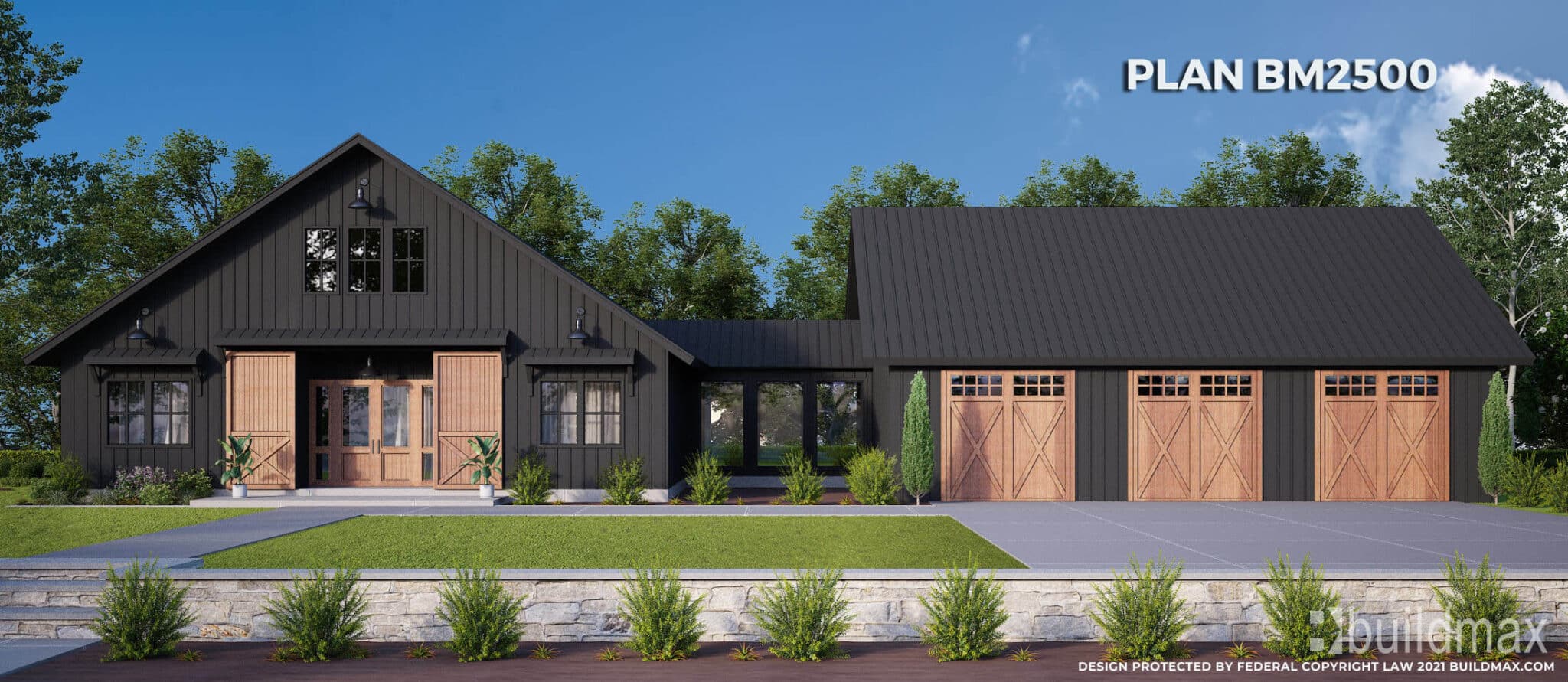
barndominium with large garage openings and strong exterior design

High winds are one of the biggest reasons buyers ask this question in the first place.

A well-engineered barndominium can perform well in high-wind environments because the structural system can be designed for specific wind loads. BuildMax’s current article specifically says that steel frame barndominiums can be designed to endure wind speeds exceeding 150 mph, which puts them into serious-storm territory. ([buildmax.com](https://buildmax.com/are-barndominiums-reliable-in-extreme-weather-conditions/))

What matters most in wind conditions:

  • engineered wind-load design
  • roof uplift resistance
  • strong connections and bracing
  • anchoring to the slab or foundation
  • garage door and opening strength

A lot of structures do not fail because the frame was weak. They fail because the openings, roof system, or connections gave way first.

So if you are building in a tornado-prone or hurricane-prone area, you should not just ask “is steel strong?” You should ask whether the entire building system is engineered for your wind conditions.

How Barndominiums Handle Heavy Snow Loads

Snow is another area where barndominiums can perform very well if they are designed correctly.

BuildMax’s current page makes the right point that steel frame barndominiums are particularly well suited to heavy snow because steel has strong load-bearing capacity and does not sag or absorb moisture the way wood can over time. The article also points out that steep roof designs can help shed snow more effectively. ([buildmax.com](https://buildmax.com/are-barndominiums-reliable-in-extreme-weather-conditions/))

What matters most in snow country:

  • roof pitch
  • engineered snow-load capacity
  • snow-shedding design
  • ice dam prevention
  • moisture control around melt and refreeze cycles

A barndominium in a heavy-snow region should not use a generic design assumption. The roof system has to be built for the actual climate.

Are Barndominiums Good in Rain, Flooding, and Wet Conditions?

This is where the conversation needs more honesty.

A barndominium can do well in wet climates, but water is ruthless. It will expose bad grading, weak flashing, poor drainage, bad site prep, and weak detailing faster than almost anything else.

The frame alone does not solve that.

What matters in wet conditions:

  • elevation and site grading
  • drainage away from the slab
  • roof drainage strategy
  • moisture-resistant materials
  • good flashing and weather sealing
  • flood-risk awareness before building

Steel does offer some clear advantages here because it does not rot, mold, or become termite food the way wood can if moisture problems go unchecked. BuildMax’s kits page and current weather article both lean into that durability argument, and that part is fair. ([buildmax.com](https://buildmax.com/barndominium-kits/)) ([buildmax.com](https://buildmax.com/are-barndominiums-reliable-in-extreme-weather-conditions/))

But if the site work is bad, the weather-resistance story falls apart fast.

Are Barndominiums Safer in Wildfire-Prone Areas?

They can be, depending on materials and design choices.

BuildMax’s current article points out that steel does not burn, which gives steel-frame barndominiums a real advantage over wood when wildfire exposure is part of the risk picture. ([buildmax.com](https://buildmax.com/are-barndominiums-reliable-in-extreme-weather-conditions/))

That said, wildfire safety is still about more than the frame:

  • roofing choice matters
  • vent detailing matters
  • window performance matters
  • defensible space around the house matters
  • landscaping decisions matter

Steel helps. It does not replace smart wildfire design.

What Are the Weak Points of a Barndominium in Extreme Weather?

This is the section weak articles avoid, and it is exactly why they stay weak.

The most common weather weak points are:

  • garage doors
  • large shop openings
  • roof uplift areas
  • poorly flashed windows and doors
  • weak slab anchoring
  • bad grading and water runoff
  • generic designs used in the wrong climate

A barndominium is not unreliable because it is a barndominium. It becomes unreliable when the design ignores the real weather threats of the region.

When a Barndominium Is a Bad Fit for Extreme Weather

Yes, there are situations where a barndominium can be the wrong move — or at least the wrong build path.

That usually happens when:

  • the site is flood-prone and poorly planned
  • the design is generic and not region-specific
  • the buyer prioritizes looks over structural details
  • garage/shop openings are oversized without proper engineering
  • the builder treats the project like a simple metal shed instead of a serious home

This is where people get hurt by hype. “Steel is strong” is not enough. If the weather risk is serious, the design needs to be serious too.

What to Look for in a Weather-Ready Barndominium Plan

barndominium floor plan with practical layout for weather-ready design

If you want a barndominium that is more reliable in extreme conditions, look for a plan and build path that account for:

  • engineered regional wind and snow loads
  • a practical roofline
  • the right slab/foundation design
  • garage and opening sizes that make structural sense
  • weather-resistant materials
  • good site drainage and elevation planning

If you are still comparing designs, start with the main BuildMax barndominium house plans page, then compare whether your layout needs garage or shop space through garage-friendly plan options.

What BuildMax Says About Kits and Weather Performance

BuildMax’s kits page makes a strong case that steel kits are one of the quickest and most durable build methods, and it specifically lists disaster resistance, moisture resistance, pest resistance, and improved structural integrity among the reasons buyers choose steel. The page also says steel kits can be priced partly based on wind and snow load requirements, which is exactly how this conversation should be handled: regional load design should be built into the package, not treated like an afterthought. ([buildmax.com](https://buildmax.com/barndominium-kits/))

That is a much stronger claim than simply saying “barndominiums are reliable.” It ties reliability back to engineering and climate-specific build design.

So, Are Barndominiums Reliable in Extreme Weather Conditions?

Here is the cleanest answer:

Yes — barndominiums can be very reliable in extreme weather conditions, especially when they are engineered for local wind and snow loads, built with strong materials like steel, and supported by the right roof, slab, openings, and site drainage.

But they are not automatically weather-proof just because they are barndominiums.

The real reliability comes from:

  • the engineering
  • the connections
  • the site work
  • the material choices
  • and whether the whole system is designed for the actual climate

That is the difference between a weather-ready home and a nice-looking idea.

Final Thoughts

The old version of this topic was too soft. It pushed the strength angle without being direct enough about what actually makes a barndominium survive harsh weather.

The smarter answer is more useful and more honest: a barndominium can be an excellent choice for extreme weather, but only if it is engineered and built like the weather matters.

If you are building in a high-wind, heavy-snow, wet, or fire-prone area, start with a serious plan, a serious kit path, and a serious understanding of what your climate demands.


Related BuildMax Resources

Can You Put Brick on a Barndominium?

Can You Put Brick on a Barndominium?

Barndominiums, with their unique blend of barn aesthetics and modern living spaces, offer a wide range of customization options that can suit various styles and preferences. One popular question among homeowners and builders is whether it’s possible to add brick to a barndominium. The answer is yes; you can certainly put brick on a barndominium! This can be done through techniques like wainscoting or using a full brick veneer. Both options offer a way to enhance the exterior appearance and provide additional benefits. Let’s explore these options in detail.

Adding Brick to a Barndominium: Key Considerations

Before diving into the different methods for adding brick to a barndominium, it’s essential to consider a few factors:

1. **Structural Support**: Unlike traditional homes with wood or concrete framing, barndominiums often use metal or steel frames. While these frames are strong and durable, they require proper anchoring systems to support the added weight of brick or brick veneer.

2. **Aesthetics and Design**: The design and style of the barndominium play a significant role in choosing the type of brick application. Brick can complement a rustic, traditional look or add contrast to modern, sleek metal siding.

3. **Climate and Environment**: Depending on the climate, adding brick to a barndominium can provide benefits such as increased insulation and weather resistance. However, proper installation and materials are necessary to prevent moisture problems.

4. **Cost and Installation**: Adding brick to a barndominium involves additional costs for materials and labor. Choosing the right type of brick and installation method that fits within your budget and desired outcome is crucial.

Wainscoting with Brick on a Barndominium

**Wainscoting** is a popular option for adding brick to a barndominium, especially for those looking to incorporate brick without covering the entire exterior. Wainscoting typically involves applying brick or another material, such as stone, to the lower portion of the exterior wall, creating a decorative accent that adds visual appeal and protection.

Benefits of Brick Wainscoting

1. **Enhanced Aesthetics**: Brick wainscoting can dramatically change the appearance of a barndominium by adding texture, color, and a classic or rustic element to the design. It pairs well with metal siding, providing a contrasting look that stands out.

2. **Cost-Effective**: Because wainscoting only covers a portion of the exterior, it is often more cost-effective than a full brick veneer. It requires fewer materials and less labor, making it a budget-friendly way to upgrade the exterior.

3. **Protection and Durability**: Brick wainscoting can provide additional protection to the lower portion of the barndominium’s exterior walls, which are more susceptible to damage from lawn equipment, weather, and general wear and tear.

4. **Insulation Benefits**: Brick wainscoting can help insulate the lower part of the structure, contributing to better energy efficiency and potentially reducing heating and cooling costs.

Considerations for Brick Wainscoting

– **Proper Flashing and Moisture Barriers**: It’s essential to install proper flashing and moisture barriers behind the brick wainscoting to prevent water infiltration, which can lead to rusting or other damage to the metal frame.

– **Foundation Compatibility**: Ensure the barndominium’s foundation is compatible with the additional weight and anchoring of brick wainscoting. This often involves additional planning and reinforcement.

Full Brick Veneer on a Barndominium

Another option for adding brick to a barndominium is to use a **full brick veneer**, which covers the entire exterior with brick. Unlike traditional brick construction, a brick veneer is not load-bearing; it is essentially a decorative layer attached to the exterior walls.

Benefits of Brick Veneer

1. **Timeless Appearance**: A full brick veneer gives a barndominium the timeless, classic look of a traditional brick home. It can appeal to those who prefer a more traditional or colonial aesthetic while still enjoying the benefits of a modern barndominium.

2. **Increased Property Value**: Brick exteriors are often seen as more durable and desirable, which can increase the resale value of a property. A brick veneer can enhance curb appeal and make the barndominium more attractive to potential buyers.

3. **Durability and Low Maintenance**: Brick veneer offers durability and requires minimal maintenance compared to other siding options. It does not need frequent painting or repairs and can withstand various weather conditions, including strong winds, rain, and hail.

4. **Improved Insulation and Soundproofing**: Brick veneer can improve the barndominium’s insulation and provide better soundproofing. This can result in lower energy bills and a quieter living environment.

Considerations for Brick Veneer

– **Weight and Structural Support**: Unlike brick wainscoting, a full brick veneer requires substantial support. The steel or metal frame must be properly reinforced to handle the weight of the brick, and the foundation should be designed to accommodate this additional load.

– **Cost**: Installing a full brick veneer is more expensive than wainscoting due to the increased material and labor costs. It is essential to budget for this investment and consider the long-term benefits of durability and value.

– **Installation Expertise**: Installing a brick veneer on a barndominium requires skilled labor to ensure the brick is properly anchored, spaced, and finished. Working with experienced masons and builders is crucial for achieving the desired look and longevity.

Brick Veneer Installation Process

The installation of brick veneer typically involves the following steps:

1. **Preparation**: The exterior surface is prepared by installing a metal lath or sheathing, which provides a base for attaching the brick veneer. A moisture barrier is also installed to prevent water intrusion.

2. **Anchoring**: The brick veneer is anchored to the wall using metal ties or clips that connect to the building’s frame, ensuring stability and strength.

3. **Laying the Brick**: The brick veneer is laid in rows, similar to traditional bricklaying, with mortar used to secure the bricks in place.

4. **Finishing Touches**: The mortar joints are tooled and finished for a clean, polished look. Sealing the brick veneer may be necessary to provide additional protection against moisture.

Conclusion

white barndominium ADU


Adding brick to a barndominium is a viable and attractive option for enhancing its exterior appeal, whether through brick wainscoting or a full brick veneer. Both methods offer aesthetic benefits, added protection, and potential increases in property value. The choice between wainscoting and full veneer will depend on factors such as budget, desired look, and the structural considerations of your barndominium.

For those considering this upgrade, working with experienced professionals to ensure proper installation and maximize the benefits of a brick exterior is crucial. With the right planning and execution, a brick-enhanced barndominium can combine the rustic appeal of a barn with the timeless beauty of brick, creating a unique and durable home.