


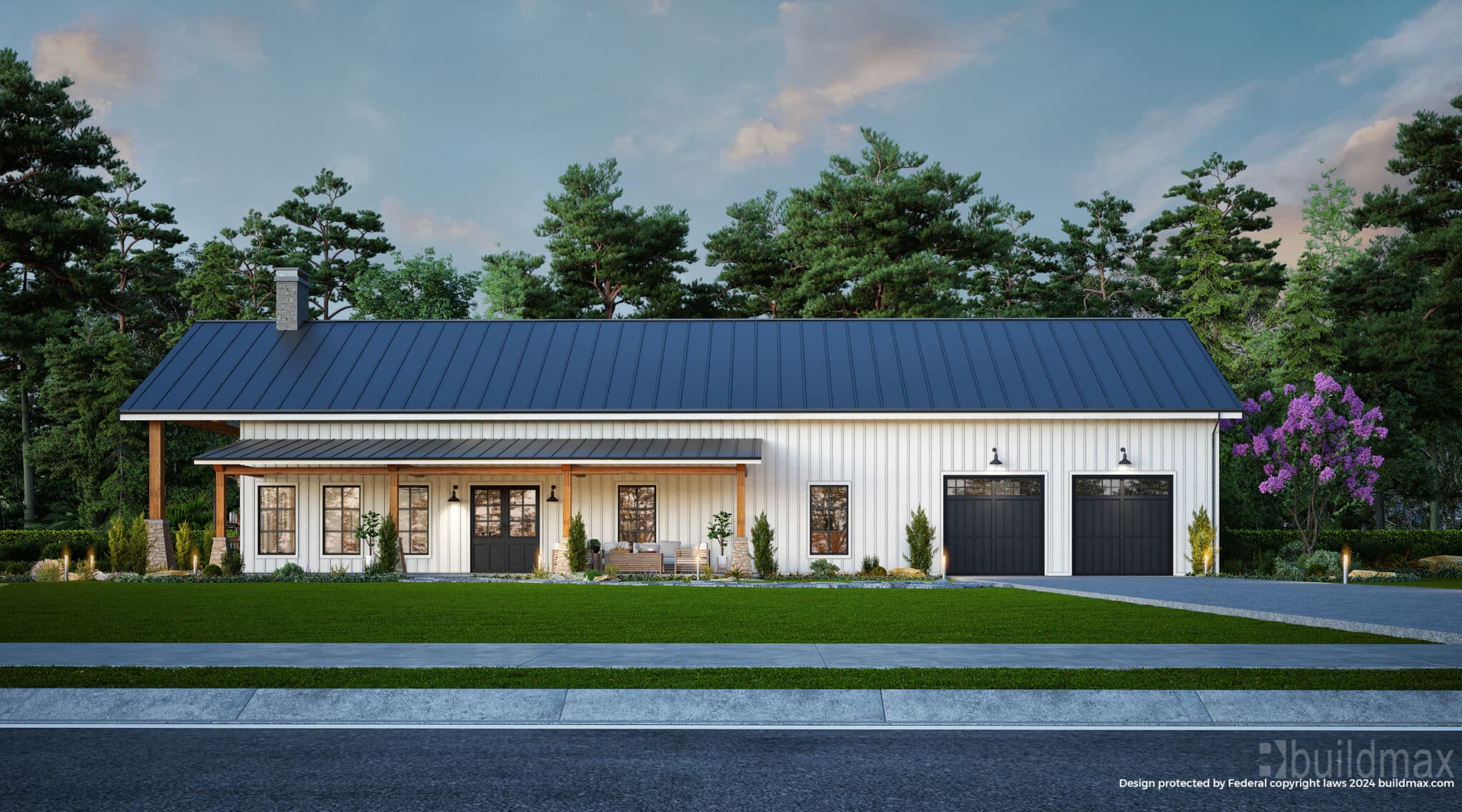
The Future of Barndominiums: The Rise of Steel Frame Structures Over Traditional Wood Framing
Metal barn houses—often referred to as barndominiums—have quickly evolved from a niche idea into a mainstream housing option across the United States. What was once associated with simple agricultural buildings is now a fully developed residential style that blends modern farmhouse design with highly functional living space.
Today’s metal barn homes are designed for real-world living, offering:
-
open-concept layouts
-
vaulted ceilings
-
large garages and workshops
-
expansive porches
-
and flexible, customizable floor plans
But beyond aesthetics, many homeowners are also drawn to the practicality and long-term potential of these structures—when properly planned and constructed.
What Is a Metal Barn House?
A metal barn house is a residential home that typically incorporates:
-
steel framing or structural systems
-
metal roofing
-
engineered components
-
and durable exterior finishes
Some homes use a combination of wood and steel, depending on engineering requirements, local codes, and design preferences.
Modern designs are no longer limited to “barn-style” looks. Many feature:
-
high-end interiors
-
large windows
-
modern kitchens
-
and curb appeal comparable to traditional custom homes
Why Metal Barn Houses Are Gaining Popularity
The growth of metal barn homes is largely driven by flexibility and functionality.
Homeowners are increasingly looking for:
-
multi-use living spaces
-
integrated garages or shops
-
home offices
-
storage for equipment or hobbies
-
and layouts that fit their lifestyle—not just traditional room divisions
These homes are especially popular on:
-
rural land
-
acreage properties
-
lakefront lots
-
and semi-rural developments
They allow homeowners to combine residential living with practical space in a way many traditional homes do not.
Steel Framing and Structural Considerations
Cold-formed steel framing is commonly used in metal barn homes due to its:
-
dimensional consistency
-
resistance to warping or shrinking
-
engineered precision
-
and strength-to-weight performance
However, no single material determines how a home performs over time.
Long-term durability depends on:
-
proper engineering
-
correct installation
-
moisture protection during construction
-
and ongoing maintenance
Steel framing must be:
-
installed according to engineering specifications
-
protected from prolonged exposure during construction
-
and integrated with proper insulation and ventilation systems
Open Layouts and Modern Living
One of the defining features of metal barn houses is the open-concept design.
These homes often include:
-
large great rooms
-
combined kitchen and living areas
-
vaulted ceilings
-
and strong indoor-outdoor connections
This creates a spacious feel and works well for:
-
entertaining
-
families
-
and flexible everyday living
However, larger open areas may require additional planning for:
-
HVAC design
-
acoustics
-
structural support
-
and insulation
Thoughtful design helps balance openness with comfort.
Garages, Shops, and Functional Space
A major advantage of metal barn homes is the ability to incorporate:
-
oversized garages
-
workshops
-
RV storage
-
equipment bays
-
or hobby areas
This is one of the key reasons buyers choose this style over traditional suburban homes.
These features are especially valuable for:
-
tradespeople
-
small business owners
-
outdoor enthusiasts
-
and homeowners needing flexible space
Moisture Management and Construction Practices
Like any construction project, proper moisture management is critical.
During construction, materials exposed to:
-
rain
-
humidity
-
snow
-
or standing water
may experience temporary surface oxidation or moisture-related issues if not properly managed.
To reduce risk, it’s important to:
-
store materials correctly
-
move the project toward dry-in efficiently
-
use proper weather protection
-
and follow recommended construction sequencing
These steps help protect materials and improve long-term performance.
Important: Builder Responsibility and Installation
It’s important for homeowners to understand that BuildMax is not a builder or general contractor.
BuildMax provides:
-
floor plans
-
design resources
-
and material packages
BuildMax does not:
-
supervise construction
-
manage job sites
-
control contractors
-
or guarantee workmanship
Because of this, the success of the project depends heavily on the professionals selected by the homeowner.
BuildMax strongly recommends:
-
hiring a vetted general contractor
-
choosing builders with steel framing experience
-
and carefully evaluating all subcontractors
In some cases, homeowners may also consider requesting a quote from a third-party manufacturer’s independent steel installation crew, if available in their region. Crews familiar with the specific system can help improve coordination and reduce installation-related issues.
All contractors and installers are independent third parties, and homeowners are responsible for selecting and managing their project team.
Energy Efficiency and Comfort
Modern metal barn homes can be designed for strong energy performance when properly planned.
This may include:
-
spray foam insulation
-
insulated wall systems
-
attic ventilation
-
radiant barriers
-
and energy-efficient HVAC systems
Proper insulation and ventilation help reduce:
-
heat transfer
-
humidity
-
condensation
-
and energy loss
Performance will vary depending on:
-
installation quality
-
climate
-
and system design
Maintenance and Long-Term Performance
Metal barn homes are often described as low-maintenance—but not maintenance-free.
Like any home, they require:
-
routine inspections
-
roof and flashing checks
-
drainage management
-
sealant maintenance
-
and HVAC servicing
Environmental factors such as:
-
humidity
-
coastal exposure
-
snow
-
and temperature changes
can all affect long-term performance.
Proper upkeep plays a major role in preserving both durability and appearance.
Final Thoughts
The metal barn house movement reflects a shift in how people want to live—combining:
-
function
-
flexibility
-
modern design
-
and practical space
These homes can be an excellent option when:
-
properly engineered
-
carefully planned
-
professionally installed
-
and well maintained
Like any custom home, success depends on:
-
realistic expectations
-
qualified contractors
-
proper construction practices
-
and strong project coordination
When those elements come together, a metal barn house can become a highly functional, long-lasting home designed for modern living.
rewrite this one: https://buildmax.com/the-unmatched-properties-of-steel-frame-barndominiums/
The Unmatched Properties of Steel Frame Barndominiums
Steel frame barndominiums have become a leading choice for homeowners looking to combine modern design with practical, durable construction. As barndominiums continue to move into the mainstream, many buyers are exploring steel framing as part of a well-planned residential build.
These homes are known for:
-
open-concept layouts
-
modern farmhouse styling
-
large garages and workshops
-
vaulted ceilings
-
and flexible, customizable floor plans
But beyond design, steel framing introduces a set of structural and performance characteristics that make it an appealing option—when properly engineered, installed, and maintained.
What Is a Steel Frame Barndominium?
A steel frame barndominium is a residential structure that uses cold-formed steel or other engineered steel components as part of the framing system.
Depending on the design, a home may include:
-
steel wall framing
-
engineered roof systems
-
metal roofing or siding
-
or a hybrid combination of steel and traditional materials
Each project is unique, and the overall performance of the home depends on how all components work together—not just the framing material alone.
Consistency and Precision in Framing
One of the most commonly cited advantages of steel framing is dimensional consistency.
Unlike some traditional materials, steel components are manufactured to engineered specifications, which can help reduce:
-
warping
-
twisting
-
shrinking
-
and material variability
This consistency may assist with framing alignment and overall project coordination when installed correctly.
However, field adjustments, shimming, and coordination with foundations and other trades are still part of real-world construction.
Strength-to-Weight Performance
Steel framing is often selected for its strength-to-weight characteristics.
Engineered steel systems can support:
-
larger spans
-
open floor plans
-
vaulted ceilings
-
and wide interior spaces
This makes steel framing a common choice for homeowners who want fewer interior load-bearing walls and more flexibility in layout design.
That said, all structural performance depends on:
-
proper engineering
-
correct installation
-
and compliance with local building codes
Design Flexibility
Steel frame barndominiums allow for a wide range of design options, including:
-
modern farmhouse exteriors
-
large window openings
-
open living areas
-
attached garages or shops
-
and multi-use spaces
Because of this flexibility, these homes are often built on:
-
acreage properties
-
rural land
-
lakefront lots
-
and semi-rural developments
Every project can be customized to match the homeowner’s lifestyle and property.
Moisture and Construction Considerations
Like any building material, steel must be properly managed during construction.
If exposed to:
-
rain
-
humidity
-
standing water
-
or improper storage conditions
steel components may develop temporary surface oxidation before the structure is dried-in.
This is a construction-phase consideration—not necessarily a structural issue—but it highlights the importance of:
-
proper storage
-
weather protection
-
and efficient project sequencing
Moving the structure to a dried-in condition as quickly as practical helps protect materials and maintain project quality.
Fire, Pests, and Material Characteristics
Steel framing is non-combustible and does not serve as a food source for pests such as termites.
However, overall home performance still depends on:
-
insulation systems
-
interior finishes
-
roofing assemblies
-
and total building design
No single material eliminates all risks, so proper construction practices and maintenance remain important.
Insulation and Energy Performance
Steel-framed homes require proper insulation and thermal design to perform efficiently.
Common approaches may include:
-
spray foam insulation
-
insulated wall assemblies
-
thermal breaks
-
attic ventilation
-
and energy-efficient HVAC systems
Without proper planning, thermal bridging and condensation can become issues, particularly in certain climates.
When correctly designed and installed, these systems can help improve:
-
comfort
-
energy efficiency
-
and interior performance
Builder Experience Is Critical
One of the most important factors in a successful steel frame barndominium is the experience of the construction team.
Not all contractors are familiar with:
-
cold-formed steel systems
-
large-span layouts
-
modern farmhouse designs
-
or steel-specific installation details
An experienced contractor can help with:
-
proper sequencing
-
framing alignment
-
weatherproofing
-
and coordination between trades
It is important to understand that BuildMax is not a builder or general contractor. BuildMax provides:
-
floor plans
-
design services
-
and material packages
BuildMax does not:
-
supervise construction
-
manage job sites
-
or control independent contractors
For that reason, homeowners are strongly encouraged to:
-
hire a vetted general contractor
-
choose professionals with steel framing experience
-
and carefully evaluate all subcontractors
In some cases, homeowners may also consider requesting a quote from a third-party manufacturer’s independent steel installation crew, if available in their area.
All contractors and installers are independent third parties, and the homeowner is responsible for selecting and managing their project team.
Maintenance and Long-Term Performance
Steel frame barndominiums are often described as durable, but like any home, they still require maintenance.
Ongoing upkeep may include:
-
roof inspections
-
sealant checks
-
drainage management
-
HVAC servicing
-
and periodic exterior reviews
Environmental conditions such as:
-
humidity
-
coastal exposure
-
snow
-
and temperature changes
can all impact long-term performance.
Proper maintenance plays a key role in preserving the condition of the home over time.
Final Thoughts
Steel frame barndominiums offer a compelling combination of:
-
structural consistency
-
design flexibility
-
open-concept living
-
and modern farmhouse appeal
However, the success of any project depends on more than just the framing material.
Long-term performance is influenced by:
-
engineering
-
installation quality
-
moisture management
-
insulation and ventilation
-
and overall construction practices
When properly planned, engineered, and built with experienced professionals, a steel frame barndominium can provide a functional and long-lasting home designed for modern living.