


Home Blog Page 6

Stunning and Timeless Shophouse Designs That Stand the Test of Time

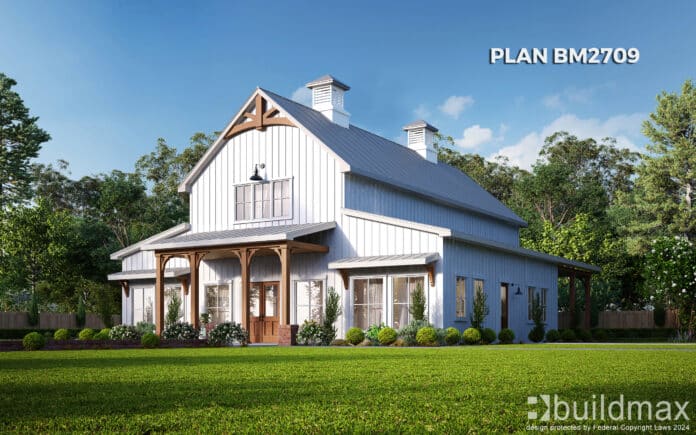
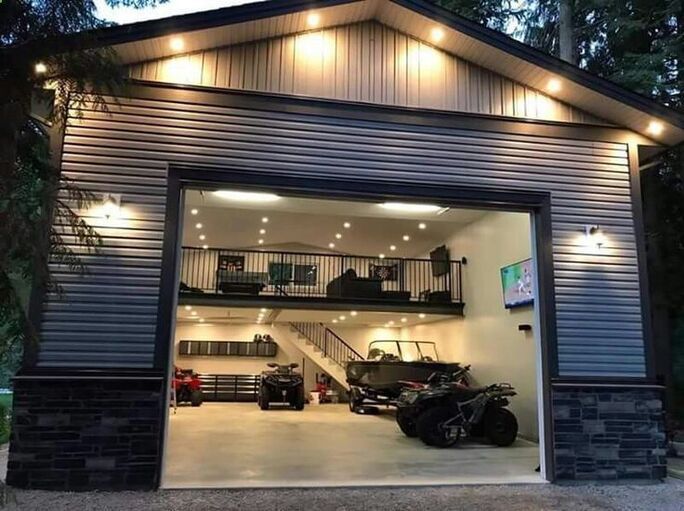
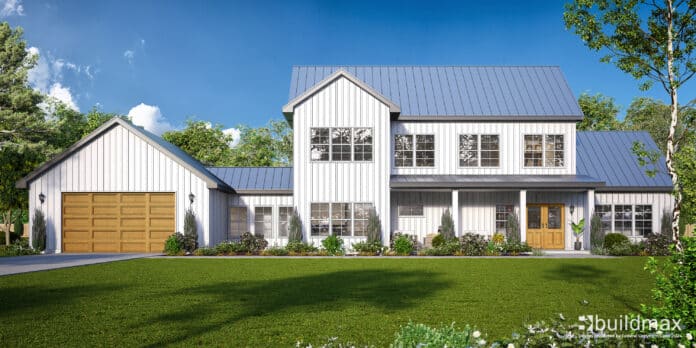
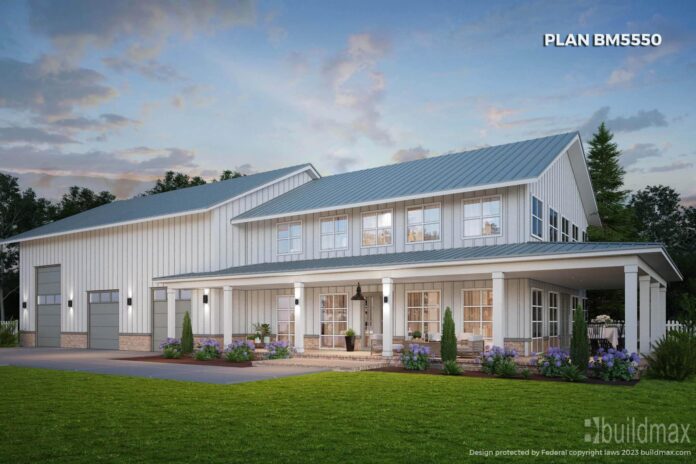
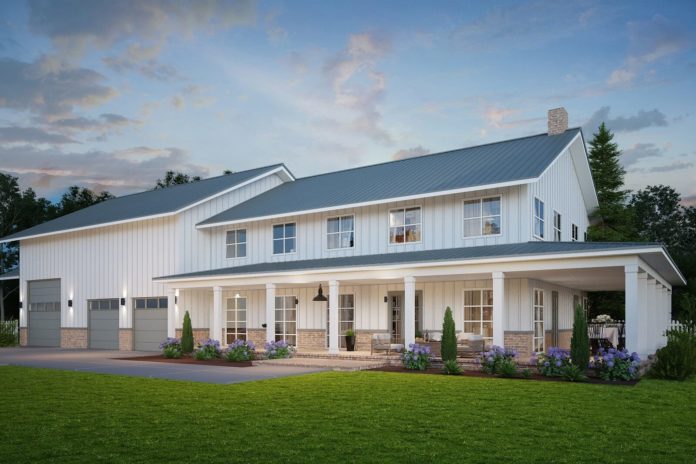
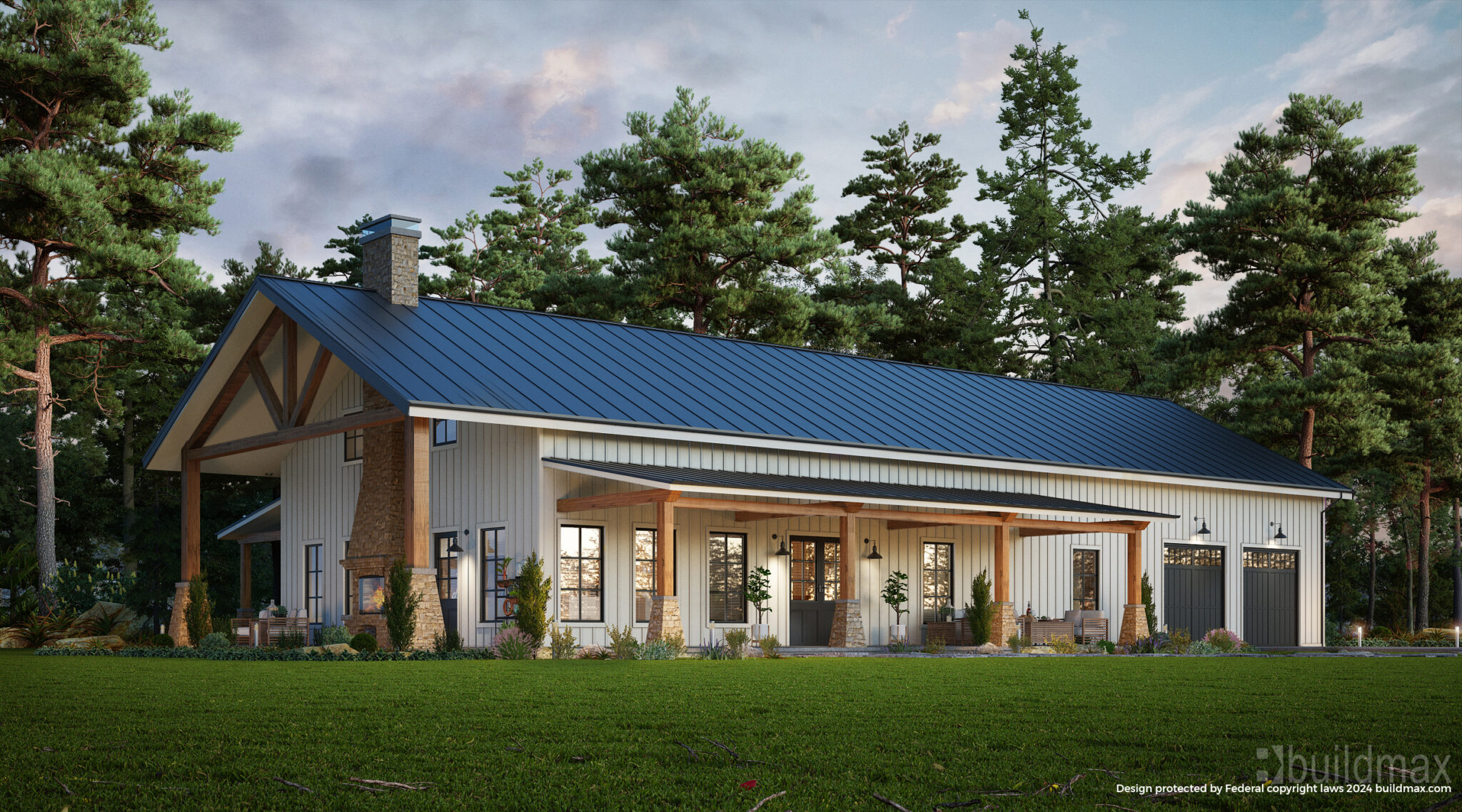
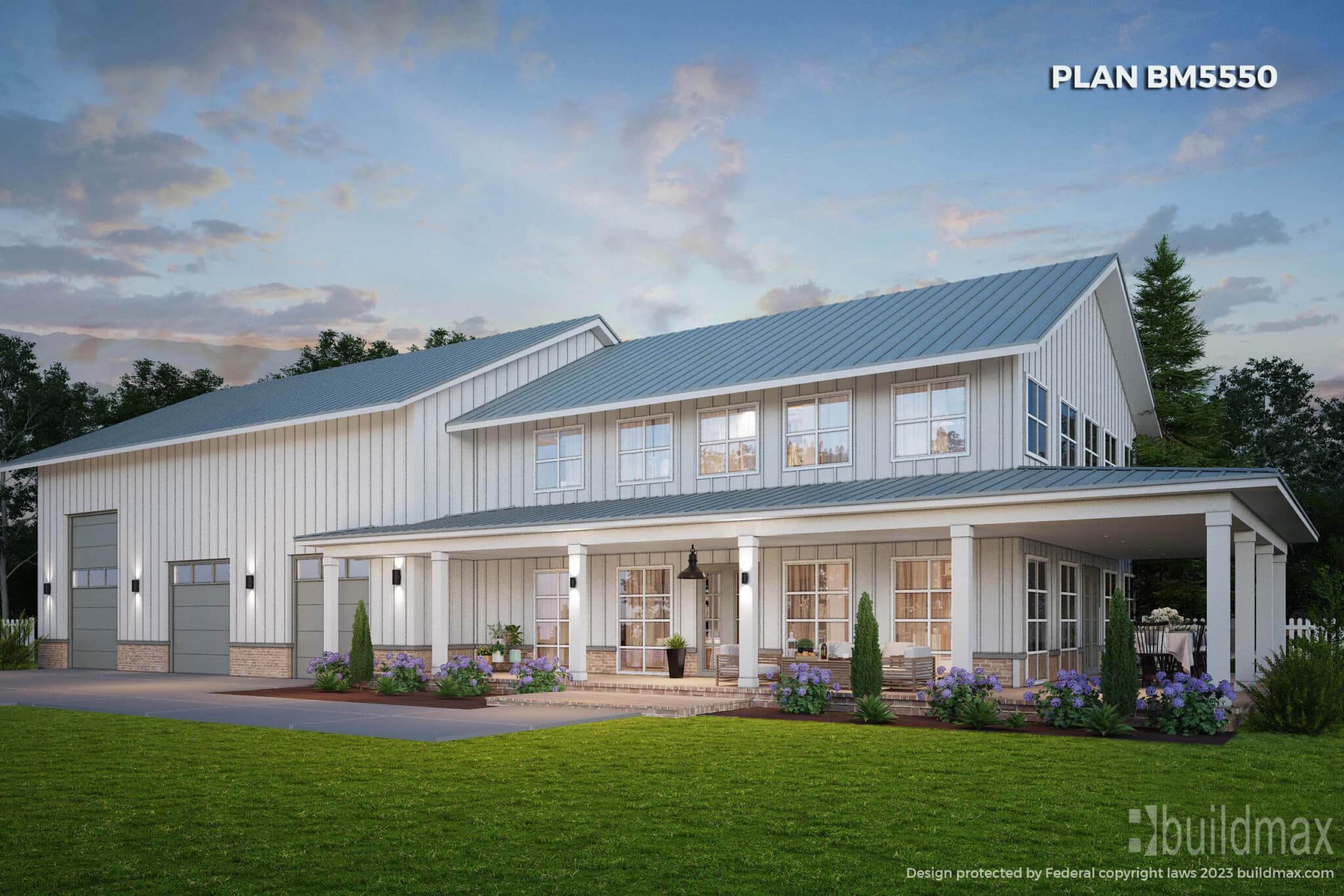
white barndominium shophouse with 3 car RV garage and wraparound porch

Embracing History: Stunning and Timeless Shophouse Designs That Stand the Test of Time

Step back in time and immerse yourself in the allure of shophouse architecture that transcends eras. Discover the charm and elegance of these timeless designs that have gracefully stood the test of time. From intricate detailing to vibrant color palettes, each shophouse tells a story of rich heritage and cultural significance.


Experience the seamless blend of tradition and modernity as we delve into the captivating world of shophouse design. Uncover the secrets behind their enduring appeal and how they continue to inspire contemporary architects and designers today. Join us on a journey through history as we explore the stunning facades and unique features that make these shophouses true architectural gems.

Embrace the beauty of the past while embracing the future with these stunning and ageless shophouse designs that showcase the essence of timeless elegance.

The significance of shophouse architecture

Shophouse architecture holds a unique place in the tapestry of urban design, particularly in Southeast Asia. These structures represent a harmonious blend of commercial and residential spaces, traditionally designed to accommodate shop owners and their families under one roof. The significance of shophouses extends beyond their functional purpose; they embody the historical, cultural, and social narratives of the communities they serve. As urban centers evolved, shophouses became vital to local economies, providing small businesses with accessible storefronts while fostering a sense of community among residents.
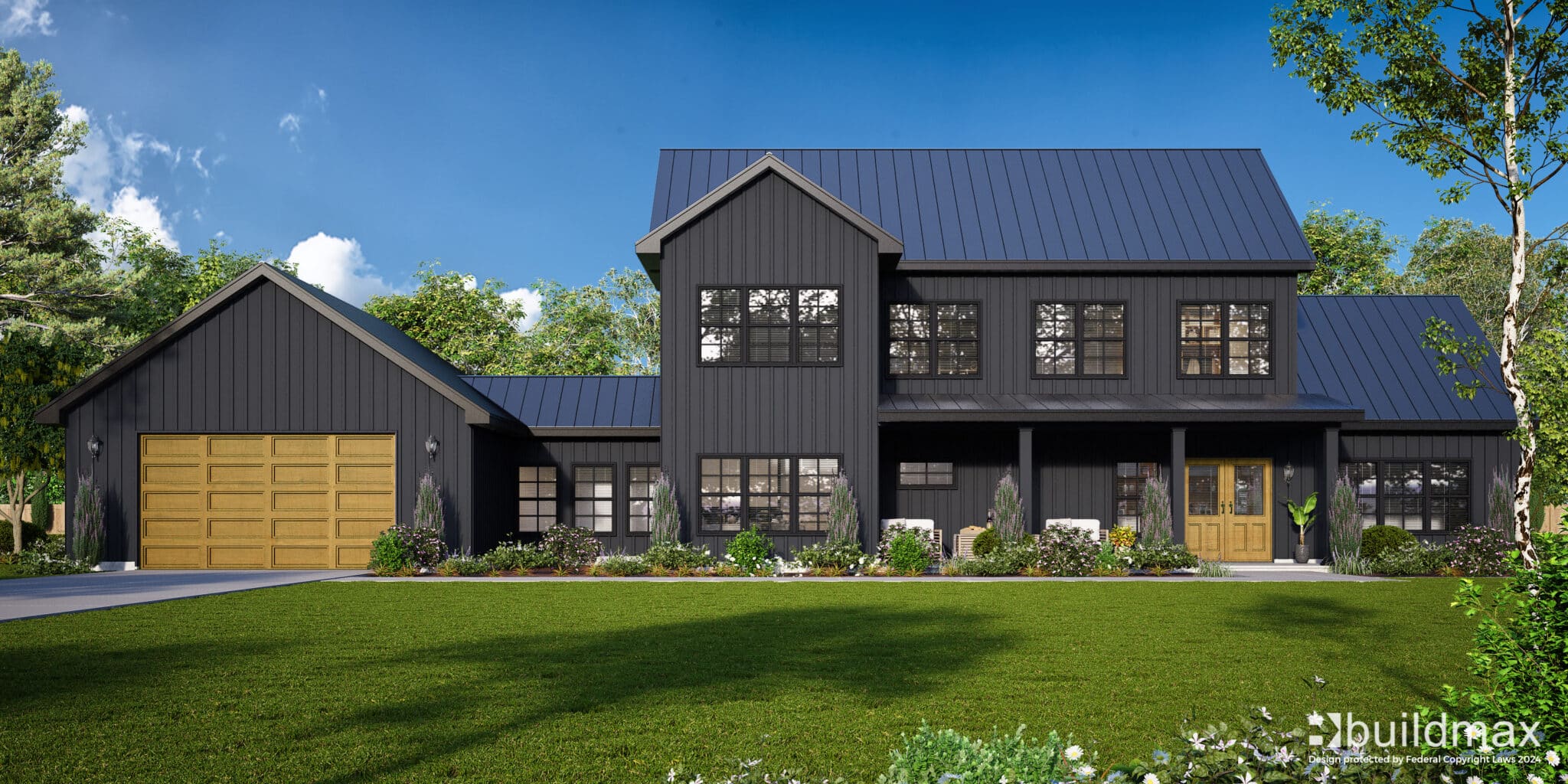
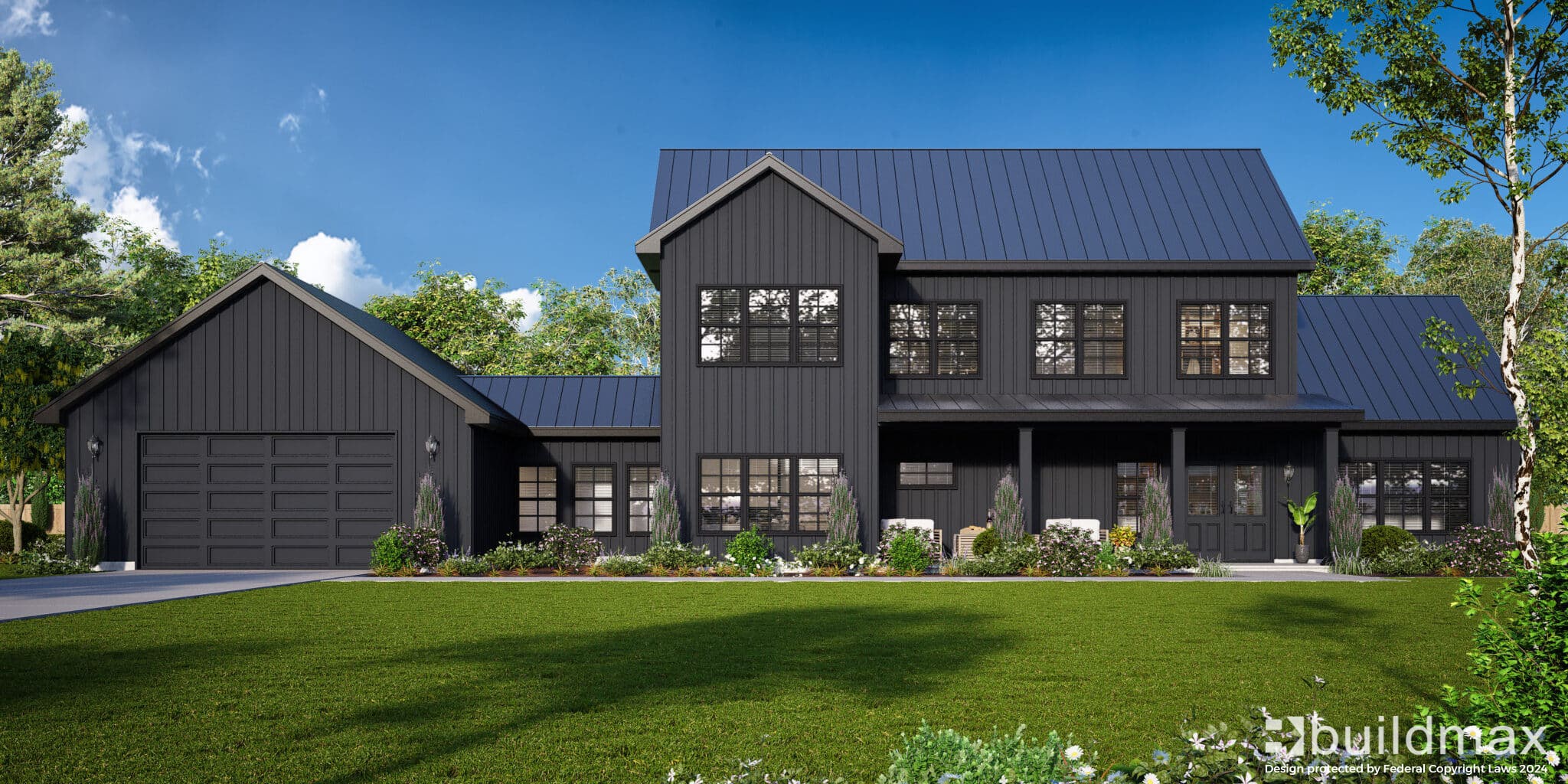
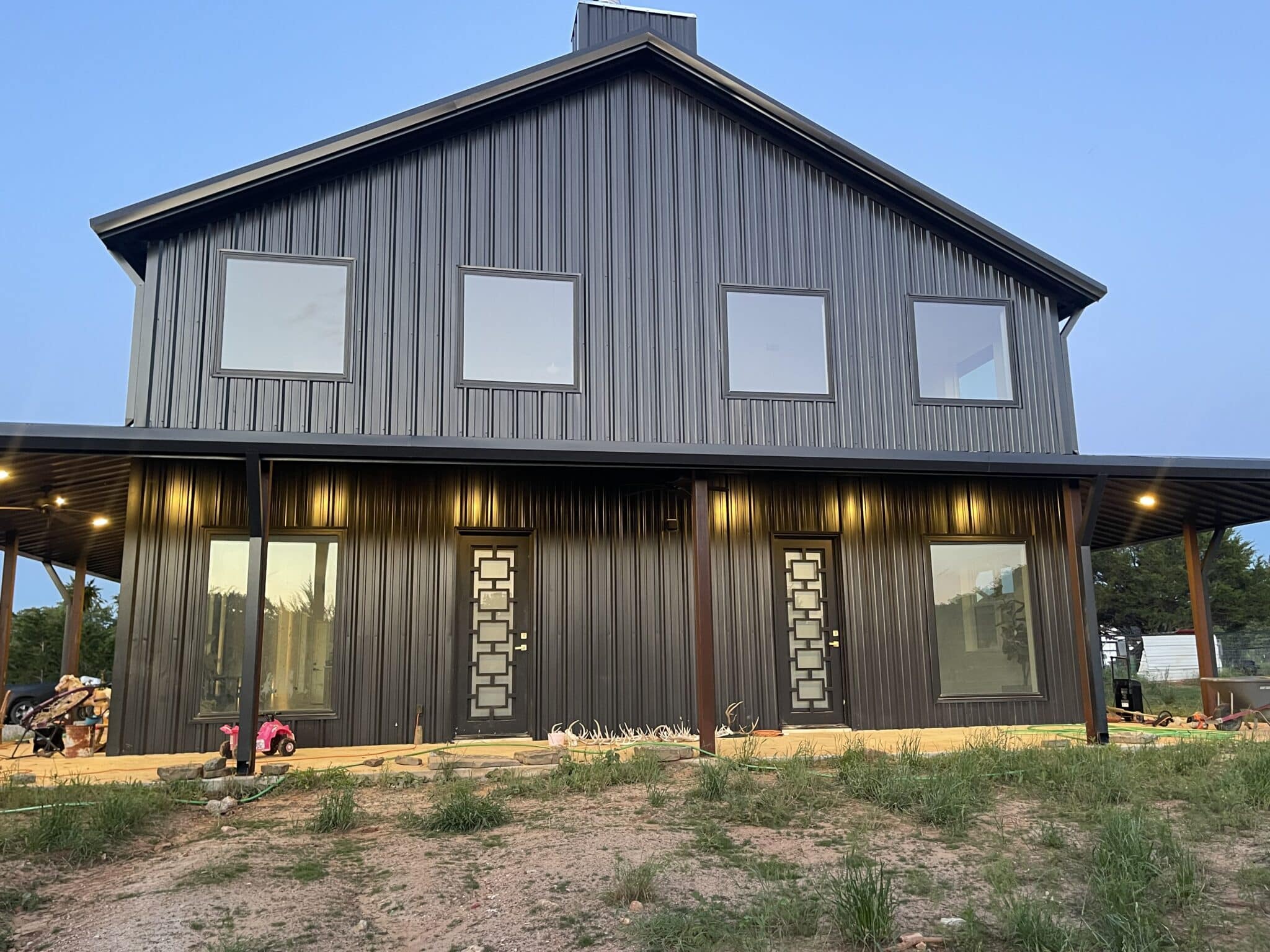
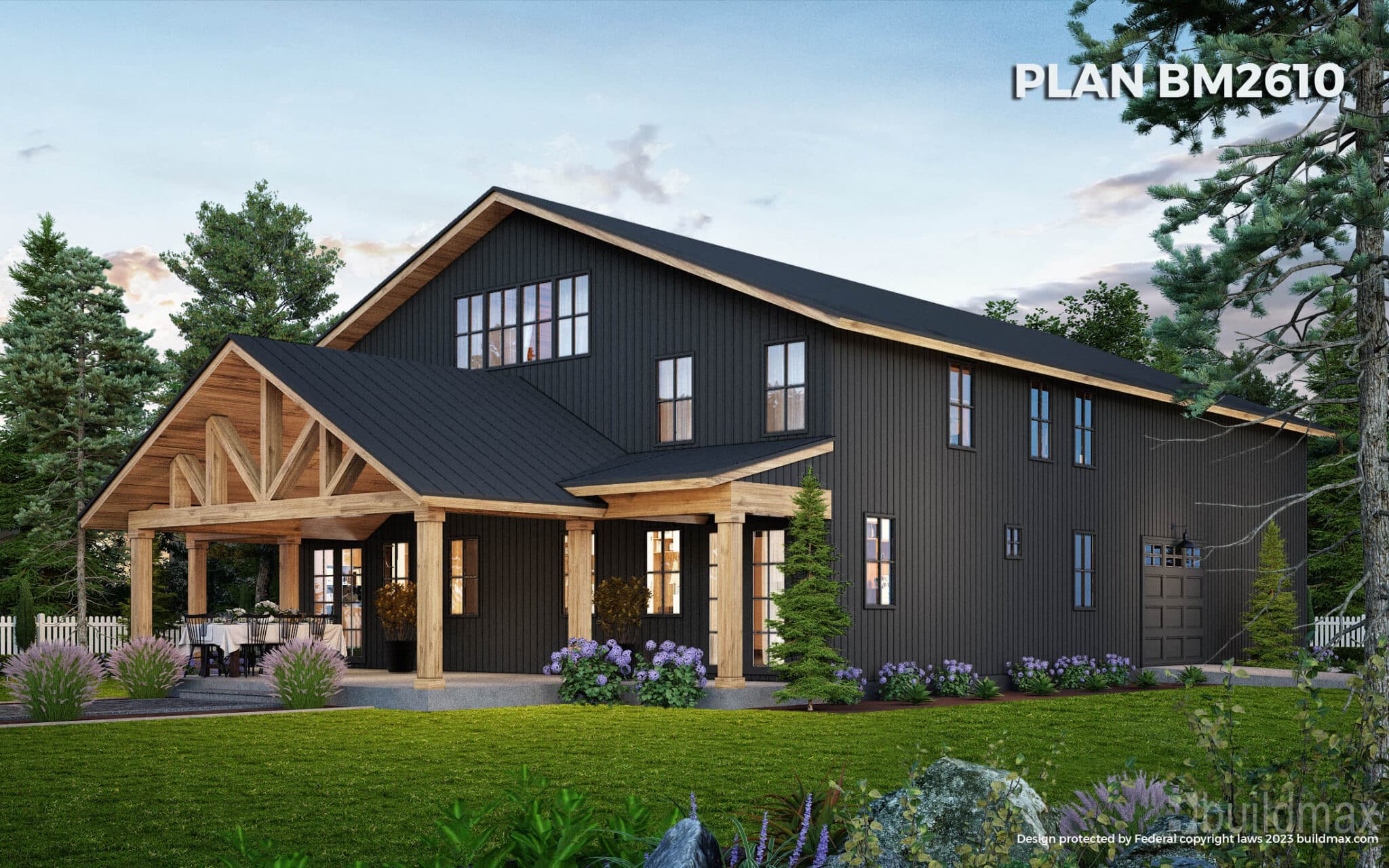
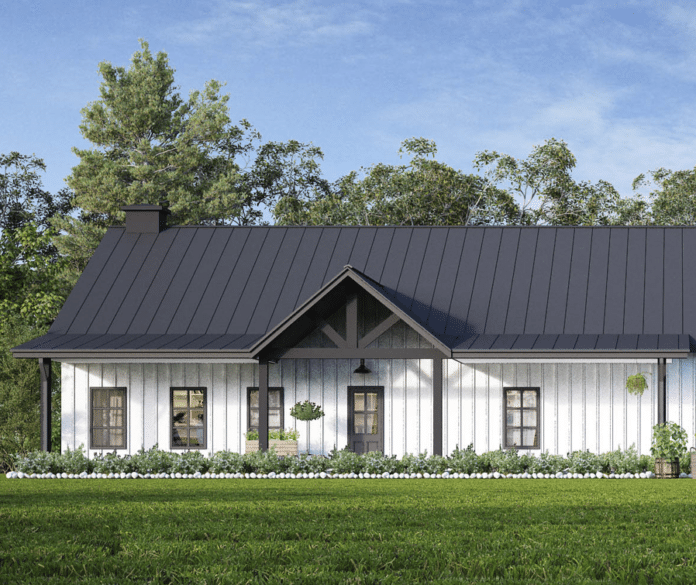
black barndominium

Moreover, shophouses are a testament to a bygone era, reflecting the architectural styles and construction techniques prevalent during their peak, predominantly in the 19th and early 20th centuries. Their design often showcases a mix of influences, including Chinese, Malay, Indian, and European elements, which can be attributed to the multicultural fabric of the regions in which they are found. This fusion not only highlights the adaptive nature of shophouse design but also serves as a visual representation of the cultural exchanges that have shaped the heritage of these communities.

Today, the significance of shophouse architecture is recognized not only for its aesthetic appeal but also for its role in promoting sustainable urban living. By repurposing these historical buildings, cities can preserve their cultural identity while providing modern amenities. The enduring relevance of shophouses in contemporary urban planning underscores the importance of maintaining these structures as they contribute to the character and vibrancy of neighborhoods, ensuring that history remains an integral part of the urban experience.

Historical evolution of shophouse designs

The historical evolution of shophouse designs can be traced back to the colonial period when trade and commerce flourished in Southeast Asia. As various ethnic communities settled in burgeoning urban centers, they brought with them distinct architectural styles and building techniques. The early shophouses were modest structures, often constructed with locally sourced materials and simple designs. However, as wealth increased, particularly among the Chinese merchant class, shophouses evolved into more elaborate buildings adorned with intricate details and decorative elements.
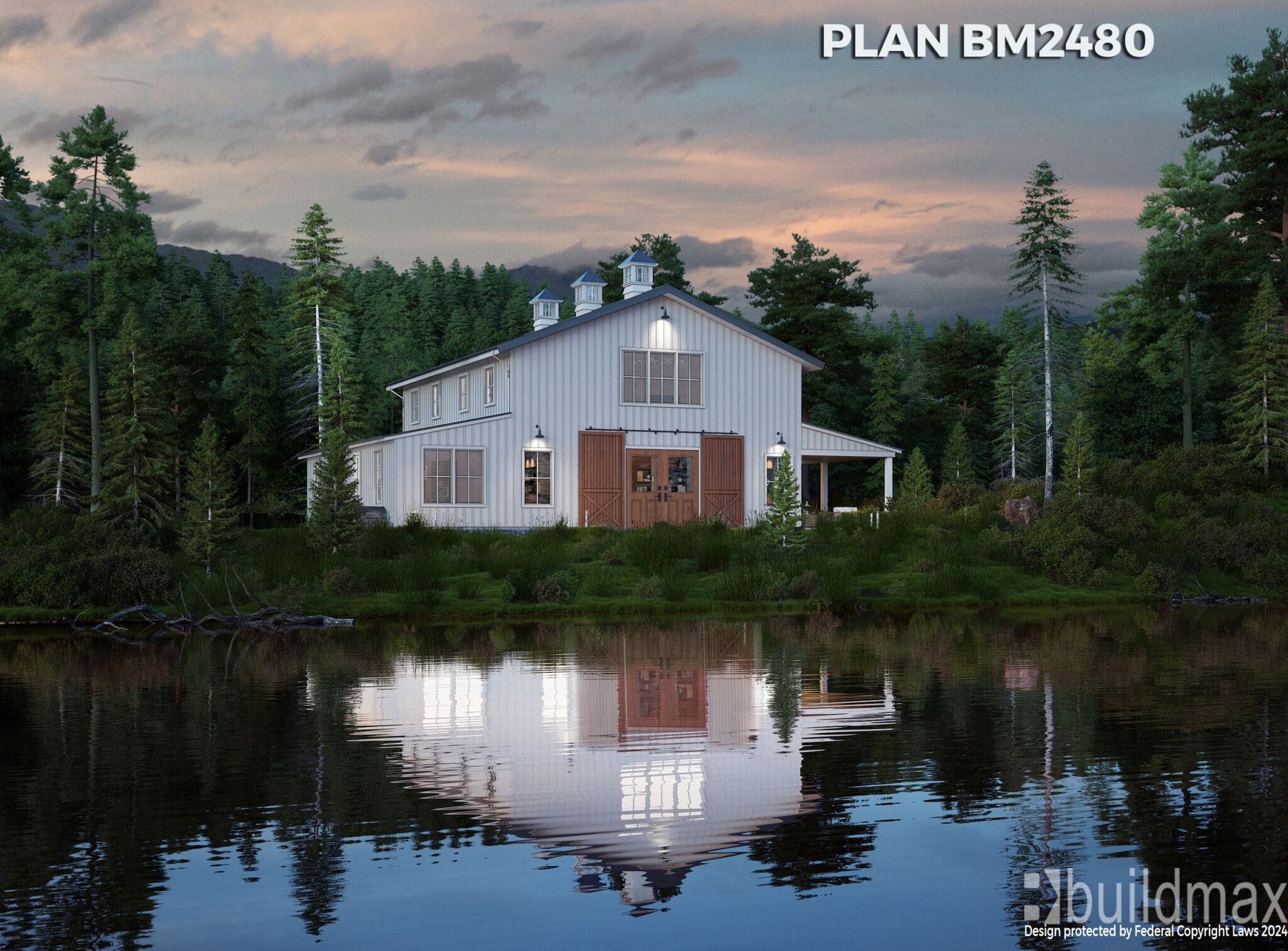
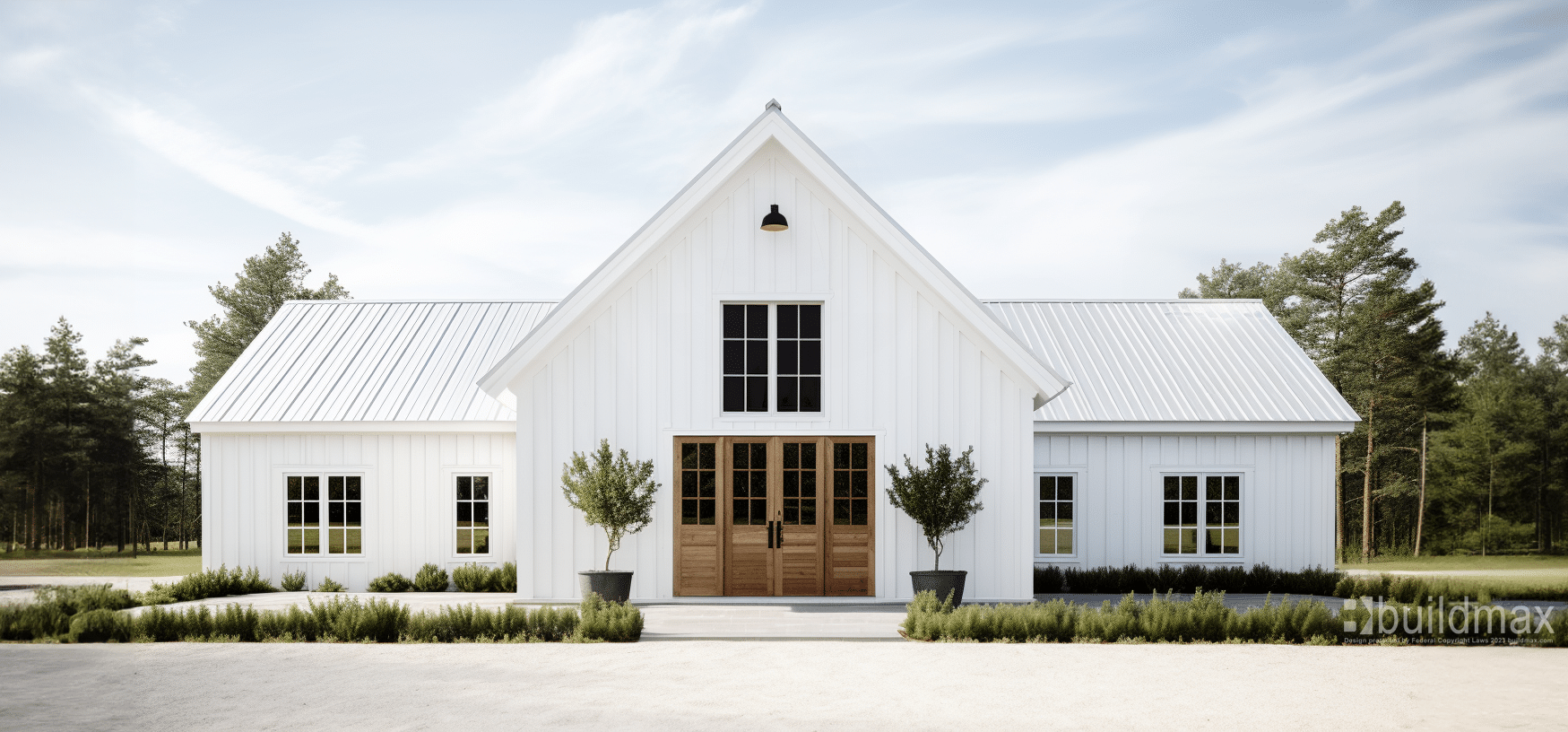
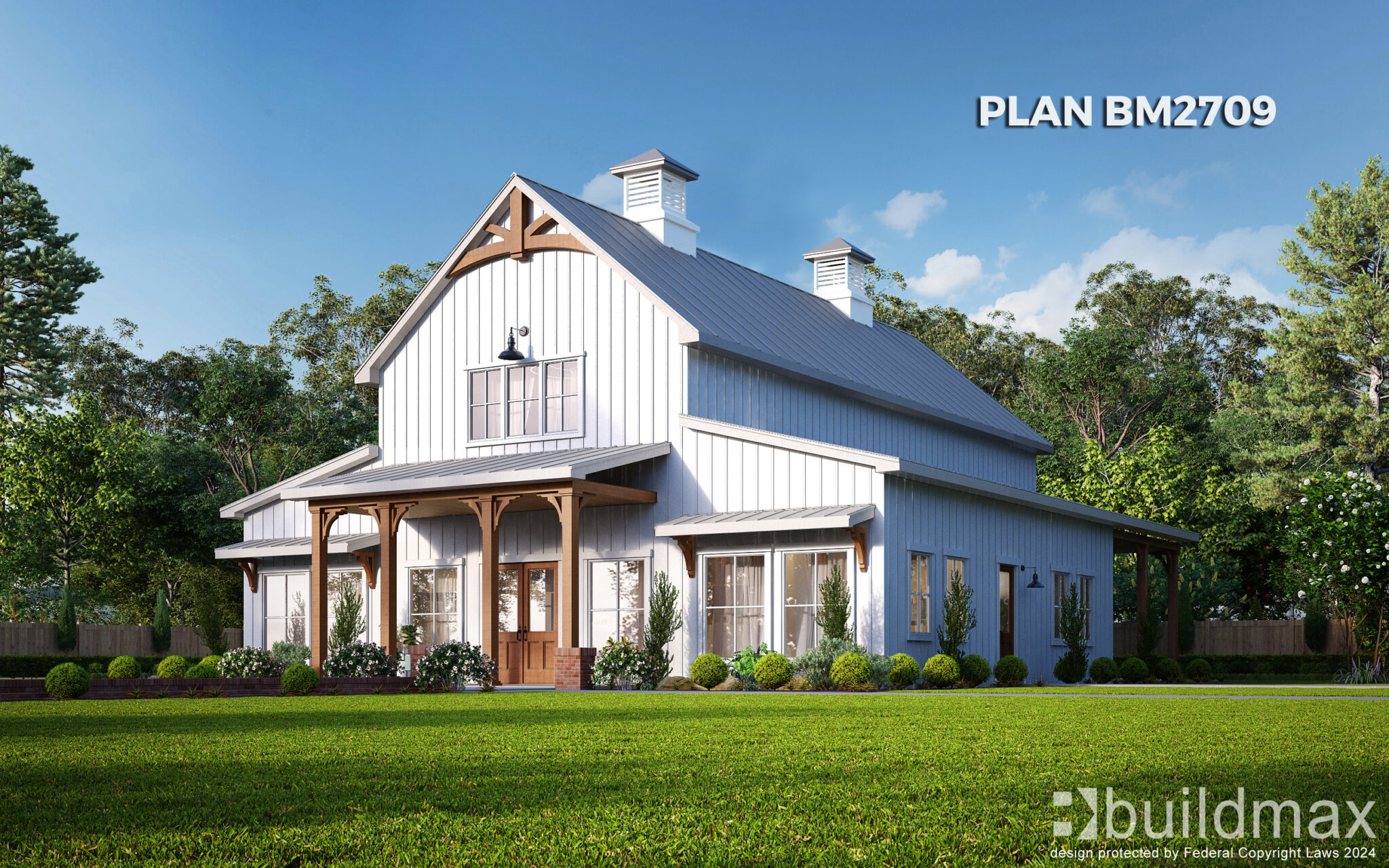
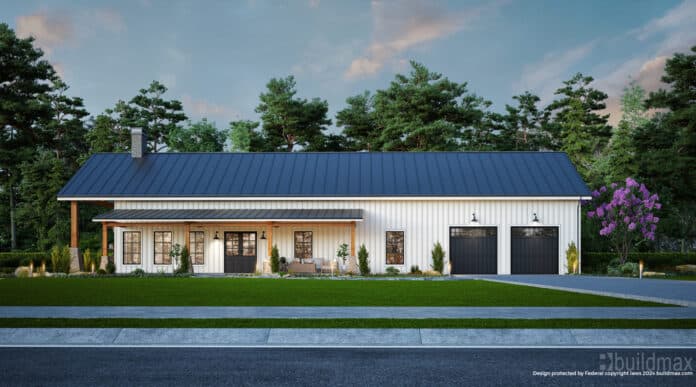
white barndominium with cupolas and large barn doors

Throughout the late 19th century and early 20th century, the design of shophouses began to reflect the eclectic influences of colonial architecture. This period saw the introduction of decorative motifs, such as ornate cornices, colorful tiles, and elaborate facades. The incorporation of Victorian and Art Deco styles further enriched shophouse architecture, allowing for greater creativity and expression. The rising popularity of these designs coincided with the economic boom, leading to the proliferation of shophouses in urban landscapes.

As cities grew and modernized, the fate of shophouse designs faced challenges. Many structures were abandoned or demolished to make way for new developments. However, the late 20th century marked a resurgence of interest in preserving these architectural gems. Urban conservation movements began to recognize the historical significance of shophouses, leading to a renewed appreciation for their unique designs. Today, shophouses are celebrated not only as historical artifacts but also as vibrant spaces that continue to evolve with contemporary needs while retaining their cultural essence.

Key characteristics of traditional shophouses

Traditional shophouses are characterized by several distinctive features that contribute to their charm and architectural significance. One of the most notable characteristics is their narrow, elongated form, typically comprising two to three stories. This design maximizes usable space while adhering to land-use regulations in crowded urban environments. The ground floor often serves as a commercial space, while the upper levels are reserved for residential purposes, reflecting the dual function that defines shophouse architecture.

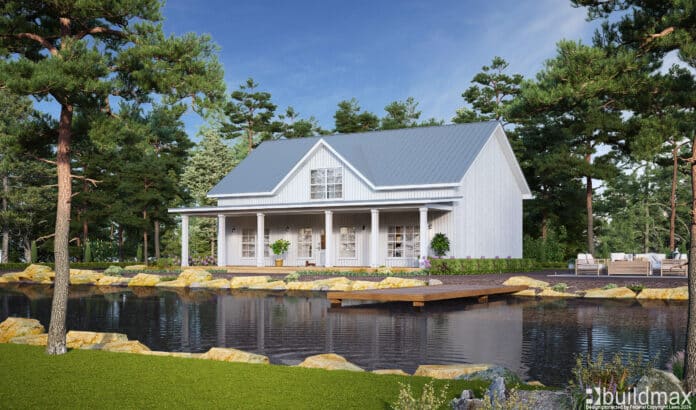
white barndominium on the lake

Another defining feature of traditional shophouses is their ornate facades, which vary significantly based on regional influences and the wealth of the owners. These facades often showcase vibrant colors, intricate tile work, and decorative elements such as wooden shutters and wrought-iron balconies. The use of materials such as clay tiles, bricks, and timber not only enhances the aesthetic appeal but also serves practical purposes, providing ventilation and cooling in the tropical climate.

Additionally, traditional shophouses are renowned for their unique architectural details, which often include gable roofs, cornices, and decorative friezes. The interiors of shophouses typically feature high ceilings and spacious layouts, allowing for flexibility in use. Courtyards or light wells are common, providing natural light and ventilation to the interior spaces. These characteristics not only define the visual identity of shophouses but also reflect the cultural practices and lifestyles of the communities that inhabit them.

Modern adaptations of shophouse designs

In recent years, there has been a growing trend towards modern adaptations of shophouse designs, as architects and designers seek to blend the timelessness of traditional architecture with contemporary needs. These adaptations often involve reimagining the original structures to accommodate modern lifestyles while preserving their historical significance. One common approach is to transform the ground floor into chic cafes, boutiques, or co-working spaces, while the upper levels are converted into stylish residences or offices.
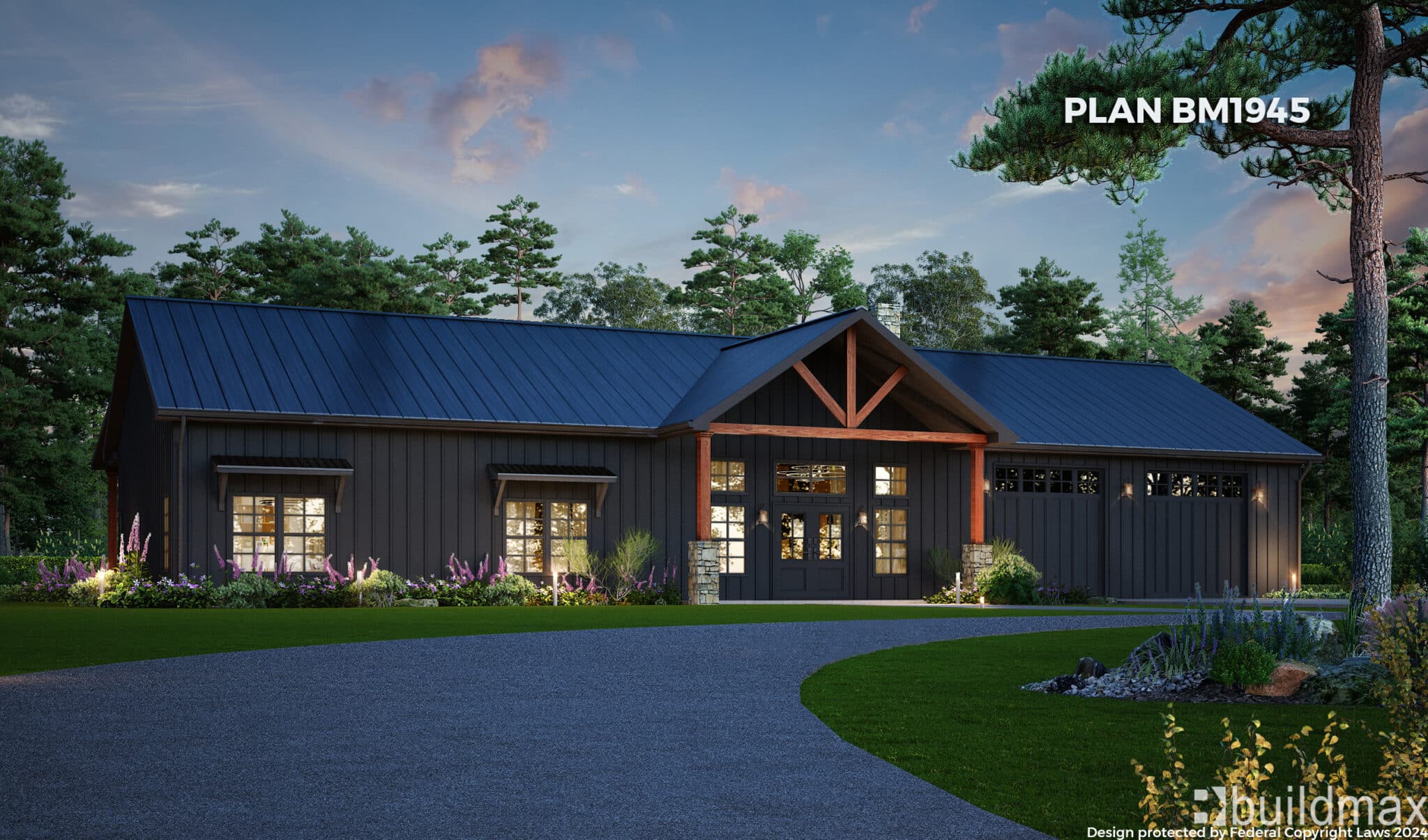
black barndominium

Modern adaptations also embrace sustainability by incorporating eco-friendly materials and energy-efficient systems. This approach not only reduces the environmental impact of renovations but also enhances the overall functionality of the buildings. Green roofs, solar panels, and rainwater harvesting systems are some of the innovations being integrated into shophouse designs, allowing these historic structures to meet contemporary sustainability standards.

Furthermore, contemporary architects are experimenting with open-plan layouts and minimalist designs that contrast with the ornate details of traditional shophouses. This juxtaposition creates a dialogue between the past and the present, offering a fresh perspective on how these spaces can evolve. The blending of traditional elements, such as decorative tiles and wooden beams, with modern furnishings and technology results in unique interiors that honor the heritage of shophouses while catering to the demands of modern living.

Preservation efforts for historic shophouses

Preservation efforts for historic shophouses have gained momentum in recent decades, driven by a growing recognition of their cultural and architectural significance. Various organizations and government agencies have initiated conservation programs aimed at protecting these structures from neglect and demolition. These efforts often involve creating heritage districts where shophouses are preserved as part of the urban landscape, allowing communities to maintain their historical identity while adapting to contemporary needs.
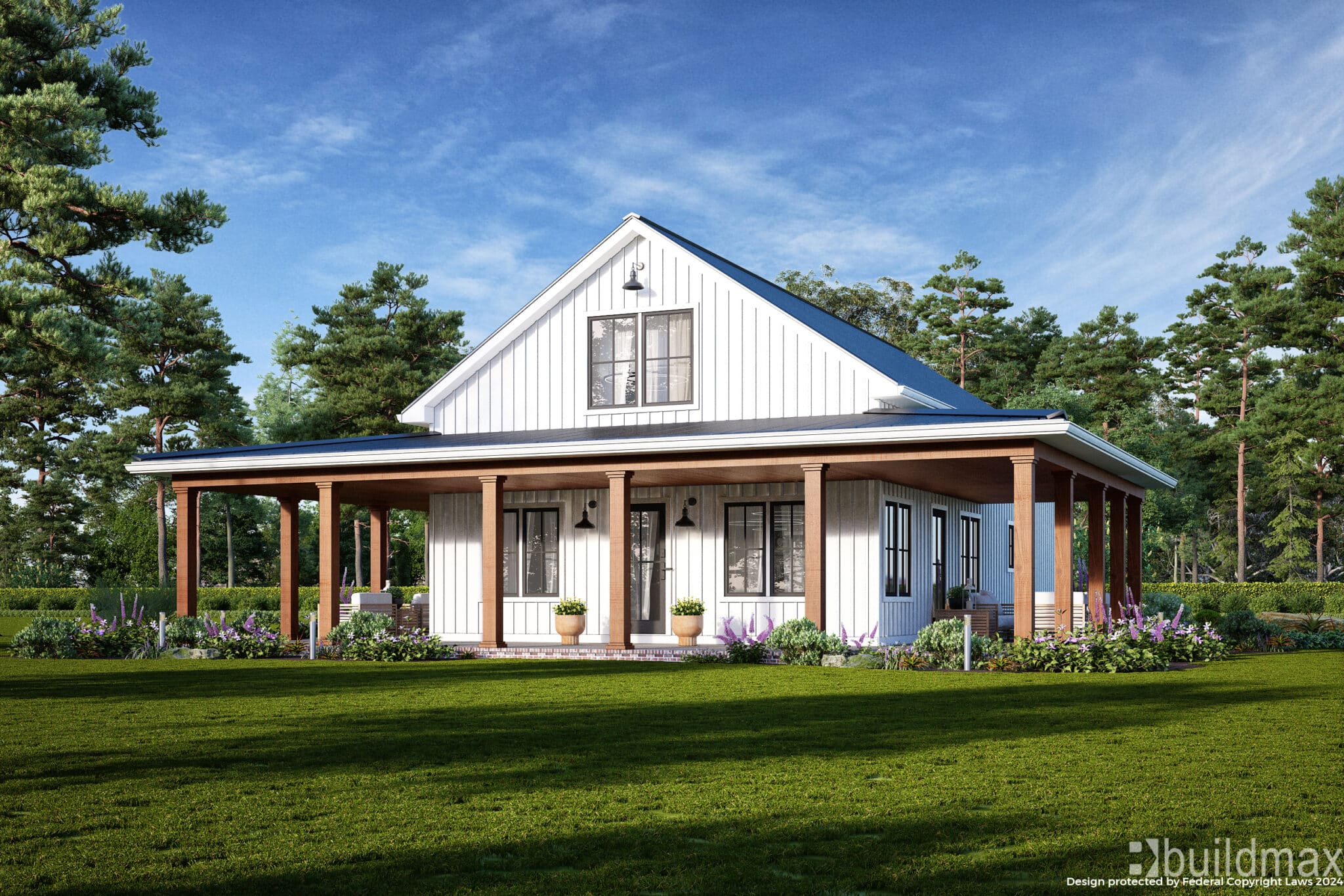
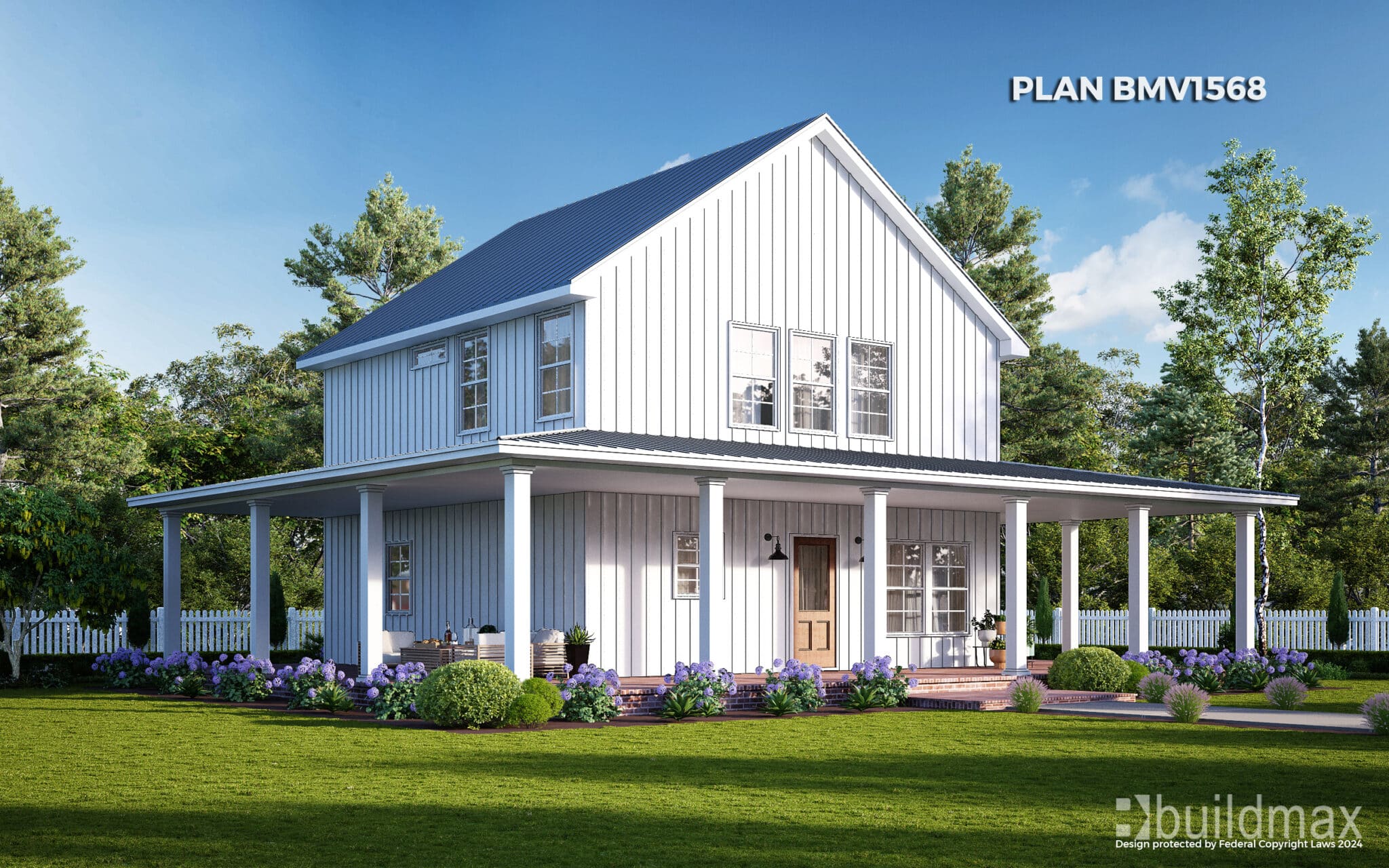
white barndominium with wraparound porch

One of the key aspects of preservation is the establishment of guidelines and regulations that govern renovations and restorations of shophouses. These guidelines ensure that any modifications respect the original architectural style and materials used in the building’s construction. By promoting authentic restoration practices, preservationists aim to maintain the integrity of shophouse designs, allowing future generations to appreciate their historical value.

Community involvement plays a crucial role in the preservation of shophouses. Local residents and business owners often take pride in their neighborhoods’ heritage, advocating for the protection of these architectural gems. Educational initiatives and awareness campaigns help foster a sense of responsibility toward preserving shophouses, encouraging individuals to participate in conservation efforts. By engaging the community, preservation initiatives not only safeguard the physical structures but also promote a deeper understanding of the cultural narratives embedded within them.

Interior design inspirations from traditional shophouses

Traditional shophouses offer a wealth of inspiration for interior design, blending cultural heritage with functional living spaces. The unique characteristics of shophouses, such as high ceilings, wide hallways, and open courtyards, provide a canvas for creative interior design solutions. One prominent feature that designers often draw from is the use of vibrant colors and intricate patterns found in traditional tiles and textiles. These elements can be incorporated into modern interiors, creating a lively atmosphere that pays homage to the rich history of shophouse architecture.
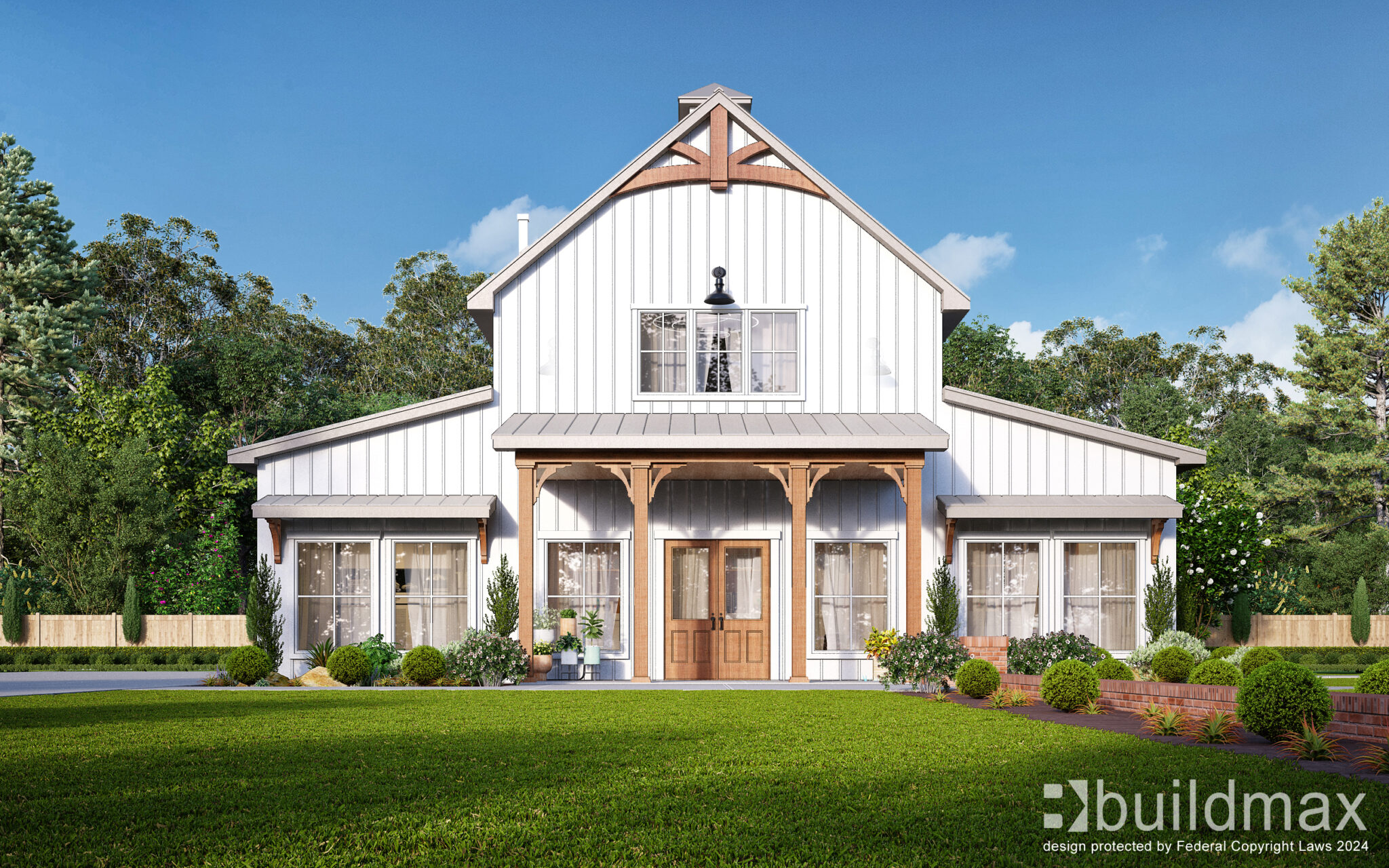
white barndominium with cupolas

Furthermore, the integration of natural materials is a hallmark of traditional shophouse design. Designers often opt for wooden beams, reclaimed materials, and handcrafted furniture to evoke a sense of warmth and authenticity. The use of these materials not only enhances the aesthetic appeal but also promotes sustainability by reducing the need for synthetic alternatives. Incorporating indoor plants and maximizing natural light through large windows or skylights can further enhance the connection to nature, which is a vital aspect of traditional shophouse interiors.

Additionally, the layout of shophouses encourages a seamless flow between spaces, making them ideal for open-concept living. Designers can take inspiration from this layout to create multifunctional spaces that serve various purposes, such as combining a living area with a workspace or dining space. The emphasis on communal living in shophouse design can inspire a shift away from compartmentalized rooms, fostering a sense of togetherness and connectivity among family members or housemates. By embracing these elements, modern interiors can reflect the timeless charm of shophouses while catering to contemporary lifestyles.

Renovation tips for maintaining shophouse authenticity

Renovating a shophouse requires a delicate balance between modernization and preservation. To maintain authenticity, it is crucial to conduct thorough research on the building’s history and original architectural features before embarking on any renovation projects. Engaging with preservation experts or architects who specialize in historic buildings can provide valuable insights into the appropriate methods for restoration. Understanding the building’s unique characteristics will help guide decisions on materials, colors, and design elements that align with its historical context.
When it comes to materials, using locally sourced and traditional options is essential for maintaining the character of the shophouse. For instance, retaining original features such as wooden beams, decorative tiles, and wrought-iron fixtures is vital. If replacements are necessary, try to find materials that closely mimic the original ones in terms of texture, color, and style. This commitment to authenticity not only preserves the visual integrity of the shophouse but also contributes to the overall narrative of the building’s history.
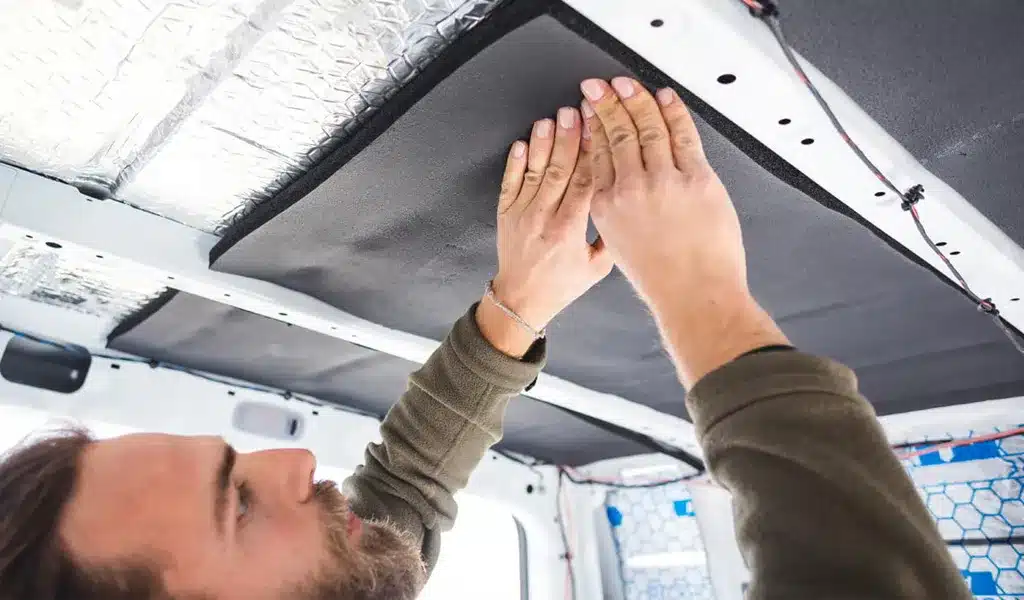
Soundproofing material

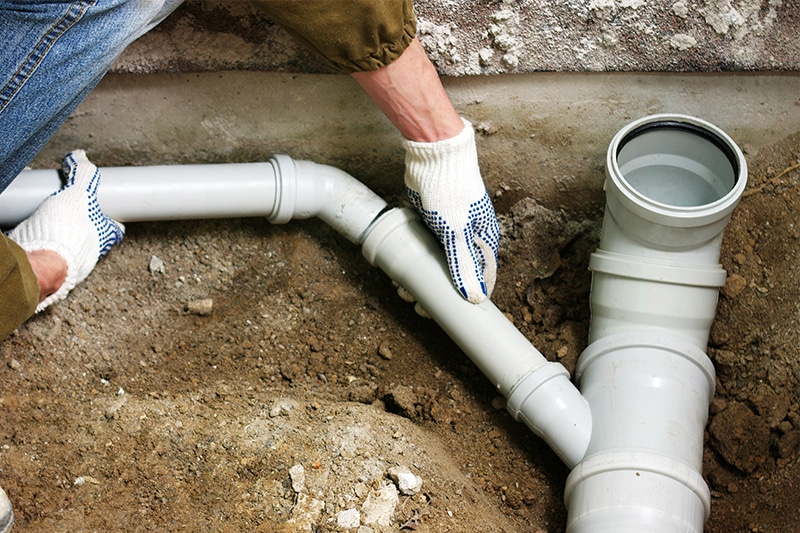
Lastly, consider the functionality of the space while respecting its heritage. Modern amenities can be integrated discreetly to enhance comfort without compromising the building’s charm. For example, installing modern plumbing and electrical systems can be done in a way that minimizes disruption to the original structure. By thoughtfully incorporating contemporary conveniences, shophouses can continue to serve as vibrant spaces that honor their heritage while meeting the needs of modern living.

Notable shophouse designs around the world

Across the globe, various cities boast remarkable shophouse designs that exemplify the architectural brilliance of this style. In Singapore, the colorful Peranakan shophouses are particularly noteworthy. These structures are adorned with intricate ceramic tiles, ornate plasterwork, and vibrant colors, reflecting the unique blend of Chinese and Malay cultures. The architectural details, such as the distinctive “five-foot way” pedestrian walkways, provide shade and shelter while enhancing the livability of the urban environment.
In Penang, Malaysia, the George Town UNESCO World Heritage Site showcases a stunning array of shophouses that have been carefully preserved. The city’s shophouses exhibit a fusion of Chinese, Malay, and colonial influences, characterized by their elaborate facades and charming courtyards. Notable examples include the Khoo Kongsi clan house, which features ornate carvings and vibrant murals, demonstrating the cultural richness inherent in shophouse architecture.

Moving beyond Southeast Asia, the shophouse concept can also be found in other parts of the world. In the historic districts of Lisbon, Portugal, the narrow buildings lining the streets serve a similar purpose, combining commercial and residential spaces. With their distinct azulejos (decorative ceramic tiles) and wrought-iron balconies, these structures reflect the city’s rich maritime history and vibrant culture. Such global examples highlight the versatility of shophouse designs and their ability to adapt to different cultural contexts while maintaining their fundamental characteristics.

Where to find shophouse design influences in contemporary architecture

The influence of shophouse design can be observed in various contemporary architectural projects, where the essence of these traditional structures is reinterpreted in innovative ways. One prominent area of influence is in mixed-use developments that prioritize walkability and community engagement. Architects are increasingly recognizing the value of integrating commercial and residential spaces, drawing inspiration from the shophouse model to create vibrant neighborhoods that foster social interaction and local business growth.
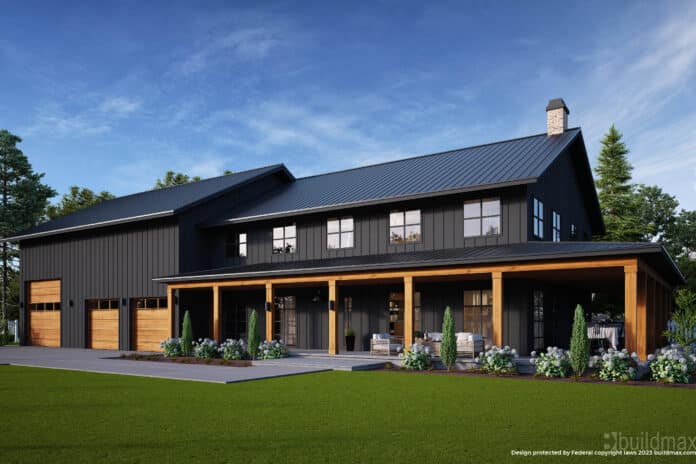
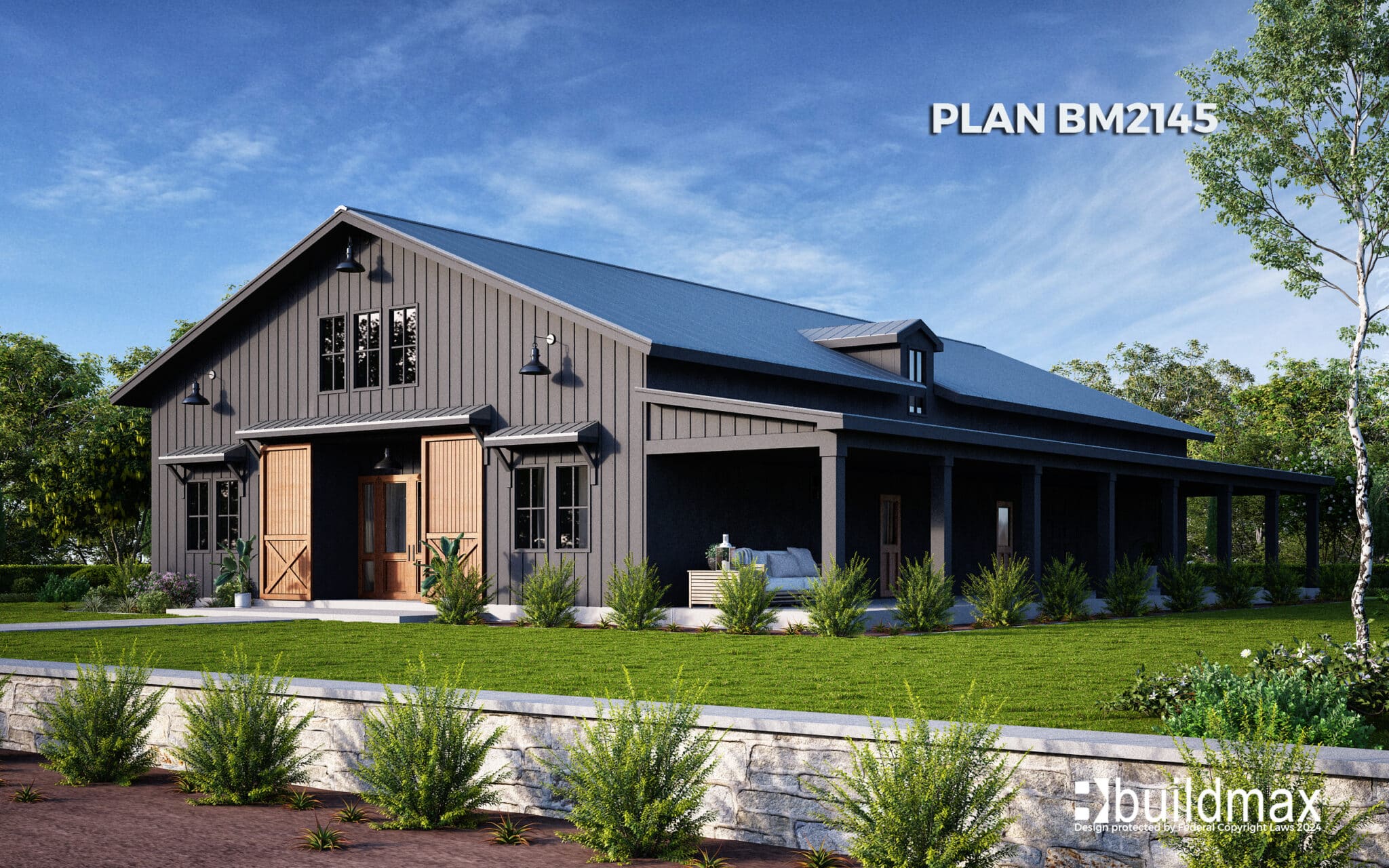
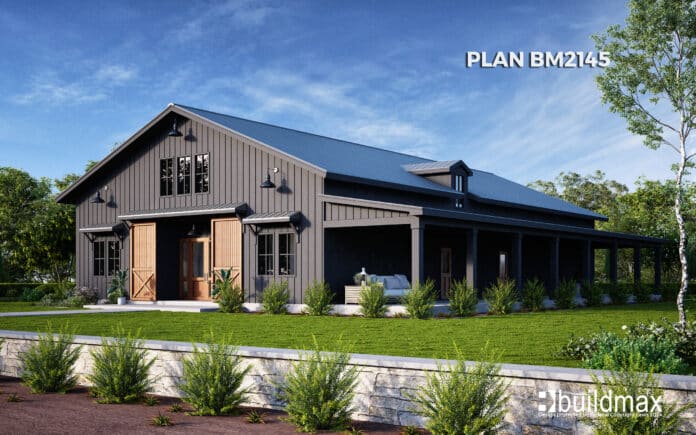
black barndominium shophouse with wraparound porch

Additionally, shophouse elements are finding their way into modern urban planning, particularly in efforts to revitalize historic districts and promote sustainable development. Planners are advocating for designs that incorporate narrow facades, pedestrian-friendly street layouts, and communal spaces, all reminiscent of traditional shophouses. This approach not only enhances the aesthetic appeal of urban environments but also encourages a sense of belonging and community among residents.

Moreover, the resurgence of interest in adaptive reuse projects has opened the door for shophouse-inspired designs in contemporary architecture. Many architects are repurposing old buildings, including factories and warehouses, into mixed-use developments that capture the essence of shophouses. By embracing the principles of traditional design while incorporating modern amenities, these projects celebrate the historical significance of their surroundings while creating functional and appealing spaces for today’s urban dwellers.

Embracing the timeless charm of shophouse designs today

In an era where modern architecture often prioritizes minimalism and functionality, the timeless charm of shophouse designs continues to resonate with both homeowners and architects alike. Embracing this architectural style offers a unique opportunity to celebrate cultural heritage while creating spaces that are both aesthetically pleasing and functional. The ability of shophouses to adapt to changing needs while maintaining their historical integrity makes them a compelling choice for those seeking to blend the old with the new.
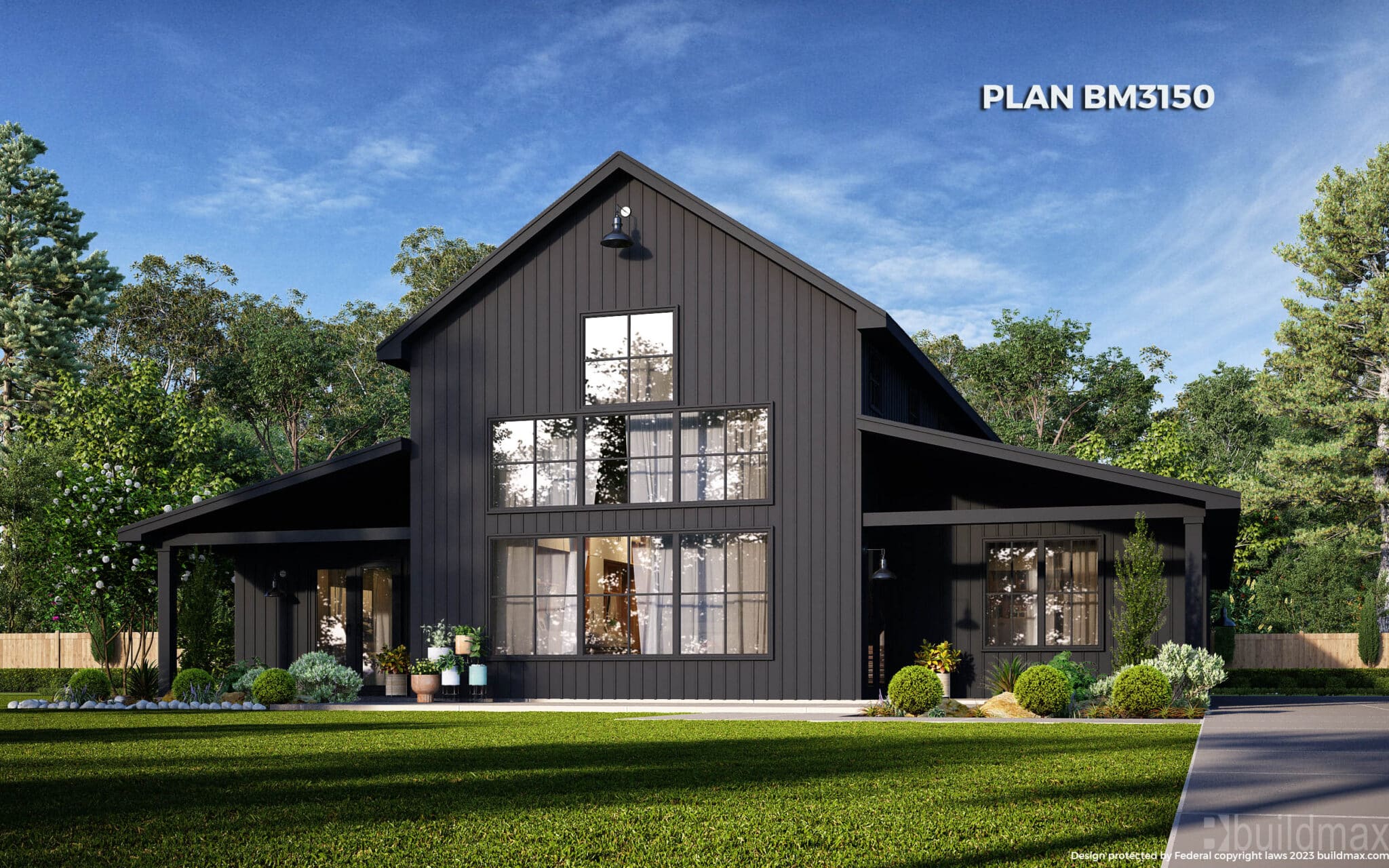
black barndominium with large windows on the front

As many cities around the world recognize the importance of preserving their architectural heritage, shophouses stand as a symbol of resilience and adaptability. Their enduring appeal lies not only in their visual aesthetics but also in the stories they tell about the communities they house. By investing in the preservation and adaptation of shophouses, individuals can contribute to the cultural narrative of their neighborhoods, ensuring that these architectural gems continue to thrive for generations to come.

Moreover, the resurgence of interest in sustainable living aligns perfectly with the principles embodied by shophouse design. Their inherent flexibility allows for innovative uses that cater to contemporary lifestyles, whether through mixed-use developments or eco-friendly renovations. By embracing the timeless charm of shophouse designs, we not only honor the past but also create vibrant and sustainable spaces that reflect the dynamic nature of urban living today.
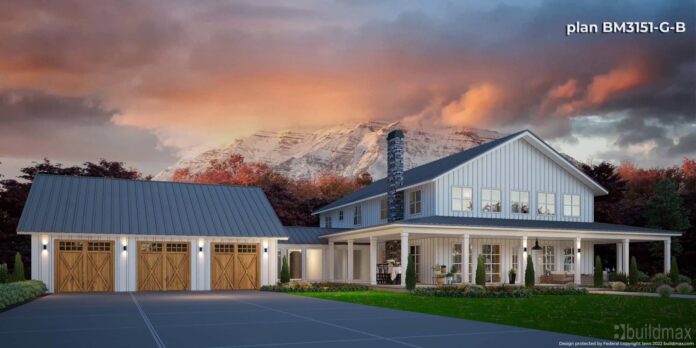
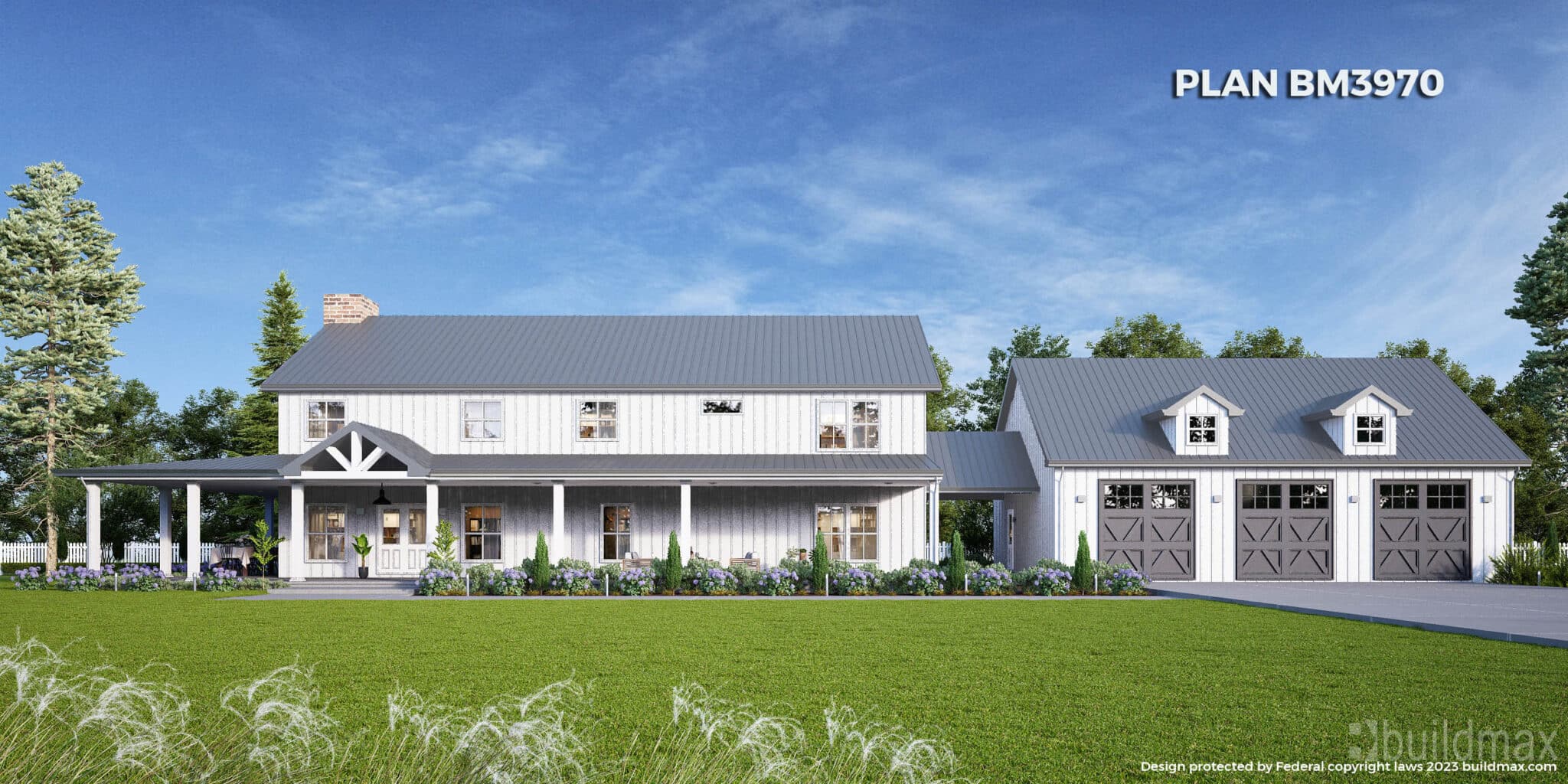
Unlocking the Charm of modern Steel Frame Barndominiums

Unlocking the Charm: Steel Frame Barndominiums for Modern upbeat Living

Step into a world where rustic charm meets modern living with steel frame barndominiums. In today’s fast-paced lifestyle, the allure of these unique structures lies in their versatility and durability. Seamlessly combining the industrial edge of steel frames with the warmth of a cozy home, barndominiums offer a fresh take on contemporary living spaces.

Imagine a home that effortlessly blends style and functionality, where open-concept layouts and high ceilings create an expansive feel. Steel frame barndominiums are not just buildings; they are a statement of individuality and innovation. Whether you’re looking to embrace a minimalist aesthetic or add a touch of industrial chic to your living space, these structures offer endless possibilities for customization and personalization.

Get ready to explore the world of steel frame barndominiums and discover how these modern marvels are redefining the way we live.

Advantages of Steel Frame Barndominiums

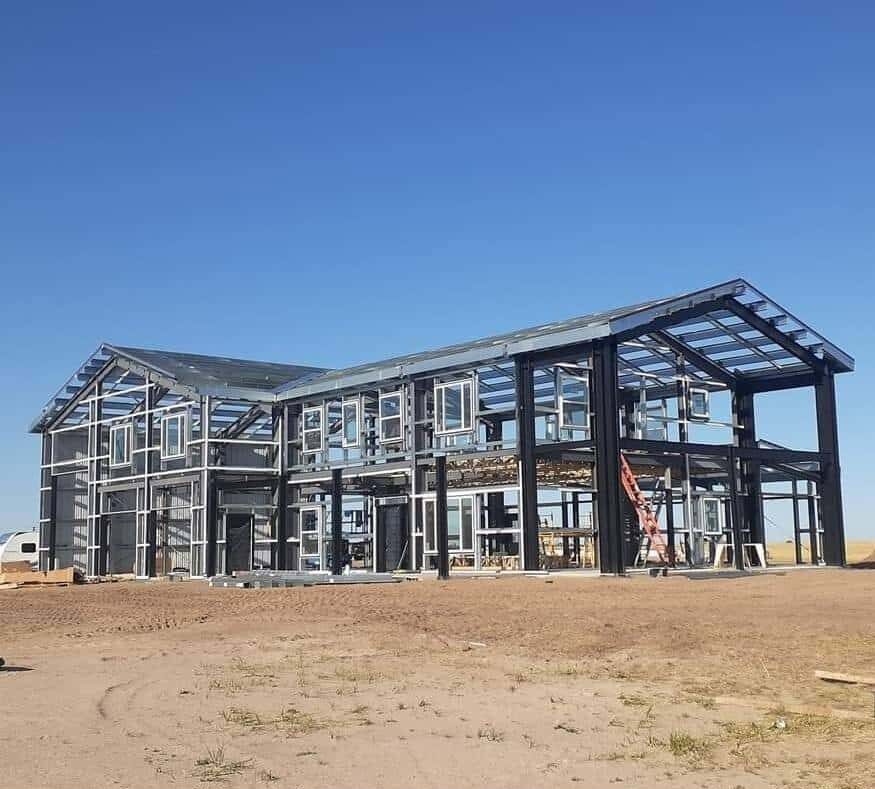
Steel frame barndominiums offer a multitude of advantages that make them an attractive option for modern living. One of the most significant benefits is their exceptional durability. Unlike traditional wood-framed structures, steel is resistant to many common issues such as rot, pests, and extreme weather conditions. This resilience allows homeowners to enjoy peace of mind, knowing that their investment is protected against the elements and time. Furthermore, the longevity of steel means that maintenance costs are significantly lower over the life of the building, making it a financially sound choice.

Another advantage of steel frame barndominiums is their design flexibility. The inherent strength of steel allows for larger, open spaces without the need for numerous load-bearing walls. This means that homeowners can create expansive, open-concept layouts that are perfect for modern lifestyles. High ceilings and wide-open spaces can easily be achieved, making these structures feel both airy and spacious. Additionally, the ability to customize the interior layout means that residents can tailor their homes to suit their unique preferences and needs, whether that be a cozy living area or an expansive entertainment space.

Energy efficiency is another compelling reason to consider a steel frame barndominium. With advancements in insulation technology, these buildings can be designed to minimize energy consumption effectively. The steel frame can accommodate various insulation materials, ensuring that homes remain comfortable year-round without excessive reliance on heating or cooling systems. This energy efficiency not only contributes to a lower carbon footprint but also results in reduced utility bills for homeowners, making it a win-win situation for both the environment and the wallet.

Design Ideas for Steel Frame Barndominiums

When it comes to designing a steel frame barndominium, the possibilities are virtually endless. A popular design idea is to incorporate large windows that allow natural light to flood the space, creating a warm and inviting atmosphere. These expansive windows can also provide breathtaking views of the surrounding landscape, making nature an integral part of the home’s aesthetic. Pairing these windows with a combination of wood and steel accents can enhance the architectural appeal, providing a striking contrast that embodies both rustic charm and modern elegance.

Another exciting design concept is the use of multi-functional spaces. With the open floor plan that steel frames afford, homeowners can create areas that serve multiple purposes. For example, a large living room can double as a workspace or a play area for children. By using innovative furniture solutions, such as foldable tables or modular seating, residents can adapt their spaces to suit different activities throughout the day. This versatility is particularly advantageous in smaller homes, where maximizing space is of utmost importance.
In addition to interior design, the exterior of a steel frame barndominium can be customized to reflect personal style. Homeowners can choose from a variety of finishes, such as metal siding, wood paneling, or stone accents, to create a unique facade. Adding features like porches, decks, or outdoor living areas can further enhance the appeal of the exterior, providing additional spaces for relaxation and entertainment. The combination of these design elements not only creates a beautiful home but also establishes a warm welcoming environment for family and friends.

Cost Comparison: Steel Frame vs. Traditional Barndominiums

When evaluating the cost of steel frame barndominiums compared to traditional wood-framed structures, several factors come into play. Initially, the upfront costs of steel framing may be higher due to the material and fabrication requirements. However, it’s essential to consider the long-term savings that come with choosing steel. Steel frame barndominiums often require less maintenance over time, and their durability can translate into fewer repairs and replacements, ultimately saving homeowners money in the long run.
Another aspect to consider is the speed of construction. Steel framing can significantly reduce the time it takes to erect a building. The prefabricated nature of steel components allows for quicker assembly on-site, which can lead to lower labor costs. In contrast, traditional wood-framed homes may take longer to complete due to the need for more intricate framing and finishing. This faster construction timeline not only saves money but also minimizes the disruption to homeowners’ lives during the building process.

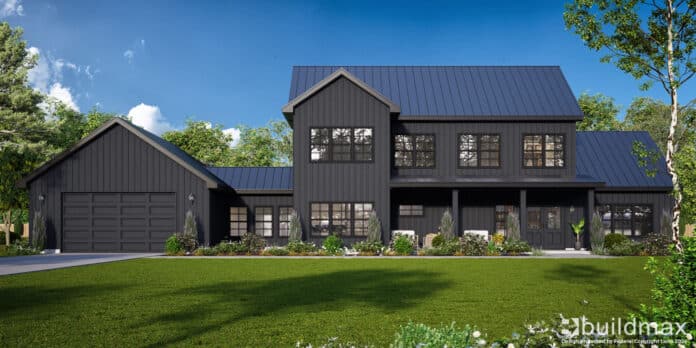
black barndominium with garage

Insurance costs are also an important consideration when comparing these two options. Steel frame barndominiums may qualify for lower insurance premiums due to their fire-resistant properties and overall durability. Homeowners can save significantly on insurance over the years, further enhancing the financial benefits of choosing a steel frame over traditional wood. When weighing the initial investment against long-term savings, it’s clear that steel frame barndominiums can be a more economical choice for many homeowners.
Maintenance Tips for Steel Frame Barndominiums

Maintaining a steel frame barndominium is relatively straightforward, yet there are specific tips that can keep these structures in optimal condition. One important aspect of maintenance is to regularly inspect the exterior for any signs of rust or corrosion. While steel is known for its durability, exposure to moisture can lead to rust over time. Applying a protective coating or paint specifically designed for metal surfaces can help prevent rust and extend the lifespan of the building. Regularly checking for any scratches or dents and addressing them promptly can also mitigate potential issues.


Another maintenance consideration is the roof. Steel frame barndominiums often come with metal roofing, which is known for its longevity and low maintenance requirements. However, it is essential to keep the roof clear of debris, such as leaves and branches, to prevent blockages in gutters and drainage systems. Regularly inspecting the roof for loose panels or signs of wear can help catch any issues before they escalate, ensuring that the home remains watertight and secure.

Lastly, maintaining the interior of a steel frame barndominium is just as important as the exterior. Regular cleaning, especially in high-traffic areas, can prevent wear and tear. Additionally, checking the quality of insulation and HVAC systems periodically can ensure that the home remains energy-efficient and comfortable. By establishing a consistent maintenance routine, homeowners can enjoy their barndominiums for many years to come, maximizing their investment and comfort.

The Rise of Steel Frame Barndominiums in Modern Architecture

The emergence of steel frame barndominiums in modern architecture marks a significant shift in how we perceive residential living spaces. Initially favored for agricultural and industrial use, these structures have gained popularity in the residential market due to their unique blend of functionality and aesthetic appeal. As more individuals seek alternative housing solutions that break away from traditional norms, steel frame barndominiums have emerged as a leading choice for those who value innovation and style.
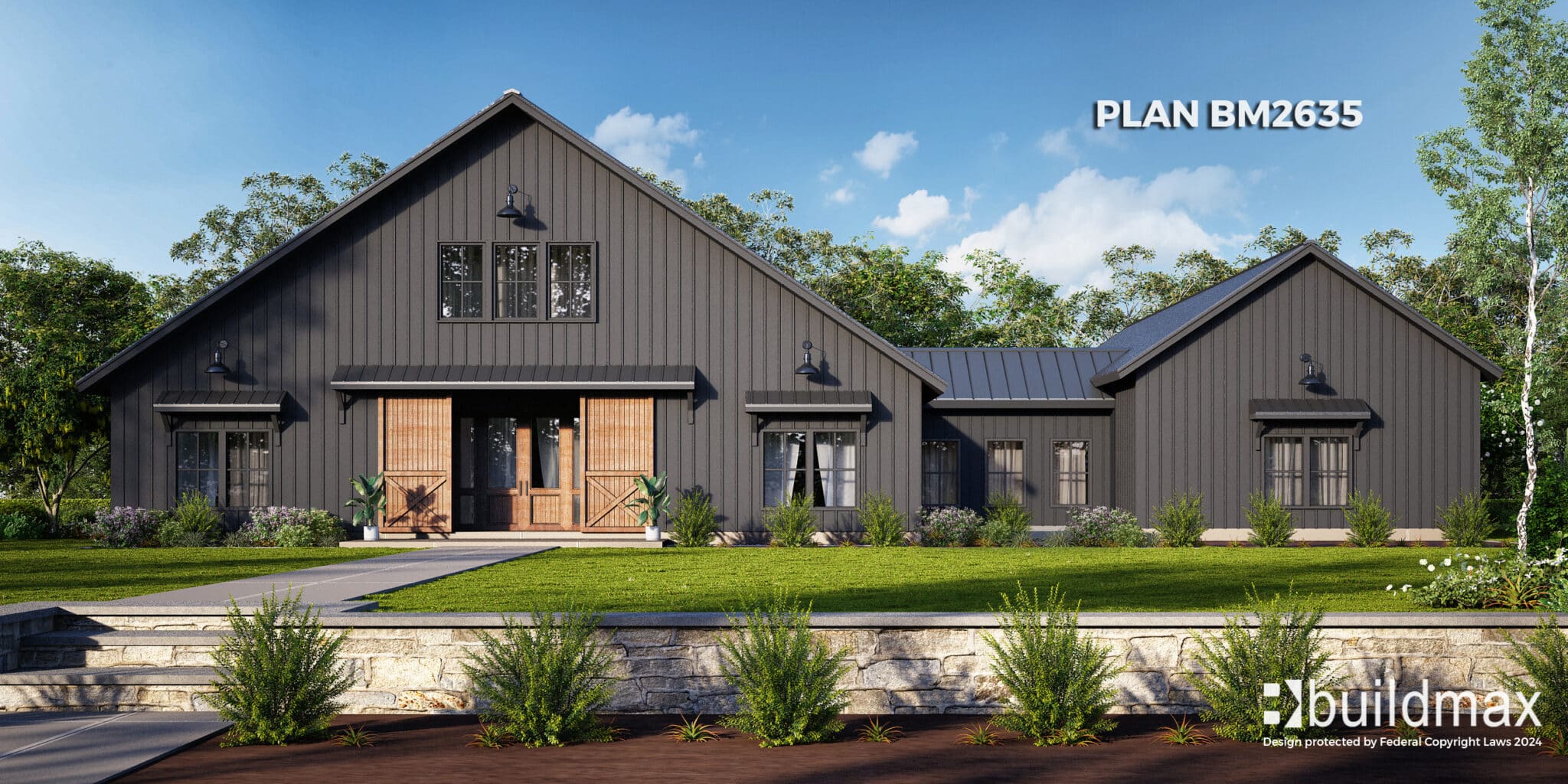
black barndominium with large barn doors and breezeway leading to garage

One contributing factor to the rise of these structures is the growing trend of minimalism and sustainable living. Modern homeowners are increasingly drawn to designs that prioritize open spaces, natural light, and efficient use of materials. Steel frame barndominiums embody these principles, offering expansive interiors that can be customized to reflect personal style while minimizing resource consumption. This shift towards more sustainable living options has encouraged architects and builders to embrace the barndominium concept as a viable solution for modern housing needs.

Furthermore, the versatility of steel frame barndominiums appeals to a wide range of demographics. From young professionals looking for a unique starter home to families seeking spacious living environments, these structures can accommodate various lifestyles and preferences. As more people recognize the benefits of steel framing, the demand for barndominiums continues to grow, making them an integral part of contemporary architectural trends. This evolution in residential design promises to shape the future of housing, offering innovative solutions for those ready to embrace a new way of living.

Steel Frame Barndominium Builders and Contractors

Choosing the right builder or contractor is crucial for successfully constructing a steel frame barndominium. With the increasing popularity of these structures, numerous builders specialize in barndominium construction, each offering a range of services and expertise. It’s essential to conduct thorough research when selecting a contractor, ensuring they have experience with steel framing and a solid portfolio of completed projects. Reading reviews and testimonials from previous clients can provide valuable insights into the quality of their work and customer service.

black barndominium with large porch

Another important consideration is the builder’s ability to customize designs. Since one of the appealing aspects of steel frame barndominiums is their adaptability, finding a contractor willing to work closely with homeowners to create a tailored design is key. Collaboration between the homeowner and builder can lead to innovative solutions that meet both aesthetic and functional needs. Many builders also offer design services, helping clients visualize their ideas and turn them into reality.

Additionally, it’s vital to discuss warranties and post-construction support with potential builders. A reputable contractor will stand behind their work, offering warranties that cover both materials and labor. This assurance can provide homeowners with peace of mind, knowing that they are protected against potential issues that may arise after the construction is complete. By carefully selecting a qualified builder, homeowners can ensure that their steel frame barndominium is constructed to the highest standards, allowing them to enjoy their unique home for years to come.

Sustainability and Energy Efficiency in Steel Frame Barndominiums

Sustainability is a critical consideration in modern construction, and steel frame barndominiums are leading the way in energy-efficient design. One of the most significant advantages of steel as a building material is its recyclability. Steel can be repurposed and reused without losing its structural integrity, making it an environmentally friendly choice. Many steel frame barndominiums are constructed using recycled steel, reducing the overall demand for new materials and minimizing their carbon footprint.

white farmhouse

In terms of energy efficiency, steel frame barndominiums can be designed with advanced insulation systems that create a comfortable living environment while reducing energy consumption. By incorporating high-quality insulation materials, homeowners can maintain stable indoor temperatures, significantly lowering the need for heating and cooling systems. Additionally, the open layout of steel frame barndominiums allows for effective natural ventilation, which can further reduce energy costs while enhancing indoor air quality.

Furthermore, the incorporation of sustainable technologies, such as solar panels and energy-efficient appliances, can elevate the sustainability of a steel frame barndominium. Many homeowners choose to integrate these technologies into their designs, allowing them to harness renewable energy and reduce reliance on traditional power sources. As the demand for eco-friendly living spaces continues to grow, steel frame barndominiums stand out as a sustainable choice for individuals looking to minimize their environmental impact while enjoying the benefits of modern architecture.

Customization Options for Steel Frame Barndominiums

One of the most appealing aspects of steel frame barndominiums is the extensive range of customization options available to homeowners. From the initial design phase to the finishing touches, every aspect of a barndominium can be tailored to reflect individual tastes and lifestyles. Homeowners can choose various exterior finishes, including paint colors, siding materials, and roofing styles, allowing them to create a unique look that complements their surroundings.

white barndominium with cupolas and large barn doors

Inside the barndominium, customization extends to the layout and interior design. Open floor plans allow for the creation of spaces that suit personal preferences, whether it be a large kitchen, a cozy living room, or multi-functional areas that serve several purposes. Additionally, homeowners can select fixtures, cabinetry, and flooring materials that align with their vision, resulting in a cohesive and personalized interior. The ability to modify the design to suit specific needs is one of the primary reasons why steel frame barndominiums have become a popular choice among modern homeowners.

Technology also plays a significant role in the customization of steel frame barndominiums. Many homeowners choose to integrate smart home technology into their designs, allowing for greater control over lighting, security, and climate. These systems can enhance comfort and convenience while providing an added layer of safety. By embracing modern technology and combining it with personalized design elements, steel frame barndominiums become not just homes, but unique reflections of the individuals who inhabit them.

Conclusion: Embracing the Future of Living with Steel Frame Barndominiums

Steel frame barndominiums represent a remarkable fusion of practicality, sustainability, and aesthetic appeal, making them an ideal choice for those looking to embrace modern living. Their advantages, including durability, design flexibility, and energy efficiency, position them as a forward-thinking alternative to traditional housing options. As more individuals recognize the potential of these structures, the trend toward barndominiums is likely to continue growing, reshaping the landscape of residential architecture.

white barndominium with cupolas

The ability to customize steel frame barndominiums allows homeowners to create spaces that truly reflect their lifestyle and personality. From expansive open layouts to innovative technology integration, these homes offer endless possibilities for personalization. The rise of steel frame barndominiums also aligns with the increasing demand for sustainable living solutions, making them not only a smart investment but also a responsible choice for the environment.

Ultimately, embracing steel frame barndominiums means stepping into a future of living that values individuality, efficiency, and sustainability. As these structures become more prevalent in the housing market, they promise to redefine the way we think about home, offering a blend of modern design and timeless charm that appeals to a diverse range of homeowners. Whether you’re seeking a unique residence or a functional space that meets your needs, steel frame barndominiums stand ready to welcome you home.

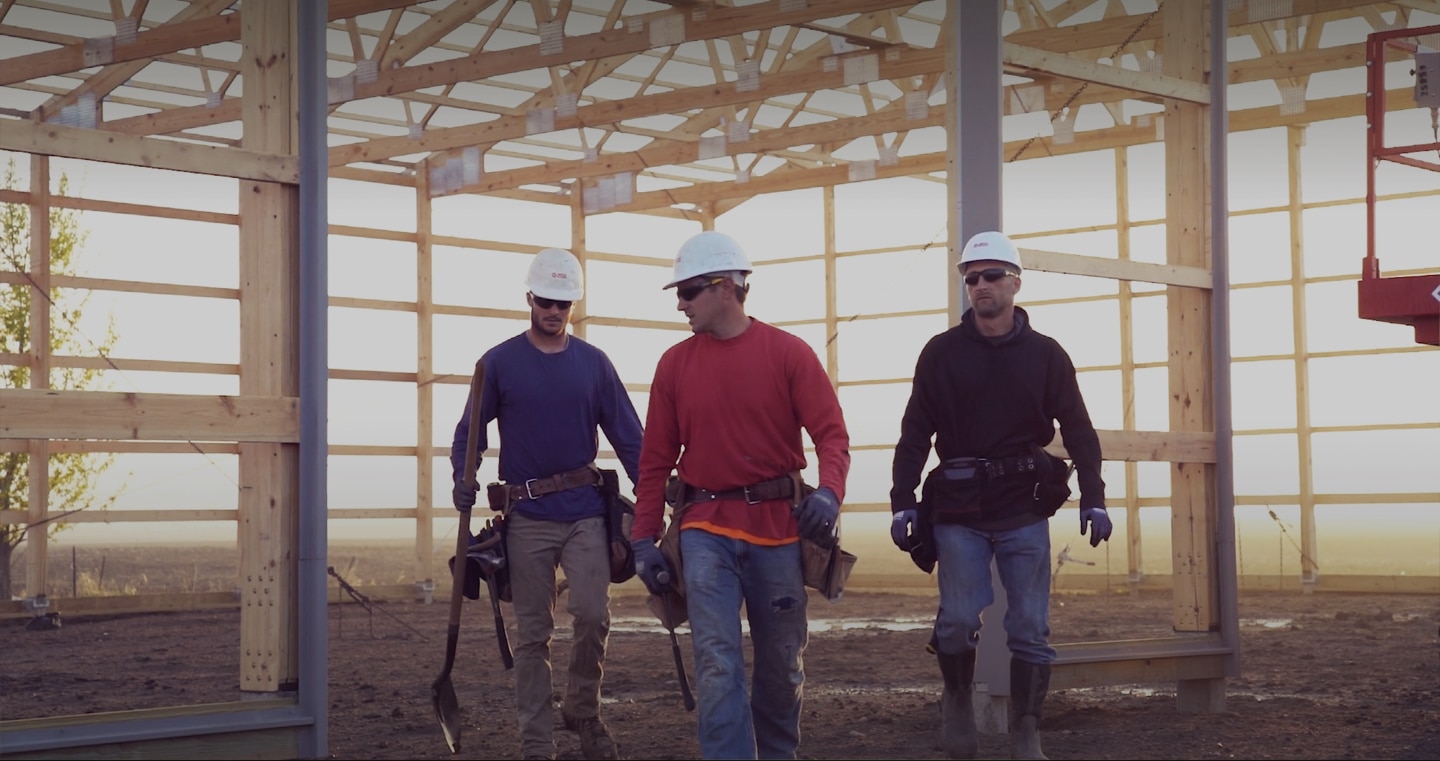
Choosing and Trusting Your Barndominium Builder

black barndominium with garage


Choosing and Trusting Your Barndominium Builder: Why Experience Really Matters

When people think about building their dream barndominium, the first thing they get excited about is often the design—the floor plan, the finishes, the layout, and how the kitchen will open up to that vaulted great room.

But there’s one factor that’s arguably more important than all of that—your builder.

Choosing the right barndominium builder is not just a practical step; it’s the foundation of the entire project. And surprisingly, it’s often treated as an afterthought.

In reality, your builder should be the first decision you make, or at the very least, one of the most carefully considered. Let’s dive into why builder experience matters so much—and how to choose one you can truly trust.


🔨 Why Hiring a Builder Experience Matters in Barndominium Construction

Barndominiums are not like traditional homes. While they may look similar from the outside, they come with their own unique structural and finishing challenges—especially when built using steel frame kits, like those offered by Buildmax.

Key differences include:

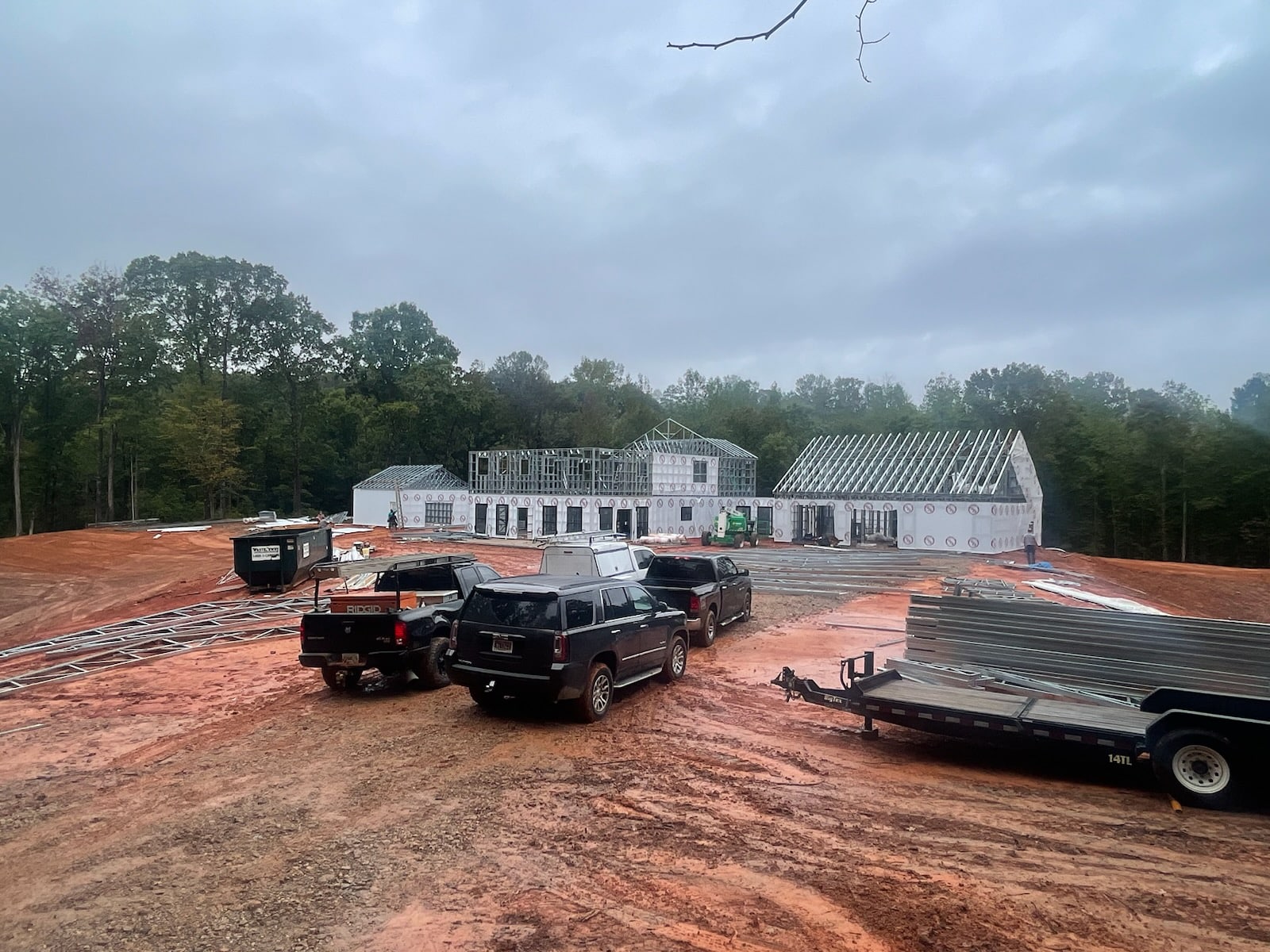
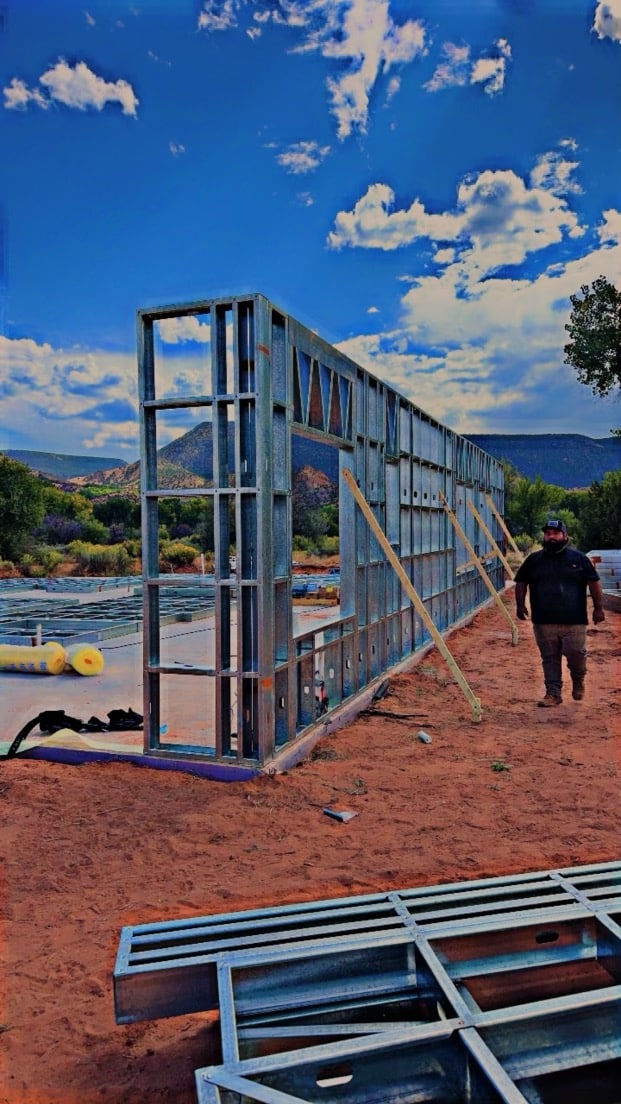
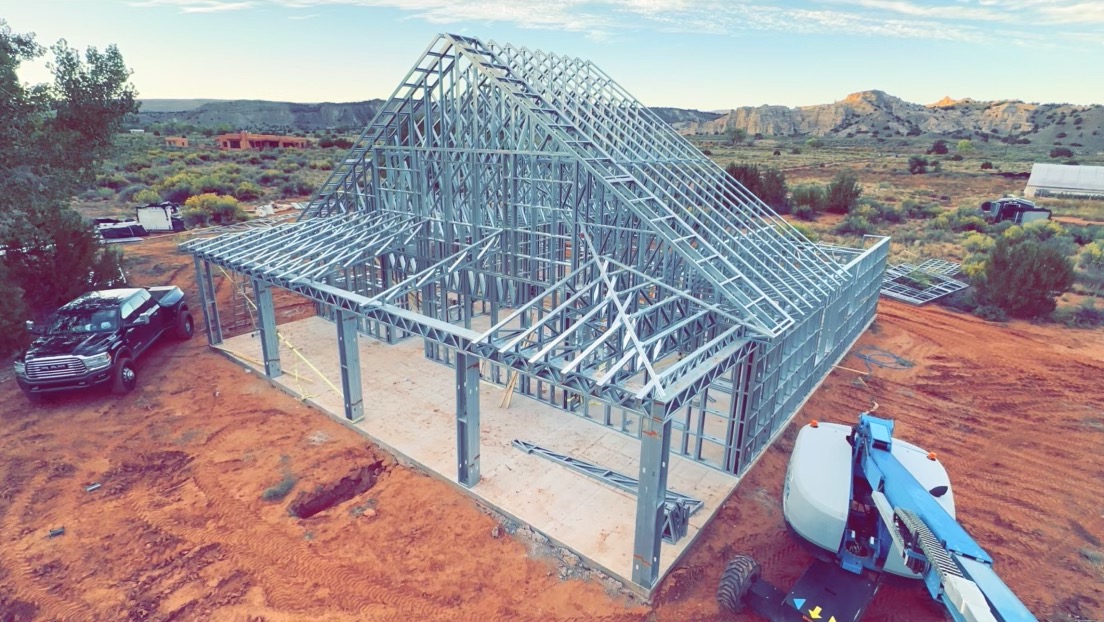
  • Framing with steel instead of wood
  • Larger open spans that require precision engineering
  • Combining shop, garage, and living areas under one roof
  • Insulating large metal structures properly
  • Working with custom or modified floor plans

A builder with barndominium experience knows these details inside and out, and they won’t be caught off guard. Hiring someone without that experience can lead to costly mistakes, delays, or shortcuts that affect the lifespan and performance of your home.


Tips for Choosing the Right Barndominium Builder

Don’t just pick a builder based on price or proximity. Here’s how to do your homework:


1. Ask for Their Portfolio

An experienced builder should be able to show you:

  • Photos of completed barndominium builds
  • Floor plans they’ve worked with
  • Examples of both interior and exterior finish work
  • Steel frame kit assembly projects (if applicable)

If they can’t show you barndominiums they’ve built, move on—this isn’t the place to gamble.


2. Visit Past Projects in Person

black barndominium with large barn doors and breezeway leading to garage

There’s no better way to understand a builder’s work than seeing it in real life.

Ask the builder if you can:

  • Visit a few completed projects
  • Walk through a current job site
  • See how they handle framing, insulation, and finishing

You’ll learn a lot from observing how organized their site is and how clean their workmanship appears.


3. Speak with Past Clients


Reach out to people who have worked with the builder directly. Ask:

  • Was the project completed on time and on budget?
  • Were there any major issues—and how were they resolved?
  • Would you hire them again?

Satisfied clients are often happy to share their experiences—and so are unsatisfied ones.


4. Look for Independent Reviews

Online reviews can provide insights that don’t show up in marketing materials.

Check:

  • Google reviews
  • Facebook and local community groups
  • Home builder forums or barndominium Facebook groups
  • BBB (Better Business Bureau) ratings

Look for patterns—consistent praise or repeated complaints are both telling.


5. Ask the Right Questions


Interview your potential builder like you would a business partner. Ask:

  • How many barndominiums have you built?
  • Have you worked with steel frame kits before?
  • What subcontractors do you use—and how long have you worked with them?
  • What kind of insurance and licensing do you carry?

Their answers will reveal whether they’re confident, competent, and experienced—or if they’re winging it.


🧠 Don’t Wait Until It’s Too Late

Too many people wait until halfway through their build to realize they’ve made the wrong choice. Don’t let that be you.


If you’re working with a company like Buildmax, which offers high-quality floor plans and steel frame kits, the next logical step is finding a builder who knows how to bring that plan to life the right way.

A skilled builder will:

  • Understand how to assemble and anchor your steel frame properly
  • Know how to avoid common barndo pitfalls (like moisture buildup or insulation gaps)
  • Work efficiently with Buildmax’s pre-engineered components
  • Communicate clearly throughout the build

🛠️ Trust Is Earned—Not Assumed

Remember: a trustworthy builder is not just a contractor—they’re your construction partner. They’re responsible for taking your vision and executing it correctly, on time, and within budget.

black barndominium shophouse

Trust is built through:

  • Transparency
  • Proven experience
  • Good communication
  • Mutual respect

Don’t settle for someone who cuts corners, hides mistakes, or doesn’t return your calls. This is your home—and possibly your biggest investment.


🚀 Conclusion: Choose the Right Builder From the Start

If you’re dreaming about vaulted ceilings, open-concept kitchens, steel-framed strength, and a beautiful modern barndominium that will last generations—you need the right people to make it happen.

The floor plan matters. The kit matters. But the builder?
That might be the most important decision of all.

So take your time. Do your research. Visit job sites. Ask the hard questions. And only move forward when you feel fully confident in the person (or team) putting your home together.

Your dream barndominium is worth building right—start with the builder you can trust.


Looking for a builder familiar with Buildmax floor plans and steel frame kits?
Visit Buildmax.com for builder-friendly designs and support to help you find experienced professionals who can bring your project to life.


Let me know if you’d like a PDF checklist version of this article, or if you’d like it adapted for social media or newsletter content!

  • Good builders provide clear timelines, expectations, and frequent updates.

black barndominium shophouse with wraparound porch

If you’re planning a barndominium project, start your search early, gather multiple quotes, and don’t settle for anything less than a reputable, experienced professional.

Are Heated Floors Worth The Extra $ For Your Dream Barndominium?

What Makes Heated Floors So Appealing to Barndominium Builders?


Version 1.0.0

Barndominiums are rapidly gaining popularity across the United States, particularly in northern regions where cold winters demand energy-efficient and comfortable heating solutions. One of the most sought-after luxury features in modern barndominiums is heated tile flooring, especially in kitchens, hallways, and bedrooms. As homeowners look for ways to combine aesthetic appeal with practicality, heated floors are becoming a staple in dream barndominium builds.


Why Homeowners Are Choosing Heated Tile Floors

1. Superior Comfort & Warmth

Traditional tile floors can be cold and uncomfortable, especially during winter months. Heated tile floors provide consistent warmth underfoot, eliminating the chill of stepping onto a cold surface in the morning or during late-night kitchen visits.

2. Energy Efficiency & Cost Savings

  • Radiant floor heating uses less energy compared to forced-air heating because it evenly distributes heat across the floor surface.
  • By efficiently warming a space from the ground up, it reduces the need for excessive central heating, lowering utility costs over time.
  • Homeowners in northern states are increasingly choosing heated floors as part of their sustainability goals to create an energy-efficient barndominium.

3. Luxury Appeal & Increased Home Value

  • Heated tile floors add a high-end, luxury feel to any barndominium, making it more attractive to buyers.
  • Customization options allow homeowners to install radiant heating only in specific rooms, such as kitchens and bedrooms, making it a practical and affordable upgrade.
  • The feature is especially popular among those planning to resell their barndominium, as modern homebuyers are looking for added comfort features.

4. Health Benefits & Cleaner Air Quality

  • Unlike forced-air systems that circulate dust, allergens, and pet dander, radiant heating does not blow air around, resulting in improved indoor air quality.
  • This is particularly beneficial for families with allergies, asthma, or respiratory sensitivities.

Where Heated Tile Floors Are Most Popular in Barndominiums

1. Dream Kitchens

  • Kitchens are one of the most frequently used spaces in a barndominium, making heated tile floors an excellent investment.
  • Homeowners love the combination of warm floors and durable tile, especially in open-concept kitchens where warmth needs to extend beyond just one area.

2. Cozy Hallways & Living Areas

  • Long hallways in barndominiums can often feel cold and uninviting, but radiant heating transforms them into warm, welcoming spaces.
  • Heated tile floors in living rooms add another layer of comfort, particularly for those who enjoy walking barefoot at home.

3. Bedrooms for Ultimate Comfort

  • Heated flooring in bedrooms ensures toasty warmth on chilly mornings, allowing homeowners to wake up comfortably.
  • This feature is especially beneficial in northern climates, where cold floors can make getting out of bed an unpleasant experience.

4. Bathrooms & Mudrooms

  • Heated tiles in bathrooms create a spa-like experience, making the space both luxurious and functional.
  • Mudrooms, common in barndominiums, benefit from radiant heating to dry wet boots and coats faster during snowy months.

Installation & Cost Considerations

1. Two Types of Heated Tile Flooring

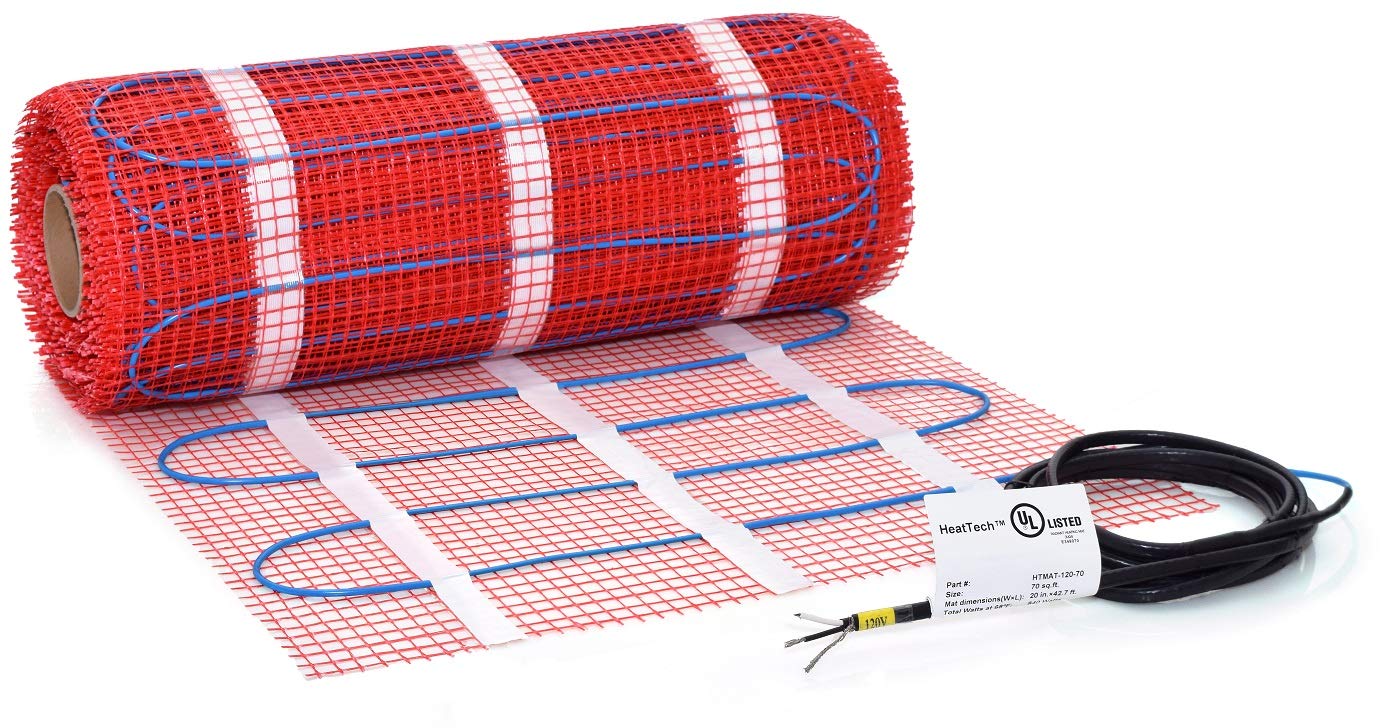
  • Electric Radiant Heating: Uses heated coils beneath the tile and is best for single-room installations (kitchens, bathrooms, hallways).
  • Hydronic Radiant Heating: Uses heated water pipes and is more energy-efficient for whole-home heating in barndominiums.

2. Cost Breakdown

  • Installation costs typically range between $10 to $20 per square foot, depending on the system and tile choice, Some are more labor intensive in turn, the Cost increases.
  • Despite the upfront investment, lower heating bills and increased resale value make it a cost-effective upgrade in the long run.

3. DIY vs. Professional Installation

  • While some homeowners opt for DIY installation with electric radiant heating mats, professional installation ensures longevity and prevents costly mistakes.

Conclusion: A Must-Have Feature for Modern Barndominiums

Heated tile flooring is no longer just a luxury; it’s quickly becoming a must-have feature in modern barndominium kitchens, bedrooms, and hallways. With energy efficiency, comfort, and resale value at the forefront, more homeowners in northern regions are integrating radiant floor heating into their builds.

As barndominiums continue to rise in popularity, heated floors stand out as a game-changing addition, ensuring warmth, style, and practicality for years to come. If you’re planning your dream barndominium, investing in heated tile flooring might be the best decision you make for year-round comfort and efficiency.

Can I Design My Own Barndominium Floor Plans?

white barndominium with cupolas

Can I Design My Own Barndominium Floor Plans?

If you’re considering building a barndominium, one of the first questions that may come to mind is: Can I design my own floor plan? The short answer is yes! However, while you can create your own layout from scratch, the easiest and most cost-effective method is to modify an existing stock barndominium floor plan. Here’s why starting with a stock plan and customizing it to fit your vision is the best approach.


The Benefits of Using a Stock Barndominium Floor Plan

Designing a home from scratch can be a complex and expensive process. Instead, choosing a stock floor plan and making modifications can save you time and money while still allowing for a personal touch. Here are some key advantages:

  1. Lower Costs Compared to Custom Plans
  2. Faster Turnaround Time
    • Since stock plans are pre-designed, they can be quickly modified rather than drawn up from scratch.
    • You can move forward with permitting and construction much faster.
  3. Structural and Code Compliance

How to Modify a Stock Barndominium Floor Plan

If you find a stock plan that is close to your ideal design, you can work with the plans department to make necessary changes. Here’s how:

1. Select a Stock Plan That Matches Your Vision

    • Look for a design that closely aligns with your needs (bedroom count, square footage, open floor plan, etc.).
    • Consider key features such as garage placement, kitchen layout, and master suite location.
  1. Identify the Changes You Want
    • Want an extra bedroom? Need a bigger kitchen? Looking to add a home office?
    • List out modifications such as room expansions, additional windows, or covered porches.
  2. Work with a Plans Department or Architect
    • A professional can modify the stock plan to accommodate your requests.
    • They will ensure that all load-bearing walls, plumbing, and electrical layouts remain practical.
  3. Submit for Permitting and Construction
    • Once your modifications are finalized, you can submit the revised plan for permits.
    • Many contractors prefer modified stock plans because they are easier and faster to work with than custom plans.

Customization Ideas for Your Barndominium Floor Plan

Here are some common modifications homeowners request when customizing a stock barndominium plan:

  • Expanding the Living Room or Kitchen for an open-concept feel.
  • Adding a Mudroom or Laundry Room for extra functionality.
  • Including a Wraparound Porch or Patio for outdoor living space.
  • Modifying the Roofline for a more unique exterior.
  • Converting a Spare Room into a Home Office for remote work.
  • Adjusting Window Placement for more natural light and better views.

Is It Worth Designing a Barndominium Floor Plan from Scratch?

black barndominium shophouse with wraparound porch
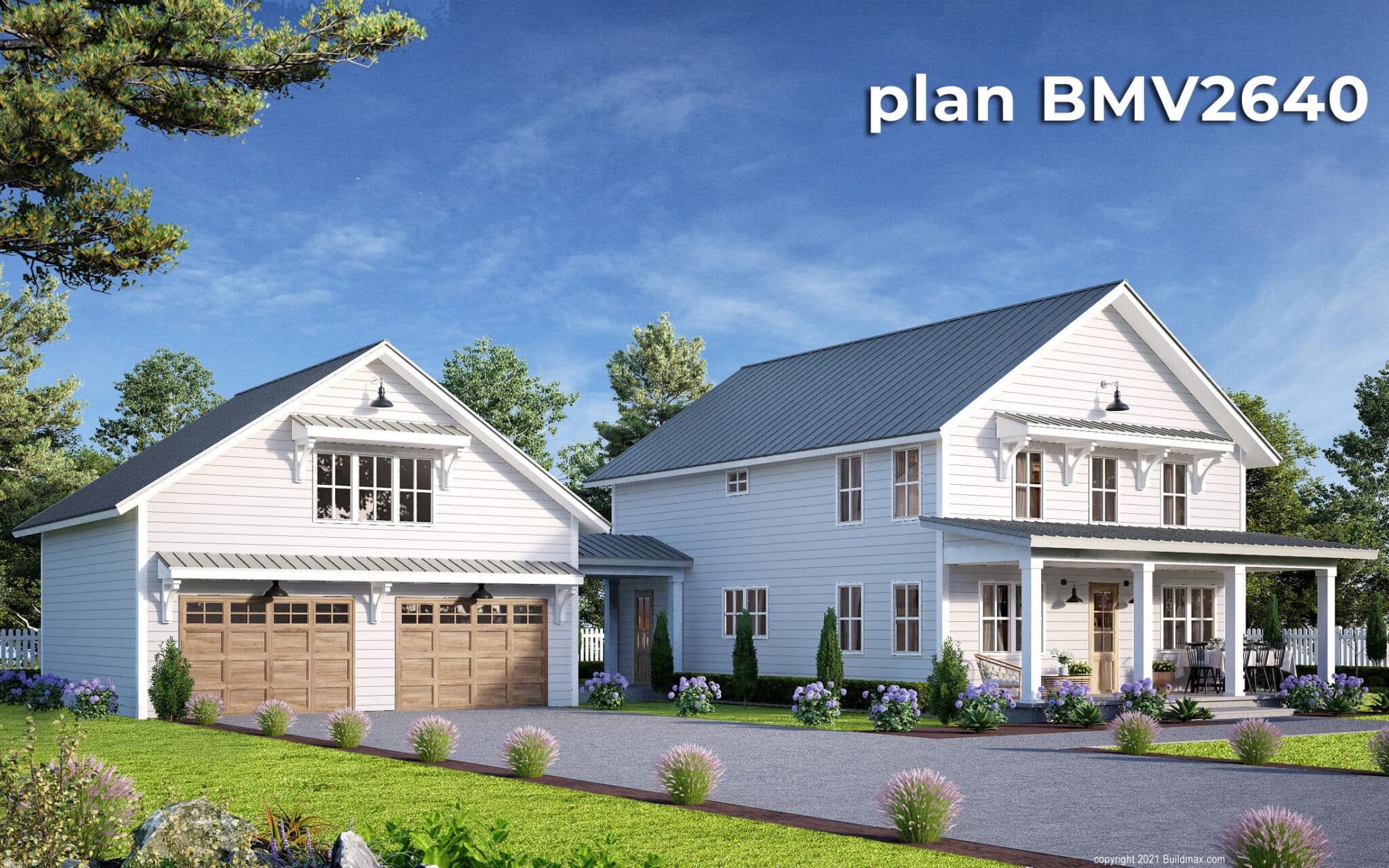
BuildMax BM5550

While some homeowners prefer a fully custom-designed barndominium, there are some drawbacks to this approach:

For most people, starting with a stock plan and modifying it is the best balance between customization and efficiency.


Conclusion: The Best Approach to Designing Your Barndominium

Yes, you can absolutely design your own barndominium floor plan! However, the most cost-effective and practical method is to start with a stock plan and customize it to meet your specific needs. This approach saves time, reduces costs, ensures compliance with building codes, and allows for a smoother construction process.

If you’re ready to create your dream barndominium, start by browsing stock plans, identify the changes you need, and work with a professional to develop a modified plan that perfectly fits your lifestyle!

The Importance of Proper Planning When Designing Your Dream Barndominium

white barndominium on the lake

The Importance of Proper Planning When Designing Your Dream Barndominium Build

Designing and building a barndominium is an exciting journey that requires careful planning to ensure success. Whether you’re creating a forever home or an investment property, thoughtful preparation is essential to avoid costly mistakes and achieve a functional, stylish, and sustainable living space. Here’s why proper planning is crucial and what key factors you need to consider before breaking ground on your dream barndominium.

1. Establishing a Realistic Budget

One of the most critical steps in the planning process is setting a budget. Without a clear financial roadmap, costs can quickly spiral out of control. Consider the following when budgeting for your barndominium:

black barndominium with large barn doors and breezeway leading to garage

  • Initial Costs: Land purchase, site preparation, and foundation work.
  • Construction Costs: Building materials, labor, and contractor fees.
  • Utilities and Infrastructure: Water, electricity, sewage, and internet installation.
  • Permits and Inspections: Required documentation from local authorities.
  • Furnishings and Interiors: Flooring, cabinetry, lighting, and appliances. Having a well-planned budget helps prevent financial strain and ensures you get the most value from your investment.

2. Choosing the Right Building Materials

The choice of building materials significantly impacts the durability, efficiency, and maintenance requirements of your barndominium. The most common options include:

  • Steel Frame: Highly durable, resistant to pests, fire, and extreme weather.
  • Wood Frame: A more traditional choice with aesthetic appeal but requires more maintenance.
  • Concrete or ICF (Insulated Concrete Forms): Offers superior insulation and durability.
  • Hybrid Materials: Combining materials for structural integrity and energy efficiency. Selecting the best materials based on your climate, maintenance preferences, and budget will ensure a long-lasting structure.

3. Barndominium Styling and Floor Plan Customization

Your barndominium should reflect your lifestyle and design preferences. Think about:

4. Securing a Reliable Water Source

Access to water is a fundamental necessity for any home. Depending on your location, your options may include:

  • Municipal Water Supply: If available, this is the most convenient option.
  • Well Water: A cost-effective and independent water source, though it requires proper testing and filtration.
  • Rainwater Harvesting: An eco-friendly option that reduces dependence on traditional water sources. Ensuring a sustainable and reliable water supply is essential for the functionality of your home.

5. Implementing Eco-Friendly Solutions

With sustainability becoming a priority for many homeowners, integrating eco-friendly features into your barndominium can enhance efficiency and reduce long-term costs. Consider:

  • Solar Panels: Reduce reliance on the power grid and lower electricity bills.
  • Geothermal Heating and Cooling: A highly efficient system for maintaining indoor temperatures.
  • Energy-Efficient Windows and Insulation: Improve temperature regulation and reduce energy consumption.
  • Smart Home Technology: Optimize energy use with programmable thermostats and lighting controls. Incorporating green building solutions can contribute to long-term savings and environmental sustainability.

6. Navigating Permits and Legal Requirements

Before construction begins, you must obtain the necessary permits to comply with local regulations. The requirements vary depending on your location but often include:

  • Zoning Approvals: Ensuring the land is zoned for residential use.
  • Building Permits: Necessary to proceed with construction legally.
  • Septic and Utility Permits: Required if installing a septic system or connecting to public utilities.
  • Environmental Considerations: Compliance with land conservation and wetland regulations. Failing to secure the proper permits can lead to costly fines and project delays.

7. Future-Proofing Your Barndominium

Planning for the future can enhance the long-term functionality and value of your home. Consider:

  • Resale Value: Design with flexibility in mind for future buyers.
  • Expansion Possibilities: Leave room for additions like extra living space or a detached garage.
  • Multi-Purpose Use: Incorporate adaptable spaces that can evolve with your needs. By thinking ahead, you can create a home that remains relevant and valuable over time.

Conclusion: Planning Leads to Success

Designing your dream barndominium is an exciting and rewarding endeavor, but without proper planning, the process can become overwhelming. By setting a clear budget, selecting the right materials, designing a functional layout, ensuring a reliable water source, incorporating eco-friendly solutions, securing permits, and future-proofing your home, you can build a barndominium that meets your lifestyle needs while remaining cost-effective and sustainable.

Taking the time to plan every detail will not only save you money but also create a home that you can enjoy for years to come. Whether you’re building for personal use or investment, thoughtful preparation is the key to making your dream barndominium a reality.

Installing An Ev charging station In Your Dream Barndominium

shouse

Why Equipping Your Barndominium with an EV Charging Station is a Smart Move for the Future

As the world transitions toward electric vehicles (EVs), homeowners are looking for ways to future-proof their properties. While you may not currently own an EV, installing an EV charging station in your barndominium can be a forward-thinking decision that enhances convenience, energy efficiency, and property value. Here’s why integrating an EV charger into your barndominium is a wise investment.

1. Increasing Popularity of Electric Vehicles

The rise in EV adoption is undeniable. With automakers shifting towards electrification and governments incentivizing EV purchases, the demand for home charging stations is steadily increasing. By installing an EV charger in your barndominium now, you’re preparing for a future where electric vehicles become the standard mode of transportation.

2. Enhanced Resale Value

Even if you don’t own an electric car, potential buyers might. Home listings with EV charging stations are becoming more attractive to buyers who already drive electric vehicles or are considering one in the future. Having an EV charging station in place can:

  • Increase Property Appeal: Buyers looking for a modern and energy-efficient home may be more inclined to purchase a property with an existing EV charger.
  • Justify a Higher Selling Price: A barndominium equipped with an EV charger is viewed as a premium feature, adding extra value compared to homes without one.
  • Set Your Property Apart: As more homebuyers prioritize sustainability, having a built-in EV charger gives you a competitive edge in the real estate market.

3. Convenience and Cost Savings

If you plan to own an EV in the future, having a dedicated charging station at home is far more convenient than relying on public chargers. Home charging offers:

  • Lower Energy Costs: Charging at home is significantly cheaper than using commercial charging stations, especially if paired with solar panels.
  • Time Savings: You can plug in your EV overnight and wake up to a fully charged battery, eliminating trips to the gas station or waiting at public charging stations.
  • Energy Efficiency: Smart EV chargers can integrate with home energy management systems, optimizing charging times to take advantage of off-peak electricity rates.

4. Future-Proofing Your Barndominium

As energy regulations evolve and electric mobility becomes the norm, having an EV charger pre-installed ensures your barndominium remains compatible with future advancements. Many municipalities and utility companies are already offering incentives for homeowners who install EV charging infrastructure, potentially lowering upfront costs.

5. Integration with Renewable Energy Systems

Many barndominium owners are turning to solar power or other renewable energy solutions to reduce their environmental impact and lower electricity bills. An EV charger pairs well with:

  • Solar Panels: Use solar energy to charge your vehicle, further reducing reliance on fossil fuels.
  • Battery Storage Systems: Store excess solar energy and use it to power both your home and vehicle.
  • Smart Energy Management: Optimize when and how your EV charges to maximize efficiency and cost savings.

6. Increasing Demand for Sustainable Homes

Sustainability is becoming a top priority for homebuyers and investors. Homes with green features such as EV chargers, solar panels, and energy-efficient insulation are seeing higher demand. By installing an EV charger, you demonstrate forward-thinking and environmental responsibility, making your property more appealing to eco-conscious buyers.

7. Choosing the Right EV Charger for Your Barndominium

If you decide to install an EV charger, consider the following factors:

  • Level 1 vs. Level 2 Charging: Level 1 chargers use standard 120V outlets and charge slowly, while Level 2 chargers require a 240V connection and provide much faster charging times.
  • Smart Features: Some chargers allow for scheduling, remote monitoring, and integration with renewable energy systems.
  • Location and Accessibility: Position your charger in a convenient spot, ensuring it’s easily accessible for any future EV owners.

Conclusion: A Smart Investment for Today and Tomorrow

Even if you don’t currently own an electric vehicle, equipping your barndominium with an EV charging station is a forward-thinking decision that can enhance convenience, boost property value, and attract future buyers. As EV adoption continues to grow, having a charging station in place ensures your home is ready for the shift towards sustainable transportation. Future-proofing your property today means reaping the rewards of innovation and efficiency tomorrow.

The Benefits of Building a Steel Frame Barndominium

black barndominium with large porch

The Benefits of Building a Steel Frame Barndominium

Steel frame barndominiums have become a popular option for homeowners looking to combine modern design with practical, flexible living space. As this style continues to gain traction, many people are exploring steel framing as part of a well-planned residential build.

While no construction method is one-size-fits-all, steel framing offers several advantages when properly engineered, installed, and maintained.


1. Design Flexibility and Open Layouts

One of the biggest benefits of steel frame barndominiums is the ability to create open, functional living spaces.

These homes often feature:

  • large great rooms

  • vaulted ceilings

  • fewer interior load-bearing walls

  • flexible room layouts

This makes it easier to design a home around your lifestyle, whether that includes:

  • entertaining space

  • home offices

  • multi-generational living

  • or integrated shop/garage areas


2. Structural Consistency

Steel framing components are manufactured to engineered specifications, which can provide:

  • consistent dimensions

  • reduced warping or shrinking

  • improved alignment during framing

This consistency can help with overall construction coordination when installed correctly. However, field conditions and installation quality still play a major role in final results.


3. Strength-to-Weight Performance

Steel framing is often selected for its strength-to-weight characteristics.

When properly engineered, it can support:

  • wide spans

  • tall wall heights

  • open-concept designs

  • large window openings

This allows for more flexibility in layout compared to designs that rely heavily on interior load-bearing walls.


4. Compatibility With Modern Farmhouse Design

Steel frame barndominiums are commonly used for modern farmhouse-style homes, which remain one of the most in-demand residential aesthetics.

Popular features include:

  • clean exterior lines

  • large windows

  • metal roofing

  • covered porches

  • mixed materials like wood, stone, and steel

These homes can range from simple builds to fully customized, high-end residences.


5. Integration of Garage and Workspace

A major advantage of barndominium-style homes is the ability to combine living space with functional areas such as:

  • oversized garages

  • workshops

  • RV storage

  • hobby or business space

This makes them especially appealing for:

  • acreage properties

  • small business owners

  • tradespeople

  • or anyone needing flexible utility space at home


6. Potential for Material Efficiency

Pre-engineered steel systems are often designed to match specific plans, which can help with:

  • material coordination

  • reduced jobsite waste

  • more predictable framing components

That said, efficiency depends heavily on:

  • planning

  • contractor experience

  • and proper installation


7. Resistance to Common Material Issues

Steel framing does not:

  • shrink like some wood materials

  • serve as a food source for termites

However, overall home performance still depends on:

  • insulation

  • moisture control

  • ventilation

  • and full system design

No single material eliminates all potential issues.


8. Long-Term Performance (With Proper Practices)

Steel framing is often chosen for its durability when:

  • properly installed

  • protected during construction

  • and maintained over time

During construction, exposure to moisture can lead to temporary surface oxidation if materials are not protected or the structure is not dried-in efficiently.

Proper practices—such as:

  • material storage

  • weather protection

  • and correct sequencing

—play a major role in long-term performance.


Important: Builder and Installation Responsibility

It’s important to understand that BuildMax is not a builder or general contractor.

BuildMax provides:

  • floor plans

  • design services

  • and material packages

BuildMax does not:

  • supervise construction

  • manage job sites

  • or control contractor performance

For best results, homeowners should:

  • hire a vetted general contractor

  • choose installers experienced with steel framing systems

  • and carefully evaluate all subcontractors

In some cases, you may also consider requesting a quote from a third-party manufacturer’s steel installation crew, if available in your area, as they are often familiar with the system being used.

All contractors and installers are independent third parties, and homeowners are responsible for selecting and managing their project team.


Final Thoughts

Steel frame barndominiums offer a compelling combination of:

  • flexible design

  • open-concept living

  • structural consistency

  • and functional space

However, like any custom home, the outcome depends on more than just the materials.

The most successful projects are those that involve:

  • proper engineering

  • experienced contractors

  • strong planning

  • and realistic expectations

When those elements come together, a steel frame barndominium can provide a highly functional and customizable home designed for modern living.

Why building a Barndominium in California Is So Difficult?

white barndominium with garage

What Makes It So Difficult to Build a Barndominium in California?

Barndominiums have become a popular housing choice across the U.S., offering a unique combination of functionality, affordability, and modern design. However, building a barndominium in California poses a distinct set of challenges. From stringent building codes to environmental regulations, the Golden State’s unique landscape and policies can complicate the construction process. Here’s a closer look at the key factors that make it difficult to build a barndominium in California.


1. Strict Building Codes and Zoning Laws


Complex Building Codes

California has some of the most stringent building codes in the country. The state’s seismic activity requires structures to meet rigorous earthquake-resistance standards, which can significantly increase construction costs for a barndominium. Additionally, fire safety codes are particularly strict in wildfire-prone areas, necessitating fire-resistant materials, defensible space around the property, and specific roofing or siding materials.

Zoning Restrictions

Zoning laws in California often limit where barndominiums can be built. Many rural areas, where barndominiums are most practical, are zoned for agricultural use, which might restrict residential construction. Conversely, urban and suburban areas may have aesthetic or size restrictions that conflict with typical barndominium designs. Navigating these zoning laws often requires specialized knowledge and permits, adding complexity to the project.


2. Environmental Regulations


Wildfire Risk and Mitigation

California’s history of devastating wildfires has led to stringent regulations aimed at mitigating fire risks. Builders must adhere to defensible space requirements, use fire-resistant materials, and implement additional safety measures like firebreaks. These requirements can increase costs and limit design flexibility.

Water Access and Conservation

Water scarcity is a significant concern in California, particularly in rural areas. Securing water rights or access to a reliable water source can be a major hurdle for barndominium builders. Additionally, California’s strict water conservation rules may affect landscaping and utilities, requiring additional planning and investment.

Environmental Impact Assessments

Many areas in California require an environmental impact assessment (EIA) before construction can begin. These assessments evaluate how a project might affect local ecosystems, wildlife, and natural resources. EIAs can be time-consuming and expensive, especially if the property is near protected habitats or wetlands.


3. High Construction Costs

Material and Labor Costs

California’s high cost of living translates into increased material and labor expenses. Steel, concrete, and other essential materials often come at a premium in the state. Labor shortages in the construction industry can also drive up costs, as skilled workers demand higher wages.

Permits and Fees

The permitting process in California is notoriously complex and expensive. Builders must often obtain multiple permits for everything from grading and foundation work to electrical and plumbing installations. These fees can add thousands of dollars to the total project cost.


4. Land Availability and Cost

Limited Land Options

Finding suitable land for a barndominium in California can be challenging. Much of the state’s rural land is already developed, protected, or zoned for agriculture. Additionally, steep terrain or poor soil quality can make some parcels unsuitable for building.

High Land Prices

Land in California is among the most expensive in the country, even in rural areas. This high upfront cost can make it difficult to keep a barndominium project within budget.


5. Energy and Sustainability Requirements

California’s Title 24 building energy efficiency standards mandate strict energy-saving measures for all new construction. While these regulations promote sustainability, they also add to the cost and complexity of building a barndominium. Builders must consider solar power installations, high-performance windows, and advanced insulation to meet these requirements.


6. Bureaucratic Delays

The bureaucratic hurdles in California’s construction approval process are infamous. Long wait times for permit approvals, coupled with additional inspections and reviews, can delay a barndominium project by months or even years. Navigating this process often requires the expertise of professionals who understand California’s building landscape.


Tips for Overcoming Challenges

  1. Work with Experienced Professionals: Hire architects, contractors, and builders familiar with California’s building codes and regulations to streamline the process.
  2. Plan for Higher Costs: Budget for increased expenses related to permits, materials, and compliance with regulations.
  3. Research Land Thoroughly: Ensure the land you purchase is zoned appropriately and meets all environmental and infrastructure requirements.
  4. Use Fire-Resistant Materials: Opt for steel framing and other fire-resistant materials to meet California’s safety codes and ensure long-term durability.
  5. Invest in Energy Efficiency: Incorporate solar panels, efficient HVAC systems, and water-saving features to comply with Title 24 standards and reduce utility costs.

It’s Not Impossible, It’s Just Very Difficult

black barndominium with garage

Building a barndominium in California is undoubtedly challenging, but it’s not impossible. The state’s stringent building codes, environmental regulations, and high costs can make the process more complex, but with careful planning and the right team, you can overcome these hurdles. For those willing to navigate the red tape, a barndominium offers a unique and rewarding living experience, combining modern comforts with rustic charm in one of the most beautiful states in the country.

Steel Frame Kits: A Solution to Rising Lumber Prices

Steel Frame Kits: An Alternative in a Changing Material Market

As construction costs continue to fluctuate, many homeowners are exploring different building options—especially when it comes to framing materials. One topic that often comes up is:

“Are steel frame kits a good solution when lumber prices rise?”

The answer depends on the project, location, and timing. Steel frame kits can be a viable option in certain situations, but like any building approach, they come with both advantages and considerations.


Why Material Pricing Matters

Construction budgets are heavily influenced by material costs, and lumber prices have historically experienced periods of volatility due to:

  • supply chain disruptions

  • market demand

  • transportation costs

  • and economic conditions

When lumber prices increase, it can impact the overall cost of wood-framed construction—leading some homeowners to explore alternatives like steel framing.


What Is a Steel Frame Kit?

A steel frame kit typically includes a pre-engineered package of structural components designed to match a specific floor plan.

Depending on the system, this may include:

  • cold-formed steel framing

  • roof components

  • structural drawings

  • trim and fasteners

It’s important to understand that a kit is not a complete home. It does not include:

  • foundation

  • site work

  • utilities

  • interior finishes

  • or labor


When Steel Kits May Be a Practical Option

Steel frame kits can make sense in certain scenarios, particularly when:

Material Pricing Shifts

If lumber prices are elevated, steel may become more competitive depending on market conditions.

Pre-Engineered Planning

Steel kits are often designed to align closely with engineered plans, which can help with:

  • material coordination

  • reducing some jobsite waste

  • improving planning accuracy

Open-Concept Designs

Steel framing can support larger spans when properly engineered, making it a good fit for:

  • open floor plans

  • barndominiums

  • garage/shop-integrated homes


Cost Is About More Than Materials

One of the biggest misconceptions is that switching materials automatically lowers total cost.

In reality, total project cost depends on:

  • labor

  • site preparation

  • foundation

  • design complexity

  • finishes

  • and contractor pricing

Even if steel is competitive on materials, labor availability and experience can influence the final price.


Labor and Installation Considerations

Steel framing requires installers familiar with:

  • engineered plans

  • fastening systems

  • framing layout and sequencing

In areas where steel construction is less common, labor costs may be higher due to limited experienced crews.

Important:
BuildMax is not a builder or general contractor. BuildMax provides plans and material packages but does not manage construction or control labor costs.

Homeowners should:

  • hire a vetted general contractor

  • choose crews with steel framing experience

  • and compare multiple bids

You may also consider requesting a quote from a third-party manufacturer’s steel installation crew, if available.


Planning Still Drives Success

Switching to a steel kit does not eliminate the need for strong planning.

Successful projects typically involve:

  • finalized plans before construction

  • realistic budgeting

  • coordination with contractors

  • clear understanding of project scope

Material choice is just one piece of the puzzle.


Market Conditions Can Change

It’s also important to remember that pricing is not static.

Steel and lumber costs can both fluctuate over time based on:

  • global supply

  • demand

  • manufacturing

  • and economic trends

What is cost-effective today may shift in the future.


Final Thoughts

Steel frame kits can be a practical option when material prices shift—especially for homeowners looking for:

  • pre-engineered systems

  • open-concept designs

  • and alternative framing approaches

However, they are not automatically cheaper in every situation.

The real determining factors are:

  • total project cost

  • contractor experience

  • design efficiency

  • and overall planning

The best approach is to evaluate your specific project, compare options, and work with experienced professionals to determine what makes the most sense for your build.