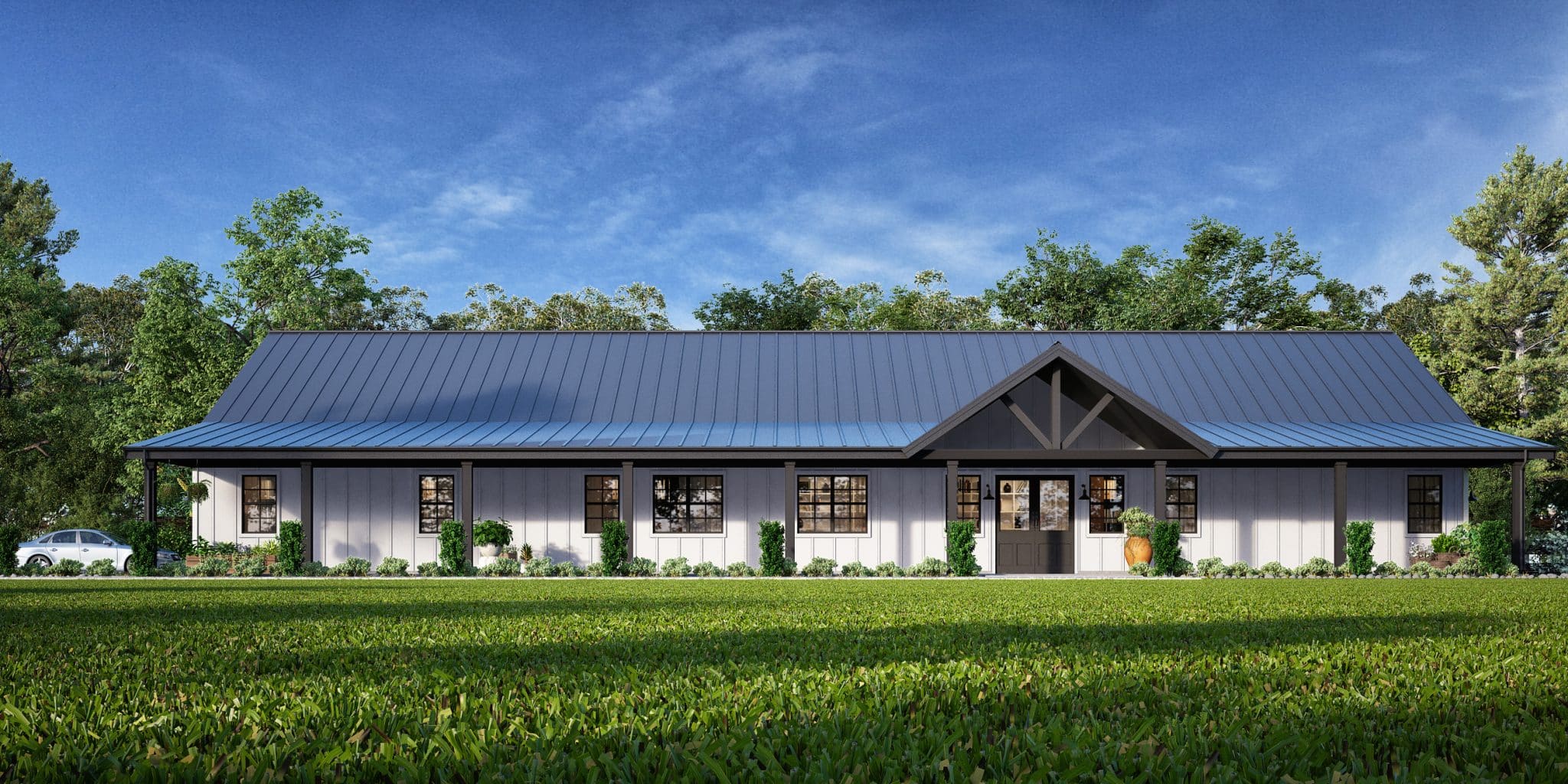



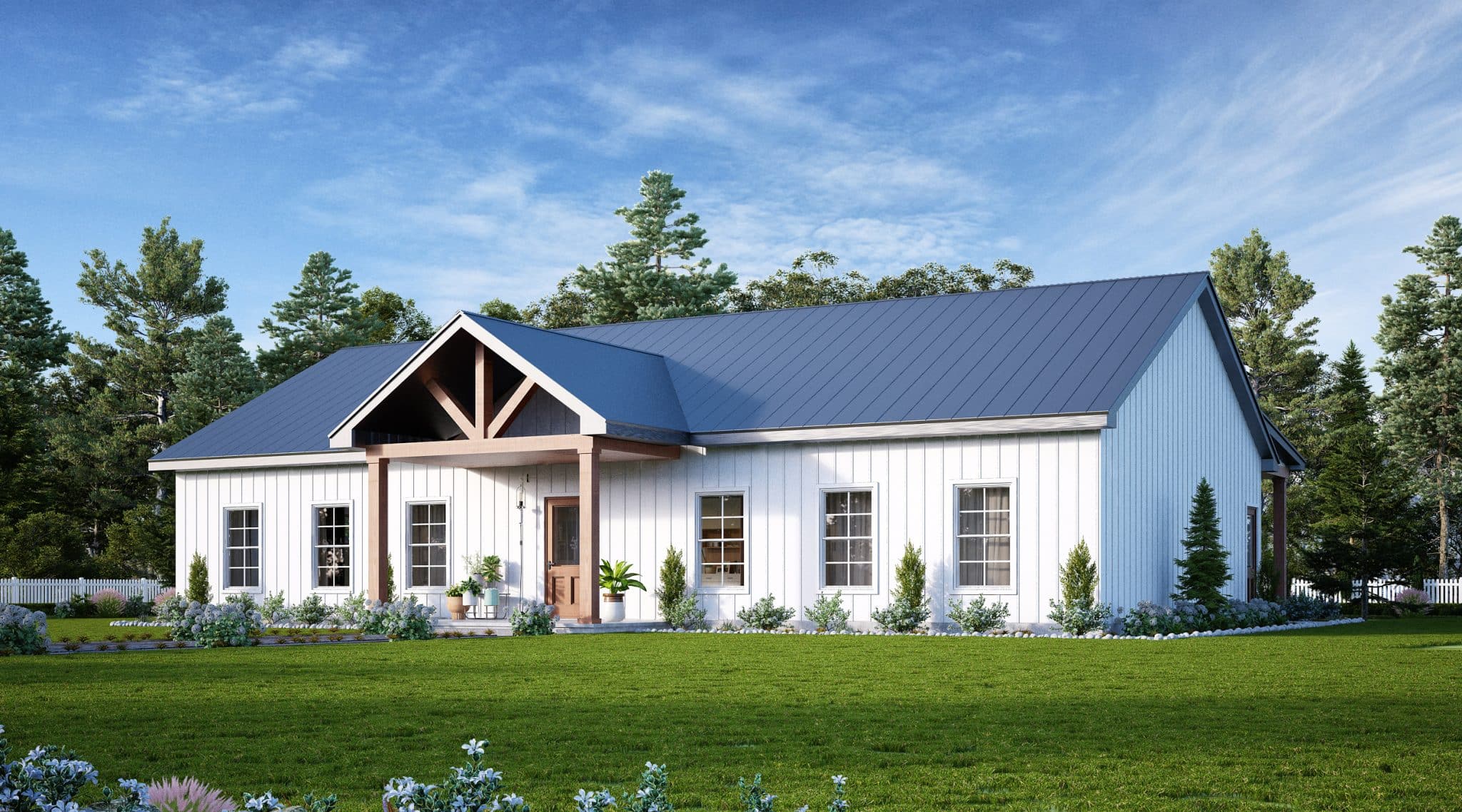
How Long Does a Metal Barndominium Last?
One of the most common questions homeowners ask before building is:
“How long does a metal barndominium last?”
The answer depends on several important factors, including:
- engineering,
- construction quality,
- installation,
- maintenance,
- environmental conditions,
- and the materials used throughout the project.
When properly designed, constructed, and maintained, modern metal barndominiums can provide long-term durability and performance for many decades. Like any custom home, however, long-term lifespan is heavily influenced by how well the structure is protected from moisture, weather exposure, and deferred maintenance over time.
Today’s barndominiums are no longer simple barn conversions. Modern barndominiums are engineered residential homes that often include:
- open-concept floor plans,
- vaulted ceilings,
- large garages and workshops,
- energy-efficient systems,
- and highly customizable layouts designed for long-term living.
What Is a Metal Barndominium?
A metal barndominium is typically a residential home that incorporates:
- metal roofing,
- steel framing,
- engineered structural systems,
- or metal exterior finishes.
Some barndominiums use:
- wood framing,
- cold-formed steel framing,
- or a combination of both systems depending on the design and engineering requirements.
Cold-formed steel framing has become increasingly popular because it offers:
- dimensional consistency,
- engineered precision,
- resistance to warping and shrinking,
- and strong strength-to-weight performance.
However, no framing material alone determines the lifespan of a home. Long-term durability depends on the quality of the overall construction system and how well the project is maintained over time.
The Importance of Proper Engineering
One of the biggest factors affecting the lifespan of a metal barndominium is proper engineering.
Homes should be engineered for:
- local wind loads,
- snow loads,
- seismic conditions,
- and regional building code requirements.
Different parts of the country create different structural demands, which is why properly engineered plans are extremely important before construction begins.
A properly engineered home can help improve:
- structural performance,
- long-term durability,
- and overall building stability.
Roofing Systems Play a Major Role
The roof is one of the most important protective systems on any home.
Many metal barndominiums use metal roofing systems because they are known for:
- durability,
- weather resistance,
- and long service life when properly installed and maintained.
However, roofing performance still depends heavily on:
- installation quality,
- flashing details,
- ventilation,
- drainage,
- maintenance,
- and environmental conditions.
Exterior roofing and siding products should always be installed according to:
- manufacturer recommendations,
- local building codes,
- and accepted construction practices.
Routine inspections and maintenance can help extend the lifespan of roofing systems significantly.
Moisture Management Is Extremely Important
Like any construction material, steel and metal components exposed to moisture for extended periods may experience corrosion-related issues if not properly protected during construction or throughout the life of the structure.
With steel framing systems, prolonged exposure to:
- rain,
- humidity,
- standing water,
- snow,
- coastal environments,
- or improper storage conditions
may sometimes lead to temporary surface oxidation before the structure is dried-in.
This is why BuildMax strongly recommends:
- proper material storage,
- weather protection during construction,
- moving the project toward dry-in as quickly as possible,
- and using experienced contractors familiar with cold-formed steel framing systems.
Surface oxidation does not automatically indicate structural failure, but proper moisture management remains critical to long-term performance.
Like any home, improper drainage, roof leaks, flashing failures, or deferred maintenance can reduce the lifespan of building materials over time.
Proper Insulation and Ventilation Improve Longevity
Proper insulation and ventilation systems help improve both comfort and long-term building performance.
Well-designed systems can help reduce:
- heat transfer,
- humidity,
- condensation,
- and moisture buildup.
Common insulation solutions used in modern barndominiums include:
- spray foam insulation,
- insulated wall systems,
- radiant barriers,
- attic ventilation,
- and energy-efficient HVAC systems.
When properly designed and installed, these systems can help improve energy efficiency and reduce moisture-related problems inside the home.
Construction Quality Matters
Even the best engineered plans and materials can experience issues if construction quality is poor.
The experience level of the builder, framer, roofer, and subcontractors can significantly impact the long-term durability of the home.
An inexperienced contractor may struggle with:
- weatherproofing,
- flashing details,
- framing alignment,
- sequencing,
- or engineering interpretation.
Although some homeowners choose to owner-build their projects, larger custom homes often require careful coordination between:
- foundations,
- framing,
- roofing,
- windows,
- insulation,
- and mechanical systems.
Using experienced professionals familiar with residential construction and cold-formed steel framing systems can help reduce delays, installation issues, and unnecessary repairs later.
BuildMax may provide general introductions or recommendations to independent contractors or installers in certain areas, but homeowners are ultimately responsible for evaluating and selecting the professionals involved in their project.
Environmental Conditions Affect Lifespan
The environment surrounding the home also plays a major role in longevity.
Factors that can affect long-term performance include:
- coastal salt exposure,
- humidity,
- heavy rainfall,
- snow and ice,
- extreme temperature changes,
- and local weather conditions.
Homes located in harsher climates may require:
- additional maintenance,
- more frequent inspections,
- or upgraded protective systems depending on the region.
Routine maintenance and proper care are important for preserving the long-term condition of any home.
Maintenance Still Matters
One of the biggest misconceptions online is that metal barndominiums are completely maintenance-free.
Like any home, proper maintenance is still necessary.
Routine maintenance may include:
- roof inspections,
- sealant maintenance,
- gutter cleaning,
- HVAC servicing,
- drainage management,
- and periodic exterior inspections.
Maintaining the home properly can help reduce long-term wear and preserve the overall condition of the structure for many years.
Final Thoughts
So, how long does a metal barndominium last?
When properly engineered, constructed, protected from moisture, and maintained over time, a metal barndominium can provide long-term durability and residential performance for many decades.
The overall lifespan of the home depends on:
- engineering,
- construction quality,
- installation,
- maintenance,
- environmental conditions,
- and proper project coordination.
Like any custom home, long-term durability is not determined by a single material alone. The entire building system — including roofing, framing, insulation, ventilation, drainage, and weatherproofing — all work together to affect the lifespan of the structure.
The homeowners who typically experience the best long-term results are the ones who:
- plan carefully,
- use experienced professionals,
- protect materials during construction,
- and maintain the home properly over time.
When designed and built correctly, a modern metal barndominium can become a beautiful, functional, and long-lasting home designed for modern living.