



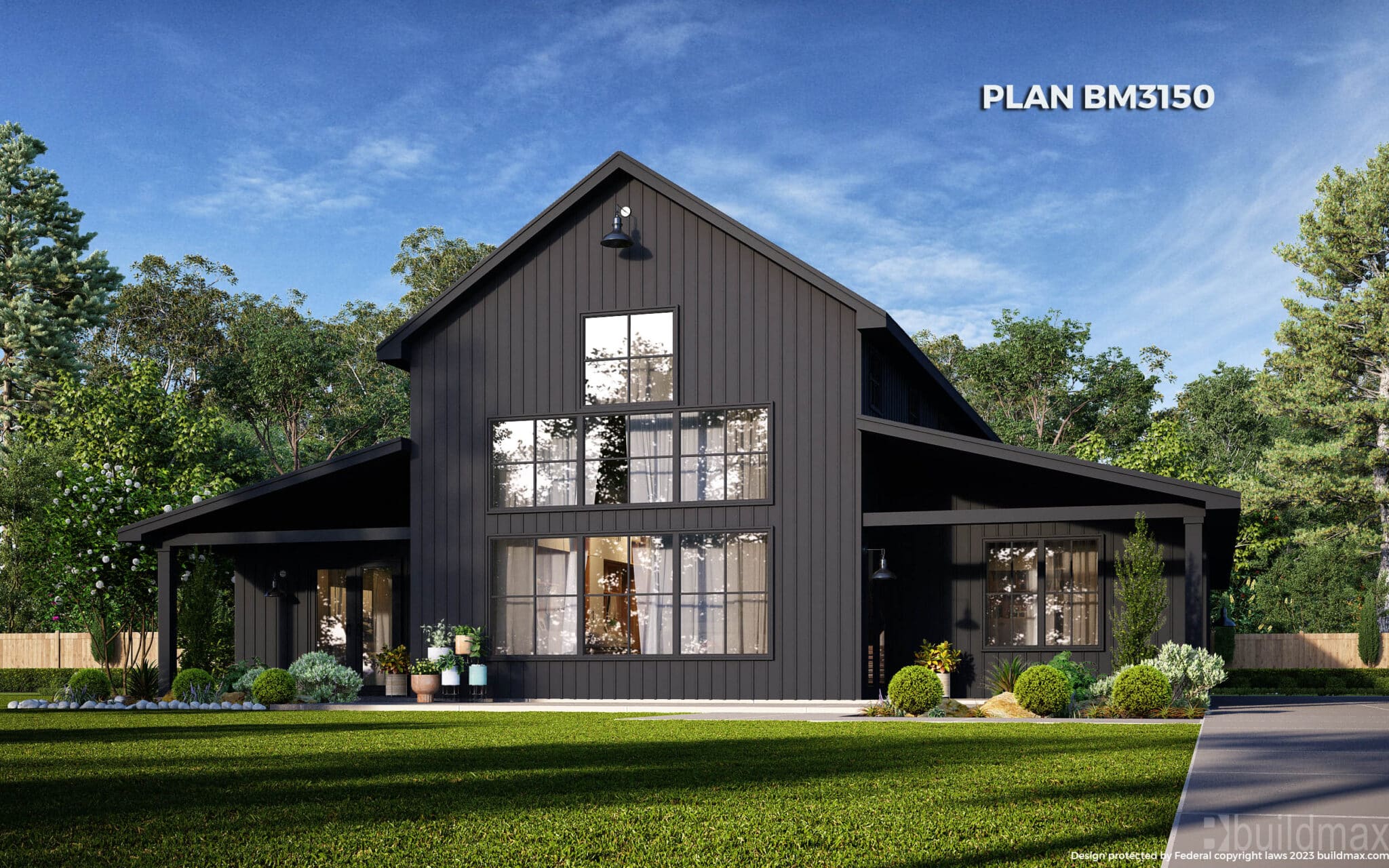
How Much Does It Cost to Build a Barndominium in Georgia?
Georgia has become one of the most popular states in the Southeast for building a barndominium. With a mix of rural acreage, growing suburban communities, mountain properties, coastal land, and strong demand for custom homes, Georgia gives homeowners a wide range of places to build a barndominium that fits their lifestyle.
Whether you are building near Atlanta, Athens, Macon, Augusta, Savannah, Columbus, Gainesville, Valdosta, or on rural acreage in North Georgia or South Georgia, one of the first questions most future homeowners ask is:
How much does it cost to build a barndominium in Georgia?
The answer depends on several important factors, including the size of the home, the land, the foundation, the building system, the level of interior finishes, the local labor market, utility access, and whether the project includes a garage, shop, porch, or additional storage space.
In general, many finished barndominium builds in Georgia can fall somewhere between $150 and $300+ per square foot, depending on the complexity of the home and the level of finish. A simple barndominium shell will cost much less than a fully finished custom home, but it is important to understand that the shell is only one part of the total project cost.
For example, a basic 2,000-square-foot barndominium with modest finishes will have a very different budget than a 3,500-square-foot custom barndominium with vaulted ceilings, wraparound porches, a large kitchen, upgraded bathrooms, and an attached garage or shop.
That is why the best way to estimate the cost of a Georgia barndominium is to look at the full project, not just the kit price or shell price.
Why Georgia Is a Great State for Barndominiums
Georgia is a natural fit for barndominiums because the state offers so many different types of building locations. Some homeowners want open rural land. Others want a custom home near a growing metro area. Some want mountain views in North Georgia, while others want a coastal-inspired home closer to Savannah or Brunswick.
Barndominiums work well in Georgia because they offer flexibility. A barndominium can be designed as a family home, retirement home, vacation property, farmhouse, shophouse, or custom home with an attached garage or workshop.
Many Georgia homeowners are drawn to barndominiums because they want more than a standard subdivision house. They want open living spaces, large porches, durable materials, room for hobbies, space for equipment, and a home that can be customized around the way they actually live.
With the right plan and building package, a Georgia barndominium can offer the comfort of a custom home with the practical advantages of a strong, efficient, and flexible structure.
What Is a Barndominium?
A barndominium is a custom residential home inspired by barn-style architecture. Most barndominiums feature open floor plans, large porches, metal roofing, vaulted ceilings, spacious kitchens, flexible living areas, and the option to include garages, shops, or storage areas.
Some barndominiums are built with steel framing, some with post-frame construction, some with red iron, and others with conventional wood framing and metal exterior finishes. At BuildMax, many barndominium house plans can be adapted to work with different construction methods, including steel frame kits, metal building kits, post-frame systems, or conventional wood framing.
This flexibility is one reason barndominiums have become so popular. Homeowners can choose a design that fits their budget, land, local builder, and long-term needs.
A barndominium may look rustic, modern, farmhouse-inspired, industrial, or completely custom. It can be simple and budget-conscious, or it can be finished like a luxury custom home.
How Much Does a Barndominium Cost to Build in Georgia?
The cost to build a barndominium in Georgia depends on whether you are pricing a shell, a kit, or a fully finished home. This is where many homeowners get confused.
A barndominium shell or kit may only include the structural frame, roof, siding, and sometimes windows and doors. A finished home includes everything required to live in the home, including foundation, labor, insulation, electrical, plumbing, HVAC, drywall, flooring, cabinetry, countertops, lighting, appliances, fixtures, and final finishes.
For most homeowners, the most important number is the completed cost of the home, not just the cost of the shell.
Basic Barndominium Shell Cost
A basic shell package is usually the least expensive part of the project to understand, but it is not the full cost to build. A shell may include the frame, exterior walls, roof system, siding, and sometimes windows and exterior doors, depending on the package.
Shell pricing can be helpful when comparing building systems, but it should never be mistaken for the total cost of a finished home. You still need to budget for site work, foundation, labor, utilities, insulation, mechanical systems, interior finishes, permits, and inspections.
Finished Barndominium Cost
A finished Georgia barndominium includes the complete home from foundation to final occupancy. This means the home is ready to live in and includes all interior and exterior components required by your builder, lender, and building department.
A finished barndominium will usually cost far more than the shell because interior finish-out is one of the largest parts of the total budget. Kitchens, bathrooms, flooring, cabinets, HVAC, plumbing, electrical, insulation, drywall, and trim all add to the final cost.
Barndominium with Garage or Shop Cost
Many Georgia homeowners choose a barndominium because they want an attached garage, equipment storage area, workshop, RV bay, or hobby space. This is one of the biggest advantages of a barndominium, but it must be budgeted correctly.
Garage and shop space may cost less per square foot than finished living space, but it still requires concrete, framing, roofing, doors, electrical work, and sometimes insulation or plumbing. A home with 2,000 square feet of living space and 1,200 square feet of garage or shop space should not be priced the same way as a 3,200-square-foot fully finished home.
When budgeting, separate the finished living area from the unfinished or semi-finished shop area. This creates a more realistic estimate.
Main Factors That Affect Barndominium Cost in Georgia
1. Location in Georgia
Where you build in Georgia can have a major impact on the final cost. Building near Atlanta, Alpharetta, Marietta, Roswell, Gainesville, Athens, Savannah, Augusta, or Macon may involve higher labor costs, stricter permitting, and more demand for experienced builders.
Rural areas may offer more affordable land, but they can also create additional costs if the property needs a long driveway, septic system, well, grading, tree clearing, power extension, or drainage work.
A lower land price does not always mean a lower total project cost. A rural property can become expensive if utilities are far away or the site requires major preparation before construction can begin.
2. Land Cost and Site Conditions
Land is one of the first major costs in a Georgia barndominium project. Prices vary widely depending on whether you are buying acreage near a metro area, rural farmland, mountain property, lake property, or coastal land.
Before buying land for a barndominium in Georgia, ask these questions:
- Is the property zoned for residential construction?
- Are barndominiums or metal-sided homes allowed in the area?
- Are there deed restrictions or HOA rules?
- Is there public road access?
- Is power available at the property?
- Will the land require a water well?
- Will the home need a septic system?
- Does the property have good drainage?
- Is the land flat enough to build on affordably?
- Are there floodplain, wetland, or erosion concerns?
- Will the driveway or building pad require major grading?
Land that looks affordable on paper can become expensive if it requires extensive site work. Before purchasing land, it is smart to talk with a builder, septic professional, surveyor, or local building department.
3. Size of the Barndominium
Square footage is one of the biggest cost drivers in any custom home project. A larger barndominium requires more materials, more labor, more foundation, more roofing, more insulation, more electrical work, more plumbing, and more interior finishes.
However, size is not the only factor. A simple 2,400-square-foot rectangular barndominium may be more efficient to build than a smaller home with complicated rooflines, multiple bump-outs, dormers, and expensive exterior details.
If budget is a major concern, choose an efficient floor plan with a clean footprint. You can still create a beautiful Georgia barndominium with vaulted ceilings, an open kitchen, split bedrooms, and a large porch without making the structure unnecessarily complicated.
4. Floor Plan Design
Your floor plan has a direct impact on cost. A simple, efficient layout will usually be more affordable than a highly customized plan with multiple angles, complex rooflines, oversized glass, and unusual structural requirements.
Before pricing a kit or talking with builders, it helps to start with a real plan. Reviewing barndominium floor plans gives you a better starting point because your builder and material supplier can estimate from an actual design instead of a rough sketch.
A good Georgia barndominium plan should account for the way you live, but it should also be practical to build. The goal is to balance style, function, and budget.
5. Foundation and Concrete Work
Most barndominiums in Georgia are built on a concrete slab foundation, although the right foundation depends on the site, soil conditions, engineering, and local code requirements.
Foundation costs can vary based on:
- Soil conditions
- Site slope
- Excavation requirements
- Concrete thickness
- Footings
- Reinforcement
- Plumbing under the slab
- Vapor barrier requirements
- Drainage around the home
- Garage or shop slab requirements
- Driveways, patios, and porches
A properly built foundation is especially important for steel frame barndominiums and large open-span homes. The foundation supports the entire structure, so this is not an area where homeowners should cut corners.
6. Steel Frame Kit vs. Wood Frame Construction
Georgia homeowners often compare steel frame barndominium kits with traditional wood framing. Both methods can work, but they offer different advantages.
A steel frame barndominium kit can be a strong option because steel is durable, precise, and well suited for open spans. Steel framing does not warp, split, rot, or attract termites like wood. It can also make it easier to create wide-open living areas, tall ceilings, oversized garages, and flexible shop spaces.
Wood framing is familiar to many local builders and may be easier to source in some areas. However, wood can be affected by moisture, pests, price fluctuations, and long-term maintenance concerns.
For many Georgia homeowners, steel framing is especially appealing because the state has humidity, heavy rain, termites, storms, and regional wind concerns. A properly engineered steel frame package can offer strength, consistency, and long-term durability.
7. Georgia Weather, Humidity, and Wind Considerations
Georgia’s climate should be considered when designing and budgeting for a barndominium. The state has hot summers, high humidity, heavy rain, thunderstorms, and in some areas, coastal wind and hurricane-related design considerations.
Homes near the Georgia coast may have different requirements than homes in North Georgia, central Georgia, or rural inland counties. Coastal areas may require additional engineering, stronger connections, specific roof design considerations, floodplain review, or elevated foundations depending on the site.
This is why engineered plans are important. Your barndominium should be designed for the local jurisdiction, climate, soil, wind requirements, and building code expectations.
In humid areas, insulation, ventilation, moisture control, and HVAC design are especially important. A poorly insulated or poorly ventilated barndominium can be uncomfortable and inefficient, even if the shell is strong.
8. Interior Finish Level
Interior finishes are one of the biggest reasons barndominium costs vary so much. A simple interior finish package will cost much less than a high-end custom finish package.
Common interior items that affect cost include:
- Kitchen cabinets
- Countertops
- Flooring
- Tile showers
- Plumbing fixtures
- Lighting
- Interior doors
- Trim packages
- Fireplaces
- Appliances
- Built-ins
- Stairways and lofts
- Vaulted ceiling finishes
- Large glass doors and windows
If you are trying to control your budget, decide early which finishes matter most. Many homeowners choose to invest in the kitchen, master bathroom, great room, and outdoor living areas while keeping secondary spaces more practical.
9. Porches, Garages, and Outdoor Living Spaces
Georgia homeowners love outdoor living, and many barndominium designs include large covered porches, grilling areas, patios, breezeways, and outdoor fireplaces.
These features add value and lifestyle appeal, but they also add cost. Covered porches require concrete, roofing, framing, columns, ceiling finishes, lighting, and sometimes outdoor kitchens or fireplaces.
A wraparound porch can make a barndominium look incredible, but it should be included in the budget from the beginning. Porch square footage is not free square footage.
10. Utilities, Septic, and Well Costs
Utility access can be one of the biggest hidden costs in a Georgia barndominium project. Some properties already have power, water, and sewer nearby. Others may require a private well, septic system, long electrical run, propane tank, or driveway improvements.
Before buying land, ask local utility providers and contractors what it will cost to bring services to the build site. A property with a low purchase price may not be the best deal if it requires expensive utility work.
11. Permits and Local Regulations
Barndominiums are generally permitted as residential homes, not agricultural barns. This is an important distinction.
In Georgia, permitting requirements can vary by county, city, and local jurisdiction. Some rural areas may be more flexible, while metro Atlanta suburbs, coastal communities, and areas with HOAs or deed restrictions may have more detailed requirements.
Your construction documents should be designed as residential plans and should meet the requirements of your local building department. When the plans are clear, code-conscious, and properly engineered, the process is much smoother for the homeowner, builder, lender, and inspector.
Are Barndominiums Allowed in Georgia?
Yes, barndominiums can be built in Georgia, but they must be designed and permitted correctly. The key is to treat the project as a residential home from the beginning.
In most cases, building departments care less about the word “barndominium” and more about whether the home meets residential code, zoning, structural, energy, safety, electrical, plumbing, and mechanical requirements.
Before you begin, verify:
- Local zoning rules
- Residential use approval
- Setback requirements
- Driveway access
- Septic or sewer requirements
- Water access or well requirements
- Floodplain status
- Soil or erosion control requirements
- Building permit requirements
- Inspection schedule
- Energy code requirements
- HOA or deed restrictions
- Exterior material restrictions, if any
One of the biggest mistakes homeowners make is assuming that rural land has no restrictions. Always verify local requirements before buying land or ordering a kit.
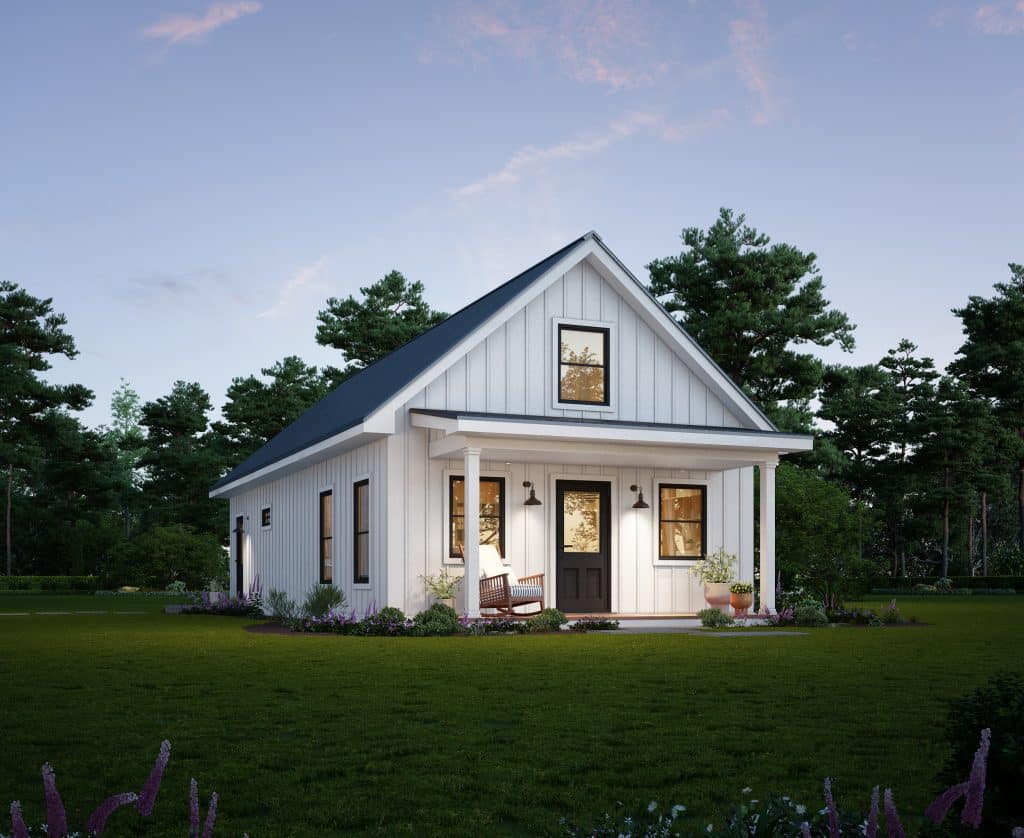
Georgia Barndominium Kits

A barndominium kit can be a smart way to simplify the building process. Instead of trying to source the shell materials piece by piece, a kit provides an organized material package designed to work with the home plan.
BuildMax offers Georgia barndominium kits and steel frame packages that can be matched with many of our floor plans. This helps reduce material confusion, improve accuracy, and make it easier for your builder to understand the shell package.
A steel kit can be especially valuable for Georgia homeowners who want:
- A durable structure
- Open interior spans
- A large garage or shop
- Lower long-term maintenance
- Resistance to rot, pests, and warping
- A home designed around open living spaces
- A more efficient material package
- A structure engineered for local conditions
- A faster path to getting the shell under roof
One of the best ways to avoid budget confusion is to choose the plan first, then price the kit around the design. If you are still comparing layouts, start with barndominium house plans so your pricing is based on a real home design.
How to Budget for a Georgia Barndominium
A good Georgia barndominium budget should include more than the cost of the kit. Many first-time builders underestimate the project because they focus only on the shell price.
If you are trying to understand how kit pricing fits into the larger budget, our guide to barndominium kit prices can help you compare the material package to the full cost of construction.
Your Georgia barndominium budget should include:
- Land
- Survey
- Soil testing, if needed
- Tree clearing
- Driveway
- Grading and drainage
- Erosion control, if required
- Foundation
- Barndominium kit or framing package
- Roofing and siding
- Windows and exterior doors
- Porches and patios
- Garage doors
- Electrical
- Plumbing
- HVAC
- Insulation
- Drywall
- Cabinets
- Countertops
- Flooring
- Interior doors and trim
- Lighting
- Appliances
- Septic system
- Well or water connection
- Utility connections
- Permits
- Engineering
- Builder labor
- Contingency fund
A contingency fund is important for any custom home build. Site issues, weather delays, material changes, utility costs, and finish upgrades can all affect the final price.
Example Georgia Barndominium Cost Scenarios
Scenario 1: Simple 1,600-Square-Foot Barndominium
A smaller Georgia barndominium with a simple footprint, modest finishes, and no large attached shop may be one of the most budget-conscious options.
This type of home can work well for downsizers, couples, small families, rural landowners, or homeowners who want a practical custom home without overbuilding.
Scenario 2: 2,000-Square-Foot Family Barndominium
A 2,000-square-foot barndominium with three or four bedrooms, open living space, a covered porch, and a moderate finish package is one of the most popular options for Georgia families.
This size provides comfortable living space while still keeping the project manageable from a budget standpoint.
Scenario 3: Barndominium with Attached Garage or Shop
A barndominium with an attached garage, workshop, equipment bay, or hobby space can be a great fit for Georgia landowners, small business owners, mechanics, hunters, farmers, and families who need more storage.
The important thing is to separate finished living space from garage or shop space when budgeting. This gives you a more accurate estimate.
Scenario 4: Large Custom Barndominium
A large custom Georgia barndominium with vaulted ceilings, luxury finishes, oversized porches, large windows, a custom kitchen, and a big attached garage can cost as much as, or more than, a traditional custom home.
Barndominiums are not automatically cheap. They are flexible and efficient, but the final cost still depends on the design, finishes, labor, land, and site conditions.
Is It Cheaper to Build a Barndominium in Georgia?
A barndominium can be cheaper than a traditional custom home in Georgia, but only if the design is efficient and the project is planned correctly.
The savings often come from:
- Simpler rooflines
- Efficient rectangular layouts
- Faster shell construction
- Durable metal or steel exterior materials
- Open-span framing
- Reduced long-term maintenance
- Less complicated exterior detailing
- Ability to combine living space with garage or shop space
However, a barndominium can become expensive if you add complicated rooflines, luxury finishes, large porches, oversized windows, custom cabinetry, and premium interior features.
The best way to save money is not to build the cheapest possible home. It is to build the smartest version of the home you actually need. You can also read our guide on the cheapest type of house to build for more budget-conscious planning tips.
Financing a Barndominium in Georgia
Financing a barndominium can be different from financing an existing home. Most buyers use a construction loan or construction-to-permanent loan to build a custom home.
Lenders usually want detailed plans, a builder contract, a cost breakdown, land information, a construction timeline, and an appraisal. The more organized your project is, the easier the financing conversation becomes.
Not every lender understands barndominiums, so it helps to present the project as a custom residential home with engineered plans, a detailed scope of work, and a qualified builder. If you are researching conventional lending, our article on whether Fannie Mae lends on barndominiums is another helpful resource.
For a deeper look at the process, read our guide on how to secure financing for your barndominium build.
When talking with lenders, ask the right questions early. You may also want to review whether it is possible to get a 30-year loan for a barndominium before choosing a lender.
- Do you finance barndominiums?
- Do you offer construction-to-permanent loans?
- Do you require a licensed general contractor?
- Can the home include a steel frame kit?
- How are draw schedules handled?
- Can garage or shop space be included?
- What documents are needed for appraisal?
- Do you allow owner-builder participation?
- What down payment is required?
- Are rural loan programs available?
The key is to make the project look organized, realistic, and residential. Good plans, a clear budget, and a qualified builder can make a major difference.
Choosing a Barndominium Builder in Georgia
Choosing the right builder is one of the most important decisions in your Georgia barndominium project. Not every builder has experience with barndominiums, metal building systems, steel kits, or hybrid home-and-shop layouts.
A good Georgia barndominium builder should understand:
- Residential code requirements
- Slab foundations
- Steel or metal building systems
- Moisture control
- Insulation for humid climates
- HVAC design for open floor plans
- Large porches and rooflines
- Garage and shop integration
- Utility coordination
- Local permitting
- Wind and weather requirements
You do not necessarily need a builder who only builds barndominiums. You need a builder who understands custom residential construction and is willing to work with engineered plans and material packages.
Best Places to Build a Barndominium in Georgia
Georgia offers many excellent areas for barndominium construction. The best location depends on your budget, land needs, job location, lifestyle, and how close you want to be to city services.
North Georgia
North Georgia is popular with homeowners who want mountain views, wooded acreage, cooler elevations, and a quieter lifestyle. Areas near Blue Ridge, Ellijay, Dahlonega, Cleveland, Blairsville, and Clayton can be attractive for custom barndominium builds.
Mountain properties may require additional site work, grading, driveway planning, and foundation considerations, so land selection is especially important.
Atlanta Metro and Surrounding Counties
The Atlanta metro area offers strong job access, major amenities, and growing suburban communities. Areas outside the core metro, including Cherokee, Paulding, Coweta, Walton, Barrow, Jackson, and Hall counties, may appeal to homeowners looking for acreage within driving distance of the city.
Building near Atlanta may involve higher land and labor costs, but it can also offer strong long-term value.
Athens and Northeast Georgia
Athens and surrounding areas offer a mix of rural land, college-town amenities, and growing residential demand. This region can be appealing for families, retirees, and landowners who want access to both small-town living and larger-city conveniences.
Middle Georgia
Middle Georgia, including areas around Macon, Warner Robins, Milledgeville, and Perry, can offer more affordable land and a practical location for barndominium construction. This area may be especially attractive for homeowners who want acreage without the higher prices found near Atlanta.
South Georgia
South Georgia offers open land, agricultural properties, and a more rural lifestyle. Areas near Valdosta, Tifton, Thomasville, Moultrie, and Albany can be a strong fit for barndominiums, especially for homeowners who need land, storage, or shop space.
Coastal Georgia
Coastal Georgia, including areas near Savannah, Brunswick, St. Marys, and the Golden Isles, can be attractive for homeowners who want a coastal-inspired barndominium or vacation property.
Coastal projects may require additional planning for wind, flood zones, elevation, moisture, and local building rules. Always check requirements before buying coastal land.
How Long Does It Take to Build a Barndominium in Georgia?
A typical Georgia barndominium build may take 6 to 12 months, depending on land preparation, permitting, weather, builder availability, plan complexity, and finish level.
A steel frame kit or pre-engineered shell package may help speed up the shell phase, but the full project still includes site work, foundation, mechanical systems, inspections, insulation, drywall, finishes, utility work, and final approvals.
The fastest projects are usually simple, well-planned, and built by experienced crews. The slowest projects usually involve unclear plans, incomplete budgets, difficult land, financing delays, or major changes during construction.
Common Mistakes to Avoid When Building a Barndominium in Georgia
Mistake 1: Buying Land Before Checking Restrictions
Not every piece of land is ready for a barndominium. Always check zoning, deed restrictions, HOA rules, septic requirements, driveway access, floodplain status, and local building rules before purchasing property.
Mistake 2: Pricing Only the Kit
A kit is not the full cost of the home. You still need to budget for the foundation, labor, utilities, interior finishes, permits, site work, and final inspections.
Mistake 3: Starting Without Real Plans
Builders, lenders, and building departments need real construction documents. A sketch or inspiration photo is not enough to accurately price, finance, or permit a home.
Mistake 4: Ignoring Moisture and Humidity
Georgia’s humidity makes insulation, ventilation, vapor control, and HVAC design extremely important. A strong shell still needs a smart building envelope.
Mistake 5: Overcomplicating the Design
A complicated custom barndominium can quickly become expensive. If budget matters, keep the footprint efficient and spend money where it matters most.
Why Steel Frame Barndominiums Make Sense in Georgia
Steel frame barndominiums are a strong fit for many Georgia projects because they offer durability, design flexibility, and long-term value.
Steel framing can help create wide-open interiors without as many load-bearing interior walls. It is also resistant to rot, termites, warping, splitting, and many of the problems that can affect wood framing over time.
For Georgia homeowners, steel can be especially attractive because the state has humidity, heavy rain, pests, and storm-related concerns. A steel frame system can provide strength and consistency while supporting the open layouts that make barndominiums so appealing.
While steel framing may cost more upfront in some cases, many homeowners see value in the long-term durability, reduced maintenance, and design flexibility.
Ready to Start Planning Your Georgia Barndominium?
If you are ready to move from research to real numbers, BuildMax can help you start with the right plan, the right material package, and a better understanding of your budget. Browse our barndominium house plans, explore our Georgia barndominium kits, or learn more about barndominium financing options before you begin your build.
Final Thoughts: Building a Barndominium in Georgia
Building a barndominium in Georgia can be a smart move for homeowners who want land, flexibility, durability, and a custom home that fits their lifestyle. From the North Georgia mountains to rural South Georgia and the coastal areas near Savannah and Brunswick, the state offers many great opportunities for barndominium living.
The key is to plan the project correctly from the beginning. Start with the right floor plan, understand your land, price the entire build, talk with qualified builders, and work with a lender who understands construction financing.
A barndominium is not just a cheaper version of a house. It is a custom home with a different design approach. When planned well, it can give Georgia homeowners the space, strength, and flexibility they want — whether they are building a family home, a retirement home, a vacation property, a farmhouse, or a shophouse.
At BuildMax, we help homeowners take the first step with barndominium floor plans, steel frame kits, and guidance designed to make the building process easier. Whether you are just starting your research or ready to price your Georgia barndominium, having the right plan and the right building system can save time, reduce confusion, and help you move forward with confidence.
FAQ: Building a Barndominium in Georgia
How much does it cost to build a barndominium in Georgia?
The cost to build a barndominium in Georgia depends on the size of the home, land, foundation, utilities, finish level, labor, and whether the home includes a garage or shop. Many finished custom barndominiums may fall in a broad range of $150 to $300+ per square foot, depending on the project.
Are barndominiums legal in Georgia?
Yes, barndominiums can be built in Georgia, but they must meet local residential building codes, zoning rules, permitting requirements, and inspection standards. Always check with the local building department before purchasing land or ordering materials.
Is a steel frame barndominium good for Georgia?
A steel frame barndominium can be a strong choice in Georgia because steel offers durability, open-span flexibility, resistance to rot and termites, and long-term structural consistency. This can be especially valuable in humid climates.
Can I finance a barndominium in Georgia?
Yes, many homeowners finance barndominiums with construction loans or construction-to-permanent loans. Lenders usually want detailed plans, a builder contract, a cost breakdown, land information, and an appraisal.
How long does it take to build a barndominium in Georgia?
A typical Georgia barndominium build may take 6 to 12 months depending on land preparation, permitting, weather, builder availability, plan complexity, and finish level.
Where are the best places to build a barndominium in Georgia?
Popular areas include North Georgia, the Atlanta metro outskirts, Athens and Northeast Georgia, Middle Georgia, South Georgia, and coastal Georgia. The best location depends on your budget, land needs, lifestyle, and local building requirements.
Do I need a special builder for a barndominium?
You need a builder who understands residential construction, slab foundations, insulation, moisture control, steel or metal building systems, and how to coordinate a custom home build. They do not have to only build barndominiums, but experience with similar projects is helpful.