


How to Choose the Right Square Footage for Your Barndominium
Learn how to choose the perfect square footage for your barndominium. Discover tips on planning your layout, budgeting for construction, and designing a space that fits your lifestyle.
One of the first and most important decisions you’ll make when designing your barndominium is deciding how big it should be. Square footage directly affects construction costs, energy efficiency, maintenance, and overall comfort, so choosing the right size is essential for both your budget and long-term satisfaction.
Here’s how to determine the ideal square footage for your barndominium, along with tips for planning a functional, efficient layout that suits your lifestyle.
1. Start with Your Lifestyle and Household Needs
The right square footage for your barndominium isn’t just about how much space you can afford—it’s about how you’ll actually live in the home.

Ask yourself:
- How many people will live in the home now and in the future?
- Do you need guest bedrooms or in-law suites for multi-generational living?
- Will you use part of your barndo for hobbies, business, or storage?
Common size ranges for barndominiums:
- Small (800–1,200 sq. ft.): Perfect for singles, couples, or vacation homes.
- Medium (1,500–2,400 sq. ft.): Great for small families with 2–3 bedrooms.
- Large (2,500–4,000+ sq. ft.): Designed for multi-generational living or those wanting luxury features like workshops or indoor recreation spaces.
Pro Tip: Always plan for a little extra storage space, especially if you’re moving from a traditional home with an attic or basement.
2. Factor in Your Budget and Construction Costs
Square footage is directly tied to cost. The larger your barndominium, the more materials, labor, and finishing work are required.
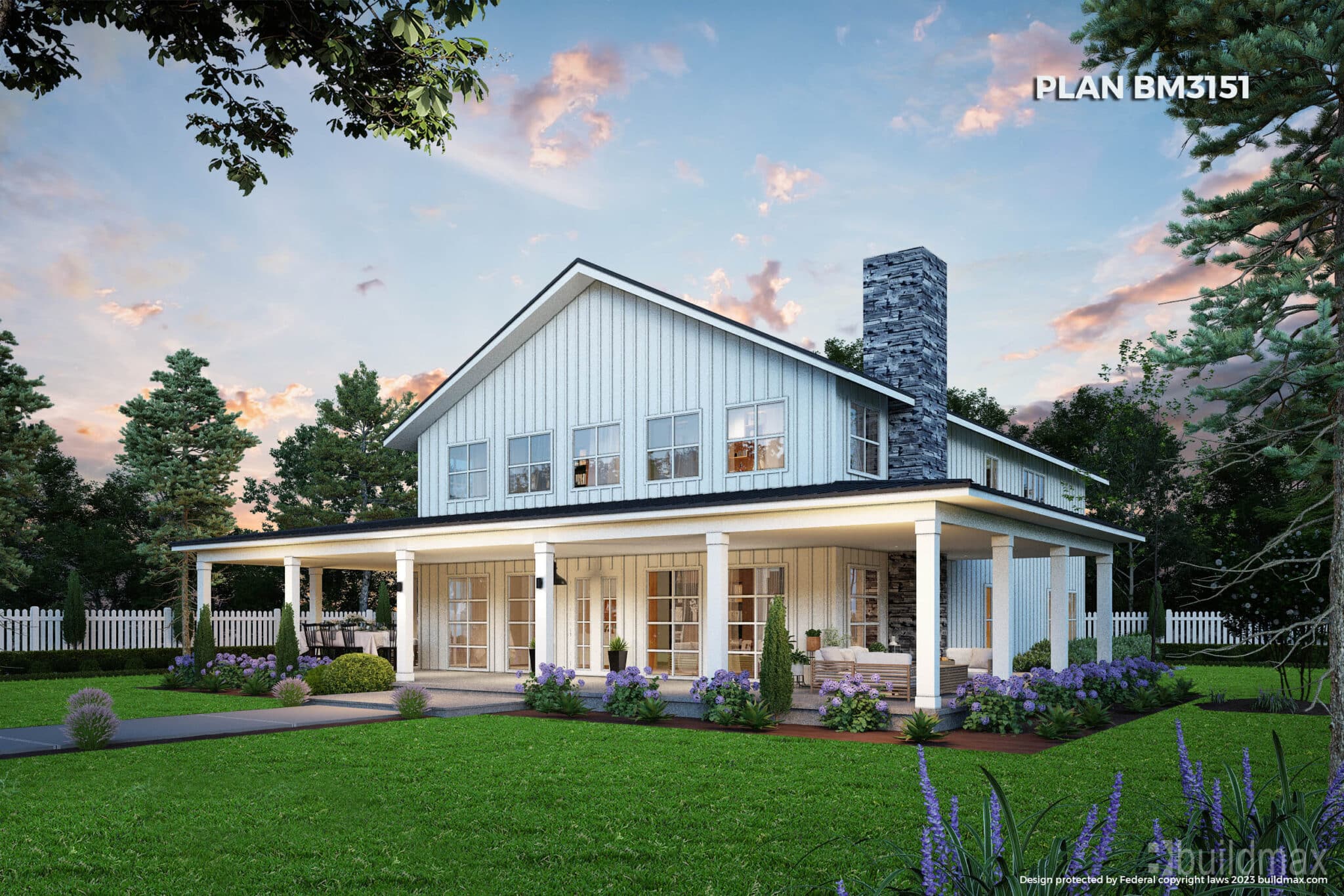
Average barndominium construction costs:
- $50–$125 per sq. ft. depending on design, finishes, and location
- Steel frame kits are more cost-efficient for larger builds and allow for wide, open spans without expensive load-bearing walls
If your budget is tight, focus on functional square footage rather than building a massive space you won’t use daily.
Example:
Instead of a 3,500 sq. ft. barndo with unused formal rooms, a 2,200 sq. ft. open-concept plan can feel just as spacious for less.
3. Consider Your Layout Before Your Square Footage
A well-designed floor plan can make a smaller barndominium feel huge. Layout often matters more than raw square footage when it comes to livability.

Efficient barndominium layout tips:
- Open-concept great rooms reduce wasted hallway space.
- Lofts or mezzanines add usable square footage without increasing the footprint.
- Combined kitchen and dining areas save space and enhance flow.
- Attached shops or garages can double as storage without inflating your heated square footage.
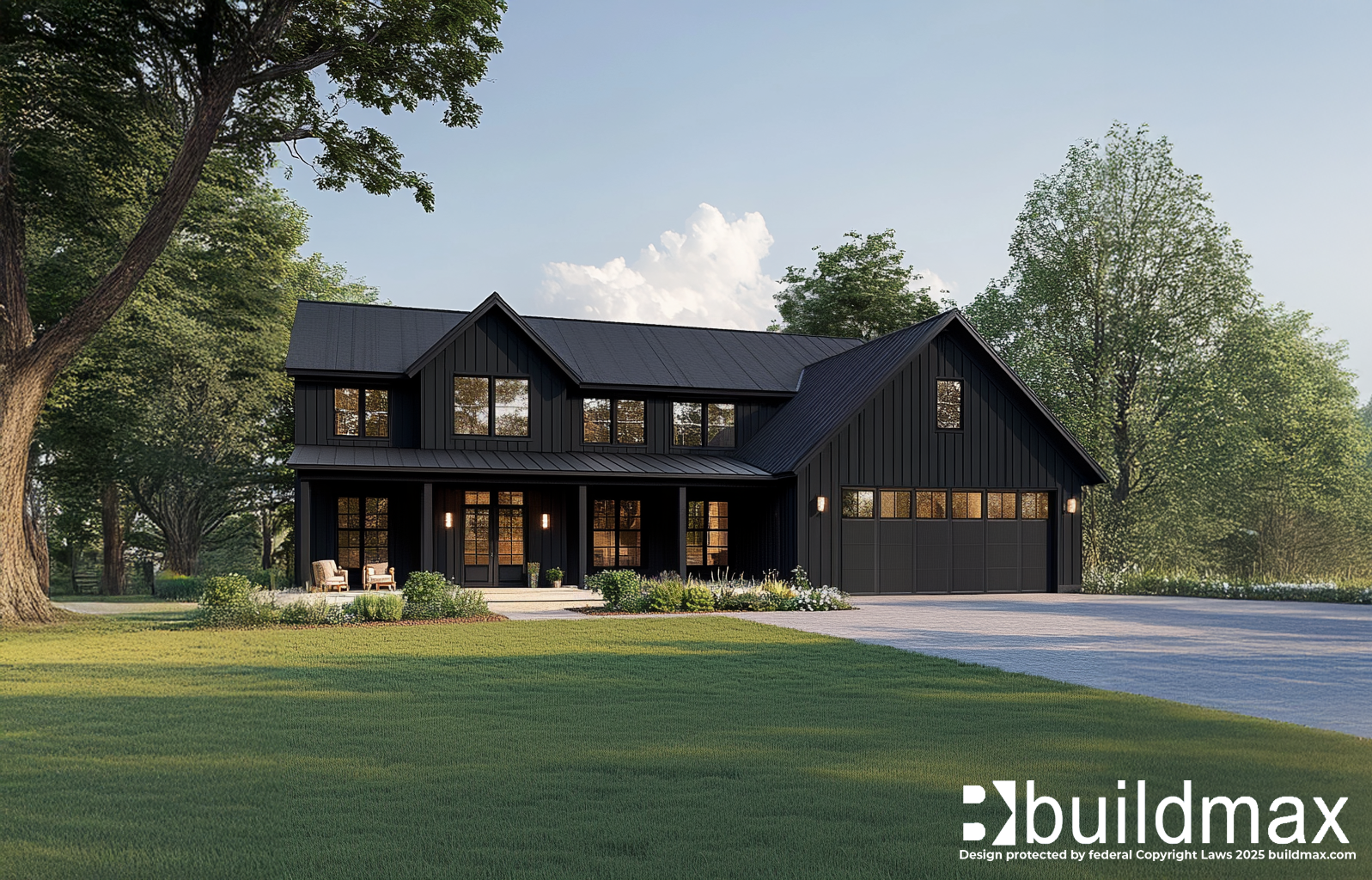
Pro Tip: Review Buildmax stock floor plans to visualize how different square footages feel and function. Sometimes, a 1,800 sq. ft. plan with an open layout is more practical than a 2,400 sq. ft. home with poor flow.
4. Plan for Future Needs
When choosing square footage, think 5–10 years ahead. A barndominium is often a forever home, so planning for life changes can save you from expensive renovations later.
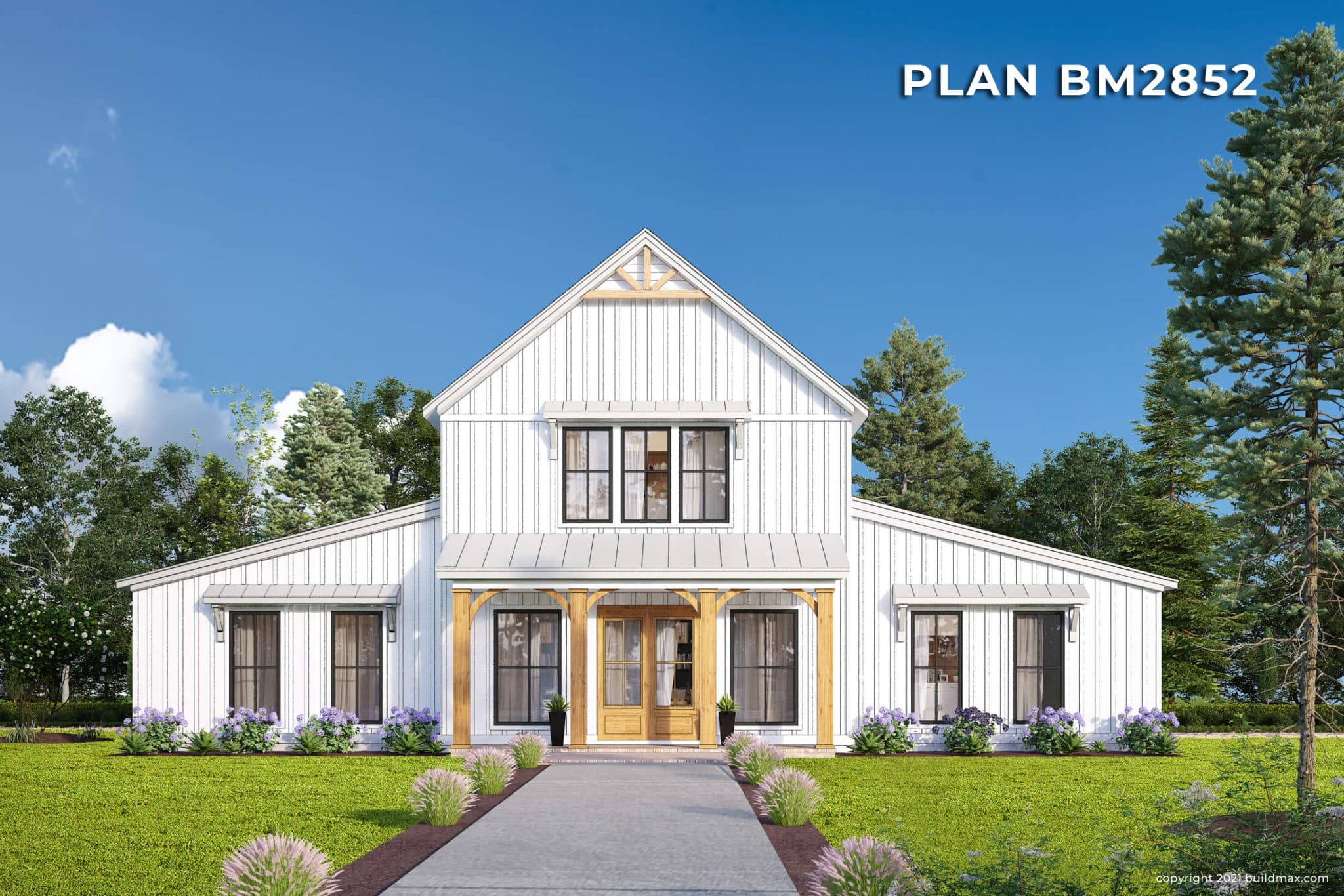
Future considerations include:
- Growing your family or multi-generational living
- Adding a home office or workshop for remote work or hobbies
- Planning for aging in place with a single-story or dual-master-suite layout
A little extra square footage now can be cheaper than building an addition later.
5. Factor in Energy Efficiency and Maintenance
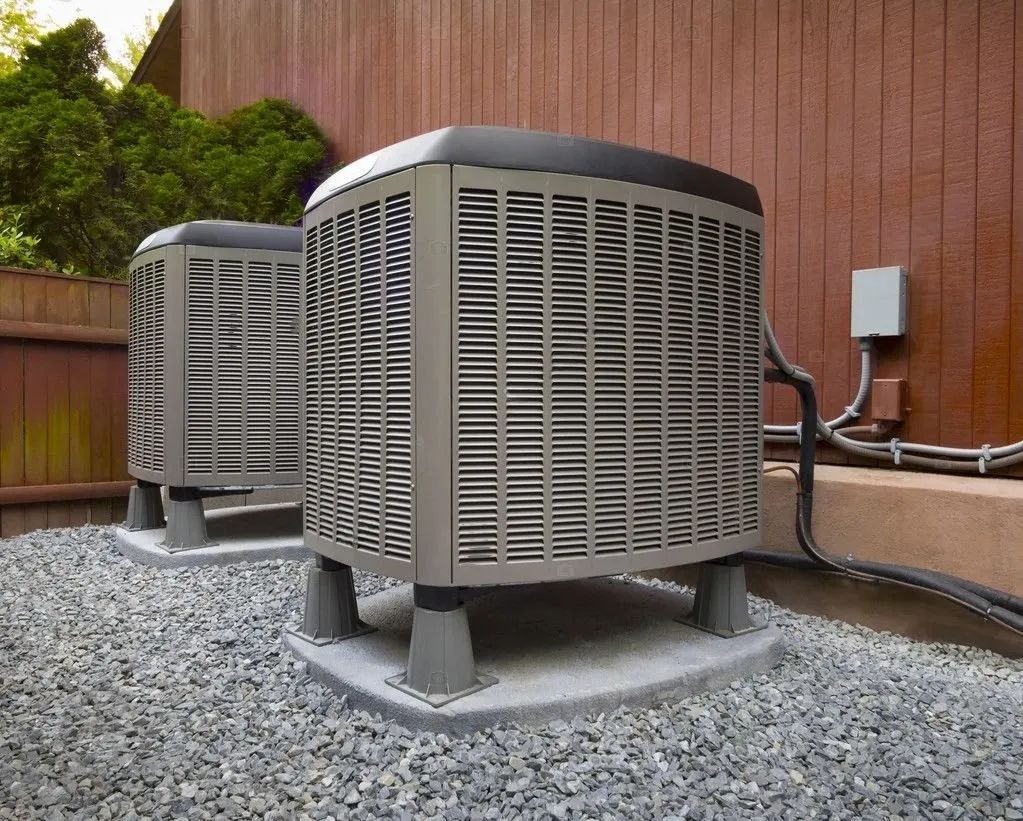
Larger barndominiums aren’t just more expensive to build—they’re more expensive to maintain.
Energy and maintenance factors:
- Heating and cooling costs rise with increased square footage
- High ceilings require more efficient HVAC solutions like mini-split systems
- More space means more cleaning, furnishing, and upkeep
If you want a budget-friendly and energy-efficient home, aim for smaller square footage with smart design features, like:
- Spray foam insulation
- Energy-rated windows and doors
- Open layouts with multi-functional spaces
6. Match Your Square Footage to Your Property
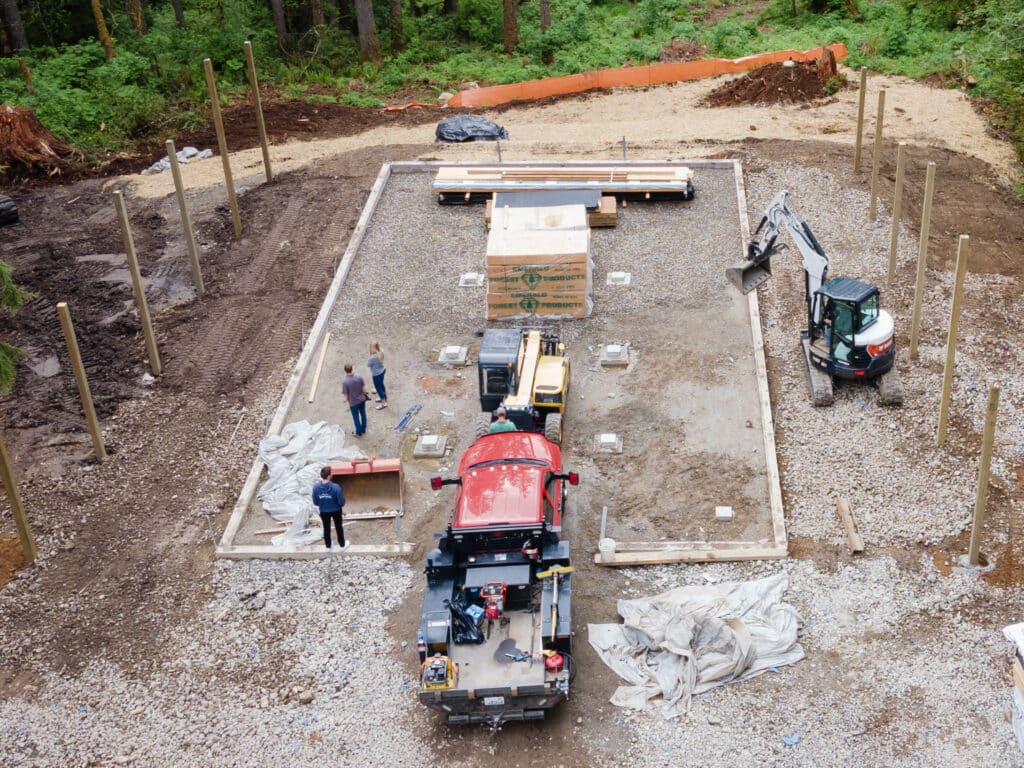
Your land size and layout can influence your home size and design.
Tips for property-based planning:
- Make sure your barndominium leaves ample outdoor space for porches, garages, or future expansions.
- Consider local building codes and setbacks, which may limit your footprint.
- Larger square footage may look better on wider lots, while compact designs work best for narrow or wooded parcels.
7. Use Stock Plans as a Smart Starting Point
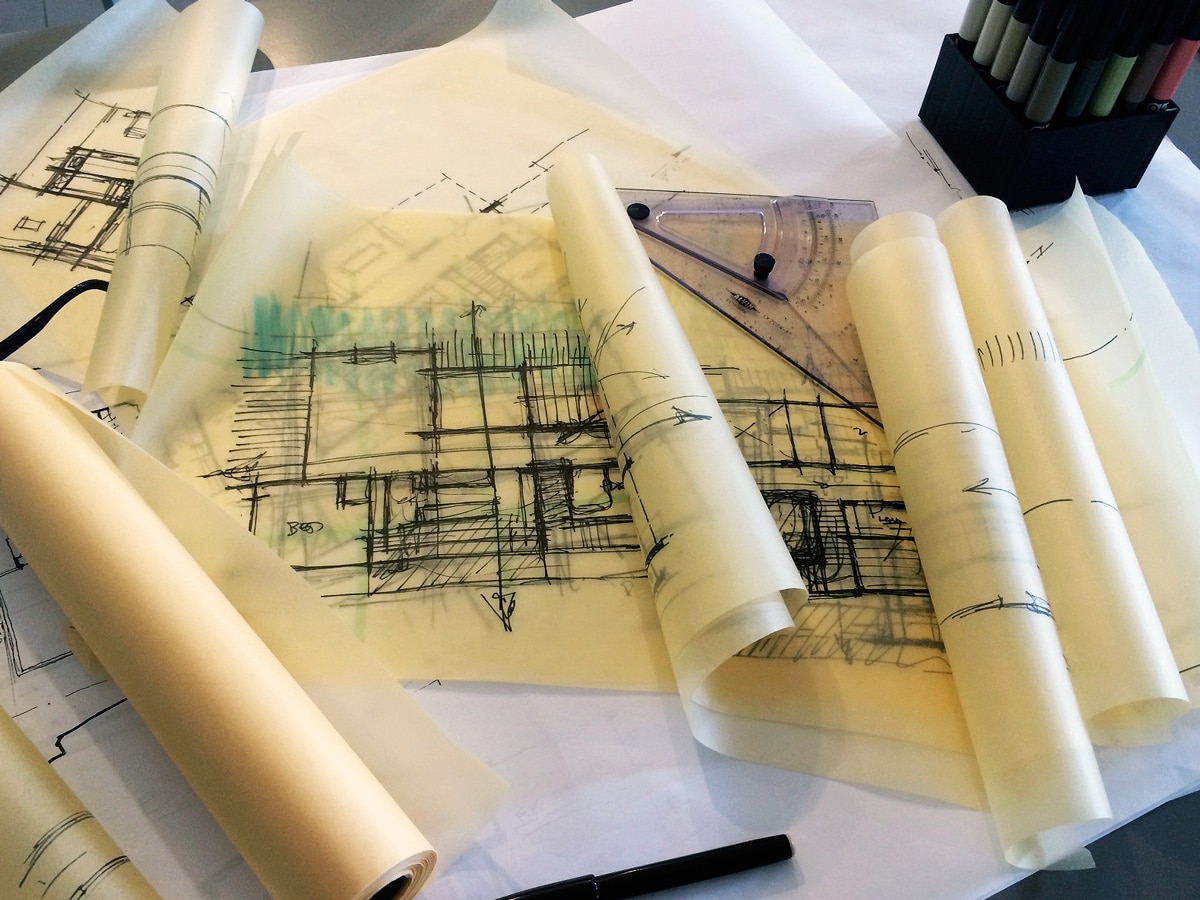
If you’re unsure how much space you need, stock barndominium floor plans can be an invaluable resource.
Benefits of stock plans from companies like Buildmax:
- Pre-designed layouts help you visualize space efficiently
- Plans can be customized for small adjustments without full architectural costs
- Save time and money by starting with a proven floor plan that fits your needs
Many builders recommend walking through floor plans virtually or staking out the footprint on your land to better understand how the square footage will feel.
Final Thoughts
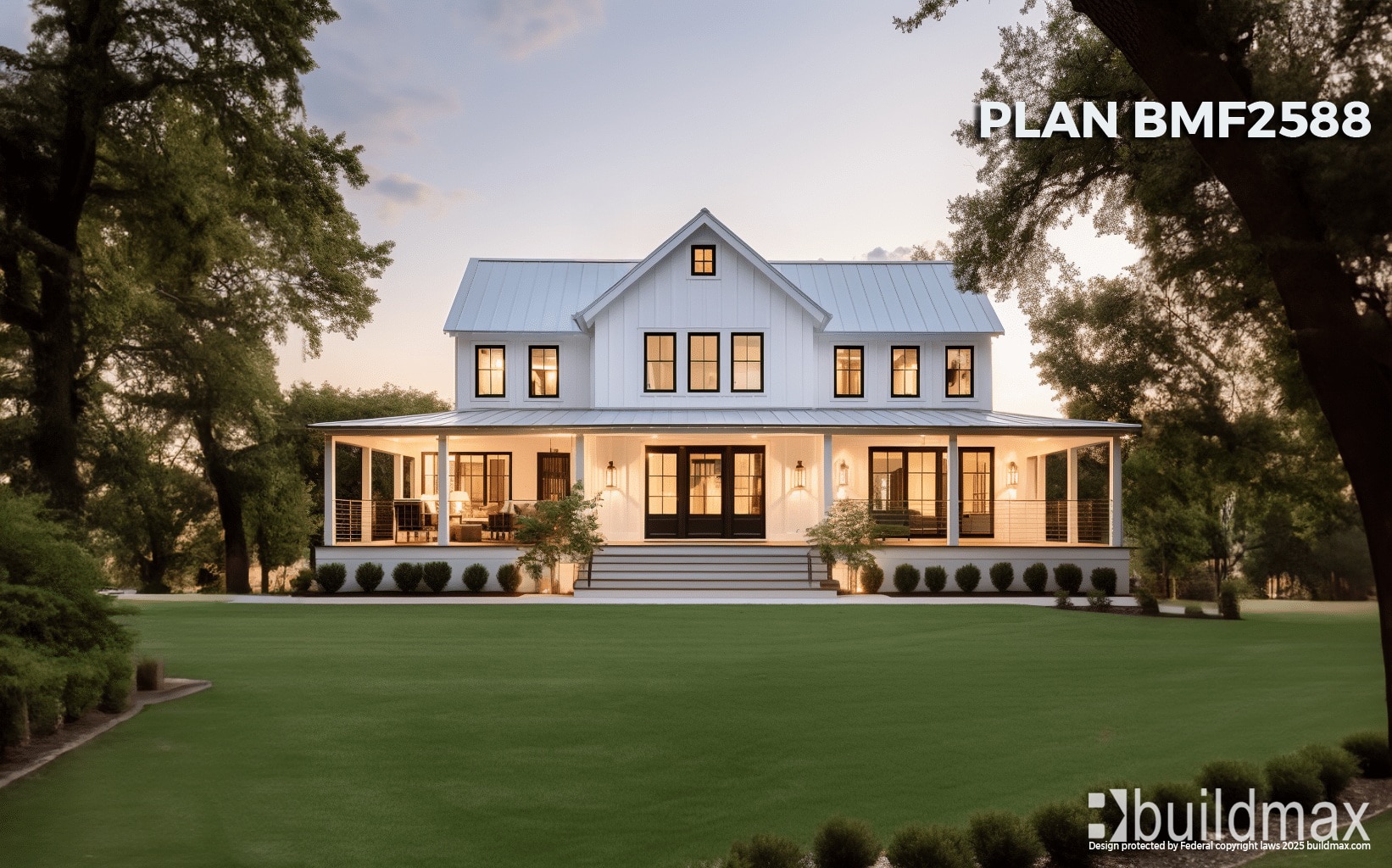
Choosing the right square footage for your barndominium is all about balancing lifestyle, budget, and efficiency.
- Think about your current and future needs to avoid under- or over-building.
- Prioritize smart layouts over raw square footage for a home that lives larger than it looks.
- Consider energy efficiency and maintenance to keep your forever home comfortable and affordable.
By taking the time to plan your square footage wisely—and using stock barndominium plans as your guide—you can create a functional, beautiful, and cost-effective barndominium that fits your life perfectly.