


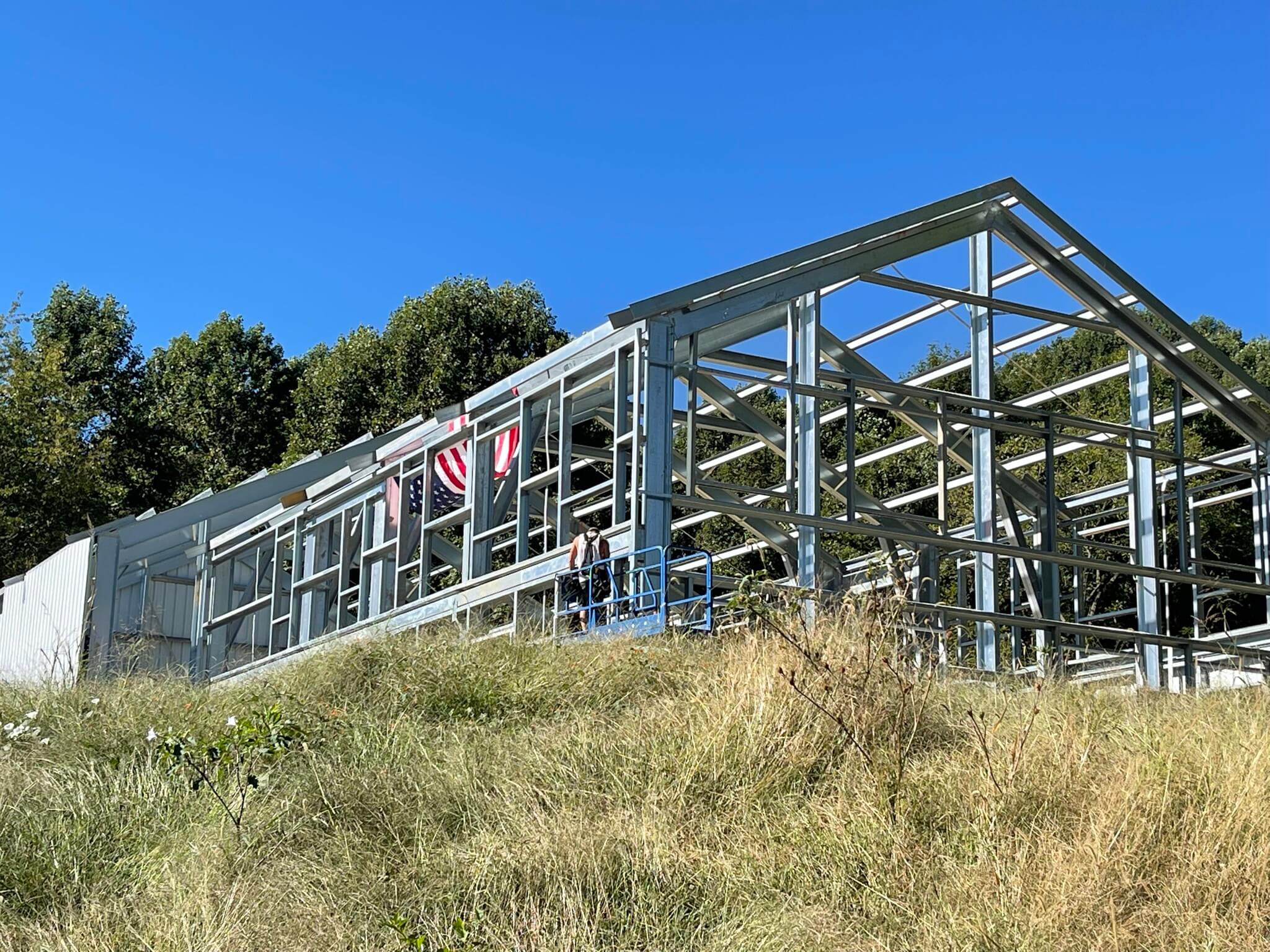
Steel Home Kits: Modern Living With a Practical Approach
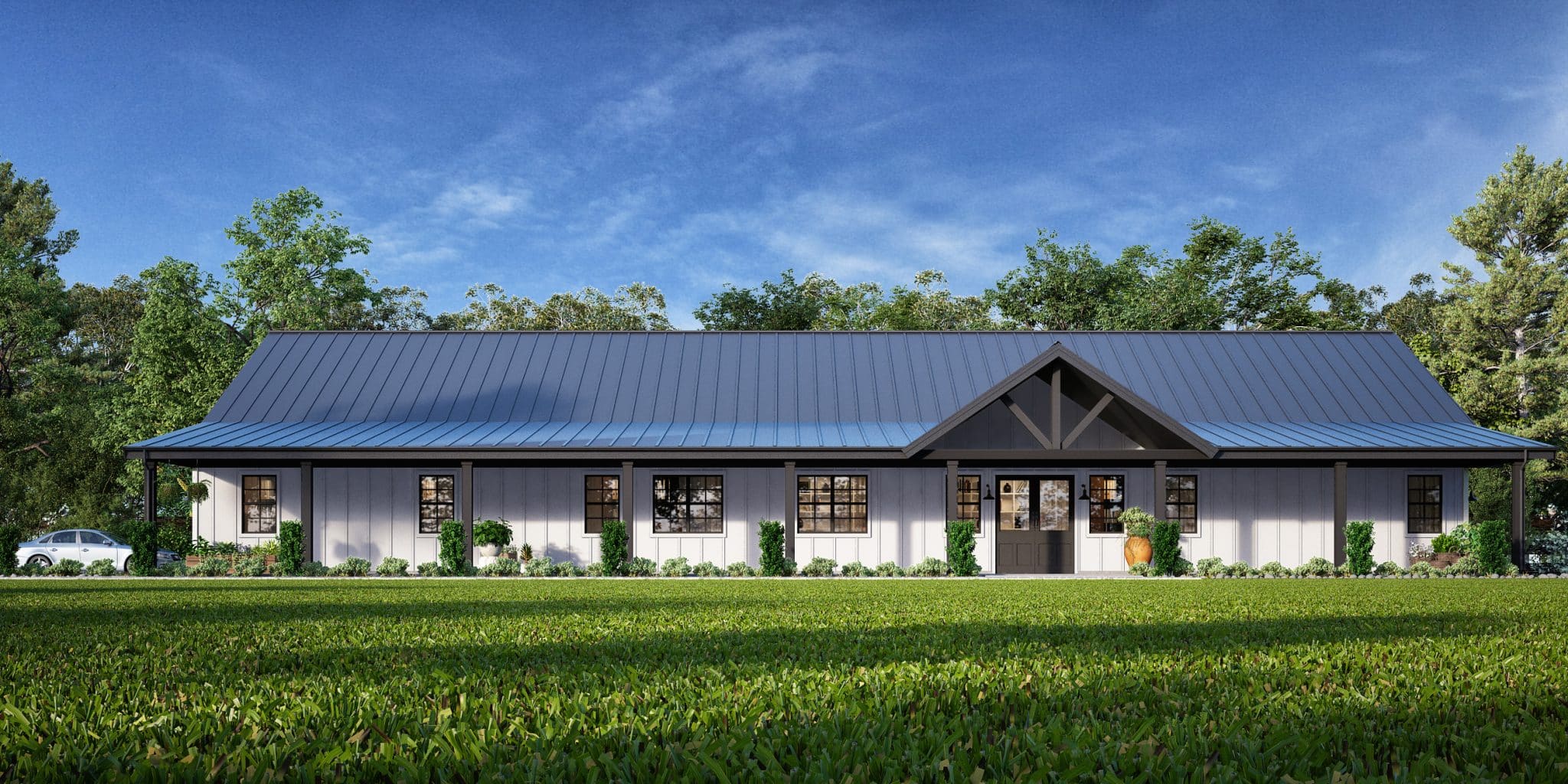
Steel home kits have become an increasingly popular option for homeowners looking to combine modern design with a more organized approach to building. As barndominiums and steel-framed homes continue to move into the mainstream, many buyers are exploring kit-based construction as a starting point for their project.
These homes are often chosen for their:
-
open-concept layouts
-
modern farmhouse styling
-
flexible design options
-
and integrated garage or workshop space
But while steel home kits can simplify part of the process, they are only one component of a much larger construction project.
What Is a Steel Home Kit?
A steel home kit typically includes a pre-engineered package of structural materials designed to match a specific floor plan.
Depending on the system, a kit may include:
-
cold-formed steel framing components
-
roof systems
-
exterior panels or sheathing
-
trim and fasteners
-
engineered drawings or specifications
Each kit is different based on design, manufacturer, and level of customization.
It’s important to understand that a kit is not a complete home. It does not include:
-
land or site work
-
foundation
-
utilities
-
interior finishes
-
labor or construction services
Why Homeowners Choose Steel Home Kits
Many buyers are drawn to steel home kits because they can provide a more structured starting point.
Potential benefits include:
-
alignment between plans and materials
-
pre-engineered structural systems
-
improved material coordination
-
fewer unknowns during early planning
When properly planned, kits can help reduce some of the guesswork in sourcing major structural components.
However, overall project success still depends on:
-
contractor experience
-
installation quality
-
engineering
-
and project management
Modern Design Meets Functional Living
Steel home kits are often used for modern farmhouse and barndominium-style homes that prioritize both aesthetics and functionality.
Popular features include:
-
large open living areas
-
vaulted ceilings
-
oversized garages
-
workshops or hobby space
-
covered porches
-
flexible multi-use rooms
These layouts are especially appealing for:
-
rural or acreage properties
-
homeowners needing workspace at home
-
families wanting open, adaptable floor plans
Customization Is Still a Major Factor
Even with a kit, homeowners still have significant control over the final design.
Customization decisions may include:
-
interior layouts
-
finishes and materials
-
insulation systems
-
window and door selections
-
HVAC systems
-
garage and shop configurations
Some kits are highly customizable, while others are more standardized. The level of flexibility depends on the design and manufacturer.
Planning and Budgeting Are Still Critical
A common misconception is that steel home kits eliminate the complexity of building. In reality, they simplify one portion of the process—but not the entire project.
Total cost and complexity still depend on:
-
land conditions
-
site preparation
-
foundation requirements
-
labor and contractor pricing
-
utilities
-
finishes
-
and local building requirements
The most successful projects usually involve:
-
finalized plans before construction
-
a realistic total budget
-
coordination with contractors and lenders
-
and clear expectations from the beginning
Installation and Builder Considerations
It’s important to understand that BuildMax is not a builder or general contractor.
BuildMax provides:
-
floor plans
-
design services
-
and material packages (including steel home kits)
BuildMax does not:
-
supervise construction
-
manage job sites
-
or control contractor performance
Because of this, the outcome of the project depends heavily on the professionals selected by the homeowner.
BuildMax strongly recommends:
-
hiring a vetted general contractor
-
choosing installers with experience in steel framing systems
-
and carefully evaluating all subcontractors
In some cases, homeowners may also consider requesting a quote from a third-party manufacturer’s independent steel installation crew, if available in their area. Crews familiar with the specific system may help improve coordination and reduce installation-related issues.
All contractors and installers are independent third parties, and homeowners are responsible for selecting and managing their construction team.
Construction Timelines and Expectations
Steel home kits are sometimes marketed as a faster way to build. While pre-engineered components can help with coordination, timelines still depend on:
-
permitting
-
weather
-
inspections
-
contractor scheduling
-
site conditions
-
and financing
Every project is different, and realistic expectations are important.
Maintenance and Long-Term Performance
Steel-framed homes are often described as durable, but no home is maintenance-free.
Long-term performance depends on:
-
proper installation
-
moisture management
-
insulation and ventilation
-
and routine maintenance
This may include:
-
roof inspections
-
sealant checks
-
drainage management
-
and HVAC servicing
Environmental conditions such as humidity, snow, or coastal exposure can also influence long-term performance.
Final Thoughts
Steel home kits offer a practical and organized way to begin the home-building process, especially for homeowners looking to align design and structural components early.
However, they are not a shortcut around:
-
planning
-
budgeting
-
contractor selection
-
or construction management
Like any custom home, success depends on:
-
proper engineering
-
experienced professionals
-
installation quality
-
and strong project coordination
When approached with realistic expectations and the right team, a steel home kit can be an effective starting point for building a modern, functional home tailored to your lifestyle.