


Embracing History: Stunning and Timeless Shophouse Designs That Stand the Test of Time
Step back in time and immerse yourself in the allure of shophouse architecture that transcends eras. Discover the charm and elegance of these timeless designs that have gracefully stood the test of time. From intricate detailing to vibrant color palettes, each shophouse tells a story of rich heritage and cultural significance.

Experience the seamless blend of tradition and modernity as we delve into the captivating world of shophouse design. Uncover the secrets behind their enduring appeal and how they continue to inspire contemporary architects and designers today. Join us on a journey through history as we explore the stunning facades and unique features that make these shophouses true architectural gems.
Embrace the beauty of the past while embracing the future with these stunning and ageless shophouse designs that showcase the essence of timeless elegance.
The significance of shophouse architecture
Shophouse architecture holds a unique place in the tapestry of urban design, particularly in Southeast Asia. These structures represent a harmonious blend of commercial and residential spaces, traditionally designed to accommodate shop owners and their families under one roof. The significance of shophouses extends beyond their functional purpose; they embody the historical, cultural, and social narratives of the communities they serve. As urban centers evolved, shophouses became vital to local economies, providing small businesses with accessible storefronts while fostering a sense of community among residents.
Moreover, shophouses are a testament to a bygone era, reflecting the architectural styles and construction techniques prevalent during their peak, predominantly in the 19th and early 20th centuries. Their design often showcases a mix of influences, including Chinese, Malay, Indian, and European elements, which can be attributed to the multicultural fabric of the regions in which they are found. This fusion not only highlights the adaptive nature of shophouse design but also serves as a visual representation of the cultural exchanges that have shaped the heritage of these communities.
Today, the significance of shophouse architecture is recognized not only for its aesthetic appeal but also for its role in promoting sustainable urban living. By repurposing these historical buildings, cities can preserve their cultural identity while providing modern amenities. The enduring relevance of shophouses in contemporary urban planning underscores the importance of maintaining these structures as they contribute to the character and vibrancy of neighborhoods, ensuring that history remains an integral part of the urban experience.
Historical evolution of shophouse designs
The historical evolution of shophouse designs can be traced back to the colonial period when trade and commerce flourished in Southeast Asia. As various ethnic communities settled in burgeoning urban centers, they brought with them distinct architectural styles and building techniques. The early shophouses were modest structures, often constructed with locally sourced materials and simple designs. However, as wealth increased, particularly among the Chinese merchant class, shophouses evolved into more elaborate buildings adorned with intricate details and decorative elements.
Throughout the late 19th century and early 20th century, the design of shophouses began to reflect the eclectic influences of colonial architecture. This period saw the introduction of decorative motifs, such as ornate cornices, colorful tiles, and elaborate facades. The incorporation of Victorian and Art Deco styles further enriched shophouse architecture, allowing for greater creativity and expression. The rising popularity of these designs coincided with the economic boom, leading to the proliferation of shophouses in urban landscapes.
As cities grew and modernized, the fate of shophouse designs faced challenges. Many structures were abandoned or demolished to make way for new developments. However, the late 20th century marked a resurgence of interest in preserving these architectural gems. Urban conservation movements began to recognize the historical significance of shophouses, leading to a renewed appreciation for their unique designs. Today, shophouses are celebrated not only as historical artifacts but also as vibrant spaces that continue to evolve with contemporary needs while retaining their cultural essence.
Key characteristics of traditional shophouses
Traditional shophouses are characterized by several distinctive features that contribute to their charm and architectural significance. One of the most notable characteristics is their narrow, elongated form, typically comprising two to three stories. This design maximizes usable space while adhering to land-use regulations in crowded urban environments. The ground floor often serves as a commercial space, while the upper levels are reserved for residential purposes, reflecting the dual function that defines shophouse architecture.

Another defining feature of traditional shophouses is their ornate facades, which vary significantly based on regional influences and the wealth of the owners. These facades often showcase vibrant colors, intricate tile work, and decorative elements such as wooden shutters and wrought-iron balconies. The use of materials such as clay tiles, bricks, and timber not only enhances the aesthetic appeal but also serves practical purposes, providing ventilation and cooling in the tropical climate.
Additionally, traditional shophouses are renowned for their unique architectural details, which often include gable roofs, cornices, and decorative friezes. The interiors of shophouses typically feature high ceilings and spacious layouts, allowing for flexibility in use. Courtyards or light wells are common, providing natural light and ventilation to the interior spaces. These characteristics not only define the visual identity of shophouses but also reflect the cultural practices and lifestyles of the communities that inhabit them.
Modern adaptations of shophouse designs
In recent years, there has been a growing trend towards modern adaptations of shophouse designs, as architects and designers seek to blend the timelessness of traditional architecture with contemporary needs. These adaptations often involve reimagining the original structures to accommodate modern lifestyles while preserving their historical significance. One common approach is to transform the ground floor into chic cafes, boutiques, or co-working spaces, while the upper levels are converted into stylish residences or offices.
Modern adaptations also embrace sustainability by incorporating eco-friendly materials and energy-efficient systems. This approach not only reduces the environmental impact of renovations but also enhances the overall functionality of the buildings. Green roofs, solar panels, and rainwater harvesting systems are some of the innovations being integrated into shophouse designs, allowing these historic structures to meet contemporary sustainability standards.
Furthermore, contemporary architects are experimenting with open-plan layouts and minimalist designs that contrast with the ornate details of traditional shophouses. This juxtaposition creates a dialogue between the past and the present, offering a fresh perspective on how these spaces can evolve. The blending of traditional elements, such as decorative tiles and wooden beams, with modern furnishings and technology results in unique interiors that honor the heritage of shophouses while catering to the demands of modern living.
Preservation efforts for historic shophouses
Preservation efforts for historic shophouses have gained momentum in recent decades, driven by a growing recognition of their cultural and architectural significance. Various organizations and government agencies have initiated conservation programs aimed at protecting these structures from neglect and demolition. These efforts often involve creating heritage districts where shophouses are preserved as part of the urban landscape, allowing communities to maintain their historical identity while adapting to contemporary needs.
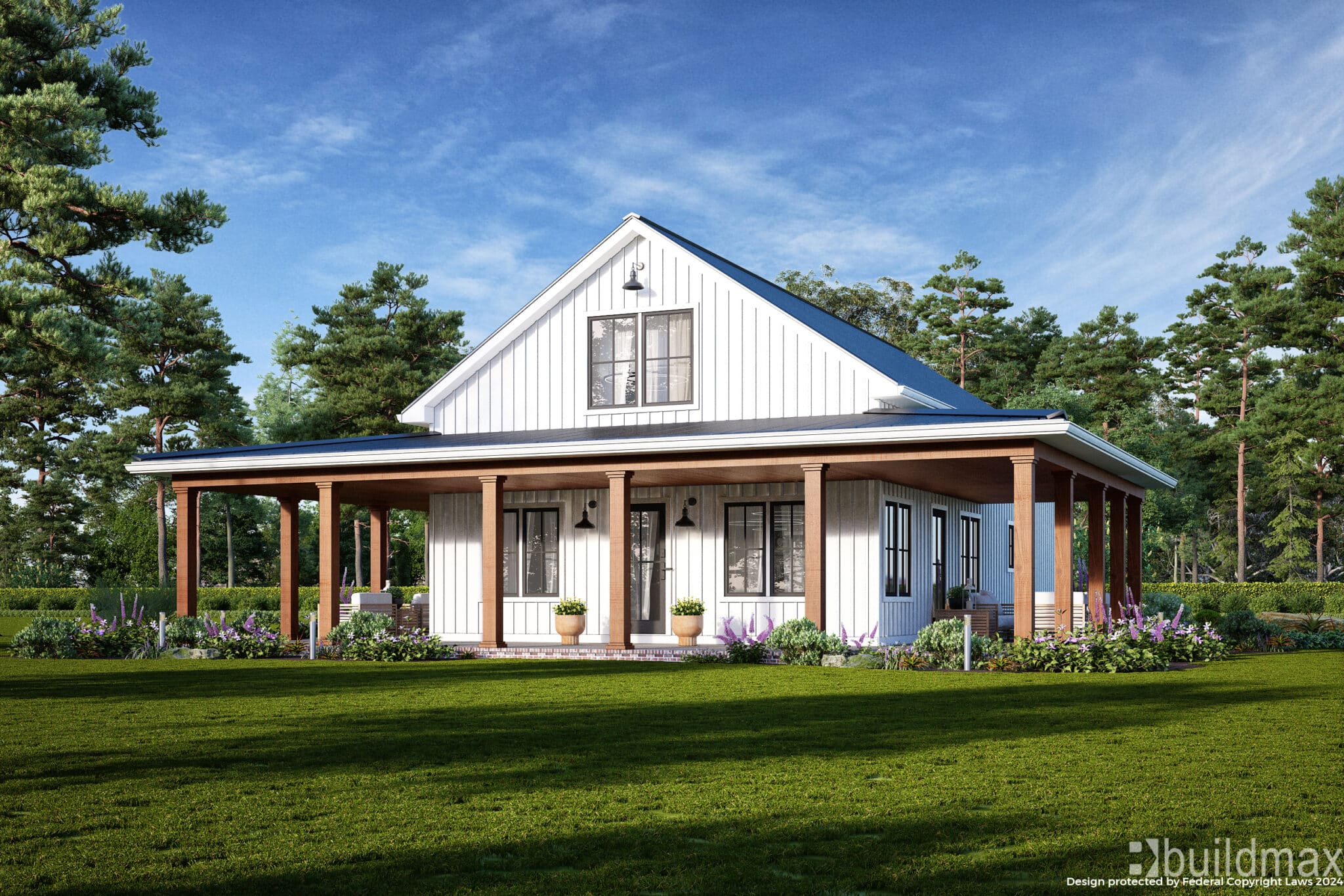
One of the key aspects of preservation is the establishment of guidelines and regulations that govern renovations and restorations of shophouses. These guidelines ensure that any modifications respect the original architectural style and materials used in the building’s construction. By promoting authentic restoration practices, preservationists aim to maintain the integrity of shophouse designs, allowing future generations to appreciate their historical value.
Community involvement plays a crucial role in the preservation of shophouses. Local residents and business owners often take pride in their neighborhoods’ heritage, advocating for the protection of these architectural gems. Educational initiatives and awareness campaigns help foster a sense of responsibility toward preserving shophouses, encouraging individuals to participate in conservation efforts. By engaging the community, preservation initiatives not only safeguard the physical structures but also promote a deeper understanding of the cultural narratives embedded within them.
Interior design inspirations from traditional shophouses
Traditional shophouses offer a wealth of inspiration for interior design, blending cultural heritage with functional living spaces. The unique characteristics of shophouses, such as high ceilings, wide hallways, and open courtyards, provide a canvas for creative interior design solutions. One prominent feature that designers often draw from is the use of vibrant colors and intricate patterns found in traditional tiles and textiles. These elements can be incorporated into modern interiors, creating a lively atmosphere that pays homage to the rich history of shophouse architecture.
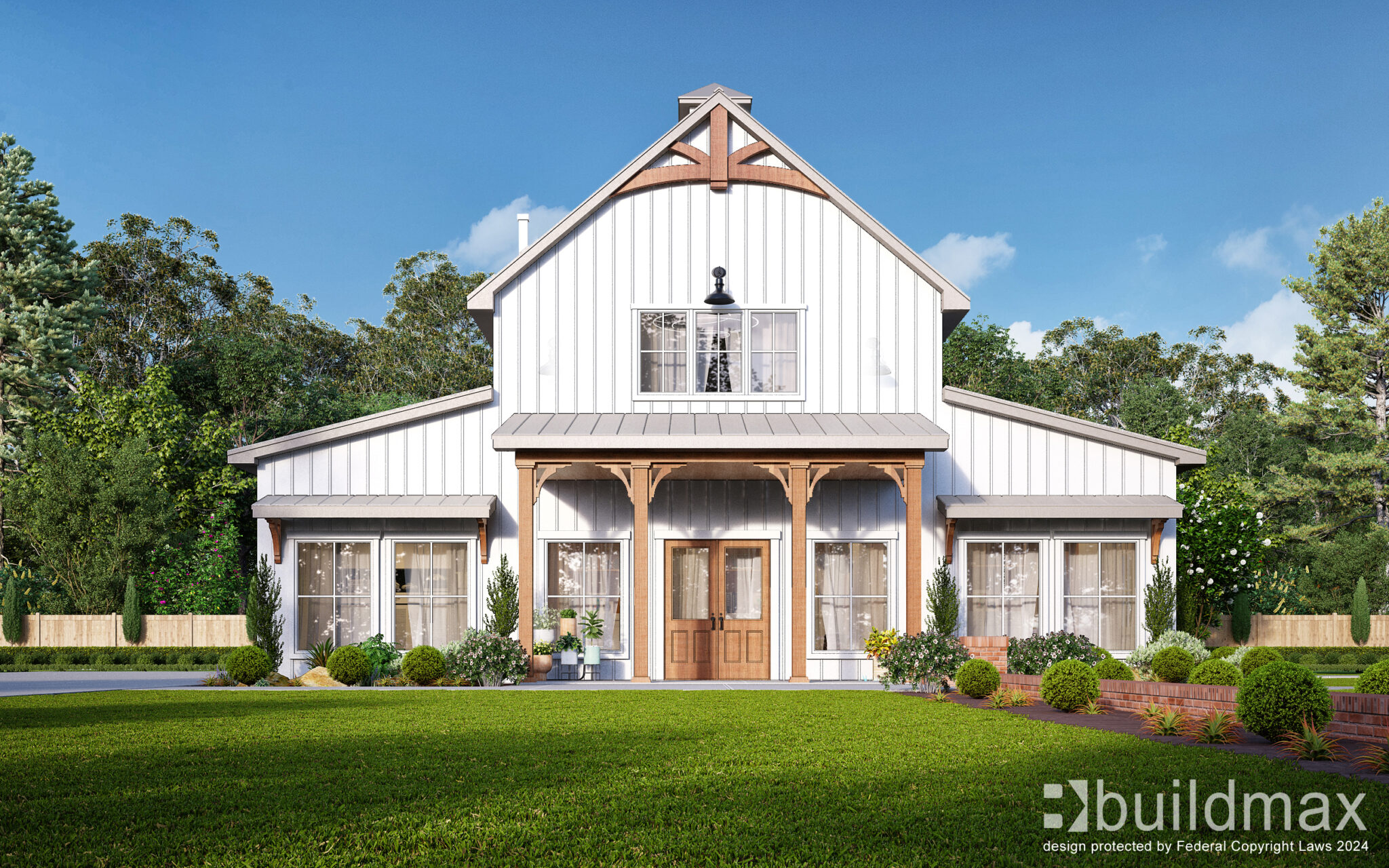
Furthermore, the integration of natural materials is a hallmark of traditional shophouse design. Designers often opt for wooden beams, reclaimed materials, and handcrafted furniture to evoke a sense of warmth and authenticity. The use of these materials not only enhances the aesthetic appeal but also promotes sustainability by reducing the need for synthetic alternatives. Incorporating indoor plants and maximizing natural light through large windows or skylights can further enhance the connection to nature, which is a vital aspect of traditional shophouse interiors.
Additionally, the layout of shophouses encourages a seamless flow between spaces, making them ideal for open-concept living. Designers can take inspiration from this layout to create multifunctional spaces that serve various purposes, such as combining a living area with a workspace or dining space. The emphasis on communal living in shophouse design can inspire a shift away from compartmentalized rooms, fostering a sense of togetherness and connectivity among family members or housemates. By embracing these elements, modern interiors can reflect the timeless charm of shophouses while catering to contemporary lifestyles.
Renovation tips for maintaining shophouse authenticity
Renovating a shophouse requires a delicate balance between modernization and preservation. To maintain authenticity, it is crucial to conduct thorough research on the building’s history and original architectural features before embarking on any renovation projects. Engaging with preservation experts or architects who specialize in historic buildings can provide valuable insights into the appropriate methods for restoration. Understanding the building’s unique characteristics will help guide decisions on materials, colors, and design elements that align with its historical context.
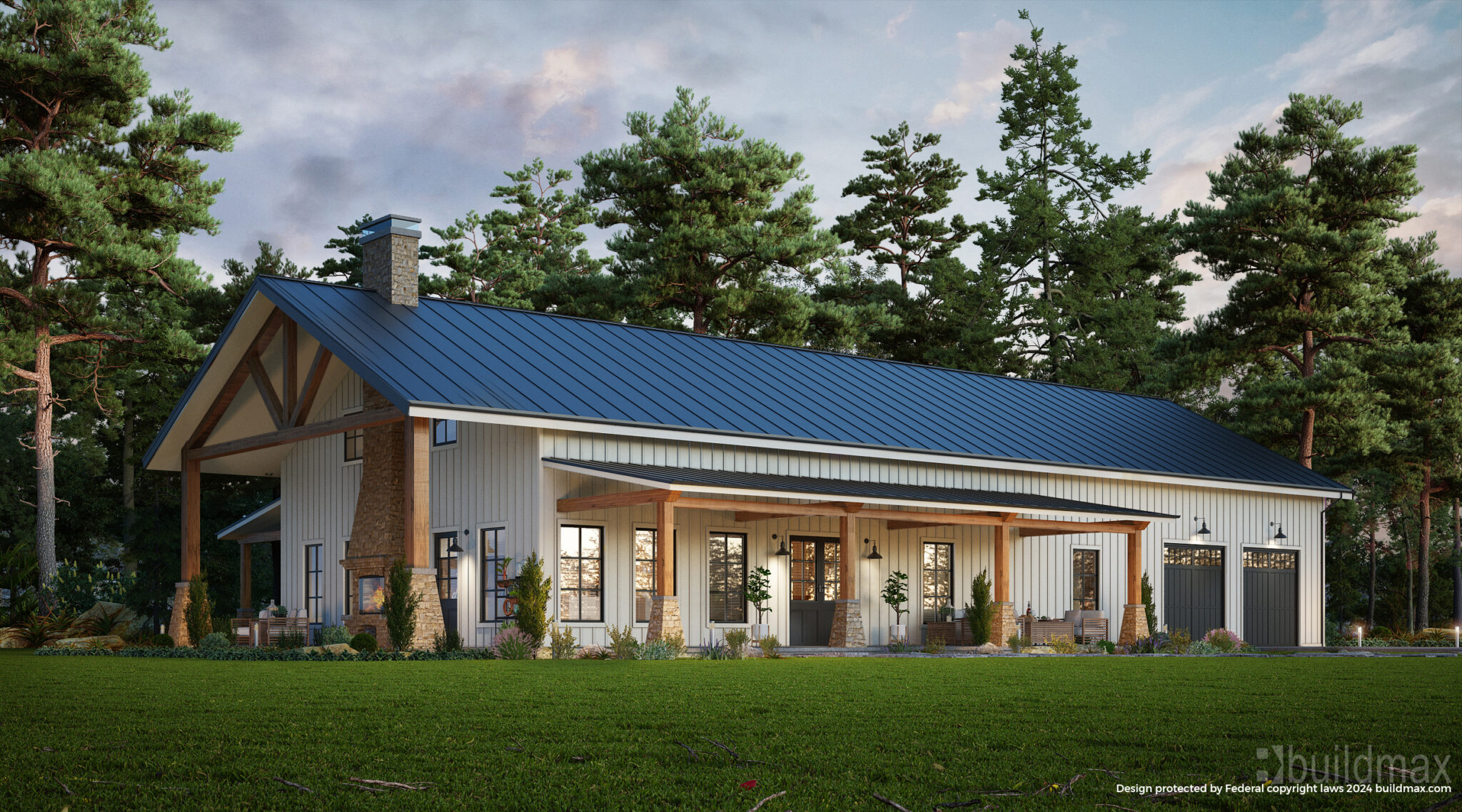
When it comes to materials, using locally sourced and traditional options is essential for maintaining the character of the shophouse. For instance, retaining original features such as wooden beams, decorative tiles, and wrought-iron fixtures is vital. If replacements are necessary, try to find materials that closely mimic the original ones in terms of texture, color, and style. This commitment to authenticity not only preserves the visual integrity of the shophouse but also contributes to the overall narrative of the building’s history.

Lastly, consider the functionality of the space while respecting its heritage. Modern amenities can be integrated discreetly to enhance comfort without compromising the building’s charm. For example, installing modern plumbing and electrical systems can be done in a way that minimizes disruption to the original structure. By thoughtfully incorporating contemporary conveniences, shophouses can continue to serve as vibrant spaces that honor their heritage while meeting the needs of modern living.
Notable shophouse designs around the world
Across the globe, various cities boast remarkable shophouse designs that exemplify the architectural brilliance of this style. In Singapore, the colorful Peranakan shophouses are particularly noteworthy. These structures are adorned with intricate ceramic tiles, ornate plasterwork, and vibrant colors, reflecting the unique blend of Chinese and Malay cultures. The architectural details, such as the distinctive “five-foot way” pedestrian walkways, provide shade and shelter while enhancing the livability of the urban environment.
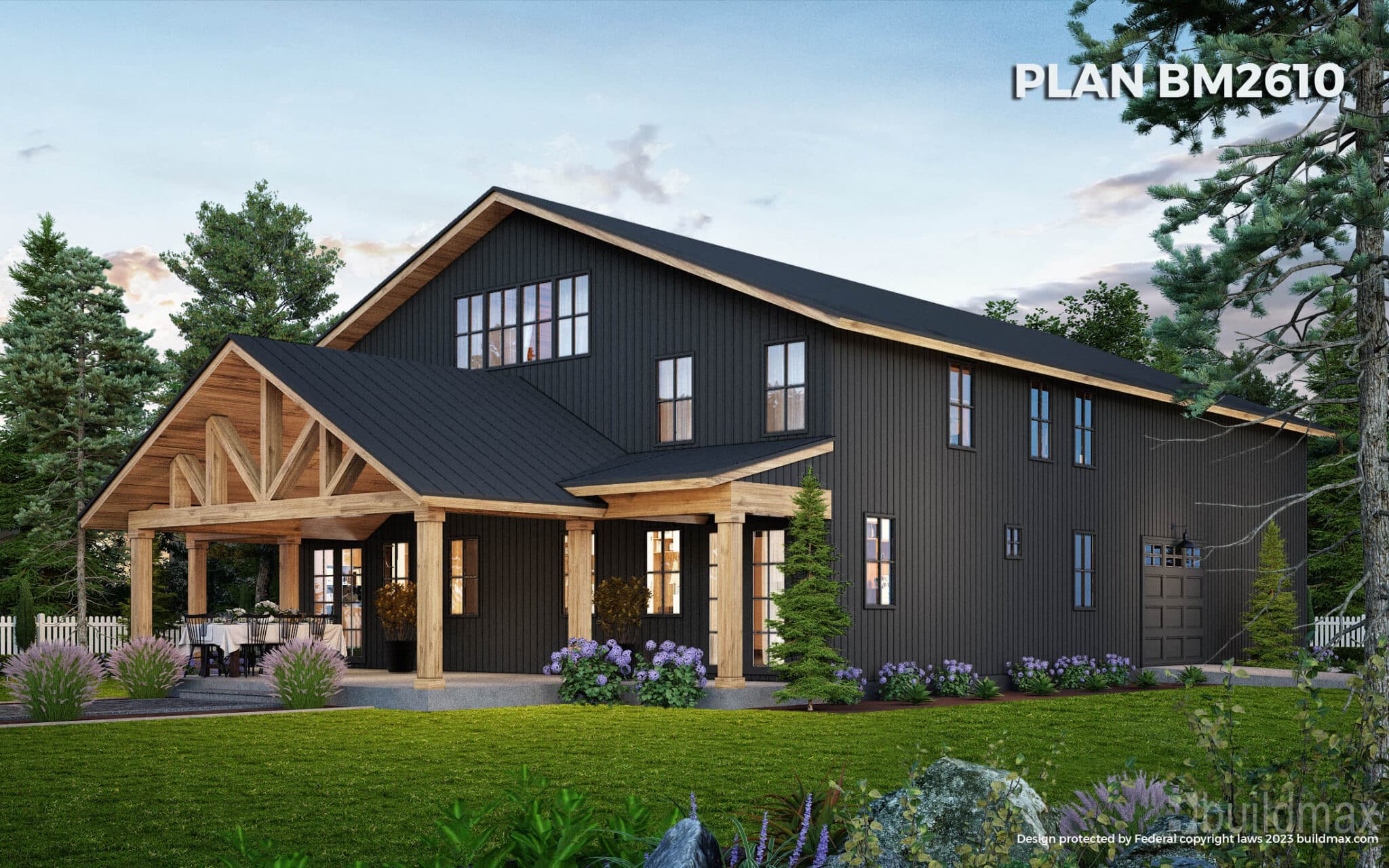
In Penang, Malaysia, the George Town UNESCO World Heritage Site showcases a stunning array of shophouses that have been carefully preserved. The city’s shophouses exhibit a fusion of Chinese, Malay, and colonial influences, characterized by their elaborate facades and charming courtyards. Notable examples include the Khoo Kongsi clan house, which features ornate carvings and vibrant murals, demonstrating the cultural richness inherent in shophouse architecture.
Moving beyond Southeast Asia, the shophouse concept can also be found in other parts of the world. In the historic districts of Lisbon, Portugal, the narrow buildings lining the streets serve a similar purpose, combining commercial and residential spaces. With their distinct azulejos (decorative ceramic tiles) and wrought-iron balconies, these structures reflect the city’s rich maritime history and vibrant culture. Such global examples highlight the versatility of shophouse designs and their ability to adapt to different cultural contexts while maintaining their fundamental characteristics.
Where to find shophouse design influences in contemporary architecture
The influence of shophouse design can be observed in various contemporary architectural projects, where the essence of these traditional structures is reinterpreted in innovative ways. One prominent area of influence is in mixed-use developments that prioritize walkability and community engagement. Architects are increasingly recognizing the value of integrating commercial and residential spaces, drawing inspiration from the shophouse model to create vibrant neighborhoods that foster social interaction and local business growth.
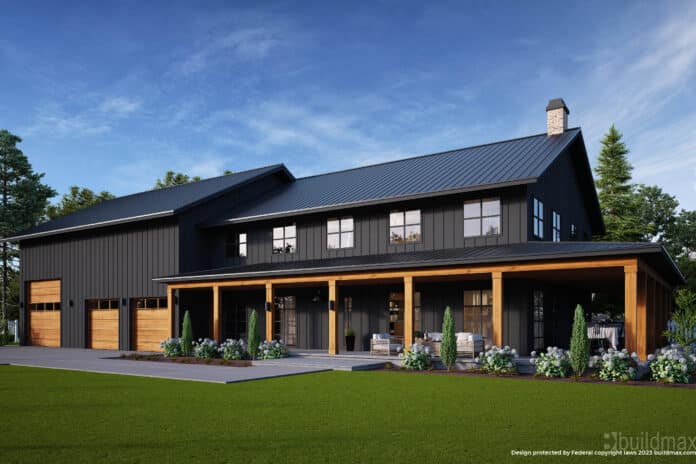
Additionally, shophouse elements are finding their way into modern urban planning, particularly in efforts to revitalize historic districts and promote sustainable development. Planners are advocating for designs that incorporate narrow facades, pedestrian-friendly street layouts, and communal spaces, all reminiscent of traditional shophouses. This approach not only enhances the aesthetic appeal of urban environments but also encourages a sense of belonging and community among residents.
Moreover, the resurgence of interest in adaptive reuse projects has opened the door for shophouse-inspired designs in contemporary architecture. Many architects are repurposing old buildings, including factories and warehouses, into mixed-use developments that capture the essence of shophouses. By embracing the principles of traditional design while incorporating modern amenities, these projects celebrate the historical significance of their surroundings while creating functional and appealing spaces for today’s urban dwellers.
Embracing the timeless charm of shophouse designs today
In an era where modern architecture often prioritizes minimalism and functionality, the timeless charm of shophouse designs continues to resonate with both homeowners and architects alike. Embracing this architectural style offers a unique opportunity to celebrate cultural heritage while creating spaces that are both aesthetically pleasing and functional. The ability of shophouses to adapt to changing needs while maintaining their historical integrity makes them a compelling choice for those seeking to blend the old with the new.
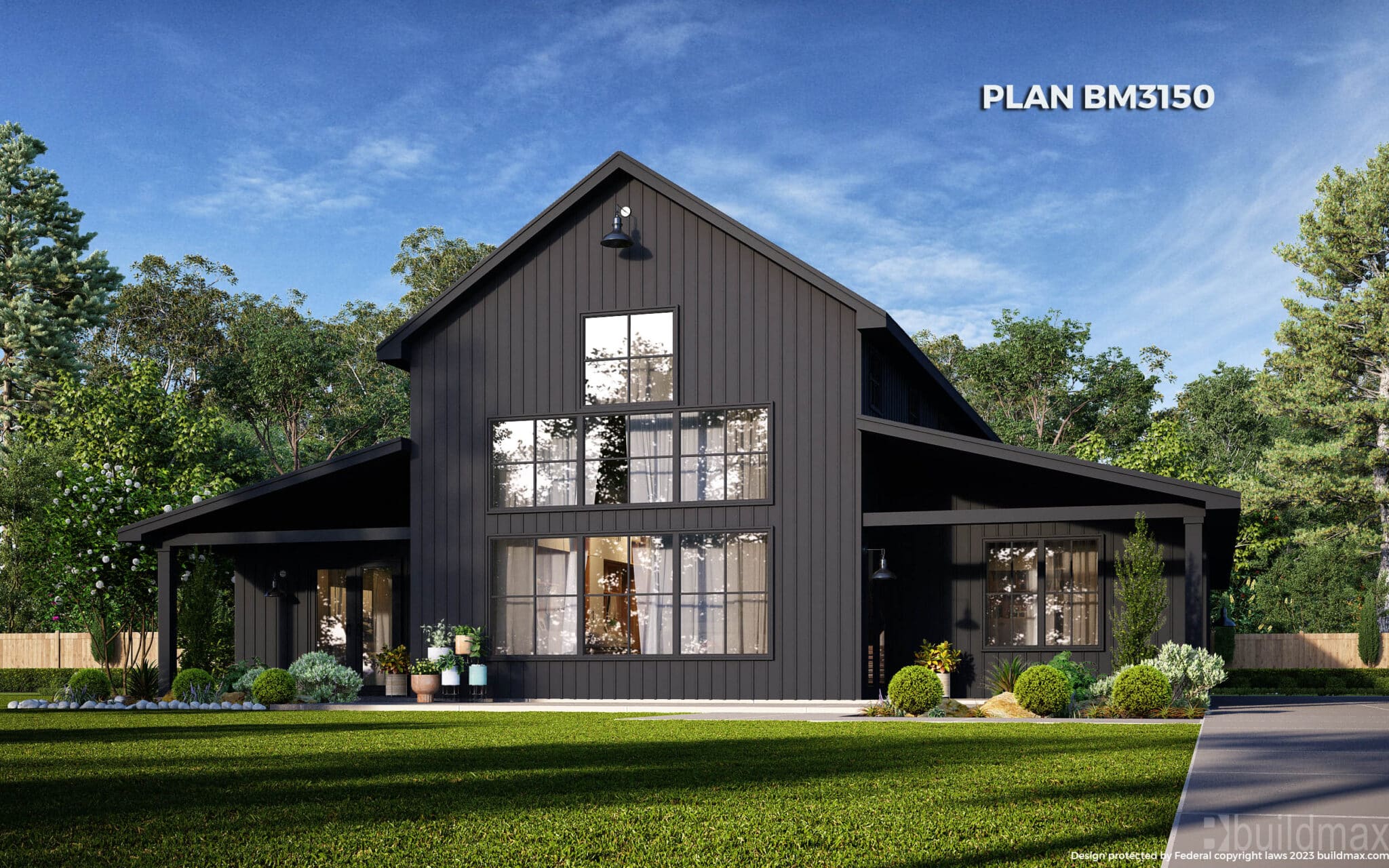
As many cities around the world recognize the importance of preserving their architectural heritage, shophouses stand as a symbol of resilience and adaptability. Their enduring appeal lies not only in their visual aesthetics but also in the stories they tell about the communities they house. By investing in the preservation and adaptation of shophouses, individuals can contribute to the cultural narrative of their neighborhoods, ensuring that these architectural gems continue to thrive for generations to come.
Moreover, the resurgence of interest in sustainable living aligns perfectly with the principles embodied by shophouse design. Their inherent flexibility allows for innovative uses that cater to contemporary lifestyles, whether through mixed-use developments or eco-friendly renovations. By embracing the timeless charm of shophouse designs, we not only honor the past but also create vibrant and sustainable spaces that reflect the dynamic nature of urban living today.