


What Are the Negatives of Barndominiums?
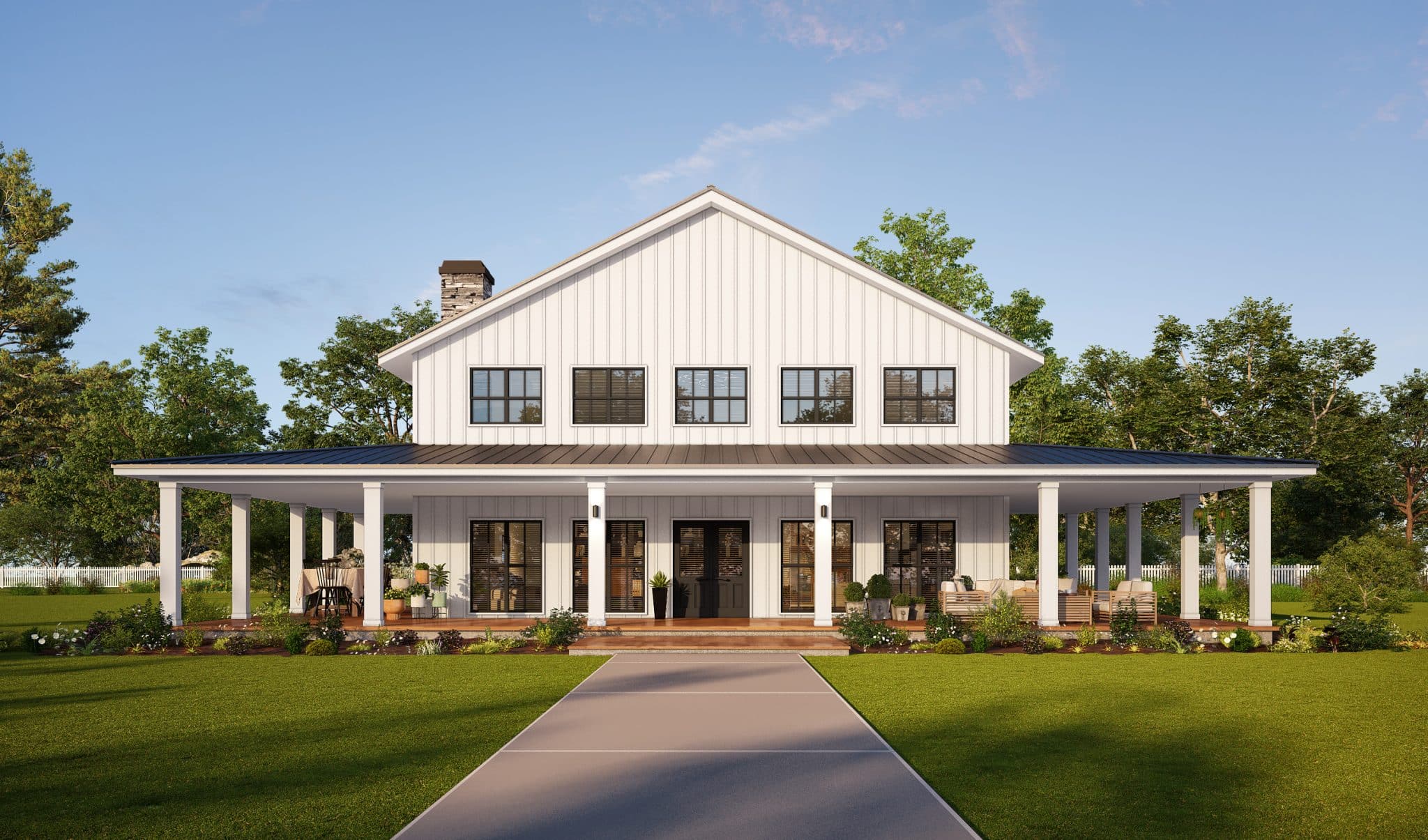
Barndominiums have exploded in popularity over the last several years and are now considered a mainstream home style across much of the United States. What was once viewed as a niche concept has evolved into a highly desirable architectural style featuring:
- open-concept layouts,
- modern farmhouse design,
- large garages and workshops,
- vaulted ceilings,
- wraparound porches,
- and highly customizable floor plans.
Today, many homeowners choose barndominiums because they offer flexibility, functionality, and a unique combination of residential and practical living space.
However, like any custom home project, barndominiums still come with considerations buyers should understand before starting construction. Most of these challenges can be reduced or avoided entirely with proper planning, realistic expectations, experienced contractors, and quality engineering.
Here are some of the most common negatives or challenges associated with barndominiums.
1. Building Requirements Can Vary by Location
One of the most important things to understand before building a barndominium is that local requirements can vary significantly depending on where the property is located.
Some cities, counties, HOAs, and subdivisions may have restrictions involving:
- exterior finishes,
- roof styles,
- minimum square footage,
- engineering requirements,
- or residential appearance standards.
Before purchasing land or beginning construction, homeowners should verify:
- zoning requirements,
- permitting requirements,
- utility availability,
- septic regulations,
- and any neighborhood restrictions.
Most barndominium projects move through the approval process successfully, but early planning is extremely important.
2. Construction Costs Depend on the Project Scope
One of the biggest misconceptions online is that every barndominium is dramatically cheaper than a traditional home. In reality, total construction costs depend heavily on:
- land conditions,
- utility installation,
- foundation requirements,
- labor costs,
- engineering,
- finishes,
- and overall project complexity.
A simple barndominium shell may cost substantially less than a fully customized luxury home featuring:
- oversized garages,
- premium kitchens,
- custom windows,
- large porches,
- vaulted ceilings,
- and upgraded finishes.
The homeowners who typically have the smoothest projects are the ones who:
- establish a realistic budget early,
- finalize plans before construction begins,
- and minimize major changes during the build.
3. Moisture and Weather Exposure Must Be Managed During Construction
Like any building material, construction components exposed to weather for extended periods of time may experience moisture-related issues during construction.
With steel framing systems, prolonged exposure to rain, humidity, snow, standing water, or improper storage conditions may sometimes lead to temporary surface oxidation before the structure is dried-in.
This is why proper project coordination is extremely important.
BuildMax strongly recommends:
- proper material storage,
- moving the project toward dry-in as quickly as possible,
- and using experienced contractors familiar with cold-formed steel framing systems.
Although some homeowners choose to owner-build their projects, steel framing systems often require careful coordination between:
- slab layout,
- framing,
- roofing,
- windows,
- insulation,
- and weatherproofing.
Using experienced installers can help reduce delays and installation-related issues.
4. Open Floor Plans Can Create Sound Transfer
One of the reasons people love barndominiums is the large open-concept design. However, tall ceilings and open layouts can sometimes create:
- echoing,
- sound transfer,
- and less separation between living areas.
Fortunately, acoustical issues can usually be improved through:
- insulation,
- rugs,
- furniture placement,
- acoustic materials,
- and thoughtful interior design.
For most homeowners, the openness and natural light are well worth the tradeoff.
5. Builder Experience Matters
Not every contractor has experience building barndominiums or working with cold-formed steel framing systems.
An inexperienced builder may struggle with:
- framing coordination,
- weatherproofing,
- engineering interpretation,
- sequencing,
- or specialty installation details.
Before construction begins, homeowners should carefully evaluate:
- builders,
- framers,
- erectors,
- and subcontractors.
BuildMax may provide general introductions or recommendations to independent contractors or installers in certain areas, but homeowners are ultimately responsible for selecting and managing the professionals involved in their project.
6. Construction Timelines Can Vary
Social media often creates unrealistic expectations about how quickly homes can be completed. While some barndominium projects move efficiently, every construction project is different.
Factors that commonly affect timelines include:
- permitting,
- inspections,
- weather,
- financing,
- contractor scheduling,
- utility installation,
- and site conditions.
Pre-manufactured framing systems and engineered plans may help improve project coordination and framing efficiency, but realistic scheduling expectations are still important.
Strong project management and experienced contractors are often the biggest factors in keeping a project on track.
7. Proper Insulation and Ventilation Are Important
Modern barndominiums can be extremely energy efficient when designed correctly. However, insulation and ventilation should never be overlooked.
Proper building design helps reduce:
- heat transfer,
- humidity,
- condensation,
- and energy loss.
Common solutions include:
- spray foam insulation,
- insulated wall systems,
- radiant barriers,
- attic ventilation,
- and energy-efficient HVAC systems.
When these systems are properly planned and installed, barndominiums can perform very well in both hot and cold climates.
8. Customization Can Add Complexity
One of the biggest benefits of building a barndominium is the ability to customize nearly every aspect of the design.
Homeowners may choose:
- attached garages,
- workshops,
- RV storage,
- wraparound porches,
- loft spaces,
- large entertaining areas,
- or oversized great rooms.
However, with increased customization often comes increased engineering and construction complexity.
Large spans, specialty windows, vaulted ceilings, and custom layouts may require:
- additional structural engineering,
- more coordination,
- and specialized installation details.
Having finalized plans and a clear vision before construction begins can help simplify the overall building process.
Final Thoughts
Barndominiums are no longer just a trend — they have become a mainstream home style across the country because they offer:
- flexible floor plans,
- modern farmhouse appeal,
- open-concept living,
- garage and workshop integration,
- and highly customizable designs.
At the same time, they are still custom construction projects that require:
- planning,
- budgeting,
- coordination,
- and experienced professionals.
Most of the challenges associated with barndominiums can be reduced or avoided through:
- quality engineering,
- realistic expectations,
- experienced contractors,
- proper insulation and ventilation,
- and strong project management.
When planned correctly, a barndominium can become a beautiful, functional, and long-lasting home designed around the way your family lives.