



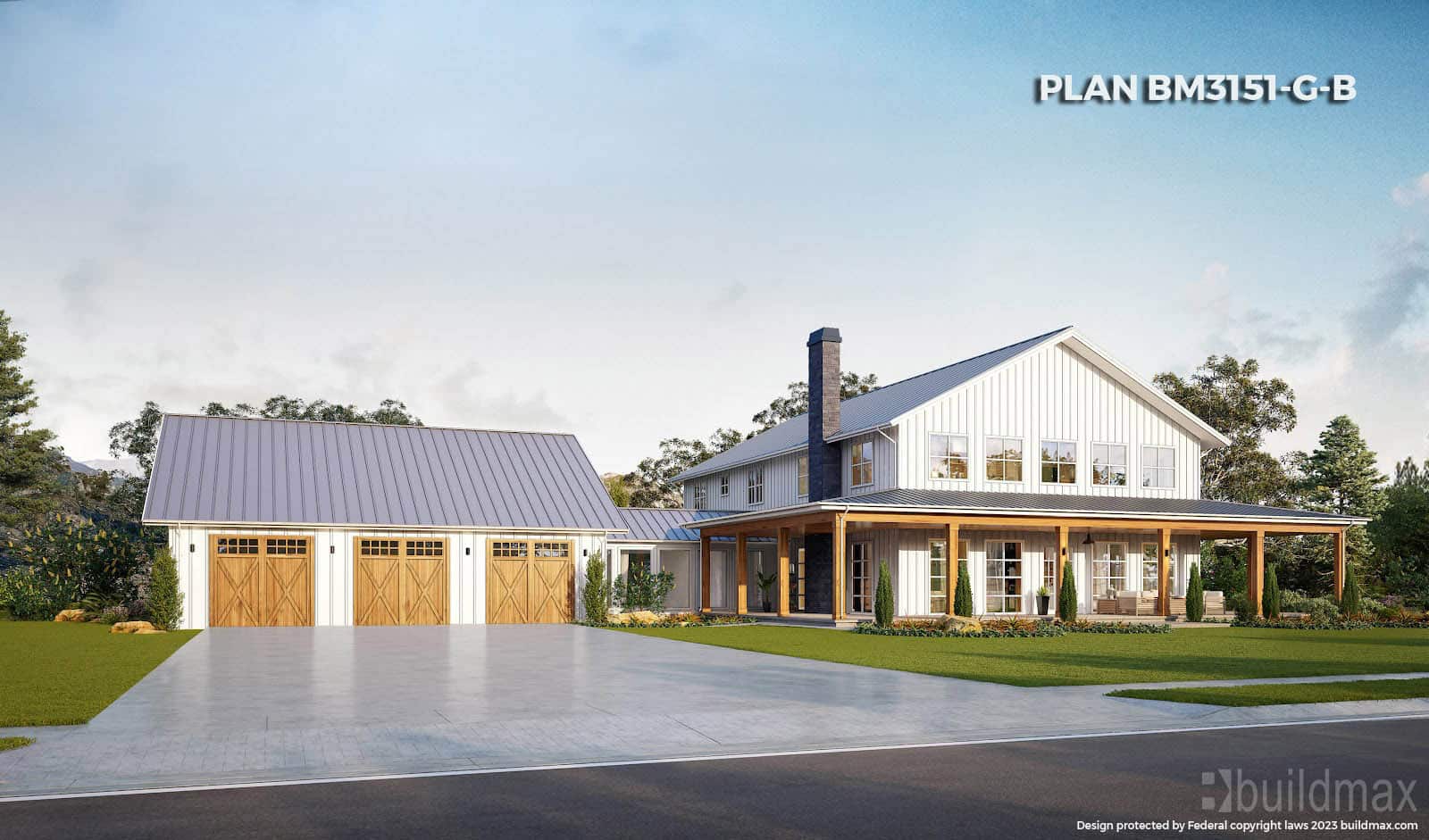
Metal Barndominium vs. Wood Frame Home: Which Is More Cost-Effective?
One of the most common questions homeowners ask when planning a build is:
“Is a metal barndominium cheaper than a wood frame home?”
The honest answer is: it depends on the project. There’s no universal winner because total cost is influenced by far more than just the framing material.
Understanding the Full Cost Picture
When comparing metal vs. wood, it’s important to look beyond just material pricing.
Total construction cost includes:
-
site preparation and land conditions
-
foundation work
-
labor and contractor availability
-
interior finishes
-
utilities and infrastructure
-
permits and inspections
Focusing only on framing can lead to unrealistic expectations.
When Metal Barndominiums Can Be Cost-Competitive
Metal (steel-framed) barndominiums may offer cost advantages in certain situations:
Efficient Structural Systems
Pre-engineered steel packages can align closely with plans, which may help:
-
reduce material waste
-
improve coordination
-
streamline parts of the build process
Open-Concept Designs
Steel framing can support large spans, making it well-suited for:
-
open floor plans
-
combined living/shop spaces
-
high ceilings
Simpler, more open designs can sometimes be more efficient to build.
When Wood Frame Homes May Cost Less
Wood framing can be more cost-effective in many areas, especially when:
-
local labor is more experienced with wood construction
-
materials are readily available nearby
-
the design follows a traditional residential layout
Because wood framing is widely used, there are often more contractors available, which can help keep labor costs competitive.
Labor Often Matters More Than Materials
One of the biggest cost differences comes down to labor—not materials.
Steel framing may require:
-
crews experienced with engineered systems
-
different tools and installation methods
-
more detailed coordination
In areas where steel construction is less common, labor costs may be higher due to limited availability of qualified installers.
Design Complexity Plays a Huge Role
The design of your home often has a greater impact on cost than whether you choose steel or wood.
Cost drivers include:
-
multiple rooflines
-
vaulted ceilings
-
large spans
-
custom features
-
high-end finishes
A simple, efficient design—regardless of material—is usually the most cost-effective option.
Market Conditions Can Change
Material pricing is not fixed.
Both steel and lumber costs can fluctuate due to:
-
supply and demand
-
economic conditions
-
transportation and manufacturing factors
What is cheaper today may not be cheaper next year.
Long-Term Considerations
Some homeowners also consider long-term factors when comparing value:
-
maintenance requirements
-
durability
-
energy efficiency
-
repair costs over time
These depend on:
-
climate
-
construction quality
-
insulation and moisture control
-
and regular upkeep
No material is maintenance-free, and long-term performance depends on the entire building system.
Important: Builder and Project Responsibility
It’s important to understand that BuildMax is not a builder or general contractor.
BuildMax provides:
-
floor plans
-
design services
-
and material packages
BuildMax does not:
-
control construction costs
-
manage job sites
-
or supervise contractors
For best results, homeowners should:
-
hire a vetted general contractor
-
compare multiple bids
-
work with crews experienced in their chosen framing system
You may also consider requesting a quote from a third-party manufacturer’s steel installation crew, if available.
All contractors are independent, and overall cost depends heavily on the team selected and how the project is managed.
Final Thoughts
So, which is cheaper: a metal barndominium or a wood frame home?
There’s no one-size-fits-all answer.
The most cost-effective option depends on:
-
your design
-
your location
-
labor availability
-
material pricing at the time of build
-
and overall project planning
In many cases, the better question isn’t “Which is cheaper?” but:
“Which option makes the most sense for my specific project?”
With the right planning, either approach can be a smart investment when executed properly.