

Alaska
Barndominium Kits
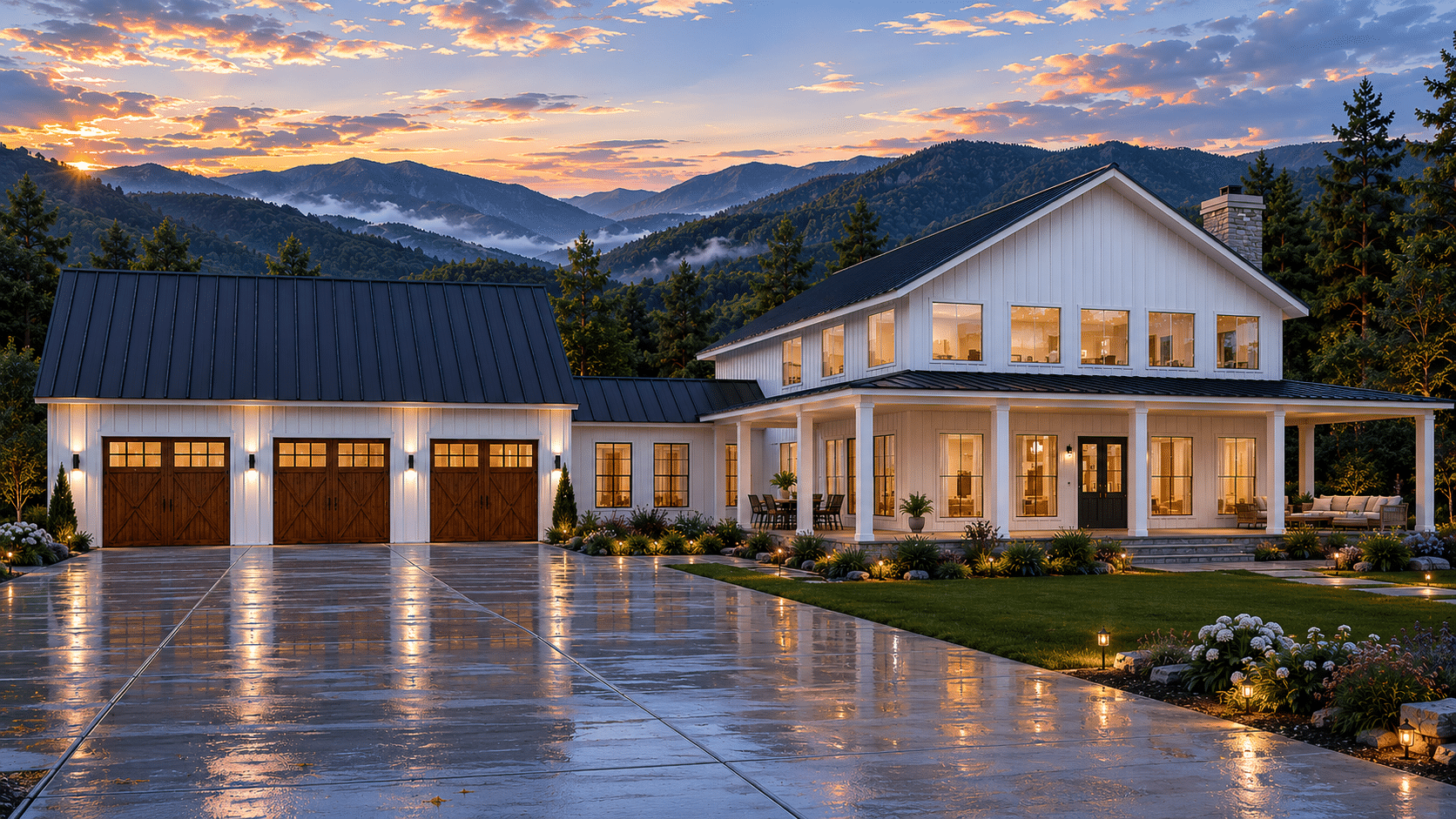
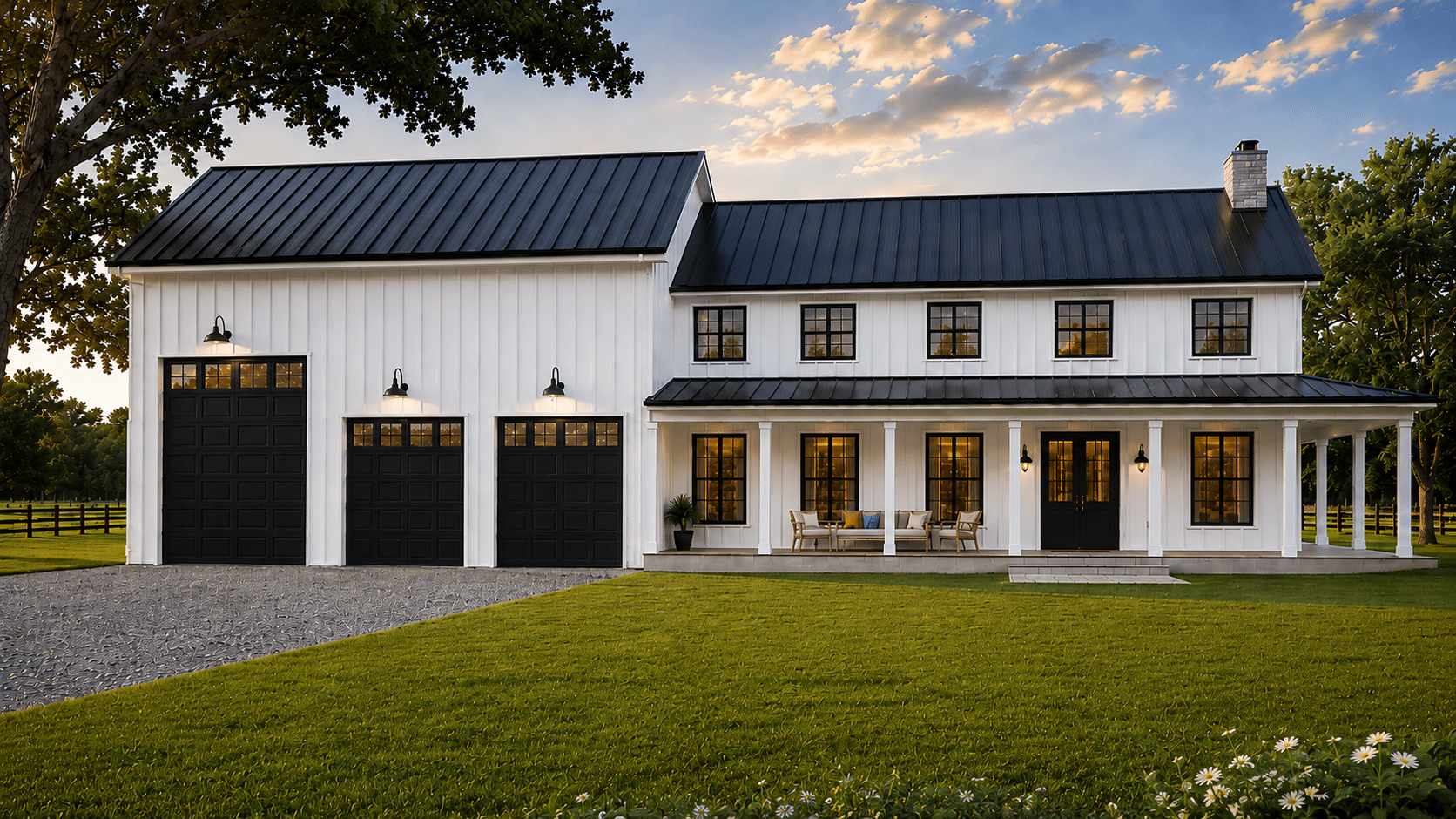
At this time, BuildMax does not offer barndominium building kits for delivery to Alaska. However, we proudly offer a wide selection of professionally designed barndominium floor plans that can be purchased and built in any state, including Alaska.
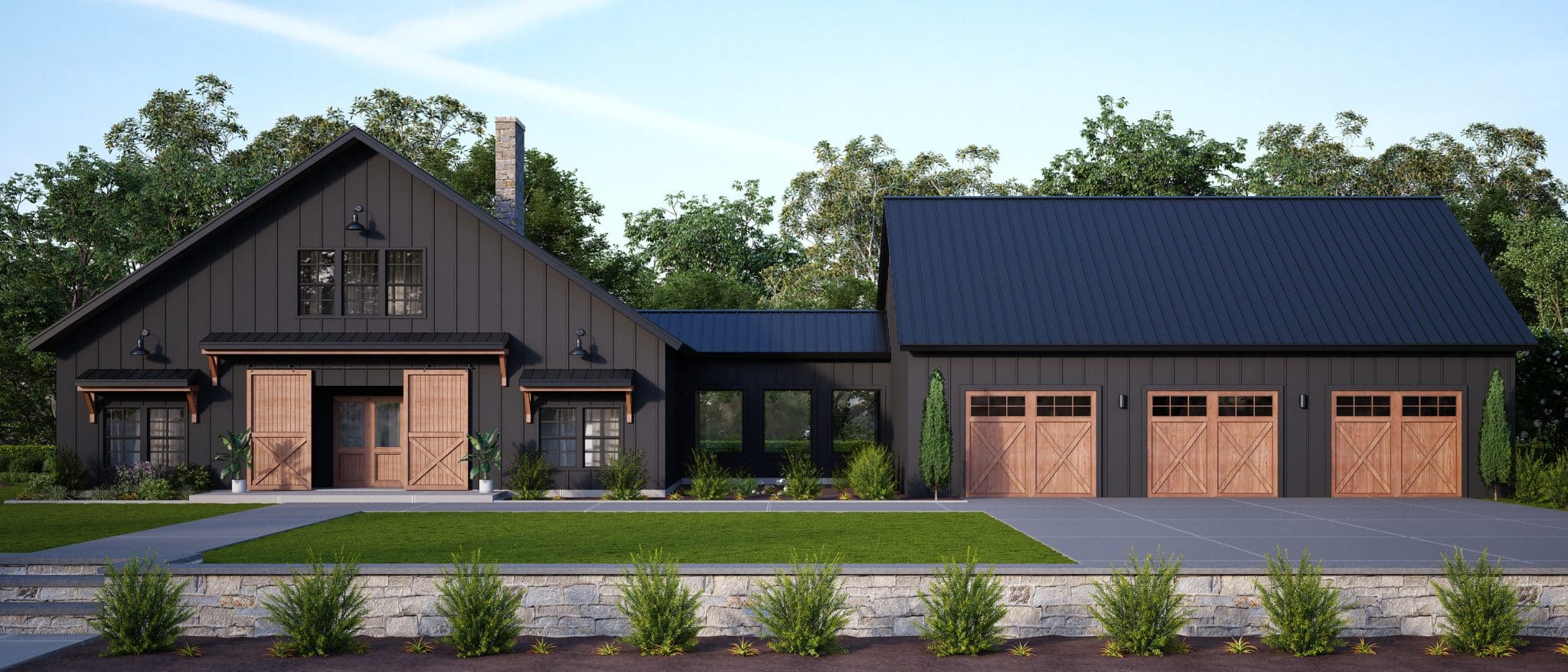
Whether you’re searching for a modern barndominium, a farmhouse-style design, or a more traditional layout, BuildMax can help you find a plan that fits your vision, lifestyle, and budget. Explore our collection of exclusive barndominium floor plans to get started.
If you don’t see a design that meets your needs, our team can modify any of our pre-designed plans or create a fully custom home plan from the ground up. Contact our office today for a Free Consultation, and let us help you take the first step toward building your ideal home.
Browse Our Exclusive Collection of Barndominium Plans
Alaska Barndominium Kits: What Homeowners Should Know Before Building
What Is Included in an Alaska Barndominium Kit?
Barndominium kits can vary significantly depending on the floor plan, engineering requirements, manufacturer specifications, shipping logistics, and overall project scope. Some steel-framed barndominium kits may include engineered structural plans, cold-formed steel wall systems, roof trusses, framing components, hardware packages, and related structural materials. Other projects may involve wood framing, hybrid framing systems, or custom-engineered structural solutions depending on the design and local requirements.
Homeowners should carefully review what materials are included, what materials are excluded, delivery expectations, engineering requirements, storage responsibilities, and installation responsibilities before purchasing any building package.
Alaska Climate Conditions Require Serious Planning
Alaska presents some of the most demanding building conditions in the United States. Depending on location, homeowners may need to plan for extreme cold, heavy snow loads, high winds, coastal moisture, seismic considerations, frost depth, remote delivery challenges, and possible permafrost conditions.
Snow-load requirements can vary dramatically by location, and Alaska housing guidance specifically recommends checking with local building officials for wind and snow-load design criteria. In some areas, permafrost can also become a major site-planning issue; the University of Alaska Fairbanks notes that permafrost exists in subsoils across much of Alaska.
Because of these conditions, Alaska barndominium projects should be planned with proper engineering, local code review, foundation design, insulation strategy, drainage, ventilation, and construction sequencing.
Moisture, Snow, and Material Protection Matter in Alaska
Although Alaska is often associated with cold weather, moisture management is still extremely important. Coastal areas, seasonal thaw cycles, snow accumulation, wind-driven rain, and prolonged jobsite exposure can all affect building materials.
Like any construction project, building materials exposed to weather for extended periods may experience moisture-related issues if projects are not properly managed.
With steel framing systems, prolonged exposure to snow, rain, standing water, coastal air, freeze-thaw cycles, or improper storage conditions may sometimes lead to temporary surface oxidation before the structure is dried-in.
This is why BuildMax strongly recommends proper material storage, weather protection during construction, moving projects toward dry-in as quickly as possible, and using experienced contractors familiar with cold-formed steel framing systems.
Surface oxidation does not automatically indicate structural failure, but proper moisture management remains critical during construction and long-term ownership.
Proper drainage, flashing, ventilation, insulation, vapor control, snow-shedding roof design, and weatherproofing all play a major role in long-term building performance in Alaska’s harsh climate.
Alaska Building Requirements Can Vary by Location
Building requirements may vary significantly across Alaska depending on borough regulations, local code enforcement, zoning, seismic design requirements, snow loads, wind exposure, frost depth, floodplain conditions, coastal exposure, and utility availability.
Before starting construction, homeowners should verify zoning, septic requirements, well or water access, electrical availability, road access, foundation requirements, setback requirements, and permitting requirements with local authorities.
Engineering requirements may also vary depending on snow loads, soil conditions, seismic exposure, coastal weather, and the specific building site.
Most Alaska barndominium projects move more smoothly when homeowners complete local due diligence before ordering materials or beginning construction.
Open-Concept Living Continues to Drive Demand in Alaska
One reason barndominiums continue to attract interest in Alaska is because homeowners often want flexible floor plans that work well on rural land, recreational properties, homesteads, and large acreage homesites.
Popular features may include open-concept great rooms, attached garages, large mudrooms, workshops, equipment storage, covered porches, energy-efficient layouts, large pantries, and multi-functional living spaces.
These layouts can be especially attractive for homeowners who need practical storage, weather-protected entries, hobby space, hunting or fishing gear storage, and room for vehicles or equipment.
Builder and Installer Experience Matters
One of the biggest factors affecting the success of any Alaska barndominium project is the experience level of the construction team.
Not every contractor has experience with barndominiums, cold-formed steel framing systems, heavy snow-load design, remote-site logistics, frost-protected foundations, or modern farmhouse-style layouts.
An inexperienced contractor may struggle with slab layout, foundation planning, framing coordination, weatherproofing, insulation details, sequencing, engineering interpretation, or specialty installation requirements.
It is important for homeowners to understand that BuildMax is not a licensed general contractor or home builder. BuildMax provides house plans, design services, steel framing packages, and related construction resources.
BuildMax does not supervise construction, control jobsite conditions, or manage independent contractors involved in the building process.
For that reason, BuildMax strongly recommends that homeowners hire a vetted and experienced general contractor, use installers familiar with cold-formed steel framing systems, and carefully evaluate all builders, framers, erectors, and subcontractors before construction begins.
Homeowners may also consider requesting a quote from a third-party manufacturer’s independent steel installation crew if available for Alaska projects. Installers familiar with the specific framing system may help improve project coordination and reduce installation-related issues.
Although BuildMax may provide general introductions or recommendations to independent contractors or installers in certain areas, all contractors and installers are independent third parties. Homeowners are ultimately responsible for evaluating, selecting, supervising, and contracting with the professionals involved in their project.
Proper Insulation and Ventilation Are Critical in Alaska
Alaska’s cold climate makes insulation, air sealing, ventilation, and vapor control especially important. A barndominium in Alaska should be designed with the local climate zone in mind.
Properly designed systems may include high-performance wall insulation, roof insulation, air-sealing details, mechanical ventilation, frost-protected foundation strategies, and energy-efficient HVAC systems.
When properly designed and installed, these systems can help improve comfort, reduce condensation risk, improve energy efficiency, and support long-term durability.
In Alaska, poor insulation or ventilation planning can create serious comfort and moisture issues, so these details should be reviewed with qualified local professionals before construction begins.
Financing and Appraisals Continue to Improve
As barndominiums have become more mainstream, financing options have improved in many areas. However, Alaska projects may still require additional planning because lenders may evaluate remote location, road access, utilities, contractor availability, comparable sales, construction method, and total project cost.
Many lenders are more comfortable with projects that include engineered plans, permanent foundations, residential utilities, clear budgets, and qualified contractors.
Homeowners who typically experience the smoothest financing process are the ones who finalize plans early, establish realistic budgets, coordinate with lenders upfront, and work with professionals familiar with residential construction lending.
What Does It Cost to Build a Barndominium in Alaska?
One of the most common questions homeowners ask is:
“How much does it cost to build a barndominium in Alaska?”
The answer depends heavily on location, site access, shipping, snow-load engineering, foundation requirements, utility installation, labor availability, finishes, and the complexity of the project.
Alaska is often more expensive than many lower-48 markets because remote delivery, freight, labor availability, weather delays, foundation requirements, and utility access can increase total project costs.
For planning purposes, many Alaska barndominium projects may fall approximately between:
$180 to $350+ per square foot
depending on the region, finish level, foundation type, contractor pricing, snow-load requirements, utility access, and project complexity.
Remote projects, coastal locations, off-grid sites, high-end finishes, oversized garages, workshops, complex rooflines, or difficult access may exceed those ranges.
Homeowners should also budget for land costs, driveways, excavation, septic systems, wells, power extension, foundation work, permits, engineering, freight, equipment access, and site preparation.
Steel framing packages or shell kits are only one portion of the total construction cost. Final pricing depends on the full scope of work and the contractors selected for the project.
Final Thoughts
Alaska barndominium kits continue to attract attention because they offer flexible floor plans, modern farmhouse curb appeal, garage and workshop integration, and highly customizable layouts designed for practical living.
At the same time, successful Alaska projects require serious planning. Homeowners should carefully consider snow loads, seismic requirements, foundation design, insulation, ventilation, moisture control, jobsite protection, freight logistics, contractor experience, and local code requirements.
The homeowners who typically experience the best long-term results are the ones who plan carefully, use experienced professionals, protect materials during construction, move the project toward dry-in quickly, and maintain realistic expectations throughout the building process.
When properly designed, engineered, and constructed, an Alaska barndominium can become a beautiful, durable, energy-conscious, and highly functional home built for the realities of northern living.