


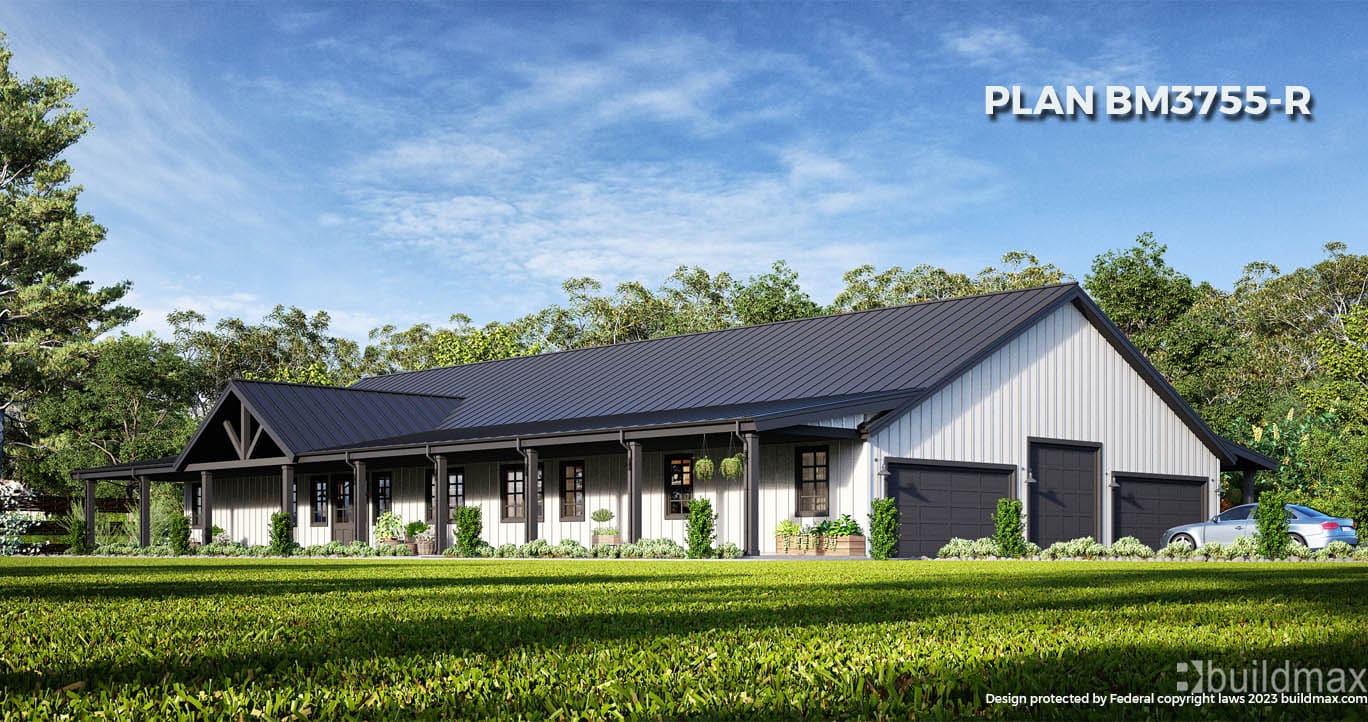
Barndominiums in Extreme Weather: A Realistic Look at Safety
One of the most important considerations when building any home is how it will perform in extreme weather conditions. For barndominiums, this question often comes up:
“Are barndominiums safe in severe weather?”
The answer depends less on the “type” of home and more on how it is:
-
engineered
-
constructed
-
installed
-
and maintained over time
When properly designed and built, barndominiums can perform well in a wide range of weather conditions—but like any structure, they are not immune to extreme events.
Understanding Weather Risks by Region
Different parts of the country face different environmental challenges.
Common weather-related risks include:
-
high winds and tornadoes
-
heavy snow loads
-
extreme heat
-
heavy rainfall and flooding
-
hailstorms
-
humidity and moisture exposure
Each of these factors affects how a home should be designed and built.
That’s why proper engineering for local conditions is critical.
Structural Engineering Plays a Key Role
Barndominiums—especially those using steel framing—are often engineered to meet specific load requirements.
This may include:
-
wind load ratings
-
snow load capacity
-
roof pitch and drainage design
-
anchoring systems
-
and structural connections
Proper engineering helps ensure the home is designed to meet local building codes and environmental demands.
However, performance depends on both:
-
the engineering
-
and how accurately those plans are followed during construction
Wind and Storm Resistance
In high-wind areas, structural design becomes especially important.
Factors that influence performance include:
-
anchoring to the foundation
-
framing connections
-
roof design and attachment
-
garage door reinforcement
-
and overall building shape
Even well-designed homes can experience damage in extreme storms, which is why code compliance and proper installation matter.
Snow, Rain, and Drainage Considerations
In colder or wetter climates, additional factors come into play.
These include:
-
roof pitch for snow shedding
-
load capacity for accumulated snow
-
drainage systems for heavy rainfall
-
proper grading around the foundation
Poor drainage or undersized systems can lead to long-term issues regardless of the framing type.
Heat, Humidity, and Insulation
In hot or humid environments, comfort and performance depend heavily on:
-
insulation systems
-
ventilation
-
HVAC design
-
moisture control
Steel-framed homes, in particular, require proper insulation planning to manage:
-
heat transfer
-
condensation
-
indoor humidity
When properly designed, these systems can help maintain interior comfort and reduce long-term wear on the structure.
Hail and Impact Considerations
In regions prone to hailstorms, exterior materials play a major role.
Performance depends on:
-
roofing material type
-
panel thickness (gauge)
-
impact ratings
-
installation quality
Metal roofing is commonly used and can perform well structurally, but cosmetic denting can still occur depending on storm severity.
Construction Quality Matters as Much as Design
Even the best-engineered plans can underperform if installation is not done correctly.
Key construction factors include:
-
proper fastening systems
-
accurate framing alignment
-
correct flashing and sealing
-
weatherproofing details
-
and sequencing during construction
Cutting corners or using inexperienced crews can reduce the effectiveness of even the best materials.
Important: Builder Responsibility
It’s important to understand that BuildMax is not a builder or general contractor.
BuildMax provides:
-
floor plans
-
design services
-
and material packages
BuildMax does not:
-
supervise construction
-
manage job sites
-
control contractor performance
-
or guarantee installation quality
For that reason, BuildMax strongly recommends:
-
hiring a vetted general contractor
-
choosing professionals experienced in barndominiums and steel framing
-
carefully evaluating all subcontractors
In some cases, homeowners may also consider requesting a quote from a third-party manufacturer’s steel installation crew, if available in their area.
All contractors and installers are independent third parties, and homeowners are responsible for selecting and managing their construction team.
Maintenance and Long-Term Performance
Extreme weather performance isn’t just about construction—it also depends on ongoing maintenance.
Routine upkeep may include:
-
roof inspections
-
sealing and flashing checks
-
drainage system maintenance
-
HVAC servicing
-
exterior inspections after major storms
Addressing small issues early can help prevent larger problems over time.
Final Thoughts
Barndominiums can perform well in extreme weather when they are:
-
properly engineered for local conditions
-
built according to plan
-
installed by experienced professionals
-
and maintained over time
No home is completely weather-proof, but thoughtful design, quality construction, and realistic expectations can significantly improve safety and durability.
The key takeaway is simple:
performance in extreme weather depends on the entire building system—not just the materials used.