


Home Blog Page 13

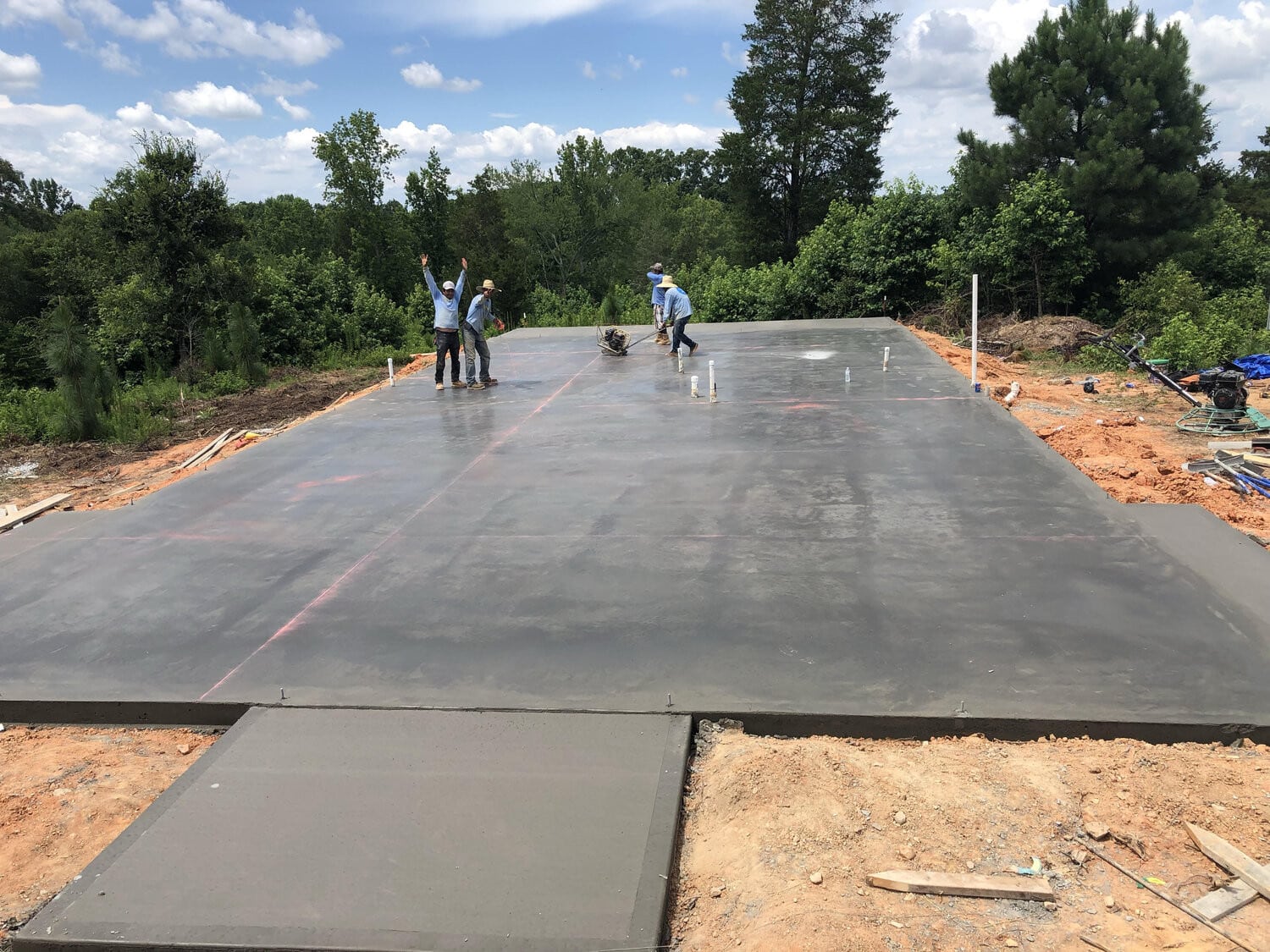
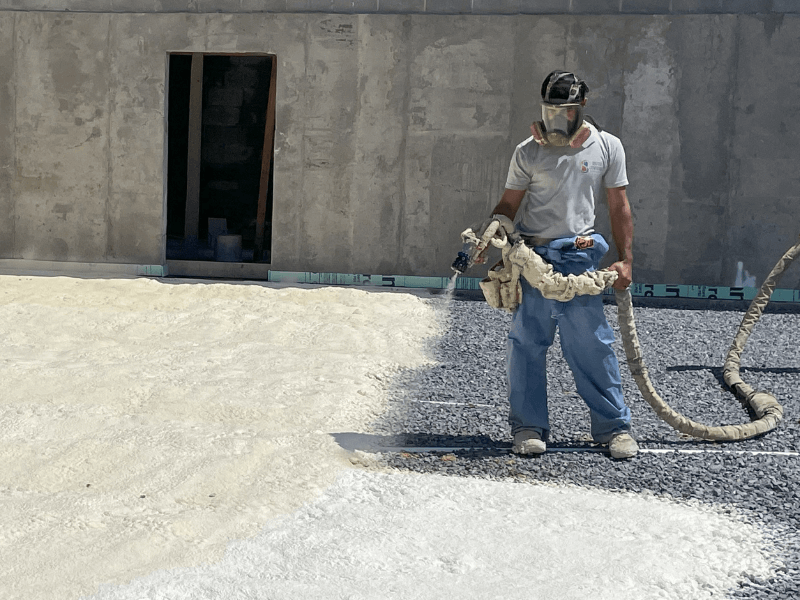
Concrete floor options for a Shop-House or Barndominium?

What Are the Most Common Concrete Floors in a Shop-House or Barndominium?

Concrete floors are a popular choice for **shop-houses** and **barndominiums** because of their durability, versatility, and low maintenance requirements. The industrial look of concrete complements the rustic or modern aesthetic of barndominiums, while the material’s strength is ideal for spaces used as workshops, garages, or living areas. There are several types of concrete floor finishes that can be used to achieve different looks and functionality, making it a highly customizable option.
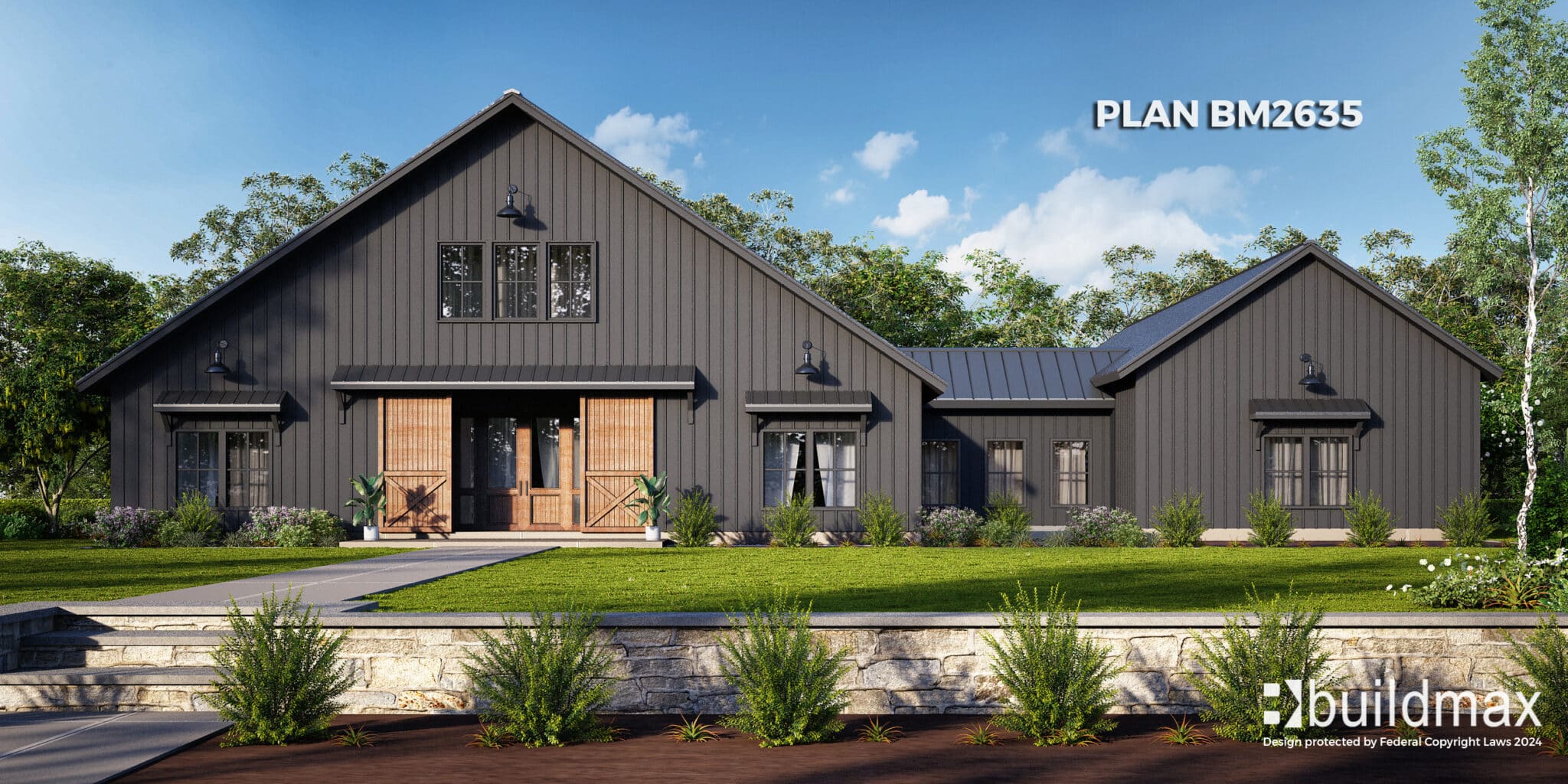
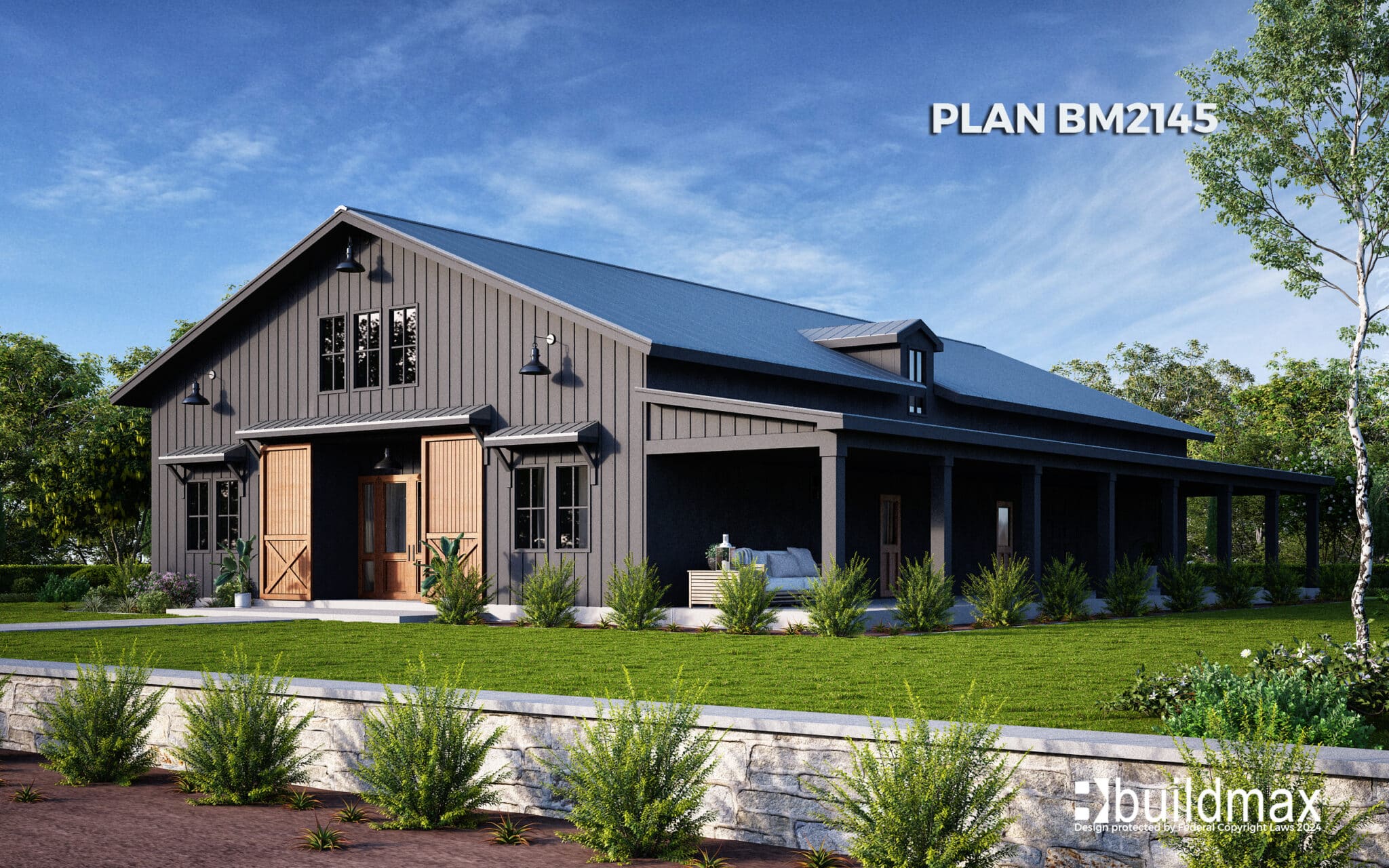
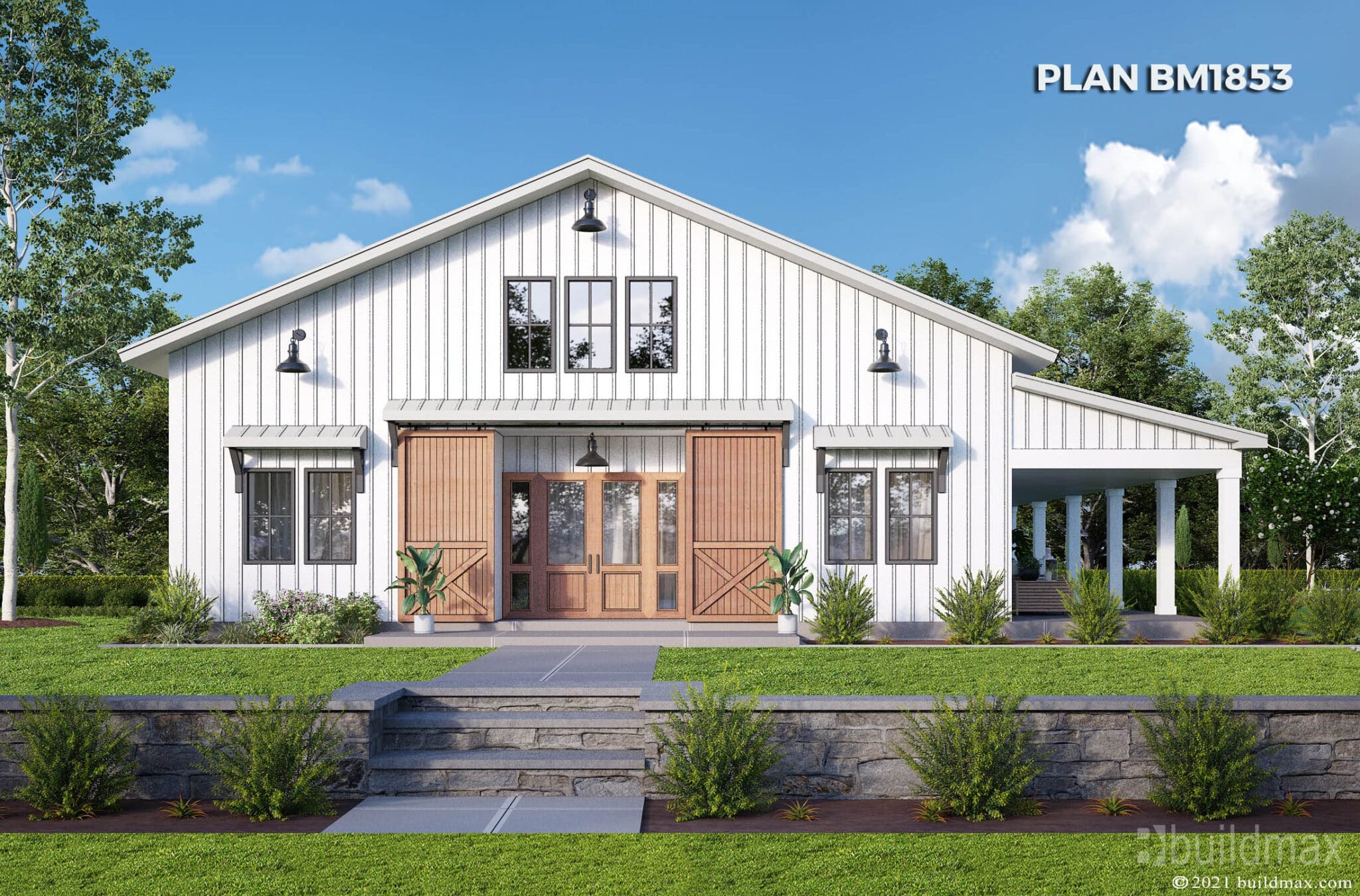
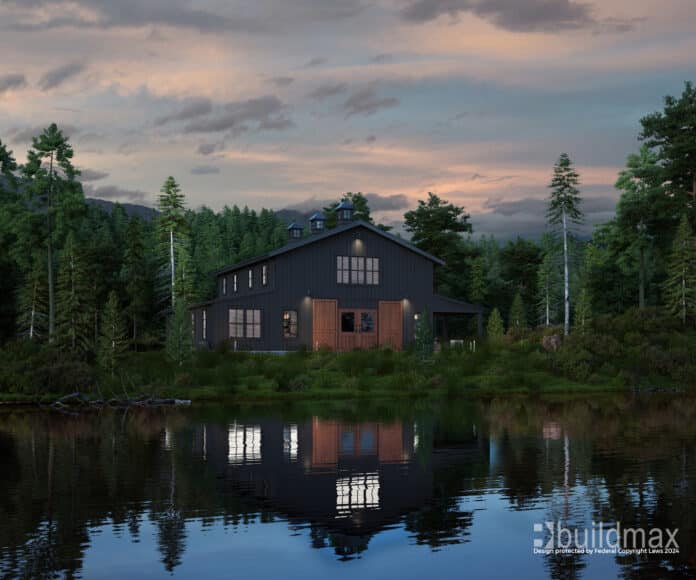
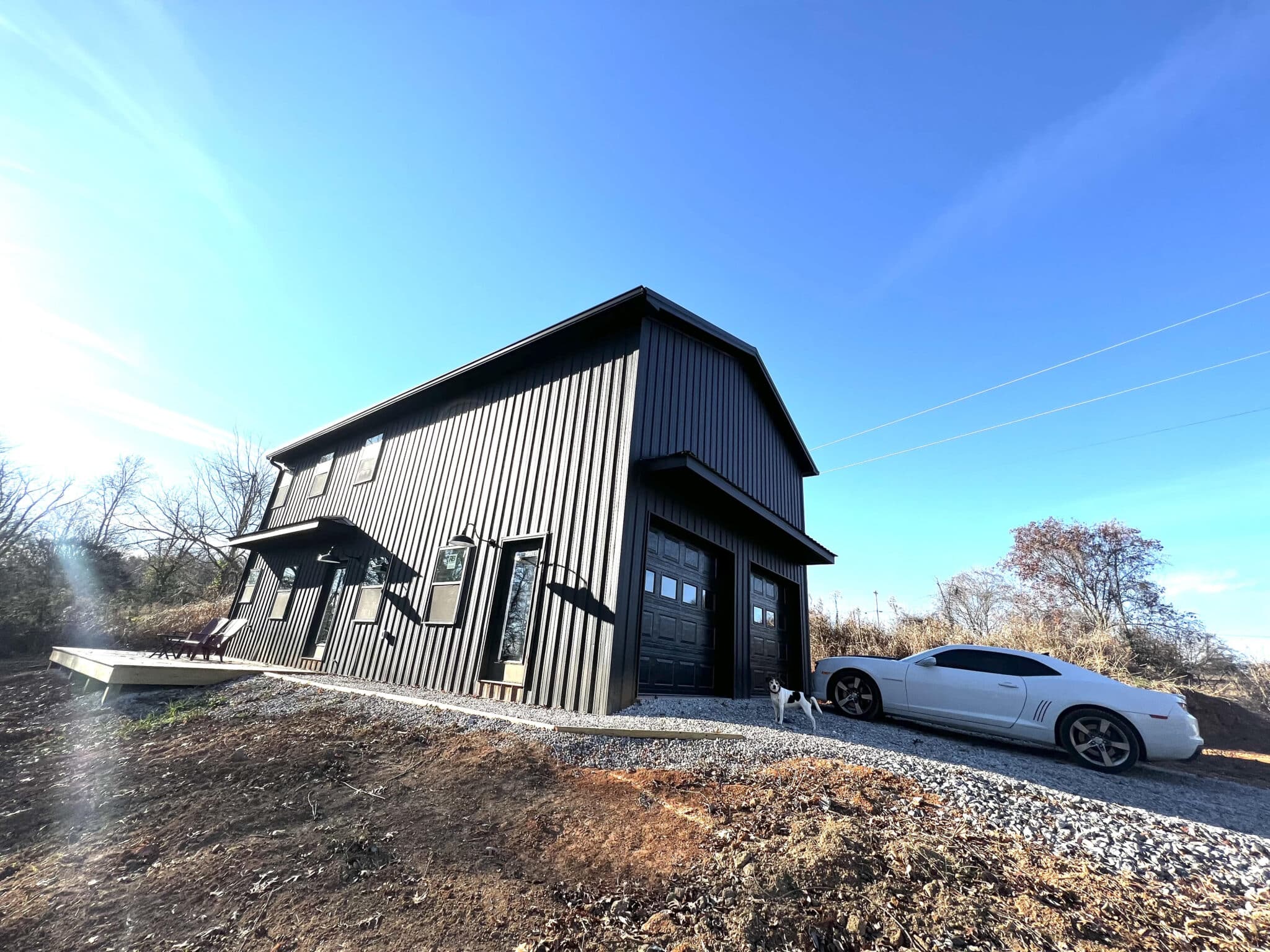
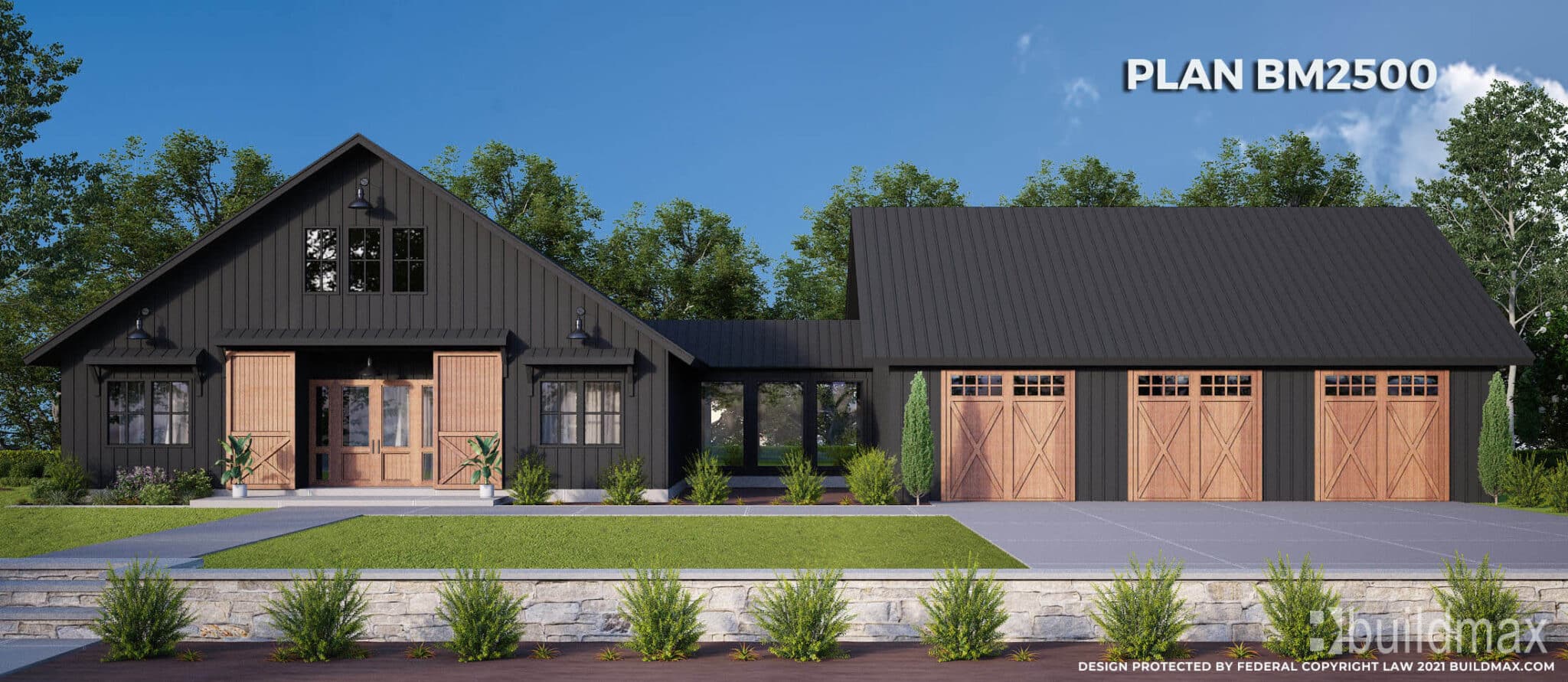
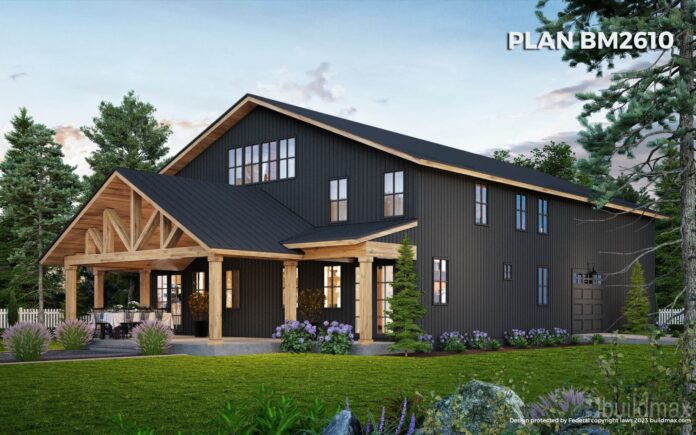
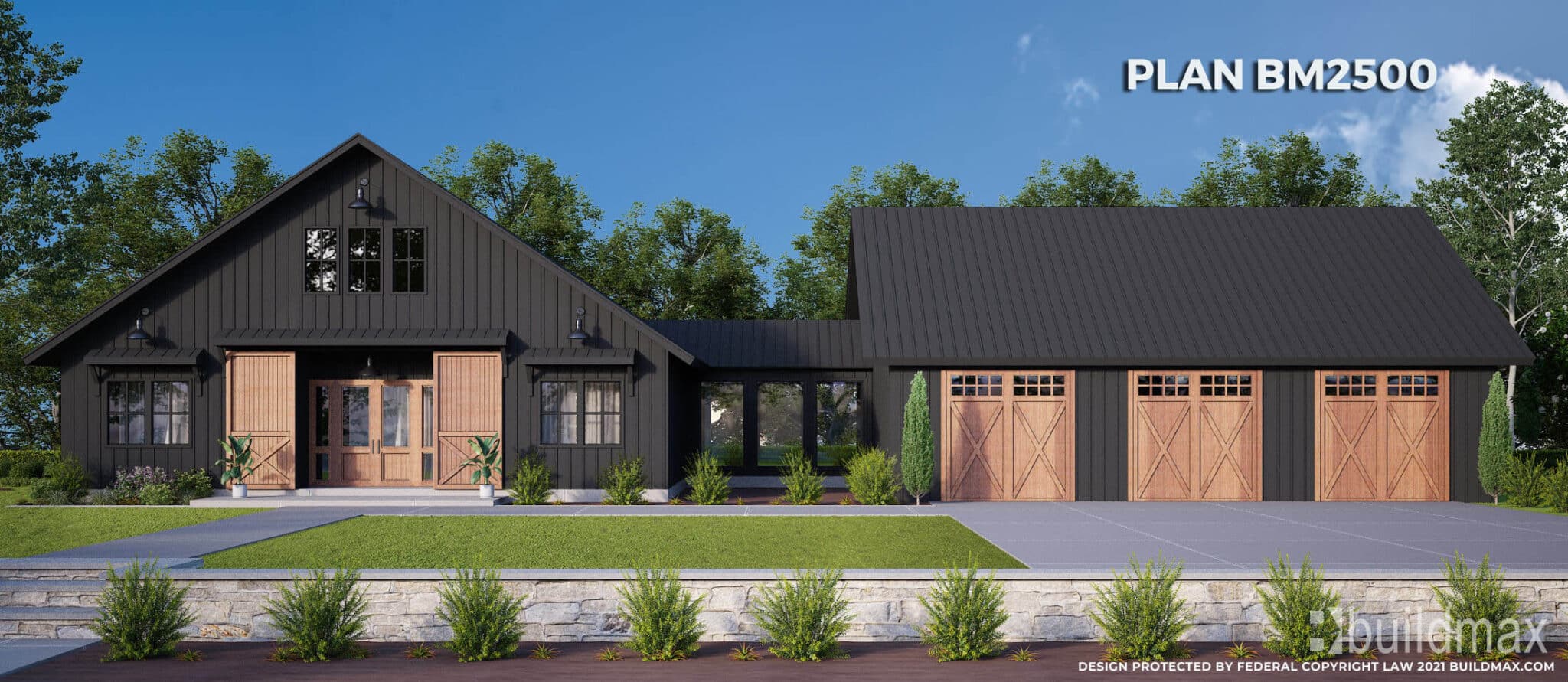
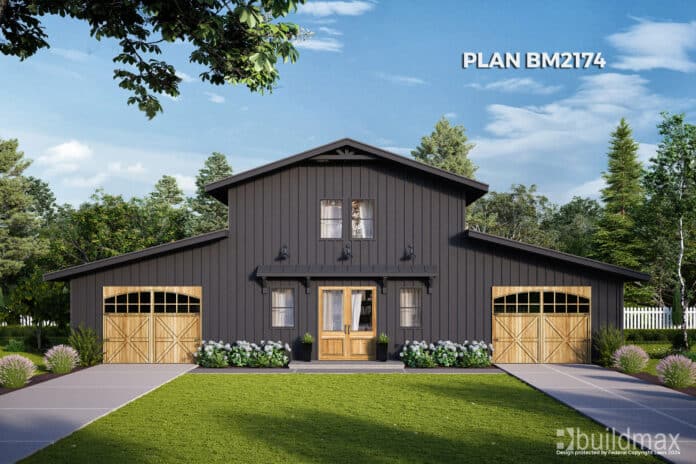
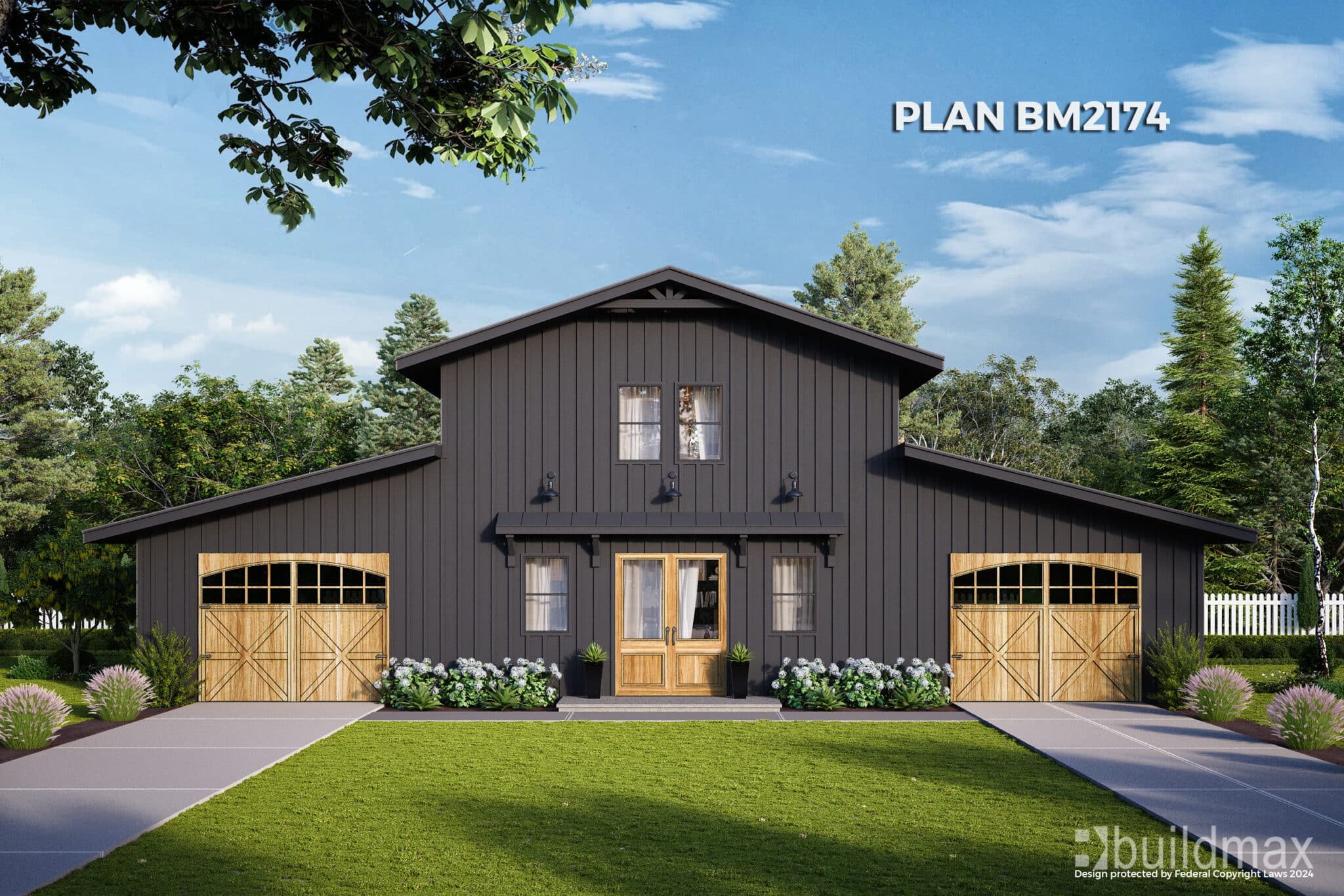
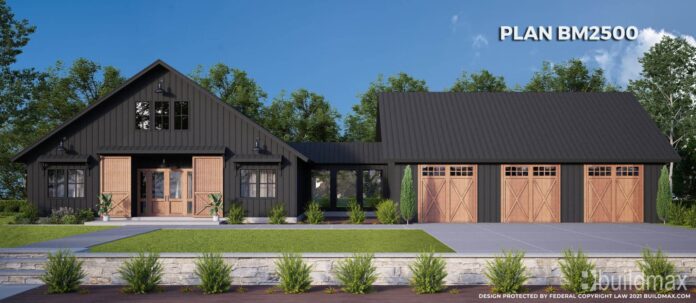
black barndominium with large barn doors and breezeway leading to garage

Here’s an overview of the most common types of concrete floors found in shop-houses and barndominiums, along with their benefits and best uses.
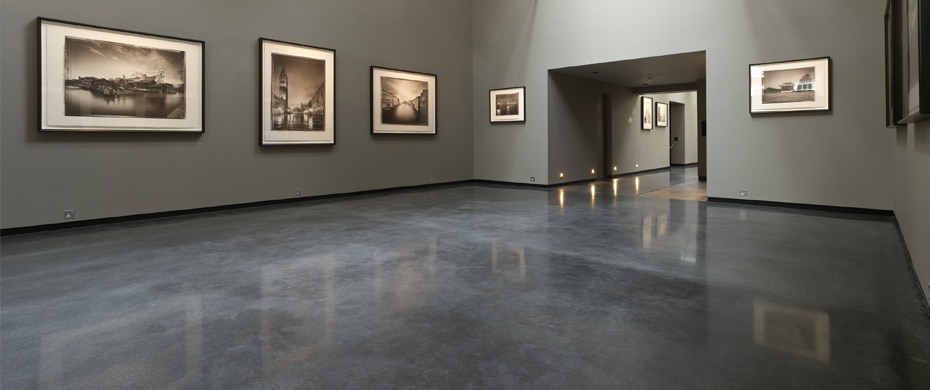
1. **Polished Concrete Floors**

**Polished concrete** is a popular choice in both residential and commercial settings due to its sleek, modern appearance and durability. The polishing process involves grinding the concrete surface with increasingly finer grits of diamond abrasives until a smooth, glossy finish is achieved. This type of floor is not only aesthetically pleasing but also practical for shop-houses and barndominiums.

Benefits:

– **Durability**: Polished concrete is highly resistant to wear and tear, making it ideal for high-traffic areas, workshops, and garages.
– **Low Maintenance**: The polished surface is easy to clean and requires minimal upkeep. It resists stains and spills, which is beneficial for spaces where vehicles or machinery are used.
– **Reflectivity**: The glossy surface helps reflect light, brightening up the space and reducing the need for additional lighting.

Best Uses:

Polished concrete is suitable for **living areas**, **workshops**, and **garages** in barndominiums. It can also be used in **multi-purpose rooms** where a seamless transition between different areas is desired.
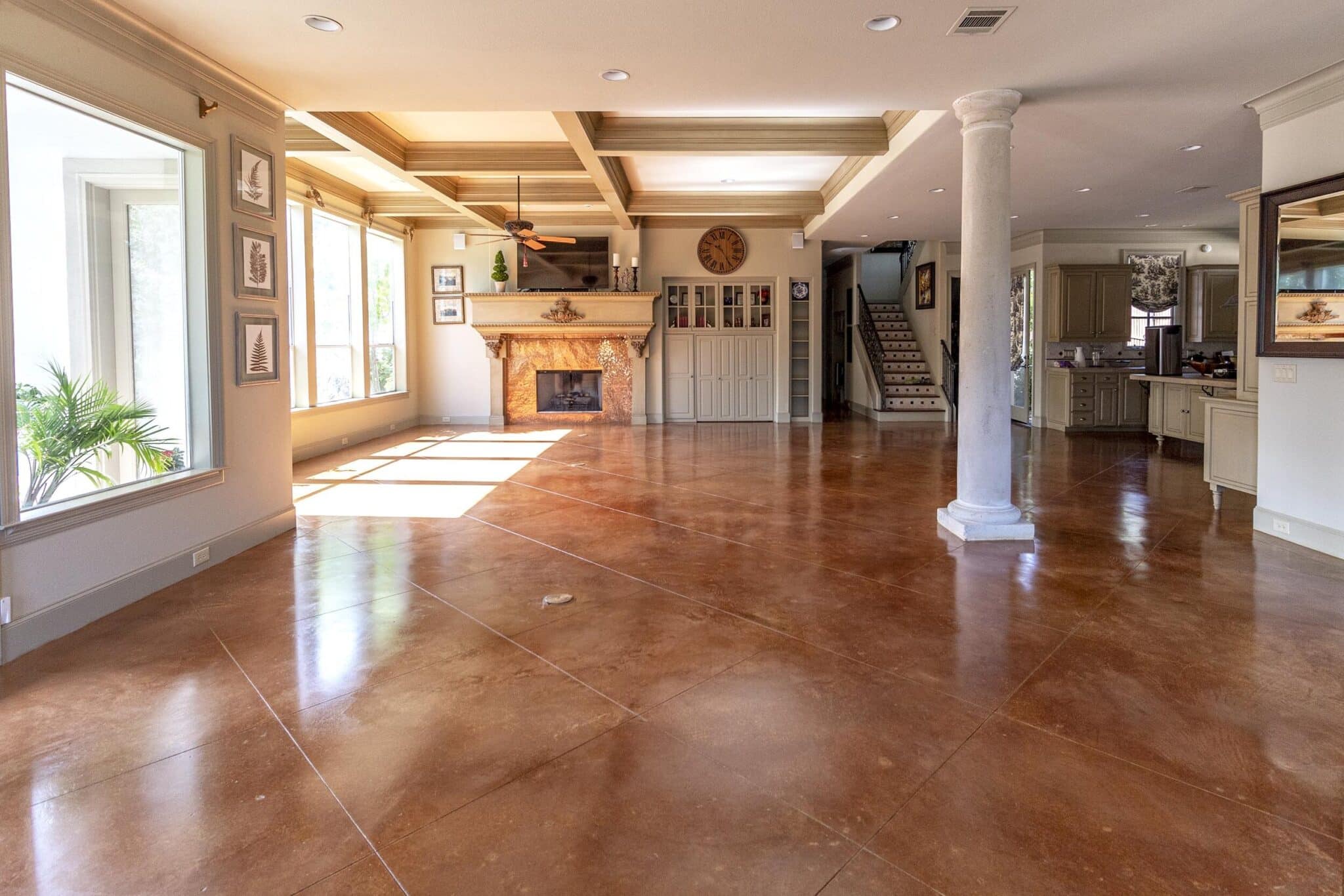
2. **Stained Concrete Floors**

**Stained concrete** is another popular option for barndominiums and shop-houses, offering a unique, decorative appearance. Stains can be applied to the concrete surface to create a wide range of colors and effects, from natural earth tones to more vibrant hues. There are two main types of stains: **acid-based** and **water-based**.

– **Acid-Based Stains**: These penetrate the concrete and react chemically with the minerals to produce a variegated, marble-like appearance. Acid-based stains create a more natural, rustic look.
– **Water-Based Stains**: These create a more uniform color and come in a wider variety of colors. Water-based stains are ideal for achieving bold or vibrant hues.

Benefits:

– **Customizable Appearance**: Stained concrete offers a wide range of colors and patterns, allowing homeowners to create a personalized look that complements the interior design.
– **Long-Lasting Color**: The stain penetrates deep into the concrete, making the color resistant to fading, chipping, or peeling.

Best Uses:

Stained concrete is great for **living areas**, **kitchens**, and **dining spaces** within a barndominium, where a decorative, unique flooring option is desired. It can also be used in **showrooms** or **office spaces** within a shop-house.
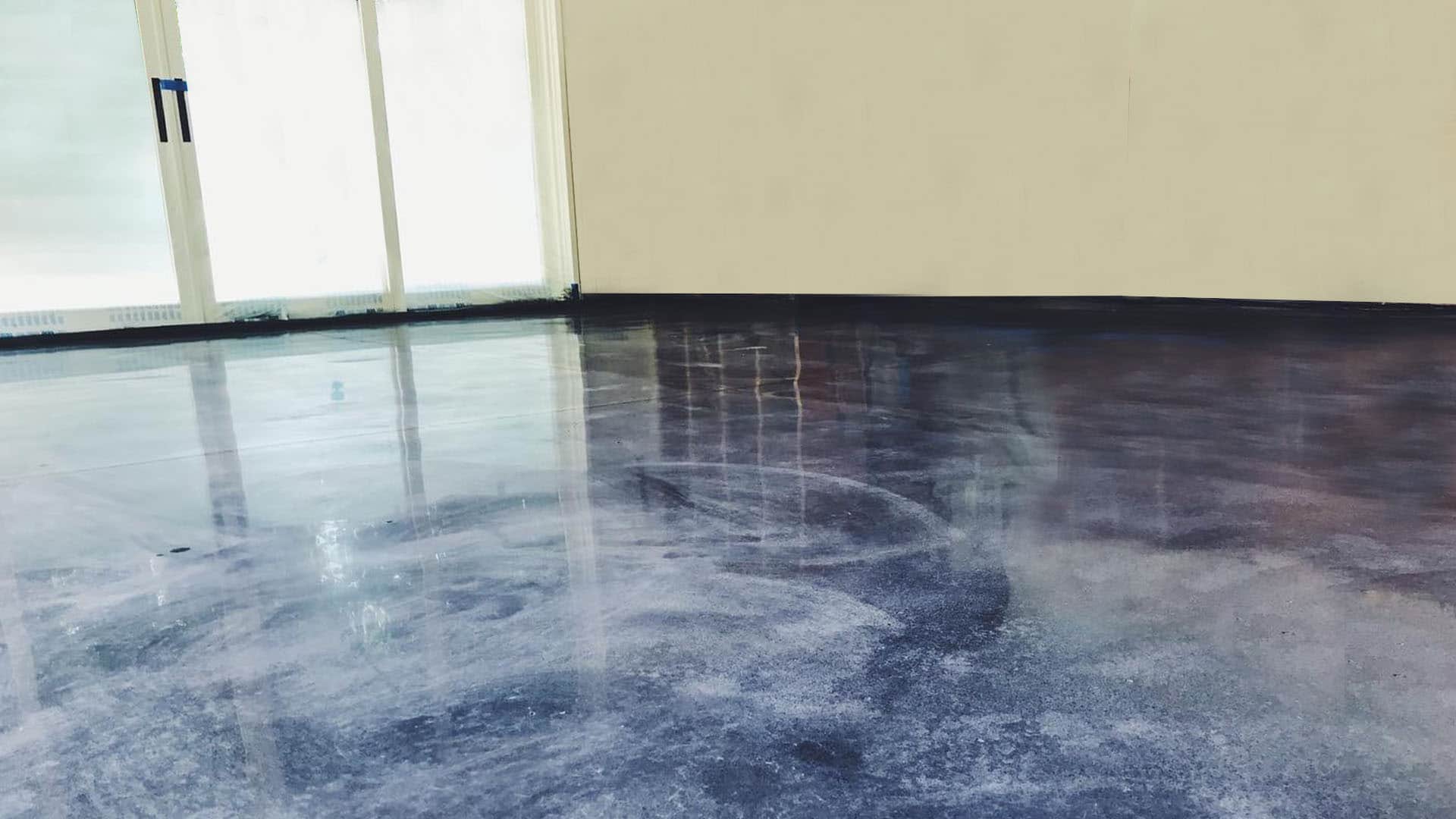
3. **Epoxy Coated Concrete Floors**

**Epoxy coatings** are often used to enhance the appearance and functionality of concrete floors in shop-houses and barndominiums. The epoxy is a durable resin applied over the concrete, creating a hard, glossy surface that is resistant to chemicals, stains, and abrasions. Epoxy-coated floors can be customized with different colors, textures, and finishes, including metallic effects or decorative flakes.

Benefits:

– **Chemical and Stain Resistance**: Epoxy-coated floors are highly resistant to spills, oil, and chemicals, making them ideal for garages or workshops where automotive work takes place.
– **Enhanced Durability**: The epoxy coating adds an extra layer of protection to the concrete, making it more resistant to impacts, abrasions, and heavy traffic.
– **Customizable Appearance**: Epoxy coatings can be customized with various colors, patterns, and textures to achieve a unique look.

Best Uses:

Epoxy-coated concrete floors are commonly used in **garages**, **workshops**, and **mechanic bays** in shop-houses and barndominiums. They are also suitable for **high-traffic areas** where extra durability and stain resistance are needed.
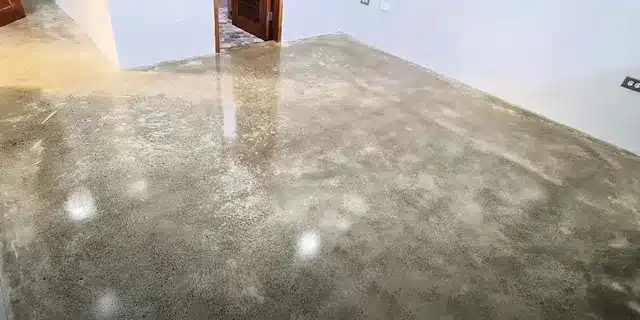
4. **Sealed Concrete Floors**

**Sealed concrete** is a simpler and more budget-friendly option compared to polished or epoxy-coated floors. This type of flooring involves applying a **sealer** to the surface of the concrete, which protects it from moisture, stains, and wear. Sealed concrete can have a **matte**, **satin**, or **glossy finish**, depending on the type of sealer used.

Benefits:

– **Cost-Effective**: Sealing concrete is one of the most affordable ways to protect and enhance the appearance of concrete floors.
– **Easy to Maintain**: The sealed surface is resistant to dust and dirt, making it easy to clean and maintain.
– **Improved Durability**: While not as durable as epoxy coatings, sealed concrete still offers protection against minor spills and abrasions.

Best Uses:

Sealed concrete floors are suitable for **storage areas**, **basements**, **utility rooms**, or **low-traffic areas** within a barndominium. They can also be used in **temporary or seasonal workspaces** where heavy-duty flooring is not necessary.
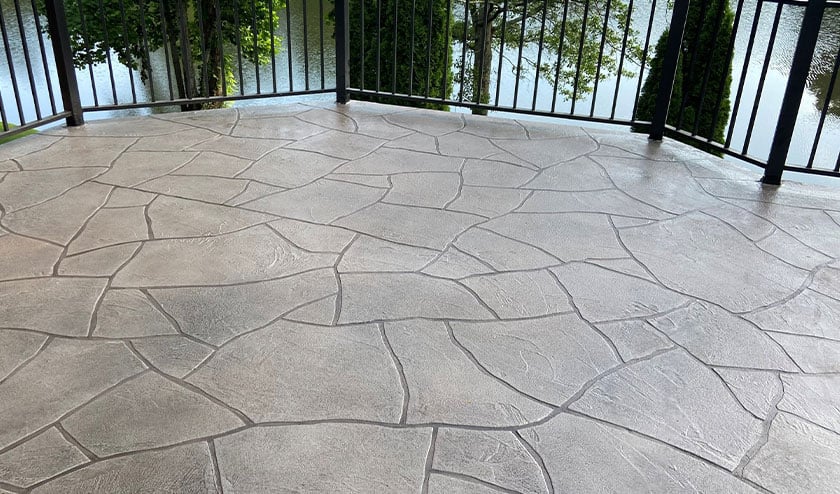
5. **Textured Concrete Floors**

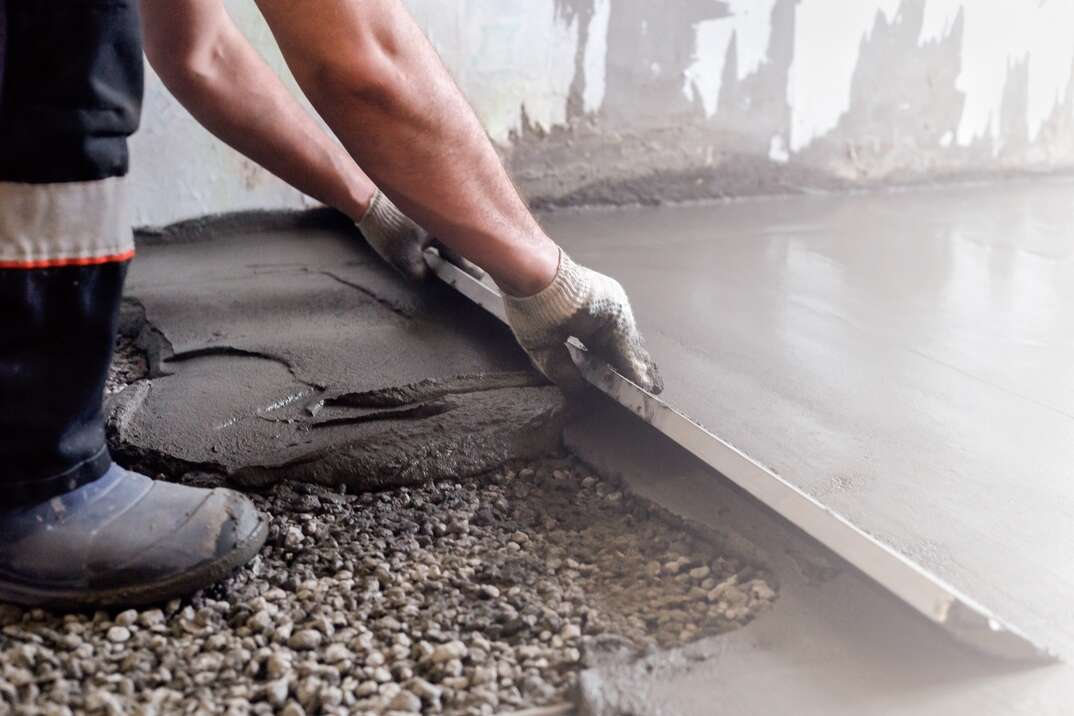
For barndominiums or shop-houses that need a more **slip-resistant surface**, **textured concrete floors** are a practical choice. The concrete can be finished with a **broom**, **trowel**, or **stamped pattern** to create texture. This adds traction to the surface, which is especially useful in areas that may be exposed to water, oil, or other slippery substances.

Benefits:

– **Increased Traction**: Textured concrete provides better slip resistance, making it a safer option in areas prone to spills or moisture.
– **Durability**: Like other concrete floors, textured surfaces are highly durable and can withstand heavy use.
– **Aesthetic Variety**: Various textures and patterns can be achieved, allowing for some customization while maintaining a functional surface.

Best Uses:

Textured concrete is ideal for **outdoor patios**, **driveways**, **garage floors**, or **shop entrances**, where slip resistance is important. It is also a good choice for **wash bays** or **wet areas** within a shop-house.
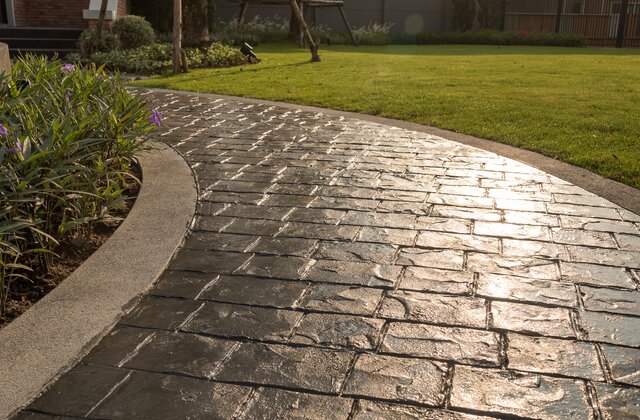
6. **Stamped Concrete Floors**

**Stamped concrete** is a decorative option that mimics the appearance of more expensive materials like stone, brick, slate, or tile. The concrete is poured and then stamped with a pattern while it is still wet, creating a textured surface that looks like natural stone or other materials.

Benefits:

– **Aesthetic Appeal**: Stamped concrete can achieve the look of more expensive materials at a fraction of the cost.
– **Durability**: As with other types of concrete flooring, stamped concrete is durable and long-lasting.
– **Low Maintenance**: Stamped concrete requires minimal maintenance compared to natural stone or brick.

Best Uses:

Stamped concrete is often used in **outdoor areas**, such as **patios**, **walkways**, or **pool decks**, where a decorative and durable surface is needed. It can also be used in **living spaces** or **entryways** within a barndominium to create a high-end look.
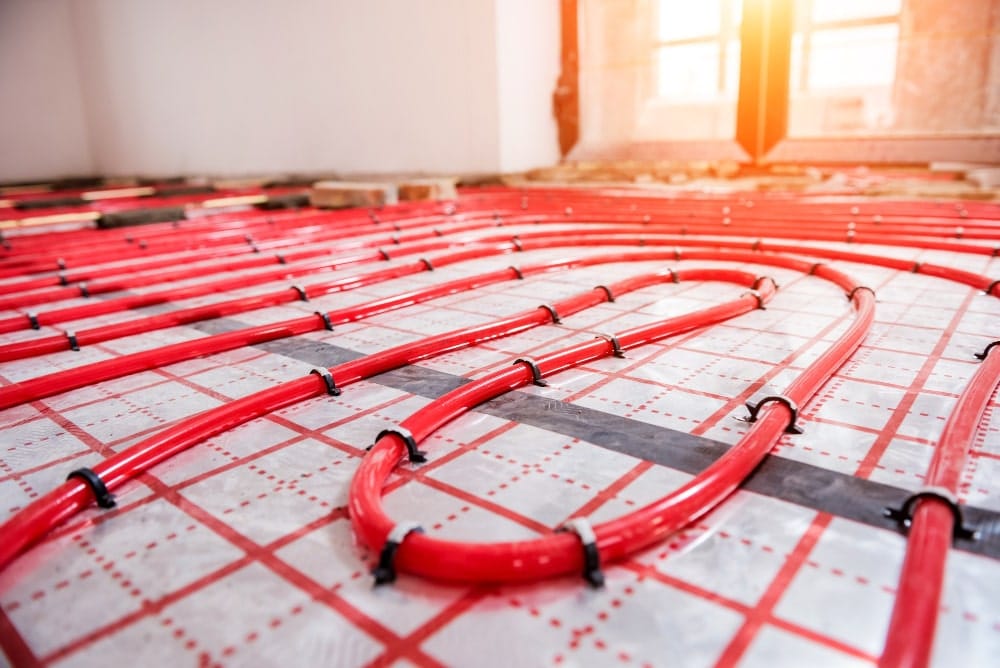
7. **Radiant Heated Concrete Floors**

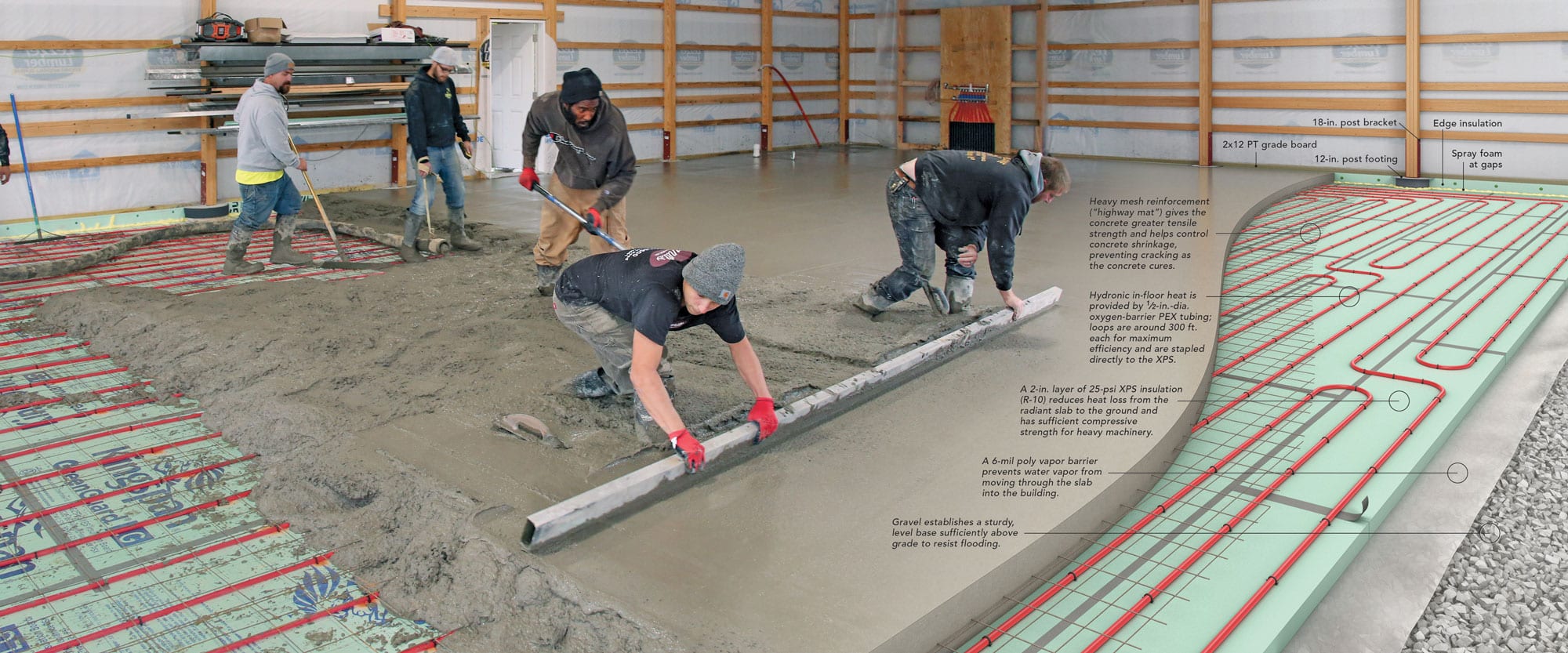
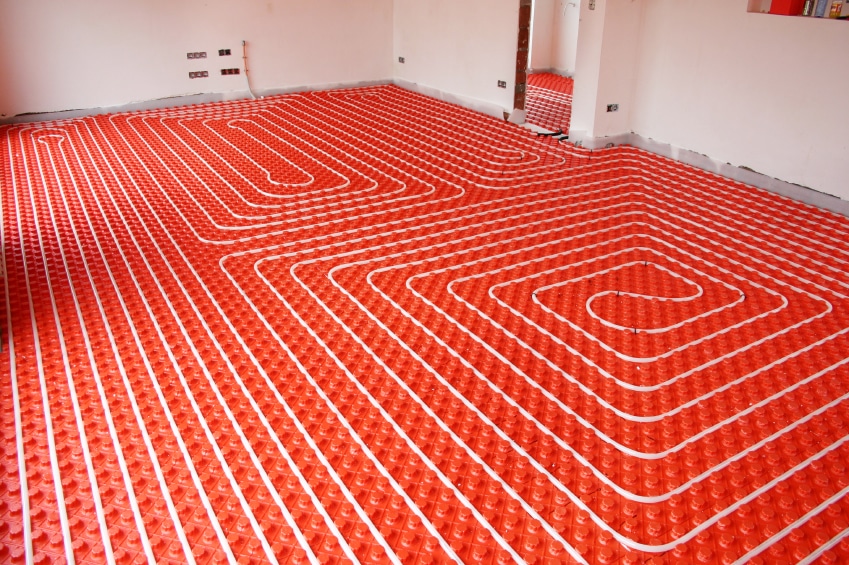
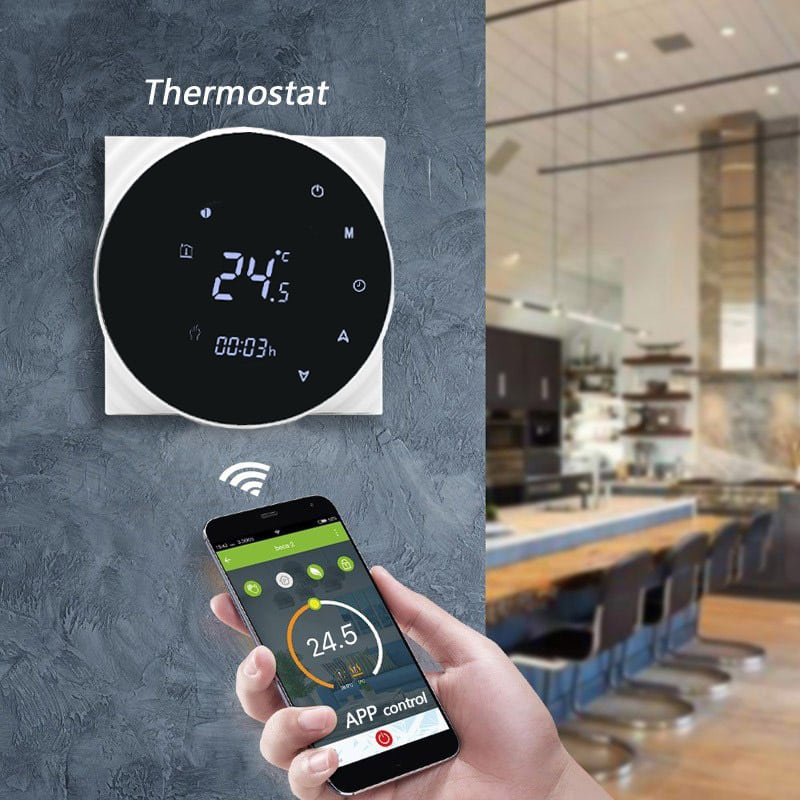
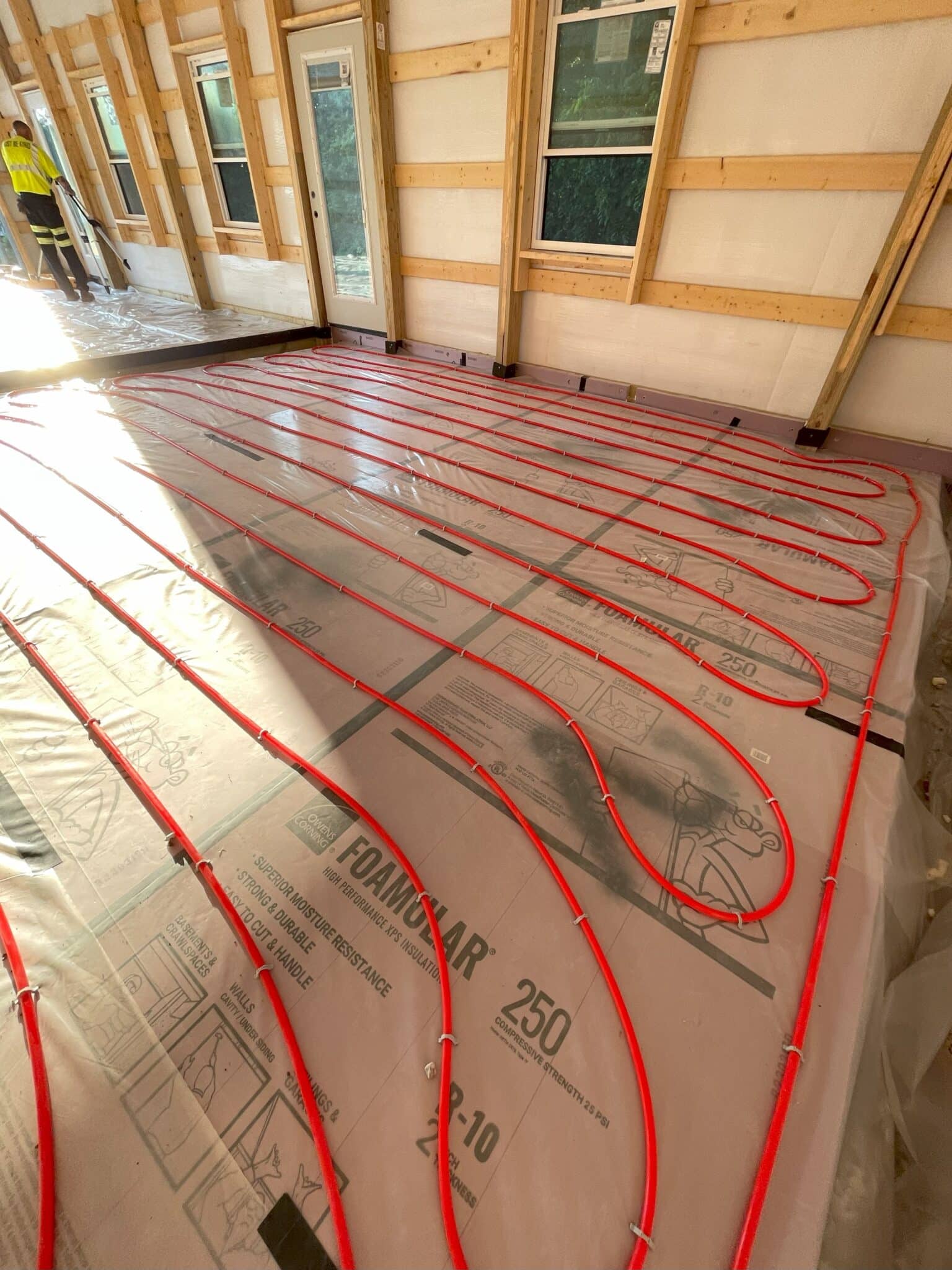
Concrete floors can be paired with **radiant heating systems** to create **heated concrete floors**. Radiant heating involves installing heating elements or water-filled tubes beneath the concrete, which radiate heat upward to warm the floor and the entire room. This is particularly popular in colder climates where extra warmth is needed.

Benefits:

– **Comfort**: Radiant heated floors provide a warm, comfortable surface, especially during winter months.
**Energy Efficiency**: Radiant heating is more energy-efficient than forced-air heating because it warms the room from the ground up.
– **Compatibility**: Radiant heating works well with polished, stained, or sealed concrete floors.

Best Uses:

Radiant heated concrete floors are suitable for **living areas**, **bathrooms**, **bedrooms**, and **multi-purpose rooms** in a barndominium, adding both comfort and energy efficiency.

Conclusion: Choosing the Right Concrete Floor for Your Shop-House or Barndominium
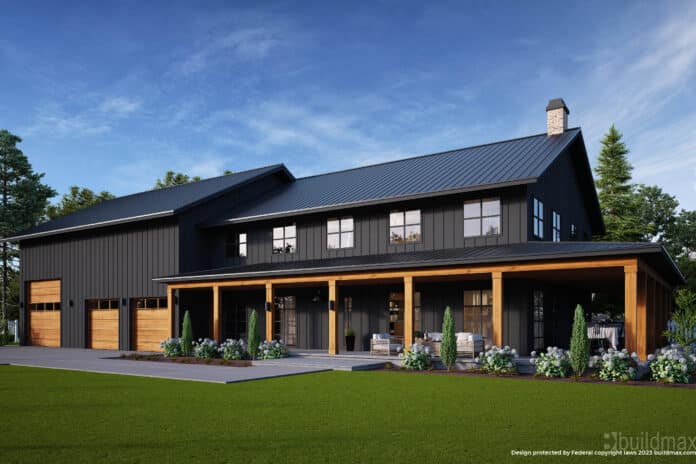
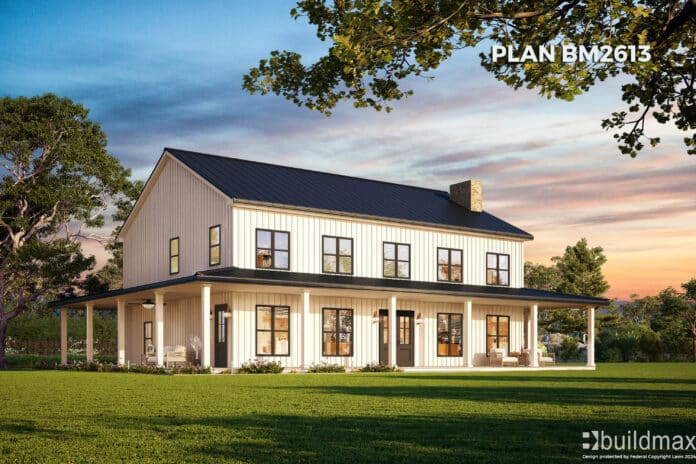
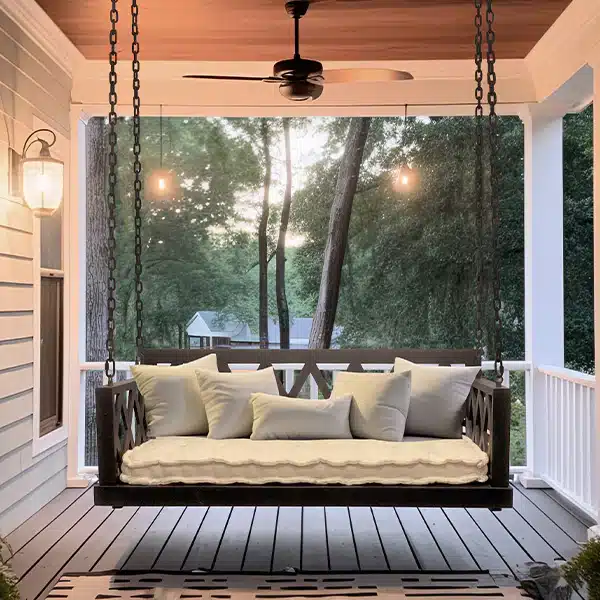
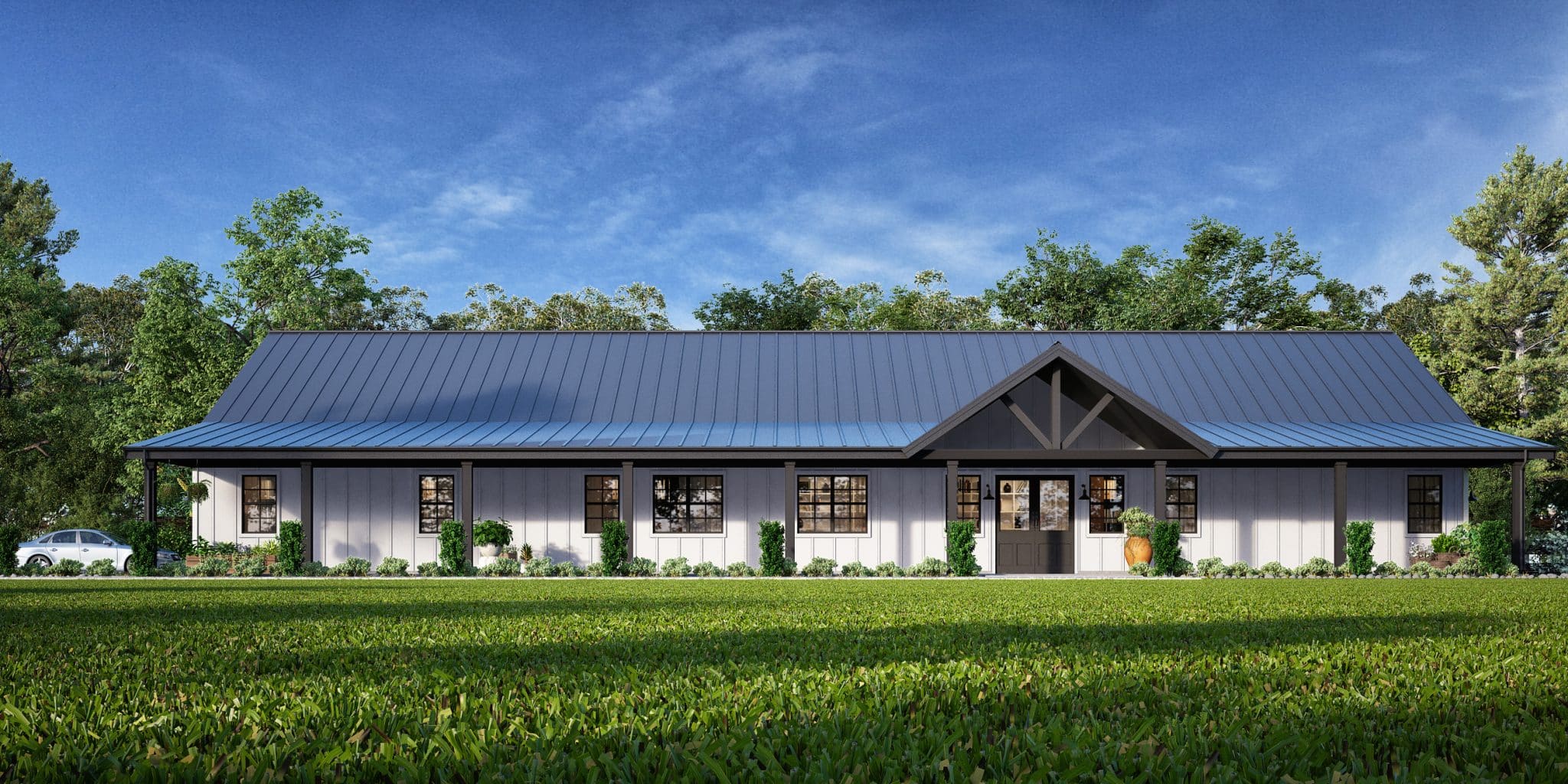
black barndominium shophouse with wraparound porch

When selecting a concrete floor for your **shop-house** or **barndominium**, consider the specific needs of each space, including the **functionality**, **aesthetic appeal**, **durability**, and **budget**. From the sleek appearance of **polished concrete** to the practicality of **epoxy-coated** floors or the warmth of **radiant heated** options, there are numerous concrete flooring types to suit any application. Understanding the benefits and best uses of each type will help you choose the perfect flooring solution for your unique space.
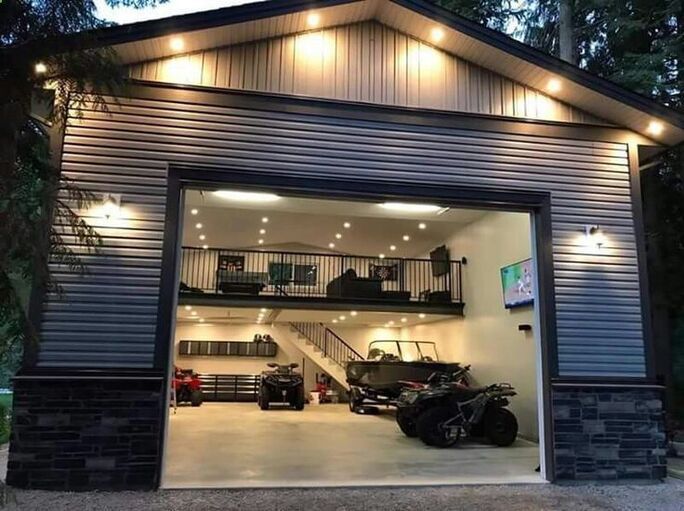
Can I Integrate a Hydraulic Vehicle Lift into My ShopHouse

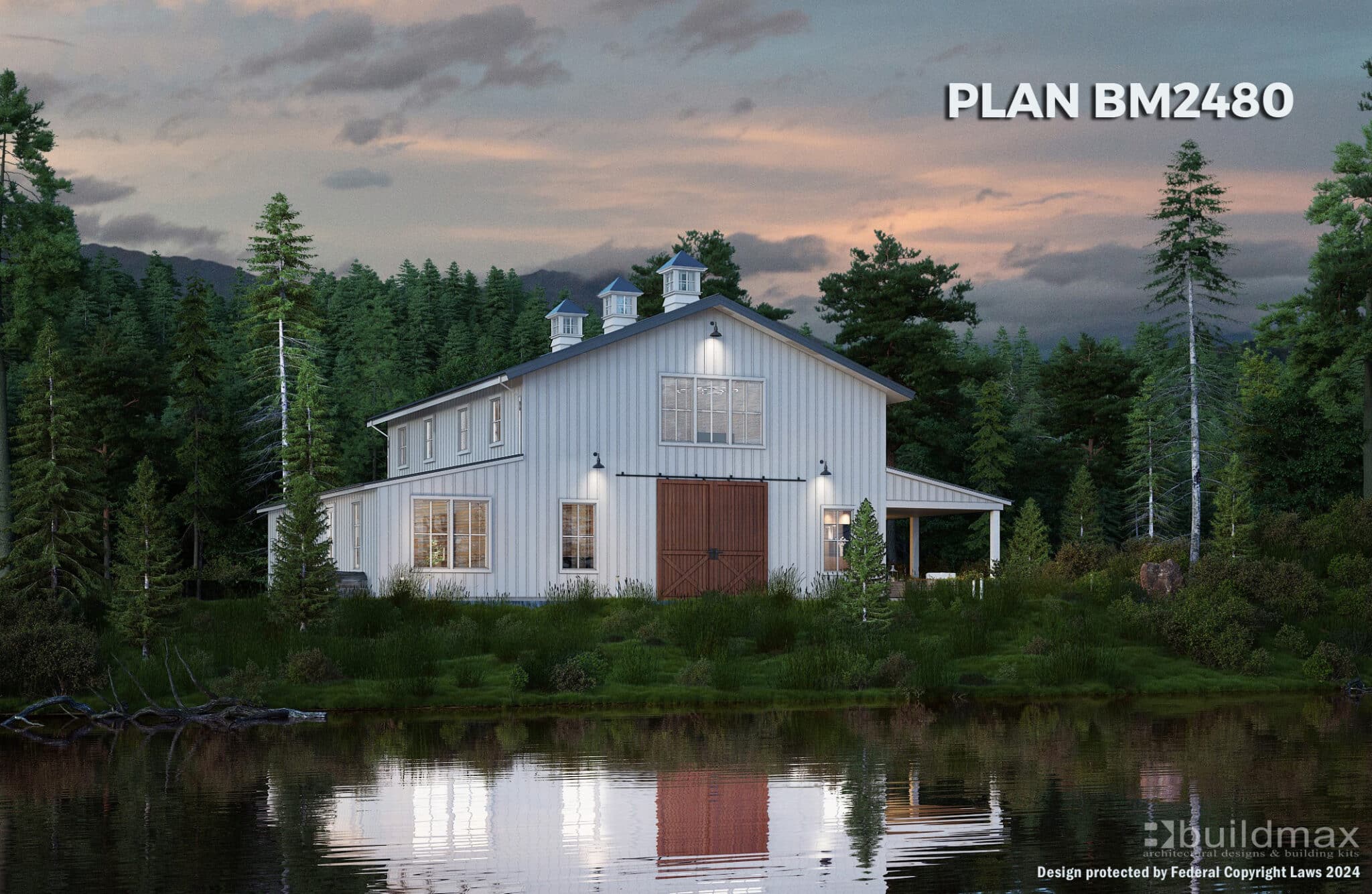
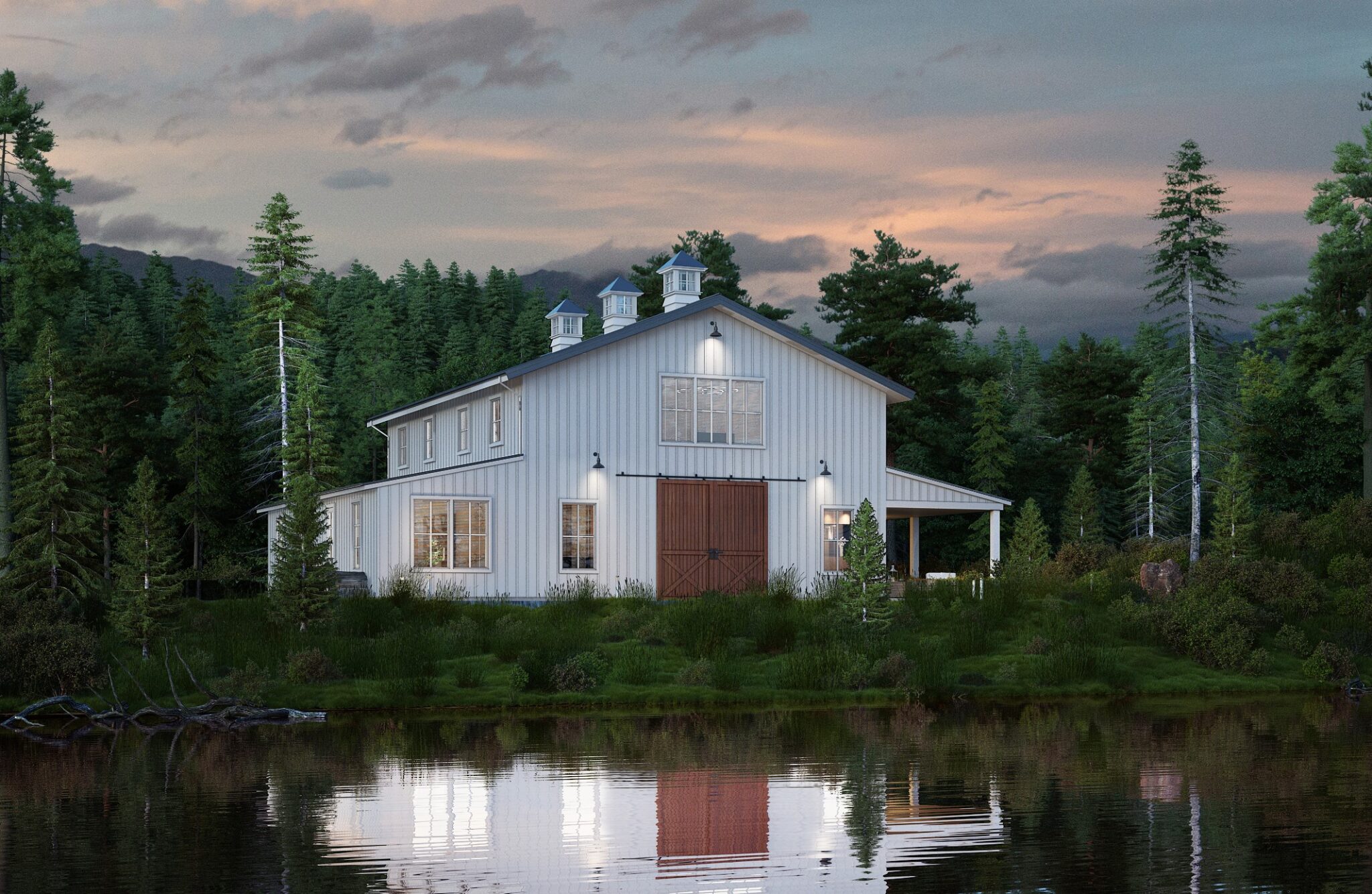
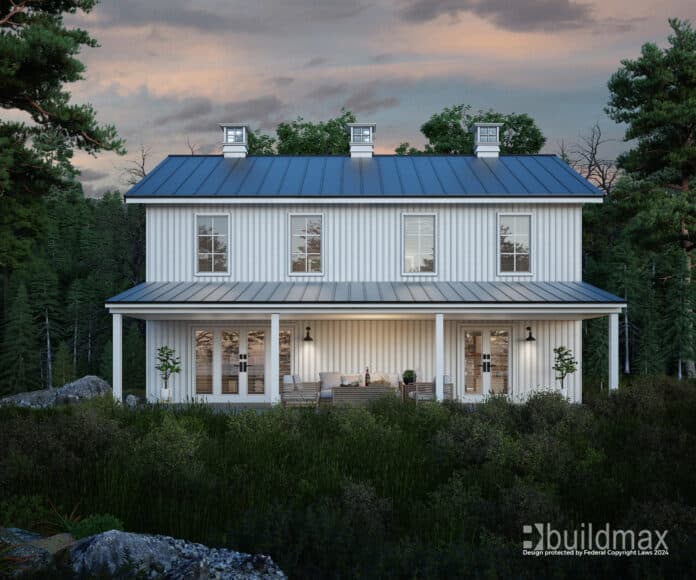
white barndominium with cupolas by a lake

Can I Integrate a Hydraulic Vehicle Lift into My Steel Frame Shop-House?

Integrating a **hydraulic vehicle lift** into your **steel frame shop-house** is a practical and popular option for car enthusiasts, mechanics, and homeowners who need extra space and flexibility in their workshop or garage. The good news is that adding a vehicle lift can be done at a reasonable price, especially in a steel frame shop-house where the open design and sturdy structure make installation straightforward.

In this article, we’ll explore the benefits of installing a hydraulic vehicle lift in a steel frame shop-house, the types of lifts available, and key considerations for cost-effective installation. Whether you’re working on large automotive projects or just looking to maximize your garage space, a vehicle lift can be a valuable addition.

Benefits of Adding a Hydraulic Vehicle Lift

A **hydraulic vehicle lift** offers many advantages, especially when installed in a spacious and versatile steel frame shop-house. Here are some key benefits:

1. **Increased Access for Vehicle Maintenance and Repairs**

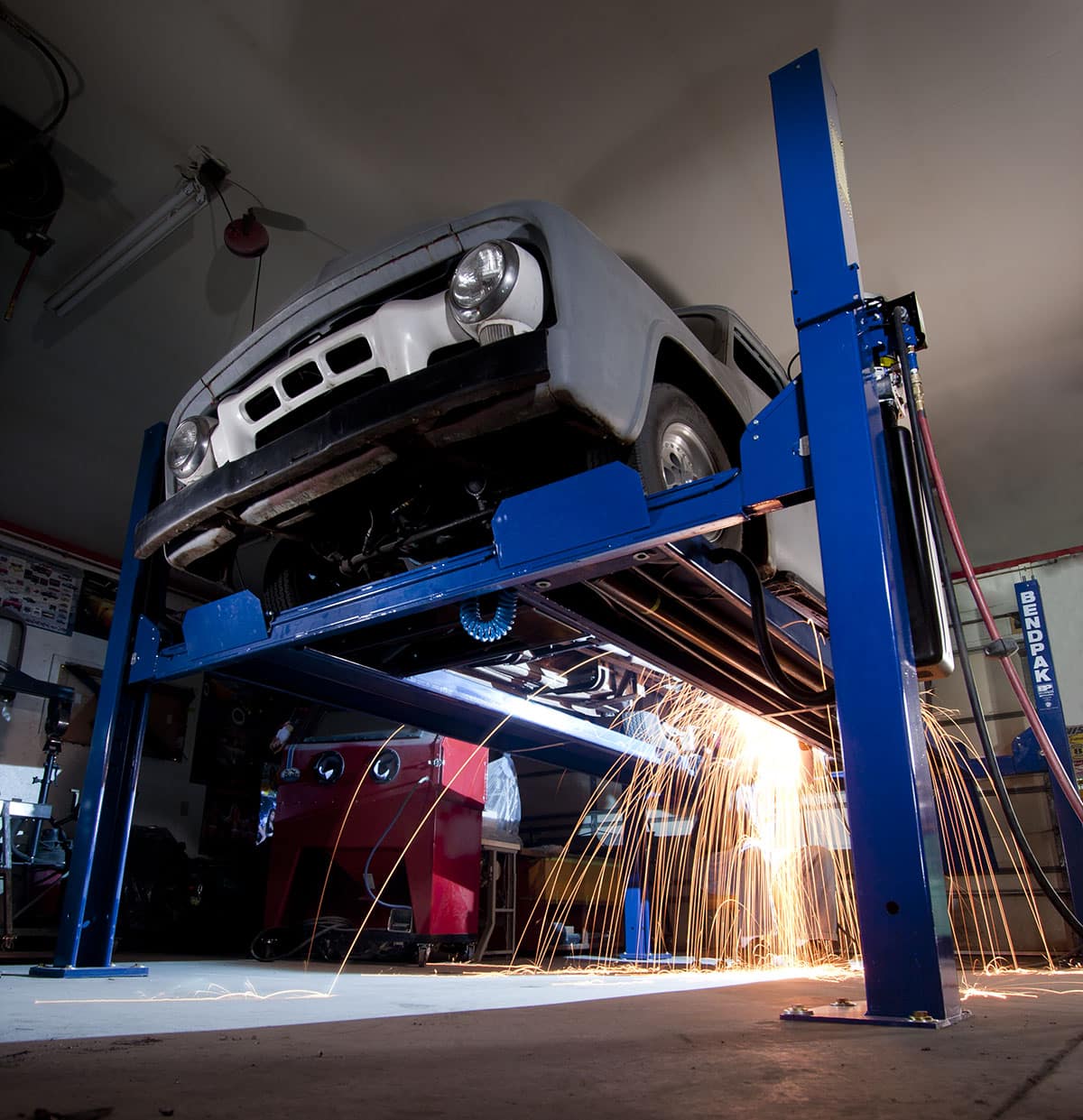
Having a vehicle lift gives you **easy access to the underside of vehicles**, making tasks such as oil changes, brake repairs, and suspension work much more convenient. For anyone who frequently works on cars, motorcycles, or other vehicles, a lift is a game-changer. It allows you to **raise vehicles off the ground** to a comfortable working height, reducing the need to crawl under a car with a creeper or rely on jacks and jack stands.

– **Better Ergonomics**: By lifting the vehicle to the appropriate height, you can work in a more comfortable position, minimizing strain on your back and knees. This is particularly helpful for larger projects that may take several hours or days.
– **Safety**: A properly installed hydraulic lift is safer than using jacks and jack stands. It provides a stable platform that can support the weight of the vehicle, reducing the risk of accidents while working underneath.

2. **Space Optimization**

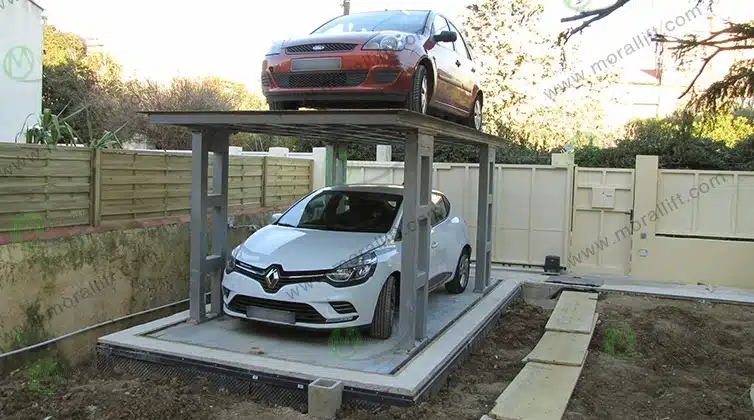
A vehicle lift can help **maximize the available space** in your shop-house by allowing you to **store one vehicle above another**. If you have multiple cars, motorcycles, or even equipment, the lift effectively **doubles your storage capacity** without requiring additional floor space.

– **Dual-Use Space**: With a hydraulic lift, you can lift one vehicle out of the way and use the space below for another car, tools, or even a workbench. This is especially beneficial in shop-houses where you may need to use the same space for different purposes.
– **Parking Space Efficiency**: In a steel frame shop-house with high ceilings, you can take advantage of vertical space by installing a vehicle lift. This way, you can store or work on multiple vehicles without

3. **Ideal for Large Projects**

For those who take on **major automotive projects**, such as restorations or engine swaps, having a vehicle lift makes it easier to tackle complex tasks. The lift provides **better visibility and access**, making it easier to perform intricate work like exhaust modifications, drivetrain repairs, or custom fabrication.

– **More Room to Maneuver**: With the vehicle lifted, there’s plenty of room for tools, equipment, and even multiple people to work on different parts of the car simultaneously.
– **Convenience for Upgrades and Modifications**: When customizing or upgrading a vehicle, a lift provides a sturdy platform for removing parts and installing new components, such as suspension upgrades, exhaust systems, or aftermarket performance parts.

Types of Vehicle Lifts Suitable for a Steel Frame Shop-House

When considering a hydraulic vehicle lift, there are several types available, each with its own set of benefits. The choice of lift depends on your specific needs, available space, and budget.

1. **Two-Post Lifts**

**Two-post lifts** are one of the most popular options for home garages and shop-houses because they are relatively **affordable** and **space-efficient**. They consist of two vertical posts with arms that support the vehicle from underneath.

– **Best For**: General maintenance, repairs, and storage. Two-post lifts are suitable for most cars and light trucks.
**Benefits**: These lifts provide clear access to the vehicle’s underside, making them ideal for mechanical work.
– **Cost**: Two-post lifts are usually priced between **$2,000 and $3,500**, depending on the lift’s capacity and features.

2. **Four-Post Lifts**

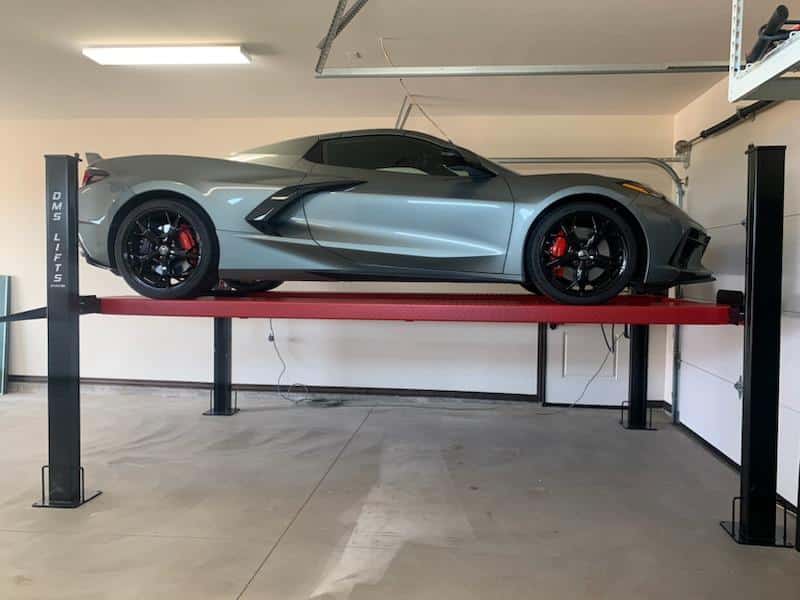
**Four-post lifts** are more stable than two-post lifts because they support the vehicle by its tires. This type of lift is ideal for **storing vehicles** or performing maintenance that doesn’t require wheel removal.

– **Best For**: Long-term vehicle storage, general repairs, and multi-vehicle garages.
– **Benefits**: Four-post lifts offer added stability and can support heavier vehicles. They also often come with caster kits that allow you to move the lift around the shop.
– **Cost**: Four-post lifts typically range from **$3,000 to $6,000**, depending on the lift’s capacity and additional features.

3. **Scissor Lifts**

**Scissor lifts** raise the vehicle using a mechanism that folds like a pair of scissors. These lifts are compact and can be installed in smaller spaces where a full-size lift may not be practical.

– **Best For**: Tight spaces, lower ceilings, and occasional use. Scissor lifts are useful for tire changes, brake work, and oil changes.
– **Benefits**: They take up less floor space and can be recessed into the floor for a flush surface when not in use.
– **Cost**: Scissor lifts typically cost between **$1,500 and $4,000**, making them an affordable choice for smaller shop-houses.

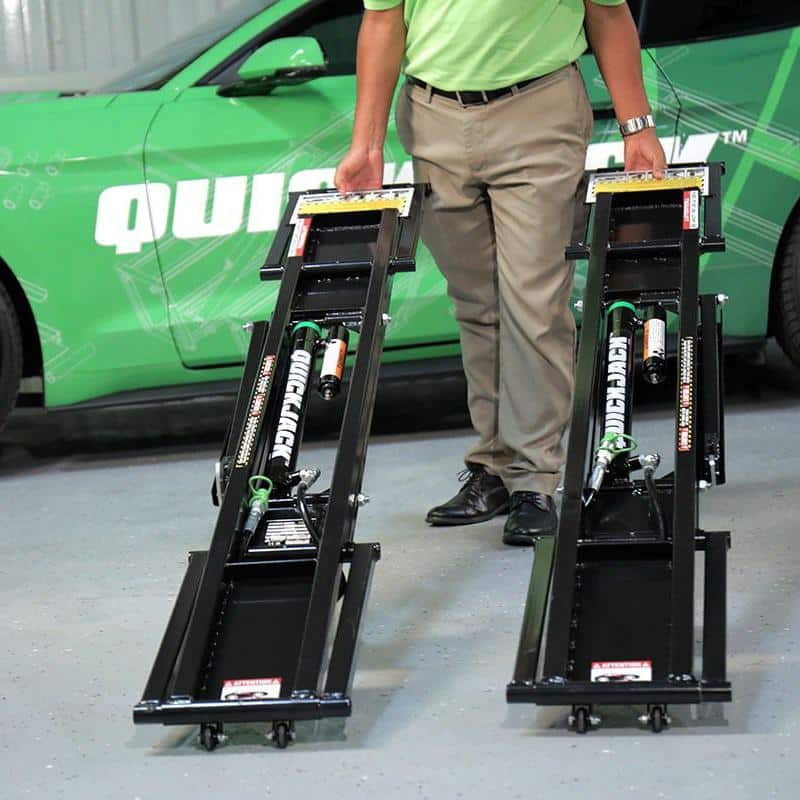
4. **Portable Lifts**

**Portable vehicle lifts** are designed for flexibility, allowing you to move the lift around as needed. They are usually less expensive and provide a quick way to lift a vehicle for basic maintenance.

– **Best For**: DIYers who need a portable, budget-friendly lift solution.
– **Benefits**: These lifts are easy to store and transport, making them a versatile option for those who need a temporary or movable lift.
– **Cost**: Portable lifts can range from **$500 to $2,000**, depending on the lift’s capacity and features.

Weighig the Cost

Cost Considerations for Installing a Vehicle Lift in a Steel Frame Shop-House

Integrating a vehicle lift into your steel frame shop-house is a **cost-effective** project, especially compared to other major renovations or expansions. Here are some factors to consider when budgeting for a hydraulic lift:

1. **Initial Purchase Price**

The cost of the lift itself will vary based on the type, brand, weight capacity, and features. As outlined above, **two-post lifts** and **scissor lifts** are generally the most affordable, while **four-post lifts** and specialized lifts may be more expensive.

2. **Installation Costs**

While some lifts can be **self-installed**, professional installation may be required for larger or more complex lifts. Installation costs typically range from **$500 to $1,000**, depending on factors like electrical wiring, foundation preparation, and anchoring.

3. **Floor Preparation**

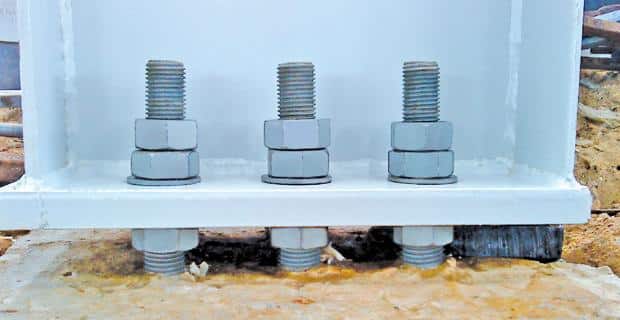
To safely install a vehicle lift, you need a **reinforced concrete floor** with the proper thickness and strength. Most lifts require a concrete floor that is at least **4 to 6 inches thick** with a minimum compressive strength of **3,000 psi**. If your shop-house floor doesn’t meet these requirements, you may need to pour a new concrete slab, which can add to the overall cost.

4. **Ongoing Maintenance**

Like any equipment, vehicle lifts require **routine maintenance** to ensure safe and reliable operation. This may include periodic inspections, lubrication, and hydraulic fluid checks. Maintenance costs are generally low but should be factored into the long-term budget.

Conclusion: Integrating a Vehicle Lift in Your Shop-House Is a Worthwhile Investment

Installing a **hydraulic vehicle lift** in your steel frame shop-house is a practical and affordable way to enhance the functionality and versatility of your space. The benefits of having a vehicle lift include **easier access for repairs**, **space optimization**, and the ability to **tackle larger projects** with ease. With various lift options available—ranging from two-post and four-post lifts to scissor and portable lifts—you can find a solution that fits your budget and needs.

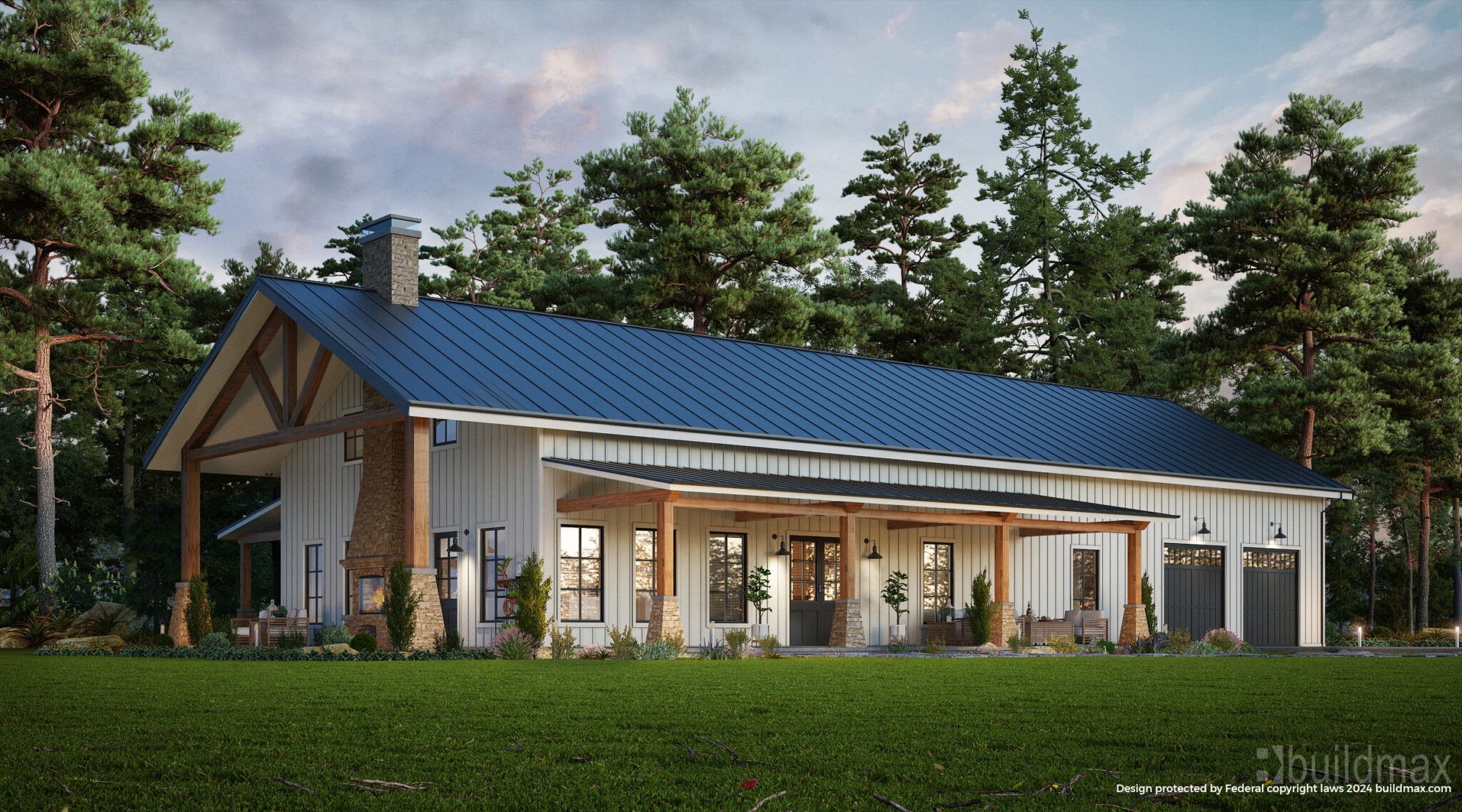
black barndominium shophouse with wraparound porch
BM5550

By planning for the initial costs, installation, and maintenance, you can integrate a vehicle lift into your shop-house for a reasonable price while significantly improving your workspace’s capabilities.

How Well Do Barndominiums Hold Up in Hurricanes?

BM3151-G-B BARNDOMINIUM PLAN

How Well Do Barndominiums Hold Up in Hurricanes?

Barndominiums have gained popularity across various regions of the United States, including hurricane-prone coastal areas. One of the key questions homeowners and prospective buyers often ask is, **”How well do barndominiums hold up in hurricanes?”** The answer largely depends on factors such as construction materials, design features, and geographic considerations. Barndominiums, particularly those built with **steel framing**, are known for their durability and resilience against extreme weather conditions, including hurricanes.

black barndominium with large barn doors and breezeway leading to garage

In this article, we will explore how well barndominiums perform during hurricanes, the benefits of steel framing for resisting strong winds and loads, and the increasing popularity of **coastal barndominiums**, including elevated designs on stilts.

Steel Framing: A Strong Defense Against Hurricane Winds

The structural integrity of a barndominium during a hurricane is primarily determined by the materials used in its construction. **Steel framing** is widely considered one of the most effective materials for building hurricane-resistant homes due to its strength, durability, and ability to withstand high winds and heavy loads. Here’s why steel-framed barndominiums are a smart choice for hurricane-prone areas:

1. **Strength and Wind Resistance**

Steel is significantly stronger than traditional wood framing, making it highly resistant to **straight-line winds** and wind-borne debris commonly associated with hurricanes. During a hurricane, structures face immense pressure from **high-velocity winds**, which can reach speeds exceeding 150 mph in severe cases. The **tensile strength** of steel allows it to resist these forces better than wood, which can warp, crack, or even collapse under intense pressure.

– **Wind Load Tolerance**: Steel framing is engineered to handle high wind loads, making it ideal for regions that experience hurricane-force winds. When properly designed, steel-framed barndominiums can withstand wind speeds that meet or exceed local building codes for hurricane-prone areas.
– **Structural Flexibility**: Unlike brittle materials, steel can flex slightly under stress without breaking, which helps it absorb the force of strong winds. This flexibility is especially important for reducing structural damage during extreme weather events.

2. **Durability Under Heavy Loads**

Hurricanes often bring heavy **rainfall** that can lead to flooding and increased structural loads on a building. Steel’s high load-bearing capacity allows it to support **roofing and exterior walls** without risk of sagging or collapse under the weight of accumulated rain or debris. This durability makes steel-framed barndominiums a more reliable option in hurricane-prone areas where other building materials may falter.

– **Resistance to Corrosion**: Coastal environments expose buildings to **salt air**, which can cause corrosion in certain materials. Steel used in barndominiums is often **galvanized or treated** to resist corrosion, ensuring long-term structural integrity even in coastal conditions.

3. **Impact Resistance**

During hurricanes, **debris** such as branches, roof tiles, and even large objects can become airborne, posing a significant threat to the structural integrity of homes. Steel frames provide a **tough exterior** that is more resistant to impact damage compared to wood framing. This added resistance helps protect the building’s core structure from being compromised.

Why Coastal Barndominiums Are Gaining Popularity

Despite the risks posed by hurricanes, many people are choosing to build barndominiums along the coast due to their **cost-effectiveness**, **modern aesthetic**, and **ability to be customized** for coastal living. Here are some reasons why coastal barndominiums are becoming increasingly popular:

1. **Elevated Designs for Flood Protection**

One of the most common features of coastal barndominiums is the use of **elevated designs**, including structures built on **stilts** or pilings. Elevating the barndominium helps protect it from **storm surge** and **flooding**, which are common hazards in coastal regions during hurricanes.

– **Stilt Construction**: Elevating the structure on stilts allows water to flow beneath the home, reducing the risk of water damage to the main living areas. This design also helps prevent debris from striking the home directly during a storm surge.
– **Compliance with Flood Zone Regulations**: In many coastal areas, building codes require homes to be constructed above a certain elevation to meet **floodplain regulations**. Barndominiums built on stilts can easily comply with these requirements, providing both safety and peace of mind.

2. **Open-Concept Living with Enhanced Views**

Coastal barndominiums often feature **open floor plans** with large windows to maximize natural light and offer panoramic views of the ocean or bay. This design style not only enhances the aesthetics of the home but also allows for **cross-ventilation**, which can help manage indoor air quality during and after a storm.

– **Large Windows and Storm Shutters**: Coastal barndominiums can be equipped with **impact-resistant windows** or **storm shutters** to protect against wind-borne debris. These features help maintain the home’s structural integrity while allowing homeowners to enjoy scenic views.

3. **Adaptability and Customization**

Barndominiums are highly **customizable**, making it easy for homeowners to incorporate features that enhance the building’s resilience against hurricanes. This includes options such as **reinforced roofing**, **steel siding**, and **protective coatings** that further increase the structure’s durability.

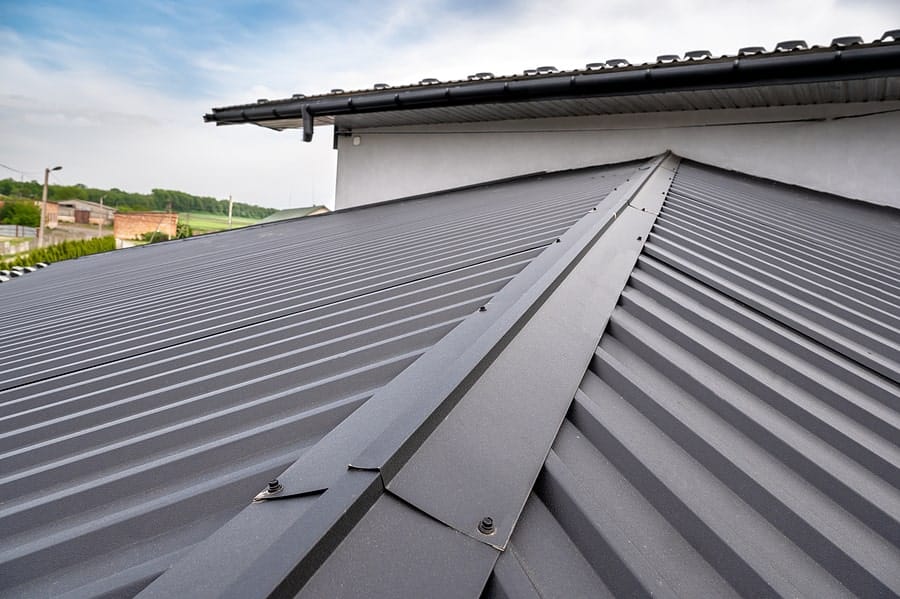
– **Metal Roofing for Hurricane Resistance**: Metal roofs, which are commonly used in barndominiums, are known for their ability to withstand high winds. Proper installation and secure fasteners help prevent roofing materials from detaching during a hurricane.
– **Custom Floor Plans for Safety**: Coastal barndominiums can be designed with **safe rooms** or **reinforced areas** that provide extra protection during a storm. These spaces can be built with additional structural supports and impact-resistant materials.

How to Build a Hurricane-Resistant Barndominium

To ensure your barndominium holds up well during hurricanes, it’s important to follow best practices for **hurricane-resistant construction**:

1. **Choose Steel Framing**

Opting for a **steel frame** for your barndominium is the first step toward building a hurricane-resistant home. Steel frames are superior to wood for withstanding wind loads, impact forces, and water damage. When choosing a steel frame kit, ensure it meets the **latest building codes** for hurricane-prone areas.

2. **Elevate the Structure**

If you’re building along the coast, consider an **elevated design** on stilts or pilings to protect the structure from storm surges and flooding. Make sure the height of the stilts meets or exceeds local regulations for flood zones to provide the best possible protection.

3. **Reinforce the Roof and Windows**

– **Install a Metal Roof**: A **metal roof** is one of the best choices for hurricane-prone areas due to its ability to resist wind and impact damage. Ensure the roof is securely fastened and reinforced to prevent detachment during strong winds.
– **Use Impact-Resistant Windows and Storm Shutters**: Protect your barndominium from flying debris by installing **impact-resistant windows** or adding **storm shutters**. This will help maintain the structural integrity of the barndo even if high-speed projectiles strike the exterior.

4. **Ensure Proper Sealing and Waterproofing**

Hurricanes bring heavy rains that can penetrate poorly sealed buildings. Invest in **quality sealing** around windows, doors, and roof joints to prevent water infiltration. Additionally, consider using **waterproof membranes** or barriers around vulnerable areas to reduce the risk of water damage.

Conclusion: Barndominiums Are a Smart Choice for Hurricane-Prone Areas

**Barndominiums**, especially those constructed with **steel framing**, are a durable and practical option for homeowners in hurricane-prone regions. The inherent strength of steel makes these homes highly resistant to **high winds**, **impact damage**, and **heavy loads**, while elevated designs on stilts can help protect against flooding and storm surge. The popularity of coastal barndominiums continues to grow as homeowners appreciate the **customizability**, **modern aesthetics**, and **structural resilience** of these versatile buildings.

black barndominium with large porch

By following best practices for hurricane-resistant construction, including choosing the right materials, elevating the structure, and reinforcing vulnerable areas, you can build a barndominium that not only holds up well during hurricanes but also provides a safe and comfortable living space in any weather.

Can Radiant Floor Heating Make My Barndominium Better?

Can Radiant Floor Heating Make My Barndominium Better?

Radiant floor heating is an excellent option for improving the comfort and efficiency of your barndominium, especially during the cold winter months or year-round in colder climates. Unlike traditional forced-air systems, radiant floor heating offers a consistent, energy-efficient way to warm your home from the ground up. It’s particularly appealing in barndominiums, where open floor plans and large spaces benefit from this type of even heat distribution.

In this article, we’ll explore how radiant floor heating can enhance your barndominium, the different types of radiant heating systems available, and why this heating option is particularly beneficial for homes in colder regions.

What Is Radiant Floor Heating?

Radiant floor heating works by warming up the floor itself, which in turn radiates heat throughout the room. This type of system can be installed under various types of flooring, from polished concrete and tile to wood and vinyl. Unlike traditional heating systems that blow warm air from a furnace or heat pump, radiant floor heating provides a more comfortable and consistent warmth, particularly in homes with open-concept designs like barndominiums.

Benefits of Radiant Floor Heating in a Barndominium

1. **Even and Consistent Heat Distribution**

One of the standout advantages of radiant floor heating is its ability to distribute heat **evenly** throughout your barndominium. With traditional forced-air systems, heat rises quickly to the ceiling, leaving floors and lower spaces colder. Radiant heating, however, begins from the floor and warms the entire space gradually, providing consistent warmth across the entire room.

– **No Cold Spots**: In barndominiums with open floor plans, radiant heating ensures that every corner of the room stays comfortably warm, without cold spots or uneven temperatures.
– **Comfortable Flooring**: No more stepping on cold tile or concrete floors in the winter. With radiant floor heating, the warmth from the floor creates a cozy, comfortable environment, making it perfect for homes in northern climates or areas with long, harsh winters.

Eco-Friendly & Sustainable

2. **Energy Efficiency**

Radiant floor heating is known for being **energy-efficient**, especially compared to forced-air systems that lose heat through ductwork or out of windows. By warming rooms from the ground up, radiant heating systems use less energy to achieve the same comfort level, often reducing heating costs in the process.

– **Low Operating Costs**: Because radiant heat provides steady warmth, you can set your thermostat lower while still feeling comfortably warm, which helps reduce energy bills.
– **Efficient Heat Transfer**: Radiant heating systems use **conduction** and **radiation** to transfer heat directly to objects and people, rather than wasting energy heating the air around them.

3. **Better Air Quality**

Young woman switching on air conditioner while sitting on sofa at home

One of the often-overlooked benefits of radiant floor heating is its positive impact on **indoor air quality**. Traditional forced-air systems blow dust, allergens, and other particles around your home, potentially aggravating allergies or respiratory issues. Radiant floor heating, by contrast, doesn’t rely on air circulation, meaning there’s less dust and allergen movement within the home.

– **Allergy-Friendly**: Without the need for ducts or fans, radiant heating systems are ideal for individuals with allergies or asthma, as they minimize airborne particles that can trigger symptoms.

4. **Silent Operation**

Radiant floor heating operates **silently**, unlike furnaces or heat pumps that can produce noise when cycling on and off. The system heats your home quietly, making it a great option for those who value peace and quiet, especially in large barndominiums where echoing sounds from heating systems can be distracting.

5. **Increased Design Flexibility**

Without the need for radiators, vents, or ducts, radiant floor heating gives you more **design flexibility** in your barndominium. You can arrange furniture however you like without worrying about blocking heat sources, and you won’t need to sacrifice wall space for radiators or baseboard heaters.

Types of Radiant Floor Heating Systems

There are two main types of radiant floor heating systems: **electric** and **hydronic**. Each type has its advantages and is suitable for different situations, depending on your location, budget, and heating needs.

1. **Electric Radiant Floor Heating**

Electric radiant heating systems use **electric cables** installed beneath the flooring to generate heat. These systems are typically easier and less expensive to install, especially in smaller areas like bathrooms or kitchens. Electric radiant heating is ideal for homeowners who want to heat specific zones or areas in their barndominium.

– **Best For**: Small spaces or targeted heating areas. Electric systems are great for supplemental heating or for homes in milder climates that don’t need full-home heating.
– **Installation**: Electric mats or wires are installed directly under the flooring material. This type of system works best with tiles, stone, or concrete, as they conduct heat well.
– **Cost**: Electric systems have lower installation costs but can be more expensive to operate in larger homes or colder climates due to higher electricity usage.

2. **Hydronic Radiant Floor Heating**

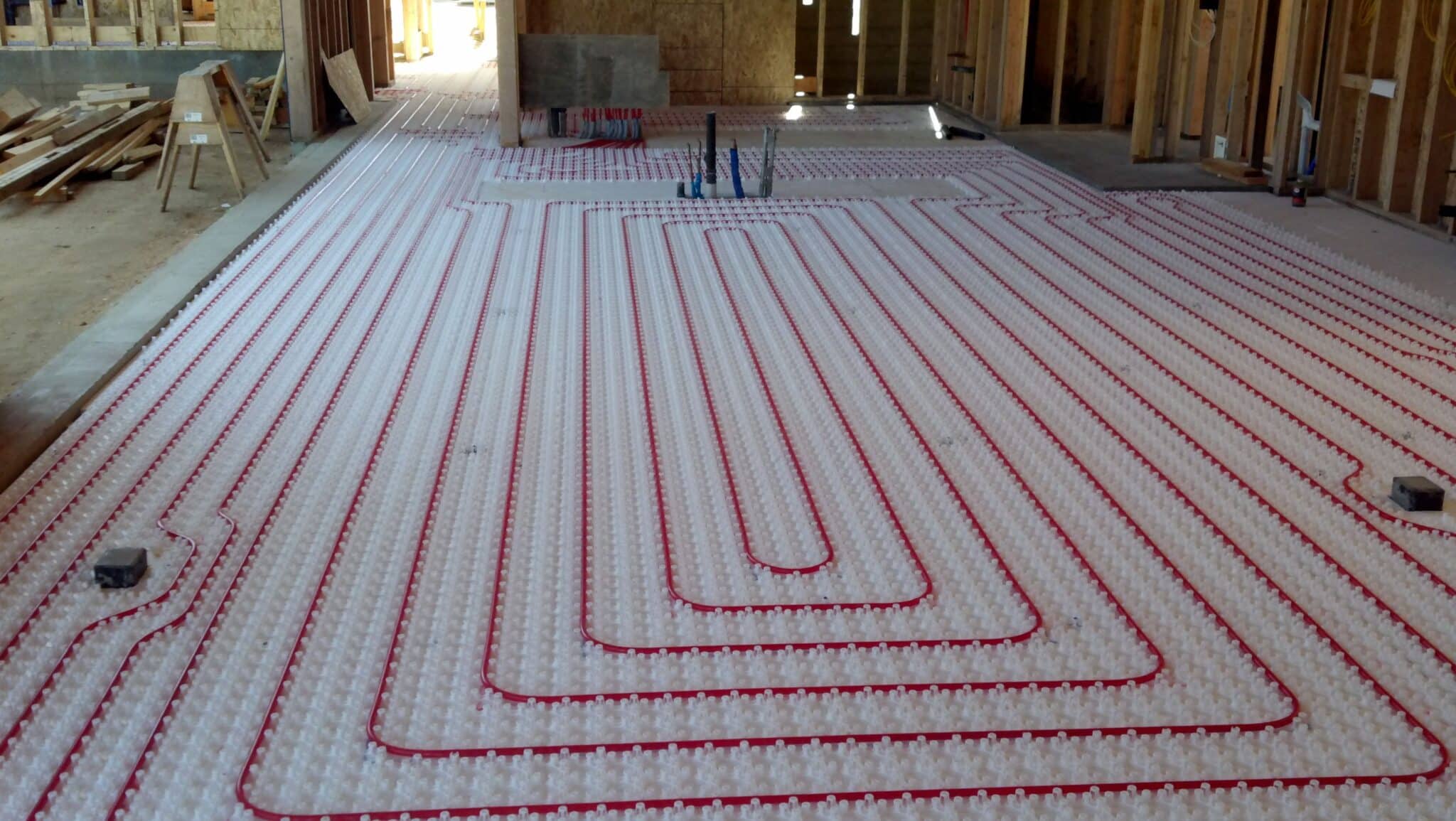
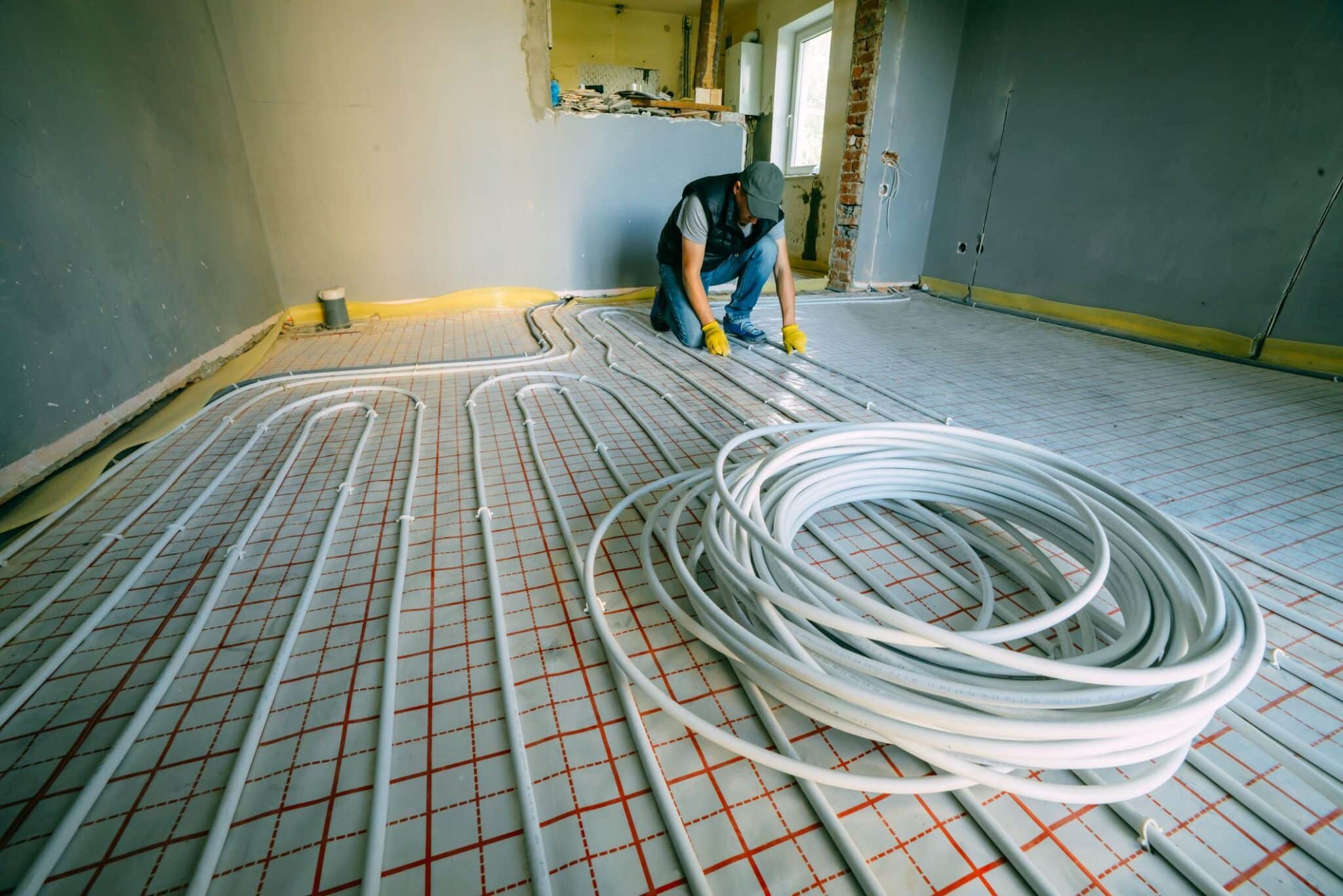
Hydronic radiant floor heating systems use **heated water** that is circulated through a series of tubes embedded in the floor. The hot water warms the floor, which then radiates heat throughout the room. Hydronic systems are more efficient than electric ones, especially in larger homes or colder climates, and are ideal for whole-house heating.

– **Best For**: Large spaces or full-home heating, especially in colder climates where consistent, efficient heating is needed.
– **Installation**: Hydronic systems are more complex to install and often require a boiler or water heater to warm the water that circulates through the pipes. These systems work well with concrete floors and are typically installed during the construction phase.
– **Cost**: While hydronic systems have higher upfront costs, they are much more cost-effective to run over time, especially in large barndominiums or homes that require extensive heating during the winter.

Geothermal Radiant Heating for Barndominiums in Colder Climates

For those who live in the **far north** or regions with extremely cold winters, **geothermal radiant heating** is an excellent option. This system utilizes the earth’s natural heat to warm water that circulates through a hydronic system under the floors. It’s an **eco-friendly** and energy-efficient solution that provides constant, toasty warmth year-round.

– **How It Works**: Geothermal heating systems pull heat from the ground using a heat pump and transfer it to the water in the radiant floor heating system.
– **Energy Savings**: Geothermal systems significantly reduce energy consumption compared to traditional heating systems, making them ideal for homes in cold climates where heating is needed year-round.
– **Environmentally Friendly**: Geothermal systems use renewable energy from the earth, reducing your home’s carbon footprint and reliance on fossil fuels.

barndominium radiant floor heating

Ideal Flooring Materials for Radiant Heating

The type of flooring material you choose in your barndominium will affect the efficiency of your radiant heating system. Here are some of the best flooring materials to pair with radiant floor heating:

– **Polished Concrete**: Polished concrete is a great conductor of heat, making it an excellent choice for radiant heating systems. It’s durable, easy to clean, and works well in large open spaces.
– **Tile and Stone**: Ceramic and stone tiles are highly conductive, meaning they heat up quickly and distribute warmth evenly. These materials are ideal for bathrooms, kitchens, or any area where you want fast, efficient heating.
– **Luxury Vinyl Plank (LVP)**: LVP is compatible with radiant heating and provides a comfortable, warm surface that looks like wood or stone but is more resilient and water-resistant.

Conclusion: Radiant Floor Heating Enhances Comfort and Efficiency in Your Barndominium

white barndominium shophouse

Installing radiant floor heating in your barndominium can greatly enhance its comfort, energy efficiency, and overall value. Whether you choose an electric system for small areas or a hydronic system for whole-home heating, radiant floor heating provides consistent, even warmth that can make your barndominium cozy and efficient, especially in colder climates. For those in northern regions, geothermal radiant heating offers the ultimate solution for year-round comfort while reducing energy costs.

By pairing radiant floor heating with the right flooring materials and incorporating it into your barndominium design, you can create a warm, inviting space that’s both luxurious and energy-efficient.

How to Build a Barndominium That Will Hold Its Value

white barndominium with wraparound porch

How to Build a Barndominium That Will Hold Its Value

White barndominium with lofty porch

Barndominiums have become increasingly popular due to their unique combination of rustic appeal, open floor plans, and versatility. However, like any home, a barndominium’s ability to hold its value over time depends on a variety of factors, including the quality of materials used, structural durability, and smart design choices. Building a barndominium that will retain or even increase its value requires careful planning and an understanding of what elements contribute to long-term durability and market appeal.

In this article, we’ll explore how to build a barndominium that holds its value over time, focusing on the importance of quality materials, the types of features that ensure long-term value, and why **steel frame kits** are a smart investment for the longevity of the home.

1. The Importance of Quality Materials

The materials you choose when building your barndominium will have a significant impact on its long-term value. High-quality materials not only make your home more durable and energy-efficient, but they also reduce the need for costly repairs and upkeep in the future. Investing in premium materials during the initial build will pay off in the long run by maintaining the home’s structural integrity and market appeal.

Key Benefits of Using Quality Materials:

– **Durability**: High-quality materials are less prone to wear and tear, meaning your barndominium will stand up to the elements better than one built with cheaper, less durable alternatives. This is particularly important in areas with harsh weather conditions, such as high winds, heavy snow, or extreme temperatures.
– **Energy Efficiency**: Using energy-efficient materials, such as insulation, windows, and roofing, can lower your energy bills and make your home more attractive to potential buyers. Buyers often look for homes that are energy-efficient, especially as utility costs rise.
– **Low Maintenance**: A well-built barndominium with quality materials will require fewer repairs over time, making it easier and more cost-effective to maintain.

Examples of High-Quality Materials:

– **Metal Roofing**: Metal roofs are durable, weather-resistant, and low-maintenance, making them a great long-term investment. They are also energy-efficient and help regulate indoor temperatures by reflecting solar heat.
– **Energy-Efficient Windows**: Investing in double or triple-pane windows with proper insulation helps reduce energy costs and prevents heat loss in winter or excessive heat gain in summer.

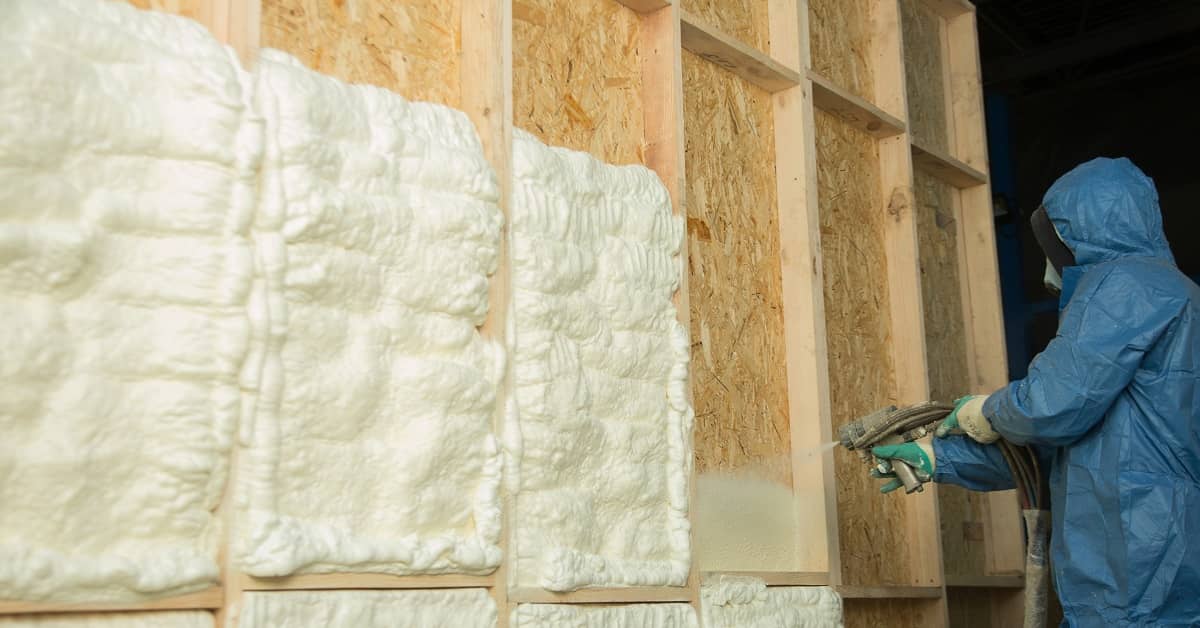
– **Premium Insulation**: Spray foam or other high-quality insulation materials not only make your home more comfortable year-round but also increase its energy efficiency, which can contribute to its resale value.
– **Durable Flooring**: Opt for long-lasting flooring options like polished concrete, tile, or luxury vinyl plank (LVP) that are both aesthetically appealing and resistant to wear over time.

2. Features That Help Barndominiums Hold Value Over Time

In addition to choosing quality materials, there are specific design elements and features that can help a barndominium maintain or increase its value. These features focus on maximizing functionality, energy efficiency, and aesthetic appeal.

Open Floor Plans

One of the defining characteristics of barndominiums is their **open floor plan**, which has become highly desirable among homebuyers. The open layout allows for flexibility in how spaces are used and provides a sense of spaciousness that can make the home feel larger than its actual square footage. This adaptability is important for retaining value over time, as future owners can easily customize the space to fit their needs without major renovations.

Energy Efficiency and Sustainability

Homes that are built with energy-efficient features and sustainable materials are often more attractive to buyers. Features such as **solar panels**, **high-efficiency HVAC systems**, and **LED lighting** not only lower the home’s carbon footprint but also reduce long-term utility costs, which is a major selling point for modern buyers. As energy costs continue to rise, energy-efficient homes are likely to hold or even increase in value more readily than those that are less efficient.

Functional Spaces and Multi-Use Areas

One of the appeals of barndominiums is their ability to serve multiple purposes. For example, in rural areas, a barndominium might include a workshop, storage area, or even space for livestock or equipment. Having **multi-use areas** in your barndominium adds value by appealing to a wide range of buyers. Whether it’s a workshop for a hobbyist, a large garage for vehicle storage, or extra space for home offices, these versatile spaces make the home more functional and, therefore, more valuable.

Modern Amenities

Although barndominiums often have a rustic exterior, incorporating **modern amenities** inside can help ensure that the home holds its value over time. Features like smart home technology, high-end kitchen appliances, and luxurious bathroom fixtures can elevate the overall appeal of the home, making it more competitive in the housing market.

3. Regular Maintenance and Upkeep

No matter how well-built a barndominium is, **regular maintenance** is crucial for preserving its value. This includes taking care of minor repairs before they become major issues, ensuring the roof is in good condition, checking for any signs of structural wear, and keeping the home’s exterior and interior clean and well-maintained.

Key Areas to Focus on for Maintenance:

– **Roof and Gutters**: Regularly inspect the roof for leaks, rust, or damage, and clean out gutters to prevent water buildup.
– **HVAC Systems**: Maintain your heating and cooling systems by scheduling regular service checks and changing filters as needed.
– **Pest Control**: Ensure that your barndominium remains pest-free by using preventive measures, especially if your home is located in a rural area where pests may be more common.

By staying on top of these tasks, you’ll not only keep your barndominium in excellent condition but also increase its long-term value and attractiveness to potential buyers.

4. Why Steel Frame Kits Are the Best Option for Value Retention

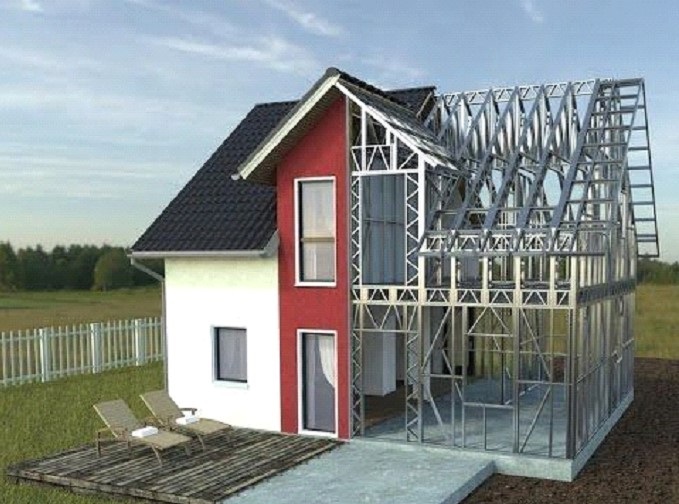
When it comes to building a barndominium that holds its value over time, **steel frame kits** are one of the best investments you can make. Here’s why steel frames offer such significant advantages for long-term value retention:

Durability and Longevity


Steel frames are incredibly durable and offer a level of strength that wood simply cannot match. They are resistant to rot, termites, and other pests, ensuring that the structural integrity of the home remains intact for decades. Additionally, steel frames are more resilient to weather-related damage, making them an ideal choice in areas prone to storms, heavy snowfall, or high winds.

Fire Resistance

Steel is **non-combustible**, which means that homes built with steel frames are far more fire-resistant than wood-framed structures. This added safety feature not only provides peace of mind for homeowners but can also be an attractive selling point in the future, especially in regions where wildfires are a concern.

Low Maintenance Costs

Because steel frames do not warp, crack, or rot like wood, they require far less maintenance. Over the life of the home, this translates to lower repair costs and a longer-lasting structure. Buyers appreciate homes that require minimal upkeep, which enhances the resale value of a steel-framed barndominium.

Adaptability and Expansion

Steel frame barndominiums are also highly adaptable, allowing for **future expansions** or modifications without major structural changes. Whether a future homeowner wants to add additional rooms, expand living spaces, or build out a garage or workshop, the flexibility of steel framing makes these modifications easier and more cost-effective.

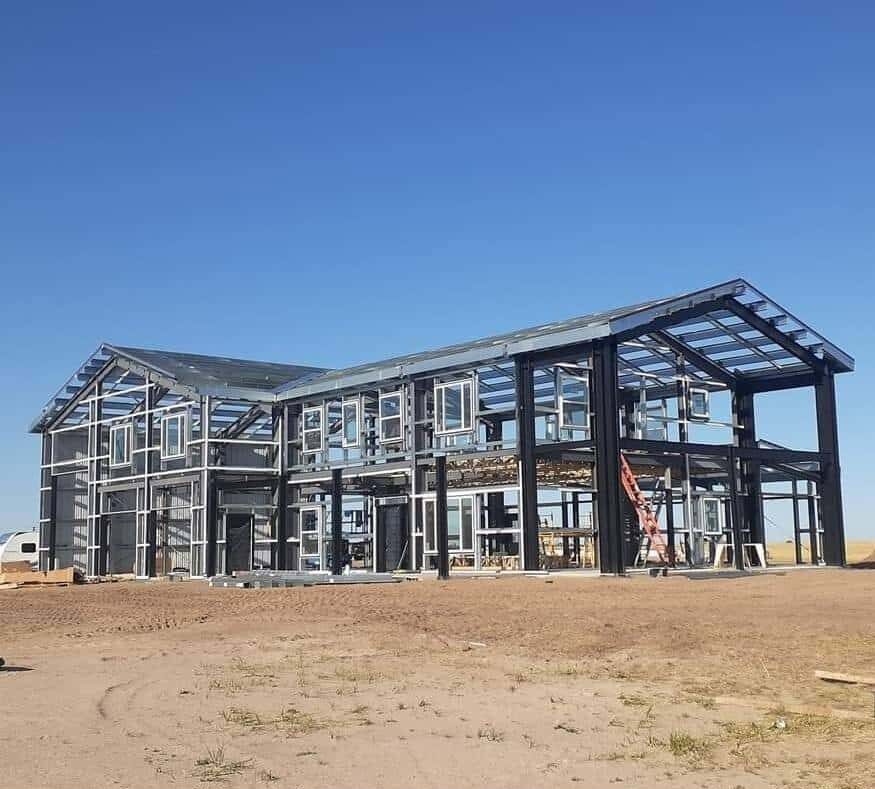
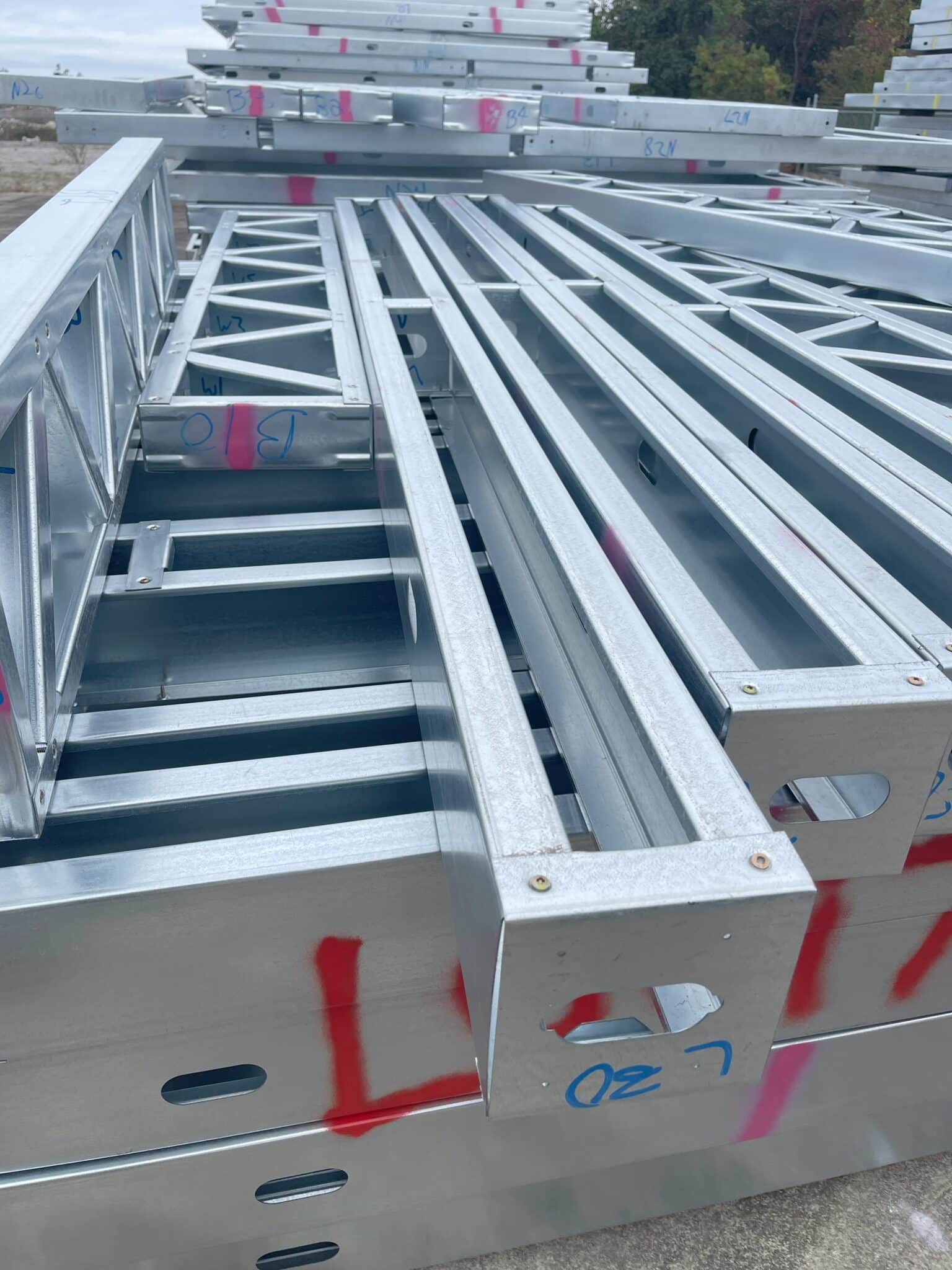
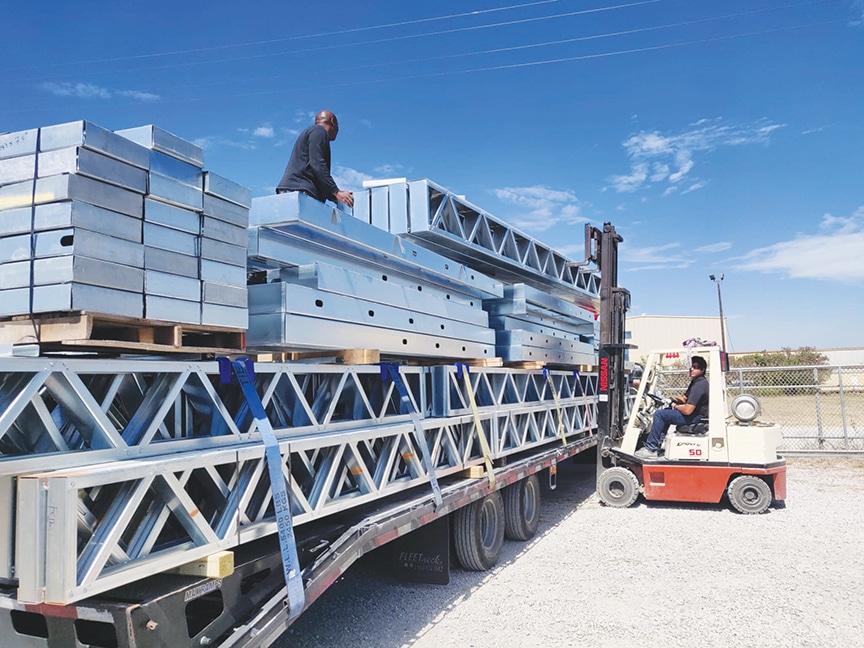
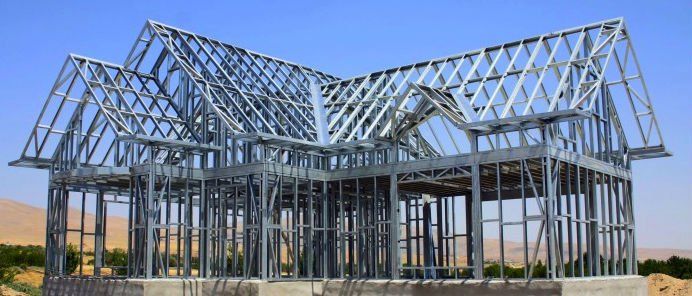
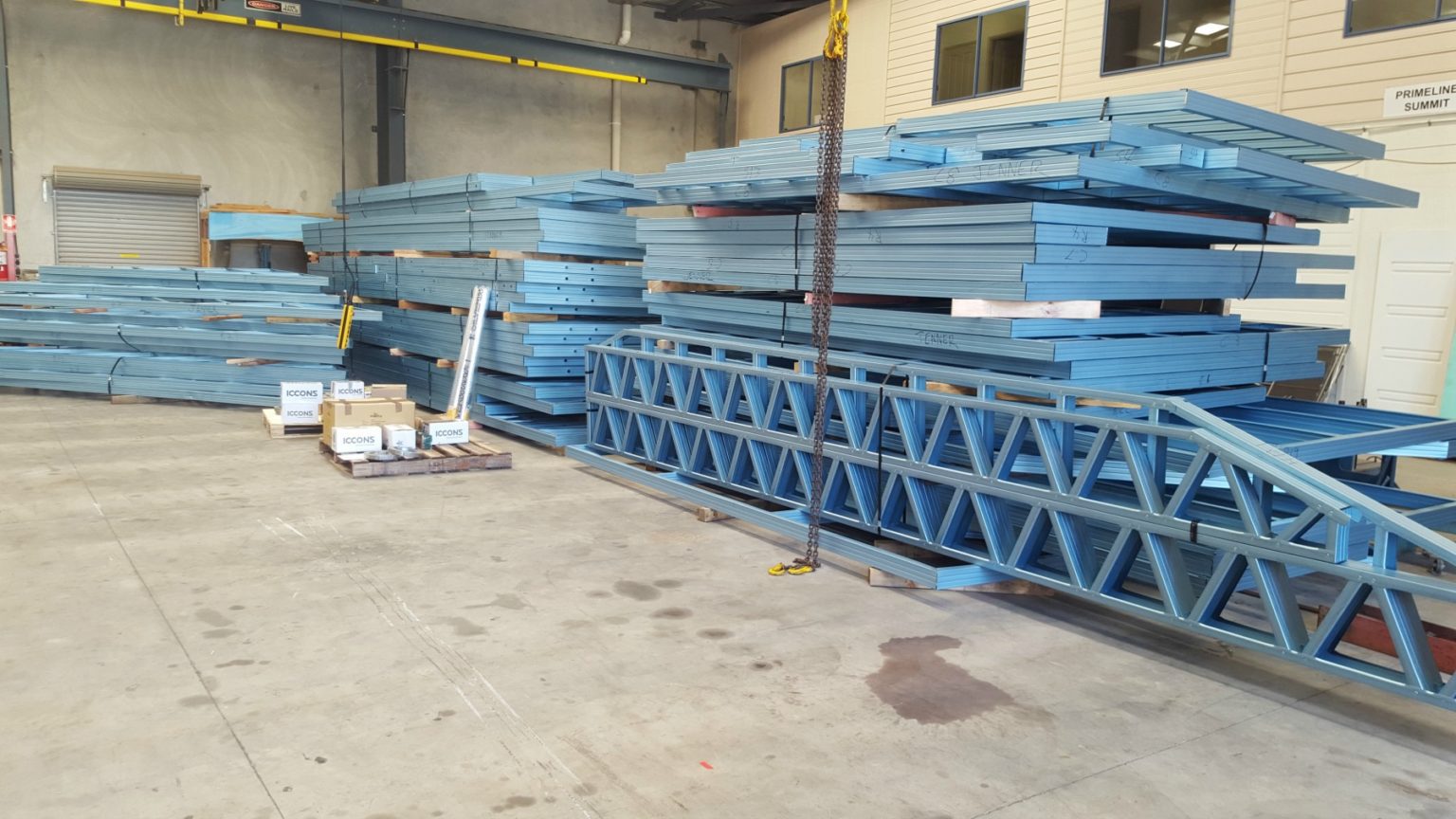
Steel Frame Barndominium Kit delivery

Conclusion: Build Smart, Build for Value

To build a barndominium that holds its value over time, focus on using **quality materials**, incorporating **energy-efficient features**, and designing a home with **modern amenities** and **flexible living spaces**. Regular maintenance is essential for preserving the home’s condition, but one of the most significant factors that will ensure long-term value retention is the choice of a **steel frame kit**. Steel frames offer unmatched durability, fire resistance, and low maintenance, ensuring that your barndominium remains structurally sound and valuable for decades. Investing in a steel frame barndominium is one of the smartest ways to protect and even grow the value of your home over time.

Are Barndominiums Holding Their Value Well Over Time?

black barndominium with cupolas by a lake

Are Barndominiums Holding Their Value Well Over Time?

Barndominiums have gained widespread popularity in recent years, offering a unique combination of rustic charm, open living spaces, and practicality. While these homes were once more common in rural areas, they are now being built across the country, from the **East Coast** to the **Deep South** and the **Midwest**. One question that often arises among potential buyers and homeowners is: **Do barndominiums hold their value well over time?**

In this article, we’ll explore the long-term value of barndominiums, with a particular focus on **steel frame barndominiums**, and examine how they perform in real estate markets from the East Coast to the Deep South and Midwest.

black barndominium shophouse with wraparound porch

The Durability and Longevity of Steel Frame Barndominiums

Steel frame barndominiums are known for their **durability and strength**, which contribute significantly to their ability to hold value over time. Unlike traditional wood-framed homes, steel structures are far more resistant to common issues like:

– **Termites and other pests**
– **Rot and decay**
– **Fire damage**
– **Warping or cracking due to weather**

This durability is especially important in regions prone to extreme weather conditions, such as the hurricane-prone **Deep South**, the snowy **Midwest**, or the coastal areas of the **East**. Because steel frames are more resistant to these challenges, barndominiums built with steel are often seen as more reliable, long-lasting structures that maintain their structural integrity over the years.

Factors That Contribute to the Value of Barndominiums

Several factors influence whether barndominiums, particularly steel frame barndominiums, hold their value well over time. Let’s take a closer look at some key aspects:

1. **Location and Regional Market Trends**

The region where a barndominium is built plays a crucial role in its long-term value. In areas like the **Midwest** and **Deep South**, where land is plentiful and rural living is highly valued, barndominiums are more common and highly sought after. As a result, homes in these areas tend to **retain their value** and may even appreciate, depending on market trends.

– **Midwest**: In states like Ohio, Indiana, and Missouri, barndominiums are becoming increasingly popular for both primary residences and vacation homes. The affordability of land in rural areas makes barndominiums an attractive option, and the ability to combine living and workspace (such as workshops or storage areas) adds to their appeal, helping them hold their value.

– **Deep South**: In places like Texas, Louisiana, and Mississippi, barndominiums are not only popular but also practical due to the climate. Steel frames provide additional protection against termites and high humidity, which can damage traditional wood-framed homes. As rural land continues to be in demand, especially in growing suburban fringes, barndominiums maintain their value well.

– **East Coast**: While less common than in the South or Midwest, barndominiums are starting to gain traction in the **East**, particularly in rural areas of states like Virginia, Pennsylvania, and Maine. Here, the value of a barndominium can be tied to its proximity to urban centers, as more people seek to escape city life for quieter, more spacious living environments. With the growing popularity of **rural retreats**, barndominiums in this region are expected to hold and even increase in value as demand rises.

2. **Cost-Effectiveness and Low Maintenance**

One of the major selling points of steel frame barndominiums is their **cost-effectiveness** in terms of construction and maintenance. Steel frames are significantly more durable and require far less upkeep than wood-framed homes. Over time, this means that homeowners spend less on repairs and maintenance, which helps preserve the value of the home.

For example, steel frames don’t rot, warp, or suffer from pest infestations, which are common problems in traditional homes, especially in humid regions like the **Deep South**. This reduced maintenance burden makes steel barndominiums particularly attractive to buyers, helping them hold their value well.

3. **Energy Efficiency and Modern Design Trends**

Many barndominiums, especially steel-framed versions, are designed with **energy efficiency** in mind. Features like **spray foam insulation**, **energy-efficient windows**, and **solar panels** can significantly reduce energy costs, making these homes more appealing in both hot and cold climates.

– In the **Midwest**, where winters can be harsh, the energy efficiency of a well-insulated steel frame barndominium can be a major selling point, helping it retain value over the years.
– In the **Deep South**, energy-efficient cooling systems are particularly important, and steel barndominiums can be designed to minimize heat absorption and reduce air conditioning costs.

Additionally, the modern, **open-concept design** of barndominiums is a trend that continues to be in high demand. Buyers are drawn to the flexible layouts, high ceilings, and customizable spaces that barndominiums offer, all of which help maintain their desirability in the real estate market.

4. **The Appeal of Rural Living**

The demand for **rural properties** has increased in recent years, particularly as more people seek homes away from crowded urban environments. This trend has been further fueled by the rise of remote work, allowing individuals to live farther from city centers while maintaining their careers. Barndominiums, which are typically built in more rural areas, benefit from this trend.

In regions like the **East Coast** and **Midwest**, where access to nature and privacy is becoming more desirable, barndominiums are expected to hold their value as more people look to invest in rural living. In the **Deep South**, where the barndominium trend is well-established, these homes continue to be in high demand, especially on larger plots of land where homeowners can enjoy both space and functionality.

Do Steel Frame Barndominiums Hold Their Value Better Than Wood Frame Homes?

One of the most significant advantages of **steel frame barndominiums** over traditional wood-framed homes is their ability to **hold value better over time** due to the following reasons:

– **Resistance to Damage**: Steel is not affected by pests, moisture, or fire in the same way that wood is, making steel barndominiums far more resistant to damage over the years. This durability helps maintain their market value.
– **Lower Long-Term Maintenance Costs**: Steel frames require less maintenance than wood frames, which reduces the overall cost of ownership. Buyers are often willing to pay more for a home that is easier to maintain, helping steel frame barndominiums retain their value.
– **Market Appeal**: As more buyers become aware of the benefits of steel construction—particularly in regions prone to extreme weather—steel frame barndominiums are becoming more appealing in the real estate market, leading to better long-term value.

Conclusion: Barndominiums Are Holding Their Value Well Over Time

Overall, **barndominiums are holding their value well** in the current real estate market, particularly in regions like the **Midwest**, **Deep South**, and **East Coast**. **Steel frame barndominiums**, in particular, offer long-term durability, energy efficiency, and low maintenance, which contribute to their sustained value. As rural living becomes increasingly popular and buyers look for homes that offer both functionality and aesthetic appeal, barndominiums are likely to continue to hold and even increase in value over time.

For homeowners looking to invest in a barndominium, especially in regions where land is plentiful and rural living is desirable, these homes represent a smart investment that is likely to pay off in the long run.

Why Is a 1-Story Barndominium Cheaper?

black barndominium shophouse with wraparound porch

Is It Cheaper to Build a 1 or 2 Story Barndominium?

When deciding whether to build a 1 or 2 story barndominium, cost is often a major consideration. Both options have their advantages, but generally speaking, a **1-story barndominium** tends to be **less expensive** to build compared to a 2-story structure. However, the decision between a single-story and a multi-story home depends on various factors, such as the size of your land, your personal preferences, and how you plan to use the space.
In this article, we will explore the cost differences between building a 1-story and 2-story barndominium, why a 1-story is usually more affordable, and how **steel frame kits** can make the process easier and more efficient for both options.

Why Is a 1-Story Barndominium Cheaper?

A **1-story barndominium** is typically less expensive than a 2-story for several reasons. The main factors that contribute to the cost differences include:

1. **Foundation Costs**

The foundation is one of the most significant costs in building any home, including barndominiums. A 1-story structure generally requires a larger foundation footprint than a 2-story home of the same square footage, but the overall cost can still be lower. This is because:

– A 1-story home uses a **single slab foundation**, which tends to be simpler and cheaper to pour compared to the more complex footings and supports needed for a 2-story structure.
– **Slab-on-grade foundations**, which are commonly used for 1-story barndominiums, are usually less expensive than deeper foundations required for multi-story homes to handle the added weight.

2. **Framing and Structural Costs**

In a 2-story barndominium, additional materials are needed to support the second floor, including stronger beams, load-bearing walls, and reinforcements to handle the extra weight. These structural elements can significantly increase the cost of construction.

– **Steel frame kits** for 1-story barndominiums are typically more straightforward to assemble because they don’t require as much engineering or structural complexity. The absence of stairs, additional beams, and second-floor supports helps keep the framing costs down for a single-story home.

3. **Roofing Costs**

Roofing is another area where costs can vary between a 1-story and 2-story barndominium. A 1-story structure usually has a larger roof area, but since it doesn’t need to support an upper floor, the materials and labor are often more affordable.

– **Roof complexity**: A 1-story barndominium can have a simpler roof design, which reduces labor and material costs. In contrast, a 2-story home might require more complex roofing to accommodate the second floor, including additional insulation and ventilation.

4. **Heating, Cooling, and Insulation**

1-story barndominiums tend to be more **energy-efficient**, as it’s easier to maintain consistent heating and cooling throughout a single level. Two-story homes often require separate HVAC zones, which can increase the cost of installation and ongoing utility bills.


– **Insulation**: The open layout of a 1-story barndominium allows for more efficient insulation, which can reduce overall heating and cooling costs. In a 2-story home, heat may rise to the second floor, making temperature regulation more difficult and increasing energy expenses.

When a 2-Story Barndominium Might Be Worth the Extra Cost

While a 1-story barndominium is generally cheaper to build, there are several reasons why someone might opt for a 2-story structure despite the added cost:

1. **Maximizing Land Use**

If you’re building on a **smaller lot** or have limited land available, a 2-story barndominium can provide the same amount of living space without requiring a larger foundation footprint. This is especially useful in areas where land is expensive or where zoning regulations limit the size of the building footprint.

– **Vertical space**: A 2-story barndominium allows you to build vertically, preserving more outdoor space for a yard, garden, or other uses. This is particularly advantageous in urban or suburban areas where land costs are high.

2. **Views and Aesthetic Appeal**

Some homeowners choose a 2-story barndominium for the **aesthetic appeal** and the ability to take advantage of scenic views. Having a second floor provides elevated views of the surrounding landscape, which can be a major selling point if your barndominium is built on a hillside, near a lake, or in a scenic rural area.

white barndominium with cupolas

– **Natural light**: Two-story homes can also incorporate larger windows on the upper floor, bringing in more natural light and enhancing the feeling of openness.

3. **Separate Living Spaces**

A 2-story barndominium is ideal for families or those who want to create **separate living areas**. The second floor can be dedicated to bedrooms and private spaces, while the first floor remains open for communal living areas like the kitchen, dining, and living rooms. This setup can offer more privacy and help define the flow of the home.

How Steel Frame Kits Make Both Options Easier

Whether you decide to build a 1-story or 2-story barndominium, using a **steel frame kit** can streamline the construction process and make building more cost-effective in several ways:

1. **Pre-Engineered for Strength**

Steel frame kits are **pre-engineered** to handle the structural requirements of both 1-story and 2-story barndominiums. In a 2-story structure, the steel frame provides additional support and reinforcement needed to accommodate the second floor, without the need for complex custom engineering. This makes it easier to build a multi-story home while keeping costs down compared to traditional wood framing.

– **Durability**: Steel frames are highly durable and resistant to pests, rot, and fire, making them a smart investment for long-term durability, regardless of how many stories you build.

2. **Ease of Construction**

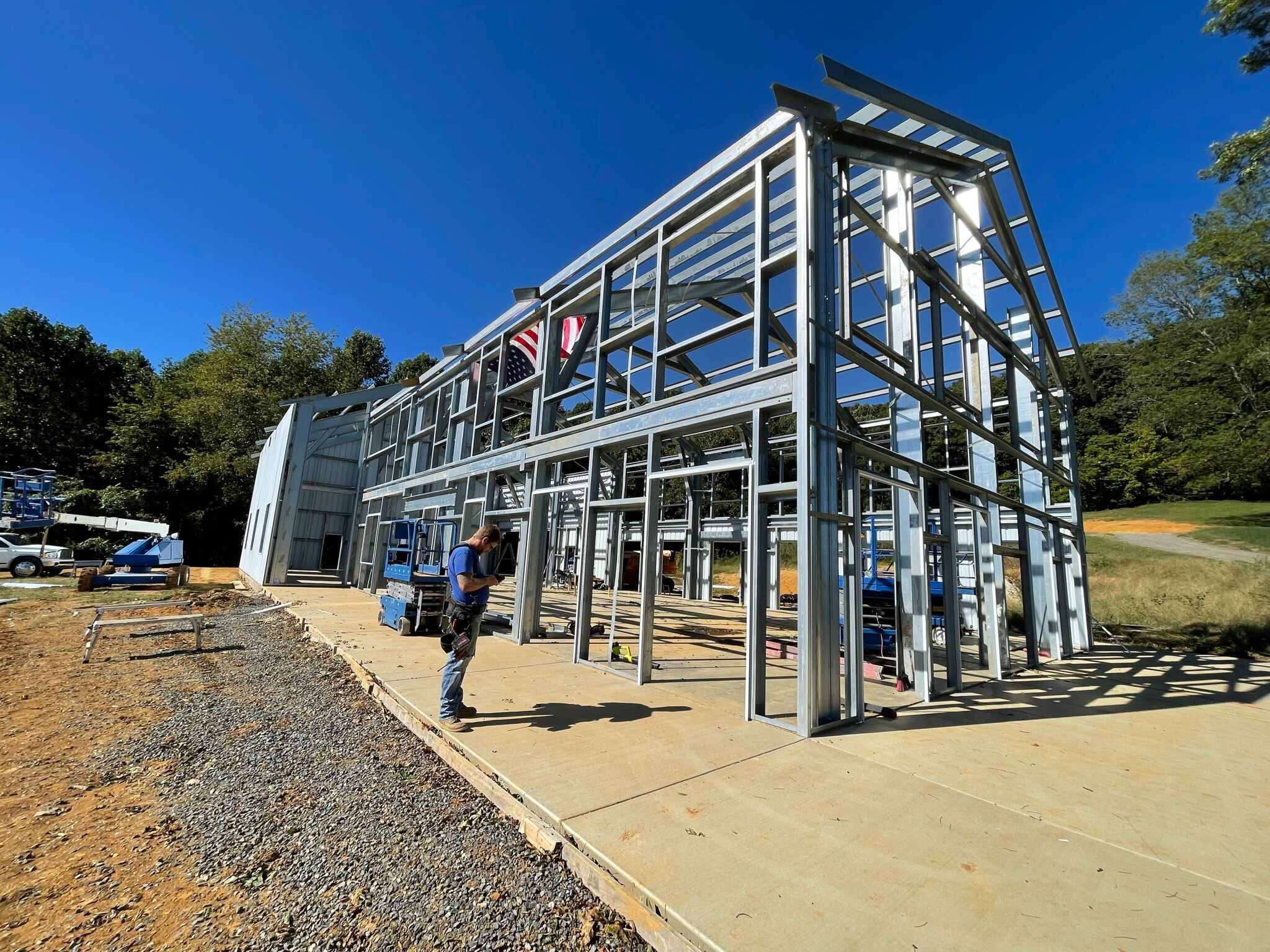
Steel frame kits are **modular and easy to assemble**, reducing labor costs and build times. Whether you choose a 1-story or 2-story layout, the construction process can be faster than building a traditional wood-framed home, allowing you to move in sooner and avoid extended labor costs.

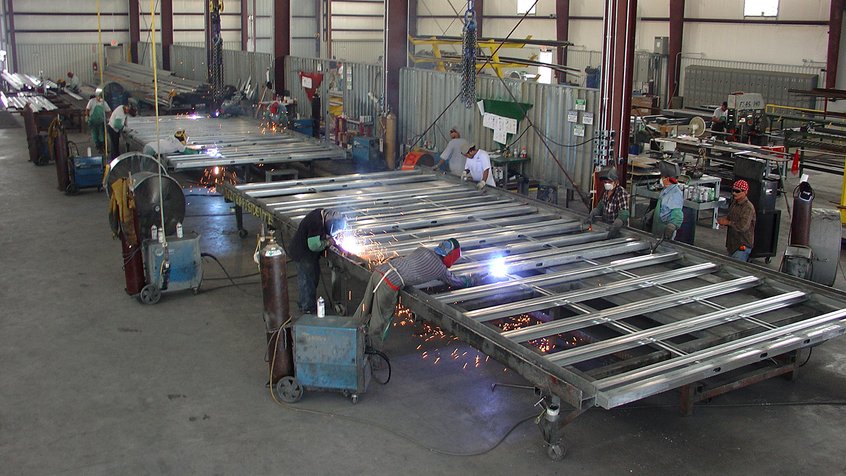
– **Prefabrication**: Many steel frame kits come prefabricated, meaning the components are cut to size and ready for assembly upon delivery. This reduces waste and labor costs, especially in a 1-story barndominium, where fewer structural components are needed.

3. **Flexibility for Future Expansion**

If you build a 1-story barndominium now but anticipate needing more space in the future, steel frame kits make it easier to **add on**. Whether you want to expand horizontally by adding more rooms or vertically by building a second floor later on, steel frames offer the flexibility to modify the structure as your needs change.

Steel Frame Barndominium Kit delivery

Conclusion: Is It Cheaper to Build a 1 or 2 Story Barndominium?

In general, **a 1-story barndominium is cheaper to build** than a 2-story structure due to lower foundation, framing, and roofing costs. However, a 2-story barndominium offers advantages such as maximizing land use, creating distinct living spaces, and taking advantage of scenic views. Whether you choose a 1-story or 2-story barndominium, using **steel frame kits** can help simplify the construction process, reduce costs, and provide long-term durability for your home. Ultimately, the decision will depend on your budget, land availability, and personal preferences.

Where to Build a Barndominium in the Northeast?

Can You Build a Barndominium in the Northeast?

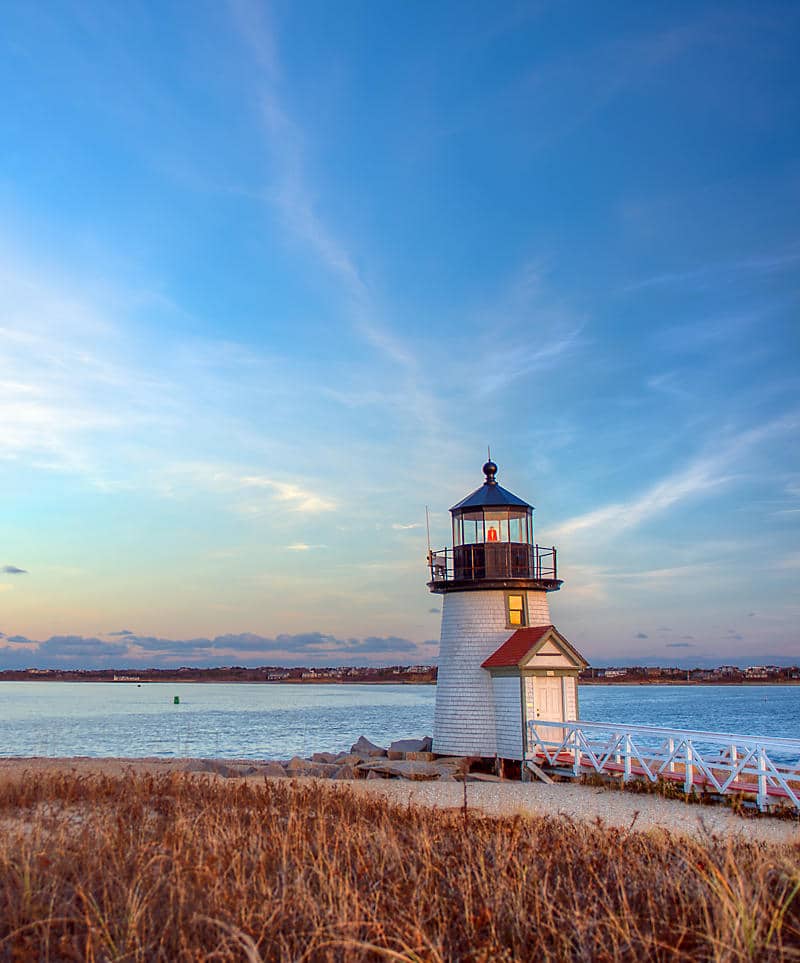
Barndominiums are typically associated with the wide-open spaces of the Midwest and South, but their popularity is rapidly expanding to other regions, including the **Northeast**. Known for its scenic coastline, charming small towns, and a mix of rural and suburban areas, the Northeast offers plenty of opportunities for building a picturesque barndominium. While the concept of barndominiums may be relatively new to the region, they are increasingly being seen as a unique and flexible housing option. So, can you build a barndominium in the Northeast? The answer is a resounding **yes**. This article explores the feasibility of building a barndominium in the Northeast and highlights some of the best coastal areas to consider for your project.

Feasibility of Building a Barndominium in the Northeast

Building a barndominium in the Northeast is certainly possible, but it does come with a few unique considerations due to the region’s climate, zoning regulations, and land availability. Here’s a breakdown of the key factors to keep in mind:

1. **Climate Considerations**

The Northeast is known for its **cold winters**, and any barndominium built in this region must be designed to withstand heavy snow, freezing temperatures, and high winds. However, this is where the durability of steel-framed barndominiums comes in handy. Steel-framed homes are designed to handle extreme weather, and with the right insulation and energy-efficient windows, they can remain warm and comfortable even in the harshest conditions.

– **Insulation**: Proper insulation is crucial when building a barndominium in the Northeast. Spray foam or other high-quality insulation materials can be used to keep the home energy-efficient and warm during winter months.
– **Weather Resistance**: Steel frames are highly durable and resistant to moisture, making them ideal for coastal areas where salt air and humidity can cause traditional wooden homes to deteriorate more quickly.

2. **Zoning and Permitting**

The zoning laws and building regulations in the Northeast can vary greatly depending on the state and local municipality. Some rural areas may have more lenient building codes, while coastal or suburban locations might have stricter requirements. It’s essential to work with local authorities to ensure that your barndominium plans comply with zoning laws, especially if you’re building near the coastline, which might have additional regulations for flood zones and environmental protection.

– **Permitting**: Barndominiums are becoming more common in various parts of the U.S., but in the Northeast, some municipalities may still be unfamiliar with the concept. Be prepared to provide detailed plans and explain the benefits of a barndominium to local authorities to ensure smooth permitting.

3. **Land Availability**

Land availability can be more limited in the densely populated areas of the Northeast, particularly near major cities or along the coast. However, many rural and semi-rural areas offer ample space for building a barndominium, often with scenic views of forests, lakes, or the ocean. The key is finding the right plot of land that balances accessibility, scenery, and local building regulations.

Best Places Along the Northeast Coastline to Build a Picturesque Barndominium

The Northeast is home to some of the most stunning coastal scenery in the country, making it an ideal backdrop for a barndominium. Here are a few of the best places along the Northeast coastline to build your dream home:

1. **Maine’s Coastal Areas**

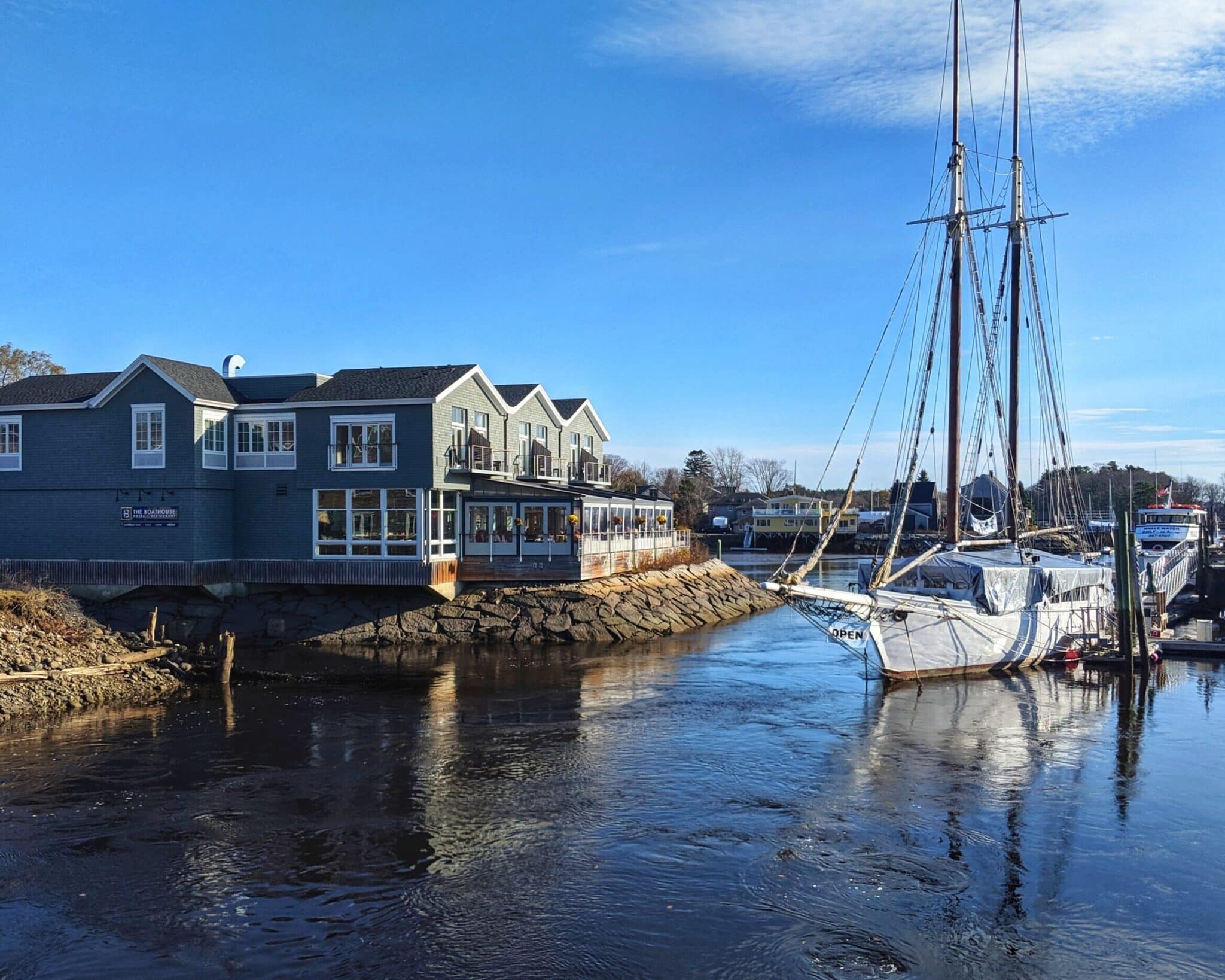
Maine is famous for its rugged, rocky coastline and charming seaside villages, making it one of the most picturesque places to build a barndominium. Areas like **Bar Harbor**, **Camden**, and **Kennebunkport** offer sweeping ocean views and a tranquil lifestyle that’s perfect for a rustic, modern barndominium.

– **Bar Harbor**: Known for its proximity to Acadia National Park, Bar Harbor offers a stunning natural setting with views of the Atlantic Ocean. Land in this area is available for building, and a barndominium here would fit seamlessly into the rugged coastal landscape.
– **Kennebunkport**: This charming town is known for its historic architecture and scenic beauty. Building a barndominium in Kennebunkport would provide you with a balance of rural tranquility and access to the coastline’s amenities.

2. **Cape Cod, Massachusetts**

**Cape Cod** is one of the most iconic coastal areas in the Northeast. With its pristine beaches, charming small towns, and relaxed atmosphere, Cape Cod offers a beautiful setting for building a barndominium. While some parts of the Cape can be more densely populated, there are still plenty of quieter areas where a barndominium would fit perfectly into the landscape.

– **Truro and Wellfleet**: Located on the outer Cape, these towns are known for their natural beauty, large open spaces, and proximity to the Cape Cod National Seashore. They offer the perfect environment for a barndominium, where you can enjoy the rural feel of the Cape with stunning views of the Atlantic Ocean.

3. **The North Shore of Massachusetts**

The **North Shore of Massachusetts** is another excellent location for a barndominium. Towns like **Ipswich**, **Gloucester**, and **Rockport** offer coastal charm, historic appeal, and a relaxed pace of life. These areas are known for their beautiful beaches, quaint downtowns, and maritime culture.

– **Ipswich**: Known for its scenic landscapes and proximity to Crane Beach, Ipswich is a great location for a barndominium that blends coastal living with rural charm. The town is less commercialized than some other coastal areas, providing a peaceful setting for a custom-built barndominium.

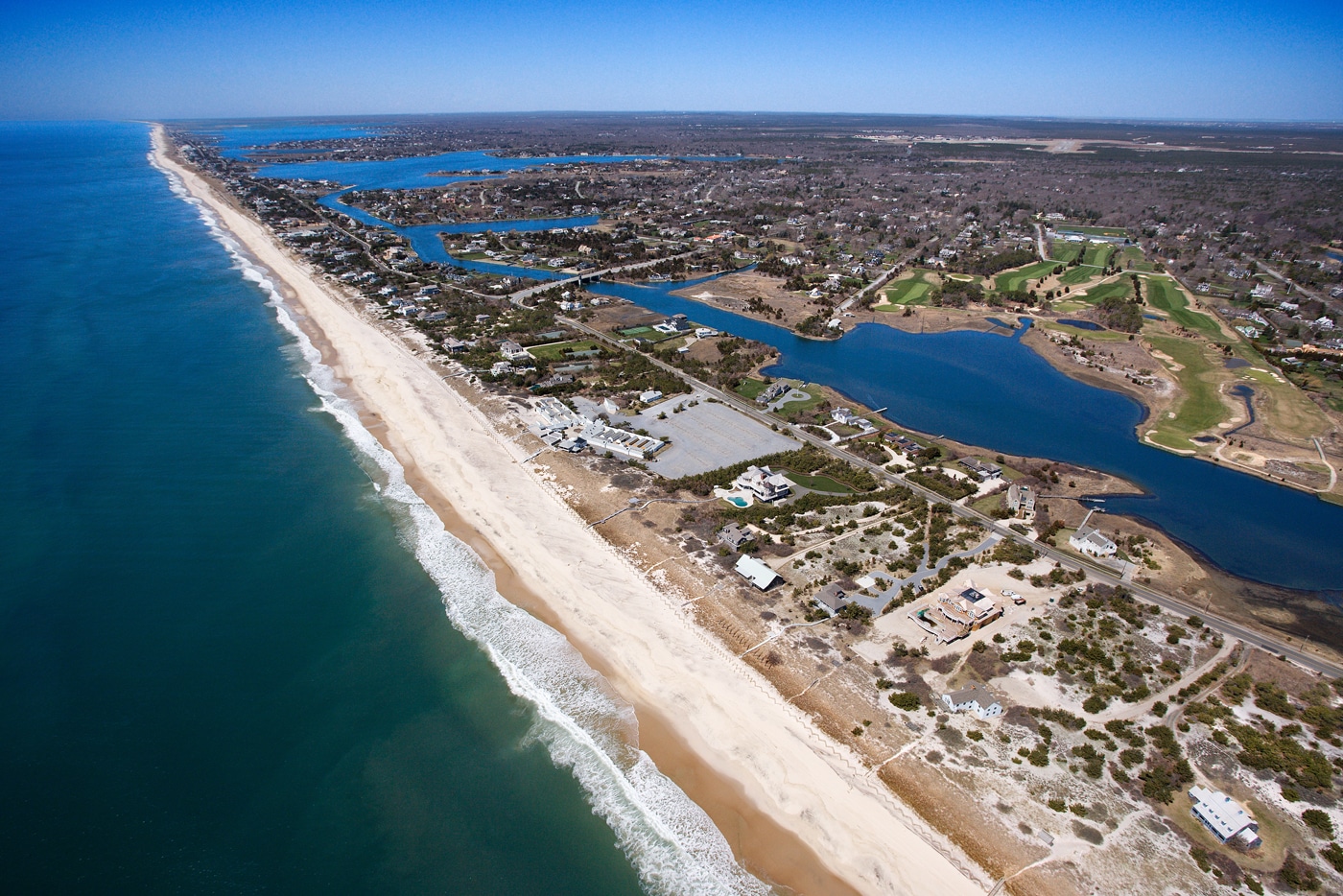
4. **The Hamptons, New York**

For those seeking a more upscale environment, **The Hamptons** on Long Island’s East End is an attractive option. The Hamptons are known for their luxurious estates, but the region also offers more rural areas where building a barndominium is feasible. A barndominium in this area would blend rustic charm with high-end finishes, perfect for those looking to create a unique, luxurious home by the sea.

– **Montauk**: Located at the easternmost point of Long Island, Montauk is known for its scenic views and outdoor activities. It’s a less densely populated part of the Hamptons, making it ideal for building a more secluded barndominium with ocean views.

5. **The Jersey Shore**

While the **Jersey Shore** is often associated with vacation homes and beach houses, it also offers quieter, more rural areas that are ideal for a barndominium. Areas like **Cape May** and **Ocean County** provide access to both the coastline and large tracts of land where you can build your dream home.

– **Cape May**: This historic town is known for its Victorian homes, but it also has plenty of land available for those looking to build something more modern. A barndominium here would provide easy access to the beaches while maintaining a rural atmosphere.

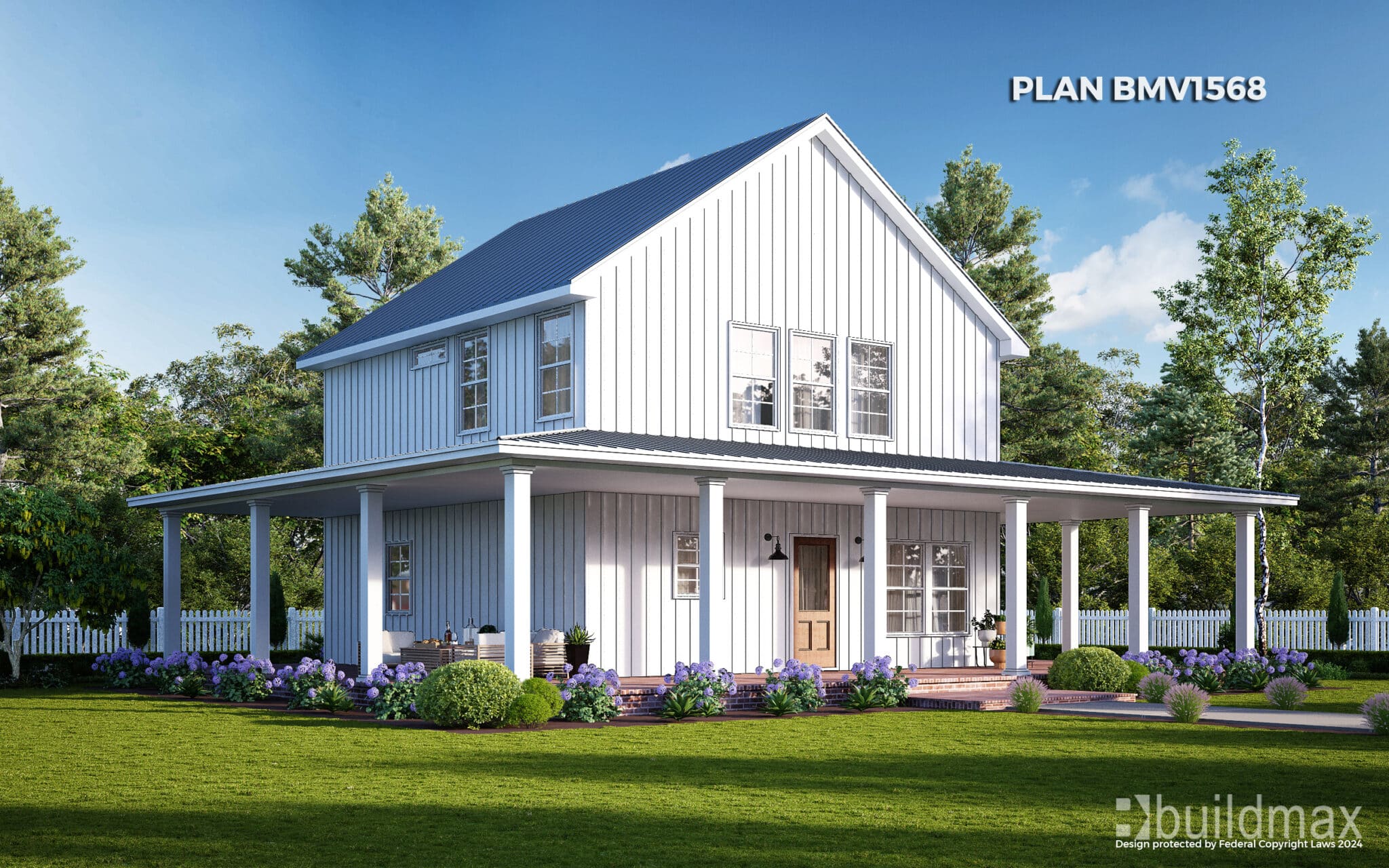
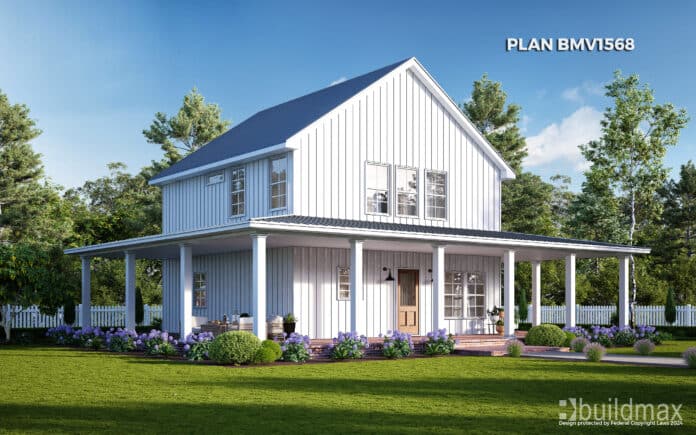
white farmhouse

Conclusion: A Barndominium in the Northeast Is Possible and Picturesque

The Northeast is an excellent place to build a barndominium, especially along its scenic coastline. From the rugged beauty of Maine’s coast to the historic charm of Cape Cod and the Hamptons, there are numerous picturesque locations where you can build a stunning barndominium that fits seamlessly into the natural surroundings.

While building a barndominium in the Northeast may require extra attention to zoning laws, weatherproofing, and land availability, the payoff is a unique, durable home in one of the most beautiful regions of the country. Whether you’re seeking a rustic retreat by the ocean or a modern home with rural charm, the Northeast coastline offers endless possibilities for building your dream barndominium.

Why Can’t You Finance a Barndominium? (And How You Actually Can)

white farmhouse

Why Can’t You Finance a Barndominium? And How You Actually Can

If you are asking why financing a barndominium feels harder than financing a traditional house, the real answer is simple: you usually can finance a barndominium, but lenders often see it as less standard, harder to appraise, and sometimes more mixed-use than a conventional home.

That is where the frustration starts.

It is not that barndominiums are impossible to finance. It is that many lenders are built around familiarity. They want conventional construction, easy appraisal comps, predictable resale, and a property type they understand immediately. Barndominiums can complicate all of that if the design looks too mixed-use, the appraiser cannot find strong comparable sales, or the lender simply does not know how to classify the project.
The good news is that barndominium financing is absolutely possible. Buyers use construction loans, local and regional lenders, USDA and VA options in qualifying situations, and barndominium-friendly lending programs every day. The key is knowing why lenders hesitate and how to make your project easier to approve.
In this guide, we will break down why financing a barndominium can be more challenging, what loan options can work, and how to improve your chances of getting approved.

The Short Answer: Can You Finance a Barndominium?

Yes, you can finance a barndominium.

The bigger issue is not whether financing exists. The issue is whether the lender is comfortable with the structure, the appraisal, the build path, and the way the property will be used.

That is why one buyer gets a smooth answer from a lender and another gets hesitation right away.

In most cases, financing becomes easier when:

  • the barndominium clearly functions as a residence
  • the plan is builder-ready and well documented
  • the lender understands barndominium construction
  • the market has at least some comparable sales
  • the garage or shop space does not overwhelm the residential use of the home

Why Financing a Barndominium Can Be More Difficult

family size barndominium that fits a 300000 budget conversation

1. Lenders Prefer Conventional Homes

Traditional lenders are most comfortable with standard residential houses. They understand how to underwrite them, how to appraise them, and how to resell them if things go wrong.

Barndominiums can create hesitation because they may use steel framing, large shop or garage components, rural land, or layouts that do not fit the standard suburban home mold. Even when the house itself is beautiful and highly livable, the lender may still see it as a less familiar product.

That unfamiliarity creates perceived risk.

2. Appraisals Can Be Harder

This is one of the biggest financing problems in the real world.

Lenders rely heavily on appraisals. If the appraiser cannot find enough comparable barndominium sales in the area, the value may come in lower than expected. That can make it harder to secure the loan amount you need.

This is especially common in rural areas or newer barndominium markets where there simply are not enough comps to make the lender comfortable.

3. Mixed-Use Design Can Scare Lenders

Barndominiums often combine living space with shops, oversized garages, workshops, storage, or agricultural-style features. That flexibility is a huge reason buyers love them.

It is also one of the reasons some lenders get nervous.

If too much of the structure looks non-residential, or if the property seems more like a workshop with living quarters than a true primary residence, some lenders may view it as outside standard residential lending guidelines.

What Loan Options Can Work for a Barndominium?

Construction Loans

For new builds, a construction loan is one of the most common financing paths.

Construction loans are designed to fund the building process in stages. Once the home is complete, the loan is often converted into a longer-term mortgage. This works well for barndominiums because it aligns with the way the project is actually built.

Construction loans often require a larger down payment than a traditional home purchase loan, so buyers need to plan for that early.

Local and Regional Lenders

Local banks, regional lenders, and credit unions can sometimes be easier to work with than a large national lender that has never handled a barndominium before.

In many cases, these lenders are more familiar with rural property, non-traditional builds, acreage, and mixed residential use. That familiarity can make the conversation much easier.

Barndominium-Friendly Lending Programs

Some lenders and loan programs are simply more open to barndominium projects than others. These lenders tend to understand the appraisal and construction challenges better and may be more willing to look at the project as a real home instead of a strange exception.

If you want to start with the most relevant financing path, go directly to BuildMax Barndominium Loans.

USDA Loans

In some rural areas, a USDA loan may be an option for financing a barndominium. This can be attractive for eligible buyers because USDA loans are often associated with more favorable terms and lower down payment requirements in qualifying locations.

The home still has to meet program requirements, and the location has to qualify, but it can be a strong option in the right setting.

VA Loans

For eligible veterans, a VA loan may be another path. As with other barndominium financing routes, the key issue is whether the property qualifies as a residence and meets the lender’s standards for livability and valuation.

Cash-Out Refinancing or Equity-Based Funding

If you already own land or another property, equity can sometimes become part of the solution. Some buyers use cash-out refinancing or equity-based funding to support a barndominium build when a more traditional construction loan is not the best fit.

What Makes a Barndominium Easier to Finance?

small practical barndominium plan with a clearly defined residential layout

If you want better odds of getting approved, your project needs to look more like a real home and less like a vague concept.

A barndominium is usually easier to finance when:

  • you start with a clear floor plan
  • the project has strong cost documentation
  • the home is clearly residential first
  • the builder has experience with barndominiums
  • the lender has seen this kind of project before
  • the appraisal has at least some support in the market

This is one reason it helps to start with a real plan instead of a rough idea. If you are still in the design stage, go to BuildMax Barndominium House Plans and define the project before you start shopping lenders too aggressively.

How to Improve Your Chances of Getting Approved

Start With a Real Plan

Lenders respond better to clarity. A real floor plan, realistic scope, and defined build path make the project easier to understand and easier to underwrite.

If you want to go even further, compare your plan path with BuildMax Barndominium Kits so the structure and material side of the project becomes easier to explain as well.

Work With an Experienced Builder

Barndominium projects are much easier to finance when the builder knows what they are doing. A lender is more comfortable when the project is being handled by a contractor who understands the structure, the sequence, and the expectations of a residential build.

Bring Detailed Documentation

You should be prepared with:

  • blueprints or plan documents
  • cost estimates
  • builder information
  • construction timeline details
  • clear explanation of the residential use of the property

The more complete the package looks, the less speculative the project feels.

Talk to the Right Lenders First

Do not start with the lender most likely to hate your project.

Start with lenders that already understand rural construction, non-traditional homes, or barndominiums specifically. That is exactly why your best next stop should be BuildMax Barndominium Loans.

What Buyers Get Wrong About Barndominium Financing

Most buyers make one of two bad assumptions:

  • they think nobody finances barndominiums
  • they think financing a barndominium is exactly like financing any other house

Both assumptions are wrong.

Barndominiums are financeable. They are just not always financed with the same ease or through the same path as a standard suburban house. The process rewards buyers who show up prepared, define the project clearly, and work with the right lender from the beginning.

Should You Start With Plans, Kits, or Financing?

For most buyers, the smartest order looks like this:

  1. Define the project clearly
  2. Choose the right floor plan or design path
  3. Understand whether a kit or framed build path makes the most sense
  4. Then start serious financing conversations

That means this article should naturally move readers into the next-step BuildMax pages:

Why Can’t You Finance a Barndominium? The Real Answer

Here is the cleanest version of the answer:

You usually can finance a barndominium, but some lenders hesitate because the structure can be harder to classify, harder to appraise, and harder to compare with traditional houses.

The biggest obstacles are:

  • non-traditional construction
  • limited appraisal comps
  • mixed-use concerns

Those are real problems, but they are manageable when the project is clearly residential, well documented, and matched to the right lender.

Final Thoughts

Financing a barndominium can be more complicated than financing a conventional home, but it is not a dead end.

The buyers who do best are the ones who stop treating financing like a mystery and start treating it like a preparation problem. If you choose the right plan, define the project clearly, and talk to lenders who understand what you are building, the process gets much easier.

If you are ready to take the next step, start with the financing page that is actually built for this question: Barndominium Loans.


Related BuildMax Resources

Do I need a Hybrid Built Barndominum?

black barndominium with wooden doors

What Is a Hybrid Barndominium?

black barndominium with wooden doors

A **hybrid barndominium** combines the best of two construction worlds: the strength and durability of steel framing with the warmth and aesthetic appeal of traditional wood framing. While standard barndominiums are often built entirely from steel, a hybrid barndominium incorporates elements of both steel and wood in its construction, allowing for a balance of functionality and design flexibility.

In a hybrid barndominium, the steel frame typically provides the primary structure—supporting the roof and walls—while wood may be used for certain interior or exterior features such as exposed beams, accents, or even some portions of the framework. This combination allows homeowners to enjoy the benefits of steel framing, such as superior strength and resistance to pests and fire, while also incorporating the natural charm and warmth of wood for aesthetic or functional reasons.

black barndominium with large porch

Key Features of a Hybrid Barndominium

1. **Steel and Wood Combination**: A hybrid barndominium integrates steel and wood in a single structure. Steel is often used for the frame and external support, ensuring strength and longevity. Wood may be used for interior walls, ceilings, or exposed beams to create a rustic or traditional look.

2. **Customizable Design**: One of the biggest advantages of hybrid barndominiums is the flexibility in design. Homeowners can use steel for areas that need strength and durability (like large open spaces or high ceilings) and wood for sections where a cozier, more traditional aesthetic is desired.

3. **Energy Efficiency**: Hybrid barndominiums can be designed to maximize energy efficiency. The steel structure is often more airtight and easier to insulate, while wood accents or elements can be integrated to manage temperature and airflow efficiently.

4. **Durability**: The steel framing in a hybrid barndominium provides resistance to fire, termites, and weather-related wear, extending the lifespan of the structure. At the same time, wood can be used in areas less exposed to the elements, combining beauty with practicality.

Why Would Someone Want a Hybrid Barndominium?

There are several reasons why someone might choose to build a hybrid barndominium, including the desire for greater design flexibility, improved durability, and a balance between modern and traditional aesthetics. Below are some of the most compelling reasons for opting for this type of structure:

1. **Aesthetic Appeal**

One of the main reasons homeowners opt for a hybrid barndominium is the **visual appeal** of blending steel and wood. While steel framing provides a sleek, modern look, wood can be used to add warmth and a traditional, rustic feel to the home. This allows homeowners to create a unique, personalized space that reflects their tastes and lifestyle.

For example, you might choose exposed wooden beams in the living room to evoke a farmhouse-style atmosphere while relying on steel for the exterior frame to maintain strength and durability. This versatility allows for a wide range of design styles, from modern-industrial to rustic-contemporary.

2. **Structural Strength and Longevity**

Steel-framed barndominiums are renowned for their **structural integrity** and ability to withstand extreme weather conditions. By incorporating steel into the frame, a hybrid barndominium gains these advantages while allowing for wood to be used in areas that don’t require the same level of durability. The combination ensures that the home can last for decades with minimal maintenance.

In regions prone to hurricanes, high winds, or heavy snowfall, steel framing offers the peace of mind that comes with knowing your home is built to withstand harsh conditions. By mixing in wood, the home retains some of the traditional design elements that people love, without sacrificing longevity.

Couple’s Hand Protecting Stacked Coins And House Model On The Small Wooden Seesaw

3. **Cost-Effective Design Choices**

While steel is more durable, it can be more expensive than wood in certain areas of construction. A hybrid approach allows homeowners to allocate materials where they’re needed most. For example, steel can be used for the main framework, offering support for wide-open spaces and higher ceilings, while wood can be used in non-structural areas, such as interior walls or decorative accents, to keep costs down.

This **cost-effective approach** makes hybrid barndominiums a great option for those who want the durability of steel but are also looking to manage the overall cost of the build.

4. **Energy Efficiency**

Hybrid barndominiums can be designed to maximize **energy efficiency**. Steel structures tend to be better at creating an airtight building envelope, reducing heat loss and improving energy savings over time. Insulation can be more easily integrated into a steel frame, and combined with wooden accents, the home can be designed to stay warm in winter and cool in summer.

Additionally, hybrid barndominiums can be fitted with modern energy-saving technology, such as energy-efficient windows, solar panels, and insulation techniques, to further reduce energy consumption.

5. **Customizability**

One of the biggest advantages of a hybrid barndominium is its **flexibility in design**. Homeowners have the ability to customize both the exterior and interior to meet their preferences. For example, you can design a sleek, steel-framed exterior with a modern, minimalist feel, while creating a cozy, wood-accented interior that exudes warmth and traditional charm.

Whether it’s open-concept living areas with steel beams or using reclaimed wood for an eco-friendly rustic finish, a hybrid barndominium allows for endless design possibilities.

How to Get Started with a Hybrid Barndominium

If you’re interested in building a hybrid barndominium, here are some steps to help you get started:

1. **Design Your Layout**: Decide on the mix of steel and wood you’d like to use. Typically, the steel will form the main structural frame, while wood can be used for finishes and accents. Work with an architect or designer to develop plans that reflect your preferences and functional needs.

2. **Select a Builder**: Look for a contractor experienced in both steel and wood construction. Hybrid barndominiums require expertise in both materials to ensure that the structure is durable and aesthetically pleasing.

3. **Budget for Materials**: Keep in mind that the steel components may have higher upfront costs, but their longevity and reduced maintenance make them cost-effective over time. Plan your budget to accommodate the areas where you want to use wood for aesthetic purposes.

4. **Plan for Energy Efficiency**: Incorporate energy-efficient materials, like insulation and modern windows, into your design. Steel-framed homes are particularly well-suited to energy-efficient builds, and integrating wood into less energy-sensitive areas can further help with cost savings.

5.** Secure Land**: Securing property to build on should be your very first step, the land must be cleared and prepared for a foundation and for septic lines or sewer hookup.

Buildmax Plan BM2480

Conclusion: The Best of Both Worlds

A hybrid barndominium offers the perfect combination of **durability, customizability, and aesthetic appeal**. By blending steel and wood, homeowners can enjoy the structural strength and longevity of steel while incorporating the warmth and charm of wood for a more traditional or rustic design. This approach provides a cost-effective, energy-efficient, and visually appealing home that can last for decades with minimal maintenance. Whether you’re building a home on a rural plot of land or customizing a barndominium for a more modern setting, a hybrid design offers flexibility and functionality that will stand the test of time.