


Home Blog Page 18

Does NJ Allow Barndominiums?

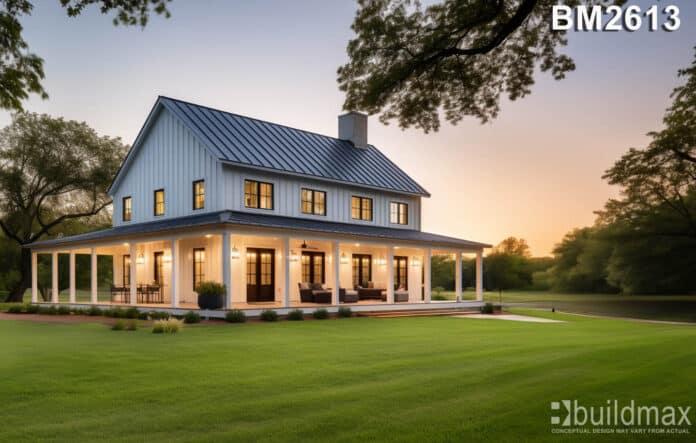
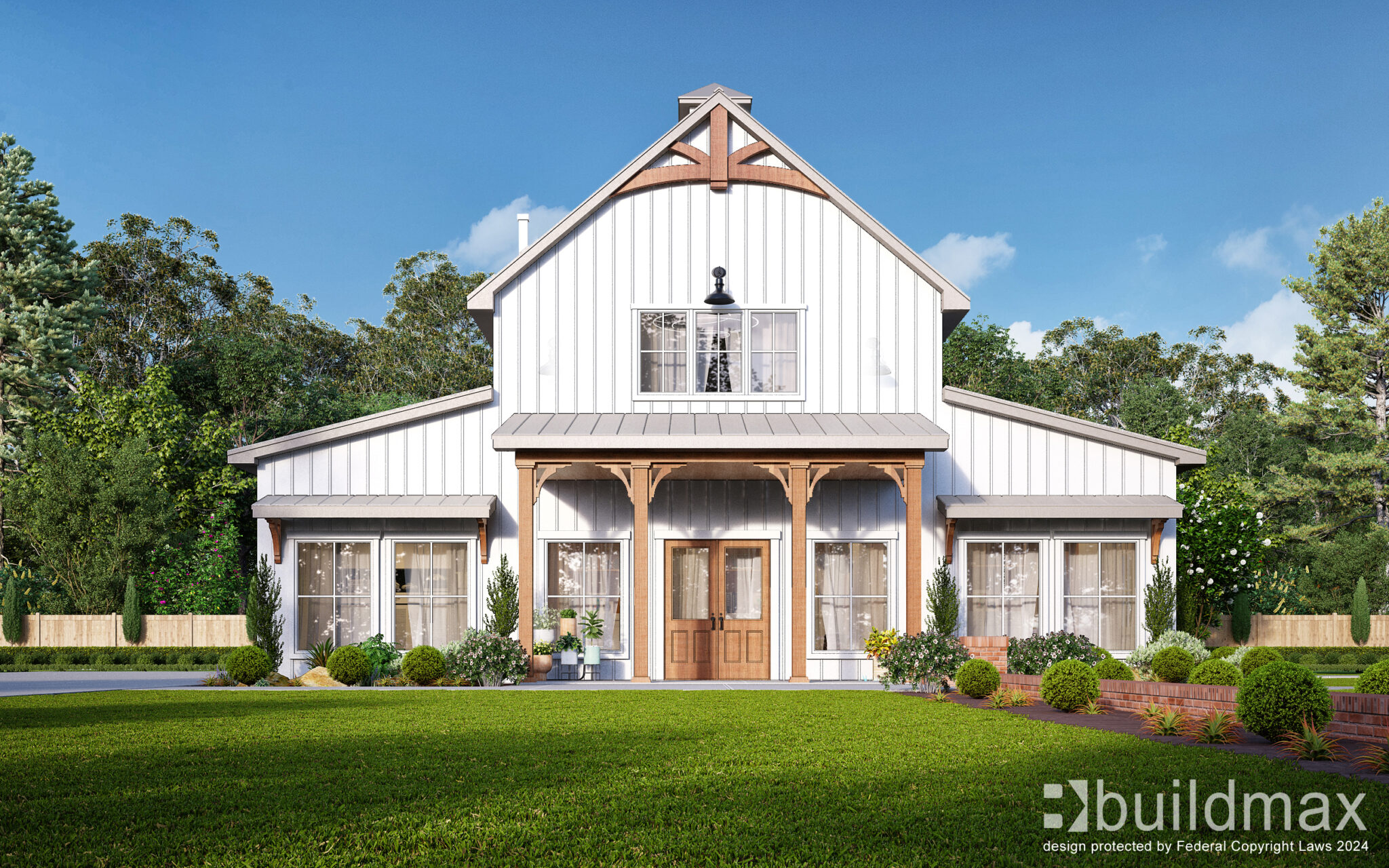
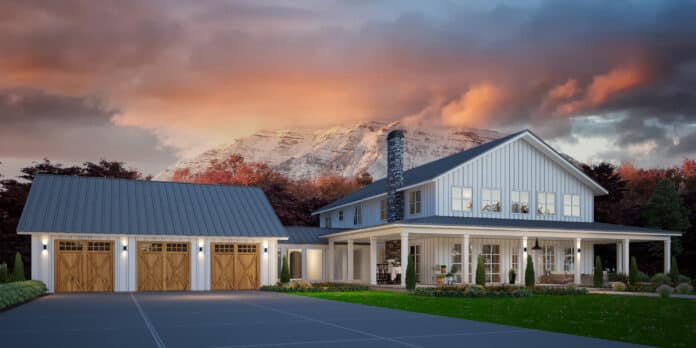
BM3151-G-B BARNDOMINIUM PLAN

Does NJ Allow Barndominiums?

Barndominiums, a fusion of barns and condominiums, have gained popularity across the United States as a versatile, durable, and often cost-effective housing option. However, the feasibility of building a barndominium varies from state to state due to differing building codes, zoning laws, and local regulations. This article explores whether New Jersey (NJ) allows barndominiums and the challenges or advantages you might face when building one in the Garden State.
Zoning and Building Codes in New Jersey

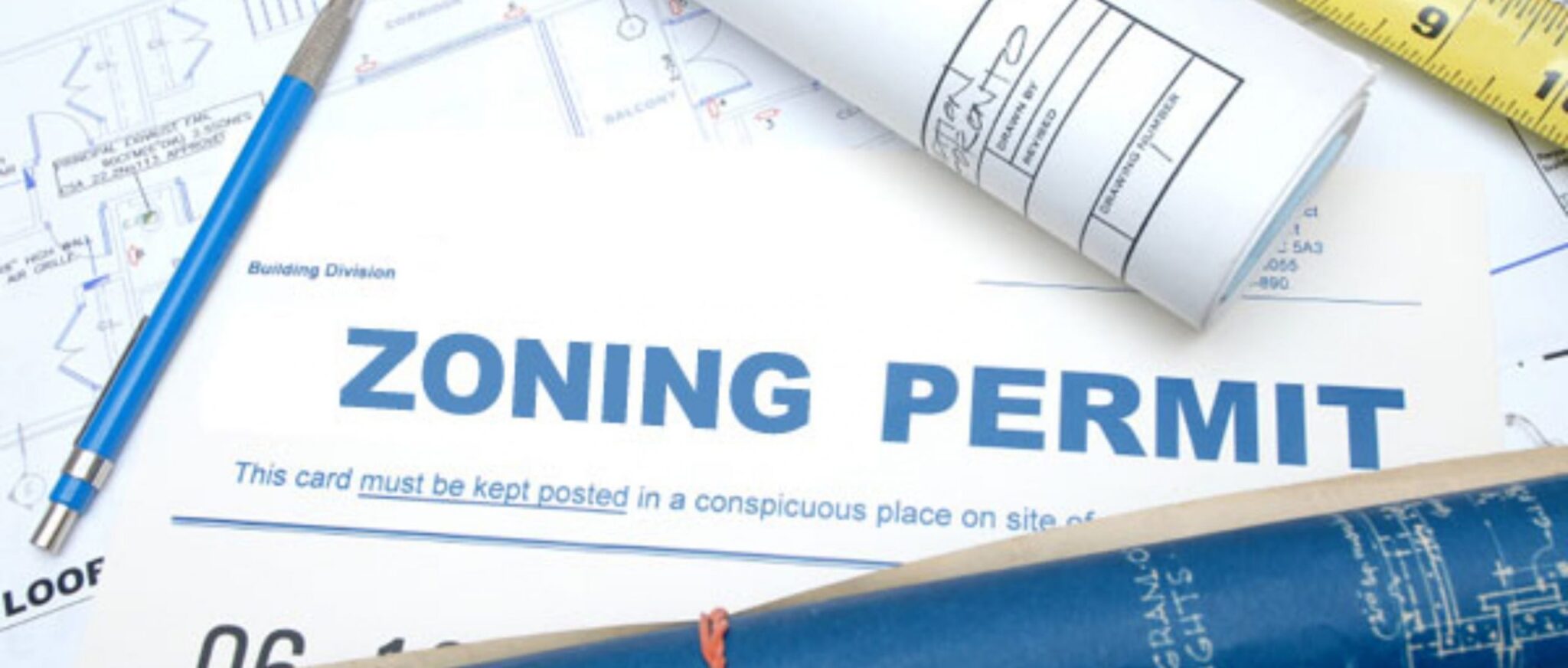
1. **Zoning Laws**
– **Local Variability**: New Jersey’s zoning laws vary significantly from one municipality to another. Each town or city has its own zoning ordinances that dictate what types of structures can be built in specific areas.
– **Residential Zoning**: Barndominiums, primarily being residential structures, must be located in areas zoned for residential use. Some municipalities may have restrictions on the types of residential structures allowed, potentially complicating the process.

2. **Building Codes**
– **Statewide Codes**: New Jersey follows the International Residential Code (IRC) with state-specific amendments. Barndominiums must comply with these codes, which govern aspects like structural integrity, electrical systems, plumbing, and fire safety.
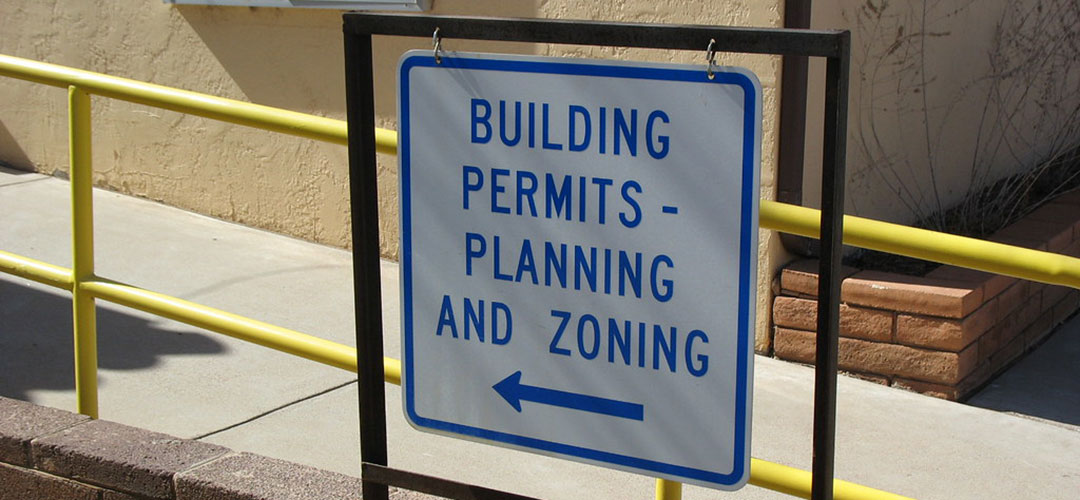
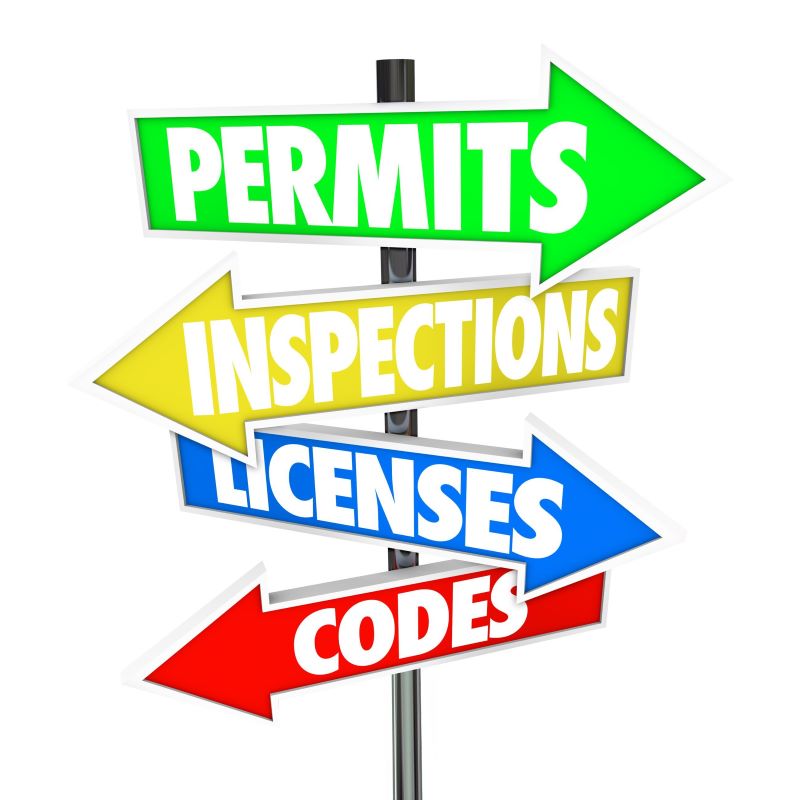
– **Permits and Inspections**: Building a barndominium in NJ requires obtaining the necessary permits and undergoing inspections to ensure compliance with building codes. This includes submitting detailed plans and potentially undergoing multiple inspections throughout the construction process.
Challenges of Building a Barndominium in NJ

1. **Approval Process**
– **Complexity**: The approval process can be complex and time-consuming. Navigating local zoning laws, securing the necessary permits, and meeting all building code requirements requires careful planning and possibly legal assistance.
– **Variance Requests**: If your barndominium plans do not conform to local zoning ordinances, you may need to request a variance. This involves presenting your case to a zoning board and can add time and cost to your project.

2. **Construction Costs**
– **Higher Costs**: New Jersey is known for having higher construction costs compared to many other states. This is due to factors like labor costs, material costs, and regulatory requirements.
**Professional Services**: Due to the complexity of the approval and construction process, you may need to hire architects, engineers, and contractors familiar with NJ building codes and regulations, adding to your overall costs.

3. **Land Availability**
– **Limited Rural Land**: NJ is one of the most densely populated states, which can make finding suitable rural land for a barndominium more challenging. Land costs can be higher, especially in desirable areas.
– **Environmental Regulations**: New Jersey has stringent environmental regulations that may affect where and how you can build. Wetlands, flood zones, and other environmental considerations must be taken into account.
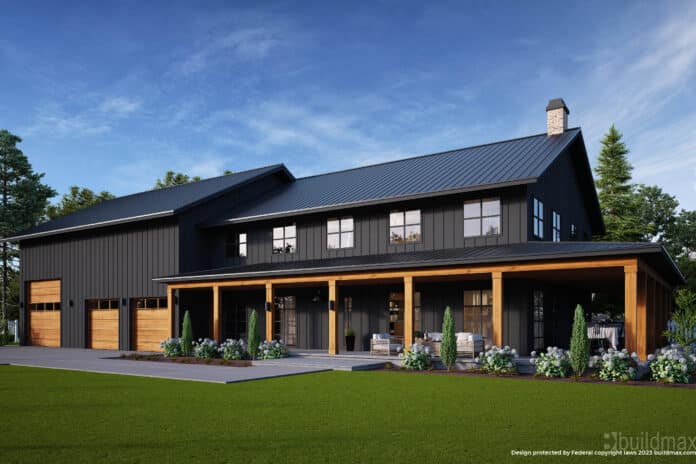
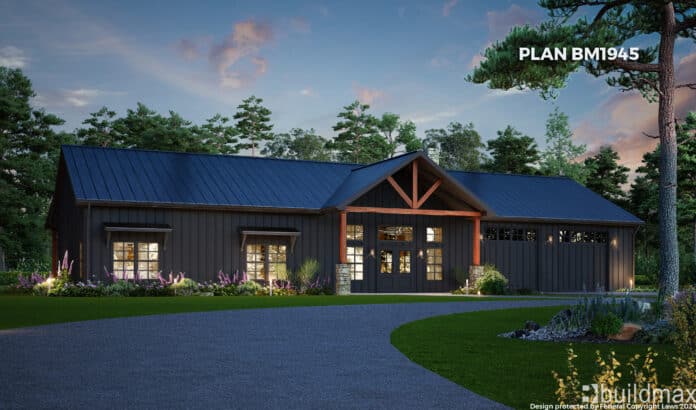
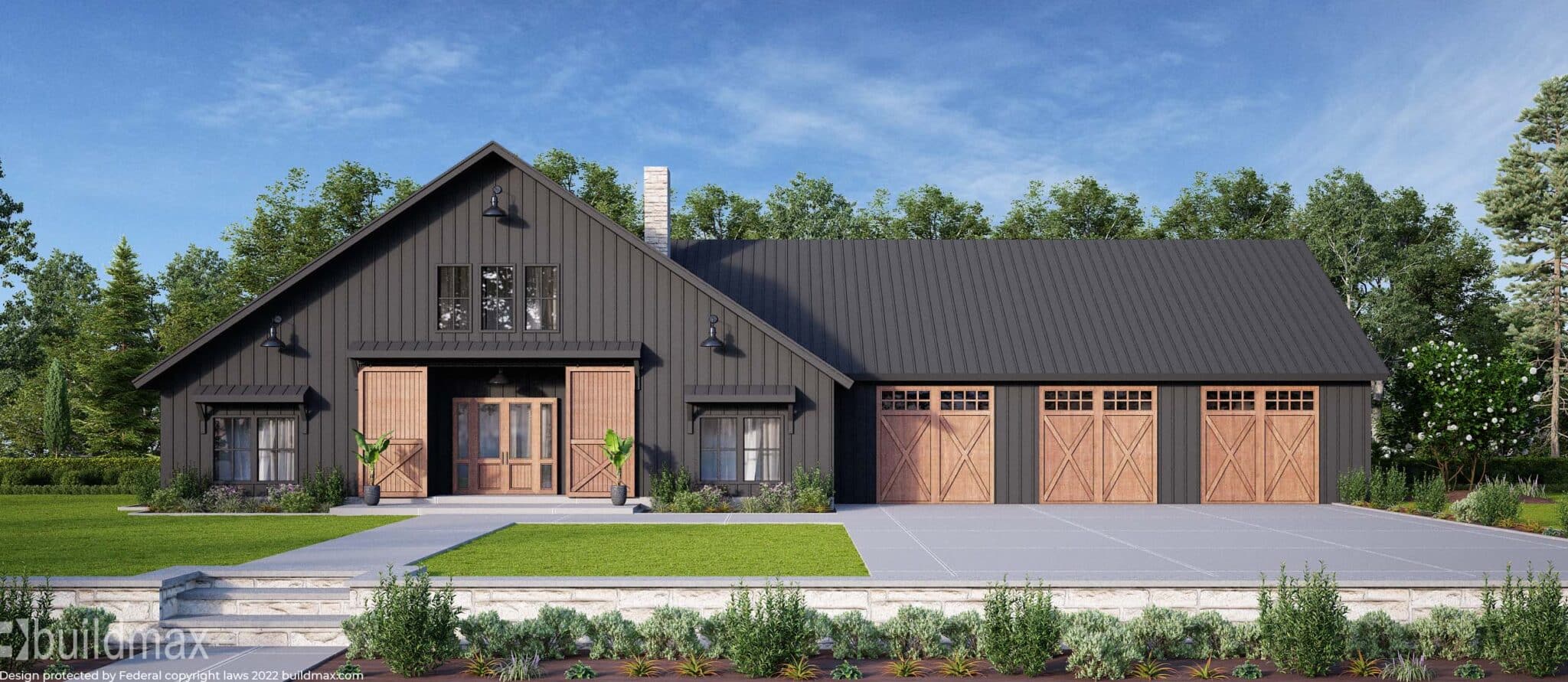
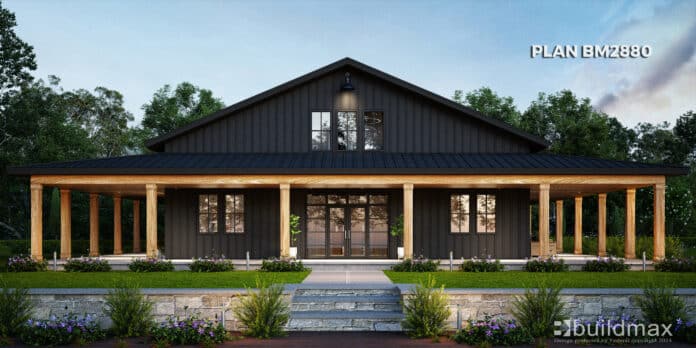
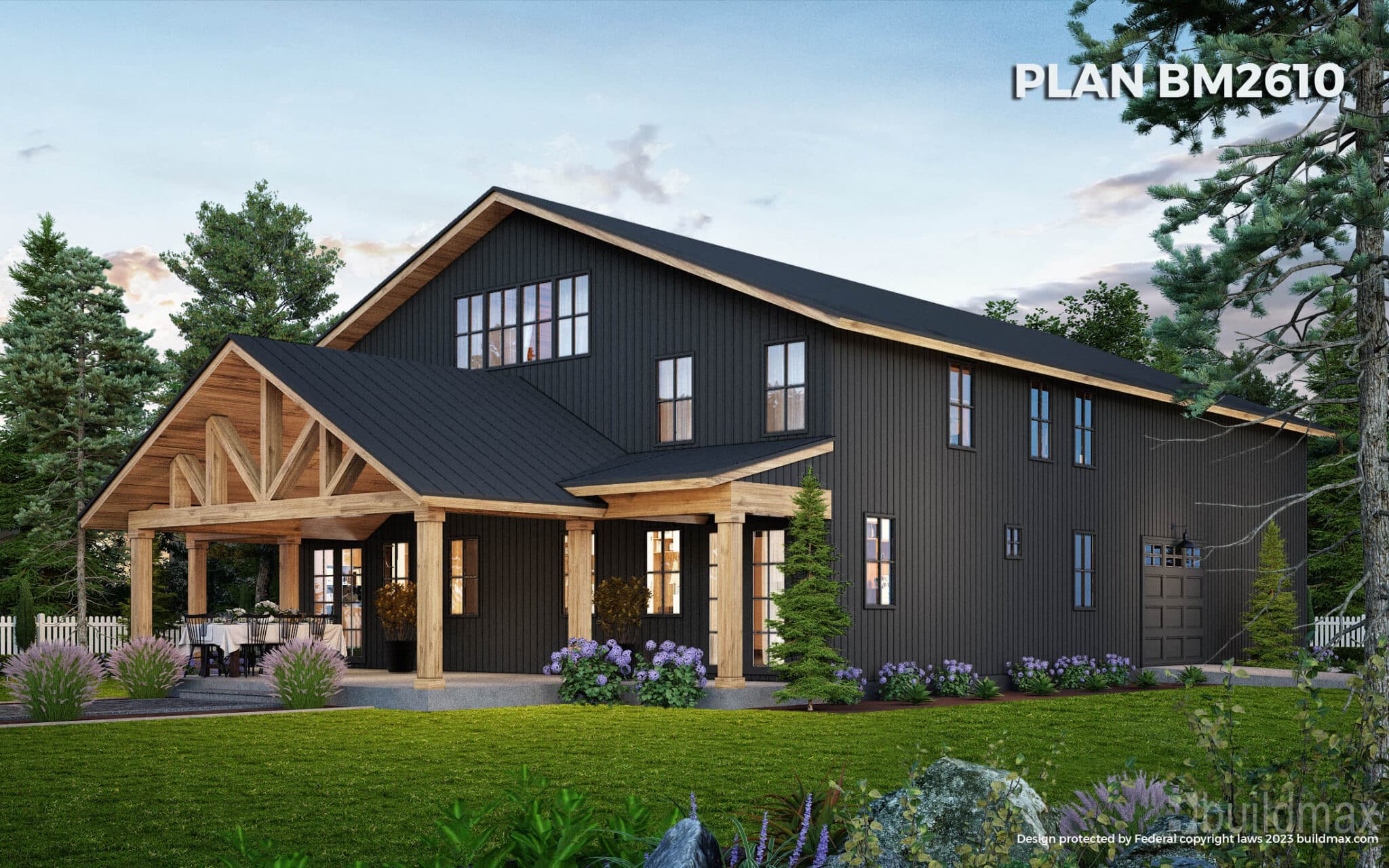
black barndominium shophouse with wraparound porch

Advantages of Building a Barndominium in NJ

1. **Durability and Versatility**
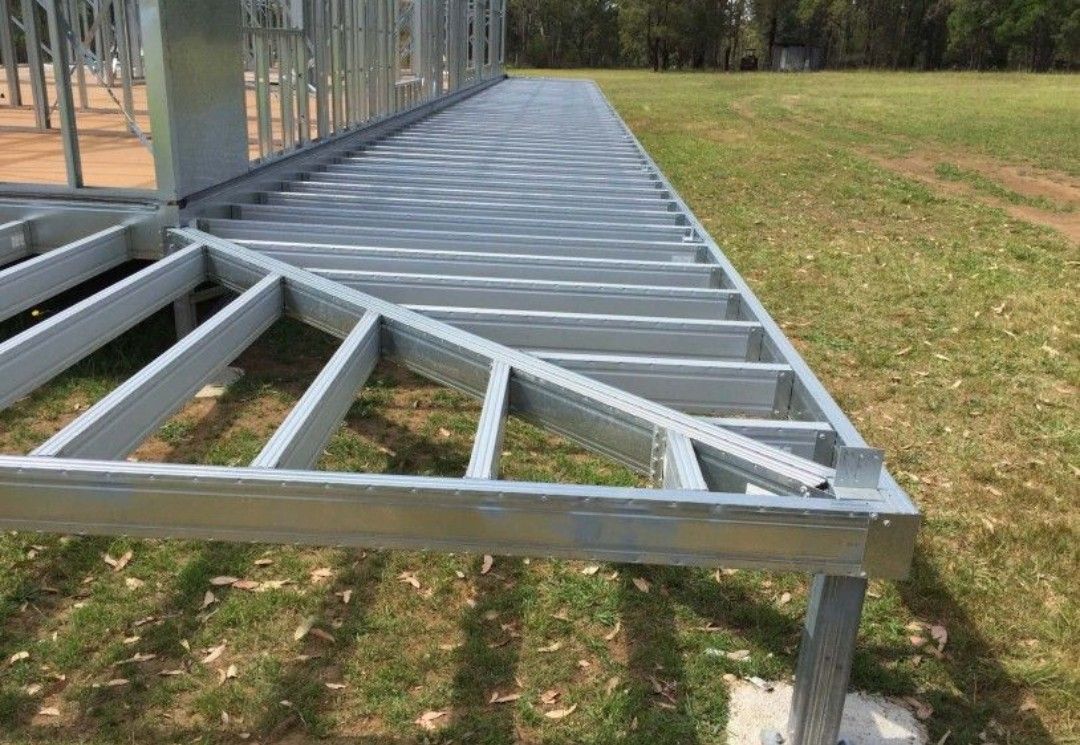
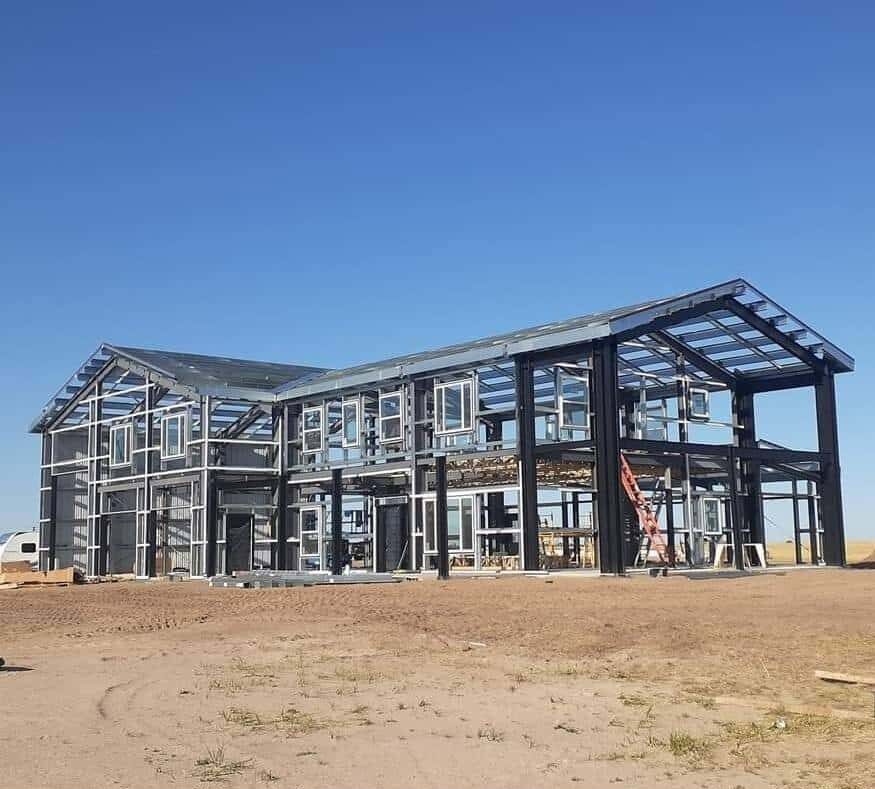
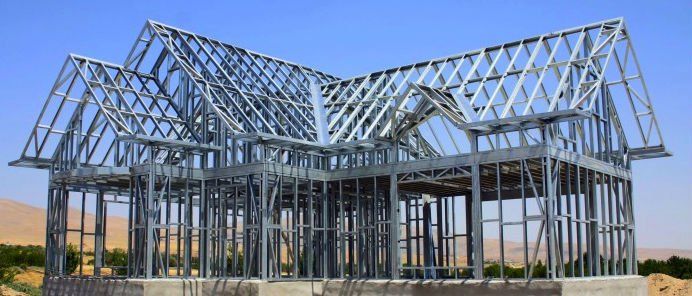
– **Steel Frame Kits**: Many barndominiums use steel frame kits, which offer superior durability and resistance to weather, pests, and fire. This makes them a viable option for New Jersey’s varied climate.
– **Customizability**: Barndominiums can be customized to suit your needs, from open floor plans to specialized spaces for hobbies or business use.

2. **Energy Efficiency**
– **Insulation and Design**: Modern barndominiums can be highly energy-efficient, with options for advanced insulation and energy-efficient windows and doors. This can lead to long-term savings on heating and cooling costs.

3. **Aesthetic Appeal**
– **Unique Design**: Barndominiums offer a unique aesthetic that blends rural charm with modern living. This can be particularly appealing in areas where traditional homes dominate the landscape.
Steps to Building a Barndominium in NJ

1. **Research Local Zoning and Building Codes**
– Start by researching the zoning laws and building codes in the municipality where you plan to build. Contact local zoning offices for detailed information and requirements.

2. **Secure Suitable Land**
– Look for land that is zoned for residential use and meets your needs. Consider environmental regulations and any potential restrictions.

3. **Develop Detailed Plans**
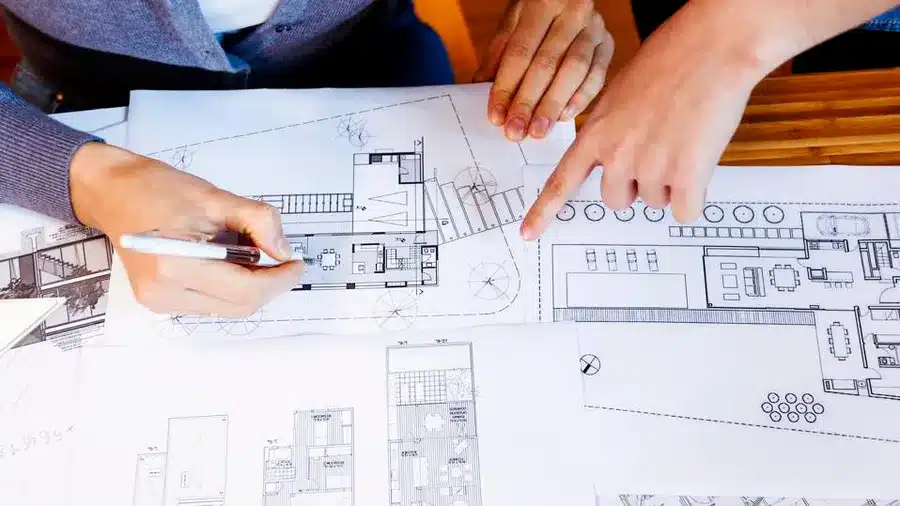
Work with architects and engineers to develop detailed plans that comply with NJ building codes. Ensure your plans include all necessary details for permit applications.

4. **Obtain Permits**
– Submit your plans to the local building department and apply for the necessary permits. Be prepared for multiple inspections throughout the construction process.

5. **Hire Experienced Contractors**
– Hire contractors who have experience building barndominiums and are familiar with NJ building regulations. Their expertise can help navigate the complexities of the construction process.
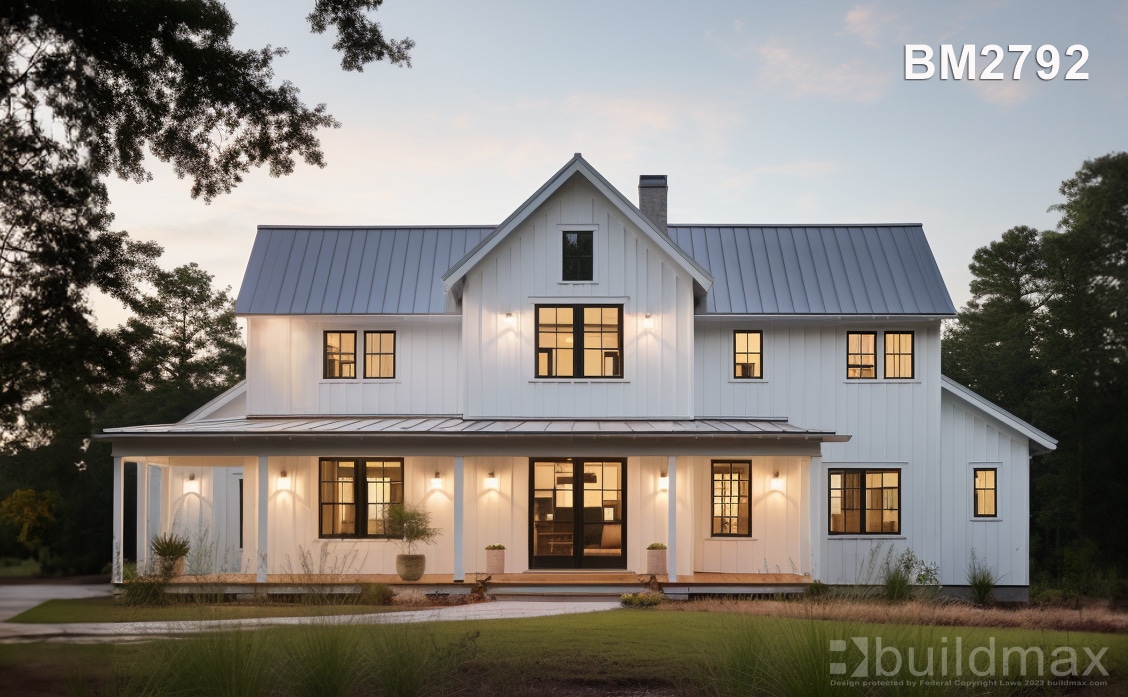
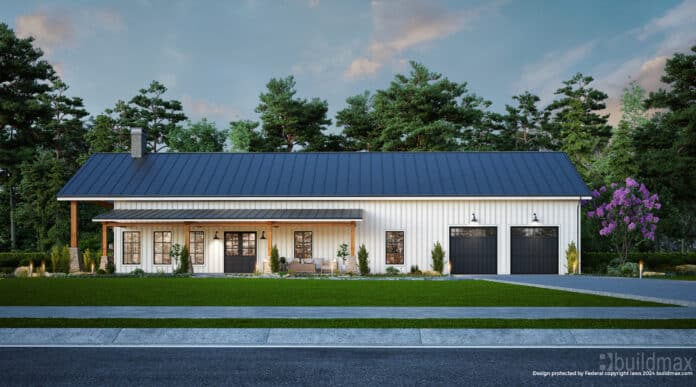
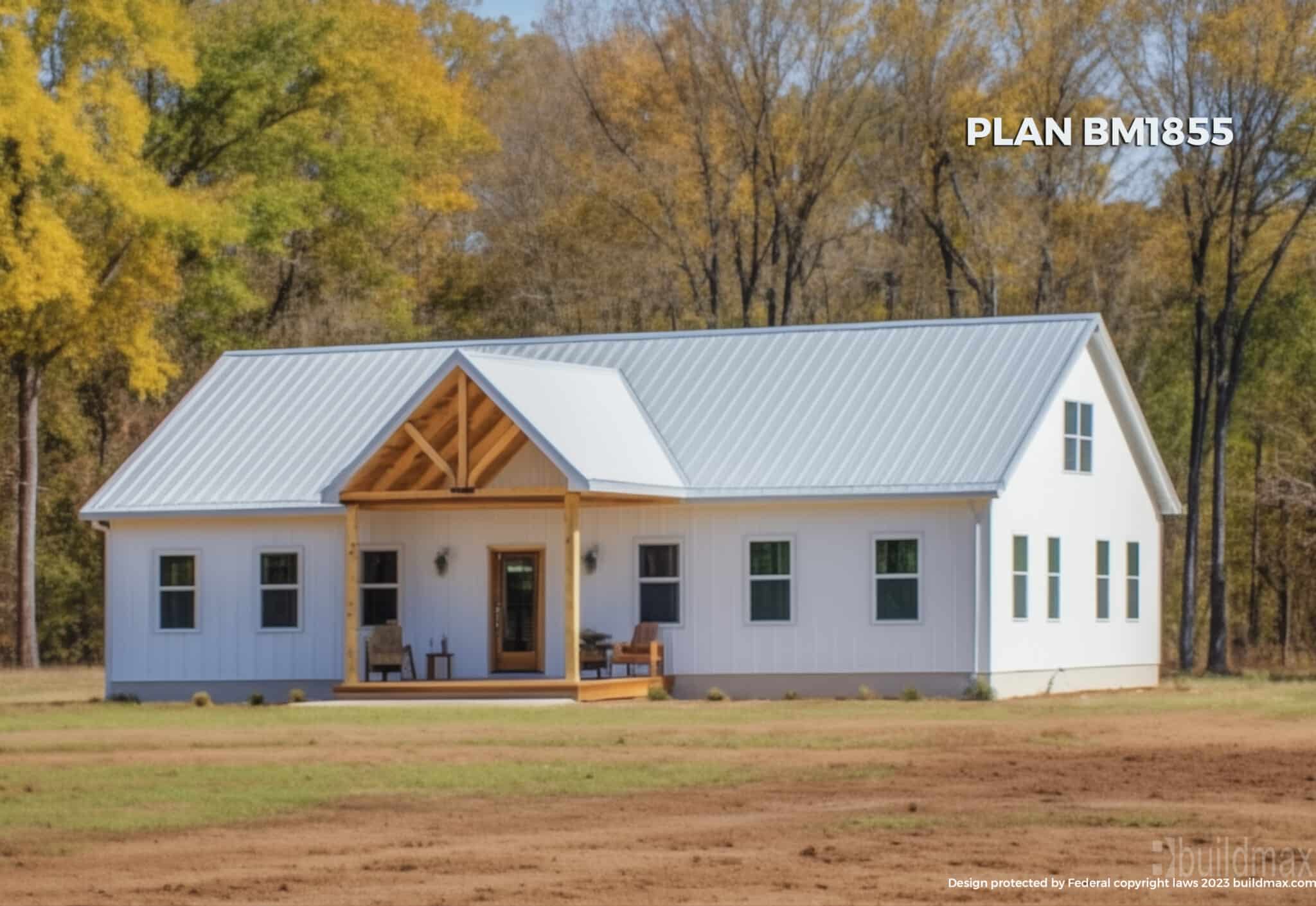
modern barndominium farmhouse

While building a barndominium in New Jersey can be more challenging due to strict zoning laws, building codes, and higher construction costs, it is certainly feasible with the right planning and resources. The durability, versatility, and unique aesthetic of barndominiums make them an attractive option for those willing to navigate the regulatory landscape. By conducting thorough research, securing suitable land, and working with experienced professionals, you can successfully build a barndominium in NJ.
How Much Would It Cost to Build a 60×60 Shop?

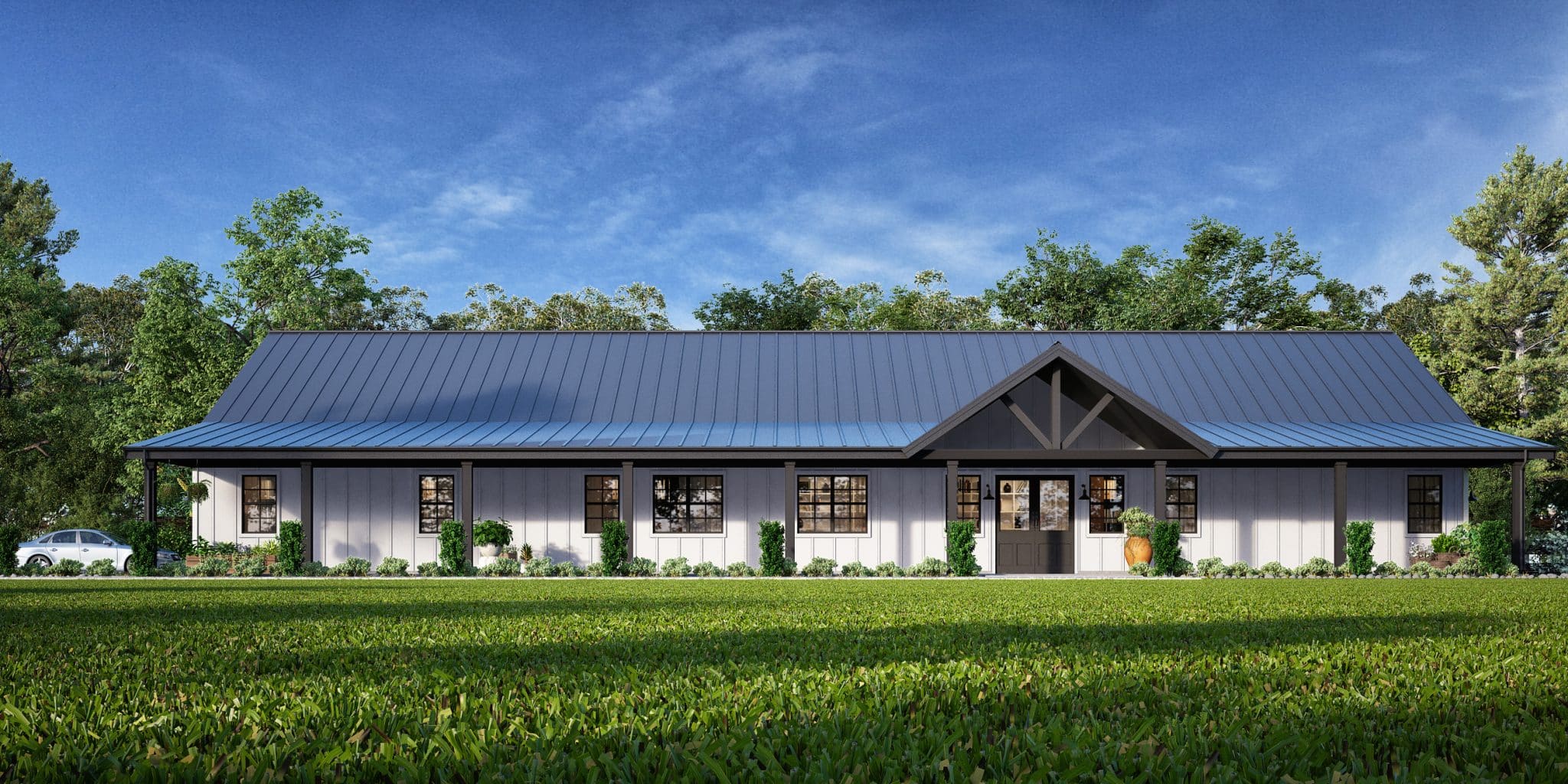
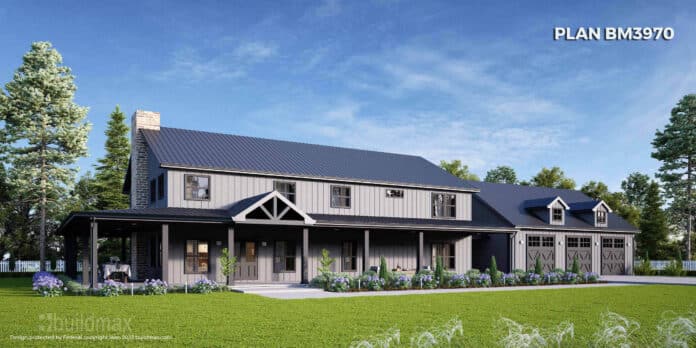
grey barndominium with dark grey roof and wraparound porch

How Much Would It Cost to Build a 60×60 Shop?


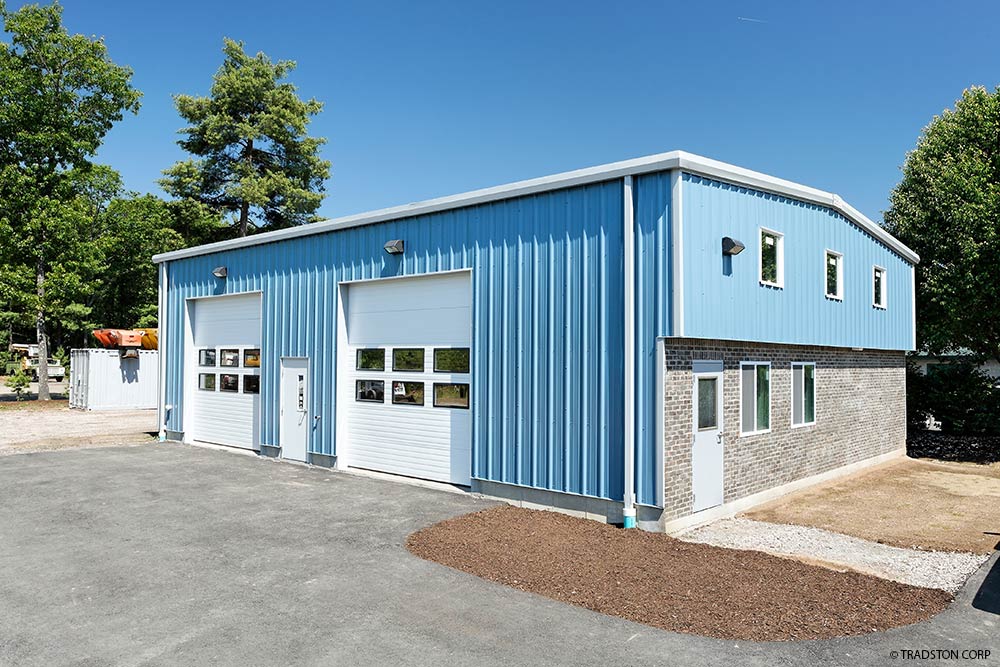
Building a 60×60 shop is a substantial project that requires careful planning and budgeting. The total cost can vary widely depending on several factors, including the type of materials used, location, labor costs, and additional features. This article will break down the costs involved in constructing a 60×60 shop and highlight the benefits of using a steel frame kit for your build.
Understanding the Basics

A 60×60 shop measures 60 feet in width and 60 feet in length, providing 3,600 square feet of space. This size is ideal for various uses, such as a workshop, storage area, or even a small business. The cost to build this shop will depend on several key factors:

1. **Material Costs**
2. **Labor Costs**
3. **Foundation Costs**
4. **Additional Features**

Material Costs

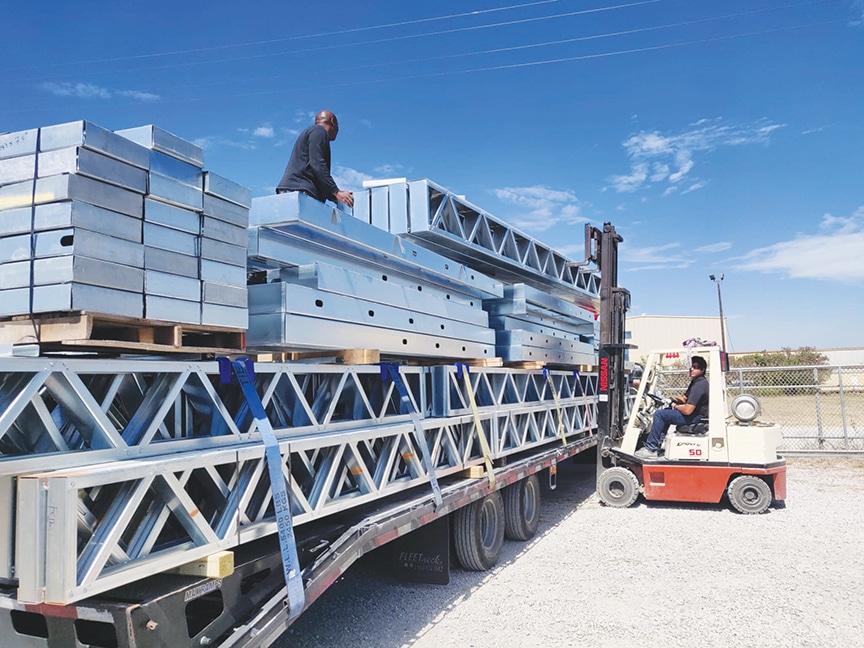
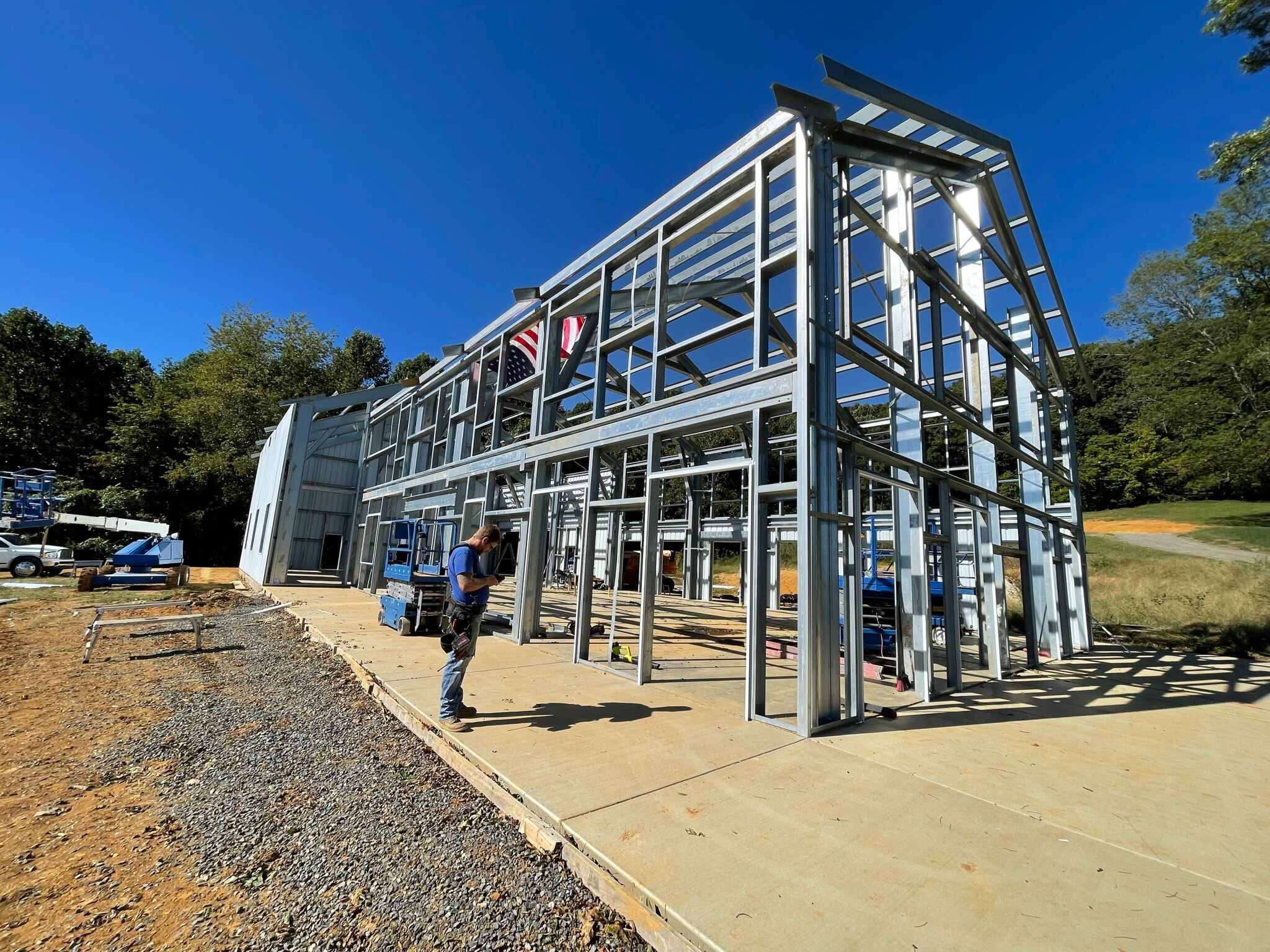
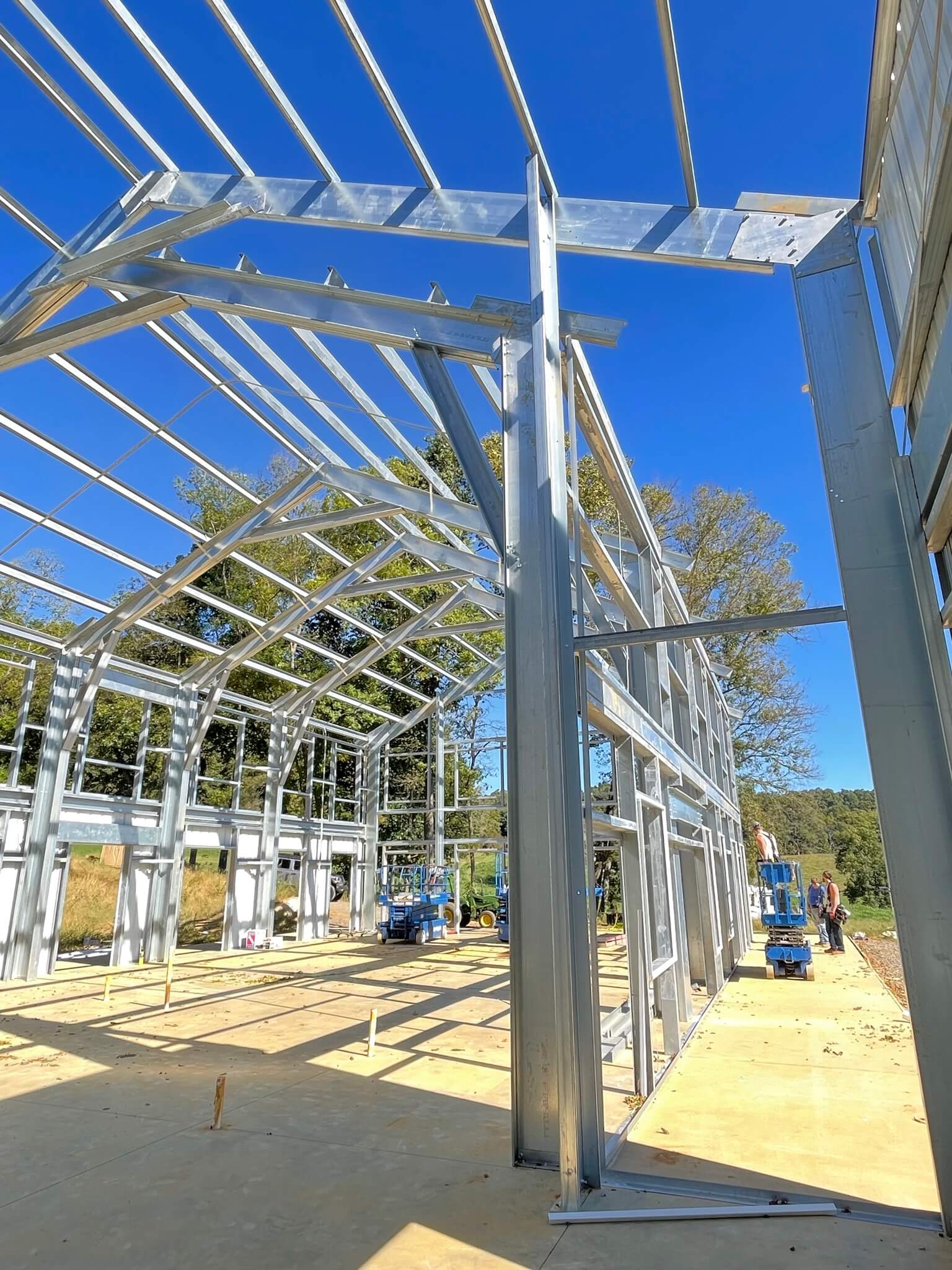
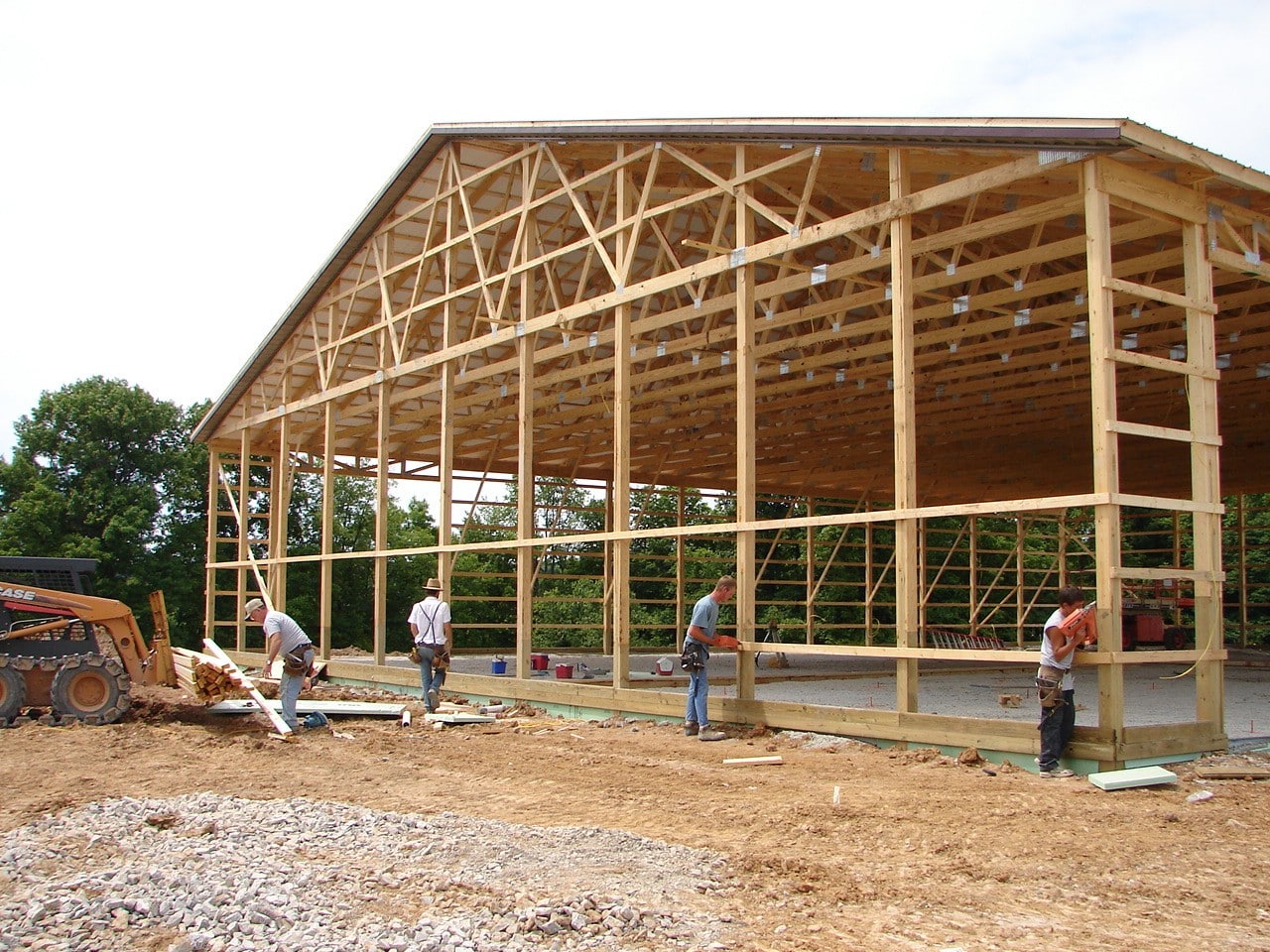
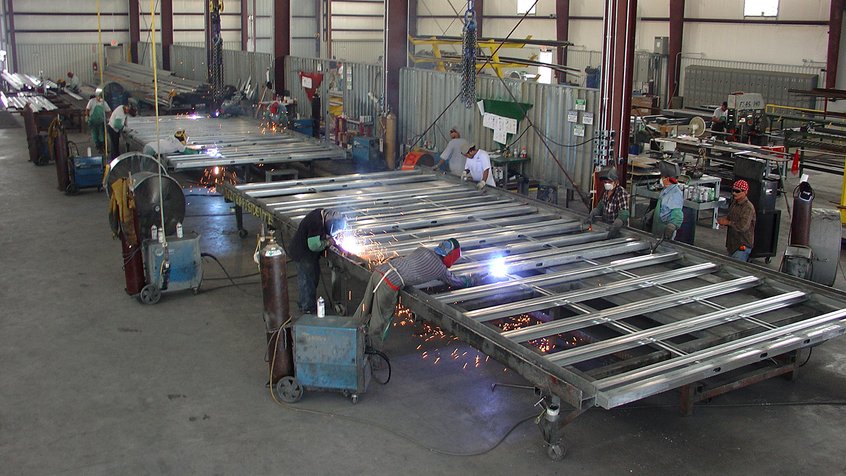
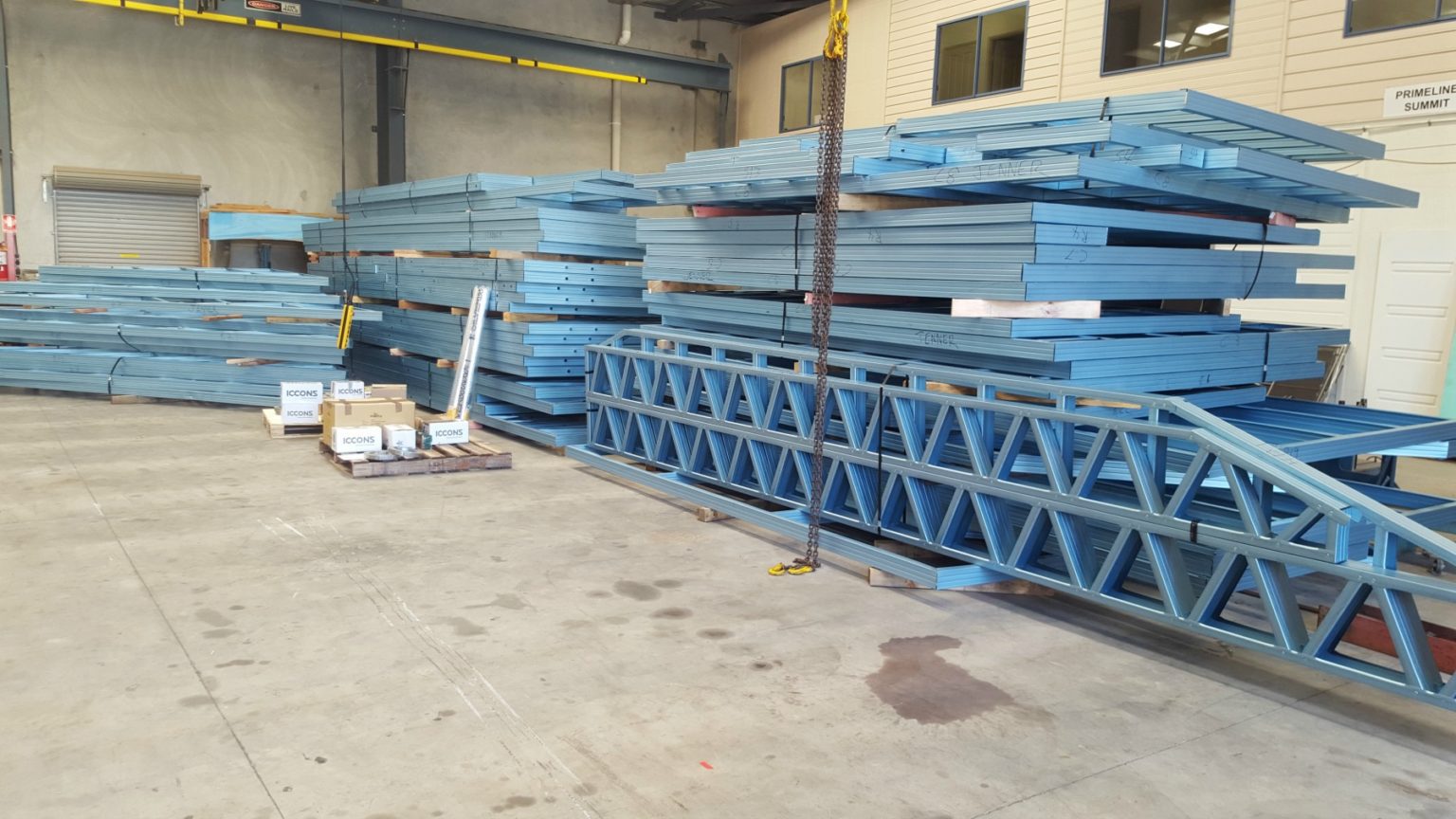
Steel Frame Barndominium Kit delivery

**Steel Frame Kits**

Using a steel frame kit for your shop has several benefits, including durability, ease of assembly, and cost-effectiveness. Here’s a rough breakdown of the costs involved:

– **Steel Frame Kit**: The cost of a steel frame kit can range from $10 to $20 per square foot. For a 60×60 shop, this translates to approximately $36,000 to $72,000.
– **Insulation**: Insulating a steel building is essential to maintain temperature control. The cost for insulation can be around $1 to $3 per square foot, adding $3,600 to $10,800.
– **Roofing and Siding**: Quality roofing and siding materials can cost between $3 to $7 per square foot, adding another $10,800 to $25,200.

**Traditional Wood Frame**

If you opt for a traditional wood frame structure, the costs can be slightly different:

– **Wood Framing**: Wood framing costs around $15 to $30 per square foot. For a 3,600 square foot shop, this can range from $54,000 to $108,000.
– **Roofing and Siding**: Similar to steel, roofing and siding for wood structures can cost between $3 to $7 per square foot.

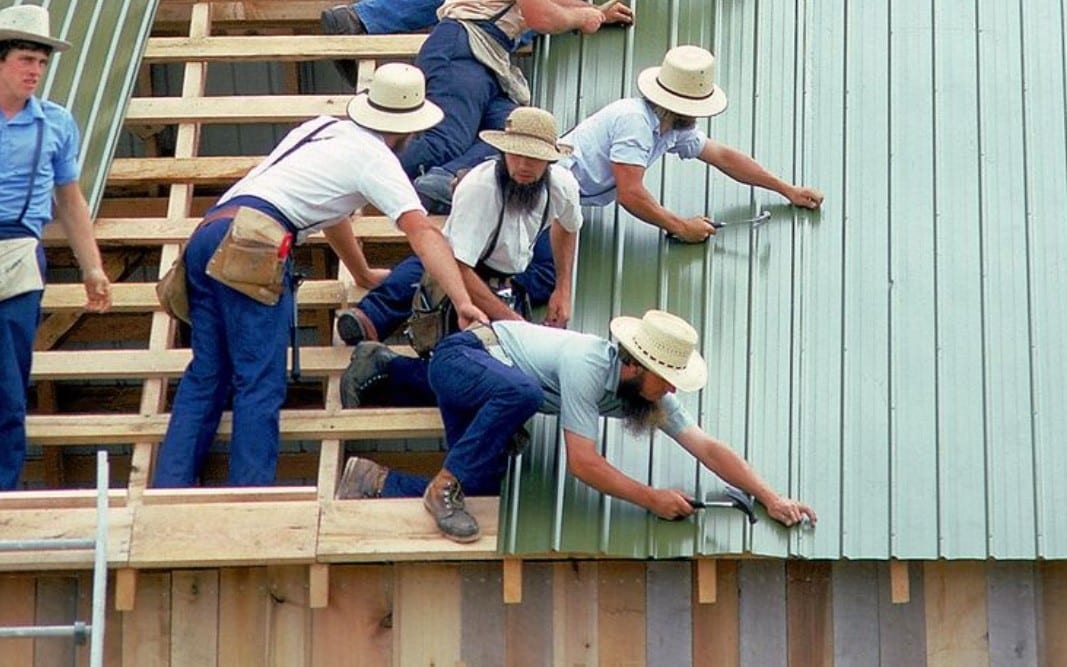
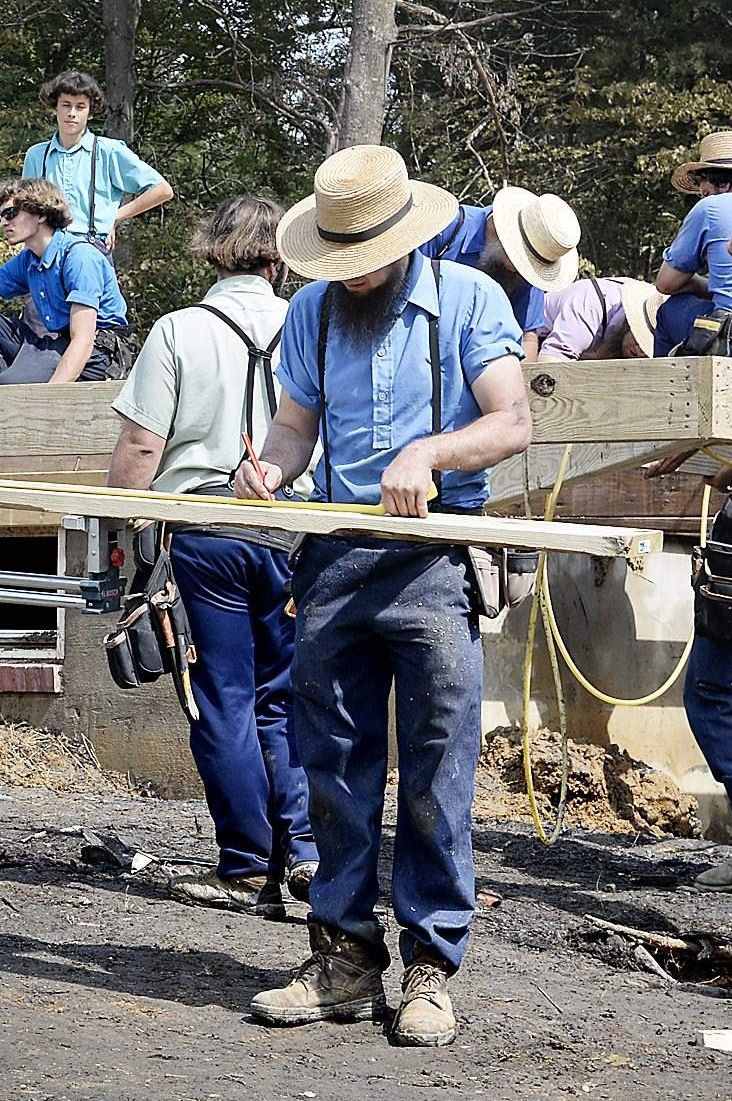
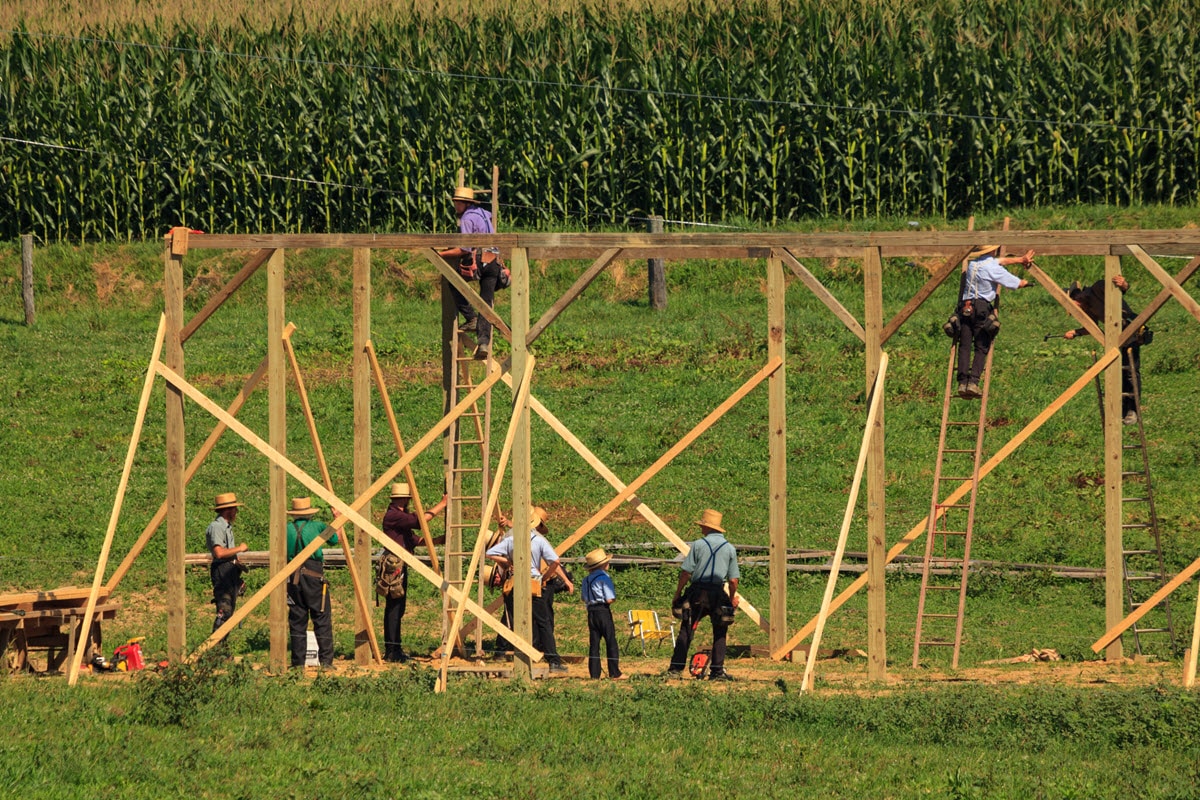
Amish Workers laboring hard

Labor Costs

Labor costs can vary significantly depending on your location and the complexity of the project. On average, labor costs for constructing a shop can range from $5 to $10 per square foot. For a 60×60 shop, this would amount to $18,000 to $36,000.

Foundation Costs

The foundation is a crucial part of your shop, providing stability and support. The type of foundation you choose will impact the overall cost:

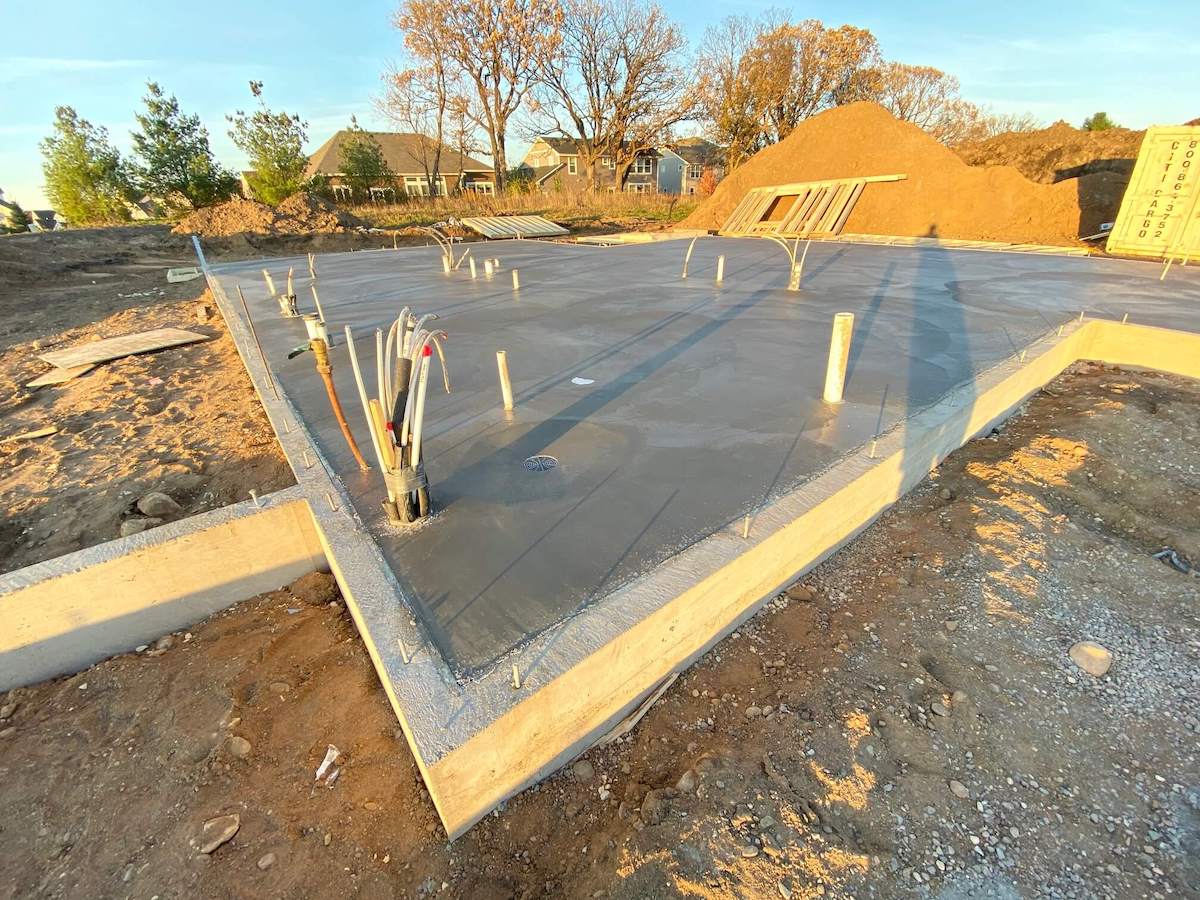
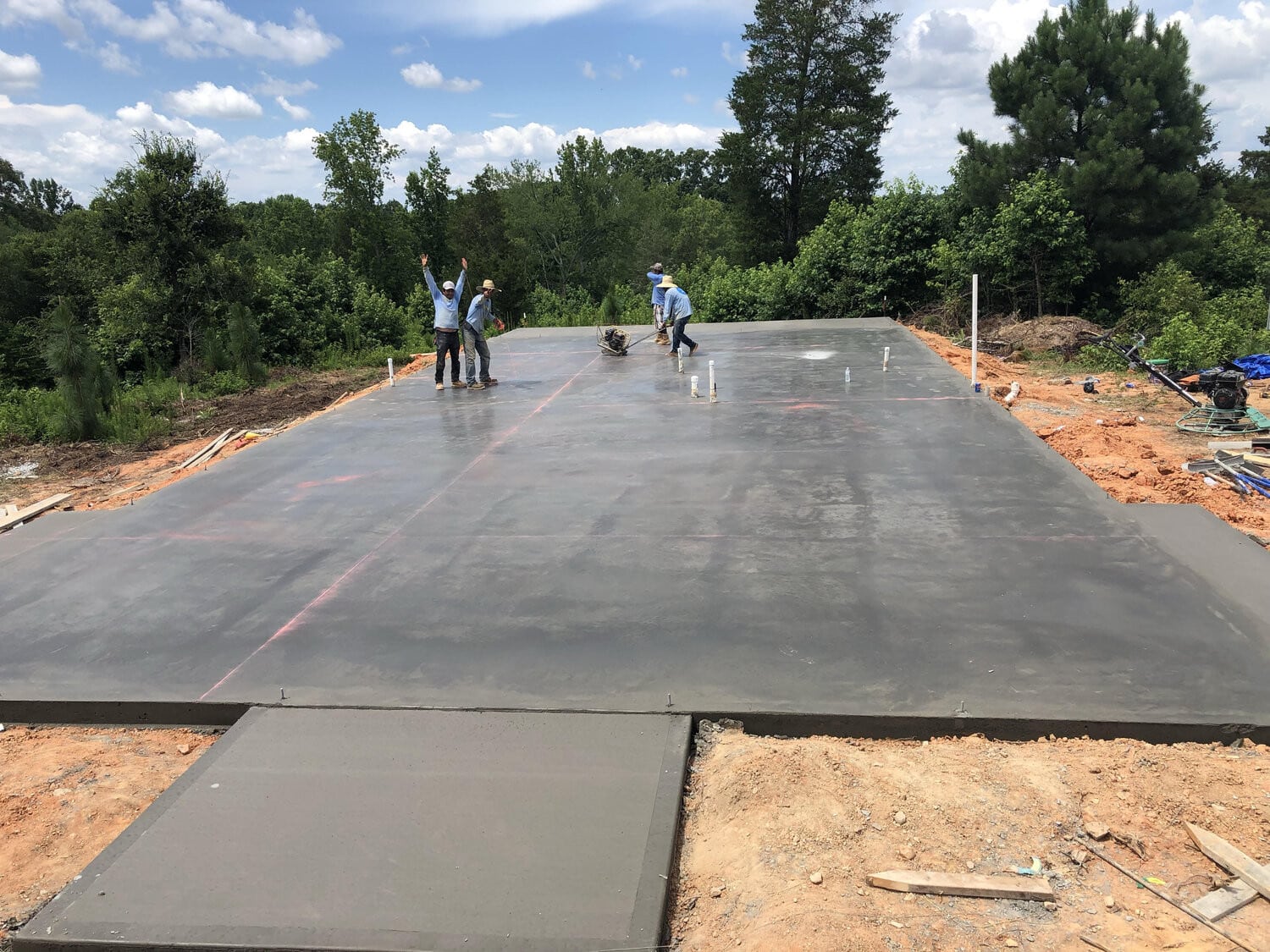
– **Concrete Slab**: A concrete slab foundation is the most common for a steel building and costs around $4 to $8 per square foot. For a 60×60 shop, this adds $14,400 to $28,800.
– **Other Foundations**: Depending on soil conditions and building requirements, other foundation types like pier and beam or crawl space may be used, potentially altering costs.

Additional Features

Several additional features can enhance the functionality and value of your shop:

– **Electrical and Plumbing**: Installing electrical systems and plumbing can add $5,000 to $20,000, depending on the complexity.
– **HVAC Systems**: Heating, ventilation, and air conditioning systems can cost $5,000 to $15,000.
– **Interior Finishing**: Depending on the intended use, interior finishing like drywall, flooring, and painting can add another $10,000 to $30,000.

Total Cost Estimate

Based on the above factors, the total cost to build a 60×60 shop can range widely. Here’s a rough estimate:

– **Steel Frame Shop**: $82,800 to $192,000
– **Wood Frame Shop**: $122,800 to $232,000

Benefits of Using a Steel Frame Kit

1. **Durability**: Steel frames are incredibly durable and resistant to pests, fire, and extreme weather conditions, ensuring a long-lasting structure.
2. **Cost-Effective**: Although the initial cost may be comparable to or slightly higher than wood, the long-term savings on maintenance and repairs make steel more cost-effective.
3. **Ease of Assembly**: Steel frame kits are pre-engineered and come with detailed instructions, making assembly faster and less labor-intensive.
4. **Flexibility**: Steel buildings offer greater flexibility in design and can be easily expanded or modified as needs change.
5. **Sustainability**: Steel is recyclable, making it an environmentally friendly building material choice.

Building a 60×60 shop is a significant investment, but understanding the costs involved can help you make informed decisions. Opting for a steel frame kit offers numerous advantages, including durability, cost-effectiveness, and ease of assembly. By carefully planning your project and considering all factors, you can create a functional and long-lasting shop that meets your needs.

How Long Does It Take to Build a Barndominium by Yourself?

black barndominium

How Long Does It Take to Build a Barndominium by Yourself?

Building a barndominium by yourself can be an exciting and rewarding project, especially with the advent of steel frame kits that simplify the construction process. The time required to complete a barndominium depends on several factors, including your experience, the complexity of the design, the availability of materials, and the efficiency of your planning and execution. This article will explore these factors in detail and provide a general timeline for building a barndominium by yourself.

black barndominium shophouse with wraparound porch

Factors Influencing the Build Time

1. **Experience Level**

– **Novice Builders**: If you have minimal building experience, the process will take longer. Expect to spend extra time understanding instructions, learning new skills, and ensuring everything is done correctly.
– **Experienced Builders**: Those with prior construction experience will move faster through the stages of the build, having the necessary skills and familiarity with tools and techniques.

2. **Complexity of the Design**

– **Simple Designs**: A straightforward floor plan with fewer customizations and simple features will be quicker to build.
– **Complex Designs**: More intricate designs with custom features, multiple rooms, and unique architectural elements will take longer to complete.

Steel Frame Barndominium Kit delivery

3. **Availability of Materials**

– **Readily Available Materials**: If all materials are readily available, there will be fewer delays.
– **Supply Delays**: Delays in material delivery can extend the build time significantly.

4. **Planning and Organization**

– **Well-Planned Projects**: Projects with thorough planning, including detailed schedules and clear milestones, tend to proceed more smoothly and quickly.
– **Poorly Planned Projects**: Lack of planning can lead to inefficiencies and extended timelines.

General Timeline for Building a Barndominium

Here’s a step-by-step breakdown of the typical stages of building a barndominium by yourself and the estimated time each stage might take:

1. **Planning and Design (1-3 Months)**

– **Designing the Floor Plan**: Collaborate with a professional or use online tools to design your floor plan. This stage includes finalizing the layout, selecting materials, and obtaining necessary permits.
– **Purchasing a Steel Frame Kit**: Ordering a steel frame kit tailored to your design can take a few weeks, depending on the supplier and customization options.

2. **Site Preparation (1-2 Weeks)**

– **Clearing and Leveling the Land**: Clear the construction site and level the ground.
– **Laying the Foundation**: Pour a concrete slab or install a crawl space foundation, depending on your design.

3. **Assembling the Steel Frame (2-4 Weeks)**

– **setting up the Frame**: Steel frame kits come with pre-fabricated components and detailed instructions, making assembly straightforward. This stage involves bolting the frame together and ensuring it is square and level.
– **Roof Installation**: Once the frame is up, install the roof panels, which are typically included in the kit.

4. **Exterior and Interior Work (3-6 Months)**

– **Exterior Walls and Siding**: Install exterior walls and siding, which can include metal panels, wood, or other materials.
– **Windows and Doors**: Fit windows and doors into the pre-cut openings in the steel frame.
– **Interior Framing**: Build interior walls and partitions as per your floor plan.
– **Plumbing and Electrical**: Install plumbing and electrical systems. This stage might require professional assistance or inspections to ensure compliance with local codes.
– **Insulation and Drywall**: Insulate the walls and install drywall to finish the interior surfaces.

5. **Finishing Touches (1-3 Months)**

– **Flooring and Trim**: Lay flooring, whether it’s hardwood, tile, or carpet, and install trim and moldings.
– **Painting and Decorating**: Paint the walls and ceilings, and add any decorative elements.
– **Final Inspections and Touch-Ups**: Conduct a final inspection to ensure everything is up to code and make any necessary touch-ups or adjustments.

black barndominium shophouse

Total Estimated Time

For a novice builder, the total time to build a barndominium by yourself can range from 9 to 15 months. Experienced builders might complete the project in a shorter timeframe, potentially around 6 to 9 months. These estimates assume a steady, consistent work pace and minimal delays.

Steel Frame Barndominium Kit delivery

Advantages of Steel Frame Kits

1. **Ease of Assembly**

– **Pre-Fabricated Components**: Steel frame kits come with pre-fabricated components that are designed to fit together easily. This reduces the complexity of the construction process and speeds up the build time.
– **Detailed Instructions**: Kits typically include comprehensive instructions and support, making it feasible for individuals with minimal construction experience to undertake the project.

2. **Durability and Strength**

– **Longevity**: Steel frames are incredibly durable and resistant to pests, rot, and extreme weather conditions, ensuring a long-lasting structure.
– **Structural Integrity**: The strength of steel allows for larger open spaces and more flexibility in design without compromising structural integrity.

3. **Cost Efficiency**

– **Reduced Labor Costs**: The simplicity of assembling a steel frame kit can significantly reduce labor costs, making the overall build more affordable.
– **Energy Efficiency**: Modern steel frame barndominiums can be designed with energy efficiency in mind, incorporating advanced insulation and energy-saving systems.

Building a barndominium by yourself is a challenging yet rewarding endeavor. The timeline for such a project depends on various factors, including your experience level, the complexity of the design, and the availability of materials. Steel frame kits have made the process more accessible, even for those with minimal building experience, by simplifying assembly and providing robust, durable structures. With proper planning, organization, and dedication, building your own barndominium is an achievable goal that can result in a unique, customized home tailored to your needs.

How Big of a Barndominium Can I Build for $200K?

White barndominium with lofty porch

How Big of a Barndominium Can I Build for $200K?

If you are asking how big of a barndominium you can build for $200K, the short answer is: usually somewhere around 1,500 to 2,000 square feet — but only if you are clear about what that budget is actually covering.

That is the part most articles get wrong.

Some buyers are thinking about a shell. Others mean a fully finished move-in-ready home. Those are not the same thing, and they should never be priced like they are.

A $200,000 budget can absolutely build a practical, attractive barndominium in the right situation. But the final size depends on the same things that always control real construction budgets: site work, foundation cost, labor market, finish level, utility setup, and how disciplined the design is.

In this guide, we will break down what size barndominium $200K can realistically buy, what has to go right for that number to work, and what decisions make the size shrink fast.

The Short Answer: How Big of a Barndominium Can You Build for $200K?

A realistic target for a $200K barndominium budget is often around 1,500 to 2,000 square feet, especially if the design is simple, the finish package is practical, and the project is managed carefully.

That is a strong planning range because it usually gives enough room for:

  • 2 or 3 bedrooms
  • an open kitchen and living area
  • a practical primary suite
  • laundry or utility space
  • a comfortable full-time home without excess square footage

That does not mean every buyer gets 2,000 square feet for $200K. It means that 1,500 to 2,000 square feet is the range where the math starts to make sense for a realistic build.

Why $200K Is a Strong Budget for a Barndominium

$200K is not a “build anything you want” budget, but it is also not a shoestring number.

It is strong enough to move many buyers past the ultra-tight budget conversation and into the range where a barndominium can feel like a real full-time home instead of a compromise-first build.

At this budget, buyers can often start thinking about:

  • more comfortable room sizes
  • better kitchen and bath function
  • a cleaner path to a finished home
  • more flexibility than a small-budget build allows

That is why this range matters so much. It is often where a barndominium starts feeling practical instead of squeezed.

What Has to Be True for $200K to Work Well?

A $200K budget goes much farther when a few things are working in your favor.

It works best when:

  • the footprint is simple
  • the floor plan is efficient
  • the finish package is practical, not luxury-heavy
  • the site is reasonably buildable
  • utility access is straightforward
  • you start with a strong stock plan instead of reinventing everything from scratch

That is one reason it helps to start with real plans instead of a vague idea. If you are still defining the build, go to BuildMax Barndominium House Plans first.

What Kind of Barndominium Can $200K Actually Buy?

At this budget, the best fit is usually a mid-sized, efficient barndominium, not a huge custom showpiece.

That usually means:

  • a simple rectangular or otherwise efficient footprint
  • 1,500 to 2,000 square feet of living space
  • modest porch scope
  • practical kitchen and bath finishes
  • limited design complexity
  • strong use of open-concept planning

If the design gets more complicated — larger porches, more roof transitions, upscale windows, custom finish packages, harder site work — the square footage you can afford drops.

Shell Cost vs Finished Cost: Stop Confusing the Two

This is where buyers lose the plot.

Shell cost

A shell budget usually covers the structural package and some part of the exterior envelope. It gets you under roof, not move-in ready.

Finished cost

A finished budget includes the slab, insulation, electrical, plumbing, HVAC, drywall, flooring, cabinets, fixtures, labor, and the rest of the work required to actually live in the building.

The reason this matters is simple: a shell number is not a finished-home number.

If you want to explore the structure-first route, go to BuildMax Barndominium Kits. If you want broader finished-home cost context, go to How Much Does a Barndominium Cost to Build?.

What Usually Shrinks the Size You Can Afford?

If you are aiming for the higher end of the 1,500 to 2,000 square foot range, these are the things that will pull you back down the fastest:

1. Site work

Clearing, grading, driveway access, septic, water, drainage, and utility runs can hit the budget hard before the house itself is even complete.

2. Design complexity

Complicated rooflines, multiple bump-outs, breezeways, oversized porches, and decorative structural details all add cost.

3. Finish upgrades

Luxury kitchens, high-end baths, upgraded windows, stone accents, and designer finishes eat square footage fast.

4. Oversized garages or shop areas

Utility space can be great, but it changes the math if too much of the build is going toward large non-living areas.

5. Weak planning

A stock plan with smart priorities usually wins. A half-custom, half-random wish list usually loses.

What Kind of Buyer Is This Budget Best For?

A $200K budget is often a strong fit for:

  • couples building a practical full-time home
  • small families needing 2 or 3 bedrooms
  • retirees who want space without overbuilding
  • buyers who want a real home, not just a shell project
  • people who want open living without paying for unnecessary square footage

This is one reason 1,500 to 2,000 square feet is such a valuable planning range. It is big enough to live well in, but not so big that the budget gets out of control immediately.

What Kind of Plan Should You Start With?

If your target is $200K, the smartest move is usually to start with a stock plan that already fits the budget logic instead of forcing a custom dream home into a number that does not support it.

You want a plan that is:

  • efficient
  • simple to build
  • strong on daily function
  • light on wasted space
  • easy to price clearly

That is why the best next step for most readers is the BuildMax Barndominium House Plans page.

How Does $200K Compare to a $100K Budget?

A $100K budget usually pushes buyers toward something much smaller and more aggressively efficient. A $200K budget changes the conversation because it often moves the project into the range where a full-time home starts to feel much more comfortable and realistic.

If you want that comparison directly, also read What Size Barndominium Can You Build with a $100K Budget?.

So, How Big of a Barndominium Can You Build for $200K?

Here is the cleanest answer:

For a $200K budget, a realistic barndominium size is often around 1,500 to 2,000 square feet, especially if the design is simple, the finish level is practical, and the project is planned honestly.

You may end up smaller if:

  • the site is expensive to develop
  • the finishes are upgraded heavily
  • the design gets more complex
  • the scope includes more garage, porch, or shop buildout

You may stay near the top of the range if:

  • the site is straightforward
  • the plan is efficient
  • you start with a strong stock plan
  • you keep the build disciplined

Final Thoughts

A $200K budget can build a real, comfortable barndominium, but only if you treat the budget like a real build budget instead of a fantasy number.

That means knowing the difference between shell and finished costs, keeping the design clean, and choosing a plan that fits the budget instead of fighting it.

If you do that, 1,500 to 2,000 square feet is one of the strongest sweet spots in the barndominium market.


Related BuildMax Resources

Can the Amish Really Build a Barn in a Day?

Can the Amish Really Build a Barn in a Day?

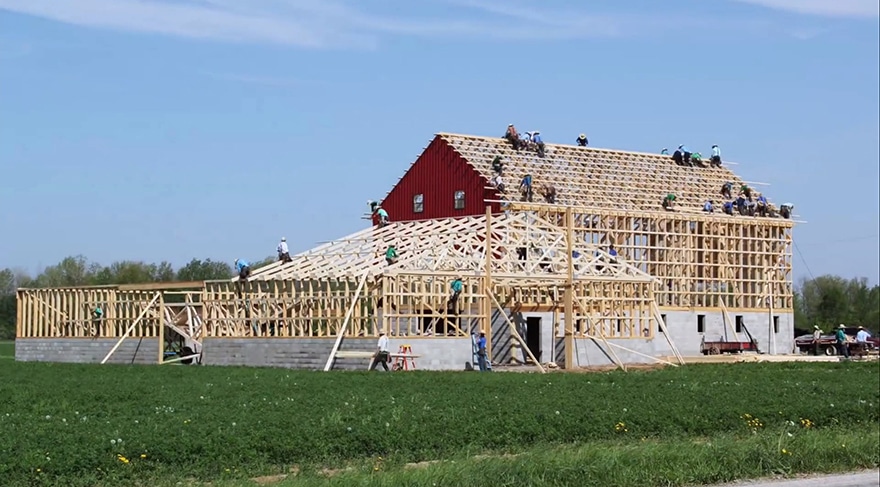
The idea that the Amish can build a barn in a single day has captivated many people, often seen as a testament to their work ethic, community spirit, and efficient building techniques. But how exactly do they achieve such a feat? This article will explore the methods and practices the Amish use to build a barn so quickly, whether they apply similar techniques to building their homes, and what modern construction can learn from their approach.

How Do the Amish Build a Barn in a Day?

The practice of building a barn in a day, often referred to as a “barn raising,” is a well-coordinated effort that involves meticulous planning, communal cooperation, and a wealth of construction experience. Here are the key factors that enable the Amish to complete such a project in such a short time:

Screenshot

1. **Community Effort**

– **Collective Labor**: One of the most significant factors is the collective effort of the community. During a barn raising, dozens of Amish men and women come together to work on the project. This large workforce can accomplish tasks simultaneously, dramatically speeding up the construction process.
– **Shared Meals and Support**: While the men typically handle the construction, women and children support by preparing and serving meals, ensuring the workers are well-fed and hydrated throughout the day.

2. **Pre-Fabrication and Preparation**

– **Pre-Cut Materials**: Much of the wood and other materials are pre-cut and prepared in advance. This preparation minimizes the time spent on-site measuring and cutting, allowing the construction to proceed swiftly.
– **Detailed Planning**: Before the actual building day, the project is meticulously planned. Every aspect, from the design to the logistics of material delivery, is organized to ensure smooth execution.

3. **Efficient Construction Techniques**

– **Experience and Skill**: Many Amish men are highly skilled carpenters, having learned the trade from a young age. Their expertise allows them to work quickly and efficiently.
– **Simple, Functional Design**: Amish barns are typically designed to be functional and straightforward. This simplicity in design means fewer complications and faster construction.

Do the Amish Build Their Homes in a Similar Fashion?

The Amish also apply their efficient building practices to home construction, although building a home in a single day is less common due to the complexity of modern homes compared to barns. However, their homes are often built more quickly than typical modern homes due to similar factors:

1. **Community Involvement**

– **Amish Community**: Just as with barns, the community comes together to help build homes. This communal effort significantly reduces labor costs and time.
– **Support Roles**: Community members who aren’t directly involved in construction still play vital roles, such as preparing food and assisting with logistics.

2. **Pre-Fabrication**

– **Material Preparation**: Much of the home’s materials are prepared in advance, reducing on-site construction time.
– **Modular Design**: Some Amish homes are built using modular construction building a barn in a day, techniques, where sections of the home are pre-built and then assembled on-site.

Lessons Modern Construction Can Learn from the Amish

There are several valuable lessons and techniques that modern construction can take away from the Amish approach:

1. **Community and Teamwork**

– **Collaboration**: Emphasizing teamwork and community can improve efficiency and morale on construction projects.
– **Shared Goals**: Encouraging a sense of shared purpose can lead to more cohesive and productive work environments.

2. **Preparation and Planning**

– **Pre-Fabrication**: Using pre-fabricated materials and modular construction techniques can significantly reduce build times.
– **Detailed Planning**: Investing time in thorough planning before construction begins can prevent delays and streamline the building process.

3. **Skill Development**

– **Training and Apprenticeships**: Fostering a culture of continuous learning and skill development can create a workforce capable of high-quality, efficient work.
– **Specialization**: Encouraging specialization in specific trades can lead to greater expertise and faster project completion.

4. **Simplicity and Functionality**

– **Design Efficiency**: Focusing on simple, functional designs can reduce construction time and costs while still meeting the needs of homeowners.
– **Minimizing Complexity**: Reducing unnecessary complexity in building projects can lead to faster and more cost-effective construction.

Conclusion

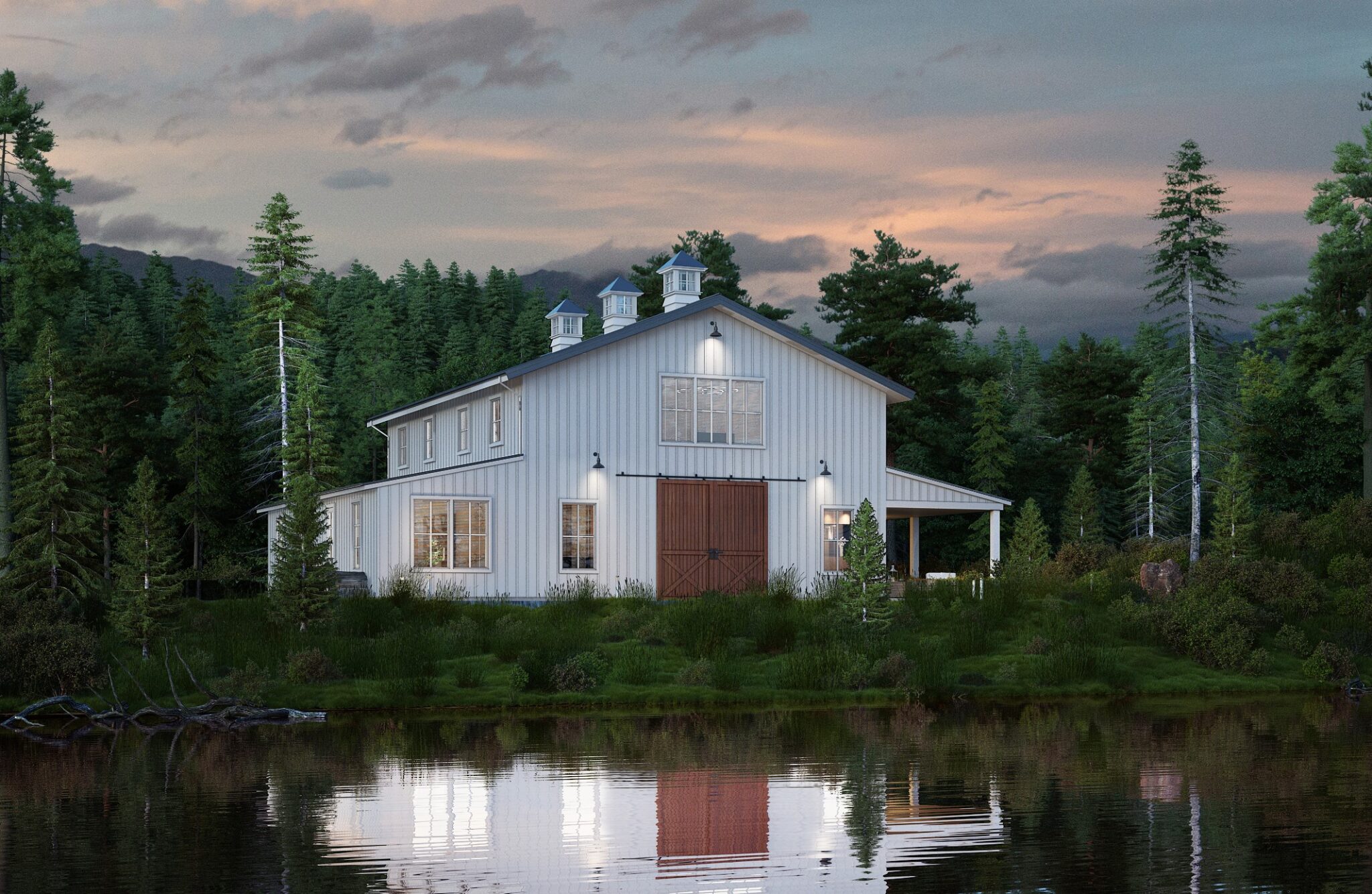
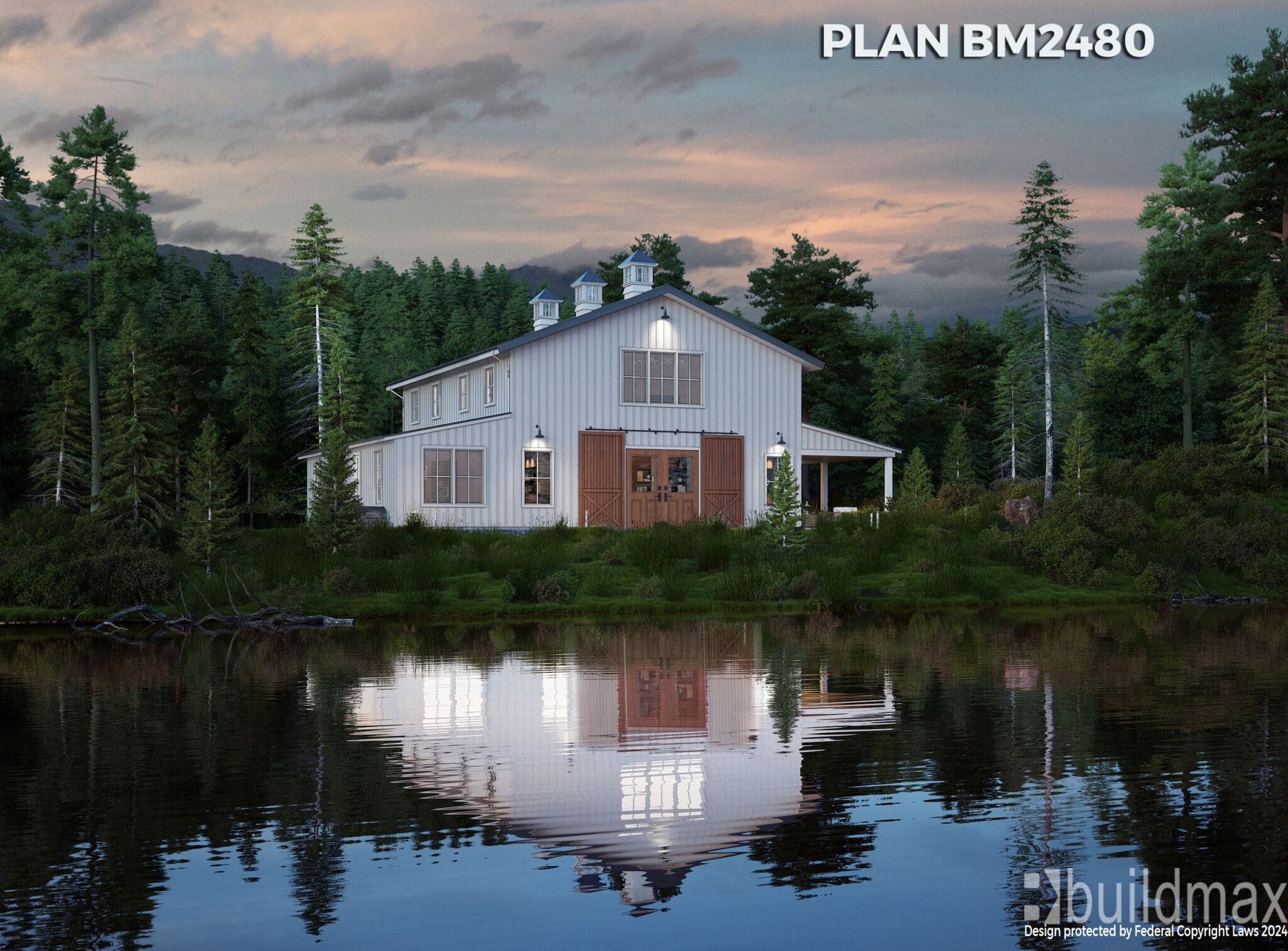
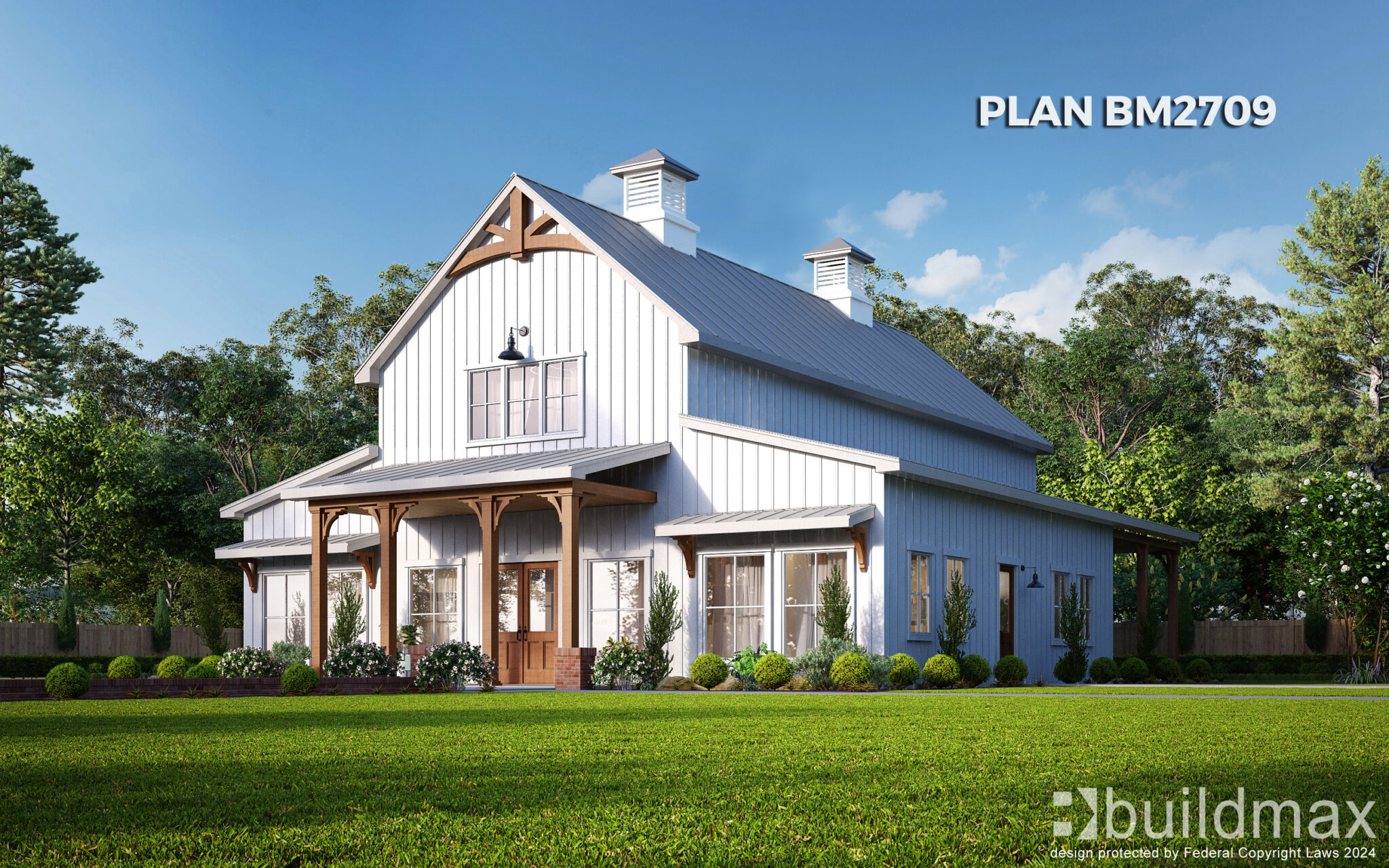
white barndominium with cupolas

The ability of the Amish to build a barn in a day is a remarkable demonstration of their efficiency, planning, and community spirit. While replicating this exact feat in modern construction may not always be feasible, there are valuable lessons to be learned. By embracing detailed planning, community involvement, skill development, and efficient construction techniques, modern builders can improve their processes and outcomes. The Amish approach to building serves as a powerful reminder of what can be achieved when a community works together towards a common goal.

Can Barndominiums Be Built on a Crawl Space?

Can Barndominiums Be Built on a Crawl Space?

If you are asking can barndominiums be built on a crawl space, the short answer is: yes, they absolutely can.

That is the simple answer.

The more useful answer is that most barndominiums are still built on slab foundations because slabs are practical, cost-effective, and well suited to many barndominium designs. But a crawl space can be the better option in the right situation, especially when the site, climate, drainage, or utility access make a slab less attractive.

This is where a lot of weak articles fall apart. They act like a crawl space is either a strange exception or an obviously superior upgrade. In reality, it is neither. A crawl space is simply another foundation option, and whether it is the right one depends on the project.

In this guide, we will break down whether barndominiums can be built on a crawl space, when a crawl space foundation makes sense, when a slab is still the better choice, and how to think through the decision the smart way.

The Short Answer: Can a Barndominium Be Built on a Crawl Space?

Yes, a barndominium can be built on a crawl space foundation.

There is nothing about the barndominium concept itself that requires every build to sit on a slab. A crawl space is a viable option, and in some situations it may actually be the better foundation type.

That said, slab foundations are still more common for barndominiums because they are usually simpler, more direct, and often more cost-effective for the kind of open, practical layouts barndominiums tend to use.

Why Most Barndominiums Are Built on Slabs

Slab foundations are popular in barndominium construction for a few straightforward reasons:

  • they are structurally simple
  • they are often more cost-effective
  • they work well with garage and shop space
  • they provide a durable base for open-concept layouts
  • they reduce the amount of underfloor void space to manage

This is why so many barndominium discussions start with slabs first. In many cases, a slab is still the default answer because it fits the design and the budget well.

If you want the broader foundation overview, also read What Foundation Is Best for a Barndominium?.

What Is a Crawl Space Foundation?

A crawl space foundation raises the building above the ground and creates a small accessible area between the earth and the floor system of the home.

This space is typically used for:

  • plumbing access
  • electrical routing
  • HVAC components
  • underfloor inspection and maintenance

That access is one of the main reasons some buyers prefer crawl spaces over slab foundations.

Why Would You Build a Barndominium on a Crawl Space?

A crawl space can make a lot of sense when the conditions support it.

1. Easier Access to Plumbing and Utilities

This is one of the biggest advantages.

With a crawl space, you have access below the floor for maintenance and future repairs. That can make plumbing and HVAC work less invasive and easier to manage over time than when those systems are buried in or below a slab.

2. Better Fit for Uneven or Sloped Terrain

If the lot is not flat, a crawl space may make more sense than forcing a slab onto a site that naturally wants elevation or stepped support.

In these situations, a crawl space can help the structure sit level while working with the land instead of fighting it.

3. Moisture and Drainage Advantages in Some Conditions

On sites with certain moisture concerns, raising the home off the ground can be beneficial. A crawl space can help separate the living area from ground moisture and reduce some slab-on-grade concerns when the site is handled properly.

That does not mean crawl spaces are automatically better for wet conditions. It means they can be a smart response when the site and drainage strategy support them.

4. Better Fit in Some Climates

In some regions, crawl spaces are simply a more familiar and practical foundation type because of frost depth, moisture behavior, or regional building habits.

What Are the Downsides of a Crawl Space for a Barndominium?

This is the part that needs to be said clearly.

A crawl space is a valid option, but it is not a free upgrade.

1. It Can Cost More Than a Slab

In many projects, a crawl space foundation is more expensive than a basic slab. There is usually more structural work involved, more materials, and more complexity in the foundation system.

2. Moisture Management Still Matters

A crawl space can help with some site conditions, but if it is not detailed correctly, it can also create its own moisture problems. Venting, drainage, vapor control, and long-term management all matter.

3. More Complexity

A slab is simpler. A crawl space adds another system below the home that has to be designed, built, and maintained correctly.

4. Less Natural Fit for Some Garage or Shop Layouts

If the barndominium includes significant garage or shop space, a slab is often the cleaner and more practical answer. Crawl spaces work best when the home is clearly residential in layout rather than heavily shop-driven.

When a Crawl Space Makes the Most Sense

A crawl space may be the better choice when:

  • the lot has slope or uneven terrain
  • utility access below the home matters a lot
  • the region commonly builds on crawl spaces
  • drainage or moisture conditions make an elevated structure more attractive
  • the design is more residential and less garage-heavy

In those cases, a crawl space is not a strange barndominium choice at all. It is simply the right foundation response for the project.

When a Slab Is Still the Better Choice

A slab is often still the better answer when:

  • the site is flat and straightforward
  • budget control is a major priority
  • the design includes significant garage or shop space
  • the footprint is simple and efficient
  • you want the most common barndominium foundation path

This is why slabs remain so dominant in the barndominium world. They fit the design logic of many barndo plans extremely well.

If you want to compare that angle directly, also read Do Barndominiums Have to Be Built on a Slab?.

What Kind of Barndominium Works Best on a Crawl Space?

Not every barndominium is a perfect crawl space candidate.

Crawl spaces often make the most sense for:

  • more residential-style barndominiums
  • family layouts without oversized shop demands
  • homes on sloped or uneven sites
  • projects where underfloor access adds real value

If you are still selecting the design, start with BuildMax Barndominium House Plans so the floor plan and foundation can be evaluated together instead of separately.

How to Decide Whether a Crawl Space Is Right for Your Barndominium

The smartest way to make the decision is not to ask for one universal answer. It is to work through the project logically:

  1. Look at the site and slope
  2. Think about drainage and moisture conditions
  3. Decide how important underfloor utility access is
  4. Consider whether the design is more residential or more garage/shop heavy
  5. Compare the cost and complexity of a slab versus crawl space foundation

The best foundation is not the one that sounds best in a generic article. It is the one that fits the land and the building together.

So, Can Barndominiums Be Built on a Crawl Space?

Here is the cleanest answer:

Yes, barndominiums can absolutely be built on a crawl space foundation.

A crawl space is a viable alternative to a slab, especially when the site has slope, underfloor access matters, or the climate and regional building style make a crawl space more practical. But slab foundations are still more common because they are simpler, often more affordable, and a strong fit for many barndominium layouts.

The right answer depends on the site, the climate, the design, and how you plan to use the building.

Final Thoughts

A crawl space is not the default barndominium foundation, but it is absolutely a real option. In the right situation, it can be the smarter choice.

The key is not to force every barndominium onto the same foundation type. The key is to match the foundation to the project. If you do that, the decision becomes much easier — and much more useful than any one-size-fits-all answer.


Related BuildMax Resources

What Are the Drawbacks of building a Barndominium?

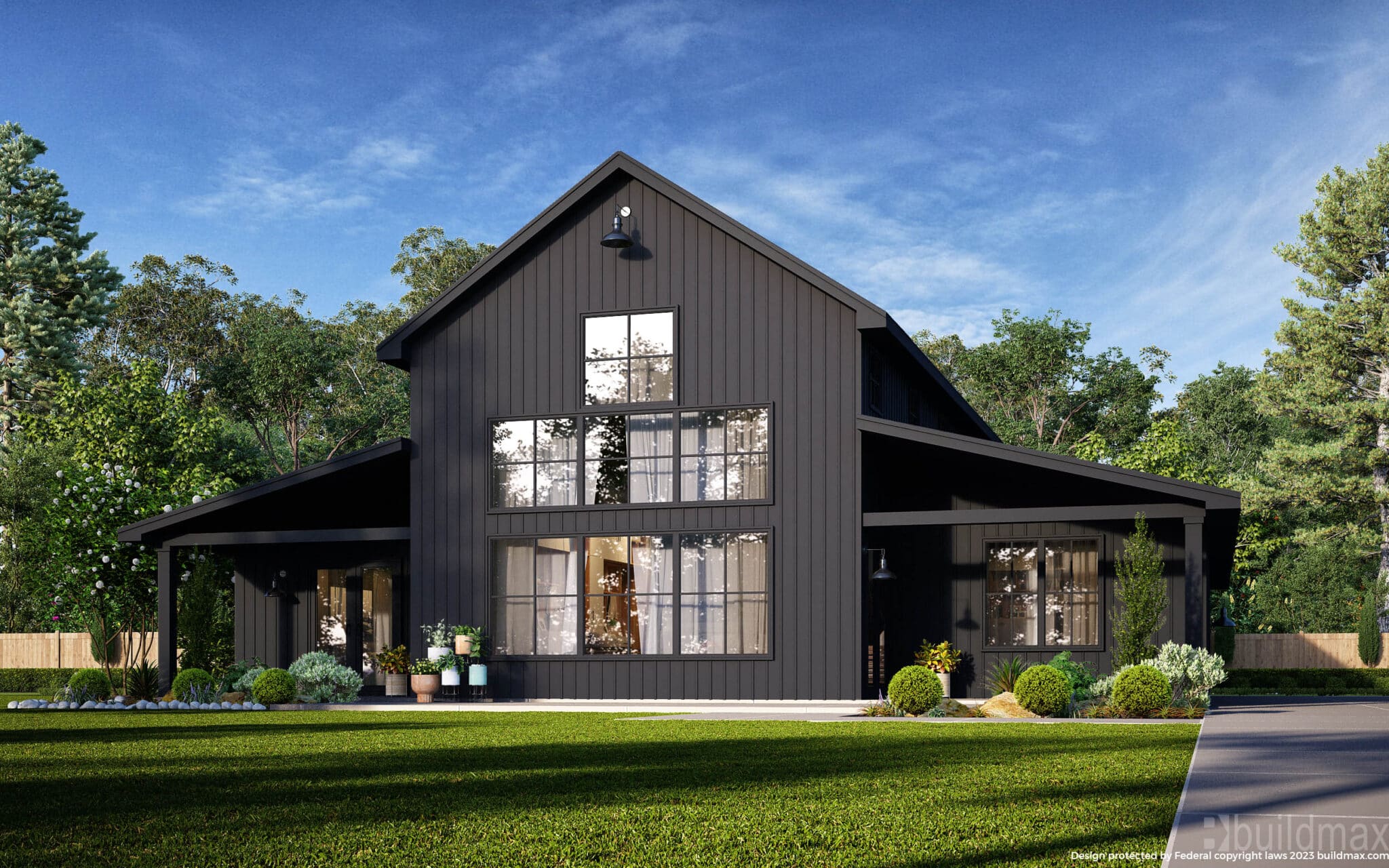
black barndominium with large windows on the front

What Are the Downsides of a Barndominium?

Barndominiums, or “barndos,” have gained immense popularity due to their unique combination of rustic charm and modern amenities. TheseBarndominums are often built with steel frames, offer several advantages, including durability, low maintenance, and open floor plans. However, like any building option, barndominiums come with their own set of potential drawbacks. This article explores the cons of barndominiums while highlighting how recent advancements, particularly in steel frame construction, address many of these concerns.

Potential Drawbacks of Barndominiums

1. **Zoning and Permitting Issues**

**Challenge**: One of the primary challenges associated with barndominiums is navigating local zoning laws and obtaining the necessary permits. Since barndominiums are relatively new and unique, some municipalities may not have clear guidelines for their construction.

**Remedy**: Consulting with local building authorities early in the planning process can help ensure compliance with all regulations. Additionally, professional barndominium plan companies like BuildMax can provide guidance and assistance in navigating these requirements.

2. **Financing Difficulties**

**Challenge**: Securing financing for a barndominium can be more challenging than for a traditional home. Lenders may be unfamiliar with barndominiums, making it harder to obtain a mortgage.

**Remedy**: To improve your chances of securing financing, work with lenders who have experience with barndominiums. Providing detailed construction plans and appraisals can also help reassure lenders of the property’s value.

3. **Resale Value Concerns**

**Challenge**: The resale value of a barndominium can be uncertain. Potential buyers might be hesitant due to the unconventional nature of the property, affecting its marketability.

**Remedy**: The growing popularity of barndominiums and their increasing recognition in the real estate market are helping to mitigate this concern. Ensuring high-quality construction and maintaining the property well can also enhance its resale value.

4. **Customization Costs**

**Challenge**: While barndominiums offer great flexibility in design, extensive customization can significantly increase construction costs. Custom features, high-end finishes, and unique design elements can drive up the budget.

**Remedy**: Prioritize essential features and plan for phased upgrades over time. Working with experienced builders and designers can help optimize the budget without compromising on quality.

5. **Temperature Regulation**

**Challenge**: Barndominiums, especially those with large open spaces and metal roofs, can face challenges in maintaining consistent indoor temperatures. Metal structures can heat up quickly in summer and cool down rapidly in winter.

**Remedy**: Modern insulation techniques, energy-efficient windows, and advanced HVAC systems can effectively manage indoor temperatures. Steel frame barndominiums can incorporate these solutions to ensure comfort throughout the year.

The Rise of Steel Frame Barndominiums

Recent advancements in steel frame construction have revolutionized the barndominium market, addressing many of the traditional concerns associated with these structures. Here’s how steel frame barndominiums are remedying common issues:

**Durability and Strength**

**Advantage**: Steel frames offer superior strength and durability compared to traditional wood frames. They are resistant to pests, fire, and rot, significantly reducing long-term maintenance costs.

**Impact**: This durability ensures a longer lifespan for the barndominium, making it a more attractive investment for potential buyers and lenders.

**Energy Efficiency**

**Advantage**: Steel frame barndominiums can be designed with advanced insulation and energy-efficient systems. The use of insulated panels and reflective roofing materials helps maintain stable indoor temperatures.

**Impact**: Improved energy efficiency translates to lower utility bills and increased comfort, addressing concerns about temperature regulation.

Steel Frame Barndominium Kit delivery

**Design Flexibility**

**Advantage**: Steel frames allow for large open spaces without the need for load-bearing walls, providing greater design flexibility. This enables the creation of modern, spacious interiors that appeal to contemporary tastes.

**Impact**: The ability to customize layouts and interior designs enhances the appeal of barndominiums, making them more marketable and valuable.


**Speed of Construction**

**Advantage**: Steel frame construction can be completed more quickly than traditional building methods. Prefabricated steel components streamline the construction process, reducing labor costs and build time.

**Impact**: Faster construction times mean lower overall costs and quicker occupancy, making steel frame barndominiums a practical choice for many homeowners.

All-In-All

Buildmax BM2900

While barndominiums offer numerous benefits, potential drawbacks include zoning and permitting challenges, financing difficulties, resale value concerns, customization costs, and temperature regulation issues. However, the recent explosion of steel frame barndominiums has effectively addressed many of these concerns.

Steel frames provide unparalleled durability, energy efficiency, design flexibility, and faster construction times, making barndominiums an increasingly attractive option for modern homeowners. By working with experienced professionals and leveraging the advantages of steel frame construction, prospective barndominium owners can enjoy a unique and sustainable living space that stands the test of time.

Can you make Any Floor Plan a Barndominium?

black barndominium shophouse with wraparound porch

Can Any Floor Plan Be a Barndominium?

When considering the construction of a barndominium, a key question often arises: “Can any floor plan be a barndominium?” The answer is both yes and no. While many traditional house floor plans can be adapted to fit the unique structure of a barndominium, certain considerations and modifications are necessary to ensure that the design complements the distinct characteristics of a barndominium. This article will explore the adaptability of floor plans for barndominiums and the importance of working with professional barndominium plan companies like BuildMax.

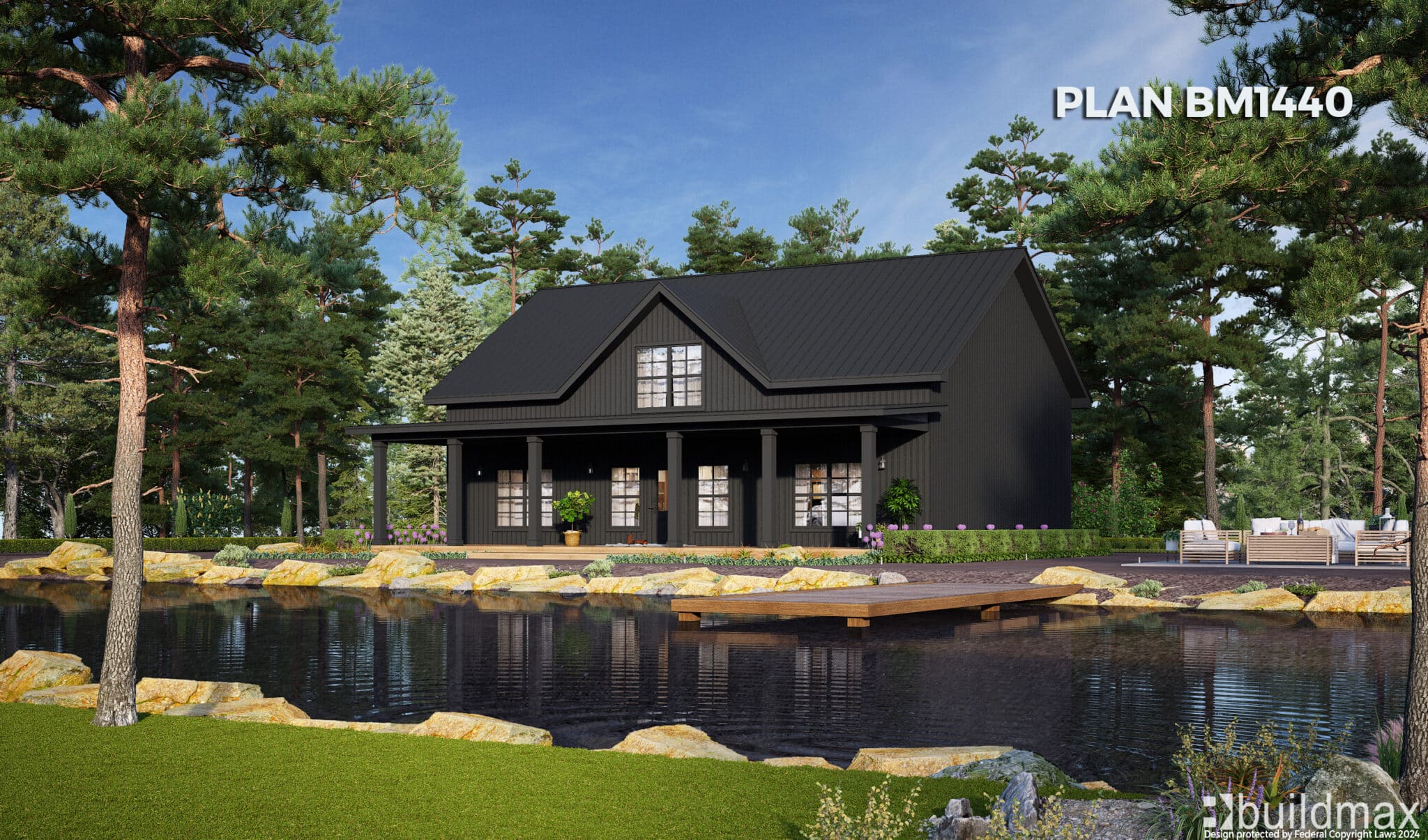
black barndominium by a lake

Understanding Barndominiums

Barndominiums, or “barndos,” are a hybrid building style that combines the rustic charm of a barn with the modern amenities of a home. These structures typically feature open floor plans, high ceilings, and a combination of living and storage or workshop spaces. The primary materials used in barndominiums are metal and steel, contributing to their durability and low maintenance.

Adapting Floor Plans for Barndominiums

While it is possible to adapt many traditional floor plans for a barndominium, several factors must be considered to ensure the design is functional and aesthetically pleasing. Here are some key aspects to consider:

white barndominium with cupolas and large barn doors

1. Structural Requirements

**Steel Framing**: Barndominiums often use steel framing, which allows for larger open spaces without the need for load-bearing walls. Traditional floor plans with numerous small rooms and walls may need to be reconfigured to take advantage of this feature.

**Foundation Design**: The foundation requirements for a barndominium can differ from traditional homes. A slab-on-grade foundation is common, but other types, such as pier and beam, may be used depending on the site conditions and design preferences.

2. Open Floor Plans

One of the hallmarks of a barndominium is the open floor plan, which creates a spacious and airy living environment. Traditional floor plans that emphasize compartmentalized spaces may need to be modified to create a more open layout that suits a barndominium’s aesthetic.

3. Ceiling Heights and Loft Spaces

Barndominiums often feature high ceilings and loft spaces, adding to their unique character and providing additional living or storage areas. Adapting a traditional floor plan may involve incorporating these elements to maintain the barndominium’s distinctive style.

black barndominium shophouse with wraparound porch

4. Mixed-Use Spaces

Many barndominiums combine living spaces with functional areas such as workshops, garages, or storage for farm equipment. Traditional floor plans may need to be adjusted to integrate these mixed-use spaces seamlessly.

Working with Professional Barndominium Plan Companies

Given the unique requirements of barndominium construction, working with professional barndominium plan companies is highly recommended. These companies specialize in designing floor plans that cater to the specific needs and preferences of barndominium owners. One such company is BuildMax.

Benefits of Working with BuildMax

**Expertise in Barndominium Design**: BuildMax has extensive experience designing barndominiums, ensuring that the floor plans they offer are both functional and aesthetically pleasing. Their designs take into account the structural requirements and unique characteristics of barndominiums.

**Customization Options**: BuildMax offers a variety of customizable floor plans that can be tailored to your specific needs. Whether you want an open floor plan with high ceilings or a mixed-use space that combines living and working areas, BuildMax can create a design that suits your lifestyle.

**Quality Assurance**: By working with BuildMax, you can be confident that your floor plan will meet all necessary building codes and structural requirements. Their expertise ensures that your barndominium is not only beautiful but also safe and durable.

**Comprehensive Support**: BuildMax provides comprehensive support throughout the design and construction process. From initial consultations to final build, their team of experts is available to guide you every step of the way.

Conclusion

While many traditional floor plans can be adapted to create a barndominium, it is crucial to consider the unique structural and design elements that define these hybrid homes. Open floor plans, high ceilings, and mixed-use spaces are just a few of the features that set barndominiums apart from traditional houses.

Working with professional barndominium plan companies like BuildMax ensures that your design meets all the necessary requirements and captures the distinctive charm of a barndominium. With their expertise and customizable floor plans, BuildMax can help you create a barndominium that perfectly suits your needs and lifestyle. So, whether you are looking to adapt a traditional floor plan or start from scratch, a barndominium can be tailored to fit your vision of the perfect home.

Does a Barndominium Need a Footer?

BM3151-G-B BARNDOMINIUM PLAN

Does a Barndominium Need a Footer?

When constructing a barndominium, one of the most critical aspects to consider is the foundation. A common question that arises is whether a barndominium needs a footer. In this article, we will explore the importance of footers, their role in foundation stability, and additional valuable information regarding barndominium foundations.

What Is a Footer?

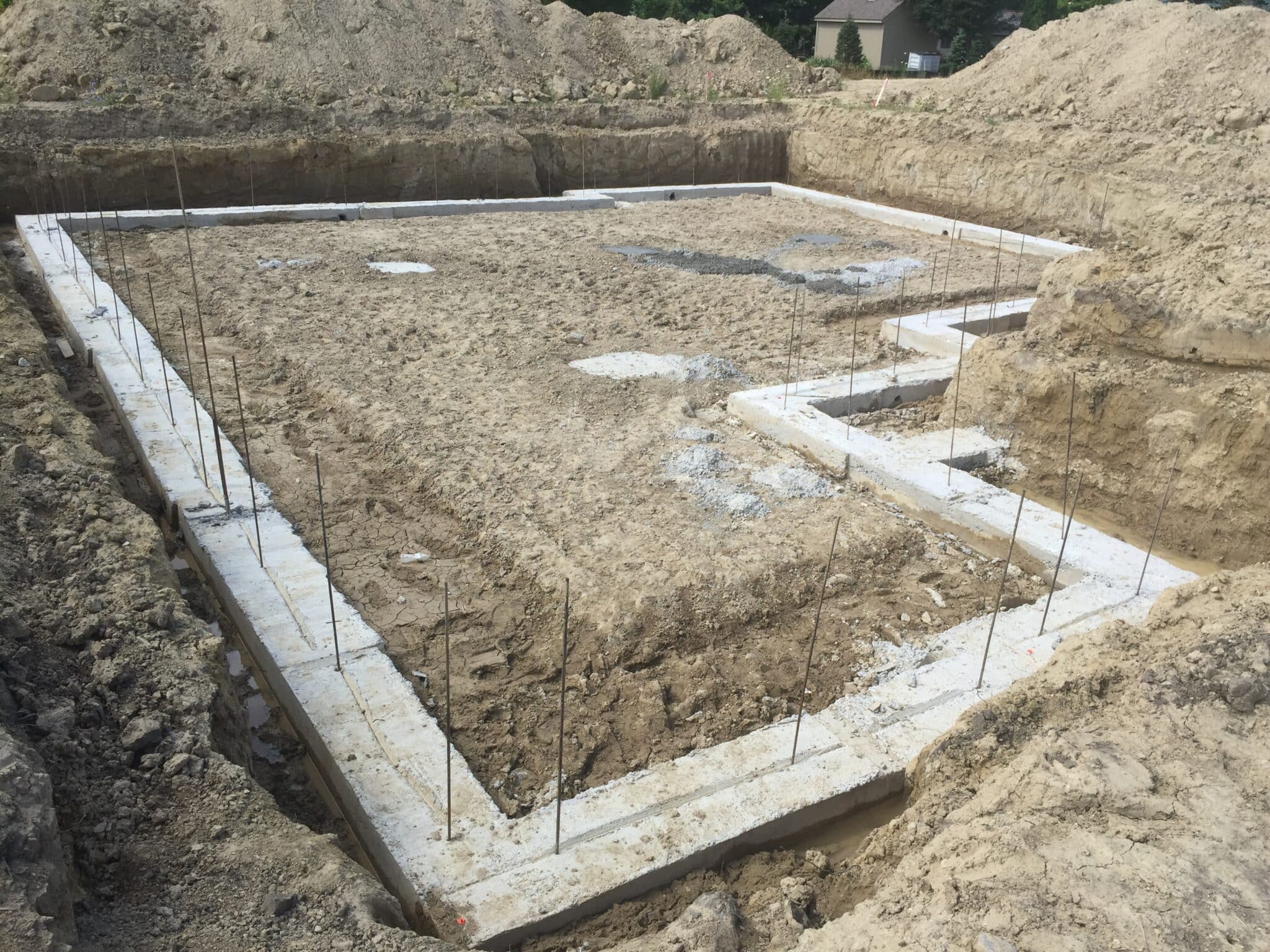
A footer (or footing) is a structural component of a foundation that spreads the load of the building across a larger area of soil, ensuring stability and preventing settling or shifting. Footers are typically constructed from concrete and are placed beneath the foundation walls or columns.

white barndominium with wraparound porch

Do Barndominiums Need a Footer?

The necessity of a footer for a barndominium largely depends on several factors:

1. **Soil Conditions**: The type of soil on your property plays a crucial role in determining the need for footers. For example, sandy or loose soils require more substantial support than dense, clay-based soils. A soil test is essential to assess the bearing capacity and stability of the soil.

2. **Building Design and Load**: The size, weight, and design of the barndominium influence whether footers are necessary. Larger, heavier structures require more robust foundations, including footers, to distribute the load evenly and prevent settling.

3. **Local Building Codes**: Building codes and regulations vary by location and may dictate the requirements for footers and foundations. It’s essential to consult local building authorities to ensure compliance with all regulations.

Types of Foundations for Barndominiums

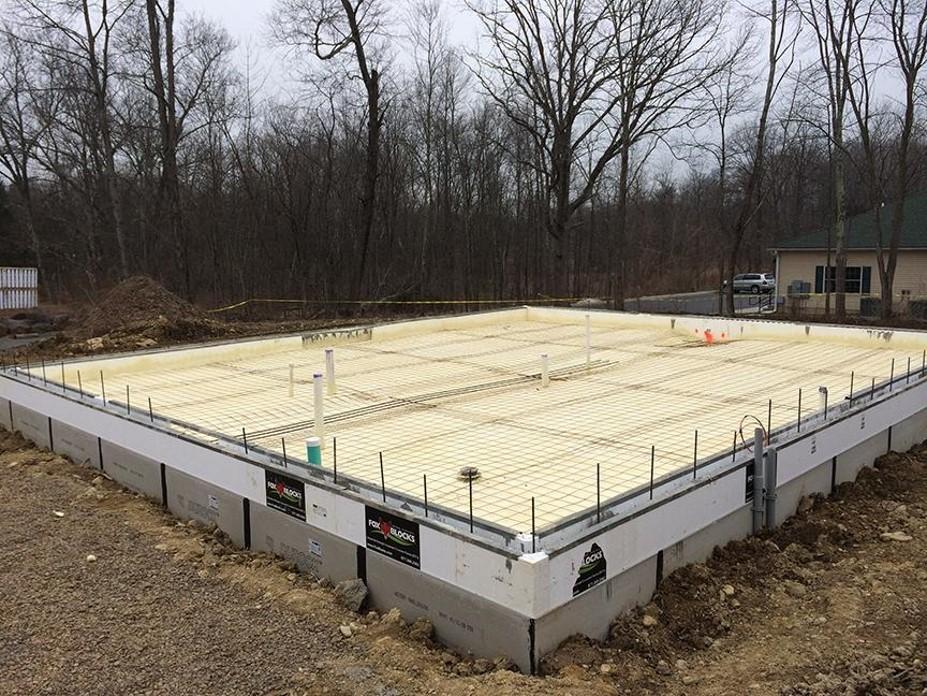
1. Slab-on-Grade Foundation

A slab-on-grade foundation is a popular choice for barndominiums, particularly in regions with stable soil conditions. This type of foundation involves pouring a concrete slab directly on the ground, which serves as both the foundation and the floor of the building. Footers are often integrated into the edges of the slab to provide additional support.

**Advantages**:
– Cost-effective and quick to construct.
– Provides a durable and stable base.
– Suitable for areas with mild climates.

**Considerations**:
– Proper drainage and moisture barriers are essential to prevent water infiltration.
– May not be suitable for areas prone to frost heave or significant ground movement.

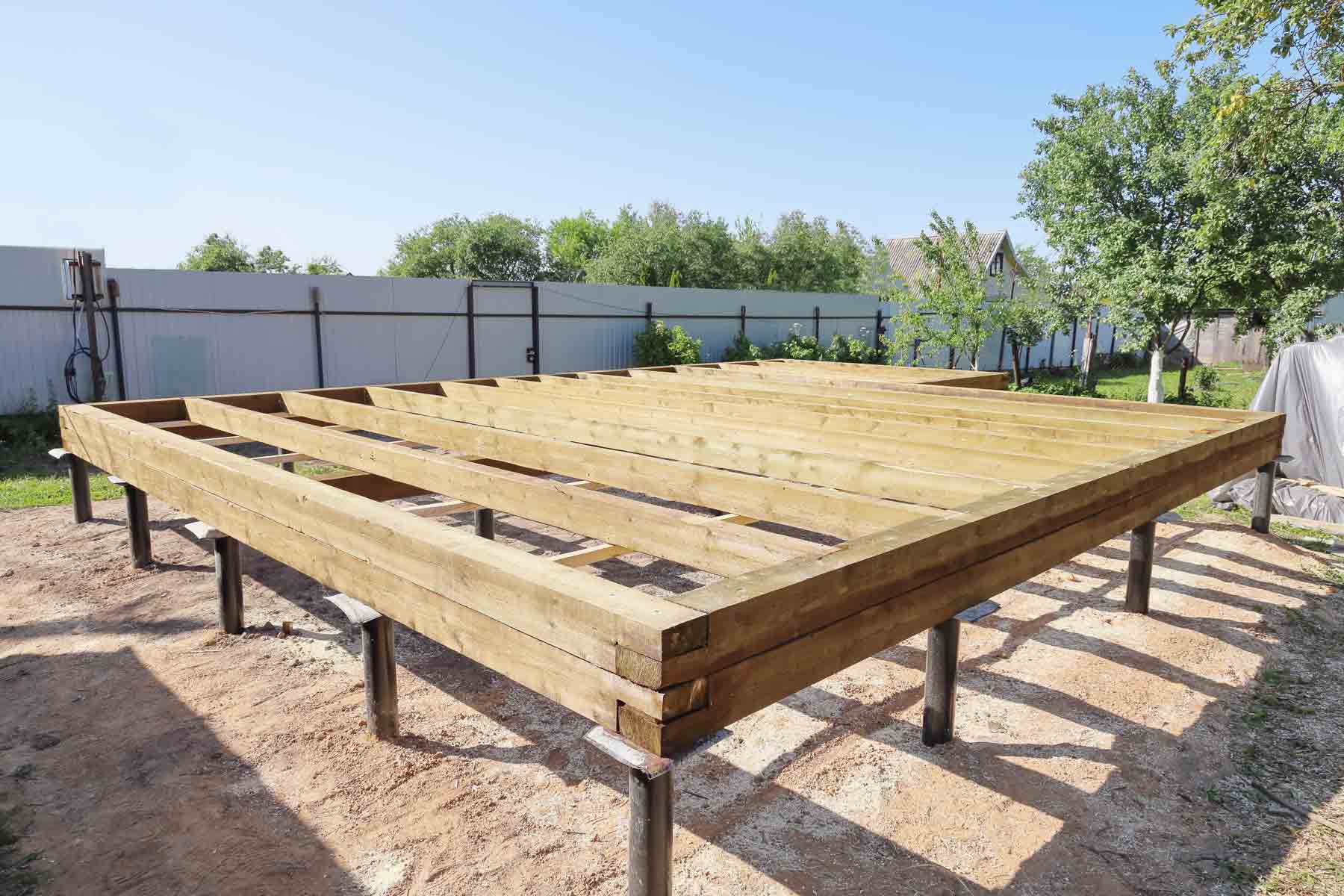
2. Pier and Beam Foundation

A pier and beam foundation consists of concrete piers or footings placed deep into the ground, with beams supporting the structure above. This type of foundation elevates the barndominium, creating a crawl space beneath.

**Advantages**:
– Suitable for uneven or sloping terrain.
– Easier access to plumbing and utilities beneath the structure.
– Reduces the risk of moisture problems.

**Considerations**:
– Requires more labor and materials than a slab-on-grade foundation.
– Proper insulation and ventilation of the crawl space are essential to prevent moisture buildup and pests.

xr:d:DAFy63cZZms:4,j:726613272300865621,t:23110111

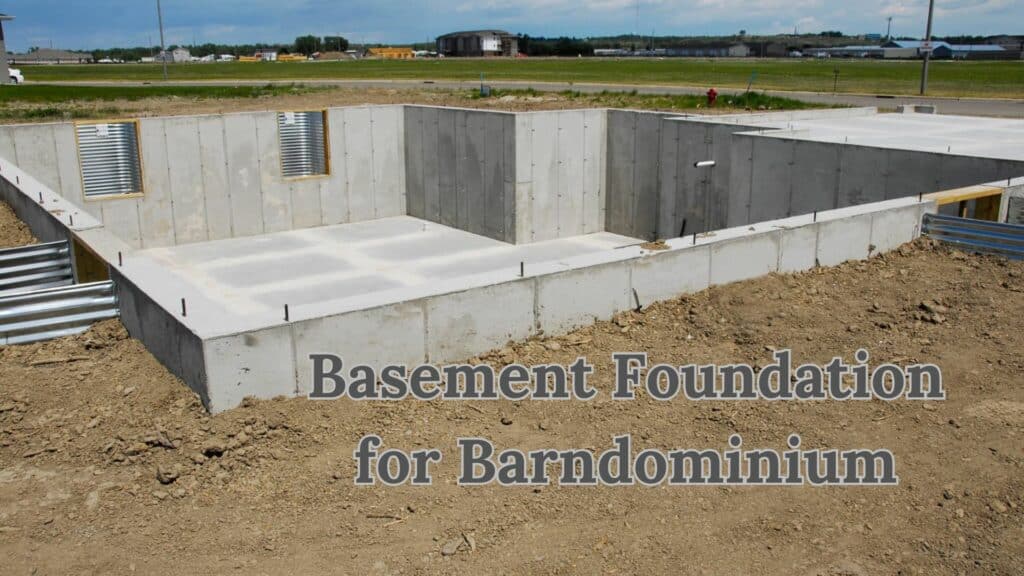
3. Basement Foundation

A basement foundation involves excavating below ground level to create a basement space, which serves as the foundation for the barndominium. Concrete footers are placed beneath the basement walls to provide additional support.

**Advantages**:
– Provides additional living or storage space.
– Offers excellent protection against extreme weather.
– Can increase the overall value of the property.

**Considerations**:
– Higher construction costs due to excavation and additional materials.
– Requires proper waterproofing and drainage systems to prevent water infiltration.

Importance of Proper Footers

Footers play a vital role in the overall stability and longevity of a barndominium’s foundation. Here are some key reasons why proper footers are essential:

1. **Load Distribution**: Footers distribute the weight of the structure evenly across the soil, preventing uneven settling and potential structural damage.

2. **Soil Stabilization**: Footers help stabilize the soil beneath the foundation, reducing the risk of shifting or settling over time.

3. **Frost Protection**: In regions with cold climates, footers placed below the frost line prevent frost heave, which can damage the foundation.

4. **Water Management**: Properly designed footers can help manage water drainage, preventing water accumulation around the foundation and reducing the risk of water infiltration.

Additional Tips for Barndominium Foundations

1. **Conduct a Soil Test**: Before starting construction, perform a soil test to assess the soil’s bearing capacity and stability. This information will guide the design and construction of the foundation.

2. **Consult with Professionals**: Work with experienced architects, engineers, and contractors who understand local building codes and soil conditions. Their expertise will ensure that your foundation is designed and constructed correctly.

3. **Ensure Proper Drainage**: Implement effective drainage systems around the foundation to prevent water accumulation and potential damage. This includes grading the soil away from the foundation and installing gutters and downspouts.

4. **Use Quality Materials**: Invest in high-quality materials for the foundation and footers to ensure durability and long-term stability.

Conclusion

The foundation is a critical component of any barndominium, and the inclusion of footers is essential for ensuring stability, load distribution, and longevity. Whether you choose a slab-on-grade, pier and beam, or basement foundation, proper design and construction of footers will provide a solid base for your barndominium. By understanding the importance of footers and working with experienced professionals, you can create a safe and durable foundation for your dream home.

Is It Cheaper to Build a Traditional House or Barndominium?

black barndominium with wraparound porch set in dusk

Is It Cheaper to Build a Traditional House or Barndominium?

When considering building a new home, one of the primary concerns for potential homeowners is cost. The choice between building a traditional house and a barndominium can significantly impact your budget, both initially and in the long run. This article will explore the cost factors associated with both options, emphasizing why steel frame barndominiums, despite potentially higher upfront costs, offer superior long-term value.

Initial Construction Costs

Traditional House

**Materials and Labor**:
– **Wood Framing**: Traditional houses are primarily built using wood framing, which is generally less expensive per square foot compared to steel.
– **Labor Costs**: The labor for traditional wood construction is typically less specialized, which can reduce labor costs. However, the longer build time can increase labor expenses overall.
– **Complexity**: Traditional houses often involve more complex designs and architectural details, which can drive up costs.

**Permits and Fees**:
– Permits and fees for traditional homes can vary widely based on location and complexity of the project.

**Overall Cost**:
– On average, the cost per square foot to build a traditional home ranges from $100 to $200, depending on location, materials, and finishes.

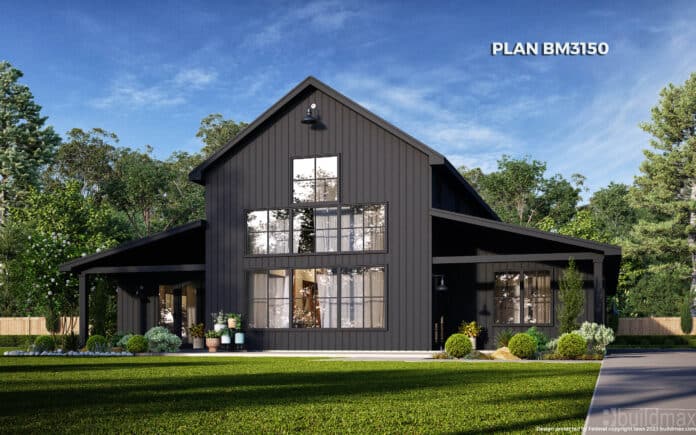
Buildmax BM3150

Barndominium

**Materials and Labor**:
– **Steel Framing**: Steel frame barndominiums typically have higher material costs than wood. However, the durability and strength of steel can justify the initial expense.
– **Labor Costs**: The specialized labor required for steel construction can be higher, but the efficiency of prefabricated steel kits can reduce overall labor time and costs.
– **Simplicity**: Barndominiums usually feature simpler designs and open floor plans, which can help reduce construction costs.

**Permits and Fees**:
– Permits and fees for barndominiums may be comparable to traditional homes, but some areas may have additional regulations specific to steel structures.

**Overall Cost**:
– The cost per square foot to build a barndominium Is It Cheaper to Build a Traditional House or Barndominium? typically ranges from $90 to $150, depending on design and location.

Long-Term Value and Cost Efficiency

Traditional House

**Maintenance and Repairs**:
– **Wood Degradation**: Wood is susceptible to pests like termites, as well as rot and mold. This can lead to higher maintenance and repair costs over time.
– **Frequent Repairs**: Traditional homes may require more frequent repairs, particularly for roofing, siding, and structural components.

**Energy Efficiency**:
– **Insulation**: While traditional homes can be well-insulated, they often require additional measures to achieve high energy efficiency.
– **HVAC Systems**: Older or improperly installed HVAC systems can lead to higher energy bills.

Barndominium

**Maintenance and Repairs**:
– **Durability**: Steel is resistant to pests, rot, and fire, significantly reducing maintenance costs.
– **Longevity**: The long lifespan of steel means fewer repairs and replacements over time.

**Energy Efficiency**:
– **Insulation**: Barndominiums can be highly energy-efficient with proper insulation, reducing heating and cooling costs.
– **Sustainable Options**: The use of steel, a recyclable material, and modern insulation techniques can contribute to a more sustainable and cost-effective home.

white barndominium

Resale Value and Marketability

Traditional House

**Market Perception**:
– Traditional homes are well-understood and widely accepted, which can make them easier to sell.
– However, the market value can be significantly affected by the condition of the wood structure and any necessary repairs.

**Depreciation**:
– Traditional homes may depreciate faster due to ongoing maintenance issues and the natural aging of wood materials.

Barndominium

**Market Perception**:
Barndominiums are gaining popularity for their unique design and modern features, attracting a niche market.
– Their distinctive style and robust construction can be appealing to buyers looking for durability and open spaces.

**Appreciation**:
– Due to their durability and low maintenance costs, steel frame barndominiums can appreciate in value, especially as more people become aware of their benefits.

Conclusion: Long-Term Value of Steel Frame Barndominiums


black barndominium shophouse

While the initial cost of building a steel frame barndominium may be higher compared to a traditional wood-framed house, the long-term benefits can far outweigh the initial investment. Here’s why:

– **Durability**: Steel frames provide superior strength and longevity, reducing long-term maintenance and repair costs.
– **Energy Efficiency**: Modern insulation and energy-efficient designs can lead to lower utility bills and a smaller carbon footprint.
– **Sustainability**: Steel is a recyclable material, making barndominiums an environmentally friendly choice.
– **Resale Value**: The growing popularity and marketability of barndominiums can result in higher resale values.

white barndominium with cupolas

For those considering building a new home, it’s essential to look beyond the initial costs and consider the long-term value. Steel frame barndominiums offer a durable, cost-effective, and sustainable housing option that can provide significant savings and value over time. For a detailed and professional start to your barndominium journey, companies like BuildMax can offer invaluable guidance and high-quality kits to help you build the home of your dreams.