


Home Blog Page 17

Should My Front Porch Have a Railing?

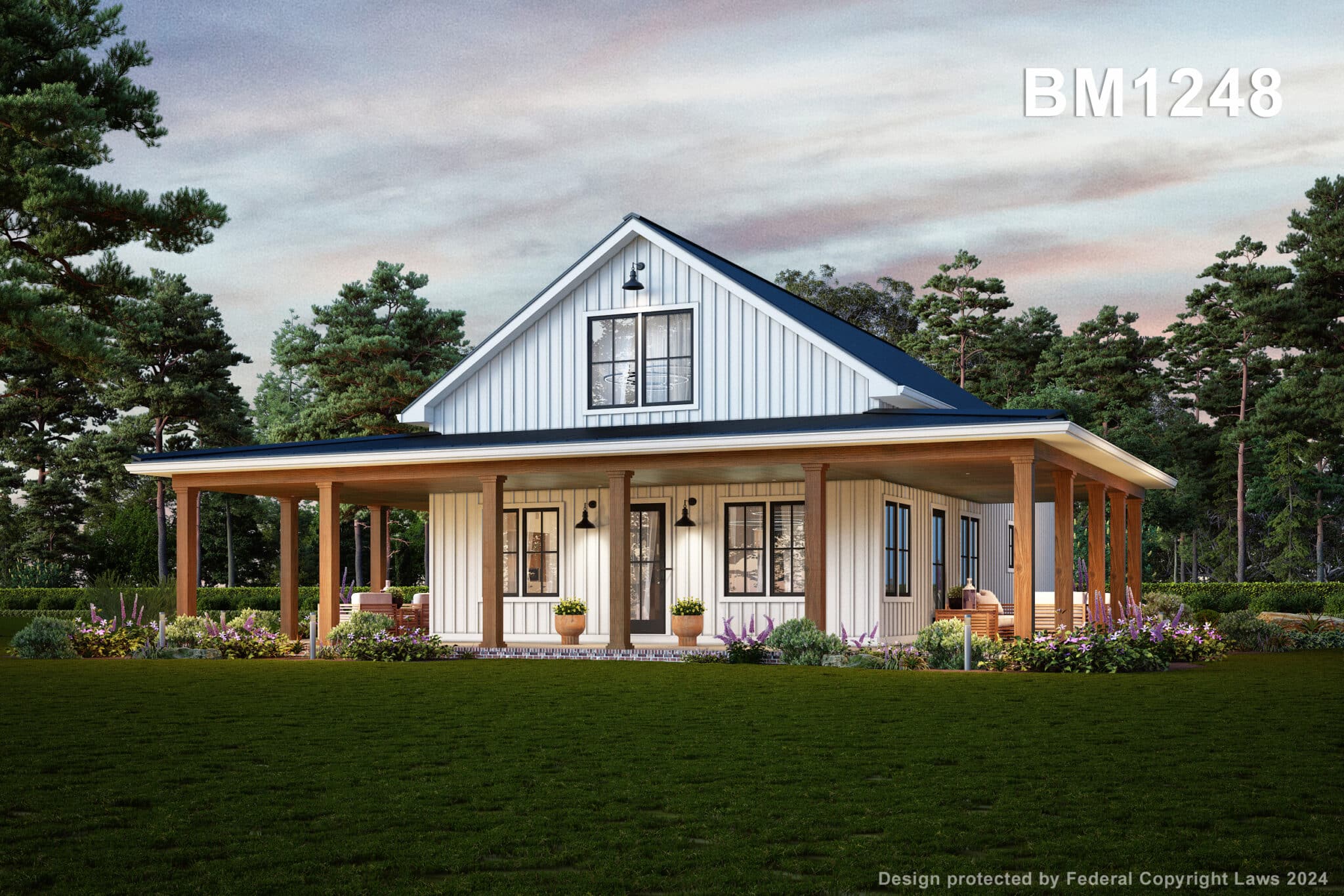
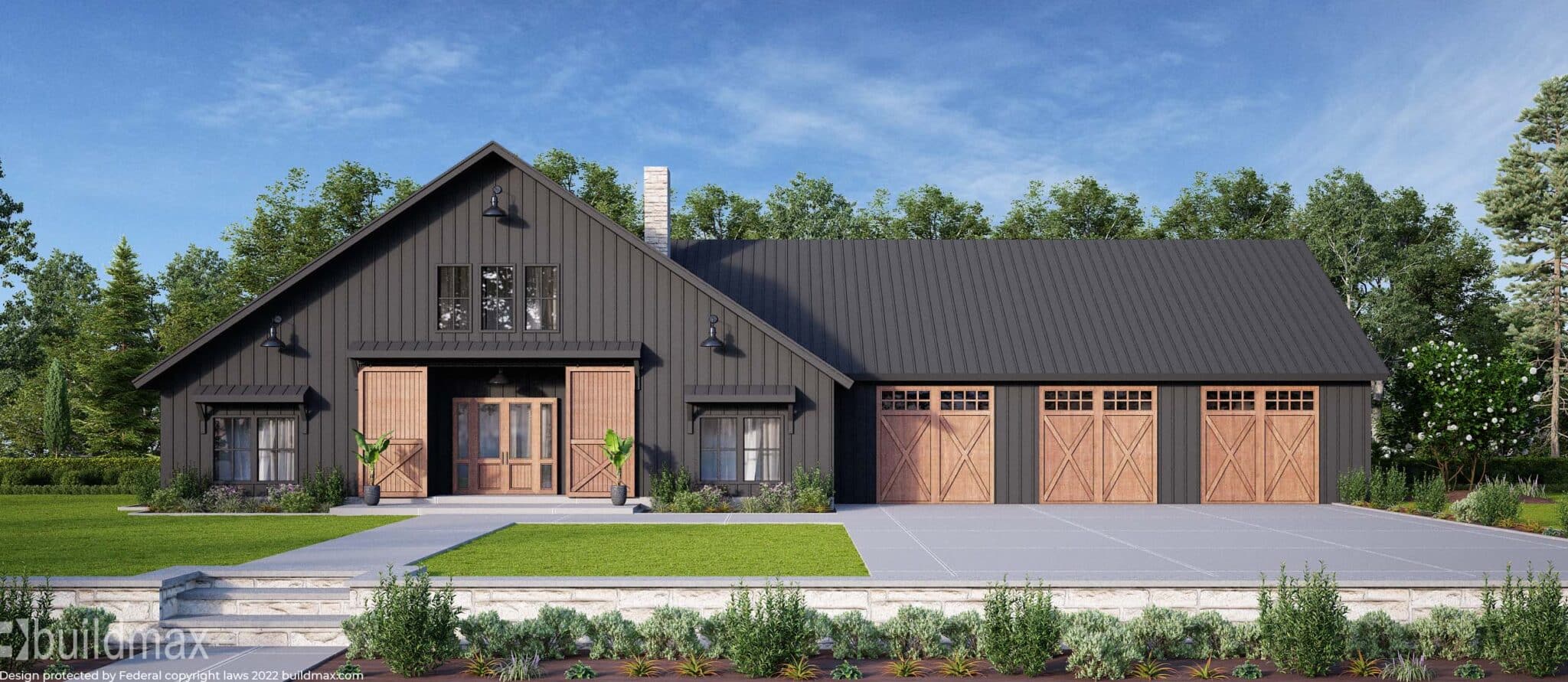
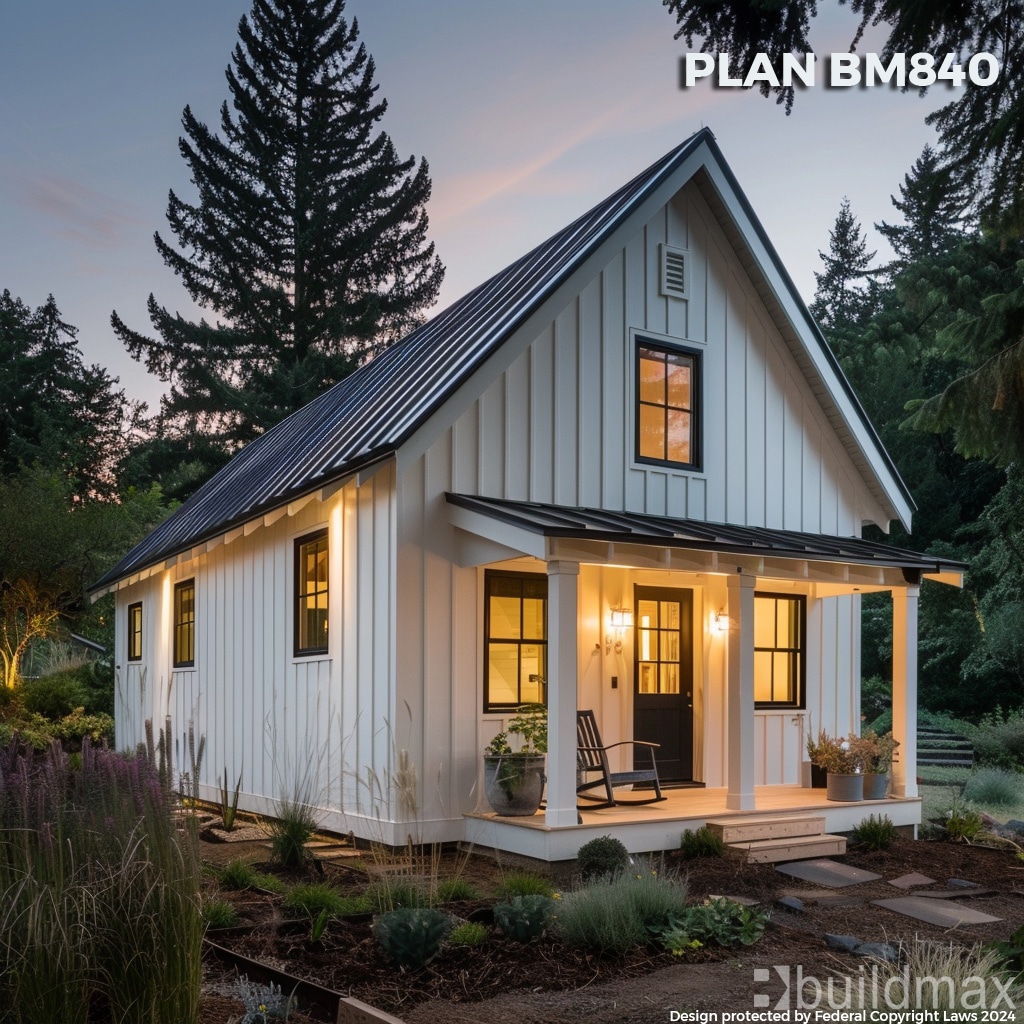
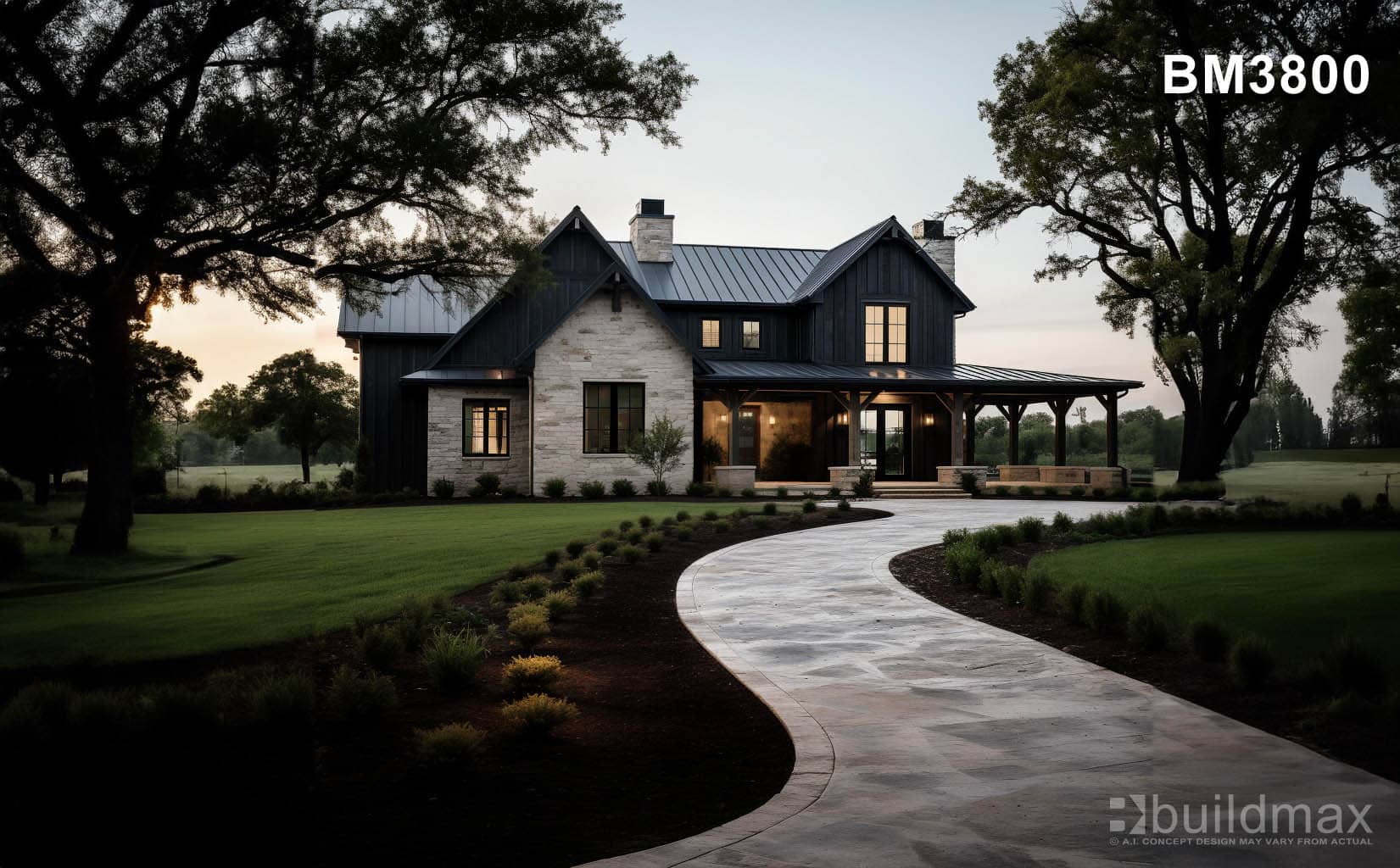
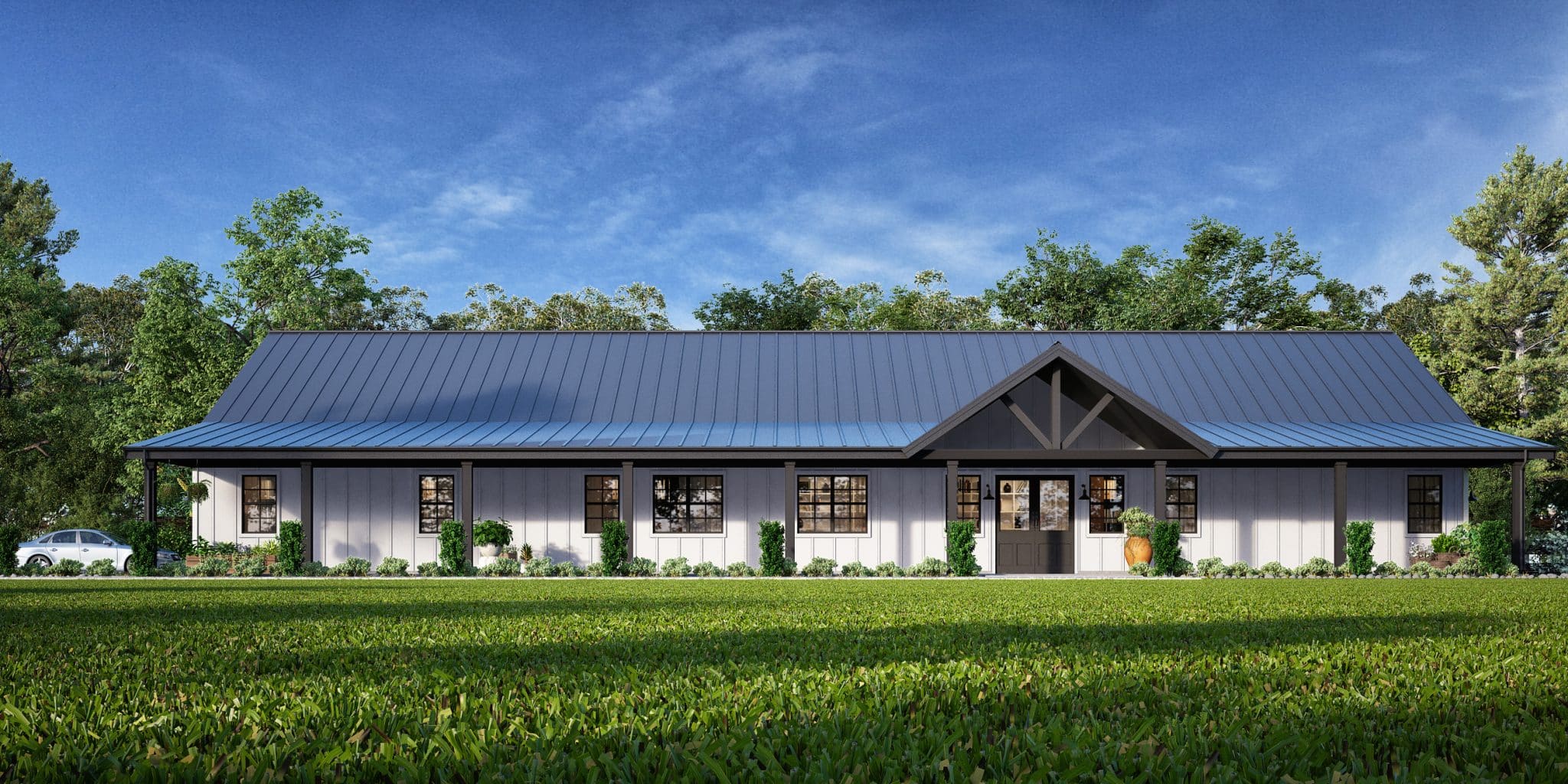
black barndo plan

Should a Front Porch Have a Railing?

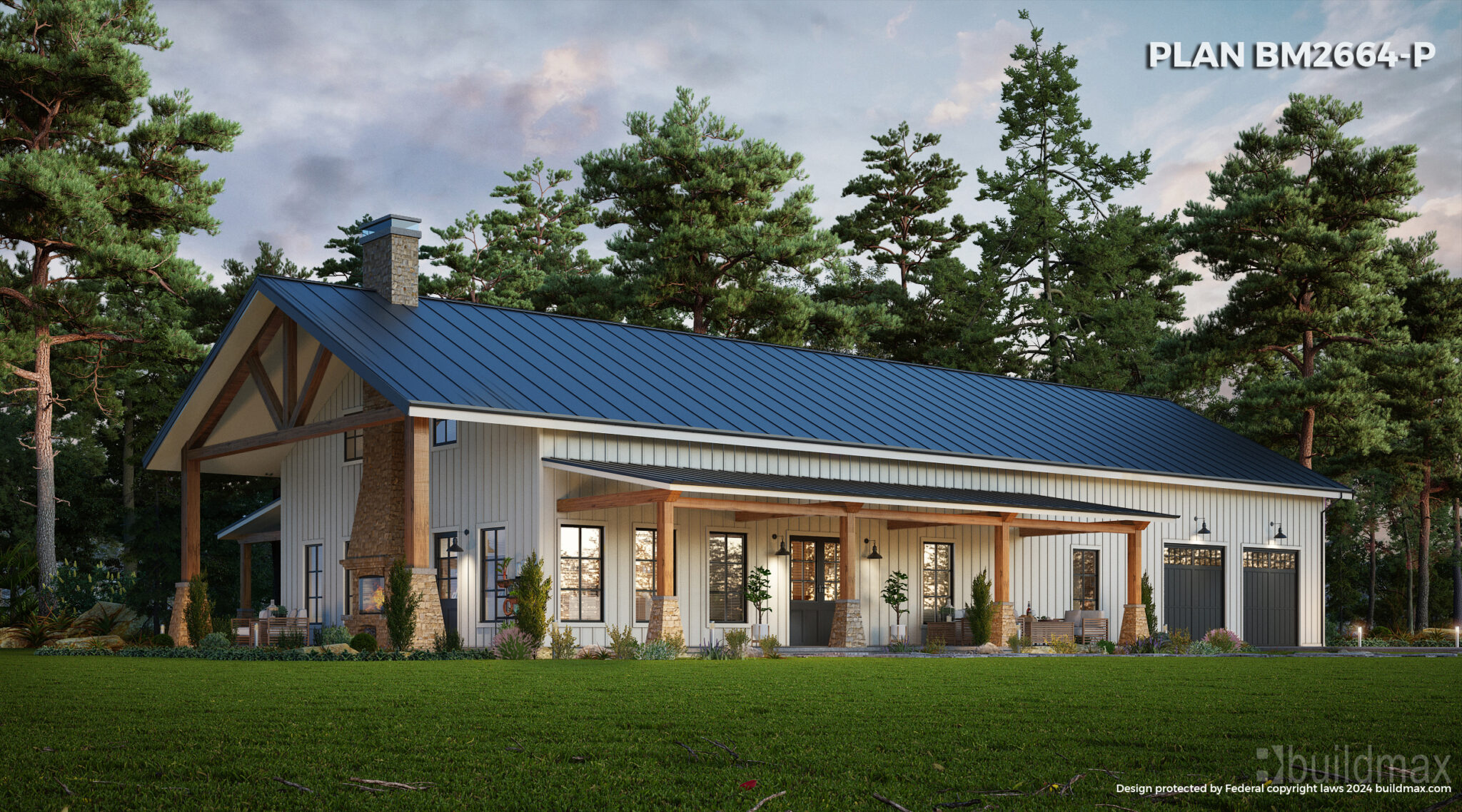
When designing or remodeling a home, the front porch is often a focal point, providing both aesthetic appeal and functional space for relaxation and socializing. One of the key considerations in porch design is whether or not to include a railing. This decision can be influenced by several factors, including safety, local building codes, architectural style, and personal preference. In the context of barndominiums, which are known for their unique and customizable designs, the ability to add or remove railings is a significant advantage. Companies like Buildmax offer fully customizable barndominium plans, making them a popular choice for homeowners who want a tailored approach to their porch design.
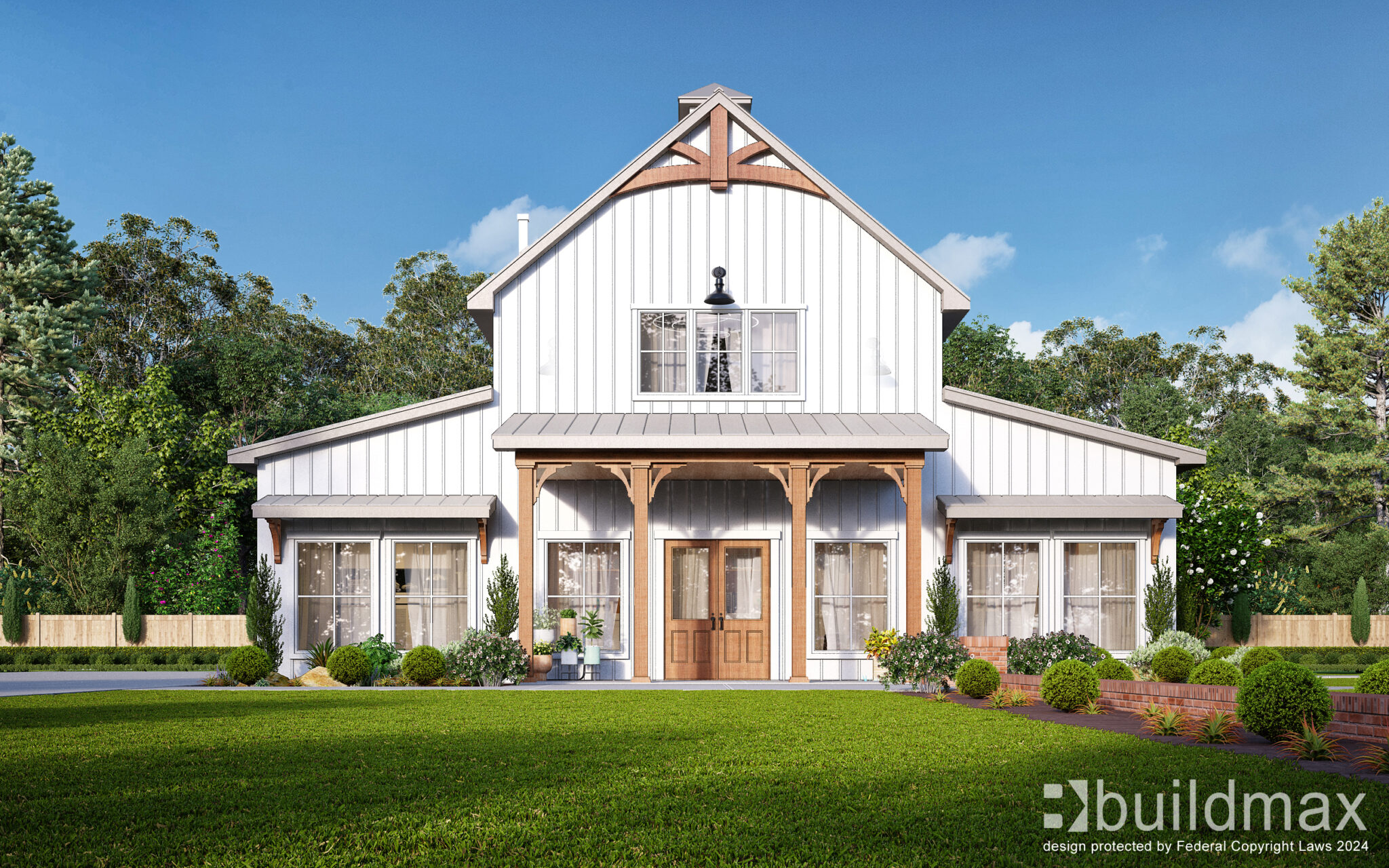
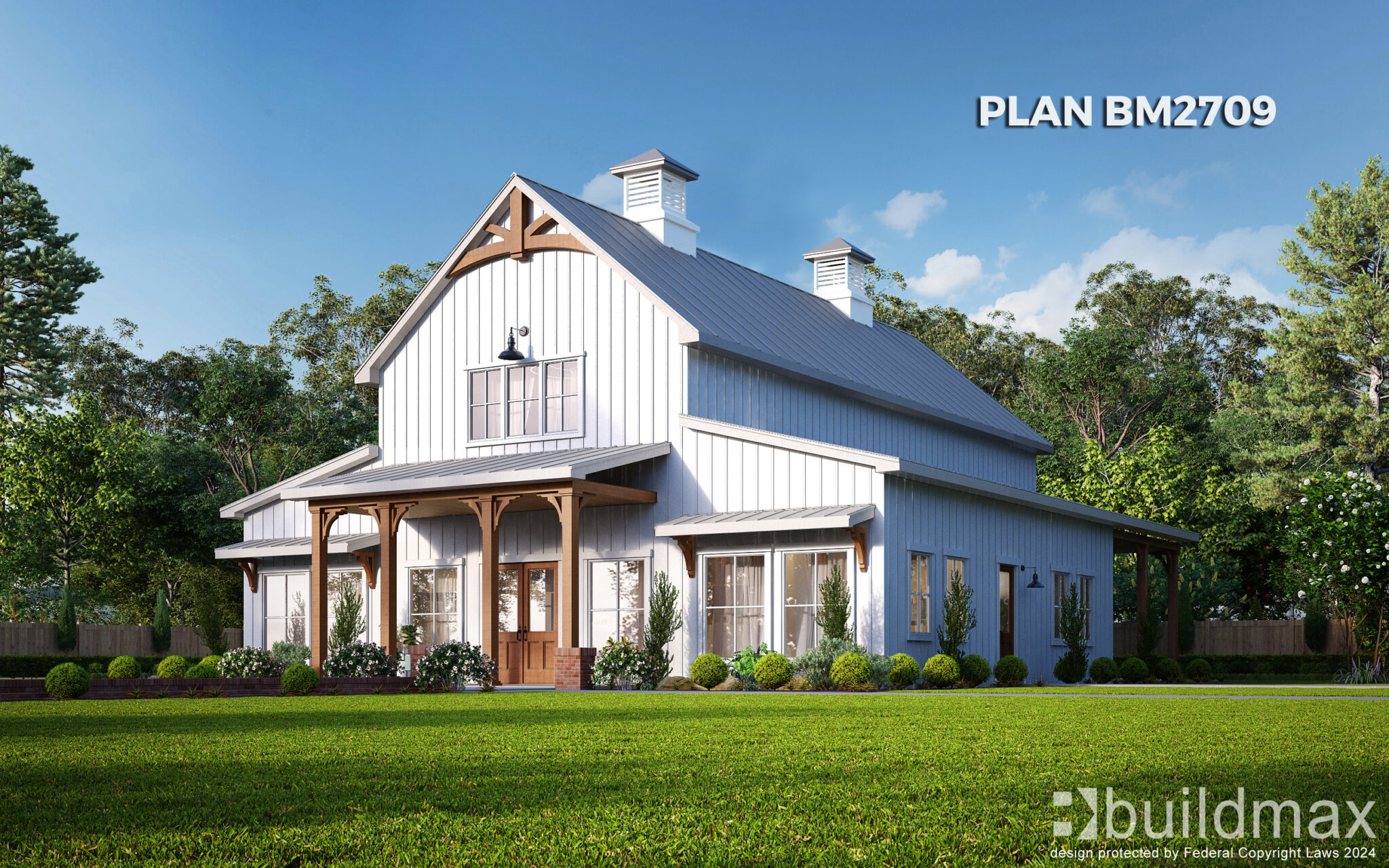
white barndominium with cupolas

Reasons to Consider Adding a Railing

1. **Safety**

**Preventing Accidents:**
– Railings can enhance safety, especially on porches that are elevated from the ground. They provide a barrier that can prevent falls, which is particularly important for households with children, elderly individuals, or pets.
– Railings also offer support for individuals with mobility challenges, making it easier and safer to navigate steps and edges.

2. **Compliance with Building Codes**

**Meeting Legal Requirements:**
– Local building codes often dictate the necessity of railings based on the height of the porch from the ground. In many jurisdictions, if a porch is more than 30 inches above ground level, railings are mandatory for safety compliance.
– Ensuring that your porch meets these codes is crucial not only for safety but also for passing inspections and maintaining property value.
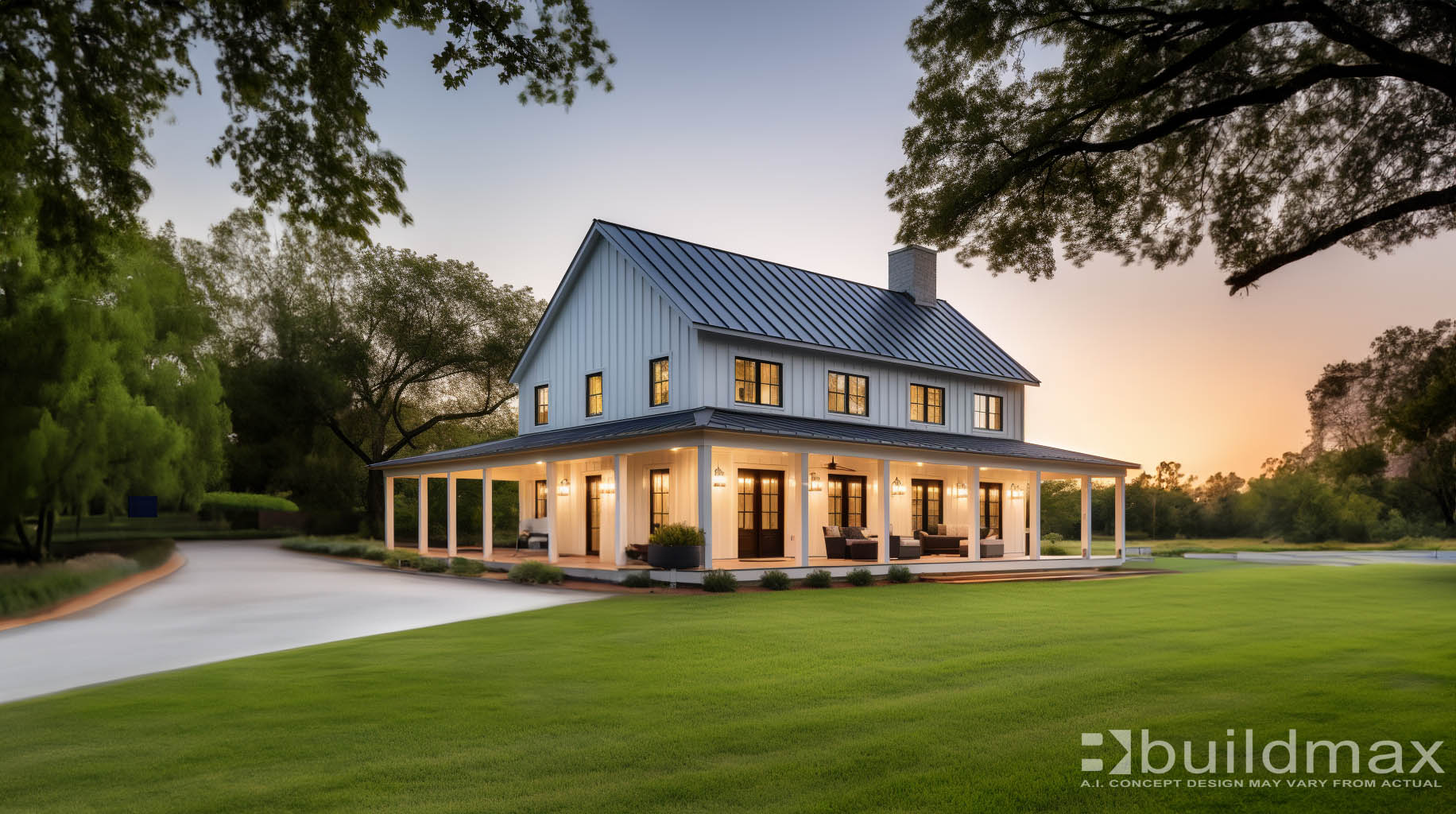
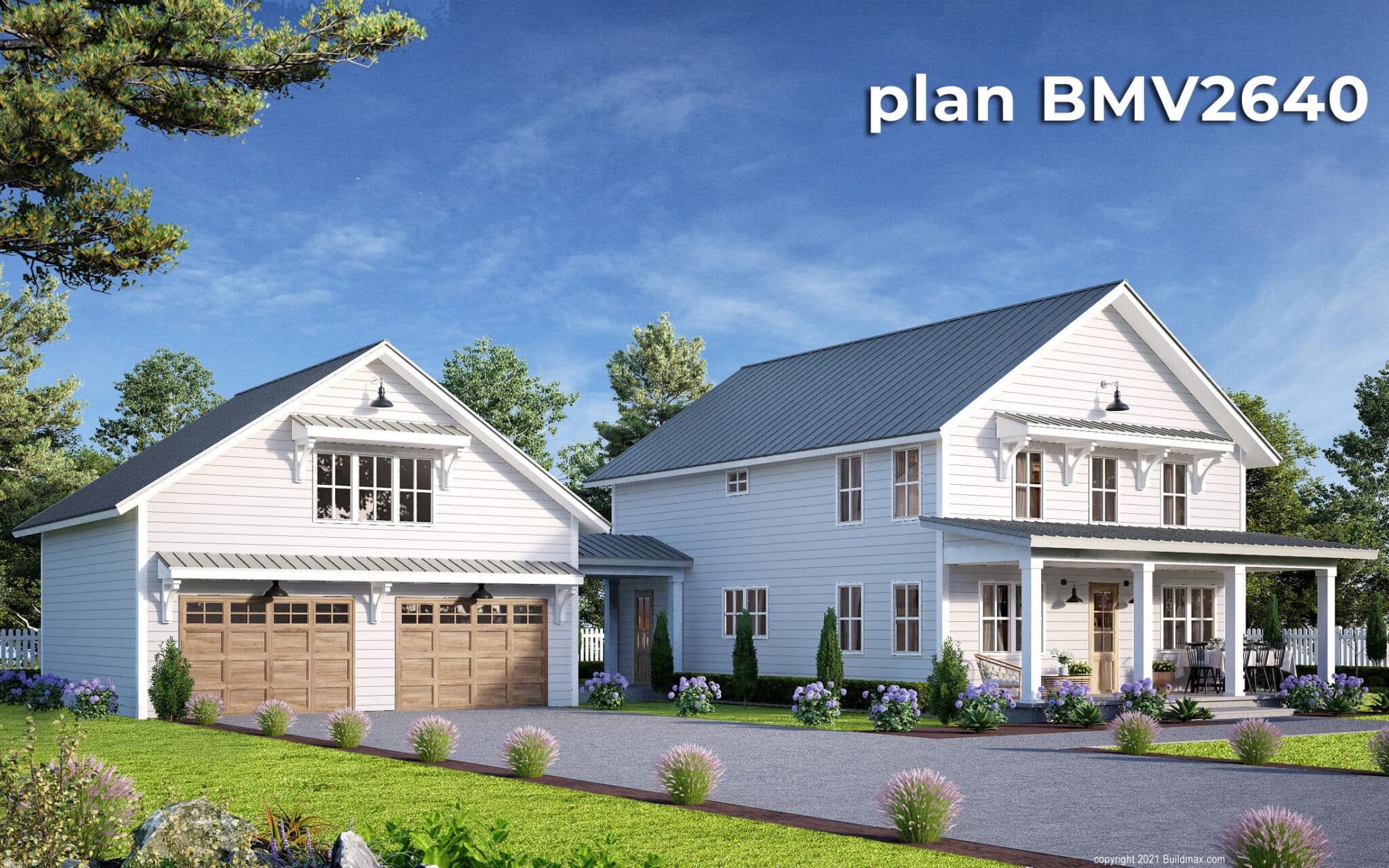
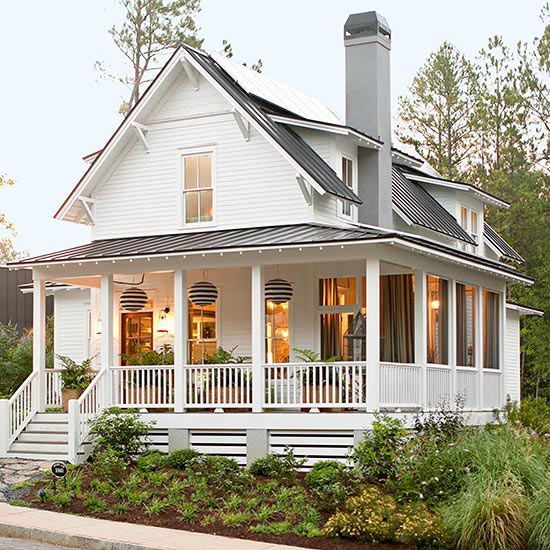
white farmhouse style barndominium

3. **Aesthetic Appeal**

**Enhancing Design:**
Railings can add an architectural element that complements the style of your home. Whether you prefer a traditional look with wrought iron or wood, or a modern aesthetic with sleek metal or glass, railings can enhance the visual appeal of your porch.
– The design and materials chosen for railings can contribute to the overall curb appeal and character of your home.

4. **Defining Space**

**Creating Boundaries:**
– Railings can help define the porch space, creating a sense of enclosure and coziness. This can make the porch feel like an extension of the indoor living area, providing a more intimate setting for relaxation and entertaining.
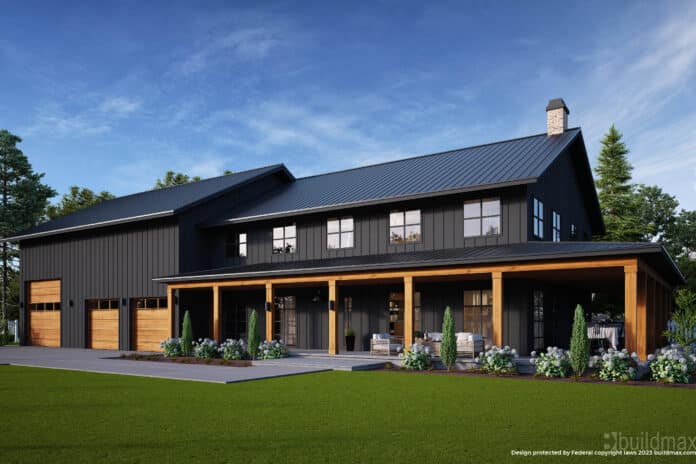
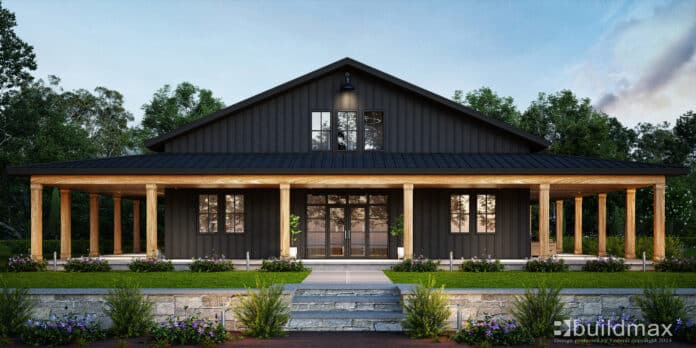
black barndominium shophouse with wraparound porch

Reasons to Consider Omission of a Railing

1. **Open and Spacious Feel**

**Maximizing Views:**
– Omitting railings can create an open and unobstructed view, enhancing the feeling of space and connection with the surrounding environment. This is particularly beneficial for porches with scenic views or in open landscapes where the horizon is a focal point.
– An open design can also facilitate easier movement and flow between the porch and outdoor spaces, such as gardens or patios.

2. **Architectural Style**

**Maintaining Design Integrity:**
– Some architectural styles, such as minimalist or contemporary designs, may favor a cleaner look without railings. The absence of railings can emphasize simplicity and modernity, aligning with the desired aesthetic of the home.
Traditional farmhouse or rustic designs may also incorporate wide, open porches that encourage easy access and fluid movement.
3. **Flexibility and Customization**

**Personal Preferences:**
– The choice to forgo railings can be a matter of personal taste and lifestyle needs. Homeowners who prioritize a particular style or who have specific functional requirements may choose an open porch to meet their unique needs.
Customizing Barndominium Plans with Buildmax

1. **Fully Customizable Designs**

**Tailored to Your Needs:**
– Buildmax offers fully customizable barndominium plans, allowing homeowners to design their porches with or without railings according to their preferences and needs. This flexibility ensures that the final design aligns perfectly with the homeowner’s vision and lifestyle.
– Customization options include the choice of materials, styles, and dimensions, ensuring that every aspect of the porch meets the homeowner’s specifications.

2. **Adapting to Local Codes**

**Ensuring Compliance:**
– Customizable plans from Buildmax make it easier to comply with local building codes. If railings are required due to height or other regulations, the plans can be adapted to include compliant railing designs.
– This adaptability helps streamline the permitting process and ensures that the final build is both beautiful and legally compliant.
3. **Enhancing Personal Style**

**Reflecting Individual Taste:**
– The ability to add or remove railings allows homeowners to tailor the design to reflect their personal style. Whether aiming for a traditional look with ornate railings or a modern feel with an open porch, the customization options from Buildmax make it possible.
– Homeowners can experiment with different design elements to create a porch that is both functional and visually appealing.

4. **Increasing Popularity**

**Meeting Diverse Needs:**
– The popularity of Buildmax’s customizable barndominium plans stems from their ability to cater to a wide range of tastes and requirements. By offering flexibility in design, Buildmax allows homeowners to create spaces that truly feel like home.
– This level of customization has made Buildmax a popular choice for those looking to build a barndominium that stands out and meets all their needs.

Conclusion
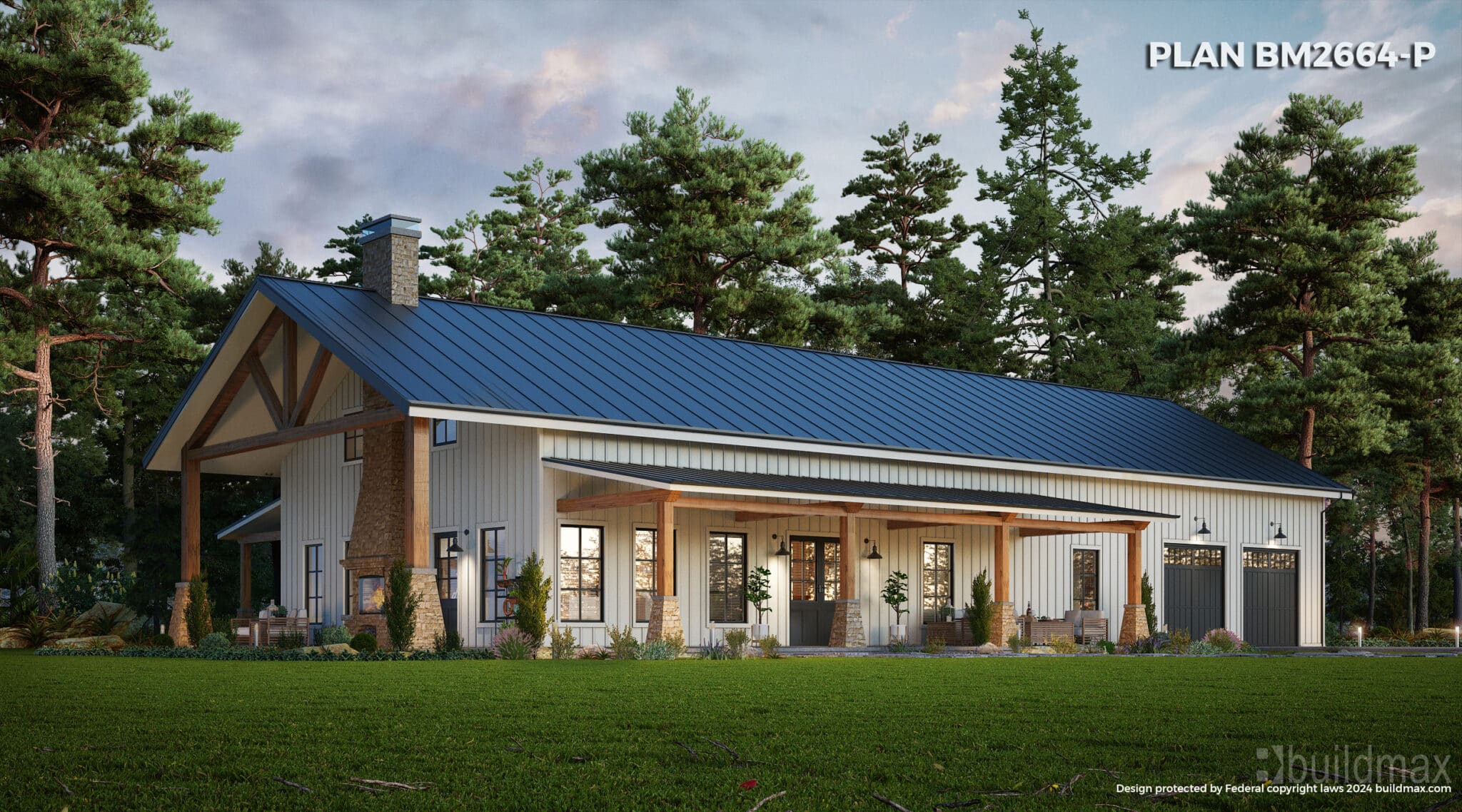
Whether or not to include a railing on a front porch is a decision influenced by safety, aesthetics, and personal preference. For barndominium owners, the ability to customize these features is a significant advantage. Companies like Buildmax offer flexible, customizable plans that allow homeowners to design the perfect porch, whether they prefer the added safety and definition of railings or the open, spacious feel of a railing-free design. By considering the factors outlined above, homeowners can make an informed decision that enhances both the functionality and beauty of their home.
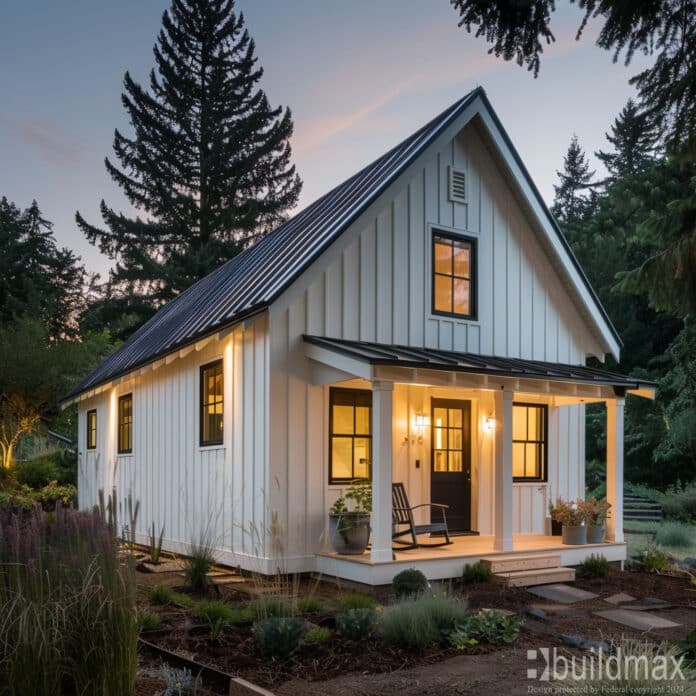
What Foundation is Best for a Barndominium?

black barndominium

What Foundation Is Best for a Barndominium?

If you are asking what foundation is best for a barndominium, the short answer is this: for many barndominiums, a monolithic concrete slab is the most practical and most common foundation choice — but it is not automatically the best foundation for every site, climate, or design.

That is the part weak articles skip.

A lot of content on this topic tries to give one universal answer, but real barndominium foundations do not work that way. A slab is often the default because it is simple, durable, and cost-effective. But if your site has slope, flood risk, frost concerns, or you want underfloor access to utilities, another foundation type may make more sense.

The right foundation is not just about the building. It is about the land, the weather, the structure, and how you plan to use the home.
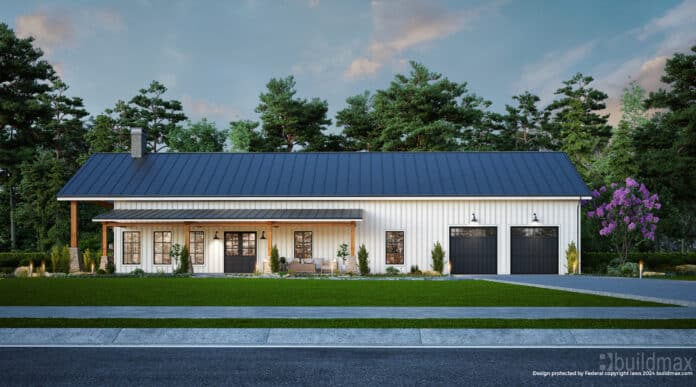
In this guide, we will break down the best foundation options for a barndominium, explain when a monolithic slab is the right choice, and show when crawl space, pier and beam, or even a basement foundation might be the smarter move.

The Short Answer: What Foundation Is Best for a Barndominium?

For most barndominium builds, a monolithic concrete slab foundation is often the best overall choice because it is:

  • structurally simple
  • cost-effective
  • durable
  • easy to engineer
  • well suited to many barndominium designs

That is why slab foundations are so common in the barndominium world.

But “most common” and “best in every situation” are not the same thing. If the lot has major slope, high moisture concerns, flood exposure, frost-depth issues, or a need for underfloor access, another foundation type may be the better fit.

Why Slab Foundations Are So Common for Barndominiums

A slab foundation is popular for one simple reason: it works well with the way many barndominiums are designed and built.

Barndominiums often use clean footprints, open interiors, and practical layouts that do not require a complicated foundation system. A concrete slab creates a strong, stable base that works well for both steel and wood-framed barndominium builds.

For many buyers, a slab foundation is attractive because it offers:

  • a straightforward build process
  • a durable base for the structure
  • fewer moving parts than some other foundation types
  • lower maintenance potential
  • good compatibility with garage and shop space

If you are still in the plan stage, the best next step is to compare your layout first on BuildMax Barndominium House Plans, because the plan and the foundation need to work together.

What Is a Monolithic Slab Foundation?

A monolithic slab is a concrete foundation where the footing and slab are poured together as one continuous piece. In simple terms, it creates one integrated foundation system instead of multiple separate foundation elements.

This is one reason monolithic slabs are often seen as the go-to option for barndominiums. They create a clean, continuous foundation that works well for simple footprints and practical residential builds.

Why a Monolithic Slab Is Often the Best Choice

1. Structural Simplicity

A monolithic slab provides even support across the building footprint. That makes it a strong fit for barndominiums with simple rectangular or otherwise efficient shapes.

2. Cost Efficiency

Because the footing and slab are poured together, labor and construction time can often stay more controlled than with more complicated foundation systems.

3. Durability

Concrete is durable, and a properly designed slab can provide long-lasting support with relatively low maintenance compared with foundation systems that involve more exposed subfloor or crawl-space components.

4. Good Fit for Garage and Shop Use

Barndominiums often include garages, workshops, or utility-heavy spaces. A slab foundation is naturally compatible with those uses because it creates a direct, durable floor surface.

5. Cleaner Pest and Moisture Barrier

Compared with some elevated foundation types, a slab can reduce certain pest and underfloor moisture issues because there is no open crawl area beneath the structure.

When a Slab Foundation May Not Be the Best Option

This is where the article needs to be more honest.

A slab is common, but it is not perfect for every situation.

A slab may not be the best choice when:

  • the lot has significant slope
  • flooding or standing water is a concern
  • you want easier access to plumbing or mechanical systems below the floor
  • the climate has more serious frost-depth issues
  • the design needs elevation above grade

If any of those conditions apply, another foundation type may make more sense.

Other Foundation Types for a Barndominium

Pier and Beam Foundation

A pier and beam foundation elevates the structure above the ground and supports it on piers rather than a continuous slab.

This can be a strong option when:

  • the site has slope
  • you need more flexibility around utilities
  • you want the structure elevated above ground moisture

The tradeoff is that pier and beam systems can be more complex and may require more maintenance over time than a simple slab.

Crawl Space Foundation

A crawl space foundation raises the home slightly above grade and provides access beneath the floor system.

This can help with:

  • utility access
  • elevation above damp ground
  • certain site and climate conditions

But it also introduces more potential for moisture management, pest control, and long-term maintenance issues if it is not detailed correctly.

Basement Foundation

A basement foundation is less common in many barndominium conversations, but it can still be the right move in certain regions and on certain sites.

A basement may make sense when:

  • the region already builds heavily around basements
  • frost-depth conditions make deeper foundations normal
  • you want additional living or storage space below grade

The tradeoff is cost. A basement is usually the most expensive of the common barndominium foundation options.

How Climate Affects the Best Foundation Choice

The best barndominium foundation in one part of the country is not always the best one in another.

Climate affects foundation decisions through:

  • freeze-thaw cycles
  • frost depth
  • flood exposure
  • drainage conditions
  • soil moisture movement

This is why the right answer is never just “always use a slab.” The better answer is: use the foundation that matches the local conditions and the project’s actual needs.

How Soil and Site Conditions Affect the Foundation Choice

The land matters just as much as the building.

You need to evaluate:

  • soil bearing capacity
  • drainage
  • slope
  • expansive clay or unstable soils
  • erosion or water accumulation risk

A slab may be perfect on one lot and a poor decision on another. That is why buyers should never choose a foundation type in isolation from the site.

How Thick Should a Slab Be for a Barndominium?

If you do choose a slab foundation, slab thickness becomes the next major question.

For many barndominium builds, common slab discussions fall in the 4-inch to 6-inch range, depending on the size of the home, the intended use of the building, soil conditions, and whether the project includes garage or shop loads.

If that is the direction you are taking, the best next step is to read How Thick Should Your Barndominium Slab Be?.

Do Barndominiums Have to Be Built on a Slab?

No.

This is another place where buyers get bad information online. A slab is common, and often the best choice, but a barndominium does not have to be built on a slab.

If the site, climate, or design calls for a different solution, crawl space, pier and beam, or even basement foundations can all be valid options.

If that is your question, also read Do Barndominiums Have to Be Built on a Slab?.

What Foundation Is Best for a Barndominium With a Shop or Garage?

For many barndominiums with attached garage or shop space, a slab foundation is often the most practical answer because it provides a durable, load-friendly base and works naturally with vehicle access and utility-heavy layouts.

That is one reason slabs are so popular in barndominium builds that include shop or garage components.

But again, the “best” answer still depends on the site and the structural requirements of the project.

How to Choose the Right Foundation for Your Barndominium

The smartest way to choose a foundation is not to ask for one universal answer. It is to work through the actual decision factors in the right order:

  1. Choose the floor plan and general building type
  2. Understand the site conditions
  3. Consider climate, moisture, slope, and frost concerns
  4. Decide whether you need underfloor access or elevation
  5. Choose the foundation system that fits the project best

This is why the best internal links for readers at this stage are:

So, What Foundation Is Best for a Barndominium?

Here is the cleanest answer:

For many barndominiums, a monolithic concrete slab is the best overall foundation because it is simple, durable, cost-effective, and a strong fit for the way many barndominiums are designed.

But the real best foundation depends on:

  • the site
  • the climate
  • the slope
  • flood and frost concerns
  • whether the home needs underfloor access or elevation

That is why the smartest answer is not “always use a slab.” The smartest answer is: use the foundation that fits the project and the property.

Final Thoughts

The old version of this topic was not wrong. It was just too narrow. It treated a slab like the answer before doing enough to explain when that answer works and when it does not.

The better version is more useful: a slab is often the best and most practical foundation for a barndominium, but it is not the only option and it is not the best answer on every site. If you choose the floor plan first, understand the site, and then choose the foundation accordingly, you make a much smarter decision.


Related BuildMax Resources

Is Buying a Barndominium Worth The Trouble?

white barndominium ADU

Is Buying a Barndominium Worth It?

Barndominiums have gained popularity as a unique housing option in recent years. These structures offer an appealing blend of versatility, affordability, and style. If you’re considering purchasing a barndominium, you may wonder whether it’s a worthy investment for your long-term happiness. This article will explore the various aspects that make barndominium ownership a compelling choice for many homeowners.

white barndominium with wraparound porch

Advantages of Owning a Barndominium

1. **Cost-Effectiveness**

**Affordable Construction:**
Barndominiums are often more affordable to build compared to traditional homes. Their simple design and the use of cost-effective materials like steel reduce construction costs significantly. Additionally, the streamlined construction process means shorter build times, which can further decrease expenses.
– The ability to combine living space with functional areas such as workshops or garages under one roof can also reduce the need for separate structures, saving on land and material costs.

2. **Versatility and Customization**

**Flexible Design Options:**
– Barndominiums offer incredible design flexibility, allowing homeowners to create a space that meets their specific needs and preferences. The open floor plans typically associated with barndominiums enable easy customization for a variety of layouts and functions.
– Whether you need a large workshop, a spacious garage, or additional living quarters, barndominiums can be adapted to accommodate a wide range of purposes, making them an ideal choice for those seeking a multifunctional space.

3. **Durability and Low Maintenance**

**Long-Lasting Structures:**
Many barndominiums are built using steel frames, which provide excellent durability and resistance to environmental factors such as pests, rot, and fire. This makes them a low-maintenance option compared to traditional wood-framed homes.
The longevity and strength of steel also mean fewer repairs and replacements over time, contributing to lower maintenance costs and increased property value.

4. **Energy Efficiency**

**Sustainable Living:**
Barndominiums can be designed to be highly energy-efficient, incorporating features like high-quality insulation, energy-efficient windows, and modern HVAC systems. This can lead to significant savings on utility bills and a reduced environmental footprint.
– The open layouts often found in barndominiums allow for optimal natural lighting, reducing the need for artificial lighting and further enhancing energy efficiency.

black barndominium shophouse with wraparound porch

5. **Unique Aesthetic Appeal**

**Rustic Charm with Modern Comforts:**
– Barndominiums offer a distinctive aesthetic that combines rustic elements with contemporary design features. This unique blend of styles creates a cozy and inviting atmosphere that appeals to many homeowners.
– The ability to personalize both the interior and exterior design allows homeowners to express their individual style and create a one-of-a-kind living space that stands out from traditional homes.

6. **Increased Property Value**

**Appreciation Potential:**
– As barndominiums become more popular, their market value has the potential to increase. The combination of cost-effective construction, low maintenance requirements, and unique design can make barndominiums an attractive option for future buyers.
– In areas where barndominiums are gaining popularity, property values may appreciate more rapidly than those of traditional homes, offering a good return on investment.


Considerations Before Buying a Barndominium

1. **Location and Land Use**

**Zoning and Regulations:**
– Before purchasing a barndominium, it’s important to consider the location and ensure that the property complies with local zoning laws and regulations. Some areas may have restrictions on the use of barndominiums as permanent residences.
– Evaluate the suitability of the land for your needs, including access to utilities, roadways, and amenities.

2. **Customization Costs**

**Budget for Personalization:**
– While barndominiums offer excellent customization options, the costs of personalizing the space to your liking can vary. It’s important to budget for additional features, finishes, and upgrades that will enhance your living experience.

3. **Financing and Insurance**

**Understanding Financial Aspects:**
– Securing financing for a barndominium may be different from obtaining a mortgage for a traditional home. Some lenders may have specific requirements or limitations for financing barndominiums, so it’s essential to explore your options and understand the terms.
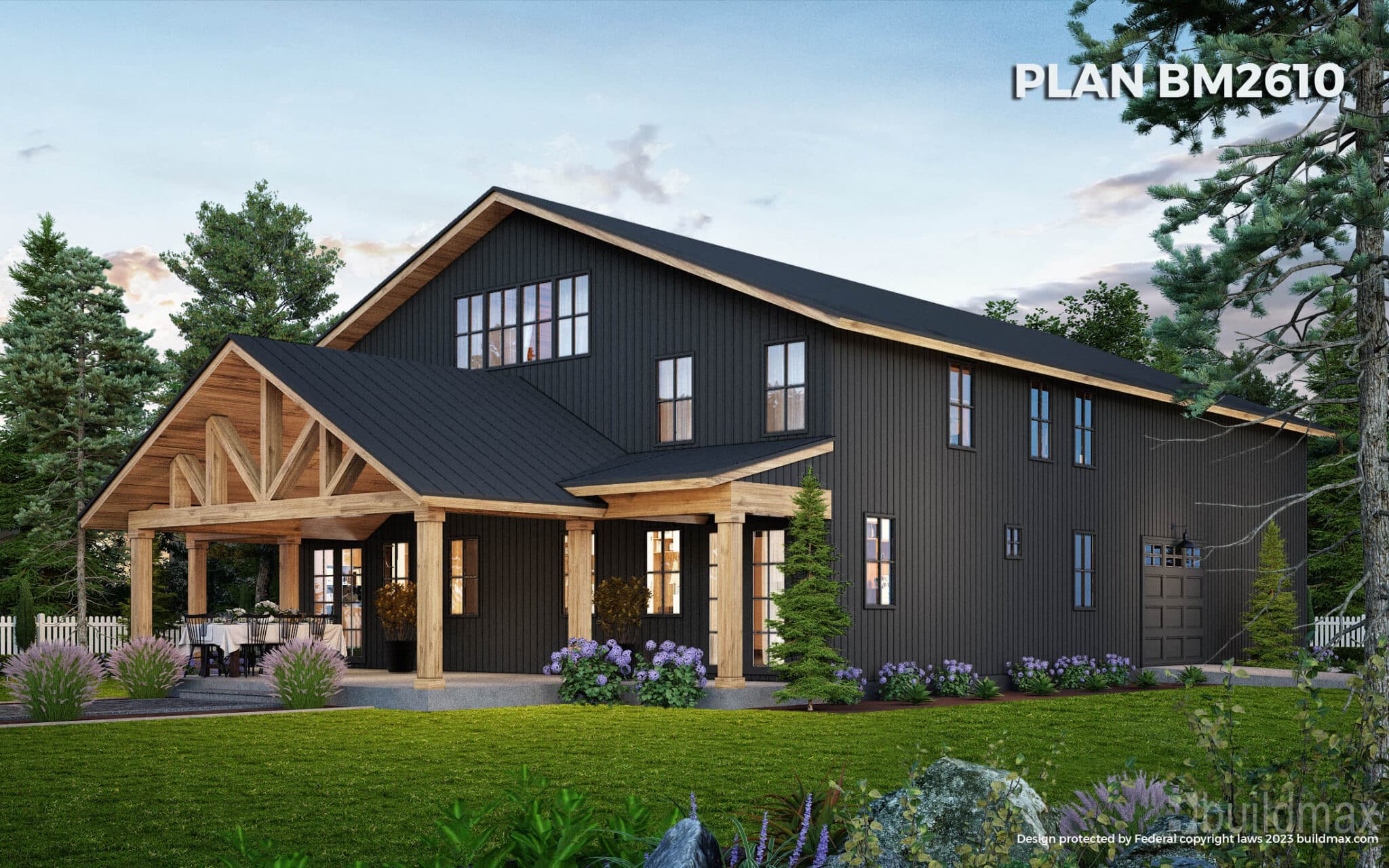
Insurance for barndominiums can also differ from standard home insurance, depending on factors like construction materials and location. Research insurance providers and policies to ensure adequate coverage.

All-in-All

white barndominium with cupolas

Buying a barndominium can be a worthy investment for your long-term happiness, offering numerous advantages such as cost-effectiveness, versatility, durability, and energy efficiency. The unique aesthetic appeal and customization options make barndominiums an attractive choice for those seeking a distinctive and functional living space. However, it’s important to carefully consider factors such as location, customization costs, and financing options before making a decision. With the right planning and resources, a barndominium can provide a comfortable, stylish, and sustainable home that meets your needs and enhances your quality of life.

What is the First Step when Building a Barndominium?

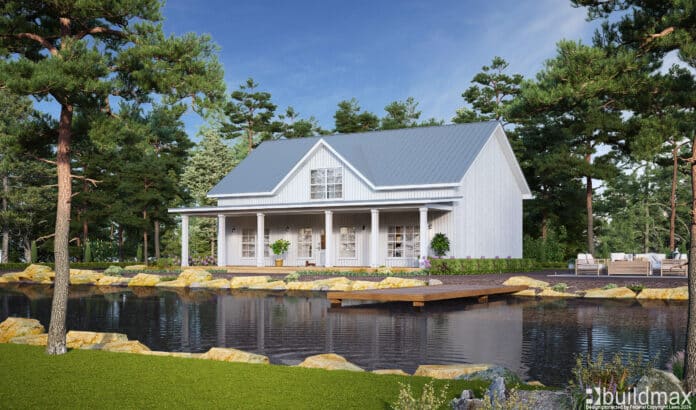
white barndominium with wraparound porch by the lake

What is the First Step in Building a Barndominium?

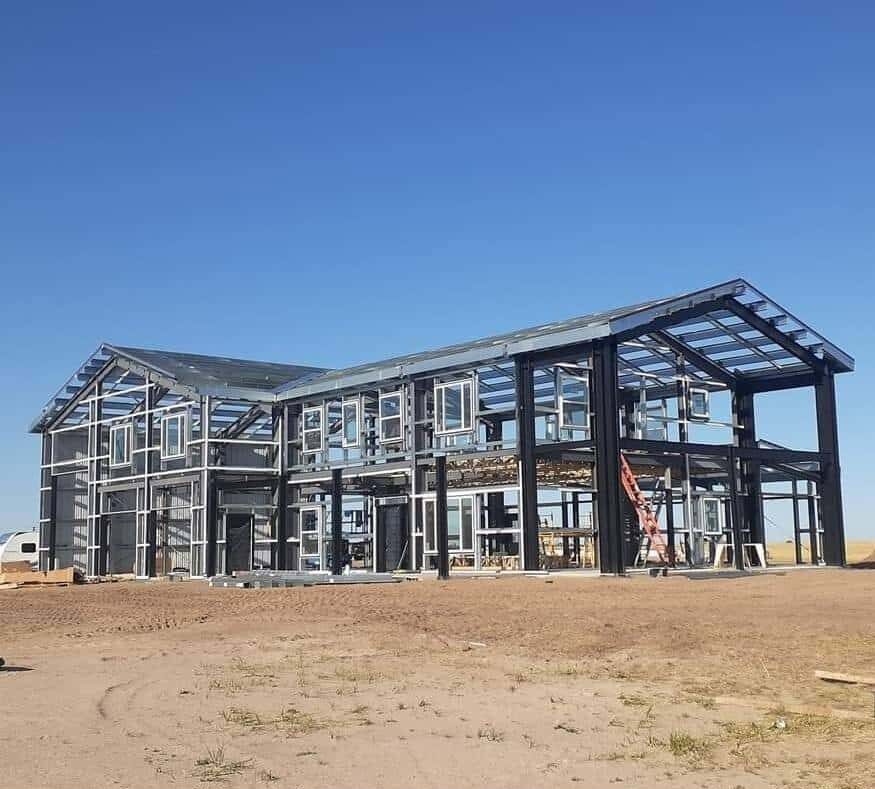
Building a barndominium—a hybrid structure combining barn and condominium features—has become an attractive option for homeowners seeking a unique and versatile living space. The first crucial step in this exciting journey is obtaining quality barndominium floor plans. This article will explain why this step is essential, how it influences the entire construction process, and the benefits of having detailed Barndominium floor plans to get accurate quotes.

The Importance of Quality Barndominium Floor Plans

1. **Foundation for Planning**

**Blueprint for Success:**
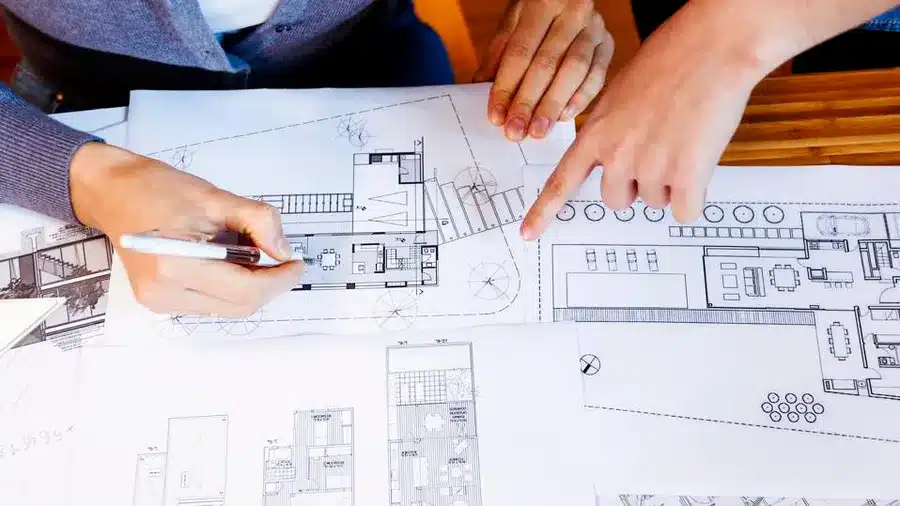
– Quality floor plans serve as the blueprint for your entire project. They provide a detailed visual representation of the layout, dimensions, and spatial relationships within your barndominium. This foundational step is vital for translating your vision into a tangible structure.

2. **Accurate Budgeting and Cost Estimation**

**Financial Clarity:**
Detailed floor plans allow you to obtain more accurate quotes from contractors, suppliers, and service providers. With precise measurements and specifications, builders can provide realistic estimates for materials, labor, and other associated costs, helping you establish a clear budget.

3. **Regulatory Compliance**

**Meeting Building Codes:**
Floor plans ensure that your design complies with local building codes and zoning regulations. These plans are necessary for obtaining building permits, which are essential for legal and safe construction. Quality floor plans also facilitate the approval process with local authorities.

4. **Efficient Construction Process**

**Streamlined Workflow:**
– Comprehensive floor plans streamline the construction process by providing clear instructions for builders. This minimizes misunderstandings, errors, and delays, leading to a more efficient and cost-effective build. Contractors can follow the plans accurately, ensuring that the final structure matches your expectations.

5. **Enhanced Communication**

**Collaboration with Stakeholders:**
Having detailed floor plans improves communication with all stakeholders, including architects, engineers, contractors, and even potential lenders. Clear and precise plans help everyone involved understand the project scope, design, and requirements, fostering better collaboration and decision-making.

Steps to Obtaining Quality Barndominium Floor Plans

1. **Define Your Needs and Preferences**

**Vision and Requirements:**
– Start by outlining your needs, preferences, and lifestyle requirements. Consider factors such as the number of bedrooms and bathrooms, kitchen layout, storage space, and any special features like workshops or hobby areas. Think about the future, too—will your family grow, or will you need extra space for hobbies or work?

2. **Consult with Professionals**

**Expert Guidance:**
– Engage with architects and designers who specialize in barndominiums. Their expertise can help you refine your ideas and develop functional, aesthetically pleasing floor plans. Professionals can also ensure that your plans adhere to local building codes and regulations.

3. **Review Existing Floor Plans**

**Inspiration and Adaptation:**
– Look at existing barndominium floor plans for inspiration. Many companies like Buildmax offer pre-designed plans that can be customized to suit your needs. Reviewing these plans can give you ideas and help you understand what works well in similar projects.

4. **Create a Preliminary Design**

**Drafting Your Vision:**
– Work with your architect or designer to create a preliminary design. This draft will serve as the basis for discussions and revisions. Ensure that all your key requirements are included and that the layout flows logically and efficiently.

5. **Refine and Finalize the Plans**

**Detailing and Precision:**
– After reviewing the preliminary design, make necessary adjustments and refinements. Pay attention to details such as room dimensions, door and window placements, and utility connections. The more detailed and precise the plans, the smoother the construction process will be.

6. **Obtain Professional Quotes**

**Accurate Estimates:**
– With finalized floor plans, seek quotes from multiple contractors. Provide them with the detailed floor plans to ensure they can offer accurate and comprehensive estimates. Compare these quotes to select a contractor who offers the best value and quality.

Benefits of Accurate Quotes Based on Quality Floor Plans

1. **Avoiding Unexpected Costs**

**Financial Control:**
– Accurate quotes based on detailed Barndominium floor plans help you avoid unexpected costs and budget overruns. When contractors have clear specifications, they can anticipate materials and labor requirements more accurately, reducing the likelihood of surprise expenses.

2. **Better Financial Planning**

**Informed Decisions:**
– With precise quotes, you can make informed decisions about where to allocate your budget. You can identify areas where you might want to invest more for higher quality or areas where you can save money without compromising the overall project.

3. **Enhanced Project Management**

**Effective Oversight:**
– Detailed quotes and plans enable better project management and oversight. You can track progress against the plans and budget, ensuring that the project stays on schedule and within financial constraints.

4. **Increased Property Value**

**Long-Term Benefits:**
– A well-designed and constructed barndominium built to quality specifications can increase your property’s value. Future buyers will appreciate the attention to detail and the high standard of construction, making your investment more worthwhile.

Conclusion

Buildmax BM2900

The first step in building a barndominium is obtaining quality floor plans. These plans are essential for accurate budgeting, regulatory compliance, efficient construction, and effective communication with all stakeholders. By investing time and resources into developing detailed and precise floor plans, you set a solid foundation for your barndominium project, ensuring that it is built to your specifications, on budget, and on time. Quality floor plans ultimately lead to a more successful and satisfying building experience, resulting in a barndominium you can be proud of.

Is it Legal to Live in a Shed in Kentucky?

white barndominium on the lake

Is it Legal to Live in a Shed in Kentucky?

Living in a shed might seem like an affordable and simple housing solution, but the legality of this arrangement can be quite complex, particularly in Kentucky. This article explores whether it is legal to live in a shed in Kentucky, detailing relevant laws and building codes that apply to residential properties.

small white barndominium ADU

Legal Considerations for Living in a Shed

1. **Zoning Laws**

**Land Use Regulations:**
Zoning laws dictate how land in specific areas can be used. In Kentucky, zoning regulations vary by county and municipality, and they determine whether a shed can be used as a residential dwelling.
– Generally, residential zoning does not permit sheds to be used as permanent residences. Sheds are typically classified as accessory structures, meaning they are intended for storage or secondary use, not primary habitation.

2. **Building Codes**

**Standards for Safety and Habitability:**
Building codes are designed to ensure the safety and habitability of residential structures. In Kentucky, the Kentucky Building Code (KBC) sets the minimum standards for construction, plumbing, electrical systems, and more.
– Sheds do not typically meet the stringent requirements set forth in these building codes. For a shed to be legally inhabited, it must be converted to comply with residential building standards, which can include requirements for insulation, plumbing, electrical wiring, ventilation, and structural integrity.

3. **Permitting Requirements**

**Necessary Approvals:**
– To convert a shed into a legal residence, you must obtain the necessary permits. This process usually involves submitting detailed plans to the local building department and undergoing inspections to ensure compliance with all relevant codes and regulations.
– Permits are required for major modifications, including installing plumbing and electrical systems. Failure to obtain proper permits can result in fines, legal issues, and being forced to remove the modifications or vacate the premises.

4. **Utility Connections**

**Essential Services:**
– Legal residences must have access to essential utilities, including water, sewage, and electricity. Connecting a shed to these utilities often requires significant upgrades and must comply with local regulations and standards.
– In rural areas where municipal services may not be available, alternative solutions such as septic systems and well water must meet health and safety standards set by local health departments.

Steps to Legally Convert a Shed into a Residence

1. **Check Local Zoning Ordinances**

Begin by consulting your local zoning office to determine if the land where the shed is located allows for residential use. Zoning ordinances will specify whether you can convert an accessory structure into a primary residence.

2. **Obtain Necessary Permits**

If zoning laws permit, the next step is to apply for the necessary building permits. This will involve submitting plans that detail the proposed modifications to the shed, including structural changes, plumbing, and electrical work.


3. **Ensure Compliance with Building Codes**

– Modify the shed to meet all relevant building codes. This includes installing proper insulation, electrical systems, plumbing, heating, and ventilation. Structural improvements may also be necessary to ensure the shed is safe for habitation.

4. **Utility Connections**

– Arrange for the shed to be connected to essential utilities. This often requires professional installation and inspections to ensure compliance with safety standards.

5. **Inspections and Final Approval**

– After completing the modifications, the shed must pass inspections conducted by local building officials. These inspections verify that all work complies with building codes and safety standards. Once approved, you will receive a certificate of occupancy, legally allowing you to live in the shed.

All-in-All

While it is not typically legal to live in a shed in Kentucky as it stands, it is possible to convert a shed into a legal residence by adhering to local zoning laws, obtaining the necessary permits, and ensuring compliance with building codes and utility requirements. This process can be complex and may involve significant modifications and costs, but it ensures that the living space is safe, habitable, and compliant with all legal standards. Before embarking on such a project, it is essential to thoroughly research and understand the specific regulations and requirements in your local area.

Can I Put a Tiny House on My Property in Kentucky?

black barndominium by a lake

Can I Put a Tiny House on My Property in Kentucky?

Tiny houses are an increasingly popular housing option due to their affordability, sustainability, and minimalist appeal. However, the legality of placing a tiny house on your property varies widely depending on local regulations. In Kentucky, there are several factors to consider, including zoning laws, building codes, and permitting requirements. This article provides a detailed overview of whether you can put a tiny house on your property in Kentucky and explains the relevant regulations.

Zoning Laws

1. **Zoning Regulations**

**Local Ordinances:**
– Zoning laws determine how land can be used in different areas, including residential, commercial, and agricultural zones. These laws are established by local governments and can vary significantly between municipalities and counties in Kentucky.
– Some areas may have specific zoning categories that permit tiny houses, while others may restrict or prohibit them. It is essential to consult your local zoning office to understand the regulations that apply to your property.

2. **Residential Zoning**

**Permitted Uses:**
– In residential zones, zoning ordinances often specify the minimum size for dwelling units, which can affect whether a tiny house is permissible. Some jurisdictions may have minimum square footage requirements that a tiny house must meet to be considered a legal dwelling.
– Tiny houses on wheels (THOWs) are often classified differently from permanent structures and may fall under regulations for recreational vehicles (RVs) rather than residential dwellings. This classification can impact where they can be legally placed and occupied.

Building Codes

1. **Kentucky Building Code**

**Safety and Standards:**
– The Kentucky Building Code (KBC) sets the standards for construction and safety for all types of buildings, including tiny houses. Compliance with these codes ensures that tiny houses are safe, habitable, and durable.
– For a tiny house to be legally recognized as a dwelling, it must meet the same building code requirements as traditional houses. This includes structural integrity, insulation, ui, and fire safety measures.

2. **Tiny House on Wheels (THOWs)**

**RV Classification:**
– THOWs are often classified as RVs or mobile homes, which subjects them to different standards and regulations. RVs are typically regulated by the National Fire Protection Association (NFPA) 1192 standard or the American National Standards Institute (ANSI) A119.5 standard, rather than residential building codes.
– This classification can limit where THOWs can be legally parked and occupied, often restricting them to RV parks, campgrounds, or designated areas rather than private residential properties.

Permitting Requirements

1. **Obtaining Permits**

**Construction and Placement:**
Whether you are building a tiny house from scratch or placing a pre-built tiny house on your property, you will likely need various permits, including building permits, electrical permits, and plumbing permits.
– The process involves submitting detailed plans and undergoing inspections to ensure compliance with local building codes and zoning regulations. Failure to obtain the necessary permits can result in fines, legal issues, and the requirement to remove the tiny house.

2. **Certificate of Occupancy**

**Legal Dwelling Status:**
– To legally live in a tiny house on your property, you must obtain a certificate of occupancy from your local building department. This certificate verifies that the tiny house meets all applicable building codes and is safe for habitation.

small white barndominium ADU

Special Considerations

1. **Accessory Dwelling Units (ADUs)**

**Secondary Housing:**
– Some jurisdictions in Kentucky may allow tiny houses as accessory dwelling units (ADUs). ADUs are secondary housing units on a single-family residential lot, such as guest houses or in-law suites.
– ADUs often have specific regulations, including size limits, occupancy restrictions, and placement requirements. Check with your local zoning office to see if ADUs are permitted and what the requirements are.

2. **Agricultural and Rural Zones**

**Greater Flexibility:**
Properties in agricultural or rural zones may have more flexibility regarding the placement and use of tiny houses. These areas often have less stringent zoning regulations and may be more accommodating to alternative housing options like tiny houses.

3. **Community and HOA Rules**

**Additional Restrictions:**
– In addition to local government regulations, homeowners’ associations (HOAs) and community covenants may impose additional restrictions on tiny houses. It is important to review any applicable community rules to ensure compliance.

white barndominium on the lake

All-in-All

Putting a tiny house on your property in Kentucky is possible, but it requires careful navigation of local zoning laws, building codes, and permitting processes. Understanding these regulations and obtaining the necessary approvals are crucial steps to ensure that your tiny house is legal and safe. By consulting with local zoning and building departments, securing the appropriate permits, and adhering to all relevant standards, you can successfully place a tiny house on your property and enjoy the benefits of this innovative housing option.

What Permits Do You Need to Build a House in Kentucky?

white farmhouse with wraparound porch

Do You Need a Permit to Build a House in Kentucky?

Yes, you need a permit to build a house in Kentucky. Whether you are constructing a traditional home or a barndominium, obtaining the necessary permits is a crucial step to ensure your project complies with local building codes and regulations. This article will provide an overview of the permits required to build a barndominium in Kentucky and explore additional permits that may be necessary when constructing a barndominium.

Building Permits for Houses in Kentucky

1. **General Building Permit**

**Requirement:**
– A general building permit is required for any new construction, significant renovation, or addition to an existing structure. This permit ensures that your building plans comply with local building codes, zoning laws, and safety regulations.

**Process:**
Submit detailed building plans, including site plans, floor plans, and structural details, to your local building department.
– Pay the applicable fees, which vary depending on the size and scope of the project.
– Once your plans are reviewed and approved, you will be issued a building permit, allowing you to begin construction.

2. **Electrical Permit**

**Requirement:**
An electrical permit is necessary for any electrical work, including new installations, upgrades, or repairs. This ensures that all electrical work meets the National Electrical Code (NEC) standards.

**Process:**
Hire a licensed electrician to perform the work.
– Submit an application detailing the scope of the electrical work.
– Once the work is completed, an inspection is required to verify compliance with safety standards.

3. **Plumbing Permit**

**Requirement:**
A plumbing permit is needed for any plumbing installations, modifications, or repairs. This ensures that all plumbing work complies with state and local plumbing codes.

**Process:**
Hire a licensed plumber to perform the work.
– Submit an application detailing the plumbing work to be done.
– An inspection is required upon completion to ensure compliance with applicable codes.

4. **HVAC Permit**

**Requirement:**
– An HVAC (Heating, Ventilation, and Air Conditioning) permit is required for the installation, modification, or repair of HVAC systems. This ensures that the systems are installed safely and efficiently.

**Process:**
– Hire a licensed HVAC contractor.
– Submit an application outlining the scope of the HVAC work.
– An inspection is required to ensure that the installation meets safety and efficiency standards.

Additional Permits for Building a Barndominium in Kentucky

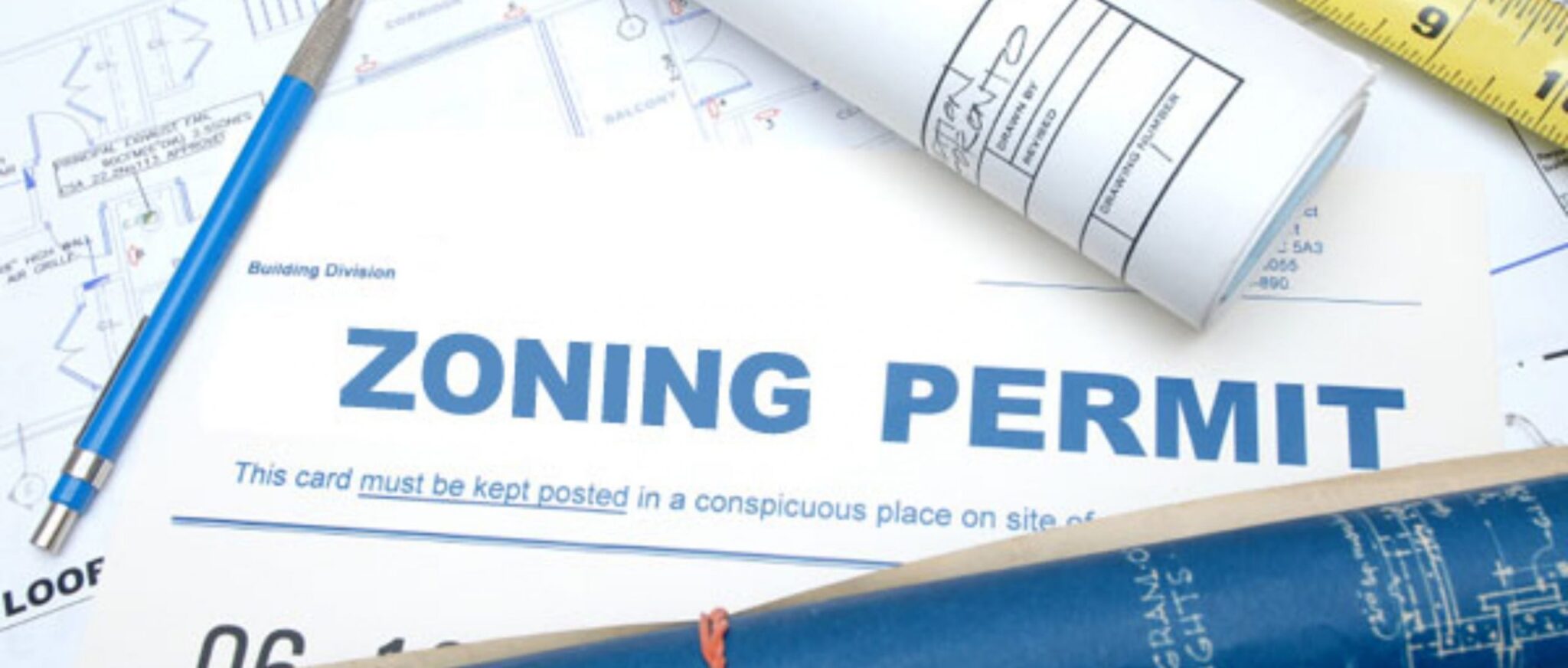
1. **Zoning Permit**

**Requirement:**
A zoning permit is necessary to ensure that your barndominium complies with local zoning regulations, which dictate how land can be used in different areas.

**Process:**
– Check with your local zoning office to determine the zoning requirements for your property.
– Submit an application that includes site plans and details of your proposed barndominium.
Ensure that your plans comply with zoning regulations regarding land use, setbacks, and building height.

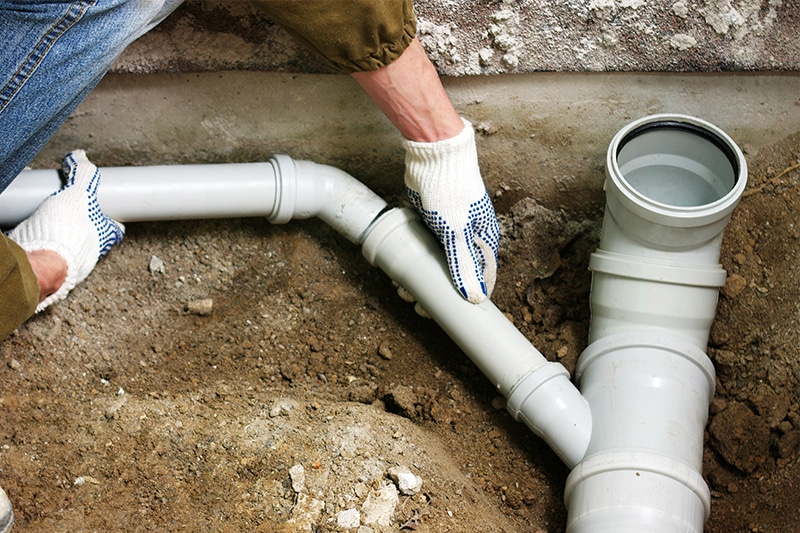
2. **Septic System Permit**

**Requirement:**
– If your barndominium is not connected to a municipal sewer system, you will need a permit to install a septic system. This ensures that the system is designed and installed according to health and environmental standards.

**Process:**
– Hire a licensed septic system designer and installer.
– Submit a site evaluation and design plans to your local health department.
– Obtain approval and a permit before installation.
– An inspection is required after installation to ensure compliance with regulations.

black barndo

3. **Driveway Permit**

**Requirement:**
– A driveway permit may be required if you are installing a new driveway or modifying an existing one, especially if it connects to a public road. This ensures that the driveway is designed for safe access and does not interfere with traffic.

**Process:**
– Submit an application to your local road or transportation department.
– Provide details and plans for the driveway.
– Obtain approval and ensure the driveway is constructed according to the approved floor  plans.

4. **Stormwater Management Permit**

**Requirement:**
A stormwater management permit is required for projects that disturb a significant amount of land, ensuring that stormwater runoff is managed properly to prevent erosion and water pollution.

**Process:**
Submit a stormwater management plan to your local environmental or public works department.
– Obtain approval and follow best management practices during construction.
– Inspections may be required to ensure compliance with the approved plan.

All-in-All

Building a house or a barndominium in Kentucky requires obtaining several permits to ensure that your project complies with local building codes and regulations. These permits include general building permits, electrical permits, plumbing permits, HVAC permits, and additional permits specific to barndominiums, such as zoning permits, septic system permits, driveway permits, and stormwater management permits. By understanding and following the permitting process, you can ensure a smooth and compliant construction project, resulting in a safe and well-built home.
Is a Shouse Cheaper to Build Than a House?

White barndominium with lofty porch

Is a Shouse Cheaper to Build Than a House?

A shouse, a combination of a shop and a house, is becoming an increasingly popular choice for homeowners seeking functionality and cost-effectiveness. The question many prospective builders ask is whether a shouse is cheaper to build than a traditional house. This article will explore the cost advantages of building a shouse, provide tips on constructing a steel-frame shop house on a budget, and offer insights into creating a shouse that is both practical and impressive.

Cost Advantages of Building a Shouse

1. **Combined Functionality**

**Dual Purpose:**
A shouse combines residential and workshop or storage space under one roof, reducing the need for separate structures. This integration can significantly lower construction and land costs.

2. **Simplified Design**

**Efficient Layout:**
– Shouses typically feature a more straightforward, open floor plan compared to traditional homes, which can reduce the complexity and cost of construction. Fewer walls and partitions mean less material and labor are required.

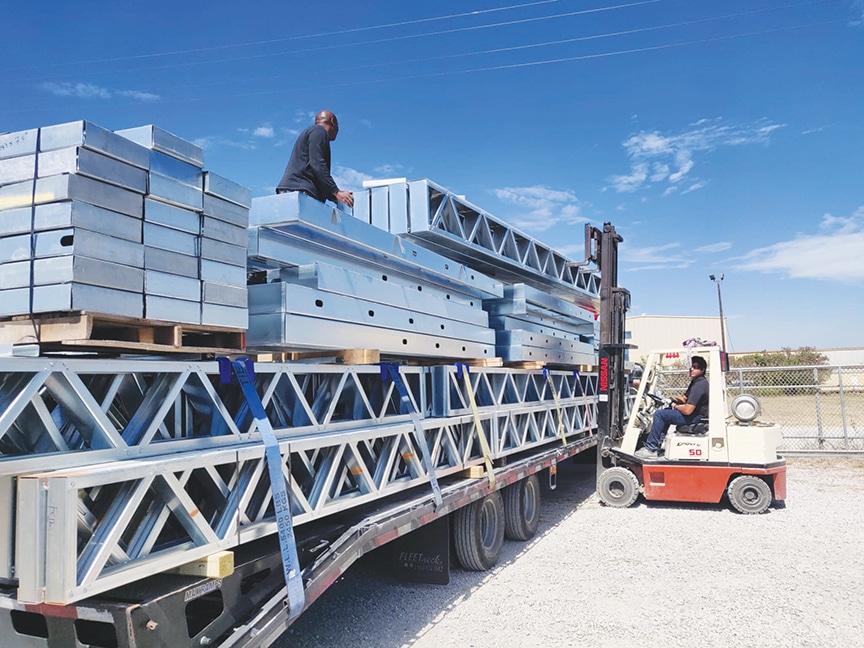
Steel Frame Barndominium Kit delivery

3. **Steel Frame Efficiency**

**Durability and Speed:**
Steel frames are durable, lightweight, and quicker to assemble than traditional wood framing. This can reduce both the labor costs and the time required to complete the construction.

4. **Cost-Effective Materials**

**Bulk Purchasing:**
– The materials used for a shouse, especially steel, can often be purchased in bulk at lower prices. Steel components are also often pre-fabricated, which further reduces costs associated with on-site labor and waste.

Building a Steel-Frame Shouse on a Budget

1. **Planning and Design**

**Detailed Blueprint:**
– Start with a detailed plan and design to minimize changes during construction, which can be costly. Consider consulting with a professional designer or architect who has experience with shouses to optimize your layout for cost and efficiency.

2. **Pre-Fabricated Components**

**Ease of Assembly:**
– Use pre-fabricated steel components for the frame and roof. These components are manufactured to precise specifications and can be quickly assembled on-site, reducing labor costs and construction time.

3. **DIY Where Possible**

**Sweat Equity:**
– Take on some of the construction tasks yourself, if you have the skills. Tasks like painting, interior finishing, and landscaping can be done with minimal professional assistance, saving on labor costs.

4. **Energy Efficiency**

**Long-Term Savings:**
– Invest in energy-efficient windows, insulation, and HVAC systems. While this may increase the initial cost, it will result in significant savings on energy bills over the long term.

5. **Smart Material Choices**

**Budget-Friendly Options:**
– Choose cost-effective materials for interior finishes. For example, polished concrete floors, which are durable and stylish, can be more affordable than traditional flooring options.

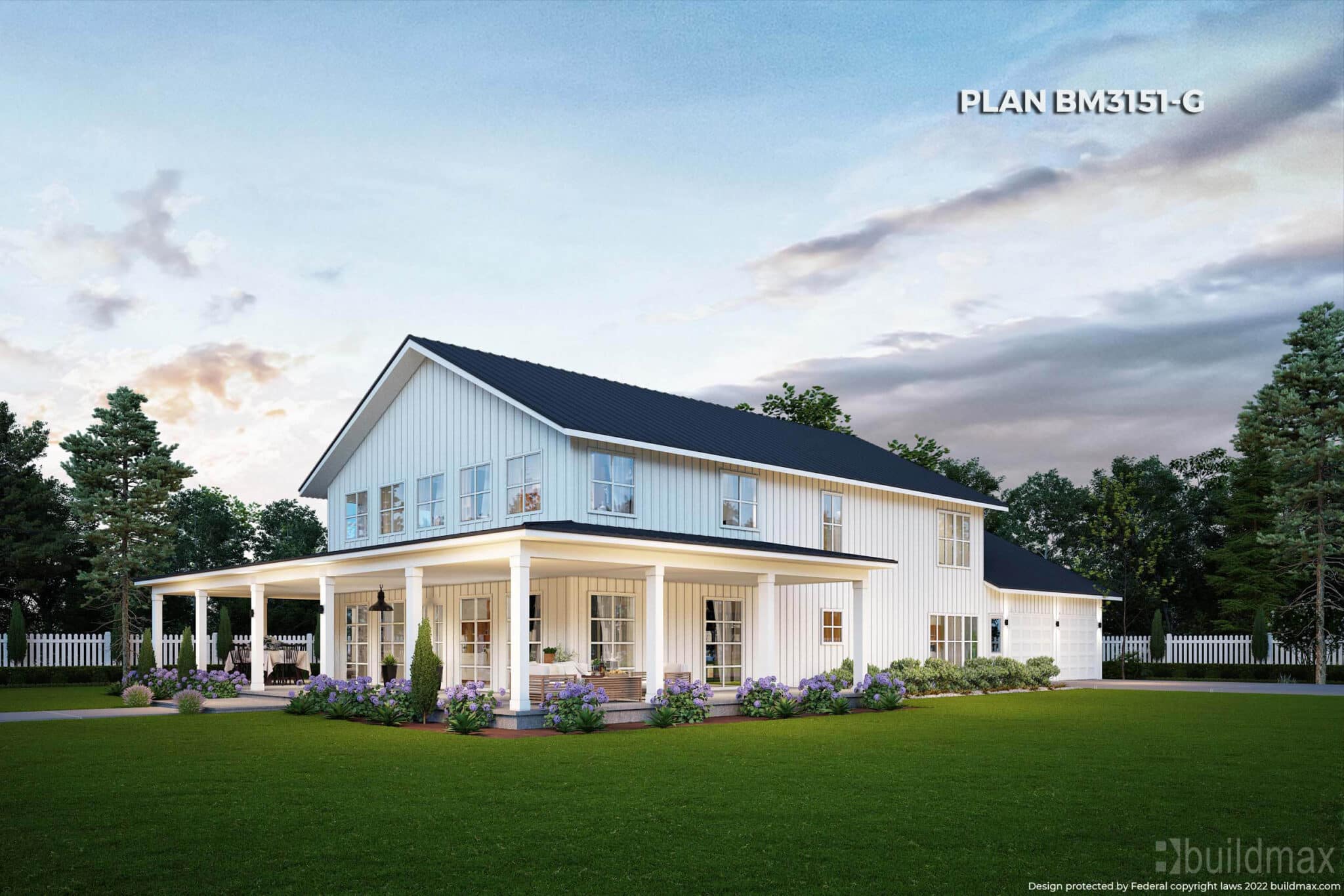
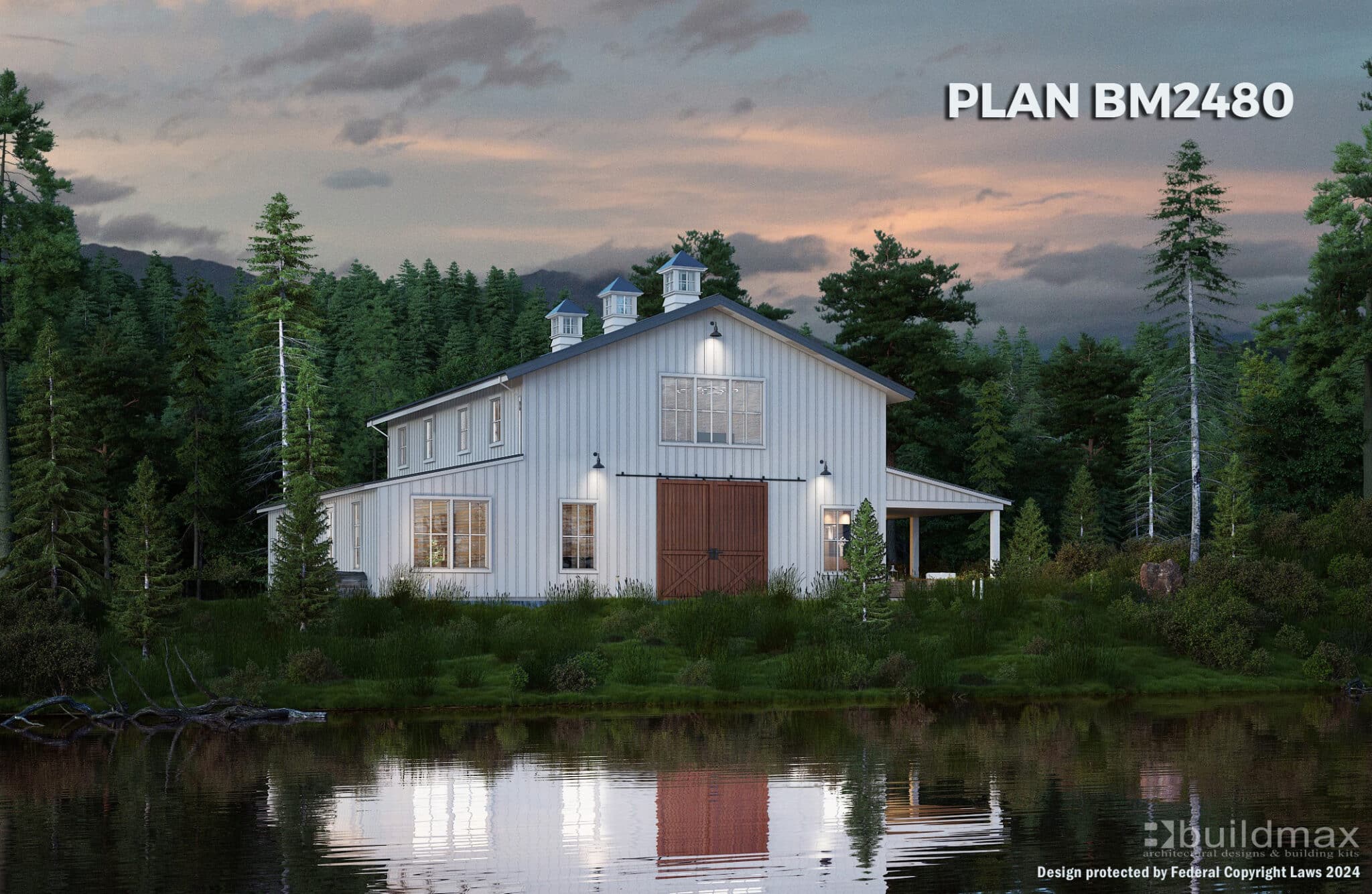
black barndominium shophouse with wraparound porch

Creating a Shouse to Be Proud Of

1. **Curb Appeal**

**Aesthetic Enhancements:**
– Focus on the exterior design to create an inviting appearance. Simple touches like a well-designed entryway, attractive landscaping, and quality siding can make a significant difference.
2. **Functional Layout**

**Practical Spaces:**
Design the floor plans to maximize the functionality of both the living and shop areas. Consider how you will use the space daily and plan accordingly to ensure it meets your needs without wasted areas.

3. **Interior Finishes**

**Stylish and Practical:**
– Invest in high-quality interior finishes in key areas such as the kitchen and bathrooms. These are spaces that guests will notice and appreciate, and they can significantly enhance the overall feel of the home.

4. **Multipurpose Rooms**

**Flexible Spaces:**
– Design rooms to be multipurpose. For example, a guest room could double as a home office or gym, adding versatility and practicality to your shouse.

5. **Personal Touches**

**Unique Features:**
– Add personal touches that reflect your style and interests. Custom shelving in the shop, a cozy reading nook, or a unique backsplash in the kitchen can make your shouse truly yours.

All-In-All


white barndominium farmhouse

Building a shouse can indeed be cheaper than constructing a traditional house, primarily due to its combined functionality, simplified design, and the cost-efficiency of using steel frames and pre-fabricated components. By planning carefully, choosing cost-effective materials, and incorporating personal touches, you can create a steel-frame shop house on a budget that you can be proud of and eager to show off to friends and family. The key is to balance cost-saving measures with quality investments that enhance the durability and aesthetic appeal of your shouse.

How to Insulate a Barndominium?

black barndominium shophouse with wraparound porch

How to Insulate a Barndominium?

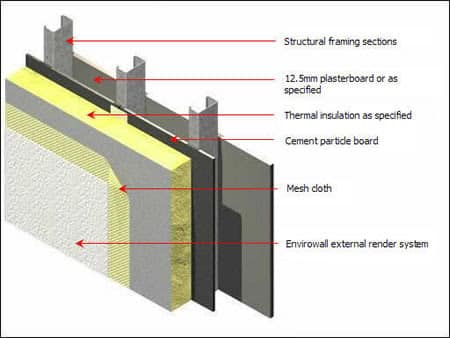
Insulating a barndominium is essential for ensuring comfort, energy efficiency, and longevity of the structure. The unique nature of barndominiums, with their metal frames and often large open spaces, presents specific challenges and opportunities for insulation. This article will explore various insulation options, from cost-effective to cutting-edge solutions, and provide guidance on how to choose the best one for your barndominium.

white barndominium with cupolas

Insulation Options for Barndominiums

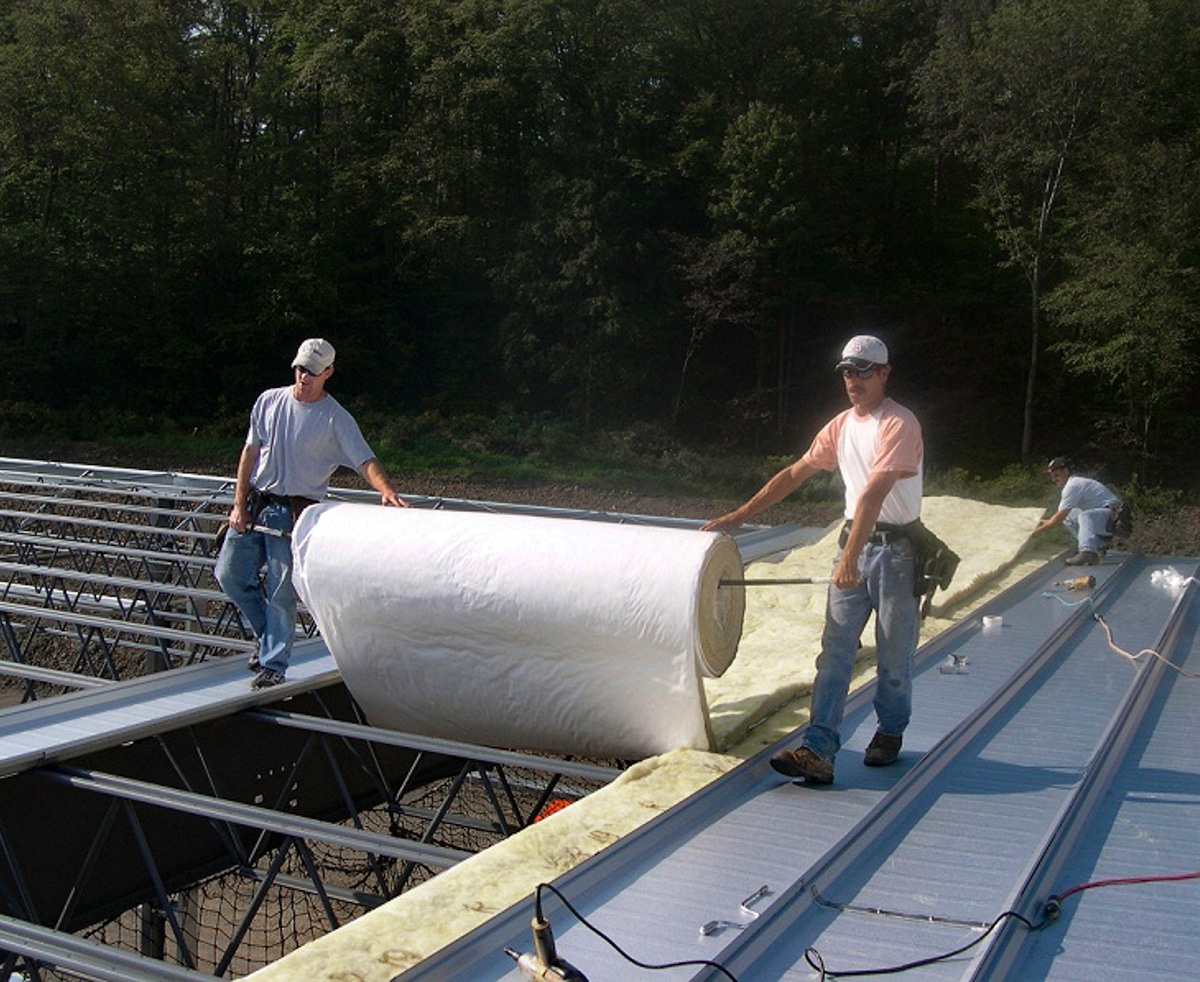
1. **Fiberglass Batt Insulation**

**Overview:**
– Made from fine glass fibers and typically comes in pre-cut panels or rolls.
– Commonly used in residential construction due to its affordability and ease of installation.

**Pros:**
– Cost-effective and widely available.
– Easy to install for DIY projects.
– Good thermal resistance (R-value) when installed properly.

**Cons:**
– Can leave gaps if not installed correctly, reducing effectiveness.
– Less effective at preventing air leaks.
– Can cause skin and respiratory irritation during installation.

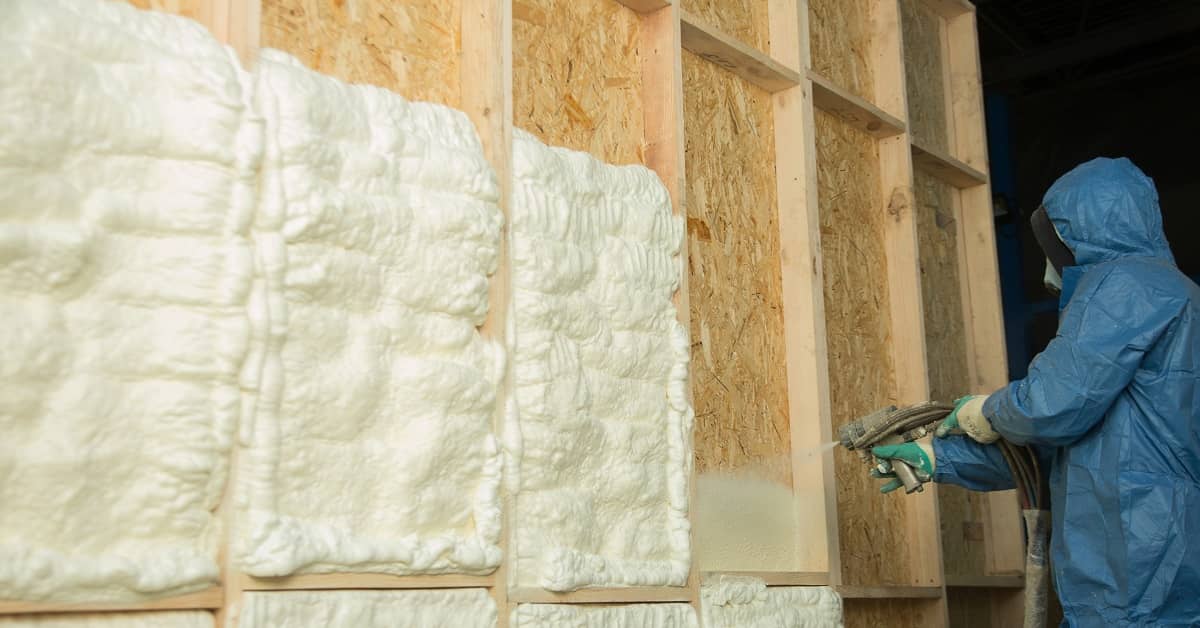
2. **Spray Foam Insulation**

**Overview:**
– Comprises two types: open-cell and closed-cell foam.
– Applied using a spray gun, expands to fill cavities and seals gaps.

**Pros:**
– Excellent air sealing properties, reducing drafts and energy loss.
– High R-value per inch, providing superior thermal insulation.
– Adds structural strength to the building.

**Cons:**
– More expensive than other insulation types.
– Requires professional installation.
– Potential for off-gassing during and shortly after application.

3. **Rigid Foam Insulation**

**Overview:**
– Comes in rigid panels made from polystyrene, polyisocyanurate, or polyurethane.
– Often used for insulating walls, roofs, and foundations.

**Pros:**
– High R-value per inch.
– Resistant to moisture, making it suitable for damp areas.
– Easy to cut and fit into various spaces.

**Cons:**
– More expensive than fiberglass batts.
– Requires precise cutting and fitting to prevent gaps.
– Can be challenging to install in irregularly shaped spaces.

insulation

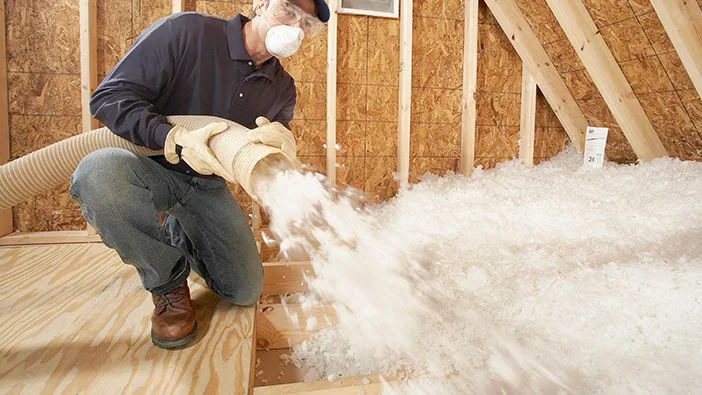
4. **Blown-In Insulation**

**Overview:**
– Made from cellulose, fiberglass, or mineral wool.
– Installed using a blowing machine, filling cavities and covering surfaces.

**Pros:**
– Good coverage and can fill irregular spaces and gaps.
– Effective for retrofitting existing structures.
– Can provide good sound insulation.

**Cons:**
– Requires specialized equipment for installation.
– Can settle over time, reducing its effectiveness.
– May not be suitable for all areas of a barndominium.

5. **Reflective Insulation**

**Overview:**
– Consists of reflective materials like aluminum foil, often combined with other insulation types.
– Reflects radiant heat rather than absorbing it.

**Pros:**
– Effective in hot climates to reduce heat gain.
– Lightweight and easy to install.
– Can be combined with other insulation for added effectiveness.

**Cons:**
– Less effective in cold climates where heat retention is needed.
– Limited R-value compared to other insulation types.
– Requires an air gap to work effectively.

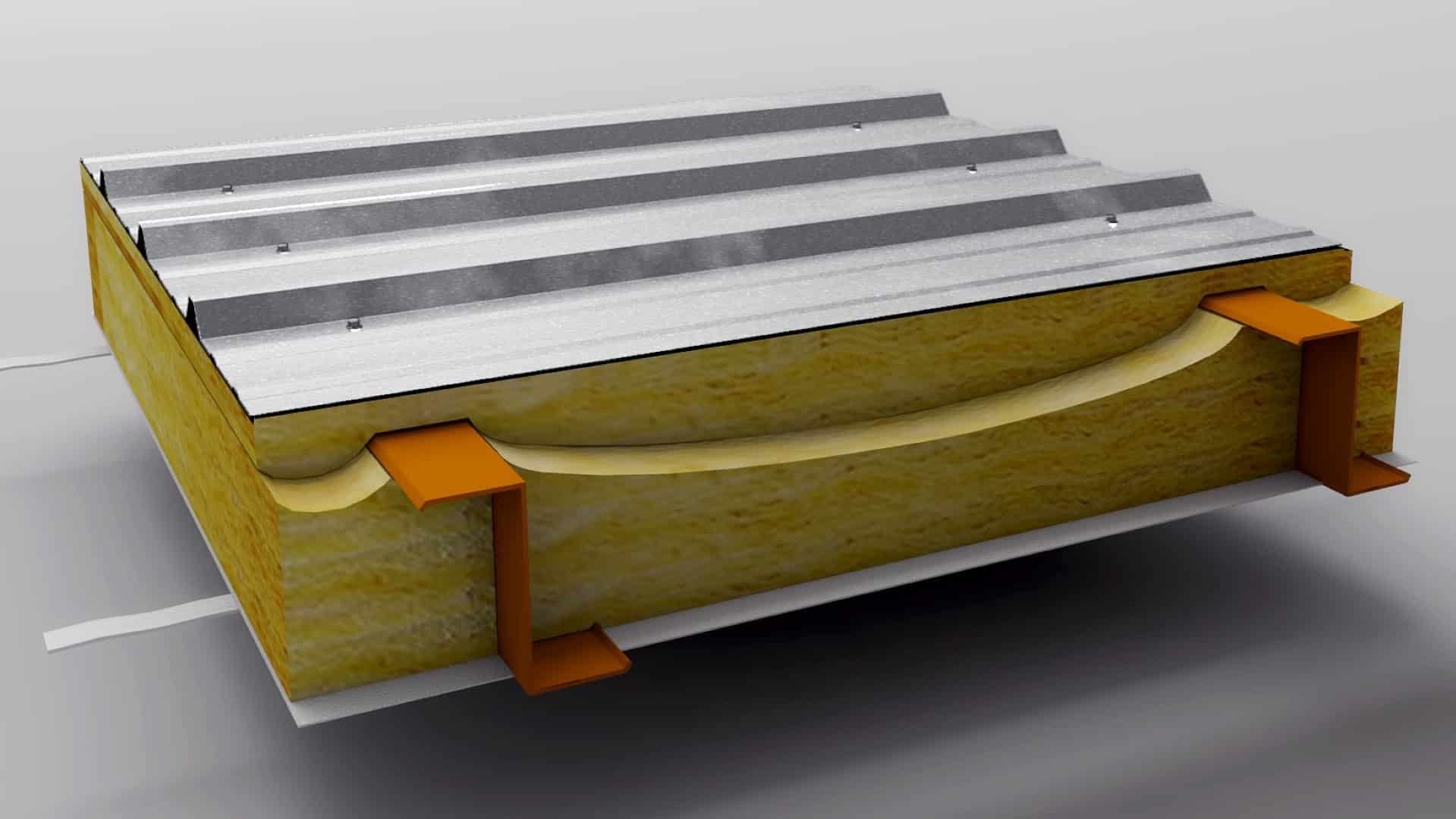
6. **Structural Insulated Panels (SIPs)**

**Overview:**
– Pre-fabricated panels consisting of an insulating foam core sandwiched between two structural facings, typically OSB (oriented strand board).

**Pros:**
– High R-value and energy efficiency.
Provides structural strength and can speed up construction.
– Good air sealing and reduces thermal bridging.

**Cons:**
– More expensive than traditional framing and insulation methods.
– Requires precise engineering and planning.
– Limited flexibility for modifications after installation.

7. **Cutting-Edge Insulation Technologies**

**Aerogel Insulation:**
– Known as “frozen smoke,” aerogel has an extremely low density and high thermal resistance.
– Offers exceptional insulation properties in a thin layer.

**Phase-Change Materials (PCMs):**
– Absorb and release thermal energy to maintain consistent temperatures.
– Can be integrated into building materials for enhanced thermal regulation.

**Vacuum Insulation Panels (VIPs):**
– Provide high thermal resistance with minimal thickness.
– Ideal for space-constrained applications but costly and fragile.

Choosing the Right Insulation for Your Barndominium

White barndominium with lofty porch

1. **Climate Considerations**
– **Cold Climates:** Prioritize insulation with high R-values, such as spray foam or rigid foam, to retain heat.
– **Hot Climates:** Reflective insulation combined with other types can help reduce heat gain.

2. **Budget Constraints**
– **Cost-Effective:** Fiberglass batt insulation is affordable and effective for many applications.
– **Mid-Range:** Blown-in insulation and rigid foam provide good performance at a moderate cost.
– **High-End:** Spray foam and SIPs offer superior insulation but come at a higher price.

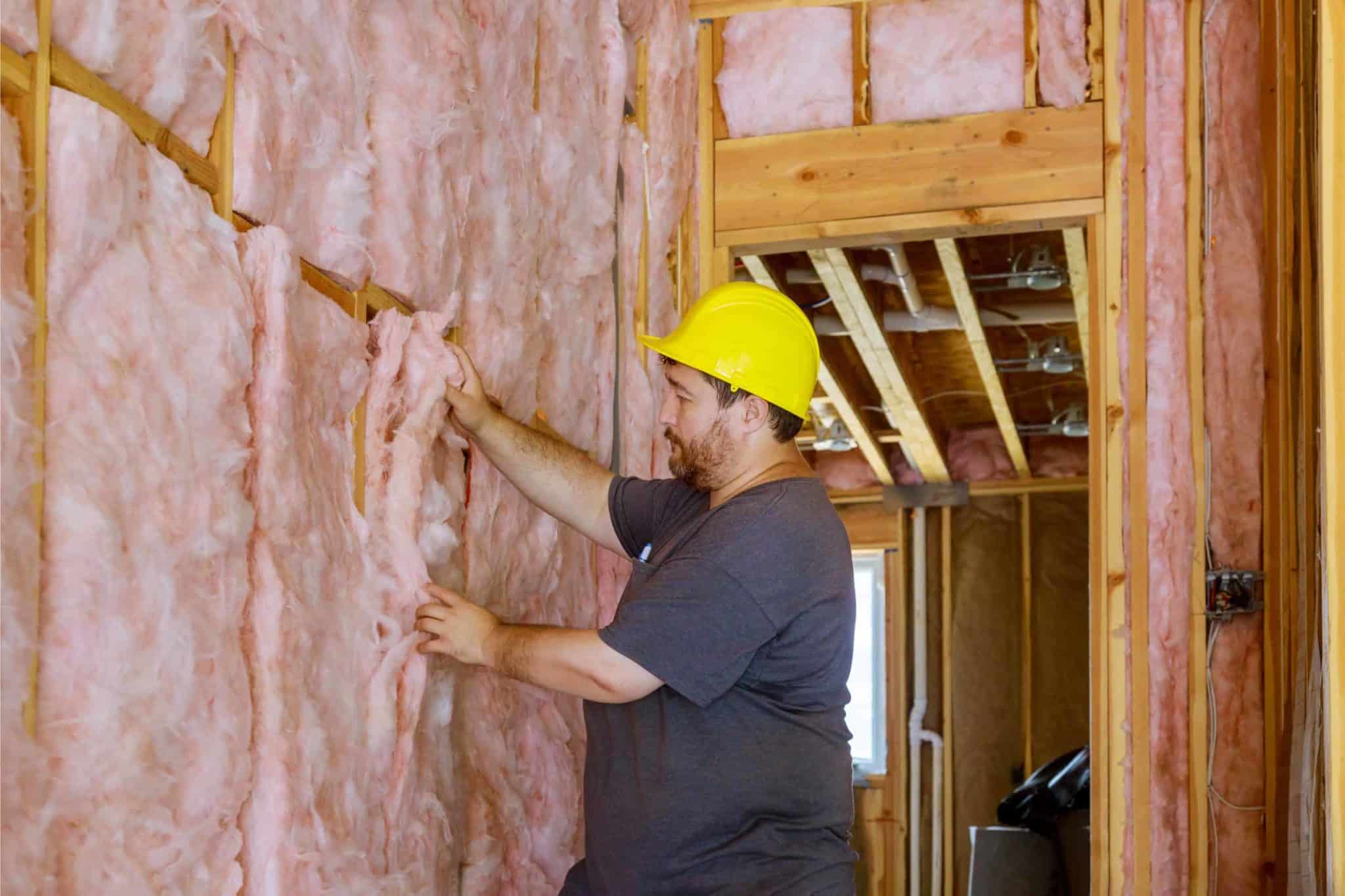
man installing insulation
Man installing thermal insulation layer under the wall using mineral wool with fiberglass cold

3. **Installation Method**
– **DIY-Friendly:** Fiberglass batts and reflective insulation are easier for self-installation.
– **Professional Installation:** Spray foam, blown-in insulation, and SIPs typically require professional installation.

4. **Building Design**
– **New Construction:** SIPs and spray foam can be integrated during the building process for optimal efficiency.
– **Retrofit:** Blown-in insulation and rigid foam are suitable for upgrading existing structures.

5. **Specific Needs**
– **Sound Insulation:** Mineral wool and blown-in cellulose are excellent for reducing noise.
– **Moisture Resistance:** Rigid foam and spray foam resist moisture, making them ideal for damp areas.

All-in-All

small white barndominium ADU

Insulating a barndominium effectively requires careful consideration of various factors, including climate, budget, installation method, and specific needs. From cost-effective solutions like fiberglass batts to cutting-edge technologies like aerogels and VIPs, there are numerous options to suit different requirements. By understanding the pros and cons of each insulation type, barndominium owners can make informed decisions to ensure their homes are comfortable, energy-efficient, and durable.

Is it Hard to Get a Mortgage for a Barndominium?

black barndominium by a lake

Is it Hard to Get a Mortgage for a Barndominium?

Barndominiums have gained popularity for their unique aesthetic and practical benefits. However, securing a mortgage for a barndominium can present some challenges. Here’s a detailed look at why this may be the case and some possible solutions.

Challenges in Securing a Barndominium Mortgage

1. **Non-Traditional Structure**
Barndominiums are unconventional compared to traditional homes, which can make lenders cautious. Lenders are often more comfortable with standard residential properties because they have established market values and resale potentials.

2. **Appraisal Difficulties**
One significant hurdle is the appraisal process. Barndominiums can be challenging to appraise due to the lack of comparable properties (comps). Without sufficient comps, appraisers may struggle to determine the accurate market value of a barndominium, making lenders hesitant.

3. **Zoning and Building Codes**
Barndominiums might face issues related to zoning laws and building codes, which vary significantly by location. In areas where barndominiums are less common, there may be stricter regulations or a lack of clear guidelines, adding another layer of complexity for lenders.

4. **Perceived Marketability**
Lenders may perceive barndominiums as less marketable than traditional homes, especially in areas where they are not common. This perceived risk can make it harder to get a favorable mortgage rate or approval.

5. **Insurance Complications**
Obtaining insurance for a barndominium can be more complex, which in turn affects the mortgage process. Some insurance companies may not offer standard policies for these types of structures, leading to higher premiums or specialized coverage requirements.

Possible Solutions

1. **Specialized Lenders**
Seek out lenders who specialize in non-traditional properties. Some lenders have experience with barndominiums and are more willing to work with borrowers to navigate the unique challenges.

2. **Construction Loans**
Consider starting with a construction loan. These loans can be converted into a mortgage once the construction is complete and the property has been appraised. This approach can sometimes mitigate the initial appraisal and zoning challenges.

3. **Higher Down Payment**
Offering a higher down payment can reduce the lender’s risk and potentially make them more willing to approve a mortgage. This shows financial commitment and can offset some of the perceived risks associated with a non-traditional property.

4. **Work with an Experienced Realtor and Builder**
Engage professionals who have experience with barndominiums. An experienced realtor can help find comps and a knowledgeable builder can ensure the construction meets local codes and regulations, facilitating smoother appraisals and approvals.


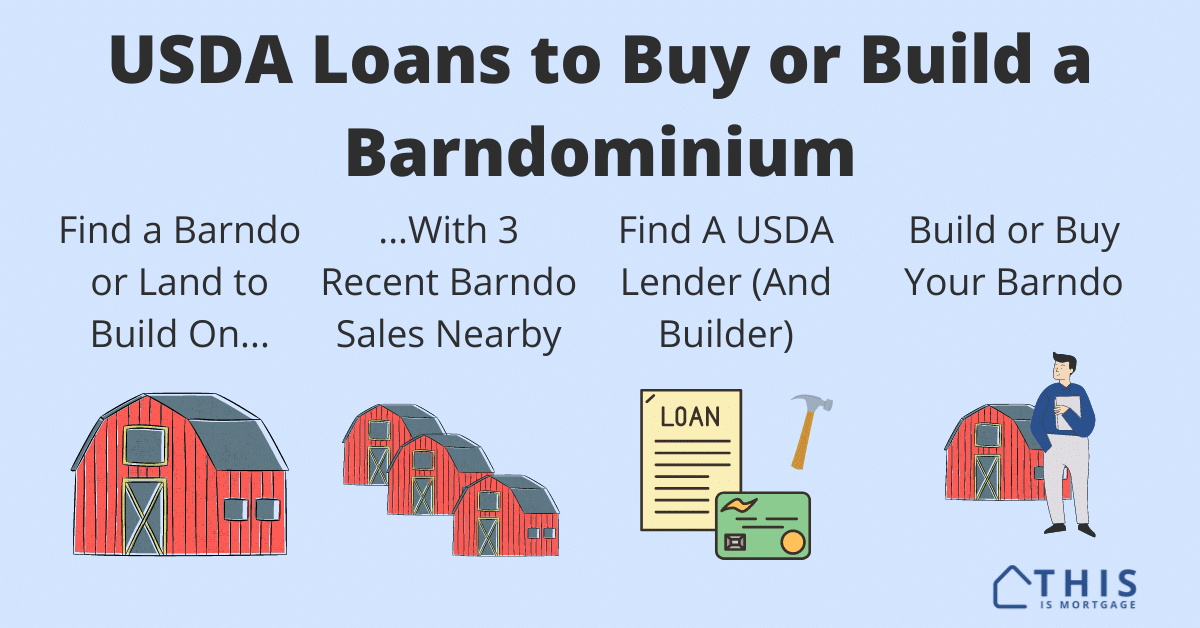
Image Thanks to This is Mortgage

5. **Comprehensive Appraisal**
Opt for a detailed and comprehensive appraisal. Providing extensive documentation about the property, including construction costs, features, and potential resale value, can help appraisers make a more accurate assessment.

6. **Flexibility in Loan Type**
Explore different types of loans. For instance, USDA loans for rural properties or VA loans for veterans might have more flexible terms for non-traditional homes. Researching various loan options can reveal more opportunities.

7. **Improving Marketability**
To address concerns about marketability, consider features that enhance the property’s appeal, such as modern amenities and energy-efficient installations. Ensuring the property is attractive to a broader market can alleviate lender concerns.

All-in-All

white barndominium with cupolas

While getting a mortgage for a barndominium can be more challenging than for a traditional home, it is not impossible. By understanding the unique hurdles and exploring tailored solutions, prospective barndominium owners can improve their chances of securing financing. Specialized lenders, higher down payments, and working with experienced professionals can make the process smoother and more successful.