


Home Blog Page 21

How Long does building a barndominium from scratch take?

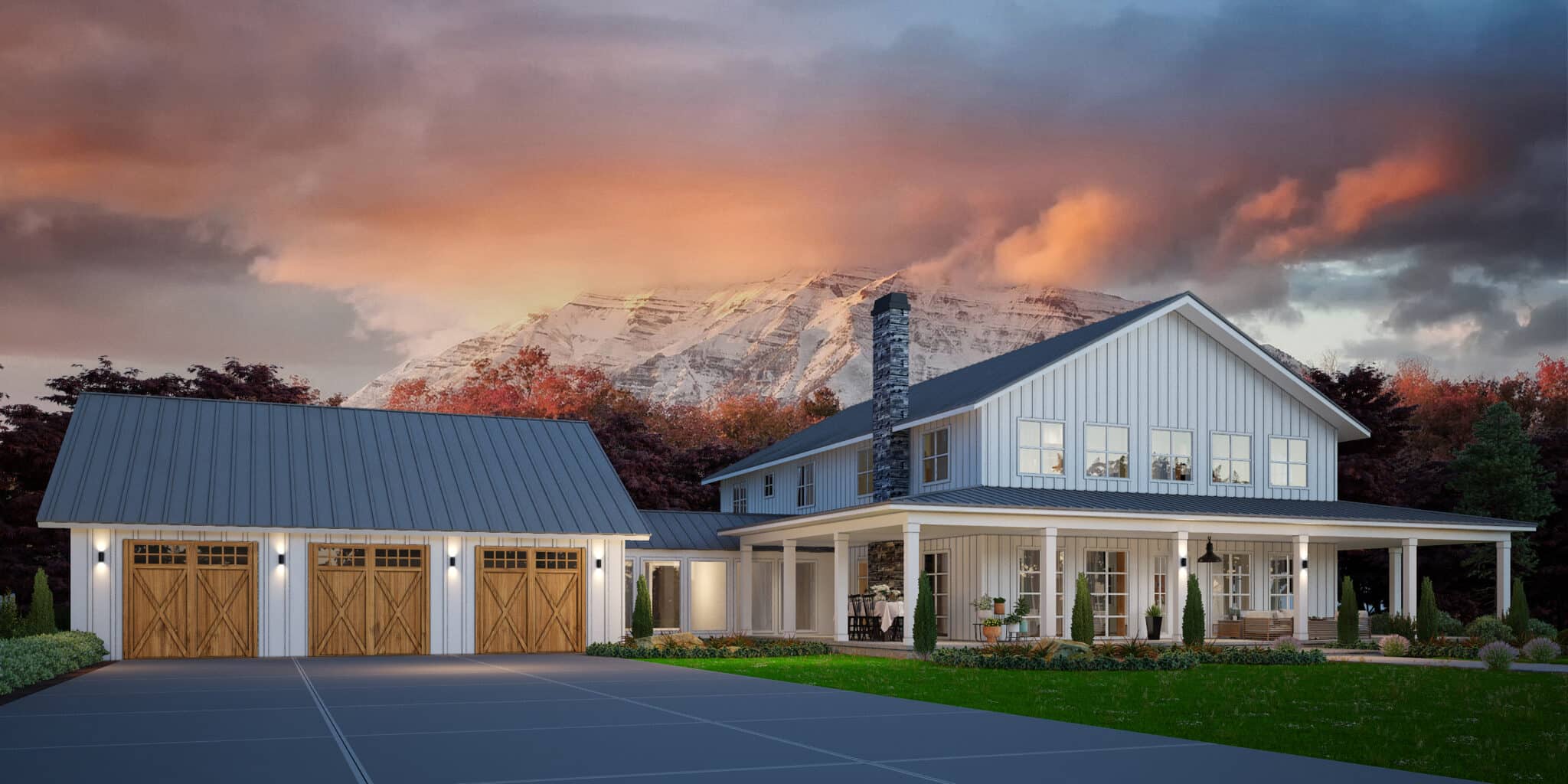
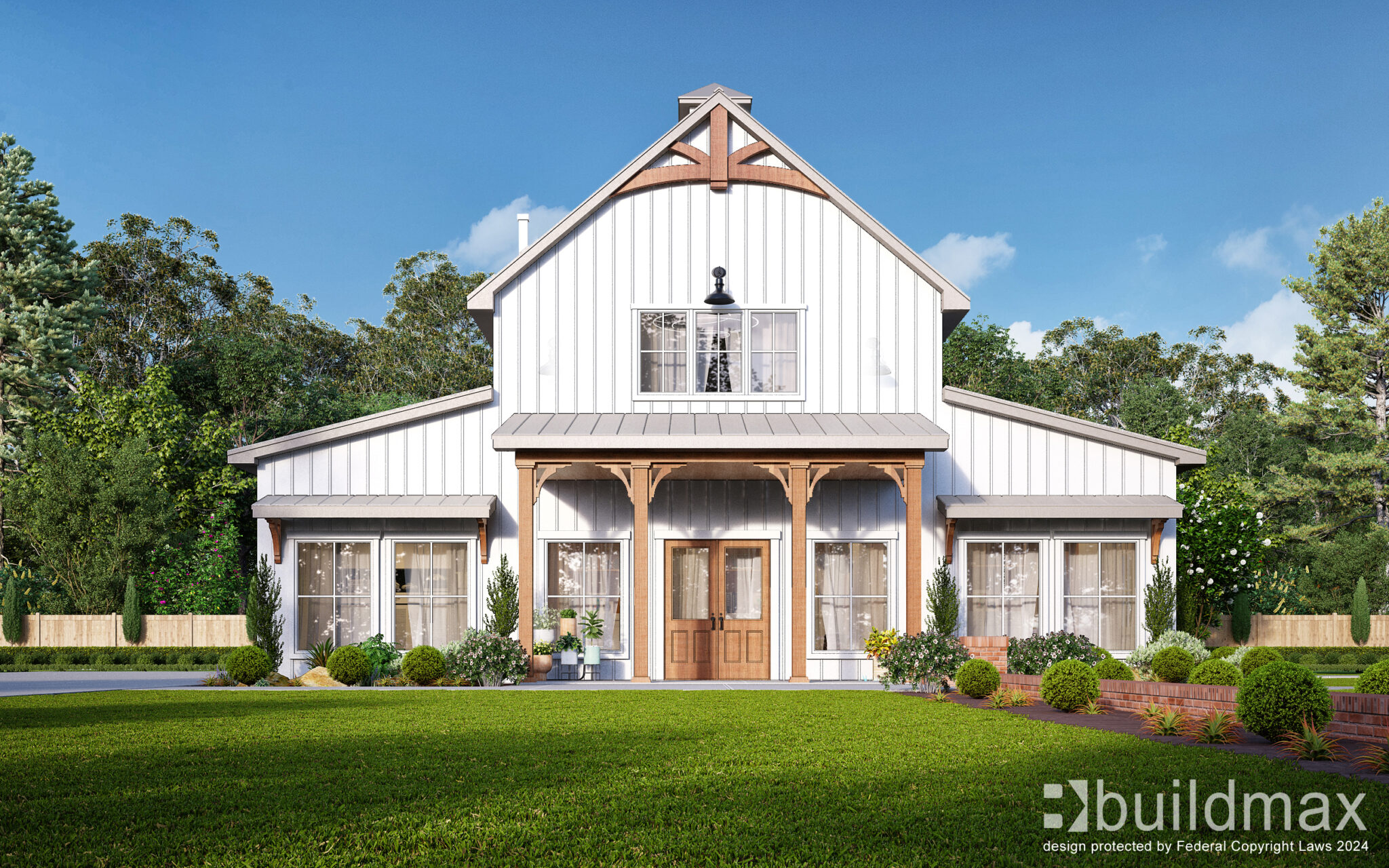
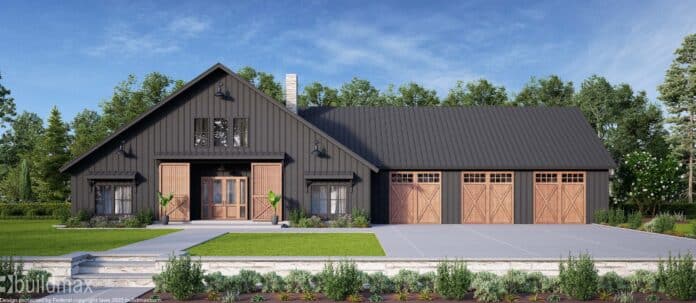
Buildmax BM2900

How Long Does It Take to Build a Steel Frame Barndominium by Yourself?

Building a steel frame barndominium by yourself is a rewarding but challenging endeavor that requires careful planning, dedication, and a range of skills. The timeline for such a project can vary widely based on factors such as the complexity of the design, your experience level, the availability of materials, and the amount of time you can dedicate to the project each week. In this article, we’ll explore the various stages of constructing a steel frame barndominium, provide an estimated timeline for each phase, and discuss the benefits of using steel barndominium kits.
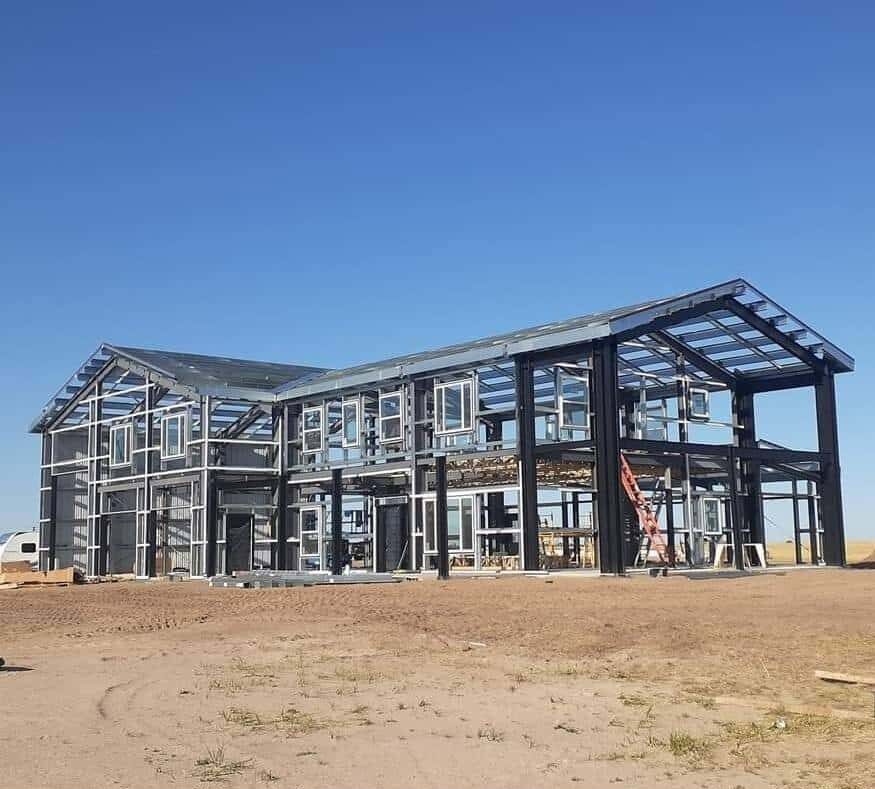
Understanding Steel Frame Barndominiums

A steel frame barndominium combines the durability and strength of steel construction with the versatility and functionality of a traditional barndominium. These structures are popular for their resistance to pests, fire, and extreme weather conditions, making them a durable and long-lasting option for residential and multi-purpose use.

Estimated Timeline for Building a Steel Frame Barndominium

The timeline for building a steel frame barndominium can be broken down into several key phases:

1. Planning and Design (1-3 Months)

Before construction can begin, thorough planning and design are essential. This phase includes:
– **Research and Conceptualization**: Understanding your needs, preferences, and budget.
– **Design and Blueprints**: Working with a designer or using pre-made plans to create detailed blueprints.
– **Permits and Approvals**: Obtaining necessary building permits and approvals from local authorities.

This phase can take anywhere from one to three months, depending on the complexity of the design and the efficiency of the permitting process.
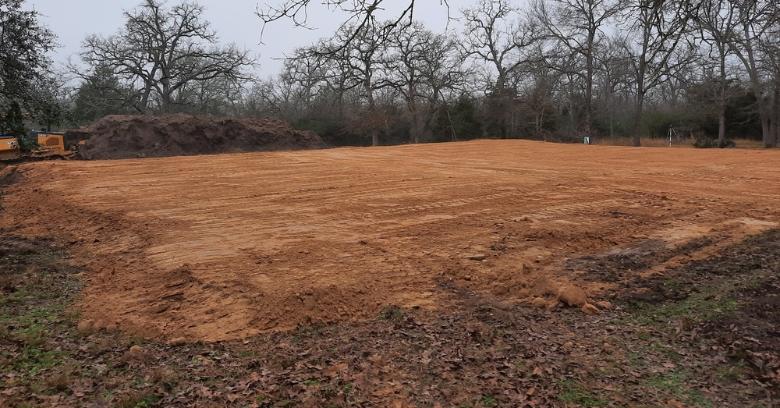
2. Site Preparation (1-2 Months)

Once you have your plans and permits, the next step is site preparation:
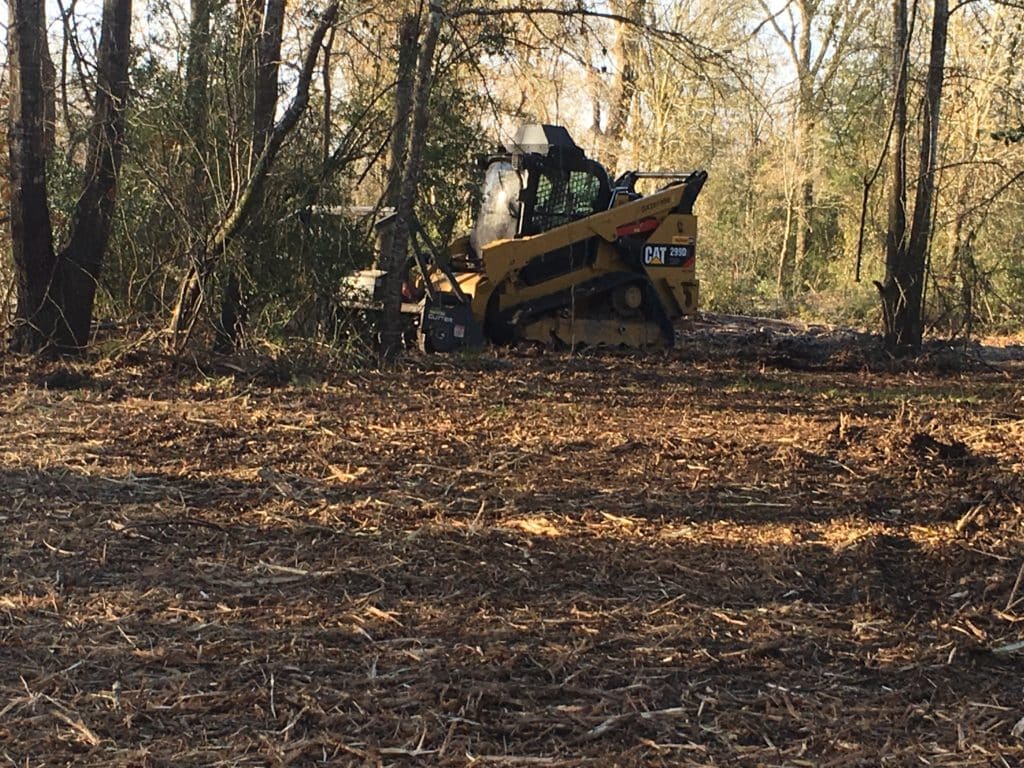
– **Clearing and Leveling**: Clearing the land and leveling the site for construction.
– **Utility Connections**: Setting up connections for water, electricity, and sewage.
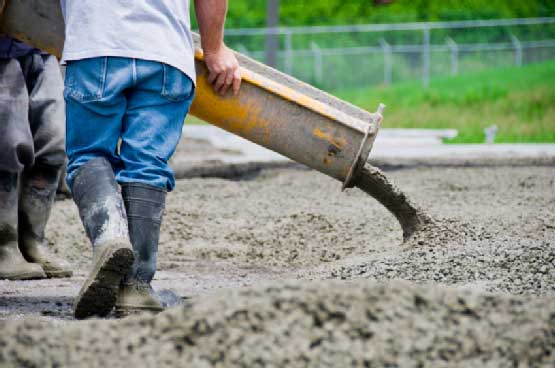
– **Foundation**: Pouring a concrete slab or preparing another type of foundation suitable for a steel frame structure.

Site preparation typically takes one to two months, depending on the size of the property and the complexity of the foundation.
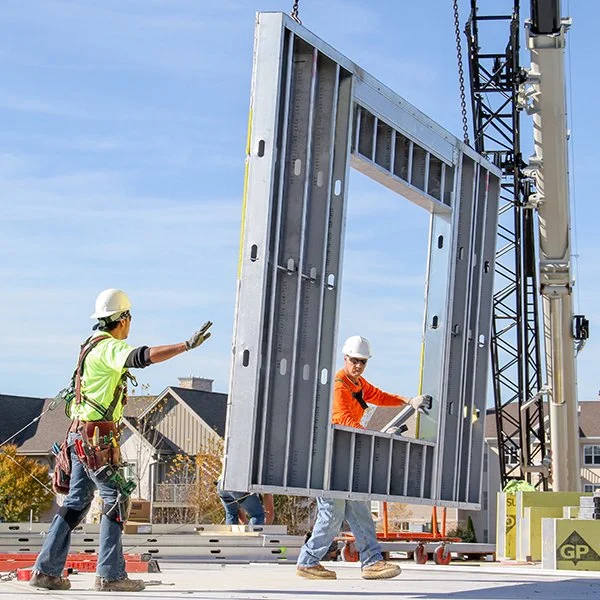
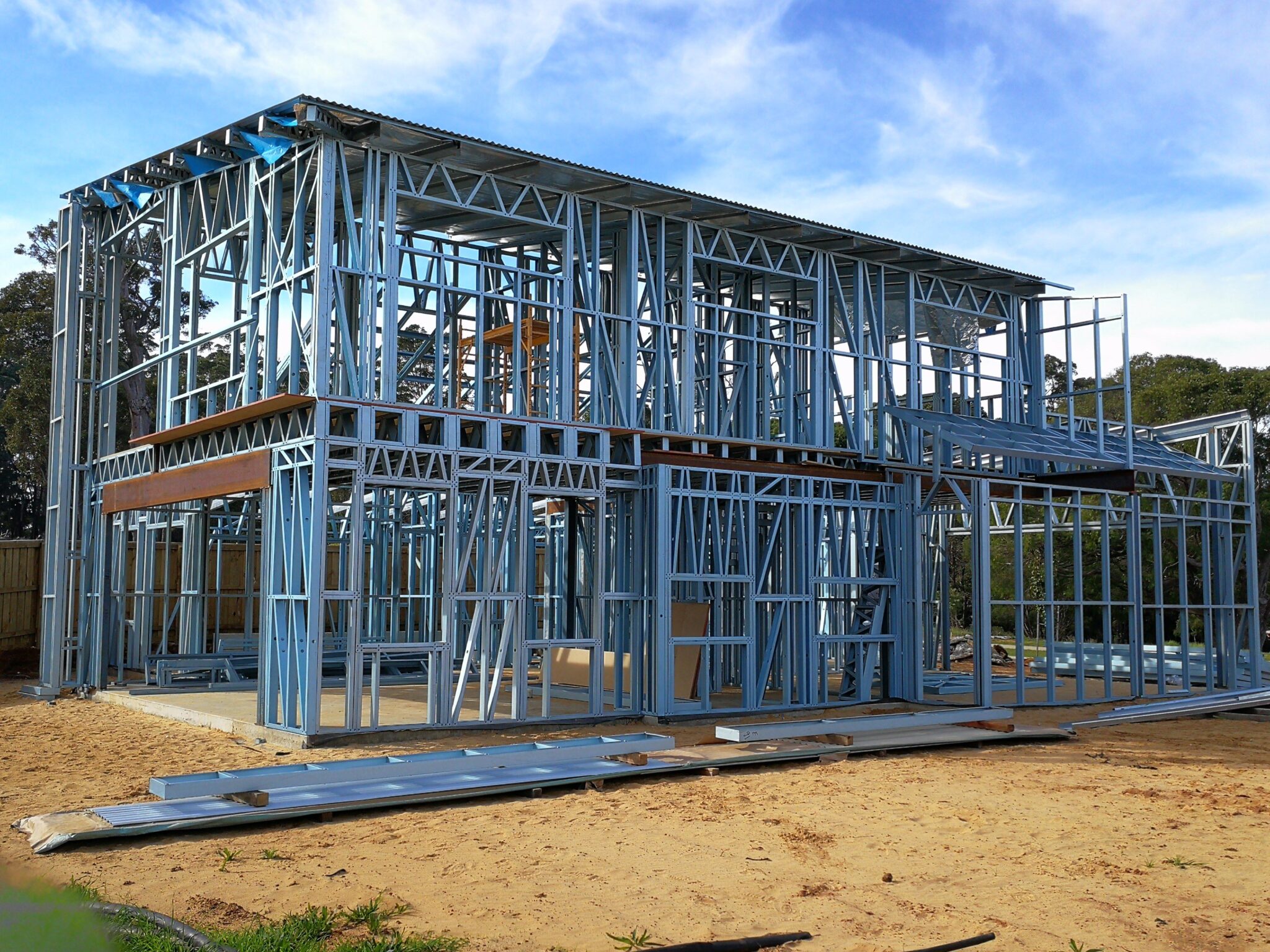
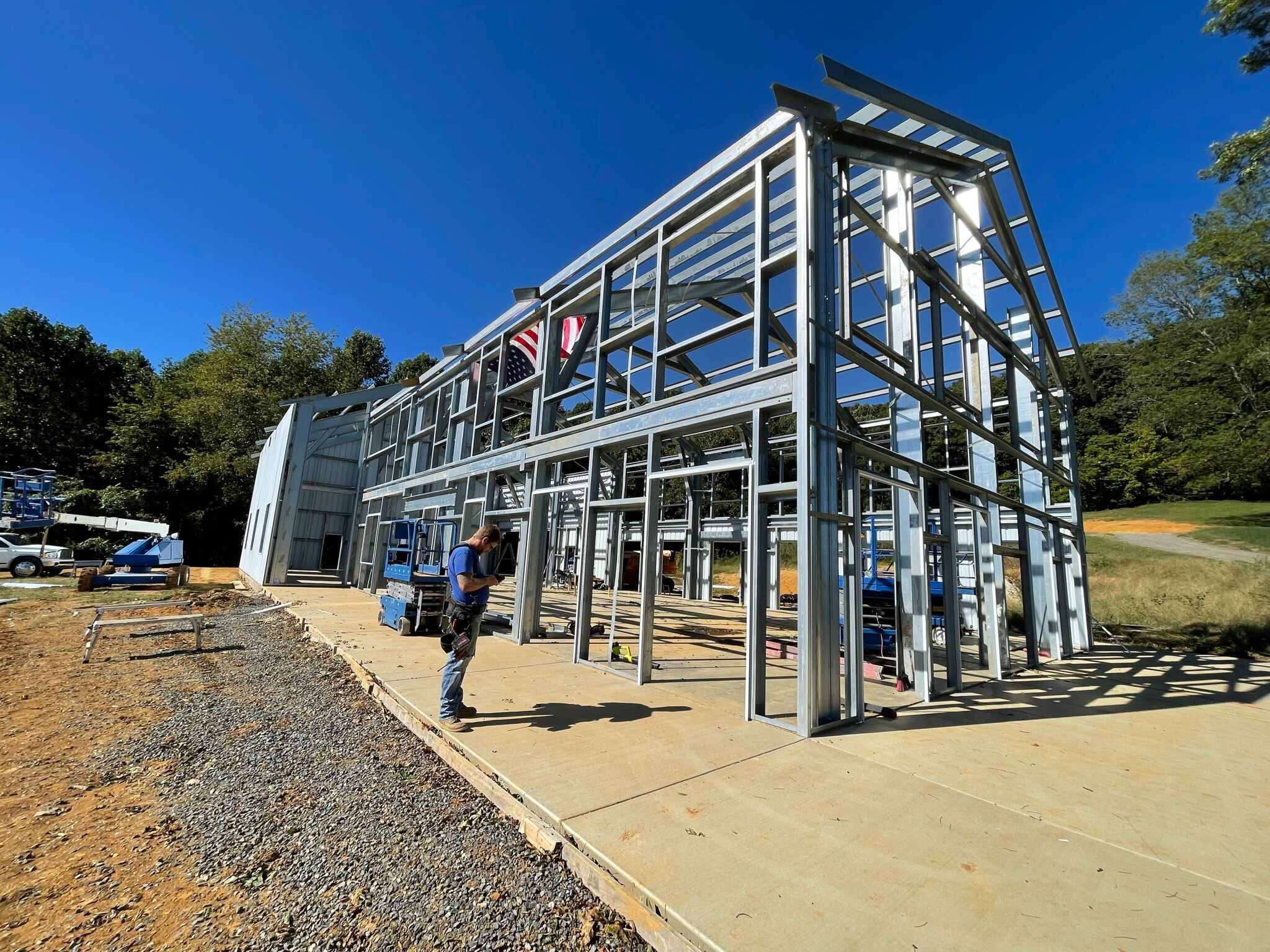
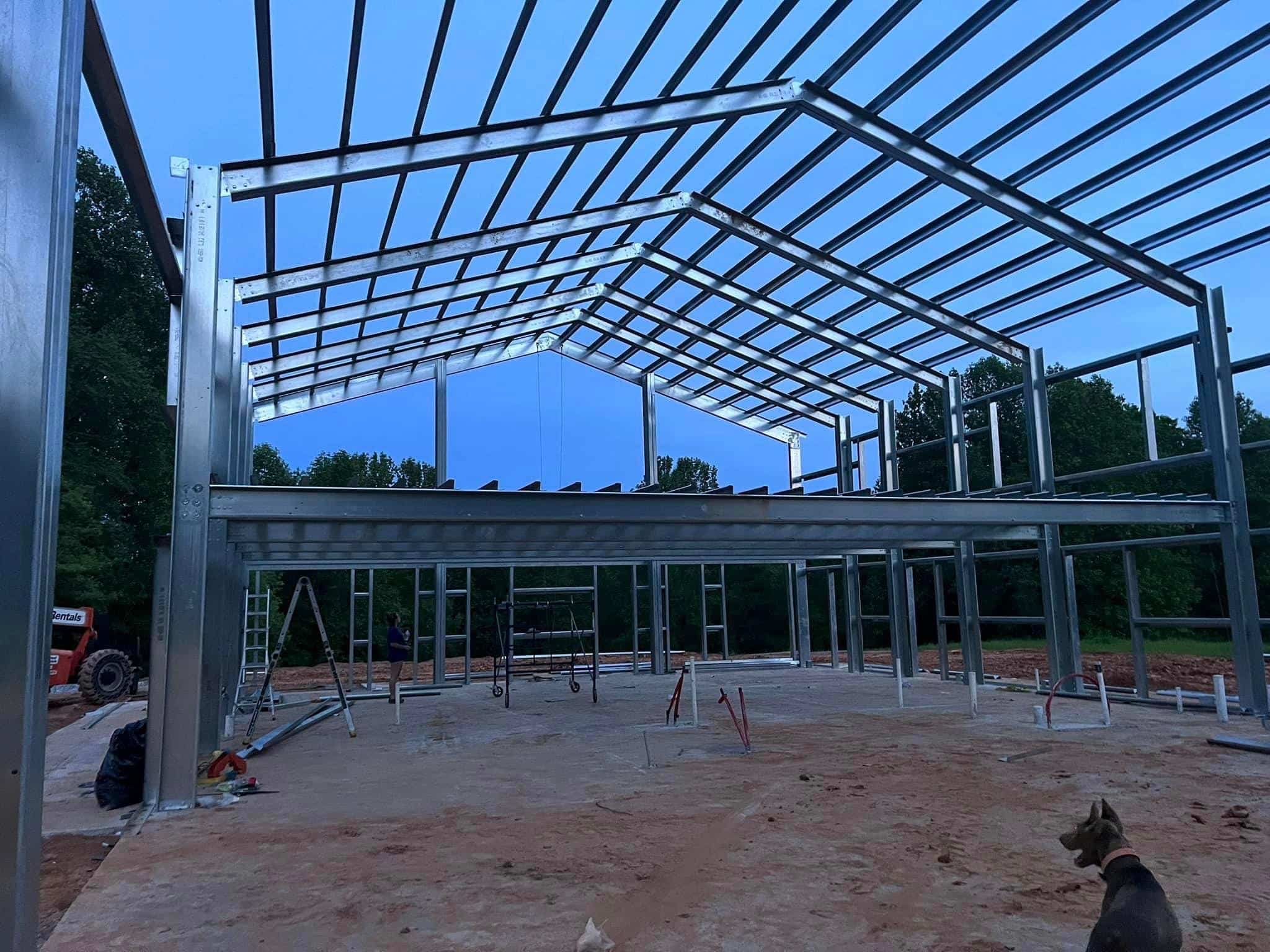
3. Lifting the Steel Frame (1-3 Months)

With the site prepared, you can begin Lifting the steel frame into place:
– **Receiving and Organizing Materials**: Receiving the steel frame kit and organizing the materials on-site.
– **Assembling the Frame**: Assembling the steel frame according to the plans, including erecting columns, beams, and trusses.
– **Securing the Frame**: Ensuring the frame is securely anchored to the foundation and properly aligned.

This phase can take one to three months, depending on the size of the structure, your experience level, and the availability of help.
Screenshot

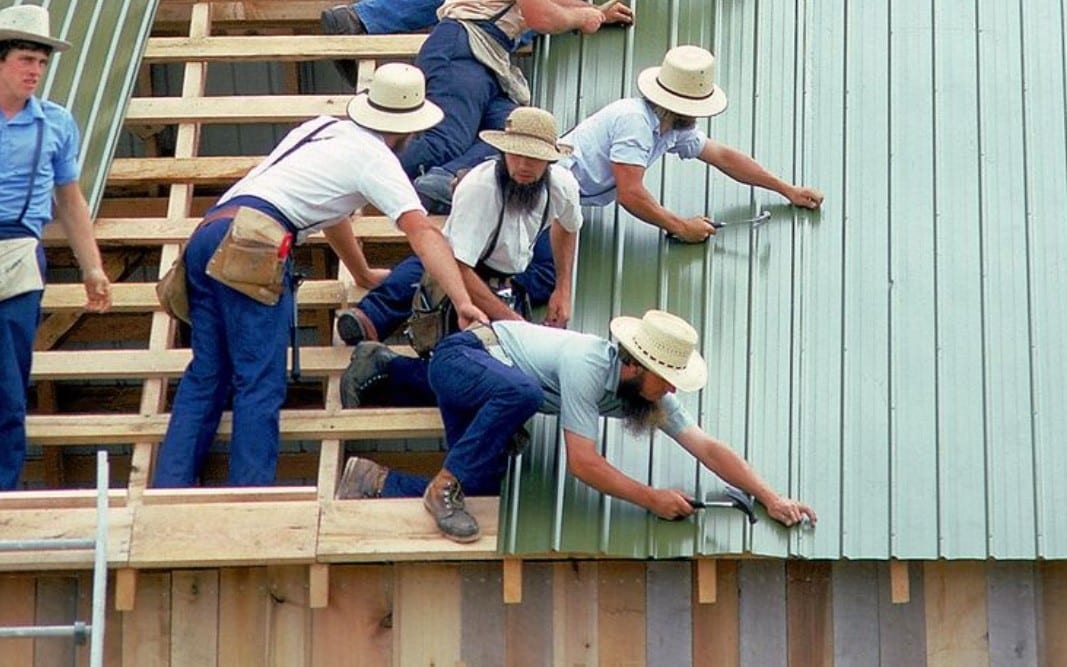
4. Roofing and Siding (1-2 Months)

Once the steel frame is erected, the next step is to install the roofing and siding:
– **Roof Installation**: Installing the roofing panels and ensuring they are properly secured and weatherproofed.
– **Siding Installation**: Installing the exterior siding panels, including any insulation and weatherproofing layers.

Roofing and siding typically take one to two months, depending on the complexity of the roof and the type of siding chosen.

5. Interior Finishing (3-6 Months)

The interior finishing phase is often the most time-consuming:
– **Electrical and Plumbing**: Installing electrical wiring, outlets, fixtures, and plumbing systems.
– **Insulation and Drywall**: Installing insulation in the walls and ceiling, followed by drywall installation.
– **Flooring and Painting**: Installing flooring materials and painting the interior walls and ceilings.
– **Cabinetry and Fixtures**: Installing kitchen cabinets, bathroom fixtures, and other built-in features.

Interior finishing can take three to six months, depending on the level of detail and customization required.
Benefits of Using Steel Barndominium Kits

Steel barndominium kits can significantly streamline the construction process. Here are some benefits of using these kits:

1. Simplified Construction Process

Steel barndominium kits come with pre-engineered components that are designed to fit together easily. This simplifies the construction process, especially for DIY builders who may not have extensive construction experience.

2. Reduced Construction Time

With all the necessary components included and pre-engineered for easy assembly, steel kits can reduce the overall construction time. This can be particularly beneficial if you have a limited timeframe for completing your project.
House on the stairs, coin, concept, starting a business Mortgages and real estate investments Saving money Investment risk.

3. Cost-Effective

Steel barndominium kits can be cost-effective, as they reduce the need for custom engineering and allow for bulk purchasing of materials. Additionally, the durability and low maintenance requirements of steel structures can lead to long-term cost savings.
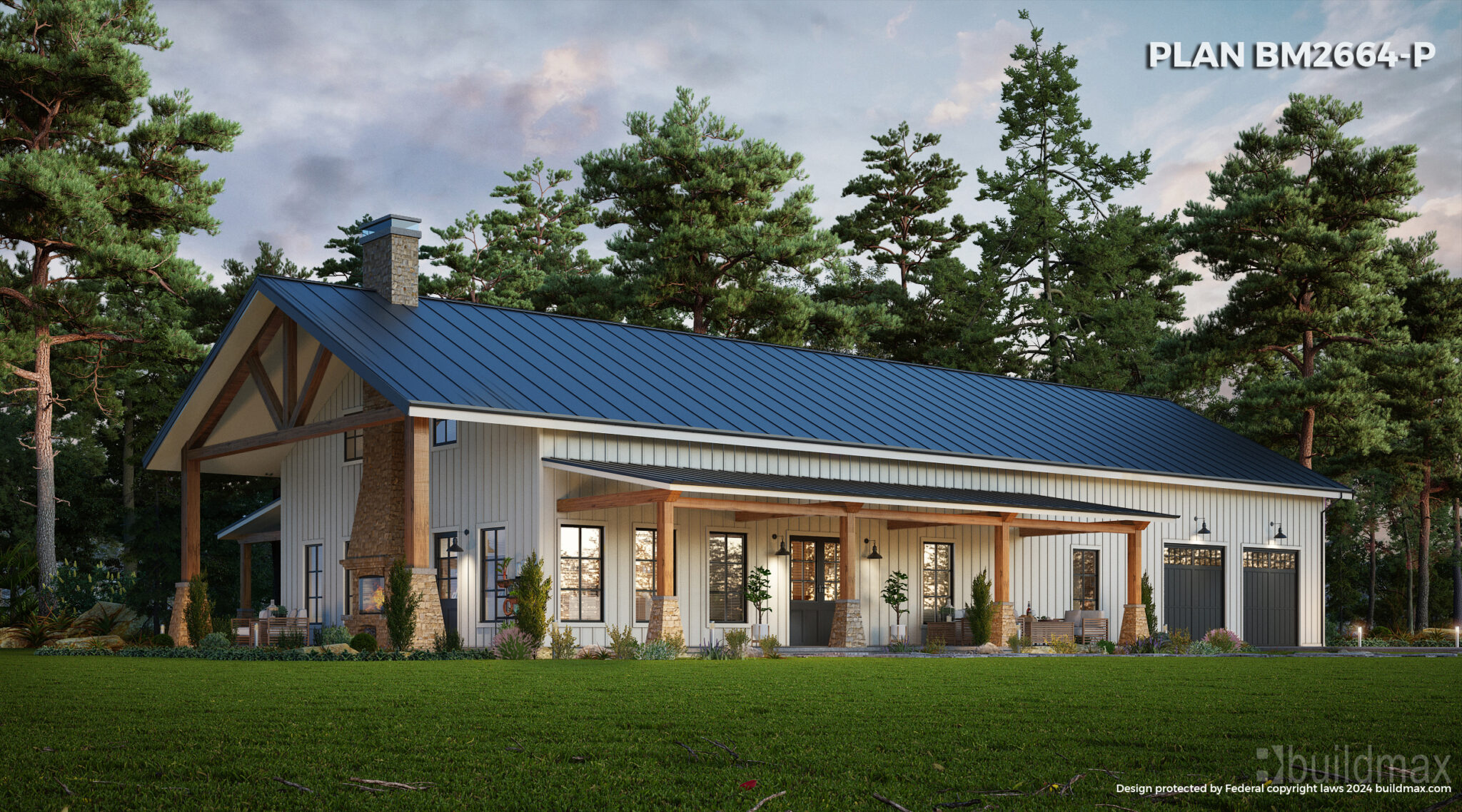
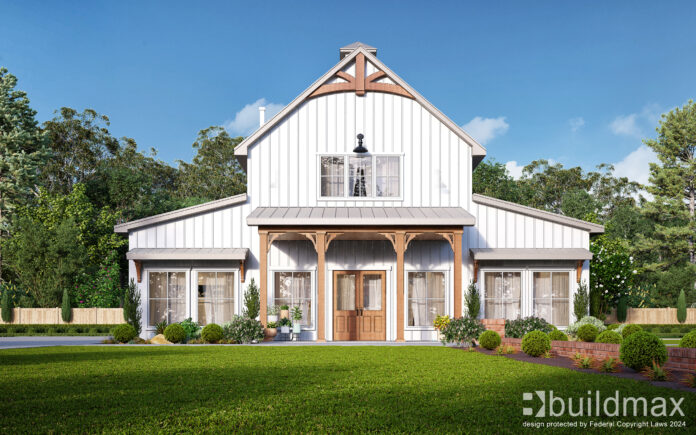
White barndominium with lofty porch

4. Customizable Designs

Many steel barndominium kits offer a range of customizable options, allowing you to tailor the design to your specific needs and preferences. This flexibility ensures that you can create a unique and functional living space.

5. Durability and Longevity

Steel is a highly durable material that is resistant to pests, fire, and extreme weather conditions. By using a steel barndominium kit, you can ensure that your structure is built to last and requires minimal maintenance.

Building a steel frame barndominium by yourself is a significant undertaking that requires careful planning, dedication, and a range of skills. The timeline for such a project can vary widely, but with proper preparation and the use of steel barndominium kits, you can streamline the process and create a durable, customized living space. From the initial planning and design phase to the final interior finishing touches, each step of the construction process plays a crucial role in bringing your barndominium vision to life. By understanding the various stages and benefits of using steel barndominium kits, you can embark on your DIY construction project with confidence and achieve a successful outcome.
What Type of Foundation Do You Build A Barndominium On?

Can a Barndominium Be Built on a Foundation?

Barndominiums, a blend of barns and condominiums, have surged in popularity due to their versatility, cost-effectiveness, and unique aesthetic appeal. They serve various purposes, from residential homes to workshops and event spaces. One common question that arises in the construction of these structures is whether they can be built on a foundation. The short answer is yes; barndominiums can be built on a foundation. However, the type of foundation typically used—most commonly a monolithic slab foundation—plays a significant role in their construction. This article will delve into the reasons behind this choice and explain the benefits of using a monolithic slab foundation for barndominiums.

Types of Foundations

Before we explore why monolithic slab foundations are prevalent, it’s essential to understand the different types of foundations available:

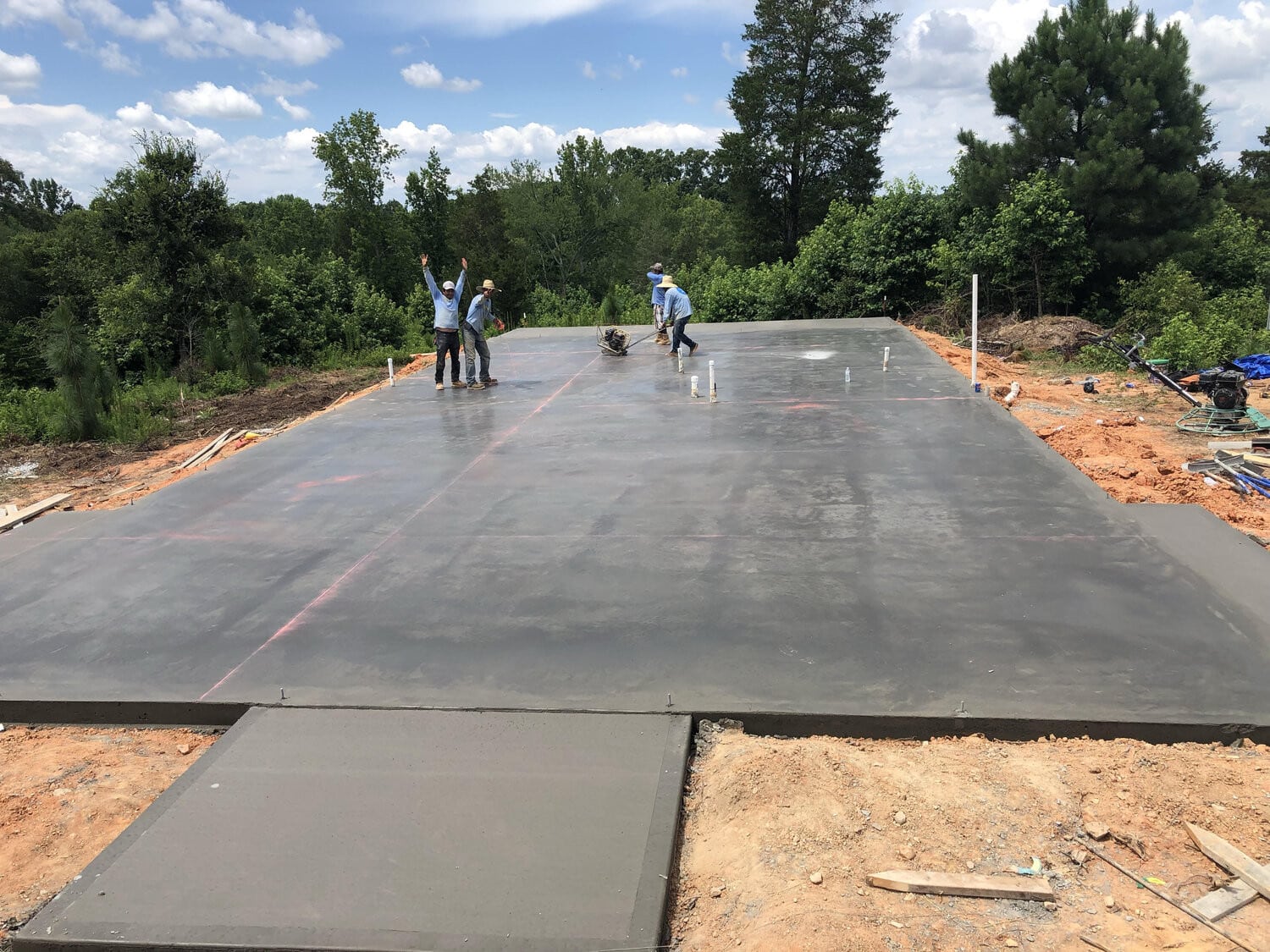
1. **Monolithic Slab Foundation**: This type of foundation involves pouring a single, continuous layer of concrete, that serves as both the floor and the support structure for the walls. The edges are thicker to support the load-bearing walls.

2. **Pier and Beam Foundation**: This foundation type uses piers (concrete or wooden posts) driven into the ground and beams that span between them to support the structure above. It’s often used in areas with unstable soil.

3. **Basement Foundation**: A basement foundation includes a full-height, below-ground-level space that can be used for additional living or storage space. It requires extensive excavation and construction but provides additional usable space.

4. **Crawl Space Foundation**: This foundation elevates the structure above the ground, creating a small space (crawl space) underneath. It’s useful for areas prone to flooding.

Why Monolithic Slab Foundations Are Preferred

Monolithic slab foundations are the most commonly used for barndominiums for several reasons:

1. Cost-Effectiveness

Building a monolithic slab foundation is generally more cost-effective compared to other types of foundations. The process requires less excavation and fewer materials, translating to lower labor and material costs. For those looking to build a barndominium on a budget, this can be a significant advantage.

2. Simplicity and Speed of Construction

The construction of a monolithic slab foundation is relatively straightforward and quick. Once the site is prepared and leveled, the concrete can be poured in a single day. This rapid turnaround reduces the overall construction time, allowing homeowners to move into their barndominium sooner.

3. Structural Integrity

Monolithic slabs provide a strong and stable foundation for barndominiums. The continuous pour of concrete minimizes the risk of shifting and settling, which can occur with other foundation types. The reinforced edges also ensure that the load-bearing walls are adequately supported, enhancing the structure’s overall durability.

4. Energy Efficiency

A monolithic slab foundation can contribute to the energy efficiency of a barndominium. The concrete slab acts as a thermal mass, absorbing heat during the day and releasing it at night, helping to regulate indoor temperatures. Additionally, the continuous nature of the slab reduces air infiltration, further enhancing energy efficiency.

5. Low Maintenance

Monolithic slab foundations are low maintenance compared to other types. There are no crawl spaces to inspect or piers to monitor for damage. The solid concrete slab is resistant to pests, such as termites, that can compromise wooden foundations.

How to Build a Barndominium on a Monolithic Slab Foundation

1. Site Preparation

The first step in constructing a monolithic slab foundation is site preparation. This involves clearing the land, leveling the site, and installing proper drainage to prevent water from accumulating under the foundation.

2. Formwork Installation

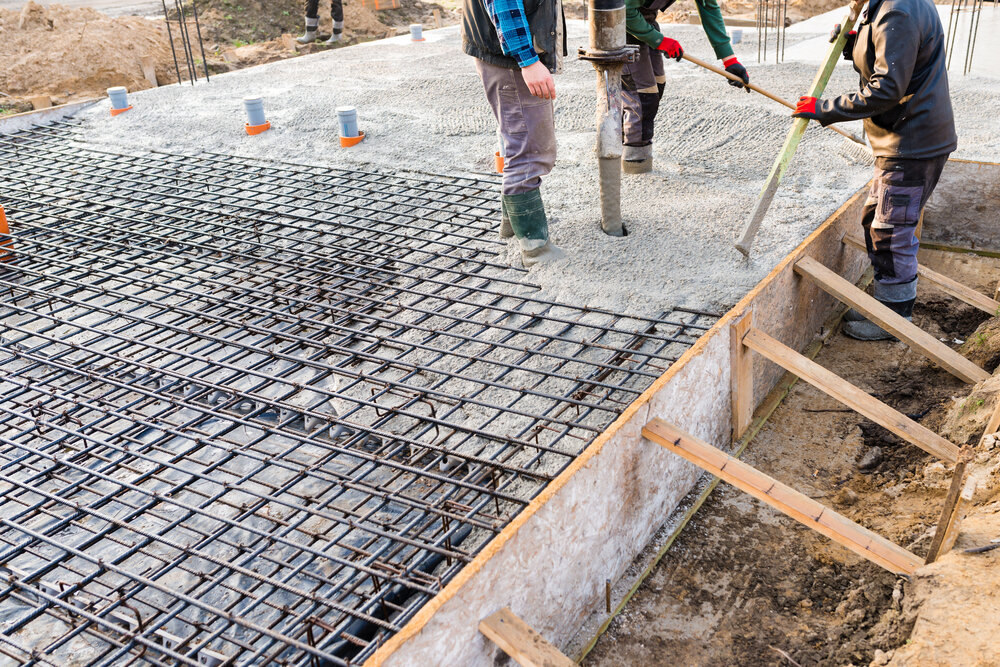
Next, formwork is installed to shape the concrete pour. This includes setting up wooden or metal forms around the perimeter of the foundation and placing rebar for reinforcement. The edges of the slab are typically made thicker to support load-bearing walls.

3. Pouring the Concrete

Once the formwork and reinforcement are in place, the concrete is poured in a continuous process. It’s crucial to ensure that the pour is done uniformly to avoid weak spots or cracks. The concrete is then leveled and smoothed to create a flat, even surface.

4. Curing the Concrete

After pouring, the concrete must cure properly to achieve its full strength. This process can take several days, during which the slab should be kept moist and protected from extreme temperatures. Proper curing is essential for the long-term durability of the foundation.

5. Building the Barndominium

With the monolithic slab foundation in place, the construction of the barndominium can proceed. The slab serves as both the floor and the support for the structure, providing a stable and reliable base for the walls and roof.

Barndominiums can indeed be built on a foundation, and the monolithic slab foundation is the most common choice due to its cost-effectiveness, simplicity, structural integrity, energy efficiency, and low maintenance requirements. By understanding the benefits of this foundation type and following the proper construction steps, homeowners can ensure that their barndominium is built on a solid and reliable base, ready to provide comfort and functionality for years to come.
Why a Barndominium?

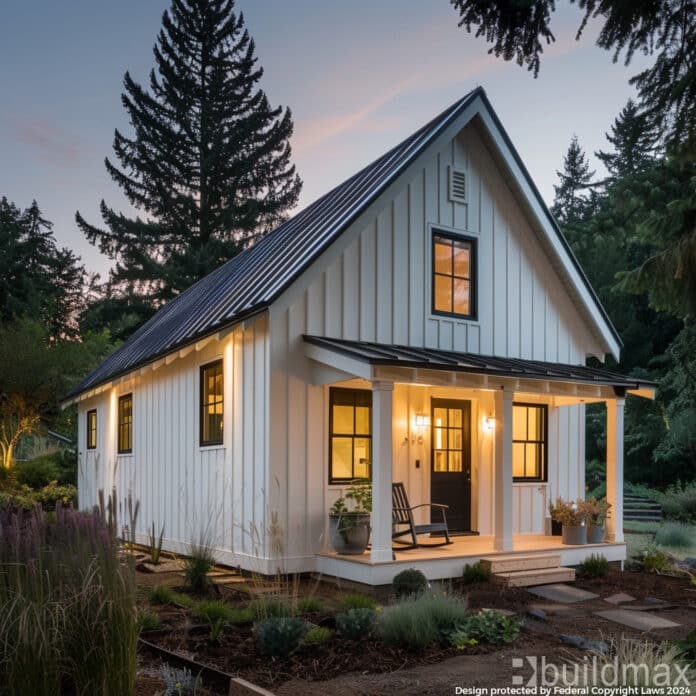
small white barndominium ADU

Why a Barndominium? Exploring the Modern Appeal of Versatile Living Spaces

In recent years, the barndominium, often affectionately referred to as a “barndo,” has emerged from its niche origins to become a popular housing option across the United States. Blending the architectural aesthetics of a traditional barn with the modern comforts of a condominium, barndominiums offer a unique alternative to conventional homes. This article delves into why barndominiums are gaining popularity, focusing on their versatility, cost-effectiveness, durability, and customization potential.

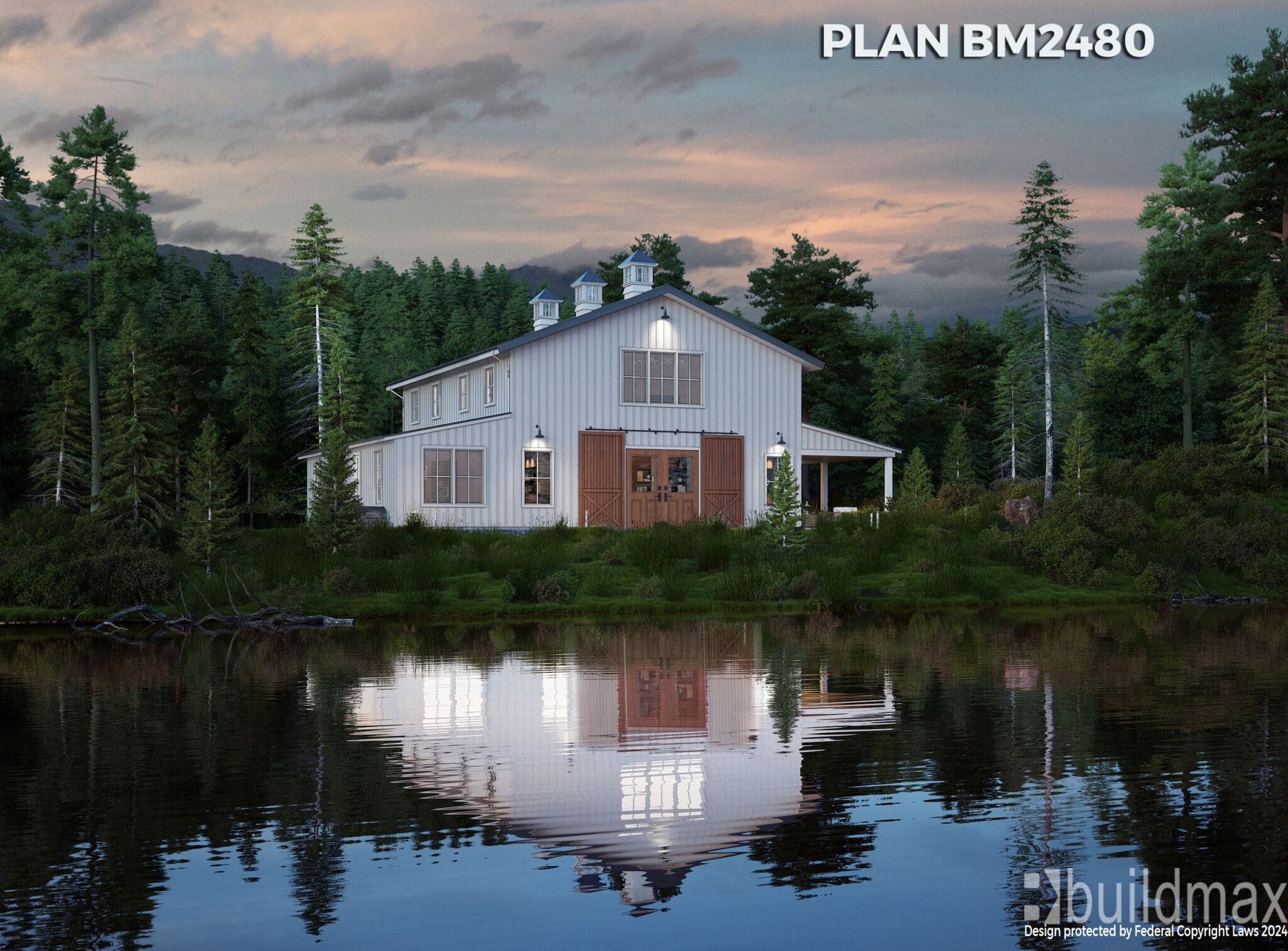
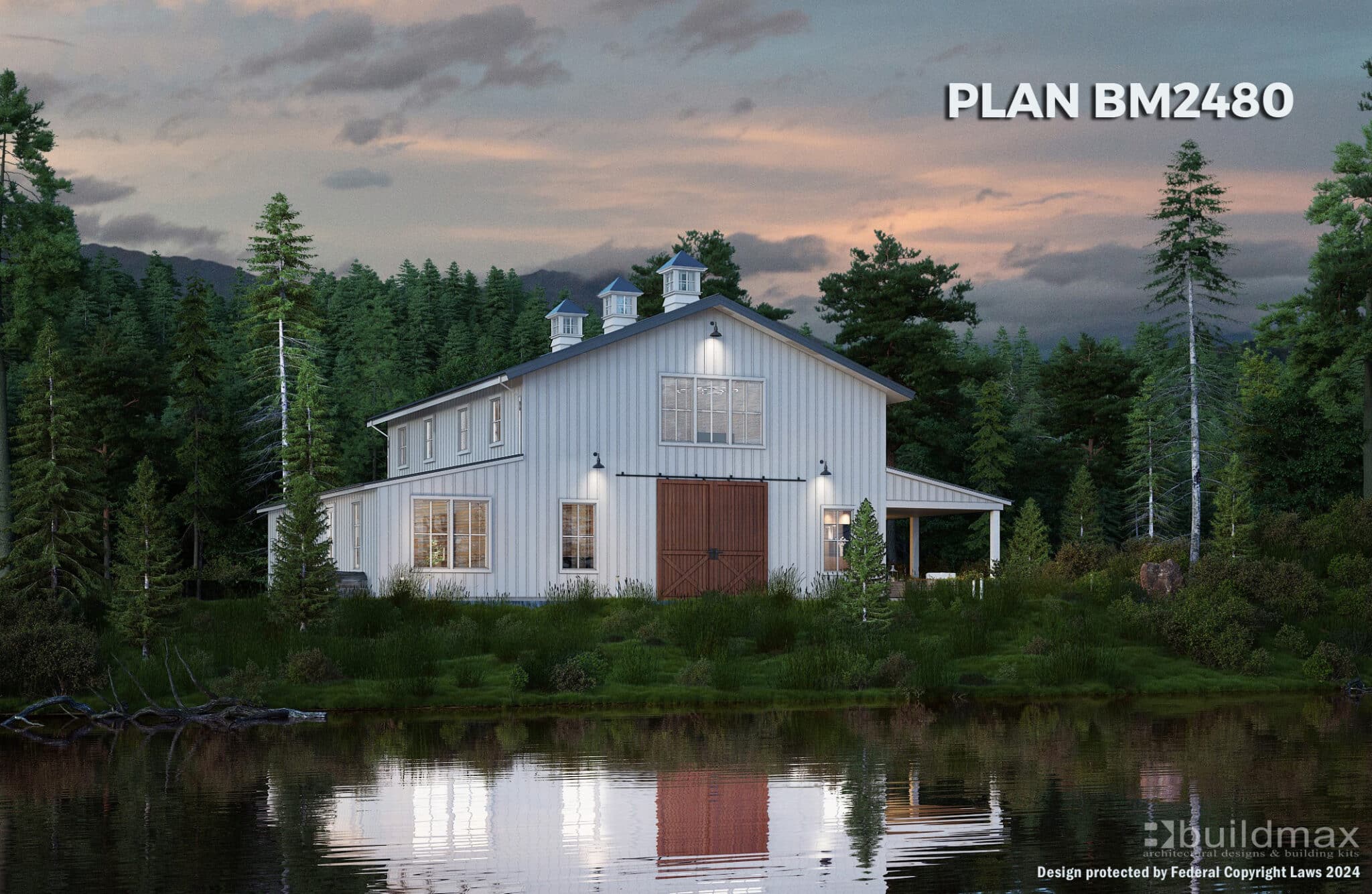
white barndominium with cupolas and large barn doors

The Rise of Barndominiums

Barndominiums initially gained traction among those looking for cost-effective ways to combine their living spaces with functional areas for work, hobbies, or storage. However, the appeal of barndominiums has broadened significantly, attracting a diverse group of people, including families, retirees, and young professionals, all drawn to the unique benefits these structures provide.

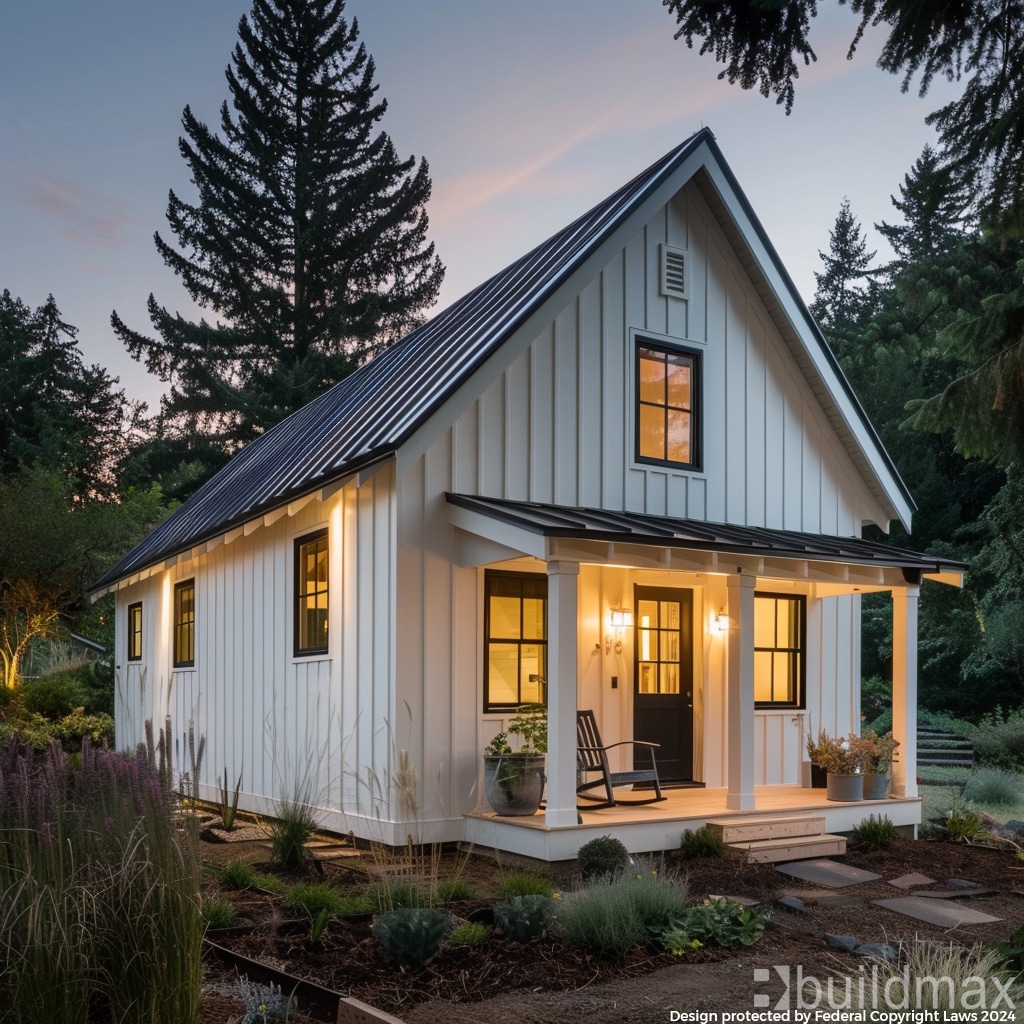
small white barndominium ADU

Key Reasons to Choose a Barndominium

**1. Versatility:**
One of the standout features of barndominiums is their versatility. These buildings can easily be designed to serve multiple purposes, from residential and workshop areas combined under one roof, to fully customized living spaces that include home offices, large entertainment areas, or personal gyms. This flexibility makes them particularly appealing in today’s multifunctional world where home isn’t just for living, but also for working and playing.

**2. Cost-Effectiveness:**
Barndominiums are often more affordable than traditional homes due to the efficiencies in their construction. Many are built using prefabricated steel frames that reduce both the time and labor required for construction. The materials used are generally less expensive than those for standard houses, and the simplified design reduces waste. For many, the economic savings are a major draw.

**3. Energy Efficiency:**
Well-insulated barndominiums can offer significant energy savings. The structures are often designed with energy efficiency in mind, featuring options like radiant barrier sheathing, spray foam insulation, and energy-efficient windows that help maintain temperature control, thus reducing heating and cooling costs.


**4. Quick Construction Time:**
The construction of a barndominium can be remarkably quick, especially when using a prefabricated kit. This speedy construction is not only convenient but also reduces costs associated with labor and rental accommodations while waiting for the build to complete.

**5. Durability and Low Maintenance:**
Steel frame barndominiums offer exceptional durability. Steel is resistant to many of the common ailments that can affect traditional wood structures, such as termites and moisture damage. These properties ensure a longer lifespan and lower maintenance costs, which is a significant advantage for any homeowner.

**6. Customization Potential:**
Barndominiums are highly customizable. Whether it’s adjusting the floor plans to suit a particular lifestyle or choosing finishes that reflect personal style, homeowners can create a space that truly feels like their own. This level of customization is typically available without the premium cost associated with custom-built traditional homes.

**7. Unique Aesthetic Appeal:**
For many, the aesthetic appeal of barndominiums is a key attraction. Their unique blend of rustic charm and modern design can stand out in a sea of conventional homes, providing a distinctive living space that reflects the owner’s tastes and personality.

white barndominium with wraparound porch

The rising popularity of barndominiums reflects a broader shift towards more flexible, affordable, and personalized living solutions. They offer a practical alternative for those who seek a home that is as versatile and dynamic as their lifestyle. Whether it’s the lower cost, the speedy construction, the robustness of materials, or the limitless design possibilities, barndominiums represent a compelling answer to the question of modern, efficient, and customized living. As more people discover the myriad benefits of these structures, the trend towards choosing a barndominium over a traditional home is expected to continue growing, reshaping perceptions of what a modern home can be.

What is a Barndo?

black barndominium

Understanding Barndominiums: The Rise of the “Barndo”

In recent years, the concept of the barndominium, affectionately known as “barndo,” has transformed from a niche architectural novelty into a mainstream housing trend. A portmanteau of “barn” and “condominium,” barndominiums encapsulate a unique blend of rustic charm and modern living, offering a versatile and cost-effective alternative to traditional home constructions. This article explores what defines a barndo, its benefits, and how companies like Buildmax are leading the charge in providing quality steel frame barndominiums with professional floor plans.

white barndominium with wraparound porch

Defining the Barndominium

A barndominium refers to a structure that combines elements of a barn with the comforts and design of a condominium. Originally designed to provide a dual-purpose solution for housing and workspace or storage, barndominiums have evolved into fully customizable homes that can be tailored to fit any lifestyle or aesthetic preference. These structures are particularly popular in rural areas but have been gaining traction in suburban settings due to their affordability and flexibility.

Key Features of Barndominiums

**1. Versatility:**
One of the most appealing aspects of barndominiums is their versatile nature. They can be designed to serve as a primary residence, workshop, garage, or even a recreational space. The interior can be partitioned to include living quarters, office spaces, and large open areas for hobbies or storage.

**2. Cost-Effectiveness:**
Building a barndominium can be significantly more cost-effective than constructing a traditional home. The use of prefabricated kits and simpler, more durable materials like steel reduces both construction costs and long-term maintenance.
**3. Quick Construction:**
The construction timeline for a barndominium is typically shorter than that of conventional homes. Many barndominiums are built using prefabricated steel frames that can be assembled quickly on-site, dramatically reducing building time.
**4. Energy Efficiency:**
With proper insulation and design, barndominiums can be incredibly energy-efficient. The materials used in their construction, particularly in steel-framed Barndo’s, facilitate better temperature regulation which helps in reducing heating and cooling costs.

**5. Customizable Designs:**
Barndominiums are known for their high degree of customizability. Owners have the freedom to design floor plans that cater exactly to their needs, from the layout of living spaces to the inclusion of large doors, windows, and ceiling heights.

white farmhouse style barndominium

Professional Floor Plan Companies Like Buildmax

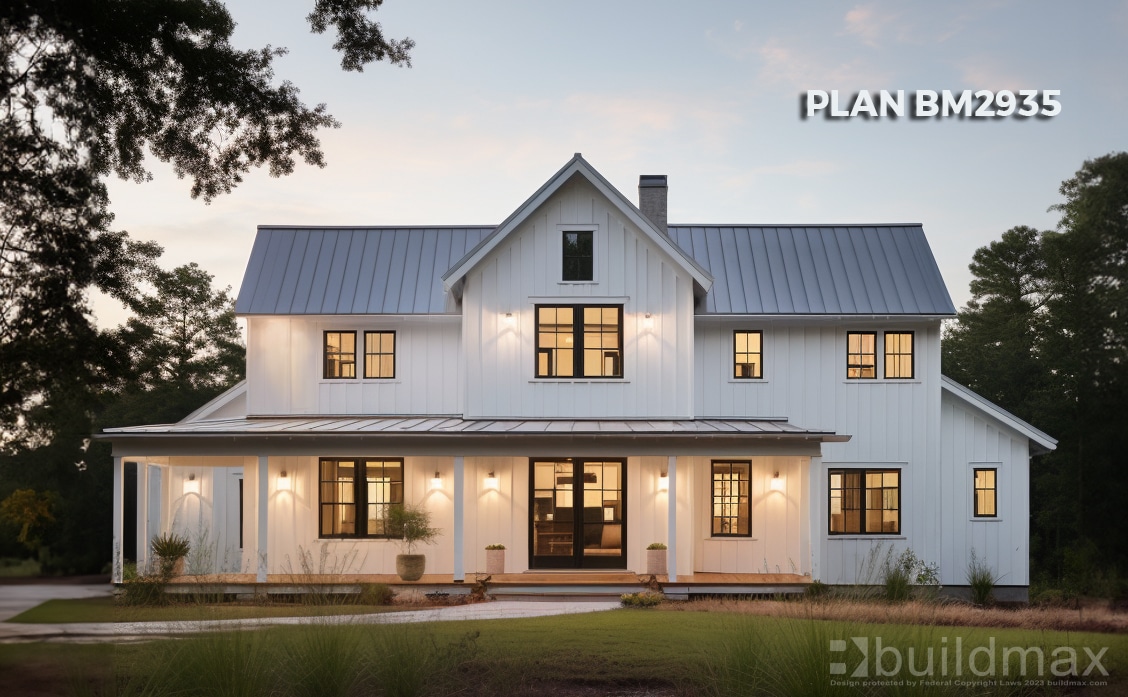
Recognizing the growing demand for barndominiums, companies like Buildmax have specialized in providing quality steel frame kits and professional floor plans tailored to the unique needs of each client. Buildmax offers a range of services from conceptual design to the final construction plans, ensuring that each barndominium reflects the owner’s vision while maintaining practicality and structural integrity.

BM3151-G-B BARNDOMINIUM PLAN

**Professional Services Offered by Buildmax:**
– **Custom Floor Plans:** Buildmax works closely with clients to create floor plans that maximize the usability of space while incorporating personal style and requirements.
– **Quality Steel Frames:** Known for their durability and strength, Buildmax’s steel frames provide a solid foundation for any barndominium, ensuring a structure that is both sturdy and sustainable.
– **Design Consultation:** From selecting the right layout to choosing finishes and fixtures, Buildmax offers comprehensive consultation services to guide clients through every step of the design and building process.
black barndominium shophouse with wraparound porch

Barndominiums, or “barndos,” represent a significant shift in residential architecture, offering an affordable, efficient, and highly customizable alternative to traditional homes. Companies like Buildmax play a pivotal role in this evolving market, providing professional floor plans and quality steel frames that meet the diverse needs of modern homeowners. Whether it’s a countryside retreat or a multifunctional family home, barndominiums offer a unique solution for those looking to combine the practicality of traditional barn structures with the comfort and style of modern living.

Building Equity with Steel Frame Barndominium Kits

white barndominium with cupolas

Building Equity With Steel Frame Barndominium Kits

For many homeowners, building a custom home isn’t just about having a place to live—it’s also about creating long-term value. That’s where the idea of “building equity” comes in.

A common question is:

“Can a steel frame barndominium kit help build equity like a traditional home?”

The answer is: it can—but it depends on how the project is planned, built, and maintained over time.


What Does “Building Equity” Really Mean?

Equity is the difference between:

  • what your home is worth

  • and what you owe on it

As your home increases in value—or as you pay down your loan—your equity grows.

With barndominiums, equity works the same way as any other home, but it’s influenced by several key factors:

  • location

  • construction quality

  • market demand

  • and long-term maintenance


How Steel Barndominium Kits Fit Into the Equation

A steel barndominium kit provides a starting point for construction, not a finished home.

Most kits include:

  • pre-engineered steel framing

  • structural components

  • plans and specifications

But they do not include:

  • land

  • site work

  • foundation

  • utilities

  • interior finishes

  • or labor

Because of this, equity is not created by the kit alone—it’s created through the entire completed project.


Factors That Influence Equity in a Barndominium

1. Location Still Matters Most

Like any real estate, property value is heavily influenced by:

  • local housing demand

  • nearby comparable homes

  • school districts and amenities

Even a well-built home may see limited appreciation in areas with low demand.


2. Quality of Construction

How the home is built plays a major role in long-term value.

This includes:

  • proper engineering

  • experienced contractors

  • correct installation

  • attention to detail

Poor construction can reduce value, while a well-built home can perform more competitively in the market.


3. Design and Market Appeal

Homes that appeal to a broader range of buyers tend to hold value better.

Features that may help include:

  • functional layouts

  • open living spaces

  • natural light

  • practical room sizes

  • balanced garage/shop space

Highly customized or niche designs may limit resale appeal in some markets.


4. Finishes and Upgrades

Interior selections also impact perceived value.

This includes:

  • kitchens and bathrooms

  • flooring

  • cabinetry

  • fixtures and lighting

Quality finishes can improve both livability and resale potential.


5. Maintenance and Upkeep

Long-term performance plays a major role in equity.

Regular maintenance helps preserve:

  • structural integrity

  • exterior appearance

  • system performance

Environmental factors like humidity, weather, and drainage can all impact how a home holds its value over time.


Steel Framing and Long-Term Considerations

Steel framing is often chosen for:

  • dimensional consistency

  • resistance to warping

  • structural stability when properly installed

However, it’s important to understand:

  • performance depends on insulation, moisture control, and installation quality

  • steel must be protected during construction to avoid unnecessary exposure

  • no framing system eliminates the need for maintenance

Equity is tied to the overall home, not just the framing material.


Builder and Project Responsibility

It’s important to understand that BuildMax is not a builder or general contractor.

BuildMax provides:

  • floor plans

  • design services

  • and material packages (including kits)

BuildMax does not:

  • supervise construction

  • manage job sites

  • or control contractor performance

For best results, homeowners should:

  • hire a vetted general contractor

  • work with professionals experienced in steel framing systems

  • and carefully evaluate all subcontractors

You may also consider requesting a quote from a third-party manufacturer’s steel installation crew, if available, as they are often familiar with the system being used.

All contractors are independent third parties, and the homeowner is responsible for managing the construction process.


Financing and Appraisal Considerations

Equity is also influenced by how the home is financed and appraised.

Lenders and appraisers may consider:

  • comparable home sales in the area

  • overall construction quality

  • square footage and features

  • market demand

Preparing detailed plans, budgets, and documentation can help support a smoother appraisal process.


Final Thoughts

Building equity with a steel frame barndominium kit is absolutely possible—but it’s not automatic.

The strongest contributors to long-term value are:

  • location

  • design

  • construction quality

  • contractor experience

  • and ongoing maintenance

A barndominium kit is simply the starting point. The real value comes from how the entire project is executed.

When properly planned and built with experienced professionals, a steel barndominium can become a functional home that holds value and supports long-term equity growth

Why Are people choosing to live in Barndominiums?

black barndominium shophouse with wraparound porch

The Rising Appeal of Barndominiums: Why More People Are Choosing to Live in Them

Barndominiums, a term that cleverly blends “barn” and “condominium,” have evolved from their humble beginnings as affordable, basic structures for agricultural storage into fully functional and trendy residential homes. This unique style of living has caught the attention of various demographics across the United States, especially as modern lifestyles shift towards more versatile, cost-effective, and personalized housing solutions. Here are some of the main reasons why an increasing number of people are choosing to live in barndominiums today.

white barndominium on the lake

Affordability

One of the most compelling reasons people opt for barndominiums is their affordability compared to traditional homes. The basic structure of a barndominium can be built quickly and at a lower cost due to the simplicity of its design and the use of materials like steel Framing. These materials are not only cheaper but often come in pre-engineered kits that reduce labor costs and construction time significantly.

white barndominium with cupolas

Versatility

Barndominiums are renowned for their versatility. They can be designed from scratch to serve multiple purposes not just as a living space but also incorporating workshops, garages, and office spaces under one roof. This flexibility makes them particularly appealing to individuals who work from home, have hobbies that require a lot of space, or need large storage areas. The interior can be partitioned according to personal needs, and because there are typically no load-bearing walls inside, the floor plan can be adjusted with minimal hassle.

Durability and Low Maintenance

Constructed predominantly from metal, barndominiums are durable and resistant to many of the challenges that traditional wooden structures face, such as termite damage, mold, and rot. Steel buildings are also better suited to withstand harsh weather conditions, including high winds and heavy snow, making them ideal for many climates. The durability of these materials translates into lower maintenance costs over time, adding to the long-term savings for homeowners.

Energy Efficiency

With proper insulation, barndominiums can be incredibly energy efficient. The metal roofs and walls, when insulated, help in maintaining a consistent internal temperature, lowering the cost of heating and cooling. Many barndominium owners also opt for green solutions like solar panels or geothermal heating systems to further reduce their energy footprint and enhance the sustainability of their homes.

Aesthetic Appeal

While the term may conjure images of a simple, barn-like structure, modern barndominiums can be beautifully designed with aesthetic appeal that competes with traditional homes. Large windows, sliding glass doors, and expansive open floor plans create bright and airy living spaces. Owners have the freedom to finish the interiors with the same materials used in more conventional homes, such as hardwood floors, granite countertops, and custom cabinetry, allowing for a stylish finish that reflects personal tastes.

Community and Lifestyle

Barndominiums often appeal to those looking for a sense of community and a more relaxed lifestyle. Many are built in rural or semi-rural areas where residents can enjoy the peace of the countryside but still maintain a sense of community. The lifestyle associated with living in a barndominium is often laid-back, close to nature, and provides a strong sense of freedom and self-sufficiency.

white barndominium with cupolas

The popularity of barndominiums continues to grow as more people discover the myriad benefits they offer. From their affordability and flexibility to their durability and style, barndominiums provide a unique living experience that modern homeowners find increasingly attractive. Whether it’s the allure of integrating living and workspaces or the charm of a customized, cost-effective home, the reasons to choose a barndominium are as diverse as the people who live in them. As we move forward, the trend of barndominium living does not just represent a practical housing solution but also a lifestyle choice that resonates with a growing number of individuals looking for more than just a house, but a place to truly call home.

Building Your Dream Barndominium: What $200K Can Get You

Building Your Dream Barndominium: What a $200K Budget Can Get You

In the burgeoning world of alternative housing, barndominiums have become a popular choice due to their versatility, durability, and cost-effectiveness. For prospective homeowners with a budget of $200,000, the question often arises: “How big of a barndominium can I build with this amount?” This article explores the factors that influence the cost of building a barndominium and provides a realistic overview of what can be achieved with a $200K budget.

black barndominium by a lake

Understanding the Costs

**1. Land Costs:**
Before diving into the construction costs, it’s essential to consider the price of land, which can significantly vary by location. If you already own land, you can allocate the entire budget towards building the structure. However, if you need to purchase a plot, the cost of land will need to be deducted from the $200K, potentially leaving less for construction.

**2. Design and Permits:**
Design costs and obtaining the necessary permits can also affect your budget. Simple, more standard designs are less expensive, while custom features add to the cost. Additionally, the local regulatory environment and required permits can influence overall expenditures.

**3. Foundation and Infrastructure:**
The foundation constitutes a significant part of the construction cost, especially if you opt for a concrete slab, which is common with barndominiums. Costs for utilities such as water, sewage, and electricity need consideration, especially if the land is not already serviced.

The Construction

**Materials and Construction Method:**
The choice of materials and construction method greatly influences the cost. Steel frame kits are a popular choice for barndominiums as they offer durability and ease of assembly, which can reduce labor costs. The size of the barndominium that $200K can build largely depends on the price of these steel kits and the complexity of the design.

**Interior Finishes:**
Interior finishes can dramatically vary in cost. High-end finishes and custom fittings can quickly deplete your budget, whereas more basic finishes will allow you to allocate more of your budget to increasing the size of the barndominium.

white farmhouse with wraparound porch

Having Realistic Size Expectations

With $200,000, assuming that land and foundation costs are managed efficiently, one could expect to build a barndominium of considerable size. Here’s a rough breakdown:

– **Land Cost:** If you spend $50,000 on the land, $150,000 remains for the build.
– **Foundation and Infrastructure:** Assuming $30,000 for a robust foundation and basic utilities setup.
– **Steel Frame Kit:** Ranging from $20 to $40 per square foot, you might spend $100,000 on a mid-range kit and labor, which could cover up to 2,500 square feet.
– **Finishes and Extras:** The remaining $20,000 could be allocated towards interior finishes and additional features like windows, doors, and basic cabinetry.

Example Layouts

With the above budget breakdown, a 2,500 square foot barndominium might include:

– **Open Concept Living Area:** A large, open-plan kitchen, dining, and living area, utilizing cost-effective but stylish finishes.
– **Bedrooms and Bathrooms:** 3-4 bedrooms and 2-3 bathrooms, depending on size and layout preferences.
– **Utility and Storage:** Adequate space for laundry, equipment, and storage to maximize the utility of the home.

Building a barndominium with a $200,000 budget requires very careful planning and prioritization, any slight misstep with a limited budget could end up costing you the entire project. By understanding the key cost factors and making informed choices about land, materials, and design, it is possible to construct a spacious and comfortable home. As with any construction project, it’s crucial to have a buffer built into your budget for unforeseen expenses to ensure that your barndominium project is successful and stays within financial boundaries.

The Rise of Coastal Barndominiums

black barndominium

The Rise of Coastal Barndominiums: Blending Style and Functionality Along the Southern Coast

The traditional image of a barndominium, which often conjures up visions of rural landscapes and rustic designs, is undergoing a transformative evolution. In recent years, there has been a notable surge in the popularity of coastal barndominiums, especially in the Southern United States. These structures blend the robust, versatile framework of classic barndominiums with aesthetic elements that complement the scenic coastal environment. This article explores the growing trend of coastal barndominiums, their unique styling, and why they are becoming a favored choice among homeowners looking for a residence along the coast.

FARMHOUSE BARNDOMINIUM BM3151

Why Coastal Barndominiums?

**Durability Against Harsh Weather:** One of the key reasons for the popularity of barndominiums along the coast is their durability. The steel frame construction typical of barndominiums offers significant resistance to the harsh weather conditions that coastal areas often face, such as hurricanes and high humidity. Steel’s resilience against rust and decay, especially when treated with protective coatings, makes it ideal for the wet, saline air prevalent in coastal regions.

**Affordability and Quick Construction:** Coastal real estate is notoriously expensive, but barndominiums offer a cost-effective alternative to traditional home building. The prefabricated nature of many barndominium kits allows for rapid assembly and customization, reducing labor costs and construction time. This efficiency is particularly appealing in high-demand coastal markets where quick occupancy is advantageous.

white farmhouse with wraparound porch

Styling Coastal Cottage Barndominiums

**Architectural Harmony with Coastal Aesthetics:** Coastal barndominiums are designed to harmonize with their surroundings, incorporating architectural elements that reflect the coastal aesthetic. Features like large windows and glass doors maximize ocean views and natural light, while spacious decks and patios enhance the indoor-outdoor living experience. The exterior often features light, reflective colors to keep the building cool and integrate it visually with the sandy shores and waterfront vistas.

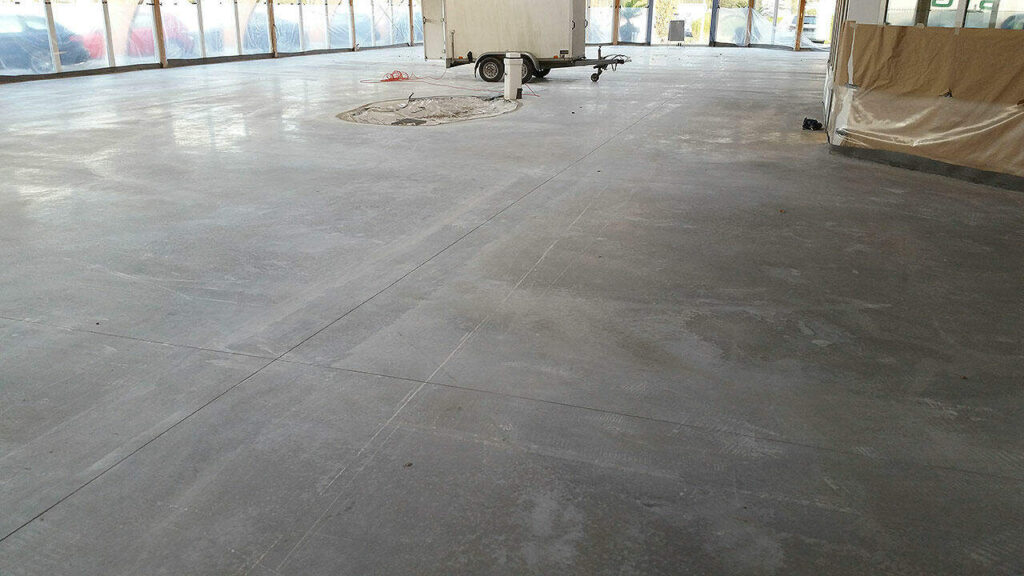
**Interior Design Flexibility:** Inside, coastal barndominiums boast open floor plans that facilitate a breezy, fluid living space ideal for relaxation and entertainment. The interiors are often outfitted with sustainable and salt-resistant materials to minimize maintenance and enhance the beachy vibe. Polished concrete floors, stainless steel fixtures, and marine-inspired palettes complement the external environment and create a cohesive look.

modern farmhouse barndominium

Integration with the Landscape

**Environmental Considerations:** Builders of coastal barndominiums often take great care to minimize environmental impact. This includes using sustainable materials and construction practices, as well as designing homes to maximize energy efficiency with features like solar panels and energy-efficient windows. Landscaping around these homes typically involves native plants that are resilient to local climate conditions and help maintain the natural ecology of the region.

**Community and Lifestyle:** Coastal barndominiums are not just homes but are part of larger community developments that focus on lifestyle and environmental stewardship. Many developments include communal amenities such as walking trails, community gardens, and docks, promoting a lifestyle that is in tune with the coastal environment.

white farmhouse style barndominium

The Future of Coastal Barndominiums

The rise of coastal barndominiums is part of a broader trend towards more sustainable, affordable, and flexible housing options. As more people seek residences that offer both functionality and a connection to nature, coastal barndominiums stand out as a compelling choice. Their ability to be customized to the owner’s lifestyle, coupled with their durability and efficiency, positions them as a practical solution for coastal living.

In conclusion, the rise of coastal barndominiums reflects a shift in housing preferences towards designs that are both environmentally responsive and aesthetically pleasing. As this trend continues to grow, we can expect to see more innovations in the way these homes are built and integrated into their natural surroundings, offering beautiful, resilient, and functional living spaces that are perfectly attuned to the coastal lifestyle.

What is another name for barndominium?

black barndominium by a lake

Exploring Barndominium Terminology: Alternative Names and Key Terms in 2024

Barndominiums, a blend of “barn” and “Luxury condominium type space,” have evolved significantly from their agricultural roots to become a popular choice in modern residential living in all 50 states and beyond. As the initial concept has grown in popularity, so has the terminology associated with it. This article explores alternative names for barndominiums and discusses essential barndominium-related terminology that potential owners and enthusiasts are bound to encounter and should definitely know in 2024.

Alternative Names for Barndominiums you may Encounter

**1. Barndo**
Often affectionately shortened to “Barndo,” this nickname retains the original charm of the term barndominium but in a more casual fashion. It’s frequently used in informal discussions and marketing materials to appeal to a younger or trendier audience.

**2. Barn Home**
Highlighting its residential purpose, “barn home” is used to describe barndominiums that are designed primarily for living rather than mixed-use or workspaces. This term emphasizes the comfort and functionality of the living space within a structure that externally might appear more rustic or utilitarian.

black barndominium shophouse

**3. Shop House or Shouse**
A term that’s particularly popular in regions where the workshop space is just as important as the living area, “shop house” or “shouse” is commonly used to describe barndominiums that equally prioritize work and living spaces. This term is often employed when the structure is specifically designed to accommodate significant workshop, garage, or artistic spaces alongside domestic areas.

**4. Steel Home**
As more barndominiums are constructed with steel frames due to their durability and ease of construction, “steel home” is becoming a more common descriptor. This name focuses on the construction material and is used to appeal to those looking for modern, sturdy, and low-maintenance housing solutions.

white barndominium farmhouse

Basic Barndominium Terminology to Know

As you venture into the world of barndominiums, here are some terms and concepts that will help you navigate the discussions and planning processes in 2024:

**1. Steel Kit Home or Kit Home**
A barndominium “kit home” refers to pre-designed, pre-cut building materials that are shipped to a site for assembly. These kits can significantly simplify the construction process and are popular among DIY builders.

**2. Open Floor Plan**
This architectural term is crucial in the design of many barndominiums, which often feature large, uninterrupted spaces that serve multiple functions, blending living, dining, and working areas seamlessly.

loft with seating area

**3. Loft Space**
Many barndominiums include a loft space, which utilizes the high ceilings of traditional barn structures to create an additional living or storage area above the main floor.

**4. Customizable Layouts**
One of the appealing features of barndominiums is their customizable layouts. This term underscores the flexibility in designing an interior that can change according to the owner’s needs, from the number and type of rooms to the inclusion of specialized areas like mudrooms or larger laundry spaces.

**5. Energy Efficiency**
Modern barndominiums often incorporate energy-efficient technologies and materials. Terms like “spray foam insulation” and “energy-efficient windows” are common in the context of barndominium construction, reflecting the growing trend towards sustainability.

**6. Slab Foundation**
Due to their origins in agricultural structures, many barndominiums are built on a slab foundation. This term refers to a type of foundation that is made of a single layer of concrete poured directly on the ground and is particularly popular in warmer climates.

BuildMax BM2900

The evolving terminology surrounding Barndominiums reflects their rising popularity and the innovations in their design and construction. Whether you’re considering building a barndo, exploring a shouse, or simply curious about the unique blend of functionality and style that these structures offer, understanding this vocabulary is key to navigating the exciting world of barndominiums in 2024.


How do The Amish pay For their Homes?

white barndominium with cupolas next to a lake

Financing Amish Homes: Traditional Values and Modern Solutions

The Amish community is renowned for its simple living, strong community ties, and adherence to a lifestyle devoid of modern conveniences like electricity and motor vehicles. When it comes to housing, Amish families often embody these principles, relying on community support and traditional methods of construction. However, as times change, some members of the Amish community are exploring modern building techniques, such as steel frame kits for barndominiums, which offer durability and longevity. This article explores how the Amish pay for their homes and the potential integration of modern construction methods like steel frame kits.

white farmhouse style barndominium

Traditional Amish Home Financing

**1. Community and Family Support:**
The most common way Amish families finance their homes is through community and family support. When a young couple is ready to start their own household, the community often comes together in what is known as a “barn raising,” which can also apply to home construction. This process involves community members contributing labor, which drastically reduces costs and eliminates the need for hiring outside help.

**2. Savings and Avoidance of Debt:**
Amish communities emphasize living within one’s means and generally avoid borrowing money. It is common for Amish families to pay for their homes outright using savings. They are more likely to save over a period and pay cash for materials and any skilled labor they might need from within their community.

**3. Barter and Trade:**
In some cases, Amish families might barter goods or services to cover the costs associated with home construction. This could include trading livestock, crops, or handmade goods with non-Amish contractors for building materials or specialized labor that cannot be sourced from within their community.

black barndominium shophouse with wraparound porch
Integrating Modern Techniques: Steel Frame Barndominiums

While traditional wood construction is typical for Amish homes, there is a growing interest in more durable and long-lasting materials like steel, particularly for buildings like barndominiums that serve dual purposes as both home and workspace. Here’s how steel frame kits can align with Amish values:

**1. Longevity and Sustainability:**
Steel frame constructions offer significant durability, which is a critical factor for the Amish, who value long-lasting materials and sustainability. A steel frame can withstand severe weather conditions and does not succumb to termites or rot, ensuring that the home can last for generations without needing significant repairs.

**2. Cost-Effectiveness in the Long Run:**
Although the initial cost of a steel frame kit might be higher than traditional wood framing, the longevity and reduced maintenance needs can make it a cost-effective solution in the long run. This aligns well with the Amish ethos of prudent financial management and investing in quality.

**3. Community Involvement in Construction:**
Steel frame kits can be pre-engineered and cut, then assembled on-site, which still allows for the traditional community involvement in the construction process. This method can complement the traditional barn raising approach, adapting it to incorporate modern efficiency without sacrificing community participation.

Challenges and Considerations

**1. Adherence to Tradition:**
The biggest challenge in integrating modern building techniques such as steel framing within the Amish community is the adherence to tradition. For many Amish, the use of such modern methods may conflict with their rules about technology and lifestyle.

**2. Training and Skills:**
Building with steel requires different skills compared to traditional wood construction. Training would be necessary to ensure that community members can safely and effectively work with steel.

As the Amish continue to navigate their place between tradition and modern society, options like steel frame barndominiums present an interesting possibility. These structures offer the durability and efficiency that can be appealing to the Amish’s practical nature while still allowing for community involvement in their construction. Financing these homes through traditional means like community support and savings aligns with their values and practices, potentially making such modern solutions a viable option for future Amish generations seeking to maintain their heritage while embracing some aspects of modernity.