Home Blog Page 22

Key Things to know about Financing a Barndominium

Financing a Barndominium: Key Things to Know

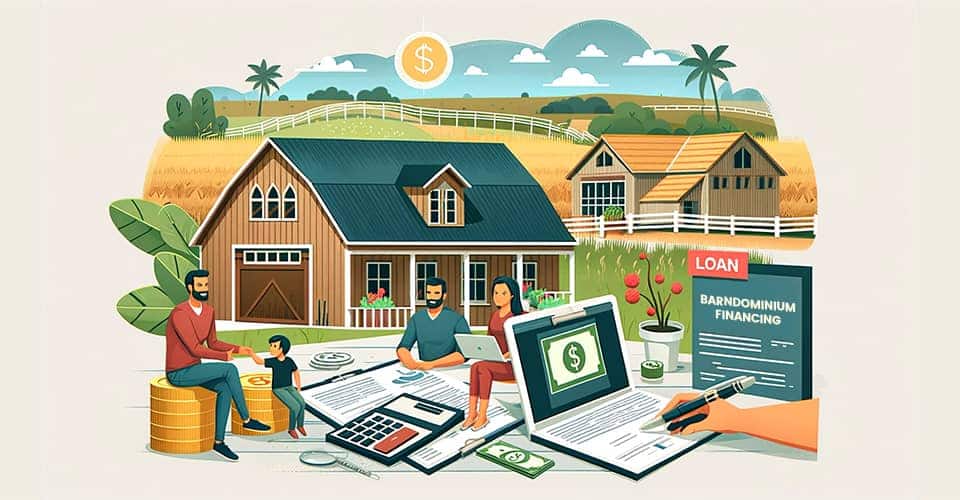
Barndominiums have gained popularity as a unique and cost-effective alternative to traditional housing. Whether you’re looking to build a new home or convert an existing structure into a liveable space, understanding your financing options is crucial. This article covers essential information about financing a barndominium, including federal lending programs and other financial avenues you can explore.

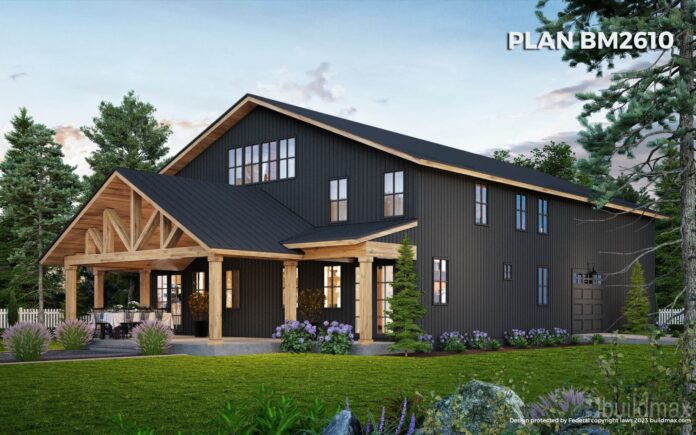
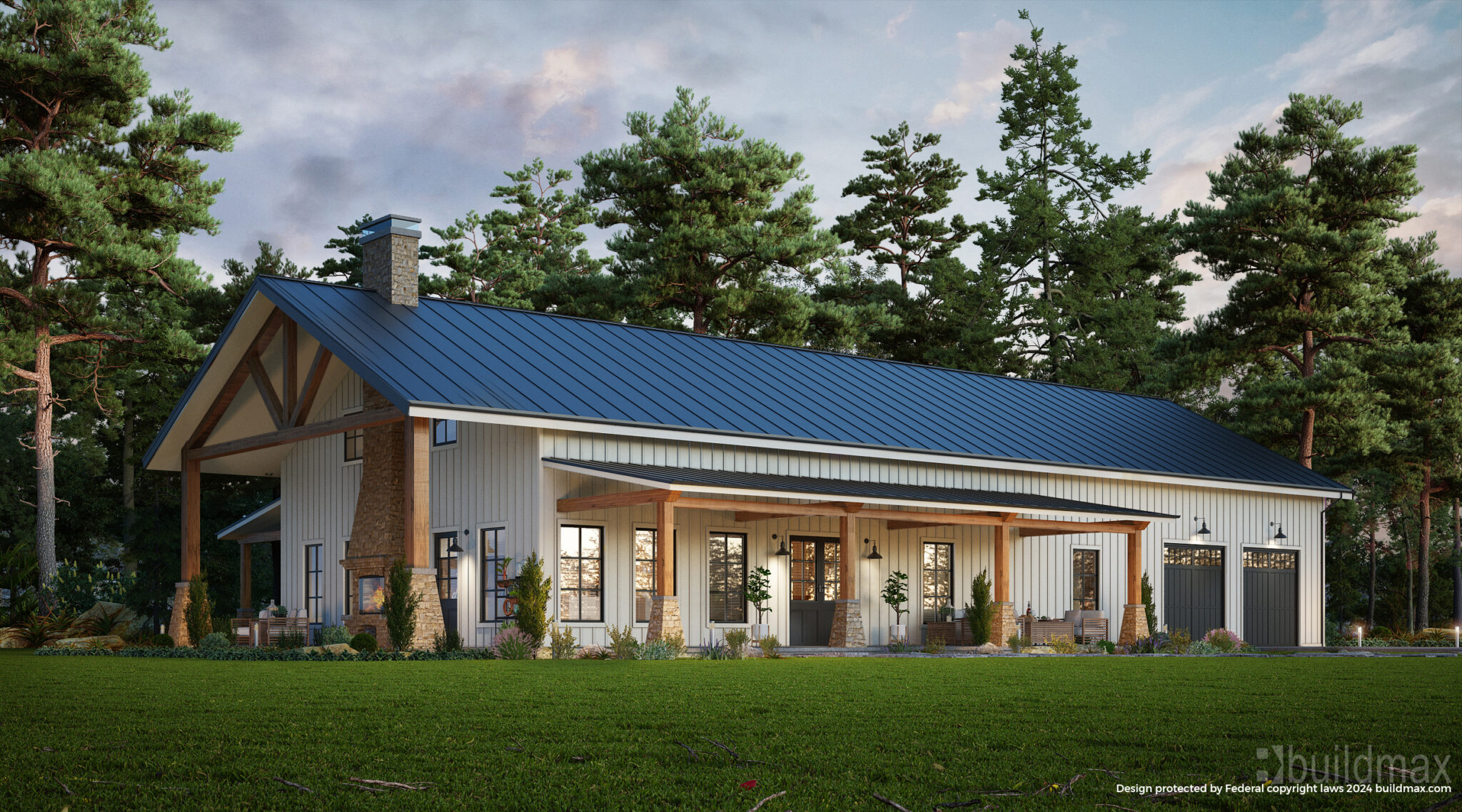
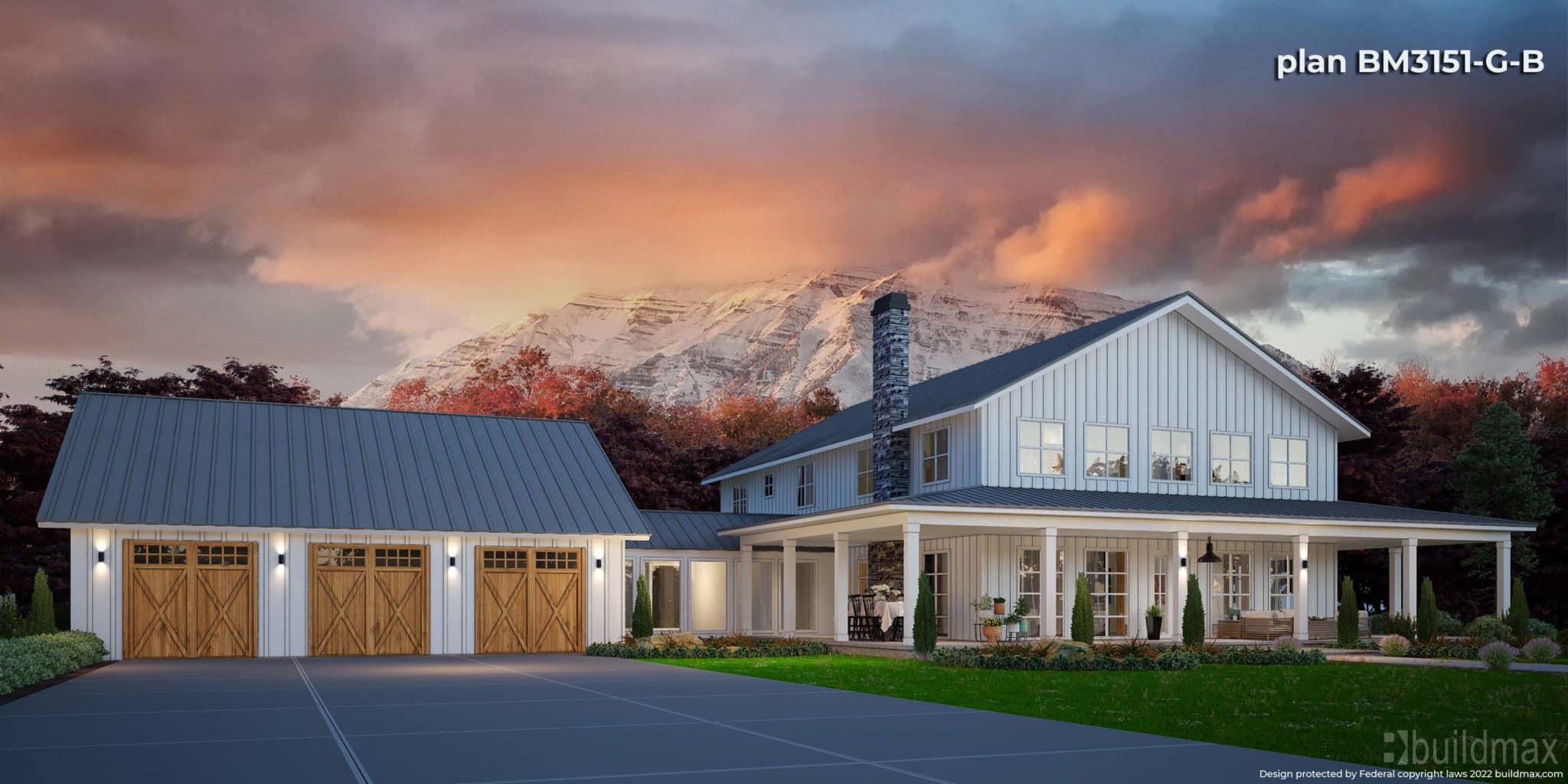
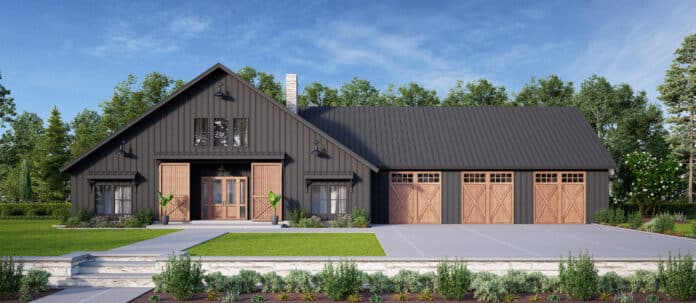
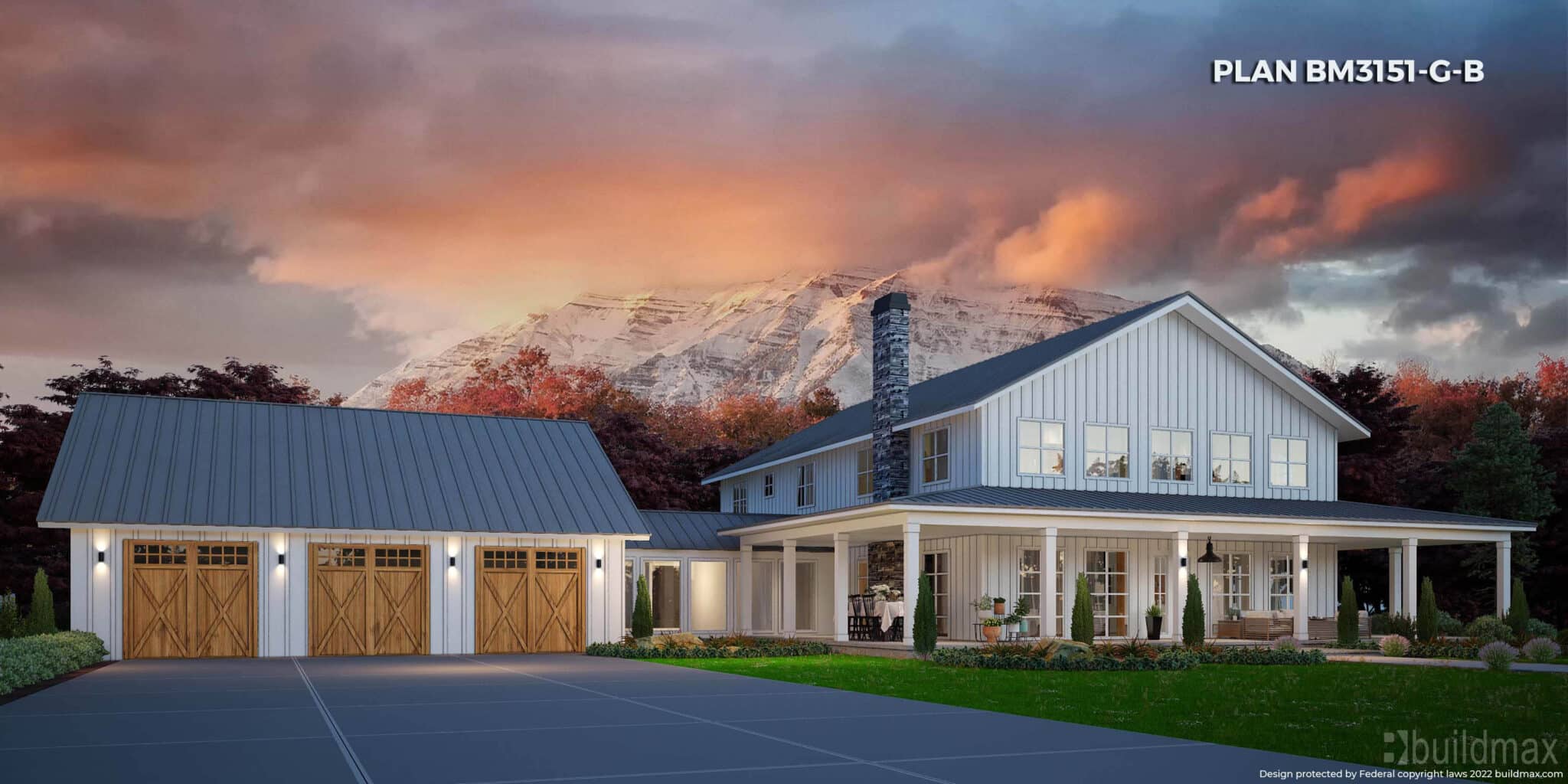
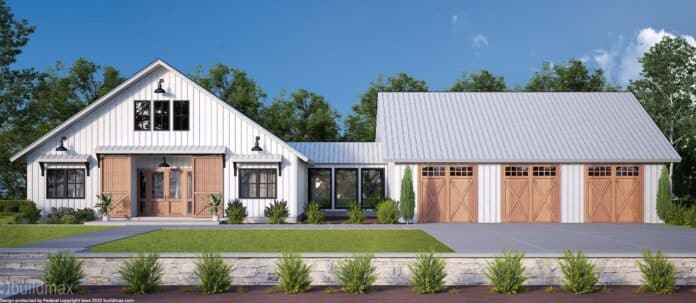
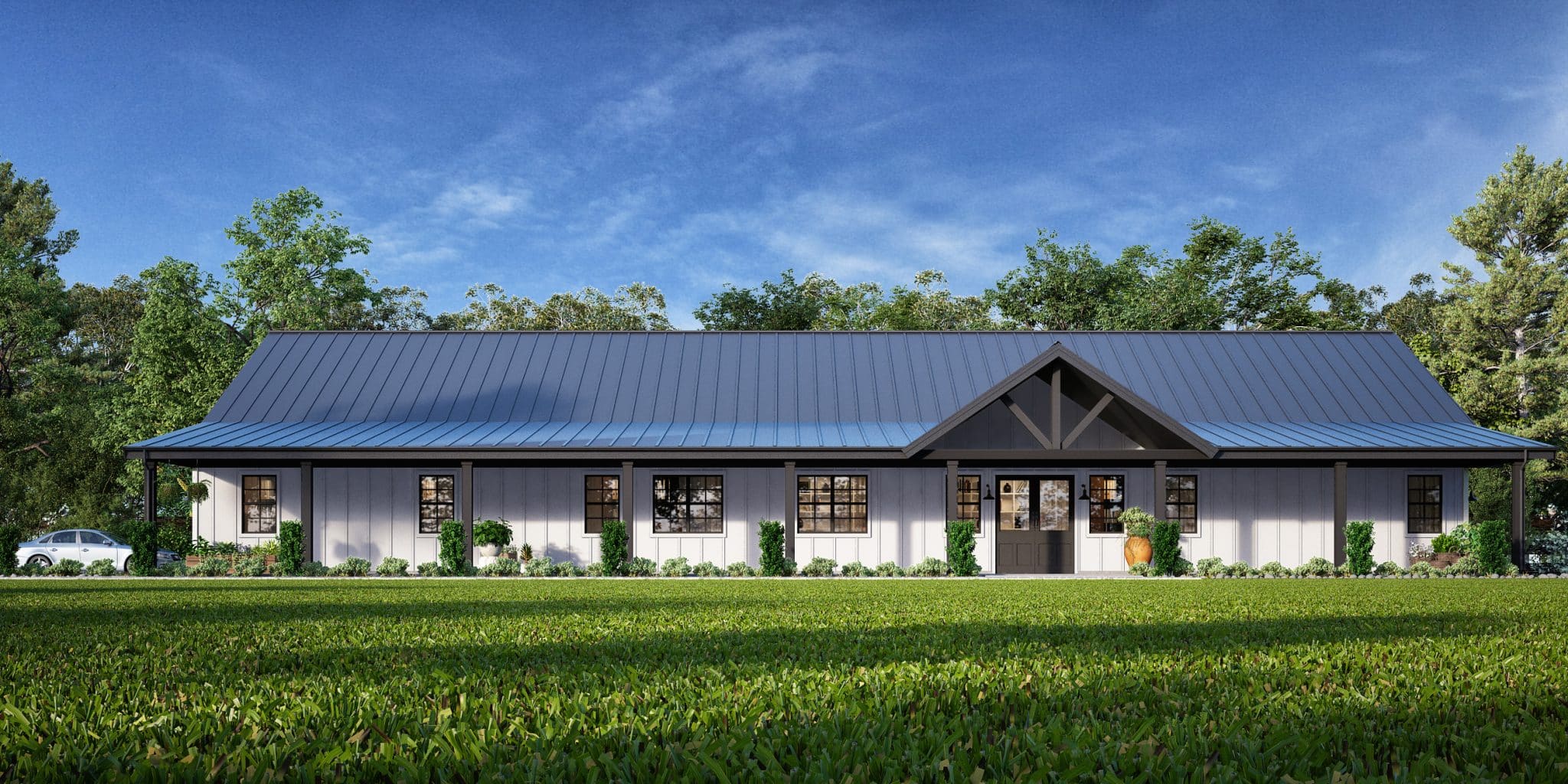
BM3151-G-B BARNDOMINIUM PLAN

Understanding Barndominium Financing

Financing a barndominium can be more complex than financing a traditional home due to its unique nature and the varying perceptions among lenders. Here are some key points to consider:

**1. Property Classification:**
Barndominiums can sometimes straddle the line between residential and commercial property, depending on their design and intended use. This classification can significantly affect your financing options.

**2. Appraisal Challenges:**
Due to their unique nature, getting an accurate appraisal for a barndominium can be challenging, which can influence the loan terms offered by lenders.

**3. Insurance and Resale:**
Securing insurance for a barndominium might be more costly or complex than for a traditional home. Additionally, the resale market for barndominiums can be less predictable, which might concern some lenders.

Federal Lending Programs

Federal lending programs can offer significant advantages, such as lower down payments and better interest rates. However, eligibility criteria can be strict, especially regarding property standards and usage.

**1. FHA Loans:**
The Federal Housing Administration (FHA) offers loans that are great for first-time homebuyers with lower down payments and credit scores. However, barndominiums must meet specific FHA standards, including safety, security, and structural soundness. The property must also be intended for use as a primary residence.

**2. VA Loans:**
For veterans and active military members, VA loans are an excellent option. These loans require no down payment and do not need private mortgage insurance. Like FHA loans, barndominiums financed through VA loans must meet certain standards and be the borrower’s primary residence.

**3. USDA Loans:**
If your barndominium is in a rural area, you might qualify for a USDA loan, which also offers significant benefits like zero down payment and low rates. Eligibility depends on the property’s location and the borrower’s income level.

Other Lending Options

**1. Conventional Loans:**
These loans are not government-backed and typically have stricter requirements but offer more flexibility in property types. Conventional loans might be a viable option if your barndominium can pass as a standard residential home in terms of appraisal and construction standards.

**2. Construction Loans:**
If you’re building your barndominium from scratch, a construction loan might be necessary. These loans provide funds to cover the cost of building and usually convert into a standard mortgage once construction is complete. It’s important to have detailed plans and a reliable contractor to qualify.

**3. Credit Unions and Local Banks:**
Sometimes, local lending institutions are more flexible with their lending criteria than larger banks. Building a relationship with a local bank or credit union can be beneficial, as they might be more familiar with the local market and more willing to finance unique properties like barndominiums.

First Steps in Financing a Barndominium

**1. Detailed Project Plan:**
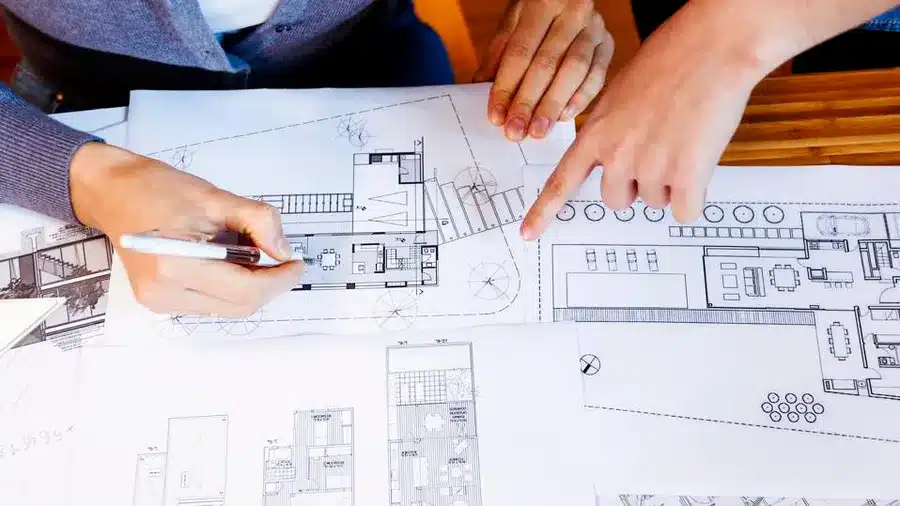
Having a clear and detailed plan for your barndominium is crucial. This includes blueprints, budgets, and timelines that can reassure lenders of your project’s feasibility and your commitment.

**2. Pre-Approval:**
Getting pre-approved for a loan can give you a clear idea of your budget and show sellers and contractors that you are a serious buyer.

**3. Choose the Right Lender:**
Research lenders to find those with experience in financing barndominiums or non-traditional properties. This can make the loan process smoother and increase your chances of approval.

Financing a barndominium involves navigating a few more hurdles than financing a traditional home, but with the right preparation and understanding of the available options, it is entirely feasible. Explore all avenues, from federal programs to local lenders, to find the best financing solution that will turn your barndominium dream into a reality.

Why You Should Build a Barndominium in 2024

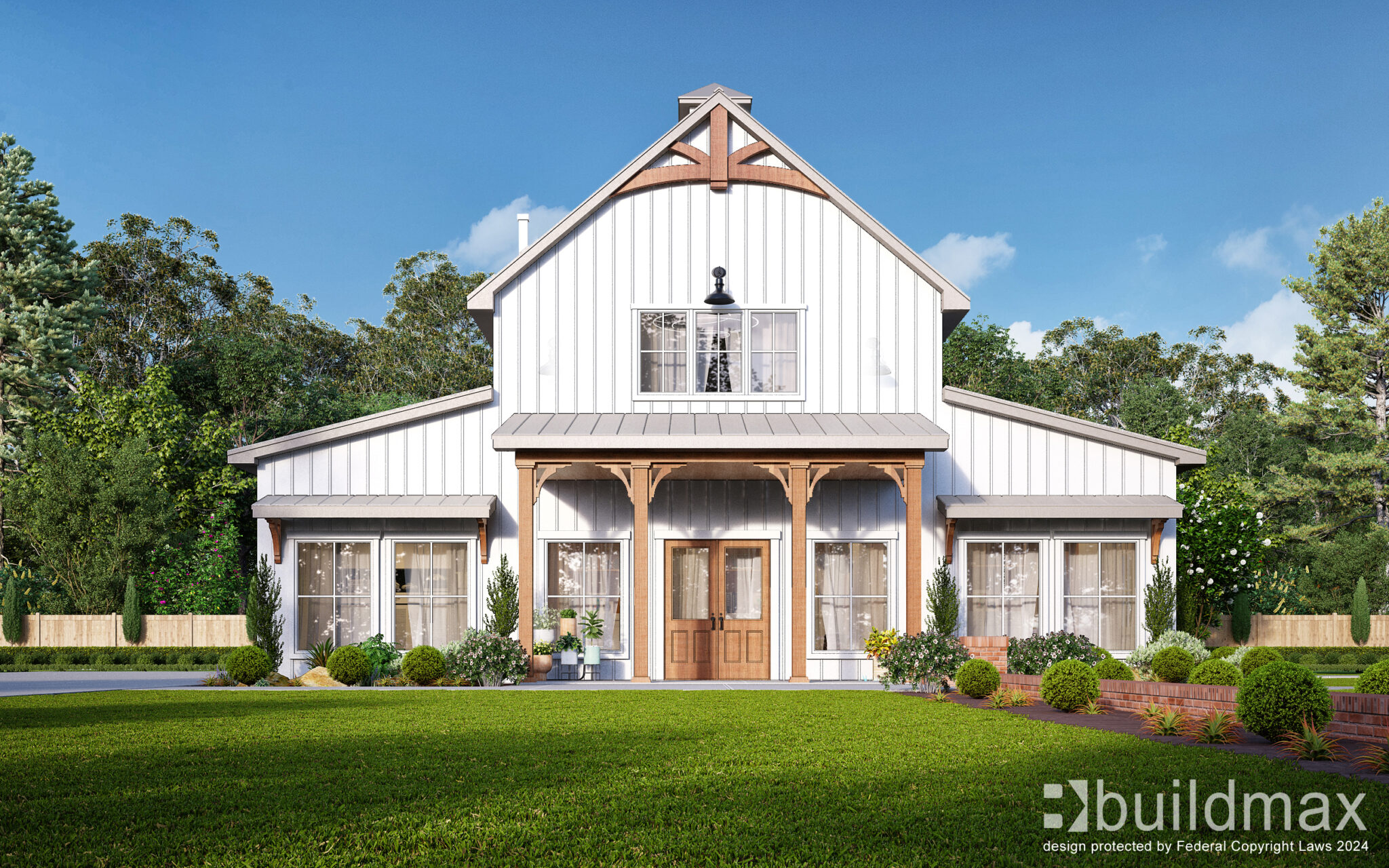
DREAM BARNDO BM2852

Building a Future: Why 2024 is the Year to Build Your Steel Frame Barndominium

As the landscape of residential housing evolves, more people are turning away from traditional home construction in favor of more versatile, durable, and cost-effective solutions. Enter the steel frame barndominium—a modern take on rural living that combines the aesthetic of a barn with the comfort and functionality of a contemporary home. The year 2024 presents an ideal opportunity to embark on building a steel frame barndominium, and here’s why, along with a guide on how to get started and where to find quality floor plans.

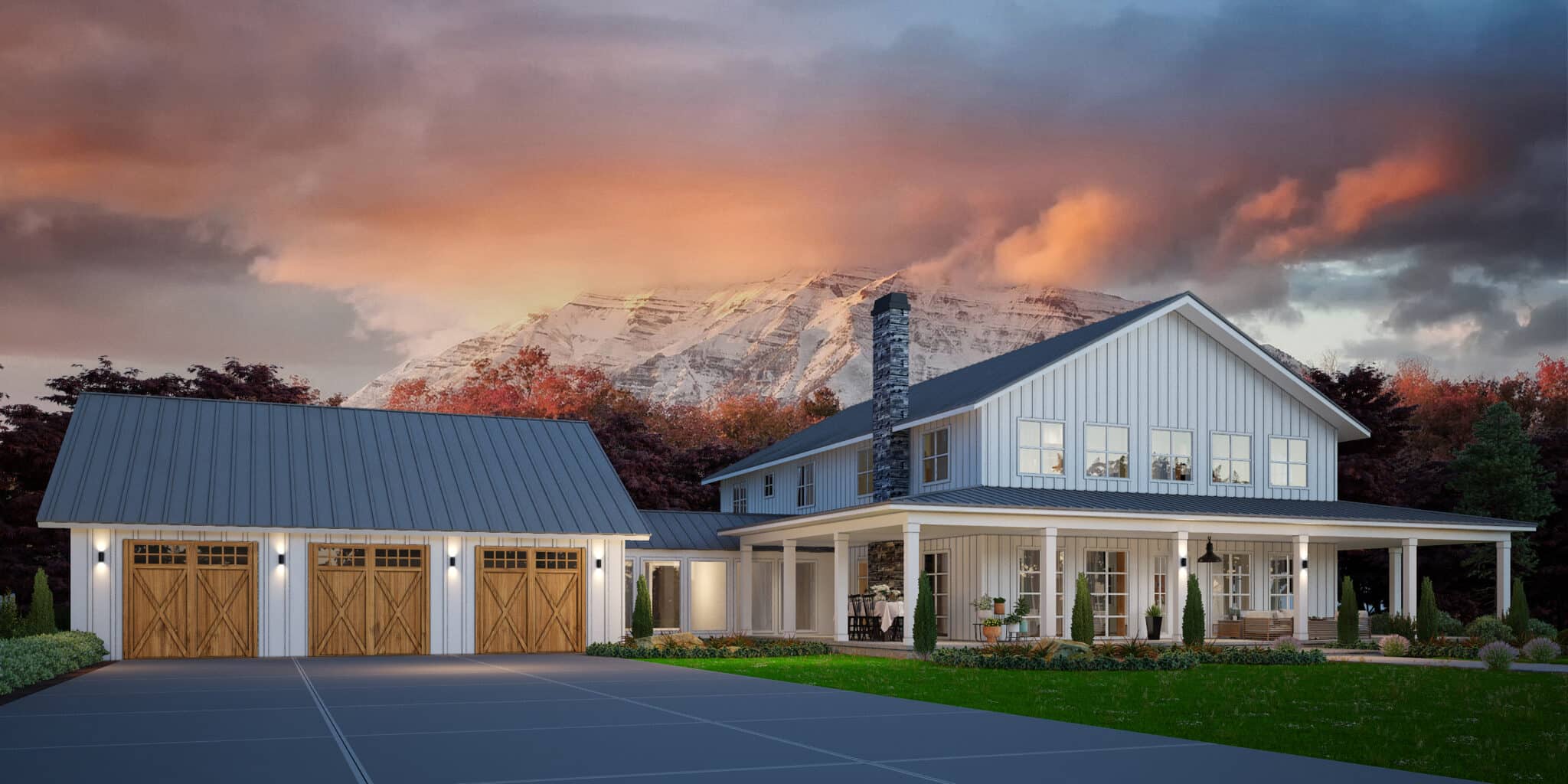
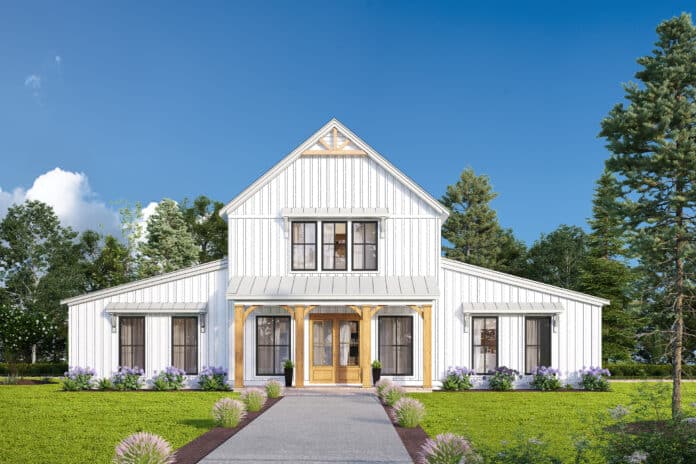
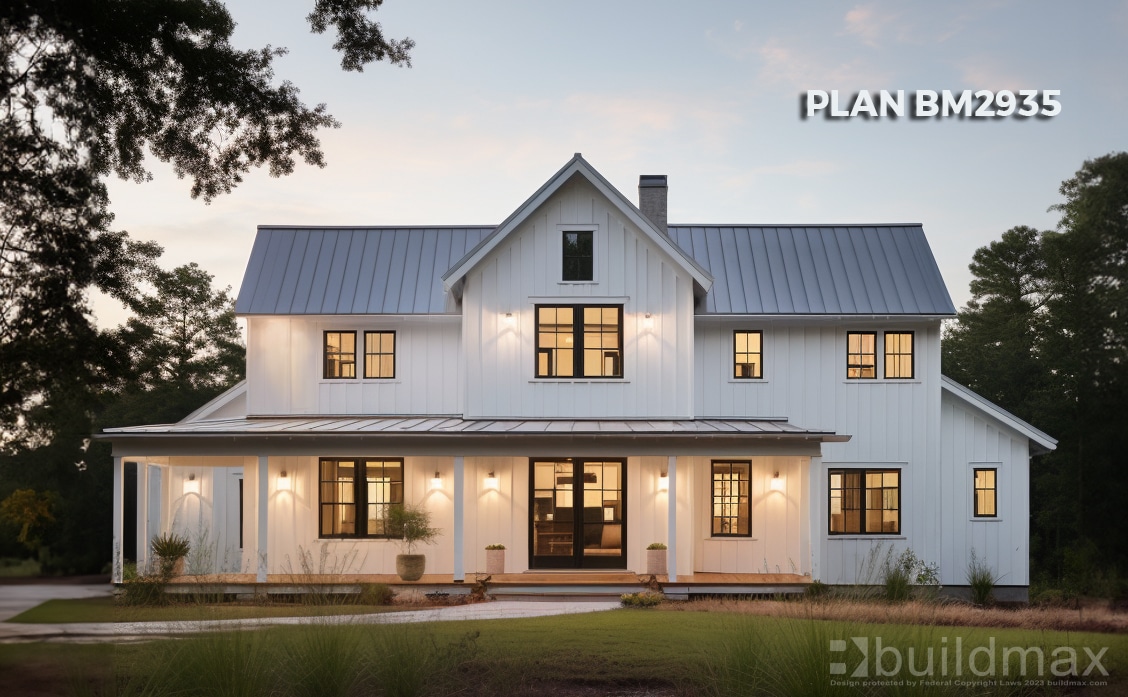
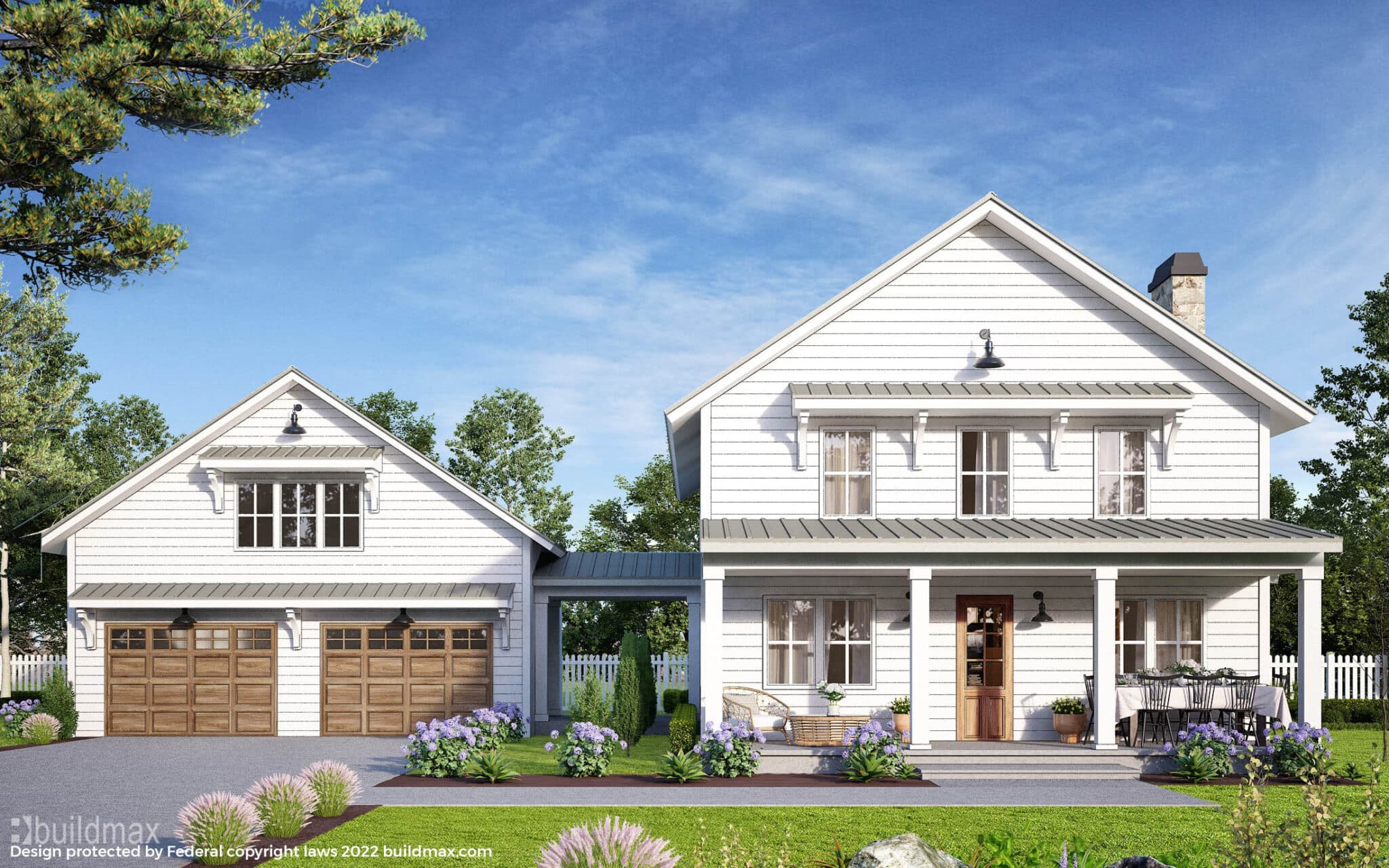
white farmhouse

Reasons to Build a Steel Frame Barndominium in 2024

**1. Cost Efficiency:**
Steel frame construction can be more cost-effective than traditional wood framing. Steel prices have stabilized somewhat after the fluctuations during recent years, and the prefabrication of steel frames reduces labor costs and construction waste, making the overall building process more budget-friendly.

**2. Speed of Construction:**
One of the most compelling reasons to choose a steel frame barndominium in 2024 is the speed of construction. Steel parts are manufactured offsite and arrive ready to assemble, significantly cutting down the build time. This means you could move into your new home months earlier compared to traditional construction methods.

**3. Durability and Maintenance:**
Steel offers unmatched durability against environmental factors like wind, rain, and snow, and it is also impervious to termites and rot. A steel frame barndominium will stand the test of time with minimal maintenance required, making it a smart investment for the future.

**4. Energy Efficiency:**
With proper insulation, steel frame barndominiums can be incredibly energy efficient. The airtight construction of steel frames allows for better control over indoor temperature, leading to lower heating and cooling costs.

**5. Customizability:**
Steel frames offer great flexibility in design and layout. Whether you want an open floor plan or multiple stories, steel’s strength allows for large spans without supporting walls, giving you the freedom to design your home exactly how you want it.

**6. Sustainability:**
Steel is a recyclable material, making it a more environmentally friendly option than many traditional building materials. Building a steel frame barndominium is a step towards sustainable living, as these structures are not only built to last but also promote lower energy use and material waste.

First Steps in Building a Steel Frame Barndominium

**Step 1: Planning and Budgeting**
Before anything else, establish a clear budget and outline what you envision for your barndominium. Consider the total cost, including land, construction, interior finishes, and any unforeseen expenses.

**Step 2: Securing Land**
If you don’t already own land, the next step is to find a suitable plot where zoning laws allow for barndominium construction. Look for land that has the necessary access to utilities or can feasibly have them installed.

**Step 3: Design and Floor Plans**

Finding quality floor plans is crucial to the success of your build. Websites like Buildmax.com offer a variety of barndominium floor plans that can be customized to meet individual needs. These plans not only provide a blueprint for the construction but also ensure that the design is optimized for a steel frame structure.

**Step 4: Permits and Legalities**
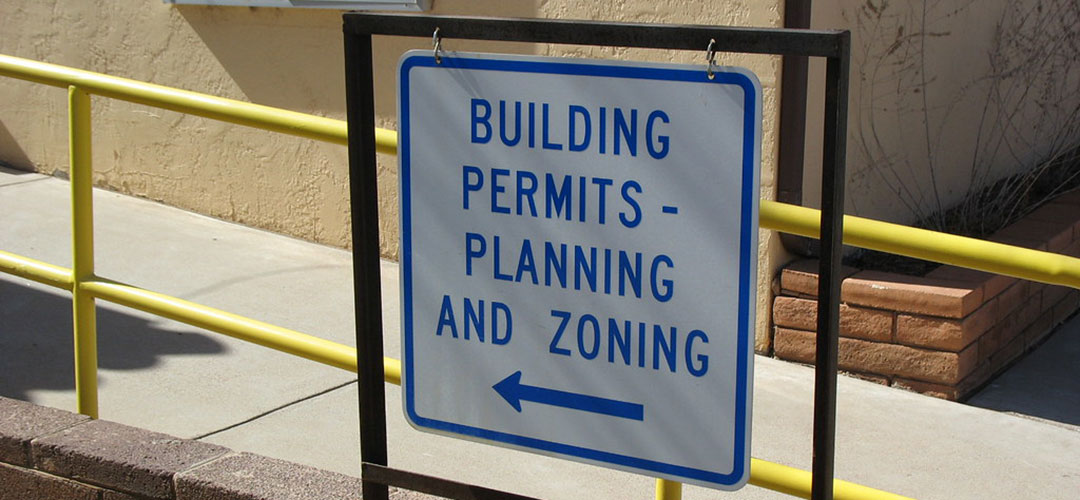
Once you have your land and floor plans, the next step is to navigate the permitting process. Ensure all designs comply with local building codes and regulations. It may be helpful to hire a local contractor or consultant who understands the legal landscape of building in your area.

**Step 5: Choosing a Builder**
The final step before construction begins is to select a builder experienced in erecting steel frame structures. A competent builder will not only ensure your home is constructed efficiently and correctly but also help manage any issues that arise during the build.

The decision to build a steel frame barndominium in 2024 is a forward-thinking choice that aligns with modern needs for affordability, durability, and design flexibility. With a thorough plan in place and resources like Buildmax.com to help in the design process, you can efficiently move forward in creating a home that will serve you well into the future. The unique combination of practical benefits and aesthetic appeal that a barndominium offers is an excellent reason to consider this innovative housing option in the upcoming year.
How Long Does It Take to Construct a 2000 Sq Ft Steel Frame Barndominium?

Building Timeline: How Long Does It Take to Construct a 2000 Sq Ft Steel Frame Barndominium?

As more individuals and families consider alternative housing options, barndominiums, especially those constructed with steel frames, have surged in popularity due to their durability, aesthetic appeal, and relatively quick construction time. A common question among prospective builders is, “How long does it take to build a 2000 sq ft steel frame barndominium kit?” This article provides a detailed timeline and factors that influence the construction duration of a steel frame barndominium of this size.

Overview of Steel Frame Barndominium Kits

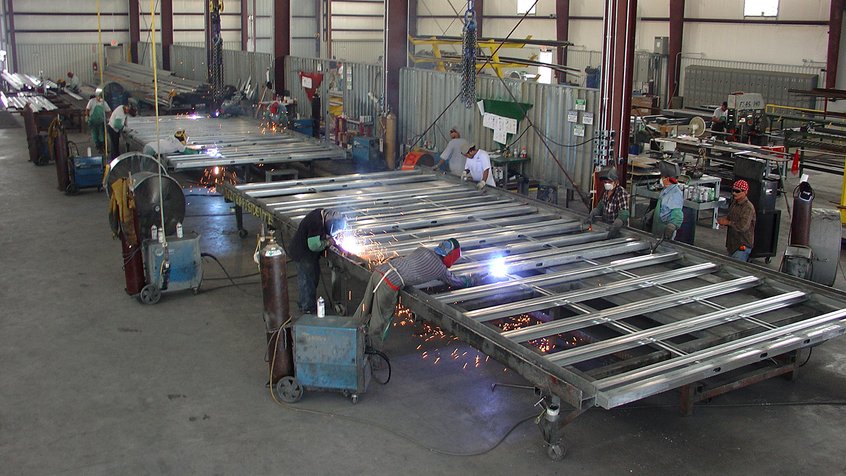
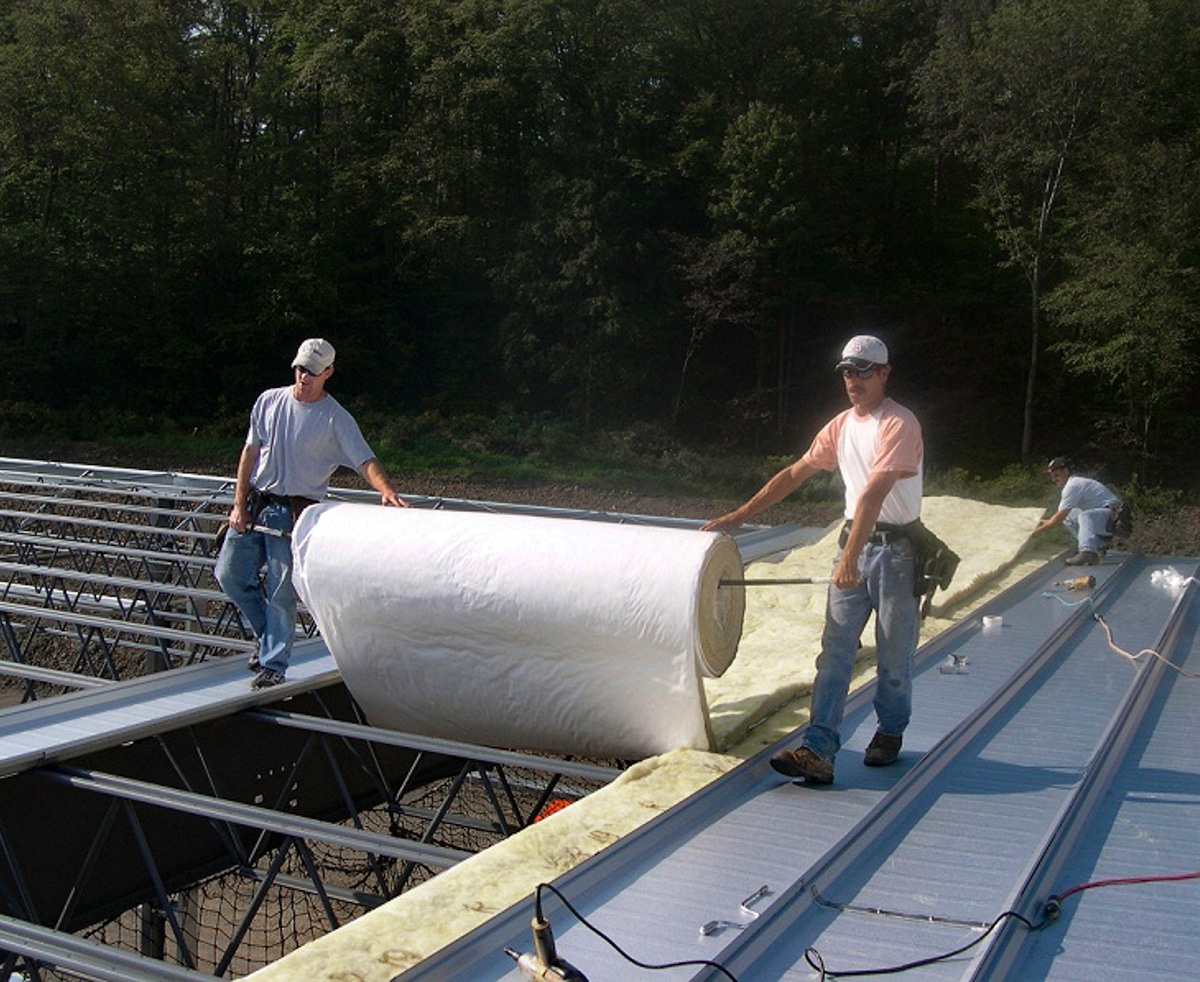
Steel frame kits for barndominiums are pre-engineered structures that include all necessary components cut to precise specifications and ready for assembly. These kits are designed for quick construction, providing a sturdy framework that can be customized with various interior and exterior finishes.

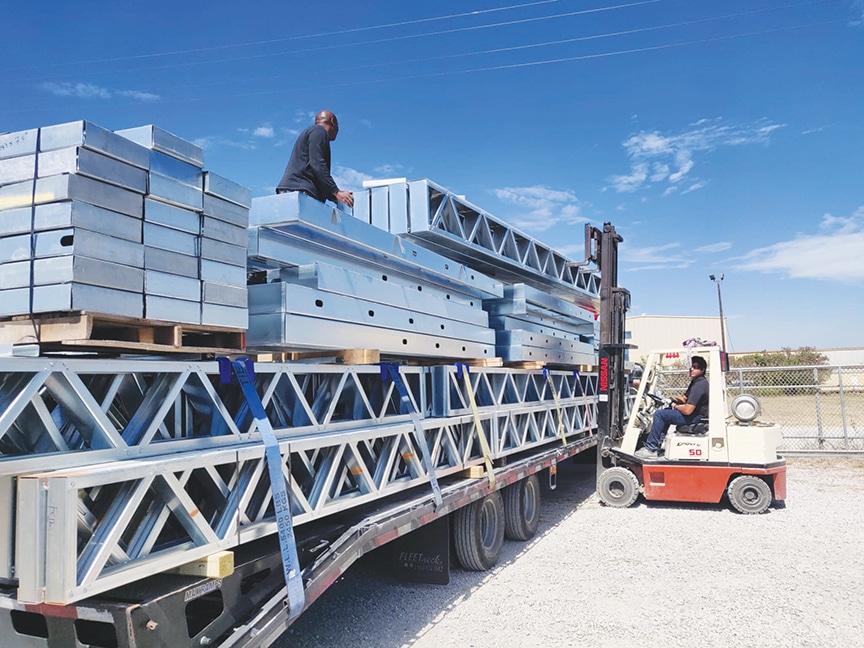
Steel Frame Barndominium Kit delivery

Rough Step-by-Step Construction Timeline

**1. Planning and Permitting (1-2 months):**
Before any physical work begins, thorough planning and obtaining the necessary permits are crucial. This phase includes finalizing the design, selecting finishes, and ensuring all building codes are met. The duration of this phase can vary based on local regulations and the speed of the permitting process.

**2. Foundation Preparation (1-2 weeks):**
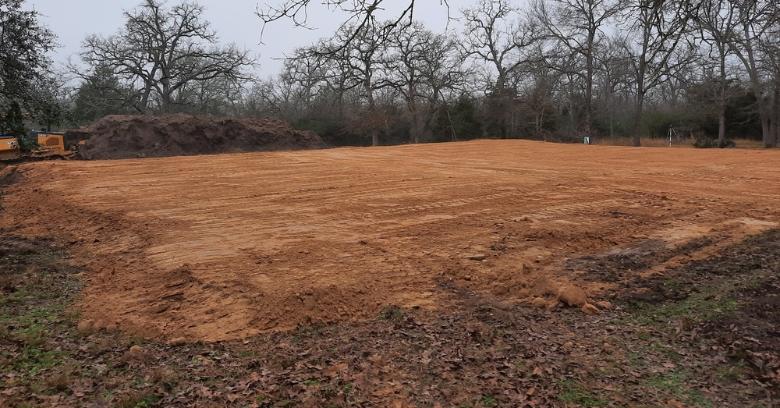
Laying a solid foundation is essential for the longevity and stability of any structure, including a barndominium. For a 2000 sq ft barndominium, this typically involves clearing the site, grading the land, and pouring a concrete slab. Weather conditions and soil type can affect this phase’s length.

**3. Frame Assembly (1-3 weeks):**
Steel frame kits are known for their ease of assembly, but the actual build time can depend on the crew’s size and experience. For a 2000 sq ft barndominium, assembling the frame—including the walls and roof—can be completed relatively quickly, often within a week or two if the conditions are optimal and the crew is experienced.

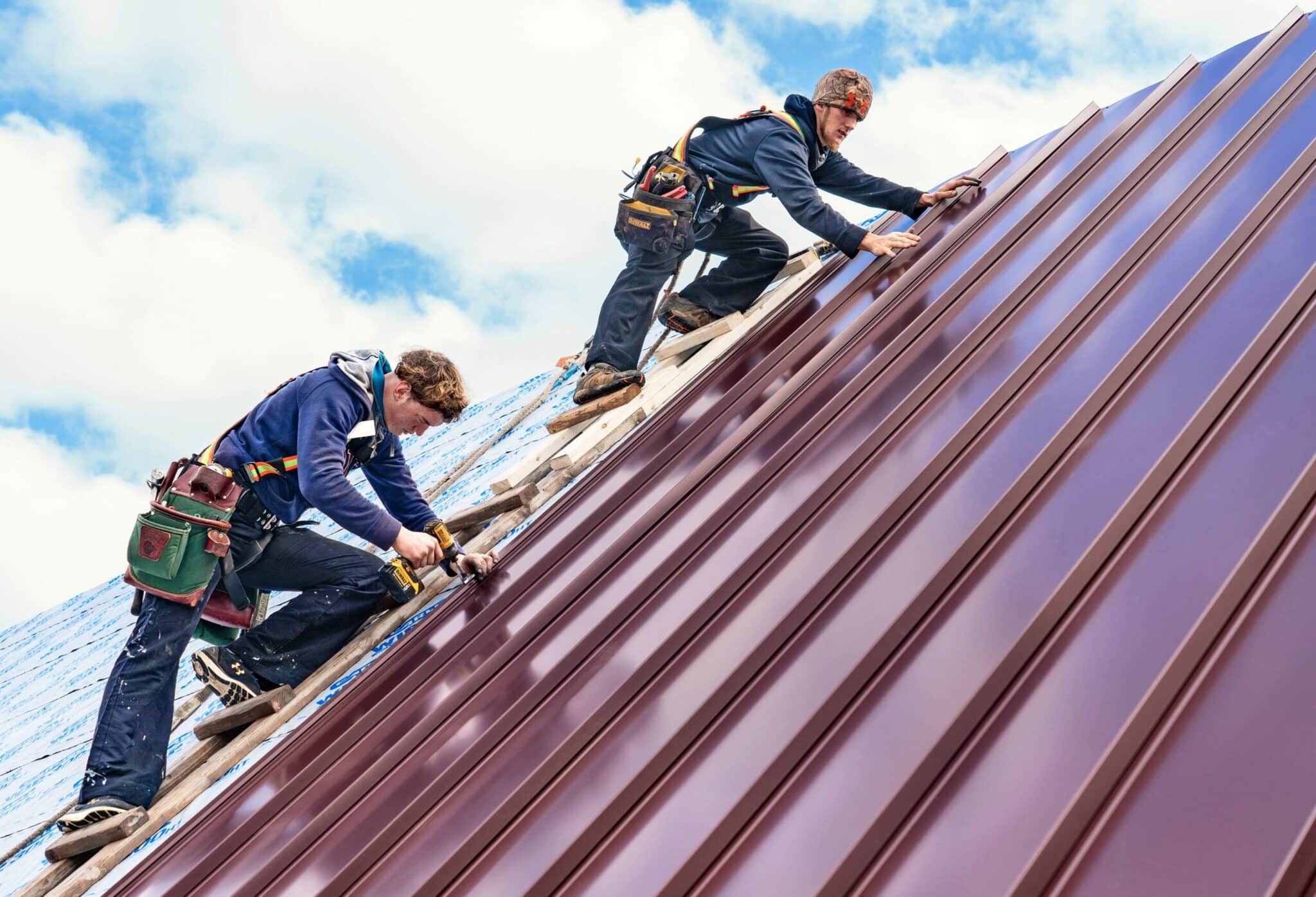
**4. Exterior and Roofing (1-2 weeks):**
Once the frame is up, the next step is to install the roofing and exterior cladding. Choices for these materials can range from metal panels for both roof and sides, which are popular due to their durability and ease of installation.

**5. Interior Framing and Utilities (2-4 weeks):**
Interior walls, electrical wiring, plumbing, and HVAC systems are next. While steel frames go up fast, the amount of time needed for this phase can vary greatly depending on the complexity of the interior layout and the systems being installed.

**6. Insulation and Drywall (1-2 weeks):**
Installing insulation and hanging drywall are critical for creating a comfortable, energy-efficient home. This process might be quicker in a barndominium due to its open floor plan.

**7. Finishing Touches (3-6 weeks):**
The final phase includes installing flooring, cabinetry, appliances, painting, and fixtures. The duration of this phase can significantly vary based on the level of detail and customization desired.

white farmhouse style barndominium

Factors Influencing Construction Time

– **Weather Conditions:** Adverse weather can delay many construction phases, especially foundation laying and exterior work.
– **Crew Experience and Size:** A larger or more experienced crew can significantly reduce build time.
– **Customization Level:** More complex designs with high customization levels can extend the duration of nearly every phase.
– **Material Availability:** Delays in material supply, especially in today’s fluctuating market conditions, can extend the project timeline.

white farmhouse

Building a 2000 sq ft steel frame barndominium can typically be completed within 3 to 6 months from start to finish, assuming no significant delays. This timeline is considerably shorter than that for traditional homes, making steel frame barndominium kits an attractive option for those looking to move into their new home relatively quickly. With proper planning and a reliable crew, your dream barndominium can become a reality in a matter of months.

Do Amish Crews Build Barndominiums?

White barndominium with lofty porch

Exploring Amish Craftsmanship in Barndominium Construction

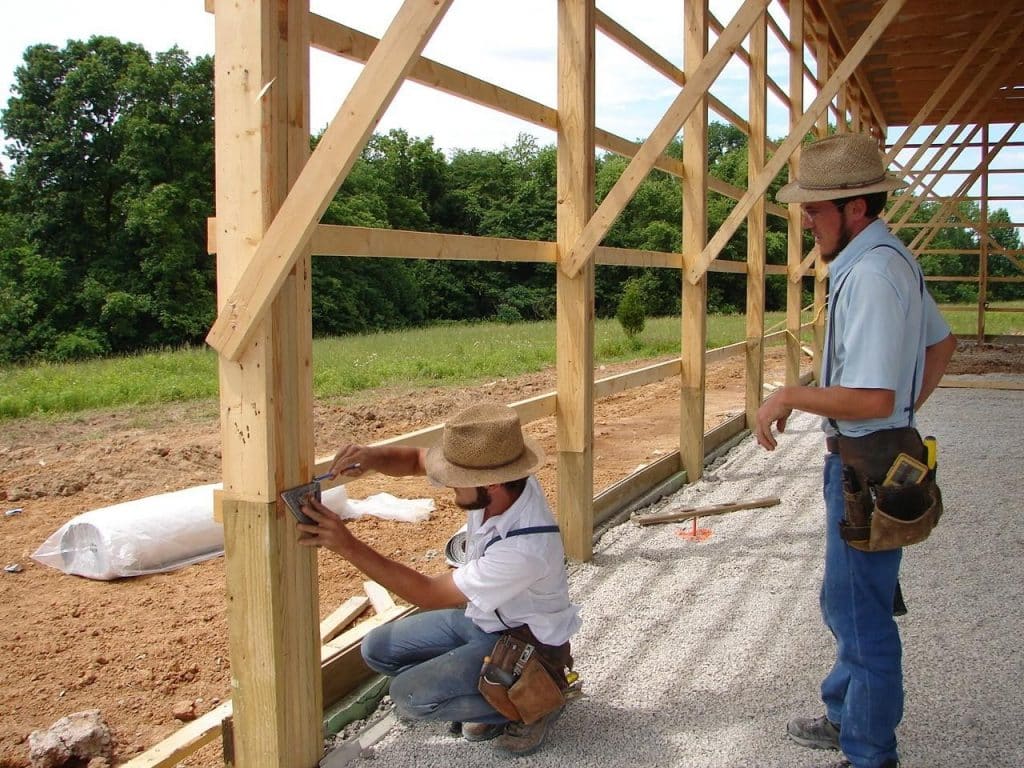
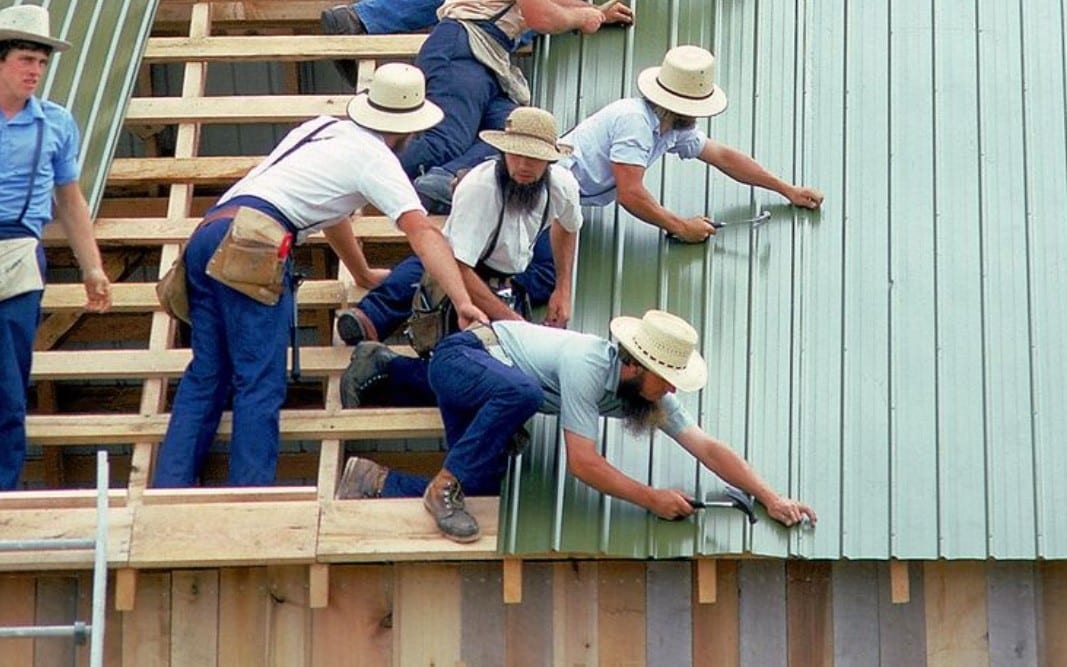
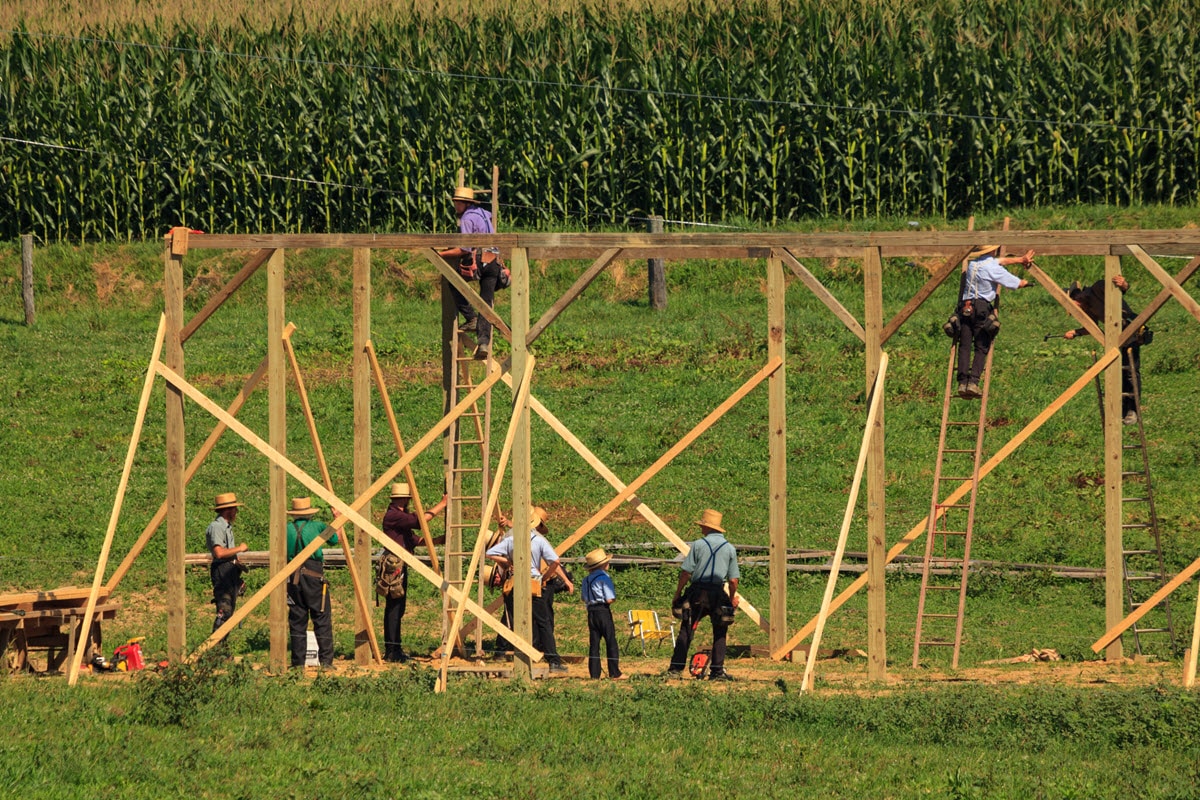
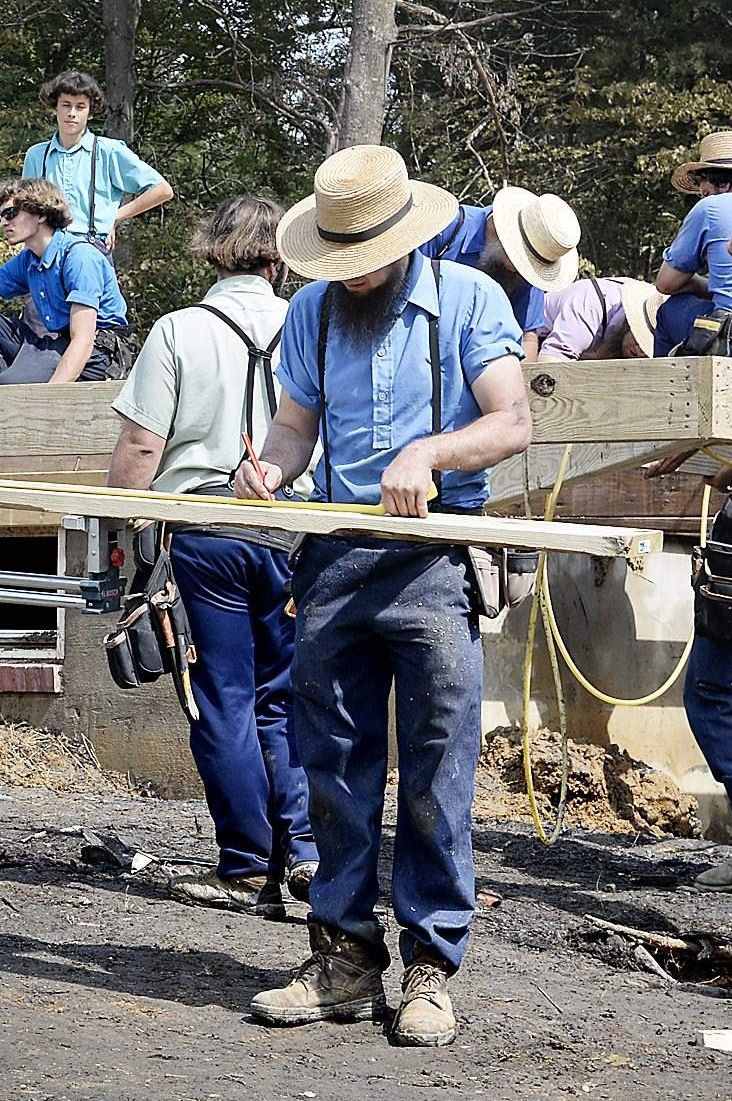
The Amish, known for their skilled craftsmanship and dedication to high-quality construction using traditional methods, have been involved in building various types of structures, including homes, barns, and furniture. However, as the popularity of barndominiums rises, many wonder whether the Amish community builds these modern, versatile structures. This article delves into the intersection of Amish building practices and the contemporary barndominium trend, and provides guidance on how to engage an Amish crew for your construction project.

Do Amish Build Barndominiums?

The short answer is yes, some Amish builders do construct barndominiums. Barndominiums, which combine the architectural elements of a barn with the comfort of a condominium, align well with the Amish expertise in barn construction. These structures often require robust framing and skilled carpentry, which are hallmarks of Amish craftsmanship. However, the extent to which an Amish crew might engage in building a barndominium can vary significantly depending on the community and its openness to contemporary designs and materials.

Amish Construction Techniques

Amish builders are revered for their use of traditional, hand-crafted techniques, often eschewing modern conveniences like electric tools. This can lead to constructions that are:

– **Durable:** Built to last, using techniques passed down through generations.
– **Customizable:** Tailored to the specific needs of the homeowner, albeit within the stylistic and practical frameworks the Amish are comfortable with.
– **Sustainable:** Often using locally sourced materials, Amish construction tends to have a lower environmental footprint.

Finding an Amish Construction Crew

If you’re interested in hiring an Amish crew to build your barndominium, here are some steps and considerations to keep in mind:

**1. Regional Availability:** Amish builders are more prevalent in states like Pennsylvania, Ohio, Indiana, and Wisconsin. Your proximity to Amish communities will play a significant role in the feasibility and cost of hiring an Amish crew.

**2. Connection Through Local Contacts:** Often, the best way to connect with Amish builders is through local networks such as lumber yards, hardware stores, or communities already served by Amish craftsmen. Word of mouth is crucial, as many Amish businesses don’t advertise in traditional ways due to their beliefs.

Screenshot

**3. Respect for Cultural Norms:** When approaching Amish builders, it’s important to respect their cultural norms and practices. This might include in-person meetings, as many Amish do not use electronic communication tools.

**4. Discuss Modern Materials:** While Amish are skilled with traditional materials like wood, some may be reluctant to work with modern building materials often used in barndominiums, such as steel frames. It’s crucial to discuss and agree upon the materials and technologies that will be used in the construction.

**5. Building Codes and Permits:** Ensure that the Amish builders are familiar with local building codes and regulations. While Amish craftsmanship is of high quality, their traditional methods might not always align with modern building codes.

**6. Contract and Terms:** As with any construction project, it’s important to have a clear contract outlining the scope of work, timelines, costs, and responsibilities. Keep in mind that Amish contracts might be more informal than typical construction contracts, but clarity is key in avoiding misunderstandings.

Hiring An Amish Crew

Hiring an Amish construction crew offers a unique opportunity to work with skilled craftsmen known for their dedication to quality and tradition. However, engaging with the Amish community requires a sensitive approach, respecting their customs and way of life. Here are key considerations and steps to ensure a respectful and productive collaboration when hiring an Amish crew for building projects:

1. **Understand Amish Values and Practices**

Before reaching out to an Amish crew, familiarize yourself with their values and everyday practices. The Amish are known for their strong community ties, simple living, and avoidance of modern conveniences such as electricity and motor vehicles. Their approach to technology and business can vary significantly between different Amish communities.

2. **Initial Contact**

– **Use Appropriate Channels:** Many Amish businesses do not use phones or the internet. Initial contact is often made through a third party or by visiting their community businesses, like a local market or store.
– **Face-to-Face Meetings:** Amish culture places high value on personal interaction. Plan to discuss project details in person, respecting their preference for face-to-face communication over written or digital correspondence.

3. **Communicate Clearly and Respectfully**

– **Be Direct but Polite:** When discussing your project, be clear about your expectations and the specifics of the job, but always remain respectful and considerate of their methods.
– **Discuss Materials and Methods:** Clearly discuss the types of materials and building methods to be used, especially if they involve modern technologies or non-traditional materials. Some Amish builders may be restricted in the types of materials they can use or the tools they operate.

4. **Respect Cultural Norms During the Build**

– **Transportation:** Since most Amish do not drive cars, consider logistics like how they will get to and from the construction site. Some may arrange their own transportation via horse and buggy, or you might need to arrange for transportation.
– **Electricity and Tools:** Many Amish craftsmen use pneumatic tools powered by diesel generators or hydraulic power. Ensure you understand and agree on what types of power and tools will be used on the site.
– **Working Hours:** Be aware of and respect the Amish builders’ working hours, which may be influenced by their cultural or religious practices.

5. **Contract and Payments**

– **Contract Formalities:** While Amish builders are known for their honesty and integrity, it’s still important to formalize agreements. However, contracts with Amish crews might be less formal; ensure that all parties clearly understand the terms.
– **Payment Methods:** Discuss payment methods upfront. Many Amish contractors prefer cash or check payments rather than digital transactions.

6. **Building Codes and Permits**

– **Compliance:** Ensure that the Amish builders are aware of and plan to comply with all local building codes and regulations. Although they are skilled craftsmen, their traditional methods may not always align with modern codes without adjustment.

7. **Showing Respect**

– **Modesty and Decorum:** When visiting an Amish community or interacting with your Amish crew, dress modestly and behave respectfully to show respect for their beliefs.
– **Appreciation of Craftsmanship:** Show appreciation for their craftsmanship and the quality of work. Positive reinforcement can go a long way in building a respectful and mutually beneficial relationship.

Amish builders can indeed bring their renowned craftsmanship to the construction of barndominiums, combining the rustic charm of traditional barns with modern living spaces. By respecting their cultural norms and clearly defining your project’s parameters, you can engage an Amish crew that will deliver a uniquely durable and beautiful home. Remember, the key to a successful project lies in open communication and mutual respect for values and expertise.

Can You Turn Any House Plan into a Barndominium?

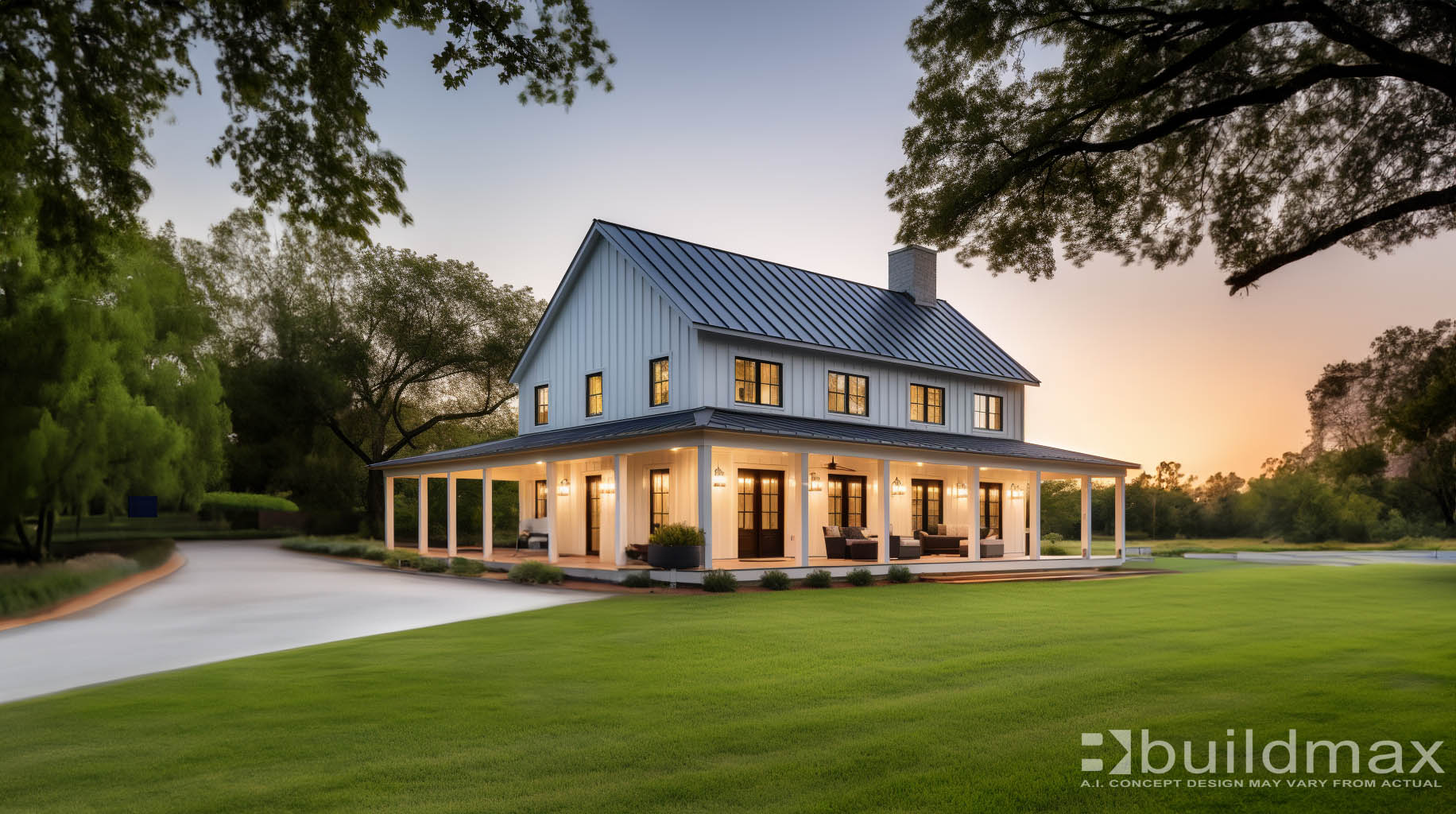
white barndominium with wraparound porch

Can You Turn Any House Plan Design into a Barndominium?

Barndominiums have surged in popularity due to their versatility, spacious layouts, and cost-effectiveness. Many people wonder if it’s possible to convert an existing house plan into a barndominium. This article delves into the feasibility of such conversions and discusses how professional companies that specialize in barndominium floor plans can help transform a traditional house plan into a fully functional barndominium.

grey barndominium with dark grey roof and wraparound porch

Understanding the Basics of Barndominiums

A barndominium typically combines residential space with areas that can serve as workshops, garages, or large storage zones. The appeal often lies in the open floor plans and durable materials, typically steel or wood frames, which provide a unique aesthetic and functional advantage over traditional homes.

Feasibility of Converting House Plans into Barndominiums

**1. Structural Considerations:**

– **Load-Bearing Requirements:** Traditional house plans may have multiple load-bearing walls, which could restrict the open-concept layouts characteristic of barndominiums. In contrast, barndominiums often use clear-span trusses that provide large open spaces without internal supports.
– **Material Compatibility:** Most traditional homes use wood framing, whereas barndominiums frequently utilize steel framing, which offers different structural implications, especially in terms of span and strength.

**2. Zoning and Building Codes:**
– **Regulatory Approval:** Depending on the location, converting a traditional house plan into a barndominium may require navigating zoning laws and building codes that are specific to the type and style of the intended construction.

white farmhouse

The Role of Professional Floor Plan Companies

Companies that specialize in barndominium designs play a crucial role in transforming conventional house plans into viable barndominium projects. Here’s how they contribute:

**1. Expertise in Design Adaptation:**
– **Customization:** These companies can take a standard house plan and modify it to fit the structural requirements and stylistic elements of a barndominium. This might include altering the layout to create more open spaces, enhancing the structural support to accommodate larger spans, or integrating industrial materials like steel.
– **Technical Proficiency:** Professionals are adept at ensuring that designs comply with local codes and are structurally sound, addressing any issues that may arise from the original house plans.

**2. Advanced Tools and Technology:**
– **Software and Modeling:** With access to advanced architectural software, designers can create detailed 3D models that help visualize how a traditional house plan can be transformed into a barndominium, allowing for adjustments before construction begins.

**3. Experience with Multifunctional Spaces:**
– **Integration of Dual Purposes:** Specialists in barndominium floor plans are particularly skilled at designing spaces that effectively combine living areas with functional spaces like workshops or garages, a common trait in barndominium designs.

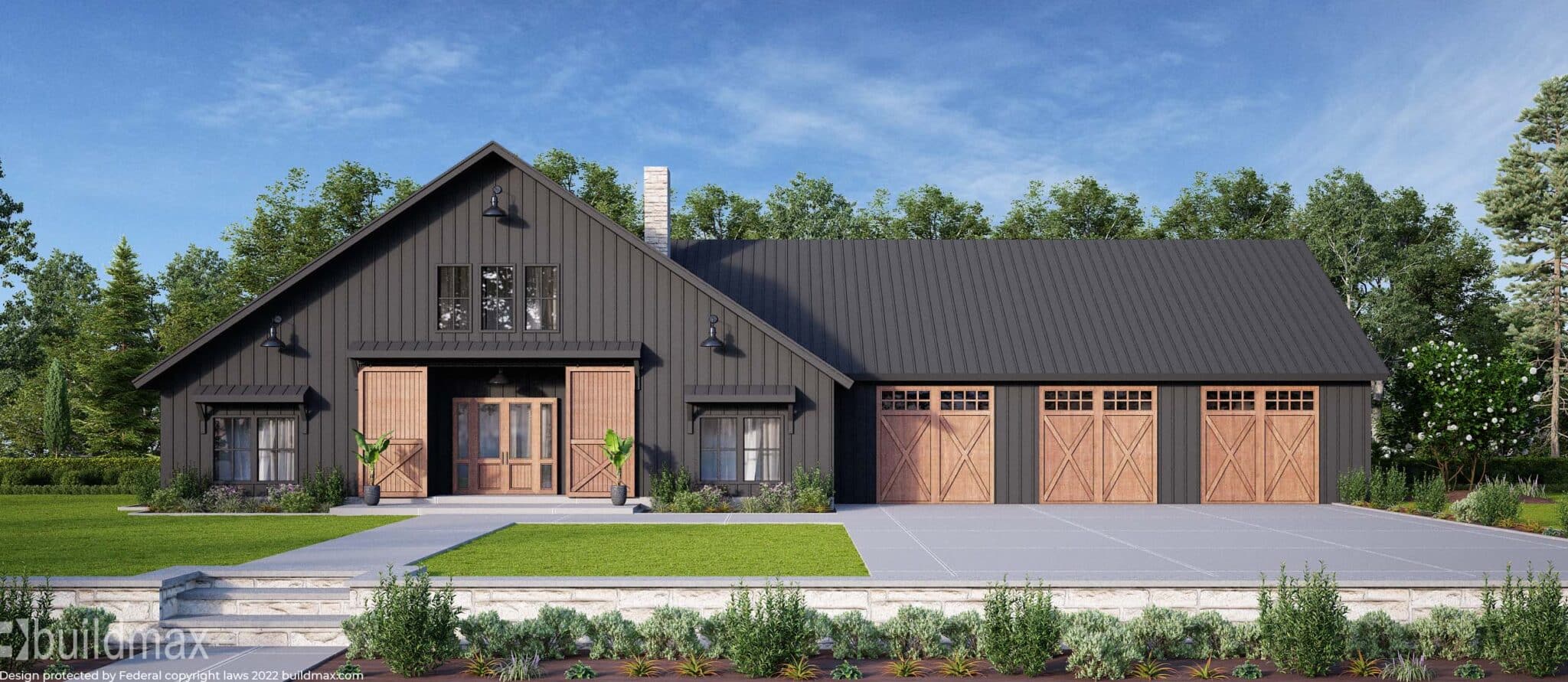
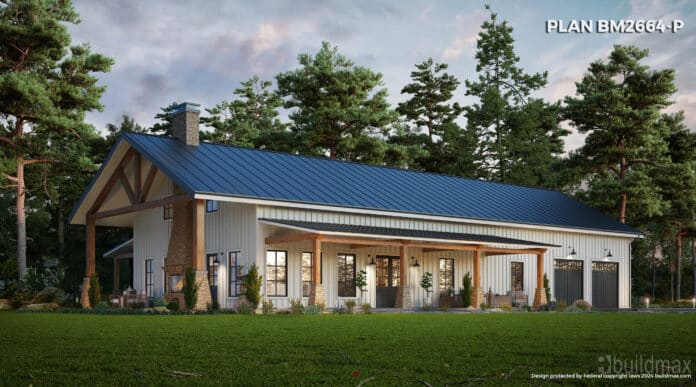
black barndominium

Steps to Convert a House Plan into a Barndominium

**1. Consultation with Professionals:** Start by discussing your existing house plan with a company that specializes in barndominium designs. They can provide insights into the potential challenges and necessary modifications.

**2. Design Adaptation:** The professional team will adjust the house plan, transforming it into a barndominium layout that maximizes space usage and aligns with your aesthetic and functional requirements.

**3. Approval and Compliance:** The adapted plan will need approval from local building authorities, ensuring that it meets all regulatory requirements.

**4. Construction and Customization:** With the plan approved, construction can begin, with continuous adjustments and customizations based on material selection and design preferences.

white barndominium shophouse

While not every house plan can be seamlessly converted into a barndominium due to structural and regulatory challenges, with the right expertise and modifications, many can be transformed. Professional companies that specialize in barndominium floor plans offer the necessary experience and tools to ensure that these conversions meet the expectations and needs of prospective homeowners. By leveraging their skills, you can turn a conventional house plan into a bespoke barndominium that combines the comfort of a home with the utility of a workshop or garage.

Are Barndominiums Still Worth the Money in 2024?

black barndominium shophouse with wraparound porch

Are Barndominiums Worth the Money? Evaluating the Value of Steel Frame Kits and Custom Floor Plans

In recent years, barndominiums have risen in popularity as a versatile and cost-effective housing option. Known for their spacious layouts and industrial aesthetics, these structures have been adopted by a diverse group of homeowners, from families looking for a customizable living space to individuals seeking a combined work-and-home environment. This article delves into the financial and practical value of barndominiums, focusing on the benefits of steel frame kits, custom floor plans, and the advantage of partnering with professionals like Buildmax.com.white barndominium with cupolas

Understanding Barndominiums

A barndominium typically combines residential living space with areas suitable for workshops, garages, or large storage needs. Originally conceived from converting barns into liveable spaces, modern barndominiums are often built from scratch, using materials and designs that optimize both functionality and comfort.

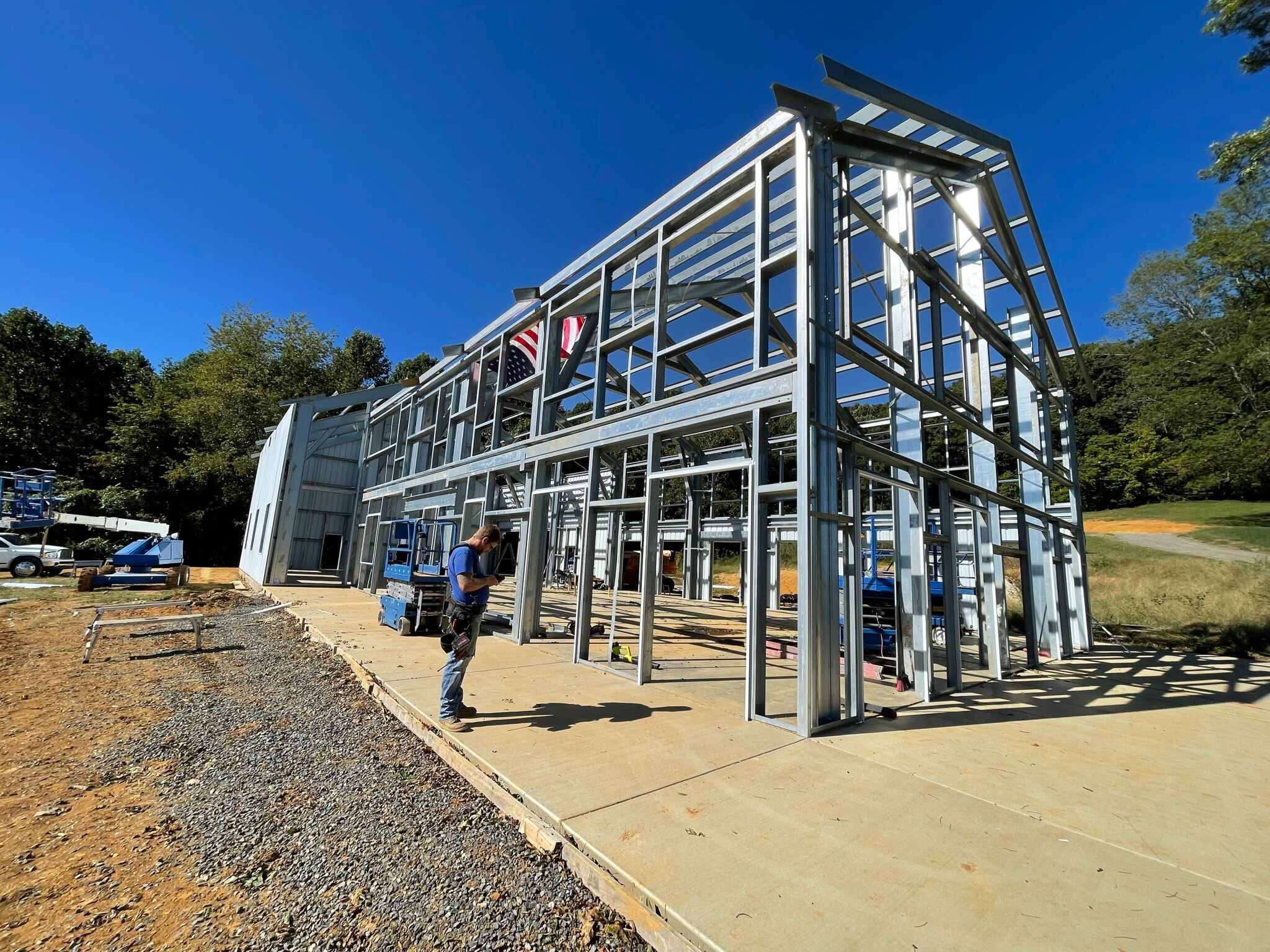
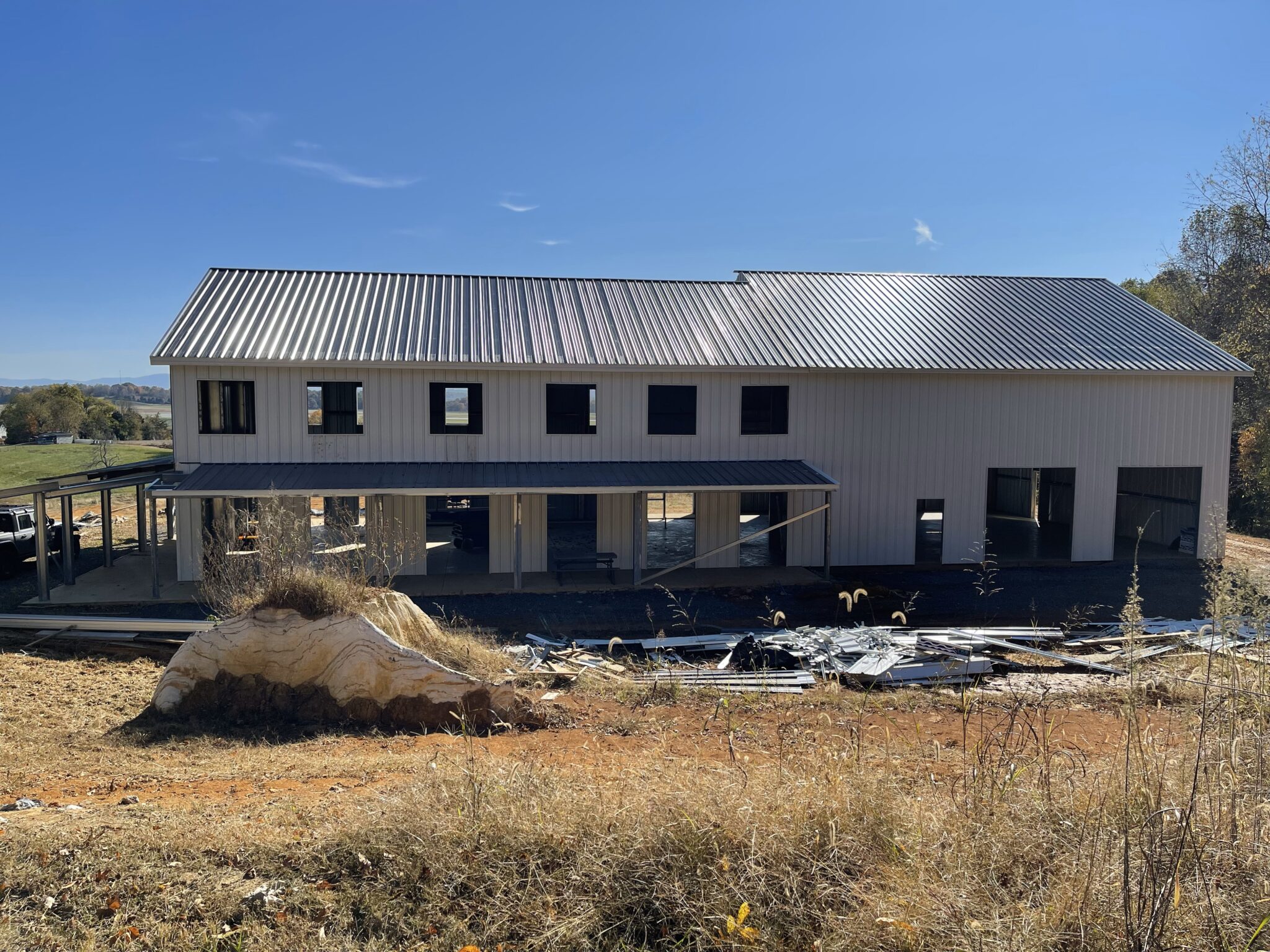
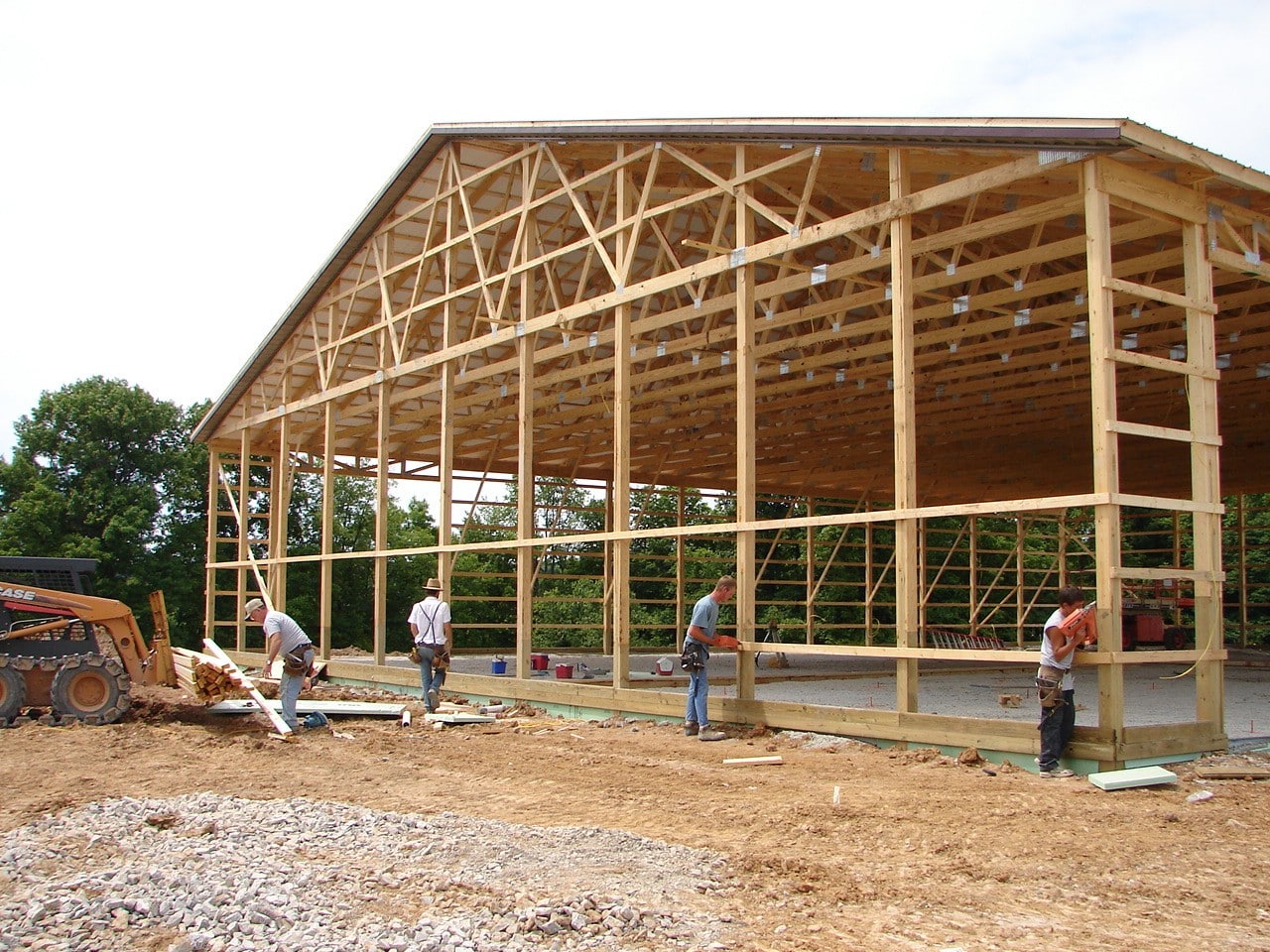
barndominium being built

Cost-Effectiveness of Steel Frame Kits

One of the main appeals of building a barndominium is the cost-effectiveness of construction, particularly when using steel frame kits. These kits offer several financial advantages:

– **Reduced Construction Time:** Steel frames are precision-engineered to fit together seamlessly, significantly reducing building time compared to traditional construction methods. Faster construction means lower labor costs.
– **Durability:** Steel is highly durable and resistant to many of the environmental factors that can degrade other materials, such as moisture, pests, and fire. This long-term durability translates into reduced maintenance and repair costs over the lifetime of the building.
– **Energy Efficiency:** Modern steel frame kits often include design considerations for improved energy efficiency, such as well-placed insulation and airtight construction, reducing heating and cooling costs.

Customization with Floor Plans

Custom floor plans are another significant advantage of opting for a barndominium. Unlike traditional homes, which might come with restrictive pre-designed options, barndominiums can be tailored to meet specific needs and preferences. Here’s how custom floor plans add value:

– **Tailored Living Spaces:** Whether you need extra space for a home office, studio, or large family areas, floor plans can be adjusted without the constraints of load-bearing walls typical in conventional homes.
– **Future-proofing:** With the ability to customize layouts, barndominiums can be designed to adapt to changing life circumstances, such as growing families or transitioning the space entirely into a workshop or business area in the future.

white barndominium with wraparound porch and 3 car garage

Working with Professionals Like Buildmax.com

Choosing to work with a professional service like Buildmax.com can enhance the value of building a barndominium by providing expertise in both design and construction. The benefits include:

– **Professional Expertise:** Companies like Buildmax.com specialize in barndominium designs and steel kits, offering a wealth of knowledge that can help avoid common pitfalls and ensure that the building meets all local codes and regulations.
– **Access to Quality Materials:** Established companies have relationships with suppliers, ensuring that the materials used, from the steel frames to the roofing and insulation, are of high quality and suited to the specific needs of a barndominium.
– **Customization and Flexibility:** With professional help, customizing a floor plan isn’t just about aesthetic choices; it’s also about making intelligent decisions that optimize the use of space, enhance functionality, and maintain budget control.

white barndominium with wraparound porch

Where is the most value found in a Barndominiuum build?

The value of barndominiums can be found in several key aspects that make them an attractive option for a diverse range of homeowners. Here’s where you might find the most value in choosing to build or invest in a barndominium:

1. **Cost-Effectiveness**

Barndominiums are often more affordable to build than traditional homes due to the use of materials like steel and the simplicity of their design. Steel frame kits, in particular, can be cost-effective because they require less labor and time to construct compared to traditional wood framing. This can result in significant savings in both construction costs and long-term maintenance.

2. **Customization**

One of the significant advantages of barndominiums is their highly customizable nature. Whether it’s an open floor plan, high ceilings, or integrating unique design elements like large roll-up doors or expansive windows, barndominiums offer flexibility that can be tailored to specific lifestyles and preferences. This makes them ideal for people who want a space that can serve multiple functions, such as combining living areas with workshops, studios, or garages.

3. **Durability and Low Maintenance**

Barndominiums typically use materials that are robust and durable, especially with steel construction, making them resistant to weather-related damage, pests, and decay. This longevity can be a significant value factor as it translates to lower maintenance costs and less frequent need for repairs compared to traditional construction materials.

6. **Speed of Construction**

The prefabricated nature of many barndominium kits means that construction can be completed in a shorter time compared to conventional homes. Faster construction not only reduces labor costs but also allows owners to move in sooner, a considerable advantage for those on a tight schedule.

7. **Property Value and Appeal**

With the growing popularity of barndominiums, these structures have begun to hold their value well in the real estate market, particularly in rural and semi-rural areas where they blend functionality with aesthetic appeal. This can be particularly advantageous for resale value as interest in unique and customizable homes grows.

So, are barndominiums worth the money? For many, the answer is a resounding yes. They offer a unique combination of durability, cost-effectiveness, and customization that can be hard to find in traditional housing. The use of steel frame kits and custom floor plans allows for a broad range of design options at a lower cost than many conventional homes. Moreover, working with knowledgeable professionals like Buildmax.com can ensure that the project is executed efficiently and to high standards, further enhancing the value of the investment. Whether you’re building a new family home or a combined living and workspace, a barndominium can be an excellent investment that meets unique needs while also being an economically wise choice.

Cut Your Barndominium Build Costs

white barndominium

Barndominiums have become a symbol of modern living, offering a unique blend of style, functionality, and affordability. But even with their inherent cost-effectiveness, building a barndominium can feel daunting. This guide will equip you with essential strategies to slash your build costs and turn your dream home into a reality.

Optimizing Your Design for Savings

  • Size Matters: While spaciousness is a perk, every square foot adds to the cost. Carefully consider your needs and design a barndominium plan that maximizes functionality without unnecessary square footage.
  • Embrace Open Floor Plans: Barndominiums naturally lend themselves to open layouts, which require less framing and drywall, translating to significant savings. Open floor plans can also allow for less energy usage if you make use of natural light which is done easily with an open floor plan.
  • Smart Window Placement: Strategically placed windows can optimize natural light, reducing reliance on artificial lighting and potentially lowering energy bills. 

great room with fireplace and loft area overhead

Cost-Effective Construction Strategies

  • DIY: If you’re handy, consider tackling some of the construction tasks yourself. Focus on simpler tasks like painting, trim work, or installing flooring to save on labor costs. If you get a barndominium kit, you may also be able to DIY the shell of the building if you have the skills. 
  • Material Selection: Explore cost-effective alternatives for materials. Opt for “builder-grade” finishes for less frequented areas, and consider reclaimed or recycled materials and wood for a unique touch without breaking the bank.
  • Barndominium Kits: Prefabricated barndominium kits offer a budget-friendly option. These kits typically include interior and exterior steel framing, metal siding, metal roof, windows, and exterior doors. These kits can save both time and money by bundling the needed materials together.

steel building

Finding the Right Funding

If you are choosing to go with a lender for financing your barndominium build, it’s important to find a loan that works for you. Shop around and compare what different lending institutions have to offer. Important things to compare between loans are interest rates, loan options, and terms.

If you run into issues trying to get financing for your barndominium, consider finding a lending institution with barndominium experts on their staff. Some institutions are still unfamiliar with barndominiums and may not offer lending for them yet.

Long-Term Savings

  • Energy Efficiency: Investing in energy-efficient features like proper insulation, high-performance windows, and energy-saving appliances can significantly reduce your utility bills over time. If you’re unsure what appliances are energy efficient, you can check websites like Energy Star that can list some options.
  • DIY Maintenance: Learn basic maintenance tasks like air filter changes and system checks. Tackling these yourself can save on service call fees in the long run. If you aren’t confident in your abilities to carry out these tasks, consider finding trusted guides online to help guide you.

Building a barndominium on a budget is absolutely achievable. By implementing these smart strategies, you can transform your dream home into a reality without sacrificing quality or functionality. Remember, a little planning and resourcefulness can go a long way in creating your perfect barndominium haven.

Do Barndominiums Get Hail Damage?

black barndominium

Do Barndominiums Get Hail Damage?

One of the most common questions homeowners ask—especially in storm-prone areas—is:

“Do barndominiums get hail damage?”

The honest answer is that any home can be affected by hail, regardless of whether it’s built with wood, brick, or steel. What matters most is:

  • the materials used

  • how the home is constructed

  • the severity of the storm

  • and how well the structure is maintained over time

Barndominiums can perform very well in hail conditions when properly designed and built, but like any structure, they are not immune to extreme weather.


How Hail Affects Different Building Materials

Hail impact varies depending on the size of the hailstones, wind speed, and the materials used on the home.

Common effects of hail may include:

  • cosmetic dents in metal roofing or siding

  • damage to shingles or exterior finishes

  • impact damage to gutters, trim, or accessories

  • broken windows in severe storms

Metal roofing systems—commonly used on barndominiums—are often chosen for durability, but they can still show cosmetic denting under certain hail conditions.

The level of damage depends on:

  • panel thickness (gauge)

  • profile design

  • installation quality

  • and storm intensity


Metal Roofing: Durability vs. Cosmetic Impact

Many barndominiums use metal roofing because it is known for:

  • long-term durability

  • weather resistance

  • and low maintenance compared to some alternatives

In many cases, metal roofing can withstand hail without structural failure. However, it’s important to understand:

  • Cosmetic denting can occur in moderate to severe hailstorms

  • Some products are rated for impact resistance, but performance varies

  • Appearance changes do not always affect structural integrity

Homeowners concerned about hail should explore:

  • thicker gauge panels

  • impact-rated roofing systems

  • and manufacturer-specific product options


Siding and Exterior Components

Exterior materials can also be affected by hail.

Depending on the design, barndominiums may include:

  • metal siding

  • wood accents

  • fiber cement

  • or other exterior finishes

Each material responds differently to impact.

For example:

  • metal panels may dent

  • wood may chip or crack

  • fiber cement may crack under heavy impact

Choosing durable exterior materials and proper installation methods can help reduce potential damage.


Windows, Trim, and Accessories

Hail doesn’t just affect roofing and siding.

Other vulnerable areas may include:

  • windows

  • skylights

  • exterior lighting

  • trim and soffits

  • HVAC units

In severe storms, protective measures like:

  • impact-resistant glass

  • shutters

  • or strategic landscaping

may help reduce risk.


The Role of Installation and Design

The way a barndominium is built plays a major role in how it performs during severe weather.

Important factors include:

  • proper fastening systems

  • correct panel installation

  • flashing and sealing details

  • roof slope and drainage

  • and overall structural engineering

Even the most durable materials can underperform if installation is not done correctly.


Important: Builder Responsibility

It’s important to understand that BuildMax is not a builder or general contractor.

BuildMax provides:

  • floor plans

  • design services

  • and material packages

BuildMax does not:

  • supervise construction

  • control installation

  • or manage jobsite conditions

For that reason, BuildMax strongly recommends:

  • hiring a vetted general contractor

  • choosing installers experienced with metal roofing and steel systems

  • and carefully evaluating all subcontractors

In some cases, homeowners may also consider requesting a quote from a third-party manufacturer’s independent installation crew, if available.

All contractors are independent third parties, and the homeowner is responsible for construction decisions and contractor selection.


Insurance Considerations

In many regions, homeowner’s insurance policies may cover hail damage—but coverage varies.

Factors that can affect coverage include:

  • policy terms

  • deductibles

  • material type

  • and whether damage is considered cosmetic or functional

Homeowners should review their policy details and speak with their insurance provider to understand:

  • what is covered

  • what is excluded

  • and what documentation may be required after a storm


Maintenance and Inspections After a Storm

After a hail event, it’s a good idea to:

  • visually inspect the roof and exterior

  • check for dents, cracks, or loose components

  • inspect gutters and drainage systems

  • and schedule a professional inspection if needed

Addressing small issues early can help prevent larger problems over time.


Final Thoughts

So, do barndominiums get hail damage?

Like any home, they can—especially in severe weather conditions. However, when properly designed, constructed, and maintained, barndominiums can perform very well in a wide range of environments.

Key factors that influence hail performance include:

  • material selection

  • installation quality

  • roof design

  • and ongoing maintenance

With the right planning and experienced professionals, homeowners can reduce risk and build a structure designed to handle real-world weather conditions.

Great Tips for Building a Barndominium on a Budget

white barndominium with large barn doors

Building a Barndominium on a Budget: Leveraging Steel Frame Kits and Professional Floor Plans

Barndominiums have surged in popularity due to their versatility, durability, and cost-effectiveness. These structures, which blend the spaciousness of a barn with the comfort of a condominium, offer a unique living space that can be tailored to a variety of needs. However, building a barndominium can become expensive without careful planning and smart choices. This article outlines strategies to build a barndominium on a budget, highlighting the value of steel frame kits and professional floor plans from resources like Buildmax.com.
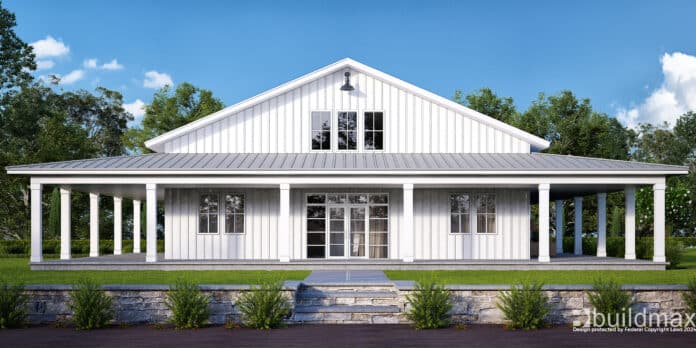
white barndominium with cupolas

Step 1: Set a Clear Budget

Before embarking on building a barndominium, it is essential to establish a clear budget. This includes not only the costs of materials and labor but also any fees for permits, inspections, and potential unexpected expenses. A well-defined budget will guide your decisions and help keep the project within financial boundaries.

Step 2: Choose the Right Location

The cost of land can significantly affect the overall budget of building a barndominium. Consider less expensive rural or semi-rural areas, which often offer larger plots at lower prices. Additionally, check the zoning regulations and whether the land has access to necessary utilities, as these factors can impact future costs.

Step 3: Opt for Steel Frame Kits

Steel frame kits are a cost-effective and efficient way to build a barndominium. These kits come pre-engineered with all the necessary components, reducing construction time and labor costs. Companies like Buildmax.com offer a variety of steel frame barndominium kits that are designed for durability and ease of assembly. The benefits of using a steel frame include:

Steel Frame Barndominium Kit delivery

– **Durability and Low Maintenance:** Steel is resistant to many of the issues that affect wood frames, such as pests and rot.
– **Speed of Construction:** Steel frames are quicker to assemble than traditional wood frames, reducing labor costs.
– **Flexibility in Design:** Steel allows for larger spans without supporting columns, offering a more open interior space.

Step 4: Use Professional Floor Plans

Utilizing professional floor plans can significantly reduce the risk of costly mistakes during construction. Websites like Buildmax.com provide a range of floor plans tailored to barndominiums, ensuring that the space is efficiently designed and meets building codes. These plans can often be customized to fit individual needs without the expense of hiring a private architect.

Step 5: Do Some of the Work Yourself

Taking on some of the construction tasks yourself can save on labor costs. DIY aspects might include interior finishing, painting, or installation of fixtures. However, it’s important to realistically assess your skills and the time you can commit. Overestimating your abilities or available time can end up costing more if professionals need to correct mistakes.

Step 6: Source Materials Wisely

Look for ways to purchase materials at a lower cost:
– **Bulk Buying:** For items you need a lot of, like insulation or drywall, buying in bulk can lead to savings.
– **Salvaged Materials:** Reclaimed wood, doors, windows, and fixtures can add character while cutting costs.
– **Sales and Discounts:** Keep an eye out for sales at local hardware stores or online retailers.

Step 7: Plan for Energy Efficiency

Investing in energy efficiency might have a higher upfront cost but can lead to significant savings over time. Consider high-efficiency windows, insulation, and HVAC systems. These can reduce the need for future upgrades and decrease monthly utility bills.

white farmhouse style barndominium

Building a barndominium on a budget requires careful planning, a bit of savvy, and a willingness to leverage the tools and resources available. Steel frame kits and professional floor plans, like those from Buildmax.com, offer cost-effective solutions that do not compromise on the quality or durability of the construction. By meticulously managing expenses and making strategic decisions about materials and labor, you can achieve your dream barndominium without breaking the bank.
How much weight can a 6 inch thick concrete slab support?

How Much Weight Can a 6-Inch Concrete Slab Support?

When someone asks how much weight a 6-inch concrete slab can support, what they usually want to know is whether it is strong enough for a garage, workshop, shop house, barndominium, truck, lift, or heavy equipment.

The honest answer is this: there is no single universal weight rating for every 6-inch slab. A 6-inch concrete slab can support a substantial load, but the real capacity depends on the concrete strength, reinforcement, slab design, subgrade preparation, how the load is distributed, and what the slab is actually being used for.

That is why a slab that performs well under standard residential garage traffic may not be enough for a heavy truck, concentrated equipment load, post lift, or repeated industrial-style use. Thickness matters, but it is only one part of the equation.

In this guide, we will break down what really determines the load capacity of a 6-inch concrete slab, when a 6-inch slab makes sense, when it may not be enough, and what barndominium buyers should know before pouring concrete.

The Short Answer: How Much Weight Can a 6-Inch Concrete Slab Hold?

A properly designed and reinforced 6-inch concrete slab can handle a significant amount of weight for many residential and light commercial uses, including many garage floors, workshops, and barndominium applications. But the safe load depends on much more than thickness alone.

For example, a slab designed for normal residential garage use is very different from a slab that will carry:

  • heavy-duty trucks
  • tractors or skid steers
  • vehicle lifts
  • RVs or large trailers
  • point-loaded machinery
  • shop equipment with concentrated wheel or leg loads

If you only remember one thing from this article, remember this: a 6-inch slab is not automatically “rated” for every heavy load just because it is 6 inches thick.

What Determines the Load Capacity of a 6-Inch Concrete Slab?

Before you try to estimate how much weight a slab can support, you need to understand what actually affects slab performance.

1. Concrete strength

The concrete mix matters. Residential slabs are often poured in the 3,000 to 4,000 psi range, but not all mixes perform the same way in the field. Stronger concrete can improve performance, but mix strength alone does not tell the whole story.

2. Reinforcement

Rebar or welded wire reinforcement helps the slab resist cracking and improves how it performs under load. A reinforced 6-inch slab is very different from an unreinforced one.

3. Subgrade preparation

The base under the slab may matter as much as the slab itself. If the soil is poorly compacted, soft, wet, or uneven, slab performance drops fast. Good slab work starts below the concrete.

4. Load distribution

A heavy load spread across a broad surface is very different from the same weight concentrated on a small footprint. This is why forklifts, jacks, lifts, machine legs, and heavy point loads can be much harder on a slab than a passenger car.

5. Slab design and intended use

A slab meant for a living area is not designed the same way as a slab meant for a garage, shop, or mixed-use barndominium. The intended use should drive the design from the beginning.

6. Curing and placement conditions

Even a good mix can underperform if the slab is placed poorly or not cured properly. Concrete needs time and proper curing conditions to reach expected strength.

Why Thickness Alone Does Not Answer the Question

This is where a lot of articles go wrong.

People search “how much weight can a 6-inch slab support” because they want a number. But thickness alone does not tell you whether the slab will succeed under a specific use case. Two 6-inch slabs can perform very differently if one has proper reinforcement, compacted fill, and the right mix while the other is poured over weak, poorly prepared ground.

That is why you should never choose a slab thickness in isolation. The slab, the reinforcement, the subgrade, and the expected loads all need to work together.

Is a 6-Inch Slab Enough for a Barndominium?

For many barndominium builds, a 6-inch slab can be a smart choice, especially where the project includes garage space, shop space, or heavier-use zones. BuildMax’s related slab-thickness content notes that for barndominiums up to 1,500 square feet, many recommendations fall between 4 inches and 6 inches, with 6 inches commonly considered where moderate traffic and heavier-use conditions are part of the plan.

But “enough” depends on what the slab is supporting.

A residential living-only area may not need the same slab approach as:

  • a barndominium with an attached shop
  • a garage storing heavier vehicles
  • a workshop with concentrated equipment loads
  • a shophouse with mixed residential and utility use

If your barndominium includes shop space, garage bays, or work areas, it is worth reviewing related BuildMax resources like How Thick Should Your Barndominium Slab Be? and What Type of Foundation Do You Build a Barndominium On? before finalizing your slab design.
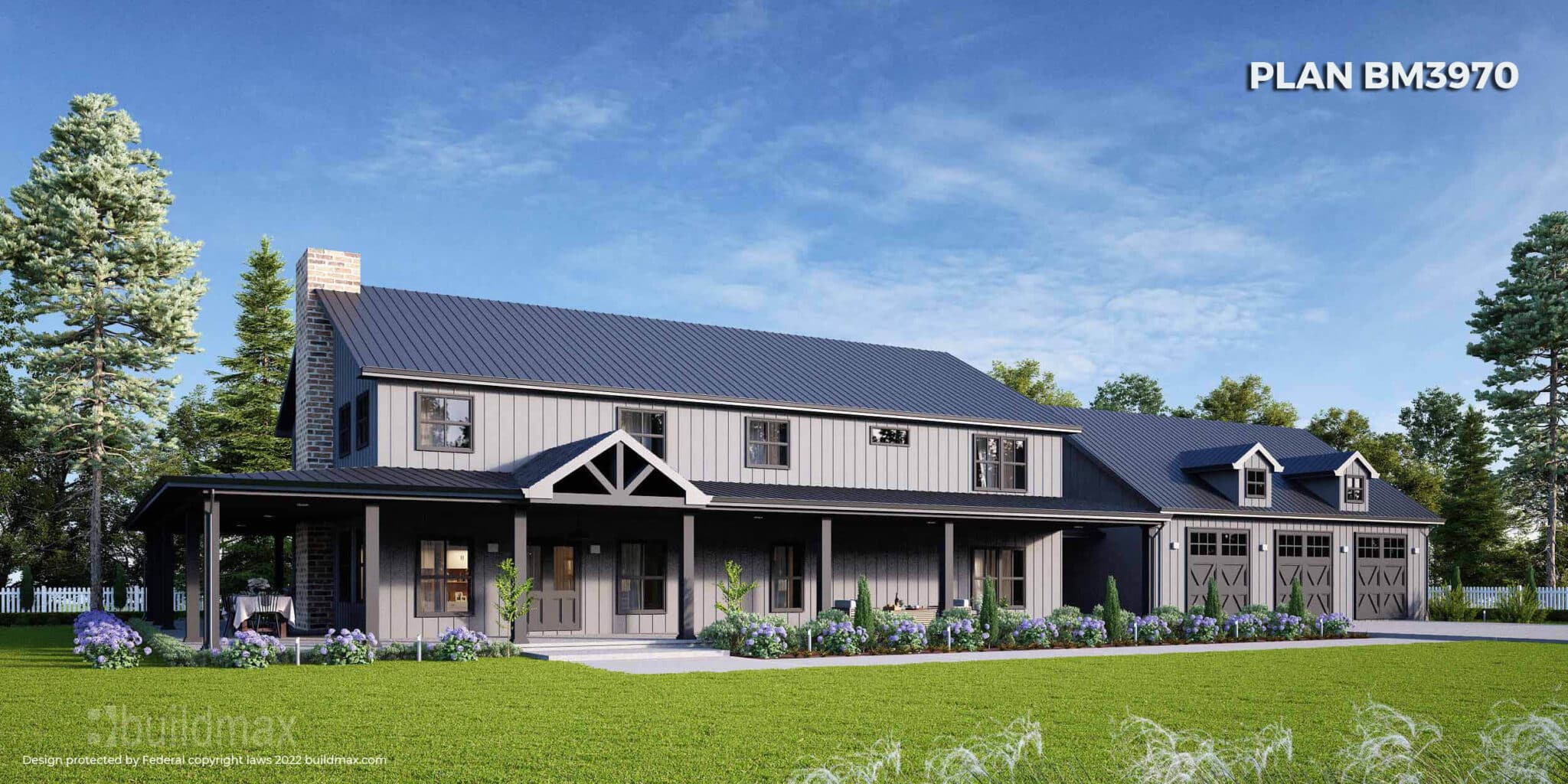
6-Inch Slab for Garage Floors, Shops, and Barndominiums

A 6-inch slab is commonly discussed for garages, workshops, and shop houses because these spaces often deal with heavier loads than normal living areas.

For standard residential use, a 6-inch slab can often provide a solid margin over a lighter-duty floor. But as soon as the conversation shifts to heavier vehicles, trailers, lifts, RV storage, or equipment, the slab design should become much more intentional.

That is also why BuildMax’s related article on 4-inch slabs points out that for garages or workshops, where loads can exceed 10,000 pounds, a thicker slab with reinforcement may be advisable. In other words, the heavier and more concentrated the use, the less helpful generic slab advice becomes.
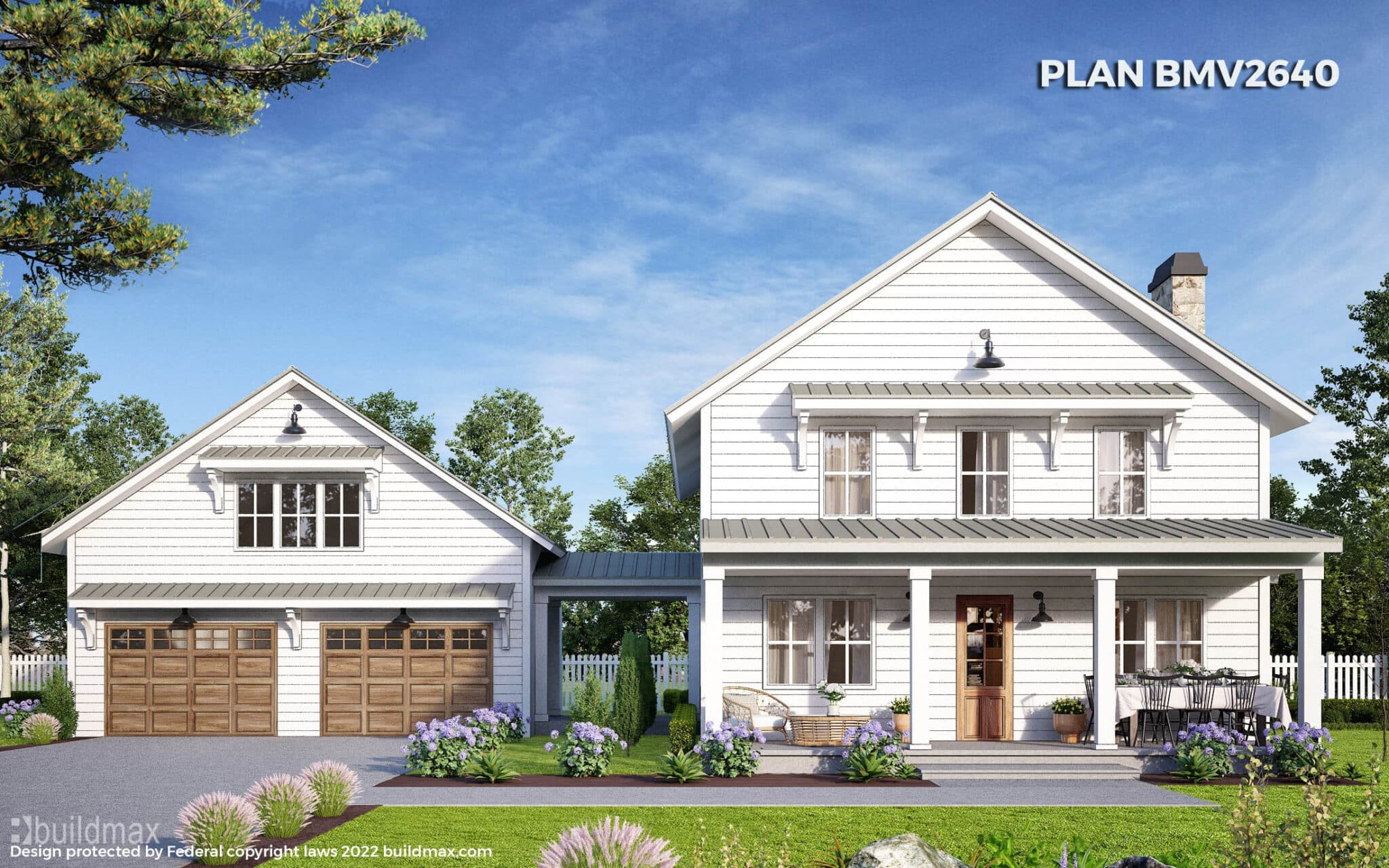
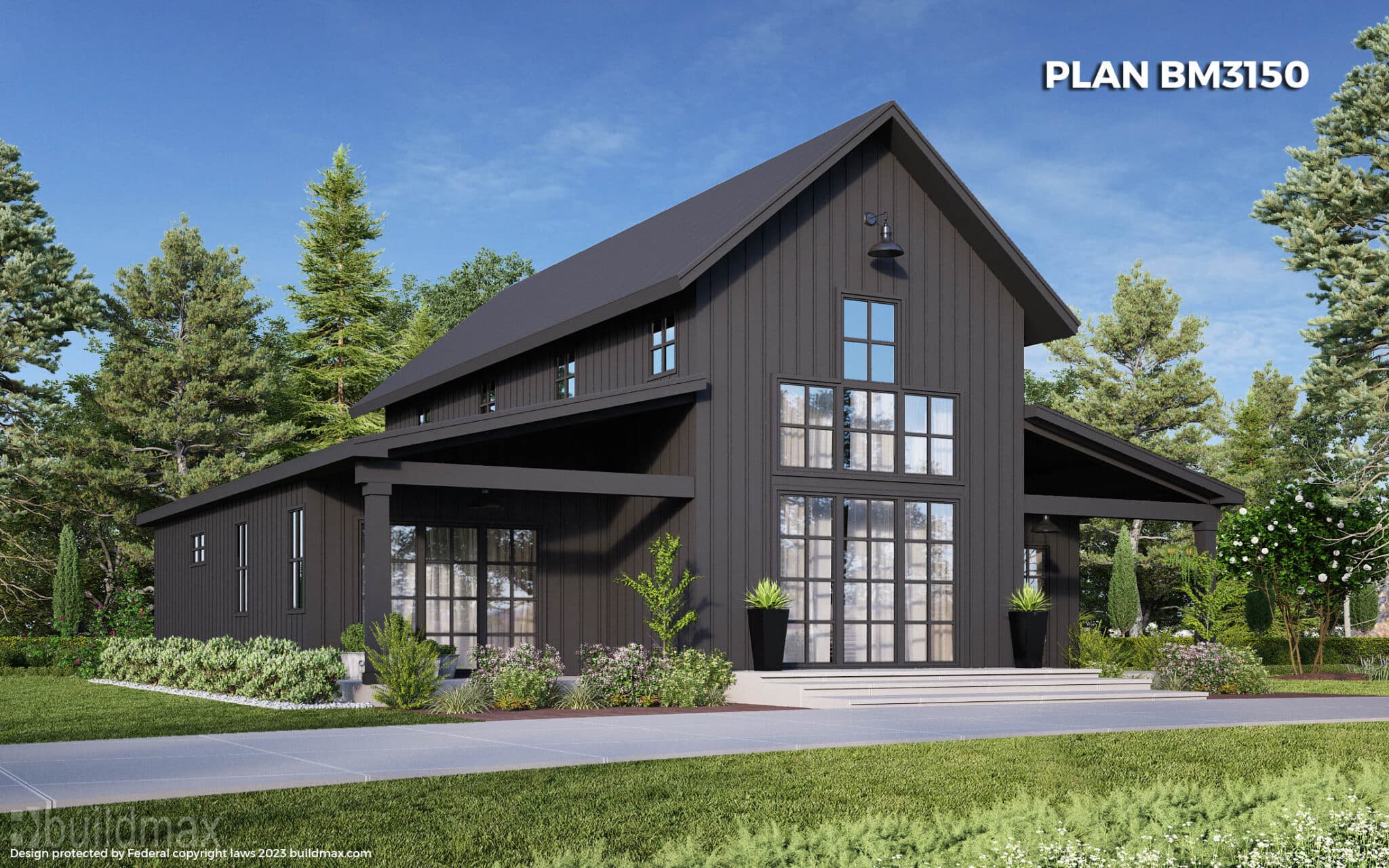
If your project includes garage bays or work space, it may also help to explore barndominium floor plans with garage and compare those layouts to the foundation design you plan to build on.

What Kind of Loads Are Hardest on a Concrete Slab?

Not all loads stress concrete the same way.

Distributed loads

These are loads spread over a larger area, such as furniture, stored materials across a wide footprint, or a vehicle whose load is shared across multiple tires and a broad slab area.

Point loads

These are loads concentrated in a small area, such as jack stands, machine feet, post lifts, steel columns, pallet jacks, or equipment legs. These can be much more demanding on the slab.

Dynamic loads

These involve movement, vibration, repeated traffic, or impact. A slab under repeated workshop use can experience stresses differently than one supporting only static storage.

This is why a homeowner asking about a parked SUV is asking a very different question from someone planning to install a vehicle lift or store heavier equipment inside a shop house.

Best Practices for a Stronger 6-Inch Concrete Slab

If you want a 6-inch slab to perform well, there are a few best practices that matter far more than filler advice.

Prepare the subgrade correctly

The base should be compacted, stable, and well-drained. Weak soil can undermine an otherwise good slab.

Use the right concrete mix

The mix should match the climate, use case, and engineering requirements of the project.

Add reinforcement where needed

Rebar, welded wire mesh, or engineered reinforcement details should match the intended use of the slab.

Match the slab to the real use case

Do not design the slab around “normal use” if you already know the building will contain heavy equipment, shop vehicles, or concentrated loads.

Cure the slab properly

Concrete needs time and good curing practices to perform the way it was designed to perform.

If you are still deciding whether your project should use a slab foundation at all, BuildMax also has a related article on whether barndominiums have to be built on a slab.

When a 6-Inch Slab May Not Be Enough

A 6-inch slab may not be the right answer when:

  • the subgrade is poor or unstable
  • the building will carry unusually heavy point loads
  • the shop will house heavy commercial equipment
  • you are installing a lift or machinery with concentrated bearing points
  • large RVs, loaded trailers, or repeated heavy traffic are expected
  • the structural engineer specifies a different slab design

In these cases, the right move is not to guess. It is to design the slab for the real loads.

What About a 40×60 Slab?

A lot of BuildMax readers are planning shop houses, garages, and barndominiums with larger footprints, which is why slab performance often gets tied to size as well as thickness.

If you are budgeting a larger project, it may help to pair this article with Realizing the Cost of a 40×60 Concrete Slab so you can think about slab design from both the structural side and the cost side.

So, How Much Weight Can a 6-Inch Concrete Slab Support?

Here is the best answer:

A 6-inch concrete slab can support substantial residential and light commercial loads, but there is no one-size-fits-all weight number that applies to every slab. The real capacity depends on concrete strength, reinforcement, curing, subgrade preparation, and whether the load is spread out or concentrated.

For a normal garage, shop house, or barndominium use case, a 6-inch slab is often a strong and practical starting point. But if you are planning for heavier vehicles, lifts, machinery, or concentrated loads, the slab should be engineered for that exact purpose instead of guessed at from a generic rule of thumb.

Final Thoughts

If you are building a barndominium, garage, or shop, slab design is not the place to rely on vague internet numbers. A 6-inch slab may be completely appropriate for your project, or it may need more reinforcement, a different design, or a different approach depending on the real loads involved.

The smartest move is to decide how the space will actually be used first, then design the slab around that reality.


Related BuildMax Resources