


Home Blog Page 32

How To Save $ On Your Barndominium With Smart Technology

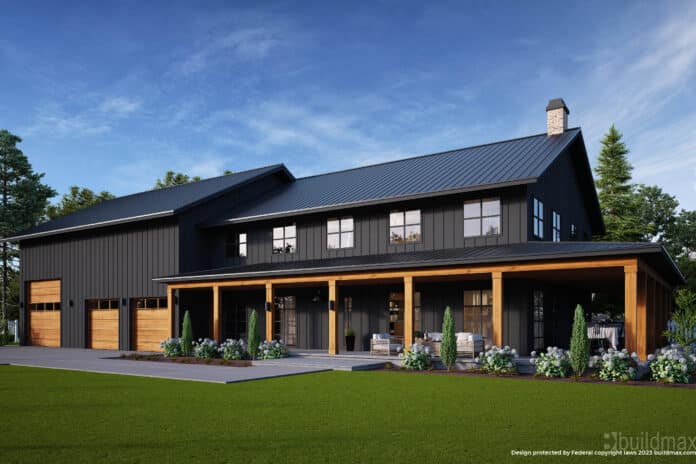
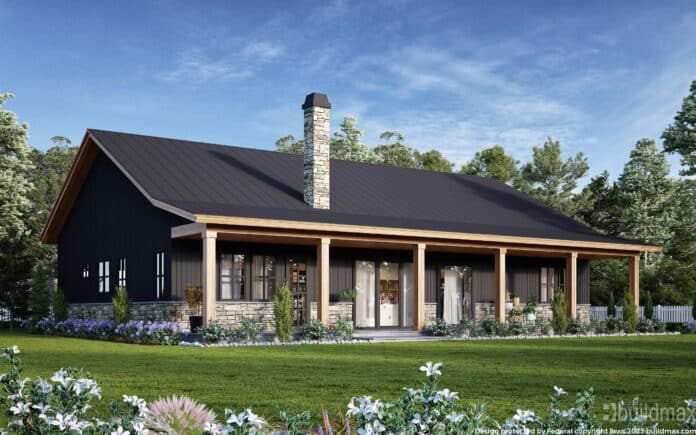
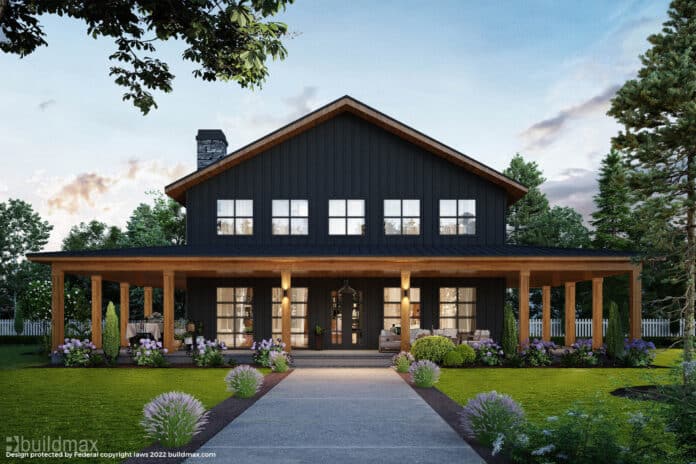
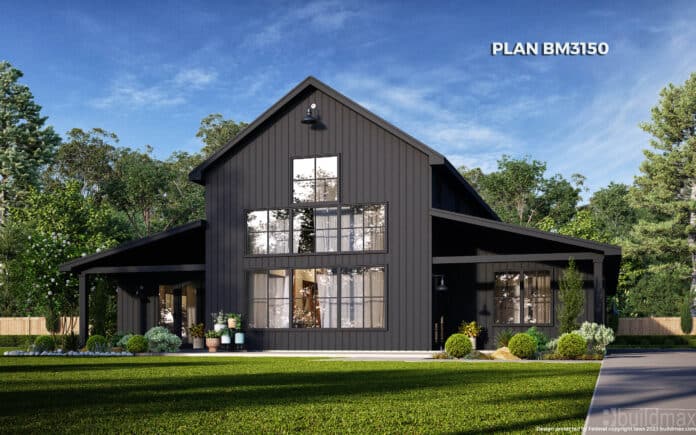
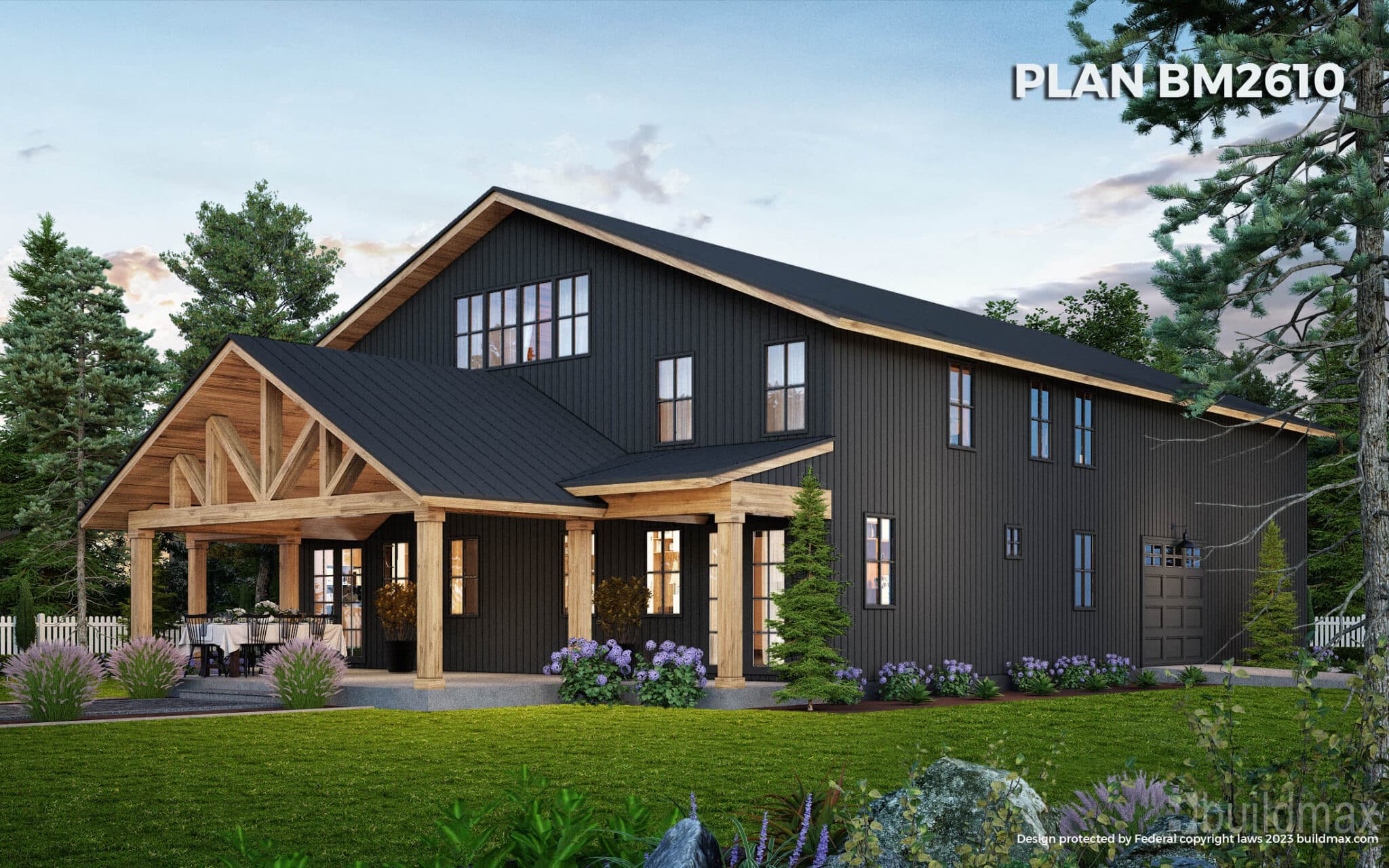
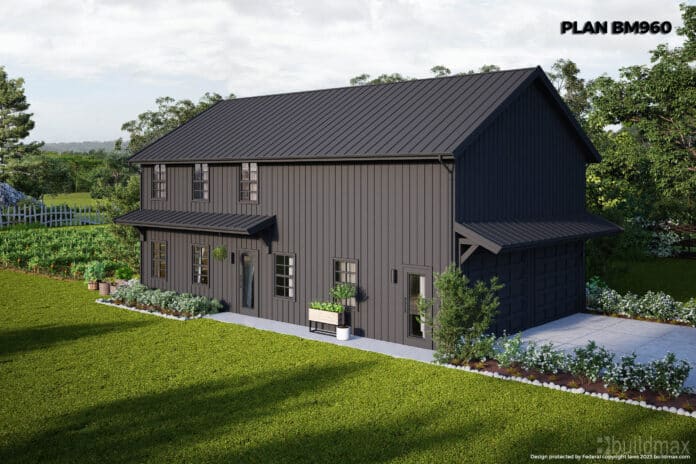
black barndominium

Smart Home Tech Delivers Long-Term Savings On Your Barndominium

With the rise of smart home devices, many technologies designed for remote monitoring, automation, and conservation now have payback potential for barndominium homeowners. While WiFi cameras provide security and peace of mind and devices like smart water leak detectors prevent damage, several key systems also curb energy and resource waste. This ultimately saves money over years of rural living.
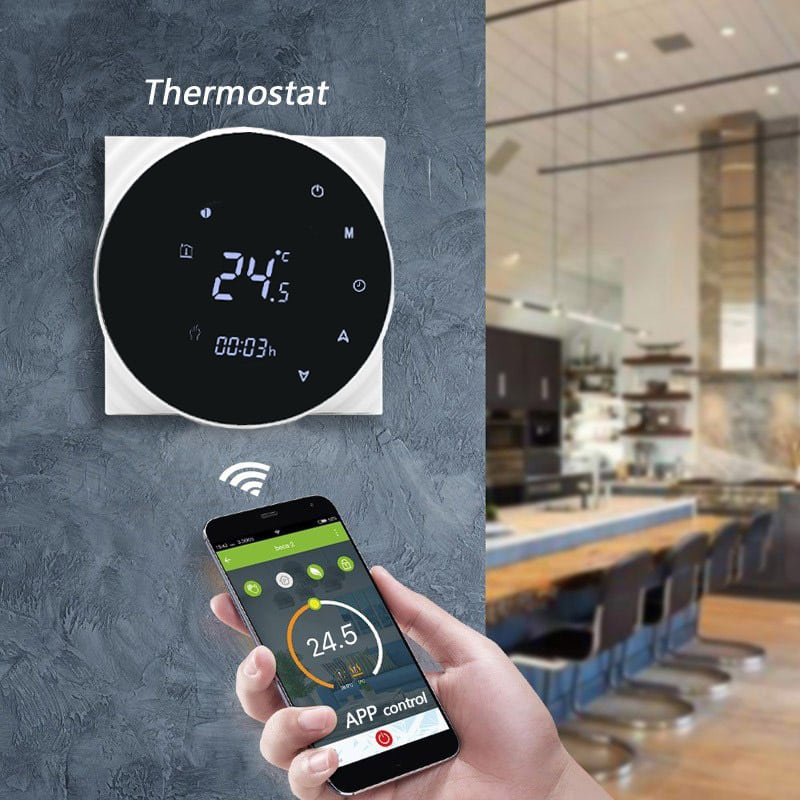
HVAC Controls = Big Energy Savings

Programmable smart thermostats first deliver savings through scheduled setbacks of temperatures when away or asleep so HVAC systems run less often. Learning capabilities then optimize runtimes further to maintain comfort. Integrating multi-zone damper controls and sensors tied to a central control panel allows different conditioning for occupied rooms rather than entire buildings too.

Here are some key things to know about smart HVAC systems and integrating them into a barndominium home:

1. Remote Access & Control – Smart thermostats like Ecobee and Nest allow temperature adjustment and scheduling from anywhere via smartphone. Great for vacant vacation homes.

2. Geofencing – Location-based triggers can auto-adjust climate systems when residents leave or arrive back home to reduce runtime.

3. Zoned Comfort – Separate control of different areas allows tuning temperatures only where occupants are rather than the entire open structure. Saves energy.

4. Usage Insights – View runtimes, setbacks, and equipment performance details to inform any adjustment needs for efficiency.

5. Voice Activation – Controlling the thermostat via Alexa, Google Assistant, etc. allows hands-free convenience.

6. Works With Smart Vents – Automated dampers fine-tune individual room comfort levels tied to the overall system.

7. Integration with Other Systems – Climate data can trigger actions in lighting, security, and water leak defense central controllers.

The intrinsic expansive nature of barndominium spaces warrants purposeful HVAC planning for maximum comfort with minimum energy waste. Smart climate components build efficiencies via occupancy patterns over time for substantial cost and energy savings that pay dividends for years.

Lighting Automation Means Less Waste

Barndominiums contain vast ceilings and expansive layouts which can expend tons of energy lighting fully when partially occupied. Networking LED fixtures to smart switches allow preset controls, tuning ambiance for activities, automatic on/off, and integration with other systems so illumination remains in check.

Here are some key things to know about smart lighting technology and how it can be beneficial for barndominium homes:

1. Flexible Lighting Controls – Smart switches, remotes, and apps allow easy pre-programming of lighting scenes and schedules. Dimming provides ambiance tuning for any activity – dining, reading, or even sleeping.

2. Zonal Lighting – With expansive interiors, zoning separates lighting by areas occupied rather than wasting electricity fully illuminating unused volumes. Integration with security systems facilitates automated on/off based on motion detection.

3. Voice Activation – Controlling lighting via voice assistants allows hands-free convenience and accessibility. Great for entering with arms full or when physically unable to operate switches.

4. Expands With Add-Ons – Modular smart lighting components enable gradual upgrades or enhancements over time. Add accessories like exterior landscape lighting or color-changing effects for mood.

The benefits smart lighting brings through ambiance control, automation convenience, and potential energy savings make it a functional investment for barndominiums with much interior space to illuminate. Considering lighting design early in building plans allows integrated fixtures, adequate wiring, and unified smart hubs powering additions over time.

Water Conservation With Leak Monitoring

Ruptured plumbing or appliances unnoticed in a barndominium’s shop, garage, or remote areas could spill thousands of gallons before discovery. Cheap wireless detectors connected to home automation controllers provide alerts to prevent excessive water loss and damage. Flow metering integration allows consumption tracking also.

Here are some key things to know about incorporating smart leak monitoring technology as part of a barndominium home:

1. Critical Areas To Monitor – Water supply lines, drainage pipes, appliances like water heaters, washing machines, and sinks. Also, monitor in basement/crawlspace.

2. Sensors For Different Leak Types – Combination sensor can detect both water presence on the floor as well as pipe bursts. Some specialized for humidity changes.

3. Wireless Sensors – Battery-operated devices placed in leak-prone areas transmit status to the central hub without the need for complex wiring. Some last 1-2 years on batteries.

4. Status Notifications – Alert notifications get sent to your phone from the base station or monitoring service when triggers occur. Enables quick response.

5. Shut-Off Valve Integration – Some systems work in conjunction with automatic water shut-off valves to instantly stop the main water flow if a large leak is detected to minimize damage.

6. Installation Flexibility – DIY-friendly with self-adhesive sensors. But professional monitoring services are also available starting around $15 monthly.

No one wants to deal with the damaging fallout of an unnoticed pipe burst or appliance leak during vacations or remote work. Smart leak tech grants invaluable peace of mind in barndominium spaces for a very reasonable investment that pays dividends through potential water loss prevention.
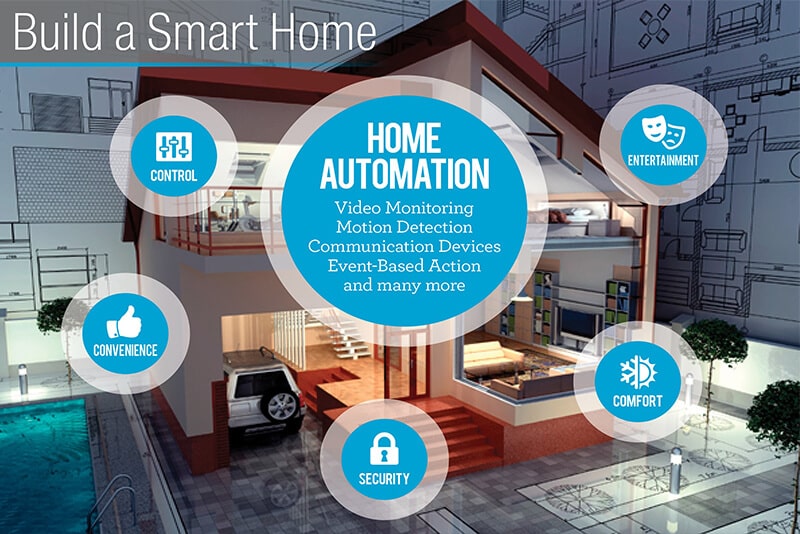
While minimal upfront investment is required to integrate many modular smart systems, the ongoing savings through utility bill reductions, loss prevention, and management convenience add up substantially over years of barndominium living. Further automation potential like solar integration Makes you even less reliant on fossil fuels for energy, Finding Energy independence or even taking your Barndominium entirely off the grid.

The bottom line is leveraging various smart home technologies essentially optimizes enjoyment of your spacious barndominium through safety, efficiency, and awareness while saving hundreds in annual costs and untold amounts of savings throughout the life of your Barndo. Conscientious monitoring and automation help protect your investment for maximal longevity. Contact a specialist at Buildmax.com to explore Floor Plan options compatible with your WiFi infrastructure, HVAC, security, and electrical setup ideas.
Ways to Cut Cost While Building a Barndominium Kit

small black barndominium

Saving Money on Your Barndominium Build

Barndominium homes – combining the functionality of a metal barn with the livability of a traditional house – continue growing in popularity for their spacious flexibility and cost-effective construction. Yet with any build, unforeseen expenses can still hinder budgets. Here are tips to cut costs when Building a prefabricated barndominium kit.

Research Permitting Requirements
Determining building codes, zoning allowances, permit fees, construction waste regulations and liability insurance requirements for your area avoids costly delays or penalties down the road. Check the property for any Environmental hazards or concerns that may require permits. Have clearly defined plans and engineering ready for submission too. This prevents drawn-out application revisions.

Leverage DIY Labor
While nobody expects to tackle every task alone, identifying elements suitable for DIY completion will instantly reduce labor costs. Barndos typically have open floor plans perfect for owners handling interior finishings like drywall, paint, trim carpentry, and flooring. Even managing exterior landscaping and driveway materials yourself makes a big dent.

Compare Supplier & Contractor Rates
Whether ready-made kits, custom building materials, or subcontractor pricing, always compare rates thoroughly. Check at least three suppliers as bulk discounts can vary widely. Keep opportunity costs in mind too – cheap packages may lack essential items that must be purchased separately. Lock bulk rates in early before unpredictable material price hikes hit.

Consider Energy Efficiency
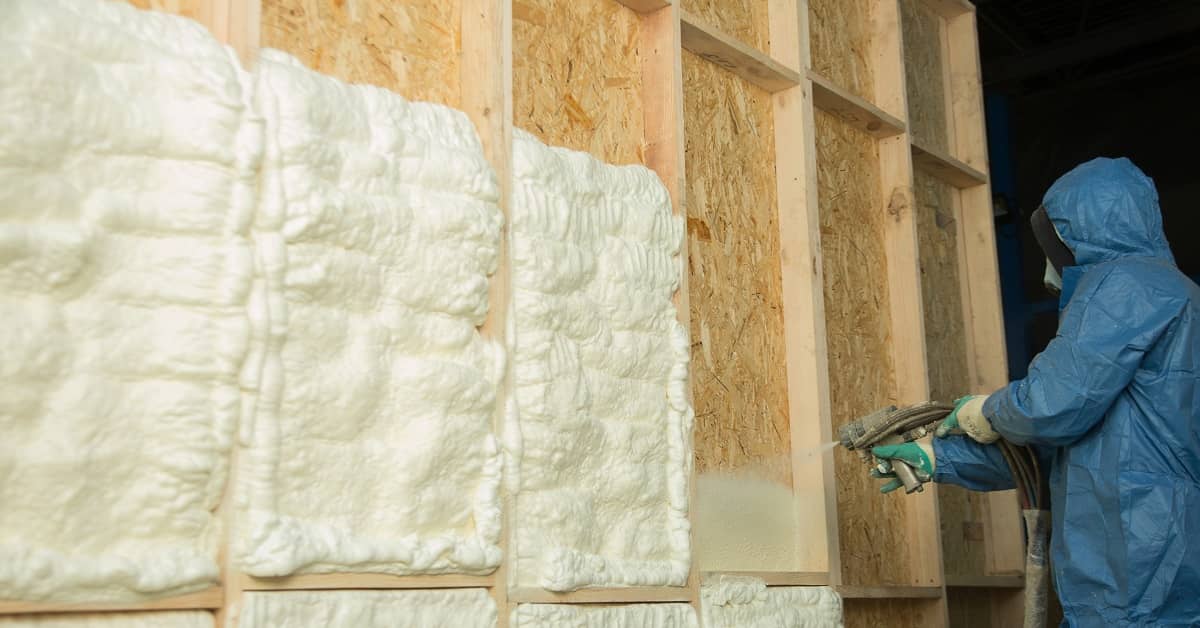
Investing a little more upfront in energy-efficient building envelope materials like spray foam insulation and low-E windows pays perpetual dividends for decades via lower utility bills. Just ensure choices align with regional climate considerations and seek rebates where available.

Embrace Sweat Equity
While hiring turnkey construction seems easiest, rolling up your sleeves on demolition, cleanup or prep work reduces project costs substantially. Tasks like removing existing structures or trees, basic framing, and clean site organization can be managed by handy homeowners. Just mitigate safety risks and injury liability.

Though competitive market pricing continues easing achievable barndominium budgeting for owners, applying these cost-cutting tips allows the allocation of more funds toward desirable finishes and features rather than unforeseen fees or inefficiencies. With diligent planning, you can build your Steel frame  barndominium home both affordably and satisfactorily.

Can You Hang a Tv and shelving on a Metal wall Stud?

black barndominium

Can You Hang a TV and Shelving on Metal Wall Studs?

How to Mount Heavy Items Safely in a Steel-Framed Barndominium

Yes, you can hang a TV, floating shelves, cabinets, artwork, mirrors, and other household items on metal wall studs. The key is using the correct fasteners, locating the studs accurately, and understanding that steel studs require a different approach than traditional wood framing.

As more homeowners choose steel-framed barndominiums, shophouses, and modern farmhouse builds, this question comes up often. Steel framing is strong, durable, dimensionally stable, and resistant to many of the problems that affect wood framing, but mounting items to steel studs should be done with the right hardware and planning.

BuildMax steel frame barndominium kits are designed as residential structural framing systems, not flimsy commercial partition walls. That means homeowners can still enjoy normal everyday use of their walls, including mounting televisions and shelving, as long as the installation is done correctly.

Why Steel Stud Walls Are Different from Wood Stud Walls

Wood studs give screws a thick, solid material to bite into. Metal studs are different. Cold-formed steel studs are strong, but the steel itself is thinner than a wood 2×4. That means a basic wood screw or drywall screw may not provide enough holding power when used by itself.

This does not mean steel studs are weak. In many ways, steel framing offers major advantages over wood framing. Steel does not warp, twist, split, shrink, rot, or attract termites. It also provides a consistent, engineered framing system that can be designed for wind loads, snow loads, seismic requirements, and the specific needs of a residential home.

The difference is simply that you need the right fastener for the job.

Can You Mount a TV on Metal Studs?

Yes, a TV can be mounted on a wall framed with metal studs. For lightweight TVs, the right metal-stud fasteners may be enough. For larger TVs, heavier mounts, full-motion brackets, or expensive entertainment setups, it is usually best to anchor into multiple studs and use hardware specifically rated for steel framing.

The most important thing is not just the weight of the TV. You also need to consider the type of mount. A fixed wall mount places less stress on the wall than a full-motion articulating mount that pulls away from the wall. When a mount extends outward, it creates leverage, which increases the stress on the fasteners and wall assembly.

For heavy TVs or full-motion mounts, many builders will add wood blocking, steel backing plates, plywood reinforcement, or additional framing support behind the drywall before the wall is finished. This is one of the easiest and strongest solutions when you know in advance where the TV will be mounted.

Can You Hang Shelves on Metal Studs?

Yes, shelves can be mounted to metal studs, but the installation should match the load. Decorative shelves holding lightweight items are much different from deep floating shelves loaded with books, dishes, tools, or collectibles.

For shelving, the biggest concern is usually leverage. Shelves pull outward from the wall, especially when weight is placed near the front edge. That outward pull can place more stress on fasteners than a flat-mounted picture or mirror.

For heavier shelves, cabinets, pantry shelving, garage storage, or shop shelving, it is best to use a combination of metal-stud anchors, backing material, multiple studs, and properly rated mounting hardware. In garages, shops, mudrooms, laundry rooms, and utility spaces, planning reinforcement before drywall is installed can make future storage much easier.

How to Find Metal Studs Behind Drywall

Finding the studs is the first step. Metal studs are commonly spaced 16 inches or 24 inches on center, depending on the design, engineering, and wall layout. However, you should never guess where the studs are when mounting anything heavy.

A standard stud finder may not always work well on steel framing. A magnetic or metal-detecting stud finder is usually more effective because it can identify screws, fasteners, and the metal stud itself behind the drywall.

You can also look for visual clues such as outlet locations, drywall screw patterns, trim attachment points, or wall layout symmetry. For heavy installations, it is worth taking extra time to confirm the exact stud location before drilling.

Best Fasteners for Metal Studs

When mounting into steel studs, avoid standard drywall screws or typical wood screws. They are not designed to provide maximum holding strength in steel framing.

Better options may include self-drilling metal screws, toggle bolts rated for metal studs, snap toggles, specialty TV-mount anchors, metal-stud mounting hardware, and fasteners specifically designed for cold-formed steel framing.

The right choice depends on the weight of the object, the number of studs available, the thickness of the steel, the drywall thickness, and whether the load pulls straight down or outward from the wall.

For a wall-mounted TV, always follow the mount manufacturer’s instructions and use hardware rated for the wall type and weight. For shelving, cabinets, or garage storage, confirm the fastener rating and use multiple attachment points whenever possible.

Should You Use Toggle Bolts in Metal Studs?

Toggle bolts and snap toggles can work well with metal stud walls because they spread the load behind the drywall and stud. They are often used for heavier items where a screw alone would not provide enough grip.

However, toggle bolts should still be used correctly. The hole size matters. The wall thickness matters. The weight rating matters. The location of the stud matters. A toggle bolt installed poorly can still fail, especially with shelves or mounts that create outward leverage.

For heavier TVs or shelves, using several properly installed anchors across multiple studs is much better than relying on one or two fasteners.

Plan Ahead Before Drywall When Possible

The best time to plan for TVs, cabinets, floating shelves, wall-mounted desks, garage storage, and heavy wall features is before drywall is installed.

During framing, your builder can add backing, blocking, plywood strips, steel reinforcement, or additional framing members exactly where heavy items will be mounted. This is especially helpful in:

Great rooms
Bedrooms
Home offices
Garages
Shops
Laundry rooms
Mudrooms
Pantries
Mechanical rooms
Entertainment walls

In a barndominium, this planning can be even more valuable because homeowners often want large open rooms, vaulted ceilings, big entertainment walls, oversized garages, and flexible shop space. A little planning during framing can make the finished home much easier to live in.

Why Steel Framing Still Makes Sense

Some homeowners worry that steel studs will make everyday tasks more difficult, but that is usually not the case when the home is properly designed and built. Steel framing offers several long-term advantages that make it attractive for barndominiums and modern farmhouse builds.

Steel framing does not warp, rot, twist, split, or shrink like wood. It is not food for termites. It is dimensionally stable and can be engineered for specific wind, snow, and structural requirements. It also works well for open-concept layouts, tall walls, vaulted spaces, large shops, and modern barndominium designs.

The tradeoff is that you need to use the correct fasteners and think through heavy wall-mounted items ahead of time. That is a small adjustment compared to the long-term durability and consistency steel framing can provide.

Common Mistakes to Avoid

The biggest mistake is using the wrong hardware. Drywall screws, short wood screws, or basic plastic anchors are not the right choice for heavy items on metal studs.

Another mistake is mounting only into drywall when the object should be anchored into the stud or reinforced backing. Drywall alone is not meant to support heavy TVs, cabinets, or loaded shelving.

It is also important not to overload a shelf just because the fasteners feel tight at first. Weight, leverage, vibration, and repeated use can loosen poor installations over time.

For expensive electronics, heavy shelving, cabinets, or anything mounted above seating areas, beds, desks, or walkways, hiring a professional installer is often worth it.

BuildMax Steel Frame Barndominium Kits and Everyday Living

BuildMax steel frame barndominium kits are designed to help homeowners build strong, efficient, customizable homes with the flexibility people expect from modern residential construction. These homes can support normal interior finishes, drywall, cabinetry, shelving, entertainment walls, and everyday living needs when properly planned and installed.

The key is communication. Tell your designer and builder where you plan to mount TVs, shelving, cabinets, garage storage, wall-mounted desks, or heavy décor. These details can often be addressed during the framing stage, making installation much easier after the home is finished.

Final Thoughts

You can absolutely hang a TV and shelving on metal wall studs. Steel-framed homes are not fragile or impractical. They simply require the correct fasteners, accurate stud location, proper installation, and good planning for heavier wall-mounted items.

For light items, standard metal-stud hardware may be enough. For large TVs, floating shelves, cabinets, garage storage, or full-motion mounts, reinforcement and properly rated fasteners are the smarter choice.

When planned correctly, a steel-framed barndominium can provide the durability of engineered steel construction while still giving homeowners the everyday function, comfort, and flexibility they expect from a custom home.


What’s The Best Flooring Options For a New Barndominium Build?

black barndominium farmhouse with wraparound porch

Choosing the Best Flooring for Your Barndominium Home

The rustic yet spacious design of barndominium homes has become an increasingly popular option for custom home builds. With their high ceilings and open layouts, selecting the right flooring is key to both aesthetic appeal and durability. What are the best types of floors for a barndominium? Key factors like intended use, climate, comfort, maintenance, and budget should guide your flooring decisions.

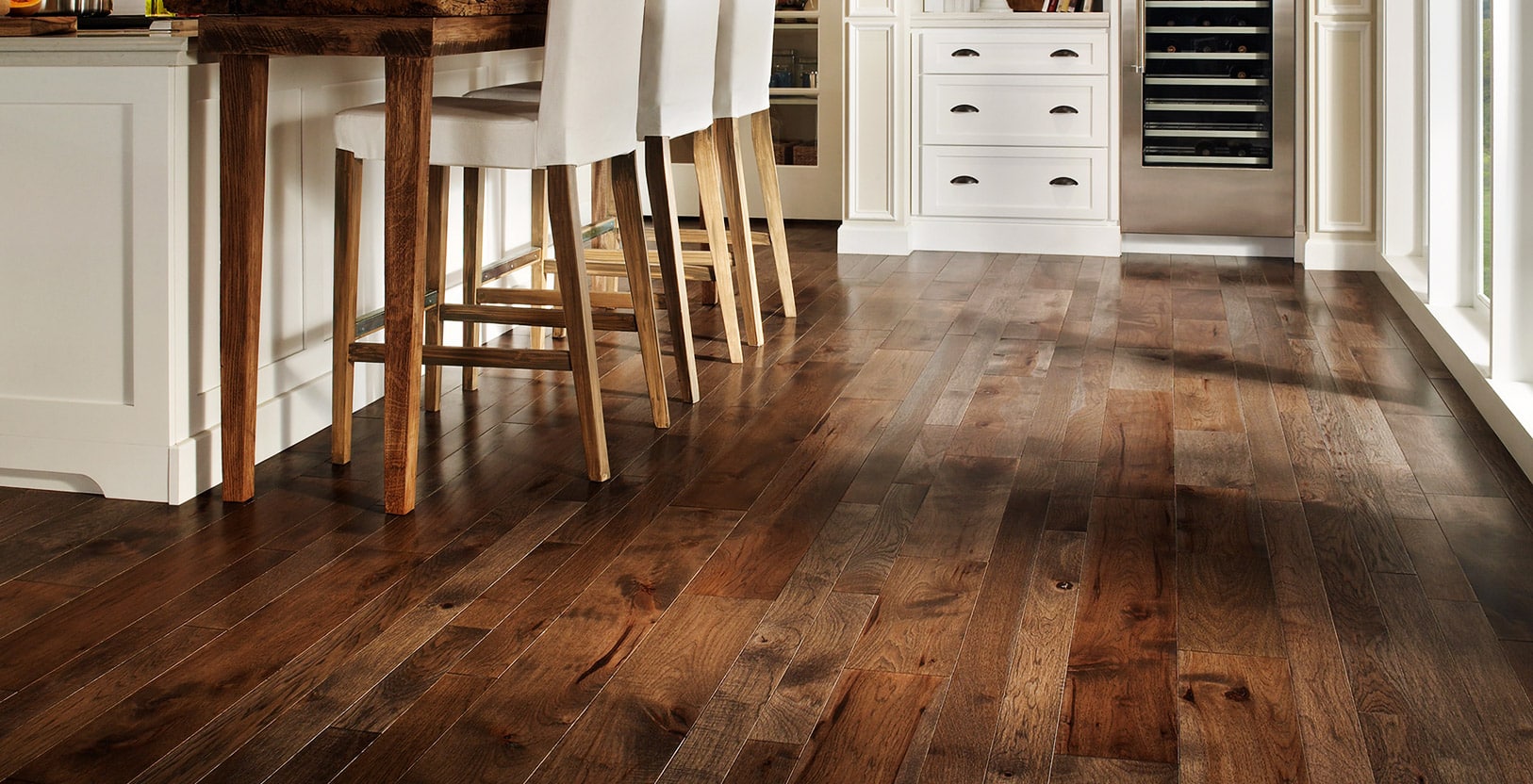
Hardwood Floors
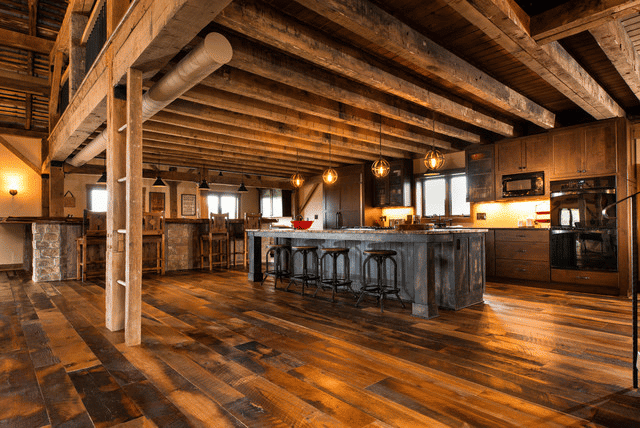
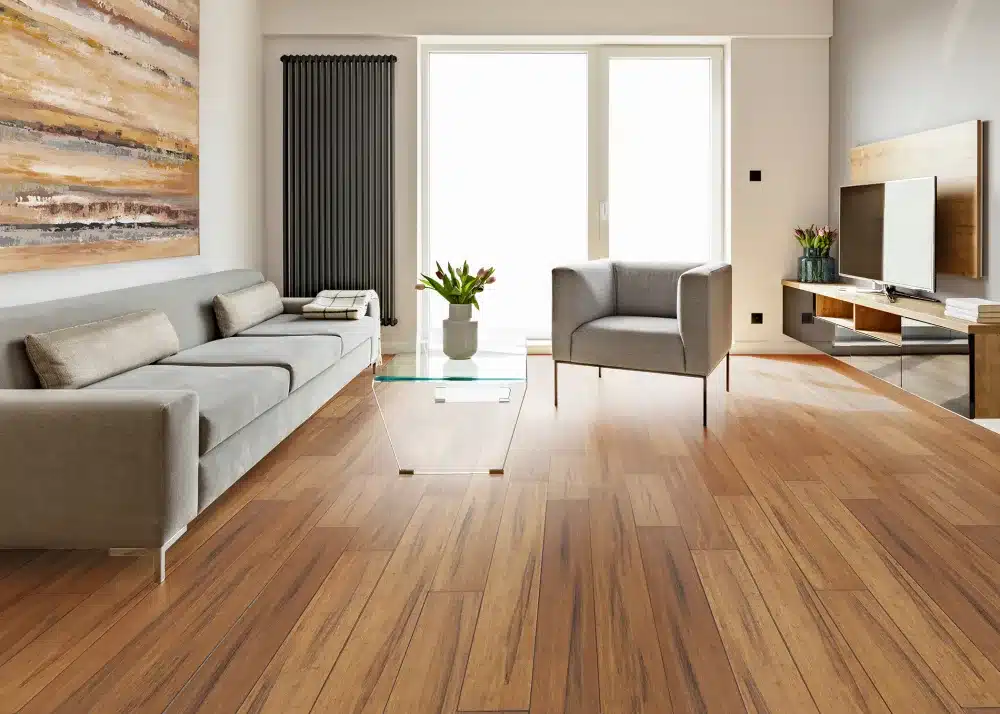
Timeless hardwood floors bring warmth and elegance to barndominiums. Finishes like oak, hickory, or Eastern white pine not only provide character but also withstand heavy residential traffic. Their durability also suits the workshop areas common in barndos. Nail-down installation over plywood subflooring handles temperature fluctuations better than applying engineered hardwood planks directly to concrete. Keep in mind hardwoods can dent, scratch, or stain over years requiring refinishes. Professional installation is also more labor intensive.

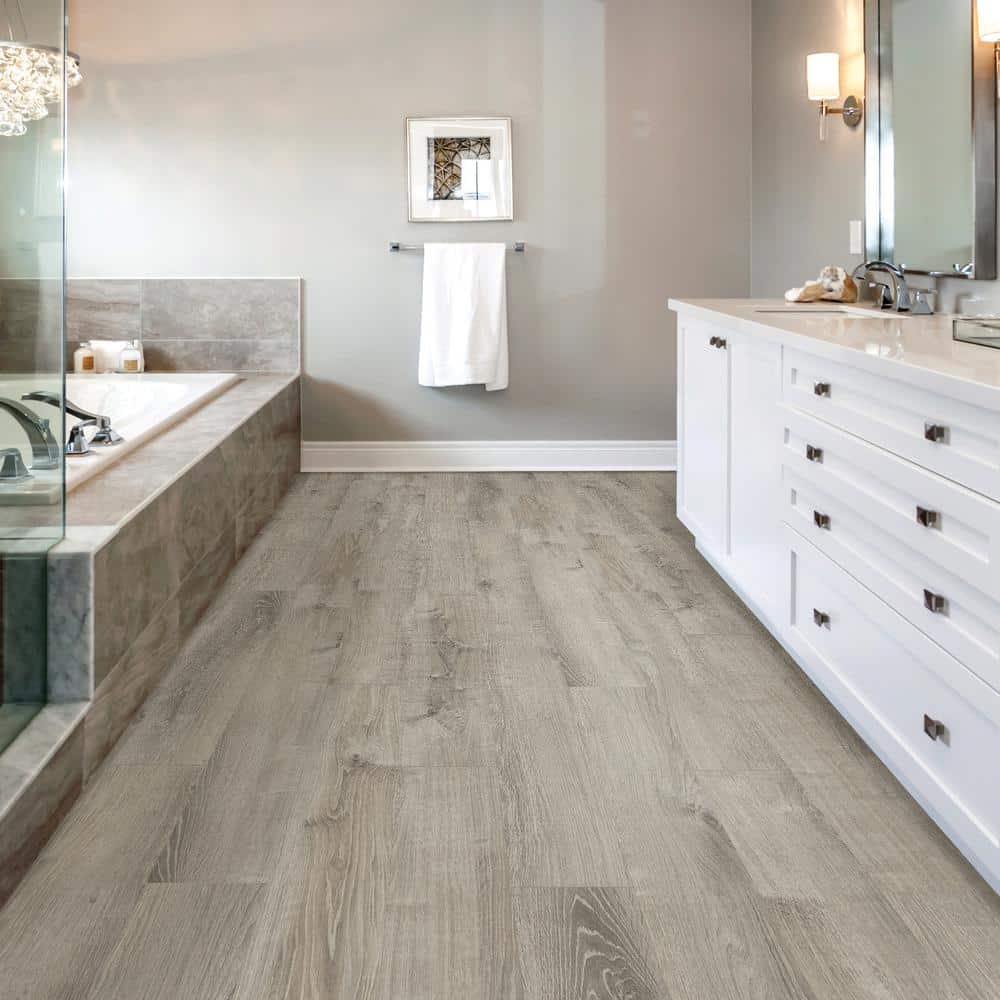
Luxury Vinyl Plank Flooring
For a sleek contemporary look, luxury vinyl plank (LVP) rivals hardwoods at a lower cost. Mixing wood-look vinyl with tile patterns allows creativity in zone flooring spaces. Waterproof durability and scratch resistance make LVP a great DIY option for kitchens or bathrooms. Just ensure vinyl is rated for climate fluctuations as dramatic barndo interior temperature swings can buckle inferior planks. An extra foam pad layer helps prevent this while aiding comfort underfoot.

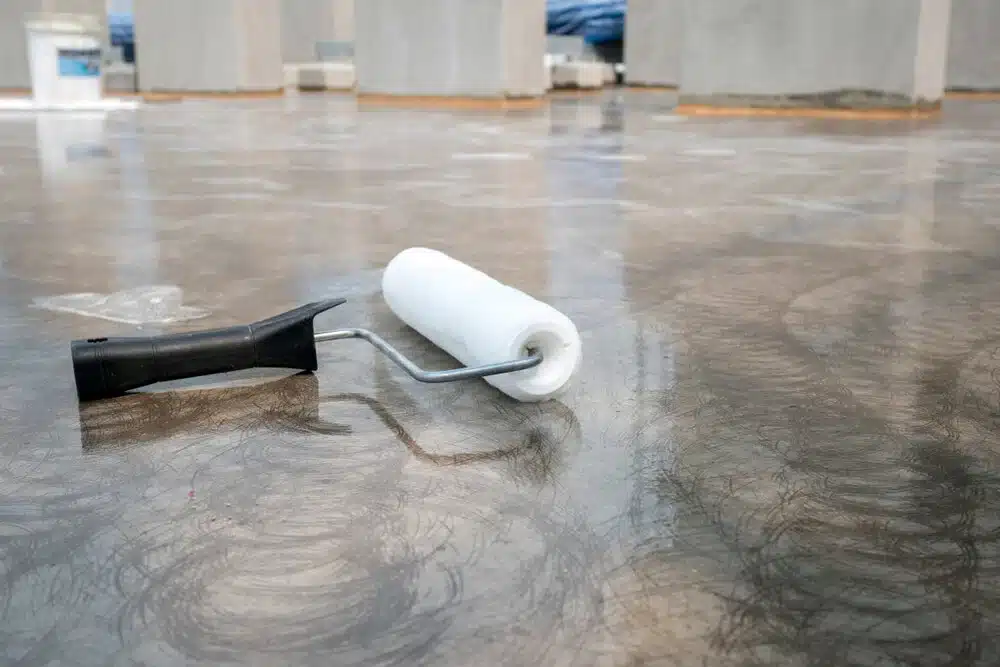
Epoxy Floor Coatings
For industrial shop zones, durable epoxy floor coatings protect against grease stains, chemicals, and heavy impacts. Their seamless, glossy finish bonds directly to concrete easing cleanup too. Polyurea coatings offer similar benefits with even greater flexibility and impact resistance. Just keep in mind epoxies require thorough concrete prep and professional installation for lasting adhesion. Cost may also be high for coating large square footage.

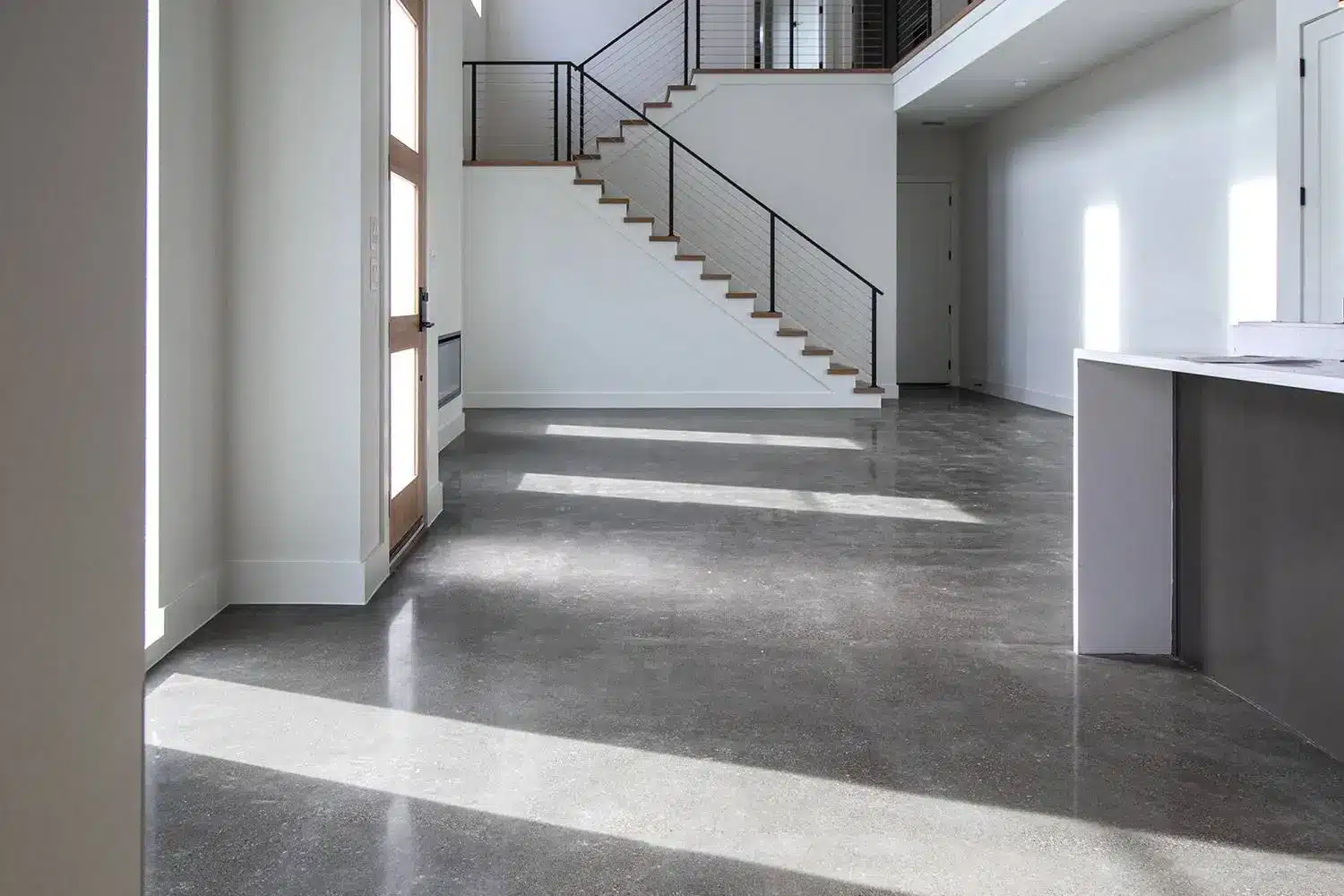
Polished Concrete Floors
Finally, do not overlook the existing concrete slab foundation as a “finished” interior floor. Grinding it smoothly exposes beautiful variegations in the aggregate. Densifying and sealing make concrete nearly indestructible while allowing the artistry of the rebar and pouring process to show through. Be aware, that concrete can dust without sealing and feels hard underfoot. Integrating anti-fatigue mats provides cushion over workstations. Keep existing concrete in mind where you want a raw, urban look matching the industrial origins of barndominium design.

Other Potential Barndominium Flooring options for barndominiums

– Engineered wood planks – Warm look of wood with dimensional stability. Handles moisture better than solid wood.

– Luxury vinyl plank (LVP) – Low cost wood-look option that is waterproof and scratch-resistant. Good DIY choice.

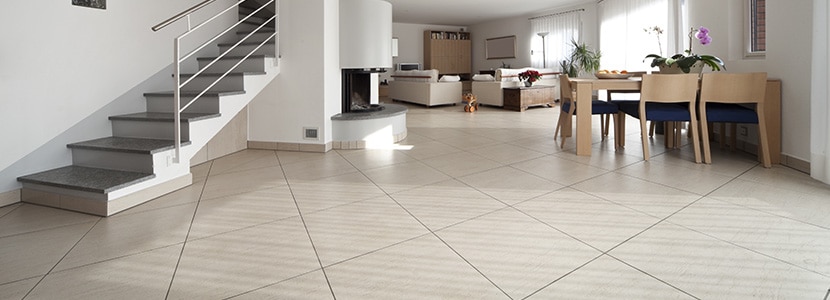
– Tile – Great for bathrooms and laundry rooms. Ceramic or natural stone tiles hold up well.

– Laminate – Provides wood appearance at the lowest cost but can dent and swell with excess moisture.

– Rubber flooring mats – Cushioning properties to ease standing fatigue. Best used in conjunction with hard floors.

– Cork – Naturally water and stain-resistant, provides warmth and comfort underfoot. Prone to indentations over time.

– Bamboo – A resilient and sustainable choice, though moisture can cause some cupping ongoing.

Be sure to consider the maintenance, comfort, moisture resistance, and intended use for each zone in selecting flooring. Mixing appropriate materials from room to room allows you to optimize for both form and function.

In summary, hardwoods bring timeless warmth but come at a price over large areas. Waterproof luxury vinyl plank offers contemporary wood-looks cost-effectively. Epoxies enhance workshops and garages with tough protection. Or integrate natural concrete slabs to celebrate the essential barn structure. Properly weighing use, maintenance, and budgets for each zone lets you mix flooring to design the ideal living space in your custom barndo home.

How Long Does it Take to Build a 3000sqft Barndominium?

How Long Does it Take to Build a 3000sqft Barndominium?

An increasingly popular home option today is the “barndominiums” With rustic country styling the barndominiums offer a flexible and cost-effective housing alternative to more costly traditional builds. Barndominiums are especially alluring to those desiring ample square footage while keeping construction on the affordable side, Barndominiums enable a homebuilder to approach the project as a customizable blank barn-styled canvas making room for both spacious garage and expansive living spaces. But exactly how quickly can a barndominium be built from the ground up? For a 3000 sq ft example, what might the full construction timeline look like?

Building Timeline Overview
For a DIY-inclined owner with sufficient time and adequate skillset, constructing a basic 3000 sq ft barndominium yourself using pre-fabricated steel building components could conceivably only require around 5 months from breaking ground to securing an occupancy permit. However, tackling every step from concrete work to electrical and plumbing solo for most owners’ skill levels would prove extremely daunting if not impossible working within that kind of time frame. it’s clear to me that It’s more important to focus on the Quality of the job at hand and to not rush the building process, When you rush a job, the job lacks that important attention to detail needed on custom barndominium builds, undoubtedly, something will get missed or overlooked in the rush, or simply done incorrectly, this is a common pitfall and it’s all a part of the learning process. Things must be done correctly if you want the extreme longevity out of your barndominium that others have gotten things must be done in a precise way. Foundations must be given ample time to cure a 28-day cure is the absolute minimum recommended cure time, Some builders choose to wait even longer, take this into account when planning out your build.

Contracting out various specialized tradesmen allows you to focus effort on key areas that you can handle, while professionals tackle the rest. This speeds up the full farmhouse-style build to roughly 5 months but it takes a lot of hard work on the homeowner’s part to get accurate work done. Note that adding extensive interior finishings and trims past the dried-in stage can readily extend final move-in readiness closer to 6 months without impacting initial occupancy.

Build Process Phases & Timeline
While every barndominium build varies based on a handful of factors and variables ranging from the region your building in, contractor/crew sizes, customization extent, factors like permitting, and other unseen factors that could arise during the build, an outline of the typical build phases and duration averages breaks down as follows:

Planning & Permits – Finalize building plans and engineering, apply/secure permits (2-4 weeks)

Site & Foundation Prep – Clear/prepare the site, excavate, install utilities, pour slab with grounding (1 week)

Steel Shell frame assembly – Assemble pre-fab steel shell, frame openings, sheath roof, add doors/windows (2 weeks)

Close In – Install siding, and roofing layers, inspect framing then insulation/vapor barriers (2 weeks)

Mechanicals – Electrical, plumbing, HVAC, gas lines, septic/well if needed (4 weeks)

Interior Finishes – Drywall, paint, trim carpentry, ceilings, flooring (4-8+ weeks)

Final Touches – Appliances, bathroom fixtures, counters, landscaping, etc (2 weeks)

In total, an eager homeowner with a basic bath/kitchen layout could move into a functional 3000 sq ft barndominium in as little as 6 months by focusing effort on essential living areas first, on the same token issues can bog down the build and drag it out past a year. So in total, a straightforward square box DIY style barndominium in a low regulation area could potentially be built in 4-5 months but that situation is a very rare unicorn in today’s busseling age.

More complex builds with extensive contracting and more intricate Barndominium Floor plans are far more common and can take 6-12 months on average. The key is realistic planning, permitting, and sequencing of tradespeople. Creating a detailed schedule and timeline from the start is crucial. Allowing at least 6 months in your timeline is highly advisable for most barndominium builds simply to account for inevitable surprises and delays. It’s important not to dwell and focus on the timeline and just go step by step doing the best job you can then one day you’ll look up and I’ll be 5-6 mo later and you’ll be finishing up your barndominium build that you can be more than just proud of.

Why Barndominiums are popping up Near National parks

black barndominium shophouse with wraparound porch

Selecting the Optimal Property for Your First Barndominium Build

The prospect of crafting your dream Barndominium often triggers visions of idyllic pastoral places away from suburban congestion and careers consuming life balance. Yet deciding precisely where to build your Dream Barndominium and staying within budget involves careful consideration all the while balancing pragmatic factors too. Choosing the best location lays the groundwork for realizing your dreams. People want to be near their passions whether that be focused on health & fitness, Work, photography, hiking, biking, or all those fun outdoor activities we love. Having a property that is conducive to your lifestyle and passions is going to be the driving force behind people building their Barndominiums as close to National Parks as allowed. This started in the late 70s with cabins and hunting lodges littered around national parks, with hunting waning in popularity hunting cabins are used less and less this is where the barndominium really shines, in nature and beautiful rural settings.

The Rise of Barndos Bordering National Parks

As the Barndominium trend continues blossoming, discerning homeowners increasingly target wilderness adjacent plots fringing renowned national parks to Build their contemporary Barndominiums near. Motivations stem from a mix of lifestyle priorities and pragmatic hippie-prepper style psychology seeking valuable refuge literally adjoining vast public playlands treasured by Everyone.

Lifestyle Appeal

National parks safeguard millions of acres boasting exceptional natural beauty through precious lakes, soaring forested mountains and roaming wildlife. For barndo owners, this means enjoying these wild backyard views permanently through expansive windows and rolling barn doors. Hiking, biking, climbing, boating and more await practically at the property line.

Emergency preparedness also prioritizes shelter security. Statistics show lands bordering national parks withstand wildfires, floods, and civil unrest better thanks to abundant emergency personnel resources staffing high-traffic recreation hubs routinely. This proximity proves comforting.

Property Investment

Additionally, plots neighboring renowned National Park Service lands benefit from immense tourism traffic potential supporting commercial hospitality options like lodges ultimately. astute investors realize residual land values adjoining famous parks often ascend faster thanks to high-density amenities developing nearby progressively.

For all those reasons and underlying emotional assurance gained peering through timbered vistas knowing beloved lands will perpetually surround homesteads becoming more chaotic globally daily, barndominium builders gravitate toward parks understanding value transcending economics alone felt through lasting connections to nature’s majesty abounding blessing grounds eternally there if needed.

Understanding Rough-In Plumbing For Your Barndominium

white barndominium

Understanding Barndominium Rough-In Plumbing

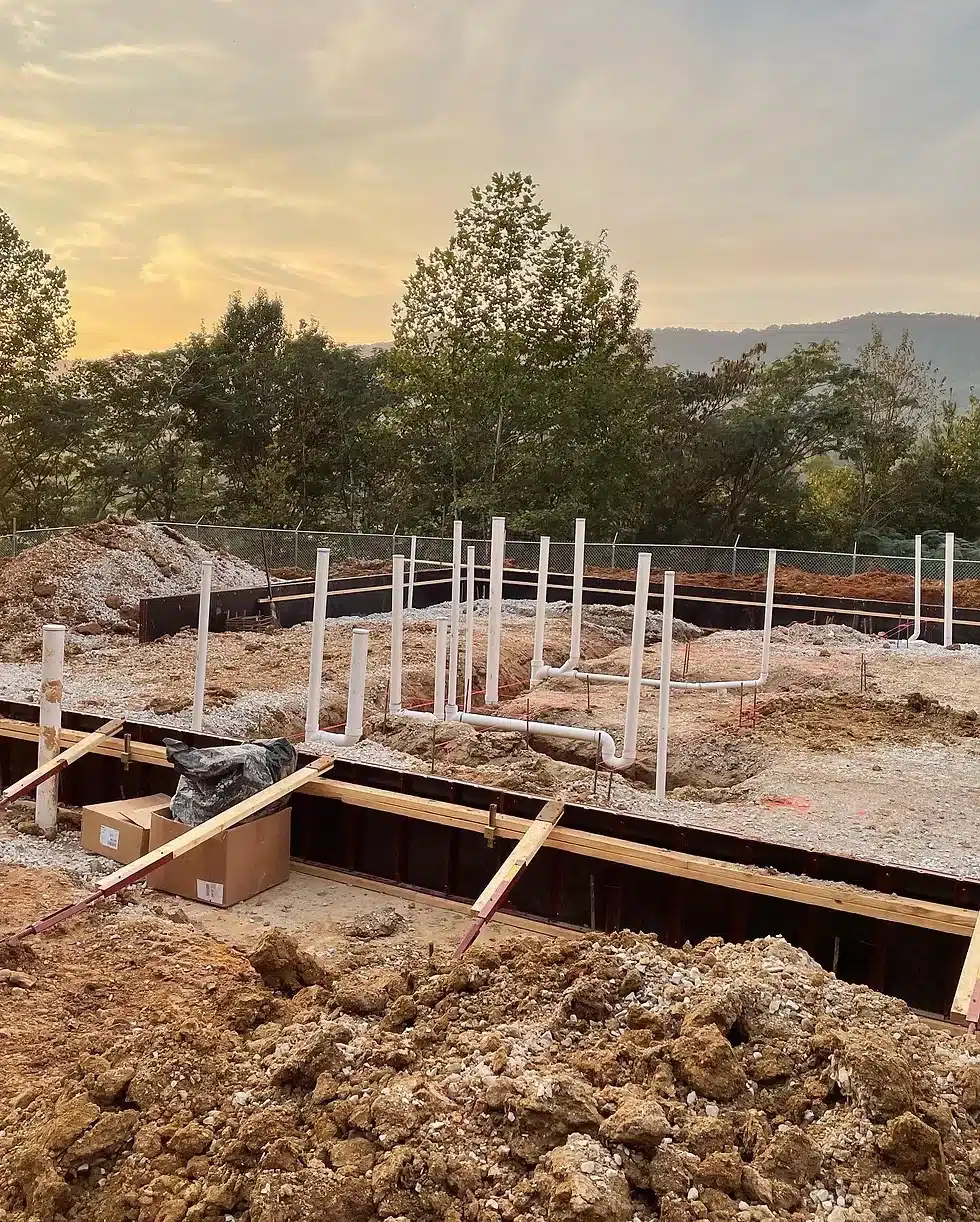
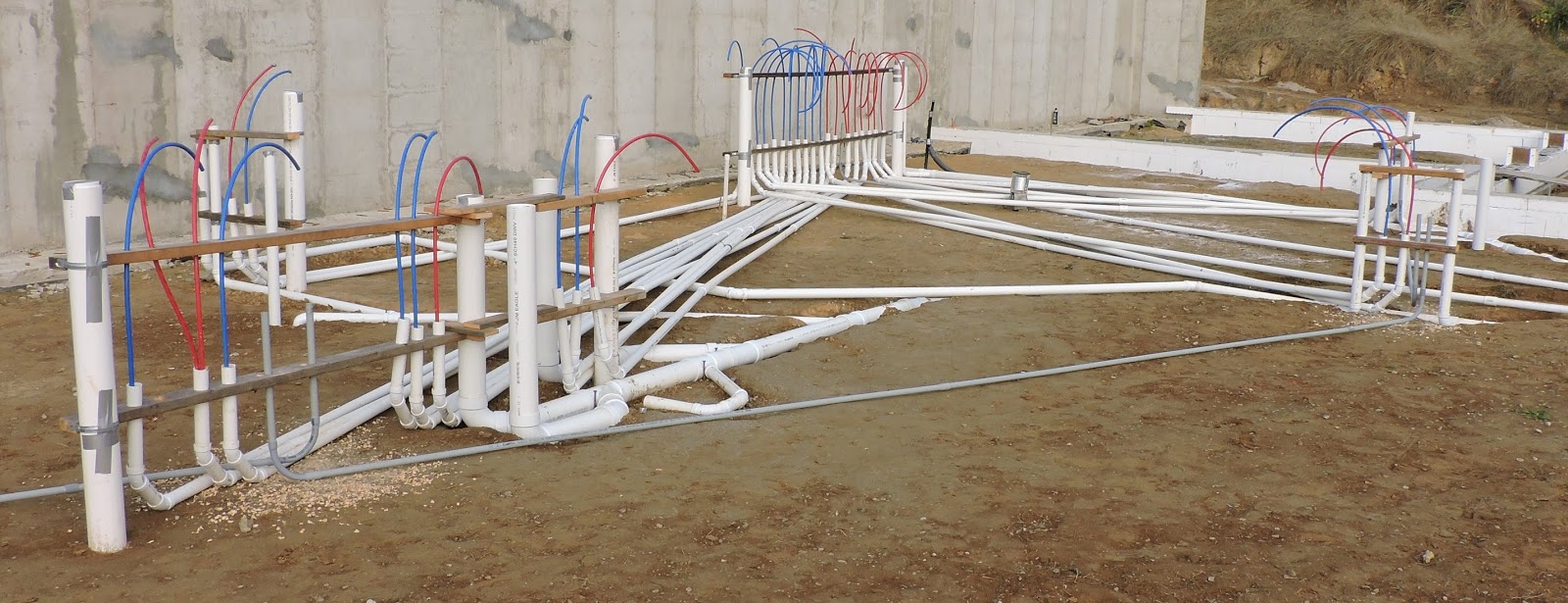
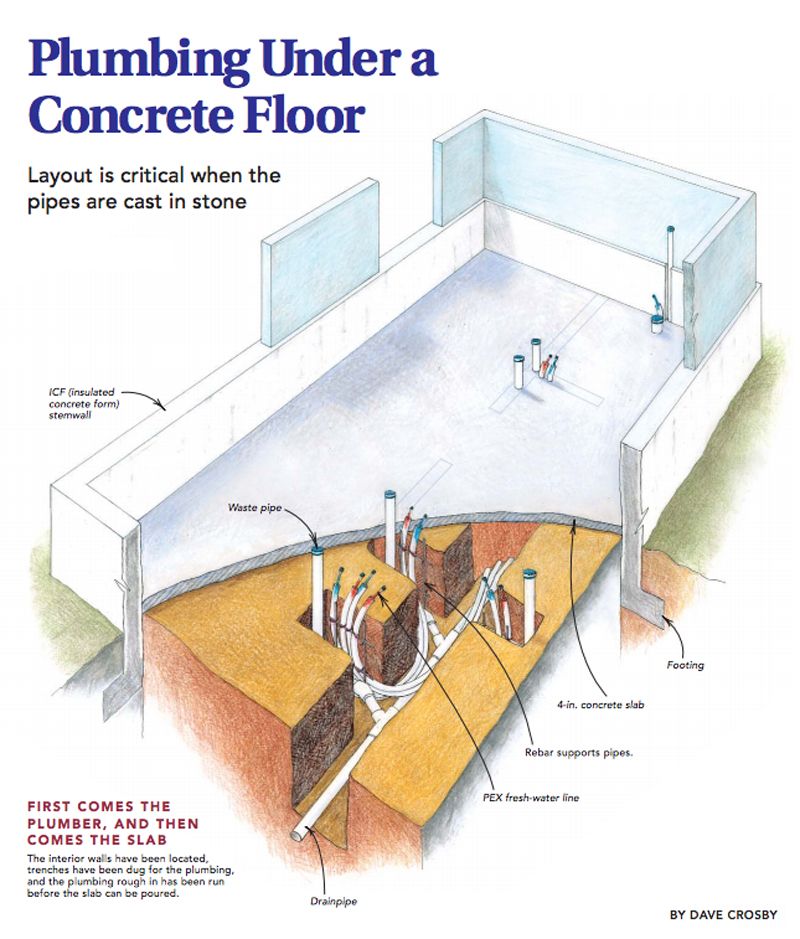
Rough-in plumbing refers to the initial underground pipes and provisions installed in relation to a concrete foundation slab to facilitate drain and water supply connections later when finishing interior spaces. in this article, I’ve included some key aspects of rough-in plumbing in regard to Steel Frame Barndominium kit builds and Slab foundations in particular.

Before exterior steel panels and interior drywall finishes enclose Barndominium floors and walls, crucial rough-in plumbing must run the proper drainage, feeds, and vent piping throughout the interior framework of the Barndominium, being extra sure to carefully plot each sediment trap, supply riser, and fixture making sure each is cleared precisely. This infrastructure backbone supports drain assemblies, faucets, and appliances and ensures they are flowing and operating smoothly with no blockages or obstructions once the is home finished.

Planning the critical Pipe Layout

Rough-in plumbing begins digitally sketching accurate home drainage schematics indicating optimal pipe routing for sinks, toilets, and utilities in the barndominium based on architectural Floor Plans. Plumbers plot best pathways aligning drain positionings with waste stack vents minimizing pipe lengths and awkward junctions.

  1. Penetrations – Setting up sleeves, plates, or boxes wherever pipes intersect the slab to feed up into bath, kitchen, etc areas above the floor.
  2. Incoming water main – Running domestic water supply piping inside building footprint to distribute later upwards.
  3. Underground drainage – Assembling the main wastewater pipes at proper slope gradients leading to the municipal sewer/septic system tie-in point.

Installing Drains and Vent Stacks

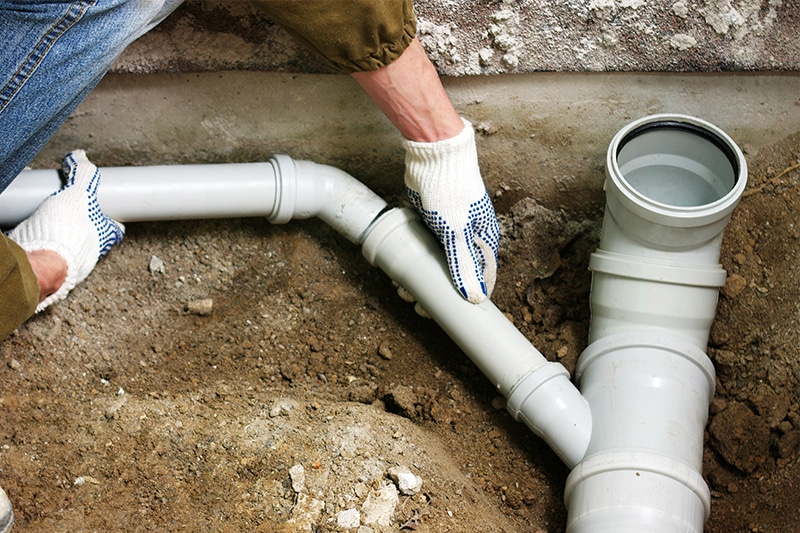
With layouts approved, plumbers establish main drain lines first with appropriate gradient slopes to facilitate downward waste flows. Upward vent stacks then tie-in relieved by roof terminations dispersing sewer gas buildup. Careful leveling and section assembly prevent backflow problems ahead and will allow all waste to gradually flow downhill with gravity, the key is to balance the angle to where the waste will not move too fast nor too slow to avoid blockage issues as well as backup.

Running Supply Lines and Setting Fixture Tees

Hot and cold water lines route from the incoming home water main through drilled bottom plates securing to floor joists overhead towards fixture areas needing connections later. At each intended faucet or appliance location, stubbed drop ear tees orient properly to accept finishes. Absorbing couplings allow adjustment as needed while build-outs commence.

Inspecting and Documenting Rough-Ins

Before covering walls and ceilings, plumbing inspectors validate rough-ins to meet codes checking slopes, fittings, materials, and test connections briefly. Photos and As-Builts capture corner locations and system specifics for reference as final hook-ups approach. Thorough rough-ins prevent major changes later.

  1. Inspections – Getting local plumbing inspector sign-off on rough-in arrangements before pouring slab over buried infrastructure.
  2. Documentation – Recording exact pipe locations, materials, and test results for later reference when finishing connections need to tap into rough-in components under the cured slab

With essential pipes pre-routed inside the barndominium and around critical Steel framework properly, finishing crews then can make Quick work of easy hook-ups to simplify the installation of home fixtures for long-term operational reliability.


All About Soundproof Your Metal Barndominium Roof

white farmhouse with wraparound porch

Quieting Metal Roofs on Barndominium Living Spaces

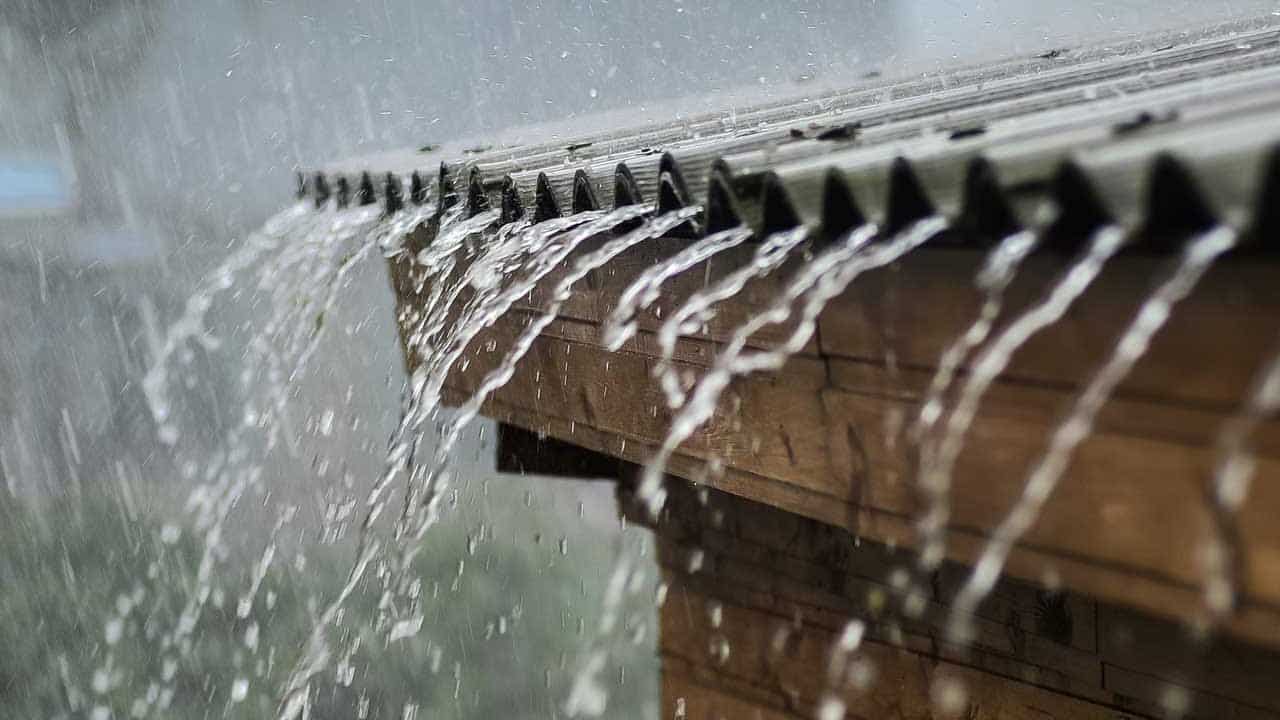
One beloved characteristic of classically styled barndominium homes remains the pronounced acoustic presence of rainfall pattering gently across broad galvanized steel roof planes. Yet without sound mitigation provisions, the quaint effects can become overwhelming, inhabiting daily living spaces. especially during extreme downpours. Thankfully several straightforward methods effectively dampen overhead storms preserving peaceful interiors for years to come.

Strategic Rain Barrier Materials

Installing resilient channels along the underside of exterior roof decking physically decouples rigid surfaces conduction noise directly through barriers this is a common fix for mitigating some of the rain noise but allowing some noise to come through, this simply dampens the nois slightly- creating a floating plenum preserving audio isolation. Alternatively, dense mass-loaded vinyl sheets produce similar acoustic separation improving sound transmission class ratings substantially. Both solutions leave structural integrity and ventilation conventionally intact if properly implemented which is a major plus for your barndominium.

Enhanced Framing Techniques

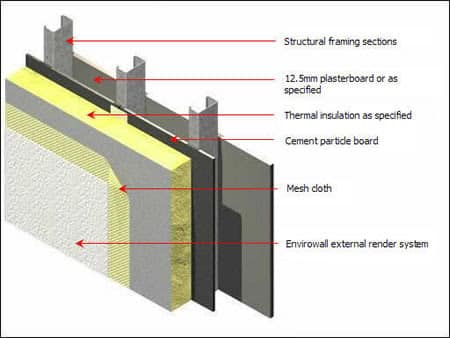
Careful staggered-stud framing using offset double-top tracks allows packing additional fiberglass insulation between roof trusses. This extra muffling density filters precipitation percussion noticeably while aligning thermal enhancements as a side benefit. Carefully constructed complex steel frame builds acoustic sanctuaries room-by-room ultimately.

White Noise Masking Solutions

When storm Sounds penetrates your home, there are white noise generators that actually break up the sound waves in the background as a background noise that runs and resembles something similar to a fuzzy tv or static on a CB radio. Wall-mounted sound generators and Bluetooth ceiling speaker systems enable adjustable decibel levels so you can customize the background noise to the specific environmental disturbance in turn overriding exterior nuisance noise and they also say it’s been shown to help some people relax and ease anxiety during rain storms than relying solely on passive measures alone, as well as providing a relaxing peace of mind

While amplified rainfall proves a nostalgic novelty for some people initially, for urban transplants, unimpeded steel-on-steel drum lines test sanity in some % of the population eventually.

Here are some of the best materials to use for sound proofing metal roofs:

1. MLV (Mass Loaded Vinyl) – Dense 1/8″ vinyl sheeting adds mass damping that blocks noise transmission through metal roof decking.

2. Acoustic Foam – Sound-absorbent foam panels installed against roof framing absorb noise minimizing reverberation in the space below.

3. Green Glue – Applying layers of this viscoelastic material when securing drywall to ceilings significantly dampens noise entering interior spaces.

4. Resilient Channel – Special rolled framing channels with alternating furring spaces decouple walls/ceilings allowing insulation and materials to mitigate noise freely between clips.

5. Safe and Sound Insulation – Specially designed for sound control, certain insulations utilize trapped air, cloth fibers, and segmented partitions limiting noise transfer extremely effectively.

6. Double Drywall – Staggering multiple layers of drywall when finishing interior roofline spaces greatly blocks exterior noise through mass-air-mass dynamics improving sound transmission class ratings.

Applying selective interior acoustics keeps melodious country ambient noise subtle during gentle showers and not overpowering. you deserve to enjoy the inside of  your Barndominium without sacrificing your refuge once extreme downpours Start overhead.

With the right combinations of blocking noise intruding paths plus absorbing sound energy present, metal roofs can isolate from even intense rain or hail storms preserving peaceful quiet interiors


Black Barndominiums Are Trending Strong in 2024

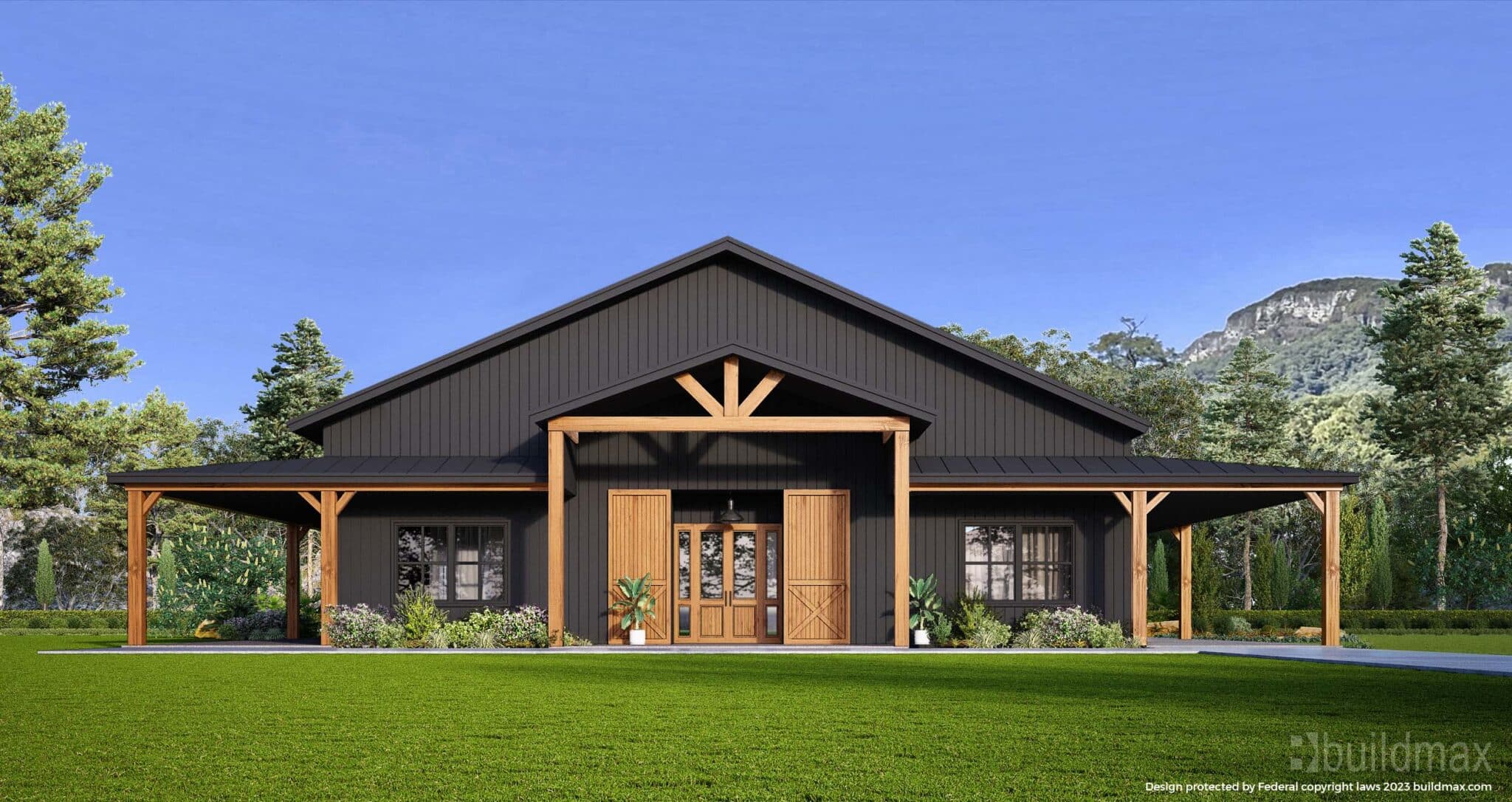
black barndominium with large windows on the front

Black Barndos Storm the Scene

The booming barndominium Industry already allows endless customization potential When transforming steel-framed post-and-beam construction into dazzling modern living spaces you can be proud to show off. Yet a surging subset doubles down by embracing the Barndominium swathed in deep matte black hues. Alluring light-devouring facades turn heads as these show-stopping “black barndominiums” captivate admirers through integrated solar tech and smarter climate control to boot.

Beyond Expected Materials

Smooth black metal siding and wall paneling create optical depth while driving visual cohesion using neutral backdrops highlighting vibrant interior furnishings and matching with fixtures and furniture very gracefully. Black once felt bland and depressing, brings on an entirely different feel when seen on a barndominium exterior. Crisp-defined lines and planes intersect sharply dissolving any negative distractions for a simplified elegant finish believe it or not. Black exteriors seem to go with just about anything, making things that much easier when it comes to interior design.

black barndominium

Energy Efficiency Focus

In addition to sleek architecture, many black barndo builders implement abundant solar panels running off luxurious-looking frames. Hyper-insulated wall assemblies, radiant barriers, and cool roof sheeting also prevent solar heat gain for superior interior climate control year-round. Smart-wrapped envelopes better utilize powerful insulation levels for comfortable green builds.

Livability Innovation

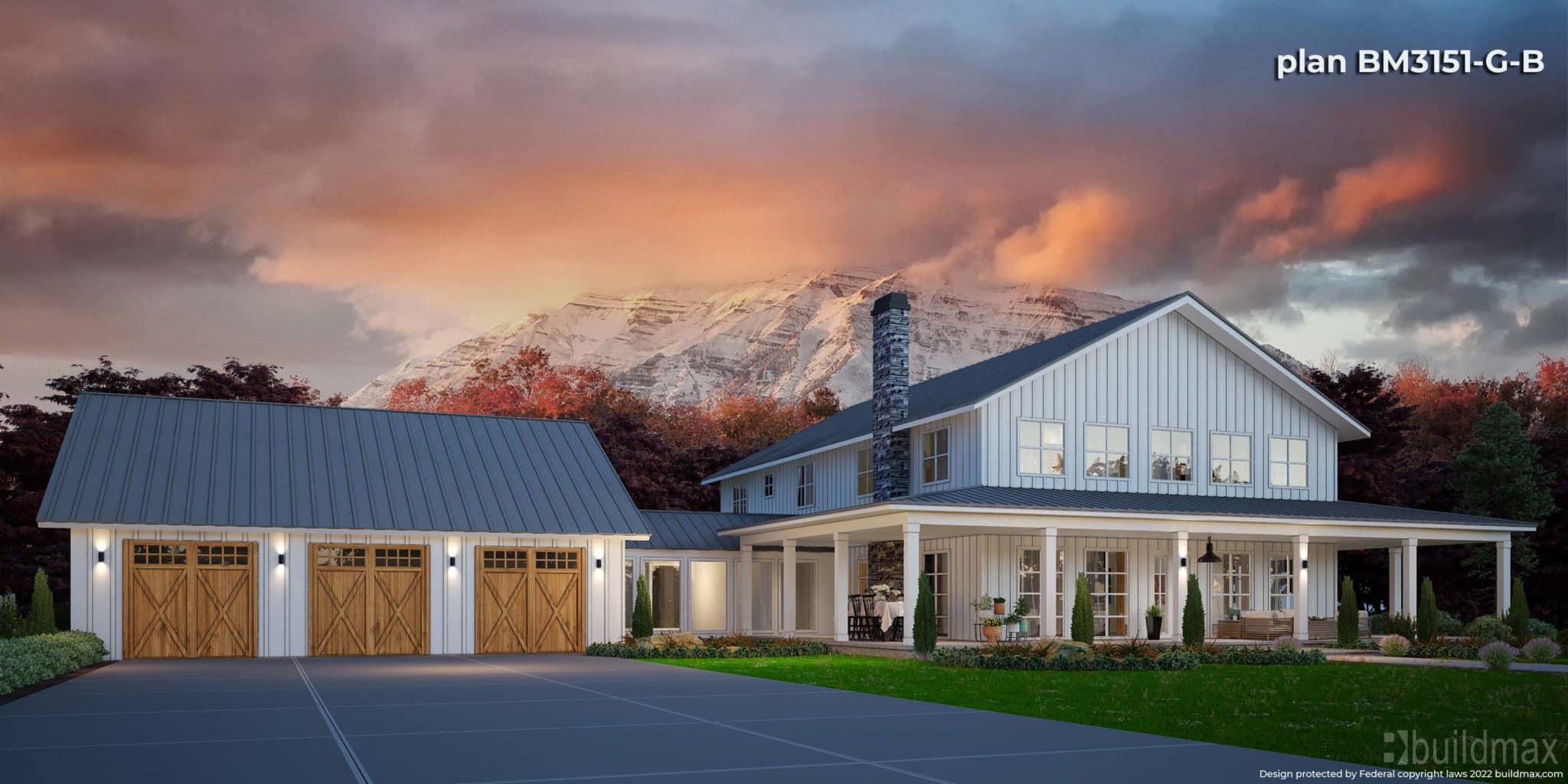
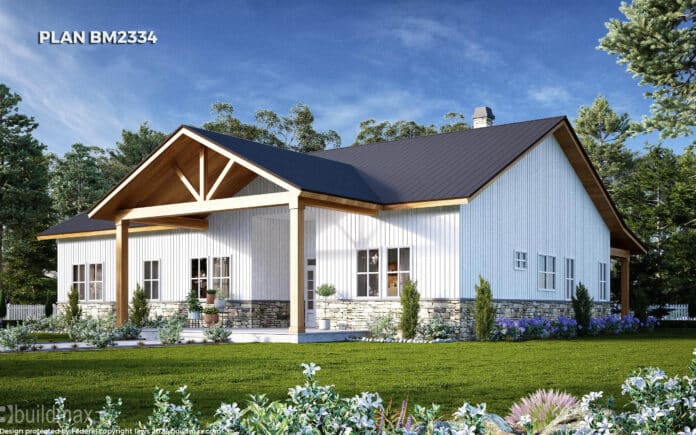
Creative builders approach black barndominiums seeking respite from overly ornate and dull McMansions and disruptive suburban noise pollution that we are all too familiar with. Intentionally scaled efficient floor plans stick to the essentials and don’t go overboard with complex roof lines and awkward shapes and angles for builders to traverse, the simpler the better when designing your Barndominium Floor Plans, if designing isn’t your thing Buildmax.com offers a wide array of Barndominium Floor Plans you can buy right on their website. Owners visiting model properties report sensations of monastic peacefulness and mindfulness thanks to simplified spaces and tactical sound dampening across intelligently considered layouts. This purposefulness connects viscerally inhabiting sheltering sanctuaries designed for soul-soothing first.

black barndominium with large barn doors and wraparound porch

Rugged black barndominium exteriors are certainly intimidating aesthetically at first glance, unlike expected preconceived ideas. But Barndominiums within the gorgeous abyss even briefly and with profound purpose reveal enriching aesthetics that are unique to the houses around yours, elevating it to an artfully built space that can inspire others. Something So unique catches the eye easily from the road because it’s a bit of an unusual color traditional for a home. The times are always changing and trends come and go however I Don’t believe Black Barndominiums are a trend Like many other Barndominium ideas that tend to fade away with time. one thing you can count on seeing in the Future is Black Barndominium homes being built all across the country. 
How Metal Roofs Are Making a Grand Comeback Thanks To The Barndominium

small black barndominium

Metal Roofs Are Gaining in Popularity Thanks To Barndominiums

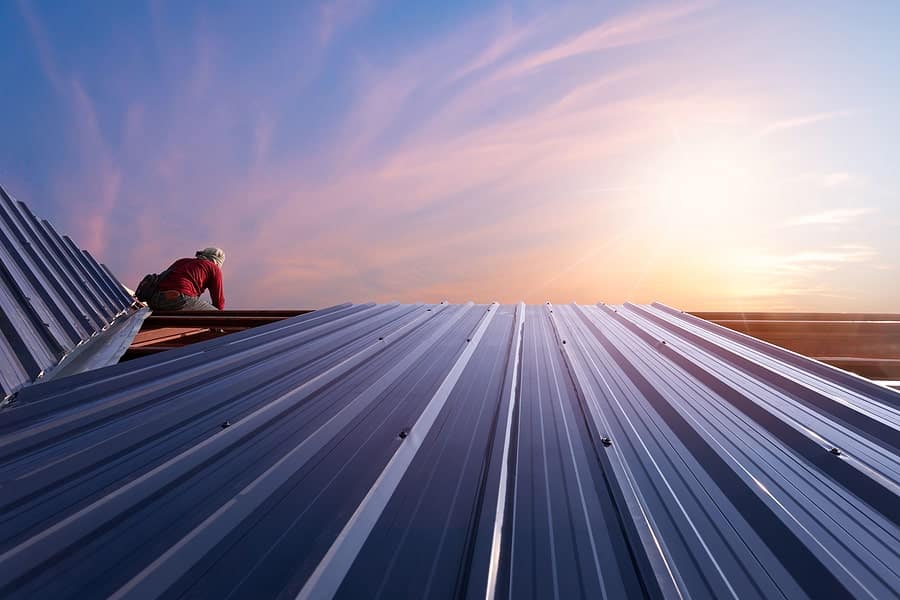
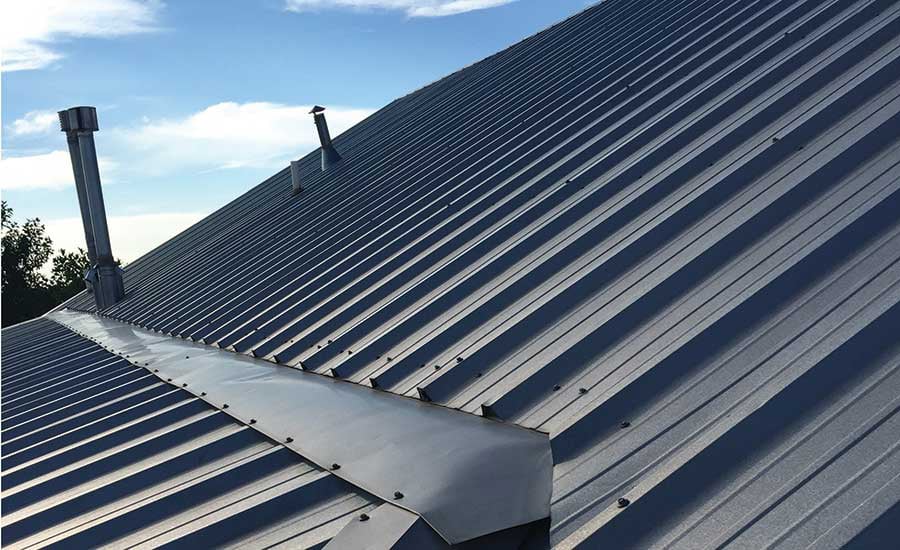
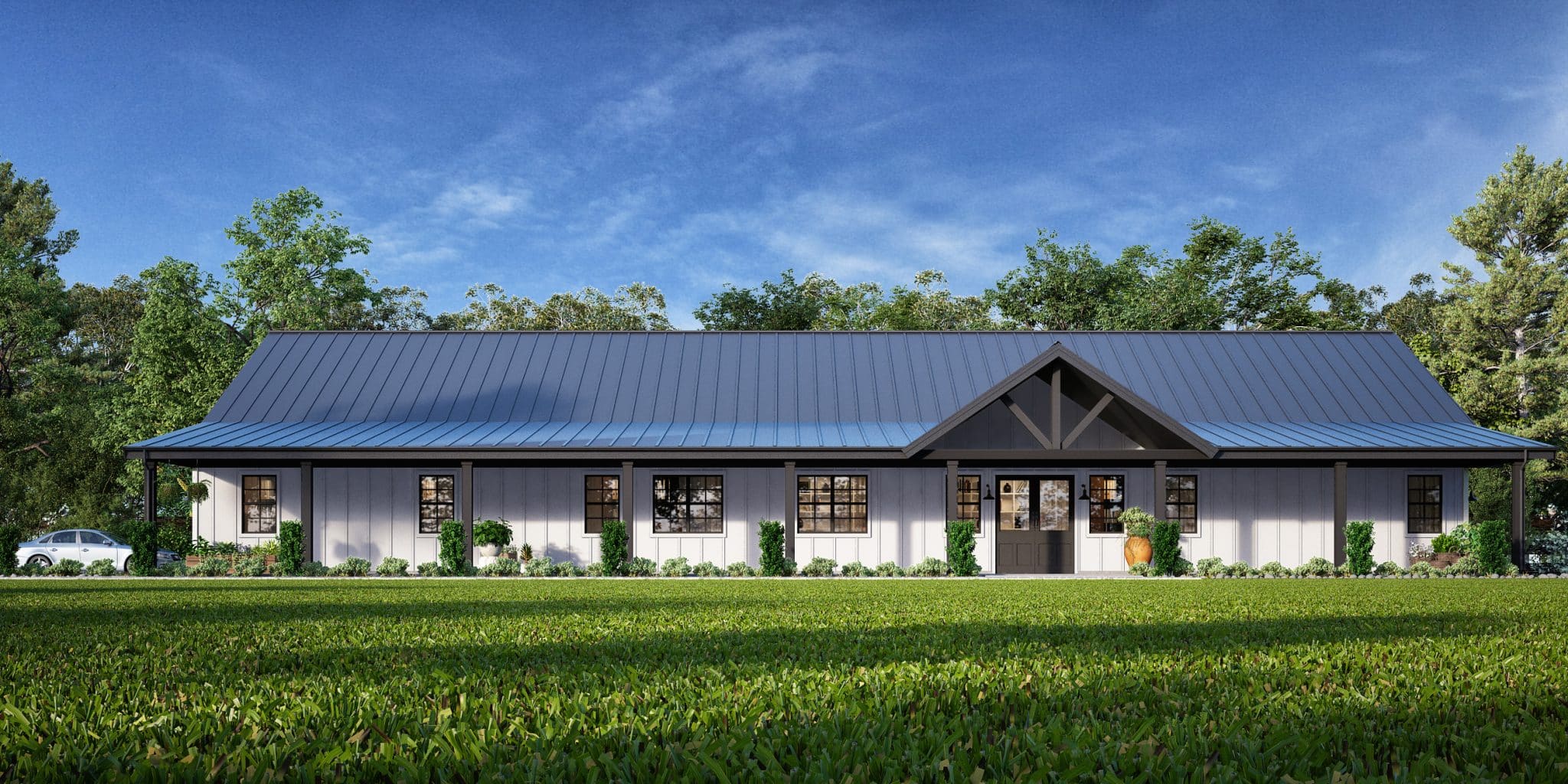
The burgeoning barndominium movement blending classic barn architectural aesthetics with contemporary dwelling convenience proves the hottest housing trend in decades. And no signature facet defines pastoral typology more quintessentially than sweeping galvanized metal rooflines. Beyond pure nostalgic essence, steel roofs deliver functionality explaining renewed consumer desire as metal construction dominates once again from coast to coast.

Connecting to Cultural History Through Tin Roofing
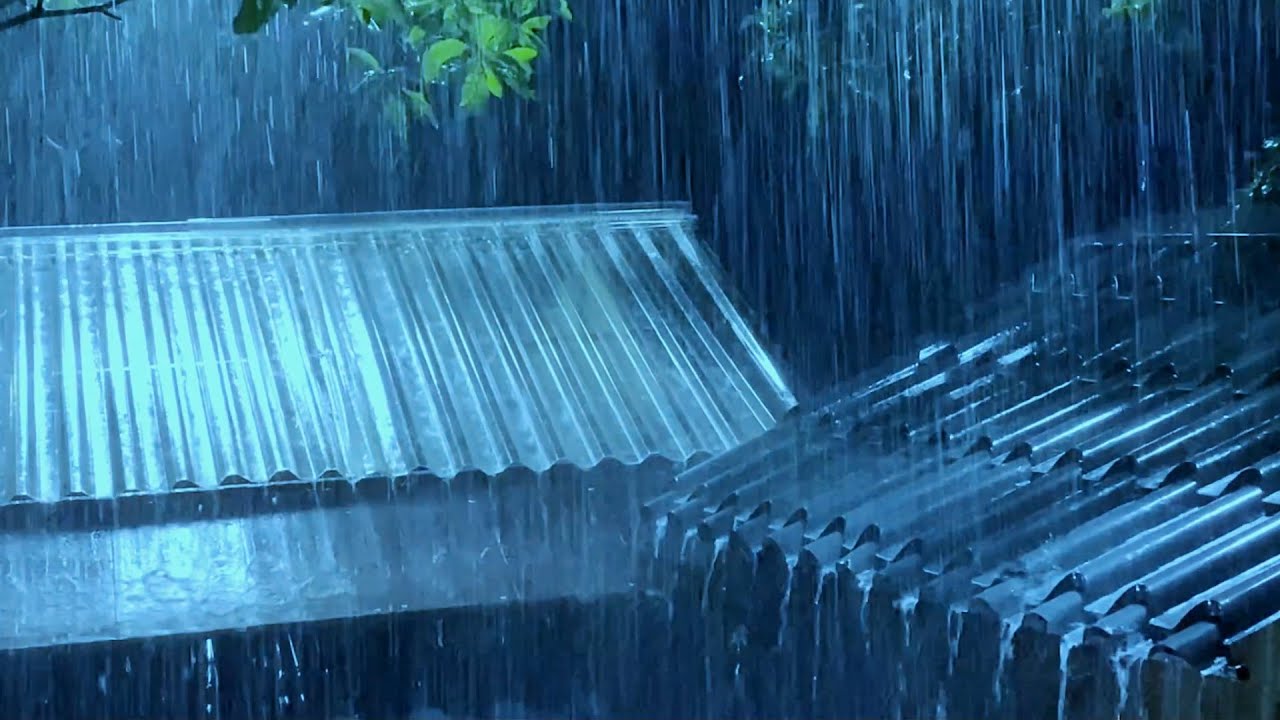
Whether recalling childhood getaways at grandparents’ farms during sun showers or conjuring cowboy vistas gazing out over weathered homesteads, the auditory poetry of raindrops pattering gently across slightly concave metal sheets channels cultural soul. Beyond weather protection, steel roofing blankets owners with comforting emotions and memories of enduring lifetimes. This heartstrings response fuels the metal Roof revival.

Superior Weathering Performance
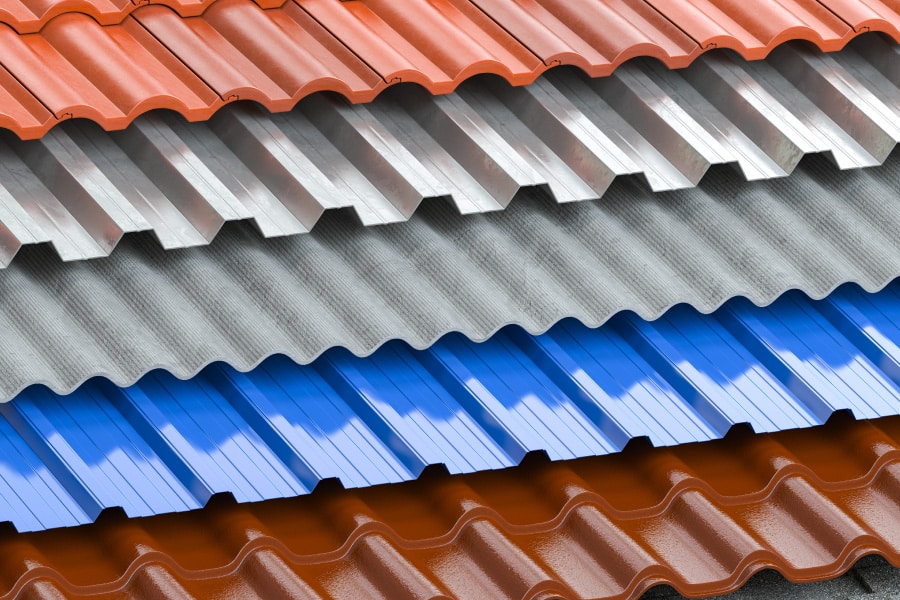
Overtop asphalt shingles prone to storm debris damage or fragile clay tiles susceptible to fracture, metal roofing withstands pounding hail, hurricane gusts, and heavy snow loads while still insulating interiors comfortably. Thanks to modern resilient paint coatings resisting rust and UV degradation, steel and aluminum roofs now reliably achieve 50+ year service lives maintaining water integrity exceptionally.

Sustainability and Fire Safety
Metal roofing also complements eco-conscious design through abundant recyclability and solar panel integration. Plus crucial fire safety assurances prove essential in dry rural locales where airborne embers often ignite buildings catastrophically. Properly installed non-combustible steel roofing containing wind-driven sparks makes protecting structures reliably achievable finally.

The barndominium phenomenon reignites our cultural connections to a bygone simple era when durable corrugated metal roofing kept life’s essentials safely sheltered beneath. Likewise, the comforting echoes of rain beating visiously on the corrugated metal roof panels have the unique power to transport the soul back to more peaceful profound places and times from our childhood, matching nowhere else but home.