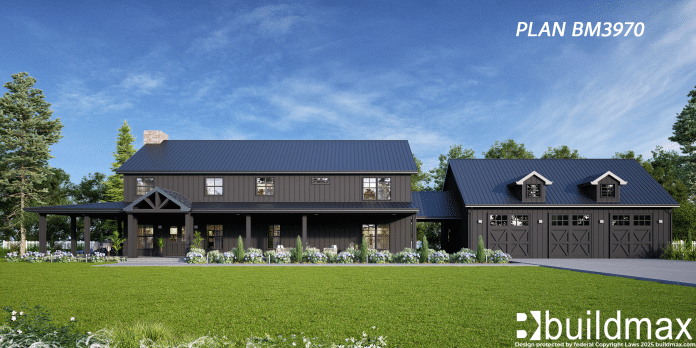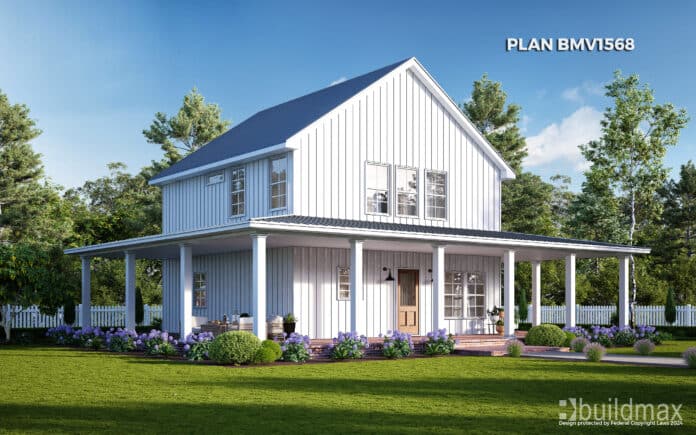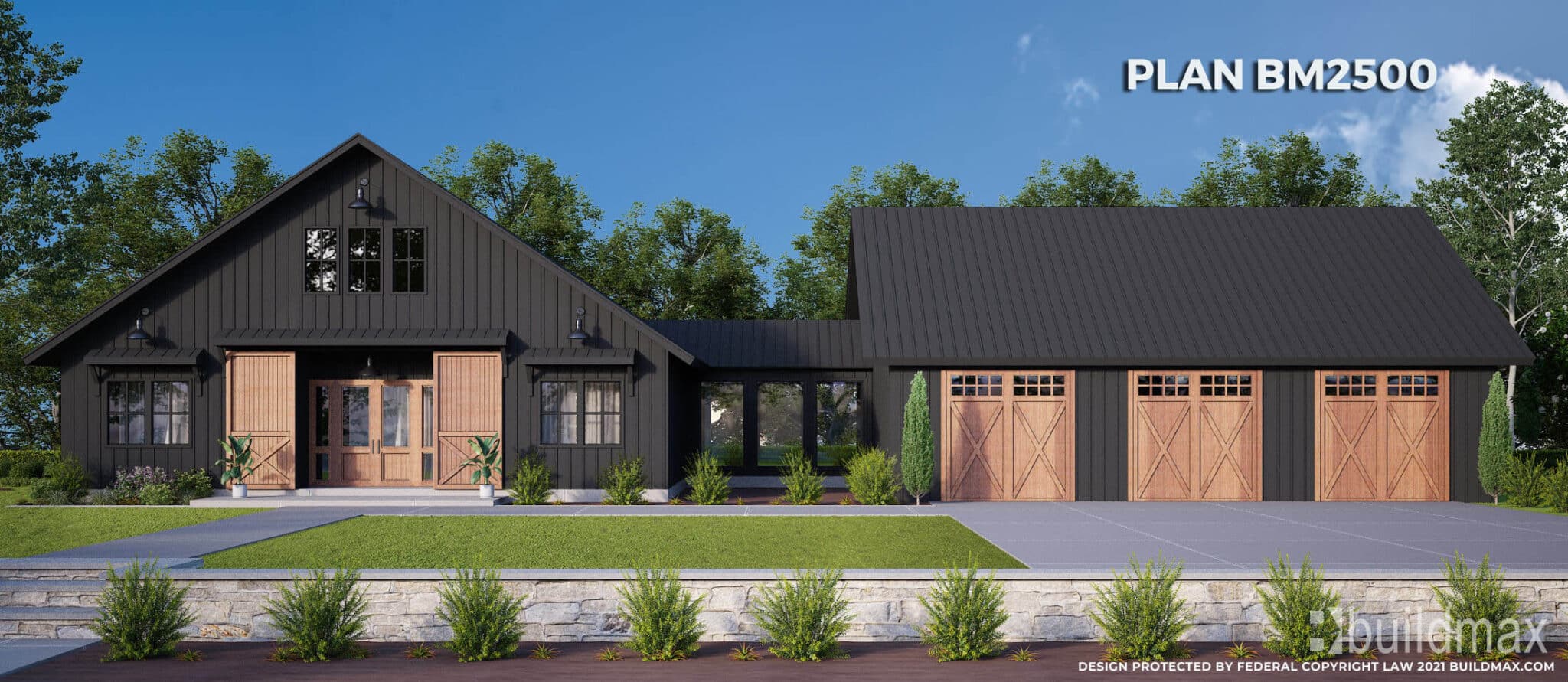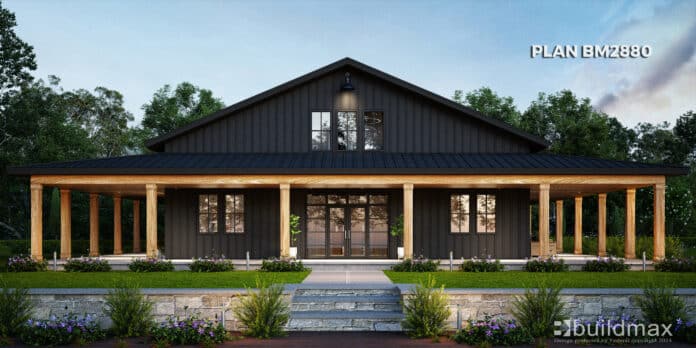



Home Blog Page 10

How Longevity Makes Steel Frame Kits Worth the Cost

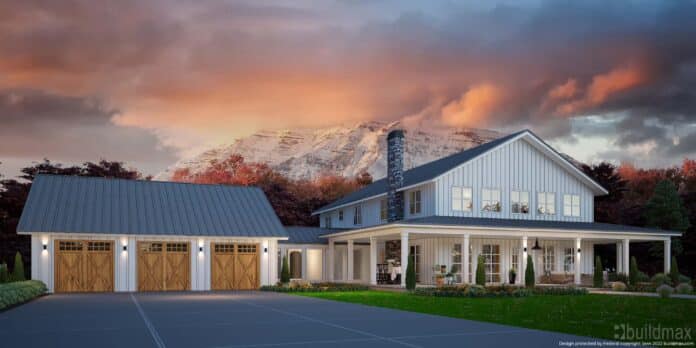
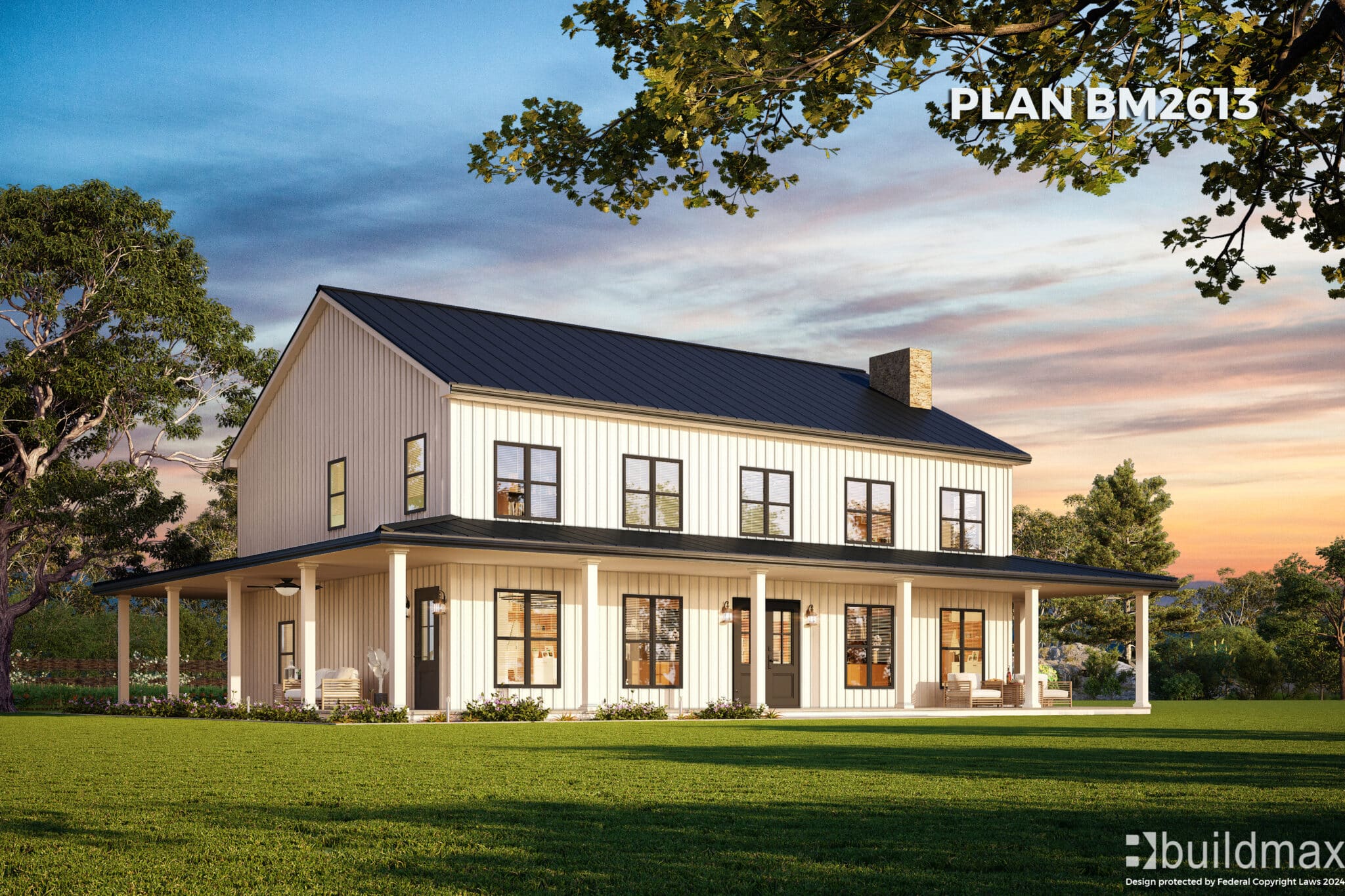
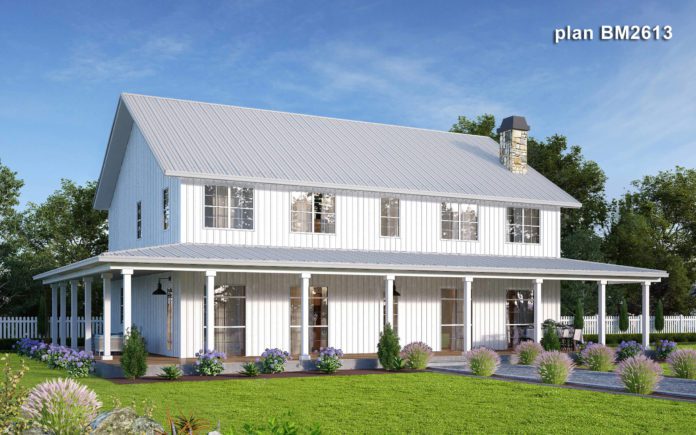
white farmhouse barndominium with wraparound porch

What Is the Lifespan of a Barndominium? A Focus on Steel Frame Construction
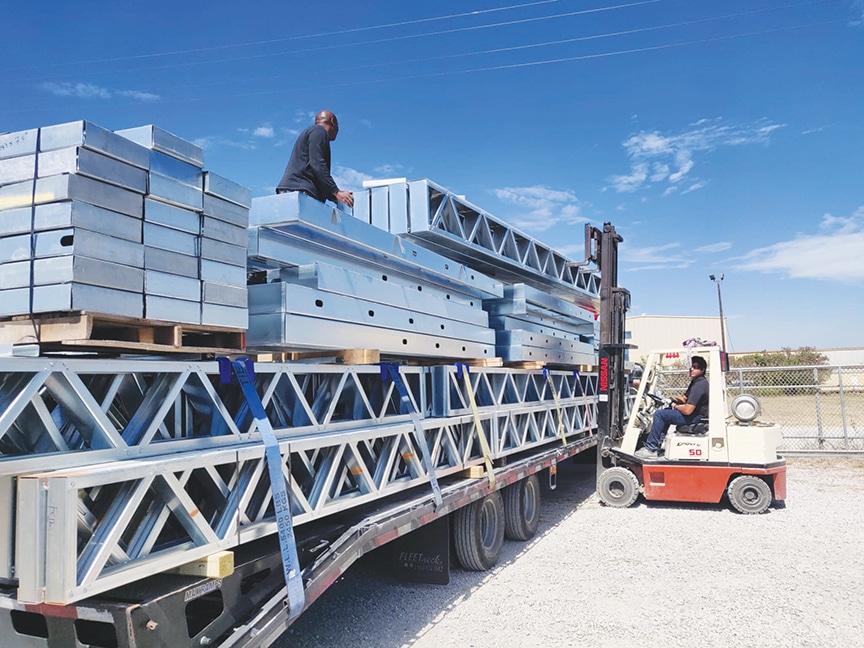
 

Steel Frame Barndominium Kit delivery

When comparing building methods for a new home or barndominium, many homeowners focus heavily on upfront construction costs. While initial pricing is important, long-term durability, maintenance requirements, and structural performance should also be part of the decision-making process.

At BuildMax.com, we offer steel framing systems engineered for residential construction and designed to provide strong structural performance when properly installed, enclosed, and maintained.

For many homeowners, the long-term durability of steel framing can help justify the additional upfront investment.


Understanding Modern Steel Frame Construction

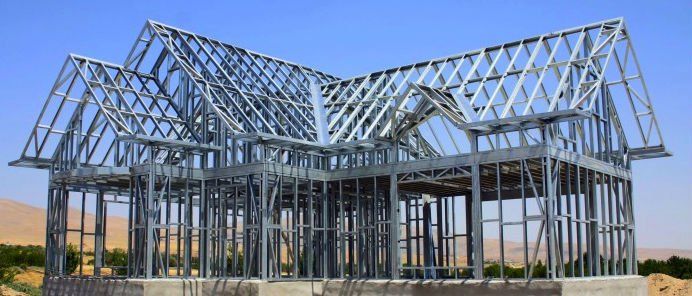
Most modern residential steel framing systems use cold-formed galvanized steel. These systems are precision-engineered and manufactured specifically for residential and light commercial construction.

Steel framing offers several potential advantages:

  • Consistent framing dimensions
  • Reduced shrinking and warping
  • Resistance to termites and pests
  • Non-combustible framing material
  • Long-span design flexibility
  • Precision-manufactured components

When properly installed and protected from prolonged environmental exposure, steel framing systems can provide long-term structural durability.


Long-Term Durability Matters

One reason some homeowners choose steel framing is because of its ability to maintain dimensional consistency over time.

Unlike some traditional framing materials, steel does not:

  • Rot
  • Support termite damage
  • Shrink due to moisture loss
  • Warp from drying conditions

This can help reduce certain maintenance concerns over the life of the structure.

However, like all building materials, steel framing still requires proper installation, moisture management, and ongoing maintenance.


Understanding Corrosion & Weather Exposure

One important factor homeowners should understand is that galvanized steel framing is designed to resist long-term corrosion, but it is not completely immune to weather exposure during construction.

If steel framing remains exposed to:

  • Rain
  • Snow
  • Humidity
  • Standing water
  • Mud and ground moisture
  • Coastal or salt-air environments

for extended periods before the structure is dried in, surface oxidation or light rust staining can develop on exposed components.

This type of surface oxidation is often cosmetic in nature and does not typically affect structural integrity. However, minimizing exposure during construction is still extremely important.


Why Proper Construction Sequencing Is Critical

One of the biggest factors affecting the long-term condition of any steel-framed structure is how quickly the project is dried in after framing installation.

The dry-in process typically includes:

  • Roofing installation
  • Exterior siding and weather barriers
  • Window and door installation
  • Flashing and moisture protection systems

The sooner the structure is enclosed, the less exposure the framing materials have to moisture and environmental conditions.

BuildMax strongly recommends:

  • Coordinating experienced installers before delivery
  • Scheduling roofing and siding contractors early
  • Properly storing materials onsite
  • Minimizing unnecessary construction delays
  • Using installers familiar with light gauge steel framing systems

The Importance of Qualified Installers

Although some homeowners choose to owner-build their projects, steel framing systems can be more complex than traditional construction methods.

Improper installation or poor project coordination can lead to:

  • Construction delays
  • Framing alignment issues
  • Extended exposure to weather
  • Improper sequencing between trades
  • Increased labor costs

For this reason, BuildMax recommends using the manufacturer’s install crew or experienced installers familiar with cold-formed steel systems whenever possible.

Qualified installers can help improve efficiency, reduce delays, and better protect the structure during construction.


Potential Long-Term Savings

While steel framing systems may have higher upfront costs in some cases, homeowners often consider the potential long-term value associated with:

  • Reduced pest concerns
  • Lower risk of rot-related damage
  • Dimensional stability
  • Reduced material movement
  • Long-term structural performance
  • Lower maintenance in certain environments

Actual savings will vary depending on climate, maintenance, construction quality, and environmental conditions.


Steel Framing & Modern Barndominiums

Steel framing has become increasingly popular in modern barndominium construction because it allows for:

  • Open-concept layouts
  • Large living spaces
  • Taller ceilings
  • Large window openings
  • Modern architectural designs

Combined with proper engineering and moisture management, steel framing can provide a durable foundation for long-lasting residential construction.


Final Thoughts

Steel frame kits can be a worthwhile investment for homeowners looking for long-term durability, structural consistency, and modern design flexibility. However, like any construction system, proper installation and project management are critical to long-term performance.

Galvanized steel framing is engineered to resist corrosion, but prolonged exposure to outdoor elements before dry-in can result in temporary surface oxidation or cosmetic rust staining on exposed materials.

The best way to protect your investment is through proper planning, qualified installers, timely enclosure of the structure, and ongoing maintenance after construction is complete.
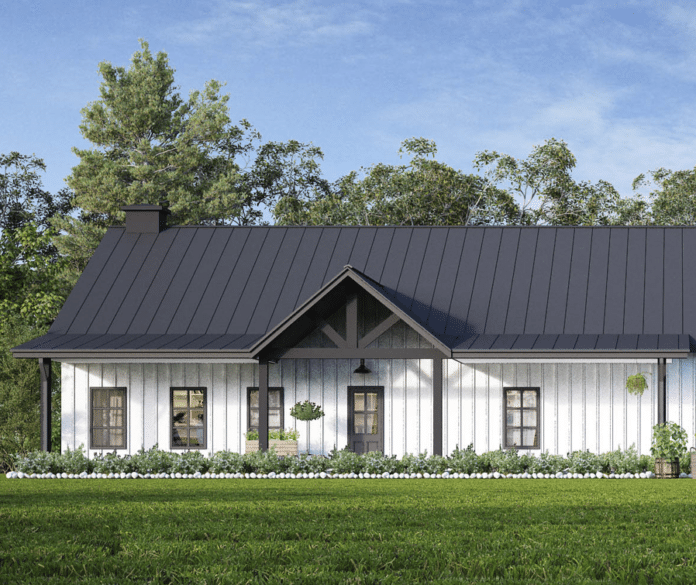
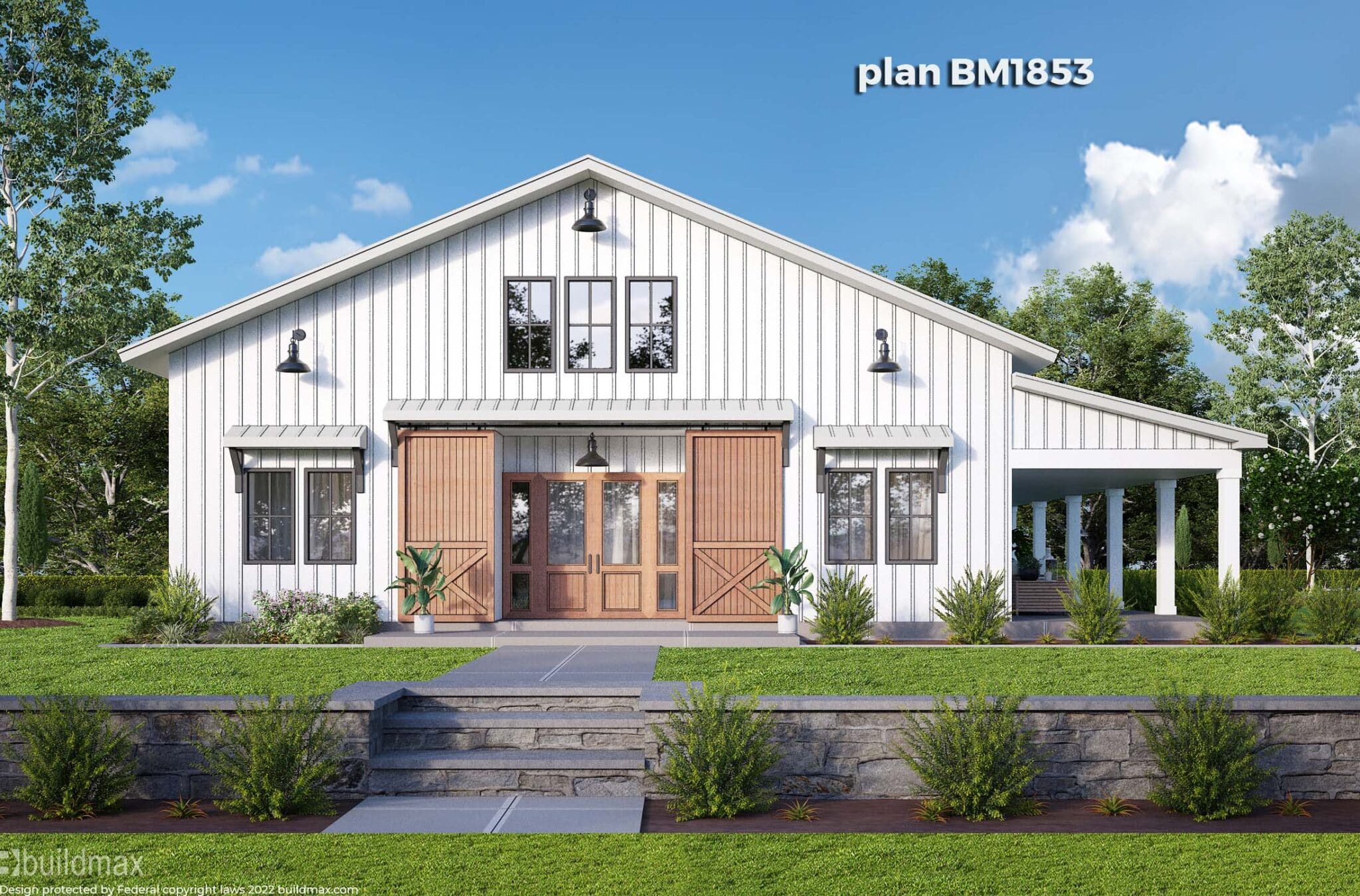
Finishing Your Steel Frame Barndominium with Eco-Friendly options

shouse

Eco-Friendly Materials for Finishing Your Steel Frame Barndominium

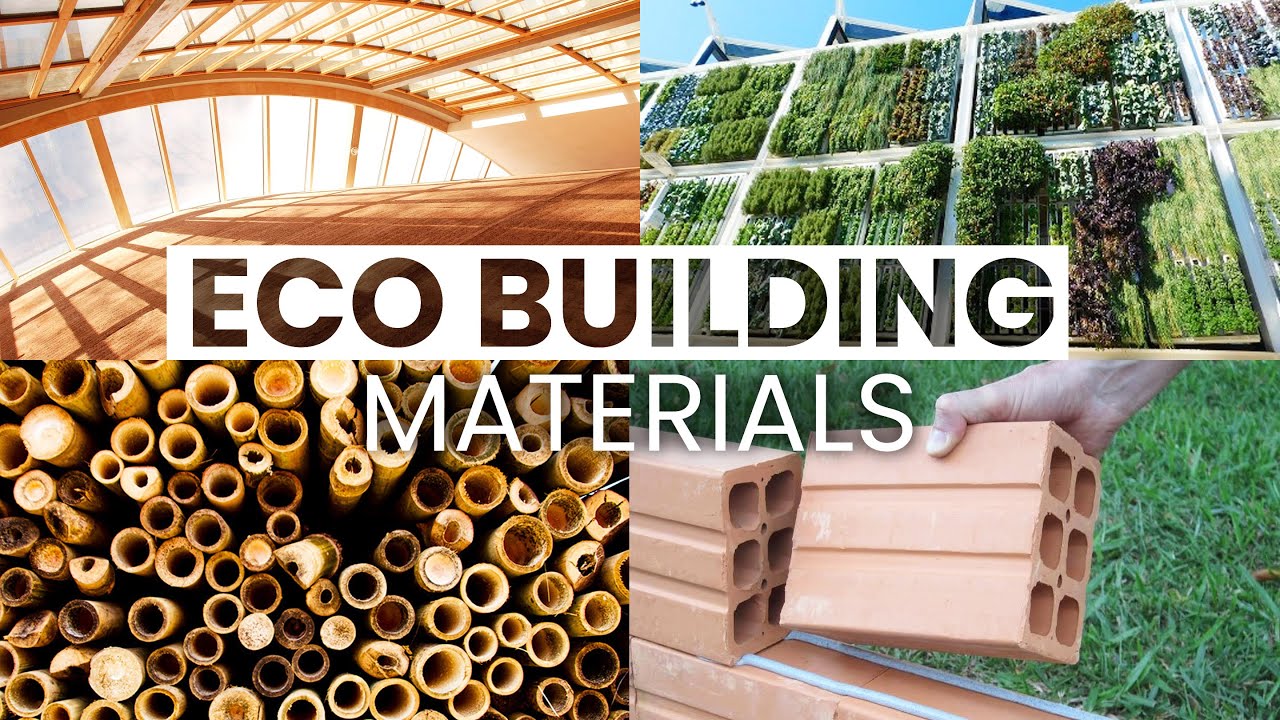
As the demand for sustainable living grows, barndominiums are increasingly being designed with eco-friendly materials and energy-efficient systems. Building and finishing your steel frame barndominium with eco-conscious choices not only reduces your environmental impact but also creates a healthier and more cost-efficient home. From construction materials to heating, cooling, flooring, and wall finishes, here’s a guide to making your barndominium as green as possible.
white barndominium with barn doors


1. Sustainable Construction Materials

Steel frames are already a great starting point for sustainability because steel is durable, recyclable, and minimizes waste during construction. To complement this, consider the following materials:

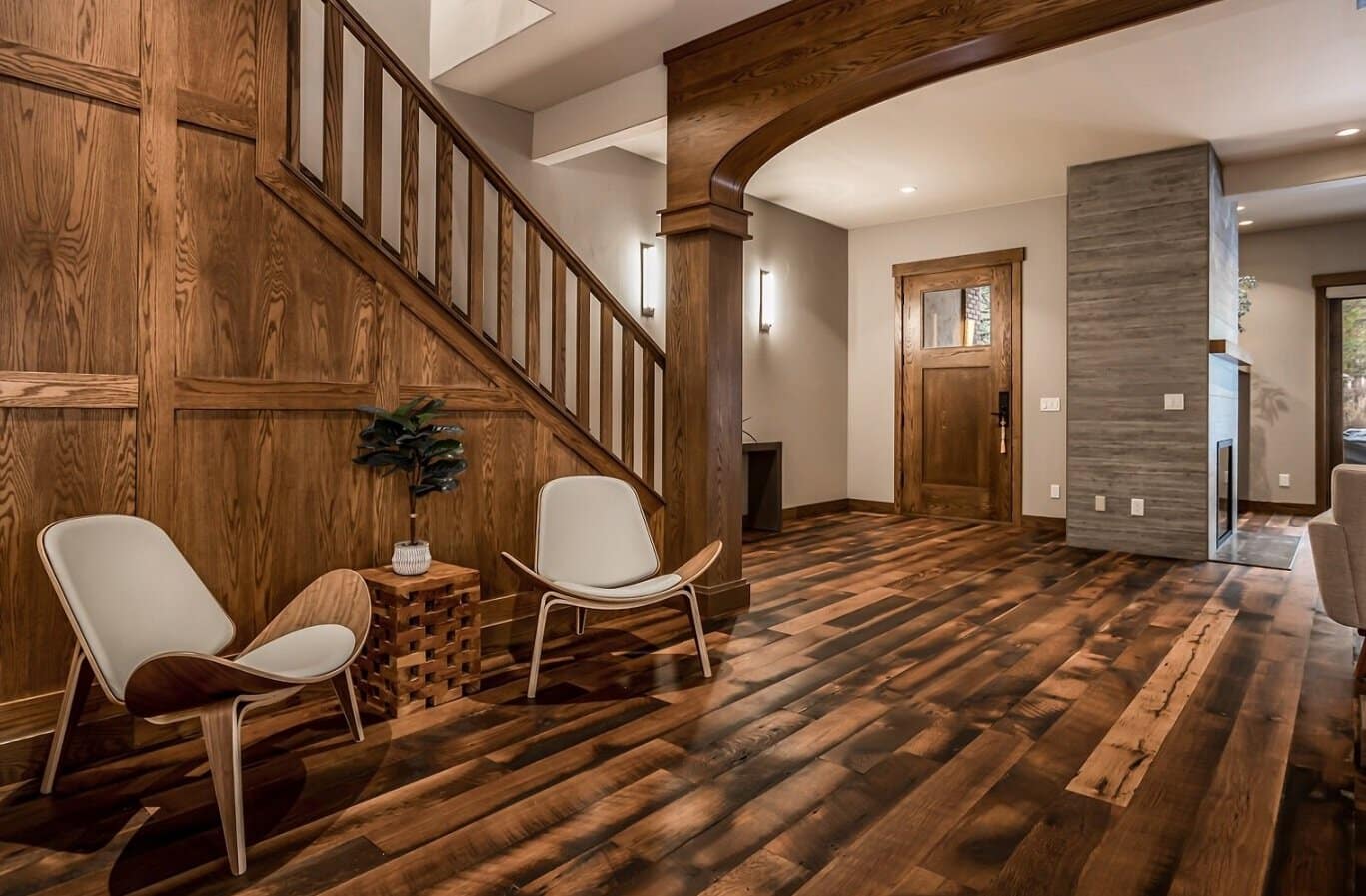
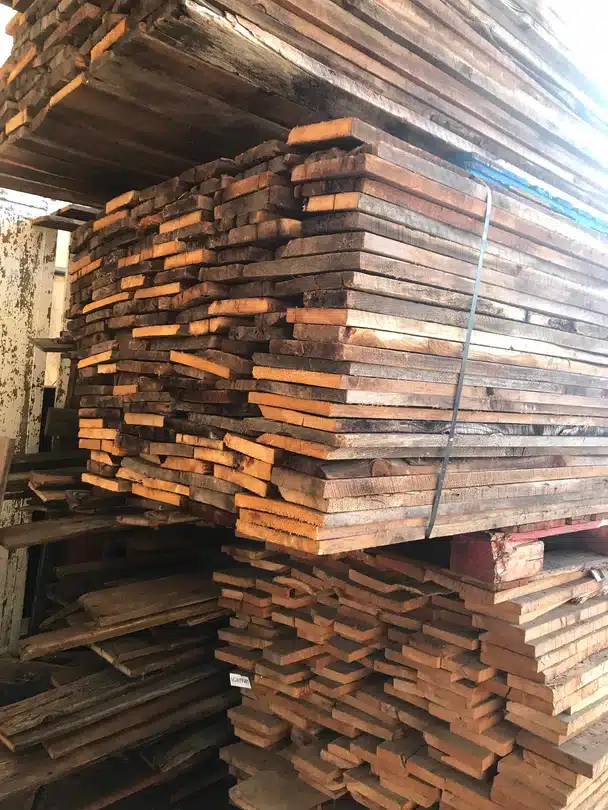
  • Reclaimed Wood: Use reclaimed or recycled wood for beams, flooring, or accent walls. It adds character and reduces the need for freshly harvested lumber.
  • Recycled Metal Roofing: Metal roofs are long-lasting and often made from recycled materials. They are energy-efficient, reflecting sunlight to keep interiors cooler.
  • Low-Impact Concrete: Opt for concrete mixed with fly ash or slag, which are industrial byproducts that reduce the carbon footprint of traditional concrete.
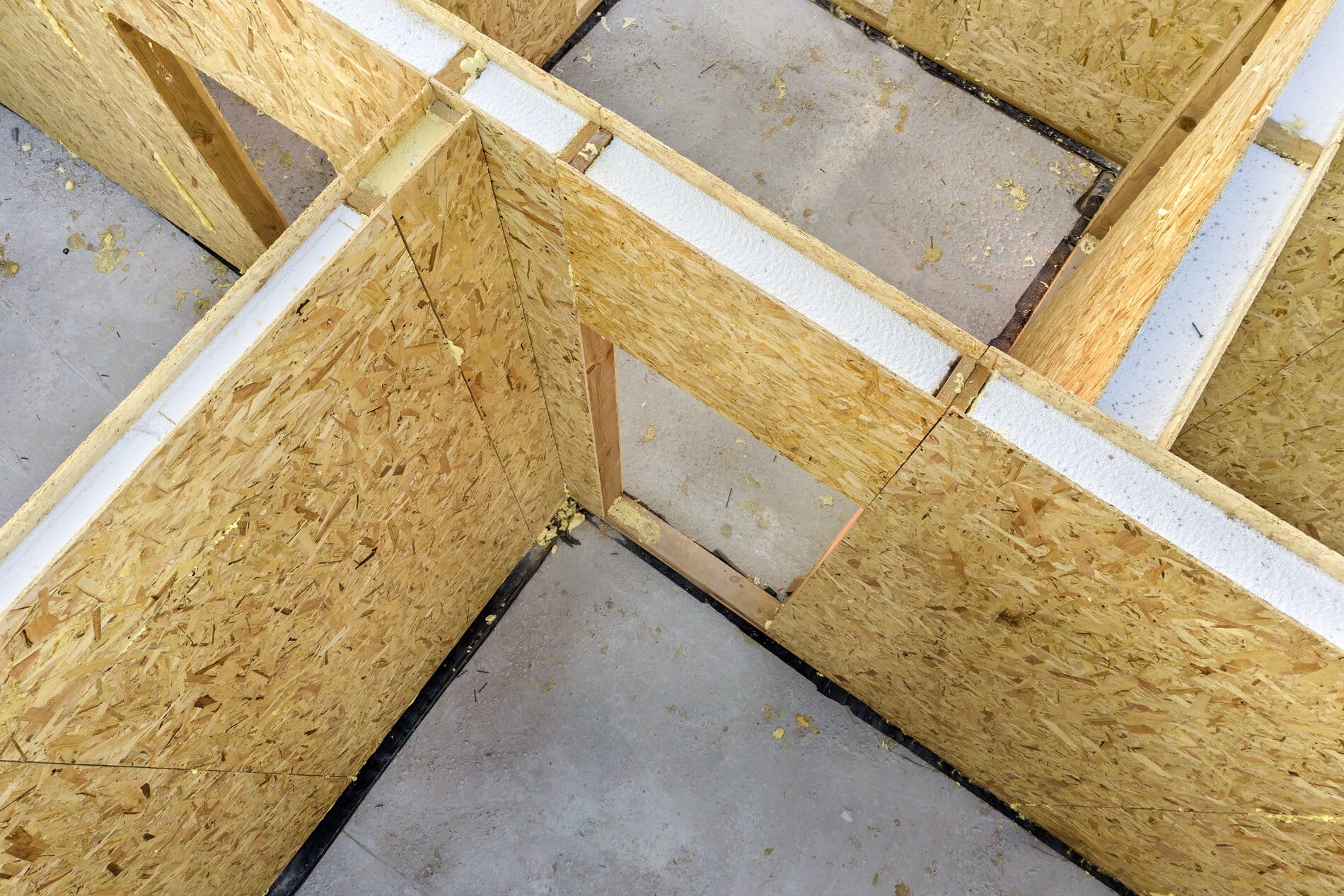
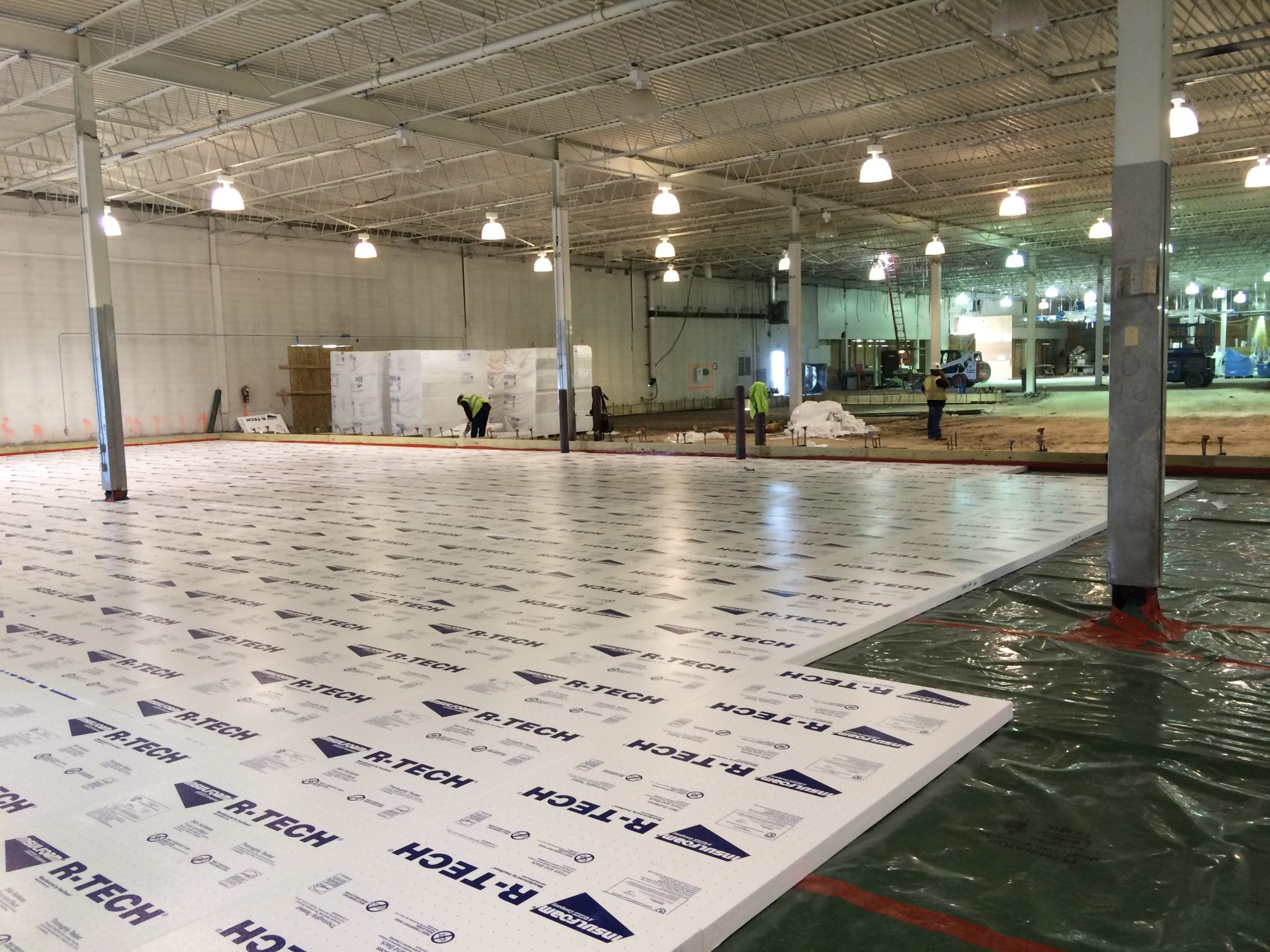
  • SIP Panels: Structural insulated panels (SIPs) combine insulation and sheathing in one product, reducing waste and improving energy efficiency.

    Construction of new and modern modular house. Walls made from composite wooden sip panels with styrofoam insulation inside. Building new frame of energy efficient home concept.

2. Eco-Friendly Insulation Options

Proper insulation is crucial for maintaining energy efficiency in your barndominium. Eco-friendly options include:

  • Recycled Denim Insulation: Made from repurposed denim jeans, this insulation is non-toxic, effective, and sustainable.
  • Sheep’s Wool: Wool insulation is biodegradable, naturally fire-resistant, and highly effective at regulating temperature and humidity.
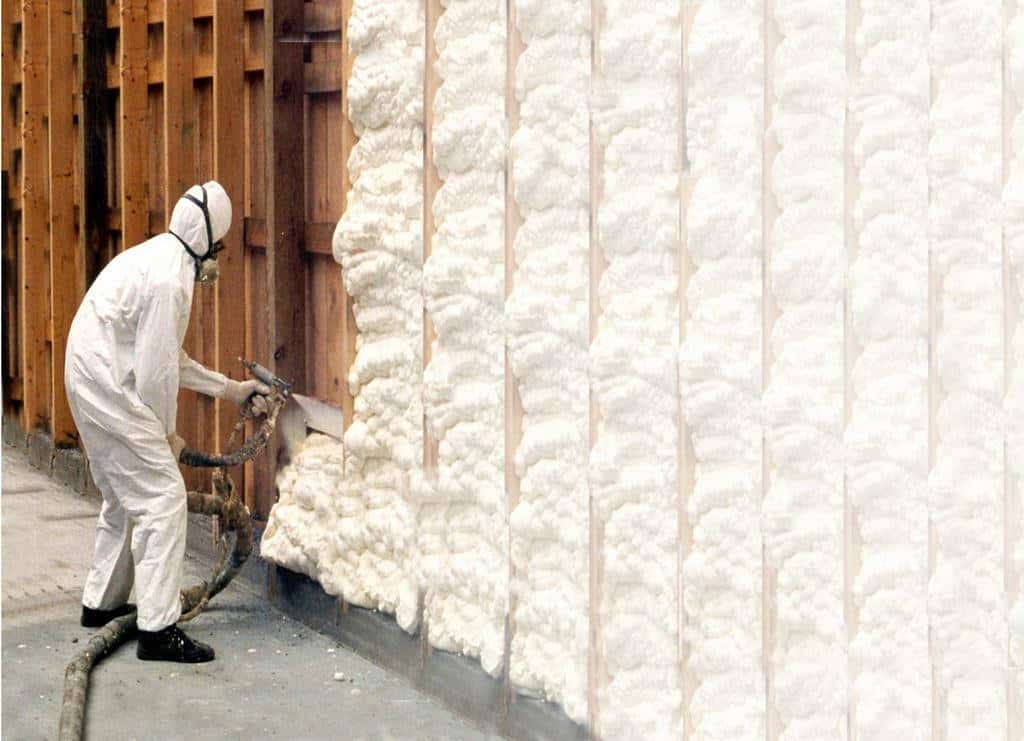
  • Spray Foam Alternatives: Look for plant-based or water-blown spray foam insulation instead of traditional chemical-based options.
  • Cellulose Insulation: Made from recycled paper, cellulose insulation is an excellent green choice that offers high thermal resistance.

3. Eco-Friendly Heating and Cooling Systems

Heating and cooling account for a significant portion of energy consumption in any home. To minimize environmental impact, consider these sustainable systems:

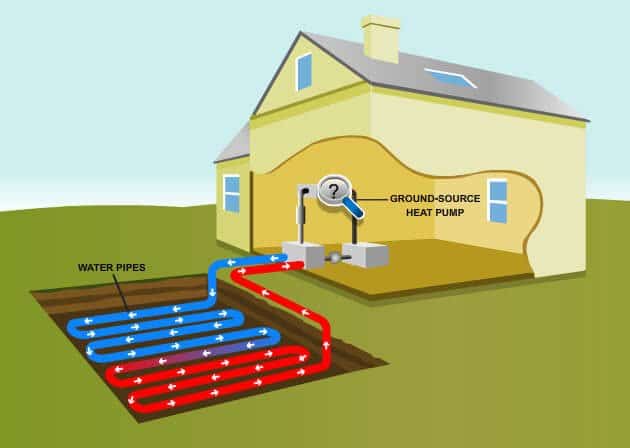
  • Geothermal Heating and Cooling: A geothermal heat pump uses the earth’s stable underground temperature for heating and cooling, significantly reducing energy consumption.
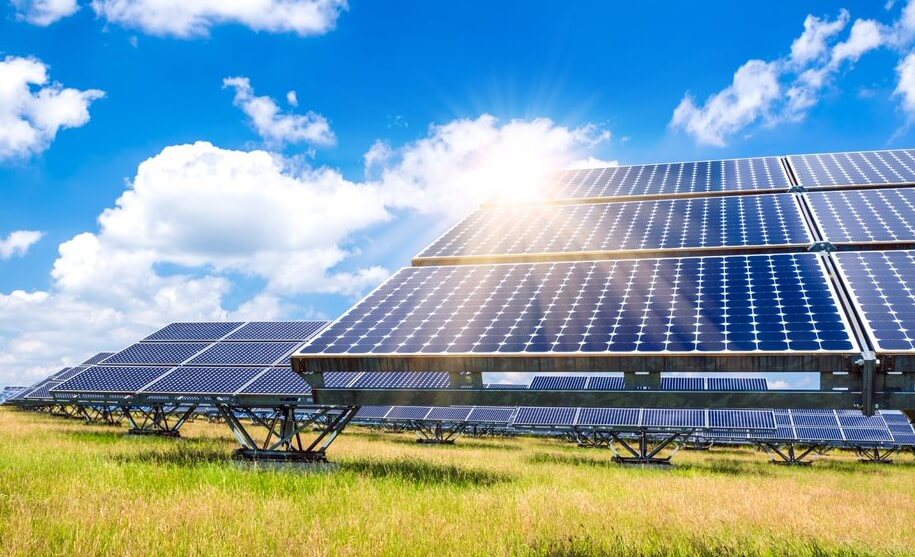
  • Solar Panels: Install solar panels to power your HVAC system and other appliances. Pair them with a battery storage system for maximum efficiency.
  • Energy-Efficient HVAC Systems: Look for ENERGY STAR-rated HVAC systems that use less electricity while maintaining comfort.
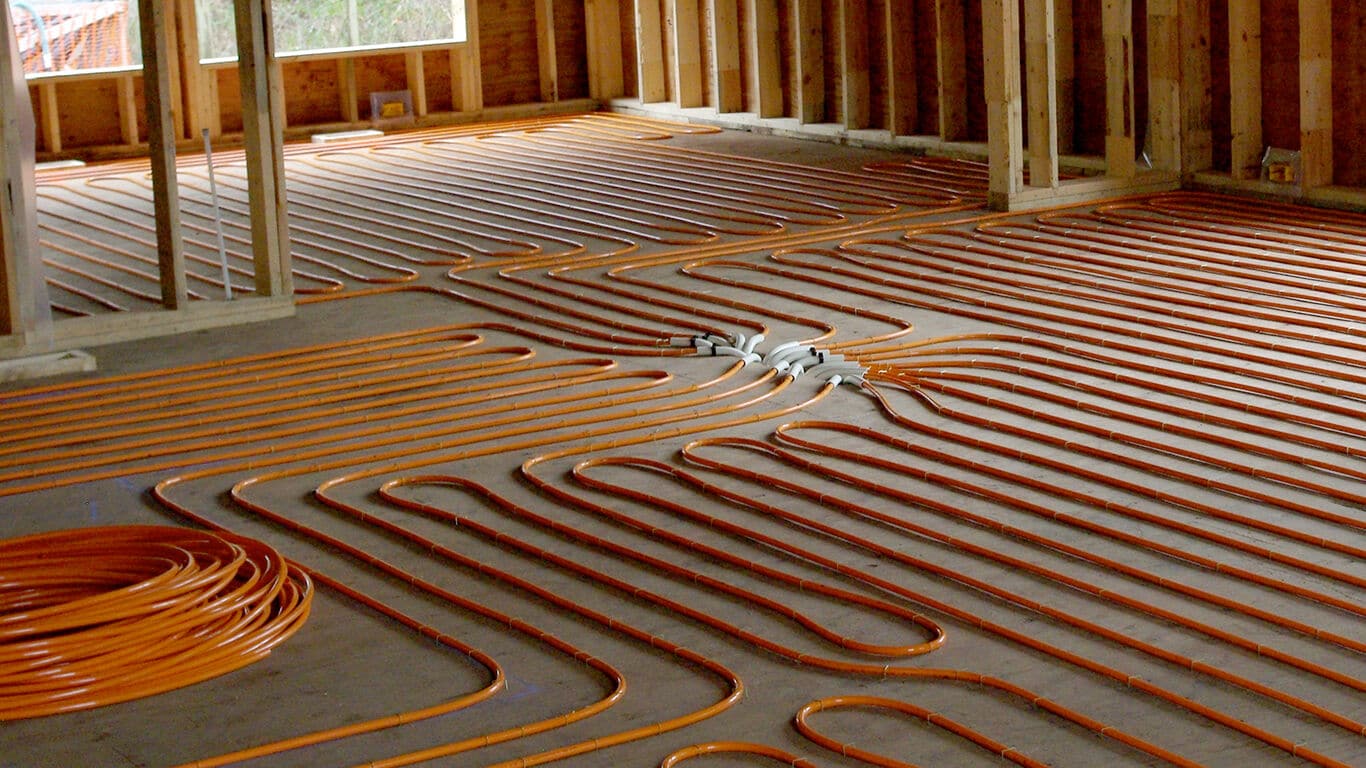
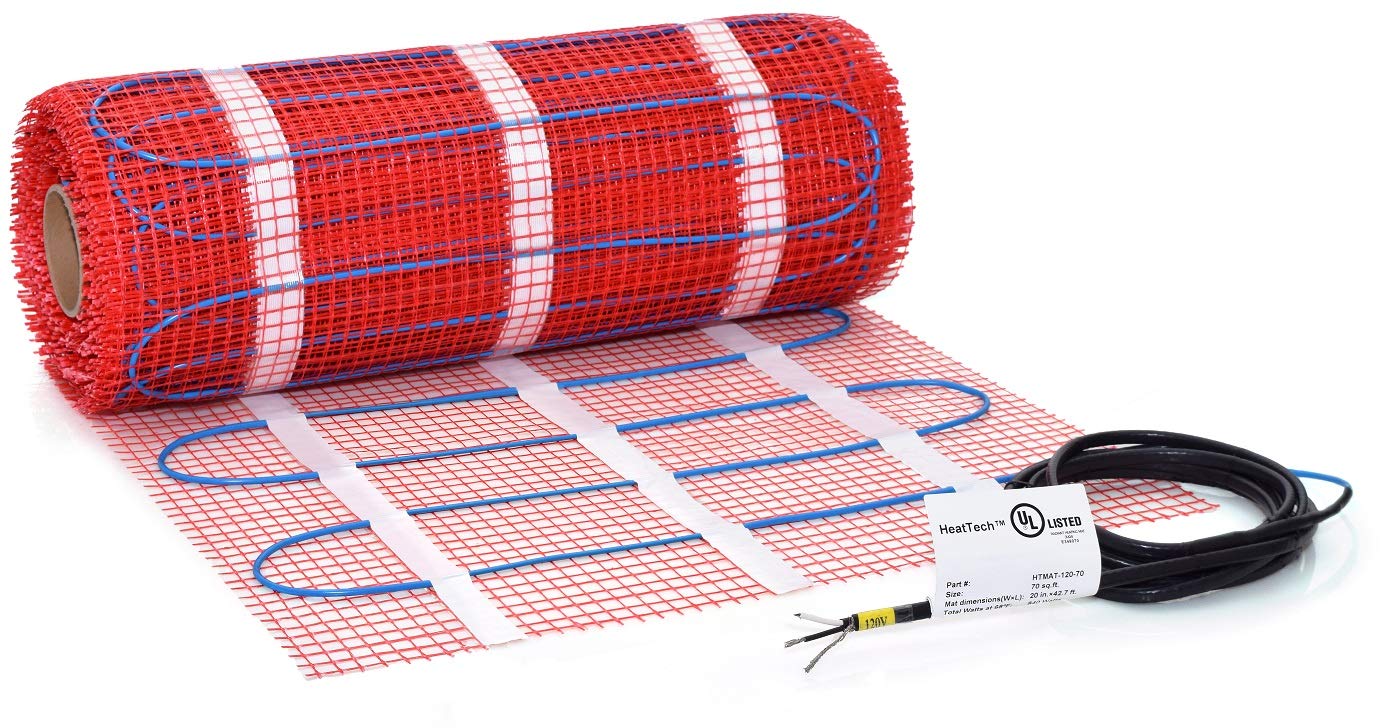
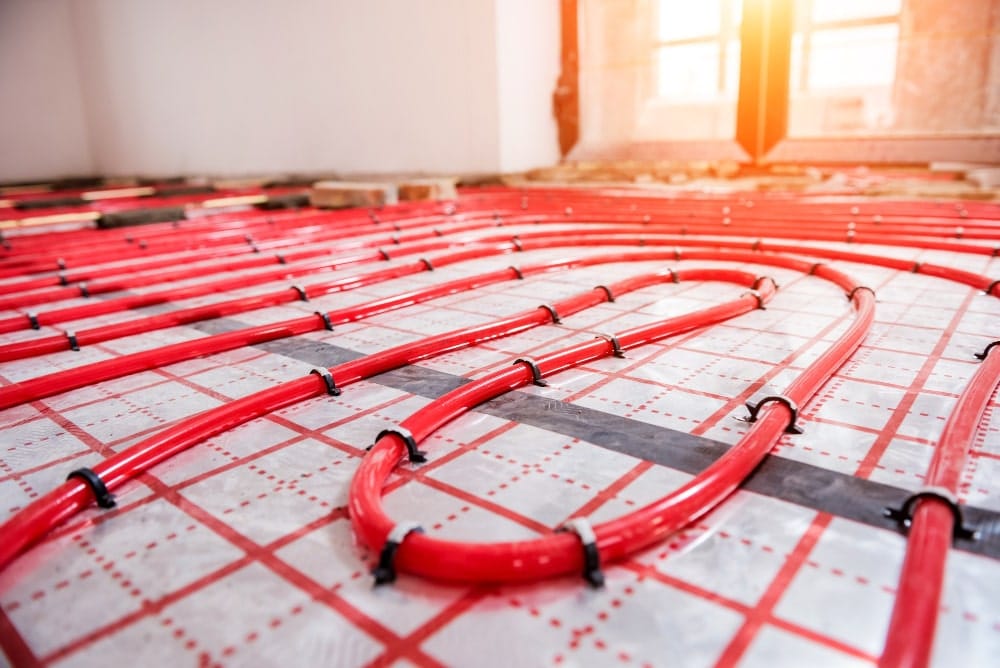
  • Radiant Floor Heating: Use a hydronic (water-based) radiant heating system paired with geothermal or solar energy for an eco-friendly solution.

    Electric Radiant flooring

4. Flooring Options

Eco-conscious flooring materials offer durability and aesthetic appeal without harming the environment:

  • Bamboo Flooring: Bamboo is a renewable resource that grows quickly and is incredibly durable, making it a great alternative to hardwood.
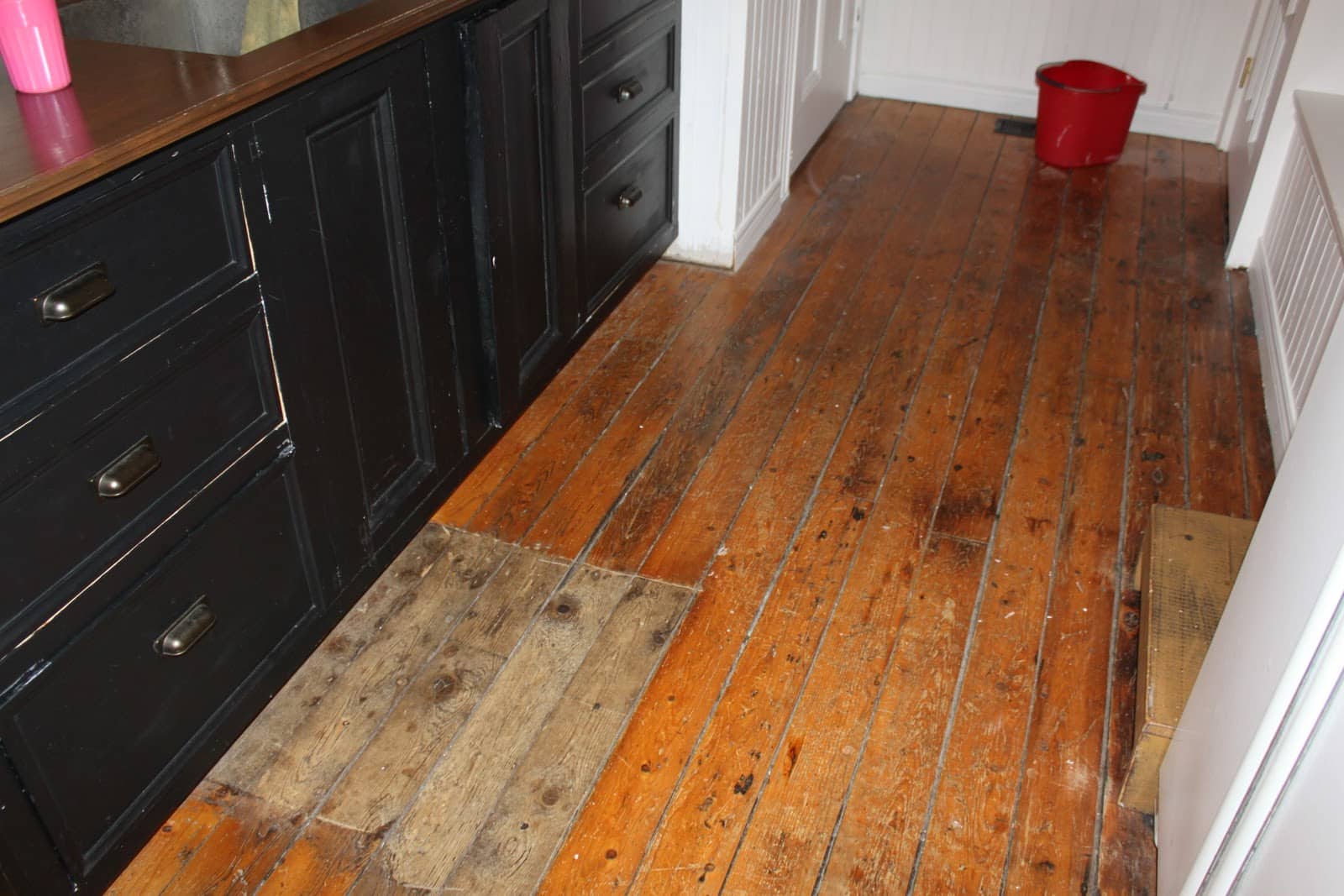
  • Recycled Wood or Engineered Wood: Floors made from reclaimed or engineered wood are sustainable and maintain the charm of traditional timber.
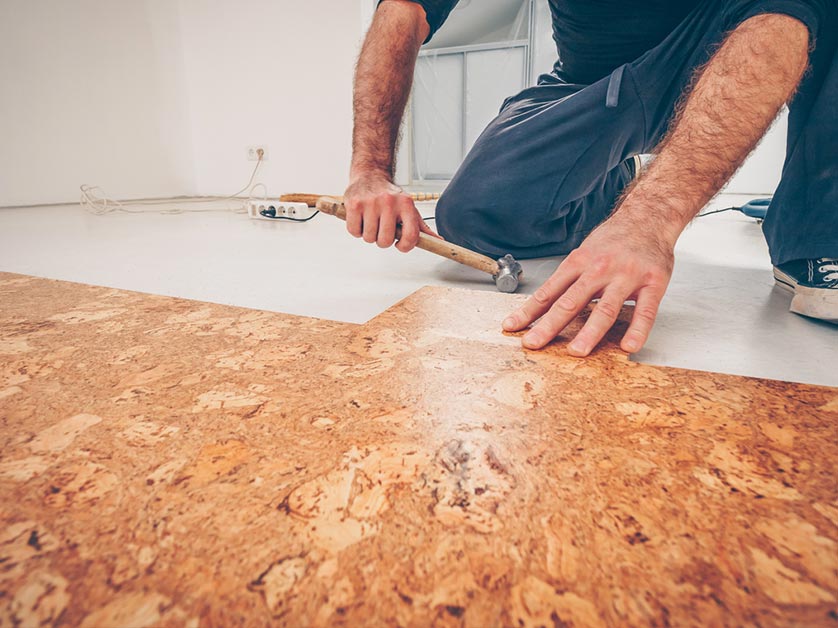
  • Cork Flooring: Cork is harvested from the bark of cork oak trees, making it renewable. It’s also soft underfoot, sound-absorbing, and resistant to mold.
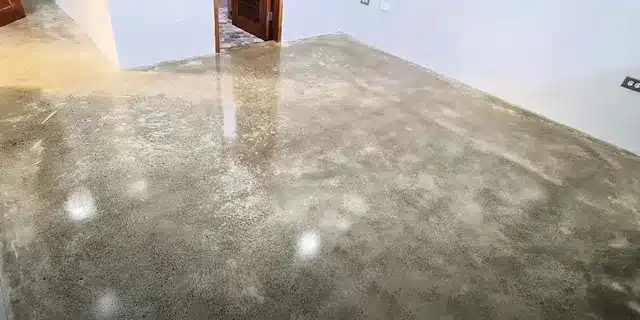
  • Concrete Floors: Polished concrete floors are long-lasting and require fewer resources than other flooring materials.
  • Natural Linoleum: Made from linseed oil, cork dust, and wood flour, natural linoleum is biodegradable, durable, and available in a variety of colors.

5. Eco-Friendly Wall Materials and Paints

Walls play a significant role in the look and energy efficiency of your barndominium. Eco options include:

  • Reclaimed Wood or Bamboo Panels: These provide a rustic aesthetic while being sustainable.
  • Clay or Lime Plaster: Both materials are natural, breathable, and help regulate indoor humidity.
  • Non-Toxic Paints: Use paints labeled low-VOC (volatile organic compounds) or zero-VOC to reduce harmful off-gassing. Brands like Benjamin Moore and Sherwin-Williams offer eco-friendly options.
  • Recycled Gypsum Drywall: Opt for drywall made from recycled content to reduce waste and resource use.

6. Eco-Conscious Finishes and Fixtures

Small details can make a big difference in sustainability:

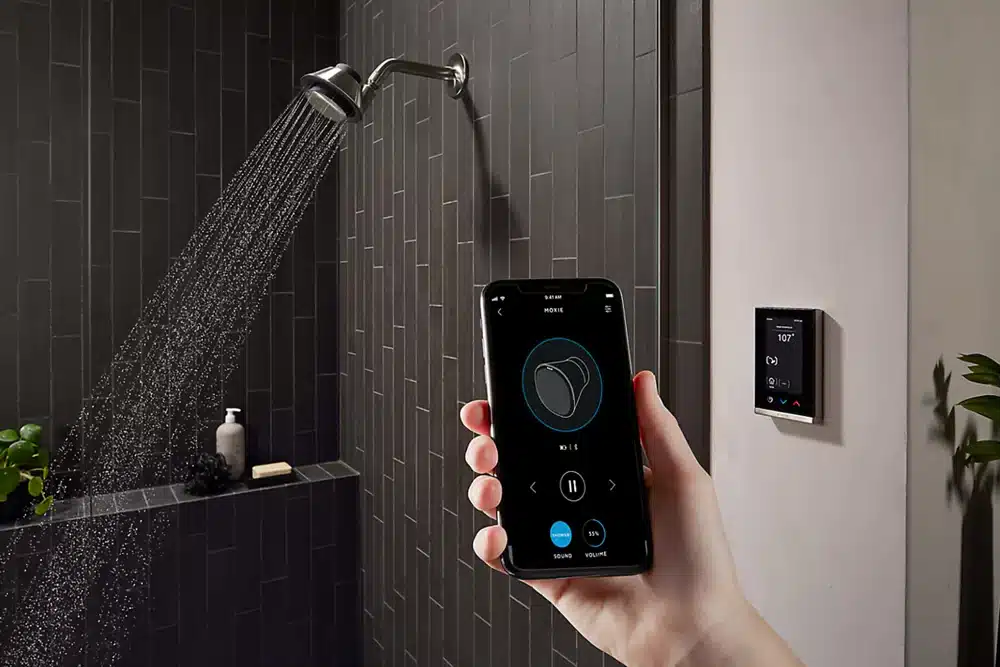
  • Water-Saving Fixtures: Install low-flow faucets, showerheads, and toilets to reduce water consumption.
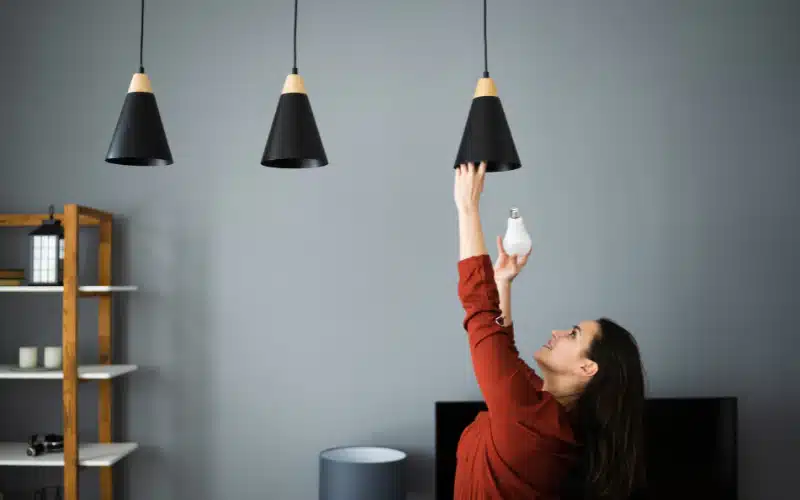
  • Energy-Efficient Lighting: Use LED or CFL bulbs, which consume less energy and last longer than traditional incandescent bulbs.
  • Recycled or Upcycled Décor: Incorporate furniture, light fixtures, and décor pieces made from recycled or salvaged materials.

7. Benefits of Going Green

Using eco-friendly materials and systems in your barndominium offers several advantages:

  • Reduced Carbon Footprint: Sustainable materials and efficient systems lower your home’s environmental impact.

    Bazz Smart home Lighting
  • Cost Savings: Energy-efficient systems and renewable energy sources can reduce utility bills over time.
  • Improved Indoor Air Quality: Non-toxic paints, natural insulation, and proper ventilation create a healthier living environment.
  • Increased Resale Value: Eco-friendly homes are increasingly attractive to buyers, enhancing your property’s value.

8. Plan Your Eco-Friendly Build

To ensure your steel frame barndominium is as sustainable as possible:

  1. Work with Experts: Choose architects and contractors experienced in eco-friendly building practices.
  2. Research Local Incentives: Many states offer tax credits or rebates for energy-efficient systems and renewable energy installations.
  3. Use Local Materials: Sourcing materials locally reduces transportation emissions and supports the local economy.

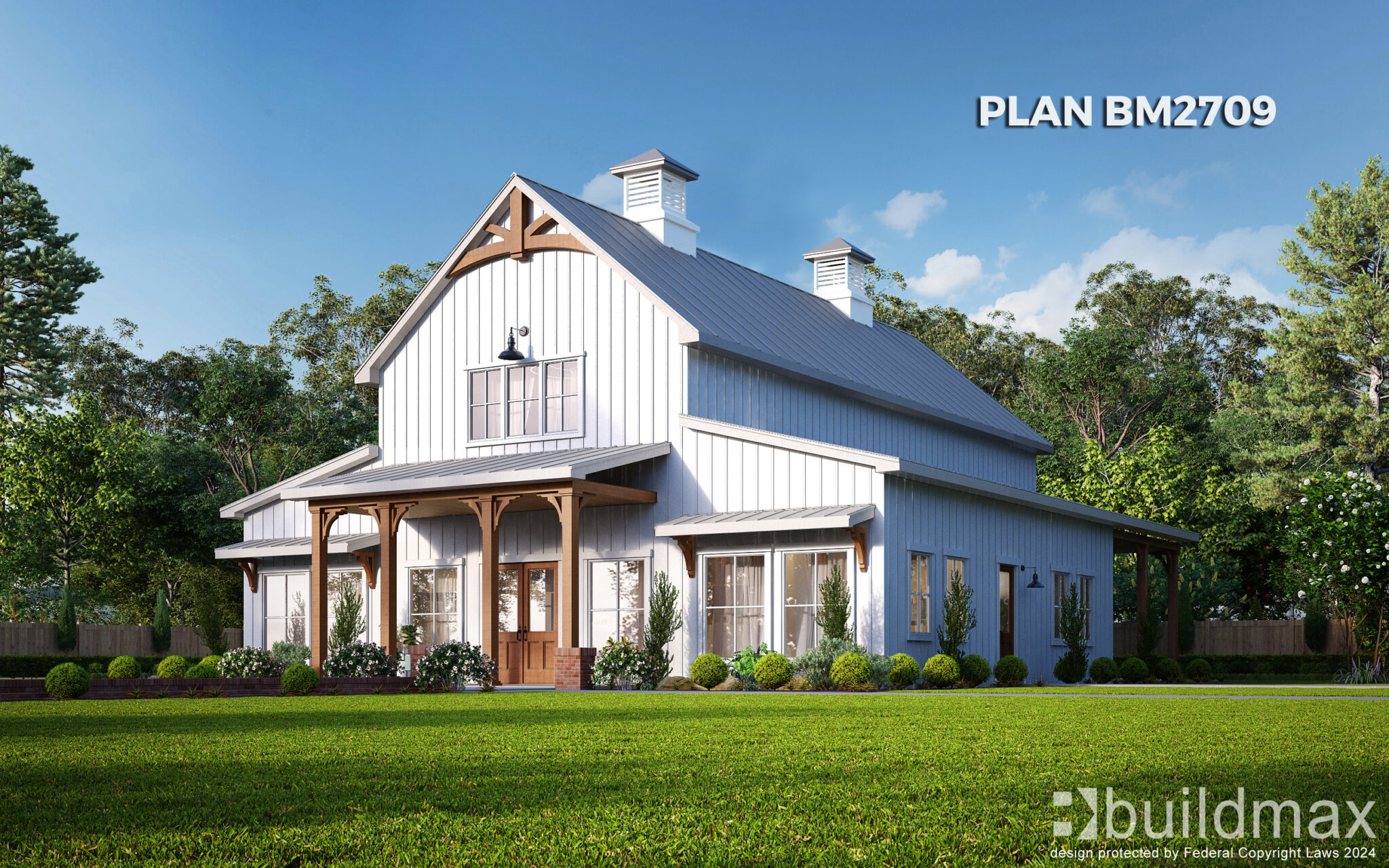
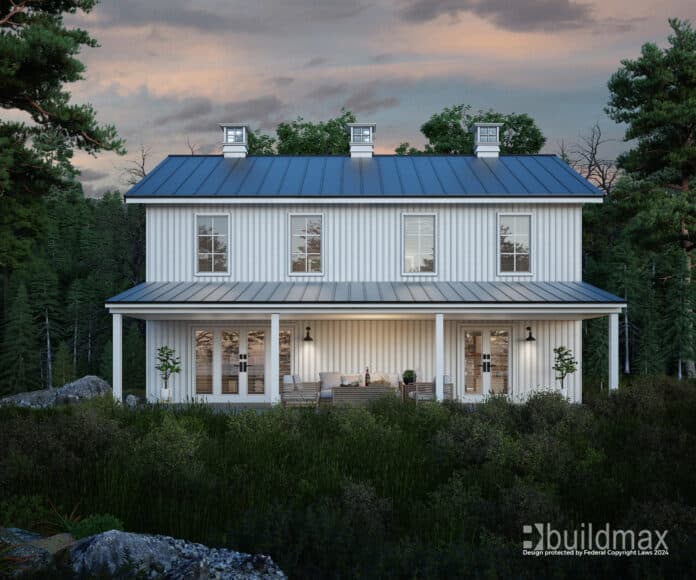
white barndominium with cupolas

Building an eco-friendly steel frame barndominium is an investment in your home, your wallet, and the planet. By using sustainable materials, installing energy-efficient systems, and finishing your home with eco-conscious options, you can create a barndominium that’s not only beautiful but also environmentally responsible. With careful planning, your green barndominium can serve as a model of modern, sustainable living.

Building Ample Storage Into Your Custom Barndominium

Building the Correct Amount of Storage Into Your Custom Barndominium Design

Designing a custom barndominium offers endless possibilities to create a home that perfectly suits your lifestyle. However, one key aspect often overlooked in the excitement of planning is storage. Whether it’s an efficient kitchen, a functional garage and workspace, or secure storage for valuables, having enough storage space is essential for an organized, clutter-free, and functional home. Here’s why storage matters, how to integrate it effectively, and the challenges of not planning for enough.


The Importance of Ample Storage

Storage isn’t just about having room to stow your belongings—it’s about making your home more livable and efficient. Properly designed storage ensures:

  • Ease of Organization: With dedicated spaces for everything, you can avoid clutter and maintain an organized living environment.
  • Improved Functionality: Adequate storage allows every room to serve its purpose without becoming overwhelmed by items that don’t belong there.
  • Future Flexibility: Ample storage accommodates growing families, evolving hobbies, and changing needs over time.

    Rhino Shelf

1. Kitchen Storage: The Heart of an Organized Home

The kitchen is often the most active room in the house, and storage plays a critical role in its efficiency.

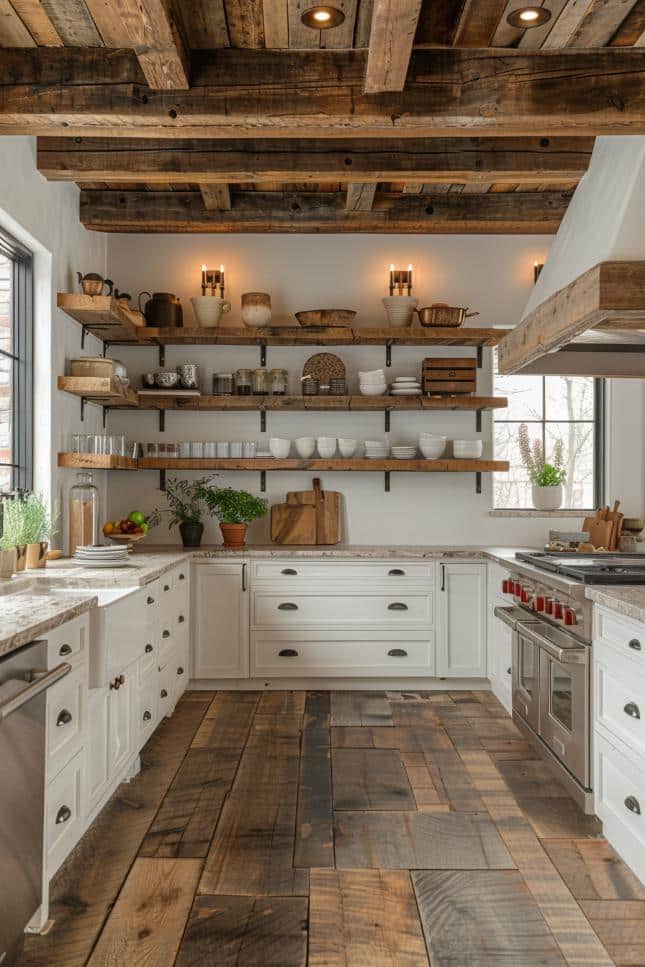
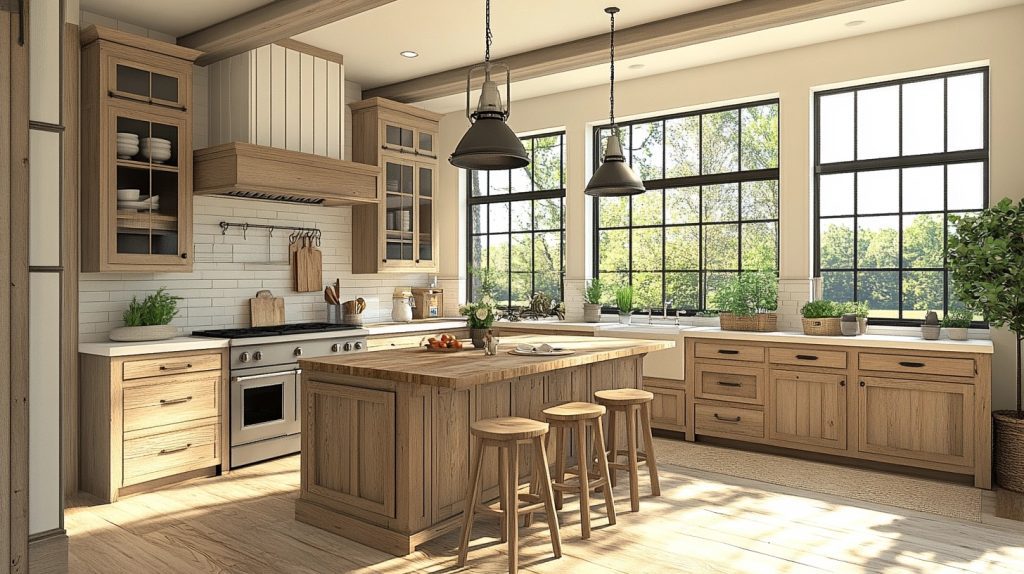
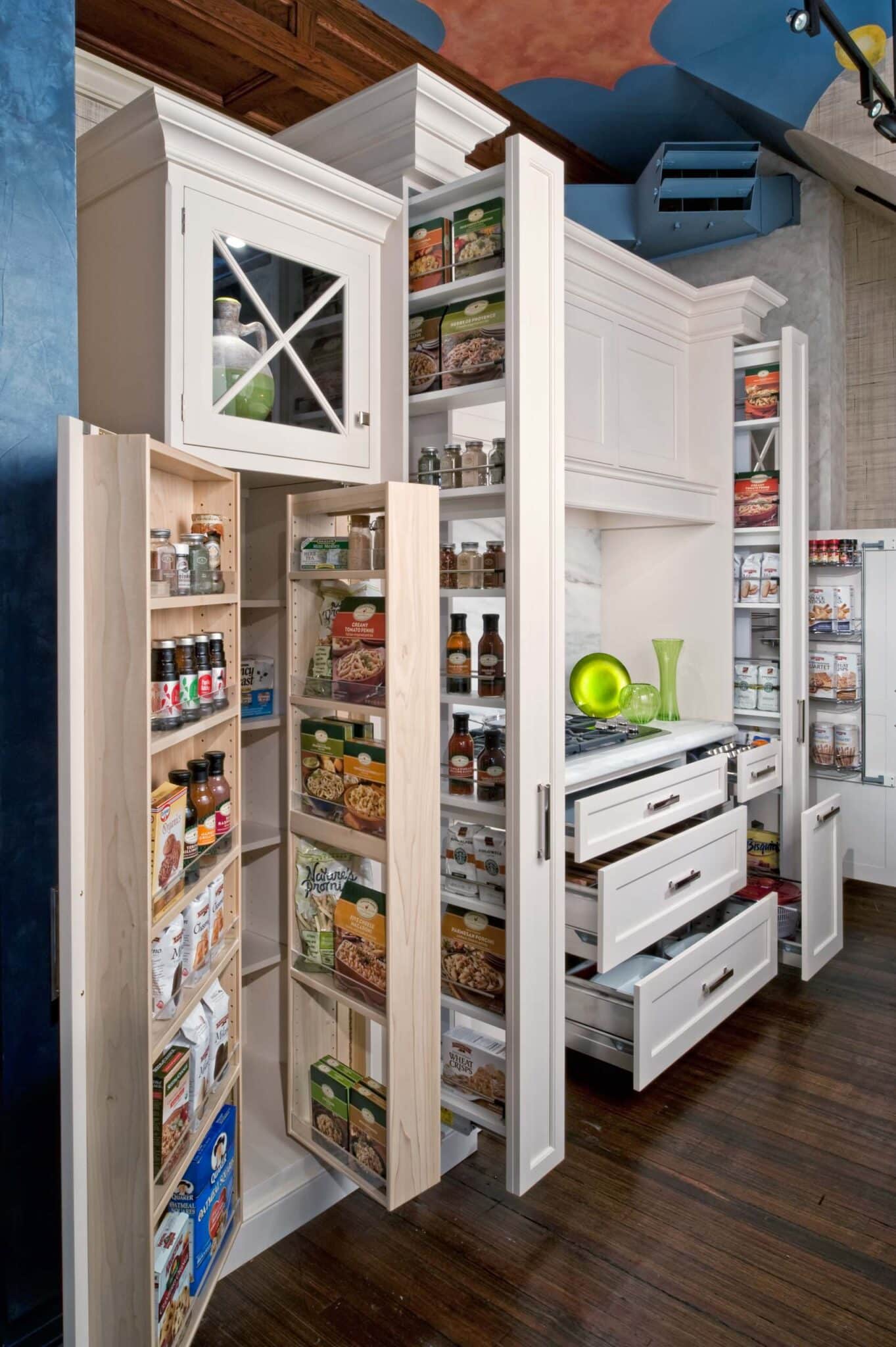
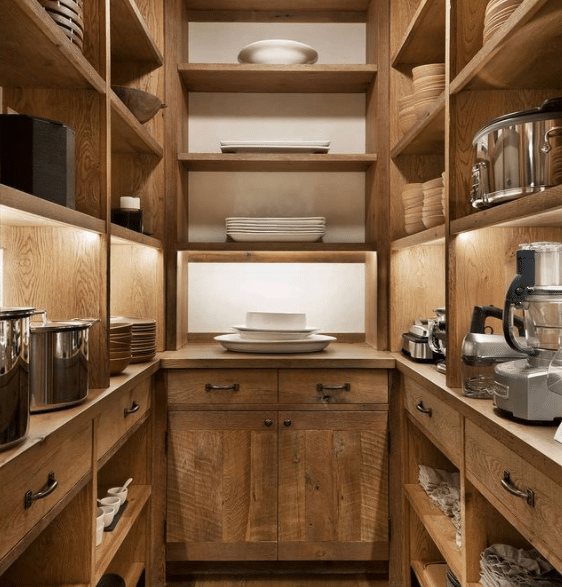
  • Cabinets and Pantries: Opt for deep cabinets with pull-out shelves for pots, pans, and small appliances. Include a walk-in pantry to keep bulk food items and kitchen supplies accessible but out of sight.
  • Specialized Storage: Incorporate features like spice racks, utensil drawers, and corner cabinets with lazy Susans to maximize every inch of space.
  • Island Storage: A kitchen island with built-in cabinets or drawers can double as a prep area and storage solution.
  • Avoiding Storage Pitfalls: Without enough storage, countertops can become cluttered, making the kitchen less functional and more stressful to use.

2. Garage and Workspace: A Haven for Tools and Hobbies

In a barndominium, the garage and workspace are often as important as the living spaces. Proper storage in these areas is essential for maintaining order and productivity.

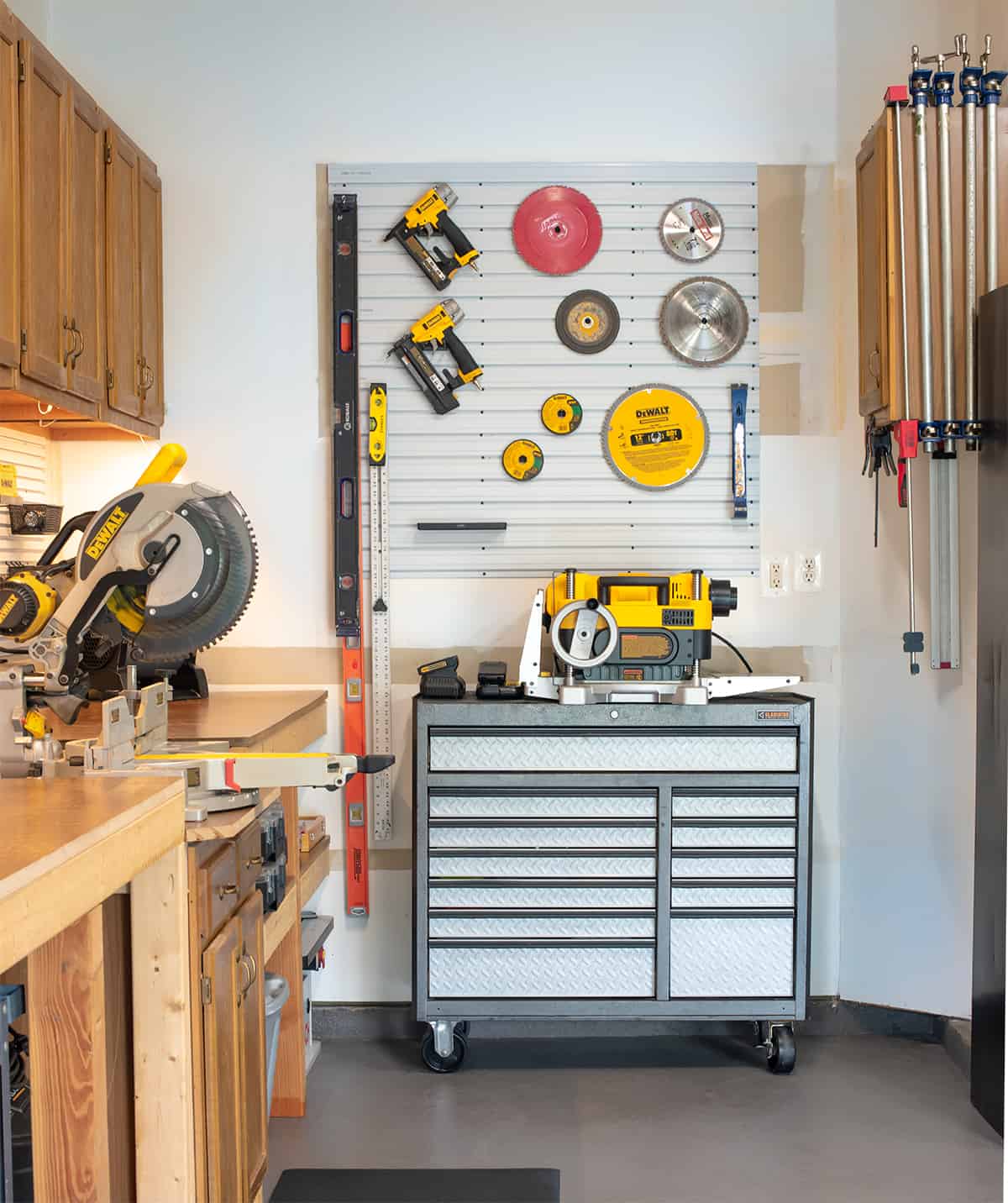
  • Tool Organization: Install pegboards, cabinets, and shelving for tools. Use labeled bins for small items like screws and nails to avoid hunting for what you need.
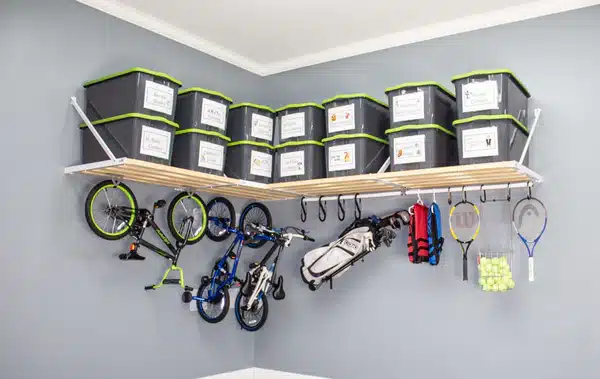
  • Vehicle Storage: Ensure you have enough space for vehicles and other equipment like lawnmowers or ATVs. Consider overhead racks for items like kayaks or bikes.
  • Workbenches: Build a workbench with integrated storage for power tools and supplies to keep your workspace clear.
  • Avoiding Storage Pitfalls: Without adequate storage, garages can quickly become dumping grounds for miscellaneous items, making it hard to use the space effectively.

3. Custom Walk-In Closets: Combining Luxury and Functionality

Walk-in closets are no longer just about clothes—they’ve become personalized spaces for organization and security.

  • Tailored Shelving and Drawers: Include adjustable shelving, hanging rods, and built-in drawers to adapt to your wardrobe and storage needs.
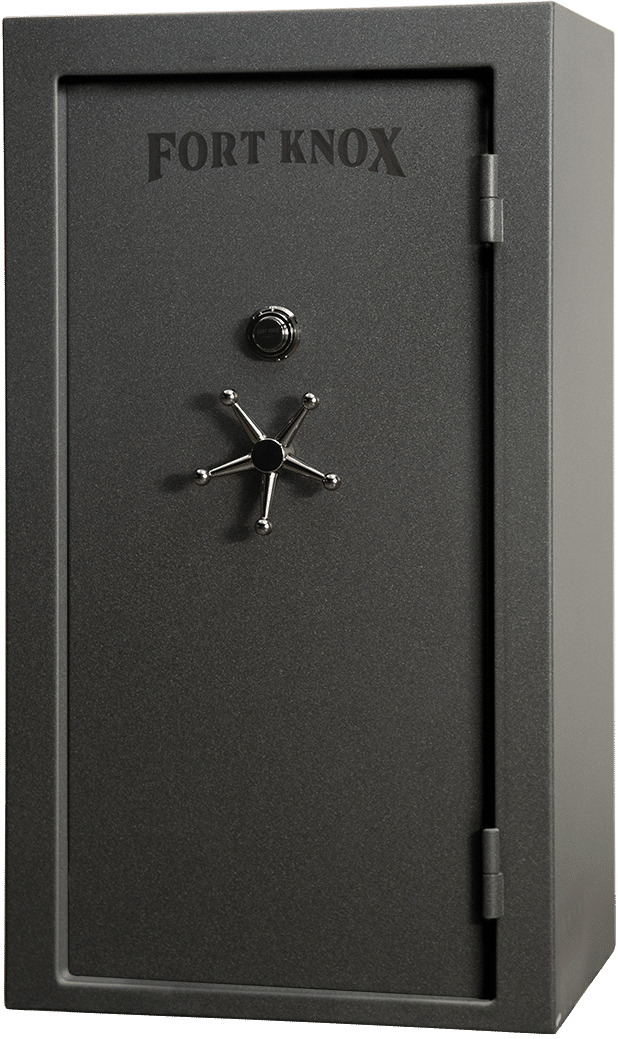
  • Integrated Safes: The trend of incorporating impenetrable & Robust built-in safes, such as the World Famous Fort Knox safes, is growing in popularity. These secure storage options protect valuables like jewelry, important documents, and firearms, offering peace of mind.
  • Display Areas: Add open shelving or glass-front cabinets for shoes, handbags, or accessories to create a boutique-style look.
  • Avoiding Storage Pitfalls: Without a custom-designed closet, items can pile up in disarray, leading to wasted time and frustration in finding what you need.

4. Planning Storage Throughout Your Barndominium

While kitchens, garages, and closets are key areas, storage should be a priority in every part of your home.

  • Entryways: Use built-in cubbies, benches, or coat racks to keep shoes, bags, and outerwear organized.
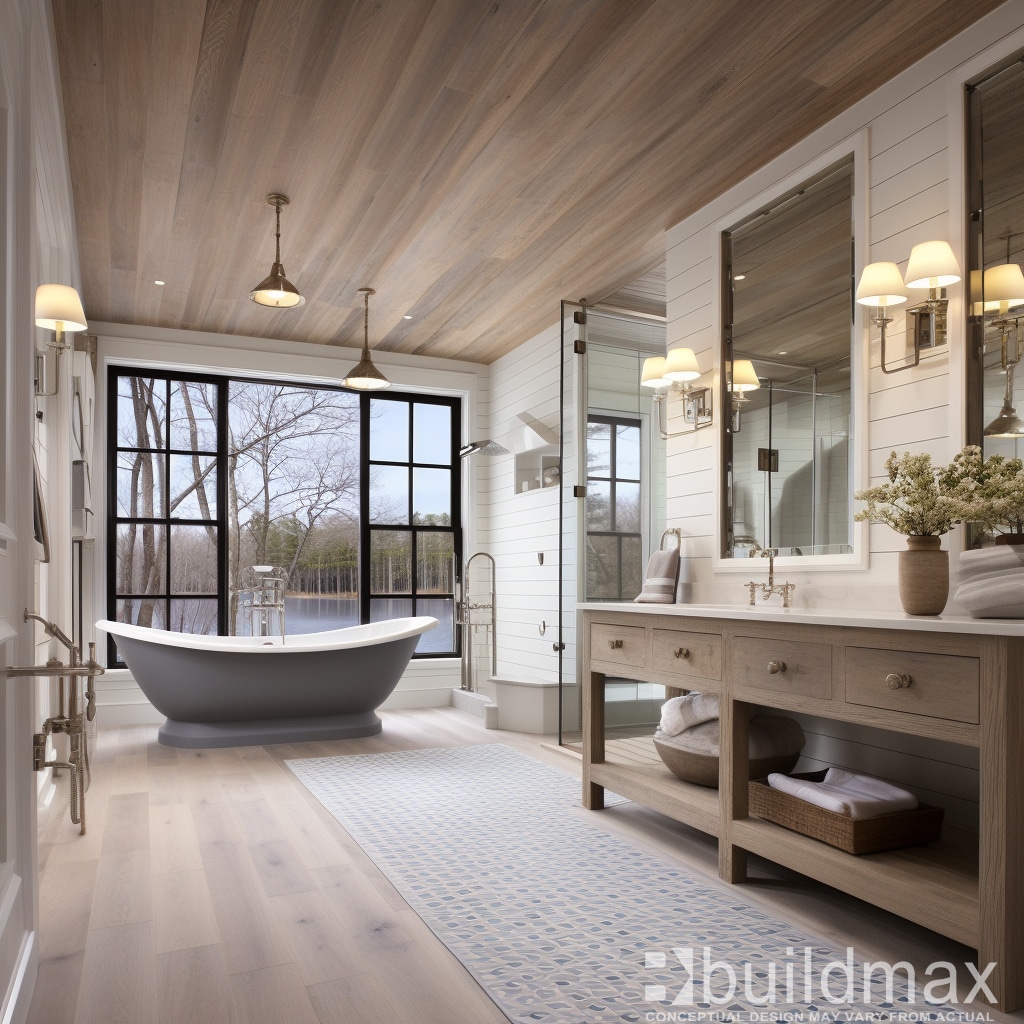
  • Bathrooms: Add vanity cabinets, linen closets, and shelving to store toiletries, towels, and cleaning supplies.
  • Living Areas: Built-in entertainment centers and bookcases can provide storage without taking up extra floor space.
  • Bedrooms: Incorporate under-bed drawers or storage benches for seasonal clothing or bedding.

Consequences of Insufficient Storage

Failing to build enough storage into your barndominium design can lead to several problems:

  • Clutter: Without designated storage spaces, belongings accumulate on countertops, tables, and floors, making your home feel chaotic.
  • Inefficiency: Searching for misplaced items wastes time and adds stress.
  • Lost Functionality: Rooms can become overwhelmed with items, preventing them from serving their intended purpose.
  • Costly Adjustments: Adding storage after construction can be expensive and may not integrate seamlessly into your Barndominiums unique design.

Tips for Designing Storage Right

To ensure your barndominium has the right amount of storage, keep these tips in mind:

  1. Think Long-Term: Plan for future needs, not just your current belongings. Consider how your family’s lifestyle may change over time.
  2. Use Vertical Space: Maximize storage by utilizing floor-to-ceiling cabinets, shelving, and racks.
  3. Incorporate Multi-Functional Features: Choose furniture and fixtures with hidden storage, like ottomans with compartments or beds with built-in drawers.
  4. Work with Professionals: Collaborate with designers or contractors who specialize in barndominiums to ensure every space is optimized for storage.

All-In-All
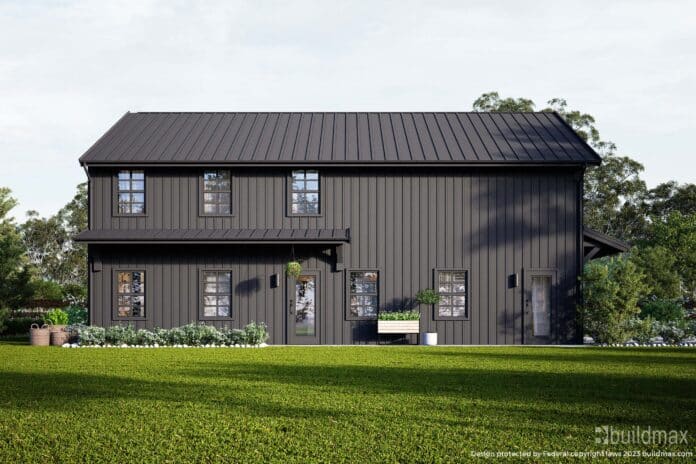
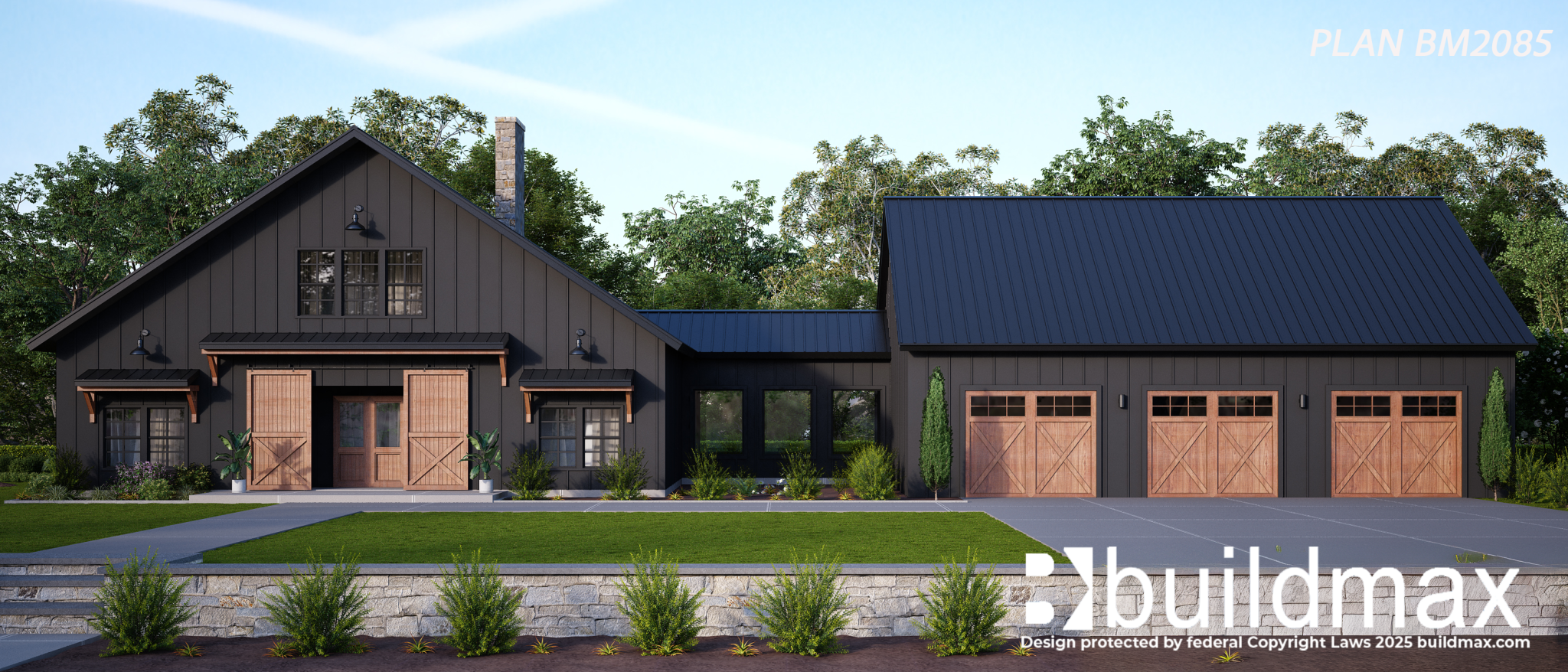
black barndominium with large barn doors and breezeway leading to garage

Storage is one of the most critical aspects of barndominium design. From keeping your kitchen organized and your garage functional to incorporating secure, custom walk-in closets, the right storage solutions enhance your home’s livability and value. By carefully planning for adequate storage throughout your barndominium, you can create a home that is not only beautiful but also efficient, organized, and ready to meet your needs for years to come.

Do Barndominiums Rust?

White barndominium with 3 car garage, wraparound porch, and mountains in the background

Do Barndominiums Rust?

One of the most common questions people ask when considering a barndominium is:

“Do barndominiums rust?”

The short answer is: they can—but it depends on materials, environment, and how the structure is handled during construction and maintained over time.

Barndominiums are not a single material or system. They can include:

  • steel framing

  • metal roofing

  • metal siding

  • or a combination of wood and steel components

Each material performs differently, and rust (more accurately called corrosion) is primarily related to steel components exposed to moisture.


Understanding Rust in Steel Construction

Rust forms when steel is exposed to:

  • moisture

  • oxygen

  • and time

In construction, many steel components are galvanized or coated to help resist corrosion. These protective layers are designed to slow down the oxidation process, but they do not make steel completely immune under all conditions.

That’s why real-world performance depends on:

  • exposure to the elements

  • installation practices

  • and ongoing maintenance


Construction Phase vs. Long-Term Exposure

One of the most misunderstood aspects of steel barndominiums is what happens during construction.

If materials are exposed to:

  • rain

  • humidity

  • standing water

  • or improper storage conditions

they may develop temporary surface oxidation before the structure is dried-in.

This can appear as:

  • light discoloration

  • white oxidation (on galvanized steel)

  • or minor surface rust

In many cases, this is cosmetic and not structural, but it highlights the importance of proper construction practices.


Why Proper Construction Practices Matter

To reduce the risk of corrosion during the build process, it’s important to:

  • store materials off the ground and protected when possible

  • avoid prolonged exposure to standing water

  • keep the project moving toward dry-in

  • follow proper installation sequencing

  • use experienced installers familiar with steel systems

Moisture exposure during construction is one of the most common causes of early surface oxidation—not the material itself.


Environmental Factors That Affect Rust

Long-term corrosion risk depends heavily on the environment.

Factors that may increase exposure include:

  • coastal or salt-air environments

  • high humidity regions

  • frequent rainfall

  • snow and ice

  • poor drainage around the structure

Homes built in harsher environments may require:

  • additional protective coatings

  • more frequent inspections

  • and ongoing maintenance


Roofing and Exterior Systems

Many barndominiums use metal roofing and siding systems designed for durability.

These systems often include:

  • protective coatings

  • painted finishes

  • corrosion-resistant materials

However, performance still depends on:

  • installation quality

  • proper flashing and sealing

  • drainage

  • and maintenance

Scratches, cut edges, or damaged coatings can expose bare metal, which may increase the risk of localized corrosion if not addressed.


Maintenance Plays a Role

Like any home, barndominiums are not maintenance-free.

To help reduce long-term corrosion risk, homeowners should:

  • inspect roofing and exterior panels periodically

  • address scratches or coating damage

  • maintain proper drainage around the home

  • keep gutters and downspouts functioning properly

Routine maintenance can help extend the life and appearance of exterior systems.


Important: Installation and Responsibility

It’s important to understand that BuildMax is not a builder or general contractor.

BuildMax provides:

  • floor plans

  • design services

  • and material packages

BuildMax does not:

  • supervise construction

  • control jobsite conditions

  • or manage installation

For that reason, BuildMax strongly recommends:

  • hiring a vetted general contractor

  • working with installers experienced in steel framing and metal systems

  • and carefully evaluating all subcontractors

In some cases, homeowners may also consider requesting a quote from a third-party manufacturer’s steel installation crew, if available in their region.

All contractors and installers are independent third parties, and homeowners are responsible for selecting and managing their project team.


So, Do Barndominiums Rust?

Barndominiums can experience corrosion under certain conditions, just like any structure that uses steel components.

However, when:

  • materials are properly protected during construction

  • the home is correctly designed and installed

  • and routine maintenance is performed

steel components can perform very well over time.


Final Thoughts

Rust is not a yes-or-no issue—it’s a matter of:

  • environment

  • construction practices

  • material protection

  • and maintenance

Barndominiums built with steel can be durable and long-lasting when properly handled throughout the construction process and ownership.

The key is:

  • working with experienced professionals

  • following proper building practices

  • and maintaining realistic expectations about how materials perform in real-world conditions

With the right approach, corrosion risks can be managed, and your home can perform well for years to come.

What Are Some Solid Eco-Friendly Finishings to Complete My Barndominium With?

What Are Some Solid Eco-Friendly Finishings to Complete My Barndominium With?

Barndominiums, with their versatile and durable designs, are ideal for incorporating eco-friendly features and sustainable finishings. From energy-efficient power solutions to environmentally conscious flooring and heating systems, there are plenty of options to ensure your barndominium aligns with green living principles. Let’s explore some of the best eco-friendly finishings to consider, including the latest products on the market.


1. Eco-Friendly Flooring Options

Your choice of flooring can make a significant impact on the sustainability of your barndominium. Here are some excellent options:

a. Bamboo Flooring

  • Why It’s Eco-Friendly: One of bamboo’s biggest selling points is its rapid growth rate and renewability.
    • Fast Growth: Bamboo matures in just 3–5 years, compared to 20–50 years for traditional hardwoods like oak or maple.
    • Harvest Without Deforestation: Bamboo can be harvested without killing the plant, as it regenerates from its root system.
    • Abundance: It’s one of the fastest-growing plants in the world, making it a highly sustainable option.
  • Benefits: Durable, moisture-resistant, and available in various finishes to match your style.
  • Cost: $5–$10 per square foot.

b. Cork Flooring

  • Why It’s Eco-Friendly: Cork flooring is an excellent eco-friendly flooring choice, offering sustainability, comfort, and versatility. Derived from the bark of cork oak trees, it’s a renewable resource that aligns with environmentally conscious living.
  • Benefits: Soft underfoot, sound-absorbing, and naturally resistant to mold and pests.
  • Cost: $3–$8 per square foot.

c. Recycled Hardwood

  • Why It’s Eco-Friendly: Using reclaimed or recycled wood minimizes deforestation and repurposes older materials. the look is one of a kind and it’s typically found in high end builds due to the expensive price tag associated with reclaiming the wood to begin with.
  • Benefits: Provides a rustic, natural aesthetic with the strength of traditional hardwood.
  • Cost: $5–$15 per square foot, depending on the wood type.

d. Polished Concrete

  • Why It’s Eco-Friendly: Concrete floors already in place can be polished rather than replaced, reducing material waste.
  • Benefits: Durable, low-maintenance, and compatible with radiant heating systems.
  • Cost: $3–$10 per square foot.

2. Solar Power Options

Harnessing solar energy is one of the most effective ways to make your barndominium eco-friendly. solar panels are worth it for many homeowners, especially those looking to save on energy costs, increase their property value, and reduce their environmental footprint. While the upfront investment is significant, incentives, long-term savings, and environmental benefits often outweigh the initial costs.

a. Rooftop Solar Panels

solar barndominium

  • Benefits: Reduce reliance on fossil fuels and lower electricity bills.
  • Cost: $15,000–$25,000 for a typical residential system, with federal and state incentives often available.
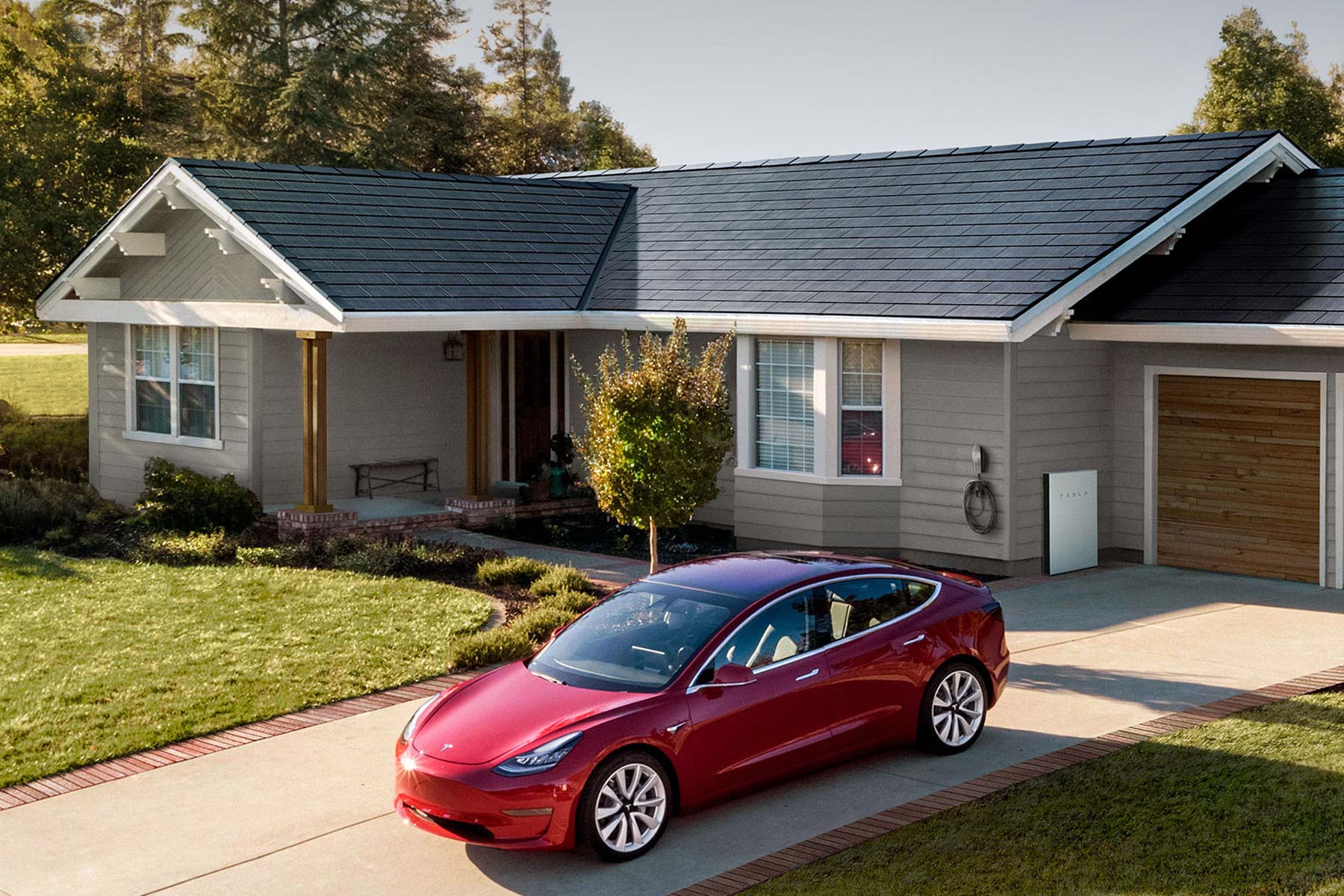
b. Tesla Solar Roof
  • Why It’s Eco-Friendly: Combines energy generation with a sleek, durable roofing material.
  • Benefits: Provides clean energy while doubling as a long-lasting roof.
  • Dowsides:
  • Lack of transparency: Tesla still doesn’t disclose the efficiency of its Solar Roof tiles.
  • Customer service: Tesla has garnered a reputation for subpar customer service and unreliable installation and repair timelines.
  • Cost: $20–$35 per square foot installed.

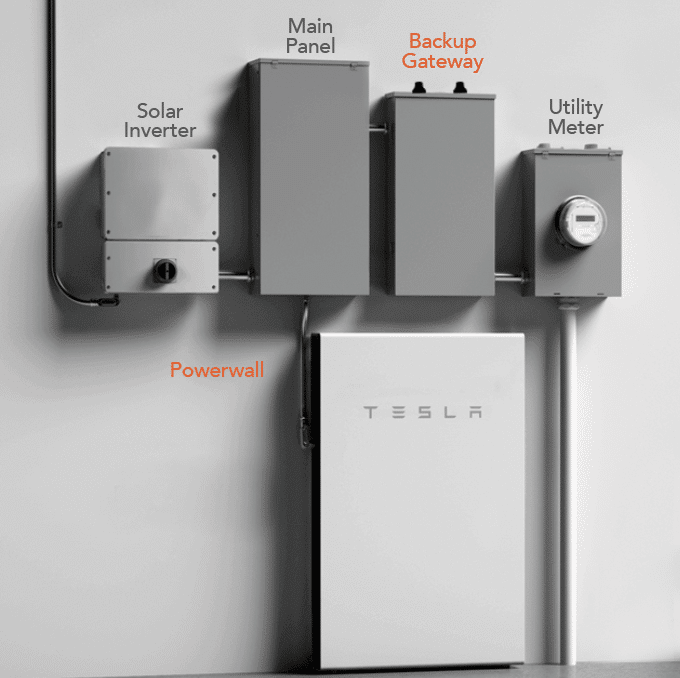
c. Home Batteries (e.g., Tesla Powerwall)

  • Why It’s Eco-Friendly: Store excess solar energy for use during cloudy days or at night.
  • Benefits: Improves energy efficiency and provides backup power in case of outages.
  • Cost: $7,500–$10,000 per unit, with most homes requiring one or two units.

3. Radiant or Geothermal Heating Systems

Efficient heating is essential for maintaining comfort while reducing your carbon footprint.

a. Radiant Floor Heating

  • Why It’s Eco-Friendly: radiant floor heating is an excellent eco-friendly heating option, offering energy efficiency, comfort, and sustainability. Unlike traditional heating systems that rely on forced air or baseboards, radiant floor heating delivers warmth directly through the floor, creating a more even and efficient distribution of heat
  • Benefits: Compatible with polished concrete or tile flooring, making it a great fit for barndominiums.
  • Cost: $10–$20 per square foot installed.

b. Geothermal Heating and Cooling

  • Why It’s Eco-Friendly: Utilizes the earth’s stable underground temperatures to heat and cool your home.
  • Benefits: Extremely energy-efficient, with the potential for significant long-term savings.
  • Cost: $10,000–$30,000 installed, depending on the size of the system.

4. Energy-Efficient Windows and Insulation

Sealing your barndominium properly is critical for energy efficiency.

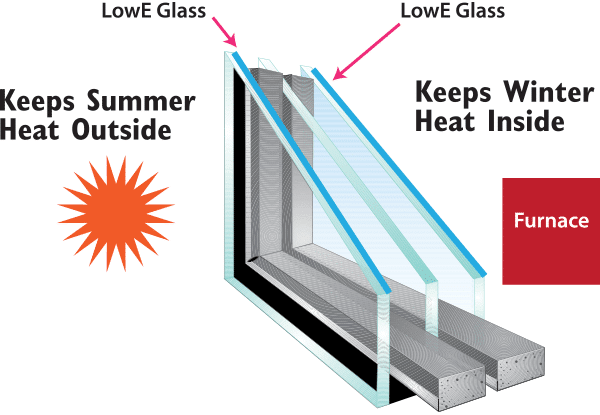
a. Double- or Triple-Pane Windows

  • Why They’re Eco-Friendly: Reduce heat transfer, keeping your home warm in winter and cool in summer.
  • Benefits: Lower energy costs and improve overall comfort.
  • Cost: $200–$1,000 per window, depending on size and quality.

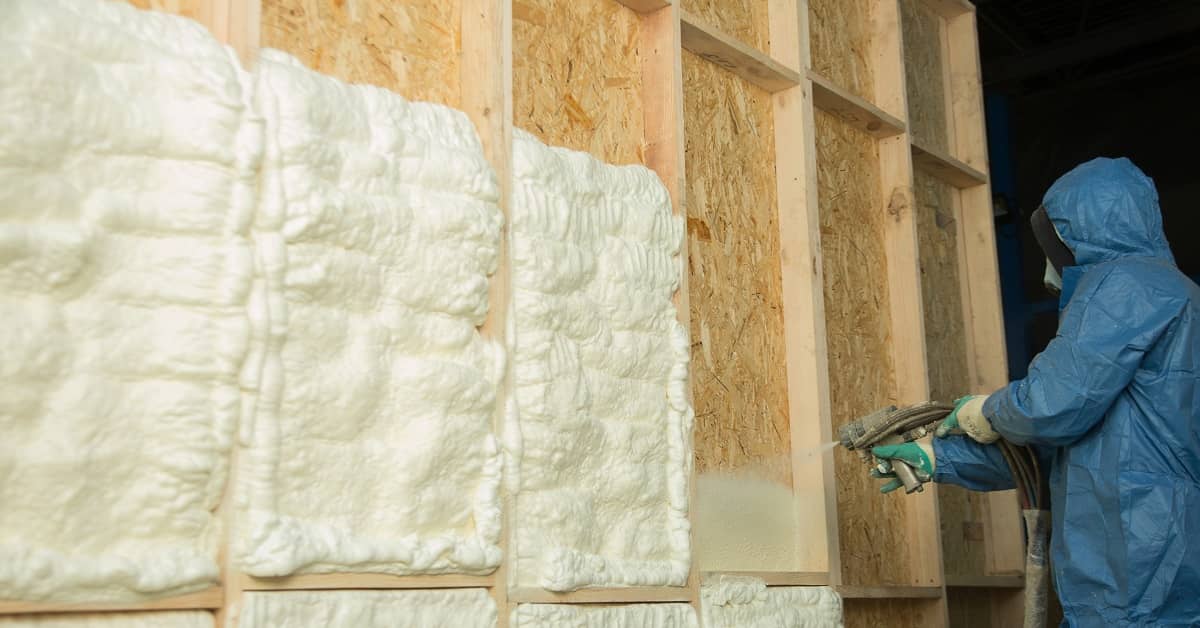
b. Spray Foam Insulation

  • Why It’s Eco-Friendly: Creates an airtight seal, minimizing energy loss.
  • Benefits: Works well with steel frame barndominiums and reduces heating and cooling demands.
  • Cost: $1–$2 per square foot for closed-cell spray foam.

5. Sustainable Countertops and Cabinets

Kitchen and bathroom finishes are important for an eco-friendly design.

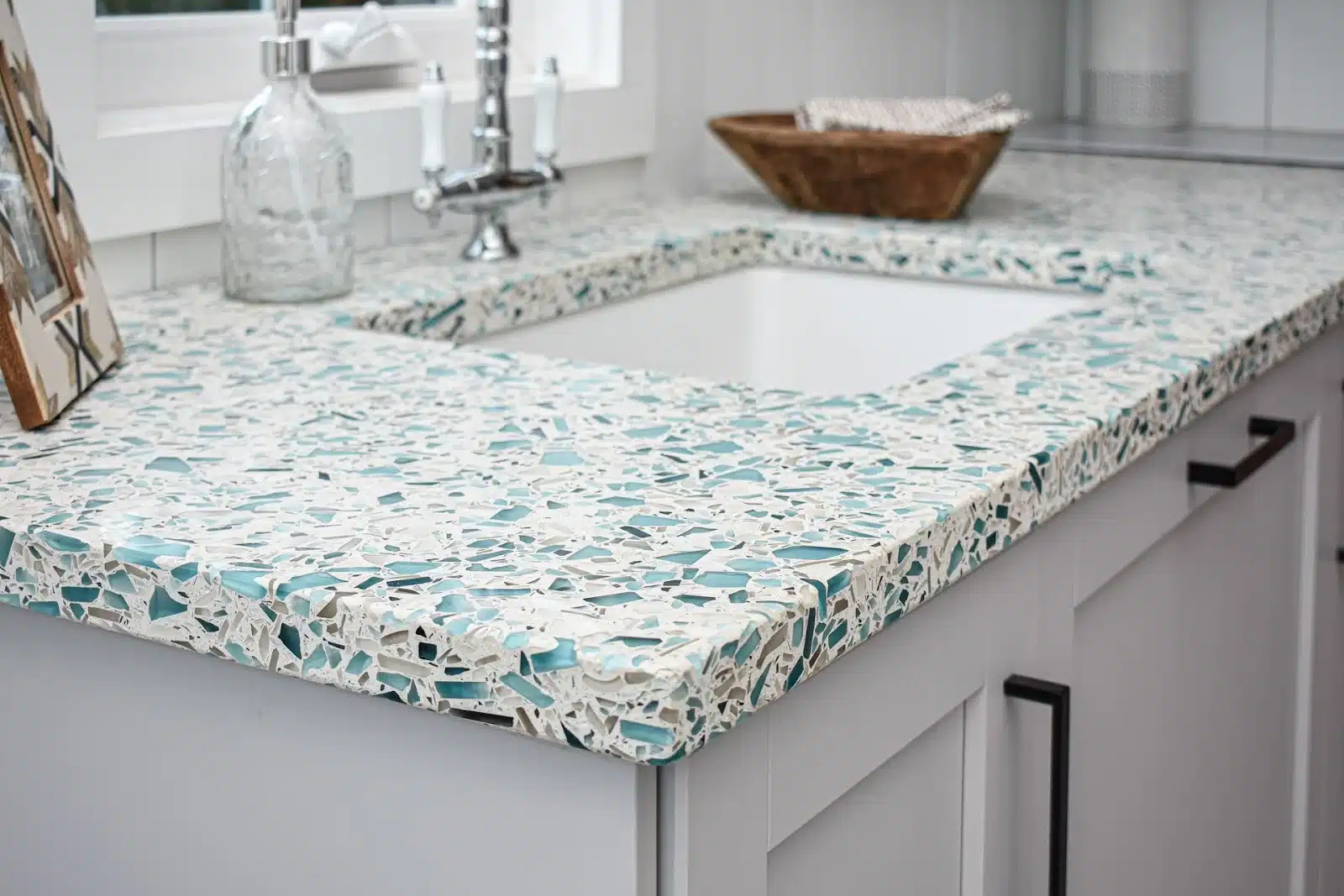
a. Recycled Glass Countertops

  • Why They’re Eco-Friendly: Made from post-consumer glass mixed with resin or concrete.
  • Benefits: Durable, heat-resistant, and available in vibrant designs.
  • Cost: $50–$100 per square foot.

b. FSC-Certified Wood Cabinets

  • Why They’re Eco-Friendly: Certified by the Forest Stewardship Council (FSC) to ensure sustainable sourcing.
  • Benefits: High-quality wood with less environmental impact.
  • Cost: $100–$500 per linear foot.

6. Smart Home Technology

Integrating smart home devices can enhance your barndominium’s energy efficiency.

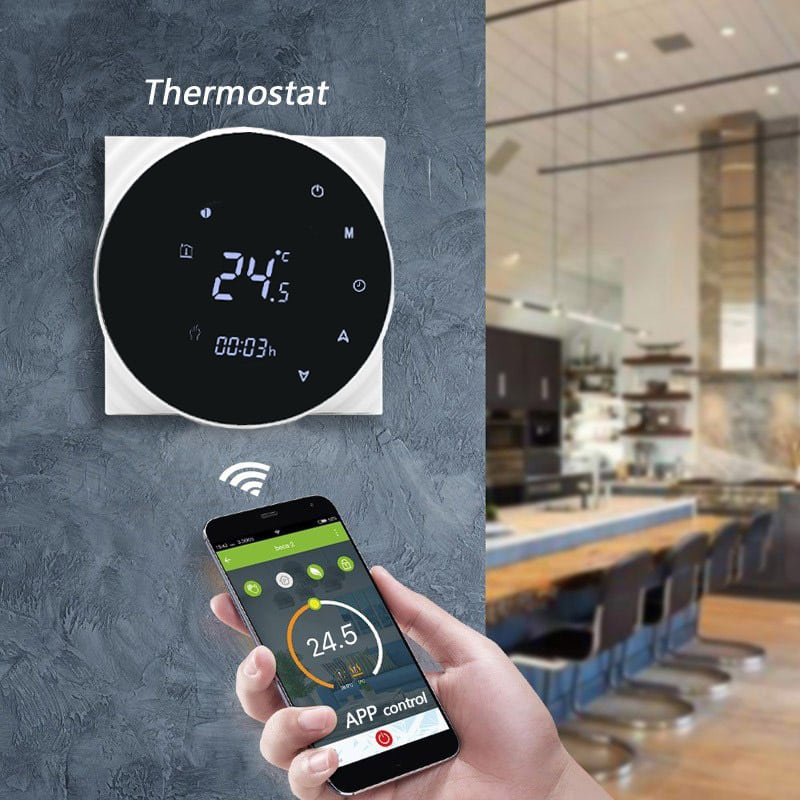
a. Smart Thermostats (e.g., Nest or Ecobee)

  • Why It’s Eco-Friendly: Optimizes heating and cooling to reduce energy use.
  • Benefits: Learn your habits to automatically adjust temperatures, saving energy and money.
  • Cost: $150–$250.

b. Smart Lighting Systems

  • Why It’s Eco-Friendly: Allows you to control lighting remotely and set schedules to minimize usage.
    Bazz Smart home Lighting

    Benefits: LED bulbs last longer and use less energy than traditional bulbs.

  • Cost: $10–$50 per bulb for smart-enabled LEDs.

7. Water Conservation Features

Conserving water is another key element of eco-friendly design.

a. Low-Flow Fixtures

  • Why They’re Eco-Friendly: Reduce water consumption without compromising performance.
  • Benefits: Available for faucets, showerheads, and toilets.
  • Cost: $50–$300 per fixture.

b. Rainwater Harvesting Systems

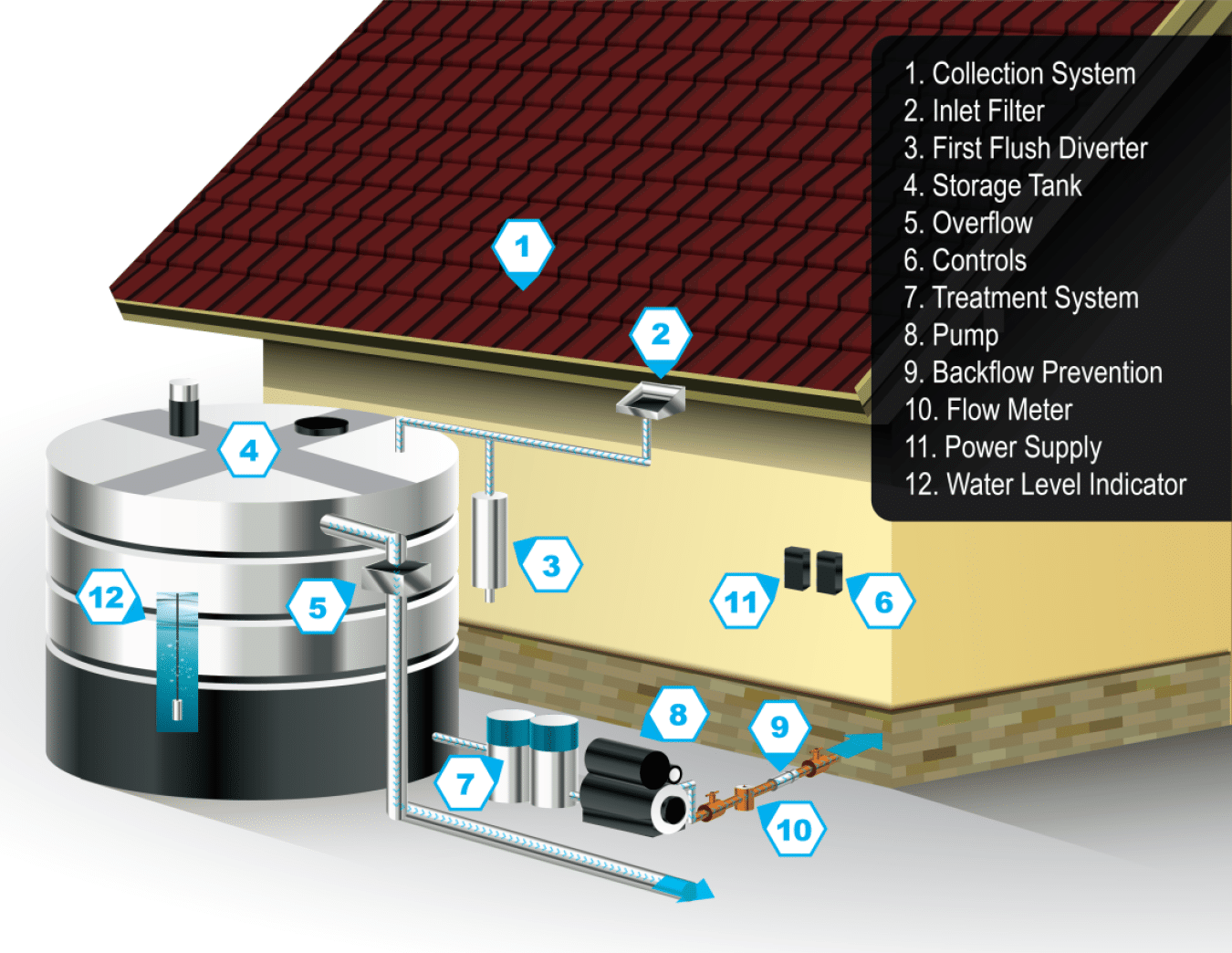
  • Why They’re Eco-Friendly: Collect and store rainwater for irrigation or household use.
  • Benefits: Reduces reliance on municipal water sources.
  • Cost: $500–$5,000, depending on the size and complexity of the system.
    Department of Energy Example of a rain Harvesting system

All-in-All

Completing your barndominium with eco-friendly finishings ensures that your home is not only stylish but also sustainable and efficient. From renewable flooring options like bamboo and cork to advanced technologies like solar panels and Tesla Powerwalls, there are countless ways to minimize your environmental impact while maximizing comfort and savings.

By incorporating these features, you can create a barndominium that aligns with modern eco-conscious living principles, reduces your utility costs, and contributes to a healthier planet. Whether you prioritize energy efficiency, water conservation, or sustainable materials, these finishings make it easy to build the green home of your dreams.

Are Barndominiums Eco-Friendly?

black barndominium shophouse with wraparound porch

Are Barndominiums Eco-Friendly?

Barndominiums have become increasingly popular for their affordability, versatility, and unique style. But are they eco-friendly? The answer is a resounding yes, especially when constructed using pre-engineered steel frame kits. These kits not only simplify construction but also minimize environmental impact, making steel frame barndominiums a solid eco-friendly housing option. Let’s dive into the eco aspects of barndominiums, focusing on their sustainability, recyclability, durability, and efficiency.


1. Extremely Low Waste in Construction

Steel frame barndominiums built from pre-engineered kits are known for their minimal construction waste, a significant advantage over traditional building methods.

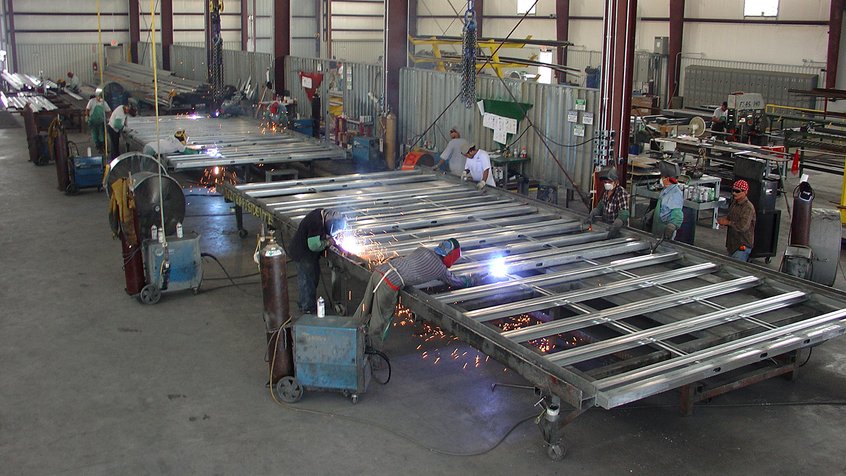
  • Factory Precision: Steel components are manufactured with precision in controlled environments, reducing errors and the need for on-site modifications.
  • Pre-Cut Materials: Unlike wood framing, which often involves cutting materials to size on-site, steel kits are pre-measured and pre-cut, eliminating excess waste.
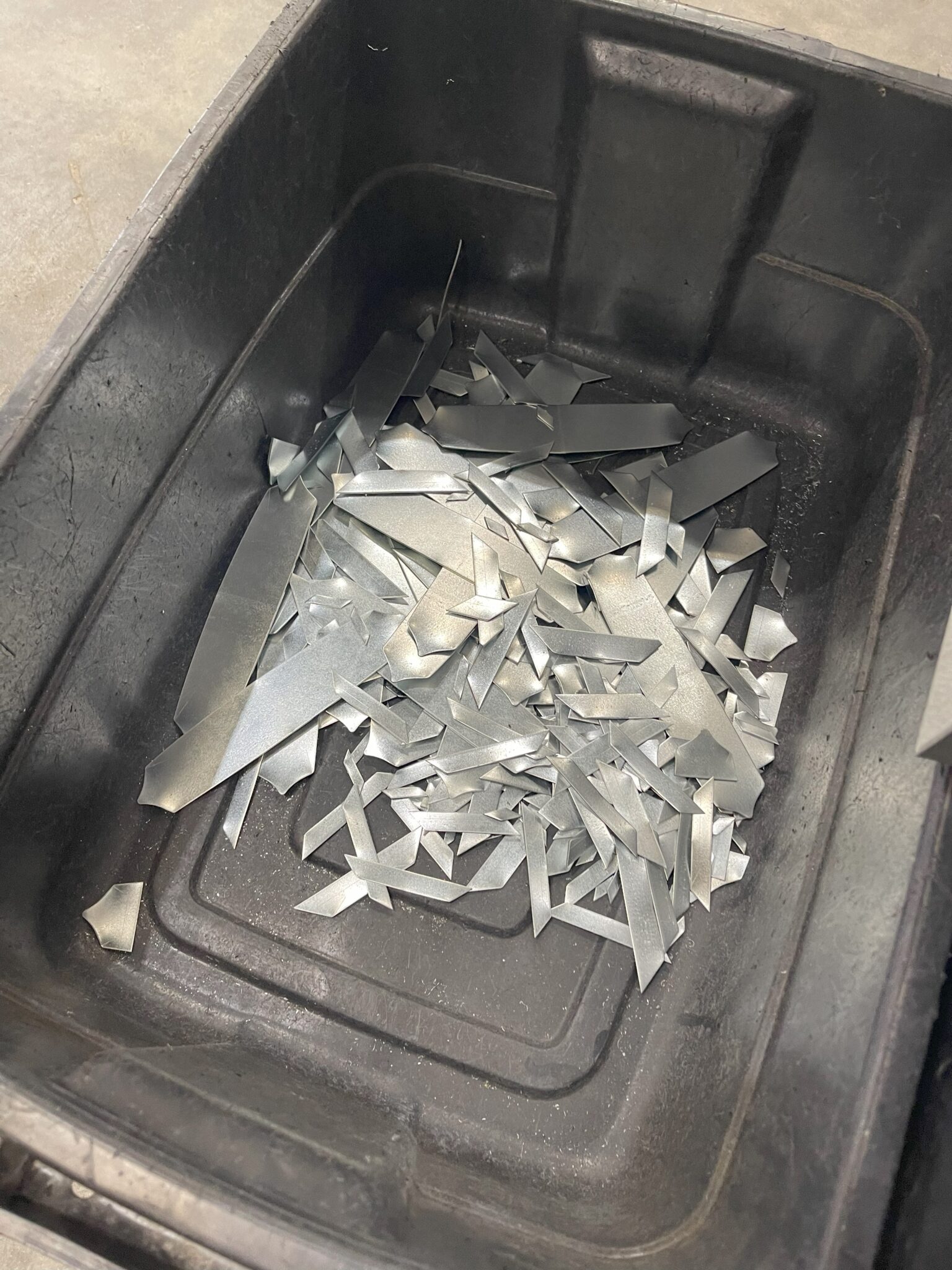
  • Recyclable Offcuts: Any leftover steel from the construction process can be recycled, unlike wood scraps that often end up in landfills.

This waste reduction not only minimizes the environmental footprint but also lowers overall construction costs, making steel frame barndominiums an efficient and sustainable choice.


2. Recyclability of Steel

Steel is one of the most recyclable materials available, making it an eco-friendly cornerstone of barndominium construction.

there is a Minimal amount of waste when you pre-engineer the metal
  • Infinite Recycling Potential: Steel can be recycled repeatedly without losing its strength or quality.
  • Recycled Content: Many steel frame kits are made from recycled steel, further reducing the need for new raw materials.
  • End-of-Life Recyclability: If the structure is ever decommissioned, nearly 100% of the steel can be repurposed.

This inherent recyclability means steel frame barndominiums contribute to a circular economy, reducing reliance on finite natural resources.


3. Longevity Reduces Environmental Impact

One of the greatest eco-friendly benefits of steel frame barndominiums is their incredible lifespan.

  • Durable Materials: Steel resists common issues like warping, rotting, and cracking, ensuring the structure remains intact for decades.
  • Resistance to Weather: Steel can withstand extreme weather conditions, including high winds, heavy snow, and even earthquakes, reducing the need for repairs or replacements.
  • Fire Resistance: Unlike wood, steel doesn’t burn, offering an extra layer of safety and durability.
  • Pest Resistance: Steel is impervious to termites and other pests, eliminating the need for harmful pesticides or fumigation treatments.

Because steel frame barndominiums last longer and require fewer repairs, they reduce the environmental impact associated with frequent renovations and material replacements.


4. Energy Efficiency of Steel Frame Barndominiums

Steel frame barndominiums can be highly energy-efficient when paired with the right insulation and building techniques.

white barndominium on the lake

  • Tight Building Envelope: Pre-engineered steel kits are designed for precision, allowing for an airtight structure that minimizes energy loss.
  • Compatibility with Insulation: Steel frames work well with advanced insulation options, such as spray foam or rigid foam boards, ensuring excellent thermal performance.
  • Renewable Energy Integration: Steel frame barndominiums are ideal for solar panel installations, allowing homeowners to harness renewable energy and reduce reliance on fossil fuels.

The energy efficiency of these structures not only lowers utility bills but also contributes to a smaller carbon footprint.


5. Sustainability in Materials and Construction

Steel is a sustainable material in terms of both production and usage.

  • Efficient Manufacturing: Modern steel production methods focus on reducing emissions and water usage.
  • Minimal Deforestation: Steel frames eliminate the need for wood framing, reducing the demand for timber and helping preserve forests.
  • Prefab Advantages: Pre-engineered kits streamline construction, reducing the time and energy needed to build a home.

These factors make steel frame barndominiums a greener alternative to traditional wood-frame construction.


6. Low Maintenance for Long-Term Eco-Friendliness

Steel frame barndominiums require very little maintenance over their lifespan, which further enhances their eco-friendly appeal.

  • No Painting or Staining: Unlike wood, steel doesn’t require regular painting or staining to maintain its appearance and integrity.
  • Rust-Resistant Coatings: Modern steel frames are treated with rust-resistant coatings, ensuring longevity with minimal upkeep.
  • Fewer Repairs: The strength and durability of steel reduce the likelihood of major repairs, saving materials and energy over time.

The low maintenance needs of steel frame barndominiums translate to fewer resources consumed throughout the home’s life cycle.


7. Adapting to Sustainable Living Trends

Barndominiums lend themselves well to eco-conscious living with features like:

black barndominium with wooden doors

  • Open Floor Plans: Maximize natural light and ventilation, reducing the need for artificial lighting and cooling.
  • Rainwater Harvesting: Steel roofs are ideal for collecting rainwater for irrigation or household use.
  • Passive Solar Design: The flexibility of steel frame construction allows for south-facing windows and other energy-saving design elements.

These features make barndominiums an excellent choice for homeowners who want to live sustainably.


Steel Frame Barndominiums: A True Eco-Friendly Choice

Steel frame barndominiums, especially those built using pre-engineered kits, offer numerous eco-friendly benefits:

  • Minimal Waste: Precise manufacturing reduces construction waste.
  • Recyclability: Steel is infinitely recyclable, contributing to a sustainable building cycle.
  • Durability: Long-lasting materials reduce the environmental impact of repairs and replacements.
  • Energy Efficiency: Tight building envelopes and renewable energy compatibility lower energy consumption.
  • Low Maintenance: Steel’s resilience requires fewer resources for upkeep over time.

By combining efficiency, sustainability, and durability, steel frame barndominiums are an eco-friendly housing option that meets the needs of modern, environmentally conscious homeowners. Whether you’re seeking to reduce your carbon footprint or simply want a home built to last, a steel frame barndominium is a smart, green choice for the future.

What is the Cheapest Barndominium to Build?

What Is the Cheapest Barndominium to Build?

If you are asking what the cheapest barndominium to build is, the most honest answer is this: the cheapest barndominium is usually a small, simple, stock-plan build with a straightforward footprint and practical finishes.

That is the real answer.

Not the flashiest design. Not the biggest shop house. Not the plan with the most dramatic porch or the most custom glass. The cheapest barndominium to build is usually the one that keeps the layout compact, the roofline simple, the structure efficient, and the finish package realistic.

That said, the construction method still matters. BuildMax’s current article makes a strong case that steel frame kits can be one of the most cost-effective ways to build, especially when you factor in faster assembly, lower maintenance, durability, and long-term value. BuildMax also gives rough shell and finished estimates for 1,500 and 2,500 square foot steel builds on the current page. But if a buyer is truly searching for the cheapest barndominium, the conversation has to include more than just the frame material. It has to include size, shape, layout, finish level, and how much house you are actually trying to build.

In this guide, we will break down what kind of barndominium is usually cheapest to build, why compact designs save the most money, where steel kits fit into the equation, and how to avoid the common mistakes that make a “budget build” expensive.

The Short Answer: What Kind of Barndominium Is Cheapest to Build?

The cheapest barndominium to build is usually:

  • a small barndominium
  • with a simple rectangular footprint
  • using a stock plan instead of a fully custom design
  • with a practical finish package
  • and often built with a steel frame kit or other efficient shell system

That is why compact plans deserve so much attention in budget conversations. BuildMax’s own budget article says that a realistic $100K build target often points buyers toward a small barndominium in roughly the 800 to 1,000 square foot range, depending on site conditions and finish level. BuildMax’s BM960, listed at 923 square feet, is one of the clearest examples of the kind of footprint that fits that logic.

Why Small Barndominiums Are the Cheapest to Build

Size is one of the biggest cost drivers in any build, and barndominiums are no exception.

A small barndominium is usually cheaper because it requires:

  • less concrete
  • less framing or shell material
  • less roofing
  • less siding
  • less insulation
  • less drywall and paint
  • fewer cabinets and fixtures
  • lower labor time overall

That sounds obvious, but buyers still underestimate how quickly square footage pushes a budget upward. A compact layout that uses space efficiently will almost always outperform a larger design with wasted square footage if your goal is affordability.

If you want a real-world reference point, the BM960 is one of BuildMax’s clearest compact-plan examples, and it aligns closely with the size logic in the site’s budget-focused article on what can realistically be built at lower price points.

Why Simpler Shapes Save Money

The cheapest barndominium is not just small. It is also simple.

A basic rectangular footprint with a straightforward roofline is almost always more affordable than a design with:

  • multiple bump-outs
  • complicated roof transitions
  • breezeways
  • oversized covered porches
  • large custom window packages
  • extra corners and structural twists

The reason is simple: complexity adds labor, materials, and opportunities for error.

This is one of the biggest reasons stock plans usually beat custom designs on price. The plan has already been shaped into something efficient instead of being reinvented from scratch.

Are Steel Frame Kits the Cheapest Way to Build a Barndominium?

BuildMax’s current article answers this question with a strong “yes” in the long-run sense, and there is real logic behind that position. The article says steel frame kits can be cost-effective because they are pre-engineered, faster to assemble, durable, low-maintenance, and well-suited to energy-efficient building envelopes. It also compares steel, wood, and concrete block in a simple cost and performance table.

That is useful, but here is the better, fuller answer:

Steel frame kits can be one of the cheapest barndominium build paths, especially when you factor in speed, durability, and lower long-term maintenance — but they are not automatically the cheapest option in every situation.

They tend to be strongest when:

  • you want a fast shell assembly path
  • you value lower long-term maintenance
  • you want a more predictable structural package
  • you are building a straightforward barndominium footprint
  • you want to minimize waste and simplify the build schedule

If you want to explore that path directly, BuildMax’s barndominium kits page is the best internal starting point.

What BuildMax’s Current Pricing Suggests

BuildMax’s current article gives rough pricing examples for steel frame builds, including:

  • 1,500 sq. ft. basic shell: about $30,000–$50,000+
  • 1,500 sq. ft. fully finished: about $100,000–$150,000+
  • 2,500 sq. ft. larger shell: about $50,000–$75,000+
  • 2,500 sq. ft. fully finished: about $175,000–$250,000+

Those estimates help show why the cheapest barndominium is usually the smaller one. Even on BuildMax’s own price framing, jumping from 1,500 square feet to 2,500 square feet changes the budget dramatically.

That is why buyers who are serious about affordability should not just ask, “Is steel cheaper than wood?” They should also ask, “Do I really need as much square footage as I think I do?”

What Else Makes a Barndominium Cheap to Build?

There are a few characteristics that tend to show up over and over in the cheapest builds.

1. Stock plans instead of custom plans

Starting with a proven design is usually cheaper than paying to reinvent one.

2. Modest finish levels

Basic but attractive finishes beat luxury selections every time when the goal is affordability.

3. Smaller porches and fewer decorative extras

Covered outdoor space is great, but big porches and complicated trim packages add cost quickly.

4. Limited glass and simpler window layouts

Oversized or highly customized windows can push costs up fast.

5. No unnecessary shop or garage overbuild

If you do not need a massive shop, do not pay to build one just because it looks good on paper.

The cheapest path is usually not the one with the fewest features. It is the one with the right features and no wasted money.

Can a Cheap Barndominium Still Be a Good Home?

Absolutely.

This is where many buyers get stuck psychologically. They hear “cheapest” and imagine something cramped, poorly finished, or temporary. But a cheap barndominium can still be:

  • well-designed
  • comfortable
  • energy-efficient
  • durable
  • easy to maintain
  • a smart long-term home

That is exactly why small, efficient designs like the BM960 matter so much in this conversation. The goal is not to build the flimsiest or emptiest home possible. The goal is to build the most practical home for the lowest realistic cost.

What Usually Makes a “Budget” Barndominium Expensive?

Here is where many cheap-build dreams go sideways.

1. Oversized square footage

The fastest way to ruin a budget build is to build too much house.

2. Complicated designs

Roof changes, bump-outs, breezeways, and custom detailing drive up labor and material costs.

3. Upgraded finishes everywhere

One or two upgrades are manageable. Upgrading everything is where the number explodes.

4. Site work surprises

Raw land, grading, drainage issues, septic, and utility runs can eat into the budget before the structure even begins.

5. Confusing shell cost with total cost

A shell quote may sound affordable, but it is not the same thing as a finished-home budget.

If you are budgeting hard, BuildMax’s article on what size barndominium you can build with a $100K budget is one of the strongest internal resources to pair with this topic.

What Is the Cheapest Barndominium to Build at BuildMax?

If you are looking for the clearest BuildMax-based answer, the strongest candidate is usually a small stock plan like the BM960.

Why?

  • it keeps the footprint compact
  • it stays in the size range that fits low-budget logic
  • it avoids wasted square footage
  • it gives buyers a realistic way to build smaller without abandoning style and function

That does not mean every buyer should build the BM960. It means the cheapest barndominium is usually something like the BM960: compact, efficient, and intentionally simple.

So, What Is the Cheapest Barndominium to Build?

Here is the clearest answer:

The cheapest barndominium to build is usually a small, simple stock-plan barndominium with a straightforward footprint, practical finishes, and an efficient shell system — often a steel frame kit.

BuildMax’s current article is right to emphasize the long-term value of steel frame kits. But the full answer is bigger than material type alone. If you want the absolute cheapest barndominium, you should focus first on:

  • keeping the size small
  • choosing a stock plan
  • keeping the design simple
  • avoiding luxury finishes
  • matching the plan to your real budget

The wrong question is “What sounds cheapest?”

The right question is “What kind of barndominium gives me the most house for the least wasted money?”

Final Thoughts

If your goal is affordability, think smaller, simpler, and more efficient. Do not start with a giant dream build and then try to cut it down after the numbers stop working.

Start with the cheapest logic from the beginning.

That usually means a compact stock plan, a clean footprint, and a build path that minimizes waste and labor complexity. If steel kits fit your market and goals, they can be a very strong option. But the biggest savings usually come from the shape and scale of the home, not just the material category.


Related BuildMax Resources

How Many Square Feet is a Typical 3-Bed, 2-Bath Barndominium?

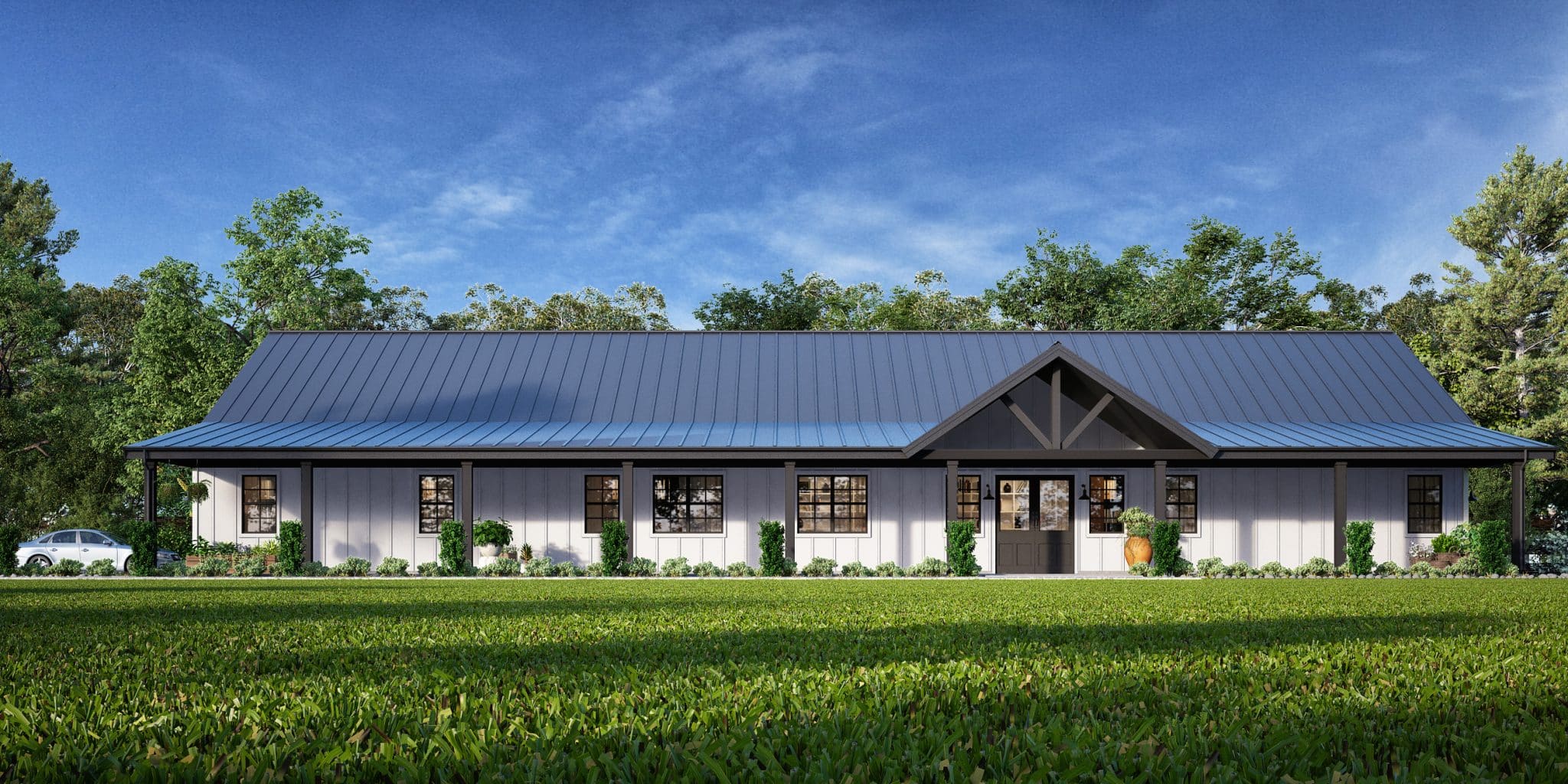
white farmhouse

How Many Square Feet Is a Typical 3-Bed, 2-Bath Barndominium?

If you are asking how many square feet a typical 3-bed, 2-bath barndominium is, the short answer is: most fall somewhere around 1,500 to 2,000 square feet.

That is the clean answer.

But it is not the whole answer.

A 3-bedroom, 2-bath barndominium can be compact and efficient at the lower end of that range, or it can feel much more spacious once you move toward 1,800 square feet and beyond. The real difference comes down to how the layout is designed, whether the plan includes a garage or shop, how open the main living area is, and how much of the footprint is dedicated to storage, utility space, or porches.

In this guide, we will break down the typical size of a 3-bedroom, 2-bath barndominium, what makes some layouts feel bigger than others, and which BuildMax plan categories are the best place to start if that is the type of home you want to build.

The Short Answer: Typical Square Footage for a 3-Bed, 2-Bath Barndominium

A typical 3-bed, 2-bath barndominium usually falls between 1,500 and 2,000 square feet. That is also the range currently used on BuildMax’s live article for this topic.

That range works because it gives enough room for:

  • three functional bedrooms
  • two bathrooms
  • an open kitchen and living area
  • a practical primary suite
  • laundry or utility space
  • basic storage without making the house oversized

If you stay much smaller than 1,500 square feet, the layout usually has to become more aggressive about efficiency. If you move well past 2,000 square feet, the house often starts shifting from “standard family layout” into a more spacious or feature-heavy version of the same bedroom count. :contentReference[oaicite:1]{index=1}

What a 1,500 Sq Ft 3-Bed, 2-Bath Barndominium Feels Like

A 1,500 sq ft 3-bed, 2-bath barndominium is usually the compact end of the typical range.

This size can work very well for:

  • small families
  • couples who want guest rooms or office space
  • buyers who want affordability and efficiency
  • people who prefer less wasted square footage

At this size, the plan usually depends on:

  • an open-concept living and kitchen area
  • modest secondary bedrooms
  • limited hallway space
  • a practical, not oversized, primary suite
  • careful storage planning

The upside is efficiency. The tradeoff is that every room has to earn its space.

What a 1,800 Sq Ft 3-Bed, 2-Bath Barndominium Feels Like

This is often the sweet spot.

Around 1,800 square feet, a 3-bed, 2-bath barndominium usually starts to feel more comfortable for everyday living without becoming oversized.

At this size, buyers can often get:

  • more comfortable secondary bedrooms
  • a larger living room
  • better kitchen flow
  • more pantry or laundry room flexibility
  • a more usable primary bath and closet setup

This is one reason 3-bed, 2-bath plans around this range are so popular. They tend to balance cost and livability better than both smaller and larger versions.

What a 2,000+ Sq Ft 3-Bed, 2-Bath Barndominium Feels Like

Once a 3-bedroom, 2-bath barndominium moves above 2,000 square feet, it usually starts feeling more spacious than strictly necessary for the bedroom count.

That extra space often goes into:

  • a larger primary suite
  • a more dramatic great room
  • expanded storage
  • a dedicated dining area
  • bonus flex space
  • larger utility or mudroom areas

That can be a great thing if the goal is comfort and flexibility. It just means the plan is no longer really “typical” in the lean, efficient sense.

What Changes the Square Footage the Most?

Not every 3-bed, 2-bath barndominium lands at the same size, because the bedroom count is only part of the story.

The biggest square-foot drivers are:

1. Open-concept vs segmented layout

Open layouts usually use square footage more efficiently and can make the same footprint feel larger.

2. Primary suite size

A modest primary suite and bath will keep the house leaner. A larger suite with a big bath and walk-in closet pushes the size up quickly.

3. Garage or shop integration

If the plan includes a garage or attached utility area, the total footprint may be much larger than the conditioned living area alone.

4. Storage and utility spaces

Mudrooms, pantries, laundry rooms, and extra closets make a home function better, but they also change the total square footage.

5. Porch emphasis

Large covered porches add huge lifestyle value, but they also change how the total design is experienced and priced.

Does a Garage Change the “Typical” Size?

Yes — sometimes dramatically.

A lot of buyers searching this topic are not just asking about indoor living space. They are really imagining a 3-bed, 2-bath barndominium with a garage or shop attached.

A 3-bedroom, 2-bath plan with garage integration may still have a perfectly standard living area, but the total under-roof size can be much larger.

This is also why some buyers get confused comparing square footage online. One listing may be quoting only living area, while another includes garage, porch, or total footprint.

How Big Should a 3-Bed, 2-Bath Barndominium Be for a Family?

For many families, the strongest range is often around 1,600 to 1,900 square feet of living space.

That is usually enough room for:

  • parents plus children
  • a comfortable main living area
  • a realistic kitchen and dining setup
  • functional circulation without feeling cramped
  • a floor plan that still feels efficient to build and maintain

Families who want more flex space, a larger primary suite, or room for entertaining may lean toward the upper end of the typical range or above it.

How Big Is Too Big for a 3-Bed, 2-Bath Barndominium?

There is no universal “too big,” but once you move far beyond 2,000 square feet without adding bedrooms or major special-use spaces, you are no longer really talking about a standard 3-bed, 2-bath layout.

You are talking about a more customized lifestyle build.

That can be the right choice. It just should be called what it is.

Should You Start With a Stock Plan?

For most buyers, yes.

A stock plan makes more sense than trying to invent the perfect 3-bed, 2-bath layout from scratch, especially if you are still figuring out what size actually fits your budget and lifestyle.

Start with a proven plan, then modify only what matters.

How Does This Compare to a 40×60 Barndominium?

A 40×60 barndominium gives you 2,400 square feet under roof, which is why it shows up so often in buyer research. Depending on how that footprint is divided, it can easily support a 3-bedroom, 2-bath layout with room to spare, especially if some of the footprint is allocated to garage, porch, or utility space.

If that size is on your radar, also read:

So, How Many Square Feet Is a Typical 3-Bed, 2-Bath Barndominium?

A typical 3-bedroom, 2-bath barndominium is usually around 1,500 to 2,000 square feet, with around 1,800 square feet often landing in the sweet spot for comfort, efficiency, and everyday family living.

The right size for you depends on:

  • how open you want the layout
  • how large the primary suite should be
  • whether you need a garage or shop
  • how much storage and utility space you want
  • whether you are building for efficiency or extra comfort

Related BuildMax Resources

family size barndominium floor plan reference

How Much to Build A Steel Frame Barndominium in Arizona?

black barndominium with wraparound porch set in dusk

How Much Can I Expect to Spend Building a Steel Frame Barndominium in Arizona?

Arizona is an increasingly popular state for barndominiums, thanks to its wide-open spaces, diverse landscapes, and favorable climate. Steel frame barndominiums, in particular, offer durability, energy efficiency, and flexibility, making them an attractive option for homeowners. But how much can you expect to spend building one in Arizona? The answer depends on several factors, including location, size, finishes, and other variables. Let’s break it down.

white barndominium with wraparound porch


Estimated Cost of Building a Steel Frame Barndominium in Arizona

1. Shell Construction

The steel frame shell includes the structure, roof, and exterior walls. This is the foundation of your barndominium and accounts for a significant portion of the overall cost.

  • Cost Range: $60–$100 per square foot
  • For a 2,000 sq. ft. barndominium: $120,000–$200,000

The price can vary greatly depending on the quality of materials, design complexity, and contractor fees. Many factors come into play when figuring a rough price. 


2. Interior Finishes

The interior finish costs depend on the level of customization and the quality of materials you choose. Standard finishes are more affordable, while high-end finishes like granite countertops, custom cabinetry, and luxury flooring can substantially increase costs.

  • Basic Finishes: $50–$80 per square foot
  • High-End Finishes: $100–$200 per square foot
  • For a 2,000 sq. ft. barndominium:
    • Basic: $100,000–$160,000
    • High-End: $200,000–$400,000

3. Land and Site Preparation

If you haven’t purchased land yet, that will be an additional cost. Arizona land prices vary widely depending on location, with rural areas being more affordable than urban or suburban lots.

  • Land Costs: $1,000–$20,000+ per acre
  • Site Preparation: $5,000–$30,000 (grading, clearing, and installing driveways).

4. Utilities and Infrastructure

Connecting utilities like water, electricity, and septic systems can be a significant expense, particularly in remote areas.

  • Utility Hookups: $10,000–$30,000
  • Solar Panels (Optional): $15,000–$30,000

Solar power can be a cost-effective option in Arizona’s sunny climate and may reduce long-term utility costs.


5. Permits and Fees

Permits and inspection fees are necessary for any construction project. In Arizona, these costs depend on your location and the size of your barndominium.

  • Permit Costs: $2,000–$5,000

6. Additional Features

Features like outdoor living spaces, workshops, or garages can add to your total cost.

  • Attached Garage: $30,000–$50,000
  • Covered Patio or Porch: $10,000–$20,000
  • Workshop: $20,000–$40,000

Estimated Total Costs

Taking all these factors into account, the total cost of building a steel frame barndominium in Arizona typically falls between:

  • Basic Build (2,000 sq. ft.): $250,000–$400,000
  • High-End Build (2,000 sq. ft.): $400,000–$650,000+

For larger barndominiums or more custom features, costs will increase accordingly.


Factors That Influence the Cost of Building a Barndominium in Arizona

1. Location

  • Urban Areas: Proximity to cities like Phoenix or Tucson may increase costs due to higher land prices and labor rates.
  • www.paulmassiephotography.com
  • Rural Areas: Remote locations may lower land costs but increase transportation and utility hookup expenses.

2. Size

  • Larger barndominiums cost more overall but often have a lower cost per square foot due to economies of scale.

3. Quality of Materials and Finishes

  • High-end materials, such as hardwood floors, quartz countertops, and custom windows, will raise your costs significantly.
  • Energy-efficient materials like spray foam insulation or solar panels add upfront costs but can save money over time.

4. Customization


Is Building a Steel Frame Barndominium in Arizona a Good Investment?

Arizona is a great state for steel frame barndominiums due to its dry climate and wide range of land options. Steel construction offers several benefits that make it ideal for Arizona:

small white barndominium ADU

  • Durability: Steel frames are resistant to termites, fire, and extreme weather, making them a reliable choice for Arizona’s arid environment.
  • Energy Efficiency: Paired with proper insulation, steel barndominiums can stay cool in Arizona’s hot summers. Adding solar panels further enhances efficiency.
  • Customizability: Open floor plans and versatile designs make it easy to adapt the space to your needs.

Barndominiums are also increasingly popular, which can help boost resale value in the future.


Tips for Building a Steel Frame Barndominium in Arizona

  1. Choose the Right Builder: Work with a contractor experienced in steel frame construction to ensure quality and compliance with Arizona’s building codes.
  2. Plan for Solar Power: Take advantage of Arizona’s abundant sunshine by incorporating solar panels to offset energy costs.
  3. Budget for Utilities: In remote areas, plan for higher utility hookup costs. Consider alternative options like rainwater collection or off-grid solutions.
  4. Work with Your Land: Opt for designs that complement your property’s natural features to reduce site preparation costs.

Building a steel frame barndominium in Arizona is a flexible and durable option for homeowners seeking a modern, energy-efficient living space. Costs typically range from $250,000 to $650,000, depending on the size, location, and finishes you choose.

black barndominium with wooden doors

With Arizona’s favorable climate and growing demand for alternative housing options, a steel frame barndominium can be a smart investment that fits both your lifestyle and budget. Take time to plan, budget, and work with experienced professionals to bring your dream barndominium to life.

How Much Can I Expect to Spend on a Nice Barndominium in Tennessee?

white barndominium with cupolas by a lake

How Much Can I Expect to Spend on a Nice Barndominium in Tennessee?


If you are asking how much you can expect to spend on a nice barndominium in Tennessee, the honest answer is this: it depends on whether you are pricing a basic shell, a package, or a fully finished move-in-ready home.

That is where most Tennessee barndominium articles get weak.

They throw out a giant range, list a few vague cost factors, and leave you with almost no idea what the number actually means. A better answer is to break the project into real cost stages and explain what pushes the price up or down in Tennessee specifically.

Tennessee has become a popular state for barndominiums because it offers scenic land, strong rural and semi-rural building opportunities, and a growing market for homes that combine open living, garage space, shop space, and practical long-term durability. But that does not make every build cheap. The final price still depends on size, finish level, land prep, utilities, and how customized the project becomes.

In this guide, we will break down what it really costs to build a nice barndominium in Tennessee, what affects the number the most, and how to choose the right path through floor plans, kits, and full-build budgeting.

The Short Answer: What Does a Nice Barndominium Cost in Tennessee?

A realistic budget for a nice 2,500-square-foot barndominium in Tennessee can land anywhere from about $200,000 to $500,000 or more, depending on the structure, finish level, utilities, and site conditions.

That is the broad full-project answer.

But the smarter way to look at it is to separate the project into stages.

  • Basic shell construction: around $50 to $80 per square foot
  • Finished interior work: around $70 to $150 per square foot
  • Additional costs: land prep, permits, utilities, and other site-specific expenses

If you do not separate those stages, the price range stays too broad to help you plan intelligently.

Why Tennessee Is a Strong State for Barndominiums

Tennessee makes sense for barndominiums for a few practical reasons.

  • There is plenty of rural and semi-rural land where barndo footprints fit naturally.
  • Many buyers want homes with open layouts, porches, shops, or garages.
  • The state supports a mix of country living, mountain properties, farm builds, and custom rural homes.
  • Barndominiums feel more natural in Tennessee than they do in highly restricted suburban markets.

That does not mean every county is effortless or every lot is easy to build on. It means Tennessee is generally a better fit for barndominiums than states where the design itself runs into more immediate friction.

What Actually Drives the Cost of a Barndominium in Tennessee?

The biggest cost drivers in Tennessee are simple, but they matter more than buyers usually expect.

1. Size of the home

Square footage still drives the budget more than anything else. A compact, efficient barndominium is much easier on the budget than a larger design with extra porches, more bedrooms, or an oversized garage or shop footprint.

2. Shell versus finished home

This is one of the biggest distinctions in the entire process.

A shell price covers the structural side of the project. A finished-home price includes the work required to make the building livable, including insulation, mechanical systems, cabinetry, flooring, and interior finishes.

3. Land preparation

Site work matters. Grading, clearing, driveway installation, and getting the lot build-ready can add a meaningful amount to the project cost before the structure even begins.

4. Permits and fees

Permits vary by county and local jurisdiction. That means the location inside Tennessee matters, not just the state itself.

5. Utilities hookup

Septic, water, and electricity can become major budget items, especially if the lot is more rural or utilities are not already nearby.

6. Interior finish level

The nicer the kitchen, bathrooms, cabinetry, flooring, windows, and fixtures, the more the number rises. A practical finish package and a luxury finish package are not remotely the same budget conversation.

What Does the Basic Shell Cost in Tennessee?

For a 2,500-square-foot Tennessee barndominium, the basic shell can often land around $50 to $80 per square foot. That puts the shell in a rough range of about $125,000 to $200,000.

This typically reflects the main structural package and exterior shell of the home. It is an important benchmark, but it is not the same thing as a finished-home price.

If you are looking at the build from the structure-first side, the best next steps are:

What Does the Finished Interior Cost in Tennessee?

Once you move from the shell to the finished home, the price changes significantly.

For a 2,500-square-foot barndominium, finished interior costs can run roughly $70 to $150 per square foot, which puts the interior-finish side of the project around $175,000 to $375,000 depending on the quality of materials and features you choose.

This is where the real separation happens between:

  • a budget-friendly, practical build
  • a nicer mid-range family home
  • a more customized, higher-end barndominium

What Additional Costs Should You Expect in Tennessee?

Even when the shell and interior are priced, buyers still need to account for the site-specific costs that can quietly change the entire project budget.

Important extra costs often include:

  • Land preparation: clearing, grading, and driveway work
  • Permits and local fees: county-by-county variation
  • Utilities hookup: septic, water, and electric service

This is one reason a “nice” Tennessee barndominium can move from one part of the range to another much faster than buyers expect.

What Makes Tennessee Costs Move Higher?

If buyers want a more accurate budget, they need to know what usually pushes the cost upward.

Location

Urban and suburban areas near Nashville, Knoxville, or Chattanooga can have higher labor and material costs than more rural counties.

Customization

Standard floor plans are almost always easier on the budget than heavily customized layouts. Special features like vaulted ceilings, smart-home upgrades, larger glass packages, or unusual design elements raise the number fast.

Luxury finishes

Custom cabinetry, premium countertops, upgraded tile, high-end appliances, and specialty flooring all drive cost upward.

Complex site conditions

Slope, drainage, access, and utility complexity can all quietly expand the budget.

What Kind of Barndominium Can You Build in Tennessee?

Tennessee buyers are not all looking for the same kind of home, which is why this page should not stay vague.

Some buyers want a rustic family home with porches and mountain views. Others want a more modern barndo with garage space. Others want a custom rural house that functions like a barndominium but reads more like a traditional custom home from the road.

That is why your best next-step pages are:

What Usually Blows the Budget in Tennessee?

If you want the page to actually help buyers, this section matters a lot.

Oversized square footage

The fastest way to wreck the budget is still to build more house than you really need.

Finish upgrades everywhere

A few upgrades are normal. Upgrading every room and every surface is how a manageable project becomes bloated.

Site work surprises

Driveway access, grading, drainage, utilities, and rural infrastructure issues can all hit the budget hard.

Confusing shell pricing with finished-home pricing

This is still one of the biggest mistakes in the category.

modern Tennessee style barndominium with garage and dark exterior

Should You Start With a Kit or a Floor Plan?

For most buyers, the smartest order looks like this:

  1. Choose the right floor plan
  2. Decide whether a package or kit path makes sense
  3. Then get builder and turnkey pricing

The floor plan defines the project. The package helps define the structure. The builder or GC helps define the true finished cost.

That is why your Tennessee plan and kits pages should work together instead of acting like separate conversations.

How to Keep a Tennessee Barndominium Affordable

If you want better control over the budget, the advice is simple:

  • start with a strong stock plan
  • keep the design simple
  • be careful with upgrades
  • price utilities and site work early
  • understand what is included in the shell versus the finished home

The more clearly the project is defined, the easier it becomes to price realistically.

So, How Much Can I Expect to Spend on a Nice Barndominium in Tennessee?

Here is the cleanest answer:

For a nice 2,500-square-foot barndominium in Tennessee, you can reasonably expect a total project cost of around $200,000 to $500,000 or more, depending on the shell, finish level, utilities, land prep, and how customized the design becomes.

The shell and the finished-home budget are not the same thing. That is the most important takeaway on the entire page.

The wrong way to use these numbers is to mash them together and hope they all mean the same thing.

The right way is to price the project in stages: structure first, then finishes, then site and utility costs.

Final Thoughts

Tennessee is one of the stronger states for barndominium projects because the land, lifestyle, and building culture support the concept well. But the final price still depends on scope, finish level, utilities, and how honestly you separate the shell side of the project from the fully finished-home side.

If you start with the right floor plan, understand what the package does and does not include, and budget the project in real stages, you will make far better decisions from the beginning.


Related BuildMax Resources