


Home Blog Page 14

How Much Does It Cost to Build a Barndominium in Ohio?

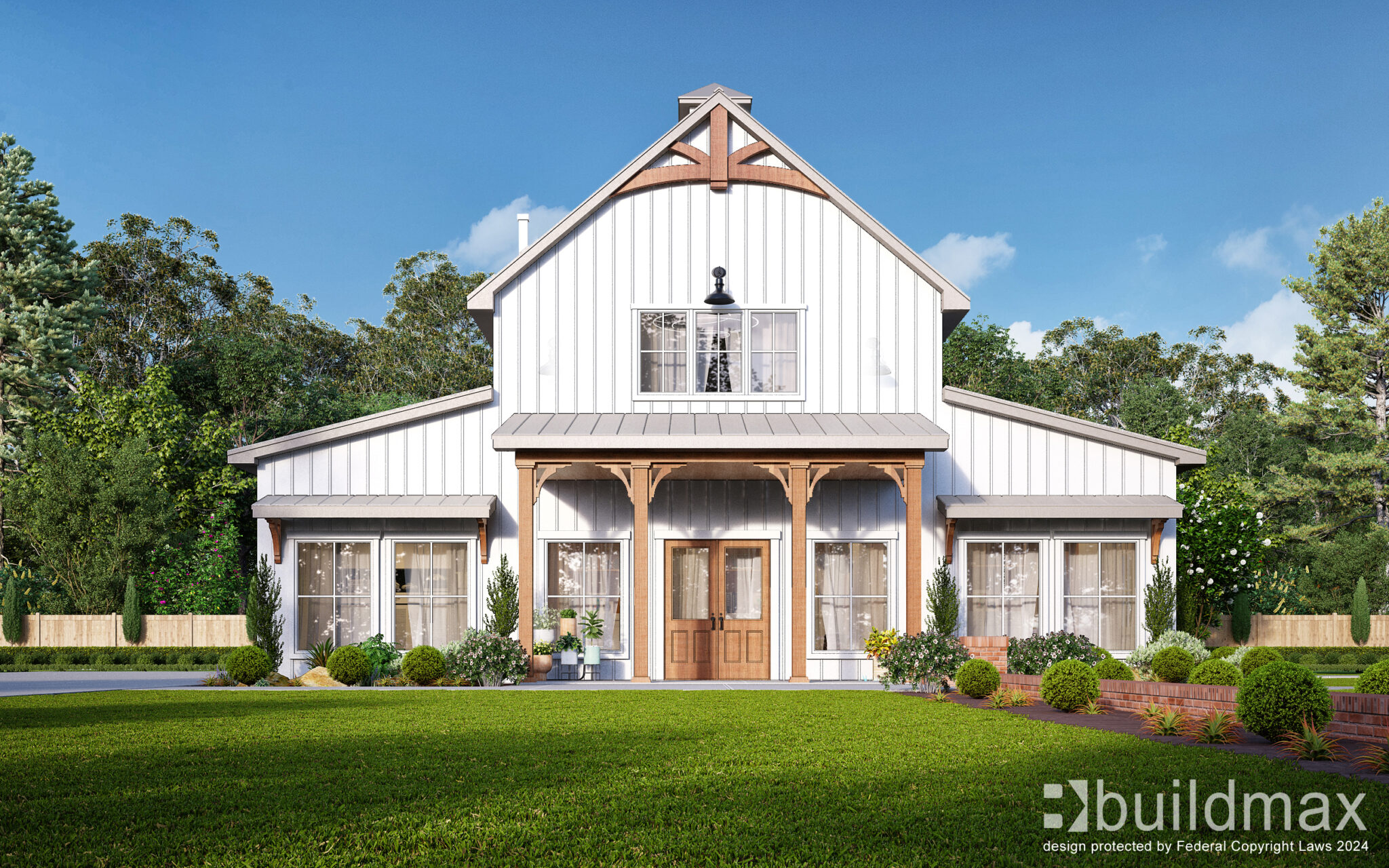
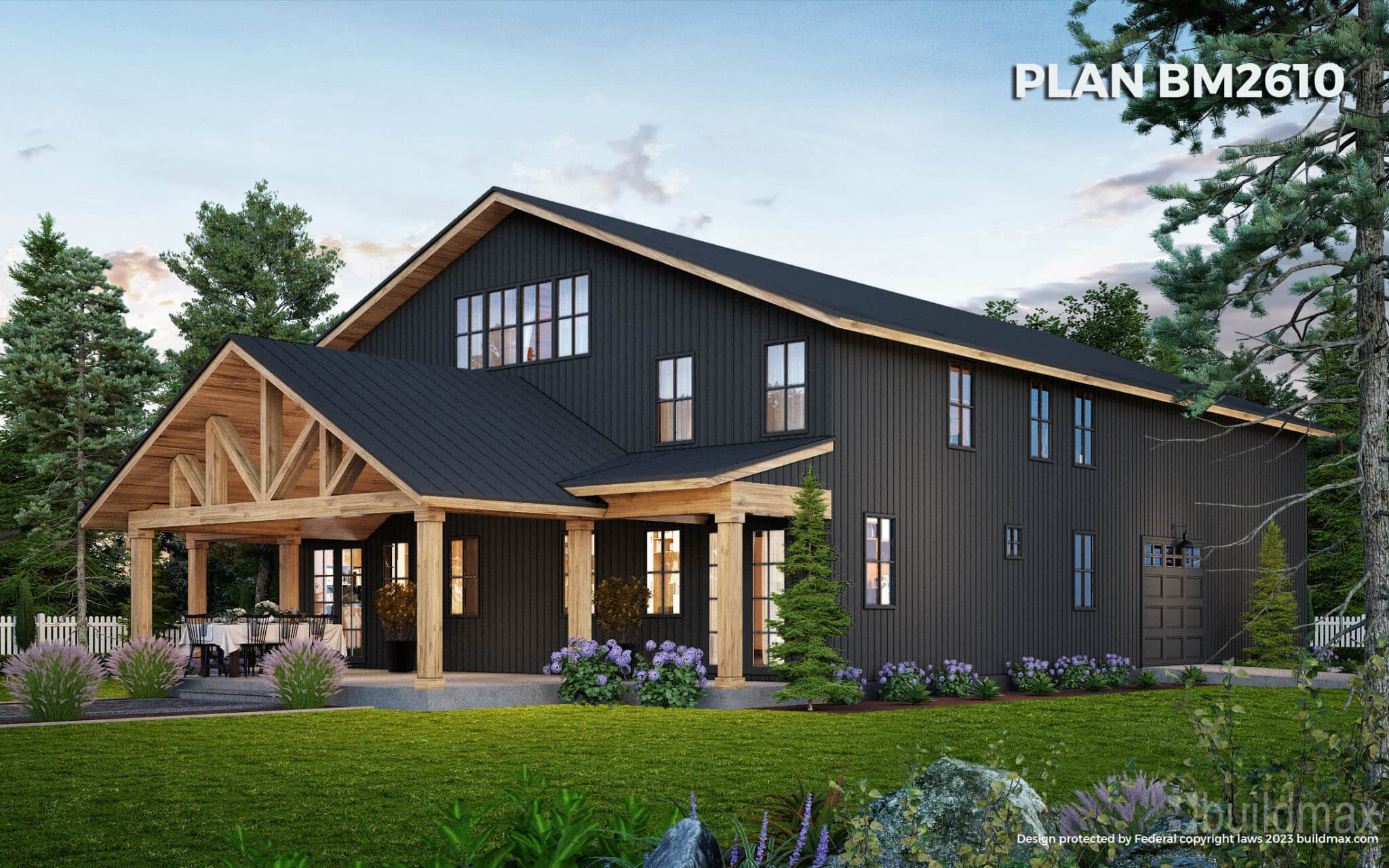
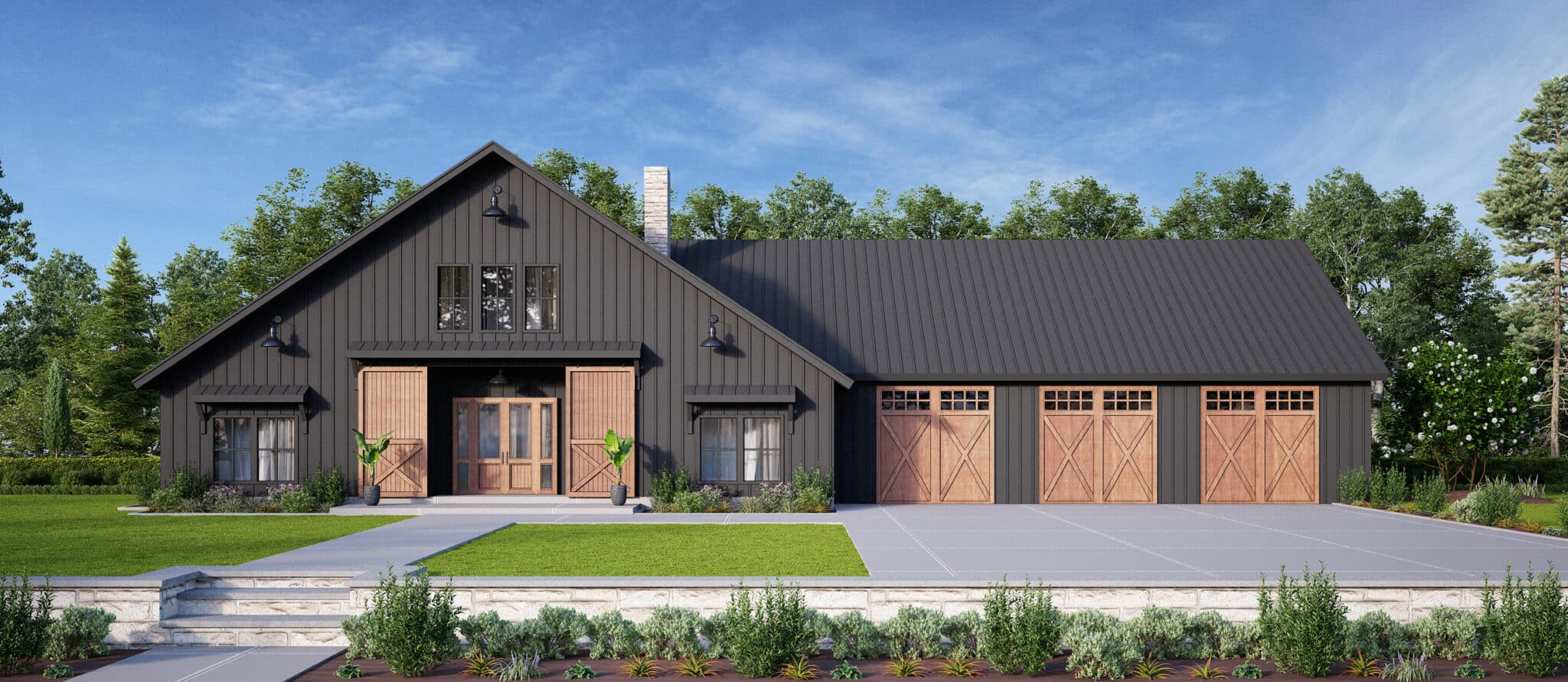
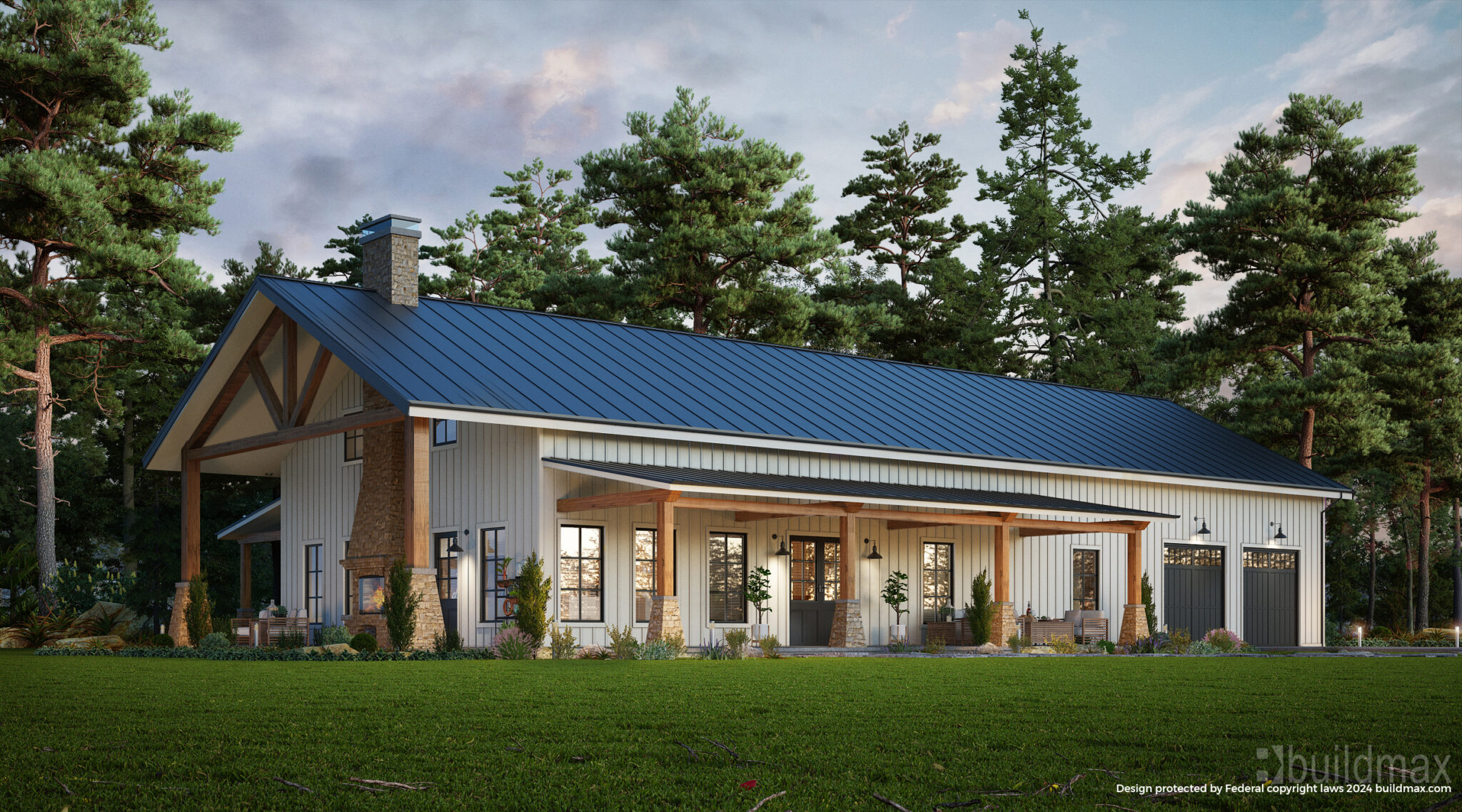
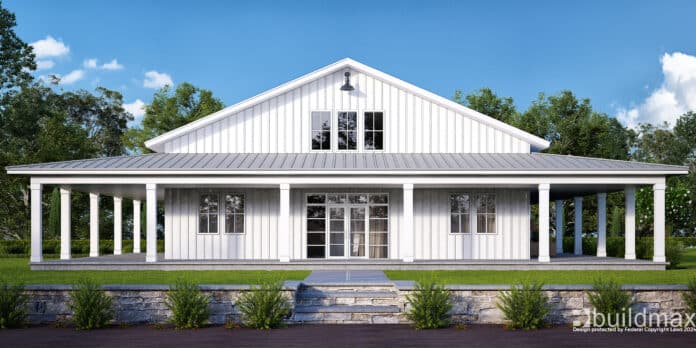
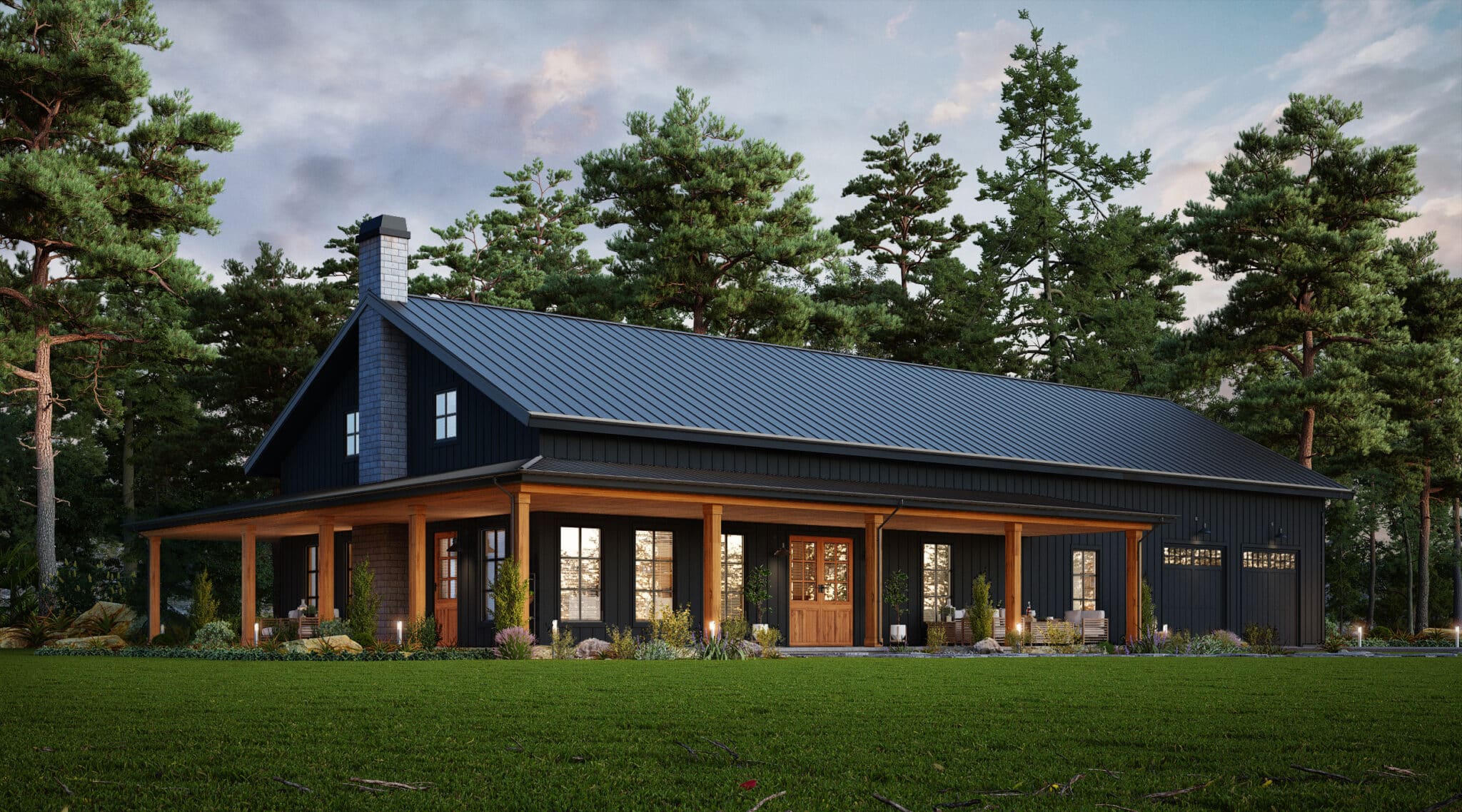
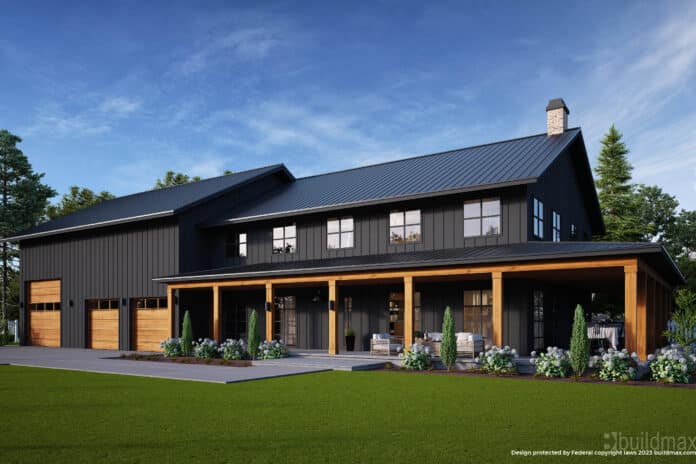
black barndominium with large windows on the front

How Much Does It Cost to Build a Barndominium in Ohio?


If you are asking how much it costs to build a barndominium in Ohio, the short answer is: most Ohio barndominium projects land somewhere around $95 to $125 per square foot, but the final number depends on whether you are pricing a kit, a shell, or a fully finished move-in-ready home. That distinction matters more than most articles admit.
A lot of buyers see a kit price and think they just priced the house. They did not. Others hear a turnkey number and assume that includes every part of the project from land prep to final finishes. That is not always true either. The smarter way to budget a barndominium in Ohio is to separate the project into real cost stages and understand what each stage includes.

Ohio is one of the stronger states for barndominiums because it has rural land, a practical building culture, and access to skilled labor. But that does not make every Ohio build cheap. The final price still depends on the size of the home, the finish level, the site, the structural requirements, and whether you are building a simple family home or a more customized barndominium with shop or garage space.

In this guide, we will break down what it really costs to build a barndominium in Ohio, what pushes the price up or down, and how to choose the right path through plans, kits, and full-build budgeting.

The Short Answer: What Does a Barndominium Cost in Ohio?

A realistic Ohio barndominium budget often starts around $95 to $125 per square foot for many builds, but that is only useful if you understand what that number is covering. Smaller kit-based projects and simpler builds can start lower at the structure level, while larger homes, upgraded finishes, and more complex sites move the total higher.

If you are looking from the package side first, Ohio kit pricing can vary widely. BuildMax’s Ohio article frames kits from roughly $20,000 to $100,000 or more, with smaller kits around $50,000 to $80,000 and larger kits around $80,000 to $150,000, depending on size and complexity. That is useful as a structural starting point, not as a finished-home budget. Why Ohio Is a Strong State for Barndominiums

Ohio makes sense for barndominiums for a few practical reasons. The state has plenty of rural and semi-rural land where barndo footprints fit naturally, and many buyers want practical homes with open layouts, garage space, workshops, or attached utility areas. Ohio also gives buyers access to skilled labor, including areas where Amish craftsmanship is part of the local building culture. That does not mean every county is effortless or that every parcel is easy to build on. It means Ohio is generally a stronger fit for this style of home than heavily restricted suburban markets where barndominiums face more zoning or design friction.

What Actually Drives the Cost of a Barndominium in Ohio?

The biggest cost drivers in Ohio are straightforward, but they matter more than buyers expect.

1. Size of the home

Size is still the biggest cost driver. A compact, efficient barndominium is easier on the budget than a larger build with extra bedrooms, oversized porches, or a big shop or garage footprint. Ohio cost per square foot can look reasonable on paper, but the total still rises fast when square footage grows. 2. Kit or shell versus finished home

This is one of the most important distinctions on the page. A kit or shell price helps you understand the structural starting point. A finished-home price includes everything required to actually live in the house: slab, labor, utilities, insulation, drywall, flooring, cabinets, fixtures, and finish work. BuildMax’s kits page makes clear that turnkey pricing is a separate conversation from kit pricing. 3. Foundation and site preparation

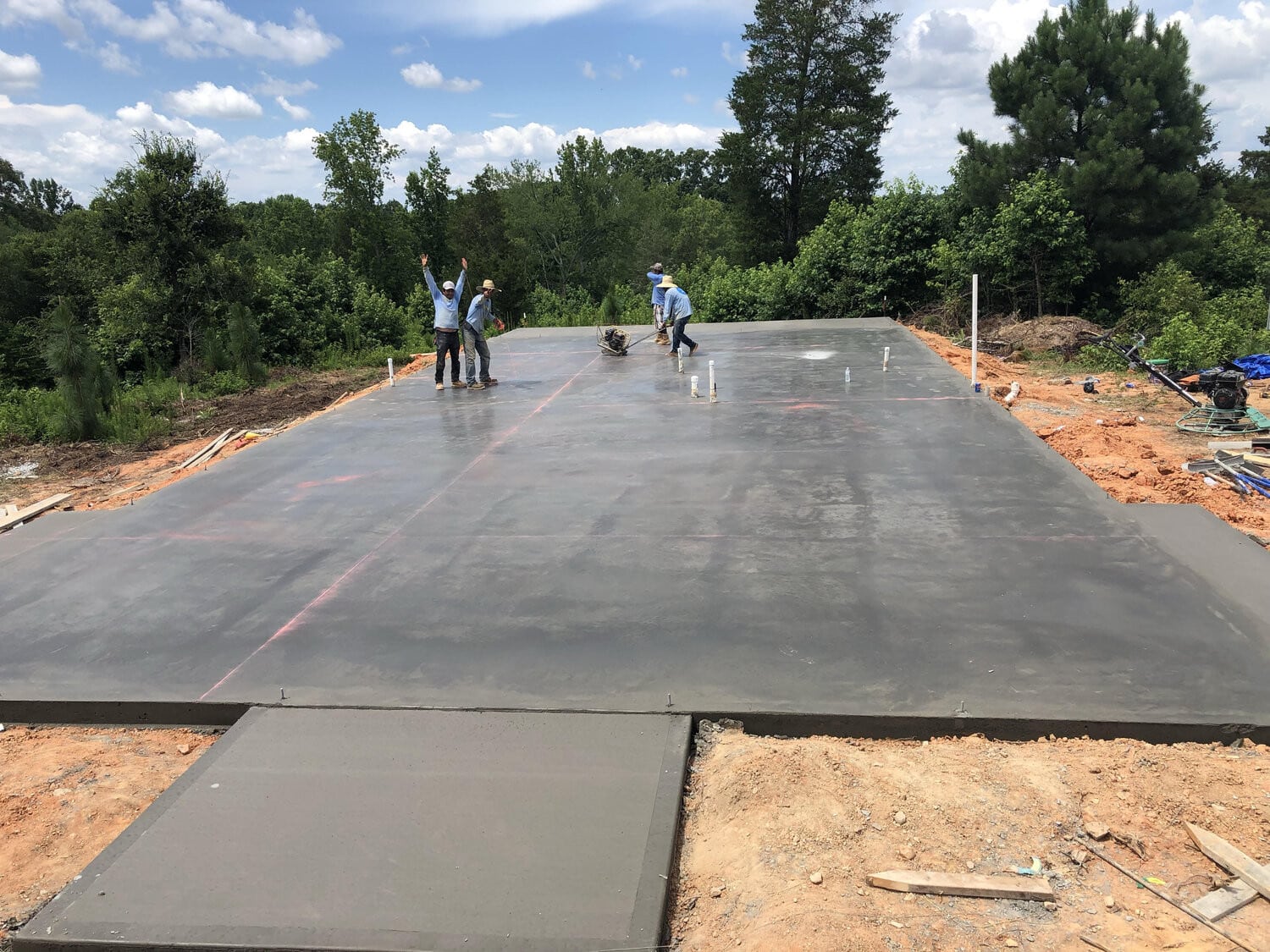
Ohio slab costs are described around $5 to $7 per square foot, which means a 2,000-square-foot slab can add roughly $10,000 to $14,000 before you even start the structure. Site prep, grading, driveway access, drainage, and utility hookups can push the budget even higher depending on the land.

4. Labor costs

Labor is a major part of the Ohio cost equation. The live Ohio article frames labor around $30 to $50 per square foot, which is one reason total finished-home budgets climb much faster than kit pricing alone suggests. Ohio’s labor market may still be more manageable than some higher-cost states, but labor is never a side issue.

5. Interior finish level

Basic interior finishes can keep the project more controlled, while upgraded cabinets, premium flooring, higher-end appliances, and custom fixtures can increase the price quickly. The live Ohio page frames basic interior finishes around $40 to $70 per square foot and upgraded finishes around $80 to $150 per square foot, which shows just how much finish level can change the final cost.

What Is Included in a Barndominium Kit in Ohio?

This is where buyers need to stop guessing.

A barndominium kit is not a move-in-ready house. BuildMax’s broader kits page describes packages that can include the frame, roofing, siding and trim, windows, doors, and related materials to get the structure dried in. That is useful, but it is not the full build. A General Contractor still needs to price the turnkey side of the project. That is why the smarter question is not just “What does the kit cost?” It is:

  • what does the kit include?
  • what still has to be priced locally?
  • what does the builder or GC still need to handle?

If you want to compare the structure-first route directly, the best next step is Ohio Barndominium Kits and Barndominium Kits.

What Does a Finished Barndominium Cost in Ohio?

Once you move from the kit or shell to a finished home, the cost changes significantly because you are now paying for the full residential build: foundation, framing or shell, mechanical systems, insulation, drywall, trim, flooring, kitchen and bath finishes, labor, permits, and site work. That is why Ohio barndominium costs are better understood as a full build range rather than one flat number. The smartest way to think about it is this:

  • smaller and simpler full builds: lower end of the Ohio range
  • mid-size family barndominiums: middle of the range
  • larger custom homes or upgraded builds: upper end of the range

If you want broader context for the full-build side, also read How Much Does a Barndominium Cost to Build?. What Kind of Barndominium Can You Build in Ohio?

Ohio buyers are not all looking for the same kind of home, which is why this page needs to do more than just throw out numbers.

Some buyers want a compact family home. Others want a shop house or garage-heavy layout. Others want a more residential-looking rural custom home that still gets the benefits of a barndominium footprint. That is why your best next internal links are:
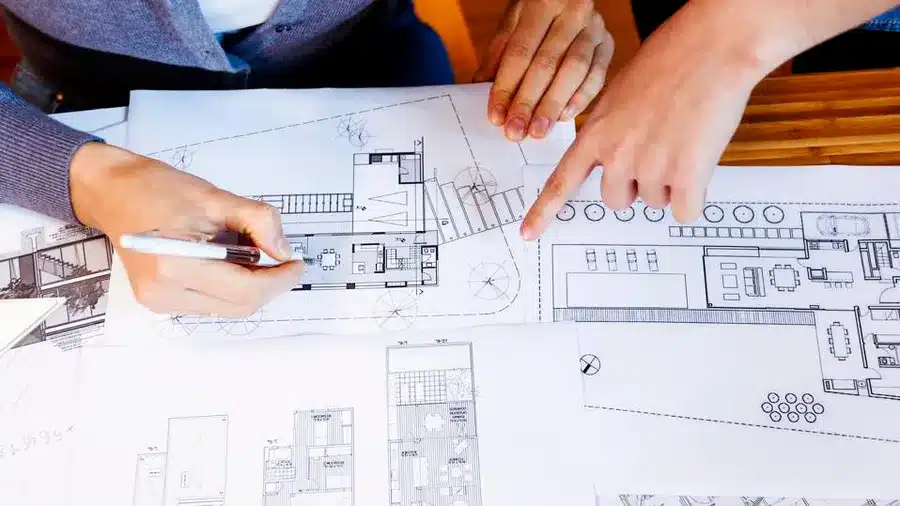
Those pages help readers move from “what does it cost?” into “what kind of home do I actually want?”

What Usually Blows the Budget in Ohio?

If you want this page to be genuinely useful, this section matters more than filler about “dream homes.”

Oversized square footage

The fastest way to wreck a barndominium budget is still to build more house than you really need.

Site work surprises

Drainage, grading, driveway access, septic, water, and power can all quietly drive the number up before the structure is even complete.

Confusing kit cost with finished-home cost

This is still one of the biggest buyer mistakes in the category.

Finish upgrades everywhere

A few upgrades are normal. Upgrading every surface and fixture is how a manageable project turns into a bloated one.

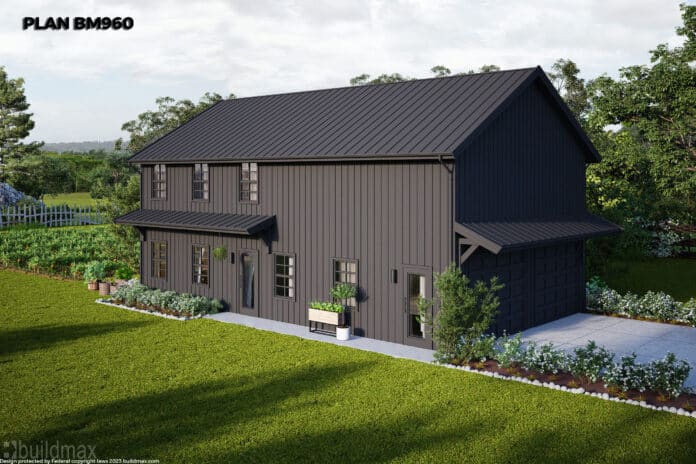
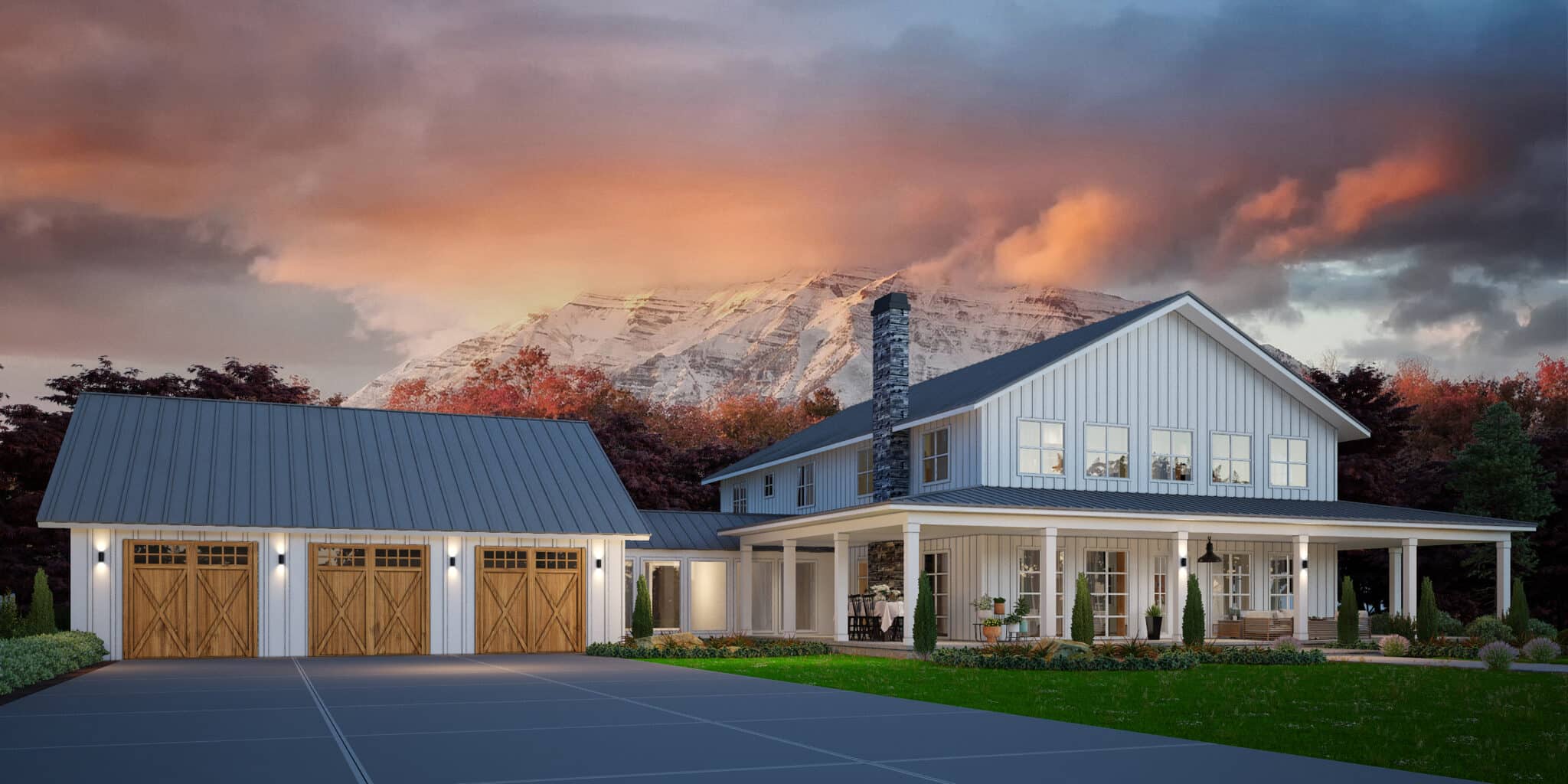
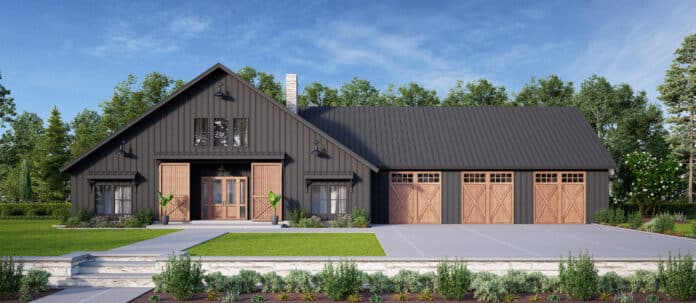
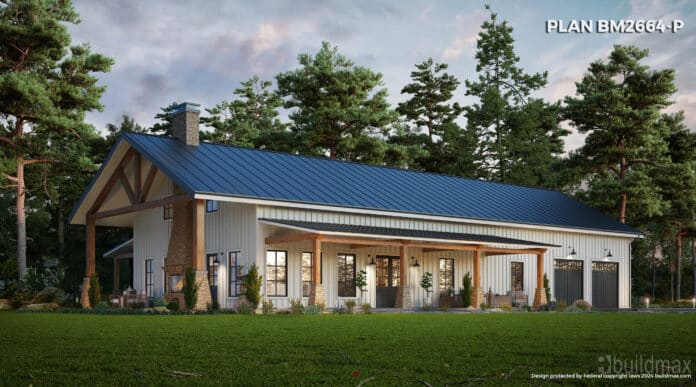
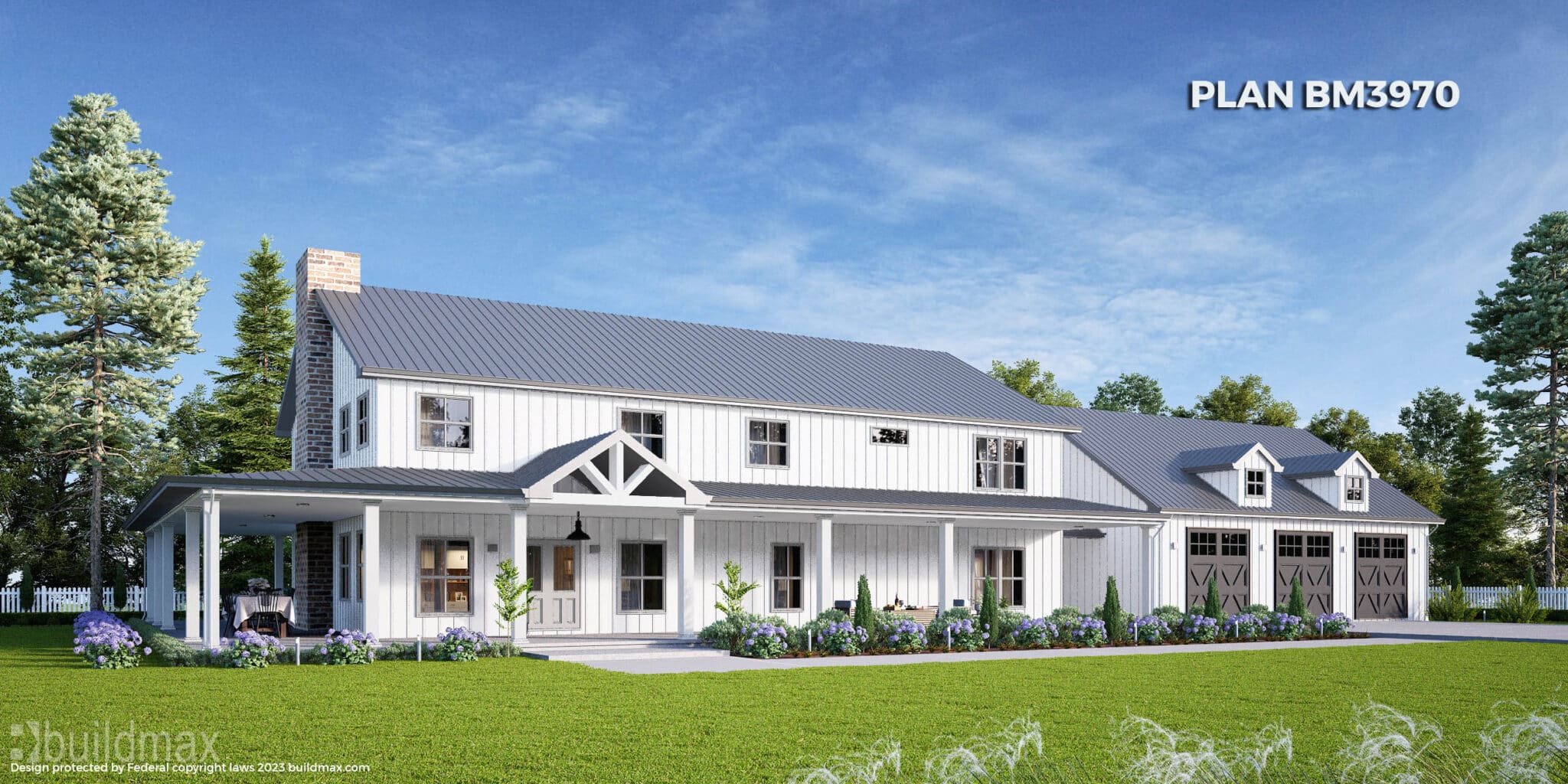
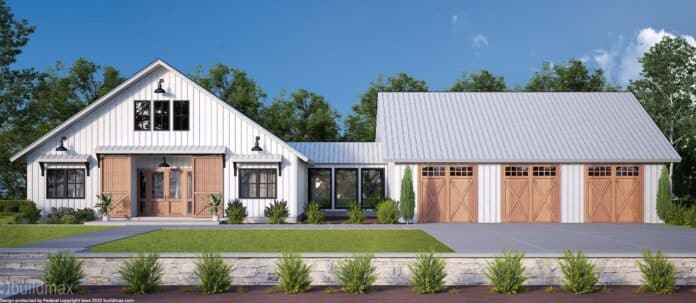
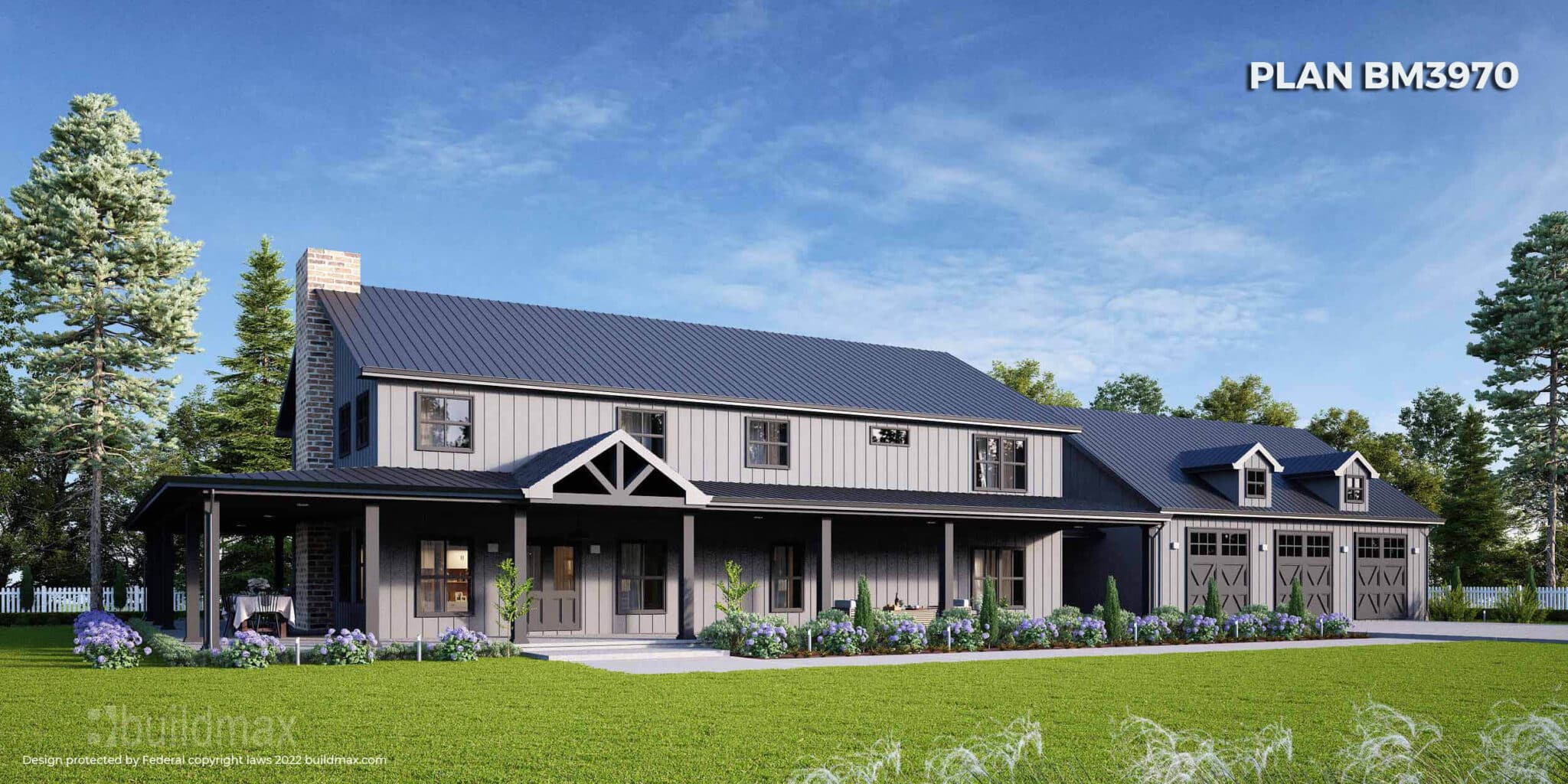
Ohio barndominium style home with garage and upgraded exterior

Should You Start With a Kit or a Floor Plan?

For most buyers, the smartest order looks like this:

  1. Choose the right floor plan
  2. Decide whether a kit or structure-first path makes sense
  3. Then get builder and turnkey pricing

The floor plan defines the project. The kit helps define the structural path. The builder or GC defines the real finished cost.

That is why the best next steps are not random. They should be:

So, How Much Does It Cost to Build a Barndominium in Ohio?

Here is the cleanest answer:

In Ohio, many barndominium builds land around $95 to $125 per square foot, but the final cost depends on whether you are pricing a kit, a shell, or a fully finished home. Ohio kit pricing can range widely depending on size and complexity, while full finished projects rise with foundation, site work, labor, and interior finishes. :contentReference[oaicite:17]{index=17}
The wrong way to use these numbers is to treat them like they all mean the same thing.

The right way is to use them in sequence: define the plan, understand the kit or shell path, then build toward a real full-project budget.

Final Thoughts

Ohio is one of the better states for barndominium projects because the market, land patterns, and labor environment support practical custom builds. But the final price still depends on scope, site conditions, finishes, and how clearly you separate the package side of the project from the full finished-home side. :contentReference[oaicite:18]{index=18}

If you start with the right plan, understand what the package does and does not include, and price the full project honestly from the beginning, you give yourself a much better chance of building the right barndominium in Ohio without blowing the budget.


Related BuildMax Resources

The Best Places to Build a Barndominium in New York and Why?

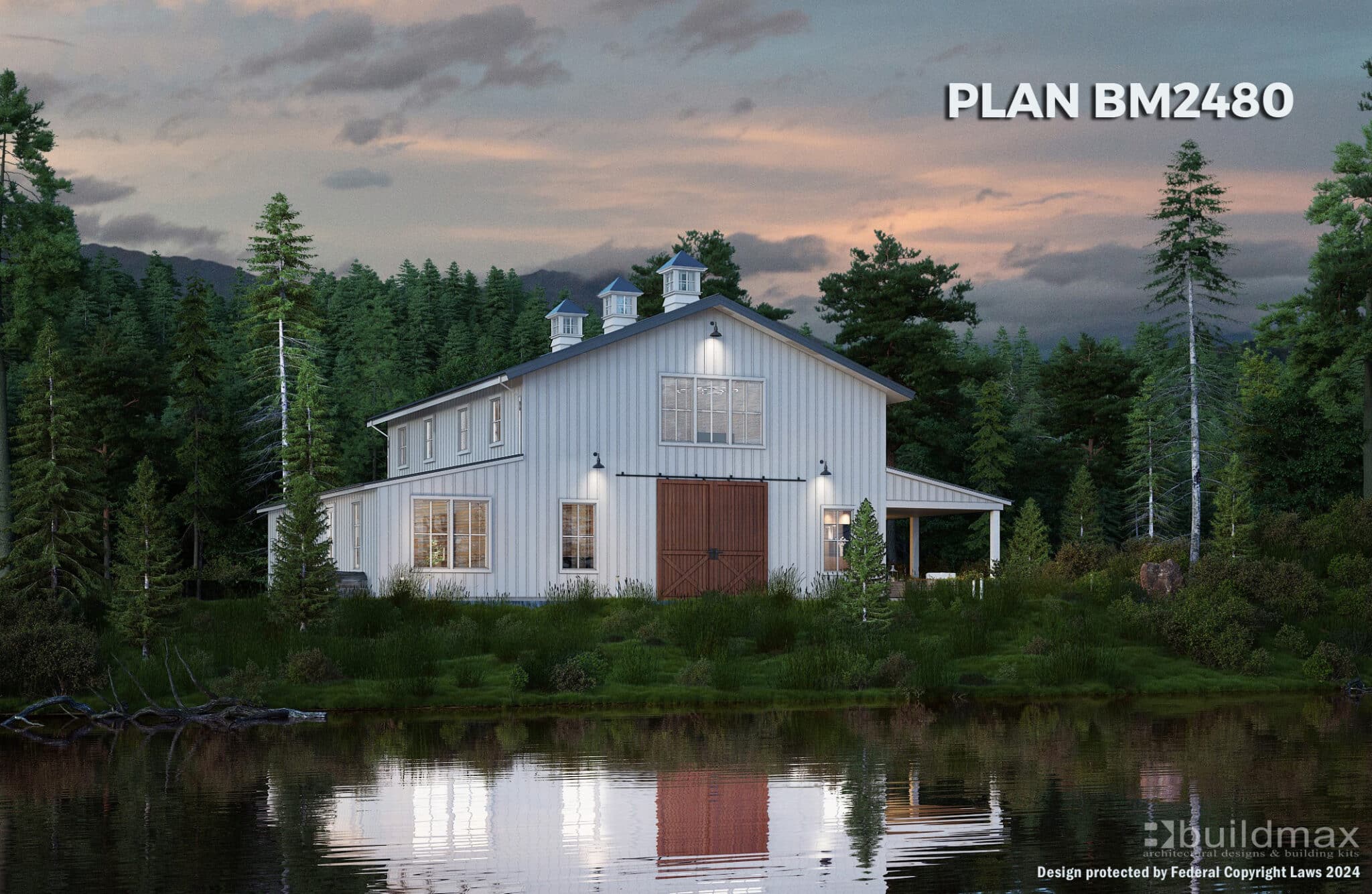
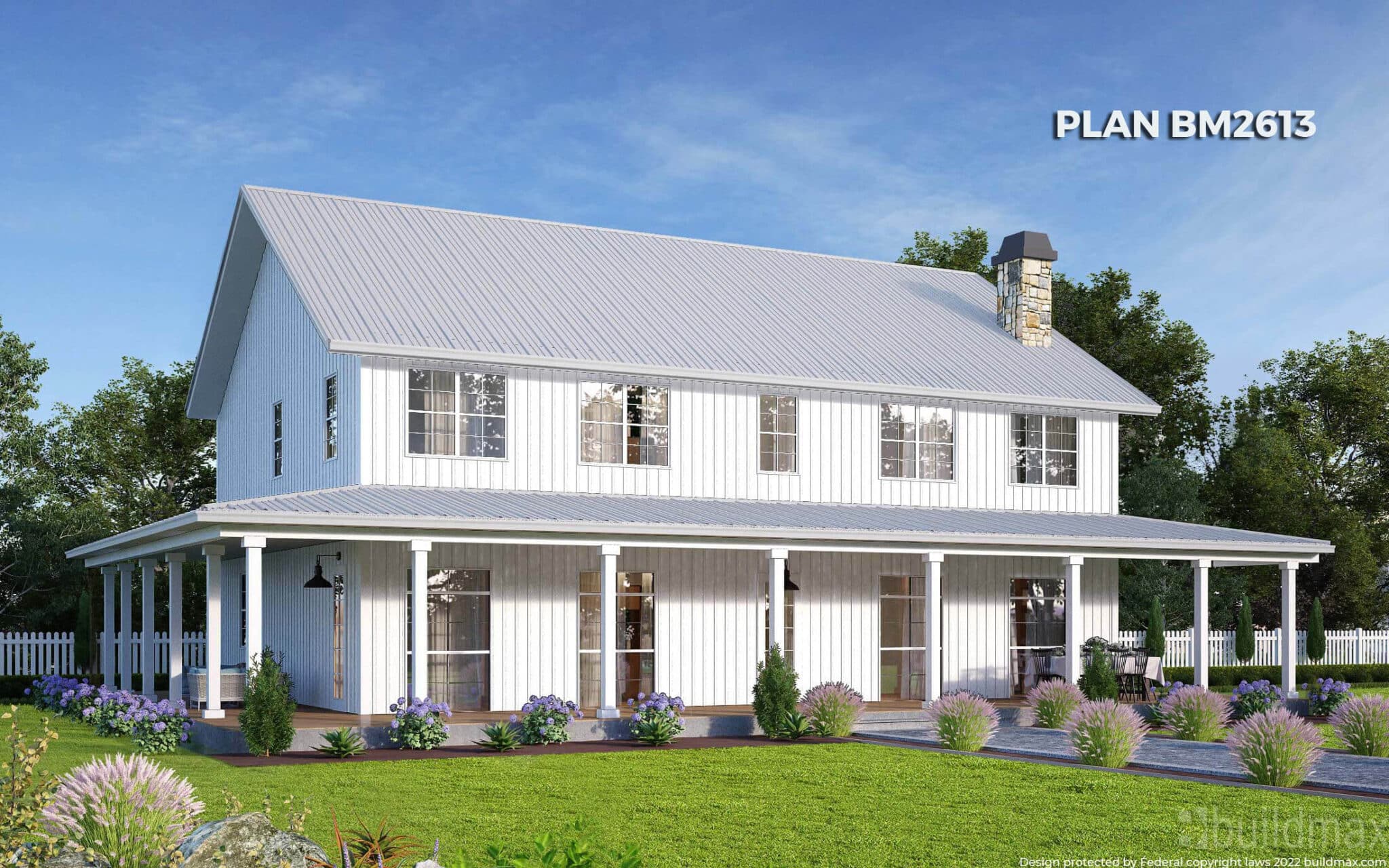
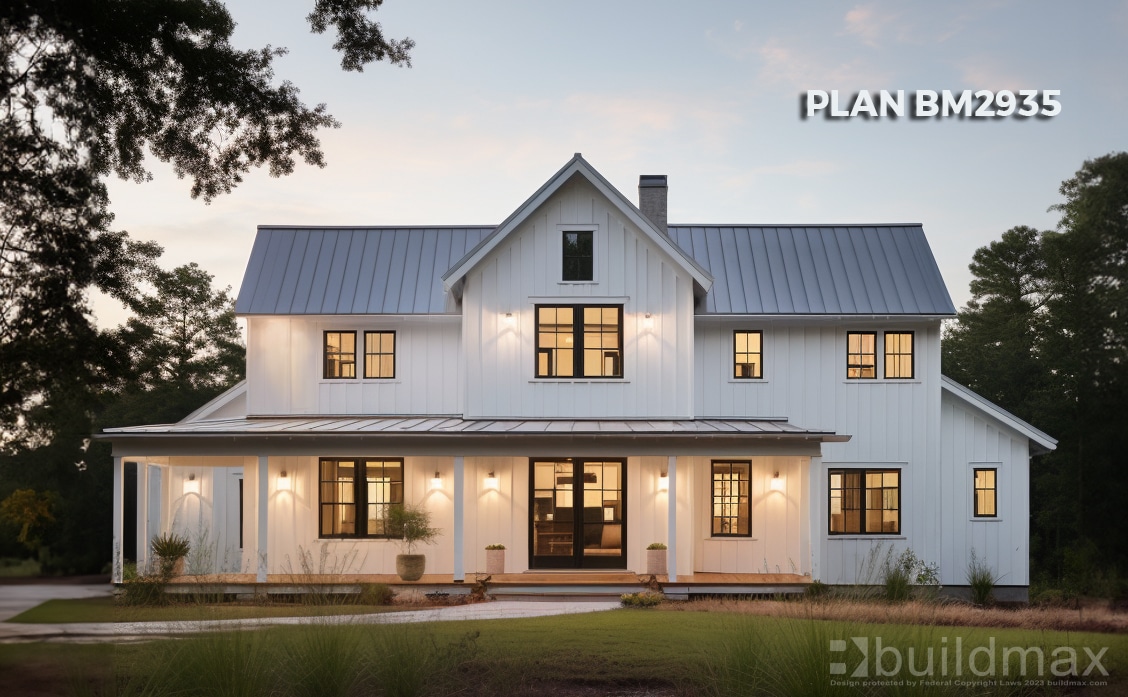
white barndominium with cupolas

What’s the Most Popular Area in New York State to Build a Barndominium and Why?

As the trend of barndominium living continues to spread across the United States, many people are turning to **upstate New York** as a prime location for building these modern yet rustic homes. Barndominiums, with their open layouts, durability, and versatility, are particularly well-suited for rural living. In New York state, areas away from the hustle and bustle of city life are increasingly becoming popular for those seeking a peaceful retreat. In this article, we’ll explore the most popular areas in upstate New York to build a barndominium and discuss why this lifestyle is so appealing to many New Yorkers.

1. **The Hudson Valley**

The **Hudson Valley** is arguably one of the most popular areas for building barndominiums in New York state. Located just a couple of hours from New York City, the Hudson Valley offers a perfect balance between accessibility and rural charm. The region is known for its beautiful landscapes, including rolling hills, scenic rivers, and dense forests. Many city dwellers are drawn to the Hudson Valley as a weekend retreat or even a full-time residence, wanting to escape the crowded urban environment.

Why the Hudson Valley?

– **Natural Beauty**: The stunning landscapes of the Hudson Valley are a big draw for anyone seeking a quieter, nature-filled lifestyle.
– **Proximity to NYC**: The region’s close proximity to New York City makes it ideal for those who still need access to the city but want to live in a more peaceful environment.
– **Outdoor Activities**: With numerous hiking trails, rivers for kayaking, and plenty of outdoor activities, the Hudson Valley is perfect for homeowners who enjoy spending time in nature. The open, customizable spaces in a steel-framed barndominium allow for storage of outdoor gear and room for workshops or hobbies.

2. **The Catskill Mountains**

The **Catskill Mountains** area has long been a favorite getaway for people looking to escape the fast-paced city lifestyle. It’s a prime location for those interested in building a barndominium due to the region’s stunning mountain views, tranquil atmosphere, and ample land availability. The Catskills are known for their picturesque landscapes, making them ideal for the modern yet rustic aesthetic that barndominiums embody.

Why the Catskills?

– **Scenic Seclusion**: The Catskills offer homeowners the seclusion they crave, with stunning views of mountains, forests, and rivers.
– **Affordability**: Compared to areas closer to New York City, land in the Catskills tends to be more affordable, making it an attractive option for building a custom barndominium.
– **Recreational Opportunities**: With plenty of outdoor activities like skiing, hiking, and fishing, the region appeals to active individuals. A barndominium’s large, open floor plan offers plenty of space for storing recreational equipment, as well as entertaining guests.

3. **The Finger Lakes Region**

The **Finger Lakes** region is another top area in New York state where building barndominiums has become increasingly popular. Known for its numerous lakes, wineries, and sprawling farmland, this area offers the perfect blend of rural tranquility and modern amenities. The Finger Lakes attract both retirees and younger families who want to live in a peaceful, nature-rich environment without sacrificing convenience.

www.paulmassiephotography.com

Why the Finger Lakes?

– **Wine Country Appeal**: The region is famous for its vineyards and wineries, which offer a unique lifestyle for homeowners looking to embrace agritourism or rural living.
– **Lakeside Living**: For those interested in waterfront properties, the Finger Lakes provide ample opportunities to build a barndominium near the water, where they can enjoy boating, fishing, or simply taking in the views.
– **Spacious Land**: The abundance of open land makes it easy to find the perfect spot to build a steel-framed barndominium, with room to customize the property as you see fit.

4. **The Adirondack Mountains**

The **Adirondack Mountains** region is a natural choice for building barndominiums, especially for those who love outdoor adventure and rugged landscapes. The Adirondacks offer vast, undeveloped land, perfect for a barndominium that blends seamlessly into the wilderness. This region is a haven for those looking to get away from the modern world and immerse themselves in nature.

Why the Adirondacks?

– **Outdoor Enthusiast’s Dream**: With activities like hiking, boating, and skiing right in your backyard, the Adirondacks are perfect for adventure lovers. A barndominium’s large, open interior is ideal for storing outdoor gear or accommodating a home office for remote work.
– **Seclusion and Privacy**: The Adirondack region offers remote and private settings, perfect for building a spacious, steel-framed barndominium far from the crowds.
– **Year-Round Recreation**: Whether it’s snowmobiling in winter or kayaking in summer, the Adirondacks provide endless opportunities for outdoor fun. The durability and weather resistance of steel-framed barndominiums make them a great fit for the region’s changing seasons.

Why Steel-Framed Barndominiums Are Perfect for Upstate New York

For those looking to build in upstate New York, **steel-framed barndominiums** offer several key advantages:

– **Durability**: Steel framing is resistant to weather, pests, and fire, making it ideal for the diverse climate of upstate New York. Whether you’re dealing with snowy winters in the Adirondacks or humid summers in the Hudson Valley, a steel-framed barndominium will stand the test of time.
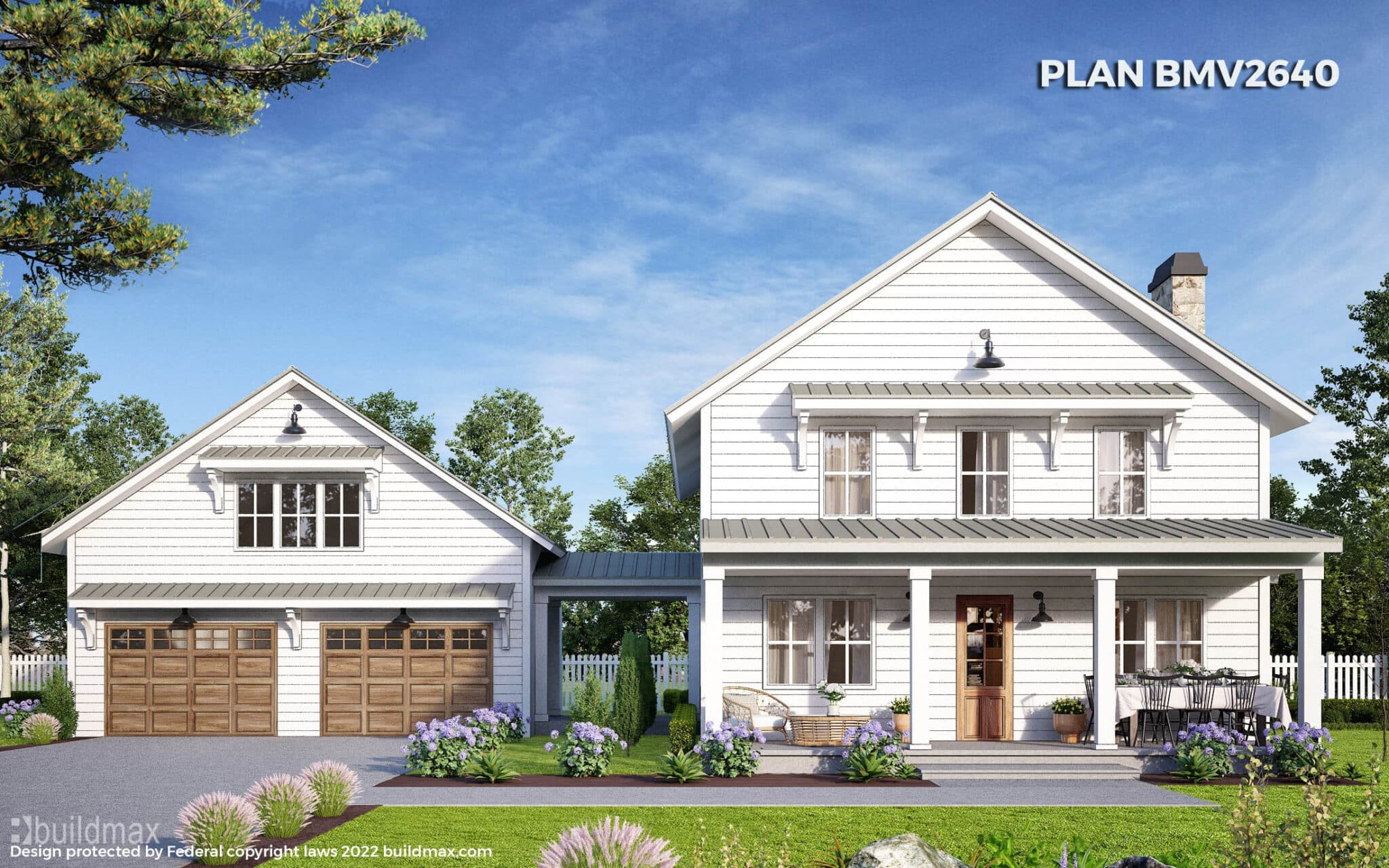
– **Customization**: Barndominiums are highly customizable, allowing homeowners to design everything from the layout of the living space to the style of the exterior. This flexibility is a major selling point for those who want to create a home that fits their unique lifestyle, whether that’s a rustic farmhouse vibe or a modern industrial look.
– **Energy Efficiency**: With the right insulation and design, barndominiums can be very energy-efficient, keeping you comfortable year-round while minimizing energy costs.
– **Quick Build Times**: Compared to traditional homes, barndominiums can be built relatively quickly. This makes them an attractive option for those who want to move into their new home sooner rather than later.

Conclusion

Upstate New York offers a variety of stunning locations that are perfect for building a barndominium, whether it’s the rolling hills of the Hudson Valley, the serene lakes of the Finger Lakes region, or the rugged beauty of the Adirondacks. As more people seek to escape the fast-paced city life and embrace a quieter, rural lifestyle, barndominiums have become a popular housing solution. Their steel-frame construction offers durability, customization, and energy efficiency, making them ideal for the varied landscapes and climates of upstate New York.

Are Barndominiums Allowed in Ohio?

whitegreywraparound porch

Are Barndominiums Allowed in Ohio? Popular Locations and Growing Trends

Barndominiums are becoming an increasingly popular housing option across the United States, and Ohio is no exception. Known for their versatility, affordability, and quick build times, barndominiums offer a unique blend of rustic charm and modern living. But are barndominiums allowed in Ohio? The answer is **yes**, barndominiums are allowed in Ohio, provided they meet local building codes and zoning regulations. In fact, Ohio has become a hotspot for these steel-framed homes, particularly in rural areas and around Amish country, where the simplicity and functionality of a barndominium align well with local values.

white barndominium with cupolas

Popular Locations to Build a Barndominium in Ohio

Ohio offers a variety of locations that are ideal for building a barndominium, especially in rural areas where land is more abundant and building restrictions are less stringent. Some of the most popular regions to build barndominiums in Ohio include:

1. **Ohio’s Amish Country**

Amish country, particularly around Holmes, Wayne, and Tuscarawas counties, is a prime location for barndominiums. These areas are known for their peaceful, rural setting, making them perfect for barndominium living. The Amish are renowned for their craftsmanship, and many companies in the area offer high-quality, customizable kits that appeal to both locals and those moving into the area for a quieter lifestyle.
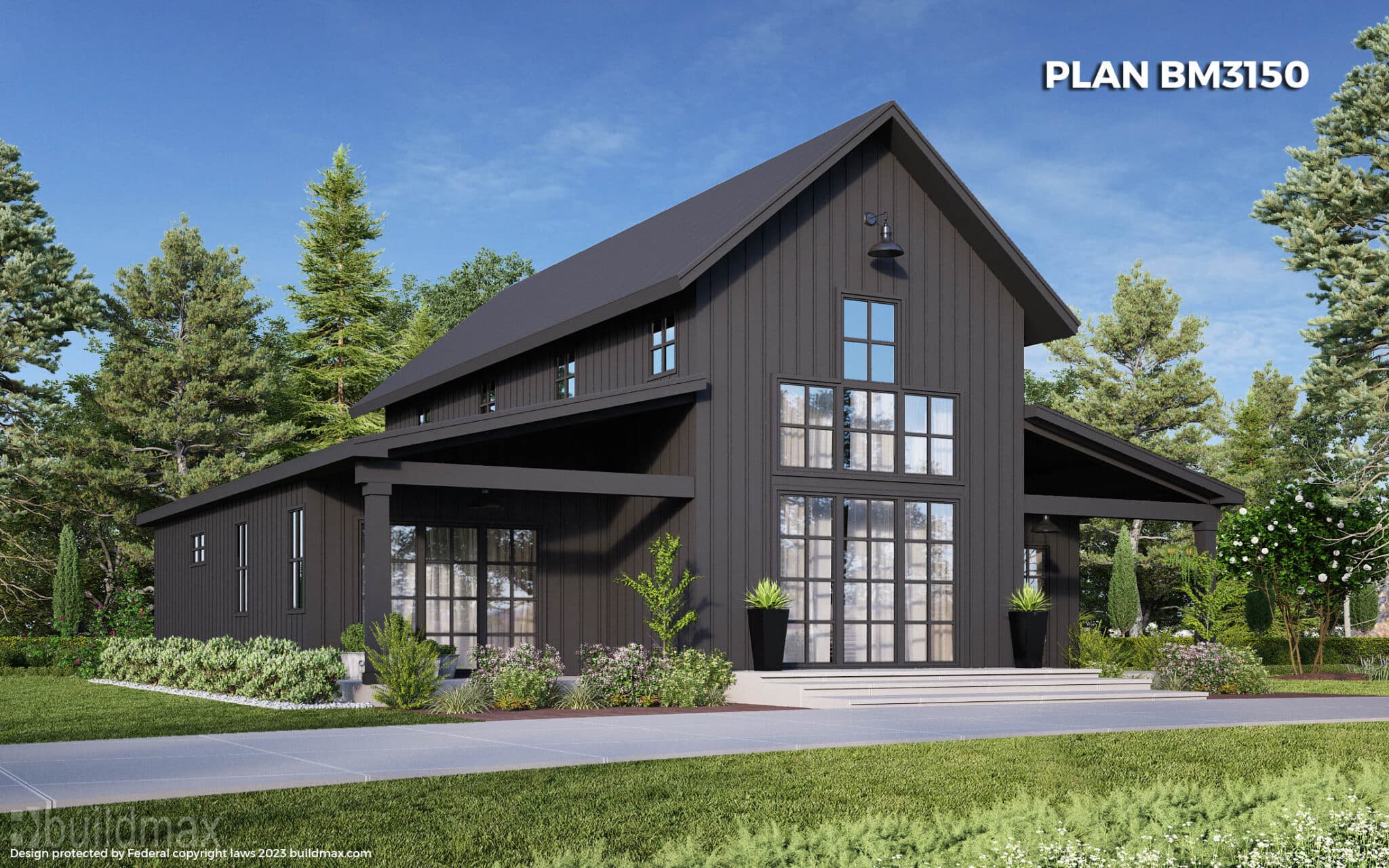
Columbus, Ohio, USA skyline on the Scioto River on the afternoon.
2. **Central Ohio**

The areas surrounding **Columbus**, **Delaware**, and **Granville** have seen a rise in barndominium popularity due to their proximity to the city while offering a more rural, spacious living environment. These locations are ideal for those who want to enjoy the benefits of rural living while still being close to urban amenities.

3. **Southern Ohio**

The rolling hills and scenic landscapes of southern Ohio, particularly in counties like Adams, Brown, and Highland, provide the perfect backdrop for a barndominium. With ample land and fewer zoning restrictions, southern Ohio is a haven for those looking to build a custom barndominium and enjoy a country lifestyle.

4. **Western Ohio**

In areas like **Dayton** and **Springfield**, the popularity of barndominiums is rising as homeowners seek affordable, customizable housing solutions. Western Ohio offers the balance of suburban amenities and rural landscapes, making it an attractive location for new builds.

The Growing Popularity of Barndominiums in and Outside Amish Country

In recent years, barndominiums have gained popularity both in and around Ohio’s Amish country, as well as in more urbanized regions. The appeal of barndominiums lies in their flexibility, durability, and quick construction times, which make them an ideal housing solution for a wide range of buyers.

1. **Efficient Construction**

One of the major reasons for the rise of barndominiums is their **quick build times**. Unlike traditional homes, which can take months or even years to complete, a barndominium kit can often be assembled in a matter of weeks. The steel frame structure allows for faster assembly, while pre-fabricated elements simplify the building process.

In Amish country, where efficiency and craftsmanship are highly valued, barndominiums align well with local traditions of simple, functional living. Many Amish builders have embraced the concept, contributing to the high-quality construction of these homes, which further fuels their popularity in the region.

2. **Customizable Steel Frame Kits**

Another key advantage of barndominiums is the ability to **customize the design** according to individual preferences. Whether you want a modern, minimalist interior or a rustic farmhouse aesthetic, barndominiums offer flexibility in both layout and finishes. Steel frame kits are particularly popular because they allow for large open spaces, high ceilings, and creative floor plans that might be difficult to achieve with traditional wood framing.

Homeowners in Ohio can easily source **steel barndominium kits** that can be customized to their specific needs, from the number of bedrooms to unique features like large windows, loft spaces, and even attached garages or workshops. This flexibility makes them an attractive option for everyone from young families to retirees looking for a low-maintenance, durable home.

Why Barndominiums Are So Popular in Ohio

Barndominiums have exploded in popularity across Ohio for several reasons, including their affordability, durability, and design versatility. Many Ohioans are drawn to the low-maintenance nature of these steel-framed homes, which are pest-resistant, fire-resistant, and not prone to rot like traditional wood structures. Additionally, the simplicity of steel frame construction aligns with the Amish tradition of durable and efficient building practices, further boosting their popularity in rural areas.

Beyond Amish country, the barndominium trend is catching on across the state as people seek out more affordable alternatives to traditional homes, especially in a real estate market where prices continue to rise. Barndominiums allow homeowners to create unique, personalized living spaces without the high costs associated with custom-built homes.

How to Start the Process of Building a Barndominium in Ohio

If you’re interested in building a barndominium in Ohio, the process is easier than you might think. Here’s how to get started:

1. **Check Local Zoning and Building Codes**: Before you begin, it’s important to check your local zoning regulations to ensure that a barndominium is allowed on your property. Most rural areas in Ohio are more flexible when it comes to zoning, but it’s always good to double-check with your local building authority.

2. **Select a Barndominium Kit**: There are many companies that offer customizable barndominium kits, including options that come with pre-fabricated steel frames, walls, and roofs. **Buildmax**, for example, is a popular option that provides a wide range of customizable barndominium designs. You can select a kit that fits your needs, whether you’re building a small guest house or a large family home.

3. **Work with a Builder**: If you’re not planning on a DIY project, work with a local contractor who has experience building barndominiums. In Amish country, many builders specialize in barndominium construction and can help you bring your design to life with high-quality craftsmanship.

4. **Secure Financing**: Financing options for barndominiums are widely available. Many banks and lenders are now familiar with barndominiums and offer competitive loan packages that can make building your dream home a reality.


5. Buying the right Land**: Finding the right piece of property to build on is the first thing you should focus on as you need somewhere to build and you will need to prep the site for building, clearing any trees brush or debris so you have a nice flat pad for the foundation some places to look for land in ohio

Conclusion

Barndominiums are not only allowed in Ohio, but they are rapidly becoming one of the most popular housing trends in both rural and suburban areas. With the flexibility to customize, the durability of steel frames, and quick construction times, it’s no wonder that barndominiums have become a sought-after option for homeowners. Whether you’re looking to build in the peaceful setting of Amish country or somewhere else in the state, a barndominium offers a unique and modern way to create a home that reflects your lifestyle.

What Size Shed Can I Build Without a Permit in Kentucky?

small white barndominium ADU

What Size Shed Can I Build Without a Permit in Kentucky?

If you’re planning to build a shed in Kentucky, one of the first questions you might have is whether you need a building permit. The size of the shed and its intended use play a key role in determining whether a permit is required. In this article, we’ll explore the general rules for shed size limits in Kentucky, the shed permit process, and how easy it is to navigate the system.

Shed Size Limits Without a Permit

In Kentucky, building codes and zoning regulations vary by county or municipality, but there are some general guidelines regarding the construction of sheds and other accessory structures. The most common rule followed in many areas is that **sheds under 120 square feet** typically do not require a building permit. However, there are some additional factors to keep in mind:

1. **Height Restrictions**: Even if your shed is under 120 square feet, it must comply with local height restrictions. In some areas, a shed that is too tall may still require a permit, regardless of its footprint.

2. **Usage**: If the shed is intended for basic storage and will not have plumbing, electricity, or be used for living space, it is more likely to be exempt from permit requirements. If you plan to run utilities to the shed, a permit may be necessary.

3. **Setback Requirements**: Some jurisdictions in Kentucky have setback requirements that dictate how close to property lines you can build your shed. If the shed is too close to a neighbor’s property, a road, or a public area, you may need a permit, even if the structure is under 120 square feet.

4. **HOA and Local Ordinances**: If you live in a neighborhood governed by a Homeowners Association (HOA) or a municipality with strict ordinances, you may still need approval even for smaller sheds. Always check local rules before starting construction.

The Permit Process for Building a Shed in Kentucky

If your shed exceeds the size limits or falls into a category that requires a permit, the process of obtaining one is generally straightforward. Here’s an outline of the typical steps involved:

1. **Check Local Building Codes**

The first step is to contact your local building department to determine if you need a permit for your shed. You can usually find this information on your county or city’s website or by calling the local planning and zoning office. Be prepared to provide details about the shed’s dimensions, location, and intended use.

2. **Submit a Permit Application**

If a permit is required, you’ll need to fill out a building permit application. The application may ask for the following information:

– The size and height of the shed
– Its distance from property lines, other structures, and public areas
– Intended use (storage, workshop, etc.)
– Structural details (foundation, materials, etc.)

Many Kentucky jurisdictions allow you to submit permit applications online, making the process convenient. You may also need to provide a **site plan** showing the shed’s location on your property.

3. **Pay the Permit Fee**

There is usually a small fee associated with obtaining a building permit. The cost can vary depending on the size of the shed and the complexity of the project. For a basic shed, the permit fees are typically modest, ranging from $50 to $150 in most areas.

4. **Inspections**

Once you have your permit and begin construction, the local building department may require inspections at various stages of the project. For example, if you’re running electrical wiring or installing plumbing in the shed, an inspector will need to verify that the work is done to code. For simple storage sheds, however, this step may not be necessary.

How Easy Is the Permit Process?

The permit process for sheds in Kentucky is generally considered straightforward, especially for basic structures. Most local building departments are familiar with accessory structures like sheds and can provide clear guidance on what’s required. For a standard shed without utilities, you can usually expect the permit process to be quick and hassle-free.

– **Timelines**: In most cases, a permit can be approved within a few days to a couple of weeks, depending on the complexity of the project and the workload of the building department.
– **Support**: Many counties and cities provide online resources, including permit forms and building code information, to make the process more accessible. Some areas even offer checklists specifically for sheds, detailing what is needed for approval.

Something Bigger than a Shed…A Barndo maybe

For individuals looking to build something larger than a shed—perhaps a structure like a barndominium—the process is more involved, but the possibilities are vast. Barndominiums combine the rustic appeal of a barn with the comfort and convenience of a modern home, offering flexible floor plans and wide-open spaces. Building one requires thoughtful planning, the right materials, and expert guidance, which is why partnering with a company like **Buildmax** can be a great starting point.

Buildmax specializes in **barndominium kits** and construction plans, offering everything from customizable designs to assistance with finding contractors. Their pre-designed kits make the process more manageable by providing homeowners with the framework to build a strong, steel-framed barndominium. These kits can significantly simplify the process, reducing time spent on sourcing materials and navigating design challenges. Additionally, Buildmax offers financing options, ensuring that building your dream barndominium is not only feasible but also cost-effective.

By partnering with a company like Buildmax, you’ll have access to expert advice and support, whether you’re managing the construction yourself or hiring professionals. From energy-efficient layouts to stylish finishes, Buildmax ensures that your barndominium meets both functional needs and aesthetic preferences, making them an excellent resource for first-time builders or those expanding their living space with a larger project.

white barndominium ADU

Conclusion: Understanding Shed Permit Requirements in Kentucky

In Kentucky, you can typically build a shed up to 120 square feet without needing a permit, as long as it meets local zoning rules and is intended for basic storage. However, for larger sheds, or those with utilities like electricity or plumbing, a building permit is likely required. The permit process itself is generally straightforward and can often be completed online with minimal fees. Checking local regulations before starting construction ensures you’re in compliance and can avoid potential issues later.

What Kind of Ceilings are in a Barndominium?

black barndominium with wraparound porch set in dusk

What Kind of Ceilings are in a Barndominium? Exploring Different Ceiling Styles

Barndominiums, known for their spacious interiors and unique blend of rustic and modern design elements, offer a wide range of options when it comes to ceiling styles. The versatility of a barndominium’s construction allows homeowners to customize the ceilings to match their desired aesthetic, whether it’s a cozy farmhouse vibe, a sleek contemporary look, or something in between.

This article will explore the different types of ceilings commonly found in barndominiums and how they can be used to enhance the interior design of these structures.

1. **Vaulted or Cathedral Ceilings**


One of the most popular ceiling styles in barndominiums is the **vaulted ceiling**. Known for their grandeur and openness, vaulted ceilings are characterized by their upward slope, which follows the roof’s pitch. This type of ceiling creates a spacious, airy atmosphere and allows for larger windows that bring in more natural light.

– **Cathedral Ceilings:** These are a subset of vaulted ceilings, with two sloping sides that meet in the center at a ridge. Cathedral ceilings create a dramatic effect, making the interior feel more expansive, which is ideal for barndominiums with large, open floor plans.
– **Benefits:** The added vertical space can make rooms feel larger and more luxurious. It also offers flexibility for incorporating beams or exposed trusses as design elements.

2. **Exposed Beam Ceilings**

Exposed beam ceilings are another signature look in barndominiums, particularly in homes that embrace a rustic or industrial aesthetic. In this style, the structural beams of the building are left visible, often made from wood or steel, and they add character and texture to the ceiling design.

– **Wooden Beams:** Wooden beams bring warmth and a traditional, farmhouse feel to the space. They can be left unfinished for a rustic look or stained/painted for a more polished appearance.
– **Steel Beams:** Steel beams are perfect for a more industrial or modern look, offering a sleek, strong visual contrast against more natural materials.
– **Benefits:** Exposed beams add a sense of architectural interest and can serve as a focal point in large, open rooms. They also blend seamlessly with the barndominium’s barn-like aesthetic.

3. **Tray Ceilings**


A **tray ceiling**, sometimes called a recessed ceiling, is a feature that adds depth and dimension to a room. It is characterized by a central section of the ceiling that is higher than the surrounding perimeter, creating a “tray” effect.

– **Design Variations:** Tray ceilings can be simple or elaborate, depending on the desired look. For instance, some homeowners opt for crown molding around the edges of the tray or even add accent lighting for a more dramatic effect.
– **Benefits:** This style works well in smaller rooms or spaces where you want to add a touch of elegance without the expansiveness of a vaulted ceiling. It also creates a cozy, yet luxurious atmosphere.

4. **Coffered Ceilings**

A **coffered ceiling** is a highly decorative option that features a grid of recessed panels, often with molding or trim to highlight the design. Coffered ceilings add architectural sophistication and depth to a room and are commonly found in high-end homes.

– **Traditional Look:** This style is often associated with classical or traditional interiors, but it can also be adapted for modern barndominiums by using sleek lines and minimalistic materials.
– **Materials:** Coffered ceilings can be constructed from wood, drywall, or even metal, depending on the overall design theme.
– **Benefits:** The intricacy of coffered ceilings makes them a statement piece, adding texture and visual interest to otherwise plain ceilings.

Countertop Installers including Granite, Quartz, and Marble – for residential & commercial projects. Let’s Remodel your Kitchen, Bathroom, and More. Free Consultation!

5. **Flat Ceilings**

While flat ceilings are more straightforward and less dramatic than vaulted or coffered ceilings, they remain a popular choice for barndominiums, particularly in areas like bedrooms, bathrooms, or utility spaces.

– **Clean and Simple Design:** Flat ceilings provide a clean, simple look that works well in modern or minimalist interiors. They also offer flexibility for design choices like ceiling fans, light fixtures, or recessed lighting.
– **Practicality:** This style is often more practical and cost-effective, especially for rooms that don’t require the height or visual impact of a vaulted ceiling.

6. **Wood Panel or Shiplap Ceilings**

Wood panel or **shiplap ceilings** are a natural fit for barndominiums, especially if you’re aiming for a rustic or farmhouse aesthetic. Shiplap consists of horizontal wooden planks that overlap slightly, creating a distinctive, layered effect.

– **Natural Materials:** Wood ceilings bring warmth and texture to the interior, and they can be finished in a variety of ways — from whitewashed for a coastal feel to dark-stained for a more dramatic, cabin-like look.
– **Benefits:** Wood ceilings offer a cozy, natural ambiance and pair well with other rustic elements like stone fireplaces or exposed beams.

7. **Tin or Metal Ceilings**

For a more industrial or vintage look, **tin ceilings** can add a touch of old-world charm. Originally used in the late 19th and early 20th centuries, tin or metal ceilings are making a comeback in modern barndominium design.

– **Stamped Metal Tiles:** These ceilings are often made from stamped metal tiles that feature intricate patterns, offering a unique, decorative element.
– **Durability:** Metal ceilings are durable and fire-resistant, making them both practical and aesthetically pleasing.
– **Benefits:** Tin ceilings are a bold design choice that can complement an industrial-style barndominium or add a vintage touch to a more traditional space.

8. **Barrel Vaulted Ceilings**

A **barrel vaulted ceiling** is an elegant, curved ceiling that creates the appearance of a half-cylinder, resembling the interior of a barrel. This ceiling style can be a showstopper in larger barndominiums with expansive living spaces.

– **Dramatic Curve:** The continuous curve of the barrel vault creates a soft, flowing effect that adds grandeur and volume to the room.
– **Benefits:** Barrel vaulted ceilings are ideal for creating a sense of height and spaciousness, while also serving as a striking architectural feature.

Conclusion: Tailoring Your Ceiling Style to Your Barndominium

The ceiling style you choose for your barndominium plays a crucial role in defining the overall aesthetic and ambiance of your home. Whether you’re looking to create a grand, open space with a vaulted ceiling or prefer the cozy charm of wood-paneled ceilings, there are numerous options to suit every style preference.

With the flexibility of barndominium construction, homeowners can explore a wide range of ceiling styles, from rustic exposed beams to elegant coffered designs, ensuring their space reflects their unique vision while maximizing the structural benefits of the building.

The Unmatched Properties of Steel Frame Barndominiums

White barndominium with lofty porch

The Future of Barndominiums: The Rise of Steel Frame Structures Over Traditional Wood Framing

Metal barn houses—often referred to as barndominiums—have quickly evolved from a niche idea into a mainstream housing option across the United States. What was once associated with simple agricultural buildings is now a fully developed residential style that blends modern farmhouse design with highly functional living space.

Today’s metal barn homes are designed for real-world living, offering:

  • open-concept layouts

  • vaulted ceilings

  • large garages and workshops

  • expansive porches

  • and flexible, customizable floor plans

But beyond aesthetics, many homeowners are also drawn to the practicality and long-term potential of these structures—when properly planned and constructed.


What Is a Metal Barn House?

A metal barn house is a residential home that typically incorporates:

  • steel framing or structural systems

  • metal roofing

  • engineered components

  • and durable exterior finishes

Some homes use a combination of wood and steel, depending on engineering requirements, local codes, and design preferences.

Modern designs are no longer limited to “barn-style” looks. Many feature:

  • high-end interiors

  • large windows

  • modern kitchens

  • and curb appeal comparable to traditional custom homes


Why Metal Barn Houses Are Gaining Popularity

The growth of metal barn homes is largely driven by flexibility and functionality.

Homeowners are increasingly looking for:

  • multi-use living spaces

  • integrated garages or shops

  • home offices

  • storage for equipment or hobbies

  • and layouts that fit their lifestyle—not just traditional room divisions

These homes are especially popular on:

  • rural land

  • acreage properties

  • lakefront lots

  • and semi-rural developments

They allow homeowners to combine residential living with practical space in a way many traditional homes do not.


Steel Framing and Structural Considerations

Cold-formed steel framing is commonly used in metal barn homes due to its:

  • dimensional consistency

  • resistance to warping or shrinking

  • engineered precision

  • and strength-to-weight performance

However, no single material determines how a home performs over time.

Long-term durability depends on:

  • proper engineering

  • correct installation

  • moisture protection during construction

  • and ongoing maintenance

Steel framing must be:

  • installed according to engineering specifications

  • protected from prolonged exposure during construction

  • and integrated with proper insulation and ventilation systems


Open Layouts and Modern Living

One of the defining features of metal barn houses is the open-concept design.

These homes often include:

  • large great rooms

  • combined kitchen and living areas

  • vaulted ceilings

  • and strong indoor-outdoor connections

This creates a spacious feel and works well for:

  • entertaining

  • families

  • and flexible everyday living

However, larger open areas may require additional planning for:

  • HVAC design

  • acoustics

  • structural support

  • and insulation

Thoughtful design helps balance openness with comfort.


Garages, Shops, and Functional Space

A major advantage of metal barn homes is the ability to incorporate:

  • oversized garages

  • workshops

  • RV storage

  • equipment bays

  • or hobby areas

This is one of the key reasons buyers choose this style over traditional suburban homes.

These features are especially valuable for:

  • tradespeople

  • small business owners

  • outdoor enthusiasts

  • and homeowners needing flexible space


Moisture Management and Construction Practices

Like any construction project, proper moisture management is critical.

During construction, materials exposed to:

  • rain

  • humidity

  • snow

  • or standing water

may experience temporary surface oxidation or moisture-related issues if not properly managed.

To reduce risk, it’s important to:

  • store materials correctly

  • move the project toward dry-in efficiently

  • use proper weather protection

  • and follow recommended construction sequencing

These steps help protect materials and improve long-term performance.


Important: Builder Responsibility and Installation

It’s important for homeowners to understand that BuildMax is not a builder or general contractor.

BuildMax provides:

  • floor plans

  • design resources

  • and material packages

BuildMax does not:

  • supervise construction

  • manage job sites

  • control contractors

  • or guarantee workmanship

Because of this, the success of the project depends heavily on the professionals selected by the homeowner.

BuildMax strongly recommends:

  • hiring a vetted general contractor

  • choosing builders with steel framing experience

  • and carefully evaluating all subcontractors

In some cases, homeowners may also consider requesting a quote from a third-party manufacturer’s independent steel installation crew, if available in their region. Crews familiar with the specific system can help improve coordination and reduce installation-related issues.

All contractors and installers are independent third parties, and homeowners are responsible for selecting and managing their project team.


Energy Efficiency and Comfort

Modern metal barn homes can be designed for strong energy performance when properly planned.

This may include:

  • spray foam insulation

  • insulated wall systems

  • attic ventilation

  • radiant barriers

  • and energy-efficient HVAC systems

Proper insulation and ventilation help reduce:

  • heat transfer

  • humidity

  • condensation

  • and energy loss

Performance will vary depending on:

  • installation quality

  • climate

  • and system design


Maintenance and Long-Term Performance

Metal barn homes are often described as low-maintenance—but not maintenance-free.

Like any home, they require:

  • routine inspections

  • roof and flashing checks

  • drainage management

  • sealant maintenance

  • and HVAC servicing

Environmental factors such as:

  • humidity

  • coastal exposure

  • snow

  • and temperature changes

can all affect long-term performance.

Proper upkeep plays a major role in preserving both durability and appearance.


Final Thoughts

The metal barn house movement reflects a shift in how people want to live—combining:

  • function

  • flexibility

  • modern design

  • and practical space

These homes can be an excellent option when:

  • properly engineered

  • carefully planned

  • professionally installed

  • and well maintained

Like any custom home, success depends on:

  • realistic expectations

  • qualified contractors

  • proper construction practices

  • and strong project coordination

When those elements come together, a metal barn house can become a highly functional, long-lasting home designed for modern living.

rewrite this one: https://buildmax.com/the-unmatched-properties-of-steel-frame-barndominiums/

ChatGPT3:04 PM

The Unmatched Properties of Steel Frame Barndominiums

Steel frame barndominiums have become a leading choice for homeowners looking to combine modern design with practical, durable construction. As barndominiums continue to move into the mainstream, many buyers are exploring steel framing as part of a well-planned residential build.

These homes are known for:

  • open-concept layouts

  • modern farmhouse styling

  • large garages and workshops

  • vaulted ceilings

  • and flexible, customizable floor plans

But beyond design, steel framing introduces a set of structural and performance characteristics that make it an appealing option—when properly engineered, installed, and maintained.


What Is a Steel Frame Barndominium?

A steel frame barndominium is a residential structure that uses cold-formed steel or other engineered steel components as part of the framing system.

Depending on the design, a home may include:

  • steel wall framing

  • engineered roof systems

  • metal roofing or siding

  • or a hybrid combination of steel and traditional materials

Each project is unique, and the overall performance of the home depends on how all components work together—not just the framing material alone.


Consistency and Precision in Framing

One of the most commonly cited advantages of steel framing is dimensional consistency.

Unlike some traditional materials, steel components are manufactured to engineered specifications, which can help reduce:

  • warping

  • twisting

  • shrinking

  • and material variability

This consistency may assist with framing alignment and overall project coordination when installed correctly.

However, field adjustments, shimming, and coordination with foundations and other trades are still part of real-world construction.


Strength-to-Weight Performance

Steel framing is often selected for its strength-to-weight characteristics.

Engineered steel systems can support:

  • larger spans

  • open floor plans

  • vaulted ceilings

  • and wide interior spaces

This makes steel framing a common choice for homeowners who want fewer interior load-bearing walls and more flexibility in layout design.

That said, all structural performance depends on:

  • proper engineering

  • correct installation

  • and compliance with local building codes


Design Flexibility

Steel frame barndominiums allow for a wide range of design options, including:

  • modern farmhouse exteriors

  • large window openings

  • open living areas

  • attached garages or shops

  • and multi-use spaces

Because of this flexibility, these homes are often built on:

  • acreage properties

  • rural land

  • lakefront lots

  • and semi-rural developments

Every project can be customized to match the homeowner’s lifestyle and property.


Moisture and Construction Considerations

Like any building material, steel must be properly managed during construction.

If exposed to:

  • rain

  • humidity

  • standing water

  • or improper storage conditions

steel components may develop temporary surface oxidation before the structure is dried-in.

This is a construction-phase consideration—not necessarily a structural issue—but it highlights the importance of:

  • proper storage

  • weather protection

  • and efficient project sequencing

Moving the structure to a dried-in condition as quickly as practical helps protect materials and maintain project quality.


Fire, Pests, and Material Characteristics

Steel framing is non-combustible and does not serve as a food source for pests such as termites.

However, overall home performance still depends on:

  • insulation systems

  • interior finishes

  • roofing assemblies

  • and total building design

No single material eliminates all risks, so proper construction practices and maintenance remain important.


Insulation and Energy Performance

Steel-framed homes require proper insulation and thermal design to perform efficiently.

Common approaches may include:

  • spray foam insulation

  • insulated wall assemblies

  • thermal breaks

  • attic ventilation

  • and energy-efficient HVAC systems

Without proper planning, thermal bridging and condensation can become issues, particularly in certain climates.

When correctly designed and installed, these systems can help improve:

  • comfort

  • energy efficiency

  • and interior performance


Builder Experience Is Critical

One of the most important factors in a successful steel frame barndominium is the experience of the construction team.

Not all contractors are familiar with:

  • cold-formed steel systems

  • large-span layouts

  • modern farmhouse designs

  • or steel-specific installation details

An experienced contractor can help with:

  • proper sequencing

  • framing alignment

  • weatherproofing

  • and coordination between trades

It is important to understand that BuildMax is not a builder or general contractor. BuildMax provides:

  • floor plans

  • design services

  • and material packages

BuildMax does not:

  • supervise construction

  • manage job sites

  • or control independent contractors

For that reason, homeowners are strongly encouraged to:

  • hire a vetted general contractor

  • choose professionals with steel framing experience

  • and carefully evaluate all subcontractors

In some cases, homeowners may also consider requesting a quote from a third-party manufacturer’s independent steel installation crew, if available in their area.

All contractors and installers are independent third parties, and the homeowner is responsible for selecting and managing their project team.


Maintenance and Long-Term Performance

Steel frame barndominiums are often described as durable, but like any home, they still require maintenance.

Ongoing upkeep may include:

  • roof inspections

  • sealant checks

  • drainage management

  • HVAC servicing

  • and periodic exterior reviews

Environmental conditions such as:

  • humidity

  • coastal exposure

  • snow

  • and temperature changes

can all impact long-term performance.

Proper maintenance plays a key role in preserving the condition of the home over time.


Final Thoughts

Steel frame barndominiums offer a compelling combination of:

  • structural consistency

  • design flexibility

  • open-concept living

  • and modern farmhouse appeal

However, the success of any project depends on more than just the framing material.

Long-term performance is influenced by:

  • engineering

  • installation quality

  • moisture management

  • insulation and ventilation

  • and overall construction practices

When properly planned, engineered, and built with experienced professionals, a steel frame barndominium can provide a functional and long-lasting home designed for modern living.

Safety First When Building a Steel Frame Barndominium

Safety First: Building a Steel Frame Barndominium the Right Way

Building a steel frame barndominium can be an exciting project, but like any construction process, safety should always be a top priority. From planning and site preparation to framing and final installation, each phase involves coordination, proper procedures, and experienced professionals.

When safety is taken seriously from the beginning, projects tend to run more smoothly, with fewer delays, fewer costly mistakes, and better long-term performance.


Start With Proper Planning and Site Preparation

Safety begins before construction even starts.

A well-prepared project should include:

  • engineered plans designed for local conditions

  • clear construction documents

  • site evaluation for drainage and soil conditions

  • safe access for equipment and crews

Proper planning helps reduce risks related to:

  • structural issues

  • unstable ground conditions

  • and jobsite hazards


Use Qualified and Experienced Contractors

One of the most important safety factors is the experience of the construction team.

Steel framing systems require familiarity with:

  • engineered layouts

  • fastening systems

  • sequencing

  • and coordination with other trades

An inexperienced crew may increase the risk of:

  • installation errors

  • structural misalignment

  • or unsafe jobsite conditions

Important:
BuildMax is not a builder or general contractor. BuildMax provides plans and material packages but does not supervise construction or control jobsite safety.

Homeowners should:

  • hire a vetted general contractor

  • work with crews experienced in steel framing systems

  • and carefully evaluate subcontractors

In some cases, it may also be beneficial to request a quote from a third-party manufacturer’s steel installation crew, if available, as they are often familiar with the specific system being used.

All contractors and installers are independent third parties, and the homeowner is responsible for selecting and managing the construction team.


Follow Proper Material Handling Practices

Steel components must be handled correctly to reduce risk during construction.

Best practices include:

  • storing materials off the ground

  • protecting materials from prolonged exposure to moisture

  • using proper lifting equipment

  • avoiding unsafe stacking or storage

Improper handling can lead to:

  • damaged materials

  • unsafe working conditions

  • or delays in construction


Keep the Jobsite Organized

A clean and organized jobsite is a safer jobsite.

Key safety habits include:

  • keeping walkways clear

  • properly storing tools and materials

  • removing debris regularly

  • maintaining clear access for equipment

Disorganized jobsites increase the risk of:

  • trips and falls

  • equipment accidents

  • and coordination issues between crews


Prioritize Proper Installation and Sequencing

Steel frame construction requires careful sequencing to ensure structural stability and safety throughout the build.

This includes:

  • accurate layout of the foundation

  • proper anchoring and alignment

  • correct fastening methods

  • coordination between framing, roofing, and exterior systems

Rushing or skipping steps can create:

  • structural concerns

  • safety hazards

  • or costly corrections later


Protect the Structure During Construction

Exposure to weather during construction can affect both safety and material performance.

To reduce risk:

  • protect materials from prolonged exposure to rain or standing water

  • move the structure toward dry-in as quickly as practical

  • install roofing, siding, and weather barriers in a timely manner

Proper sequencing helps protect both the structure and the crews working on it.


Use Appropriate Safety Equipment

Construction sites require proper safety gear and procedures.

This may include:

  • fall protection systems

  • gloves and protective clothing

  • eye protection

  • and equipment appropriate for handling steel components

Safety practices should always follow:

  • local regulations

  • OSHA guidelines

  • and contractor safety protocols


Plan for Weather and Environmental Conditions

Weather can create additional safety risks during construction.

Factors to monitor include:

  • high winds

  • rain or storms

  • extreme temperatures

  • slippery or unstable ground conditions

Adjusting schedules and procedures based on weather conditions can help reduce risk for workers and materials.


Final Thoughts

Building a steel frame barndominium safely comes down to preparation, experience, and attention to detail.

The most successful projects are the ones that:

  • start with proper planning

  • use experienced contractors

  • follow safe construction practices

  • and maintain organized, well-managed jobsites

While steel framing offers many advantages, the safety and success of the project ultimately depend on the people building it and the processes followed along the way.

With the right approach, a steel frame barndominium can be built efficiently, safely, and with long-term performance in mind.

How Advancements in Material Science are Thrusting Steel Frame Barndominiums Into the Future

small white barndominium ADU

How Modern Steel Framing Technology Helps Reduce Corrosion Risks in Barndominiums

Steel frame construction continues to grow in popularity throughout the residential construction industry, especially in the barndominium market. Modern cold-formed steel framing offers strength, precision, and long-term durability that make it an attractive alternative to traditional wood framing.

However, one important topic that homeowners and builders should understand is how moisture, weather exposure, and construction timelines can affect steel framing during the building process.

At BuildMax.com, we believe it is important to educate customers on both the advantages of steel framing and the realities of construction-site exposure.

Understanding Galvanized Steel Framing

Most residential steel framing systems use galvanized cold-formed steel. Galvanization is a protective zinc coating applied to steel to help reduce long-term corrosion and environmental deterioration.

Modern galvanized steel framing offers many advantages:

  • High structural strength
  • Precision manufacturing
  • Resistance to termites and pests
  • Reduced shrinking and warping
  • Non-combustible framing material
  • Long-term durability when properly enclosed and maintained

While galvanized coatings significantly improve corrosion resistance, no exposed construction material is completely immune to the effects of prolonged weather exposure.

Surface Rust & Oxidation During Construction

One of the most misunderstood aspects of steel framing is the difference between temporary surface oxidation and long-term structural corrosion.

During construction, steel framing may be exposed to:

  • Rain
  • Snow
  • Humidity
  • Mud and standing water
  • Salt air in coastal environments
  • Condensation from changing temperatures

If framing materials remain exposed to outdoor conditions for extended periods before the structure is dried in, it is possible for surface oxidation or light rust staining to develop on portions of the galvanized coating.

This type of surface oxidation is generally cosmetic and does not typically affect the structural integrity of the framing system.

Why Getting the House “In the Dry” Matters

One of the most important steps in protecting any steel-framed structure is completing the dry-in phase as quickly as practical.

The dry-in process generally includes:

  • Roofing installation
  • Exterior wall coverings
  • House wrap and moisture barriers
  • Flashing
  • Window and door installation

The sooner the structure is protected from continuous moisture exposure, the lower the likelihood of developing surface oxidation on exposed steel components.

This is why proper project coordination is critical.

Construction Delays Increase Exposure Risks

Like all construction projects, steel-framed homes are affected by:

  • Weather conditions
  • Contractor scheduling
  • Permitting delays
  • Site preparation issues
  • Owner-builder coordination
  • Labor shortages

Extended delays during framing installation or before dry-in can increase exposure to moisture and environmental conditions that may contribute to temporary oxidation.

For this reason, BuildMax strongly recommends:

  • Having installers lined up before delivery
  • Coordinating roofing and exterior crews early
  • Properly storing materials above ground
  • Avoiding unnecessary prolonged exposure
  • Maintaining an organized construction schedule

Advances in Steel Technology

Recent advancements in steel manufacturing and coating technologies continue to improve the long-term durability of steel framing systems.

Modern high-strength galvanized steels are engineered to provide:

  • Improved corrosion resistance
  • Better structural performance
  • Reduced maintenance requirements
  • Increased consistency and precision

These innovations have helped steel framing become increasingly popular in residential construction, including modern farmhouses and barndominiums.

Steel Framing Still Requires Proper Building Practices

Although steel framing offers many advantages, proper installation and moisture management remain essential.

No building material — including steel, wood, concrete, or masonry — should remain unnecessarily exposed to harsh outdoor conditions for extended periods during construction.

Proper enclosure and weather protection are key to long-term building performance.

Are Steel Frame Barndominiums Still a Good Investment?

Absolutely.

Steel framing continues to be one of the most durable and efficient framing systems available when properly installed and protected during construction.

Benefits include:

  • Strong structural performance
  • Precision engineering
  • Long spans and open floor plans
  • Reduced movement compared to wood
  • Resistance to insects and rot
  • Long-term durability

The key is understanding that construction sequencing, weather exposure, and timely dry-in are important parts of any successful steel building project.

Final Thoughts

Modern steel frame barndominiums are designed for strength and longevity, but like all construction materials, exposed steel can develop temporary surface oxidation if left exposed to outdoor elements for extended periods during construction.

The best protection against corrosion-related issues is proper project planning, qualified installation teams, and getting the structure dried in as quickly as possible after framing begins.

When properly enclosed and maintained, galvanized steel framing systems can provide decades of reliable structural performance.

How Big of a Barndominium Can I Build for $300,000?

black barndominium with wraparound porch that has wooden posts

How Big of a Barndominium Can I Build for $300,000?

If you are asking how big of a barndominium you can build for $300,000, the short answer is: usually somewhere around 2,000 to 3,000 square feet, depending on how simple the design is, how upgraded the finishes are, and how much of your budget gets eaten by site work, utilities, and labor.

That is the real answer.

And it is a much better answer than the vague version most articles give.

A $300,000 budget is enough to build a serious barndominium in many markets. It is not unlimited money, but it is strong enough to move beyond the tiny-budget conversation and into the range where a barndominium can feel spacious, comfortable, and fully livable without turning into an oversized custom project.

The key is understanding what that $300K is actually paying for. Some buyers are thinking in shell-only numbers. Others mean a fully finished move-in-ready home. Those are not the same budget conversation, and they should never be treated like they are.

In this guide, we will break down how much square footage $300K can realistically buy, what affects the number the most, what kind of design choices keep you near the upper end of the range, and which BuildMax resources can help you plan the project more accurately.

The Short Answer: How Big of a Barndominium Can You Build for $300K?

A realistic target for a $300,000 barndominium budget is often around 2,000 to 3,000 square feet. That is the same core range already used on the current BuildMax page, and it lines up with BuildMax’s broader cost guidance of roughly $100 to $150 per square foot for many barndominium builds. At that price range, $300K naturally lands in the 2,000-to-3,000-square-foot zone. :contentReference[oaicite:1]{index=1}

That does not mean every buyer gets 3,000 square feet. It means that 2,000 to 3,000 square feet is the right planning range when the design, finish level, and site conditions are kept realistic.

Why $300K Is a Strong Barndominium Budget

$300K is strong enough to give buyers real flexibility.

At this budget level, many people can move beyond the “how small do I have to go?” question and start thinking about a barndominium that feels like a full-time home instead of a stripped-down compromise build.

This budget can often support:

  • more living space than a lower-budget build
  • 3 or 4 bedrooms in many plan types
  • larger open-concept living areas
  • more comfortable kitchen and primary suite design
  • better finish flexibility
  • a cleaner path toward a fully finished move-in-ready home

That is why this price point matters. It is often where the conversation shifts from “Can I build anything?” to “What kind of barndominium makes the most sense for this budget?”

What Has to Be True for $300K to Work Well?

A $300K budget goes much farther when the project is well managed and the design stays disciplined.

It works best when:

  • the footprint is simple
  • the plan uses space efficiently
  • the site is reasonably buildable
  • the finish package is balanced instead of luxury-heavy
  • you start with a strong stock plan instead of inventing everything from scratch
  • you understand the difference between shell cost and finished-home cost

This is exactly why BuildMax’s broader content cluster matters. The main barndominium cost page helps anchor the cost per square foot discussion, while the house plans page helps buyers compare actual plan types before they start forcing dream-home expectations into the wrong budget. :contentReference[oaicite:2]{index=2}

What Kind of Barndominium Can $300K Actually Buy?

At this budget, the strongest fit is usually a mid-size to larger practical barndominium, not a giant fully customized showpiece loaded with expensive extras.

That usually means:

  • a clean rectangular or otherwise efficient footprint
  • 2,000 to 3,000 square feet of living space
  • an open-concept layout
  • a practical kitchen and bath package
  • controlled porch and exterior complexity
  • a design that stays focused on livability instead of decorative excess

That is where buyers make the biggest mistake. They hear $300K and start designing like they are shopping in an unlimited custom-home category. They are not.

$300K is enough to build well. It is not enough to ignore tradeoffs.

What Pushes the Size Toward 3,000 Square Feet?

If you want to land near the upper end of the 2,000-to-3,000-square-foot range, a few things need to go your way.

Simple design

Rectangular and efficient footprints are easier and cheaper to build than homes with multiple bump-outs, complicated rooflines, breezeways, or heavily customized forms.

Practical finishes

Builder-grade to mid-range finishes make the math work much better than premium kitchens, luxury baths, designer windows, and expensive specialty materials.

Manageable site conditions

If the land is straightforward, utility access is easy, and grading is not a nightmare, more of the budget stays in the house itself.

Strong stock-plan starting point

A stock plan that already fits the budget logic is usually a better move than trying to force a custom dream design into a fixed price ceiling.

What Pulls the Size Back Toward 2,000 Square Feet?

On the other hand, a lot of perfectly normal decisions can shrink the barndominium you can afford.

Higher-end finishes

Upgraded cabinetry, flooring, tile, glass, lighting, and fixtures can burn through square footage quickly.

More complex exterior design

Extra rooflines, larger porches, decorative transitions, and oversized windows all raise the cost.

Site work and utilities

Drainage, grading, septic, driveway work, and utility runs are where budget dreams get dragged back to earth fast.

Oversized shop or garage space

Garage and shop space can be valuable, but it changes how much money is going into finished living area.

Shell Cost vs Finished Cost: Stop Mixing Them Together

This is one of the most important distinctions on the page.

Shell cost

A shell budget usually covers the structural package and some portion of the exterior envelope. It gets you the building shell, not a move-in-ready home.

Finished cost

A finished-home budget includes the slab, insulation, electrical, plumbing, HVAC, drywall, cabinets, flooring, fixtures, labor, site prep, and all the rest of the work required to actually live in the house.

Too many buyers hear a shell number and think they just priced the barndominium. They did not.

If you want to compare the shell side of the equation, go to BuildMax Barndominium Kits. If you want the broader finished-home context, go to How Much Does a Barndominium Cost to Build?. :contentReference[oaicite:3]{index=3}

How Does $300K Compare to a $200K or $100K Build?

This is where the page becomes much more useful than a generic blog post.

A $100K budget usually pushes buyers toward something much smaller and more aggressively efficient, often around the 800 to 1,000 square foot range under the right conditions. A $200K budget often supports something in the 1,500 to 2,000 square foot zone. A $300K budget moves the conversation into the 2,000 to 3,000 square foot range, which is where more spacious family-friendly layouts become realistic. :contentReference[oaicite:4]{index=4}

If you want those comparisons directly, also read:

What Kind of Buyer Is a $300K Budget Best For?

A $300K barndominium budget is often a strong fit for:

  • families who want more room without moving into oversized custom-home territory
  • buyers who want 3 or 4 bedrooms and a generous main living area
  • retirees who want a comfortable long-term home with better space planning
  • buyers who want a more substantial finished home, not just a shell project
  • people who want a better balance between style, size, and practicality

It is a very workable budget. It just works best when it is treated like a real plan instead of an emotional number.

What Kind of Plan Should You Start With?

practical barndominium floor plan example for a 300000 build budget

If your budget is around $300K, the smartest move is usually to start with a proven stock plan and then modify it only if you actually need to.

You want a plan that is:

  • efficient
  • clear to price
  • clean in its footprint
  • strong on daily function
  • not overloaded with unnecessary complexity

That is why the best next step for most readers is BuildMax Barndominium House Plans. The right plan will do more for your budget than almost any other single decision. :contentReference[oaicite:5]{index=5}

How to Get the Most Out of a $300K Budget

If you want the biggest and best barndominium possible at this budget, focus on these decisions:

Keep the design simple

Every roof change, bump-out, oversized porch, and custom detail pushes the square footage you can afford downward.

Choose upgrades carefully

Upgrade the things that improve daily life. Do not upgrade everything just because the budget feels bigger than $200K.

Understand your site early

Land conditions can quietly destroy a good budget if you do not evaluate them honestly.

Use stock plans strategically

Plans that already fit the budget logic will almost always outperform a custom layout that starts bloated.

So, How Big of a Barndominium Can You Build for $300K?

Here is the cleanest answer:

For a $300,000 budget, a realistic barndominium size is usually around 2,000 to 3,000 square feet, especially if the design is straightforward, the finishes are practical, and the site does not create major extra costs. At the lower end of the finish-cost range, you may push toward 3,000 square feet. At the higher end, or with more customization, you may land closer to 2,000 square feet. :contentReference[oaicite:6]{index=6}

The wrong way to use this budget is to assume it buys unlimited customization.

The right way is to treat it like a serious, workable amount of money that can produce a spacious, well-designed barndominium if the project is planned honestly.

Final Thoughts

The old version of this topic was not useless. It just was not sharp enough. It gave the main square-foot answer and then disappeared into generic steel-kit praise.

The better answer is more practical: $300K is enough to build a strong, spacious barndominium, but only if you understand what the money is actually paying for. If you keep the design efficient, the finishes balanced, and the project clearly scoped, this budget can put you in one of the strongest size-and-value ranges in the barndominium market.


Related BuildMax Resources

What Are the Disadvantages of Steel Framing Houses?

White barndominium with lofty porch

What Are the Disadvantages of Steel Framing Houses?

Steel framing has become increasingly popular in residential construction, especially with barndominiums and modern farmhouse designs. It offers consistency, strength, and design flexibility—but like any building system, it also comes with considerations homeowners should understand before building.

The key is not whether steel framing is “good” or “bad,” but whether it’s properly designed, installed, and maintained for your specific project.


1. Thermal Conductivity (Heat Transfer)

Steel conducts heat more readily than wood, which means it can transfer temperature from outside to inside if not properly addressed.

Without proper design, this can contribute to:

  • heat gain in hot climates

  • heat loss in cold climates

  • reduced energy efficiency

How this is managed:

  • spray foam insulation

  • insulated wall assemblies

  • thermal breaks

  • proper HVAC design

Energy performance depends on the full wall system—not just the framing material.


2. Moisture and Condensation Management

Steel itself does not absorb moisture, but condensation can form when warm, humid air meets cooler surfaces.

If not properly managed, this can lead to:

  • moisture buildup

  • interior condensation

  • potential long-term issues with finishes or insulation

Important factors:

  • proper ventilation

  • correct insulation design

  • air sealing

  • humidity control

During construction, exposure to rain or humidity may also cause temporary surface oxidation if materials are not protected or dried-in efficiently.


3. Requires Experienced Installers

Steel framing systems are different from traditional wood framing and require familiarity with:

  • fastening systems

  • framing layout

  • sequencing

  • engineering plans

An inexperienced contractor may struggle with:

  • alignment

  • coordination with other trades

  • or installation details

Important:
BuildMax is not a builder or general contractor. BuildMax provides plans and material packages but does not supervise construction or control installer performance.

Homeowners should:

  • hire a vetted general contractor

  • choose crews with steel framing experience

  • or consider a quote from a third-party manufacturer’s steel installation crew

All contractors are independent, and the homeowner is responsible for selecting and managing the build team.


4. Upfront Planning Is Critical

Steel-framed homes rely heavily on engineered designs and pre-planning.

Changes during construction can be more difficult compared to wood framing, especially if they affect:

  • structural layout

  • load paths

  • or engineered components

Best approach:

  • finalize plans early

  • minimize mid-project changes

  • coordinate closely with contractors and engineers


5. Potential for Higher Labor Costs (In Some Areas)

Labor costs for steel framing can vary depending on your location.

In areas where steel framing is less common:

  • fewer experienced crews may be available

  • installation costs may be higher

In regions where steel construction is more established, this difference may be minimal.


6. Fastener and Attachment Considerations

Attaching cabinets, fixtures, or finishes can require different methods compared to wood framing.

This may involve:

  • specialized fasteners

  • backing plates

  • or planning for load-bearing attachments

These are standard considerations in steel construction but should be accounted for during design and installation.


7. Not Completely Maintenance-Free

Steel framing is often described as low-maintenance, but no home is maintenance-free.

Long-term performance still depends on:

  • proper installation

  • moisture management

  • routine inspections

  • and general upkeep

Environmental factors like:

  • humidity

  • coastal exposure

  • and weather conditions

can also influence maintenance needs over time.


8. Misconceptions About Performance

One of the biggest “disadvantages” isn’t the material itself—it’s misunderstanding what steel framing does and doesn’t do.

Steel framing does not:

  • eliminate the need for insulation

  • prevent all moisture issues

  • guarantee faster build times

  • or remove the need for experienced contractors

Like any system, performance depends on how the entire structure is built.


Final Thoughts

Steel framing offers many advantages, but it also requires:

  • proper engineering

  • experienced installation

  • thoughtful insulation design

  • and realistic expectations

The disadvantages are not deal-breakers—they are considerations that need to be managed correctly.

When planned and executed properly, steel-framed homes can provide:

  • consistent structural performance

  • flexible design options

  • and long-term durability

The key is working with the right team and understanding that the success of the project depends on the entire building system—not just the framing material.