


Home Blog Page 15

Are Barndominiums Reliable in Extreme Weather Conditions?
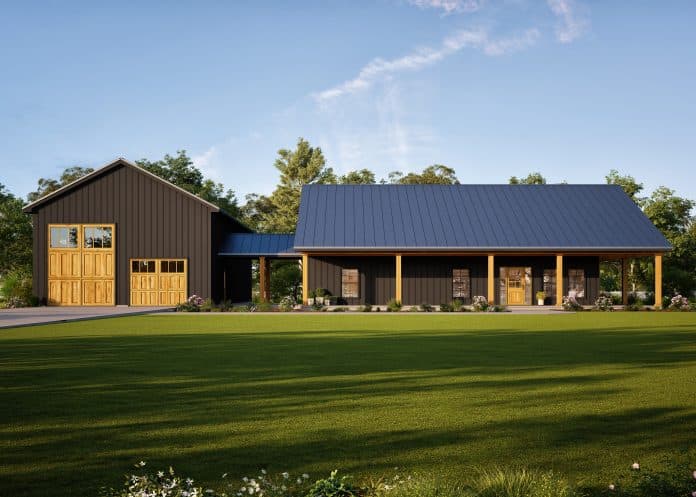
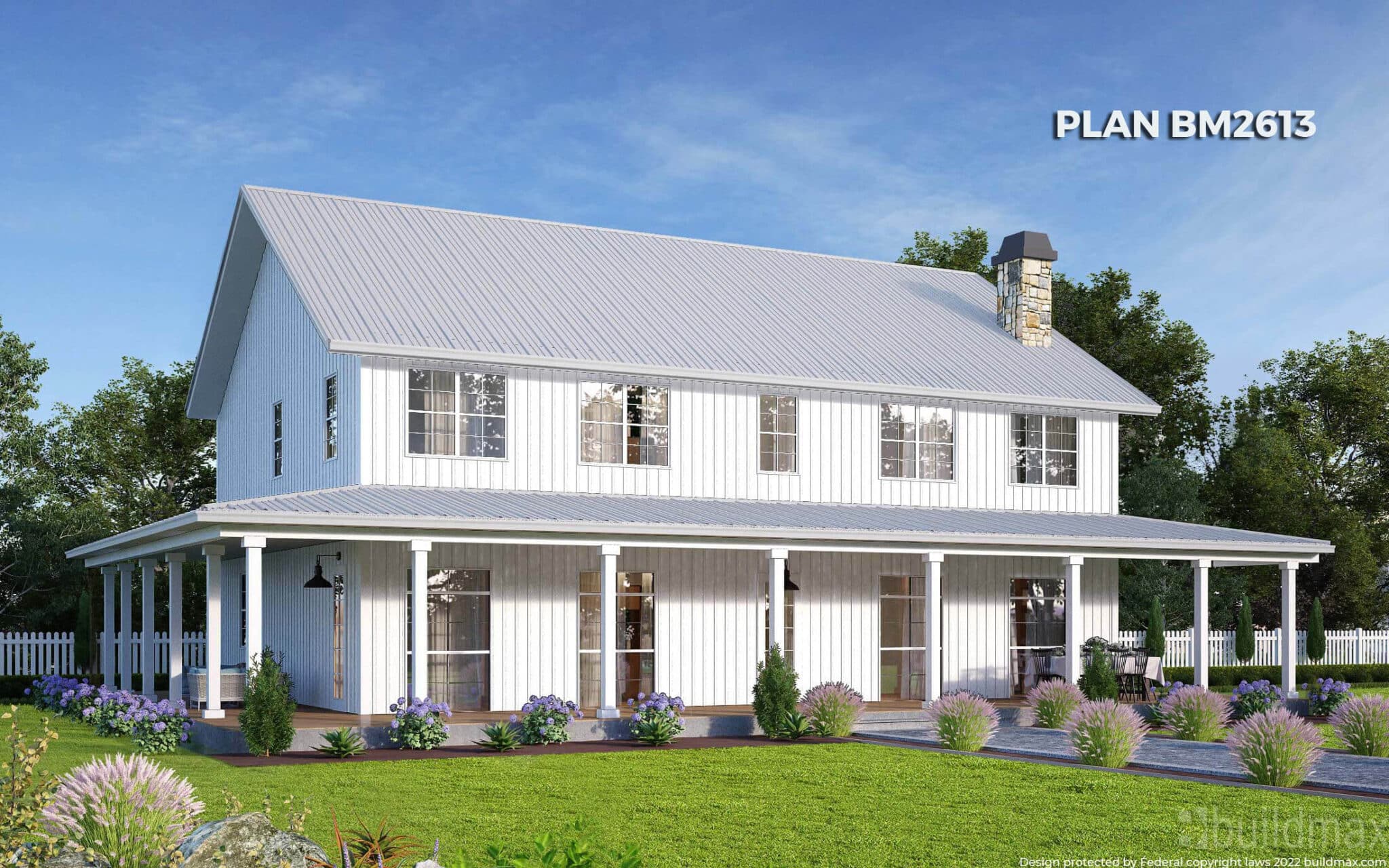
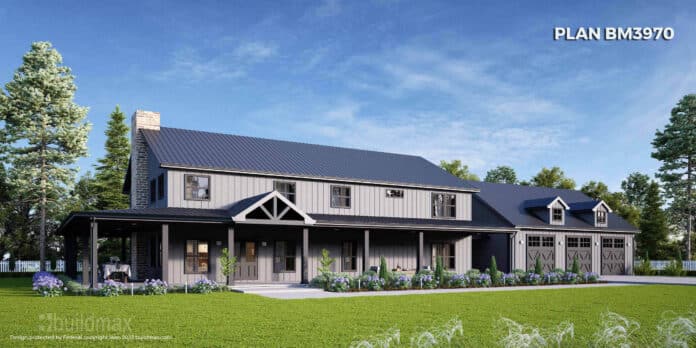
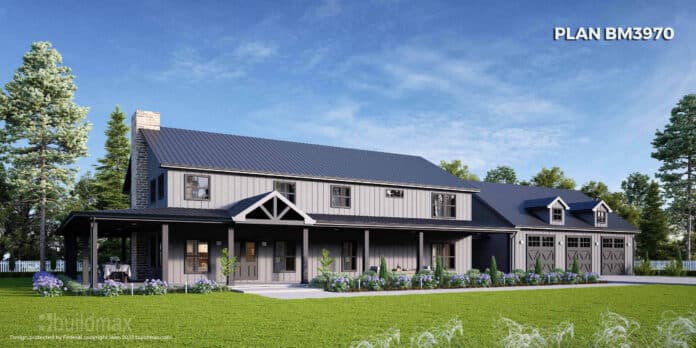
grey barndominium with wraparound porch and 3 car garage

Are Barndominiums Reliable in Extreme Weather Conditions?

barndominium designed for durability in extreme weather

If you are asking whether barndominiums are reliable in extreme weather conditions, the honest answer is this: they can be extremely reliable — but only when they are designed, engineered, and built for the weather they are actually going to face.

That is the part weak articles skip.

A barndominium is not automatically storm-proof just because it looks strong or uses steel. A well-engineered barndominium can perform very well in high winds, heavy snow, and other tough conditions. A poorly planned one can fail in the same ways any poorly planned structure can fail.

This is especially important for buyers building in hurricane zones, tornado-prone regions, heavy-snow areas, wildfire zones, or wet climates where drainage and moisture control matter as much as the frame itself.

BuildMax’s current article on this topic is directionally right: steel frame barndominiums are often a stronger choice in harsh weather because they are designed for specific regional loads and can offer excellent wind and snow performance. But the better answer is broader than that. The frame matters, but so do the roof, the slab, the openings, the site, and the engineering. ([buildmax.com](https://buildmax.com/are-barndominiums-reliable-in-extreme-weather-conditions/))

In this guide, we will break down how barndominiums perform in extreme weather, what makes them reliable, where they are most vulnerable, and how to build one that is actually ready for the climate you live in.

The Short Answer: Are Barndominiums Good in Extreme Weather?

Yes — barndominiums can be very reliable in extreme weather when they are designed for the correct wind loads, snow loads, and site conditions.

That does not mean every barndominium is equally resilient.

The reliability of a barndominium depends on:

  • the framing system
  • regional engineering requirements
  • anchoring and foundation design
  • roof shape and load planning
  • window and door performance
  • moisture management and drainage
  • whether the build actually follows local code and weather demands

BuildMax’s current article says properly designed steel frame barndominiums can handle wind speeds exceeding 150 mph and can be engineered for substantial snow loads. That is a strong starting point, but the key phrase there is properly designed. ([buildmax.com](https://buildmax.com/are-barndominiums-reliable-in-extreme-weather-conditions/))

What Makes a Barndominium Reliable in Extreme Weather?

The biggest mistake people make is treating weather durability like it comes from one magic feature. It does not.

A weather-resilient barndominium usually depends on several things working together:

1. The structural frame

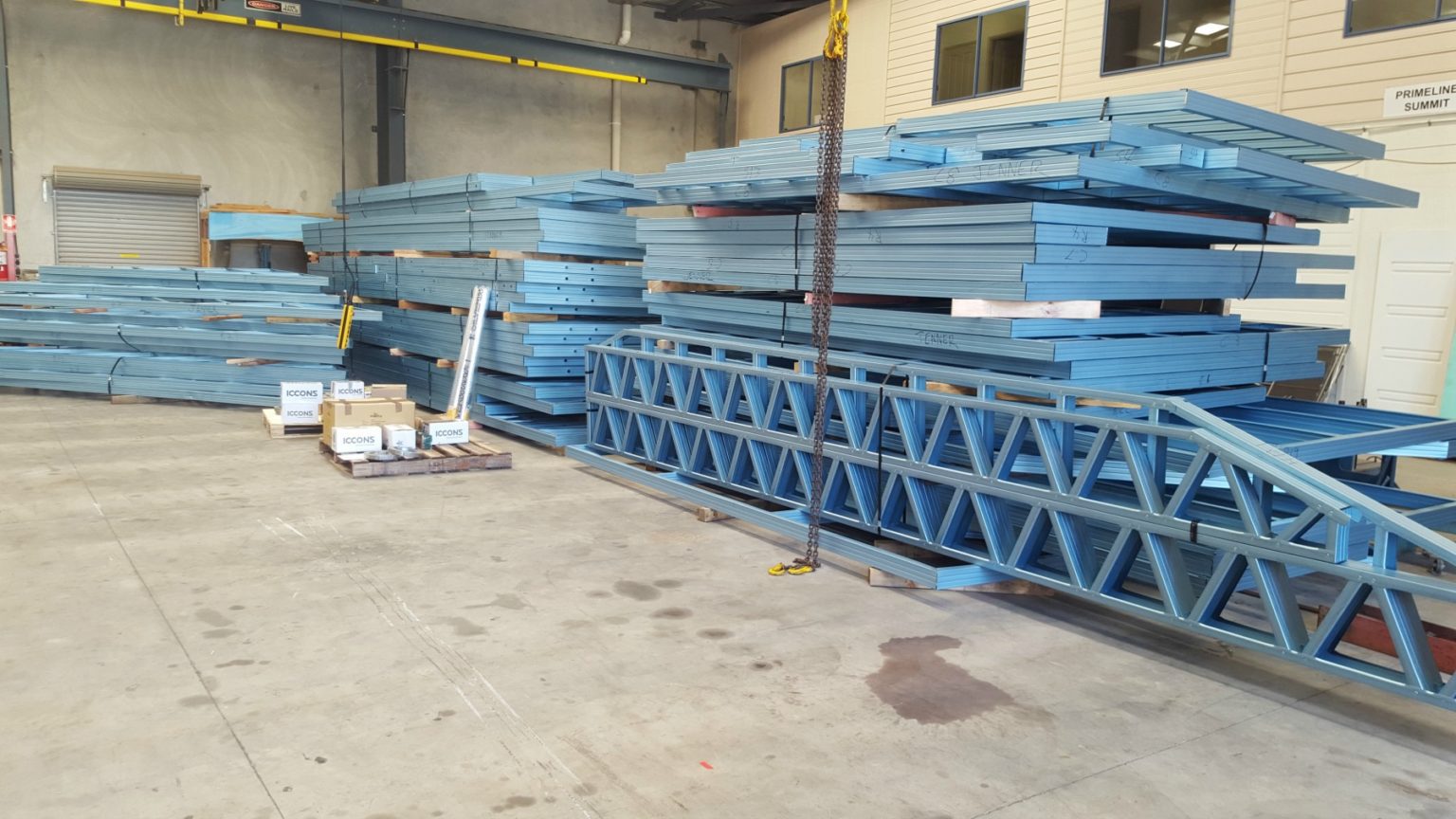
The frame matters because it carries wind loads, roof loads, and overall structural stress. BuildMax’s steel kit page emphasizes that steel offers high strength-to-weight performance, stable engineered properties, and strong disaster resistance. ([buildmax.com](https://buildmax.com/barndominium-kits/))

2. Correct engineering for the location

A barndominium in a mild climate is not designed the same way as one in a hurricane zone, a snow-heavy region, or a tornado-prone area.

3. Roof design

The roof is one of the most important weather components in the whole building. Wind uplift, snow shedding, and water management all depend on it.

4. Foundation and anchoring

A strong frame does not help much if the connection to the slab or foundation is weak.

5. Weather-resistant openings

Windows, exterior doors, garage doors, and shop doors are common weak points if they are not chosen correctly.

6. Site drainage and moisture control

Flooding, standing water, erosion, and poor runoff planning can damage the best-designed building if the site work is bad.

Why Steel Frame Barndominiums Often Perform Better in Harsh Weather

This is where BuildMax’s current page has the right instinct.

Steel frame barndominiums are often strong in extreme-weather conversations because steel is:

  • high-strength
  • dimensionally stable
  • resistant to rot and termites
  • less vulnerable to warping, splitting, and cracking than wood
  • often easier to engineer precisely for regional loads

BuildMax’s kits page also argues that steel kits can offer better structural integrity and stronger resistance to natural disasters like hurricanes, flooding, and fire, while reducing risks tied to moisture, mold, and decay. ([buildmax.com](https://buildmax.com/barndominium-kits/))

That said, steel is not a permission slip to stop thinking. A steel frame still needs the right connections, the right roof, the right slab, and the right weather-specific details.

How Barndominiums Perform in High Winds and Tornado Conditions
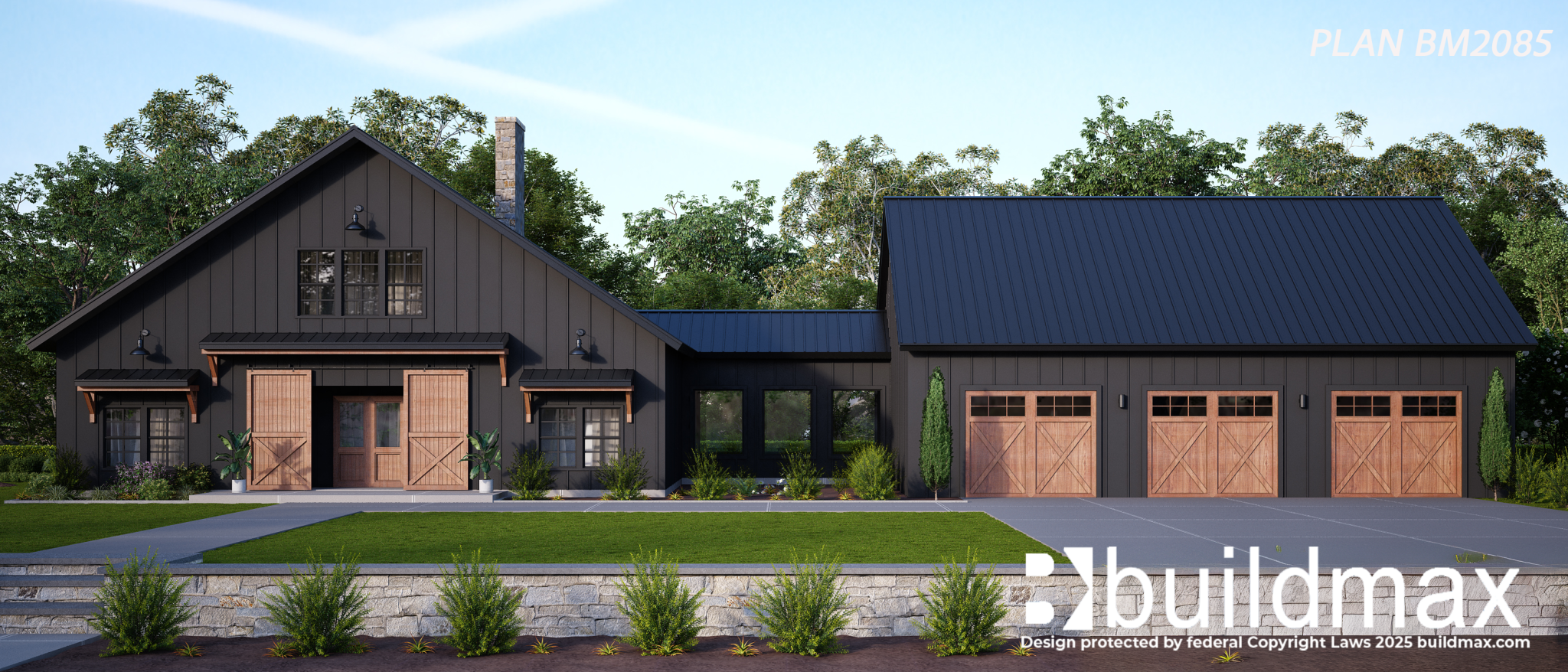
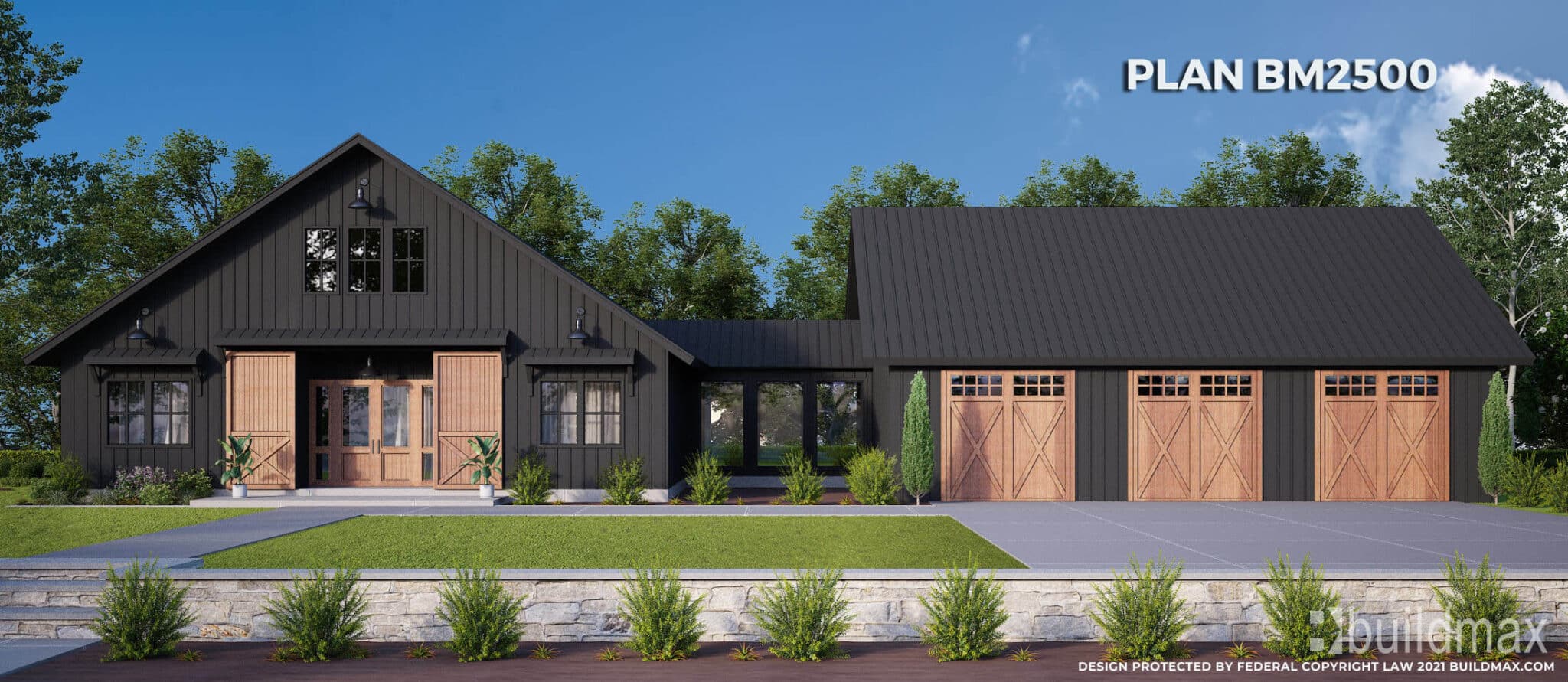
barndominium with large garage openings and strong exterior design

High winds are one of the biggest reasons buyers ask this question in the first place.

A well-engineered barndominium can perform well in high-wind environments because the structural system can be designed for specific wind loads. BuildMax’s current article specifically says that steel frame barndominiums can be designed to endure wind speeds exceeding 150 mph, which puts them into serious-storm territory. ([buildmax.com](https://buildmax.com/are-barndominiums-reliable-in-extreme-weather-conditions/))

What matters most in wind conditions:

  • engineered wind-load design
  • roof uplift resistance
  • strong connections and bracing
  • anchoring to the slab or foundation
  • garage door and opening strength

A lot of structures do not fail because the frame was weak. They fail because the openings, roof system, or connections gave way first.

So if you are building in a tornado-prone or hurricane-prone area, you should not just ask “is steel strong?” You should ask whether the entire building system is engineered for your wind conditions.

How Barndominiums Handle Heavy Snow Loads

Snow is another area where barndominiums can perform very well if they are designed correctly.

BuildMax’s current page makes the right point that steel frame barndominiums are particularly well suited to heavy snow because steel has strong load-bearing capacity and does not sag or absorb moisture the way wood can over time. The article also points out that steep roof designs can help shed snow more effectively. ([buildmax.com](https://buildmax.com/are-barndominiums-reliable-in-extreme-weather-conditions/))

What matters most in snow country:

  • roof pitch
  • engineered snow-load capacity
  • snow-shedding design
  • ice dam prevention
  • moisture control around melt and refreeze cycles

A barndominium in a heavy-snow region should not use a generic design assumption. The roof system has to be built for the actual climate.

Are Barndominiums Good in Rain, Flooding, and Wet Conditions?

This is where the conversation needs more honesty.

A barndominium can do well in wet climates, but water is ruthless. It will expose bad grading, weak flashing, poor drainage, bad site prep, and weak detailing faster than almost anything else.

The frame alone does not solve that.

What matters in wet conditions:

  • elevation and site grading
  • drainage away from the slab
  • roof drainage strategy
  • moisture-resistant materials
  • good flashing and weather sealing
  • flood-risk awareness before building

Steel does offer some clear advantages here because it does not rot, mold, or become termite food the way wood can if moisture problems go unchecked. BuildMax’s kits page and current weather article both lean into that durability argument, and that part is fair. ([buildmax.com](https://buildmax.com/barndominium-kits/)) ([buildmax.com](https://buildmax.com/are-barndominiums-reliable-in-extreme-weather-conditions/))

But if the site work is bad, the weather-resistance story falls apart fast.

Are Barndominiums Safer in Wildfire-Prone Areas?

They can be, depending on materials and design choices.

BuildMax’s current article points out that steel does not burn, which gives steel-frame barndominiums a real advantage over wood when wildfire exposure is part of the risk picture. ([buildmax.com](https://buildmax.com/are-barndominiums-reliable-in-extreme-weather-conditions/))

That said, wildfire safety is still about more than the frame:

  • roofing choice matters
  • vent detailing matters
  • window performance matters
  • defensible space around the house matters
  • landscaping decisions matter

Steel helps. It does not replace smart wildfire design.

What Are the Weak Points of a Barndominium in Extreme Weather?

This is the section weak articles avoid, and it is exactly why they stay weak.

The most common weather weak points are:

  • garage doors
  • large shop openings
  • roof uplift areas
  • poorly flashed windows and doors
  • weak slab anchoring
  • bad grading and water runoff
  • generic designs used in the wrong climate

A barndominium is not unreliable because it is a barndominium. It becomes unreliable when the design ignores the real weather threats of the region.

When a Barndominium Is a Bad Fit for Extreme Weather

Yes, there are situations where a barndominium can be the wrong move — or at least the wrong build path.

That usually happens when:

  • the site is flood-prone and poorly planned
  • the design is generic and not region-specific
  • the buyer prioritizes looks over structural details
  • garage/shop openings are oversized without proper engineering
  • the builder treats the project like a simple metal shed instead of a serious home

This is where people get hurt by hype. “Steel is strong” is not enough. If the weather risk is serious, the design needs to be serious too.

What to Look for in a Weather-Ready Barndominium Plan

barndominium floor plan with practical layout for weather-ready design

If you want a barndominium that is more reliable in extreme conditions, look for a plan and build path that account for:

  • engineered regional wind and snow loads
  • a practical roofline
  • the right slab/foundation design
  • garage and opening sizes that make structural sense
  • weather-resistant materials
  • good site drainage and elevation planning

If you are still comparing designs, start with the main BuildMax barndominium house plans page, then compare whether your layout needs garage or shop space through garage-friendly plan options.

What BuildMax Says About Kits and Weather Performance

BuildMax’s kits page makes a strong case that steel kits are one of the quickest and most durable build methods, and it specifically lists disaster resistance, moisture resistance, pest resistance, and improved structural integrity among the reasons buyers choose steel. The page also says steel kits can be priced partly based on wind and snow load requirements, which is exactly how this conversation should be handled: regional load design should be built into the package, not treated like an afterthought. ([buildmax.com](https://buildmax.com/barndominium-kits/))

That is a much stronger claim than simply saying “barndominiums are reliable.” It ties reliability back to engineering and climate-specific build design.

So, Are Barndominiums Reliable in Extreme Weather Conditions?

Here is the cleanest answer:

Yes — barndominiums can be very reliable in extreme weather conditions, especially when they are engineered for local wind and snow loads, built with strong materials like steel, and supported by the right roof, slab, openings, and site drainage.

But they are not automatically weather-proof just because they are barndominiums.

The real reliability comes from:

  • the engineering
  • the connections
  • the site work
  • the material choices
  • and whether the whole system is designed for the actual climate

That is the difference between a weather-ready home and a nice-looking idea.

Final Thoughts

The old version of this topic was too soft. It pushed the strength angle without being direct enough about what actually makes a barndominium survive harsh weather.

The smarter answer is more useful and more honest: a barndominium can be an excellent choice for extreme weather, but only if it is engineered and built like the weather matters.

If you are building in a high-wind, heavy-snow, wet, or fire-prone area, start with a serious plan, a serious kit path, and a serious understanding of what your climate demands.
Related BuildMax Resources

Can You Put Brick on a Barndominium?

White barndominium with lofty porch

Can You Put Brick on a Barndominium?

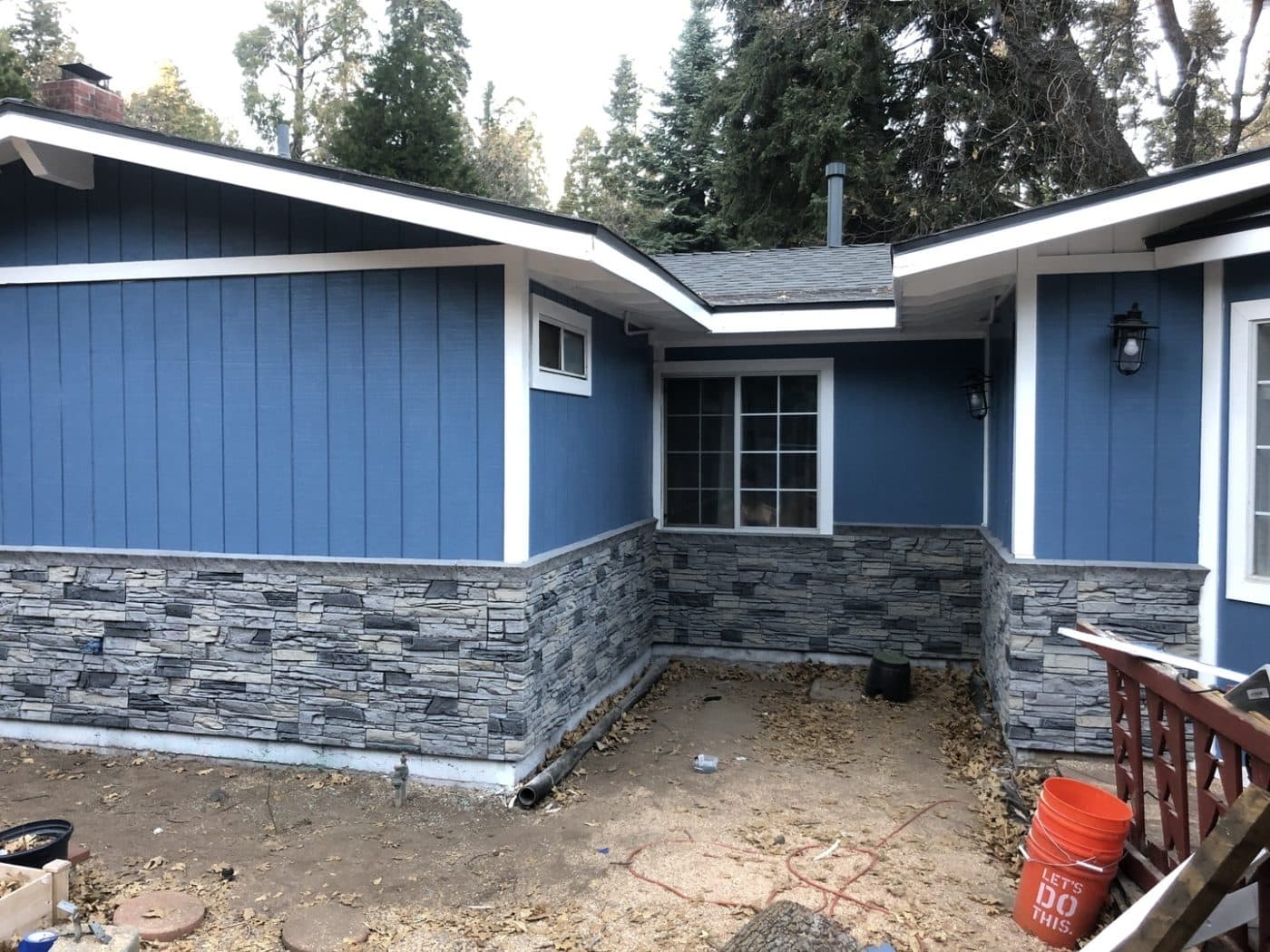
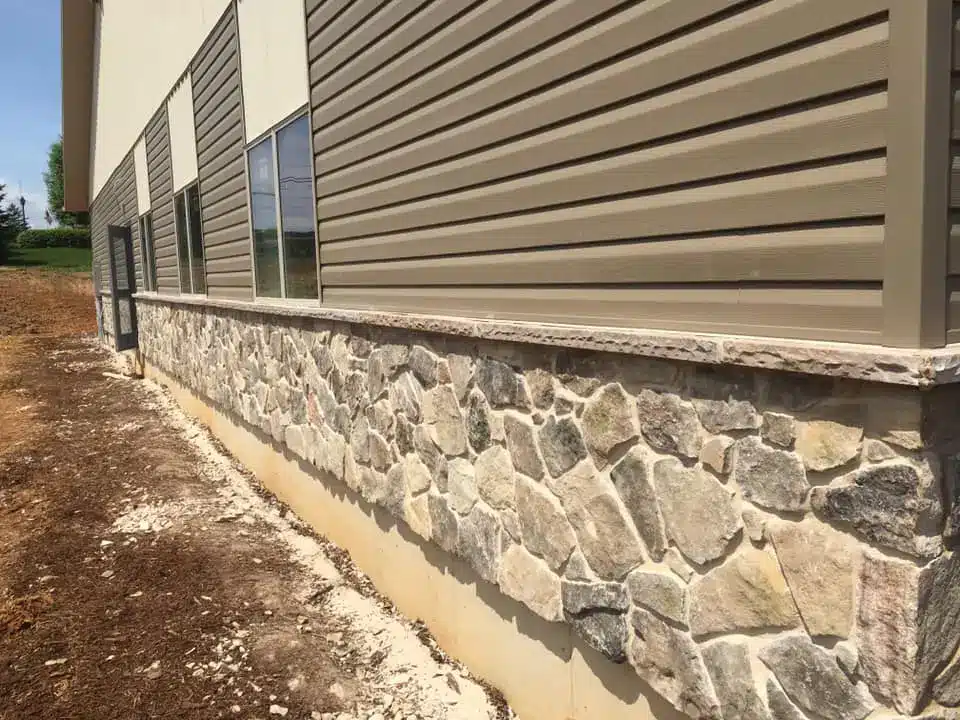
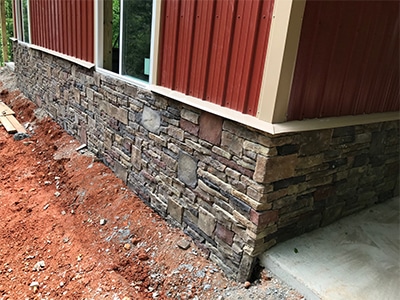
Barndominiums, with their unique blend of barn aesthetics and modern living spaces, offer a wide range of customization options that can suit various styles and preferences. One popular question among homeowners and builders is whether it’s possible to add brick to a barndominium. The answer is yes; you can certainly put brick on a barndominium! This can be done through techniques like wainscoting or using a full brick veneer. Both options offer a way to enhance the exterior appearance and provide additional benefits. Let’s explore these options in detail.

Adding Brick to a Barndominium: Key Considerations

Before diving into the different methods for adding brick to a barndominium, it’s essential to consider a few factors:

1. **Structural Support**: Unlike traditional homes with wood or concrete framing, barndominiums often use metal or steel frames. While these frames are strong and durable, they require proper anchoring systems to support the added weight of brick or brick veneer.

2. **Aesthetics and Design**: The design and style of the barndominium play a significant role in choosing the type of brick application. Brick can complement a rustic, traditional look or add contrast to modern, sleek metal siding.

3. **Climate and Environment**: Depending on the climate, adding brick to a barndominium can provide benefits such as increased insulation and weather resistance. However, proper installation and materials are necessary to prevent moisture problems.

4. **Cost and Installation**: Adding brick to a barndominium involves additional costs for materials and labor. Choosing the right type of brick and installation method that fits within your budget and desired outcome is crucial.

Wainscoting with Brick on a Barndominium

**Wainscoting** is a popular option for adding brick to a barndominium, especially for those looking to incorporate brick without covering the entire exterior. Wainscoting typically involves applying brick or another material, such as stone, to the lower portion of the exterior wall, creating a decorative accent that adds visual appeal and protection.

Benefits of Brick Wainscoting

1. **Enhanced Aesthetics**: Brick wainscoting can dramatically change the appearance of a barndominium by adding texture, color, and a classic or rustic element to the design. It pairs well with metal siding, providing a contrasting look that stands out.

2. **Cost-Effective**: Because wainscoting only covers a portion of the exterior, it is often more cost-effective than a full brick veneer. It requires fewer materials and less labor, making it a budget-friendly way to upgrade the exterior.

3. **Protection and Durability**: Brick wainscoting can provide additional protection to the lower portion of the barndominium’s exterior walls, which are more susceptible to damage from lawn equipment, weather, and general wear and tear.

4. **Insulation Benefits**: Brick wainscoting can help insulate the lower part of the structure, contributing to better energy efficiency and potentially reducing heating and cooling costs.

Considerations for Brick Wainscoting

– **Proper Flashing and Moisture Barriers**: It’s essential to install proper flashing and moisture barriers behind the brick wainscoting to prevent water infiltration, which can lead to rusting or other damage to the metal frame.

– **Foundation Compatibility**: Ensure the barndominium’s foundation is compatible with the additional weight and anchoring of brick wainscoting. This often involves additional planning and reinforcement.

Full Brick Veneer on a Barndominium

Another option for adding brick to a barndominium is to use a **full brick veneer**, which covers the entire exterior with brick. Unlike traditional brick construction, a brick veneer is not load-bearing; it is essentially a decorative layer attached to the exterior walls.

Benefits of Brick Veneer

1. **Timeless Appearance**: A full brick veneer gives a barndominium the timeless, classic look of a traditional brick home. It can appeal to those who prefer a more traditional or colonial aesthetic while still enjoying the benefits of a modern barndominium.

2. **Increased Property Value**: Brick exteriors are often seen as more durable and desirable, which can increase the resale value of a property. A brick veneer can enhance curb appeal and make the barndominium more attractive to potential buyers.

3. **Durability and Low Maintenance**: Brick veneer offers durability and requires minimal maintenance compared to other siding options. It does not need frequent painting or repairs and can withstand various weather conditions, including strong winds, rain, and hail.

4. **Improved Insulation and Soundproofing**: Brick veneer can improve the barndominium’s insulation and provide better soundproofing. This can result in lower energy bills and a quieter living environment.

Considerations for Brick Veneer

– **Weight and Structural Support**: Unlike brick wainscoting, a full brick veneer requires substantial support. The steel or metal frame must be properly reinforced to handle the weight of the brick, and the foundation should be designed to accommodate this additional load.

– **Cost**: Installing a full brick veneer is more expensive than wainscoting due to the increased material and labor costs. It is essential to budget for this investment and consider the long-term benefits of durability and value.

– **Installation Expertise**: Installing a brick veneer on a barndominium requires skilled labor to ensure the brick is properly anchored, spaced, and finished. Working with experienced masons and builders is crucial for achieving the desired look and longevity.

Brick Veneer Installation Process

The installation of brick veneer typically involves the following steps:

1. **Preparation**: The exterior surface is prepared by installing a metal lath or sheathing, which provides a base for attaching the brick veneer. A moisture barrier is also installed to prevent water intrusion.

2. **Anchoring**: The brick veneer is anchored to the wall using metal ties or clips that connect to the building’s frame, ensuring stability and strength.

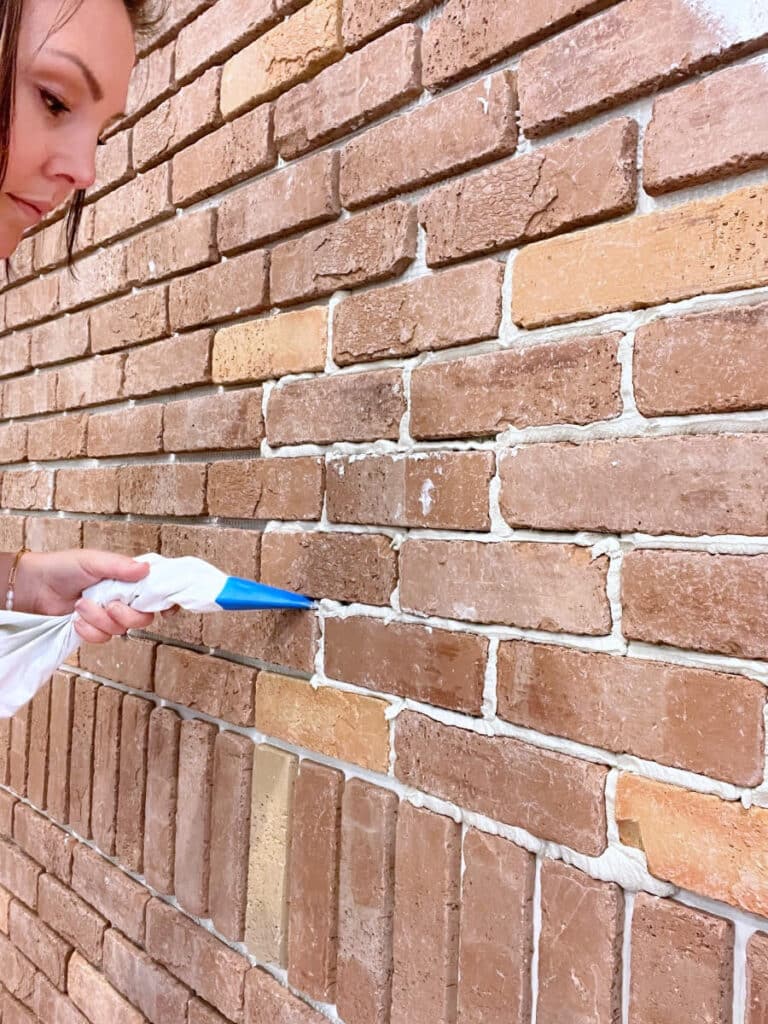
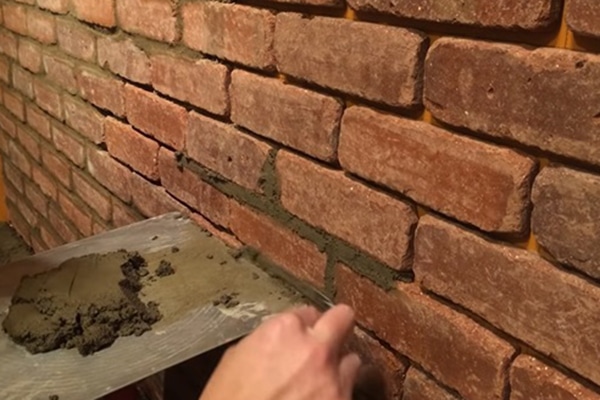
3. **Laying the Brick**: The brick veneer is laid in rows, similar to traditional bricklaying, with mortar used to secure the bricks in place.

4. **Finishing Touches**: The mortar joints are tooled and finished for a clean, polished look. Sealing the brick veneer may be necessary to provide additional protection against moisture.

Conclusion

white barndominium ADU


Adding brick to a barndominium is a viable and attractive option for enhancing its exterior appeal, whether through brick wainscoting or a full brick veneer. Both methods offer aesthetic benefits, added protection, and potential increases in property value. The choice between wainscoting and full veneer will depend on factors such as budget, desired look, and the structural considerations of your barndominium.

For those considering this upgrade, working with experienced professionals to ensure proper installation and maximize the benefits of a brick exterior is crucial. With the right planning and execution, a brick-enhanced barndominium can combine the rustic appeal of a barn with the timeless beauty of brick, creating a unique and durable home.

Do Barndominiums Rust Easily?

Do Barndominiums Rust Easily?

One common question homeowners ask before building a steel-framed barndominium is:

“Do barndominiums rust easily?”

The answer is: not when they are properly engineered, installed, dried-in, and maintained.

Modern steel-framed barndominiums often use galvanized cold-formed steel, which includes a protective zinc coating designed to help resist corrosion. However, no building material is completely immune to moisture, weather exposure, poor storage, or improper installation.

Can Steel Framing Rust?

Steel components can develop surface oxidation when exposed to moisture for extended periods, especially during construction.

This may happen when framing is exposed to:

  • rain

  • snow

  • humidity

  • standing water

  • mud

  • condensation

  • coastal or salt-air environments

In many cases, light surface oxidation is cosmetic and does not automatically mean the steel has lost structural integrity. However, it should still be addressed through proper construction practices and moisture management.

Surface Oxidation vs. Structural Corrosion

There is a major difference between temporary surface oxidation and long-term structural corrosion.

Surface oxidation may appear as light discoloration, staining, or minor rust on exposed areas before the home is dried-in.

Structural corrosion is more serious and usually results from repeated or prolonged moisture exposure without proper protection, drainage, ventilation, or maintenance.

Why Dry-In Matters

The best way to reduce rust-related concerns is to move the project toward dry-in as quickly as practical.

Dry-in typically includes:

  • roofing

  • exterior siding

  • weather barriers

  • flashing

  • windows and doors

The longer steel framing remains exposed to the elements, the greater the chance of cosmetic oxidation.

BuildMax recommends coordinating contractors before delivery, protecting materials when possible, keeping materials elevated, and avoiding unnecessary delays once framing begins.

Environment Matters

Some locations create higher corrosion exposure than others.

These may include:

  • coastal areas

  • high-humidity regions

  • areas with heavy rainfall or snow

  • properties with poor drainage

  • industrial environments

Homes in harsher environments may require additional maintenance, protective measures, or product-specific recommendations from manufacturers.

BuildMax Is Not the Builder

BuildMax provides floor plans, design services, and material packages. BuildMax is not a general contractor or builder and does not supervise construction, manage jobsites, or control installer workmanship.

Homeowners should hire a vetted general contractor with steel framing experience or consider requesting a quote from a third-party manufacturer’s steel installation crew, if available in their area.

All contractors and installers are independent third parties, and homeowners are responsible for selecting and managing their project team.

Final Thoughts

So, do barndominiums rust easily?

Properly installed and maintained steel-framed barndominiums are designed for long-term performance. However, temporary surface oxidation can occur if steel materials are left exposed to moisture during construction.

The best protection is proper planning, experienced installers, good material storage, moisture control, and getting the structure dried-in as soon as practical.

Are Steel Frame Barndominiums The best Bang For Your Buck?

white barndominium with cupolas

Are Steel Frame Barndominiums the Best Bang for Your Buck?

Steel frame barndominiums are often marketed as a high-value option for homeowners—but are they really the “best bang for your buck”?

The honest answer is: it depends on your goals, location, and how the project is executed. While steel barndominiums can offer strong value in the right situations, cost-effectiveness comes down to the entire build—not just the framing material.


What “Value” Really Means in Construction

When people talk about “bang for your buck,” they’re usually referring to a mix of:

  • upfront construction cost

  • long-term durability

  • maintenance requirements

  • usable space

  • and overall functionality

No single material automatically wins in every category. The real value comes from how well the home is designed, built, and maintained.


Where Steel Barndominiums Can Offer Strong Value

1. Flexible, Functional Space

Steel frame barndominiums are often designed with:

  • open-concept layouts

  • large living areas

  • integrated garages or shops

  • multi-use spaces

This can give homeowners more usable square footage for the same footprint compared to traditional layouts.


2. Efficient Structural Design

Pre-engineered steel systems can help:

  • align materials with plans

  • reduce some jobsite waste

  • support large spans and open designs

When properly planned, this can improve overall project efficiency—but it still depends on installation and coordination.


3. Long-Term Durability (With Proper Practices)

Steel framing is often chosen for:

  • dimensional consistency

  • resistance to warping

  • and structural stability

However, durability depends on:

  • proper installation

  • moisture management

  • insulation and ventilation

  • and ongoing maintenance


4. Customization Without Wasted Space

Many barndominiums are designed around real-life use, which can reduce:

  • unused rooms

  • inefficient layouts

  • unnecessary square footage

That can translate into better value per dollar spent.


Where Costs Can Increase

Steel barndominiums are not always cheaper. Costs can rise depending on:

  • labor availability in your area

  • contractor experience with steel systems

  • site work and land conditions

  • interior finishes and upgrades

  • design complexity

In some regions, wood framing may be more cost-effective simply due to labor familiarity.


Labor and Builder Experience Matter

One of the biggest cost factors is not materials—it’s the construction team.

Steel framing requires:

  • experienced installers

  • proper sequencing

  • familiarity with engineered plans

Important:
BuildMax is not a builder or general contractor. BuildMax provides plans and material packages but does not control construction, pricing, or contractor performance.

Homeowners should:

  • hire a vetted general contractor

  • choose crews with steel framing experience

  • and compare multiple bids

You may also consider requesting a quote from a third-party manufacturer’s steel installation crew, if available.


Design Has a Bigger Impact Than Material

A simple, well-designed home—whether steel or wood—will almost always be more cost-effective than a complex build.

Cost drivers include:

  • rooflines

  • spans

  • finishes

  • layout complexity

  • garages and shop space

The more efficient the design, the better the overall value.


Long-Term Considerations

Some homeowners evaluate value beyond initial cost, including:

  • maintenance requirements

  • energy performance

  • durability over time

These factors vary based on:

  • climate

  • installation quality

  • materials used throughout the home

No system is maintenance-free, and long-term value depends on upkeep.


So, Are They the Best Bang for Your Buck?

Steel frame barndominiums can offer strong value when:

  • the design is efficient

  • the project is well planned

  • experienced contractors are used

  • and expectations are realistic

But they are not automatically the cheapest or best option in every situation.


Final Thoughts

The “best bang for your buck” isn’t about choosing steel vs. wood—it’s about:

  • smart design

  • realistic budgeting

  • qualified builders

  • and proper execution

Steel barndominiums can be a great investment when everything is aligned—but like any custom home, the real value comes from how the project is planned and built.

Can A Steel Barndo Kit Be Perfect For a New Family?

white farmhouse with wraparound porch

Can a Steel Barndo Kit Be a Good Fit for a New Family?

For many families planning a new home, barndominiums have become an increasingly popular option. A common question is:

“Is a steel barndo kit a good choice for a growing family?”

The answer depends on your goals, your property, and how well the project is planned and executed. Steel barndo kits can offer flexibility and functionality—but like any home, they require thoughtful design and the right construction team.


What Is a Steel Barndo Kit?

A steel barndo kit typically includes a pre-engineered package of structural materials designed to match a specific floor plan.

Depending on the system, this may include:

  • steel framing components

  • roof systems

  • exterior panels

  • trim and fasteners

  • engineered drawings

It’s important to understand that a kit is not a complete home. You will still need:

  • land and site preparation

  • a foundation

  • utilities

  • interior build-out

  • and full construction coordination


Why Families Consider Barndo Kits

Many families are drawn to barndominiums because of how adaptable they are to real-life needs.
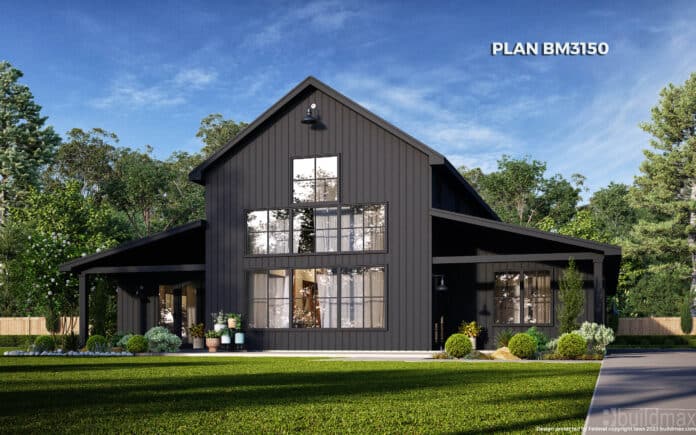
Common benefits include:

  • open-concept living spaces

  • flexible room layouts

  • large kitchens and gathering areas

  • integrated garages or storage

  • room for home offices or play areas

These features can make it easier to design a home that evolves as your family grows.

Space for Work, Storage, and Everyday Life

One major advantage of barndominiums is the ability to combine living space with functional areas.
Families often include:

  • garages for multiple vehicles

  • workshops or hobby areas

  • storage for equipment or outdoor gear

  • mudrooms or utility spaces

This can be especially useful for:

  • rural or acreage properties

  • families with active lifestyles

  • or those needing extra storage and flexibility


Customization for Changing Needs

A well-designed barndo can adapt over time.

Families can plan for:

  • additional bedrooms

  • flexible bonus spaces

  • guest areas

  • home offices

  • or multi-generational living

The key is designing with both current and future needs in mind.


Planning Is Critical

While barndo kits can simplify part of the process, they do not eliminate the need for detailed planning.

Important considerations include:

  • local zoning and building requirements

  • school districts and location factors

  • long-term space needs

  • budget and financing

  • site conditions and utilities

Families who plan thoroughly upfront tend to have smoother builds and fewer surprises.


Construction and Builder Considerations

It’s important to understand that BuildMax is not a builder or general contractor.

BuildMax provides:

  • floor plans

  • design services

  • and material packages (including kits)

BuildMax does not:

  • supervise construction

  • manage job sites

  • or control contractor performance

For that reason, BuildMax strongly recommends:

  • hiring a vetted general contractor

  • choosing professionals experienced with steel framing systems

  • and carefully evaluating all subcontractors

In some cases, families may also consider requesting a quote from a third-party manufacturer’s steel installation crew, if available in their area. Crews familiar with the system can help improve coordination and reduce installation-related issues.

All contractors are independent third parties, and the homeowner is responsible for selecting and managing the build team.


Budget and Timeline Expectations

Steel barndo kits are sometimes marketed as faster or more affordable, but real-world results depend on:

  • design complexity

  • finishes

  • contractor pricing

  • site work

  • permitting

  • and weather

Families should plan for a full project timeline and budget—not just the kit itself.


Is It the Right Choice for Your Family?

A steel barndo kit can be a great option for families who want:

  • flexible living space

  • room to grow

  • integrated storage or workspace

  • and a customizable home design

However, it’s not a shortcut around the realities of building a home.

Success depends on:

  • strong planning

  • realistic expectations

  • experienced contractors

  • and active involvement throughout the process


Final Thoughts

So, can a steel barndo kit be a good fit for a new family?

Yes—when it’s approached as a full construction project, not just a kit purchase.

Barndominiums offer flexibility and functionality that many families value, but the outcome depends on:

  • how well the home is designed

  • how it’s built

  • and the team you choose

With the right planning and professionals in place, a steel barndo can become a comfortable, long-lasting home designed to support your family’s lifestyle for years to come.

What Are Some Negatives About Barndominiums?

What Are the Negatives of Barndominiums?

Barndominiums have become one of the fastest-growing home styles in America. What started as a niche trend has evolved into a mainstream architectural design offered by major house plan companies, custom home builders, and developers across the country.

Homeowners love barndominiums because they offer:

  • open-concept layouts,
  • modern farmhouse appeal,
  • large garages and workshops,
  • vaulted ceilings,
  • covered porches,
  • and highly customizable floor plans.

But like any custom home project, barndominiums are not perfect for every buyer or every property. There are still some realistic challenges homeowners should understand before starting construction.

The good news is that most of these issues can be managed with proper planning, quality engineering, experienced contractors, and realistic expectations.

Here are some of the most common negatives or challenges associated with building a barndominium.


1. Every Building Department Is Different

One of the biggest surprises for first-time buyers is that local building requirements can vary significantly from one area to another.

Some cities, counties, HOAs, or subdivisions may have restrictions related to:

  • exterior materials,
  • roof styles,
  • minimum square footage,
  • engineering requirements,
  • or residential appearance standards.

Before purchasing land or starting construction, homeowners should verify:

  • local zoning regulations,
  • HOA restrictions,
  • utility availability,
  • septic requirements,
  • and permitting requirements.

Most barndominium projects move through permitting successfully, but local requirements should always be reviewed early in the planning process.


2. Construction Costs Can Increase Quickly

Social media sometimes creates the impression that every barndominium is dramatically cheaper than a traditional home. In reality, total construction costs depend heavily on:

  • location,
  • site preparation,
  • utility installation,
  • labor rates,
  • engineering,
  • foundation design,
  • and interior finish selections.

A simple country-style barndominium may cost substantially less than a fully customized luxury home with:

  • oversized garages,
  • commercial-style kitchens,
  • large porches,
  • custom windows,
  • and premium finishes.

The homeowners who usually have the best experience are the ones who:

  • establish a realistic budget early,
  • finalize their plans before construction begins,
  • and avoid major changes during the build.

3. Moisture and Weather Exposure Must Be Managed During Construction

Like any building material, construction components exposed to weather for extended periods of time may experience moisture-related issues during the construction process.

With steel framing systems, prolonged exposure to rain, humidity, standing water, snow, or improper storage conditions can sometimes lead to temporary surface oxidation before the structure is dried-in.

This is why proper project coordination is extremely important.

BuildMax strongly recommends:

  • proper material storage,
  • keeping the project moving toward dry-in,
  • and using experienced contractors familiar with cold-formed steel framing systems.

Although many homeowners choose to owner-build their projects, steel framing systems often require specialized coordination between:

  • slab layout,
  • framing,
  • roofing,
  • windows,
  • insulation,
  • and weatherproofing.

Using experienced installers can help reduce delays and installation-related issues.


4. Open Floor Plans Can Create Noise Challenges

One of the biggest advantages of a barndominium is the large open-concept living space. However, tall ceilings and open layouts can sometimes create:

  • echoing,
  • sound transfer,
  • and reduced privacy between rooms.

Fortunately, this can often be improved with:

  • insulation,
  • rugs,
  • furniture placement,
  • acoustic treatments,
  • and thoughtful interior design.

Most homeowners feel the openness and natural light outweigh the acoustical challenges, but it is still something worth considering during the design phase.


5. Builder Experience Matters

Not every contractor has experience building barndominiums or working with cold-formed steel framing systems.

An inexperienced builder may struggle with:

  • framing coordination,
  • weatherproofing,
  • sequencing,
  • engineering interpretation,
  • or specialty installation details.

Before starting construction, homeowners should carefully evaluate:

  • builders,
  • framers,
  • erectors,
  • and subcontractors.

BuildMax may provide general introductions or recommendations to independent builders or installers in certain areas, but homeowners are ultimately responsible for selecting and managing the contractors involved in their project.


6. Construction Timelines Can Vary

Online videos often make it appear that barndominiums can be completed extremely quickly. While some projects move very efficiently, every construction project is different.

Factors that can affect timelines include:

  • permitting,
  • weather,
  • inspections,
  • financing,
  • contractor scheduling,
  • utility installation,
  • and site conditions.

Pre-manufactured framing systems and engineered plans may help improve framing efficiency and coordination, but realistic timelines are still important.

Proper planning and experienced contractors are often the biggest factors in keeping a project on schedule.


7. Proper Insulation and Ventilation Are Important

Modern barndominiums can be extremely energy efficient when designed correctly. However, insulation and ventilation should never be overlooked.

Proper building design helps reduce:

  • heat transfer,
  • humidity,
  • condensation,
  • and energy loss.

Common solutions include:

  • spray foam insulation,
  • insulated wall systems,
  • radiant barriers,
  • attic ventilation,
  • and energy-efficient HVAC systems.

When these systems are planned properly, barndominiums can perform very well in both hot and cold climates.


8. Customization Can Add Complexity

One of the biggest reasons barndominiums are so popular is the ability to customize nearly every aspect of the home.

Homeowners may choose:

  • attached garages,
  • workshops,
  • RV storage,
  • wraparound porches,
  • vaulted great rooms,
  • lofts,
  • or large entertaining spaces.

But with increased customization often comes increased complexity.

Larger spans, specialty windows, structural upgrades, and custom layouts can require:

  • additional engineering,
  • coordination,
  • and construction planning.

Having a clear vision and finalized plans before construction begins can help simplify the building process significantly.


Final Thoughts

Barndominiums are no longer just a trend — they have become a mainstream home style across the United States.

They offer:

  • flexible floor plans,
  • modern farmhouse appeal,
  • open-concept living,
  • garage and workshop integration,
  • and highly customizable designs.

At the same time, they are still custom construction projects that require:

  • planning,
  • budgeting,
  • coordination,
  • and experienced professionals.

Most of the challenges associated with barndominiums can be reduced or avoided entirely through:

  • quality engineering,
  • experienced contractors,
  • realistic expectations,
  • proper insulation and ventilation,
  • and strong project coordination.

When planned correctly, a barndominium can become a long-lasting home designed specifically around the way your family lives.

Mortgage rates are dropping, What will they do next?

white barndominium ADU

Mortgage Rates Have Fallen to Their Lowest Point Since 2023: How Low Will They Go?

In recent weeks, mortgage rates have fallen to their lowest levels since 2023, offering a glimmer of hope to prospective homebuyers and those looking to refinance their existing loans. This decline in rates comes after a period of volatility and high borrowing costs, prompting many to wonder whether now is the right time to secure a mortgage or wait for even better rates. If you’re considering a barndominium loan, understanding the current mortgage landscape and where rates might go from here can help you make an informed decision. This article will explore the recent trends in mortgage rates, factors influencing their future trajectory, and whether now is the right time to lock in your barndominium loan.

1. **The Recent Decline in Mortgage Rates**

Mortgage rates have dropped to their lowest levels since 2023, with the average rate on a 30-year fixed mortgage falling below 6.5% in many markets. This decline represents a significant shift from the higher rates seen over the past year, which were driven by the Federal Reserve’s aggressive interest rate hikes aimed at combating inflation.

– **Causes of the Decline:** Several factors have contributed to this recent drop in mortgage rates:
– **Easing Inflation:** Recent economic data suggest that inflation is gradually easing, which has led to speculation that the Federal Reserve may slow or pause its interest rate hikes. Lower inflation expectations have a direct impact on mortgage rates, as they reduce the cost of borrowing.
– **Economic Uncertainty:** Concerns about a potential economic slowdown or recession have also put downward pressure on mortgage rates. When investors become more risk-averse, they often seek the relative safety of government bonds, which can drive down yields and, in turn, mortgage rates.
– **Improved Market Conditions:** The housing market has shown signs of stabilizing after a period of rapid price increases and high borrowing costs. As demand for homes moderates, lenders may offer lower rates to attract buyers.

2. **Where Could Mortgage Rates Go From Here?**

Predicting the future direction of mortgage rates is challenging, as it depends on several economic factors and policy decisions:

– **Potential Scenarios for Rate Movements:**
– **Continued Decline:** If inflation continues to decrease and the Federal Reserve signals that it will pause or cut interest rates, mortgage rates could fall further. This would provide an even more favorable environment for homebuyers and those looking to refinance.
– **Stabilization:** Some experts believe that mortgage rates may stabilize around their current levels if the economy remains on a steady growth path without significant inflationary pressures. In this scenario, rates may not drop much further, but they are unlikely to rise significantly either.
– **Rate Increases:** Conversely, if inflation proves more persistent or the economy shows signs of overheating, the Federal Reserve could resume raising rates, causing mortgage rates to increase. This risk remains, especially given the uncertainty surrounding global economic conditions and supply chain disruptions.

3. **Should You Move on Your Barndominium Loan Now or Wait?**

If you’re planning to build a barndominium, deciding whether to lock in a mortgage rate now or wait for further declines is a crucial consideration. Here are some factors to help guide your decision:

– **Reasons to Lock in Now:**
– **Lowest Rates in Over a Year:** With mortgage rates at their lowest point since 2023, now could be an excellent time to secure a favorable rate. Even a slight increase in rates could significantly affect your monthly payments and overall cost of borrowing, so taking advantage of the current low rates could save you money in the long run.
– **Predictable Budgeting:** Locking in a fixed-rate mortgage provides certainty in your financial planning. You’ll know exactly what your monthly payments will be, which is particularly helpful if you’re managing the costs of building and customizing a barndominium.
– **Limited Downside Risk:** If rates do fall further after you lock in, some lenders offer the option to “float down” to a lower rate before closing, though this may come with fees or conditions. In any case, locking in now minimizes the risk of rates rising unexpectedly.

– **Reasons to Consider Waiting:**
– **Potential for Further Decline:** If you believe rates have more room to fall, it might be worth waiting a few more weeks or months to see if conditions improve further. This strategy could save you money, but it comes with the risk that rates could increase instead.
– **Flexible Timeline:** If you are not in a rush to secure your loan and have the flexibility to wait, you may benefit from monitoring the market closely. Keeping an eye on economic indicators, Federal Reserve announcements, and inflation data can help you time your decision more effectively.
– **Market Volatility:** Mortgage rates can be volatile and change quickly based on economic news or geopolitical events. If you are comfortable with some uncertainty and are willing to track the market closely, waiting could potentially pay off.

4. **Key Considerations for Barndominium Loans**

When deciding whether to lock in your barndominium loan, consider these additional factors:

– **Loan Terms and Construction Timelines:** Barndominiums are often financed through construction loans, which have different terms and conditions than standard mortgages. These loans typically involve a variable interest rate during the construction period, which is then converted to a fixed rate once the home is complete. Understanding how the current rate environment affects both phases of your loan is crucial.

– **Rate Lock Options:** Many lenders offer rate lock options that allow you to secure a mortgage rate for a set period, typically 30 to 90 days. Some lenders also offer extended rate lock periods or rate lock float-down options, which allow you to lower your rate if market conditions improve before closing. Discuss these options with your lender to understand the costs and benefits.

– **Local Market Conditions:** Mortgage rates can vary by region, and local housing market conditions can influence the rates offered by lenders. In areas where barndominiums are particularly popular or where construction is booming, rates may be more competitive. Research local market conditions to find the best rates available.

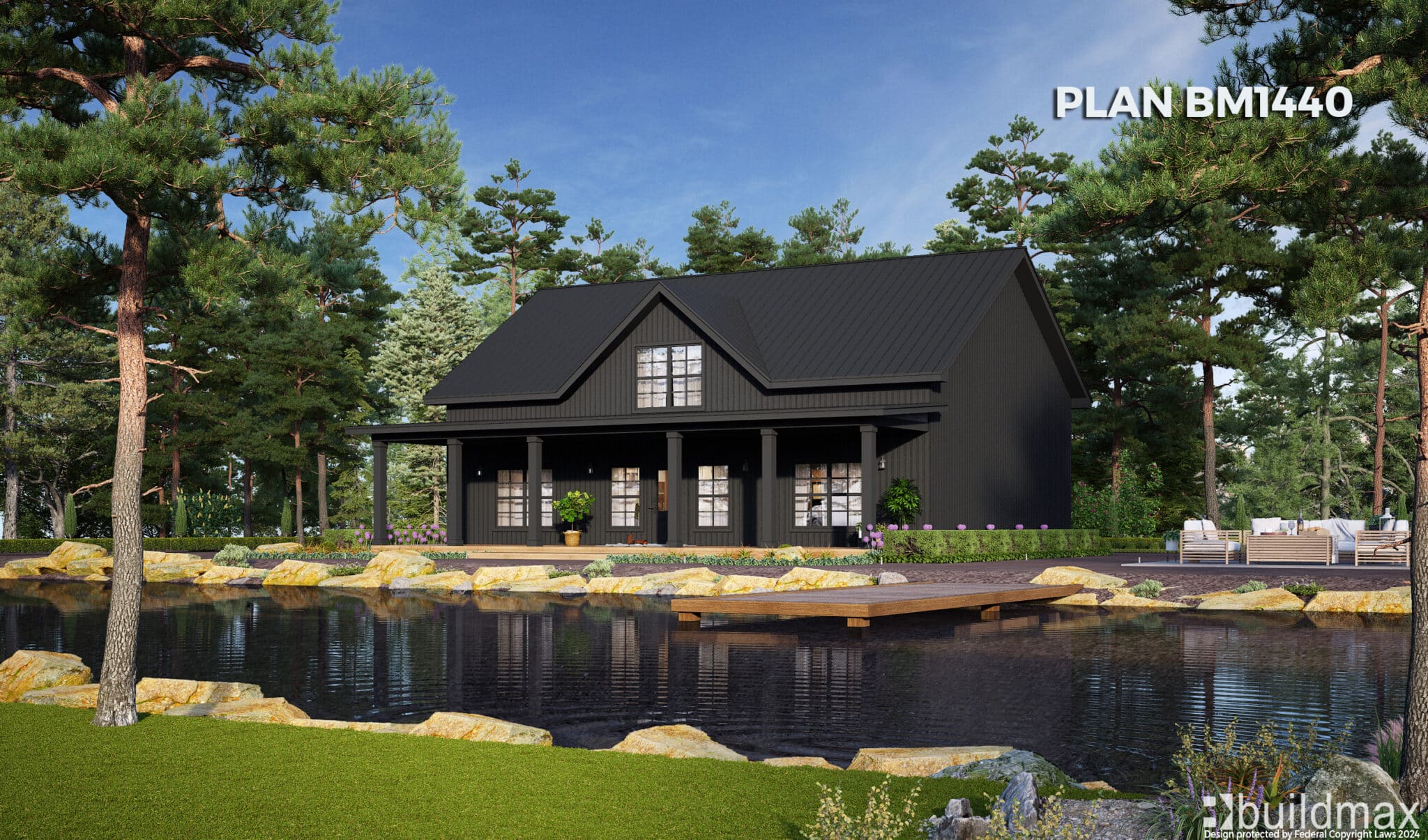
black barndominium by a lake

5. **Conclusion: Is Now the Right Time?**

With mortgage rates at their lowest levels since 2023, now could be an excellent time to secure a loan for your barndominium, especially if you are ready to move forward with construction and want to lock in a favorable rate. However, the decision to act now or wait depends on your financial situation, risk tolerance, and expectations for future rate movements.

DREAM BARNDO BM2852
Buildmax Plan BM2852

If you’re comfortable with some uncertainty and believe rates could fall further, you might benefit from waiting and monitoring the market. On the other hand, if you prefer financial stability and the peace of mind that comes with a fixed-rate mortgage, locking in now could help you secure a favorable rate and protect against potential rate hikes.

Ultimately, the best decision will depend on your specific circumstances and how quickly you want to move forward with your barndominium project. Consulting with a financial advisor or mortgage professional can help you navigate the complexities of the current market and make the choice that best aligns with your goals.

How Fast Can a Barndominium Be Built?

white barndominium with wraparound porch

How Fast Can a Barndominium Be Built?

Barndominiums have gained popularity as a cost-effective, durable, and customizable alternative to traditional homes. One of the most appealing aspects of building a barndominium, particularly a steel frame one, is the relatively quick construction time compared to conventional houses. But how fast can a barndominium be built? For a typical 2,500-square-foot steel frame barndominium kit, the timeline can be significantly shorter than that of a traditional home. This article will explore the factors that affect the speed of construction and provide a general timeline for building a 2,500-square-foot steel frame barndominium.

1. **Factors Affecting Construction Time**

The time it takes to build a barndominium can vary depending on several factors:

– **Pre-Engineered Steel Frame Kits:** Steel frame barndominiums are often built using pre-engineered kits, which are manufactured off-site and shipped to the building location. These kits are designed to fit together precisely, reducing the time needed for on-site construction. The quality and design of the kit, as well as the complexity of the floor plan, can influence the overall construction timeline.

– **Site Preparation:** The amount of time required to prepare the building site can also impact the construction schedule. Factors such as clearing the land, leveling the ground, and installing utilities (such as water, electricity, and sewage) must be considered. If the site is already prepared or requires minimal work, this phase can be completed relatively quickly.

– **Permits and Inspections:** Obtaining necessary building permits and scheduling inspections can also affect the timeline. Local regulations vary, and the time required to navigate these processes depends on the efficiency of the local permitting office and the complexity of the project.

– **Weather Conditions:** Weather plays a significant role in the construction timeline. Adverse weather conditions, such as heavy rain, snow, or extreme temperatures, can cause delays. However, steel frame construction is generally less affected by weather than traditional wood framing, allowing for quicker progress.

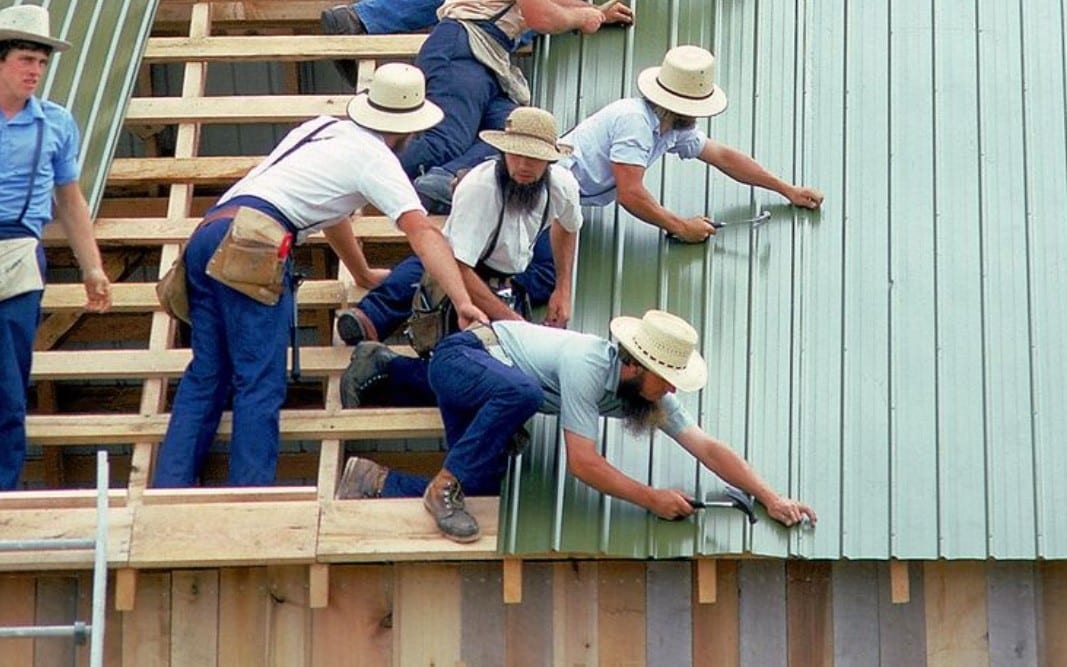
Amish Workers working together to accomploish a shared goal

– **Availability of Labor and Materials:** The availability of skilled labor and materials can also impact how quickly a barndominium is built. The more streamlined and efficient the supply chain and workforce, the faster the construction will proceed.

2. **Estimated Timeline for Building a 2,500-Square-Foot Steel Frame

Barndominium**

Given these factors, let’s break down a general timeline for building a 2,500-square-foot steel frame barndominium:

**1. Planning and Design (1-2 Months):**
– **Customizing the Kit:** The first step is selecting and customizing your steel frame barndominium kit. This process can take anywhere from a few weeks to a couple of months, depending on how much customization you want. Working with a company that provides pre-engineered kits, like Buildmax, can expedite this process as they offer ready-made designs and customization options that are easy to modify.
– **Permits and Approvals:** While you are working on the design, you can simultaneously apply for the necessary building permits. The time required to obtain permits will vary depending on local regulations, but it usually takes about 1 to 2 months.

**2. Site Preparation (1-2 Weeks):**
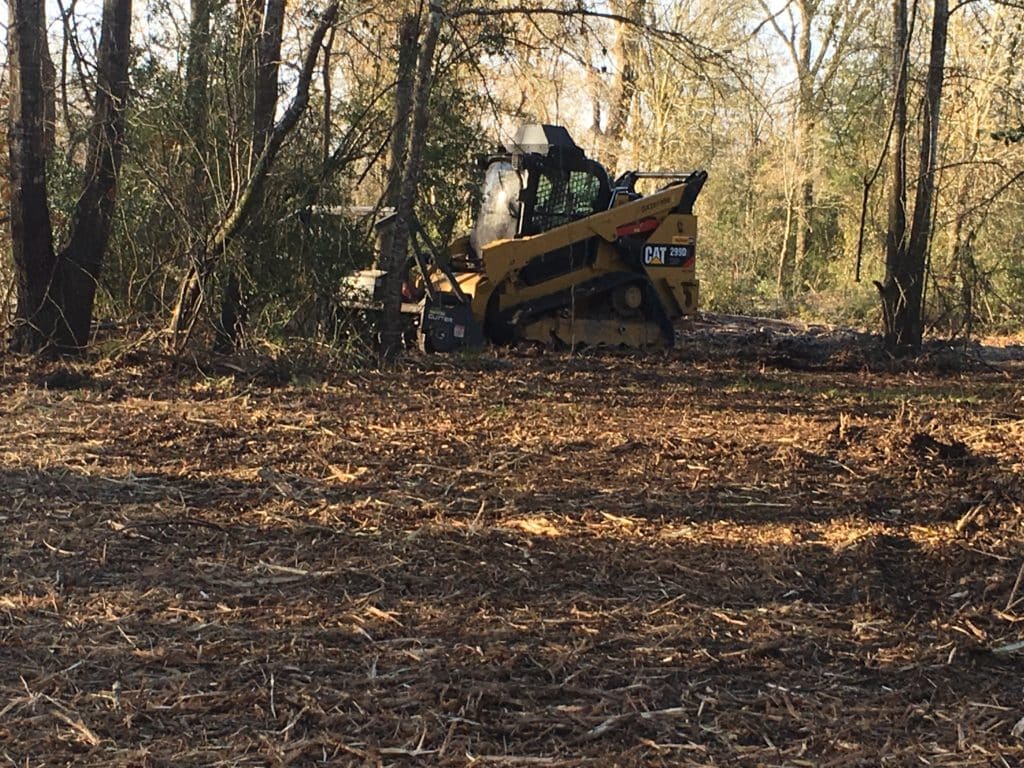
– **Clearing and Grading:** Preparing the site for construction is typically a quick process, especially if the site does not require extensive clearing or leveling. Clearing the land, grading, and laying the foundation can take about 1 to 2 weeks, assuming favorable weather conditions and minimal complications.

**3. Foundation Installation (1-2 Weeks):**
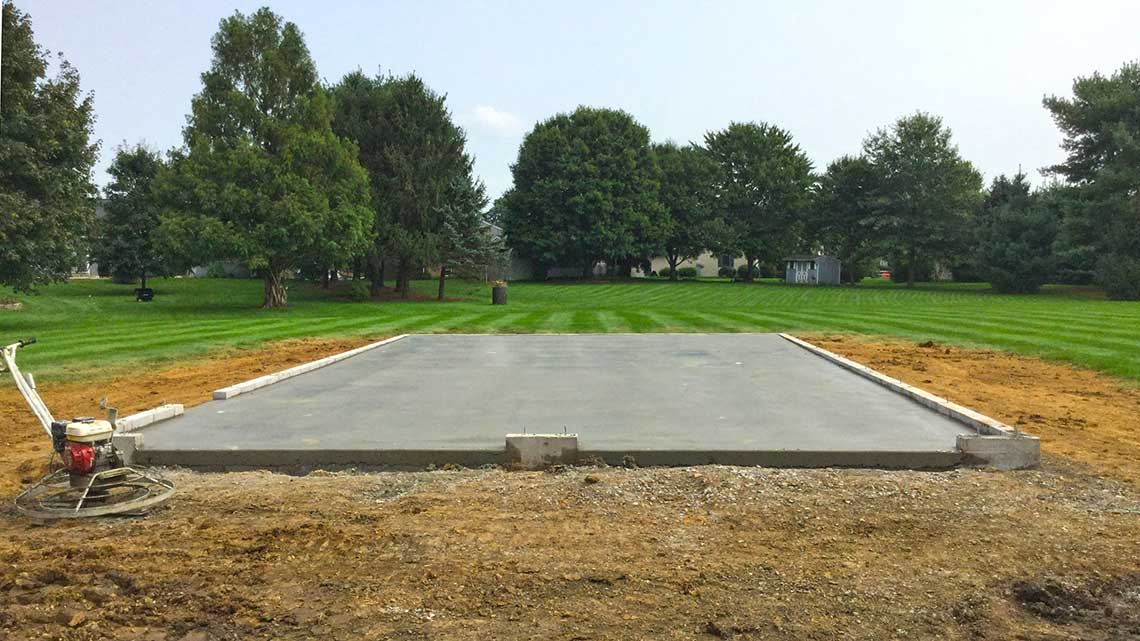
– **Concrete Slab or Pier Foundation:** The type of foundation chosen will affect the installation time. Most barndominiums are built on concrete slabs, which provide a solid and stable base for the steel frame. Pouring and curing a concrete slab foundation can take 1 to 2 weeks, depending on the weather and local conditions.

**4. Lifting the Steel Frame (2-4 Weeks):**
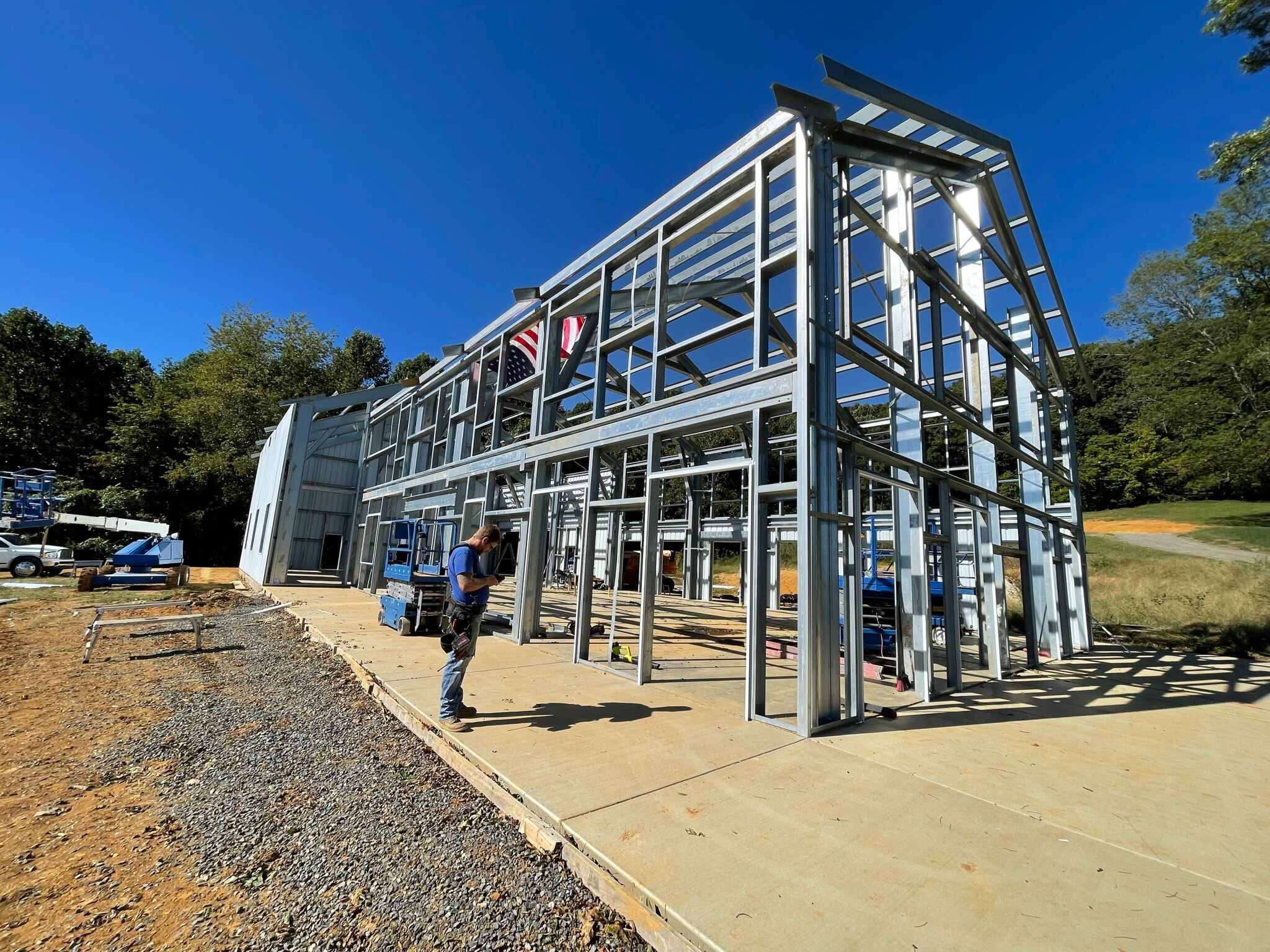
– **Kit Assembly:** Once the foundation is ready, the steel frame kit can be delivered and assembled. The pre-engineered nature of these kits means that they are designed for quick assembly. Depending on the size of the crew and the complexity of the design, assembling the steel frame can take between 2 to 4 weeks. The frame typically includes columns, beams, and roof trusses, all of which are bolted together following the manufacturer’s instructions.

**5. Installing Exterior Panels and Roof (2-3 Weeks):**
– **Wall and Roof Panels:** After the frame is lifted and bolted into place, the exterior wall and roof panels are installed. This step usually takes 2 to 3 weeks, depending on the number of panels, the design complexity, and weather conditions. Metal panels are relatively easy to install, and their interlocking nature allows for a quick and secure assembly.

**6. Windows, Doors, and Insulation (2-3 Weeks):**
– **Windows and Doors:** The installation of windows and doors, which are typically pre-framed and included in the kit, can take about 1 to 2 weeks. This phase involves cutting and fitting the openings in the metal panels and securing the windows and doors in place.

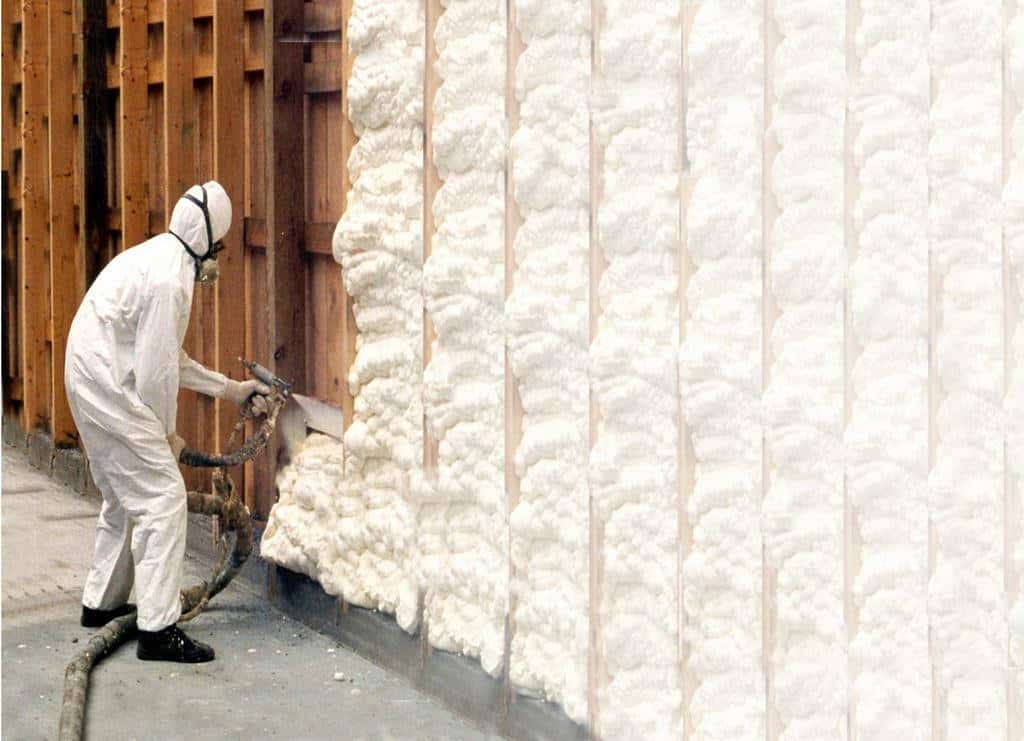
– **Insulation:** Insulating the barndominium, whether with spray foam, batt insulation, or rigid foam, can take an additional 1 to 2 weeks. Proper insulation is critical for maintaining energy efficiency and comfort, especially in a steel frame structure.

**7. Interior Build-Out and Finishing (4-8 Weeks):**
– **Interior Framing and Finishing:** Building out the interior involves installing drywall, flooring, cabinetry, and other finishes. Depending on the level of customization and the complexity of the interior layout, this phase can take 4 to 8 weeks. Electrical, plumbing, and HVAC systems are also installed during this time, and any additional custom features, such as built-in shelving or specialized rooms, are added.


white barndominium farmhouse

**8. Final Inspections and Touch-Ups (1-2 Weeks):**
– **Inspections:** The final phase involves completing any remaining tasks, such as painting, installing fixtures, and conducting touch-ups. Afterward, the home will need to pass a series of inspections to ensure it meets local building codes and regulations. This phase usually takes 1 to 2 weeks.

**Total Estimated Time: 4-6 Months**

3. **Comparing the Timeline to Traditional Homes**

Compared to traditional wood-framed homes, which can take 9 to 12 months or longer to complete, a 2,500-square-foot steel frame barndominium can be built in approximately 4 to 6 months. The use of pre-engineered steel frame kits significantly reduces construction time by streamlining the assembly process and minimizing on-site labor requirements.

4. **Advantages of Quick Construction Time**

The faster construction time of a steel frame barndominium offers several benefits:

– **Cost Savings:** Shorter construction timelines mean reduced labor costs and less time spent on renting equipment or paying for temporary housing. Faster completion also means you can move into your new home sooner, saving on rent or other interim living expenses.

– **Reduced Exposure to Weather Risks:** Quick construction reduces the risk of weather-related damage during the building process. This is particularly important for steel frame barndominiums, where moisture can lead to condensation or rust if the structure is exposed to the elements for extended periods.

– **Less Disruption:** Faster construction minimizes disruption to your daily life and allows you to start enjoying your new home sooner.

All-In-All


black barndominium shophouse

Building a 2,500-square-foot steel frame barndominium can be completed in as little as 4 to 6 months, depending on factors like design complexity, site preparation, and weather conditions. The use of pre-engineered steel frame kits significantly accelerates the construction process compared to traditional homes, offering a faster, more efficient path to homeownership. With proper planning and coordination, you can enjoy the benefits of a strong, durable, and cost-effective barndominium in less time than it would take to build a conventional house.

Do You Save Money with a Steel Frame Barndominium?

grey barndominium with dark grey roof and wraparound porch

Do You Save Money with a Steel Frame Barndominium?

Barndominiums, a hybrid of barn and condominium, have gained widespread popularity for their affordability, durability, and unique aesthetic appeal. But the question that often arises is, “Do you save money building a barndominium?” The answer is yes, and one of the primary reasons is the long-term value offered by steel frame construction. This article will explore how building a steel frame barndominium can be a cost-effective investment that not only saves money upfront but also carries significant long-term value throughout the life of the home.

1. **Lower Initial Construction Costs**

One of the most immediate ways you save money by building a barndominium is through reduced construction costs compared to traditional homes:

– **Cost-Effective Materials:** Steel, the primary material used in steel frame barndominiums, is generally less expensive than traditional wood framing. Steel frame kits, which include pre-engineered components, simplify the construction process and reduce the amount of labor required. This translates into lower costs for both materials and labor.

– **Simplified Construction Process:** Barndominiums are often built using pre-engineered steel frame kits, which are designed for easy assembly. This prefabrication reduces the time and complexity of the construction process, further lowering labor costs. Additionally, steel frames do not require as much on-site modification as wood, which also helps keep construction costs down.

– **Flexible Design Options:** The design flexibility of barndominiums means you can choose an open-concept floor plan or a more compartmentalized layout without significantly increasing costs. The ability to customize your home’s design to suit your needs without incurring substantial additional expenses is another way to save money during the building process.

2. **Long-Term Durability and Low Maintenance Costs**

The long-term value of a steel frame barndominium becomes apparent when you consider its durability and low maintenance requirements:

– **Durability of Steel Construction:** Steel is an incredibly durable building material that can withstand extreme weather conditions, including high winds, heavy snow, and even earthquakes. Unlike wood, steel does not rot, warp, or suffer from termite damage, making it a more reliable and long-lasting option. This durability means fewer repairs and replacements over the life of the home, saving you money on maintenance.

**Fire and Pest Resistance:** Steel is naturally resistant to fire and pests, which are common concerns in traditional wood-framed homes. This resistance reduces the risk of costly damage and provides peace of mind, knowing your investment is protected. Additionally, insurance premiums for steel frame homes are often lower due to these reduced risks, leading to further long-term savings.

– **Minimal Maintenance:** Steel frame barndominiums require less maintenance than traditional homes. The steel exterior, often combined with metal roofing, is highly resistant to the elements and requires only periodic cleaning and inspections. This low maintenance requirement translates into long-term cost savings, as you won’t need to spend as much on upkeep over the years.

3. **Energy Efficiency and Reduced Utility Costs**

Energy efficiency is another area where barndominiums, particularly those built with steel frames, can save you money in the long run:

– **Insulation and Energy Efficiency:** Steel frame barndominiums are often designed with high-quality insulation, such as spray foam, which provides excellent thermal resistance. This insulation helps keep the interior warm in the winter and cool in the summer, reducing the need for excessive heating and cooling. As a result, your energy bills are likely to be lower compared to traditional homes with less efficient insulation.

– **Reflective Roofing Materials:** Many barndominiums feature metal roofing, which can be coated with reflective materials to reduce heat absorption. This helps keep the interior cooler during the summer months, further reducing cooling costs. In addition, metal roofs are long-lasting and require minimal maintenance, adding to the overall cost savings.

– **Sustainable Heating and Cooling Options:** Barndominiums can easily accommodate energy-efficient heating and cooling systems, such as mini-split heat pumps or radiant floor heating. These systems are not only more environmentally friendly but also more cost-effective in the long term, as they consume less energy than traditional HVAC systems.

black barndominium shophouse

4. **Flexibility for Future Expansion**

The flexibility of steel frame construction allows for easy expansion or modification of your barndominium in the future:

– **Scalability:** If you anticipate needing more space in the future, such as for a growing family or a home office, a steel frame barndominium can be easily expanded. The modular nature of steel construction allows for additional rooms or spaces to be added with minimal disruption to the existing structure. This scalability means you won’t need to invest in a new home if your needs change, saving you money in the long term.

– **Adaptability to New Technologies:** As new energy-efficient technologies and smart home systems become available, steel frame barndominiums can be easily adapted to incorporate these advancements. Whether it’s installing solar panels, upgrading to a more efficient heating system, or integrating smart home features, the flexibility of steel construction makes these upgrades cost-effective and straightforward.

white barndominium with wraparound porch

5. **Increased Resale Value**

A well-built steel frame barndominium can also offer a higher resale value compared to traditional homes:

– **Desirable Features:** The durability, low maintenance requirements, and energy efficiency of steel frame barndominiums are attractive features for potential buyers. As more people become aware of the benefits of barndominiums, demand for these homes is likely to increase, which can drive up resale values.

– **Longevity:** The long lifespan of a steel frame barndominium means that it will retain its value over time, unlike some traditional homes that may require significant renovations or repairs as they age. This longevity can make your barndominium a valuable asset if you decide to sell it in the future.

All-in-All

Building a barndominium, particularly one with a steel frame Barndominium Kit, is not only a cost-effective option upfront but also a wise long-term investment. The lower initial construction costs, combined with the long-term durability, energy efficiency, and flexibility of steel frame construction, make barndominiums an appealing choice for those looking to save money over the life of their home.

By choosing to build a steel frame barndominium, you’re investing in a home that will require less maintenance, offer lower utility bills, and provide the flexibility to adapt to your changing needs. Whether you’re looking for a primary residence, a vacation home, or a multi-use space, a steel frame barndominium offers a unique and cost-effective solution that will carry value well into the future.

What Are the Trends in Barndominiums This Year?

black barndominium with large windows on the front

What Are the Trends in Barndominiums This Year?

Barndominiums continue to rise in popularity, appealing to those who seek a unique, cost-effective, and versatile living space. As more people embrace this trend, the barndominium market is evolving with new innovations and design elements. This year, several exciting trends are shaping the barndominium landscape, from the growing use of steel frame kits to the integration of modern heating and cooling solutions. In this article, we’ll explore the top trends in barndominiums that are making waves in the market.

1. **Steel Frame Kits: The Backbone of Modern Barndominiums**

One of the most significant trends in the barndominium market is the increasing use of steel frame kits. These kits offer numerous advantages making them a popular choice for new builds:

– **Durability and Strength:** Steel frame kits provide unparalleled durability, resisting pests, rot, and extreme weather conditions. This long-lasting material ensures that barndominiums can stand the test of time, offering a sturdy structure that requires minimal maintenance.

– **Design Flexibility:** The use of steel frames allows for more open floor plans and larger spans without the need for load-bearing walls. This flexibility enables homeowners to customize their layouts according to their specific needs, whether they prefer a sprawling open-concept space or a more compartmentalized design.

– **Ease of Construction:** Steel frame kits are often prefabricated, which simplifies the construction process and reduces build times. This trend is particularly appealing to those looking to move into their new home quickly or those who want to take a more hands-on approach to building their barndominium.

2. **Heated Flooring: Luxury Meets Comfort**

Heated flooring is rapidly becoming a must-have feature in barndominiums, especially in regions with colder climates. This trend adds a touch of luxury while providing practical benefits:

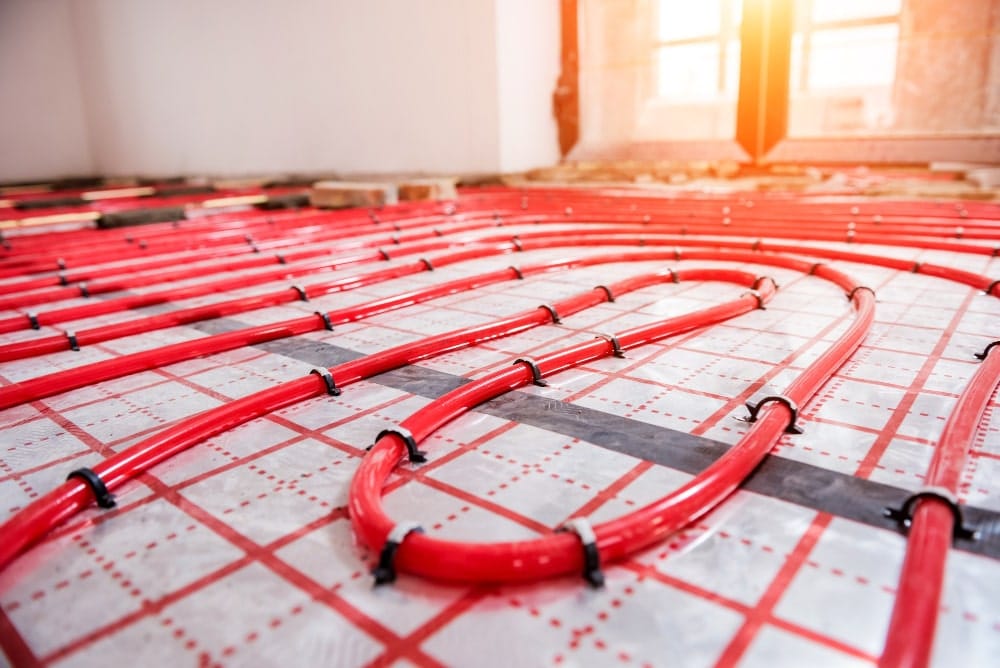
– **Radiant Floor Heating:** Radiant floor heating systems, which involve installing heating elements beneath the floor, are increasingly popular. They offer consistent warmth throughout the space, reducing the need for additional heating sources. This system is energy-efficient and provides a comfortable, even heat that feels luxurious underfoot, especially in winter.

– **Concrete Floors with Thermal Mass:** Many barndominiums feature concrete floors, which are ideal for radiant heating. Concrete has excellent thermal mass properties, meaning it can absorb and retain heat, slowly releasing it throughout the day. This combination of heated flooring and thermal mass helps maintain a stable indoor temperature, reducing energy consumption and enhancing comfort.

3. **Advanced Heating and Cooling Options**

As energy efficiency and sustainability become more important, homeowners are looking for innovative heating and cooling solutions that keep their barndominiums comfortable year-round. This year, several trends in heating and cooling are gaining traction:

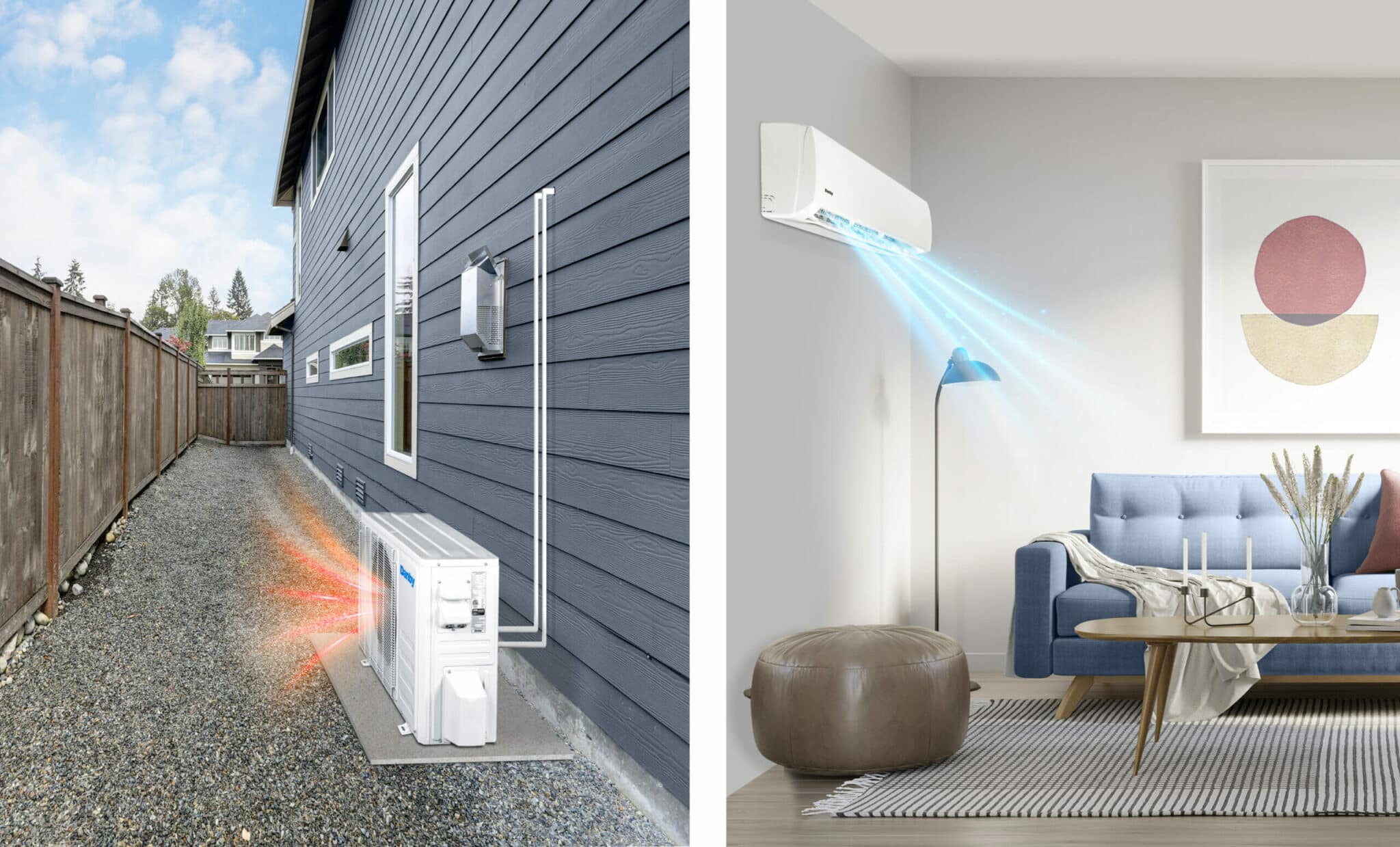
– **Mini-Split Heat Pumps:** Mini-split systems offer zoned heating and cooling, allowing homeowners to control the temperature in different areas of their barndominium independently. These systems are highly efficient and ideal for large, open spaces or homes with multiple rooms. They are also relatively easy to install and can be used as a primary heating and cooling source or as a supplement to other systems.


– **Geothermal Heating and Cooling:** Geothermal systems, which use the earth’s stable temperatures to heat and cool the home, are becoming more popular among environmentally conscious homeowners. Although the initial installation cost is higher, geothermal systems offer significant long-term savings on energy bills and are highly sustainable.

– **Smart Thermostats and Home Automation:** The integration of smart thermostats and home automation systems allows for precise control of heating and cooling. These systems can learn your preferences, adjust temperatures automatically based on occupancy, and even be controlled remotely via smartphone apps. This trend is part of the broader move towards smarter, more efficient homes.

4. **Open-Concept and Multi-Use Spaces**

The desire for open-concept living continues to drive barndominium design, but this trend is evolving to include more multifunctional spaces:

– **Flexible Layouts:** Homeowners are increasingly opting for flexible layouts that allow for multiple uses within a single space. For example, an open living area might also serve as a home office, a gym, or an entertainment area. This flexibility is particularly important in barndominiums, where the open floor plan is a key feature.

– **Multi-Generational Living:** Another trend is the design of barndominiums to accommodate multi-generational living. These homes often include separate living areas or suites within the same structure, allowing for privacy while maintaining close family connections. This trend reflects the growing need for housing solutions that can adapt to changing family dynamics.

Eco-Friendly & Sustainable

5. **Energy Efficiency and Sustainability**

Sustainability is a major consideration for many new barndominium owners, leading to a focus on energy efficiency and eco-friendly building practices:

– **Solar Power Integration:** The integration of solar panels is becoming more common in barndominiums, particularly as solar technology becomes more affordable. Solar power can significantly reduce energy costs and is an excellent complement to other energy-efficient systems, such as geothermal heating or mini-split heat pumps.

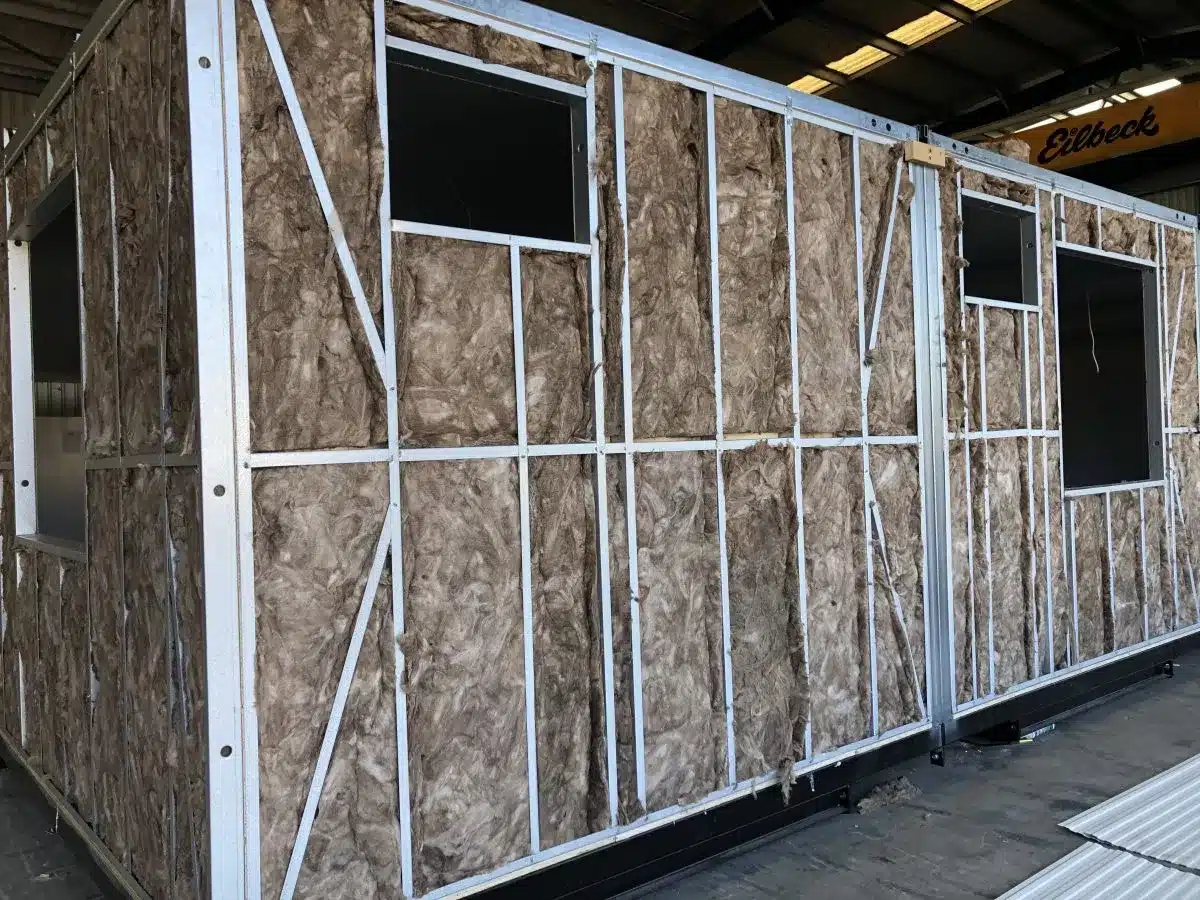
– **Insulation and Air Sealing:** High-quality insulation and air sealing are critical for maintaining energy efficiency. Homeowners are investing in advanced insulation materials, such as spray foam, to ensure their barndominiums remain warm in the winter and cool in the summer while minimizing energy consumption.

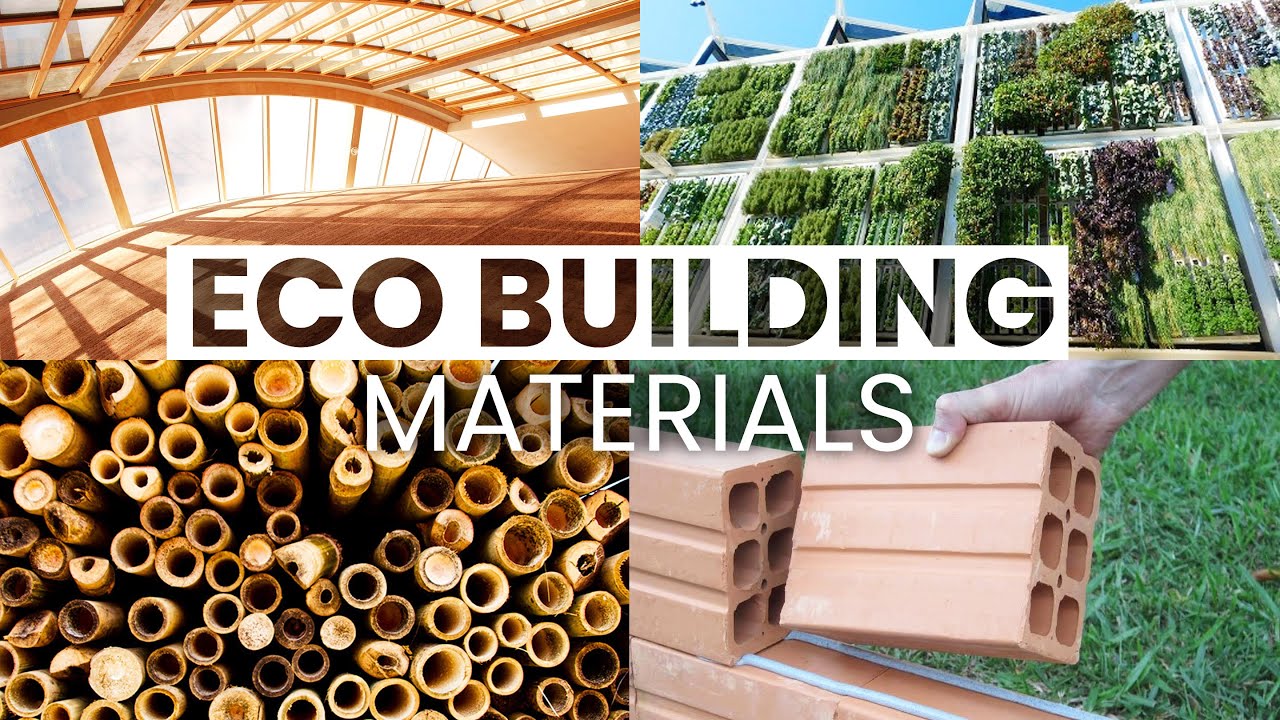
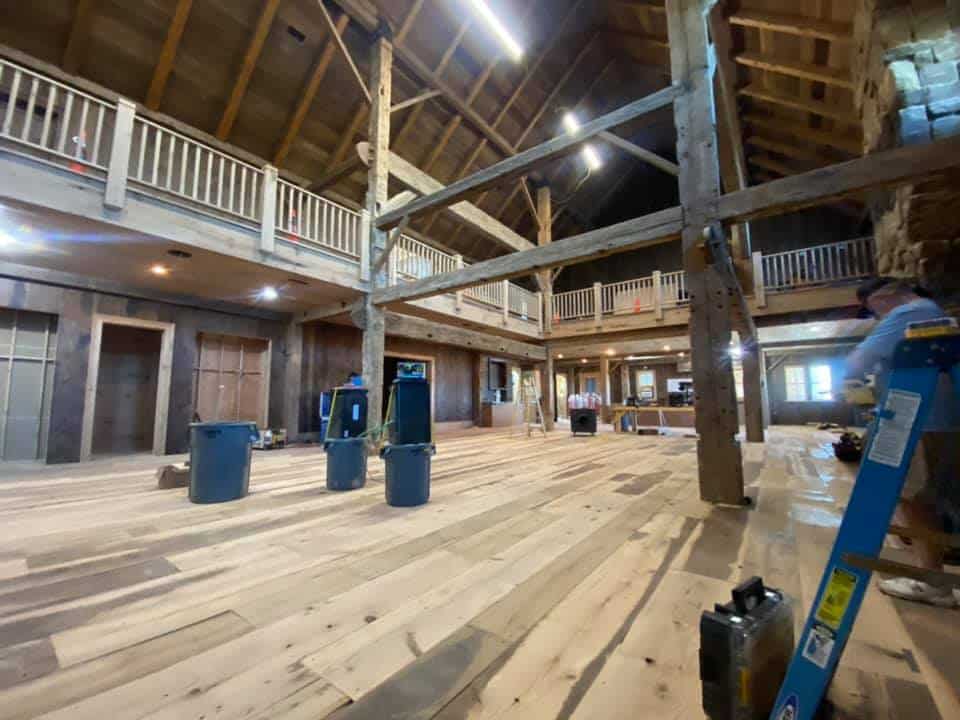
– **Recycled and Sustainable Materials:** The use of recycled and sustainable building materials is also on the rise. From reclaimed wood for interior finishes to eco-friendly insulation, these materials contribute to a reduced environmental footprint and align with the values of environmentally conscious homeowners.

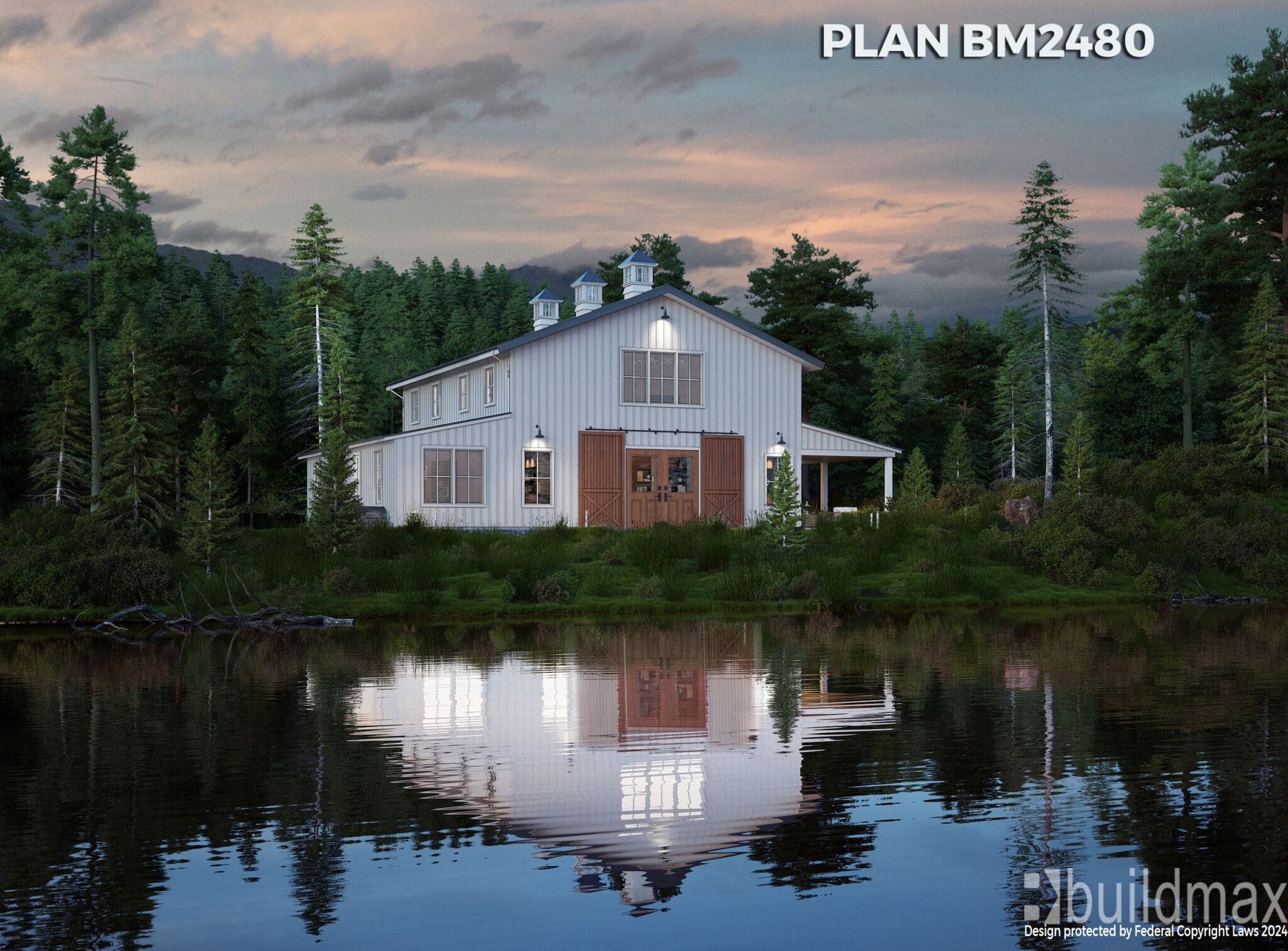
white barndominium with cupolas and large barn doors

6. **Modern Rustic Aesthetics**

The aesthetic appeal of barndominiums continues to evolve, blending modern design elements with traditional rustic charm:

– **Industrial Chic:** The industrial chic style, characterized by exposed steel beams, polished concrete floors, and minimalist decor, is gaining popularity. This aesthetic emphasizes the raw, functional beauty of metal and concrete, creating a sleek, modern look that contrasts with the rustic origins of barndominiums.

– **Custom Woodwork and Finishes:** While metal and concrete dominate the structural elements, custom woodwork and finishes are being used to add warmth and character to interiors. Barn doors, reclaimed wood accents, and handcrafted cabinetry are just a few examples of how homeowners are incorporating traditional craftsmanship into their modern barndominiums.

– **Large Windows and Natural Light:** The trend towards large windows and abundant natural light continues to shape barndominium design. Floor-to-ceiling windows, skylights, and open spaces that maximize light exposure are popular choices, creating bright and airy interiors that connect seamlessly with the surrounding landscape.

Barndominiums are no longer just a niche market—they have become a mainstream housing option with a variety of exciting trends shaping their design and construction. From the durability and flexibility of steel frame kits to the luxury of heated flooring and the efficiency of advanced heating and cooling systems, barndominiums are evolving to meet the needs of modern homeowners. As sustainability and energy efficiency become increasingly important, these trends are likely to continue driving innovation in the barndominium market, making these unique homes even more appealing in the years to come. Whether you’re considering building a barndominium or simply curious about the latest trends, there’s no doubt that this housing option offers a compelling blend of style, functionality, and forward-thinking design.