


Home Blog Page 16

How Long Does a Metal Barndominium Last?

How Long Does a Metal Barndominium Last?


Are Barndominiums Hard to Heat and Cool?

Are Barndominiums Hard to Heat and Cool? A Focus on Steel Frame Barndominiums

Barndominiums, particularly those constructed with steel frames, have gained immense popularity due to their durability, cost-effectiveness, and unique aesthetic. However, one common concern among prospective barndominium owners is whether these structures are difficult to heat and cool. The answer largely depends on the quality of insulation and the methods used for temperature control. In this article, we will explore the challenges and solutions for heating and cooling steel frame barndominiums, emphasizing the importance of insulation and the best practices for maintaining a comfortable indoor environment year-round.

Understanding the Challenges

Steel frame barndominiums, like any structure, present certain challenges when it comes to heating and cooling. These challenges stem from the nature of steel as a building material and the design characteristics of barndominiums:

1. **Thermal Conductivity of Steel**
– **Heat Transfer:** Steel is an excellent conductor of heat, which means it can transfer heat quickly. Without proper insulation, a steel frame barndominium could easily become too hot in the summer and too cold in the winter, as the steel framework can conduct outdoor temperatures into the building.
– **Condensation Issues:** Steel can also contribute to condensation problems, especially in areas with high humidity. If warm air inside the barndominium meets the cooler surface of steel, it can cause moisture to condense, leading to potential issues with mold and mildew.

2. **Large Open Spaces**
– **Heating and Cooling Efficiency:** Barndominiums are often designed with large, open spaces, which can make it more challenging to maintain consistent temperatures. Heating and cooling large volumes of air requires more energy, and without proper planning, these spaces can develop temperature inconsistencies.

The Importance of Quality Insulation

Quality insulation is crucial for overcoming the challenges associated with heating and cooling a steel frame barndominium. Effective insulation helps regulate indoor temperatures, reduces energy consumption, and prevents issues like condensation.

1. **Types of Insulation**
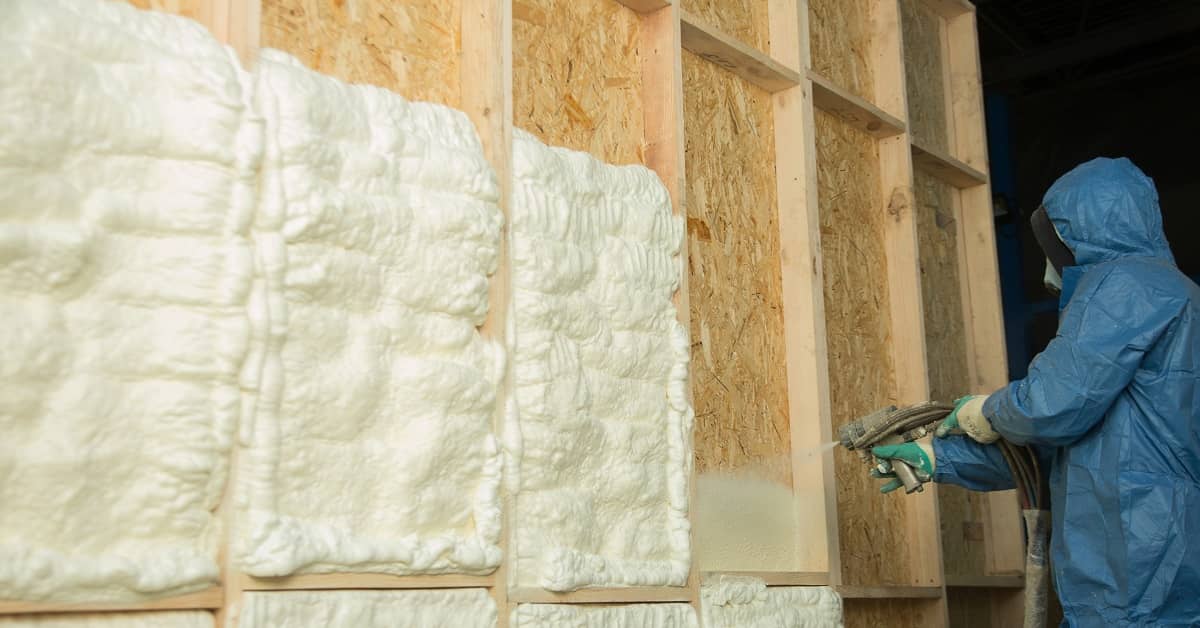
– **Spray Foam Insulation:** Spray foam is one of the most effective types of insulation for barndominiums. It provides an excellent air seal, fills gaps, and adheres to steel surfaces, creating a barrier that minimizes heat transfer. Spray foam also has the added benefit of reducing noise and providing some structural strength.
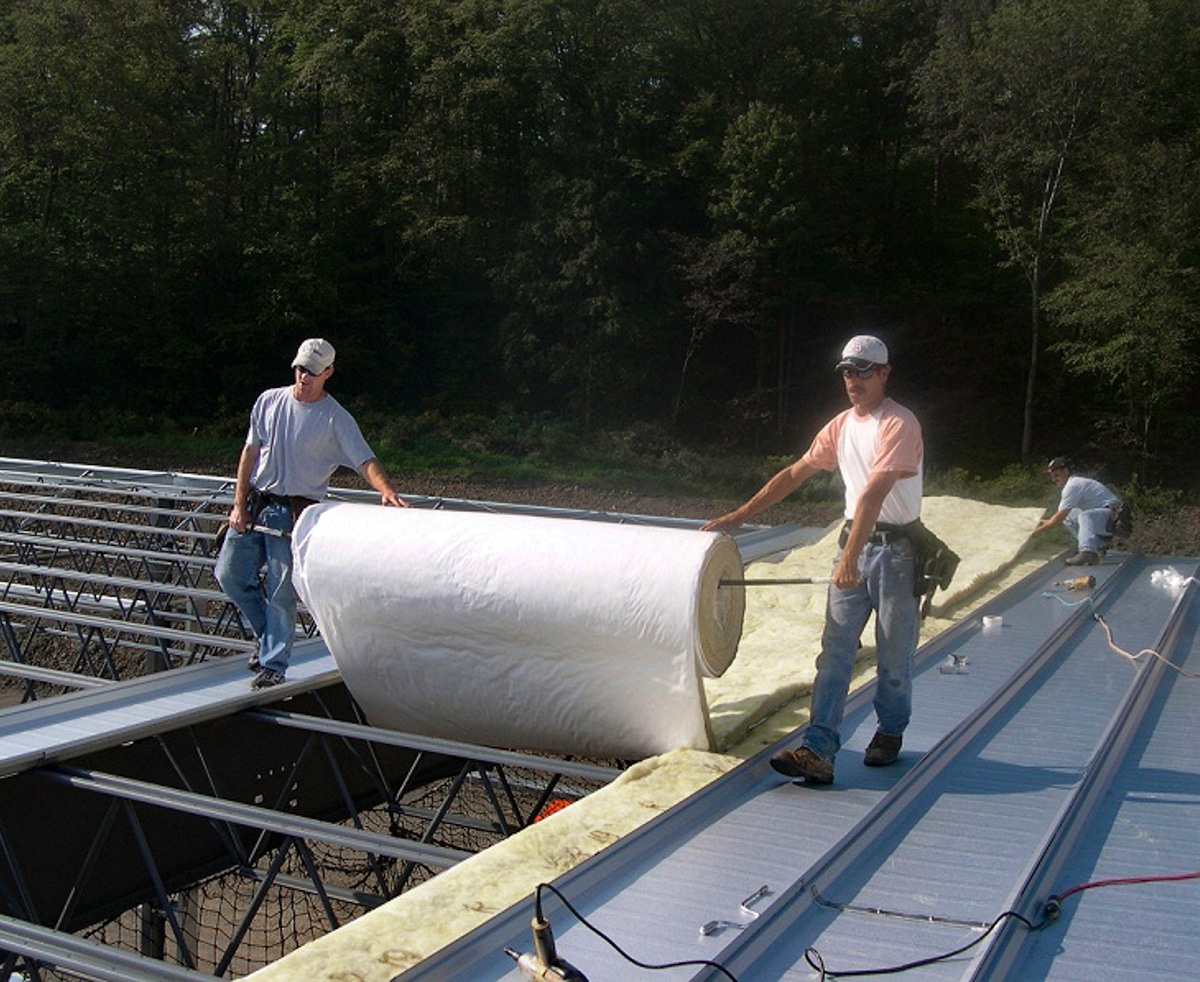
– **Batt Insulation:** Batt insulation, typically made from fiberglass, is another common option. It is less expensive than spray foam but may not provide as complete an air seal. It’s essential to ensure that batt insulation is installed correctly, with no gaps or compressed areas, to maintain its effectiveness.
– **Rigid Foam Insulation:** Rigid foam insulation is a good choice for specific areas, such as the roof or exterior walls. It offers high insulation value and can be used in combination with other types of insulation to enhance overall thermal performance.

2. **Insulating Key Areas**
– **Roof and Ceiling:** The roof and ceiling are critical areas for insulation in a barndominium. Because heat rises, an inadequately insulated roof can lead to significant heat loss in winter and heat gain in summer. Proper insulation in these areas ensures energy efficiency and comfort.
– **Walls:** Insulating the walls of a steel frame barndominium is essential to prevent heat transfer through the steel framework. Using a combination of spray foam and batt insulation can provide a robust barrier against temperature fluctuations.
– **Floors:** Depending on the foundation type, insulating the floors can also help maintain consistent indoor temperatures. This is particularly important in colder climates, where heat loss through the floor can be significant.

Top Methods for Heating and Cooling a Barndominium

Once you’ve ensured that your barndominium is well-insulated, the next step is to choose the best heating and cooling methods. Here are the top options for maintaining a comfortable temperature in your steel frame barndominium:

1. **Heating Methods**
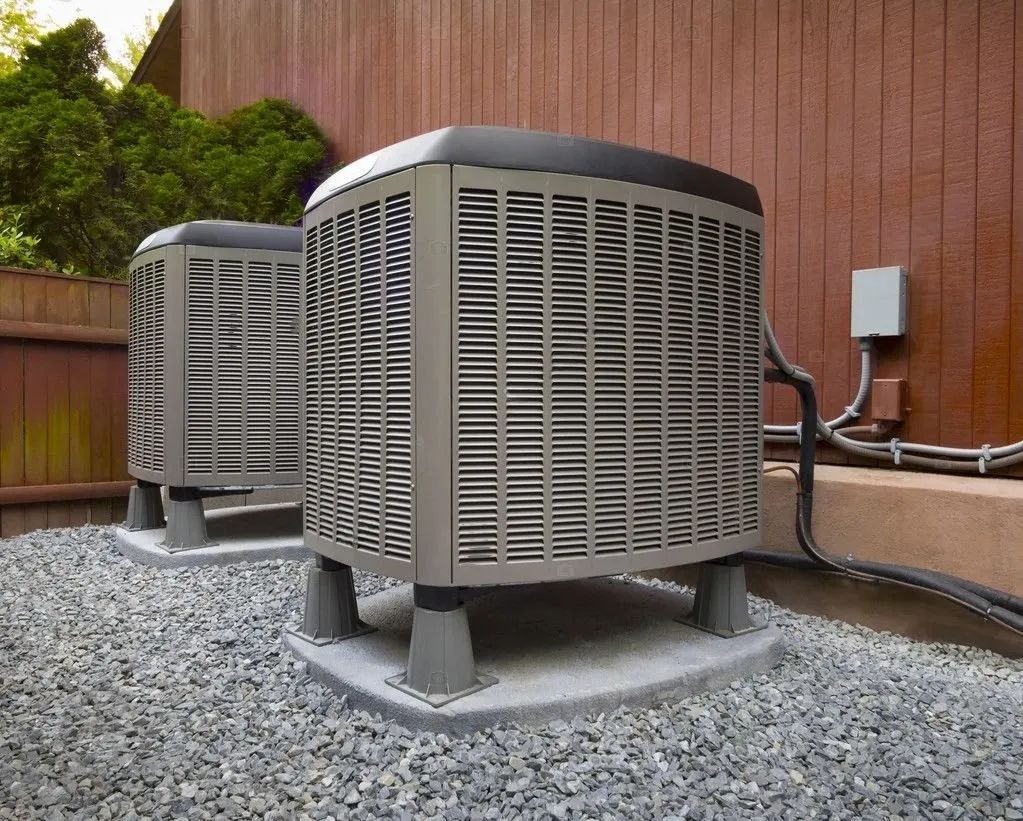
– **HVAC Systems:** Central heating, ventilation, and air conditioning (HVAC) systems are the most common method for heating barndominiums. These systems can be tailored to the specific needs of your space, providing efficient heating and air circulation. Heat pumps, a type of HVAC system, are especially energy-efficient and can both heat and cool your home.

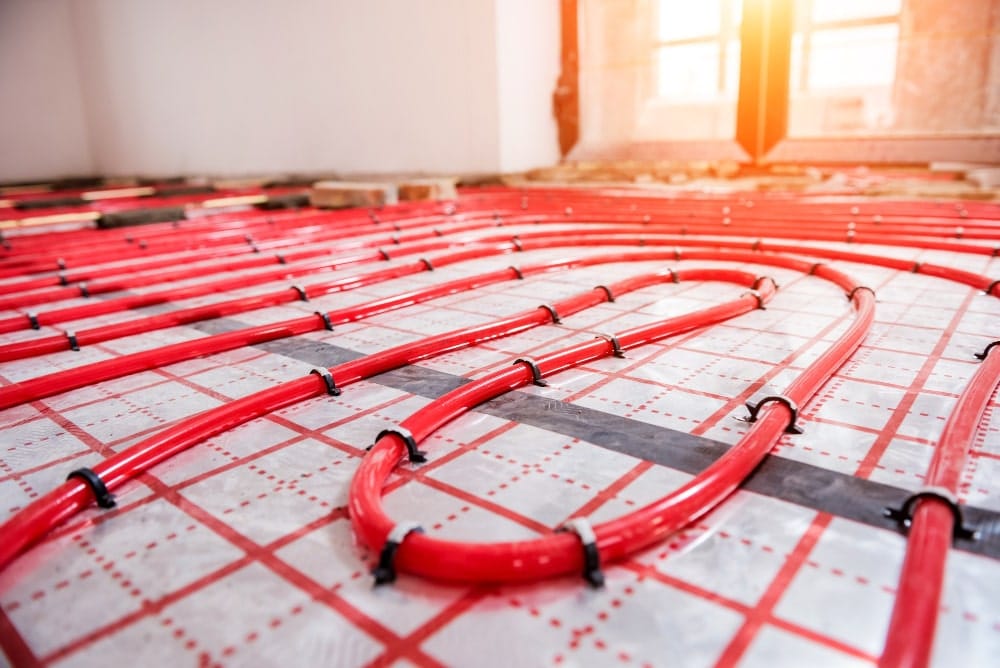
– **Radiant Floor Heating:** Radiant floor heating involves installing heating elements beneath the floor, which radiates heat upward into the living space. This method provides even, consistent warmth and can be very energy-efficient, especially when paired with a well-insulated floor.
– **Wood Stoves or Fireplaces:** For those who enjoy a rustic aesthetic, wood stoves or fireplaces can be a charming and effective heating option. While not as consistent as an HVAC system, they can add supplemental heat and create a cozy atmosphere.

2. **Cooling Methods**
– **HVAC Systems:** Just as with heating, an HVAC system is an effective and common choice for cooling a barndominium. Modern systems are highly efficient and can maintain a comfortable indoor temperature even during the hottest months.
– **Ceiling Fans:** Ceiling fans are a simple and energy-efficient way to circulate air and reduce the perceived temperature in a barndominium. They work well in conjunction with an HVAC system to improve overall cooling efficiency.
– **Mini-Split Systems:** Mini-split systems offer zoned cooling, allowing you to control the temperature in different areas of your barndominium independently. This can be particularly useful in larger, open-concept spaces, where different zones may require different cooling levels.

3. **Ventilation and Airflow**
– **Proper Ventilation:** Ensuring adequate ventilation is essential in any home, but especially in a barndominium. Good ventilation helps to remove excess moisture, improve indoor air quality, and maintain consistent temperatures. Installing vents, exhaust fans, and windows that can open will enhance airflow and support your heating and cooling efforts.
– **Energy Recovery Ventilators (ERVs):** ERVs are systems that exchange stale indoor air with fresh outdoor air while transferring heat between the two airflows. This can help maintain indoor air quality without sacrificing energy efficiency.

Conclusion

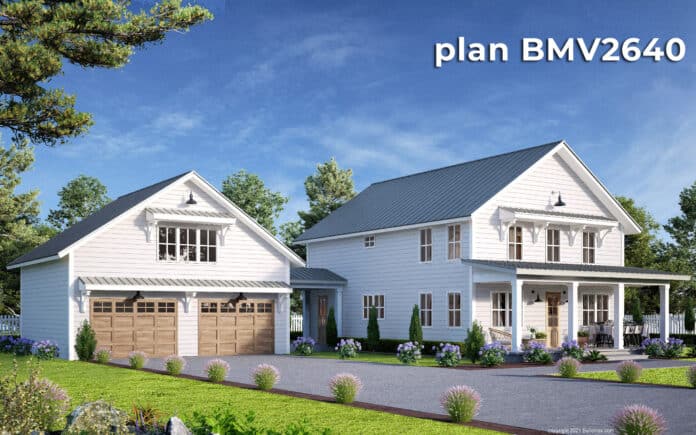
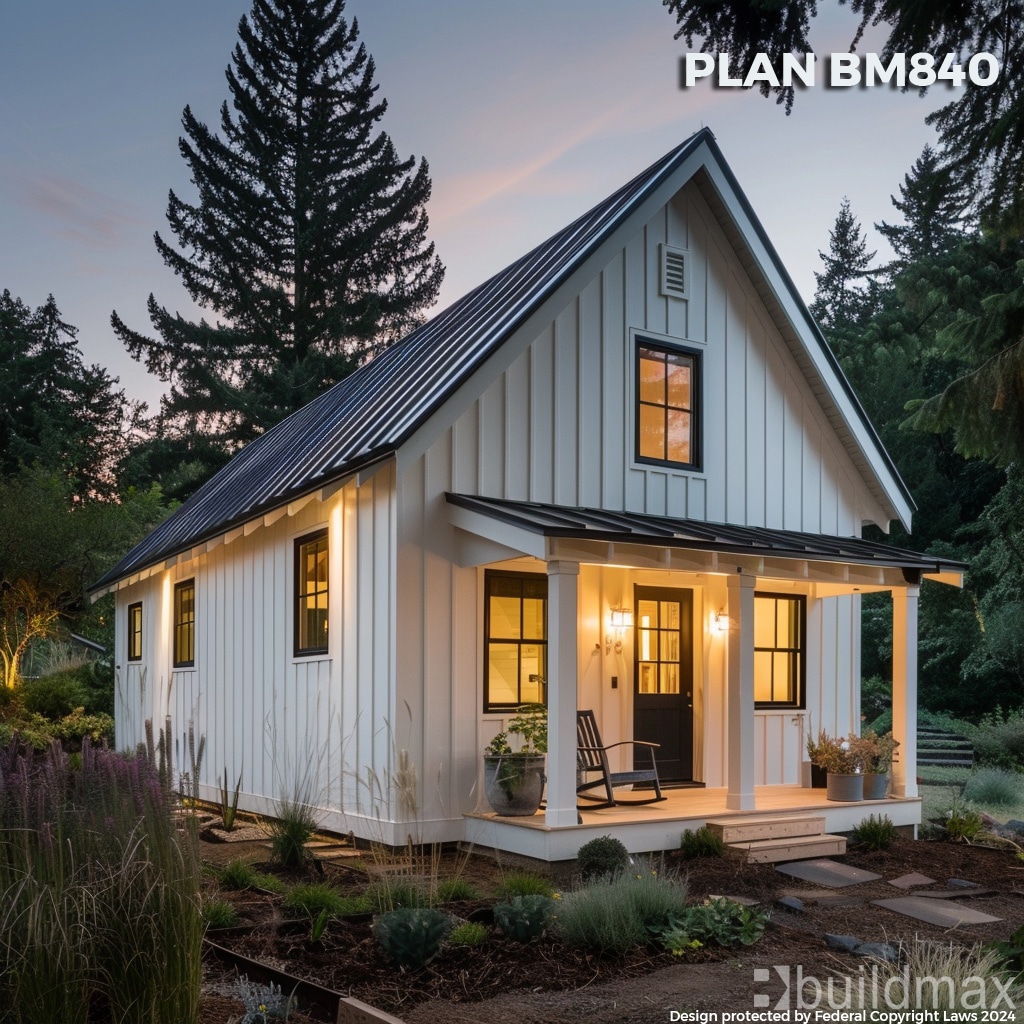
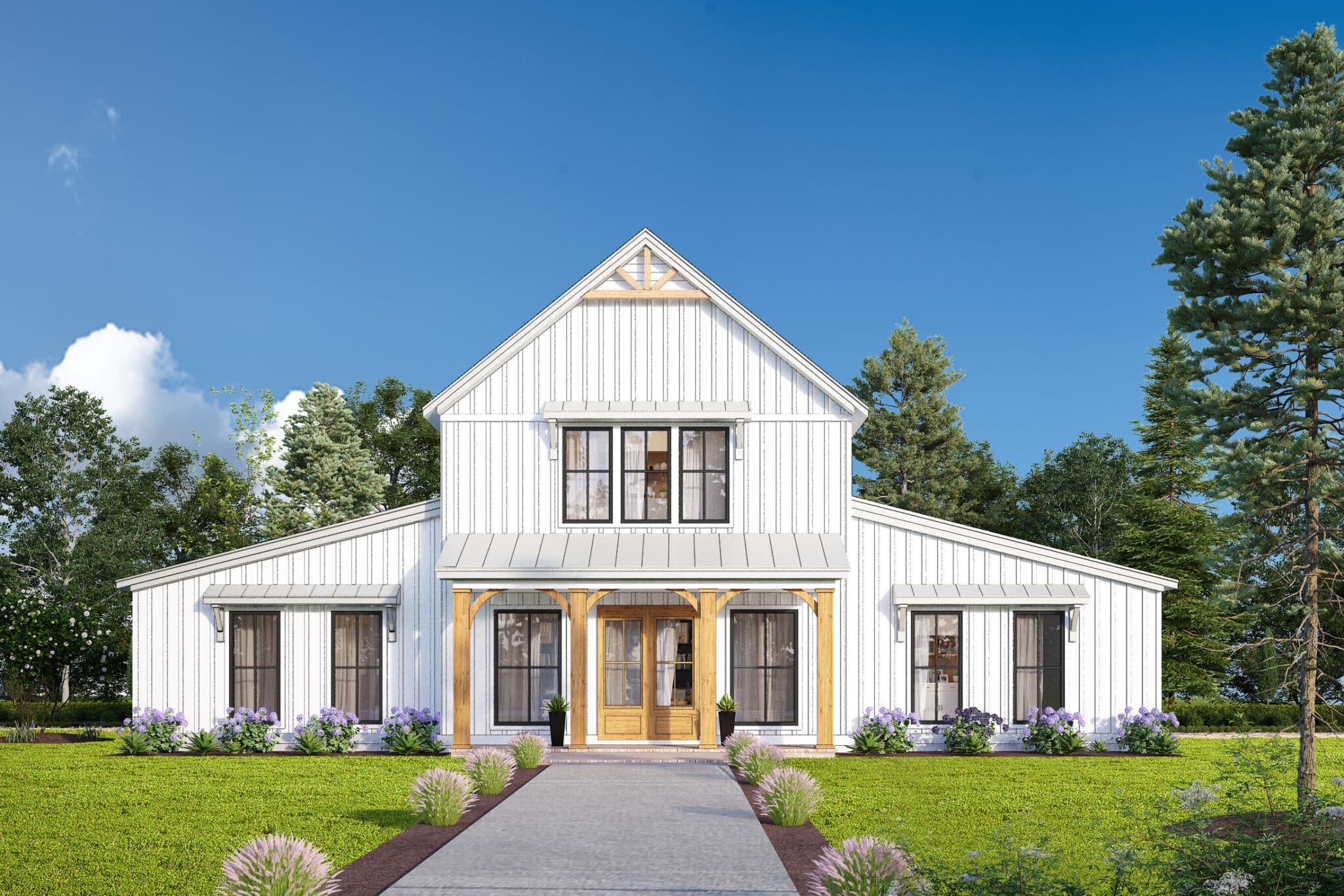
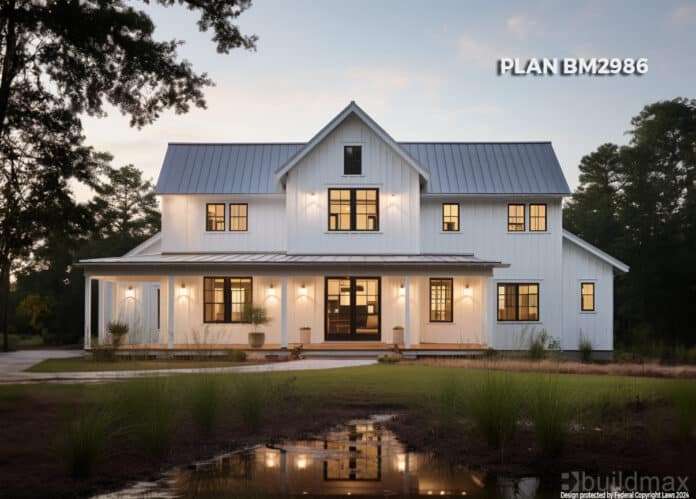
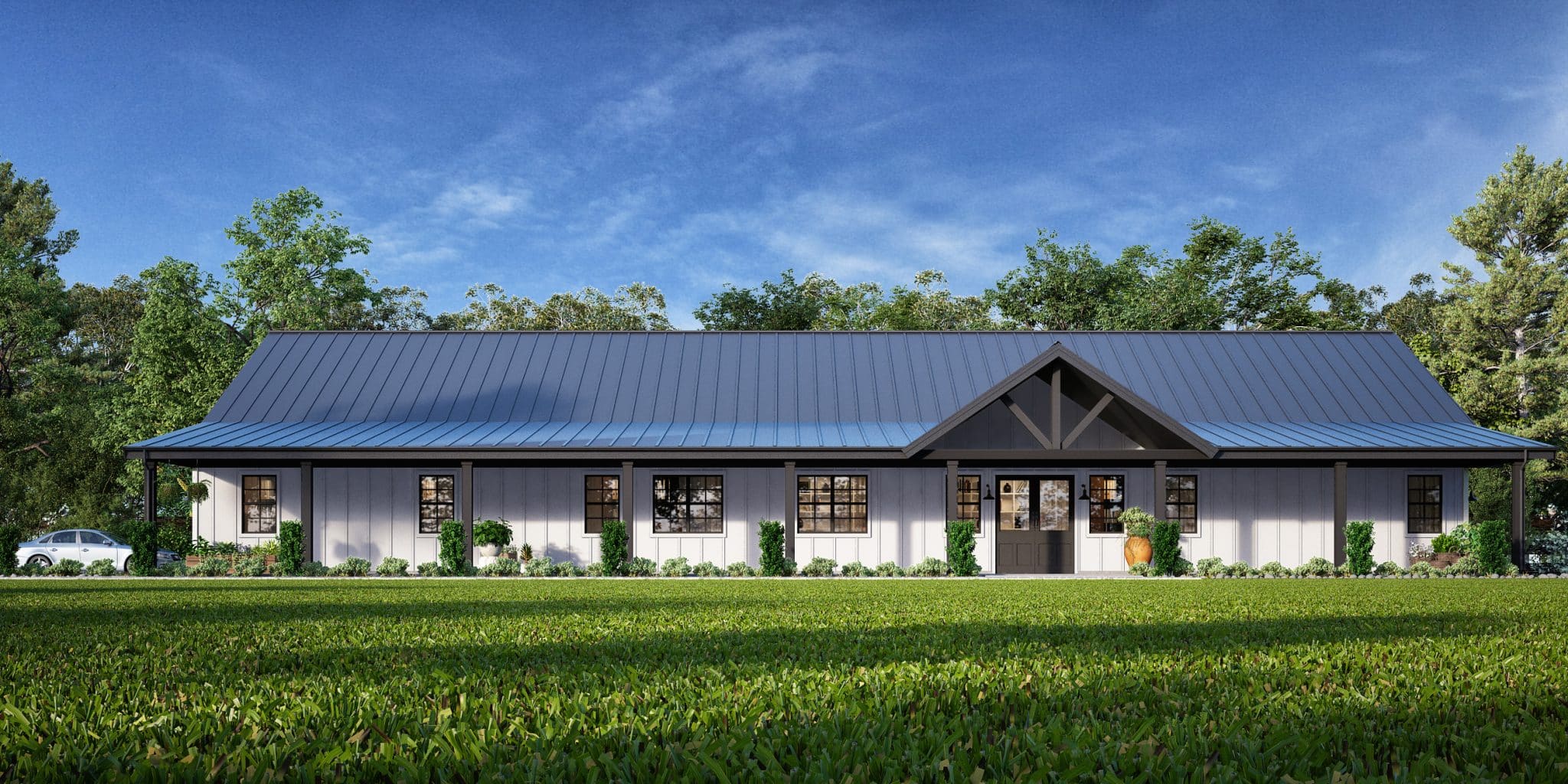
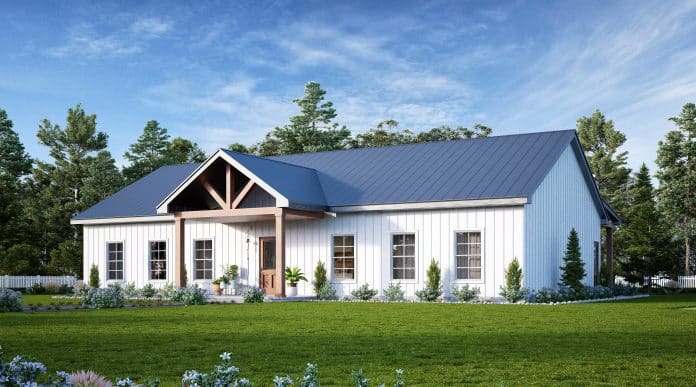
small white barndominium ADU

Steel frame barndominiums are not inherently difficult to heat and cool, but they do require careful consideration of insulation and HVAC methods to ensure comfort throughout the year. Quality insulation is the foundation of effective temperature control, helping to mitigate the challenges posed by steel’s thermal conductivity and the large open spaces typical of barndominiums. When combined with efficient heating and cooling systems, such as HVAC units, radiant floor heating, and mini-split systems, your barndominium can maintain a consistent and comfortable environment in any season.

By investing in the right insulation and choosing appropriate heating and cooling methods, you can enjoy all the benefits of a steel frame barndominium—durability, cost-effectiveness, and design flexibility—without sacrificing comfort.

Do Barndominiums Have to Be Open-Concept?

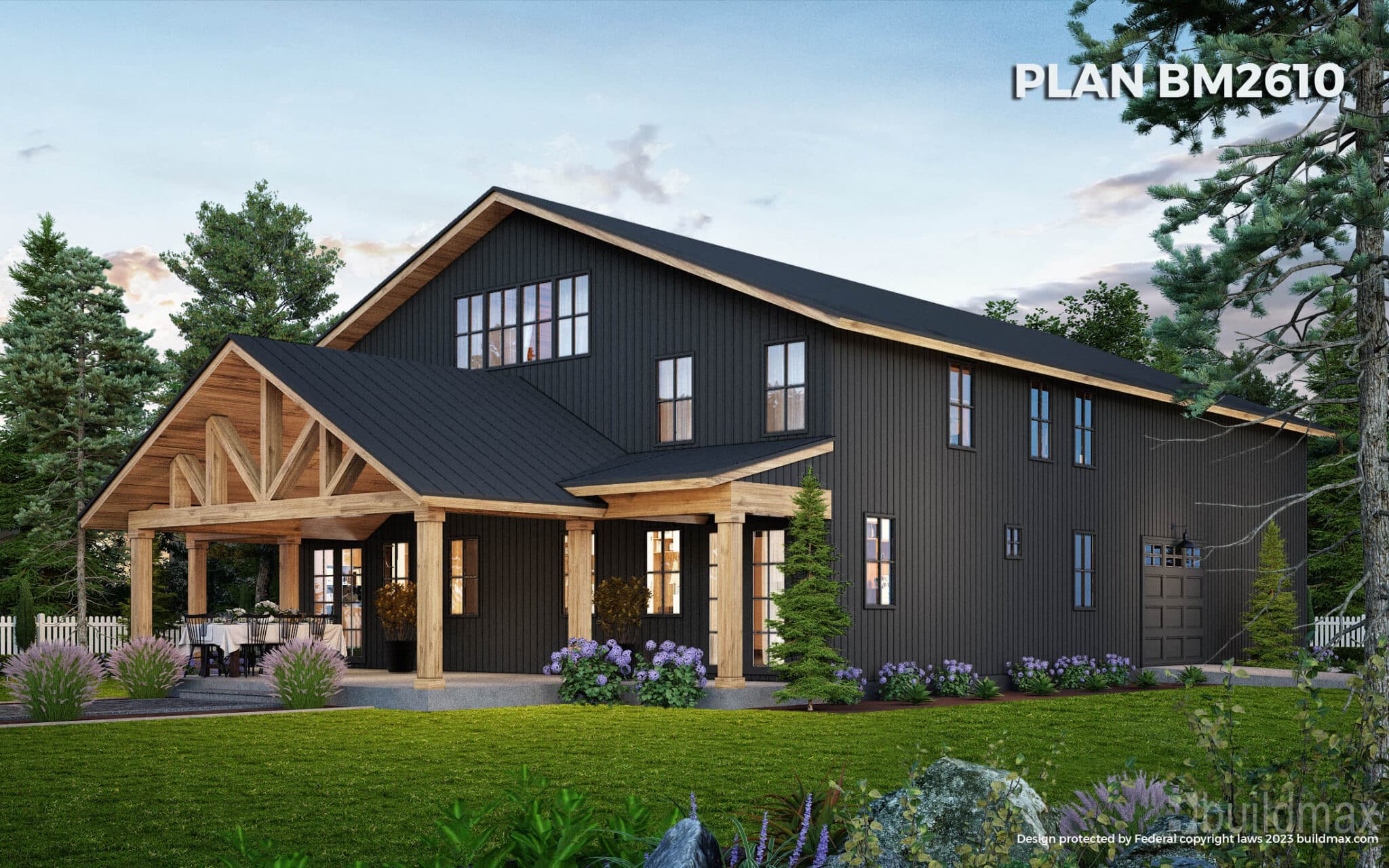
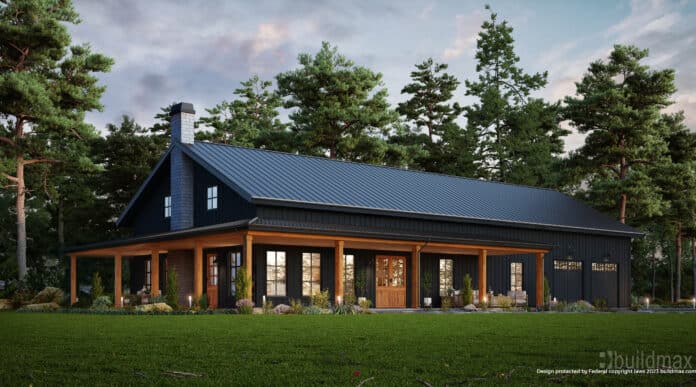
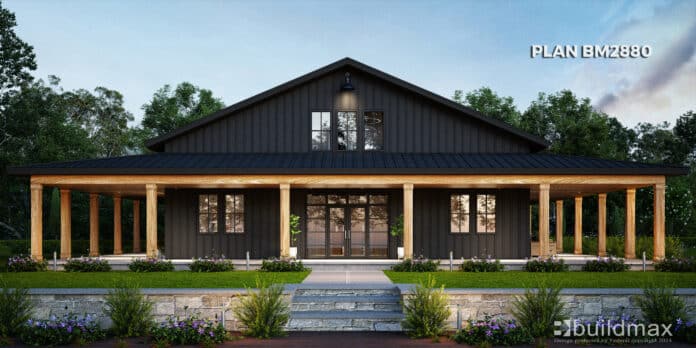
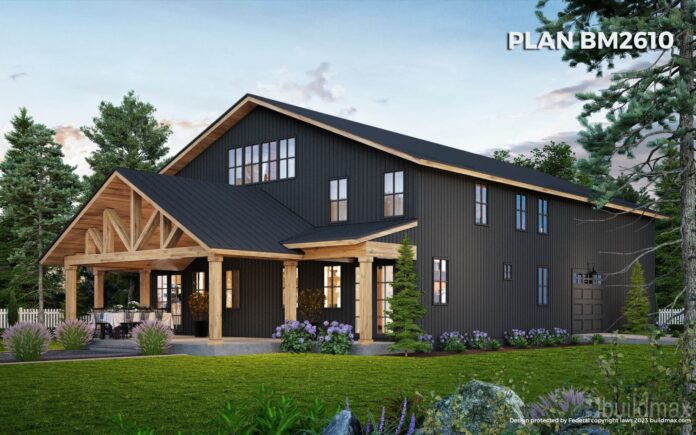
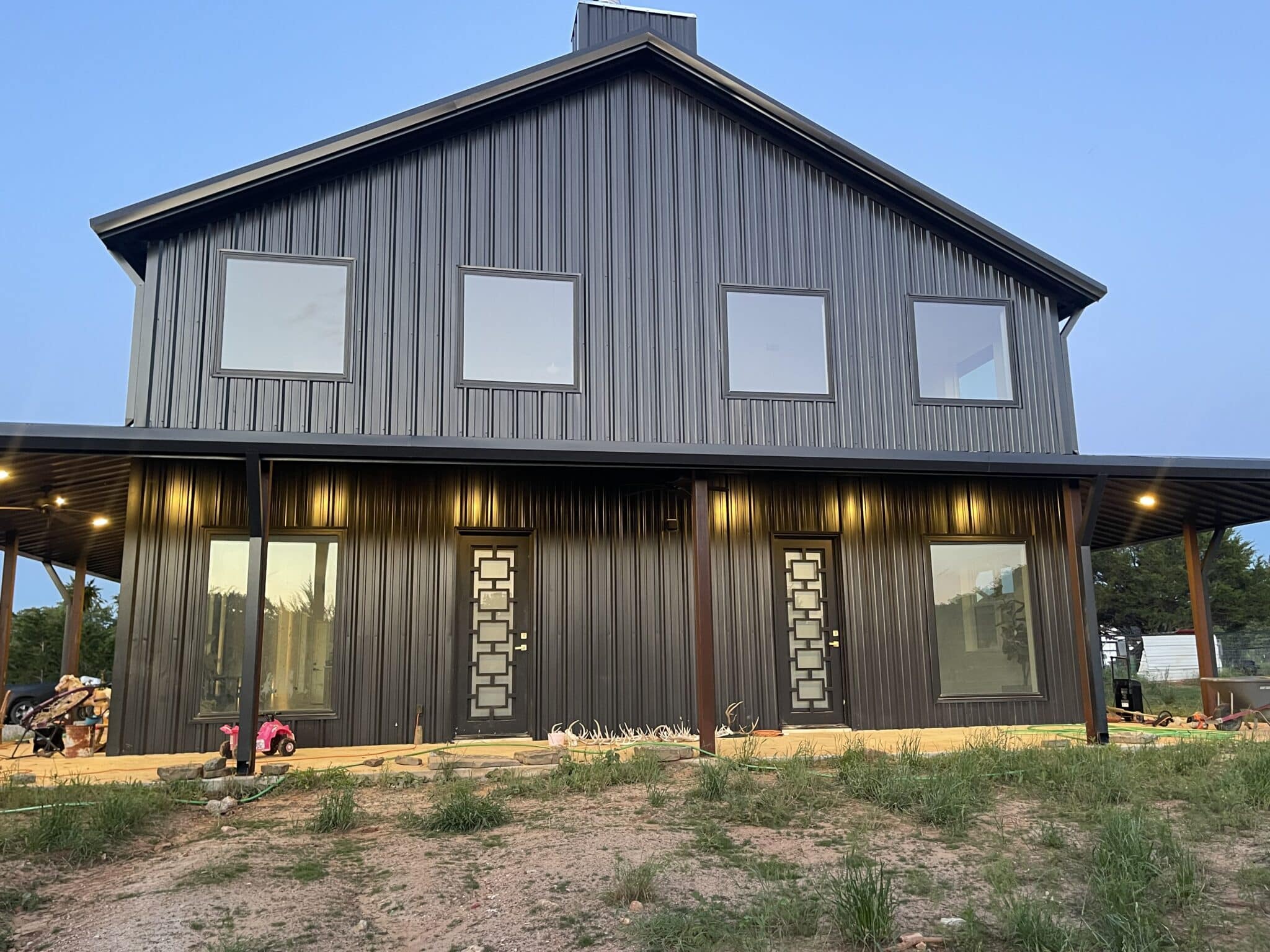
black barndominium with wraparound porch that has wooden posts

Do Barndominiums Have to Be Open-Concept?

Barndominiums have gained popularity in recent years for their blend of rustic charm and modern convenience, often featuring open-concept floor plans that appeal to those who love spacious, airy living areas. However, a common question arises: “Do barndominiums have to be open-concept?” The simple answer is no. While open-concept designs are popular, barndominiums are highly customizable, and steel frame barndominiums, in particular, offer the flexibility to create any layout you envision. This article explores the possibilities and design considerations for barndominiums, focusing on the versatility of steel frame construction.

DREAM BARNDO BM2852

Understanding the Open-Concept Trend

The open-concept design, characterized by minimal walls and large, flowing spaces, has become a hallmark of modern barndominiums. This design approach creates an inviting environment where the kitchen, dining area, and living room often blend into one expansive area. The appeal of open-concept spaces includes:

– **Maximized Space:** With fewer walls, an open-concept floor plan makes even smaller homes feel larger and more connected.
– **Natural Light:** The absence of interior walls allows natural light to flow freely throughout the space, creating a bright and welcoming atmosphere.
– **Social Living:** Open-concept designs are ideal for those who love to entertain or want a space where family members can interact easily, even while engaged in different activities.

However, while these benefits are significant, open-concept isn’t the only option. Many people prefer more traditional layouts with distinct, separate rooms, and a steel frame barndominium can accommodate these preferences just as easily.

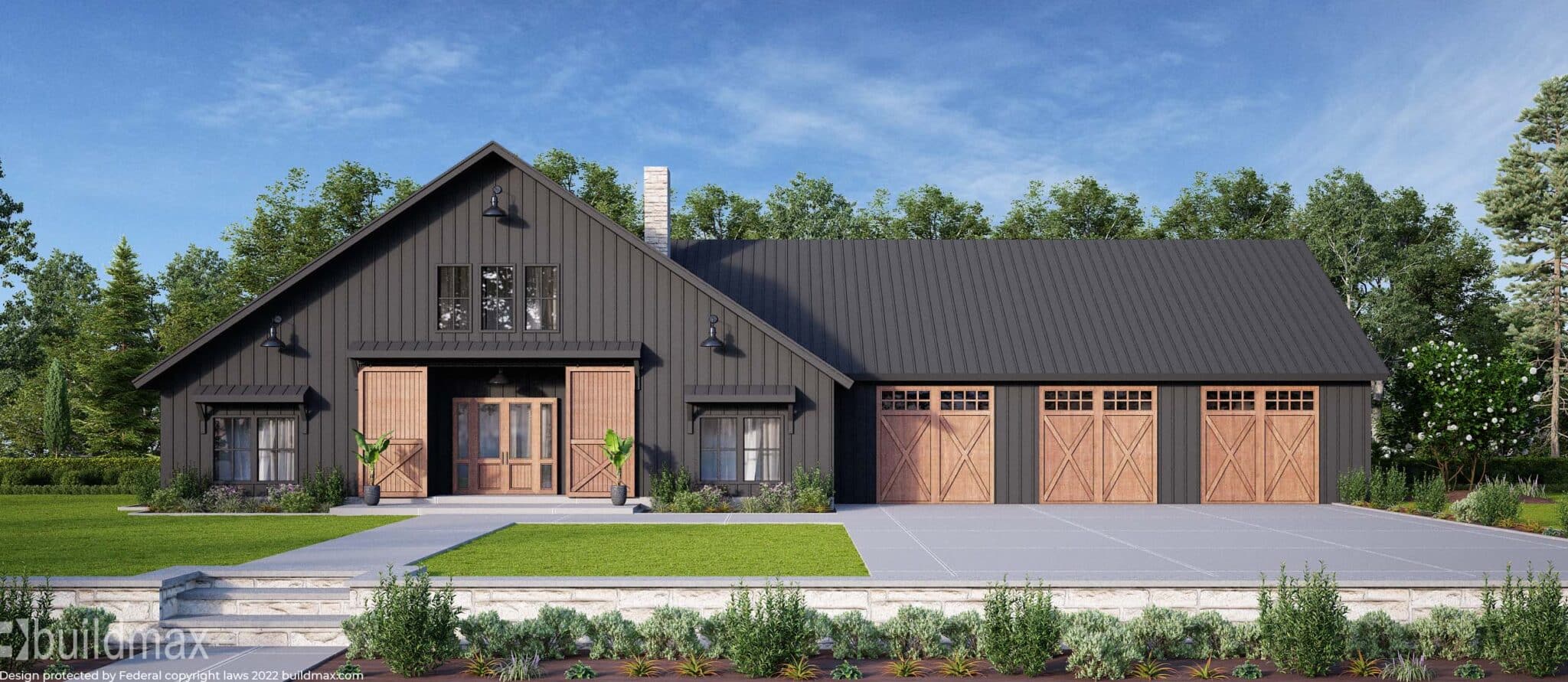
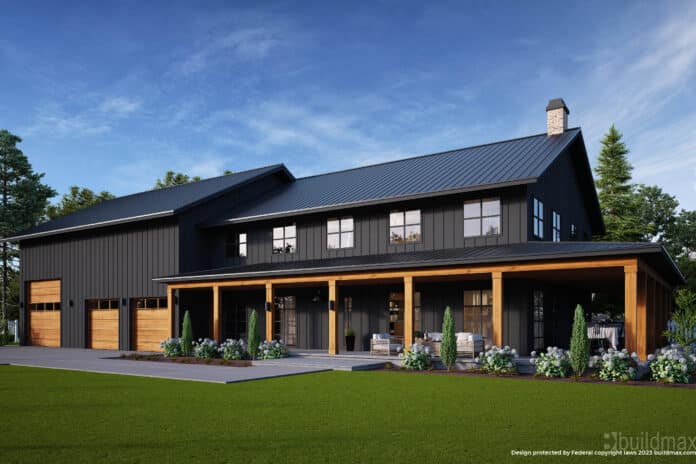
black barndominium shophouse

The Flexibility of Steel Frame Barndominiums

Steel frame barndominiums are not bound by the structural constraints that often come with traditional wood-framed homes. This flexibility allows you to design your space in virtually any way you wish, whether you want an open-concept layout, a more traditional room-based design, or a combination of both.

1. **Customizable Floor Plans**
– **Load-Bearing Flexibility:** Unlike wood-framed structures, steel frame buildings do not require load-bearing walls to support the roof. This means that interior walls are purely a design choice rather than a structural necessity. You can choose to have large, open spaces or create multiple smaller rooms without worrying about compromising the integrity of the building.
– **Partitioned Rooms:** If you prefer defined spaces for different activities—such as a separate kitchen, dining room, and living room—steel framing allows you to easily incorporate walls wherever you need them. You can even include unique spaces like a home office, library, or guest suite without altering the overall structure.

2. **Combining Open and Closed Spaces**
– **Hybrid Designs:** Many homeowners opt for a hybrid approach that blends open-concept living with more private, enclosed spaces. For instance, you might choose an open living and dining area but have a separate kitchen, bedrooms, and bathrooms. Steel frame construction allows for seamless transitions between open and closed spaces, giving you the best of both worlds.
– **Zoning:** You can also design your barndominium to include distinct zones, such as a quiet, private area for bedrooms and a bustling, open area for communal living. This zoning can be particularly useful in larger barndominiums, where different family members might have different needs for privacy and interaction.

3. **Designing for Your Lifestyle**
– **Personalization:** One of the key advantages of building a barndominium, especially with a steel frame, is the ability to tailor the design to your specific lifestyle. If you value privacy, you can design a home with more enclosed spaces. If you enjoy hosting large gatherings, you might opt for a more open layout. Steel frame kits can be adapted to fit whatever vision you have in mind.
– **Future Flexibility:** A steel frame barndominium also offers flexibility for future changes. If your needs evolve—such as adding more rooms or converting open spaces into separate areas—you can easily reconfigure the layout without extensive renovation. This adaptability ensures that your barndominium can grow and change with you over time.

Buildmax BM2900

Examples of Layout Possibilities

Here are a few examples of how you can design a barndominium with or without an open-concept layout:

– **Traditional Layout:** A barndominium with a traditional layout might feature a central hallway with separate rooms branching off, including a closed-off kitchen, dining room, living room, and bedrooms. This design is ideal for those who prefer more defined spaces or need specialized rooms, such as a home office or guest quarters.

– **Open-Concept with Private Areas:** In a hybrid design, the main living area might be open, combining the kitchen, dining, and living spaces. However, the bedrooms and bathrooms would be separated by walls, creating private, quiet zones away from the central living space.

– **Fully Open-Concept:** For those who love the idea of a completely open space, a fully open-concept barndominium could feature minimal interior walls, with distinct areas defined by furniture arrangement rather than walls. This design maximizes light and space and is perfect for those who prioritize a modern, airy feel.

Conclusion

black barndominium shophouse with wraparound porch

Barndominiums do not have to be open-concept. The design of your barndominium is entirely up to you, and steel frame barndominiums offer unparalleled flexibility to create the home of your dreams. Whether you prefer a spacious, open floor plan, a more traditional layout with separate rooms, or a blend of both, a steel frame construction can accommodate your vision with ease. The key is to design your barndominium to reflect your lifestyle, needs, and preferences, ensuring that your home is both functional and comfortable.

Why Don’t More People Build Barndominiums?

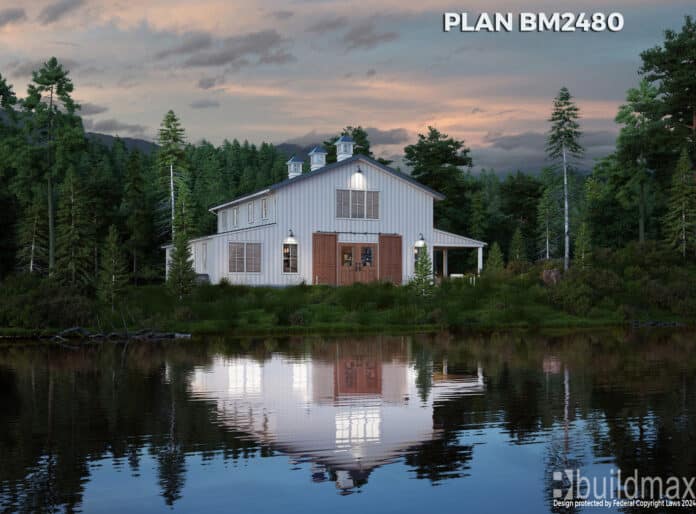
white barndominium with wraparound porch by the lake

Steel Frame Kits: An Alternative in a Changing Material Market

As construction costs continue to fluctuate, many homeowners are exploring different building options—especially when it comes to framing materials. One topic that often comes up is:

“Are steel frame kits a good solution when lumber prices rise?”

The answer depends on the project, location, and timing. Steel frame kits can be a viable option in certain situations, but like any building approach, they come with both advantages and considerations.


Why Material Pricing Matters

Construction budgets are heavily influenced by material costs, and lumber prices have historically experienced periods of volatility due to:

  • supply chain disruptions

  • market demand

  • transportation costs

  • and economic conditions

When lumber prices increase, it can impact the overall cost of wood-framed construction—leading some homeowners to explore alternatives like steel framing.


What Is a Steel Frame Kit?

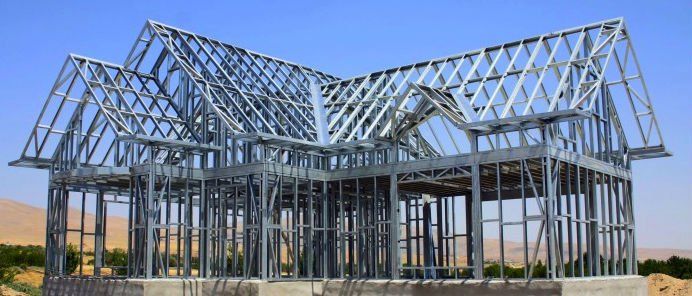
A steel frame kit typically includes a pre-engineered package of structural components designed to match a specific floor plan.

Depending on the system, this may include:

  • cold-formed steel framing

  • roof components

  • structural drawings

  • trim and fasteners

It’s important to understand that a kit is not a complete home. It does not include:

  • foundation

  • site work

  • utilities

  • interior finishes

  • or labor


When Steel Kits May Be a Practical Option

Steel frame kits can make sense in certain scenarios, particularly when:

Material Pricing Shifts

If lumber prices are elevated, steel may become more competitive depending on market conditions.

Pre-Engineered Planning

Steel kits are often designed to align closely with engineered plans, which can help with:

  • material coordination

  • reducing some jobsite waste

  • improving planning accuracy

Open-Concept Designs

Steel framing can support larger spans when properly engineered, making it a good fit for:

  • open floor plans

  • barndominiums

  • garage/shop-integrated homes


Cost Is About More Than Materials

One of the biggest misconceptions is that switching materials automatically lowers total cost.

In reality, total project cost depends on:

  • labor

  • site preparation

  • foundation

  • design complexity

  • finishes

  • and contractor pricing

Even if steel is competitive on materials, labor availability and experience can influence the final price.


Labor and Installation Considerations

Steel framing requires installers familiar with:

  • engineered plans

  • fastening systems

  • framing layout and sequencing

In areas where steel construction is less common, labor costs may be higher due to limited experienced crews.

Important:
BuildMax is not a builder or general contractor. BuildMax provides plans and material packages but does not manage construction or control labor costs.

Homeowners should:

  • hire a vetted general contractor

  • choose crews with steel framing experience

  • and compare multiple bids

You may also consider requesting a quote from a third-party manufacturer’s steel installation crew, if available.


Planning Still Drives Success

Switching to a steel kit does not eliminate the need for strong planning.

Successful projects typically involve:

  • finalized plans before construction

  • realistic budgeting

  • coordination with contractors

  • clear understanding of project scope

Material choice is just one piece of the puzzle.


Market Conditions Can Change

It’s also important to remember that pricing is not static.

Steel and lumber costs can both fluctuate over time based on:

  • global supply

  • demand

  • manufacturing

  • and economic trends

What is cost-effective today may shift in the future.


Final Thoughts

Steel frame kits can be a practical option when material prices shift—especially for homeowners looking for:

  • pre-engineered systems

  • open-concept designs

  • and alternative framing approaches

However, they are not automatically cheaper in every situation.

The real determining factors are:

  • total project cost

  • contractor experience

  • design efficiency

  • and overall planning

The best approach is to evaluate your specific project, compare options, and work with experienced professionals to determine what makes the most sense for your build.

Show less
Why Don’t More People Build Barndominiums?

can you rewrite this: https://buildmax.com/why-dont-more-people-build-barndominiums/

ChatGPT10:28 AM

Why Don’t More People Build Barndominiums?

Barndominiums have grown rapidly in popularity, especially over the past decade. With their open layouts, modern farmhouse appeal, and flexible use of space, they’ve become a strong option for many homeowners.

So a common question is:

“If barndominiums are so popular, why doesn’t everyone build one?”

The answer comes down to awareness, planning complexity, local factors, and how these projects are perceived compared to traditional homes.


1. Lack of Awareness and Understanding

Even though barndominiums are becoming more mainstream, many people are still unfamiliar with them.

Some homeowners:

  • have never heard the term

  • associate them only with barns or agricultural buildings

  • or assume they aren’t suitable as full-time residences

In reality, modern barndominiums can look and function like traditional custom homes—but the perception gap still exists.


2. They Require More Upfront Planning

Barndominiums are not “off-the-shelf” homes.

Unlike buying a production home, building a barndominium typically requires coordinating:

  • land purchase

  • site work

  • utilities

  • permits

  • contractors

  • and full construction planning

For some buyers, this level of involvement can feel overwhelming compared to purchasing a move-in-ready home.


3. Builder Experience Varies by Area

Not all contractors are experienced with:

  • barndominiums

  • steel framing systems

  • large open-span layouts

In areas where barndominiums are less common, it may be harder to find builders familiar with this type of construction.

Important:
BuildMax is not a builder or general contractor. BuildMax provides plans and material packages, but construction depends on the professionals hired by the homeowner.

That’s why it’s strongly recommended to:

  • hire a vetted general contractor

  • choose crews with barndominium or steel experience

  • or consider a quote from a third-party manufacturer’s steel installation crew when available


4. Financing and Appraisal Factors

Financing has improved significantly as barndominiums have become more common, but it can still vary depending on:

  • the lender

  • comparable home sales in the area

  • project details and documentation

Some lenders may require:

  • detailed plans

  • construction budgets

  • or additional approvals

Preparation and working with experienced lenders can help reduce these challenges.


5. Zoning and Local Regulations

In some areas, zoning rules, HOA guidelines, or subdivision restrictions may affect whether a barndominium can be built.

Requirements may involve:

  • exterior appearance standards

  • minimum square footage

  • design guidelines

  • or land-use restrictions

While many areas allow barndominiums, others may require adjustments to meet local requirements.


6. Misconceptions About Cost and Speed

Barndominiums are often marketed online as:

  • cheaper

  • faster

  • or easier to build

While they can be efficient in the right situation, real-world results depend on:

  • design

  • labor

  • site conditions

  • finishes

  • and project management

Because expectations don’t always match reality, some homeowners choose more traditional paths they feel are more predictable.


7. Not Everyone Needs the Features They Offer

Barndominiums are especially appealing to homeowners who want:

  • large open spaces

  • integrated garages or workshops

  • flexible, multi-use layouts

But for buyers looking for:

  • smaller homes

  • urban locations

  • or traditional neighborhood settings

a barndominium may not be the best fit.


8. Comfort With Traditional Building Methods

Many people choose what they’re familiar with.

Traditional wood-framed homes have been widely built for decades, and:

  • builders are everywhere

  • processes are well understood

  • and buyers know what to expect

Barndominiums—especially steel-framed ones—can feel like a less familiar path, even if they offer advantages.


Final Thoughts

So, why don’t more people build barndominiums?

It’s not because they aren’t a good option—it’s because they require:

  • more planning

  • the right location

  • experienced contractors

  • and a clear understanding of the process

Barndominiums can be a great fit for homeowners who want flexibility, function, and customization—but they’re not a one-size-fits-all solution.

As awareness continues to grow and more builders gain experience, it’s likely that barndominiums will become even more common in the years ahead.

What Makes a Property Suitable for Building?

black barndominium with wraparound porch set in dusk

What Makes a Property Suitable for Building?

Choosing the right property for building a steel frame barndominium or any structure is a crucial step that can significantly impact the success and cost-effectiveness of your construction project. Understanding what makes a property suitable for building involves evaluating various factors that affect the feasibility, cost, and convenience of construction. Additionally, recognizing potential red flags that could make a property unsuitable for building is essential to avoid costly mistakes. In this article, we will explore the key considerations for determining property suitability and identify factors that could make a property unsuitable for building.

Factors That Make a Property Suitable for Building

1. Zoning and Permits

A suitable property must have appropriate zoning that allows for the type of structure you intend to build. Ensure that the property complies with local zoning laws and regulations, which dictate what can be built on the land and its intended use (residential, commercial, agricultural, etc.). Check with local authorities to ensure you can obtain the necessary permits and approvals for your project.

2. Accessibility

Accessibility is a vital factor in determining the suitability of a property. The property should be easily accessible via public roads and close to essential amenities like schools, hospitals, and shopping centers. Good accessibility not only adds convenience for future residents but also facilitates construction logistics and reduces transportation costs for materials and labor.

3. Utility Availability

Access to essential utilities such as water, electricity, sewage, and internet services is crucial. A suitable property should have readily available connections to these utilities or the potential for installation at a reasonable cost. Properties lacking access to utilities may require expensive solutions like well drilling, septic system installation, or alternative energy sources.

4. Topography and Soil Conditions

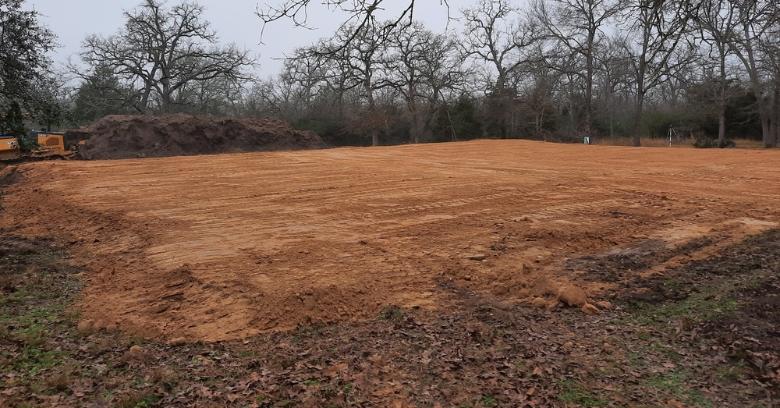
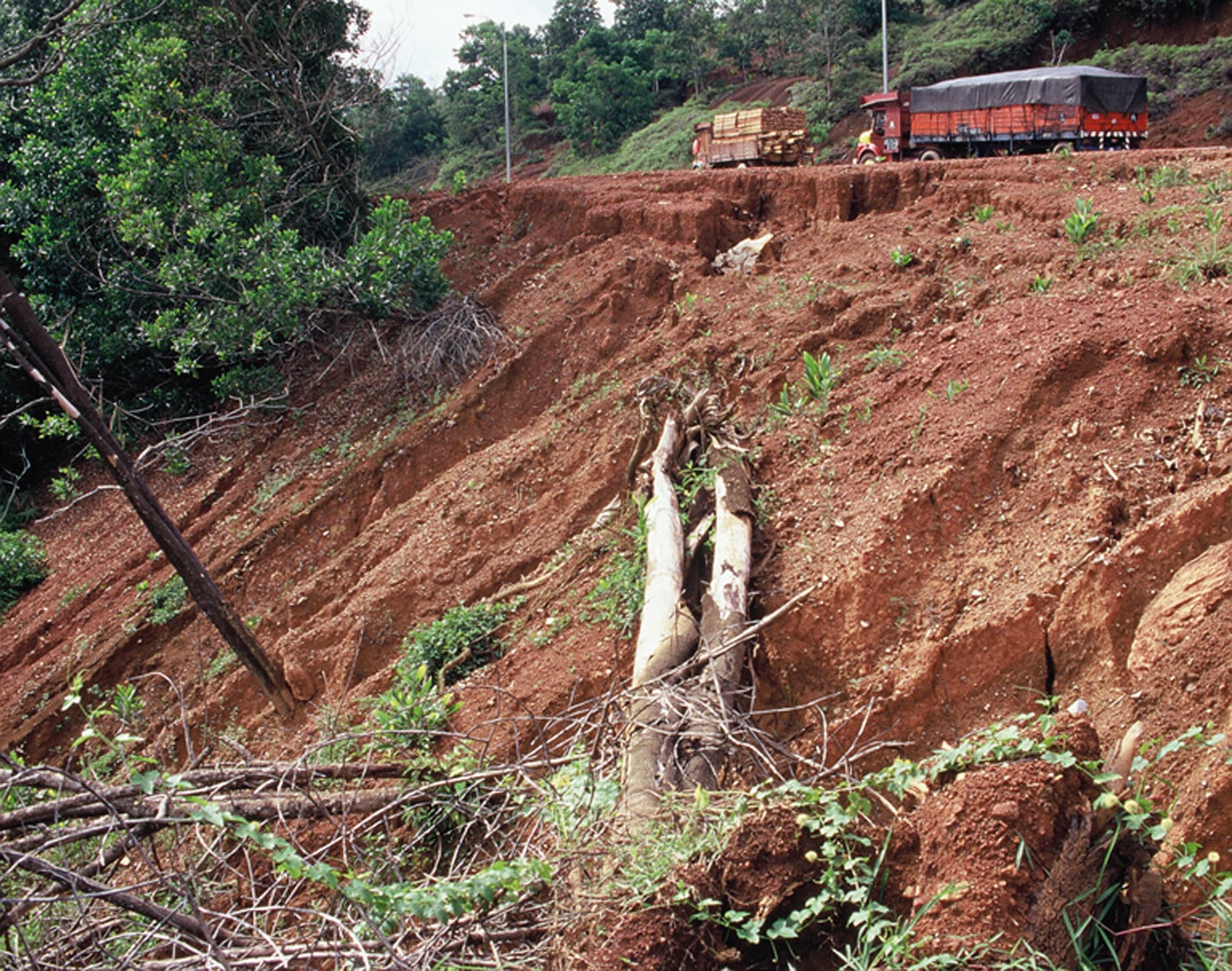
The topography and soil quality of the land can significantly influence building feasibility and costs. Ideally, a suitable property should have relatively flat terrain that minimizes the need for extensive grading or leveling. Conduct a soil test to assess the soil’s stability and drainage capabilities, ensuring it can support a foundation without risk of shifting or erosion.

5. Environmental Conditions

Environmental considerations are crucial for determining a property’s suitability. Assess the local climate, weather patterns, and natural risks such as flooding, earthquakes, or landslides. Properties located in flood-prone areas or regions with frequent natural disasters may require additional precautions and insurance, increasing overall construction and maintenance costs.

6. Legal and Title Considerations

Ensure the property has a clear title and is free of legal disputes or encumbrances. Conduct a title search to verify ownership and check for any liens or restrictions that might affect your ability to build. Consulting with a real estate attorney can help you navigate these issues and ensure a smooth acquisition process.

7. Future Development Potential

Consider the potential for future development and growth in the area. A suitable property should be located in a region with promising development prospects, which can enhance property value over time. Research any planned infrastructure projects or zoning changes that might impact the property’s desirability and value.

Factors That Make a Property Unsuitable for Building

1. Restrictive Zoning and Regulations

Properties with zoning restrictions that do not align with your intended use or those located in areas with stringent building codes can pose significant challenges. Such restrictions may limit what you can build or require costly modifications to meet regulatory standards.

2. Inaccessible Location

Properties located in remote areas with poor road access or far from essential services can be problematic. Difficult access can increase construction costs, delay timelines, and reduce the property’s appeal to potential buyers or residents.

3. Lack of Utilities

Properties without access to basic utilities or those requiring expensive infrastructure upgrades to connect to services can be financially burdensome. This lack of amenities can significantly impact the feasibility and cost-effectiveness of building on the property.

4. Unstable Soil or Hazardous Topography

Properties with unstable soil, such as clay or peat, or those located on steep slopes may present significant engineering challenges. These conditions can increase construction costs and risks, making the property less suitable for building.

5. Environmental Hazards

Properties situated in areas prone to environmental hazards, such as flood zones, earthquake-prone regions, or near industrial sites with potential pollution, may be unsuitable for building. These risks can impact safety, insurance costs, and long-term property value.

6. Legal Issues and Title Disputes

Properties with unclear titles, legal disputes, or encumbrances can pose significant challenges and risks for builders. Resolving these issues can be time-consuming and costly, potentially delaying or derailing construction plans.

Conclusion

Determining the suitability of a property for building involves a comprehensive evaluation of zoning regulations, accessibility, utilities, topography, environmental conditions, and legal considerations. By carefully assessing these factors and identifying potential red flags, you can make informed decisions that enhance the success and value of your construction project. Selecting the right property is a foundational step that sets the stage for a smooth and successful building process.

How to Choose Land to Build Your Barndominium

white barndominium shophouse

How to Choose Land to Build Your Barndominium

Building a barndominium is an exciting project that combines the rustic charm of a barn with the modern comforts of a home. One of the most critical steps in this process is choosing the right piece of land for your barndominium. The land you select will have a significant impact on your project’s overall success, so it is essential to consider various factors before making a purchase. In this article, we will explore some important things to know before buying property for a barndominium build.

1. Zoning and Land Use Regulations

Before purchasing land, you need to understand the zoning laws and land use regulations in the area. Zoning laws dictate how the land can be used and what types of structures can be built on it. Some areas may have restrictions on building Metal buildings like barndominiums, while others might have specific requirements for agricultural or rural land use. It’s crucial to verify that the land is zoned appropriately for your intended use and to obtain any necessary permits before proceeding.

2. Accessibility and Location

Consider the location of the land and its accessibility. Think about how close the property is to amenities such as schools, hospitals, shopping centers, and your workplace. Additionally, assess the condition of roads leading to the property. If the land is located in a remote area, ensure that the roads are well-maintained and accessible year-round. Proximity to major highways and transportation networks can also enhance the convenience and value of your barndominium.

3. Utilities and Infrastructure

Evaluate the availability of essential utilities such as water, electricity, and sewage. Some rural properties may not have immediate access to these services, which could increase the cost and complexity of your Barndo build. If utilities are not readily available, you may need to consider options such as drilling a well, installing a septic system, or using alternative energy sources like solar panels. Understanding the infrastructure needs beforehand can help you budget accurately and plan accordingly.

4. Topography and Soil Quality

The topography and soil quality of the land are crucial factors to consider when building a barndominium. Land with steep slopes or uneven terrain may require additional grading and site preparation, which can increase construction costs. Additionally, the soil’s composition and stability affect the foundation’s integrity and drainage capabilities. Conducting a soil test can provide valuable information about the land’s suitability for building and help you address any potential issues early on.

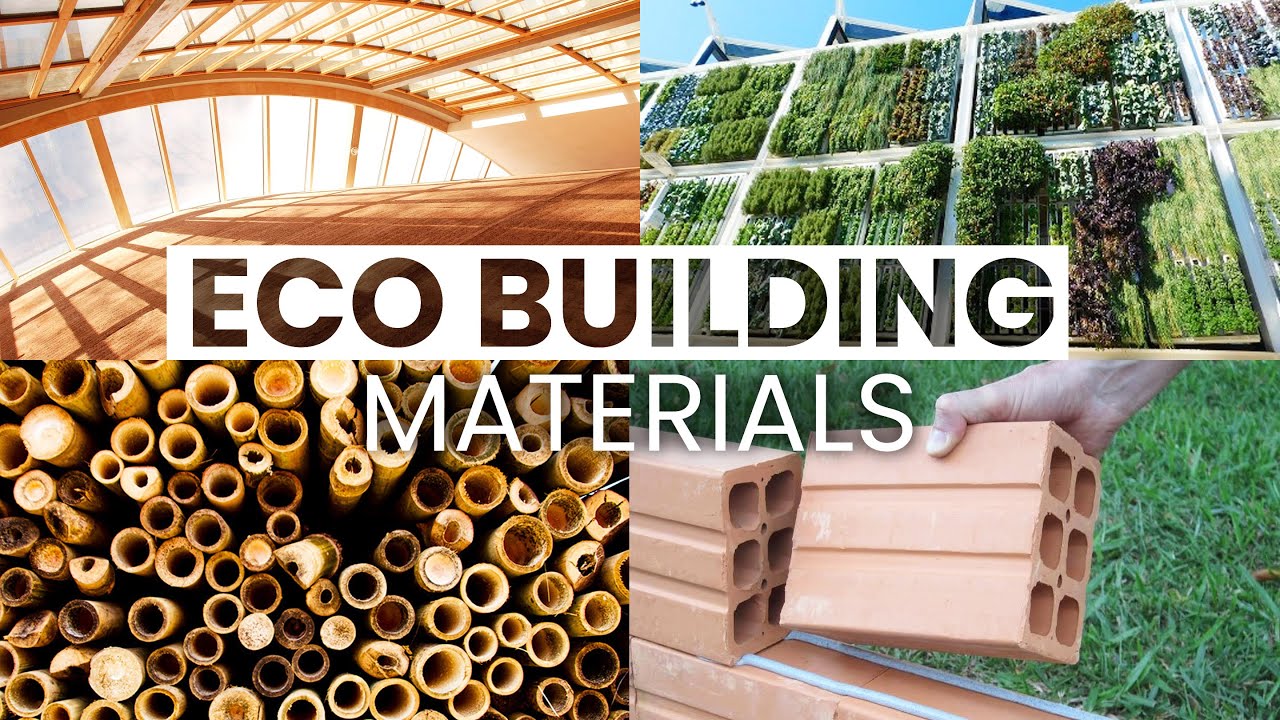
Eco-Friendly & Sustainable

5. Climate and Environmental Considerations

The local climate and environmental conditions will influence the design and construction of your barndominium. Consider factors such as temperature variations, precipitation patterns, and the likelihood of natural disasters like floods, hurricanes, or wildfires. These factors can affect your building materials and design choices, as well as the need for additional features such as flood control measures or fire-resistant materials. Understanding the environmental risks will help you build a safe and resilient home.

6. Future Development and Property Value

Consider the potential for future development in the area and how it might impact your property’s value. Research any planned infrastructure projects, zoning changes, or developments that could affect the neighborhood’s growth and desirability. While purchasing land in a rapidly developing area may offer long-term value appreciation, it could also result in increased noise, traffic, and changes in the community’s character.

7. Budget and Financing

Lastly, ensure that the land you choose fits within your budget and financing plans. In addition to the land’s purchase price, consider any additional costs such as site preparation, utility installation, and permits. If you require financing, speak with lenders familiar with barndominium projects to understand your options and secure favorable terms. Having a clear financial plan will help you manage expenses and avoid unexpected costs.

All-In-All

black barndominium shophouse with wraparound porch

Choosing the right land for your barndominium is a crucial step that requires careful consideration of various factors, including zoning regulations, accessibility, utilities, topography, climate, and budget. By thoroughly researching and evaluating each of these aspects, you can find a suitable piece of land that meets your needs and supports your vision for a barndominium. Taking the time to make an informed decision will set the foundation for a successful and satisfying building project.

Do Barndominiums Need Roof Vents?

Do Barndominiums Need Roof Vents? A Comprehensive Guide

Barndominiums, known for their unique combination of barn-like structures and residential living spaces, have gained popularity as an affordable and versatile housing option. One common question among prospective barndominium owners is whether these structures require roof vents. This article will explore the necessity of roof ventilation in barndominiums, focusing on metal roofing, the benefits of proper ventilation, and the types of roof vents available.

The Importance of Roof Ventilation

Roof ventilation is a crucial aspect of any building design, including barndominiums. Proper ventilation helps maintain a comfortable indoor environment, protects the structure’s integrity, and enhances energy efficiency. Here are some reasons why roof ventilation is essential:

1. **Temperature Regulation**

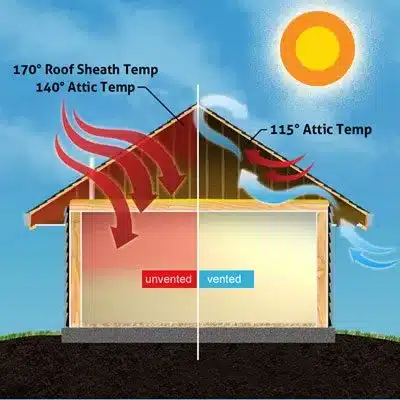
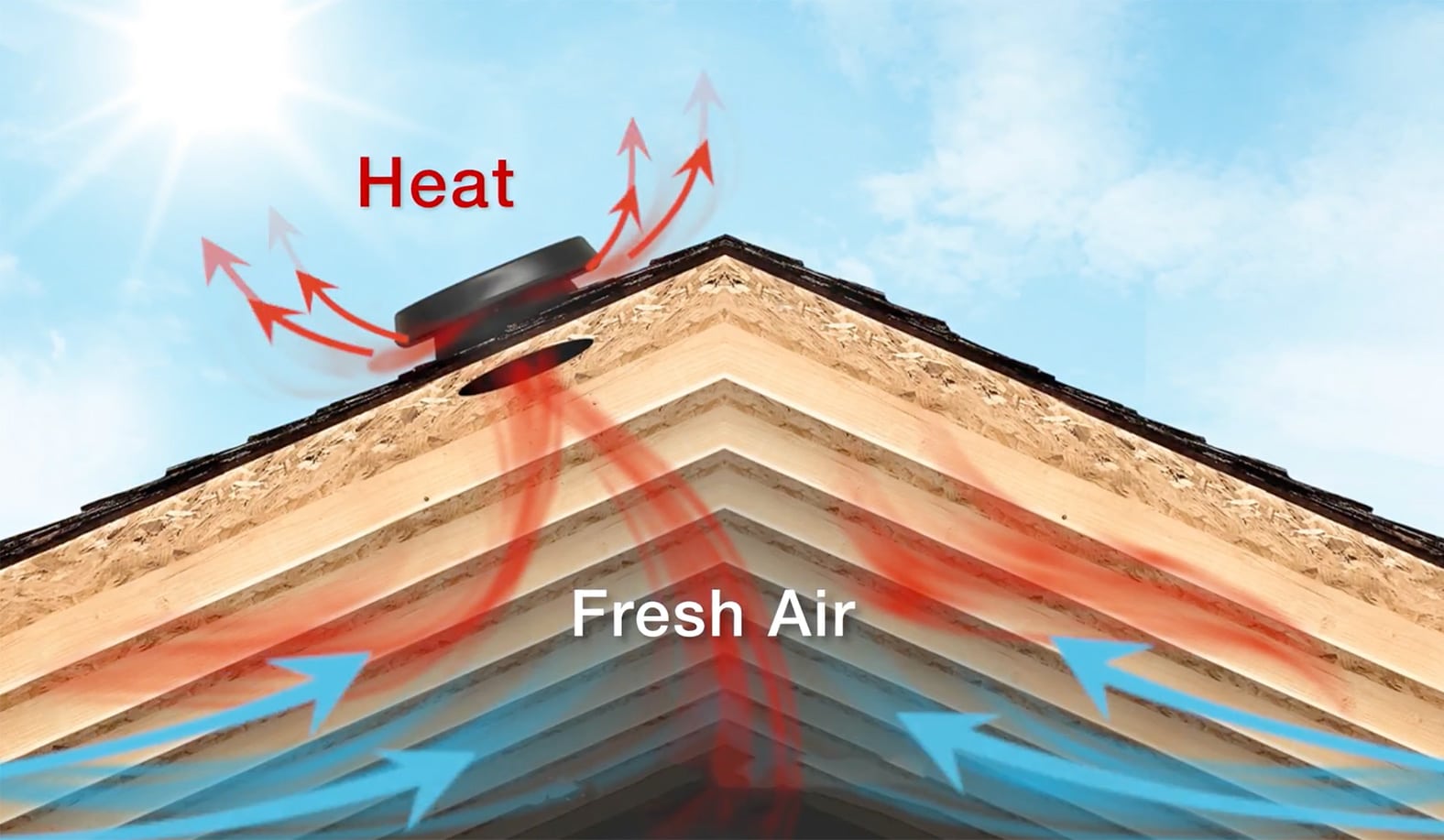
Proper roof ventilation allows hot air to escape and cool air to enter, maintaining a balanced temperature inside the barndominium. This regulation is particularly important in metal-roofed barndominiums, as metal can absorb and radiate heat, leading to high indoor temperatures during summer.


2. **Moisture Control**

Without adequate ventilation, moisture can accumulate in the attic or roof space. This moisture can lead to mold growth, wood rot, and structural damage over time. Ventilation helps expel moisture-laden air, reducing the risk of these issues.

3. **Energy Efficiency**

By reducing heat buildup in the roof space, ventilation can lower the cooling load on HVAC systems. This increased efficiency results in lower energy bills and a reduced environmental impact.

4. **Extending Roof Lifespan**

Excessive heat and moisture can accelerate the deterioration of roofing materials. Proper ventilation helps preserve the roof’s integrity, extending its lifespan and reducing maintenance costs.

Metal Barndominium Roofing

Metal roofing is a popular choice for barndominiums due to its durability, longevity, and aesthetic appeal. However, the unique properties of metal roofs require special consideration regarding ventilation:

– **Heat Conductivity:** Metal roofs absorb and conduct heat, making ventilation essential to prevent excessive indoor temperatures.
– **Condensation:** Metal roofs are prone to condensation, especially in regions with significant temperature fluctuations. Proper ventilation helps mitigate condensation by allowing moist air to escape.
– **Reflectivity:** Many metal roofs have reflective coatings that can reduce heat absorption. However, ventilation still plays a crucial role in expelling any trapped heat.

Types of Roof Vents for Barndominiums

Several roof vent options are suitable for barndominiums, each offering different benefits. Here are some common types:

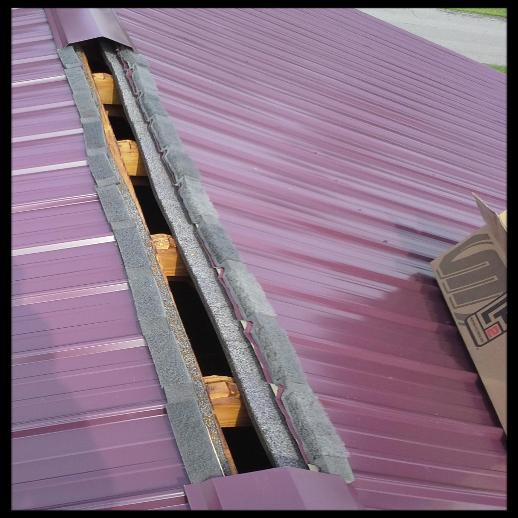
1. **Ridge Vents**

– **Description:** Installed along the peak of the roof, ridge vents provide continuous ventilation across the entire roofline.
– **Benefits:** Ridge vents offer balanced ventilation by allowing hot air to escape naturally. They are discreet and blend well with the roofline, maintaining the structure’s aesthetic.

2. **Soffit Vents**

– **Description:** Located under the eaves, soffit vents draw in cool air to replace hot air expelled through ridge or roof vents.
– **Benefits:** When used in conjunction with ridge vents, soffit vents create a continuous airflow that effectively regulates temperature and moisture.

3. **Gable Vents**

– **Description:** Installed in the gable ends of the roof, these vents allow hot air to escape horizontally.
– **Benefits:** Gable vents are easy to install and can complement other ventilation systems to enhance airflow.

4. **Turbine Vents**

– **Description:** Wind-driven vents that spin to draw out hot air from the attic.
– **Benefits:** Turbine vents are effective in areas with consistent winds and require no electricity, providing a cost-effective ventilation solution.

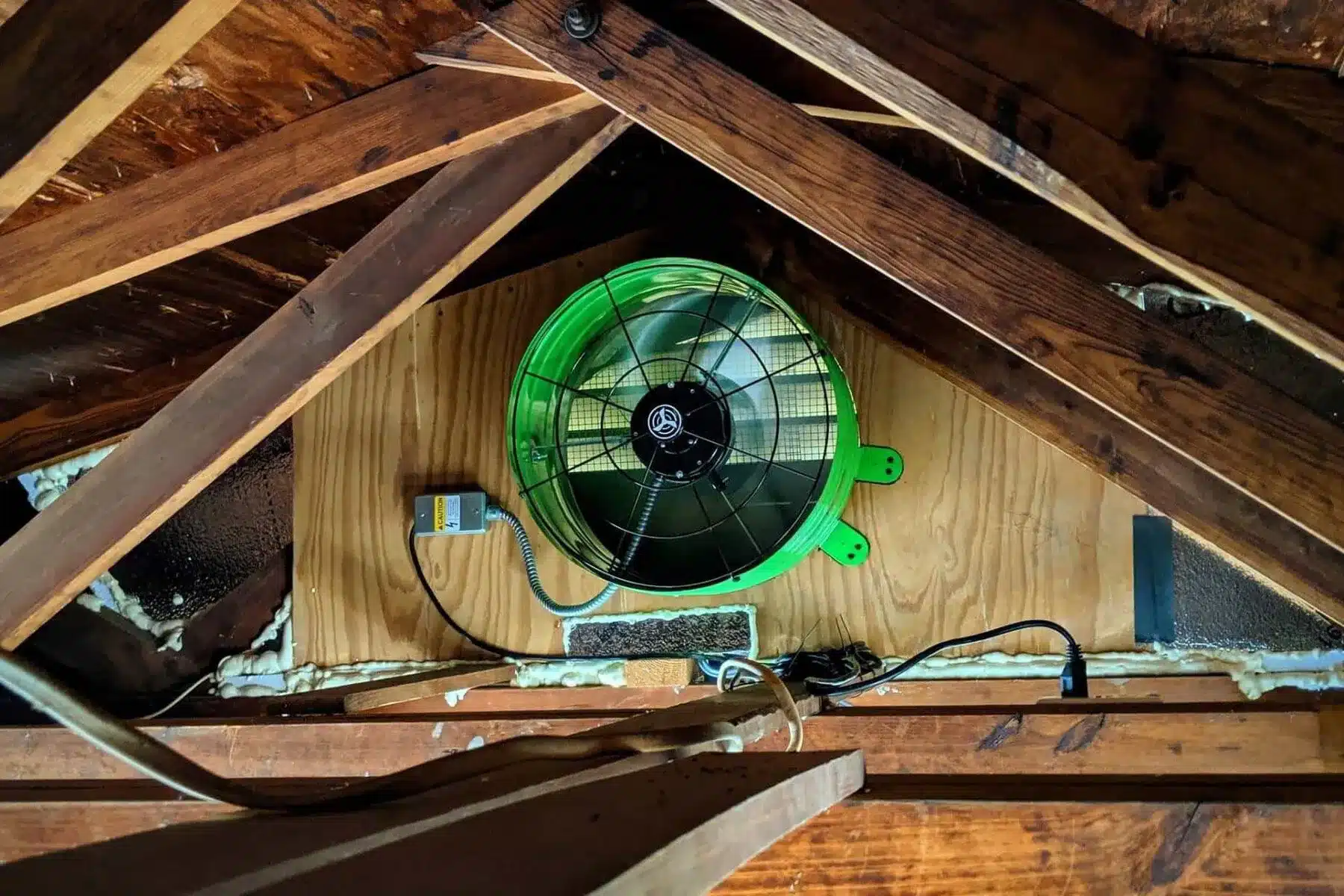
5. **Powered Attic Fans**

– **Description:** Electrically powered fans that actively expel hot air from the attic.
– **Benefits:** These fans are highly effective in hot climates and can be controlled by thermostats or humidistats for optimal performance.

All-in-All

white barndominium with wraparound porch

Roof ventilation is an essential component of barndominium design, particularly for those with metal roofs. Proper ventilation helps regulate temperature, control moisture, improve energy efficiency, and extend the roof’s lifespan. By choosing the right type of roof vents and ensuring proper installation, barndominium owners can enjoy a comfortable and durable living space. Investing in a well-ventilated roof system will enhance the performance and longevity of the barndominium, making it a wise decision for any homeowner.

What is a Bardo House?

black barndominium by a lake

What is a Bardo House? Understanding the Concept and Appeal

In recent years, unique housing concepts have gained popularity as people seek alternatives to traditional homes. Among these is the “Bardo House,” a term that may sound unfamiliar to many but represents a fascinating blend of architecture and philosophy. This article will delve into what a Bardo House is, its origins, characteristics, and why it appeals to modern homeowners.

white barndominium

What is a Bardo House?

A Bardo House is not a specific architectural style but rather a concept that emphasizes flexibility, sustainability, and harmony with the environment. These homes are designed to accommodate changes in the occupants’ lives, such as family growth, lifestyle shifts, or work-from-home needs. The focus is on creating a dynamic living space that can easily adapt to different functions and purposes over time.

white barndominium with wraparound porch by the lake

Key Characteristics of Bardo Houses

1. **Modular Design**

Bardo Houses often feature modular design elements that allow for easy expansion or reconfiguration of living spaces. Walls, partitions, and rooms can be added, removed, or rearranged to suit the occupants’ changing needs. This flexibility makes it possible to adapt the home without significant renovations.

2. **Sustainable Materials**

Emphasizing sustainability, Bardo Houses are typically constructed using eco-friendly materials and energy-efficient systems. This approach minimizes the environmental impact and reduces long-term utility costs. Common materials include reclaimed wood, recycled metal, and energy-efficient insulation.

3. **Open Floor Plans**

Open floor plans are a hallmark of Bardo Houses, promoting a sense of spaciousness and fluidity between different areas. This design encourages interaction among family members and provides versatile spaces that can serve multiple functions, from dining and entertaining to working and relaxing.

Eco-Friendly & Sustainable

4. **Connection to Nature**

Many Bardo Houses are designed to harmonize with their natural surroundings, featuring large windows, outdoor living spaces, and landscaping that blends seamlessly with the environment. This connection to nature fosters a sense of peace and well-being, aligning with the spiritual aspect of the Bardo concept.

5. **Minimalist Aesthetic**

Bardo Houses often embrace a minimalist aesthetic, focusing on simplicity and functionality. This design approach eliminates unnecessary clutter and distractions, creating a calming atmosphere that supports the occupants’ mental and emotional well-being.

black barndominium shophouse with wraparound porch

Why Choose a Bardo House?

1. **Adaptability**

The primary appeal of a Bardo House is its adaptability. As life circumstances change, the home can easily transform to meet new demands, whether adding a nursery, creating a home office, or accommodating elderly family members. This adaptability extends the home’s usefulness and value over time.

2. **Sustainability**

With growing awareness of environmental issues, many homeowners are drawn to the sustainable aspects of Bardo Houses. By choosing eco-friendly materials and energy-efficient systems, residents can reduce their carbon footprint and contribute to a more sustainable future.

3. **Enhanced Well-Being**

The design principles of Bardo Houses prioritize the well-being of their occupants. By promoting a connection to nature, encouraging interaction, and reducing stress through minimalist design, these homes create an environment that supports physical and mental health.

4. **Unique Living Experience**

Bardo Houses offer a unique living experience that differs from conventional homes. Their focus on flexibility and harmony with the environment provides a refreshing alternative for those seeking a lifestyle that aligns with their values and aspirations.

Conclusion

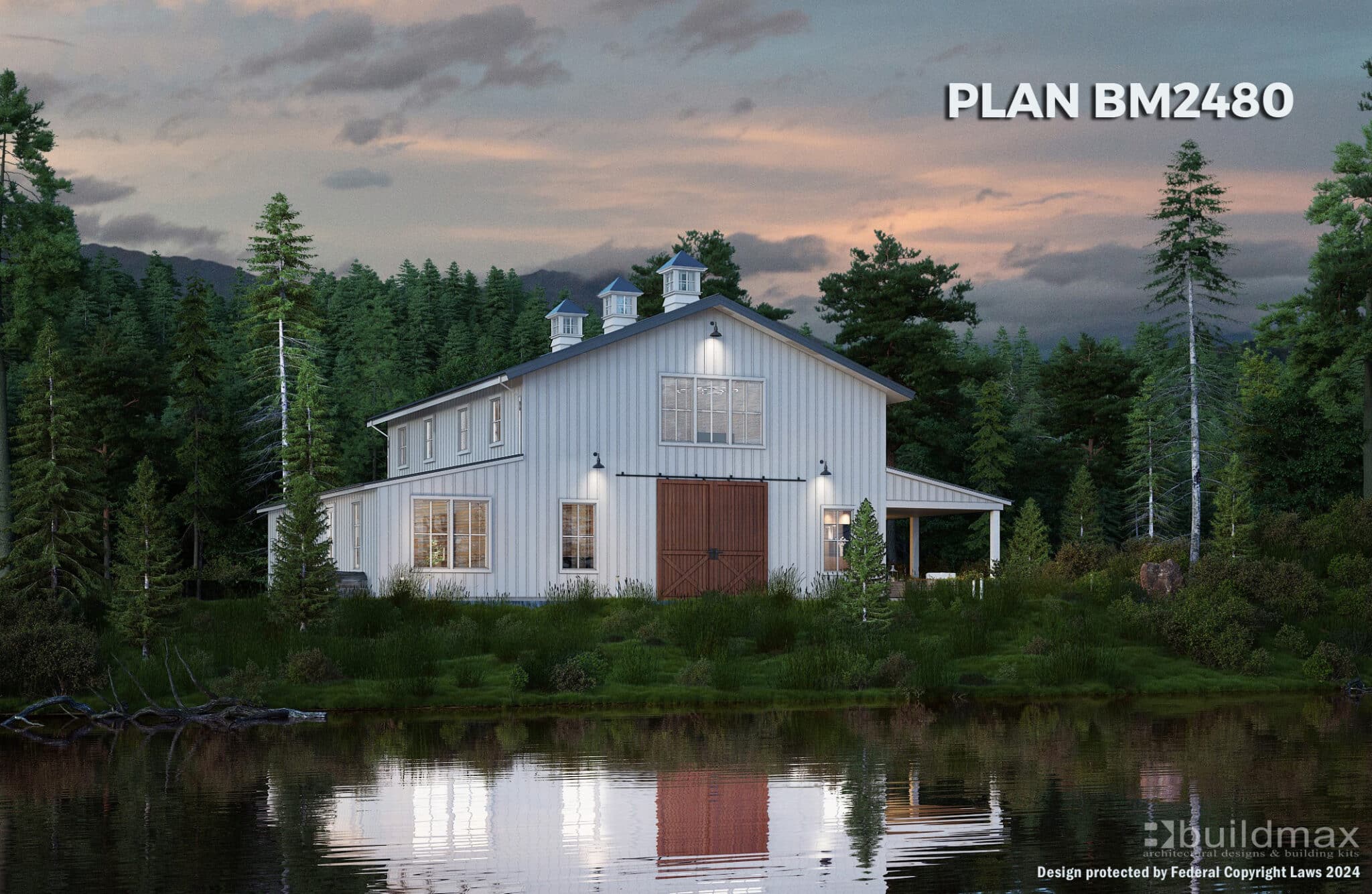
white barndominium with cupolas

A Bardo House represents a modern approach to housing that emphasizes adaptability, sustainability, and well-being. By drawing inspiration from the Tibetan concept of transition and transformation, these homes offer a dynamic living space that can evolve with the occupants’ needs. Whether you’re interested in reducing your environmental impact, creating a flexible living environment, or simply exploring a unique housing concept, a Bardo House may be the perfect solution for your lifestyle.

How to Build a Barndominium on a Budget

How to Build a Barndominium on a Budget

If you want to build a barndominium on a budget, the good news is that it can absolutely be done. The bad news is that a lot of people approach it the wrong way from the very beginning.

They start by chasing a giant dream build, adding expensive upgrades too early, and assuming the shell price is the same thing as the total finished-home cost. That is how a “budget” project turns into an expensive one fast.

The smarter way to build a barndominium on a budget is to make the right cost decisions early: keep the design simple, choose the right floor plan, understand the difference between a kit and a finished home, and avoid spending money in the wrong places.

A barndominium can be one of the most affordable ways to build a practical, durable, and highly functional home — but only if you treat the budget like a real plan and not just a hope.

In this guide, we will break down how to build a barndominium on a budget, where the biggest savings usually come from, and which BuildMax resources can help you make smarter decisions from the start.

The Short Answer: How Do You Build a Barndominium on a Budget?

The most affordable barndominium builds usually have a few things in common:

  • a simple footprint
  • a smaller or more efficient floor plan
  • practical finish selections
  • strong budget discipline from the start
  • a clear understanding of what the package includes and what still has to be paid for locally

That is the real formula.

Building on a budget is not about making every decision cheap. It is about making the right decisions cheap and spending money where it actually matters.

Start With a Smaller, Smarter Floor Plan

The fastest way to blow a budget is still to build too much house.

If affordability is the goal, start with a floor plan that is efficient instead of oversized. That usually means:

  • less wasted hallway space
  • an open-concept living area
  • a practical number of bedrooms and bathrooms
  • fewer unnecessary specialty rooms

A smaller, better-designed plan will almost always outperform a bloated design when the budget is tight.

If you are still looking for the right layout, start with BuildMax Barndominium House Plans and compare what actually fits your budget and lifestyle.

Use a Simple Footprint

One of the best ways to save money on a barndominium is to keep the shape of the home simple.

A basic rectangular or otherwise efficient footprint is cheaper to build than a design with:

  • multiple bump-outs
  • complicated rooflines
  • breezeways
  • oversized covered porches everywhere
  • too many exterior transitions

Every added corner, roof change, or decorative feature pushes up labor, materials, and complexity.

If the goal is budget control, simplicity is not boring. It is smart.

Understand the Difference Between a Kit and a Finished Home

This is one of the biggest mistakes in the entire barndominium category.

A kit price is not a finished-home price.

A barndominium kit or shell usually helps define the structural starting point. It may include framing, roofing, siding, trim, windows, doors, and other key building materials depending on the package. But it does not mean the entire home is complete.

You still need to think about:

  • foundation or slab
  • site prep
  • utilities
  • electrical
  • plumbing
  • HVAC
  • insulation
  • drywall
  • interior finishes

If you want to explore the structure-first path, the best next step is BuildMax Barndominium Kits.

Keep the Finish Package Practical

One of the easiest ways to build a barndominium on a budget is to stay practical with finishes.

That does not mean the house has to feel cheap. It means you avoid turning a budget-conscious build into a luxury project halfway through.

Good budget decisions usually mean:

  • practical flooring instead of the most expensive material in every room
  • clean, durable cabinetry instead of custom-everything
  • standard windows where possible
  • careful appliance choices
  • upgrading only the features that matter most to daily life

A few smart upgrades are fine. Upgrading every finish in the house is where the budget starts getting torn apart.

Be Honest About Site Costs

A cheap floor plan does not save you if the site is expensive to build on.

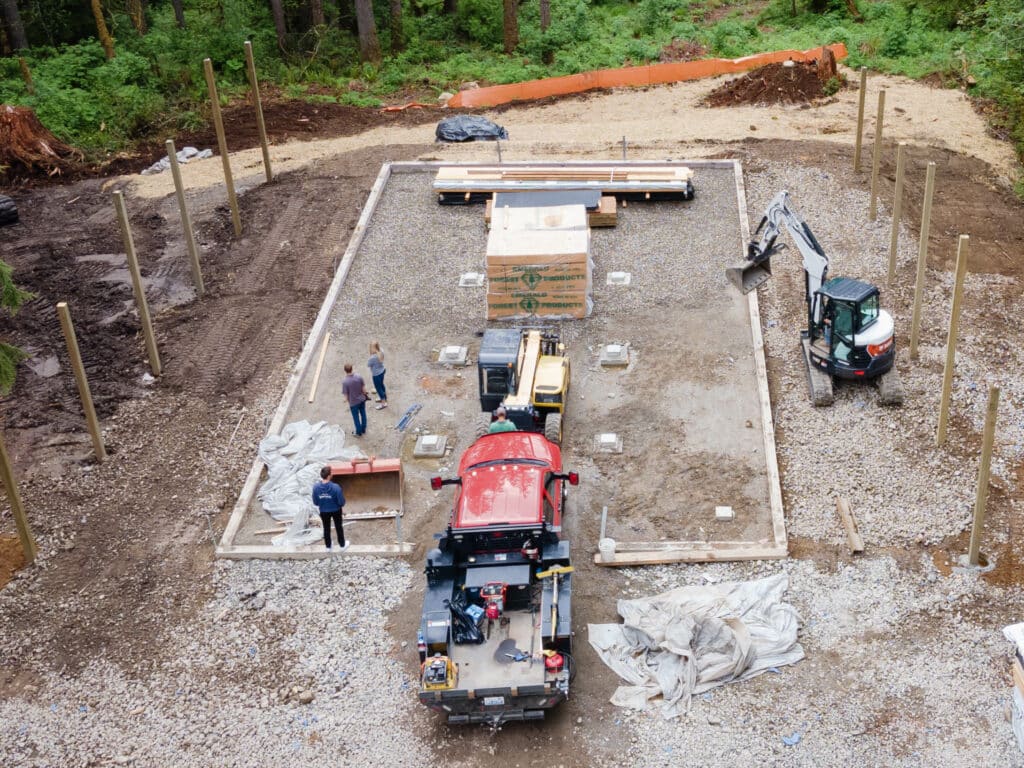
Land preparation is one of the biggest hidden cost drivers in a barndominium project, especially when buyers focus only on the structure and ignore what the land needs first.

Site costs can include:

  • clearing
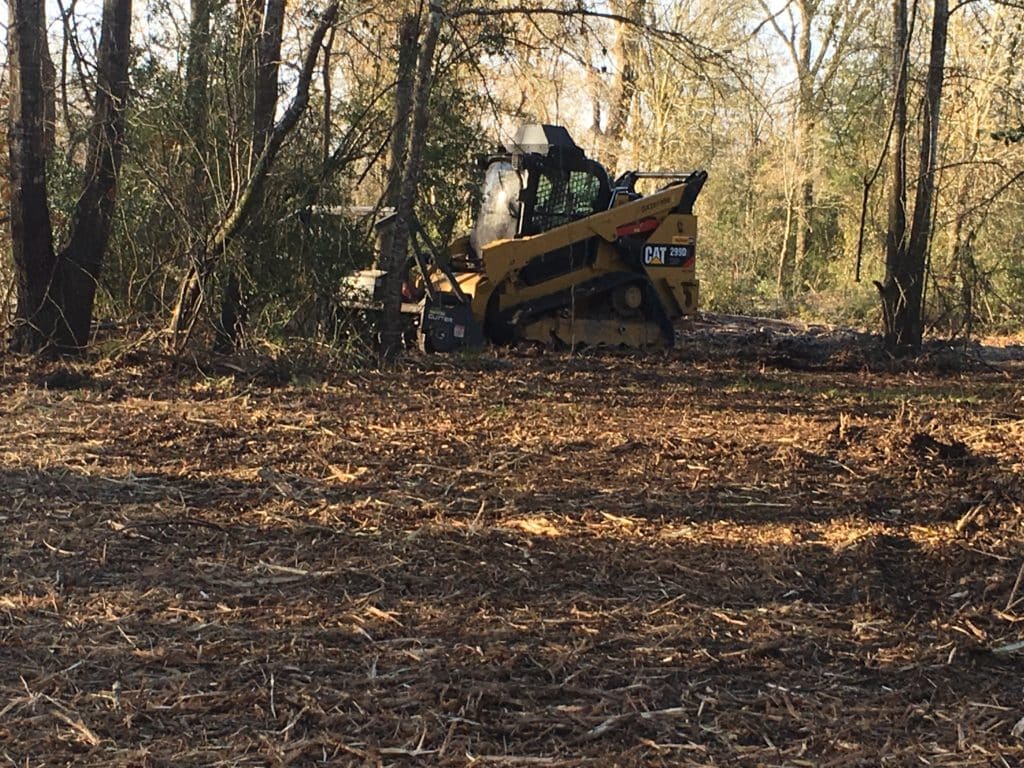
  • grading
  • driveway access
  • drainage work
  • septic installation
  • water access
  • electrical service

If the lot is already cleared and utilities are easy to reach, your budget goes much farther. If the lot is raw and complicated, the budget gets tight fast.

Use Stock Plans Instead of Starting From Scratch

If you are trying to build affordably, starting with a stock plan is usually one of the smartest decisions you can make.

A stock plan gives you:

  • a proven layout
  • a more efficient design path
  • faster decision-making
  • less money spent reinventing something that already works

This is especially true when the goal is not to build the most unique house in the county, but to build a smart, attractive, practical home without wasting money.

If you need some flexibility, start with a stock plan and then modify only what actually matters instead of creating a full custom design from day one.

Think Carefully About Garage and Shop Space

Garage and shop space can be one of the best features of a barndominium — and one of the fastest ways to grow the budget if you are not careful.

If you truly need shop space, build it intentionally. If you do not, do not add a huge garage or workshop just because it looks cool in a plan image.

Extra bays, taller walls, oversized doors, and bigger shop footprints all add cost.

If you are considering that kind of layout, compare it honestly with your budget before committing.

Choose the Right Construction Path

If you want to build a barndominium on a budget, your construction path matters.

For many buyers, a steel frame kit makes a lot of sense because it can help simplify the structural phase, improve long-term durability, and reduce some labor complexity. That is one reason steel kits remain such a strong option in budget-conscious barndominium planning.

For other buyers, a more conventional build path may still make sense depending on the market, the builder, and the project.

The key is not to assume one path is automatically cheapest in every situation. The right question is: which path gives you the best value for your actual project?

Know What Usually Blows a Budget

If you want to build on a budget, it helps to know what usually wrecks one.

The biggest budget killers are usually:

  • too much square footage
  • overly complex designs
  • underestimating site work
  • luxury upgrades everywhere
  • confusing shell pricing with finished-home pricing
  • making too many changes late in the build

A budget-friendly build usually stays affordable because the buyer made disciplined decisions early, not because they got lucky later.

What Is the Best Budget Size for a Barndominium?

If you are trying to stay in a lower budget range, smaller is usually smarter.

Compact barndominiums tend to work best when the budget is tight because they reduce:

  • foundation cost
  • framing or package cost
  • roofing and siding cost
  • interior finish cost
  • heating and cooling demand

If you want a good example of how budget and size interact, also read What Size Barndominium Can You Build with a $100K Budget?.

Should You DIY to Save Money?

Sometimes, but not blindly.

Doing some of the work yourself can help reduce costs, especially on finish work, painting, certain interior tasks, or other labor-heavy areas where you actually have the skill and time to help.

But budget building does not mean doing everything yourself just because labor costs money. The wrong DIY decision can create delays, mistakes, and rework that cost more than hiring the right help in the first place.

The best budget approach is selective DIY, not ego-driven DIY.

How to Build a Barndominium on a Budget the Smart Way

If you want the shortest version, here it is:

  1. Choose a smaller, efficient floor plan
  2. Keep the footprint simple
  3. Use a stock plan when possible
  4. Understand the difference between kit cost and finished-home cost
  5. Be careful with upgrades
  6. Price the site honestly before you build

That is the real budget strategy.

So, How Do You Build a Barndominium on a Budget?

Here is the cleanest answer:

You build a barndominium on a budget by keeping the design efficient, choosing the right plan, staying realistic about site and finish costs, and understanding exactly what is and is not included in your package or build path.

The wrong way is to start with a giant dream build and hope the numbers somehow behave later.

The right way is to control the project before it controls the budget.

Final Thoughts

A budget-friendly barndominium is not about cutting corners. It is about making the right cost decisions in the right order.

If you start with a practical plan, keep the design simple, price the site honestly, and avoid spending money in the wrong places, a barndominium can be one of the smartest ways to build an affordable home.

If you are ready to start comparing plans that fit that strategy, the strongest next step is BuildMax Barndominium House Plans.


Related BuildMax Resources

What is the Advantage of a Barndominium?

white barndominium with cupolas and large barn doors

What is the Advantage of a Barndominium?


Barndominiums have surged in popularity as a versatile, cost-effective, and stylish housing option. Combining the rustic charm of a barn with the modern amenities of a condominium, these structures offer numerous advantages, particularly when built with steel frames. This article will delve into the benefits of steel frame barndominiums and explain why they have become a preferred choice for many homeowners.

Advantages of Steel Frame Barndominiums

white barndominium with wraparound porch

1. **Strength and Durability**

**Resilient Construction:**
– Steel is renowned for its strength and durability, making it an ideal choice for the construction of barndominiums. Steel frame structures can withstand severe weather conditions, including high winds, heavy snow loads, and earthquakes, without compromising structural integrity.
– Unlike wood, steel is resistant to pests such as termites and rodents, reducing the risk of damage over time. Steel frames are also non-combustible, offering enhanced fire resistance and safety.

2. **Cost-Effectiveness**

**Affordable Building Option:**
– Steel frame barndominiums are often more cost-effective than traditional homes due to lower material costs and reduced construction time. Steel components are prefabricated, which speeds up the building process and reduces labor costs.
– The long-term savings are significant, as steel’s durability and low maintenance requirements minimize the need for repairs and replacements. Additionally, steel’s energy efficiency can lead to lower utility bills.

3. **Design Flexibility**

**Versatile Layout Options:**
– Steel frames allow for greater design flexibility, enabling architects and builders to create open floor plans without the need for load-bearing walls. This versatility makes it easier to customize the interior layout to meet specific needs and preferences.
– Barndominiums can be designed to accommodate a wide range of functions, from residential living spaces to workshops, garages, and storage areas. This adaptability makes them ideal for homeowners who want a multifunctional space.

Eco-Friendly & Sustainable

4. **Sustainability and Energy Efficiency**

**Environmentally Friendly:**
Steel is a sustainable building material, as it is 100% recyclable and can be reused without losing its structural properties. This reduces the environmental impact of construction and supports eco-friendly building practices.
Steel frame barndominiums can be designed with energy efficiency in mind, incorporating high-quality insulation, energy-efficient windows, and modern HVAC systems. These features help reduce energy consumption and lower utility costs.

5. **Quick and Efficient Construction**

**Streamlined Building Process:**
– The prefabrication of steel components allows for quick and efficient construction. Steel frame kits are delivered ready to assemble, reducing the time and labor required on-site.
– The precision and consistency of steel manufacturing ensure that components fit together accurately, minimizing the need for adjustments and reducing waste during construction.

6. **Low Maintenance**

**Long-Term Value:**
– Steel frame barndominiums require minimal maintenance compared to traditional homes. Steel does not rot, warp, or crack, and it is resistant to environmental factors that can cause deterioration in other materials.
– This low maintenance requirement translates to long-term cost savings and increased property value, making steel frame barndominiums a smart investment.

7. **Enhanced Aesthetic Appeal**

**Modern and Rustic Blend:**
– Barndominiums offer a unique blend of rustic charm and modern design. The use of steel frames allows for sleek, contemporary finishes that complement the traditional barn aesthetic, creating a distinctive and attractive home.
– Homeowners can customize the exterior and interior finishes to reflect their personal style, resulting in a one-of-a-kind living space that stands out from conventional homes.

All-in-All

black barndominium shophouse

Steel frame barndominiums offer a multitude of advantages, from strength and durability to cost-effectiveness and design flexibility. Their quick construction, low maintenance, and energy efficiency make them an appealing choice for homeowners seeking a versatile and sustainable living solution. With the ability to customize the design to meet individual needs and preferences, barndominiums provide a unique and attractive option that combines the best of both rustic and modern living. Whether you prioritize affordability, durability, or aesthetic appeal, a steel frame barndominium is a worthwhile investment that offers long-term benefits and satisfaction.