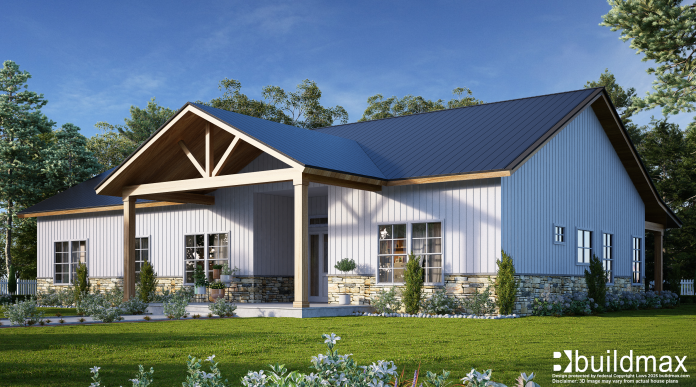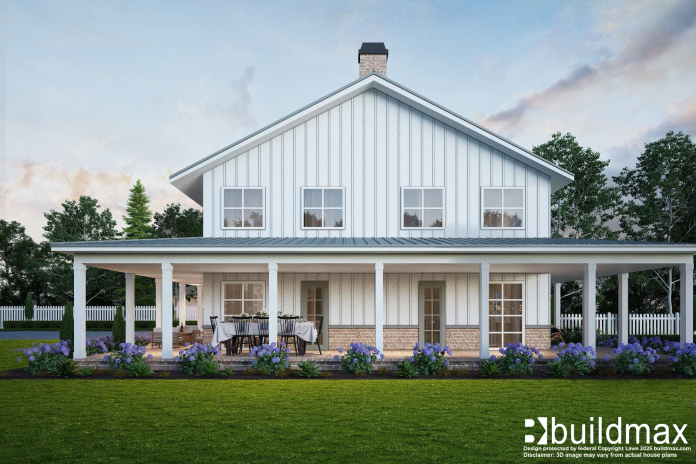



Home Blog Page 2

How Much Gravel Is Required Under a Slab Foundation?

How Much Gravel Is Required Under a Slab Foundation?

If you are preparing for a new home, shop, garage, or barndominium build, one of the most important early questions is this: how much gravel is required under a slab foundation? Getting the gravel base right is a big deal. Too little gravel can lead to drainage problems, settling, and slab movement. Too much can increase costs unnecessarily.

For most slab foundations, a 4-inch to 6-inch compacted gravel base is a common starting point, but the right depth depends on your soil conditions, drainage, local code requirements, and the type of structure you are building. If you are building a barndominium, a well-prepared gravel base is especially important because the slab often serves as the main foundation system for the home.

In this guide, we will break down:

  • Why gravel is used under a concrete slab
  • How much gravel you need under a slab foundation
  • How to calculate gravel in cubic yards
  • What type of gravel is commonly used
  • Site factors that can change the amount required

If you are planning a BuildMax home, shop house, garage, or barndominium, this article will help you better understand the slab prep process before concrete is ever poured.

Why Put Gravel Under a Slab Foundation?

A gravel base does much more than simply fill space under a slab. It plays a major role in the long-term performance of the foundation.

1. Creates a Stable Base

Compacted gravel helps create a more uniform base beneath the concrete. That stable support can reduce the chance of shifting, uneven settling, and slab cracking over time.

2. Improves Drainage

One of the biggest reasons to use gravel under a slab foundation is drainage. Gravel helps water move away from the underside of the slab instead of collecting beneath it. That can help reduce moisture-related problems and improve the durability of the foundation.

3. Helps With Soil Movement

In areas with expansive clay, poor drainage, or freeze-thaw cycles, the gravel layer can help reduce some of the stress caused by changing soil conditions. While it is not a cure-all, proper site prep is an important part of a durable slab system.

4. Supports Better Construction Practices

A properly prepared gravel base also works well with other slab components, including compaction, reinforcement, plumbing rough-ins, and vapor barriers under the slab.


How Many Inches of Gravel Do You Need Under a Concrete Slab?

In many cases, builders use 4 to 6 inches of compacted gravel under a slab foundation. That is a common range for residential slab construction, including many barndominiums, garages, and shops. However, site conditions matter.

You may need more gravel if:

  • The soil has poor drainage
  • The building site has soft or unstable soil
  • The lot has significant grade changes
  • Your local building department or engineer requires a thicker base
  • You are dealing with heavy clay soil or moisture-prone ground

You may use less only if your plans, engineer, or local code specifically allow it. In most cases, it is smart to follow your engineered plans and ask your concrete contractor or local building department what is standard in your area.

How to Calculate Gravel for a Slab Foundation

To estimate how much gravel is required under your slab, you need three numbers:

  1. The slab length
  2. The slab width
  3. The gravel depth in feet

Use this formula:

Length × Width × Depth = Cubic Feet of Gravel

Then convert cubic feet to cubic yards:

Cubic Feet ÷ 27 = Cubic Yards

Example: How Much Gravel for a 40×60 Slab?

Let’s say you are building a 40×60 barndominium or shop and want a 6-inch gravel base.

Step 1: Calculate the square footage

40 × 60 = 2,400 square feet

Step 2: Convert 6 inches to feet

6 inches ÷ 12 = 0.5 feet

Step 3: Calculate the volume in cubic feet

2,400 × 0.5 = 1,200 cubic feet

Step 4: Convert cubic feet to cubic yards

1,200 ÷ 27 = 44.44 cubic yards

Answer: You would need about 44.5 cubic yards of gravel for a 40×60 slab with a 6-inch gravel base.

Quick Gravel Estimate Chart for Common Slab Sizes

The estimates below assume a 6-inch gravel base.

Slab Size Square Feet Cubic Feet of Gravel Cubic Yards of Gravel
30×40 1,200 600 22.22
30×50 1,500 750 27.78
40×60 2,400 1,200 44.44
50×80 4,000 2,000 74.07
60×80 4,800 2,400 88.89

These numbers are estimates only. Real-world site prep often requires a little more material than the math suggests.

Should You Order Extra Gravel?

Yes, in most cases it is wise to order extra gravel. Even if your math is correct, field conditions are rarely perfect. The ground may not be perfectly level, compaction can reduce loose volume, and some areas may need more fill than expected.

A common rule of thumb is to order a little extra to account for:

  • Uneven subgrade
  • Compaction loss
  • Material spread outside exact boundaries
  • Minor grade corrections during prep

Many builders would rather have a little gravel left over than come up short on pour day.

What Type of Gravel Goes Under a Slab Foundation?

Not all gravel is the same. In many slab applications, contractors use a compactable crushed stone or gravel base that can create a firm, well-draining layer. The exact material may vary by region and contractor preference.

Common choices often include:

  • Crushed stone
  • Road base
  • Dense grade aggregate
  • Washed gravel in some situations

The best material for your slab depends on your local soil, moisture conditions, and how your contractor prefers to build. Ask what material is standard in your area and whether it compacts well while still allowing drainage.

Does Soil Type Affect How Much Gravel You Need?

Absolutely. Soil conditions can change the amount of gravel required under a slab foundation. A flat, well-drained site with stable soil may need less corrective prep than a site with poor drainage, soft spots, or expansive clay.

Problem soils can increase gravel needs because the site may require:

  • Additional excavation
  • Deeper base material
  • Extra compaction work
  • Improved drainage planning

This is one reason site work costs can vary from one property to the next, even when the building plans are exactly the same.

Do You Need a Vapor Barrier Under the Slab Too?

In many slab foundation builds, a vapor barrier is installed along with the gravel base. The gravel helps with drainage and base preparation, while the vapor barrier helps reduce moisture migration through the slab.

If you are building a conditioned living space like a barndominium home, vapor control becomes even more important. A proper slab assembly usually involves more than just gravel alone. It may also include compaction, plastic sheeting or vapor barrier material, reinforcement, thickened edges, and other engineered details.

You can also read our related article on why plastic sheathing is used under slab foundations.

Why Proper Compaction Matters

The amount of gravel you order is only part of the story. The gravel base must also be properly compacted. Loose gravel that is not compacted correctly can settle over time, which may affect the slab above.

Proper compaction helps:

  • Create a more consistent base
  • Reduce future settlement
  • Improve load support
  • Prepare the site for a more durable slab

This is why experienced slab crews spend so much time on site prep. A slab foundation is only as good as what is underneath it.

Barndominium Slab Foundations: Why the Base Matters So Much

For many barndominium builds, the slab is not just a floor. It is the foundation system that supports the entire structure. That means slab prep is one of the most important phases of the entire project.

If you are building a barndominium, your gravel base should be considered part of a larger system that includes:

  • Site grading
  • Drainage planning
  • Compaction
  • Vapor barrier installation
  • Concrete thickness and reinforcement
  • Engineered slab and footing design

Skipping corners at the base can create expensive problems later. A little more attention during slab prep can save a lot of frustration down the road.

Final Answer: How Much Gravel Is Required Under a Slab Foundation?

For many slab foundations, 4 to 6 inches of compacted gravel is a common starting range. To calculate the amount needed, multiply the slab area by the gravel depth in feet, then divide by 27 to convert to cubic yards.

For example, a 40×60 slab with a 6-inch gravel base needs about 44.44 cubic yards of gravel before allowing for overage, compaction, or uneven site conditions.

The exact amount for your project can vary depending on:

  • Soil type
  • Drainage conditions
  • Local code requirements
  • Building design
  • Engineer specifications

When in doubt, always verify the slab details with your builder, concrete contractor, or engineer before ordering materials.

Need Help Planning Your Build?

If you are in the early stages of designing a home, shop house, garage, or barndominium, BuildMax can help you move from concept to construction with professionally designed plans and steel building solutions.

Browse our barndominium floor plans, explore our steel kits, or contact BuildMax to discuss your next project.

Frequently Asked Questions

Is 4 inches of gravel enough under a slab?

In some residential slab applications, 4 inches of compacted gravel may be sufficient, but local code, soil conditions, and engineered plans should always guide the final depth.

How much gravel do I need for a 30×40 slab?

With a 6-inch gravel base, a 30×40 slab typically needs about 22.22 cubic yards of gravel.

What happens if you do not put gravel under a concrete slab?

Without a proper base, the slab may be more vulnerable to drainage issues, settlement, and cracking. A well-prepared base helps support the long-term performance of the foundation.

Do barndominiums need gravel under the slab?

In many cases, yes. A compacted gravel base is a common part of slab preparation for barndominiums, especially when paired with proper grading, drainage, and vapor barrier installation.

Should gravel be compacted before pouring concrete?

Yes. Gravel should typically be properly spread and compacted before the slab is poured so the foundation has a stable, uniform base.

Best Barndominium Floor Plans for 2026

Best Barndominium Floor Plans for 2026

If you are shopping for the best barndominium floor plans for 2026, the real question is not just which plans look the best online. The better question is this: which barndominium floor plan will actually build well, live well, and give you the most value for your money?

That is where a lot of buyers get stuck. A floor plan can look incredible in a photo gallery but fall short when it comes to daily function, storage, privacy, shop space, garage layout, or future flexibility. The best barndominium plans in 2026 are not just about curb appeal. They are about smart square footage, efficient layouts, open-concept living, practical utility space, and the ability to match your build style, land, and budget.

At BuildMax, we have seen firsthand that buyers want more than a trendy exterior. They want a plan that supports how they actually live. Whether you are looking for a family-friendly layout, a barndominium with a shop, a wraparound porch plan, or a design that can work with a steel building kit, choosing the right plan upfront can save time, money, and frustration later.

In this guide, we are breaking down what makes a barndominium floor plan worth buying in 2026, which types of layouts are in highest demand, and how to choose the best fit for your goals.

What Makes a Barndominium Floor Plan One of the Best in 2026?

The best barndominium floor plans for 2026 all have one thing in common: they do not waste space. They are designed to maximize everyday function while still delivering the features people want most, such as open living areas, large kitchens, private primary suites, covered porches, garages, and flexible bonus space.

Here are some of the biggest traits buyers should look for when comparing barndominium house plans:

  • Open-concept living areas that make the home feel larger and more connected
  • Efficient bedroom placement for privacy and better daily flow
  • Large kitchens with islands and pantries that support real family use
  • Mudrooms, laundry rooms, and storage zones that reduce clutter
  • Covered porches and outdoor living areas that extend usable square footage
  • Shop or garage space for tools, toys, hobbies, and equipment
  • Flexibility for steel kits, conventional framing, or modified builds

In other words, the best plan is not always the biggest one. It is the one that gives you the most useful square footage for the way you want to live.

Why Barndominium Floor Plans Are Still a Huge Trend in 2026

Barndominiums continue to attract buyers because they offer something many traditional homes do not: freedom. A great barndominium plan can feel open, spacious, customizable, and highly practical all at once. Buyers love the ability to combine modern home comfort with oversized garages, workshops, porches, lofts, vaulted ceilings, and flexible living space.

For many families, barndominiums also make more sense because they can be designed around lifestyle priorities from the start. Need room for a home business, side-by-side, boat, RV, hobby shop, dog wash, or multi-generational living? A good barndominium floor plan can solve those problems much more naturally than a standard suburban home.

That is a big reason why more buyers are searching specifically for barndominium floor plans instead of just generic house plans.

The Best Types of Barndominium Floor Plans for 2026

Not every buyer wants the same kind of plan. That is why the strongest barndominium floor plans for 2026 tend to fall into a few standout categories.

1. Single-Story Barndominium Floor Plans

Single-story barndominium plans remain one of the most popular choices for 2026 because they are easy to live in, easy to age into, and often more efficient from a day-to-day usability standpoint. These plans are especially appealing for families who want open living space without stairs and for buyers building on rural acreage.

Single-story layouts are often best for:

  • Retirees and downsizers
  • Families with young children
  • Owners who want easy indoor-outdoor flow
  • Buyers prioritizing accessibility

2. 2-Story Barndominium Floor Plans

Two-story plans are a great fit when you want to preserve your building footprint while still gaining more living space. They are especially useful on narrower lots or when you want to separate the sleeping areas from the main living zone.

These plans are often ideal for:

  • Larger families
  • Buyers wanting more bedrooms and bathrooms
  • Homeowners who want lofts, bonus rooms, or upstairs game rooms
  • People trying to maximize square footage without expanding the slab as much

If you want ideas in this category, you can also browse 2-story barndominium floor plans here.

3. Barndominium Floor Plans With Shop Space

One of the biggest advantages of a barndominium is the ability to integrate living space with a shop, garage, or hobby area. For many buyers, this is the entire reason to build a barndo in the first place.

A great shop-integrated barndominium plan can give you room for:

  • Tools and equipment
  • Auto work or restoration
  • Home business storage
  • ATVs, motorcycles, tractors, or recreational gear
  • General overflow storage that would crowd a traditional home

If that is your priority, explore more ideas on our barndominium floor plans with shop page.

4. Small Barndominium Floor Plans

Not everyone needs a massive home. In fact, some of the best barndominium floor plans for 2026 are compact, efficient, and intentionally simple. Smaller plans can reduce build costs, lower maintenance, and still offer a surprisingly open feel when the layout is done well.

Smaller plans are often best for:

  • Starter homes
  • Vacation homes
  • Retirement living
  • Guest houses
  • Budget-conscious self-builders

5. Family-Sized Barndominium Floor Plans

For growing households, the best family barndominium floor plans tend to include 3 to 5 bedrooms, large shared living areas, a well-designed primary suite, generous storage, and strong traffic flow between the kitchen, laundry, mudroom, garage, and porch areas.

These plans work best when they avoid wasted hallways and instead use square footage where it matters most.

How to Choose the Best Barndominium Floor Plan for Your Needs

Before you fall in love with a rendering, step back and think about how the plan will function on your property and in your routine. The best-looking plan is not always the best-performing plan.

Here are the questions smart buyers ask first:

How Many Bedrooms and Bathrooms Do You Really Need?

Be realistic. More bedrooms and bathrooms can add convenience, but they also increase cost, square footage, and complexity. Think about your household today and what you may need five to ten years from now.

Do You Need a Garage, Shop, or Both?

Many buyers search for barndominium floor plans when what they really want is a home-plus-workspace design. If that is you, make sure the garage or shop is not an afterthought. Look at bay sizes, access points, ceiling heights, storage walls, and how the garage connects to the home.

Will You Build on Rural Land?

If you are building on acreage, the best plan may be one that takes advantage of views, allows for future outbuildings, and works with your site conditions. Porch placement, entry orientation, and slab shape matter more than many people realize.

Do You Want to Modify a Stock Plan?

Many buyers find that the fastest path is starting with a stock barndominium plan and modifying it to suit their needs. That can be a smart middle ground between buying a ready-made plan and starting from scratch.

You can learn more about that process here: barndominium plan modifications.


Features That Separate Average Plans From Great Ones

If your goal is to find one of the best barndominium floor plans for 2026, pay close attention to the little details that affect day-to-day living. This is where good plans pull away from mediocre ones.

Vaulted Great Rooms

Vaulted ceilings help a home feel bigger, brighter, and more custom. In barndominiums, they also pair naturally with open-concept layouts and large windows.

Oversized Kitchen Islands

Barndominium kitchens often act as the anchor of the home. An oversized island gives you prep space, seating, and a natural gathering point for everyday life.

Walk-In Pantry

A walk-in pantry is one of those features buyers almost never regret. It improves storage, keeps counters cleaner, and supports bulk buying for rural living.

Mudroom and Laundry Placement

In homes with acreage, animals, kids, tools, or shop access, the mudroom and laundry room matter more than people think. These utility zones can dramatically improve how the house functions.

Covered Porches

One of the best things about barndominiums is how naturally they blend indoor and outdoor living. A deep covered porch adds curb appeal and usable living space without the cost of fully conditioned square footage.

Private Primary Suite

The best layouts separate the primary suite from the secondary bedrooms and main traffic paths. That creates a more comfortable and quiet daily experience.

Best Barndominium Floor Plans for Different Buyer Types

To help narrow the field, here is a simple way to think about what type of plan may work best for you.

Best for Young Families

  • 3 to 4 bedrooms
  • Open living and dining space
  • Large kitchen island
  • Good sightlines from the kitchen to main living areas
  • Attached garage or mudroom entry

Best for Rural Living

  • Large covered porch
  • Strong connection to outdoor space
  • Functional utility room
  • Storage-rich kitchen and pantry
  • Optional shop or garage bays

Best for Shop Owners and Hobbyists

  • Integrated shop or oversized garage
  • Separate work and living zones
  • Good entry placement from shop to home
  • Extra storage and utility access
  • Durable layout that supports active use

Best for Downsizers

  • Smaller, single-story layout
  • Minimal wasted hall space
  • Comfortable primary suite
  • Open kitchen and great room
  • Covered porch for everyday living

Why BuildMax Barndominium Floor Plans Stand Out

At BuildMax, our goal is not just to offer attractive barndominium floor plans. We focus on plans that are designed to be livable, buildable, and adaptable to real-world needs. Buyers often want a plan that can work with a metal building kit, a conventional wood-framed approach, or a modified version of a stock layout. That flexibility matters.

BuildMax also offers a wide range of barndominium plan styles, including:

  • Open-concept family layouts
  • 2-story barndominium designs
  • Plans with garages and shop space
  • Barndominiums with wraparound porches
  • Black barndominium styles
  • Large and small barndominium floor plans

Start exploring here:

Should You Choose a Stock Plan or a Custom Barndominium Plan?

For most buyers, a stock plan is the smartest place to start. It gives you a proven layout, faster turnaround, and a clearer sense of what your project can become. From there, modifications can help tailor the plan to your property, your family, and your priorities.

A fully custom plan can make sense in some situations, but it also usually requires more time, more decision-making, and a bigger design investment upfront. If you can find a BuildMax plan that is already 80 to 90 percent of the way there, modifying a stock plan is often the more efficient path.

How to Get the Most SEO and Buyer Value Out of Plan-Shopping Content

If you landed here while comparing options, the next step is not just choosing the prettiest exterior. It is comparing plans based on how they will actually serve your life. That means looking beyond square footage and asking smarter questions about storage, traffic flow, privacy, future flexibility, build method, and outdoor living.

The best barndominium floor plans for 2026 are the ones that balance style and substance. They look great, but they also solve real problems.

Final Thoughts: The Best Barndominium Floor Plans for 2026 Are the Ones That Fit Real Life

The best barndominium floor plans for 2026 are not one-size-fits-all. Some buyers need a compact and efficient home. Others need a large family layout with a shop, garage, porch, and extra storage. The key is choosing a floor plan that fits your land, your budget, and the way you want to live every day.

If you are ready to compare layouts, get ideas, or find a plan you can modify into your dream home, BuildMax offers a wide range of options designed for real-world builds.

Browse BuildMax barndominium floor plans now and take the next step toward a home that works as hard as you do.

Browse All BuildMax Plans

Frequently Asked Questions About Barndominium Floor Plans

What is the best barndominium floor plan for 2026?

The best barndominium floor plan for 2026 is the one that matches your lifestyle, land, and budget. For some buyers that means a compact single-story plan, while others need a large open-concept layout with a garage, shop, or wraparound porch.

Are barndominium floor plans cheaper to build?

That depends on the size, features, site work, materials, and local labor costs. A well-designed barndominium can offer strong value, especially when the layout is efficient and avoids wasted square footage.

Can I modify a BuildMax barndominium floor plan?

Yes, many buyers start with a stock plan and modify it to fit their needs. This is often faster and more cost-effective than starting from scratch.

What size barndominium floor plan is most popular?

There is no single perfect size, but many buyers look for plans that balance open living space with manageable build costs. The most popular sizes usually offer enough room for family life, storage, and optional garage or shop space without becoming overly complex.

Do barndominium floor plans work with steel kits?

Many BuildMax plans can work well with steel building concepts and related construction approaches. If that is part of your goal, it is worth reviewing plan options alongside your intended building method early in the process.

What Kind of Barndominium Can You Build for $200,000? Is It Even Possible?

What Kind of Barndominium Can You Build for $200,000? Is It Even Possible?

If you are asking what kind of barndominium you can build for $200,000, the short answer is: yes, it is possible — but only if you stay realistic about size, finishes, and what that budget is actually covering.

That is the part most articles get wrong.

They act like $200,000 is either impossible or unlimited. It is neither. A $200K budget can absolutely build a practical, attractive barndominium, but it will usually work best for a smaller or mid-sized design with an efficient floor plan, practical finish choices, and a disciplined approach to cost control.

In other words, $200K can build a real home. It just probably will not build the giant custom dream barndominium some buyers imagine at the start.

In this guide, we will break down what kind of barndominium $200,000 can realistically buy, what size range makes the most sense, and how to make the budget work without ruining the design.

The Short Answer: Is a $200,000 Barndominium Possible?

Yes, a $200,000 barndominium is absolutely possible.

But the kind of barndominium that budget usually supports is:

  • smaller to mid-sized
  • efficient in layout
  • light on unnecessary complexity
  • practical in finish level
  • built with a clear plan from the beginning

That is why this budget works best when the buyer focuses on function first instead of trying to force a giant luxury build into a disciplined number.

What Size Barndominium Can $200,000 Buy?

In practical terms, a $200,000 budget often supports a barndominium in the range of about 1,500 to 2,000 square feet, depending on the design, finish level, site work, and local labor market.

That is one reason this budget range is so important. It often gives buyers enough room for:

  • 2 or 3 bedrooms
  • an open-concept living area
  • a practical kitchen
  • a comfortable primary suite
  • laundry or utility space

If you are trying to compare this more directly to other budget levels, also read:

What Kind of Barndominium Works Best for $200K?

If your goal is to stay near the $200,000 mark, the strongest fit is usually a small to mid-sized barndominium with a clean footprint and an efficient layout.

That usually means:

  • simple rectangular or otherwise efficient design
  • open kitchen and living layout
  • modest porch scope
  • practical room sizes
  • limited structural complexity
  • careful upgrade choices

This is why smaller and smarter barndominiums keep performing well in the market. They make much better use of the budget than oversized designs with too much decorative complexity.

Why Smaller Barndominiums Are So Popular Right Now

Not everyone needs a huge barndominium.

In fact, smaller and more budget-conscious designs are often a better fit for:

  • first-time homeowners
  • retirees downsizing
  • buyers building a weekend or rural getaway
  • small families
  • people who want lower long-term maintenance and utility costs

This is one reason compact and efficient BuildMax plans continue to matter so much. Buyers are realizing that a well-designed smaller barndominium often gives them more value than a bloated layout with wasted square footage.

A Good Example: The BM1440

One of the clearest examples of a budget-conscious BuildMax plan is the BM1440, which is listed at 960 square feet. That makes it a strong example of how compact barndominium planning can work when the goal is to stay affordable.

A plan at this size makes sense for buyers who want:

  • a smaller home that is easier to heat and cool
  • less wasted space
  • a practical starter home or getaway property
  • a more achievable budget path

This kind of plan shows why “smaller” does not have to mean weak or unattractive. It usually just means more efficient.

A Good Example: The BMV1568

If you need a little more room, the BMV1568 is another strong example. At 1,568 square feet, it lands right in the kind of range that makes a lot of sense for a $200K conversation, especially if the design stays clean and the finish choices stay practical.

A plan in this size range often gives buyers:

  • 3 bedrooms and 2 bathrooms
  • a more family-friendly footprint
  • open living without overspending on square footage
  • room to balance comfort and cost better than a very small build

This is why mid-sized plans are often the sweet spot for budget-conscious barndominium buyers.

What Has to Go Right for a $200K Budget to Work?

A $200,000 budget works best when a few key conditions are in your favor.

  • The footprint stays simple.
  • The floor plan uses space efficiently.
  • The finish package stays practical.
  • The site is reasonably buildable.
  • You do not confuse shell pricing with finished-home pricing.

If the site gets expensive, the design gets too complex, or the finish level starts drifting into luxury territory, the size you can afford drops fast.

How to Stay Within a $200,000 Budget

If you want to build a barndominium for around $200,000, these are the decisions that matter most:

Choose a stock plan

Starting with a proven stock plan is usually smarter and cheaper than creating everything from scratch.

Use a steel kit or clear structural path

A more pre-engineered structure-first path can help simplify the project and reduce waste.

Simplify the finishes

You do not need luxury upgrades in every room on day one. Start with practical materials and improve later if you want.

DIY selectively

If you have real ability, doing some finish work yourself can help — but bad DIY decisions can also create delays and rework.

Build in the right location

Land, labor, and utility costs vary a lot. A rural market often stretches the dollar farther than a higher-cost area.

Shell Cost vs Finished Cost: Do Not Mix Them Up

This is still one of the biggest buyer mistakes in the entire category.

A shell cost is not the same as a finished-home cost.

A shell or structural package may get you under roof, but it does not usually cover the full foundation, site work, mechanical systems, insulation, drywall, flooring, cabinets, fixtures, and all the labor required to move in.

If you want to explore the structure-first path more directly, go to BuildMax Barndominium Kits.

If you want broader finished-home budget context, read How Much Does a Barndominium Cost to Build?.

What Usually Breaks a $200K Budget?

If buyers want a realistic article, this section matters more than the feel-good parts.

The biggest budget killers are usually:

  • too much square footage
  • complex rooflines and design changes
  • site prep surprises
  • upgrades everywhere
  • garage and shop overbuild
  • treating a shell quote like a finished-home quote

A $200K budget is workable, but it rewards discipline. It does not reward random wish-list building.

Who Is a $200K Barndominium Best For?

This budget range is often a great fit for:

  • first-time homeowners
  • small families
  • retirees downsizing
  • buyers who want a practical full-time home
  • people who value efficiency over excess

That is why the best $200K barndominiums are not usually giant. They are well planned.

Where Should You Start?

If your budget is around $200,000, the smartest next step is to define the project clearly before you start pricing random ideas.

The best BuildMax pages to start with are:

That is a much better path than just searching “cheap barndominium” and hoping the numbers work out.

So, What Kind of Barndominium Can You Build for $200,000?

Here is the cleanest answer:

For $200,000, you can usually build a smaller or mid-sized barndominium that is functional, efficient, and attractive — often in the range of about 1,500 to 2,000 square feet, or smaller if you want to stay especially disciplined and cost-conscious.

That budget works best for:

  • compact family homes
  • starter barndominiums
  • weekend or rural getaway homes
  • downsized, low-maintenance builds

The wrong way to think about $200K is as unlimited flexibility.

The right way is to see it as a real, workable budget for a smart barndominium — if you choose the right plan and control the project from the start.

Final Thoughts

Yes, it is possible to build a barndominium for $200,000. But the version that actually works is usually the one that stays smaller, simpler, and more disciplined than buyers first imagine.

If you start with the right floor plan, keep the design efficient, and understand the difference between structural pricing and finished-home pricing, a $200K barndominium can absolutely be one of the smartest homes you build.


Related BuildMax Resources

Building a Barndominium with Solar Power in Mind

Why Solar Power and Barndominiums Are a Perfect Match

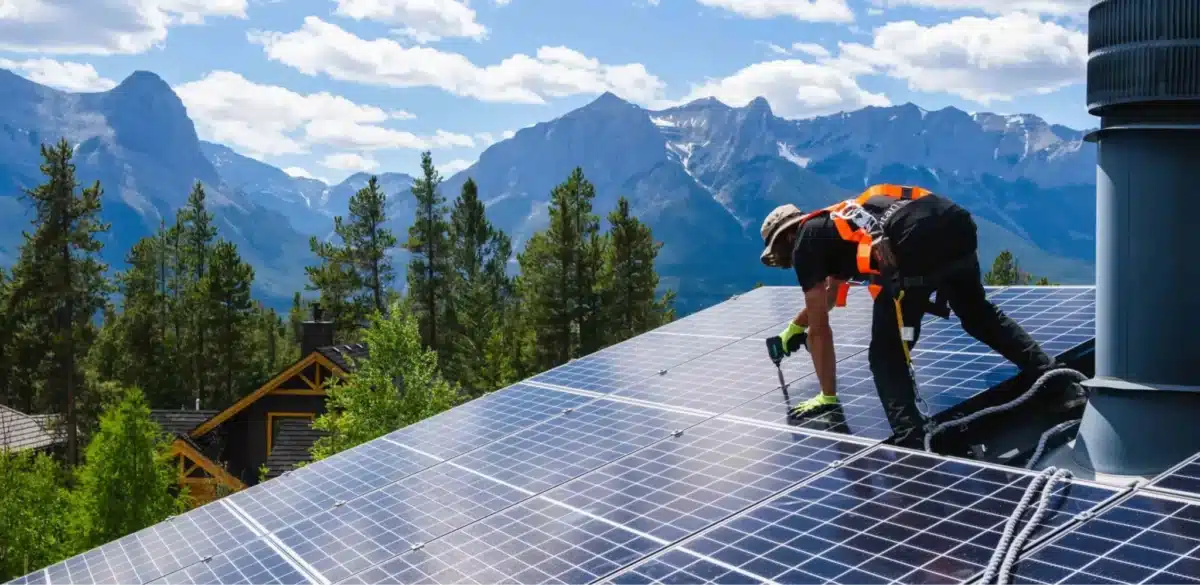
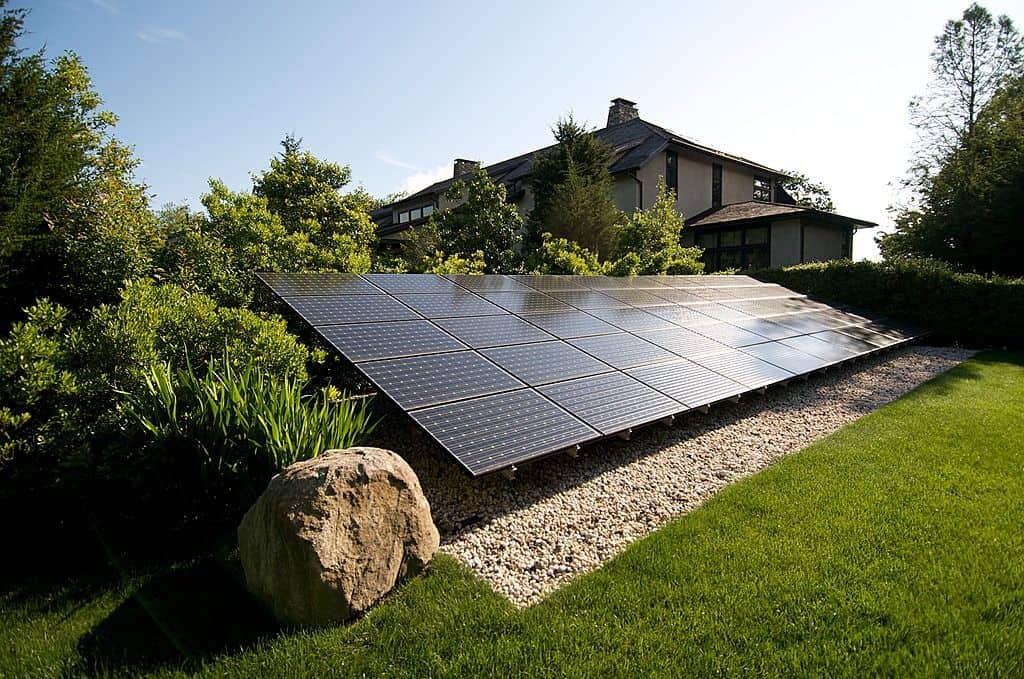
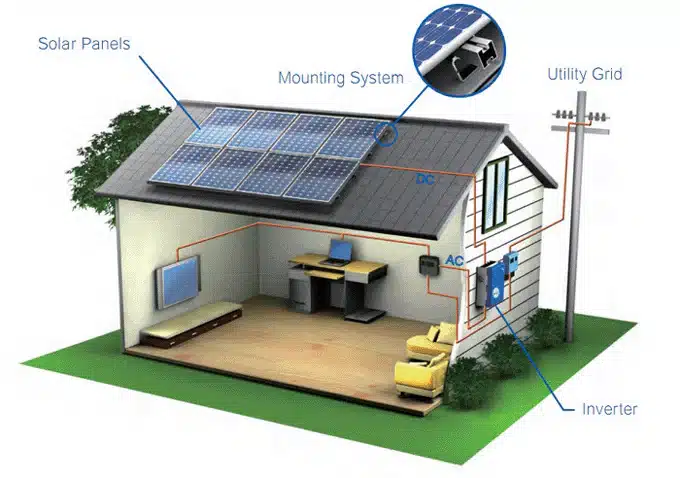
Barndominiums have been rapidly gaining popularity across the U.S., and one of the newest trends in 2025 is building with solar integration in mind from the very beginning. With steel frame barndominium kits offering wide roof spans, durable structures, and customizable layouts, they are perfectly suited to house a full solar power system.

Homeowners are increasingly asking: Is it really possible to power my barndominium primarily with solar? The answer is yes—when designed thoughtfully, solar panels can offset electricity costs by a substantial margin, sometimes eliminating utility bills altogether.


The Benefits of Solar-Powered Barndominiums

1. Substantial Cost Savings

The upfront investment in solar panels can pay itself back over time. Many homeowners see their electric bills reduced by 50–100%, depending on system size and local conditions. With rising energy costs, this becomes a powerful long-term advantage.

2. Energy Independence

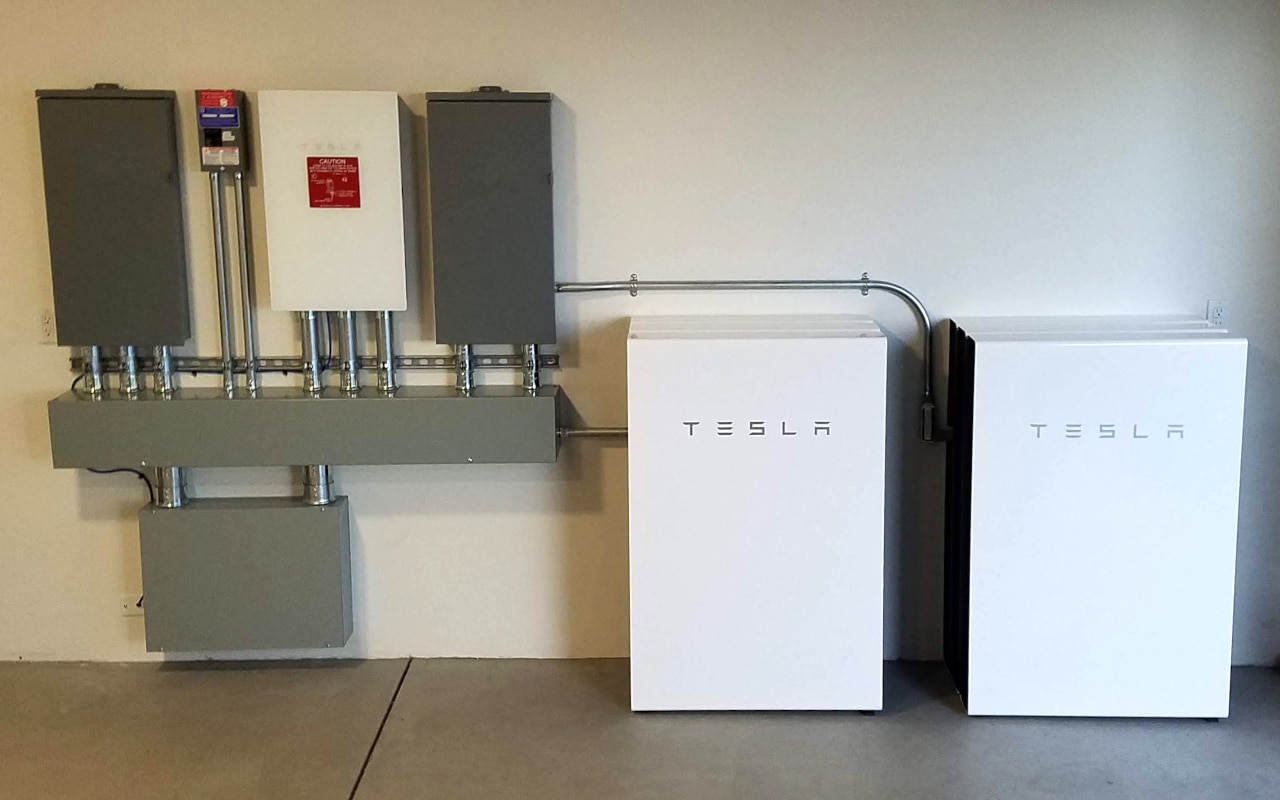
Solar power allows barndominium owners to be less reliant on the grid. When paired with a battery storage system, you can keep the lights on during outages—a huge benefit in rural areas where barndominiums are most popular.

3. Sustainability & Eco-Friendly Living

A solar-ready barndominium reduces your carbon footprint, aligning with today’s push for sustainable construction. Steel frame kits from Buildmax already minimize waste; pairing that with solar panels makes your home even greener.

4. Increased Property Value

Homes with solar systems often appraise higher and attract buyers faster. A solar-integrated barndominium offers both aesthetic and financial appeal for the long term.


Designing Your Barndominium with Solar in Mind

When planning your build, consider these design strategies to maximize solar efficiency:

  • Roof Orientation & Pitch
    South-facing roofs with a pitch between 30°–40° typically generate the best solar performance. Buildmax steel frame barndominiums allow for flexible roof designs to optimize panel placement.
  • Unobstructed Sunlight
    Choose property with minimal tree cover or shade. Wide, open rural lots are ideal for maximizing sun exposure.
  • Future-Proofing the Roof
    Even if you don’t install panels immediately, designing your roof to be solar-ready (correct slope, reinforced support, and electrical conduits) will make adding a system later much easier and less costly.
  • Energy Storage Options
    Pairing solar panels with a battery storage unit (like a Tesla Powerwall) allows your barndominium to store excess energy for nighttime use or grid outages.
  • Efficient Floor Plans
    Open-concept layouts and energy-efficient materials, such as high-quality insulation, double-pane windows, and radiant floor heating, reduce the overall energy demand—making solar systems even more effective.

Is a Fully Solar-Powered Barndominium Possible?

Yes, it’s entirely possible. Many Buildmax clients are already moving toward net-zero energy barndominiums—homes that generate as much energy as they consume. The feasibility depends on factors like square footage, energy consumption habits, and your region’s average sunlight.

For example:

  • A 1,500 sq. ft. barndominium with energy-efficient appliances may only require a 5–7 kW solar system to offset the majority of usage.
  • Larger 2,500–3,000 sq. ft. barndominiums might need a 10–15 kW system with battery backup to achieve complete independence.

The key is designing your barndominium from day one with solar integration in mind.


Buildmax: Your Partner in Energy-Efficient Barndominium Design

At Buildmax, we understand that the future of barndominium living is energy-efficient, sustainable, and customizable. Our steel frame barndominium kits paired with thoughtfully designed floor plans create the perfect foundation for solar power integration.

Whether you want to go fully off-grid or simply reduce monthly electricity costs, our team can help you design a home that’s solar-ready, stylish, and built to last.


Ready to Build Your Solar-Ready Barndominium?

👉 Call Buildmax today at (270) 495-3250 or explore Buildmax.com to find floor plans and steel frame kits designed for today’s energy-conscious homeowner.

Discovering Exciting & Popular Trends for Barndominium Design in 2026

Popular Barndominium Design Trends in 2026

Barndominium design continues to evolve as homeowners look for homes that combine style, flexibility, and functionality. In 2026, many of the most popular trends focus on creating spaces that feel modern, practical, and adaptable to everyday living.

While trends change over time, one thing remains consistent:

Homeowners want homes that are efficient, customizable, and designed around how they actually live.

Here’s a look at some of the most common barndominium design trends shaping projects in 2026.


1. Larger Open-Concept Living Spaces

Open floor plans remain one of the defining features of modern barndominiums.

Popular layouts now emphasize:

  • oversized great rooms

  • combined kitchen and dining areas

  • vaulted ceilings

  • large windows for natural light

Many homeowners are prioritizing spaces that feel:

  • connected

  • flexible

  • and ideal for entertaining or family living


2. Seamless Indoor-Outdoor Living

Outdoor living spaces continue to grow in popularity.

Common features include:

  • oversized covered porches

  • outdoor kitchens

  • sliding glass walls or large patio doors

  • wraparound patios

In many regions, homeowners are designing homes that extend living space outdoors year-round.


3. Integrated Shop and Garage Space

One of the biggest reasons people choose barndominiums is the ability to combine residential and functional space.

Popular additions include:

  • RV garages

  • workshops

  • hobby rooms

  • equipment storage

  • home-based business areas

Many 2025 designs focus on creating separation between:

  • living areas

  • work zones

  • and storage spaces

to improve comfort and organization.


4. Modern Farmhouse and Contemporary Exteriors

Exterior design trends continue moving toward:

  • clean lines

  • mixed materials

  • high-contrast color schemes

Popular combinations include:

  • black metal roofing

  • wood accents

  • stone or brick features

  • large front entryways

Modern farmhouse aesthetics remain highly requested, but contemporary minimalist designs are also growing in popularity.


5. Multi-Functional Rooms

Homeowners are increasingly designing spaces that can adapt over time.

Trending features include:

  • home offices

  • flex rooms

  • guest suites

  • workout spaces

  • loft areas

Rather than dedicating rooms to one purpose, many homeowners want layouts that evolve with changing needs.


6. Energy Efficiency and Smart Home Features

Energy-conscious design continues to influence barndominium planning.

Common upgrades include:

  • high-efficiency HVAC systems

  • spray foam insulation

  • energy-efficient windows

  • smart thermostats and lighting systems

Some homeowners are also exploring:

  • solar integration

  • backup power systems

  • geothermal HVAC options

Performance depends heavily on:

  • system design

  • insulation

  • ventilation

  • and installation quality


7. Simplified Rooflines and Efficient Layouts

While custom homes remain popular, many homeowners are also prioritizing:

  • simpler structural designs

  • efficient layouts

  • and realistic construction budgets

Clean rooflines and practical floor plans can help:

  • improve build efficiency

  • reduce unnecessary complexity

  • simplify long-term maintenance


8. Luxury Features in Functional Homes

Barndominiums are no longer viewed as strictly “budget” homes.

Many 2025 projects now include:

  • spa-style bathrooms

  • chef-inspired kitchens

  • oversized pantries

  • custom fireplaces

  • luxury primary suites

The trend is shifting toward homes that combine:

  • practicality

  • comfort

  • and high-end finishes


Planning Trends vs. Real-World Construction

While design trends are exciting, it’s important to balance inspiration with:

  • budget realities

  • local building codes

  • contractor availability

  • and long-term maintenance considerations

Some highly customized features can increase:

  • engineering complexity

  • construction timelines

  • and project costs

The most successful builds are usually the ones that combine:

  • thoughtful design

  • practical construction methods

  • and realistic planning.


Important: Builder and Construction Responsibility

It’s important to understand that BuildMax is not a builder or general contractor.

BuildMax provides:

  • floor plans

  • design services

  • and material packages

BuildMax does not:

  • supervise construction

  • manage contractors

  • or control installation quality

For best results, homeowners should:

  • hire a vetted general contractor

  • work with professionals experienced in barndominium or steel-frame construction

  • and carefully evaluate all subcontractors

For steel-framed projects, homeowners may also consider requesting a quote from a third-party manufacturer’s steel installation crew, if available.

All contractors and installers are independent third parties, and homeowners are responsible for managing the construction process.


Final Thoughts

Barndominium trends in 2026 reflect a larger shift toward:

  • flexible living

  • functional design

  • energy-conscious planning

  • and personalized spaces

The most popular homes are no longer just about appearance—they’re about creating layouts that support real lifestyles.

Whether you prefer modern farmhouse, contemporary, or hybrid designs, the key to a successful barndominium project is combining:

  • smart planning

  • realistic expectations

  • experienced professionals

  • and a design that fits the way you live.

Why More DIY Homesteaders Are Choosing Barndominiums

Why More DIY Homesteaders Are Choosing Barndominiums

As interest in self-sufficient living continues to grow, more homeowners are exploring barndominiums as part of a DIY homesteading lifestyle. From rural properties to multi-use family land, barndominiums are increasingly being chosen for their flexibility, functional layouts, and ability to support a wide variety of day-to-day needs.

But what exactly makes them appealing to DIY-minded homeowners?

For many people, it comes down to practicality, customization, and the ability to create a space that supports both living and working on the same property.


The Rise of Modern Homesteading

Today’s homesteading movement often focuses on:

  • self-sufficiency

  • rural living

  • gardening and food production

  • workshops and hands-on projects

  • reduced dependence on outside services

Many homeowners want properties that can support:

  • equipment storage

  • hobby farming

  • home businesses

  • livestock areas

  • or large outdoor workspaces.

Traditional suburban-style homes may not always fit those goals, which is one reason barndominiums have gained attention.


Flexible Space Is a Major Advantage

One of the biggest reasons DIY homesteaders choose barndominiums is flexibility.

Many layouts can include:

  • workshops

  • oversized garages

  • storage areas

  • equipment bays

  • hobby or craft spaces

  • home offices

This allows homeowners to combine:

  • residential living

  • workspace

  • and storage

under one roof.


Open Floor Plans Support Customization

Barndominiums are often designed with:

  • open-concept living areas

  • fewer interior load-bearing walls

  • large multi-purpose spaces

This flexibility can make it easier for homeowners to customize layouts around their specific needs.

For example, some DIY homesteaders prioritize:

  • mudrooms and utility areas

  • canning or food prep kitchens

  • workshop access from the home

  • laundry and storage efficiency

  • future expansion potential.


Rural Properties Often Pair Well With Barndominiums

Many homesteading projects are located on:

  • acreage properties

  • farms

  • rural land

  • or semi-rural areas

Barndominiums are often well-suited for these environments because they can integrate:

  • garages and shops

  • covered equipment storage

  • animal shelters or adjacent structures

  • outdoor living space

This type of setup can improve convenience for property owners managing larger pieces of land.


Simpler Designs Can Improve Efficiency

Many DIY-focused homeowners prefer:

  • straightforward layouts

  • practical square footage

  • efficient use of space

  • and manageable maintenance requirements

Simple rectangular floor plans and efficient rooflines may help:

  • simplify portions of construction

  • reduce wasted space

  • and support easier long-term upkeep.


Energy Efficiency Is Becoming More Important

Many homesteaders are also prioritizing:

  • lower utility costs

  • backup power systems

  • sustainable design features

  • and long-term energy efficiency

Depending on the project, homeowners may explore:

  • spray foam insulation

  • solar integration

  • geothermal systems

  • rainwater collection systems

  • energy-efficient HVAC systems

However, system performance depends heavily on:

  • proper design

  • installation quality

  • insulation

  • and climate conditions.


DIY Projects Still Require Professional Planning

Although many homesteaders enjoy hands-on involvement, building a barndominium still requires professional coordination.

Important aspects of the project may involve:

  • engineering

  • permitting

  • foundation work

  • electrical and plumbing systems

  • HVAC installation

  • code compliance

Even for experienced DIY homeowners, certain portions of construction often require licensed professionals depending on local regulations.


Budgeting and Realistic Expectations Matter

One common misconception is that barndominiums are automatically inexpensive or easy to build.

Actual costs depend on:

  • land development

  • utilities and infrastructure

  • labor availability

  • material pricing

  • interior finishes

  • and overall project complexity

DIY involvement may help with certain phases of the project, but homeowners should still plan realistically for:

  • timelines

  • inspections

  • permitting

  • and unexpected costs.


Important: Builder and Construction Responsibility

It’s important to understand that BuildMax is not a builder or general contractor.

BuildMax provides:

  • floor plans

  • design services

  • and material packages

BuildMax does not:

  • supervise construction

  • manage contractors

  • guarantee project pricing or timelines

  • or oversee code compliance or installation quality

For best results, homeowners should:

  • hire a vetted general contractor where appropriate

  • work with licensed professionals for required systems

  • and carefully evaluate all subcontractors involved in the project

For steel-framed projects, homeowners may also consider requesting a quote from a third-party manufacturer’s steel installation crew, if available.

All contractors and installers are independent third parties, and homeowners are responsible for selecting and managing the construction process.


Final Thoughts

More DIY homesteaders are choosing barndominiums because they offer:

  • flexible layouts

  • integrated workspace

  • rural functionality

  • and customizable living environments

For many homeowners, the appeal is not just the structure itself—it’s the ability to create a property that supports a more hands-on, self-sufficient lifestyle.

The most successful projects are typically the ones that combine:

  • realistic planning

  • functional design

  • experienced professionals

  • and a layout built around how the property will actually be used every day.

How to Customize Your Barndominium Floor Plan

How to Customize Your Barndominium Floor Plan

One of the biggest advantages of building a barndominium is the ability to create a home that fits your lifestyle instead of forcing your lifestyle to fit a standard layout.

Unlike many traditional homes, barndominiums are often designed with flexibility in mind, allowing homeowners to personalize:

  • room layouts

  • storage space

  • garage and shop areas

  • outdoor living features

  • and long-term functionality

But successful customization involves more than simply adding extra rooms or square footage.

The best floor plans balance functionality, comfort, budget, and long-term usability.


Start With Your Lifestyle Needs

Before making layout changes, it’s important to think about how the home will actually be used every day.

Questions to consider include:

  • How many bedrooms and bathrooms are truly needed?

  • Will anyone work from home?

  • Do you need hobby, workshop, or storage space?

  • Will the home support future family growth?

  • Do you want large entertaining areas or more private spaces?

A well-designed floor plan should support both current and future needs.


Open-Concept Layouts Remain Popular

Many homeowners customize barndominiums with open-concept living areas that combine:

  • kitchens

  • dining rooms

  • living areas

This type of layout can:

  • improve natural light

  • create better traffic flow

  • make homes feel larger and more connected

However, balance is important. Some homeowners also prefer:

  • partial room separation

  • quiet office space

  • or more privacy between bedrooms and shared living areas.


Designing Functional Kitchen Spaces

The kitchen is often one of the most customized areas in a barndominium.

Popular upgrades may include:

  • oversized islands

  • walk-in pantries

  • double ovens

  • coffee bars or prep kitchens

  • additional storage and cabinetry

For homeowners who entertain frequently or cook often, kitchen layout can significantly impact daily functionality.


Adding Garage and Shop Space

One feature that sets many barndominiums apart is integrated utility space.

Depending on the property and lifestyle, homeowners may customize plans with:

  • oversized garages

  • RV storage

  • workshops

  • hobby areas

  • home business space

  • equipment storage

Proper planning helps create separation between:

  • living areas

  • work zones

  • and storage spaces

to improve organization and comfort.


Creating Flexible Multi-Use Rooms

Many modern floor plans include rooms that can adapt over time.

Popular flexible spaces include:

  • home offices

  • guest rooms

  • workout areas

  • lofts or bonus rooms

  • study or hobby spaces

Designing adaptable rooms can help homeowners avoid major renovations later as lifestyles change.


Outdoor Living Space Customization

Outdoor features have become a major part of barndominium design.

Common additions include:

  • covered porches

  • wraparound patios

  • outdoor kitchens

  • poolside entertainment areas

  • sliding doors connecting indoor and outdoor spaces

These areas can extend usable living space and improve connection to the property.


Storage Should Never Be an Afterthought

One of the most overlooked customization opportunities is storage planning.

Functional homes often include:

  • mudrooms

  • utility rooms

  • walk-in closets

  • attic or loft storage

  • built-in shelving and cabinetry

Efficient storage solutions can make even smaller homes feel significantly more organized and livable.


Think About Long-Term Efficiency

Customization should also account for:

  • energy efficiency

  • maintenance requirements

  • heating and cooling performance

  • and long-term operating costs

Important considerations may include:

  • insulation systems

  • HVAC design

  • window placement

  • ventilation

  • roofline complexity

Highly complex designs may increase:

  • construction costs

  • maintenance demands

  • and project timelines.


Simplicity Often Improves Functionality

While customization is exciting, more features do not always create a better home.

Some of the most functional floor plans are:

  • efficient in layout

  • easy to maintain

  • and designed around practical daily living

The goal should be creating a home that feels comfortable and usable—not simply adding square footage or unnecessary complexity.


Budget and Construction Planning Matter

Every customization impacts:

  • engineering

  • materials

  • labor

  • permitting

  • and overall project cost

Changes such as:

  • vaulted ceilings

  • large spans

  • complex rooflines

  • oversized garages

  • or luxury finishes

can significantly affect both budget and construction timelines.

Careful planning early in the design phase can help reduce costly revisions later.


Important: Builder and Construction Responsibility

It’s important to understand that BuildMax is not a builder or general contractor.

BuildMax provides:

  • floor plans

  • design services

  • and material packages

BuildMax does not:

  • supervise construction

  • manage contractors

  • guarantee project pricing or timelines

  • or control workmanship or installation quality

For best results, homeowners should:

  • hire a vetted general contractor

  • work with professionals experienced in barndominium or steel-frame construction

  • and carefully review all subcontractors involved in the project

For steel-framed projects, homeowners may also consider requesting a quote from a third-party manufacturer’s steel installation crew, if available.

All contractors and installers are independent third parties, and homeowners are responsible for selecting and managing the construction process.


Final Thoughts

Customizing a barndominium floor plan allows homeowners to create a space designed around their specific lifestyle and priorities.

The most successful custom floor plans usually focus on:

  • functionality

  • flexibility

  • efficient use of space

  • realistic budgeting

  • and long-term livability

Rather than chasing trends or unnecessary complexity, the best designs are the ones that support how homeowners truly live every day.

Living in a Barndominium: What It’s Really Like

Living in a Barndominium: What It’s Really Like Day to Day

Barndominiums have gained a lot of attention online—but what’s it actually like to live in one?

The reality is: living in a barndominium can feel very similar to a traditional home—if it’s properly designed and built. The difference comes down to layout, functionality, and how the space is used.


Open Space and Flexible Living

One of the biggest differences you’ll notice is the layout.

Many barndominiums are designed with:

  • open-concept living areas

  • higher ceilings

  • fewer interior load-bearing walls

This creates a more open, connected feel compared to traditional homes with segmented rooms.

For some homeowners, that means:

  • easier entertaining

  • more natural light

  • flexible furniture layouts

For others, it may require more planning for privacy and noise control.


Functional Space Is a Big Advantage

A major reason people choose barndominiums is the ability to combine living space with function.

Depending on the design, you may have:

  • attached garages

  • workshops

  • storage for equipment or hobbies

  • home-based business space

This setup is especially useful for:

  • rural or acreage living

  • trades or small business owners

  • anyone needing extra storage or workspace at home


Comfort Depends on Design Choices

From a comfort standpoint, barndominiums can feel just like any modern home—but that depends on how they’re built.

Key factors include:

  • insulation quality

  • HVAC system design

  • ventilation

  • window placement

Open layouts and high ceilings can affect heating and cooling, so proper system sizing and insulation are important for consistent indoor temperatures.


Noise and Acoustics

Open spaces can also change how sound travels.

Without proper planning, you may notice:

  • more echo in large rooms

  • sound carrying between spaces

This can often be managed with:

  • insulation choices

  • interior finishes

  • layout decisions (like separating bedrooms from main living areas)


Maintenance and Upkeep

Barndominiums are sometimes described as “low maintenance,” but no home is maintenance-free.

Ongoing upkeep may include:

  • roof and exterior inspections

  • drainage and gutter maintenance

  • HVAC servicing

  • general wear and tear repairs

Maintenance needs will vary based on:

  • materials used

  • climate

  • and how the home is built


Rural vs. Suburban Living Experience

Many barndominiums are built in:

  • rural areas

  • semi-rural properties

  • larger lots

This often means:

  • more space and privacy

  • fewer nearby neighbors

  • different utility setups (like septic systems or wells)

However, barndominiums are also becoming more common in suburban areas, depending on zoning and local regulations.


Planning Makes the Biggest Difference

Day-to-day living experience is shaped more by design and construction quality than the “barndominium” label itself.

Homes that are:

  • well-planned

  • properly insulated

  • thoughtfully laid out

  • and built by experienced professionals

tend to feel just as comfortable and functional as traditional homes.


Important: Builder Responsibility

It’s important to understand that BuildMax is not a builder or general contractor.

BuildMax provides:

  • floor plans

  • design services

  • and material packages

BuildMax does not:

  • supervise construction

  • manage job sites

  • or control contractor performance

For the best living experience, homeowners should:

  • hire a vetted general contractor

  • choose crews experienced with barndominiums or steel framing

  • and carefully plan the layout and systems

You may also consider requesting a quote from a third-party manufacturer’s steel installation crew, if available.


Final Thoughts

So, what’s it really like to live in a barndominium?

👉 It can feel just like a traditional home—with more flexibility and functional space—when it’s designed and built correctly.

The biggest differences come down to:

  • open layouts

  • integrated work or storage areas

  • and how the space is customized to your lifestyle

At the end of the day, the experience isn’t defined by the structure type—it’s defined by how well the home fits the way you live.

The Best Layouts for Multi-Generational Barndominiums in 2026

The Best Layouts for Multi-Generational Barndominiums in 2026

If you are planning a multi-generational barndominium, the best layout is not just the one with the most bedrooms. It is the one that gives every generation enough privacy, enough shared space, and enough flexibility to live well under one roof.

That is the part many articles skip.

Multi-generational living can be one of the smartest ways to build today. It can help families stay connected, make better use of land, support aging parents, create room for adult children, and stretch the value of a custom home. But it only works when the layout is designed intentionally.

BuildMax’s current article already points readers toward layout ideas like dual master suites, in-law apartments, open-concept central living, separate bedroom wings, walk-out basement or second-story suites, bonus flex rooms, and outdoor living space. Those are all solid starting points. The real opportunity is to go deeper and explain why those layouts work and which type of family each one suits best. See the current BuildMax article.

In this guide, we will break down the best multi-generational barndominium layouts, the must-have features that make them work, and how to choose a floor plan that balances privacy, accessibility, and everyday family flow.

What Is a Multi-Generational Barndominium?

A multi-generational barndominium is a barndominium designed for more than one generation of a family to live together comfortably. That could mean:

  • parents and children living with grandparents
  • adult children living at home longer
  • an in-law suite for aging family members
  • a “home within a home” setup for privacy and independence
  • flex space that can adapt as family needs change over time

The goal is not just to fit more people inside one building. The goal is to make sure the layout supports both togetherness and separation.

If you are still comparing options, start with the main BuildMax barndominium house plans page and the broader barndominium floor plans hub before narrowing into family-specific layouts. :contentReference[oaicite:2]{index=2}

Why Multi-Generational Barndominiums Keep Growing in Popularity

Multi-generational living is growing because families are trying to solve real problems with their housing choices.

A good multi-generational barndominium can help with:

  • housing aging parents without moving them too far away
  • giving adult children a more independent living arrangement
  • sharing land and major housing costs
  • creating better support systems for children and grandparents
  • building one flexible property instead of multiple smaller homes

Barndominiums fit this trend especially well because they often use open-concept living, flexible room planning, wide spans, and layouts that can be shaped around the way a family actually lives. BuildMax’s current article also highlights this flexibility as a reason steel frame barndominiums work well for large-family layouts. :contentReference[oaicite:3]{index=3}

What Makes a Good Multi-Generational Layout?

Before we get into specific layout types, it helps to understand what a successful multi-generational floor plan needs.

Privacy

Every generation needs some space to retreat. Bedrooms alone are usually not enough.

Noise separation

Kids, retirees, remote workers, and night-shift adults often have different schedules. Layout zoning matters.

Bathroom access

Too few bathrooms can create friction fast in a large household.

Shared central space

The home still needs a comfortable gathering area that keeps the family connected.

Flexible future use

The best layouts still work if one family member moves out, moves in, ages in place, or needs more independence later.

Accessible circulation

If the home may include older relatives, wider circulation paths, easy entries, and one-story living deserve serious attention.

1. Dual Master Suite Layouts

One of the strongest multi-generational layout strategies is the dual master suite design. BuildMax’s current article leads with this idea, and for good reason. It gives two generations a more equal sense of comfort and ownership within the home. :contentReference[oaicite:4]{index=4}

This layout usually includes:

  • two large bedroom suites
  • two private bathrooms
  • strong separation between the suites
  • a shared kitchen and living core

Why it works:

  • great for parents and grandparents
  • helps avoid hierarchy in the floor plan
  • creates a real “home within a home” feeling
  • supports long-term comfort better than a standard guest room setup

This is especially effective when the two suites sit on opposite ends of the house or on separate bedroom wings.

2. Dedicated In-Law Suite Layouts

An in-law suite is one of the best ways to create privacy without forcing total separation. BuildMax’s current article mentions self-contained in-law suites with a bedroom, private bath, kitchenette or wet bar, and private entrance. That is exactly the kind of arrangement many families need. :contentReference[oaicite:5]{index=5}

A strong in-law suite layout often includes:

  • private bedroom and bathroom
  • sitting area or small living zone
  • private entrance if possible
  • optional kitchenette or coffee bar
  • easy access to the main house without being fully exposed to it

This is often the best option for:

  • aging parents
  • adult children
  • live-in caregivers
  • guests who stay for long periods

3. Zoned Bedroom Wings

This is one of the most practical and underrated layout strategies.

BuildMax’s current article describes a typical zoned plan as one wing for grandparents or guests, one wing for the primary household, and a shared central living core. That is a very strong model because it gives privacy without fully isolating anyone. :contentReference[oaicite:6]{index=6}

Zoned wings work well because they help with:

  • noise control
  • different sleep schedules
  • shared-but-separated living
  • better circulation
  • family harmony over the long run

If your household includes both young children and older adults, this may be one of the best layout formats to prioritize.

4. Open-Concept Central Living With Private Retreats

One of the best combinations for a multi-generational barndominium is a large, open central living space paired with more protected private zones. BuildMax’s current article emphasizes the value of an open-concept kitchen, dining, and living core for large households. :contentReference[oaicite:7]{index=7}

This works because the open space becomes the family hub for:

  • meals
  • holidays
  • casual daily interaction
  • grandchildren and grandparents spending time together
  • keeping the home from feeling fragmented

But the key is balance. Open living should not come at the expense of private retreat space. The best multi-generational designs combine both.

5. Walk-Out Basement or Second-Story Apartment Layouts

If the lot or plan allows it, vertical separation can be extremely effective for multi-generational living. BuildMax’s current article calls out walk-out basement apartments and second-story suites as one of the strongest emerging layout trends. :contentReference[oaicite:8]{index=8}

This type of layout is best for families who want:

  • maximum privacy
  • separate living quarters
  • room for a second kitchen or kitchenette
  • a more independent adult-child or grandparent setup

Tradeoffs to consider:

  • stairs can be a drawback for older relatives
  • accessibility becomes more important
  • the lot must support the design if using a walk-out basement

For some families, this is the ideal balance. For others, one-story living is a smarter long-term move.

6. Bonus Flex Rooms That Can Change Over Time

BuildMax’s current article is right to emphasize bonus flex rooms as a major 2025 trend. In a multi-generational home, flexibility matters because the household will almost certainly change over time. :contentReference[oaicite:9]{index=9}

A flex room can become:

  • a home office
  • a study or homeschool room
  • a media room
  • a hobby room
  • a caregiver room
  • an extra sleeping area when needed

These rooms are valuable because they keep the house adaptable instead of locking every square foot into one permanent use.

7. Outdoor Living That Relieves Pressure on the Interior

Large households benefit from more than just interior square footage. BuildMax’s current article also points to outdoor living as an extension of the floor plan, and that is especially true in a multi-generational build. :contentReference[oaicite:10]{index=10}

Useful outdoor features include:

  • covered patios
  • breezeways
  • grilling and dining areas
  • fire pit spaces
  • porches that create quieter places to sit and talk

These spaces help the home feel larger without forcing every family interaction into the kitchen or living room.

One-Story vs Two-Story for Multi-Generational Barndominiums

This is one of the most important layout decisions you can make.

One-story advantages

  • better for aging in place
  • easier daily access for grandparents
  • simpler circulation
  • fewer stairs and fewer accessibility concerns

Two-story advantages

  • better vertical separation
  • easier to create private upstairs living zones
  • can make sense on smaller or narrower sites

For many multi-generational families, a one-story layout with strong zoning is still the safest long-term choice. If you want to compare sizes and layout logic in larger footprints, BuildMax’s 40×60 sizing article and barndominium floor plans with garage page can help you think through how space gets divided in practical living plans. :contentReference[oaicite:11]{index=11}

Garage and Shop Space in a Multi-Generational Layout

Not every multi-generational barndominium needs a large garage or shop, but many families benefit from having one.

Garage or shop space can help with:

  • storage for a large household
  • multi-car parking
  • hobby or work space
  • buffering sound between the exterior and the home
  • extra flexibility for changing family needs

If garage integration matters, compare your family-focused layout ideas with BuildMax’s barndominium floor plans with garage so you do not treat parking and storage like afterthoughts. :contentReference[oaicite:12]{index=12}

What Features Matter Most in a Multi-Generational Floor Plan?

If you are trying to choose the right plan, prioritize these features:

  • at least one private suite beyond the main primary bedroom
  • good bathroom distribution
  • clear bedroom zoning
  • mudroom or utility space
  • good pantry and storage planning
  • shared living space that feels generous without wasting square footage
  • future flexibility if the household changes

The best plan is not necessarily the biggest one. It is the one that solves the real friction points of living together.

How to Choose the Best Multi-Generational Barndominium Layout

Ask these questions before choosing a plan:

  • Will older adults live here full time?
  • Do we need one kitchen or should we plan for a secondary kitchenette?
  • Is privacy more important than maximum shared space?
  • Do family members keep different schedules?
  • Will the layout still work if one generation moves out or another moves in?
  • Do we need garage or shop space to support daily life?

Once you answer those questions, the right layout type becomes much easier to identify.

Final Thoughts

The best multi-generational barndominium layouts are the ones that balance privacy, flexibility, accessibility, and shared living without forcing the household into constant compromise.

Dual master suites, in-law apartments, zoned wings, open-concept central living, bonus flex rooms, and thoughtful outdoor space all work because they solve real family problems. The strongest plans do not just fit more people into one footprint. They make the home function better for everyone living there.

If you are planning a multi-generational home, start with a floor plan that already understands these priorities instead of trying to force them in later.


Related BuildMax Resources

How to Determine the Right Square Footage for Your Needs

How to Determine the Right Square Footage for Your Home

One of the biggest decisions when planning a custom home or barndominium is figuring out how much space you actually need.

A common mistake homeowners make is assuming:

“Bigger is always better.”

In reality, the right square footage depends on:

  • your lifestyle

  • household size

  • budget

  • storage needs

  • and long-term plans

The goal is not simply building the largest home possible—it’s building a home that functions efficiently for the way you live.


Start With Daily Living Needs

The best way to determine square footage is to think about how you use space every day.

Consider questions like:

  • How many bedrooms do you truly need?

  • Do you work from home?

  • Will you need guest rooms?

  • Do you want large entertaining areas?

  • Do you need storage, garage, or workshop space?

  • Are you planning for future family growth or downsizing?

A well-designed smaller home can often feel more functional than a larger home with wasted space.


Focus on Usable Space, Not Just Total Size

Square footage alone does not determine comfort.

A poorly designed 3,500-square-foot home may feel less functional than a well-designed 1,800-square-foot layout.

Efficient homes prioritize:

  • practical room sizes

  • good traffic flow

  • natural light

  • storage solutions

  • and multi-functional areas

The key is maximizing usable space—not just increasing numbers on paper.


Common Square Footage Ranges

Every homeowner is different, but general ranges often look like this:

Small Homes (1,000–1,800 sq. ft.)

Often suitable for:

  • couples

  • small families

  • downsizers

  • vacation homes

These homes can offer:

  • lower maintenance

  • simpler cleaning

  • reduced utility costs


Mid-Size Homes (1,800–3,000 sq. ft.)

Common for:

  • growing families

  • work-from-home households

  • homeowners wanting flexible layouts

This range often balances:

  • comfort

  • storage

  • and functionality


Larger Homes (3,000+ sq. ft.)

Typically chosen for:

  • large families

  • luxury features

  • multi-generational living

  • extensive entertaining or hobby space

Larger homes can provide flexibility but also increase:

  • maintenance

  • construction cost

  • energy usage

  • and long-term upkeep.


Garage and Shop Space Counts Too

With barndominiums especially, total square footage may include:

  • garages

  • workshops

  • RV storage

  • hobby or business areas

These spaces can dramatically affect:

  • project cost

  • layout efficiency

  • and long-term usability

Homeowners should separate:

  • conditioned living space
    from

  • utility or storage space

when evaluating actual needs.


Think About Future Lifestyle Changes

A home should work not only for today—but also for the future.

Important considerations may include:

  • children growing up

  • aging in place

  • changing work situations

  • future resale appeal

  • long-term maintenance ability

Planning ahead can help avoid expensive renovations later.


Bigger Homes Cost More Than Just Construction

Larger square footage affects more than the initial build budget.

Additional costs may include:

  • heating and cooling

  • insurance

  • furniture

  • maintenance and repairs

  • cleaning and upkeep

Many homeowners today are intentionally choosing more efficient layouts to reduce long-term operating costs.


Layout Often Matters More Than Size

Good floor plans can make homes feel larger without increasing square footage.

Features that improve functionality include:

  • open-concept layouts

  • vaulted ceilings

  • large windows

  • efficient storage

  • multi-purpose rooms

Smart design can improve comfort while keeping the home manageable.


Budget Should Guide the Decision

One of the most important factors in determining square footage is realistic budgeting.

It’s easy to underestimate costs when adding:

  • extra bedrooms

  • larger kitchens

  • oversized garages

  • high ceilings

  • or luxury features

The most successful projects usually balance:

  • desired space

  • construction cost

  • long-term affordability

  • and practical functionality.


Important: Builder and Construction Responsibility

It’s important to understand that BuildMax is not a builder or general contractor.

BuildMax provides:

  • floor plans

  • design services

  • and material packages

BuildMax does not:

  • supervise construction

  • manage contractors

  • control labor costs

  • or guarantee project pricing or timelines

For best results, homeowners should:

  • hire a vetted general contractor

  • work with experienced professionals

  • and carefully evaluate all bids and subcontractors

For steel-framed projects, homeowners may also consider requesting a quote from a third-party manufacturer’s steel installation crew, if available.

All contractors and installers are independent third parties, and homeowners are responsible for selecting and managing the project team.


Final Thoughts

Determining the right square footage is about more than choosing a number.

The best homes are:

  • functional

  • efficient

  • comfortable

  • and aligned with your lifestyle and budget

Instead of asking:

“How big should my home be?”

A better question is:

“How much space will truly improve the way I live?”

With thoughtful planning and realistic expectations, homeowners can create a home that feels spacious, practical, and manageable for years to come.