


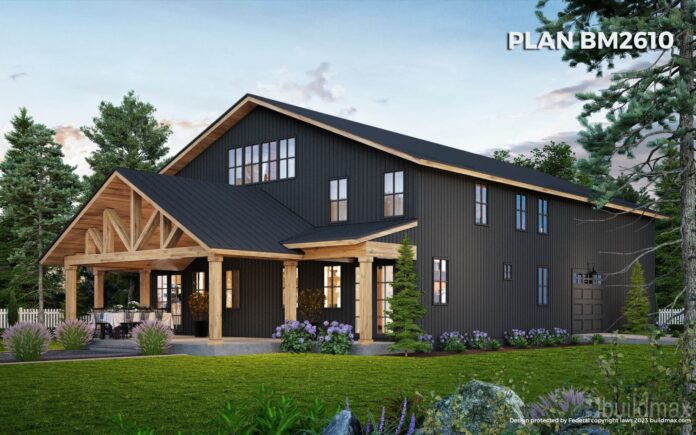
Home Blog Page 26

How many square feet is a 60×60 Barndominium?

60×60 Barndominium Plans: 3,600 Sq Ft Layout Ideas, Cost, and Build Potential

A 60×60 barndominium gives homeowners a large, flexible footprint that can support a spacious custom home, a house-and-shop combination, a large garage layout, or a single-level family home with room to grow. At 60 feet wide by 60 feet long, this design creates 3,600 square feet under roof, which is a generous amount of space for a barndominium.

That 3,600 square feet can be used entirely as finished living space, divided between house and garage space, or designed as a combination of living quarters, shop space, storage, office space, and covered outdoor living. The real value of a 60×60 barndominium is flexibility.

For families, landowners, retirees, homesteaders, hobbyists, and anyone who wants a large one-level layout, a 60×60 barndominium can be one of the most practical sizes to consider.

BuildMax helps homeowners compare barndominium floor plans, explore steel frame barndominium kits, modify existing plans, and design custom barndominiums around land, budget, lifestyle, and long-term goals.

How Many Square Feet Is a 60×60 Barndominium?

A 60×60 barndominium is calculated by multiplying the width by the length:

60 feet x 60 feet = 3,600 square feet

That means a 60×60 barndominium provides 3,600 square feet under roof if the entire footprint is enclosed. This is a large barndominium size and can be used in many different ways depending on your goals.

A 60×60 barndominium can often support:

  • 3 to 5 bedrooms
  • 2.5 to 4 bathrooms
  • Large open kitchen and great room
  • Walk-in pantry
  • Large laundry room
  • Mudroom or drop zone
  • Home office or flex room
  • Attached garage
  • Shop or hobby space
  • Storage or mechanical space
  • Covered porch or outdoor living area

The key is deciding how much of the 3,600 square feet should be finished living space and how much should be garage, shop, storage, or utility space.

Is a 60×60 Barndominium Big?

Yes. A 60×60 barndominium is considered a large barndominium footprint. With 3,600 square feet under roof, it offers more space than many traditional homes and gives homeowners room to design around family life, storage, hobbies, vehicles, guests, and future needs.

This size is especially popular for homeowners who want:

  • A large one-story home
  • A 4-bedroom or 5-bedroom layout
  • A house with a shop or garage
  • A home office or business space
  • A large open-concept kitchen and living area
  • A multi-generational layout
  • A retirement home with extra storage and guest space
  • A rural home with room for equipment and hobbies

A 60×60 barndominium gives you enough room to think beyond the basics. Instead of squeezing rooms into the plan, you can design a layout that actually fits the way you live.

What Can You Fit in a 60×60 Barndominium?

A 60×60 barndominium can fit a wide variety of layouts. The most important decision is whether the full 3,600 square feet will be finished living space or whether part of the footprint will be used for garage, shop, storage, or workspace.

Option 1: Full 3,600 Sq Ft Living Space

If the entire 60×60 footprint is finished as living space, the result can be a large custom home with plenty of room for bedrooms, bathrooms, storage, and open gathering areas.

A full 3,600 sq ft living layout may include:

  • 4 or 5 bedrooms
  • 3 or 4 bathrooms
  • Large kitchen with oversized island
  • Walk-in pantry
  • Vaulted great room
  • Formal or casual dining area
  • Home office
  • Guest suite or in-law suite
  • Large laundry room
  • Mudroom
  • Covered porch

This option works well for large families, multi-generational households, or homeowners who want a true forever home.

Option 2: 2,400 Sq Ft Home + 1,200 Sq Ft Garage or Shop

Another popular option is to divide the 60×60 footprint into a comfortable 2,400 sq ft living area with a 1,200 sq ft garage or shop. This can be a very practical layout because 2,400 sq ft is enough for a strong family home, while 1,200 sq ft gives you serious storage, workspace, or parking.

This layout can include:

  • 3 or 4 bedrooms
  • 2 or 3 bathrooms
  • Open kitchen and great room
  • Walk-in pantry
  • Laundry and mudroom
  • 2-car or 3-car garage
  • Workshop area
  • Tool storage
  • Outdoor equipment storage

This is one of the most balanced 60×60 layouts for families who want a real home and a real garage or shop.

Option 3: 1,800 Sq Ft Home + 1,800 Sq Ft Shop

If shop space is a major priority, a 60×60 barndominium can be split evenly between living space and work space. A 1,800 sq ft home can still be comfortable, especially for a couple, small family, or retirement layout, while the 1,800 sq ft shop gives you plenty of room for tools, equipment, vehicles, or hobbies.

This layout may work well for:

  • Mechanics
  • Woodworkers
  • Small business owners
  • Car collectors
  • Homesteaders
  • Farm equipment storage
  • Hobby workshops

If shop space is important, compare BuildMax’s barndominium plans with shops.

Option 4: 3,000 Sq Ft Home + 600 Sq Ft Garage

Some homeowners want most of the 60×60 footprint dedicated to finished living space, with a smaller attached garage or storage area. This layout gives you a large home while still providing protected parking or storage.

A 3,000 sq ft living layout can include:

  • 4 bedrooms
  • 3 bathrooms
  • Large great room
  • Spacious kitchen
  • Walk-in pantry
  • Home office
  • Guest room or flex room
  • Laundry room
  • Mudroom
  • 2-car garage or storage bay

For more ideas around this size, read BuildMax’s guide to 3,000 sq ft barndominium floor plans.

Best 60×60 Barndominium Layout Ideas

The best layout for a 60×60 barndominium depends on how you want to use the space. This footprint is large enough to support several different design styles.

4-Bedroom Family Layout

A 4-bedroom 60×60 barndominium is one of the strongest options for families. With 3,600 square feet under roof, the layout can include a private master suite, secondary bedrooms, open living space, a large kitchen, pantry, laundry, and garage or shop space depending on how the square footage is divided.

A 4-bedroom layout works well for:

  • Growing families
  • Families with older children
  • Guests and visiting relatives
  • Home office needs
  • Long-term resale appeal

Explore more ideas in BuildMax’s 4-bedroom barndominium floor plans.

Single-Story Ranch Layout

A 60×60 barndominium is a great fit for one-level living. A single-story layout keeps everything on the same floor, including bedrooms, bathrooms, kitchen, laundry, garage, and porch access.

This works especially well for:

  • Retirees
  • Forever-home buyers
  • Families with young children
  • Homeowners who want to avoid stairs
  • Rural properties with enough land for a wider footprint

Single-story barndominiums are popular because they are practical, accessible, and easy to live in long term.

Open Concept Layout

Open-concept design is one of the biggest advantages of a 60×60 barndominium. The wide footprint can support a large great room, kitchen, and dining area without making the home feel chopped up.

An open layout may include:

  • Large kitchen island
  • Walk-in pantry
  • Vaulted great room
  • Fireplace or focal wall
  • Large windows
  • Dining area connected to porch
  • Strong indoor-outdoor flow

This type of layout works especially well for entertaining and family gatherings.

Multi-Generational Layout

A 60×60 barndominium can also work well for multi-generational living. The footprint is large enough to include a guest suite, in-law suite, second primary bedroom, or private living area depending on how the plan is arranged.

Multi-generational features may include:

  • Private bedroom suite
  • Separate bathroom
  • Sitting area
  • Separate porch access
  • Accessible bathroom features
  • Small kitchenette option

If you need this type of layout, BuildMax can help with custom home design or plan modifications.

How Much Does a 60×60 Barndominium Cost?

The cost to build a 60×60 barndominium depends on location, land, site work, foundation, building system, labor, finish level, utilities, permits, garage space, shop space, porch size, and local code requirements.

Because a 60×60 barndominium equals 3,600 square feet, the total cost can vary widely depending on how much of that area is finished living space versus garage or shop space.

Major cost factors include:

  • Land purchase
  • Site clearing and grading
  • Driveway installation
  • Foundation type
  • Concrete slab, crawlspace, or basement
  • Steel frame, post-frame, or wood-frame construction
  • Barndominium kit or shell package
  • Roofing and siding
  • Windows and exterior doors
  • Garage door size and number
  • Porch size
  • Insulation package
  • HVAC, electrical, and plumbing
  • Interior finishes
  • Cabinets and countertops
  • Septic, well, or utility connections
  • Permits and inspections
  • Builder labor

The most important thing is to separate finished living space from garage or shop space when budgeting. A 3,600 sq ft barndominium with 2,400 sq ft of finished living space and 1,200 sq ft of garage or shop space will not be priced the same as a fully finished 3,600 sq ft luxury home.

For more cost planning, read BuildMax’s guide on how much it costs to build a barndominium.

60×60 Barndominium Shell Cost vs. Finished Cost

When researching 60×60 barndominium prices, many buyers see shell or kit prices and assume that number represents the full finished cost. That is one of the most common budgeting mistakes.

A barndominium shell may include:

  • Framing
  • Roofing
  • Siding
  • Trim
  • Fasteners
  • Sometimes windows and exterior doors

A shell usually does not include:

  • Land
  • Foundation
  • Site work
  • Builder labor unless specified
  • Septic or sewer
  • Well or public water connection
  • Electrical
  • Plumbing
  • HVAC
  • Insulation
  • Drywall
  • Flooring
  • Cabinets
  • Countertops
  • Fixtures
  • Appliances
  • Permits and inspections

Before comparing prices, ask what is included, what is excluded, and whether the quote is for a shell, a kit, a dried-in structure, or a fully finished home.

Why Steel Frame Kits Make Sense for a 60×60 Barndominium

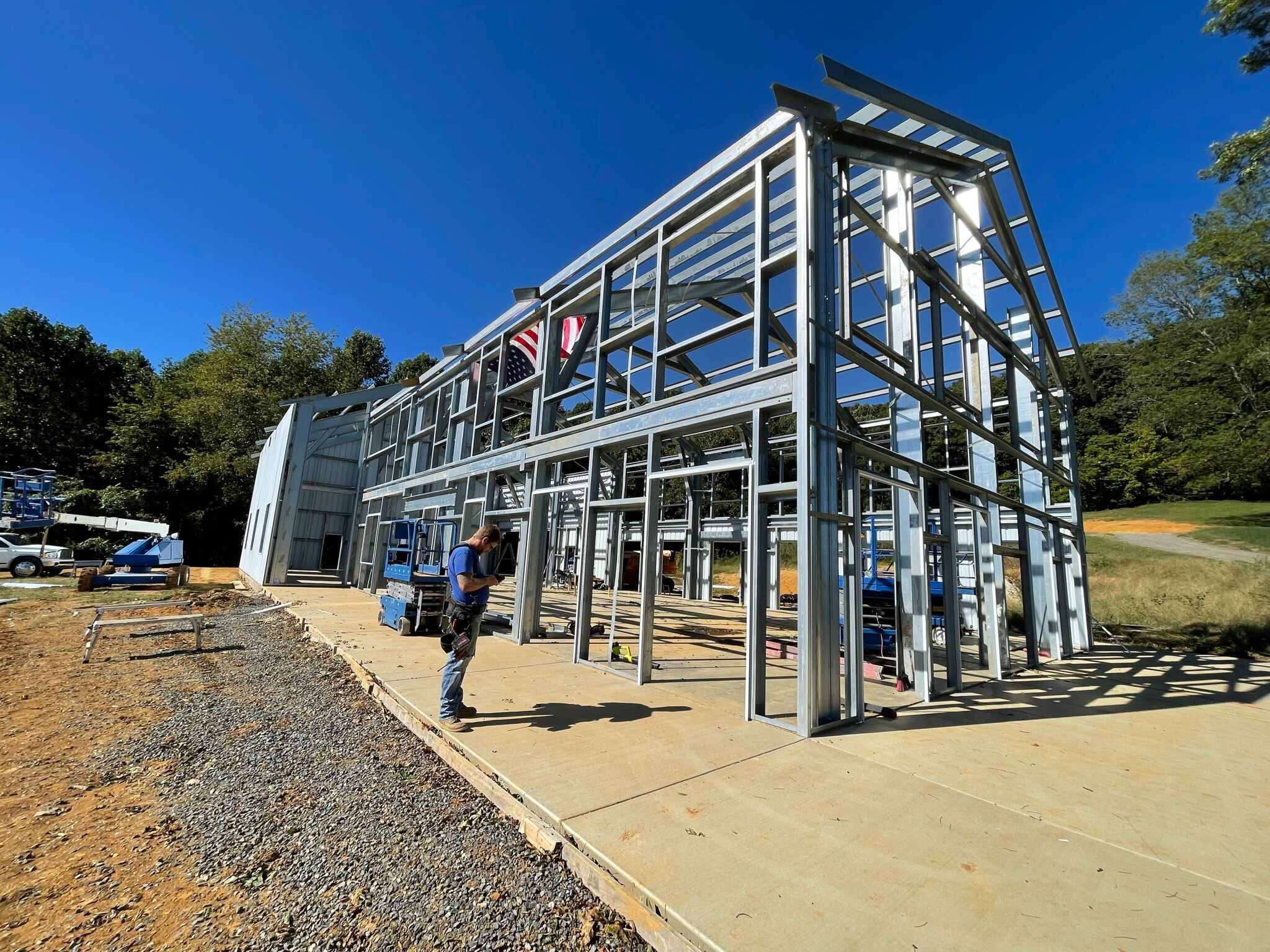
A 60×60 barndominium is a large structure, so the framing system matters. Many homeowners consider steel frame kits because they want strength, durability, dimensional stability, and long-term performance.

Steel frame barndominium kits can offer several advantages:

  • Strong structural performance
  • Resistance to rot and termites
  • Dimensional stability over time
  • Good fit for larger open layouts
  • Durable framing for rural homes
  • Potential compatibility with large garages and shops
  • Strong long-term value for homeowners who want a lasting structure

BuildMax can help homeowners match many barndominium floor plans with available steel frame kit options. If you are considering this route, start with BuildMax’s steel frame barndominium kits page.

Can a 60×60 Barndominium Include a Shop?

Yes, a 60×60 barndominium is large enough to include a shop if the layout is planned correctly. The shop can be part of the 3,600 sq ft footprint, attached to the home, or designed as a separate structure connected by a breezeway.

A shop can be used for:

  • Woodworking
  • Mechanic work
  • Vehicle storage
  • ATVs and side-by-sides
  • Farm equipment
  • Small business storage
  • Home gym equipment
  • Hobby space
  • Tool storage

The key is making sure the shop has the right door size, ceiling height, electrical capacity, lighting, ventilation, and separation from the living space.

Can a 60×60 Barndominium Include a Garage?

Yes. A 60×60 barndominium can include a 2-car garage, 3-car garage, oversized garage, or even a garage-and-shop combination depending on how much living space you want.

Garage layout options include:

  • 2-car garage with storage
  • 3-car garage
  • Side-entry garage
  • Rear-entry garage
  • Garage plus workshop
  • Garage connected to mudroom
  • Garage separated by a breezeway

If garage space is important, plan it early. Garage door placement, driveway approach, mudroom access, and storage space can affect the entire floor plan.

Can a 60×60 Barndominium Have an RV Garage?

A 60×60 footprint can support an RV garage, but the layout needs to be designed around the RV bay from the beginning. RV garages usually require taller walls, larger doors, deeper bays, and better driveway access.

Important RV garage details include:

  • Garage door height
  • Garage door width
  • Bay depth
  • Ceiling height
  • Driveway turning radius
  • Concrete slab design
  • Electrical hookups
  • Storage and workbench space

If an RV garage is a priority, it may be better to expand the footprint or design a custom plan around the RV bay rather than forcing it into a standard 60×60 layout.

Best Design Features for a 60×60 Barndominium

Large Open Great Room

A 60×60 barndominium gives you enough space for a large central great room. This can become the heart of the home, especially when paired with vaulted ceilings, large windows, and porch access.

Walk-In Pantry

A large pantry is one of the best upgrades for a 3,600 sq ft home. It keeps the kitchen organized and provides space for bulk food, small appliances, paper goods, and everyday storage.

Mudroom

A mudroom is especially useful in a barndominium with a garage, shop, rural land, pets, kids, or outdoor hobbies. It creates a transition space before entering the main living area.

Large Laundry Room

A 60×60 home should have a laundry room that can handle real family life. Folding counters, cabinets, a utility sink, and hanging space can make a big difference.

Covered Porch

A covered porch adds outdoor living space and improves curb appeal. With a large footprint like 60×60, porch placement can help soften the exterior and make the home feel more inviting.

Home Office or Flex Room

A 60×60 layout can easily include a home office, hobby room, school room, craft room, workout space, or media room. Flex space makes the home more useful over time.

Land Considerations for a 60×60 Barndominium

A 60×60 barndominium needs enough land to support the building footprint, setbacks, driveway, septic, well, utilities, drainage, porches, garage doors, and any future expansion.

Before buying land or finalizing a plan, ask:

  • Will the 60×60 footprint fit inside the building envelope?
  • Are there setback restrictions?
  • Is residential construction allowed?
  • Are barndominiums or metal-sided homes allowed?
  • Is the land flat enough for the foundation type?
  • Will the driveway work with the garage or shop doors?
  • Where will septic and well systems go?
  • Is power available?
  • Are there HOA or deed restrictions?
  • Is there room for future buildings?

A 60×60 barndominium may not fit well on every property. The land needs to work with the design, not against it.

Permits for a 60×60 Barndominium

A 60×60 barndominium usually requires permits if it is being built as a residential home. Permit requirements vary by location, but most areas will require building approval, inspections, and code compliance.

You may need permits for:

  • New residential construction
  • Foundation work
  • Electrical work
  • Plumbing work
  • HVAC installation
  • Septic system
  • Driveway access
  • Well or water connection
  • Garage or shop construction
  • Final occupancy approval

When speaking with local officials, it can help to describe the project as a custom residential home with barndominium-inspired design. The building department will usually care more about code compliance, engineering, utilities, and safety than the nickname of the home.

Can You Modify a 60×60 Barndominium Plan?

Yes, many 60×60 barndominium plans can be modified. This is especially useful because homeowners often want to adjust the living area, garage, shop, porch, bedroom count, or exterior style.

Common modifications include:

  • Adding or removing bedrooms
  • Changing bathroom layouts
  • Adding a larger garage
  • Adding shop space
  • Adding an RV garage
  • Changing garage door direction
  • Adding a breezeway
  • Adding an in-law suite
  • Expanding the kitchen
  • Adding a larger pantry
  • Changing porch size
  • Moving windows for better views
  • Changing the foundation type
  • Adjusting the exterior style

If you find a plan that is close but not perfect, BuildMax can help with custom home design or plan modifications to better fit your land, budget, and lifestyle.

Common Mistakes with 60×60 Barndominium Plans

Mistake 1: Assuming All 3,600 Sq Ft Costs the Same

Finished living space usually costs more per square foot than garage or shop space. Budget these areas separately.

Mistake 2: Wasting Space on Long Hallways

A large footprint can still be inefficient if too much space is lost to hallways. Keep traffic flow simple and intentional.

Mistake 3: Ignoring Garage and Shop Access

Garage doors, shop doors, driveway approach, turning space, and mudroom access should be planned early.

Mistake 4: Not Planning Enough Storage

A 3,600 sq ft home needs strong storage. Include pantry space, closets, laundry storage, mudroom storage, garage storage, and mechanical space.

Mistake 5: Comparing Shell Cost to Finished Cost

A shell price is not a full finished home price. Make sure every quote includes the same scope of work.

Mistake 6: Choosing the Plan Before Understanding the Land

Your land affects the foundation, driveway, garage orientation, septic, well, drainage, porch views, and total cost.

Is a 60×60 Barndominium Right for You?

A 60×60 barndominium may be right for you if you want a large, flexible home that can support living space, garage space, shop space, storage, and future lifestyle needs.

This size may be a good fit if:

  • You want 3,600 square feet under roof
  • You need 3 to 5 bedrooms
  • You want a single-story home
  • You need garage or shop space
  • You want a large open-concept layout
  • You want a home office or flex room
  • You are building on rural land or acreage
  • You want room for guests or multi-generational living
  • You want a durable steel frame kit option

If you want something smaller, compare BuildMax’s guide to 30×40 barndominiums. If you need even more house, shop, and garage space, compare larger barndominium floor plans before committing to a final footprint.

Final Thoughts on 60×60 Barndominiums

A 60×60 barndominium provides 3,600 square feet under roof, making it one of the most flexible and practical large barndominium sizes. This footprint can support a full family home, a house-and-shop layout, a large garage, a home office, a guest suite, or a multi-generational design.

The best 60×60 barndominiums are planned around real use. Decide how much space should be finished living area, how much should be garage or shop space, where the mudroom belongs, how the driveway will approach the building, and how the home should connect to porches and outdoor views.

Start with the right plan. Understand your land. Compare shell cost versus finished cost. Consider steel frame kit options. Talk to builders early. Then create a 60×60 barndominium that works for your family, your property, and your long-term goals.

Ready to Design or Build a 60×60 Barndominium?

BuildMax can help you compare barndominium floor plans, explore steel frame barndominium kits, modify an existing plan, or create a custom design around your land, budget, garage, shop, and lifestyle. Start with the right plan before you price materials, talk to builders, or move forward with construction.

FAQ: 60×60 Barndominiums

How many square feet is a 60×60 barndominium?

A 60×60 barndominium is 3,600 square feet. You calculate it by multiplying 60 feet by 60 feet.

Is a 60×60 barndominium big enough for a family?

Yes. A 60×60 barndominium can be large enough for a family home with 3 to 5 bedrooms, multiple bathrooms, open living areas, storage, garage space, and even shop space depending on the layout.

Can a 60×60 barndominium have 4 bedrooms?

Yes. A 60×60 barndominium can easily support a 4-bedroom layout when the space is planned efficiently.

Can a 60×60 barndominium include a shop?

Yes. A 60×60 barndominium can include shop space if part of the 3,600 square feet is dedicated to workshop, garage, storage, or hobby use.

Can a 60×60 barndominium include a garage?

Yes. A 60×60 layout can include a 2-car garage, 3-car garage, oversized garage, side-entry garage, or garage-and-shop combination.

Can a 60×60 barndominium be single story?

Yes. A 60×60 barndominium works very well as a single-story home if the land can support the footprint.

How much does a 60×60 barndominium cost?

The cost depends on land, foundation, site work, location, building system, finish level, garage or shop space, utilities, permits, and labor. Finished living space should be budgeted separately from garage or shop space.

Can a 60×60 barndominium be built with a steel kit?

Yes. Many 60×60 barndominiums can be paired with a steel frame kit or organized building package depending on the plan, engineering, local code, builder, wind loads, and snow loads.

Do you need permits for a 60×60 barndominium?

In most cases, yes. If the barndominium is being built as a residential home, you should expect to need building permits, inspections, and local code approval.

Can BuildMax modify a 60×60 barndominium plan?

Yes. BuildMax can help modify existing barndominium plans or create a custom design based on your land, lifestyle, garage needs, shop needs, and budget.


Explore More Barndominium Planning Resources

Browse Barndominium Floor Plans
View 3-Bedroom Barndominium Plans
View 4-Bedroom Barndominium Plans
Explore Barndominium Plans with Shops
Learn About Steel Frame Barndominium Kits
Request Custom Barndominium Design
Contact BuildMax
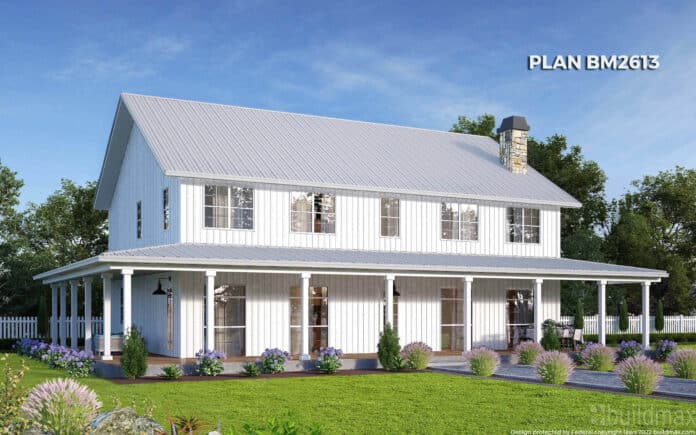
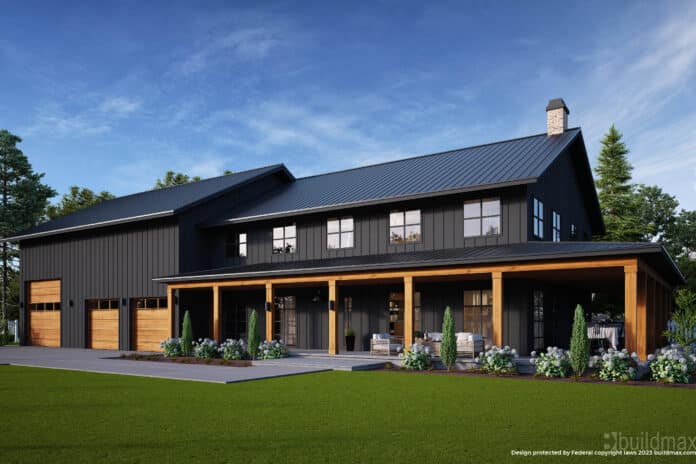
Can you have a Fireplace in a Barndominium?

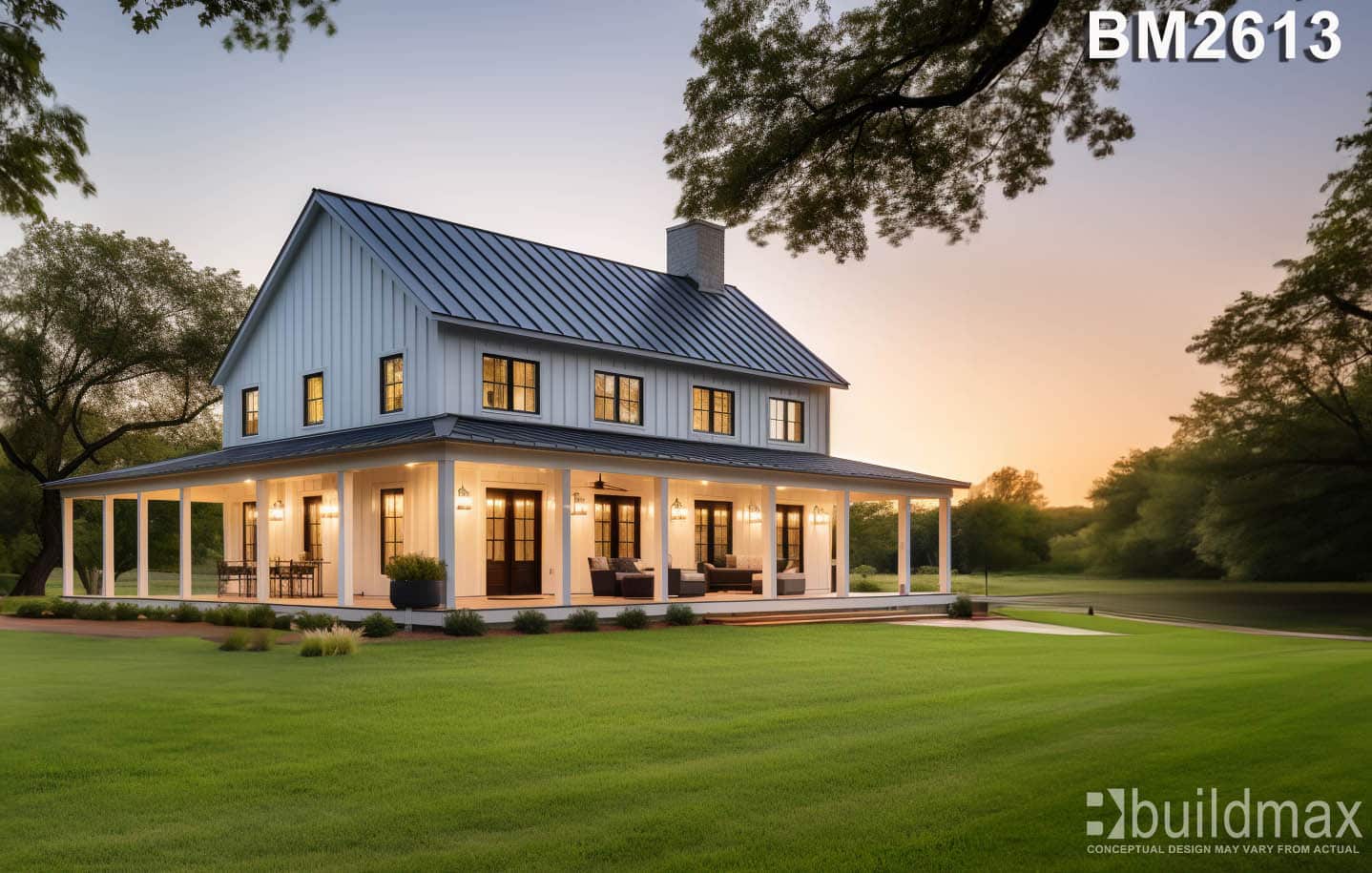
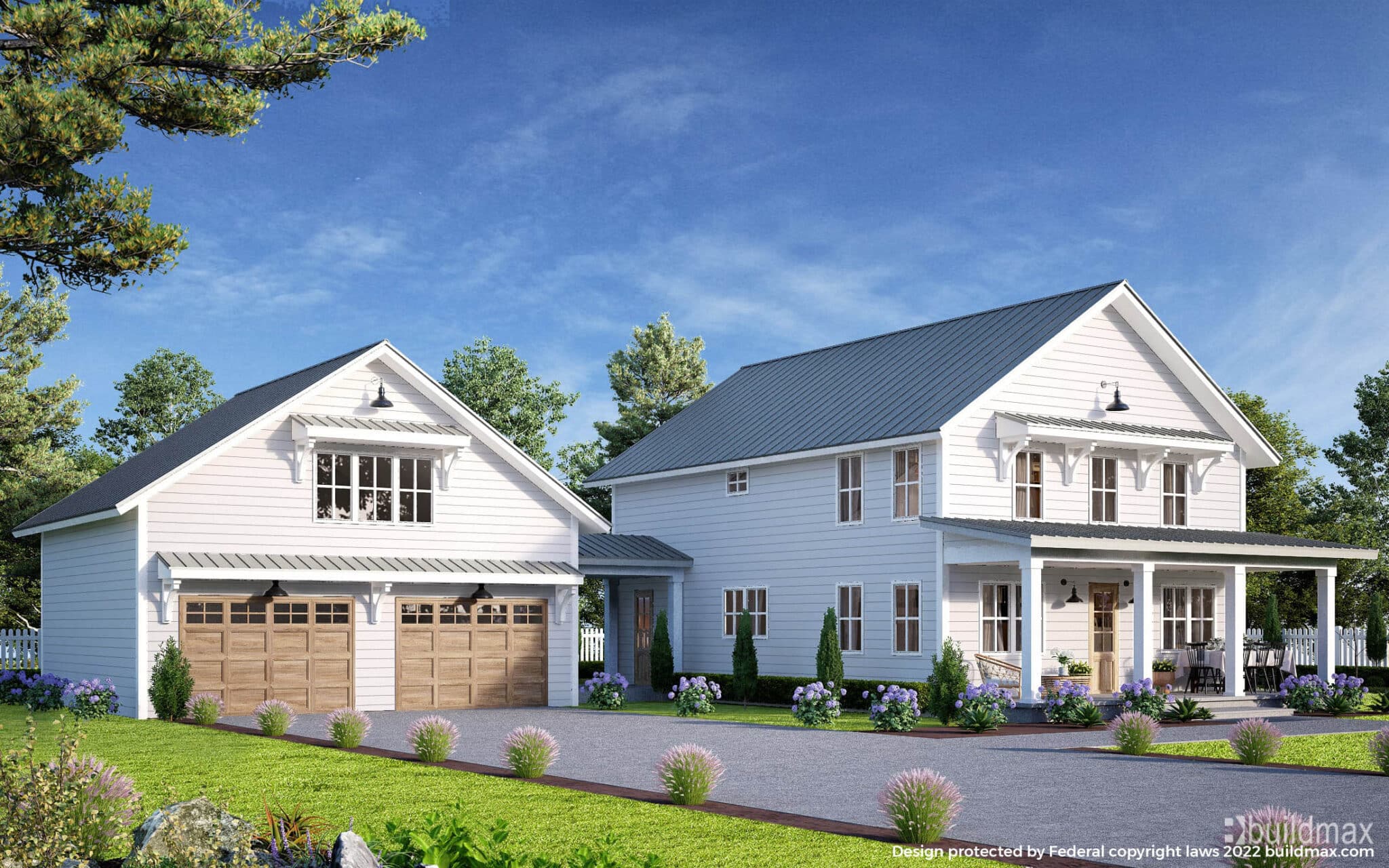
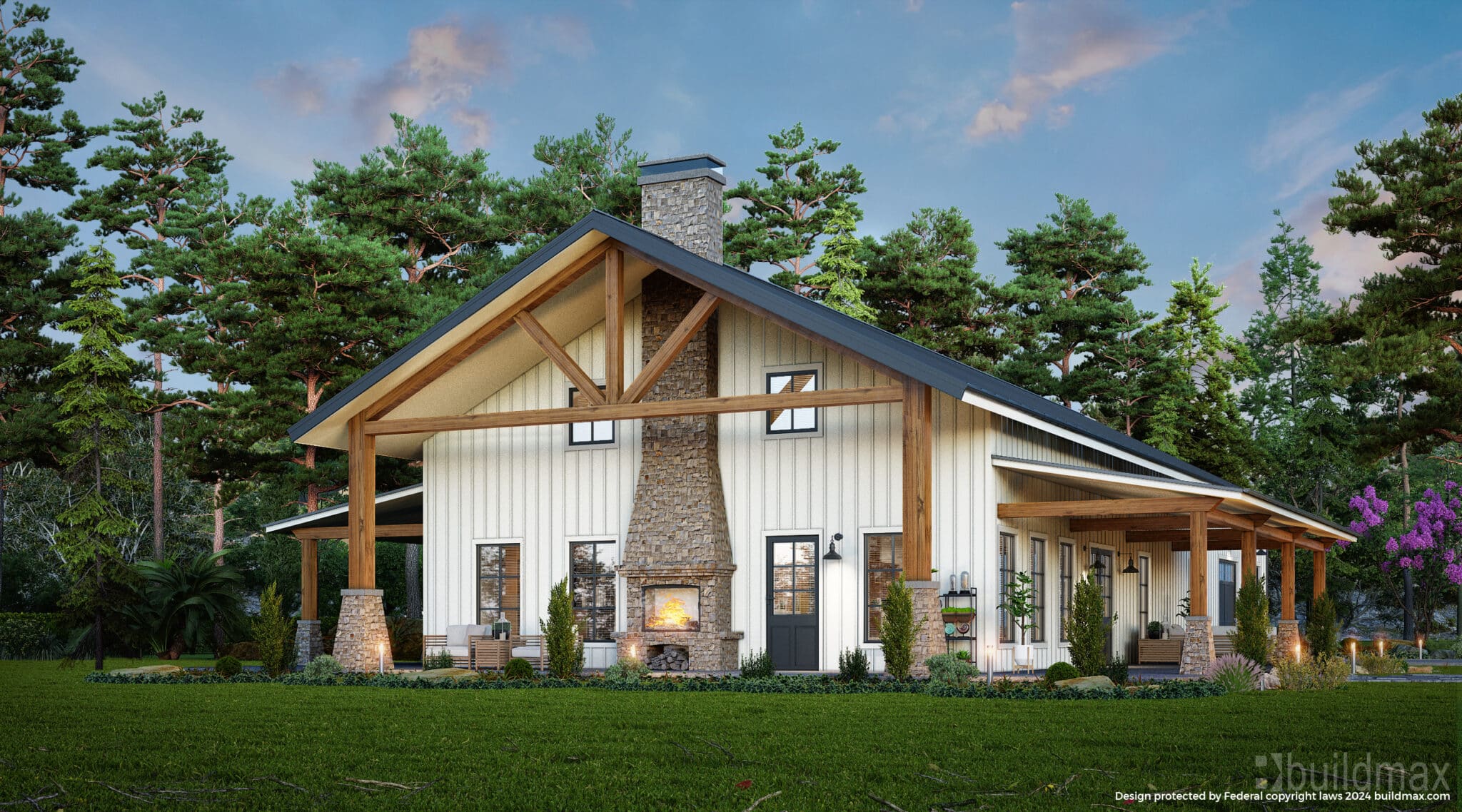
white barndominium farmhouse

Can You Have a Fireplace in a Barndominium?

Can you have a fireplace in a barndominium? Yes, you can absolutely have a fireplace in a barndominium. In fact, a fireplace can be one of the best design features to add warmth, comfort, character, and a strong focal point to an open-concept barndominium layout.

Whether you are building a rustic country barndominium, a modern farmhouse, a black barndominium, a shophouse, or a steel frame barndominium kit, a fireplace can work beautifully when it is planned correctly. The key is choosing the right type of fireplace, placing it in the right location, following local code requirements, and making sure the fireplace system is installed safely.

Fireplaces are not just decorative. They can help supplement heat, create a cozy gathering space, improve the feel of a large open great room, and make a barndominium feel more like a traditional custom home.

BuildMax helps homeowners compare barndominium floor plans, explore steel frame barndominium kits, modify existing plans, and design custom barndominiums around lifestyle, budget, land, heating needs, and long-term comfort.

Can a Barndominium Have a Fireplace?

Yes, a barndominium can have a fireplace as long as the fireplace is properly planned, permitted, vented, and installed according to local building codes and manufacturer requirements.

A barndominium can include many different fireplace options, including:

  • Wood-burning fireplaces
  • Wood stoves
  • Gas fireplaces
  • Gas stoves
  • Electric fireplaces
  • Pellet stoves
  • Outdoor fireplaces
  • Fireplace inserts
  • Modern linear fireplaces
  • Stone or brick fireplace walls

The best option depends on your design style, heating goals, budget, fuel source, venting requirements, local code, and whether the fireplace will be used as a primary heat source, backup heat source, or mostly decorative feature.

Why Fireplaces Work So Well in Barndominiums

Barndominiums often feature large open living areas, vaulted ceilings, metal roofs, wide porches, and open-concept kitchens connected to great rooms. While this creates a beautiful and spacious design, large rooms sometimes need a strong visual anchor. A fireplace can solve that problem.

A fireplace can help a barndominium feel:

  • Warmer
  • More inviting
  • More residential
  • More custom
  • More comfortable in cold seasons
  • Better balanced visually
  • Less industrial or barn-like

In a large great room, the fireplace often becomes the centerpiece of the entire home. It gives the living area a natural gathering point and helps define the space without needing extra walls.

Best Fireplace Types for a Barndominium

There are several fireplace options for barndominiums. Each one has advantages and trade-offs. The right choice depends on how you plan to use the home, how much maintenance you want, what fuel sources are available, and what type of look you want inside your barndominium.

1. Wood-Burning Fireplace

A wood-burning fireplace gives a barndominium the classic fire experience: real flames, crackling wood, natural warmth, and a rustic feel. This option fits especially well in farmhouse, cabin, lodge, rustic, and country-style barndominiums.

A wood-burning fireplace may be a good choice if you want:

  • Authentic wood-fire ambiance
  • A rustic or traditional look
  • Backup heat during cold weather
  • A strong focal point in the great room
  • A natural fit for rural land or wooded property

However, wood-burning fireplaces require more planning and maintenance. You need proper chimney design, clearances, fire-resistant materials, wood storage, ash cleanup, and routine chimney inspection.

2. Wood Stove

A wood stove can be a more efficient heating option than a traditional open fireplace. Many homeowners like wood stoves because they provide real wood heat while taking up less wall space than a full fireplace wall.

A wood stove may be a good fit for:

  • Cabin-style barndominiums
  • Rural homes
  • Cold climates
  • Backup heat planning
  • Smaller homes
  • Open-concept living spaces

Wood stoves still require safe installation, a proper flue or chimney system, clearances from combustible materials, floor protection, and local code approval.

3. Gas Fireplace

A gas fireplace is one of the most popular options for modern barndominiums because it provides warmth and ambiance with less maintenance than a wood-burning fireplace. Gas fireplaces can be controlled with a switch, remote, or thermostat depending on the model.

A gas fireplace may be a good choice if you want:

  • Easy operation
  • Cleaner burning than wood
  • Steady heat
  • Less cleanup
  • A modern or traditional look
  • Good compatibility with open living rooms

Gas fireplaces require a gas source, proper venting or approved direct-vent installation, professional setup, and code-compliant clearances.

4. Gas Stove

A gas stove gives you the look of a freestanding stove with the convenience of gas. This can be a great option for barndominiums where homeowners want a rustic or traditional stove appearance without the daily work of burning wood.

Gas stoves can work well in:

  • Great rooms
  • Cabins
  • Small barndominiums
  • Open-concept layouts
  • Homes where convenience matters

They can also be easier to place than a large masonry fireplace, depending on the model and venting requirements.

5. Electric Fireplace

An electric fireplace is one of the easiest fireplace options to add to a barndominium. Electric fireplaces do not require a chimney, flue, gas line, or wood storage. Many models can be installed into a wall, fireplace surround, media cabinet, or accent wall.

An electric fireplace may be a good choice if you want:

  • Simple installation
  • No chimney or gas line
  • Low maintenance
  • Modern visual appeal
  • Supplemental heat
  • A fireplace look without open flame

Electric fireplaces are usually best for ambiance and supplemental heat. They are not always the best primary heat source for large barndominiums in cold climates.

6. Pellet Stove

A pellet stove uses compressed pellets to create controlled heat. Pellet stoves can be more convenient than traditional wood-burning options because pellets are easier to store and feed into the unit.

A pellet stove may be a good choice if you want:

  • More controlled heat than a wood fireplace
  • Less mess than traditional firewood
  • Good supplemental heating
  • A freestanding stove look
  • Practical heat for colder climates

Pellet stoves still require venting, electricity for many models, fuel storage, and regular cleaning.

Which Fireplace Is Best for a Barndominium?

The best fireplace for a barndominium depends on your goals. There is no single right answer for every home.

If you want real flames and rustic charm, a wood-burning fireplace or wood stove may be best. If you want convenience, a gas fireplace may be the better choice. If you want easy installation and low maintenance, an electric fireplace may be the most practical option. If you want efficient supplemental heat, a pellet stove may be worth considering.

Here is a simple way to compare them:

  • Best traditional feel: wood-burning fireplace
  • Best rustic heat: wood stove
  • Best convenience: gas fireplace
  • Best simple installation: electric fireplace
  • Best controlled solid-fuel heat: pellet stove
  • Best modern look: linear gas or electric fireplace
  • Best low-maintenance ambiance: electric fireplace

Can a Fireplace Heat a Barndominium?

A fireplace can help heat a barndominium, but whether it can heat the entire home depends on the fireplace type, home size, insulation, ceiling height, climate, floor plan, and HVAC design.

Barndominiums often have open layouts and tall ceilings, which can affect how heat moves through the space. A fireplace in the great room may make that area feel warm and cozy, but bedrooms, bathrooms, offices, and far corners of the home may still need central HVAC, mini-splits, radiant heat, or another heating system.

A fireplace is usually best viewed as:

  • A supplemental heat source
  • A backup heat source
  • A comfort feature
  • A design focal point
  • A way to warm the main living area

For most barndominiums, the fireplace should not be the only heating plan unless the home has been specifically designed around that system.

Fireplace Placement in a Barndominium

Fireplace placement matters. The wrong location can make the fireplace less useful, harder to vent, more expensive to install, or awkward for furniture placement.

Good fireplace locations include:

  • Great room focal wall
  • Center of an open living area
  • Between windows on a rear wall
  • Corner of a living room
  • Shared wall between living and dining areas
  • Covered outdoor porch
  • Primary suite sitting area

Before choosing a fireplace location, think about furniture, television placement, windows, roof penetrations, chimney routing, gas lines, electrical service, and how the fireplace will look from the kitchen and entry.

Fireplace in the Great Room

The great room is the most popular place to add a fireplace in a barndominium. This is where families gather, guests spend time, and the home’s main design statement is often made.

A great room fireplace works well with:

  • Vaulted ceilings
  • Open kitchens
  • Large windows
  • Stone fireplace walls
  • Wood mantels
  • Built-in shelving
  • TV walls
  • Covered porch access

If your barndominium has a large open floor plan, a fireplace wall can help define the living area and make the room feel more grounded.

Fireplace in a Steel Frame Barndominium

You can have a fireplace in a steel frame barndominium. Steel framing does not prevent you from adding a fireplace, but the fireplace still needs to be designed and installed correctly.

Important considerations include:

  • Manufacturer-required clearances
  • Fire-rated wall assemblies where required
  • Proper chimney or vent routing
  • Roof flashing around penetrations
  • Insulation and air sealing details
  • Structural support for heavy surrounds
  • Protection near combustible finishes

Steel framing can be a strong, durable choice for a barndominium, but fireplaces still require code-compliant installation. BuildMax can help homeowners explore steel frame barndominium kits and match the building system with the right floor plan and design features.

Fireplace Safety in a Barndominium

Fireplace safety is important in any home, including a barndominium. The home may have steel framing, wood framing, metal siding, spray foam insulation, drywall, trim, flooring, cabinetry, furniture, and other materials that require safe clearances and proper installation.

Important fireplace safety items include:

  • Using the correct fireplace type for the home
  • Following manufacturer installation instructions
  • Maintaining required clearances
  • Using proper venting or chimney systems
  • Installing carbon monoxide detectors
  • Installing smoke detectors
  • Using non-combustible materials where required
  • Having wood-burning systems inspected regularly
  • Keeping furniture and rugs away from heat sources
  • Using a qualified installer

Do not treat fireplace installation as an afterthought. It should be planned early with your designer, builder, HVAC contractor, fireplace installer, and local building department.

Do You Need a Permit for a Fireplace in a Barndominium?

In many areas, yes, a fireplace may require permits, inspections, or code review. Requirements vary by location and fireplace type. A wood-burning fireplace, chimney, gas fireplace, gas line, or pellet stove may all trigger permit or inspection requirements.

Permits may be needed for:

  • Wood-burning fireplace installation
  • Chimney installation
  • Gas fireplace installation
  • Gas line installation
  • Pellet stove installation
  • Venting through walls or roof
  • Structural modifications
  • Final inspection

Before installing a fireplace, call your local building department and ask what is required. It is much easier to plan the fireplace during design than to add it after the home is framed or finished.

Venting and Chimney Requirements

Venting is one of the biggest differences between fireplace types. Some fireplaces need a full chimney, some use direct vent systems, and some electric units need no venting at all.

Common venting options include:

  • Traditional chimney: often used for wood-burning fireplaces
  • Class A chimney pipe: common for wood stoves and some solid-fuel appliances
  • Direct vent: common for many gas fireplaces
  • Power vent: used in some specialty installations
  • No vent: common for electric fireplaces

Venting affects fireplace location, roof penetrations, wall penetrations, cost, clearances, and exterior appearance. Always choose the fireplace type before finalizing the plan if possible.

Can You Add a Fireplace After the Barndominium Is Built?

Yes, you can often add a fireplace after a barndominium is built, but it may be more expensive and more complicated than planning it during design.

Adding a fireplace later may require:

  • Cutting into walls or ceilings
  • Adding chimney or vent penetrations
  • Running a gas line
  • Adding electrical service
  • Modifying framing or finishes
  • Adding non-combustible surround materials
  • Repairing roof or wall finishes
  • Pulling permits

If you know you want a fireplace someday, plan for it early even if you do not install the fireplace right away. You may be able to design the wall, vent path, gas line, electrical, or structural backing for a future fireplace.

Best Fireplace Designs for Barndominiums

A fireplace can match almost any barndominium style. The design should fit the rest of the home and support the overall look you want.

Stone Fireplace Wall

A stone fireplace wall is one of the most popular choices for rustic, lodge, farmhouse, and country barndominiums. It adds texture, weight, and a natural focal point to the great room.

Brick Fireplace

Brick fireplaces work well in traditional, farmhouse, and industrial-inspired barndominiums. Brick can feel timeless and pairs well with wood beams, metal accents, and neutral interiors.

Modern Linear Fireplace

A linear fireplace is a strong choice for modern barndominiums. It works well with clean walls, large-format tile, built-ins, and contemporary interiors.

Black Fireplace Feature Wall

A black fireplace wall can look dramatic in a modern farmhouse or black barndominium. It pairs well with wood mantels, metal railings, white walls, and large windows.

Freestanding Stove

A freestanding wood stove, gas stove, or pellet stove can create a cozy cabin-like feel without requiring a full fireplace wall.

Outdoor Fireplace

An outdoor fireplace on a covered porch can extend your living space and make the porch more useful in cooler seasons.

Indoor Fireplace vs. Outdoor Fireplace

Some barndominium owners choose an indoor fireplace, while others prefer an outdoor fireplace on the porch. Some choose both.

Indoor Fireplace Benefits

  • Creates a focal point inside the home
  • Adds warmth to the main living area
  • Improves comfort in cold seasons
  • Works well with vaulted great rooms
  • Can increase the custom-home feel

Outdoor Fireplace Benefits

  • Extends porch use
  • Creates an outdoor gathering space
  • Works well for entertaining
  • Keeps smoke and mess outside
  • Pairs well with outdoor kitchens and covered patios

If you are building a barndominium with a large rear porch, an outdoor fireplace may be one of the best upgrades to consider.

Fireplace and HVAC Planning

A fireplace should work with your HVAC system, not against it. In a tightly built barndominium, heating, cooling, ventilation, and air movement need to be planned carefully.

Things to discuss with your HVAC contractor include:

  • Whether the fireplace is supplemental or primary heat
  • How heat will move through the open floor plan
  • Ceiling fan placement
  • Thermostat location
  • Fresh air needs
  • Combustion air requirements
  • Ventilation requirements
  • Backup heat planning

This matters even more in barndominiums with vaulted ceilings, spray foam insulation, large glass areas, or open living spaces.

Fireplace Costs in a Barndominium

The cost of adding a fireplace to a barndominium depends on the fireplace type, surround materials, venting, chimney, gas lines, electrical work, framing, finish materials, labor, and local permits.

Cost factors include:

  • Fireplace unit type
  • Wood, gas, electric, or pellet system
  • Chimney or venting requirements
  • Gas line installation
  • Electrical requirements
  • Stone, brick, tile, or drywall surround
  • Mantel design
  • Built-in cabinets or shelving
  • Roof or wall penetrations
  • Labor and permits

An electric fireplace is usually the simplest and least invasive option. A wood-burning fireplace with a masonry-style surround, chimney system, and custom stonework will usually be more expensive and require more planning.

Can a Fireplace Increase Barndominium Value?

A fireplace can add value to a barndominium by improving comfort, design appeal, and the overall feel of the home. Buyers often see fireplaces as desirable features, especially in colder climates or homes with large open great rooms.

A fireplace can improve:

  • Interior design appeal
  • Great room focal point
  • Comfort during cold months
  • Perceived custom-home quality
  • Outdoor living appeal if placed on a porch

However, value depends on the quality of installation, design, local market, fireplace type, and whether the feature fits the home. A well-designed fireplace can help a barndominium feel finished and intentional. A poorly placed or poorly installed fireplace can create headaches.

Fireplace Ideas for Small Barndominiums

Small barndominiums can still have fireplaces, but the design should be scaled correctly. A massive stone fireplace may overwhelm a compact floor plan, while a smaller electric fireplace, gas stove, or corner fireplace may be a better fit.

Good small-barndominium fireplace ideas include:

  • Electric fireplace in a media wall
  • Corner gas fireplace
  • Freestanding wood stove
  • Small pellet stove
  • Compact linear fireplace
  • Outdoor fireplace on a covered porch

If you are building a smaller home, compare BuildMax’s 2-bedroom barndominium floor plans or 3-bedroom barndominium floor plans.

Fireplace Ideas for Large Barndominiums

Large barndominiums often benefit from a more dramatic fireplace design. A large great room with vaulted ceilings can handle a taller fireplace wall, stone surround, built-ins, or double-sided fireplace.

Good large-barndominium fireplace ideas include:

  • Floor-to-ceiling stone fireplace
  • Large brick fireplace wall
  • Modern linear fireplace with built-ins
  • Double-sided fireplace between living and dining
  • Fireplace with heavy timber mantel
  • Outdoor fireplace connected to rear porch

If you are designing a larger layout, browse BuildMax’s 4-bedroom barndominium floor plans or full barndominium floor plan collection.

Common Fireplace Mistakes in Barndominiums

Mistake 1: Choosing the Fireplace Too Late

Fireplaces affect framing, venting, roof penetrations, gas lines, electrical work, clearances, and furniture layout. Choose the fireplace early.

Mistake 2: Ignoring Venting Requirements

Wood, gas, and pellet systems have specific venting requirements. Do not assume every fireplace can go anywhere.

Mistake 3: Forgetting About Clearances

Fireplaces and stoves need safe clearances from combustible materials. This includes walls, trim, mantels, floors, furniture, and insulation assemblies.

Mistake 4: Oversizing the Fireplace

A fireplace that is too large can overpower a small room, create too much heat, or make furniture placement difficult.

Mistake 5: Undersizing the Fireplace

A fireplace that is too small may look lost in a large vaulted great room.

Mistake 6: Placing the Fireplace Where the TV Should Go

Many homeowners want both a fireplace and a TV. Plan the wall carefully so the TV is not too high, too close to heat, or awkward for viewing.

Mistake 7: Treating a Fireplace as the Whole Heating Plan

Most barndominiums still need a proper HVAC system. A fireplace is usually supplemental unless the entire home is designed around that heating method.

Questions to Ask Before Adding a Fireplace

Before choosing a fireplace, ask these questions:

  • Do I want the fireplace for heat, looks, or both?
  • Do I want wood, gas, electric, or pellets?
  • Is natural gas or propane available?
  • Will I need a chimney or direct vent?
  • Where will the fireplace be located?
  • How will the fireplace affect the roofline?
  • Will the fireplace be installed before or after construction?
  • What permits are required?
  • What clearances are required?
  • Will the fireplace work with the HVAC plan?
  • Will the fireplace fit the style of the home?
  • Can the floor support heavy stone or masonry materials?

Final Thoughts: Can You Have a Fireplace in a Barndominium?

Yes, you can have a fireplace in a barndominium, and for many homeowners it is one of the best features to include. A fireplace can make an open-concept barndominium feel warmer, more comfortable, more residential, and more custom.

The best fireplace choice depends on your goals. Wood-burning fireplaces offer classic charm. Gas fireplaces offer convenience. Electric fireplaces are simple and low-maintenance. Pellet stoves can provide efficient supplemental heat. Outdoor fireplaces can turn a covered porch into a year-round gathering space.

The key is planning early. Choose the fireplace type before finalizing your plan. Think about venting, clearances, code requirements, roof penetrations, furniture layout, heating needs, and long-term maintenance. Work with qualified installers and local officials so the fireplace is safe, legal, and properly integrated into the home.

A barndominium can absolutely have a fireplace. Done correctly, it can become the heart of the entire home.

Ready to Design a Barndominium with a Fireplace?

BuildMax can help you compare barndominium floor plans, explore steel frame barndominium kits, modify an existing plan, or create a custom barndominium design with the fireplace, great room, porch, garage, shop, and layout features you want from the beginning.

FAQ: Fireplaces in Barndominiums

Can you have a fireplace in a barndominium?

Yes. A barndominium can have a fireplace as long as it is properly planned, vented, permitted, and installed according to local code and manufacturer requirements.

What type of fireplace is best for a barndominium?

The best fireplace depends on your goals. Wood-burning fireplaces offer traditional charm, gas fireplaces offer convenience, electric fireplaces are easy to install, and pellet stoves can provide controlled supplemental heat.

Can you put a wood-burning fireplace in a barndominium?

Yes, but it requires proper chimney design, clearances, fire-resistant materials, permits, inspections, and regular maintenance.

Can you put a gas fireplace in a barndominium?

Yes. Gas fireplaces are popular in barndominiums because they provide warmth and ambiance with less maintenance than wood-burning fireplaces.

Can you put an electric fireplace in a barndominium?

Yes. Electric fireplaces are one of the easiest options because they do not require a chimney, flue, or gas line. They are usually best for ambiance and supplemental heat.

Can a fireplace heat an entire barndominium?

Sometimes, but most fireplaces are best used as supplemental heat. Home size, insulation, ceiling height, climate, fireplace type, and floor plan all affect heating performance.

Do you need a chimney for a barndominium fireplace?

It depends on the fireplace type. Wood-burning fireplaces and wood stoves usually need a chimney or approved flue system. Many gas fireplaces use direct vent systems. Electric fireplaces usually do not need venting.

Do you need a permit for a fireplace in a barndominium?

In many areas, yes. Fireplace installation may require permits or inspections, especially for wood-burning systems, chimneys, gas fireplaces, gas lines, and venting work.

Can you add a fireplace after the barndominium is built?

Yes, but it is usually easier and less expensive to plan the fireplace during the design phase. Adding one later may require wall, roof, gas, electrical, or venting modifications.

Can BuildMax design a barndominium plan with a fireplace?

Yes. BuildMax can help homeowners modify an existing barndominium plan or create a custom design that includes a fireplace, great room focal wall, outdoor fireplace, garage, shop, porch, and other lifestyle features.


Explore More Barndominium Planning Resources

Browse Barndominium Floor Plans
View 2-Bedroom Barndominium Plans
View 3-Bedroom Barndominium Plans
View 4-Bedroom Barndominium Plans
Explore Barndominium Plans with Shops
Learn About Steel Frame Barndominium Kits
Request Custom Barndominium Design
Contact BuildMax
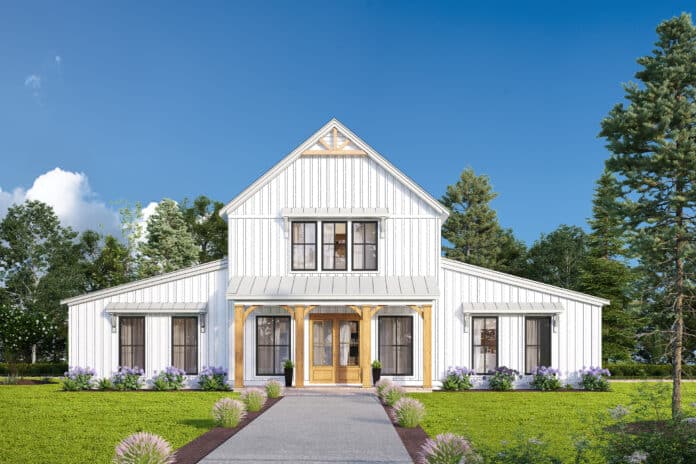
Best ways to heat your barndominium in 2026

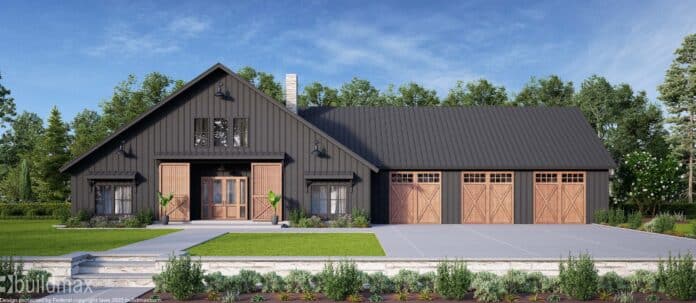
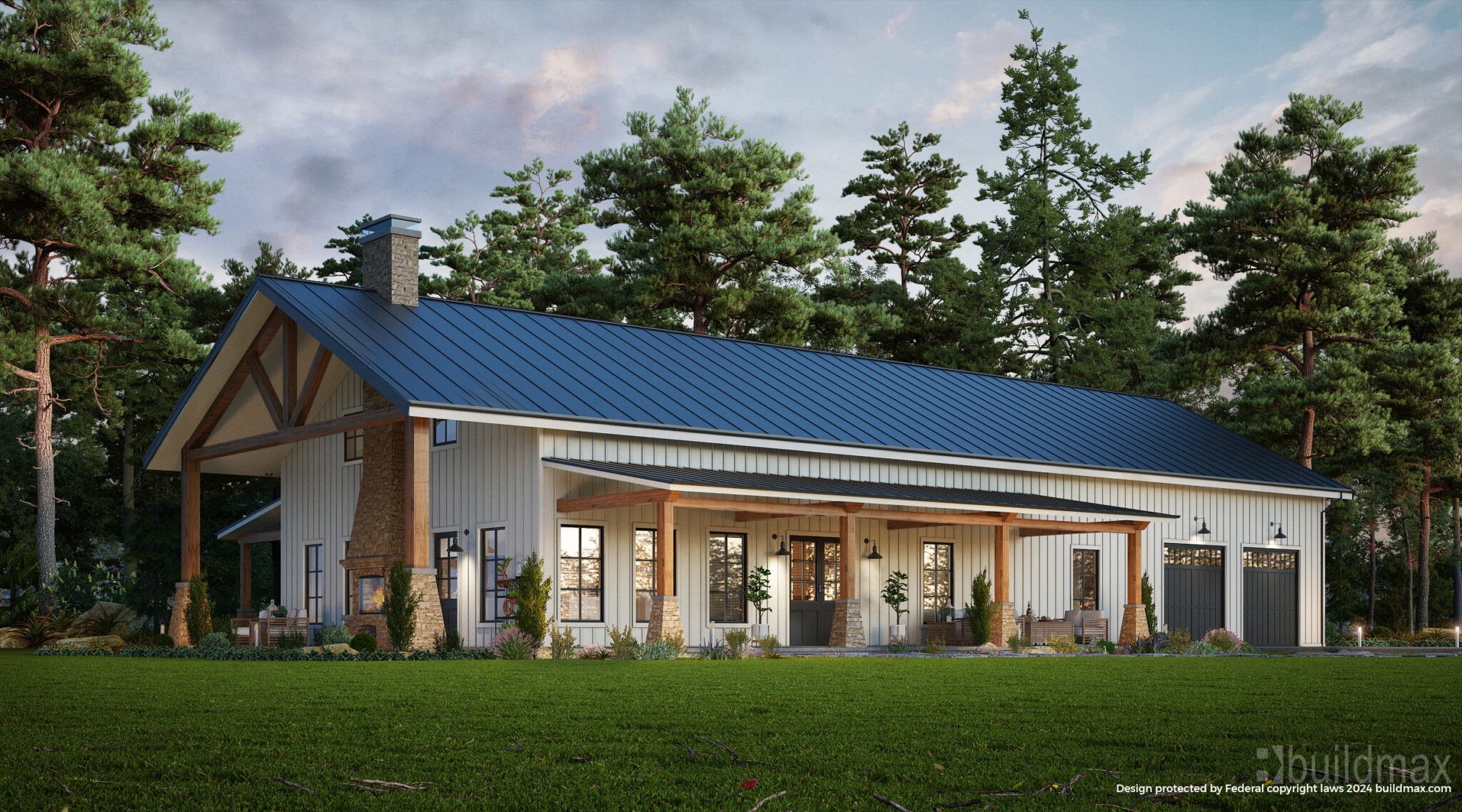
black barndominium shophouse with wraparound porch

Best Ways to Heat a Barndominium in 2026

Heating a barndominium requires more planning than heating a typical small house. Barndominiums often have open floor plans, vaulted ceilings, large windows, metal roofing, concrete slabs, attached shops, and wide living spaces that can change how heat moves through the home. Choosing the right heating system early can make the home more comfortable, more efficient, and easier to manage long term.

The best way to heat a barndominium depends on your climate, insulation package, square footage, ceiling height, foundation type, building system, budget, and how you plan to use the home. A small 1,500 sq ft barndominium in Kentucky may heat very differently than a 3,000 sq ft barndominium in Michigan, Colorado, Maine, or North Dakota.

There is no single heating system that works best for every barndominium. For some homeowners, a high-efficiency HVAC system is the best choice. For others, mini-splits, radiant floor heat, a wood stove, pellet stove, geothermal system, or hybrid heating setup may make more sense.

BuildMax helps homeowners compare barndominium floor plans, explore steel frame barndominium kits, modify existing plans, and design custom barndominiums around comfort, energy efficiency, climate, land, budget, and long-term performance.

Why Heating a Barndominium Is Different

Barndominiums can be extremely comfortable when they are designed and insulated correctly. However, their open layouts and large volumes of air can make heating more complex than a standard compact home.

Common barndominium heating challenges include:

  • Large open great rooms
  • Vaulted ceilings
  • Concrete slab foundations
  • Large windows and glass doors
  • Attached garages or shops
  • Metal roofing and siding
  • Different insulation methods
  • Wide one-story footprints
  • Rooms located far from the main HVAC unit
  • Cold floors in winter if the slab is not planned correctly

The good news is that these challenges can be solved. A well-insulated barndominium with the right heating system can be comfortable, efficient, and affordable to operate. The key is planning the building envelope and HVAC system together.

The Most Important Heating Factor: Insulation

Before choosing a furnace, heat pump, mini-split, wood stove, or radiant floor system, start with insulation. The best heating system in the world will struggle if the barndominium is poorly insulated, drafty, or full of air leaks.

Insulation affects:

  • Heating cost
  • Comfort
  • Temperature consistency
  • Moisture control
  • HVAC sizing
  • Condensation risk
  • Long-term durability

A good insulation plan may include spray foam, fiberglass, mineral wool, rigid foam, insulated metal panels, or a hybrid insulation approach depending on the building system and climate. Air sealing is just as important as R-value. If cold air leaks through gaps around doors, windows, rooflines, penetrations, or wall assemblies, the heating system has to work harder.

For barndominiums, insulation should be discussed before the shell is built. It should not be treated as an afterthought.

1. High-Efficiency HVAC Systems

A high-efficiency HVAC system is one of the most common ways to heat a barndominium. A traditional forced-air system can provide heating and cooling through ductwork, making it a familiar option for homeowners who want whole-house comfort from one central system.

A high-efficiency HVAC system may include:

  • Heat pump
  • Gas furnace
  • Dual-fuel system
  • Central air conditioning
  • Ductwork
  • Smart thermostat
  • Zoned dampers, where appropriate

This option works well when the ductwork is designed properly and the home is well insulated. Poor duct design can create hot and cold spots, especially in large one-story barndominiums or homes with vaulted ceilings.

Pros of High-Efficiency HVAC

  • Whole-home heating and cooling
  • Familiar system for builders and HVAC contractors
  • Can work with smart thermostats
  • Can be paired with air filtration and humidity control
  • Good option for larger floor plans

Cons of High-Efficiency HVAC

  • Ductwork must be designed carefully
  • Can lose efficiency if ducts are poorly sealed
  • May need zoning for larger homes
  • Can be more expensive upfront than simpler systems
  • May not heat attached shops efficiently without separate planning

For many barndominiums, a high-efficiency heat pump or dual-fuel system is a strong choice because it can provide both heating and cooling in one system.

2. Mini-Split Heat Pumps

Mini-splits are one of the most popular heating and cooling options for barndominiums because they are efficient, flexible, and do not require traditional ductwork. A mini-split system uses an outdoor unit connected to one or more indoor air handlers.

Mini-splits are especially useful for barndominiums because they allow zoning. You can heat the great room, bedrooms, office, loft, garage apartment, or shop separately depending on how the home is used.

Mini-splits may be a good fit for:

  • Open-concept barndominiums
  • Small barndominiums
  • Barndominiums with lofts
  • Rooms that are difficult to duct
  • Guest suites
  • Garages or shops
  • Additions
  • Homes where zoning matters

Pros of Mini-Splits

  • No traditional ductwork required
  • Efficient heating and cooling
  • Room-by-room temperature control
  • Good for open layouts and additions
  • Can reduce wasted energy in unused rooms
  • Great option for smaller barndominiums

Cons of Mini-Splits

  • Indoor air handlers are visible
  • Multiple zones can increase cost
  • Cold-climate models may be needed in northern states
  • Placement matters for comfort
  • May need backup heat in very cold climates

Mini-splits are one of the most flexible solutions for barndominiums, especially when the home has open space but still needs separate comfort zones.

3. Radiant Floor Heating

Radiant floor heating is one of the most comfortable ways to heat a barndominium, especially if the home is built on a concrete slab. Instead of blowing warm air through ducts, radiant heat warms the floor and allows heat to rise naturally through the living space.

Radiant floor systems are especially appealing in barndominiums because many barndominiums are slab-on-grade homes. If you are already pouring a slab, it may be worth discussing radiant tubing before construction begins.

Radiant floor heat can be:

  • Hydronic, using warm water through tubing
  • Electric, using heating cables or mats in specific areas

Pros of Radiant Floor Heating

  • Very comfortable heat
  • Warm floors in winter
  • Even temperature distribution
  • No visible vents or radiators
  • Quiet operation
  • Works well with concrete slabs
  • Can reduce cold-floor complaints

Cons of Radiant Floor Heating

  • Best planned before the slab is poured
  • Can be expensive upfront
  • Slower to change temperature
  • Usually does not provide cooling
  • May still need a separate cooling system
  • Repairs can be more complicated if not installed correctly

Radiant floor heat is a premium comfort upgrade. It is especially attractive in cold climates, large slab homes, garages, shops, and barndominiums where barefoot comfort matters.

4. Wood Stoves

A wood stove can be a great heating option for a barndominium, especially in rural areas where firewood is available. Wood stoves provide strong heat, rustic charm, and backup warmth during power outages when properly installed.

A wood stove works especially well in an open great room where heat can spread through the main living area. It can also become a design feature that adds warmth and character to the home.

Pros of Wood Stoves

  • Strong supplemental heat
  • Great rustic appeal
  • Can help during power outages
  • Good fit for rural properties
  • Can heat large open spaces when placed correctly

Cons of Wood Stoves

  • Requires firewood storage
  • Requires regular cleaning
  • Needs proper chimney or flue installation
  • Requires clearances from combustible materials
  • Can overheat smaller spaces if oversized
  • May not heat bedrooms evenly

A wood stove is usually best as supplemental or backup heat, not the only heating system for the entire home unless the barndominium is specifically designed around it.

5. Pellet Stoves

A pellet stove is another solid-fuel heating option. Instead of burning split firewood, pellet stoves burn compressed pellets and feed them automatically into the stove. This can make them easier to manage than traditional wood stoves.

Pellet stoves can be a good choice for homeowners who want solid-fuel heat but prefer more control and less mess than traditional wood burning.

Pros of Pellet Stoves

  • Controlled heat output
  • Less wood handling than a wood stove
  • Good supplemental heat
  • Can be easier to operate
  • Works well in open living areas

Cons of Pellet Stoves

  • Requires pellet storage
  • Many models require electricity
  • Needs regular cleaning
  • Requires venting
  • Fuel availability varies by region

A pellet stove can be a good middle ground between the rustic appeal of wood and the convenience of a more controlled heating system.

6. Fireplaces

A fireplace can add warmth, comfort, and a strong focal point to a barndominium. Fireplaces are especially popular in open great rooms, vaulted living areas, and covered rear porches.

Fireplace options include:

  • Wood-burning fireplaces
  • Gas fireplaces
  • Electric fireplaces
  • Outdoor fireplaces
  • Fireplace inserts
  • Modern linear fireplaces

Fireplaces can help heat the main living area, but most should be viewed as supplemental heat rather than the only heating system for the home. Large barndominiums still need a properly designed HVAC plan.

For a deeper look at fireplace planning, read Can You Have a Fireplace in a Barndominium?.

7. Geothermal Heating

Geothermal heating uses the stable temperature below the earth’s surface to help heat and cool the home. A geothermal system can be extremely efficient, but it usually has a higher upfront cost than many other heating options.

Geothermal may be worth considering if you are building a long-term home, have enough land for the system, and want lower operating costs over time.

Pros of Geothermal Heating

  • Very efficient heating and cooling
  • Lower operating costs over time
  • Long-term system value
  • Good fit for forever homes
  • Can work well with larger barndominiums

Cons of Geothermal Heating

  • Higher upfront installation cost
  • Requires land or drilling access
  • Needs experienced installers
  • May not be practical for every property
  • Payback period depends on energy costs and usage

Geothermal is not the cheapest system to install, but it can be one of the most efficient options for homeowners planning to stay in the home long term.

8. Solar-Assisted Heating

Solar energy can support a barndominium’s heating strategy in several ways. Solar panels can help power electric heat pumps, mini-splits, electric radiant systems, or other electrical loads. Solar thermal systems may also be used in some cases for water heating or radiant support.

Solar is usually not a standalone heating solution for most barndominiums, but it can reduce utility costs when paired with efficient electric systems.

Solar may work well with:

  • Heat pumps
  • Mini-splits
  • Electric radiant floors
  • Electric water heaters
  • Battery backup systems
  • Net-metering programs where available

Solar performance depends on roof orientation, local utility rules, climate, shade, battery storage, and the size of the system.

9. Hybrid Heating Systems

Many barndominiums perform best with a hybrid heating strategy. Instead of relying on one system for everything, homeowners may combine systems for comfort, efficiency, and backup heat.

Common hybrid heating combinations include:

  • Heat pump plus wood stove
  • Mini-splits plus radiant floor heat
  • Central HVAC plus gas fireplace
  • Radiant slab plus ducted cooling
  • Geothermal plus supplemental fireplace
  • Mini-splits plus electric bathroom floor heat

A hybrid setup can be especially useful in barndominiums with large open rooms, separate bedroom wings, lofts, garages, shops, or cold-climate conditions.

Heating a Barndominium with High Ceilings

High ceilings and vaulted great rooms are beautiful, but they can affect heating performance. Warm air rises, so tall spaces may feel warmer near the ceiling and cooler near the floor if air movement is not planned correctly.

To improve comfort in high-ceiling spaces, consider:

  • Ceiling fans set to winter mode
  • Proper HVAC register placement
  • Radiant floor heat
  • Good air sealing
  • High-quality insulation
  • Correctly sized windows
  • Zoned heating

Vaulted ceilings can work very well in barndominiums, but they should be part of the HVAC conversation from the beginning.

Heating a Barndominium with Concrete Floors

Concrete floors are common in barndominiums, especially slab-on-grade homes. Concrete is durable and attractive, but it can feel cold in winter if the slab is not insulated or heated properly.

To improve comfort with concrete floors, consider:

  • Radiant floor heating
  • Insulation under the slab where appropriate
  • Perimeter slab insulation in cold climates
  • Area rugs in bedrooms and living spaces
  • Proper moisture control
  • Good HVAC design

If you want warm floors, radiant heat should be discussed before the slab is poured. Retrofitting radiant heat later is usually much harder.

Heating a Barndominium Shop or Garage

If your barndominium includes a shop or garage, heating that space requires separate planning. Shops and garages often have large overhead doors, taller ceilings, concrete floors, and different insulation needs than the living area.

Shop heating options may include:

  • Mini-split heat pump
  • Radiant tube heater
  • Radiant floor heat
  • Unit heater
  • Wood stove where allowed
  • Pellet stove where appropriate

Before heating a shop, think about how often it will be used. A shop used every day may justify a more efficient system. A shop used occasionally may only need targeted heat.

If shop space is important to your project, compare BuildMax’s barndominium plans with shops.

Heating a Steel Frame Barndominium

A steel frame barndominium can be heated very effectively, but the building envelope must be planned correctly. Steel framing is strong and durable, but insulation, thermal breaks, air sealing, and condensation control are important in any metal-framed structure.

Heating performance in a steel frame barndominium depends on:

  • Wall insulation
  • Roof insulation
  • Thermal break strategy
  • Air sealing
  • Window quality
  • Door quality
  • Ventilation
  • Humidity control
  • HVAC sizing

BuildMax’s steel frame barndominium kits can be paired with the right floor plan, insulation approach, and mechanical design to create a comfortable and durable home.

Best Heating Options by Climate

The best heating system depends heavily on climate. A barndominium in a mild southern climate does not need the same system as a barndominium in a northern snow-load region.

Mild Climates

In milder climates, heat pumps and mini-splits are often strong choices because heating demand is moderate and cooling may be just as important.

Good options may include:

  • Heat pump HVAC
  • Mini-splits
  • Electric fireplace for supplemental heat
  • Hybrid HVAC system

Cold Climates

In colder climates, heating needs are more serious. You may need cold-climate heat pumps, radiant floor heating, geothermal, a gas furnace, wood stove backup, or a dual-fuel system.

Good options may include:

  • Cold-climate heat pump
  • Dual-fuel HVAC
  • Radiant floor heat
  • Geothermal
  • Wood stove or pellet stove backup
  • High-performance insulation package

Rural Areas

Rural properties may not have natural gas access, so propane, electric heat pumps, wood, pellets, geothermal, or solar-assisted systems may be more common.

Good options may include:

  • Propane furnace
  • Heat pump
  • Mini-splits
  • Wood stove
  • Pellet stove
  • Radiant floor heating

What Is the Most Efficient Way to Heat a Barndominium?

The most efficient way to heat a barndominium depends on the climate and home design, but several systems stand out:

  • Mini-split heat pumps: efficient, zoned, and flexible
  • High-efficiency heat pumps: strong whole-home option
  • Radiant floor heating: excellent comfort, especially with slabs
  • Geothermal: very efficient but expensive upfront
  • Hybrid systems: often best for comfort and backup heat

In many cases, the most efficient system is not just the heating equipment. It is the combination of good insulation, air sealing, correct HVAC sizing, smart zoning, and the right heating method for the climate.

What Is the Cheapest Way to Heat a Barndominium?

The cheapest heating option depends on local energy prices, fuel availability, climate, and installation cost. A wood stove may be inexpensive to operate if you have access to affordable firewood, but it requires labor and maintenance. Mini-splits may be affordable to operate in mild climates but need correct sizing. A basic HVAC system may be familiar and available but can cost more if ducts are poorly designed.

When comparing heating options, look at:

  • Upfront installation cost
  • Monthly operating cost
  • Maintenance cost
  • Fuel availability
  • Expected lifespan
  • Comfort level
  • Backup heat needs
  • Cooling needs

The cheapest system upfront is not always the cheapest system over the life of the home.

HVAC Sizing Matters

One of the biggest mistakes in barndominium heating is oversizing or undersizing the HVAC system. An oversized system can cycle too often, reduce comfort, and waste energy. An undersized system may run constantly and still fail to keep the home warm.

Correct sizing should consider:

  • Square footage
  • Ceiling height
  • Insulation levels
  • Window size and orientation
  • Air sealing
  • Climate zone
  • Floor plan layout
  • Shop or garage separation
  • Ventilation needs

Your HVAC contractor should perform a proper load calculation instead of guessing based only on square footage.

Common Heating Mistakes in Barndominiums

Mistake 1: Choosing the Heating System Too Late

Heating should be discussed during the design phase, not after the shell is built. HVAC, insulation, slab design, ceiling height, and room layout all work together.

Mistake 2: Underinsulating the Building

Poor insulation makes every heating system work harder. Invest in a strong building envelope first.

Mistake 3: Ignoring Air Sealing

Air leaks can cause drafts, high energy bills, and uneven temperatures. Air sealing matters as much as insulation.

Mistake 4: Forgetting About High Ceilings

Vaulted ceilings need careful air movement and HVAC planning so heat does not collect above the living space.

Mistake 5: Not Planning for Concrete Floors

Concrete floors can feel cold in winter if the slab is not insulated or heated properly.

Mistake 6: Heating the Shop Like the House

Shops and garages have different heating needs. They may require separate systems, insulation, and ventilation.

Mistake 7: Skipping Backup Heat in Cold Climates

In very cold regions, backup heat can be important. This may include a dual-fuel system, wood stove, pellet stove, or other secondary heating source.

Questions to Ask Before Choosing a Heating System

Before deciding how to heat your barndominium, ask:

  • What climate zone is the home in?
  • How many square feet are finished living space?
  • How tall are the ceilings?
  • Will the home be built on a concrete slab?
  • Will the slab be insulated?
  • Will the home include a shop or garage?
  • Will the shop be heated?
  • Is natural gas available?
  • Will the home use propane, electric, wood, pellets, or geothermal?
  • How important is backup heat?
  • How important is zoning?
  • Will the system also provide cooling?
  • What is the long-term operating cost?
  • What maintenance will the system require?

Final Thoughts: Best Ways to Heat a Barndominium

The best way to heat a barndominium depends on the home, climate, insulation, budget, and lifestyle. High-efficiency HVAC systems are familiar and effective. Mini-splits are flexible and efficient. Radiant floor heating is extremely comfortable for slab homes. Wood stoves and pellet stoves can provide rustic backup heat. Fireplaces add warmth and character. Geothermal can be very efficient for long-term homeowners. Solar can help support electric systems when designed correctly.

For many homeowners, the best answer is a well-designed hybrid system: strong insulation, good air sealing, correctly sized HVAC, and supplemental heat where it makes sense.

Do not choose the heating system after the barndominium is already designed. Plan it early. Think about your climate, floor plan, ceiling height, slab, shop, garage, fuel source, and comfort goals. Then choose a system that keeps your barndominium warm, efficient, and comfortable for years to come.

Ready to Design a Comfortable Barndominium?

BuildMax can help you compare barndominium floor plans, explore steel frame barndominium kits, modify an existing plan, or create a custom barndominium design around your climate, heating needs, garage, shop, layout, and budget.

FAQ: Heating a Barndominium

What is the best way to heat a barndominium?

The best way depends on the climate, insulation, floor plan, and budget. High-efficiency HVAC, mini-splits, radiant floor heat, geothermal, wood stoves, pellet stoves, and hybrid systems can all work well when designed correctly.

Are mini-splits good for barndominiums?

Yes. Mini-splits are a strong option because they are efficient, flexible, and allow room-by-room temperature control without traditional ductwork.

Is radiant floor heating good for a barndominium?

Yes. Radiant floor heating is especially comfortable in barndominiums built on concrete slabs because it warms the floor and provides even heat throughout the space.

Can a wood stove heat a barndominium?

A wood stove can help heat a barndominium, especially in an open great room, but it is usually best as supplemental or backup heat unless the home is specifically designed around it.

Can you use a fireplace to heat a barndominium?

A fireplace can warm the main living area and add comfort, but most fireplaces should be treated as supplemental heat rather than the only heating system for the home.

Is geothermal heating good for a barndominium?

Geothermal can be an excellent long-term heating and cooling option, but it usually has a higher upfront cost and requires the right property and installer.

What is the cheapest way to heat a barndominium?

The cheapest option depends on local energy prices, fuel availability, climate, and installation cost. Mini-splits, heat pumps, wood stoves, and pellet stoves may all be cost-effective in the right situation.

Do barndominiums need special insulation for heating?

Barndominiums need a strong insulation and air-sealing plan. Metal roofing, open spans, vaulted ceilings, and slab foundations make insulation planning especially important.

How do you heat a barndominium shop?

Shop heating options may include mini-splits, radiant tube heaters, radiant floor heat, unit heaters, wood stoves, or pellet stoves depending on insulation, shop size, use, and climate.

Should heating be planned before construction?

Yes. Heating should be planned during the design phase because insulation, slab design, ceiling height, HVAC routing, venting, shop space, and room layout all affect comfort and cost.


Explore More Barndominium Planning Resources

Browse Barndominium Floor Plans
View 2-Bedroom Barndominium Plans
View 3-Bedroom Barndominium Plans
View 4-Bedroom Barndominium Plans
Explore Barndominium Plans with Shops
Learn About Steel Frame Barndominium Kits
Request Custom Barndominium Design
Contact BuildMax
Finding a Good Building site for a Barndominium

DREAM BARNDO BM2852

How to Find a Good Building Site for a Barndominium

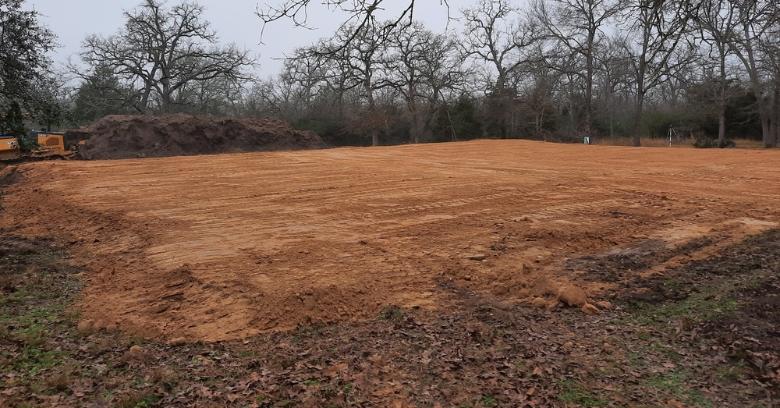
Building a barndominium offers a unique blend of rustic charm and modern amenities. Selecting the right building site is a crucial first step in the process, as it can significantly impact the construction phase and your satisfaction with the final outcome. This how-to guide provides detailed steps on how to find an ideal site for your barndominium, ensuring that you consider all necessary factors.

Step 1: Define Your Needs and Preferences

Before beginning your search, clearly outline what you need and want in a property. Consider the size of the barndominium, the lifestyle you envision, and any specific requirements such as accessibility for the elderly or space for large vehicles. Additionally, think about your preference for the surrounding environment — do you prefer secluded woodland, open fields, or something close to urban amenities?

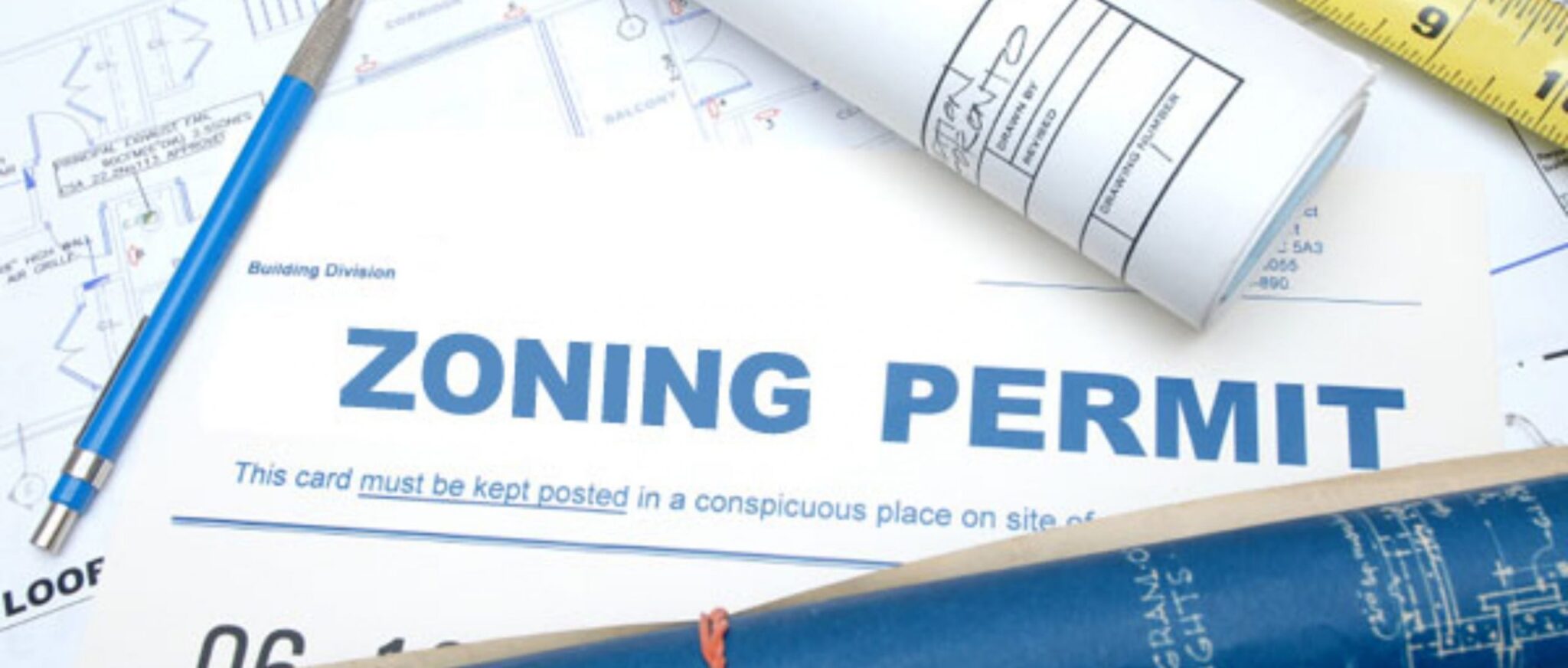
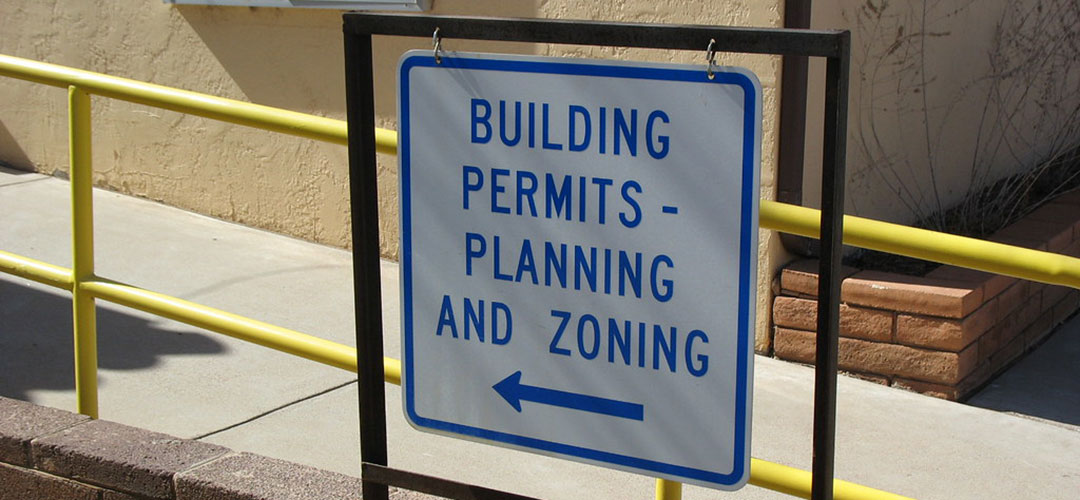
Step 2: Understand Zoning and Building Regulations

Research local zoning laws and building codes in the areas you are interested in. These regulations can affect everything from the maximum size of the building to the types of activities you can undertake. Contact local building departments or consult with a land use attorney to understand the specific restrictions and requirements of each potential site.

Step 3: Evaluate the Topography

The physical characteristics of the land can greatly influence the ease and cost of construction. Look for a site that matches the design and floor plan of your barndominium. Flat land is generally easier and cheaper to build on, while sloped lots may offer better views but require more extensive groundwork. Consider how the landscape will affect drainage, the foundation, and the overall design of your home.

Step 4: Check Soil Conditions

Soil type can impact the foundation of your barndominium. Some soils may require special treatments or more expensive foundation systems to ensure stability. It’s advisable to conduct a soil test, which can provide information on the bearing capacity, drainage properties, and potential for expansion or contraction.

Step 5: Assess Accessibility and Infrastructure

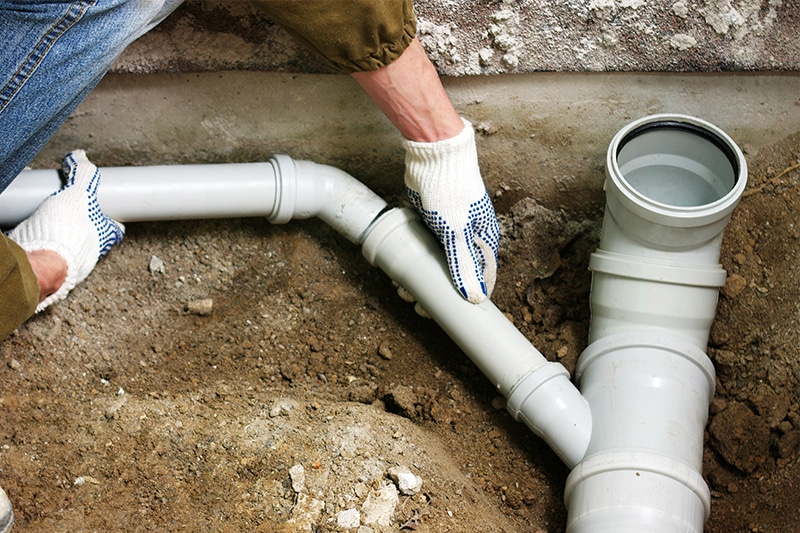
Ensure that the site is accessible via roads that can accommodate construction traffic and is connected to necessary utilities like water, electricity, and sewage. If utilities are not readily available, you’ll need to consider the cost of installing them. Additionally, evaluate the availability of internet and cell service, especially if you plan to work from home.

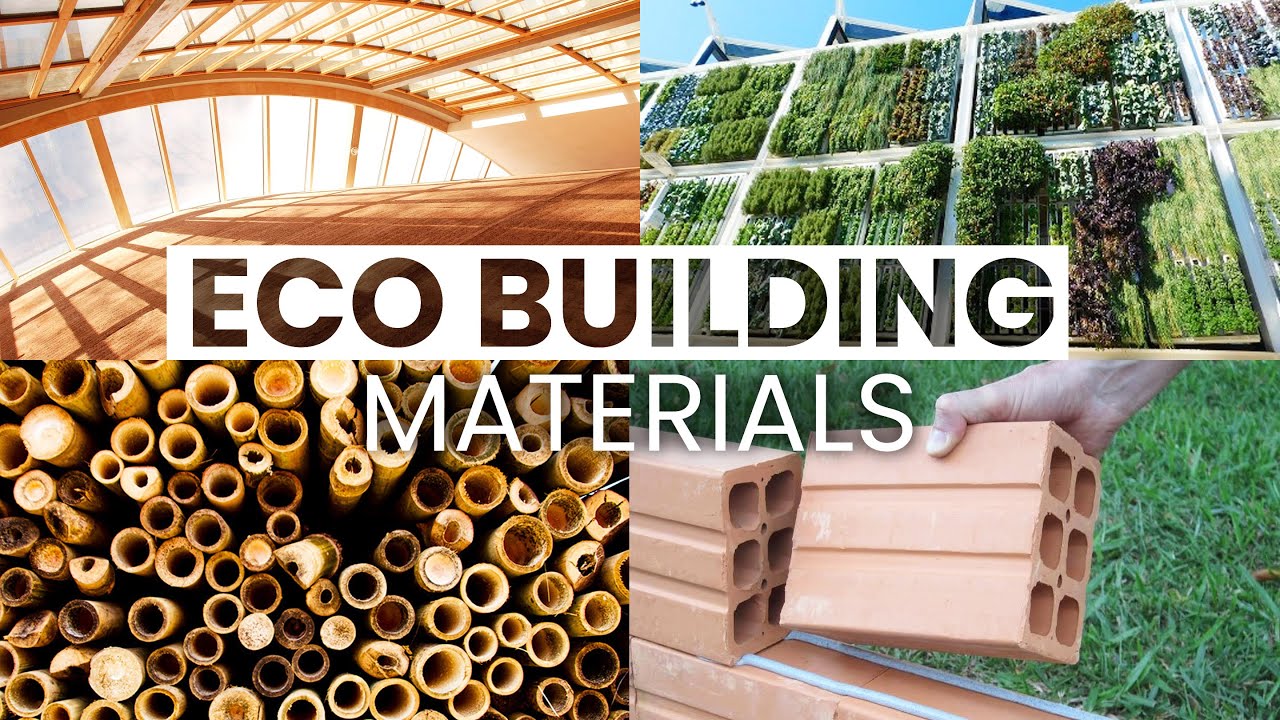
Eco-Friendly & Sustainable Living

Step 6: Consider Environmental Factors and Risks

Investigate potential environmental risks such as flooding, wildfires, or extreme weather conditions. Sites in flood zones or wildfire-prone areas may require additional insurance and preventative construction measures. Also, consider the site’s orientation for natural light and energy efficiency. South-facing properties can maximize solar gain, which is beneficial in colder climates.

Step 7: Plan for Future Development

Research the area’s future development plans through local planning offices. Knowing whether new schools, commercial developments, or highways are planned can help you anticipate changes in the environment and property values.

Colorful clouds at sunset from Red Rock Lakes NWR *Credit-On the wing Photography*

Step 8: Visit Potential Sites

Visit each potential site multiple times at different times of the day and during different weather conditions. This will give you a better understanding of the daily experience of the location, including traffic patterns, noise levels, and general activity. It’s good to spend some time at the site to get a good feel of the surrounding environment. Can you hear any Highway traffic? can you hear the neighbor’s animals?  Are there any secluded parts of the property in which to build? How close are the nearest houses to the property? These are all great questions to ask yourself, once you start you’ll continue to ask yourself these and other questions when you’re looking at a potential property it can save you a lot of headaches in the future.

Step 9: Consult with Experts

Before making a final decision, it might be beneficial to consult with architects, builders, or a Company that specializes in exactly what you’re trying to accomplish with your build. They can provide valuable insights into the suitability of a site for a barndominium, based on their previous work experience. They Will oftentimes see issues with a property that the owner wasn’t even aware of previously simply due to their experience working on various job sites and having that expertise in clearing and prepping land for building on.

Step 10: Make Your Decision

After thorough research and consultation, weigh all factors to make an informed decision. Remember, the right site not only fits your immediate needs but also accommodates potential future additions or modifications that you may decide to build later, leaving space to expand may be a wise decision at a future time, if not, that is perfectly fine as well It’s always there as an option.

*Landscape photography by On the Wing Photography by Mia McPherson

Finding the perfect site for your barndominium is a major undertaking that sets the foundation for your new home. By methodically assessing each potential site against these criteria, you can ensure that your chosen location will meet your needs and provide a satisfying, long-term living environment.

How to Find a Quality Barndominium Floor Plan!

grey barndominium with dark grey roof and wraparound porch

How to Find the Right Barndominium Floor Plans for You

Building a barndominium can be an exciting venture, combining the rustic charm of a barn with the comfort and functionality of a modern home. The first step in making your barndominium dream come true is selecting the right floor plan. A well-chosen floor plan not only accommodates your lifestyle but also maximizes efficiency and sustainability. Here’s a guide on how to find the ideal barndominium floor plan for your needs.

white barndominium

Step 1: Assess Your Needs

Before browsing floor plans, it’s crucial to assess your needs thoroughly. Consider the following:

– **Size of Family**: How many bedrooms and bathrooms are required?
– **Lifestyle**: Do you need large open spaces for entertaining, or cozy, separate areas for privacy?
– **Work and Hobbies**: Will you need space for a home office, workshop, or storage?
– **Future Plans**: Are you planning to expand your family, or possibly downsize?
– **Budget**: How much are you willing to spend on construction?

Understanding your needs will help you determine the scope and specifics of the floor plan that best suits your lifestyle.

Step 2: Consider the Site

The characteristics of your land play a significant role in choosing a floor plan. Consider the following site-specific factors:

– **Topography**: Is the land flat or sloped? Certain designs work better on a slope, while others are ideal for flat land.
– **Orientation**: The direction your home faces can affect heating and cooling costs. Plans with larger windows facing south can help capitalize on solar gain in cooler months.
– **Views and Natural Light**: Maximize beautiful views and natural light availability by choosing a plan with ample windows in strategic locations.
– **Access and Privacy**: Consider where the entrances should be and how you can optimize privacy from neighbors.

Choosing the right building site for a barndominium is a critical decision that can significantly impact both the construction process and your overall satisfaction with the final home. Here are the key factors to consider when selecting a location for your barndominium:

1. **Zoning and Building Regulations**

Before you commit to a site, make sure that your plans align with local zoning laws and building codes. These regulations can affect everything from the size and height of your barndominium to its usage and the types of materials you can use. Obtaining this information early can save you from costly mistakes and potential legal issues.

2. **Topography**

The land’s topography is crucial as it affects the ease of construction and overall costs. Flat land is generally easier and cheaper to build on, while sloped land may require additional excavation or foundation work, which can increase costs. However, sloped land might offer better drainage and views, which are advantageous for living comfort and resale value.

3. **Soil Type and Quality**

Soil quality can impact the foundation of your barndominium. Some soil types, such as clay, may require special engineering considerations due to their expansive properties, which can lead to higher foundation costs. It’s wise to have a soil test performed before purchasing land to determine if the ground is suitable for building without extensive modifications.

4. **Accessibility**

Consider the accessibility of the site. Check for availability of roads that can handle construction traffic. Accessibility will not only affect your ease of commuting but also play a significant role during the construction phase, as materials and labor need to travel to the site efficiently.

5. **Utilities**

Check the availability of essential utilities such as water, electricity, and sewage connections. If these utilities are not readily available, you may need to factor in the cost of installing them. For example, drilling a well, installing a septic system, or extending electrical lines can significantly increase your project budget.

6. **Environmental Factors**

Consider the climate and environmental conditions. In areas prone to natural disasters (like floods, wildfires, or hurricanes), specific building techniques and materials may be necessary to ensure durability and safety. Additionally, consider the orientation of the site for optimal natural light and potential for solar panel installations, which can enhance energy efficiency.

7. **Future Development**

Research the potential for future development in the area. Future growth can increase property value but may also lead to increased noise, traffic, or pollution. Conversely, a lack of growth can affect resale value and access to modern conveniences.

8. **Noise and Privacy**

Consider the level of noise from nearby roads, businesses, or agricultural activities. Also, evaluate the privacy offered by the site. A more remote or well-screened site can offer greater privacy, making it ideal for those looking to escape the hustle and bustle of city life.

9. **Natural Resources**

The presence of natural resources such as trees, water bodies, or scenic views can enhance the livability and aesthetic appeal of your barndominium. However, these features can also come with restrictions on use and alterations, so it’s important to understand any associated legal limitations.

10. **Community Services**

Finally, consider the proximity to community services such as schools, hospitals, shopping centers, and emergency services. Being close to these services can offer convenience and improve your quality of life.

Choosing the right site for your barndominium involves a careful balance of practical considerations and personal preferences. It’s advisable to visit potential sites at different times of the day and in varying weather conditions to get a comprehensive understanding of what it would be like to live there. These things are vital to a healthy happy life in your newly built barndominium,

Step 3: Explore Floor Plan Options

Once you have a clear idea of your needs and site specifics, start exploring floor plans. You can find plans through:

– **Barndominium Kit Providers**: Many companies offer pre-designed barndominium kits that can be customized to some extent.
– **Architects and Designers**: Hiring a professional can provide a tailored solution that perfectly matches your requirements and site conditions.
– **Online Resources**: Websites like BuildMax.com offer a variety of floor plans that can be purchased directly.

Step 4: Evaluate for Functionality and Aesthetics

When comparing floor plans, assess both functionality and aesthetics:

– **Flow and Layout**: Ensure the Floor plan makes sense for your daily activities. Open floor plans are popular for a seamless flow between living, dining, and kitchen areas.
– **Room Sizes and Storage**: Check if the room sizes meet your needs and if there’s adequate storage.
– **Flexibility**: Consider floor plans that allow for future modifications or expansions.

Step 5: Consider Construction and Long-Term Costs

The floor plan you choose will impact construction costs and long-term maintenance. Consider:

– **Material Efficiency**: Some designs require more complex and thus costly construction methods.
– **Energy Efficiency**: Look for designs that support sustainable living, such as those facilitating good insulation and natural ventilation.

Step 6: Purchasing your Floor Plans

Once you have settled on a floor plan, the final step is to make a purchase. Ensure that the plans you buy are detailed and include all necessary specifications for construction. This document will be essential when hiring contractors or if you choose to DIY your barndominium. BuildMax.com has a catalog of Barndominium Floor Plans to choose from in a wide variety of shapes and sizes. Purchasing Floor Plans is your first real step towards building your dream barndominium. With a set of accurate engineered floor plans you can get specific pricing from builders, We recommend getting a few quotes from local builders who are familiar with steel frame construction or Barndominiums in general, That will go a very long way in building a solid relationship with your builder, communication is key especially in the case of building someones dream home. Customized Floor Plans are the best way to get what you want out of your barndominium and Buildmax can help you through customizing your floor plans as you see fit.  Browse Buildmax’s online Catalog of Barndominium Floor Plans.
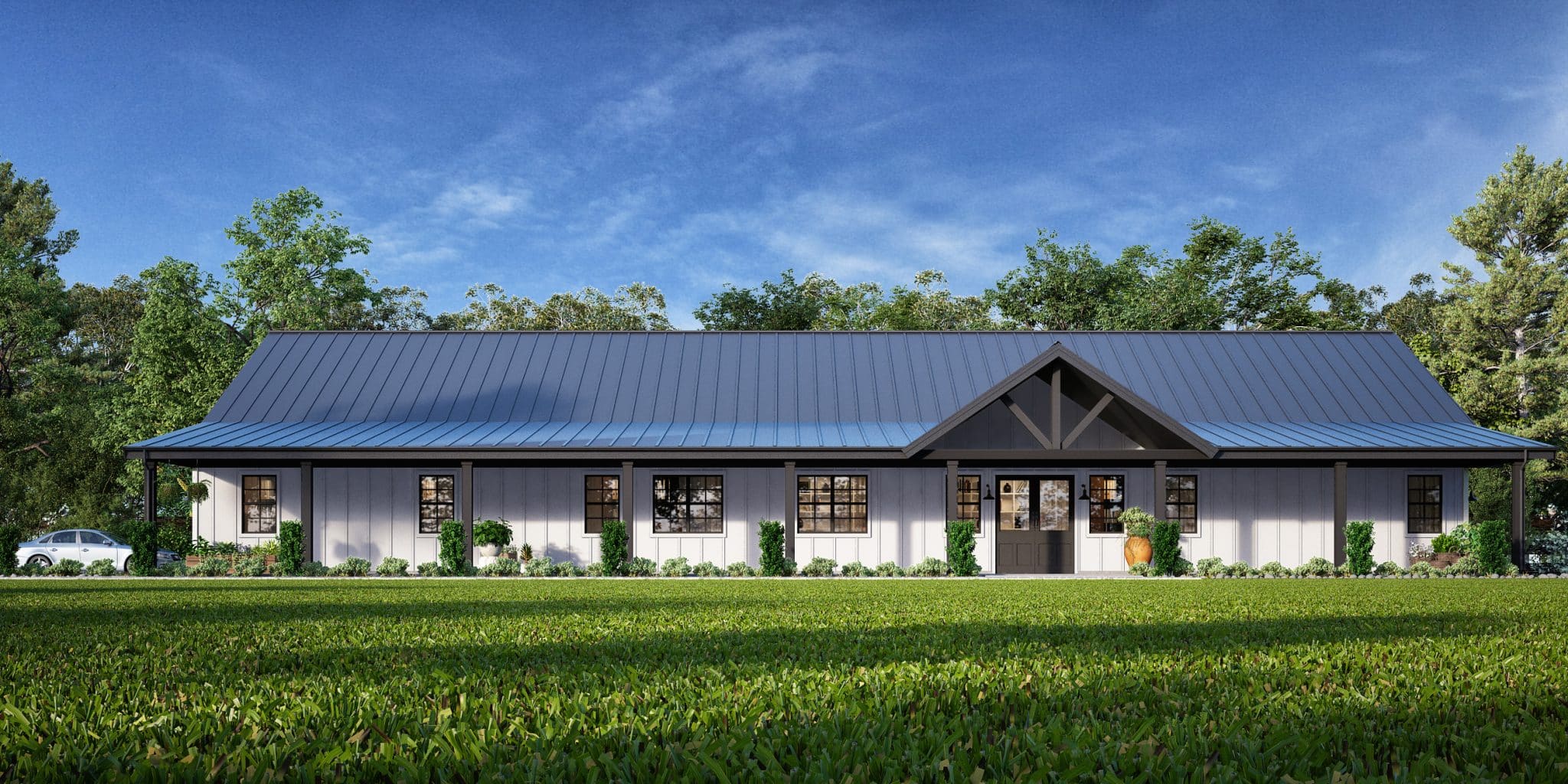
Choosing the right barndominium floor plan involves a thoughtful consideration of your needs, the characteristics of your building site, and the functionality of the design. By following these steps, you can select a floor plan that not only fits your lifestyle but also enhances the efficiency and enjoyment of your new home.

The Eco-Friendly Benefits of Steel Frame Barndominiums

Buildmax BM2900
The Eco-Friendly Benefits of Steel Frame Barndominiums

As the trend toward more sustainable and environmentally friendly building practices continues to grow, steel frame barndominiums are gaining popularity. These structures are not only stylish and versatile but also offer significant eco-friendly benefits. This article explores how steel frame barndominiums contribute to sustainability, including any relevant statistical data that underscores their environmental advantages.

Superior Recyclability

One of the most compelling eco-friendly attributes of steel is its recyclability. Steel is one of the most recycled materials on the planet, with the American Iron and Steel Institute estimating that 88% of the world’s steel is recycled. This high rate of recyclability reduces the demand for virgin materials, which in turn decreases the environmental impact associated with mining and raw material processing. Steel can be recycled repeatedly without any degradation in quality, making it a perpetually renewable resource for building.

Enhanced Durability and Longevity

Steel frames are incredibly durable, offering resistance to many common hazards that affect more traditional building materials, such as termites, fire, and rot. According to the Steel Recycling Institute, steel’s inherent durability extends the lifespan of buildings and significantly reduces the need for repairs and maintenance. This longevity means that structures do not need to be replaced as frequently, lessening the overall environmental impact over the building’s lifecycle.

Energy Efficiency in Construction and Use

Steel frame construction is highly energy efficient for several reasons. Firstly, steel’s excellent strength-to-weight ratio allows for larger spans and fewer support structures, which optimizes the use of space and materials. This efficiency is reflected in the reduced energy consumption during the manufacturing process. The World Steel Association notes that modern steelmaking techniques have reduced energy consumption by approximately 60% in the past 50 years.

Moreover, steel framed buildings are well-suited to incorporate advanced insulation systems. When paired with proper insulation materials, steel frames create an airtight and energy-efficient building envelope that minimizes heat transfer. This reduces the energy required for heating and cooling, which can contribute significantly to a building’s carbon footprint. The U.S. Department of Energy highlights that improving building envelope tightness can reduce energy use in buildings by up to 40%.

Reduced Waste During Construction

The precision of steel frame construction minimizes on-site waste. Steel components are typically pre-engineered and cut to exact specifications before arriving on site, which not only speeds up the construction process but also reduces material wastage. The American Institute of Steel Construction points out that nearly zero waste is produced in the steel frame manufacturing process, as scrap steel is either integrated back into the steelmaking process or recycled.

Lower Environmental Impact of Material Production

The production of steel, especially when using electric arc furnace (EAF) technology, has a lower environmental impact compared to many other building materials. EAFs, which predominantly use recycled steel scrap to produce new steel, account for about 60% of steel production in the United States. The use of recycled material drastically reduces the carbon dioxide emissions associated with steel production. According to the World Steel Association, the steel industry has also made significant strides in reducing water and air pollution in steel production processes.

No Trees were harmed in the making of this article

white farmhouse style barndominium

Steel frame barndominiums offer a sustainable building solution that aligns with global efforts to reduce environmental footprints. Their recyclability, durability, energy efficiency, and the reduced waste associated with their construction make them a preferred choice for eco-conscious builders and homeowners. As sustainable building practices continue to evolve, steel frame barndominiums will continue to boldly stand out as a future-proof option that meets the needs of both the present and well into the future.

Tips to Finding the Best Barndominium Builder in Your Area

white farmhouse

Top Tips to Finding the Best Barndominium Builder in Your Area

Building a barndominium involves unique challenges and opportunities compared to traditional home construction. Given their hybrid nature—combining elements of barns and residential spaces—barndominiums require builders who are not only skilled in traditional home construction but also adaptable to the creative and multifunctional nature of these structures. Finding the right builder for your barndominium project is crucial to achieving the home of your dreams. Here are some top tips and tricks to help you identify the best barndominium builder in your area.

white barndominium with cupolas

Understand Your Needs and Preferences

Before beginning your search for a builder, clearly define what you want in your barndominium. Consider aspects such as size, style, budget, and the specific features you desire, like large open spaces, energy-efficient designs, or custom metalwork. Knowing your requirements will help you communicate more effectively with potential builders and gauge their ability to meet your expectations.

Research Local Builders

Start with Local Searches

Begin by searching online for builders who specialize in barndominiums in your area. Websites, review platforms, and social media sites can provide initial insights into a builder’s reputation, style, and quality of work.

Check Portfolios

Review the portfolios of prospective builders to assess their experience and expertise with barndominiums. Look for diversity in design and quality of construction. A good portfolio should also show detailed before and after images, floor plans, and descriptions of the projects.

Read Client Reviews and Testimonials

Client feedback can offer invaluable insights into a builder’s reliability, communication, quality of work, and ability to deliver on time and within budget. Look for reviews on independent platforms as well as testimonials on the builder’s website.

white barndominium with cupolas

Verify Credentials and Experience

Licensing and Insurance

Ensure that any builder you consider is properly licensed and insured in your state. This protects you against liability and ensures the builder meets the regulatory standards for construction.

Specialized Experience

Building a barndominium requires specific skills. Check if the builders have experience specifically with steel-frame constructions, custom metalwork, and integrating living spaces with larger, more open areas that are typical of barndominium designs.

Evaluate Their Communication and Professionalism

The best builders are excellent communicators. During initial consultations, observe whether they listen to your ideas, contribute their own, and show enthusiasm for your project. They should be able to articulate potential challenges and how they might address them, indicating their problem-solving skills.

Get Multiple Quotes

Once you have a shortlist of builders who seem capable of meeting your needs, request detailed quotes from each. A quote should include a breakdown of all costs, timelines, and specifics about the materials and techniques to be used. Compare these quotes not just for price, but for thoroughness and the builder’s ability to provide a detailed and transparent proposal.

Check References

Ask for references from each builder and take the time to contact them. Discuss the previous clients’ experiences, focusing on the builder’s adherence to timelines, budget, responsiveness to concerns, and overall satisfaction with the completed project.

Visit Ongoing Projects

If possible, visit some of the builder’s current job sites. This can provide insights into how they manage projects, the cleanliness of their sites, the organization of their team, and the quality of construction practices and materials used.

Visiting ongoing barndominium projects can be incredibly beneficial when planning and executing your own barndominium build. Here’s how such visits can help you:

1. **Assessing Builder Quality and Workmanship**

Seeing a project in progress allows you to directly assess the quality of construction and the craftsmanship of the builders. You can observe the materials used, the attention to detail, and the overall construction practices. This firsthand insight can be much more revealing than photographs or finished projects, as you can see how the structure is being assembled.

2. **Understanding Construction Processes**

Barndominiums involve unique building techniques that differ from standard residential homes, especially if they incorporate elements like large, open interiors and metal framing. By visiting a site, you can gain a better understanding of the construction process, including how the builders handle challenges that arise during the build.

3. **Evaluating Project Management Skills**

Observing an active construction site gives you a window into the builder’s project management capabilities. Look for signs of well-organized work sites, the safety measures in place, and how the team manages coordination among different trades. Efficient project management is crucial for a build to be completed on time and within budget.

4. **Gauging Worker Professionalism**

The behavior and professionalism of the workers on site are also important. Are the workers diligent and careful with their tasks? Is the site kept tidy and safe? The demeanor and professionalism of the crew reflect the overall culture and standards upheld by the builder.

5. **Inspiration and Ideas**

Visiting ongoing projects can also provide design ideas and insights into functional layouts, innovative materials, and modern techniques that could be applied to your own project. You might see aesthetic or structural elements that you want to incorporate into your barndominium.

6. **Real-Time Problem Solving**

Seeing how builders solve problems in real-time can be instructive. Construction projects often encounter unexpected challenges, and observing how these are handled can give you confidence in the builder’s ability to manage issues effectively.

7. **Feedback from Current Clients**

If possible, speaking with homeowners or project commissioners during your visit can provide additional context and honest feedback about their experience with the builders. This can be invaluable in making your final decision.

8. **Clarifying Expectations**

Finally, seeing an ongoing project can help set realistic expectations for your own project. It can give you a clearer idea of timelines, the mess and noise involved in construction, and the scale of the undertaking. This helps in preparing yourself and your family for what’s to come during the construction phase.

Overall, visiting ongoing barndominium projects equips you with practical insights and deeper understanding that can significantly influence the success of your own building project.

Understand Warranties and Service Agreements

Clarify what warranties and follow-up services the builder offers. A good warranty will cover both materials and craftsmanship for a reasonable period. Understanding these details upfront can help prevent future disputes.

Trust Your Instincts

Finally, trust your gut feeling. Building a Barndominium is a significant investment and personal journey. It’s important that you feel comfortable and confident with the builder you choose.

FARMHOUSE BARNDOMINIUM BM3151

Finding the right builder for your barndominium is a critical step in ensuring that your new home meets your dreams and expectations. By carefully researching, vetting, and communicating with potential builders, you can make an informed decision that leads to a successful build. Remember, the best builder for your barndominium will not only have the skill and experience you need but will also understand your vision and work with you to make it a reality.

How Much Does it cost to Build a Barndominium in Arkansas?

white barndominium floor plan with wraparound porch

The Cost of Building a Barndominium in Arkansas: Steel Frame Kits for Strength, Longevity, and Affordability

Building a barndominium in Arkansas presents an attractive alternative to traditional home construction, offering potential savings on cost without sacrificing comfort or style. The choice of steel frame kits adds to the allure, providing enhanced durability, longevity, and a modern aesthetic. This article delves into the various factors influencing the cost of constructing a barndominium in Arkansas, with a particular focus on the benefits and affordability of steel frame kits.

Understanding Barndominium Costs

The cost of building a barndominium in Arkansas can vary widely based on several factors including the size of the building, the quality of materials, the complexity of the design, and the location of the property. Other significant cost drivers include the interior finishes chosen and the current prices of labor and construction materials.

Average Costs of Barndominiums in Arkansas

While prices can vary, a basic rule of thumb for estimating the cost of a barndominium in Arkansas is to start at around $100 to $130 * per square foot for a turnkey construction, which includes the cost of the foundation, the building kit, construction labor, and basic finishes. For more high-end finishes or additional customizations, prices can escalate to $200 per square foot or more. The Materials market is always fluctuating up and down which makes it very difficult to give any kind of accurate numbers. We Always highly recommend that you speak to local builders to get some accurate general pricing for your specific area, It will be much more accurate than anything you’ll find online. The Best we can do without having the exact information we need to determine pricing is simply to give you an average. With Barndominiums trending towards Steel Frame Construction more often these days People are getting more for their money than they may realize compared to building with traditional lumber.

white farmhouse

Breakdown of Costs

1. **Steel Frame Kit**: The core of a steel frame barndominium includes the exterior shell and framing. These kits are typically priced based on the steel market at the time of purchase but generally range from $20 to $50 per square foot. The price can vary depending on the gauge of the steel and the complexity of the structure.

2. **Foundation**: The foundation is critical for the stability and durability of the building. In Arkansas, the cost for a concrete slab foundation can range from $6 to $10 per square foot, depending on site-specific factors such as accessibility and topography.

3. **Installation and Labor**: Labor costs can vary significantly but expect to pay approximately $5 to $15 per square foot for the assembly and erection of the steel structure. This range depends on the local labor market and the complexity of the project.

4. **Interior Finishes**: The cost for interior finishes can vary as much as the finishes themselves. Basic functional finishes will cost much less than luxury upgrades. For a moderate approach, budget around $50 to $100 per square foot, which should cover insulation, electrical work, plumbing, drywall, flooring, and basic fixtures.

5. **Additional Costs**: Other costs to consider include windows, doors, roofing materials, and any external features like porches or extended overhangs. These can add $10,000 to $20,000 to the total cost, depending on selections and sizes.

Advantages of Steel Frame Kits

Choosing steel frame kits for your barndominium in Arkansas offers several advantages:

– **Durability and Strength**: Steel is highly durable and capable of withstanding severe weather, which is crucial in areas prone to storms and tornadoes.
– **Longevity**: Steel buildings can last decades with minimal maintenance, resisting issues like termites and rot that commonly affect wood structures.
– **Speed of Construction**: Steel frame kits are pre-engineered for quick assembly, reducing labor costs and construction time.
– **Cost-Efficiency**: Over the long term, the durability and low maintenance needs of steel can result in significant cost savings.
– **Eco-Friendliness**: Steel is a recyclable material, making it an environmentally friendly choice for building.

How Steel is Eco Friendly 

Steel frame construction offers several eco-friendly benefits that make it an attractive choice for those looking to build sustainably. One of the foremost advantages is the high recyclability of steel. Unlike many other materials, steel can be recycled repeatedly without degradation in quality, ensuring that the resources are utilized efficiently throughout their life cycles. This attribute significantly reduces the demand for new raw materials, which in turn decreases the environmental impact associated with mining and processing.

Steel Frame Barndominium Kit delivery

Moreover, steel’s durability further enhances its environmental credentials. Barndos built with steel frames are resistant to many common hazards that compromise other materials, such as fire, pests, and moisture. This longevity means that steel structures often have longer lifespans than those built with traditional materials like wood, leading to fewer resources needed for repairs, maintenance, and eventual reconstruction. The ability to endure through various conditions without deterioration not only conserves resources but also reduces waste, contributing to a more sustainable construction practice.

White barndominium with lofty porch

Building a barndominium in Arkansas using steel frame kits is a cost-effective and robust solution for those looking to combine the practicality of steel construction with the comfort of a traditional home. The total cost will depend on various factors, but by understanding these components and leveraging the benefits of steel, homeowners can create a beautiful, durable, and affordable home tailored to their needs and tastes.

What is the Best Type of Barndominium?

What Is the Best Type of Barndominium? Exploring the Superiority of Steel Frame Structures

When it comes to choosing the best type of barndominium, numerous factors come into play, including durability, cost, aesthetic appeal, and maintenance. Among the various options available, steel frame barndominiums stand out due to their robustness and longevity. This comprehensive analysis delves into why steel frame barndominiums are considered the superior choice, focusing on their strength, durability, and the advantages they offer over other types of construction.

Introduction to Steel Frame Barndominiums

A barndominium, or “barndo” for short, blends the architectural elements of a barn with the comfort and functionality of a condominium. Originally designed as storage or workshop spaces with attached living quarters, barndominiums have evolved into customizable homes that can be built quickly and tailored to a wide range of uses. Among the construction methods available, steel framing has become increasingly popular due to its numerous benefits.

Strength and Durability

Steel, known for its exceptional strength-to-weight ratio, offers unparalleled structural integrity in building construction. This makes steel frame barndominiums especially capable of withstanding adverse weather conditions, including high winds, heavy snow, and seismic activities. The rigid construction ensures that the frame does not warp, bend, or buckle under stress.

Resistance to Environmental Factors

Unlike wood frames, which are susceptible to termites, rot, and mold, steel frames are impervious to such environmental threats. This inherent resistance contributes to the longevity of the structure, ensuring that it remains durable over decades with minimal maintenance. Moreover, steel does not contract or expand with changes in humidity and temperature, which helps in maintaining the integrity of the building’s envelope.

Fire Resistance

Steel is naturally fire-resistant, which is a significant advantage in areas prone to wildfires or for homeowners concerned about fire safety. This resistance can help prevent the spread of flames and may reduce insurance premiums, making steel frame barndominiums a safer and more cost-effective option over the long term.

black barndominium with large windows on the front

Energy Efficiency

When properly insulated, steel frame barndominiums can be extremely energy efficient. The space between the steel columns can be filled with high-performance insulation, which minimizes thermal bridging and enhances the overall energy performance of the home. This results in lower heating and cooling costs, making steel frame barndominiums both environmentally friendly and economical.

Design Flexibility

Steel’s versatility allows for large, open floor plans that are unobstructed by load-bearing walls, giving homeowners the freedom to design layouts that suit their specific needs and preferences. This architectural flexibility is particularly appealing to those who prefer modern, spacious interiors.

Speed of Construction

Steel frames are prefabricated, meaning they are designed and cut in a controlled factory environment, which enhances precision and reduces waste. This prefabrication allows for quicker assembly on-site compared to traditional wood framing, significantly shortening construction timelines.

Sustainability

Steel is one of the most recyclable materials in the world, and much of the steel used in construction today has been recycled from other uses. This reduces the environmental impact associated with extracting and processing new materials, aligning steel frame construction with sustainable building practices.BM3151-G-B BARNDOMINIUM PLAN While traditional wooden frames have been popular due to their initial lower costs and wide availability, the long-term benefits of steel frame barndominiums often outweigh these initial savings. Wood is prone to degradation over time and requires regular maintenance and treatment to protect against environmental damage. Conversely, the resilience of steel frames can lead to reduced maintenance costs and longer structure life spans.

FARMHOUSE BARNDOMINIUM BM3151

Steel frame barndominiums represent the pinnacle of modern, durable, and flexible home construction. Their strength, durability, and resistance to fire and environmental damages make them the best option for anyone looking to build a new home. Additionally, the quick assembly, combined with lower long-term maintenance and operational costs, presents steel frame barndominiums as not only the superior choice but a wise investment in sustainable living. Whether for residential, recreational, or mixed-use applications, the benefits of steel framing make it the ideal choice for constructing a barndominium that will last generations.

How big is a 40×60 Barndominium kit?

white barndominium

Understanding the Size and Scope of a 40×60 Barndominium

When considering building a barndominium, one of the first and most important decisions you will make concerns the size of the structure. A 40×60 barndominium is a popular choice for many homeowners due to its ample space and versatility. This article delves into the dimensions, potential uses, and layout possibilities of a 40×60 barndominium to provide a comprehensive understanding of what this size offers.

white barndominium with cupolas

What Does a 40×60 Barndominium Mean?

The dimensions “40×60” refer to the footprint of the barndominium, which is 40 feet wide by 60 feet long. When you multiply these numbers, you get 2,400 square feet, which is the total area of the ground floor. This size is often chosen because it provides a substantial amount of space for various functional areas, including living quarters, a workshop, or storage areas, all under one roof.

Potential Uses of a 40×60 Barndominium

A 40×60 barndominium can be adapted to a wide range of uses, depending on the owner’s needs and lifestyle. Here are a few potential applications:

Residential Living

– **Complete Home**: This size allows for a comfortable residential space, capable of accommodating multiple bedrooms, bathrooms, a kitchen, and a spacious living area. It’s ideal for families looking for a home with room to grow.
– **Combined Living and Workspace**: For individuals who work from home, part of the barndominium can be designated as an office or workshop, while the rest serves as living space.

Recreational Space

– **Home Gym**: The ample space can house a home gym with various exercise equipment.
– **Game Room or Entertainment Area**: There’s enough room to set up a pool table, entertainment systems, and seating areas for hosting guests.

Workshops and Storage

– **Workshop for Hobbies or Crafts**: The large open space is perfect for setting up workstations for woodworking, metalworking, or any large-scale hobby.
– **Garage**: It can easily function as a multi-car garage, with additional space for working on vehicles or storing tools and equipment.

Agricultural or Business Uses

– **Storage for Farming Equipment**: The space is suitable for storing tractors, harvesters, and other large farming equipment.
– **Small Business Operations**: The building can accommodate businesses that require large open areas, such as a small manufacturing company or a dance studio.

white barndominium with cupolas

Design and Layout Considerations

When planning a 40×60 barndominium, the design and layout are crucial to maximizing the functionality and aesthetics of the space. Here are some factors to consider:

Open vs. Partitioned Spaces

– **Open Concept**: Many owners opt for an open floor plan to keep the living, dining, and kitchen areas interconnected, which enhances the sense of space and facilitates social interaction.
– **Partitioned Areas**: Depending on the use, the space can be divided into more defined areas or rooms. For residential purposes, bedrooms and bathrooms would require privacy and separation.

Ceiling Height

– The height of the ceilings can significantly impact the feel of the space. Higher ceilings are common in barndominiums and can make the area feel more expansive and open. This is also beneficial for storage or workshop areas where large equipment might be used.

Windows and Natural Light

– Incorporating large windows can help illuminate the space with natural light, making it feel welcoming and reducing the need for artificial lighting during the day. Strategic placement of windows can also enhance views and add to the aesthetic appeal of the home.

Multi-Story Options

– While the basic 40×60 refers to the ground floor, some barndominiums are designed with multiple stories. Adding a second floor can almost double the usable space, providing more room for bedrooms, offices, or additional recreational areas.

A 40×60 barndominium offers a generous 2,400 square feet of space that can be tailored to a wide variety of uses, from a family home to a workshop, storage area, or even a commercial space. Its adaptability and spaciousness make it an attractive option for those looking to combine functionality with the unique aesthetic of a barndominium. Planning the layout and design carefully will ensure that the space meets all the owner’s needs and preferences, making the most out of this sizable investment.