Home Blog Page 25

What is a barndo house?

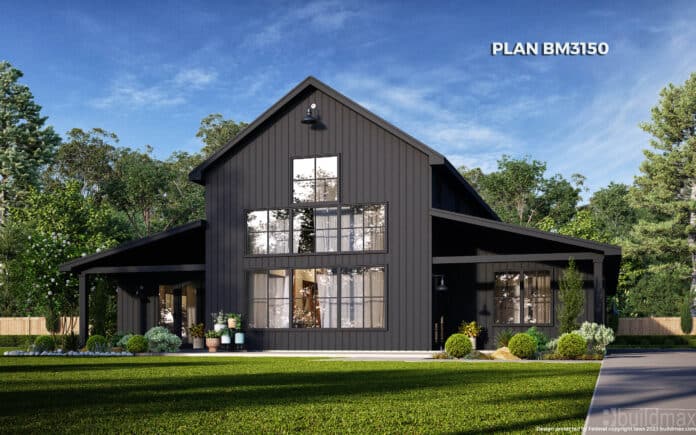
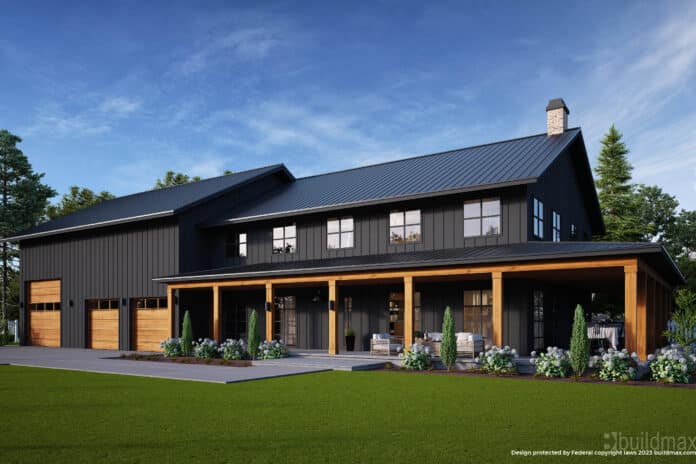
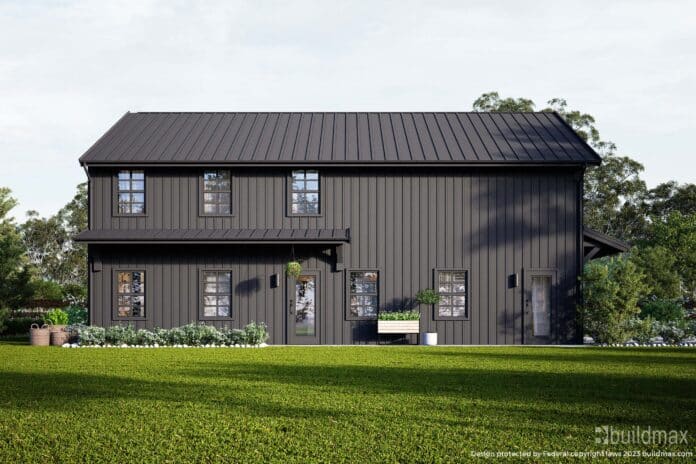
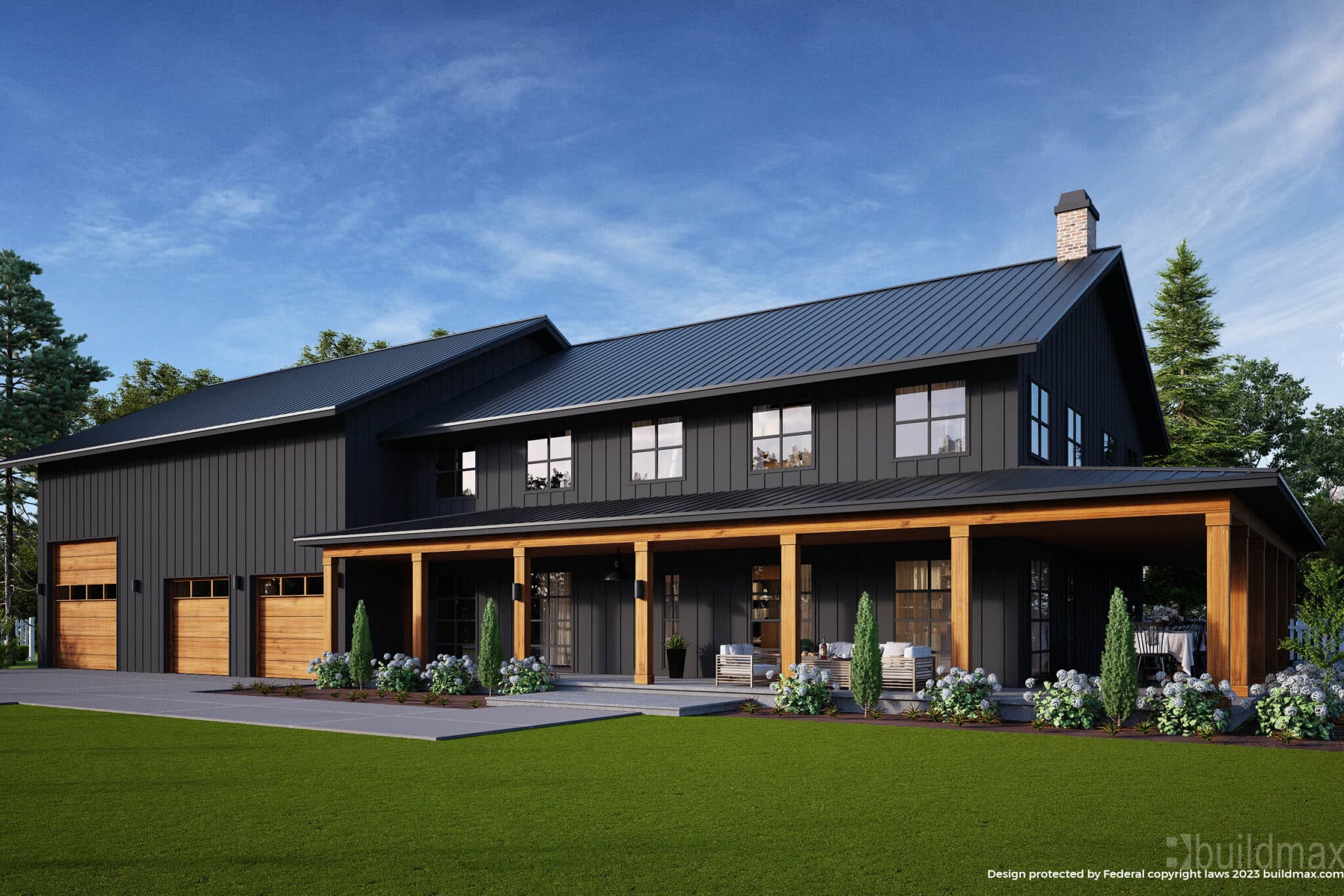
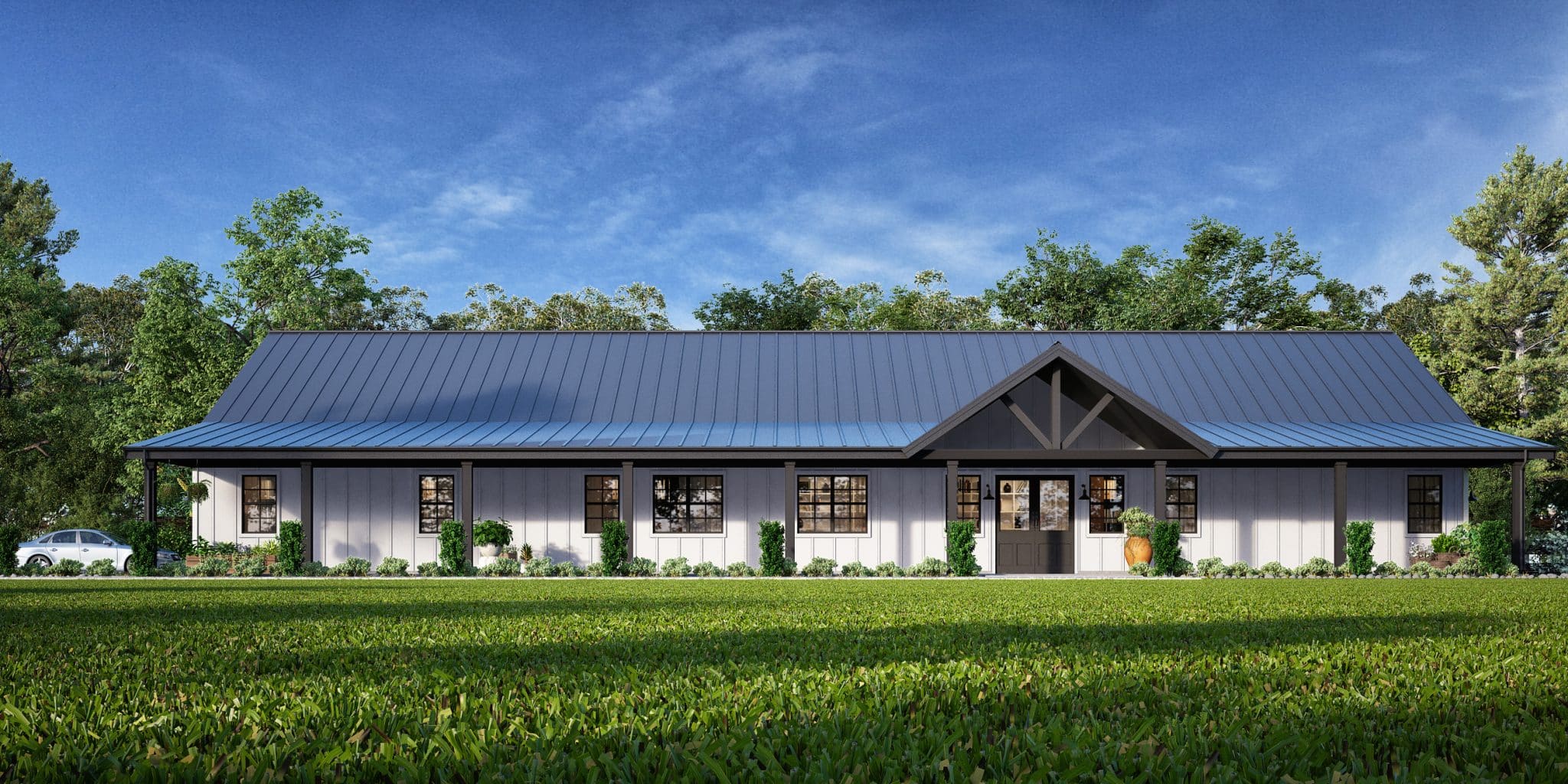
black barndominium with large windows on the front

Exploring the Barndo House: A Modern Take on Rustic Living

The concept of a barndo house, short for barndominium, is gaining traction in the realm of modern architecture and housing. A barndo combines the aesthetic and structural elements of a traditional barn with the comforts and design of a custom built home, resulting in a unique, spacious, and versatile living space. This article delves into what makes a barndo house special, its benefits, and why it might just be the dream home you are looking for. Additionally, we’ll discuss how services like Buildmax.com can assist in bringing your barndo house vision to life with professional floor plans and steel frame kits.

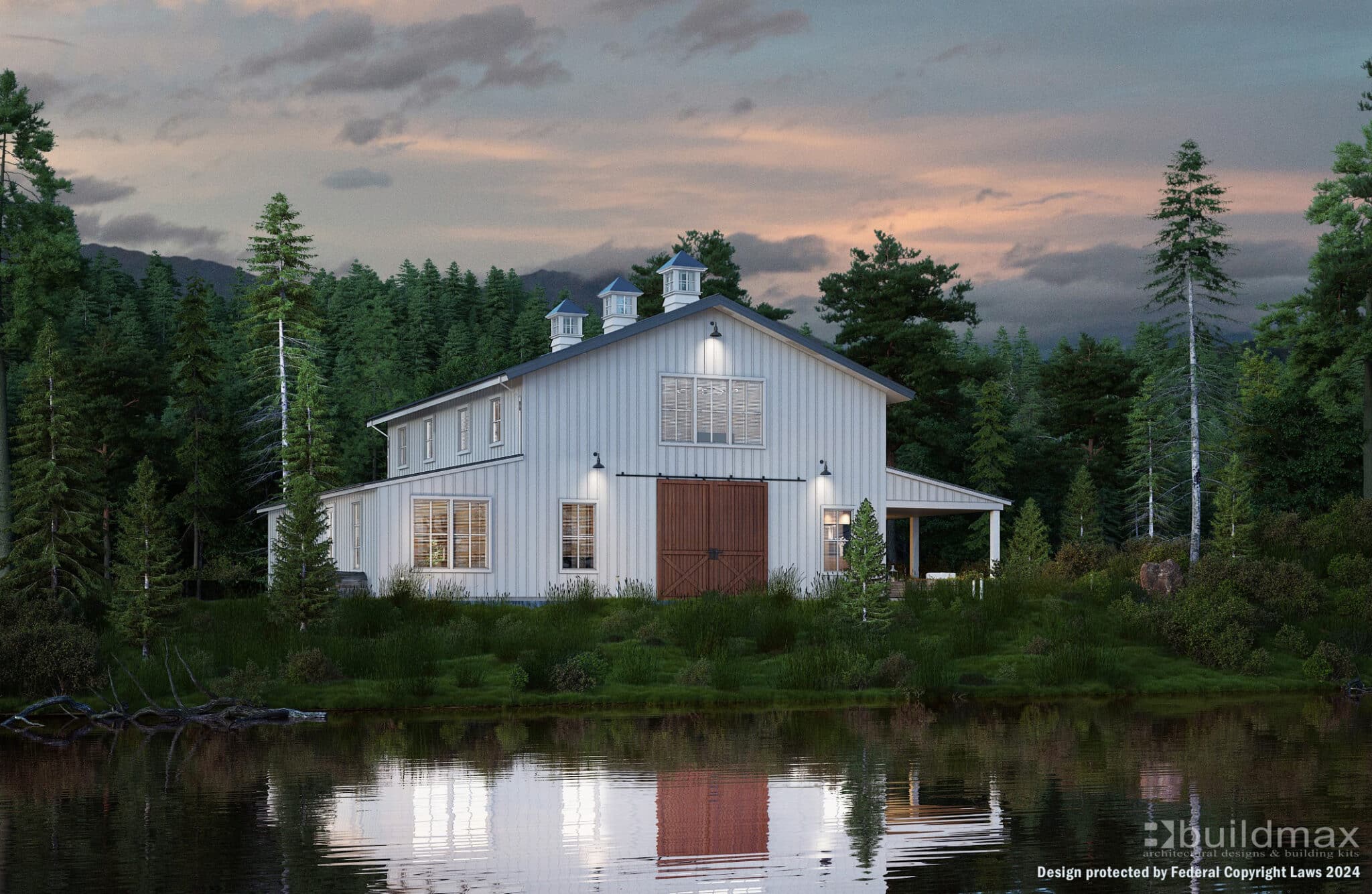
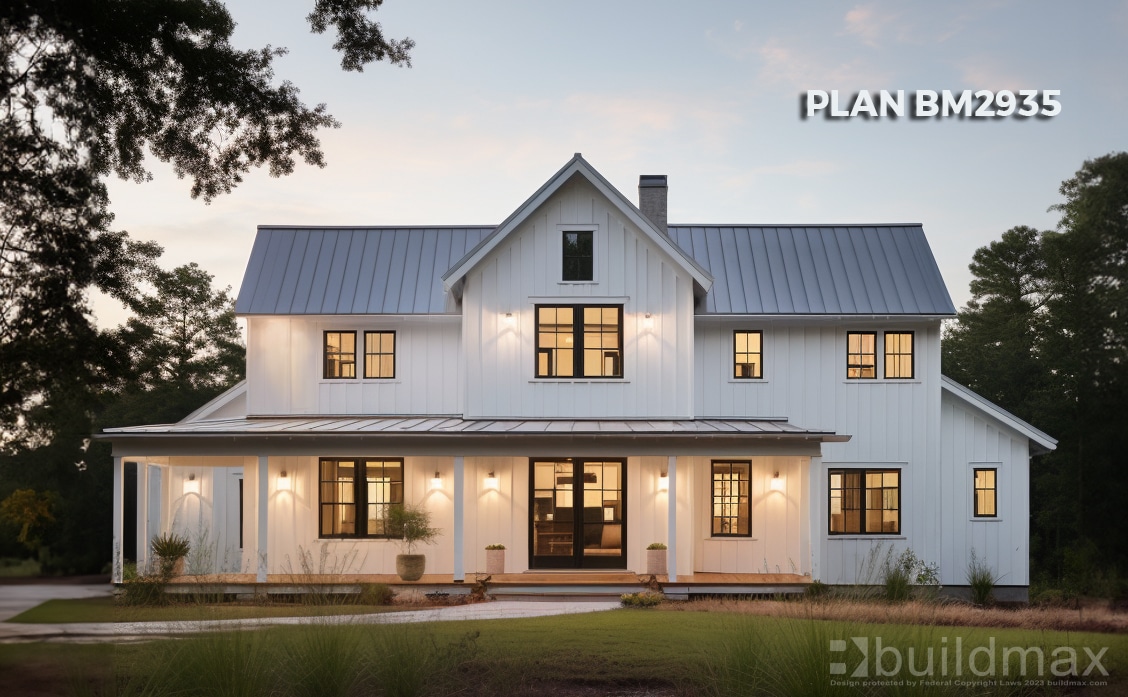
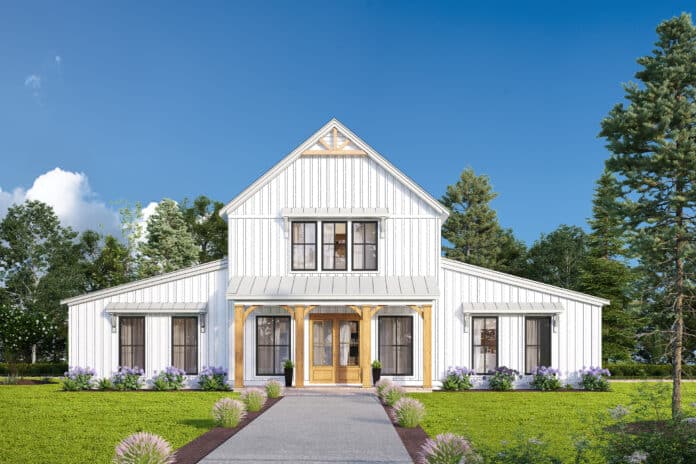
white barndominium with cupolas

What is a Barndo House?

Originally conceived as a storage or operational space combined with living quarters, the barndominium has evolved significantly. Today, it’s designed with modern living in mind, offering a stylish yet functional habitat that appeals to a broad spectrum of homeowners, from families seeking a rural retreat to artists needing large studio spaces. The typical barndo house is characterized by:

– **Spacious Interiors:** Barndos often feature open floor plans, high ceilings, and large windows, which contribute to a sense of spaciousness and allow for abundant natural light.
– **Durable Materials:** Most barndos are constructed with steel frames and metal siding, materials chosen for their durability, maintenance ease, and resistance to elements like wind and water.
– **Energy Efficiency:** With ample scope for insulation and the installation of energy-efficient windows and doors, barndos can be extremely energy-efficient, keeping utility costs low.

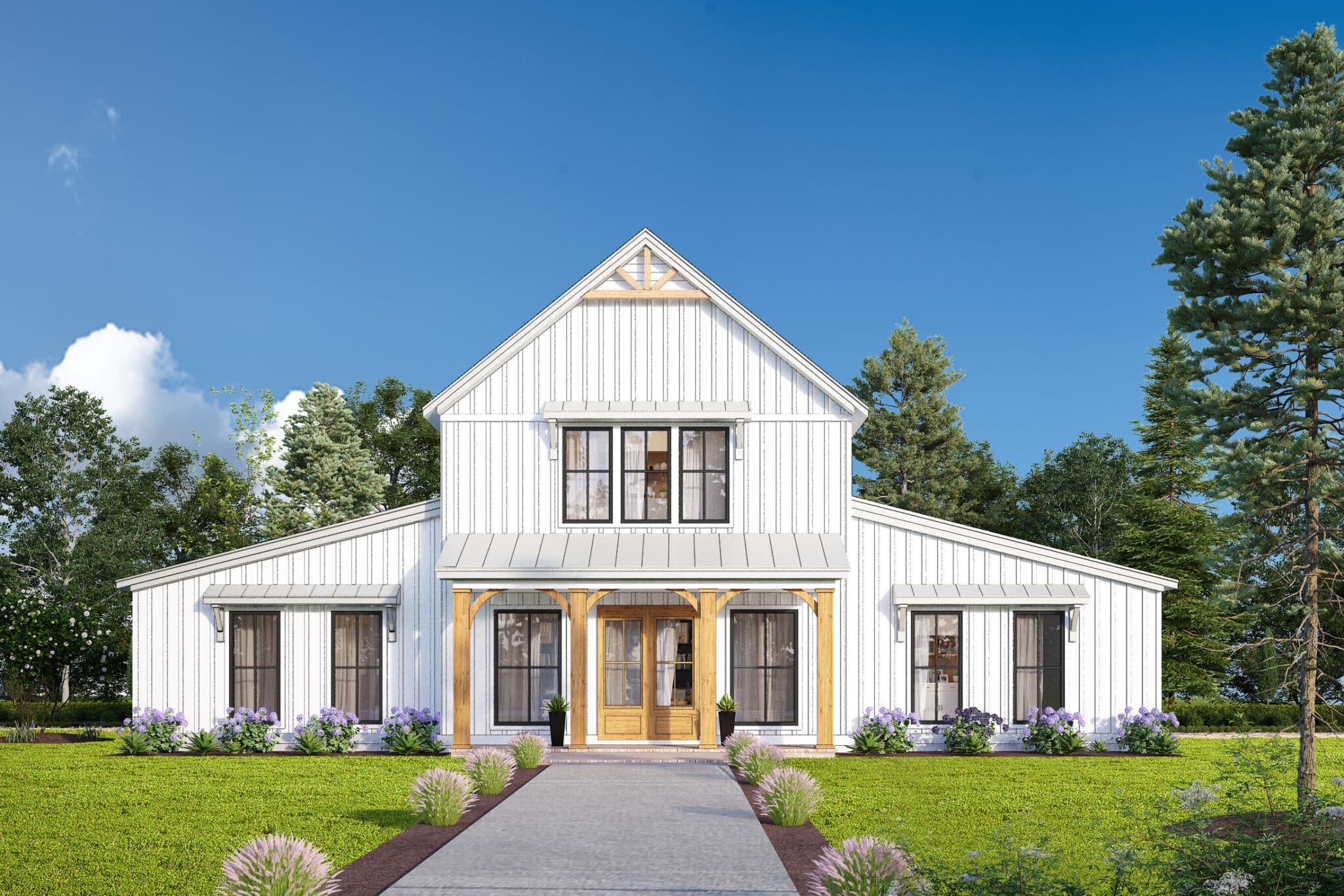
DREAM BARNDO BM2852

Benefits of Choosing a Barndo House

**1. Customizable Layouts:** One of the significant advantages of a barndo is the flexibility in design. Owners can tailor the interior layout to suit their specific needs, whether it’s creating an expansive workshop, an artist’s studio, or a comfortable, open-plan family home.

**2. Cost-Effectiveness:** Although the initial cost can be similar to that of traditional construction, the long-term savings in maintenance and energy efficiency make barndos a cost-effective option. Their robust construction means fewer repairs and upgrades over time.

**3. Quick Construction:** The use of prefabricated steel frames and panels can significantly speed up the construction process compared to traditional building methods. This swift construction process reduces labor costs and allows homeowners to move in sooner.

**4. Versatility:** A barndo can be situated almost anywhere, from a rural farm to a suburban lot. Its robust construction makes it suitable for a variety of climates, from hot and humid environments to cold areas.

white barndominium with cupolas by a lake

Professional Consulting and Customization with Buildmax.com

For those interested in building their own barndo house, consulting with a professional service like Buildmax.com is invaluable. Buildmax offers expertise in:

– **Custom Floor Plans:** They can help design a floor plan that maximizes the utility and beauty of the barndo, ensuring that every square foot is utilized effectively to meet the homeowner’s lifestyle needs.
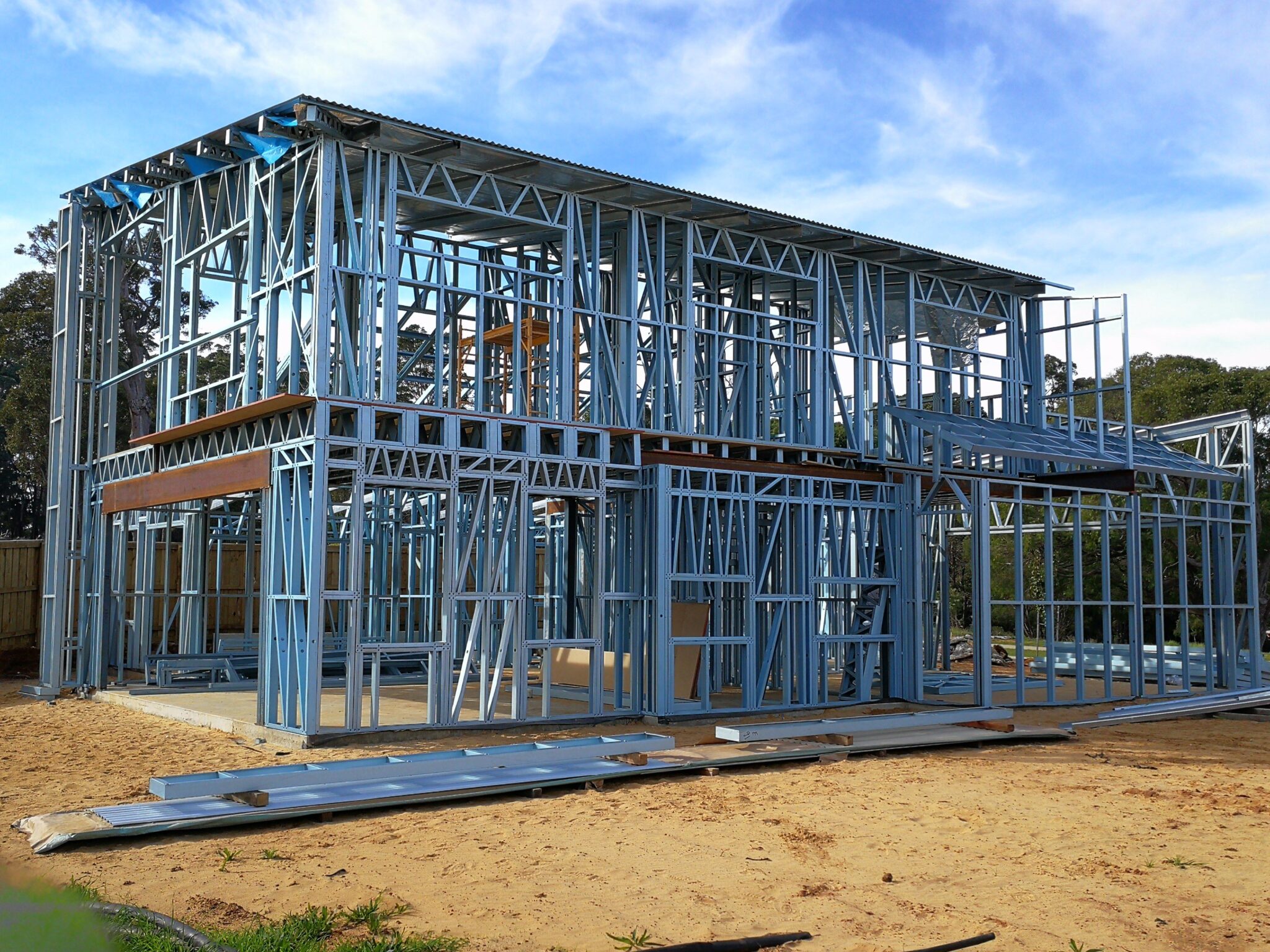
– **Steel Frame Kits:** Buildmax.com provides high-quality steel frame kits that are essential for constructing a sturdy and durable barndominium. These kits are designed to be easy to assemble, which can further reduce construction time and cost.

– **End-to-End Consulting:** From selecting the right site for your barndo to choosing the best materials and ensuring compliance with local building codes, Buildmax.com offers comprehensive guidance throughout the construction process.

A barndo house represents a blend of modernity, efficiency, and the charm of rustic architecture. It is an excellent choice for anyone looking to build a custom home that stands out from the crowd yet provides all the comforts of traditional homes. With the help of professional services like Buildmax.com, designing and building your dream barndo becomes a streamlined, personalized experience, ensuring that your new home is as unique as your vision. Whether you are drawn to its aesthetic, its practicality, or its potential for customization, a barndominium can exceed your needs. Visit Buildmax.com today for more information on the Barndominum of your dreams today!

Are Barndominiums Expensive to heat through the Winter?

Heating Efficiency in Barndominiums: Cost-Effectiveness and Alternatives

Barndominiums, a combination of a barn and a custom-built home, have gained popularity as versatile and stylish homes. However, potential homeowners often wonder about the cost-effectiveness of heating these large, open spaces. This article explores the heating efficiency of barndominiums, the factors that influence their heating costs, and the most cost-effective heating methods available in 2024.

Factors Influencing Heating Costs in Barndominiums

Insulation

The level of insulation is a critical factor in the heating efficiency of any home, including barndominiums. Proper insulation reduces heat loss, keeping the interior warm in winter and cool in summer. Barndominiums with well-insulated walls, roofs, and floors require less energy to maintain a comfortable temperature.

Ceiling Height

Barndominiums often feature high ceilings, which can be a challenge to heat efficiently as heat rises. This architectural style can lead to higher heating costs if not managed with appropriate heating systems or ceiling fans to redistribute heat.

Window Quality

Large windows can enhance the aesthetic appeal of a barndominium but can also be a significant source of heat loss if they are not double-glazed or energy-efficient.

Most Cost-Effective Heating Methods for Barndominiums in 2024

1. Mini-Split Heat Pumps

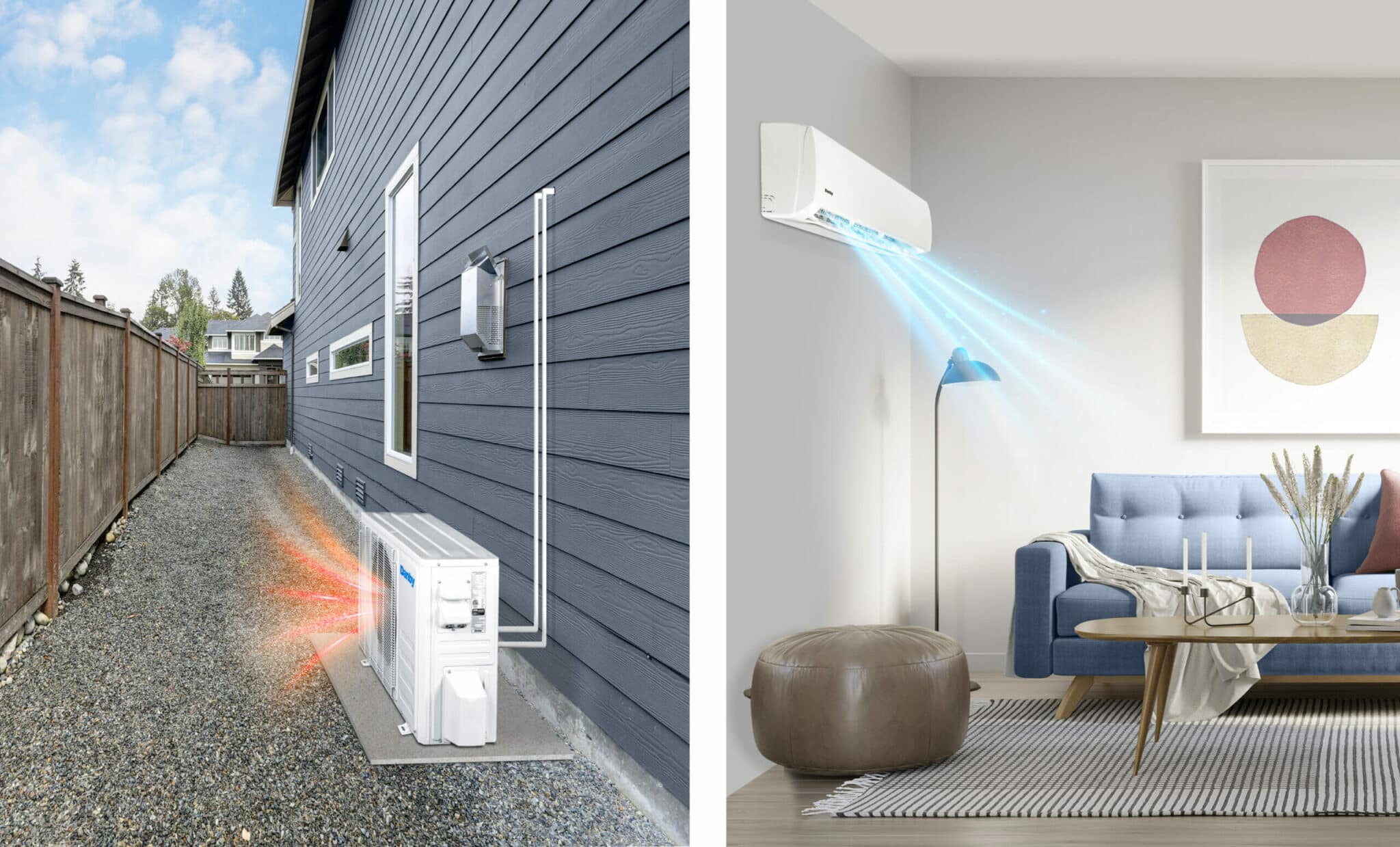
Mini-split systems are ideal for barndominiums due to their efficiency and the ability to zone heating. They can heat specific areas without wasting energy on unused spaces. These systems are also capable of providing cooling, making them versatile year-round solutions.

Mini-split systems, also known as ductless heat pumps, are increasingly popular for heating and cooling barndominiums due to their efficiency and cost-effectiveness. Here’s a closer look at how cheap it is to run mini-split heaters in a barndominium, considering the factors that influence their operational cost.

Efficiency of Mini-Split Systems

Mini-split systems are highly efficient for several reasons:
– **Targeted Heating and Cooling:** Mini-splits are zoned systems, meaning they allow you to heat or cool specific areas of your home as needed. This targeted approach avoids the energy waste associated with heating unoccupied spaces.
– **No Duct Losses:** Because they do not use ductwork, mini-splits avoid the energy losses associated with ducted systems, where up to 30% of energy can be lost due to leaks and poor insulation in the ducts.
– **High SEER and HSPF Ratings:** Mini-splits often have high Seasonal Energy Efficiency Ratio (SEER) and Heating Seasonal Performance Factor (HSPF) ratings. SEER ratings for mini-splits can range from 15 to over 30, indicating their efficiency in cooling modes, while HSPF ratings reflect their heating efficiency.

Cost-Effectiveness

**1. Lower Operating Costs:** Due to their high efficiency, mini-splits generally have lower operating costs compared to traditional HVAC systems. The precise savings depend on various factors, including the climate, the size of the barndominium, insulation quality, and electricity costs in your area.

**2. Electricity Prices:** The cost of electricity is a significant factor in determining the operating costs of a mini-split system. Areas with higher electricity rates will see higher operating costs, but the efficiency of mini-splits often offsets these costs, making them cheaper to run than other electric heaters.

**3. Maintenance Costs:** Mini-splits require relatively low maintenance, which also helps reduce their overall running costs. Regular cleaning of filters and ensuring the outdoor unit is clear of debris are typically sufficient for maintaining efficiency.

Installation and Initial Costs

While the installation cost for a mini-split system might be higher than some traditional heating systems, especially if multiple indoor units are required for a large barndominium, the long-term savings in utility bills can make up for the initial investment.

Energy Savings

Mini-split systems can save up to 30% to 40% in energy costs compared to traditional forced-air systems due to their advanced technology and efficiency. These savings are particularly noticeable in homes with good insulation and where the indoor units are strategically placed to maximize their effectiveness.

Running a mini-split system in a barndominium can be highly cost-effective. Their efficiency and ability to zone heat specific areas mean that you can maintain comfort while keeping energy costs low. For anyone building or renovating a barndominium, considering a mini-split system is a wise choice, especially in regions with extreme weather conditions, as they offer both heating and cooling capabilities efficiently and economically.

2. Radiant Floor Heating

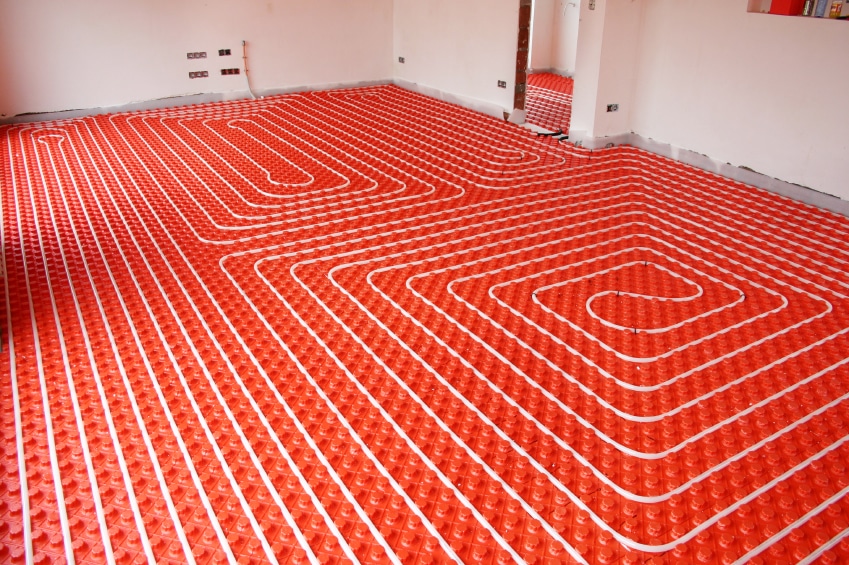
Radiant floor heating is an excellent option for barndominiums, especially those with concrete floors. This system distributes heat evenly across the floor surface, rising naturally and warming the entire space efficiently. While the initial installation can be costly, the long-term savings in energy costs make it a worthwhile investment.

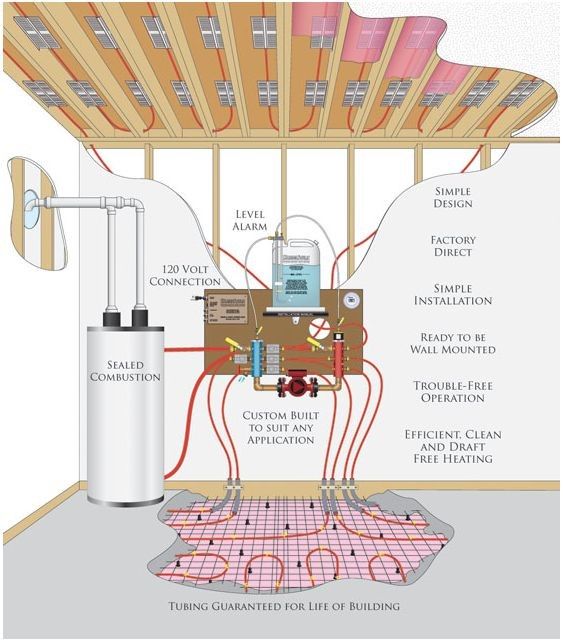
Heating a barndominium with radiant floor heating is an excellent choice for providing consistent, efficient warmth throughout the space. This method of heating works exceptionally well in barndominiums due to their open floor plans and, often, concrete slab foundations which conduct the heat evenly. Here’s how radiant floor heating works in a barndominium and the benefits it offers:

How Radiant Floor Heating Works

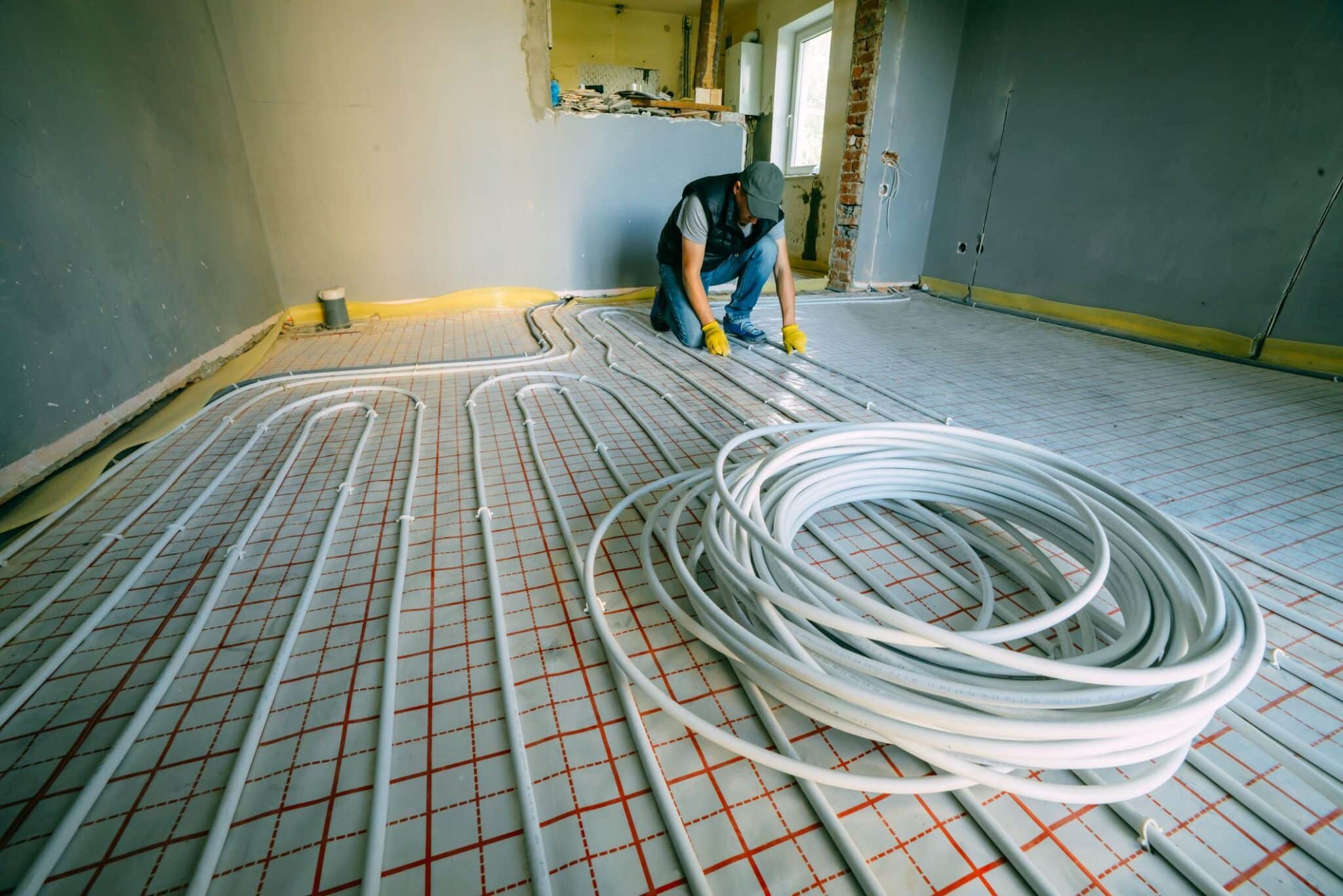
Radiant floor heating systems can be either electric or hydronic (water-based). Both types are installed beneath the floor surface and generate heat that radiates upward into the room.

– **Electric systems** use electric coils placed under the floor coverings.
– **Hydronic systems** circulate heated water through tubing laid under the floor.

The warmth from the floor radiates throughout the space, heating objects and people directly without relying on forced air or traditional heating methods.

Effectiveness in a Barndominium

**1. Uniform Heating:** One of the significant advantages of radiant floor heating is the even distribution of heat. Unlike traditional heating systems that can leave cold spots, radiant heat rises evenly from the floor, making it extremely effective at heating large, open spaces typical of barndominiums.

**2. Energy Efficiency:** Radiant floor heating can be more energy-efficient than other heating methods. Because it heats objects and not the air, there is less heat loss through air movement, which often happens with forced-air systems. This efficiency can translate into lower heating bills.

**3. Works Well with Concrete Slabs:** Many barndominiums are built on concrete slabs, which are excellent conductors of heat. Radiant heating systems integrate seamlessly with concrete, allowing for optimal heat transfer and retention, which is ideal in colder climates.

**4. Comfort and Health Benefits:** Radiant heat reduces the movement of air and allergens, which can be beneficial for those with allergies. It also doesn’t dry out the air as much as forced-air heating, maintaining a more comfortable humidity level indoors.

**5. Aesthetic and Space Saving:** Since the heating system is under the floor, there are no visible components like radiators or air ducts. This saves space and allows greater freedom in interior design and furniture placement.

Installation Considerations

– **Initial Cost:** The upfront cost of installing radiant floor heating can be higher than other systems, particularly for hydronic systems due to the complexity of installation.
– **Flooring Materials:** Not all flooring materials are suitable for radiant heating. Tile and concrete are the best conductors of heat, while some types of wood and carpeting can insulate against heat and may require specific installation strategies to work effectively.
– **Installation Timing:** It’s most cost-effective to install radiant floor heating during the construction phase of a barndominium to avoid the significant costs and inconvenience associated with retrofitting.

Radiant floor heating is an effective and efficient method for heating a barndominium, providing uniform, comfortable warmth throughout the building. While the initial installation costs can be high, the long-term savings and comfort benefits make it a worthwhile investment, particularly in new construction where the system can be integrated into the design from the start.

3. Wood Stoves

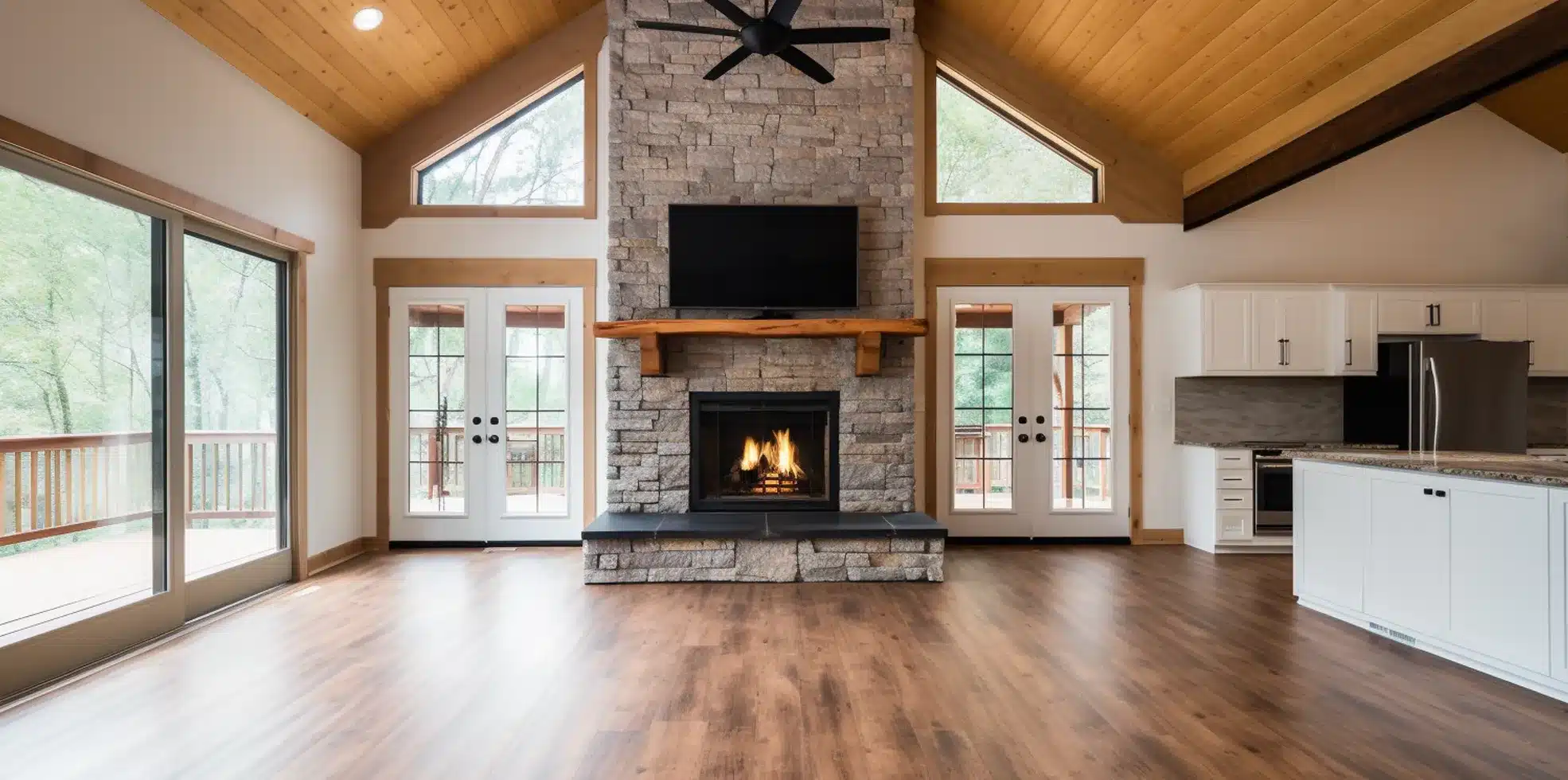
A wood stove provides a cost-effective and cozy heating solution for a barndominium, particularly in rural areas where wood is plentiful and cheap. Modern wood stoves are highly efficient and can heat large open spaces effectively, adding a rustic charm to the interior.

4. Pellet Stoves

Similar to wood stoves but using pellet fuel, these stoves are efficient and easy to operate. Pellets are made from compressed biomass, making them a more sustainable option than traditional firewood.

Heating a barndominium with a pellet stove offers a blend of efficiency, environmental friendliness, and rustic charm, making it an attractive option for many homeowners. Pellet stoves are similar to wood stoves but use small, compressed pellets made from wood or other biomass materials as fuel. Here’s a detailed look at using pellet stoves to heat a barndominium, covering benefits, installation, and operation.

Benefits of Using Pellet Stoves

**1. Efficiency:** Pellet stoves are highly efficient, with some models achieving efficiencies of over 80%. This means that a large portion of the biomass burned is converted into usable heat, reducing waste and fuel consumption compared to traditional wood stoves.

**2. Convenience:** Unlike wood stoves, which require frequent loading and tending, pellet stoves can operate automatically. They come equipped with a hopper that feeds pellets into the burn chamber at a controlled rate, allowing for consistent heat output and less manual intervention.

**3. Clean Burning:** Pellets burn cleaner than wood logs, producing fewer particulates and emissions. This makes pellet stoves a more environmentally friendly option, helping to maintain better air quality inside and outside your home.

**4. Easy to Store and Handle:** Pellet bags are compact and easy to store, taking up less space than logs. They are also less messy and easier to handle,

5. High-Efficiency Furnaces

For barndominiums in colder climates, a high-efficiency furnace can be a practical choice. Modern furnaces can achieve efficiency ratings of up to 98.5%, meaning they convert almost all the fuel to useful heat. These units are more expensive initially but save significant money in fuel costs over time.

Alternative Heating Options

Solar Heating

Incorporating passive solar design elements or solar thermal systems can significantly reduce heating costs. Strategic placement of windows to capture sunlight and the use of materials that store heat can help warm a barndominium during the day. solar system can get pricy as well

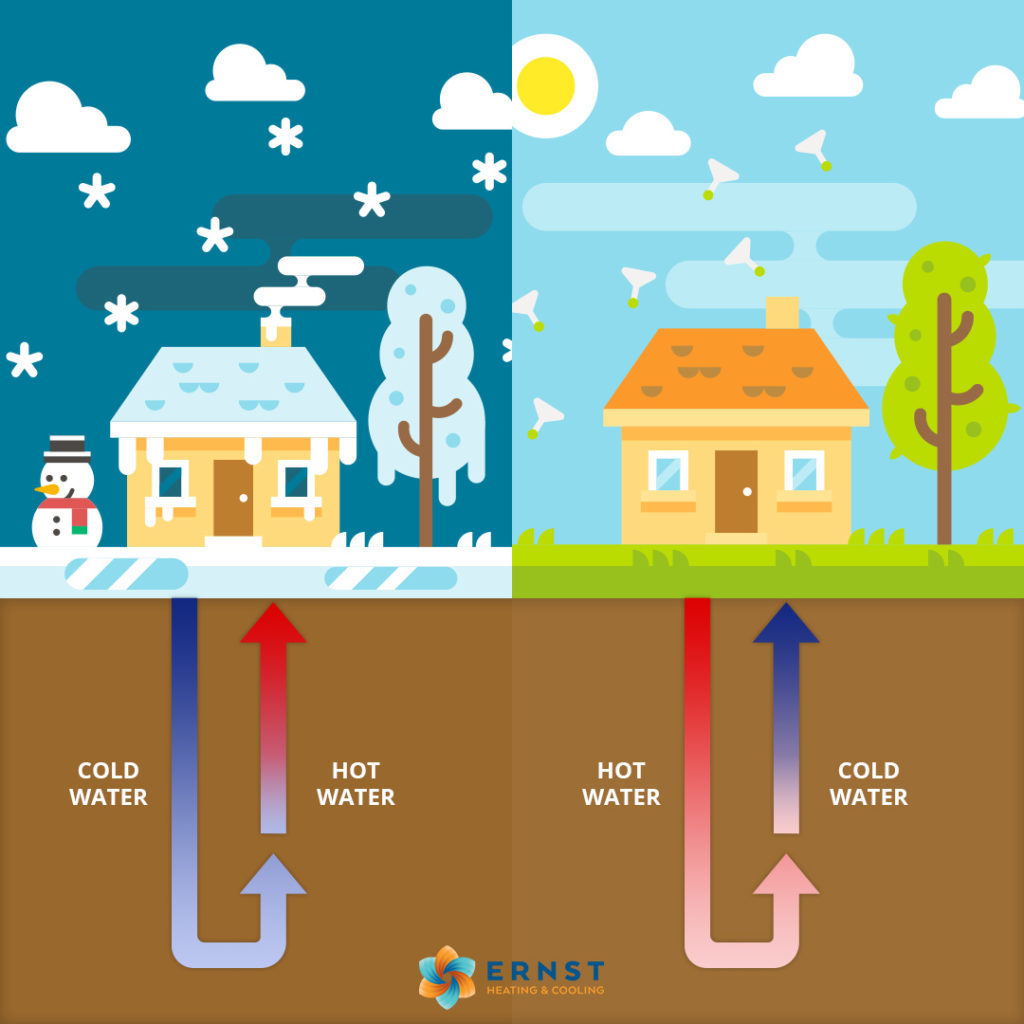
Example of Geothermal By Ernst heating & cooling

Geothermal Heating

Geothermal systems are very expensive upfront but because they use the earth’s constant underground temperature to heat and cool the home it’s among the most effective and efficient for the home and the environment. While the installation cost is high, the operating costs are very low, making it an excellent long-term investment for a barndominium.

Heating a barndominium efficiently depends heavily on the building’s design and the chosen heating method. By investing in proper insulation, considering the structure’s architectural features, and selecting the most appropriate and efficient heating system, homeowners can enjoy a warm and comfortable environment without exorbitant costs. In 2024, energy-efficient technologies like mini-split heat pumps and radiant floor heating are among the most cost-effective solutions for barndominiums, balancing upfront investment with long-term savings.

How to Insulate a Concrete Slab Foundation

white barndominium

Insulating a Concrete Slab Foundation for a Steel Frame Barndominium

Building a barndominium with a steel frame and concrete slab foundation offers numerous benefits, including durability, cost-effectiveness, and resistance to pests and decay. However, to maximize comfort and energy efficiency, proper insulation of the concrete slab is essential. This article provides a detailed guide on how to insulate a concrete slab foundation for a steel frame barndominium, ensuring a well-protected, energy-efficient home.

Understanding the Importance of Slab Insulation

Insulating a concrete slab foundation prevents heat loss in the winter and keeps the interior cool in the summer. It also helps to mitigate issues such as condensation, which can lead to mold and mildew growth. Proper insulation can significantly reduce heating and cooling costs, creating a more comfortable living environment year-round.

Types of Slab Insulation

Several types of insulation can be used for a concrete slab foundation, each with its own benefits and installation methods:

1. Rigid Foam Board Insulation

Rigid foam board is one of the most commonly used insulation materials for slab foundations. It is available in various thicknesses and R-values (a measure of thermal resistance). Common materials include expanded polystyrene (EPS), extruded polystyrene (XPS), and polyisocyanurate (polyiso).

Benefits:

– High R-value
– Moisture resistant
– Easy to cut and fit around irregular shapes

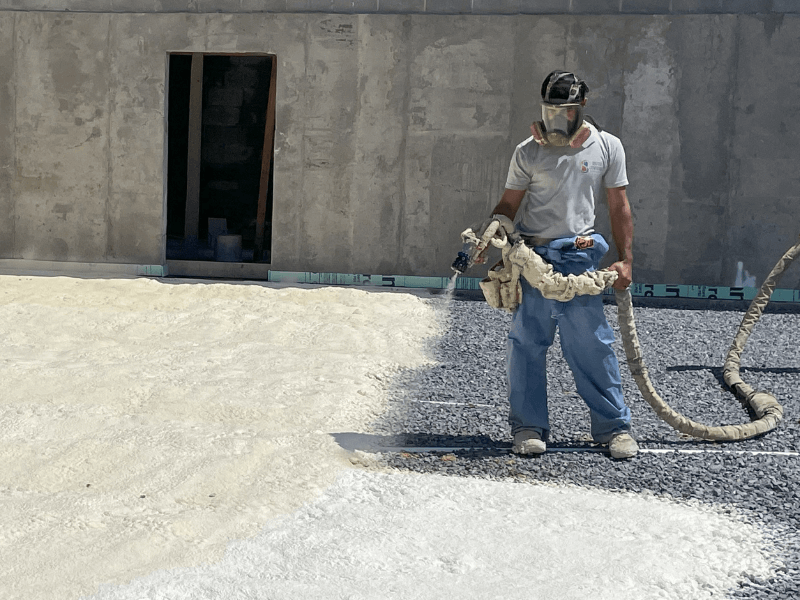
2. Spray Foam Insulation

Spray foam insulation can be applied directly to the underside of the slab or onto the soil before the slab is poured. It offers excellent air sealing properties and higher R-values than traditional batt insulation.

Benefits:

– Forms a continuous barrier against air and moisture
– Fills gaps and voids effectively
– Provides both insulation and vapor barrier in one solution

Steps to Insulate a Concrete Slab Foundation

Step 1: Preparing the Site

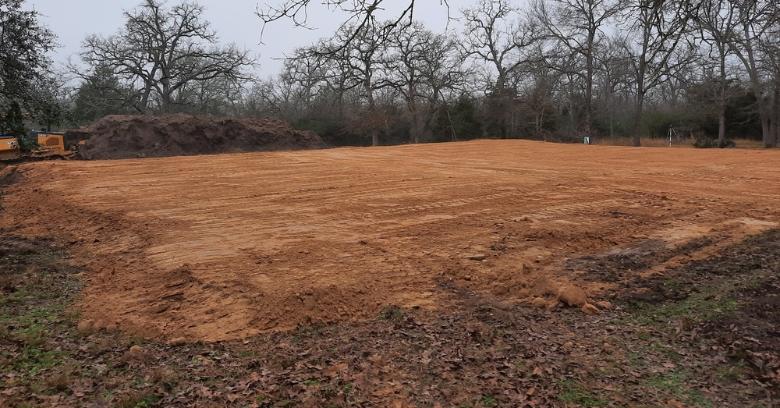
Before any insulation is installed, ensure the site is properly prepared. This includes leveling the ground and providing adequate drainage to prevent water accumulation under the slab.

Step 2: Installing a Vapor Barrier

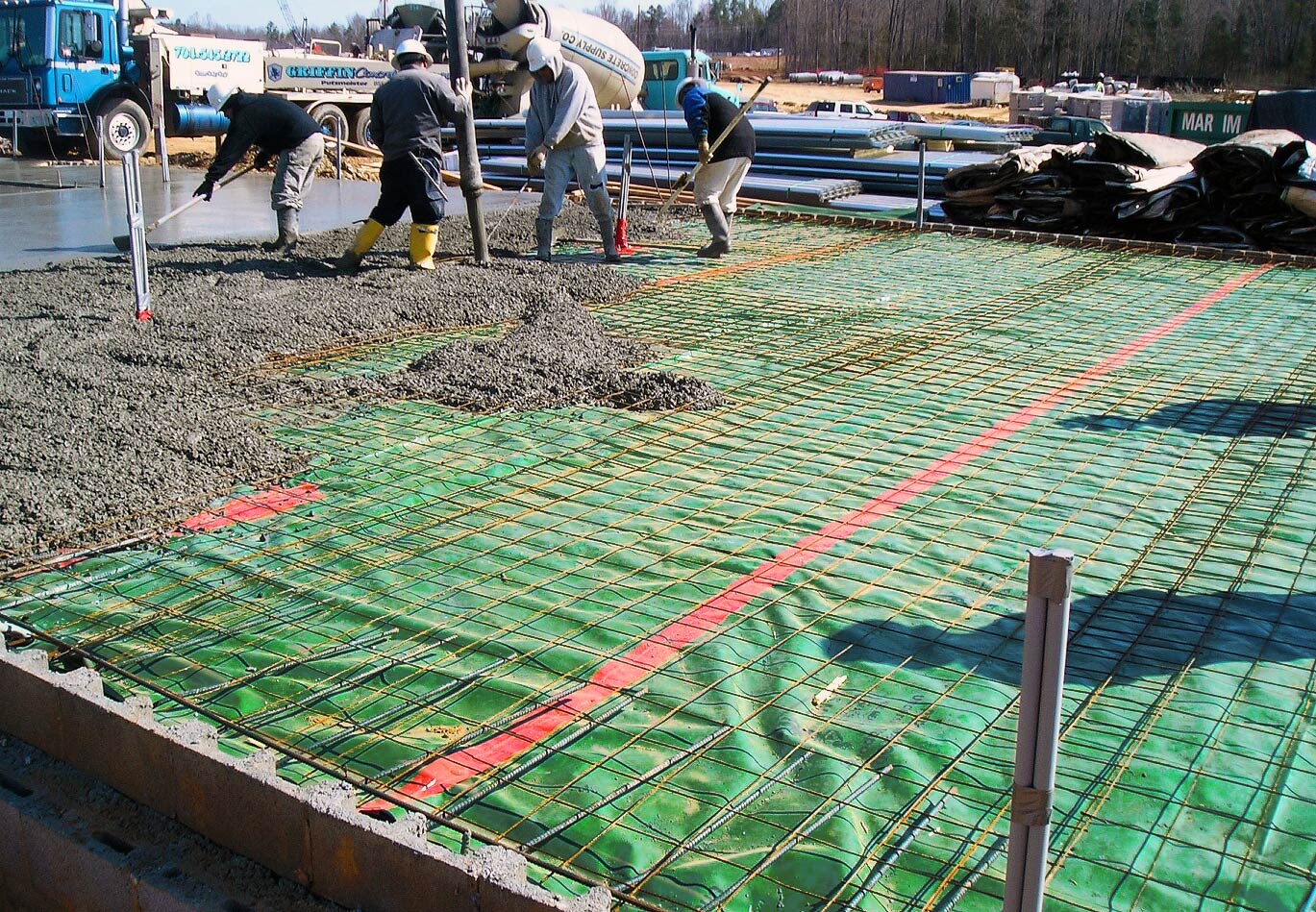
Lay a vapor barrier (typically 6-mil polyethylene sheeting) to prevent ground moisture from penetrating the slab. Ensure all seams are overlapped and sealed with tape.

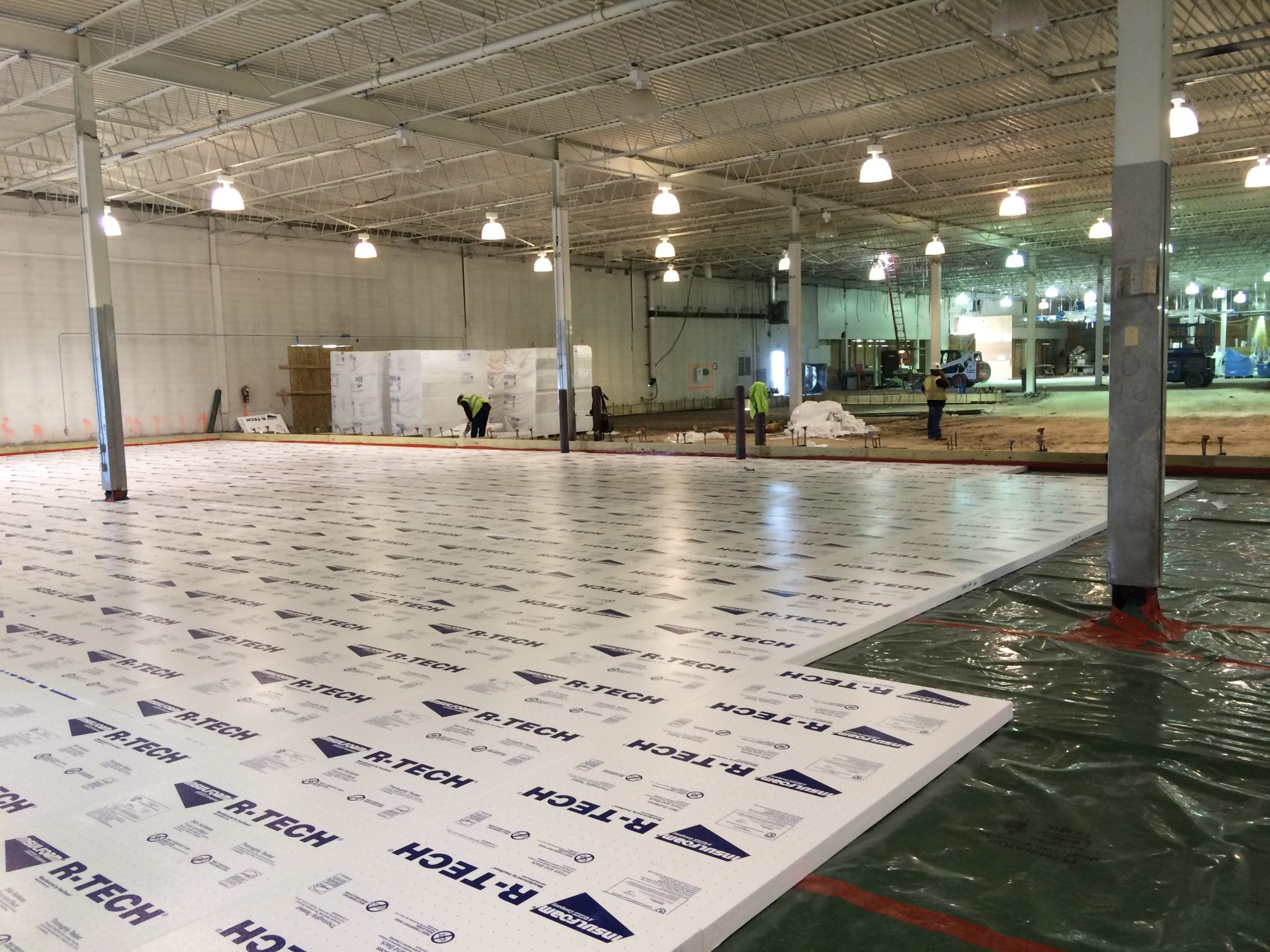
Step 3: Insulating with Rigid Foam Boards

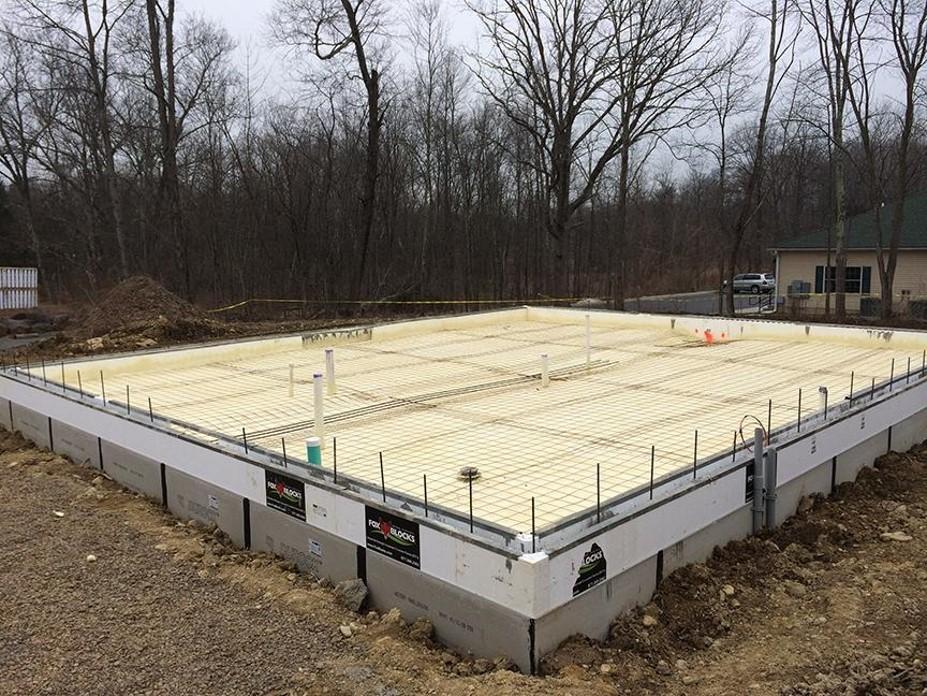
– **Perimeter Insulation:** Install rigid foam board insulation around the perimeter of the slab foundation. This area is most susceptible to heat loss. The insulation should extend at least two feet down from the top of the slab.
– **Under Slab Insulation:** For additional thermal protection, place rigid foam boards directly on top of the vapor barrier, covering the entire area where the slab will be poured. This is especially effective in colder climates.

Step 4: Installing Reinforcement

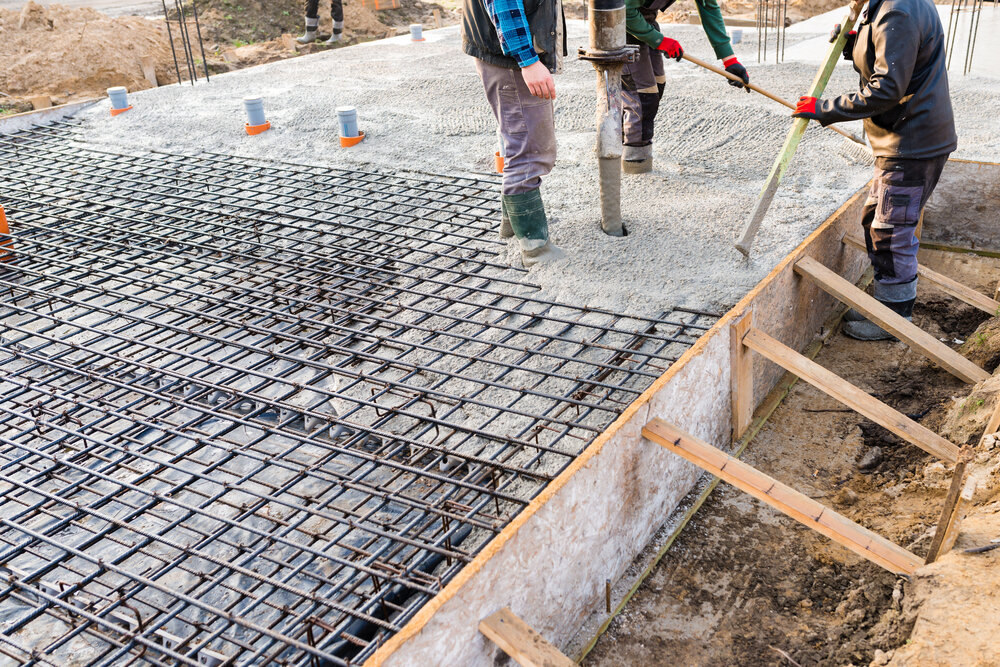
After the insulation is in place, install any necessary reinforcements such as rebar or wire mesh. Ensure these elements do not disturb the insulation setup.

Step 5: Pouring the Concrete

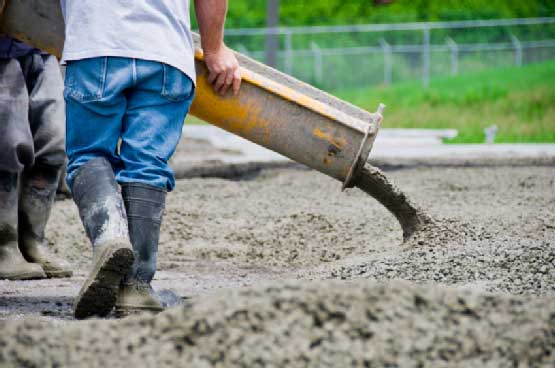
Carefully pour the concrete over the prepared foundation. Ensure that the insulation is not shifted during this process. Use techniques that avoid direct impact on the insulation, such as pumping the concrete into place.

Step 6: Finishing Touches

Once the concrete has cured, you can add additional perimeter insulation above the slab and cover it with soil or a decorative facing material.

Considerations for Enhanced Efficiency

– **Choose the Right Insulation:** Select insulation with the appropriate R-value for your climate zone. Higher R-values provide better thermal resistance.
– **Seal All Gaps:** Ensure that all joints and edges are sealed properly to prevent air leaks.
– **Consider Radiant Heating:** If installing radiant heating systems, ensure they are placed close to the surface of the concrete for maximum efficiency.

Insulating a concrete slab foundation for a steel frame barndominium is a critical step in constructing a durable, energy-efficient home. By following these detailed steps and choosing the right materials, homeowners can enjoy reduced energy costs and a comfortable living environment, making their barndominium a cozy and sustainable home for years to come.

Why do they Put Plastic Sheathing under slab foundations?

grey barndominium with dark grey roof and wraparound porch

The Role of Plastic Sheathing Under Concrete Slabs

In the world of construction, the integrity of a barndominium foundation is paramount. One common practice to ensure this integrity is the placement of plastic sheathing, or a vapor barrier, under concrete slabs. This layer of protection plays a crucial role in preserving the quality and durability of the foundation and, by extension, the entire structure. Here’s an in-depth look at why builders insist on this practice and how it benefits the barndominium over its lifespan.

Purpose of Plastic Sheathing Under Concrete Slabs

Moisture Control

The primary purpose of plastic sheathing under concrete slabs is to prevent moisture from the ground from penetrating the concrete. Soil naturally contains moisture, which can vary depending on weather conditions, soil composition, and groundwater levels. Concrete, being porous, can absorb this moisture if there isn’t a barrier in place. Over time, this moisture migration can lead to several problems, such as:

– **Structural Damage:** Moisture in the concrete can lead to expansion and contraction, which may cause cracking, heaving, or sinking.
– **Flooring Damage:** For buildings with sensitive flooring materials like hardwood or laminate, moisture rising from below can warp or buckle these surfaces.
– **Corrosion of Internal Reinforcements:** Steel reinforcement within concrete can rust when exposed to moisture, weakening the slab’s structural integrity.
– **Mold and Mildew Growth:** Excessive moisture is a breeding ground for mold and mildew, which can compromise indoor air quality and pose health risks.

Energy Efficiency

Another significant benefit of using plastic sheathing is improved energy efficiency. A dry foundation contributes to lower humidity levels inside the building, making air conditioning and heating systems operate more efficiently. This is because dry air is easier to cool and heat compared to moist air, leading to energy savings and a more comfortable indoor environment for your new Barndominium.

Pest Deterrence

Moist environments attract pests such as termites and carpenter ants, which can cause damage to wooden structures and other parts of the building. By preventing moisture from seeping into the concrete, plastic sheathing helps deter these pests from inhabiting and damaging the property.

Types of Plastic Sheathing

The most common type of plastic sheathing used in construction is polyethylene sheeting. This material is favored for its durability, resistance to punctures, and ability to block moisture effectively. It comes in various thicknesses, typically measured in mils (thousandths of an inch), with thicker options offering more robust barriers and longer lifespans.

When choosing a plastic vapor barrier for a slab foundation, the key is selecting a material that is durable, puncture-resistant, and impermeable to moisture. Here are the most common types of plastic used for this purpose, along with their characteristics:

Polyethylene Sheeting

Polyethylene sheeting is the most commonly used type of plastic for vapor barriers under concrete slabs due to its effectiveness in blocking moisture, affordability, and availability. Here are some specifics:

– **Thickness:** Polyethylene sheeting comes in various thicknesses, typically measured in mils (thousandths of an inch). For residential applications, a thickness of 6 mils is commonly used, but in areas with higher moisture levels or for commercial projects, thicker sheeting, such as 10 mils or 15 mils, might be preferred to ensure better durability and moisture resistance.
– **Durability:** Higher thickness generally correlates with greater resistance to punctures and tears during installation and over the lifespan of the building.
– **Color:** While often found in clear or black, choosing a black polyethylene sheet can help reduce light penetration, which may discourage the growth of mold or mildew under the slab.

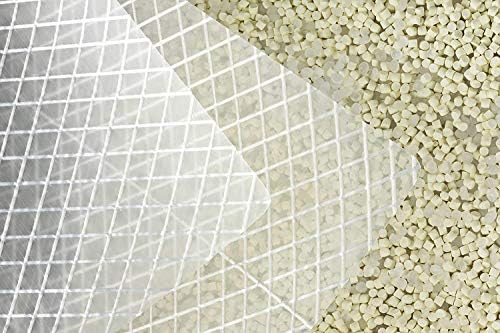
Cross-laminated polyethylene

This type of sheeting is a more robust version of standard polyethylene. It involves multiple layers of polyethylene laminated together in a cross-grain pattern, enhancing its strength and resistance to tears and punctures. Cross-laminated polyethylene is particularly suitable for commercial projects or environments where soil conditions are aggressive.

Reinforced Polyethylene

Reinforced polyethylene includes a layer of reinforcing scrim between layers of standard polyethylene, which significantly increases its tear resistance and strength. This type is ideal for use in rough terrain or where the sheeting might be subjected to heavy stress during construction.

Vapor Barrier Installation Tips

When installing a vapor barrier under a slab, consider the following best practices to ensure effectiveness:

– **Overlap Seams:** Ensure that the seams between sheets of plastic overlap by at least 6 to 12 inches. Use a strong, waterproof tape to seal these seams securely.
– **Extend to Edges:** The vapor barrier should extend to the full width of the slab area and slightly up the sides of the foundation forms if possible.
– **Avoid Punctures:** Take care during the installation of rebar, wire mesh, and during the pouring of concrete to avoid puncturing the vapor barrier. Walk on boards rather than directly on the plastic when possible.
– **Repair Any Tears:** If the sheeting gets torn or punctured, repair it with the same waterproof tape used for the seams.

By choosing the appropriate type of plastic and following these installation guidelines, you can effectively protect your slab foundation from moisture ingress, thereby enhancing the durability and integrity of the entire structure.

Installation Considerations

Proper installation of plastic sheathing is crucial for its effectiveness. The sheeting should cover the entire area under the slab and extend through the edges. Seams between sheets should be overlapped by at least 6 inches and sealed with tape designed for this purpose to prevent any gaps where moisture could enter.

Builders also need to ensure that the sheathing is not damaged during the concrete pour or by workers walking on it. Any punctures or tears can compromise its ability to block moisture and should be repaired before pouring the concrete.

The use of plastic sheathing under concrete slabs is a fundamental building practice designed to protect the foundation from moisture-related damage. Its benefits extend beyond simple moisture control, enhancing the barndominiums overall energy efficiency, structural integrity, and resistance to pests. By understanding and implementing proper installation techniques, builders ensure that their constructions stand the test of time, maintaining their stability, safety, and comfort for all occupants.

How much gravel is required under my slab foundation?

white barndominium

How Much Gravel Is Required Under a Slab Foundation?

If you are preparing for a new home, shop, garage, or barndominium build, one of the most important early questions is this: how much gravel is required under a slab foundation? Getting the gravel base right is a big deal. Too little gravel can lead to drainage problems, settling, and slab movement. Too much can increase costs unnecessarily.

For most slab foundations, a 4-inch to 6-inch compacted gravel base is a common starting point, but the right depth depends on your soil conditions, drainage, local code requirements, and the type of structure you are building. If you are building a barndominium, a well-prepared gravel base is especially important because the slab often serves as the main foundation system for the home.

In this guide, we will break down:

  • Why gravel is used under a concrete slab
  • How much gravel you need under a slab foundation
  • How to calculate gravel in cubic yards
  • What type of gravel is commonly used
  • Site factors that can change the amount required

If you are planning a BuildMax home, shop house, garage, or barndominium, this article will help you better understand the slab prep process before concrete is ever poured.

Why Put Gravel Under a Slab Foundation?

A gravel base does much more than simply fill space under a slab. It plays a major role in the long-term performance of the foundation.

1. Creates a Stable Base

Compacted gravel helps create a more uniform base beneath the concrete. That stable support can reduce the chance of shifting, uneven settling, and slab cracking over time.

2. Improves Drainage

One of the biggest reasons to use gravel under a slab foundation is drainage. Gravel helps water move away from the underside of the slab instead of collecting beneath it. That can help reduce moisture-related problems and improve the durability of the foundation.

3. Helps With Soil Movement

In areas with expansive clay, poor drainage, or freeze-thaw cycles, the gravel layer can help reduce some of the stress caused by changing soil conditions. While it is not a cure-all, proper site prep is an important part of a durable slab system.

4. Supports Better Construction Practices

A properly prepared gravel base also works well with other slab components, including compaction, reinforcement, plumbing rough-ins, and vapor barriers under the slab.

How Many Inches of Gravel Do You Need Under a Concrete Slab?

In many cases, builders use 4 to 6 inches of compacted gravel under a slab foundation. That is a common range for residential slab construction, including many barndominiums, garages, and shops. However, site conditions matter.

You may need more gravel if:

  • The soil has poor drainage
  • The building site has soft or unstable soil
  • The lot has significant grade changes
  • Your local building department or engineer requires a thicker base
  • You are dealing with heavy clay soil or moisture-prone ground

You may use less only if your plans, engineer, or local code specifically allow it. In most cases, it is smart to follow your engineered plans and ask your concrete contractor or local building department what is standard in your area.

How to Calculate Gravel for a Slab Foundation

To estimate how much gravel is required under your slab, you need three numbers:

  1. The slab length
  2. The slab width
  3. The gravel depth in feet

Use this formula:

Length × Width × Depth = Cubic Feet of Gravel

Then convert cubic feet to cubic yards:

Cubic Feet ÷ 27 = Cubic Yards

Example: How Much Gravel for a 40×60 Slab?

Let’s say you are building a 40×60 barndominium or shop and want a 6-inch gravel base.

Step 1: Calculate the square footage

40 × 60 = 2,400 square feet

Step 2: Convert 6 inches to feet

6 inches ÷ 12 = 0.5 feet

Step 3: Calculate the volume in cubic feet

2,400 × 0.5 = 1,200 cubic feet

Step 4: Convert cubic feet to cubic yards

1,200 ÷ 27 = 44.44 cubic yards

Answer: You would need about 44.5 cubic yards of gravel for a 40×60 slab with a 6-inch gravel base.

Quick Gravel Estimate Chart for Common Slab Sizes

The estimates below assume a 6-inch gravel base.

Slab Size Square Feet Cubic Feet of Gravel Cubic Yards of Gravel
30×40 1,200 600 22.22
30×50 1,500 750 27.78
40×60 2,400 1,200 44.44
50×80 4,000 2,000 74.07
60×80 4,800 2,400 88.89

These numbers are estimates only. Real-world site prep often requires a little more material than the math suggests.

Should You Order Extra Gravel?

Yes, in most cases it is wise to order extra gravel. Even if your math is correct, field conditions are rarely perfect. The ground may not be perfectly level, compaction can reduce loose volume, and some areas may need more fill than expected.

A common rule of thumb is to order a little extra to account for:

  • Uneven subgrade
  • Compaction loss
  • Material spread outside exact boundaries
  • Minor grade corrections during prep

Many builders would rather have a little gravel left over than come up short on pour day.

What Type of Gravel Goes Under a Slab Foundation?

Not all gravel is the same. In many slab applications, contractors use a compactable crushed stone or gravel base that can create a firm, well-draining layer. The exact material may vary by region and contractor preference.

Common choices often include:

  • Crushed stone
  • Road base
  • Dense grade aggregate
  • Washed gravel in some situations

The best material for your slab depends on your local soil, moisture conditions, and how your contractor prefers to build. Ask what material is standard in your area and whether it compacts well while still allowing drainage.

Does Soil Type Affect How Much Gravel You Need?

Absolutely. Soil conditions can change the amount of gravel required under a slab foundation. A flat, well-drained site with stable soil may need less corrective prep than a site with poor drainage, soft spots, or expansive clay.

Problem soils can increase gravel needs because the site may require:

  • Additional excavation
  • Deeper base material
  • Extra compaction work
  • Improved drainage planning

This is one reason site work costs can vary from one property to the next, even when the building plans are exactly the same.

Do You Need a Vapor Barrier Under the Slab Too?

In many slab foundation builds, a vapor barrier is installed along with the gravel base. The gravel helps with drainage and base preparation, while the vapor barrier helps reduce moisture migration through the slab.

If you are building a conditioned living space like a barndominium home, vapor control becomes even more important. A proper slab assembly usually involves more than just gravel alone. It may also include compaction, plastic sheeting or vapor barrier material, reinforcement, thickened edges, and other engineered details.

You can also read our related article on why plastic sheathing is used under slab foundations.

Why Proper Compaction Matters

The amount of gravel you order is only part of the story. The gravel base must also be properly compacted. Loose gravel that is not compacted correctly can settle over time, which may affect the slab above.

Proper compaction helps:

  • Create a more consistent base
  • Reduce future settlement
  • Improve load support
  • Prepare the site for a more durable slab

This is why experienced slab crews spend so much time on site prep. A slab foundation is only as good as what is underneath it.

Barndominium Slab Foundations: Why the Base Matters So Much

For many barndominium builds, the slab is not just a floor. It is the foundation system that supports the entire structure. That means slab prep is one of the most important phases of the entire project.

If you are building a barndominium, your gravel base should be considered part of a larger system that includes:

  • Site grading
  • Drainage planning
  • Compaction
  • Vapor barrier installation
  • Concrete thickness and reinforcement
  • Engineered slab and footing design

Skipping corners at the base can create expensive problems later. A little more attention during slab prep can save a lot of frustration down the road.

Final Answer: How Much Gravel Is Required Under a Slab Foundation?

For many slab foundations, 4 to 6 inches of compacted gravel is a common starting range. To calculate the amount needed, multiply the slab area by the gravel depth in feet, then divide by 27 to convert to cubic yards.

For example, a 40×60 slab with a 6-inch gravel base needs about 44.44 cubic yards of gravel before allowing for overage, compaction, or uneven site conditions.

The exact amount for your project can vary depending on:

  • Soil type
  • Drainage conditions
  • Local code requirements
  • Building design
  • Engineer specifications

When in doubt, always verify the slab details with your builder, concrete contractor, or engineer before ordering materials.

Need Help Planning Your Build?

If you are in the early stages of designing a home, shop house, garage, or barndominium, BuildMax can help you move from concept to construction with professionally designed plans and steel building solutions.

Browse our barndominium floor plans, explore our steel kits, or contact BuildMax to discuss your next project.
Frequently Asked Questions

Is 4 inches of gravel enough under a slab?

In some residential slab applications, 4 inches of compacted gravel may be sufficient, but local code, soil conditions, and engineered plans should always guide the final depth.

How much gravel do I need for a 30×40 slab?

With a 6-inch gravel base, a 30×40 slab typically needs about 22.22 cubic yards of gravel.

What happens if you do not put gravel under a concrete slab?

Without a proper base, the slab may be more vulnerable to drainage issues, settlement, and cracking. A well-prepared base helps support the long-term performance of the foundation.

Do barndominiums need gravel under the slab?

In many cases, yes. A compacted gravel base is a common part of slab preparation for barndominiums, especially when paired with proper grading, drainage, and vapor barrier installation.

Should gravel be compacted before pouring concrete?

Yes. Gravel should typically be properly spread and compacted before the slab is poured so the foundation has a stable, uniform base.

Why Barndominiums struggle in the state of California

BM3151-G-B BARNDOMINIUM PLAN

Why Barndominiums Can Be Challenging to Build in California

Barndominiums have gained popularity across many parts of the U.S., but California presents a unique set of challenges that can make these projects more complex.

So why do barndominiums sometimes struggle in California?

The answer comes down to regulations, costs, local requirements, and project coordination—not the concept itself.


1. Strict Building Codes and Regulations

California has some of the most detailed building codes in the country, especially when it comes to:

  • seismic (earthquake) requirements

  • energy efficiency standards (Title 24)

  • fire safety regulations

  • structural engineering requirements

Barndominiums—particularly steel-framed or hybrid designs—must be engineered to meet these standards, which can add:

  • design complexity

  • additional approvals

  • higher upfront costs


2. Zoning and Land Use Restrictions

Zoning laws in California can vary significantly by county and city.

In some areas, restrictions may impact:

  • mixed-use structures (living + shop/garage)

  • agricultural-style buildings used as residences

  • minimum square footage or design requirements

  • HOA or community guidelines

This can limit where barndominiums are allowed or require design adjustments to meet local rules.


3. Higher Construction Costs

California is known for higher construction costs compared to many other states.

Factors include:

  • labor costs

  • permitting fees

  • inspection requirements

  • material pricing

  • environmental compliance

Even if a barndominium is designed efficiently, the overall project cost may still be higher due to these external factors.


4. Permitting and Approval Timelines

Permitting in California can take longer than in many other regions.

Projects may require:

  • multiple plan reviews

  • environmental assessments

  • engineering verification

  • inspections at various stages

Delays in approvals can extend timelines and impact scheduling.


5. Energy Efficiency Requirements

California’s energy standards (Title 24) are among the strictest in the U.S.

Barndominiums must meet requirements related to:

  • insulation performance

  • HVAC efficiency

  • window and door specifications

  • overall energy usage

This can require:

  • upgraded materials

  • specialized system design

  • additional documentation


6. Wildfire and Environmental Considerations

In many parts of California, especially rural or semi-rural areas, wildfire risk is a major factor.

Requirements may include:

  • fire-resistant materials

  • defensible space around the structure

  • specific roofing and siding standards

Environmental considerations can also affect:

  • site development

  • grading and drainage

  • protected land or species


7. Contractor Availability and Experience

While barndominiums are growing in popularity, not all contractors in California specialize in:

  • steel framing systems

  • barndominium-style builds

  • large open-span designs

Finding experienced professionals can be more challenging in certain areas, which may affect:

  • pricing

  • timelines

  • overall project coordination


8. Misalignment With Local Housing Trends

In some California markets—especially urban and suburban areas—traditional home styles dominate.

Barndominiums may face challenges with:

  • neighborhood compatibility

  • appraisal comparisons

  • resale expectations

This doesn’t mean they can’t be built—but it can influence planning decisions.


Important: Builder and Project Responsibility

It’s important to understand that BuildMax is not a builder or general contractor.
BuildMax provides:
  • floor plans

  • design services

  • material packages

BuildMax does not:

  • manage permitting

  • supervise construction

  • control contractor performance

For projects in California, it’s especially important to:

  • work with a vetted general contractor familiar with local codes

  • consult with engineers and designers early

  • and ensure compliance with all state and local requirements

You may also consider requesting a quote from a third-party manufacturer’s steel installation crew, if available.

All contractors are independent third parties, and the homeowner is responsible for managing the project.


Final Thoughts

Barndominiums don’t “fail” in California—they just require more planning and coordination than in many other states.

The main challenges come from:

  • strict regulations

  • higher costs

  • zoning limitations

  • and permitting complexity

With the right approach, experienced professionals, and realistic expectations, barndominiums can still be successfully built in California.

The key is understanding that:

the location—not the home style—is what drives the difficulty.

Are Barndominiums Worth the Money?

Are Barndominiums Worth the Money?

In recent years, barndominiums have emerged as a trendy housing option, especially appealing to those looking for an alternative to traditional residential construction. With their unique blend of rustic charm and modern amenities, barndominiums offer a distinctive living space. But the big question remains: Are barndominiums worth the investment? Let’s delve into the costs, benefits, and factors to consider when evaluating the value of a barndominium.

What is a Barndominium?

Originally, barndominiums were functional buildings with a dual purpose—part barn and part condominium. Today, they have evolved into custom-built homes that can range from basic, warehouse-style designs to luxurious dwellings that feature high-end finishes and contemporary layouts. Typically constructed with steel frames, they are praised for their durability and ease of maintenance.

Cost-Effectiveness

Initial Construction Costs

One of the primary appeals of barndominiums is their cost-effectiveness. Generally, the cost per square foot to build a barndominium is lower than that of a traditional home, primarily due to the simplicity of their construction and the use of materials like steel and metal. These materials are not only cheaper but are also easier to assemble, which can significantly reduce labor costs.

Long-term Savings

Barndominiums are also cost-effective in the long run. Their metal construction provides excellent insulation properties, which can lead to lower heating and cooling costs. The durability of materials used means less spending on maintenance and repairs. Steel, a common material for barndominiums, is resistant to many common hazards such as termites, mold, and fire, further reducing potential costs and insurance premiums.

Flexibility and Customization

Barndominiums are highly customizable. They can be designed from scratch to meet specific needs and tastes, accommodating everything from open floor plans to high ceilings and large windows. This flexibility allows homeowners to create a space that truly reflects their lifestyle without the constraints often associated with traditional homes.

Speed of Construction

Another significant advantage of barndominiums is the speed of construction. A barndominium can be erected much quicker than traditional brick-and-mortar homes. This is largely due to the pre-fabricated nature of many of the components used in their construction. For those who wish to move into their new home quickly, or who want to see their dream home realized sooner rather than later, barndominiums offer an attractive solution.

Resale Value and Market Perception

While barndominiums can be an excellent investment, their resale value is influenced heavily by market perception, which can vary significantly by region. In areas where barndominiums are popular, they may retain value and even appreciate similarly to traditional homes. However, in regions where this style of home is less known or sought after, it might be more challenging to sell a barndominium for a profit.

Lifestyle Considerations

Barndominiums are increasingly recognized as a worthwhile investment, offering remarkable value for every penny spent. The cost-efficiency of these structures stems from their use of materials like steel and metal, which are not only affordable but also accelerate the construction process, reducing labor costs significantly. Additionally, the durability and low maintenance requirements of barndominiums contribute to long-term savings,

protecting against common issues such as pests, mold, and fire, which often plague traditional wooden structures. Moreover, the sheer flexibility in design allows owners to tailor their space to precise needs and preferences, supporting everything from expansive workshops to luxurious living spaces. This combination of practical benefits, along with the potential for reduced energy costs due to excellent insulation properties, ensures that barndominiums are not just a home, but a smart financial decision that aligns with a modern, efficient lifestyle.

Barndominiums often appeal to those who value large, adaptable spaces. They are particularly popular among people who enjoy blending indoor and outdoor living or require large workshop or garage spaces integrated with their living areas. For such lifestyles, a barndominium is not just a home but a part of the owner’s identity and daily joy.

So, are barndominiums worth the money? For many, the answer is a resounding yes. They offer a unique blend of affordability, durability, and flexibility that can be hard to match in traditional residential construction. However, like any home purchase or build, it’s essential to consider personal needs, local market conditions, and long-term goals. For those who value customization and efficiency, and whose lifestyle aligns with the practical benefits of barndominium living, these structures can prove to be a worthwhile investment.

How Do the Amish Build So Quickly?

DREAM BARNDO BM2852

How Do the Amish Build So Quickly?

Amish construction crews are renowned for their efficiency and speed, often completing projects faster than conventional builders. This remarkable speed is the result of a unique combination of community values, work ethic, and construction methodologies that have been refined over generations. In this article, we explore the various factors that contribute to the Amish’s ability to build so quickly.

Community and Teamwork

One of the most significant factors in the speed of Amish construction is the sense of community and teamwork. Most Amish construction crews are composed of members who have known each other for most of their lives, often from the same community or even the same family. This long-standing relationship fosters a deep understanding among team members, allowing for seamless communication and coordination.

1. **Familiarity and Cohesion**

Amish builders often start learning the trade at a young age, working alongside older, experienced craftsmen. This apprenticeship model ensures that skills are passed down and refined across generations. As a result, each member of the team knows their role and the roles of their peers intimately, which minimizes misunderstandings and maximizes efficiency.

2. **Work Ethic**

The Amish are known for their strong work ethic, which is deeply ingrained in their culture. Their religious beliefs promote hard work, humility, and the importance of contributing to the community, which translates into highly motivated work crews that focus on productivity and quality rather than on individual achievement.

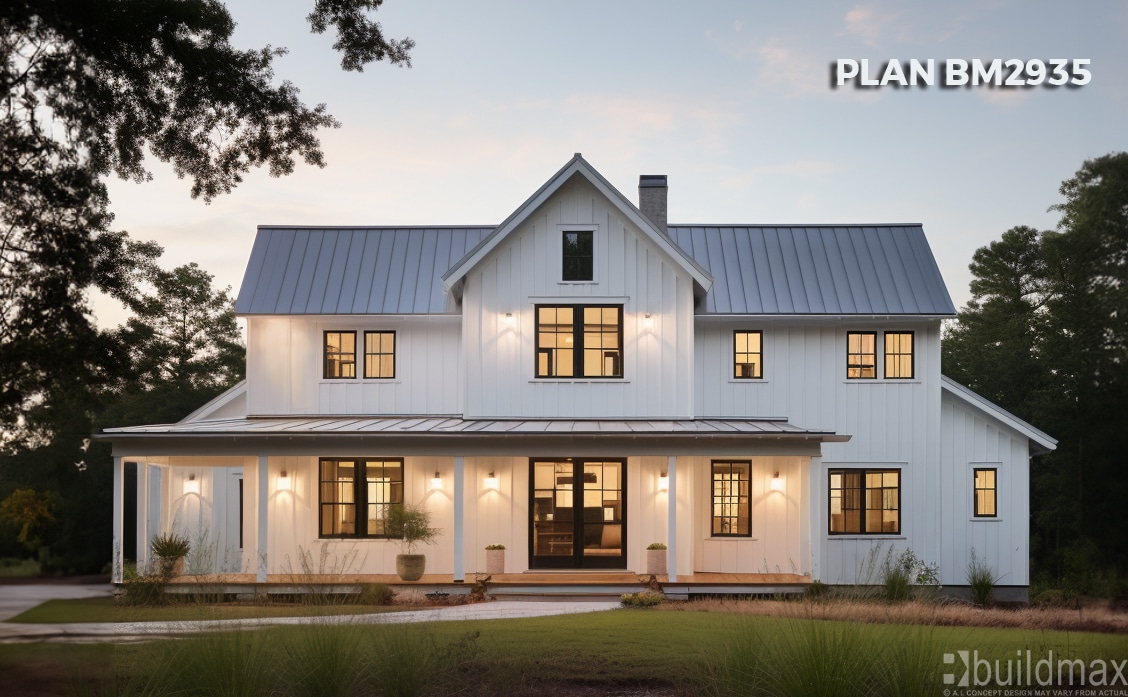
white farmhouse

Systematic Approach to Construction

Amish construction teams employ a systematic approach that optimizes every aspect of the building process. This methodology allows them to accomplish projects with remarkable speed and precision.

1. **Preparation and Planning**

Before the actual construction begins, Amish crews engage in meticulous planning and preparation. This includes pre-cutting and organizing materials, scheduling all necessary resources, and detailing the step-by-step process of the build. Such thorough preparation ensures that no time is wasted once the construction starts.

2. **Division of Labor**

Each crew member has a specific set of tasks based on their skills and experience. This division of labor prevents bottlenecks and ensures that all parts of the project progress simultaneously. For example, while one team lays the foundation, another might work on framing, and yet another could be preparing the roofing components.

3. **Using Time-Tested Techniques**

Amish builders often rely on traditional construction methods that have been proven effective over time. While they may incorporate modern tools and materials when permissible, the reliance on well-honed techniques ensures quality and speed.

4. **Limited Distractions**

Amish workers are not encumbered by many of the distractions that can impede productivity in modern construction sites, such as frequent smartphone use or long breaks. Their focus is solely on the task at hand.

Community Support

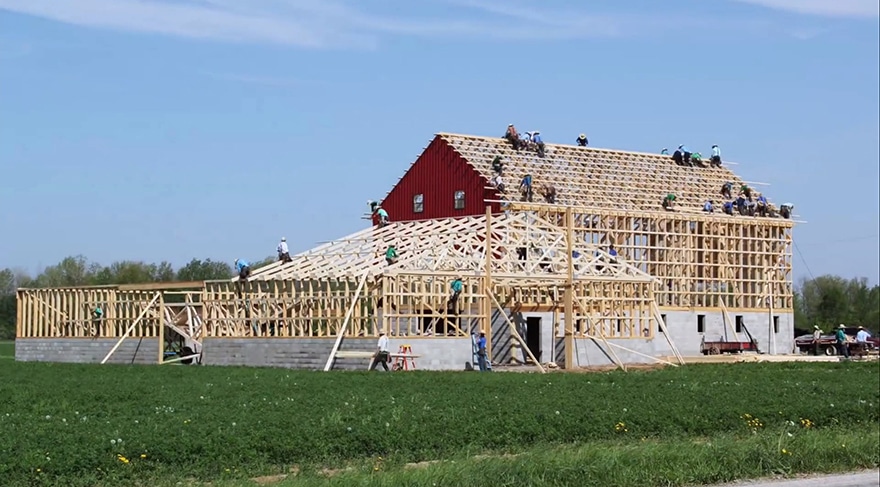
In larger projects, such as barn raisings, the entire Amish community might come together to help. This communal effort is not only a display of impressive teamwork but also a significant reason why large structures can be erected in just one or two days.

1. **Many Hands**

Community events like barn raisings involve dozens of people from the community. With many hands doing work simultaneously, progress is rapid, and tasks like raising large wooden frames, which would typically require cranes and other heavy machinery, are completed using human strength and simple pulleys.

2. **Social and Cultural Significance**

These gatherings are also social and cultural milestones for the Amish, mixing work with social obligations, which further motivates quick and efficient work to accommodate communal gatherings.

black barndominium shophouse with wraparound porch

Amish and Quality Barndominiums

The Amish are Well known for building quality barndominiums, leveraging their renowned craftsmanship and attention to detail to create structures that are both durable and aesthetically pleasing. The combination of traditional construction techniques and a strong work ethic makes Amish-built barndominiums a popular choice for those seeking a reliable and rustic-style home. Here’s an overview of why Amish-built barndominiums are highly regarded for their quality:

1. **Exceptional Craftsmanship**

Amish builders are trained from a young age through an apprenticeship model, which means they learn directly from experienced craftsmen. This training includes a focus on traditional construction methods that have been proven over generations. Amish builders are skilled in working with a variety of materials and are meticulous in their craftsmanship. This expertise results in well-constructed, solid structures known for their longevity.

2. **Attention to Detail**

Amish construction is noted for its incredible attention to detail. This meticulous care ensures that every aspect of the barndominium, from the framing to the finishing touches, is handled with precision. The Amish take pride in their work, and this is reflected in the quality of the buildings they produce.

3. **Use of High-Quality Materials**

Amish builders typically use high-quality materials to ensure the durability and integrity of the structures they build. They often have direct relationships with material suppliers, or they may produce some materials themselves, such as timber from their woodlands. This control over supply helps maintain a standard of quality that might not be as easily monitored in more conventional building projects.

4. **Customization to Client Needs**

Amish-built barndominiums are often fully customizable. The builders work closely with clients to ensure that the final product aligns with their specific needs and preferences, from the overall layout to the types of materials used. This tailored approach not only enhances customer satisfaction but also ensures that the structure is perfectly suited to its intended use.

5. **Sustainable Practices**

Sustainability is a natural part of Amish building practices, which often favor manual tools and local materials that minimize environmental impact. Their methods reduce reliance on electricity and other modern conveniences, which aligns with sustainable building practices that benefit the environment.

6. **Efficiency in Construction**

Despite their traditional methods, Amish builders are known for their efficiency in construction timelines. Their ability to mobilize large teams and coordinate effectively allows them to complete projects quickly without sacrificing quality.

If you’re considering building a barndominium, hiring Amish craftsmen can be a wise decision. The combination of durable construction, exceptional craftsmanship, and sustainable practices results in a quality structure that holds both charm and functionality. While Amish-built barndominiums might come at a premium compared to standard construction, the investment is often justified by the superior quality and longevity of the construction.

The speed at which Amish construction crews build is a reflection of their cultural values, community structure, and practical methodologies. Their ability to work together effectively, plan meticulously, and execute tasks without modern distractions allows them to achieve a level of efficiency that is both admirable and somewhat unique in the modern world. This blend of traditional skills and community effort not only results in rapid construction but also builds structures that are lasting and of high quality.

Realizing the cost of a 40×60 Concrete Slab!

How Much Does a 40×60 Concrete Slab Cost?


If you are asking how much a 40×60 concrete slab costs, the short answer is: most 40×60 slabs will fall somewhere around $8,250 to $16,500, depending on thickness, labor, reinforcement, site prep, and local pricing.

That is the answer most people want immediately, and it is the part too many articles bury under filler.

A 40×60 slab is a serious foundation decision because it supports 2,400 square feet of building footprint. Whether you are planning a barndominium, a garage, a shop house, or a mixed-use building, the slab is one of the first major budget items and one of the easiest to underestimate.

In this guide, we will break down what a 40×60 slab really costs, what pushes the price up or down, how slab thickness changes the budget, and what this means for your full barndominium project.

The Short Answer: 40×60 Concrete Slab Cost

A 40×60 concrete slab usually costs about $8,250 to $16,500 as a realistic starting range.

That does not mean every 40×60 slab should cost exactly that amount. It means that range is a strong budgeting benchmark.

The final number can move depending on:

  • slab thickness
  • reinforcement needs
  • site prep requirements
  • local labor rates
  • soil conditions
  • whether the slab is supporting a home, garage, or heavier-use shop space

How Big Is a 40×60 Slab?

A 40×60 slab equals 2,400 square feet. That makes it a popular size for barndominiums, shophouses, garages, and mixed-use residential builds because it gives you enough footprint for a serious home or home-plus-shop layout.

If you are still trying to picture what that size really means, also read How Big Is a 40×60 Barndominium? and How Much Should You Pay for a Standard 40×60 Shophouse?.

40×60 Concrete Slab Cost Breakdown

The easiest way to understand slab pricing is to break it into the major cost buckets.

1. Concrete material cost

Concrete often runs around $75 to $150 per cubic yard. A 40×60 slab at 4 inches thick needs about 30 cubic yards of concrete, which puts concrete material cost alone around $2,250 to $4,500.

2. Labor and site preparation

Labor for pouring a slab often ranges around $2 to $4 per square foot. For a 2,400-square-foot slab, that puts labor around $4,800 to $9,600. That labor usually includes forming, prep, base work, pouring, and finishing.

3. Reinforcement

Reinforcement with rebar or mesh is one of the major structural cost factors. This can add around $0.50 to $1.00 per square foot, or roughly $1,200 to $2,400 to the total.

4. Total estimated range

When you combine material, labor, and reinforcement, a 40×60 concrete slab often lands in the range of about $8,250 to $16,500.

What Changes the Price of a 40×60 Concrete Slab?

The slab cost changes fast when the project gets more demanding.

Slab thickness

A thicker slab uses more concrete and usually more reinforcement, which pushes the cost up quickly. A 4-inch slab may work for many lighter residential uses, but a garage, workshop, or heavier-use barndominium may need more.

Soil and subgrade conditions

Expansive clay, poor drainage, weak subgrade, or difficult terrain can all increase prep needs and slab design cost.

Weather and climate

Freeze-thaw regions, flood-prone sites, high water tables, and harsh climates can all affect how the slab should be designed and what site prep or drainage details are needed.

Intended building use

A slab supporting standard residential living is one thing. A slab supporting a garage, shop, RV storage, or heavier-use utility space may need a different thickness or reinforcement strategy.

How Thick Should a 40×60 Slab Be for a Barndominium?

This is one of the most important follow-up questions.

For many barndominium builds, slab discussions often fall in the 4-inch to 6-inch range, depending on the size of the home, the intended use of the building, soil conditions, and whether the project includes garage or shop loads.

If you are trying to sort that out, read How Thick Should Your Barndominium Slab Be? before locking in your numbers.

40×60 Slab Cost vs 40×60 Slab Foundation Cost

This is another place where buyers get confused.

The terms “concrete slab” and “slab foundation” are often used interchangeably, but once people start budgeting seriously, they may be thinking about slightly different scopes. If you want to compare the broader foundation conversation, also read How Much Should a 40×60 Slab Foundation Cost?.

What Does a 40×60 Slab Mean for the Full Barndominium Budget?

A slab is only one line item in a full 40×60 build, but it is one of the earliest major costs and one of the clearest signals of whether the total budget is realistic.

If you are building a 40×60 barndominium, the slab should be viewed as part of the bigger picture that includes:

  • site prep
  • foundation or slab
  • shell or framing package
  • roofing and siding
  • mechanicals
  • interior finishes
  • permits and utilities

barndominium project showing why slab cost matters in the full build budget

Should You Use a 40×60 Slab for a Barndominium?

For many buyers, yes. A 40×60 slab is a common and practical foundation size for a barndominium because it supports a footprint large enough for a full-time home, garage, or mixed-use build.

But the smarter question is not just whether a 40×60 slab is common. It is whether the slab is being designed correctly for what you are actually building.

FAQ: 40×60 Concrete Slab Cost

How much does a 40×60 concrete slab cost?

A 40×60 concrete slab typically costs about $8,250 to $16,500 as a realistic starting range.

How many square feet is a 40×60 slab?

A 40×60 slab equals 2,400 square feet.

How much concrete does a 40×60 slab need?

At 4 inches thick, a 40×60 slab needs about 30 cubic yards of concrete.

Does slab thickness change the price?

Yes. A thicker slab uses more concrete and typically requires more reinforcement, which pushes the cost up.

Is a 40×60 slab enough for a barndominium?

For many barndominium projects, yes. But the correct slab design depends on the intended use of the building, soil conditions, and load requirements.

Final Thoughts

A 40×60 concrete slab usually costs around $8,250 to $16,500, but the real number depends on thickness, labor, reinforcement, and site conditions.

If you are building a barndominium, the slab should not be treated like an isolated cost. It is part of the full project math from the start. That is why the smartest move is to budget the slab alongside the full structure, utilities, and finish costs instead of treating it like a small side expense.


Related BuildMax Resources
30×40 Barndominium Plans: Size, Layout Ideas, Cost & Potential

white farmhouse

30×40 Barndominium Plans: Size, Layout Ideas, Cost, and Build Potential

A 30×40 barndominium is one of the most popular small barndominium sizes because it gives homeowners a practical balance of affordability, efficiency, and livable space. At 30 feet wide by 40 feet long, this footprint creates 1,200 square feet under roof, making it a strong option for a starter home, retirement home, guest house, vacation property, cabin, or compact full-time residence.

The appeal of a 30×40 barndominium is simple: it is small enough to help control building costs, but large enough to create a comfortable home when the layout is designed correctly. With smart planning, 1,200 square feet can support open-concept living, 1 to 3 bedrooms, 1 or 2 bathrooms, a kitchen, laundry space, storage, and covered outdoor living.

For homeowners who want a smaller home without feeling cramped, a 30×40 barndominium can be a very smart place to start.

BuildMax helps homeowners find the right barndominium floor plans, compare steel frame barndominium kits, modify existing plans, and design custom barndominiums based on land, budget, lifestyle, and long-term goals.

How Many Square Feet Is a 30×40 Barndominium?

A 30×40 barndominium is calculated by multiplying the width by the length:

30 feet x 40 feet = 1,200 square feet

That gives you 1,200 square feet under roof if the entire footprint is enclosed. This size is often compared to a small house, large apartment, cabin, guest home, or compact ranch-style layout.

A 1,200 sq ft barndominium can be enough space for:

  • A 1-bedroom layout with larger living areas
  • A 2-bedroom, 2-bath layout
  • A compact 3-bedroom design
  • A guest house or in-law home
  • A vacation cabin or weekend retreat
  • A small home with a future garage or shop addition

The key is not just the square footage. The key is how the space is arranged.

Is a 30×40 Barndominium Big Enough to Live In?

Yes, a 30×40 barndominium can be big enough to live in full time if the floor plan is efficient. A 1,200 sq ft home can feel comfortable for one person, a couple, retirees, a small family, or anyone who wants to downsize into a simpler, easier-to-maintain home.

This size works best when the layout focuses on:

  • Open kitchen, dining, and living areas
  • Minimal hallway space
  • Efficient bedroom placement
  • Smart storage
  • Practical bathroom design
  • Covered porch space
  • Simple rooflines
  • Clean traffic flow

A 30×40 barndominium can feel small if too much space is wasted on hallways, oversized bedrooms, awkward room placement, or poorly planned storage. But with the right design, it can feel open, bright, and surprisingly spacious.

Best Uses for a 30×40 Barndominium

A 30×40 barndominium is one of the most flexible small-home sizes. It can work for several different types of buyers and properties.

Starter Home

A 30×40 barndominium can be a practical starter home for buyers who want to build something affordable, efficient, and easy to maintain. Instead of overbuilding, this size allows homeowners to start with a manageable footprint and focus on the rooms they truly need.

Retirement Home

Many retirees and empty nesters like 30×40 barndominiums because they support simple one-level living. A well-designed 1,200 sq ft plan can include a comfortable primary bedroom, guest room, open living area, covered porch, and low-maintenance exterior.

Guest House or In-Law Home

A 30×40 barndominium can make an excellent guest house, in-law home, or secondary residence on family land. It is large enough to feel like a real home but compact enough to avoid the cost and complexity of a much larger build.

Vacation Cabin or Weekend Retreat

For lake lots, hunting properties, mountain land, farm retreats, and weekend getaways, a 30×40 barndominium can provide just the right amount of space. Add a covered porch, durable exterior materials, and an open floor plan, and the home can become a comfortable escape without excessive maintenance.

Small Barndominium with Future Expansion

Some homeowners start with a 30×40 home and plan for a future garage, shop, breezeway, or addition. This can be a smart strategy if the budget is tight at the beginning but the land has room to grow later.

30×40 Barndominium Layout Ideas

There are several ways to design a 30×40 barndominium. The best layout depends on your bedroom count, lifestyle, storage needs, land, and whether you plan to add a garage or shop later.

1-Bedroom 30×40 Barndominium

A 1-bedroom 30×40 barndominium gives you the most breathing room. Since you are not trying to fit multiple bedrooms into the layout, more space can go toward the kitchen, great room, bathroom, laundry, pantry, and storage.

This layout works well for:

  • Retirees
  • Single homeowners
  • Couples
  • Guest houses
  • Vacation homes
  • Cabins

A 1-bedroom layout can feel surprisingly spacious because the main living area can become the focus of the home.

2-Bedroom 30×40 Barndominium

A 2-bedroom layout is often the best all-around option for a 30×40 barndominium. It gives you a primary bedroom plus a guest room, office, hobby room, nursery, or second bedroom.

A strong 2-bedroom layout may include:

  • Primary bedroom
  • Guest bedroom or office
  • 1 or 2 bathrooms
  • Open kitchen and living area
  • Laundry closet or utility room
  • Small pantry or pantry cabinets
  • Covered porch

This layout is ideal for buyers who want a small home that still has flexibility.

3-Bedroom 30×40 Barndominium

A 3-bedroom 30×40 barndominium is possible, but the layout has to be efficient. At 1,200 square feet, bedrooms will usually be modest in size, and the plan needs to avoid wasted hallway space.

A compact 3-bedroom layout may work for:

  • Small families
  • Vacation homes with extra sleeping space
  • Guest homes
  • Rental properties
  • Families who prefer smaller bedrooms and larger shared spaces

If you need 3 bedrooms and want more room for storage, larger bathrooms, or a bigger kitchen, you may want to compare a larger plan from BuildMax’s 3-bedroom barndominium floor plans collection.

30×40 Barndominium with Open Concept Living

Open-concept design is one of the best ways to make a 30×40 barndominium feel larger. Instead of separating the kitchen, dining room, and living room into small enclosed spaces, an open layout allows the main living area to feel connected and more spacious.

A strong open-concept design may include:

  • A kitchen island or peninsula
  • A dining area near windows or porch doors
  • A great room with vaulted ceilings
  • Large windows for natural light
  • Direct access to a covered porch
  • Simple furniture zones instead of extra walls

In a small barndominium, the main living area should do more than one job. It should support cooking, eating, relaxing, entertaining, and everyday family life.

Can a 30×40 Barndominium Have a Garage?

Yes, a 30×40 barndominium can include a garage, but homeowners need to be careful with how the square footage is counted. If the garage is inside the 30×40 footprint, it will reduce the finished living space. For example, a 400 sq ft garage inside the footprint would leave only about 800 sq ft for finished living area.

If you want a full 1,200 sq ft of living space plus garage space, it is usually better to add the garage outside the main 30×40 footprint, either as:

  • An attached garage
  • A detached garage
  • A breezeway-connected garage
  • A future garage addition
  • A small shop or storage building

For many homeowners, the best approach is to design the 30×40 barndominium as the main living area and plan the garage separately. This keeps the home comfortable without sacrificing too much interior space.

Can a 30×40 Barndominium Include a Shop?

A 30×40 barndominium can include shop space, but only if the living area is reduced or the total building size is expanded. If you want both a comfortable home and a functional shop, it may be better to consider a larger footprint or an attached shop addition.

Shop space can be used for:

  • Tool storage
  • Woodworking
  • Mechanic work
  • Outdoor equipment
  • Small business storage
  • Farm or homestead supplies
  • ATVs, motorcycles, or side-by-sides

If shop space is a major priority, compare larger designs like barndominium plans with shops or explore a custom BuildMax design that combines living space and shop space more efficiently.

How Much Does a 30×40 Barndominium Cost?

The cost to build a 30×40 barndominium depends on the building method, location, land, foundation, labor, finish level, utilities, permits, porch size, and whether you include a garage or shop.

A 30×40 barndominium gives you 1,200 square feet, but the final cost can vary widely depending on how finished the home is and what is included in the quote.

Major cost factors include:

  • Land cost
  • Site clearing and grading
  • Driveway installation
  • Foundation type
  • Concrete slab, crawlspace, or basement
  • Steel frame, post-frame, or wood-frame construction
  • Barndominium kit or shell package
  • Roofing and siding
  • Windows and exterior doors
  • Porch size
  • Insulation package
  • HVAC system
  • Electrical and plumbing
  • Interior finishes
  • Cabinets and countertops
  • Septic, well, or utility connections
  • Permits and inspections
  • Builder labor

The most important thing to understand is that a shell price is not the same as a finished home price. A shell may include the exterior structure, roof, and siding, while a finished barndominium includes the complete interior, mechanical systems, foundation, site work, utilities, and move-in-ready details.

For more cost planning, read BuildMax’s guide on how much it costs to build a barndominium.

30×40 Barndominium Shell Cost vs. Finished Cost

When researching 30×40 barndominiums, many buyers see shell prices and assume that is the full cost of the home. That can create major budget confusion.

A barndominium shell may include:

  • Framing
  • Roofing
  • Siding
  • Trim
  • Fasteners
  • Sometimes windows and exterior doors

A shell usually does not include:

  • Land
  • Foundation
  • Site work
  • Builder labor unless specified
  • Septic or sewer
  • Well or public water connection
  • Electrical
  • Plumbing
  • HVAC
  • Insulation
  • Drywall
  • Flooring
  • Cabinets
  • Countertops
  • Fixtures
  • Appliances
  • Permits and inspections

If you are comparing prices, make sure every quote is based on the same scope of work. A lower shell price does not always mean a lower finished home cost.

Why Steel Frame Kits Make Sense for a 30×40 Barndominium

A 30×40 barndominium can be built several ways, including conventional wood framing, post-frame construction, or steel framing. Many homeowners choose steel frame kits because they want strength, durability, dimensional stability, and long-term performance.

Steel frame barndominium kits can offer several advantages:

  • Strong structural performance
  • Resistance to rot and termites
  • Dimensional stability over time
  • Good fit for open layouts
  • Durable framing for rural homes
  • Potential compatibility with modern barndominium designs
  • Strong long-term value for homeowners who want a lasting structure

BuildMax can help homeowners match many barndominium floor plans with available steel frame kit options. If you are considering this route, start with BuildMax’s steel frame barndominium kits page.
Best Design Features for a 30×40 Barndominium

Because a 30×40 barndominium is compact, every design choice matters. The best features are the ones that make the home feel more open, more organized, and more comfortable.

Vaulted Ceilings

Vaulted ceilings can make a 1,200 sq ft home feel larger without increasing the footprint. A vaulted great room can add height, natural light, and a more custom feel.

Large Windows

Natural light is one of the easiest ways to make a smaller home feel bigger. Large windows also help connect the interior to the land, porch, and outdoor views.

Covered Porch

A covered porch is one of the best upgrades for a 30×40 barndominium. It adds outdoor living space without increasing the finished interior square footage.

Walk-In Pantry or Pantry Cabinets

A full walk-in pantry may not always fit, but good pantry storage is still important. Pantry cabinets, built-ins, or a compact walk-in pantry can keep the kitchen organized.

Laundry Closet or Utility Room

A compact laundry setup can save space while keeping the home functional. If space allows, a small utility room can also provide storage for cleaning supplies, tools, or mechanical equipment.

Smart Storage

Storage should be planned from the beginning. Built-ins, closet organizers, mudroom hooks, attic access, garage shelving, and pantry storage can make a 30×40 barndominium feel much more livable.

How to Make a 30×40 Barndominium Feel Bigger

A smaller barndominium can live much larger when the design is intentional. The goal is to reduce wasted space and make the main areas feel open and connected.

Design choices that help a 30×40 barndominium feel bigger include:

  • Open kitchen, dining, and living areas
  • Vaulted ceilings in the main living space
  • Large windows and glass doors
  • Covered porches
  • Minimal hallways
  • Efficient bedrooms
  • Built-in storage
  • Simple rooflines
  • Good sightlines from the entry
  • Light, clean interior finishes

Small homes feel cramped when they are chopped into too many tiny rooms. They feel bigger when the main living areas are connected and the layout is simple.

Is a 30×40 Barndominium Good for Families?

A 30×40 barndominium can work for a small family if the layout is efficient. A 2-bedroom plan is usually more comfortable, while a 3-bedroom layout can work if the bedrooms are modest and the home avoids wasted space.

Families should prioritize:

  • Open living space
  • At least 2 bathrooms if possible
  • Good kitchen storage
  • Laundry space
  • Bedroom closets
  • Outdoor living space
  • Future garage or storage options

If your family needs more bedrooms, larger bathrooms, or more storage, a 30×40 may feel tight. In that case, compare 40×60 barndominium floor plans or explore a custom plan with more room.

Is a 30×40 Barndominium Good for Retirees?

Yes, a 30×40 barndominium can be an excellent retirement home. Many retirees want a home that is smaller, easier to maintain, energy-conscious, and designed around one-level living.

A retirement-friendly 30×40 barndominium may include:

  • Single-story layout
  • Open kitchen and living area
  • Primary suite
  • Guest room or office
  • Walk-in shower
  • Covered porch
  • Low-maintenance exterior materials
  • Optional garage or carport

This size can give retirees enough space for comfort without creating unnecessary rooms to clean, heat, cool, and maintain.

Land Considerations for a 30×40 Barndominium

A 30×40 barndominium can fit on many types of land, but the property still needs to support residential construction. Before buying land or finalizing plans, check zoning, setbacks, access, utilities, septic, water, and local requirements.

Before choosing land, ask:

  • Is residential construction allowed?
  • Are barndominiums or metal-sided homes allowed?
  • Is there a minimum square footage requirement?
  • Will the 30×40 footprint fit inside the setbacks?
  • Is there legal road access?
  • Is power available?
  • Will the property need a well?
  • Will the property need septic?
  • Is the land in a flood zone?
  • Are there HOA or deed restrictions?

Even a small barndominium needs the right land. A property that looks affordable can become expensive if it needs major utility extensions, driveway work, septic upgrades, or site preparation.

Permits for a 30×40 Barndominium

A 30×40 barndominium usually requires permits if it is being built as a residential home. Permit requirements vary by location, but most areas will require building approval, inspections, and code compliance.

You may need permits for:

  • New residential construction
  • Foundation work
  • Electrical work
  • Plumbing work
  • HVAC installation
  • Septic system
  • Driveway access
  • Well or water connection
  • Final occupancy approval

When speaking with local officials, it can help to describe the project as a custom residential home with barndominium-inspired design. The building department will usually care more about code compliance than the nickname of the home.

Can a 30×40 Barndominium Be Built with a Kit?

Yes, a 30×40 barndominium can often be built using a kit or organized building package, depending on the plan, engineering, local code, builder, and building system.

A barndominium kit may help organize the shell portion of the build. Depending on the package, it may include framing, roofing, siding, trim, fasteners, and sometimes windows and doors.

A kit usually does not include the full finished home. You still need to budget for land, foundation, site work, builder labor, utilities, permits, interior finish-out, electrical, plumbing, HVAC, drywall, flooring, cabinets, and fixtures.

If you are considering a kit, compare the actual plan, location, wind and snow loads, foundation needs, and builder requirements before ordering materials.

Can You Modify a 30×40 Barndominium Plan?

Yes, many 30×40 barndominium plans can be modified, but changes should be made carefully because every square foot matters in a smaller home.

Common modifications include:

  • Adding or removing a bedroom
  • Changing bathroom layout
  • Expanding the kitchen
  • Adding pantry storage
  • Changing porch size
  • Adding a garage
  • Adding a breezeway
  • Moving windows for better views
  • Changing the foundation type
  • Adjusting the exterior style

If you find a plan that is close but not perfect, BuildMax can help with custom home design or plan modifications to better fit your land, budget, and lifestyle.
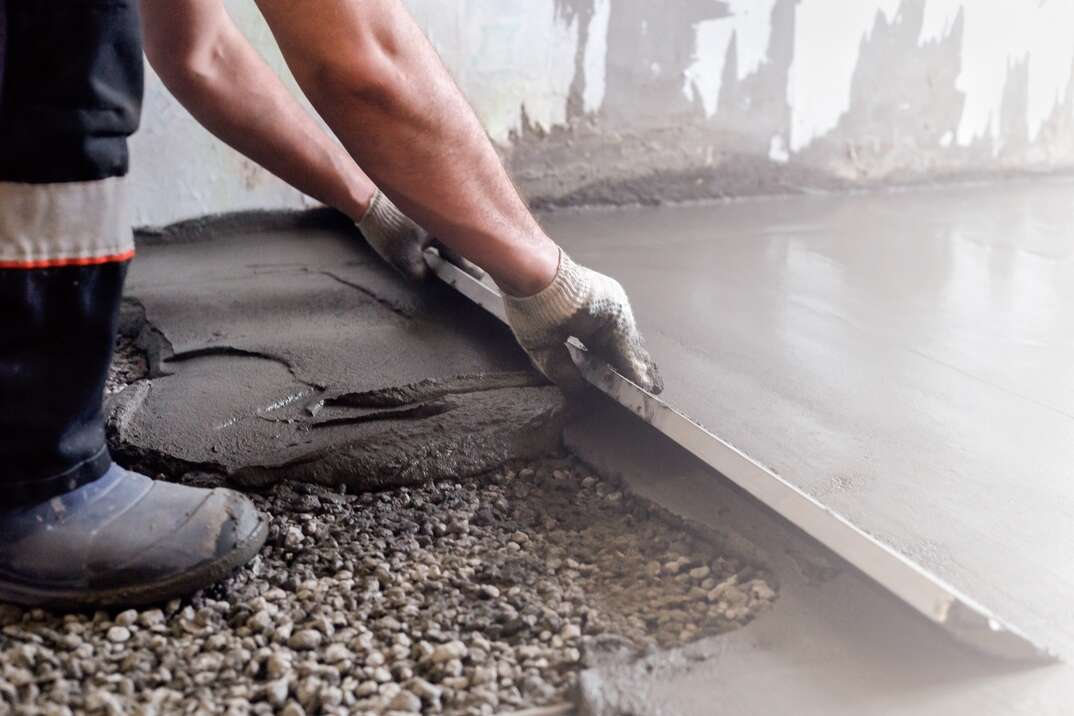
Common Mistakes with 30×40 Barndominium Plans

Mistake 1: Trying to Fit Too Much Into 1,200 Sq Ft

A 30×40 barndominium should not try to function like a 2,500 sq ft home. Prioritize the rooms and features that matter most.

Mistake 2: Ignoring Storage

Small homes need smart storage. Without pantry space, closets, laundry storage, and built-ins, the home can feel cluttered quickly.

Mistake 3: Making Bedrooms Too Large

Oversized bedrooms can steal space from the kitchen, living room, bathroom, laundry, and storage areas.

Mistake 4: Not Adding Outdoor Living Space

A covered porch can make a 30×40 barndominium feel much larger and more enjoyable.

Mistake 5: Comparing Shell Cost to Finished Cost

A small shell price is not the same as a move-in-ready home price. Always compare complete costs.

Mistake 6: Choosing a Plan Before Understanding the Land

Even a small barndominium needs the right land, access, utilities, setbacks, septic, and permits.

Is a 30×40 Barndominium Right for You?

A 30×40 barndominium may be right for you if you want a smaller, more affordable, and efficient home that is easier to build, maintain, heat, cool, and clean.

This size may be a good fit if:

  • You want a starter home
  • You are downsizing
  • You want a retirement home
  • You need a guest house
  • You are building a vacation property
  • You want lower overall construction cost
  • You want one-level living
  • You are building on rural land or acreage
  • You want more budget room for porch, garage, or finish upgrades

If you need more space for a larger family, garage, or shop, compare BuildMax’s larger barndominium floor plans before committing to a compact layout.

Final Thoughts on 30×40 Barndominiums

A 30×40 barndominium offers 1,200 square feet of flexible, efficient space. It can work as a starter home, retirement home, guest house, vacation cabin, rental property, or compact full-time residence when the layout is planned carefully.

The best 30×40 barndominiums focus on open living, smart storage, practical bedroom sizes, covered outdoor space, and simple construction. This is not the size where you want to waste space on long hallways, oversized rooms, or features that do not fit the scale of the home.

Start with a realistic plan. Understand your land. Decide whether you need a garage, shop, porch, or future addition. Compare building methods. Talk to builders early. Then create a small barndominium that feels comfortable, efficient, and easy to live in for years to come.

Ready to Design or Build a 30×40 Barndominium?

BuildMax can help you compare barndominium floor plans, explore steel frame barndominium kits, modify an existing plan, or create a custom design around your land, budget, and lifestyle. Start with the right plan before you price materials, talk to builders, or move forward with construction.
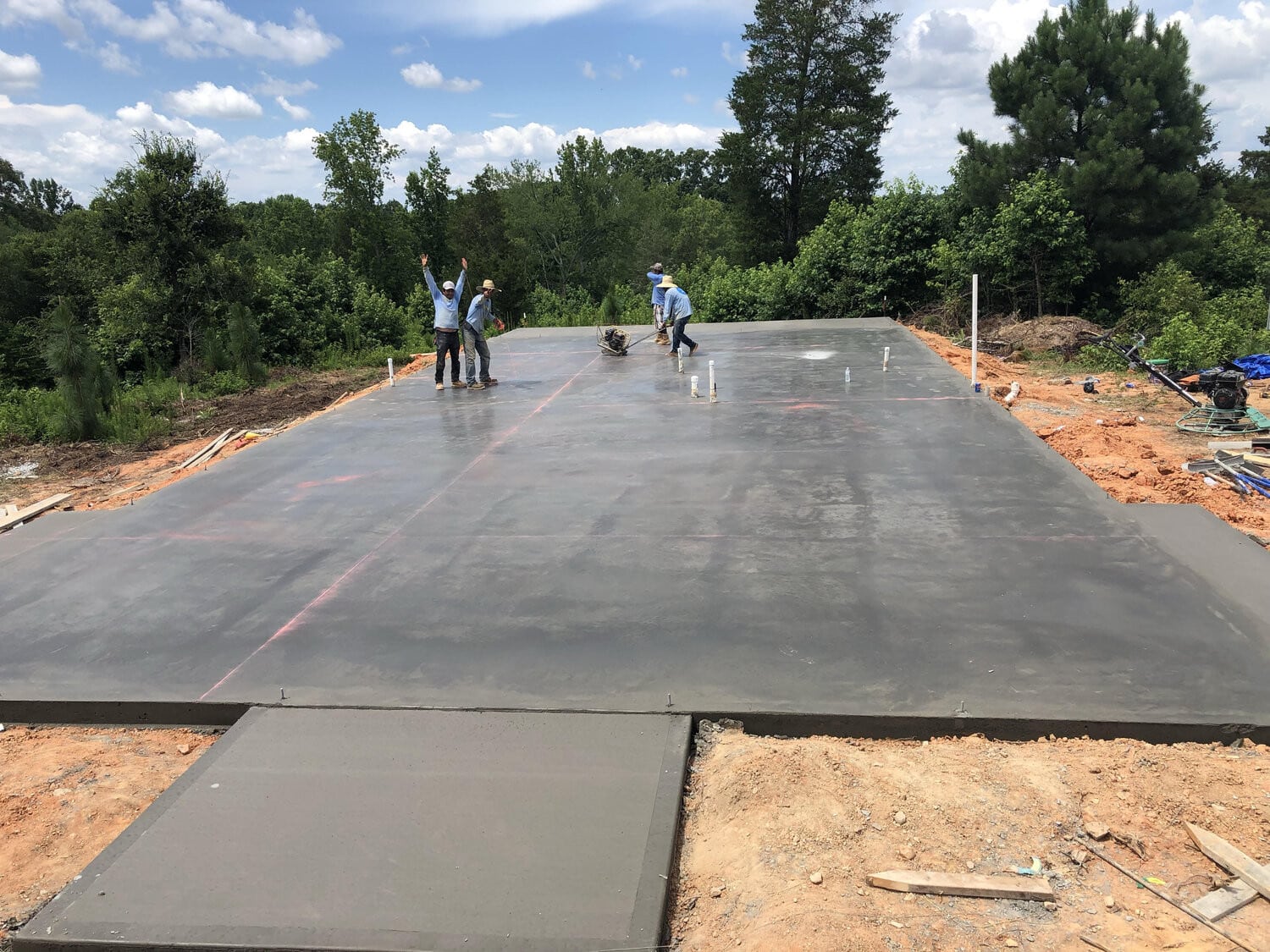
FAQ: 30×40 Barndominiums

How many square feet is a 30×40 barndominium?

A 30×40 barndominium is 1,200 square feet. You calculate it by multiplying 30 feet by 40 feet.

Is a 30×40 barndominium big enough to live in?

Yes, a 30×40 barndominium can be big enough for full-time living if the floor plan is efficient. It works best for singles, couples, retirees, small families, guest homes, and vacation properties.

Can a 30×40 barndominium have 3 bedrooms?

Yes, a 30×40 barndominium can have 3 bedrooms, but the layout must be efficient. Bedrooms will usually be modest, and hallway space should be minimized.

What is the best layout for a 30×40 barndominium?

One of the best layouts is a 2-bedroom, 2-bath design with an open kitchen, dining, and living area, plus laundry, storage, and a covered porch.

Can a 30×40 barndominium include a garage?

Yes, but if the garage is inside the 30×40 footprint, it will reduce finished living space. If you want 1,200 square feet of living space plus a garage, the garage should usually be added outside the main footprint.

Can a 30×40 barndominium include a shop?

It can, but shop space will reduce living space unless the building footprint is expanded. If shop space is a priority, a larger barndominium plan may be a better fit.

Is a 30×40 barndominium good for retirees?

Yes, a 30×40 barndominium can be a great retirement home because it supports simple one-level living, lower maintenance, and efficient use of space.

Can a 30×40 barndominium be built with a steel kit?

Yes, many 30×40 barndominiums can be paired with a steel frame kit or organized building package depending on the plan, engineering, location, builder, and local code requirements.

Do you need permits for a 30×40 barndominium?

In most cases, yes. If the barndominium is being built as a residential home, you should expect to need building permits, inspections, and local code approval.

Can BuildMax modify a 30×40 barndominium plan?
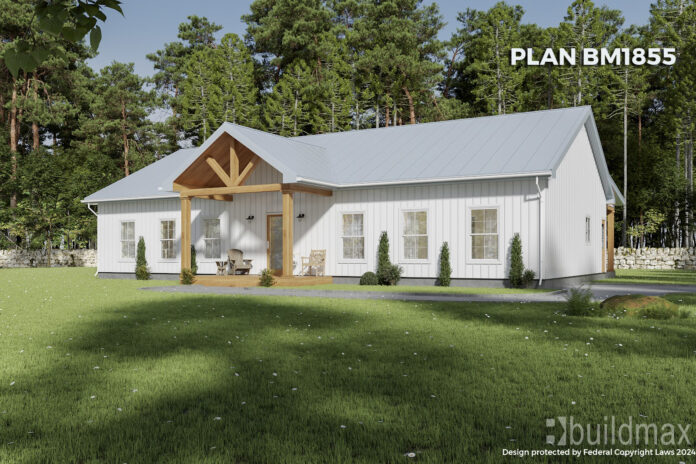
Yes. BuildMax can help modify existing barndominium plans or create a custom design based on your land, lifestyle, garage needs, shop needs, and budget.


Explore More Barndominium Planning Resources

Browse Barndominium Floor Plans
View 3-Bedroom Barndominium Plans
View 4-Bedroom Barndominium Plans
Explore Barndominium Plans with Shops
Learn About Steel Frame Barndominium Kits
Request Custom Barndominium Design
Contact BuildMax