


Home Blog Page 27

How to Start Planning for a Barndominium Build!

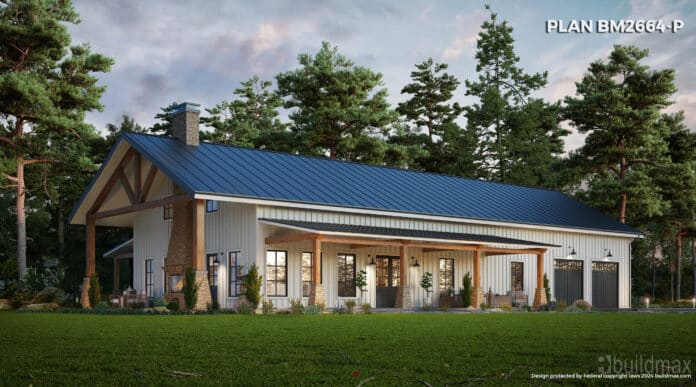
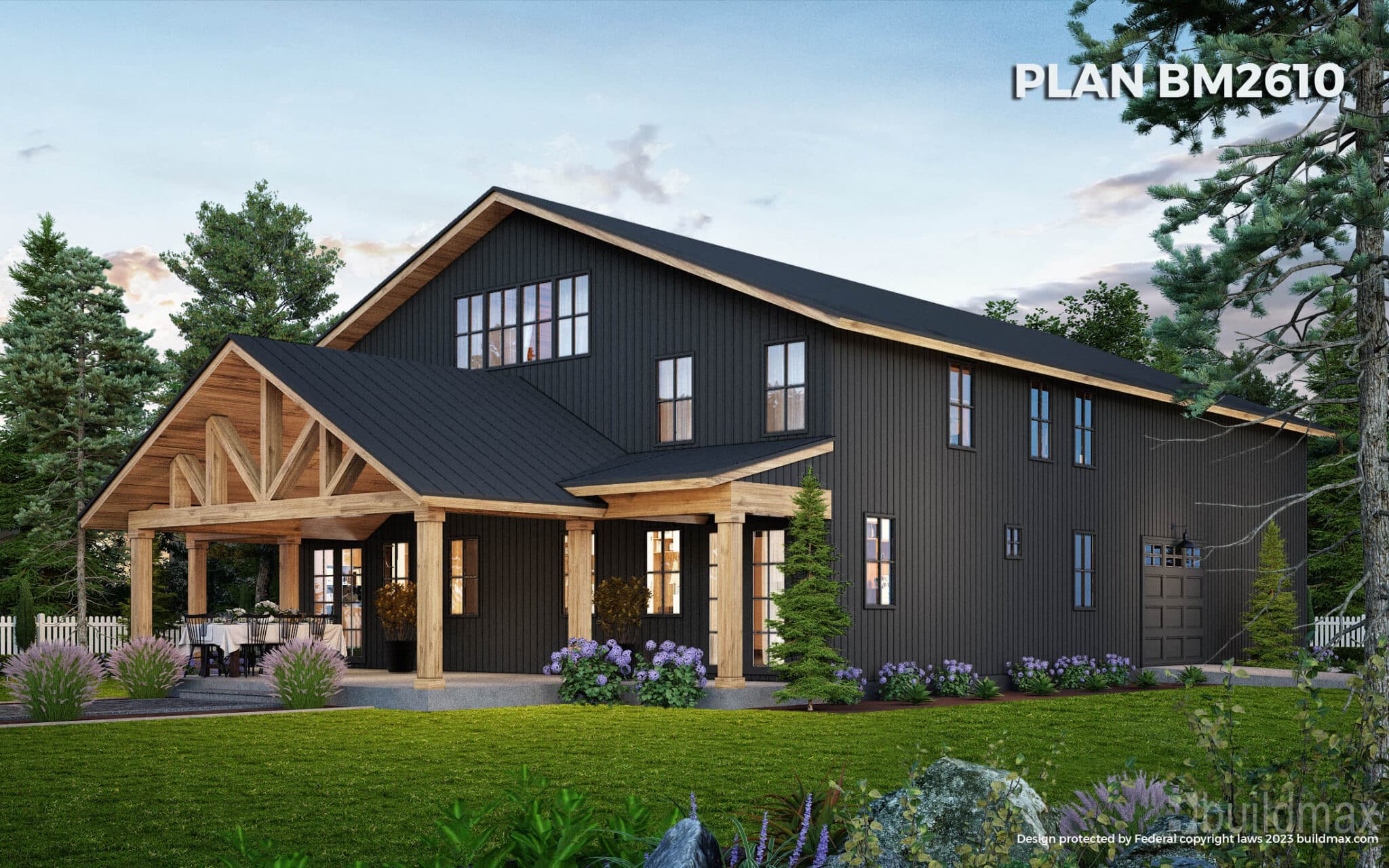
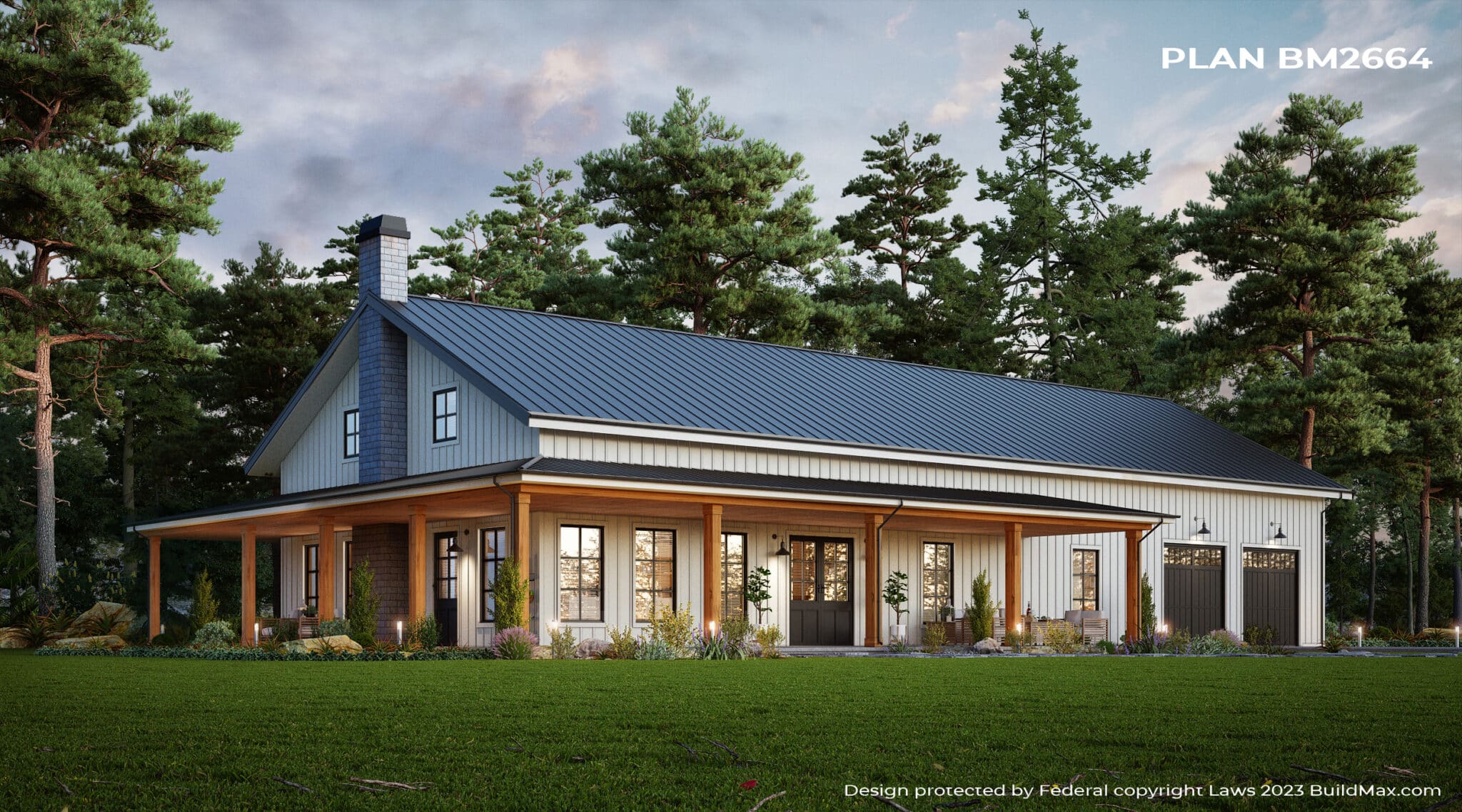
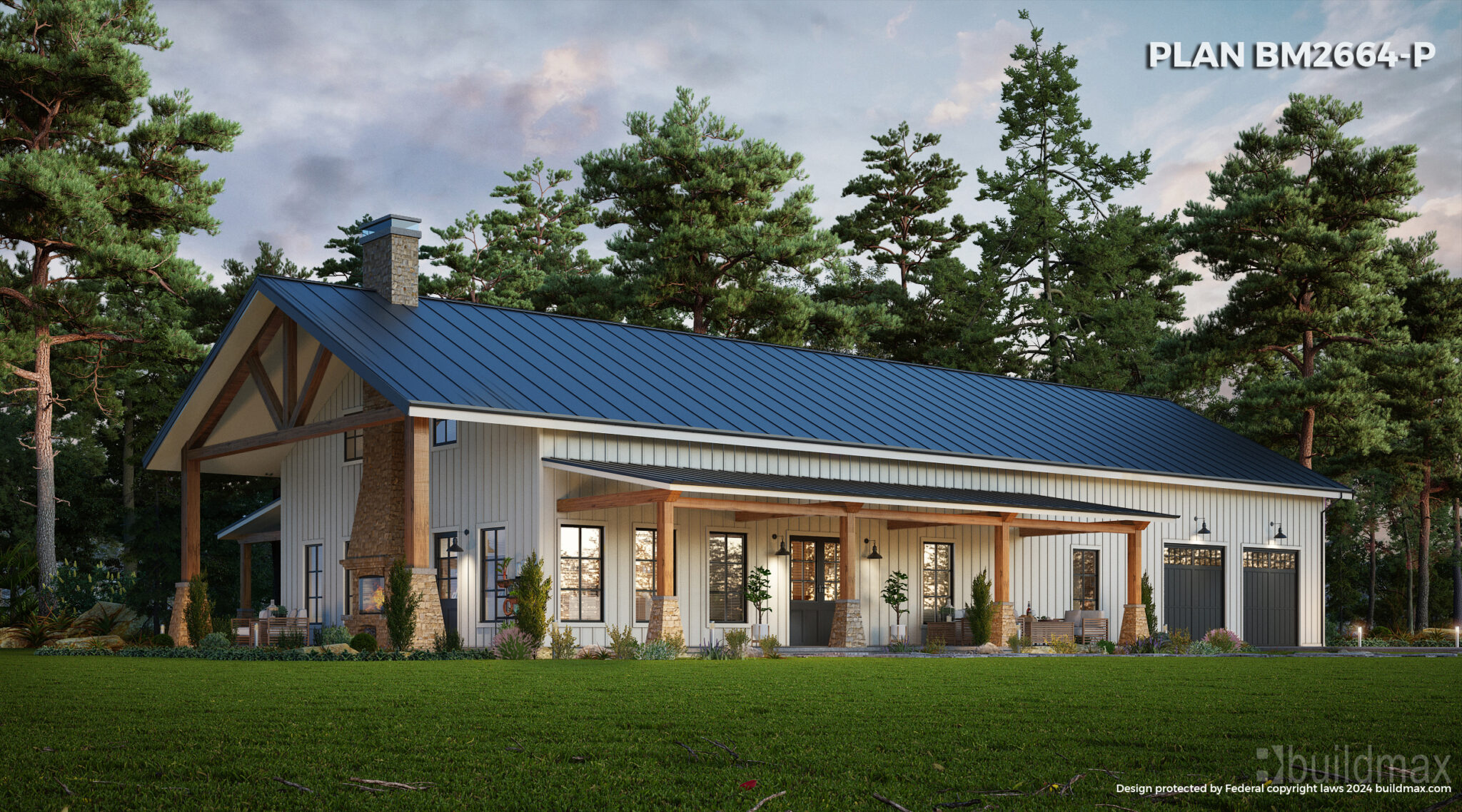
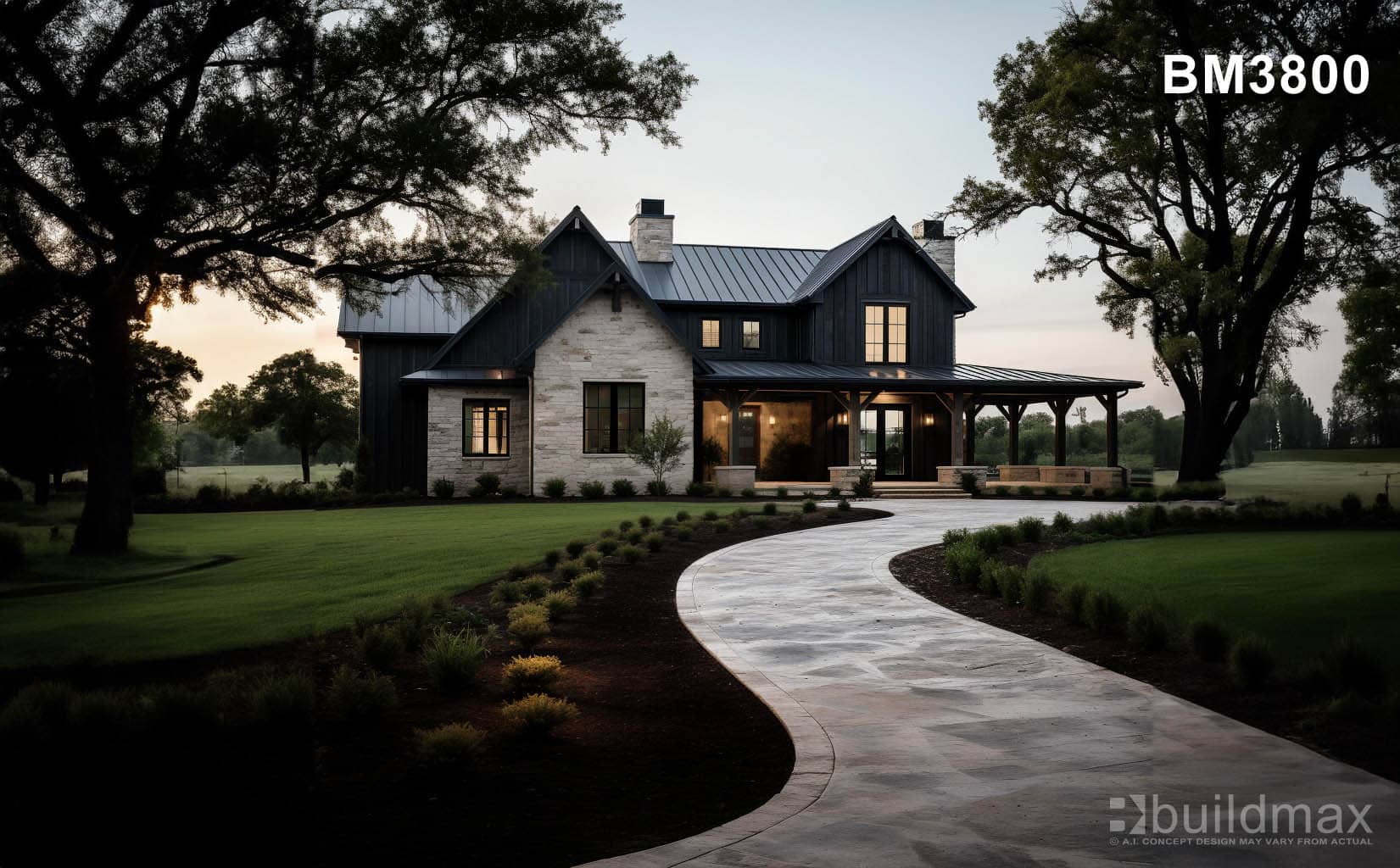
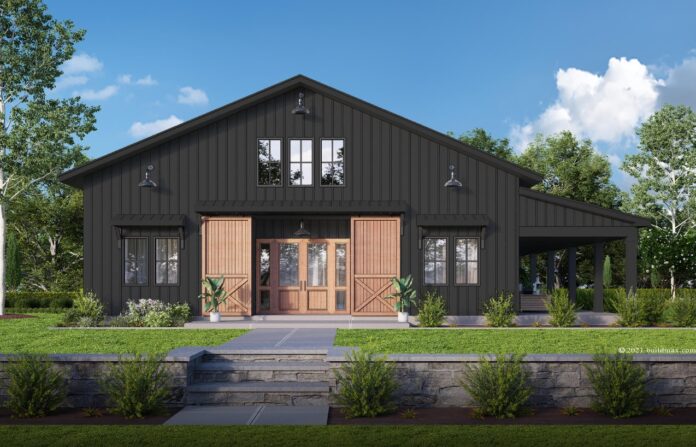
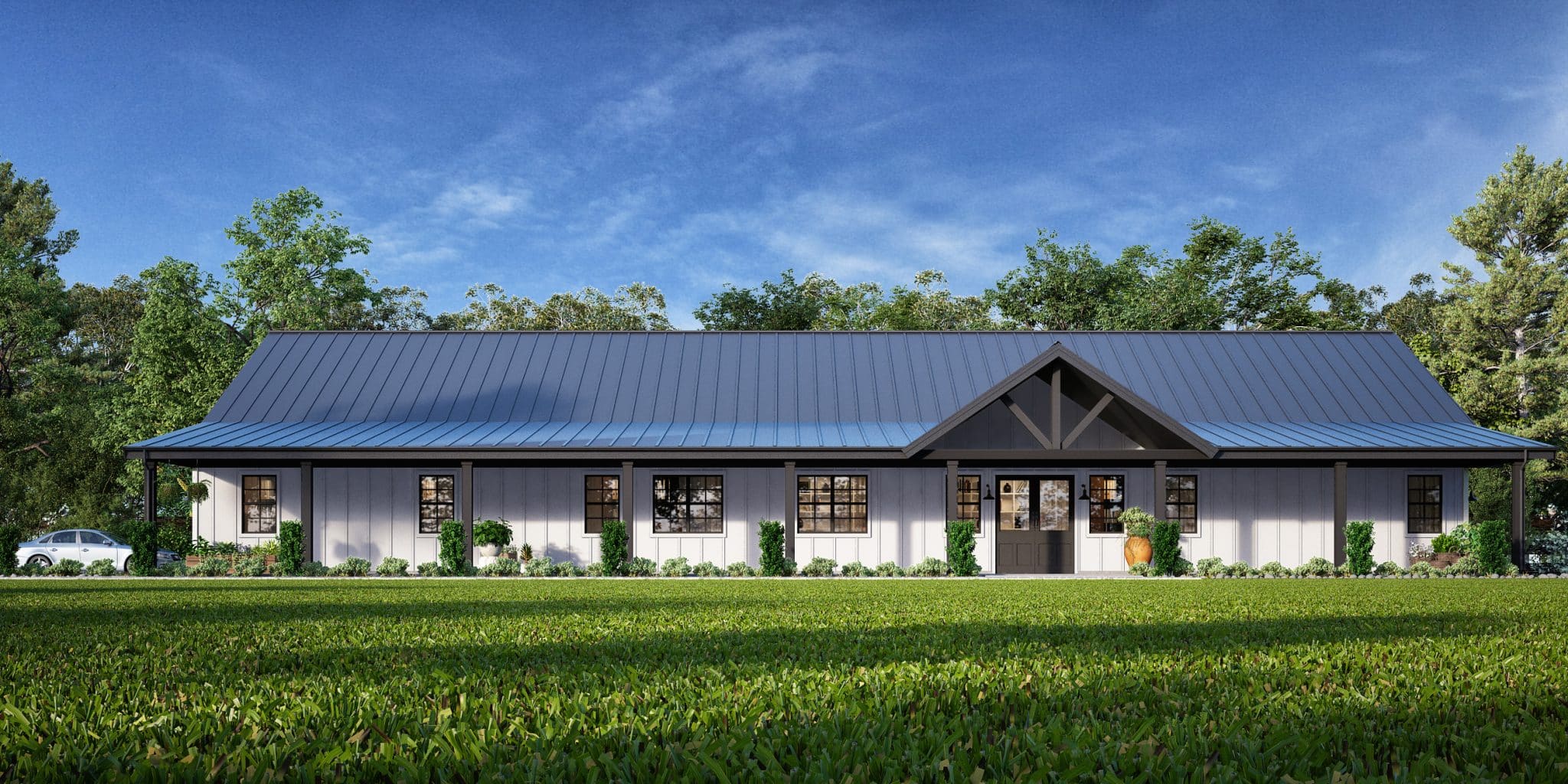
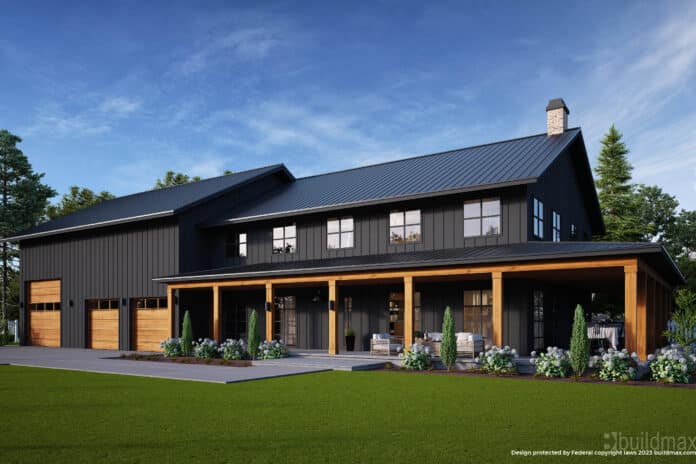
black barndominium

How to Start Planning for a Barndominium Build: A Step-by-Step Guide

Building a barndominium offers a unique opportunity to design a flexible, efficient, and often cost-effective home. Known for their robust structure and versatile design, barndominiums combine the aesthetic of a rustic barn with the comfort and functionality of a modern home. This article guides you through the initial planning stages of a barndominium build and highlights the benefits of working with professional consulting services like BuildMax.com.
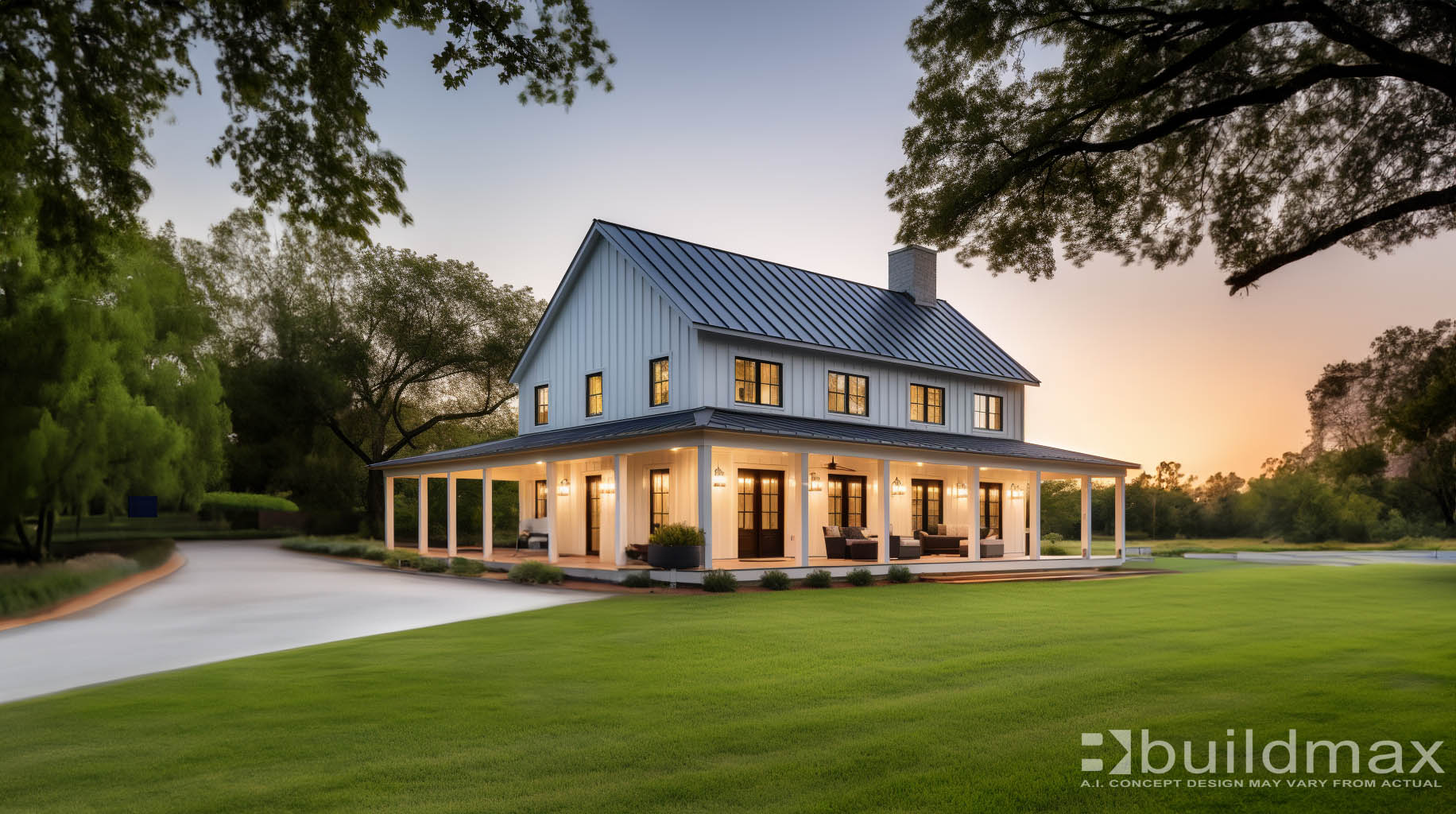
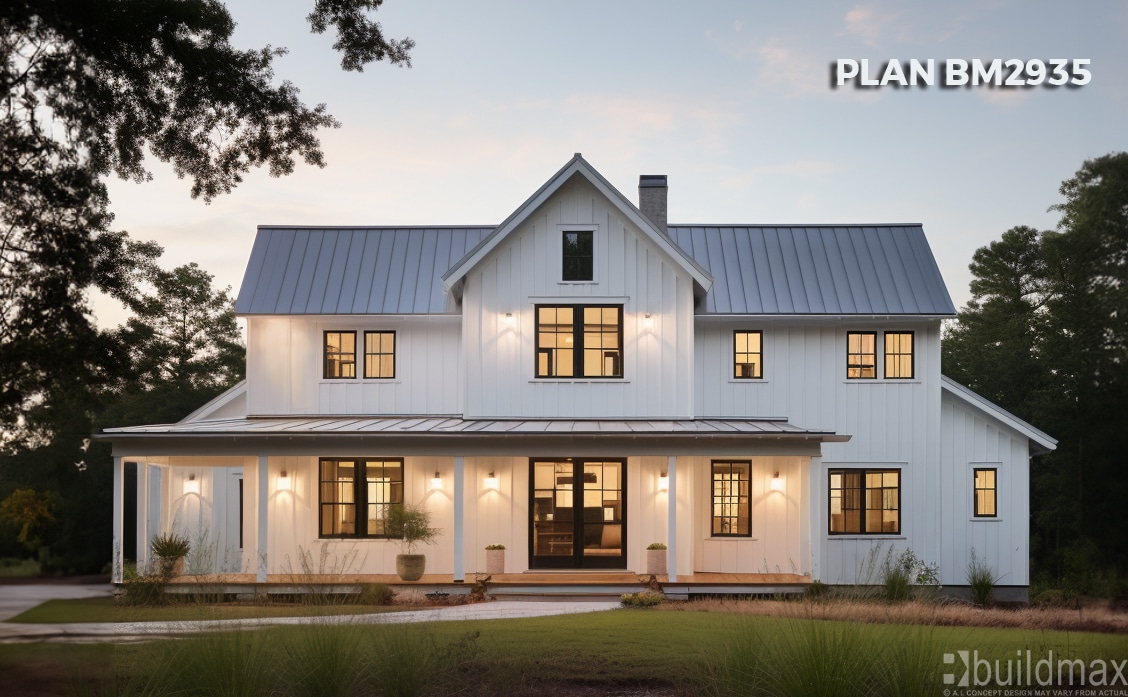
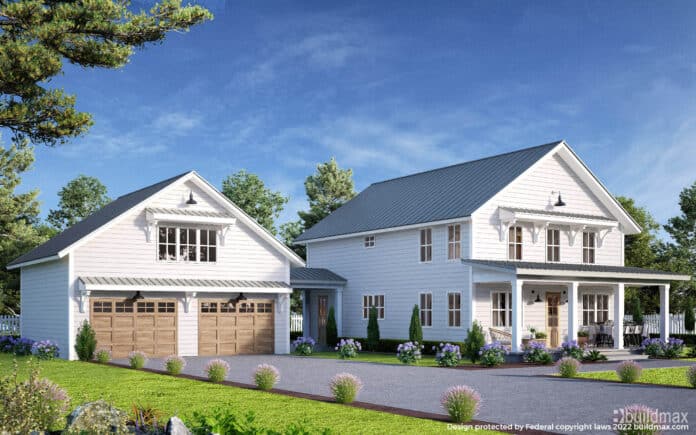
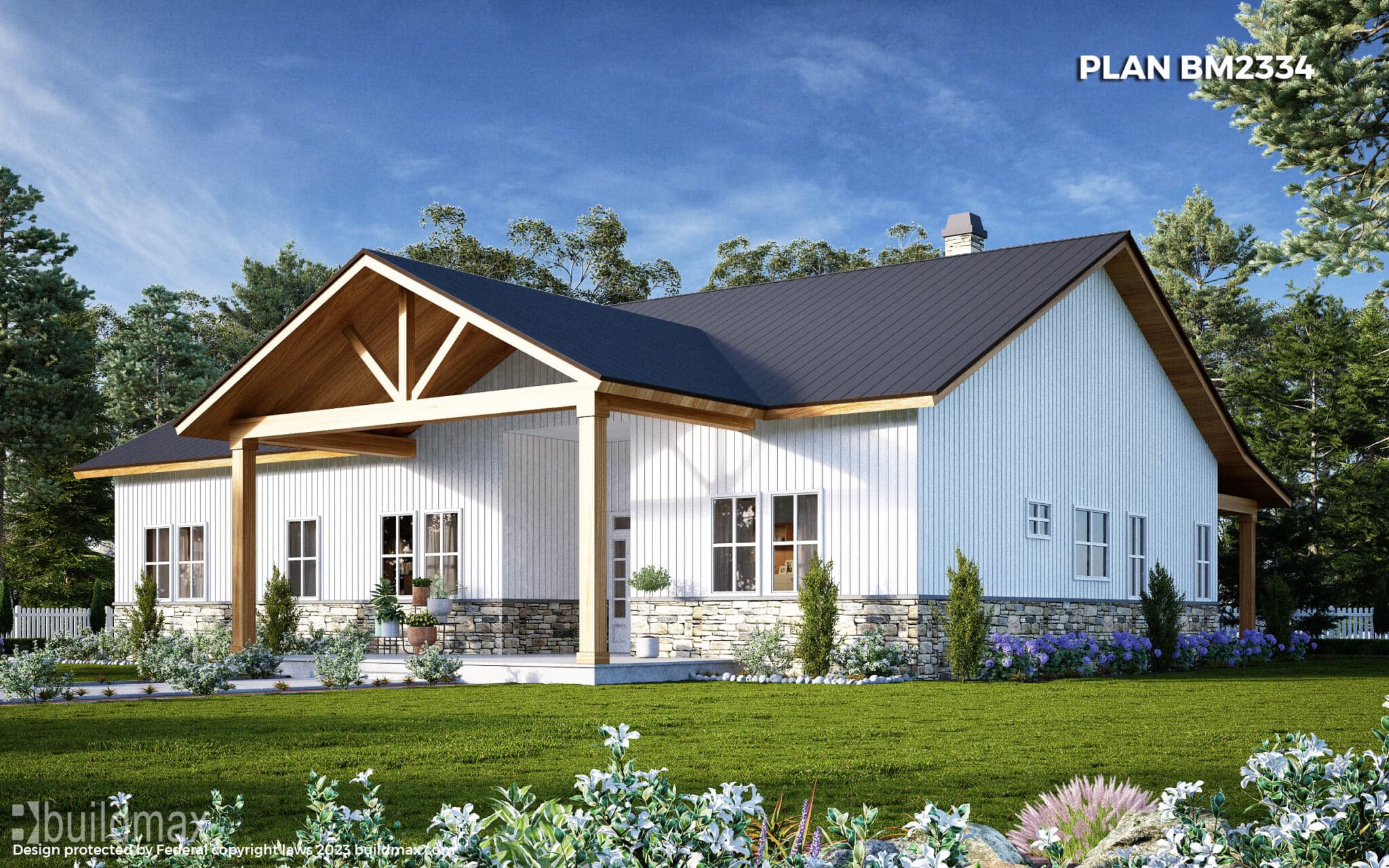
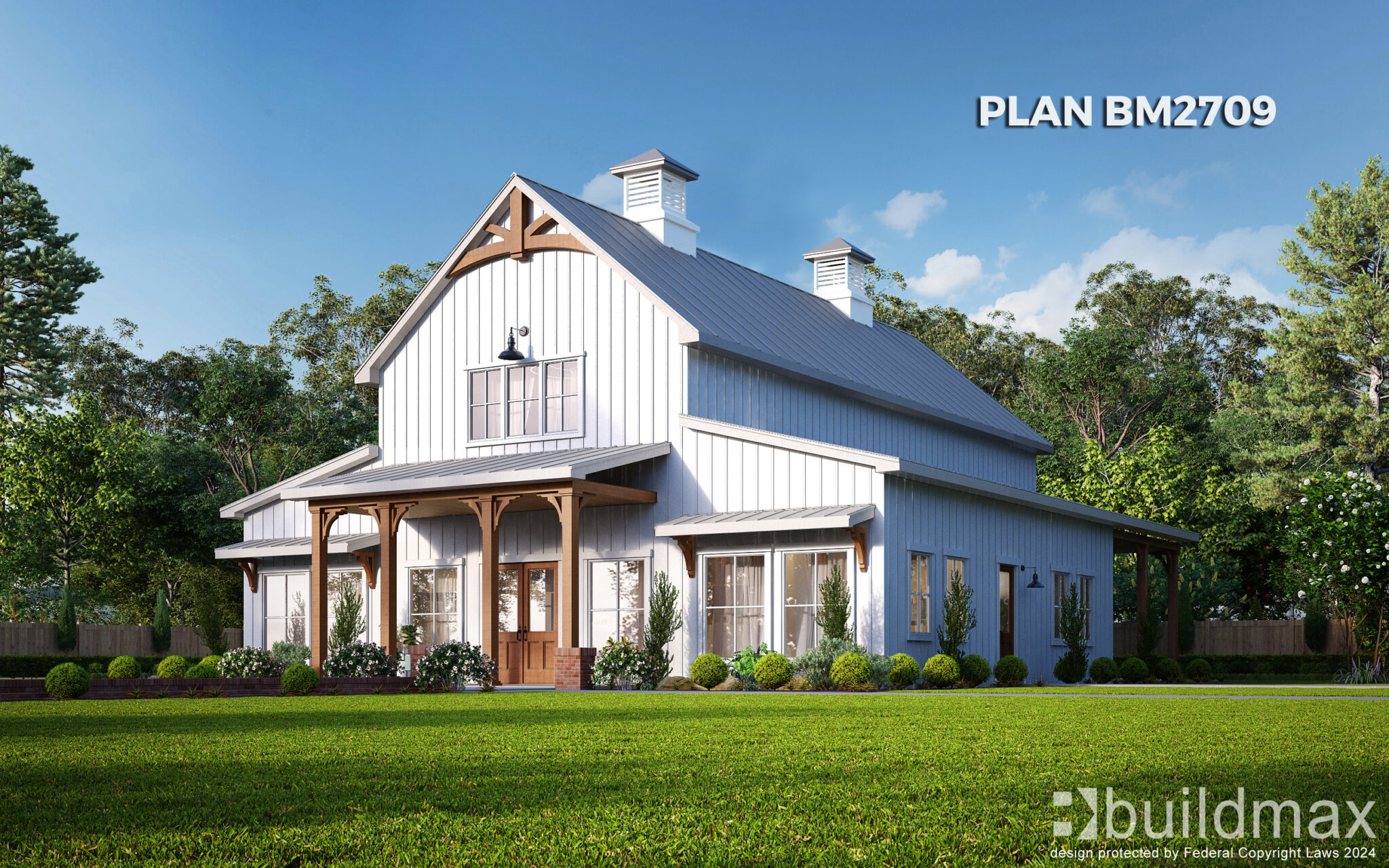
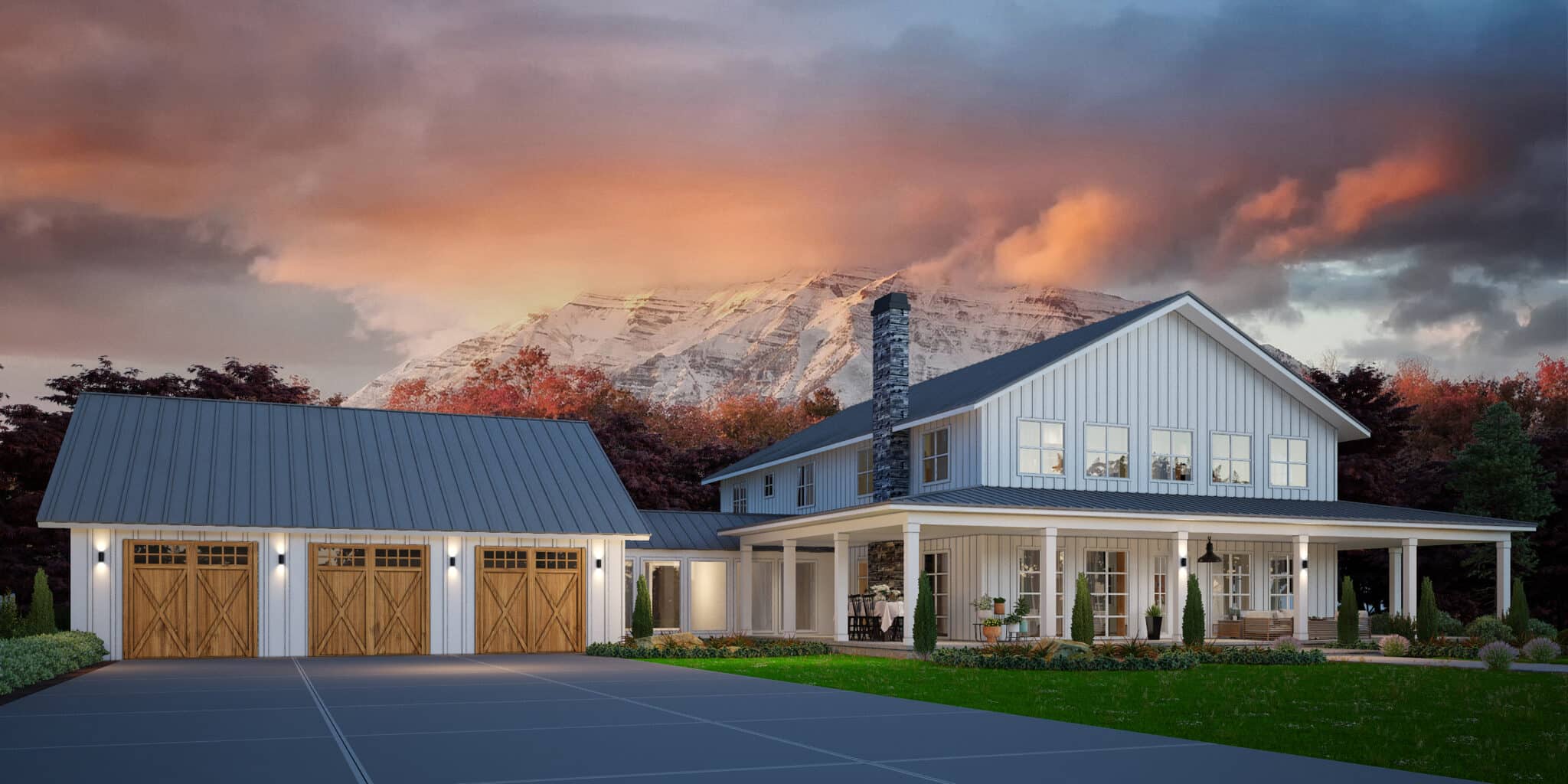
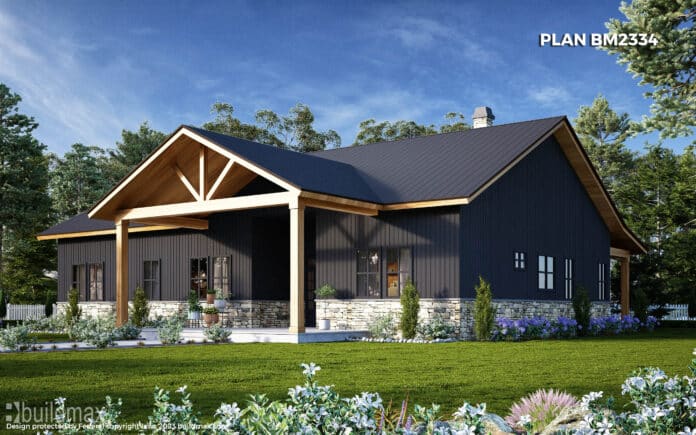
white farmhouse style barndominium

Step 1: Define Your Vision

Assess Your Needs

Before diving into the planning process, take some time to consider what you want out of your barndominium. How many rooms do you need? What kind of spaces will support your lifestyle? Do you need large open spaces for workshops or garages? Defining your needs will help guide the design process.

Gather Inspiration

Look for ideas on websites, in magazines, or on platforms like Pinterest and Instagram. This can help you visualize potential styles and interior layouts.figure out what you like and begin to build a solid vision for your barndominium on paper and in your mind as well it’s good to fully understand what your asking of a builder when you explain your vision.

Step 2: Establish Your Budget

Calculate Costs

Determine how much you can realistically afford to spend on your barndominium. Include estimates for the land, construction, interior finishes, and any unforeseen expenses.

Explore Financing Options

Investigate loans and mortgages suitable for construction projects. Understanding your financing early on is crucial for a smooth building process.

Step 3: Select the Right Location

Land Acquisition

Choose a plot that not only fits your budget but also complies with local zoning laws for building a barndominium. Consider the land’s topography, accessibility, and proximity to utilities.
Zoning and Regulations

Ensure that your building project complies with all local codes and regulations. This can prevent legal issues and delays.

Step 4: Partner with BuildMax.com

Professional Guidance

Working with a consulting service like BuildMax.com can significantly streamline the planning and construction process. They offer expertise in selecting the right floor plans that align with your needs and vision.

Choosing Floor Plans

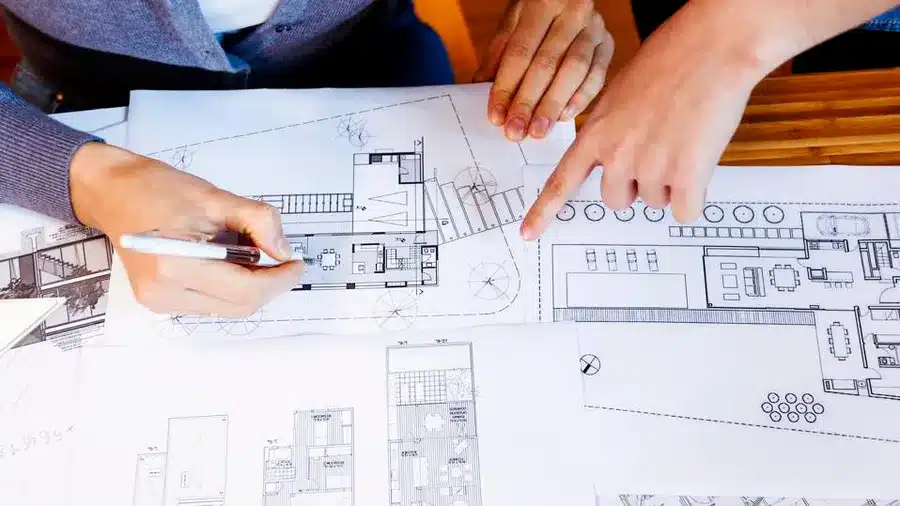
BuildMax.com provides a variety of floor plans designed specifically for barndominiums. They can help you select or customize a plan based on your specific requirements, ensuring that every square foot is utilized efficiently.
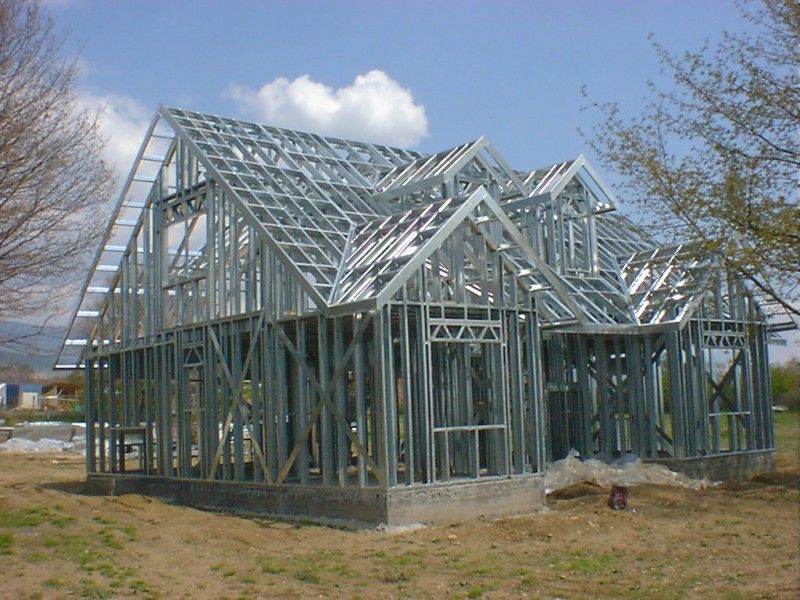
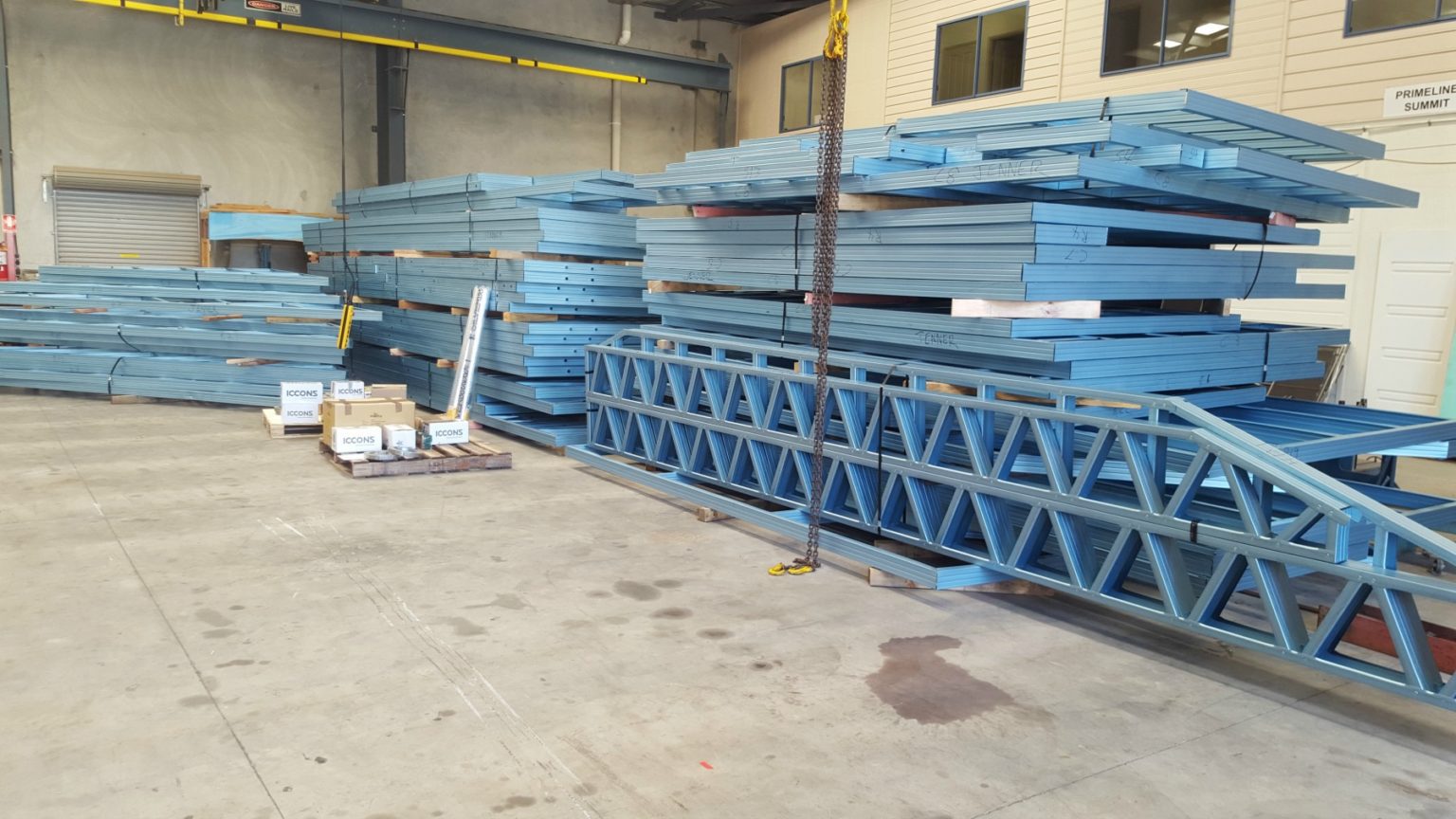
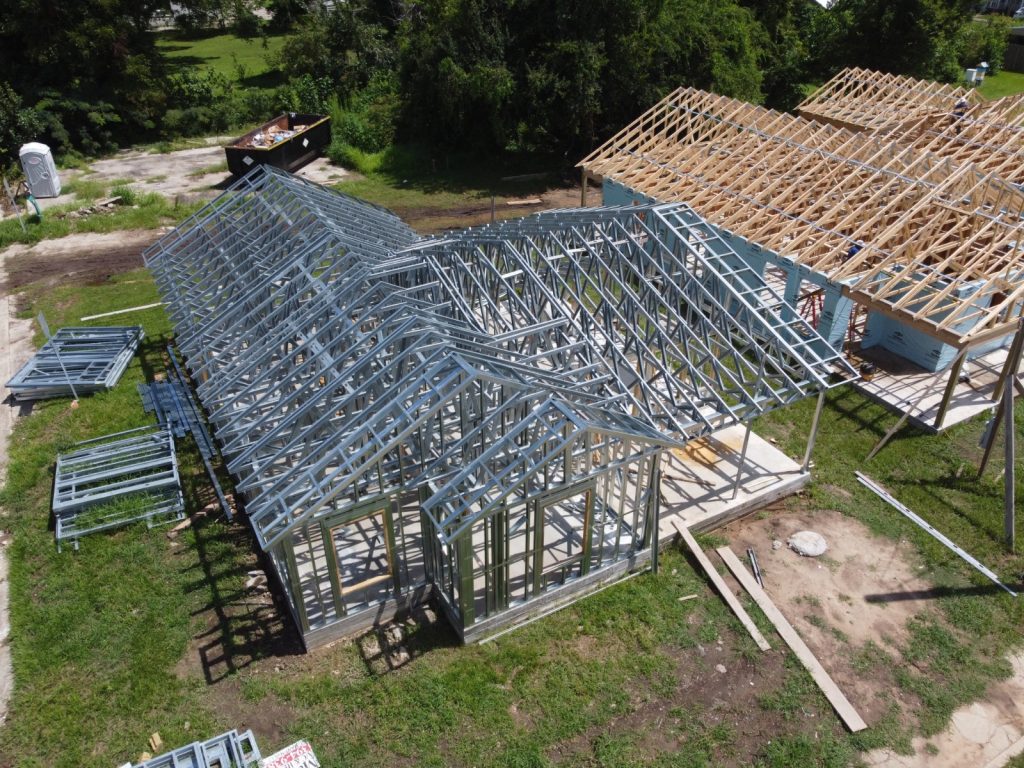
Steel Frame Kits

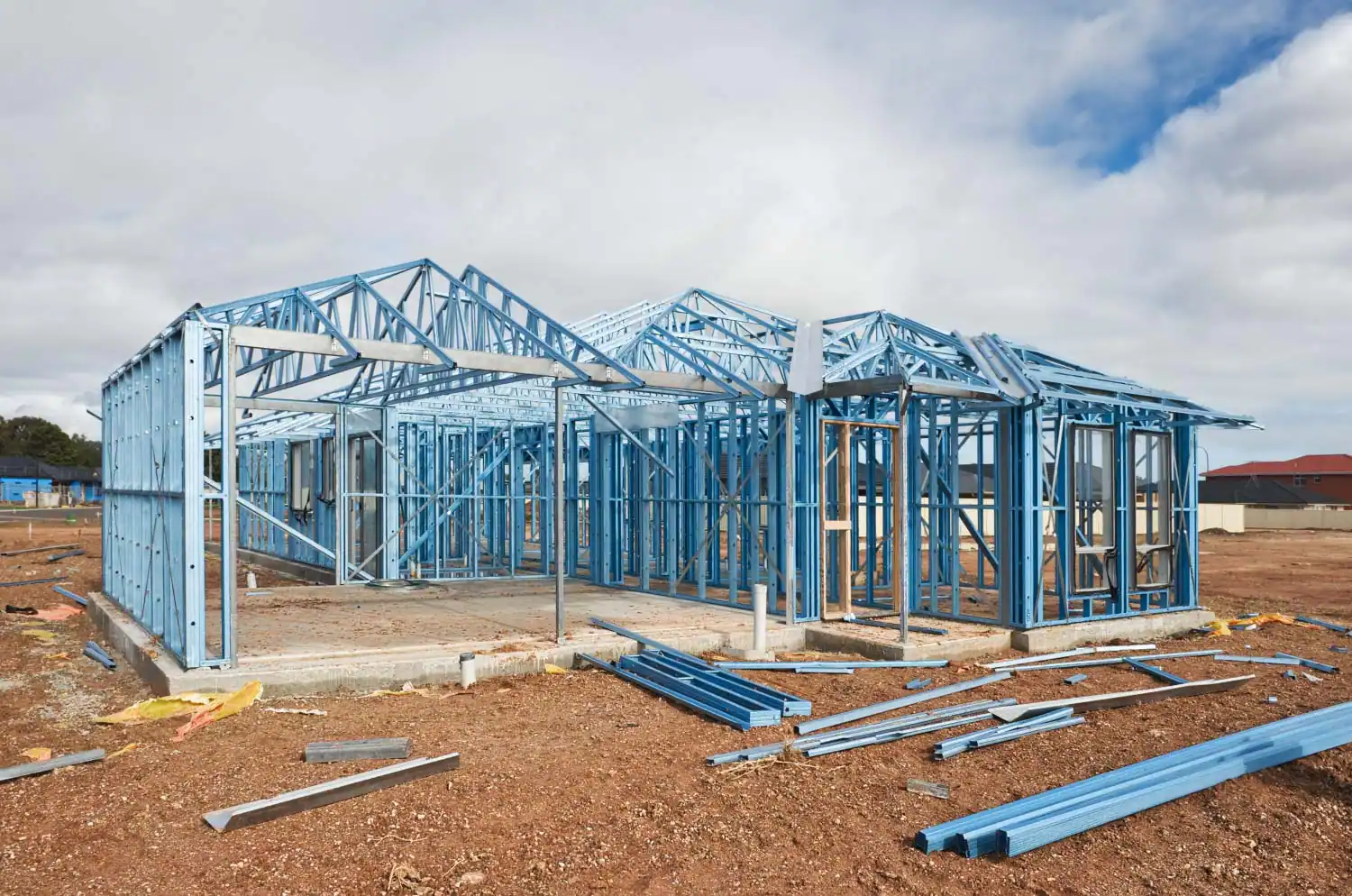
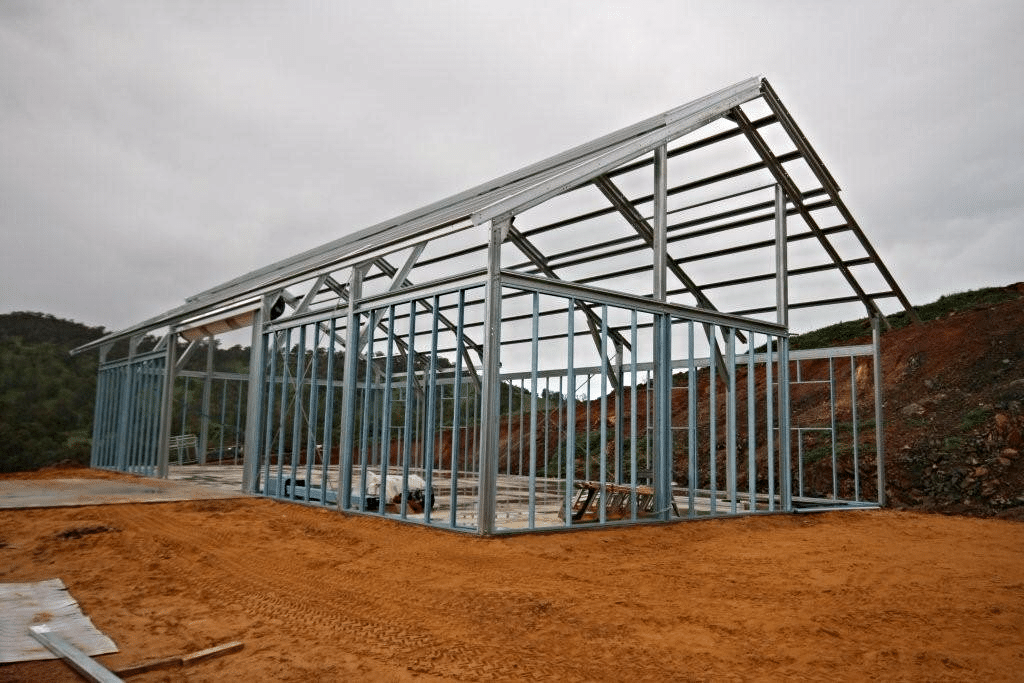
Opting for a steel frame kit from BuildMax.com offers numerous benefits. These kits are known for their durability, resistance to pests and decay, and relatively quick assembly time. BuildMax.com can assist in ordering a steel frame kit that matches your chosen floor plans, ensuring compatibility and quality.

Step 5: Design and Customize

Architectural Details

Finalize your floor plan with any custom features or modifications. Consider aspects like window placements for natural light, ceiling heights, and energy efficiency measures.

Interior Design

Plan the interior design of your barndominium, which includes choosing materials and finishes that match your style and budget.
Step 6: Secure Permits and Approvals

Building Permits

Apply for and obtain all necessary permits before beginning construction. BuildMax.com can offer guidance on the required documentation and procedures.

Environmental and Other Permits

Depending on your location, you may need additional permits related to environmental impact, water usage, or septic systems.

When building a barndominium—or any type of residential structure—there are several environmental permits that you might need to obtain, depending on the location, size, and specific environmental impact of your project. All of these permits are Location-dependent and odds are you won’t encounter any of these during your build.
However, It’s also important to remember the real reason for these regulations and it mostly comes down to protecting wetlands & the wildlife living in and around the wetlands,  which is something we should all get behind and gracefully support, without many of these native species the ecosystems would be irreversibly damaged. These permits are designed to ensure that construction activities comply with federal, state, and local environmental regulations, protecting ecosystems, water quality, and community health. Here are some of the most common types of environmental permits you may encounter during the process:

**Wetlands Permits**

If your construction site impacts wetlands, you will likely need a permit from the U.S. Army Corps of Engineers under Section 404 of the Clean Water Act. Wetlands are protected due to their crucial role in maintaining natural water quality, providing habitat for wildlife, and buffering storm impacts.

 **Stormwater Management Permits**

Under the National Pollutant Discharge Elimination System (NPDES), any construction activity that disturbs one acre or more of land generally requires a permit to manage stormwater runoff. These permits ensure that measures are in place to control sediment and erosion, preventing pollution from entering nearby streams, rivers, and other water bodies.

 **Air Quality Permits**

If your construction involves emissions that could impact air quality, such as from large-scale earth-moving equipment, you might need an air quality permit from your state or local environmental agency. This is more common in larger developments or in areas with stricter air quality regulations.

**Endangered Species Act Compliance**

If your construction could affect habitats known to house endangered species, compliance with the Endangered Species Act is required. This might involve obtaining permits that allow for a certain level of impact or developing a habitat conservation plan.

**Historical Preservation Permits**

If building on land that has historical or archaeological significance, you may need a permit from the state historical preservation office or local equivalent. This ensures that any significant historical artifacts are preserved and that construction is done in a way that respects historical resources.
**Water Withdrawal Permits**

For projects that require significant amounts of water, or if you plan to extract water from ground or surface sources, a water withdrawal permit may be necessary. This type of permit is crucial in regions where water scarcity is an issue or where water withdrawal could impact ecological balance.

**Septic System and Sewer Permits**

If your barndominium is not connected to a municipal sewage system, you will need a permit to install a septic system. Local health departments typically issue these permits after ensuring that the planned system meets health and environmental standards.

**Land Use and Zoning Permits**

While not strictly environmental, land use and zoning permits are closely related because they regulate how land can be used, which indirectly protects natural resources and maintains sustainable development practices.

**Coastal Area Management Permits**

For properties located in coastal zones, additional regulations may apply under the Coastal Zone Management Act, which aims to preserve and responsibly develop coastal areas. Permits or approvals might be needed to ensure that building plans comply with local coastal management strategies.

Obtaining the necessary environmental permits is a crucial step in responsibly planning and building a barndominium. Early consultation with local planning and environmental agencies can provide guidance and help streamline the permit application process. This proactive approach not only helps protect the environment but also ensures that your building project proceeds without legal complications.
Step 7: Begin Construction

Monitor Progress

Stay actively involved in the construction process to ensure that everything is proceeding according to plan. Regular site visits and consultations with your builder are essential.

Quality Assurance

Work with BuildMax.com to ensure that all aspects of the construction meet or exceed industry standards. Their expertise can be invaluable in addressing any issues that arise during the build.

Step 8: Move-In and Post-Construction

Inspection and Final Touches

Once construction is complete, perform a final walk-through. Check for any areas that need adjustment or correction.

Once everything is in place and all inspections are passed, you can move into your new barndominium and start enjoying the unique space you’ve created.
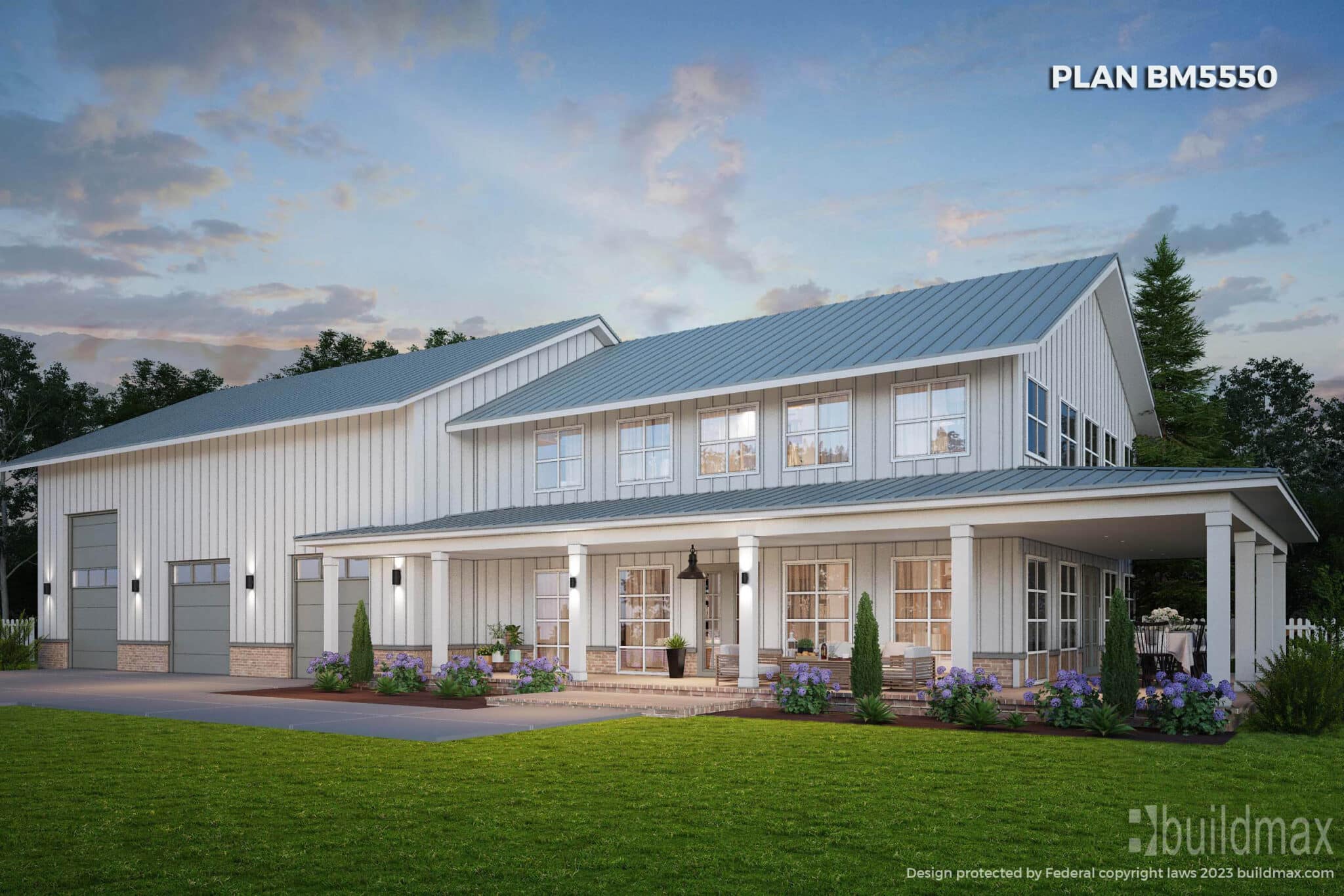
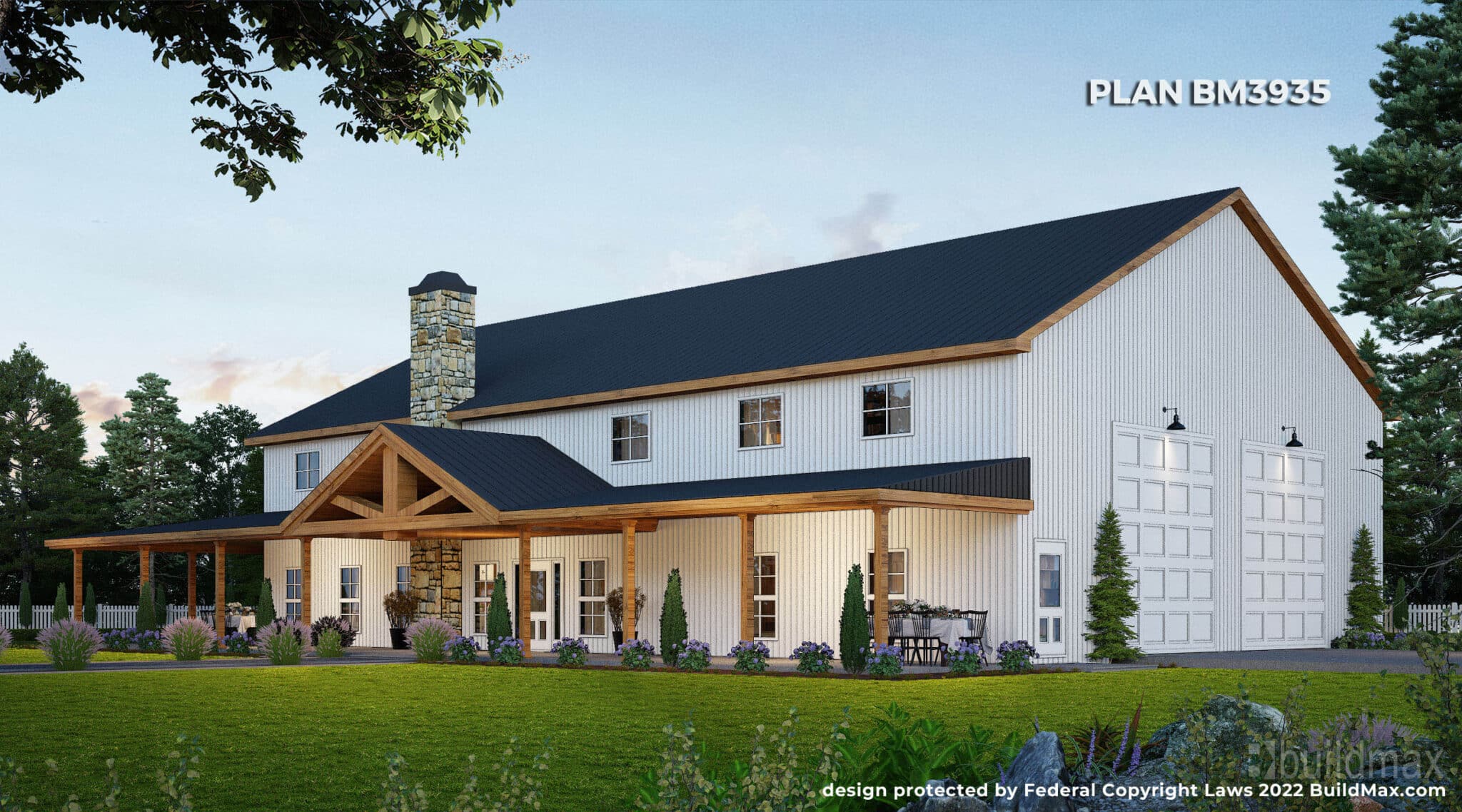
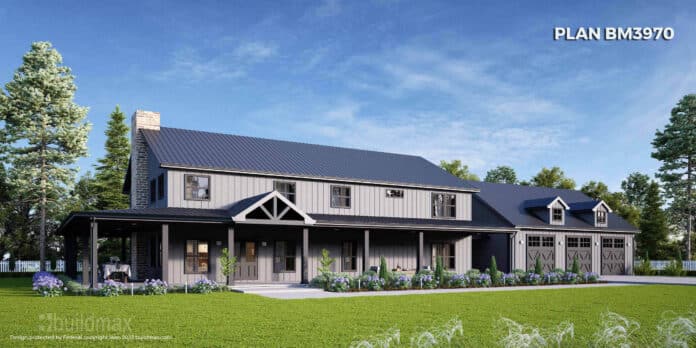
white barndominium with wraparound porch

Enjoy Your New Home

Planning and building a barndominium can be a fulfilling project, especially with the support of professionals like BuildMax.com. By following these steps and utilizing expert consulting services, you can ensure that your barndominium is well-designed, efficiently built, and perfectly suited to your lifestyle.
Do Barndominiums Keep Their Value?

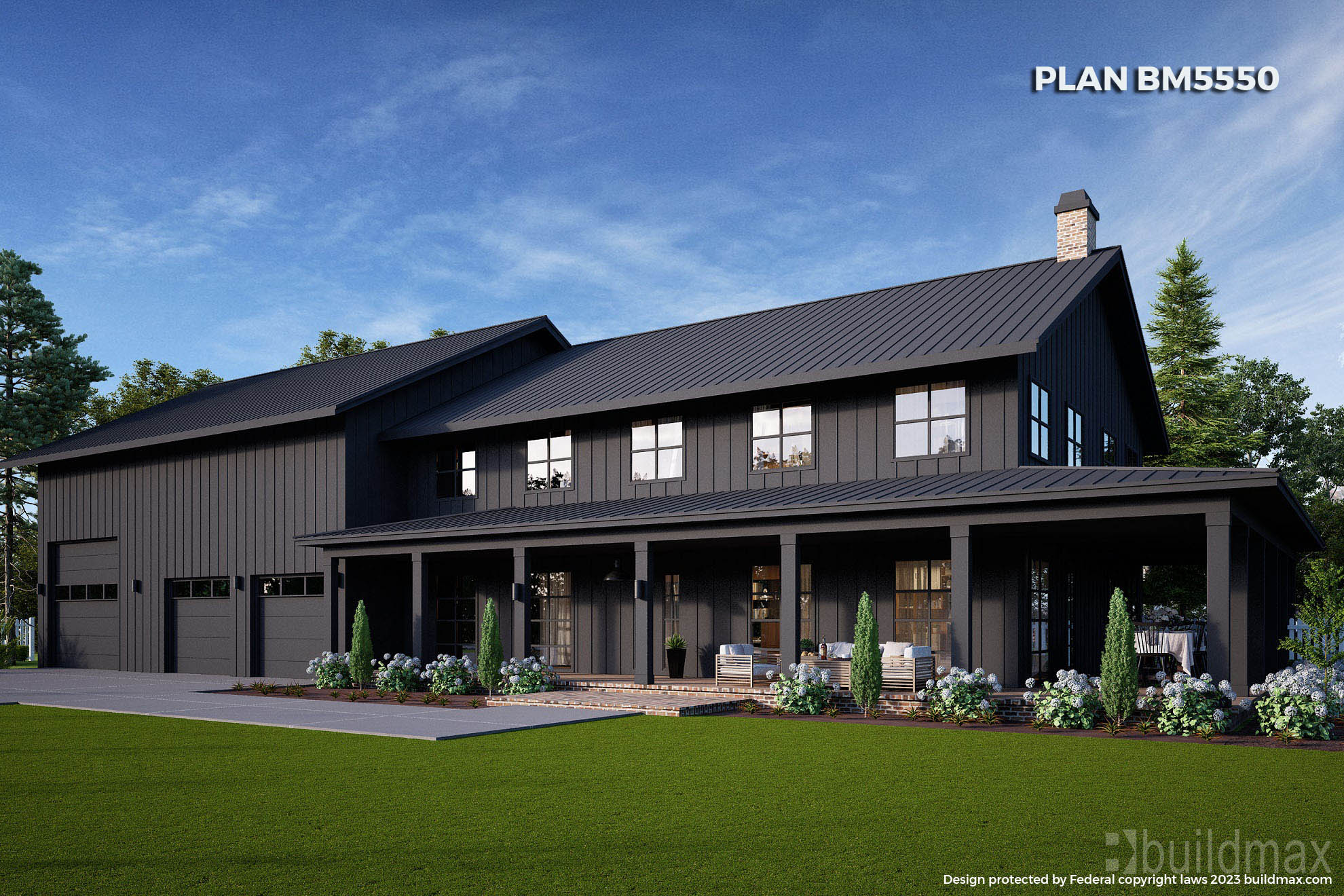
black barndominium shophouse with wraparound porch

Do Barndominiums Keep Their Value? How Building with Steel Frame Kits from BuildMax.com Could be the difference

Barndominiums, are essentially custom-built Homes Styled around a Barn-like aesthetic & design paired with open Barndominium floor plans, Barndominiums have become increasingly popular as both primary residences and secondary homes, vacation homes, or even rental homes. This surge in popularity is often accompanied by questions regarding their long-term value. Can these unique properties retain their value, or even appreciate? The answer largely depends on several factors, including the materials used, the quality of construction, and the design’s adaptability. Specifically, building a barndominium with a steel frame kit from BuildMax.com offers a promising pathway to not only retaining value but also achieving significant profits upon resale.

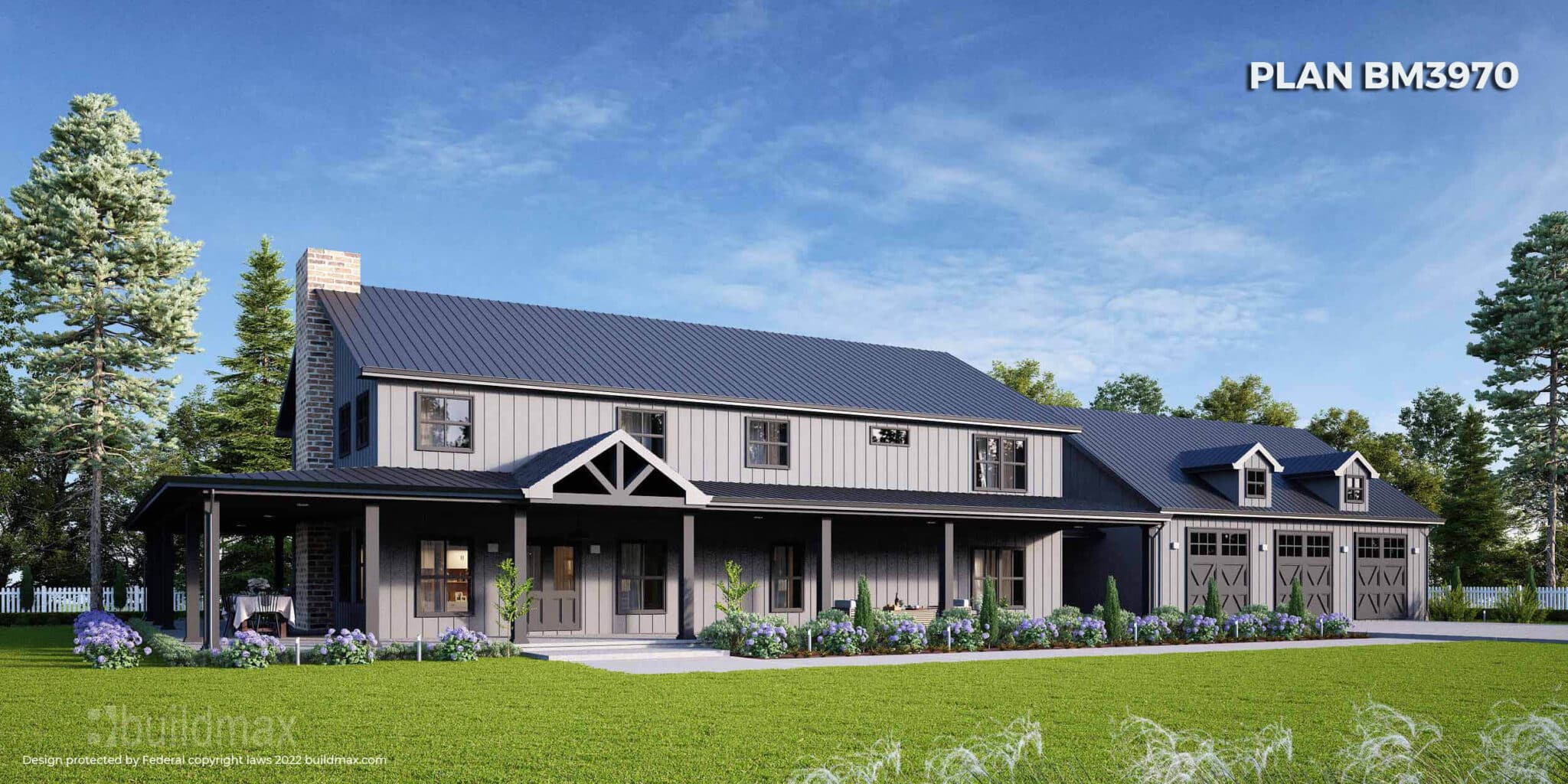
grey barndominium with dark grey roof and wraparound porch

Understanding the Value of Barndominiums

Barndominiums are valued for their versatility, spacious open floor plans, and often lower construction costs compared to traditional homes. They appeal to a wide demographic, including families looking for room to grow, individuals seeking a customizable living space, and investors wanting a unique rental property. Their maintenance costs tend to be lower, and their robust construction can handle harsh weather conditions, which are significant factors in their appraisal.

The Impact of Steel Frame Construction on Value

Durability and Longevity

Steel frame construction is a cornerstone for building barndominiums that last. Steel is resistant to many of the typical problems that plague wood-framed buildings, such as termites, mold, and rot. Moreover, steel structures can withstand severe weather conditions better than their wooden counterparts, which is a crucial factor in maintaining structural integrity and value over time.

The durability and longevity of steel frame barndominium kits are notable advantages that contribute significantly to their appeal and increasing popularity in the construction of residential and mixed-use buildings. These kits utilize steel, which is known for its exceptional strength and resistance to various environmental factors, making it an ideal choice for building sturdy, long-lasting structures. Here’s a detailed look at the real durability and longevity aspects of steel frame barndominium kits:

1. **Structural Strength**

Steel is one of the strongest construction materials available, offering superior strength-to-weight ratios compared to traditional wood framing. This strength enables steel-framed buildings to withstand heavy loads and harsh conditions without compromising structural integrity. Steel frame barndominiums are capable of resisting some of the following:

– **Heavy snow and ice loads**: Steel’s robust nature allows it to support heavy snowfall, which can be critical in regions with severe winters.
– **High winds**: Steel frames can be engineered to meet strict wind resistance standards, including those required in hurricane-prone areas.

2. **Resistance to Decay and Pests**

Unlike wood, steel does not rot, warp, or expand, and it is impervious to infestations of termites, rodents, or other pests that typically affect wood structures. This resistance greatly reduces the need for costly repairs and maintenance over the lifetime of the building.

3. **Fire Resistance**

Steel is naturally fire-resistant, providing an added layer of safety in areas prone to wildfires or in residential settings where fire safety is a concern. While steel can soften at extremely high temperatures, it does not burn, and buildings designed with proper fire safety measures in place can further enhance this intrinsic property.

4. **Corrosion Resistance**

Modern steel frame kits are treated with anti-corrosive coatings that protect the steel from rust and corrosion caused by exposure to moisture and environmental chemicals. Galvanization, one of the most common treatments, involves coating the steel with a layer of zinc, which sacrificially corrodes in place of the steel, extending the lifespan of the frame.

5. **Moisture and Mold Resistance**

Steel framing does not absorb moisture, which helps prevent the growth of mold, mildew, and fungi, common issues in many traditional homes that can lead to health problems and structural damage. Steel Does not become brittle & Rot over time as wood tends to do when encountering continuous moisture.

6. **Sustainability and Environmental Impact**

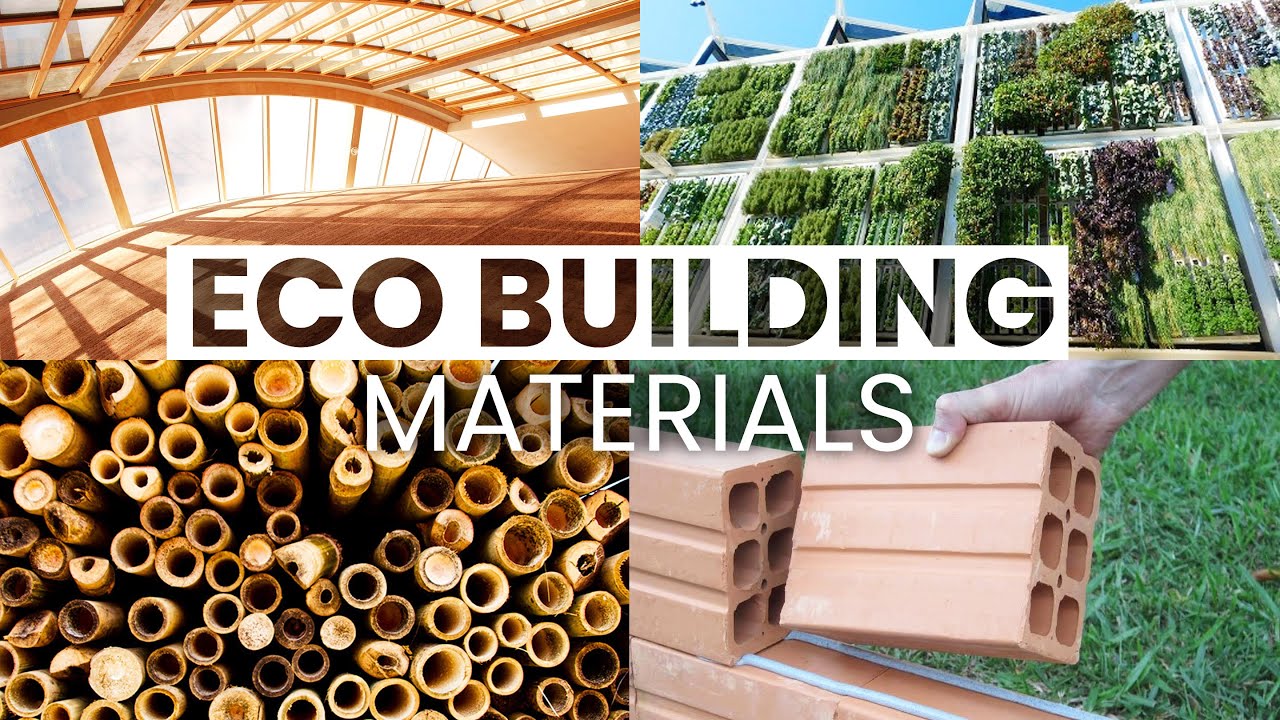
Steel is among the most recycled materials in the world, and the steel used in construction often contains a high percentage of recycled content. This recyclability contributes to the sustainability of steel-framed buildings, reducing both the environmental impact of the construction materials and the cost associated with their production.

7. **Longevity and Lifecycle**

A steel frame barndominium can last for decades, even centuries, with minimal maintenance. Its lifespan often far exceeds that of traditional wood-framed structures, particularly in adverse climates or when exposed to severe environmental stressors. The longevity of steel also means that the lifecycle costs of a barndominium are lower, as the need for repairs, replacements, and overhauls is significantly reduced.

The use of steel frame kits in the construction of barndominiums provides a durable, long-lasting, and safe housing solution. For homeowners and builders looking for a structure that withstands the test of time while offering flexibility in design and efficiency in construction, steel frame barndominium kits represent a sound investment. These qualities not only ensure structural integrity and safety but also contribute to the overall value retention and appreciation of the property over time.

Customization and Aesthetic Appeal

BuildMax.com offers a range of steel frame barndominium kits that are not only structurally sound but also visually appealing. These kits come with various floor plans that can be customized to meet individual needs and tastes, enhancing the property’s appeal to future buyers. The ability to adapt the interior layout with minimal structural constraints allows for design innovations that keep the property modern and desirable.

Energy Efficiency

Steel buildings are often more energy-efficient due to better insulation options and tighter fittings than traditional wood frames. This energy efficiency is increasingly important to value-conscious buyers who prioritize sustainability and lower living costs. Barndominiums built with steel frames from BuildMax.com can benefit from advanced building techniques that promote better energy retention, leading to reduced utility bills and a smaller carbon footprint.

Market Trends and Location

The location of a barndominium can significantly influence its value. Areas with a growing interest in non-traditional, sustainable, or cost-effective housing solutions may see higher demand for barndominiums. Additionally, as remote work continues to rise, more people are moving away from urban centers and looking for homes that offer space and a connection to nature—qualities that barndominiums typically provide.

Investment Potential

Investing in a barndominium with a steel frame from BuildMax.com can turn a major profit for several reasons:

1. **Lower Initial Costs**: Steel frame kits can reduce the cost of materials and labor, allowing for a larger budget for high-quality finishes or additional amenities that can increase the property’s market value.

2. **Reduced Construction Time**: Steel frame kits are pre-engineered for quicker assembly. Faster construction times reduce labor costs and allow the owner to move in or list the property for sale or rent sooner, maximizing ROI.

3. **Unique Selling Point**: A well-designed, well-built barndominium can stand out in the real estate market, attracting buyers looking for something beyond the standard home offerings.

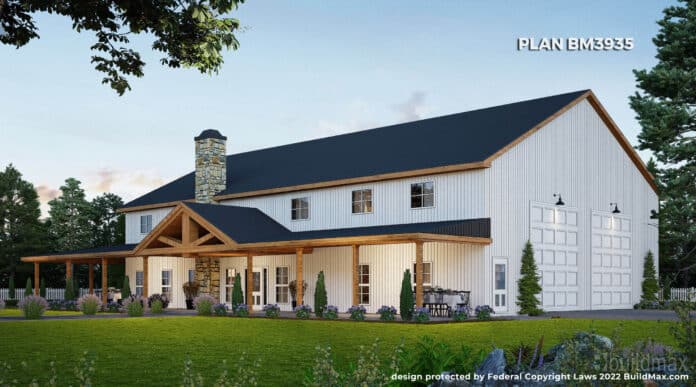
white barndominium lodge style

Barndominiums, particularly those built using steel frame kits from BuildMax.com, can not only retain their value but also become highly profitable investments. Their durability, flexibility, and cost-effectiveness make them an attractive option for a wide range of buyers. By focusing on quality construction and forward-thinking design, investors and homeowners can capitalize on the growing trend towards non-traditional housing and secure a profitable future in the real estate market.

Are Barndominiums Allowed in Kentucky?

White barndominium with lofty porch

Are Barndominiums Allowed in Kentucky? Key Details for Prospective Builders

In Kentucky, the popularity of barndominiums has been on the rise, driven by their affordability, flexibility, and distinctive aesthetic. These structures, which blend the architectural elements of a barn with the comforts of a traditional home, offer a unique living experience. However, for those looking to build a barndominium in the Bluegrass State, understanding the legal, zoning, and construction requirements is crucial. This article provides an in-depth look at what prospective builders need to know about constructing a barndominium in Kentucky.

Understanding Barndominiums

A barndominium can be either a new construction or a conversion of an existing Structure into a living space but this is less coomon thesese days with the wide avaliability of Steel Frame Barndominium kits. They often feature spacious open floor plans, high ceilings, and large, expansive windows. While barndominiums may retain some rustic external characteristics of barns, their interiors can be customized to include all modern conveniences.

Legal and Zoning Considerations in Kentucky

Zoning Laws

Kentucky’s zoning regulations vary significantly between counties and local jurisdictions. Before embarking on a barndominium project, it’s essential to check with the local zoning office. Zoning laws will determine:

– Whether residential use is permissible on agricultural land.
– The specific requirements and restrictions for building homes in rural vs. urban areas.
– Setbacks, building height restrictions, and other spatial regulations.

Building Codes and Permits

Kentucky adheres to several national and state-specific building codes, including those related to structural integrity, electrical systems, plumbing, and fire safety. Compliance with these codes is mandatory and usually verified through inspections during and after construction. Additionally, prospective builders must obtain the necessary building permits before construction begins. These permits ensure that the plans comply with local laws and building codes.

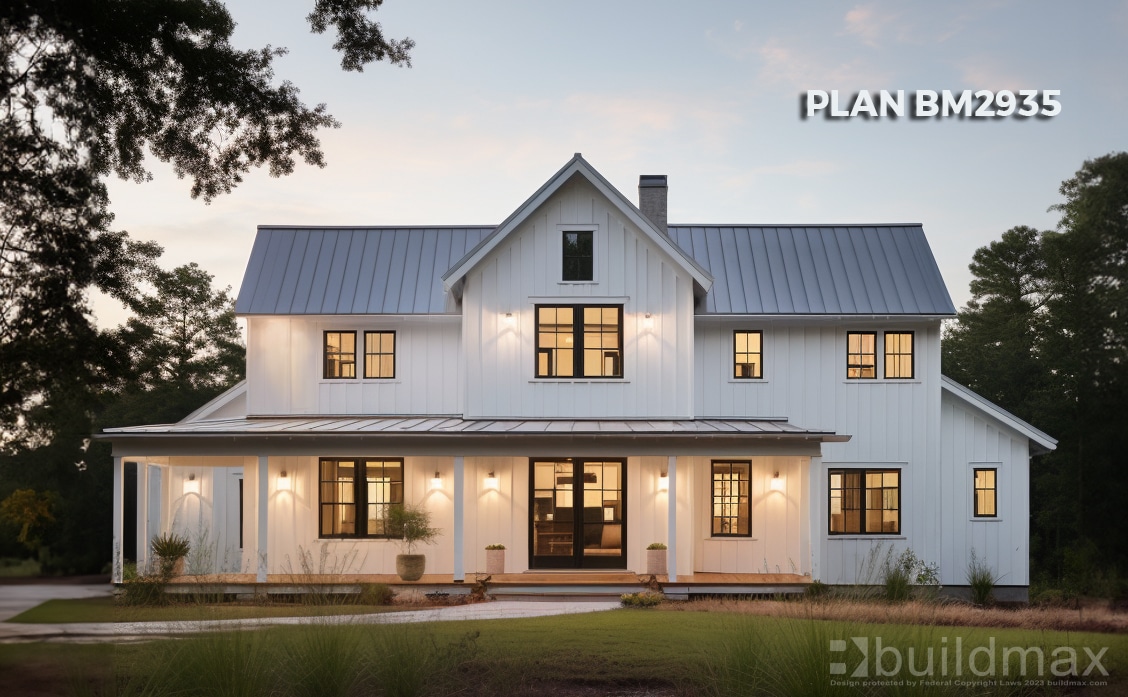
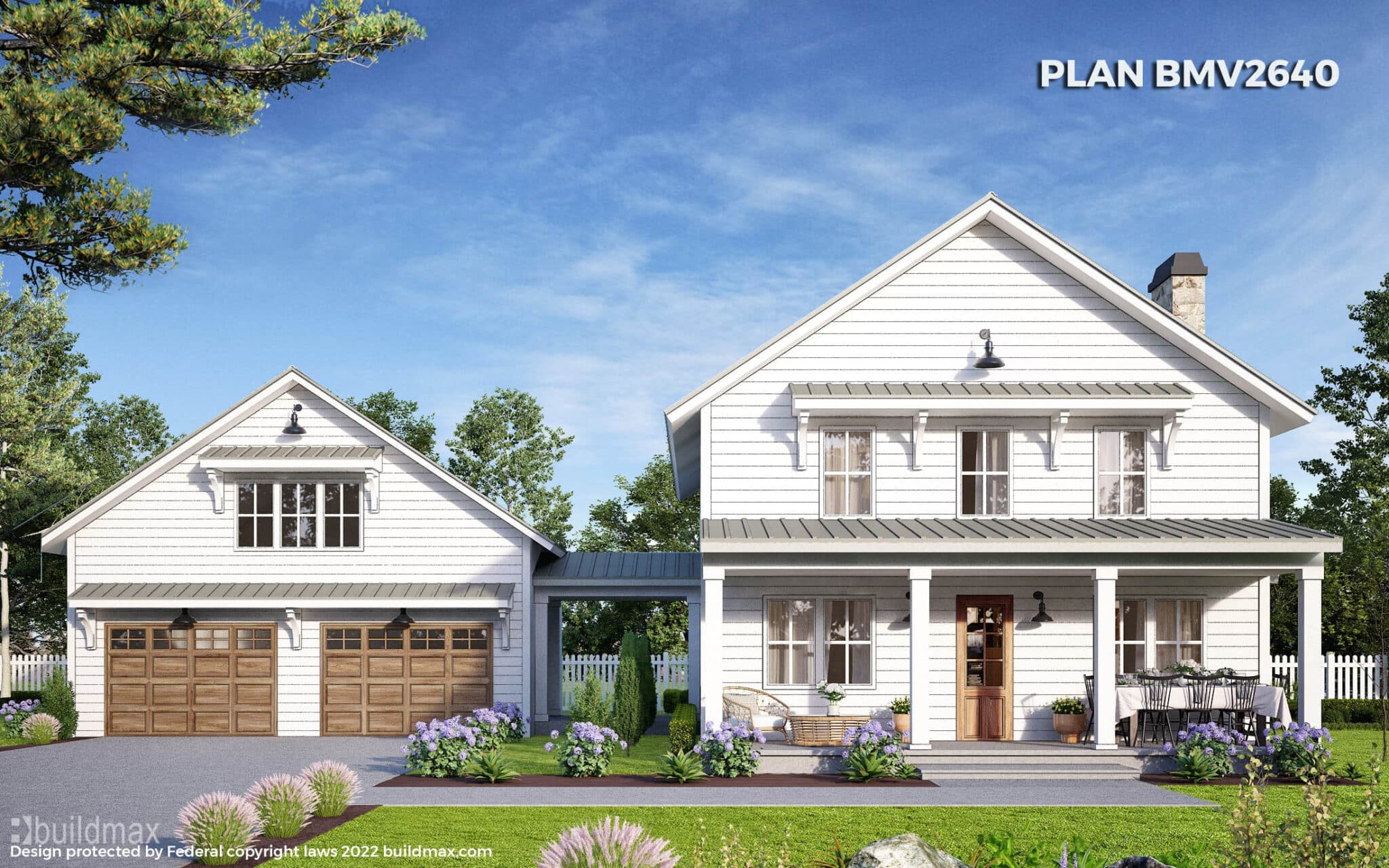
white farmhouse

Key Steps to Building a Barndominium in Kentucky

1. Site Selection and Purchase

Choosing the right location is crucial. Consider factors such as proximity to amenities, the natural landscape, and the suitability of the land for construction. Ensure the land purchase aligns with zoning requirements for a barndominium.

2. Design and Planning

Work with architects or designers familiar with both the aesthetic aspects of barndominiums and Kentucky’s regulatory environment. Companies Like Buildmax.com can walk you through choosing the right Spacious open Floor Plans, A Large part of Effective Floor Plan design & planning should also largely focus on your daily activities and potential future needs.

3. Budgeting and Financing

Setting a realistic budget that covers all costs, including land purchase, construction, interior design, and unforeseen expenses, is vital. Financing options may include traditional mortgages, construction loans, or, in some cases, specialized rural home loans.

4. Construction

Hiring a contractor experienced in building barndominiums or similar structures in Kentucky is advisable. Ensure the contractor understands the specific requirements and standards for such buildings.

5. Utilities and Services

Rural properties might not have easy access to utilities and services like water, sewage, electricity, and internet. Arranging for these services can sometimes be a significant challenge and expense.

Potential Challenges and Solutions

Regulatory Hurdles

Navigating zoning laws and building codes can be complex. Engaging with a local lawyer or a consultant who specializes in real estate or rural construction projects in Kentucky can be beneficial.

Weather and Environmental Factors

Kentucky’s climate can include severe weather such as tornadoes and heavy snow. Building a barndominium that can withstand these conditions might require special considerations in design and construction materials.

Building a barndominium in Kentucky introduces several weather and environmental factors that prospective builders should consider. Kentucky’s climate can be classified as humid subtropical, with distinct seasons that bring their own set of challenges. Here’s an overview of what you might face:

1. Tornadoes and Severe Storms

Kentucky is situated in a region that can experience severe weather, including tornadoes, particularly in the spring and early summer. These storms can bring high winds, hail, and heavy rainfall, which can cause structural damage and necessitate robust building designs to ensure safety and durability.

Solutions:

– **Reinforced Construction**: Use construction methods and materials designed to withstand high winds, such as reinforced concrete foundations, anchor bolts, and storm-resistant windows and doors.
– **Safe Rooms**: Consider including a FEMA-approved safe room or storm shelter in the design.

2. Humidity and Moisture

The state’s high humidity levels, especially during the summer months, can contribute to moisture problems within homes, leading to mold and mildew growth.

Solutions:

– **Ventilation**: Ensure proper ventilation in the design, particularly in areas like kitchens, bathrooms, and laundry rooms.
– **Moisture Barriers**: Use vapor barriers and moisture-resistant materials in construction, especially in the foundation and walls.

3. Seasonal Temperature Variations

Kentucky experiences hot summers and moderately cold winters, which means your barndominium will need to be equipped to handle both extremes.

Solutions:

– **Insulation**: High-quality insulation is a must to keep the interior temperature regulated throughout the year, reducing heating and cooling costs.
– **Energy-efficient Windows and Doors**: Installing double or triple-glazed windows can help maintain internal temperatures and reduce energy bills.

4. Snow and Ice

While Kentucky’s winters are generally moderate, certain areas, especially in the northern and eastern parts of the state, can receive significant snowfall and ice, which can impact roofing structures and accessibility.

Solutions:

– **Roof Design and Materials**: Opt for steep roofs with durable materials that can support the weight of snow and allow for easy runoff.
– **Heating Solutions**: Consider installing heated driveways or walkways to prevent ice accumulation.

5. Flooding

Certain areas in Kentucky are prone to flooding, particularly in low-lying regions and near water bodies. It’s crucial to assess the flood risk of your chosen location.

Solutions:

– **Elevation**: Building your barndominium on an elevated site or using a raised foundation can help mitigate flood risks.
– **Landscaping and Drainage**: Implement landscaping solutions and proper drainage systems around the property to manage runoff effectively.

When planning to build a barndominium in Kentucky, taking these weather and environmental factors into account during the design and construction phases can greatly enhance the durability, safety, and comfort of your home. Consulting with professionals who have local experience can provide valuable insights and solutions tailored to Kentucky’s specific climate challenges.

Resale Value and Marketability

While barndominiums are growing in popularity, they might be harder to sell than traditional homes due to their unique nature. Prospective builders should consider this factor for long-term investment potential.

Building a barndominium in Kentucky is a feasible project that comes with a unique set of challenges and rewards. By understanding and navigating the state’s zoning laws, building codes, and potential logistical hurdles, you can effectively plan and execute the construction of your dream barndominium. As with any significant investment, thorough research, careful planning, and professional advice are key to ensuring the success of your building project in Kentucky.

Do FHA Construction Loans Cover Barndominiums?

grey barndominium with wraparound porch

 Understanding FHA Guidelines and Requirements

In the evolving landscape of home construction and ownership, the popularity of barndominiums has seen a significant rise. These unique structures, blending the simplicity of barns with the comfort of condominium living, have attracted the attention of many prospective homeowners. Given their distinct nature, a common question arises: “Do FHA Construction Loans cover Barndominiums?” This article delves into the Federal Housing Administration (FHA) guidelines and requirements to provide a comprehensive understanding.

What are FHA Construction Loans?

FHA Construction Loans are government-backed mortgages that enable borrowers to finance both the construction of a new home and the purchase of the land it stands on. Designed to be more accessible than conventional loans, they offer lower down payments and more lenient credit requirements. The FHA’s endorsement ensures lenders are protected against losses, making these loans an attractive option for many.

Can FHA Construction Loans Be Used for Barndominiums?

The short answer is yes, but with specific conditions and requirements. The FHA does not explicitly exclude barndominiums from qualifying for construction loans. However, the property must meet certain standards related to safety, habitability, and zoning regulations. As long as a barndominium can be classified as a single-family residence and adheres to these standards, it could potentially qualify for an FHA Construction Loan.

Understanding FHA Guidelines and Requirements

To navigate the possibility of financing a barndominium through an FHA Construction Loan, understanding the following guidelines and requirements is crucial:

1. Property Eligibility

– **Single-Family Residence**: The barndominium must be intended for use as a single-family dwelling.
– **Habitability**: The construction plans must ensure the structure will be safe, secure, and habitable, meeting or exceeding local building codes.
– **Zoning and Legal Compliance**: The property must comply with local zoning laws and regulations, including any specific requirements for non-traditional homes.

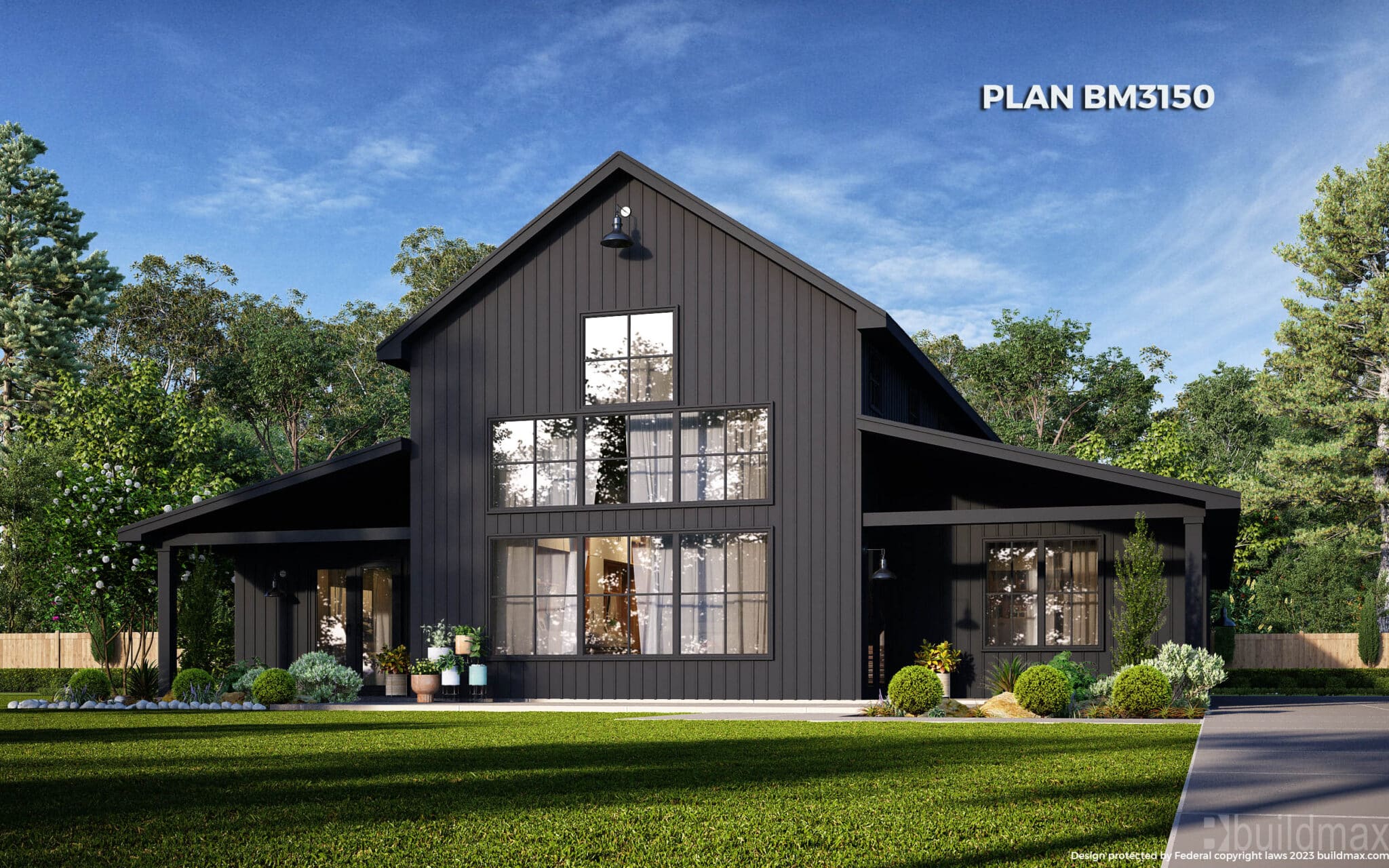
black barndominium with large windows on the front

2. Borrower Eligibility

– **Credit Score**: Applicants typically need a minimum credit score of 580 to qualify for the maximum financing option, which allows for a down payment as low as 3.5%. Those with credit scores between 500 and 579 may still qualify but must make a down payment of at least 10%.
– **Debt-to-Income Ratio (DTI)**: The borrower’s DTI ratio should not exceed 43%, though exceptions can be made for ratios up to 50% under certain conditions.
– **Occupancy**: Borrowers must intend to occupy the barndominium as their primary residence.
– **Financial Stability**: Evidence of stable, sufficient income and employment history is required.

3. Loan Terms and Conditions

– **Loan Limits**: The FHA sets limits on the amount that can be borrowed, which vary by location.
– **Insurance**: Borrowers must pay an upfront mortgage insurance premium (MIP) and annual MIP payments.
– **Construction Requirements**: The construction project must be completed within a specific timeframe, typically within six months.

The Application Process

Prospective borrowers should start by finding an FHA-approved lender experienced in construction loans. The application process involves providing detailed plans for the barndominium, including architectural designs, a comprehensive budget, and a timeline for construction. The lender will also require a thorough appraisal to ensure the finished home’s value justifies the loan amount.

Financing a barndominium with an FHA Construction Loan is possible, provided the project meets the FHA’s standards for safety, habitability, and legality. By understanding the FHA’s guidelines and preparing thoroughly, prospective homeowners can navigate the path to securing a loan for their unique barndominium project. It’s advisable to consult with an FHA-approved lender to discuss specific requirements and to tailor the application to meet these standards.

The cost of Building a Barndominium in Alabama

white farmhouse

Understanding the Cost of Building a Barndominium in Alabama Versus the Rest of the Country

The concept of barndominiums, which merges the aesthetic appeal and spaciousness of a barn with the comfort and functionality of a condominium, has gained significant popularity across the United States. These structures offer a unique living space that can often be more cost-effective than traditional homes, thanks to their simple construction and the potential for DIY customization. However, the cost of building a barndominium can vary widely depending on several factors, including location. This article delves into the specifics of building a barndominium in Alabama compared to the national average, providing insights into what prospective builders can expect in terms of expenses.

white barndominium

Factors Influencing Barndominium Building Costs

Several key factors impact the cost of building a barndominium, regardless of location:

– **Materials:** The choice between a steel frame versus a wood frame, along with decisions on insulation, interior finishes, and fixtures, can significantly affect the overall cost.
– **Labor:** Costs can vary based on the local labor market, with some regions having higher rates for skilled construction workers.
– **Land:** The price of the plot where the barndominium will be built plays a crucial role, and land costs can vary dramatically from one area to another.
– **Permits and Fees:** Local regulations and the cost of obtaining the necessary building permits can also impact the total cost.
– **Utilities and Infrastructure:** Establishing access to essential utilities like water, electricity, and sewage systems may require substantial investment, especially in rural areas.

White barndominium with lofty porch

Barndominium Cost in Alabama

Building a barndominium in Alabama offers several advantages that can potentially reduce construction costs:

– **Land Prices:** Generally, land in Alabama is more affordable than in many other parts of the country, especially when compared to urban areas and coastal regions. Lower land costs can significantly reduce the overall project budget.
– **Labor Costs:** Alabama tends to have lower labor costs compared to states with higher living expenses. This difference can translate into more affordable construction costs for building a barndominium.
– **Material Availability:** Being in a region with a strong agricultural and industrial background, Alabama has good access to both steel and wood, the two primary materials for barndominium construction. This accessibility can help keep material costs competitive.

A peek at Some Comparative Cost 

On average, the cost to build a barndominium in the United States ranges from $90 to $150 per square foot, depending on the factors mentioned above. This estimate includes both the exterior shell and basic interior finishing but does not account for high-end finishes or custom features.

In Alabama, the cost to build a barndominium can be on the lower end of this range, often between $80 and $120 per square foot, thanks to the state’s lower land and labor costs. For example, a basic 2,000-square-foot barndominium in Alabama might cost between $160,000 and $240,000 to complete, whereas the same structure could cost significantly more in states with higher prices for land, labor, and materials.

It’s important to note that these are only rough estimates,

and costs can vary significantly even within Alabama, depending on the specific location, design choices, and the current market for construction materials and labor. You should do your own research in your specific area to get more accurate prices for your region.

Final Thoughts

Building a barndominium in Alabama can offer financial advantages due to the state’s generally lower costs for land, labor, and materials. However, prospective builders should conduct thorough research and obtain detailed quotes from contractors to create an accurate budget for their project. Additionally, considering the long-term value and the lifestyle benefits of a barndominium can further validate the investment, making it not just a cost-effective choice but also a fulfilling one. As with any construction project, planning, budgeting, and understanding the local market are key to achieving the best value for your investment.

Can you get a 30 year loan for a Barndominium?

white barndominium lodge style

Financing Your Dream Barndominium: Navigating 30-Year Loan Options

The rise of barndominiums as a popular housing choice has sparked interest among potential homeowners looking for an alternative to traditional homes. These structures, known for their versatility, durability, and often cost-effective construction, blend the aesthetic of a barn with the comfort of a modern home. However, when it comes to financing a barndominium, many buyers wonder about their options, particularly the possibility of securing a 30-year loan. Let’s delve into the complexities and considerations surrounding 30-year loans for barndominiums.

Understanding Barndominium Financing

Unlike traditional homes, barndominiums can present unique challenges for financing due to their unconventional nature. Lenders typically assess risk based on resale value and market demand, and non-traditional homes can be harder to appraise and sell. However, as barndominiums have become more mainstream, more lenders are recognizing their value and appeal, making financing more accessible than in the past.

Can You Get a 30-Year Loan on a Barndominium?

The short answer is yes, it is possible to secure a 30-year loan on a barndominium, but availability can vary significantly depending on several factors:

1. **FHA loans For Barndominium**

An FHA home loan can be a viable 30-year option for financing a barndominium, but whether it’s the best choice depends on various factors, including your financial situation, the specific characteristics of the barndominium, and FHA lending criteria. Here’s a detailed look at considering an FHA loan for a barndominium:

FHA Loan Benefits

**Lower Down Payment:** FHA loans require a down payment as low as 3.5%, making homeownership more accessible for individuals with limited savings.

**Flexible Credit Requirements:** FHA loans have more lenient credit requirements compared to conventional loans, potentially making them a good option for those with less-than-perfect credit scores.

**Fixed Interest Rates:** Opting for a 30-year fixed-rate FHA loan can provide stability with consistent monthly payments over the life of the loan, which is beneficial for long-term budgeting.

Considerations for Barndominium Financing

**Property Eligibility:** FHA loans have specific requirements regarding the property’s condition and eligibility. The barndominium must meet the FHA’s standards for safety, security, and structural soundness. This can be a hurdle if the barndominium is in a condition that does not meet these standards or if it’s considered too unconventional in design or construction.

**Primary Residence Requirement:** FHA loans are intended for primary residences only. This means you must plan to live in the barndominium as your main residence to qualify for an FHA loan.

**Appraisal and Inspection:** The FHA requires an appraisal and inspection to ensure the property meets its guidelines. For a barndominium, this process can be more complex, as the appraiser must be familiar with this type of property to accurately assess its value and ensure it meets FHA’s criteria.

**Mortgage Insurance:** FHA loans come with the requirement of paying mortgage insurance premiums (MIP), including an upfront premium at closing and an annual premium that’s typically added to your monthly mortgage payment. This can increase the overall cost of the loan over time.


Steel Frame Barndominium Kit Ready to Ship Is 


Is An FHA Loan Right for Your Barndominium?

**Prospective Advantages:** If you have a smaller down payment saved up or if your credit history isn’t perfect, an FHA loan could provide the means to finance your barndominium as a primary residence. Its fixed-rate 30-year term can offer financial stability with predictable monthly payments.

**Potential Drawbacks:** The additional costs of mortgage insurance and the potential challenges of meeting FHA property standards for a barndominium are significant considerations. You’ll need to weigh these factors against the benefits of lower down payment and more lenient credit requirements.

An FHA home loan can be a good 30-year option for financing a barndominium, especially for borrowers who benefit from the program’s lower down payment requirements and more flexible credit criteria. However, the suitability of an FHA loan for your barndominium project will depend on your ability to meet the FHA’s property eligibility requirements, your financial readiness to handle the additional costs of mortgage insurance, and whether the barndominium will be your primary residence. As with any significant financial decision, consulting with a mortgage professional experienced in FHA loans and non-traditional properties like barndominiums can provide valuable guidance tailored to your specific situation.

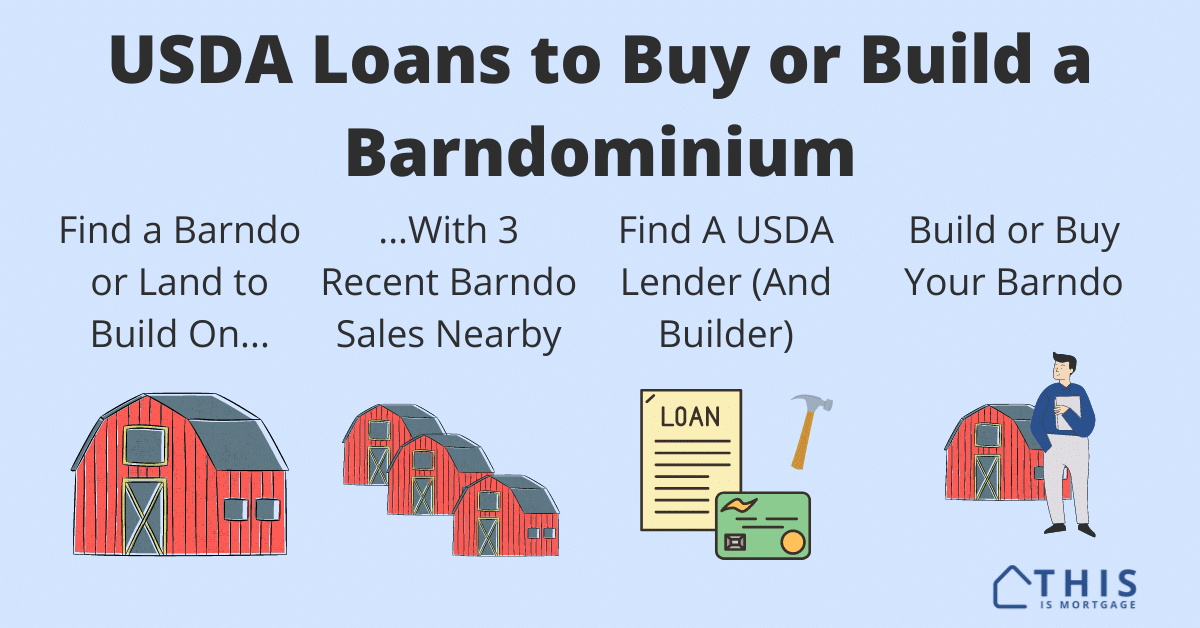
*Credit to website: This is mortgage*

2. **USDA Home Loans for your Barndominium**

A USDA home loan, offered by the United States Department of Agriculture, is designed to assist low- to moderate-income individuals in purchasing homes in rural areas, offering several appealing benefits such as no down payment requirement and competitive interest rates. When considering a USDA loan for financing a barndominium, several key factors come into play to determine its suitability. Here’s an in-depth look at whether a USDA home loan is a good 30-year option for a barndominium:

USDA Loan Benefits

**No Down Payment:** One of the most significant advantages of a USDA loan is the ability to finance a home purchase without a down payment, which can make homeownership more accessible.

**Competitive Interest Rates:** USDA loans often come with interest rates that are competitive with, or even lower than, conventional mortgage rates, which can result in lower monthly payments.

**Fixed-Rate Mortgages:** Like FHA loans, USDA loans are available with 30-year fixed-rate terms, offering the stability of consistent monthly payments over the life of the loan.

Considerations for Barndominium Financing

**Geographical Eligibility:** USDA loans are restricted to properties located in eligible rural areas as defined by the USDA. While many barndominiums may naturally be situated in rural settings, it’s crucial to verify that the specific location of your project qualifies under USDA guidelines.

**Primary Residence Requirement:** The property financed with a USDA loan must be used as the borrower’s primary residence. If you plan to use your barndominium as your main home, this requirement aligns with your goals.

**Property Standards:** Similar to FHA loans, properties financed with USDA loans must meet certain health and safety standards. A barndominium will need to comply with these requirements, which could involve additional inspections and certifications depending on the construction and condition of the barndominium.

**Income Limits:** USDA loans are intended for individuals and families with low to moderate incomes, so there are income limits that vary by region. You’ll need to ensure your household income does not exceed the USDA’s eligibility criteria for your area.

**Loan Fees:** Although USDA loans do not require a down payment, they do include certain fees, such as an upfront guarantee fee and an annual fee, which is similar to mortgage insurance. These fees help fund the USDA loan program and are typically lower than the mortgage insurance premiums for FHA loans.

white barndominium

Is a USDA Loan Right for Your Barndominium?

**Pros:** The no down payment requirement and competitive interest rates make USDA loans an attractive option for eligible buyers looking to finance a barndominium in a rural area. The 30-year fixed-rate term offers long-term financial stability with predictable monthly payments.

**Cons:** The geographical and income restrictions, along with the property standards that must be met, can limit the feasibility of using a USDA loan for some barndominium projects. Additionally, the upfront and annual fees, while necessary for the loan’s funding, add to the overall cost of the loan.

A USDA home loan can be a good 30-year financing option for a barndominium, particularly for those looking to build or buy in rural areas and who meet the program’s income eligibility criteria. The benefits of no down payment and competitive rates are significant; however, potential borrowers must carefully consider the geographical and property eligibility requirements and the impact of loan fees on their overall financing costs. As with any mortgage decision, consulting with a lending professional who understands the USDA loan process and the unique aspects of financing a barndominium is crucial to navigating your options successfully.

3. **Construction Method and Materials**

Lenders will consider the construction method and materials of your barndominium when evaluating your loan application. Barndominiums built with steel frames and those that adhere to traditional residential construction standards are often viewed more favorably by lenders because they are durable and have a longer lifespan, which can make a 30-year loan more viable.


white farmhouse

Tips for Securing a 30-Year Loan

**Research Specialized Lenders**

Look for lenders that specialize in rural properties, non-traditional homes, or construction loans. These institutions are often more knowledgeable about barndominiums and may offer more flexible financing options.

**Prepare a Detailed Proposal**

When approaching lenders, come prepared with detailed plans for your barndominium, including construction blueprints, a comprehensive budget, and information on the property’s intended use. Demonstrating thorough planning and a strong understanding of your project can help alleviate concerns lenders might have.

**Highlight Resale Value and Market Demand**

Provide evidence of the growing popularity and market demand for barndominiums in your area, including resale values of similar properties if available. Showing that your barndominium is a sound investment can make lenders more comfortable offering a 30-year loan.

**Consider Alternative Financing Options**

If traditional lenders are hesitant, explore alternative financing options such as credit unions, local banks, or lenders that offer USDA rural development loans. These institutions may offer more personalized lending criteria and be more willing to finance unique properties on a long-term basis.

black barndominium with wraparound porch

While securing a 30-year loan for a barndominium is possible, it requires due diligence, preparation, and sometimes a bit of creativity in finding the right lender. As barndominiums continue to gain popularity, their acceptance in the financing world is also growing, making it easier for prospective homeowners to find long-term financing solutions. By demonstrating the viability, durability, and demand for barndominiums, you can increase your chances of securing a 30-year loan, turning your dream of owning a unique and personalized home into a reality.

Are Barndominiums Taxed heavy in Texas?

grey barndominium with dark grey roof and wraparound porch

In Texas, as in other states, property taxes are a significant consideration for homeowners, and understanding how they apply to unique property types, such as barndominiums, is crucial for those looking to build or buy one. The taxation of barndominium builds in Texas involves several factors, including the property’s valuation, its classification, and local tax rates. Here’s a detailed exploration of how barndominiums are taxed in Texas.

Understanding Property Taxes in Texas

Property taxes in Texas are levied by local taxing units, which include counties, cities, and special districts, and are used to fund public services such as schools, roads, and emergency services. The amount of property tax owed is determined by the property’s appraised value and the tax rate set by each taxing unit.

Appraisal and Valuation of Barndominiums

The appraisal of a property, including barndominiums, is conducted by the county appraisal district (CAD). The CAD assesses the property’s market value, which is the price it would sell for under normal conditions. For barndominiums, this appraisal process can be complex due to their unique nature.

Barndominiums blend residential living spaces with features typically associated with barns or workshops. This duality can lead to varied appraisals, depending on how the property is used and the features it includes. For example, a barndominium used primarily as a residence might be appraised similarly to a traditional home, whereas one used mostly for agricultural or commercial purposes might be valued differently.

White barndominium with lofty porch

Property Classification and Its Impact on Taxation

The way a barndominium is classified can significantly impact how it’s taxed. In Texas, property can be classified in several ways for tax purposes, including residential, commercial, and agricultural. The classification affects the property’s valuation and eligibility for exemptions, which in turn influence the property tax owed.

– **Residential:** If your barndominium is your primary residence, it may qualify for a homestead exemption, which can significantly lower your property taxes. The homestead exemption removes part of your home’s value from taxation, reducing the taxable value.

– **Agricultural:** If your barndominium is located on land used for agricultural purposes and meets certain criteria, it might qualify for an agricultural valuation, often referred to as an “ag exemption.” This valuation can lead to substantially lower taxes, as it’s based on the land’s capacity to produce agricultural products rather than its market value.

– **Commercial:** Barndominiums used for commercial purposes, such as a workshop or business, might be classified as commercial property, which typically does not qualify for exemptions like the homestead or agricultural exemptions.

Local Tax Rates

The total property tax rate applied to a barndominium in Texas is the sum of the rates set by each local taxing unit where the property is located. These rates can vary significantly from one area to another, affecting the overall tax burden. It’s important for barndominium owners to be aware of all the taxing units that have jurisdiction over their property, including school districts, cities, and county governments.

black barndo

Barndominium builds in Texas are subject to property taxes, with the amount owed depending on factors such as the property’s appraised value, its classification, and local tax rates. Owners can potentially reduce their tax burden through exemptions, particularly if the barndominium is used as a primary residence or for agricultural purposes. Understanding these nuances is crucial for prospective and current barndominium owners in Texas. It’s always advisable to consult with a tax professional or the local county appraisal district to get accurate information and guidance specific to your situation and ensure that you are taking full advantage of any available exemptions or special valuations.

How Do you validate a Barndominium builder?

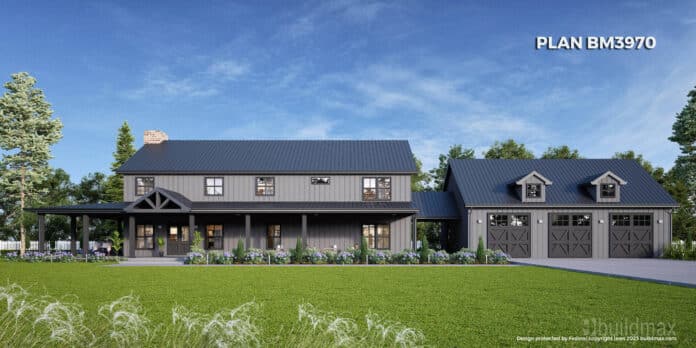
black barndominium with wraparound porch and 3 car garage

Validating a builder for your barndominium project is a critical step in ensuring that your dream home becomes a reality without unnecessary setbacks. Due to the unique nature of barndominiums, which blend aspects of traditional homes with the characteristics of barns or industrial spaces, finding a builder with the right expertise and a proven track record is essential. Here are key steps to validate a builder for your barndominium:

white barndominium with cupolas

1. **Check for Licenses and Certifications**

Ensure the builder is licensed to operate in your area. Licensing requirements vary by location but typically involve passing exams and proving competency in construction practices. Also, check if they hold any certifications from reputable industry organizations, which can indicate a commitment to ongoing education and adherence to best practices.

2. **Verify Insurance**

A reputable builder should have liability insurance and workers’ compensation insurance. Liability insurance protects you in case of damages caused by the construction work, while workers’ compensation covers injuries that workers might sustain on the job. Ask to see proof of insurance and verify it by calling the insurance company.

3. **Look at Past Projects**

Experience with barndominiums specifically is highly beneficial. Request to see a portfolio of past projects, with particular attention to those similar in style and complexity to your project. If possible, visit completed projects to assess the quality of workmanship firsthand.

It’s not only okay to ask a builder for examples of their previous projects, but it’s also a highly recommended part of the vetting process. Reviewing a builder’s past work provides valuable insights into the quality of their construction, their attention to detail, and their craftsmanship. Here are several reasons why it’s beneficial and important to ask for and review a builder’s previous projects:

1. **Assessing Work Quality**

Seeing completed projects allows you to directly assess the quality of the builder’s work. Look for the finishes, the materials used, and the overall aesthetic to ensure they align with your expectations.

2. **Understanding Style and Versatility**

Builders often have a signature style or an area of specialty. By reviewing past projects, you can determine if their style aligns with your vision for your barndominium. It also gives you an idea of the builder’s versatility and ability to customize projects according to the client’s preferences.

3. **Evaluating Customer Satisfaction**

Asking for references or testimonials from past clients can accompany the request to see previous projects. Speaking directly to former clients provides insights into their satisfaction with the project’s outcome and the builder’s process, including communication, adherence to budget and timelines, and problem-solving abilities.

4. **Verifying Professionalism and Reliability**

The condition and longevity of a builder’s previous projects can indicate their professionalism and the reliability of their work. It shows whether their constructions stand the test of time and if they handle issues that may arise post-construction.

5. **Inspiring Confidence**

Seeing tangible evidence of a builder’s accomplishments can inspire confidence in their abilities and in your decision to work with them. It’s reassuring to know your project is in the hands of someone who has successfully completed similar work.

How to Approach the Subject

When asking to see previous projects, be clear and respectful. Most builders are proud of their work and happy to showcase their portfolio. You might say something like, “I’d love to see some examples of your previous projects to get a better sense of your work quality and style. Could you share some of your portfolio or arrange a visit to any of your completed projects?”

Virtual Tours and Portfolios

In cases where it’s not possible to visit completed projects in person, ask if the builder has a website, online portfolio, or social media pages where you can view photos or virtual tours of their work. This is becoming increasingly common and can be a valuable resource in assessing a builder’s capabilities.

Asking a builder for examples of their previous projects is a crucial step in ensuring that their skills and style match your needs and expectations for your barndominium. It’s a standard practice in the industry and an essential part of due diligence when selecting a builder for your project. This approach not only helps you gauge the quality of their work but also builds a foundation of trust and communication for a successful collaboration.

4. **Check References**

Ask for references from recent clients who have undertaken similar projects and make the effort to contact them. Inquire about their overall satisfaction, the builder’s communication and problem-solving abilities, adherence to budget and timelines, and any issues that arose and how they were resolved.

5. **Review Online Reviews and Ratings**

Online platforms like Houzz, Angie’s List, and the Better Business Bureau can provide insights into the builder’s reputation. While every company may have some negative reviews, look for patterns of issues that could be red flags, such as consistent complaints about delays, poor communication, or subpar workmanship.

6. **Evaluate Communication Skills**

Your builder will be your partner throughout this process, so clear and consistent communication is key. Note how promptly they respond to inquiries and how well they understand and articulate your vision for the project. Their ability to provide clear explanations and listen to your needs is a good indicator of future communication during the build.

7. **Assess Financial Stability**

A builder’s financial stability is crucial for ensuring that they can see your project through to completion. You might ask for evidence of this directly, such as proof of a stable business bank account. A long-standing presence in the community and a physical office can also be indicators of a financially stable company.

8. **Understand Warranties and Service Policies**

Inquire about the warranties offered on their work and the materials they use. Understanding what is covered and for how long can provide peace of mind and protection for your investment. Also, ask about their policy for handling any issues that may arise post-construction.

9. **Gauge Their Network of Subcontractors**

Builders often work with a network of subcontractors for specific tasks (e.g., electrical, plumbing). Ask about the subcontractors they plan to use for your project and how long they’ve worked with them. A stable and reliable team can significantly influence the quality and timeliness of your build.

10. **Ask About Permits and Legal Compliance**

Ensure the builder is familiar with obtaining the necessary permits and complying with local building codes and regulations, especially those specific to barndominiums in your area. Their willingness and ability to navigate these legal requirements can prevent potential legal headaches.

Validating a builder for your barndominium requires due diligence and attention to detail. Taking the time to thoroughly vet potential builders using the steps outlined above can help you select a professional who will deliver quality workmanship, communicate effectively, and ultimately bring your vision to life within your budget and timeframe.

Top Things To Know Before Building a Custom House or Barndominium?

DREAM BARNDO BM2852

Building a Custom House or a Barndominium is an exciting adventure that promises the reward of a personalized space tailored to your preferences and lifestyle. However, the journey from conceptualization to completion involves myriad decisions and considerations that can significantly impact the success and satisfaction of the final project. Whether you’re drawn to the traditional allure of a custom home or the unique charm and efficiency of a barndominium, understanding the critical factors before breaking ground is essential. Here’s an in-depth exploration of the most important things to consider:

Couple’s balancing their budget with their Barndominium Dreams

**Budgeting and Financing**

**Budgeting:** Start with a clear and realistic budget that includes not just construction costs, but also land purchase, permits, utility connections, landscaping, and a contingency fund for unforeseen expenses. This holistic approach ensures you have a financial buffer and can make informed decisions at every stage.

Budgeting for your dream barndominium involves a detailed and strategic approach to ensure you cover all expenses without breaking the bank. A barndominium, blending the rustic charm of a barn with the comfort and efficiency of a modern home, offers a unique alternative to traditional housing. However, like any construction project, costs can escalate quickly without careful planning. Here are solid ideas to help you budget effectively for your dream barndominium:

1. **Define Your Vision Clearly**

Start with a clear understanding of what you want in your barndominium. Consider size, design, layout, and special features. Having a detailed vision helps in obtaining accurate quotes and avoiding costly changes mid-construction.

2. **Detailed Cost Breakdown**

Break down the costs into detailed categories, including land purchase, permits, construction (materials and labor), utilities setup (electricity, water, sewage), interior finishes, appliances, and landscaping. Don’t forget to account for the cost of any outbuildings or special amenities like solar panels or custom barn doors.

3. **Get Multiple Quotes**

Obtain quotes from several builders and contractors to compare prices and services. Be wary of quotes that seem too good to be true; they often are. Opting for the lowest bid without considering the quality and reliability of the contractor can lead to higher costs in the long run.

4. **Include a Contingency Fund**

Construction projects almost always encounter unforeseen expenses. Include a contingency fund in your budget, typically 10-20% of the total project cost, to cover unexpected costs without derailing your financial plan.

5. **Prioritize Your Spending**

Identify areas where you’re willing to splurge and where you can save. For instance, investing in quality insulation and windows can save on energy costs in the long run, while you might choose more cost-effective solutions for interior finishes that can be easily upgraded later.

6. **DIY Where Possible**

Consider taking on some of the work yourself if you have the skills and time. Tasks like painting, installing fixtures, or even landscaping can be done DIY to save on labor costs. However, always hire professionals for specialized work like plumbing, electrical, and structural construction to ensure safety and compliance with building codes.

7. **Source Materials Wisely**

Look for deals on materials. Sometimes, you can find high-quality reclaimed or surplus materials at a fraction of the cost. Local auctions, online marketplaces, and salvage yards can be excellent sources for unique finds.

8. **Consider Phased Construction**

If your budget is tight, consider building your barndominium in phases. Start with the most essential sections and features, then gradually add or finish other areas as your finances allow. This approach requires careful planning to ensure the initial construction phase doesn’t hinder future expansions or modifications.

9. **Opt for Energy Efficiency**

Investing in energy efficiency from the start can lead to significant savings. Consider features like high-efficiency HVAC systems, solar panels, and proper insulation. The initial cost might be higher, but the long-term savings on utility bills can be substantial.

10. **Stay Flexible and Realistic**

Be prepared to adjust your plans as you get into the details of budgeting and construction. Staying flexible and realistic about what you can achieve within your budget will help prevent financial strain and ensure you still end up with a barndominium you love.

**Financing:** Investigate your financing options early. Construction loans are different from traditional mortgages in terms of disbursement and interest rates. Some lenders offer specialized loans for barndominiums, but they may require more research to find.

 **Choosing the Right Land**

**Location:** Consider the land’s location relative to work, schools, amenities, and family. Also, think about the climate and local weather patterns, as these will affect your living experience and the home’s design and materials.

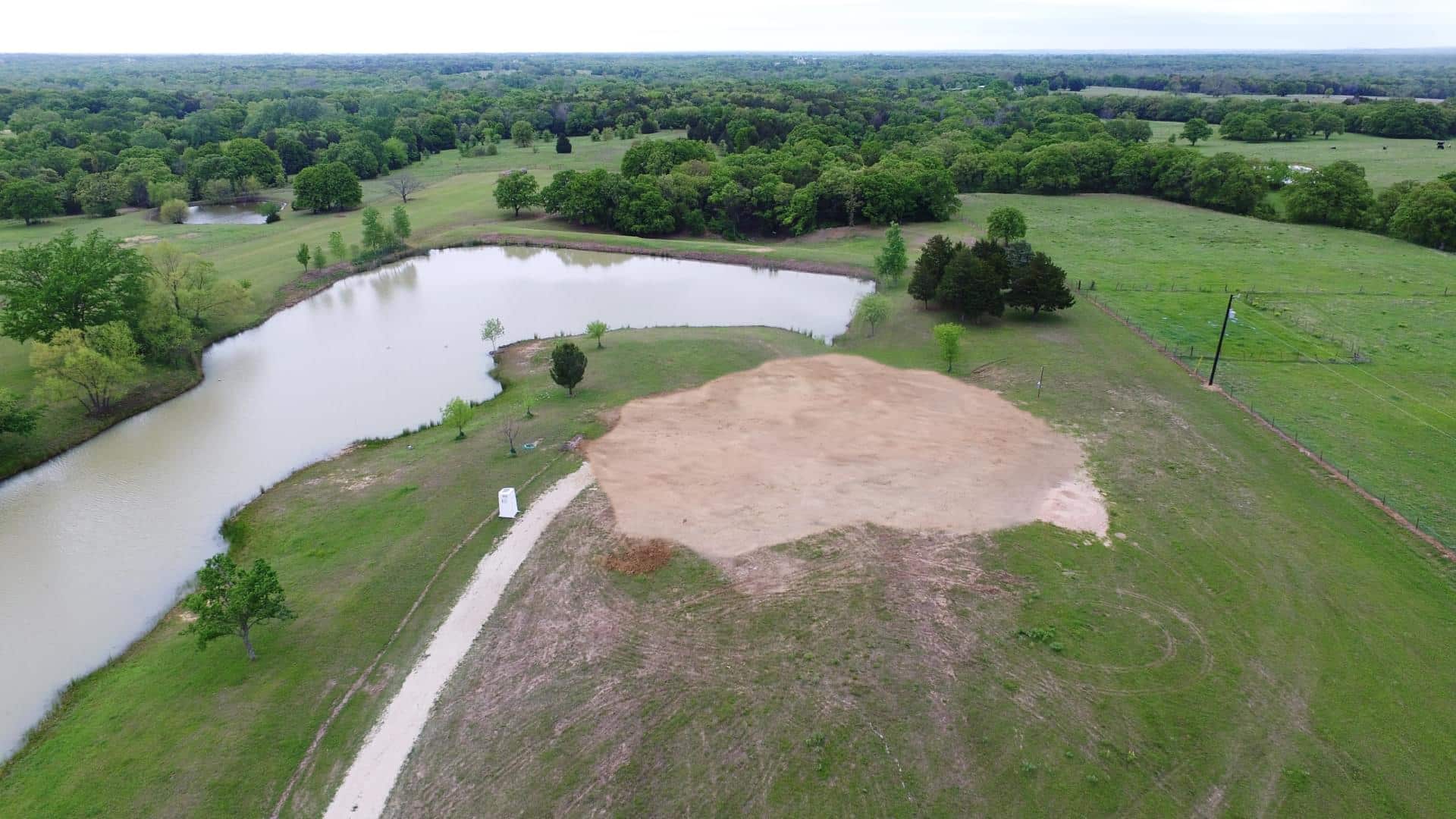
**Topography and Soil:** The land’s topography can influence the construction cost and design of your home. Soil tests can reveal the suitability of the site for building and the type of foundation you’ll need.

**Access to Utilities:** Check if the land has access to essential utilities like water, electricity, sewage, and internet. In remote areas, you may need to consider the costs of installing a septic system, drilling a well, or using alternative energy sources.

 **Zoning Laws and Building Codes**

Understanding local zoning laws and building codes is crucial. These regulations can affect everything from the structure’s size and height to the materials used and the types of utilities allowed. Ensure your plan complies with all local, state, and federal regulations to avoid costly adjustments later.


white barndominium with cupolas
Buildmax Event Venue or Custom Barndominium

**Design & Functionality**

**Personal Needs and Lifestyle:** Tailor the design to fit your lifestyle. Consider the number of bedrooms, bathrooms, workspaces, and entertainment areas. Think about future needs, such as family expansion or aging in place, to make your home adaptable.
**Energy Efficiency and Sustainability:** Incorporate energy-efficient designs and sustainable materials to reduce your environmental impact and save on future utility bills. Consider features like proper insulation, energy-efficient windows, and renewable energy sources.

**Choosing the Right Builder**

Selecting a builder experienced with your type of project is paramount. For barndominiums, find someone familiar with both the aesthetic aspects and the unique structural challenges. Validate their credentials, review past projects, and check references. Effective communication and a clear understanding of your vision are essential traits of a good builder.

**Customization vs. Resale Value**

While personalizing your home, balance your unique desires with considerations for future resale value. Highly customized features may appeal to you but could limit the home’s marketability down the line. Striking the right balance can ensure your home serves your current needs while maintaining its appeal to future buyers.

Customization: Personal Touch vs. Broad Appeal

**Personalization Advantages:**
– **Reflects Individual Style:** Customizing your barndominium allows you to create a space that perfectly reflects your personal style, needs, and preferences. This could include open floor plans, lofted spaces, large workshop areas, or eco-friendly materials and technologies.
– **Enhanced Living Experience:** Tailoring the layout and features of your barndominium to fit your lifestyle can significantly enhance your day-to-day living experience, making it a more comfortable and functional space for you and your family.

**Challenges for Resale:**

– **Niche Market:** The unique nature of barndominiums already places them within a niche market. Highly personalized features may narrow this market further, making it more challenging to find interested buyers when the time comes to sell.
– **Personal Taste vs. General Appeal:** What appeals to one person might not appeal to another. Custom features that are too unique or tailored to specific hobbies or tastes may not be valued or might even be viewed as a detractor by potential buyers.

Resale Value: Broad Appeal vs. Unique Features

**Broad Appeal Advantages:**

– **Wider Market:** Design choices that appeal to a broader audience can make your barndominium more marketable when you decide to sell. This includes choices in layout, interior finishes, and amenities that cater to what most people are looking for in a home.
– **Flexibility:** Keeping some elements of your barndominium more neutral or adaptable allows future buyers to easily envision themselves in the space, potentially leading to a quicker sale and better resale value.

**Potential Drawbacks:**

– **Losing Personalization:** In the effort to maintain broad appeal, there’s a risk of losing the personal touches that make a barndominium a tailored fit for your lifestyle. This balance requires thoughtful consideration to ensure the space still meets your needs while remaining attractive to future buyers.
– **Underestimating Unique Value:** Sometimes, unique features can indeed enhance a property’s appeal, especially if they are well-executed and align with emerging trends or preferences in the housing market. For example, eco-friendly features or high-quality, durable materials can be attractive selling points.

Striking the Balance

The key to balancing customization with resale value in a barndominium is thoughtful planning and design choices that allow for personalization without over-specialization. Consider the following strategies:

– **Timeless Design Choices:** Opt for architectural and design elements that are timeless and widely appreciated. This doesn’t mean you can’t infuse your personality into the space, but consider doing so in ways that can be easily changed or updated.
– **High-Quality Materials:** Investing in high-quality, durable materials can enhance both the customization and resale value. Quality never goes out of style, and future buyers will appreciate a home built to last.
– **Flexible Spaces:** Designing spaces that are flexible or adaptable can allow for personalization now while appealing to future buyers. For example, a workshop area could also serve as a garage, studio, or additional living space.
– **Eco-Friendly Features:** Sustainability is increasingly important to many homebuyers. Incorporating energy-efficient appliances, solar panels, or other green features can be attractive to a broad audience and boost resale value.

Customizing a barndominium involves balancing your immediate desires for a personalized home with the long-term consideration of its resale value. By making strategic choices that allow for personal expression while maintaining broad appeal, you can enjoy a home that meets your needs and preferences today while also being a valuable asset in the future.

7. **Long-Term Maintenance and Upkeep**

Consider the long-term maintenance requirements of your chosen materials and design. Some materials may offer savings upfront but could require more maintenance or have a shorter lifespan. Opt for durable materials and timeless designs to minimize future upkeep costs.

8. **Legal and Insurance Considerations**

Ensure you have the proper permits and insurance coverage before construction begins. Property insurance during construction is different from standard homeowners insurance. Additionally, understand the warranties provided by your builder and subcontractors for peace of mind after completion.

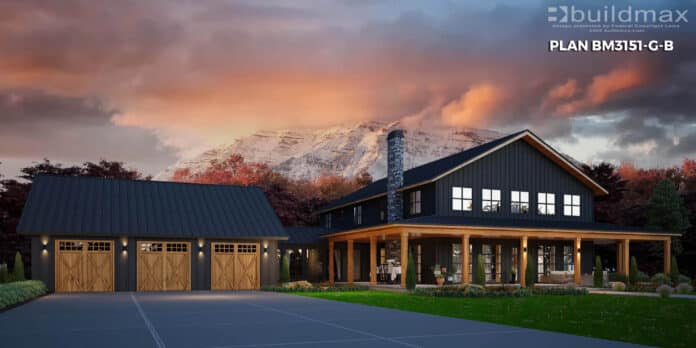
BM3151-G-B BARNDOMINIUM PLAN

Building a house or barndominium is a multifaceted process that requires thorough planning and consideration. By addressing these critical factors—budgeting, land selection, compliance with laws, design, builder selection, customization, maintenance, and legalities—you set a solid foundation for a project that meets your expectations, fits your lifestyle, and stands the test of time. Remember, the decisions you make early on have long-lasting impacts, making it crucial to approach each step with diligence and foresight.

How to choose the Best Construction Site For your Barndominium Build.

How to Choose the Best Construction Site for Your Barndominium

Choosing the right construction site is a pivotal first step in the journey of building a barndominium. This choice will not only influence the design and functionality of your home but also its future value and your overall satisfaction with the living environment. Given the unique blend of rural charm and modern efficiency that barndominiums offer, selecting an appropriate site requires careful consideration of several factors. Here’s a detailed guide to navigating the complexities of buying property for a barndominium build, including what to watch for and locations to avoid.

Key Factors in Choosing a Construction Site

1. **Location**

Location influences not just the lifestyle and accessibility of your barndominium but also its potential appreciation in value. Consider proximity to essential services, employment opportunities, and amenities. Additionally, the community or area’s culture should align with your lifestyle preferences, whether you’re looking for the quiet of the countryside or the convenience of a suburban area.

2. **Topography and Natural Features**

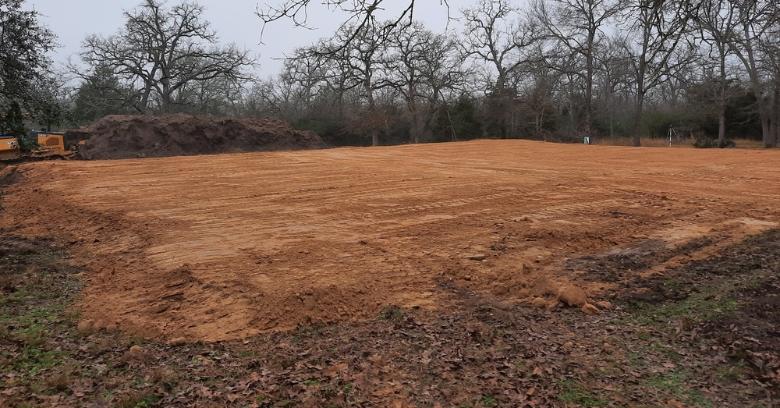
The land’s physical characteristics can significantly impact construction costs and design possibilities. Look for a site with stable soil, minimal slope, and few natural impediments like rock outcroppings or water bodies that could complicate construction. However, features like mature trees can add charm and value to the property if preserved thoughtfully.

3. **Access to Utilities and Infrastructure**

Check the availability and cost of connecting to essential utilities such as water, electricity, sewage, and internet services. In more remote locations, these connections can be prohibitively expensive or not available, requiring alternative solutions like septic systems, wells, and satellite internet, which can affect your budget and lifestyle.
4. **Zoning Laws and Building Restrictions**

Understanding the local zoning laws and building restrictions is crucial to ensure that your plans for a barndominium are permissible on the chosen site. Restrictions can dictate everything from the size and height of buildings to the types of materials used and the necessity for specific environmental considerations.
5. **Future Development Plans**

Research the area’s future development plans to avoid potential negatives, such as increased traffic, noise, or the loss of a view. Conversely, upcoming improvements like new roads, parks, or schools can enhance property value and quality of life.

What to Watch For When Buying Land

1. **Environmental Concerns**

Be wary of properties in flood zones, areas prone to wildfires, or those with a history of environmental contamination. These factors can not only pose risks to your home but also lead to higher insurance premiums.

BM3151-G-B BARNDOMINIUM PLAN

2. **Easements and Rights-of-Way**

Easements can grant others the right to use a portion of your property for specific purposes, such as utility lines or public pathways, potentially limiting your use and privacy.

3. **Survey and Property Boundaries**

Ensure a recent survey has been conducted to confirm the property boundaries and identify any discrepancies or encroachments that could lead to disputes.

Places to Avoid Building a New Home

1. **Near Industrial Areas**

Industrial areas can bring noise, pollution, and heavy traffic, detracting from the living experience and potentially impacting health.

2. **Adjacent to Busy Roads or Highways**

Besides the obvious noise pollution, properties near busy roads or highways can pose safety risks for pets and children and generally offer less privacy.

3. **Directly Underneath Flight Paths**

Living under a flight path can subject residents to frequent loud noise from aircraft, which can be a significant disturbance.

4. **Close to Landfills or Waste Treatment Facilities**

Such facilities can cause unpleasant odors and attract pests, negatively affecting your living environment and property value.

Choosing the right construction site for your barndominium involves a careful balancing of personal preferences, practical considerations, and financial implications. By thoroughly researching and considering the factors mentioned above, you can select a site that not only meets your immediate needs but also supports your long-term satisfaction and investment in your barndominium. Remember, the time and effort invested in selecting the perfect site will pay dividends in the enjoyment and value of your home for years to come.