


Home Blog Page 23

Building the Ultimate Safe Room for Your new Barndominium

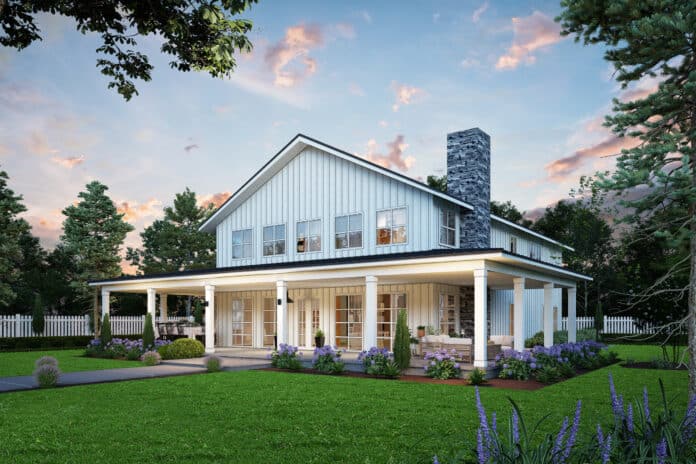
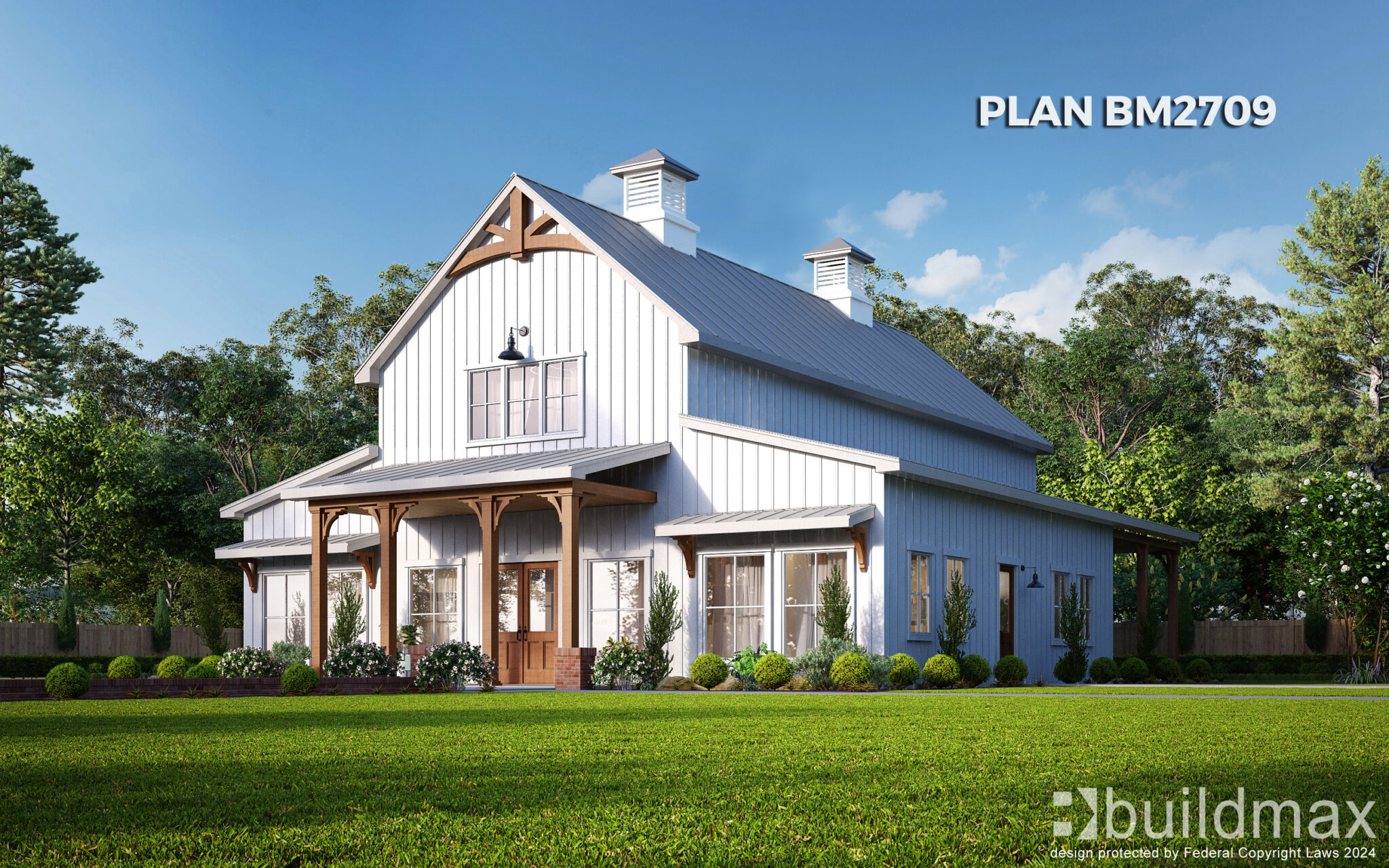
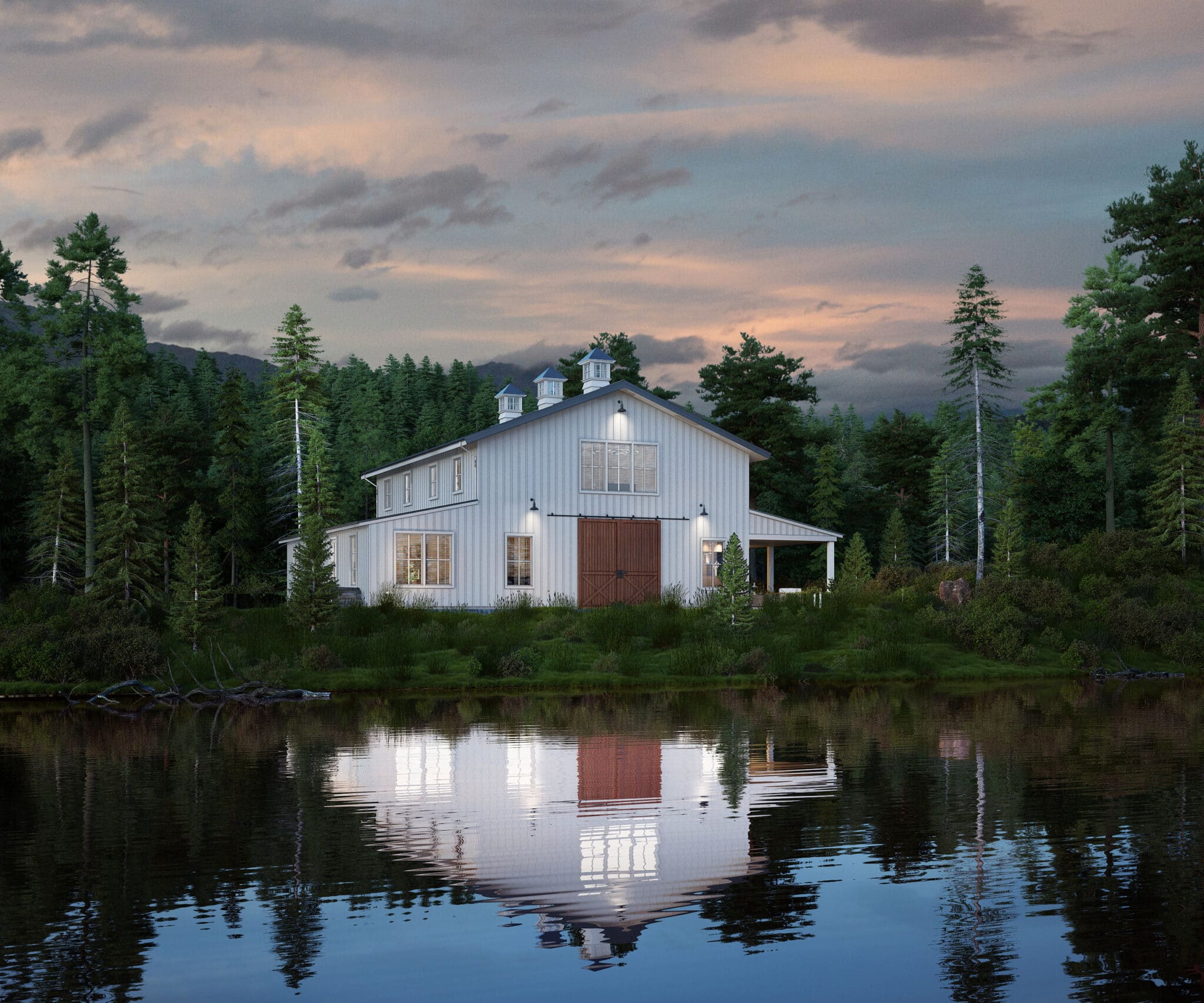
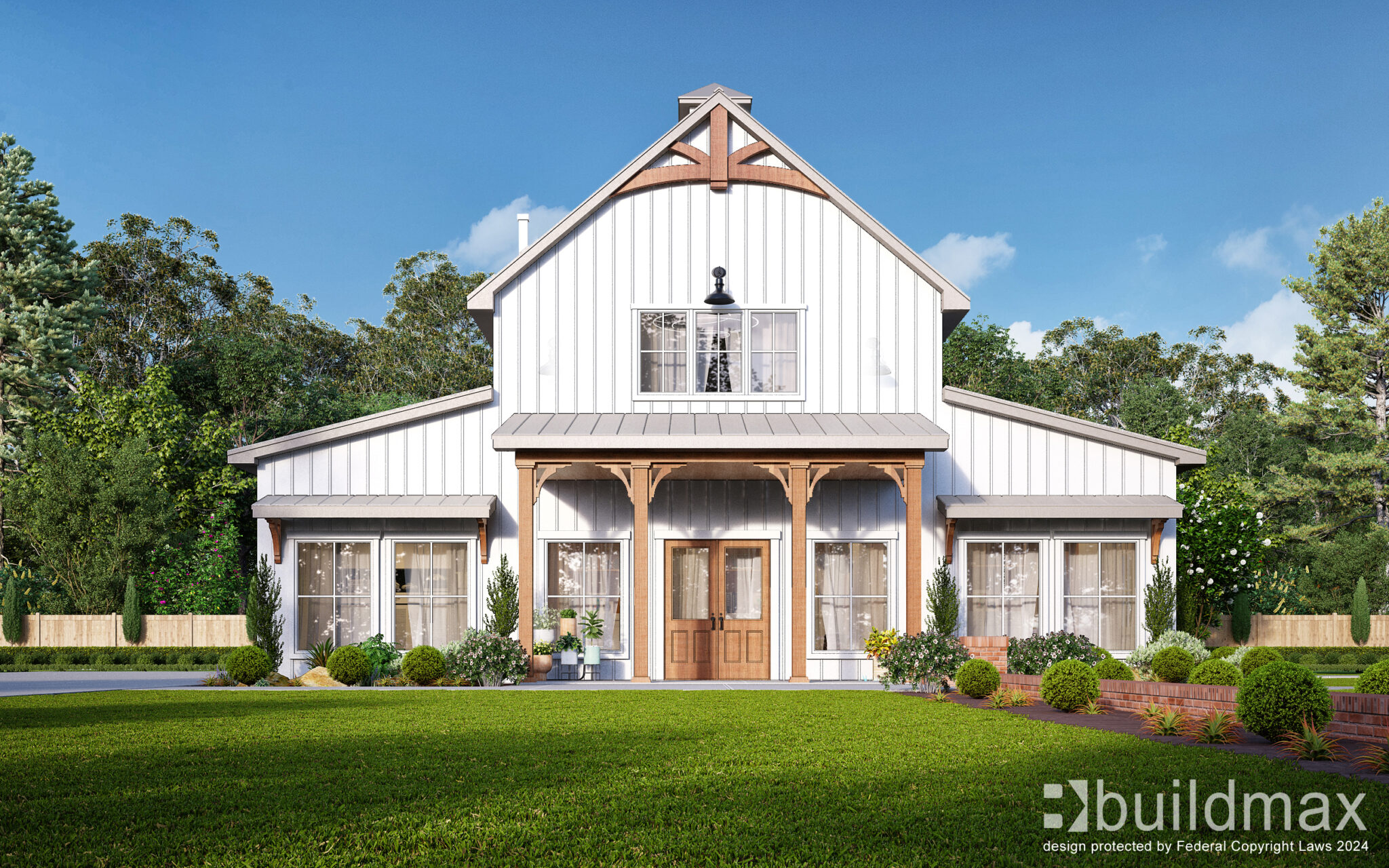
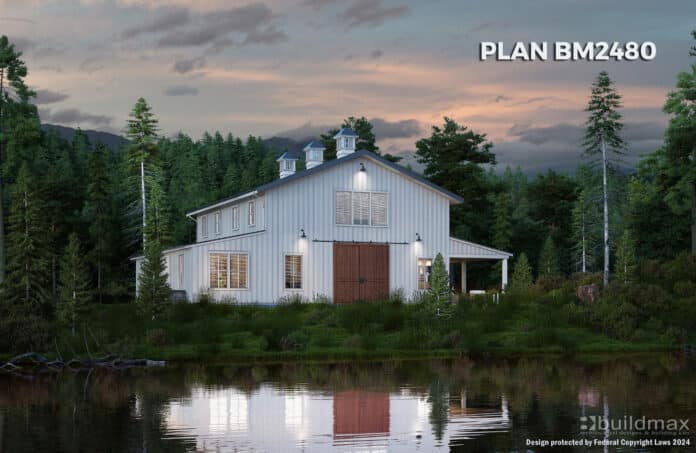
white barndominium with cupolas

Building the Ultimate Safe Room for Your New Barndominium

When designing a custom barndominium, many homeowners think beyond layout and finishes and start asking practical questions about safety and emergency preparedness.

One feature that has become increasingly popular is a safe room—a reinforced space designed to provide additional protection during severe weather or other emergencies.

But what should homeowners realistically know before adding a safe room to a barndominium?

The answer starts with planning, engineering, and working with qualified professionals from the beginning of the project.


What Is a Safe Room?

A safe room is a specially reinforced area within a home designed to provide increased protection during certain emergency situations, including:

  • severe storms and tornadoes

  • high-wind events

  • natural disasters

  • personal security concerns

Safe rooms may be built:

  • inside the home

  • attached to the structure

  • or below ground depending on design and site conditions

The level of protection depends entirely on:

  • engineering

  • materials

  • installation quality

  • and compliance with local codes and standards


Why Homeowners Add Safe Rooms to Barndominiums

Barndominiums often feature:

  • open-concept layouts

  • larger footprints

  • integrated garages or shops

  • rural locations

Because of this, many homeowners choose to include safe rooms as part of the overall design process.

Common goals include:

  • emergency shelter during storms

  • secure storage for valuables or documents

  • peace of mind in areas prone to severe weather

Planning for a safe room early is typically more efficient than trying to retrofit one later.


Location Matters

One of the most important decisions is where the safe room will be located.

Popular options include:

  • interior rooms near bedrooms

  • reinforced sections of garages or shops

  • basement or below-grade installations (where applicable)

The best location depends on:

  • the floor plan

  • accessibility

  • local weather risks

  • and engineering requirements

Safe rooms should be easy to access quickly during an emergency.


Structural Design Is Critical

A safe room is not simply a standard room with stronger walls.

Proper safe room construction may involve:

  • reinforced concrete or steel systems

  • impact-resistant doors

  • specialized anchoring methods

  • engineered wall and ceiling assemblies

In many cases, safe rooms are designed according to:

  • FEMA guidance

  • ICC 500 standards

  • local building requirements

The effectiveness of the room depends on the entire system working together.


Integrating a Safe Room Into a Steel Barndominium

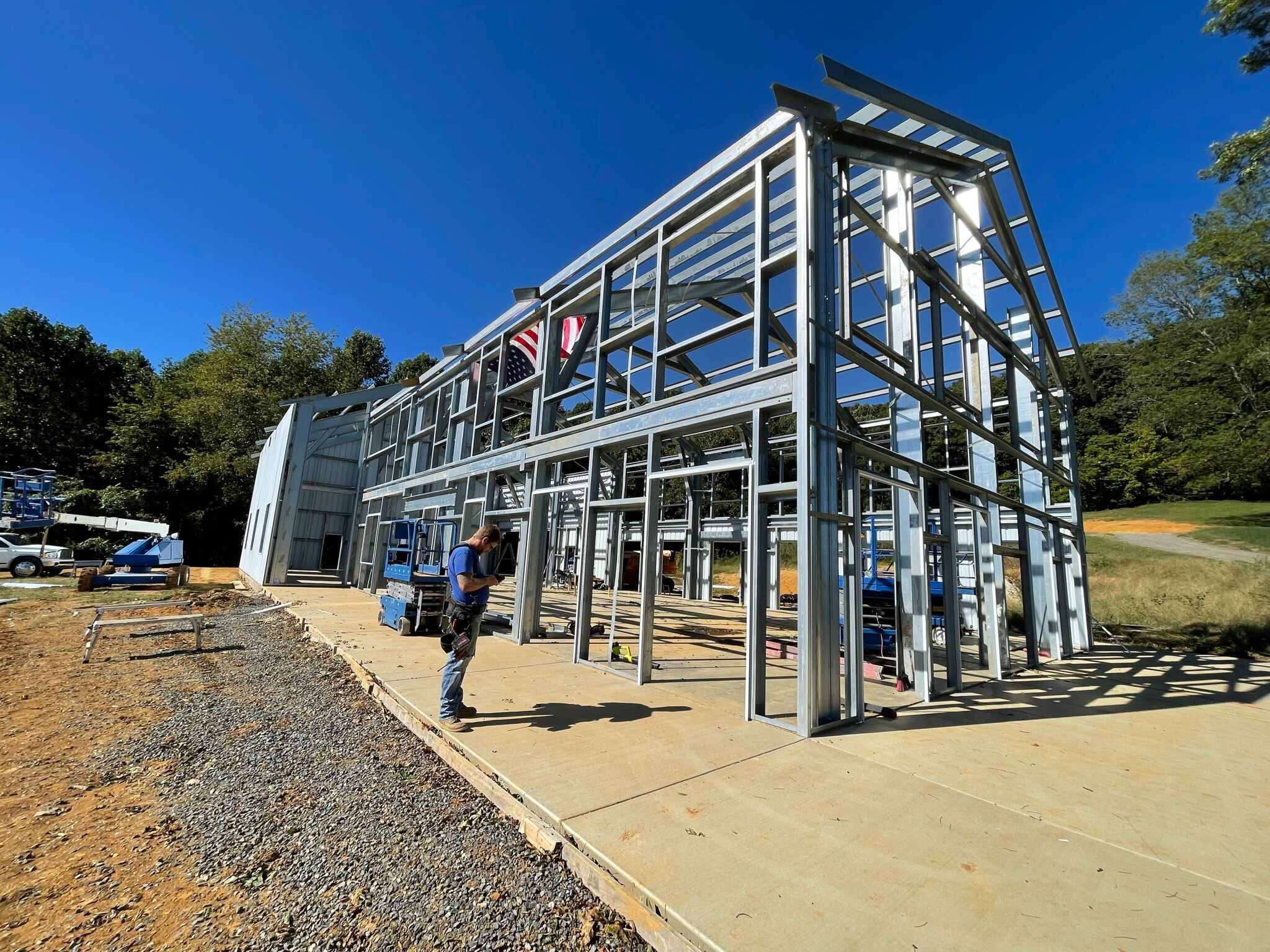
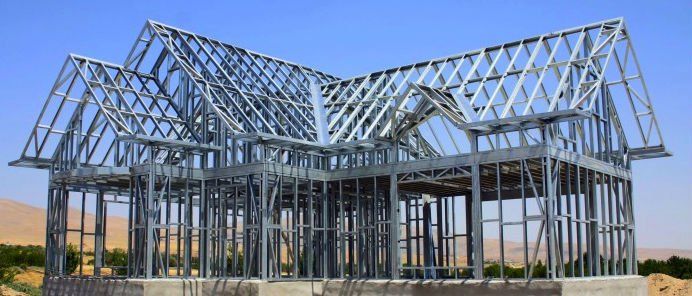
Steel-framed barndominiums can often accommodate safe room integration when properly engineered.

Important considerations include:

  • foundation design

  • load paths and structural connections

  • compatibility with the framing system

  • proper ventilation and access

Because every project is different, safe room design should always be coordinated with qualified engineers and contractors.


Ventilation and Emergency Planning

A functional safe room should also account for:

  • ventilation

  • lighting

  • communication access

  • emergency supplies

Some homeowners choose to include:

  • backup battery systems

  • first aid supplies

  • weather radios

  • food and water storage

The goal is to create a space that remains accessible and functional during short-term emergencies.


Budget and Construction Considerations

The cost of a safe room can vary significantly depending on:

  • size

  • materials

  • structural requirements

  • location within the home

  • and local code standards

Adding a safe room during initial construction is often more practical than modifying the structure later.

However, homeowners should plan realistically and understand that reinforced systems can increase:

  • engineering costs

  • labor requirements

  • and construction timelines


Important: Builder and Engineering Responsibility

It’s important to understand that BuildMax is not a builder, engineer, or general contractor.

BuildMax provides:

  • floor plans

  • design services

  • and material packages

BuildMax does not:

  • design certified storm shelters

  • supervise construction

  • manage contractors

  • or guarantee performance during severe weather events

Homeowners should:

  • work with licensed engineers

  • hire vetted general contractors

  • ensure all safe room systems comply with local codes and applicable standards

For steel-framed projects, homeowners may also consider requesting a quote from a third-party manufacturer’s steel installation crew, if available, as they may be familiar with the structural system being used.

All contractors and installers are independent third parties, and homeowners are responsible for selecting and managing the construction team.


Final Thoughts

A safe room can be a valuable addition to a barndominium when it is:

  • properly engineered

  • thoughtfully integrated into the design

  • and built by qualified professionals

The key is understanding that a safe room is not just an extra room—it is a specialized structural feature that requires careful planning and execution.

When approached realistically and designed correctly, a safe room can provide an added layer of preparedness and peace of mind for homeowners building their custom barndominium.
Why Not Build a Barndominium: Finding Value in Steel Frame Kits

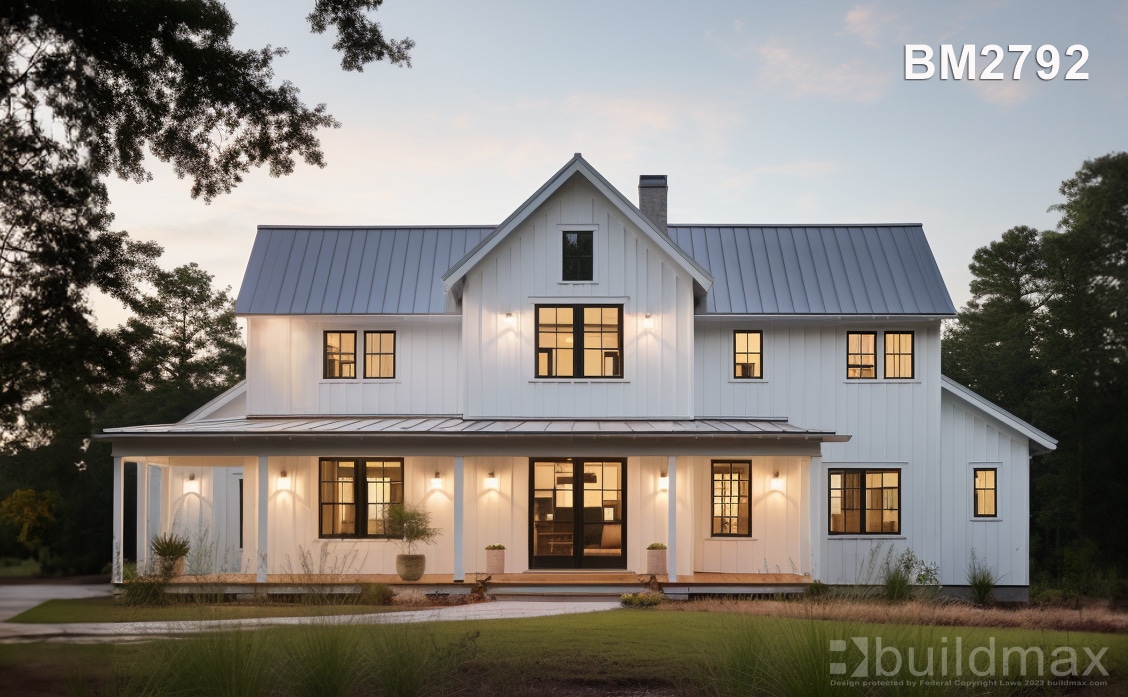
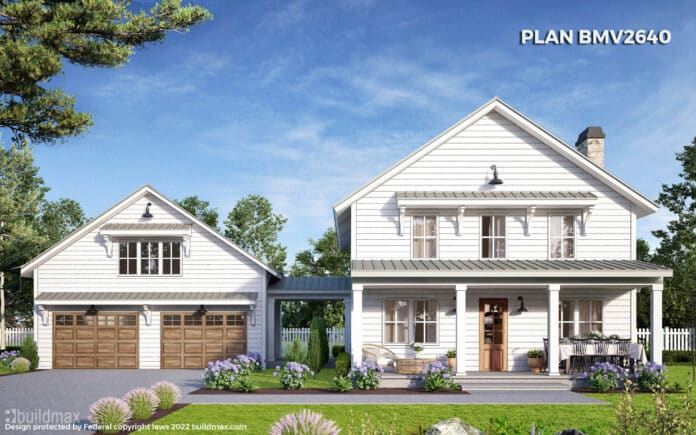
white farmhouse

Why Not Build a Barndominium? Embracing the Longevity and Value of Steel Frame Kits

When it comes to choosing a home for a growing family, the decision often revolves around space, cost, durability, and the capacity to adapt over time. Traditional homes, while popular, aren’t always the best fit for everyone, particularly for families looking for a blend of functionality, space, and long-term value. This brings us to an intriguing alternative: the barndominium. Despite their rising popularity, some may still ask, “Why build a barndominium?” This article aims to answer that question by highlighting the unparalleled benefits of steel frame barndominiums, particularly their suitability for growing families and their enduring quality.

Advantages of Barndominiums for Growing Families

1. **Spacious and Customizable Floor Plans**

Barndominiums are renowned for their spacious open floor plans, which can be customized to meet the specific needs of any family. The typical barndominium offers a vast, unobstructed interior that can be divided into multiple bedrooms, a large kitchen, and expansive living areas. Buildmax.com is a resource for modern Barndominium Floor Plans that can be customized to your specifications. This adaptability makes it an ideal choice for families that anticipate changes, such as the arrival of new family members or the need for home offices.

2. **Cost-Effective Construction and Maintenance**

Building a barndominium, particularly one with a steel frame, can be more cost-effective than constructing a traditional home. Steel frames are pre-engineered to fit exact specifications, which reduces waste and speeds up the construction process. Additionally, the maintenance required for a steel barndominium is considerably less than that of wood-framed houses, which often need periodic treatment for pests, decay, and weather-related damage.

3. **Durability and Safety**

Steel is one of the most durable construction materials available, capable of withstanding severe weather conditions including high winds, heavy snow, and seismic activities. Unlike wood, steel does not warp, crack, or succumb to termites and mold. This resilience ensures that a barndominium is a safe, stable home environment for families, shielding them from both natural and time-related wear and tear.

Longevity of Steel Frame Barndominiums

1. **Built to Last Generations**

The longevity of a steel frame barndominium is one of its most compelling features. Properly constructed and maintained, these buildings can last for generations without significant deterioration. This longevity not only provides a stable family home but also offers an excellent return on investment, as the need for major repairs or rebuilding due to structural failures is drastically reduced.

2. **Sustainability**

Steel is a sustainable choice in building materials. It is often made from recycled materials and can be recycled again at the end of its use, reducing the environmental impact. Moreover, the energy efficiency of barndominiums can be enhanced with proper insulation and the installation of energy-efficient windows and doors, reducing the carbon footprint and monthly utility bills.

3. **Value Over Time**

A steel frame barndominium tends to retain its value over time, particularly because of its durability and low maintenance needs. As more homebuyers become aware of the benefits of barndominiums, the demand for these unique properties increases, potentially raising their market value. Additionally, the timeless appeal of a custom-designed space that can adapt to various needs and styles ensures that a barndominium remains a desirable property on the market.

**Safety of a Steel Frame Barndominium**

Steel frame barndominiums offer a range of safety benefits that make them an attractive choice for homeowners, particularly in areas prone to natural disasters such as fires, earthquakes, and severe weather events. The inherent properties of steel provide several safety advantages over traditional wood-framed constructions. Here’s an in-depth look at the safety aspects of steel frame barndominiums in various disaster scenarios:

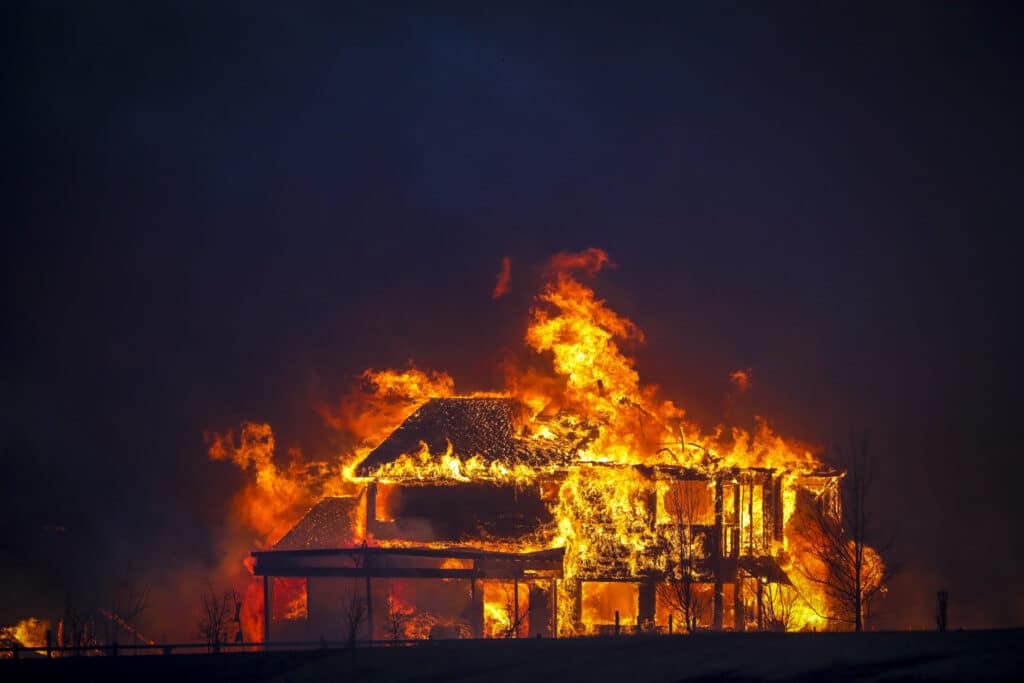
LOUISVILLE, CO – DECEMBER 30: A home burns after a fast moving wildfire swept through the area in the Centennial Heights neighborhood of Louisville, Colorado on December 30, 2021. State officials estimated some 600 homes had already been lost in multiple areas around Boulder County and were fueled by winds that gusted upwards of 100 miles per hour at times during the day. (Photo by Marc Piscotty/Getty Images)

1. **Fire Resistance**

Steel is a non-combustible material, making steel frame barndominiums highly resistant to fire. Unlike wood frames, which can fuel a fire, steel frames do not contribute to the fire load of a building. This can be a critical advantage in reducing the spread of fires and allowing more time for occupants to evacuate safely. Additionally, the risk of a structural collapse during a fire is significantly lower with steel than with wood, as steel retains its structural integrity at much higher temperatures than wood.

2. **Earthquake Resilience**

The flexibility and strength of steel make it exceptionally well-suited for areas prone to earthquakes. Steel frame structures can absorb and dissipate energy better than rigid, brittle materials, which tend to crack or break under seismic stress. Steel frames are designed to bend and flex without losing their structural integrity, thus providing enhanced safety during an earthquake. This ductility reduces the risk of the building collapsing, which is a primary hazard in seismic events.

3. **Wind Resistance**

Steel frame barndominiums are also advantageous in regions susceptible to high winds, including hurricanes and tornadoes. The strength of steel allows for designs that can withstand very high wind loads. Steel’s robust connection points and the ability to securely anchor them to foundations mean that these buildings are less likely to suffer significant damage or to detach from their foundations during severe wind events. Properly engineered steel buildings can meet or exceed the strictest wind resistance standards.

4. **Pest Resistance**

Steel frames are impervious to pests such as termites, carpenter ants, and wood borers, which can compromise the structural integrity of wood frames. The elimination of a potential pest problem also removes a common safety risk associated with structural weakening over time.

5. **Reduced Maintenance and Repair**

The reduced need for maintenance and repair on steel structures not only cuts costs but also decreases the risk associated with structural failures due to neglected upkeep. With fewer critical failures over time, steel frame barndominiums maintain a higher level of safety throughout their use.

A steel frame barndominium provides a safe, durable housing option, especially in areas prone to natural disasters. Its fire resistance, earthquake resilience, and ability to withstand high winds make it a superior choice for safety-conscious homeowners. Additionally, the longevity and low maintenance requirements of steel add further to its safety profile, making it a robust choice for a family home. Whether you are building in a hazard-prone area or simply seeking a reliable and safe living space, a steel frame barndominium is an excellent investment.

white farmhouse style barndominium

The question “Why not build a barndominium?” reflects a shift in traditional housing perspectives, as more families recognize the advantages of this versatile and durable option. For growing families, a barndominium, especially one with a steel frame, offers a blend of space, customization, longevity, and safety that traditional homes simply cannot match. By choosing a steel frame barndominium kit, families can enjoy a home that not only meets their needs today but will also serve future generations, making it a wise investment in both their present and their legacy.

What happens If you Build without a Permit in Kentucky?

white barndominium

Building a Barndominium without the necessary permits is a significant risk that can lead to various legal and financial consequences. In Kentucky, as in many other states, construction permits are crucial for ensuring that all homes meet local codes and safety standards. This article explores what happens when someone undertakes a construction project without the required permits in Kentucky, detailing the potential fines and other forms of prosecution one might face.

Importance of Building Permits

Building permits are a fundamental aspect of construction projects. They serve several important functions:

– **Safety:** Permits ensure that all construction meets safety standards, protecting not only the current occupants but also future ones and the broader public.
– **Compliance:** They ensure that construction complies with local zoning laws, building codes, and environmental regulations.
– **Value:** Having the necessary permits can also affect the resale value of a property, as potential buyers generally prefer homes that are compliant with local regulations.

Consequences of Building Without a Permit in Kentucky

1. **Stop Work Orders**

The immediate consequence of being caught building a barndominium without a permit is typically a stop work order, which halts all construction activities until proper permits are obtained. This can delay the project significantly and add costs for storage of materials, idle labor, and other overheads.

2. **Fines and Penalties**

Fines for building without a permit in Kentucky can be steep. The exact amount often depends on the nature and extent of the construction:
– **Daily Fines:** Some local jurisdictions impose daily fines that accrue until the permit issue is resolved, which can become quite substantial if not addressed quickly.
– **Flat Fees:** Others may assess a one-time fine that can range from several hundred to thousands of dollars based on the project’s scope.

white barndominium

3. **Mandatory Corrections**

In cases where construction has deviated from local codes, the property owner may be required to dismantle or modify the existing structures at their own expense. This remediation process can be not only costly but also more complex than adhering to the codes in the first place.

4. **Liability Issues**

Building without a permit can expose the property owner to liability risks. If a structure built without proper permits causes injury or damage, the owner may face lawsuits and be found liable more easily, given the lack of compliance with safety regulations.

5. **Issues with Insurance**

Insurance companies may refuse to cover claims related to structures that are built without necessary permits. In some cases, insurance coverage can be entirely voided, which means any damage to the property would result in out-of-pocket expenses for repairs or rebuilding.

6. **Problems with Selling the Property**

Selling a property that lacks the required permits for an existing Barndominium can be problematic. Potential buyers may be deterred by the legal uncertainties and potential costs of rectifying the permit issues. Additionally, banks and other financing institutions often refuse to close loans on properties encumbered with unresolved permit violations.

7. **Criminal Charges**

While less common, severe violations or repeated offenses of building without a permit can lead to criminal charges. This is particularly true if the construction poses significant safety risks to the community.

Legal Remedies and Corrective Steps

If construction has begun or been completed without necessary permits, it is advisable to take immediate steps to remedy the situation:

– **Consult with a Professional:** Engaging with a licensed contractor or an architect can provide guidance on the specific permits needed and how to comply with local building codes.
– **Contact Local Authorities:** Proactively approaching local building authorities can demonstrate goodwill and may mitigate some penalties. It is essential to apply for the necessary permits and follow through with all required inspections.

Building without a permit in Kentucky can lead to a range of serious consequences, from hefty fines and stop work orders to potential criminal charges. It is crucial for property owners to understand the importance of obtaining all required permits before commencing any construction work. By ensuring compliance with local regulations, property owners not only avoid legal troubles but also contribute to the safety and well-being of their community.

How to Save Thousands while Building your Dream Barndominium!

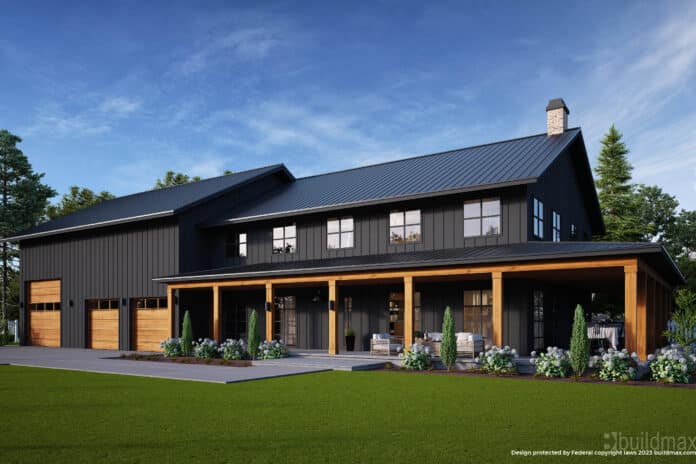
black barndominium farmhouse

Building a barndominium can be a dream project that combines the functionality of ample space with the comforts of home living. While the concept is enticing, the construction costs can be significant. However, with smart planning and strategic choices, it is possible to save a considerable amount of money during the build process. This article explores the best ways to economize while constructing a barndominium, emphasizing the choice of framing materials and the value of a DIY approach to building equity.

1. **Choose the Right Framing Material**

**Steel Framing:**
Steel frames are increasingly popular in barndominium construction due to their durability and low maintenance. While the initial cost might be higher than traditional wood framing, steel offers long-term savings due to its resistance to pests, rot, and mold, and minimal upkeep requirements. Additionally, steel is incredibly durable against environmental stressors, which can reduce repair and replacement costs over time.

**Wood Framing:**
For those with a tighter budget, wood framing can be less expensive upfront compared to steel. However, it’s important to factor in potential long-term costs such as pest treatment, weather damage repairs, and more frequent maintenance. Choosing high-quality, treated wood can mitigate some of these issues and provide a balance between cost and durability.

2. **Optimize Your Design**

**Simpler Floor Plans:**
Choosing a simple, more traditional floor plan can significantly reduce costs. Complex designs with multiple corners, custom angles, and unique elements can increase labor and materials costs. A rectangular or square floor plan maximizes space efficiency and reduces waste.

**Multi-purpose Spaces:**
Designing spaces that serve multiple functions can also reduce the total square footage needed, lowering the overall cost. For example, an open-plan living area can double as a dining space, or a loft can serve as both a guest room and a home office.

3. **DIY to Build Equity**

**Hands-on Building:**
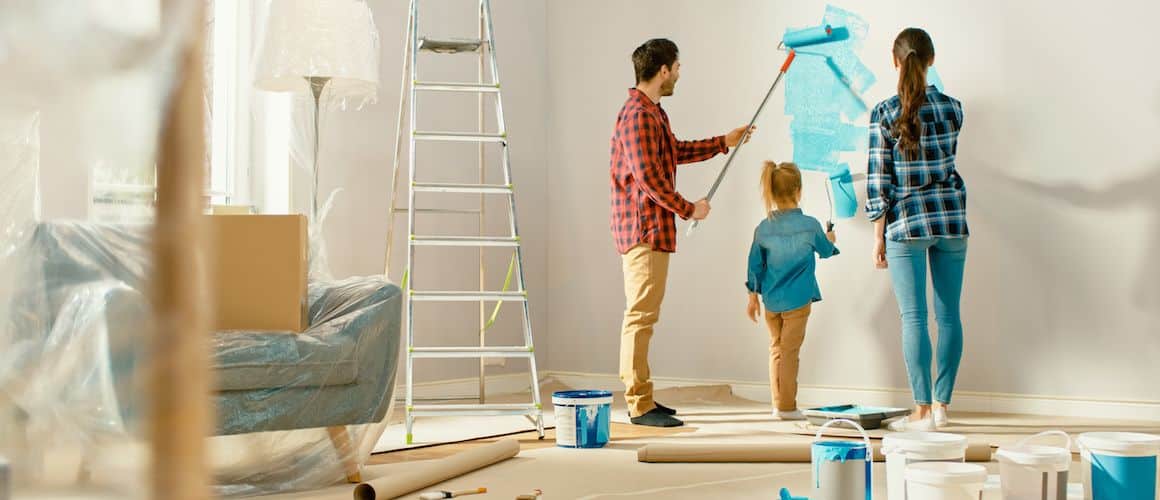
Taking on as much of the construction work as you can handle is a significant way to cut costs. Labor can be one of the most expensive aspects of building a home. By doing the work yourself, you’re not only saving on labor costs but also gaining valuable equity in your property. Tasks like painting, installing fixtures, and even laying floors are manageable for many DIY enthusiasts.

**Learning and Preparation:**
Before starting, invest time in learning the necessary skills for construction tasks you plan to DIY. Use resources such as online tutorials, workshops, and advice from experienced builders. Proper preparation ensures that the work you do is safe and up to standard, which is crucial for both the integrity of the building and its long-term value.

4. **Source Materials Wisely**

**Bulk Purchases:**
Buying materials in bulk can lead to significant savings. Plan your shopping to take advantage of bulk deals and discounts offered by suppliers.

**Recycled, Second-Hand, or discounted Materials:**
Using recycled or second-hand building materials can reduce costs without compromising quality. Many materials like bricks, doors, and fittings can be sourced from demolition sites or second-hand material suppliers.

5. **Timing Your Build**

**Off-season Construction:**
Costs can vary depending on the time of year. Building during the off-season can sometimes reduce costs as suppliers and contractors may lower prices during slower periods to keep workflow steady.

6. **Long-term Energy Savings**

**Energy-efficient Design:**
Incorporating energy-efficient features such as proper insulation, energy-saving windows, and solar panels can reduce long-term operational costs. Although the upfront cost might be higher, the savings on utility bills will add up over time, offsetting the initial investment.

7. **Energy-efficient HVAC Systems**

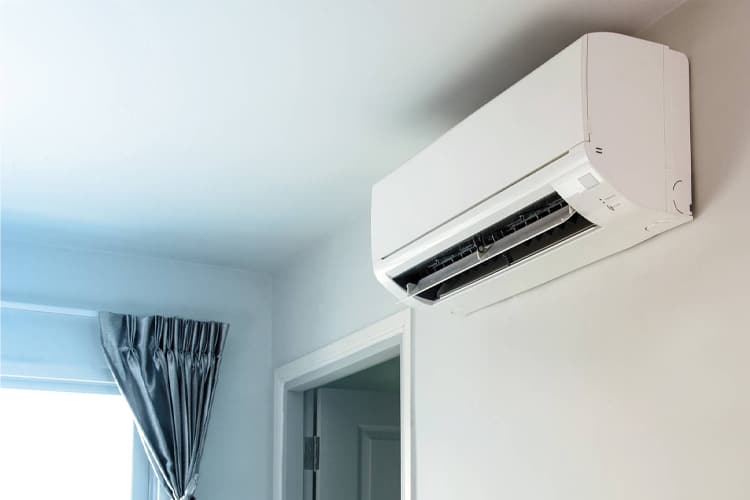
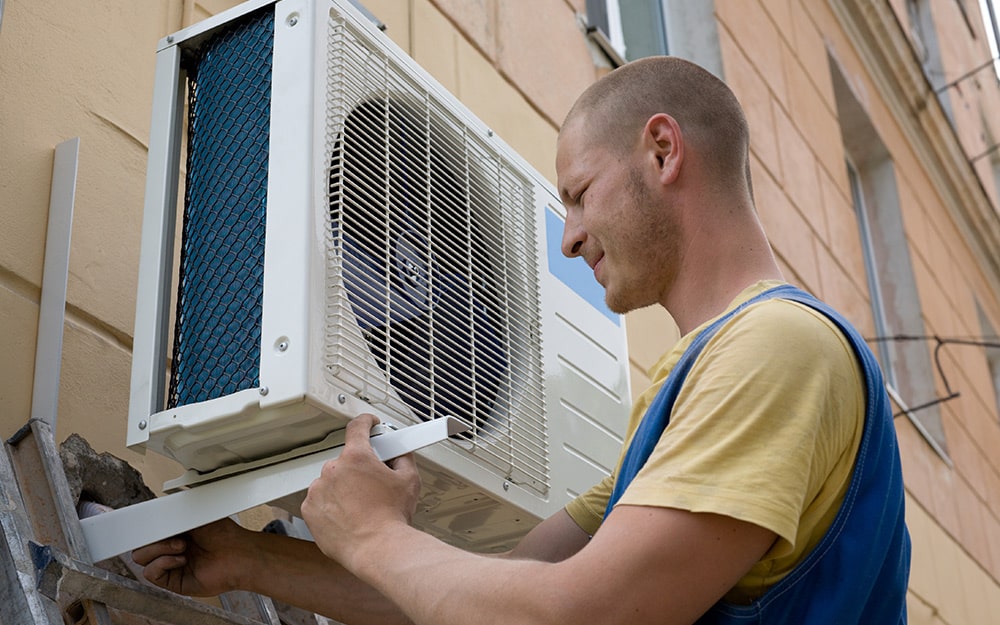
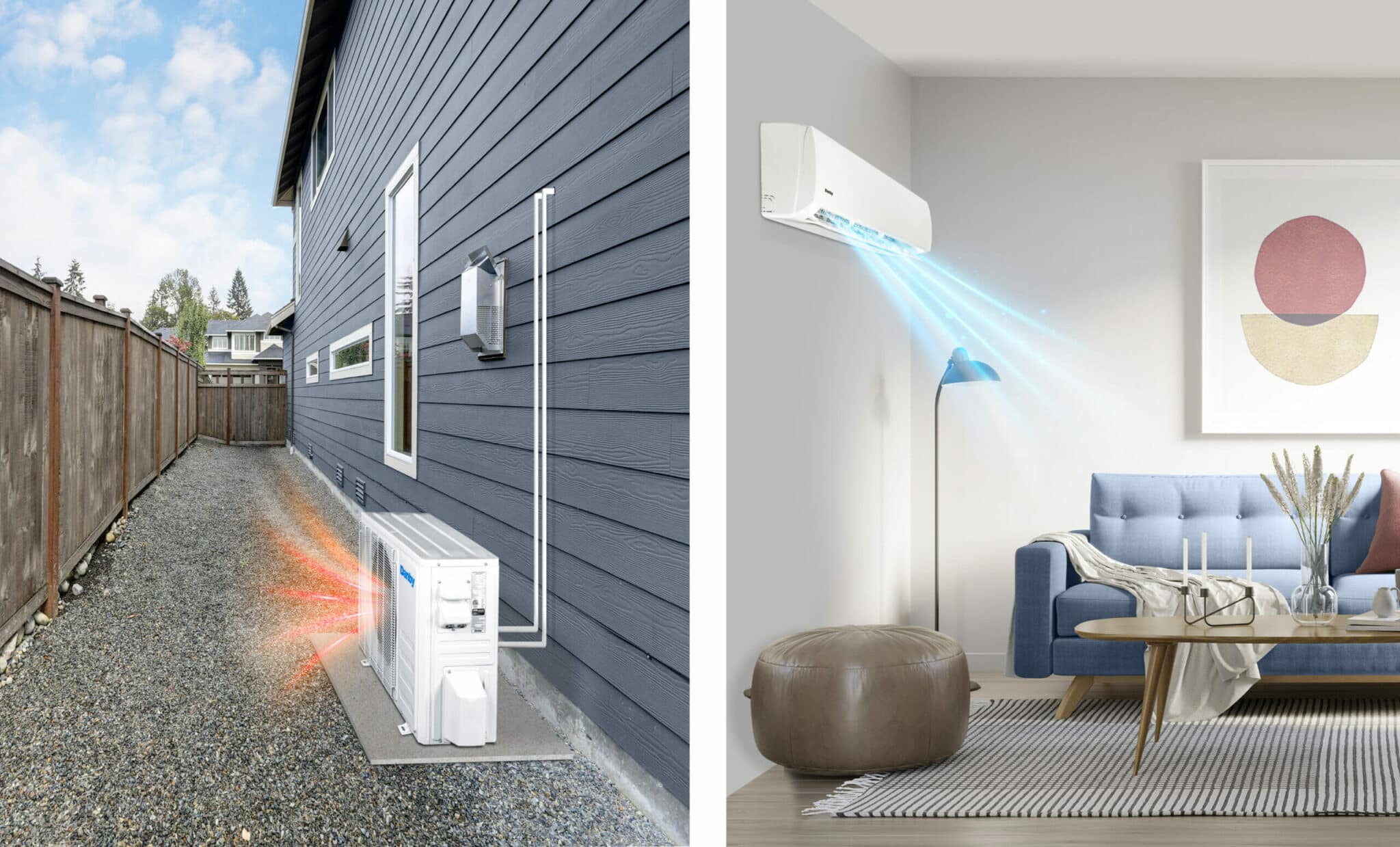
Mini split systems, also known as ductless air conditioners or heat pumps, offer several significant benefits when installed in barndominiums. These systems are especially well-suited for the unique structural and lifestyle needs of barndominium living due to their efficiency, flexibility in zoning, and ease of installation. Here’s a detailed look at why mini split systems can be an excellent choice for barndominiums:


**Efficiency**

Mini split systems are highly efficient for several reasons. First, they operate on less power than traditional forced-air systems that rely on ducts. They are also smaller in size and can heat or cool rooms only when needed, thanks to their zoned operation capability. This targeted approach reduces energy waste, as unused areas can be left without heating or cooling, cutting down on energy costs significantly. Moreover, many mini split units come with high Seasonal Energy Efficiency Ratios (SEER) and Energy Efficiency Ratios (EER), indicating their low-energy consumption for the amount of cooling they provide.

**Zoned Heating and Cooling**

One of the most appealing features of mini split systems is their ability to create “zones” in a home, each of which can be controlled independently. This is particularly advantageous in a barndominium, where the space may be used for a combination of living and working areas, each with different climate control needs. For instance, a workshop or garage area might not require the same level of heating or cooling as the living quarters. With mini splits, you can easily manage the temperature in different zones without affecting other areas, enhancing comfort and reducing energy consumption.


**Ease of Installation**

Unlike traditional HVAC systems that require extensive ductwork, mini split systems are much easier to install. They require just a small hole to be drilled into the wall to connect the indoor and outdoor units. This makes them ideal for barndominiums, where the construction or layout might not easily accommodate extensive ductwork. The installation process is generally quick, does not disrupt the existing structure significantly, and can be completed in a shorter period.

**Quiet Operation**

Mini split systems are known for their quiet operation, both inside and outside the building. This is a considerable advantage in a residential setting, ensuring that noise does not interfere with the comfort and peaceful environment of a home. This feature is particularly beneficial in a barndominium, where part of the space may be used for activities requiring a quieter environment, such as a home office or studio.

**Improved Air Quality**

Mini split systems often come with multi-stage filtration features that can drastically reduce dust, bacteria, pollen, allergens, and other particulates in the air. This is especially important in a barndominium, where part of the building may be exposed to more outdoor elements or workshop-related particles. Improved air quality contributes to a healthier living environment and is beneficial for residents with allergies or respiratory issues.

All-In-All

white barndominium with cupolas

Building a barndominium on a budget requires careful planning and a willingness to get involved in the process. By choosing the right materials, simplifying the design, taking a DIY approach, sourcing materials wisely, and building during the off-season, you can significantly reduce costs and add personal equity to your home. Remember, every dollar saved during the construction process enhances the overall value and satisfaction with your new barndominium.
What is the Expected lifespan of a steel frame barndominium?

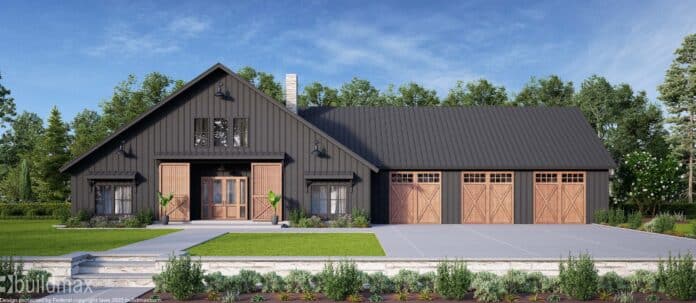
Buildmax BM2900

What to Expect from the Longevity of Steel Framing 

In the realm of modern construction, barndominiums have emerged as a popular choice for their versatility, style, and durability. Among the most critical considerations for potential builders and buyers is the longevity of their investment. Specifically, the construction material plays a pivotal role in determining the lifespan of these structures. This article delves into the expected lifespan of steel frame barndominiums, comparing it with wood frame alternatives to provide a comprehensive perspective.

black barndo plan

Lifespan of Steel Frame Barndominiums

**Durability of Steel:**
Steel is renowned for its strength and durability, making it an excellent choice for building frameworks. Steel frame barndominiums benefit from this robustness, which translates into an extended lifespan. Unlike wood, steel is impervious to many common hazards such as termites and other pests, rot, and mold. Furthermore, steel does not warp, split, or crack over time, attributes that contribute to its long-lasting nature.

**Resistance to Elements:**
Steel’s resilience against environmental factors significantly enhances the longevity of a barndominium. It is capable of withstanding severe weather conditions including high winds, heavy snow, and even earthquakes, depending on the engineering and build quality. Steel also has a high fire resistance rating, which can mitigate the risk of fire damage compared to wood.
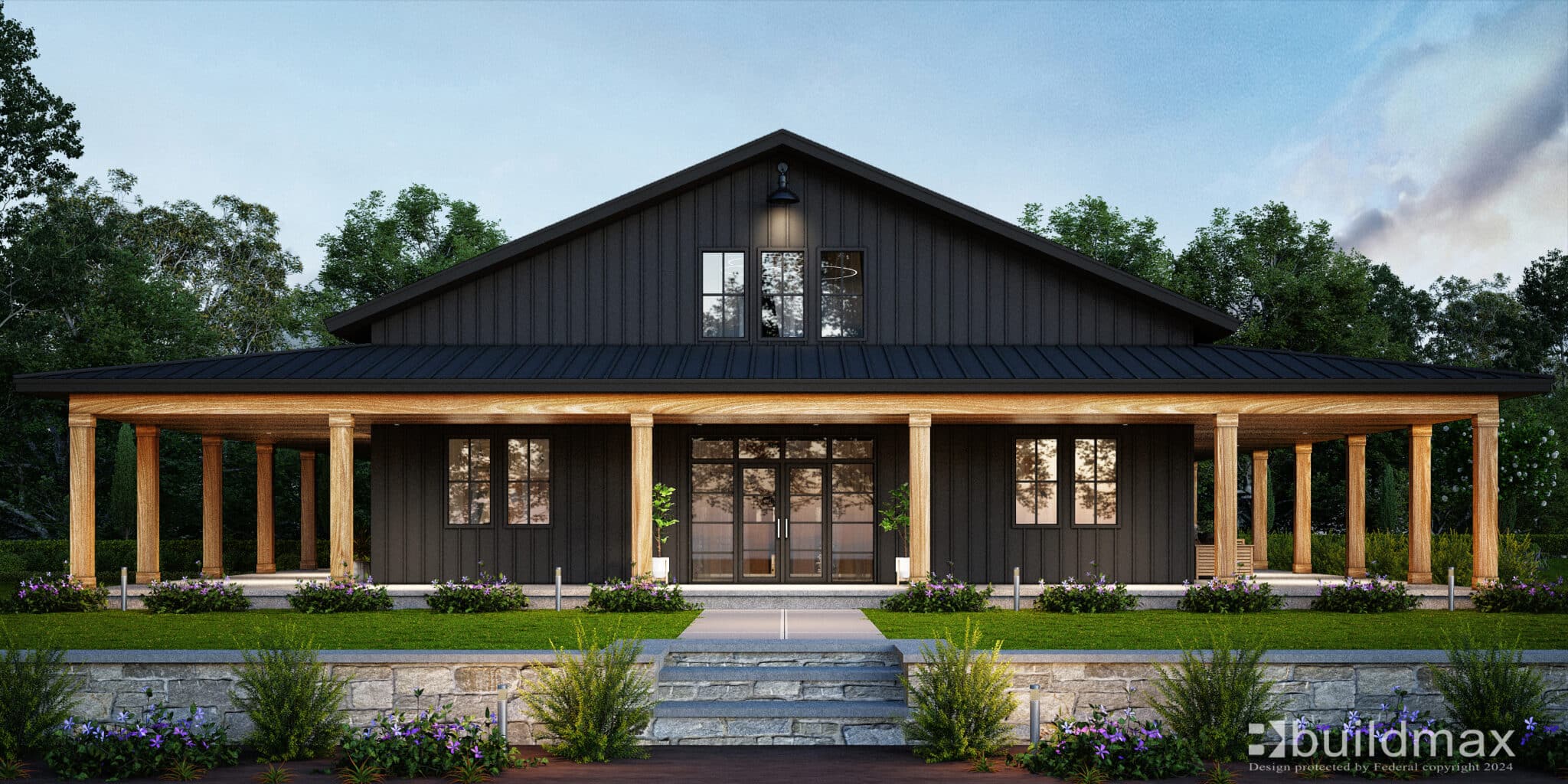
**Maintenance Needs:**
One of the appealing aspects of steel frame barndominiums is their low maintenance requirement. Steel does not need treatment for pests or rot, and it is less susceptible to weather-related deterioration. Periodic checks for rust and ensuring protective coatings are intact can prolong the life of a steel structure even further.

**Expected Lifespan:**
With proper maintenance and depending on environmental conditions, a steel frame barndominium can last 75 years or more. This longevity can make steel frame barndominiums a once-in-a-lifetime investment, offering enduring value.

barndominium being built

Lifespan of Wood Frame Barndominiums

**Vulnerabilities of Wood:**
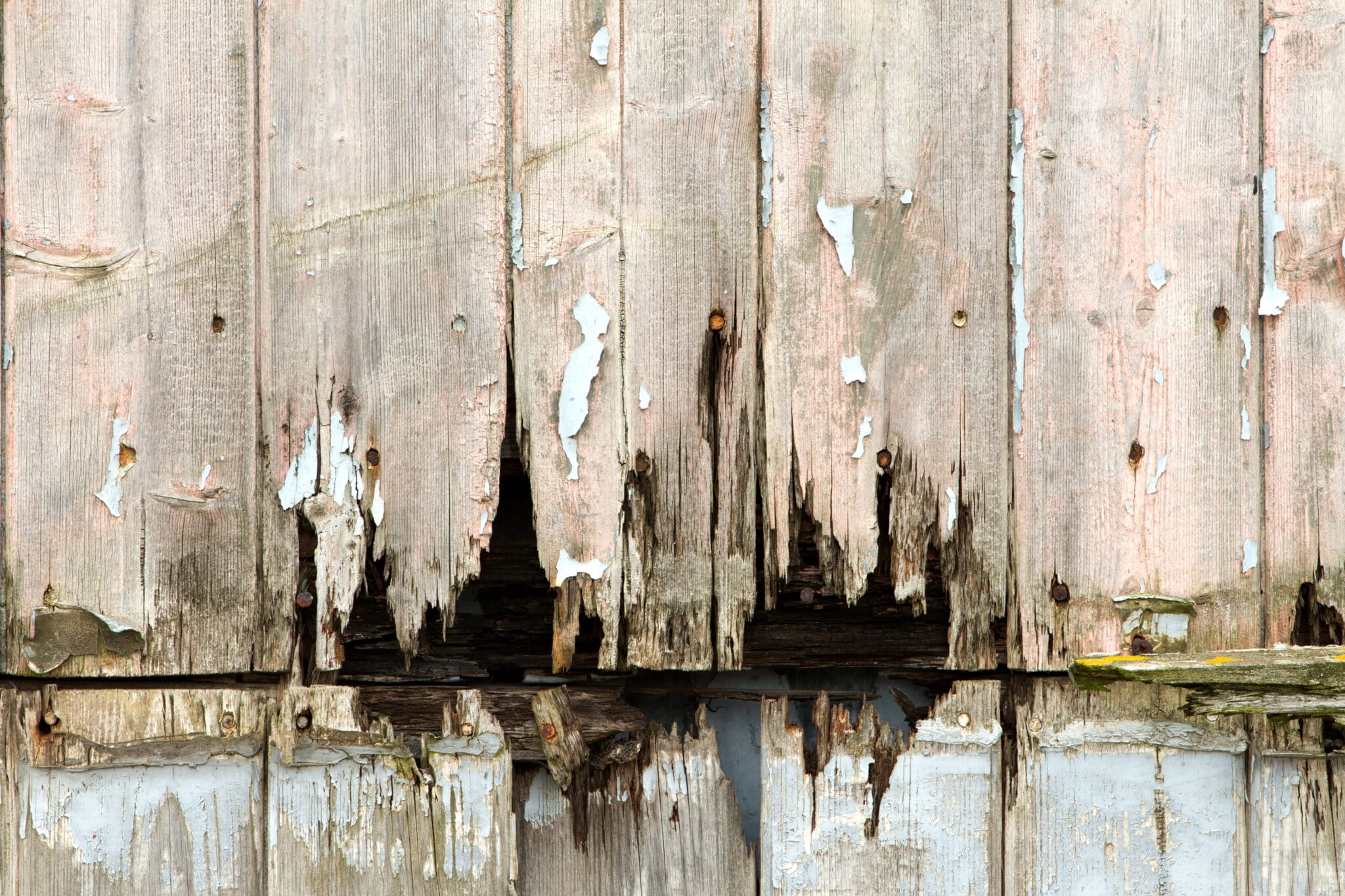
Wood, while traditional and aesthetically versatile, has several vulnerabilities that can affect the lifespan of a barndominium. Wood is prone to damage from termites, other pests, rot, and mold. Environmental exposure can lead to deterioration over time, and wood is also susceptible to fire.
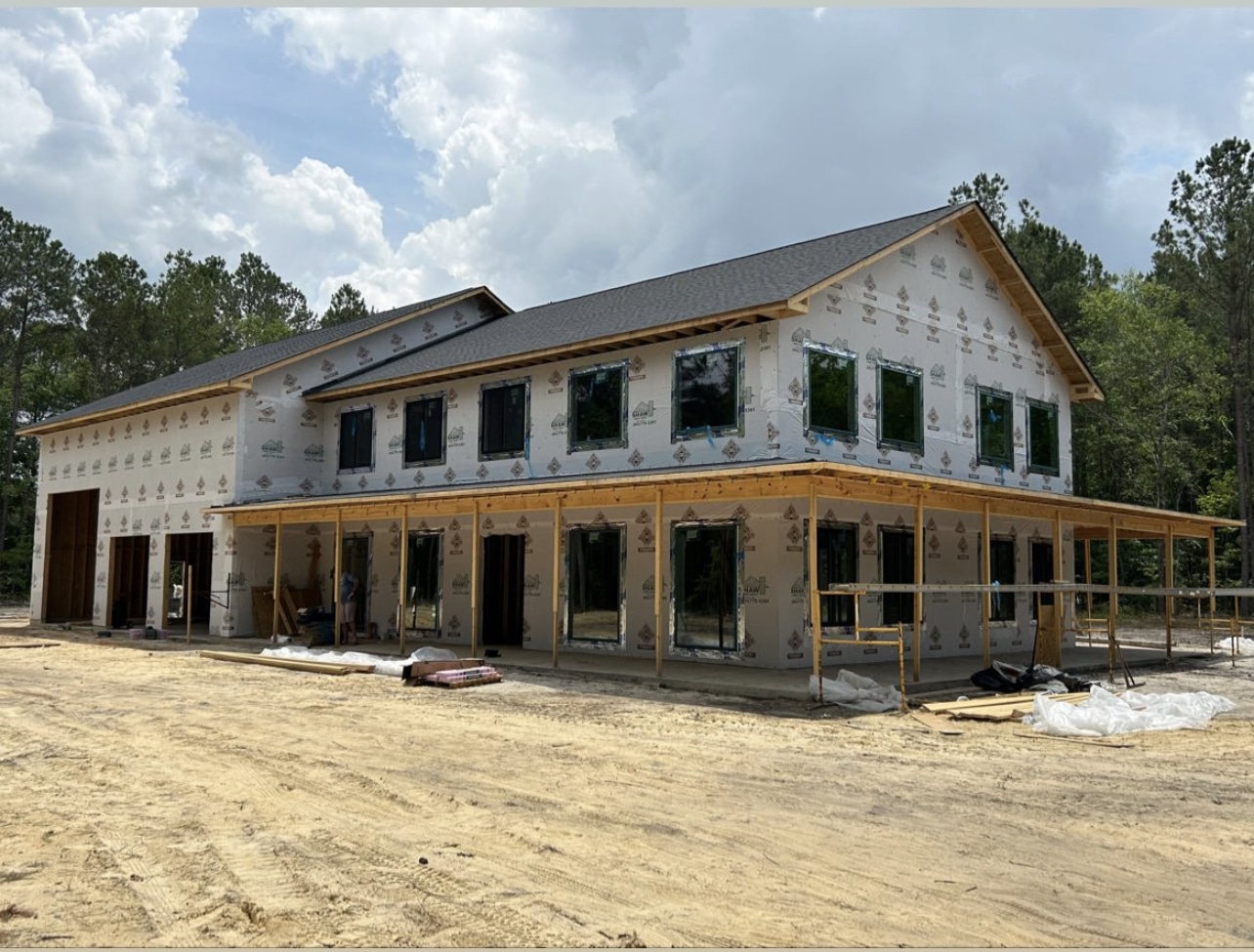
**Maintenance and Care:**
Wood frame barndominiums require more maintenance than their steel counterparts. This includes regular treatments to protect against pests, moisture, and decay. Wood may also need to be repainted or sealed periodically to maintain its integrity and appearance.

**Expected Lifespan:**
The lifespan of a wood frame barndominium varies based on the quality of the wood, construction, maintenance, and environmental conditions. Typically, a well-maintained wood frame barndominium can last between 40 to 70 years. However, the higher maintenance needs and susceptibility to environmental factors make wood a less durable option than steel in the long term.

white barndominium with wraparound porch

Comparison and Conclusion

When comparing steel frame barndominiums to wood frame alternatives, steel stands out for its superior durability, lower maintenance requirements, and longer lifespan. Steel’s ability to resist common building ailments like pests and rot, coupled with its robustness under harsh weather conditions, makes it an ideal choice for those looking to maximize the longevity of their barndominium.
Choosing between steel and wood will depend on individual preferences, budget, and specific needs regarding aesthetics, climate, and long-term goals. However, for those prioritizing longevity and durability, steel frame barndominiums offer a compelling advantage, ensuring that the structure remains a durable, safe, and beautiful home for decades to come.

What kind of Flooring do you put in a Barndominium?

When designing a barndominium, one of the key decisions involves choosing the right type of flooring. Not only does the floor need to be sturdy and practical for a potentially multifunctional space, but it also contributes significantly to the overall aesthetics and feel of the home. Here’s an extensive guide on the various flooring options suitable for a barndominium, focusing particularly on the benefits of concrete floors and how they can be enhanced to elevate the interior design.

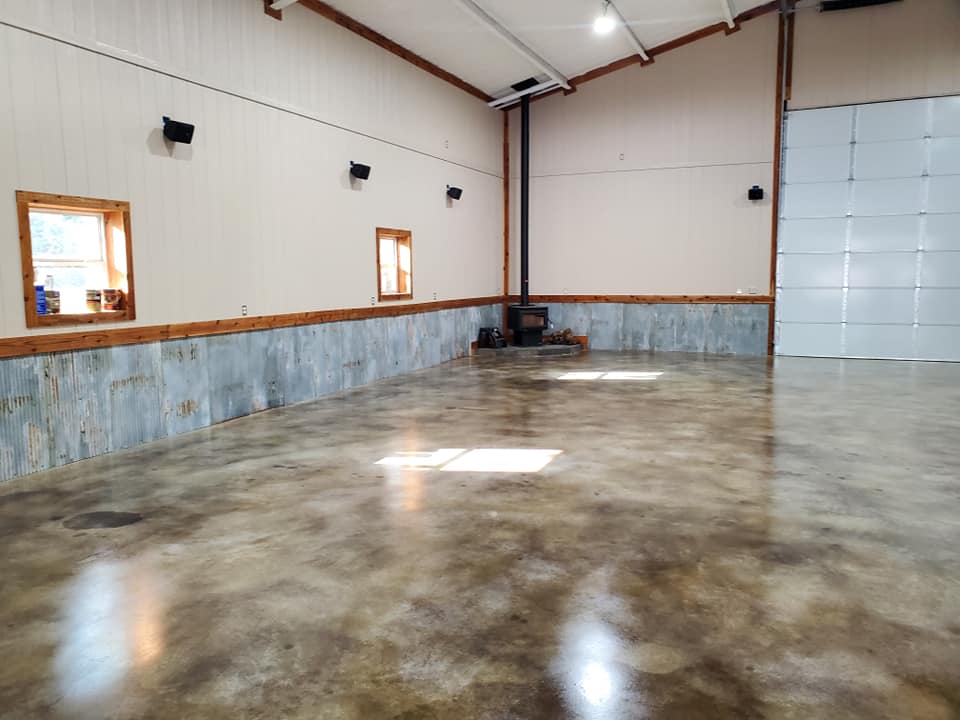
Concrete Flooring: The Practical and Stylish Base

**Durability and Maintenance:**
Concrete floors are a popular choice in barndominiums due to their durability and ease of maintenance. These floors can withstand heavy foot traffic, resist wear and tear, and are not susceptible to damage from moisture or pests. Concrete is ideal for barndominiums that may incorporate workshop or garage spaces, as it can endure tough conditions without deteriorating.

**Cost-Effectiveness:**
One of the biggest advantages of concrete flooring is its cost-effectiveness. When constructing a barndominium, the foundation often includes a concrete slab, which can be polished and treated to serve as the final floor. This eliminates the need for additional flooring materials, saving money in the construction budget.

**Customization with Stains and Polishes:**
Concrete doesn’t have to be plain or utilitarian. Modern techniques allow for a range of finishes that can transform the look of concrete into a stylish and luxurious flooring option. Staining concrete is a popular method for adding rich color and depth. Acid stains, water-based stains, and acetone dyes are available in a variety of hues, which can mimic the look of natural stone, polished marble, or other more expensive materials. Polishing concrete can also produce a high-gloss finish that reflects light beautifully, enhancing the overall brightness and feeling of space within the barndominium.
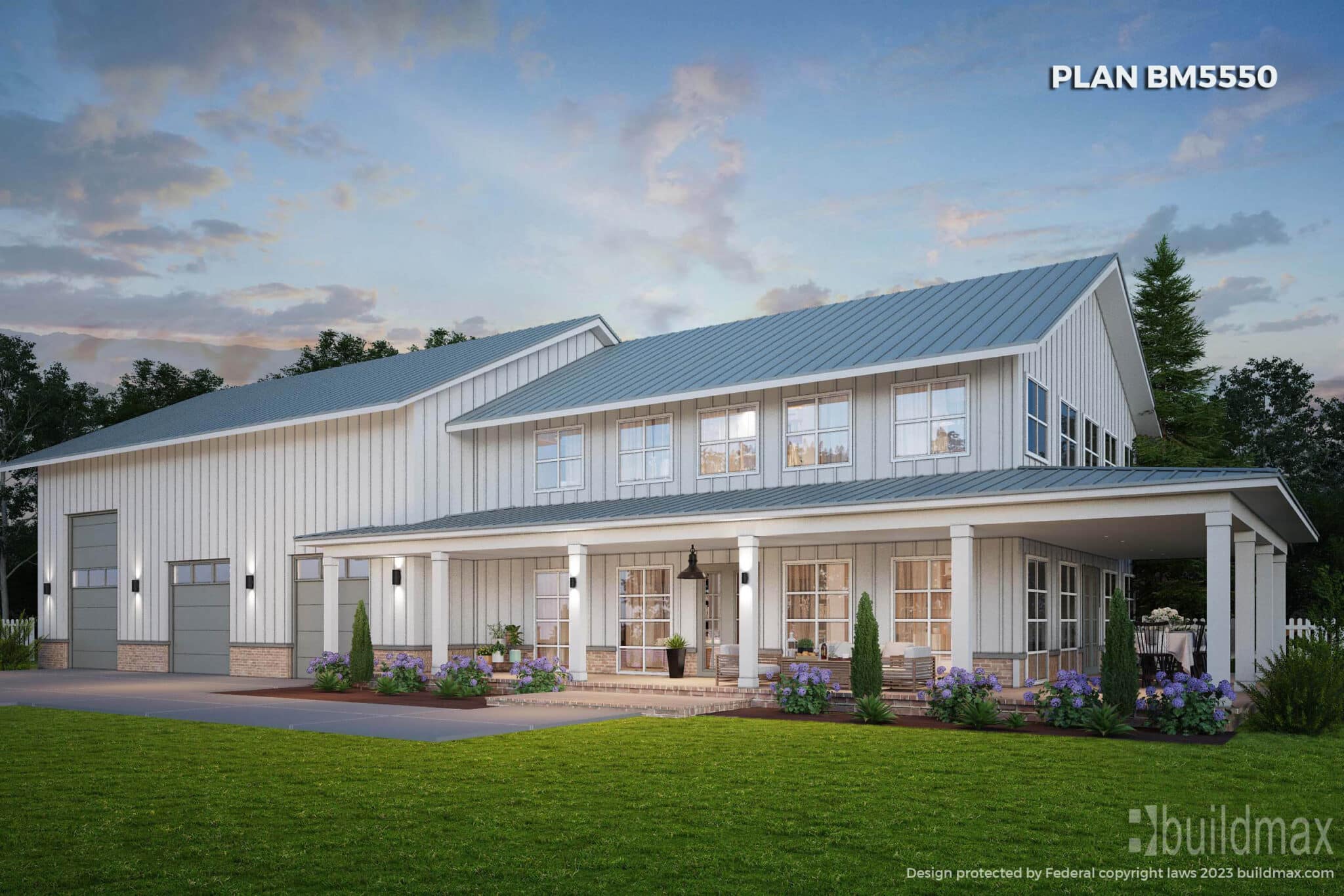
Alternative Flooring Options for Barndominiums

**Wood Flooring:**
For those seeking a warmer, more traditional home feel, wood flooring is a fantastic option. Hardwood or engineered wood can provide a classic look that complements the rustic or industrial aesthetic of a barndominium. Wood is also versatile in terms of finish and color, offering numerous customization options.
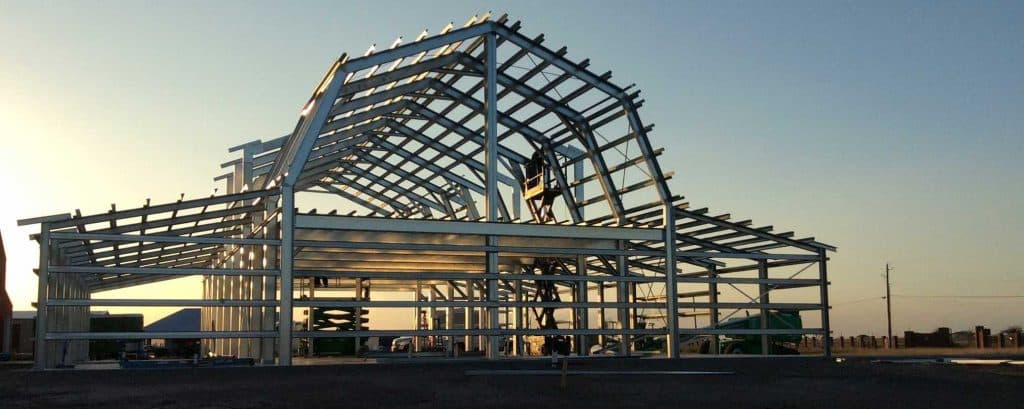
**Tile Flooring:**
Tile offers both durability and variety. Ceramic and porcelain tiles are available in designs that can mimic natural stone, wood, and even fabric patterns. Tile is particularly suitable for kitchen and bathroom areas within a barndominium due to its resistance to moisture and easy cleaning.

**Laminate Flooring:**
Laminate offers the look of wood or tile at a more affordable price point. It’s also relatively durable and easy to install, making it a good choice for DIY-oriented homeowners. Modern laminate flooring comes in a variety of designs and qualities, some of which are remarkably effective at imitating higher-end materials.

**Luxury Vinyl Plank (LVP):**
LVP is another cost-effective flooring option that offers considerable durability and moisture resistance. It’s an excellent choice for areas that might be prone to spills and humidity, like kitchens, bathrooms, and laundry rooms. LVP comes in a wide range of styles and can very convincingly replicate wood or stone flooring.

Tips for Choosing the Right Flooring

1. **Consider the Use of Each Room:** Different areas of a barndominium might have different flooring needs. For example, durable and easy-to-clean floors like concrete or tile might be more suitable for workshop areas, while living spaces might benefit from the warmth of wood or carpet.


2. **Think About Climate:** Flooring materials can also be influenced by the local climate. Concrete floors can stay cool in hot climates, while wood or carpet might provide necessary warmth in colder areas.

3. **Factor in Your Lifestyle:** If you have pets, children, or a high-traffic home, choose flooring that can stand up to the extra wear and tear.

4. **Aesthetic Harmony:** Ensure your flooring choice complements the overall design and color scheme of your barndominium. Consistency in flooring can help unify the space, especially in an open floor plan.
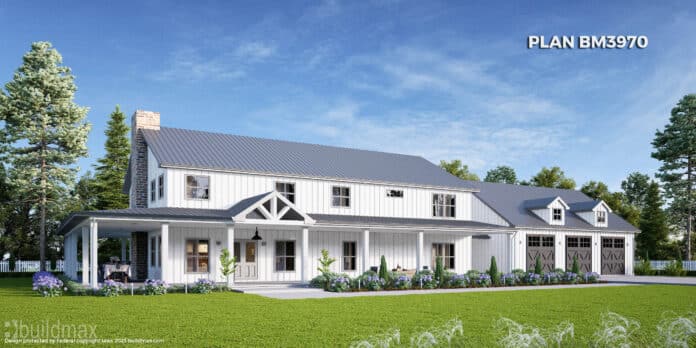
By carefully considering these factors, you can select a flooring option that not only meets your practical needs and budget but also enhances the aesthetic appeal of your barndominium. Whether you opt for the sleek, customizable appeal of concrete or the traditional warmth of wood, the right flooring will significantly impact the comfort and style of your home.
Why you shouldn’t build a barndominium from scratch!”

FARMHOUSE BARNDOMINIUM BM3151

Rethinking Construction: Why Building a Barndominium from Scratch May Not Be the Best Option

Barndominiums have captured the imagination of many looking for an alternative to traditional homebuilding. These structures, which blend the rustic charm of a barn with modern living amenities, offer flexibility in design and an attractive aesthetic. However, constructing a barndominium from scratch presents numerous challenges and potential pitfalls. In this article, we will explore the reasons why opting for a steel frame barndominium kit might be a more practical, cost-effective, and time-efficient choice compared to building from scratch.

modern barndominium farmhouse

Challenges of Building from Scratch

1. **Complex Planning and Design**

Building a barndominium from scratch involves intricate planning and design phases. You need to hire architects and engineers to draft plans that not only meet your aesthetic and functional requirements but also comply with local building codes and regulations. This process can be time-consuming and expensive.

2. **Navigating Building Codes and Permits**

Understanding and adhering to local building codes and obtaining the necessary permits can be a daunting task. Each jurisdiction has its own set of rules governing construction, which can significantly vary, especially concerning non-traditional structures like barndominiums.

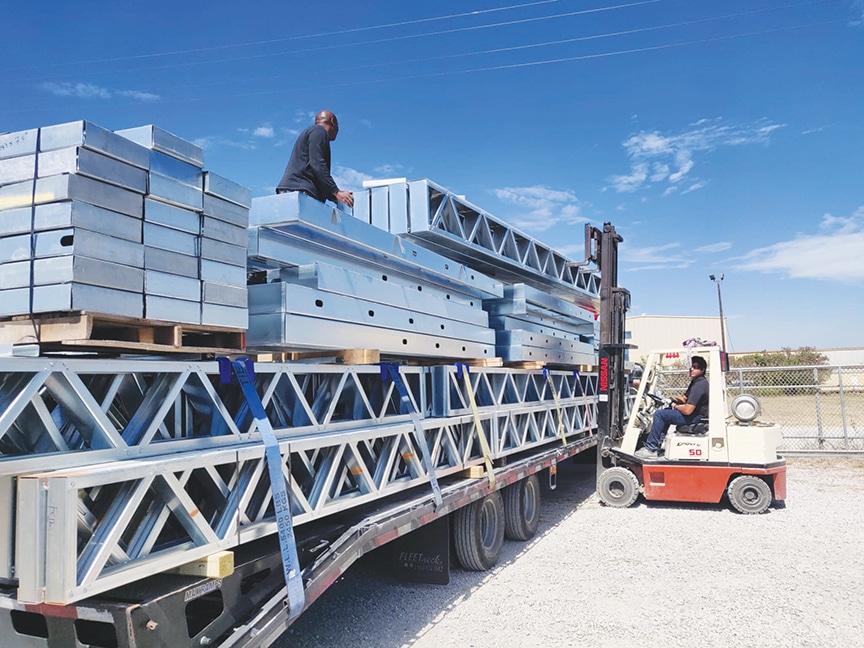
Steel Frame Barndominium Kit delivery

3. **Cost of Materials and Labor**

The cost of sourcing materials and hiring labor for a from-scratch project can fluctuate unpredictably. This variability can make budgeting difficult and may lead to significant overruns, especially if unexpected issues arise during the construction process.

4. **Construction Delays**

Building from scratch is often susceptible to delays due to factors such as weather, labor or material shortages, and other unforeseen circumstances. Each delay not only pushes back the move-in date but also potentially increases the overall cost of the project.

Advantages of Steel Frame Barndominium Kits

Against the backdrop of these challenges, steel frame barndominium kits present a compelling alternative. These kits offer several benefits that address the drawbacks of building from scratch.

1. **Speed of Construction**

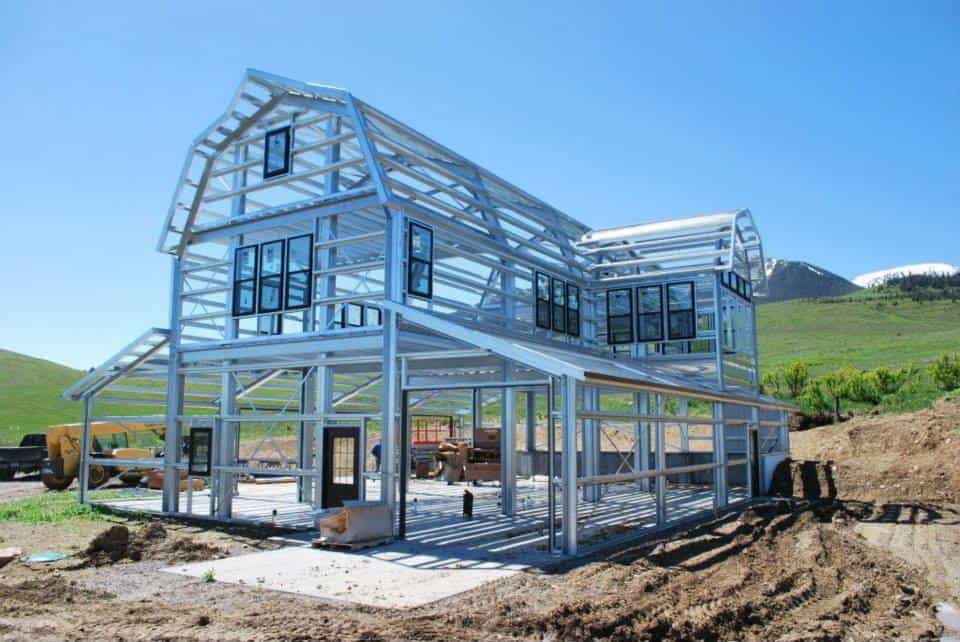
One of the most significant advantages of a steel frame kit is the speed of assembly. These kits come pre-engineered and with all the necessary components cut to precise dimensions, ready to be assembled. A kit can typically be erected much faster than a building constructed from scratch, reducing labor costs and minimizing the impact of weather-related delays.

2. **Cost Efficiency**

Steel frame kits are designed to reduce waste, and the bulk manufacturing of components generally makes them more cost-effective compared to buying materials piecemeal for a scratch build. Additionally, the predictability of a kit purchase means you can budget more accurately for both the cost of the kit and the assembly.

3. **Compliance with Codes**

Kits are engineered to meet building codes, which simplifies the compliance process. Manufacturers of these kits often provide documentation that assists in obtaining the necessary permits, easing the bureaucratic hurdles associated with building approvals.

4. **Durability and Maintenance**

Steel, as a building material, offers superior durability and resistance against pests, mold, and fire compared to traditional wood construction. This makes steel frame barndominiums a safer and more sustainable long-term investment with lower maintenance costs.

5. **Flexibility and Customization**

Despite being pre-designed, many steel frame kits offer a range of customization options. Buyers can choose from various layouts and finishes, ensuring that the end product meets their specific needs and tastes without the complexity and cost of a from-scratch design.

**Longevity**

is one of the most significant factors influencing the decision to choose steel frame barndominium kits for construction. This durability advantage not only impacts the structural integrity and lifespan of the building but also affects the overall cost-effectiveness and sustainability of the project. Here’s why longevity is a crucial influencer when considering steel frame kits for barndominiums:

white barndominium with cupolas

1. **Structural Durability**

Steel is renowned for its exceptional strength and durability, which makes it an ideal material for buildings meant to last. Unlike traditional wood frames, steel is impervious to many factors that typically degrade building materials. It does not rot, warp, or succumb to pest infestations such as termites. Steel’s ability to withstand harsh weather conditions—including heavy snow loads, hurricanes, and high winds—further bolsters its credentials as a long-lasting material. This resilience ensures that steel frame barndominiums maintain structural integrity over decades, providing a safe and stable home environment.

2. **Maintenance and Repair Costs**

The longevity of steel significantly reduces the need for frequent repairs and maintenance, which are often required with wood-framed buildings. The corrosion-resistant properties of treated steel, and its inability to host mold or fungi, mean that the internal structure of a barndominium remains intact and free from common ailments that could otherwise lead to costly repairs. This reduced maintenance requirement not only eases the financial burden over the building’s life but also offers convenience and peace of mind to homeowners.

3. **Sustainability and Environmental Impact**

Choosing materials that have a long life span contributes positively to environmental sustainability. Steel frame construction promotes resource conservation in several ways. Firstly, steel is 100% recyclable, and a significant portion of new steel products contains recycled materials. This reuse of materials reduces the demand for virgin resources and minimizes waste. Additionally, the long lifespan of steel structures means that the energy and resources invested in their construction yield benefits for a more extended period, diminishing the environmental impact over the building’s lifecycle.

4. **Cost-Effectiveness Over Time**

While the initial investment in a steel frame barndominium might be higher than in traditional construction, the longevity of the material ensures that this cost is amortized over a more extended period, resulting in overall savings. Homeowners can save on replacement costs, significant structural repairs, and maintenance over the life of their home. Moreover, the enduring quality of steel can enhance the resale value of the property, as prospective buyers appreciate the reduced upkeep and longevity associated with steel construction.

Eco-Friendly & Sustainable

5. **Energy Efficiency**

The airtight construction possible with steel frames when combined with proper insulation techniques can lead to significant energy savings. A durable, well-sealed envelope helps maintain indoor temperature extremes, reducing the burden on heating and cooling systems and thereby lowering utility bills. This energy efficiency is sustained over the life of the building due to the lasting nature of steel’s structural properties.

While the allure of creating a completely custom barndominium from scratch is undeniable, the practical realities of such a project can often be overwhelming and fraught with risks. Steel frame barndominium kits provide an appealing alternative, offering faster construction times, cost predictability, ease of assembly, and long-term durability. For those considering a barndominium, a steel frame kit is not only a logical choice but a strategic investment in minimizing hassle while maximizing value and enjoyment of your new home.

How Many Acres Does Fannie Mae Allow?

white barndominium

Does Fannie Mae Even Lend on Barndominiums?

When considering financing options for unique residential structures like barndominiums, potential homeowners often look to conventional sources like Fannie Mae. Understanding whether Fannie Mae will lend on barndominiums and the specifics regarding land acreage can be crucial for planning and decision-making. Here’s a detailed overview addressing these questions:

**Fannie Mae’s Guidelines on Unique Properties:**
Fannie Mae, a government-sponsored enterprise, primarily provides financing for conventional residential homes. However, Fannie Mae does have guidelines that address unique or non-traditional properties, which include properties like barndominiums. The key is how well the property conforms to traditional residential standards and its comparability to other homes in the area.

**Conformity and Marketability:**
For Fannie Mae to finance a barndominium, the property must conform to the area’s housing standards and be marketable as a residential property. This means it should not deviate significantly in terms of quality, condition, or materials from other residential properties in the neighborhood. The home should also be built with materials and in a manner that adheres to local building codes.

**Appraisal Requirements:**
An essential factor in securing financing from Fannie Mae for a barndominium is the appraisal. The appraiser must find comparable sales (comps) of similar properties within the local market. Due to the unique nature of barndominiums, finding comparable properties can be challenging, which might complicate the appraisal process.

How Many Acres Does Fannie Mae Allow?

**General Guidelines on Land Acreage:**
Fannie Mae does not specify a maximum acreage for properties it finances; however, the amount of land considered in the valuation of the property does have guidelines. The land must be typical for the area, meaning that the size of the plot should not be so extensive as to render the property non-residential by local standards.

**Impact of Excessive Acreage:**
If a property includes more land than what is typical in the area, only a portion of the land value may be included in the appraisal for mortgage purposes. For instance, if a property has 20 acres, but typical residential plots in the area are around 5 acres, only the value of those 5 acres might contribute to the property’s appraised value. The remaining land would be considered excess land and might not add proportionally to the appraisal value used for securing the loan.


**Financing Larger Acreages:**
For properties with significant acreage, potential borrowers might need to consider other types of loans more suited to agricultural or larger rural properties, such as USDA loans, which are more flexible regarding the amount of land included.

All-In-All


When considering a barndominium for a Fannie Mae loan, it’s crucial to ensure that the property meets the expected residential standards in terms of construction, appearance, and functionality. The property should ideally not be an outlier in terms of its physical and aesthetic characteristics compared to other neighborhood homes.

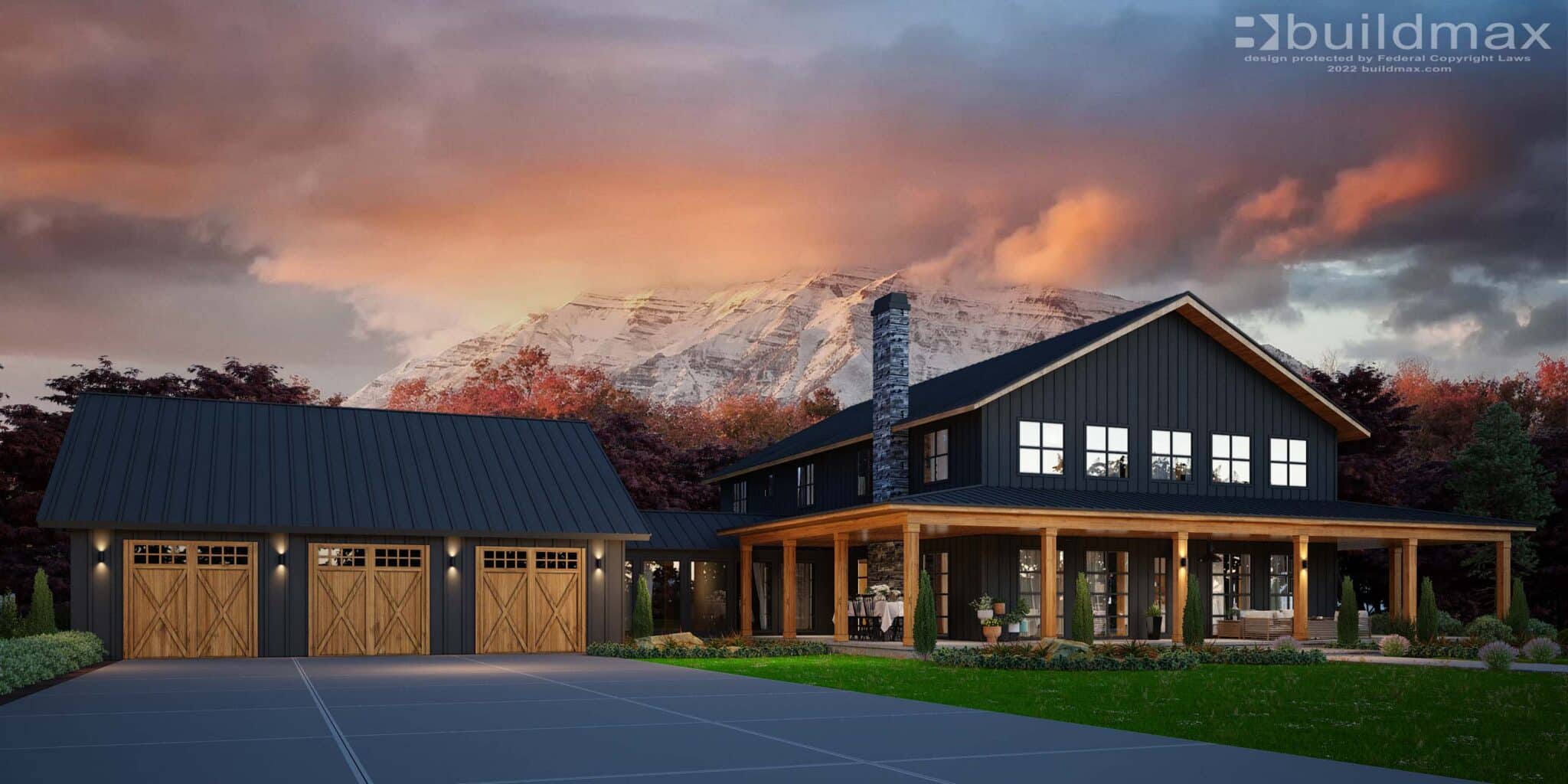
black barndominium with 3 car garage, wraparound porch, and mountains in the background

As for the land, while there is no strict upper limit to the acreage Fannie Mae will finance, the property must still conform to what is typical for residential properties in the area to ensure it remains eligible under Fannie Mae guidelines. Potential borrowers should be prepared for a detailed appraisal process, especially for properties that are larger or more unique than standard residential plots.

Are Barndominiums considered modular homes?

white farmhouse

Are Barndominiums Considered Modular Homes?

As the popularity of alternative housing options rises, many potential homeowners are exploring the possibilities of barndominiums. Known for their versatility and stylish adaptation of barn-like features into residential spaces, barndominiums have become a symbol of modern, customizable living. However, there is often confusion about whether barndominiums are considered modular homes. This article delves into the nature of barndominiums, how they differ from modular homes, and the role of prefabricated steel frame kits in their construction.

Understanding Barndominiums

Barndominiums originated as barns converted into residential spaces, but today, they can be built from scratch, designed and constructed to the homeowner’s specifications. Unlike traditional homes, barndominiums often feature wide, open floor plans, high ceilings, and a combination of living and workspace areas. They can be tailored to include various architectural and design elements, from rustic to ultra-modern finishes, reflecting the owner’s personal style and functional needs.

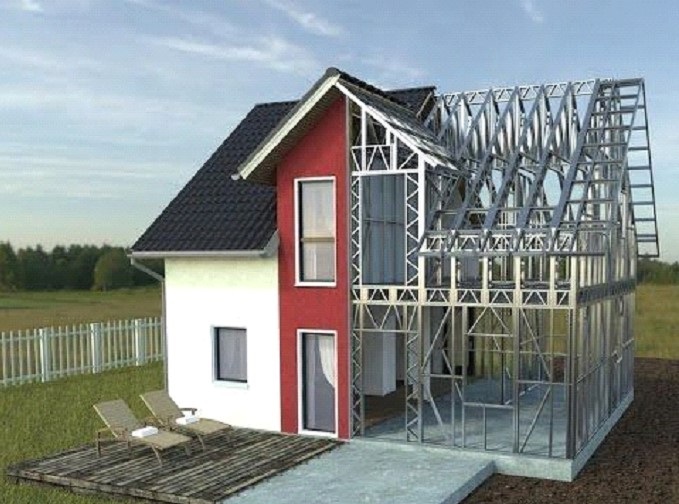
A custom-built steel frame barndominium is a type of residential structure that Best combines the architectural elements of a barn with the comforts and design of a modern custom built home, all built using a steel framework. This kind of construction utilizes steel as the primary structural element, providing a robust, durable foundation for the home. Here’s a closer look at what makes a custom-built steel frame barndominium unique and advantageous:

Barndominiums vs. Modular Homes

**Construction Method**

Modular homes are prefabricated offsite in controlled factory settings. They are built in sections or modules, which are then transported to the construction site and assembled. The assembly process typically involves craning the modules onto a pre-prepared foundation where they are joined and completed.

Barndominiums, on the other hand, are primarily constructed on-site, similar to traditional stick-built homes. Although they can incorporate prefabricated elements, they are not typically constructed entirely offsite and shipped in large modules like modular homes.

**Customization**

Modular homes, while offering some level of customization, are somewhat limited by the need to transport the modules on public roads. This restriction influences the possible layouts and sizes of the modules.

In contrast, barndominiums are essentially custom-built homes. They are designed from the ground up according to the owner’s specific requirements and the characteristics of the site. This custom nature allows for more significant personalization in terms of layout, materials, and design features.

**Foundation and Structural Elements**

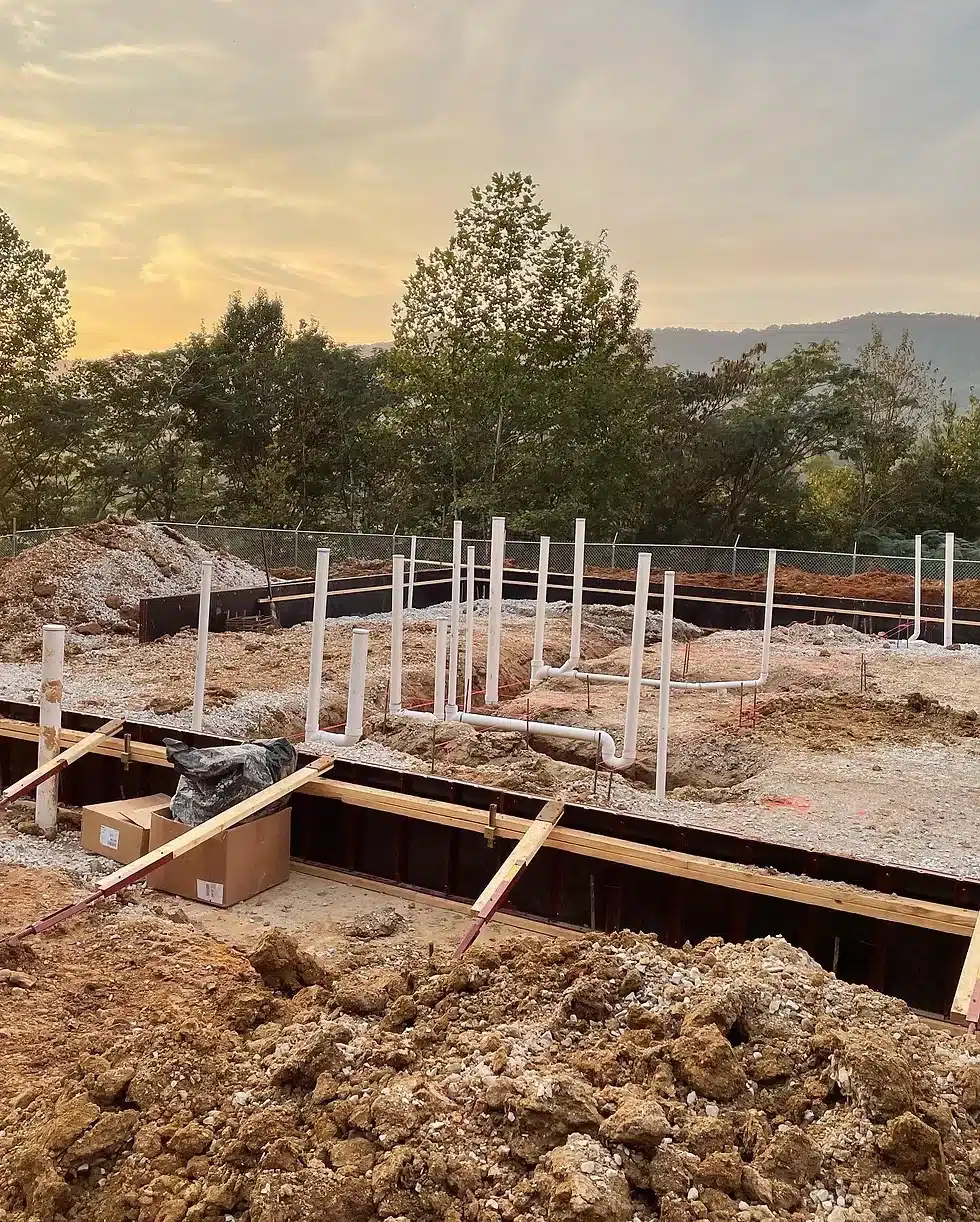
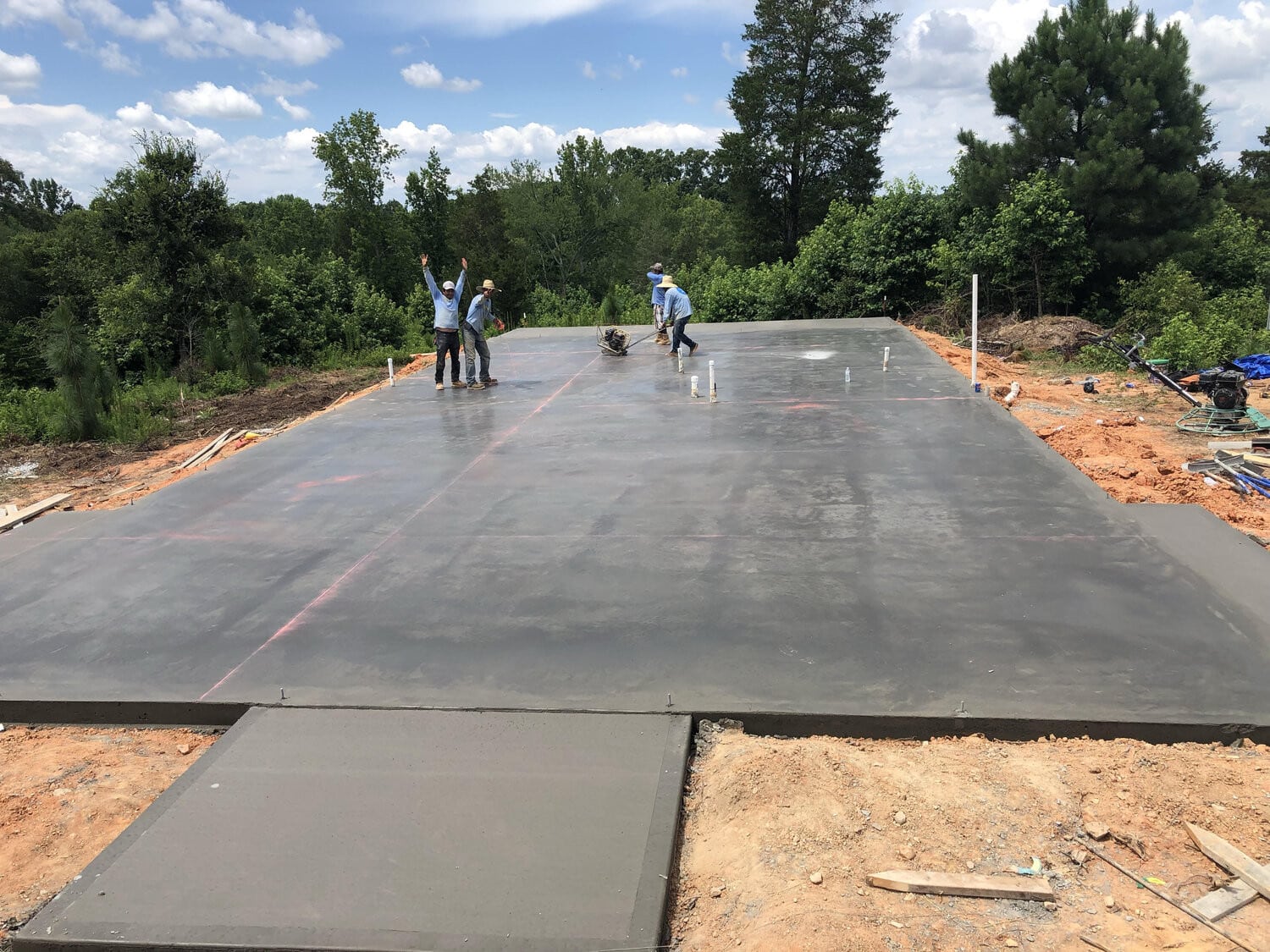
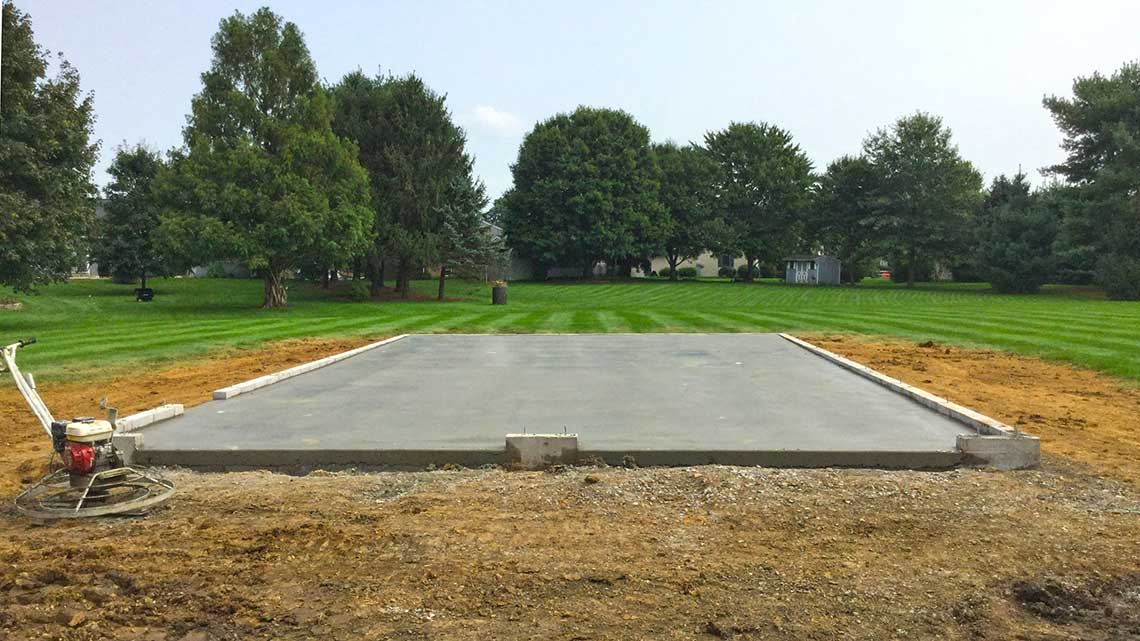
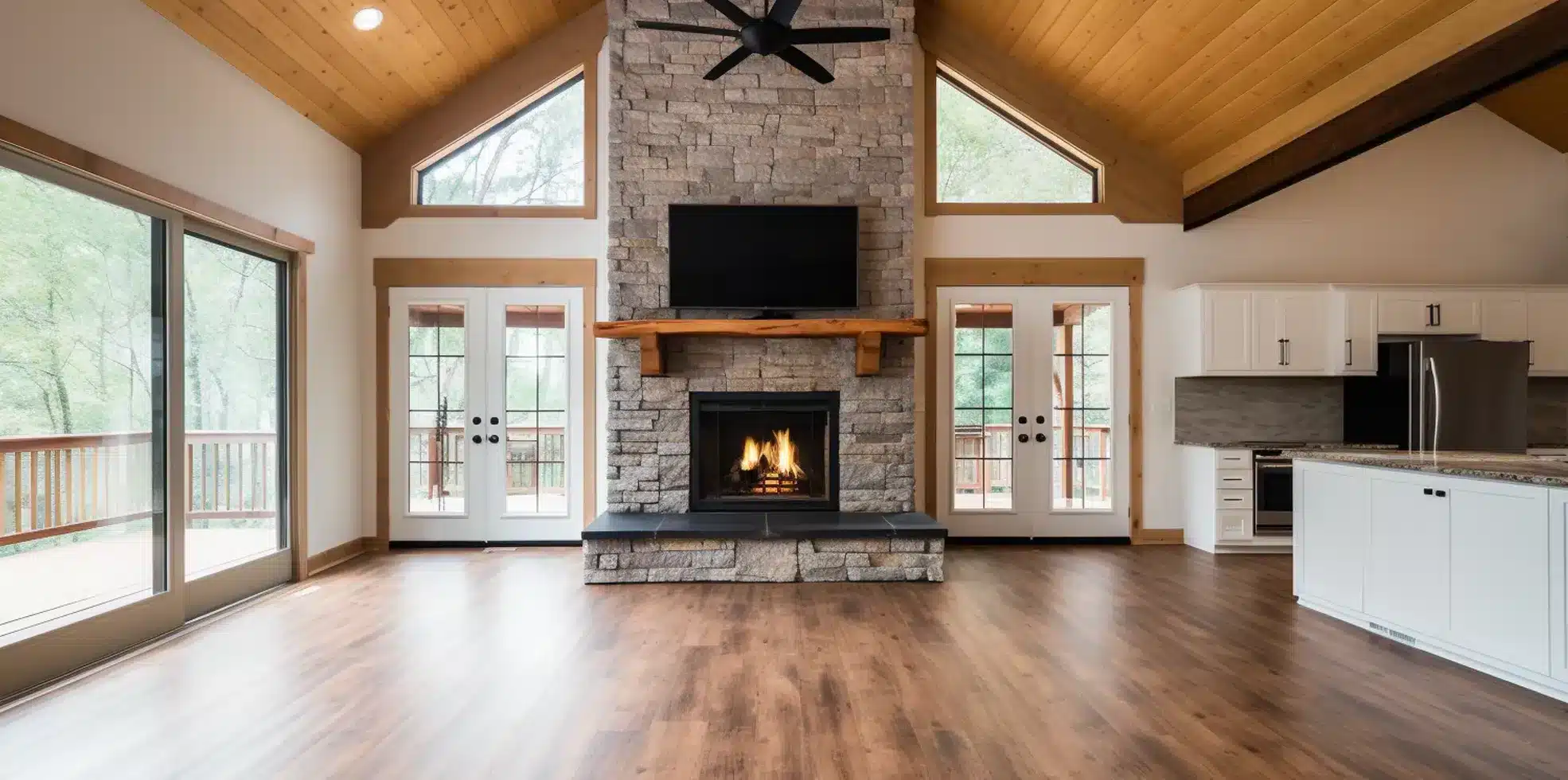
Both barndominiums and modular homes are built on permanent foundations, which classify them as real property. However, barndominiums may utilize a variety of foundation types, adapted to their design and local site conditions, from slab-on-grade to basement foundations. A monolithic Slab foundation is by far the most popular foundation type for Custom Steel Frame barndominium homes.

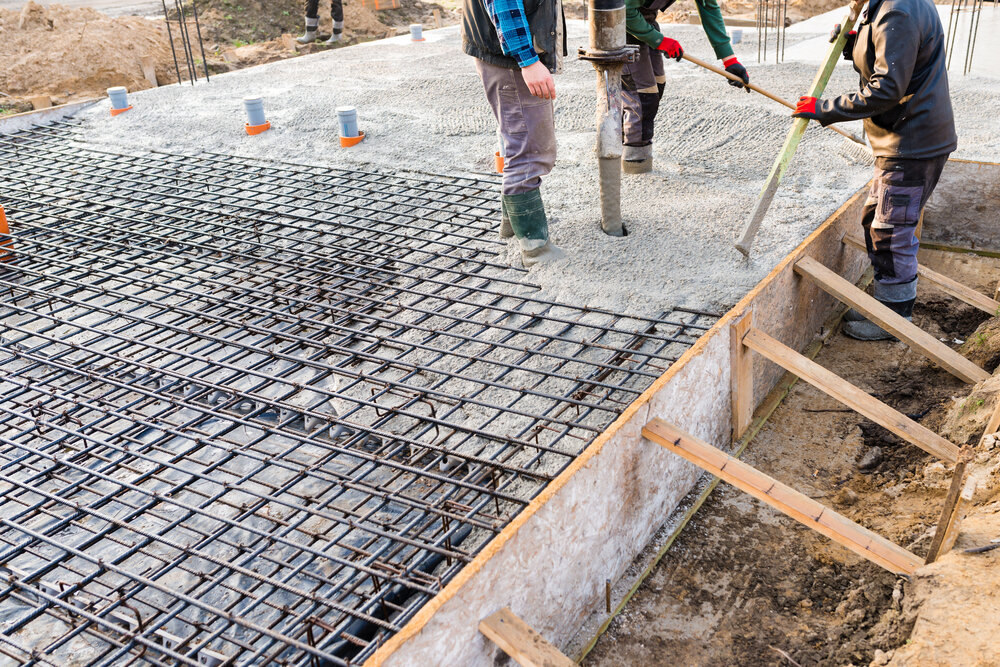
Monolithic slab foundations are a popular choice for steel frame barndominiums due to their compatibility and the unique benefits they offer in such constructions. A monolithic slab foundation is a single, solid concrete slab that serves as the base of a building, integrating both the footing (the part of the foundation that sits below the frost line) and the slab (the flat part above ground) in one continuous pour. This type of foundation is particularly well-suited for steel frame constructions for several reasons:

1. **Simplicity and Speed of Construction**

Monolithic slabs are relatively straightforward and quick to construct compared to other foundation types. Since the slab and the footings are poured simultaneously, the construction process is streamlined, which reduces labor costs and speeds up the overall building timeline. This efficiency complements the rapid assembly advantages of steel frame barndominiums, allowing for a faster move-in schedule.

2. **Cost-Effectiveness**

Monolithic slab foundations are generally less expensive than other types of foundations, such as crawlspace or basement foundations, because they require fewer materials and less labor. The absence of a basement or crawlspace eliminates the need for additional excavation, wall construction, and waterproofing, which are significant cost factors. For a steel frame barndominium, which often emphasizes efficiency and budget-friendliness, a monolithic slab is an economically sound choice.

3. **Durability and Structural Integrity**

Steel frame barndominium forms a rigid robust support that a monolithic slabs help to provide. The continuous nature of the slab ensures a uniform distribution of weight and helps prevent differential settling, which can lead to structural issues. Additionally, the integration of the footing with the slab increases the foundation’s resistance to shifting and cracking under pressure, an important consideration for the rigid structure of a steel barndominium.
4. **Reduced Risk of Moisture and Pest Problems**

Monolithic slabs are less susceptible to moisture ingress compared to basements or crawlspaces, as they sit above grade and often incorporate vapor barriers and insulation within the slab itself. This reduces the risks associated with moisture, such as mold and mildew, which are crucial for maintaining the indoor air quality and structural integrity of the building. Furthermore, the lack of an underfloor space minimizes the risk of pest infestation, which can be a concern in traditional wood-framed constructions.

5. **Energy Efficiency**

Monolithic slabs can be insulated beneath the slab, which helps in regulating the indoor temperature by minimizing heat loss to the ground during cooler months and reducing heat ingress from the ground in warmer months. This insulation contributes to the overall energy efficiency of the barndominium, reducing heating and cooling costs and enhancing comfort.

6. **Suitability for Flat Terrains**

Monolithic slab foundations are particularly well-suited for flat terrains, which are common sites for barndominiums. They require minimal site preparation compared to other foundation types that might need extensive grading and excavation on sloped or irregular land.

Steel Frame Barndominium Kit delivery

7. **Longevity and Low Maintenance**

Given their solid construction and few joints, monolithic slabs require minimal maintenance over their lifespan. They do not have the same issues with rot, pests, or corrosion that can affect other types of foundations. This low-maintenance aspect makes them an attractive option for steel frame barndominiums, which are also valued for their durability and minimal upkeep.

In summary, monolithic slab foundations align well with the principles of steel frame barndominium construction by providing a durable, cost-effective, and efficient foundation solution. They enhance the structural integrity, sustainability, and overall functionality of the building, making them an ideal choice for many prospective barndominium owners.

Prefabricated Steel Frame Barndominium Kits

An increasingly popular method for constructing barndominiums involves the use of prefabricated steel frame kits. These kits are an example of how prefabricated elements can be used in barndominium construction, offering both speed and precision without fully classifying the building as modular.

**Advantages of Steel Frame Kits**

– **Durability and Strength**: Steel offers superior strength and durability compared to traditional wood frames, making it ideal for structures that require large open spaces without internal support beams.
– **Speed of Construction**: Components of a steel frame kit are pre-engineered to fit together seamlessly. This reduces construction time significantly, as the basic structure can be erected within days once the foundation is ready.
– **Cost-Effectiveness**: With most of the cutting, drilling, and milling done offsite, steel frame kits reduce onsite labor and waste. This precision also minimizes costly errors during the construction process.
– **Flexibility in Design**: Despite being prefabricated, steel frame kits offer a range of customization options. They can be designed to accommodate various architectural styles and finishes, allowing for unique personalization.

white barndominium with cupolas

Barndominiums are not considered modular homes, although they can incorporate prefabricated elements like steel frame kits. They are, at their core, custom-built homes that offer unparalleled flexibility in design and construction. For those seeking a home that combines the practicality of traditional living spaces with the unique aesthetic of a barn, barndominiums provide a compelling, customizable solution. The use of prefabricated steel frame kits further enhances their appeal, combining the efficiency of modern manufacturing processes with the robustness and adaptability of steel construction.

How To find The Right Barndominium builder: A comprehensive Guide

white barndominium with cupolas

How To Find The Right Barndominium Builder: A Comprehensive Guide

Building a barndominium involves unique challenges and considerations compared to traditional residential construction. Given their distinctive nature, combining elements of barns with modern residential amenities, finding the right builder who understands and appreciates the intricacies of barndominium construction is crucial. This article provides a detailed roadmap on how to find a builder with the right expertise, ensuring your dream home turns into a reality efficiently and effectively.

Understanding the Importance of Specialized Experience

Barndominiums are not standard homes; they often involve a combination of large, open spaces typical of barns with the cozy, detailed finishing of a home. This blend requires a builder who is not only skilled in residential construction but is also capable of adapting to the unique structural and aesthetic demands of a barndominium.
Strategies to Find the Right Barndominium Builder

1. **Start with Research**
Utilize Online Resources

Begin your search online. Websites like Houzz, HomeAdvisor, and even specific forums dedicated to barndominiums can be invaluable resources. Buildmax.com is a fantastic resource for Spacious barndominium floor plans with steel frame kit’s to match, one of the only companies in the industry doing both High Quality Barndominium Floor Plans and Steel frame kits.  These platforms allow you to browse portfolios, read reviews, and see ratings which can help you gauge the quality of a builder’s work and their experience with barndominiums.

white barndominium with cupolas

Social Media

Platforms like Instagram, Pinterest, and Facebook are useful for finding builders. Many builders showcase their projects on these platforms, providing insights into their style and craftsmanship.

2. **Check for Specialization**

Builders may advertise various specialties, including barndominiums. Ensure that the builders you consider have specific experience with barndominiums, not just general construction experience.

Ask for a Portfolio

Request to see a portfolio of previous projects. A builder experienced in barndominiums should be able to show you several completed projects, detailing the scope of work, materials used, and any custom features.

white farmhouse style barndominium

3. **Read Client Reviews and Testimonials**

Client feedback can offer invaluable insights into a builder’s reliability, communication, and quality of work. Look for reviews on independent sites like Yelp, Google Reviews, and Better Business Bureau (BBB). Pay attention to how builders respond to both positive and negative reviews, as this can indicate their professionalism and customer service orientation.

4. **Seek Recommendations**

Word of mouth remains one of the most reliable methods of finding a quality builder. Ask family, friends, or coworkers who have undertaken similar projects. Real estate agents who specialize in rural or custom properties might also have recommendations.

Local Real Estate and Building Shows

Attend local real estate and building expos. These events can provide direct access to a range of builders you can interview on the spot.

5. **Verify Credentials and Licensing**

Before hiring a builder, verify that they are licensed, insured, and bonded. This protects you legally and financially. Check if the builder is a member of any professional associations, such as the National Association of Home Builders (NAHB), which can lend credibility.

6. **Interview Potential Builders**

Once you have a shortlist, arrange meetings to discuss your project. Prepare a list of questions that cover:

– Their experience with barndominiums.
– The anticipated timeline and availability.
– Types of materials they recommend and why.
– The subcontractors they use and the builder’s ongoing involvement in the project.
– Their process for handling changes or challenges during the project.

7. **Get Detailed Quotes**

Request detailed quotes from at least three builders. The quote should break down the costs of materials, labor, and any other expenses. Compare these quotes not just for price, but also for what they include and exclude, which can significantly affect the final product and price.

8. **Review Contracts Thoroughly**

When you decide on a builder, carefully review the contract before signing. Ensure it includes a detailed scope of work, cost breakdown, payment schedule, and clauses covering how changes to the plan will be handled.

black barndominium with large windows on the front

Finding the right builder for your barndominium is a crucial step that affects the quality, cost, and overall success of your project. By following these detailed steps—researching, verifying credentials, interviewing, and carefully selecting based on both skill and past work—you can ensure that your barndominium will be built to your specifications and satisfaction. This journey, while complex, is worth the effort to achieve a home that perfectly blends traditional charm with modern comforts.