


Home Blog Page 28

What is another name for a barndominium?

Exploring the World of Barndominiums: Alternative Names and Lingo

Barndominiums, the increasingly popular hybrid homes that combine the rustic charm of barn-style architecture with the comfort and efficiency of modern living spaces, have captured the imagination of homebuyers and builders alike. While “barndominium” has become the most recognized term for these unique structures, the concept and its variations are known by several other names, reflecting the diversity in design, purpose, and cultural influences. This article delves into the alternative names for barndominiums and explores the nuances that each brings to the table.
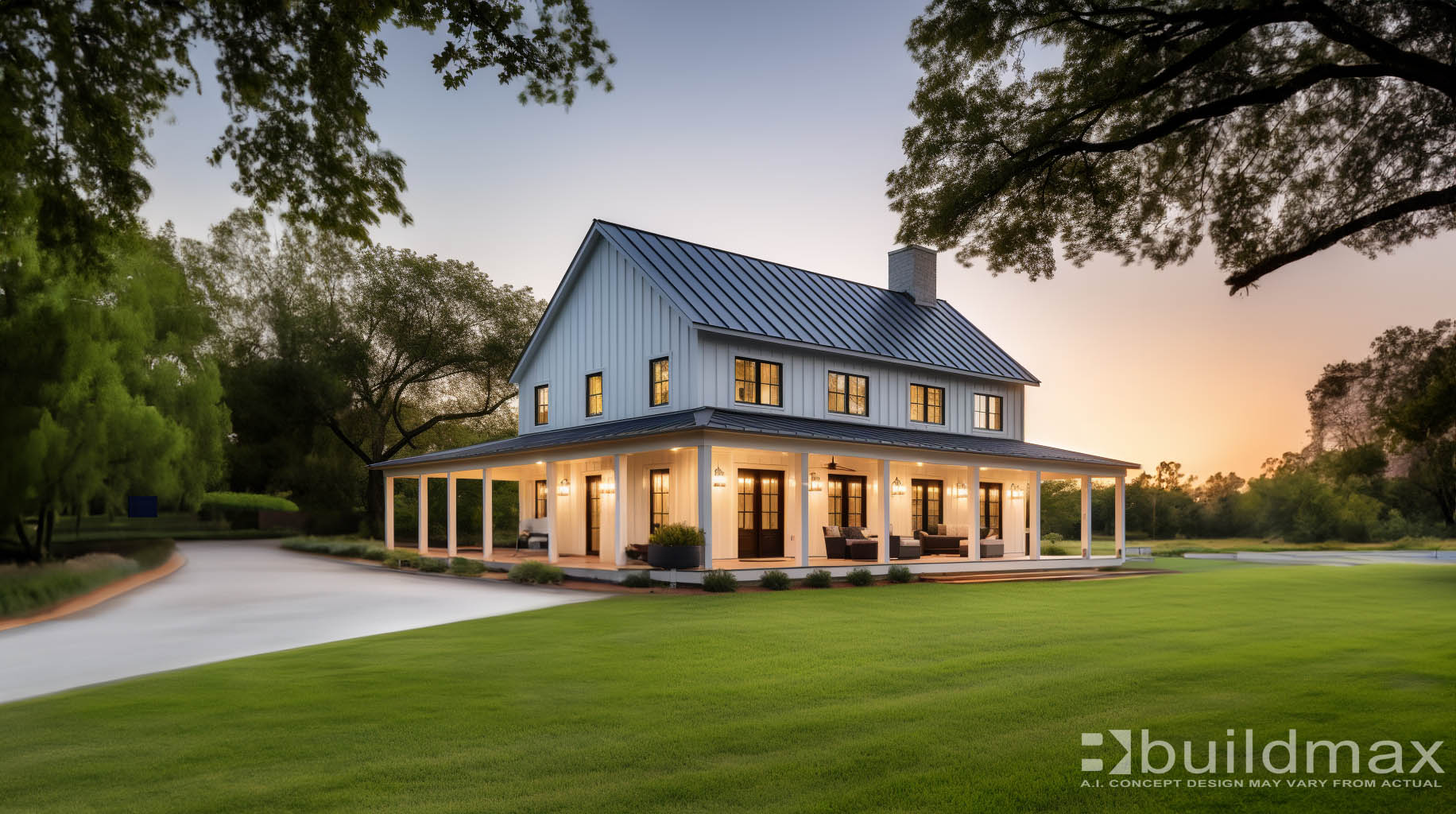
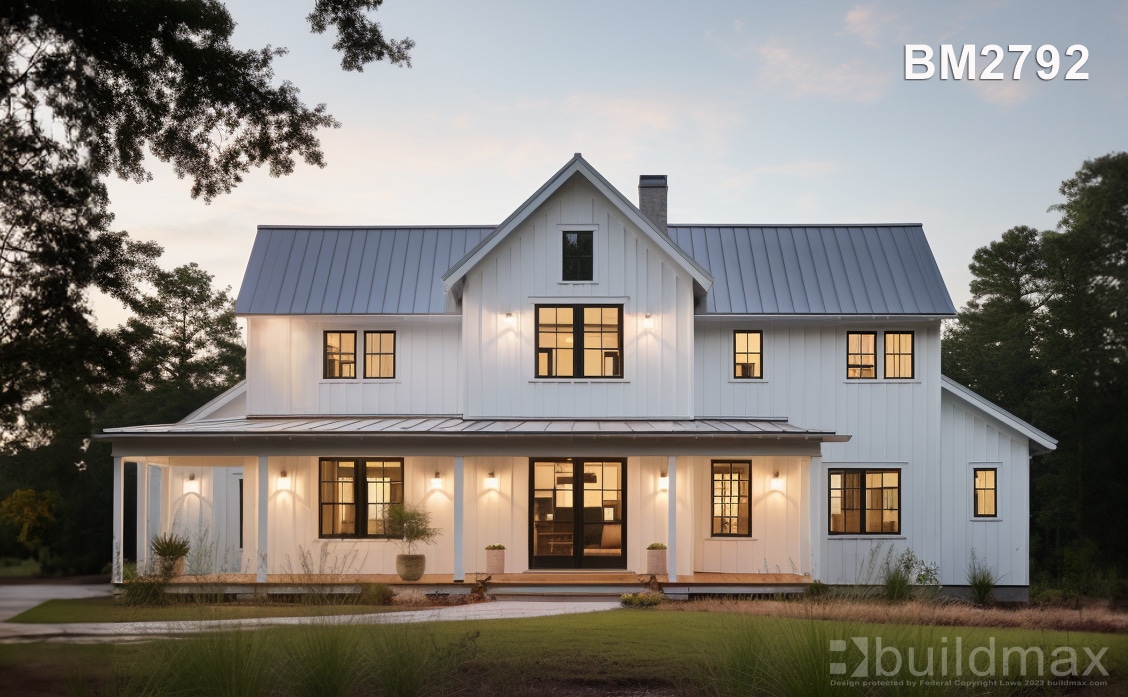
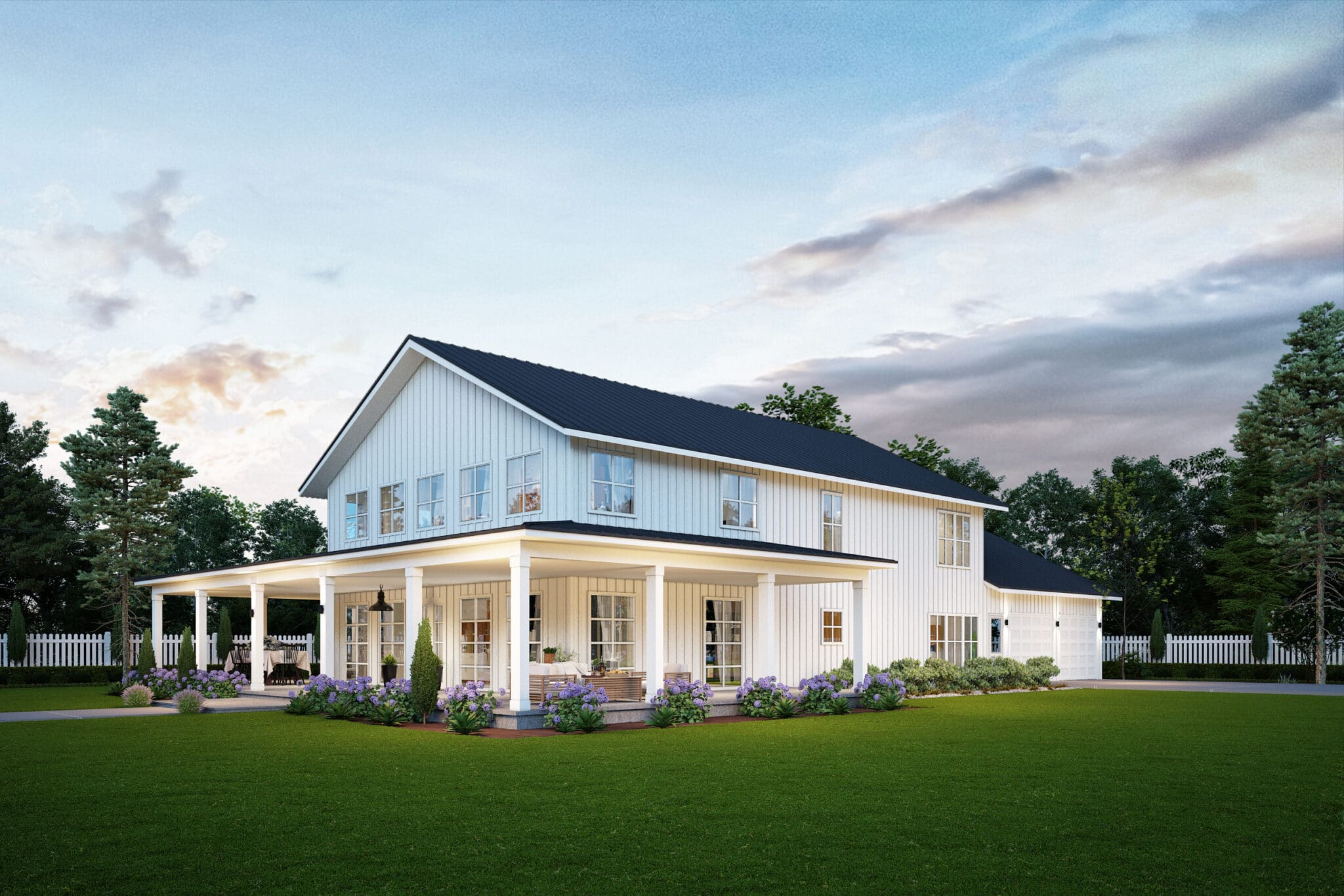
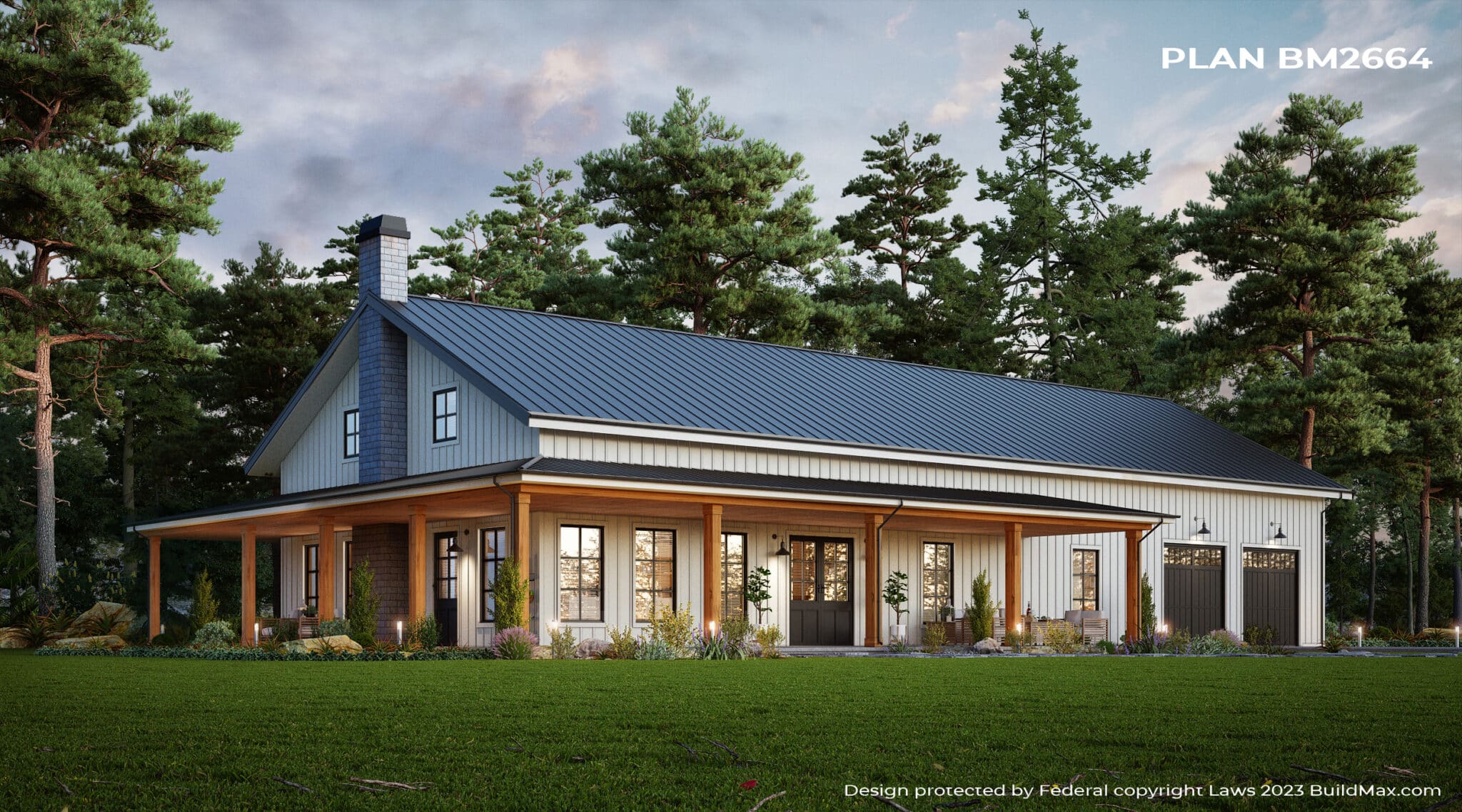
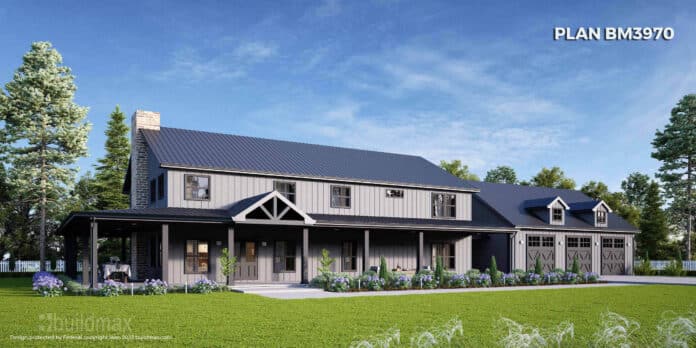
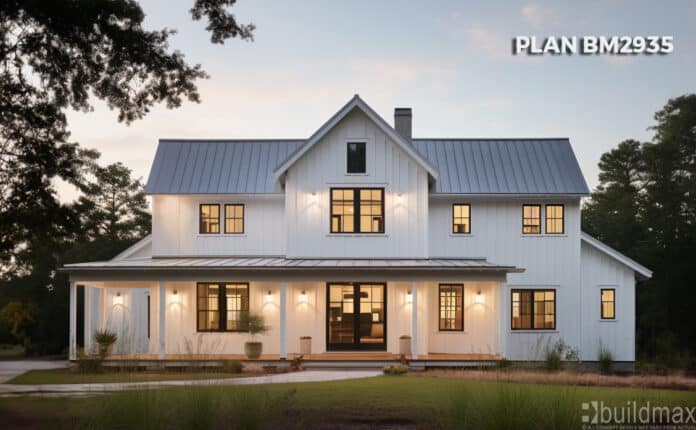
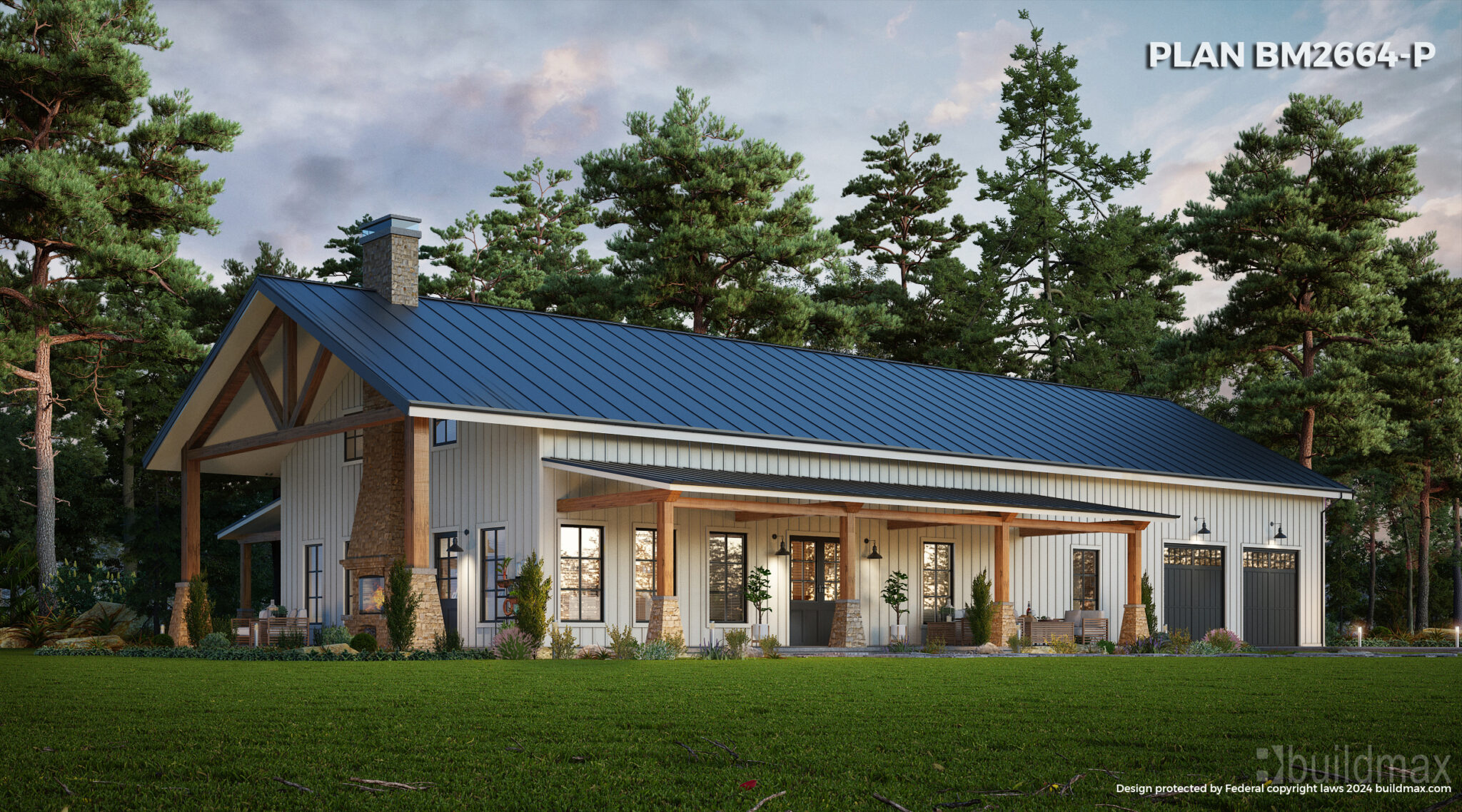
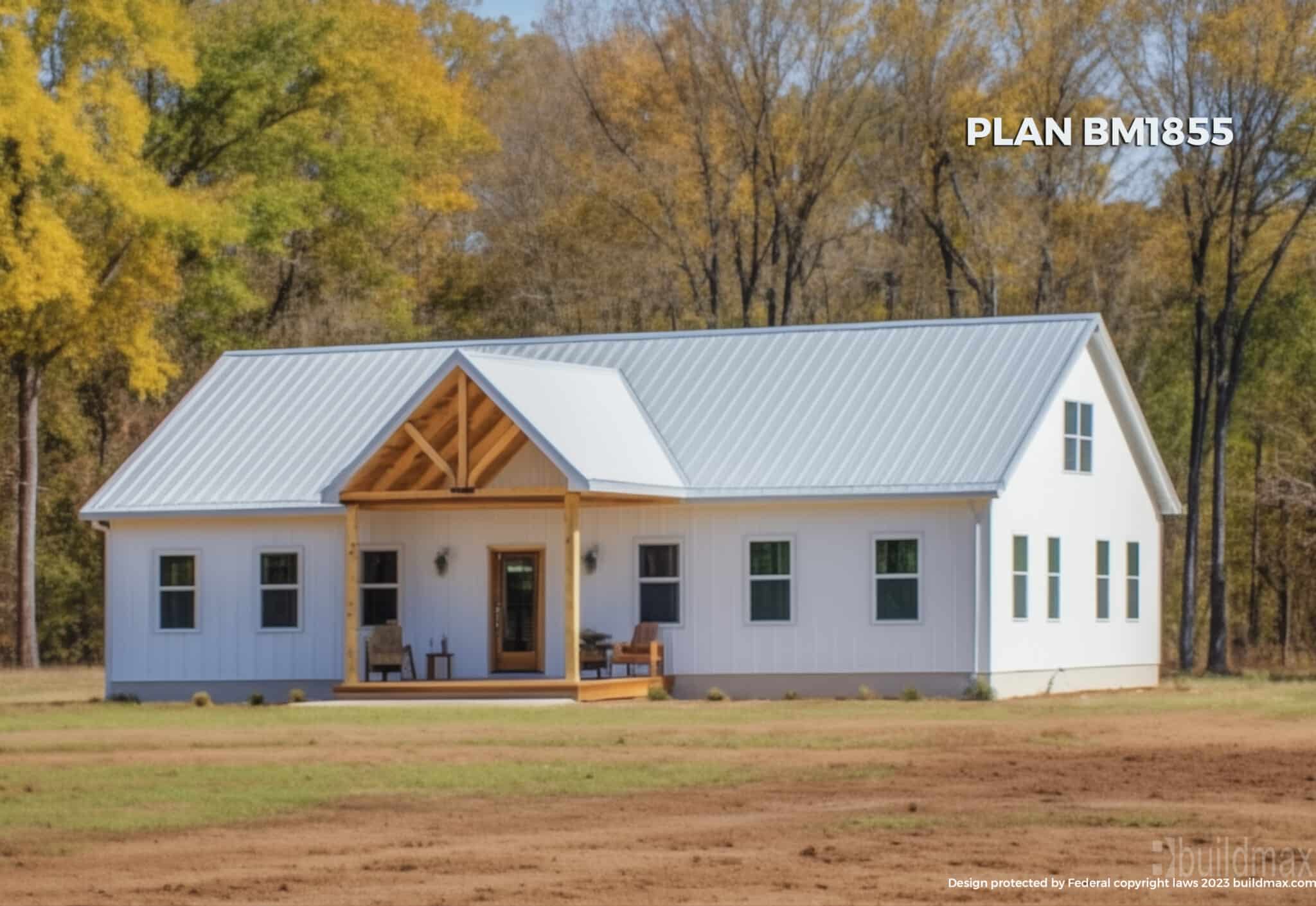
white farmhouse style barndominium

Barn Homes

A straightforward alternative, “barn homes” emphasizes the residential aspect of these structures. It speaks to the transformation of traditional barn spaces—once solely used for agricultural purposes—into cozy, livable homes. This term often conjures images of warm, expansive interiors that retain rustic features like exposed wooden beams and lofty ceilings.

Barndos

“Barndos” is a colloquial abbreviation of barndominiums, offering a catchy, shortened version that captures the essence of these structures in a more casual manner. It’s used frequently in casual conversation and marketing materials, appealing to a younger demographic or those looking for a more laid-back lifestyle.
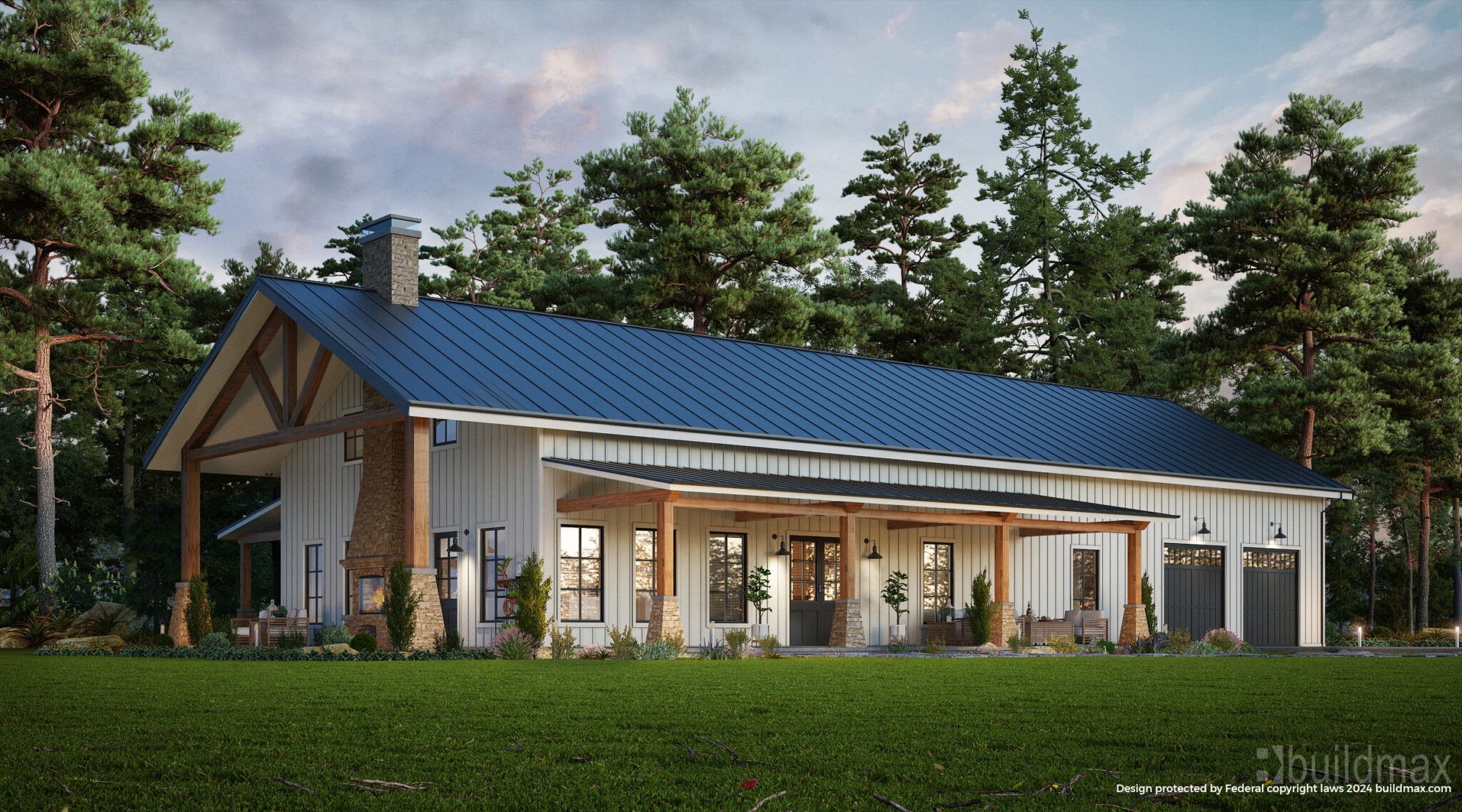
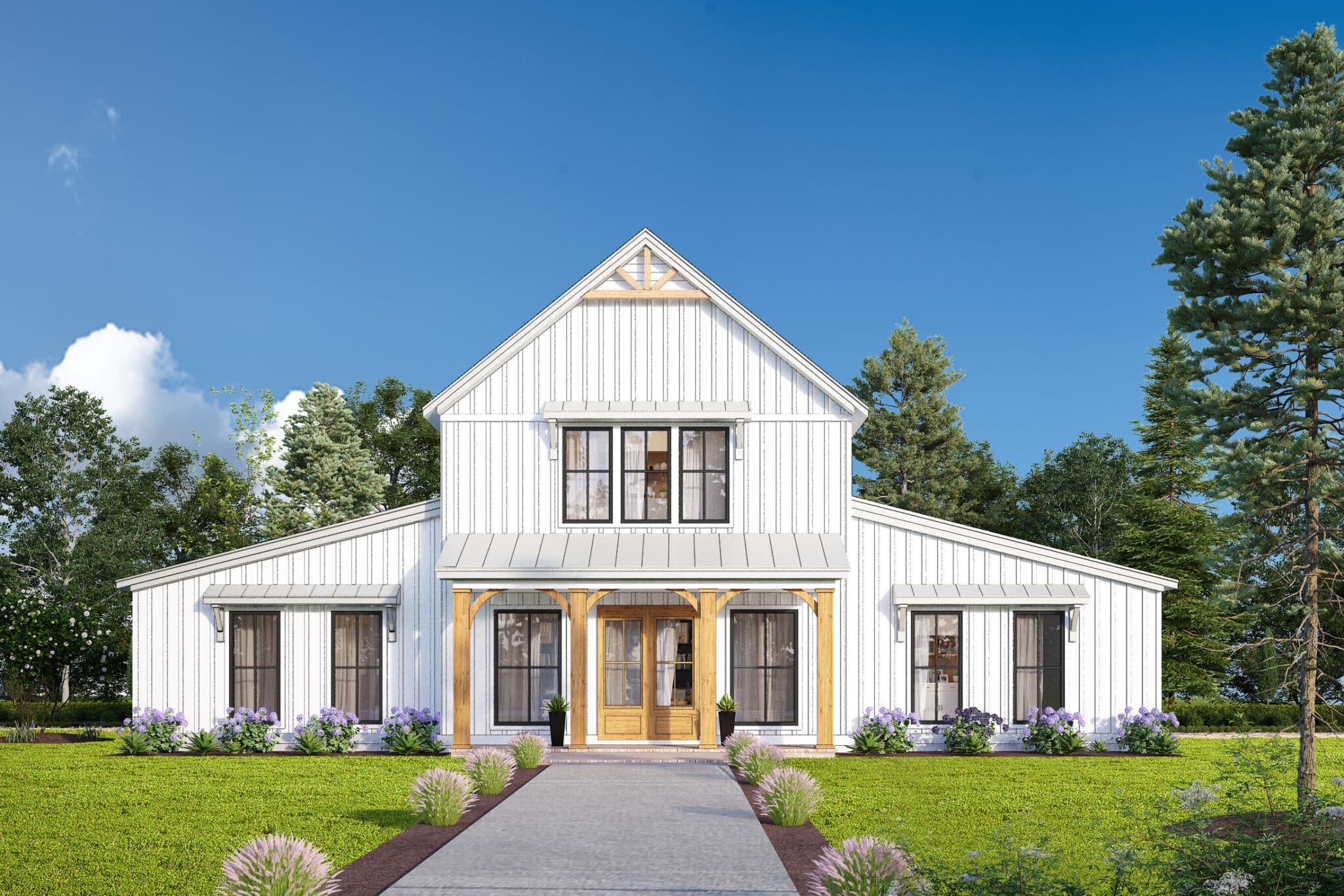
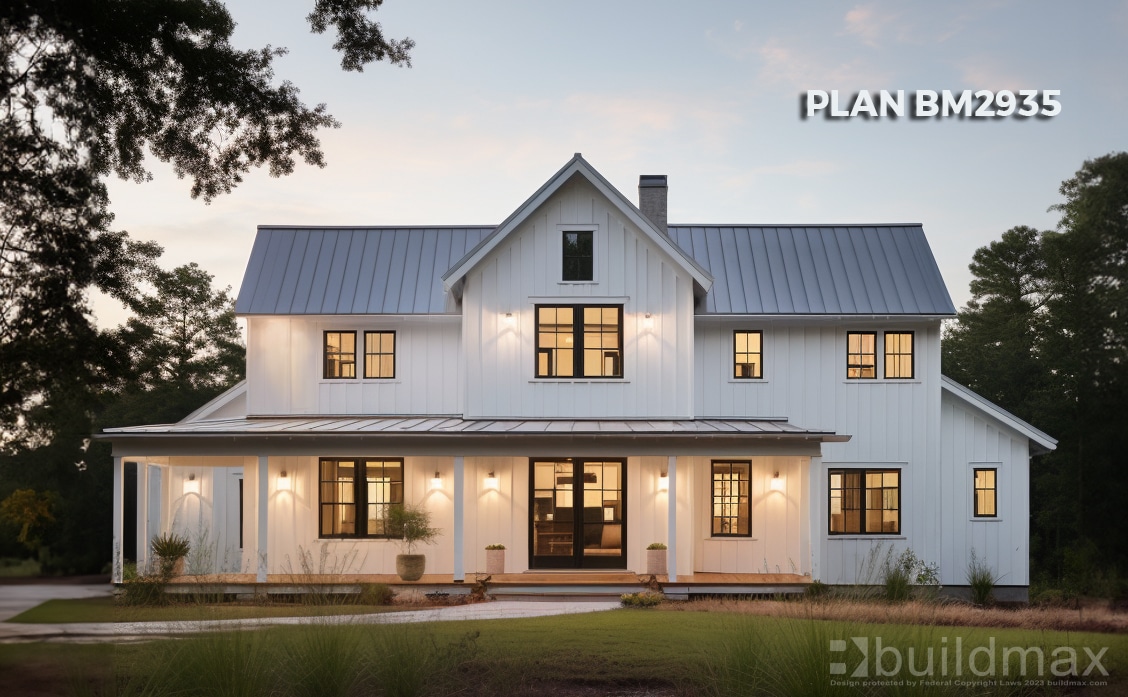
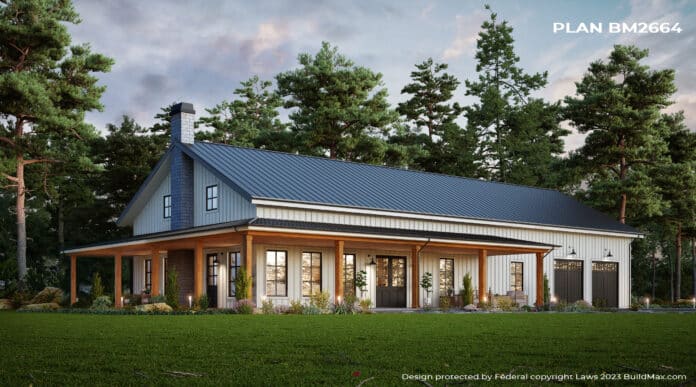
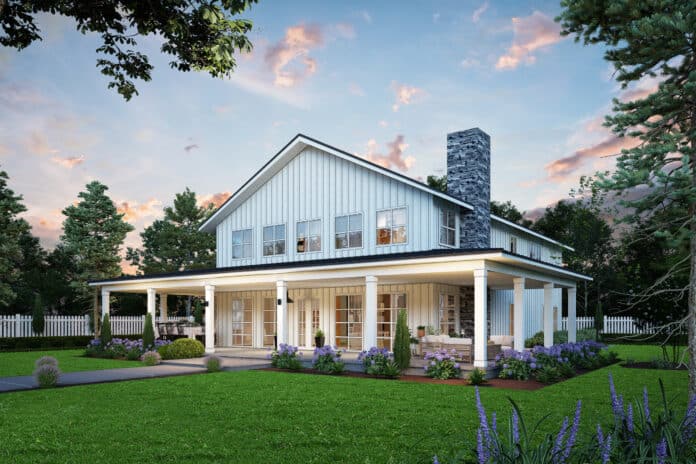
White barndominium with lofty porch

Barn-Style Houses

This term highlights the architectural inspiration behind the concept. Barn-style houses are designed to mimic the appearance of traditional barns, with their distinctive gabled roofs and wide, open spaces. However, unlike actual barn conversions, these structures are built from the ground up with the intention of being used as homes, allowing for more flexibility in design and construction.

Metal Buildings with Living Quarters

Focusing on the construction aspect, this name describes a key feature of many barndominiums—their metal frame and exterior. Metal buildings with living quarters are prized for their durability, ease of maintenance, and the efficiency of construction. This term is often used in contexts where the structural qualities and benefits of metal construction are emphasized.
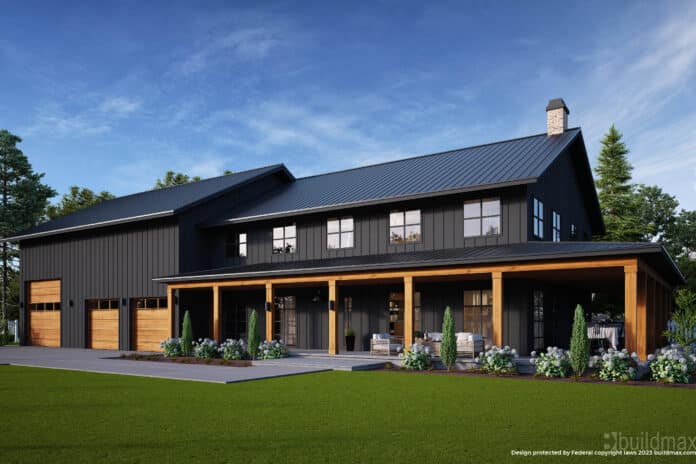
Shop Houses (Shouses)

A blend of “shop” and “house,” shouses refer to buildings that combine workshop or garage space with residential living areas. This term is particularly popular among hobbyists and professionals who require significant workshop space adjacent to their home, underscoring the functional flexibility that barndominiums offer.

Residential Metal Buildings

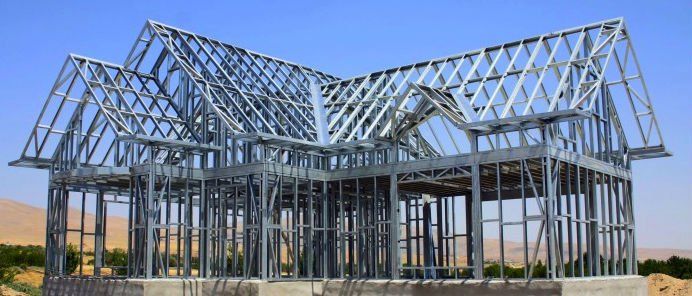
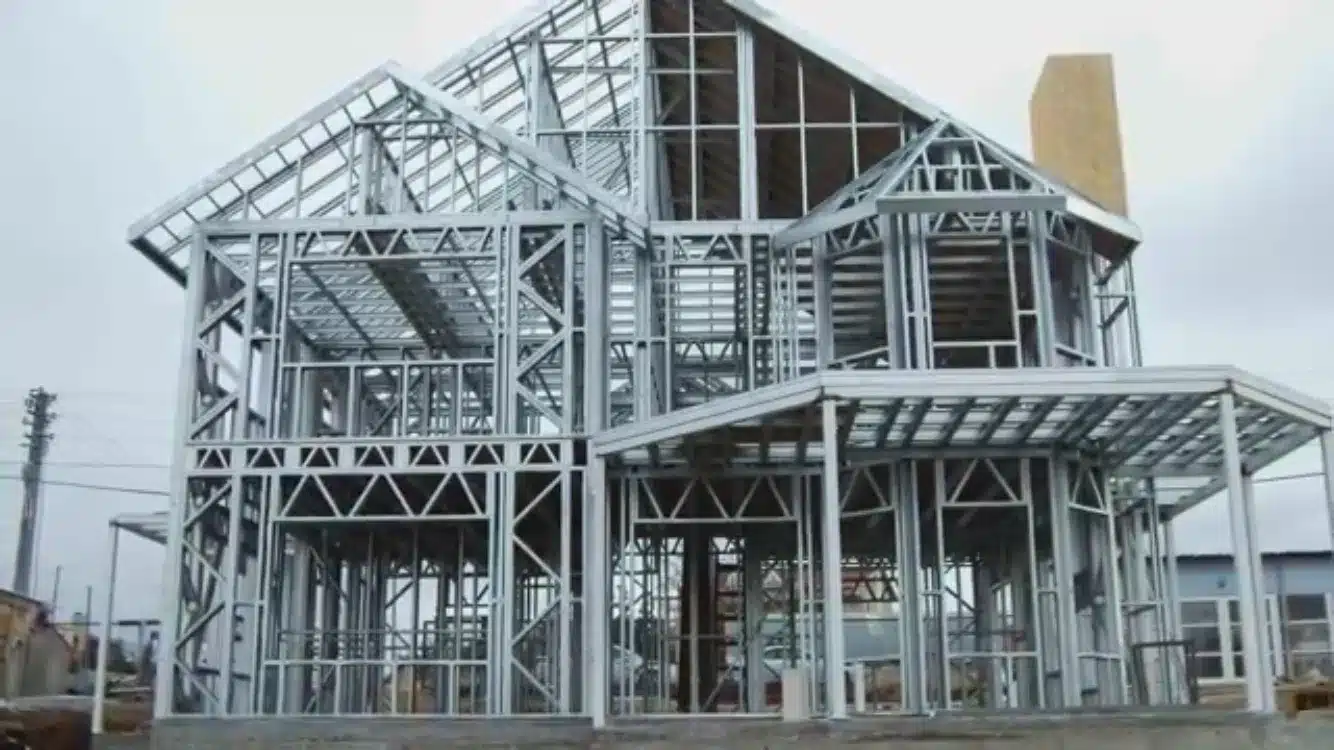
Metal Frame Kits , known for their construction technique that uses Light Gauge steel for the entire Frame and structural support, Steel frame kits can also be adapted for commercial use. “Residential or commercial use the Steel Frame kits are versetile and adaptable” making Steel perfect for barndominiums, particularly emphasizing the building technique and the expansive, open floor plans that result from it.

The Appeal of Barndominiums Under Any Name

Regardless of the terminology used, the appeal of barndominiums and their equivalents lies in their ability to offer customizable, spacious, and often cost-effective alternatives to traditional housing. They cater to a wide range of lifestyles, from those seeking a country living experience without sacrificing modern amenities, to individuals and families who require large, multifunctional spaces that accommodate work, hobbies, and home life under one roof.
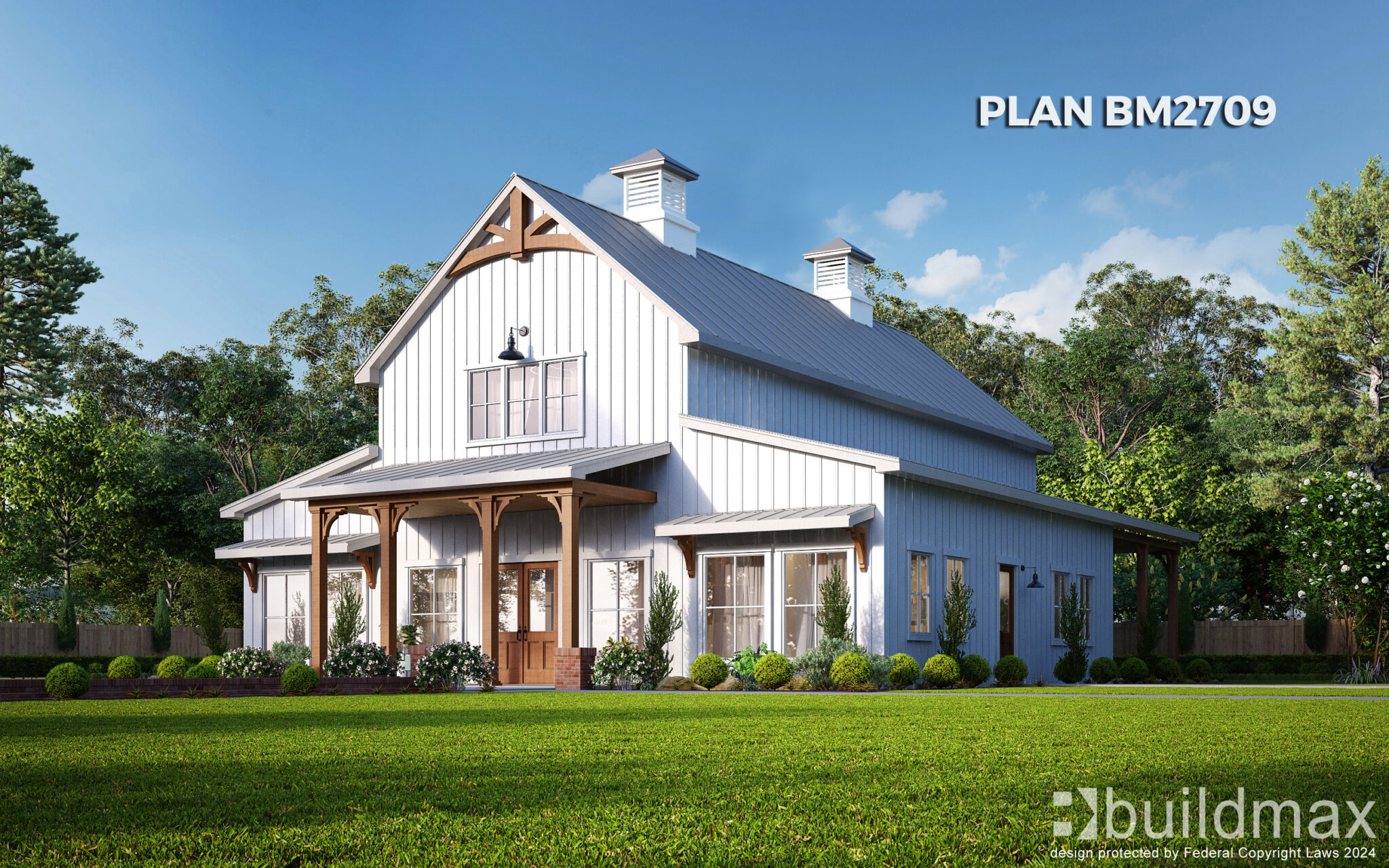
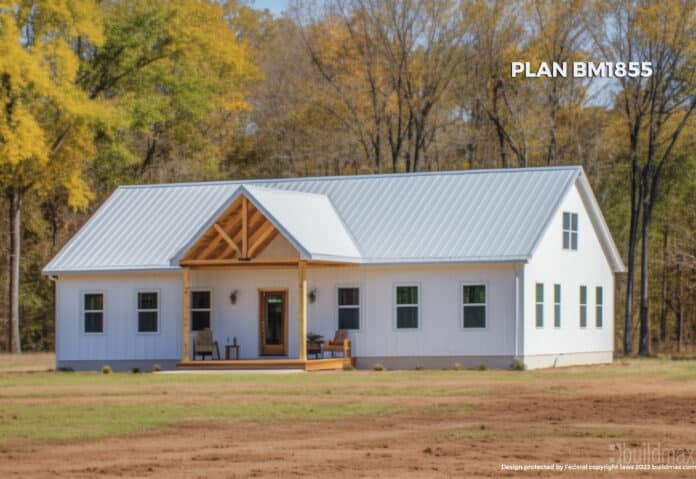
white barndominium with cupolas

Future Prospects

As the popularity of barndominiums continues to grow, it’s likely that new terms and variations will emerge, reflecting regional preferences, evolving architectural styles, and the innovative use of materials. The concept’s flexibility and adaptability to diverse needs and preferences ensure that, regardless of what they’re called, barndominiums will remain a significant and cherished part of the housing landscape.

While “barndominium” has become the catch-all term for these versatile structures, the variety of alternative names highlights the broad appeal and diverse applications of this unique style of home. Whether known as barn homes, barndos, or shouses, these structures offer a unique combination of practicality, style, and comfort that continues to attract attention and admiration from a wide audience.
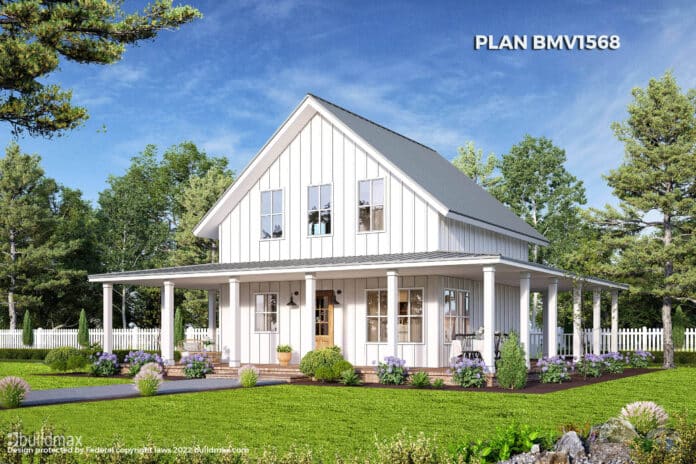
How Much Should a 40×60 Slab Foundation Cost?

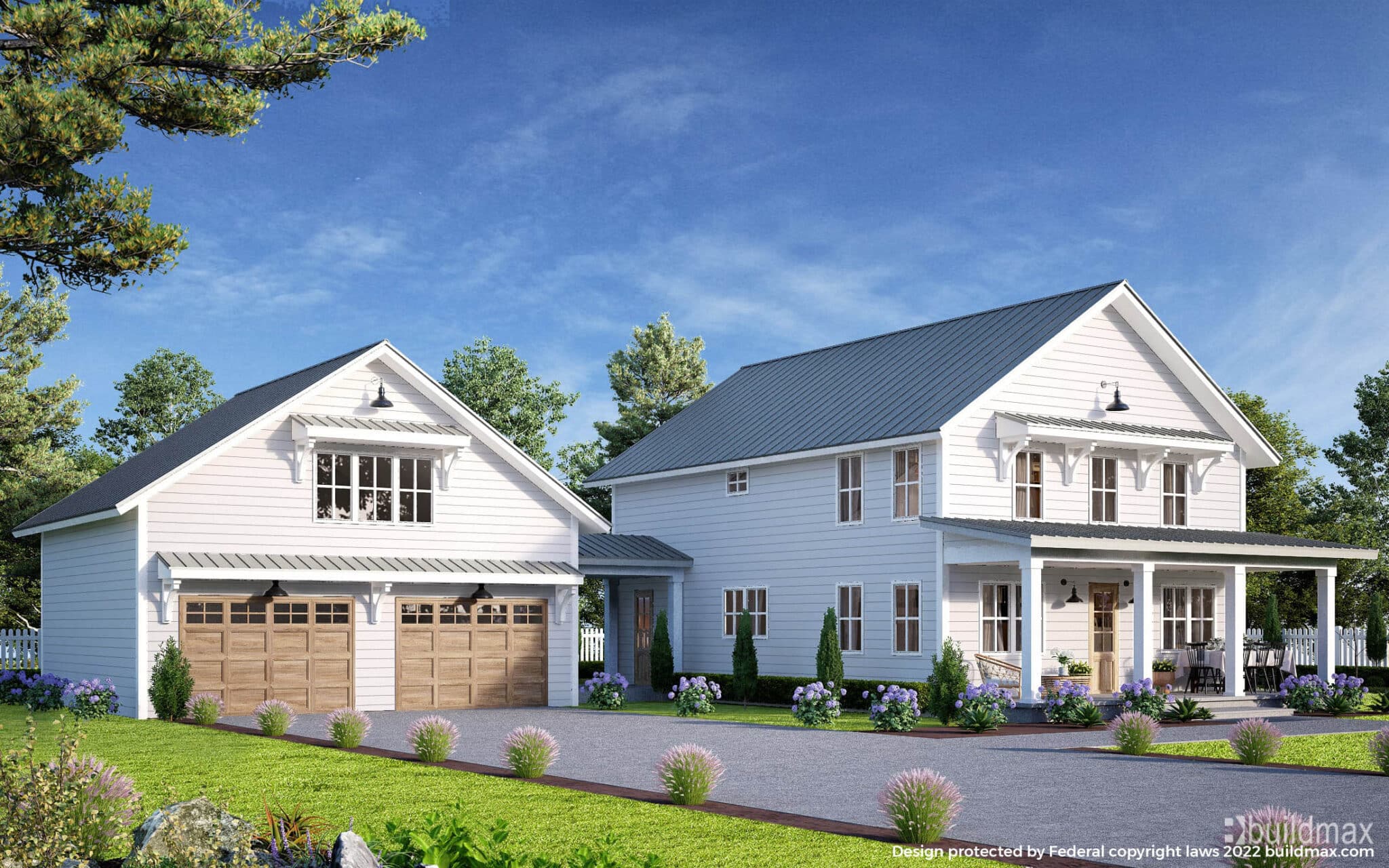
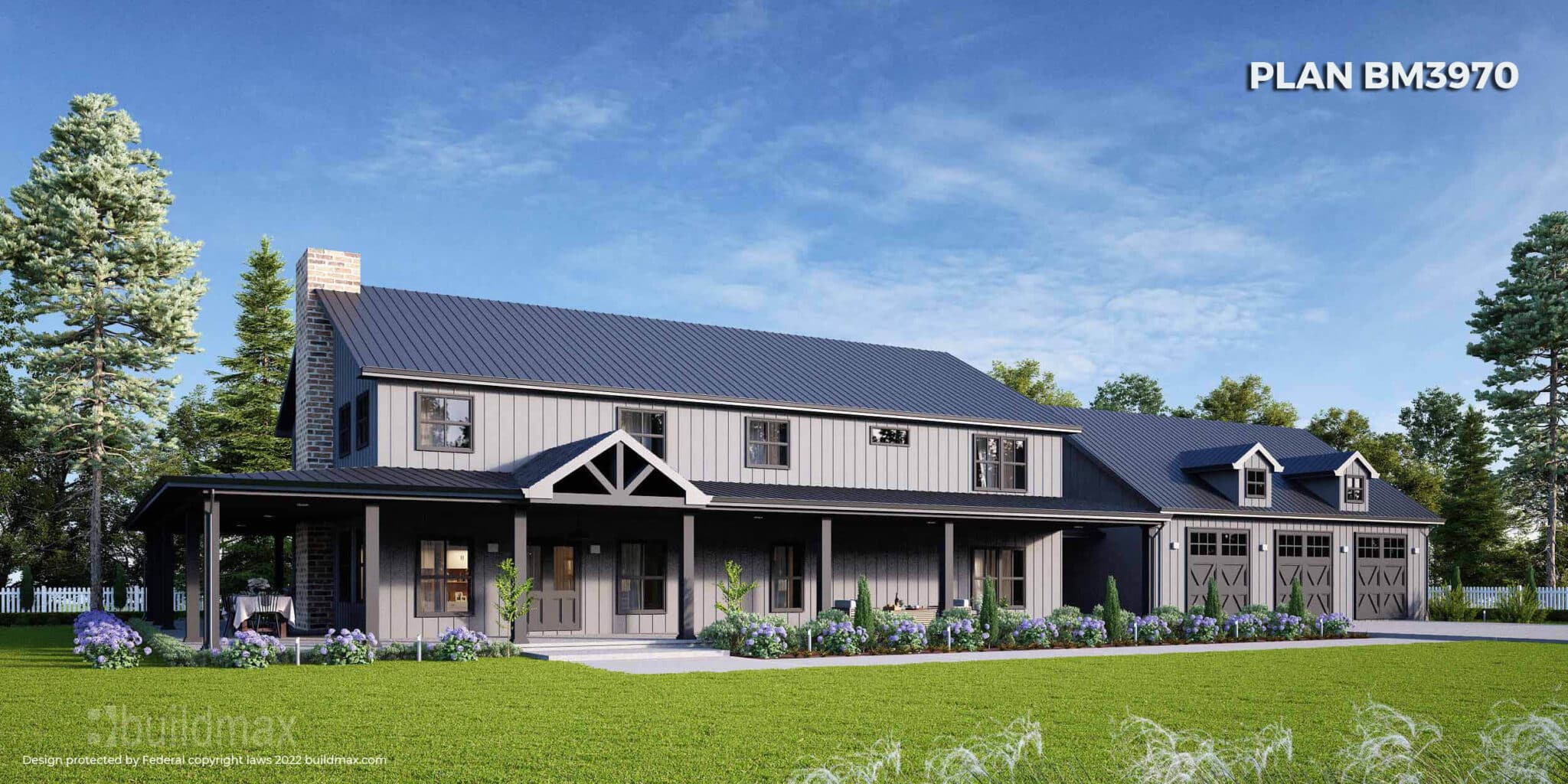
white farmhouse with wraparound porch

Building a barndominium, a modern and stylish alternative to traditional housing, requires careful planning and budgeting, especially when it comes to laying the foundation—a crucial first step in the construction process. The cost of pouring a 40×60 slab foundation, a common size for barndominiums, can vary widely based on a number of factors. In this article, we’ll explore these factors, offer estimated costs, and provide insights into what you can expect when budgeting for your project.

Key Factors Influencing Cost

Several key factors can influence the cost of pouring a 40×60 slab foundation for a barndominium, including:

– **Location**: Costs can vary significantly depending on the region, with prices generally higher in urban areas compared to rural settings due to differences in labor rates and material costs.
– **Material Prices**: The cost of concrete and reinforcement materials can fluctuate based on supply chain conditions and regional availability.
– **Labor Costs**: The complexity of the work and the skill level of the workforce can affect labor costs. Experienced professionals may command higher rates, but the investment can be worthwhile for the quality of the foundation.
– **Site Preparation Needs**: The condition of the building site plays a significant role in the overall cost. Clearing trees, leveling the site, and addressing any drainage issues can add to the project’s expense.
– **Foundation Thickness and Features**: The thickness of the slab, the inclusion of footers, and the need for additional reinforcements for load-bearing walls can also impact the cost.

modern barndominium farmhouseEstimated Costs

Given these variables, the cost of pouring a 40×60 slab foundation for a barndominium can range significantly. However, to give you a ballpark figure:

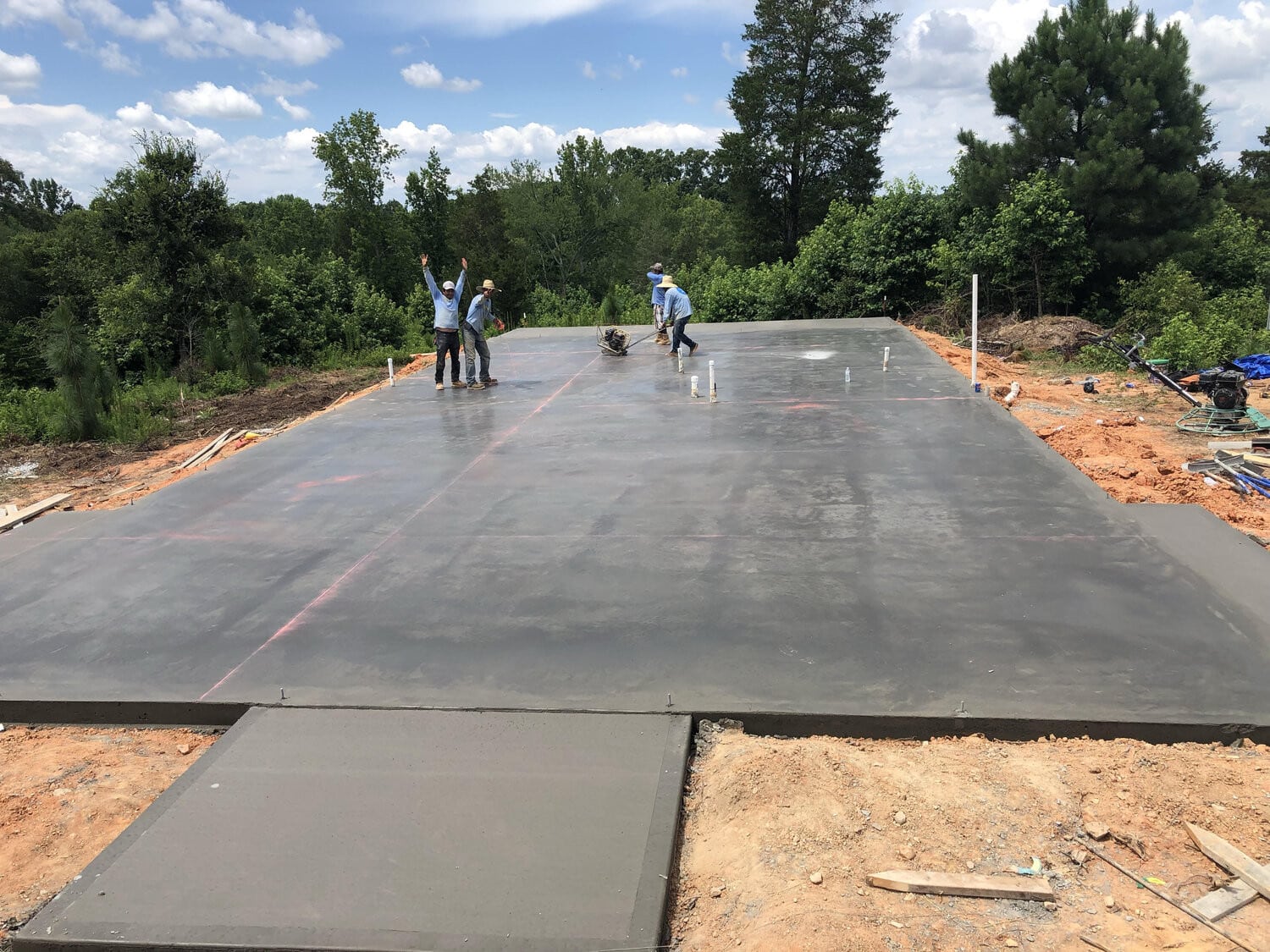
– **Basic Costs**: On average, concrete slab foundations cost between $4 and $8 per square foot for the materials and labor combined. For a 40×60 slab (2,400 square feet), this range suggests a total cost between $9,600 and $19,200.

– **Additional Expenses**: For more complex foundations that require extra site preparation, deeper footers, or additional reinforcements, costs can escalate. It’s not uncommon for total expenses to reach upwards of $20,000 to $30,000 or more for a slab of this size, especially if there are unique challenges to address.

It’s important to note that these figures are estimates meant to provide a general idea of what you might expect to pay. The actual cost could be higher or lower based on the specific circumstances of your project.

Gathering Accurate Estimates

To obtain a more precise estimate for your barndominium’s foundation, consider the following steps:

1. **Site Evaluation**: Have a professional evaluate your building site to identify any potential issues that may affect the foundation’s cost.
2. **Detailed Quotes**: Obtain quotes from several contractors who specialize in foundations. Ensure these quotes break down the costs for materials, labor, and any additional services.
3. **References and Reviews**: Check the references and reviews of any contractor you’re considering to ensure they have a track record of quality work and reliability.

8 Important Things to know about your Slab Foundation before you begin

When planning to construct a barndominium, laying a solid and well-thought-out slab foundation is crucial for the longevity and stability of your structure. Here are several important considerations you should keep in mind about your barndominium slab before beginning construction:

1. **Understand Local Building Codes and Regulations**

Before anything, familiarize yourself with local building codes and regulations. These rules can affect various aspects of your slab, including its thickness, the type of reinforcement required, and specific insulation or vapor barrier needs【34†source】【35†source】.

2. **Determine the Right Thickness for Your Slab**

The standard thickness for a residential  Barndominium slab foundation is usually around 4 to 6 inches. However, this can vary based on the building’s size and intended use. For instance, if you plan to store heavy machinery or vehicles, you may need a thicker slab to accommodate the additional weight【36†source】【35†source】.

3. **Consider the Soil Type on Your Property**

Soil type can significantly impact the design and specifications of your slab foundation. Certain soil types may require additional preparations, such as compacting or grading, to ensure stability. In some cases, you might also need a deeper footing to accommodate for soil conditions that are prone to shifting or settling【34†source】【36†source】.

DREAM BARNDO BM2852

4. **Plan for Drainage and Waterproofing**

Proper drainage around your slab is essential to prevent water accumulation, which can lead to moisture problems and foundation damage. Including a gravel base below the slab and utilizing moisture barrier sheets can help mitigate these issues【34†source】.

5. **Incorporate Adequate Reinforcement**

Reinforcement, such as wire mesh or rebar, is critical to prevent cracking and ensure the long-term durability of your slab. The type and amount of reinforcement will depend on your specific project requirements and local building codes【34†source】【36†source】.

6. **Ensure Proper Insulation**

In colder climates, insulating the underside of your slab can help maintain interior temperatures and reduce heating costs. Insulation is an important aspect to consider for enhancing the energy efficiency of your barndominium【34†source】.

7. **Factor in the Cost**

The cost of pouring a concrete slab foundation varies widely based on factors such as the size of the slab, thickness, reinforcement needs, and local labor rates. Getting quotes from several contractors and budgeting for potential contingencies is advisable【36†source】【37†source】.

8. **Consult with Professionals**

Given the technical and critical nature of laying a foundation, consulting with construction professionals Like Buildmax.com for Barndominium Floor Plans and Steel Frame barndominium kits to match, the ability to run questions by professionals such as engineers or experienced contractors is really an invaluable tool when building your first barndominium. They can provide insights specific to your project help walk you through the process and ensure that your slab meets all necessary standards and requirements【34†source】【35†source】.

By keeping these points in mind and carefully planning your slab foundation, you can lay a solid groundwork for your barndominium that ensures its stability and durability for years to come.

white farmhouseThe cost of pouring a 40×60 slab foundation for a barndominium involves a complex interplay of factors, including material prices, labor rates, site preparation needs, and the specific requirements of your project. By understanding these factors and obtaining detailed quotes from reputable contractors, you can better plan your budget and move forward with confidence in building your dream barndominium. Remember, investing in a high-quality foundation not only supports the structure of your home but also contributes to its longevity and overall value.

Do the Amish Build Barndominiums?

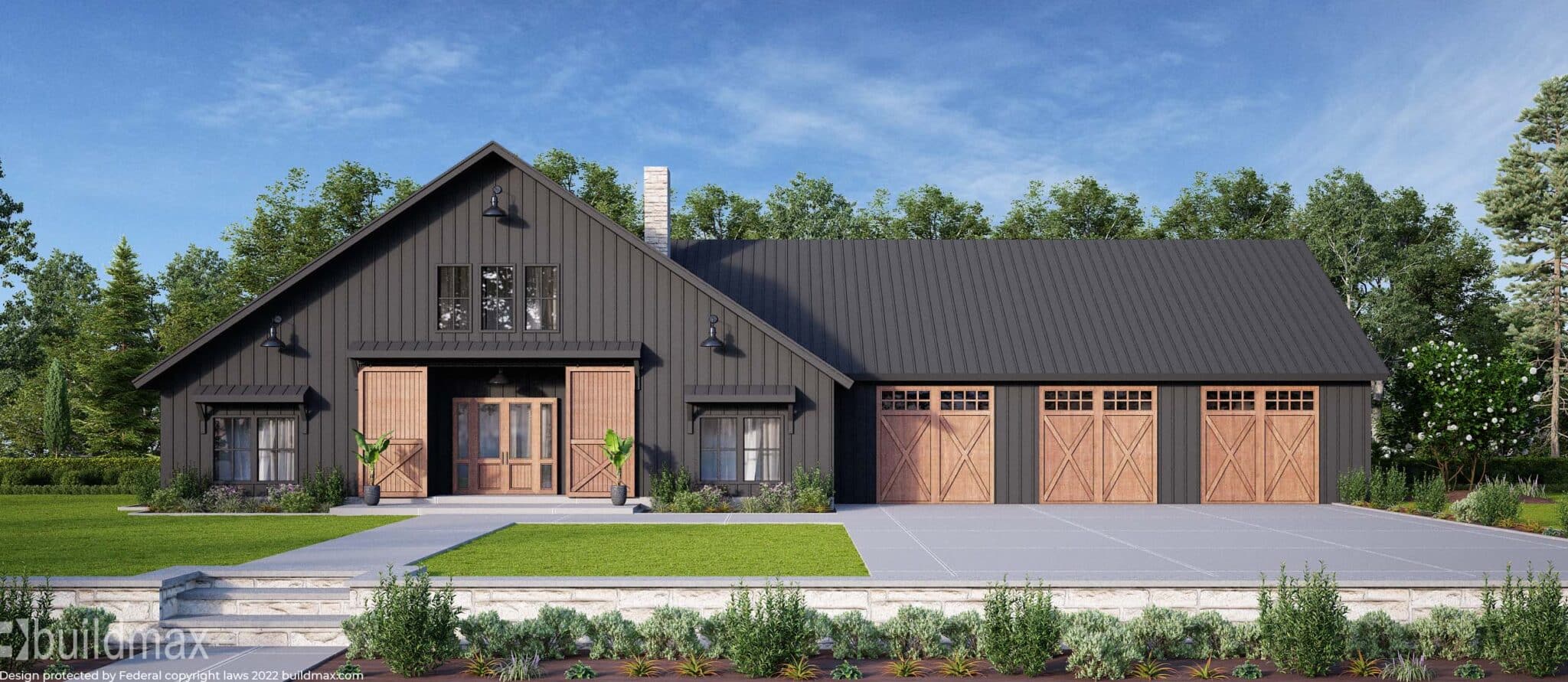
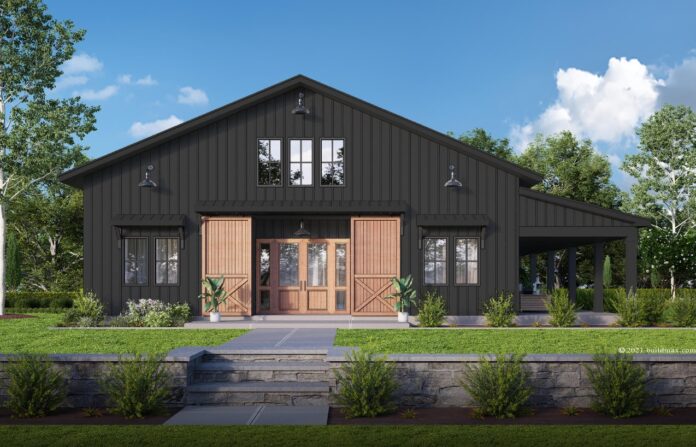
black barndominium shophouse with wraparound porch

Amish builders, known for their exceptional craftsmanship and dedication to quality, have traditionally focused on creating structures that are both functional and durable, using time-honored construction techniques passed down through generations. However, the evolving nature of construction demands and the growing popularity of barndominiums have seen Amish builders in the Northeast United States adapting their skills to meet this modern trend. This article explores how Amish builders are constructing barndominiums of excellent quality and the value they offer in terms of labor for the quality received.DREAM BARNDO BM2852

The Amish Approach to Construction
Amish construction teams are renowned for their work ethic, attention to detail, and the use of high-quality materials. These builders typically avoid using electricity, relying instead on hand tools and traditional methods of construction. This approach ensures that every aspect of the building process is carried out with care and precision, leading to structures that are not only aesthetically pleasing but also exceptionally durable.

The Rise of Barndominiums
Barndominiums have gained popularity for their versatility, combining the rustic charm of a barn with the comfort and functionality of a residential home. These structures offer open floor plans, ample space, and the ability to customize barndominium floor plans to include workshops, garages, and living quarters all under one roof. Their cost-effectiveness and energy efficiency further add to their appeal.

Amish Builders and Barndominiums
In the Northeast, where traditional Amish communities are prominent, Amish builders have begun to lend their expertise to the construction of barndominiums. These builders bring their meticulous craftsmanship to the project, creating barndominiums that stand out for their quality. The use of traditional timber framing techniques, combined with modern design elements, results in barndominiums that are both unique and enduring.

The Quality and Value Proposition
One of the most compelling aspects of choosing Amish builders for a barndominium project is the exceptional value they offer. While the upfront costs may be comparable to or slightly higher than conventional construction methods, the long-term benefits are significant. Amish-constructed barndominiums are built to last, reducing the need for repairs and maintenance over time. Additionally, the craftsmanship and aesthetic appeal of these structures can enhance their resale value.

The labor costs associated with Amish-built barndominiums are often considered very reasonable, given the quality of workmanship. The efficiency and discipline of Amish construction crews mean that projects can be completed in a timely manner, further adding to the cost-effectiveness of choosing an Amish builder.

The Customization Advantage
Amish builders are adept at customizing projects to meet the specific needs and preferences of their clients. Whether it’s incorporating unique architectural features, selecting sustainable materials, or designing flexible living spaces, Amish builders work closely with homeowners to ensure their vision is realized. This collaborative approach to construction allows for the creation of barndominiums that are tailored to the individual lifestyle and aesthetic preferences of each homeowner.

The entry of Amish builders into the barndominium market in the Northeast represents a fusion of traditional craftsmanship with modern living spaces. Their commitment to quality, combined with the functional and aesthetic advantages of barndominiums, offers homeowners a unique opportunity to create their dream home. With reasonable labor costs for the quality received, Amish-built barndominiums are an excellent investment for those looking for a durable, customized, and energy-efficient home.

What Questions to Ask When Building a Barndominium

white barndominium

What Questions to Ask Your Builder Before Starting Your Project

Embarking on the journey to build a barndominium combines the excitement of crafting a personalized living space with the practicality of functional design. Barndominiums, with their unique blend of rustic charm and modern amenities, require thorough planning and consideration. To ensure your project aligns with your vision, lifestyle, and budget, here are essential questions to ask when building a barndominium:

1. What is the total cost, including hidden fees?

Understanding the full scope of your investment is crucial. Ask about the cost breakdown, including land preparation, construction, utilities, and any potential hidden fees. This comprehensive view helps in budget planning and avoiding surprises.

2. What are the zoning laws and building codes in my area?

Zoning laws and building codes can significantly affect your project. Inquire about restrictions, permits, and inspections required in your area to ensure compliance and prevent legal issues.

3. How energy-efficient can my barndominium be?

Discuss energy efficiency options, such as insulation types, windows, doors, and HVAC systems. Energy-efficient designs can reduce long-term costs and increase comfort.

4. What are the best materials for my needs and budget?

Materials affect not just the appearance but also the durability and maintenance of your barndominium. Explore options for framing, siding, roofing, and interior finishes that meet your aesthetic preferences and practical requirements.

5. How long will the construction process take?

Setting realistic expectations for the timeline is important for planning purposes. Ask about the construction phases, potential delays, and factors that could impact the schedule.

6. What floor plan options are available, and can they be customized?

Floor plans are the blueprint of your living space. Discuss available plans and customization options to ensure your barndominium reflects your lifestyle, preferences, and any future needs.

7. How will my barndominium be insulated and ventilated?

Proper insulation and ventilation are key to comfort and energy efficiency. Inquire about insulation materials, methods, and ventilation systems suitable for your climate and the building’s design.

8. What warranties and guarantees are offered?

Understanding the warranties and guarantees covering the construction and materials can provide peace of mind. Ask about the coverage details and the process for addressing any issues that may arise.

9. Can the design accommodate future expansions or modifications?

Considering future needs is wise. Discuss how your current design can accommodate potential expansions, modifications, or the addition of features like solar panels, decks, or patios.

grey barndominium with dark grey roof and wraparound porch

10. Who will be responsible for obtaining permits and managing inspections?

Clarify the responsibilities for obtaining necessary permits and managing inspections. Knowing who will handle these tasks can streamline the process and prevent delays.

11. How will the construction impact the existing landscape?

If preserving certain aspects of the land is important to you, discuss how the construction process will impact the site’s landscape, trees, and natural features.

12. What is the process for addressing changes or issues during construction?

Changes or unforeseen issues can arise during construction. Understand the process for making changes, the impact on the timeline and budget, and how communication will be handled.

13. What are the maintenance requirements for a barndominium?

Knowing the maintenance requirements can help you plan for the upkeep of your barndominium. Inquire about routine maintenance, seasonal tasks, and the lifespan of key components.

Asking these questions will equip you with the information needed to make informed decisions throughout the building process. Engaging in open and thorough discussions with your builder or contractor will help ensure that your barndominium project is a success, meeting your expectations for functionality, style, and comfort.

Building your Dream Shop house with a Steel Frame Kit

Building Your Dream Shop House With a Steel Frame Kit

Shop houses—often called “shouses”—have become a popular option for homeowners who want to combine living space with a garage, workshop, or business area under one roof. Steel frame kits are frequently used for these projects because they provide a structured starting point for design and construction.

But building a shop house involves much more than ordering a kit. Success comes from planning, coordination, and working with the right team.


What Is a Shop House?

A shop house blends residential living with functional space such as:

  • garages for multiple vehicles

  • workshops or hobby areas

  • storage for equipment

  • home-based business space

These homes are especially common on:

  • rural or acreage properties

  • larger lots with fewer restrictions

  • properties where flexibility is a priority


What Does a Steel Frame Kit Include?

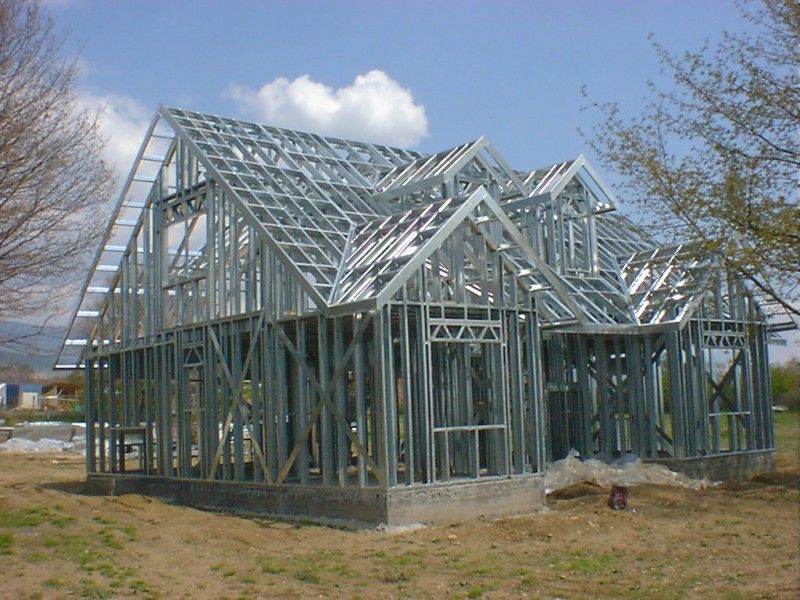
A steel frame kit typically provides pre-engineered structural components designed to match a specific floor plan.

Depending on the system, this may include:

  • steel framing members

  • roof structure components

  • trim and fasteners

  • engineered drawings

It’s important to understand that a kit is not a complete home. It does not include:

  • site work or land preparation

  • foundation

  • utilities (plumbing, electrical, septic)

  • interior finishes

  • labor or construction services


Why Many Homeowners Choose Steel Kits for Shop Houses

Steel frame kits can be appealing for shop house builds because they:

  • align structural materials with a set of plans

  • support open layouts and large spans

  • allow for flexible garage and shop configurations

  • provide a more organized starting point for construction

However, these benefits depend on proper planning and installation—not just the material itself.


Designing a Functional Layout

One of the biggest advantages of a shop house is customization.

Homeowners often design spaces that include:

  • separated living and work areas

  • noise isolation between shop and home

  • dedicated entrances

  • storage and utility zones

  • future expansion options

Planning layout early helps avoid costly changes later.


Planning the Full Project Scope

A steel kit is just one piece of the overall project.

Before building, it’s important to plan for:

  • land evaluation and site prep

  • drainage and grading

  • foundation design

  • utility installation

  • permitting and inspections

  • interior build-out

Projects that account for the full scope upfront tend to run more smoothly.


Builder and Installation Considerations

It’s important to understand that BuildMax is not a builder or general contractor.

BuildMax provides:

  • floor plans

  • design services

  • and material packages (including steel kits)

BuildMax does not:

  • supervise construction

  • manage job sites

  • or control contractor performance

For best results, homeowners should:

  • hire a vetted general contractor

  • choose crews with steel framing experience

  • carefully evaluate subcontractors

You may also consider requesting a quote from a third-party manufacturer’s steel installation crew, if available, as they are often familiar with the system being used.

All contractors and installers are independent third parties, and the homeowner is responsible for managing the project.


Budget and Timeline Expectations

Shop houses are sometimes marketed as faster or more affordable, but real-world results vary.

Costs and timelines depend on:

  • design complexity

  • size of the shop/garage space

  • finishes

  • site conditions

  • labor availability

  • permitting and inspections

A realistic budget and timeline should include the entire build—not just the kit.


Long-Term Performance and Maintenance

Like any home, a shop house requires proper construction and ongoing maintenance.

Key considerations include:

  • moisture management during construction

  • insulation and ventilation design

  • proper drainage around the structure

  • routine inspections and upkeep

Steel components should be protected during construction and integrated into a complete building system for long-term performance.


Final Thoughts

Building a shop house with a steel frame kit can be a practical way to create a highly functional, customized home—but it’s not a shortcut around the construction process.

The most successful projects are those that:

  • plan thoroughly from the beginning

  • use experienced contractors

  • set realistic expectations

  • and manage the entire build—not just the materials

With the right approach, a steel-framed shop house can provide a flexible, long-lasting space designed for both living and working.

Why Don’t Banks Like Barndominiums?

Despite the growing popularity of barndominiums for their cost-effectiveness, versatility, and stylish design, securing financing for them can present challenges. It can be down Right Difficult to be perfectly blunt. This attitude towards Barndominiums stem from several factors related to the banking and financing industries’ preconceived perceptions and policies regarding non-traditional residential properties. Here’s a detailed look into why banks might be hesitant to finance barndominiums and the intricacies of bank loan approval in this context.

Appraisal and Valuation Issues

One of the most significant hurdles in securing financing for a barndominium is the challenge of obtaining an accurate appraisal. Banks require appraisals to determine the property’s value, which in turn, informs their lending decisions. Because barndominiums are relatively unique and fewer in number compared to traditional homes, finding comparable sales (comps) necessary for accurate valuation is difficult. Without reliable comps, banks face uncertainty in assessing the true market value of a barndominium, making them less inclined to offer financing.

Marketability and Resale Value

Banks consider the resale value and marketability of a property when approving loans. Traditional homes, with their widespread appeal and demand, are seen as less risky investments. Barndominiums, on the other hand, cater to a niche market. Their unique style and the fact that they’re often located in rural or semi-rural areas can limit potential buyers. This perceived risk of difficulty in selling the property, should the need arise, makes banks wary of offering loans for barndominiums.

Zoning and Regulatory Challenges

Another complicating factor for financing barndominiums is the zoning and regulatory environment. Barndominiums can sometimes fall into a gray area between residential and agricultural or commercial zoning regulations. This ambiguity can pose challenges for banks, as the potential for zoning disputes or non-compliance with local regulations adds a layer of risk. Furthermore, some municipalities may have stringent requirements or lack clear guidelines for barndominiums, complicating the approval and construction process.

Construction and Durability Perceptions

Despite many barndominiums being constructed with high-quality materials and modern techniques, there’s a perception among some lenders that these structures may not be as durable or long-lasting as traditional homes. Concerns about the structural integrity of a metal building, potential for damage from environmental factors, and overall longevity can influence a bank’s decision. Additionally, because barndominiums often involve a combination of residential and workshop or agricultural spaces, there may be concerns about wear and tear or the use of materials not typically found in residential construction.

Financing Product Availability

The financial products available for purchasing or constructing traditional homes are well-established, with clear guidelines and a long history of performance data. In contrast, barndominiums may not fit neatly into the categories defined by conventional mortgage products. This lack of a standardized financing pathway means banks may have to venture into uncharted territory to lend for a barndominium project, something many are reluctant to do without clear guidelines and precedents.

Interest Rates and Loan Terms

When financing for barndominiums is available, it often comes with less favorable terms than those for traditional homes. Higher interest rates and down payment requirements reflect the bank’s perception of higher risk. These conditions can make securing financing more costly for the borrower, potentially offsetting some of the cost savings that make barndominiums attractive in the first place.

When financing a barndominium in 2024, you have several loan options available, each with its own set of terms, interest rates, and eligibility requirements. Here’s a summary of the main financing options:

1. **Conventional Loans**:
– Offered by banks, credit unions, and national lenders.
– Require a down payment (usually between 3% and 20%) and have terms usually between 15 and 30 years.
– The exact terms and interest rates vary by lender.

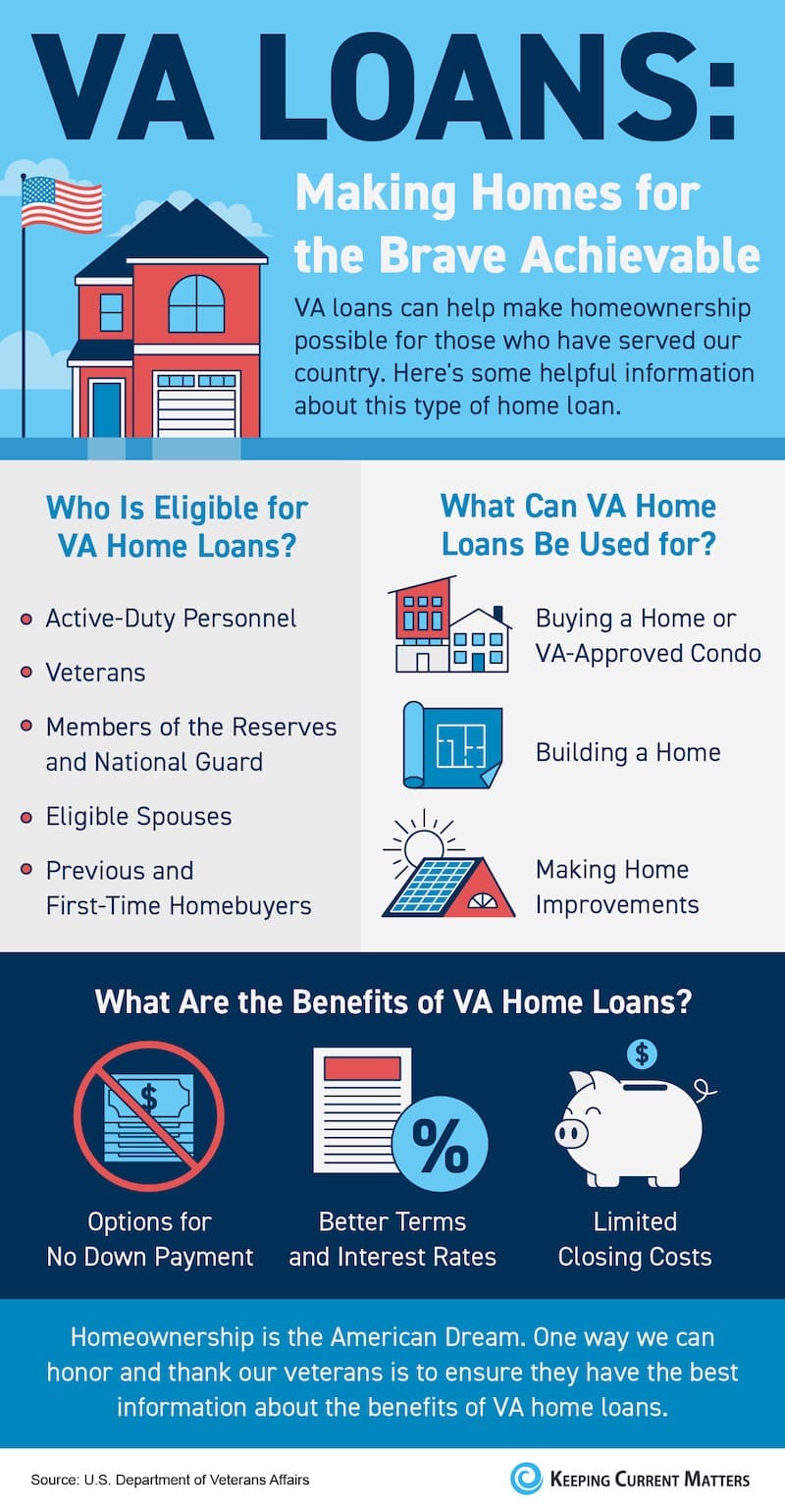
2. **VA Loans** (for veterans or active military members):
– Require no down payment and no mortgage insurance.
– Offer lower interest rates compared to conventional loans.
– Have specific eligibility criteria, but no minimum credit score requirement.
– Feature limits on lender charges for closing costs to 1% of the loan【6†source】.
– The VA guarantees these loans, making them less risky for lenders【9†source】.

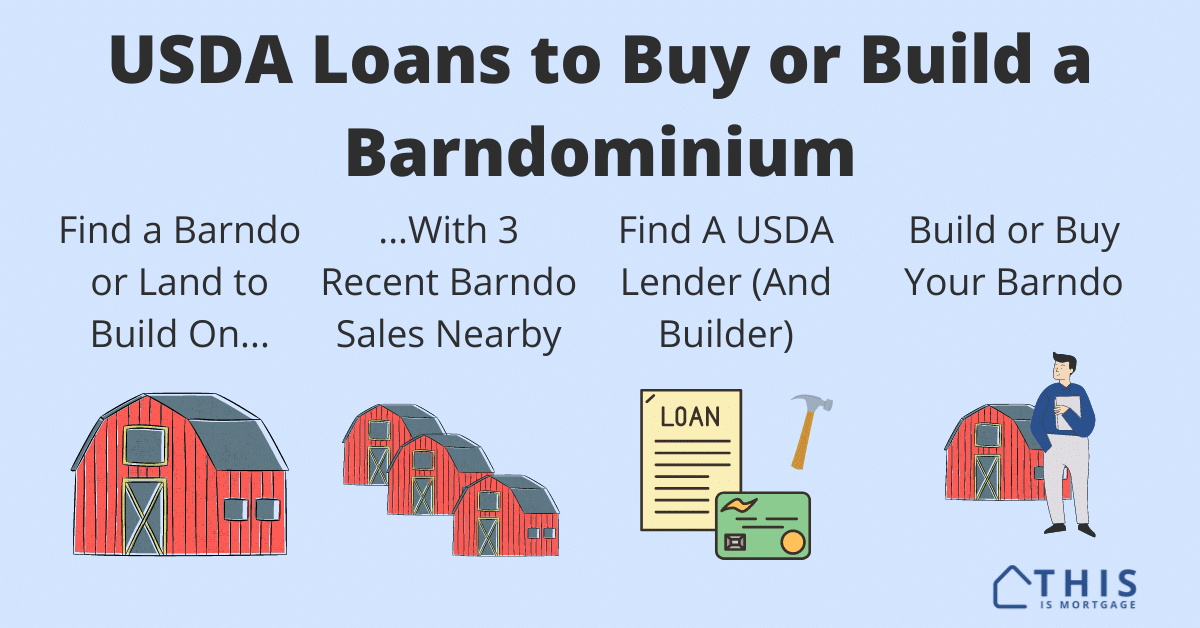
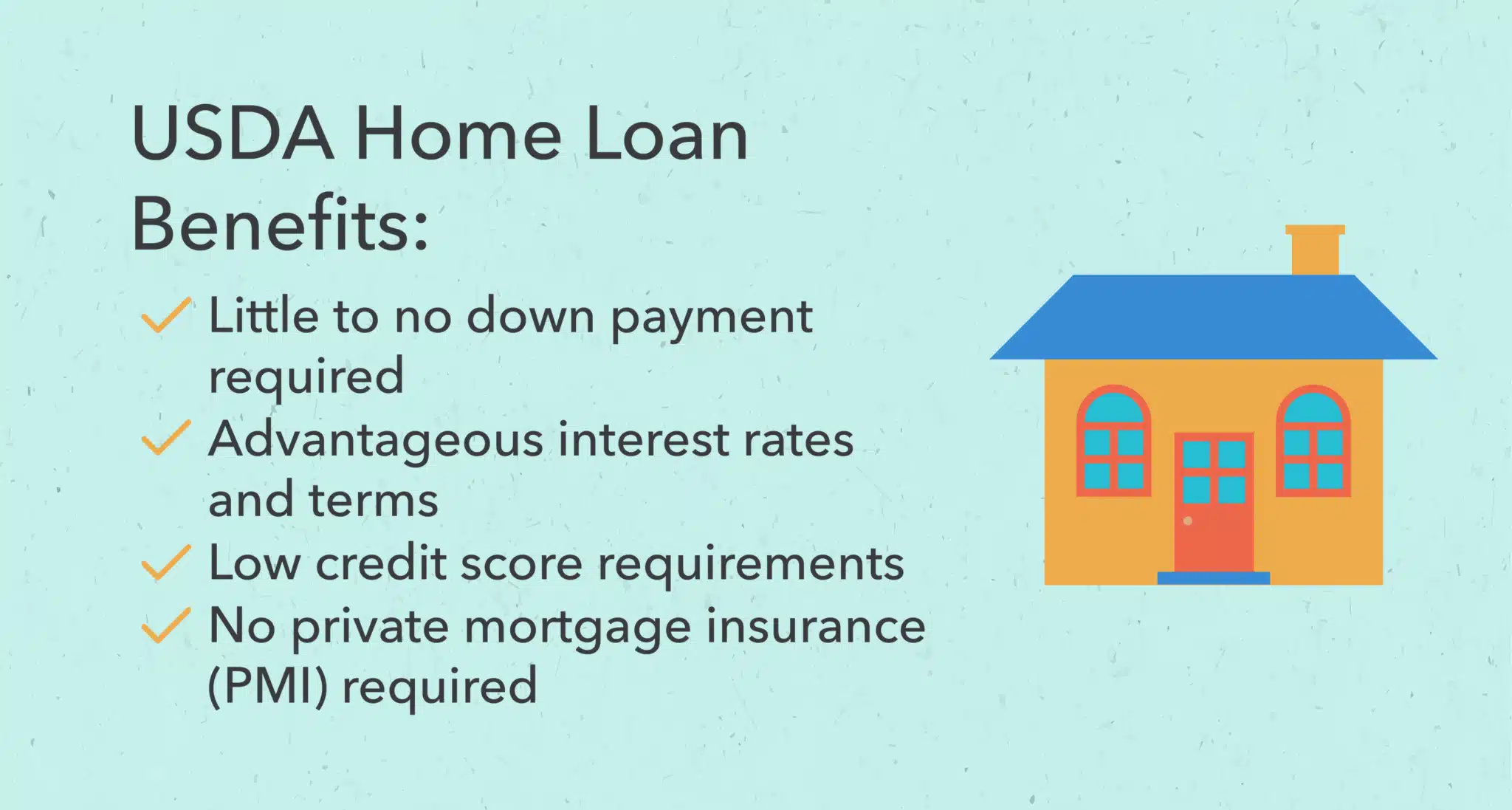
3. **USDA Loans** (for rural areas):
– Require no down payment.
– Include an upfront fee (typically 1% of the total loan amount) and an annual fee (usually 0.35% of the remaining principal balance), which are generally lower than FHA and conventional mortgage insurance premiums【7†source】.
– Offer the possibility to finance both land and construction costs【7†source】.
– Eligibility depends on the location and household income, with specific debt-to-income ratio limits【7†source】.

4. **FHA Loans**:
– Can cover land, permits, construction, and building materials.
– Require small down payments of just 3.5%.
– Have stringent requirements for qualifying【8†source】.

When considering financing for a barndominium, it’s crucial to understand the various types of loans available and their respective requirements and benefits. For instance, conventional loans often necessitate a substantial down payment and good credit, while USDA and VA loans offer no down payment options, which can be particularly beneficial for certain buyers.

Additionally, when applying for a loan, lenders will evaluate your credit worthiness, the property’s location, and detailed plans for the construction, including fixtures, amenities, and finishes. It’s important to be prepared with all necessary documentation and a clear understanding of your budget and financing needs【5†source】.

Interest rates and loan terms can vary widely based on the type of loan, the lender, and the borrower’s credit profile, among other factors. Therefore, it’s advisable to research thoroughly and compare different loan options and lenders to find the best fit for your financial situation and housing needs.

Navigating the Challenges

For prospective barndominium owners, understanding these challenges is the first step in navigating them. Working with lenders who have experience in non-traditional properties or seeking out specialized financial institutions that offer products tailored for barndominiums can be beneficial. Additionally, preparing a detailed appraisal report, including comps of similar properties if available, and presenting a clear, compliant plan addressing zoning and regulatory requirements can help mitigate some of the concerns lenders may have.

In conclusion, while financing a barndominium can be more complex than securing a mortgage for a traditional home, it’s not impossible. Awareness of the issues and proactive engagement with potential lenders can pave the way for financing these unique and increasingly popular homes.

What is the Most Expensive Part of Building a Barndominium?

grey barndominium with dark grey roof and wraparound porch

What is the Most Expensive Part of Building a Barndominium from the Ground Up?

Building a barndominium from the ground up presents an exciting opportunity to create a unique and personalized space that blends the simplicity and rustic charm of a barn with the comfort and amenities of a conventional home. However, like any construction project, the process comes with its share of costs, some of which can significantly impact the overall budget. Identifying the most expensive part of building a barndominium is crucial for planning and managing expenses effectively. In this article, we delve into the costs associated with constructing a barndominium, highlighting the areas where you’re likely to spend the most.


Foundation and Framing: The Initial Expense

One of the initial and most significant costs in building a barndominium is laying the foundation. The foundation is critical to the structure’s integrity, affecting its durability and resistance to environmental factors. The cost of the foundation can vary widely depending on the type of foundation (slab, pier and beam, basement), the soil conditions, and the overall size of the barndominium. On average, foundation costs can range from $4 to $7 per square foot. However, for more complex foundations or those requiring extensive ground preparation, costs can escalate quickly.

Framing is another major expense in the construction process. It involves creating the skeleton of the barndominium, including walls, floors, and roof structure. The cost of framing largely depends on the materials used (wood or steel), the design complexity, and the building’s size. Steel framing, popular in barndominium construction for its durability and resistance to pests, can be more expensive than traditional wood framing. Framing costs can range from $20 to $50 per square foot, making it one of the most significant portions of the construction budget.

Customization and Interior Finishes: Where Costs Add Up

While the structural elements of building a barndominium are unavoidably pricey, customization and interior finishes can also contribute significantly to the overall cost. Barndominiums are known for their open floor plans and high ceilings, features that can increase the cost of interior finishes due to the larger areas to cover and the need for custom fittings. High-quality finishes such as hardwood floors, granite countertops, custom cabinetry, and energy-efficient appliances can drive up costs. Additionally, large, energy-efficient windows and doors, necessary for the aesthetic and functionality of a barndominium, can be costly.

modern barndominium farmhouse

The cost of interior finishes and customization can vary widely, with estimates ranging from $50 to $100 per square foot, depending on the quality and luxury of the materials chosen. This aspect of construction provides some flexibility in budgeting, as homeowners can choose where to splurge and where to save based on their priorities and financial plan.

The Cost of Customization

Customization is one of the primary reasons homeowners opt for a barndominium. The ability to design a floor plan that caters to specific needs, from the layout of living spaces to the inclusion of workshops or home offices, is highly appealing. However, each customization, especially those that deviate from standard designs or sizes, requires additional planning, materials, and labor. For example, custom cabinetry designed to fit unique spaces or to accommodate specific uses can be significantly more expensive than standard off-the-shelf options.

High-End Finishes and Materials

The choice of finishes and materials has a substantial impact on the overall cost. High-end materials such as granite or quartz countertops, hardwood flooring, and custom tile work in bathrooms and kitchens can drive up costs considerably. According to HomeAdvisor, granite countertops can cost between $2,000 and $4,500, including materials and installation, while hardwood flooring can range from $6 to $22 per square foot, depending on the type of wood


Appliances and Fixtures

High-quality appliances and fixtures are another area where costs can accumulate quickly. Many homeowners choose to invest in top-of-the-line kitchen appliances, energy-efficient HVAC systems, and luxurious bathroom fixtures to enhance their living experience. These choices, while contributing to the functionality and aesthetic appeal of the barndominium, can add tens of thousands of dollars to the budget. For instance, a high-end kitchen appliance package alone can exceed $20,000.
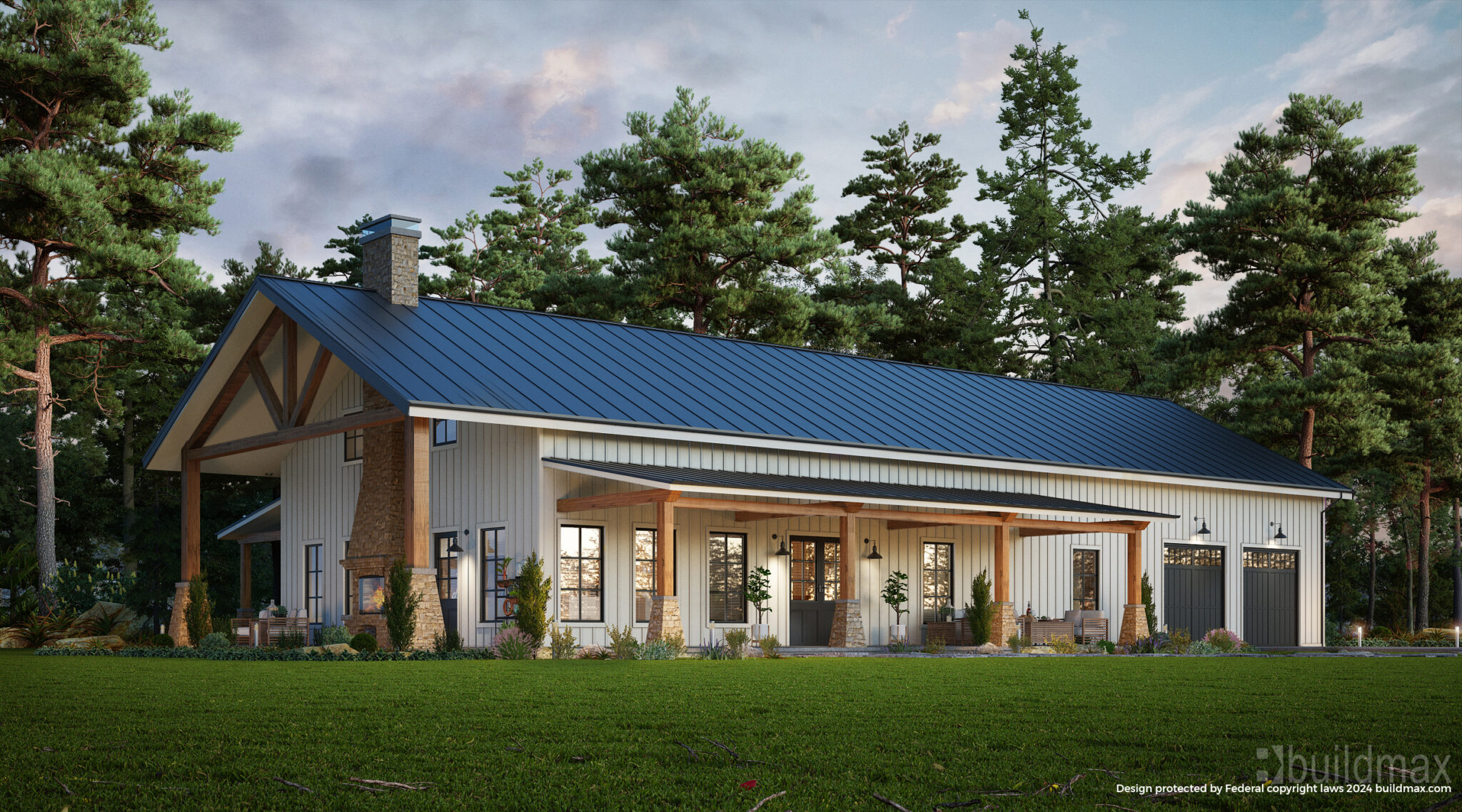
Lighting and Electrical Work

Custom lighting designs and advanced electrical systems, including smart home technology, can also add to the cost. Specialty lighting fixtures, dimmable LED lighting, and comprehensive home automation systems require additional planning and labor to install. The cost of lighting fixtures varies widely, with high-end options often costing several hundred dollars each. Home automation systems, depending on their complexity, can add anywhere from a few thousand dollars to over $10,000 to the project.

Labor Costs

The labor involved in installing custom finishes and features can significantly impact the budget. Custom work requires skilled craftsmanship, which comes at a premium. The cost of labor varies by location but can account for a substantial portion of the budget for high-end finishes and customization. For complex projects, labor costs can exceed the cost of materials.

Managing Costs

To manage costs without sacrificing the vision for your barndominium, it’s essential to prioritize your needs and wants. Consider which aspects of the customization are non-negotiable and where you might be willing to compromise. Working with a skilled contractor who can provide accurate estimates and suggest cost-saving alternatives without compromising quality is crucial.

External Factors and Hidden Costs

It’s also important to consider external factors that can impact the cost of building a barndominium, such as the location, access to utilities, and permitting fees. Rural locations, while offering ample space and scenic views, may require significant investment in bringing utilities to the site or may be subject to higher transportation costs for materials and labor. Permitting fees and regulations vary by region and can add unexpected expenses to the project.

Hidden costs, such as changes in design, unforeseen construction challenges, or increases in material costs, can also affect the budget. It’s wise to allocate a contingency fund of 10% to 20% of the overall budget to cover these unexpected expenses.

While the foundation and framing represent the most significant initial expenses in building a barndominium, the cost of customization and interior finishes can also add up, significantly impacting the overall budget. Effective planning, budget management, and careful selection of materials and finishes can help control these costs. Understanding the potential expenses involved in each stage of construction allows future barndominium owners to make informed decisions, ensuring that their dream home combines both aesthetic appeal and financial practicality. Call Buildmax to discuss your Dream Barndominium today!

How Long does it take to build a Barndominium kit?

white farmhouse

Building a Dream: The Timeline for Constructing a Steel Frame Barndominium

In the quest for customizable, durable, and cost-effective living spaces, steel frame barndominiums have emerged as a compelling choice for many. These structures blend the rustic charm of traditional barns with the modern comforts and efficiency of a condominium. But how long does it take to turn a steel frame kit into a fully functional home? This article explores the timeline for constructing a steel frame barndominium, factors that influence the build time, and tips for ensuring a smooth construction process.

Understanding Steel Frame Barndominium Kits

Before diving into timelines, it’s essential to understand what a steel frame barndominium entails. These kits come prefabricated, meaning most of the cutting, welding, and drilling is done off-site. The components are then shipped to the construction site for assembly. This prefabrication significantly reduces construction time compared to traditional building methods. However, the total time from planning to move-in can vary widely based on several factors.

The Construction Timeline: An Overview

The construction of a steel frame barndominium can be broadly divided into several phases, each with its own set of timelines:

1. **Planning and Design (1-3 months):** This initial phase involves selecting a floor plan, customizing the design, obtaining permits, and finalizing the construction loan. The complexity of the design, the responsiveness of local authorities, and the speed of financial arrangements can all influence the duration of this phase. Buildmax.com has a wonderful collection of barndominium floor plans to choose from.

2. **Foundation Preparation (1-2 weeks):** Once the design is locked in, the site is prepared, and the foundation is laid. The time required for this phase depends on the foundation type (slab, pier and beam, etc.) and the site’s condition.

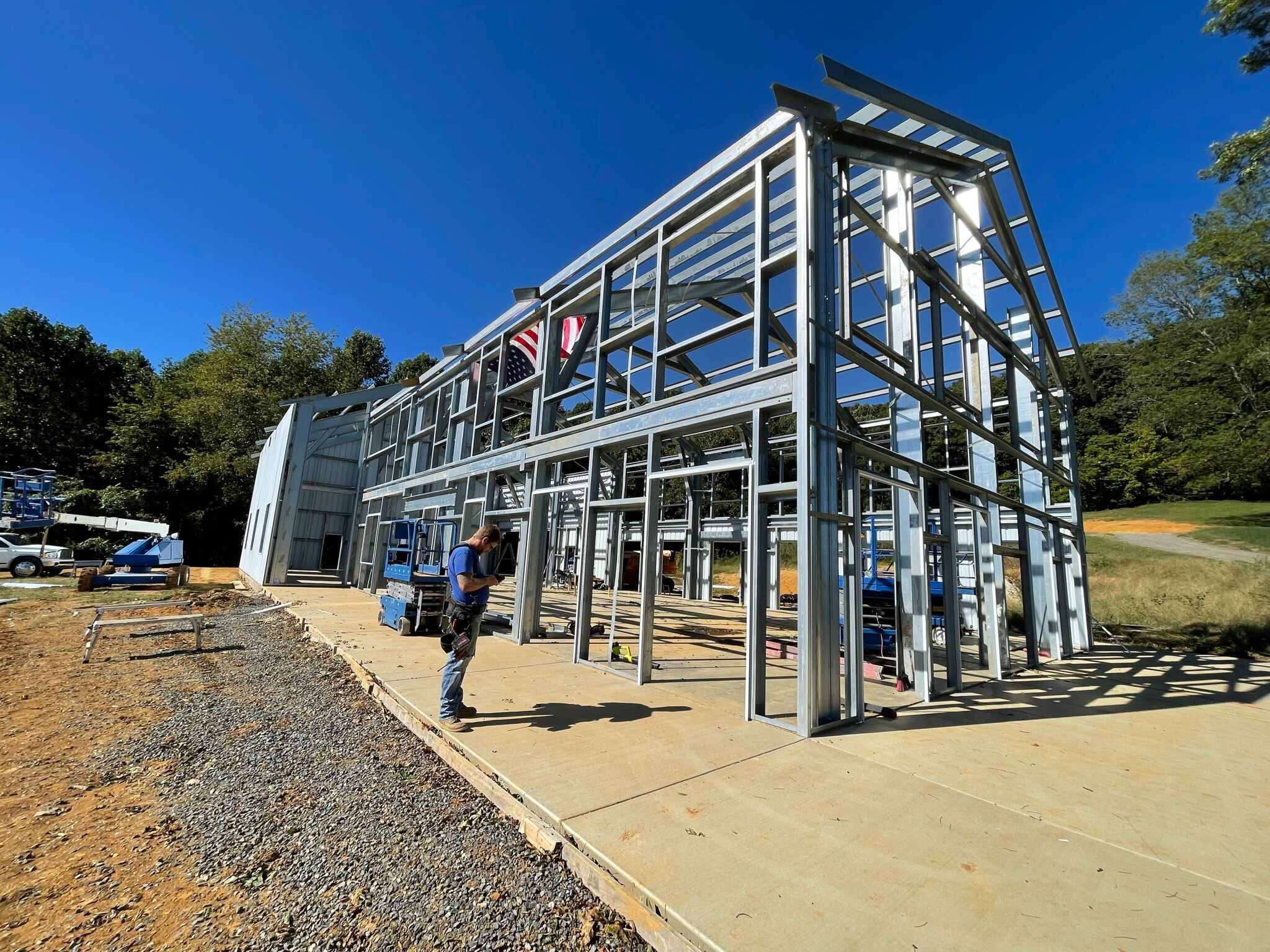
3. **Frame Assembly (4-6 weeks):** Assembling the steel frame is relatively quick, thanks to the prefabricated nature of the kit. This phase includes erecting the frame, installing the roof and walls, and ensuring the structure is weather-tight.

4. **Exterior and Interior Finishing (2-4 months):** This phase is the most variable, as it encompasses everything from installing plumbing and electrical systems to putting in the final touches like painting and flooring. The level of customization and the finishes chosen can significantly impact the timeline.

5. **Inspections and Final Touches (1-2 weeks):** Before move-in, the barndominium must pass final inspections by local authorities. This phase includes addressing any remaining punch list items.

White barndominium with lofty porch

Factors Influencing the Timeline

Several factors can affect how long it takes to build a steel frame barndominium:

– **Customization Level:** More complex designs with high levels of customization will take longer to plan, design, and execute.
– **Permitting Process:** The speed of the local permitting process can vary significantly by location and can delay the start of construction.
– **Weather Conditions:** Adverse weather can halt construction, especially during the foundation laying and exterior finishing phases.
– **Contractor Availability:** The schedule and efficiency of your contractor and their subcontractors can impact the build time.
– **Supply Chain Issues:** Delays in receiving materials or components can push back the timeline.

Tips for a Smooth Construction Process

1. **Thorough Planning:** Spend ample time in the planning and design phase to avoid changes mid-construction, which can cause delays and increase costs.
2. **Choose the Right Contractor:** Select a contractor experienced in assembling steel frame kits and who has a reputation for completing projects on time.
3. **Stay Engaged:** Regularly communicate with your contractor to stay informed of the project’s progress and to address any issues promptly.
4. **Prepare for Delays:** Build some buffer time into your construction timeline to account for unexpected delays.

white barndominium

Constructing a steel frame barndominium from a kit can be a streamlined and efficient process, typically taking anywhere from 6 to 9 months from planning to completion. However, this timeline can vary based on design complexity, permitting, weather, and other factors. By understanding the steps involved and proactively managing the construction process, you can help ensure your barndominium project stays on track and leads to a beautiful, durable home that meets your lifestyle needs and preferences.

How Safe is a Barndominium in a Tornado?

FARMHOUSE BARNDOMINIUM BM3151

The Safety of Steel Frame Barndominiums in Tornado Conditions: An In-depth Analysis

The increasing frequency and intensity of tornadoes in various regions have prompted a significant shift in how we think about residential construction. Homeowners and builders are now prioritizing safety and durability, especially in tornado-prone areas. Among the various construction options available today, steel frame barndominiums have emerged as a particularly resilient choice. This article explores the safety of steel frame barndominiums in the face of tornadoes, supported by statistical data and key information.
Understanding Tornado Threats

Tornadoes, with their high-velocity winds and debris-carrying potential, pose a unique set of challenges to structural integrity and safety. The Enhanced Fujita Scale, which classifies tornadoes from EF0 (weakest) to EF5 (strongest), serves as a benchmark for assessing tornado intensity. An EF5 tornado, for example, brings winds in excess of 200 miles per hour (mph), capable of causing devastating damage to conventional buildings.

The Resilience of Steel Frames

Steel frame kits, for barndominiums, offer enhanced resistance to the extreme forces exerted by tornadoes. Here are several factors contributing to their resilience:

1. **High Strength-to-Weight Ratio**: Steel’s strength-to-weight ratio significantly surpasses that of wood, allowing structures to withstand heavier loads and higher winds without compromising their integrity. This characteristic is crucial in tornado conditions, where the structural frame must resist uplift and lateral forces.

2. **Flexibility Under Stress**: Unlike more rigid materials, steel can bend without breaking, absorbing and dissipating energy more effectively during a tornado. This flexibility reduces the likelihood of structural collapse.
3. **Secure Connections**: Steel frames are typically bolted or welded together, creating joints that are much stronger and less prone to failure under stress than the nailed joints found in wood frame construction.
 

Statistical Data and Safety Considerations

While specific statistical data on the performance of steel frame barndominiums in tornadoes is limited, several studies on steel structures provide insight into their potential for resilience:

– The Wind Science and Engineering Research Center at Texas Tech University has found that properly constructed steel frame Barndominium can significantly resist damage from high winds and tornadoes.
– Research following severe tornadoes, such as the 2011 Joplin, Missouri tornado, noted that buildings with structural steel framing fared better than most other types of construction.

Furthermore, the American Iron and Steel Institute (AISI) and the Metal Building Manufacturers Association (MBMA) provide design guidelines that enhance the wind resistance of steel buildings, aiming for standards that can withstand up to EF3 tornado conditions directly.

Enhancements for Tornado Safety

To maximize the tornado resistance of steel frame barndominiums, several design and construction strategies can be employed:

1. **Wind Uplift Prevention**: This includes the use of anchor bolts and concrete foundations designed to keep the structure grounded in extreme wind conditions.
2. **Debris Impact Resistance**: The use of impact-resistant materials for windows and doors, along with protective shutters, can mitigate the damage caused by flying debris, one of the primary dangers in a tornado.
3. **Safe Rooms**: Incorporating a FEMA-approved safe room within the barndominium can provide a secure refuge for occupants. These rooms are designed to withstand EF5 tornado conditions and can be integrated into the steel frame structure.

Steel frame barndominiums offer a compelling option for those seeking safety in tornado-prone areas. Their structural characteristics, combined with proper design and construction techniques, provide a level of resilience that is difficult to achieve with traditional wood framing. While no structure can be deemed entirely tornado-proof, steel frame barndominiums stand out for their ability to offer better protection against the forces of nature. As awareness grows and building technologies advance, the choice of steel framing for residential construction, particularly in regions vulnerable to tornadoes, appears not only practical but essential for enhancing safety and peace of mind.

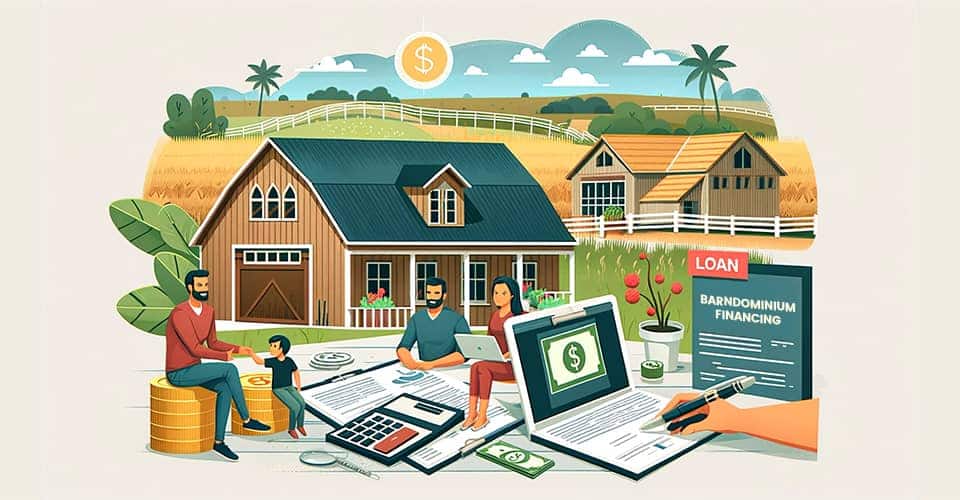
How Does Barndominium Financing Work?

How Does Barndominium Financing Work? Navigating the Complexities

Barndominiums have carved out unique and niche space in the housing market, offering a unique alternative to traditional homes. These structures, which can be newly constructed or converted from existing barns, offer the benefits of customizable, spacious living areas often combined with workshops or garages. Despite their growing popularity, financing a barndominium can be more complex than financing a conventional home. This article delves into how barndominium financing works, including the challenges you may face and strategies for successfully securing financing.


Understanding Barndominium Financing

Financing a barndominium involves obtaining a loan to cover the cost of the land (if not already owned), the building materials, and the construction work. Because barndominiums can vary significantly in terms of design, function, and construction materials, they don’t fit neatly into the categories that lenders typically use for traditional homes. This can make the financing process more complicated.

Types of Loans for Barndominiums

1. **Construction Loans**: These are short-term loans used to cover the cost of building. Once construction is complete, the loan must either be paid in full or converted into a traditional mortgage. Construction loans for barndominiums often require detailed plans and a clear construction timeline.

2. **Traditional Mortgages**: Some lenders may offer traditional mortgages for barndominiums, particularly if the property will be the borrower’s primary residence and meets certain criteria regarding construction and appraisal.

3. **Land Loans**: If you need to purchase land for your barndominium, a land loan may be necessary. These can have higher interest rates and shorter repayment terms compared to home mortgages.

4. **USDA Loans**: In some cases, if the barndominium is in a rural area, you might qualify for a USDA loan, which can offer favorable terms for low- to moderate-income buyers.


Challenges in Financing a Barndominium

1. **Limited Understanding Among Lenders**: Because barndominiums are relatively uncommon, not all lenders are familiar with them or willing to provide financing. This lack of familiarity can make it challenging to secure a loan.

2. **Appraisal Issues**: Valuing a barndominium can be difficult due to a lack of comparable sales. Appraisers might struggle to find similar properties, complicating the loan approval process.

3. **Strict Requirements**: Lenders that do offer barndominium financing may have stricter requirements regarding the property’s design, construction materials, and intended use. This can limit flexibility in how you plan and build your barndominium.

4. **Higher Down Payment**: Because barndominiums are considered a higher risk by some lenders, you might be required to put down a larger down payment compared to traditional home loans.

Navigating Financing Challenges

1. **Research and Preparation**: Start by researching lenders who have experience with barndominiums or non-traditional properties. Prepare a comprehensive package that includes your design plans, budget, construction timeline, and any quotes from contractors.

2. **Consult a Specialist**: Consider working with a mortgage broker or financial advisor who has experience with barndominium financing. They can help you navigate the complexities and identify lenders willing to finance your project.

3. **Build a Strong Case**: Demonstrate the viability of your project by providing detailed plans and budgets. Show that your barndominium will have comparable value to traditional homes in the area.

4. **Consider Alternative Financing**: If traditional financing routes prove challenging, explore alternative financing options such as personal loans, home equity loans (if you currently own property), or even crowdfunding platforms for unique projects.

5. **Prepare for a Larger Down Payment**: Saving a larger down payment can improve your loan terms and demonstrate your commitment to the project.

Financing a barndominium requires patience, preparation, and a willingness to navigate the unique challenges presented by these unconventional homes. While the process may be more complex due to the novelty of barndominiums and lenders’ unfamiliarity with them, the trend towards more flexible and personalized living spaces is gradually opening up more financing options. By doing thorough research, preparing detailed documentation, and possibly consulting with specialists, prospective barndominium owners can increase their chances of securing financing and turning their dream home into a reality. As the market for barndominiums continues to grow, it’s likely that financing will become more straightforward, benefiting both buyers and lenders.