Home Blog Page 50

Bridging Barns & Homes: Understanding Barndominium Construction

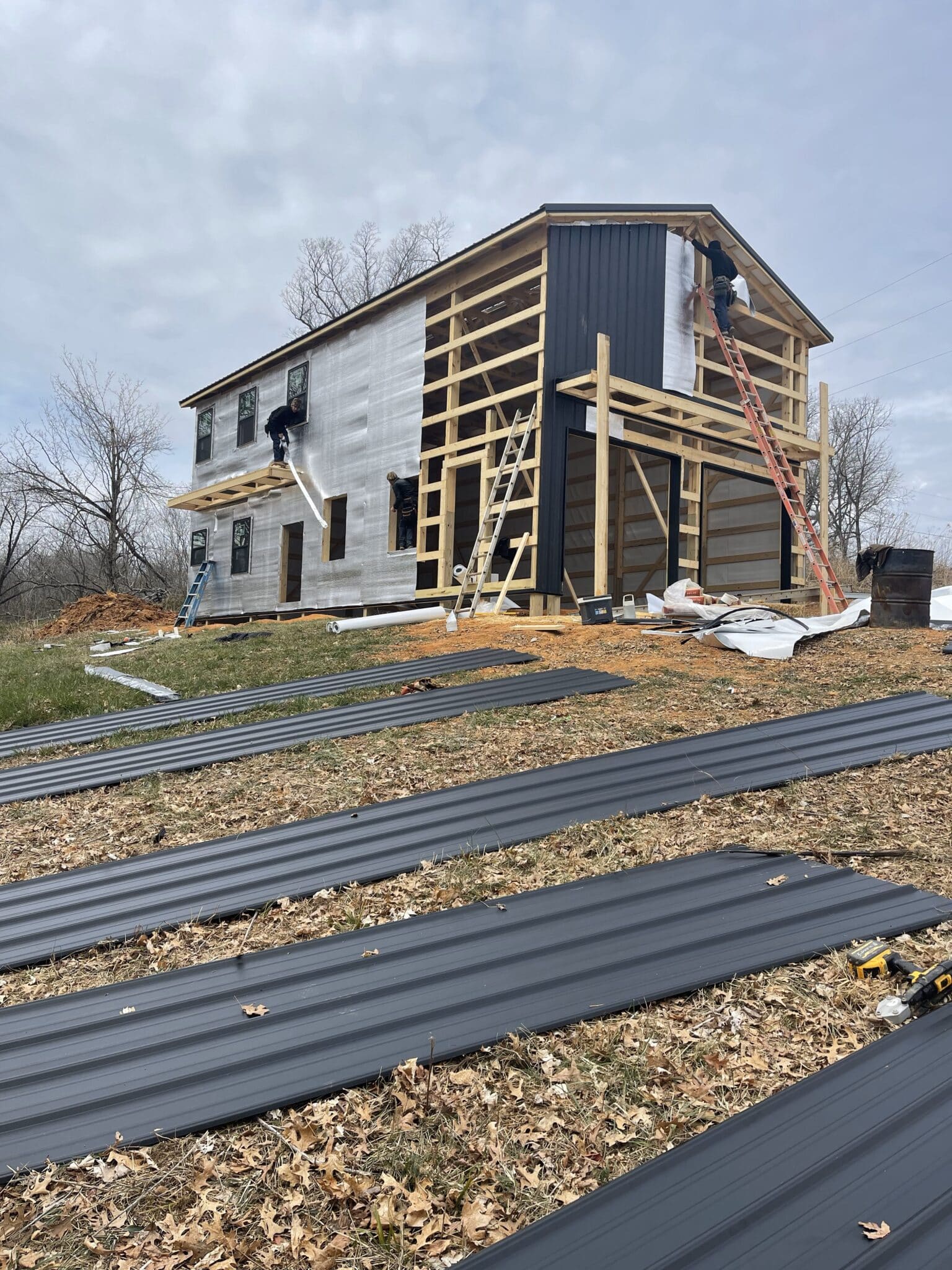
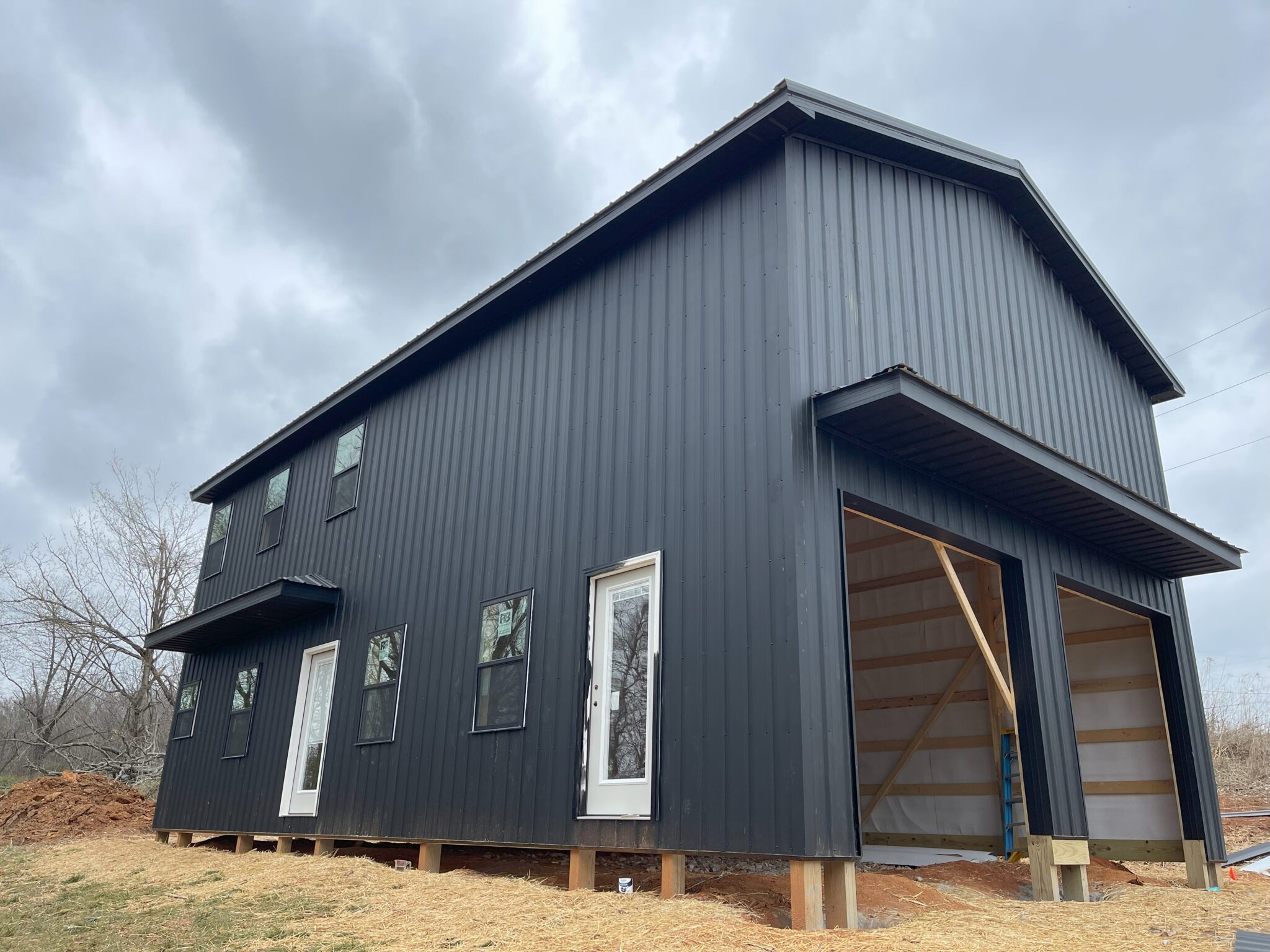
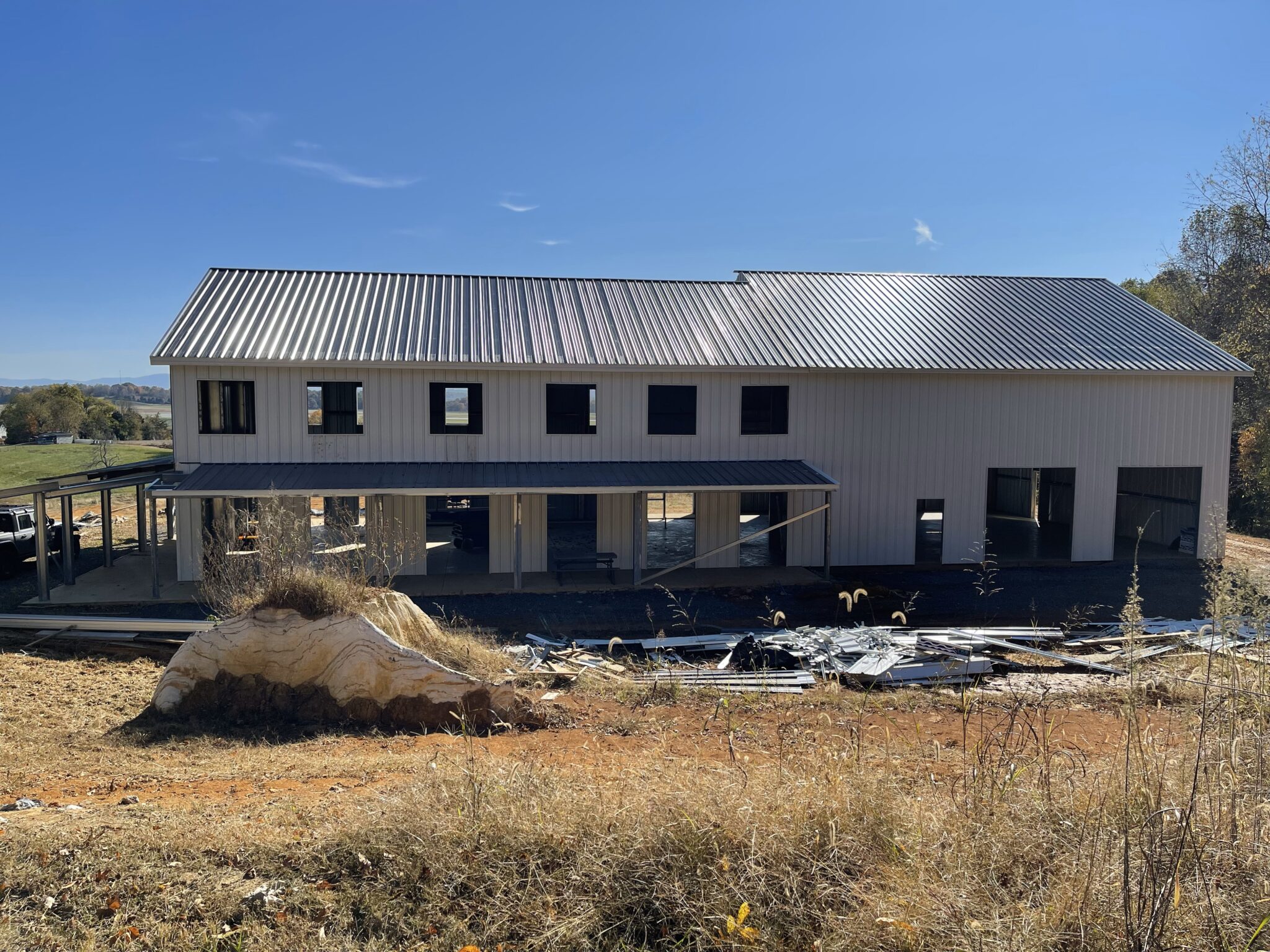
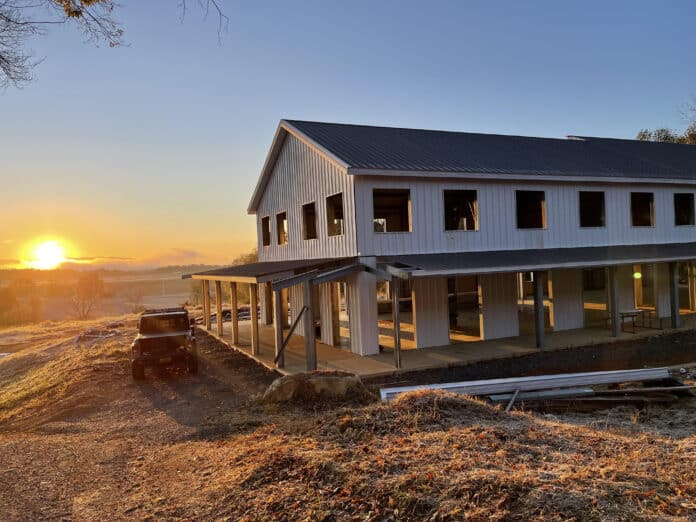
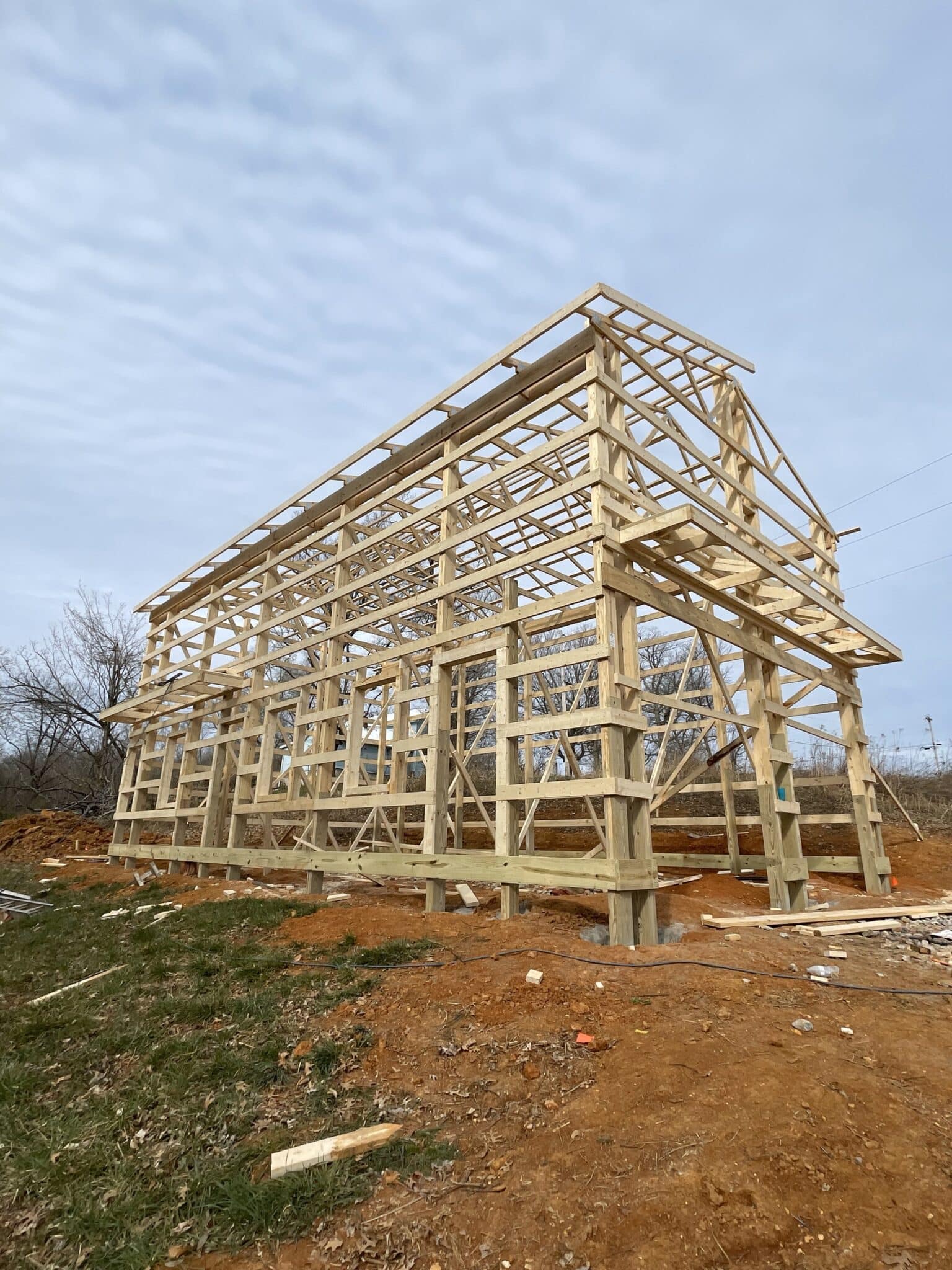
barndominium being built

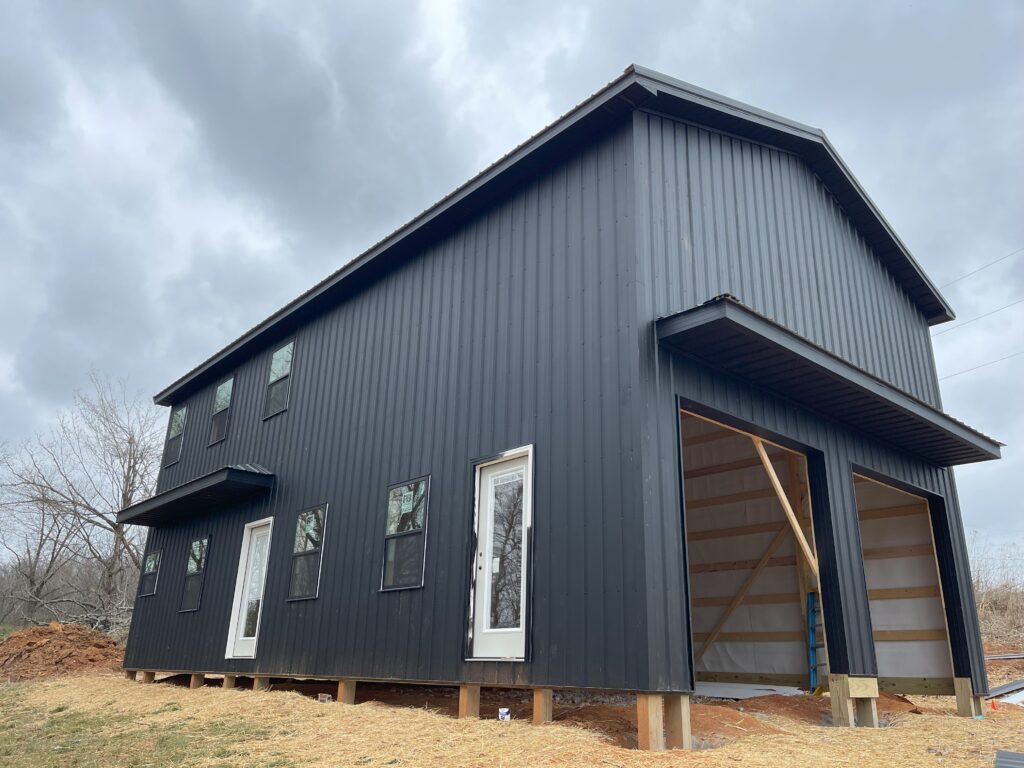
Searching for a blend of affordability and distinctive design? You’ve probably come across intriguing terms like barndominium, and barndo. These names refer to a unique structure that marries the rustic aesthetic of a barn with the comforts of a modern home. Barndominiums seamlessly blend the charm of a farmhouse, the durability of metal buildings, and the luxury of upscale residences into one cohesive design.

As time has passed, barndos have evolved from simple structures to refined homes. Originally catching on in the southern parts of the US, they’ve since broadened their allure owing to their uncomplicated architecture, cost efficiency, and ease of maintenance. Given the array of design choices available, barndominiums are now seamlessly integrating into communities throughout the US.

If you’re just dipping your toes into the realm of barndominiums or home construction at large, you might be wondering about the journey ahead. Constructing a home, including barndominiums, involves numerous stages. However, when it comes to barndos, there are additional challenges to consider. Dive deeper to understand the essential insights for embarking on your barndominium project.

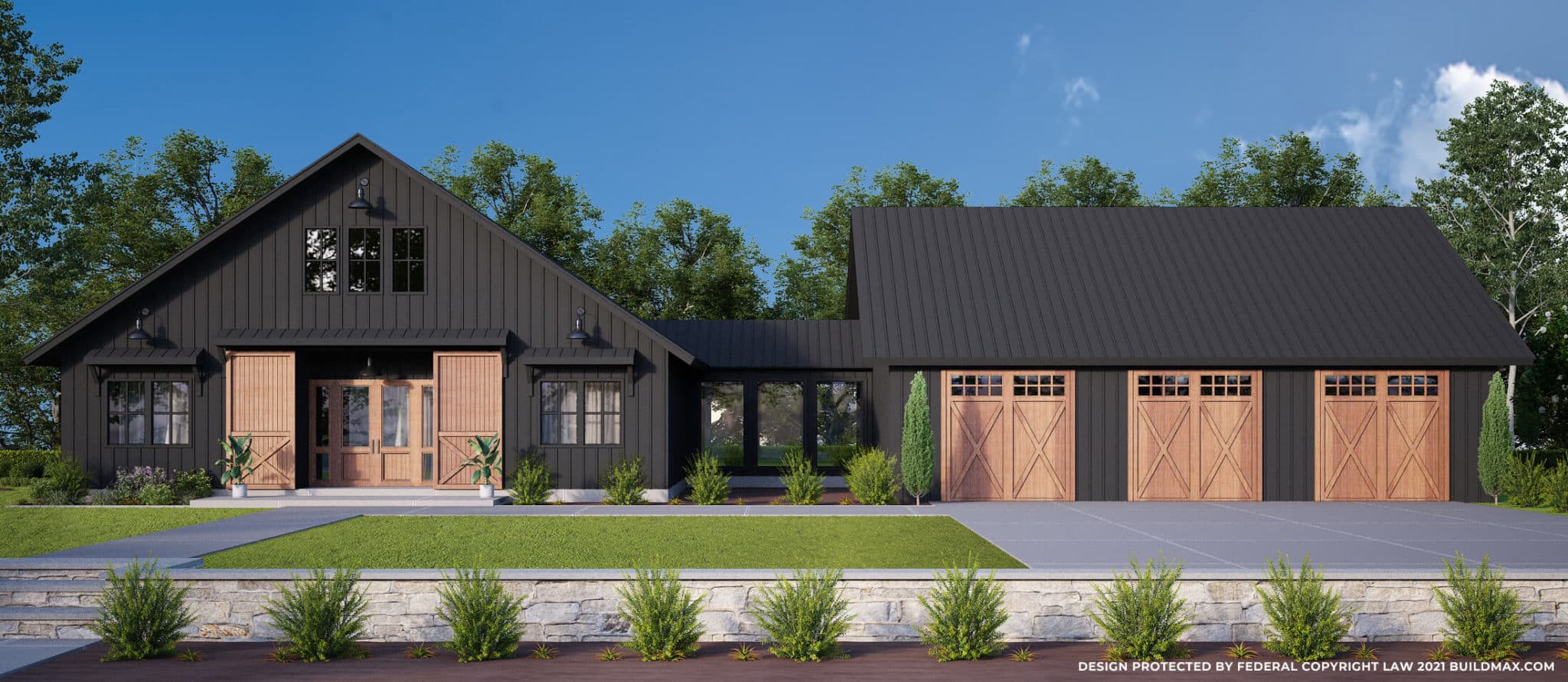
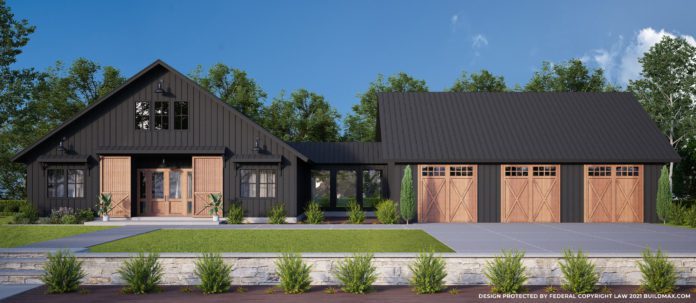
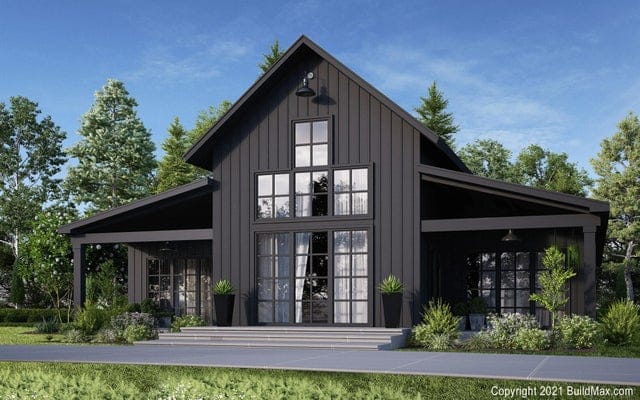
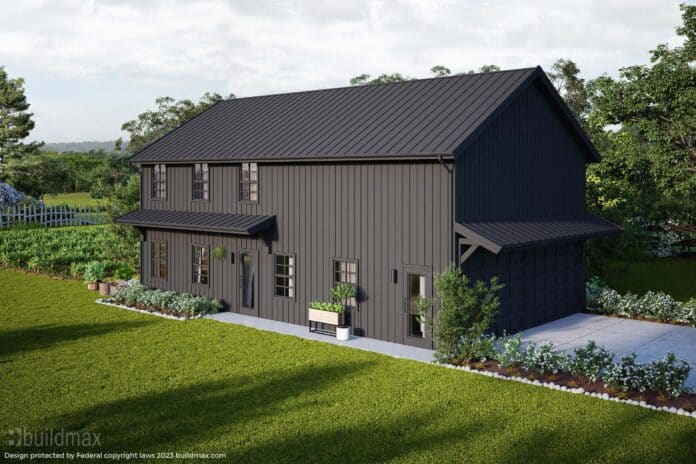
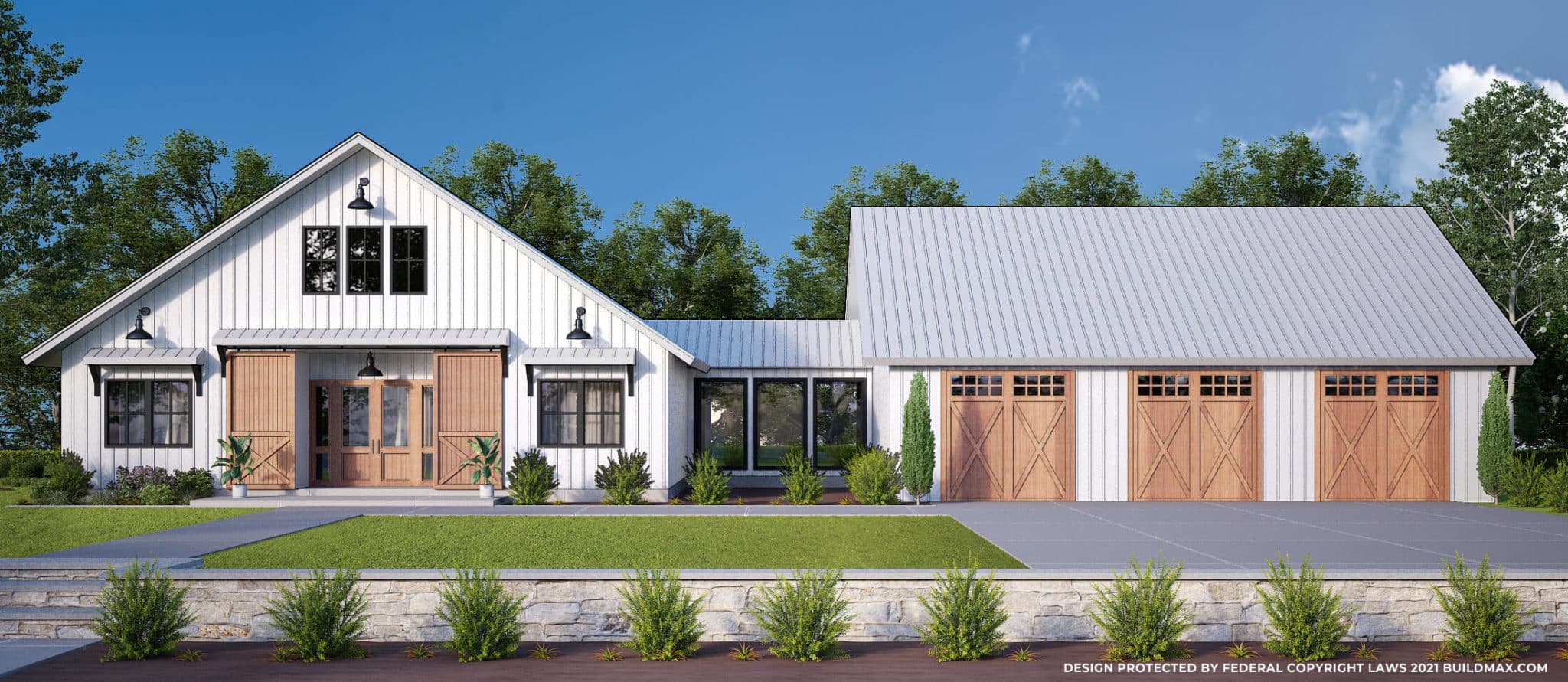
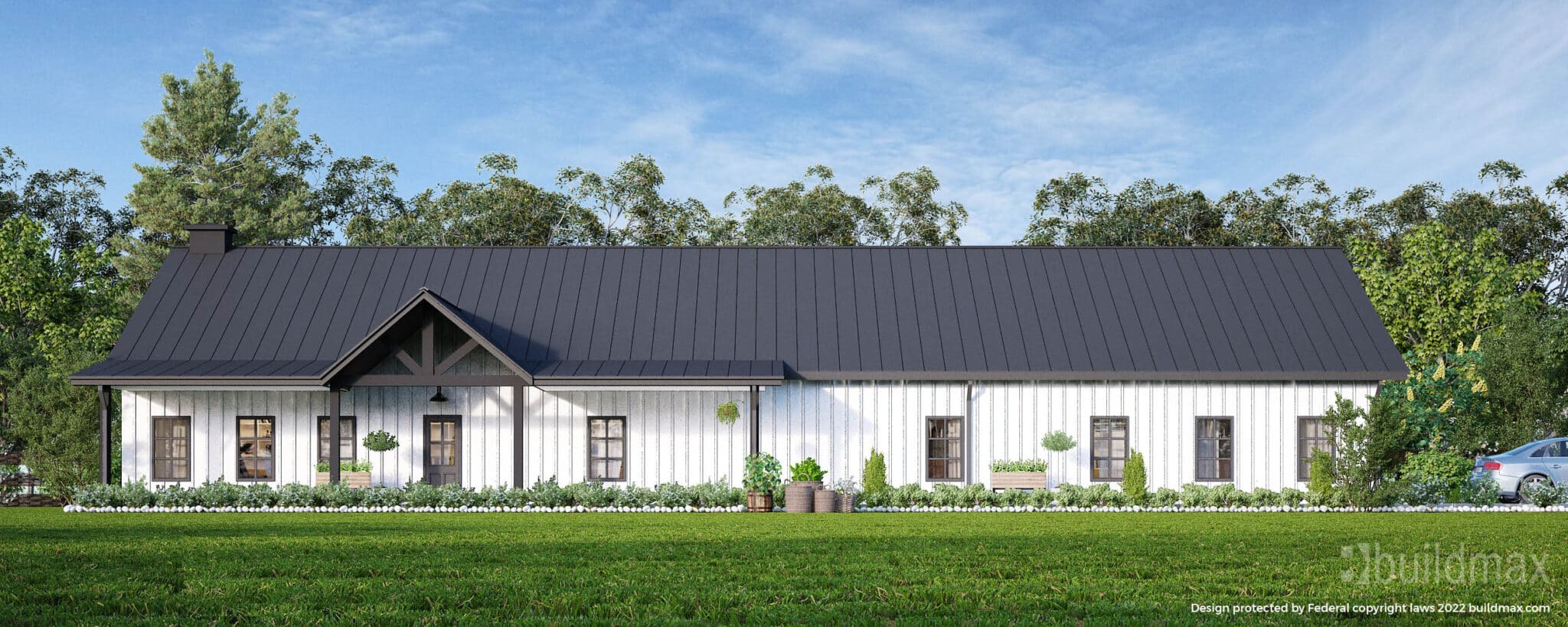
Black barndominium with breezeway and 3 car garage

Preparing For Your Barndo Build

Before diving into the construction journey, there are several preliminary steps to tackle. To begin with, you’ll want to evaluate and secure your financial foundation for the project. While some individuals opt to fund their construction out-of-pocket, the majority lean on financial institutions for lending support. However, securing a loan for a barndominium might pose a challenge as many banks are yet unfamiliar with this building type. To ease the process, consider approaching institutions with barndominium specialists, or alternatively, describe your project as a custom home build.

With finances in place, your next steps involve procuring a piece of land and determining your floor plans. While some choose to lock in their land parcel first, others begin by finalizing their floor designs, ensuring the plot they eventually select complements their building blueprint.

When delving into the design specifics of your barndominium, be clear about your desired square footage and ensure it aligns with the size of your land. While readily available designs are an option, you can also engage architectural designers like BuildMax to sketch custom barndominium plans tailored to your vision. Opting for an individual architect is another route, but bear in mind that it’s typically a pricier choice compared to specialized architectural designers.

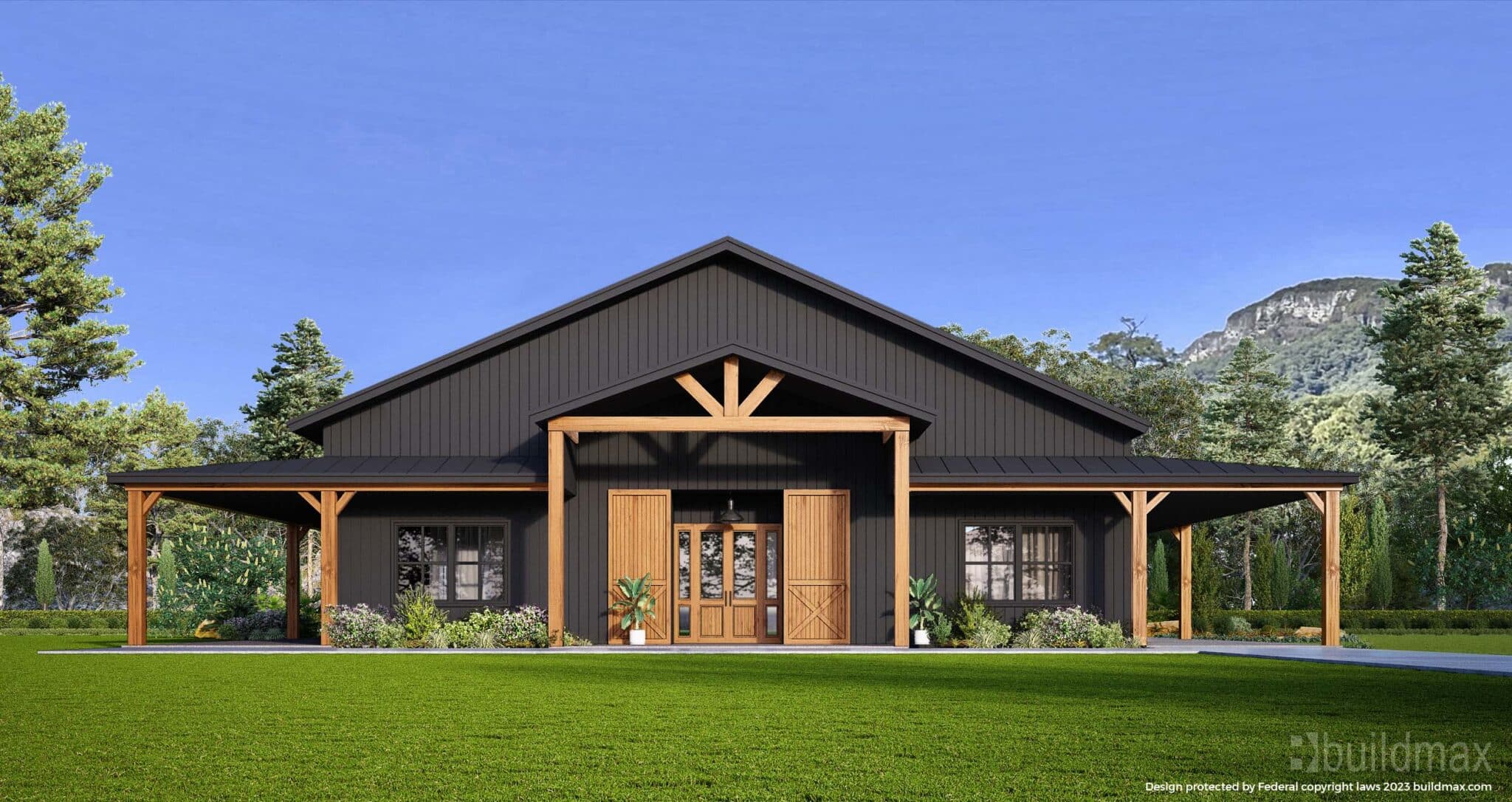
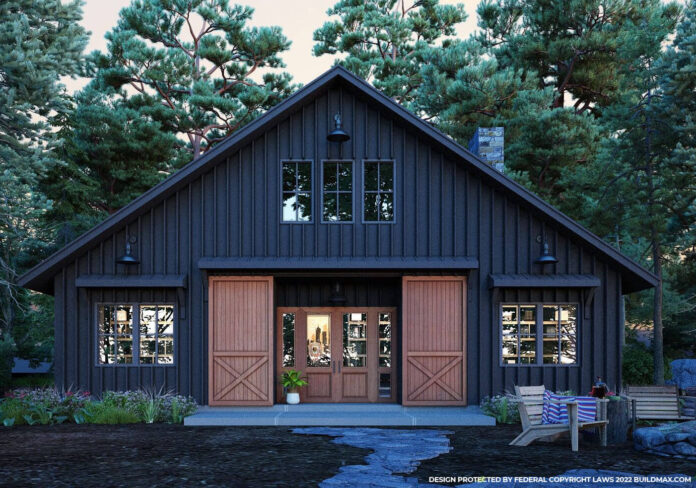
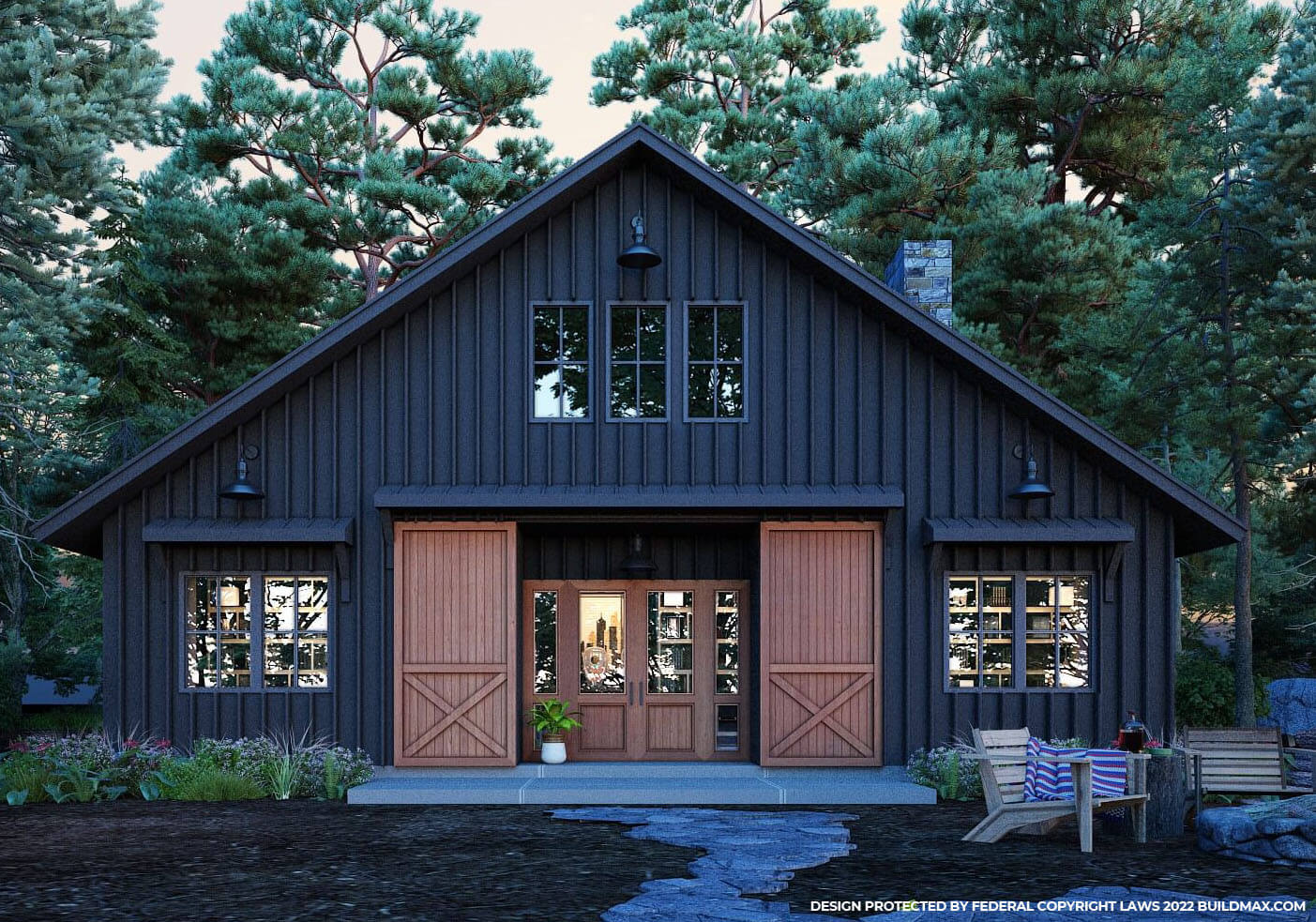
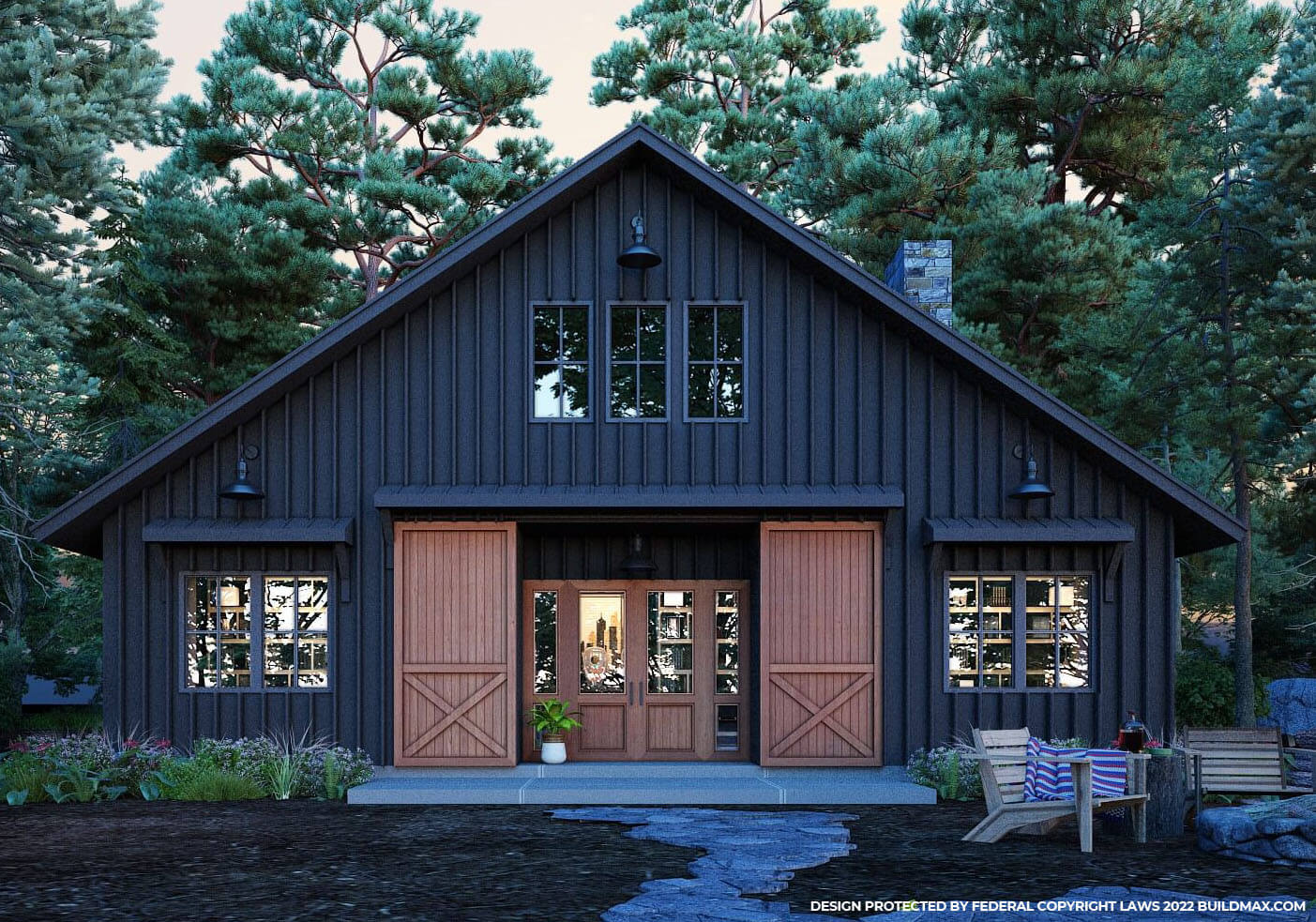
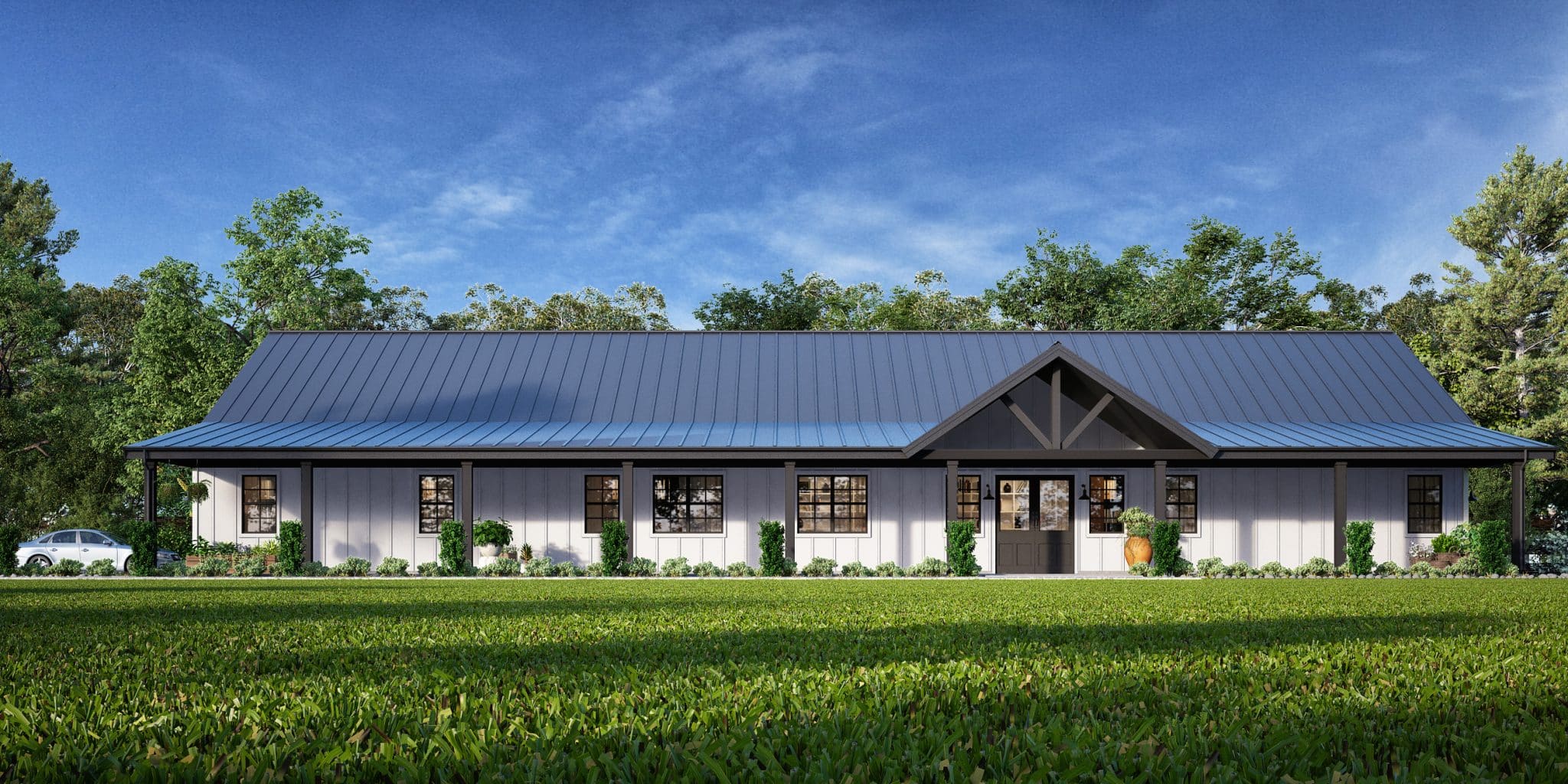
black barndominium with large barn doors and wraparound porch


With your financial groundwork laid, land acquired, and plans in hand, the next step is to find the right contractor. It’s vital to collaborate with a contractor experienced with the materials you’ve chosen. Much like financial institutions, not every contractor might be well-versed with barndominiums, which could make them hesitant to undertake the project. Yet, it’s feasible to locate a contractor open to the task or you can present it as a custom home inspired by the barndominium concept.

With these components in place, there’s just one final preparation before the construction kicks off: securing the necessary permits. Ensure you liaise with your local building authority to understand the required permits, if any. Equally crucial is acquainting yourself with the local building codes, guaranteeing that your floor designs are compliant.

Let the Build Begin: A Step-By-Step Guide

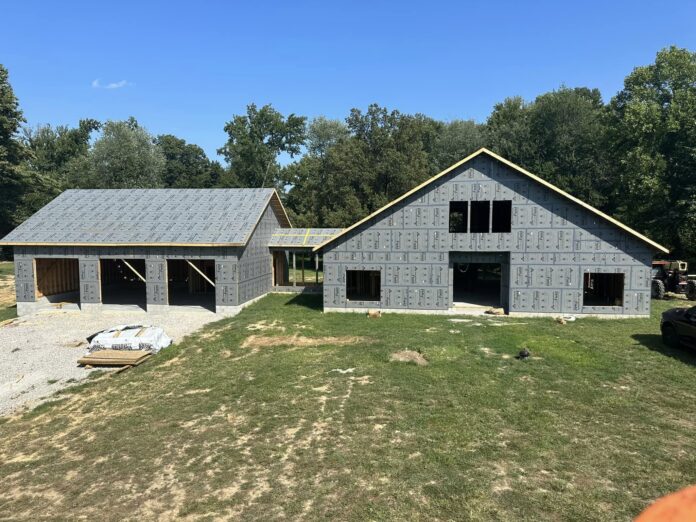
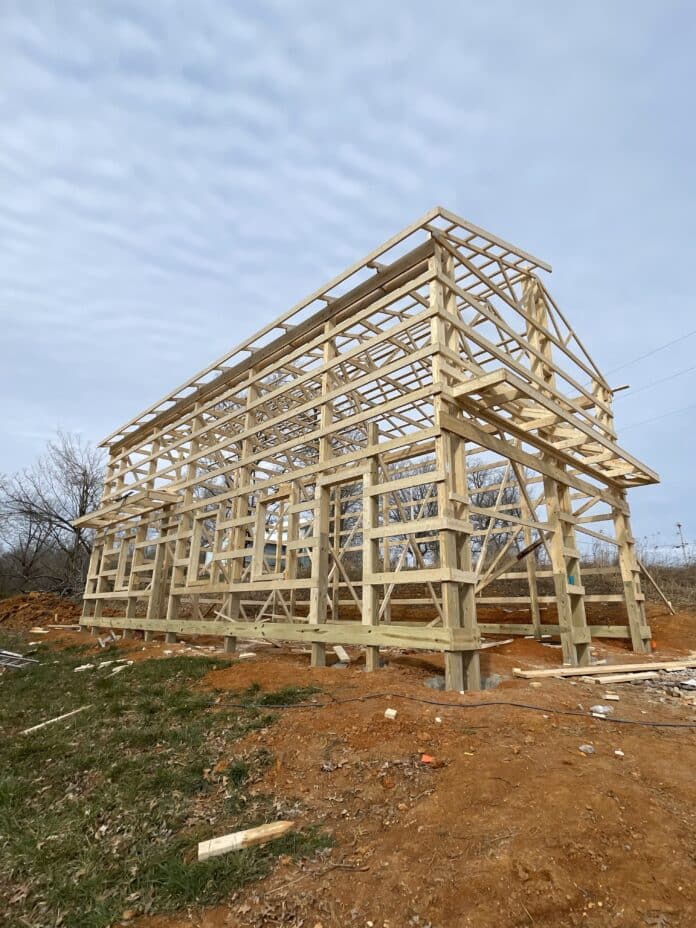
  • Foundation: The initial stage of the building procedure involves setting the foundation. Taking a standard stick build as our reference for this piece, it’s worth noting that barndominiums often employ a monolithic slab. However, the specific choice of foundation can vary based on the building material you opt for, be it stick, post, or steel. It’s during this foundational phase that the preliminary plumbing and electrical work gets underway. After the foundation has been set, a curing period is necessary before progressing to the subsequent steps.small barndominium being built
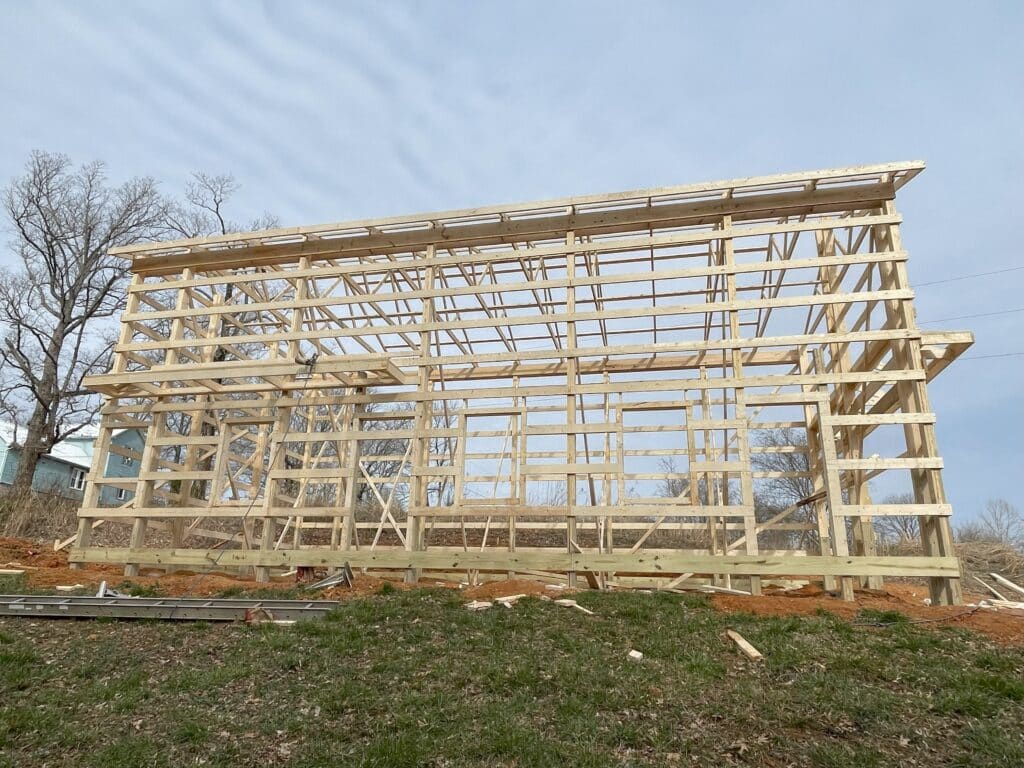
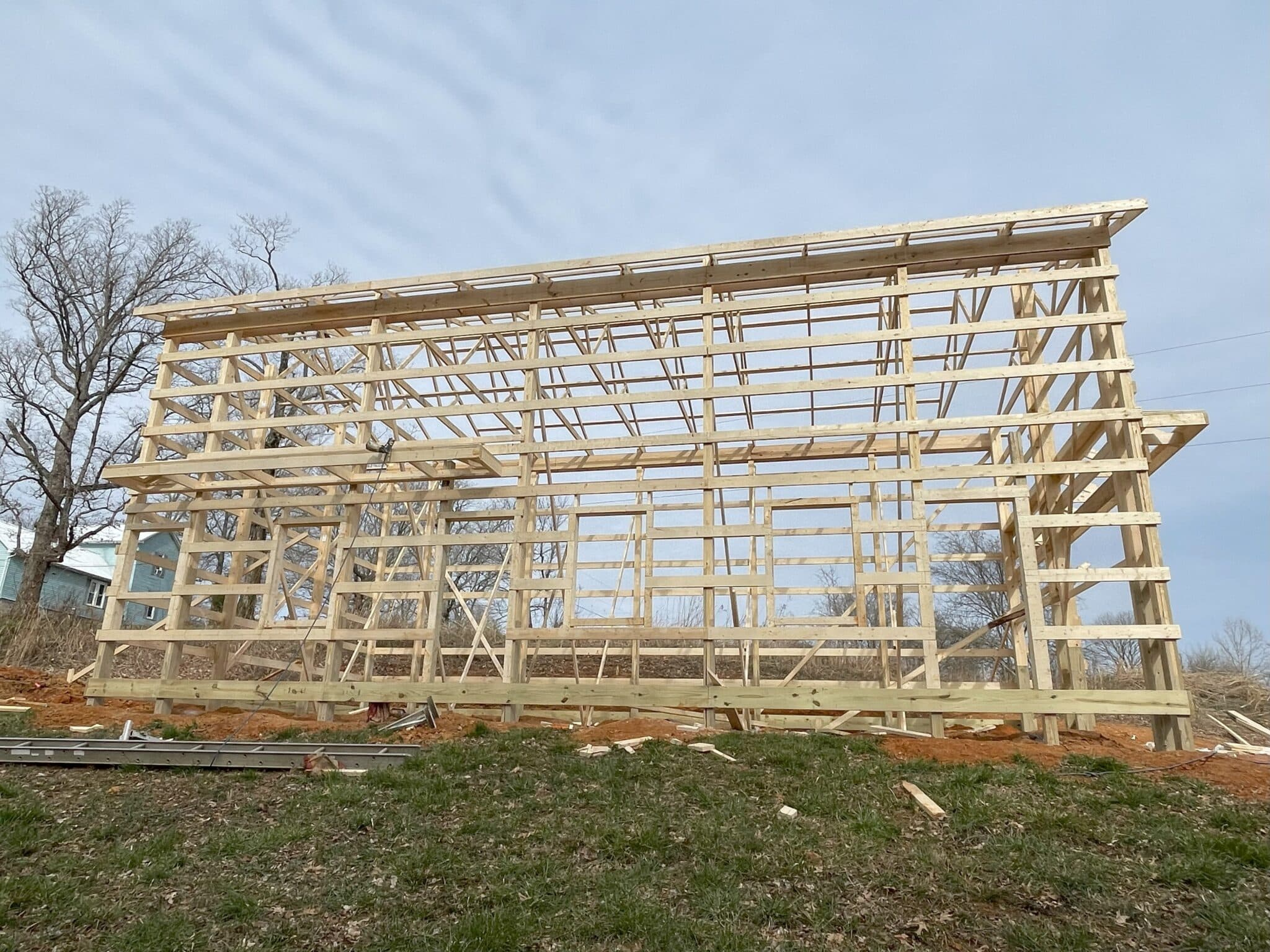
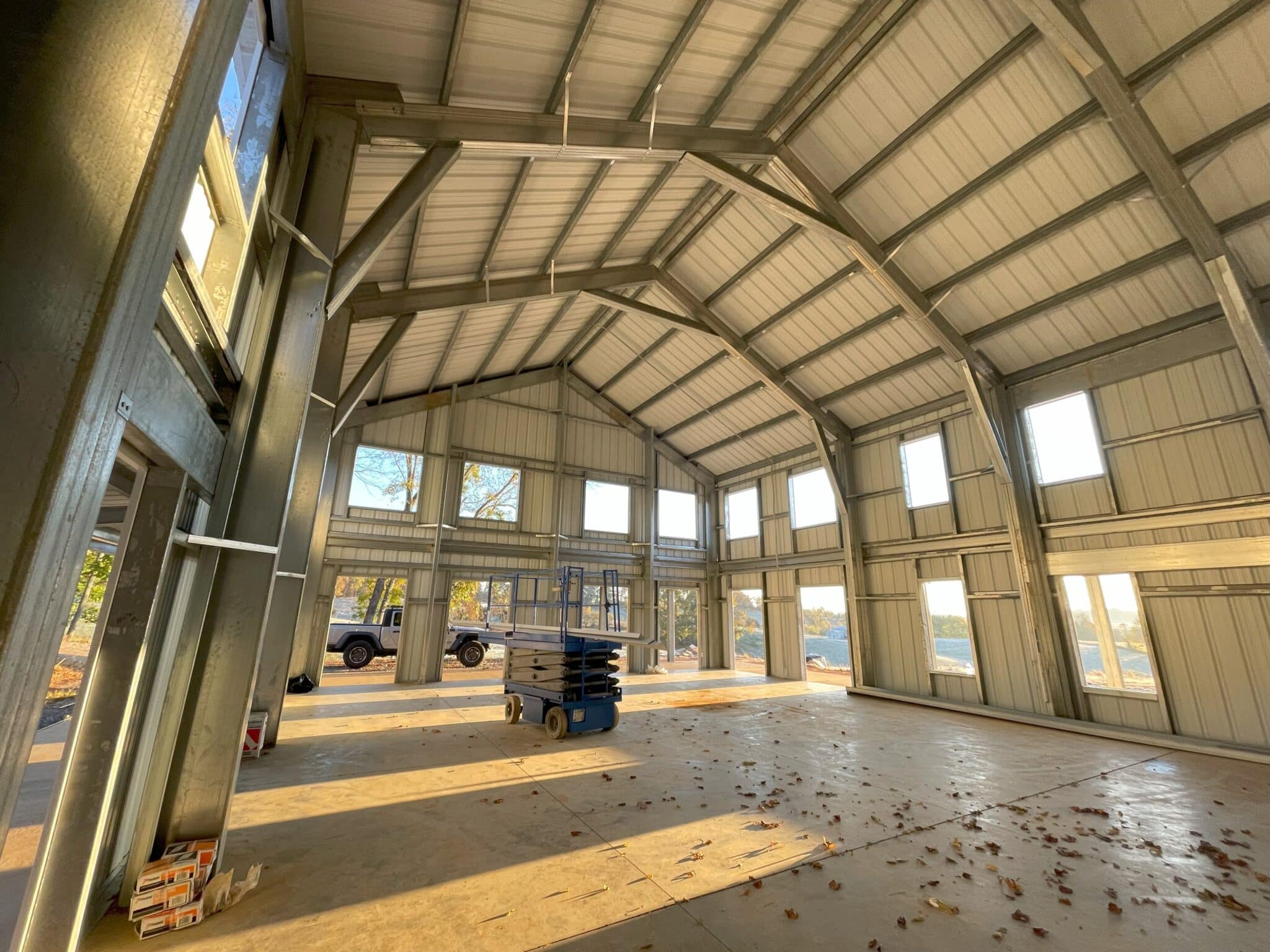
  • Framing: After the foundation has set properly, the next step involves framing your barndominium. The duration of the framing stage can fluctuate between 2-8 weeks, influenced by numerous variables including the expertise of the contractor, prevailing weather conditions, material availability, and so forth.
  • Plumbing & Electrical: After finalizing the framing, it’s time to focus on the plumbing and electrical aspects. Qualified licensed experts will handle tasks such as laying out wires and pipes in your residence, linking the sewer line or septic system, and connecting water lines to fixtures. small barndominium being built
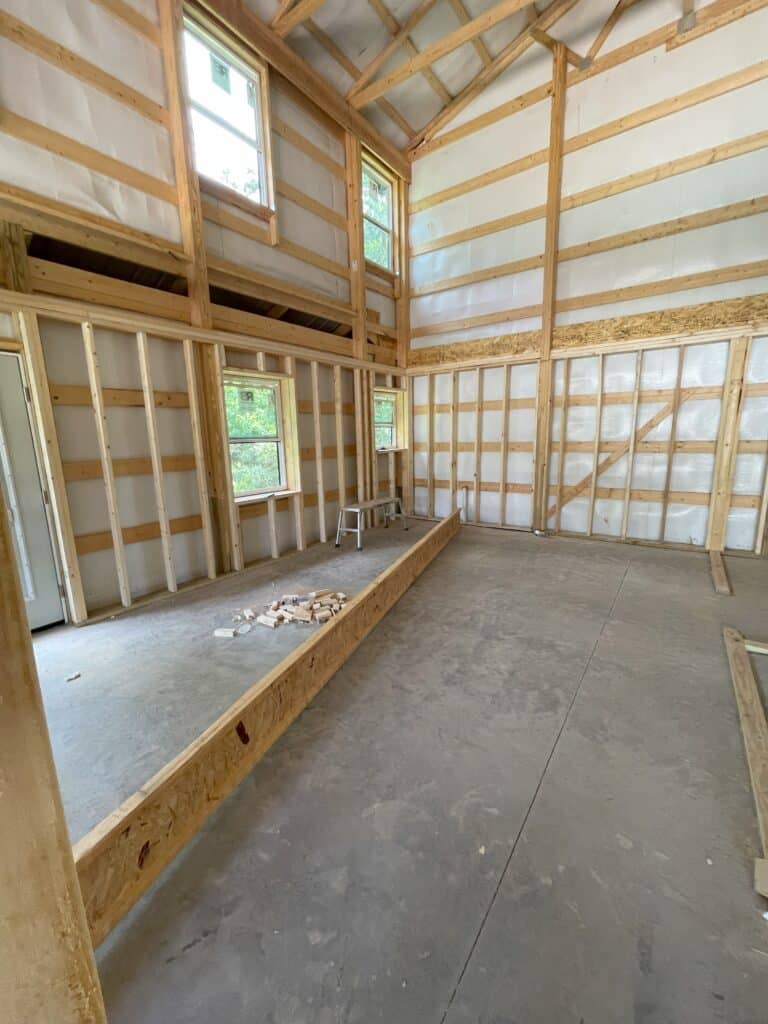
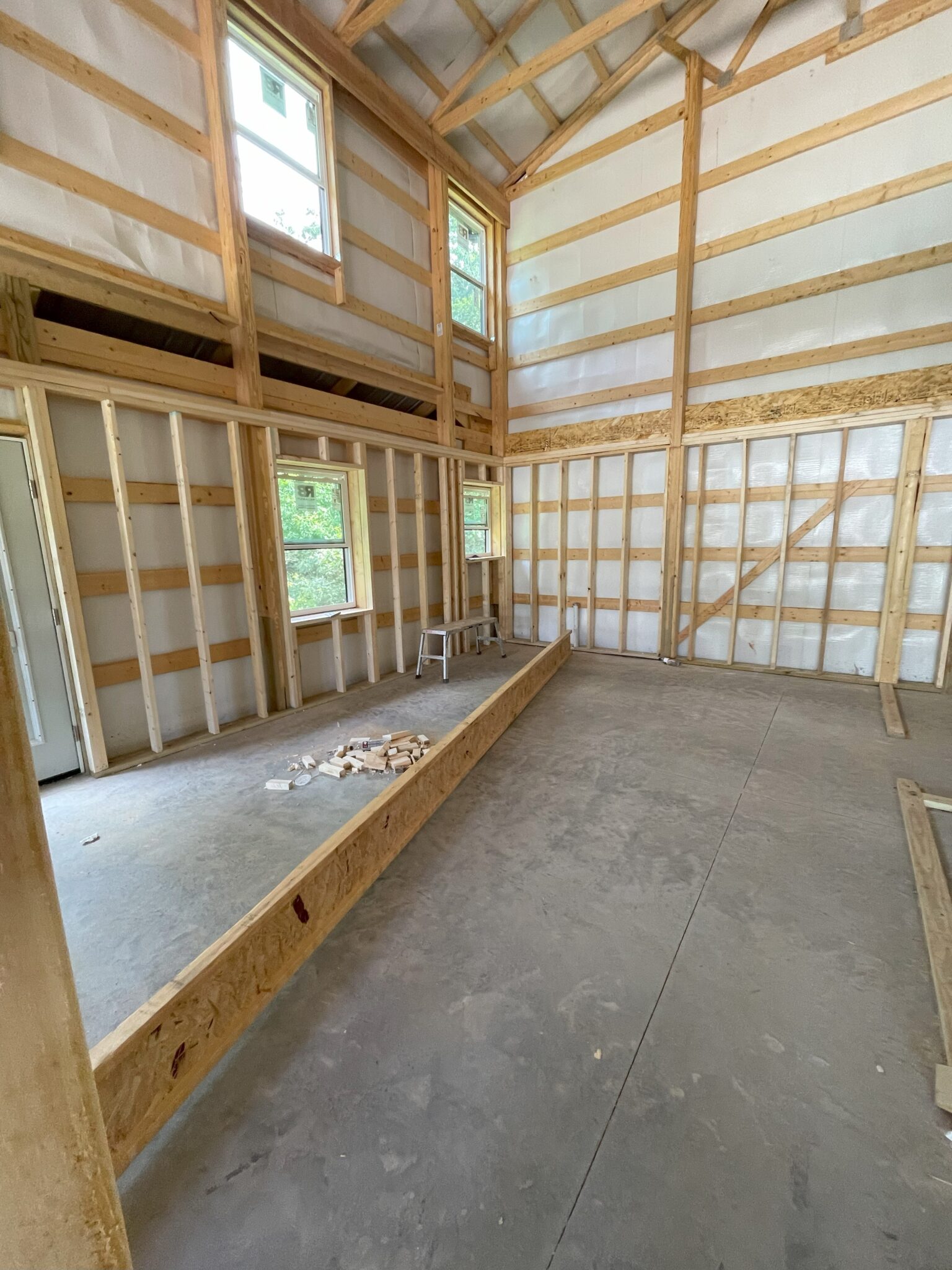
  • Insulation: After setting up the plumbing and electrical systems, the next step is to focus on insulation. Insulation plays a pivotal role in maintaining the indoor temperature of your barndominium and enhancing its energy efficiency. Engage with your contractor to discuss the best insulation options, as they might offer insights or suggestions that might not have crossed your mind.
  • Drywall & Interior/Exterior Finishes: After putting in place the insulation, it’s time to hang the drywall. During this phase, painting tasks commence and floors are laid out. Interior elements, like countertops and fixtures, are fitted, and on the outside, landscaping and other finishes get their final touches.

Once the drywall and finishing touches are in place, a final inspection is in order. This walkthrough is crucial to ensure every detail aligns with your vision. If there are any discrepancies or unfinished areas, it’s important to communicate these to your contractor for resolution. If everything aligns perfectly, then your barndominium stands completed.

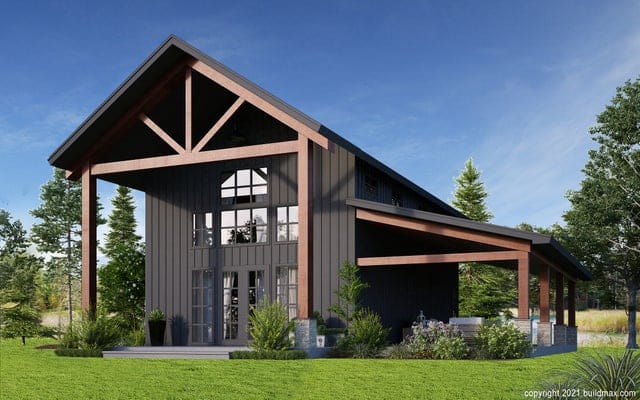
black barndominium

Though the construction journey can be a maze of complexities, challenges, and lengthy timelines, the final product is undeniably rewarding. Witnessing your barndominium take shape is exhilarating, even more so if you’ve been hands-on in parts of its creation, such as painting or floor installation. Armed with this guide, you’re better prepared to navigate the adventure of building your dream barndominium.

Building a Barndominium: Cold Weather Considerations

Black spacious barndominium with porch chairs outside

With colder months on the horizon, you may be wondering if barndominiums hold up in cold weather. While barndominiums are often associated with warmer climates, it’s entirely possible to design one suitable for cooler areas. However, it’s crucial to account for several factors to ensure your structure is warm, cozy, and durable. Keep reading for some key considerations when erecting a barndominium in cold climates and how to heat your barndo.

Benefits of Barndominiums in Cold Climates: A Closer Look at Steel Construction

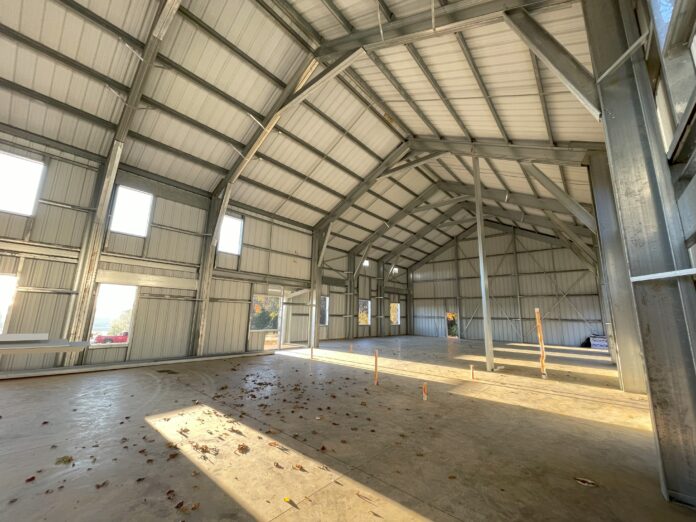
Barndominiums, commonly known for their spacious frames and open floor layouts, stand out from traditional homes due to their distinct construction techniques. While conventional houses rely on wood stud framing, barndominiums are often constructed using pole framing or post-frame methods. More recently, barndominiums have shifted towards steel frames, offering several advantages over wood, particularly in colder regions.

Here are some reasons why steel-framed barndominiums are an excellent choice in cold climates:

  1. Superior Thermal Conductivity: Steel is better at conducting heat compared to wood, meaning it can efficiently transfer warmth into the interior of a barndominium. This feature can be capitalized upon in cold climates by designing the structure to capture sunlight and heat up the interior.
  1. Enhanced Snow Load Support: In areas prone to heavy snowfall, the weight of accumulated snow can strain and damage the roofs of traditional homes. Barndominiums constructed with steel frames, however, are more resilient and capable of supporting increased snow loads, reducing the risk of roof-related problems.
  1. Reduced Seasonal Shifting and Settling: Steel-framed barndominiums are less prone to shifting and settling compared to their wood-frame counterparts. Wood retains moisture, leading to expansion during warmer periods and contraction in cold weather, causing the frame to shift and settle over time. This can result in cosmetic issues like drywall cracks, and in more severe cases, foundation problems. By choosing a steel-framed barndominium, homeowners can minimize these issues and enjoy a more stable living space.

In summary, steel-framed barndominiums offer a slew of benefits for those living in cold climates, from efficient heat transfer and increased snow load support to reduced shifting and settling. The unique construction methods used in these homes make them a more durable and low-maintenance option, ideal for colder regions.

barndominium being built

Optimize Your Barndominium for Cold Climates with Sunlight and Insulation

Constructing a barndominium in a sunny area offers several benefits for those living in cold climates. Due to the high thermal conductivity of steel, metal buildings can absorb and harness more energy from the sun’s UV rays than their wooden counterparts. Taking advantage of this feature will lead to more efficient heating inside your barndominium.

Locating your barndominium in an area with abundant sunshine ensures that it will benefit from solar heat throughout the year. During winter months, the sunlight reflecting off the snow can provide an additional source of warmth. Furthermore, selecting certain building materials can enhance this heat transfer effect. Siding and roofing made from copper or aluminum can effectively transfer more heat into your barndominium.

Proper insulation is crucial for maintaining a comfortable temperature within your barndominium, particularly if it has a metal frame. Metal, while being an excellent conductor of heat, is not an effective insulator. Although metal siding and roofing can quickly heat up, the addition of insulation is necessary to retain this warmth inside the building.

Even if your barndominium has a wood frame, it is still advisable to use extra insulation. High-quality insulation in the wall cavities can protect the wood posts from moisture and enhance temperature control. Consider using a combination of insulation options, such as radiant barrier insulation and spray foam insulation, to maximize their effectiveness.

Radiant barrier insulation is highly reflective and redirects more heat into your barndominium, making it easier to maintain a warmer interior. On the other hand, spray foam insulation is commonly used inside wall cavities because it offers more comprehensive coverage than other insulation materials. As it is sprayed into the walls and expands, it fills every crack and crevice, reducing the likelihood of moisture accumulation.

In summary, taking advantage of sunlight and proper insulation is key to optimizing your barndominium for cold climates. By selecting suitable building materials and insulation options, you can ensure that your barndominium stays warm and comfortable throughout the winter months.

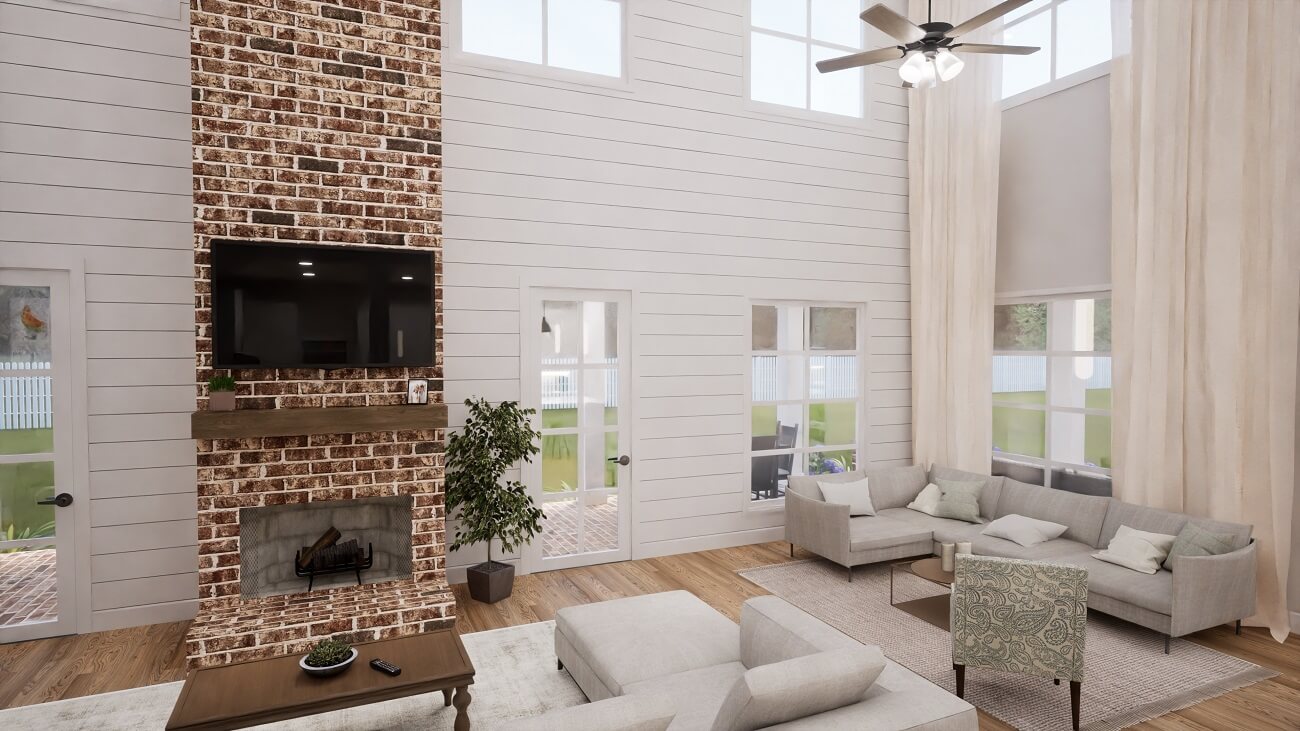
great room with fireplace and loft overhead

Maximize Heating Efficiency in Your Barndominium with Open Floor Plans, Ceiling Fans, and Sealing Techniques

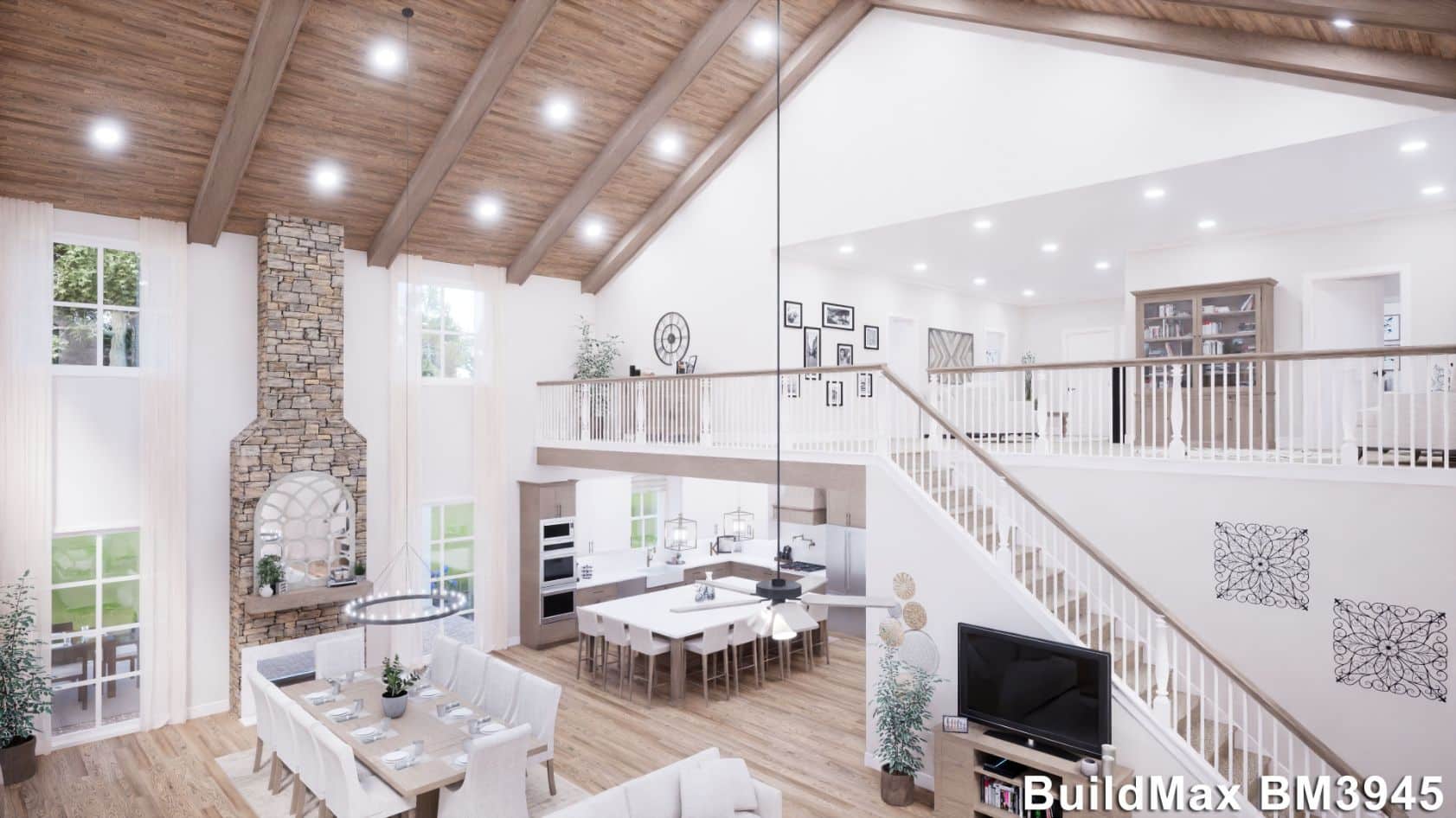
Adopting an open floor plan is an excellent way to enhance heating efficiency in a barndominium. In a rectangular building, splitting the space into multiple rooms and hallways makes temperature control more challenging. However, barndominiums typically feature large open spaces that make it easier to maintain temperatures. In an open floor plan, multiple living areas are merged into one spacious area without the separation of walls and doorways. This layout allows air to flow freely, increasing the efficiency of your heating system.

Incorporating ceiling fans in your barndominium design can also help with heating efficiency, particularly if your space features tall, vaulted ceilings, lofts, or mezzanine areas. As warm air rises, it can become trapped near the ceiling, leaving the living areas below cooler. By installing ceiling fans set to spin clockwise at a low speed, you can create an updraft that pulls cool air upward while pushing the warm air down along the walls, effectively redistributing the heat throughout the space.

While a steel frame and proper insulation are essential for maintaining warmth in your barndominium, sealing the exterior is equally important to prevent air leaks. Even a small air leak can significantly affect the heating efficiency of your space, leading to temperature differences and drafts. To avoid this, ensure that windows and door frames are sealed properly. Additionally, pay attention to the eaves, corners, and base panels of your barndominium, applying caulk to any areas where air could potentially pass between the interior and exterior.

In summary, optimizing heating efficiency in your barndominium can be achieved by implementing an open floor plan, using ceiling fans to redistribute warm air, and sealing the exterior to prevent air leaks. These measures will help you create a comfortable living space that stays warm even in colder climates.

Exploring Radiant Heat Flooring for Your Barndominium in Cold Climates

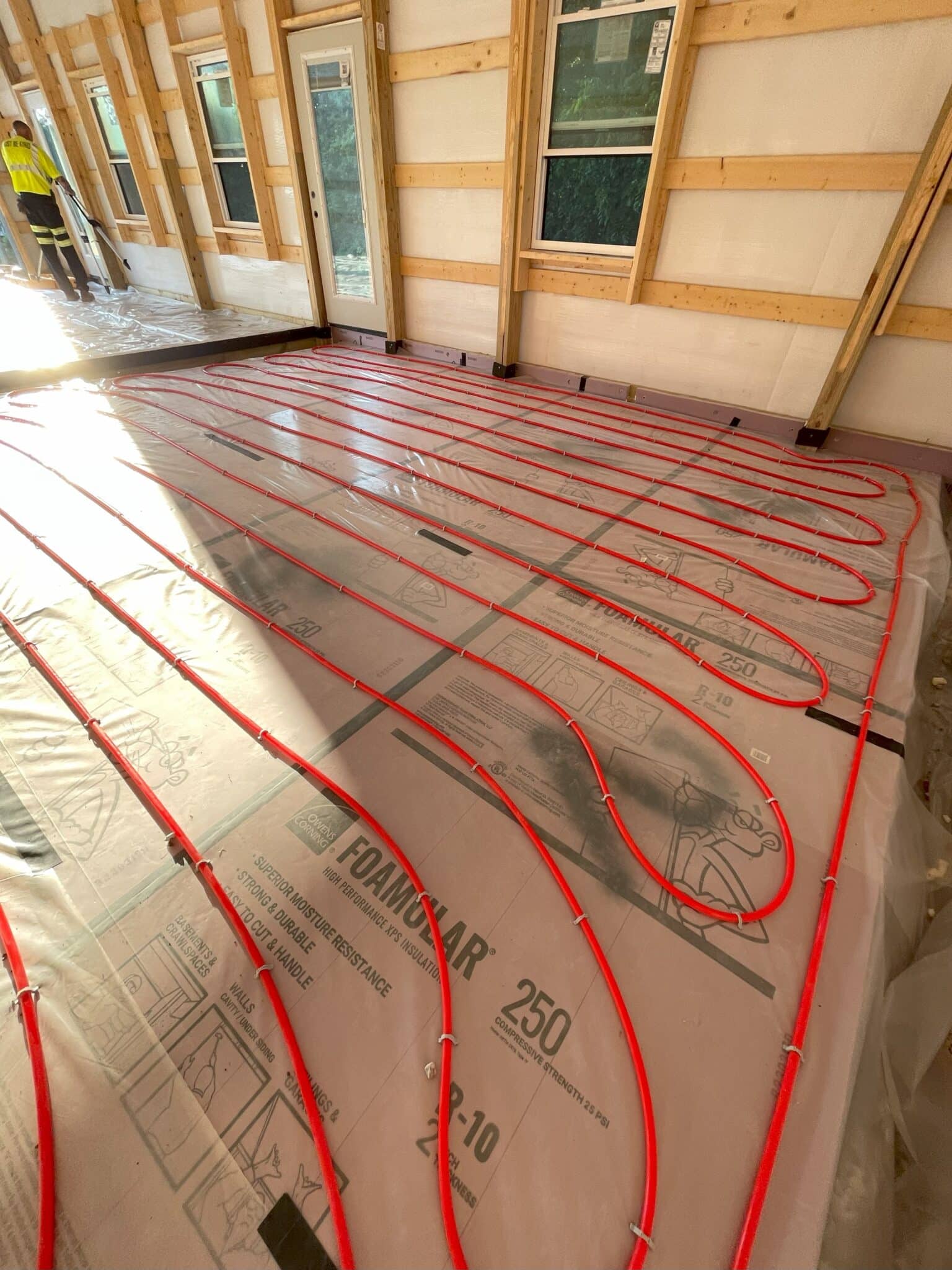
Radiant heat flooring is a valuable and cost-effective option for heating your barndominium, especially in colder climates. This system relies on radiant heat transfer to warm up your living spaces, providing a comfortable environment throughout the cold months. Instead of relying on traditional ducts to distribute warm air, radiant heat flooring directly heats the floor, which in turn warms the walls, furniture, rugs, and occupants of the space.

One of the advantages of radiant flooring is that it can be installed directly in a slab foundation, removing the need for a crawl space to accommodate ductwork for a conventional furnace. Moreover, radiant flooring is a suitable option for barndominiums with tall ceilings, a common architectural feature of these buildings. The system concentrates heat near the floor, where it is needed most, minimizing heat loss to the ceiling.

While the initial installation costs of radiant flooring may be higher compared to traditional heating systems, the long-term benefits are worth considering. Radiant flooring is more cost-efficient, providing an even distribution of heat throughout the living space and reducing energy bills over time.

barndominium radiant floor heating

Conclusion: Are Barndominiums a Viable Option in Cold Climates?

Absolutely! Barndominiums offer several advantages when it comes to thermal conductivity, allowing your home to absorb more heat from the sun’s rays. This unique design feature helps mitigate common issues like drywall cracks and other damage associated with seasonal settling and shifting.

However, it is essential to prepare your barndominium to ensure it remains warm and comfortable throughout the cold months. Adequate insulation is crucial, with spray foam offering superior coverage and insulation values compared to other options. Consider installing radiant flooring for efficient heating and positioning your barndominium in a sunlit area to maximize the benefits of solar heating.

Ultimately, barndominiums are well-suited for cold climates, often providing more energy-efficient housing compared to traditional homes. By implementing the right measures, you can enjoy a comfortable and cozy living space, even in the harshest winter conditions.

Is it Possible for Barndominiums to Have a Basement?

Black barndominium with breezeway and 3 car garage

Originally, barndominiums were designed without basements. Their structure was reminiscent of spacious barns, typically erected over solid cement slabs. So, is it possible for these unique homes to include a basement? Absolutely. Even though it deviates from the conventional design, barndominiums can certainly be constructed with a basement foundation.

When planning the foundation for a barndominium, several choices are available. These include a basic concrete slab, a crawl space, or even a full basement foundation. Most of these homes historically rely on the slab method — a straightforward, flat concrete foundation. If you choose to build using metal, the building’s metal posts are anchored firmly to this slab.

For those considering a crawl space or basement, the process entails digging out the area, then pouring and shaping the concrete for the walls and floor. After that, specialized brackets are employed to fasten the barndominium’s frame posts.

However, integrating a basement into your barndominium design may not always be the wisest choice. Here are some factors to ponder when deciding on the foundation of your barndominium.

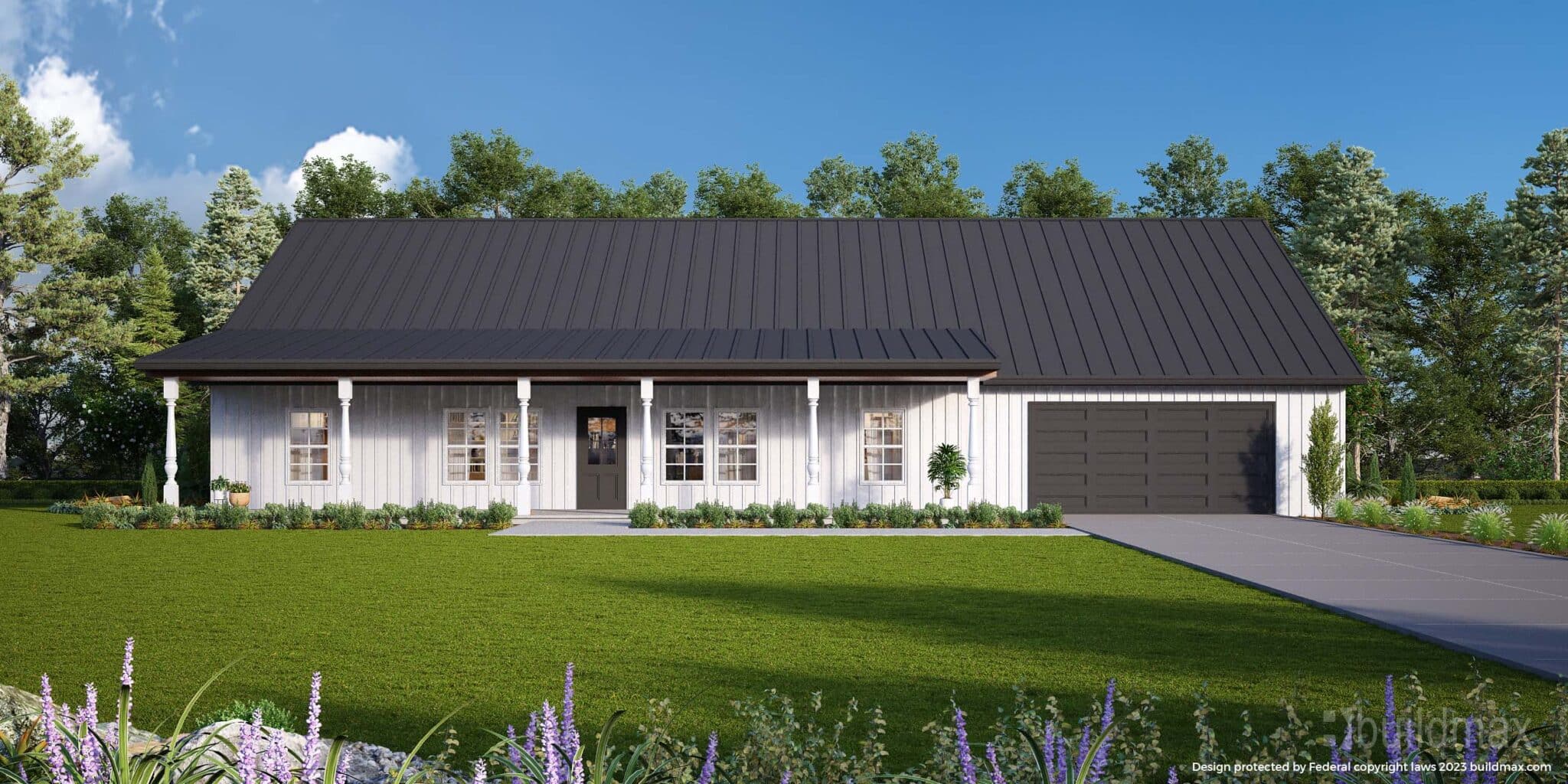
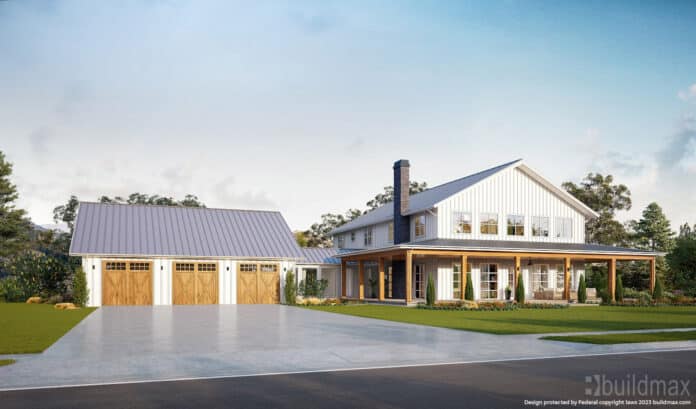
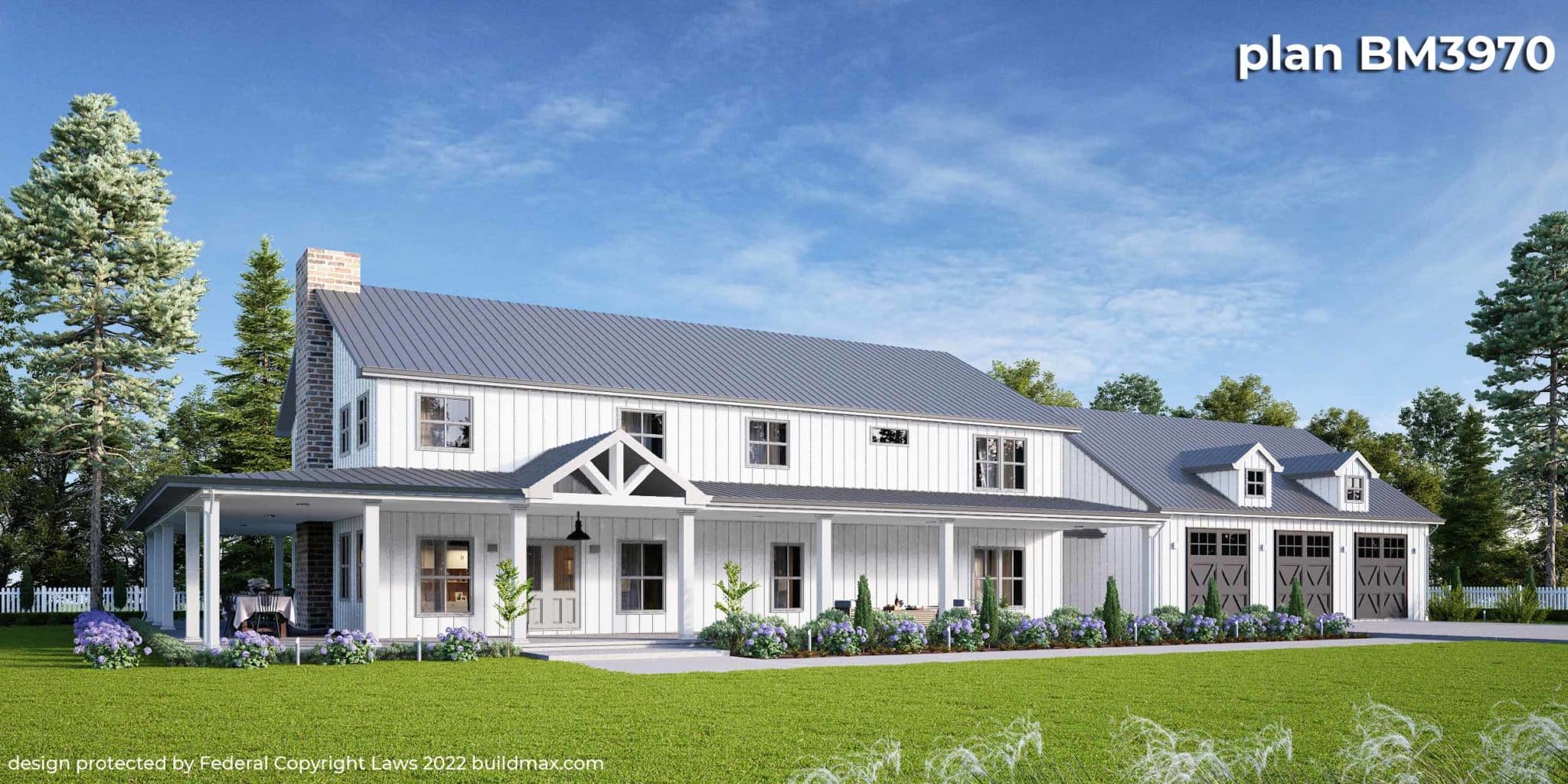
white barndominium with grey roof and attached garage

Understanding Basement Options for Barndominiums

Barndominiums, while a unique housing concept, can incorporate various basement styles often seen in standard homes. The possible configurations include:

  1. Partial Basements:

These don’t occupy the entire footprint of the residence, often covering only a part of the home’s foundation.

  1. Walk-out Basements:

Ideal for properties on inclined terrains, one side of these basements is usually exposed, providing direct outdoor access.

  1. Full Basements:

Here, the basement’s scope aligns with the building’s frame, encompassing the same area as the primary floor above.

Conventionally, the walls of these basements are fashioned from concrete, with many also featuring concrete flooring. When considering a basement type for your barndominium, it’s vital to recognize the structural and design implications of each choice.

Traditional barndominiums, whether they’re made with a post frame or steel frame, have their post columns firmly rooted in the ground. When incorporating a full basement, these posts might have to be fixed to brackets atop the foundation. While this alteration in the construction approach is not overly drastic, it’s advisable to engage a seasoned contractor for the task.

A simpler alternative might be to opt for a partial basement. These basements cover only a segment of the house’s footprint, with the remainder of the ground floor resting on a concrete slab. Not only is this choice generally more budget-friendly than a full basement, but it also integrates more seamlessly into the barndominium’s design.

Given that the home’s edges are still buttressed by the slab, the framework’s construction procedure stays largely consistent. The only trade-off is that you might sacrifice some potential underground space.

On the more intricate end of the spectrum is the walk-out basement. This design is typically reserved for homes situated on inclined terrains or hillsides. Due to the gradient, one side of the foundation aligns with the ground surface, facilitating the addition of an exit door. Nevertheless, it’s worth noting that the intricacies associated with walk-out basements might elevate their overall price.

black barndominium with large barn doors leading to the entryway

The Perks of Integrating Basements in Barndominiums

Incorporating a basement into your barndominium design brings with it a multitude of advantages:

  1. Expanded Space

One of the primary benefits of having a basement is the additional space it provides. This space can be optimized for various functions such as laundry, storage, or even as supplementary living quarters. For those working with limited lot sizes, the added underground footage can be particularly beneficial.

  1. Enhanced Safety

The solid concrete walls of a basement offer a robust shield against the elements, especially when contrasted with the more conventional wood or steel house frames. In the face of extreme weather events like tornadoes, the basement can serve as a secure refuge.

  1. Natural Cooling

Given their subterranean nature, basements tend to maintain a cooler temperature relative to the home’s upper levels. For those setting up their barndominiums in warmer climates, a basement can be a haven, offering a much-needed respite from the scorching heat above.

In summary, a basement isn’t just an architectural decision but one that can enhance the functionality and safety of your barndominium.

Challenges of Incorporating Basements in Barndominium

While basements offer various benefits, there are certain challenges to consider when thinking of adding one beneath a barndominium:

  1. Increased Costs:

Constructing a basement involves additional expenditures. The excavation process, coupled with laying concrete walls, demands more resources, both in terms of labor and materials.

  1. Extended Construction Time:

Compared to the relatively quick process of pouring a concrete slab, which can range from a few days to two weeks depending on the structure’s size, basements demand a longer construction timeline. It’s not uncommon for a full basement to necessitate several weeks for completion.

  1. Regulatory Considerations:

It’s essential to understand that basements don’t always qualify as replacements for primary living areas. In many regions, for a room within a basement to be classified as a bedroom, it must possess windows and exterior access. Such features are usually limited to walk-out basements.

  1. Lighting Concerns

Basements, by nature, lack abundant natural light. Should you wish to transform it into a comfortable living space, it might require a significant investment in artificial lighting. Additionally, to make the space more inviting, there could be extra costs involved in finishing the walls, ceiling, and floors.

In conclusion, while basements can enhance the functionality of a barndominium, they come with their set of considerations that potential homeowners should be aware of before making a decision.

black barndominium with large barn doors and wraparound porch

Exploring Basement Alternatives for Barndominiums

If you’re contemplating different foundation options other than a basement for your barndominium, two primary alternatives stand out: slab foundations and crawl spaces.

  1. Slab Foundations: 

These are predominantly chosen due to their straightforward, flat concrete structure. Their swifter preparation time means you can commence the construction of your barndominium’s frame much earlier. Moreover, slabs are pocket-friendly, often making them the go-to choice for many.

  1. Crawl Spaces: 

As the name suggests, these spaces are limited in height, usually spanning between three to four feet. Their primary utility is to grant access beneath the floor and serve as supplementary storage. Like partial basements, crawl spaces can seamlessly blend with a surrounding slab, ensuring that the barndominium’s frame design remains consistent.

Wrapping Up on Barndominium Basements

While barndominium basements bring along a set of perks, they also come with certain challenges. Incorporating a basement means added work, possibly extending your project’s timeline by several weeks or even more.

One cannot ignore the cost implications either, especially if you’re leaning towards a full or walk-out basement design. It’s also important to note that if you’re building with steel, the cost to get a basement engineered is extremely high. While it can be done, many people find it’s often not worth the cost or trouble that comes with it.

However, the utility of basements is undeniable. They offer extended space, perfect for utilities like laundry setups. For those with spacious basements, there’s potential to transform the area into leisure spaces, such as a cinema room or gaming zone.

In essence, barndominiums are as versatile as conventional homes in terms of design choices. While basements remain a viable option, they entail certain considerations and might benefit from the expertise of a contractor seasoned in basement foundation projects.

Building a Barndominium? Avoid These Simple Mistakes

small barndominium being built

When considering building a barndominium, there are several major things to avoid to ensure a smooth and successful construction process. Whether it be failing to get necessary permits or forgetting to include important aspects, there are plenty of mistakes that can be made. Here are a few of those key points to avoid and keep on the lookout for when considering a barndominium build:

  1. Lack of Proper Planning: Avoid rushing into the construction process without adequate planning. Take the time to thoroughly assess your needs, budget, and desired features. Create a detailed plan that includes architectural elevations, floor plans, and a comprehensive construction timeline. Taking the time to work with experienced designers allows you to thoughtfully plan out your barndominium, and companies such as BuildMax are able to offer invaluable insight that may help you with your process.
  2. Choosing Inexperienced or Unqualified Contractors: Hiring inexperienced or unqualified contractors can lead to poor craftsmanship, delays, and costly mistakes. Research and select reputable contractors with experience in building barndominiums. Request references, check their past work, and ensure they have the necessary licenses and insurance before they start. 


small barndominium being built


3. Ignoring Building Codes and Permits: Failure to adhere to local building codes and obtain the required permits can lead to legal issues and costly fines. Familiarize yourself with the local regulations and ensure that your project meets all the necessary codes & requirements for your specific jurisdiction; there may be special requirements based on your geographic location. Make sure your floor plans are also up to proper codes, such as the latest IRC code

4. Overlooking Site Considerations: Carefully assess your chosen site before starting construction. Consider factors such as soil conditions, drainage, access to utilities, and any potential zoning restrictions. Ignoring these considerations may lead to unexpected costs & complications during the construction process and even revocation of your permits if you’re unlucky enough. If you’re not sure what your local zoning laws are, you can call your building department for more information on those laws.

5. Inadequate Budgeting and Cost Estimation: Avoid underestimating the costs involved in building a barndominium. Create a detailed budget that includes not only construction expenses but also land acquisition, permits, utility connections, and potential contingencies. Allow for some flexibility to accommodate unforeseen expenses as they frequently occur during the building process. Talk to a barndominium consultant and speak with local builders and subcontractors in your area to get prices for material and labor to add to your budget. This will create a much more accurate, realistic budget for you to work with. 

small barndominium being built

6. Compromising on Quality Materials: Choosing low-quality materials to save costs may result in future maintenance issues and decreased durability. Invest in high-quality materials that ensure structural integrity, energy efficiency, and longevity. It’s essential to strike a balance between cost-effectiveness and long-term value. You want the best materials you can afford without breaking the bank. Often times, settling for something cheaper when beginning the build can become more costly in the long run due to poor quality.

7. Poor Insulation and HVAC Planning: Barndominiums often have large open spaces, which can lead to challenges in maintaining a comfortable indoor environment. Pay attention to insulation and HVAC (heating, ventilation, and air conditioning), being aware of the space you have to heat & cool by planning to ensure energy efficiency and year-round comfort. 

8. Neglecting Future Functionality: Anticipate your future needs and incorporate them into the design and layout of your barndominium. Consider factors such as storage space, expansion possibilities, and potential changes in lifestyle or business requirements (pets, children, marriage, job requirements, etc.). This goes back to the proper planning stage, as you’ll want to have those details ironed out when you’re having your plans drawn up. 

barndominium being built

9. Lack of Communication and Project Management: Open and effective communication with your builder and sub-contractors is crucial throughout the construction process. Maintain regular contact, discuss any concerns promptly, and ensure everyone is on the same page. Proper project management and coordination are essential to avoid delays and misunderstandings. So many projects are disrupted each year on account of miscommunication or just a lack of communication skills in general.

10. Skipping a Comprehensive Contract: A detailed contract protects both parties and clarifies expectations. Ensure that the contract includes project specifications, payment schedules, timelines, warranties, and provisions for potential changes or unforeseen circumstances. 


By avoiding these common pitfalls, you can increase the chances of a successful and satisfying barndominium construction experience. Many people overlook these details or don’t consider them and it can lead to a lengthy process with unsatisfactory results. With thorough planning, research, and communication, you’ll achieve your vision for a reliable, unique barndominium home that you can enjoy for many years to come.

Insulating Your Barndominium: What You Need to Know

Black barndominium with floor to ceiling windows and plants lining the walkway

Barndominium Insulation: What You Need to Know Before You Build

If you are planning a barndominium, one of the most important decisions you will make is how to insulate it properly. Barndominium insulation affects comfort, energy efficiency, moisture control, long-term durability, and even sound reduction. It is not a detail to leave until the last minute. In many cases, the insulation strategy should be part of the conversation before the shell is ever closed in.

This matters even more when you are building a metal barndominium. Metal can be an excellent structural material, but it also transfers heat and cold quickly. Without the right insulation system, a barndominium can become too hot in summer, too cold in winter, and vulnerable to condensation problems that can create discomfort and long-term damage.

The good news is that there is no shortage of insulation options. The challenge is choosing the right one for your climate, your build method, and your budget.

In this guide, we will cover:

  • Why insulation is so important in a barndominium
  • The best insulation options for metal barndominiums
  • How to think about condensation and vapor control
  • What insulation tends to work best for new builds vs retrofits
  • How to make smarter insulation decisions before drywall goes up

Why Barndominium Insulation Matters So Much

Insulation is important in any home, but it is especially important in a barndominium because many barndos use metal building components. Metal is strong and durable, but it is not a good insulator by itself. It can heat up fast in direct sun and cool down quickly when temperatures drop. That can make indoor comfort much harder to control if the building envelope is not insulated properly.

A well-insulated barndominium helps with:

  • Temperature control so the home stays more comfortable year-round
  • Energy efficiency by reducing heat gain and heat loss
  • Condensation control by helping manage temperature differences and moisture
  • Noise reduction from rain, wind, traffic, and outdoor activity
  • Long-term durability by reducing moisture-related issues

If you are building a barndominium as a full-time home, insulation is not optional in any practical sense. It is part of what makes the structure feel like a real home instead of a shell.

Why Metal Buildings Need a Smarter Insulation Strategy

Many people love barndominiums because of the look, durability, and efficiency of a metal structure, but insulation is one of the areas where a metal building needs more planning than a conventional house. That is because temperature changes at the metal skin can create comfort problems and condensation risk if the assembly is not designed carefully.

When warm, humid air meets a cooler metal surface, moisture can form. Over time, unmanaged condensation can lead to problems with rust, damp materials, or interior discomfort. That is why the best barndominium insulation strategy is usually about more than just R-value. It is also about air sealing and moisture management.

What Is the Best Insulation for a Barndominium?

There is no one perfect answer for every build, but some insulation types tend to perform better than others in metal building applications. The best choice usually depends on your climate, budget, wall system, and whether the home is a new build or a retrofit.

The most common barndominium insulation options include:

  • Spray foam insulation
  • Batt insulation
  • Blown-in or loose-fill insulation
  • Rigid board insulation
  • Radiant barriers and vapor-control layers

Each one has strengths and tradeoffs.

Spray Foam Insulation for a Barndominium

For many barndominium owners, spray foam insulation is one of the most attractive options because it combines insulation with air sealing. In a metal building, that can be a major advantage.

Spray foam expands into gaps, cracks, and irregular spaces, helping create a tighter building envelope. That makes it especially useful in a barndominium where controlling air movement and condensation risk matters so much.

Open-Cell Spray Foam

Open-cell spray foam is lighter and softer than closed-cell foam. It can do a good job of insulating and air sealing, but it does not provide the same moisture resistance or structural rigidity as closed-cell foam.

Open-cell foam can be a useful option in some assemblies, but in metal building applications many buyers look harder at closed-cell because of the added moisture control benefits.

Closed-Cell Spray Foam

Closed-cell spray foam is often considered one of the strongest options for a metal barndominium. It provides strong insulation performance, air sealing, and moisture resistance in one system. It also adheres well to metal surfaces and can help reduce condensation issues when designed and installed correctly.

This is one reason closed-cell foam is so commonly recommended in metal building discussions. It is not always the cheapest option, but it is often one of the most comprehensive.

Closed-cell spray foam is a strong fit if you want:

  • Better moisture resistance
  • Stronger air sealing
  • A cleaner solution for metal surfaces
  • High performance in a conditioned living space

Batt Insulation for a Barndominium

Batt insulation is one of the most familiar and budget-friendly insulation options. It is commonly used in traditional homes and can also work in some barndominium wall systems, especially when the structure is framed in a way that accepts it easily.

The main attraction of batt insulation is cost. It is generally straightforward to install in the right wall and ceiling assemblies, and it can be a practical option for buyers who want to manage their insulation budget more carefully.

However, batt insulation usually does not air-seal the way spray foam does. In a metal building, that can be an important limitation. If the goal is maximum control over air movement and condensation, batt insulation often needs to be part of a larger system rather than treated as a complete solution by itself.

Batt insulation may make the most sense if:

  • You are building on a tighter budget
  • Your wall system is framed for easy installation
  • You are pairing it with other moisture or air-control measures

Blown-In or Loose-Fill Insulation

Blown-in insulation, also called loose-fill insulation, can be a useful option in some barndominium applications, especially in attics or retrofit situations. Because it is installed as loose material, it can fill irregular spaces better than rigid batts in some areas.

This can be attractive if you are insulating an existing barndominium and do not want to tear open large sections of finished wall just to add insulation. In attic spaces, blown-in insulation can also be a practical way to increase thermal performance.

Still, like batt insulation, blown-in products are not automatically a full moisture-control strategy for a metal building. You still need to think about air sealing, vapor control, and the overall wall or roof assembly.

Rigid Board Insulation

Rigid board insulation can be another useful option, especially in assemblies where continuous insulation is beneficial. It is often valued for its clean installation potential and its ability to add a thermal break in the right conditions.

Rigid board may also help with sound reduction and can be useful in certain roof or wall applications. Depending on the product and assembly, it may need additional layers or fire-protective coverings to meet code requirements.

This option can be worth discussing with your builder if you want to improve overall envelope performance and reduce thermal bridging.

Do You Need a Vapor Barrier in a Barndominium?

In many cases, yes, but the exact answer depends on your climate, wall system, and insulation method. This is where a lot of people oversimplify the conversation.

A vapor barrier or vapor-control layer is not just about checking a box. It is about controlling how moisture moves through the building assembly. In a metal barndominium, that matters because condensation can become a much bigger issue when warm interior air meets cooler metal surfaces.

Some insulation systems already provide part of that moisture-control function. Others may require additional layers. The right approach depends on how the whole wall and roof system is designed.

If you are already thinking through slab and moisture control, you may also want to read why plastic sheathing is used under slab foundations.

Radiant Barriers and Reflective Insulation

In hot climates, some builders also use radiant barriers or reflective layers as part of the overall insulation strategy. These products are meant to reflect radiant heat rather than simply resist conductive heat flow like traditional insulation.

They are not always a stand-alone solution, but in the right climate and assembly they can be a helpful part of the system. This is especially true when heat gain at the roof or exterior shell is a major concern.

Best Barndominium Insulation for New Construction

If you are in the planning stages of a new barndominium build, this is the best time to make smart insulation decisions. It is much easier to design the right insulation system before the shell is closed in and before interior finishes go up.

For new construction, many buyers lean toward:

  • Closed-cell spray foam for strong all-around performance in metal applications
  • Batt or blown-in systems when budget matters and the assembly is designed correctly
  • Rigid board or layered systems when continuous insulation is part of the design strategy

The biggest mistake is waiting too long and treating insulation like a small afterthought. It is much easier to get right before the build is fully underway.

Best Barndominium Insulation for an Existing Build

If your barndominium is already built and you are trying to improve comfort or reduce energy loss, retrofit options become important.

In existing structures, people often look at:

  • Spray foam for targeted air sealing and insulation upgrades
  • Blown-in insulation for cavities or attic areas that can be accessed without major demolition
  • Additional attic insulation to improve overall performance

Retrofits can still make a meaningful difference, but the best path depends on what is already in place and what areas of the structure are easiest to access.

How Much Does Barndominium Insulation Cost?

Barndominium insulation cost depends on the insulation type, the size of the home, the complexity of the assembly, and local labor rates. Spray foam typically costs more than batt insulation or some blown-in options, but it may also deliver more performance in the right metal-building application.

That is why insulation should not be evaluated on price alone. The better question is what value the system provides over time in comfort, condensation control, and energy performance.

A cheap insulation decision that leads to discomfort or moisture issues is rarely a bargain in the long run.

How to Choose the Right Insulation Strategy for Your Barndominium

Before choosing insulation, ask yourself these questions:

  • Is this a metal barndominium or a more conventional framed structure?
  • What climate am I building in?
  • Am I insulating a new build or retrofitting an existing one?
  • How important are moisture control and condensation resistance?
  • Am I trying to optimize for lowest upfront cost or best overall performance?

Those answers will help narrow the right system much faster than just comparing material names.

Why Planning Insulation Early Matters

Insulation works best when it is part of the build strategy from the start. If you are still in the design stage, this is the perfect time to think about how your wall, roof, slab, and ventilation strategy will all work together.

That is also why BuildMax buyers often benefit from thinking about the full project early, including the shell, slab, windows, doors, and envelope details, not just the floor plan.

If you are still choosing the overall direction of your build, you may also want to browse barndominium floor plans, steel kits, and common barndominium build mistakes.

Final Thoughts on Barndominium Insulation

The best barndominium insulation strategy is the one that fits your build, your climate, and your long-term goals. In many metal barndominiums, insulation is not just about staying warm or cool. It is about moisture control, air sealing, comfort, and protecting the structure over time.

For many buyers, closed-cell spray foam stands out as one of the strongest all-around options for a metal barndominium because it helps address insulation, air leakage, and moisture resistance together. But that does not mean it is the only path. Batt insulation, blown-in insulation, rigid board, and radiant-control strategies can all play a role depending on the build.

The smartest move is to think about insulation early, understand how the full assembly works, and choose a system that supports the way your barndominium will actually be used.

Browse BuildMax Barndominium Floor Plans

Discovering Barndominium Floor Plans: Your Guide to Finding the Perfect Design

Embarking on this journey of building a new barndominium or even renovating an existing one can be an exciting time for anyone. To bring your dream home to life, you’ll need detailed floor plans that serve as a blueprint for the construction process, a step by step instructional guide for your builder to follow if you will. Fortunately, in today’s digital age, there are numerous resources available online and offline to help you find the perfect floor plan design for even the more unique options, like barndominium plans.
Barndominiums are gaining in popularity and are often misunderstood. In this comprehensive article about barndominiums by Redfin, BuildMax said, “Modern barndominiums are defined as a style of architecture that combines country, farmhouse, and modern design, drawing inspiration from traditional barns.” 

In this article we will explore the various places you can locate some of the better quality, more detailed plans around, specifically geared towards modern barndominiums. This will empower you to design an ideal space that suits your lifestyle and needs, as well as provide you with a stylish timeless design that will appeal to many demographics.
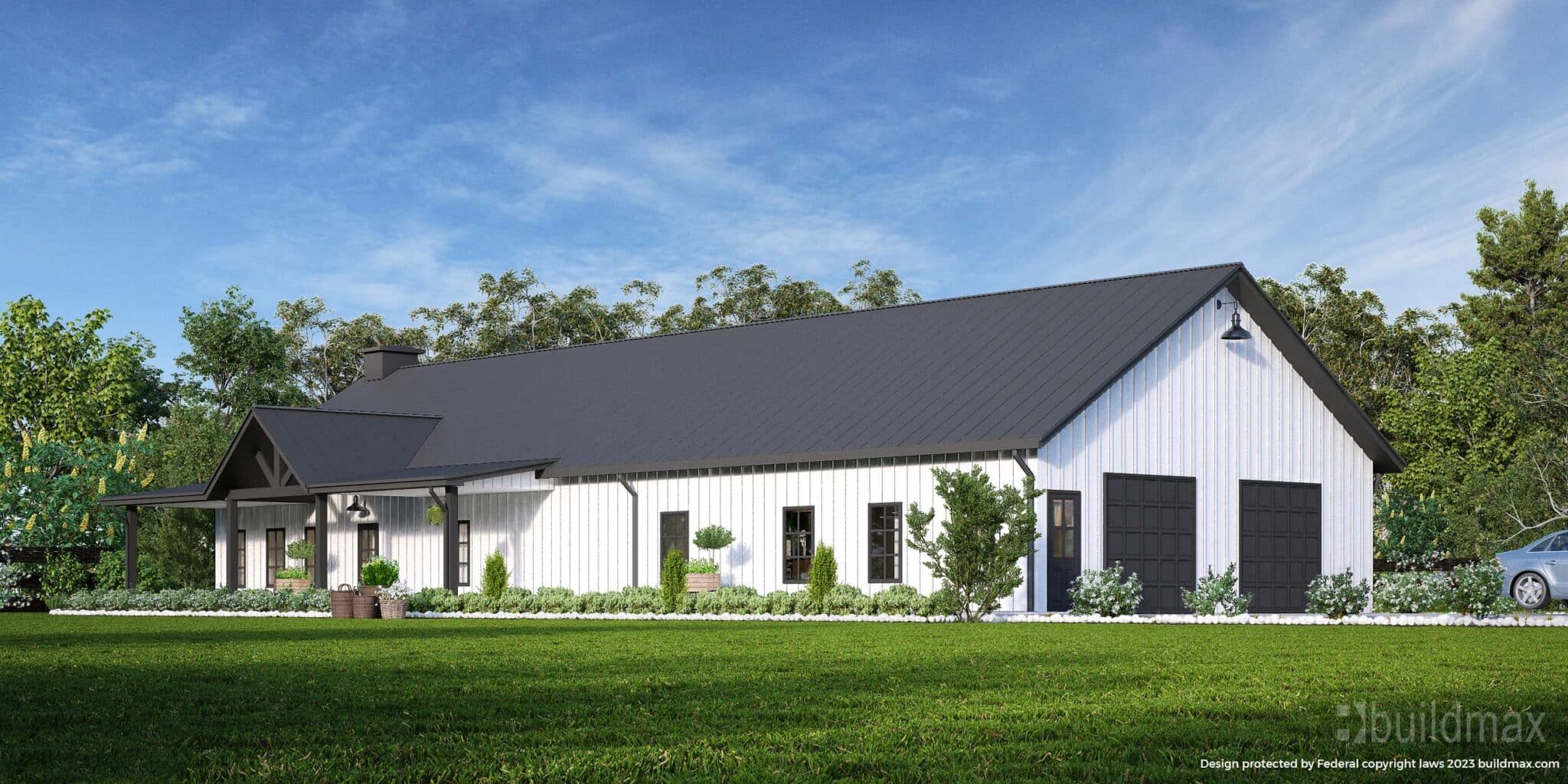
Black spacious barndominium with porch chairs outside

Online Architectural Design Platforms

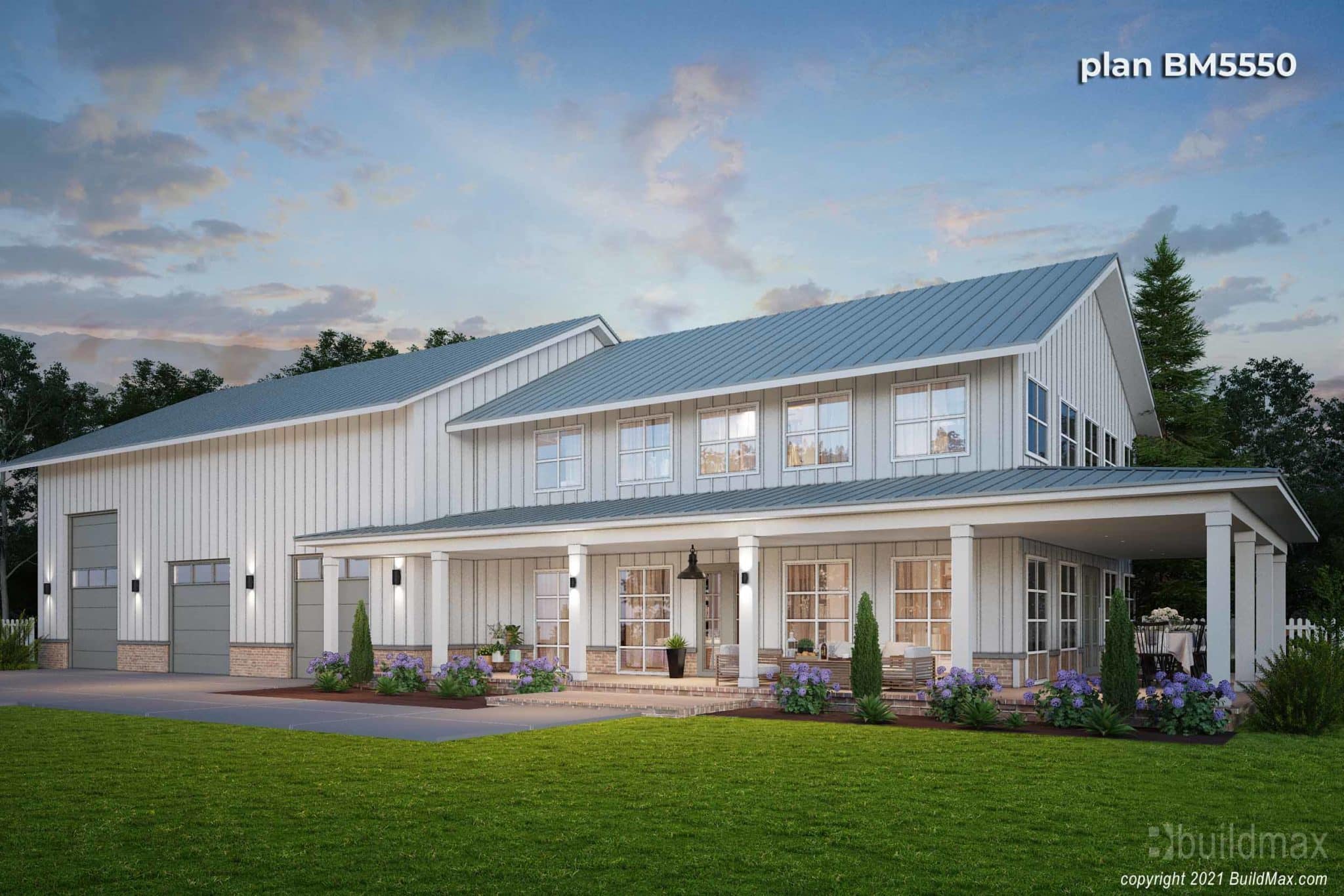
Buildmax.com is a great place to start when looking for a barndominium floor plan. Not only do they have dozens of pre-designed plans, they modify those plans and even draw up custom ones. This is one of the most convenient and popular options for finding house plans, floor plans, and barndominium plans. These online platforms often provide advanced search filters, allowing you to narrow down your options based on square footage, architectural style, number of rooms, and more. You can browse through various designs, view detailed floor plans, and even interact with 3D models and a life-like virtual walkthrough of the plan to get a comprehensive understanding of the layout.
Architectural Magazines and Books

Barnes & Noble is a fantastic resource if you’re just getting started and need to get some information under your feet. House plan magazines are plentiful on the shelves and can keep you busy for hours, compiling a collection of your top floor plan designs.  Architectural magazines and books remain valuable sources for discovering unique and innovative house plans. Publications like Architectural Digest, Dwell, and House Beautiful showcase stunning homes and often provide detailed floor plans alongside inspirational photographs.

These resources can help you gather ideas, explore different architectural styles, and understand the functionality and flow of different designs. Local bookstores, libraries, and online retailers offer a wide range of architectural publications to explore and it continues to be a top trusted source for individuals in the market for barndominium floor plans.

White barndominium with breezeway and 3 car garage

Custom Architectural Firms

You may be overwhelmed by the number of architectural firms in your area; they tend to be highly concentrated in populated areas for good reason. BuildMax is more along the lines of a floor plan company; however, they do design custom modifications to their existing floor plans. If you would like plans custom designed from scratch, you’ll be peering into another price bracket; custom designed plans won’t be the most economical option for someone on a budget. I prefer to find an existing floor plan that is as similar to what I want as possible and go from there with a few simple modifications, maybe move some walls around, or enlarge certain rooms of the house. This is a more economical option than starting a plan from scratch and you’ll probably be just as happy with the end result. 

If you have a specific vision in mind or require a custom design tailored to your unique needs, hiring an architectural firm is an excellent option. Professional architects can work closely with you to develop a personalized plan that reflects your lifestyle, aesthetic preferences, and budget. They will consider factors such as the building site, local regulations, and your specific requirements to create a design that meets your expectations. Collaborating with an architectural firm ensures that your barndominium floor plans are entirely original and crafted to your exact specifications.

These projects are many times out of the scope of most companies you will find selling floor plans online as they are typically only selling a stock digital download. You will want to find an actual architect for this type of detailed work. Something to keep in mind with this option, however, is that it can be very costly to go this route. 

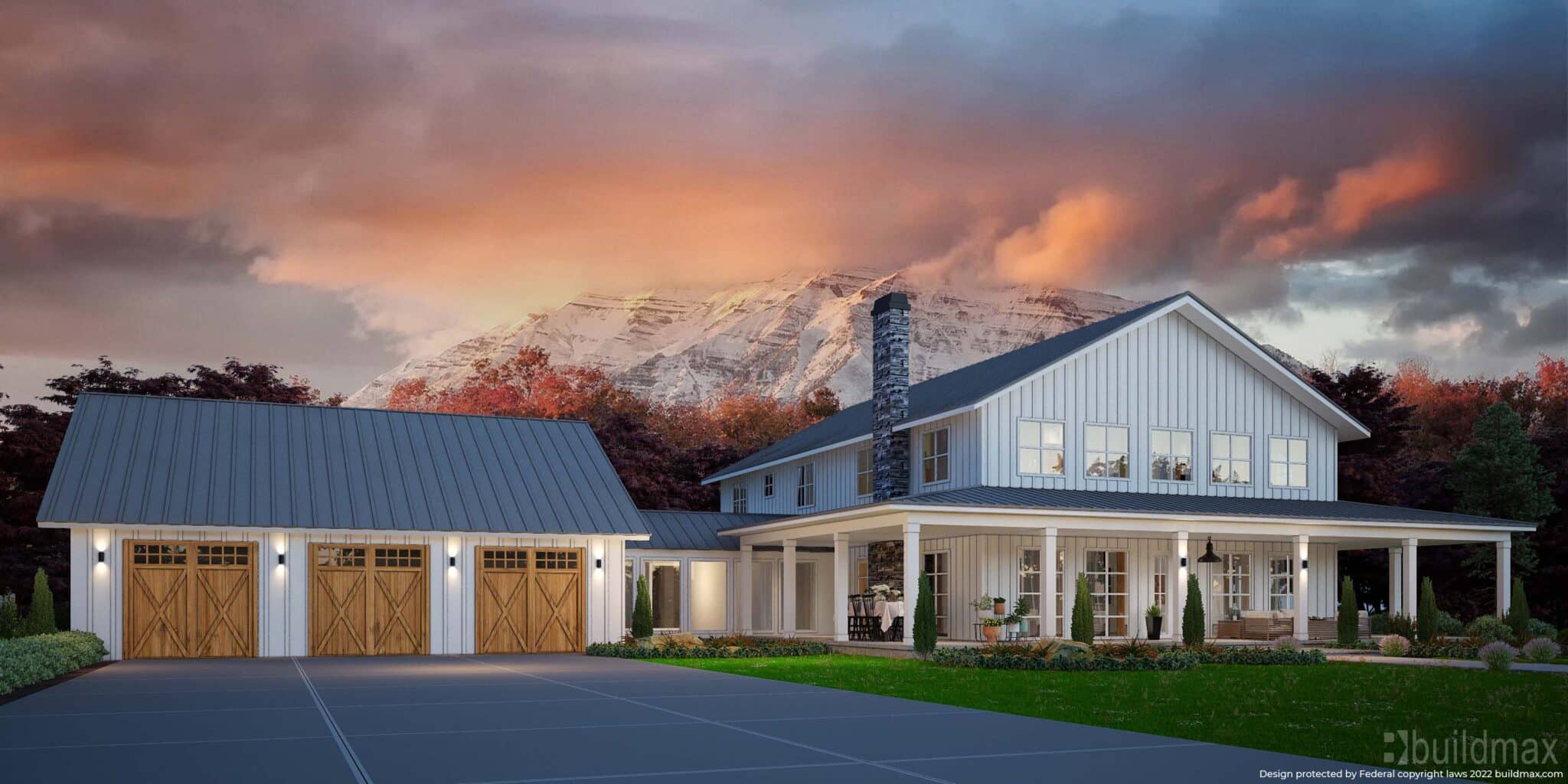
White barndominium with 3 car garage, wraparound porch, and mountains in the background

Online Communities and Forums

These groups centered around home design and construction can be an invaluable resource for someone new to the barndominium space. Not only finding new llans & design ideas but also having the ability to bounce those ideas off your peers for confirmation or criticism is an excellent resource to leverage. Websites like Reddit, Houzz Forums,and HomeTalk, as well as social media groups all have very active informed communities where homeowners, architects, and designers share their experiences, insights, and even floor plans. By participating in these communities, you can engage in discussions, seek recommendations, and potentially find individuals willing to share their plans or offer guidance based on their own projects.

Local Building Associations

In many areas, local building associations or home builder associations can provide resources for finding floor plans, builders, sub-contractors, and more. These associations often have libraries or databases of plans available to their members. Additionally, they may host events or workshops where you can interact with builders, architects, and other professionals in the industry who can guide you towards reputable sources for acquiring plans. Other members could potentially guide you to some professionals they have had previous experience with; word of mouth is usually the best way to find reliable work in most local areas.

black barndominium with porch on the side of the home, large windows on the front, and a tall gable on the front side of the house

Finding the perfect floor plans or barndominium design is an essential step towards creating your dream home. You can’t do much real work towards your dream home until you have those plans in your hand. Once you have your floor plans you can start to show them to builders around your area to begin getting some preliminary pricing moving forward. The availability of online platforms, architectural magazines, custom architectural firms, online communities, and local building associations all offer a wealth of resources to explore.

Take the time to do the actual research required for your build and discover the plan that aligns with your vision, budget, and lifestyle. With the right plan in hand, you’ll be well on your way to building a barndominium that embodies your unique style and meets all your practical needs, a true dream home.

How to Keep Your Barndominium Cool

White barndominium with a garage that has three parking spaces

Are you facing difficulty in maintaining a cool barndominium during hot weather, or wondering how to ensure year-round comfort? You’re not the only one!

Typically, barndominiums are known to heat up more rapidly than conventional homes, owing to their metal roofs and expansive square footage. Metal roofs are highly efficient at absorbing and radiating heat, while the spaciousness of a barndominium often results in enhanced air circulation and heat accumulation.

But there’s no need to fret – we’re here to provide you with a comprehensive guide on how to keep your barndominium cool and comfortable all through the summer. Our tips range from minimizing heat sources to enabling the free flow of cool air throughout your living space, ensuring you have all the information you need to combat the scorching summer heat in your barndominium.

white barndominium with gray roof, wraparound porch, and 3 car garage

Is It Challenging to Cool Barndominiums?

Barndominiums, living spaces converted from metal buildings, can present cooling challenges compared to conventional homes due to their distinct construction and design. Unlike traditional homes made from insulating materials, barndominiums often feature thin metal walls that lack the same insulation capabilities.

Moreover, barndominiums usually boast larger dimensions and higher ceilings than typical homes, necessitating the cooling of a larger volume of air to achieve a comfortable temperature. Consequently, this can lead to increased energy consumption, as the air conditioning system has to work harder to maintain the desired temperature.

Further complicating matters, many barndominiums are situated in rural areas where electrical access might be limited. This restriction can impact the size and power of the air conditioning systems available, making it even more challenging to cool the space during hot weather.

The behavior of hot air also plays a crucial role in the struggle to cool barndominiums. As hot air rises, it can accumulate near the high ceilings of a barndominium, resulting in uneven temperature distribution. The presence of heat-generating appliances, such as ovens and dryers, can exacerbate this problem by contributing to the overall increase in temperature within the space.

To address these cooling challenges in a barndominium, it is essential to invest in a suitable and efficient air conditioning system, appropriately sized for the living area. Using fans and insulation can also help circulate air and prevent the buildup of hot air near the ceiling. Lastly, it is vital to minimize the generation of heat within the space, which can be achieved by using energy-efficient appliances and shading windows during the peak heat of the day.

barndominium floor plan great room

7 Effective Strategies for Cooling a Barndominium

Cooling a barndominium can be quite a task due to its distinct construction and design features. But don’t worry, we’ve got you covered with seven proven strategies to effectively cool down your space.

  1. Select the Right Air Conditioning System

Ensuring even air distribution throughout a barndominium requires an AC system tailored to the square footage of the space. Avoid oversized AC systems as they can lead to inefficient cooling. Conversely, undersized systems may not be sufficient to cool the entire space.

  1. Prioritize Proper Insulation

Proper insulation is crucial in a barndominium to prevent cold air from escaping and hot air from entering through gaps in the walls and ceiling. Adequate insulation ensures that cold air is retained inside and heat is kept out, contributing to a cooler living space.

  1. Incorporate Intake Vents

Installing intake vents near ground level can bring in cool air, allowing it to circulate throughout the barndominium. This reduces the temperature in the living area and lessens the strain on the AC system.

  1. Utilize Reflective Coatings and Wall Paneling

Reflective coatings applied to the roof and walls of a barndominium help to deflect heat away from the structure. Moreover, the installation of light-colored wall paneling can contribute to heat reflection, keeping the interior cooler.

  1. Invest in Overhangs

By adding overhangs above windows and doors, direct sunlight is blocked from entering the living space. This reduces heat gain and helps maintain a cooler environment inside the barndominium.

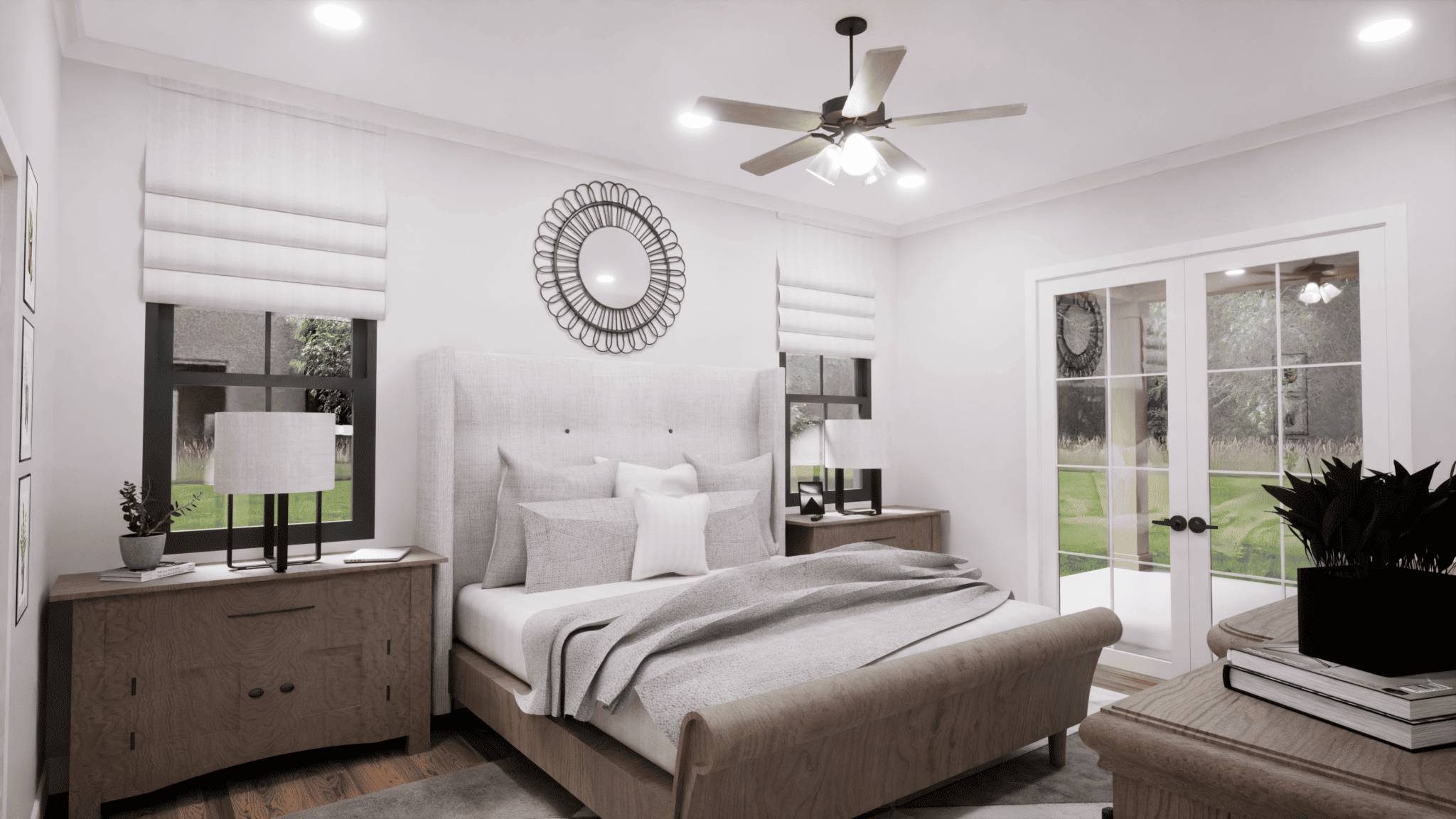
bedroom with French doors and light décor

  1. Opt for Fewer Walls

Barndominiums typically feature open living spaces with fewer walls. This design facilitates more free circulation of cool air throughout the entire space, making it easier to maintain a consistent temperature.

  1. Install Ceiling Fans

Ceiling fans can aid in circulating cool air and providing a gentle breeze, enhancing comfort levels. This not only reduces the burden on the AC system but also leads to lower energy bills.

To successfully cool a barndominium, consider implementing a combination of these strategies: proper insulation, the right AC system, air intake vents, reflective coatings and wall paneling, overhangs, open living spaces, and ceiling fans. By adopting these measures, you can effectively cool your barndominium and enjoy a comfortable living environment.

Will a Barndominium Last Longer than a Traditionally Built House?

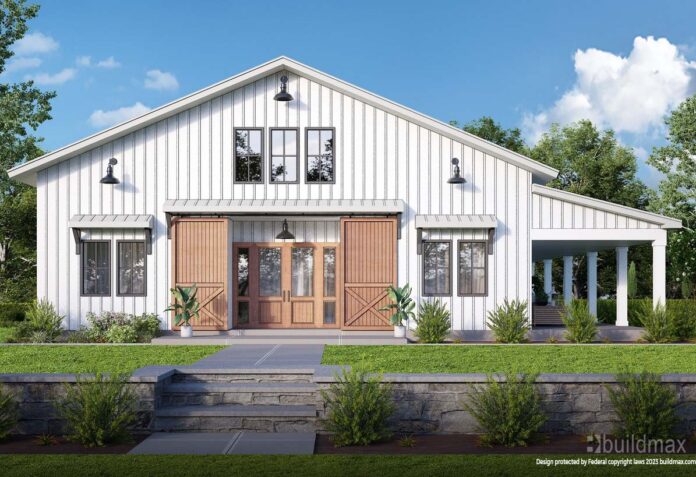
white barndominium with barn doors

When it comes to choosing a home, durability and longevity are key considerations. In recent years, barndominiums have gained popularity as an alternative to traditionally built houses. These unique structures combine the comfort and functionality of a custom-built home with the charm of country barn-style aesthetics. If you’re weighing your options for a long-lasting home, you may wonder: Will a barndominium last longer than a traditionally built house? In this blog post, we’ll explore the factors that contribute to the durability of barndominiums and compare them to some more traditional construction methods.

  1. Structural Strength and Stability:

One of the primary advantages of a barndominium is its robust and sturdy construction. Barndominiums typically feature steel frames, which provide exceptional strength and durability. Steel is resistant to common issues that can affect traditional homes, such as rot, pests, and termite damage. This structural integrity makes barndominiums less susceptible to deterioration over time, giving them an edge in terms of longevity. Other styles of barndominiums include post-frame construction, which uses thick posts that are secured into the ground and support the structure firmly. You can also build a barndominium with standard stick construction just like any other home in America would be built. So you actually have some fantastic options when it comes down to building a strong structure that will last many years into the future.

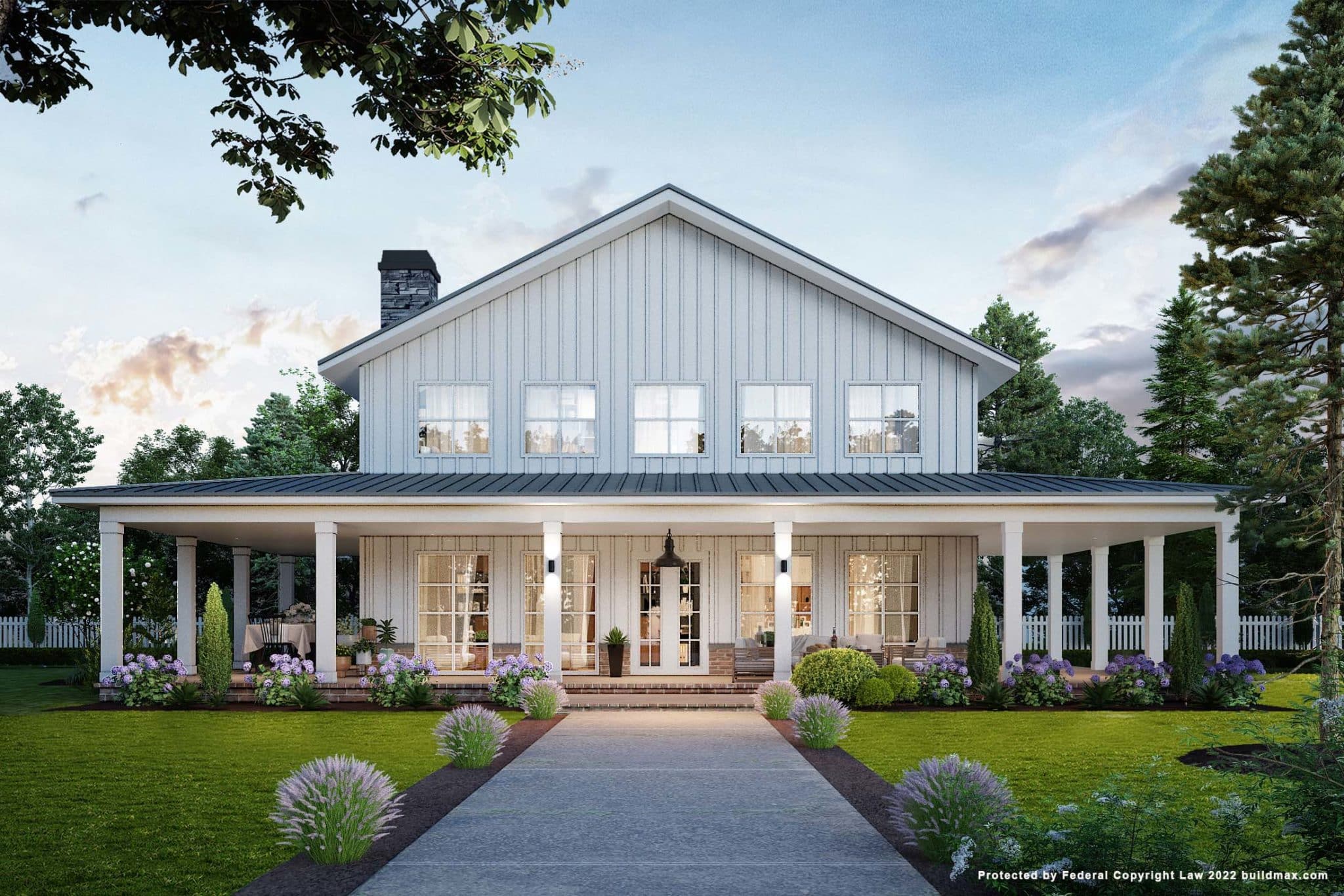
white barndominium with a wrap-around porch

  1. Protection against Natural Disasters:

Barndominiums often excel in withstanding extreme weather conditions. The steel frame provides the overall best resistance against high winds, making them more resilient during hurricanes, tornadoes, and severe storms. Additionally, steel is non-combustible, offering increased fire resistance compared to traditional wood-framed houses. This ability to withstand natural disasters can contribute to the extended lifespan of a barndominium. If a hurricane or a firestorm can’t take out this steel-frame barndominium, old age doesn’t have much of a chance. It seems that old Father Time has quite the fight on his hands. A post-frame would be a step down from steel but still very strong. In some parts of the country like South Dakota where winds can gust dangerously fast, a post-frame barndominium is going to be rated between 90 -105 MPH. That is considered high-speed wind gusts and these barndominiums withstand that kind of torture from mother nature all year long with no problems, so thunderstorms and general heavy wind shouldn’t be a problem for a post-frame barndominium. 

  1. Minimal Maintenance Requirements:

Another factor that affects a home’s longevity is the level of maintenance it requires. Barndominiums are known for their low-maintenance nature. The steel components are less prone to warping, cracking, or deteriorating compared to wood, reducing the need for frequent repairs or replacements. While routine maintenance is still necessary, such as inspecting the roof, checking for rust, adequate insulation, and addressing any potential issues, barndominiums generally require less ongoing maintenance than a traditional stick home. Wood can rot if it gets wet for extended periods and then dries out, which can diminish the structural integrity of the home. This is a problem you won’t have with a steel-frame barndominium.

small barndominium being built

4. Flexibility and Adaptability:

Barndominiums offer a vast range of versatility in terms of design and future modifications. The open floor plans and wide interior spaces allow for easy customization and reconfiguration as your needs change over time. If for some reason you find yourself with additional children in the house and you want to add additional rooms, expand living areas, or repurpose spaces, barndominiums provide the flexibility to adapt to your evolving lifestyle. Having a house that can fill multiple needs is important. This adaptability ensures that your home can meet your requirements now and for years to come. This flexibility shines when compared to a tighter fixed layout in a traditional house that would be much more complex to just simply add onto or adapt with your lifestyle as it changes.

  1. Quality of Construction Materials:

While the materials used in traditional houses can vary widely, it’s worth noting that barndominiums often employ high-quality construction materials. From the steel frame to the exterior finishes and insulation, barndominiums can be built with durable and long-lasting components. However, it is essential to work with reputable builders and suppliers to ensure that the materials used in your barndominium are of high quality and meet industry standards. In the materials industry, you can typically expect to get what you pay for. When it comes to lumber there are different grades of lumber. You don’t want to frame your house with lumber that is bowed out, twisted, warped or all knotted up with bumps and burls. The cheapest material isn’t always the best idea, especially when it comes to building your home. There are some things during the build you may be able to get by with cheaping-out on but your lumber package shouldn’t be one of those things. You want the best quality wood for the least amount of money, not the cheapest wood or even the best deal necessarily. You can begin to see why steel is so attractive after dealing with lumber for a while.

white shophouse with grey roof and 2 car garage

While it’s impossible to guarantee that any home will last indefinitely, it’s safe to say a steel home has a really good chance of outliving us and our children. Barndominiums have several features that contribute to their potential longevity. The robust steel construction, resistance to natural disasters, minimal maintenance requirements, and flexibility in design all work in favor of barndominiums lasting longer than a traditionally built home. However, it’s important to consider factors such as proper construction techniques, material quality, and regular maintenance to maximize the lifespan of any home, regardless of its construction type. Ultimately, making an informed decision based on your specific needs and preferences will ensure you choose a home that will provide lasting comfort and satisfaction for years to come.

Diverse Metal Roof Options for Your Barndominium in 2023

barndominium being built

Barndominiums, with their unique styling, have gained immense popularity in recent years. These versatile structures combine the rustic charm of a barn with the comforts of a modern home. When it comes to roofing materials for your barndominium, metal stands out as a durable and aesthetically pleasing choice. In this article, we will explore various metal roof options for your barndominium, considering their unique features, benefits, and considerations.

  1. Corrugated Metal Roofing:

Corrugated metal roofing is a classic choice for barndominiums. It is known for its strength, affordability, and ease of installation. Made from galvanized steel or aluminum, corrugated panels have ridges and grooves that provide added strength and rigidity. They are available in a wide range of colors and finishes, allowing you to customize the appearance of your roof to match your desired aesthetic.

barndominium being built2. Standing Seam Metal Roofing:

Standing seam metal roofing offers a sleek and modern look for your barndominium. This type of roofing consists of vertically oriented panels with raised seams that interlock tightly. Standing seam roofs are highly durable, resistant to leaks, and provide excellent protection against the elements. They are often made from steel, aluminum, or copper and come in a variety of colors and finishes.

  1. Metal Shingle Roofing:

If you prefer the appearance of traditional roofing materials like shingles, metal shingle roofing is an excellent choice for your barndominium. These roofs mimic the look of asphalt, wood, or slate shingles but offer the added benefits of metal, such as durability, fire resistance, and low maintenance. Metal shingles are typically made from steel or aluminum and are available in a range of colors and styles to suit your design preferences.

small barndominium being built

  1. Metal Tiles:

For those seeking a more ornate and sophisticated appearance, metal tiles provide an elegant solution. Metal tiles are often made from steel, aluminum, or copper and are designed to resemble traditional clay or concrete tiles. They offer the same benefits as other metal roofing options, including longevity, durability, and resistance to fire, wind, and pests. Metal tiles come in various shapes, sizes, and finishes, allowing you to create a unique and eye-catching roof for your barndominium.

  1. Copper Roofing:

Copper roofing is a premium choice for barndominiums, exuding timeless beauty and unmatched durability. Over time, copper develops a natural patina that adds character and enhances its visual appeal. It is highly resistant to corrosion, requires minimal maintenance, and has exceptional longevity. While copper roofing may be more expensive upfront, it offers a lifetime investment and can significantly increase the value of your barndominium.

barndominium being built

Considerations:

When selecting a metal roof for your barndominium, there are a few important factors to consider:

  1. Climate: Consider the climate of your region. Certain metal roofing options, like copper and aluminum, are highly resistant to corrosion and are ideal for coastal or humid areas. In regions prone to extreme weather conditions, such as hail or high winds, it is crucial to choose a metal roof that can withstand such challenges.
  2. Insulation: Proper insulation is essential for energy efficiency and comfort within your barndominium. Ensure that the metal roofing option you choose can accommodate insulation materials to regulate temperature and minimize energy consumption.
  3. Budget: Determine your budget and explore the various metal roofing options within that range. While some options may be more expensive upfront, they often provide long-term savings due to their durability and low maintenance requirements.

white barndominium house with wraparound porch and 3-car garage

When it comes to roofing options for your barndominium, metal roofs offer durability, longevity, and an array of aesthetic choices. Whether you opt for corrugated panels, standing seam roofing, metal shingles, metal tiles, or the timeless elegance of copper, each option provides unique benefits that can enhance the overall appeal and functionality of your barndominium. Consider your climate, insulation needs, and budget to make an informed decision that will protect your investment and bring lasting beauty to your barndominium for years to come.

Why Barndominium Kits Are Changing the Game in Home Construction

barndominium being built

Barndominium kits signify more than just a residential trend; they represent a shift in lifestyle that prioritizes simplicity, efficiency, and modern aesthetics. These transformative living spaces combine the rustic charm of a barn with the comforts of a contemporary home. 

The Traditional Home Building Process 

Constructing a traditional home, while rewarding, often involves navigating a maze of complexities. From working with architects to selecting the myriad materials, costs, and timeframes can easily escalate. Additionally, each stage, from land acquisition to interior finishing, can introduce unforeseen complications, be it negotiating with contractors, sourcing materials, or adhering to evolving building regulations. 

The Barndominium Kit Process 

At its core, a barndominium kit streamlines the otherwise multifaceted process of homebuilding. As with flat-pack furniture, each piece is intentionally designed to fit in its precise place. However, this isn’t about assembling a bookshelf; it’s about constructing a home. This means the stakes are higher, the rewards are more substantial, and the design behind these kits is even more ingenious. 

small barndominium being built

Precise Engineering and Streamlined Design 

  • Every element within the barndominium kit has been meticulously engineered to ensure ease of assembly and robustness once constructed. The design focuses not only on aesthetic appeal but also on structural integrity. Precision in the design phase means that builders can build a barndominium with confidence, knowing each piece will align as intended.

Cost Predictability 

  • One of the most daunting aspects of traditional home construction is the uncertainty surrounding costs. With the barndominium kit approach, homeowners get a clear picture of the expenditure up front. While there might be additional costs based on land, foundation, or custom additions, the core cost remains largely predictable, providing significant peace of mind. 

Reduced Construction Time 

  • With every element pre-designed and pre-fabricated, construction timelines are drastically reduced. This speed doesn’t compromise quality; it merely eliminates the delays typically associated with sourcing, measuring, and modifying materials on-site. In many cases, what would traditionally take months can be completed in weeks. 

Sustainable Practices 

  • Many barndominium kit providers are deeply attuned to eco-friendly practices. The very nature of these kits — efficient, waste-reducing designs — speaks to a commitment to sustainability. Many kits utilize recycled or sustainably sourced materials, ensuring your home is not only beautiful but also kind to the planet. 

Versatility and Flexibility 

  • While there’s a structured design in place, these kits are not rigid. Many providers offer customization options, allowing homeowners to adjust floor plans, choose finishes, or add features that reflect their personal tastes. This means you’re getting the best of both worlds: the efficiency of a kit and the personal touch of custom construction. 

small barndominium being built

Cost Breakdown: Traditional Home vs. Barndominium 

Upon a deeper cost analysis, the savings attributed to barndominium kits become even more apparent: 

  • Consultation Fees: Traditional homes often involve multiple professionals, from architects to interior designers. Each consultation can add to the costs. With barndominiums, much of this is streamlined into the kit’s price.
  • Waste Reduction: By pre-measuring and pre-cutting components, there’s a significant reduction in waste material. This not only saves costs but is also an eco-friendlier construction approach. 

Hidden Savings with Barndominium Kits 

Beyond the evident immediate savings: 

  • Durability: Barndominiums, especially those made from metal kits, are notably resilient against elements like wind or pests, leading to reduced long-term maintenance and repair costs. 
  • Insurance Benefits: Due to their sturdy nature, some insurance companies may offer reduced premiums for barndominium owners. 

Customization Without the Price Tag 

While the term ‘kit’ might suggest a one-size-fits-all approach, the reality is strikingly different: 

  • Exterior Facades: Barndominiums are highly adaptable when it comes to exterior finishes. Whether you fancy brick, wood, or a contemporary metal finish, there’s scope for extensive customization. 
  • Interiors that Reflect You: From the placement of lofts to the choice of fixtures, homeowners have a canvas that they can mold to their preferences. 

Real Kit Examples 

One of our Barndominium Kits, the BM2676, is one example of what we love – This inviting barndominium stands as the epitome of modern home dreams. It features a luxurious master suite, complete with a generously-sized walk-in closet. Its integral garage boasts additional space towards the rear, perfect for crafting a workshop or even transforming into a recreational room, accompanied by a convenient half bath. The strategically designed kitchen houses an expansive pantry, directly accessible from the garage, ensuring effortless unloading of groceries. With a total of five bedrooms, this residence provides ample room to accommodate family, friends, and even dedicated workspaces. Furthermore, this barndominium offers versatility in construction, allowing for a metal building kit, post frame kit, or traditional wood frame kit. This adaptability ensures a competitive edge in pricing across diverse markets.

white barndominium with grey roof and attached garage

Why Choose a Barndominium Kit 

The dream of owning a home has been etched into the psyche of many for generations. Traditionally, this dream involved architects, contractors, a bevy of tradespeople, and often unforeseen challenges that could turn any idyllic vision into a stressful ordeal. Enter the Barndominium Kit: a game-changer in the realm of home construction. Opting for such a kit is more than just choosing an alternative form of housing; it’s embarking on a journey where the destination is as transformative as the path taken. Here’s an in-depth exploration of why choosing a Barndominium Kit elevates the very notion of homebuilding. 

  1. A Seamless Blend of Functionality and Aesthetics 

At the heart of the barndominium kit’s appeal is its ability to merge practicality with aesthetic allure. These aren’t mere industrial structures retrofitted to be livable; they’re designed with the home owners comfort, desires, and needs from the outset. 

  1. A Palette of Personalization 

The barndominium kit might come as a pre-designed package, but within its confines lies a spectrum of customization. Whether it’s the floor plan, the finishes, or the facade, homeowners can inject their personality and preferences, making each barndominium as unique as a fingerprint. 

  1. Environmental Considerations 

Modern barndominium kits are often at the forefront of sustainable building practices. From using eco-friendly materials to designing energy-efficient layouts, these homes are a nod to the environmentally conscious homeowner. 

  1. Budget-friendly without Compromising Quality 

Traditionally, cost savings in construction were often equated with cutting corners. However, with barndominium kits, the savings arise from efficiency and streamlining processes, not compromising on quality. The predictable cost structure eliminates the surprise factors often associated with traditional home building. 

  1. A Collaborative Effort 

While there’s an undeniable joy in constructing your abode, it doesn’t mean you’re navigating these waters alone. The barndominium community is burgeoning, with forums, online groups, and helplines offered by manufacturers. This collective wisdom can be tapped into for any queries, advice, or shared experiences. 

white barndominium house with wraparound porch and 3-car garage

  1. Reduced Construction Time 

Time is a luxury in our fast-paced world. Waiting for months on end to see your home materialize can be agonizing. Barndominium kits, with their pre-fabricated components, can drastically slash construction timelines, letting you move into your dream space sooner. 

  1. A Resilient Structure 

Beyond the aesthetics and the convenience, there’s a core attribute that makes barndominium kits stand out: resilience. Be it against the ravages of time, weather, or pests, these homes are built to last, providing peace of mind alongside a beautiful abode. 

  1. The Learning Curve 

For those with a penchant for DIY, a barndominium kit is an expansive canvas. The construction process, while streamlined, offers ample learning opportunities. From understanding the nuances of architectural design to getting hands-on with various construction aspects, it’s a continuous, enriching learning experience. 

  1. A Space That Evolves With You 

One of the standout features of barndominiums is their inherent adaptability. As life stages change, so can the function of various spaces within the home, without necessitating major overhauls. A playroom today can seamlessly transition into a home office tomorrow. 

  1. Connection with the Land 

Barndominiums, by design, tend to foster a deeper connection with the land they’re built upon. Their often open floor plans and expansive windows not only draw in natural light but also the beauty of the surrounding environment, creating an intimate bond between the dwelling and the landscape.

white shophouse with grey roof

  1. A Testament to Innovation 

Choosing a barndominium kit is, in many ways, a nod to innovation. It signifies an acknowledgment that traditional methods, while valuable, can coexist with newer, efficient, and transformative ways of thinking and building. 

  1. The Sense of Achievement 

Lastly, the very act of seeing a flat-packed kit rise into a fully-formed, livable space is an achievement. Every beam erected, every wall panel fitted, and every finishing touch added imbues a sense of accomplishment that’s hard to parallel. 

Discover Your Dream Home with BuildMax 

A new chapter in homebuilding awaits. With BuildMax, you’re not just choosing a residence; you’re opting for a lifestyle change. Dive into this transformative journey and connect with our experts to bring your dream to life.