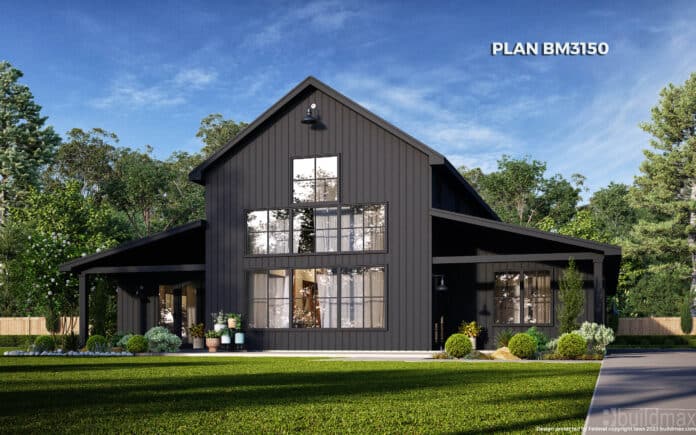
Steel Frame Barndominiums vs. Wood: Understanding Longevity and Real-World Performance
Steel frame barndominiums are often promoted as longer-lasting than traditional wood-framed homes. A common claim you may see is that steel structures last “twice as long”—but the reality is more nuanced.
So, do steel frame barndominiums actually last longer than wood homes?
They can offer long-term durability advantages, but lifespan depends on far more than just the framing material.
What Impacts the Lifespan of Any Home?
Regardless of whether a home is built with steel or wood, long-term performance depends on:
-
engineering and design
-
construction quality
-
moisture management
-
environmental exposure
-
and ongoing maintenance
A well-built wood home can last for decades, just as a properly constructed steel-framed home can. The difference comes down to how the structure is built and maintained—not just the material.
Where Steel Framing Has Advantages
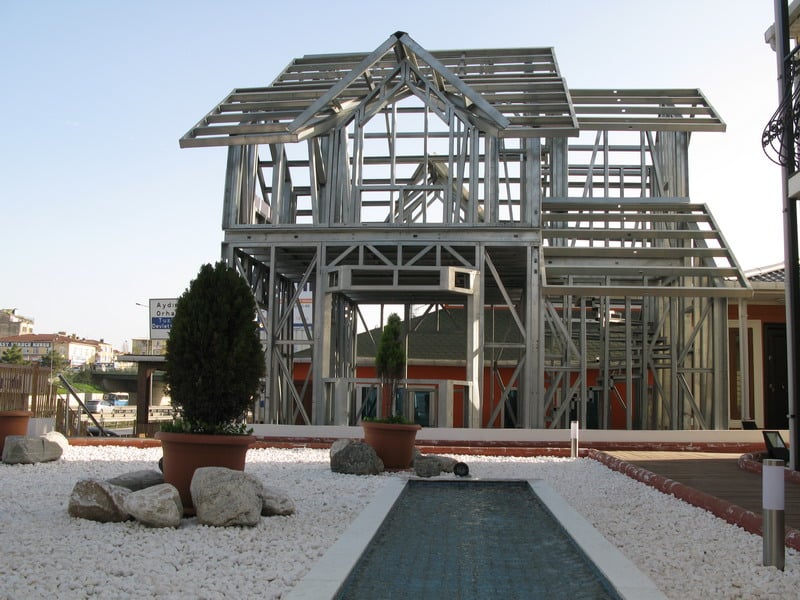
Steel framing offers several characteristics that may contribute to long-term performance when properly used:
Dimensional Stability
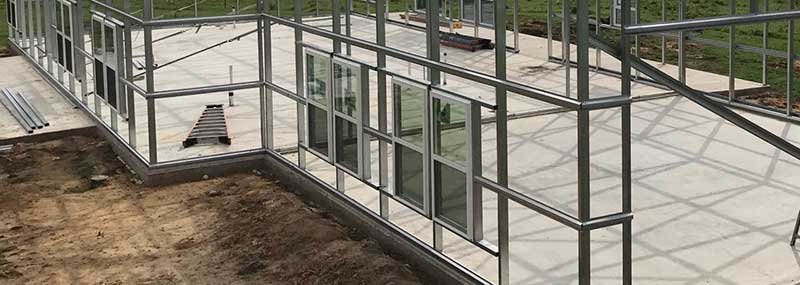
Steel does not shrink, warp, or twist in the same way some wood materials can. This can help maintain alignment over time when installed correctly.
Resistance to Pests
Steel does not serve as a food source for termites or other wood-damaging insects.
Strength and Structural Consistency
Engineered steel components are manufactured to precise specifications, which can support consistent structural performance.
Where Longevity Still Depends on the System
Even with those advantages, steel framing alone does not determine how long a home lasts.
Key factors that influence lifespan include:
Moisture Management
Steel must be protected from prolonged moisture exposure—especially during construction. If materials are left exposed to rain, humidity, or standing water, surface oxidation can occur.
Proper practices include:
Insulation and Condensation Control
Steel conducts temperature more readily than wood, which means improper insulation design can lead to:
Proper insulation systems and ventilation are essential.
Exterior Systems and Maintenance
Roofing, siding, sealants, and drainage systems all play a major role in longevity.
Even the strongest framing system can be affected by:
-
poor flashing
-
water intrusion
-
lack of maintenance
The “Double the Lifespan” Claim
You may see claims that steel homes last “twice as long” as wood homes.
In reality:
-
there is no universal lifespan guarantee for either system
-
performance varies based on design, environment, and construction quality
-
both steel and wood homes can last for many decades when properly built and maintained
Rather than focusing on a specific number, it’s more accurate to say:
Steel framing can contribute to long-term durability when combined with proper engineering, installation, and maintenance.
Builder and Installation Matter Most
One of the biggest factors in how long a home lasts is the quality of the build itself.
It’s important to understand that BuildMax is not a builder or general contractor.
BuildMax provides:
-
floor plans
-
design services
-
and material packages
BuildMax does not:
For best results, homeowners should:
-
hire a vetted general contractor
-
work with crews experienced in steel framing systems
-
and carefully evaluate all subcontractors
In some cases, you may also consider requesting a quote from a third-party manufacturer’s steel installation crew, if available, as they are often familiar with the system being used.
All contractors are independent third parties, and the homeowner is responsible for selecting and managing the construction process.
Maintenance Still Matters
No home is maintenance-free.
To support long-term performance, homeowners should:
-
inspect roofing and exterior systems regularly
-
maintain proper drainage
-
address small issues early
-
service HVAC and ventilation systems
Environmental factors like:
-
humidity
-
coastal exposure
-
snow
-
and temperature swings
can all affect how a home performs over time.
Final Thoughts
Steel frame barndominiums can offer strong long-term performance when:
However, claims about exact lifespan—such as “double that of wood”—should be viewed with caution.
The reality is that longevity depends on the entire building system, not just the framing material.
With the right planning, construction team, and maintenance approach, both steel and wood homes can provide durable, long-lasting living spaces.