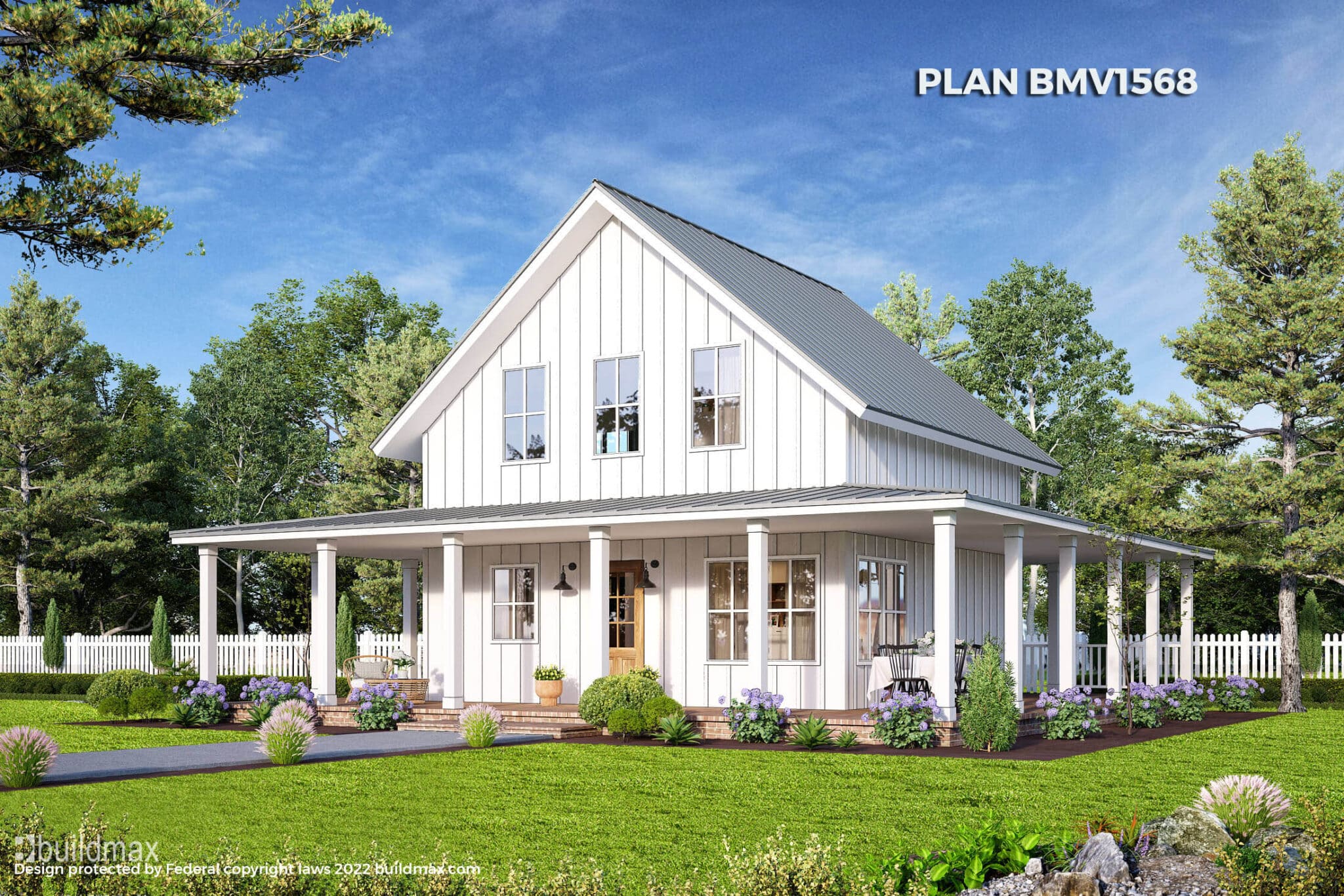
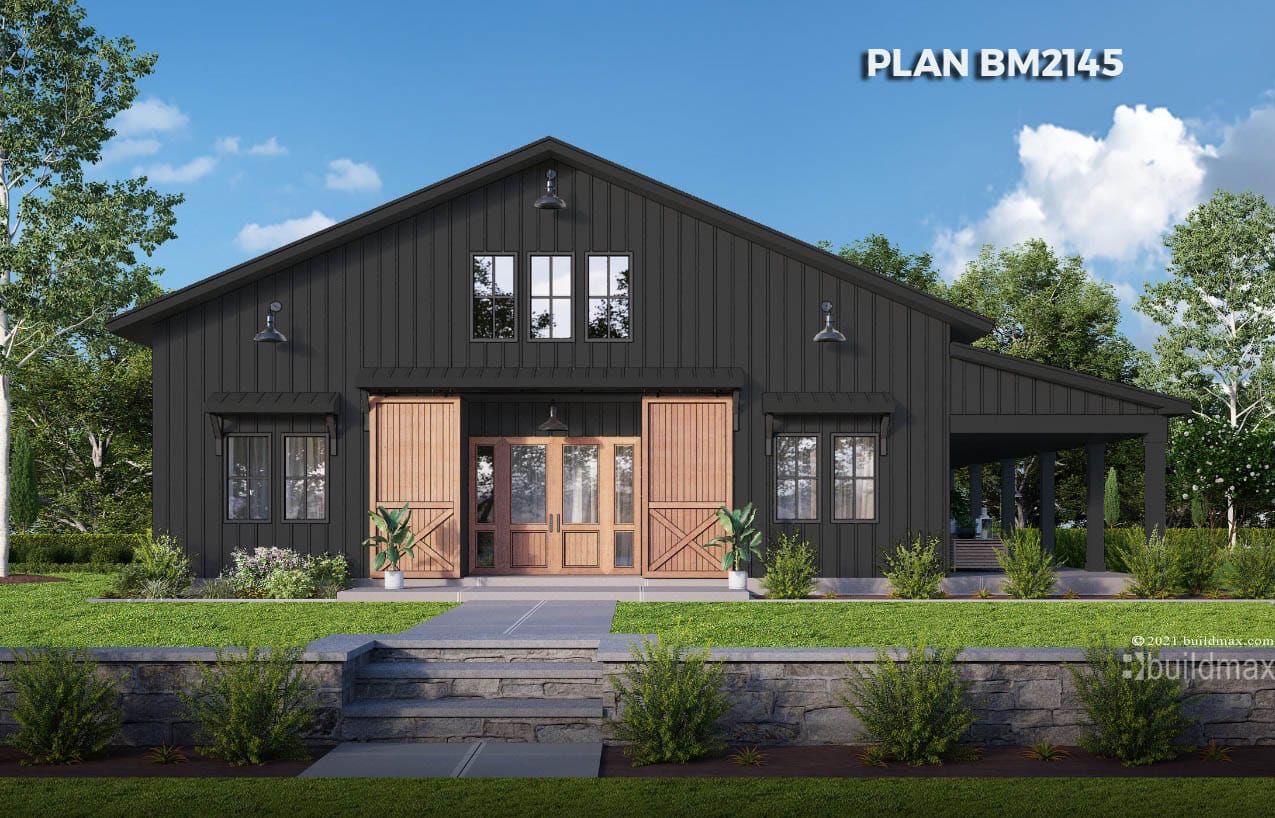
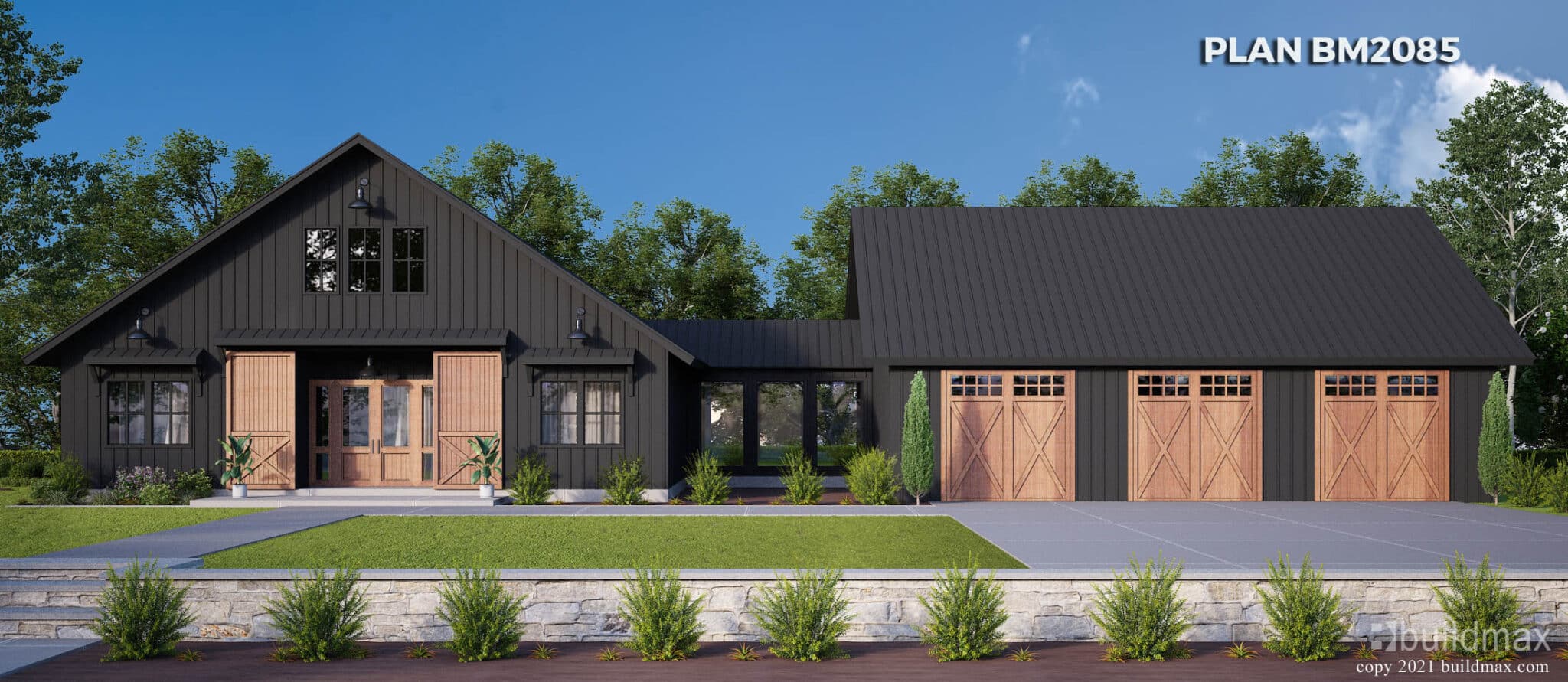
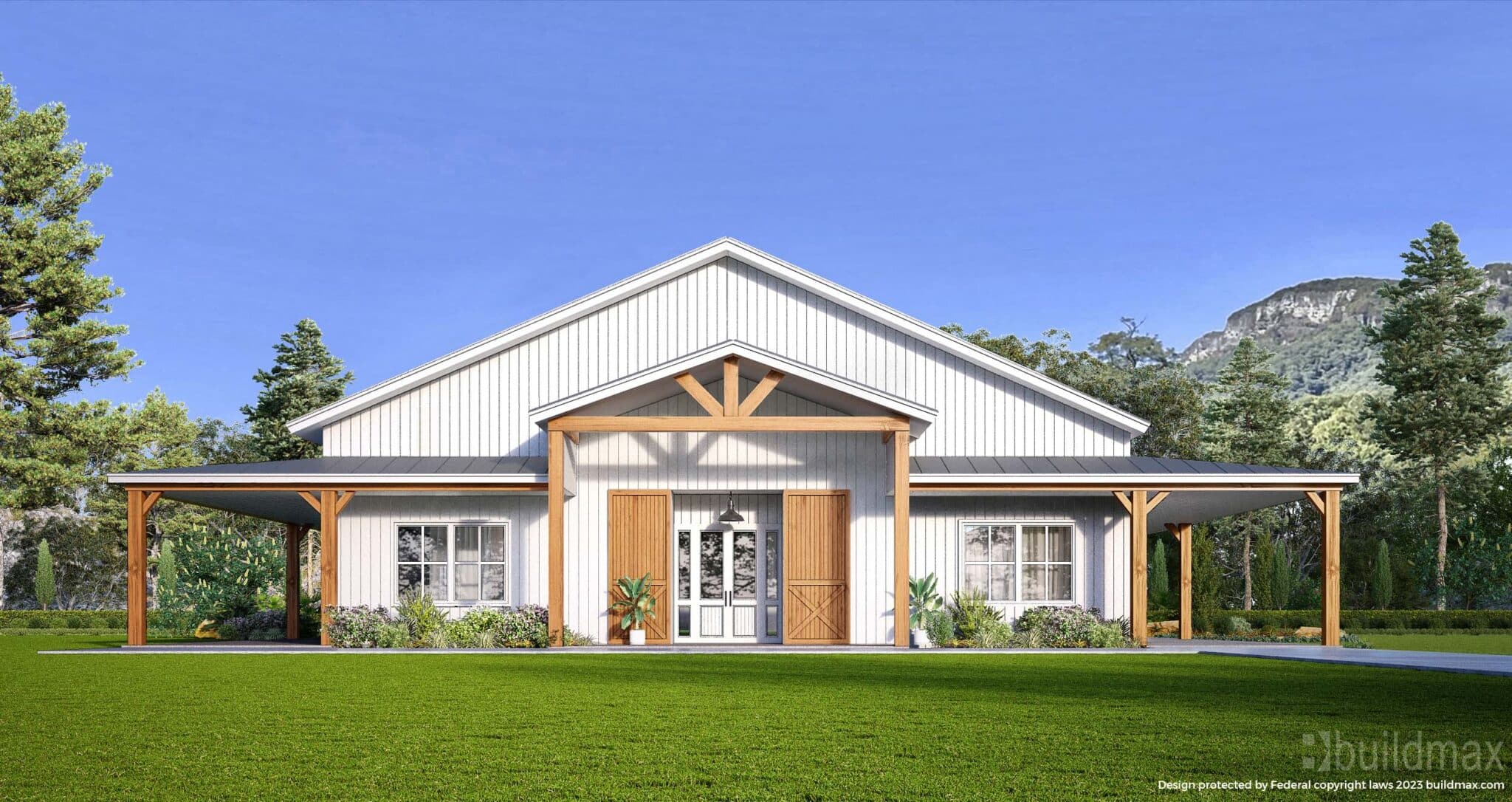
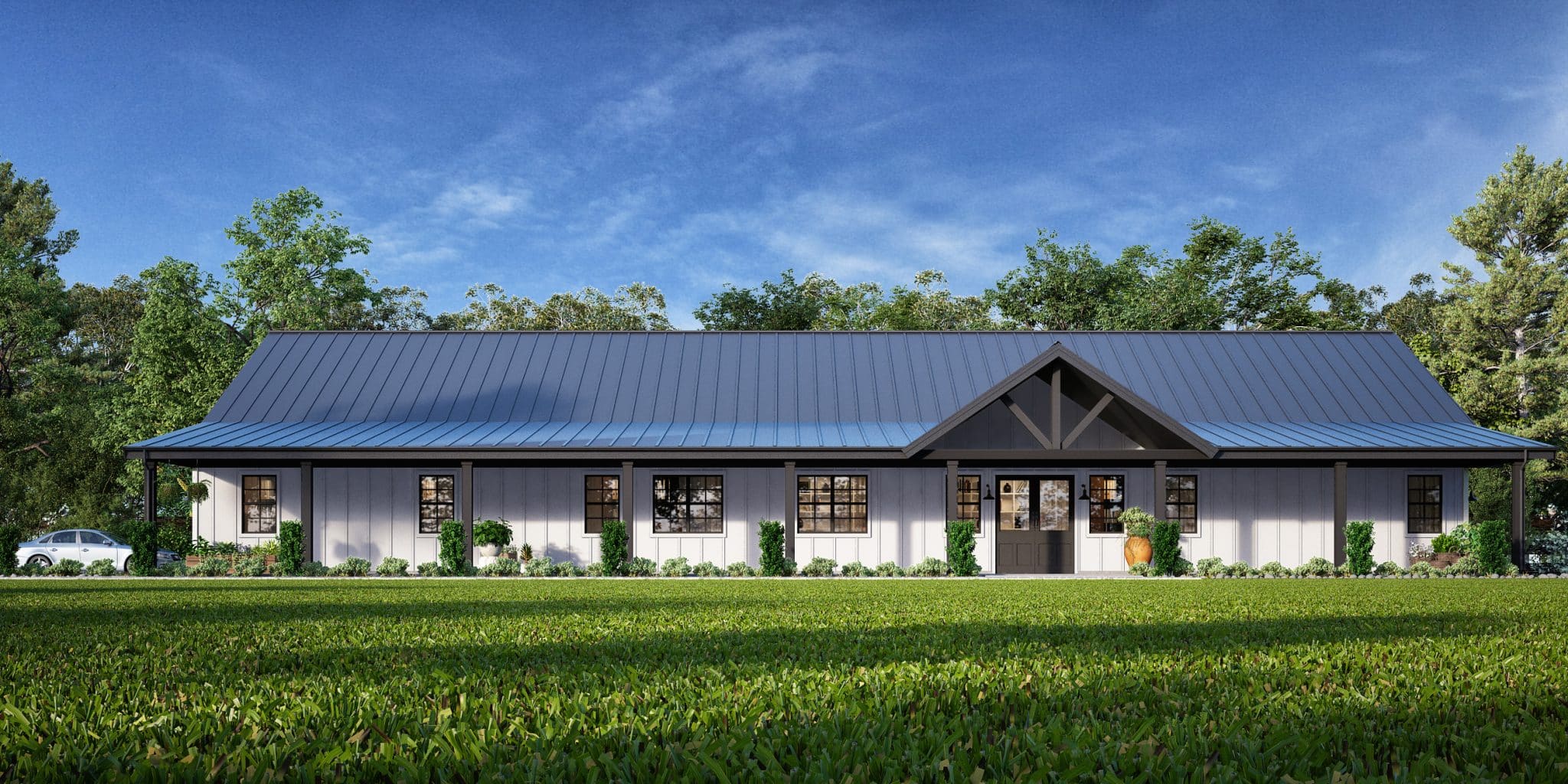
Are Barndominiums Difficult to Insure?
Are barndominiums difficult to insure? In most cases, no. A properly designed and built barndominium can usually be insured like a custom residential home, especially when it has professional plans, a permanent foundation, residential utilities, permits, inspections, and clear documentation showing that it is a full-time dwelling.
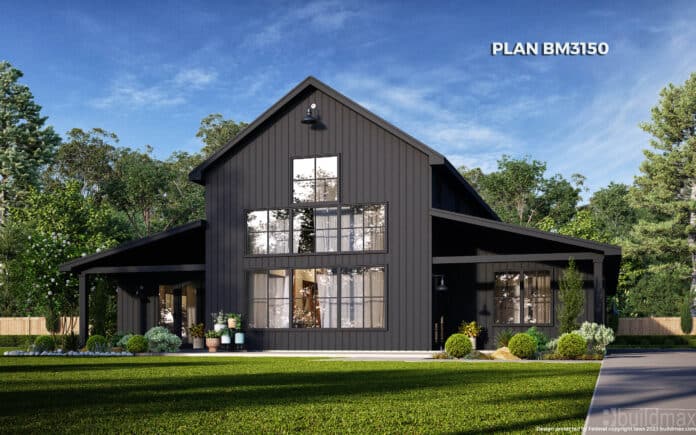
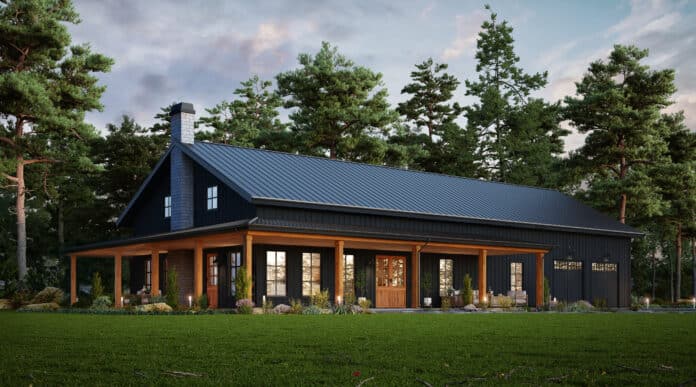
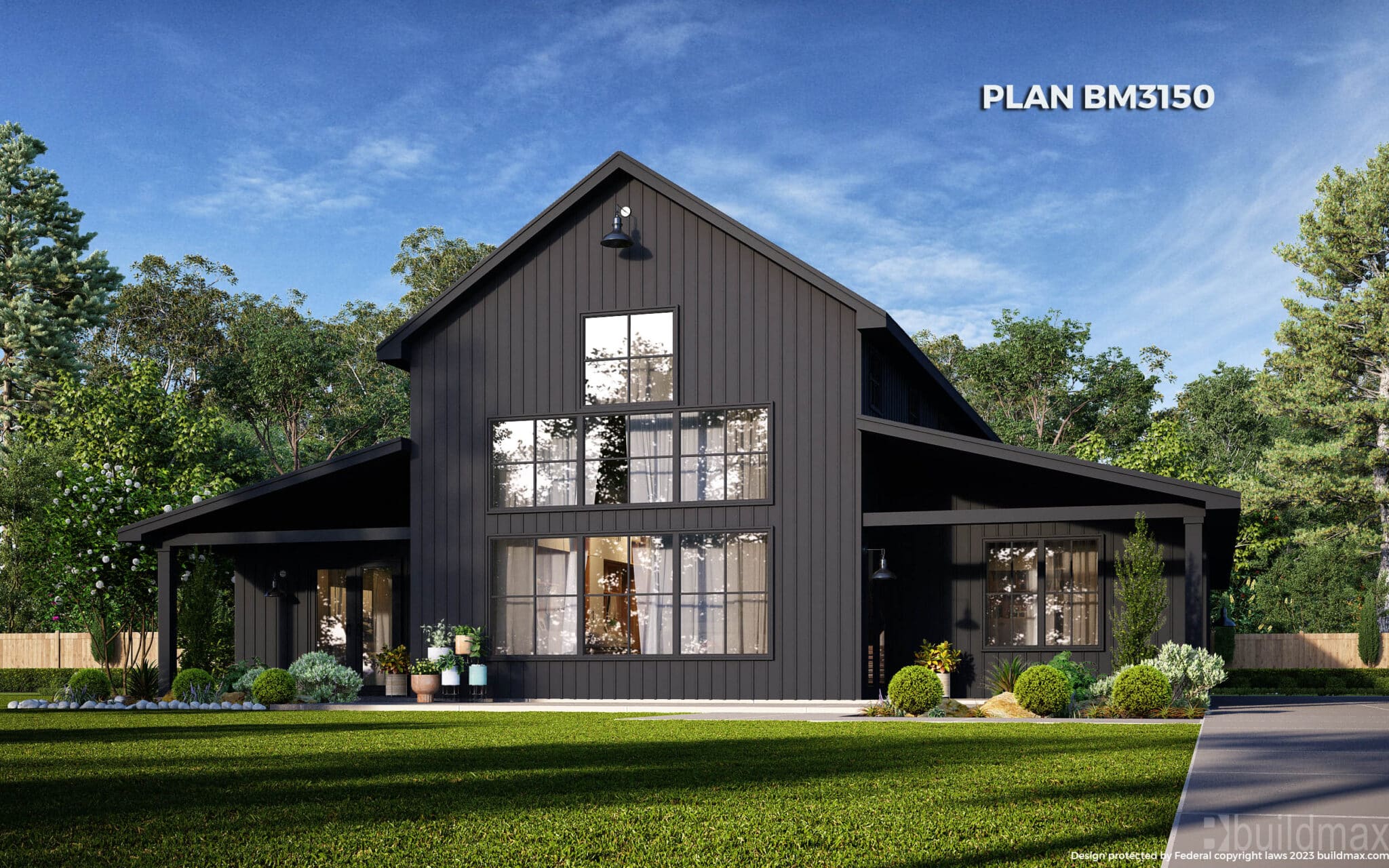
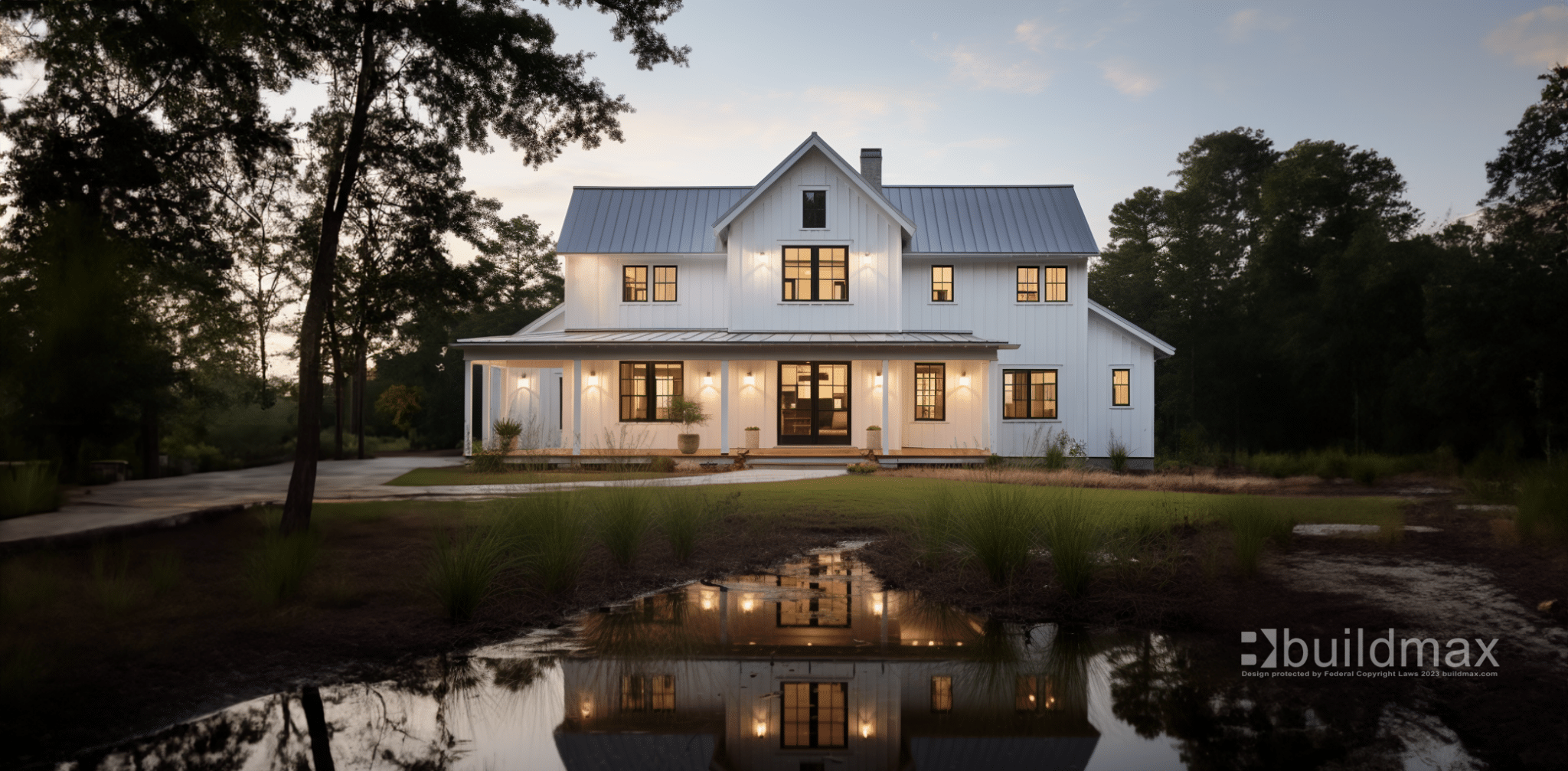
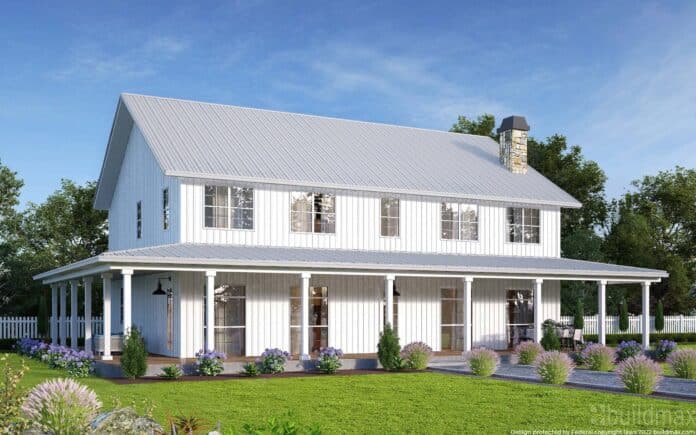
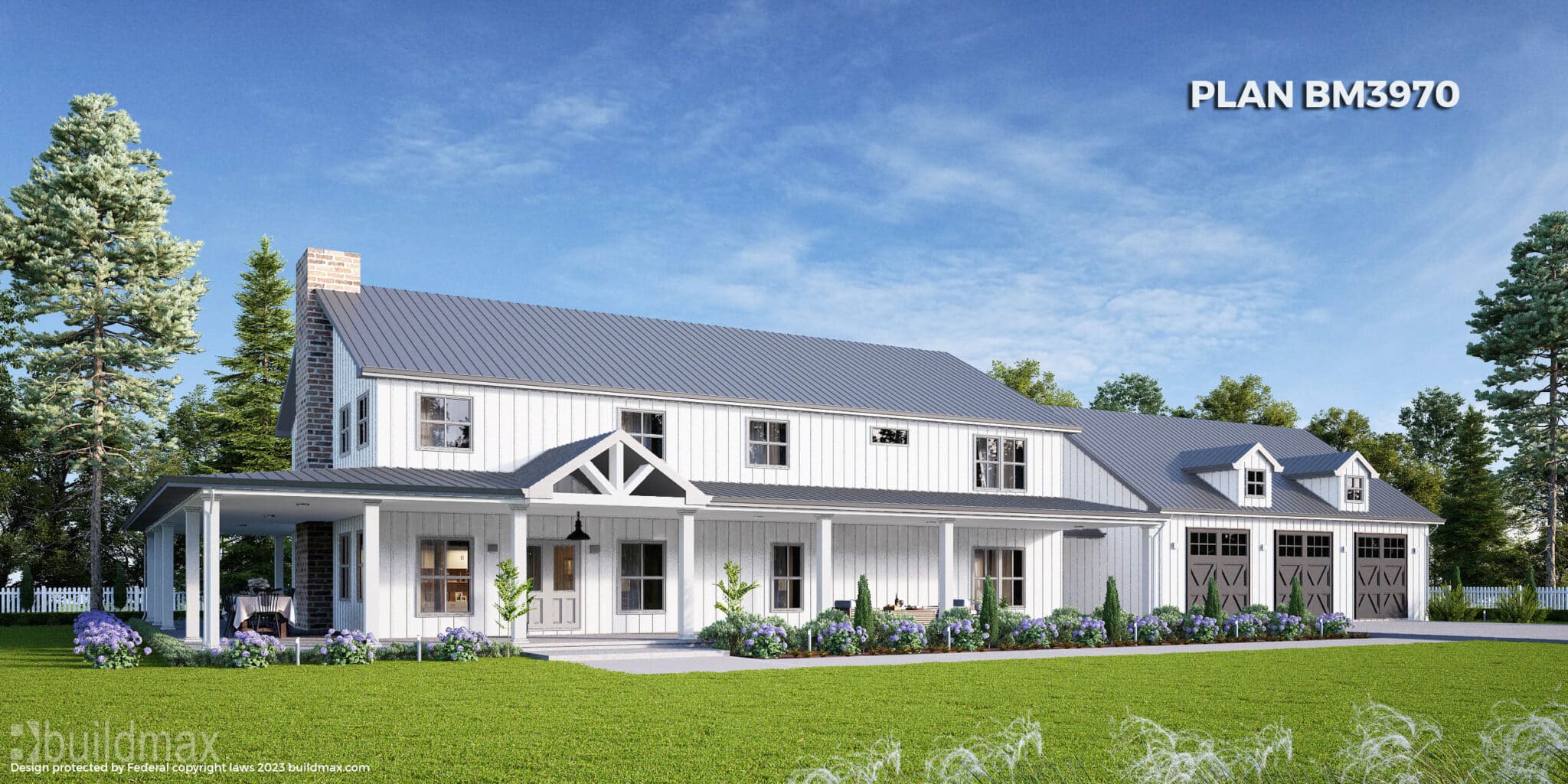
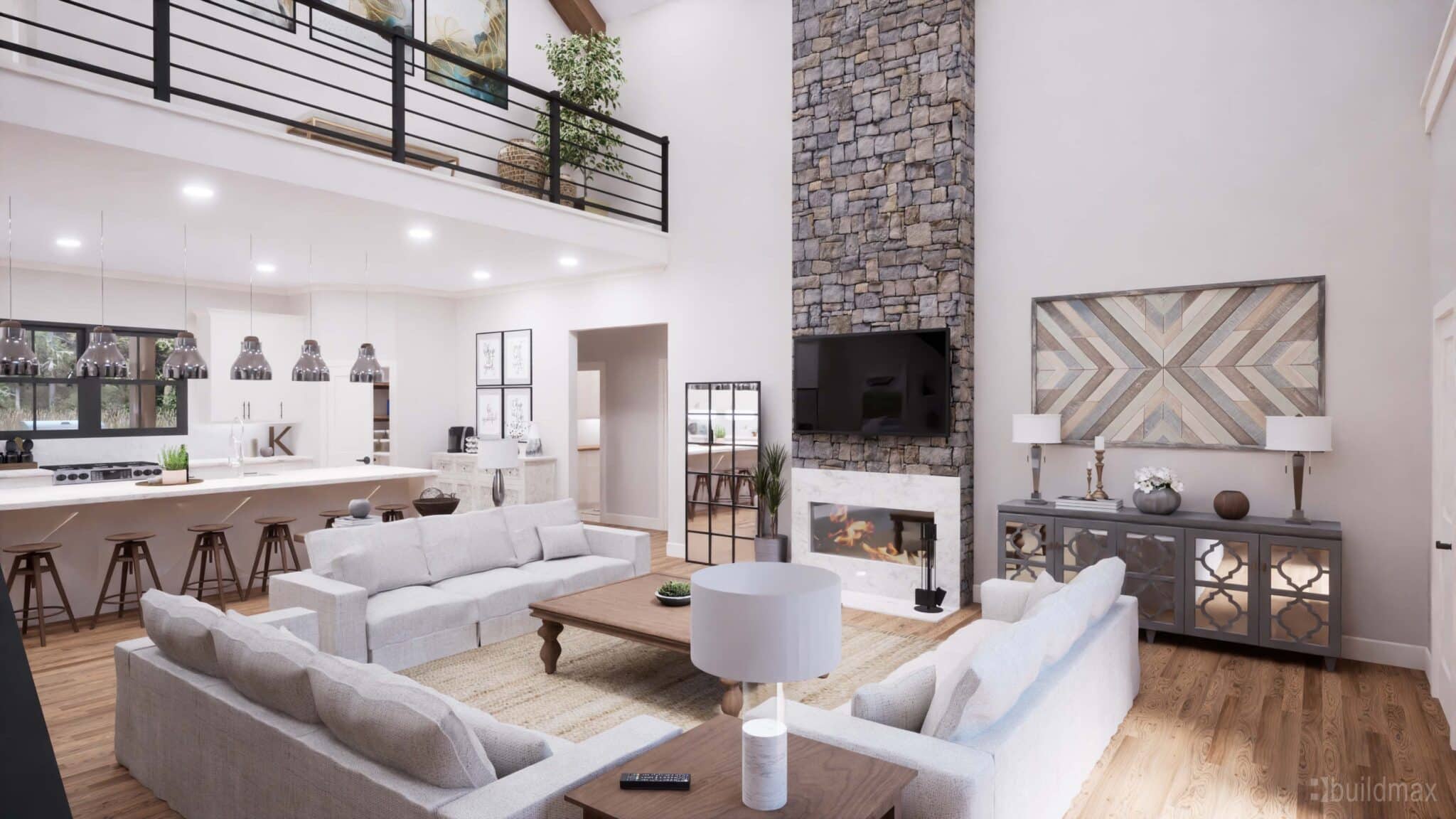
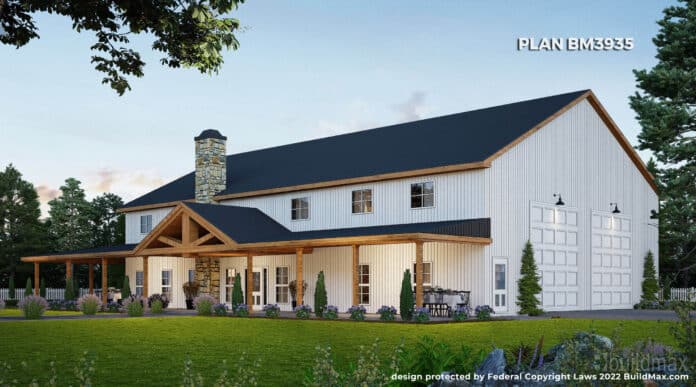
The confusion usually comes from the word “barndominium.” Some insurance companies may hear that word and picture a barn, agricultural building, pole building, metal storage structure, or equipment shed. But a modern barndominium is typically a residential home with bedrooms, bathrooms, a kitchen, living areas, HVAC, plumbing, electrical, insulation, finished interiors, and a permanent foundation.
That difference matters. Insurance companies want to understand exactly what they are insuring. They need to know whether the structure is a residence, barn, workshop, business property, farm building, rental property, or mixed-use structure. The clearer your documentation is, the easier it is for an insurance agent or underwriter to evaluate the home correctly.
BuildMax helps homeowners compare barndominium floor plans, explore steel frame barndominium kits, modify existing plans, and create custom barndominium designs around land, budget, financing, insurance, garage needs, shop space, and long-term value.
Can You Get Homeowners Insurance on a Barndominium?
Yes, you can usually get homeowners insurance on a barndominium when it is built and used as a residential home. Many barndominiums can be covered with a standard homeowners policy, rural property policy, custom home policy, or policy adjusted for the specific construction type.
The key is presenting the home correctly. If the project is described only as a “barn” or “metal building,” the insurance conversation may start in the wrong category. If it is described as a custom single-family residence with residential plans, a foundation, utilities, inspections, and a certificate of occupancy, it is much easier for an agent to understand.
Insurance companies may ask about:
- Construction type
- Foundation type
- Roofing material
- Siding material
- Finished living square footage
- Garage square footage
- Shop square footage
- Replacement cost
- Heating and cooling systems
- Electrical and plumbing systems
- Fire protection
- Distance to fire department or fire hydrant
- Occupancy type
- Whether business, farm, or rental use is involved
The easier the home is to explain, the easier it usually is to insure.
Why Some Barndominiums Are Harder to Insure
Some barndominiums are harder to insure because they are unusual to the agent or poorly documented. The issue is usually not that barndominiums are uninsurable. The issue is uncertainty.
Insurance companies may hesitate when they are unsure about:
- Whether the structure is a residence or a barn
- Whether it was built to residential code
- Whether it has a permanent foundation
- Whether the home has been permitted and inspected
- Whether a certificate of occupancy was issued
- Whether the shop or garage is used commercially
- Whether the home has unusual materials
- How to estimate replacement cost
- Whether local comparable sales support the value
- Whether the property is rural, remote, or hard to access
A professionally built residential barndominium with good documentation can reduce many of these concerns.
The Biggest Insurance Mistake: Calling It a Barn
One of the biggest mistakes homeowners make is describing the project as a barn when they are actually building a residence. That can send the insurance conversation in the wrong direction immediately.
If the structure is designed for full-time living, it may be better to describe it as:
- A custom residential home
- A single-family residence
- A steel frame residential home
- A post-frame residential home
- A residential barndominium-style home
- A custom home with attached garage or shop
The word “barndominium” is useful for design searches, floor plans, and construction conversations, but some insurance companies may not use that term internally. Clear residential language helps avoid confusion.
What Insurance Companies Want to Know
Insurance companies are trying to understand risk and replacement cost. They need to know what the home is made of, how it is built, where it is located, how it is used, and what it would cost to rebuild after a covered loss.
Your insurance agent may ask for:
- Floor plans
- Exterior elevations
- Square footage breakdown
- Construction budget
- Builder information
- Material specifications
- Roof type
- Siding type
- Foundation type
- HVAC type
- Electrical and plumbing details
- Fireplace or wood stove information, if applicable
- Photos during construction
- Final inspection documents
- Certificate of occupancy
Professional barndominium floor plans can help because they show the project as a residential structure with rooms, dimensions, elevations, and finished living space.
Are Steel Frame Barndominiums Easier to Insure?
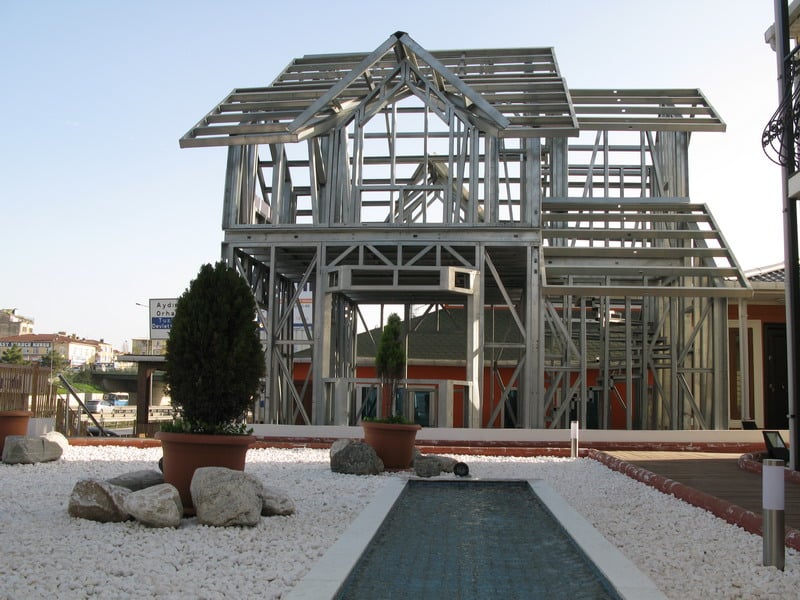
A steel frame barndominium may be attractive to some insurers because steel framing can offer durability, dimensional stability, and resistance to rot and termites. However, insurance approval still depends on the complete home, not just the frame.
Insurers may evaluate:
- Foundation
- Roof system
- Wall system
- Siding material
- Insulation
- Electrical work
- Plumbing
- HVAC
- Fire protection
- Local building code compliance
- Replacement cost
Steel framing can be a strong selling point, but it does not replace the need for proper documentation. If you are considering a steel frame home, review BuildMax’s steel frame barndominium kits and make sure your insurance agent understands the difference between a residential steel frame home and an agricultural metal building.
Insurance for Barndominium Kits
A barndominium kit can help organize the shell portion of the build, but it does not automatically make insurance easier or harder. What matters is how the kit is used, whether the home is built to code, and whether the finished structure is properly documented.
If you are using a kit, your insurance company may want to know:
- What the kit includes
- Who manufactured or supplied the kit
- What framing system is used
- What roof and siding materials are included
- Whether windows and doors are included
- Who is erecting the shell
- Who is finishing the interior
- Whether the home will pass local inspections
- What the finished replacement cost will be
Do not give your insurance company only a kit price and assume that represents the finished home. A kit or shell package is only one part of the completed residential structure.
Replacement Cost Matters More Than Shell Cost
Insurance is based heavily on replacement cost. That is the estimated cost to rebuild the home after a covered loss. Replacement cost is not the same thing as shell cost, kit cost, or material package cost.
A barndominium shell may include framing, roofing, siding, trim, fasteners, and sometimes windows or doors. A completed home includes the entire residential structure and interior finish-out.
Replacement cost may need to include:
- Foundation
- Framing or steel structure
- Roofing
- Siding
- Windows and doors
- Insulation
- Drywall
- Interior walls
- Flooring
- Cabinets
- Countertops
- Electrical systems
- Plumbing systems
- HVAC systems
- Bathrooms
- Kitchen finishes
- Garage or shop areas
- Porches
- Labor
- Permits and debris removal
If the replacement cost is too low, you may be underinsured. If it is estimated incorrectly, the policy may not reflect the true cost to rebuild the home.
Finished Living Space vs. Shop and Garage Space
Many barndominiums include garages, shops, RV bays, workshops, or storage areas. Insurance companies need to know how much of the building is finished living space and how much is garage, shop, storage, or unfinished space.
Be ready to separate:
- Finished living square footage
- Garage square footage
- Shop square footage
- Storage square footage
- Porch square footage
- Detached building square footage
This matters because risk and replacement cost can be different for each area. A finished kitchen and bathroom are valued differently than a garage bay or unfinished storage area.
If shop space is part of your plan, explore BuildMax’s barndominium plans with shops and make sure your insurance quote reflects the layout correctly.
Can You Insure a Barndominium with a Shop?
Yes, a barndominium with a shop can often be insured, but the insurance company will want details about how the shop is used. A personal workshop is different from a commercial business, welding shop, auto repair operation, farm operation, or customer-facing workspace.
Your insurance agent may ask:
- Is the shop attached or detached?
- How many square feet is the shop?
- What is stored inside?
- Is the shop used for business?
- Are customers or employees on site?
- Are vehicles repaired or stored there?
- Are flammable materials stored inside?
- Is welding, painting, or fabrication done there?
- Does the shop have heat?
- Does the shop have plumbing?
The more clearly you explain the use, the easier it is for the agent to recommend the right coverage.
Can You Insure a Barndominium Used for Business?
A barndominium used only as a residence is usually easier to insure than one used for business. If the property includes a business operation, you may need additional coverage beyond a standard homeowners policy.
Business-related coverage may be needed for:
- Customer visits
- Employees
- Business equipment
- Inventory
- Commercial vehicles
- Workshop liability
- Short-term rental activity
- Farm or ranch activity
Do not hide business use from the insurance company. If there is a claim and the insurer discovers undisclosed business activity, coverage could become a major problem.
What Type of Insurance Policy Does a Barndominium Need?
The right policy depends on the property, use, location, construction type, and insurer. Many barndominiums can be insured under a homeowners policy, while others may need a custom home policy, rural property policy, farm and ranch policy, builder’s risk policy during construction, or additional endorsements.
Common coverage types may include:
- Homeowners insurance
- Dwelling coverage
- Personal property coverage
- Liability coverage
- Other structures coverage
- Builder’s risk insurance during construction
- Farm or ranch coverage, if applicable
- Business coverage, if applicable
- Flood insurance, if required
- Wind or hail coverage, depending on location
Ask the agent what policy type they recommend and why. The goal is not just to get a policy. The goal is to get the right policy for the way the property is actually built and used.
Builder’s Risk Insurance During Construction
Before the home is finished, you may need builder’s risk insurance. This type of coverage is designed for homes under construction and may protect against certain losses involving materials, theft, fire, vandalism, storms, or other construction-stage risks depending on the policy.
Builder’s risk can matter because a standard homeowners policy may not cover a home that is not yet completed or occupied.
Ask your builder and insurance agent:
- Who is responsible for builder’s risk coverage?
- Does the builder carry coverage?
- Does the lender require builder’s risk insurance?
- When does coverage begin?
- When does coverage end?
- Are materials covered before installation?
- Are theft, wind, fire, and vandalism covered?
If you are financing the build, your lender may require builder’s risk coverage before construction begins.
Do Lenders Require Barndominium Insurance?
Yes, lenders usually require insurance when financing a barndominium. If you are using a construction loan, construction-to-permanent loan, or mortgage, the lender will typically require proof of insurance to protect the property.
Lenders may want:
- Builder’s risk insurance during construction
- Homeowners insurance before closing or occupancy
- Proof of coverage naming the lender
- Flood insurance if the property is in a flood zone
- Wind or hail coverage in certain regions
- Replacement cost coverage that meets lender requirements
Insurance and financing are connected. If the home is difficult to insure, the lender may have concerns. That is why it is smart to talk to insurance agents before construction begins.
Can a Barndominium Be Insured Before It Is Finished?
Yes, but the policy type matters. During construction, builder’s risk insurance may be needed. Once the home is finished, inspected, and ready for occupancy, it may transition to a homeowners policy.
The transition usually depends on:
- Construction completion
- Final inspection
- Certificate of occupancy
- Permanent utilities
- Final appraisal
- Lender requirements
- Insurance company underwriting
Do not wait until the last minute. Start conversations with insurance agents early so you know what documentation they will need.
Do Barndominiums Cost More to Insure?
Barndominiums do not automatically cost more to insure than traditional homes. The premium depends on the property, location, materials, replacement cost, risk factors, and insurer.
Insurance cost may be affected by:
- Home value
- Replacement cost
- Construction materials
- Roof type
- Distance from fire department
- Rural location
- Wildfire risk
- Wind or hail risk
- Flood zone
- Heating systems
- Wood stove or fireplace
- Attached shop or garage
- Business use
- Claims history
- Deductible amount
A steel frame or metal-sided home may have some durability advantages, but location, roof type, fire response distance, weather exposure, and replacement cost may matter more to the final premium.
Fireplaces, Wood Stoves, and Insurance
If your barndominium includes a fireplace, wood stove, pellet stove, or other solid-fuel heating system, tell your insurance agent. These features may affect underwriting, premiums, inspections, or required documentation.
The insurer may want to know:
- Fireplace type
- Wood stove model
- Installation method
- Clearances
- Chimney or vent system
- Whether installation was permitted
- Whether a professional installed it
- Whether carbon monoxide and smoke detectors are installed
For fireplace planning, read BuildMax’s guide: Can You Have a Fireplace in a Barndominium?.
Rural Location Can Affect Insurance
Many barndominiums are built on rural land, acreage, farms, or homestead properties. Rural living is one of the main appeals of barndominiums, but it can affect insurance.
Insurance companies may consider:
- Distance to fire station
- Distance to fire hydrant
- Road access
- Driveway length
- Wildfire exposure
- Severe weather risk
- Flood risk
- Outbuildings
- Farm animals or equipment
- Whether the property is owner-occupied
Rural location does not mean the home cannot be insured. It simply means the agent needs enough information to classify the property correctly.
Severe Weather and Barndominium Insurance
Insurance companies look closely at weather risk. Barndominiums in areas with tornadoes, hurricanes, hail, wildfire, flooding, heavy snow, or high winds may face different insurance requirements and premium levels.
Weather-related factors may include:
- Wind-load design
- Roof material
- Hail resistance
- Wildfire defensible space
- Flood zone status
- Snow-load engineering
- Foundation elevation
- Storm shutters or impact-rated openings
If you are building in a high-risk area, ask your insurance agent what features may help reduce risk or improve insurability before finalizing the plan.
Flood Insurance for Barndominiums
Flood insurance is usually separate from standard homeowners insurance. If your barndominium is located in a flood zone, your lender may require flood insurance. Even if it is not required, flood coverage may still be worth discussing if the property has drainage issues, creeks, ponds, low-lying land, or stormwater concerns.
Before buying land, check:
- Flood zone status
- Elevation requirements
- Drainage patterns
- Creeks or ponds nearby
- Historical flooding
- Driveway access during storms
- Foundation elevation
Insurance should be part of land research, not something handled only after the home is complete.
How to Make a Barndominium Easier to Insure
The best way to make a barndominium easier to insure is to document it like a professional residential build from the beginning.
Helpful steps include:
- Use professional residential plans
- Build on a permanent foundation
- Get required permits
- Use licensed contractors where required
- Keep construction documents
- Save material specifications
- Take photos during construction
- Separate living space from shop or garage space
- Clarify whether the property is personal or business use
- Get final inspections
- Keep the certificate of occupancy
- Work with an agent familiar with rural or custom homes
The easier you make the home to understand, the easier it is for an insurance company to quote it correctly.
Best Documents to Give Your Insurance Agent
If an agent is unsure how to insure your barndominium, documentation can help. You do not need to overwhelm them with every detail, but you should be ready to provide clear information.
Useful documents may include:
- Floor plan
- Exterior elevations
- Site plan
- Construction contract
- Builder estimate
- Material list
- Steel kit or framing package information
- Roofing and siding specifications
- Foundation details
- Permit approvals
- Inspection reports
- Certificate of occupancy
- Photos of the completed home
BuildMax’s barndominium plans and custom home design services can help homeowners start the project with clearer documentation.
Questions to Ask an Insurance Agent Before You Build
Before construction begins, call insurance agents and ask direct questions. This can help avoid surprises later.
Ask:
- Do you insure barndominium-style homes?
- Do you insure steel frame residential homes?
- Do you insure homes with metal siding?
- Do you insure homes with attached shops or garages?
- What documents do you need for a quote?
- Do you require a certificate of occupancy?
- Do you offer builder’s risk coverage?
- How do you calculate replacement cost?
- Does a wood stove or fireplace affect coverage?
- Does rural location affect the premium?
- Will flood, wind, hail, or wildfire coverage be separate?
- Are there discounts for metal roofing, security systems, or fire-resistant materials?
If one agent does not understand barndominiums, talk to another. The right agent can make a major difference.
Common Barndominium Insurance Mistakes
Mistake 1: Waiting Until the Home Is Finished
Insurance should be discussed before construction begins. You may need builder’s risk coverage during the build and homeowners insurance before closing or occupancy.
Mistake 2: Using the Word “Barn” Without Explaining the Residence
If the home is a full residential dwelling, explain that clearly. Do not let the project get classified as only an agricultural building.
Mistake 3: Confusing Kit Cost with Replacement Cost
A kit price is not the same as what it costs to rebuild the finished home. Insurance should reflect the complete replacement cost.
Mistake 4: Not Separating Shop Space from Living Space
Finished living space, garage space, shop space, and storage space should be clearly identified.
Mistake 5: Hiding Business Use
If the shop is used for business, tell the agent. A homeowners policy may not cover commercial activity unless proper coverage is added.
Mistake 6: Skipping Documentation
Plans, permits, inspections, photos, and construction details can all help make insurance approval easier.
Mistake 7: Assuming Every Insurance Company Understands Barndominiums
Some companies are more comfortable with custom rural homes than others. It may take a few calls to find the right fit.
Are Barndominiums More Difficult to Insure Than Traditional Homes?
A barndominium can be slightly more difficult to insure if the agent or company is unfamiliar with the home type. However, a properly built barndominium is often not much different from insuring any other custom residential home once the details are clear.
Barndominiums are easier to insure when they have:
- Professional residential plans
- Permanent foundation
- Code-compliant construction
- Residential utilities
- Clear square footage breakdown
- Final inspections
- Certificate of occupancy
- Accurate replacement cost estimate
- Clear personal-use or business-use classification
The more your barndominium looks, functions, and documents like a residential home, the easier the insurance process usually becomes.
Final Thoughts: Are Barndominiums Difficult to Insure?
Barndominiums are not automatically difficult to insure. The challenge is usually helping insurance companies understand exactly what the home is. A modern barndominium is not just a barn. It is a residential home with a floor plan, foundation, utilities, inspections, living space, and replacement value.
Insurance becomes easier when the home is professionally designed, properly permitted, built to code, documented clearly, and described accurately. The biggest mistake is waiting until the end of construction or allowing the property to be misclassified as an agricultural building when it is actually a full-time residence.
If you are planning a barndominium, talk to insurance agents early. Ask what documents they need. Separate living space from shop space. Explain whether the property will be personal, business, farm, or rental use. Keep your plans, permits, photos, and final inspection documents organized.
With the right documentation and the right insurance agent, most barndominiums can be insured like other custom homes.
Ready to Plan a Barndominium That Is Easier to Finance and Insure?
BuildMax can help you compare barndominium floor plans, explore steel frame barndominium kits, modify an existing plan, or create a custom barndominium design with the documentation, layout, garage, shop, and residential features that help builders, lenders, appraisers, and insurance agents understand your project clearly.
FAQ: Barndominium Insurance
Are barndominiums difficult to insure?
Barndominiums are not automatically difficult to insure. A properly built residential barndominium with professional plans, a permanent foundation, permits, inspections, and clear documentation can often be insured with homeowners insurance.
Can you get homeowners insurance on a barndominium?
Yes. Many barndominiums can be insured with homeowners insurance when they are built and used as residential homes.
Why do some insurance companies hesitate on barndominiums?
Some companies may be unfamiliar with the term or may confuse a residential barndominium with an agricultural barn, metal building, or commercial structure. Clear documentation helps.
Does a steel frame barndominium cost more to insure?
Not necessarily. Insurance cost depends on replacement value, location, materials, risk factors, roof type, fire protection, and use. Steel framing may be viewed positively in some cases, but the full home matters.
Can you insure a barndominium with a shop?
Yes, but the insurance company will want to know how the shop is used, whether it is attached, how large it is, what is stored inside, and whether any business activity occurs there.
Do you need builder’s risk insurance for a barndominium?
Often, yes. During construction, builder’s risk insurance may be needed to protect the unfinished home and materials. Lenders may require it before construction begins.
Does a barndominium kit affect insurance?
A kit does not automatically make insurance easier or harder. The finished home must be properly built, documented, permitted, and valued for replacement cost.
Is replacement cost the same as kit cost?
No. Replacement cost includes the complete finished home, including foundation, structure, roof, siding, utilities, interior finishes, labor, permits, and other costs. A kit price is usually only one part of the project.
Can business use affect barndominium insurance?
Yes. If you use the shop, garage, or property for business, you may need additional coverage beyond a standard homeowners policy.
How can I make my barndominium easier to insure?
Use professional plans, build to residential code, get required permits and inspections, keep documentation, separate living and shop space clearly, describe the home as a residence, and work with an agent familiar with custom or rural homes.
Explore More Barndominium Planning Resources
Browse Barndominium Floor Plans
View 2-Bedroom Barndominium Plans
View 3-Bedroom Barndominium Plans
View 4-Bedroom Barndominium Plans
Explore Barndominium Plans with Shops
Learn About Steel Frame Barndominium Kits
Request Custom Barndominium Design
Contact BuildMax