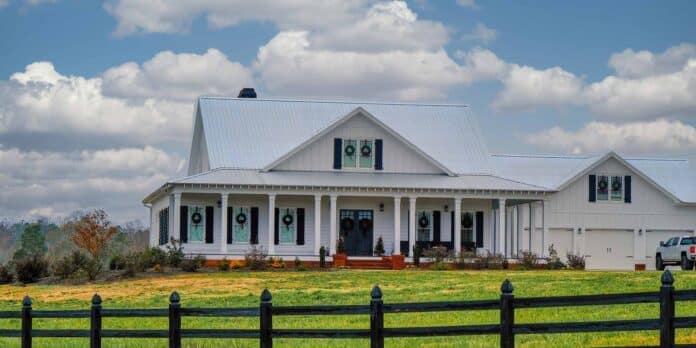



Home Blog Page 42

Do Barndominiums attract more lightning strikes?

Do Barndominiums Attract More Lightning Strikes? This is a solid question that I continuously bounced around my head during the planning phase of my barndominium. Surely farmers have often wondered and worried over the same question.
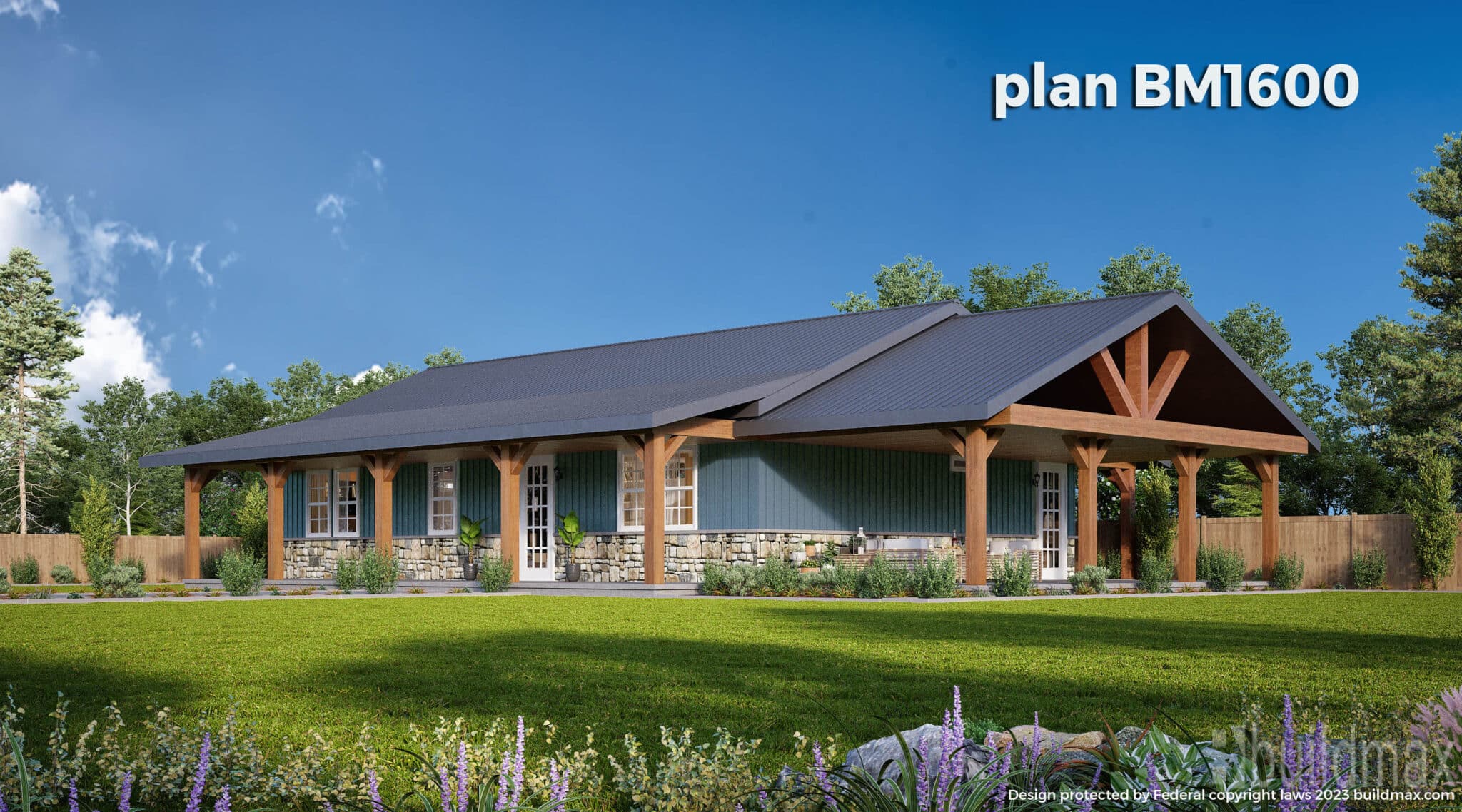
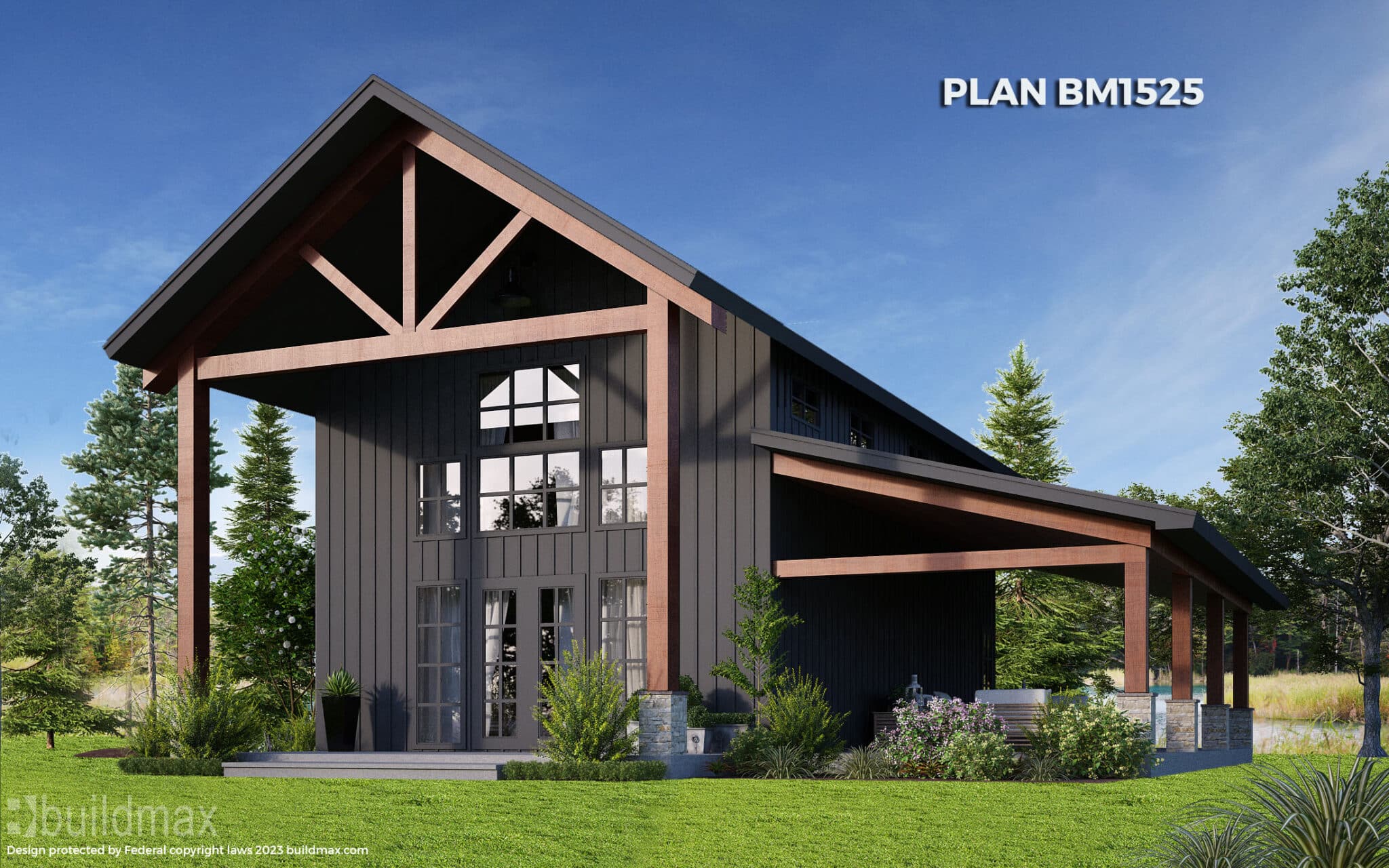
blue barndominium with carport

The recent rise of repurposed barns and sheds converted into rustic residential barndominiums has resurrected interest in this question it seems- so do agricultural-style buildings actually increase risks of lightning activity and strikes compared to typical homes? Let’s break down the factors at play- Barndominiums are large metal structures, often with exposed steel beams or roofing, which makes them somewhat more likely to be struck by lightning compared to a typical house. But there are more factors that come into play- However, actual statistics are hard to find. In general, buildings of any type getting directly struck by lightning is relatively rare compared to strikes hitting the ground. Location, height, and construction materials are all factors that influence risk.

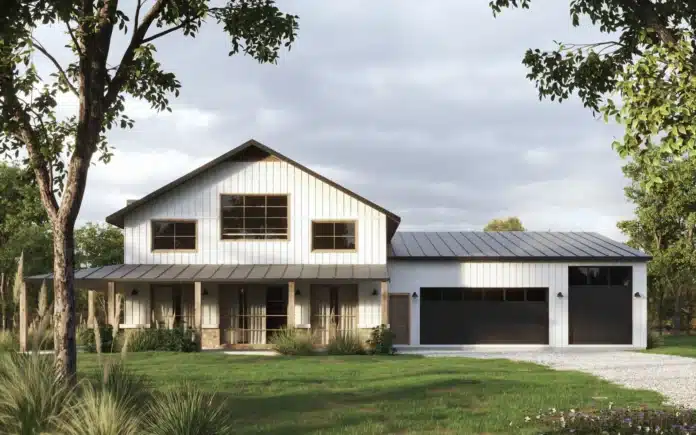
white barndominium with grey roof and attached garage

Height Theory
A long-prevailing myth suggests any building significantly taller than surrounding structures acts like a lightning rod, attracting hits. Barndos often integrate much higher sidewall clearance or vaulted ceilings well over 20 feet high. But modern lightning research finds negligible height correlation to strike incidence. Lightning navigates complex atmospheric electrical pathways unlikely influenced by a slightly taller barn- Their height and flat, expansive roofs also make barndominiums prone to lightning strikes. They tend to be taller than regular homes and have a large surface area exposed at height.
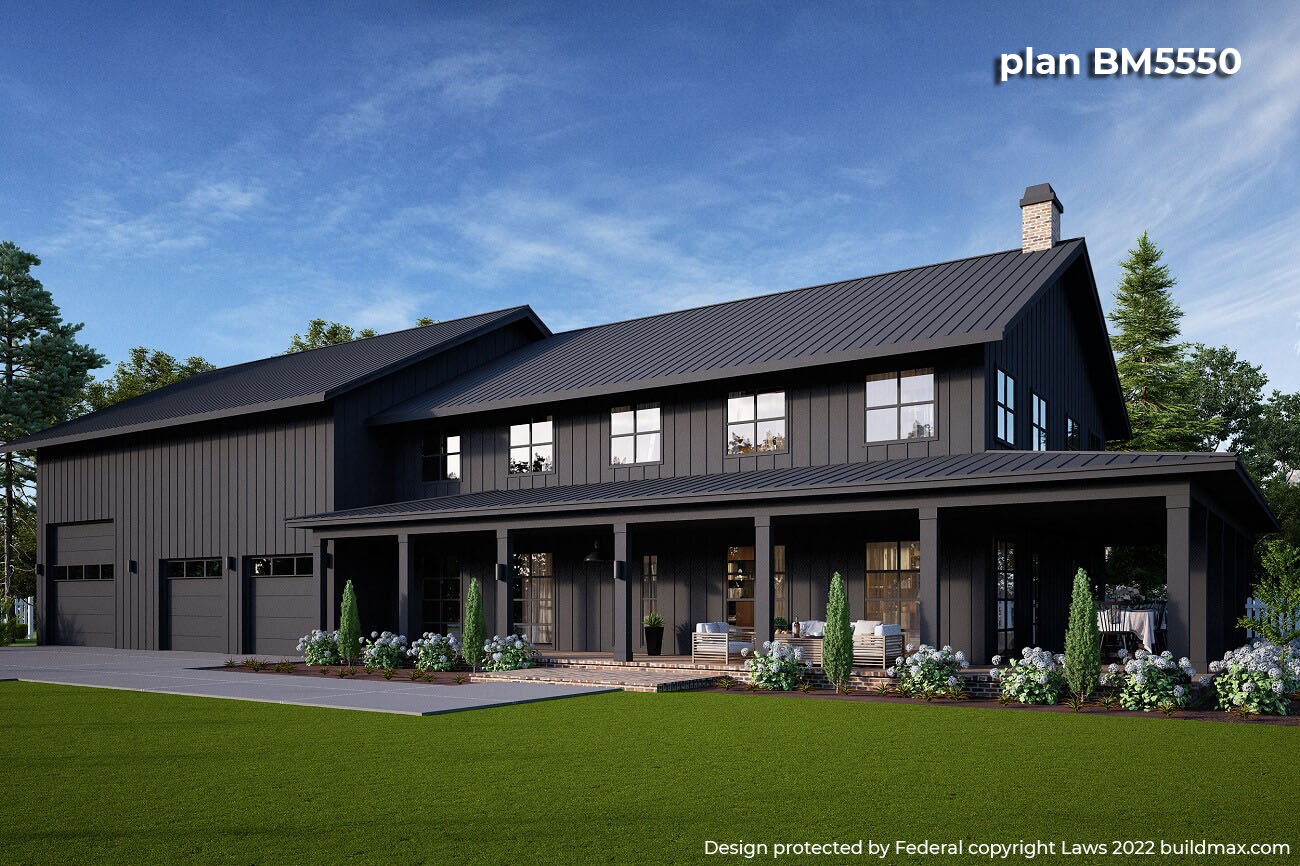
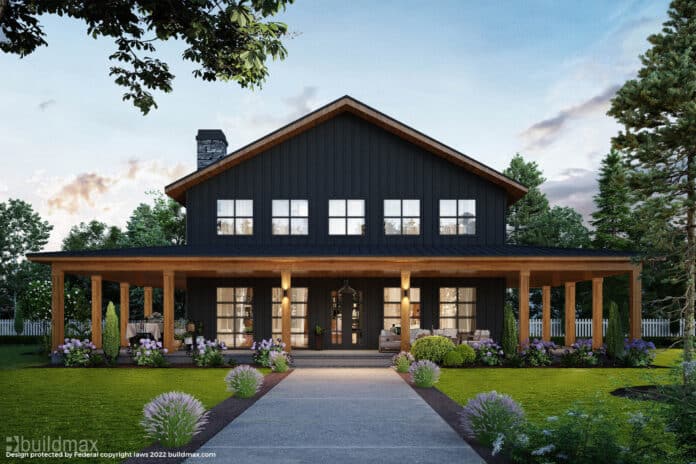
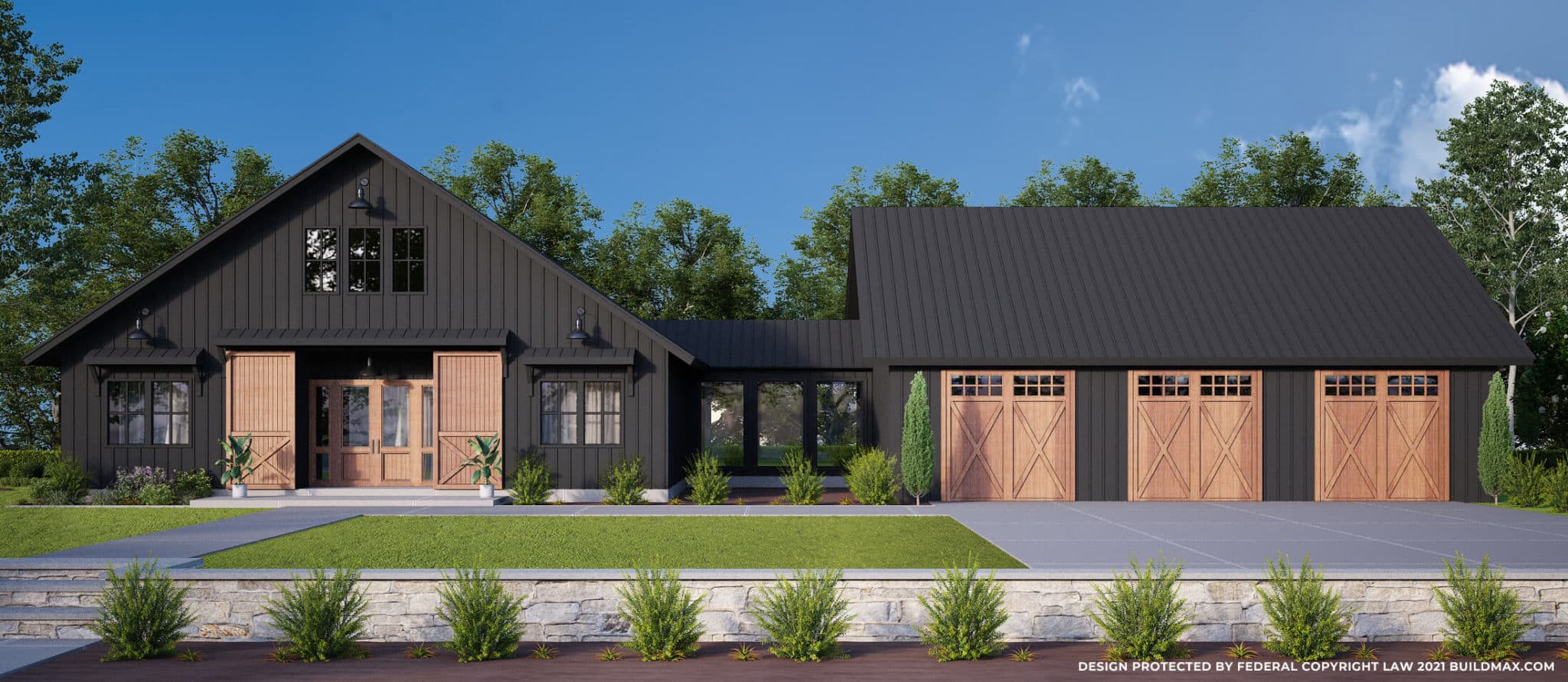
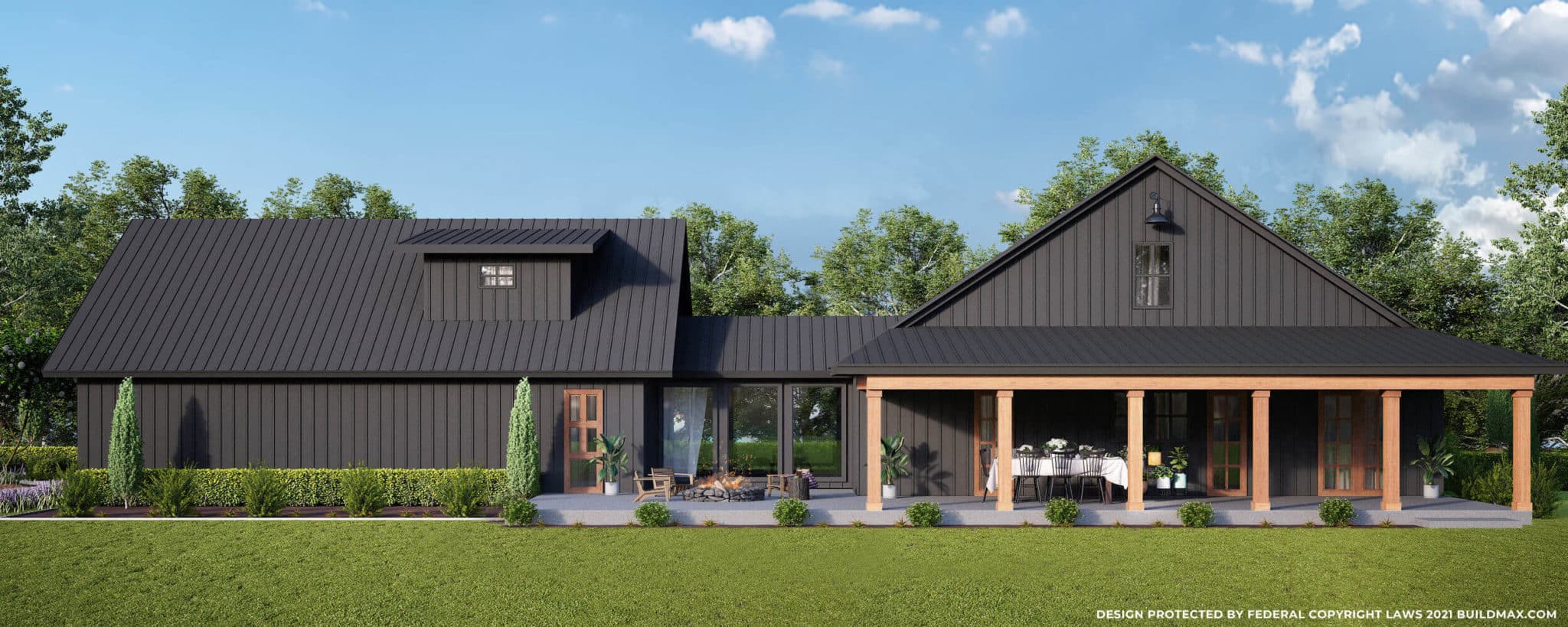
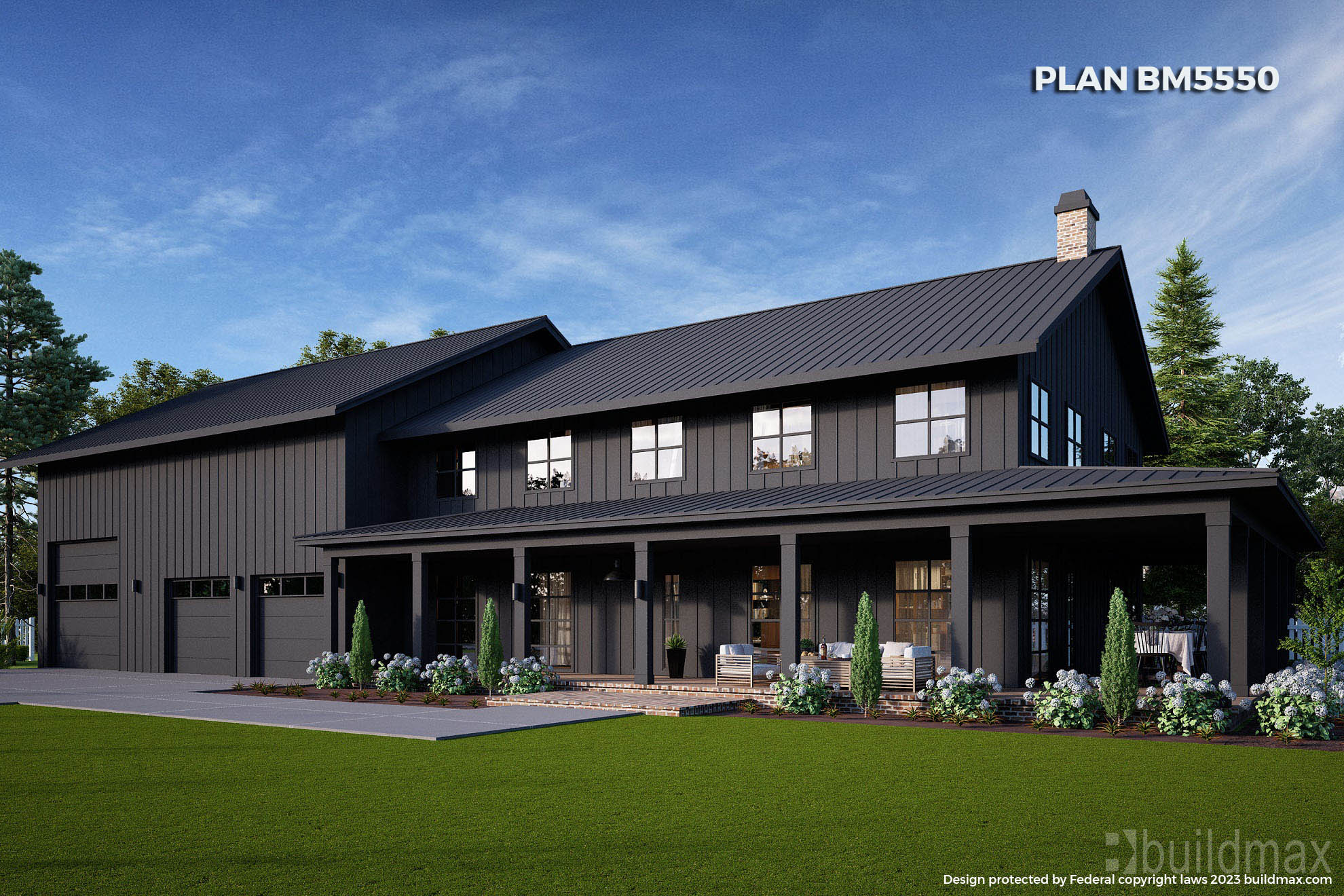
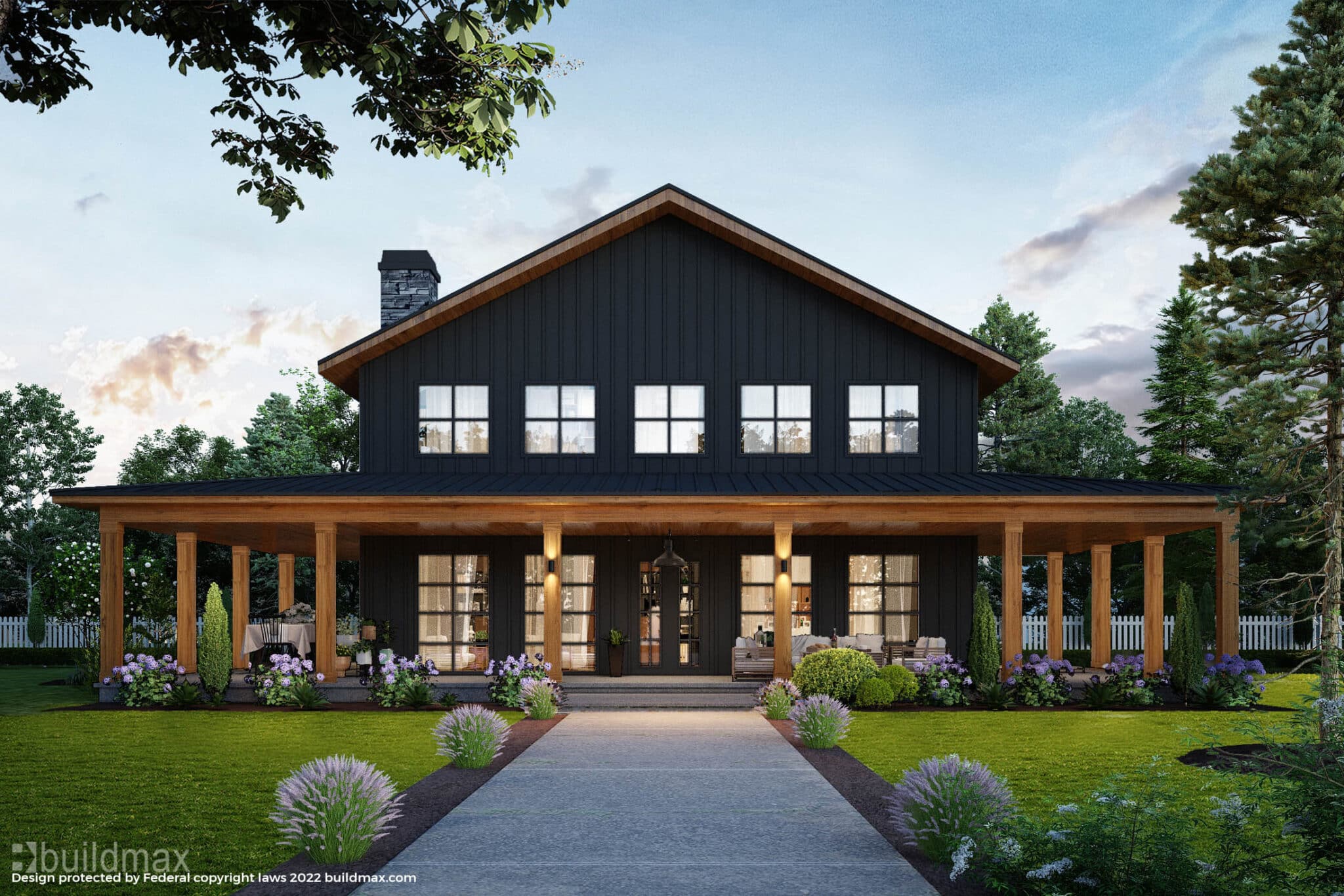
black barndominium shophouse with 3 car garage and wraparound porch with flowers lining the porch

Metal Construction
Fully metal-clad barndominiums also raise concerns over attracting electrical current. But steel framing and corrugated panel skins face no greater lightning hazard issues than wood buildings. In fact, metal construction proves beneficial for dissipating and grounding strike charges faster before causing fire risks. The electrical continuity avoids added danger.

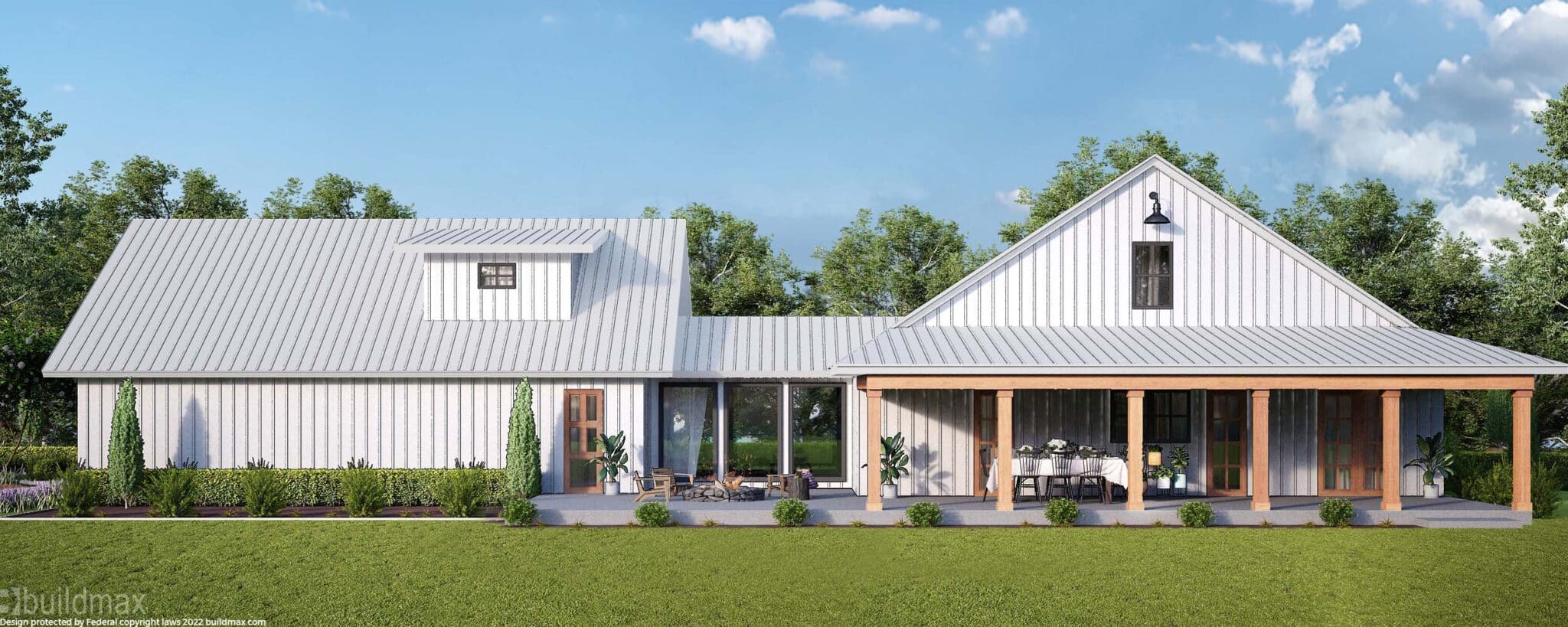
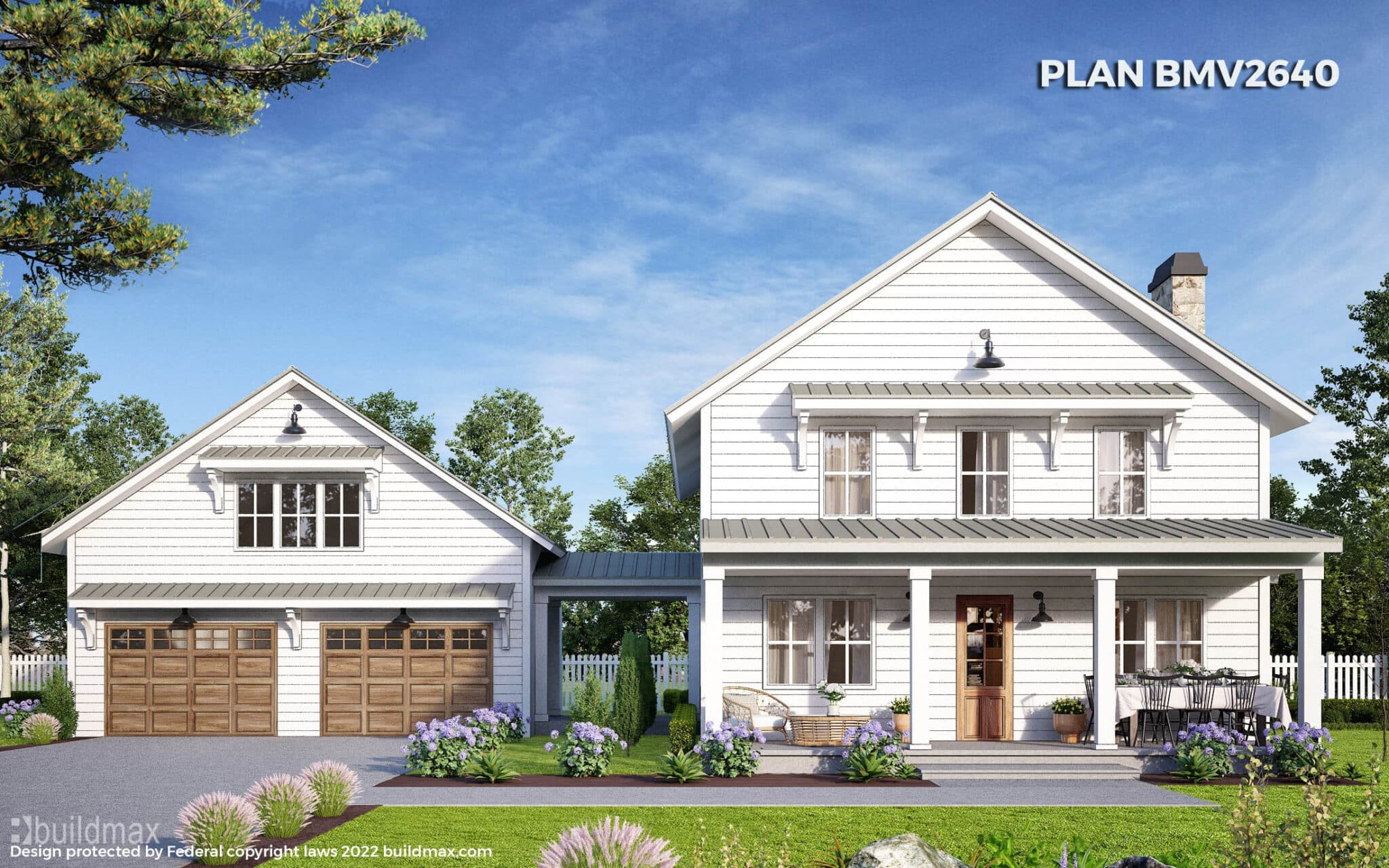
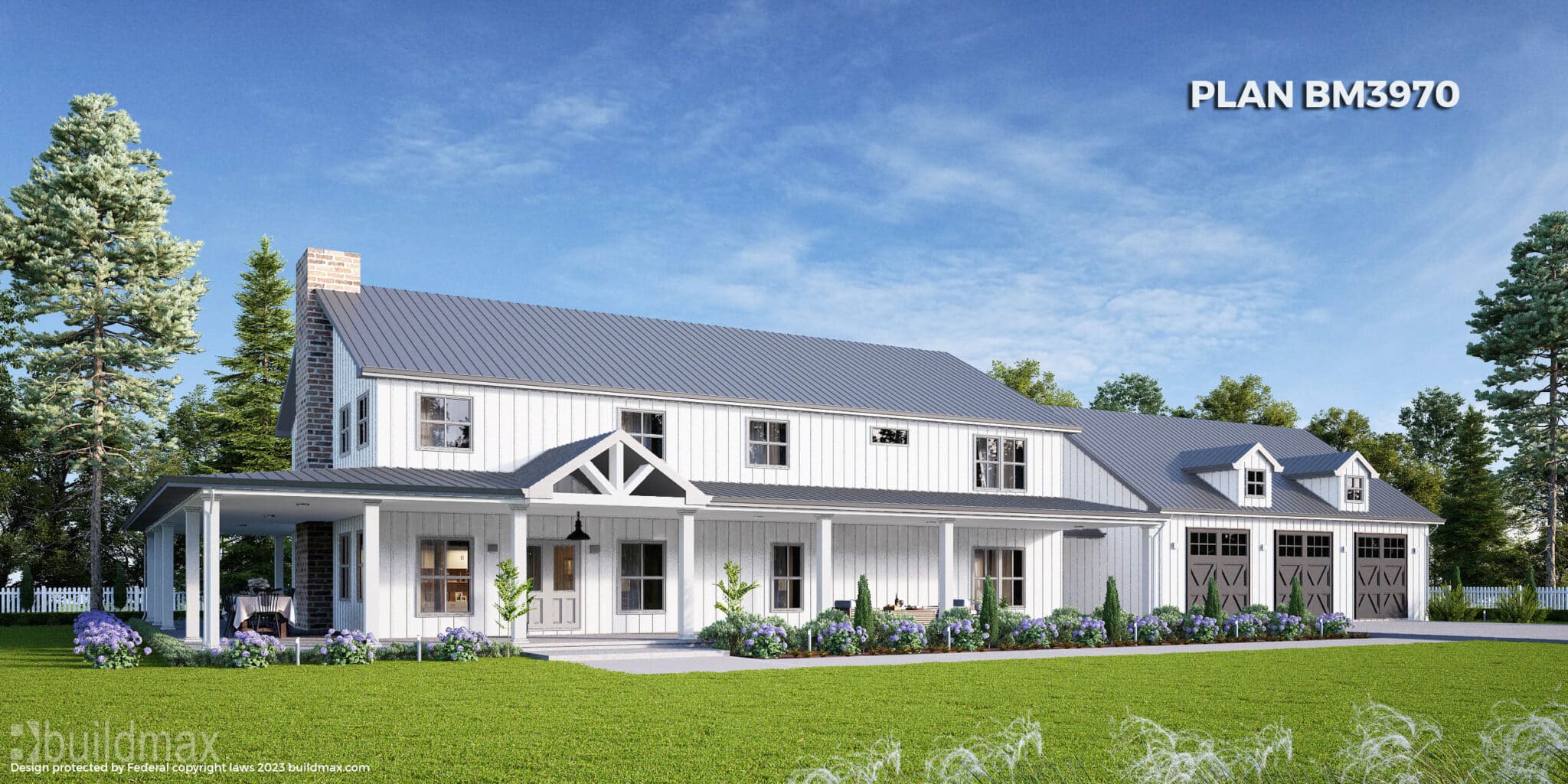
white barndominium shophouse with 3 car garage and wraparound porch

Location/Environment Hazards

Siting proves the most influential factor governing barndo lightning risks. More remote rural locations simply endure more storms and lightning overall than dense neighborhoods – regardless of building types present. Large open fields lack tree coverage also associated with higher strike rates. Building atop hills/ridges escalates danger even further through exposure.

Ultimately lightning follows its own indiscriminate paths to earth ground. While metal-sheathed rural barndominiums situated on high terrain certainly court more strikes than suburban homes, the building composition itself doesn’t attract lightning or considerably raise statistical odds across general locations. Practicing sound electrical grounding, surge protection and lightning rod installations defend against seasonal storms. But risks remain largely dictated by regional climate threats. Just stay alert!
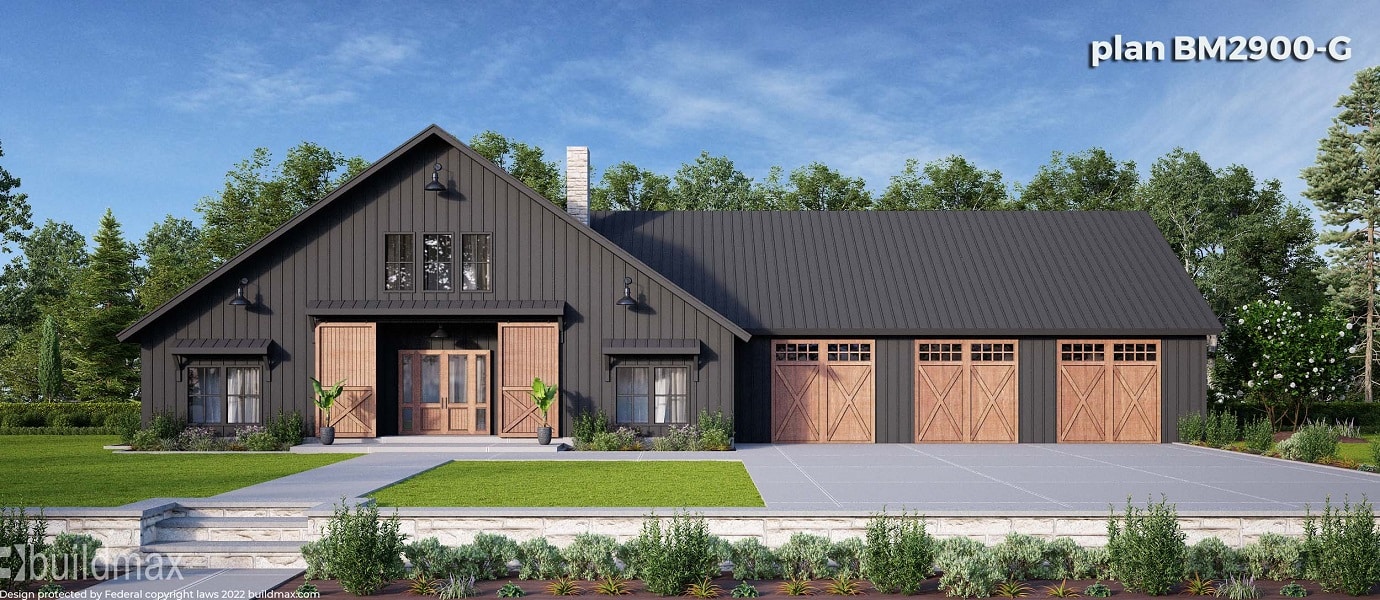
black barndominium floor plan with 3 car garage and barn doors leading to entryway

Here are a few more key points about the likelihood of a barndominium getting struck by lightning.

Installing proper lightning protection systems (i.e. lightning rods, grounding) greatly increases safety and reduces the risk of damage. When installed correctly per building codes, the lightning protection system provides a safe path for the lightning strike to travel to ground.

– Barndominiums in open, rural locations and areas with frequent thunderstorms are naturally at higher overall risk than urban locations. Without protection, a direct strike could potentially damage steel supports or start a fire in the wall insulation or roof beams or damnage unprotected electronics.
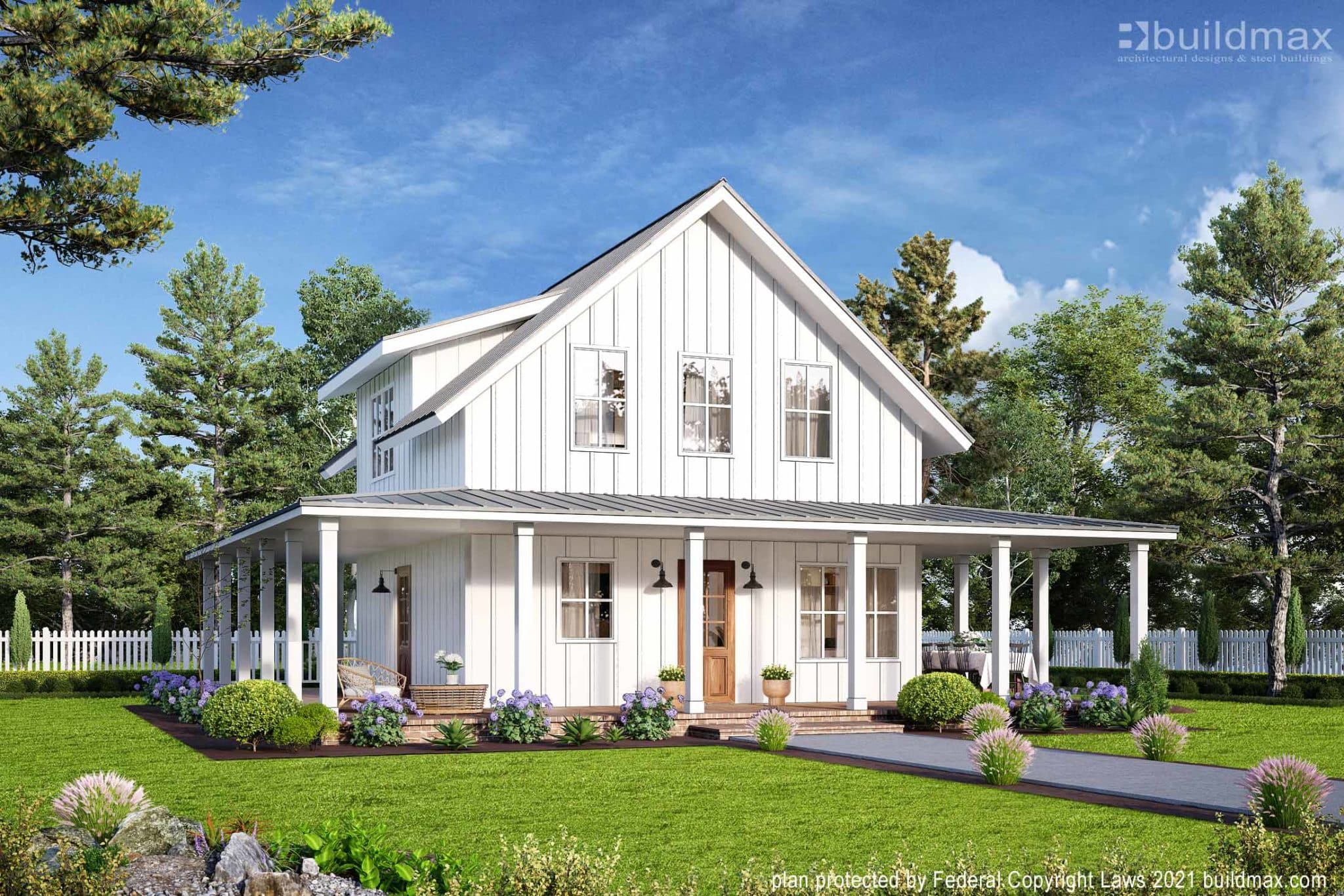
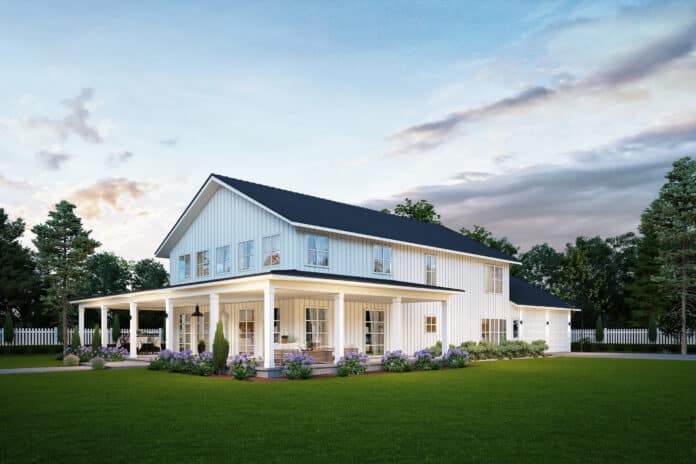
white farmhouse house plans

So while barndominiums do carry a slightly elevated lightning strike risk compared to traditional stick-built homes, the damage is unlikely and very rare, especially with the proper lightning rod and grounding precautions installed that are highly recommended in rural locations. But their metal construction and rural locations make strikes a possibility to consider. Proper lightning protection installation reduces safety concerns in most cases and is a cheap simple fix that will most certainly put your mind at ease.
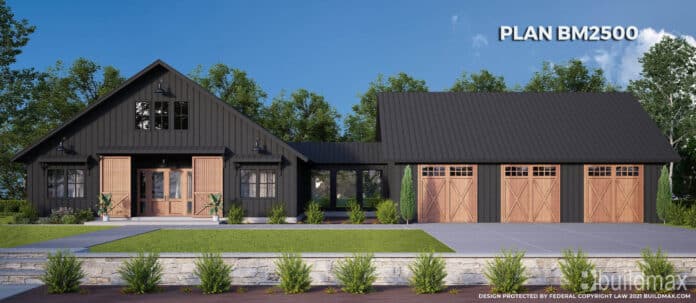
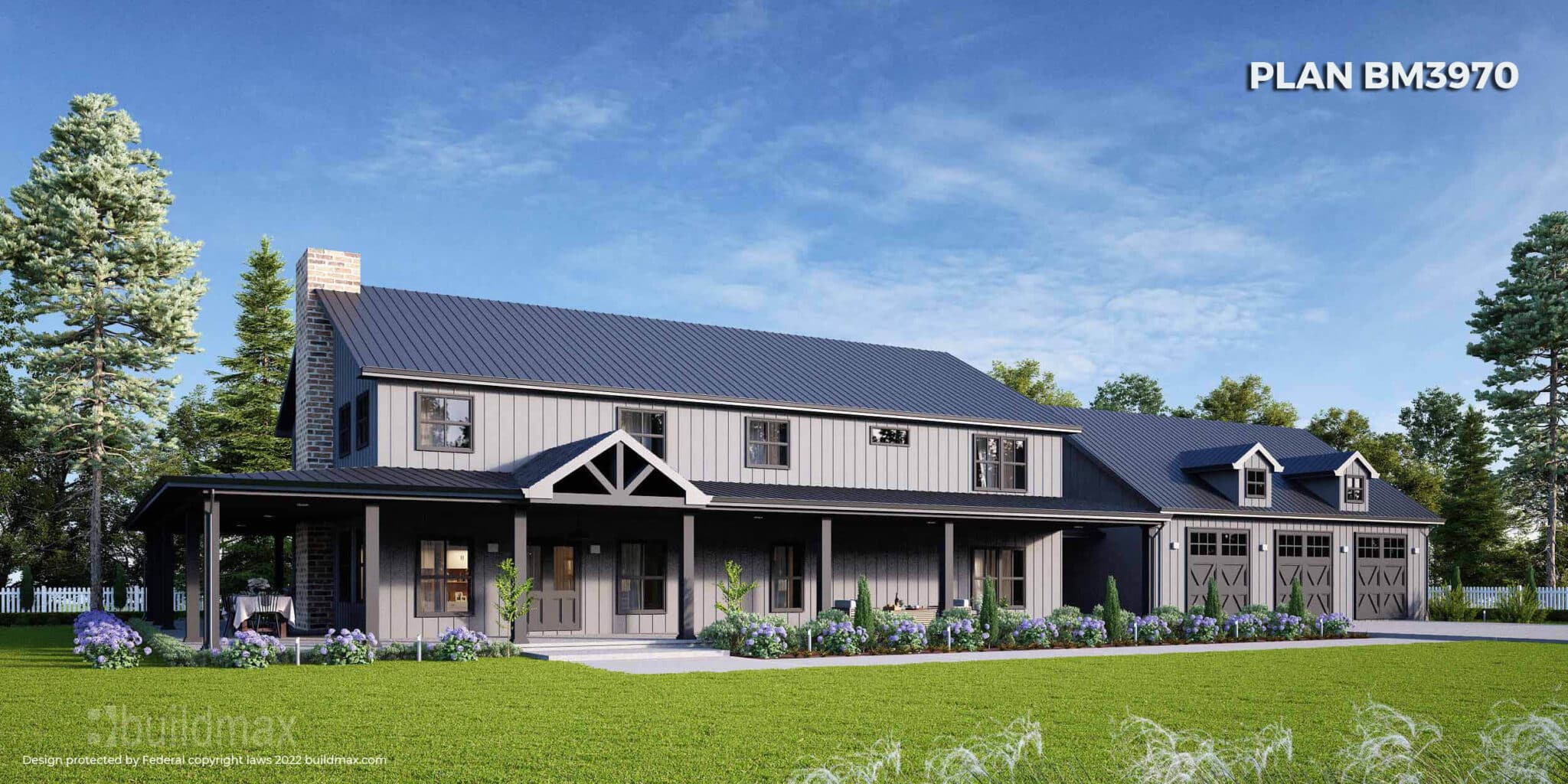
Can Barndominiums have a Basement?

Barndominiums, initially conceptualized without basements, mirrored the expansive design of barns, predominantly built on sturdy concrete slabs. However, the notion of including a basement in a barndominium is not only feasible but also increasingly common, diverging from the original design yet adding a new dimension to these structures.

When it comes to laying the foundation for a barndominium, homeowners have several options: a basic concrete slab, a crawl space, or a full basement foundation. The traditional choice has been the concrete slab – a simple and efficient flat concrete base.
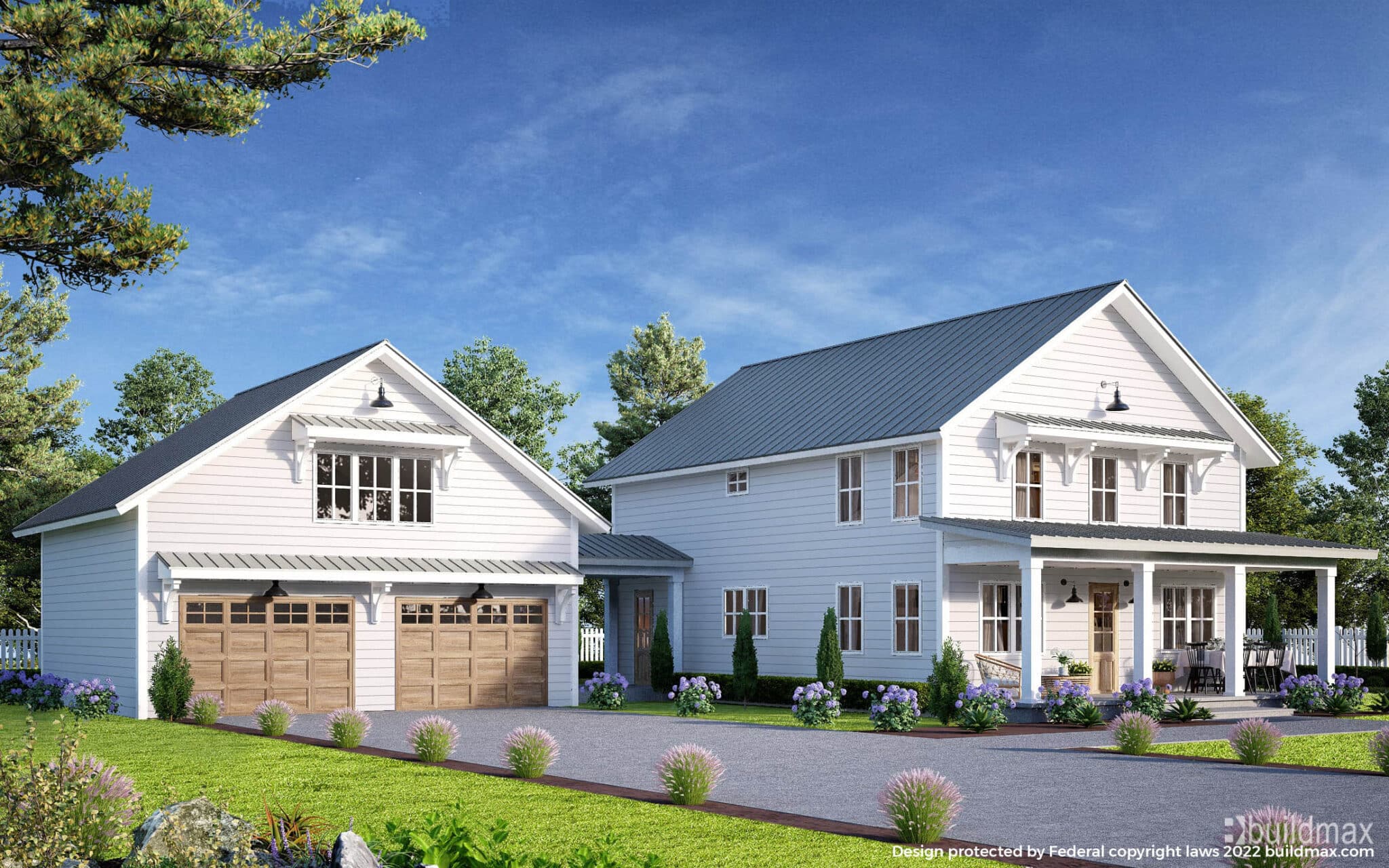
Those who opt for a crawl space or a basement will undergo a process involving excavation, followed by the pouring and shaping of concrete for the walls and floor. Specialized brackets are then used to secure the frame posts of the barndominium.

However, deciding to add a basement to a barndominium requires careful consideration. The following sections explore basement options, their benefits, challenges, and alternatives for barndominium foundations.

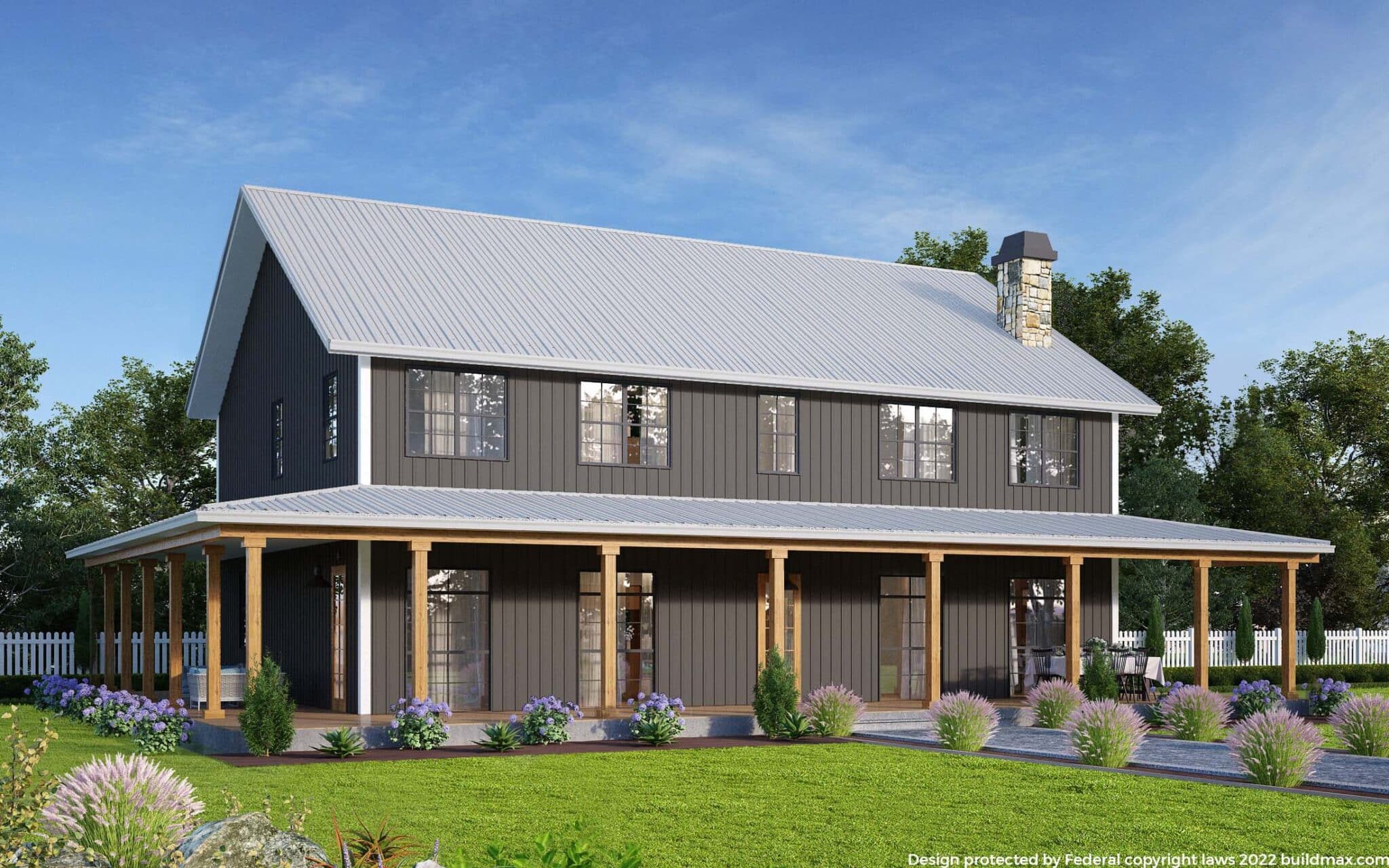
grey barndominium with dark grey roof and wraparound porch

Diverse Basement Styles in Barndominiums

Barndominiums can accommodate various basement styles commonly found in traditional homes:

Partial Basements: Cover only a part of the home’s foundation.

Walk-out Basements: Suited for sloped terrains, these basements have one side exposed to the outdoors.

Full Basements: Span the entire area under the primary floor of the building.

These basements typically feature concrete walls and floors. Choosing the right basement type for a barndominium involves understanding the structural and design implications of each option.

In traditional barndominium designs, whether post frame or steel frame, the columns are rooted directly in the ground. Adding a full basement requires attaching these posts to brackets on the foundation, a task best handled by an experienced contractor.

Partial basements, covering just a section of the home’s footprint, are a cost-effective and design-compatible alternative. They blend easily into the barndominium’s design, with the rest of the structure sitting on a concrete slab.

Walk-out basements, more complex, are ideal for properties on slopes. These basements have one side at ground level, allowing for an exit door. However, their complexity can lead to higher costs.

black barndominium with wraparound porch that has wooden posts

Benefits of Basements in Barndominiums

Basements in barndominiums offer several advantages:

Additional Space: Basements provide extra room for various functions like storage, laundry, or additional living space.

Enhanced Safety: Concrete basements offer robust protection against extreme weather, serving as a safe haven.

Natural Cooling: Basements maintain a cooler temperature, beneficial in warmer climates.

Challenges of Basement Integration in Barndominiums

While beneficial, basements pose certain challenges:

Higher Costs: The excavation and construction of a basement require more resources.

Longer Construction Time: Building a basement takes longer than pouring a concrete slab.

Regulatory Constraints: Basements may not always be considered primary living areas, depending on local regulations.

Lighting and Finishing Needs: Basements lack natural light and may require significant investment in artificial lighting and interior finishing.

black barndominium shophouse with wraparound porch

Alternatives to Basements in Barndominiums

For those considering other foundation options:

Slab Foundations: Quick and cost-effective, slab foundations are a popular choice.

Crawl Spaces: Offer limited height for access and storage, blending well with surrounding slab foundations.

Concluding Thoughts on Barndominium Basements

Integrating a basement into a barndominium brings expanded functionality but also additional work and expenses. The decision to include a basement, particularly a full or walk-out style, must consider these factors, particularly in steel constructions where costs can be significantly higher.

Ultimately, basements offer great utility, potentially transforming into leisure or utility spaces. Barndominiums, like traditional homes, offer a range of design possibilities, including the incorporation of basements, but such additions often benefit from the guidance of experienced contractors familiar with basement foundations.

Are Barndominiums Really Worth All The Money?

black barndominium

I often find myself wondering if building My own barndominium is still worth the money in the current climate we find ourselves in:

To Barndo or Not to Barndo? Evaluating the Investment in Today’s Market

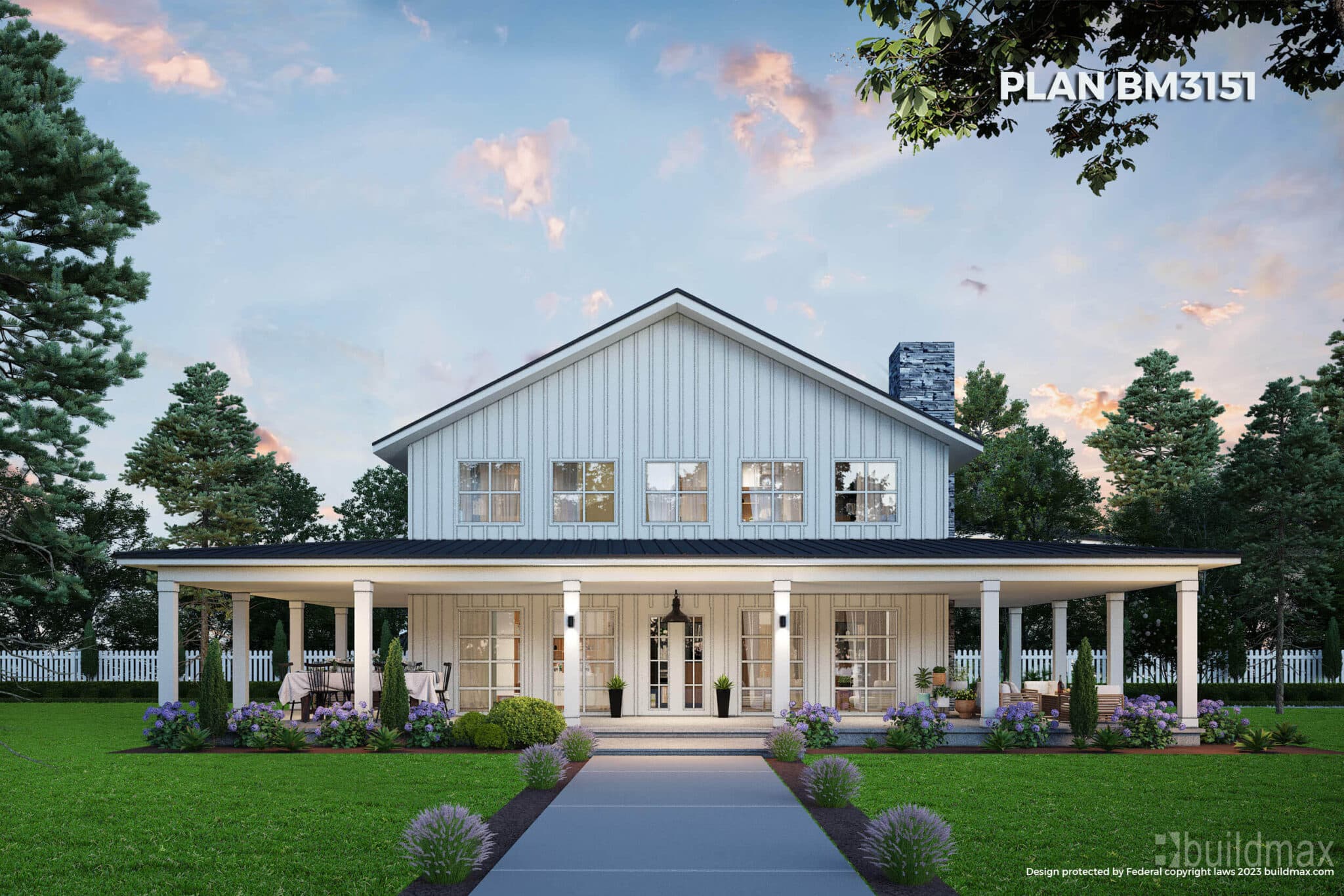
FARMHOUSE BARNDOMINIUM BM3151

Barndominiums remain wildly popular thanks to HGTV nostalgia for Fixer Upper-esque rural renovations. But with higher steel prices and labor shortages, is transforming old barns or sheds into homes still a smart investment? We break down the cost-benefit to help guide build-vs-buy decisions.

black barndominium with wraparound porch

The Building Cost Case

Constructing a barndominium runs just $100-$200 per sq. ft – 60% less than $300+ per sq. ft. for conventional homes. You invest mainly in structural enhancements and finish work rather than full ground-up building. Current steel pricing certainly exceeds 2020 lows but hasn’t impacted barndominium structural frameworks drastically since they utilize cost-efficient 29 gauge steel. Better to pay 10-15% more on framing now than accept perpetual rising lumber expenses.

white barndominium shophouse

Yes securing contractors proves tougher these days across all residential projects. But barndo’s flexibility around DIY finishing means you dictate timing. Whether tackling the full custom build or hiring pros amidst their availability, you control priority and process. Stick framing and basic mechanical/electrical skills grease the skids for substantial sweat equity opportunities insomnia of handing your vision fully over to a builder.

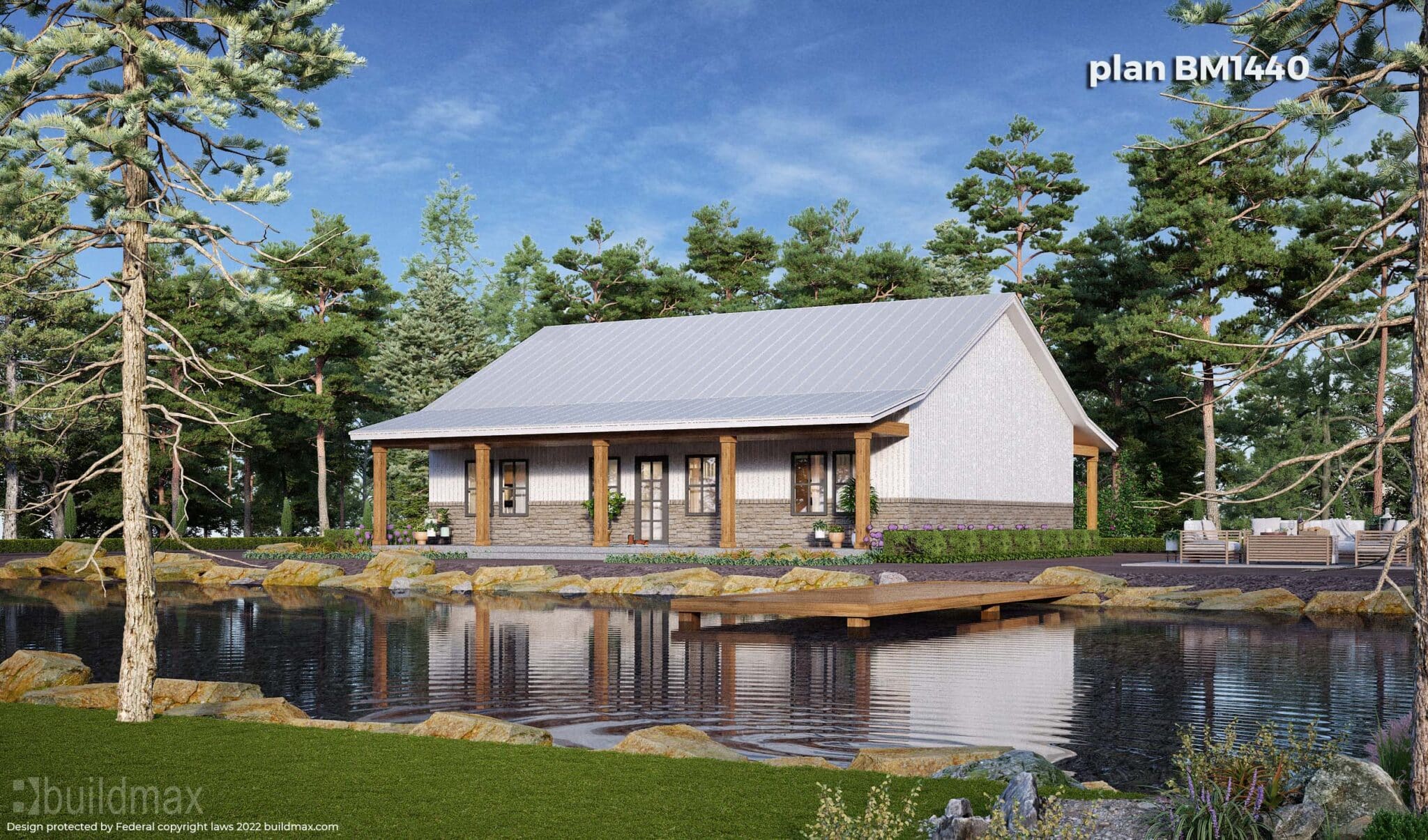
white barndominium on pond

Strong Resale Value Potential

Average sold barndominium price per square foot holds its own easily against traditional housing in 2022/2023. Buyers enthuse over the expansive footprints and rustic pastoral character that suburban developer homes just can’t replicate. Limited inventory also sustains favorable valuation for those entering the market. Steel barndominiums in particular offer durable construction and desirable flexibility that reassures investors if holding long-term.

black barndominium

Bottom Line

Building one’s own barndominium makes even more sense considering today’s dense housing markets and elevated mortgages. Anyone priced out of their preferred neighborhood can erect custom rural living at reasonable cost instead. Controlling more of the construction without fully outsourcing gives owners both cost transparency and peace of mind around quality. Just ensure proper permitting and inspections to guarantee code compliance. For those willing to balance sweat and savvy, barndos remain a worthy endeavor sure to return lifestyle and equity payoffs for years to come.

Advantages of Barndominium Kits

black barndominium farmhouse with wraparound porch

The adventure of constructing a barndominium is filled with excitement and anticipation of beginning life in a new, custom-built home. While the desire to speed up construction and cut costs is understandable, taking shortcuts can lead to less-than-ideal outcomes. A viable and balanced approach is choosing a barndominium kit, which offers quality materials designed for quick assembly. Let’s delve into the world of barndominium kits, with a particular focus on those provided by BuildMax.

Understanding Barndominium Kits

Recently gaining traction in home construction, barndominium kits vary by provider, but their core offering includes the critical elements for the structure’s exterior shell. The difference lies in the quality of materials and the comprehensiveness of the kit.

Black barndominium with breezeway and 3 car garage

BuildMax has earned a reputation for offering high-quality options, encompassing metal, stick-built, and pole barn kits. These kits are renowned for their premium materials, ensuring everything from the framing to metal siding, roofing, and windows is provided, simplifying the building process.

The convenience of barndominium kits is their primary allure. They eliminate the need for multiple hardware store visits by providing all necessary materials in a single package. This not only speeds up the building process but also offers a cost-effective solution for material procurement.

Black barndominium with 3 car garage and covered porch on the rear

Varieties and Quality Assurance

Barndominium kits come in three main types: stick-built, post-frame, and steel-frame. Each represents a mark of quality, with the steel-frame option offering enhanced durability. Rigorous testing and inspection ensure these kits meet the highest quality standards before leaving the manufacturing site.

The resilience of barndominiums is attributed not just to their material composition but also to their architectural design. The traditional barn-like structure, coupled with steel, contributes significantly to their sturdy nature.

barndominium being built

Longevity and Resistance

In terms of longevity, steel-frame barndominiums have a distinct advantage. They resist fire, are more capable of withstanding extreme weather, and are immune to pests and decay, unlike their wooden counterparts.

Both steel and wooden kit options typically feature metal siding and roofing, boosting their weather resistance. This metallic protection is low-maintenance and available in various styles and colors, allowing for aesthetic flexibility.

Maintenance is vital for any barndominium, regardless of the kit chosen. Regular pest control, sealing, gutter maintenance, and damage checks are crucial to prolong their lifespan and maintain safety.

barndominium being built

Final Thoughts

Building a barndominium comes with its set of challenges, from sourcing materials to ensuring consistency. Barndominium kits, particularly those from BuildMax, address these issues effectively. By offering high-quality, complete packages that streamline the construction process, these kits ensure your barndominium is built efficiently and without compromise on quality or design.

How Thick Should Your Barndominium Slab Be?

white barndominium

How Thick Should a Barndominium Concrete Slab Be?

DREAM BARNDO BM2852

Barndominiums have been growing rapidly in popularity for their spacious, flexible and affordable homebuilding potential. But transforming an old barn or shed into a livable residence requires some structural adaptations – starting with an adequately thickened concrete slab foundation.

white barndominium farmhouse

Typical pole barns or steel sheds build upon dirt, gravel or very thin concrete pads just meant to keep the framing lifted off the ground. Converting these structures to barndominiums demands adding a reinforced slab to withstand occupant loading and anchor the walls. This raises the question – what slab thickness meets structural requirements without overbuilding?

General Guidelines

For barndominiums up to 1,500 sq. ft., most recommendations fall between a 4” and 6″ thick slab. This accommodates moderate traffic and furnishings adequately without excessive concrete use. The steel perimeter beams of barndominium kits require less internal slab support than wood framing.
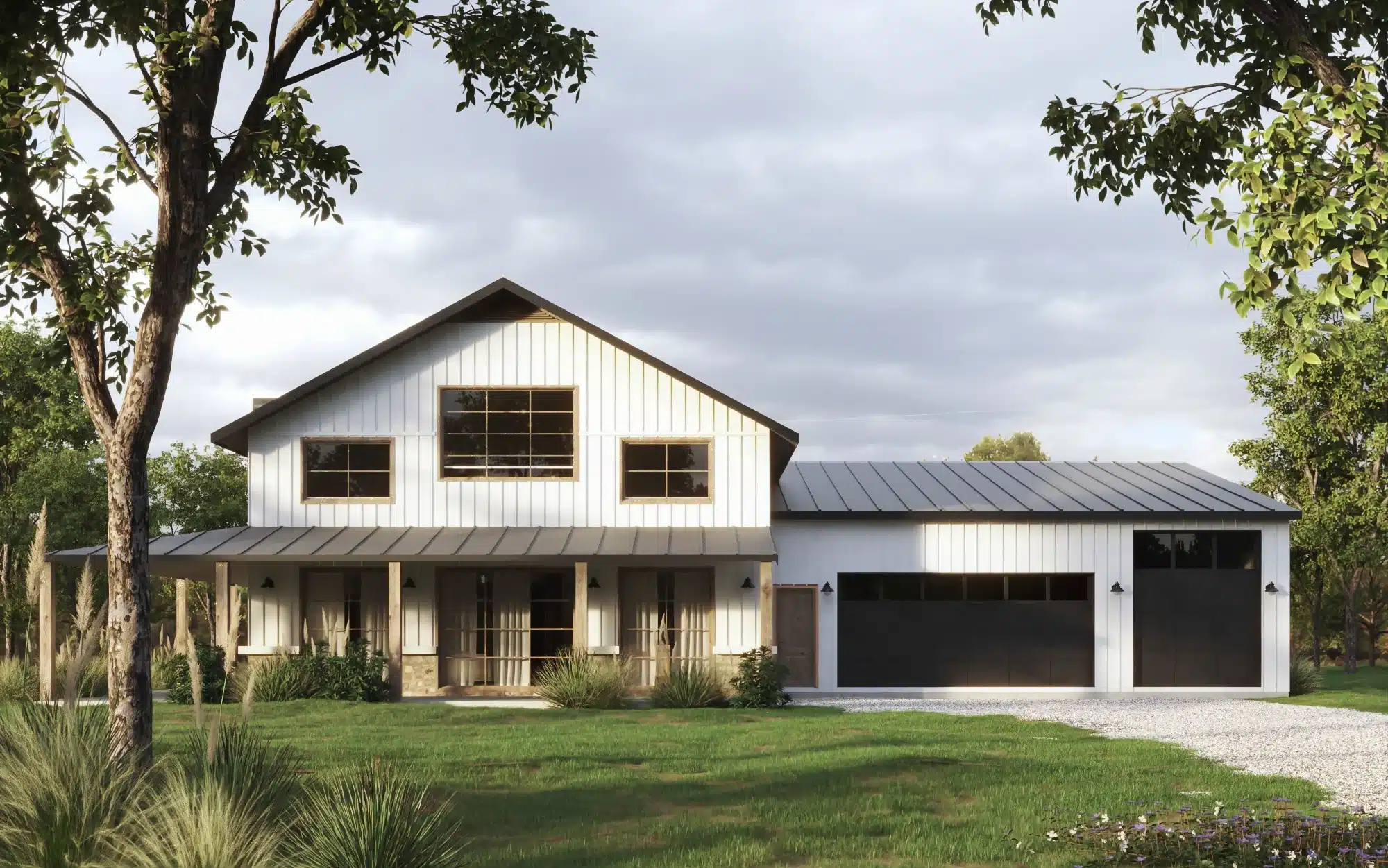
Larger or two-story barndominiums may benefit from 6” to 8” thicknesses to prevent cracking or sinking from heavier live/dead loads. Farmhouses styled for heavy equipment will also need reinforced 8″ slab sections. Maximum steel-framed barndominium size per IRC code reaches 5,000 sq. ft. before requiring special engineering.

white barndominium lodge style

Other Slab Spec Factors

Beyond depth, proper steel reinforcement and drainage provisions also play key roles in achieving structural slab integrity:

– #4 rebar grid 12” on center each way
– 4”-6” compacted gravel base
– 6 mil polyethylene vapor barrier
– Wire mesh for added tensile strength

Perimeter edge thickening further helps minimize cracking and separate slabs from exterior grade. Using an elevated floating slab system is another method to prevent moisture wicking and related foundation issues.
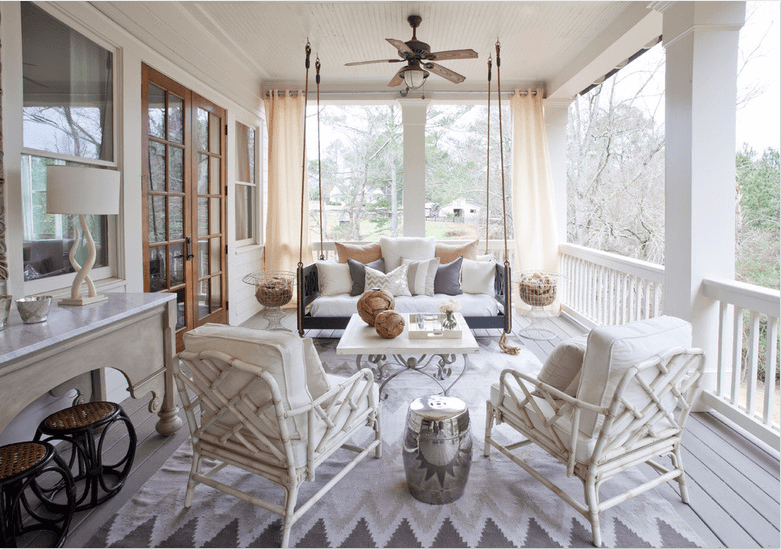
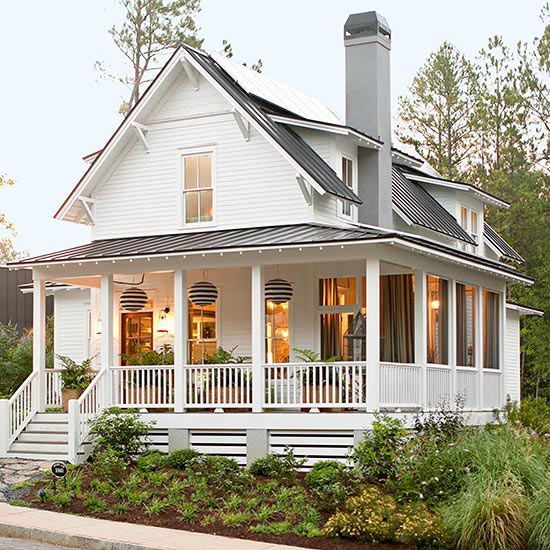
In short, 4”-6” offers the ideal balance of strength and economy for small-to-moderate barndominium builds. Evaluate larger footprints on an individual basis to determine if thicker design merits the extra cost. Careful gravel prep, reinforcement and moisture prevention also ensure the slab’s lasting structural stability as an adapted new home.

How loud will your barndominium’s Roof be when it’s raining?

Are Barndominium Roofs Loud When Raining?

Barndominiums have been growing in popularity across the U.S. in recent years. Often upcycled from old barns and sheds, they offer spacious rustic living at affordable prices. However, some interested buyers wonder – with their large spans of sloped metal roofing, are barndominiums painfully loud inside whenever it storms?

white barndominium with covered porch

The short answer is: that they absolutely can be, but don’t necessarily have to be. A loud metal roof is a very desirable characteristic for many people building a rustic style barndominium, Barndominium roof noise during rain depends on four main variables:

white barndominium with covered porch

Roof Panel Type
The most common metal roof options for barndominiums are corrugated galvanized steel or exposed-fastener panels. Corrugated panels in particular amplify noise as rainwater runs down the valleys and ridges. Flat, concealed-fastener metal panels offer a quieter alternative. They have an overlapping smooth surface that rain glides across without as much reverberation.

famrhouse style barndominium with wraparound porch

Insulation Inclusion
Adding at least some insulation when repurposing old barns dampens interior noise penetration significantly. Closed-cell spray foam insulation locks out external noise better than fiberglass batts. Installing a sound attenuation insulation like DenseGlas between roof joists and panels further deadens the acoustics.

white barndominium floor plan with wraparound porch

Rainfall Intensity
Obviously loud “pounding” rain events will create more resounding noise on metal roofs than light sprinkles. So barndominium owners can expect especially heavy regional downpours like hurricanes and thunderstorms to generate louder roof noise. General rainfall produces noticeable but not usually disruptive noise.

black barndominium with gable

Interior Fitments

How the interior of the barndominium gets built out also influences resulting rain noise. Gypsum board ceilings with acoustic caulking fully finished attics or installing suspended drywall ceilings significantly buffer noise. Exposed roof joists and rafters internally amplify sound. Other protectants like blown-in insulation or Full-Fill noise reduction systems also minimize echo.

black barndominium with covered porch

In summary – a bare-bones, cavernous barndominium covered in corrugated steel offers little acoustic insulation when storms roll through. But upgrading panels, fully dressing out the interior, and strategic soundproofing provide affordable ways to reduce weather noise. Balancing project budget with desired comfort helps buyers choose the best barndominium roof noise solution.

Are Barndominiums a Good Investment?

white farmhouse

Are Barndominiums a Good Investment?

Barndominiums have been growing in popularity in recent years as a unique and affordable housing option. A barndominium is essentially a home built out of a repurposed barn or shed, combining the charm and character of a barn with the amenities and comforts of a modern home. As more people consider building or buying a barndominium, a common question is whether they make for a good investment. There are several factors to consider when evaluating the investment potential of barndominiums:

white barndominium lodge style

Cost Savings on Construction

One of the main appeals of a barndominium is that they can be much cheaper to build than a traditional house. The cost per square foot for new barndominium construction can range from $50-$150, while a typical single family home costs $100-$300 per square foot to build. For those with the time and skills to repurpose an existing barn or shed, the cost savings can be even greater. Barndominiums use less material, have more basic finishes, and simpler floor plans than regular homes. This significant reduction in upfront construction cost makes them enticing for those looking to build on a budget.

white farmhouse with wraparound porch

Customization and Flexibility

Barndominiums allow for a high degree of customization during and after construction. During building, barn-style structures easily accommodate the inclusion of lofts, partial second floors, and wide open floor plans. Owners can then easily renovate their barndominium by knocking down or erecting walls as needed. This flexibility lets owners cost-effectively change the use and layout of their space over time. For example, a barndominium initially built as a single family home could be adapted into a multi-unit rental property.

black barndominium with wraparound porch

Strong Resale Value Potential

While barndominiums are still a niche market, they have been steadily rising in mainstream popularity. This growing demand combined with their relative scarcity has contributed to strong resale values. According to real estate data, the average price per square foot for barndominiums sold in 2022 was $159. This is comparable to the average of $164 per square foot for site built homes. If the current trends continue, barndominiums may appreciate at a faster rate than traditional homes. Their unique character and farmhouse aesthetic have strong appeal among buyers.

white farmhouse

Lower Property Taxes

In many areas, barndominiums are taxed as agricultural property rather than residential. The significantly lower tax assessment can translate to substantial annual savings for owners. For example, a 3,000 square foot barndominium in Texas may incur $3,000 in annual property taxes versus $8,000 that a typical home of the same size would be assessed. These annual savings bolster the return on investment of a barndominium.

white barndominium with wraparound porch

Overall, barndominiums can be a smart and lucrative investment given their lower upfront costs, flexibility, strong demand, and favorable tax treatment in many municipalities. Though still considered non-traditional, they have gained wider acceptance and their resale values reflect that. For those interested in a unique homeownership opportunity, barndominiums have a lot of upside.

First Steps To Building your Dream Barndominium

The planning phase of a barndominium build requires covering several key areas. The article will elaborate on the importance of detailed planning, the unique aspects of designing a barndominium, and why purchasing house plans from BuildMax.com can be an advantageous starting point. Let’s break down the article into several sections for clarity and depth:

The Essential Guide to Planning Your Barndominium Build:


white farmhouse

The Importance of Detailed Plans

Embracing the Barndominium Lifestyle
The concept of a barndominium, blending the rustic charm of a barn with the comfort and functionality of a condominium, has gained significant traction in recent years. These unique structures offer a blend of spaciousness, durability, and customizable features that cater to a diverse range of lifestyles. However, the cornerstone of building a successful barndominium lies in meticulous planning and the selection of the right plans.


Understanding Barndominiums

Barndominiums are more than just trendy; they are a testament to modern architectural innovation. Typically constructed with steel frames and metal siding, they are known for their sturdiness and low maintenance. The interior can be designed to accommodate anything from a cozy family home to a workshop or studio space, making them highly versatile.

The Planning Phase: Laying the Groundwork

1. **Initial Considerations**: The journey begins with a clear vision. Consider the size, location, and overall purpose of your barndominium. Whether it’s a primary residence, a vacation home, or a multifunctional space, each purpose will influence the design differently.

2. **Budgeting and Financing**: Establishing a budget is critical. Factor in the costs of materials, labor, interior finishes, and any custom features. Also, explore financing options early in the process.

3. **Navigating Legalities**: Familiarize yourself with local zoning laws, building codes, and permit requirements. This step is crucial to avoid any legal hurdles during construction.

The Role of Detailed Barndominium Plans

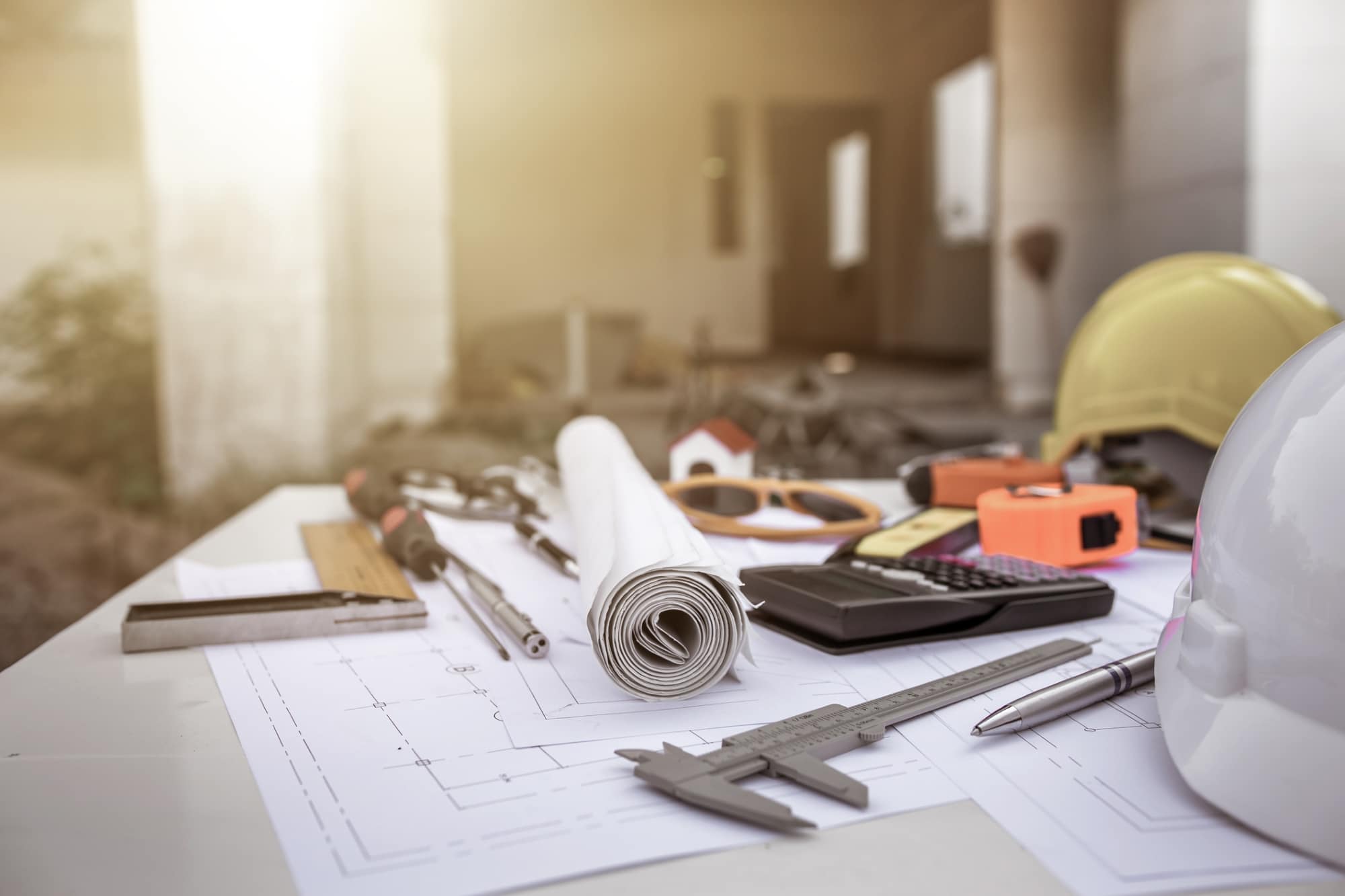
1. **Blueprint for Success**: Detailed plans are the blueprint of your project. They provide a clear visual and technical depiction of the final structure, ensuring that builders and contractors are aligned with your vision.

2. **Efficiency and Accuracy**: With a detailed plan, the construction process becomes more efficient. Accurate plans minimize the risk of costly mistakes and mid-construction changes.

3. **Customization and Flexibility**: Barndominium plans offer a high degree of customization. You can modify layouts, add or remove rooms, and integrate specific features to meet your unique needs.

Why Quality Plans Matter

1. **Time and Cost Savings**: High-quality plans can lead to significant time and cost savings by reducing the likelihood of errors and delays.

2. **Resale Value**: A well-designed barndominium can have excellent resale value. Detailed and professional plans contribute to a higher-quality build, which is a key factor in property valuation.

3. **Peace of Mind**: Knowing that your project is based on reliable, professionally crafted plans like those from Buildmax.com and others give you peace of mind throughout the construction process.

Choosing the Right Plans

1. **Research and Comparison**: Investigate various sources for barndominium plans. Look for designs that align with your vision and budget and a company who puts it’s customers first and provides a good product. Browse around online for different floor plans to learn what it is you like in a barndominium.

2. **Professional Consultation**: Consider consulting with an architect or a designer or other. professional plans services like Buildmax who has experience in barndominium projects. They can help tailor existing plans to your needs or create custom plans.

3. **Review and Adaptation**: Once you’ve chosen a plan, review it thoroughly. Make sure it fits your site, complies with local regulations, and includes all desired features.

black barndominium farmhouse with wraparound porch

Building Your Dream Barndominium
The planning phase of building a barndominium is both exciting and challenging. By prioritizing the selection of detailed, high-quality plans, you set a strong foundation for a successful build. With careful planning, a clear vision, and the right resources, your dream barndominium can become a reality, offering a unique and fulfilling living experience.


How Long Does It Really Take To Build A Barndominium From Scratch!

How Long Does It Really Take to Build a Barndominium From Scratch?

One of the most common questions homeowners ask is:

“How long does it actually take to build a barndominium?”

The honest answer is: it varies.

While some projects move quickly, most barndominiums follow a timeline similar to other custom homes. The total build time depends on:

  • planning and design

  • permitting

  • site conditions

  • contractor availability

  • weather

  • and overall project coordination

With the right preparation, many projects move efficiently—but it’s important to set realistic expectations from the start.


Typical Timeline Overview

A barndominium build usually happens in phases:

  1. Planning & Design (1–3+ months)

  2. Permits & Approvals (2–8+ weeks, varies by location)

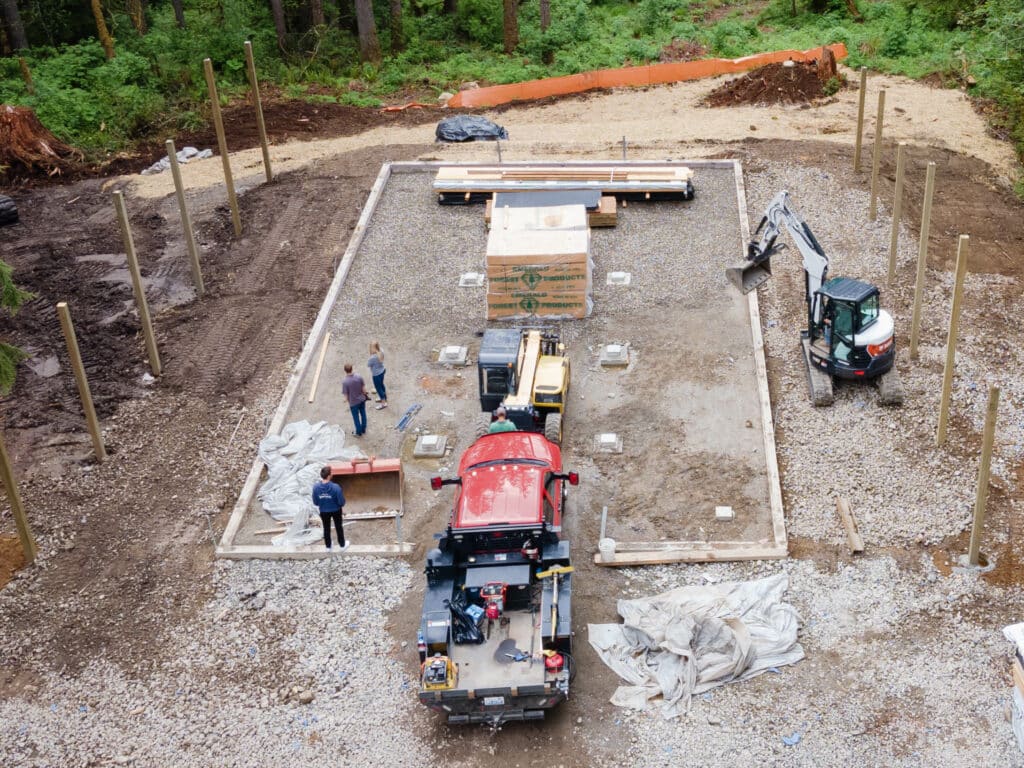
  3. Site Work & Foundation (2–6 weeks)

  4. Framing & Dry-In (1–3 months)

  5. Interior Build-Out (2–6+ months)

Total estimated timeline:
👉 6 to 12 months is common, but some projects may be shorter or longer depending on complexity and conditions.


Phase 1: Planning and Design

This is one of the most important—and often underestimated—stages.

It includes:

  • selecting or customizing a floor plan

  • engineering

  • budgeting

  • choosing materials

  • coordinating with contractors

Projects that invest more time upfront here tend to move faster later.


Phase 2: Permits and Approvals

Permitting timelines vary widely depending on:

  • county or city requirements

  • zoning regulations

  • inspections

  • and workload of local offices

Some areas approve quickly, while others may take several weeks or longer.


Phase 3: Site Work and Foundation

Before vertical construction begins, the site must be prepared.

This may include:

  • clearing and grading

  • excavation

  • utility installation

  • foundation work

Site challenges like:

  • poor soil

  • slopes

  • drainage issues
    can extend this phase.


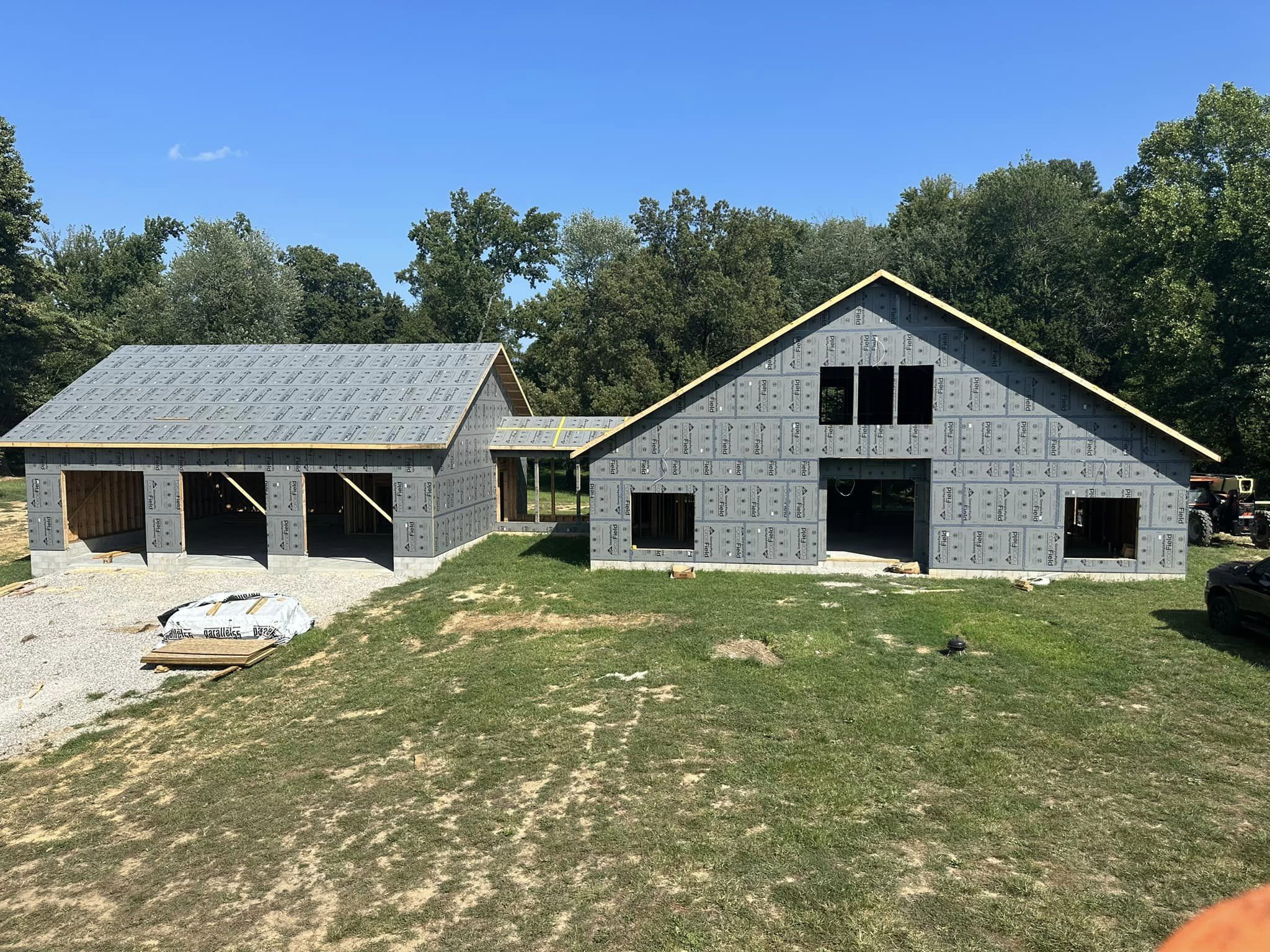
Phase 4: Framing and Dry-In

This is when the structure starts to take shape.

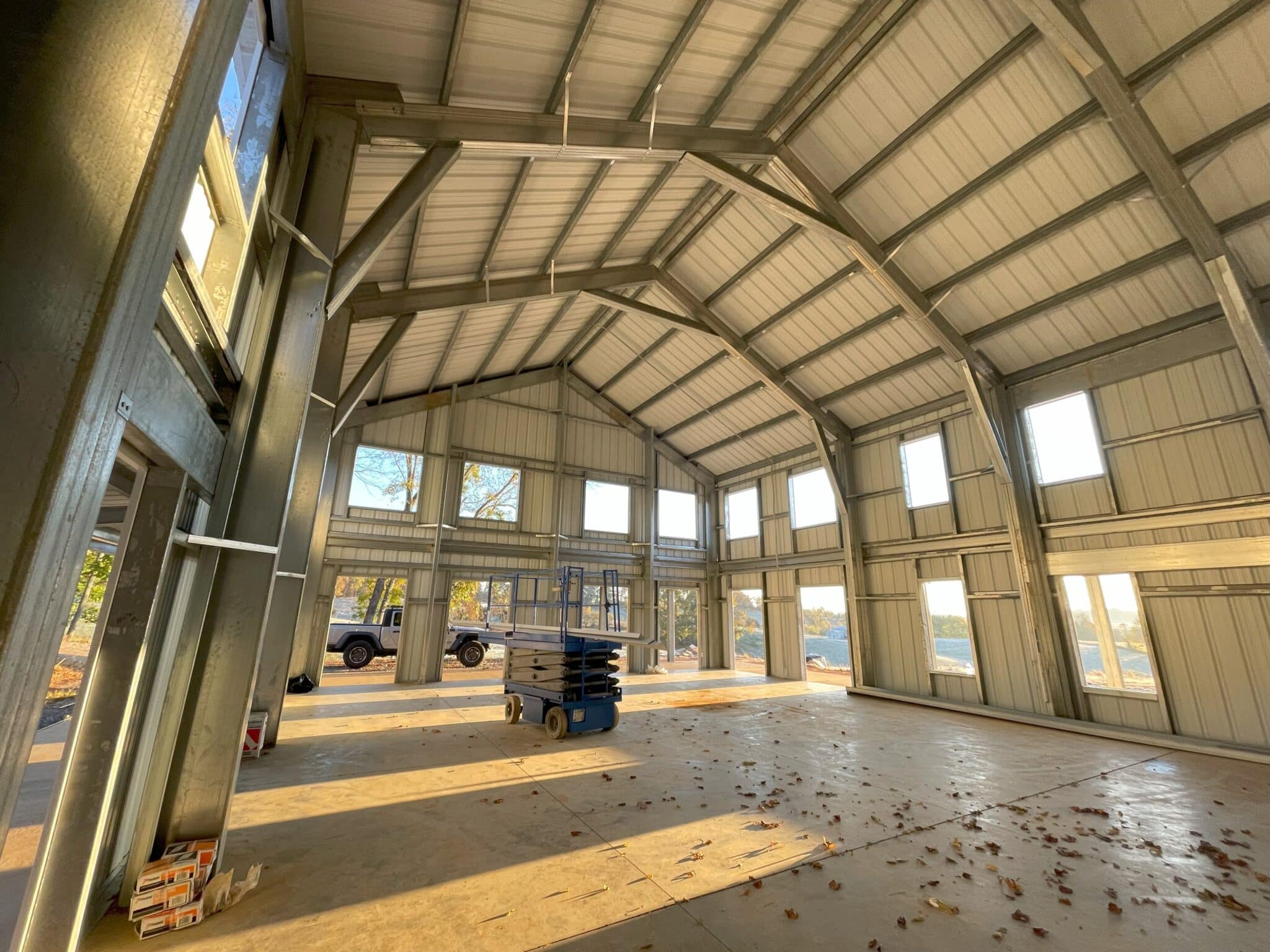
For steel-framed barndominiums, this phase may include:

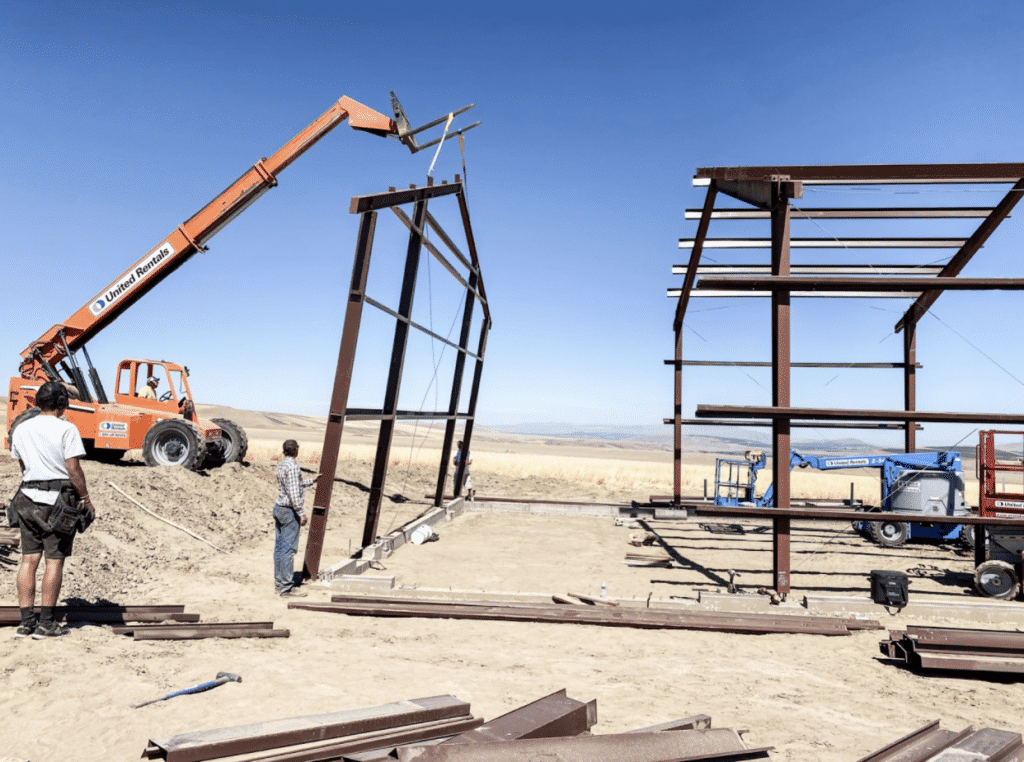
  • erecting the frame

  • installing roofing

  • adding exterior panels

  • setting windows and doors

Getting the home “dried-in” (protected from weather) is a major milestone.

While some framing systems can be installed efficiently, timelines still depend on:

  • crew experience

  • scheduling

  • weather

  • and coordination


Phase 5: Interior Build-Out

This is typically the longest phase.

It includes:

  • electrical, plumbing, and HVAC

  • insulation and drywall

  • flooring, cabinets, and finishes

  • fixtures and final details

The more customized the home, the longer this phase may take.


What Can Speed Up the Process?

Some factors may help improve efficiency:

  • finalized plans before construction starts

  • experienced contractors

  • good scheduling and coordination

  • pre-engineered material packages

  • fewer mid-project changes

Projects with strong planning tend to move more smoothly overall.


What Can Cause Delays?

Delays are common in construction and can come from:

  • weather conditions

  • permit or inspection hold-ups

  • contractor scheduling conflicts

  • material availability

  • site challenges

  • design changes during construction

Even well-planned projects may experience some delays, so flexibility is important.


Important: Builder Responsibility

It’s important to understand that BuildMax is not a builder or general contractor.

BuildMax provides:

  • floor plans

  • design services

  • and material packages

BuildMax does not:

  • manage construction timelines

  • supervise job sites

  • or control contractor schedules

For that reason, BuildMax recommends:

  • hiring a vetted general contractor

  • choosing crews experienced with barndominiums or steel framing

  • and coordinating all trades before construction begins

In some cases, homeowners may also consider requesting a quote from a third-party manufacturer’s steel installation crew, if available, as they are familiar with the system.

All contractors are independent, and the overall timeline depends heavily on the team selected and how the project is managed.


Setting Realistic Expectations

Online content can make it seem like barndominiums go up extremely fast—but most real projects take time.

The key to a smoother build is:

  • strong upfront planning

  • realistic scheduling

  • clear communication

  • and experienced professionals


Final Thoughts

So, how long does it really take to build a barndominium from scratch?

Most projects take 6 to 12 months, but timelines vary depending on:

  • design complexity

  • location

  • site conditions

  • contractor availability

  • and overall project management

Barndominiums can be built efficiently when properly planned—but they are still full-scale custom homes that require coordination, patience, and the right team.

With realistic expectations and solid preparation, you can move through the process with fewer surprises and a better overall experience.

Top Expenses Associated With Building a Barndominium?

barndominium with blue siding

Building a barndominium, a portmanteau of “barn” and “condominium,” has become an increasingly popular choice for those seeking a unique blend of rustic charm and modern amenities. However, while these structures can offer cost savings over traditional homes, certain expenses can be significantly higher. Understanding and preparing for these costs is crucial for anyone considering building a barndominium.

The Biggest Expense: Customization and Finish-Out Costs

The most significant expense in building a barndominium typically arises from customization and finish-out costs. Unlike traditional homes, barndominiums often start as basic metal structures. The journey from a bare shell to a fully finished home can be costly, depending on the level of customization and the quality of finishes desired.

Customization Costs

Customization is one of the alluring aspects of barndominiums. Owners have a virtually blank slate, which allows for a high degree of personalization. This can include unique floor plans, large open spaces, and incorporating elements like mezzanines or loft spaces. However, the more customized the design, the higher the cost. Architectural services, specialized labor, and unique materials all contribute to this expense.

Finish-Out Costs

Finish-out costs refer to the expenses involved in transforming the interior from an empty shell to a livable space. This includes insulation, interior walls, flooring, electrical work, plumbing, HVAC systems, and interior decoration. High-quality finishes like hardwood floors, granite countertops, custom cabinetry, and state-of-the-art appliances can quickly drive up the cost. Moreover, because barndominiums often have larger open spaces compared to traditional homes, the quantity of materials needed, like paint or flooring, can be higher, further increasing the cost.


Other Significant Expenses

While customization and finish-out costs are typically the largest, other significant expenses should be considered:


Foundation Costs

The foundation is a critical component of any structure, including barndominiums. The cost can vary greatly depending on the size of the building, the type of foundation required, and the ground conditions of the construction site.

Structural Costs

The cost of the metal building kit itself can vary based on the size and complexity of the structure. Additional structural elements, such as custom windows or larger doors, can also add to the expense.


Utility Installation

If the barndominium is being built in a remote location, the cost of bringing utilities like water, electricity, and sewage to the site can be substantial.

Budgeting Wisely

Given these potential costs, it’s essential for prospective barndominium owners to budget wisely. Here are a few tips:

1. **Detailed Planning**: Engage with architects and builders early in the process to get accurate estimates.

2. **Phased Approach**: Consider completing the build in phases to spread out costs.

3. **Quality vs. Cost**: Decide where to splurge and where to save. Sometimes, investing in quality for certain aspects can save money in the long run.

4. **DIY Where Possible**: Some tasks can be done personally to save on labor costs, provided you have the skills and time.

Building a barndominium can be a fulfilling project that results in a beautiful, customized home. However, the road to completion can be expensive, particularly due to customization and finish-out costs. By understanding these costs and planning accordingly, you can ensure that your barndominium project is both successful and financially manageable.