Home Blog Page 41

Adding a Safe-Room To Your Barndominium Plans

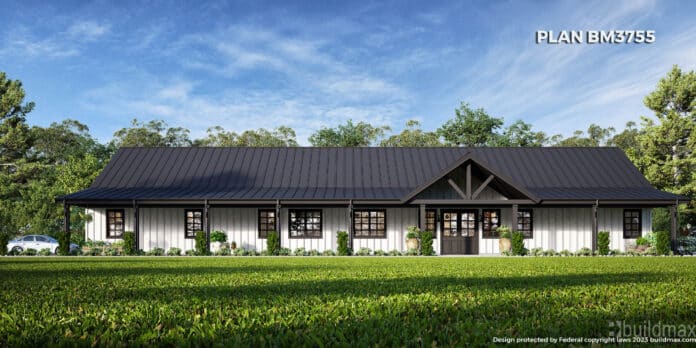
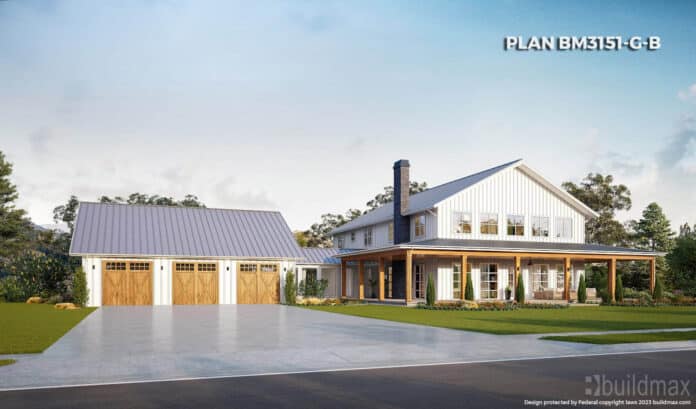
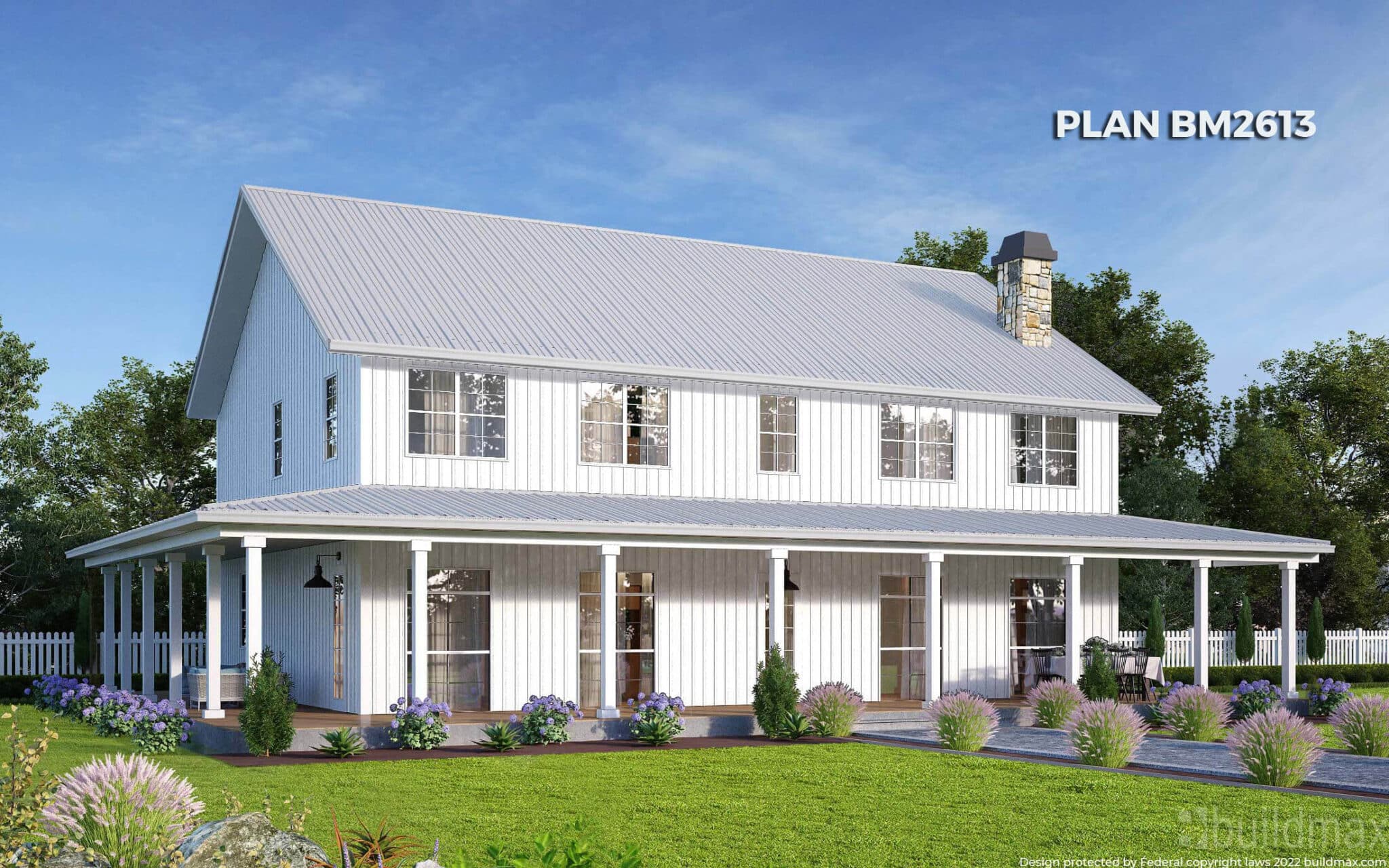
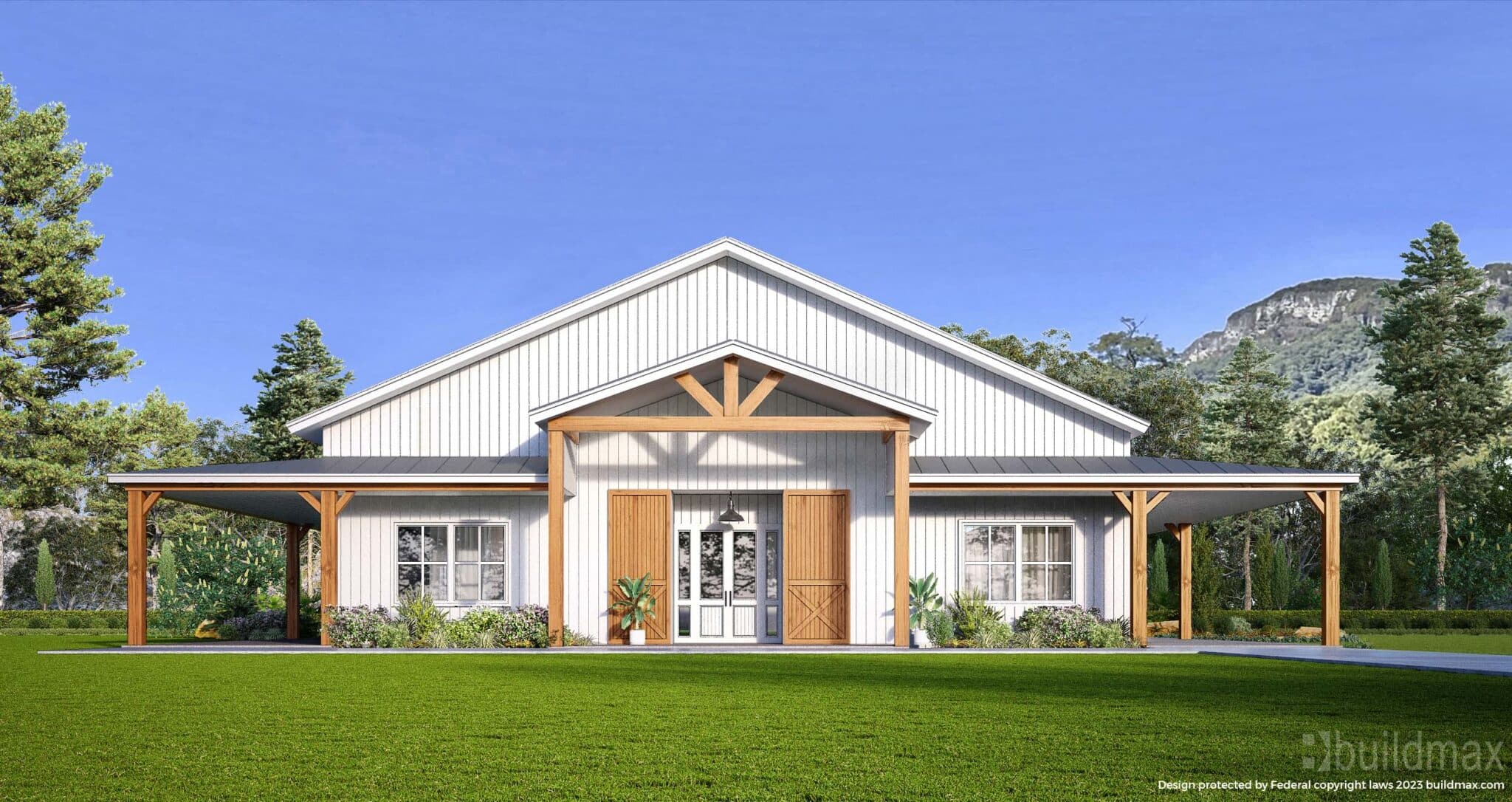
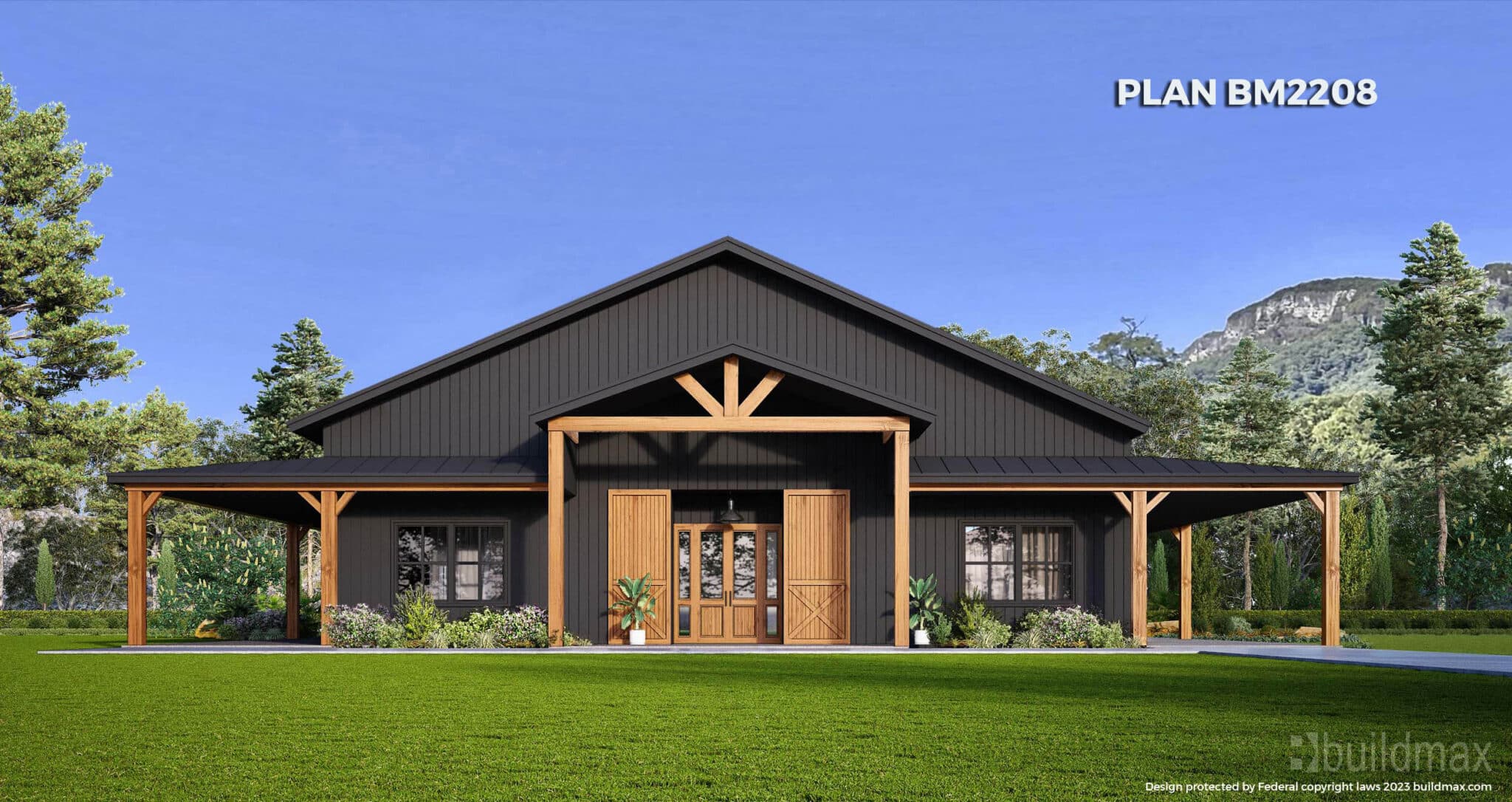
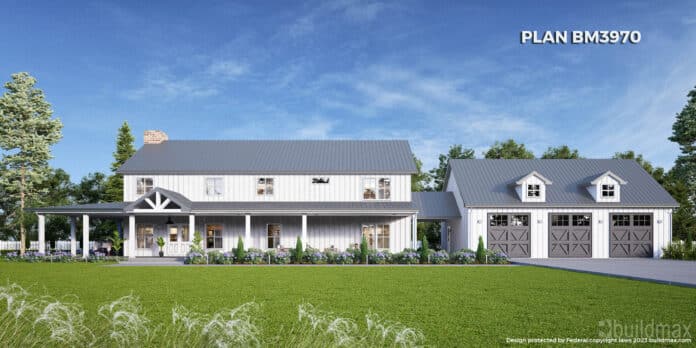
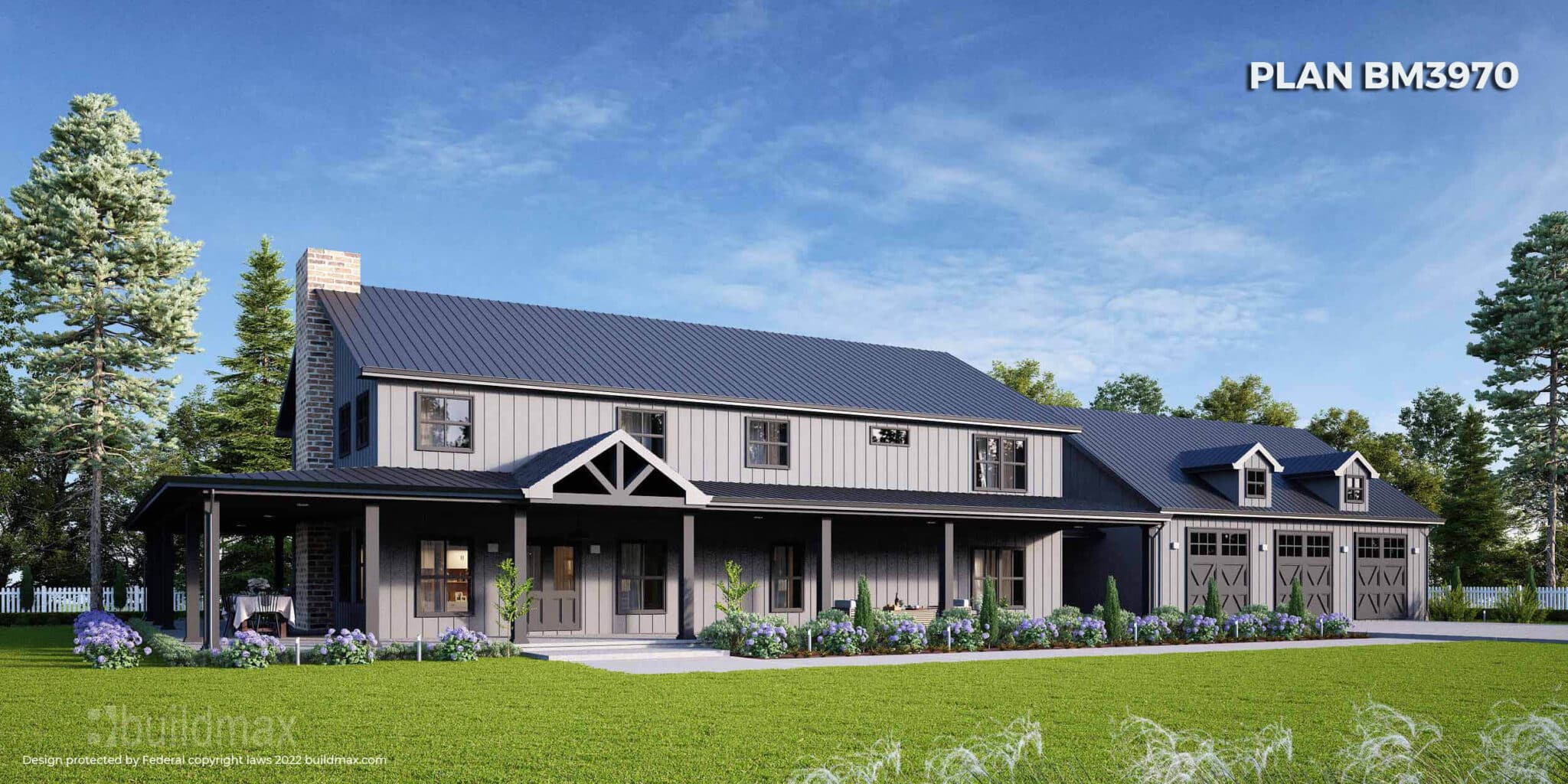
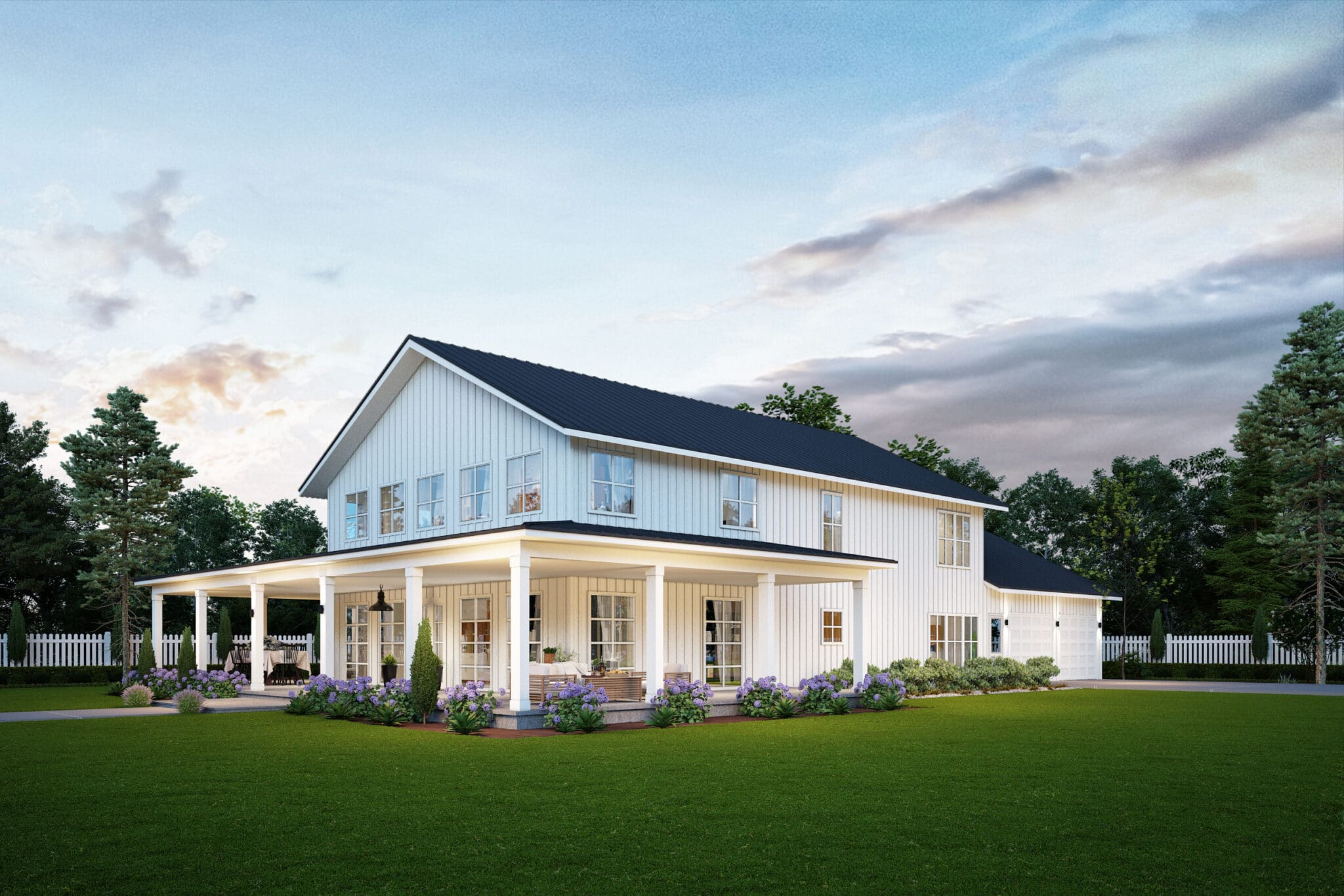
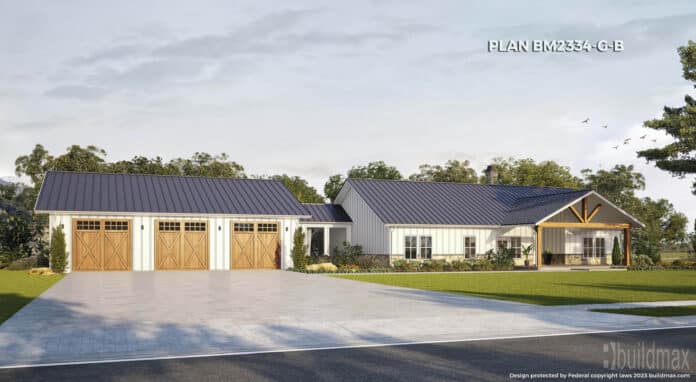
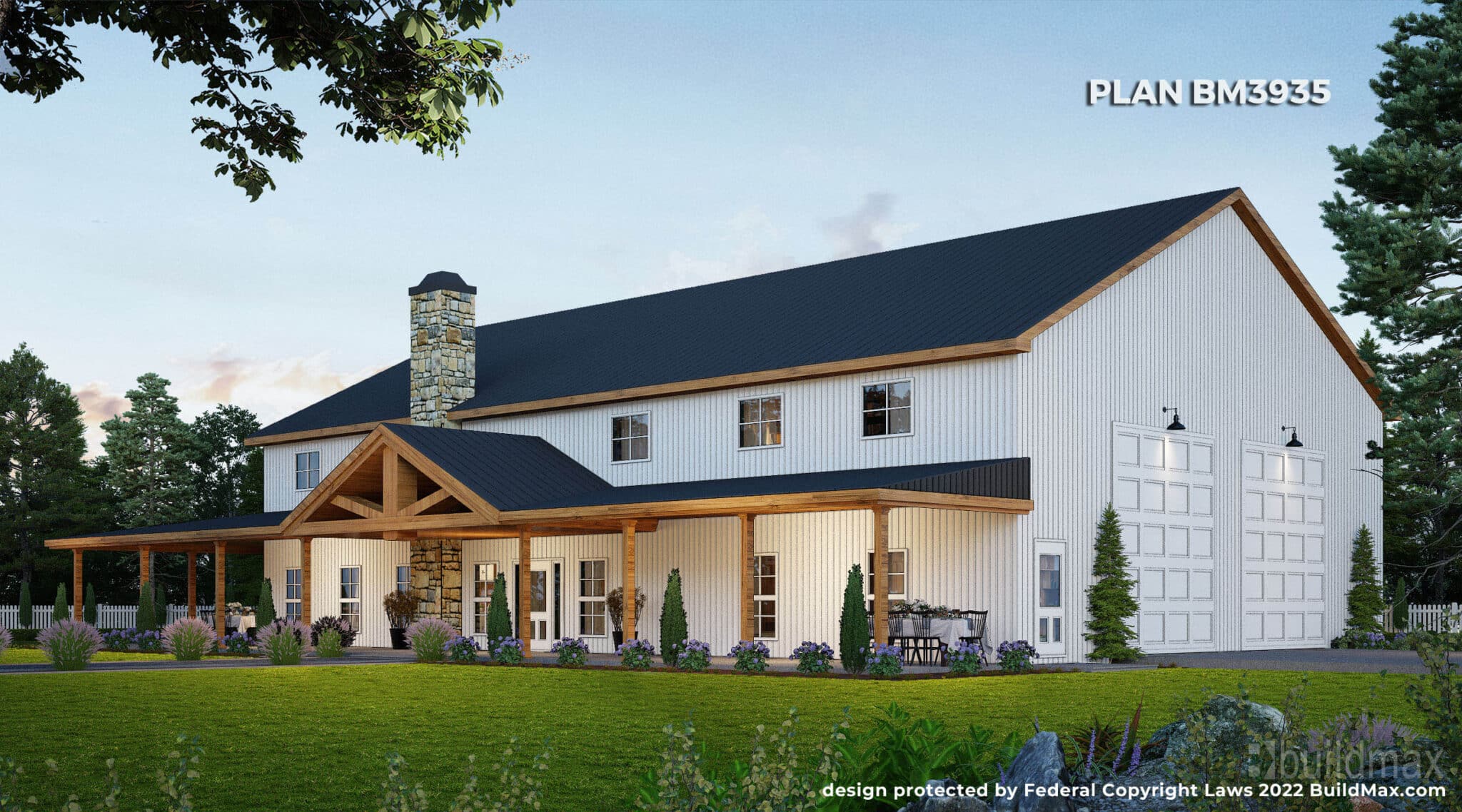
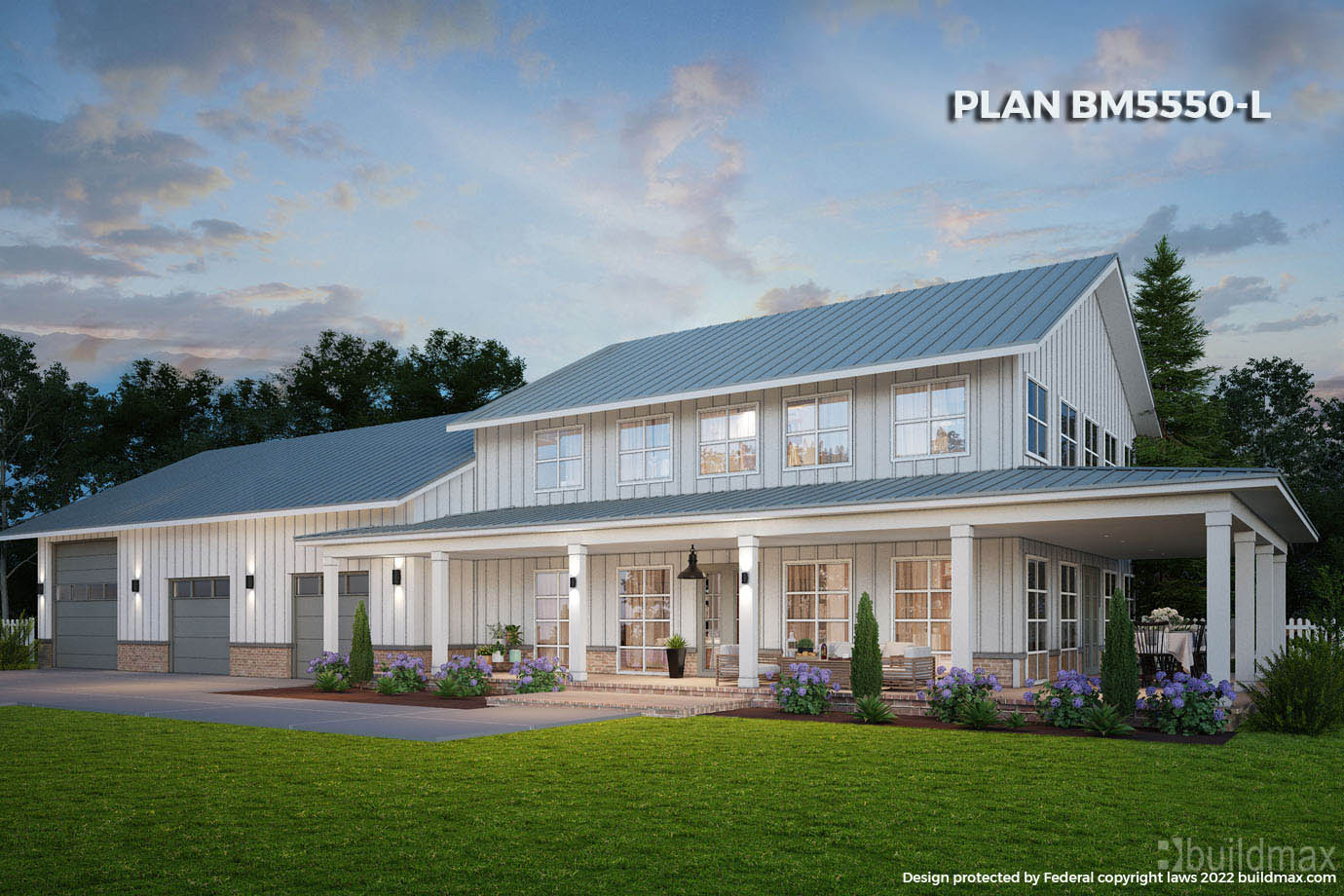
white barndominium with grey roof

throughout this article we attempt to discuss the benefits of incorporating safe rooms into barndominium floorplans and how they can serve alternate purposes aside from their initial intended purpose:

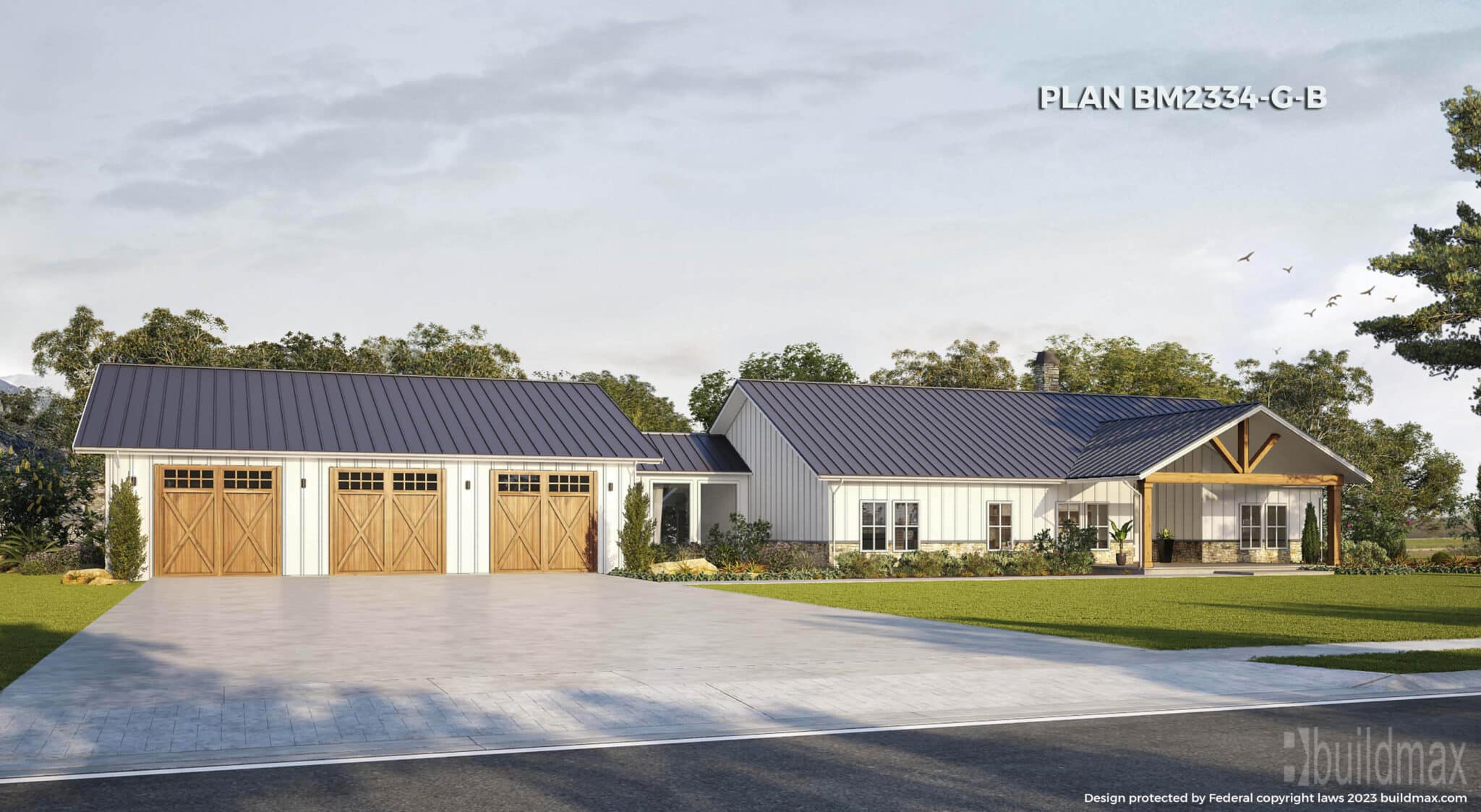
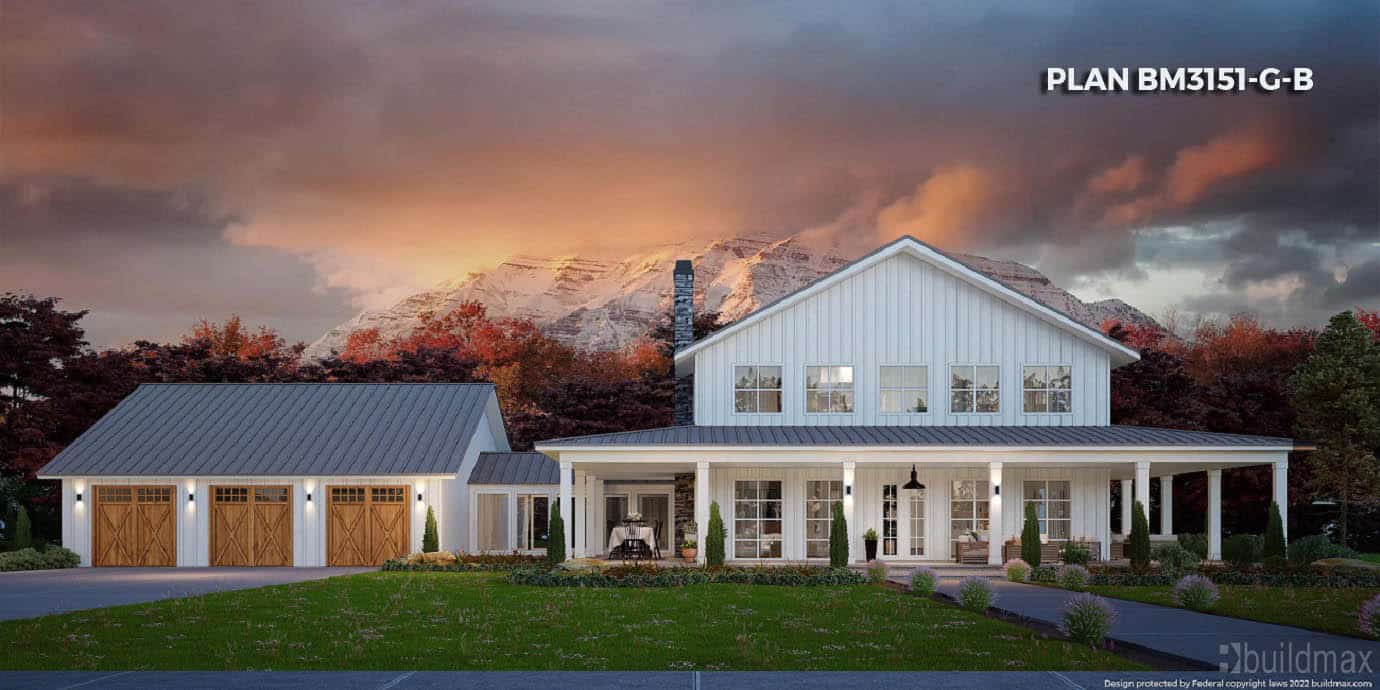
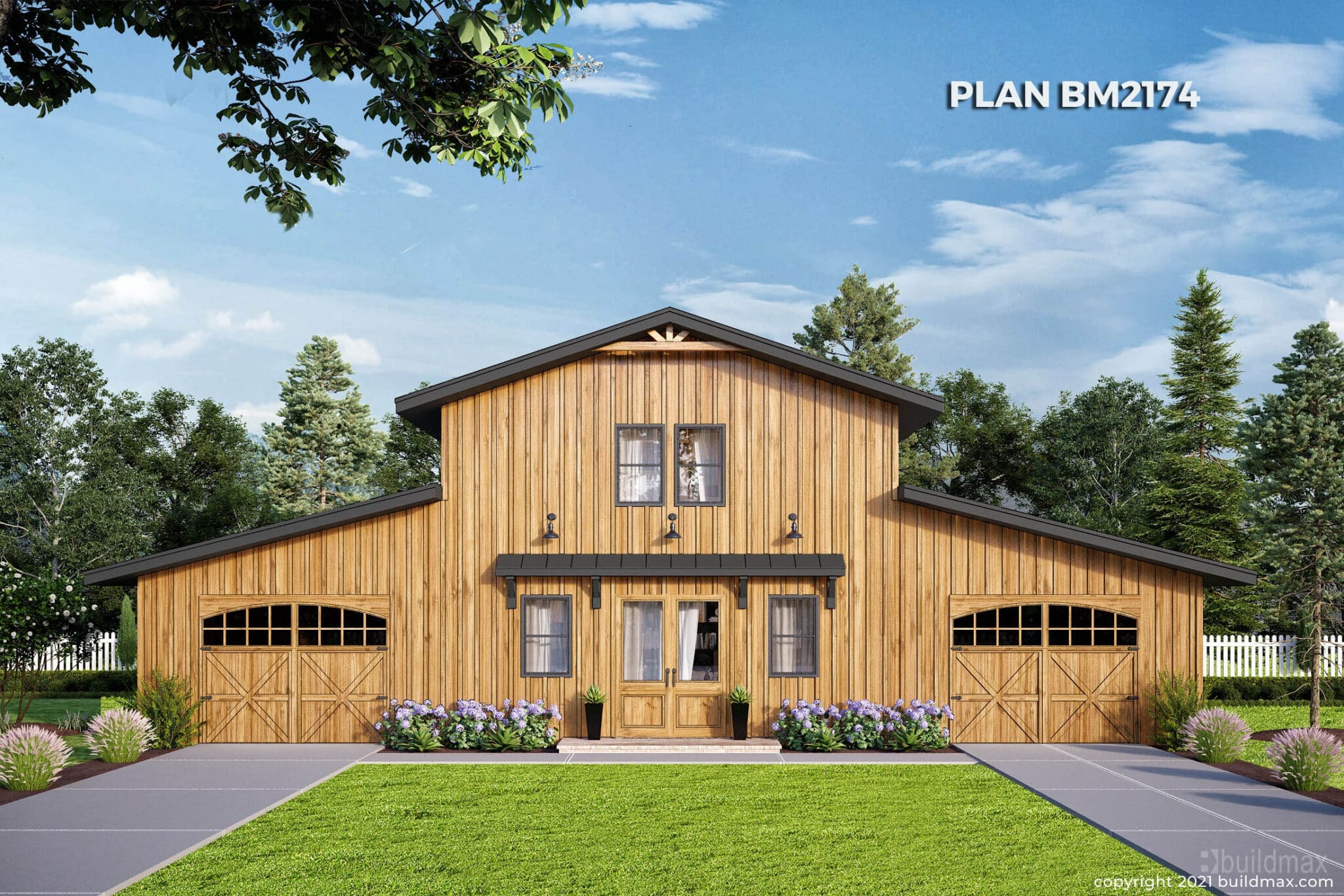
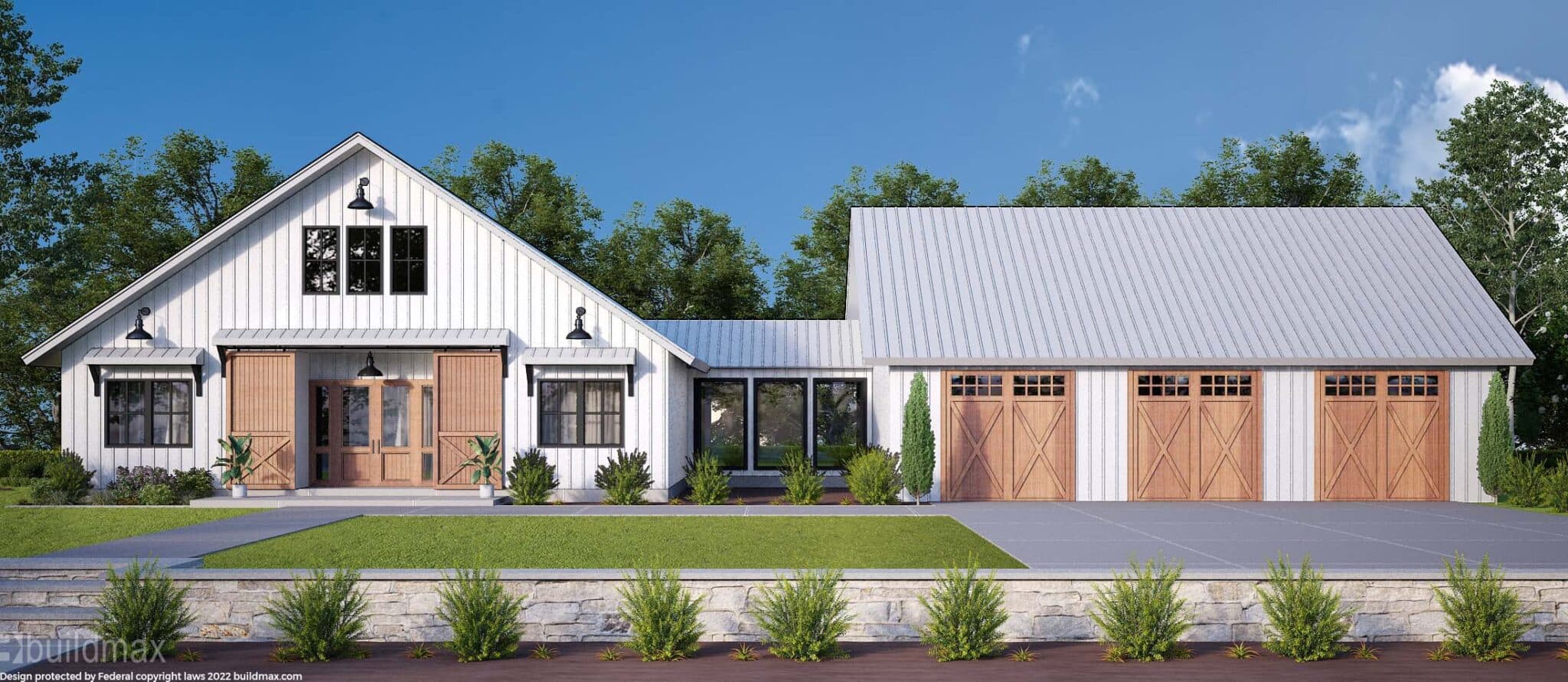
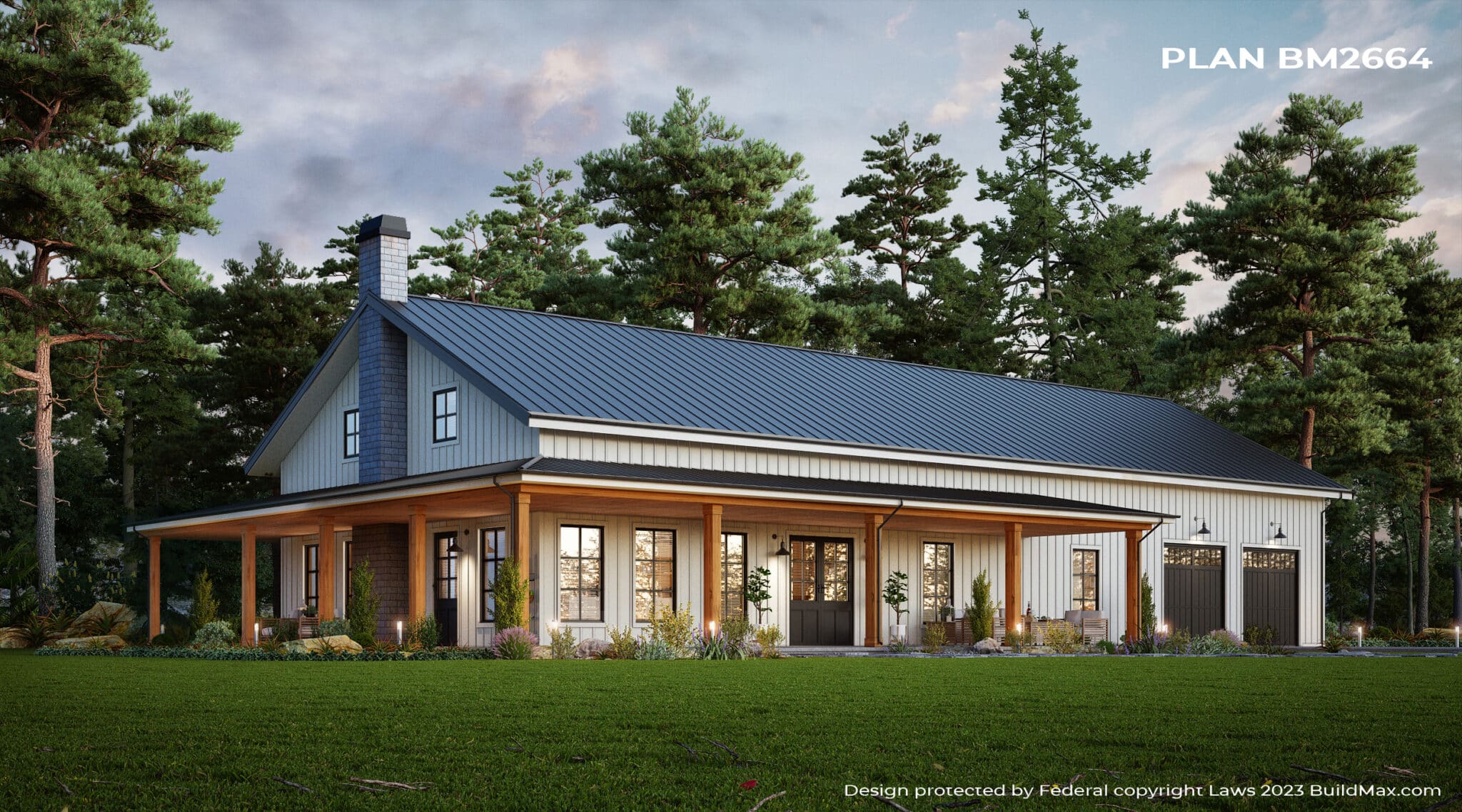
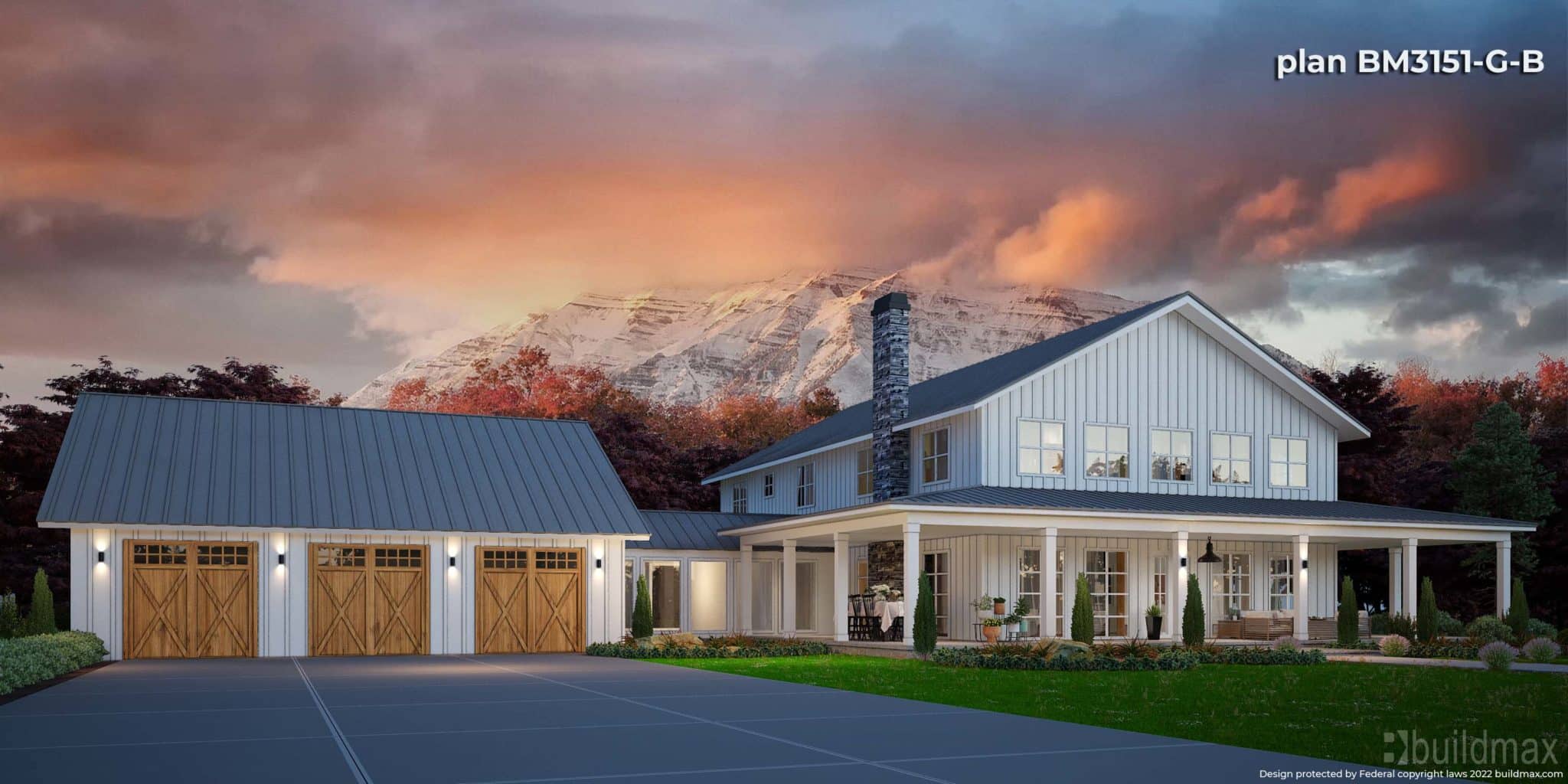
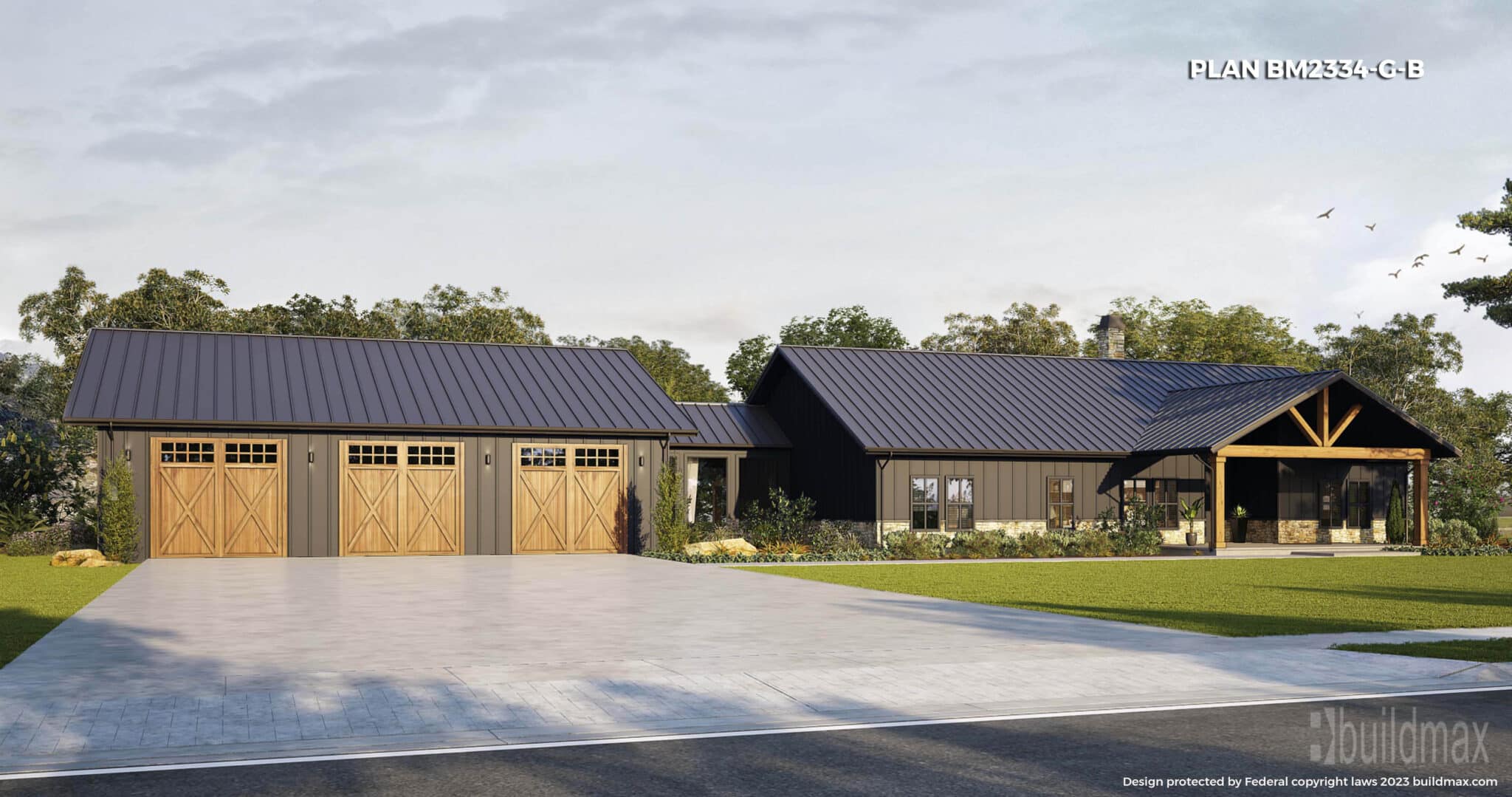
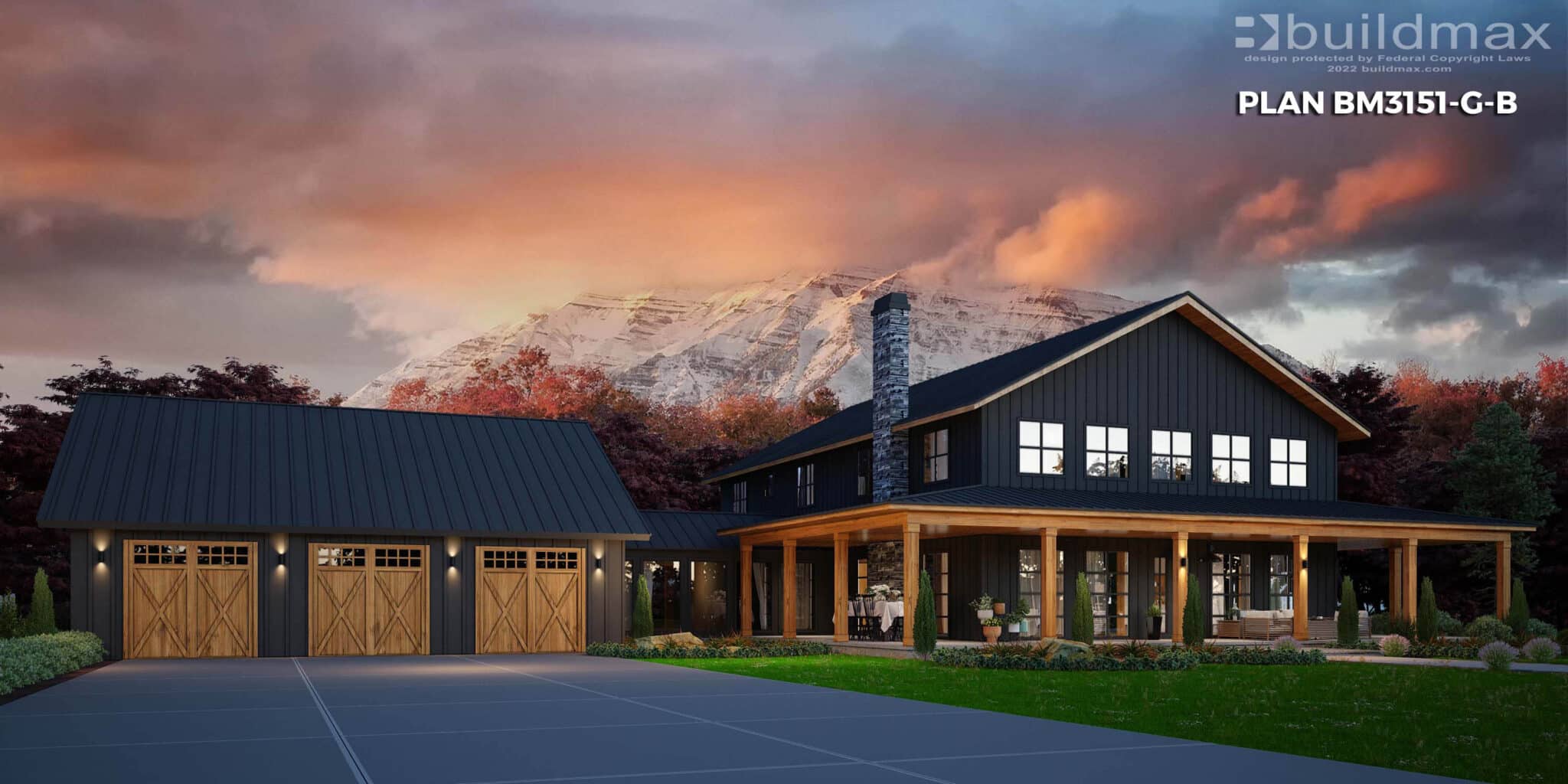
white barndominium with 3 car garage

Safe Room Sanctuaries – Secured Barndominium Spaces With Creative Purpose

Given barndominiums’ remote rural settings, building owners increasingly prioritize fortified “safe rooms” inside floorplans shielding inhabitants during extreme weather or security threats. Much like residential pandemic-era home gyms, these sturdy inner sanctuaries serve everyday purposes too when not protecting lives!

People who may benefit greatly from a safe room are:

– Families with kids and elderly unable to urgently evacuate storm paths

– Owners in tornado-prone plains or hurricane-vulnerable coastal locales

– Properties lacking quick emergency first-responder access

– Anyone prioritizing highest home insurance discounts

Recommended as windowless, interior secured rooms of at least 75 square feet minimum, common safe room design options range from standalone basement spaces to thick-reinforced master suite baths. Ideal areas limit exterior wall exposure. Robust building techniques resist damage above normal codes using reinforced CMU block, resilient metal framing and dense concrete encasement. A steel door with deadbolt seals the cocoon.

Repurposed daily for adaptive spaces like music studios, home gyms or cozy reading nooks, safe rooms slot multiple functions into needed security by stocking creative amenities alongside emergency provisions for those “just-in-case” unforeseen events. Recessed wall storage hides folded-up yoga mats or acoustic foam panels when not harboring jugs of drinking water and disaster radios.

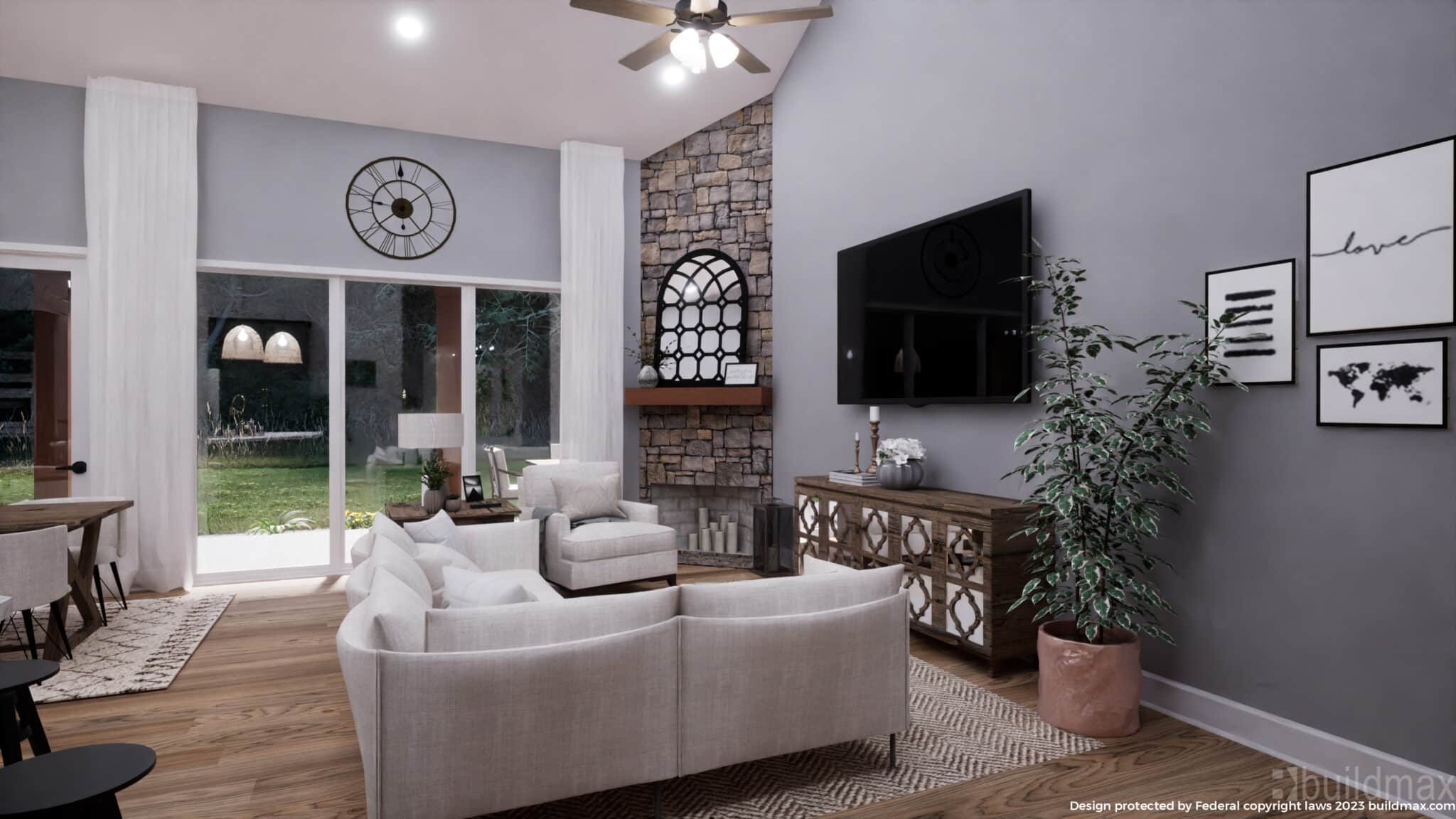
barndominium interior

your Barndominiums safe room doesn’t have to look like or mimic a prison cell or a WW2 war time bunker your Safe room can absolutely double as other rooms, Here are some other potential uses for a safe room or panic room beyond just an emergency shelter stocked with provisions:

– Home office – With lockable security, thick walls limiting noise, and often minimal windows, safe rooms work well as private home office spaces.

– Home theater – Install a large screen TV and theater seating with surround sound to convert the secure space into an immersive, distraction-free media room.

– Indoor play room – Protect kids from harm and house from damage by dedicating the tough safe room materials to withstand their rough play.

shouse

– Sound studio – Musicians often construct studios around windowless spaces with noise buffering walls and doors, well-suited to safe rooms.

– Art studio/Craft room – The rooms offer security for valuable works in progress and lockable storage for equipment when artists aren’t actively creating.

– Yoga/fitness studio – Provide floor padding, mirrors, and equipment like treadmills or training gear to establish a private gym or yoga sanctum.

– Wine cellar/collections room – Insulated solid construction protects fine wines and shields valuables like art, stamp or coin collections.

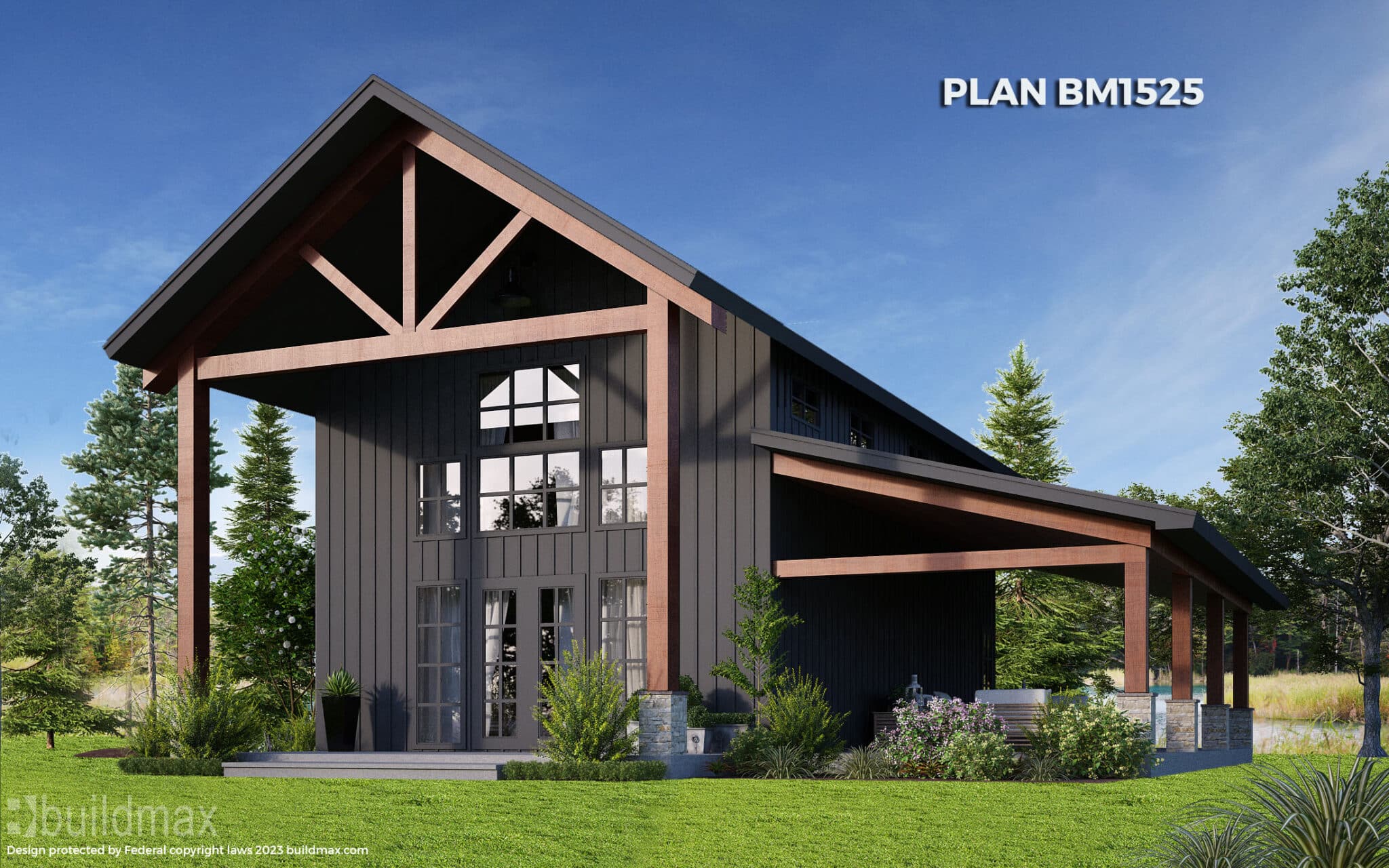
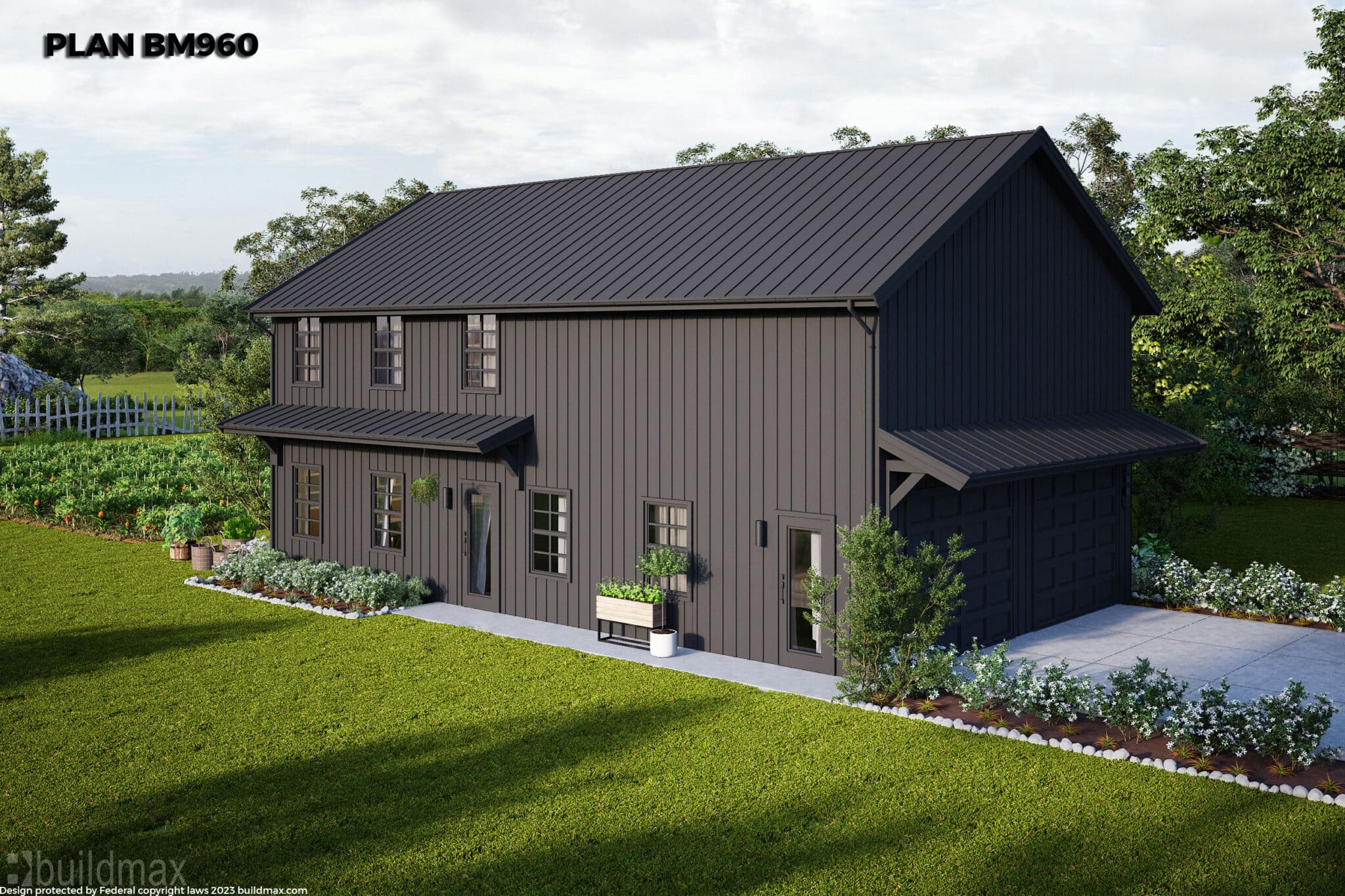
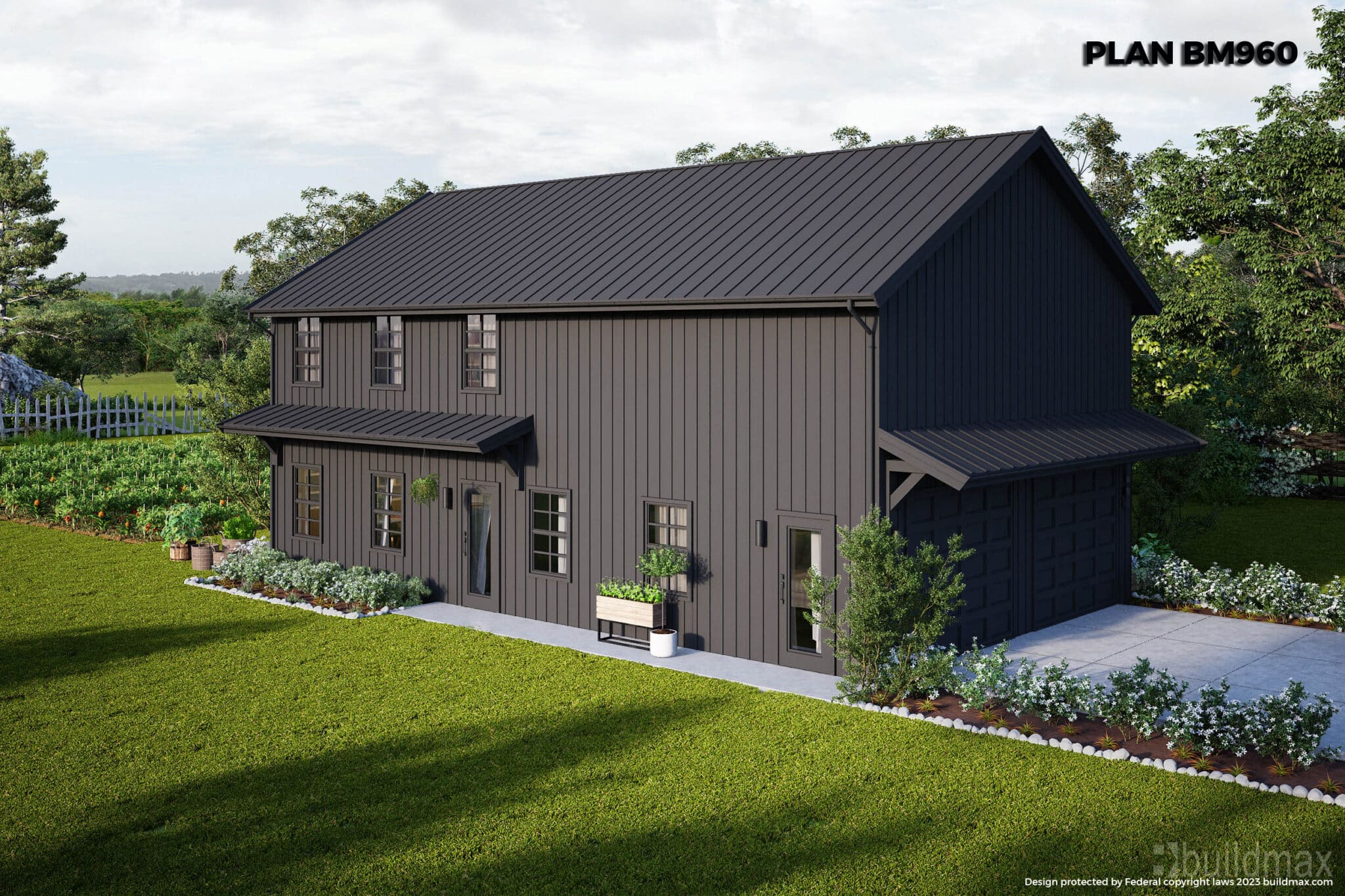
small grey barndominium

In today’s unpredictable age, versatile safe spaces proactively restore control, providing household confidence. And peace of mind never goes out of style at home on the range.


Metal Barndominium VS Wood Frame home: Which is cheaper?

Metal Barndominium vs. Wood Frame Home: Which Is More Cost-Effective?

One of the most common questions homeowners ask when planning a build is:

“Is a metal barndominium cheaper than a wood frame home?”

The honest answer is: it depends on the project. There’s no universal winner because total cost is influenced by far more than just the framing material.


Understanding the Full Cost Picture

When comparing metal vs. wood, it’s important to look beyond just material pricing.

Total construction cost includes:

  • site preparation and land conditions

  • foundation work

  • labor and contractor availability

  • interior finishes

  • utilities and infrastructure

  • permits and inspections

Focusing only on framing can lead to unrealistic expectations.


When Metal Barndominiums Can Be Cost-Competitive

Metal (steel-framed) barndominiums may offer cost advantages in certain situations:

Efficient Structural Systems

Pre-engineered steel packages can align closely with plans, which may help:

  • reduce material waste

  • improve coordination

  • streamline parts of the build process

Open-Concept Designs

Steel framing can support large spans, making it well-suited for:

  • open floor plans

  • combined living/shop spaces

  • high ceilings

Simpler, more open designs can sometimes be more efficient to build.


When Wood Frame Homes May Cost Less

Wood framing can be more cost-effective in many areas, especially when:

  • local labor is more experienced with wood construction

  • materials are readily available nearby

  • the design follows a traditional residential layout

Because wood framing is widely used, there are often more contractors available, which can help keep labor costs competitive.


Labor Often Matters More Than Materials

One of the biggest cost differences comes down to labor—not materials.

Steel framing may require:

  • crews experienced with engineered systems

  • different tools and installation methods

  • more detailed coordination

In areas where steel construction is less common, labor costs may be higher due to limited availability of qualified installers.


Design Complexity Plays a Huge Role

The design of your home often has a greater impact on cost than whether you choose steel or wood.

Cost drivers include:

  • multiple rooflines

  • vaulted ceilings

  • large spans

  • custom features

  • high-end finishes

A simple, efficient design—regardless of material—is usually the most cost-effective option.


Market Conditions Can Change

Material pricing is not fixed.

Both steel and lumber costs can fluctuate due to:

  • supply and demand

  • economic conditions

  • transportation and manufacturing factors

What is cheaper today may not be cheaper next year.


Long-Term Considerations

Some homeowners also consider long-term factors when comparing value:

  • maintenance requirements

  • durability

  • energy efficiency

  • repair costs over time

These depend on:

  • climate

  • construction quality

  • insulation and moisture control

  • and regular upkeep

No material is maintenance-free, and long-term performance depends on the entire building system.


Important: Builder and Project Responsibility

It’s important to understand that BuildMax is not a builder or general contractor.

BuildMax provides:

  • floor plans

  • design services

  • and material packages

BuildMax does not:

  • control construction costs

  • manage job sites

  • or supervise contractors

For best results, homeowners should:

  • hire a vetted general contractor

  • compare multiple bids

  • work with crews experienced in their chosen framing system

You may also consider requesting a quote from a third-party manufacturer’s steel installation crew, if available.

All contractors are independent, and overall cost depends heavily on the team selected and how the project is managed.


Final Thoughts

So, which is cheaper: a metal barndominium or a wood frame home?

There’s no one-size-fits-all answer.

The most cost-effective option depends on:

  • your design

  • your location

  • labor availability

  • material pricing at the time of build

  • and overall project planning

In many cases, the better question isn’t “Which is cheaper?” but:

“Which option makes the most sense for my specific project?”

With the right planning, either approach can be a smart investment when executed properly.

Barndominiums Engineered to Weather Any Storm


Barndominiums Engineered to Weather Any Storm

While the rustic wood-beam barndo aesthetic captures most attention, those demands for supremely durable buildings well-suited to harsh rural settings should consider the understated resilience of metal-framed alternatives. Pound for pound, properly engineered steel barndominiums outmuscle traditional construction to shrug off everything from tornado winds to tennis ball-sized hail with minimal damage.

Built Stronger by Design

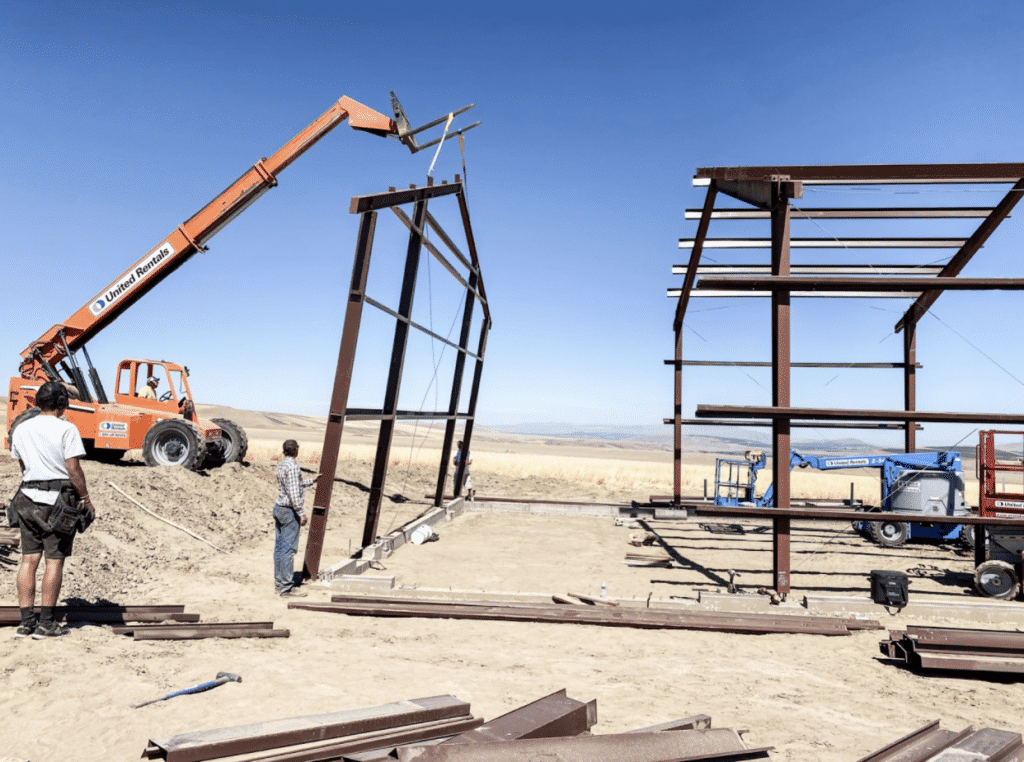
Pre-engineered metal buildings assemble rigorously analyzed structural components precision-fabricated offsite then bolted together on location. This assembly-line production approach allows engineering the whole building as an integrated system to withstand anticipated environmental stresses.

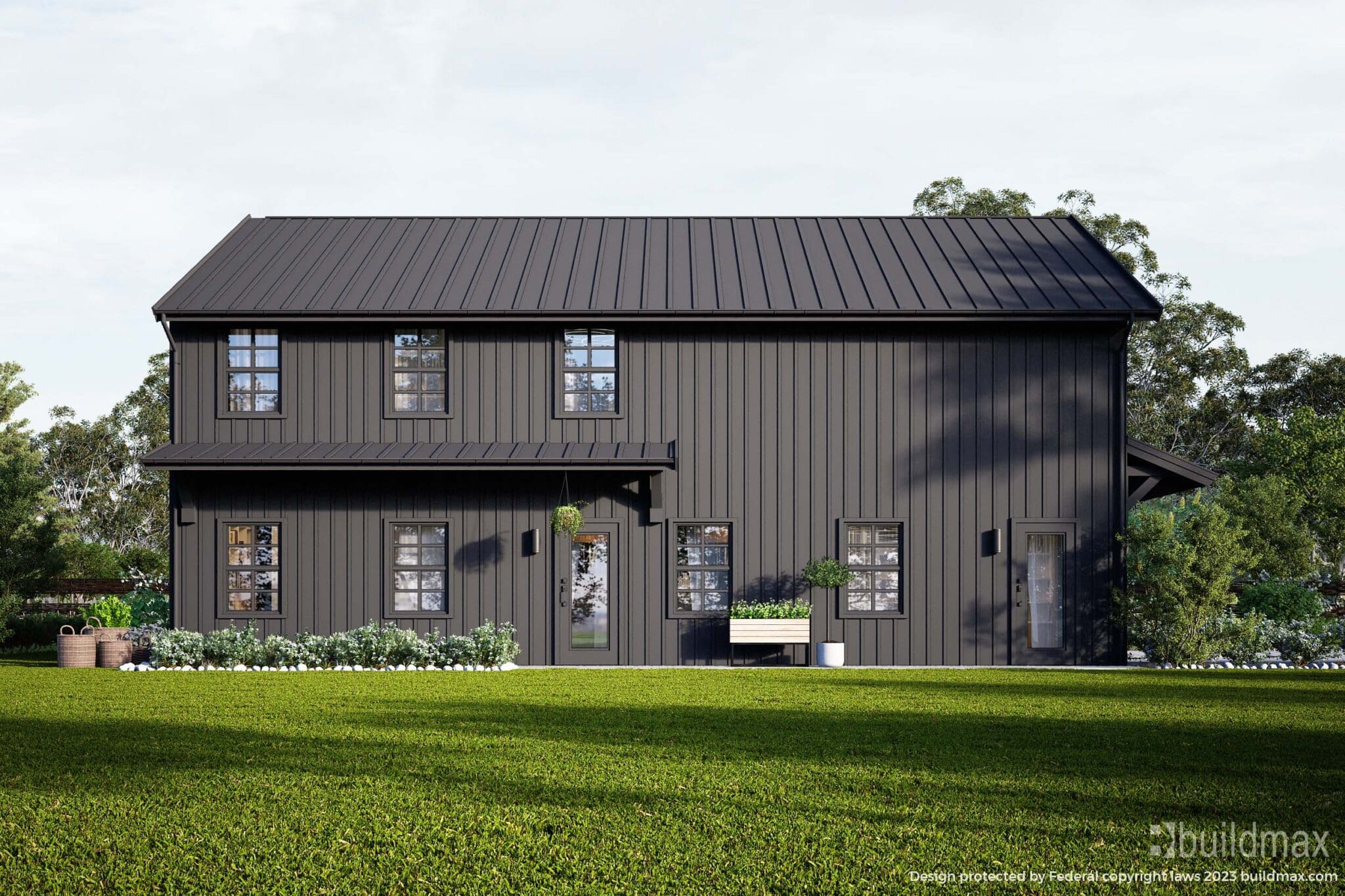
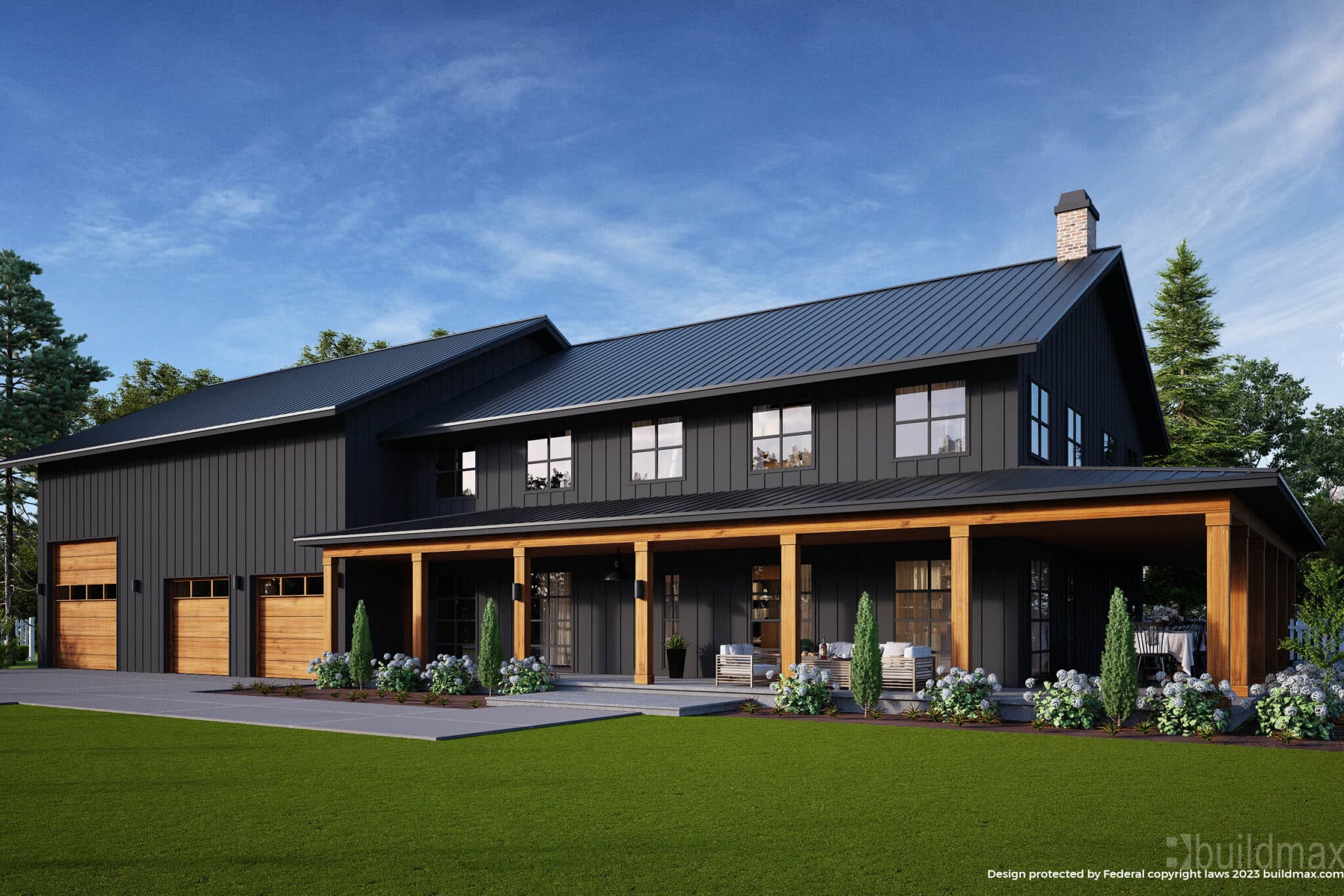
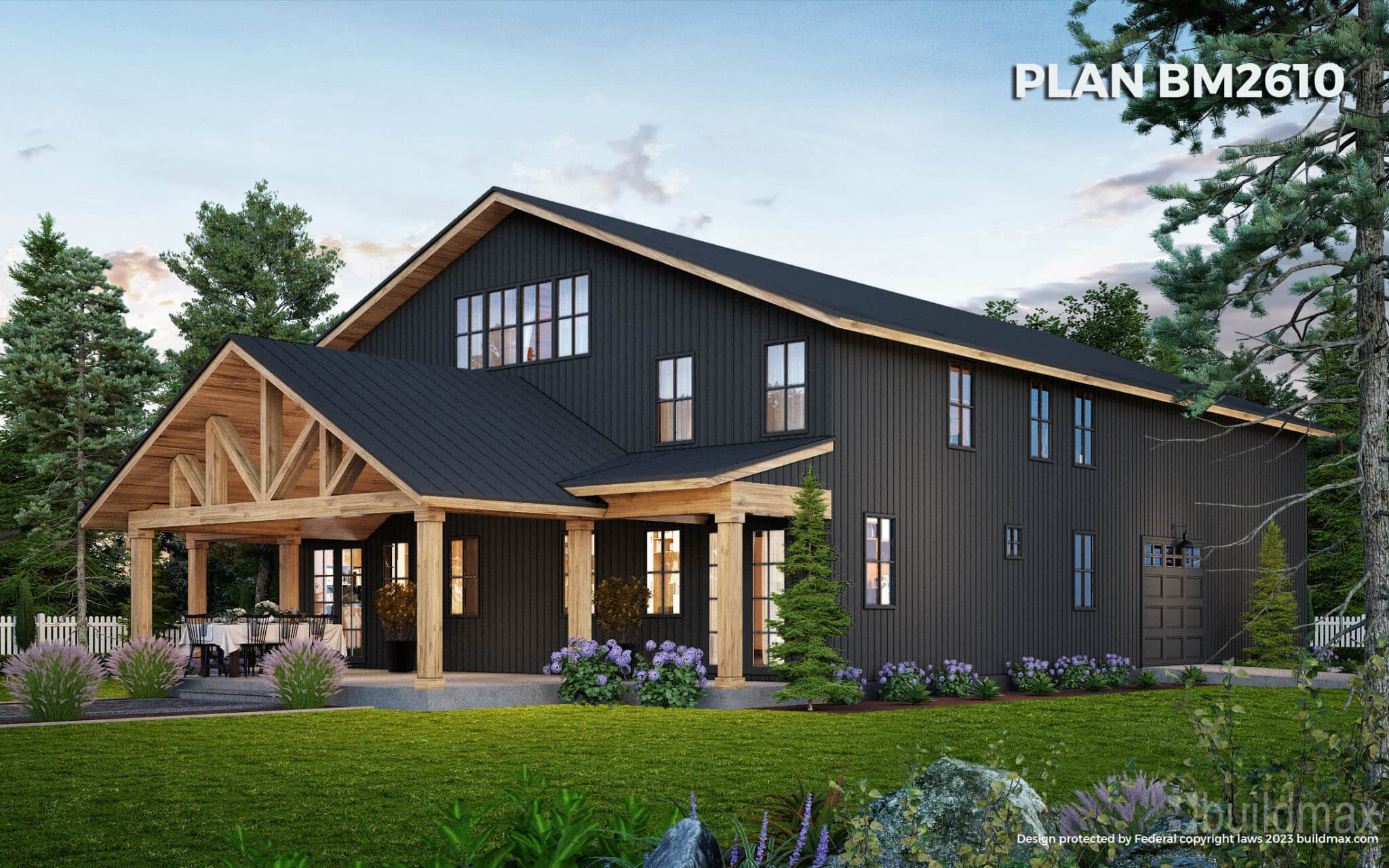
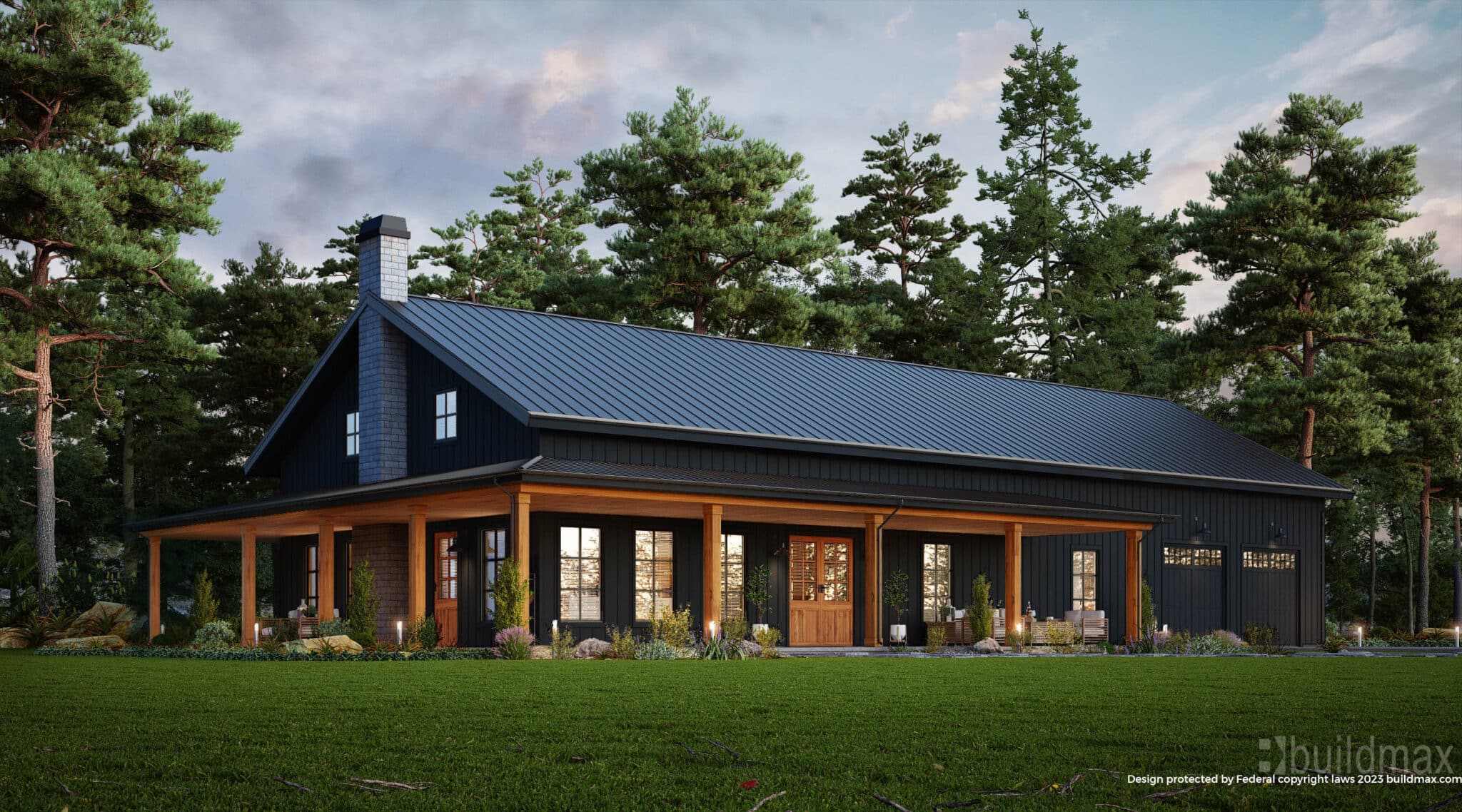
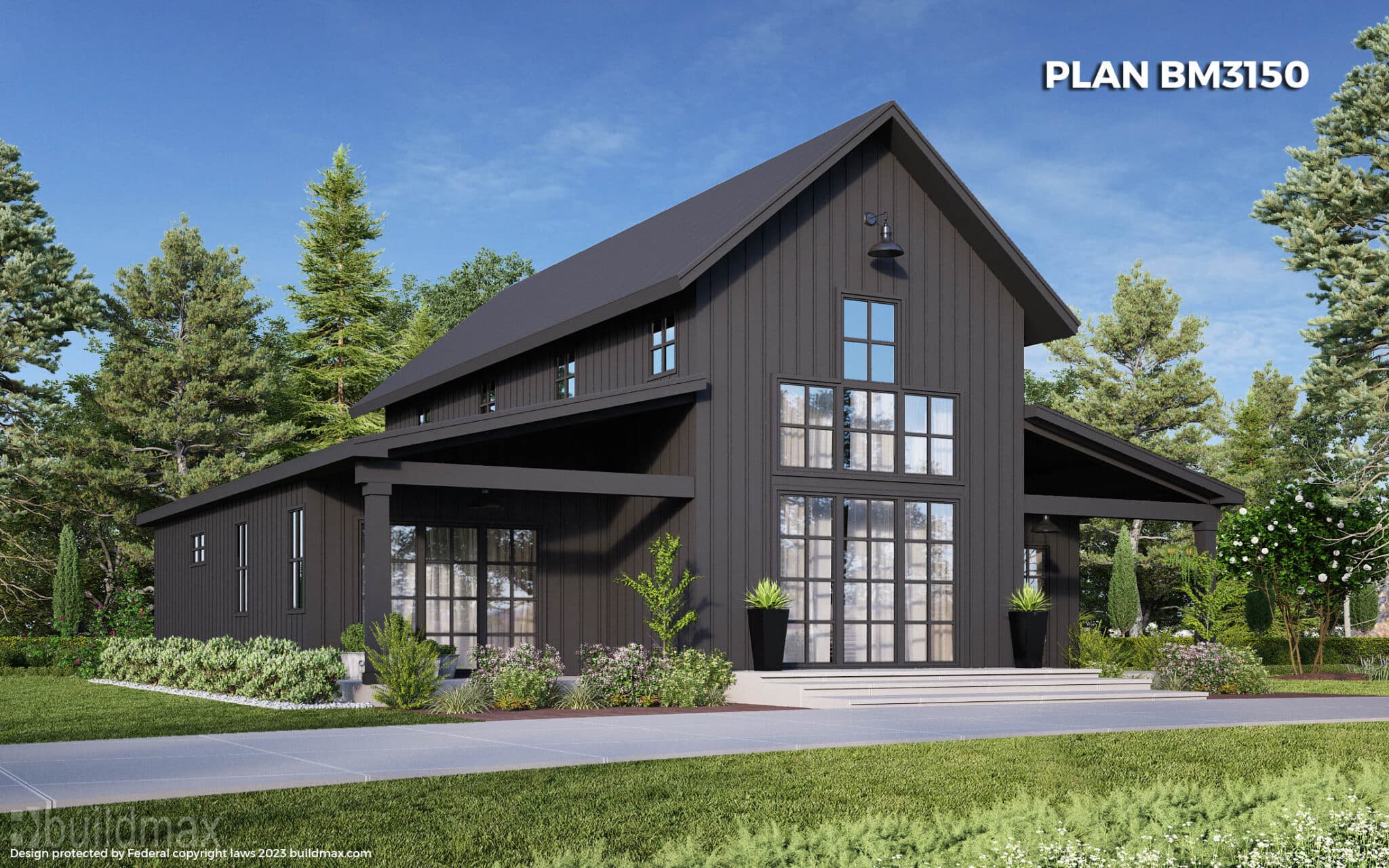
black barndominium shophouse with wraparound porch

Robust I-beam pillar assemblies form the cornerstone literally, expertly oriented to deflect shear forces. Sturdy rafters intertie peak loads, while steel exterior wall girts resist outward wind pressures as a rigid “diaphragm” sheathing. Strengthened fasteners and anchors withstand tremendous uplift forces.

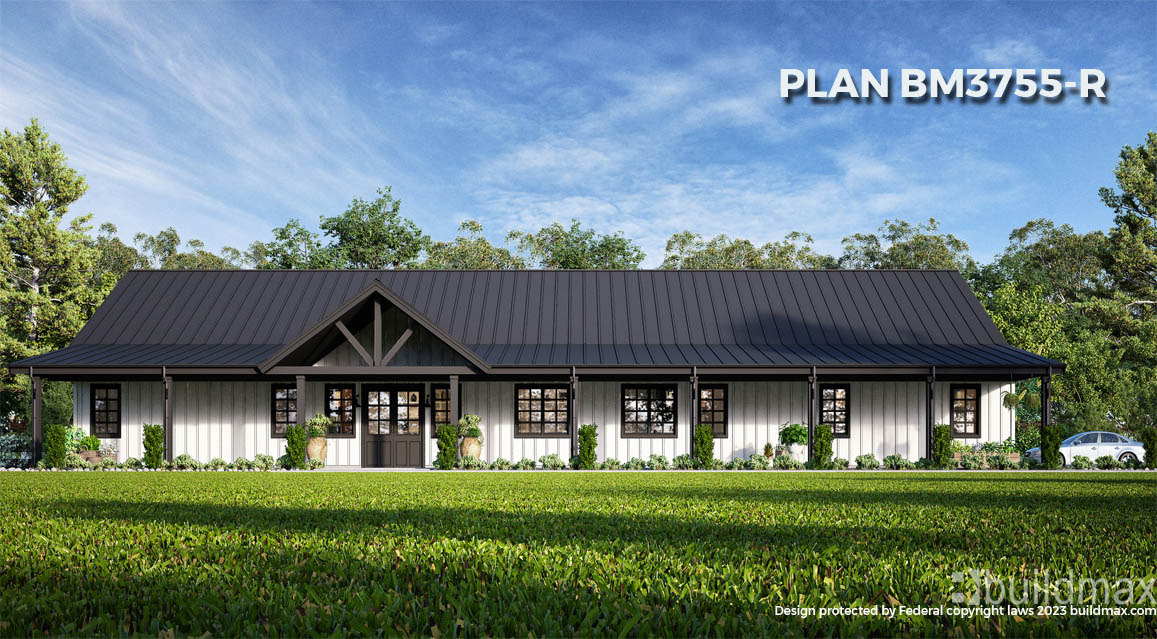
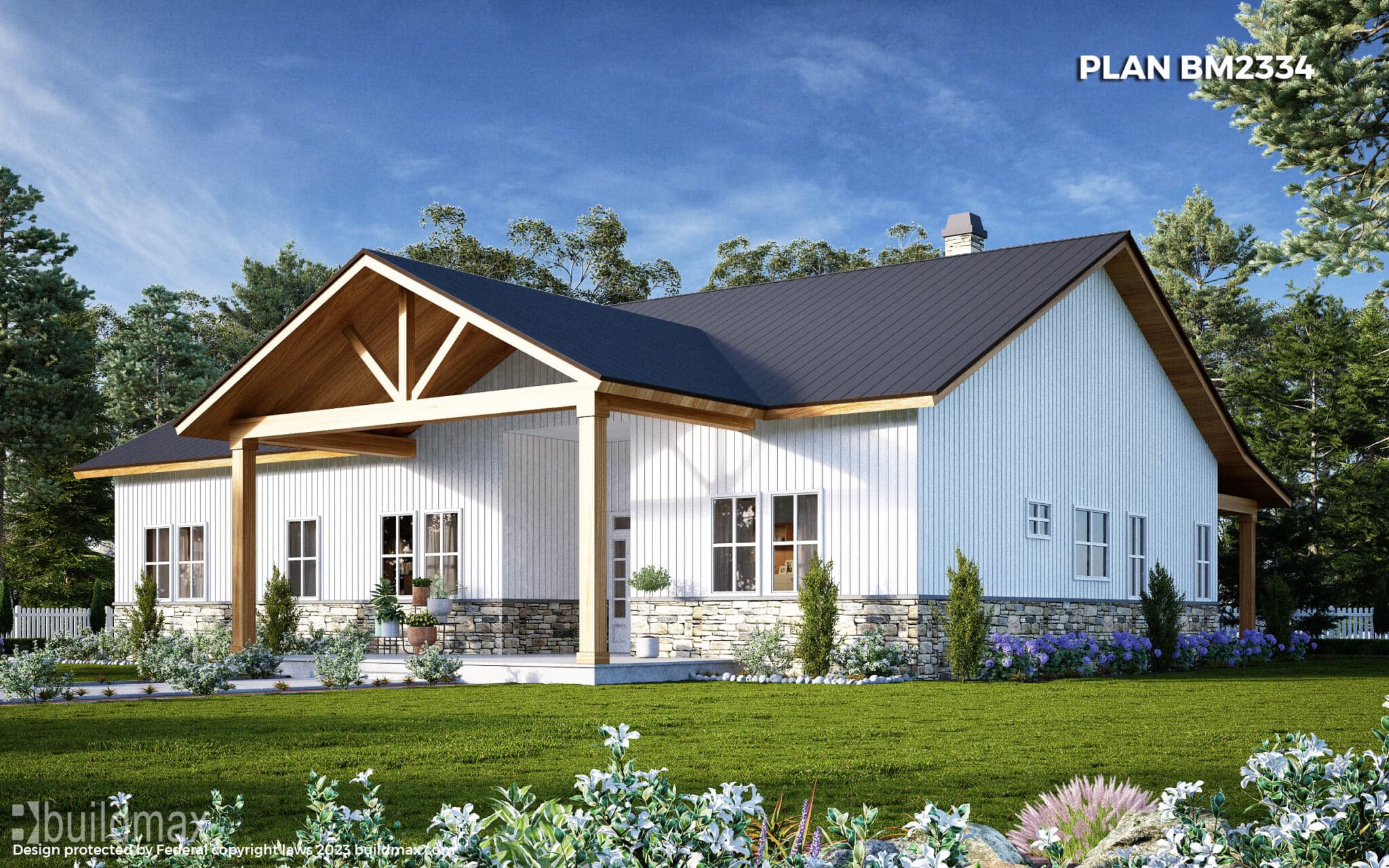
white barndominium

Metal Meets the Elements

This structural synergy produces tremendously storm-hardy buildings tested by meteorological extremes nationally:

– Florida warehouses shrugged off back-to-back Category 5 hurricanes nearly undamaged.

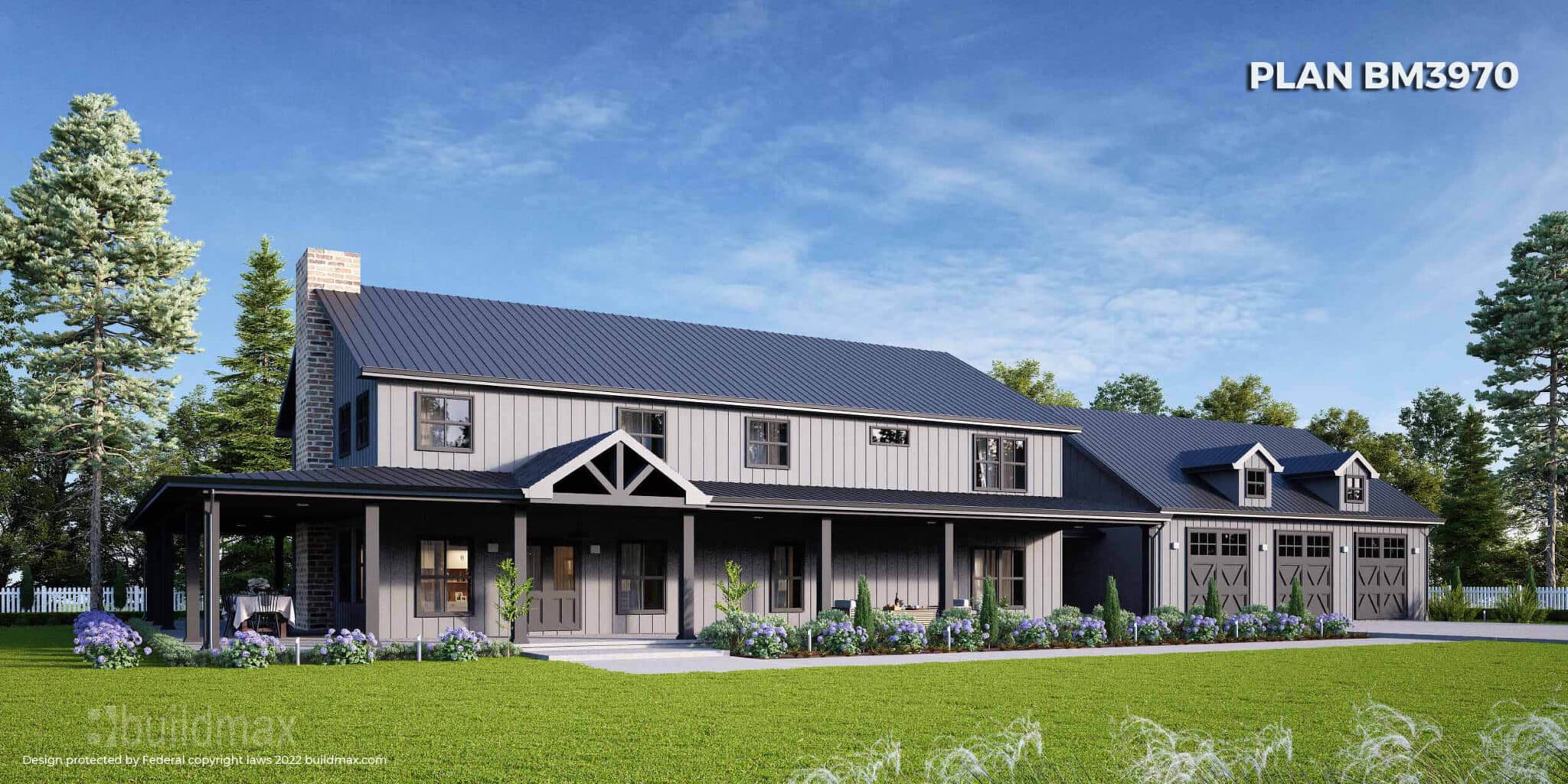
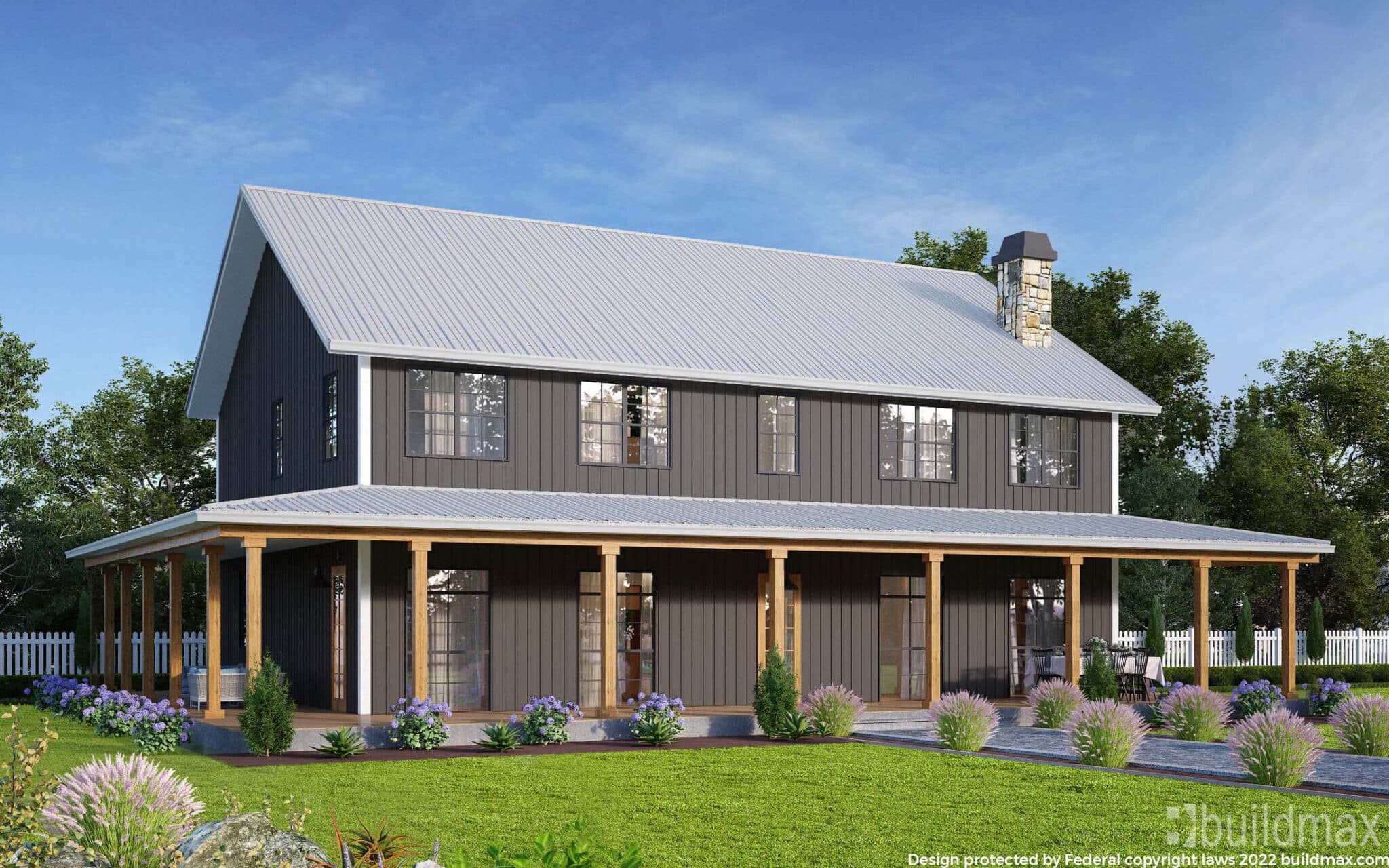
grey barndominium with wraparound porch and 3 car garage

– An EF3 tornado tearing through a Tennessee factory complex left its steel admin building wholly intact amidst widespread destruction of conventional structures.

– And In Texas, golf ball-sized hail bombarding metal gymnasiums and workshops readily dents aluminum roofs but leaves underlying steel framing naggingly plumb and true.

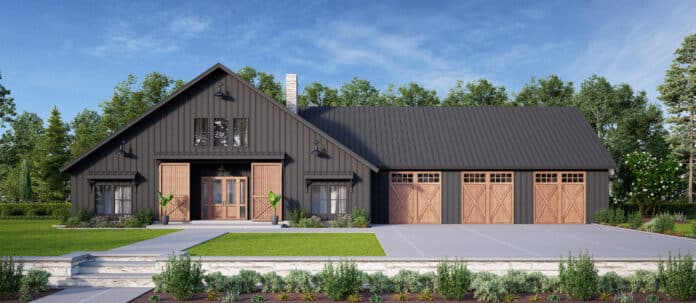
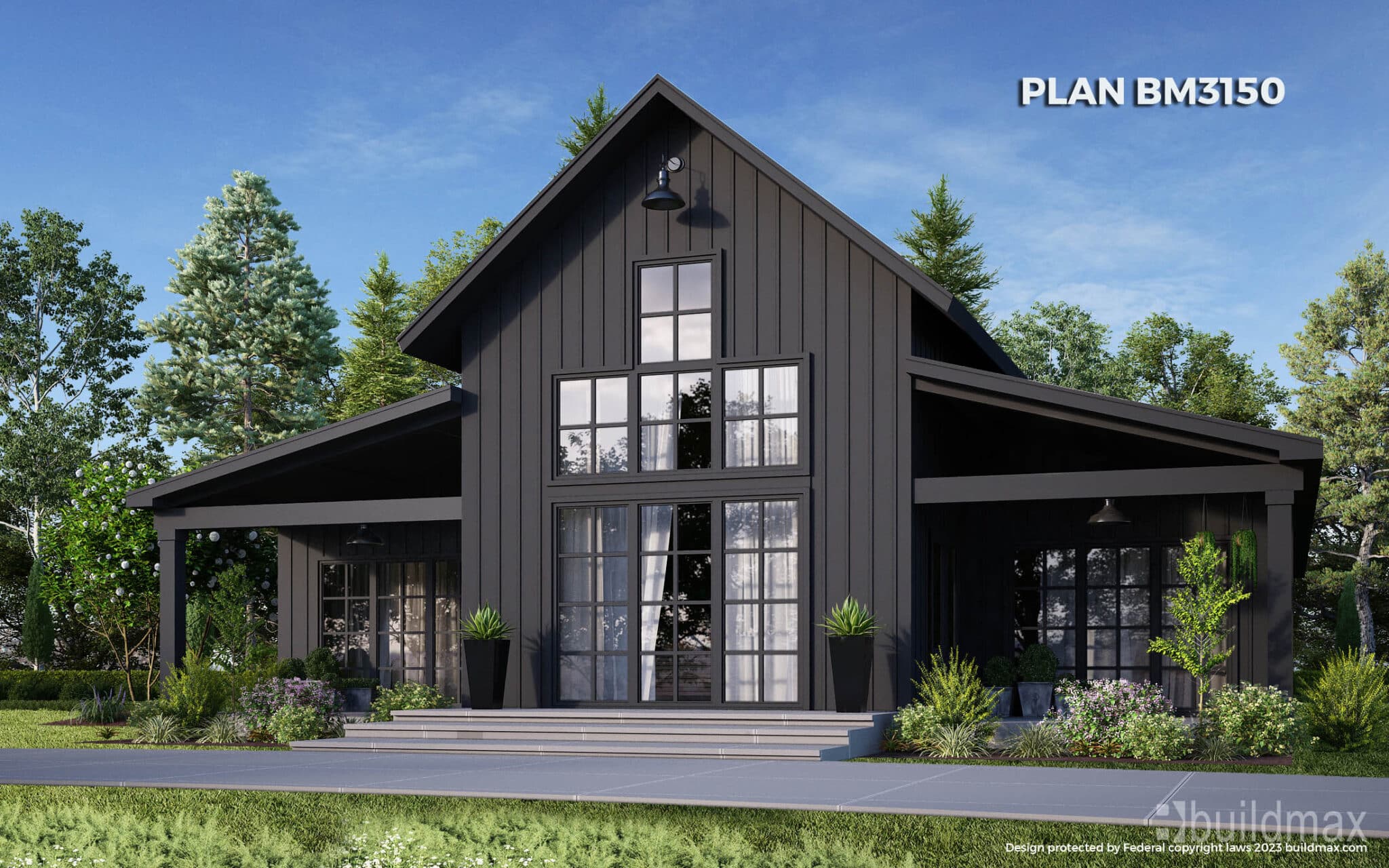
black barndominium

Builders boost resiliency further by selecting impact-resistant roofs, upgraded wind-load rafters, and anchoring tie-downs rated for 150+mph winds.

Stand the Test of Time

In contrast, light-framed wooden barns risk collapsed walls, scattered debris and disastrous water damage when battered by intense weather – if they withstand at all. Their longevity remains limited even sans storms.

white barndominium farmhouse

For barndo builders prioritizing a lasting, heirloom-quality building ready for whatever fury Mother Nature musters next, advanced engineered steel structures deliver confidence. They boast the verifiable expertise and material integrity to house treasured memories safely through generations no matter the forecast.

Top 5 Negatives to Building a Barndominium From Scratch


Rethinking That Barndo – Considerations in Today’s Tough Construction Climate

While barndominiums retain immense popularity for their charming rustic aesthetics and value pricing, the very factors luring prospective builders may also complicate ambitions amid 2023’s inflated construction climate. From lumber shortages to soaring mortgage rates, the numbers suggest hitting pause on your barndo dreams may be prudent.

white barndominium farmhouse

The foremost financial foil lies in skyrocketing material prices and ever-changing labor expenses. As of December 2022, lumber prices alone have climbed nearly 60% since 2020 pushing wood-framed barndominium budgets through the roof and way beyond customers’ initial assumptions. Steel frame buildings have fared little better amid surging metal costs. And with US inflation topping 6% in 2022, contractor fees similarly swell costing you more in the end.

white barndominium with 3 car garage

In fact, a 2022 national survey of barndominium builders found 89% reported final actual costs exceeded their upfront estimates by 10-25% – some even spent twice their budgets. For a median 1500 square foot barndominium, that could mean a swing from $100 per square foot to $150 or more today. Translation: many owners must choose smaller sizes, fewer finishes or amenities than originally envisioned just to control ballooning prices.

Rising interest rates add insult to budget injury. As Federal Reserve hikes push mortgage rates toward 7%, financing costs thousands more over a typical 30-year home loan. This either necessitates substantial bigger down payments or accepting reduced buying power stretching household budgets thin. Tighter lending qualification criteria further dampen borrower flexibility too.

black barndominium shophouse

Weather uncertainties also loom heading into 2023 construction season. Regional lumber shortages may resurface as sawmills close, while freak snow or heavy rains can delay site prep and foundation pours. Schedule overruns risk project cost creep or lost seasonal use. Also consider added fees for HVAC climate control and concrete curing/protection tents if building through harsh months.

Below are 5 potential negative aspects to building a barndominium from scratch

grey barndominium farmhouse

1. Higher Material Costs – Barndominiums require large amounts of steel, wood or other building materials which are more expensive due to current shortages and inflation. Residential house framing materials are more readily available. You can curb this negative by finding a Barndominium Kit and buying a kit Package that las much less waste associated with it and uses the exact amount of materials and typically gets bolted together. Buildmax has a number of kits available for purchase with different styling and sizes to choose from. 

wood barndominium

2. Limited Customization – The typical open floorplans can often times limit layout flexibility in attaching additions or renovating spaces down the road. Moving interior walls proves challenging in post-beam barndo cores. Stick-built homes are easier to adapt to future custom expansions. I would advise choosing a floor plan that allows for add-on from the start so that option is always there if you so choose to add on to your barndominium in the future. you can even have custom floor plans developed to achieve this goal. 

black barndominium

3. Unpredictable Budget Overruns – Exposed structure bars mid-project changes, so initial estimates must precisely project final needs unlike traditional homes with cushion from enclosed walls. Many report 10-25% barndo overages.

black barndominium

4. Constrained Resale AppealRustic industrial barndominium aesthetics turn off some buyers who prefer standard home layouts and finishes. Resale ability depends heavily on compatibility with rural locale tastes. Multi-level houses have broader buyer appeal. being kind of an unusual home choice in many parts of the US still resell potential may be a slight issue in certain locations. This one is absolutely location dependant, as there are states like Texas and North Carolina that are selling barndominiums like hot cakes. 

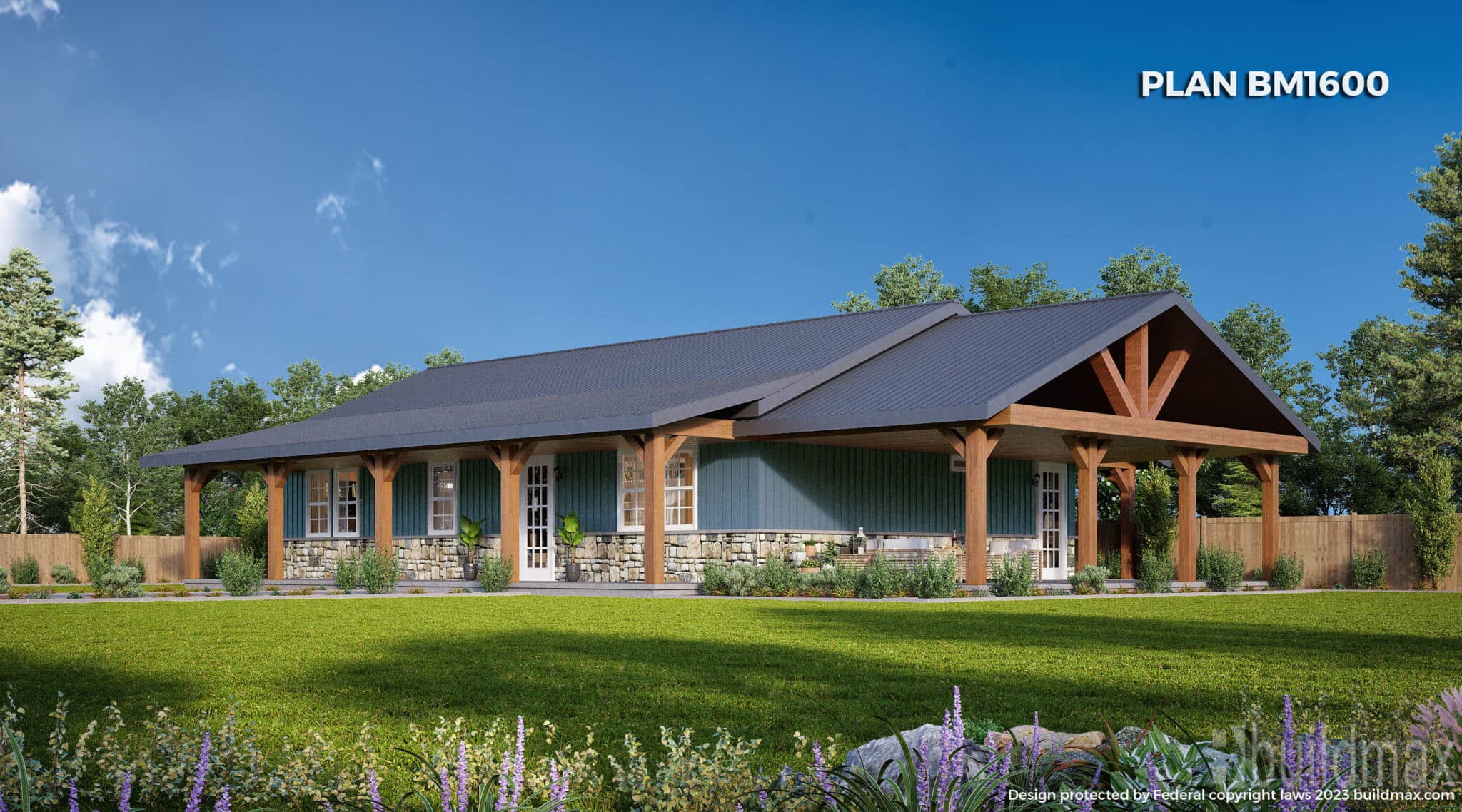
barndominium with blue siding

5. Challenging Lender Financing – Custom unconventional spaces and agricultural appearance prompt higher-interest rates or rejections from risk-averse lenders. Buyers may need more self financing or difficult mortgage search. Stick homes readily qualify for prime traditional loans.

white barndominium with large barn doors

So while barndominiums charm with handsome craftwork blending home with history, core structural distinctions driving cost and financing tradeoffs can become problematic if not taken seriously from the start. Weigh carefully if a barndominium makes the most sense for your family. Buildmax can provide some amazing Barndominium kit offerings for Quickly and accurately building your barndominium from the ground up with bolt together steel framing that will last a lifetime through any weather conditions. Theres a silver lining to every negative if it’s approached in the right way. 

How To Prevent Mold and Moisture in Your New Barndominium

Mold and moisture can be significant concerns in any home, and barndominiums are no exception. These unique structures, which combine elements of barns and condominiums, require particular attention to prevent moisture buildup and mold growth. Here’s a detailed guide on the best strategies to maintain a dry and healthy environment in your new barndominium.

1. **Proper Ventilation**


– **Natural Ventilation**: Ensure that your barndominium is designed with ample windows and doors to facilitate natural air circulation.
– **Mechanical Ventilation**: Install exhaust fans in high-moisture areas like bathrooms and kitchens to expel moist air directly outside.
– **Attic Ventilation**: Proper ventilation in the attic is crucial to prevent moisture accumulation, especially if you have a metal roof that can be prone to condensation.

insulation

2. **Quality Insulation**


– **Insulate Walls and Roof**: Proper insulation in walls and the roof prevents condensation by maintaining consistent interior temperatures.
**Vapor Barriers**: Use vapor barriers in conjunction with insulation to prevent moisture from penetrating into walls and ceilings.

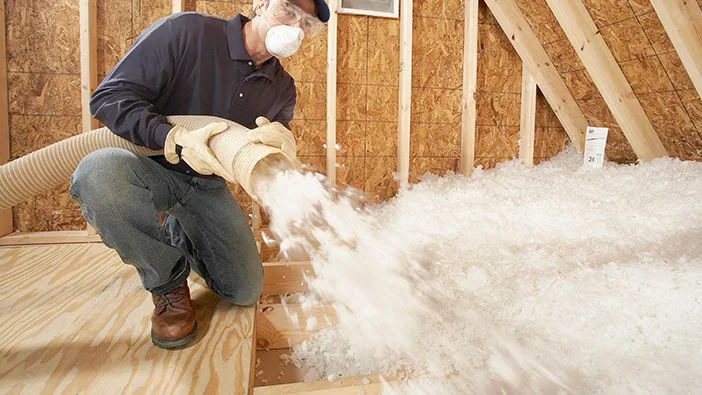
man installing insulation
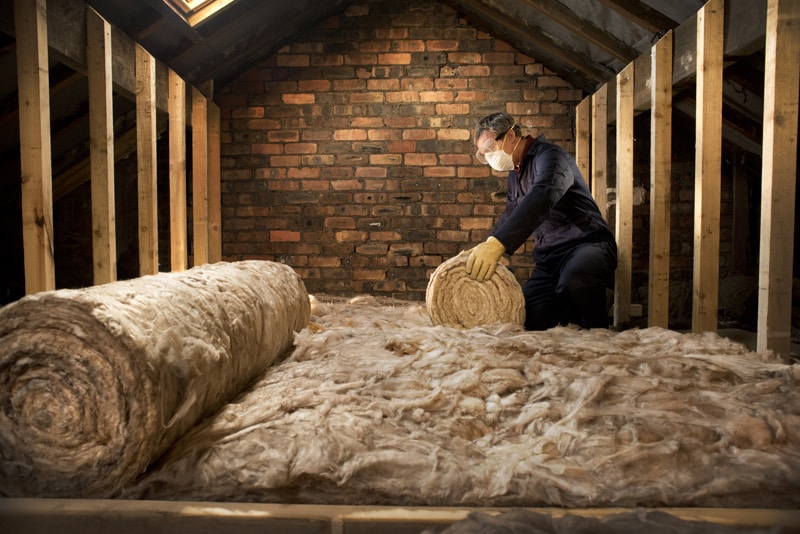
Man installing thermal insulation layer under the wall using mineral wool with fiberglass cold

3. **Moisture-Resistant Materials**


– **Building Materials**: Opt for moisture-resistant materials, especially in areas prone to dampness like bathrooms and kitchens.
– **Flooring**: Choose flooring options like tile or treated concrete that are less likely to harbor mold compared to carpet.

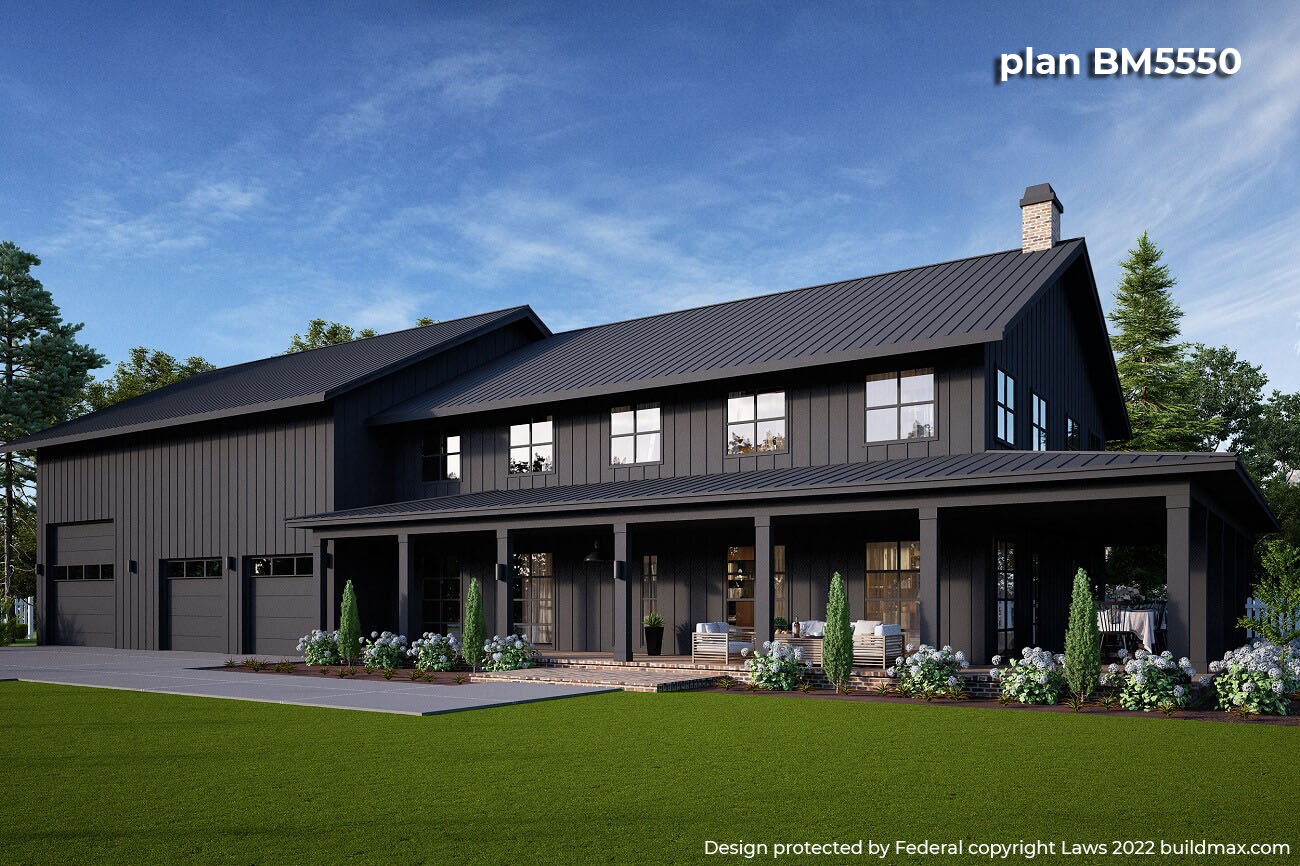
large blac barndominium with 2 car RV garage

4. **Effective Heating and Cooling**


– **Consistent Temperature**: Maintain a consistent indoor temperature to reduce the risk of condensation.
– **Dehumidifiers**: In areas with high humidity, use dehumidifiers to maintain a healthy moisture level in the air.

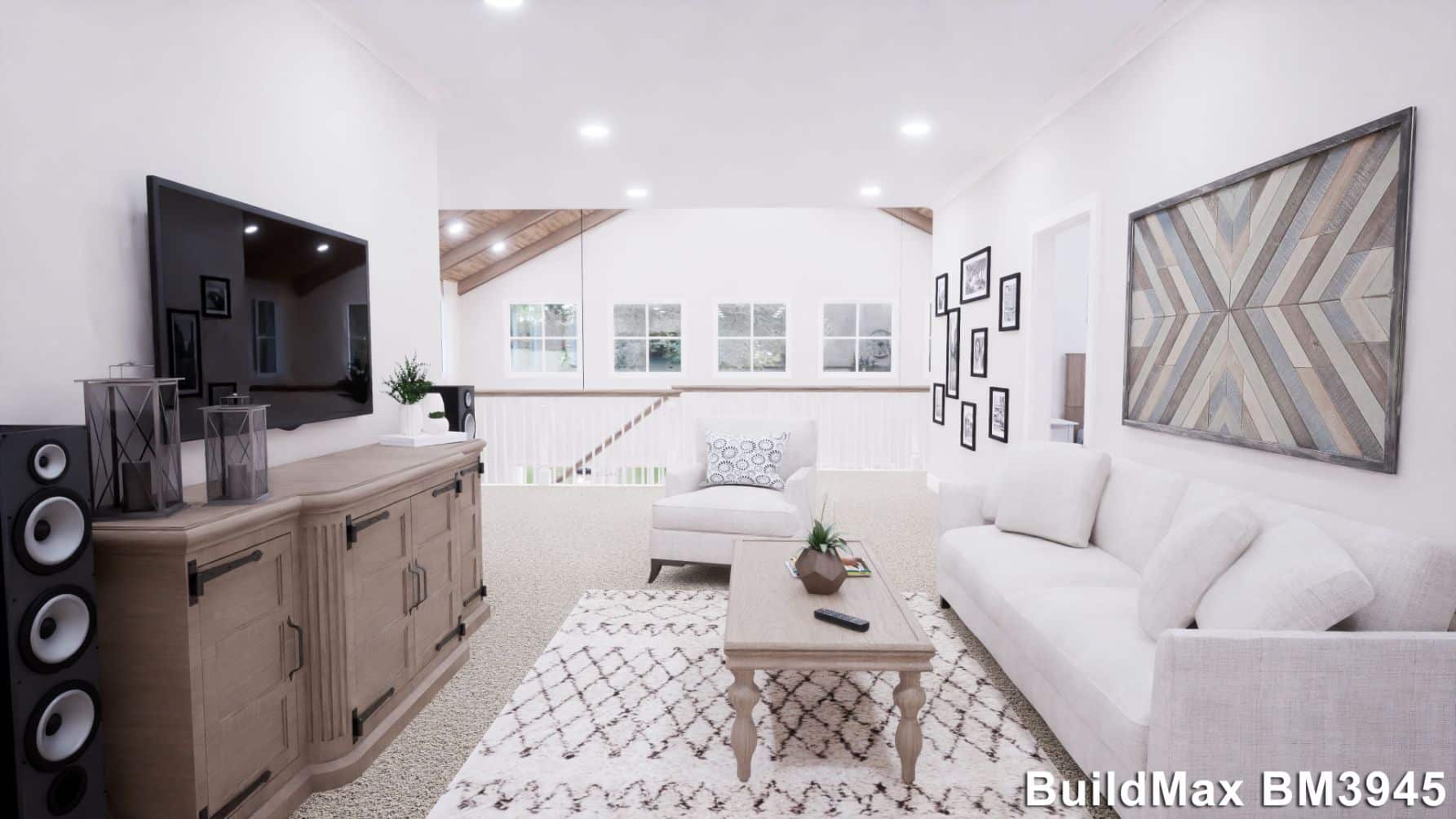
loft with seating area

5. **Regular Maintenance and Checks**


– **Inspect for Leaks**: Regularly check your plumbing and roof for any leaks.
– **Gutter and Downspouts**: Ensure that gutters and downspouts are clean and directing water away from your barndominium’s foundation.

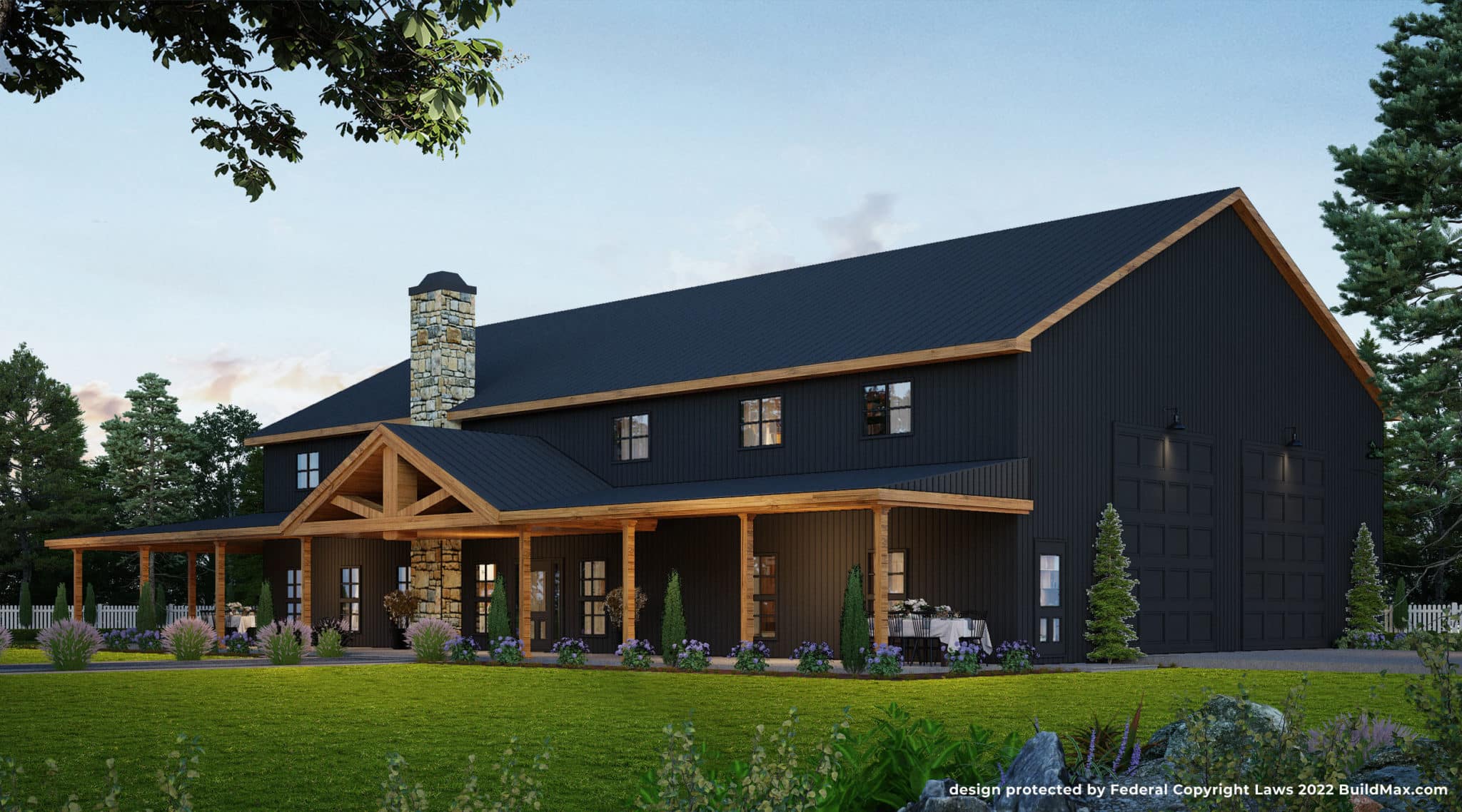
black barndominium shophouse with 3 car garage and wraparound porch with flowers lining the porch

6. **Design Considerations**


– **Roof Overhangs**: Design roof overhangs to direct rainwater away from the foundation.
– **Slope the Site Away from the Building**: Ensure that the surrounding land is graded to slope away from your structure to prevent water pooling near the foundation.

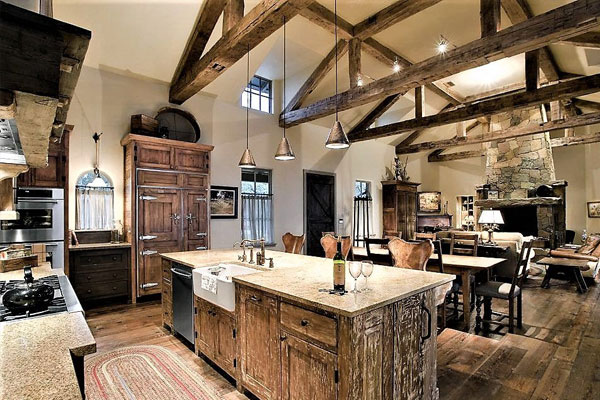
interior of a home with rustic decoration

7. **Use of Dehumidifying Plants**


– **Indoor Plants**: Some plants, like Boston ferns and spider plants, naturally absorb moisture and can help maintain a balanced indoor humidity level.

BLACK BARNDOMINIUM WITH 3 CAR GARAGE

8. **Proper Sealing**


– **Seal Windows and Doors**: Ensure all windows and doors are properly sealed to prevent moisture ingress.
– **Caulking and Weatherstripping**: Regularly inspect and maintain caulking around bathtubs, showers, and sinks.

Garden work being done landscaping a flowerbed with a red wheelbarrow full of organic potting soil and celosia seedlings standing with a spade on a manicured lawn alongside a bed of colorful flowers

9. **Strategic Landscaping**


– **Landscaping Choices**: Plant trees and shrubs strategically to provide shade and reduce ground moisture near the building.
– **Drainage Solutions**: Incorporate drainage solutions in your landscaping plan to keep water away from the structure.

kitchen island

10. **Awareness of Indoor Activities**


– **Cooking and Showering**: Use lids on pots while cooking and keep the bathroom door closed during showers to contain moisture.
– **Indoor Drying of Clothes**: Avoid drying clothes indoors if possible, as this can significantly increase indoor humidity.

DREAM BARNDO BM2852

11. **Routine Cleaning and Monitoring**


– **Regular Cleaning**: Keep your barndominium clean, especially in areas prone to moisture.
– **Monitor Humidity Levels**: Use a hygrometer to monitor indoor humidity levels, aiming to keep it below 60%.

Conclusion


Preventing mold and moisture in a barndominium requires a combination of good design, regular maintenance, and lifestyle practices. By ensuring proper ventilation, using moisture-resistant materials, maintaining consistent indoor temperature and humidity levels, and being vigilant about potential moisture sources, you can create a healthy and mold-free living environment in your new barndominium. Remember, proactive measures are always more effective and less costly than dealing with mold and moisture issues after they have arisen.

Oklahoma; A Goldmine for Barndominium builders

grey barndominium with dark grey roof and wraparound porch

Building a barndominium in Oklahoma presents a unique set of factors that influence the overall cost. This type of construction combines the aesthetic of a barn with the comfort and functionality of a condominium, offering a versatile living space. To accurately assess the costs involved in constructing a barndominium in Oklahoma, we need to consider various elements such as land acquisition, construction materials, labor costs, design preferences, and additional features.

1. Land Costs


Before construction begins, you need a plot of land. In Oklahoma, land prices vary significantly depending on location, accessibility, and size. Rural areas might offer lower prices compared to urban or suburban locales. On average, land in Oklahoma can cost anywhere from $1,000 to $4,000 per acre.

black barndominium farmhouse with wraparound porch

2. Construction Materials


The choice of materials significantly impacts the overall cost. Barndominiums are typically built with a metal frame and siding, which is generally less expensive than traditional home-building materials. The cost for metal building kits for a barndominium in Oklahoma might range from $20 to $30 per square foot. For a standard-sized barndominium, this translates to approximately $30,000 to $45,000 for materials alone.

black barndominium

3. Foundation


A solid foundation is crucial for any construction. In Oklahoma, a concrete slab foundation is common for barndominiums. The cost for a concrete foundation can range from $4 to $6 per square foot, which, for a standard barndominium, would be in the range of $6,000 to $9,000.

barndominium interior bathroom
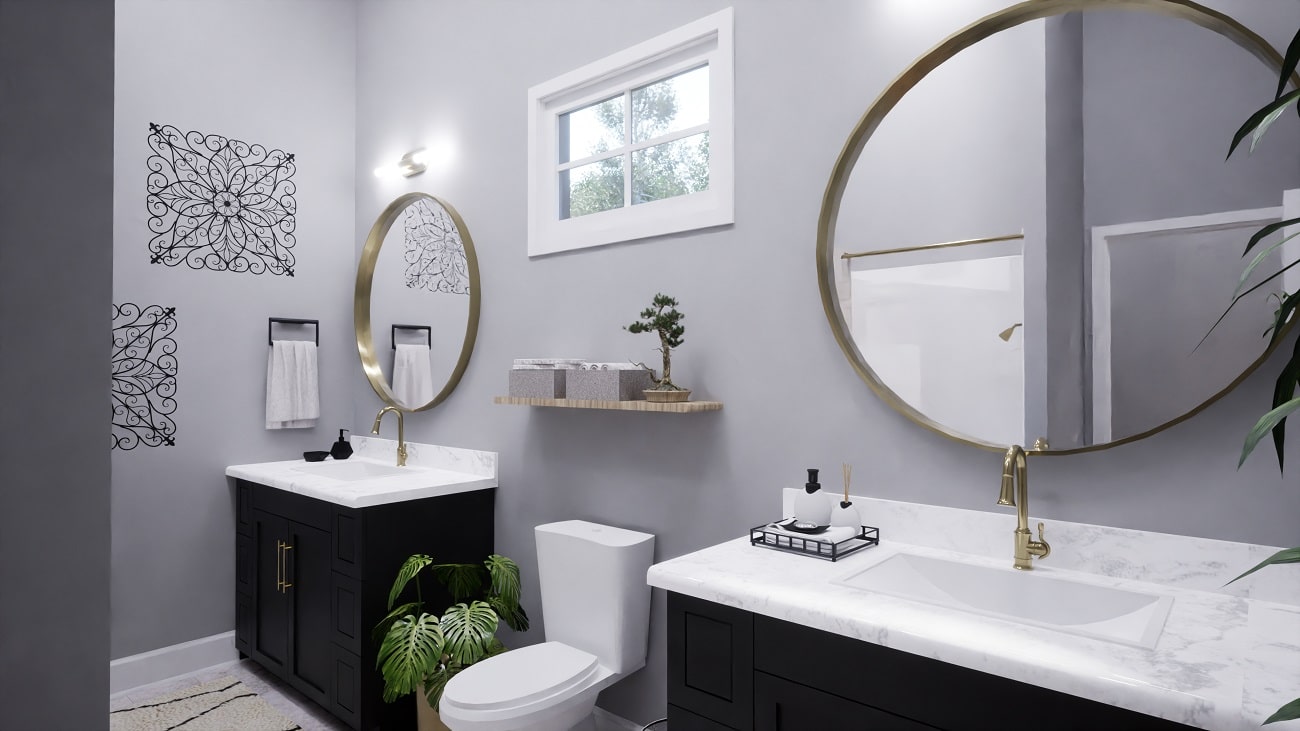
2nd full bath

4. Interior Finishes and Fixtures


Interior finishes can vary based on personal preference and budget. A basic finish with standard fixtures and appliances might cost between $50 to $100 per square foot. For a 1,500 square foot barndominium, this amounts to $75,000 to $150,000. However, opting for high-end finishes can increase this cost significantly.

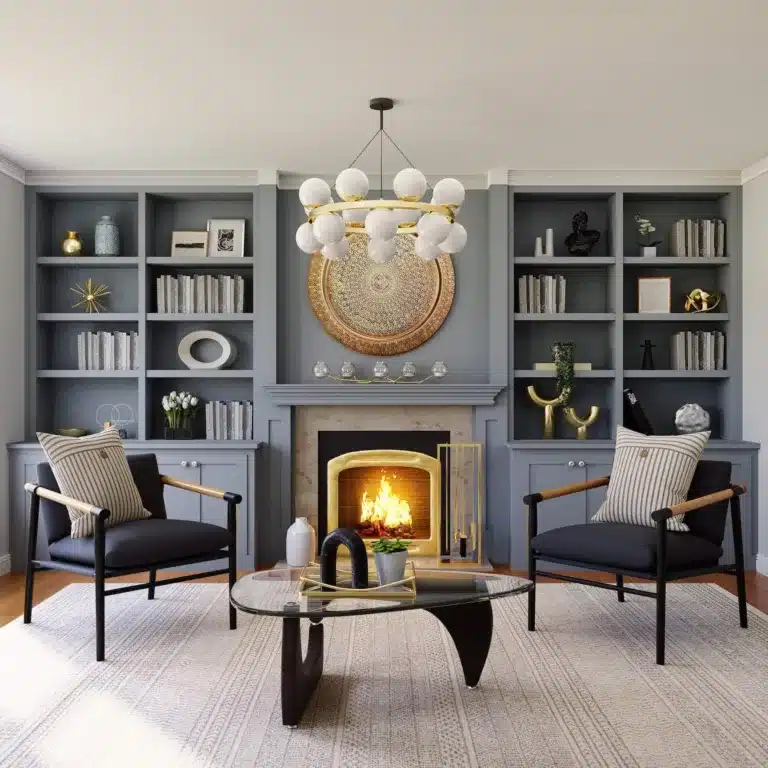
barndominium interior

5. Utilities and Services


Setting up utilities like plumbing, electrical, and HVAC systems is an essential part of making the space livable. In Oklahoma, these installations can cost between $20,000 to $40,000, depending on the size of the barndominium and the complexity of the systems.

small grey barndominium

6. Exterior Finishes

Exterior finishes such as doors, windows, and roofing also contribute to the overall cost. In Oklahoma, you might spend an additional $10,000 to $20,000 for quality exterior finishes.

7. Labor Costs


Labor costs in Oklahoma can be relatively lower compared to other states. Typically, labor costs account for about 30% to 40% of the total construction cost. For a project costing around $100,000 to $200,000, labor might be in the range of $30,000 to $80,000.

8. Permits and Fees


Building permits, inspections, and other regulatory costs can vary widely across different counties in Oklahoma. It’s wise to budget around $1,000 to $5,000 for these expenses.

9. Additional Features


Custom features such as lofts, custom barn doors, or luxury fittings can significantly increase the total cost. These features can range from a few thousand dollars to much more, depending on their complexity.

10. Landscaping and Exterior Work


Landscaping, driveways, fencing, or decks also contribute to the final cost. In Oklahoma, you may need to budget an additional $5,000 to $15,000 for these external features.

grey barndominium with dark grey roof and wraparound porch

11. Contingency Fund


It is always prudent to have a contingency fund of about 10% to 20% of the total project cost to cover unexpected expenses or price fluctuations.


In Oklahoma, the total cost to build a barndominium can range from around $100,000 to over $300,000. This range accounts for a basic structure on the lower end to a fully customized and luxurious barndominium on the higher end. These costs can fluctuate based on local pricing, the complexity of the design, and the quality of the materials and finishes chosen. It’s advisable to get detailed quotes from local contractors and suppliers to get a more accurate estimate tailored to your specific needs and preferences.

Remember, the allure of a barndominium in Oklahoma lies not just in its cost-effectiveness but also in the flexibility and personalization it offers, making it a popular choice for many looking to build their dream home.

How Much Will it cost to Build a 1500sqft Barndominium Today?

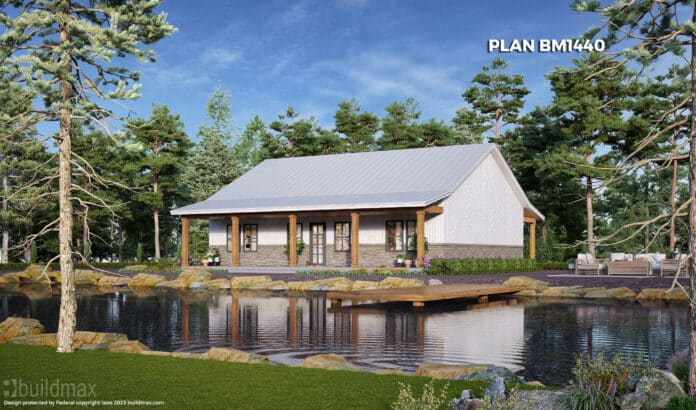
white barndominium on pond

How Much Will It Cost to Build a 1500 Sq Ft Barndominium Today?

If you are asking how much it costs to build a 1,500 sq ft barndominium today, the short answer is: it can vary a lot — but a realistic build budget usually depends on whether you are pricing a shell, a partially finished structure, or a fully finished move-in-ready home.

That is where many buyers get confused.

A 1,500 square foot barndominium can be one of the smartest size categories to build because it is large enough for a comfortable full-time home, but still small enough to stay more manageable than a much larger custom design. It works well for couples, small families, retirees, and buyers who want a practical footprint without paying for a lot of wasted square footage.

But the total cost depends on more than the size alone. Site work, slab or foundation, shell package, labor, interior finishes, and local pricing all change the final number.

In this guide, we will break down what a 1,500 sq ft barndominium typically costs today, what that cost usually includes, and what can raise or lower the budget fast.

The Short Answer: What Does a 1,500 Sq Ft Barndominium Cost Today?

A 1,500 square foot barndominium can land anywhere from roughly $100,000 to $300,000 or more depending on scope, finishes, materials, labor market, and whether you are looking at shell pricing or a finished home. That broad range comes directly from BuildMax’s current article on the topic. BuildMax’s broader cost content also says barndominiums often fall around $100 to $150 per square foot, which would place a typical finished 1,500 sq. ft. build somewhere around $150,000 to $225,000 as a practical middle range for many buyers. :contentReference[oaicite:2]{index=2}

That does not mean every 1,500 sq. ft. build should cost the same. A very basic shell can be much cheaper than a finished home, while a highly customized design with premium finishes can push far above the middle of the range.

Why 1,500 Square Feet Is Such a Popular Barndominium Size

A 1,500 sq. ft. barndominium sits in a strong middle ground. It is often big enough for:

  • 2 or 3 bedrooms
  • an open kitchen, dining, and living area
  • a practical primary suite
  • laundry and utility space
  • modest porch integration

At the same time, it is still small enough to avoid some of the runaway costs that come with larger family footprints. That is one reason BuildMax’s broader budget content points lower-budget buyers toward smaller, efficient layouts first, while its $200K article specifically says a budget around that level may support roughly 1,500 to 2,000 square feet on a basic steel-frame build. :contentReference[oaicite:3]{index=3}

What Is Usually Included in the Cost of a 1,500 Sq Ft Barndominium?

Before you compare numbers, you need to know what is actually included. A barndominium quote may or may not include all of the following:

  • slab or foundation
  • framing or shell package
  • roofing and siding
  • windows and exterior doors
  • interior framing
  • insulation
  • electrical and plumbing
  • HVAC
  • drywall and paint
  • cabinets, flooring, and trim
  • bathroom and kitchen finishes
  • permits, utilities, and site prep

This is why one buyer may hear “$60,000” and another hears “$180,000” for what sounds like the same size home. They are often not pricing the same scope at all.

Shell Cost vs Finished Cost for a 1,500 Sq Ft Barndominium

This is one of the most important distinctions in the whole category.

Shell cost

BuildMax’s current article says the base building cost for a 1,500 sq. ft. structure can run roughly $20 to $40 per square foot, or about $30,000 to $60,000 for the core structure. Other BuildMax cost content also shows that smaller barndominium kits in the 1,200 to 1,500 sq. ft. range may land around $50,000 to $80,000 for the kit alone depending on region and scope. :contentReference[oaicite:4]{index=4}

Finished-home cost

Once you add the slab, site work, insulation, mechanicals, drywall, flooring, cabinets, fixtures, labor, permits, and finish work, the total price rises fast. That is why BuildMax’s current article lands at a full range of roughly $100,000 to $300,000+ for a complete 1,500 sq. ft. build. :contentReference[oaicite:5]{index=5}

A shell can get you under roof. It does not get you move-in ready.

What Drives the Cost of a 1,500 Sq Ft Barndominium the Most?

There are a few cost drivers that usually matter more than everything else.

1. Foundation and slab

The foundation is one of the first major costs. Soil conditions, grading, reinforcement, and regional labor rates all matter.

2. Structure and framing method

BuildMax’s current article talks through steel, wood, and concrete block as different build paths, with steel often framed as a strong choice for efficiency and durability. The material choice changes both short-term and long-term cost. :contentReference[oaicite:6]{index=6}

3. Interior finish level

The difference between builder-grade and high-end finishes can change the budget dramatically.

4. Site work and utilities

Clearing, grading, driveway access, septic, water, and power can push the price much higher before the house itself is even finished.

5. Labor market

What costs one amount in a lower-cost rural market may cost much more in a tight labor market or high-cost region.

A Practical Cost Range for Different 1,500 Sq Ft Build Scenarios

Here is a more useful way to think about pricing:

  • Basic shell only: often somewhere around the low five figures into the mid five figures, depending on package and material path
  • Modest finished build: often around the lower-to-middle end of the six-figure range
  • Mid-range finished build: often somewhere around the middle of the BuildMax cost ranges
  • Higher-end or customized build: can climb toward the upper end of BuildMax’s published range and beyond

The key is that a 1,500 sq. ft. barndominium does not have one fixed price. It has a cost band that changes based on design decisions and project conditions.

Can You Build a 1,500 Sq Ft Barndominium for $200K?

In many cases, yes.

BuildMax’s article on what $200K can get you says a basic steel-frame barndominium may land around 1,500 to 2,000 square feet at that budget level. That makes 1,500 sq. ft. one of the strongest targets for buyers who want a realistic full-time home without jumping into a much larger custom budget. :contentReference[oaicite:7]{index=7}

Of course, that still depends on how much of the budget is consumed by land, site prep, finishes, and local labor. But as a planning target, 1,500 sq. ft. is one of the most believable sizes for a disciplined budget.

What Kind of Buyer Is a 1,500 Sq Ft Barndominium Best For?

A 1,500 sq. ft. layout is often a strong fit for:

  • couples who want a full-time home without excess space
  • small families needing 2 or 3 bedrooms
  • retirees downsizing without giving up comfort
  • buyers who want an open layout and practical storage
  • people trying to keep the budget more manageable than a 2,500+ sq. ft. build

This size can hit a strong balance between livability and cost control, which is why it deserves so much attention in the barndominium category.

How to Keep a 1,500 Sq Ft Barndominium Affordable

If you are trying to stay near the lower half of the cost range, focus on these decisions:

Start with a stock plan

A good stock plan is usually cheaper than starting from scratch.

Keep the footprint simple

Simple shapes and rooflines are easier and cheaper to build.

Be selective with upgrades

Do not turn a practical 1,500 sq. ft. build into a luxury project unless that is truly the goal.

Understand the full scope

Do not confuse shell pricing with move-in-ready pricing.

Match the build to your real lifestyle

The most affordable square footage is the square footage you actually need.

If you are trying to compare this size against tighter budgets, BuildMax’s article on what size barndominium you can build with a $100K budget is also worth reading. If you are weighing kit-based options, the barndominium kits page is the best next step.

So, How Much Will It Cost to Build a 1,500 Sq Ft Barndominium Today?

Here is the clearest answer:

A 1,500 sq. ft. barndominium today will often fall somewhere between about $100,000 and $300,000 or more depending on whether you are pricing a shell or a finished home, what materials you use, how complex the design is, and how expensive your site and labor market are. BuildMax’s own cost content supports that broad range, while its other budget pages suggest 1,500 sq. ft. remains one of the strongest sweet spots for buyers trying to balance affordability and livability. :contentReference[oaicite:8]{index=8}

The right way to price your build is not to chase one flat number. It is to decide:

  • how finished the home needs to be
  • what kind of materials and kit path you want
  • how much site work is required
  • what level of interior finish you expect

Final Thoughts

A 1,500 sq. ft. barndominium can be one of the smartest sizes you can build. It is large enough to live well in, but small enough to stay much more manageable than a bigger family footprint.

If you start with a practical design, understand the difference between shell and finished costs, and stay honest about your finish level, this size can be a strong value in today’s market.


Related BuildMax Resources

5 ways to Insulate your metal Barndominium

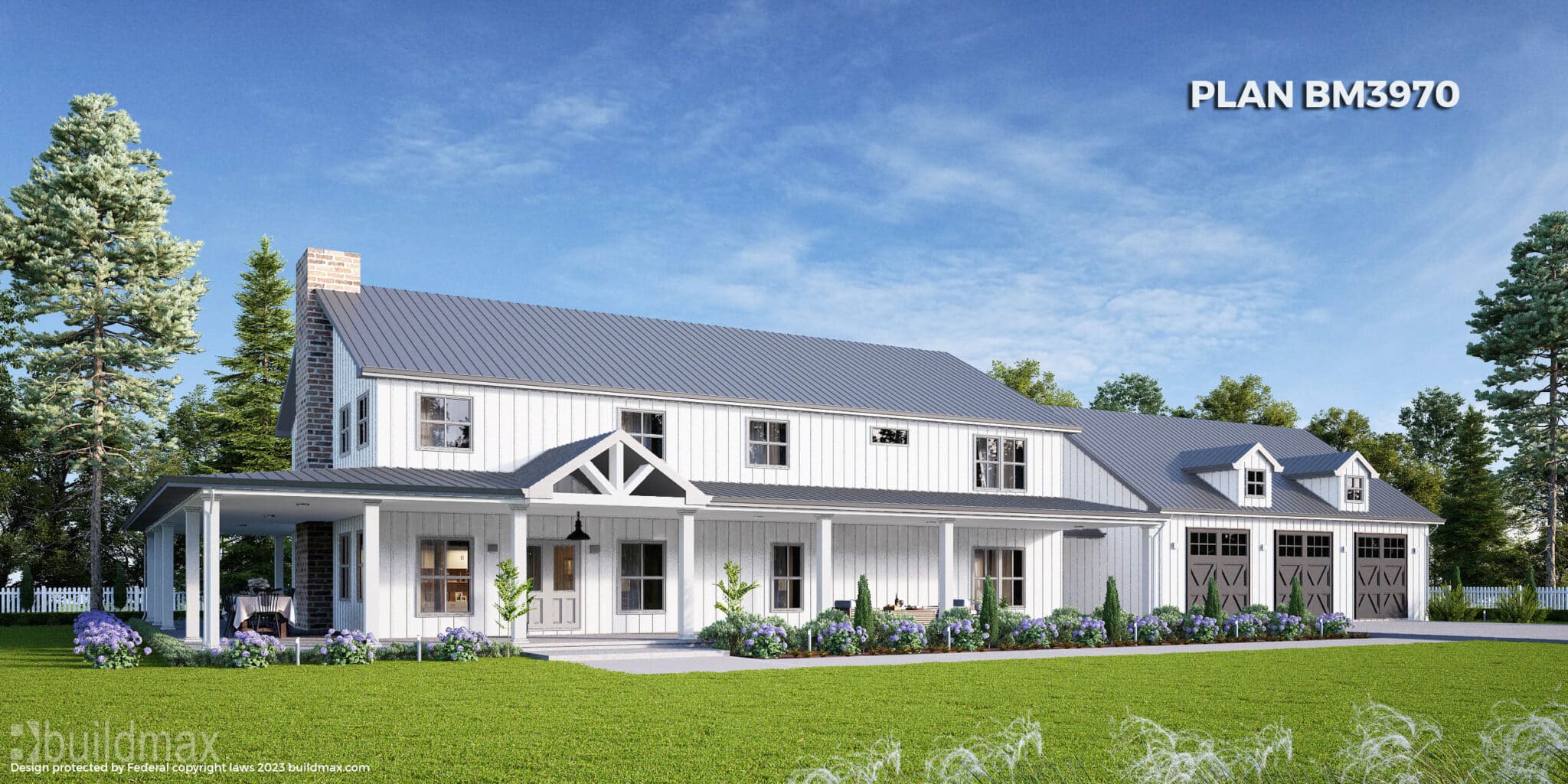
white barndominium with grey roof


Insulation Strategies for Steel Frame Barndominiums

The soaring ceilings and expansive spaces that lend barndominiums their characteristic charm can also make insulating these steel skeletal structures an uphill challenge. While wood-framed buildings readily accommodate traditional fiberglass batt installation between stud walls, the wide open framing of most barndominium interiors demands a more strategic approach.

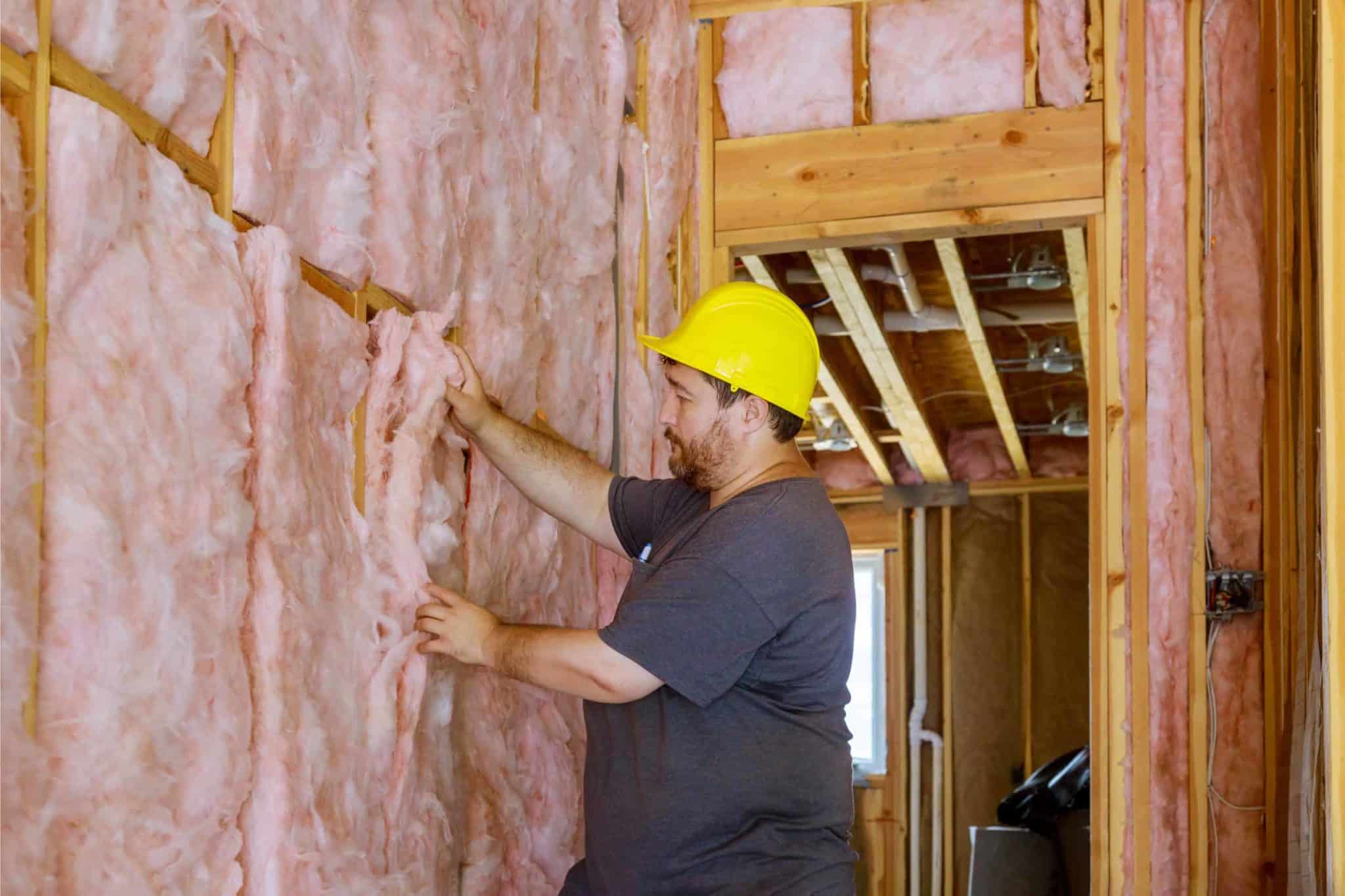
man installing insulation
Man installing Batt insulation layer under the wall using mineral wool with fiberglass cold

Fortunately, by combining rigid foam board insulation with innovative spray foam products, steel-framed barndo dwellers can create a fully enveloped thermal barrier customized to their unique space. This locks in conditioning for maximum energy efficiency while allowing the structure’s interior finishes to provide that signature rustic aesthetic.

Getting Started: Sealing The Building Envelope

insulation

The first step with any insulation strategy focuses on fully sealing the building envelope – the floors, walls and ceilings separating interior from outdoor temperatures. Air leaks through gaps or cracks can sabotage insulation performance and should be thoroughly caulked and foam-filled during framing. Windows and doors will also need proper weatherproofing and flashing to minimize infiltration.insulation

Framing Cavity Insulation Techniques

For barndominium wall stud cavities, fiberglass batts remain a cost-effective insulation layer. Place unfaced batts snugly between studs, stapling flanges lightly in place if needed. Cover with interior wall surface finishes.

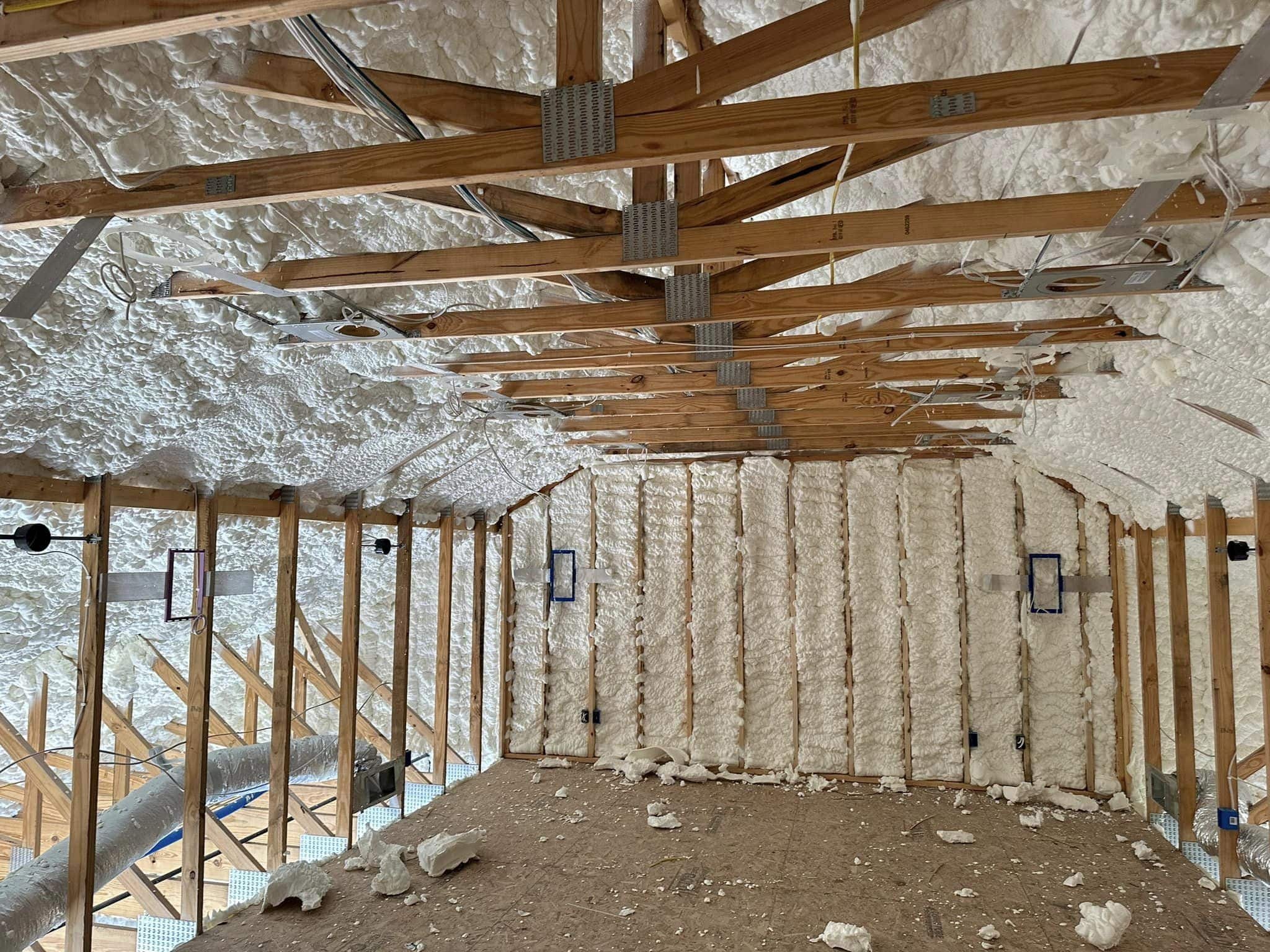
In ceiling rafter bays, wider spacing may preclude snugly-fit batts. Alternatively, spray polyurethane foams (SPF) effectively insulate these channels at about double the cost. These foams expand on contact then cure to durable rigid insulation. Where budget allows, 2-inch minimum foam thickness is recommended for rafters and exterior walls.

Below are 5 ways to insulate a metal home:
1. Spray Foam Insulation – Spray polyurethane foam (SPF) is one of the most effective insulators for metal frames. It’s applied as a liquid that expands to fill cracks and spaces, creating a seamless air barrier that traps heat or cooling. Closed-cell SPF provides the highest R-value (insulation rating).

2. Rigid Foam Sheathing – Applying rigid foam boards to the exterior under the siding is great for boosting R-values and providing continuous insulation unbroken by framing. Common types are EPS, XPS or polyiso sheets. Careful sealing is essential.

3. Fiberglass Batts – Framing cavities between steel studs in walls and ceilings can be filled with unfaced fiberglass or mineral wool batt insulation. Use friction-fit batt widths or secure lightly with staples if spaces are uneven.

4. Spray Fiber Insulation – Blown-in fiberglass, cellulose or mineral wool sprayed into the building cavities also works well for metal framing. Achieving complete fill can be easier than batting.

5. Insulating Concrete Forms (ICFs) – ICF wall systems (polystyrene blocks stacked then filled with concrete) provide excellent thermal resistance for monolithic metal building walls.

Proper air sealing and vapor barriers are vital with any insulation to limit moisture issues and maximize performance. Combining methods like SPF and rigid foam sheets increases overall R-values. With the right insulation strategy, thermal comfort can be achieved in any custom metal home. No matter which cavity insulation used, adding a continuous external layer of rigid foam over walls and roofs provides vital vapor control and added insulation rating (measured in R-value). Foam boards rated at R-10 or higher suit most barndos. After installing boards over exterior walls and roof decking, tape seams with special sheathing tape before finishing siding or roofing.

black barndominium

In summary, a “thermal sandwich” strategy combining air sealing, cavity batting/foam, and continuous rigid sheathing allows steel-framed barndos to maximize insulation R-values and energy savings. This keeps interiors comfortably conditioned against harsh weather while retaining the agricultural essence true barndominium aficionados demand. With a well-planned approach, even spacious steel barndos can provide supremely livable environments in any climate zone.

Can your Barndominium have heated floors? you bet!

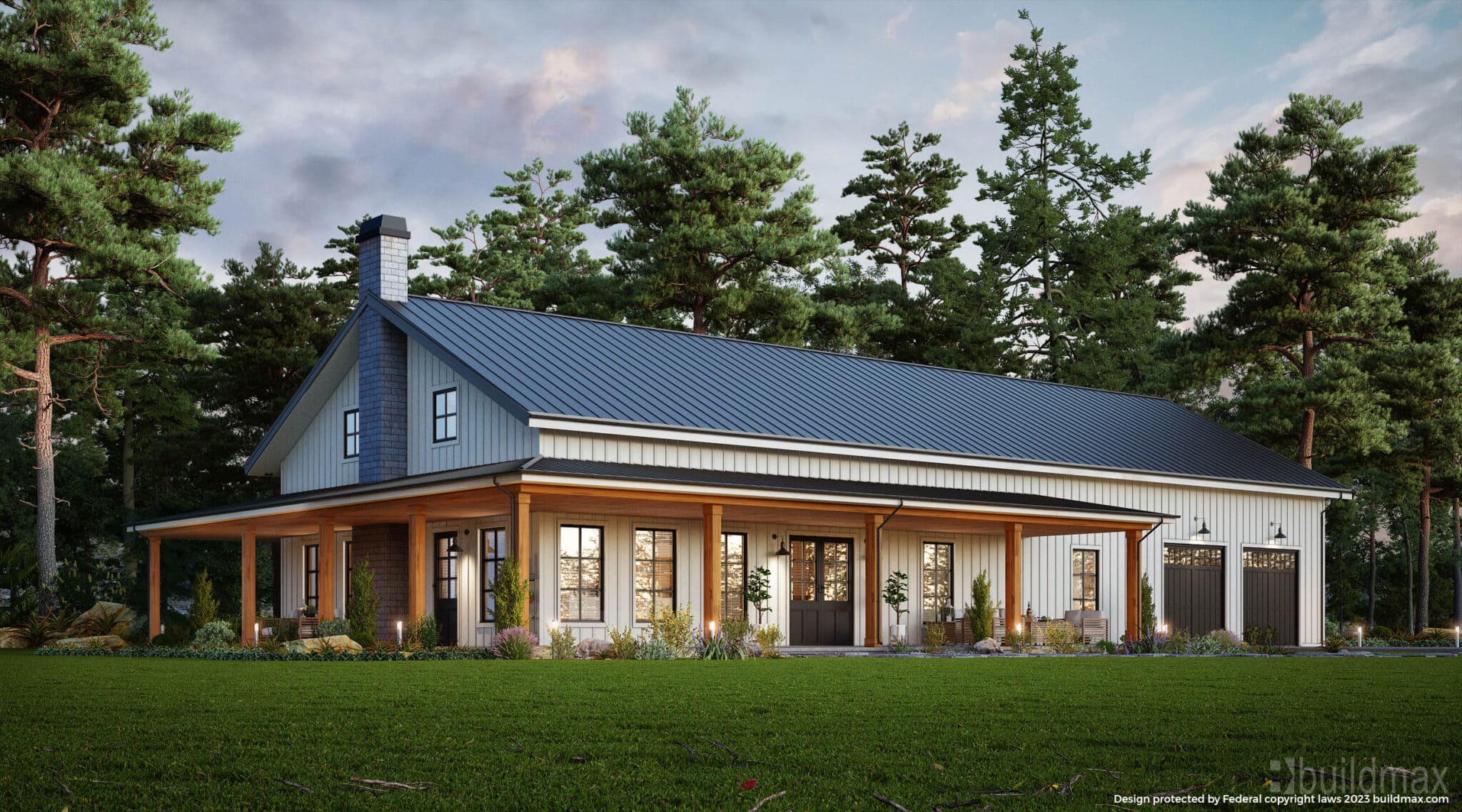
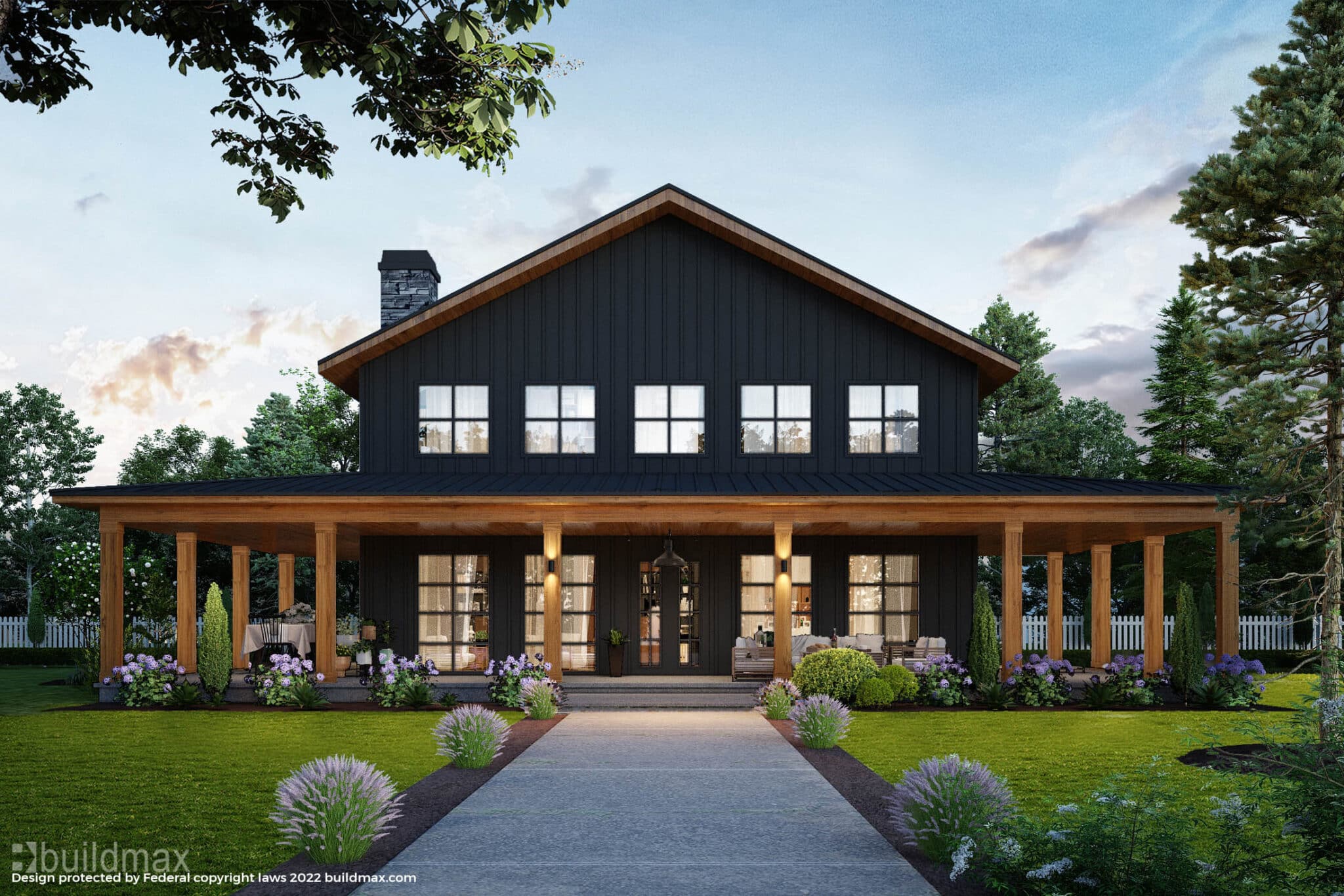
white barndominium with 3 car garage

Warming Up To Heated Floors: Installing Radiant Heat Systems In Barndominiums and their Benifits
As barndominiums continue rising in popularity across cold-weather climes from the mountain states to New England, the aesthetic of polished concrete floors brings many owners pause come winter. While beautiful, concrete loses heat rapidly, leaving barndo dwellers shivering in their stylish spaces. Fortunately, multiple radiant floor heating system options exist capable of transforming cold concrete floors into toasty luxury even in unforgiving northern winters.

white barndominium with wraparound porch and 2 car attached garage

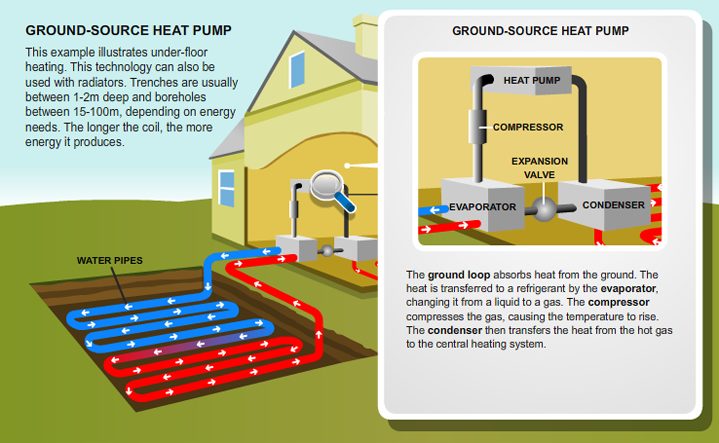
According to 2019 industry surveys, over 60% of custom builders reported installing radiant systems in their projects, signaling this technology has become a standard go-to for solving floor warming needs. Various systems suit different flooring types, with options spanning electric, hydronic (hot water), and geothermal designs.

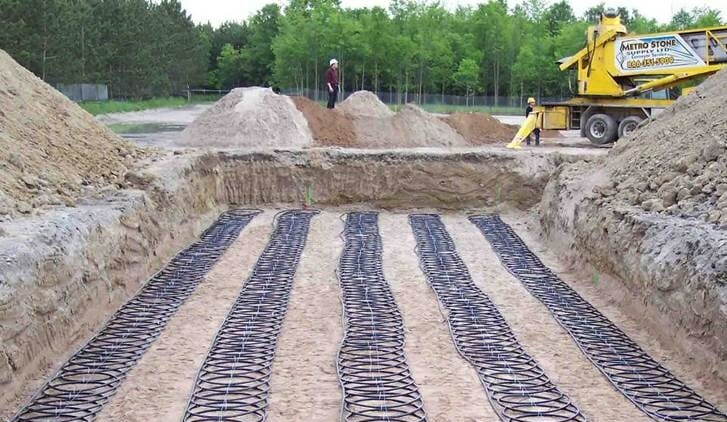
For barndominiums with polished concrete floorplans, one of the most elegant and efficient solutions is an electric radiant system. This utilizes thin heating mats secured under the concrete with wires warming to desired temperatures. Installing electric radiant heat averages between $4-$8 per interior foot depending on factors like supplemental insulation needs. A 1,500 square foot barndominium would therefore range from $6,000-$12,000 installed.

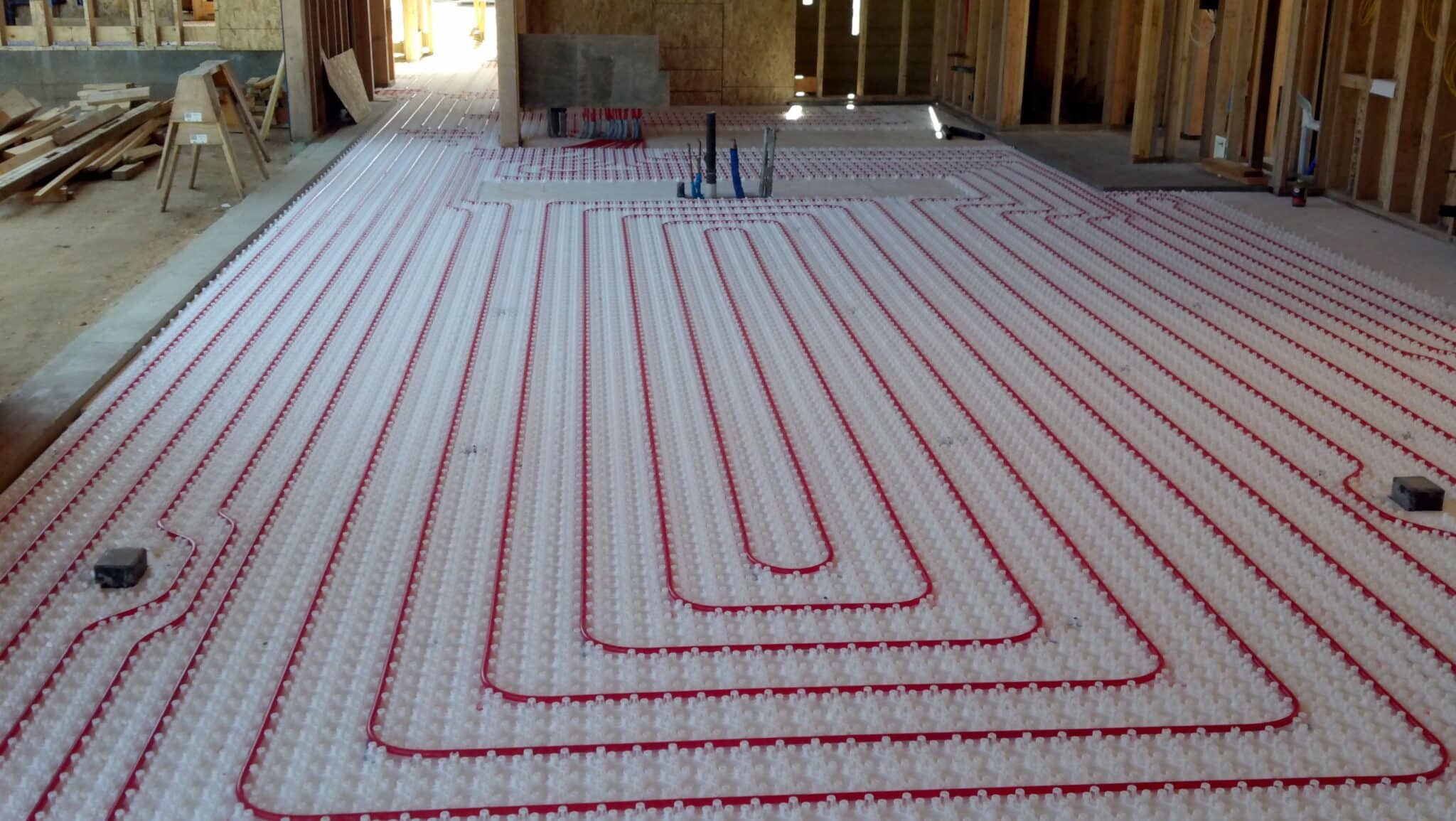
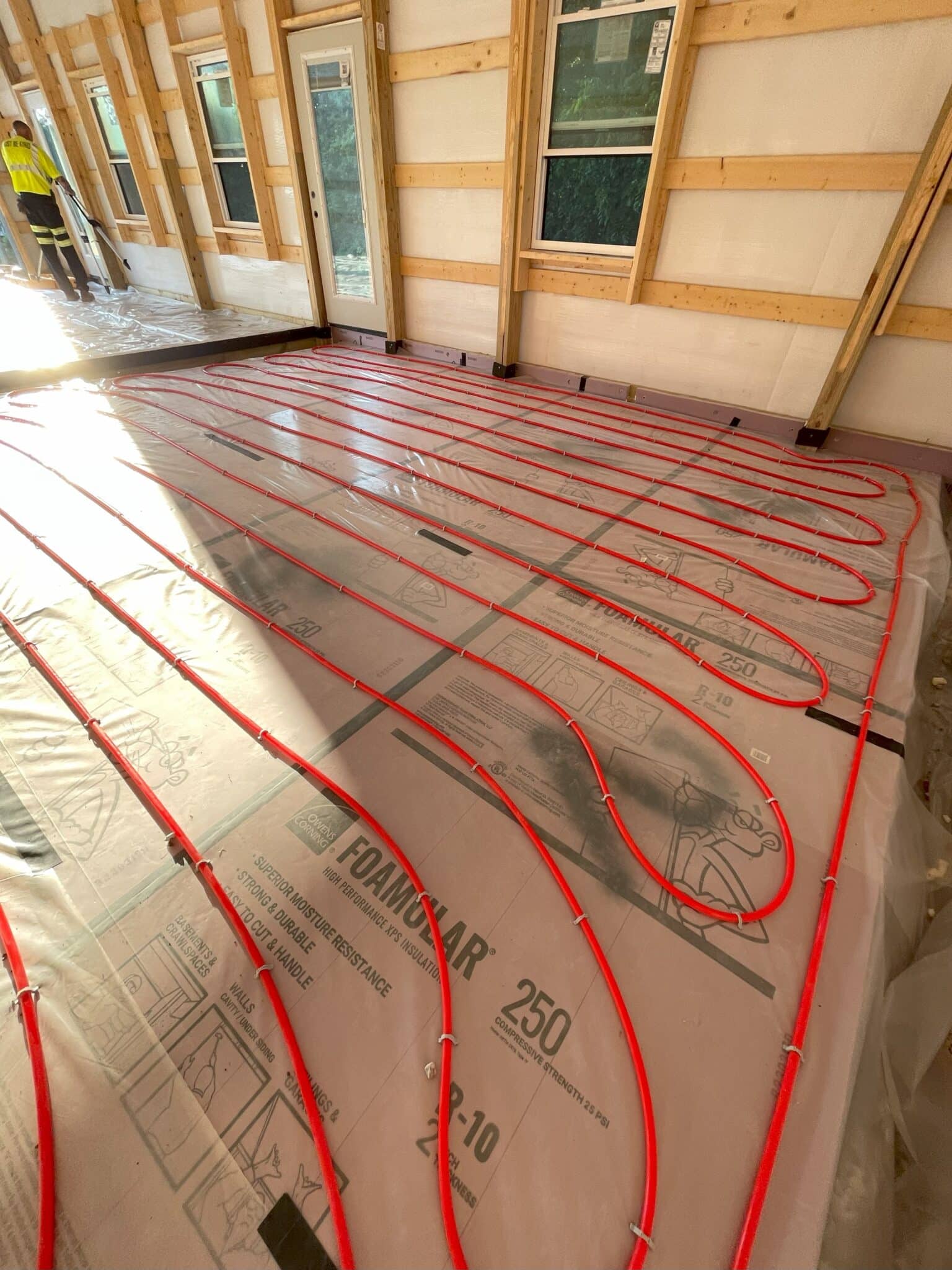
barndominium radiant floor heating

Fortunately, energy costs with radiant systems prove surprisingly affordable thanks to several efficiency advantages. Specifically, heat concentrates in occupied areas of the floor’s surface rather than wasting energy warming empty airspace above. The gentle warmth also satisfies thermostat targets at lower ambient room temperatures. For electric radiant, yearly costs range between $0.13-$0.35 per heated square foot. Barndo owners can control heating schedules and temperatures through programmable thermostats, moderating use based on season and occupancy patterns.

While radiant heat does entail added install costs upfront, it reliably resolves the functionality Achilles’ heel of chilly concrete floors during colder months. Owners gain back rich livability from their polished concrete aesthetic investment, able to pad around comfortably barefoot even amid snow flurries swirling outside. For barndominium dwellers committed to embracing concrete’s rawness and edges despite northern climes’ bitter grip, radiant heat powered by modern electric systems proves a hidden luxury tucked discretely underfoot. The numbers confirm this solution not only works, but does so at entirely affordable usage rates once in place.

So while frigid concrete may instill doubt, with a properly planned and installed below-surface radiant system, barndo aficionados can indeed keep their floors stylishly stripped down and polished…without sacrificing on coziness. The kids can even curl up with pillows and blankets for movie nights – no area rugs required! Heated floor comfort now awaits barndo dwellers from Alaska to Maine.

grey barndominium with dark grey roof and wraparound porch

The Benefits of Radiant Floor Heating Systems for your Barndominium

As energy efficient home design grows increasingly popular, more Barndo-owners are discovering the perks of installing radiant floor heating systems. Unlike forced-air furnaces that blow hot air through ductwork, radiant systems circulate heated water through tubes or electric wires just below the floor’s surface. This directed rising warmth offers advantages forced air can’t match.

black barndominium with wraparound porch that has wooden posts

Comfort – Radiant heat feels noticeably more cozy and luxurious, with floors warmed to pleasant temperatures right where occupants walk. No more cold kitchen tile! Heating the lower areas we occupy rather than wasting energy warming higher room air also meets comfort needs faster and at lower overall thermostat settings.

small black barndominium

Consistency – Unlike forced air’s turbulent on-off heating cycles, radiant floors provide steady, even warmth from edge to edge without impacting allergies or drying air. Lower dust circulation also results compared to forced systems constantly blowing particulate-filled air.

black barndominium

Efficiency – Radiant systems can reduce overall heating costs 20-40% by directly warming occupants and objects rather than wastefully heating empty room space above. This superior efficiency earns radiant heat one of the highest Energy Star ratings among home HVAC options.

white barndominium

Quietness – With no blowers, ducts or vents, radiant systems operate silently delivering heat through water or electric wires alone. This absence of disruptive ambient noise enhances home relaxation and livability.

Zone Control – Owners can group control floor heating in different zones like separate levels or individual rooms, custom scheduling each area’s preferred temperatures for optimal comfort and efficiency. Smart thermostats add automation.

Adds Resale Value to your Barndominium – Upscale amenities like radiant floor heat are increasingly attractive to buyers, potentially boosting a home’s future resale value. This makes the systems a solid return on investment for many owners.

white barndominium lodge style

In today’s heating landscape, radiant floor systems shine as an energy efficient and luxuriously comfortable option, outperforming dated forced-air technology. Their zone customizability, allergen and dust reductions, silent operation and contoured warmth make radiant heat one of the smartest investments available for enhancing home relaxation and enjoyment while reducing bills. Turn up the cozy with radiant floor goodness!

Do Barndominiums Depreciate in value?

black barndominium with a lot of windows

Do Barndominiums Depreciate? Examining Resale Value potential obviously, everything depreciates to some degree your never gonna have a brand new home after it’s been live in for a period of time. This is not always a bad thing because as we have all witnessed thru the pandemic, homes can fluctuate wildly in price in a relatively short amount of time given slightly extraordinary circumstances.

white barndominium shophouse

As the barndominium movement continues building steam & converts drawn to the style’s rustic aesthetic and value pricing, inevitable doubts arise around long-term value retention. The uniqueness prompting many to take the barndo plunge also fuels fears that these re-imagined agricultural buildings will rapidly depreciate or prove difficult to sell. However, analysis of resale data as well as expert insights strongly indicate barndominiums in desired locations actually maintain value on par with traditional homes.

black barndominium with wraparound porch and 3 car garage

Looking first at resales, a 2020 survey of Texas barndominium listings found 87 percent had sold for the same or higher price than their original list price. The structure type made no statistically significant impact on value changes compared to standard homes. For example, a 1,600 square foot barndominium in Winnsboro originally purchased in 2016 for $170,000 was recently relisted for $250,000. A more modest 800 square foot example in Argyle endured five years surprisingly little depreciation, purchased in 2014 for $237,000 and hitting the market again in 2019 for $219,000.

white farmhouse

Industry experts reinforce that properly constructed barndominiums should retain value just like conventional homes, presuming sensible initial spend. As Tim Biery of Barndominium Store LLC confirms, “If you overbuild or have too much into a metal home compared to the market, you may be at some risk…But the same goes for stick-built or any home.” In other words, the risk lies in overspending, not in the barndominium type itself.

In fact, certain barndominium characteristics provide value stability advantages. Namely their economical price point for ample interior square footage. Additionally, value is supported by many barndo shoppers’ preferences for rural properties seeing climbing demand, where re-sale supply limitations further strengthen pricing leverage. Bara Oswald of TexasBarndominiumRealty.com observes, “There is such a demand for this lifestyle and the number of barndos available is not keeping up.” The customizability of floorplans also assist owners in aligning with local buyer needs upon resale.

black barndominium farmhouse with wraparound porch

So while no housing type guarantees future returns, county appraisal data and expert insights confirm properly budgeted barndominiums in well-selected rural locales do retain value on par with sticks-and-bricks homes. As Oswald summarizes, “Buyers want unique properties with space. Barndos will continue appreciating.” So rather than needlessly fearing rapid depreciation, barndominium shoppers can pursue this on-trend sector knowing their investment will likely endure for the long haul.