Home Blog Page 44

Important Factors to Consider When Insulating a Barndominium

When looking into building any home, you’ll want to pay attention to insulation. This is no different with barndominiums. While many people believe that barndominiums will be either too hot or too cold, with the right insulation they will be just as comfortable as traditional homes. 

The Importance of Insulating Your Barndominium

Barndominiums, with their metal construction, are naturally adept at retaining heat, which is beneficial for colder climates. However, without proper insulation, they may not be the best choice for warmer or varied climates. Metal, being a conductor, can transfer heat and cold quickly, leading to significant temperature swings inside the barndominium.

The key role of insulation is to combat these temperature fluctuations by restricting air movement and maintaining a steady indoor climate, which is essential for comfort and energy efficiency. Additionally, it helps prevent moisture build-up, which can cause condensation and potentially damage the structure or cause rust.

Additionally, insulation serves as a sound dampener, reducing outside noise infiltration and fostering a serene indoor atmosphere. Many wonder about the noise levels in barndominiums, and it’s noteworthy that with adequate insulation, they can be just as quiet as conventional homes. Various insulation materials excel in sound attenuation more than others; consulting with your builder will help determine the best fit for your noise reduction needs.

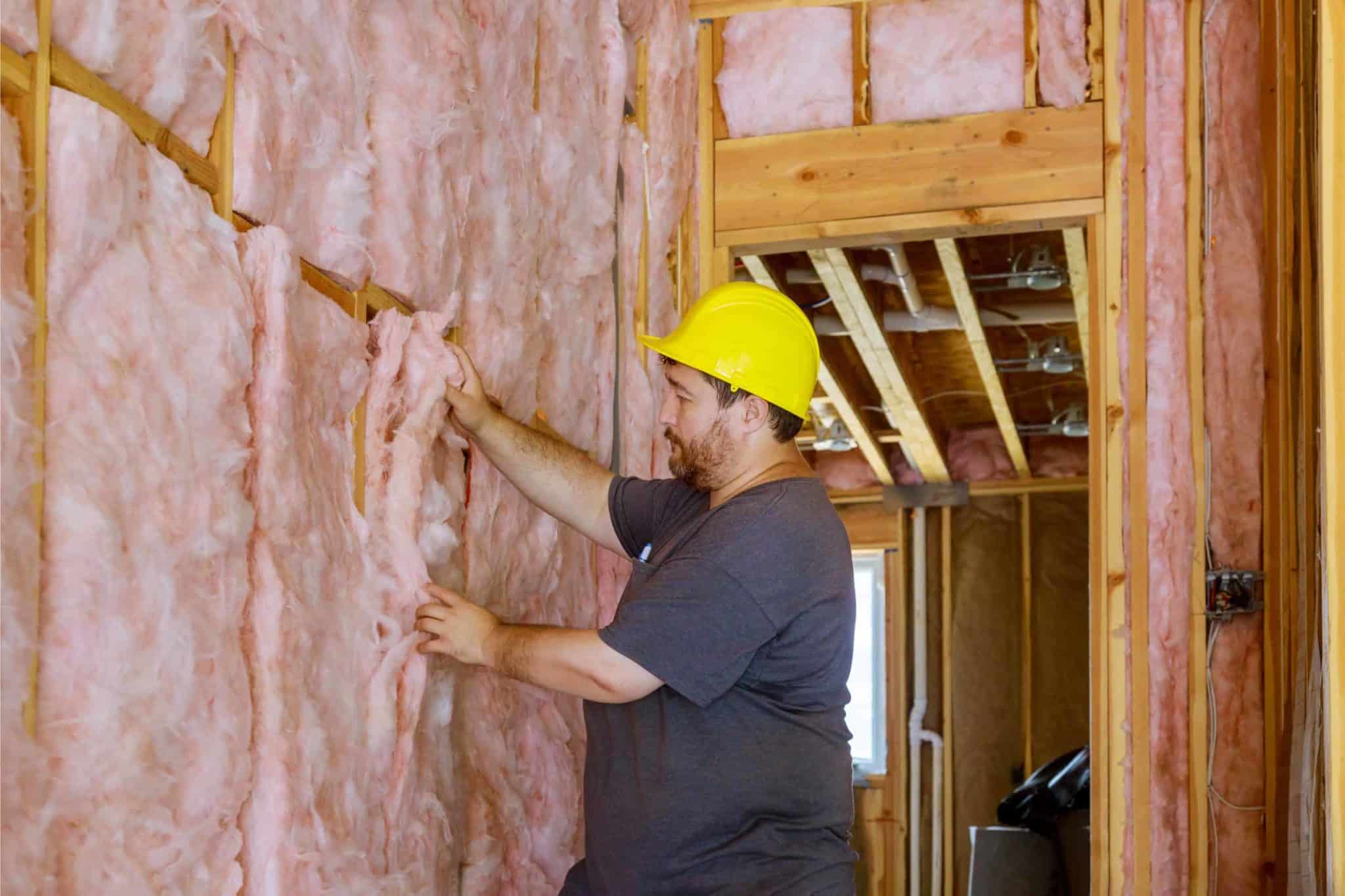
man installing insulation

Important Information to Look for When Selecting Insulation

When you’re in the market for insulation for your barndominium, three critical considerations should steer your purchase decision: potential health implications, insulation’s R-value, and the material’s flammability. These factors should be at the forefront of your criteria as you embark on your selection.

Firstly, the health aspect of insulation cannot be overlooked. You may encounter certain insulation materials that could trigger allergies, with fiberglass often cited as a common irritant. It’s not only allergies you need to be mindful of; some insulation types can pose health risks to anyone, making this an essential factor in your decision-making process.

Next up is the R-value of the insulation, which gauges its effectiveness in inhibiting heat transfer. An insulation with a higher R-value will be more efficient at maintaining desired temperatures within your home, potentially leading to energy savings.

Lastly, the flammability of the insulation material is a significant safety consideration. Some insulations, like cellulose, are inherently more flammable, while others, such as rockwool, have higher melting points and are less prone to catch fire. Assessing the flammability is crucial for the safety and longevity of your barndominium.

Should you find yourself with questions or in need of guidance, reaching out to a professional is a wise move. Builders often have preferred insulation recommendations, but they should also be willing to discuss the advantages and disadvantages of various materials you may be considering, enabling you to make a well-informed choice.

insulation

Popular Types of Insulation

Spray Foam Insulation: Offering excellent coverage, spray foam is sprayed into wall cavities where it expands and solidifies, creating an air-tight seal. There are two varieties: open-cell for flexibility and closed-cell for moisture prevention, the latter being preferred for its vapor barrier properties, crucial for metal structures like barndominiums.

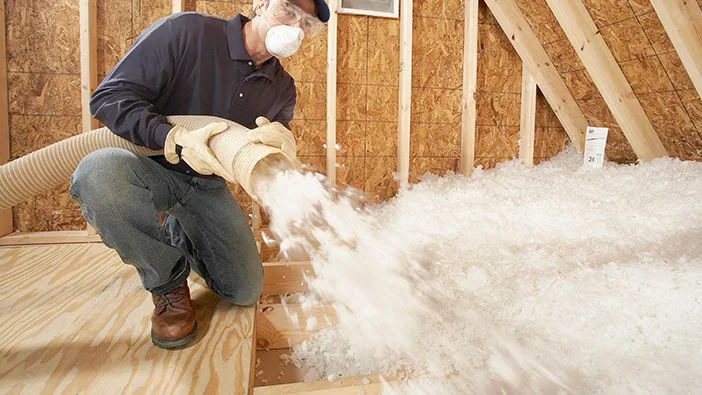
Loose-Fill Insulation: This type consists of materials like fiberglass or recycled paper that are blown into wall spaces, ideal for insulating existing structures without extensive renovation. It may be pricier, but it offers comprehensive coverage, although a separate radiant barrier might be necessary to optimize temperature control.

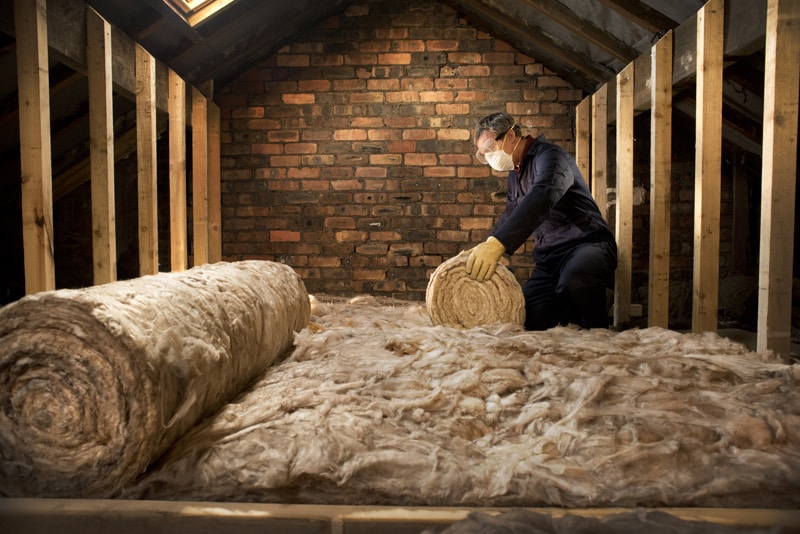
Batt Insulation: Known for its affordability and ease of installation, batt insulation comes in flexible rolls that can be cut and fit into spaces. It’s a cost-effective solution with an R-value—indicating its resistance to heat flow—comparable to other insulation types.

Rigid Board Insulation: These are robust boards tailored to fit within walls or flat roofs, known for their soundproofing qualities. Depending on local regulations, a flame-retardant layer might be required over the insulation for safety.

insulation

In conclusion, when it comes to insulating your barndominium, the choices you make are just as significant as the structure itself. Prioritizing considerations like health risks, R-value, and flammability can lead to not only a safer and more comfortable living space but also long-term savings on energy costs. Insulation is not just about maintaining temperatures; it’s also about creating a healthier and safer environment for you and your family. By carefully selecting the right type of insulation and consulting with professionals, you can ensure that your barndominium is a haven of comfort and efficiency. Remember, the right insulation will do more than just keep your space warm or cool; it will enhance the overall integrity and sustainability of your cherished barndominium.

Building A Barndominium in South Texas: What to know

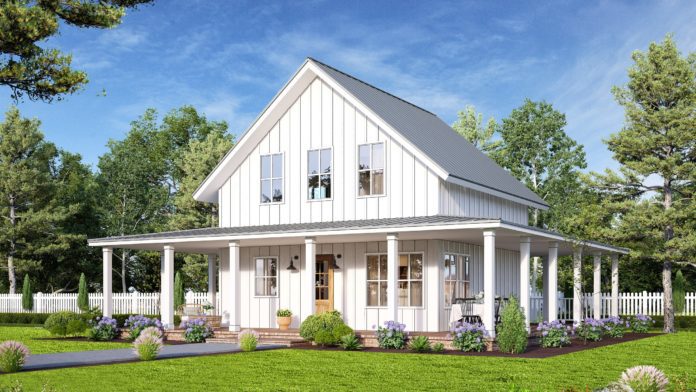
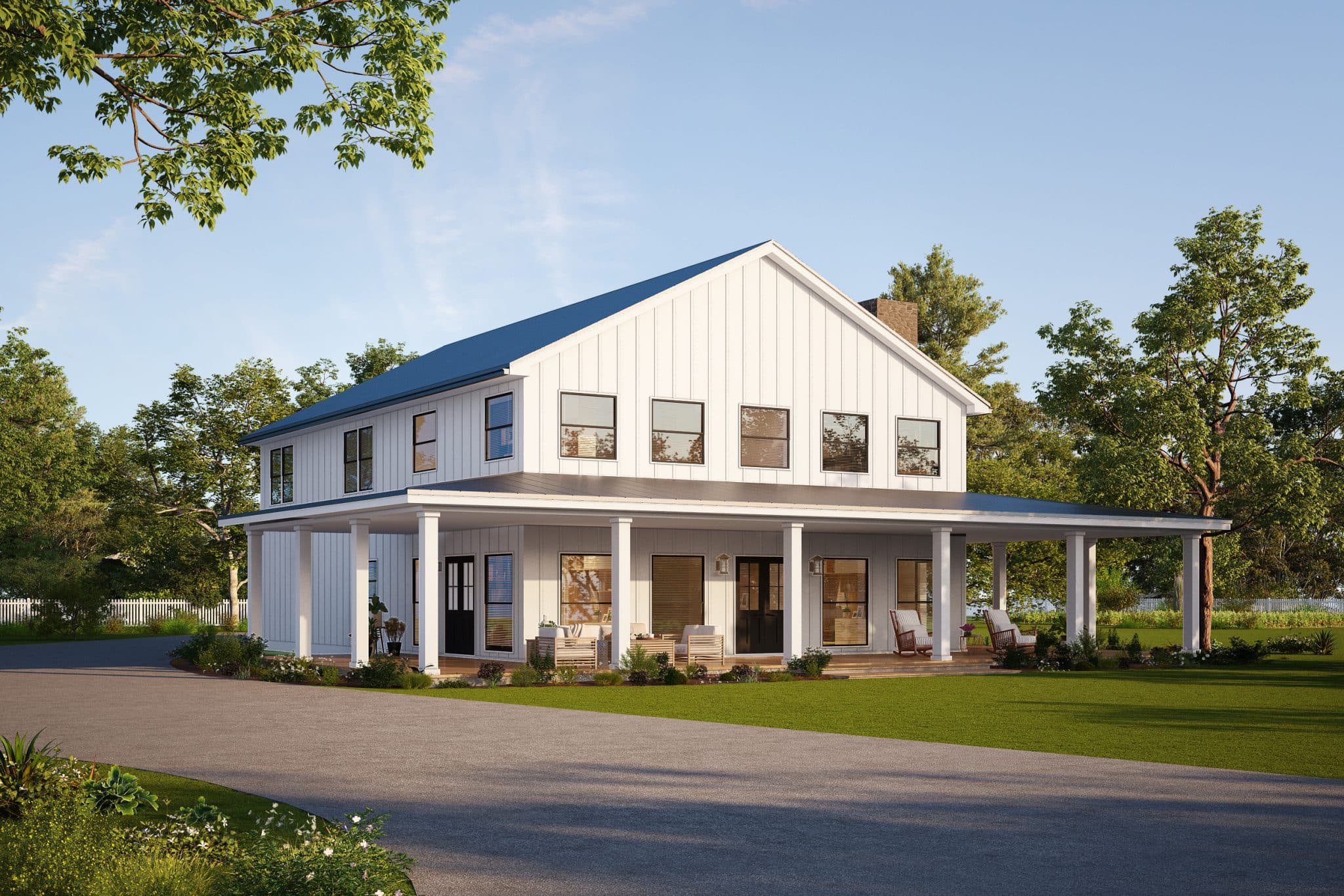
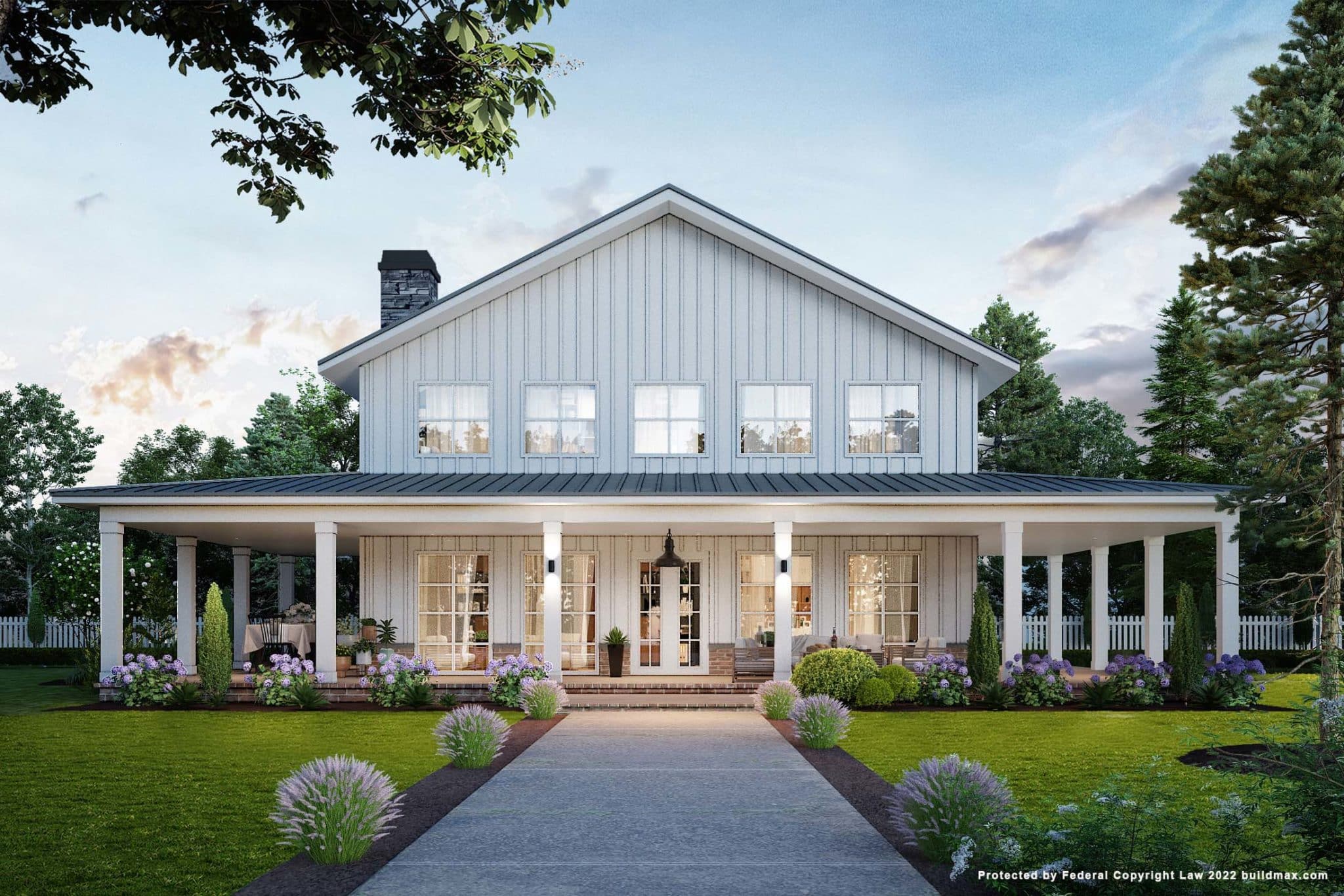
white farmhouse with wraparound porch

Are barndominiums actively being built in South Texas?

The concept of a barndominium has gained immense popularity in recent years, blending the rustic charm of a barn with the modern comforts of a home and that trend continues to spread from east to west and from north, southward. Located in the heart of South Texas, where wide-open spaces and the desire for unique living spaces thrive, the question arises: How much does it cost to build a barndominium in South Texas? In this article, we will explore the various factors that contribute to the cost of building a barndominium in this region, helping potential homeowners better understand the investment required to bring their dream to life.

Location Matters

Before diving into specific cost considerations, it’s important to note that South Texas is a vast region with varying costs depending on the specific location. For instance, building in a rural area may be more affordable compared to constructing a barndominium closer to urban centers like San Antonio or Austin. The choice of location will significantly impact the overall cost, so it’s essential to consider your priorities and budget carefully.

Size and Floor Plans

The size and layout of your barndominium are among the most crucial factors affecting the cost of construction. The bigger the structure and the more complex the layout, the higher the cost. Barndominiums in South Texas vary widely in size, ranging from 1,000 square feet to over 5,000 square feet.

Moreover, the layout can also add to the expenses. For example, if you opt for an open-concept design with large, vaulted ceilings and extensive living spaces, you should expect a higher price tag compared to a more modest layout.

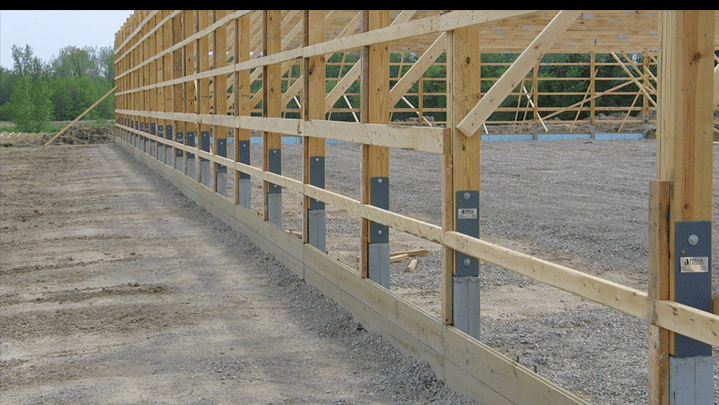
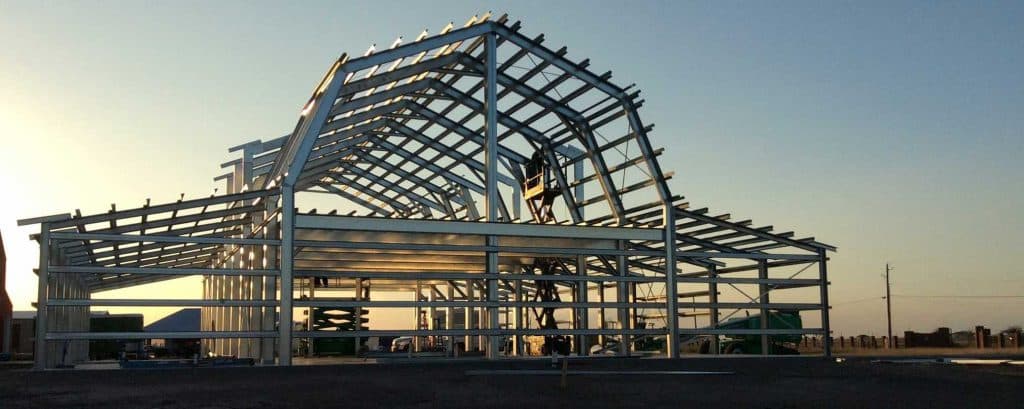
pole barn columns

Foundation and Site Preparation

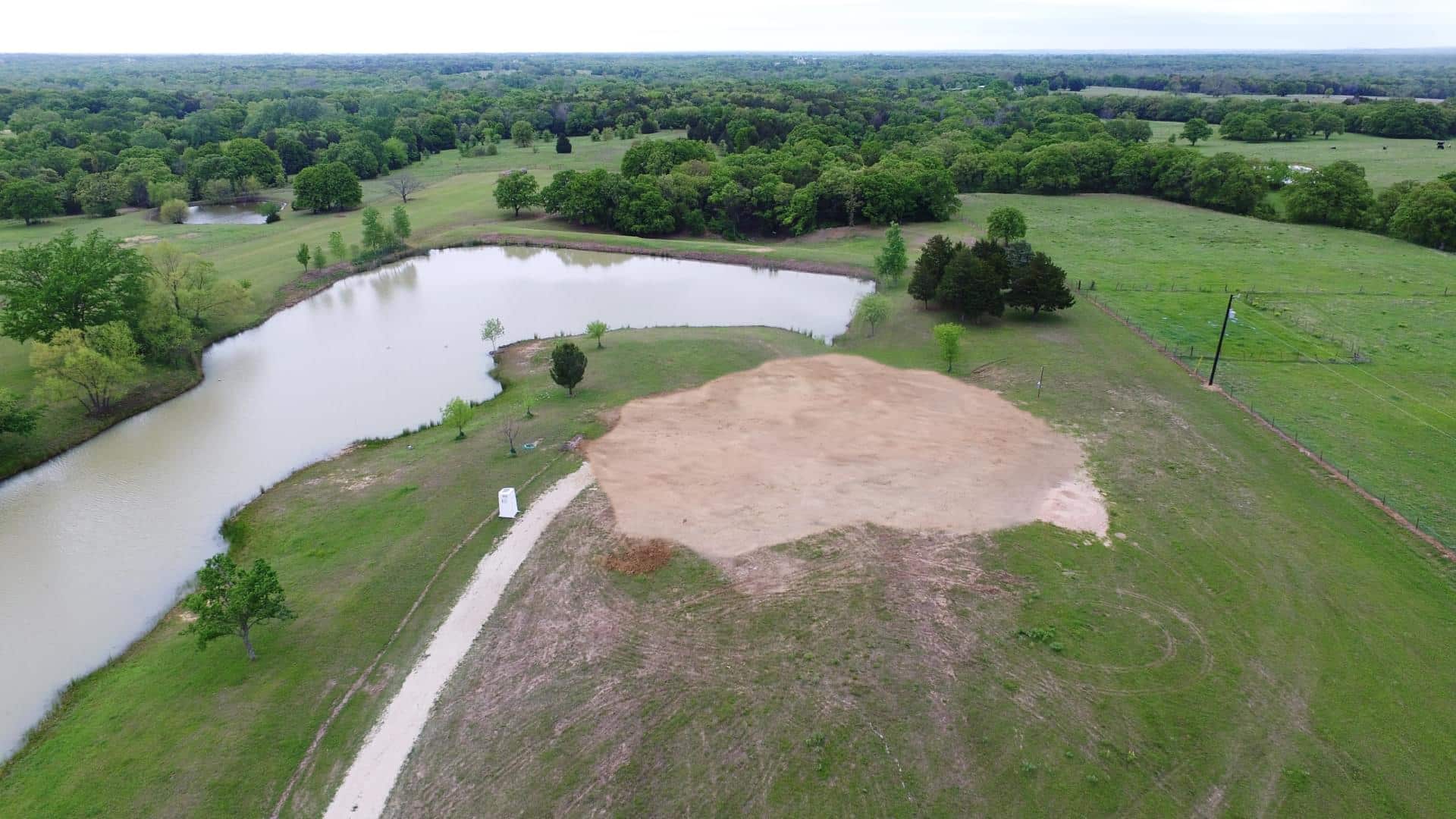
Another critical consideration in the cost of building a barndominium in South Texas is the foundation and site preparation. The soil conditions and terrain of your chosen location will impact the type of foundation required. In South Texas, where the soil can be sandy or clayey, you may need a deep foundation, which can add to the overall cost. Site preparation, including clearing the land, grading, and ensuring proper drainage, is also a significant expense that cannot be overlooked.

Materials and Design

Barndominiums offer a unique blend of rustic charm and modern amenities, and the materials you choose for construction will affect the cost. The exterior can be clad in metal siding, wood siding, or a combination of both. Metal siding tends to be more cost-effective, while wood siding can increase the overall expense.

The interior finishes, such as flooring, countertops, and cabinetry, also contribute to the cost. High-end finishes will drive up the price, so it’s essential to strike a balance between your design preferences and budget constraints.


Utilities and Infrastructure

Access to utilities and the development of necessary infrastructure can significantly impact the cost of your South Texas barndominium. If your chosen location lacks access to water, electricity, or sewer systems, you will need to factor in the cost of installing these utilities. The distance from existing utility lines and the need for permits can further complicate this process.

Permits and Regulations

Navigating the regulatory landscape is a crucial aspect of any construction project. Building codes, zoning regulations, and permitting requirements can vary from one municipality to another in South Texas. It’s vital to research and understand the local regulations in your chosen area, as non-compliance can lead to delays and added costs.

Labor and Construction Costs

The cost of labor and construction in South Texas can fluctuate based on market conditions, demand, and the availability of skilled workers. Obtaining multiple quotes from reputable contractors is essential to ensure a competitive price. Additionally, considering factors like project timeline and subcontractor fees will help you better estimate the total cost.

Additional Features and Amenities

Your budget for a South Texas barndominium should also account for any additional features and amenities you desire. These can include a workshop, garage, barn space for animals, a swimming pool, or a spacious outdoor entertaining area. Each of these elements will contribute to the overall cost, so prioritize them based on your needs and desires.

Building a barndominium in South Texas is an exciting endeavor, blending the best of both rustic and modern living. However, it’s crucial to understand that the cost of construction can vary widely based on several factors. These include location, size, layout, foundation type, materials, utilities, permits, labor, and additional features.

To get an accurate estimate of how much it will cost to build a barndominium in South Texas, it’s recommended to consult with experienced builders and contractors in the area. They can provide you with a detailed cost breakdown tailored to your specific project requirements, helping you turn your dream of living in a barndominium in South Texas into a reality.

Barndominiums & the Cost to Build in Oklahoma

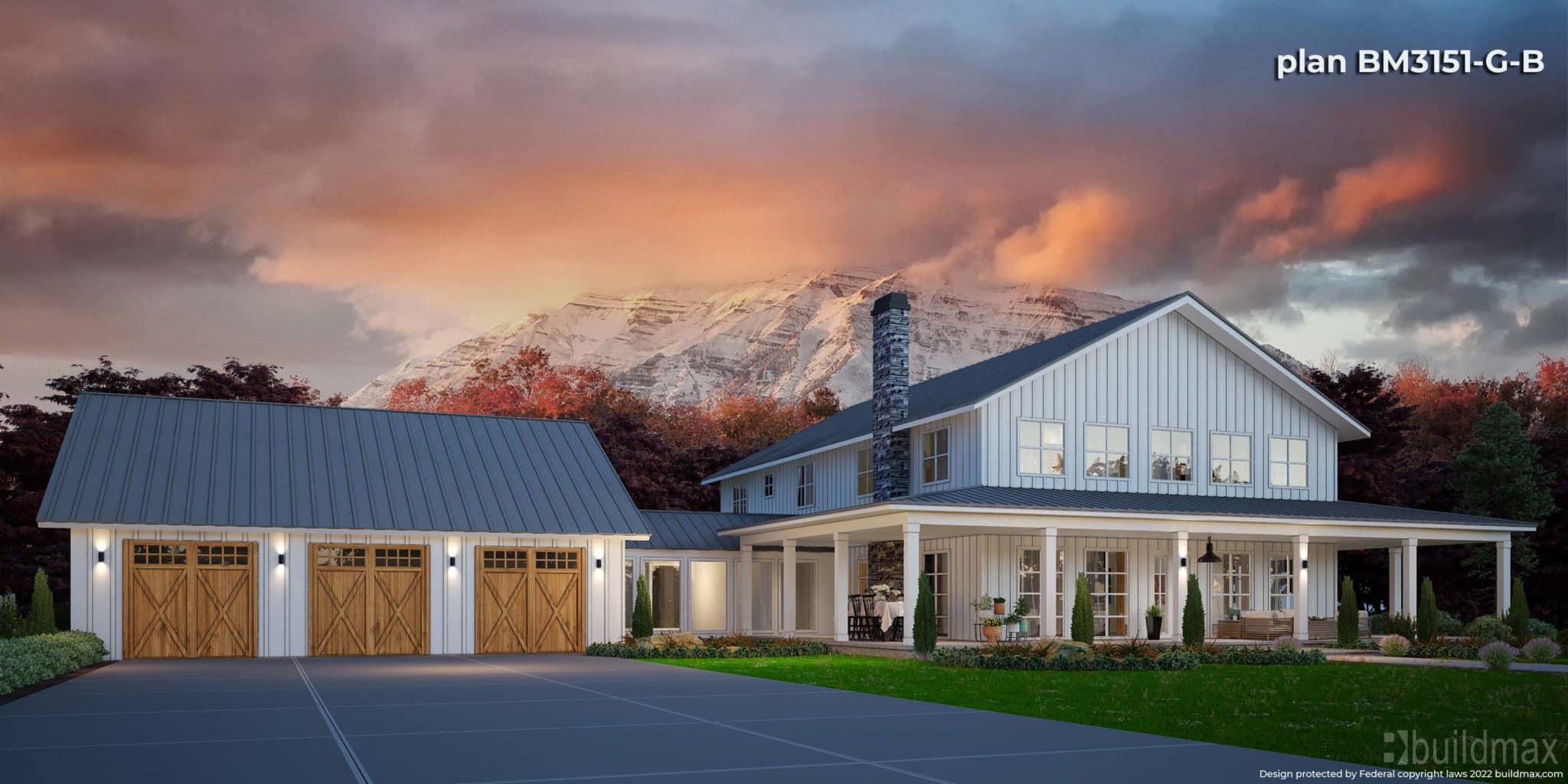
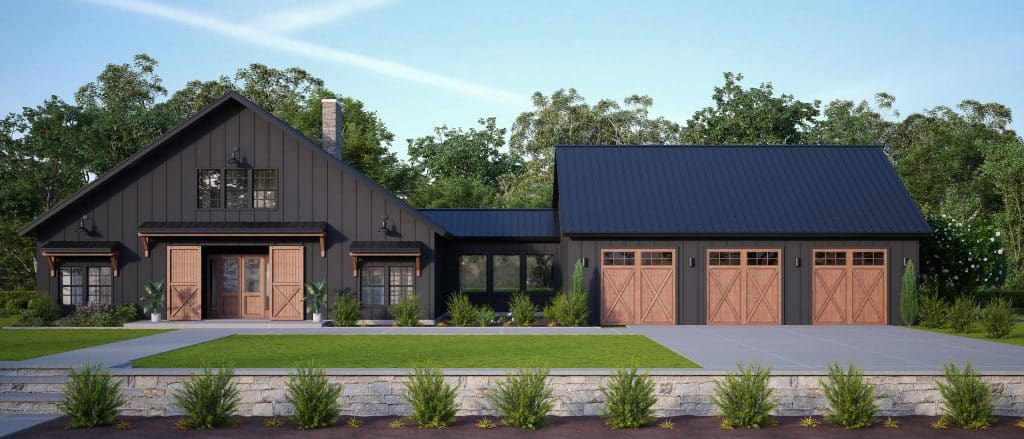
white barndominium with 3 car garage

Barndominiums & the Cost to Build in Oklahoma: What You Need to Know Before You Start

Oklahoma has become one of the most attractive states in the country for people who want to build a barndominium. With wide-open land, rural communities, lower land costs in many areas, and a strong demand for practical custom homes, Oklahoma is a natural fit for the barndominium lifestyle.

Whether you are building outside Oklahoma City, Tulsa, Stillwater, Norman, Broken Arrow, Lawton, or on rural acreage in western or southern Oklahoma, one of the first questions most future homeowners ask is simple:

How much does it cost to build a barndominium in Oklahoma?

The honest answer is that the cost can vary quite a bit. A barndominium in Oklahoma may be more affordable than a traditional custom home in some situations, but it still depends on the size of the home, the complexity of the design, the building system, the land, the foundation, the interior finishes, utility access, and local building requirements.

In general, many Oklahoma barndominium projects can fall somewhere between $150 and $300+ per square foot, depending on how much of the home is finished living space, how elaborate the plan is, and whether you are building a simple shell, a fully finished custom home, or a barndominium with an attached shop or garage.

That is why the smartest way to approach a barndominium build in Oklahoma is not to look for one magic price. Instead, you need to understand the major cost categories and how each one affects your total budget.

Why Oklahoma Is a Great State for Barndominiums

Oklahoma offers many of the features barndominium owners are looking for: affordable land in many rural areas, room for larger homes and shops, agricultural properties, hobby farms, and a lifestyle that supports open-concept living.

Barndominiums are especially popular in Oklahoma because they work well on acreage. Many homeowners want a home that combines living space with practical space, such as a workshop, garage, equipment storage area, RV bay, or home business area. A barndominium can make that easier to plan than a traditional suburban-style home.

Oklahoma also has a strong rural housing market, which makes barndominiums appealing for families who want more space without moving into a traditional neighborhood. In many parts of the state, buyers are searching for land where they can build a custom home, keep animals, store equipment, or simply enjoy more privacy.

What Is a Barndominium?

A barndominium is a custom home inspired by barn-style architecture. It often features open living spaces, large porches, metal roofing or siding, vaulted ceilings, oversized garages, and flexible layouts. Some barndominiums are built with steel frame kits, some with post-frame construction, some with red iron, and others with conventional wood framing and metal exterior finishes.

At BuildMax, many barndominium house plans can be adapted to work with a steel frame kit, metal building kit, post-frame approach, or conventional wood framing. This gives homeowners more flexibility when comparing pricing, builders, materials, and construction methods in their local market.

One of the biggest advantages of a barndominium is design flexibility. Instead of being locked into a typical subdivision floor plan, homeowners can create a layout that fits the way they actually live. That may include a large great room, open kitchen, split bedrooms, walk-in pantry, mudroom, wraparound porch, breezeway, attached garage, shop, or RV storage.

How Much Does It Cost to Build a Barndominium in Oklahoma?

A realistic Oklahoma barndominium budget depends on the type of project you are building. A simple barndominium shell will cost much less than a fully finished custom home with high-end interiors, large porches, and an attached shop.

Here is a practical way to think about Oklahoma barndominium pricing:

Basic Barndominium Shell

A shell package may include the exterior framing, roof, siding, and possibly windows and doors, depending on the kit provider. This does not include the full interior finish-out, foundation, utilities, septic, driveway, site work, or labor in many cases.

A shell-only price can look attractive at first, but homeowners need to understand that the shell is only one part of the total build. The finished home cost is what matters most when planning financing and construction.

Finished Barndominium Home

A fully finished Oklahoma barndominium includes the shell, foundation, insulation, electrical, plumbing, HVAC, drywall, flooring, cabinets, countertops, fixtures, appliances, and interior finishes.

For many homeowners, this is where costs can vary the most. A simple 1,800-square-foot barndominium with modest finishes will have a very different budget than a 3,500-square-foot custom barndominium with vaulted ceilings, stone fireplaces, high-end cabinetry, oversized porches, and a large attached garage.

Barndominium with Shop or Garage

Many Oklahoma buyers want a barndominium because they need more than just a house. They want a shophouse, garage, workshop, or equipment space attached to the home.

This can be one of the best reasons to build a barndominium, but it also needs to be budgeted correctly. Shop space may cost less per square foot than finished living space, but it still requires concrete, framing, roofing, doors, electrical, insulation, and sometimes plumbing or HVAC.

A 2,000-square-foot home with a 1,500-square-foot shop is not priced the same way as a 3,500-square-foot fully finished house. The living area and shop area should be estimated separately.

Main Factors That Affect Barndominium Cost in Oklahoma

1. Location in Oklahoma

Where you build has a major impact on cost. Building near Oklahoma City, Tulsa, Norman, Edmond, Broken Arrow, or Stillwater may involve higher labor costs, more permitting requirements, and more competition for qualified builders.

Rural areas may offer cheaper land, but they can also create additional expenses if the property needs a long driveway, a water well, septic system, power extension, grading, drainage work, or road improvements.

A rural parcel that looks affordable can become expensive if utilities are far away or the site requires extensive preparation.

2. Land Cost

Land prices in Oklahoma vary widely. Rural acreage may be more affordable than land near major cities, but every property needs to be evaluated carefully.

Before buying land for a barndominium, ask these questions:

  • Is the property zoned for residential use?
  • Is there road access?
  • Is power available nearby?
  • Will the property require a well?
  • Will it need a septic system?
  • Is the land flat enough to build on?
  • Does the soil drain properly?
  • Are there floodplain concerns?
  • Are there deed restrictions or HOA rules?
  • Will the local building department allow the type of home you want to build?

Land is one of the most important decisions in the entire building process. A good piece of land can simplify your build. A difficult piece of land can add thousands of dollars in unexpected costs.

3. Size of the Barndominium

The size of your barndominium is one of the biggest cost drivers. A larger home needs more materials, more labor, more foundation, more roofing, more insulation, more mechanical systems, and more interior finishes.

However, square footage is not the only factor. Complexity matters too. A simple rectangular barndominium is usually more efficient to build than a home with multiple rooflines, offsets, dormers, bump-outs, and complex porches.

If budget is a major concern, start with a simple footprint. You can still create a beautiful home with an open floor plan, vaulted great room, spacious kitchen, and large porch without making the structure overly complicated.

4. Foundation and Site Preparation

Most barndominiums in Oklahoma are built on a concrete slab foundation, although the right foundation depends on the property, soil conditions, engineering, and local code requirements.

Foundation costs can vary based on:

  • Soil conditions
  • Site slope
  • Excavation needs
  • Concrete thickness
  • Footings
  • Reinforcement
  • Plumbing under the slab
  • Moisture control
  • Driveways and flatwork
  • Garage or shop slab requirements

A properly prepared slab is critical, especially for steel frame barndominiums and large shop-style homes. Cutting corners on foundation work can lead to expensive problems later.

5. Steel Frame Kit vs. Wood Frame Construction

Oklahoma homeowners often compare steel frame barndominium kits with traditional wood framing. Both can work, but they offer different advantages.

A steel frame barndominium kit can be a strong option because it is engineered, precise, durable, and well suited for open spans. Steel framing does not warp, split, rot, or attract termites like wood. It can also make it easier to create large open living areas, oversized garages, and flexible shop spaces.

Wood framing may be familiar to more local builders and can sometimes be easier to source in certain markets. However, wood prices can fluctuate, and wood-framed structures may require more interior load-bearing walls depending on the design.

For many Oklahoma barndominium buyers, metal barndominium kits and steel shell packages are attractive because they provide strength, consistency, and long-term durability, especially in a state where wind, storms, and severe weather are important design considerations.

6. Oklahoma Wind and Weather Considerations

Oklahoma is known for strong storms, high winds, hail, and tornado activity. That does not mean a barndominium cannot be built in Oklahoma, but it does mean your plans, engineering, foundation, connections, roofing, and shell system matter.

This is one reason engineered plans are so important. Your barndominium should be designed for the site, local code requirements, wind loads, snow loads where applicable, and the expectations of your building department or engineer.

In Oklahoma, many homeowners also consider adding a storm shelter or safe room. This is separate from the main barndominium structure, but it can be a smart investment in many areas of the state.

7. Interior Finish Level

Interior finishes are where many budgets rise quickly. Flooring, cabinets, countertops, tile showers, lighting, plumbing fixtures, appliances, trim, doors, and built-ins can dramatically change the final cost.

A barndominium with basic finishes will cost much less than one with luxury finishes. Some homeowners choose to save money by keeping the shell and layout efficient, then investing more in the kitchen, master bathroom, great room, or outdoor living areas.

Common high-cost finish items include:

  • Custom cabinets
  • Quartz or granite countertops
  • Large kitchen islands
  • Walk-in tile showers
  • High-end flooring
  • Vaulted ceiling finishes
  • Stone fireplaces
  • Premium appliances
  • Large glass doors
  • Outdoor kitchens
  • Covered porches
  • Built-in storage

If you are trying to control your Oklahoma barndominium budget, decide early where you want to spend money and where you are willing to simplify.

8. Utilities, Septic, and Well Costs

Utility access can be a major cost factor in rural Oklahoma. Some properties may already have power, water, and sewer nearby. Others may require utility extensions, a private well, septic system, propane tank, long electrical runs, or driveway improvements.

Before buying land, ask a contractor or local utility provider about the cost to bring services to the build site. A property with cheap acreage but expensive utility access may not be the best deal.

9. Permits and Local Regulations

Barndominiums are generally permitted as residential homes, not as agricultural barns. This distinction matters.

Your construction documents should identify the project as a residential dwelling and meet the applicable residential building code requirements for your local jurisdiction. Oklahoma rules can vary by city, county, and municipality, so it is important to check with the local building department before you begin.

Some rural areas may have fewer restrictions, while cities and suburbs may have more detailed permitting, zoning, inspection, and architectural requirements.

Are Barndominiums Allowed in Oklahoma?

Yes, barndominiums can be built in Oklahoma, but they must be designed and permitted correctly. The key is to approach the project as a residential home.

In many cases, the word “barndominium” is more of a marketing term than a permitting term. Building departments usually care about the structure’s use, code compliance, engineering, foundation, energy requirements, electrical, plumbing, HVAC, and safety.

That is why it helps to have professional plans that are designed as residential construction documents. If the plans are clear, code-conscious, and properly engineered, the process is usually much smoother for the homeowner, lender, builder, and building department.

Before starting your project, verify:

  • Local zoning
  • Residential use approval
  • Setback requirements
  • Driveway access
  • Septic approval
  • Well requirements
  • Floodplain status
  • Building permit requirements
  • Inspection schedule
  • Engineering requirements
  • Energy code requirements
  • Exterior material restrictions, if any

Oklahoma Barndominium Kits

A barndominium kit can be a smart way to simplify the building process. Instead of sourcing the shell materials piece by piece, a kit provides an engineered package designed to work with the home plan.

BuildMax offers steel frame barndominium kits that can be matched with many of our floor plans. This can help reduce material confusion, improve accuracy, and make it easier for your builder to understand the shell package.

A steel kit can be especially valuable for Oklahoma homeowners who want:

  • A durable structure
  • Open interior spans
  • A large garage or shop
  • Lower long-term maintenance
  • A home designed around wide-open living areas
  • A more efficient material package
  • A structure engineered for local conditions
  • A faster path to getting the shell under roof

One of the biggest mistakes homeowners make is shopping for a kit before they have a real plan. If you are still comparing options, start by reviewing barndominium floor plans so your kit pricing is based on an actual design instead of a rough idea.


How to Budget for an Oklahoma Barndominium

A good Oklahoma barndominium budget should include more than the house shell. Many first-time builders underestimate the full project because they only look at the cost of the kit or exterior structure.

If you are trying to understand the bigger picture, our guide to barndominium kit prices can help you see how kit pricing fits into the full construction budget.

Your budget should include:

  • Land
  • Survey
  • Soil testing, if needed
  • Site clearing
  • Driveway
  • Grading and drainage
  • Foundation
  • Barndominium kit or framing package
  • Roofing and siding
  • Windows and exterior doors
  • Porches
  • Garage doors
  • Electrical
  • Plumbing
  • HVAC
  • Insulation
  • Drywall
  • Cabinets
  • Countertops
  • Flooring
  • Interior doors and trim
  • Lighting
  • Appliances
  • Septic system
  • Well or water connection
  • Utility connections
  • Permits
  • Engineering
  • Builder labor
  • Contingency fund

A contingency fund is important. For most custom builds, it is wise to plan for unexpected expenses. Weather, material changes, site issues, utility delays, and finish upgrades can all affect the final cost.

Example Oklahoma Barndominium Cost Scenarios

Scenario 1: Simple 1,600-Square-Foot Barndominium

A smaller Oklahoma barndominium with a simple rectangular footprint, modest finishes, and no large attached shop may be one of the most budget-friendly options.

This type of home is ideal for downsizers, couples, small families, or landowners who want a practical rural home without overbuilding.

Scenario 2: 2,000-Square-Foot Family Barndominium

A 2,000-square-foot barndominium with three or four bedrooms, open living space, a covered porch, and a moderate finish package is one of the most popular options in Oklahoma.

This size offers enough room for a family while still keeping the structure manageable.

Scenario 3: Barndominium with Attached Shop

A barndominium with a large attached shop, garage, or equipment bay is a great fit for Oklahoma landowners, business owners, hobby farmers, mechanics, and outdoor families.

The key is to separate the cost of finished living space from unfinished or semi-finished shop space. This gives you a more accurate budget.

Scenario 4: Large Custom Barndominium

A large Oklahoma barndominium with vaulted ceilings, wraparound porches, high-end finishes, oversized windows, a custom kitchen, and a large attached garage can cost as much as, or more than, a traditional custom home.

Barndominiums are not automatically cheap. They are flexible, efficient, and durable, but the final cost still depends on design choices.

Is It Cheaper to Build a Barndominium in Oklahoma?

A barndominium can be cheaper than a traditional custom home in Oklahoma, but only when the design is efficient and the project is planned correctly.

The savings often come from:

  • Simpler rooflines
  • Efficient rectangular layouts
  • Faster shell construction
  • Steel or metal exterior durability
  • Open-span framing
  • Reduced long-term maintenance
  • Less complex exterior detailing
  • Ability to combine house and shop space

However, a barndominium can become expensive if you add complicated rooflines, luxury finishes, massive porches, oversized garages, custom windows, and premium interior features.

The best way to save money is not to build the cheapest possible home. It is to build the smartest version of the home you actually need. You can also read our guide on the cheapest type of house to build for more budget-conscious planning tips.

Financing a Barndominium in Oklahoma

Financing a barndominium can be different from financing an existing home. Most buyers use a construction loan or construction-to-permanent loan. Lenders will usually want detailed plans, a builder contract, a cost breakdown, land information, and an appraisal.

Not every lender understands barndominiums, so it helps to present the project as a custom residential home with engineered plans, a detailed scope of work, and a qualified builder. If you are researching conventional lending, our article on whether Fannie Mae lends on barndominiums is another helpful resource.

Most buyers use a construction loan or construction-to-permanent loan. For a deeper look at the process, read our guide on how to secure financing for your barndominium build.

When talking with lenders, ask the right questions early. You may also want to review whether it is possible to get a 30-year loan for a barndominium before choosing a lender.

  • Do you finance barndominiums?
  • Do you offer construction-to-permanent loans?
  • Do you require a licensed general contractor?
  • Can the home include a steel frame kit?
  • How are draw schedules handled?
  • Can shop or garage space be included?
  • What documents are needed for appraisal?
  • Do you allow owner-builder participation?
  • What down payment is required?
  • Are rural loan programs available?

The more organized your plans and budget are, the easier the financing conversation becomes.

Choosing a Barndominium Builder in Oklahoma

Finding the right builder is one of the most important parts of the process. Not every builder has experience with barndominiums, metal building systems, steel kits, or hybrid residential/shop structures.

A good Oklahoma barndominium builder should understand:

  • Residential code requirements
  • Slab foundations
  • Steel or metal building systems
  • Insulation strategies
  • Moisture control
  • HVAC for open spaces
  • Large porches and rooflines
  • Garage/shop integration
  • Utility coordination
  • Local permitting
  • Wind and weather considerations

You do not necessarily need a builder who only builds barndominiums. You need a builder who understands custom residential construction and is willing to work with engineered plans and kit packages.

Best Places to Build a Barndominium in Oklahoma

Oklahoma offers many great areas for barndominium construction. The best location depends on your lifestyle, budget, job location, land needs, and how close you want to be to city services.

Oklahoma City Metro Area

The Oklahoma City area offers access to jobs, shopping, healthcare, and schools while still providing opportunities to build on land outside the city. Areas around Edmond, Yukon, Mustang, Norman, Moore, Choctaw, and Piedmont may appeal to buyers who want acreage near the metro.

Tulsa Area

Tulsa and the surrounding communities offer another strong market for barndominium living. Areas near Broken Arrow, Bixby, Owasso, Sand Springs, Claremore, and Sapulpa can provide a mix of rural and suburban options.

Stillwater and North-Central Oklahoma

Stillwater and surrounding rural areas are attractive for buyers who want a college-town atmosphere with access to land.

Southern Oklahoma

Areas around Ardmore, Durant, Ada, and Lake Texoma can be appealing for buyers looking for recreational land, lake access, or rural living.

Western Oklahoma

Western Oklahoma may offer more open land and larger parcels, making it attractive for agricultural use, ranching, and wide-open barndominium sites.

How Long Does It Take to Build a Barndominium in Oklahoma?

A typical Oklahoma barndominium build may take 6 to 12 months, depending on permitting, site preparation, weather, builder availability, plan complexity, and finish level.

A steel frame kit or pre-engineered shell package may help speed up the shell phase, but the full project still includes foundation, mechanical systems, inspections, insulation, drywall, finishes, utility work, and final approvals.

The fastest projects are usually simple, well-planned, and built by experienced crews. The slowest projects usually involve unclear plans, incomplete budgets, land issues, financing delays, or major changes during construction.

Common Mistakes to Avoid When Building a Barndominium in Oklahoma

Mistake 1: Buying Land Before Checking Buildability

Cheap land is not always buildable land. Always check zoning, access, utilities, septic, floodplain status, soil conditions, and restrictions before purchasing.

Mistake 2: Pricing Only the Kit

A kit is not the full cost of the home. You still need to budget for the foundation, labor, utilities, interior finishes, permits, and site work.

Mistake 3: Starting Without Finished Plans

Builders, lenders, and building departments need real plans. A sketch or inspiration photo is not enough to accurately price or permit the home.

Mistake 4: Ignoring Weather and Wind Design

Oklahoma weather should be taken seriously. Make sure your plans and structural system are appropriate for local wind and code requirements.

Mistake 5: Overbuilding the Design

A complicated custom barndominium can quickly become expensive. If budget matters, keep the footprint efficient and spend money where it matters most.

Why Steel Frame Barndominiums Make Sense in Oklahoma

Steel frame barndominiums are a strong fit for many Oklahoma projects because they offer durability, design flexibility, and long-term value.

Steel framing can help create wide-open interiors without as many load-bearing interior walls. It is also resistant to rot, termites, warping, splitting, and many of the problems that can affect wood framing over time.

For homeowners building on rural land, steel can be especially attractive because it works well with large garages, shops, tall ceilings, open floor plans, and durable exterior finishes.

While steel framing may cost more upfront in some cases, many homeowners see value in the long-term strength, reduced maintenance, and design flexibility.

Ready to Start Planning Your Oklahoma Barndominium?

If you are ready to move from research to real numbers, BuildMax can help you start with the right plan, the right material package, and a better understanding of your budget. Browse our barndominium house plans, learn more about our barndominium kits, or explore barndominium financing options before you begin your Oklahoma build.

Final Thoughts: Building a Barndominium in Oklahoma

Building a barndominium in Oklahoma can be a smart move for homeowners who want land, flexibility, durability, and a custom home that fits their lifestyle. The state’s rural character, open land, and practical housing needs make it a natural place for barndominium construction.

The key is to plan the project correctly from the beginning. Start with the right floor plan, understand your land, price the entire build, talk with qualified builders, and work with a lender who understands construction financing.

A barndominium is not just a cheaper version of a house. It is a custom home with a different design approach. When planned well, it can give Oklahoma homeowners the space, strength, and flexibility they want — whether they are building a family home, a retirement home, a shophouse, or a rural dream property.

At BuildMax, we help homeowners take the first step with barndominium floor plans, steel frame kits, and guidance designed to make the building process easier. Whether you are just starting your research or ready to price your Oklahoma barndominium, having the right plan and the right building system can save time, reduce confusion, and help you move forward with confidence.

FAQ: Building a Barndominium in Oklahoma

How much does it cost to build a barndominium in Oklahoma?

The cost to build a barndominium in Oklahoma depends on size, land, foundation, utilities, finish level, and whether the home includes a garage or shop. Many finished custom homes may fall in a broad range of $150 to $300+ per square foot, depending on the project.

Are barndominiums legal in Oklahoma?

Yes, barndominiums can be built in Oklahoma, but they must meet local residential building codes, zoning rules, permitting requirements, and inspection standards.

Is a steel frame barndominium good for Oklahoma?

A steel frame barndominium can be a strong choice in Oklahoma because steel offers durability, design flexibility, open spans, resistance to rot and termites, and long-term structural consistency.

Can I finance a barndominium in Oklahoma?

Yes, many homeowners finance barndominiums with construction loans or construction-to-permanent loans. Rural buyers may also explore USDA-eligible financing options depending on the property, borrower, and lender.

How long does it take to build a barndominium in Oklahoma?

A typical Oklahoma barndominium build may take 6 to 12 months depending on land preparation, permitting, weather, builder availability, and the complexity of the home.

Do I need a special builder for a barndominium?

You need a builder who understands residential construction, local code requirements, slab foundations, insulation, metal or steel building systems, and how to coordinate a custom home build. They do not have to only build barndominiums, but experience with similar projects is helpful.


Low country Barndos: Barndominium Plans for South Carolina

white barndominium house plan with large windows


In recent years, barndominiums have gained immense popularity in South Carolina as a unique and innovative housing solution. These hybrid structures combine the rustic charm of a barn with the comforts of a modern home. However, as the trend of building barndominiums continues to grow, questions arise about their feasibility and legality in various states. In this article, we will explore whether you can build barndominiums in South Carolina (SC), examining the relevant regulations, considerations, and potential challenges associated with constructing these versatile buildings in the Palmetto State.


white farmhouse style barndominium house plan

Understanding Barndominiums

Before delving into the specifics of building barndominiums in South Carolina, it’s crucial to understand what exactly a barndominium is. A barndominium is a type of residential structure that typically combines a metal or steel barn-like exterior with a comfortable living space inside. This versatile concept has gained popularity among those seeking a unique and cost-effective housing solution. Barndominiums often feature open floor plans, high ceilings, large windows, and a blend of rustic and modern design elements.

Zoning and Building Codes

When considering the construction of a barndominium in South Carolina, the first step is to familiarize yourself with local zoning regulations and building codes. Zoning laws can vary greatly from one county or municipality to another within the state, so it’s crucial to consult with your local planning and zoning department.

One of the primary considerations is the zoning classification of your property. Some areas may have specific zoning restrictions that prohibit certain types of structures, including barndominiums. However, many rural areas in South Carolina, where agricultural and residential zones intersect, may be more welcoming to the idea of barndominium construction.

Building codes in South Carolina are designed to ensure the safety and structural integrity of all buildings. These codes cover various aspects, including foundation requirements, electrical systems, plumbing, and insulation. While barndominiums can be built to meet these codes, it’s essential to work closely with a qualified architect and builder who are familiar with local regulations to ensure compliance.

Permits and Approvals

To build a barndominium in South Carolina, you will likely need various permits and approvals from local authorities. The specific permits required can vary depending on your location and the scope of your project. Common permits include those for land use, zoning variances, septic systems (if applicable), and building construction.

The process of obtaining permits can be complex and time-consuming, so it’s advisable to hire a professional architect or builder who can help navigate the bureaucratic process and ensure that all necessary approvals are obtained.


Environmental Considerations

South Carolina is known for its natural beauty and abundant wildlife. Before constructing a barndominium, it’s essential to consider any environmental impact your project may have. This may include conducting environmental assessments, ensuring proper wastewater management, and taking steps to minimize your property’s impact on the local ecosystem.

Utility Connections

When building a barndominium in South Carolina, you will need to connect to essential utilities such as water, electricity, and sewage systems. The availability and cost of these connections can vary depending on your location. Rural areas may require more significant investments to bring utilities to your property, so it’s crucial to factor these expenses into your budget.

Insurance and Financing

Insuring a barndominium can be different from insuring a traditional home, so it’s essential to discuss your plans with an insurance agent who understands the unique features of barndominiums. Additionally, securing financing for your project may require some research, as not all lenders are familiar with barndominium construction. Finding a lender experienced in this type of financing can help streamline the process.

black barndominium with porch

Building a barndominium in South Carolina is possible, but it requires careful planning, adherence to local regulations, and a deep understanding of the zoning and building codes in your specific area. While the process may present some challenges, the result can be a unique and cost-effective living space that blends the rustic charm of a barn with the modern comforts of a home. If you’re considering building a barndominium in South Carolina, consulting with local experts and authorities is essential to ensure a successful and legally compliant project.

Are there Downsides to Building a Barndominium in your area?

white barndominium with 3 car garage

Barndominiums have become one of the fastest-growing residential home styles in America. What started as a niche trend has evolved into a mainstream architectural category offered by major house plan companies, builders, lenders, and developers nationwide.

Today’s modern barndominiums are being built in:

  • rural communities,
  • suburban developments,
  • lakefront properties,
  • acreage tracts,
  • and custom residential neighborhoods across the country.

Homeowners are drawn to barndominiums because they offer:

  • open-concept floor plans,
  • modern farmhouse styling,
  • large garages and workshops,
  • vaulted ceilings,
  • covered porches,
  • and flexible living spaces designed around real lifestyles.

But before building, many buyers still ask:

“Are there downsides to building a barndominium in my area?”

The honest answer is that every custom home project comes with considerations that depend heavily on:

  • location,
  • climate,
  • local regulations,
  • contractor experience,
  • engineering,
  • and project planning.

The good news is that most potential issues can be significantly reduced — or avoided entirely — through proper planning, experienced professionals, realistic expectations, and quality construction practices.


1. Local Building Requirements Can Vary Significantly

One of the biggest factors affecting any barndominium project is the local building environment.

Different counties, cities, HOAs, and subdivisions may have different requirements related to:

  • exterior finishes,
  • roof styles,
  • engineering,
  • square footage,
  • or residential appearance standards.

Some areas fully embrace barndominiums, while others may require:

  • additional architectural review,
  • upgraded exterior materials,
  • or specific design modifications.

Before purchasing land or starting construction, homeowners should verify:

  • zoning regulations,
  • HOA restrictions,
  • utility availability,
  • septic requirements,
  • setback requirements,
  • and local permitting rules.

Most barndominium projects move through the approval process successfully when properly planned upfront. Researching local requirements early can help reduce delays and unexpected costs later in the process.


2. Climate Conditions Affect Construction Methods

Not every climate creates the same construction challenges.

Factors such as:

  • humidity,
  • coastal exposure,
  • snow loads,
  • heavy rainfall,
  • high winds,
  • and freeze-thaw cycles

can all affect:

  • engineering,
  • insulation requirements,
  • ventilation systems,
  • and long-term maintenance planning.

For example:

  • colder climates may require upgraded insulation systems,
  • coastal areas may require additional corrosion protection and maintenance planning,
  • and high-wind regions may require enhanced structural engineering.

Proper engineering and local code compliance are extremely important for long-term building performance in any environment.


3. Site Preparation Can Be a Major Cost Factor

One of the most overlooked parts of building a barndominium is the land itself.

Site conditions may affect:

  • grading,
  • excavation,
  • drainage,
  • foundation requirements,
  • utility installation,
  • driveway access,
  • and construction timelines.

Land with:

  • steep slopes,
  • poor soil conditions,
  • flood risks,
  • or difficult utility access

may require additional site work before construction begins.

The homeowners who usually experience the smoothest projects are the ones who:

  • evaluate the property carefully,
  • walk the site with experienced professionals,
  • and establish realistic budgets before construction starts.

4. Builder Experience Matters More Than Most People Realize

As barndominiums have become mainstream, more builders have entered the market. However, contractor experience still varies significantly by region.

Not every contractor has experience with:

  • barndominiums,
  • cold-formed steel framing,
  • large clear spans,
  • vaulted ceilings,
  • or modern farmhouse-style layouts.

An inexperienced contractor may struggle with:

  • sequencing,
  • weatherproofing,
  • engineering interpretation,
  • slab layout,
  • framing alignment,
  • or specialty installation details.

Although some homeowners choose to owner-build their projects, larger custom homes often require coordination between:

  • foundations,
  • framing,
  • roofing,
  • windows,
  • insulation,
  • and mechanical systems.

Using experienced professionals familiar with residential construction and the selected framing system can help reduce:

  • delays,
  • installation mistakes,
  • unnecessary change orders,
  • and long-term maintenance issues.

BuildMax may provide general introductions or recommendations to independent contractors or installers in certain areas, but all contractors and installers are independent third parties. Homeowners are ultimately responsible for evaluating and selecting the professionals involved in their project.


5. Moisture Management Is Important in Every Region

Like any home, barndominiums must be properly protected from moisture during construction and throughout the life of the structure.

Construction materials exposed to weather for extended periods may experience moisture-related issues if projects are not properly managed.

With steel framing systems, prolonged exposure to:

  • rain,
  • humidity,
  • standing water,
  • snow,
  • or improper storage conditions

may sometimes lead to temporary surface oxidation before the structure is dried-in.

This is why BuildMax strongly recommends:

  • proper material storage,
  • weather protection during construction,
  • keeping the project moving toward dry-in as quickly as possible,
  • and using experienced installers familiar with cold-formed steel framing systems.

Surface oxidation does not automatically indicate structural failure, but proper moisture management remains extremely important during construction and long-term ownership.

Proper:

  • drainage,
  • flashing,
  • insulation,
  • ventilation,
  • and weatherproofing

all play a major role in long-term durability.


6. Financing Has Improved — But Preparation Still Matters

One of the biggest misconceptions online is that barndominiums are difficult to finance everywhere.

The reality is that financing options have improved dramatically as barndominiums have become more mainstream. Many lenders now recognize barndominiums as standard residential housing when projects include:

  • engineered plans,
  • permanent foundations,
  • residential utilities,
  • and qualified contractors.

However, financing preparation still matters.

Some lenders may still require:

  • additional documentation,
  • construction-to-permanent loans,
  • appraisals with comparable sales,
  • or detailed construction budgets depending on the area and project type.

The homeowners who usually experience the smoothest financing process are the ones who:

  • finalize their plans early,
  • establish realistic budgets,
  • coordinate with lenders upfront,
  • and work with professionals familiar with residential construction lending.

7. Construction Timelines Depend on Local Conditions

Social media often creates unrealistic expectations about how quickly custom homes can be completed.

While some barndominium projects move very efficiently, every construction project is different.

Factors that commonly affect timelines include:

  • permitting,
  • inspections,
  • weather,
  • labor availability,
  • utility installation,
  • contractor scheduling,
  • and site conditions.

Pre-manufactured framing systems and engineered plans may help improve framing efficiency and project coordination, but proper scheduling and realistic expectations are still important.

Strong project management and experienced contractors are often the biggest factors in keeping projects moving smoothly.


8. Long-Term Maintenance Depends on Environment and Upkeep

One of the biggest myths online is that barndominiums are completely maintenance-free.

Like any home, long-term maintenance still matters.

Environmental conditions such as:

  • coastal salt exposure,
  • humidity,
  • snow,
  • heavy rainfall,
  • UV exposure,
  • and temperature fluctuations

can all affect:

  • roofing systems,
  • sealants,
  • exterior finishes,
  • drainage systems,
  • and overall building performance over time.

Routine maintenance may include:

  • roof inspections,
  • gutter cleaning,
  • sealant maintenance,
  • HVAC servicing,
  • drainage management,
  • and periodic exterior inspections.

Proper maintenance and upkeep can help preserve both the appearance and long-term performance of the home for many years.


Final Thoughts

So, are there downsides to building a barndominium in your area?

Like any custom home project, there are important considerations involving:

  • local regulations,
  • climate,
  • budgeting,
  • contractor experience,
  • site preparation,
  • moisture management,
  • and long-term maintenance.

However, most of these challenges can be successfully managed through:

  • proper planning,
  • quality engineering,
  • realistic expectations,
  • experienced contractors,
  • and strong project coordination.

Barndominiums have become one of the most popular modern home styles in America because they offer:

  • flexible layouts,
  • modern farmhouse appeal,
  • open-concept living,
  • garage and workshop integration,
  • and highly customizable designs.

When designed, engineered, and constructed properly, a barndominium can become a beautiful, functional, and long-lasting home designed around the way your family lives.

Barndominiums in Extreme Weather: A Closer Look at Safety

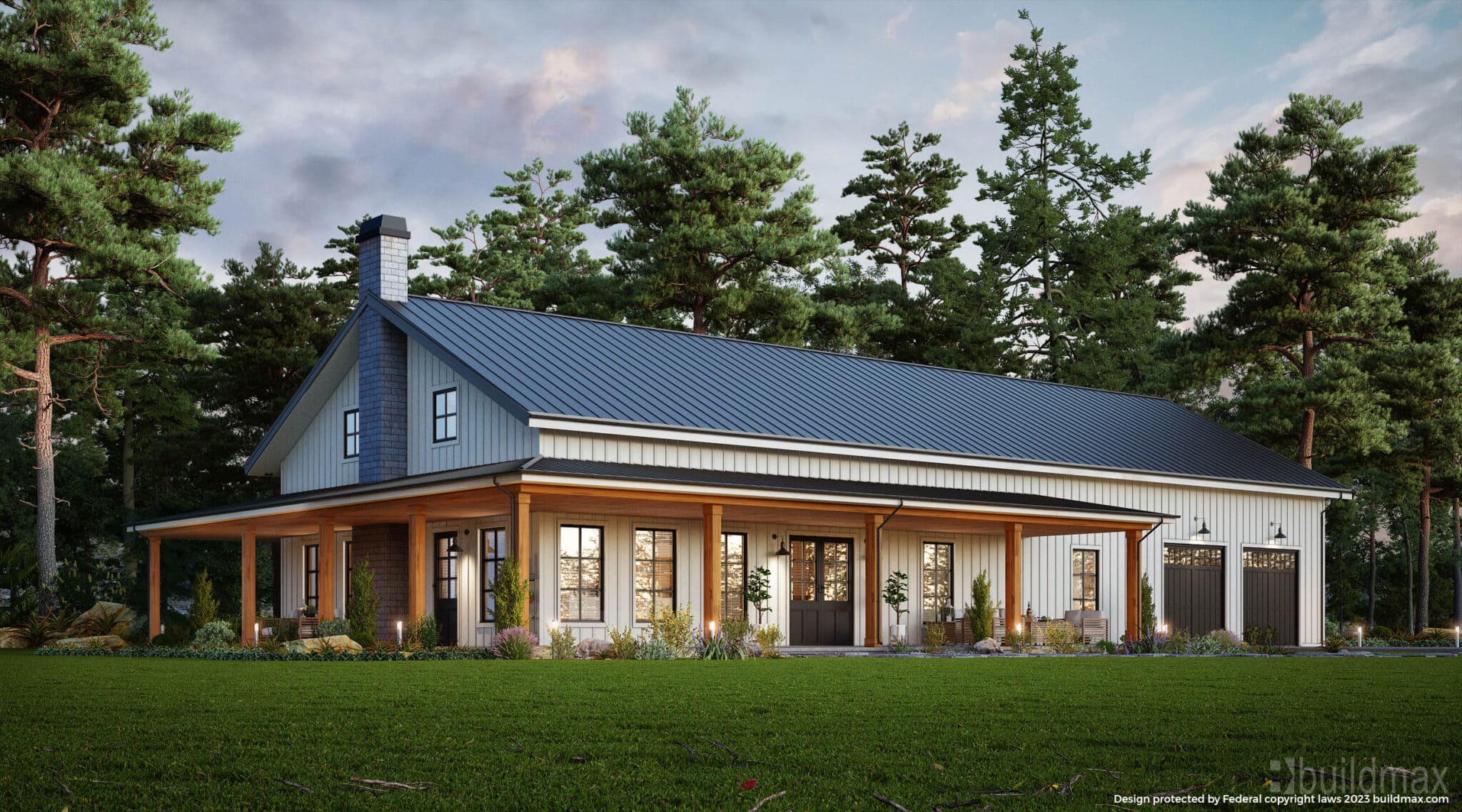
white barndominium with grey roof

Barndominiums in Extreme Weather: A Realistic Look at Safety

One of the most important considerations when building any home is how it will perform in extreme weather conditions. For barndominiums, this question often comes up:

“Are barndominiums safe in severe weather?”

The answer depends less on the “type” of home and more on how it is:

  • engineered

  • constructed

  • installed

  • and maintained over time

When properly designed and built, barndominiums can perform well in a wide range of weather conditions—but like any structure, they are not immune to extreme events.


Understanding Weather Risks by Region

Different parts of the country face different environmental challenges.

Common weather-related risks include:

  • high winds and tornadoes

  • heavy snow loads

  • extreme heat

  • heavy rainfall and flooding

  • hailstorms

  • humidity and moisture exposure

Each of these factors affects how a home should be designed and built.

That’s why proper engineering for local conditions is critical.

Structural Engineering Plays a Key Role

Barndominiums—especially those using steel framing—are often engineered to meet specific load requirements.

This may include:

  • wind load ratings

  • snow load capacity

  • roof pitch and drainage design

  • anchoring systems

  • and structural connections

Proper engineering helps ensure the home is designed to meet local building codes and environmental demands.

However, performance depends on both:

  • the engineering

  • and how accurately those plans are followed during construction


Wind and Storm Resistance

In high-wind areas, structural design becomes especially important.

Factors that influence performance include:

  • anchoring to the foundation

  • framing connections

  • roof design and attachment

  • garage door reinforcement

  • and overall building shape

Even well-designed homes can experience damage in extreme storms, which is why code compliance and proper installation matter.


Snow, Rain, and Drainage Considerations

In colder or wetter climates, additional factors come into play.

These include:

  • roof pitch for snow shedding

  • load capacity for accumulated snow

  • drainage systems for heavy rainfall

  • proper grading around the foundation

Poor drainage or undersized systems can lead to long-term issues regardless of the framing type.


Heat, Humidity, and Insulation

In hot or humid environments, comfort and performance depend heavily on:

  • insulation systems

  • ventilation

  • HVAC design

  • moisture control

Steel-framed homes, in particular, require proper insulation planning to manage:

  • heat transfer

  • condensation

  • indoor humidity

When properly designed, these systems can help maintain interior comfort and reduce long-term wear on the structure.


Hail and Impact Considerations

In regions prone to hailstorms, exterior materials play a major role.

Performance depends on:

  • roofing material type

  • panel thickness (gauge)

  • impact ratings

  • installation quality

Metal roofing is commonly used and can perform well structurally, but cosmetic denting can still occur depending on storm severity.


Construction Quality Matters as Much as Design

Even the best-engineered plans can underperform if installation is not done correctly.

Key construction factors include:

  • proper fastening systems

  • accurate framing alignment

  • correct flashing and sealing

  • weatherproofing details

  • and sequencing during construction

Cutting corners or using inexperienced crews can reduce the effectiveness of even the best materials.


Important: Builder Responsibility

It’s important to understand that BuildMax is not a builder or general contractor.

BuildMax provides:

  • floor plans

  • design services

  • and material packages

BuildMax does not:

  • supervise construction

  • manage job sites

  • control contractor performance

  • or guarantee installation quality

For that reason, BuildMax strongly recommends:

  • hiring a vetted general contractor

  • choosing professionals experienced in barndominiums and steel framing

  • carefully evaluating all subcontractors

In some cases, homeowners may also consider requesting a quote from a third-party manufacturer’s steel installation crew, if available in their area.

All contractors and installers are independent third parties, and homeowners are responsible for selecting and managing their construction team.


Maintenance and Long-Term Performance

Extreme weather performance isn’t just about construction—it also depends on ongoing maintenance.

Routine upkeep may include:

  • roof inspections

  • sealing and flashing checks

  • drainage system maintenance

  • HVAC servicing

  • exterior inspections after major storms

Addressing small issues early can help prevent larger problems over time.


Final Thoughts

Barndominiums can perform well in extreme weather when they are:

  • properly engineered for local conditions

  • built according to plan

  • installed by experienced professionals

  • and maintained over time

No home is completely weather-proof, but thoughtful design, quality construction, and realistic expectations can significantly improve safety and durability.

The key takeaway is simple:
performance in extreme weather depends on the entire building system—not just the materials used.

8 Potential Tax Advantages of Building a Barndominium

In recent years, the concept of a “barndominium” has gained popularity in the real estate world. A barndominium is a unique hybrid structure that combines the functionality of a barn with the comfort and style of a traditional home. These versatile buildings have become particularly appealing to those looking for a cost-effective and innovative housing solution. Besides their practicality and aesthetic charm, barndominiums offer several tax advantages that can make them an even more attractive investment. In this article, we will explore these tax benefits and why they make building a barndominium a smart financial move.

white barndominium farmhouse

Understanding Barndominiums

Before delving into the potential tax advantages, it’s essential to understand what a barndominium is. Essentially, a barndominium is a type of metal building or pole barn that has been converted into a residential space. The term “barndominium” is a portmanteau of “barn” and “condominium,” reflecting the dual-purpose nature of these structures.

Typically, a barndominium features a large open space on the ground floor, often used for storage, parking, or as a workshop. The upper level is transformed into a living space, complete with bedrooms, bathrooms, a kitchen, and all the amenities of a traditional home. The design possibilities are virtually endless, allowing homeowners to customize their barndominiums to suit their specific needs and preferences.

Tax Advantages of Building a Barndominium

1. **Lower Construction Costs**: One of the primary tax advantages of building a barndominium is the potential for lower construction costs compared to a traditional home. Barndominiums are often more cost-effective to build because they require fewer materials and labor. These cost savings can translate into reduced property taxes, as many jurisdictions base property tax assessments on the property’s construction cost.

2. **Tax Deductions for Agricultural Use**: If you use a portion of your barndominium for agricultural purposes, you may be eligible for tax deductions. This is especially beneficial if you engage in farming, ranching, or other agricultural activities. Consult with a tax professional to understand the specific deductions available in your area.

3. **Energy Efficiency Incentives**: Many jurisdictions offer tax incentives for energy-efficient improvements to homes. Barndominiums can be designed with energy-efficient features, such as high-quality insulation, energy-efficient windows, and solar panels. These features can not only lower your energy bills but also make you eligible for tax credits or deductions aimed at promoting green building practices.

4. **Depreciation Benefits**: From a tax perspective, barndominiums can be considered income-generating properties, especially if you use a portion of the space for business purposes, such as a home office or a rental unit. In such cases, you may be able to claim depreciation deductions, reducing your taxable income.

5. **Property Tax Exemptions**: In some rural areas or counties, there may be property tax exemptions or reduced tax rates for agricultural or residential properties. Since barndominiums often combine both uses, you may qualify for such exemptions or reduced rates, resulting in lower property tax bills.

6. **Home Office Deductions**: If you operate a business from your barndominium, you may be eligible for home office deductions. This can include deductions for a portion of your mortgage interest, property taxes, utilities, and maintenance costs related to your home office space.

7. **1031 Exchange Opportunities**: If you decide to sell your barndominium and invest in another income-generating property, you may be able to take advantage of a 1031 exchange. This allows you to defer capital gains taxes on the sale of your barndominium, provided you reinvest the proceeds into a similar investment property.

8. **Property Tax Appeals**: If you believe that the assessed value of your barndominium for property tax purposes is too high, you have the right to appeal it. This can potentially result in a lower property tax assessment and, consequently, lower property tax bills.

white barndominium

Consult with a Tax Professional

While there are numerous tax advantages associated with building a barndominium, I’m no Tax Professional. It’s essential to consult with a qualified tax professional or accountant who is familiar with your local tax laws and regulations. Tax laws can vary significantly from one jurisdiction to another, and a knowledgeable expert can help you maximize your tax benefits while ensuring compliance with all applicable laws.

In conclusion, building a barndominium offers not only a unique and stylish living arrangement but also several tax advantages that can make it a financially savvy choice. From lower construction costs to potential tax deductions and exemptions, these benefits can add up to substantial savings over time. However, it’s crucial to do your due diligence, consult with tax professionals, and explore the specific tax incentives and regulations in your area before embarking on your barndominium project. With careful planning and expert guidance, you can enjoy the many financial perks of this innovative housing concept.

Do Barndominiums Retain Their Value?

black barndominium with breezeway and 3 car garage


Barndominiums, a unique and increasingly popular type of residential structure, have been making waves in the real estate market over the past few years. Combining the rustic charm of a barn with the modern amenities of a home, barndominiums have attracted many homeowners and investors alike. However, as with any unconventional housing trend, the question arises: Do barndominiums retain their value over time? In this article, we’ll delve into the factors that affect the long-term value of barndominiums and whether they are a sound investment choice.

What Is a Barndominium?

Before we dive into the discussion of their value, let’s briefly define what a barndominium is. A barndominium is a type of residential building that combines elements of a barn and a condominium. Typically, it features a large, open space reminiscent of a barn’s interior, with the living quarters incorporated into one section of the structure. Barndominiums can vary greatly in size and design, offering a wide range of options for potential homeowners.

Factors Affecting Barndominium Value

Several factors can influence the value of a barndominium, much like any other type of property. Here are some key considerations:

1. Location: Location is paramount when it comes to real estate value. Barndominiums situated in desirable areas with access to good schools, shopping centers, and other amenities tend to retain their value better than those in remote or less sought-after locations.

2. Construction Quality: The quality of construction plays a significant role in determining a barndominium’s value. A well-built structure using high-quality materials like steel is likely to hold its value better than one with shoddy construction.

3. Market Trends: Real estate markets can fluctuate over time due to various economic factors. Monitoring market trends in your area is crucial to understanding how your barndominium’s value may change in the future.

4. Size and Amenities: Larger barndominiums with more amenities tend to have higher initial costs and potentially higher resale values. Features such as updated kitchens, spacious living areas, and energy-efficient systems can also positively impact value.

5. Land Value: The value of the land on which the barndominium is built is a significant factor. Changes in land values can impact the overall worth of the property.

6. Maintenance and Upkeep: Regular maintenance and upkeep are essential for preserving the value of any property, including barndominiums. Neglecting maintenance can lead to a decline in value over time.

7. Local Regulations: Local zoning regulations and restrictions can affect the ability to sell or rent out a barndominium. It’s crucial to be aware of and comply with these regulations.

Barndominiums as Investments

Investing in a barndominium can be a unique opportunity, but it’s essential to approach it with a clear understanding of your goals. If your primary goal is to generate rental income, consider factors such as rental demand in the area and the potential for positive cash flow. If you’re looking for a long-term investment, research historical property value trends in the region and carefully assess your property’s specific attributes.

Pros and Cons of Barndominiums as Investments

white barndominium with wraparound porch and 2 car attached garage

Pros:


1. Unique Appeal: Barndominiums can attract renters and buyers looking for something out of the ordinary, potentially increasing your property’s marketability.

2. Lower Construction Costs: Barndominiums can often be built at a lower cost per square foot compared to traditional homes, potentially resulting in a more favorable return on investment.

3. Versatility: These structures can serve various purposes, from primary residences to vacation homes or even event venues, providing potential income streams.

black barndominium with large windows

Cons:


1. Limited Resale Market: Barndominiums may have a smaller resale market compared to traditional homes, which could make finding a buyer more challenging.

2. Financing Challenges: Securing financing for a barndominium can be more complex than for a conventional home, as not all lenders are familiar with this type of property.

3. Maintenance Costs: The unique construction of barndominiums may require specialized maintenance, which could be costlier in the long run.

Whether or not barndominiums retain their value depends on various factors, including location, construction quality, market trends, and maintenance. Like any real estate investment, barndominiums have their pros and cons as both a unique living space and an investment opportunity. Before deciding to purchase or build a barndominium, it’s crucial to conduct thorough research, consider your long-term goals, and consult with real estate professionals who can provide guidance specific to your situation. Ultimately, the value of a barndominium will be influenced by the choices you make and the broader real estate market conditions in your area.

Is Building a Barndominium a Good Investment?

white barndominium with 3 car garage

Is Building a Barndominium a Good Investment?

As barndominiums continue to grow in popularity, many homeowners and landowners are asking an important question:

“Is building a barndominium actually a good investment?”

The answer depends on several factors, including:

  • location

  • construction quality

  • market demand

  • long-term maintenance

  • and how the property is used over time

Like any real estate project, a barndominium is not automatically a “good” or “bad” investment—it depends on how well the project is planned and executed.


What Makes a Home a Good Investment?

A home’s long-term value is typically influenced by:

  • location and land value

  • local housing demand

  • construction quality

  • functional design

  • maintenance and upkeep

  • and overall market conditions

Barndominiums follow the same general principles as traditional homes when it comes to resale and long-term value.


Why Some Homeowners Choose Barndominiums

Many buyers are drawn to barndominiums because they can offer:

  • open-concept layouts

  • flexible floor plans

  • integrated garages or workshops

  • rural or acreage living

  • customizable living space

In some markets, these features are highly desirable and may help increase long-term appeal to certain buyers.


Functional Design Can Add Value

One of the biggest advantages of many barndominiums is functionality.

Features that may improve market appeal include:

  • efficient layouts

  • large storage or garage space

  • home office flexibility

  • workshop integration

  • energy-conscious design

Homes that fit modern lifestyle needs often perform better than overly customized or impractical designs.


Location Matters More Than the Structure Type

One of the most important investment factors is location.

A well-built barndominium in an area with:

  • strong housing demand

  • growing development

  • desirable land

  • and limited inventory

may perform differently than a similar home in a slower market.

In many cases:

the land and location influence value more than the home style itself.


Construction Quality Is Critical

Long-term value depends heavily on:

  • proper engineering

  • experienced contractors

  • quality installation

  • moisture management

  • and ongoing maintenance

Poor workmanship can negatively affect resale value regardless of whether the structure is steel-framed, wood-framed, or traditional construction.


Barndominiums Are Not Always “Cheaper”

One common misconception is that barndominiums are always inexpensive to build.

In reality, total project cost depends on:

  • site preparation

  • labor availability

  • material pricing

  • permits and inspections

  • interior finishes

  • and project complexity

Highly customized barndominiums can cost as much as—or more than—traditional homes depending on the market and design.


Financing and Appraisal Considerations

Financing availability for barndominiums has improved in recent years, but it can still vary depending on:

  • the lender

  • comparable home sales

  • local market familiarity

  • and project documentation

Appraisers may evaluate:

  • nearby comparable homes

  • construction quality

  • layout functionality

  • and overall market demand.

Preparation and realistic expectations are important during the financing process.


Rental and Multi-Use Potential

Some homeowners also view barndominiums as potential:

  • rental properties

  • vacation homes

  • guest houses

  • or mixed-use spaces

Integrated garages, shops, and flexible layouts may appeal to:

  • hobbyists

  • remote workers

  • small business owners

  • or rural property buyers

However, rental or business use may involve:

  • zoning considerations

  • insurance requirements

  • and local regulations.


Long-Term Maintenance Still Matters

No home is maintenance-free.

Protecting long-term value requires:

  • roof and exterior maintenance

  • drainage management

  • HVAC servicing

  • proper insulation and ventilation

  • routine inspections and repairs

Homes that are maintained consistently tend to hold value more effectively over time.


Important: Builder and Construction Responsibility

It’s important to understand that BuildMax is not a builder or general contractor.

BuildMax provides:

  • floor plans

  • design services

  • and material packages

BuildMax does not:

  • supervise construction

  • guarantee resale value

  • manage contractors

  • or control project pricing or timelines

For best results, homeowners should:

  • hire a vetted general contractor

  • work with professionals experienced in barndominium or steel-frame construction

  • and carefully evaluate all subcontractors

For steel-framed projects, homeowners may also consider requesting a quote from a third-party manufacturer’s steel installation crew, if available.

All contractors and installers are independent third parties, and homeowners are responsible for selecting and managing the project team.


Final Thoughts

So, is building a barndominium a good investment?

👉 It can be—when the project is:

  • thoughtfully planned

  • properly built

  • located in a desirable area

  • and aligned with market demand and long-term goals

The strongest contributors to long-term value are usually:

  • quality construction

  • functional design

  • realistic budgeting

  • and proper maintenance—not simply the home style itself.

Like any major construction project, success comes from careful planning, experienced professionals, and understanding the full scope of the investment before building begins.

Things to know Before Building a Barndominium

white barndominium farmhouse

Barndominiums, a fusion of “barn” and “condominium,” have gained immense popularity in recent years for their unique combination of rustic charm and modern living. These versatile structures offer an appealing alternative to traditional homes, providing homeowners with ample space, customizable interiors, and a connection to the outdoors. However, before embarking on the journey of building a barndominium, there are several crucial considerations to keep in mind to ensure a successful and satisfying construction process. In this article, we will explore the most important things you need to know before building your dream barndominium.

1. Budgeting and Planning

Before starting any construction project, it’s essential to establish a realistic budget and a comprehensive plan. Barndominiums come in various sizes and styles, and your budget will play a significant role in determining the size and scope of your project. Consider factors such as land acquisition costs, building materials, labor, permits, and interior finishes. Having a well-thought-out plan and budget in place will help you avoid unexpected expenses and keep your project on track.

2. Building Codes and Zoning Regulations

Local building codes and zoning regulations can significantly impact your barndominium project. It’s crucial to research and understand these regulations to ensure that your construction plans comply with all legal requirements. Consult with local authorities and obtain any necessary permits before starting the construction process. Failure to do so could result in costly delays and legal issues down the road.

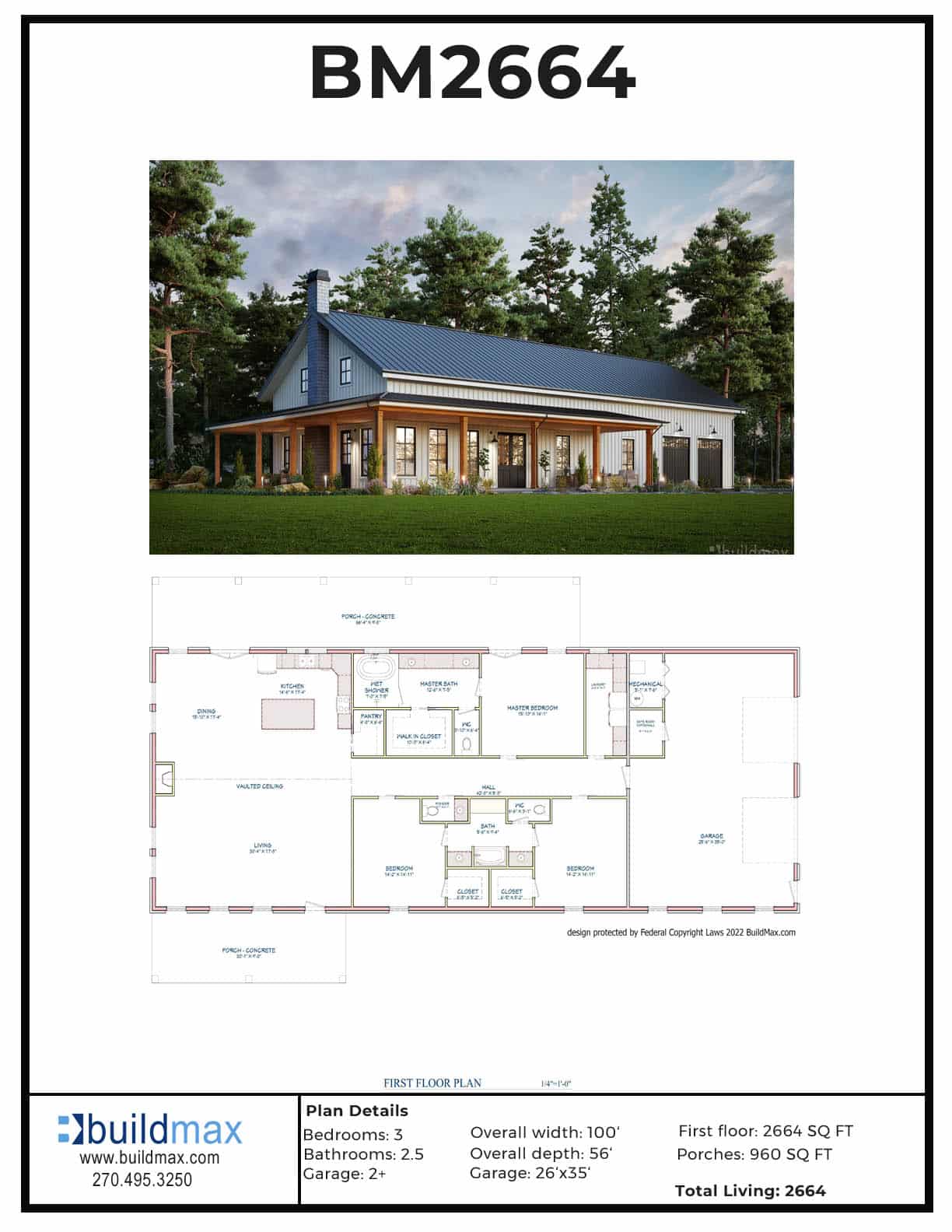
BM2664 sales sheet

3. Design and Layout

Barndominiums offer a wide range of design possibilities, so take your time to plan the layout and interior design that best suits your needs and preferences. Consider factors like the number of bedrooms, bathrooms, kitchen layout, and open-concept living spaces. The beauty of barndominiums lies in their flexibility, so think about how you want to use the space and design accordingly.


metal building

4. Structural Considerations

Barndominiums typically have a metal frame, which is sturdy and durable. However, it’s essential to work with an experienced architect or builder who understands the specific requirements of barndominium construction. They can help ensure that the structure meets local building codes and can withstand the local climate conditions, such as heavy snow loads or high winds.

5. Interior Finishes and Amenities

The interior finishes of your barndominium play a significant role in its overall comfort and aesthetics. Consider factors like insulation, flooring, lighting, and heating and cooling systems. These choices can impact your energy efficiency, comfort, and long-term maintenance costs. Additionally, plan for any amenities you want to include, such as a fireplace, a walk-in closet, or a home office.

6. Utilities and Infrastructure

Ensure that your barndominium has access to essential utilities, such as electricity, water, and sewage systems. Depending on your location, you may need to install a septic tank or connect to a municipal sewage system. Plan for proper plumbing and electrical work to accommodate all your needs. Also, consider factors like well water, propane tanks, and alternative energy sources if you’re in a rural area.

7. Land and Site Preparation

Before construction can begin, you’ll need to prepare the land and site for your barndominium. This may involve clearing trees, leveling the ground, and addressing drainage issues. Proper site preparation is essential to ensure a stable foundation and minimize potential problems during construction.

insulation

8. Insulation and Energy Efficiency

Barndominiums can be energy-efficient if designed and insulated properly. Invest in high-quality insulation to regulate temperature and reduce heating and cooling costs. Consider energy-efficient windows and doors to maximize natural light and minimize energy consumption. These choices will not only improve your comfort but also save you money in the long run.

9. Contractor Selection

Choosing the right contractor is one of the most critical decisions you’ll make during the barndominium construction process. Look for experienced builders who have a track record of successfully completing similar projects. Check references and visit completed barndominiums if possible. A reputable contractor can make all the difference in the quality and timeline of your project.

10. Permits and Inspections

Throughout the construction process, you’ll need to obtain various permits and undergo inspections to ensure that your barndominium meets all safety and building code requirements. Work closely with your contractor to stay on top of these requirements and avoid potential delays or setbacks.

Building a barndominium can be an exciting and rewarding project that allows you to create a unique and personalized living space. However, it’s essential to approach the process with careful planning, budgeting, and consideration of all relevant factors. By addressing these critical aspects before construction begins, you can increase the chances of a successful and enjoyable barndominium building experience. With the right preparation and the help of experienced professionals, you can turn your barndominium dream into a beautiful and functional reality.