When personalizing a barndominium layout, one of the most exciting crossroads arrives – selecting perfect floors to echoes your aesthetic and endure decades of family living. Especially in frequently wet areas like kitchens and baths, choosing flooring blending visual allure and hardcore durability proves essential. What are some top flooring contender options for custom barndo projects spanning rustic to contemporary styles?
Most Popular Overall: Luxury Vinyl While porcelain, concrete and hardwood each offer pros, installing luxury vinyl plank frequently delivers the best blend of affordability, realistic visuals, killer durability and moisture protection. Many builders use LVP as their barndominium flooring default – myself included!
Why I Chose Lifeproof Brand Luxury Vinyl On My Personal Barndominium.
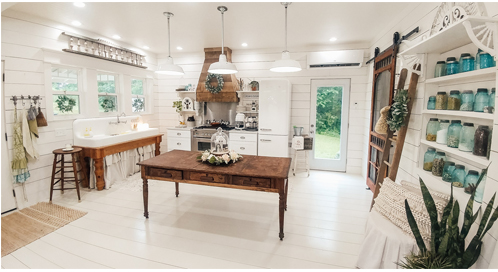
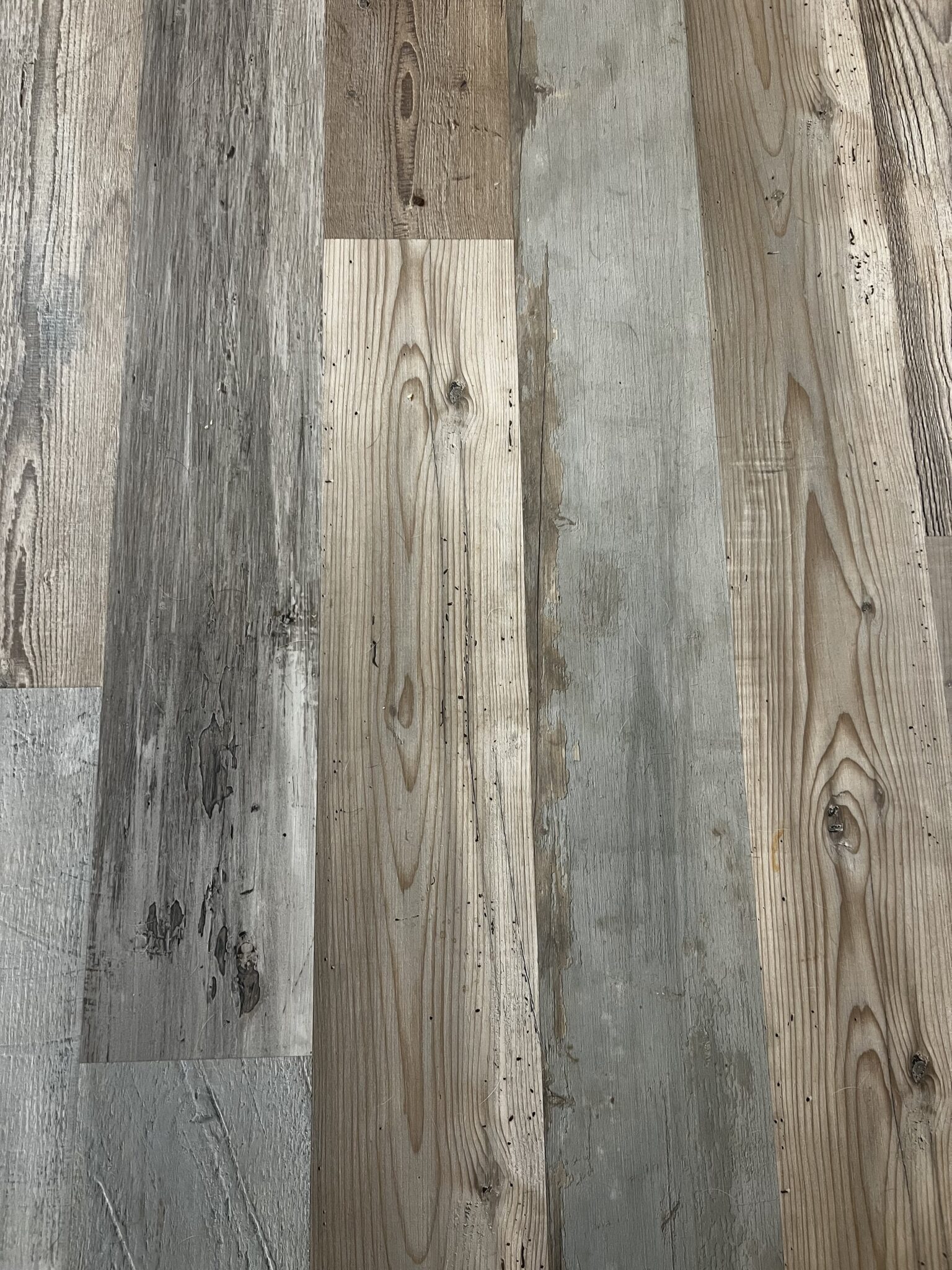
I had originally finished polished concrete floors downstairs with LVP upstairs but once I got the LVP installed and could see the realistic wood look I knew I wanted my downstairs covered in the same. Wanting floors that would endure heavy use with dogs, friends who don’t treat your stuff the same as their stuff, and kids running in and out all day while retaining stain-resisting scratch proofing narrowed my choice instantly to LVP. Being familiar with Lifeproof product testing from a previous purchase, I knew their Stone Barnwood and Seaside Walnut vinyl collections would create gorgeously convincing hardwood/stone aesthetics able to handle serious wear. And at just $5/sq.ft total installed, the value proved unbeatable! Compared to genuine wood or porous tile, LVP cleared every bar for realistic beauty and long-lasting durability inside my family’s custom barndominium renovation. Below I’ve included a picture of the finished product.
Whether pursuing weathered barnwood hues or sleek concrete visuals, modern flooring manufacturers continue pushing creative boundaries regarding how convincingly vinyl, laminate and engineered composites replicate premium building materials at mere fractions of their cost. Just ensure underlying support and moisture barriers meet codes so your floors shine beautifully for decades embracing busy barndominium lifestyles in any climate! Pick out your Dream Barndominium Floor plans at Buildmax.com & jumpstart your barndo journey for real today!
Securing Construction Loans for Custom Barndominium Projects
As the barndominium movement accelerates, with folks reinventing antique barns into spectacular modern dream homes, custom structural modifications and finishes often require substantial upfront funding before owners can lock in permanent mortgages. And specialized construction loans catering to the unique build-out needs of custom barndo projects remain scarcely available from mainstream banks.
What exactly are construction-to-permanent loans? And where should future custom barndo homeowners turn to finance their rural renovation adventures?
Demystifying Construction-to-Permanent Loans
Construction-to-permanent financing blend two typically separate loan products – construction loans and mortgages – into simplified one-stop-shop lending. Benefits include:
• Just one loan application for full financing • Locked-in long-term interest rates • Automatic conversion to permanent mortgage upon build completion • Often requires just one closing versus two separate transactions
By securing funding for the full custom construction phase as well as subsequent permanent financing, the lending process proves more streamlined. Yet banks rarely offer these combo construction loans for unconventional buildings like barndos.
Where To Secure Barndominium Construction Financing
Given major banks’ aversion towards financing non-conventional construction loans, where can custom barndo builders turn for project funding?
Credit Unions & Local Lenders – Certain progressive local credit unions and community banks recognize barndominium financing as a growth niche, selectively offering custom construction terms based on relationship history and specialized underwriting.
Renovation Mortgage Lenders – Some lenders specializing in financing major home renovations possess more flexibility regarding barndo construction loans thanks to familiarity with rehabilitation builds. They may Custom Barndominium loans given sufficient collateral and credit.
Peer-to-Peer Investment Networks – Recently, peer-to-peer real estate investment networks like Groundfloor allow investors to directly finance custom construction projects. This facilitates finding private barndo construction capital.
While still a nascent niche, financing vehicles are slowly emerging to fund custom barndominium projects for owners willing to search beyond surface-level options. As popularity continues rising, expect better access to custom construction-to-permanent barndominium loans. The time is ripe for enterprising rural investors to help fuel newlyweds to retirees pursuing their dreams of custom barndo living!
As the barndominium movement goes mainstream, with homeowners building barn-esque custom homes and converting agricultural buildings into stunning modern dwellings, coastal demand for Barndo’s has skyrocketed up and down the eastern coastline. Yet building near hurricane-prone shorelines comes with structural considerations. That’s where services like Buildmax shine through custom coastal-optimized plans and wind-rated barndo kits.
Specialized Coastal Barndominium Design Needs
Building barndos capable of withstanding pounding shoreline winds, storm surges, and salt air decay means tailoring the buildings beyond conventional construction.
Some key specialized design factors include:
Reinforced Foundations – Elevating floor heights above floodplains while hardening slab, piling or pier support integrity to prevent shifting.
Robust Framing – Interlocking steel interior structural frames engineered to rigid “bunker” standards rated to 135+ mph winds.
Impact-Resistant Exteriors – Limited porous surface area using concrete, stucco, brick and metal siding panels designed to abate wind pressure as well as storm debris damage.
Immune Moisture Barriers – Waterproof sheathing layers beneath finishes to fully seal out moisture and prevent replacement material degradation long-term.
Emergency Equipment – Many coastal barndo owners integrate heavy storm shutters, generators, as well as lockable storm equipment storage on-site.
Finding Resilient Plans & Structural Solutions
For owners seeking resilient barndo builds immune to shoreline extremes, services like Buildmax.com offer two major resources:
Coastal-Specific Floor Plans – From compact coastal cottages to sprawling multigenerational layouts, their plan designers provide various templates optimized for storm-prone environments relating to space syntax, utilities routing and heterogeneous materials.
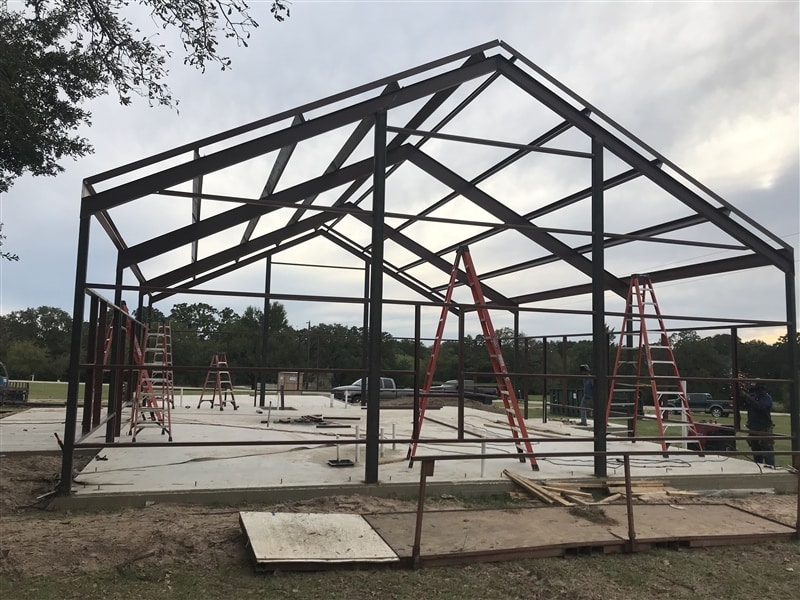
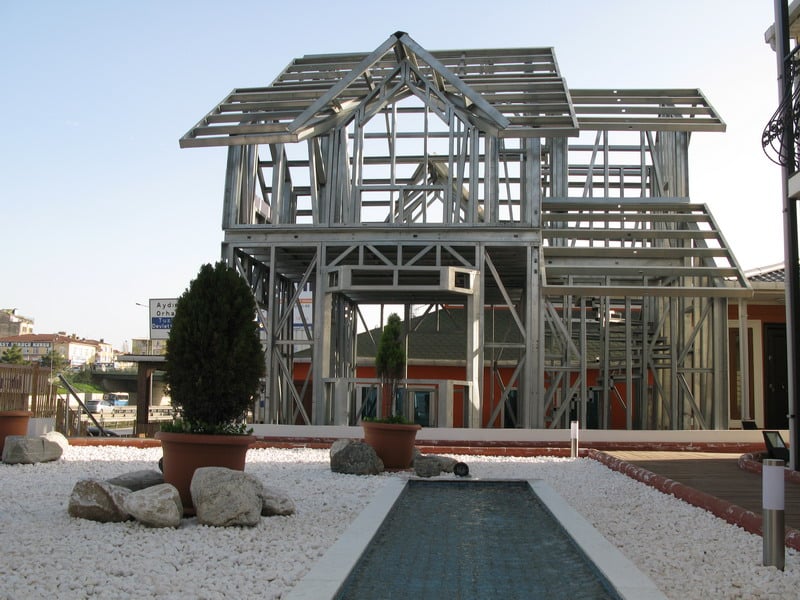
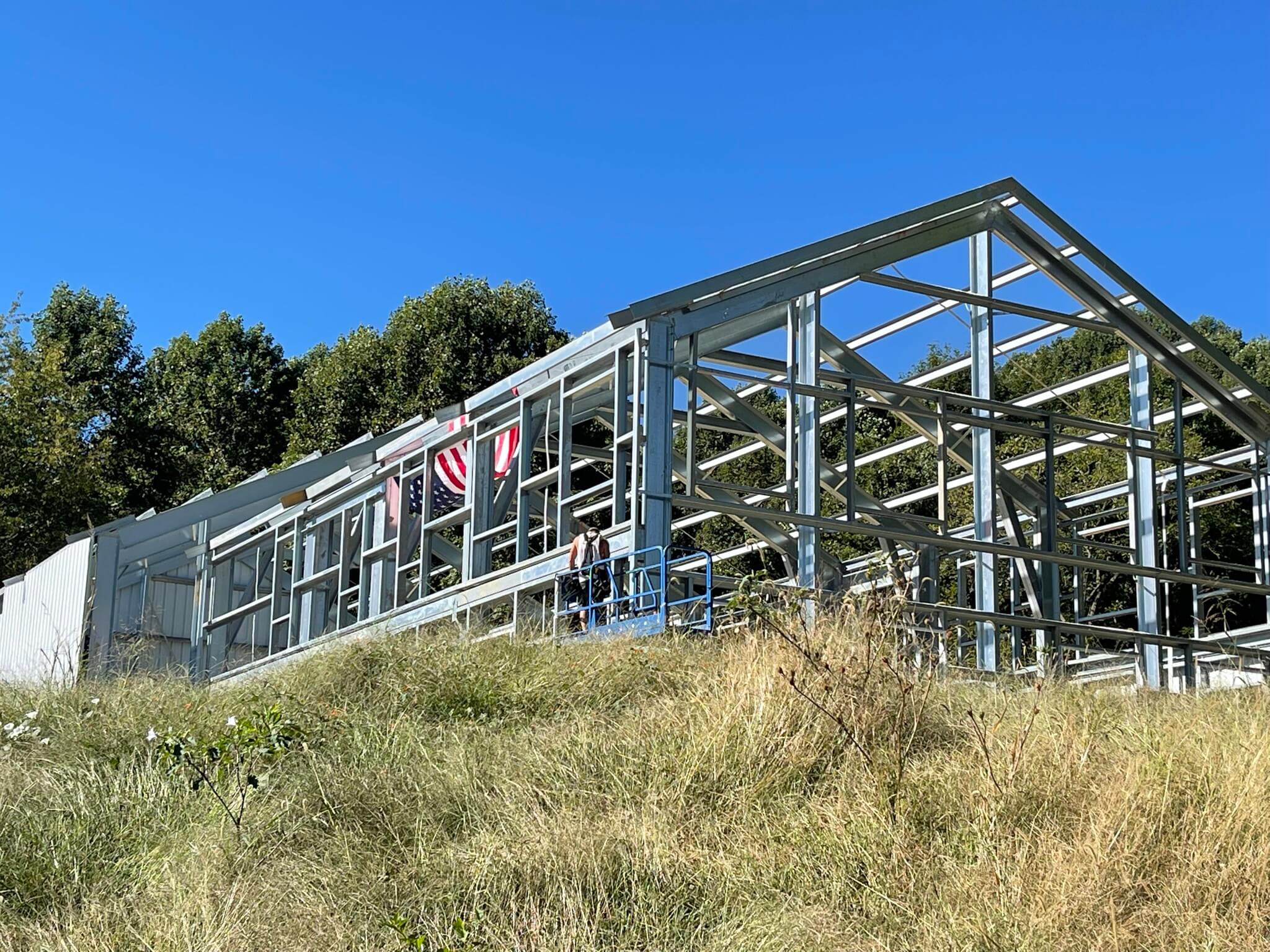
Wind & Load-Rated Steel Frame Kits – These pre-engineered interlocking steel interior structural skeletons assemble rapidly on-site, integrating hardcore reinforced concrete anchors. Builders simply infill the framework with resilient finishes to establish fortified foundations tested to withstand extreme weather events.
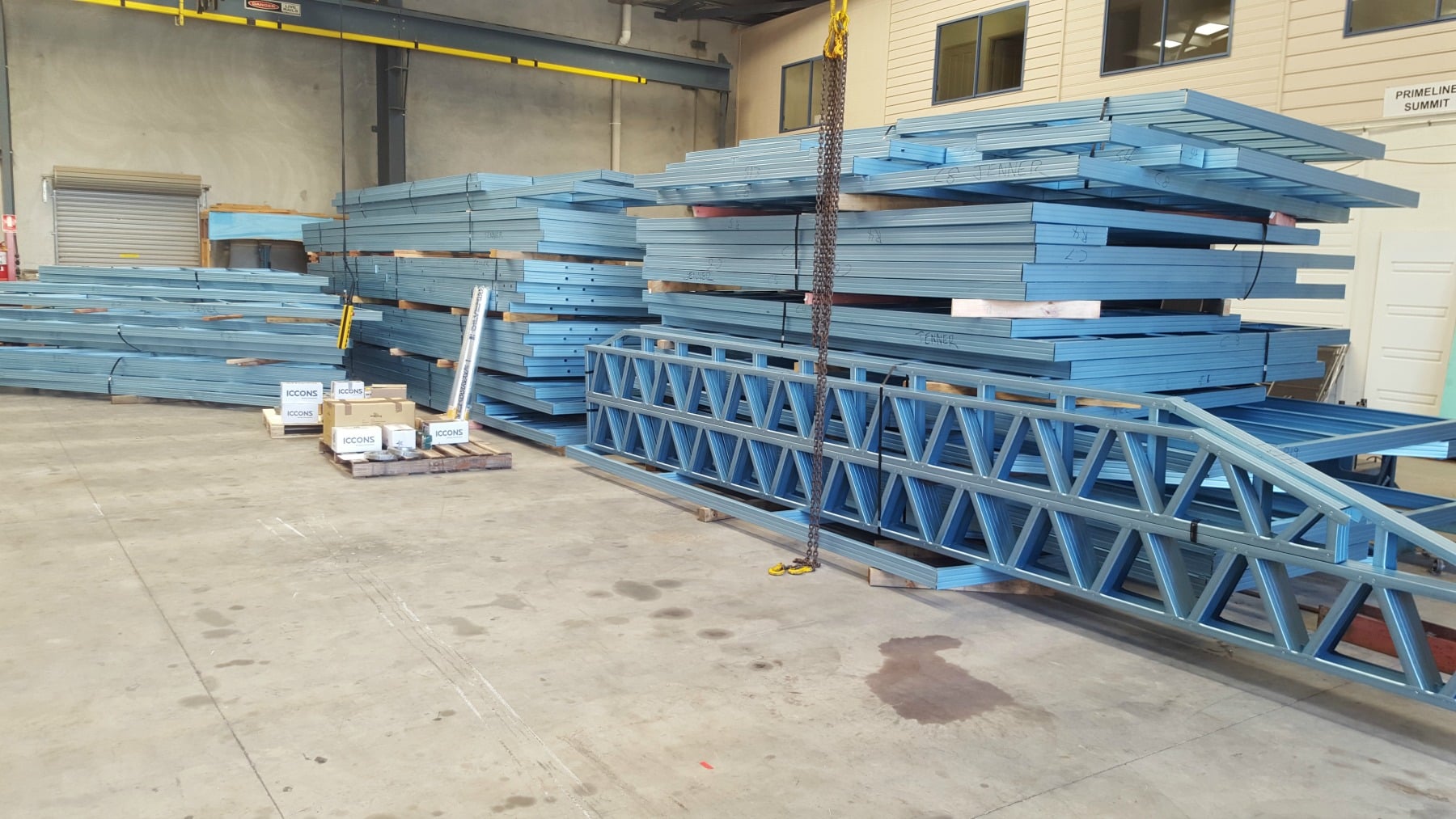
Steel framing packaged and ready for delivery
By collaborating with specialty services attuned to the unique structural & lifespan demands coastal barndominium sites mandate, shoreline dwellers can stylishly inhabit reinvented agricultural spaces debugged against corrosion, supercharged winds and pounding waves for decades on end. The technology and design means exist – even on stormy shores – to Build heirloom barndos passing aesthetic joy between generations despite what tumultuous weather may come.
In recent years, barndominiums have emerged as a modern alternative to conventional homes. Characterized by their energy efficiency, durability, and distinctive design, these structures are not only more economical in terms of energy use than traditional homes but also require less maintenance.
Understanding Barndominiums:
Barndominiums are essentially homes modeled on the aesthetic of barns. These structures typically feature expansive open areas, lofts, high ceilings, and often include integrated workshop spaces, usually in the form of an attached garage. While inspired by barns, these homes are versatile enough to blend into various environments, not just rural settings.
Barndominium Kits:
Various companies offer barndominium kits, which are pre-packaged material sets designed for constructing these unique homes. For instance, BuildMax provides kits that include metal siding and roofing, interior and exterior frames, along with windows and doors. While kit contents may vary by provider, they are generally designed for convenience and cost-effectiveness, tailored to specific barndominium designs.
Advantages of Metal Barndominiums:
Opting for a metal barndominium can be an economically savvy and sturdier choice. Building with metal instead of wood offers several benefits, including:
– Eco-Friendly Construction Materials – metal is easily recyclable once it has served its purpose.
– Enhanced Durability and Longevity – steel is able to withstand more than wood and lasts longer than wood due to resistance to typical hassles.
– Minimal Maintenance Requirements – Steel is resistant to pests, rot, and termite, meaning there’s less maintenance involved in keeping it up to shape.
– Quick Assembly – Pre-fabricated panels the come steel barndominium kits through BuildMax allow for much quicker construction time.
Durability Features:
Steel barndominiums are notably resilient against the elements. Steel is less vulnerable to fire damage compared to wooden structures due to being non-combustible. They are also impervious to pests like termites and are not subject to rot, ensuring a long-lasting, low-maintenance home. The structural design, typically featuring sturdy poles and beams, provides remarkable stability against harsh weather conditions like heavy snow or strong winds.
Design Flexibility:
Barndominiums appeal to those seeking more than what traditional homes offer. These barn-style homes do not compromise on the comfort and design flexibility of a typical house. With spacious interiors, homeowners can personalize their living space without feeling constrained. The open floor plan of barndominiums lends itself to a variety of interior designs, enabling easy customization.
Affordability and Efficiency:
Generally, the cost of constructing a barndominium is lower than that of a new traditional home. The use of steel in construction further reduces long-term expenses due to its low maintenance requirements. Additionally, barndominiums are known for their energy efficiency, which contributes to cost savings over the home’s lifespan.
In summary, building a barndominium comes with a host of benefits, including affordability, durability, and design versatility. When considering a new home, the unique advantages of a barndominium make it an option worth exploring.
The Allure of Amish Craftsmanship for Barndominium Finishing Touches
As the popularity of repurposing old barns, stables and quaint rural buildings has blossomed into a unique and modern style of homes (known as barndominiums) continues rising across America, an interesting accompanying trend has emerged. More and more barndominium owners are seeking out specialty finishing touches, custom-built cabinetry, high-end lighting fixtures and functional elements that highlight the reclaimed nature of the dwellings from Amish craftsmen and women.
The Amish – with their renowned carpentry, metalworking and artisanal fabrication skills passed down through generations – have an affinity for creating home goods and architectural features that align perfectly with the styling cues of barndominium spaces. Their customs-made doors, wood-beamed ceilings, storage cabinets and hand-forged accessories infuse barndos with heirloom-quality rustic charm and contemporary personality.
What Sets Amish Craftsmanship Apart
Several signature traits characterize building goods sourced form talented Amish builders that make them a go-to choice for barndominium owners striving for a beautiful marriage of recycled rural and modern industrial vibes:
Precision Jointery Perfected Over Decades – Having eschewed most power tools and automated production machinery, Amish woodworkers rely on traditional hand-planing, steam bending, mortise and tenon joinery and intricate fitting skills honed over centuries to shape solid wood into exceptional furniture and architectural elements.
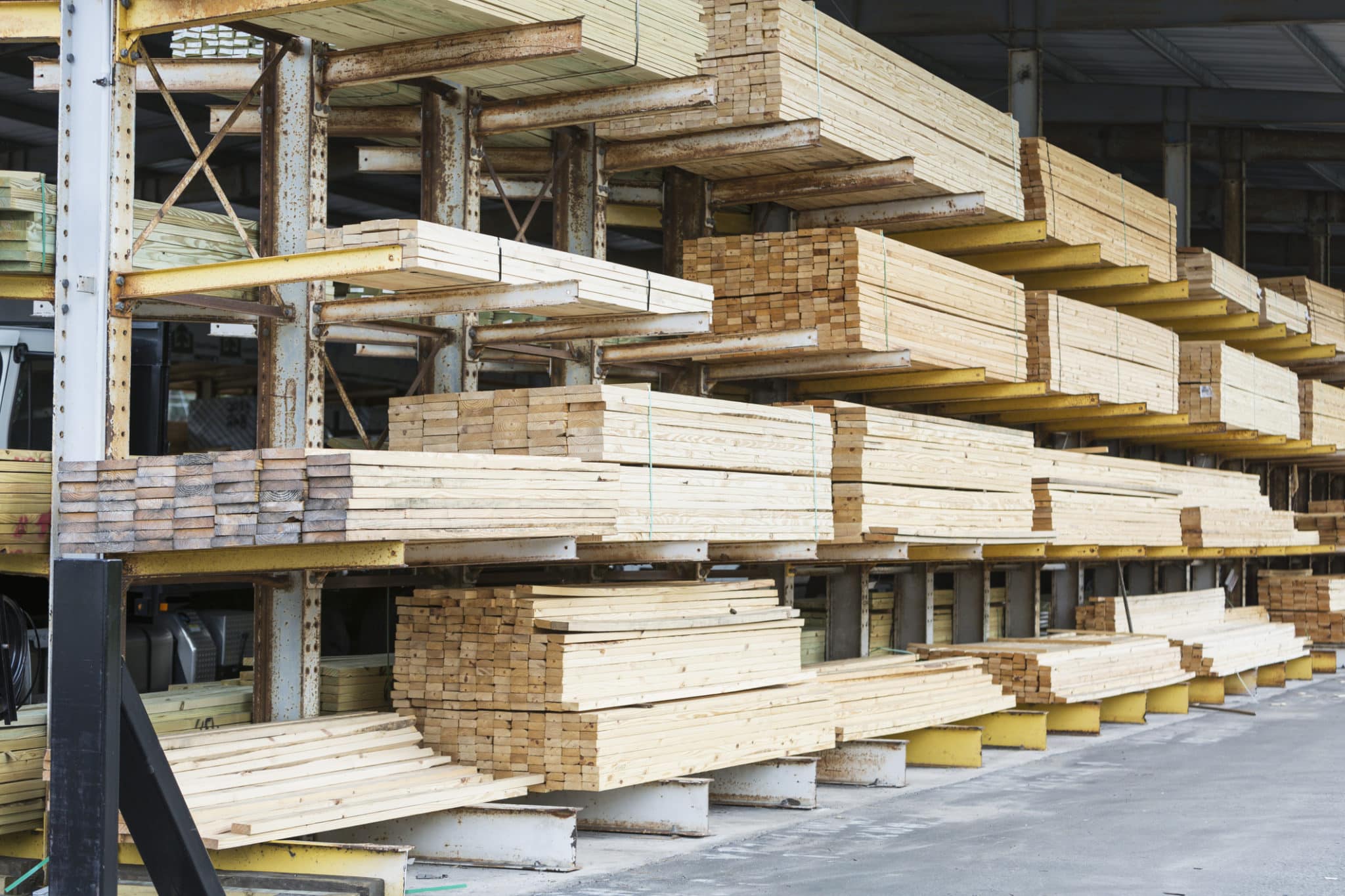
Warehouse at a lumberyard with stacks of construction material on shelves.
Locally Sourced Materials – Forest stewardship is important to the Amish way of life. This leads them to selectively harvest renewable North American hardwoods like oak, hickory, maple and pine locally for much of their woodShop needs. They may also upcycle old barn beams/siding into new furniture or installs. These domestic species inherently suit barndominium style.
Extreme Customization – Unlike big box chains churning out cookie-cutter furnishings, Amish fabricators almost always hand-tailor their work to customers’ exact specs. For barndos with unique dimensions, this customization proves invaluable when designing one-of-a-kind storage, lighting, cabinetry, etc.
Understated Yet Timeless Design – Amish craftsmen allow the natural contrasting grain patterns, textures and hues of wood take center stage in their creations. Clean lines, gentle contours, muted finishes and subtle hardware keep the focus on meticulous joinery. Their subdued styling meshes beautifully in modern to rustic spaces alike with versatility.
Why Barndo Owners Are Drawn to Amish Add-Ons
For barndominium homeowners aiming to optimize budgets without sacrificing design personality, sourcing finishes or specialty installations from skilled Amish builders makes tremendous sense for several key reasons:
• On-Trend Appeal – Exposed beams, reclaimed wood textures and industrial farmhouse accents are hallmarks of barndos that Amish pieces amplify gorgeously.
• Value Pricing – Laboring modestly from rural enclaves without lavish overhead enables Amish craftsmen to offer exquisite quality products at very reasonable prices compared to equivalent big box options.
• Responsible Sourcing – The Amish ethos of waste reduction means they reuse scrap cuts and found materials creatively in new projects wherever possible. This prevents unnecessary landfill contributions.
• American Made – Buying Amish goods supports domestic small businesses and manufacturing. Amish families shop at stores just like you.
Purposefully upcycling forgotten rural relics into modern family homes represents the heart of the barndominium movement. Infusing those reinvented spaces with Amish craftsmanship adds an elevated level of historic American craft heritage and artisanal soul.
The customizability, eco-friendly practices and touches of hand forged character from Amish metalwork to lumber built-ins suits the eclectic reclaimed vibe of barndos flawlessly while standing the test of generations to come.
Choosing the Perfect Barndominium Builder – An Insider’s Guide
Constructing your dream barndominium getaway or unique forever home takes considerable skill. Unlike typical cookie-cutter housing, barndos involve repurposing antique timber structures into modern dwellings – a specialty service. But finding the right construction crew equipped for the challenge in your area can prove tricky. Use these key strategies to lock in the perfect barndominium builder.
Ask the Local Experts
Your best resources for targeted builder referrals are locally-owned hardware stores and lumberyards frequented by contractors and tradesmen. Employees at mom and pop shops like these stay tapped into area renovation buzz. Specify you’re seeking a barndominium-savvy contractor when inquiring. Big box operators like Lowes and Home Depot can also provide contractor lists, but local shops deliver more personalized insight.
Secure Blueprints Before Meeting Builders
Nothing helps peak builder interest in your project faster than showing up armed with dimensioned drawings and multiple barndominium floor plan options already in hand indicating your vision. This shows them you’ve done homework and just need construction help. Top blueprint sources like Buildmax.com offer dozens of customizable barndo floor plans covering every style. Provide initial sketches to guide early budget talks.
Interview at Least 3-5 Candidate Builders
Once you’ve received promising barndominium builder referrals, set up initial consultations and estimate meetings on your property. Discuss experience building barndominium style homes or agricultural buildings into residences. Evaluate communication rapport, pricing and projected timelines. Aim to consult 3-5 firms before deciding.
Ask Key Qualifying Questions
To determine which contractor best fits your Barndominium plans, grill them on essential details like: – Years of barndominium project expertise & examples – Typical crew size/sub-contractors – Construction stages/methods – Favorite design elements or features – How they tackle permitting/inspections for unconventional builds – Payment terms and change order policies
Visiting current or completed barndo projects by potential contractors provides the best insight into their capabilities.
Securing an adept barndominium builder to helm your rural renovation undertaking will ensure the final product meets your grandest visions. By leveraging local connections combined with thorough interview vetting, you’ll confidently find the ideal construction partner to manifest your perfect barndo sanctuary.
Barndominiums Gaining Major Popularity Across Georgia
The phenomenon of converting old barns and agricultural buildings into unique residential homes, known as barndominiums, has exploded in popularity across the state of Georgia over the last decade. Fueled by HGTV shows, Pinterest boards, and social media shares spotlighting these rustic-chic dwellings, it seems everyone wants to jump on the barndo living trend. Just how prevalent are barndominiums becoming in the Peach State? Let’s crunch the numbers.
Barndominiums by the Stats:
• Over 300 barndominium conversion companies now operate in Georgia – a 100% increase since 2015
• Barndo remodel projects account for 15-20% of all single family housing construction activities in the state, per GA contractor associations
• Average barndominium construction costs run 40-60% less per square foot than conventional homes
• Typical Georgian barndominium selling prices fall between $150-$350 per sq. foot depending on finishes and location
• 78% of Georgia barndominium buyers are families or couples under age 50
• Over 75% of recent barndo buyers are first-time homeowners able to break into the real estate market thanks to lower buy-in costs
• ~90% of counties in GA have seen barndominiums pop up in the last 5 years, though prevalence is highest in rural areas
• Most common locations for barndominium projects are on the outskirts of second-tier cities like: Augusta, Macon, Athens, Columbus, Savannah and Valdosta
As you can see from the numbers, converting old barns, sheds and agricultural buildings into residential barndominiums represents one of the hottest growing construction and real estate segments in Georgia. The cost-effective nature of repurposing rural structures combined with more relaxed rural building codes has enabled the barndo movement to thrive across the Peach State countryside.
How Georgia Building Codes Are Friendly to Barndos
When compared to other states, Georgia possesses some major advantages that make constructing and financing barndominiums much simpler:
• Lenient rural zoning laws – Georgia imposes very few limits on repurposing agricultural buildings for residential uses in rural areas. As long as basic code requirements are met, you can convert almost any farm structure to a barndo.
• No stringent inspection requirements – Unlike other states, rural GA counties allow very minimal mandated inspections during barndo conversion projects. Less red tape makes build-outs faster and cheaper.
• Relaxed appraisal standards – Georgia rural appraisers use more flexible valuation approaches for barndominiums based on outbuilding conversion precedents versus new home benchmarks. This facilitates easier financing.
The relaxed rural building, zoning and appraisal atmosphere across the state has been instrumental to Georgian barndominiums soaring popularity. With code laws highly favorable to barn-to-home conversions, Peach State residents have embraced the unique architecture and affordable living these rustic-chic dwellings offer. The barndo movement shows no signs of slowing any time soon in Georgia!
The Challenge of Barndominium Loans and How to Get Financing
Barndominiums, homes created from converted barn structures, have grown enormously in popularity thanks to their rustic charm, flexible layouts, and cost-effective building approach. However, behind the idyllic appeal of a barndominium lies a harsh reality: they can be very difficult to finance. If you’re hoping to get a mortgage or construction loan for your barndominium dream home, here’s what you need to know about the financing challenges and how to overcome them.
Why Barndominium Loans Are Hard to Get
When you apply for a traditional mortgage, lenders scrutinize the property as collateral for the loan. With unique structures like barndominiums, most banks see higher risk and unknowns that deter them from lending. Some key reasons financing a barndominium is tricky include:
• Unconventional design – The barn style and agricultural purpose of the original structure falls outside lenders’ norms for home loans. Features like steel siding and pole-barn construction are flagged as unusual.
• Appraisal difficulties – Because there are few comparable barndominium sales, appraisers struggle to establish accurate property values, leaving lenders unsure if it sufficiently secures the debt.
• Resale market uncertainties – The niche appeal and scarcity of barndominium resales make lenders nervous about recouping funds if borrowers default. There’s limited data on barndominium resale demand.
• Custom construction – Since barndominiums feature so much customized craftsmanship (e.g. unique layouts, repurposed materials, cost-effective finishes), it diverges from lenders’ familiar housing data points and standardized building costs.
• Zoning and permit hiccups – Depending on location, permitting a non-standard residential structure or having adequate zoning for a barndominium’s intended use can require extra time and steps that drag out the lending process.
Tips to Improve Your Barndominium Loan Chances
While barndominium loans present more hurdles, it is possible to obtain financing if you strategize creatively and prepare meticulously. Tactics to boost lenders’ comfort with barndominium financing include:
Get clear on zoning/permit rules – Research relevant ordinances thoroughly so no issues crop up. Being well-versed in codes or requirements regarding residential outbuildings, barn conversions, and agricultural dwelling allowances shows the project is viable from the start.
Have detailed construction plans – Work with your builder or architect to produce plans that meet all technical specifications for residential buildings in your area – including essentials like electricity, HVAC, plumbing etc. This gives lenders confidence it will function fully as a home.
Seek an appraiser with barndominium expertise – Specialized appraisers who understand the market nuances of barndominium valuation and assessment standards can aid the financing process tremendously. Their experienced opinion carries much more weight with anxious lenders.
Focus on great design finishes – Use higher-end fixtures, features and building materials where feasible (e.g. granite countertops, top-of-the-line appliances). This makes the barndominium seem less unconventional to doubting lenders.
Adjust your loan-to-value ratio – Putting more money down by lowering your LTV tells lenders you’re sharing higher risk. This added “skin in the game” incentivizes them to finance more of the overall amount.
Common Barndominium Loan Requirements
If you do get approved for barndominium financing, expect lenders to layer on extra loan stipulations to mitigate their risks, like:
• Larger down payments – Lenders frequently require a 30-50% down payment on barndominium construction loans or mortgages, rather than the typical 15-20% required of conventional homes.
• Higher interest rates – Unconventional homes often means borrowers get stuck with interest rates up to 2% higher than comparable standard home loans.
• Shorter loan terms – Most barndominium loans cap terms at 20-25 years – notably less than the 30-year mortgages offered on traditional houses. You’ll pay the balance faster.
• Lower loan-to-value ratios – Banks are reluctant to finance more than 50-70% of a barndominium’s value. securing at least 30-50% of the funds from your own capital makes financing more feasible.
The unique nature of barndominiums can undoubtedly complicate the loan process & approvals and even determine the loans terms. But by strategic planning, smart design choices and compromising on cost factors, you can demonstrably reduce lenders’ risk concerns and convince them to help finance your dream barndominium home.
Building a Barndominium in Florida: State and Local Requirements
Building a barndominium in Florida can be an exciting opportunity for homeowners who want a custom home with open living space, flexible design, durable materials, and room for a garage, shop, porch, or outdoor living area. Florida is one of the most appealing states for barndominium living because it offers rural land, coastal properties, growing suburban communities, agricultural acreage, and year-round outdoor living.
However, building a barndominium in Florida is not the same as building in many other states. Florida has strict building requirements because of hurricanes, high winds, heavy rain, humidity, flood zones, coastal conditions, and local zoning rules. A barndominium can absolutely be built in Florida, but it must be designed and permitted as a residential home that meets state and local building requirements.
Before you buy land, order a kit, choose a plan, or hire a builder, it is important to understand how Florida treats barndominiums from a permitting and code-compliance standpoint.
At BuildMax, we help homeowners start with professionally designed barndominium house plans, steel frame kit options, building packages, and guidance that can make the planning process easier before construction begins.
Are Barndominiums Allowed in Florida?
Yes, barndominiums are allowed in Florida, but they must meet the same residential building standards as other single-family homes. In most cases, the word “barndominium” is not what matters to the building department. What matters is whether the structure is designed, engineered, permitted, and inspected as a legal residential dwelling.
A Florida barndominium is not usually approved as a barn with living quarters. It is typically reviewed as a custom residential home. That means the plans must account for structural design, wind loads, foundation requirements, energy code requirements, roofing, windows, doors, electrical, plumbing, HVAC, life safety, and local zoning rules.
Some rural counties may be more familiar with barndominiums than dense coastal municipalities, but every project still needs to meet the rules of the local jurisdiction. Before purchasing land or ordering a kit, always verify that your property allows the type of residential structure you want to build.
Florida Building Code Requirements for Barndominiums
Florida has one of the most important building code environments in the country because the state must account for hurricanes, high winds, flooding, coastal exposure, humidity, and severe weather. This makes code compliance especially important for barndominium construction.
In Florida, your barndominium will generally need to comply with the Florida Building Code, local amendments, zoning rules, and any additional requirements from the city, county, HOA, or development where the property is located.
Depending on your location, your Florida barndominium plans may need to address:
Wind load design
Roof uplift resistance
Impact-rated windows and doors where required
Florida product approvals for certain exterior components
Foundation design
Flood zone requirements
Elevation requirements in coastal or flood-prone areas
Energy code compliance
Insulation and ventilation
Moisture control
Electrical, plumbing, and mechanical systems
Septic or sewer approval
Well or public water connection
Driveway and site access
Stormwater drainage
This is why it is so important to begin with a real residential plan instead of a sketch, inspiration photo, or generic metal building layout. A strong set of plans gives your builder, lender, engineer, and building department a clearer path forward.
State Requirements vs. Local Requirements in Florida
One of the biggest mistakes homeowners make is assuming that Florida has one simple statewide answer for barndominiums. Florida does have statewide building code standards, but your actual approval process happens locally.
That means a barndominium that works in one county may require changes in another. A rural inland property may have very different requirements than a coastal property near Tampa, Jacksonville, Naples, Miami, Fort Myers, Sarasota, Pensacola, or the Florida Keys.
Local requirements may affect:
Whether the property can be used for residential construction
Minimum home size
Setbacks from property lines
Height limits
Driveway access
Septic or sewer requirements
Well or public water requirements
Exterior material restrictions
Stormwater management
Floodplain requirements
Coastal construction rules
HOA or deed restrictions
Plan review and inspection requirements
Before you buy land, call the local building department and zoning office. Ask whether a custom residential home with metal siding, metal roofing, steel framing, or a barndominium-style design is allowed on the property.
Florida Barndominium Permits: What You May Need
Like any custom home, a Florida barndominium will usually require permits before construction begins. The exact permit list depends on your city or county, but most projects require more than just a basic building permit.
Common permits and approvals may include:
Building permit
Zoning approval
Site plan approval
Driveway or access permit
Septic permit, if not connected to sewer
Well permit, if not connected to public water
Electrical permit
Plumbing permit
Mechanical or HVAC permit
Roofing permit
Floodplain review, if applicable
Stormwater or drainage approval
Environmental review, if wetlands or protected areas are involved
Permit requirements can vary significantly between counties. A homeowner building on rural acreage in North Florida may have a different process than someone building in a coastal city or a high-wind area. This is why local review is essential.
Low-angle closeup of “Caution High Winds” traffic sign with strong winds visible in the cloud formations behind
Wind Load Requirements for Florida Barndominiums
Wind design is one of the most important parts of building a barndominium in Florida. Because Florida is exposed to hurricanes and tropical storms, homes must be designed to handle local wind conditions.
Your barndominium’s wind load requirements will depend on the property location, building exposure, height, roof design, openings, structural system, and local building code requirements. Coastal areas often have more demanding wind requirements than inland areas.
Florida wind design may affect:
The structural frame
Roof connections
Wall bracing
Garage doors
Windows and doors
Roofing materials
Fasteners and connectors
Foundation anchoring
Overall engineering
This is one reason steel frame barndominiums can be attractive in Florida. A properly engineered steel frame package can offer strength, precision, and consistency while supporting open floor plans, vaulted ceilings, and large spans.
Impact-Rated Windows, Doors, and Florida Product Approval
In many parts of Florida, windows, exterior doors, garage doors, roofing products, and other exterior components may need to meet specific approval requirements. This is especially important in high-wind and coastal areas.
Florida product approval is a major consideration when selecting exterior building materials. Homeowners should not assume that any standard window, door, garage door, or roofing product can be used anywhere in the state.
Before finalizing your plans or material package, confirm which products are required for your location. Your builder, engineer, local building department, and material supplier can help determine what is needed based on your jurisdiction and wind zone.
Flood Zones and Coastal Construction in Florida
If you are building a barndominium near the coast, near a river, near a lake, or in a flood-prone area, flood zone requirements may heavily influence your design and budget.
Some Florida properties may require elevated construction, flood-resistant materials, specific foundation designs, or limitations on how enclosed areas below the required elevation can be used. In some locations, the home may need to be elevated above the base flood elevation or meet additional local freeboard requirements.
Flood and coastal requirements may affect:
Foundation type
Finished floor elevation
Use of space below the home
Parking and storage areas
Mechanical equipment placement
Electrical systems
Enclosed lower-level walls
Flood vents
Site drainage
Insurance costs
This is especially important for coastal Florida barndominiums, stilt homes, elevated shophouses, and properties located in flood hazard areas. Always check the floodplain status of the property before buying land.
Can You Build a Steel Frame Barndominium in Florida?
Yes, steel frame barndominiums can be built in Florida when they are properly designed, engineered, permitted, and constructed according to local requirements.
A steel barndominium kit can be a strong option for Florida because steel offers durability, dimensional consistency, and resistance to many of the problems that can affect traditional wood framing over time.
Steel framing can be especially valuable in Florida because it:
Does not warp, split, or crack like wood
Is resistant to termites
Is resistant to rot and decay
Works well for open-span layouts
Can support vaulted ceilings and large living areas
Can be engineered for local wind requirements
Offers long-term structural consistency
Pairs well with metal roofing and siding systems
Florida’s humidity, pests, wind, and storm exposure make long-term durability especially important. While steel may cost more upfront in some situations, many homeowners value the strength, precision, and reduced maintenance that steel framing can provide.
Florida Barndominium Kits
A barndominium kit can help simplify the shell portion of the building process. Instead of sourcing framing, roofing, siding, windows, and doors separately, a kit or building package can provide an organized material package designed around the home plan.
BuildMax offers Florida barndominium kits and building package options that can be matched with many of our floor plans. This can help homeowners reduce confusion, improve material planning, and make it easier for builders to understand the shell package.
However, it is important to understand that a kit is not the full cost of the home. A kit may include major shell materials, but homeowners still need to budget for land, site work, foundation, labor, utilities, permits, interior finishes, mechanical systems, and inspections.
The smartest approach is to choose your floor plan first, then price the kit around the actual design. If you are still comparing layouts, start by browsing our barndominium floor plans.
Choosing the Right Barndominium Plan for Florida
Not every barndominium plan is ideal for Florida. The right plan should account for climate, wind, moisture, outdoor living, foundation requirements, and local code expectations.
Florida homeowners often look for barndominium plans with:
Open-concept living areas
Large kitchens
Walk-in pantries
Split-bedroom layouts
Covered porches
Outdoor living areas
Attached garages
Shop or storage space
High ceilings
Simple rooflines
Durable exterior materials
Efficient ventilation and insulation strategies
Because Florida has specific wind, moisture, and flood concerns, your plan may need to be modified for the property. You can learn more about how plans can be adjusted by reading our guide to stock, modified, and custom plans.
Where in Florida Can You Build a Barndominium?
Barndominiums can be built in many parts of Florida, but some areas are easier than others depending on land availability, zoning, local building rules, and coastal requirements.
North Florida
North Florida is one of the most practical regions for barndominium living because it offers rural land, agricultural properties, wooded acreage, and communities where larger lots may be easier to find. Areas outside Jacksonville, Tallahassee, Gainesville, Lake City, Ocala, and the Panhandle can be attractive for homeowners who want space and flexibility.
Central Florida
Central Florida offers a mix of rural land, suburban growth, and access to major cities. Areas around Ocala, Lakeland, Clermont, Brooksville, The Villages, and rural counties between Tampa and Orlando can be popular for custom homes and barndominiums.
South Florida
South Florida can be more challenging because land is often more expensive, zoning is more restrictive, and coastal wind requirements can be more demanding. However, barndominiums may still be possible in certain rural or inland areas depending on local rules.
Coastal Florida
Coastal Florida requires careful planning. Wind, flood zones, elevation requirements, corrosion, storm surge, and insurance costs can all affect the project. A coastal barndominium may need additional engineering and design adjustments compared to an inland home.
The Florida Panhandle
The Panhandle can be attractive for barndominiums because it offers rural land, coastal communities, and growing interest in alternative custom homes. However, hurricane exposure and floodplain requirements should be reviewed carefully.
Land Requirements for a Florida Barndominium
Before buying land for a Florida barndominium, take time to evaluate the property carefully. A parcel that looks affordable online can become expensive if it has poor access, wetland issues, floodplain restrictions, utility challenges, or zoning limitations.
Before purchasing land, ask:
Is residential construction allowed?
Are metal-sided homes or barndominiums allowed?
Are there HOA or deed restrictions?
Is the property in a flood zone?
Are there wetlands or environmental restrictions?
Is public water available?
Will the property require a well?
Is public sewer available?
Will the property require septic approval?
Is power available nearby?
Is there legal road access?
Will the site need major clearing or fill?
Are there driveway, drainage, or stormwater requirements?
Land selection is one of the most important decisions in the entire building process. The right property can make your project smoother. The wrong property can add significant cost and delay.
How Much Does It Cost to Build a Barndominium in Florida?
The cost to build a barndominium in Florida depends on the size of the home, the location, the building system, the foundation, wind requirements, flood requirements, site work, finish level, labor costs, and whether the home includes a garage, shop, porch, or elevated foundation.
A simple inland barndominium on a flat rural lot will usually be less complicated than a coastal barndominium in a high-wind or flood-prone area. Coastal projects may require stronger engineering, impact-rated openings, elevated construction, special foundation design, corrosion-resistant materials, and additional inspections.
Major cost factors include:
Land cost
Survey and site plan
Engineering
Permits
Site clearing
Fill, grading, and drainage
Foundation type
Flood elevation requirements
Wind load requirements
Barndominium kit or framing package
Roofing and siding
Windows, doors, and garage doors
Labor
Insulation
Electrical, plumbing, and HVAC
Interior finishes
Septic or sewer connection
Well or water connection
Driveway
Porches and outdoor living areas
If you are trying to understand how kit pricing fits into the larger budget, read our guide to barndominium kit prices. You may also want to review our article on the cheapest type of house to build if budget is one of your top concerns.
Financing a Barndominium in Florida
Financing a barndominium in Florida usually requires a construction loan or construction-to-permanent loan. Lenders typically want to see detailed plans, a builder contract, a construction budget, land information, insurance information, and an appraisal.
Financing can be easier when the project is presented as a custom residential home with professional plans and a realistic scope of work. The more organized your documents are, the easier it is for a lender to understand the project.
Choosing the right builder is one of the most important parts of building a barndominium in Florida. Not every builder is familiar with barndominiums, steel kits, metal building systems, elevated construction, coastal requirements, or high-wind design.
A good Florida barndominium builder should understand:
Residential construction
Florida Building Code requirements
Wind load requirements
Impact-rated products
Flood zone construction
Slab and elevated foundations
Steel or metal building systems
Insulation and moisture control
HVAC design for humid climates
Local permitting and inspections
Septic, well, and utility coordination
You do not necessarily need a builder who only builds barndominiums. You need a licensed builder or general contractor who understands custom residential construction and is willing to work with engineered plans and organized material packages.
Common Mistakes to Avoid When Building a Barndominium in Florida
Mistake 1: Assuming Barndominiums Are Treated Like Barns
A Florida barndominium is typically reviewed as a residential home. It must meet residential building codes, zoning requirements, and local permitting rules.
Mistake 2: Buying Land Before Checking Local Rules
Never assume a property is buildable just because it is for sale. Check zoning, flood zone status, wetlands, access, utilities, septic requirements, and deed restrictions before buying land.
Mistake 3: Pricing Only the Kit
A kit is not the full cost of the home. You still need to budget for land, site work, foundation, labor, permits, utilities, interior finishes, and inspections.
Mistake 4: Ignoring Wind and Flood Requirements
Florida wind and flood requirements can significantly affect the design and cost of a barndominium. These issues should be addressed early, not after the plan is already finalized.
Mistake 5: Choosing Products That Are Not Approved for the Location
Windows, doors, roofing, garage doors, and exterior components may need to meet Florida approval requirements. Always verify product requirements before purchasing materials.
Mistake 6: Underestimating Moisture and Humidity
Florida’s humidity makes insulation, ventilation, HVAC design, and moisture control extremely important. A strong shell still needs a smart building envelope.
Why BuildMax Is a Smart Starting Point for Florida Barndominiums
BuildMax helps homeowners begin the barndominium process with plans, design guidance, steel frame kit options, and building packages that can give the project a stronger foundation from the start.
Instead of beginning with a vague idea or a basic sketch, you can start with professional plans and then explore the right material package for your location, budget, and builder.
BuildMax can help with:
Stock barndominium plans
Modified barndominium plans
Custom barndominium designs
Steel frame kit options
Florida barndominium kit pricing
Building package options
Plan changes for garages, porches, shops, or layout needs
Guidance for homeowners comparing construction options
Whether you are building in North Florida, Central Florida, South Florida, the Panhandle, or near the coast, starting with the right plan makes the entire process easier.
Ready to Start Planning Your Florida Barndominium?
Final Thoughts: Building a Barndominium in Florida
Building a barndominium in Florida is possible, but it requires careful planning. Florida’s building environment is unique because of hurricanes, wind loads, flood zones, humidity, coastal conditions, and local permitting requirements.
The key is to treat the project as a custom residential home from the beginning. Start with a strong plan, verify local zoning, understand wind and flood requirements, choose approved materials, work with a qualified builder, and make sure your plans are prepared for the location where you want to build.
A Florida barndominium can be a beautiful, durable, and flexible home when it is designed correctly. With the right planning, the right building system, and the right team, you can create a home that fits your land, your lifestyle, and Florida’s demanding construction environment.
FAQ: Building a Barndominium in Florida
Can you build a barndominium in Florida?
Yes, you can build a barndominium in Florida, but it must meet residential building codes, zoning requirements, permitting rules, wind load requirements, and any local restrictions that apply to the property.
Are barndominiums legal in Florida?
Barndominiums are legal in Florida when they are designed and permitted as residential homes. Local rules vary by city and county, so always verify zoning and building requirements before purchasing land or ordering a kit.
Do Florida barndominiums need to meet hurricane codes?
Yes, Florida barndominiums must be designed for local wind requirements. Coastal and high-wind areas may require additional engineering, impact-rated openings, stronger roof connections, and approved exterior products.
Can I build a steel frame barndominium in Florida?
Yes, steel frame barndominiums can be built in Florida when they are properly engineered and permitted. Steel framing can be a strong option because it resists termites, rot, warping, and splitting while supporting open-span layouts.
Do I need impact windows for a Florida barndominium?
Impact window and door requirements depend on your location, wind zone, local building department, and project design. Many coastal and high-wind areas require impact-rated or otherwise approved openings.
Can I build a barndominium in a Florida flood zone?
It may be possible to build in a flood zone, but the home may need to meet elevation, foundation, flood-resistant material, and mechanical equipment placement requirements. Always verify floodplain rules before buying land.
How much does it cost to build a barndominium in Florida?
The cost depends on the home size, location, foundation, wind requirements, flood requirements, finish level, labor costs, utility access, and whether the project includes a garage, shop, porch, or elevated foundation.
Are Florida barndominium kits available?
Yes, BuildMax offers Florida barndominium kits and building package options that can be matched with many floor plans. The kit is only part of the total project, so homeowners should also budget for foundation, labor, permits, utilities, and interior finishes.
Do I need a builder who specializes in barndominiums?
You do not necessarily need a builder who only builds barndominiums. You need a qualified Florida builder who understands residential construction, local permitting, wind loads, moisture control, foundations, and the building system you choose.
What is the best place to build a barndominium in Florida?
The best location depends on your budget, land needs, zoning, lifestyle, and risk tolerance. Rural inland areas may be easier and more affordable, while coastal areas may require more engineering, flood review, and wind-resistant construction.
Historic timber barns peppering Tennessee’s pastoral countryside seem built for rebirth as today’s rustic residential barndominium trend. And homebuilders here increasingly discover ample socioeconomic fuel powering demand that reveals the Volunteer State as an emerging epicenter of these repurposed rural structures.
Absolute population density shows statewide room remains for residential development stretching into more affordable outlying areas where barndominiums shine. US Census figures place Tennessee near the national median for inhabitants per square mile – enough critical mass to site specialty homes, yet lagging crowded coastal states. This supports continued growth even through 2030 projections.
Further irresistible demand drivers include a vibrant tourism industry spotlighting interior rural beauty prime for agri-chic architecture. Over 126 million visitors injected $22.8 billion into Tennessee commerce yearly prior to 2020, overwhelmingly drawn towards pastoral pursuits of mountains, whiskey trails, leaf-peeping and music history. This seeds lasting lifestyle enticement and property buyer connections.
Adding investment incentive, Tennessee ranks #4 nationally for inbound migration thanks to mild weather, urban job growth and lack of income tax. New remote workers able to select home locations embrace quintessential barn-to-home originality on relocation. Poised for the socioeconomic sweet spot, Tennessee finds barndominiums evermore at home on the range and register of deeds!
Yet the most persuasive statistical source predicting thriving Tennessee barndo living may trace to construction permitting itself – solidly confirming developer confidence behind earnest market demand. Construction data company Dodge Data & Analytics tracked Tennessee outpacing all but Texas in 2021 barndominium projects bidding and starts. Don’t bet against the numerical trendline!
So while charming barns offer adaptive potential from coast to coast, the market stars currently align to make Tennessee a distinctly ideal staging ground for their rustic residential rebirth barndominium-style.